


Abstract
Urban forest management practices generate substantial amounts of twig biomass that is commonly treated as waste, despite its potential as a source of bioactive compounds. Biological and chemical properties of methanolic extracts of 19 urban forest tree and shrub species were assessed using a multidisciplinary approach combining high-performance thin-layer chromatography (HPTLC) and HPTLC-DPPH bioautography with spectrophotometric determination of radical scavenging activity (RSA), total phenolic content (TPC), inhibition assays of skin aging-related enzymes (tyrosinase and elastase), and testing against skin pathogens Staphylococcus aureus and Pseudomonas aeruginosa. The results revealed marked differences in biological activity among extracts, driven primarily by specific phytochemical profiles. Torminalis glaberrima (Gand.) Sennikov & Kurtto (108.8 ± 6.6 μmol TE/mL) and Paliurus spina-christi Mill. (106.6 ± 1.6 μmol TE/mL) exhibited the highest RSA, correlating with elevated TPC. Acer campestre L. (51.6 ± 9.1%) showed the strongest elastase inhibition. The most pronounced tyrosinase inhibition was observed for Torminalis glaberrima (39.0 ± 3.5%), indicating a significant contribution of TPC. In contrast, the strongest antibacterial activity was recorded for Acer platanoides L. and Carpinus betulus L., despite their lower TPC values, suggesting the contribution of non-phenolics. Phenolic zones (RF 0.10, 0.28, 0.57, 0.58) were identified as putative markers of the observed bioactivities. Overall, twigs emerge as an underexplored source with considerable potential for natural cosmetics development, warranting further investigations.
1. Introduction
Urban forests are increasingly recognized as multifunctional ecosystems delivering diverse ecosystem services, including climate regulation, biodiversity conservation, improved air quality, and enhanced human well-being [1]. Alongside these ecological and social benefits, urban forests are subject to continuous management practices such as pruning, thinning, and sanitation cutting, which generate substantial amounts of woody biomass. This lignocellulosic biomass, particularly twigs and small branches, is often treated as waste, despite its considerable potential for valorization within the frameworks of sustainable forest management and the circular bioeconomy [1]. Urban pruning has been estimated to generate up to 47 kg of biomass per capita annually, posing a challenge for waste management systems [2]. These residues are typically managed through chipping, composting, or energy recovery, but such methods do not fully exploit their chemical potential. According to the Forest Management Plan for the “Košutnjak” unit (2017–2026) [3], the planned annual harvesting volume is approximately 297 m3. Forest residues may account for around 20% of this volume (≈59.4 m3), with branches representing the dominant fraction (≈70%, ≈41.6 m3), providing a substantial and continuously available source of twig biomass suitable for valorization. This classification aligns with the Forest Management Regulation of the Republic of Serbia [4], defining logging residues as woody biomass not processed into standard timber assortments, typically including small-diameter branches. From a forestry perspective, these residues represent a renewable feedstock for the recovery of value-added compounds, supporting resource-efficient management and circular bioeconomy strategies.
Twig biomass represents a metabolically active plant tissue involved in defense responses and environmental adaptation. Consequently, twigs are frequently enriched in secondary metabolites, particularly phenolic compounds, which play a crucial role in plant protection against oxidative stress, pathogens, and herbivores [5,6]. While phenolic compounds derived from leaves, bark, and wood have been extensively investigated [7], twigs remain a largely underexplored forest resource. This is especially relevant in urban forests, where pruning residues are continuously produced and represent a readily available and sustainable source of potentially valuable bioactive compounds.
Phenolic secondary metabolites are of particular interest in cosmetic science due to their well-documented antioxidant, antimicrobial, and enzyme-inhibitory properties, which contribute to skin protection and anti-aging effects [5,6,8,9]. Antioxidants play a central role in mitigating oxidative damage induced by UV radiation and urban pollution, while natural inhibitors of skin aging-related enzymes, such as elastase and tyrosinase, are highly sought after for controlling pigmentation, preserving skin elasticity, and preventing wrinkle formation [10,11]. Consequently, plant-derived phenolics are increasingly favored as safer and more sustainable alternatives to synthetic cosmetic ingredients.
Xerothermophilous oak habitats, particularly in Southern Europe, are exposed to intense solar radiation and prolonged periods of drought, creating environmental conditions that favor light-demanding and drought-tolerant plant species. Such abiotic stressors are known to activate plant defense mechanisms, often resulting in enhanced biosynthesis of secondary metabolites [12,13]. A representative example of this ecological setting is the forest community of Hungarian oak and Turkey oak with butcher’s broom (Quercetum frainetto-cerridis Rudski (1940) 1949 var. geograph. Ruscus aculeatus B. Jovanović 1951) [14]. This forest type is characteristic of Belgrade and central Serbia, where most settlements were established on former habitats of this community, making it one of the forest types most closely and historically associated with human presence [15]. In the absence of extensive historical clearing, these forests would represent the dominant potential vegetation of the region. Consequently, they are among the forest types most closely linked to human presence throughout history.
The urban “Košutnjak Forest” was protected for its important spatial and bio-ecological values, including its forest habitats that support diverse mammals, birds, insects, reptiles, and amphibians, as well as geological features considered natural rarities significant for understanding Belgrade’s geological history. The flora of the Košutnjak area was extensively analyzed, with 188 species documented in Gajić (1952) [14]. The taxonomic analysis showed dominance of the following families: Fabaceae (12.2%), Asteraceae (10.1%), Poaceae (9.6%), Rosaceae (8.5%), Lamiaceae (6.9%), Caryophyllaceae (6 species, 3.2%), Apiaceae (3.2%), and Plantaginaceae (3.2%) [14].
Valorizing bioactives from urban forest pruning residues supports non-timber forest products and high-value biomass use without additional harvesting. Converting these low-value residues into cosmetic ingredients combines urban forest management, resource efficiency, and sustainable product development [1,16]. Despite growing interest in plant-based cosmetics, woody species in urban forests remain largely unexplored, and exploring their potential could enhance sustainable urban forestry and diversify forest-based value chains.
To our knowledge, the biological and chemical profiles of plant extracts from species in the urban Košutnjak forest have not yet been investigated using HPTLC and HPTLC-DPPH bioautography, combined with radical scavenging activity (RSA) and skin-aging enzyme inhibition assays. Previous studies focused mainly on taxonomy, floral composition, and life forms [14,15], or on phytochemical characterization of bark, flower, and leaf extracts from these species, while twig extracts remain largely understudied [17,18,19,20,21,22,23,24,25,26,27,28,29,30,31,32].
Therefore, this study aimed to evaluate the cosmetic-relevant bioactive potential of 19 twig extracts from selected urban forest tree and shrub species. A multidisciplinary approach combining HPTLC profiling with spectrophotometric assessment of radical scavenging capacity, total phenolic content, elastase and tyrosinase inhibition, and antibacterial activity against common skin pathogens (Staphylococcus aureus and Pseudomonas aeruginosa) was applied. Correlating phytochemical profiles with biological activities highlights urban forest twig biomass as a sustainable source of cosmetic bioactives, with the most potent species suitable as natural raw materials under sustainable sourcing principles. The results of this study include in vitro biochemical assays used to evaluate the effectiveness of applying twig biomass in cosmetic formulations, while future research will focus on assessing the safety potential of the investigated extracts for cosmetic use, including cytotoxicity assessments, cell-based assays, and dermatological evaluations.
2. Materials and Methods
2.1. Chemicals and Reagents
Kojic acid (≥98.5%, KA), epigallocatechin gallate (EGCG), 3,4-dihydroxy-L-phenylalanine (L-DOPA), mushroom tyrosinase, Tris-HCl (≥99%), porcine pancreatic elastase (PPE), and N-succinyl-Ala-Ala-Ala-p-nitroanilide (≥98%), 2-aminoethyl diphenylborinate (Natural Product reagent) and polyethylene glycol (PEG) were obtained from Sigma-Aldrich (St. Louis, MO, USA). Methanol and toluene were obtained from ZORKA Pharma (Šabac, Serbia). The free radical 2,2-diphenyl-1-picrylhydrazyl (DPPH) was purchased from Fluka (Buchs, Switzerland). Folin–Ciocalteu (FC) reagent, sodium carbonate, formic acid, sodium dihydrogen phosphate, sodium hydrogen phosphate and glass HPTLC plates silica gel 60 F254 (Art. 1.05642.0001) were obtained from Merck (Darmstadt, Germany). Quercetin-3-O-glucoside (Q-3-O-G), chlorogenic acid (CA), and kaempferol-3-O-glucoside (K-3-O-G) were purchased from Sigma-Aldrich (Darmstadt, Germany). Ethyl acetate was obtained from BETAHEM (Belgrade, Serbia). Tripton LP0042 and yeast extract LP0021 were supplied by Oxoid LTD (Basingstoke, UK), and nutrient agar was provided by Lab M (Bury, UK). Streptomycin and sodium chloride were purchased from Sigma-Aldrich Chemie GmbH (Steinheim, Germany).
2.2. Plant Material
2.2.1. Study Area
Plant material was collected from the Natural Monument “Košutnjak Forest” located within the administrative territory of the City of Belgrade, Serbia (44.7668° N, 20.4353° E; Figure 1). “Košutnjak Forest” is an urban forest of state-owned land that covers 265.26 ha of protected land. This forest ranges in elevation from 79.0 to 216.9 m above sea level (City Assembly of Belgrade, 2014). The forest belongs to a complex of xerothermophilous oak forest types classified according to the European Nature Information System (EUNIS) habitat classification (types G1.7612; G1.7617; G1.7A1; G1.A1C), hosting species of diverse floristic elements [33].
Figure 1.
Location of the Natural Monument “Košutnjak Forest” and positions of sampling sites.
2.2.2. Plant Material Collection
Twig samples from 19 plant species belonging to 12 different families (Table S1): Sapindaceae (Acer campestre L. (1), Acer platanoides L. (2), Acer tataricum L. (3)); Betulaceae (Carpinus betulus L. (4)); Oleaceae (Fraxinus ornus L. (5), Ligustrum vulgare L. (14)); Fagaceae (Quercus cerris L. (6), Quercus pubescens Willd. (7)); Rosaceae (Torminalis glaberrima (Gand.) Sennikov & Kurtto (8), Crataegus monogyna Jacq. (13), Rosa canina L. (16), Pyrus pyraster (L.) Burgsd. (19)); Malvaceae (Tilia tomentosa Moench (9), Tilia cordata Mill. (10)); Berberidaceae (Berberis vulgaris L. (11)); Cornaceae (Cornus mas L. (12)); Rhamnaceae (Paliurus spina-cristi Mill. (15)); Asparagaceae (Ruscus aculeatus L. (17)); and Viburnaceae (Viburnum lantana L. (18)) were collected during November 2025.
Twigs of approximately two years of age were selected based on morphological indicators of annual growth. For each species, samples were collected from three different individuals at different locations and then combined into a single composite sample. Since this study focuses on the urban forest ecosystem, composite samples were intentionally used to represent the forest-level chemical profile of twig biomass rather than variability among individuals of selected species. Samples were collected from the lower canopy layer, covering all sides of each sampled tree or shrub. After sampling, the twigs were packed in paper bags and air-dried at room temperature in a cool, well-ventilated environment for approximately 7 days before laboratory processing.
2.2.3. Twig Extraction
Dried twig materials were pulverized for 5 min to obtain a homogeneous powder using a household grinder (Gorenje, Belgrade, Serbia). Compounds present in pulverized twigs were extracted with methanol using an ultrasound-assisted extraction procedure (ELTA 90 Medical Science, Belgrade, Serbia). The extraction was performed for 30 min at room temperature, employing a solid-to-solvent ratio of 1:10 (m/v). After extraction, the solvent was removed under reduced pressure using a rotary evaporator (IKA RV 05, IKA Werke, Staufen, Germany). The dried extracts were then redissolved in methanol to obtain a final concentration of 100 mg/mL and kept refrigerated −18 °C until further use.
2.3. HPTLC Analysis
HPTLC analysis was performed on glass silica gel plates (Merck, Darmstadt, Germany) using a Linomat 5 applicator (CAMAG, Muttenz, Switzerland). Samples were applied as 6 mm wide bands, positioned 8 mm from the lower edge of the plate, with a minimum distance of 12 mm from each side. Chromatographic development was carried out up to a migration distance of 70 mm in a saturated chamber after 30 min of equilibration, using a mobile phase composed of toluene–ethyl acetate–formic acid (4:6:1, v/v/v). After development, the HPTLC chromatograms were dried and derivatized as required for the specific assay. Both chromatograms (Figure 2a,b) were documented using a smartphone camera (Samsung Galaxy A54, Samsung Electronics, Suwon, Republic of Korea) [34].
Figure 2.
HPTLC profiles of the 19 investigated twig extracts and the phenolic mixture (20) after derivatization with: (a) NP reagent, visualization at UV-254 nm; (b) NP reagent, visualization at UV-366 nm; (c) 0.1% DPPH reagent, visualization under visible light. Phenolic mixture (20): Q-3-O-G—quercetin-3-O-glucoside, CA-chlorogenic acid, K-3-O-G—kaempferol-3-O-glucoside.
2.3.1. Natural Product (NP) Reagent Derivatization
Twig extracts (4 μL, 25 mg/mL, 1–19) and phenolic standard mixture (20) were applied onto the plates. After chromatographic development, the HPTLC chromatograms were derivatized by sequential immersion in 0.5% (w/v) NP reagent and 5% (w/v) methanolic PEG 400, with intermediate drying at 110 °C for 3 min after each derivatization step. After final drying, fluorescent bands were visualized under UV light at 366 nm and documented.
2.3.2. DPPH Derivatization
Twig extracts (2 μL, 25 mg/mL, 1–19) and phenolic standards (20) were applied onto the plates. After chromatographic development, the HPTLC chromatograms were dried with a stream of warm air for 5 min and subsequently derivatized by immersion in 0.1% (w/v) DPPH reagent in methanol. The HPTLC chromatogram was documented after 30 min, when no further formation of new yellow zones was observed, under white light.
Preparation of a Standard Solution Mixture
Phenolic reference compounds—namely CA, Q-3-O-G, and K-3-O-G were used for HPTLC analysis. A standard mixture was prepared by combining 30 µL of each phenolic reference solution (1 mg/mL concentration), yielding a final concentration of 0.33 mg/mL. The resulting standard mixture was applied to both HPTLC plates as 2 µL bands.
2.4. Spectrophotometric Assays
The radical scavenging (RSA) and total phenolic content (TPC) assays were conducted using a GBC Cintra 6 UV–visible spectrophotometer (GBC Scientific Equipment Ltd., Dandenong, VIC, Australia), with measurements recorded at the appropriate wavelengths. All analyses were performed in triplicate, and the results are expressed as mean values ± standard deviation.
2.4.1. Radical Scavenging Assay
The free RSA of the twig extracts was evaluated using the DPPH assay [9]. An aliquot of 0.1 mL of each extract was added to 3.9 mL of a methanolic DPPH-radical solution (71 μmol/L). The reaction mixtures were incubated for 60 min in the absence of light to prevent photodegradation of the radical. Following incubation, the decrease in absorbance was recorded at 517 nm. Antioxidant capacity was quantified by comparison with a Trolox standard calibration curve (100–600 μmol/L), and the results were expressed as micromoles of Trolox equivalents (TE) per milliliter of twig extract (μmol TE/mL).
2.4.2. Total Phenolic Content
TPC of the twig extracts was determined using the Folin–Ciocalteu colorimetric method as described in the literature [9]. Appropriately diluted extracts (0.5 mL) were mixed with distilled water (0.5 mL) and Folin–Ciocalteu reagent (2.5 mL, 10%, v/v). After 5 min at room temperature, sodium carbonate solution (2 mL, 7.5%, w/v) was added, and the mixtures were incubated for 2 h at room temperature. Quantification was performed using a gallic acid calibration curve (20–120 mg/L), and results were expressed as mg gallic acid equivalents per milliliter of twig extract (mg GAE/mL).
2.4.3. Skin Aging-Related Enzyme Assays
Both spectrophotometric assays for the determination of tyrosinase (TI) and elastase inhibition (EI) were performed using a BioTek 800 TS microplate spectrophotometer (Agilent Technologies, Inc., Headquarters, Santa Clara, CA, USA). The tested concentration of the investigated extracts (1–19) was 100 µg/mL (final concentration in the well). All assays were performed in triplicate for each sample, and results are presented as percentage inhibition mean (%) ± standard deviation. Kojic acid (KA) and epigallocatechin gallate (EGCG) were used as standard inhibitors for TI and EI assays, respectively.
Tyrosinase Inhibition Assay
Tyrosinase inhibition was determined using an established spectrophotometric method, with L-DOPA as the substrate [9]. The reaction mixture consisted of 20 mmol/L phosphate buffer (pH 6.8), 5 mM L-DOPA (in a buffer), and 480 U/mL mushroom tyrosinase (in a buffer), prepared with the tested sample (C) or without the sample (A). Control mixtures contained buffer and substrate with the sample but without enzyme (D) and without both enzyme and sample (B). All mixtures were pre-incubated for 15 min at 37 °C, after which the substrate was added to initiate the reaction. Following 20 min of incubation, the absorbance was measured at 475 nm using a microplate reader. Tyrosinase inhibitory activity was calculated according to the following equation:
Elastase Inhibition Assay
Elastase inhibition was determined using our modified procedure based on a previously reported method in the literature, with slight modification [9]. The assay was performed in 96-well microplates. Reaction wells contained elastase enzyme (1 U/mL), elastase substrate (1 mmol/L), and buffer (50 mmol/L Tris–HCl, pH 8.0) and served as the control reaction (A). For sample evaluation, the same reaction mixture was prepared with the addition of the tested sample (C). Control wells contained either buffer and substrate only (B) or buffer, substrate, and sample without enzyme (D). The release of p-nitroanilide was monitored spectrophotometrically at 405 nm, 15 min after substrate addition, which was visually observed as the development of a yellow coloration of varying intensity in the wells. The percentage of EI was calculated analogously to the tyrosinase inhibition assay, using the same calculation formula.
2.5. Agar-Well Diffusion Test
The antibacterial activity of the extracts was evaluated using an agar well diffusion method against Staphylococcus aureus ATCC 6538 and Pseudomonas aeruginosa ATCC 15692. These strains were selected as representative Gram-positive and Gram-negative models, respectively, which are frequently implicated in secondary skin infections and are major targets in the development of topical dermo-cosmetic formulations [35,36]. The assay was performed according to the procedure described by Lazović et al. with minor modifications [34]. Briefly, bacterial cultures were grown in LB broth to an optical density (OD600) of approximately 0.5, measured at 600 nm using a CINTRA 6 UV–Vis spectrophotometer (GBC Scientific Equipment Ltd., Dandenong, VIC, Australia). The LB medium was prepared by dissolving 10 g of tryptone, 5 g of yeast extract, and 5 g of NaCl in one liter of distilled water, followed by sterilization by autoclaving at 121 °C for 15 min. The resulting bacterial suspensions were mixed with nutrient agar at a ratio of 1:50 (v/v) and poured into sterile Petri dishes. Twig extracts, previously diluted in methanol (1:4, v/v), were applied to 10 mm diameter wells in the inoculated agar at a volume of 100 µL per well. The plates were incubated at 37 °C for 24 h, after which the inhibition zones were evaluated. Streptomycin (10 mg/mL in phosphate-buffered saline) served as a positive control, while methanol alone was used as a negative control. All experiments were performed in triplicate.
2.6. Statistical Analysis
Statistical analysis was performed for all spectrophotometric assays, including RSA, TPC, TI, and EI assays. For each assay, differences among extracts were evaluated using one-way analysis of variance (ANOVA), with the level of statistical significance set at p < 0.05. When a significant overall effect was observed, Tukey’s multiple comparisons test was applied as a post hoc procedure to identify statistically significant differences between individual samples. Assumptions of homogeneity of variances were assessed using Brown–Forsythe and Bartlett’s tests. All statistical analyses were conducted using GraphPad Prism software (version 6.04 (2014), GraphPad Software, San Diego, CA, USA).
2.7. Chromatogram Data Analysis
2.7.1. ImageJ Processing
HPTLC plates were documented as digital images in JPG format at 300 dpi (Figure 2b,c). The acquired images were resized and spatially standardized to 1210 × 442 pixels using the built-in image capture utility of the operating system (snipping tool). Subsequent image treatment and data extraction were carried out in ImageJ software (version 1.53t, National Institutes of Health, USA). To minimize background interference and improve the contrast of chromatographic zones, a background normalization procedure was applied employing the rolling ball algorithm (Process → Subtract Background→ radius: 50 pixels).
To enhance analytical selectivity and enable deeper signal interrogation, the color chromatogram (Figure 2b) was decomposed into individual red, green, and blue components, which were evaluated separately (Image → Color → Split Channels). In contrast, the chromatogram shown in Figure 2c was transformed into an 8-bit grayscale format before further analysis (Image → Type → 8-bit).
For each track, intensity profiles were extracted along the migration path, generating numerical datasets that describe variations in pixel intensity as a function of migration distance (i.e., RF values). The migration path was discretized into 436 pixels, corresponding to the distance from the application point to the solvent front. Each pixel position was normalized by dividing it by the total number of pixels (436), yielding values in the range of 0–1, which correspond to RF values. These datasets were subsequently subjected to signal pretreatment and multivariate chemometric analysis.
2.7.2. Principal Component Analysis (PCA)
The numerical data matrices obtained from HPTLC image processing were subjected to principal component analysis (PCA) to explore the underlying data structure, assess similarities among samples, and identify variables responsible for sample discrimination. All data preprocessing and chemometric analyses were carried out in MATLAB (version 7.4.0.287, R2007a; The MathWorks Inc., Natick, MA, USA) [34].
Prior to PCA, the data were preprocessed to enhance comparability between chromatographic profiles and to reduce non-informative variability [34]. A confidence level of 95% was defined for statistical evaluation. Variable alignment was initially applied using a peak-based approach (slack = 5) to correct minor shifts in migration distance across profiles. The aligned data were subsequently transformed using standard normal variate (SNV) to normalize signal intensities, followed by mean centering to place all variables on a common reference level before multivariate analysis.
PCA was computed using the singular value decomposition (SVD) algorithm on a dataset comprising 19 samples (extracts) × 437 variables (pixels). The number of models’ principal components (PCs) is selected according to commonly accepted criteria, taking into account the explained variance and model interpretability. Separate PCA models were constructed for each dataset, including individual color channels of the chromatogram presented in Figure 2b as well as the grayscale chromatogram shown in Figure 2c. Model reliability was evaluated using Venetian blinds cross-validation with 9 splits and a blind thickness of 1. Score plots were used to visualize grouping patterns and relationships among samples, while loading plots were examined to identify the variables contributing most strongly to the observed separation.
3. Results and Discussion
3.1. HPTLC Analysis
3.1.1. NP Reagent Derivatization
HPTLC enables detailed profiling of plant secondary metabolites, particularly phenolic compounds. Under UV-254 nm, aromatic ring-containing compounds (e.g., flavonoids, phenols, phenolic acids, alkaloids, and certain aromatic steroids) appear as dark quenching zones due to strong π–π transitions, while their RF values provide preliminary information on polarity. In contrast, UV-366 nm reveals the intrinsic fluorescence of many conjugated structures, with phenolics emitting yellow, green, or pale blue signals [9]. These signals are further enhanced after NP derivatization, facilitating visualization and tentative structural characterization. The combined use of UV-254 and UV-366 provides insight into functional groups and the degree of natural product conjugation.
General Phenolic Profiles and Common Markers
The HPTLC analysis of 19 twig extracts revealed complex and varied phenolic profiles (Figure 2a,b). Based on comparison with reference standards, three phenolic compounds were identified: quercetin-3-O-glucoside (Q-3-O-G, orange band, RF 0.03), chlorogenic acid (CA, light-blue band, RF 0.07), and kaempferol-3-O-glucoside (K-3-O-G, light-green band, RF 0.15) (Figure 2a,b). The standards Q-3-O-G, CA, and K-3-O-G were selected based on literature reports confirming their presence in the twigs and bark of the studied genera [5,25,27,32].
Most extracts exhibited multiple well-resolved bands, with samples 5 and 18 displaying the most intense zones. Extracts 4, 6, 7, 8, 10, 13, 16, and 18 appeared to contain the highest number of individual zones. In contrast, extracts 17 and 19 seemed relatively poor in phenolic content, with extract 11 showing the least prominent bands.
In the high-RF region (RF > 0.6), the extracts showed generally similar patterns, which may correspond to tentatively identified common twig constituents such as non-polar phenolic acids (blue zones at RF 0.82 and 0.88), and possibly stilbenes or porphyrinic pigments (red zones at RF ≈ 1.0), detectable under UV-366 nm [37].
A feature observed across numerous extracts (5, 6, 7, 8, 14, 17, 18 and 19) was the presence of chlorogenic acid (CA) at RF 0.07. Its intensity varied among samples, being most pronounced in Fraxinus ornus (5) and Viburnum lantana (18). Fraxinus ornus is known for CA-rich leaves and bark, and our study provides the first evidence that its twigs are also a significant source [17].
Additionally, extracts 1, 2, 8–10, 12, 13, 15–16, and 18 shared a light-green band at RF 0.57, while extract 5 showed a bright-green band at RF 0.56, likely chemically related.
As anticipated, extracts belonging to the same botanical families exhibited pronounced chemical similarities, although subtle variations in the low- RF region (<0.30) provided distinctive species-specific signatures. Within the Sapindaceae family (extracts 1–3), the profiles were largely comparable; however, extract 3 stood out due to intense bands at RF 0.12 and 0.23, while extract 2 displayed the most prominent zones at RF 0.44 and 0.71, along with a unique orange band at RF 0.09 that was absent in the other two extracts. Similarly, Malvaceae extracts (9–10) showed generally consistent profiles, yet extract 9 was distinguished by a high-intensity orange phenolic band at RF 0.18, tentatively assigned to a phenolic glycoside such as a myricetin derivative (e.g., myricitrin), which was not observed in extract 10 [38]; both extracts also contained a comparable polar phenolic compound at RF 0.24, appearing orange after NP derivatization. In the case of Rosaceae (8, 13, 16), extracts 8 and 13 shared a higher degree of similarity, whereas extract 16 exhibited more intense zones in the lower RF region (<0.40). Notably, in contrast to previous reports describing only two phenolic bands in Rosaceae species [39], the present results revealed a substantially richer chemical profile dominated by intense orange zones associated with flavonoid glycosides [38,40]. Conversely, extracts from the Oleaceae family (5, 14) displayed marked variability, with extract 14 being particularly distinctive due to an intense yellow band at RF ≈ 0.75, likely corresponding to flavone aglycones such as apigenin or luteolin [40].
Specific Phenolic Markers
A considerable portion of the observed chemical diversity can be attributed to differences in the distribution of flavonoid glycosides. A prominent orange band at RF 0.13, commonly associated with such compounds, was detected across several families (extracts 9 and 14–16). Among these, the zone corresponding to quercetin-3-O-glucoside (Q-3-O-G) was identified as a major constituent in extract 15, where it appeared with high intensity, while in extracts 12–16 it was present at lower intensity. In contrast, extract 17 exhibited a bright yellow zone at the application line, and extract 2 showed an orange band at RF 0.09, both likely corresponding to related derivatives. Kaempferol-3-O-glucoside (K-3-O-G) was also widely distributed, being detected in extracts 6–9, 12, 14, 15, and 17, with the highest intensity observed in extract 12 (Cornus mas). Beyond these common flavonoid-related zones, several species exhibited highly specific markers. For instance, a distinctive purple phenolic band at RF 0.71 was characteristic of extract 2 (Acer platanoides), with only trace amounts detected in extracts 1, 6, and 10. Extract 5 contained multiple blue phenolic bands (RF 0.10, 0.18, 0.26, 0.63), likely corresponding to phenolic acids or methoxylated flavonoids, setting it apart from the other samples [40]. Additionally, extract 11 displayed a high-intensity blue zone at RF 0.07, similar in polarity to caffeic acid but structurally distinct, while extracts 1–2 and 9–10 exhibited a blue zone at RF 0.05, most likely corresponding to a caffeic acid isomer.
3.1.2. HPTLC-DPPH
The HPTLC–DPPH bioautographic analysis (Figure 2c) showed that radical scavenging activity (RSA) appeared to be associated with the overall complexity of the phenolic profiles (Figure 2a,b). This fact is consistent with the known radical-scavenging ability of phenolics via hydroxyl groups on aromatic rings [41]. A key observation was the distinction between “baseline” markers and those markers potentially responsible for observed RSA. While the ubiquitous phenolics (RF > 0.60) are tentatively identified as common twig markers (Figure 2a,b), they did not seem to contribute significantly to the overall RSA. In contrast, the most pronounced RSA was concentrated in the lower-to-middle RF region (RF < 0.60) (Figure 2c). The variation in yellow intensity of these specific bands indicates that they may act as putative markers for the superior antioxidant performance of certain extracts.
Identification of Key Antioxidant Zones
The identification of key antioxidant zones revealed that the most significant radical scavenging (RS) activity was concentrated within specific RF regions. In the RF 0.55–0.60 range, light-green bands—previously observed in most extracts—demonstrated particularly strong activity. Notably, the zone at RF 0.57 was a major contributor to antioxidant capacity in extracts 1, 2, 8–10, 13, 15, and 16. The most intense band in the HPTLC–DPPH chromatogram, appearing as a faint-green zone at RF 0.58, was detected in extract 16 and was also prominent in extracts 6, 7, 15, 17, and 18. The pronounced activity of these bands is likely associated with favorable structural features, such as multiple hydroxyl groups or catechol moieties, which are known to enhance radical scavenging efficiency.
In the low-RF region (<0.40), several highly active phenolic compounds were also identified. Extract 3 exhibited strong RS activity at RF 0.12 and 0.23, while extracts 1 and 2 shared active zones at RF 0.32 (faint-green) and 0.28 (blue). Additionally, extract 16 contained highly polar compounds at the application line that significantly contributed to its overall antioxidant profile. Common flavonoid-related zones, including those tentatively assigned to quercetin-3-O-glucoside (Q-3-O-G) and caffeic acid (CA), as well as its isomer at RF 0.05, exhibited moderate RS capacity. However, visual assessment suggests that their overall contribution to total antioxidant activity was secondary compared to the highly active zones around RF 0.57.
Interestingly, not all phenolic compounds detected under UV-366 nm displayed antioxidant activity in the DPPH assay. For example, bands at RF 0.63 (extract 3) and RF 0.75 (extract 14), despite their high intensity, showed no observable RS activity. This indicates that these compounds likely lack key structural features—such as appropriate hydroxyl group arrangements or extended conjugation—necessary for effective radical scavenging.
Overall, extracts 1–3, 15, and 16 displayed the most intense active zones, exhibited particularly high RSA and served as potential candidates for cosmetics, while extracts 11, 17 and 19 contained the least active HTPLC-DPPH profiles. A comparative analysis of the three chromatograms (Figure 2a–c) indicates that phenolic compounds appear to represent the predominant class of antioxidants in these methanolic twig extracts. Literature reports are consistent with our findings, identifying phenolics as the most abundant and bioactive constituents in woody twig samples [5,6].
To explore their cosmetic application, the 19 extracts were further screened for radical scavenging activity, skin-aging enzyme inhibition (elastase and tyrosinase) and antimicrobial efficacy. This comprehensive profiling links plausible identified phenolic markers with essential dermo-cosmetic functions.
3.2. Spectrophotometric Assays
3.2.1. RSA Assay
The RS capacity of the tested twig extracts ranged from 54.9 ± 1.1 μmol TE/mL (17) to 108.8 ± 6.6 μmol TE/mL (8), indicating statistically significant variability among samples (Table 1; p < 0.0001).
Table 1.
TPC and RSA assay results of investigated twig extracts (1–19), expressed as mean values of triplicate measurements ± standard deviation.
Most extracts exhibited comparable RS capacities and formed a broad intermediate-activity group, with values such as 94.2 ± 5.2, 91.8 ± 4.1, and 92.9 ± 4.8 μmol TE/mL for extracts 1, 2, and 3, respectively, and 83.7 ± 0.8—88.6 ± 4.4 μmol TE/mL for extracts 13, 14, 16, 18, and 19, which is consistent with the generally uniform intensity and spatial distribution of active zones observed on the HPTLC–DPPH profile. In contrast, several extracts showed markedly lower RS capacities, including extracts 4 (58.1 ± 2.5 μmol TE/mL), 5 (62.4 ± 2.6 μmol TE/mL), 6 (69.5 ± 6.9 μmol TE/mL), 10 (57.2 ± 0.2 μmol TE/mL), and 17 (54.9 ± 1.1 μmol TE/mL), and largely accounted for the observed statistical differentiation. Post hoc analysis allowed classification of the extracts into three activity groups, with the highest RS capacities observed for extracts 8 (108.8 ± 6.6 μmol TE/mL) and 15 (106.6 ± 1.6 μmol TE/mL), a moderately active group comprising the majority of samples (approximately 83–95 μmol TE/mL), and a low-activity group including extracts with RS capacities below 70 μmol TE/mL (4, 5, 6, 10, and 17).
Importantly, although CA, Q-3-O-G, and K-3-O-G, all previously reported in the literature as phenolics with confirmed RS capacity [8,42,43], were shown to contribute to the overall RS potential of the extracts, the exceptionally high RS activity of extract 8 cannot be attributed primarily to the identified phenolics. Instead, this pronounced activity is most likely driven by other constituents presented in Figure 2a–c. This observation strongly suggests the presence of highly active, taxon-specific phenolic compounds characteristic of twig matrices. The pronounced activity of extract 15 aligns with its HPTLC–DPPH profile, showing the most active zones (RF 0.57/0.58), multiple active bands, as well as several unresolved active compounds at the application line, which together contribute to its overall activity (Figure 2c).
Consistent with this interpretation, the most active extracts were characterized by the presence of distinct DPPH-inhibiting zones at specific RF values, namely RF 0.57 (extracts 1, 2, 8, 13, 15, 16), RF 0.58 (7, 16), RF 0.44 (1, 2, 3, 7, 12, 15, 16), RF 0.32 (1, 2, 8, 10, 13), and RF 0.28 (1, 2, 8, 10, 13). These zones were either absent or markedly less intense in the low-activity extracts, indicating that they are associated with differences between and weakly active samples. Taken together, the combined spectrophotometric and HPTLC–DPPH results provide evidence that, while common phenolics contribute to baseline activity, the differentiation of RSA among the twig extracts is predominantly governed by a subset of specific phenolic compounds presented in Figure 2a–c. These constituents represent priority targets for further structural elucidation, as they appear to be associated with the superior antioxidant performance observed in selected extracts. Notably, extracts 8 and 15 showed the highest RSA in both methods, highlighting their potential as anti-aging candidates for cosmetic applications.
3.2.2. TPC Assay
TPC of the analyzed twig extracts varied from 1.0 ± 0.2 to 12.4 ± 0.5 mg GAE/mL, reflecting notable differences in the abundance of phenolic compounds among the samples (Table 1). Based on Tukey’s multiple comparison test, extracts 15 (12.4 ± 0.5 mg GAE/mL) and 16 (11.7 ± 0.8 mg GAE/mL) exhibited the highest TPC, which was statistically significantly greater than that of all other extracts. In contrast, samples 11 (1.0 ± 0.2 mg GAE/mL) and 17 (1.2 ± 0.1 mg GAE/mL) showed the lowest TPC. The remaining extracts displayed intermediate TPC values, with significant differences observed among several of these intermediate samples, illustrating the heterogeneity of TP abundance across the twig extracts. The overall TPC trend is in accordance with the phenolic profiles of the investigated twig extracts (Figure 2a,b).
A moderate to strong and statistically significant positive correlation was observed between TPC and RSA (Pearson’s r = 0.733, p < 0.001), with R2 = 0.54, demonstrating that over half of the variability in RSA is explained by TPC, while also suggesting contributions from other non-phenolic metabolites. Extracts with the highest TPC (8, 15) exhibited strong RSA, those with moderate TPC (1, 2, 3, 6, 7, 10) showed intermediate activity, and the lowest TPC samples (4, 9, 11, 17) had the weakest RSA. Notably, extract 16 represents an outlier, reflecting a higher TPC relative to its RSA. This suggests that while the extract is rich in phenolics, a substantial portion of these compounds may possess only moderate-to-low RSA. This finding highlights that the overall antioxidant capacity is not determined solely by TPC but also by the specific composition, molecular structures, and potential synergistic interactions with other bioactive constituents, emphasizing the need for further systematic investigation.
The available literature reports that RSA measured in the twig extracts used in this study, such as those of Berberis vulgaris (11) and Rosa canina (16), as well as in Quercus spp., was closely associated with TP content [5,44,45], demonstrating that phenolic compounds are the main contributors to RS activity in these plant materials, consistent with our findings.
3.2.3. Skin Aging-Related Enzyme Assays
A thorough review of the available literature indicates that this study is the first to demonstrate the inhibitory potential of nearly all of the investigated plant species, highlighting their previously unexplored relevance as sources of skin-related enzyme inhibitors. These findings are significant for advancing the understanding of plant-derived compounds in the prevention of aesthetic skin disorders, such as melasma, hyperpigmentation, wrinkling, and solar lentigo, which are closely associated with tyrosinase activity [9]. Moreover, the observed inhibitory effects against enzymes involved in extracellular matrix degradation, such as elastase—responsible for collagen and elastin breakdown—suggest that these plant extracts may contribute to the preservation of skin structural integrity, maintenance of a youthful appearance, and prevention of skin aging [9].
Tyrosinase Inhibition (TI) Assay
Among the tested samples in the TI assay, extract 8 exhibited the strongest TI activity (39.0 ± 3.5%), indicating a moderate inhibitory potential (Figure 3a). This extract was statistically significantly different from the majority of the other samples (p < 0.05) and demonstrated approximately half of the inhibitory activity of the standard inhibitor (KA, 82.0 ± 2.0%). A review of the available literature revealed that only one study to date has reported TI activity for Torminalis glaberrima (8), but exclusively for the conventional extracts of its leaves, which were shown to be effective inhibitors [21]. This study provides the first evidence of moderate TI activity for Torminalis glaberrima (Sorbus torminalis) twigs, at low concentrations, indicating that the twigs of this species are a valuable source of tyrosinase inhibitors and warrant further examination.
Figure 3.
Inhibitory activities (%) of the investigated twig extracts (1–19) against: (a) tyrosinase and (b) elastase enzymes. Kojic acid (KA) and epigallocatechin gallate (EGCG) were used as standard inhibitors. Different letters above the bars indicate statistically significant differences among the extracts (p < 0.05).
Extracts 1 (28.6 ± 3.1%), 13 (29.2 ± 3.2%), and 15 (27.9 ± 6.2%) showed slightly lower TI than extract 8, with inhibition values ~2.8-fold lower than KA, forming a uniform statistical cluster distinct from the remaining samples. Extracts 1, 8, and 13 shared a phenolic zone at RF 0.28 (Figure 2a,b), which may contribute to TI, although further investigation is needed. Extracts 16 (24.9 ± 2.0%) and 19 (25.4 ± 5.0%) were also statistically similar. Related phenolics at RF 0.57/0.58 in extracts 1, 8, 13, 15, and 16 may contribute to TI and warrant further study. Chlorogenic acid (CA) was observed in extracts 8 and 19 and may contribute to TI, as in silico studies show binding to key active-site residues (ARG321, ARG374), and metabolic products like quinic acid also contribute [46,47]. In B16 melanoma cells, CA reduces TI activity and melanin production, supporting its anti-hyperpigmentation potential [48].
Previous studies have investigated different plant tissues within the Acer genus, indicating that bioactivity may vary depending on the plant part and extraction conditions [49,50]. However, this study provides the first evidence that Acer campestre (1) twigs are a promising source of tyrosinase inhibitors. A moderate positive correlation was observed between TPC and TI (r = 0.64, R2 = 0.41), indicating that phenolics significantly contribute to anti-tyrosinase activity. Samples with high TPC (1, 8, 13, 15, 16, 19) showed the strongest TI effects, suggesting a direct relationship, although qualitative composition, structural features, and synergistic interactions also play roles.
Current literature reports TI activity of twig extracts for three Crataegus taxa, whereas no data is available for Crataegus monogyna (13). The referenced study indicates that twig extracts exhibited higher TI activity compared to leaves, emphasizing the relevance of twigs as a valuable material [51]. For Paliuris spina-cristi (15), literature reports investigations of the root, leaf, and fruit, whereas studies focusing on twig extracts are lacking [28]. In the case of Rosa canina (16), bioactivity has been predominantly examined in the fruit, while twigs appear to remain unexplored [52]. Furthermore, no literature data were found regarding the TI of Pyrus pyraster (19) for any plant part; in our study, the plant twigs showed moderate TI, warranting further investigations.
For Quercus cerris (6), the available literature includes one study reporting potent TI activity, attributed to its bark [53]. However, no data are currently available regarding the TI potential of its twigs, making the present study the first to provide evidence of TI associated with twig extract (17.4 ± 1.1%). The taxonomically related species Quercus pubescens (7) exhibited a comparable TI value (18.8 ± 3.5%) in our study, whereas the available literature reports no TI activity for the crude wood extract of this species [54].
In contrast, extracts 3 (11.0 ± 1.3%), 5 (9.6 ± 0.1%), 9 (7.7 ± 2.1%), 10 (9.5 ± 0.5%), 11 (9.2 ± 2.9%), 12 (13.5 ± 2.2%), 14 (10.4 ± 0.9%), and 17 (9.4 ± 1.4%) exhibited low TI activity, indicating a limited ability to interfere with the enzymatic activity of tyrosinase. For the tested species Fraxinus ornus (5), literature data are available regarding the TI activity of its bark exudate; however, the reported activity is negligible even at high concentrations. Our observation suggests that the twigs of Fraxinus ornus exhibit a higher TI inhibitory potential than the exudate [55].
Reported data indicate that TI activity has been documented only for extracts of the aerial parts of Tilia cordata (10; IC50 = 0.67 ± 0.04 mg/mL), corresponding to a moderate TI potency [56]. Our results demonstrate that the twig extract of this plant exhibits low TI potential. Additionally, while no previous data are available for twigs of Tilia argentea (9), the literature reports the presence of tiliroside, a potent tyrosinase inhibitor, in the leaves of this species, supporting the relevance of Tilia argentea as a valuable source of bioactive compounds [57].
For Berberis vulgaris, moderate to low TI activity has been reported for bark and root extracts, and the present investigation of twigs corroborates these findings, suggesting a comparable TI potential [58].
For Cornus mas (12), available evidence indicates that iridoids isolated from the fruits exhibit stronger TI activity than the standard inhibitor [59]. However, no data have been reported to date regarding the TI potential of twig extracts of this species.
Finally, extracts 2 (0.6 ± 0.1%) and 4 (4.1 ± 0.5%) showed minimal TI effects and were statistically similar, suggesting that they can be considered non-inhibitory toward tyrosinase.
Elastase Inhibition (EI) Assay
Among the tested extracts, Acer campestre (1) exhibited the highest EI activity (51.6 ± 9.1%), although still statistically different from the standard inhibitor EGCG (79.1 ± 4.7%) (Figure 3b). Statistically, EGCG showed significantly stronger EI compared to all plant extracts (p < 0.05). While extracts 1–3 (Acer species) shared a broadly similar phenolic fingerprint, Acer campestre (1) exhibited elastase inhibitory activity (51.6 ± 9.1%) that far exceeded its congeners (0%). Although extract 1 showed slightly more intense zones at RF 0.10, 0.28, and 0.57 (Figure 2a,b), this discrepancy might indicate that the superior potency of extract 1 may not solely arise from its phenolics visible under NP derivatization. Members of the Acer genus are known to accumulate diverse non-phenolic metabolites, including triterpenoids (such as friedelin and beta-sitosterol) and cyclitol derivatives, which have previously demonstrated enzyme inhibitory potential [60]. These compounds could contribute to the observed elastase inhibition through synergistic effects with the identified phenolic markers at RF 0.10, 0.28, and 0.57. The fact that the zone at RF 0.28 is also present in other elastase-inhibiting extracts (8 and 13) supports its role as a putative EI marker, but in the case of A. campestre, its activity is likely amplified by other compound classes that remain undetected by the current HPTLC-NP protocol.
Moderate EI was observed for T. glaberrima (8; 34.5 ± 1.6%) and Cornus mas (12; 29.5 ± 5.5%), which were statistically distinguishable from other extracts. No data are available on the elastase inhibitory activity of T. glaberrima; however, leaves of S. alnifolia from the same genus exhibited 87% inhibition at a concentration of 1 mg/mL [61]. Our findings further indicate that twigs also represent a valuable source of elastase inhibitors, highlighting the need for their detailed investigation.
No direct correlation was observed between EI and TPC values, as the highest activity was recorded for extract 1 despite its moderate phenolic levels, while other phenolic-rich samples remained inactive. However, in the case of extract 8, which emerged as the second-best inhibitor, the pronounced activity could indeed be attributed to its high TPC, suggesting that EI is governed by a complex interplay between specific bioactive markers (notably at RF 0.10, 0.28, and 0.57) and overall phenolic density.
Previous studies have assessed the activity of Cornus mas fruit extracts suitable for cosmetic applications and reported that the fruit contains significant amounts of elastase-inhibiting compounds [62]. To the best of our knowledge, this study provides the first evaluation of the EI activity in the twig extract of Cornus mas and found them to be moderately potent elastase inhibitors, making them promising candidates for further investigation.
Lower inhibitory effects were detected for Pyrus pyraster (19; 16.4 ± 5.1%), R. canina (16; 14.1 ± 4.6%), Paliurus spina-cristi (19; 13.3 ± 6.7%), Carpinus betulus (4; 13.0 ± 3.4%), Crataegus monogyna (13; 12.6 ± 4.0%), and Tilia cordata (10; 10.6 ± 0.9%). These extracts generally did not differ significantly from each other, suggesting weak EI. Again, almost all detected elastase inhibitors (1, 8, 12, 13, 15, 16, 19) have potentially inhibitory activity at RF 0.57/0.58 and warrant further investigation.
Several extracts, including those from Acer platanoides (2), Acer tataricum (3), Quercus cerris (6), Quercus pubescens (7), Tilia argentea (9), Berberis vulgaris (11), Lingustrum vulgare (14), and Ruscus aculeatus (17), showed no detectable EI activity under the applied experimental conditions. Data are available indicating that Quercus pubescens (its wood) contains a low concentration of elastase inhibitors, but data for the twig are missing [54].
Overall, only a few tested twig extracts showed notable EI effects, with A. campestre (1) being the most active, demonstrating strong anti-wrinkle potential at low concentrations. T. glaberrima (8) also showed promise, exhibiting both anti-pigmentation and anti-wrinkle activity, suggesting suitability for multifunctional cosmetics. Phenolic zones detected at RF 0.28, 0.57, and 0.58 merit further investigation, as their correspondence with bioactivity suggests the presence of compounds with potential dual inhibitory effects.
3.3. Agar-Well Diffusion Assay
The antibacterial activity of the investigated twig extracts was assessed using the agar-well diffusion method, which allows clear visualization of both bactericidal effects and inhibition zones, allowing qualitative comparison of the in vitro antimicrobial potential of the extracts. Both Staphylococcus aureus and Pseudomonas aeruginosa are clinically significant pathogens associated with skin infections. S. aureus can rapidly develop antibiotic resistance, including MRSA, while P. aeruginosa is highly virulent, resistant to multiple antibiotics, and capable of forming biofilms [35,36], highlighting the importance of evaluating novel antibacterial agents against these strains. As shown in Table 2, the majority of the extracts exhibited detectable antibacterial activity, generally stronger against S. aureus than against P. aeruginosa. This higher susceptibility of Gram-positive bacteria is consistent with previous reports and can be explained by differences in cell-wall architecture: Gram-positive bacteria possess a thick peptidoglycan layer but lack the outer membrane characteristic of Gram-negative bacteria, which limits penetration of antimicrobial compounds [63,64].
Table 2.
Antibacterial activity of twig extracts evaluated using the agar-well diffusion assay, expressed as mean inhibition zone diameters (mm) ± standard deviation from triplicate measurements.
Among the tested samples, extracts 2, 4, 7, 8, 15, 16, and 19 exhibited the most pronounced antibacterial activity against both bacterial strains. Extract 2 was notably potent, surpassing streptomycin (17.5 ± 0.5 mm for S. aureus; 15.5 ± 0.5 mm for P. aeruginosa) with inhibition zones of 16.5 ± 0.5 mm and 18.5 ± 0.5 mm, respectively, indicating broad-spectrum potential. Extract 4 exhibited the highest activity against S. aureus (18.5 ± 0.5), while it ranked second in activity against P. aeruginosa (18.0 ± 0.5), immediately following extract 2, surpassing streptomycin. Several other extracts (6, 12, and 13) displayed moderate but consistent activity, while some extracts exhibited strain-dependent effects (e.g., 1 and 18 active (only against S. aureus). In contrast, extracts 3, 5, 11, 14, and 17 showed no detectable antibacterial activity.
Previous studies reported strong antibacterial activity for certain tissues of some species tested here: Quercus cerris cork (6) [65], Quercus pubescens bark (7) [66], and T. glaberrima inflorescences and leaves (8) [21,67]. The berries of Ligustrum vulgare (14) and extracts of Viburnum lantana (18) have also shown activity against one or both strains [68,69], while fruits and leaves of Paliurus spina-christi (15) have documented antibacterial effects [70]. Although literature lacks data specifically on twigs, our results indicate that twig extracts can be valuable, previously unexplored antimicrobial sources. Several moderately active extracts (1,8,15) also exhibited relatively high TPC values, suggesting a possible role of phenolic compounds in antibacterial activity. However, this trend was not observed for extracts 2 and 4, which showed pronounced effects. As previously noted, extract 2 contained the most intense zones at RF 0.71 and 0.44, and a likely zone corresponding to flavonoid glycoside, at RF 0.09 (Figure 2a,b). These compounds merit further investigation, as they are absent or present only in trace amounts in extract 3, which showed no antibacterial potential despite being from the same genus (Acer). This discrepancy indicates that antibacterial activity is likely driven by specific phenolic subclasses with high intrinsic potency or by non-phenolic constituents, as well as possible synergistic interactions between different compound classes. When antibacterial activity is considered together with the chemical profiles and previously demonstrated bioactivities, extracts 2 and 4 emerge as particularly promising candidates for cosmetic applications.
3.4. PCA
To further explore subtle differences among twig extracts and to objectively identify chromatographic zones associated with sample discrimination, PCA was applied to the NP- (red, green, blue channels) and DPPH (8-bit)- derivatized HPTLC chromatograms (Figure 2b,c). The red-channel PCA model exhibited poor discriminatory power and failed to achieve meaningful cluster resolution; consequently, due to its inadequate diagnostic performance, these results will not be discussed.
3.4.1. NP-Green Channel Model
The PCA model derived from the NP-green-channel (Figure 4a) effectively captured the major sources of phenolic variability. The first two principal components (PC1: 31.22% and PC2: 18.05%) accounted for 49.27% of the total variance, while the inclusion of PC3 (12.26%) and PC4 (8.58%) brought the cumulative explained variance to 70.11%. This high cumulative variance indicates the model’s reliability in reflecting the chemical diversity of the twig extracts.
Figure 4.
Comparative PCA scores plots of investigated twig extracts obtained from: (a) HPTLC-NP (green channel) and (b) HPTLC-DPPH (8-bit) chromatograms.
When examining the separation along the PC1 axis (Figure 4a), a clear distinction emerges between strong tyrosinase inhibitors (6, 7, 8, 13, 15, 18, and 19; positive PC1 scores) and weaker inhibitors (2, 5, 9, 10, 11, and 14; negative PC1 scores). This differentiation is primarily associated with specific chromatographic zones: the zone at RF 0.82 contributes positively to the separation of inhibitors, while zones at RF 0.06, 0.12, 0.18, and 0.23 exert a negative influence, corresponding to zones that probably are not associated with TI in the model (Figure 5a).
Figure 5.
Comparative PCA loading plots of investigated twig extracts obtained from: (a,b) HPTLC-NP (green channel) and (c,d) HPTLC-DPPH (8-bit) chromatograms.
3.4.2. NPR-Blue Channel Model
The PCA model derived from the NP-blue-channel intensities (PC1: 34.42%-; PC2: 17.36%-; PC3: 12.52%-; PC4: 8.49%-; PC5: 6.86% of variability), accounting for a total cumulative variance of 79.65%, did not yield significant diagnostic information for the majority of the dataset; however, it effectively grouped a specific cluster consisting of samples 6, 8, 13, and 18 which showed pronounced TI (Figure S1a), associated with characteristic twig-bands at RF 0.82 and RF 0.23, 0.28, and 0.57 (Figure S1b,c). Notably, an identical clustering trend for this particular subgroup was also observed in the green-channel model (Figure 4a), further supporting the association of these chemical zones with observed biological activity.
3.4.3. HPTLC-DPPH Model
The PCA model derived from HPTLC-DPPH chromatograms (PC1: 37.14%-; PC2: 13.18% of variability) successfully grouped the samples in accordance with the previously discussed visual profiling and the results of the RSA assay (Figure 4b). Extracts characterized with high and moderate RS abilities were clearly separated along the positive side of the PC1 axis, which appears to capture the variance associated with RS potency. The loading plots indicated that the compound at RF 0.57 was strongly associated with this discrimination, which aligns with our bioautography findings (Figure 5c). The relatively low peak intensity observed in the graph of the scores plot explains the looser clustering within this group, indicating that, besides the main zone, other sample-specific zones also contribute to their individual RS capabilities. Furthermore, the most potent group of extracts (1, 2, 3, 15, and 16) was located within the quadrant defined by positive PC1 and negative PC2 values (Figure 4b). The separation of this potent group was primarily driven by variables at RF 0.13, 0.18, 0.24, and 0.57, highlighting these zones as important markers for high RS capacity (Figure 5c,d), warranting further isolation and characterization. While extract 8 (Malvaceae) exhibited high RS capacity and aligned with this group along PC1, its slightly distinct spatial positioning on the PC2 axis reflects its unique phytochemical fingerprint compared to the Acer and Rosaceae/Rhamnaceae clusters (Figure 4b). This indicates that, besides the main shared marker (RF 0.57), individual RS capabilities are also influenced by sample-specific secondary metabolites, which account for the looser clustering observed within the high-potency region.
However, the observed overlaps in the PCA models reflect the inherent complexity of biological activities, which often involve non-linear synergistic interactions rather than simple linear correlations with major phenolic peaks. While the unsupervised nature of PCA effectively captured the primary chemical variance, the slight divergence from bioactivity trends highlights the influence of minor bioactive constituents or matrix effects. Obtained associations provide initial insight into the compounds underlying the observed biological activity, with further confirmation achievable by complementary techniques such as LC–MS or isolation.
This integrated analytical platform—combining HPTLC fingerprinting, bioautography, and chemometric validation—provides a robust framework for the valorization of urban forest residues. By correlating complex chemical patterns with specific biological responses, this methodology enables the functional standardization of inherently heterogeneous waste materials. Such a multidisciplinary approach establishes a reproducible paradigm for transforming diverse urban green-waste streams into high-quality, standardized raw materials for the cosmetic and pharmaceutical industries.
4. Conclusions
This study demonstrates that twig biomass, commonly treated as low-value waste from urban forestry maintenance, represents an underexplored bioresource with potential relevance for the cosmetic industry. The valorization of pruning residues supports the concept of non-timber forest products, enabling the recovery of high-value bioactive compounds without additional harvesting pressure and linking urban forest management with sustainable product development. A multidisciplinary analytical approach integrating HPTLC profiling, spectrophotometric assays, and bioautography revealed that the biological activity of twig extracts is driven primarily by phytochemical composition rather than floristic origin. While ubiquitous phenolics such as chlorogenic acid contribute to baseline antioxidant effects, the superior performance of selected extracts was associated with distinct chromatographic features. Key zones at RF 0.28, 0.57, and 0.58 consistently correlated with biological activity, identifying them as relevant contributors to the observed in vitro biological activities. Among the investigated samples, the extracts of Torminalis glaberrima (Gand.) Sennikov & Kurtto (8) and Paliurus spina-christi (L.) Burgsd. (15) exhibited the highest radical-scavenging activity, with extract 8 also showing pronounced tyrosinase inhibition (TI), indicating strong potential for anti-pigmentation applications. In contrast, Acer campestre L. (1) demonstrated the most potent elastase-inhibitory effect, suggesting notable relevance for anti-wrinkle activity. Antibacterial activity showed a different pattern, being driven by specific constituents rather than by total phenolic content. Acer platanoides L. (2) and Carpinus betulus L. (4) displayed the highest activity against P. aeruginosa and S. aureus, respectively. Overall, these findings identify selected urban forest residues as high-value substrates for further phytochemical isolation, mechanistic studies, and further biological validation relevant to formulation development. The chromatographic zones at RF 0.10, 0.28, 0.57, and 0.58 should be prioritized in future structure–activity investigations. This work provides a scientific basis for the valorization of urban green waste as a bioactive source with potential relevance for sustainable cosmetics development, supporting circular bioeconomy principles and reinforcing the multifunctional role of urban forests. Importantly, these findings provide a basis for cosmetic relevance, with further validation through cytotoxicity, cell-based, and dermatological (skin irritation) studies supporting their potential application. Future research should focus on the isolation and structural characterization of the identified bioactive compounds, as well as on establishing their safe and effective concentration ranges in cosmetically relevant systems, which is essential for their translation into practical cosmetic applications.
Supplementary Materials
The following supporting information can be downloaded at https://www.mdpi.com/article/10.3390/f17040449/s1. Table S1: Botanical information and collection sites of the investigated plant material (1–19) used in this study; Figure S1: PCA of investigated twig extracts obtained from HPTLC-NP-blue channel: (a) Scores plot, and (b,c) loading plots.
Author Contributions
Conceptualization, P.R. and I.L.; methodology, Đ.I., P.T., I.L. and P.R.; software, Đ.I.; validation, J.B., N.A., I.L. and P.R.; formal analysis, Đ.I., P.R. and J.B.; investigation, Đ.I. and P.T.; resources, J.B., I.L., P.R. and S.O.; data curation, J.B., I.L. and S.O.; writing—original draft preparation, Đ.I., P.T., N.A. and J.B.; writing—review and editing, Đ.I., I.L. and P.R.; supervision, I.L. and P.R.; project administration, P.R. and Đ.I.; funding acquisition, J.B., I.L. and P.R. All authors have read and agreed to the published version of the manuscript.
Funding
This work was supported by The Science Fund of the Republic of Serbia, Serbian Science and Diaspora Collaboration Program, No. 6389927; Ministry of Science, Technological Development and Innovation of the Republic of Serbia, contract numbers 451-03-33/2026-03/200168; 451-03-33/2026-03/200288; 451-03-34/2026-03/200110; 451-03-34/2026-03/200169; 451-03-33/2026-03/200169.
Data Availability Statement
Data is contained within the article or Supplementary Material. The original contributions presented in this study are included in the article and Supplementary Material. Further inquiries can be directed to the corresponding author.
Acknowledgments
This research aligns with the United Nations Sustainable Development Goals (SDGs), particularly SDG 3 (Good Health and Well-Being), SDG 12 (Responsible Consumption and Production), and SDG 15 (Life on Land), by promoting the use of plant-derived bioactive compounds for health-related cosmetic applications and supporting the sustainable utilization of natural resources.
Conflicts of Interest
All authors declare no conflicts of interest. Author Đurđa Ivković, affiliated with the company Innovative Centre of the Faculty of Chemistry Ltd., Studentski Trg 12-16, 11158 Belgrade, Serbia, also reports no conflict of interest.
Abbreviations
The following abbreviations are used in this manuscript:
| ANOVA | One-way analysis of variance |
| CA | Chlorogenic acid |
| DPPH | 2,2-diphenyl-1-picrylhydrazyl |
| ECM | Extracellular matrix |
| EGCG | Epigallocatechin gallate |
| EI | Elastase inhibition |
| EUNIS | European Nature Information System |
| FC | Folin–Ciocalteu |
| GAE | Gallic acid equivalent |
| HPTLC | High-performance thin-layer chromatography |
| K-3-O-G | Kaempferol-3-O-glucoside |
| KA | Kojic acid |
| L-DOPA | 3,4-dihydroxy-L-phenylalanine |
| LB | Luria–Bertani |
| NPR | Natural Product Reagent |
| PCA | Principal Component Analysis |
| PEG | Polyethylene glycol |
| PPE | Porcine pancreatic elastase |
| Q-3-O-G | Quercetin-3-O-glucoside |
| RF | Retardation factor |
| RSA | Radical scavenging activity |
| TE | Trolox equivalents |
| TI | Tyrosinase inhibition |
| TPC | Total phenolic content |
| USD | United States dollar |
| UV | Ultraviolet |
References
- Hernández-Ramos, F.; Morales, A.; Luis de Hoyos-Martínez, P.; Perez-Arce, J.; Erdocia, X.; Sillero, L. Turning Waste into Worth: Valorizing Urban Tree Pruning Residues for Sustainable Materials Development. ACS Sustain. Chem. Eng. 2025, 13, 10066–10077. [Google Scholar] [CrossRef] [Scilit]
- Liu, X.; Xie, Y.; Sheng, H. Green Waste Characteristics and Sustainable Recycling Options. Resour. Environ. Sustain. 2023, 11, 100098. [Google Scholar] [CrossRef] [Scilit]
- Public Enterprise “Srbijašume”. Forest Management Plan for the Management Unit “Košutnjak” (2017–2026); Public Enterprise “Srbijašume”: Belgrade, Serbia, 2017. [Google Scholar]
- Republic of Serbia. Forest Management Regulation; Official Gazette of the Republic of Serbia: Belgrade, Serbia, 2011.
- Kubczak, M.; Khassenova, A.B.; Skalski, B.; Michlewska, S.; Wielanek, M.; Aralbayeva, A.N.; Murzakhmetova, M.K.; Zamaraeva, M.; Skłodowska, M.; Bryszewska, M.; et al. Bioactive Compounds and Antiradical Activity of the Rosa canina L. Leaf and Twig Extracts. Agronomy 2020, 10, 1897. [Google Scholar] [CrossRef] [Scilit]
- Salih, E.; Mgbeahuruike, E.E.; Prévost-Monteiro, S.; Sipari, N.; Väre, H.; Novak, B.; Julkunen-Tiitto, R.; Fyhrqvist, P. Polyphenols and Phenolic Glucosides in Antibacterial Twig Extracts of Naturally Occurring Salix myrsinifolia (Salisb.), S. phylicifolia (L.) and S. starkeana (Willd.) and the Cultivated Hybrid S. x pendulina (Wender.). Pharmaceutics 2024, 16, 916. [Google Scholar] [CrossRef] [Scilit]
- Hoyos, M.N.; Sánchez-Patán, F.; Masis, R.M.; Martín-Álvarez, P.J.; Ramirez, W.Z.; Monagas, M.J.; Bartolomé, B. Phenolic Assesment of Uncaria tomentosa L. (Cat’s Claw): Leaves, Stem, Bark and Wood Extracts. Molecules 2015, 20, 22703–22717. [Google Scholar] [CrossRef] [Scilit] [PubMed]
- Sato, Y.; Itagaki, S.; Kurokawa, T.; Ogura, J.; Kobayashi, M.; Hirano, T.; Sugawara, M.; Iseki, K. In Vitro and in Vivo Antioxidant Properties of Chlorogenic Acid and Caffeic Acid. Int. J. Pharm. 2011, 403, 136–138. [Google Scholar] [CrossRef] [Scilit]
- Ivković, Đ.; Senćanski, M.; Novković, M.; Stojković-Filipović, J.; Trifković, J.; Ristivojević, P.; Ristivojević, M.K. Multidisciplinary Bioanalytical Approach to Assess the Anti-Aging Properties of Flower Petals—A Promising Sustainable Cosmetic Ingredient. Plants 2025, 14, 2869. [Google Scholar] [CrossRef] [Scilit]
- Zhang, S.; Duan, E. Fighting against Skin Aging: The Way from Bench to Bedside. Cell Transpl. 2018, 27, 729–738. [Google Scholar] [CrossRef] [Scilit] [PubMed]
- Cruz, A.M.; Gonçalves, M.C.; Marques, M.S.; Veiga, F.; Paiva-Santos, A.C.; Pires, P.C. In Vitro Models for Anti-Aging Efficacy Assessment: A Critical Update in Dermocosmetic Research. Cosmetics 2023, 10, 66. [Google Scholar] [CrossRef] [Scilit]
- Selmar, D.; Kleinwächter, M. Stress Enhances the Synthesis of Secondary Plant Products: The Impact of Stress-Related Over-Reduction on the Accumulation of Natural Products. Plant Cell Physiol. 2013, 54, 817–826. [Google Scholar] [CrossRef] [Scilit]
- García-Calderón, M.; Pons-Ferrer, T.; Mrazova, A.; Pal’Ove-Balang, P.; Vilkova, M.; Pérez-Delgado, C.M.; Vega, J.M.; Eliašová, A.; Repčák, M.; Márquez, A.J.; et al. Modulation of Phenolic Metabolism under Stress Conditions in a Lotus Japonicus Mutant Lacking Plastidic Glutamine Synthetase. Front. Plant Sci. 2015, 6, 760. [Google Scholar] [CrossRef] [Scilit] [PubMed]
- Gajić, M. On the vegetation of Košutnjak. Glas. Šumarskog Fak. 1952, 5, 283–301. Available online: https://omorika.sfb.bg.ac.rs/handle/123456789/2343 (accessed on 10 February 2026).
- Cvejić, M.; Joksimović, M.; Tomićević-Dubljević, J.; Rakonjac, L.; Medarević, M.; Malinić, V. Ecological Evaluation of the Sustainability of City Forests. Forests 2023, 14, 700. [Google Scholar] [CrossRef] [Scilit]
- Hagel, S.; Lüssenhop, P.; Walk, S.; Kirjoranta, S.; Ritter, A.; Bastidas Jurado, C.G.; Mikkonen, K.S.; Tenkanen, M.; Körner, I.; Saake, B. Valorization of Urban Street Tree Pruning Residues in Biorefineries by Steam Refining: Conversion into Fibers, Emulsifiers, and Biogas. Front. Chem. 2021, 9, 779609. [Google Scholar] [CrossRef] [Scilit]
- Čopra-Janićijević, A.; Čulum, D.; Vidic, D.; Topčagić, A.; Klepo, L. Chemical Composition and Antioxidant Activity of Fraxinus ornus L. and Fraxinus excelsior L. Kem. Ind. 2024, 73, 19−25. [Google Scholar]
- Kostova, I.N.; Iossifova, T. Chemical Components of Fraxinus ornus Bark—Structure and Biological Activity; Studies in Natural Products Chemistry; Elsevier: Amsterdam, The Netherlands, 2002; Volume 26, Part G, pp. 313–349. ISSN 1572-5995. ISBN 9780444510044. [Google Scholar] [CrossRef] [Scilit]
- Nisca, A.; Ștefănescu, R.; Moldovan, C.; Mocan, A.; Mare, A.D.; Ciurea, C.N.; Man, A.; Muntean, D.-L.; Tanase, C. Optimization of Microwave Assisted Extraction Conditions to Improve Phenolic Content and In Vitro Antioxidant and Anti-Microbial Activity in Quercus cerris Bark Extracts. Plants 2022, 11, 240. [Google Scholar] [CrossRef] [Scilit] [PubMed]
- Jiang, L.; Yin, S.; Wang, G.; Shao, X.; Wang, Y.; Li, Y.; Ding, Y. The genus Quercus: Metabolites, biological activity and mechanisms of action. Phytochem. Rev. 2025, 24, 259–302. [Google Scholar] [CrossRef] [Scilit]
- Ak, G.; Tüfekci, E.F.; Mustafa, A.M.; Caprioli, G.; Altunoglu, Y.C.; Baloglu, M.C.; Cakılcıoglu, U.; Polat, R.; Darendelioglu, E.; Zengin, G. Exploring sorbus torminalis leaves: Unveiling a promising natural resource for diverse chemical and biological applications. Chem. Biodivers. 2024, 21, e202301596. [Google Scholar] [CrossRef] [Scilit] [PubMed]
- Korić, E.; Milutinović, V.; Hajrudinović-Bogunić, A.; Bogunić, F.; Kundaković-Vasović, T.; Gušić, I.; Radović Selgrad, J.; Durić, K.; Nikšić, H. Phytochemical Characterisation of Sorbus Species: Unveiling Flavonoid Profiles Related to Ploidy and Hybrid Origin. Plants 2025, 14, 119. [Google Scholar] [CrossRef] [Scilit]
- Miłek, M.; Dżugan, M.; Pieńkowska, N.; Galiniak, S.; Mołoń, M.; Litwińczuk, W. Ornamental Barberry Twigs as an Underexploited Source of Berberine-Rich Extracts—Preliminary Research. Curr. Issues Mol. Biol. 2024, 46, 13193–13208. [Google Scholar] [CrossRef] [Scilit]
- Usama, M.; Akhtar, S.; Qamar, M.; Ismail, T.; Saeed, W.; Khan, M.Z.; Assadpour, E.; Jafari, S.M.; Esatbeyoglu, T. Barberry (Berberis vulgaris): Exploring its nutritional composition, bioactive components, and health bene-fits for humans. J. Agric. Food Res. 2025, 24, 102484. [Google Scholar] [CrossRef] [Scilit]
- Pomianek, T.; Zagórska-Dziok, M.; Skóra, B.; Ziemlewska, A.; Nizioł-Łukaszewska, Z.; Wójciak, M.; Sowa, I.; Szychowski, K.A. Comparison of the Antioxidant and Cytoprotective Properties of Extracts from Different Cultivars of Cornus mas L. Int. J. Mol. Sci. 2024, 25, 5495. [Google Scholar] [CrossRef] [Scilit]
- Qalatobzany, H.S.A. Analysis of the Metabolic Profile and Biological Activity of Hawthorn Species Twigs: Crataegus azarolus and Cra-taegus monogyna; KJAR: Sulaymaniyah, Iraq, 2025; Volume 10, pp. 116–125. [Google Scholar] [CrossRef] [Scilit]
- Litewski, S.; Koss-Mikołajczyk, I.; Kusznierewicz, B. Comparative Analysis of Phytochemical Profiles and Selected Biological Activities of Various Morphological Parts of Ligustrum vulgare. Molecules 2024, 29, 399. [Google Scholar] [CrossRef] [Scilit] [PubMed]
- Zengin, G.; Fernández-Ochoa, Á.; Cádiz-Gurrea, M.d.l.L.; Leyva-Jiménez, F.J.; Segura-Carretero, A.; Elbasan, F.; Yildiztugay, E.; Malik, S.; Khalid, A.; Abdalla, A.N.; et al. Phytochemical Profile and Biological Activities of Different Extracts of Three Parts of Paliurus spina-christi: A Linkage between Structure and Ability. Antioxidants 2023, 12, 255. [Google Scholar] [CrossRef] [Scilit]
- Ousaaid, D.; Laaroussi, H.; Kamari, F.E.; Lyoussi, B.; El Arabi, I. Phytoactive compounds, chemical and biological functionalities of Rosa canina L.: A review. Discov. Plants 2025, 2, 258. [Google Scholar] [CrossRef] [Scilit]
- Rodrigues, J.P.B.; Fernandes, Â.; Dias, M.I.; Pereira, C.; Pires, T.C.S.P.; Calhelha, R.C.; Carvalho, A.M.; Ferreira, I.C.F.R.; Barros, L. Phenolic Compounds and Bioactive Properties of Ruscus aculeatus L. (Asparagaceae): The Pharmacological Potential of an Underexploited Subshrub. Molecules 2021, 26, 1882. [Google Scholar] [CrossRef] [Scilit]
- Sharifi-Rad, J.; Quispe, C.; Vergara, C.V.; Kitic, D.; Kostic, M.; Armstrong, L.; Shinwari, Z.K.; Khalil, A.T.; Brdar-Jokanović, M.; Ljevnaić-Mašić, B.; et al. Genus Viburnum: Therapeutic Potentialities and Agro-Food-Pharma Applica-tions. Oxidative Med. Cell. Longev. 2021, 2021, 3095514. [Google Scholar] [CrossRef] [Scilit]
- Ušjak, L.J.; Milutinović, V.M.; Đorđić Crnogorac, M.J.; Stanojković, T.P.; Niketić, M.S.; Kukić-Marković, J.M.; Petrović, S.D. Barks of Three Wild Pyrus Taxa: Phenolic Constituents, Antioxidant Activity, and in Vitro and in Silico Investigations of α-Amylase and α-Glucosidase Inhibition. Chem Biodivers. 2021, 18, e2100446. [Google Scholar] [CrossRef] [Scilit] [PubMed]
- Lakušić, D.; Stevanović, V.; Sarić, M.; Niketić, M.; Dimitrijević, M. Vegetation and flora of xerothermophilous oak forests in Serbia. Phytocoenologia 2005, 35, 1–32. [Google Scholar] [CrossRef] [Scilit]
- Lazović, M.Č.; Jović, M.D.; Petrović, M.; Dimkić, I.Z.; Gašić, U.M.; Opsenica, D.M.M.; Ristivojević, P.M.; Trifković, J.Đ. Potential Application of Green Extracts Rich in Phenolics for Innovative Functional Foods: Natural Deep Eutectic Solvents as Media for Isolation of Biocompounds from Berries. Food Funct. 2024, 15, 4122–4139. [Google Scholar] [CrossRef] [Scilit] [PubMed]
- Guo, Y.; Song, G.; Sun, M.; Wang, J.; Wang, Y. Prevalence and Therapies of Antibiotic-Resistance in Staphylococcus Aureus. Front. Cell. Infect. Microbiol. 2020, 10, 107. [Google Scholar] [CrossRef] [Scilit]
- Alkheeqani, B.; Khassaf, A. Detection and Pathogenicity Features of Pseudomonas Aeruginosa in Patients with Skin Infection. Univ. Thi-Qar J. Sci. 2024, 11, 23–29. [Google Scholar] [CrossRef] [Scilit]
- Quinty, V.; Colas, C.; Nasreddine, R.; Nehmé, R.; Piot, C.; Draye, M.; Destandau, E.; Silva, D.D.; Chatel, G. Screening and Evaluation of Dermo-Cosmetic Activities of the Invasive Plant Species Polygonum Cuspidatum. Plants 2022, 12, 83. [Google Scholar] [CrossRef] [Scilit]
- Patel, K.G.; Patel, V.G.; Patel, K.V.; Gandhi, T.R. Validated HPTLC Method for Quantification of Myricetin in the Stem Bark of Myrica Esculenta Buch. Ham. Ex D. Don, Myricaceae. JPC-J. Planar Chromatogr. -Mod. TLC 2010, 23, 326–331. [Google Scholar] [CrossRef] [Scilit]
- Riffault, L.; Destandau, E.; Pasquier, L.; André, P.; Elfakir, C. Phytochemical Analysis of Rosa hybrida Cv. ‘Jardin de Granville’ by HPTLC, HPLC-DAD and HPLC-ESI-HRMS: Polyphenolic Fingerprints of Six Plant Organs. Phytochemistry 2014, 99, 127–134. [Google Scholar] [CrossRef] [Scilit]
- Lawag, I.L.; Sostaric, T.; Lim, L.Y.; Hammer, K.; Locher, C. The Development and Application of a HPTLC-Derived Database for the Identification of Phenolics in Honey. Molecules 2022, 27, 6651. [Google Scholar] [CrossRef] [Scilit]
- Platzer, M.; Kiese, S.; Tybussek, T.; Herfellner, T.; Schneider, F.; Schweiggert-Weisz, U.; Eisner, P. Radical Scavenging Mechanisms of Phenolic Compounds: A Quantitative Structure-Property Relationship (QSPR) Study. Front. Nutr. 2022, 9, 882458. [Google Scholar] [CrossRef] [Scilit]
- Taiwo, F.O.; Oyedeji, O.; Osundahunsi, M.T. Antimicrobial and Antioxidant Properties of Kaempferol-3-O-Glucoside and 1-(4-Hydroxyphenyl)-3-Phenylpropan-1-One Isolated from the Leaves of Annona Muricata (Linn.). J. Pharm. Res. Int. 2019, 26, 1–13. [Google Scholar] [CrossRef] [Scilit]
- Razavi, S.M.; Zahri, S.; Zarrini, G.; Nazemiyeh, H.; Mohammadi, S. Biological Activity of Quercetin-3-O-Glucoside, a Known Plant Flavonoid. Russ. J. Bioorg. Chem. 2009, 35, 376–378. [Google Scholar] [CrossRef] [Scilit]
- Zovko Končić, M.; Kremer, D.; Karlović, K.; Kosalec, I. Evaluation of Antioxidant Activities and Phenolic Content of Berberis vulgaris L. and Berberis croatica Horvat. Food Chem. Toxicol. 2010, 48, 2176–2180. [Google Scholar] [CrossRef] [Scilit] [PubMed]
- Popović, B.M.; Štajner, D.; Ždero, R.; Orlović, S.; Galić, Z. Antioxidant Characterization of Oak Extracts Combining Spectrophotometric Assays and Chemometrics. Sci. World J. 2013, 2013, 134656. [Google Scholar] [CrossRef] [Scilit] [PubMed]
- Ersoy, E.; Eroglu Ozkan, E.; Boga, M.; Yilmaz, M.A.; Mat, A. Anti-Aging Potential and Anti-Tyrosinase Activity of Three Hypericum Species with Focus on Phytochemical Composition by LC–MS/MS. Ind. Crops Prod. 2019, 141, 111735. [Google Scholar] [CrossRef] [Scilit]
- Yudantara, I.M.A.; Cahyani, N.K.N.; Saputra, M.A.W.; Dewi, N.K.D.P. Chlorogenic Acid and Kojic Acid as Anti-Hyperpigmentation: In Silico Study. Pharm. Rep. 2021, 1, 23. [Google Scholar] [CrossRef] [Scilit]
- Li, H.-R.; Habasi, M.; Xie, L.-Z.; Aisa, H.A. Effect of Chlorogenic Acid on Melanogenesis of B16 Melanoma Cells. Molecules 2014, 19, 12940–12948. [Google Scholar] [CrossRef] [Scilit] [PubMed]
- Ma, H.; Xu, J.; DaSilva, N.A.; Wang, L.; Wei, Z.; Guo, L.; Johnson, S.L.; Lu, W.; Xu, J.; Gu, Q.; et al. Cosmetic Applications of Glucitol-Core Containing Gallotannins from a Proprietary Phenolic-Enriched Red Maple (Acer rubrum) Leaves Extract: Inhibition of Melanogenesis via down-Regulation of Tyrosinase and Melanogenic Gene Expression in B16F10 Melanoma Cells. Arch. Dermatol. Res. 2017, 309, 265–274. [Google Scholar] [CrossRef] [Scilit]
- Huang, J.; Li, M.; Han, C.; Zhang, Z.; Liu, X.; Ying, Z.; Yin, P.; Yang, L. Structural and Mechanistic Insights into the Anti-Tyrosinase, Anti-Melanogenesis, and Anti-Browning Effect of Proanthocyanidins from Seed Coats of Acer truncatum BungeInt. J. Biol. Macromol. 2025, 284, 138246. [Google Scholar] [CrossRef] [Scilit]
- Rocchetti, G.; Senizza, B.; Zengin, G.; Mahomodally, M.F.; Senkardes, I.; Lobine, D.; Lucini, L. Untargeted Metabolomic Profiling of Three Crataegus Species (Hawthorn) and Their in Vitro Biological Activities. J. Sci. Food Agric. 2020, 100, 1998–2006. [Google Scholar] [CrossRef] [Scilit]
- Kusio-Targońska, K.; Kosheva, N.; Wojtanowski, K.K.; Gaweł-Bęben, K.; Beis, D.; Kukula-Koch, W. Tyrosinase Inhibitors Among Flora of Lubelskie Region—Application of Bio-Chromatographic Approach and Zebrafish Model in Bioactivity Screening of Plant Material. Molecules 2025, 30, 1979. [Google Scholar] [CrossRef] [Scilit]
- Nisca, A.; Sisea, S.; Coman, N.A.; Babota, M.; Frumuzachi, O.; Tanase, C. Biological Profiles of Q. Cerris, Q. Dalechampii, and Q. Robur Bark Extracts: A Characterization Study. Acta Marisiensis Ser. Medica 2024, 70, 16–20. [Google Scholar] [CrossRef] [Scilit]
- Buche, G.; Laffon, M.; Fougère, L.; Destandau, E. Evaluation and Comparison of Dermo-Cosmetic Activities of Three Oak Species by Targeting Antioxidant Metabolites and Skin Enzyme Inhibitors. Metabolites 2023, 13, 804. [Google Scholar] [CrossRef] [Scilit]
- Villa, C.; Cuna, F.S.R.D.; Grignani, E.; Perteghella, S.; Panzeri, D.; Caviglia, D.; Russo, E. Evaluation of the Biological Activity of Manna Exudate, from Fraxinus ornus L., and Its Potential Use as Hydrogel Formulation in Dermatology and Cosmetology. Gels 2024, 10, 351. [Google Scholar] [CrossRef] [Scilit]
- Rashed, K.; Medda, R.; Spano, D.; Pintus, F. Evaluation of Antioxidant, Anti-Tyrosinase Potentials and Phytochemical Composition of Four Egyptian Plants. Int. Food Res. J. 2016, 23, 203. [Google Scholar]
- Pieczykolan, A.; Pietrzak, W.; Nowak, R.; Pielczyk, J.; Łamacz, K. Optimization of Extraction Conditions for Determination of Tiliroside in Tilia L. Flowers Using an LC-ESI-MS/MS Method. J. Anal. Methods Chem. 2019, 2019, 9052425. [Google Scholar] [CrossRef] [Scilit]
- Dulić, M.; Ciganović, P.; Vujić, L.; Končić, M.Z. Antidiabetic and Cosmeceutical Potential of Common Barbery (Berberis vulgaris L.) Root Bark Extracts Obtained by Optimization of ‘Green’ Ultrasound-Assisted Extraction. Molecules 2019, 24, 3613. [Google Scholar] [CrossRef] [Scilit]
- Nizioł-Łukaszewska, Z.; Wasilewski, T.R.; Osika, P.; Bujak, T. Iridoids from Cornus mas L. and Their Potential as Innovative Ingredients in Cosmetics. Pol. J. Chem. Technol. 2017, 19, 122–127. [Google Scholar] [CrossRef] [Scilit]
- Yingkun, N.; Yu, Z.; Shilin, C.; Jing, L.; Hanhong, B. Triterpenoids from the Stem Bark of Acer campestre. Phytochem. Lett. 2014, 8, 147–150. [Google Scholar] [CrossRef] [Scilit]
- Sarv, V.; Venskutonis, P.R.; Bhat, R. The Sorbus Spp.—Underutilised Plants for Foods and Nutraceuticals: Review on Polyphenolic Phytochemicals and Antioxidant Potential. Antioxidants 2020, 9, 813. [Google Scholar] [CrossRef] [Scilit]
- Zagórska-Dziok, M.; Ziemlewska, A.; Mokrzyńska, A.; Nizioł-Łukaszewska, Z.; Wójciak, M.; Sowa, I. Evaluation of the Biological Activity of Hydrogel with Cornus mas L. Extract and Its Potential Use in Dermatology and Cosmetology. Molecules 2023, 28, 7384. [Google Scholar] [CrossRef] [Scilit] [PubMed]
- Benkova, M.; Soukup, O.; Marek, J. Antimicrobial Susceptibility Testing: Currently Used Methods and Devices and the near Future in Clinical Practice. J. Appl. Microbiol. 2020, 129, 806–822. [Google Scholar] [CrossRef] [Scilit]
- Breijyeh, Z.; Jubeh, B.; Karaman, R. Resistance of Gram-Negative Bacteria to Current Antibacterial Agents and Approaches to Resolve It. Molecules 2020, 25, 1340. [Google Scholar] [CrossRef] [Scilit] [PubMed]
- Sen, U.; Almeida, D.; da Silveira, T.F.F.; Pires, T.S.P.; Añibarro-Ortega, M.; Mandim, F.; Barros, L.; Ferreira, I.C.F.R.; Pereira, H.; Fernandes, Â. Exploring the Bioactive Properties of Hydroethanolic Cork Extracts of Quercus Cerris and Quercus Suber. Processes 2024, 12, 1579. [Google Scholar] [CrossRef] [Scilit]
- Nisca, A.; Ștefănescu, R.; Mocan, A.; Babotă, M.; Nicolescu, A.; Mare, A.D.; Ciurea, C.N.; Man, A.; Tanase, C. A Comparative Analysis of Polyphenol Content and Biological Potential of Quercus Petraea Matt. and Q. Pubescens Willd. Bark Extracts. Forests 2023, 14, 116. [Google Scholar] [CrossRef] [Scilit]
- Lykholat, Y.V.; Khromykh, N.O.; Liashenko, O.V.; Sklyar, T.V.; Anishchenko, A.O.; Balalaiev, O.K.; Holubieva, T.A.; Lykholat, T.Y. Phytochemical Profiles and Antimicrobial Activity of the Inflorescences of Sorbus domestica, S. aucuparia, and S. torminalis. Biosyst. Divers. 2023, 31, 290–296. [Google Scholar] [CrossRef] [Scilit]
- Singh, P.; Mijakovic, I. Green Synthesis and Antibacterial Applications of Gold and Silver Nanoparticles from Ligustrum vulgare Berries. Sci. Rep. 2022, 12, 7902. [Google Scholar] [CrossRef] [Scilit]
- Eryilmaz, M.; Ozbilgin, S.; Ergene, B.; Yilmaz, B.S.; Altun, M.L.; Saltan, G. Antimicrobial Activity of Turkish Viurnum Species. Bangladesh J. Bot. 2013, 42, 355–360. [Google Scholar] [CrossRef] [Scilit]
- Arslan, L.; Kaya, E. Investigation of Antimicrobial and Antioxidant Activities of Paliurus Spina-Christi Mill. in Kahramanmaras, Turkey. KSU J. Agric Nat. 2021, 24, 1161–1169. [Google Scholar] [CrossRef] [Scilit]
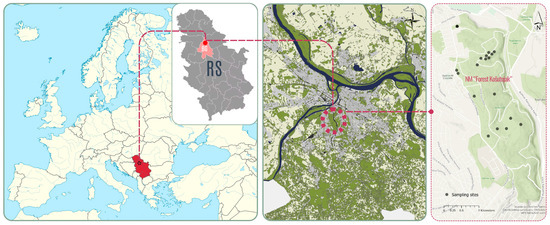
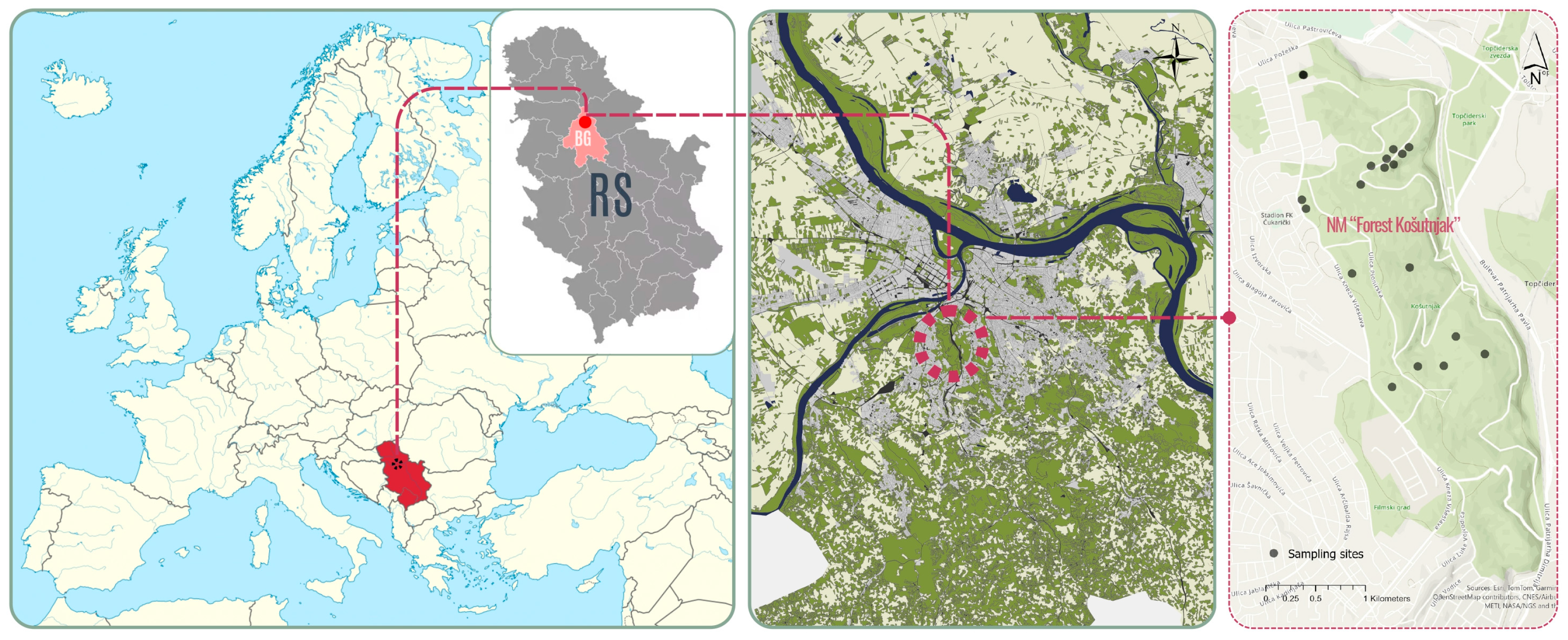
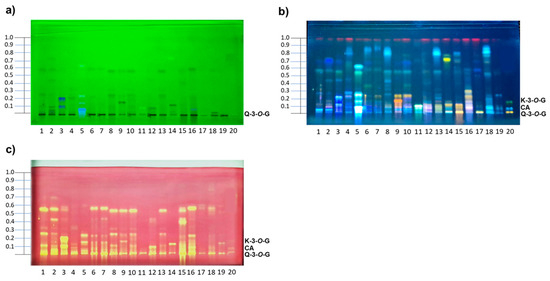
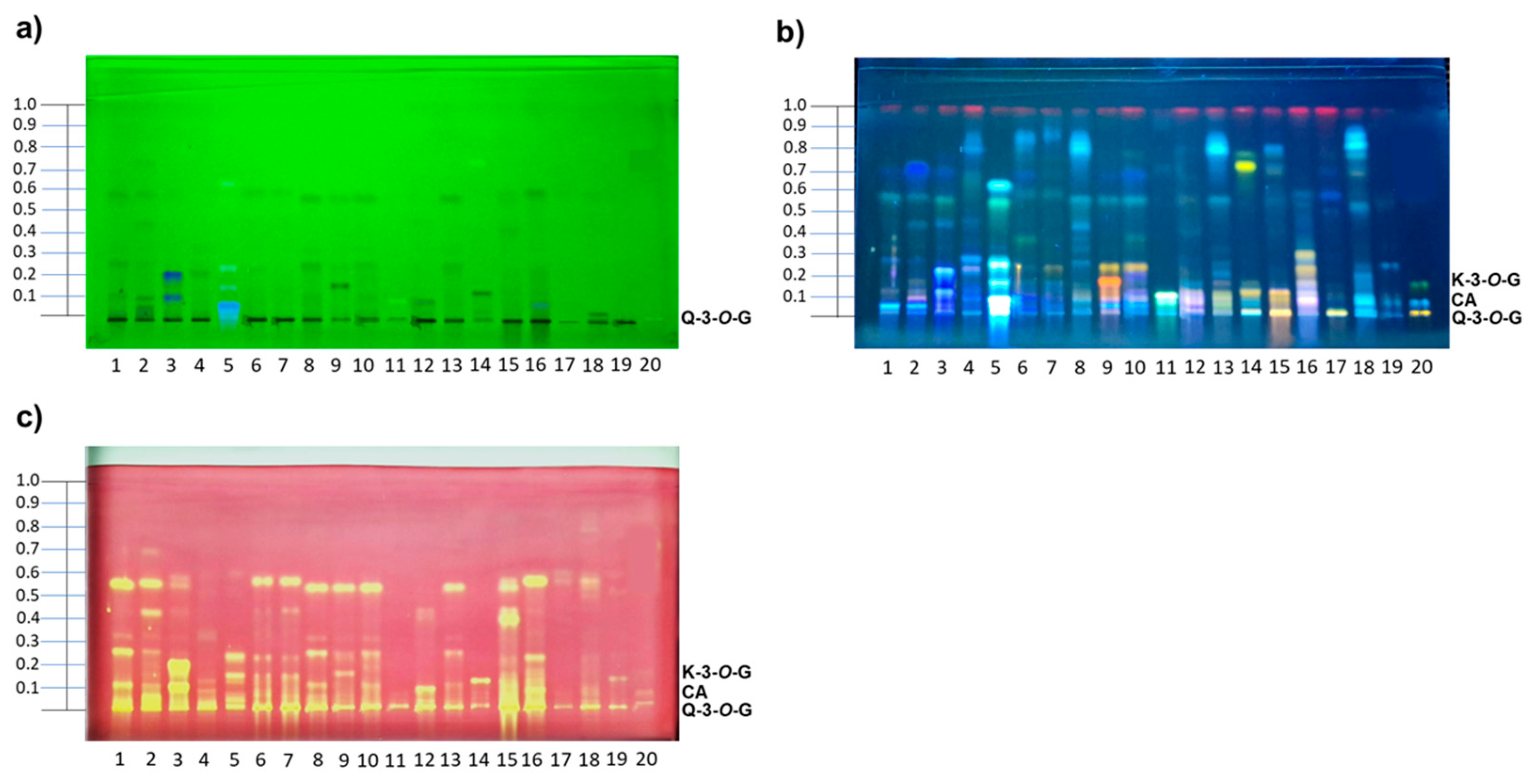
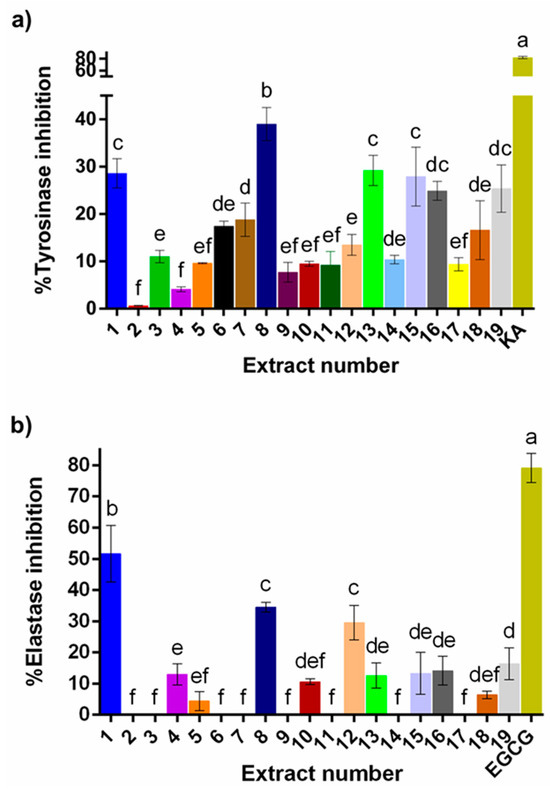
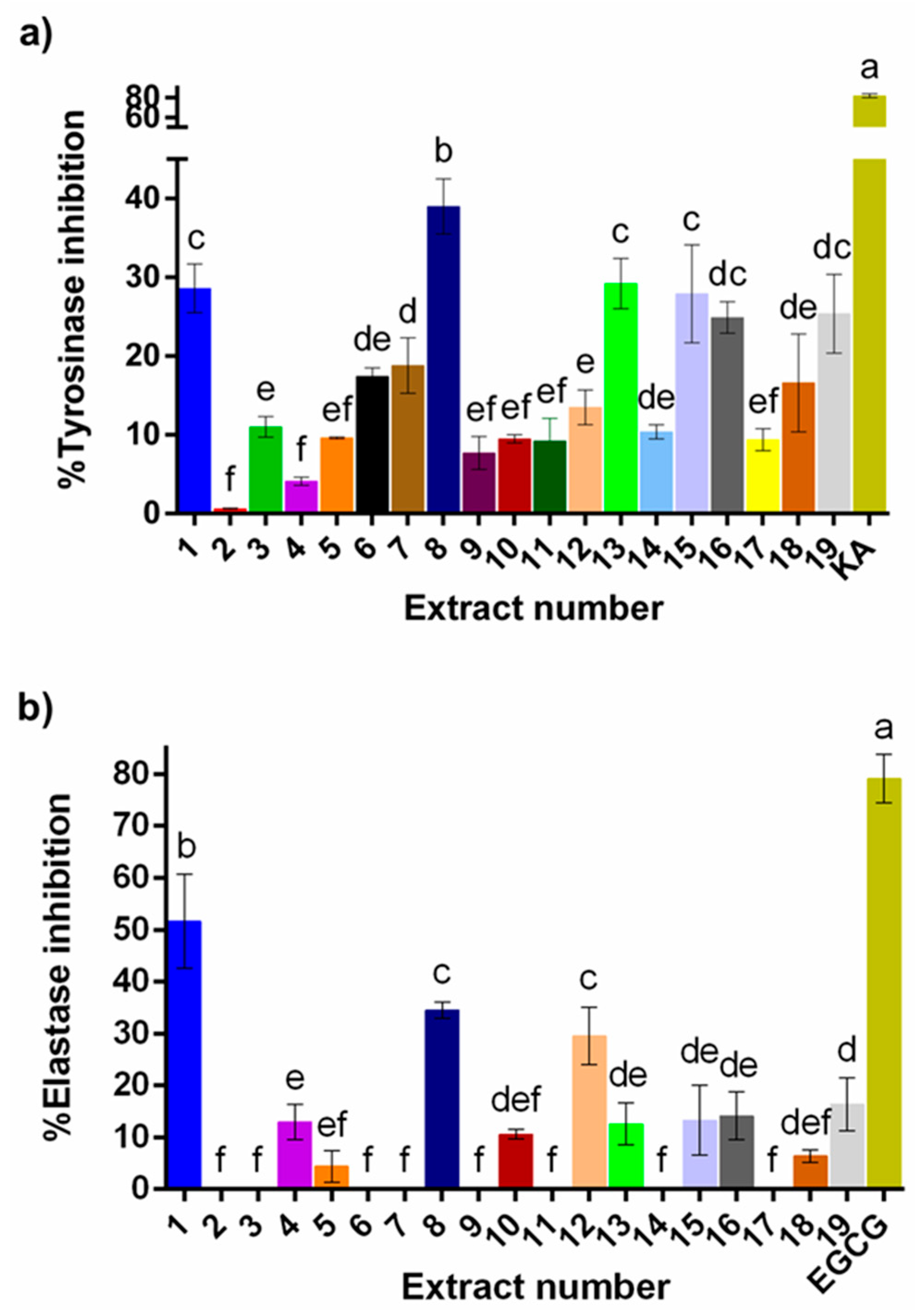
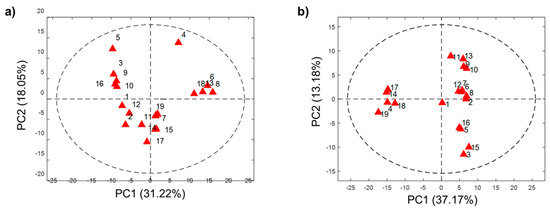
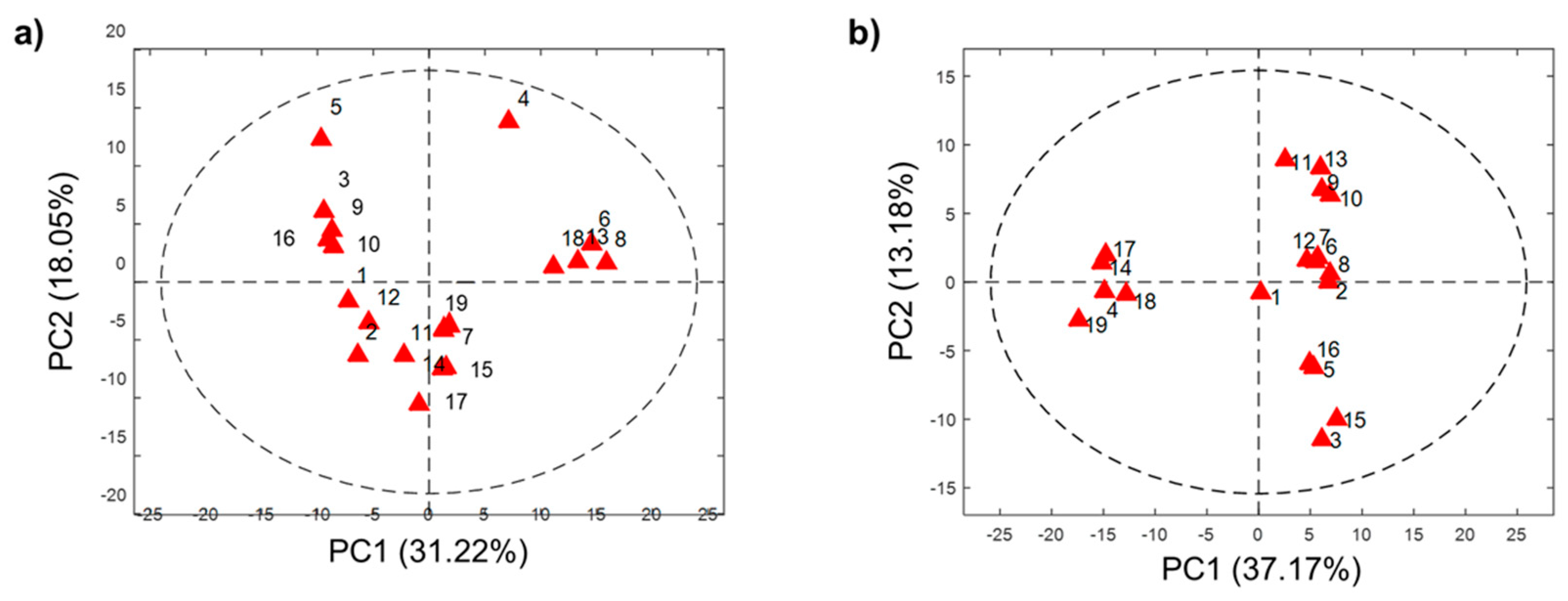
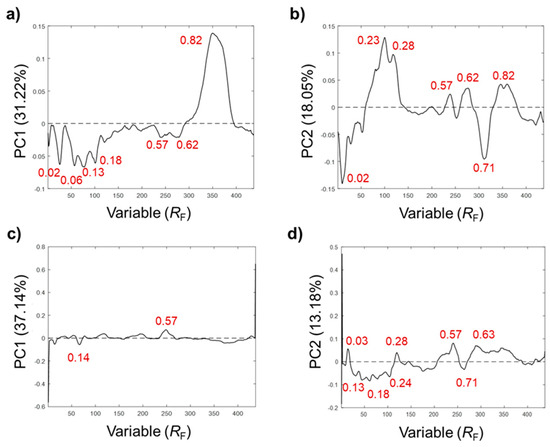
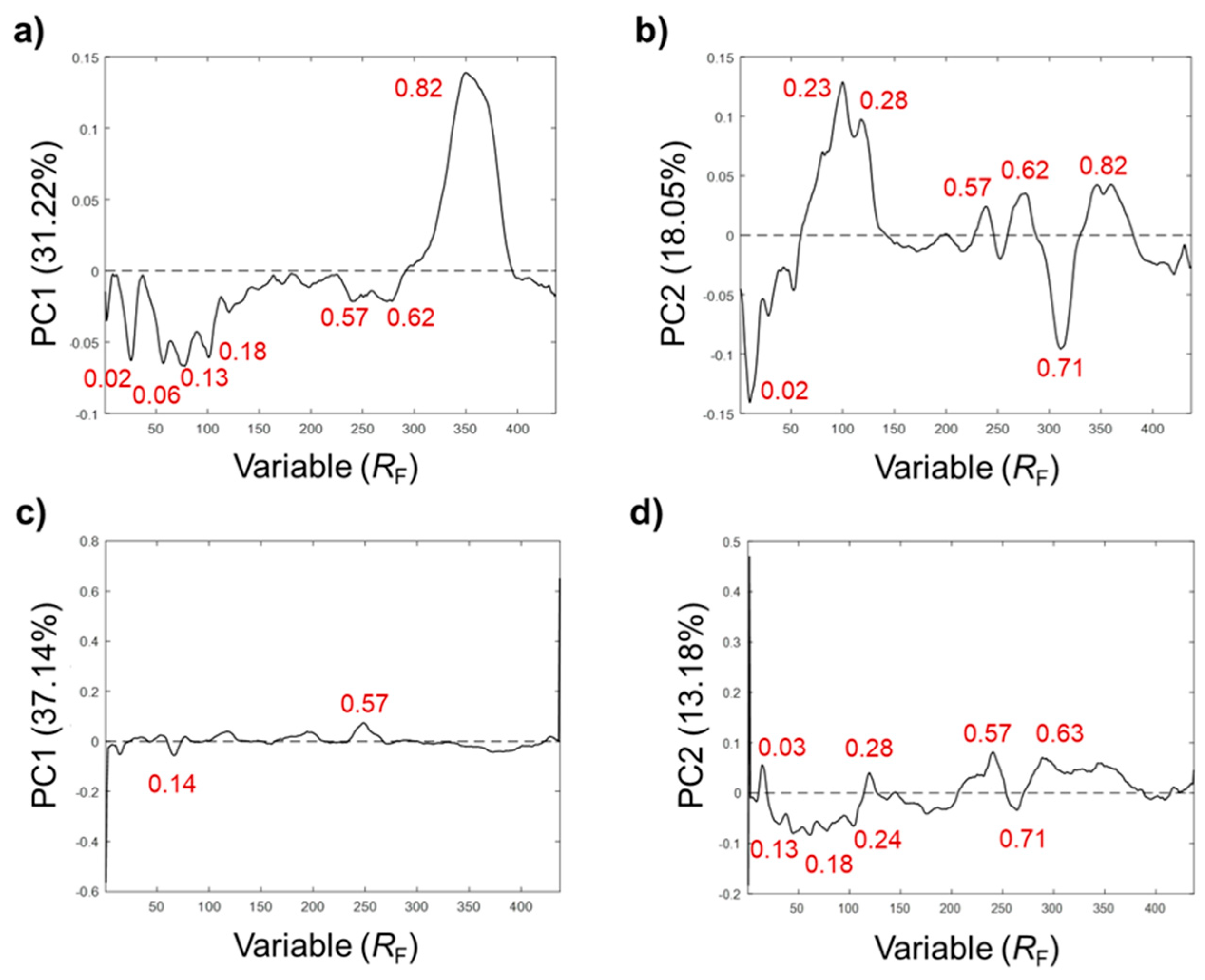

Disclaimer/Publisher’s Note: The statements, opinions and data contained in all publications are solely those of the individual author(s) and contributor(s) and not of MDPI and/or the editor(s). MDPI and/or the editor(s) disclaim responsibility for any injury to people or property resulting from any ideas, methods, instructions or products referred to in the content. |
© 2026 by the authors. Licensee MDPI, Basel, Switzerland. This article is an open access article distributed under the terms and conditions of the Creative Commons Attribution (CC BY) license.