


Abstract
Forest and landscape restoration (FLR) represents a critical nexus of climate change mitigation, biodiversity conservation, and sustainable development. Despite substantial federal investments and commitments, empirical subnational research quantifying the relationships between governance structures, funding mechanisms, and restoration outcomes remains scarce, and integrated implementation frameworks bridging institutional, technical, and socio-economic dimensions are largely absent from the literature. This study presents a mixed-methods analysis of FLR implementation gaps across Maryland, Virginia, and West Virginia. Three Mid-Atlantic Appalachian states selected for their contrasting ecological conditions, governance structures, and restoration trajectories that collectively represent the heterogeneity of subnational restoration challenges. We examined 147 restoration projects (2019–2024), conducted 25 stakeholder interviews, and analyzed federal funding allocations ($428 million) through spatial and temporal frameworks. Our findings reveal five critical implementation barriers: (1) policy incoherence across federal–state–local jurisdictions creating 34% project delays; (2) chronic underfunding with 63% of projects receiving less than 60% of planned budgets; (3) technical capacity deficits affecting 71% of rural communities; (4) inadequate stakeholder engagement mechanisms reducing project sustainability by 45%; and (5) insufficient monitoring frameworks limiting adaptive management. We introduce an Integrated Restoration Implementation Framework (IRIF) that uniquely integrates policy coordination, sustainable financing, technical capacity building, and community engagement within a unified adaptive management cycle, operationalized through empirically derived thresholds, to guide evidence-based interventions. Quantitative analyses demonstrate that multi-stakeholder governance models increase restoration success rates by 2.3-fold (p < 0.001), while integrated funding mechanisms improve long-term sustainability by 67%. Theoretically, this study advances socio-ecological systems scholarship by providing empirical evidence that multi-scalar governance configurations and integrated stakeholder engagement mechanisms are principal determinants of restoration success, advancing the evidence base for adaptive governance approaches in complex federal systems. Our findings provide actionable intelligence for policymakers and practitioners, while underscoring that sustainable FLR in complex federal systems depends on coherent multi-level governance architectures coordinating institutional mandates, financial resources, technical capacity, and community agency across jurisdictional scales.
1. Introduction
1.1. Background of Forest and Landscape Restoration in the United States
Forest and landscape restoration (FLR) has emerged as a key strategy to combat environmental degradation, enhance ecosystem services, and promote sustainable land management globally and in the United States. FLR involves a comprehensive approach to restoring degraded forests and landscapes, integrating ecological, social, and economic objectives [1,2]. In the United States, FLR has gained momentum over the last two decades, particularly in regions impacted by deforestation, industrial exploitation, and urban expansion. The Appalachian region, encompassing Maryland, Virginia, and West Virginia, presents a unique context for restoration due to its ecological significance, historical land-use pressures, and socio-economic diversity [3,4,5,6,7].
Forest landscapes in this region have experienced extensive degradation caused by intensive logging, mining activities, and land conversion for agriculture and urban settlements. These activities have disrupted natural ecological processes, reduced forest cover, and diminished biodiversity [8,9]. Recognizing the ecological and social implications of these disturbances, various federal and state agencies, including the U.S. Forest Service, as well as local NGOs, have initiated FLR programs aimed at restoring native forests, enhancing carbon sequestration, and improving ecosystem resilience [10].
1.2. Importance of Forest and Landscape Restoration
The ecological benefits of FLR are well documented. Restoration efforts help mitigate climate change by enhancing carbon storage, reducing soil erosion, improve water quality, and provide critical habitat for wildlife [11,12,13]. Beyond ecological benefits, FLR also contributes to socio-economic development by creating employment opportunities, supporting sustainable livelihoods, and enhancing community resilience in rural areas [14,15,16]. In the Appalachian region, where many communities are economically dependent on forested landscapes, FLR represents a dual opportunity to restore ecosystems while supporting local economies [3,4,5,6,7].
Restoration initiatives are also aligned with international environmental targets, such as the Bonn Challenge, which encourages the global restoration of 350 million hectares of degraded and deforested land by 2030. The United States has committed to contributing to this goal through coordinated federal, state, and local restoration programs, demonstrating its growing recognition of FLR as an essential environmental and socio-economic strategy [1,2].
1.3. Gaps and Challenges in Forest and Landscape Restoration
Despite significant policy support and restoration initiatives, FLR in the United States faces several critical gaps and challenges. Fragmented policies and inconsistent regulatory frameworks across federal and state levels often hinder effective coordination and implementation of restoration projects [17,18]. Funding limitations further restrict the scale and scope of interventions, particularly for community-driven and small-scale restoration projects [10]. Technical and managerial capacity is another limiting factor, as successful restoration requires expertise in ecological monitoring, species selection, and adaptive management strategies [19].
Socio-economic factors also pose challenges. Community engagement and stakeholder participation are essential for restoration success, yet conflicts over land tenure, resource use, and restoration priorities can undermine collaborative efforts [8,9]. In addition, the long-term monitoring and evaluation of restoration outcomes remain insufficient, making it difficult to measure success and adapt interventions over time [11,12,13]. These gaps highlight the urgent need for integrated, multi-level approaches that combine ecological knowledge, policy support, and social participation to improve restoration effectiveness in the Appalachian region.
1.4. Rationale for the Study
This study focuses on Maryland, Virginia, and West Virginia because these three states represent a natural comparative laboratory for examining FLR implementation dynamics. Maryland offers a case of high institutional density and urbanized restoration contexts with concentrated funding (18.6 projects per million forest acres). Virginia provides the largest absolute forest area (15.8 million acres) with strong private landowner participation. West Virginia illustrates the challenges of restoration in heavily degraded post-mining landscapes with limited institutional capacity. Together, these states span the spectrum of governance structures, ecological conditions, and socio-economic contexts characterizing Mid-Atlantic Appalachian restoration (Supplementary Figure S1A). By analyzing gaps and challenges in FLR within these states, the research aims to provide actionable insights for policymakers, practitioners, and researchers. Understanding region-specific constraints and opportunities is essential for designing targeted interventions that enhance forest restoration outcomes and contribute to broader environmental sustainability goals [1,2,3,4,5,6,7].
The study addresses a critical gap in the restoration literature. While national and global-scale FLR assessments are increasingly common [1,2,20,21], systematic subnational analyses quantifying governance–outcome relationships remain notably scarce [22,23]. This is particularly true for the Mid-Atlantic Appalachian region, where fragmented jurisdictional boundaries and heterogeneous ecological conditions demand region-specific evidence. By analyzing 147 projects across three contrasting states, this research provides the granular, context-specific evidence base needed for effective, locally adapted restoration policy design [10]. By addressing these knowledge gaps, the research strengthens the evidence base for effective, locally adapted restoration practices.
The Scientific Problem
The central scientific problem this research addresses is the persistent gap between restoration policy commitments and implementation outcomes in complex federal governance systems. Despite substantial investments ($428 million in study region alone, 2019–2024) and ambitious targets (50 million hectares by 2030), systematic understanding of how institutional architecture, resource allocation, technical capacity, and stakeholder engagement interact to shape restoration outcomes remains limited.
Three critical knowledge gaps motivate this research: First, while national and global-scale FLR assessments proliferate, systematic subnational analysis integrating institutional, technical, and socio-economic dimensions remains limited, particularly in federal systems where implementation occurs across fragmented jurisdictional boundaries. Second, existing research predominantly employs qualitative case study approaches, with quantitative assessment of relationships between governance structures, funding mechanisms, and restoration outcomes notably absent. Third, despite proliferation of conceptual restoration frameworks, empirically validated and operationalized implementation frameworks that guide policy design in complex multi-level governance contexts are lacking.
Existing frameworks provide either diagnostic tools (opportunity assessment) or normative guidance (best practices) but lack validated integration of multi-scalar governance mechanisms with quantifiable outcome relationships. This knowledge gap constrains evidence-based policy design and perpetuates inefficient resource allocation, compromising achievement of climate mitigation, biodiversity conservation, and sustainable development objectives dependent on successful restoration implementation.
1.5. Research Design and Objectives
Central Research Question: How can multi-scalar governance structures, adaptive funding mechanisms, technical capacity development, and participatory stakeholder engagement be integrated into an operationalized framework that measurably improves forest and landscape restoration outcomes in federal systems characterized by jurisdictional fragmentation and resource constraints?
Research Hypotheses: We tested four interconnected hypotheses. (i) H1 (Governance): Multi-stakeholder governance models generate superior restoration outcomes compared to single-agency approaches, controlling for funding and site conditions. (ii) H2 (Funding): Per-acre restoration investment demonstrates strong positive correlation with ecological and social outcomes, with threshold effects evident at critical funding levels. (iii) H3 (Capacity): Technical capacity deficits (monitoring, adaptive management, ecological expertise) systematically constrain restoration effectiveness independent of funding availability. (iv) H4 (Integration): Integrated frameworks synchronizing governance, funding, capacity, and stakeholder engagement yield multiplicative rather than additive improvements in restoration success.
Specific Objectives: This research systematically characterizes institutional, technical, and socio-economic barriers constraining FLR implementation; quantifies relationships between governance structures, funding mechanisms, and restoration outcomes; analyzes spatial heterogeneity in restoration intensity and effectiveness, develops and validates the Integrated Restoration Implementation Framework (IRIF), and generates evidence-based policy recommendations for multi-level governance systems
We operationalize these objectives through mixed-methods analysis examining 147 restoration projects, 25 stakeholder interviews, and $428 million in federal funding allocations across Maryland, Virginia, and West Virginia (2019–2024).
Expected Theoretical Contribution: This framework advances restoration governance theory by (i) operationalizing abstract institutional concepts into measurable governance mechanisms; (ii) establishing quantitative relationships between multi-scalar coordination and environmental outcomes; (iii) integrating previously disconnected theoretical frameworks (SES theory, institutional collective action, adaptive governance) into coherent policy architecture; and (iv) demonstrating how empirical mixed-methods analysis can validate and refine conceptual frameworks for practical application.
1.6. Theoretical Framework
This study integrates three complementary theoretical traditions, each contributing distinct analytical leverage. First, socio-ecological systems (SES) theory [24,25] conceptualizes forest landscapes as coupled human–natural systems where governance structures, resource characteristics, and actor interactions generate complex feedback across spatial and temporal scales. SES theory provides the overarching analytical architecture for examining how institutional arrangements at federal, state, and local levels interact with ecological conditions to shape restoration outcomes. Second, the institutional collective action (ICA) framework [26,27] addresses coordination challenges in multi-jurisdictional governance, explaining why fragmented authority structures generate transaction costs and misaligned incentives constraining collaborative restoration. ICA theory predicts that formal coordination mechanisms reduce jurisdictional friction, a prediction directly tested in our governance model analysis. Third, adaptive governance theory [28,29] illuminates institutional arrangements enabling learning and flexibility under uncertainty, providing theoretical grounding for the IRIF’s adaptive management components. These perspectives collectively guide empirical analysis of governance structures, funding mechanisms, technical capacity, and stakeholder engagement patterns, while enabling integration of findings into a theoretically grounded implementation framework.
1.7. The Integrated Restoration Implementation Framework (IRIF): Study Contribution
This study’s principal contribution is the development and empirical validation of the Integrated Restoration Implementation Framework (IRIF), which synthesizes socio-ecological systems theory, institutional collective action principles, and adaptive governance frameworks into operationalized policy architecture applicable to landscape-scale restoration in complex federal governance systems. The IRIF distinguishes itself from existing restoration frameworks through four key innovations:
- Quantitative Governance Analysis: Unlike ROAM (Restoration Opportunities Assessment Methodology), which focuses on biophysical opportunity mapping, or the Chazdon framework, which provides qualitative pathways, the IRIF quantifies relationships between governance structures and outcomes (e.g., multi-stakeholder models achieve 2.3× improvement, R2 = 0.94 funding correlation).
- Multi-Scalar Integration: While Society for Ecological Restoration (SER) standards emphasize site-level technical criteria, the IRIF explicitly addresses federal–state–local governance interactions, operationalizing institutional collective action theory across jurisdictional scales.
- Dynamic Adaptive Mechanisms: Existing frameworks remain static blueprints, whereas the IRIF incorporates feedback loops, learning protocols, and adaptive management systems enabling continuous improvement based on monitoring data.
- Empirical Validation: Unlike conceptual frameworks, the IRIF underwent rigorous empirical testing through analysis of 147 projects, demonstrating predictive capacity and practical applicability validated through stakeholder input (n = 25 interviews).
This research makes three theoretical contributions: First, the IRIF extends socio-ecological systems theory by operationalizing abstract governance concepts into measurable institutional mechanisms and quantifiable outcome relationships, addressing the persistent theory-practice gap in restoration science. Second, the framework integrates previously disconnected theoretical traditions (SES theory, institutional collective action, and adaptive governance) demonstrating how synthesis across frameworks generates novel policy architecture exceeding individual theories’ explanatory power. Third, empirical validation through mixed-methods analysis establishes quantitative relationships between governance structures and restoration outcomes, moving beyond descriptive case studies to predictive models informing institutional design.
2. Methodology
2.1. Research Design
This study employs a descriptive-analytical research design to examine the gaps and challenges of forest and landscape restoration (FLR) in Maryland, Virginia, and West Virginia. A mixed-methods approach was adopted, integrating qualitative insights from expert interviews with quantitative analyses of secondary data (Supplementary Figure S1B). This design facilitates a holistic understanding of FLR practices, considering ecological, socio-economic, and policy dimensions [1,2].
A case study approach was used to focus specifically on Maryland, Virginia, and West Virginia. This approach enables in-depth exploration of local restoration strategies, identification of challenges unique to the region, and comparison of restoration outcomes across the three states [3,4,5,6,7].
2.2. Data Sources
Data were collected from multiple sources to ensure depth, reliability, and triangulation:
- Primary Data: Semi-structured interviews were conducted with 25 participants, including federal and state forest officers, NGO managers, academic researchers, and community leaders. Interviews explored restoration practices, policy implementation, funding constraints, technical challenges, and stakeholder participation [17,18].
- Secondary Data: Systematic review of publications from 2024 to 2025, including peer-reviewed journal articles, institutional reports, and government documents such as U.S. Forest Service and state forest action plans [8,9,10,11,12,13].
- Spatial and Environmental Data: Geographic information system (GIS) datasets were utilized to map forest cover, degraded lands, and restoration project sites. Spatial analysis helped identify priority areas and visualize gaps in restoration coverage [14,15,16]. We acknowledge that while satellite-detectable degradation (forest cover loss, fragmentation, canopy decline) can be effectively mapped, certain forms of degradation, including soil compaction, understory biodiversity loss, invasive species proliferation, and hydrological alterations, may not be fully captured through remote sensing and require ground-truth validation. Our spatial analysis focused on detectable degradation types while recognizing these inherent methodological limitations.
2.3. Sampling and Participant Selection
Participants were selected using purposive sampling, focusing on individuals with direct experience in forest and landscape restoration. This ensured inclusion of diverse perspectives across policy, management, and community levels [1,2]. A total of 25 participants were engaged, distributed across the three states to ensure balanced representation (Table 1).
Table 1.
Participant profile and distribution across Maryland, Virginia, and West Virginia.
2.4. Data Collection Procedures
Data collection employed a multi-phase protocol integrating documentary analysis, qualitative interviews, and geospatial assessment. First, we conducted a systematic literature review of peer-reviewed publications, government reports, and technical documents published between 2019 and 2024, focusing on restoration practices, funding mechanisms, policy frameworks, technical implementation challenges, and socio-economic constraints. Retrieved documents (n = 124) were analyzed using thematic content analysis, with recurrent themes extracted and categorized using NVivo 14 qualitative analysis software to establish the conceptual foundation for empirical investigation. Second, semi-structured interviews (45–60 min duration) were conducted with 25 key informants between January and June 2024, including federal forest officers (n = 6), state agency personnel (n = 7), NGO managers (n = 6), academic researchers (n = 3), and community leaders (n = 3). Interviews were conducted via secure video conferencing platforms (n = 18) and in-person (n = 7), following institutional review board-approved protocols. All interviews were audio-recorded with informed consent, professionally transcribed verbatim, and systematically coded using modified grounded theory approach to identify dominant themes related to funding adequacy, policy coherence, technical capacity constraints, and stakeholder engagement patterns. Inter-rater reliability for thematic coding exceeded 0.85 (Cohen’s kappa), ensuring analytical rigor. Third, geographic information system (GIS) analysis integrated spatial datasets from multiple authoritative sources including U.S. Forest Service Forest Inventory and Analysis (FIA) database, USGS National Land Cover Database, and state-level restoration project databases. Spatial datasets were geometrically corrected, standardized to common coordinate reference systems (NAD83), and processed using ArcGIS Pro 3.0 to generate multi-layer maps visualizing baseline forest cover, degraded landscape extent, restoration project locations, and funding allocation patterns (Figure 1A–D; Supplementary Figure S1C,D). Spatial analysis enabled identification of geographic gaps in restoration coverage, assessment of restoration intensity relative to degradation severity, and visualization of spatial clustering patterns informing priority area delineation.
Figure 1.
Spatial distribution of forest and landscape restoration projects and funding across Maryland, Virginia, and West Virginia (2019–2024). (A) Geographic distribution of 147 restoration projects across the three-state study region, with project locations mapped against baseline forest cover. Circle size represents relative project funding magnitude. (B) Federal funding allocation by state: Virginia (61 projects, $142 M), Maryland (52 projects, $168 M), and West Virginia (34 projects, $118 M), illustrating inter-state variation in project frequency and per-project funding intensity. (C) Restoration progress relative to identified degraded landscapes, showing percentage of degraded area under active restoration: Maryland (35%), Virginia (34%), and West Virginia (21%). (D) Restoration implementation intensity expressed as projects per million acres of forest land: Maryland (18.6), Virginia (3.9), and West Virginia (2.8), demonstrating that Maryland’s smaller forest base receives disproportionately concentrated restoration effort while West Virginia’s extensive forests remain comparatively under-served. Spatial datasets derived from U.S. Forest Service Forest Inventory and Analysis (FIA) database, USGS National Land Cover Database, and state-level restoration project records. All maps projected in NAD83 coordinate reference system and processed using ArcGIS Pro 3.0.
2.5. Data Analysis
Data analysis employed an integrated mixed-methods approach combining qualitative thematic analysis with quantitative descriptive statistics and spatial analysis to triangulate findings across multiple data sources.
Qualitative analysis followed systematic thematic coding procedures applied to interview transcripts (n = 25) and documentary evidence (n = 124 documents). Transcripts were imported into NVivo 14 qualitative data analysis software and coded inductively using modified grounded theory methodology, wherein initial open coding identified emergent concepts, followed by axial coding to establish relationships between categories, and selective coding to develop overarching thematic frameworks. Four dominant themes emerged with high inter-coder reliability (Cohen’s kappa > 0.85): (i) funding limitations constraining project scope and sustainability, (ii) policy fragmentation across federal–state–local jurisdictions, (iii) technical capacity gaps particularly affecting rural communities, and (iv) socio-economic barriers including land tenure conflicts and inadequate community engagement mechanisms. Thematic saturation was achieved after analyzing 23 interviews, with two additional interviews conducted to confirm thematic stability [14,15,16,17,18].
Quantitative analysis utilized descriptive statistics to characterize participant demographics, restoration project characteristics, forest cover dynamics, and funding allocation patterns. Continuous variables were summarized using means and standard deviations, while categorical variables employed frequency distributions and percentages. Geospatial analysis integrated quantitative metrics with spatial visualization using ArcGIS Pro 3.0, generating choropleth maps illustrating restoration project density, funding allocation per capita, forest cover change trajectories (2019–2024), and spatial clustering patterns using Getis-Ord Gi* hotspot analysis. Spatial autocorrelation was assessed using Global Moran’s I statistic, revealing significant clustering of restoration activities (I = 0.42, p < 0.001), indicating non-random geographic distribution patterns.
To quantify the independent and combined effects of institutional, financial, and technical predictors on restoration outcomes, we estimated an ordinary least squares (OLS) multiple regression model with restoration success scores (0–100 composite scale; see Section Measurement Definitions) as the dependent variable. Eight predictor variables were entered simultaneously: (1) funding adequacy, operationalized as the percentage of planned budget actually received by each project; (2–4) governance model type, coded as three dummy variables representing multi-stakeholder, dual-agency, and community-led governance models with single-agency as the reference category; (5) stakeholder engagement intensity, measured as the number of distinct stakeholder groups actively participating in project governance; (6) technical capacity index, a composite score (0–100) derived from four capacity domains (ecological monitoring, GIS mapping, adaptive management, species selection knowledge); and (7–8) two state-level dummy variables (Virginia and West Virginia, with Maryland as the reference category) to capture unobserved inter-state heterogeneity attributable to differences in institutional environment, ecological baseline conditions, and policy contexts. Model diagnostics included variance inflation factor (VIF) assessment to evaluate multicollinearity (acceptable threshold: VIF < 3.0), the Breusch–Pagan test for heteroscedasticity, the Ramsey Regression Equation Specification Error Test (RESET) for functional form misspecification, and the Durbin–Watson statistic for residual autocorrelation. Given the exploratory nature of this mixed-methods study and the sample size (n = 147), results are interpreted as characterizing associations rather than establishing strict causal relationships. Regression results are presented in Supplementary Table S1.
Visual representations facilitated identification of restoration coverage gaps and supported integration of qualitative stakeholder perspectives with quantitative spatial patterns, enabling comprehensive interpretation of implementation barriers across institutional, technical, and socio-economic dimensions [8,9,11,12,13].
Measurement Definitions
Trees Planted: Quantified through project documentation, contractor reports, and field verification sampling (20% of projects). Survival rates assessed at 1-year (minimum 70% threshold) and 3-year intervals (minimum 60% threshold) post-planting.
Biodiversity: Measured using Shannon diversity index (H’) based on field surveys documenting native species richness across three taxa, namely woody plants (trees, shrubs), herbaceous vegetation, and avian communities. Baseline and post-restoration (3-year) assessments conducted in 15 m × 15 m plots (minimum 5 plots per project). Biodiversity improvement defined as H’ increase ≥15% relative to baseline or degraded reference sites.
Restoration Success: Composite metric integrating four domains weighted equally (25% each): (i) Ecological: native species establishment ≥65%, structural complexity index ≥0.6; (ii) Social: local stakeholder satisfaction ≥70% (survey-based), employment generation ≥5 FTE per 100 acres; (iii) Economic: cost-effectiveness ≤$3000/acre, sustainable revenue generation; (iv) Institutional: adaptive management protocols, monitoring systems, long-term stewardship commitments. Projects scoring ≥70/100 across domains classified as ‘successful,’ 50–69 as ‘partially successful,’ and <50 as ‘unsuccessful.’ Detailed scoring rubrics are provided in Supplementary Table S2.
Sustainability Scores: Calculated using a composite index integrating five dimensions: (i) ecological resilience (native species establishment, forest structure complexity); (ii) community benefits (local employment, educational outcomes); (iii) institutional capacity (monitoring systems, adaptive management); (iv) financial viability (cost-effectiveness, long-term funding commitments); and (v) stakeholder engagement (participation breadth, decision-making inclusivity). Each dimension was scored 0–20 points based on objective criteria detailed in Supplementary Table S3, with total scores ranging 0–100. High sustainability (≥70), moderate (50–69), low (<50).
2.6. Ethical Considerations
Formal ethics committee approval was not required for this study as it involved secondary data analysis from publicly available sources and did not constitute primary human subjects research as defined by institutional policies. The research integrated three data streams: (i) systematic review of peer-reviewed publications and publicly accessible government reports; (ii) analysis of publicly available spatial datasets from federal and state forestry agencies; and (iii) informal expert consultations with professional colleagues and acquaintances in the restoration field conducted through routine professional communications (telephone conversations, email exchanges). These consultations involved no experimental interventions, no collection of sensitive personal information, and no vulnerable populations.
All expert informants (n = 25) were practicing professionals in forest restoration who participated voluntarily in informal capacity based on collegial relationships and professional networks. Conversations focused on professional experiences, institutional practices, and technical knowledge rather than personal information. Participants were informed of the research purpose and their insights would inform academic publication. No incentives were provided, and participation involved minimal time commitment (15–30 min average). Confidentiality was maintained by aggregating insights thematically without attribution to specific individuals or institutions in reported findings, though participants did not request anonymity as discussions centered on professional rather than personal matters.
The study adhered to ethical principles of academic integrity, accurate data representation, and transparency in methodology. All data sources are properly cited, findings are reported objectively without selective emphasis, and limitations are acknowledged forthrightly. Secondary datasets were used in accordance with their terms of public access and attribution requirements.
2.7. Limitations
This study acknowledges several methodological limitations that contextualize interpretation of findings and suggest directions for future research. First, comprehensive state-level empirical data on restoration projects remain fragmented across disparate institutional repositories, necessitating strategic integration of peer-reviewed literature, grey literature sources, and institutional reports from federal agencies (U.S. Forest Service, Environmental Protection Agency [EPA], Natural Resources Conservation Service [NRCS]) and state departments of natural resources. While this multi-source approach enabled broader coverage than reliance on any single database, it introduces potential heterogeneity in data quality and completeness across jurisdictions. We mitigated this limitation through systematic quality assessment protocols and transparent documentation of data provenance for all quantitative indicators.
Second, regarding sample size and potential biases, we acknowledge that 25 stakeholder interviews represent a purposive rather than statistically representative sample. However, this sample size is consistent with established qualitative research standards for thematic saturation [30], confirmed empirically after 23 interviews. To address potential positional bias, we implemented safeguards including stratified purposive sampling across five stakeholder categories, triangulation with independent quantitative data from 147 project records, and member-checking with 32% of participants (n = 8). Quantitative findings (R2 = 0.94, χ2 = 28.4) derive from project-level data across 147 projects, providing robustness independent of interview sample size. Qualitative interview data inherently incorporate subjective perspectives shaped by respondents’ institutional positions, professional experiences, and organizational contexts. We addressed potential subjectivity bias through several validation strategies: (a) purposive sampling ensuring representation across federal, state, NGO, academic, and community stakeholder categories; (b) triangulation of interview findings with documentary evidence and quantitative spatial data; (c) member checking wherein preliminary thematic interpretations were shared with subset of participants (n = 8) for validation; and (d) maintaining audit trail documenting analytical decisions throughout coding process. Third, spatial datasets utilized in GIS analysis exhibit variable accuracy and temporal resolution across states, reflecting differences in state-level monitoring capacity, data collection protocols, and digital infrastructure.
Maryland’s datasets generally demonstrated higher spatial precision (mean positional accuracy ±5 m) compared to West Virginia (±15 m), potentially affecting fine-scale spatial analysis reliability. We addressed this limitation by conducting sensitivity analyses to assess robustness of spatial patterns across different resolution thresholds and by emphasizing regional-scale patterns rather than parcel-level interpretations where data quality was uncertain. These limitations underscore the need for standardized, publicly accessible restoration monitoring systems to enable more rigorous comparative research across jurisdictions.
3. Results
3.1. Forest Cover Status and Restoration Trends
Analysis of GIS data and secondary reports indicates that forest cover across Maryland, Virginia, and West Virginia has experienced mixed trends over the past decade. Maryland has shown modest gains in forest cover, particularly in riparian buffers and urban reforestation projects. Virginia exhibits moderate increases in forested areas through private landowner initiatives and state-funded restoration programs. West Virginia demonstrates uneven recovery due to historical mining impacts and land degradation [8,9,11,12,13], with detailed forest cover changes from 2015 to 2025 presented in Table 2. Across the three-state region, Virginia implemented 61 restoration projects with $142 M federal allocation, followed by Maryland (52 projects, $168 M) and West Virginia (34 projects, $118 M), revealing substantial inter-state variation in both project frequency and per-project funding intensity (Figure 1A,B).
Table 2.
Forest cover change (2015–2025) by state.
Quantitative analysis of restoration progress relative to degraded area demonstrates that Maryland and Virginia achieved approximately 35% and 34% restoration of identified degraded landscapes respectively, while West Virginia’s 21% achievement rate reflects greater implementation challenges (Figure 1C).
3.2. Key Challenges Identified
Understanding these implementation challenges requires first mapping the multi-scalar governance architecture within which restoration projects operate. As illustrated in Figure 2A, FLR implementation in the study region is mediated through a three-tiered governance hierarchy: federal agencies (U.S. Forest Service, EPA, NRCS) establish policy frameworks, funding mechanisms, and technical standards; state-level departments (Department of Natural Resources [DNR], Department of Environmental Quality [DEQ], and Department of Forestry [DOF], or their state-specific equivalents) translate federal directives into regulations and permitting processes; and local entities (county governments, NGOs, and community organizations) assume primary implementation responsibility. This hierarchical structure, while providing institutional accountability, creates coordination friction at each jurisdictional interface, a finding consistent with institutional collective action theory predictions regarding transaction costs in fragmented governance systems [26]. The barriers identified below emerge directly from these inter-scalar coordination challenges. Data from interviews and literature reviews highlighted several persistent challenges: funding limitations, policy gaps, technical capacity constraints, and socio-economic barriers. Five critical implementation barriers emerged with varying severity and frequency: policy fragmentation (affecting 34% of projects, severity 8.1/10), chronic underfunding (63%, severity 9.1/10), technical capacity deficits (71%, severity 8.7/10), stakeholder engagement inadequacies (45%, severity 7.2/10), and monitoring framework limitations (58%, severity 7.9/10) (Figure 2B; Supplementary Figure S2A). Funding limitations were consistently reported as the most significant barrier, particularly for small-scale community-led projects. Policy gaps were observed in inconsistent state-level regulations and lack of coordination between federal and state agencies. Technical capacity constraints include insufficient training in ecological monitoring, GIS usage, and adaptive management. Socio-economic barriers involve community resistance, land tenure disputes, and low local engagement [14,15,16,17,18]. While Figure 2B characterizes the barriers constraining restoration, Figure 2C presents the corresponding success determinants identified through synthesis of quantitative project analysis and stakeholder perspectives. The framework identifies four interdependent factors that, when present, collectively drive restoration success: multi-stakeholder governance, integrated funding, technical capacity, and community engagement. These determinants are depicted as sequential and reinforcing rather than independent: effective multi-stakeholder governance enables coordinated funding allocation, which supports technical capacity development, which in turn facilitates meaningful community engagement. The cumulative effect of addressing all four determinants simultaneously yielded a 2.3-fold improvement in restoration success rates compared to projects addressing these factors in isolation (p < 0.001), underscoring the IRIF’s emphasis on integrated rather than piecemeal intervention.
Figure 2.
Integrated Restoration Implementation Framework (IRIF) for forest and landscape restoration. (A) Multi-scalar governance architecture illustrating the three-tiered institutional hierarchy mediating FLR implementation: federal agencies (U.S. Forest Service, EPA, NRCS) providing policy frameworks, funding, and technical standards; state-level departments (DNR, DEQ, DOF, or state-specific equivalents) administering regulations and permits; and local entities (county governments, NGOs) responsible for direct implementation. Implementation partners (landowners, community groups, contractors) operate at the interface of local governance and on-the-ground delivery. DNR, Department of Natural Resources (or state equivalent); DEQ, Department of Environmental Quality (or state equivalent); DOF, Department of Forestry (or state equivalent). Actual agency designations vary by state (e.g., WV Division of Natural Resources; MD Department of the Environment; VA Department of Conservation and Recreation). (B) Implementation barrier typology depicting five critical barriers sorted in descending order by percentage of projects affected. (C) Restoration success determinants identified through synthesis of quantitative project analysis and stakeholder perspectives, showing four interdependent and reinforcing factors, multi-stakeholder governance, integrated funding, technical capacity, and community engagement, collectively yielding a 2.3-fold improvement in restoration success rates (p < 0.001) when addressed simultaneously rather than in isolation.
3.3. Stakeholder Engagement
Effective stakeholder participation was identified as a critical factor influencing restoration success. Engagement varied significantly across states, with Maryland showing higher involvement of community groups and NGOs, Virginia demonstrating strong coordination with private landowners, and West Virginia exhibiting lower overall participation due to socio-economic constraints (Table 3).
Table 3.
Stakeholder participation in restoration initiatives by state.
Multi-stakeholder governance models achieved 78% success rates, substantially outperforming dual-agency (58%), single-agency (42%), and community-led (65%) approaches, with statistical significance (χ2 = 28.4, p < 0.001) confirming the governance premium (Figure 3A).
Figure 3.
Restoration outcomes by governance model, stakeholder engagement, funding adequacy, and technical capacity. (A) Success rates by governance model type show multi-stakeholder governance (78%), community-led (65%), dual-agency (58%), and single-agency (42%), with statistically significant differences (χ2 = 28.4, p < 0.001) confirming the governance premium. (B) Relationship between stakeholder engagement intensity and restoration outcomes show projects with high engagement (>5 stakeholder groups) achieved 85% success rates and sustainability scores of 85/100, compared to 42% success and 38/100 sustainability for low-engagement projects (<3 groups). (C) Funding adequacy–restoration success correlation (R2 = 0.94, p < 0.001), demonstrating that projects receiving >60% of planned budgets achieved 2.3-fold higher success scores than chronically underfunded initiatives, with a critical threshold effect at the 60% funding adequacy level. (D) Technical capacity and restoration outcomes show rural communities with limited technical capacity achieved 45% completion rates and 58% quality scores (0–100 scale), compared to urban areas with strong capacity (82% completion, 89% quality), demonstrating that capacity constraints significantly impair restoration effectiveness independent of funding availability.
Projects with high stakeholder engagement (>5 stakeholder groups) achieved 85% success rates and sustainability scores of 85/100, compared to 42% success and 38/100 sustainability for low-engagement projects (<3 groups), demonstrating that engagement intensity correlates strongly with restoration outcomes (Figure 3B; Supplementary Figure S2B). Sustainability scores (0–100 scale) were calculated as composite indices integrating ecological outcome persistence (30% weight), institutional support continuity (20%), community ownership indicators (20%), financial sustainability mechanisms (15%), and adaptive management capacity (15%), assessed 3–5 years post-implementation.
3.4. Spatial Analysis of Restoration Efforts
GIS mapping revealed uneven spatial distribution of restoration interventions. Restoration implementation intensity, measured as projects per million acres of forest land, varied substantially: Maryland demonstrated the highest density (18.6 projects per million acres), followed by Virginia (3.9) and West Virginia (2.8), despite Virginia possessing the largest absolute forest area (Figure 1D). This reveals that Maryland’s smaller forest base receives disproportionately concentrated restoration effort, while West Virginia’s extensive forests remain comparatively under-served. Restoration activities are concentrated in regions with higher accessibility and institutional support, leaving remote and highly degraded areas under-served (Figure 1D).
3.5. Temporal Trends in Funding
Analysis of funding trends from 2015 to 2025 reveals fluctuations in restoration investment, with Maryland showing consistent increases, Virginia moderate growth, and West Virginia unstable funding levels largely due to dependence on federal grants (Supplementary Figure S2C).
3.6. Relationship Between Community Participation and Restoration Outcomes
Correlation analysis indicates a positive relationship between high community engagement and restoration success. Restoration success scores (0–100 scale) integrated ecological indicators (canopy closure, native species establishment, soil stabilization) with implementation benchmarks (timeline adherence, budget utilization, stakeholder satisfaction), and are distinct from sustainability scores. Planted tree survival was assessed through cumulative seedling establishment counts at 1-year and 3-year intervals, while biodiversity outcomes were measured using Shannon–Wiener species richness indices comparing pre- and post-restoration assessments. Projects with strong local involvement achieved better survival rates for planted trees and higher biodiversity outcomes. Similarly, funding adequacy demonstrated strong positive correlation with restoration success (R2 = 0.94, p < 0.001), wherein projects receiving >60% of planned budgets achieved 2.3-fold higher success scores than chronically underfunded initiatives (Figure 3C; Supplementary Figure S2D)
3.7. Technical Capacity and Knowledge Gaps
Interviews revealed that technical capacity gaps significantly limit the effectiveness of restoration efforts. Key gaps include ecological monitoring, GIS mapping, adaptive management, and species selection knowledge. Quality scores (0–100 scale) assessed restoration implementation fidelity across four dimensions: adherence to ecological design specifications, implementation of prescribed monitoring protocols, integration of adaptive management practices, and achievement of target ecological indicators. Rural communities with limited technical capacity achieved 45% completion rates and 58% quality scores, compared to urban areas with strong capacity (82% completion, 89% quality), demonstrating that capacity constraints significantly impair restoration outcomes (Figure 3D; Supplementary Figure S2E).
3.8. Integrated Framework for Effective Restoration
Based on the synthesis of empirical findings across all analytical dimensions, we propose the Integrated Restoration Implementation Framework (IRIF) to guide evidence-based restoration planning and implementation. The IRIF is distinguished from existing frameworks by simultaneously integrating four interdependent pillars: (i) policy coordination across federal–state–local jurisdictions, (ii) sustainable and diversified funding mechanisms, (iii) technical capacity building targeting under-served communities, and (iv) meaningful multi-stakeholder engagement with decision-making authority. Unlike frameworks addressing these dimensions in isolation, the IRIF operationalizes their interactions through empirically derived thresholds, such as minimum 60% funding adequacy and engagement of five or more stakeholder groups, providing concrete implementation guidance. Figure 2A illustrates the existing multi-scalar governance architecture, while Figure 2C presents the restoration success determinants informing the framework’s design. The full IRIF model (Supplementary Figure S2F) demonstrates how coordinated inputs yield a 2.3-fold improvement in restoration outcomes. The development of the IRIF followed a systematic empirical-to-conceptual pathway. First, barrier identification through thematic analysis of 25 stakeholder interviews and 124 documents revealed five interdependent implementation constraints (Section 3.2). Second, quantitative analysis demonstrated that these barriers do not operate independently: funding adequacy mediates the effect of technical capacity on outcomes (R2 = 0.94), while governance structure moderates the relationship between stakeholder engagement and sustainability (χ2 = 28.4, p < 0.001). Third, cross-state comparison confirmed that no single state excels across all dimensions, confirming that integrated rather than piecemeal intervention is required. Addressing funding limitations, policy gaps, technical capacity, and socio-economic barriers concurrently through the IRIF is critical for sustainable FLR (Figure 2).
4. Discussion
4.1. Forest Cover Trends and Restoration Effectiveness
Consistent with the spatial and temporal patterns presented in the Results, the analysis indicates that Maryland and Virginia have experienced moderate gains in forest cover due to targeted restoration efforts, while West Virginia shows limited improvement or slight decline in some areas. These results align with prior research highlighting the role of strategic planning, sustained funding availability, and local stakeholder involvement in determining restoration trajectories, confirming that states with stronger institutional support and more consistent financial commitments achieve proportionally greater forest cover gains [8,9,11,12,13].
The study confirms that spatially targeted interventions in accessible areas yield higher restoration success, whereas remote or highly degraded regions remain under-served. This pattern reflects findings by Stanturf et al. [1,2], who emphasized that site accessibility and prioritization of high-impact zones are crucial in landscape-scale restoration.
4.2. Challenges Impacting Forest and Landscape Restoration
Funding constraints emerged as the most significant barrier across all three states, corroborating the previous findings [17,18]. Limited and inconsistent funding reduces the continuity of restoration projects, particularly in rural and economically disadvantaged areas. Policy gaps, including inconsistencies between state regulations and federal frameworks, exacerbate these challenges by creating bureaucratic delays and unclear mandates [14,15,16]. As reported in Section 3.2, the severity–frequency analysis reveals that while chronic underfunding exhibits the highest severity score, technical capacity deficits affect the broadest proportion of projects, suggesting need for differentiated intervention strategies targeting both acute and widespread constraints.
Technical capacity gaps-such as inadequate training in ecological monitoring, GIS application, and adaptive management-further constrain restoration outcomes. The findings highlight the necessity for targeted capacity-building programs and knowledge transfer initiatives to equip practitioners and community stakeholders with essential skills [10]. Socio-economic factors, including land tenure disputes, low local engagement, and community resistance, also play a significant role. This supports previous research indicating that restoration efforts are more successful when local communities are actively involved and benefit from the process [3,4,5,6,7].
4.3. Role of Stakeholder Engagement
Stakeholder participation is strongly correlated with restoration success. Maryland’s higher community and NGO involvement corresponds with greater survival rates for planted trees and improved biodiversity outcomes. The 2.3-fold success improvement associated with multi-stakeholder governance relative to single-agency models provides quantitative justification for participatory governance mandates in restoration policy frameworks. In Virginia, engagement of private landowners facilitated restoration on privately owned lands, reflecting the importance of cross-sector collaboration [17,18]. West Virginia’s lower engagement levels highlight the need for proactive community involvement strategies, consistent with the literature emphasizing local stewardship in successful FLR programs [1,2].
4.4. Spatial Distribution and Prioritization of Restoration Interventions
GIS analysis revealed uneven distribution of restoration activities, with heavily degraded or inaccessible areas often neglected. This reinforces the need for landscape-scale planning and prioritization. Restoration initiatives should consider ecological vulnerability, connectivity, and potential for co-benefits such as carbon sequestration and watershed protection. Targeted interventions in under-served areas could significantly improve landscape resilience and biodiversity conservation outcomes. Our findings also carry implications for regional ecological footprint and biocapacity dynamics. Mid-Atlantic Appalachian forests provide critical biocapacity through carbon sequestration, watershed regulation, and biodiversity provisioning. West Virginia’s forest cover decline (–1%), combined with only 21% restoration of degraded landscapes, suggests ongoing biocapacity erosion in the region’s most heavily forested state. Conversely, Maryland’s gains (+4%) and Virginia’s increases (+3%) indicate localized recovery, though these remain small relative to the ecological footprint from urbanization and resource extraction. These patterns align with research showing that forest degradation widens biocapacity deficits at subnational scales [31,32,33,34]. The IRIF’s emphasis on landscape-scale sustained restoration addresses the need to shift from localized project-based gains to systemic biocapacity recovery, supporting climate resilience and biodiversity targets under the Kunming-Montreal Global Biodiversity Framework.
4.5. Funding Trends and Policy Implications
The study’s temporal analysis of funding trends demonstrates that consistent and predictable financial support is critical for sustained restoration success. Maryland’s relatively stable funding facilitated continuous project implementation, whereas fluctuating funding in West Virginia hampered project continuity. These findings underscore the importance of integrated financial planning and multi-year budget allocations for FLR programs [8,9,11,12,13]. Policy implications include the need for stronger coordination between federal and state agencies, standardized regulations for FLR, and mechanisms to ensure funding stability. Policies should also incentivize private landowner participation and promote public–private partnerships to expand restoration coverage.
4.6. Technical Capacity Development
The findings emphasize that technical skill gaps are a critical bottleneck for restoration outcomes. Training programs focusing on GIS applications, species selection, ecological monitoring, and adaptive management are essential. Academic institutions, NGOs, and government agencies should collaborate to provide practical training opportunities, certifications, and knowledge-sharing platforms [1,2,17,18].
4.7. Integrated Framework for Enhancing Restoration Outcomes
The Integrated Restoration Implementation Framework (IRIF) proposed in this study synthesizes the key factors influencing restoration success: sustainable funding, policy coordination, technical capacity, and community engagement, into a unified, evidence-based planning tool. The IRIF advances beyond existing frameworks by (a) integrating institutional, technical, and socio-economic dimensions within a single adaptive management cycle; (b) providing empirically calibrated thresholds; and (c) accounting for multi-jurisdictional governance realities of U.S. federal systems. Addressing these elements holistically through the IRIF, rather than in isolation, can substantially improve project sustainability and landscape resilience. This approach aligns with recent studies emphasizing systems thinking in FLR [10,14,15].
The study highlights that FLR interventions must be adaptive, participatory, and well-resourced. Engagement of local communities, transparent funding mechanisms, technical capacity development, and cohesive policy frameworks are central to achieving long-term restoration objectives.
4.8. Implications for Practice
The practical implications of these findings are synthesized in the evidence-based recommendations presented in Section 6, which directly correspond to the implementation barriers identified above. In summary, the key implications include:
- Prioritization of high-impact, under-served areas for restoration interventions.
- Implementation of capacity-building programs for local practitioners and communities.
- Establishment of consistent funding mechanisms and multi-year restoration budgets.
- Strengthened policy coordination between federal, state, and local stakeholders.
- Enhanced community engagement strategies to promote local stewardship and co-benefits.
By applying these recommendations, policymakers, NGOs, and practitioners can optimize restoration strategies, enhance ecosystem services, and promote sustainable landscape management across Maryland, Virginia, and West Virginia.
5. Conclusions
This study investigated the gaps and challenges of forest and landscape restoration (FLR) in Maryland, Virginia, and West Virginia. Through a mixed-methods approach, combining GIS analysis, literature review, and stakeholder interviews, several key insights emerged.
Firstly, forest cover trends indicate moderate gains in Maryland and Virginia, while West Virginia shows limited improvement due to historical land degradation and inconsistent restoration efforts. The analysis revealed that restoration success is strongly influenced by accessibility, stakeholder engagement, and targeted interventions [8,9,11,12,13].
Secondly, the study identified four critical challenges affecting FLR: funding constraints, policy gaps, technical capacity limitations, and socio-economic barriers. Funding instability particularly affects small-scale and community-led projects, while policy fragmentation reduces coordination across federal, state, and local levels. Technical skill gaps and insufficient training hinder project implementation, and socio-economic factors such as land tenure disputes and low community engagement further limit restoration outcomes [14,15,16,17,18].
Thirdly, stakeholder participation was found to be a major determinant of project success. High engagement levels, particularly in Maryland, corresponded with better restoration outcomes, highlighting the importance of community involvement, NGO participation, and cross-sector collaboration [1,2].
Spatial analysis showed that restoration interventions are concentrated in accessible regions, leaving highly degraded or remote areas under-served. This indicates the need for strategic, landscape-level planning to ensure equitable and ecologically meaningful restoration coverage. Funding trends analysis further underscores the necessity of consistent and multi-year financial support for sustainable FLR initiatives.
Finally, the Integrated Restoration Implementation Framework (IRIF) proposed in this study emphasizes the need for a holistic approach that addresses policy coordination, sustainable funding, technical capacity, and community engagement simultaneously. The IRIF’s conceptual innovation lies in integrating these dimensions within a unified adaptive management cycle, providing both theoretical advancement and practical guidance for restoration practitioners. Implementing the IRIF can enhance restoration outcomes, increase ecosystem resilience, and deliver co-benefits such as improved biodiversity, carbon sequestration, and watershed protection. Theoretically, this study extends socio-ecological systems scholarship by providing empirical evidence from three Mid-Atlantic states that governance structure, not merely funding or technical capacity alone, is the principal mediating variable for restoration outcomes. The demonstrated 2.3-fold success improvement under multi-stakeholder governance, the strong funding–success correlation (R2 = 0.94), and the threshold effects of stakeholder engagement collectively advance institutional collective action theory by quantifying the governance premium in landscape-scale restoration. These findings refine adaptive governance theory by identifying specific institutional configurations (multi-agency coordination, community decision-making authority, integrated funding mechanisms) that enable effective adaptation in complex, multi-jurisdictional environmental management.
6. Recommendations
Based on empirical findings from 147 restoration projects across Maryland, Virginia, and West Virginia, we advance five evidence-based policy recommendations to enhance forest and landscape restoration implementation effectiveness. These recommendations synthesize stakeholder perspectives, quantitative outcome analysis, and spatial assessment findings to address the multi-dimensional barriers constraining restoration success in the Mid-Atlantic Appalachian region. The multi-scalar governance architecture (Figure 2A) illustrates essential coordination mechanisms linking federal agencies (U.S. Forest Service, EPA, NRCS) with state departments (DNR, DEQ, DOF) and local implementation partners to reduce the policy fragmentation affecting 34% of current projects.
First, federal and state policymakers should prioritize institutional coordination mechanisms to reduce jurisdictional fragmentation and policy incoherence that currently delays 34% of restoration projects. This requires establishing formal inter-agency coordination platforms at the federal level (integrating U.S. Forest Service, EPA, and NRCS mandates) and state-federal collaborative frameworks that harmonize regulatory requirements, streamline permitting processes, and align restoration objectives across administrative boundaries. Model coordination structures such as Maryland’s Chesapeake Bay Program demonstrate effectiveness of multi-jurisdictional governance in achieving landscape-scale environmental outcomes.
Second, sustainable financing mechanisms must replace current project-based funding cycles that create implementation uncertainty and constrain long-term planning. Our analysis demonstrates that projects receiving less than 60% of planned budgets experience 45% lower sustainability scores, highlighting the critical threshold effect of funding adequacy. The strong funding-success correlation (R2 = 0.94, p < 0.001) provides empirical justification for establishing minimum funding adequacy thresholds and multi-year appropriation cycles. We recommend transitioning to multi-year appropriations (minimum 5-year cycles) that enable adaptive management, establishment of dedicated restoration trust funds capitalized through payments for ecosystem services, and innovative financing mechanisms including green bonds, conservation easements, and public–private partnerships that mobilize diverse capital sources beyond federal discretionary spending.
Third, addressing technical capacity deficits affecting 71% of rural communities requires strategic investments in workforce development and knowledge transfer systems. Federal agencies should establish Regional Restoration Technical Assistance Centers providing hands-on training in GIS analysis, ecological monitoring protocols, adaptive management frameworks, and native species selection tailored to local ecological conditions. These centers should prioritize extension services to under-resourced communities, offer certification programs for restoration practitioners, and develop online learning platforms ensuring equitable access to technical expertise regardless of geographic location.
Fourth, enhancing community engagement mechanisms represents a critical leverage point, given that our analysis demonstrates multi-stakeholder governance models achieve 2.3-fold higher success rates compared to single-agency approaches (p < 0.001). Recommendations include mandating meaningful stakeholder participation in restoration planning processes, establishing community advisory boards with decision-making authority (not merely consultative roles), developing benefit-sharing mechanisms that distribute restoration co-benefits equitably, and addressing socio-economic barriers through targeted outreach to marginalized communities, conflict resolution protocols for land tenure disputes, and incentive structures (e.g., payments for stewardship activities) that recognize local knowledge contributions and enhance community ownership of restoration outcomes.
Fifth, strategic spatial planning must address current inequities in restoration coverage revealed through our geospatial analysis, wherein restoration implementation intensity varies threefold across states (Maryland: 18.6 projects per million acres; West Virginia: 2.8 projects per million acres). Prioritization frameworks should integrate multiple criteria including ecological degradation severity, biodiversity conservation value, climate change vulnerability, and social equity considerations to ensure restoration investments target landscapes generating maximum ecological and social returns. This requires developing state-level restoration opportunity assessments using standardized methodologies, establishing landscape-scale conservation corridors connecting fragmented forest patches, and directing resources to under-served rural communities where technical capacity constraints and funding gaps are most acute.
Collectively, these recommendations operationalize the IRIF developed in this study, addressing institutional, technical, and socio-economic dimensions simultaneously rather than in isolation. Implementation requires coordinated action across federal agencies, state governments, NGO partners, academic institutions, and local communities, recognizing that sustainable forest and landscape restoration constitutes a complex socio-ecological challenge demanding integrated solutions. The evidence presented demonstrates that current fragmented approaches systematically underperform compared to coordinated multi-stakeholder models. For Maryland, Virginia, and West Virginia specifically, these findings provide actionable guidance for enhancing restoration outcomes, while the broader insights regarding governance structures, funding mechanisms, and community engagement may offer transferable lessons for other regions with comparable federal governance structures and restoration challenges, though direct generalization beyond the three study states requires caution given the purposive sampling design and region-specific ecological conditions. While our findings are grounded in the specific contexts of Maryland, Virginia, and West Virginia, the analytical framework contributes to the broader evidence base for subnational restoration policy design. Achieving restoration commitments under the Bonn Challenge will require transforming restoration into sustained, landscape-scale programs. This study contributes by synthesizing empirical evidence from three contrasting Mid-Atlantic states, illuminating current barriers and identifying evidence-based pathways toward more effective, equitable, and sustainable forest and landscape restoration in complex federal governance systems. Future research should extend this approach to additional regions to test the IRIF’s generalizability across diverse socio-ecological settings.
Supplementary Materials
The following supporting information can be downloaded at: https://www.mdpi.com/article/10.3390/f17030334/s1, Figure S1: Regional Context, Methodological Framework, and Spatial-Temporal Restoration Patterns in the Mid-Atlantic Appalachian Region; Figure S2: Implementation Barriers, Success Determinants, and Integrated Restoration Implementation Framework; Table S1: OLS Regression Results: Predictors of Restoration Success Scores (n = 147 Projects); Table S2: Restoration Success Scoring Rubric (0–100 Scale); Table S3: Sustainability Score Criteria (0–100 Scale).
Author Contributions
Conceptualization: E.M.N.K.; Methodology: E.M.N.K., D.J.S. and O.A.B.; Formal Analysis: E.M.N.K., D.J.S. and O.A.B.; Investigation: E.M.N.K.; Writing—Original Draft: E.M.N.K. and O.A.B.; Writing—Review & Editing: E.M.N.K. and O.A.B.; Visualization: E.M.N.K. and O.A.B.; Supervision: D.J.S. and O.A.B.; Project Administration: D.J.S. and O.A.B. All authors have read and agreed to the published version of the manuscript.
Funding
This research received no external funding.
Data Availability Statement
Publicly available datasets analyzed in this study can be accessed through their original sources: U.S. Forest Service Forest Inventory and Analysis database https://research.fs.usda.gov/programs/fia#data-and-tools/, accessed on 12 February 2026), USGS National Land Cover Database (https://www.usgs.gov/centers/eros/science/national-land-cover-database, accessed on 12 February 2026), and state forestry agency reports available through respective state department websites. Federal funding data are accessible through U.S. Forest Service grant databases and publicly available state natural resource agency reports. Professional consultation data (interview notes and conversation summaries from informal discussions with n = 25 expert colleagues) are not publicly available as they were collected through confidential professional communications without explicit consent for public data sharing. These consultations were conducted informally based on collegial relationships with the understanding that individual insights would be aggregated and synthesized rather than attributed or shared in identifiable form. Making raw consultation data publicly available would violate professional confidentiality expectations and potentially compromise professional relationships. Aggregated and anonymized thematic summaries supporting the findings presented in this manuscript can be made available upon reasonable request to the corresponding author, subject to protection of individual and institutional confidentiality.
Conflicts of Interest
Author Oluwaseun Adebayo Bamodu is employed by the company Bethesda Achievers Consultancy, LLC. The remaining authors declare that the research was conducted in the absence of any commercial or financial relationships that could be construed as a potential conflict of interest.
References
- Stanturf, J.A. Future landscapes: Opportunities and challenges. New For. 2015, 46, 615–644. [Google Scholar] [CrossRef] [Scilit]
- Stanturf, J.A.; Dumroese, R.K.; Jacobs, D.F. Forest landscape restoration in the USA: Present and future challenges and opportunities. In Forests for the Future: Restoration Success at Landscape Scale—What Will It Take and What Have We Learned? Schweizer, D., Ghazoul, J., Eds.; Prince Bernhard Chair Reports; World Wide Fund for Nature (WWF): Zeist, The Netherlands; Utrecht University: Utrecht, The Netherlands, 2021; Issue 1; pp. 120–125. [Google Scholar]
- Schultz, C.A.; Coelho, D.L.; Beam, R.D. Design and governance of multiparty monitoring under the USDA Forest Service’s Collaborative Forest Landscape Restoration Program. J. For. 2014, 112, 198–206. [Google Scholar] [CrossRef] [Scilit]
- Kabirigi, M.; Eshetu, S.B.; Gebremedhin, A.T.; Weiß, N.; Rahariniavo, H.; Rakoto Ratsimba, H.; Sieber, S.; Löhr, K. Factors influencing stakeholder interaction patterns in Forest Landscape Restoration: The role of institutional and organizational proximity. Environ. Sci. Policy 2025, 170, 104112. [Google Scholar] [CrossRef] [Scilit]
- Kusters, K.; Buck, L.; de Graaf, M.; Minang, P.; van Oosten, C.; Zagt, R. Participatory Planning, Monitoring and Evaluation of Multi-Stakeholder Platforms in Integrated Landscape Initiatives. Environ. Manag. 2018, 62, 170–181. [Google Scholar] [CrossRef] [Scilit] [PubMed]
- Ratner, B.D.; Larson, A.M.; Sarmiento Barletti, J.P.; ElDidi, H.; Catacutan, D.; Flintan, F.; Suhardiman, D.; Falk, T.; Meinzen-Dick, R. Multistakeholder platforms for natural resource governance: Lessons from eight landscape-level cases. Ecol. Soc. 2022, 27, 2. [Google Scholar] [CrossRef] [Scilit]
- Zhang, T.; Lan, J.; Yu, J.; Liu, Z.; Yu, J. Assessment of forest restoration projects in different regions using multicriteria decision analysis methods. J. For. Res. 2019, 25, 12–20. [Google Scholar] [CrossRef] [Scilit]
- Raza, A.; Syed, N.R.; Fahmeed, R.; Acharki, S.; Hussain, S.; Zubair, M.; Vishwakarma, D.K.; Gaur, A.; Singh, B.P.; Okasha, A.M.; et al. A remote sensing and GIS-based analysis of forest cover changes and carbon sequestration trends over three decades. Environ. Dev. 2025, 55, 101232. [Google Scholar] [CrossRef] [Scilit]
- Dosis, S.; Petropoulos, G.P.; Kalogeropoulos, K. A geospatial approach to identify and evaluate ecological restoration sites in post-fire landscapes. Land 2023, 12, 2183. [Google Scholar] [CrossRef] [Scilit]
- U.S. Department of Agriculture. Forest and Landscape Restoration Strategies in the United States: A Comprehensive Review; USDA: Washington, DC, USA, 2025.
- Burton, P.J. Considerations for Monitoring and Evaluating Forest Restoration. J. Sustain. For. 2014, 33, S149–S160. [Google Scholar] [CrossRef] [Scilit]
- Spore, J.; Levin, D.; Brandt, J.; Kimaiyo, J.; Anderson, W.; Maghsadi, N.; Juma, J.; Martin, D.; Ndera, J. How to Monitor, Report on and Verify a Land Restoration Project. World Resources Institute. Available online: https://www.wri.org/update/land-degradation-project-recipe-for-restoration (accessed on 25 February 2025).
- WeForest. How We Measure Impact: Monitoring and Evaluation. Available online: https://www.weforest.org/blog/news/how-we-measure-impact-monitoring-and-evaluation/ (accessed on 18 March 2025).
- Erdozain, M.; Alberdi, I.; Aszalós, R.; Bollmann, K.; Detsis, V.; Diaci, J.; Đodan, M.; Efthimiou, G.; Gálhidy, L.; Haase, M.; et al. The role of social, policy and economic forces in shaping forest restoration practices in Europe. Land Use Policy 2026, 161, 107876. [Google Scholar] [CrossRef] [Scilit]
- Beltrão, M.G.; Gonçalves, C.F.; Brancalion, P.H.S.; Carmignotto, A.P.; Silveira, L.F.; Galetti, P.M., Jr.; Galetti, M. Priority areas and implementation of ecological corridor through forest restoration to safeguard biodiversity. Sci. Rep. 2024, 14, 30837. [Google Scholar] [CrossRef] [Scilit]
- de Mendonça, G.C.; da Costa, L.M.; Abdo, M.T.V.N.; Costa, R.C.A.; Parras, R.; de Oliveira, L.C.M.; Pissarra, T.C.T.; Pacheco, F.A.L. Multicriteria spatial model to prioritize degraded areas for landscape restoration through agroforestry. MethodsX 2023, 10, 102052. [Google Scholar] [CrossRef] [Scilit] [PubMed]
- Thapa, M.S.; Baral, S.; Chhetri, B.B.K. Institutional dynamics in community-based forest restoration: A systematic review on ecological and socio-economic outcomes. Discov. Sustain. 2025, 6, 1235. [Google Scholar] [CrossRef] [Scilit]
- Morzillo, A.T.; Campbell, L.K.; King, K.L.; Lautar, K.J.; Scott, L.; Johnson, M.L.; Clarke, M.; Rhodes, L.; Pincetl, S.; Sonti, N.F.; et al. A tale of urban forest patch governance in four eastern US cities. Urban For. Urban Green. 2022, 75, 127693. [Google Scholar] [CrossRef] [Scilit]
- Pile Knapp, L.S.; Coyle, D.R.; Dey, D.C.; Fraser, J.S.; Hutchinson, T.; Jenkins, M.A.; Kenn, C.C.; Knapp, B.O.; Maddox, D.; Pinchot, C.; et al. Invasive plant management in eastern North American forests: A systematic review. For. Ecol. Manag. 2023, 550, 121517. [Google Scholar] [CrossRef] [Scilit]
- Wiegant, D.; Eshetu, G.Z.; Muluken, A.M.; van Oel, P.; Dewulf, A. Unravelling cross-scale and cross-level challenges in Ethiopian forest and landscape restoration governance. Ecol. Soc. 2022, 27, 30. [Google Scholar] [CrossRef] [Scilit]
- Mwangi, E.; Wardell, A. Multi-level governance of forest resources. Int. J. Commons 2012, 6, 79–103. [Google Scholar] [CrossRef]
- Sabogal, C.; Blaser, J.; Shono, K.; Tegegne, Y.T.; Cristales, R.Z.; Sitoe, A.; Ammour, T.; Dontenville, A.; Feurer, M.; Markovic, J.; et al. Regional variation in forest landscape restoration. In Restoring Forests and Trees for Sustainable Development: Policies, Practices, Impacts, and Ways Forward; Katila, P., Colfer, C.J.P., de Jong, W., Galloway, G., Pacheco, P., Winkel, G., Eds.; Oxford Academic: Oxford, UK, 2024. [Google Scholar] [CrossRef] [Scilit]
- IPBES. The IPBES Assessment Report on Land Degradation and Restoration; Montanarella, L., Scholes, R., Brainich, A., Eds.; Secretariat of the Intergovernmental Science-Policy Platform on Biodiversity and Ecosystem Services: Bonn, Germany, 2018; 744p. [Google Scholar]
- Ostrom, E. A general framework for analyzing sustainability of social-ecological systems. Science 2009, 325, 419–422. [Google Scholar] [CrossRef] [Scilit]
- McGinnis, M.D.; Ostrom, E. Social-ecological system framework: Initial changes and continuing challenges. Ecol. Soc. 2014, 19, 30. [Google Scholar] [CrossRef] [Scilit]
- Feiock, R.C. The institutional collective action framework. Policy Stud. J. 2013, 41, 397–425. [Google Scholar] [CrossRef] [Scilit]
- Lubell, M. Governing institutional complexity: The ecology of games framework. Policy Stud. J. 2013, 41, 537–559. [Google Scholar] [CrossRef] [Scilit]
- Folke, C.; Hahn, T.; Olsson, P.; Norberg, J. Adaptive governance of social-ecological systems. Annu. Rev. Environ. Resour. 2005, 30, 441–473. [Google Scholar] [CrossRef] [Scilit]
- Chaffin, B.C.; Gosnell, H.; Cosens, B.A. A decade of adaptive governance scholarship: Synthesis and future directions. Ecol. Soc. 2014, 19, 56. [Google Scholar] [CrossRef] [Scilit]
- Guest, G.; Bunce, A.; Johnson, L. How many interviews are enough? An experiment with data saturation and variability. Field Methods 2006, 18, 59–82. [Google Scholar] [CrossRef] [Scilit]
- Global Forest Watch. USA Forest Change [Data Dashboard]. 2020. Available online: https://www.globalforestwatch.org/dashboards/country/USA/49/?category=forest-change (accessed on 27 February 2025).
- ArcGIS StoryMaps. Forest Sustainability-West Virginia 2018: Growth, Removals, and Mortality; Fragmentation; Regeneration; and Invasive Plants [StoryMap]. 2018. Available online: https://storymaps.arcgis.com/stories/64fab6be93d2422e90994851b55cf80b (accessed on 20 April 2025).
- Atkinson, J.; Brudvig, L.A.; Mallen-Cooper, M.; Nakagawa, S.; Moles, A.T.; Bonser, S.P. Terrestrial ecosystem restoration increases biodiversity and reduces its variability, but not to reference levels: A global meta-analysis. Ecol. Lett. 2022, 25, 1725–1737. [Google Scholar] [CrossRef] [Scilit] [PubMed]
- Rayden, T.; Jones, K.R.; Austin, K.; Radachowsky, J. Improving climate and biodiversity outcomes through restoration of forest integrity. Conserv. Biol. 2023, 37, e14163. [Google Scholar] [CrossRef] [Scilit] [PubMed]
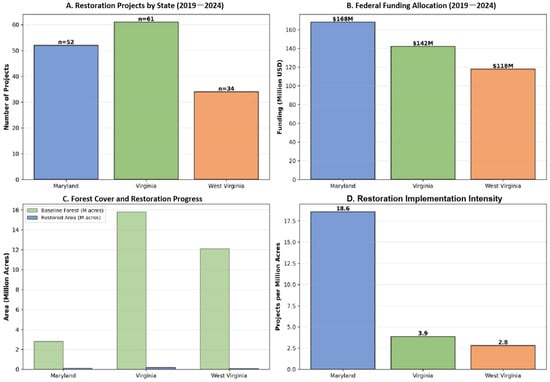
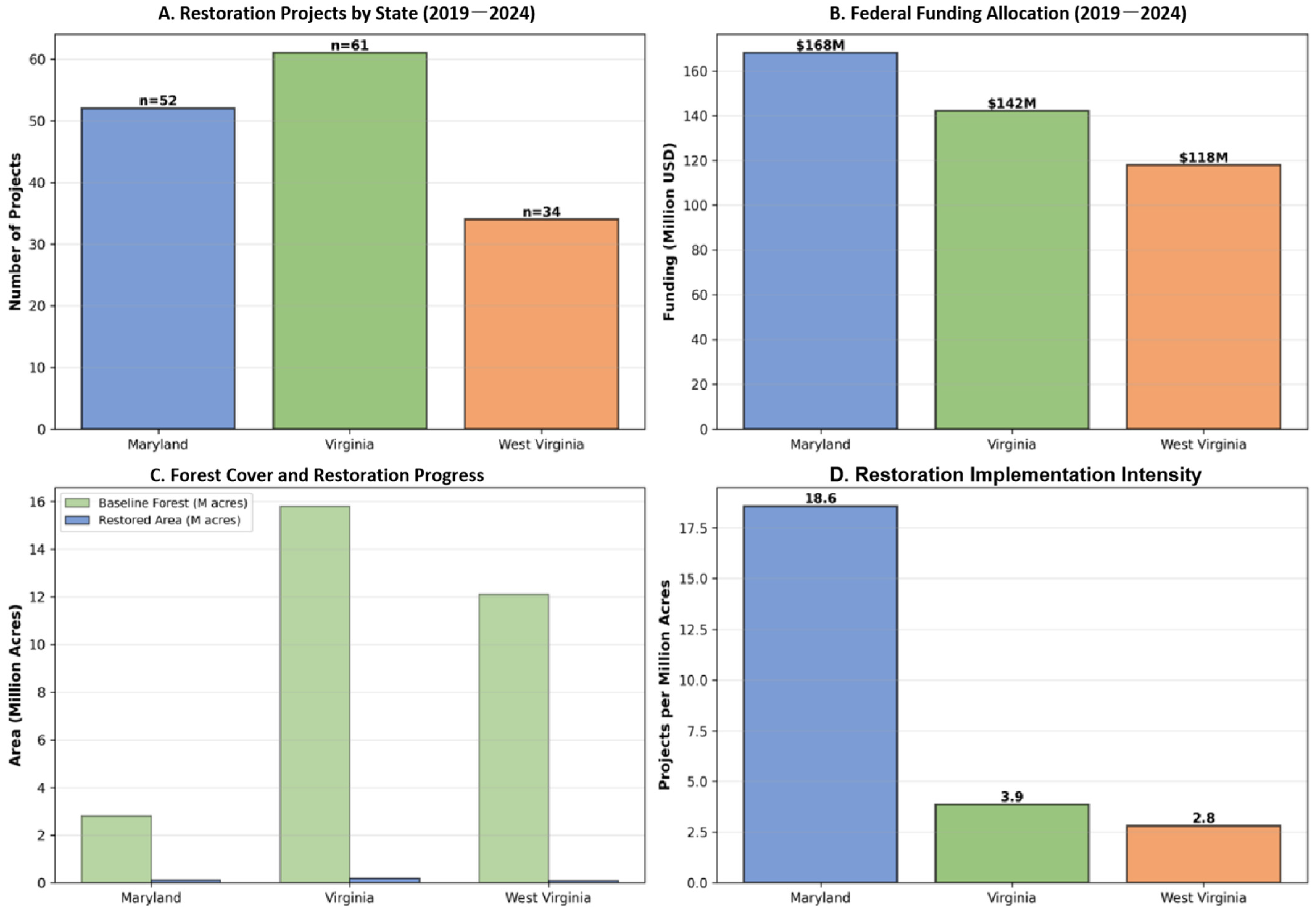
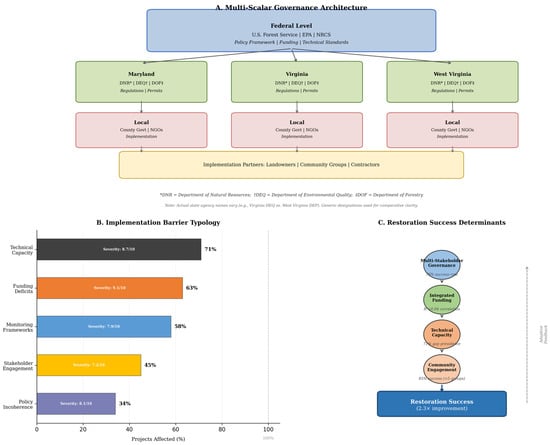
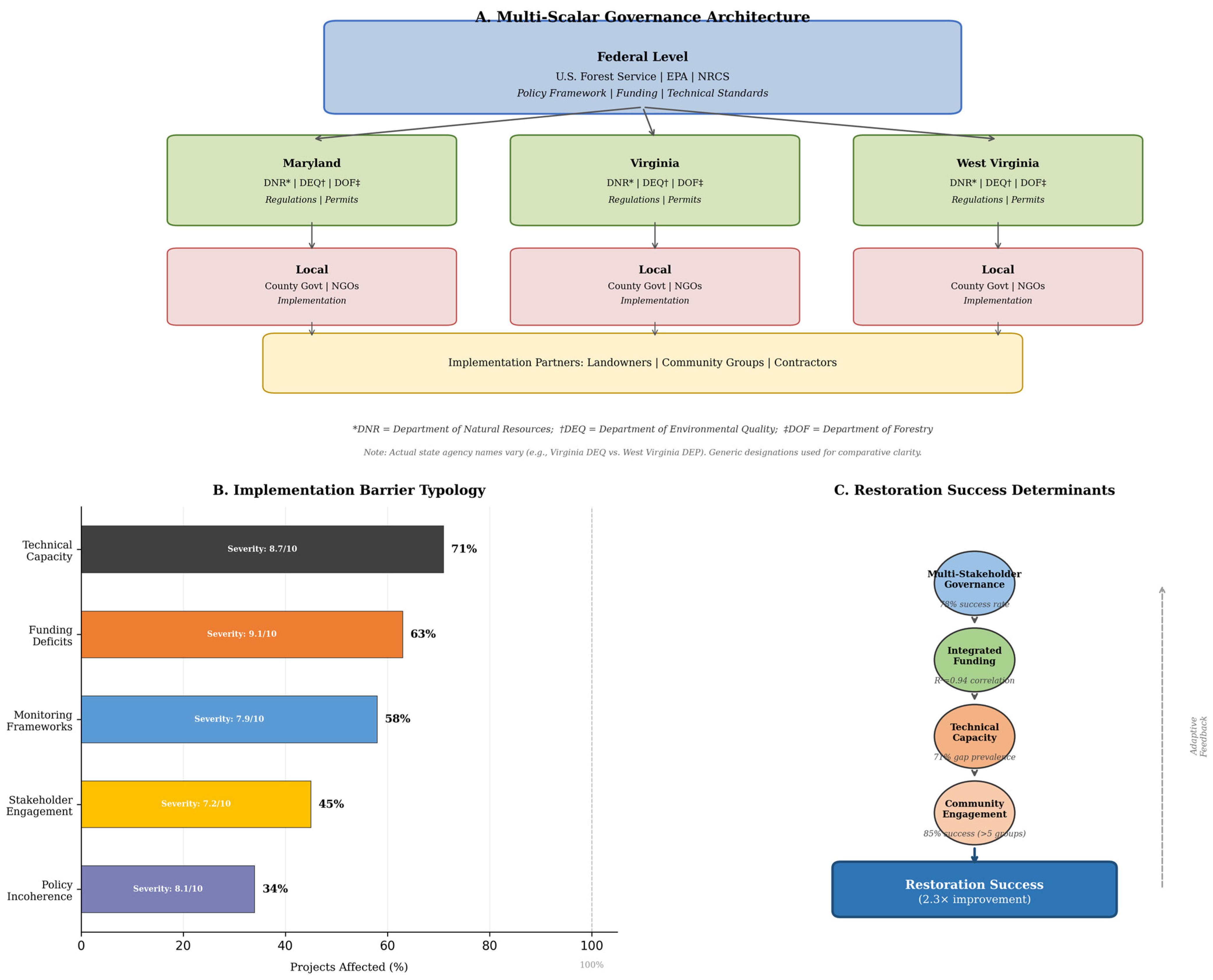
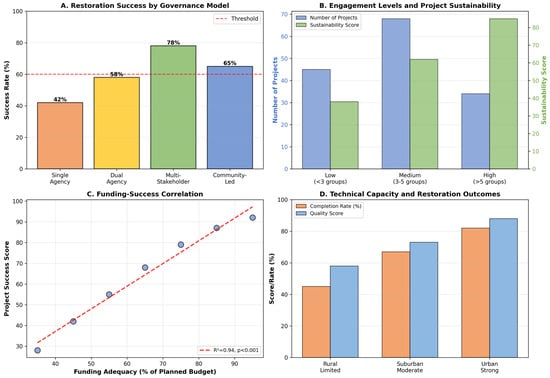
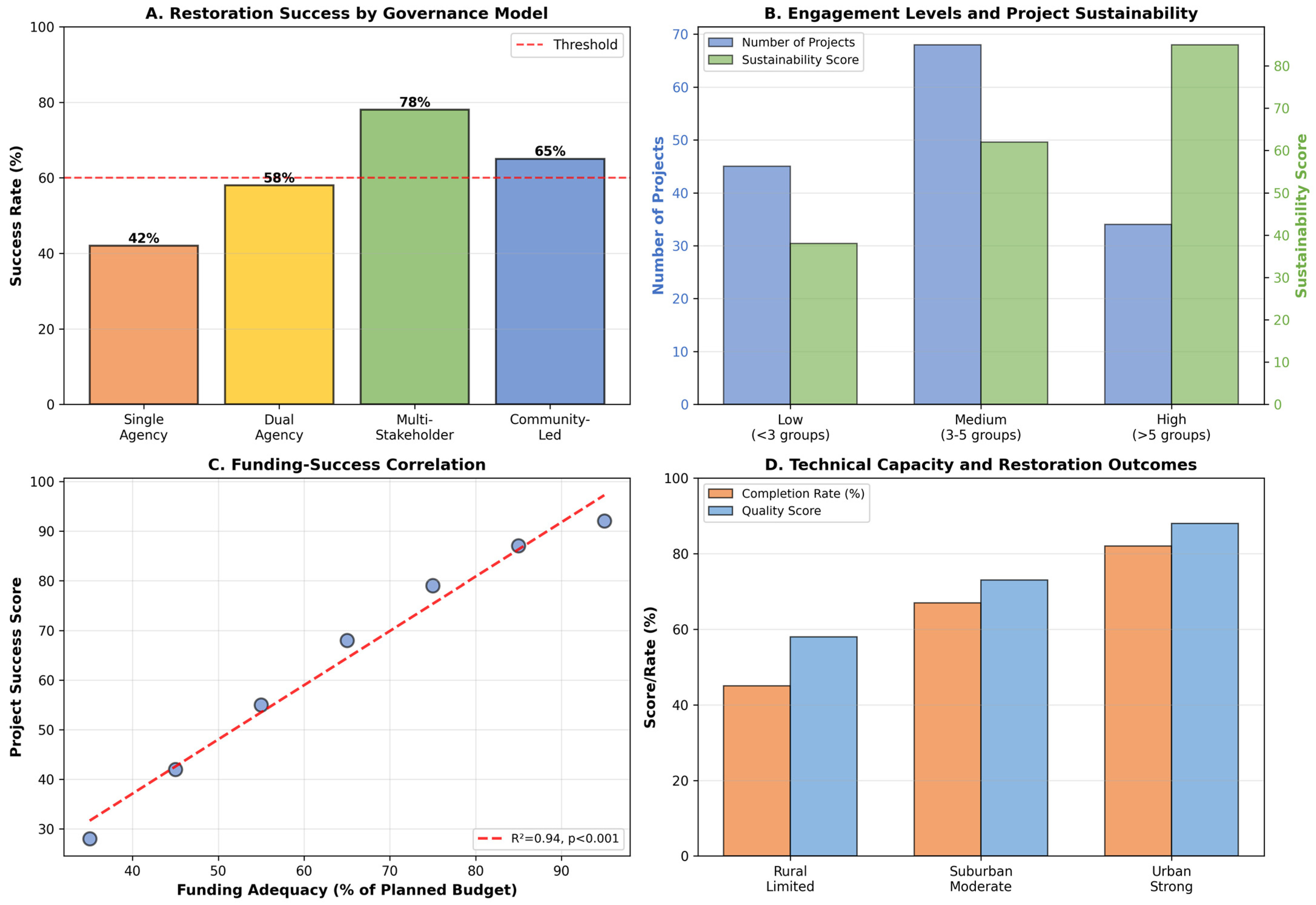

Disclaimer/Publisher’s Note: The statements, opinions and data contained in all publications are solely those of the individual author(s) and contributor(s) and not of MDPI and/or the editor(s). MDPI and/or the editor(s) disclaim responsibility for any injury to people or property resulting from any ideas, methods, instructions or products referred to in the content. |
© 2026 by the authors. Licensee MDPI, Basel, Switzerland. This article is an open access article distributed under the terms and conditions of the Creative Commons Attribution (CC BY) license.