Article

Oriented Object Detection in Wood Defect with Improved YOLOv11

1
Faculty of Civil Aviation and Aeronautics, Kunming University of Science and Technology, Kunming 650500, China
2
Faculty of Architecture and City Planning, Kunming University of Science and Technology, Kunming 650500, China
*
Authors to whom correspondence should be addressed.
Forests 2026, 17(2), 194; https://doi.org/10.3390/f17020194
Submission received: 31 December 2025 / Revised: 28 January 2026 / Accepted: 30 January 2026 / Published: 1 February 2026

Abstract

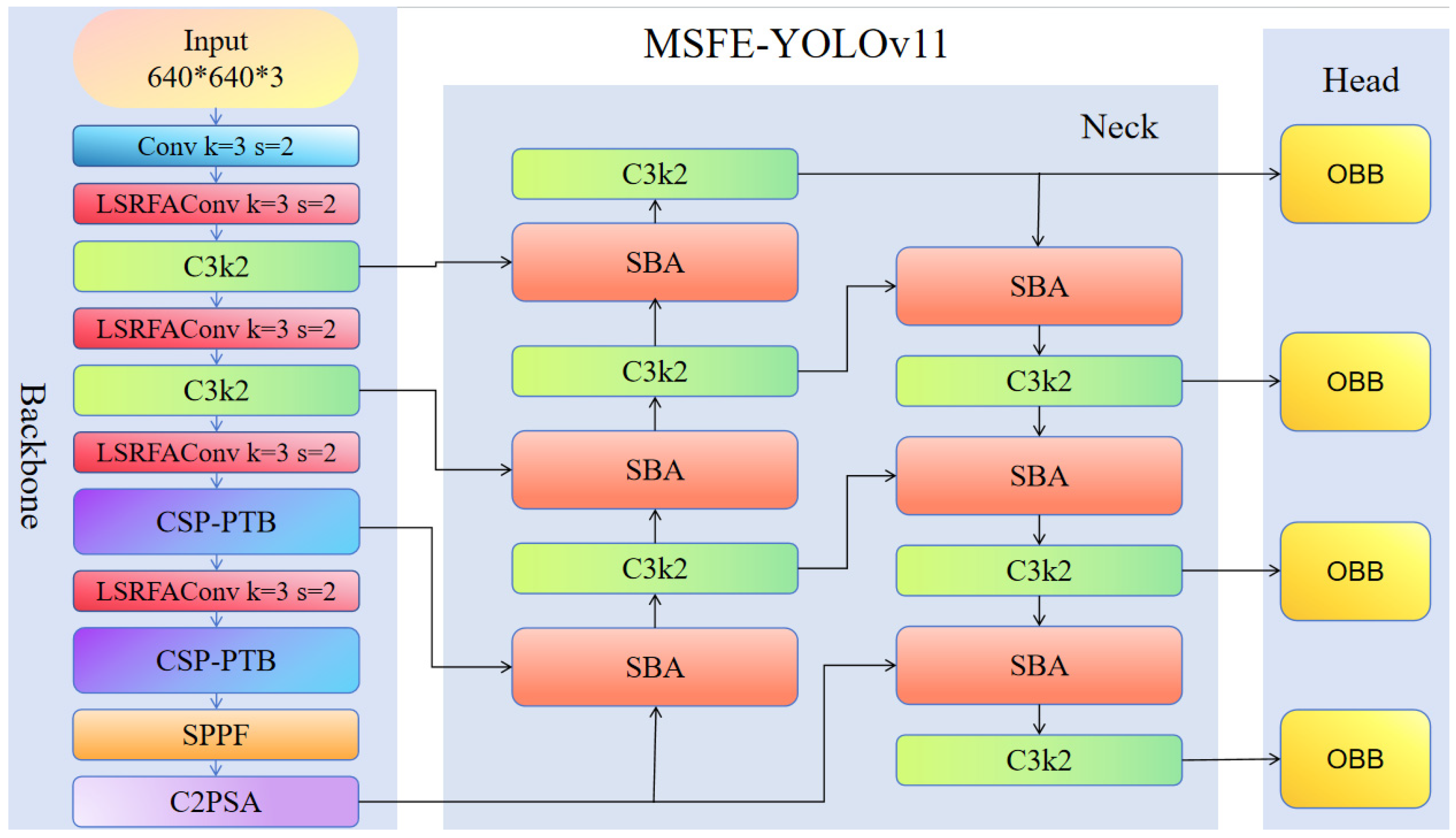
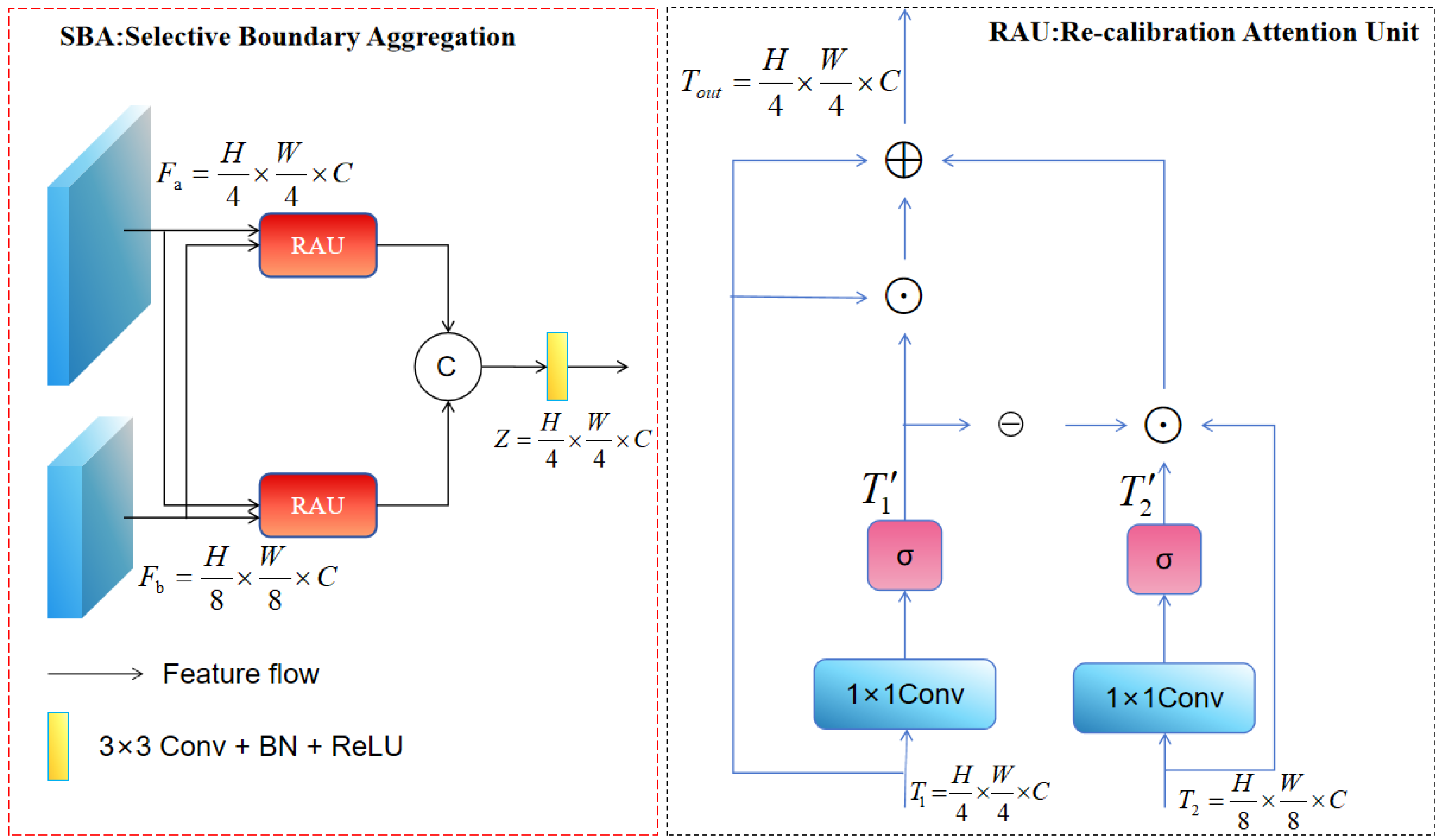
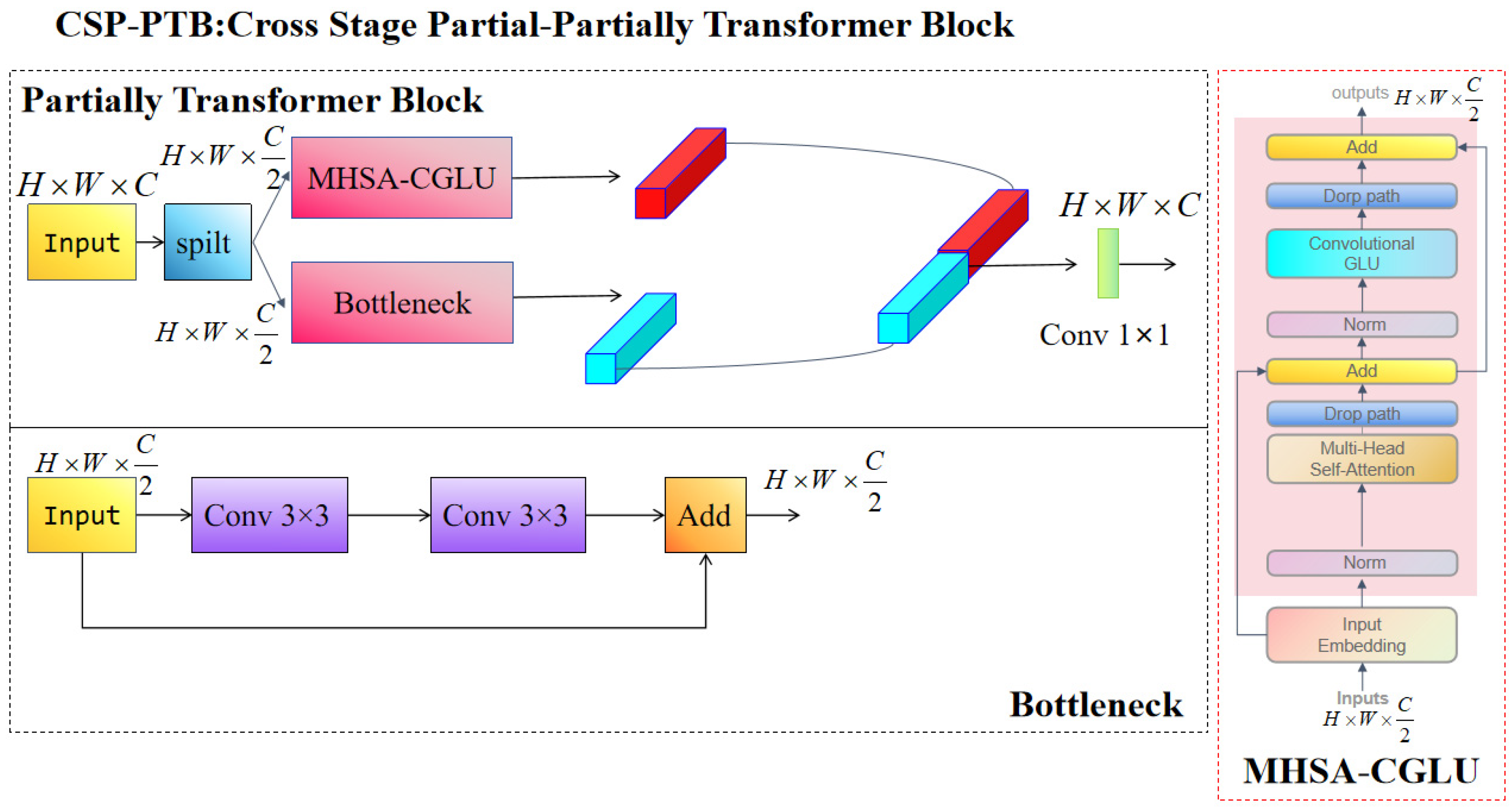
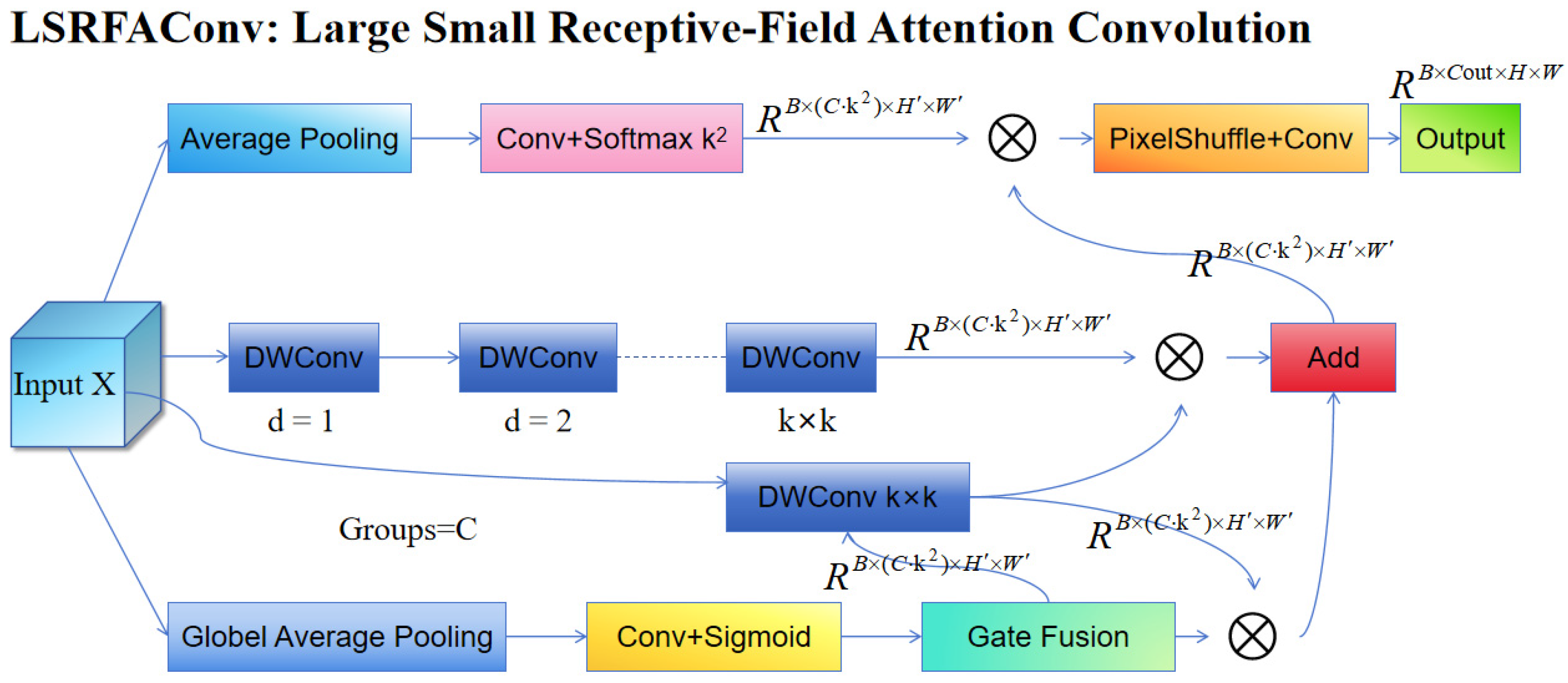
Effective detection of wood defects is essential for maximizing wood use in a sustainable industry. However, traditional methods often struggle with complex textures and irregular shapes. This work introduces MSFE-YOLOv11-OBB, an advanced framework for oriented object detection. To tackle localization and scale challenges, we propose several key innovations: (1) a Recalibration Feature Pyramid Network (FPN) with attention modules to enhance contour accuracy, (2) a CSP-PTB module that integrates CNN-based local features with transformer-based global reasoning to create a more robust pattern representation, and (3) an LSRFAConv module designed to capture subtle structural cues, improving the detection of tiny cracks. Experimental results on an industrial dataset show that our model achieves an mAP@50 of 76.2%, improving over the baseline by 4.7% while maintaining a real-time speed of 86.99 FPS. Comparative analyses confirm superior boundary fitting and multiscale recognition capabilities. By effectively characterizing defect orientation and geometry, this framework offers an intelligent, high-precision solution for automated wood detection, significantly enhancing industrial processing efficiency and resource sustainability.
Keywords: MSFE-YOLOv11-OBB; wood defect; oriented object detection; multiscale feature extraction MSFE-YOLOv11-OBB; wood defect; oriented object detection; multiscale feature extraction