Article

Spatial and Landscape Fragmentation Pattern of Endemic Symplocos Tree Communities Under Climate Change Scenarios in China

1
Department of Biosciences, University of Exeter, Exeter EX4 4QD, UK
2
Botany and Microbiology Department, Faculty of Science, Helwan University, Cairo 11795, Egypt
3
Shaanxi Key Laboratory of Qinling Ecological Intelligent Monitoring and Protection, School of Ecology and Environment, Northwestern Polytechnical University, Xi’an 710072, China
4
CAS Key Laboratory of Mountain Ecological Restoration and Bioresource Utilization & Ecological Restoration Biodiversity Conservation Key Laboratory of Sichuan Province, Chengdu Institute of Biology, Chinese Academy of Sciences, Chengdu 610041, China
5
Department of Environmental Sciences, Faculty of Science, Alexandria University, Alexandria 21511, Egypt
6
Botany and Microbiology Department, Faculty of Science, Damietta University, Damietta 34518, Egypt
7
Department of Biology-Ecology and Evolution, University of Fribourg, Chemin du Musée 10, 1700 Fribourg, Switzerland
8
Department of Biological Sciences, University of Toronto Scarborough, Toronto, ON M1C 1A4, Canada
9
Department of Biological Sciences, University of Notre Dame, Notre Dame, IN 46556, USA
10
Xigaze Wetland Conservation Center, Xigaze 857000, China
11
Botany Department, Faculty of Science, Tanta University, Tanta 31527, Egypt
12
Quantitative Landscape Ecology Group, Department of Natural and Environmental Sciences, University of Kaiserslautern-Landau (RPTU), 76829 Landau der Pfalz, Germany
*
Authors to whom correspondence should be addressed.
These authors contributed equally to this work.
Forests 2026, 17(1), 58; https://doi.org/10.3390/f17010058
Submission received: 12 November 2025 / Revised: 5 December 2025 / Accepted: 9 December 2025 / Published: 31 December 2025
(This article belongs to the Special Issue Forest Dynamics Under Climate and Land Use Change)

Abstract

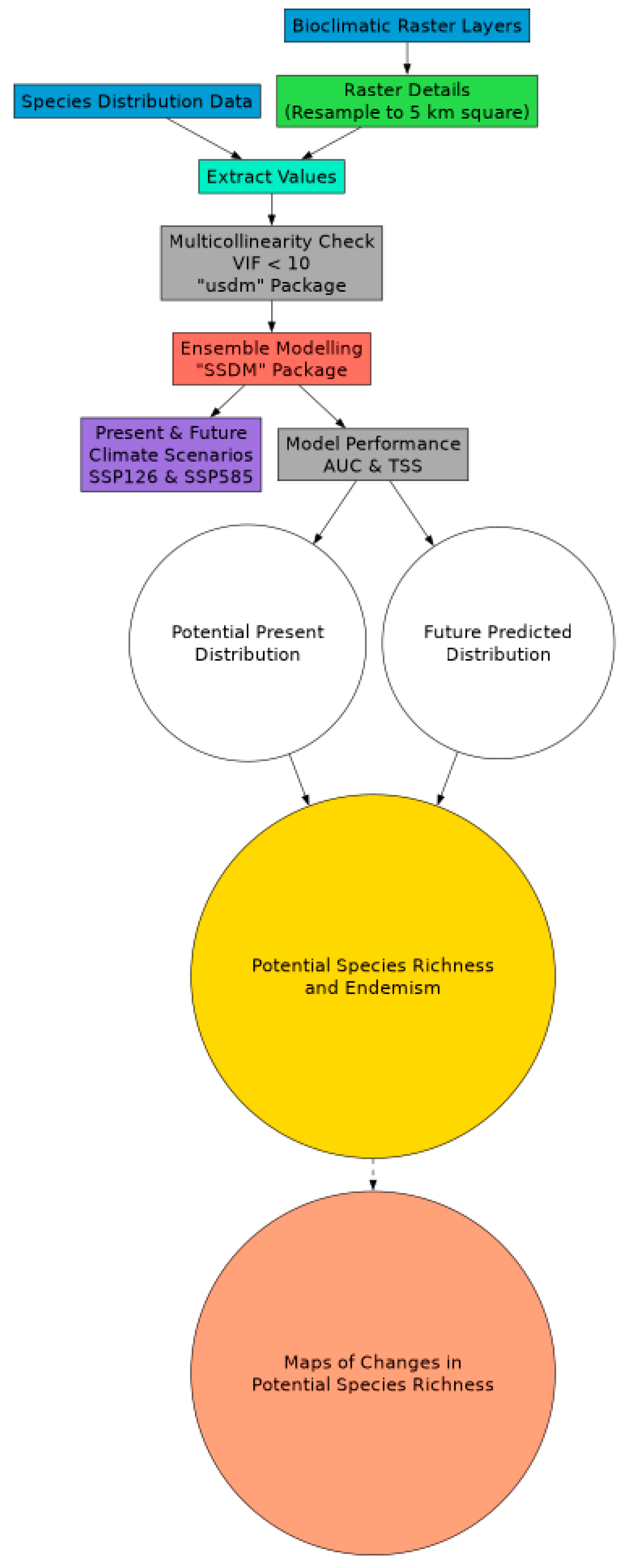
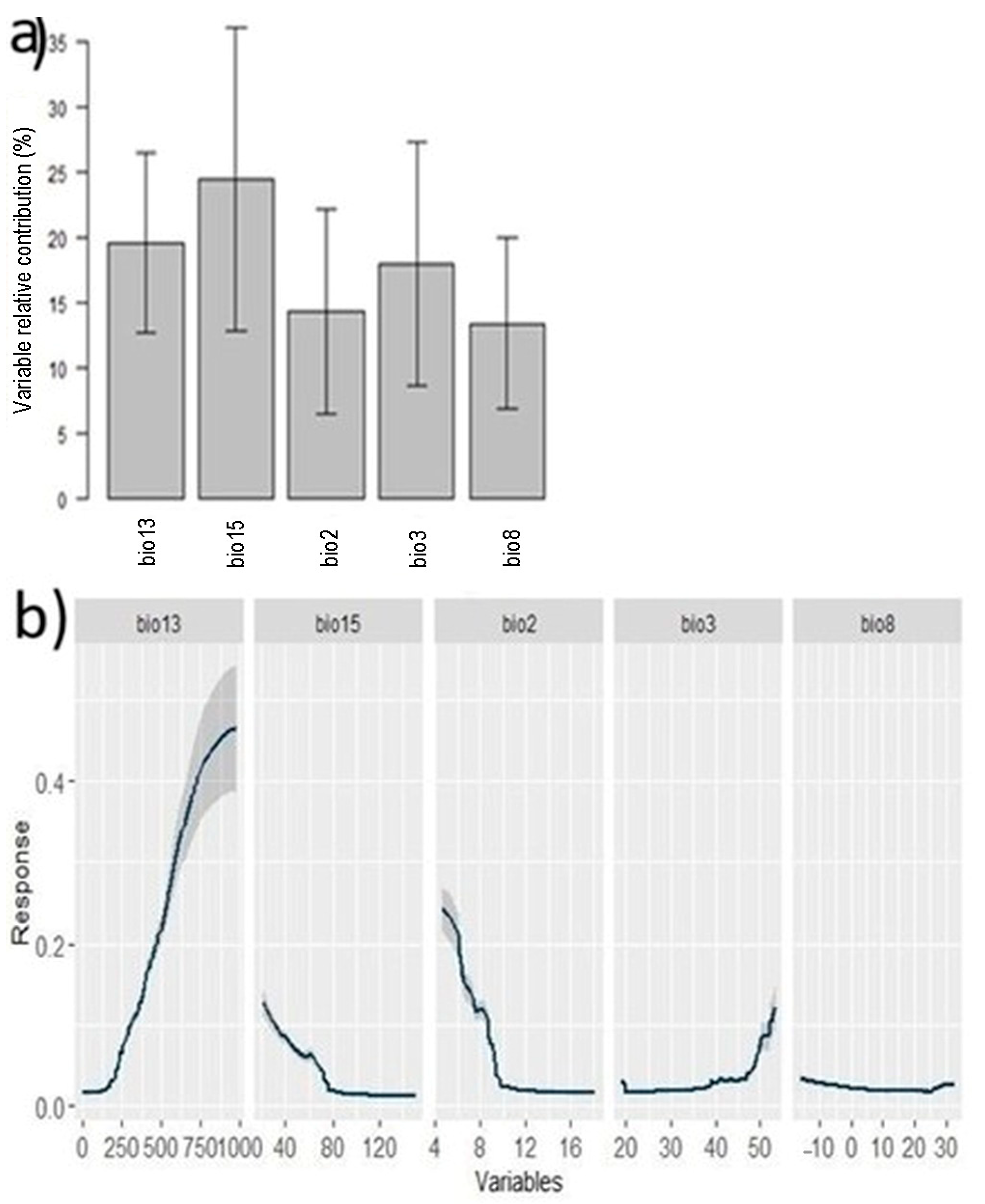
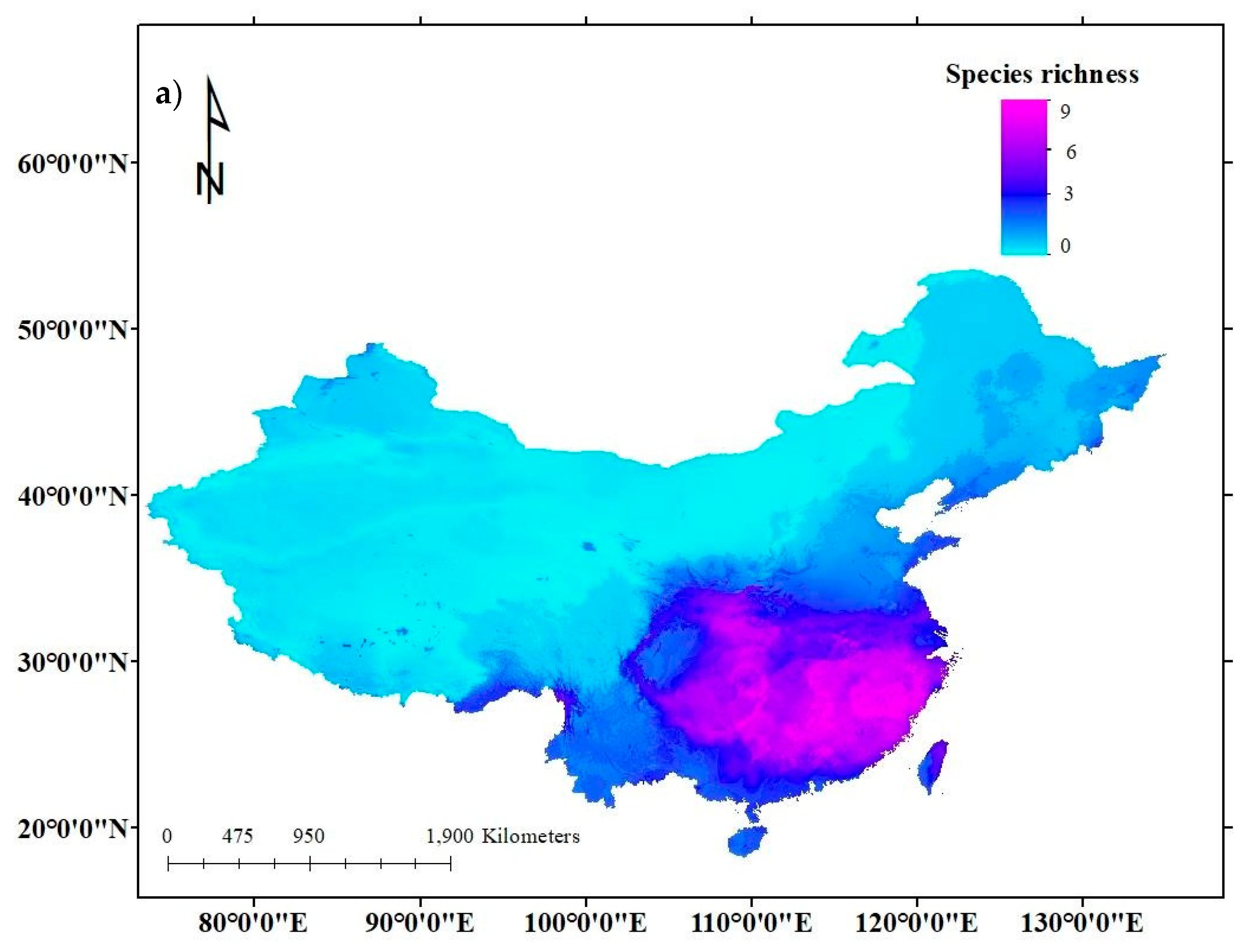
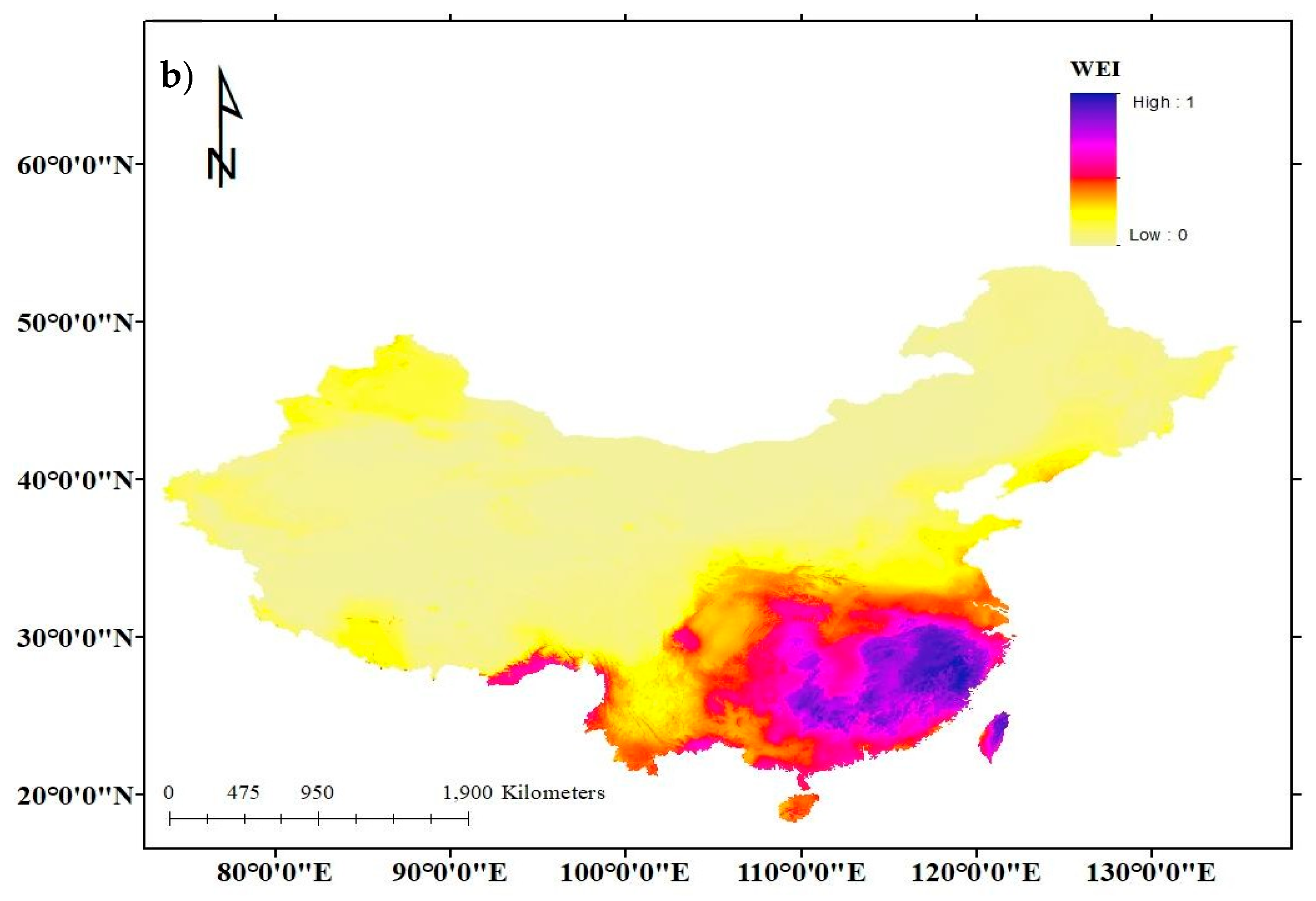
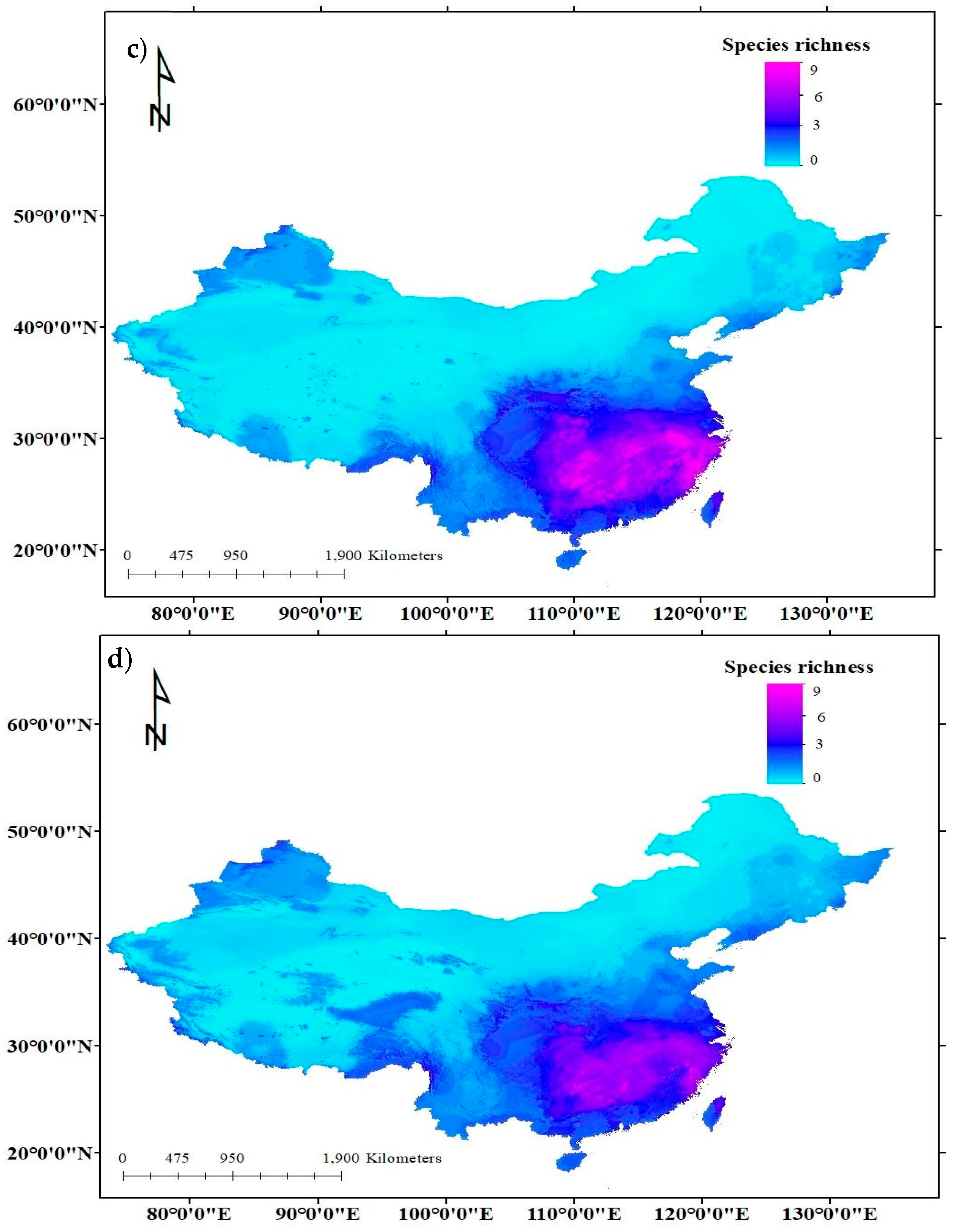
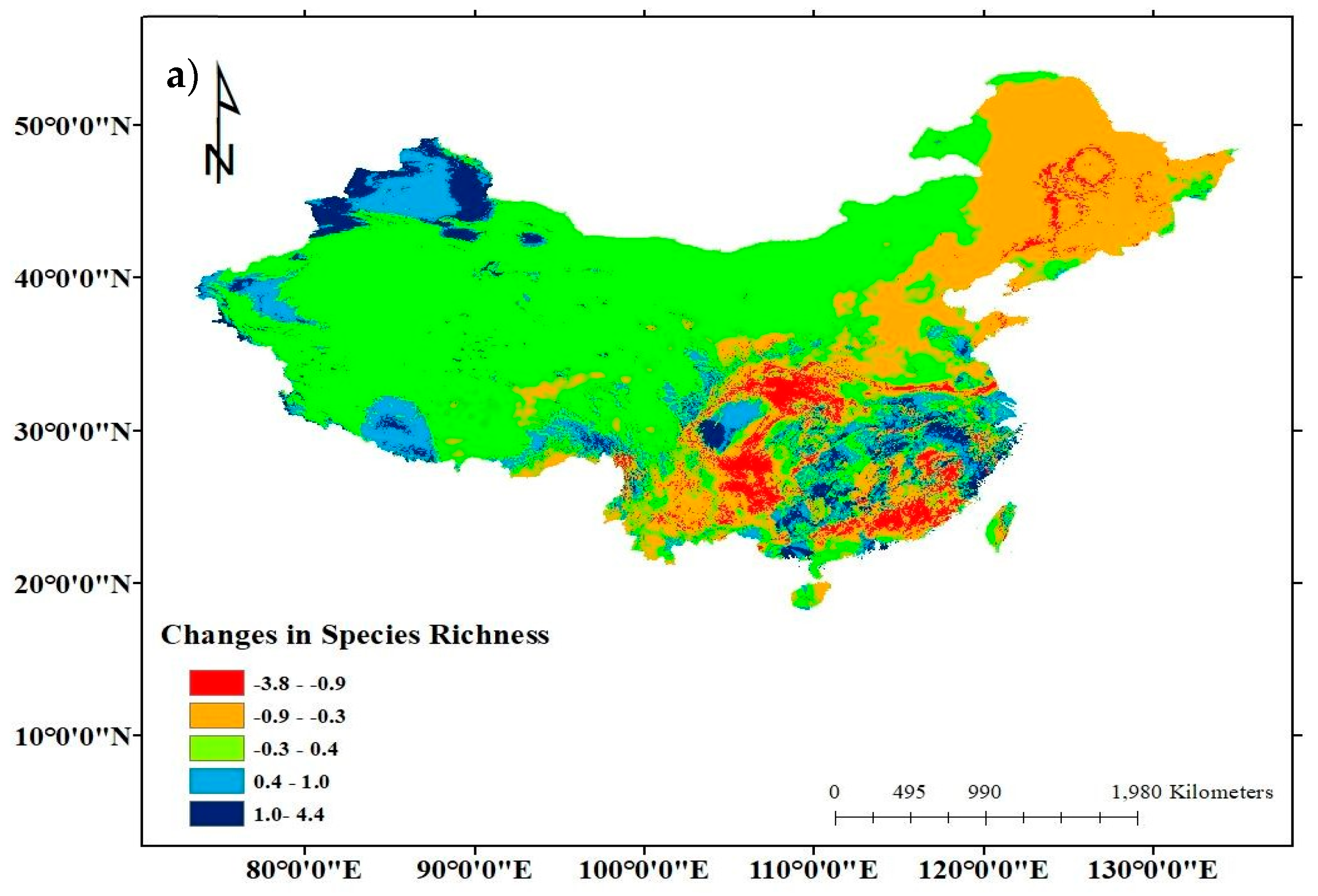
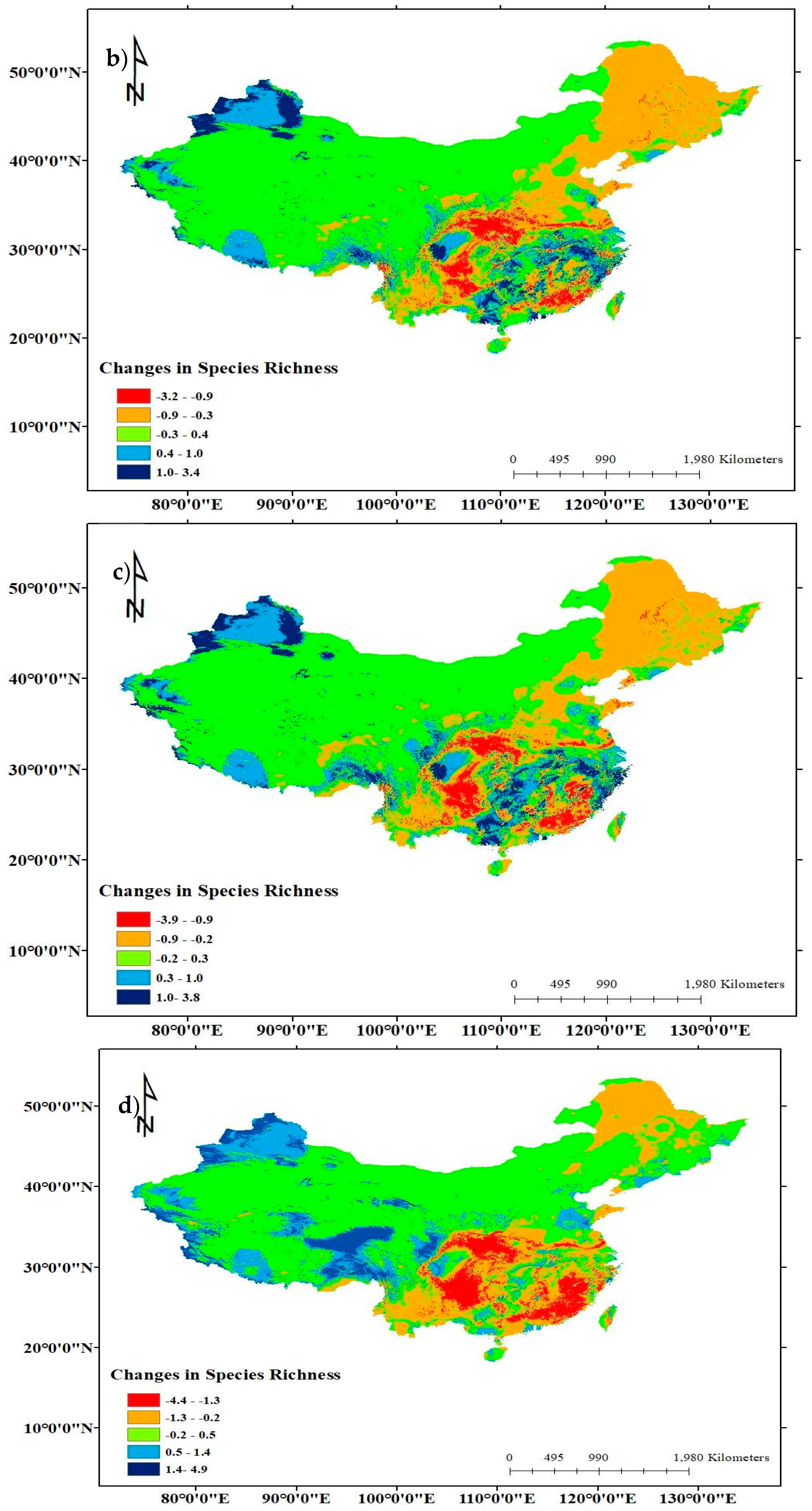
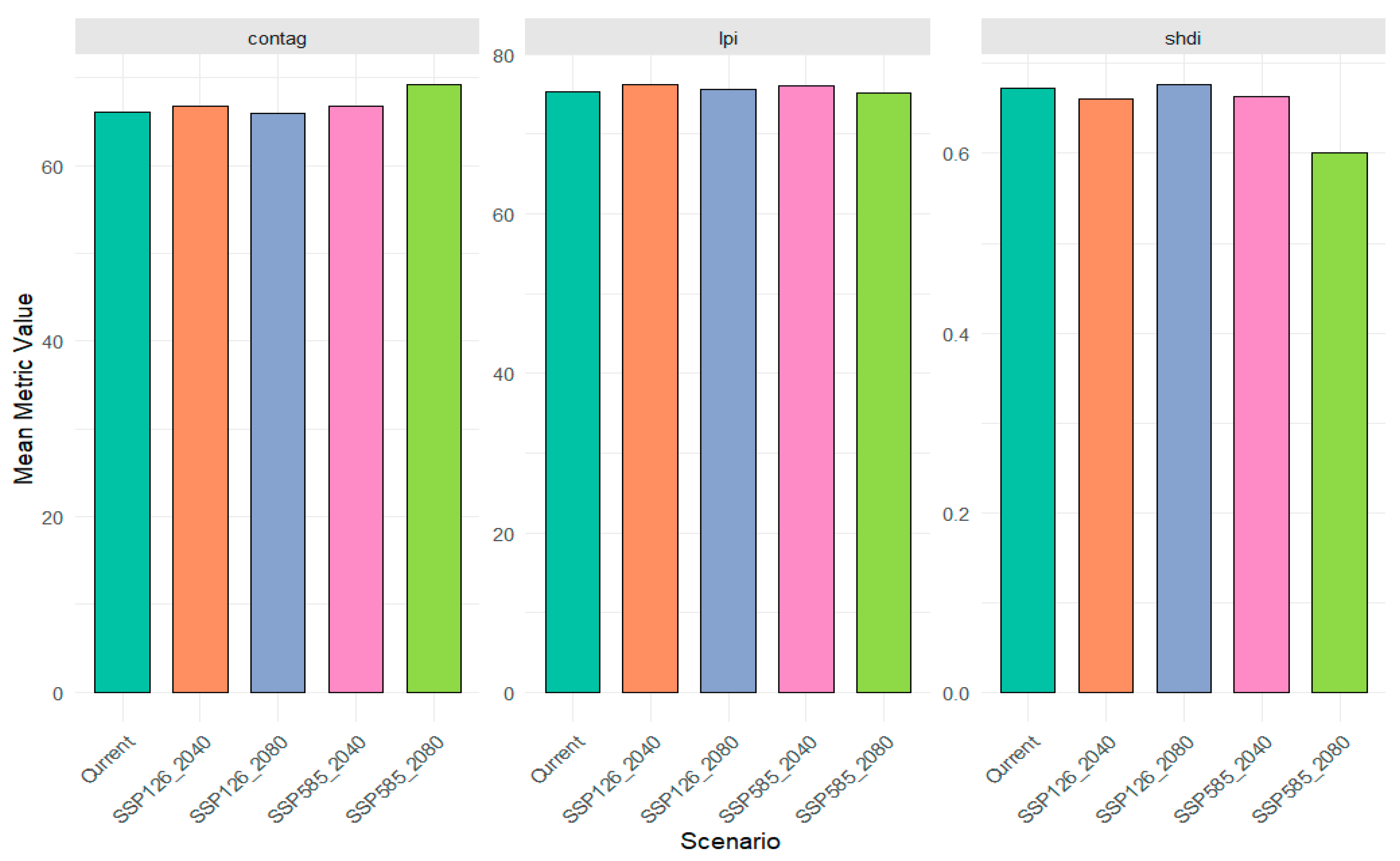
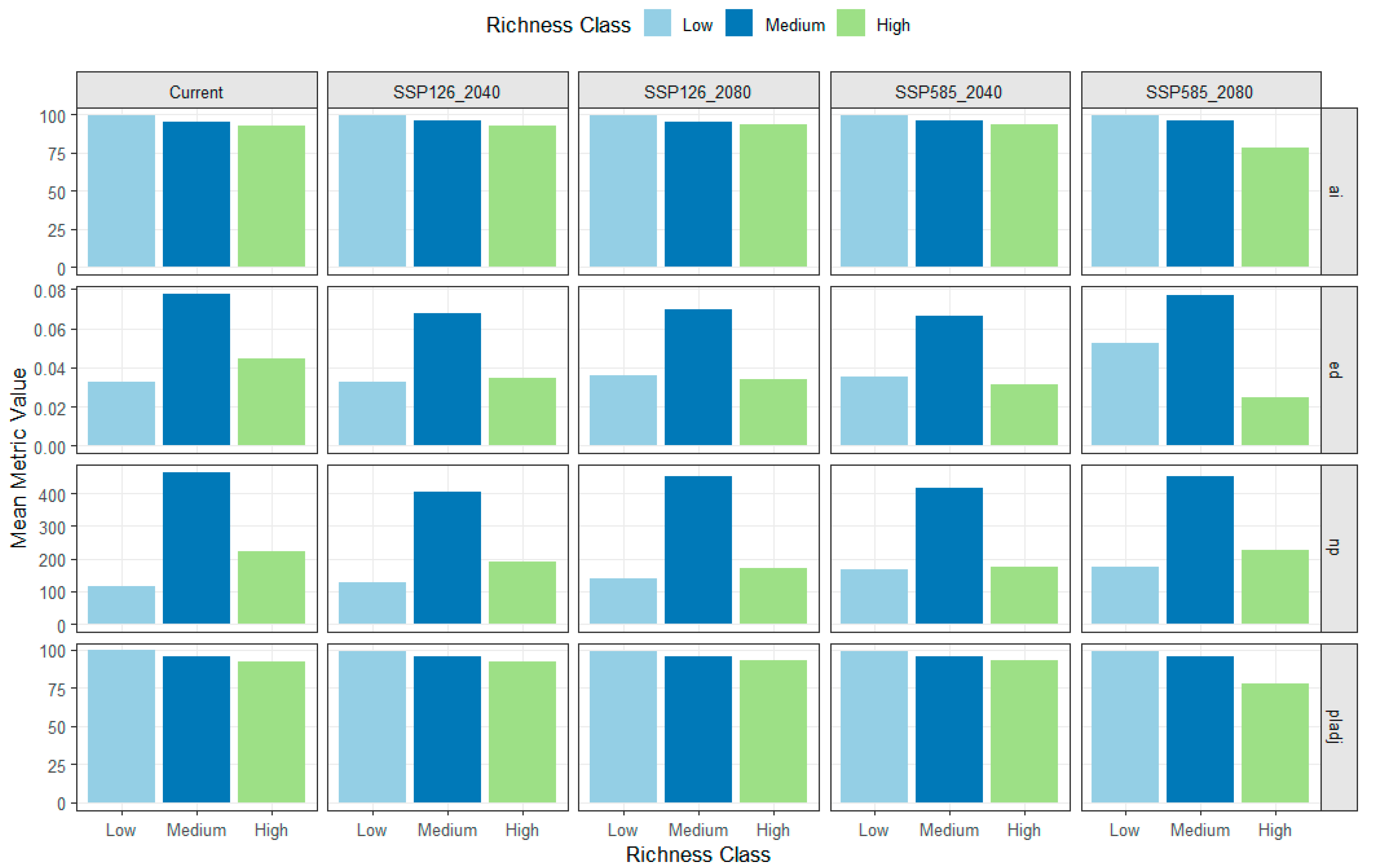
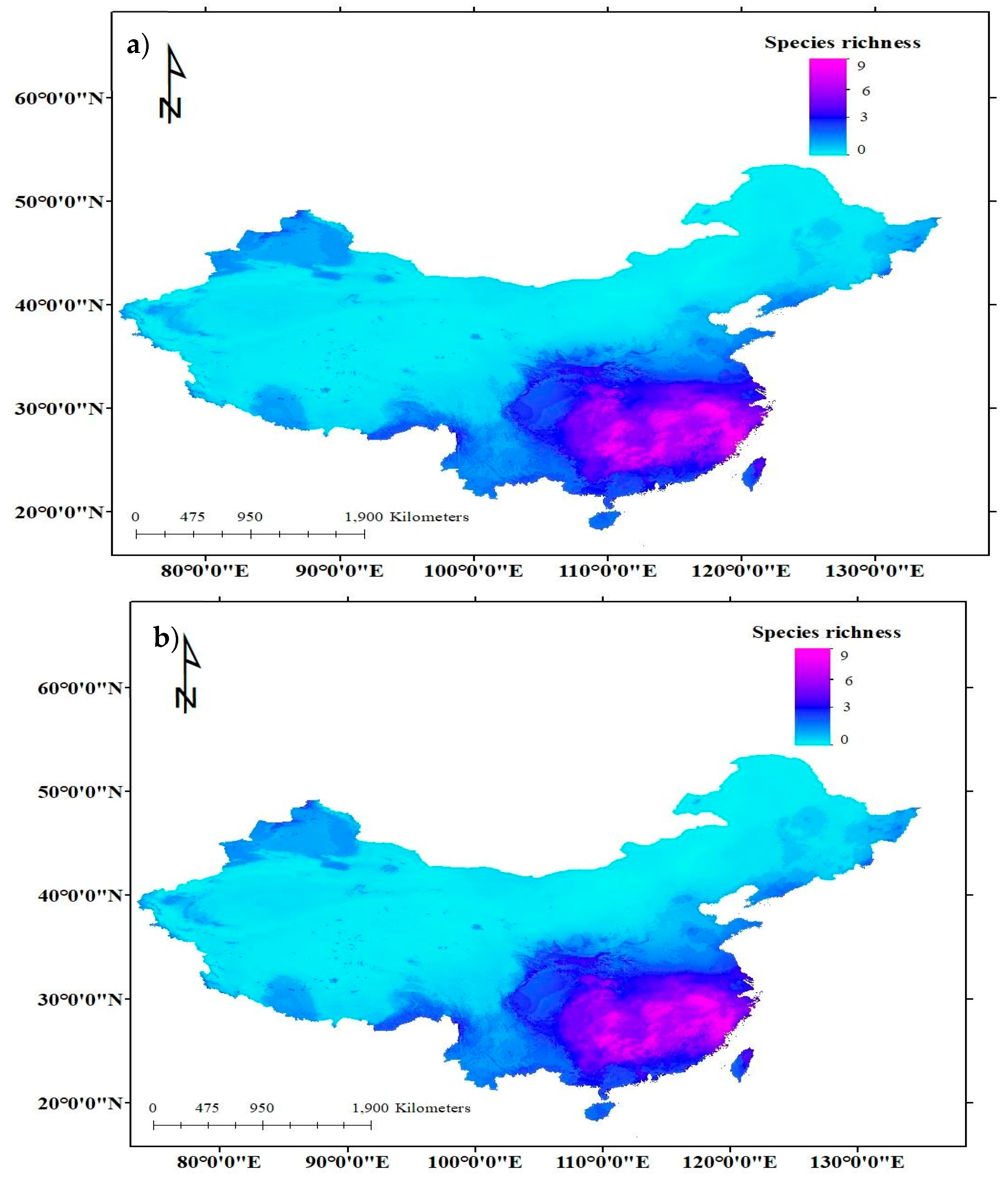
Symplocos is an ecologically important genus that plays vital roles in subtropical evergreen broad-leaved mountain forests, including contributing to nutrient cycling, providing shelter and habitats for various organisms, and supporting overall plant diversity across East and Southeast Asia. Many species exhibit high levels of endemism and sensitivity to environmental change. China, with its wide range of ecosystems and climatic zones, is home to 18 endemic Symplocos species. Studies revealed that global warming is driving shifts in species diversity, particularly in mountains. Our study explores the current and projected richness patterns of endemic Symplocos species in China under climate change scenarios, emphasizing the implications for conservation planning. We applied stacked species distribution models (SSDMs), using key bioclimatic and environmental variables to predict current and future habitat suitability for endemic Symplocos species, evaluated model performance through multiple accuracy metrics, and generated ensemble projections to assess richness patterns under climate change scenarios. To assess the spatial configuration and fragmentation patterns of the endemic species richness under current and future climate scenarios, landscape metrics were calculated based on classified richness maps. The produced models demonstrated high accuracy with AUC > 0.9 and TSS > 0.75, highlighting the critical role of bioclimatic variables, particularly precipitation and temperature, in shaping endemic Symplocos distribution. Our analysis identifies the current hotspots of Symplocos endemism along southeastern China, particularly in Zhejiang, Fujian, Jiangxi, Hunan, southern Anhui, and northern Guangdong and Guangxi. These areas are at high risk, with up to 35% of endemic Symplocos species richness predicted to be lost over the next 60 years due to climate change. The study predicts a high decrease in endemic Symplocos species richness, especially in South China (e.g., Fujian, Guangdong, Guizhou, Yunnan, southern Shaanxi), and mid-level decreases in East China (e.g., Heilongjiang, Jilin, eastern Inner Mongolia, Liaoning). Conversely, potential increases in endemic Symplocos species richness are projected in northern and western Xinjiang, western Tibet, and parts of eastern Sichuan, Guangxi, Hunan, Hebei, and Anhui, suggesting these regions may serve as future refugia for endemic Symplocos species. The analysis of the landscape structure and configuration revealed relatively minor but notable variations in the spatial structure of endemic Symplocos richness patterns under current and future climate scenarios. However, under the SSP585 scenario by 2080, the medium richness class showed a more pronounced decrease in aggregation index and increase in number of patches relative to other richness classes, suggesting that higher emissions may drive fragmentation of moderately rich areas, potentially isolating populations of Symplocos. These structural changes suggest a potential reduction in habitat quality and connectivity, posing significant risks to the persistence of endemic Symplocos populations, which underscores the urgent need for targeted smart-climate conservation strategies that prioritize both current hotspots and potential future refugia to enhance the resilience of endemic Symplocos forests and their ecosystems in the face of climate change.
Keywords: stacked species distribution models; biodiversity hotspots; subtropical evergreen forests; smart-climate conservation; landscape metrics stacked species distribution models; biodiversity hotspots; subtropical evergreen forests; smart-climate conservation; landscape metrics