


Highlights
- A literature-informed AHP framework compares four concrete thermal curing methods.
- Six material and production criteria are evaluated under three predefined weight scenarios.
- Direct electric curing ranks first for the adopted judgments, but not universally.
- New sensitivity tests examine both judgment uncertainty and overlapping criteria.
- A conceptual BIM–IoT data architecture is proposed for future validation.
Abstract
Selecting thermal curing technology for precast concrete requires balancing strength development, production time, energy use, and thermal uniformity. This study presents a literature-informed Analytic Hierarchy Process (AHP) assessment of steam curing, hot-air curing, thermal-insulation-cover curing, and direct electric curing (DEC). Six criteria were evaluated using author-assigned pairwise judgments informed by published evidence, under a baseline weighting scenario and two illustrative modifications. DEC achieved the highest calculated global priority in all three scenarios (0.456–0.459). However, its first position under changes in criterion weights is mathematically expected because DEC leads on five local criteria and ties on the sixth. Additional sensitivity tests examined potentially overlapping criteria and uncertainty in the pairwise judgments. An adverse judgment-perturbation test identified conditions under which steam curing overtakes DEC. Because the source studies differ in materials, specimen sizes, operating conditions, and measurement boundaries, these rankings are conditional model outputs, not evidence of universal industrial superiority or experimentally demonstrated optimization. A conceptual BIM–IoT–Digital Twin data architecture is also presented to support future monitoring and periodic technology reassessment. Industrial application requires comparable plant-scale measurements, safety and feasibility checks, and independent validation.
1. Introduction
Thermal curing is widely used in precast concrete manufacturing to accelerate cement hydration and early-age strength development, thereby reducing mold occupation time. However, the benefits depend on the entire temperature and moisture history, not only the maximum curing temperature [1,2,3,4,5]. Rapid heating and cooling may cause uneven thermal deformation and early cracking, while high temperatures can alter cement-paste microstructure and impair subsequent strength [1,2,3,4,5,6,7,8,9]. Liu et al. [7] reported that, in the mixtures they studied, later-age strength losses were smaller after insulation-cover curing than after constant-temperature curing at 40–60 °C. Steam-curing research also documents changes in brittleness [10] and temperature- and moisture-related deformations, including shrinkage [9]. The selection of a curing method therefore requires balancing the demand for early release strength with durability-related material properties and production constraints. Results from individual mixtures and laboratory tests should not be treated as universal process rankings.
Traditional strength-control procedures use concrete reference specimens tested at specified ages. However, these specimens may not experience the same temperature history as the interior of a full-size precast element. Maturity-based methods offer a complementary means of estimating strength from measured temperature–time histories, provided that an appropriate mixture-specific relationship has been calibrated [11,12,13,14,15]. Yikici and Chen [12] and Tekle et al. [15] investigated the use of actual concrete temperature records, while Soutsos and Kanavaris [16,17] examined modified maturity formulations under non-isothermal conditions. The effects of curing histories and mineral additions are also discussed by Kanavaris et al. [18] and Soutsos et al. [19]. Prediction accuracy may deteriorate under uncontrolled or non-isothermal conditions, especially when binder composition or thermal exposure differs from that used for calibration [16,17,18,19,20,21]. Continuous internal temperature monitoring may improve the representation of actual curing conditions, but maturity predictions must still be checked against suitable strength tests.
IoT technologies enable continuous acquisition and transmission of curing-process data. He et al. [22] described an automated electric-heating system with measurement, communication, processing and control layers. Related studies report moisture monitoring [23], wireless multisensory measurements [24], embedded-sensor systems [25], automated curing equipment [26], cloud-linked monitoring of curing operations [27] and low-cost wireless temperature and moisture sensing [20]. These developments show the technical feasibility of individual monitoring and control functions. They do not by themselves demonstrate that an integrated BIM–IoT–AHP framework for thermal-curing technology selection has been implemented or validated. Combining calibrated maturity estimators with reliable sensor records and approved control logic is a potential research direction, rather than a tested result of the present work.
Digitalization in precast production extends beyond individual curing systems. Published work addresses production planning and automation [28,29], the optimization of robotic production lines [30], and the use of Digital Twin concepts for strength prediction or quality records [31,32]. Such approaches may facilitate linking product identity, production requirements and process measurements. Their relevance to this paper is primarily architectural: they suggest ways of organizing information that could later support transparent reassessment of curing decisions. No software integration or industrial Digital Twin was constructed here.
The literature encompasses three partly separate strands: concrete response to thermal curing [1,2,3,4,5,6,7,8,9,10,33,34,35,36,37,38,39,40], maturity estimation and process monitoring [11,12,13,14,15,16,17,18,19,20,21,22,23,24,25,26,27], and digital precast production management [28,29,30,31,32]. Directly comparable evidence across all four curing technologies remains limited. In particular, the reviewed studies use different mixtures, specimen dimensions and energy-system boundaries. This makes it difficult to quantify a technology’s relative strength, throughput or energy performance from the published data alone. This study consequently focuses on the transparency of a literature-informed decision framework and explicitly separates its numerical assumptions from the conceptual digital architecture.
A curing method must be evaluated against several potentially conflicting objectives. Earlier demolding may support factory throughput but does not necessarily ensure satisfactory 28-day strength, low energy use or thermal uniformity. Multicriteria decision-making (MCDM) provides a structured way of combining such considerations [37,38,39,40,41,42,43]. AHP has been applied to construction-material and technology decisions [41,42,43,44,45,46,47]; related work illustrates multicriteria analysis of engineering choices [47]. We use AHP to examine how assumed criterion weights and relative preference judgments shape the ranking. Consistency of a comparison matrix is useful for detecting internal contradictions, but it is not a substitute for external validation or standardized experiments.
This study compares steam curing (SC), hot-air curing (HC), thermal-insulation-cover curing (TIC) and direct electric curing (DEC) across six technological and production criteria. The author-assigned Saaty judgments were informed by heterogeneous literature and evaluated under three predefined weighting scenarios and additional perturbation tests. The results are conditional rankings rather than measured technology performance. A conceptual BIM–IoT–Digital Twin data architecture is also presented as a potential future pathway for recording process evidence and periodically revisiting technology selection; no industrial implementation is claimed.
2. Thermal Curing Techniques
2.1. Key Parameters of Thermal Treatment Processes
The primary effect of thermal treatment is the acceleration of the cement hydration process. As the temperature increases, so does the reaction rate, which may lead to a faster development of mechanical properties during the early stage of concrete curing. In the production processes of precast concrete elements, this effect is of particular importance because higher early-age strength enables earlier demolding of elements, their transportation, and the reuse of molds. These circumstances contribute to shortening production cycles in precast concrete plants [1,2,3,4,5,6,7,8,9,10,33,34,35,36,37,38,39,40].
The course of the hardening processes in concrete is determined by the combined effect of several factors: the initial curing period, the rate of temperature increase, the maximum temperature, the duration of temperature maintenance, the cooling rate, and the moisture conditions. These parameters determine the rate of the hydration process and, consequently, affect both the development of mechanical properties and the microstructure of the hardened cement paste. Therefore, two curing processes carried out at the same nominal temperature may result in different material properties if they differ in their heating and cooling rates and overall temperature–time histories [3,4,5,7,8,10].
The initial curing period is particularly important because significant structural changes occur in the concrete immediately after the concrete mixture is placed in the mold. Applying an elevated temperature too early may accelerate hydration before sufficient initial setting and structural development have taken place, potentially increasing thermal and autogenous deformations and affecting the final pore structure. Therefore, a controlled delay in the start of heating makes it possible to maintain a balance between production efficiency and the service properties of the material [3,4].
Another important parameter of the thermal treatment process is the rate of temperature increase during heating. Rapid heating makes it possible to reduce the time required to reach the target temperature for thermal treatment, but it may also increase temperature gradients between the surface and the core of the concrete element. These gradients may induce non-uniform thermal deformations, which may consequently lead to stresses, particularly in the case of massive elements or elements with complex geometries. The cooling stage is equally important, as a rapid decrease in temperature may result in additional thermal gradients and contribute to crack formation during the early stage of concrete curing [4,7]. A schematic representation of the key factors affecting the thermal treatment process is presented in Figure 1.
Figure 1.
Main factors governing thermal curing of precast concrete.
The availability of moisture also affects the way thermal treatment is conducted. Steam curing combines the effect of elevated temperature with a humid environment, which limits moisture loss from the concrete surface. In contrast, curing in a hot-air atmosphere may increase the risk of surface drying unless adequate protection against moisture loss is provided. Curing using thermal insulation consists mainly of retaining the heat generated during cement hydration, whereas direct electrical heating generates heat inside the concrete or in its immediate vicinity, enabling rapid and spatially precise heating. Therefore, the method of heat transfer is an important distinguishing feature of the thermal treatment strategies analyzed in this study.
The spatial temperature distribution within the concrete element is also of significant importance during the thermal treatment of precast elements. The temperature measured in the curing chamber or on the surface of the element does not necessarily correspond to the temperature prevailing in its core. The development of the internal temperature results from the interaction between the heat supplied from the outside, heat transfer through the concrete, and the heat released during the cement hydration process. Monitoring the actual temperature changes inside the element may therefore provide a more reliable basis for assessing curing effectiveness than relying solely on the nominal process temperature [4,7].
Based on temperature measurements performed during thermal treatment, the maturity of concrete can be estimated and its strength development can be predicted. With proper calibration, it is possible to establish a direct relationship between thermal treatment and process monitoring. This is achieved through the use of embedded temperature sensors, which make it possible to transform thermal treatment from a process conducted according to a rigid time–temperature schedule into a measurable process that can be controlled using feedback. The parameters of the thermal treatment process and their consequences are presented in Table 1.
Table 1.
Parameters of the thermal treatment process of concrete and their consequences.
The thermal treatment methods analyzed in this study differ fundamentally in the way thermal energy is supplied or retained. Steam or hot-air curing requires external energy to heat the curing environment, whereas the method using thermal insulation relies primarily on retaining the heat generated during cement hydration. In the case of direct electrical heating, electrical energy is converted into heat by means of an electric heating system. These differences affect not only energy consumption but also the degree of control over thermal parameters, the possibilities for automation, and the suitability of individual technologies for production environments subject to digital monitoring.
Consequently, the effectiveness of thermal treatment should not be assessed solely on the basis of early-age strength. A comprehensive assessment should take into account the balance between early-age strength development, the time required to achieve the strength necessary for demolding, later-age strength, the duration of the thermal treatment cycle, energy consumption, and the uniformity and controllability of the thermal regime. These considerations provide the basis for the comparative assessment of four alternative thermal treatment methods investigated in this study.
2.2. Steam Curing (SC)
Steam curing (SC) exposes concrete to elevated temperature in a humid environment. It accelerates early hydration and release-strength development, allowing faster demolding and mold reuse in precast production. Its effect depends on both the imposed thermal program and the actual temperature–moisture history of the element [3,4,5,7,8].
An SC cycle normally comprises precuring, controlled heating, temperature holding and cooling (Figure 2). The precuring period allows initial setting before heating; an illustrative range of 2–4 h is reported in the literature, but the appropriate duration depends on binder, mixture composition and production conditions [3,4].
Figure 2.
Schematic representation of a typical steam-curing cycle, showing the four main stages of thermal treatment and the difference between chamber and concrete-core temperature. The thermal lag during heating and cooling illustrates the development of internal temperature gradients and the importance of controlled temperature changes.
Heating and cooling rates must limit core–surface temperature differences. Rapid temperature changes can cause differential deformation and cracking, particularly in thick or geometrically complex components [4,7].
Higher curing temperatures accelerate early hydration, which is valuable when early demolding is required. Nevertheless, the response depends on the binder, exposure duration and thermal history. High temperatures may increase pore-structure heterogeneity or reduce later-age strength, especially when imposed soon after casting. Holding temperatures of approximately 50–80 °C are discussed for precast steam curing, but this range is illustrative rather than universally optimal; temperature selection must account for mix design and element dimensions [3,4,5,7,8]. The same trade-off links early-age strength (W1) with later-age strength (W3) in the decision model.
Shi et al. [48] examined steam-curing conditions at 45–75 °C and reported relationships among thermal and moisture gradients, microstructure and permeability. These findings indicate that nominal chamber temperature alone is insufficient to characterize the curing exposure of an element. Actual core and near-surface temperature histories provide a more informative basis for monitoring, particularly for cross-sections in which internal heat transfer is slow.
Prolonged holding may improve early strength but increases cycle time and energy demand. Cooling must also be controlled to limit thermal gradients and associated stresses. These trade-offs are relevant to the strength, demolding-time, curing-duration and thermal-uniformity criteria used later in the AHP model.
Figure 2 illustrates the four stages and the possible lag between chamber and concrete core temperatures.
The element temperature may differ from the chamber temperature because of heat conduction, internal hydration heat and geometry. For larger cross-sections, one chamber sensor may not capture relevant temperature or moisture gradients. Such differences can influence early strength and durability-related properties. Table 2 summarizes the SC stages and their technological significance.
Table 2.
Steam-curing stages.
A production monitoring system can record temperatures at several positions within a representative element, together with chamber conditions and the stage of the curing program. After mixture-specific calibration, the resulting histories may support maturity-based estimation of the time to reach release strength [11,12,13,14,15,16,17,18,19]. Such measurements can supplement, not replace, periodic material testing and the safety checks required for demolding.
2.3. Conventional Hot-Air Curing (HC)
Conventional hot-air curing (HC) supplies heat by circulating warmed air around the concrete. Unlike SC, it does not inherently provide moisture; preventing excessive surface drying is therefore important. Its purpose is to accelerate early-age strength development and reduce mold occupation time [7,18].
The performance of HC depends on the temperature, heating duration and binder composition. Elevated-temperature curing can improve early strength, including in some mixtures containing mineral additions [7,18]. However, the magnitude of the improvement varies with the material and processing schedule; results obtained for one binder cannot be applied automatically to another. The available literature does not provide a common HC–DEC comparison for all six criteria in this study, and the corresponding Saaty comparisons therefore retain substantial judgment uncertainty.
Moisture control is especially important for HC because warm circulating air may intensify surface evaporation unless protection is provided. Surface drying can affect hydration and generate differences between near-surface and internal conditions. In addition, high heating rates and rapid cooling may increase thermal gradients. Accordingly, a technically meaningful HC assessment should specify both temperature and moisture exposure, not only the nominal chamber-air setpoint [7,18].
For a plant, HC may accelerate attainment of the strength required for demolding and help improve mold turnover. Nevertheless, its total effect on throughput also depends on handling, chamber loading, temperature ramps and cooling. A nominally faster heating stage does not necessarily shorten the complete factory cycle. These practical considerations influence W2 and W4 and should be distinguished from results measured in controlled laboratory programs.
The main HC parameters and their potential benefits and risks are summarized in Table 3.
Table 3.
Main parameters and effects of conventional hot-air curing.
HC chambers can be equipped with temperature and humidity sensors and digital data recorders. Measurements may support verification of the thermal program and identification of abnormal process conditions. Potential integration with plant information systems is technologically plausible but was not implemented or validated as part of this AHP study.
2.4. Direct Electric Curing (DEC)
Direct electric curing (DEC) generates heat through the electrical resistance of fresh cement-based material (Joule heating), rather than solely by external heat transfer. This mechanism can accelerate early hydration and strength development [6,8].
An applied voltage induces current flow through the electrically conductive fresh concrete, converting electrical energy to heat. The temperature response depends on the current, applied voltage, time-varying resistance of the material and electrode arrangement [6,8]. Heating may be comparatively direct, but neither uniform current distribution nor uniform temperature is automatic. Figure 3 presents the operating principle and possible process measurements, without implying that a complete control system was implemented in this work.
Figure 3.
Schematic representation of the direct electric curing (DEC) principle, temperature and electrical-parameter monitoring, and integration with digital process-control systems.
In a laboratory comparison of cement mortar, Yang et al. [8] reported higher one-day strength and lower measured equipment energy for DEC than for steam curing under investigated programs. Both methods used matching 13-h thermal programs; the study therefore does not establish that DEC has a shorter total industrial cycle.
As with SC, the full time–temperature history matters. Accelerated early strength does not guarantee favorable long-term performance, and results from mortar specimens cannot be transferred directly to geometrically diverse precast concrete products [8,16,17,18,19].
Control is a central practical difficulty for DEC. Electrical conductivity varies with hydration, temperature and moisture, changing the current and heat generation during the curing program. Electrode material, contact resistance, spacing, location and the geometry of the element influence the distribution of electrical energy [6,8]. Local overheating, electrical safety, reinforcement configuration and the practical work of installing and removing electrodes must also be considered. These requirements can make DEC unsuitable for particular product families or factory layouts. They are not represented explicitly in the present six-criterion AHP hierarchy, which excludes capital investment and operational complexity. Their omission limits interpretation of a high global DEC priority.
DEC could improve mold availability if the specified release strength were attained sooner under safe and reproducible conditions. However, a production-level comparison must include electrode preparation, connection and removal, cooling, supervision, available power and handling delays. No common plant-scale comparison of DEC against SC, TIC and HC was available in the reviewed evidence. Thus, the preferred W2 and W4 rankings remain author-elicited hypotheses rather than documented production-cycle savings.
Potential monitoring variables include voltage, current, electrical power, resistance, core and surface temperatures, and the time elapsed after casting. A dedicated controller could use selected signals to regulate heating, subject to validated process limits, safety interlocks and suitable sensor calibration. That functionality is not demonstrated in this paper; it is separate from the periodic technology assessment performed by AHP.
With a properly calibrated maturity–strength relation, measured temperature history can help estimate strength development during DEC [11,12,13,14,15,16,17,18,19]. Such estimates depend on the mixture and temperature regime and do not, by themselves, guarantee release strength. They should be corroborated through appropriate material testing before industrial use.
Table 4 summarizes relevant DEC variables. Their possible linkage to digital production records is discussed conceptually in Section 5.4 and is not an implemented feature of this study.
Table 4.
Main parameters and effects of direct electric curing (DEC).
DEC combines potential technical benefits with substantial implementation barriers. The time-varying resistivity of the material, electrode installation, element complexity, electrical safety and possible non-uniform heating may offset a favorable result obtained under selected laboratory conditions. Hence a high DEC priority should not be equated with universal factory suitability. The additional criteria needed for actual procurement or process conversion are addressed in the Discussion.
2.5. Thermal-Insulation-Cover Curing (TIC)
Thermal-insulation-cover curing (TIC) retains heat generated by cement hydration by reducing losses through the element boundary. In contrast to steam, hot-air and electric heating, the basic TIC mechanism does not require continuous external heat input during the covered period [5,7].
The principal mechanism of TIC is to limit the exchange of heat between the concrete surface and its environment. Liu et al. [7] investigated polyurethane insulation for C30, C50 and C80 concrete. The authors reported mixture-dependent increases in early-age strength relative to standard curing, together with small or moderate changes in 28-day strength. The study also compared insulation curing with constant-temperature heating under its own conditions. It did not include DEC or HC in a standardized four-technology comparison and therefore cannot directly determine DEC/TIC pairwise intensities.
The effectiveness of TIC depends on the balance between hydration heat generation and losses through the covered boundaries. Cement content, binder reactivity, the initial mixture temperature, insulation thickness, surrounding temperature and geometry can all alter the temperature profile. An insulated element may still cool or develop internal gradients if its thermal conditions are unfavorable [5,7]. Table 5 collects the main parameters relevant to this passive curing strategy.
Table 5.
Main parameters and effects of thermal-insulation-cover curing (TIC).
The type and thickness of the insulation, its fit around corners and edges, and thermal contact at the boundaries affect heat retention. An arrangement that works for one specimen geometry or ambient temperature may not provide the same thermal history in a different product. Thus, practical TIC selection requires consideration of cover design as well as concrete properties.
Element geometry influences the amount of hydration heat retained. Cross-sections with a smaller surface-to-volume ratio may retain internally generated heat more effectively than thin members under otherwise similar conditions. Therefore, laboratory results from compact specimens should not be extrapolated directly to slender precast components or assemblies with substantial exposed surfaces.
TIC can support early strength gain while avoiding continuous external heating; however, the response depends on the mixture and how long insulation is maintained. Liu et al. [7] found increases in early-age strength and, in several test cases, some reduction in 28-day strength relative to standard curing. This means that W1 and W3 cannot be combined into one unconditional performance measure. For a particular product, the early release requirement and the subsequent curing protocol must be defined explicitly.
By reducing boundary heat loss, TIC modifies the temperature field within the concrete. This does not establish that spatial uniformity is always improved, particularly when heat generation and cross-section dimensions vary. Quantitative assessment of W6 would require synchronized internal temperature measurements at comparable points in each alternative. Such four-way data are not available in the current evidence base.
Energy demand is another important distinction. TIC retains heat released during hydration and, under suitable conditions, may require little purchased thermal energy. DEC, by contrast, uses electricity. Consequently, the model’s W5 preference of DEC over TIC is an especially uncertain author judgment: the available literature does not establish this preference in plant-scale kWh/m3 at equal release strength. Depending on the energy boundary and production conditions, TIC could perform better on this criterion. This uncertainty is documented in Supplementary Table S20.
The relatively passive character of TIC limits active regulation of temperature once the covers are installed. Under changing ambient conditions or strict demolding deadlines, an auxiliary heating strategy or a different curing method may be needed. The method’s suitability must therefore be judged with reference to mixture, element size, available space, personnel and the production schedule.
Temperature sensors can be used to document the thermal history of an insulated element and identify departures from the expected profile. After suitable strength calibration, the records could support demolding decisions and future refinement of process assumptions. No TIC monitoring installation was tested in this study; this remains a potential future link to the conceptual digital architecture discussed in Section 5.4.
2.6. Comparative Assessment of the Four Thermal Curing Strategies
Each of the four described thermal treatment methods differs in terms of, among other aspects, the mechanism of heat transfer, the degree of process-condition control, the possibilities for process monitoring, and the effect on the temperature history of concrete. Each of the four methods can be used to accelerate the development of early-age concrete strength; however, their effects on concrete properties and production efficiency depend on the interaction between the curing regime, concrete composition, element geometry, environmental conditions, and process-control strategy [7,8,18,48].
Steam curing (SC) is an established method for accelerating hydration and early-age strength development in precast concrete production. Its main advantage is the relatively high degree of control over the thermal and moisture conditions surrounding the element, which may reduce the time required to achieve the strength level necessary for demolding and handling. However, because heat is transferred from the environment surrounding the curing element to the concrete, differences in temperature and moisture may develop within the element. Experimental studies indicate that the steam-curing regime affects the internal hygrothermal conditions and, consequently, the permeability and microstructural development of concrete. Higher treatment temperatures may be associated with more pronounced temperature and moisture gradients and less favorable properties at later ages [48]. Therefore, the effectiveness of SC depends not only on the maximum curing temperature but also on the complete temperature increase history over time.
Conventional hot-air curing (HC) is another thermal treatment method using an external heat source, in which heat is supplied to the concrete through heated air circulating in a curing chamber or enclosed production space. Unlike steam curing, hot-air curing does not, in itself, provide additional moisture in the curing environment. Therefore, moisture retention and control of evaporation should be considered separately when designing the curing regime. Curing at elevated temperatures can accelerate hydration and early-age strength development, particularly in concretes containing mineral admixtures, with the resulting strength development depending on the temperature history and concrete composition [18]. HC can therefore provide a flexible solution for enclosed production environments; however, its effectiveness depends on heat-transfer conditions, moisture control, enclosure characteristics, and ambient conditions.
Direct electric curing (DEC) differs fundamentally from SC and HC because heat is generated inside the concrete through the Joule effect when electric current flows between electrodes. This volumetric heating mechanism can provide a rapid increase in temperature and direct control of thermal conditions within the concrete. Comparative studies have shown that DEC can provide favorable development of mechanical properties at early ages and, in many cases, significantly lower energy consumption than steam curing [8]. However, the electrical resistance of concrete changes during hydration, meaning that the applied voltage or current intensity cannot be analyzed independently of the changing state of the material. Electrode configuration, moisture condition, element geometry, electrical resistance, and temperature monitoring therefore become important process variables [8]. The potential advantages of DEC are thus associated with appropriate electrical control and process monitoring rather than solely with the application of electric current.
Thermal-insulation-cover curing (TIC) represents a different approach in which the heat generated during cement hydration is retained within the concrete element rather than being supplied primarily from an external heat source. The effectiveness of this method therefore depends to a considerable extent on the thermal properties and applicability of the insulation, the initial concrete temperature, element geometry, the amount of hydration heat, and ambient conditions [7]. Experimental studies indicate that TIC can increase early-age strength while limiting the reduction in later-age strength observed under some elevated-temperature curing conditions [7]. At the same time, the absence of a universally defined temperature-increase regime over time distinguishes TIC from thermal treatment methods based on external heat sources. TIC should therefore be regarded primarily as a heat-retention strategy whose effectiveness depends on the interaction between the properties of the concrete and its thermal environment.
The main characteristics of the four curing strategies are presented in Figure 4. The comparison focuses on the different heat-transfer mechanisms and process characteristics, without assigning universal numerical values of performance parameters to the individual methods.
Figure 4.
Conceptual framework linking thermal curing strategies, performance criteria, AHP evaluation, and digital process integration.
From the perspective of process control, the four methods also differ in the extent to which the curing conditions can be directly controlled. In the case of SC and HC, the main control variables are associated with the thermal conditions of the thermal treatment environment, whereas in DEC, the electrical energy input provides a direct means of influencing heat generation within the concrete. In the case of TIC, process control is achieved primarily by limiting heat losses through insulation and managing the interaction between hydration heat and the surrounding environment. Consequently, temperature monitoring is important for all four strategies, although the parameters used to shape the temperature history differ depending on the method.
The temperature history obtained during curing is of particular importance because the early-age properties of concrete depend not only on the maximum temperature but also on the duration and rate of temperature changes. Maturity methods provide a basis for relating the temperature history of concrete to the development of its strength and can therefore support the assessment of early-age strength under different curing regimes [11,12,13,14,15,16,17,18,19]. The application of maturity functions to non-isothermal curing conditions and elevated-temperature curing has also been investigated for concretes containing mineral admixtures [16,17,18,19]. This provides a common conceptual basis for comparing curing strategies despite their different physical mechanisms.
The increasing availability of temperature sensors, electrical-parameter monitoring systems, data-acquisition systems, and Internet of Things (IoT) technologies creates additional opportunities to improve the control and traceability of thermal curing processes [20,21,22,23]. Temperature histories and process data can be recorded during the thermal treatment of concrete and used to support the assessment of early-age concrete behavior and the quality of the curing process [20,21,22,23]. In the broader context of Industry 4.0, these data can be linked to digital information concerning precast elements and production processes [28]. Digital Twin concepts can further support data-driven quality control and the integration of sensor information in precast production [31,32]. Digital technologies do not constitute separate thermal treatment methods; rather, they provide an information and control layer that can support the monitoring and management of different curing strategies.
For the purposes of this study, the comparison of SC, HC, DEC, and TIC was therefore formulated with respect to six evaluation criteria:
- early-age strength (W1);
- time to achieve demolding strength (W2);
- final compressive strength (W3);
- total curing-cycle time (W4);
- energy consumption (W5);
- temperature uniformity (W6).
These criteria represent the main dimensions of performance assessment identified in the preceding analysis and provide a common basis for comparing the four curing strategies within a multicriteria decision-making model. The resulting structure provides the basis for applying the Analytic Hierarchy Process (AHP), as presented in the subsequent sections of the article.
3. Evaluation Methodology
3.1. Decision Model and AHP Procedure
Four alternatives (SC, HC, TIC and DEC) were compared against six decision criteria (W1–W6). The standard AHP workflow was used to construct pairwise-comparison matrices of the alternatives, calculate their local priority vectors and aggregate them using scenario-specific criterion weights [41,42,43,44,45,46]. Related MCDM applications to concrete mixture design and construction-material selection have also been reported in the literature [49,50].
The criterion weights were established in a sequential, scenario-based procedure. First, a baseline set of weights (Scenario 1) was defined to represent a production-oriented assessment emphasizing demolding time (0.30), thermal uniformity (0.25), and early-age compressive strength (0.20), with lower weights assigned to curing-cycle duration (0.15), 28-day compressive strength (0.05), and specific energy consumption (0.05). The author subsequently modified the baseline weights to examine two alternative production priorities, while maintaining a unit sum. Scenario 2 gives greater importance to rapid demolding and mold turnover by increasing the weight of demolding time to 0.40, while reducing the weights of early-age strength to 0.15 and thermal uniformity to 0.20. Scenario 3 places greater emphasis on strength development and energy use by assigning weights of 0.25 to early-age strength and 0.10 each to 28-day strength and specific energy consumption, while reducing the weight of demolding time to 0.20. These configurations were author-defined illustrative scenarios, not results of independent elicitation from a panel of experts or measurements of particular factories. The corresponding 6 × 6 criterion-comparison matrices reproduce the ratios of the adopted weights , subject to spreadsheet rounding. Their near-zero consistency ratios therefore follow from the matrix construction and do not independently validate the choice of criterion weights. The separate pairwise-comparison matrices of the four curing technologies were based on the author’s literature-informed assessments and require their own evidence-based justification.
The numerical comparisons were assigned by the author after a criterion-specific synthesis of the literature. The synthesis considered early-age and 28-day strength, demolding requirements, process duration, reported energy use, and thermal behavior. Saaty-scale entries are qualitative preference intensities, not ratios calculated from a harmonized experimental dataset. No independent expert panel elicited or validated these judgments; accordingly, the resulting local priorities are conditional model outputs rather than measured material-performance indices.
The strongest directly relevant within-study evidence concerns SC versus DEC in cement mortar [8]. TIC was investigated separately for concrete mixtures and curing conditions by Liu et al. [7]. These publications do not yield common four-way measurements, and the DEC–TIC and DEC–HC judgments are particularly dependent on qualitative assumptions. Supplementary Tables S18 and S19 summarize the quantitative evidence and its limitations. Supplementary Table S20 provides a criterion-specific assessment of the DEC–SC, DEC–TIC, and DEC–HC pairwise judgments, distinguishing within-study findings from assumptions that have not been independently validated.
For each criterion j, the alternatives were compared in a positive reciprocal matrix of order four. The entry expresses the author-assigned relative preference for alternative m over alternative n using the 1–9 Saaty comparison scale. and diagonal entries equal one. The complete matrices and their normalized counterparts appear in Supplementary Tables S6–S11b.
Column normalization followed by row averaging was used to approximate local priority vectors. The resulting 4 × 6 local priority matrix contains the alternative-specific values . With the predefined criterion-weight vector w(s) for Scenario s, the global priority is:
The 6 × 6 matrices shown for criterion weights in the Supplementary Materials were generated from ratios of author-defined scenario weights. Consequently, their near-perfect consistency is a mathematical property of that construction, not independent evidence of their validity. The separately assigned 4 × 4 comparison matrices of alternatives were evaluated for consistency, as described below.
3.2. Decision Problem and Technological Alternatives
The decision problem was formulated as a comparative assessment of curing technologies used in the production of precast concrete elements. Four alternatives representing different mechanisms of supplying, retaining, or generating thermal energy in curing concrete were analyzed. A detailed characterization of the thermal treatment alternatives A1–A4 is presented below in Table 6.
Table 6.
Characteristics of the analyzed alternatives A1–A4.
The alternatives were selected to represent different technological mechanisms rather than merely different configurations of equipment used within the same technology. This approach makes it possible to compare the fundamental methods of conducting the concrete curing process and their potential effects on material properties and production efficiency. The literature on precast concrete production indicates the use of various accelerated curing methods, including steam curing, electric curing, and methods utilizing thermal insulation [4,7,8].
The purpose of the analysis is not to assume that one technology is universally superior. AHP is used to determine the relative priorities of the alternatives within the adopted set of criteria and their relative importance. The resulting outcomes should therefore be interpreted as a result of the adopted decision model, consistent with the nature of multicriteria decision-support methods [46,47].
3.3. Evaluation Criteria
Six criteria describing material properties (W1–W6), production efficiency, and the energy and thermal characteristics of the process were adopted for the evaluation of the technologies. Criteria W1 and W3 are benefit-type criteria because a higher value represents a more favorable outcome. Criteria W2, W4, W5, and W6 are cost-, time-, or loss-type criteria, for which lower values are preferred.
The distinction between W1, W2, and W4 is important from the perspective of the production process. Criterion W1 describes the strength level achieved at an early age, W2 defines the time required to reach a specified strength level enabling demolding, and W4 refers to the total duration of the technological cycle, including, in particular, the heating, temperature-holding, and cooling stages. These criteria are therefore related but are not equivalent [4,11,12,13,14,15,18,51].
Early-age strength development can be assessed using concrete maturity methods, which relate temperature history to strength development over time [11,12,13,14,15,16,17,18,19]. At the same time, the thermal conditions of the process may affect both the early-age and later-age strength of concrete [1,3,4,7,8,10].
With respect to criterion W5, the literature indicates the importance of energy inputs associated with accelerated curing processes, as well as the broader energy and environmental balance of precast concrete production [4,8,52,53,54,55,56,57].
For W6, a lower value was assumed to indicate greater temperature uniformity. This is important due to the potential occurrence of non-uniform thermal deformations and stresses within the element during accelerated curing [1,7,9,36].
The author evaluated four technologies against W1–W6 using a literature-informed qualitative synthesis, then used that synthesis to assign pairwise comparisons. These comparisons were not generated by an independent panel of externally recruited experts, nor were the Saaty values calculated directly from a uniformly measured four-alternative physical dataset. Differences among the cited studies include mixture composition, age at testing, specimen dimensions, heating program, ambient and moisture conditions, and system boundaries for energy. This limitation applies particularly to the DEC–TIC and DEC–HC comparisons and to energy- and thermal-uniformity-related judgments.
The six criteria represent analytical decision dimensions, not a harmonized physical dataset from one test program. In particular, the cited studies do not impose a common numerical early-age strength assessment age, a common demolding-strength threshold or a common energy-system boundary on all four curing alternatives. In future plant-specific applications, W1 must be evaluated at an explicitly fixed time after casting; W2 must refer to the time required to reach a mixture- and product-specific release-strength threshold; and W4 must consistently include the defined curing and handling operations. For W5, comparable measurements should be expressed per functional unit, such as kWh per m3 of concrete meeting the same release requirement, and should identify included equipment and losses. For W6, the maximum instantaneous spatial temperature difference should be determined from synchronized measurements at predefined sensor locations over a common monitoring interval. Lower values indicate better thermal uniformity. These requirements are proposed operational definitions for future validation and were not satisfied by a single uniform four-technology dataset in this study.
Supplementary Tables S18 and S19 map the source evidence to the six decision criteria. Supplementary Table S20 records the actual preference intensities for the three highlighted contrasts and the limitations of their justification. None of these evidence tables uniquely derives all pairwise Saaty judgments. Independent, plant-specific validation remains necessary before applying the numerical ranking to a production facility.
3.4. Consistency Analysis of Pairwise Comparisons
The Consistency Index (CI) quantifies the departure of a pairwise-comparison matrix from perfect multiplicative consistency, whereas the Random Index (RI) represents the expected consistency index of a randomly generated reciprocal matrix of the same order. Their ratio, the Consistency Ratio (CR), provides a diagnostic measure of the internal logical consistency of the pairwise judgments. The conventional acceptance threshold of CR < 0.10 was adopted. However, a low CR does not establish the physical accuracy of the underlying preferences or the comparability of experimental results obtained from different literature sources.
The maximum eigenvalue (λmax), the Consistency Index (CI), and the Consistency Ratio (CR) were estimated or calculated as follows:
where n denotes the order of the pairwise-comparison matrix, B is the matrix of pairwise comparisons of curing alternatives for a given criterion, p is the corresponding local priority vector, and RI is the Random Index for a matrix of order n. For n = 4 alternatives, RI = 0.89; for n = 6 criteria, RI = 1.25. The same consistency calculations were applied to the six-criterion matrices using the respective criterion-comparison matrix and its priority vector.
In this study, the three 6 × 6 criterion-comparison matrices were constructed approximately from ratios of the previously specified scenario weights. Their near-zero CR values therefore follow largely from this construction and should not be interpreted as an independent validation of the chosen criterion weights. In contrast, the CR values calculated for the six separately specified 4 × 4 alternative-comparison matrices assess the internal coherence of the author’s literature-informed judgments. These values are reported in Table 7 and in the Supplementary Materials, and were all assessed against the adopted threshold of CR < 0.10.
Table 7.
Consistency ratios for the pairwise-comparison matrices of four thermal treatment alternatives.
3.5. Sensitivity Analysis
The sensitivity analysis was extended beyond the three predefined criterion-weight scenarios to examine the structural dominance of one alternative and the uncertainty of local priority judgments. The original AHP ranking was first recalculated using the six alternative-comparison matrices and the three predefined sets of criterion weights. The weighting scenarios represent illustrative production priorities, rather than independently elicited sets of expert judgments. Since direct electric curing (DEC) had the highest local priority for five criteria and tied for first for the remaining criterion, changes in non-negative criterion weights alone cannot overturn its first position while the local priorities remain fixed. This structural property was explicitly distinguished from robustness to uncertainty in the input judgments.
Two complementary sensitivity tests were therefore carried out. First, to examine potential overlap among early-age strength, time to demolding and total curing-cycle duration, additional cases removed the latter two criteria (W2 and W4) or all three related criteria (W1, W2 and W4), with the remaining criterion weights renormalized to sum to one. Second, a coherent adverse perturbation of the relative performance judgments for DEC was introduced: all DEC-to-other pairwise ratios in the six alternative-comparison matrices were divided by a common factor k, and the reciprocal entries were updated accordingly. The revised matrices were normalized using the same AHP procedure as the original analysis, and the threshold at which DEC and steam curing obtained equal global priority was determined numerically for each weighting scenario.
An additional stochastic sensitivity test examined independent uncertainty in pairwise-comparison judgments. For each of three exploratory uncertainty factors (1.25, 1.50 and 2.00), 10,000 reciprocal matrix realizations were generated by applying independent log-uniform perturbations to the upper-triangular entries of the six alternative-comparison matrices. The random seed was fixed at 20261102. Each perturbed matrix was evaluated by the original column-normalization procedure; results were additionally filtered by CR ≤ 0.10 for every alternative matrix. These uncertainty ranges were selected as diagnostic stress levels and were not calibrated from field measurements or experimental error distributions.
4. Results
4.1. Consistency of AHP Pairwise Comparisons
For the pairwise-comparison matrices involving four alternatives, RI = 0.89 was adopted, whereas RI = 1.25 was used for the matrices involving six criteria. The observed CR values for the six alternative-comparison matrices were below 0.10, as summarized in Table 7. The near-zero CR values for the criterion-comparison matrices result from their construction using ratios of predefined scenario weights and should not be interpreted as independent evidence of the practical validity of those weights.
The near-zero consistency ratios of the criterion-weight matrices reflect their construction from ratios of predefined weights and must not be interpreted as an independent empirical check of the weighting assumptions.
4.2. Relative Importance of the Decision Criteria
Scenario 1 represents a baseline production emphasis on rapid release and temperature uniformity; Scenario 2 increases the importance of demolding time (mold turnover); and Scenario 3 increases the relative importance of strength development and energy. These are illustrative production priorities selected sequentially by the author rather than survey-derived weights. The predefined criterion weights for the three illustrative production-priority scenarios are presented in Table 8.
Table 8.
Predefined criterion weights for three illustrative production-priority scenarios.
The results show that the three scenarios differ primarily in the importance assigned to production-cycle efficiency and criteria related to concrete properties.
4.3. Local Priorities of the Thermal Treatment Alternatives
The same six alternative-comparison matrices are used for all three weighting scenarios. Table 9 reports the derived local priority vectors; every value is a model-based, dimensionless preference, not a direct measured MPa, hour, energy or temperature difference.
Table 9.
Local priority vectors of the thermal treatment alternatives.
The local priorities obtained indicate that the position of DEC in the global model results from its favorable values across several independent criteria rather than from a single dominant parameter.
4.4. Global Priorities and Comparison of Weighting Scenarios
The global priority of each thermal treatment alternative was calculated by aggregating the local priorities using the criterion weights defined in the three scenarios. The results are presented in Table 10 and Figure 5.
Table 10.
Global priorities of the thermal treatment alternatives for the three weighting scenarios.
Figure 5.
Global AHP priorities of the four curing alternatives under the three weighting scenarios.
The ranking observed across the three predefined weight scenarios is not evidence that DEC is universally optimal. With the local priority vectors held fixed, DEC ranks first in five criteria and ties with TIC in final compressive strength; therefore, no non-negative combination of weights can place another alternative strictly ahead of DEC.
The sensitivity of the decision is better assessed by perturbing the local judgments themselves, as reported below.
4.5. Extended Sensitivity and Uncertainty Analysis
The additional analysis revealed that first-place stability for DEC under criterion-weight changes was a consequence of the structure of the local priority vectors rather than independent evidence of universally superior curing performance. Under the original matrices, DEC was ranked first for five criteria and tied with thermal-insulation-cover curing under final compressive strength (W3). Thus, its global priority could not fall below the other alternatives for any non-negative set of criterion weights summing to one. The original three-scenario sensitivity analysis should therefore be interpreted as a comparison of production-priority assumptions, not as empirical validation of DEC.
The dependence-oriented test retained DEC in first place after omission of time to demolding (W2) and total curing-cycle duration (W4): its priority in Scenario 1 was 0.4397, compared with 0.2214 for steam curing, 0.1727 for hot-air curing and 0.1663 for thermal-insulation-cover curing. In the coherent judgment-perturbation test, however, reductions in the DEC-relative comparisons led to a rank reversal. The threshold factor producing a tie between DEC and steam curing was approximately k = 1.924, 1.910 and 2.048 under Scenarios 1, 2 and 3, respectively. At k = 2.0 in Scenario 1, steam curing became the highest-priority alternative (0.3085), followed by DEC (0.2969).
The extended sensitivity analysis comprised three complementary tests designed to assess the influence of potentially overlapping criteria, systematic changes in pairwise judgments, and random uncertainty in the AHP model.
First, the effect of excluding potentially overlapping process-related criteria was examined for Scenario 1. As shown in Table 11, DEC retained the highest global priority after excluding W2 and W4, as well as after the simultaneous exclusion of W1, W2, and W4. Although the removal of these criteria reduced the relative priority of DEC, it did not change the first-ranked alternative.
Table 11.
Effect of excluding potentially overlapping process criteria, Scenario 1.
Second, the sensitivity of the ranking to systematic changes in the pairwise judgments concerning DEC was investigated. Table 12 presents the threshold values of the perturbation factor (k*) at which DEC and steam curing (SC) achieve equal global priorities. Beyond these thresholds, SC becomes the highest-ranked alternative within the tested perturbation range. The results demonstrate that the ranking can be reversed when the relative preferences assigned to DEC are sufficiently reduced.
Table 12.
Illustrative directional perturbation of DEC pairwise judgments.
Finally, the robustness of the ranking under independently perturbed pairwise judgments was evaluated using exploratory Monte Carlo simulations. As summarized in Table 13, DEC retained first position in all realizations satisfying the adopted consistency requirement (CR ≤ 0.10) for each of the three examined uncertainty factors. However, the number of realizations meeting this consistency requirement decreased substantially as the maximum perturbation factor increased.
Table 13.
Exploratory random perturbation diagnostic (10,000 realizations per factor).
Taken together, these findings indicate that the first position of DEC is maintained under the examined criterion-exclusion cases and random perturbation protocols, but is not invariant to systematic adverse changes in the underlying pairwise judgments. The directional rank-reversal thresholds depend on the adopted hypothetical perturbation pattern, while the simulated frequencies are conditional on the assumed synthetic uncertainty distribution. Therefore, these results should not be interpreted as probabilities of industrial superiority or as experimental validation of DEC. Production-specific measurements and independently justified pairwise judgments remain necessary before the proposed ranking can support final technology selection. Full matrix calculations, consistency rules, and the simulation protocol are provided in the revised Supplementary Materials.
5. Discussion
5.1. Acceleration of Concrete Curing and Precast Element Quality
The literature analysis confirms that elevated temperature can significantly accelerate the development of early-age strength; however, this effect does not necessarily translate into improved concrete properties in the long term [4,7]. This has been particularly well documented for steam curing. Zhou et al. [4] indicate that steam curing can lead to a substantial increase in early-age strength, while excessive temperatures and an improperly selected thermal regime may simultaneously cause unfavorable changes in the microstructure, increase the risk of shrinkage and cracking, and limit the subsequent development of mechanical properties. Similar relationships have been demonstrated in studies investigating the mechanical properties and brittleness of concrete subjected to different curing conditions [10]. From the perspective of precast concrete production, it is important to achieve adequate early-age strength while maintaining the required final properties. In this context, the inclusion of both early-age and final strength criteria in the AHP model helps reduce the risk of favoring technologies solely on the basis of the rate at which initial performance is achieved. The method of heat supply is also of significant importance. Yang et al. [8], in studies on direct electric curing, demonstrated that this method can provide favorable development of mechanical properties while reducing energy consumption compared with conventional steam curing. The authors also reported a more uniform pore structure in specimens subjected to electric heating. These findings are consistent with the trend observed in the present decision model, in which direct electric curing achieved a high ranking due to the simultaneous consideration of production, energy, and material-related criteria. However, it is not justified to conclude that direct electric curing should be regarded as a universal solution. Concrete properties depend, among other factors, on the mixture composition, initial conditions, temperature, and exposure time. Therefore, the AHP result should be interpreted as the outcome of a specific decision model rather than as a universal classification of technologies independent of production conditions.
5.2. Importance of Thermal Uniformity
The analysis results also indicate the importance of thermal uniformity as a quality-related criterion. A non-uniform temperature distribution may lead to differences in the rate of hydration and strength development in different parts of the element. This issue is particularly important in the case of large cross-sections, elements with complex geometries, and processes in which the heat source does not provide uniform heat-transfer conditions. The literature on steam curing indicates that temperature and temperature gradients should be controlled in a manner that enables the appropriate development of the initial concrete structure [4]. Studies on thermal-insulation-cover curing also show that the manner in which heat losses are limited can significantly affect the temperature inside the element and the development of early-age strength [7]. For this reason, temperature monitoring should be regarded as an element of the quality-control system rather than solely as a function of controlling the heating equipment. In industrial practice, this means the need to acquire data from multiple measurement points and analyze the actual temperature history of the element.
Thermal uniformity requires an explicitly spatial and temporal definition if the criterion is to be evaluated using measurements from full-size precast elements. For N sensor locations sampled simultaneously within a specified curing interval [t0, t1], the instantaneous spatial temperature spread is defined as follows:
The proposed operational measure is the maximum instantaneous spatial temperature spread observed over the curing interval:
Here, T(xi, t) denotes the temperature measured at sensor location xi at time t, and N is the number of sensor locations. The maxima and minima used to calculate ΔT(t) must refer to measurements taken at the same time instant, rather than to the highest and lowest temperatures recorded at unrelated times during the curing cycle.
For a fair production-scale comparison, the sensor network should be designed with reference to the element geometry, thickness, reinforcement layout and expected heat-transfer paths. It should represent the core, near-surface zones, relevant boundaries and, for DEC, regions adjacent to electrodes and electrically/thermally critical interfaces. Measurements should be synchronized, calibrated and collected at a declared sampling interval under comparable initial conditions and an identical monitoring window. The number and placement of sensors must be adapted to the actual element and cannot be inferred from the present literature-based AHP ranking.
This definition is a protocol proposed for future industrial validation. The local priority judgments used for W6 in this study were informed by published evidence and engineering interpretation; they were not obtained from a common four-technology temperature-mapping experiment. Accordingly, the comparatively high W6 priority attributed to DEC should not be interpreted as a verified uniformity advantage for arbitrary full-scale geometries.
5.3. Energy Consumption as an Element of Technology Assessment
Traditional thermal treatment technologies, particularly those using steam or heating the entire curing chamber, may require a substantial energy input. The relationship between the energy supplied to the process, cycle duration, actual concrete temperature, and the resulting material performance is therefore important. A technology requiring higher instantaneous power may be advantageous from a production perspective if it leads to a sufficient reduction in the thermal treatment cycle without a proportional increase in total energy consumption.
The significance of this approach is supported by studies on direct electric curing. Yang et al. [8] demonstrated that favorable mechanical properties can be achieved with lower energy consumption compared with steam curing. In turn, studies on an automatic electric heating system controlled using IoT indicate that temperature monitoring and automatic process regulation can enable prescribed thermal conditions to be maintained while simultaneously monitoring energy consumption [22].
Energy efficiency should be analyzed while taking into account both the quality and duration of the process. Energy consumption should therefore be assessed in relation to the resulting production and material performance. This perspective is consistent with the multicriteria AHP model applied in this study.
Energy-related comparisons are highly sensitive to the boundary of the assessed curing system. For future production-specific validation of criterion W5, the recommended functional unit is the net energy input required to cure 1 m3 of a declared concrete mixture to the same specified demolding-strength threshold, expressed in kWh/m3. Where different energy carriers are involved, the conversion convention (e.g., metered electricity and fuel input on a common energy basis) should be declared. The numerator should encompass, as applicable, heating devices, steam generation, fans or pumps, control equipment, electrode power supply, start-up and standby energy, and losses attributable to the selected curing system. The time interval should encompass the complete relevant curing operation, not only a nominal holding phase.
The comparison must also identify the concrete mixture, initial temperature, element dimensions, insulation, batch utilization, target strength, humidity regime and equipment efficiency. Otherwise, comparisons of total energy use from separate experimental arrangements may reflect differences in test boundaries instead of differences between curing technologies. Yang et al. [8] reported lower apparatus-level energy demand for direct electric curing than steam curing in their laboratory mortar study; this supports the feasibility of energy savings under the tested conditions but does not establish a universal industrial kWh/m3 ratio for full-size precast products.
Energy demand (W5) is not equivalent to greenhouse-gas impact. A future environmental criterion could be defined as kg CO2-equivalent per m3 of concrete cured to the same release requirement, accounting for the emission factors of electricity and fuel, the production context and any relevant additional equipment or consumables. Because consistently bounded life-cycle data for all four alternatives were not available within the present comparative evidence base, CO2-equivalent was not included as a seventh numerical criterion. No environmental superiority beyond the adopted energy-related judgments is claimed.
5.4. From Temperature Control to Digital Process Control
The BIM–IoT–Digital Twin architecture in Figure 6 is entirely conceptual. It was neither implemented nor experimentally tested or validated in any industrial precast concrete plant. In this study, AHP is a static, literature-informed decision-support method, not a real-time control algorithm. The proposed architecture indicates a possible future data organization and decision-support workflow; it must not be interpreted as an operational Digital Twin.
Figure 6.
Entirely conceptual BIM–IoT–Digital Twin data architecture; not implemented, tested, or validated in industrial production.
A conceptual feedback cycle would link the element or batch identifier to its scheduled curing recipe; acquire temperature, electrical and energy measurements with synchronized timestamps; calculate maturity-related indicators using a mixture-specific calibrated relationship; compare observations with approved quality and safety limits; and issue operator alerts or control requests through a separate authorized control system. Following repeated production cycles, aggregated evidence may inform a review of local pairwise judgments, the criteria considered and their scenario weights. The updated AHP decision can then support selection or revision of the curing strategy for subsequent batches.
Figure 6 depicts a proposed arrangement of BIM-based production information, IoT measurements, a Digital Twin data layer, periodic AHP reassessment and a separate process-control system. The data flows and interfaces are illustrative; no industrial software integration, live sensor connection or control performance was demonstrated.
Solid arrows indicate operational data and process feedback flows, whereas dashed arrows represent conceptual information exchange, periodic evidence review, and decision-support relationships. The arrows do not imply automated control by the AHP model. As illustrated in Figure 6, the role of AHP is limited to supporting technology selection and the periodic revision of curing strategies, rather than directly controlling the curing process. This separation is essential because rapid regulation of the heater power, steam supply or cooling rate requires a dedicated control algorithm with safety interlocks and plant validation. AHP by itself does not directly control electrodes or continuously update criterion weights at each sensor reading.
The proposed BIM/Digital Twin layer would link element identity with measured thermal and production histories. Such functions are consistent with directions discussed in the IoT and Digital Twin literature [22,23,31,32], but were not developed, deployed or experimentally verified here. Commercial systems for monitoring, recording and controlling concrete curing conditions are also documented in industry sources [58]. However, the existence of such systems does not validate the proposed integrated BIM–IoT–AHP framework. Future work must establish interoperable data interfaces, sensor reliability, mixture-specific strength calibration, controller safety, and an independent evaluation of practical decision value.
5.5. Significance of the Results for Precast Concrete Production
From the perspective of a precast concrete manufacturer, the possibility of linking the curing process with the entire production cycle is of particular importance. The duration of thermal treatment affects not only the properties of concrete but also mold availability, the flow of precast elements, and the utilization of production infrastructure. Reichenbach and Kromoser [29] indicate that the development of automation in precast concrete production requires the process to be treated as an integrated system encompassing not only individual technological operations. Recent studies on automated precast production lines also indicate the importance of curing time and system capacity for the overall throughput of the production line [30].
In this context, the application of AHP makes it possible to incorporate criteria directly related to production, allowing the curing technology to be assessed as part of the overall production process. This aspect is particularly important when transitioning from traditional precast production plants to digitally integrated manufacturing environments.
For plant-specific use, engineers should first define the product family, mixture, relevant geometry, target release strength and available infrastructure, and exclude technically infeasible curing alternatives. They should then confirm the set of decision criteria and identify additional plant-specific requirements, including capital cost, operational safety, maintenance and environmental constraints, where relevant. Criterion weights should reflect documented production priorities (for example, mold turnover, final performance or energy demand), with stakeholder input and an explicit record of how the weights were determined. Alternative judgments should be reviewed against comparable plant measurements or suitable literature, and the resulting matrices subjected to consistency and uncertainty checks. Finally, the ranking should be treated as decision support rather than as a substitute for feasibility assessment, testing and engineering approval.
5.6. Stability of the Solution and Importance of Criterion Weights
The weight-only sensitivity calculation is structurally limited: a fixed local priority vector that is no worse for DEC under any criterion cannot result in a lower aggregated DEC priority when non-negative weights sum to one. Its unchanged first place in three weighting scenarios is thus not independent evidence of broad robustness. The directed and stochastic judgment-perturbation tests identify the dependence of this result on the pairwise preference intensities, while criterion-omission tests partially address overlap among production-related criteria.
5.7. Limitations of the Study and Directions for Further Research
The principal limitation is the author-assigned nature of the literature-informed AHP judgments. Internal matrix consistency and numerical sensitivity tests do not constitute independent validation. Although the judgment inputs and calculation steps are reported transparently, they may reflect selection bias or different interpretations of heterogeneous studies. Before any plant-specific use, an independent expert panel should review the comparisons, report disagreement and consistency, and test the resulting ranking against comparable production measurements. None of these validation steps was undertaken in this study.
The scale-up of direct electric curing warrants particular caution. Temperature and current distributions depend on electrode shape and spacing, contact resistance, applied power, element geometry, the location of reinforcement, moisture migration and the evolution of the electrical properties of hydrating concrete. A configuration performing well in laboratory mortar specimens may exhibit non-uniform current paths, localized heating or different practical energy requirements in larger or more complex precast products. The electrode installation and removal operations, electrical safety measures, maintenance requirements and their effects on mold turnaround and labor were not separately represented as criteria in the present model.
Yang et al. [8] provide laboratory evidence of the potential advantages of DEC over SC, but not a standardized assessment of DEC, SC, HC and TIC on the same concrete product. Particularly uncertain are comparisons of DEC with TIC and HC for energy demand, thermal uniformity and complete curing-cycle time. TIC can retain hydration heat with little purchased process energy, whereas DEC consumes electricity and requires electrode handling. Thus, the W5 judgments favoring DEC over TIC and HC are qualitative author assumptions, not verified kWh/m3 differences; different plant-specific data could change the local priorities and potentially the aggregated ranking.
Several important decision dimensions remain outside the six-criterion hierarchy: initial investment, electrode preparation, automation/maintenance complexity, process safety, long-term durability, shrinkage, cracking, permeability, freeze–thaw performance, reinforcement-corrosion risk and life-cycle greenhouse-gas emissions. Some criteria are also correlated, particularly early-age strength, time to demolding, cycle duration and the temperature history. The revised sensitivity tests partly examine the effect of their overlap, but do not substitute for a dependency-aware method or an independently collected industrial dataset. Future work should combine consistent physical testing and production records with reviewed judgment elicitation and, where appropriate, additional environmental/economic indicators or a dependency-aware MCDM approach.
6. Conclusions
This study evaluated four thermal curing technologies for precast concrete production using a literature-informed AHP approach and proposed a conceptual framework for future BIM–IoT–Digital Twin integration. Based on the multicriteria assessment, sensitivity analyses, and discussion of the methodological and technological limitations, the following main conclusions can be drawn:
- A literature-informed AHP framework was developed to compare SC, HC, TIC and DEC under six technological and production criteria. The numerical local priorities were based on author judgments informed by published studies rather than a single harmonized experimental campaign.
- In the three predefined criterion-weight scenarios, DEC achieved the highest calculated global priority (approximately 0.456–0.459). This result is conditional on the chosen criteria and pairwise judgments; it should not be interpreted as proof of general industrial superiority.
- DEC was the top-ranked alternative under five criteria and tied for first rank under W3. Consequently, persistence of its first rank under non-negative changes in criterion weights alone is mathematically expected. Additional judgment-uncertainty analysis demonstrated a directional rank reversal when DEC comparisons were sufficiently weakened.
- Omitting potentially overlapping process criteria reduced the scope for counting similar production advantages multiple times. The analyzed omission cases did not change the first-ranked alternative but confirmed that the calculation outcome depends on the selected criterion set.
- Real plant selection requires a specified concrete mixture, geometry, curing-system boundary, demolding target, monitoring protocol and consideration of investment costs, operation and electrical safety, long-term durability and carbon impacts. The existing literature does not establish a directly comparable full-scale four-technology dataset.
- A conceptual BIM–IoT–Digital Twin architecture was proposed to link future material and production data with periodic AHP review. Its implementation and full-scale validation remain subjects for further research; no industrial integration or material-performance optimization was experimentally demonstrated in the present work.
Overall, the findings provide a preliminary decision-support basis for comparing curing technologies, while further experimental and industrial validation is required before the proposed approach can be applied to production-specific technology selection.
Supplementary Materials
The following supporting information can be downloaded at: https://www.mdpi.com/article/10.3390/ma19224886/s1, Table S1a: Four alternatives compared by the author; Table S1b: Six evaluation criteria and preference direction; Table S2: Author-defined scenario weights; Table S3–S5: Criterion-weight pairwise-comparison matrices for Scenarios 1–3; Tables S6–S11: Original and normalized alternative-comparison matrices for criteria W1–W6; Table S12: Local priority vectors; Table S13: Recalculated global priorities; Table S14: Rank sensitivity to omission of related criteria; Table S15: Rank-reversal thresholds; Table S16: Global priorities under directed judgment perturbation; Table S17: Monte Carlo outcomes; Table S18: Selected quantitative evidence from primary studies relevant to the AHP judgments; Table S19: Evidence gap mapping; Table S20: Selected pairwise preference intensities and evidence limitations (author-assigned values).
Funding
This research received no external funding. The article processing charge (APC) was funded by the Faculty of Civil Engineering, Warsaw University of Technology, Poland.
Data Availability Statement
The original contributions presented in this study are included in the article/Supplementary Materials. Further inquiries can be directed to the corresponding author.
Acknowledgments
During the preparation and revision of this manuscript, the author used ChatGPT (OpenAI; Free and Plus plans, including the default model with High reasoning effort) to assist with language editing, translation, text organization, and improving the clarity and readability of the manuscript. The author independently developed the research concept, methodology, analyses, results, and conclusions. All AI-assisted text was reviewed and, where necessary, revised by the author. The author takes full responsibility for the final content of the manuscript.
Conflicts of Interest
The author declares no conflicts of interest.
Abbreviations
The following abbreviations are used in this manuscript:
| AHP | Analytic Hierarchy Process |
| BIM | Building Information Modeling |
| CI | Consistency Index |
| CR | Consistency Ratio |
| DEC | Direct Electric Curing |
| HC | Hot-Air Curing |
| IoT | Internet of Things |
| MES | Manufacturing Execution System |
| RI | Random Index |
| SC | Steam Curing |
| TIC | Thermal-Insulation-Cover Curing |
References
- Chen, S.; Kong, X.; Li, S.; Wei, B. Effect of Curing Temperature on Crack Resistance of Low-Heat Portland Cement Hydraulic Lining Concrete. Materials 2025, 18, 1618. [Google Scholar] [CrossRef] [Scilit]
- Wang, Y.; Xie, S.; Li, Y.; Yang, M.; Chen, Q.; Huang, L.; Hu, D.; Li, S. Advanced Pore Structure Characterization of High-Volume Mineral Admixture Steam-Cured Mortar Using X-Ray Computed Tomography. Materials 2025, 18, 1575. [Google Scholar] [CrossRef] [Scilit]
- Duan, Y.; Wang, Q.; Long, Z.; Wang, X. Investigating the Impact of Fly Ash on the Strength and Micro-Structure of Concrete during Steam Curing and Subsequent Stages. Materials 2023, 16, 1326. [Google Scholar] [CrossRef] [Scilit]
- Zhou, Y.; Zhan, Y.; Zhu, M.; Wang, S.; Liu, J.; Ning, N. A Review of the Effects of Raw Material Compositions and Steam Curing Regimes on the Performance and Microstructure of Precast Concrete. Materials 2022, 15, 2859. [Google Scholar] [CrossRef] [Scilit]
- Wei, X.; Wang, L.; Yan, J.; Zhou, X.; Wu, Y.; Wang, M. Effect of Steam Curing Regimes on Mechanical Performance, Shrinkage and Microstructure of Fly Ash-Slag-Desulfurization Gypsum Cementitious Materials. Materials 2026, 19, 2551. [Google Scholar] [CrossRef] [Scilit]
- Zhang, L.; Chen, S.; Tian, W.; Tang, Y.; Fu, Q.; Li, R.; Wang, W. Electric Resistance and Curing Temperature Development of Carbon Fiber-Reinforced Conductive Concrete: A Comparative Study. Materials 2024, 17, 4045. [Google Scholar] [CrossRef] [Scilit]
- Liu, Y.; Zhang, J.; Chang, J.; Xie, S.; Zhao, Y. Effect of the Thermal Insulation Cover Curing on Temperature Rise and Early-Age Strength of Concrete. Materials 2022, 15, 2781. [Google Scholar] [CrossRef] [Scilit]
- Yang, Z.; Xie, Y.; He, J.; Wang, F.; Zeng, X.; Ma, K.; Long, G. A Comparative Study on the Mechanical Properties and Microstructure of Cement-Based Materials by Direct Electric Curing and Steam Curing. Materials 2021, 14, 7407. [Google Scholar] [CrossRef] [Scilit]
- Han, X.; Fu, H.; Li, G.; Tian, L.; Pan, C.; Chen, C.; Wang, P. Volume Deformation of Steam-Cured Concrete with Slag during and after Steam Curing. Materials 2021, 14, 1647. [Google Scholar] [CrossRef] [Scilit]
- Zhang, S.; Han, B.; Xie, H.; An, M.; Lyu, S. Brittleness of Concrete under Different Curing Conditions. Materials 2021, 14, 7865. [Google Scholar] [CrossRef] [Scilit]
- Nandhini, K.; Karthikeyan, J. The Early-Age Prediction of Concrete Strength Using Maturity Models: A Review. J. Build. Pathol. Rehabil. 2021, 6, 7. [Google Scholar] [CrossRef] [Scilit]
- Yikici, T.A.; Chen, H.-L. Use of Maturity Method to Estimate Compressive Strength of Mass Concrete. Constr. Build. Mater. 2015, 95, 802–812. [Google Scholar] [CrossRef] [Scilit]
- De Schutter, G. Applicability of Degree of Hydration Concept and Maturity Method for Thermo-Visco-Elastic Behaviour of Early Age Concrete. Cem. Concr. Compos. 2004, 26, 437–443. [Google Scholar] [CrossRef] [Scilit]
- Jin, N.J.; Seung, I.; Choi, Y.S.; Yeon, J. Prediction of Early-Age Compressive Strength of Epoxy Resin Concrete Using the Maturity Method. Constr. Build. Mater. 2017, 152, 990–998. [Google Scholar] [CrossRef] [Scilit]
- Tekle, B.H.; Al-Deen, S.; Anwar-Us-Saadat, M.; Willans, N.; Zhang, Y.; Lee, C.K. Use of Maturity Method to Estimate Early Age Compressive Strength of Slab in Cold Weather. Struct. Concr. 2022, 23, 1176–1190. [Google Scholar] [CrossRef] [Scilit]
- Soutsos, M.; Kanavaris, F. Compressive Strength Estimates for Adiabatically Cured Concretes with the Modified Nurse-Saul (MNS) Maturity Function. Constr. Build. Mater. 2020, 255, 119236. [Google Scholar] [CrossRef] [Scilit]
- Soutsos, M.; Kanavaris, F. Applicability of the Modified Nurse-Saul (MNS) Maturity Function for Estimating the Effect of Temperature on the Compressive Strength of GGBS Concretes. Constr. Build. Mater. 2023, 381, 131250. [Google Scholar] [CrossRef] [Scilit]
- Kanavaris, F.; Soutsos, M.; Chen, J.-F. Enabling Sustainable Rapid Construction with High Volume GGBS Concrete through Elevated Temperature Curing and Maturity Testing. J. Build. Eng. 2023, 63, 105434. [Google Scholar] [CrossRef] [Scilit]
- Soutsos, M.; Hatzitheodorou, A.; Kwasny, J.; Kanavaris, F. Effect of In Situ Temperature on the Early Age Strength Development of Concretes with Supplementary Cementitious Materials. Constr. Build. Mater. 2016, 103, 105–116. [Google Scholar] [CrossRef] [Scilit]
- Komary, M.; Bajić, P.; Tošić, N.; de la Fuente, A.; Turmo, J. Development of a Low-Cost IoT-Based Sensor for Early-Stage Concrete Monitoring. Procedia Struct. Integr. 2024, 64, 1311–1317. [Google Scholar] [CrossRef] [Scilit]
- Kim, S.; Jung, D.; Kim, J.-Y.; Mun, J.-H. Study on Early Age Concrete’s Compressive Strengths in Unmanaged Curing Condition Using IoT-Based Maturity Monitoring. Buildings 2024, 14, 798. [Google Scholar] [CrossRef] [Scilit]
- He, Y.; Li, W.; Zhang, M.; Li, S.; Li, M.; Tian, D.; Deng, G.; Sarmah, A.K. Automated Electric Heating and Curing System for Concrete in Actual Cold Environments Based on the Internet of Things. Constr. Build. Mater. 2025, 489, 142344. [Google Scholar] [CrossRef] [Scilit]
- Lo, K.-C.; Kwok, H.-W.T.; Siu, M.-F.F.; Shen, Q.G.; Lau, C.-K. Internet of Things-Based Concrete Curing Invention for Construction Quality Control. Adv. Civ. Eng. 2021, 2021, 9933615. [Google Scholar] [CrossRef] [Scilit]
- Namatēvs, I.; Gaigals, G.; Ozols, K. ConMonity: An IoT-Enabled LoRa/LTE-M Platform for Multimodal, Real-Time Monitoring of Concrete Curing in Construction Environments. Sensors 2026, 26, 14. [Google Scholar] [CrossRef] [Scilit]
- García, P.P.A.; Carpio, G.E.O.; Zamora, W.M.Z.; Camacho, M.A.A.; Pintado, W.R.; Rojas, E.J.C.; Ramos, H.M.M.; Fernández, N.A. Intelligent Automated Monitoring and Curing System for Cracks in Concrete Elements Using Integrated Sensors and Embedded Controllers. Technologies 2025, 13, 284. [Google Scholar] [CrossRef] [Scilit]
- Taffese, W.Z.; Nigussie, E. Automated Concrete Curing and Assessment of Strength and Durability Using IoT System. Mater. Today Proc. 2026, 121, 295–300. [Google Scholar] [CrossRef] [Scilit]
- Baek, S.H.; Lee, K.I.; Kim, S.-M. Development of Real-Time Monitoring System Based on IoT Technology for Curing Compound Application Process during Cement Concrete Pavement Construction. Sensors 2023, 23, 8187. [Google Scholar] [CrossRef] [Scilit]
- Nicał, A. Selected Solutions for the Production of Precast Concrete Elements in the Era of Industry 4.0. Mater. Bud. 2025, 638, 145–151. [Google Scholar] [CrossRef] [Scilit]
- Reichenbach, S.; Kromoser, B. State of Practice of Automation in Precast Concrete Production. J. Build. Eng. 2021, 43, 102527. [Google Scholar] [CrossRef] [Scilit]
- Baghdadi, A.; Kloft, H. Robotic Conveyor Line for Precast-Concrete Building Production: Units, Layout Optimisation, and Parallel Scheduling. Constr. Robot. 2026, 10, 34. [Google Scholar] [CrossRef] [Scilit]
- Xin, P.; Isleem, H.F.; Khishe, M. A Digital Twin Approach for Sustainable Construction: Predictive Optimization of Concrete Strength Using Industry 4.0 Principles. Sci. Rep. 2026, 16, 2443. [Google Scholar] [CrossRef] [Scilit]
- Tripathi, A.; Kaushal, I.; Revolti, A.; Benedetti, L.; Dallasega, P. Digital Twin Driven Quality Control in Smart Mobile Factories: A Framework in Precast Manufacturing. Procedia CIRP 2025, 134, 801–806. [Google Scholar] [CrossRef] [Scilit]
- Shao, Y.; Zhang, Z.; Liu, X.; Zhu, L.; Han, C.; Li, S.; Du, W. Comprehensive Utilization of Industry By-Products in Precast Concrete: A Critical Review from the Perspective of Physicochemical Characteristics of Solid Waste and Steam Curing Conditions. Materials 2024, 17, 4702. [Google Scholar] [CrossRef] [Scilit]
- Li, Z.; Li, G.; Wang, C.; Li, W.; Zheng, H. Optimization Design of Mix Proportion for Fly Ash–Silica Fume–Basalt Fiber–Polypropylene Fiber Concrete under Steam Curing Condition. Materials 2024, 17, 1971. [Google Scholar] [CrossRef] [Scilit]
- Liang, C.; Xing, Y.; Hou, X. Optimization Effect of Metakaolin on Macro- and Micro-Mechanical Properties of Composite Cementitious Materials under Different Curing Conditions. Materials 2022, 15, 8435. [Google Scholar] [CrossRef] [Scilit]
- Liang, C.; Xing, Y.; Hou, X. Mechanical Property Evaluation and Prediction of Cementing Composites Blended with MK and UFA under High-Temperature Steam Curing. Materials 2022, 15, 6956. [Google Scholar] [CrossRef] [Scilit]
- Wang, B.; Yao, X.; Yang, M.; Zhang, R.; Huang, J.; Wang, X.; Dong, Z.; Zhao, H. Mechanical Performance of 3D Printed Concrete in Steam Curing Conditions. Materials 2022, 15, 2864. [Google Scholar] [CrossRef] [Scilit]
- Qi, B. Early-Age Performance Analysis of Sludge Water Incorporation in High-Temperature Steam Cured Green High-Performance Concrete. Materials 2022, 15, 1912. [Google Scholar] [CrossRef] [Scilit]
- Zuo, Z.; Zhang, J.; Li, B.; Shen, C.; Xin, G.; Chen, X. Effect of Curing Regime on the Mechanical Strength, Hydration, and Microstructure of Ecological Ultrahigh-Performance Concrete (EUHPC). Materials 2022, 15, 1668. [Google Scholar] [CrossRef] [Scilit]
- Zhang, Y.; Zhang, H.; Zhang, X. Influence of Calcined Flue Gas Desulfurization Gypsum and Calcium Aluminate on the Strength and AFt Evolution of Fly Ash Blended Concrete under Steam Curing. Materials 2021, 14, 7171. [Google Scholar] [CrossRef] [Scilit]
- Moro, C. Comparative Analysis of Multi-Criteria Decision Making and Life Cycle Assessment Methods for Sustainable Evaluation of Concrete Mixtures. Sustainability 2023, 15, 12746. [Google Scholar] [CrossRef] [Scilit]
- Lee, D.; Lee, D.; Lee, M.; Kim, M.; Kim, T. Analytic Hierarchy Process-Based Construction Material Selection for Performance Improvement of Building Construction: The Case of a Concrete System Form. Materials 2020, 13, 1738. [Google Scholar] [CrossRef] [Scilit]
- Janowska-Renkas, E.; Jakiel, P.; Fabianowski, D.; Matyjaszczyk, D. Optimal Selection of High-Performance Concrete for Post-Tensioned Girder Bridge Using Advanced Hybrid MCDA Method. Materials 2021, 14, 6553. [Google Scholar] [CrossRef] [Scilit]
- Theilig, K.; Lourenço, B.; Reitberger, R.; Lang, W. Life Cycle Assessment and Multi-Criteria Decision-Making for Sustainable Building Parts: Criteria, Methods, and Application. Int. J. Life Cycle Assess. 2024, 29, 1965–1991. [Google Scholar] [CrossRef] [Scilit]
- Stojčić, M.; Zavadskas, E.K.; Pamučar, D.; Stević, Ž.; Mardani, A. Application of MCDM Methods in Sustainability Engineering: A Literature Review 2008–2018. Symmetry 2019, 11, 350. [Google Scholar] [CrossRef] [Scilit]
- Saaty, T.L. A scaling method for priorities in hierarchical structures. J. Math. Psychol. 1977, 15, 234–281. [Google Scholar] [CrossRef] [Scilit]
- Anysz, H.; Nicał, A.; Stević, Ž.; Grzegorzewski, M.; Sikora, K. Pareto Optimal Decisions in Multi-Criteria Decision Making Explained with Construction Cost Cases. Symmetry 2021, 13, 46. [Google Scholar] [CrossRef] [Scilit]
- Shi, J.; Liu, B.; Zhou, F.; Shen, S.; Guo, A.; Xie, Y. Effect of Steam Curing Regimes on Temperature and Humidity Gradient, Permeability and Microstructure of Concrete. Constr. Build. Mater. 2021, 281, 122562. [Google Scholar] [CrossRef] [Scilit]
- Ahmed, M.; Mallick, J.; AlQadhi, S.; Ben Kahla, N. Development of Concrete Mixture Design Process Using MCDM Approach for Sustainable Concrete Quality Management. Sustainability 2020, 12, 8110. [Google Scholar] [CrossRef] [Scilit]
- Gligorić, M.; Gligorić, Z.; Lutovac, S.; Štrbac-Savić, S. Sustainable Construction Material Selection Based on Novel Integrated CRIterion Free-Fall Time–SPHERicity of Alternative Decision-Making Model. Buildings 2025, 15, 1440. [Google Scholar] [CrossRef] [Scilit]
- Liu, B.; Jiang, J.; Shen, S.; Zhou, F.; Shi, J.; He, Z. Effects of Curing Methods of Concrete after Steam Curing on Mechanical Strength and Permeability. Constr. Build. Mater. 2020, 256, 119441. [Google Scholar] [CrossRef] [Scilit]
- Sebaibi, N.; Boutouil, M. Reducing Energy Consumption of Prefabricated Building Elements and Lowering the Environmental Impact of Concrete. Eng. Struct. 2020, 213, 110594. [Google Scholar] [CrossRef] [Scilit]
- Li, X.-J.; Zheng, Y.-D. Using LCA to Research Carbon Footprint for Precast Concrete Piles during the Building Construction Stage: A China Study. J. Clean. Prod. 2020, 245, 118754. [Google Scholar] [CrossRef] [Scilit]
- Shi, X.; Rong, X.; Nan, L.; Wang, L.; Zhang, J. A New Steel-Joint Precast Concrete Frame Structure: The Design, Key Construction Techniques, and Building Energy Efficiency. Buildings 2022, 12, 1974. [Google Scholar] [CrossRef] [Scilit]
- Oliveira, T.F.; de Carvalho, J.M.F.; Mendes, J.C.; Souza, G.Z.; Carvalho, V.R.; Peixoto, R.A.F. Precast Concrete Sandwich Panels (PCSP): An Analytical Review and Evaluation of CO2 Equivalent. Constr. Build. Mater. 2022, 358, 129424. [Google Scholar] [CrossRef] [Scilit]
- Qadourah, J.A.; Al-Falahat, A.M.; Alrwashdeh, S.S. Investigate the Carbon Footprints of Three Intermediate Flooring Systems: Cross-Laminated Timber, Solid Concrete, and Hollow-Core Precast Concrete. J. Appl. Eng. Sci. 2022, 20, 377–385. [Google Scholar] [CrossRef] [Scilit]
- Vasishta, T.; Mehany, M.H.; Killingsworth, J. Comparative Life Cycle Assessment (LCA) and Life Cycle Cost Analysis (LCCA) of Precast and Cast-in-Place Buildings in United States. J. Build. Eng. 2023, 67, 105921. [Google Scholar] [CrossRef] [Scilit]
- CPI-Worldwide. Kraft Curing. Available online: https://www.cpi-worldwide.com/pl/channels/kraft_curing/articles (accessed on 2 October 2026).
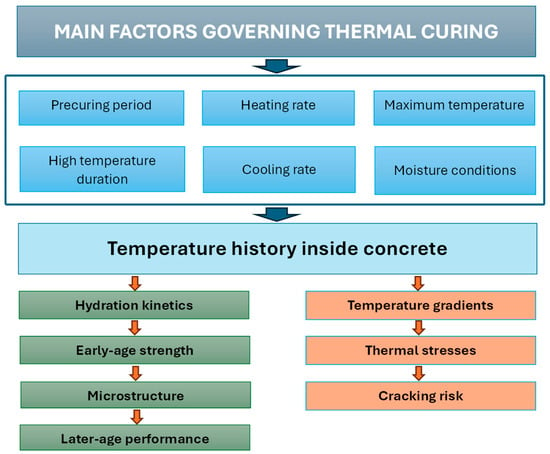
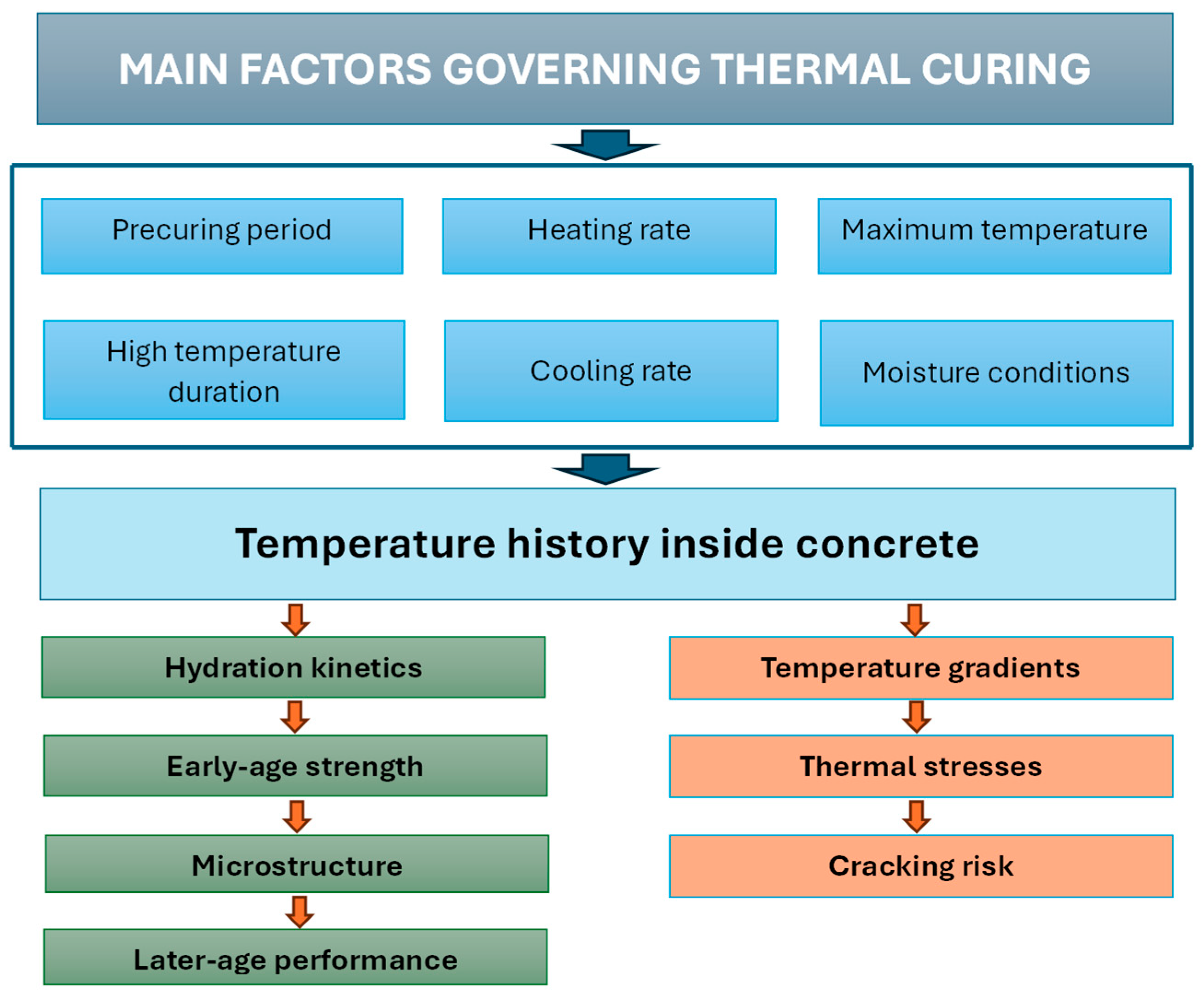
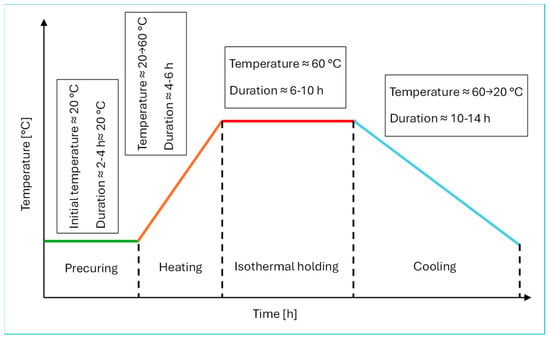
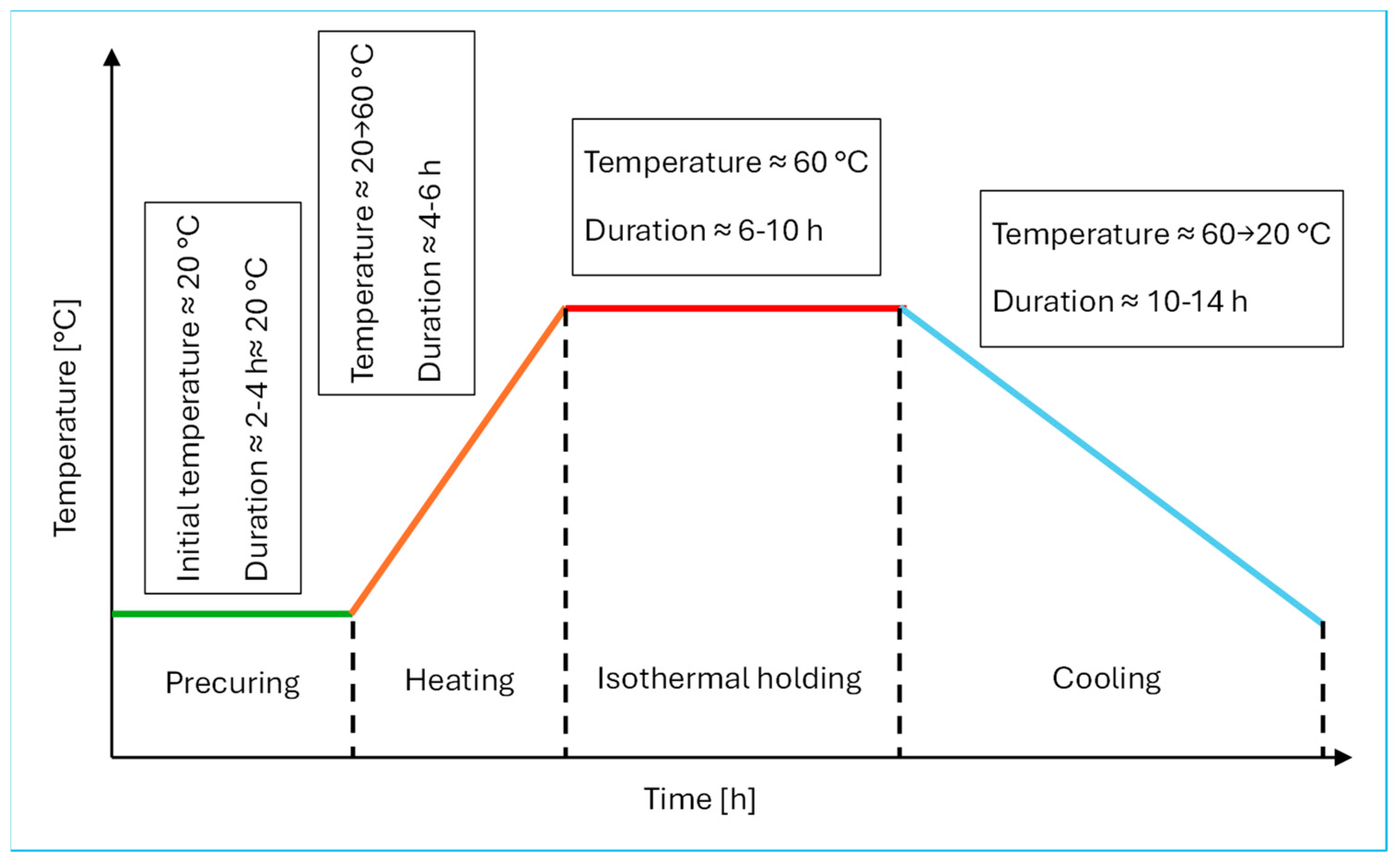
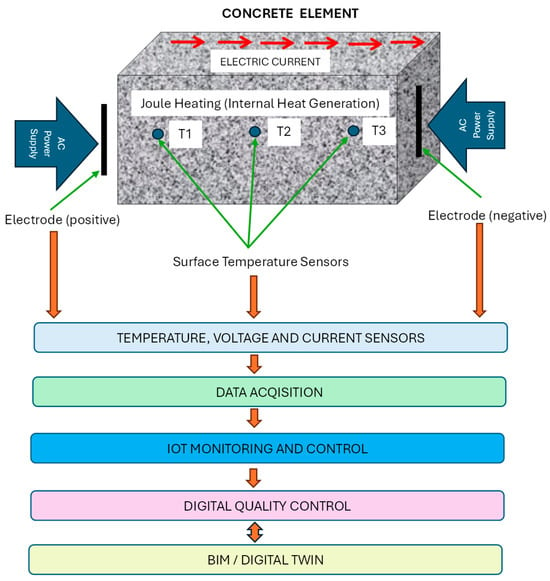
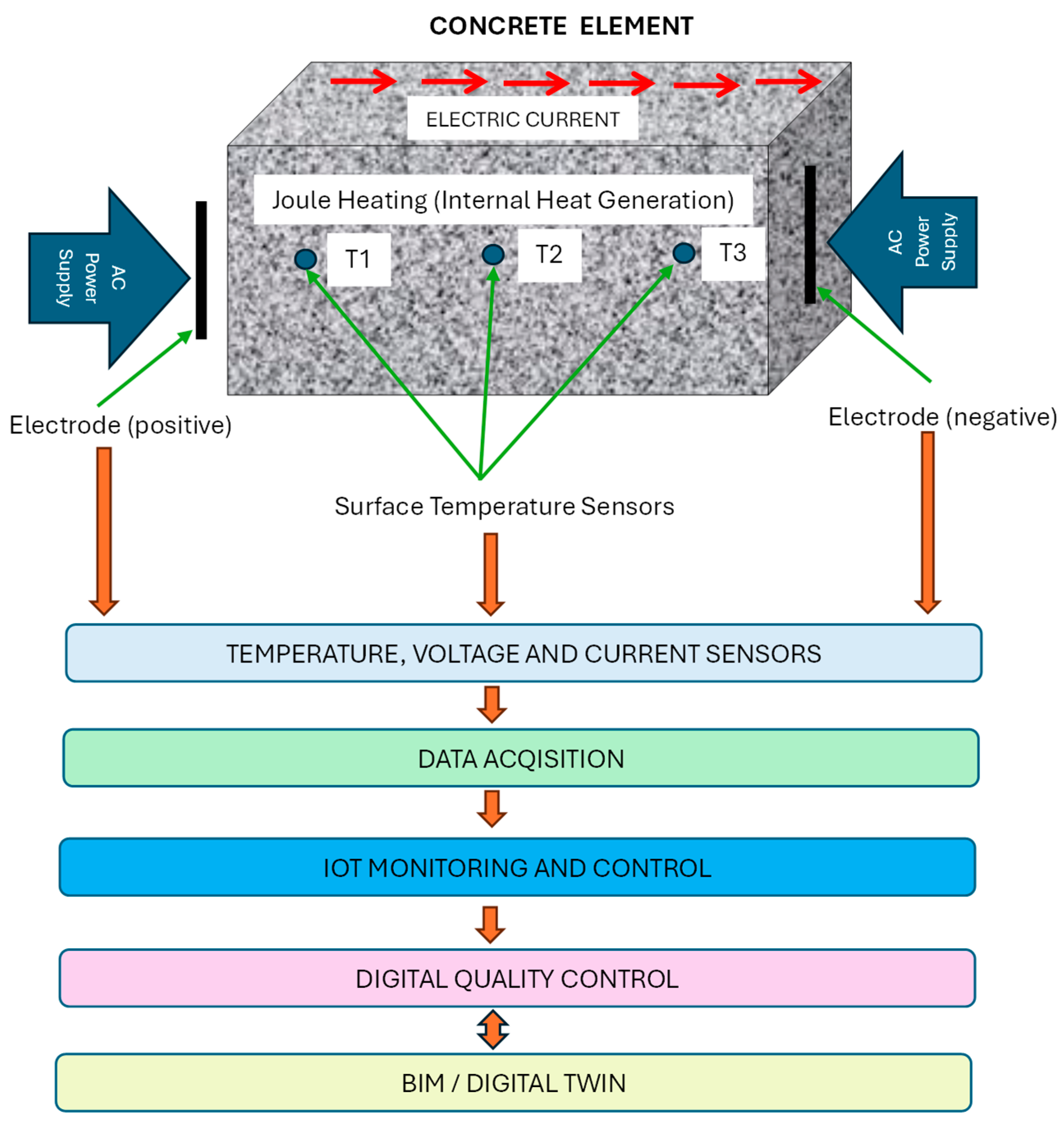
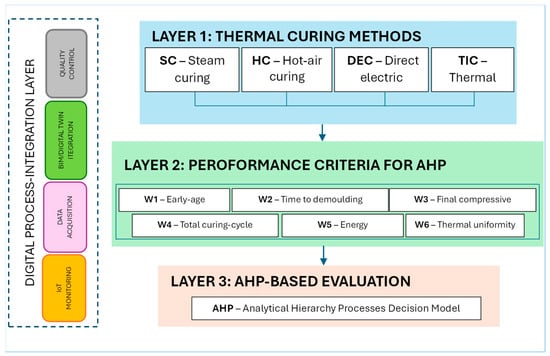
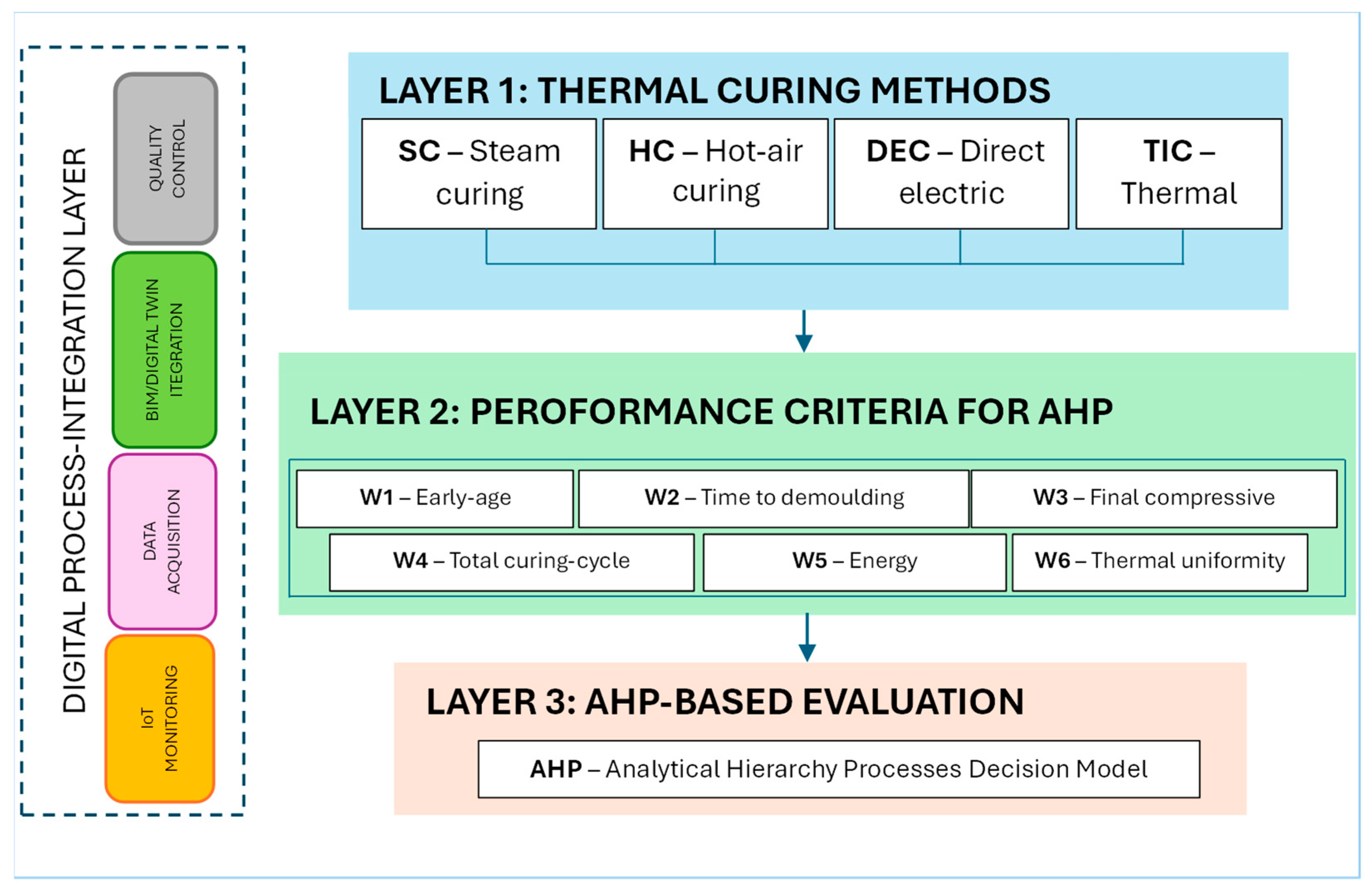
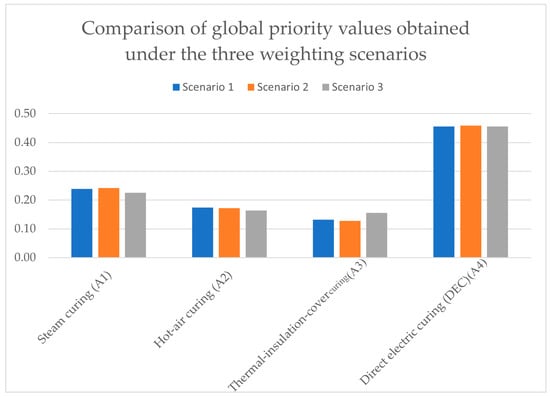
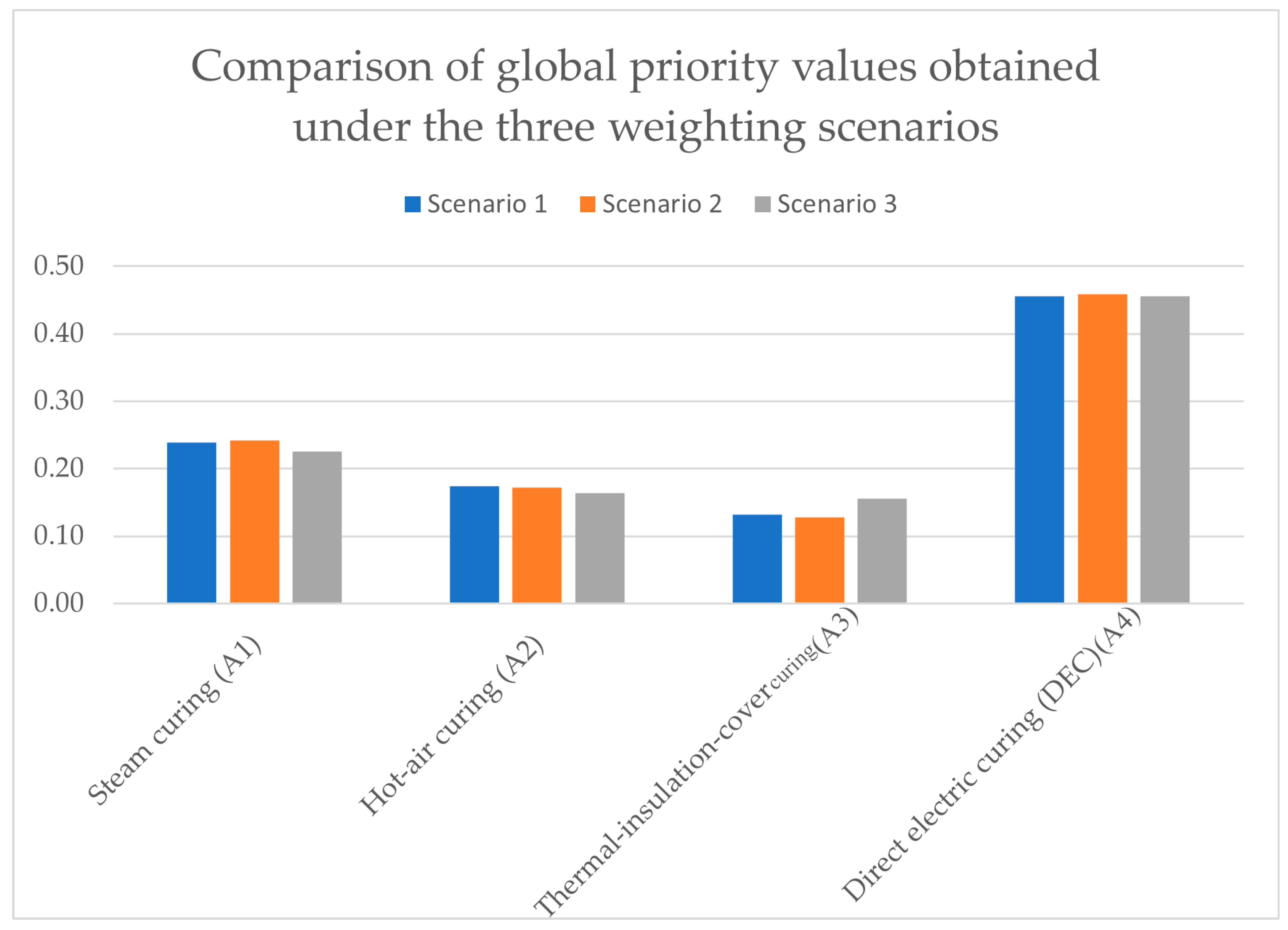
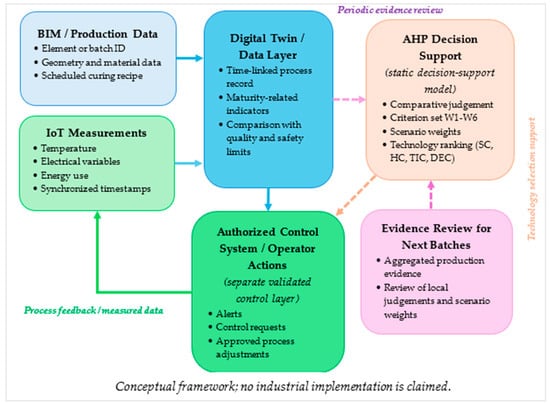
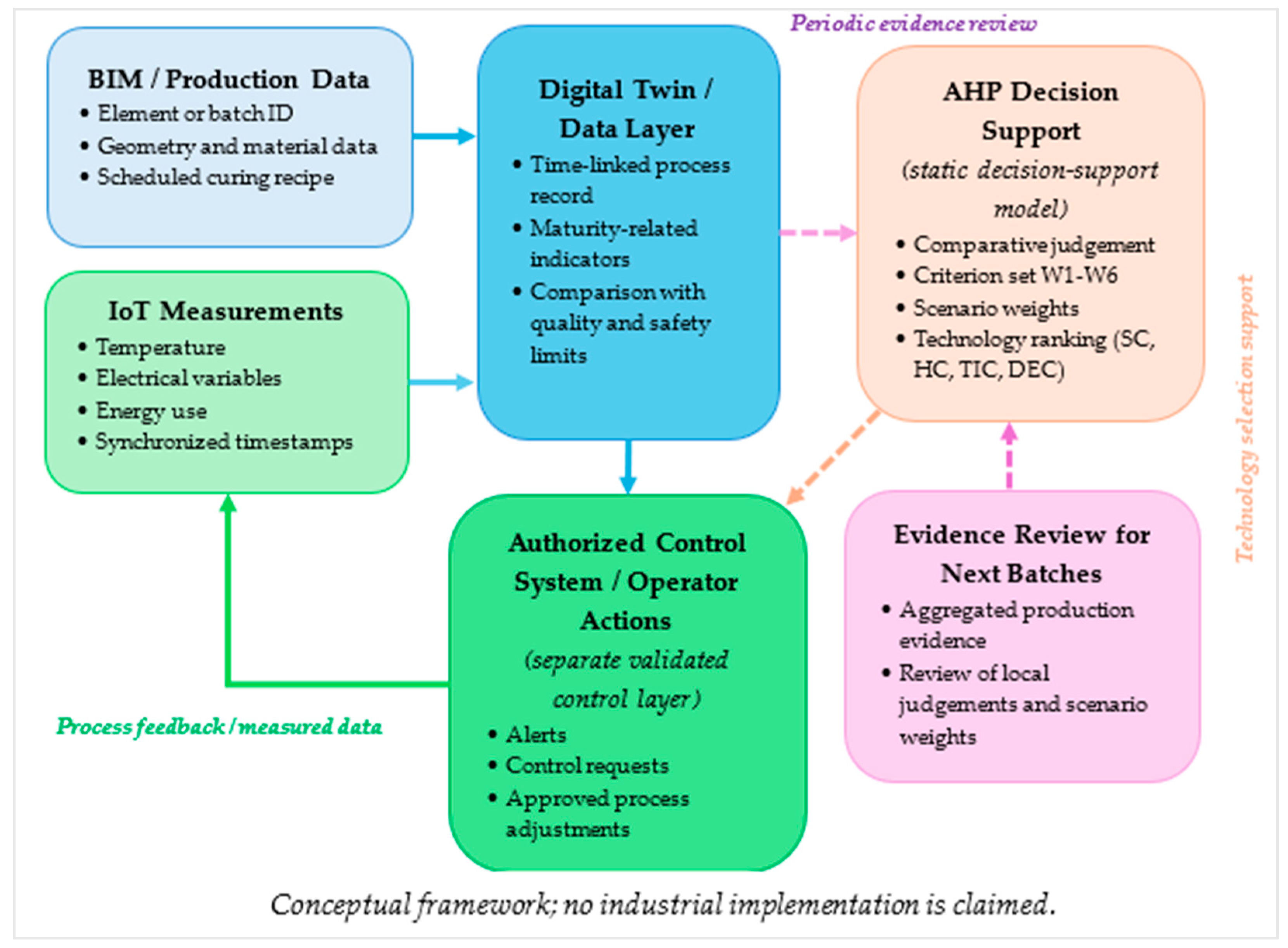

Disclaimer/Publisher’s Note: The statements, opinions and data contained in all publications are solely those of the individual author(s) and contributor(s) and not of MDPI and/or the editor(s). MDPI and/or the editor(s) disclaim responsibility for any injury to people or property resulting from any ideas, methods, instructions or products referred to in the content. |
© 2026 by the author. Licensee MDPI, Basel, Switzerland. This article is an open access article distributed under the terms and conditions of the Creative Commons Attribution (CC BY) license.