Article

Computational Study of Stress Distribution in Polyethylene Elements Due to Metal Components of Knee and Hip Implants Made from Different Metal Alloys


by
Michał Sobociński
* and
Marcin Nabrdalik
Department of Technology and Automation, Faculty of Mechanical Engineering, Czestochowa University of Technology, 42-201 Czestochowa, Poland
*
Author to whom correspondence should be addressed.
Materials 2025, 18(16), 3924; https://doi.org/10.3390/ma18163924
Submission received: 11 July 2025 / Revised: 31 July 2025 / Accepted: 11 August 2025 / Published: 21 August 2025

Abstract

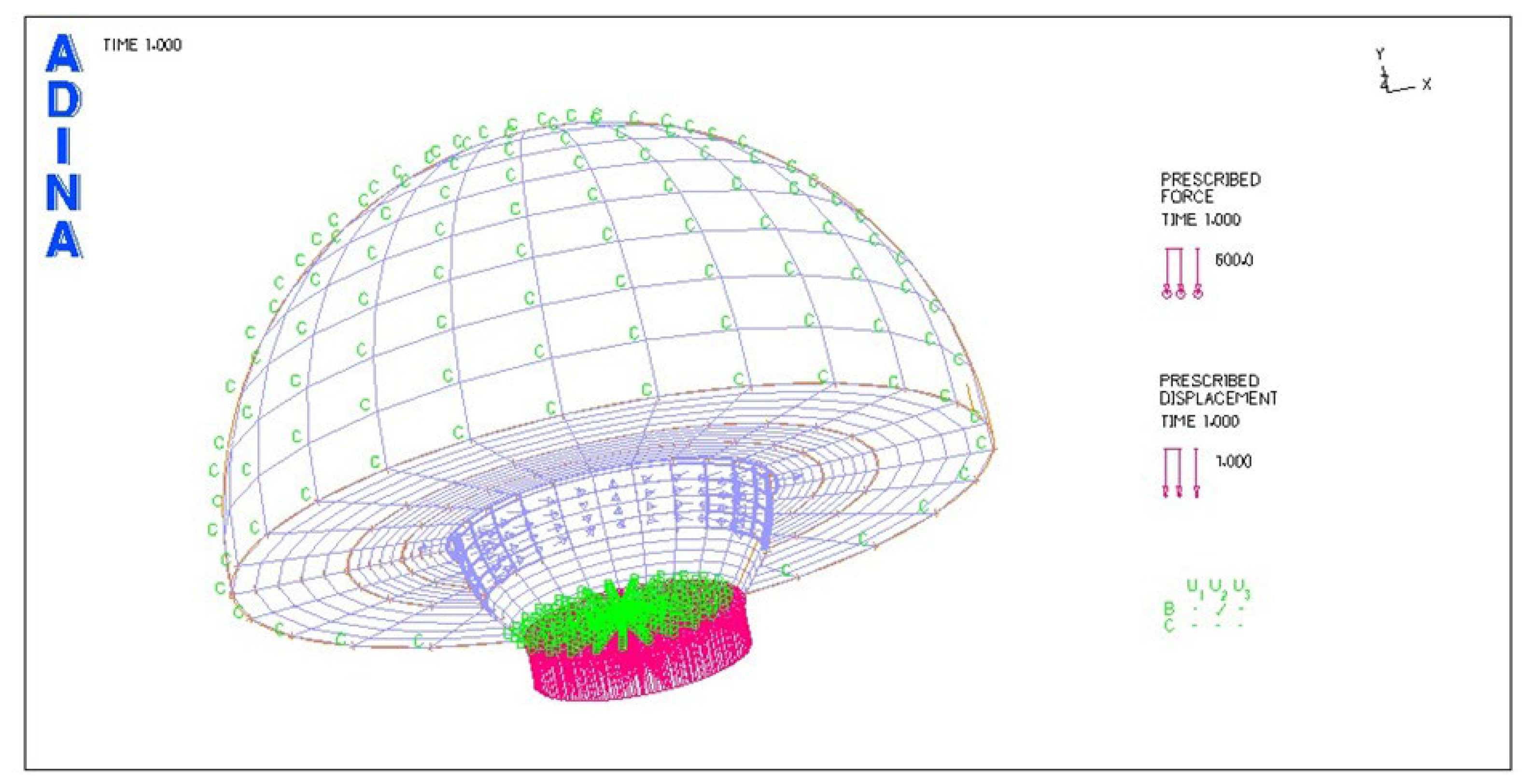
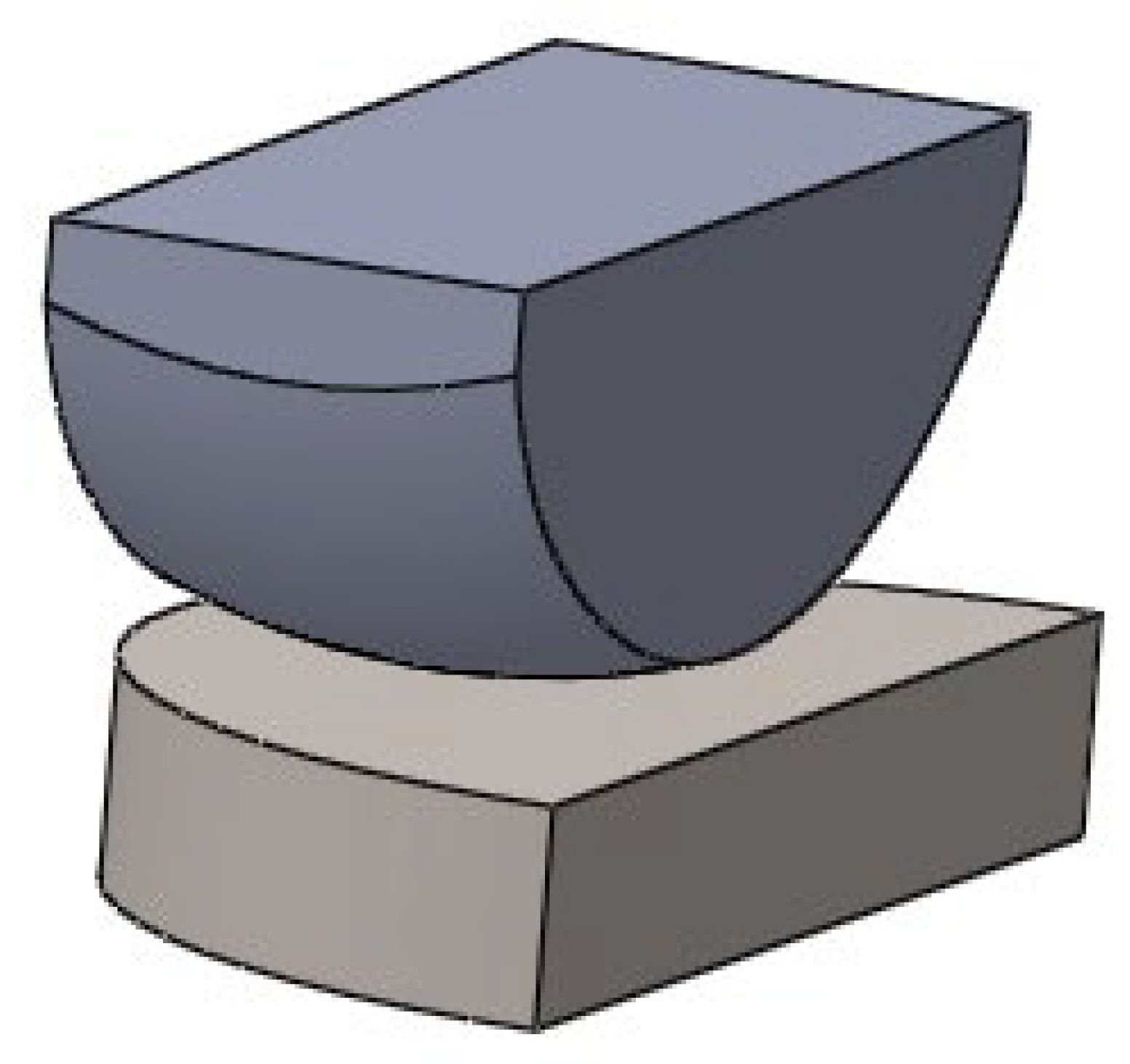
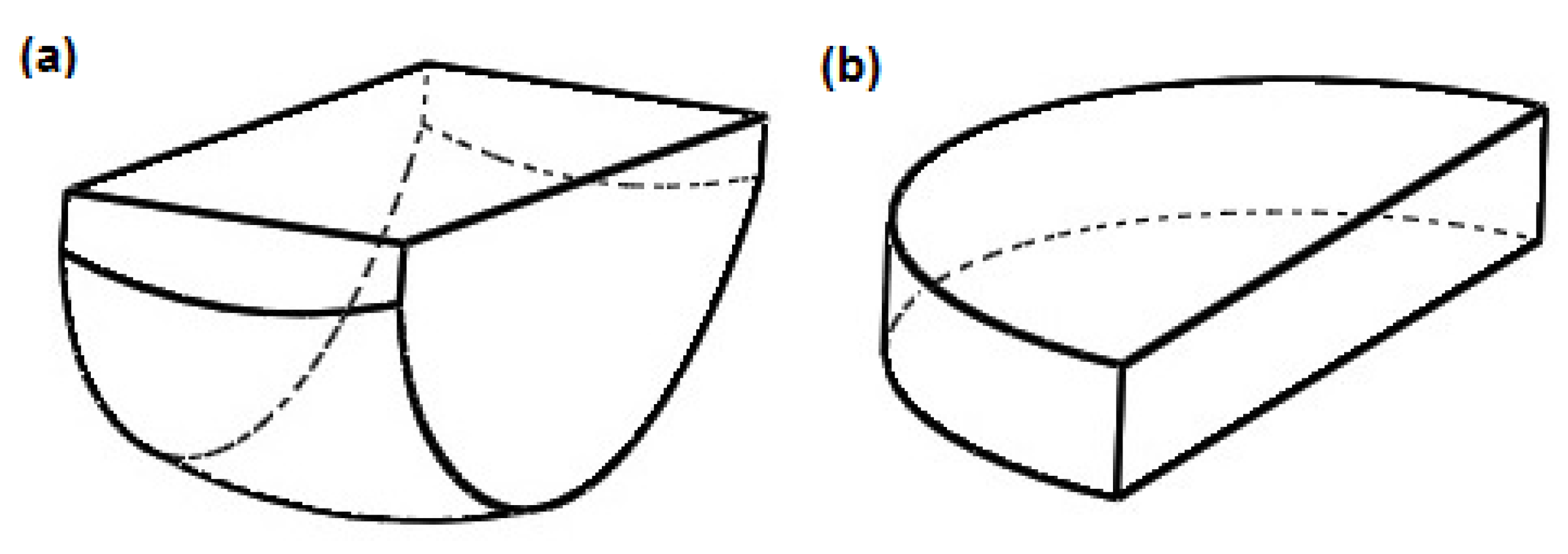
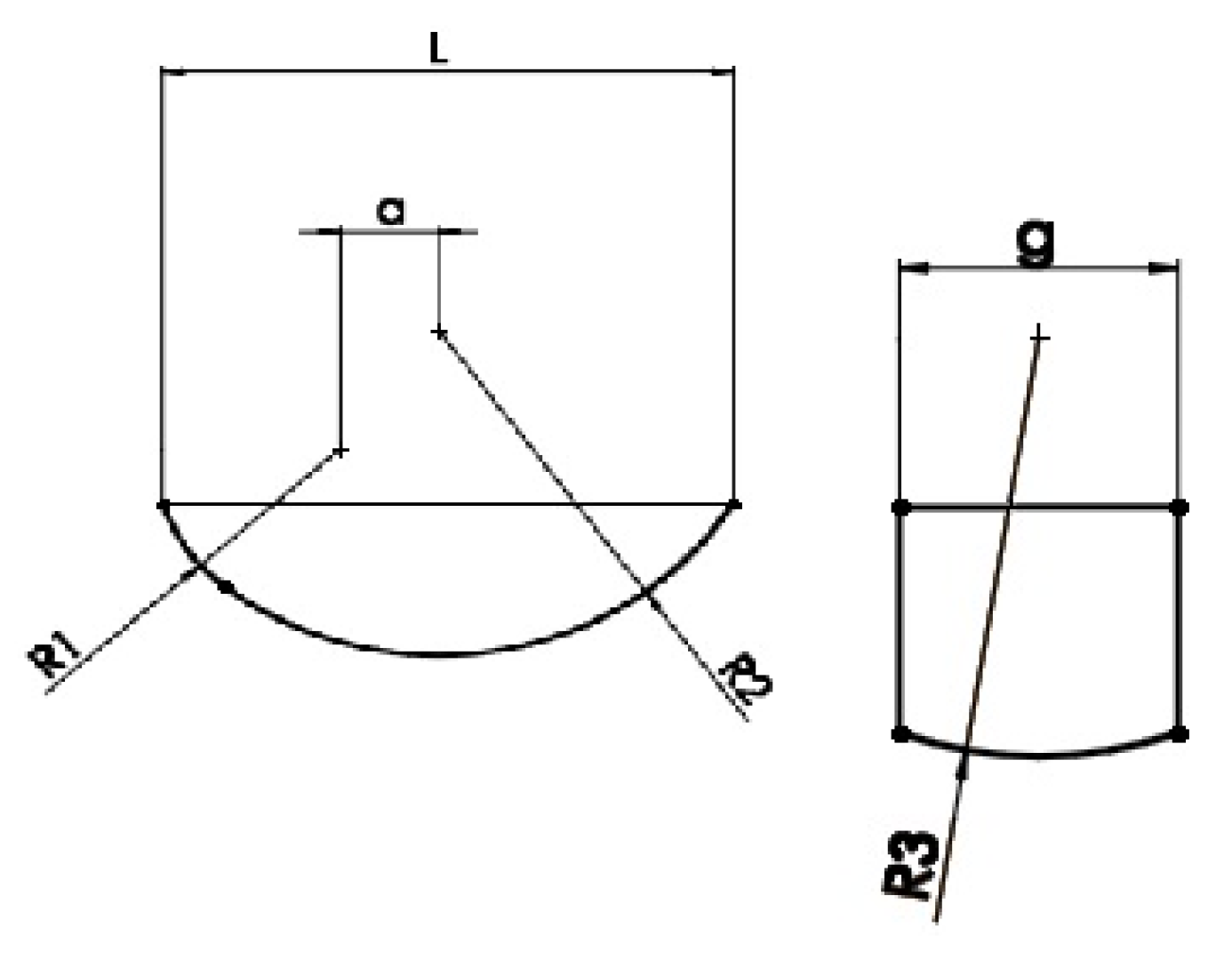
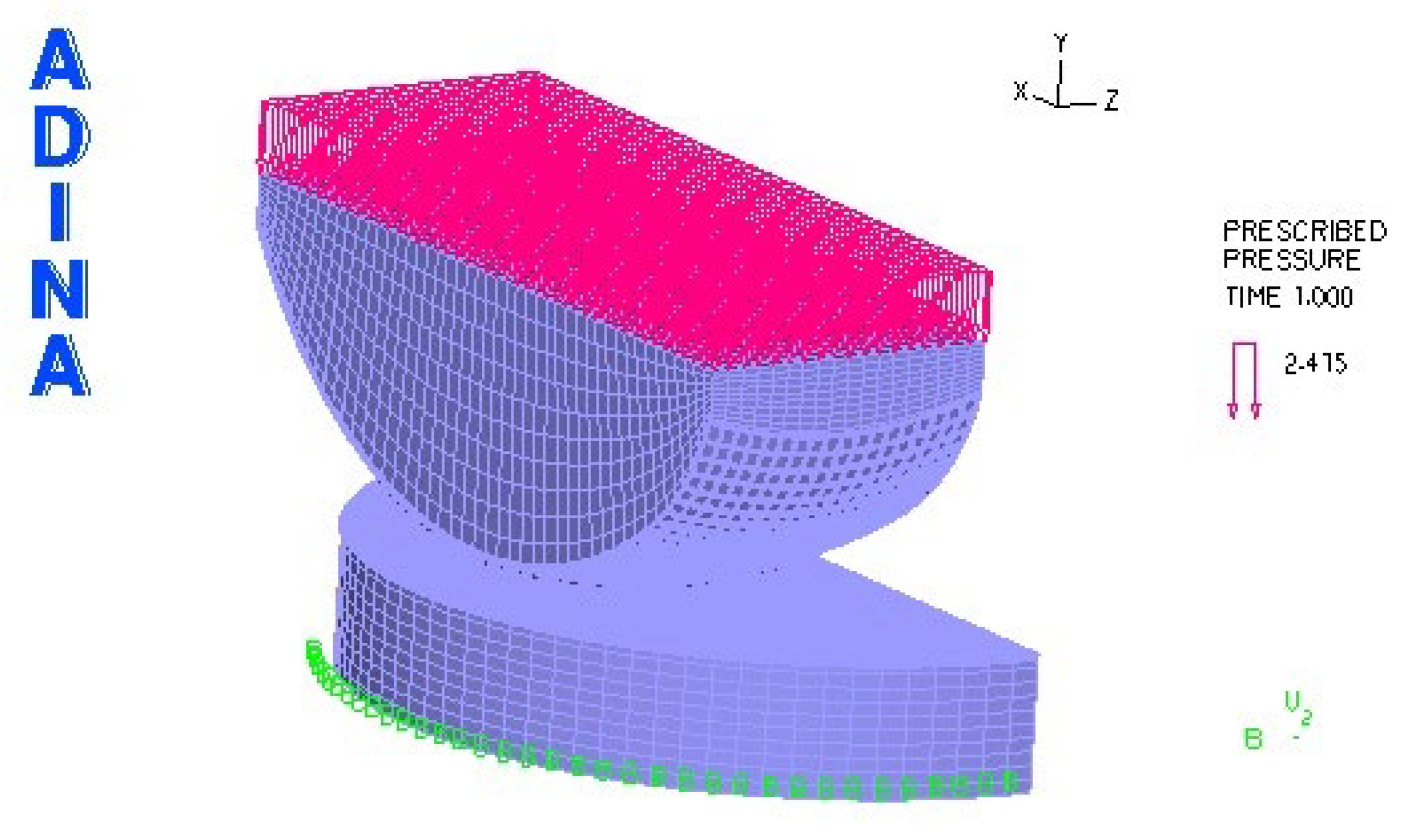
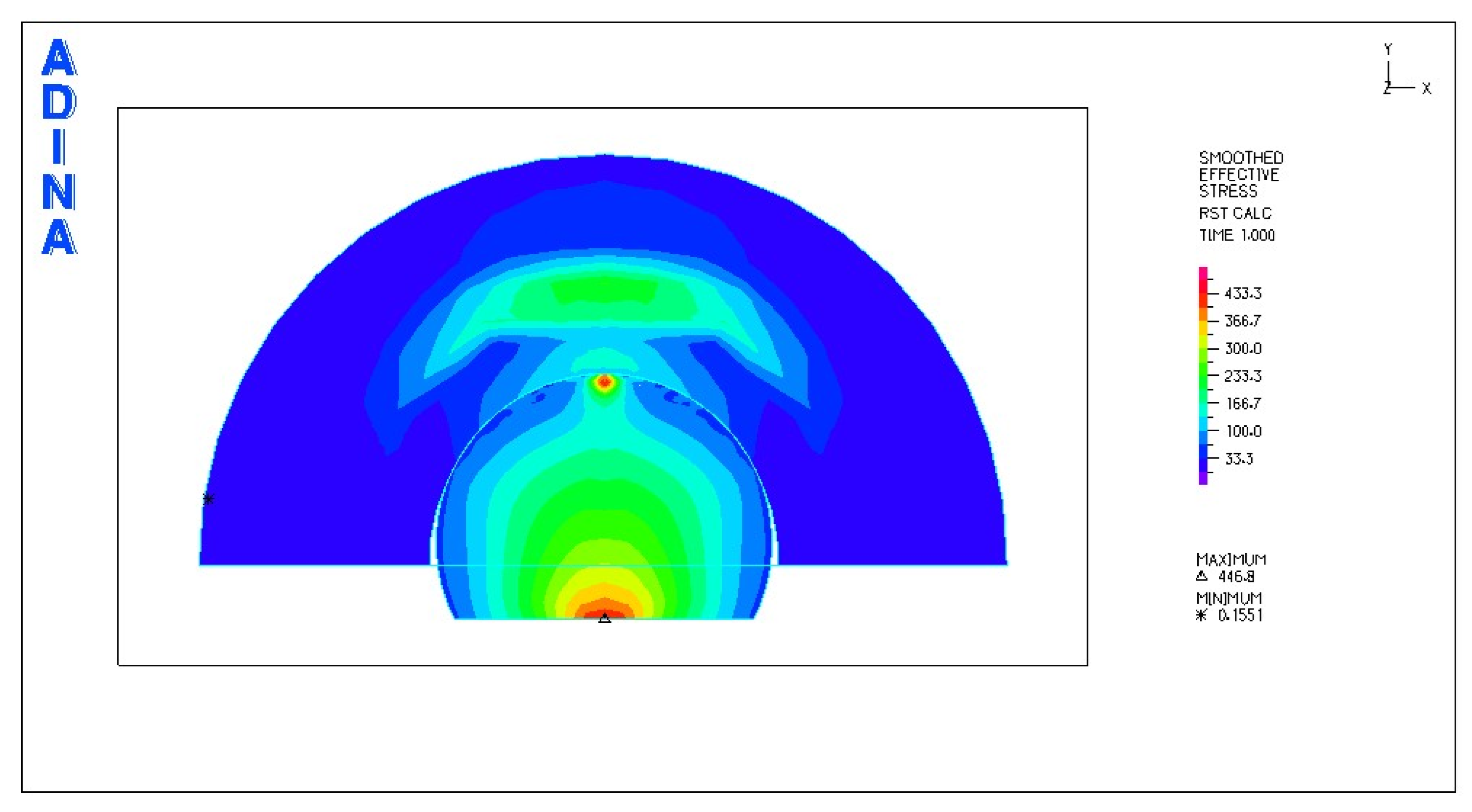
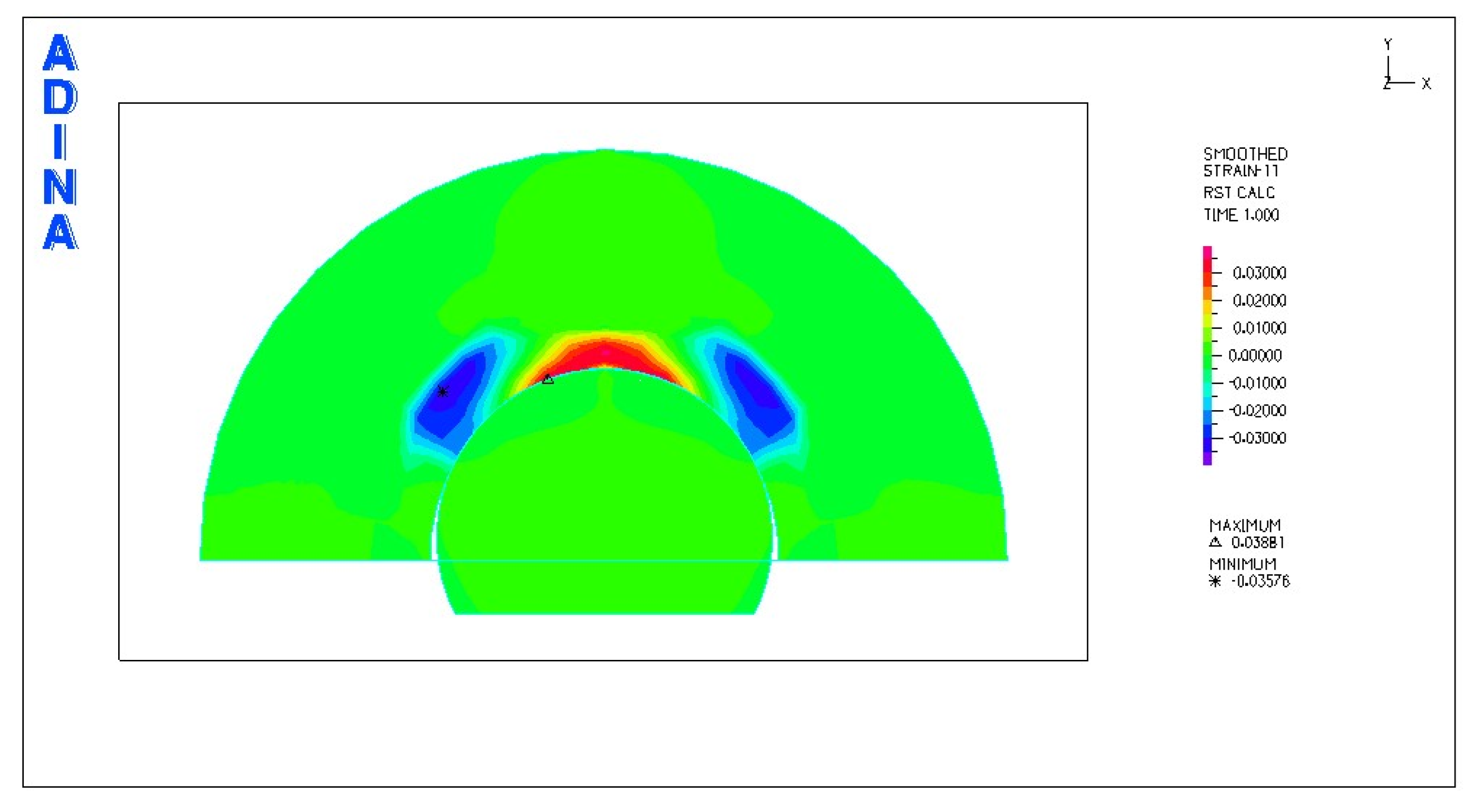
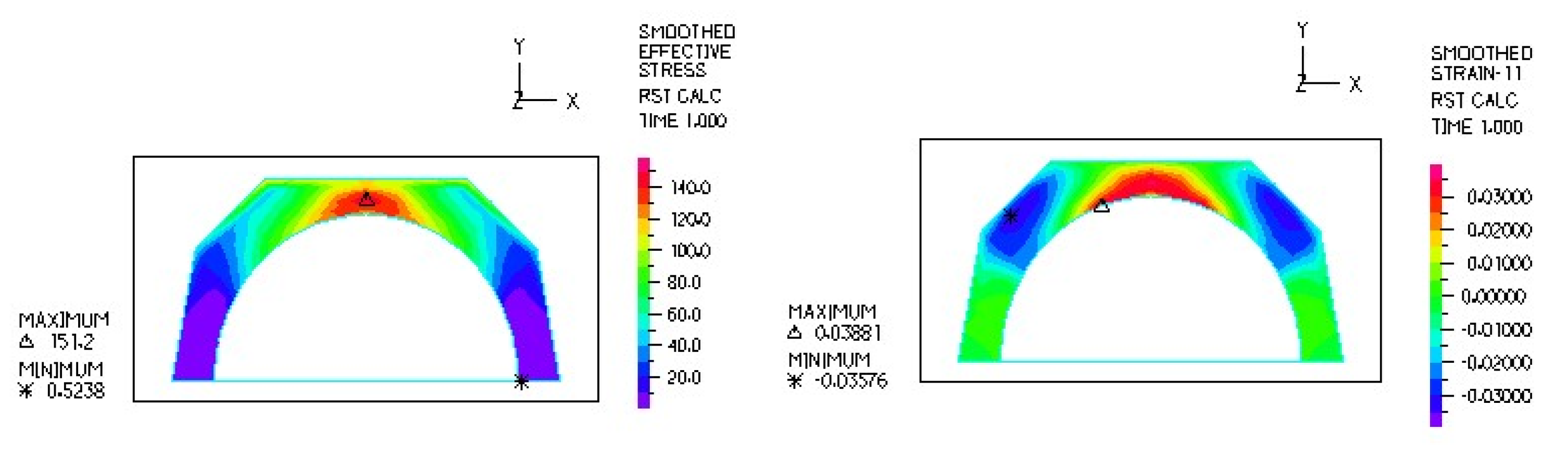
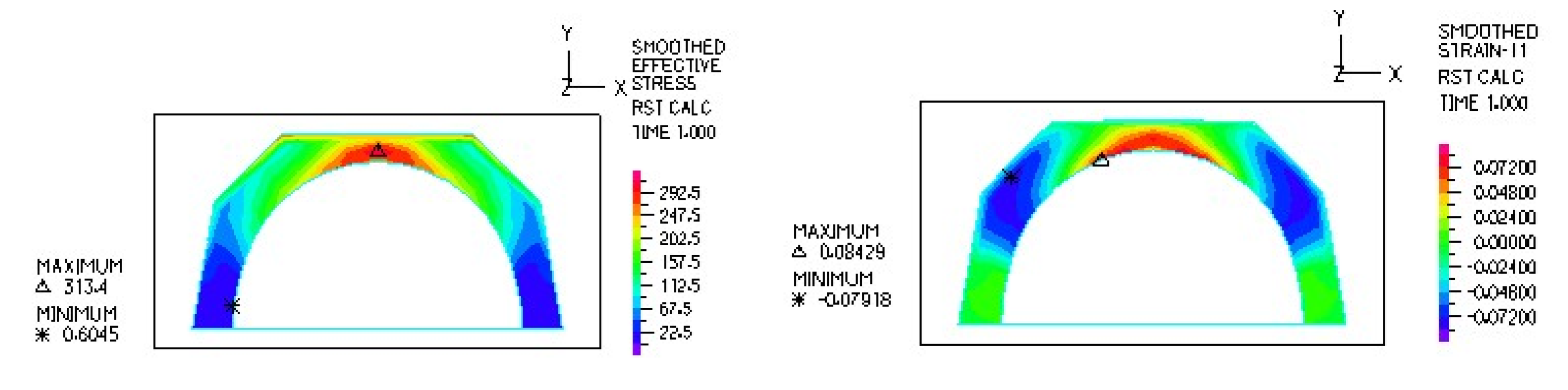
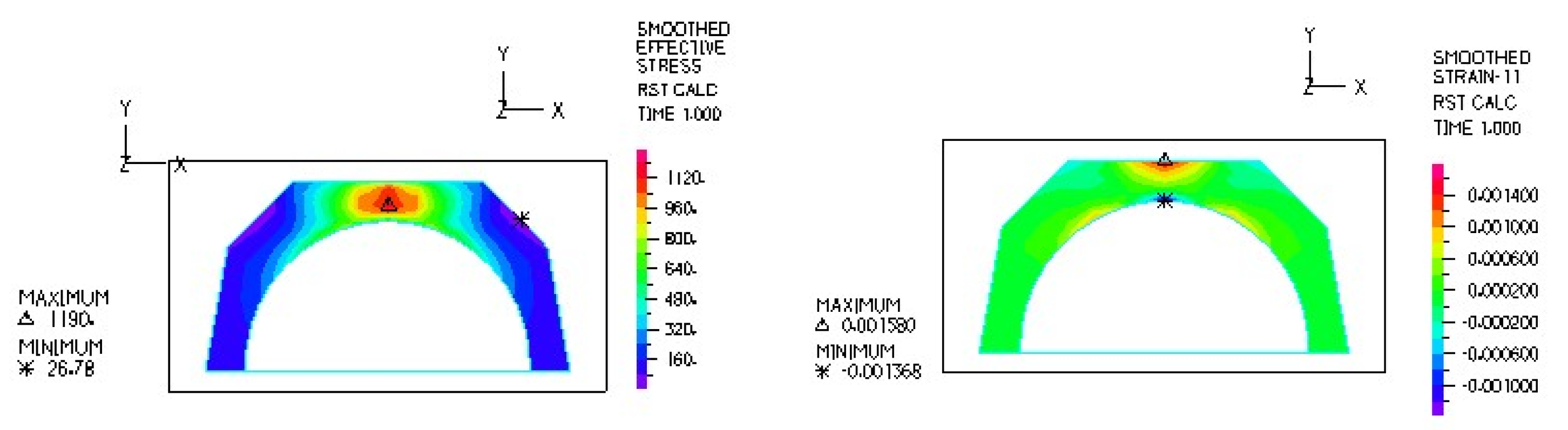
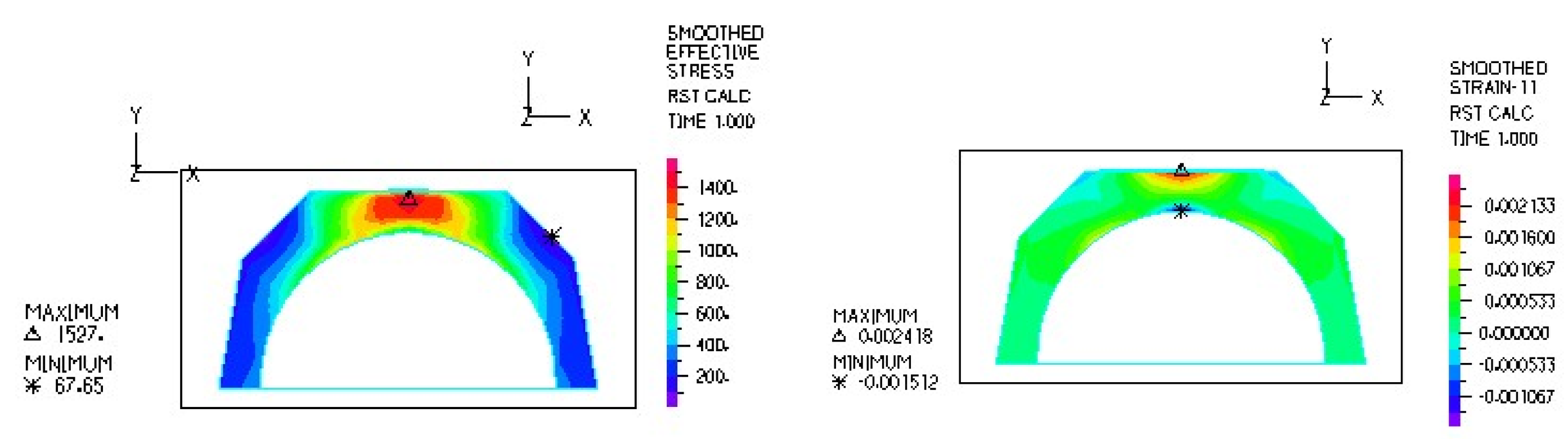
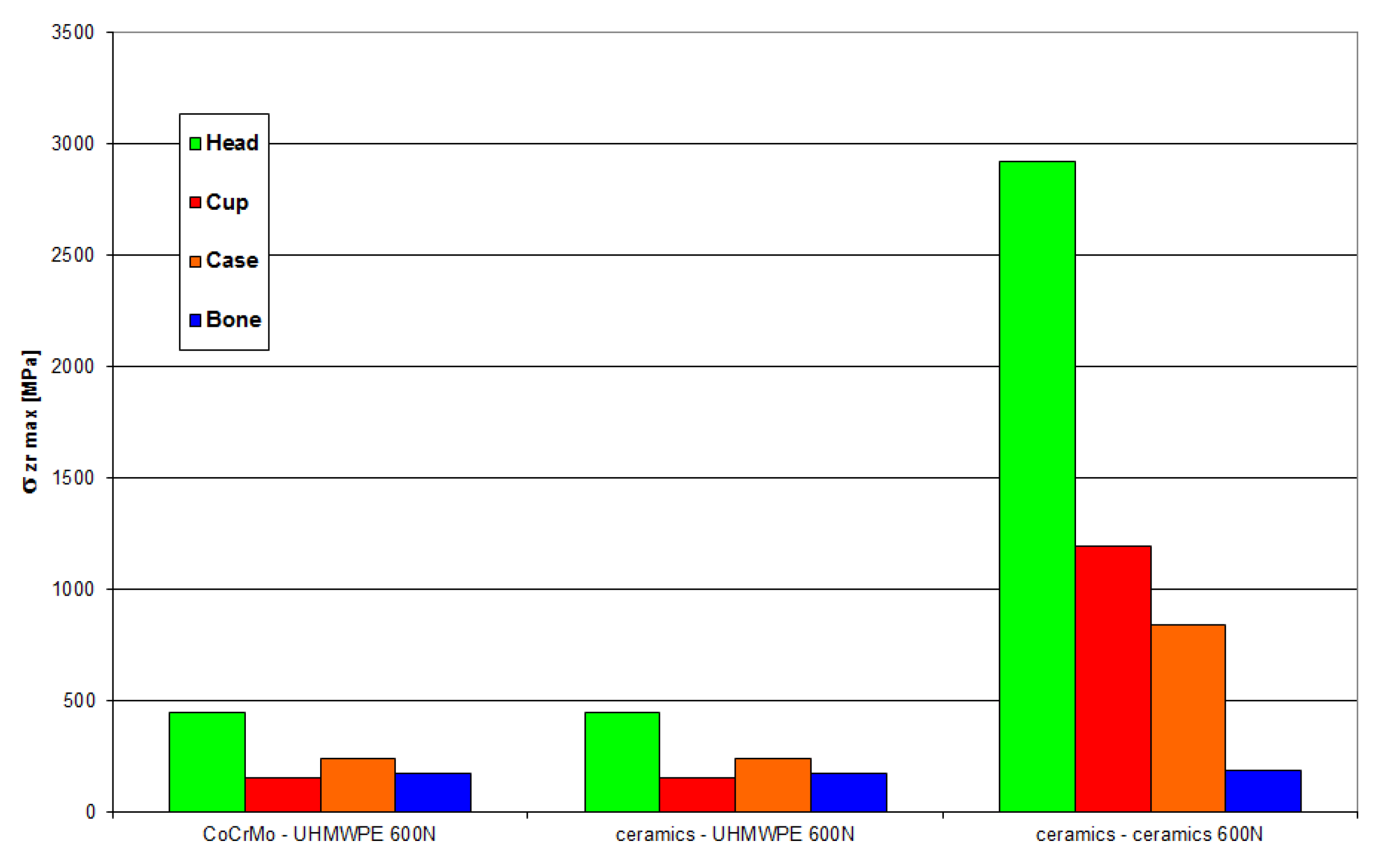
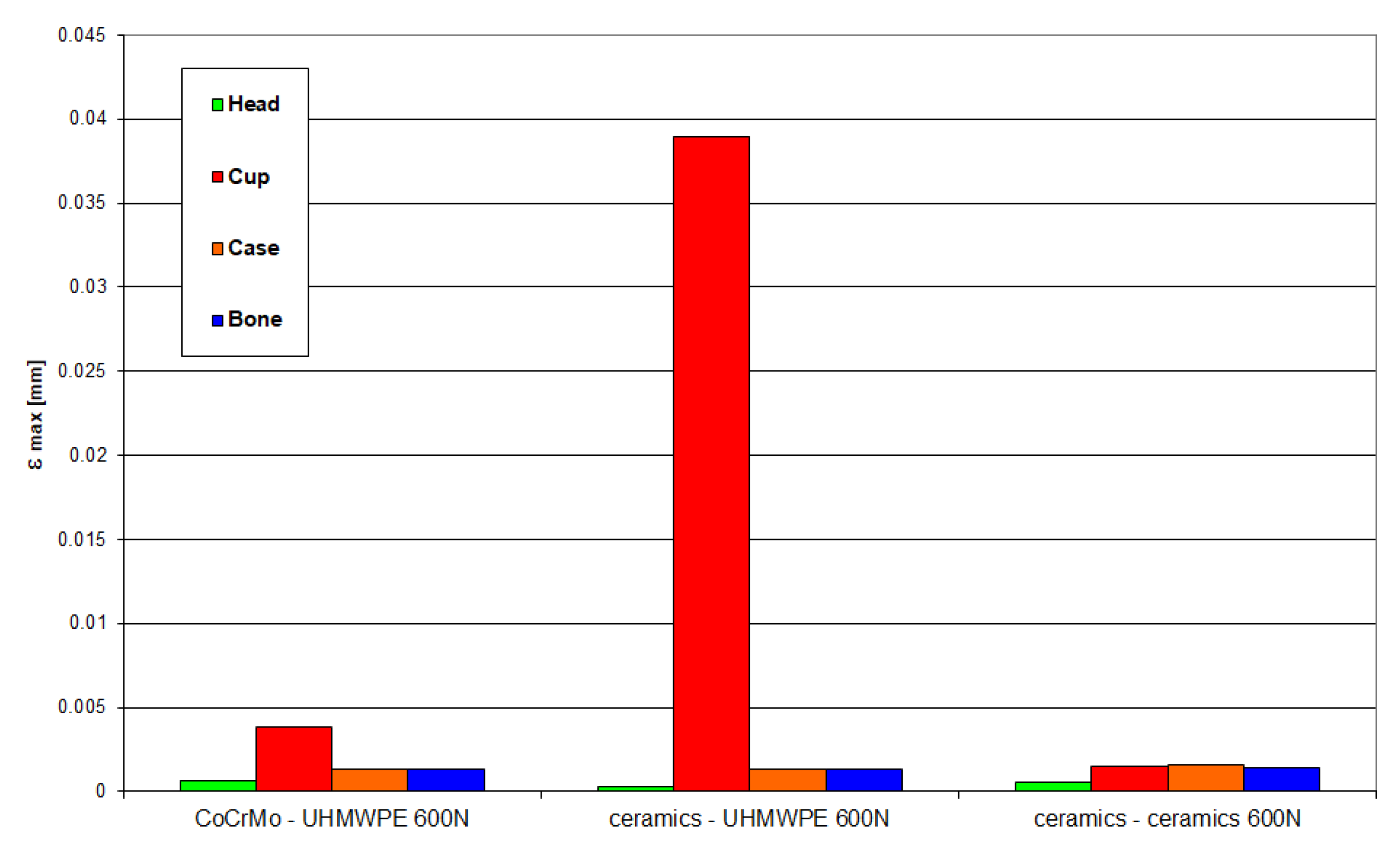
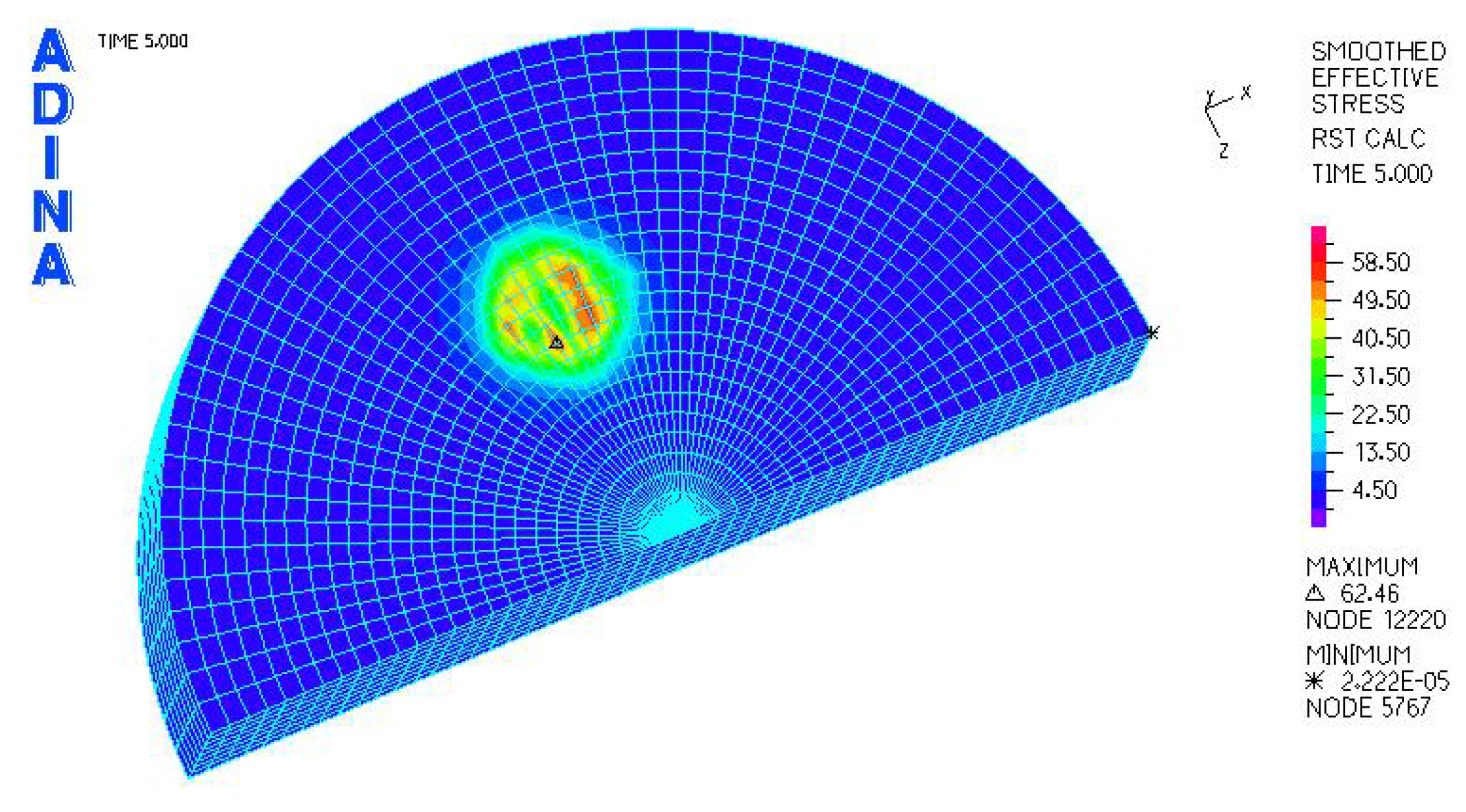
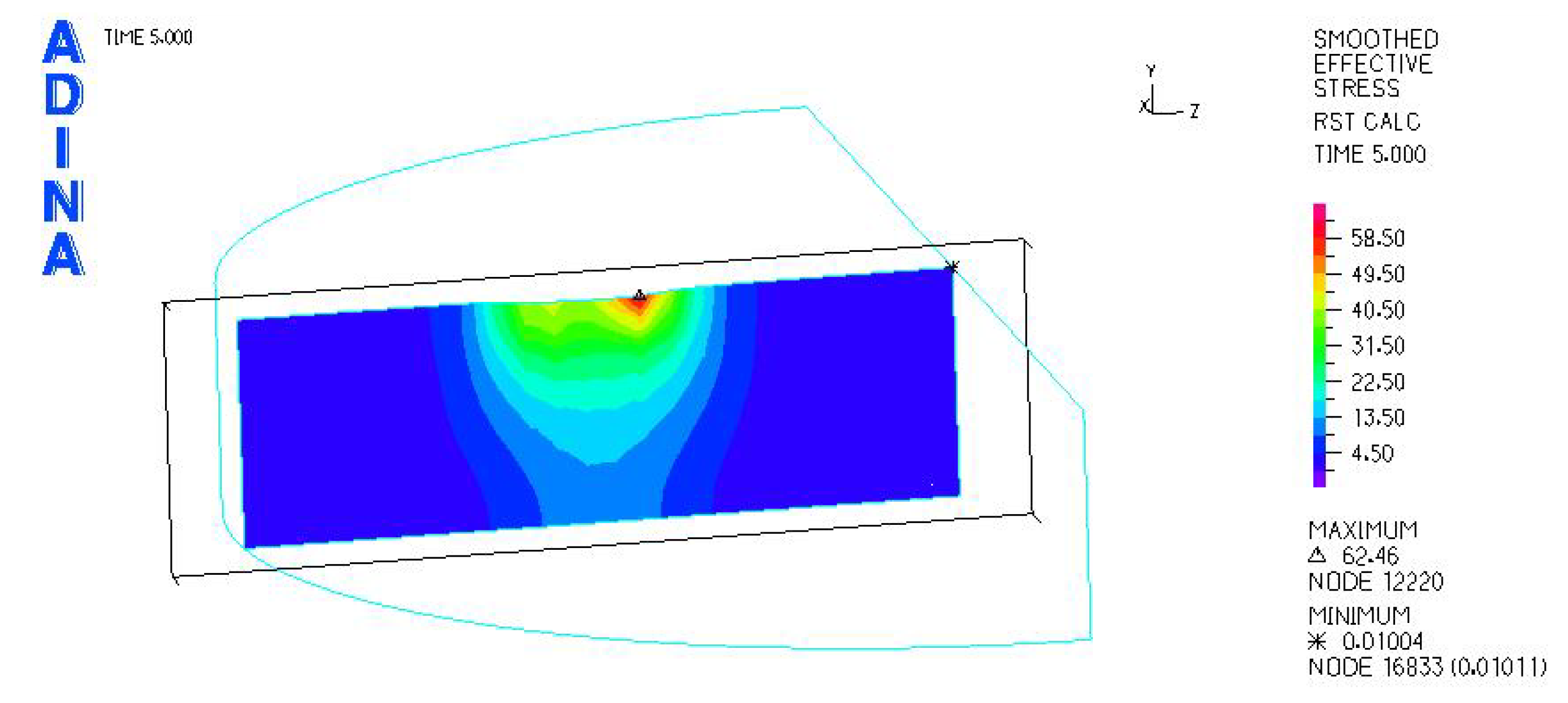
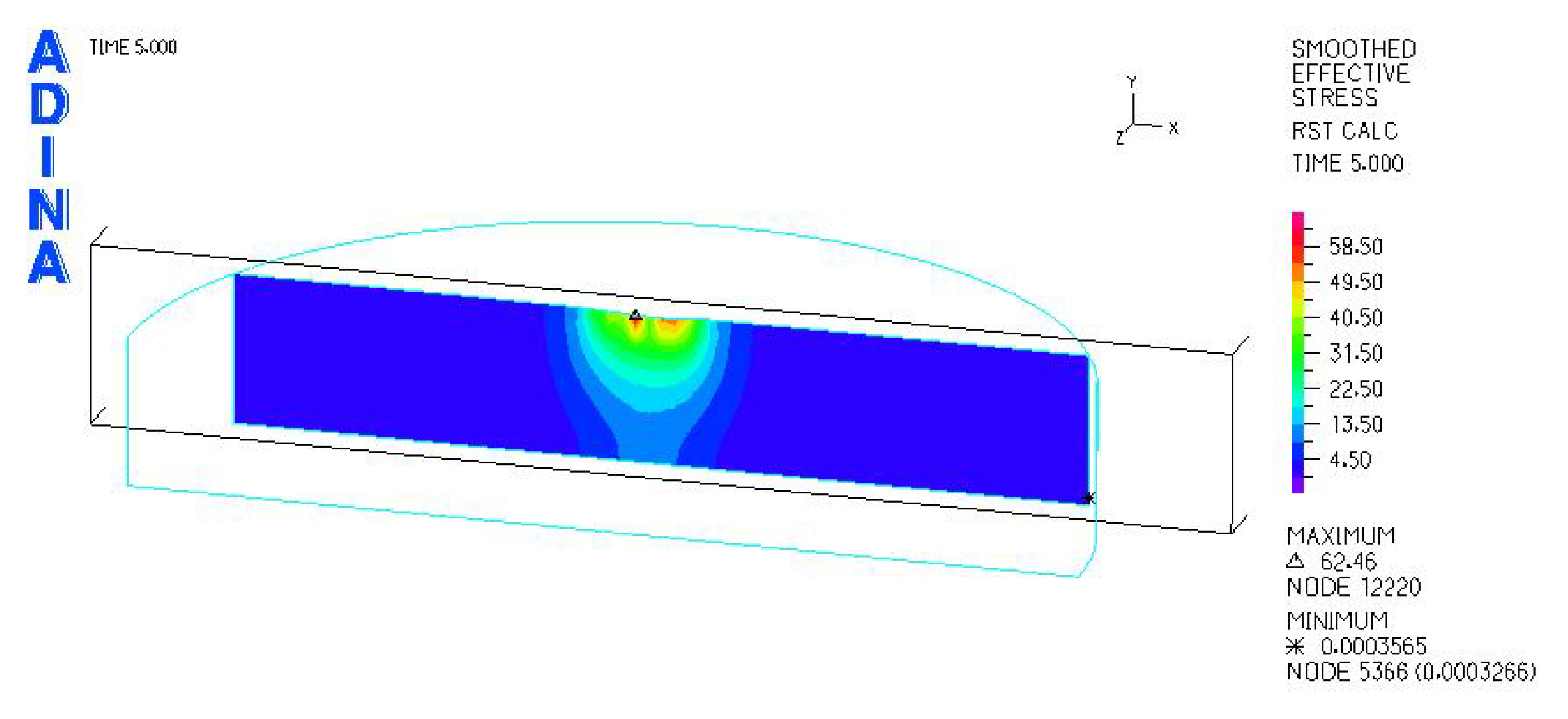
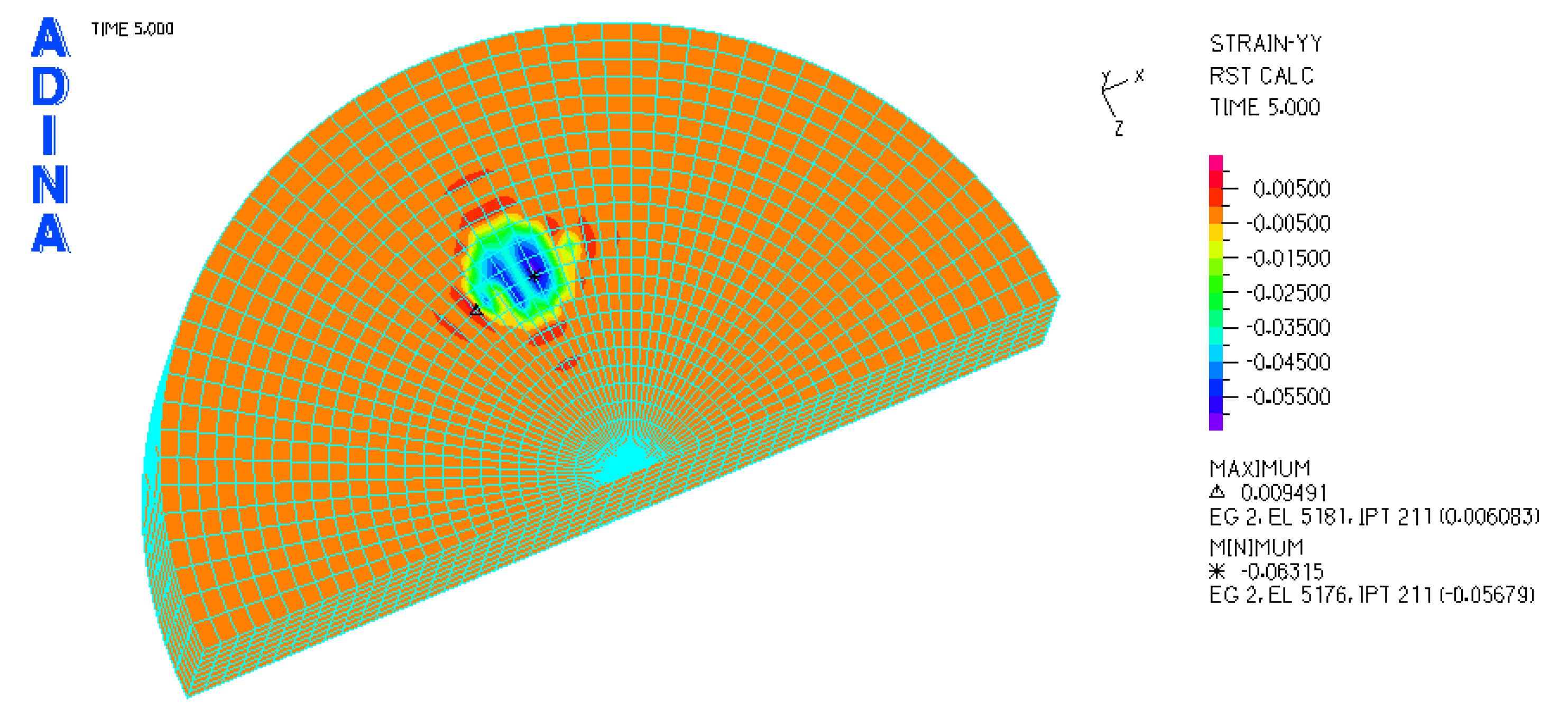
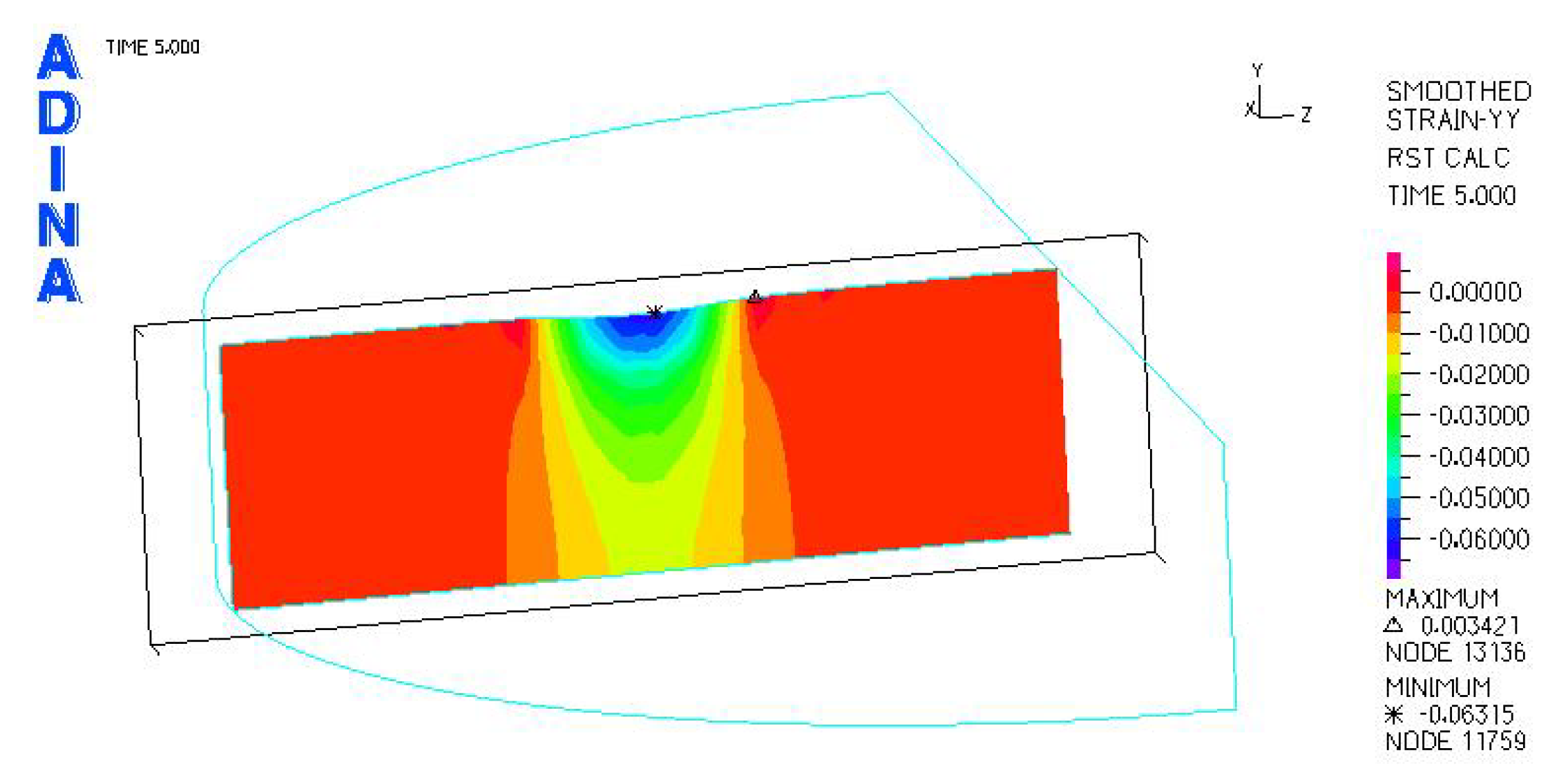
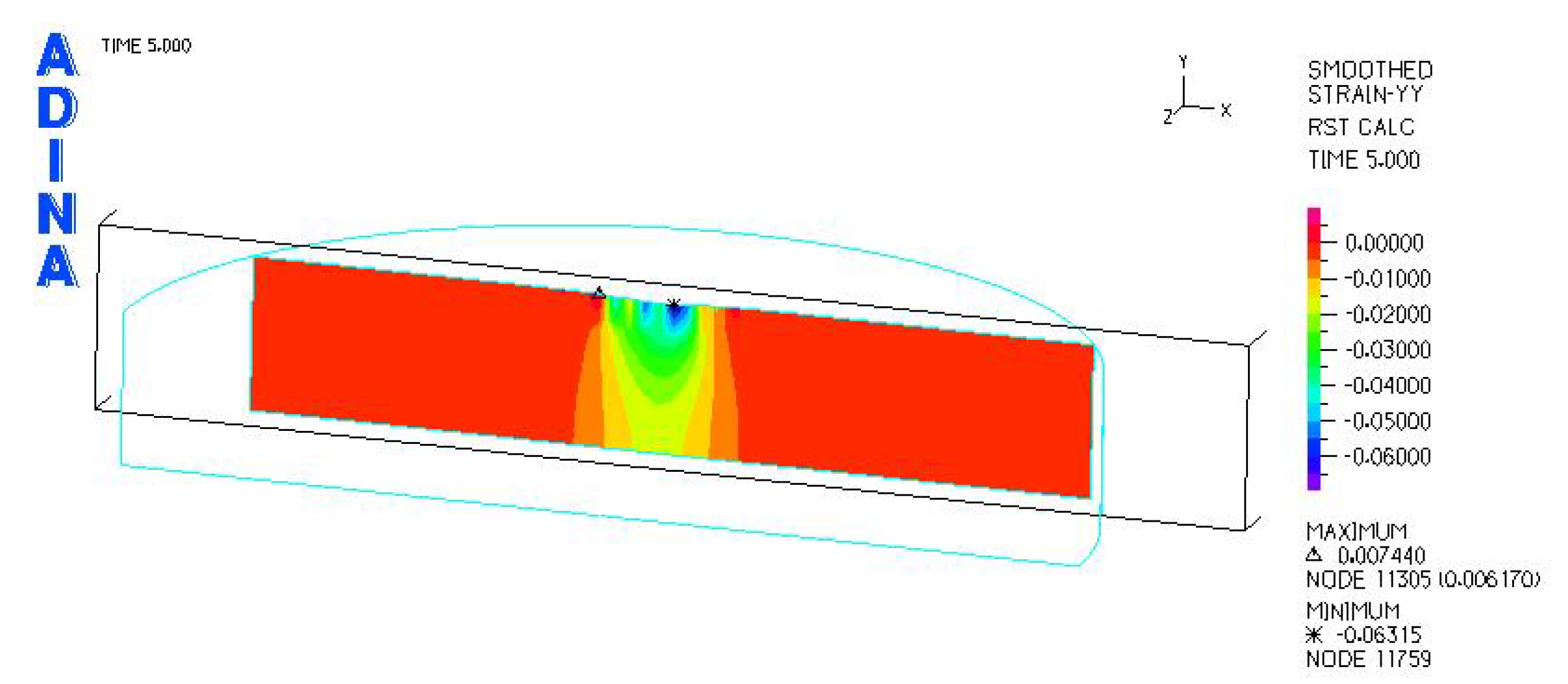
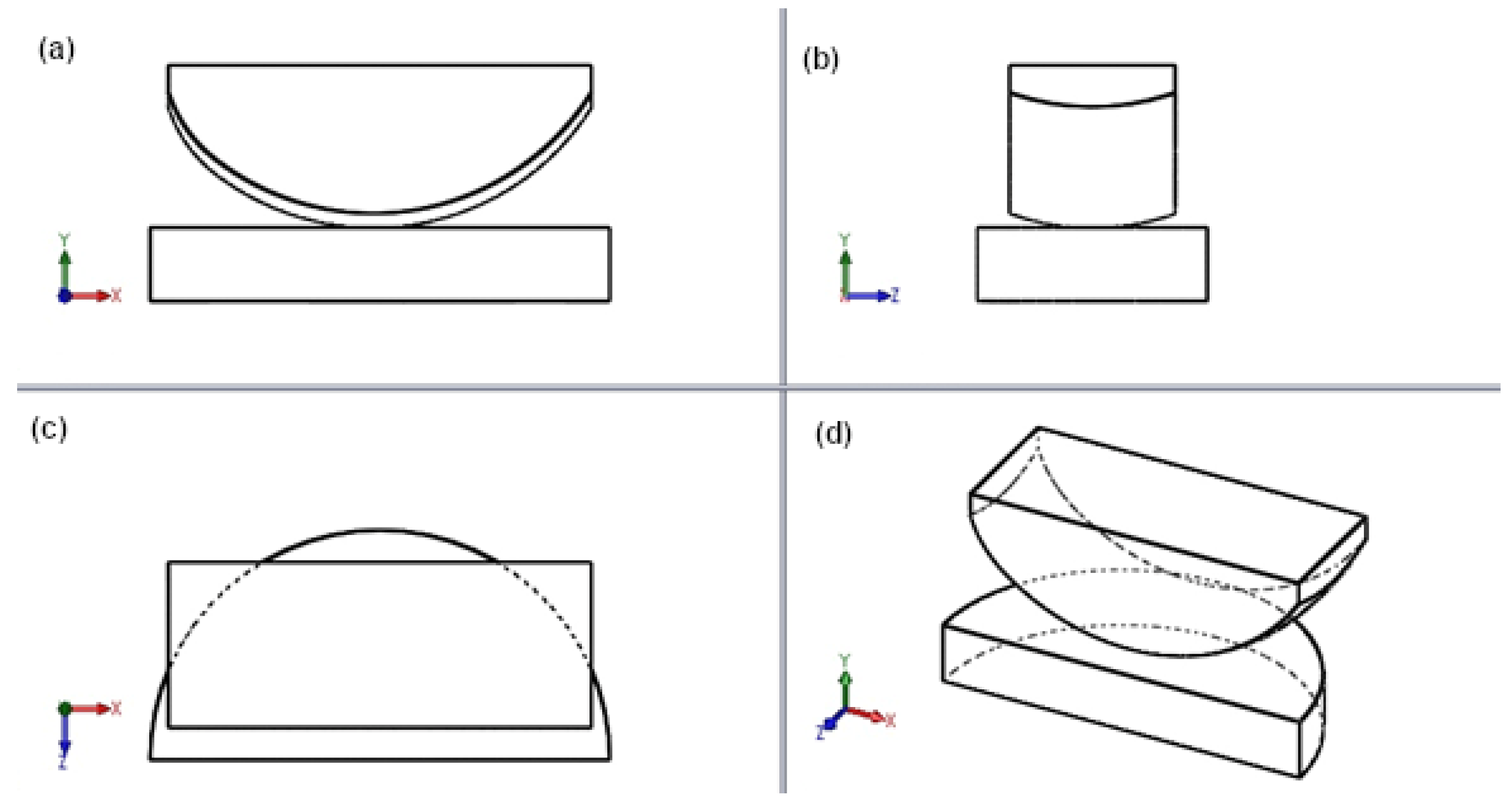
The complexity of the processes occurring in both natural and artificial joints necessitates carrying out the analysis on a 3D model based on already existing mathematical models. All the presented numerical calculations define qualitative conclusions about the influence of certain parameters of endoprostheses on the values of stresses and strains arising in polyethylene parts of hip and knee endoprostheses. The obtained results make it possible to reveal “weak points” in the studied models and thus counteract the later effects resulting from premature wear of the endoprosthesis components. The study included a numerical analysis of the stress and strain distribution of polyethylene components of hip and knee endoprostheses working with the most commonly used material associations in this type of solution. The most common are metal alloys and ceramics. The analyses were carried out using ADINA and Autodesk Simulation Mechanical software. Geometric models were designed based on current solutions used by leading endoprosthesis manufacturers. The load models adopted are based on models commonly used in musculoskeletal biomechanics. Particular attention was paid to modeling the resistance due to friction at the hip endoprosthesis node. To build the hip endoprosthesis model, eight-node 3D solid elements were used. Due to the axisymmetric geometry of the model, the resulting discrete model consisted of 10,000 cubic elements described by 10,292 nodes. In the case of the knee endoprosthesis, a finite element mesh was adopted for the calculations, which was built with 3600 3D solid cubic elements and 4312 nodes. The accuracy of the adopted numerical model did not differ from the generally used solutions in this field.
Keywords: polymer composites; polyethylene ultra high molecular weight; finite element method; ceramics polymer composites; polyethylene ultra high molecular weight; finite element method; ceramics