Article

Experimental Study of Utilizing Recycled Fine Aggregate for the Preparation of High Ductility Cementitious Composites


1
School of Civil Engineering, Zhengzhou University, Zhengzhou 450001, China
2
School of Water Conservancy Engineering, Zhengzhou University, Zhengzhou 450001, China
3
School of Civil Engineering, Henan University of Engineering, Zhengzhou 451191, China
*
Author to whom correspondence should be addressed.
Materials 2020, 13(3), 679; https://doi.org/10.3390/ma13030679
Submission received: 7 January 2020 / Revised: 24 January 2020 / Accepted: 1 February 2020 / Published: 3 February 2020
(This article belongs to the Special Issue Mechanical Behavior of Composite Materials)

Abstract

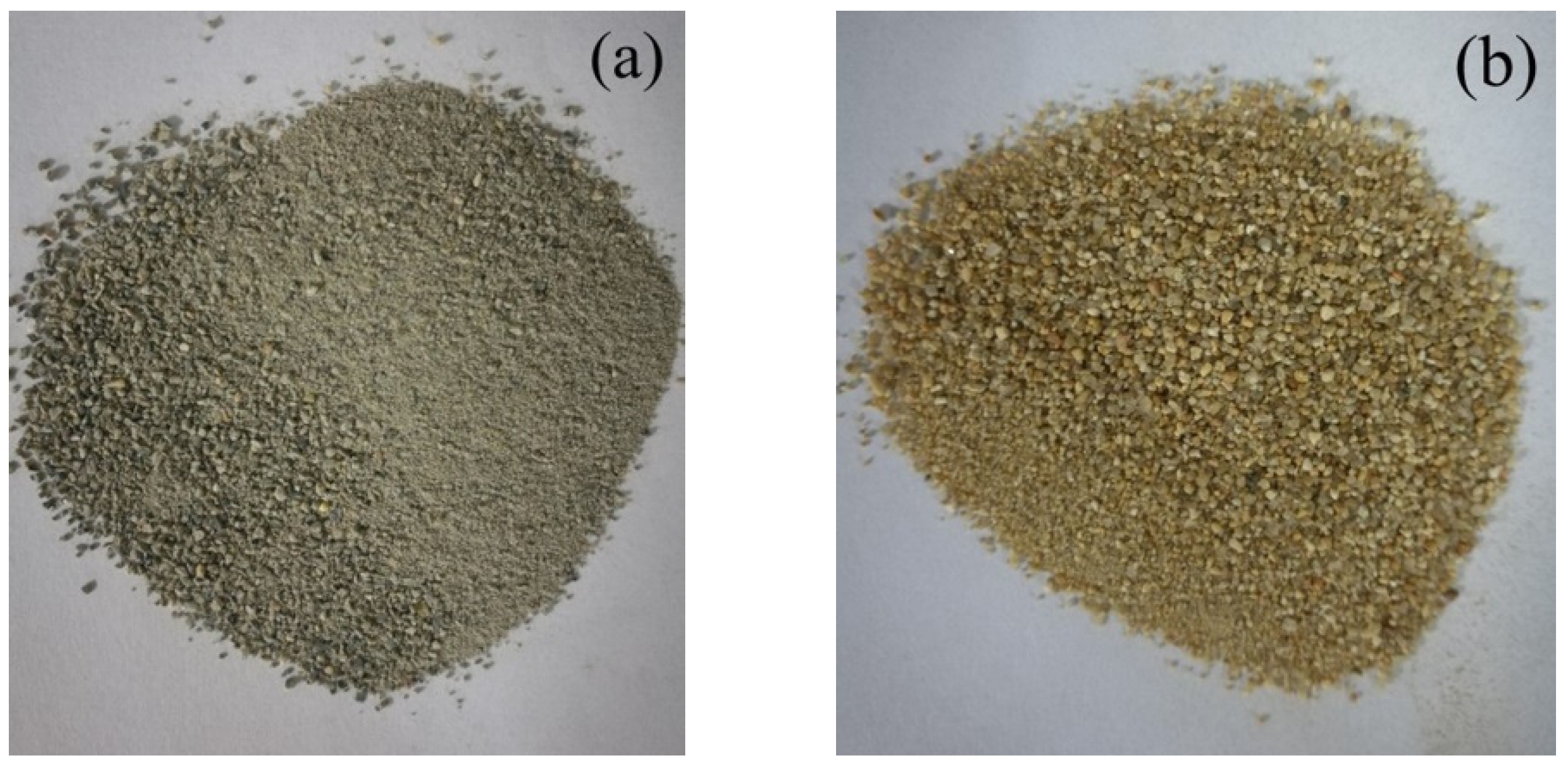
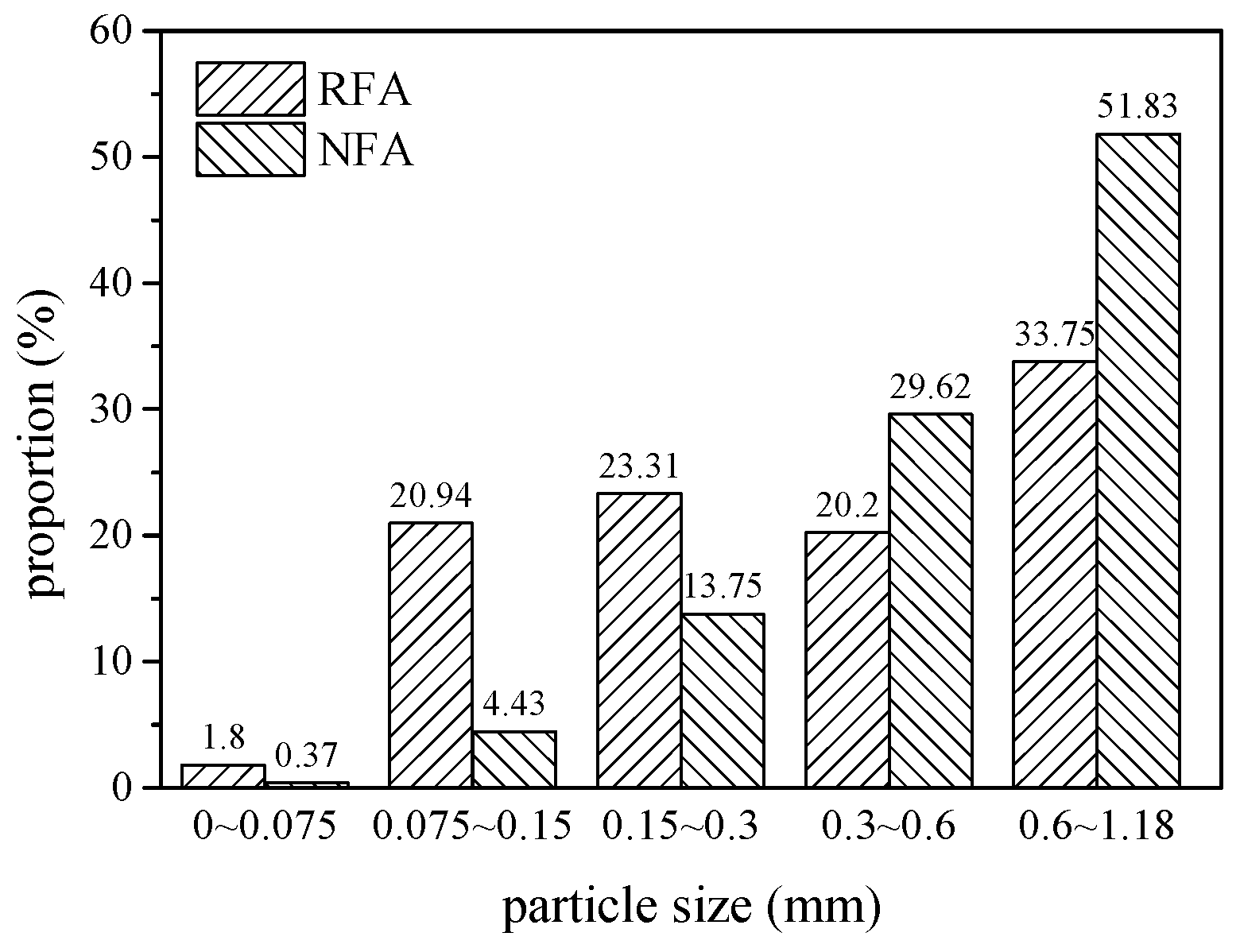
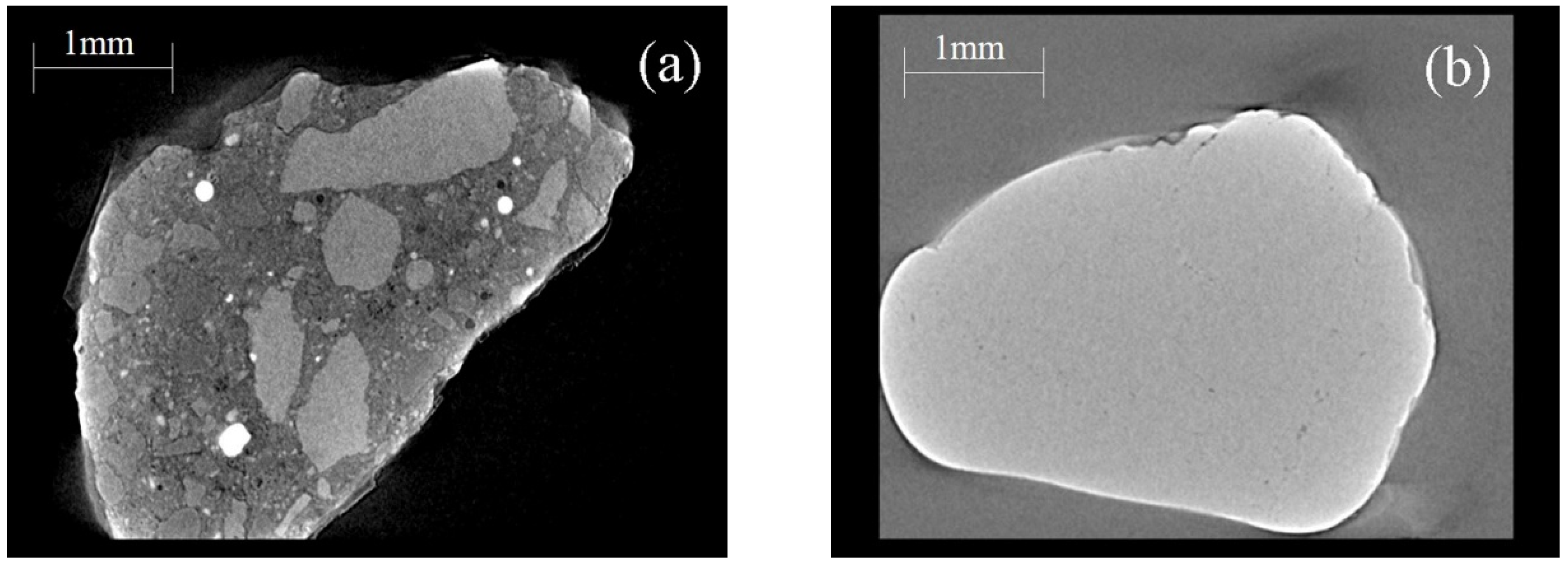
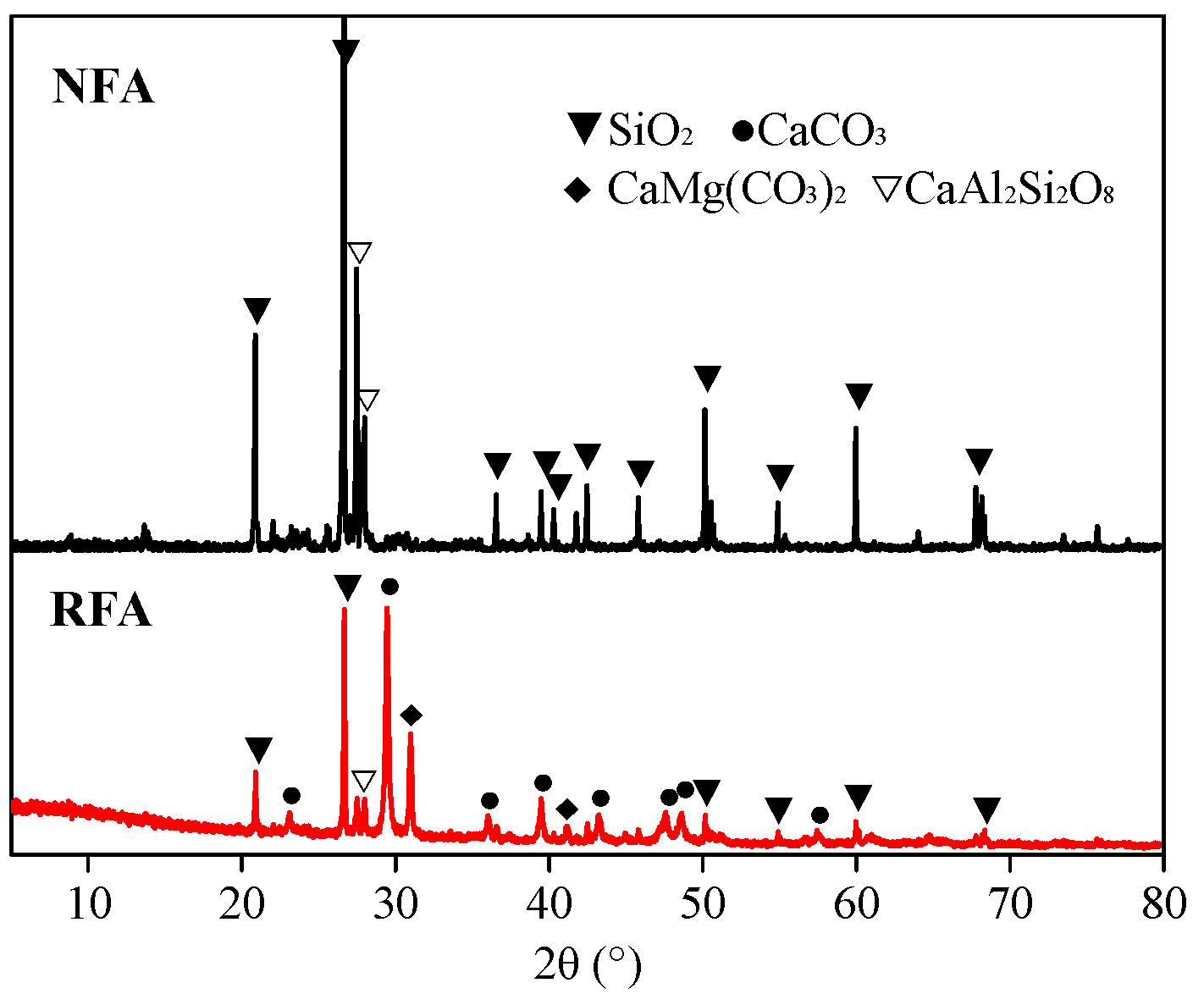
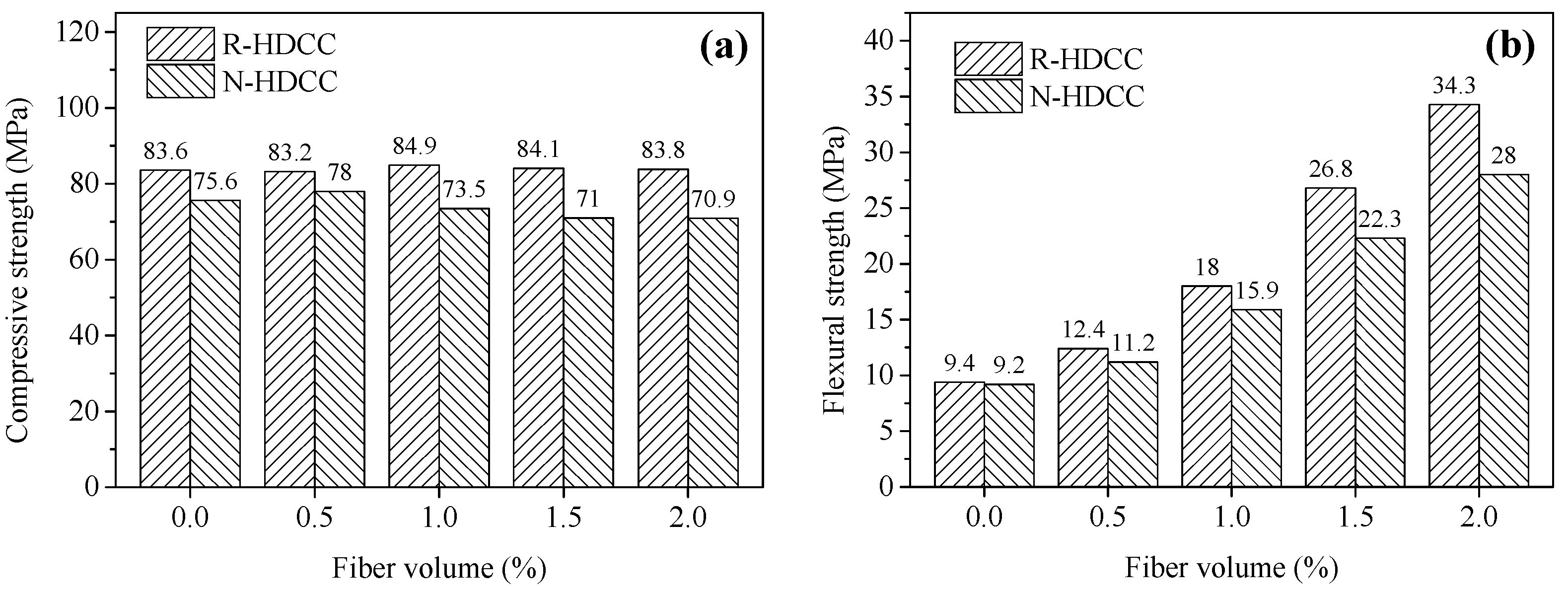
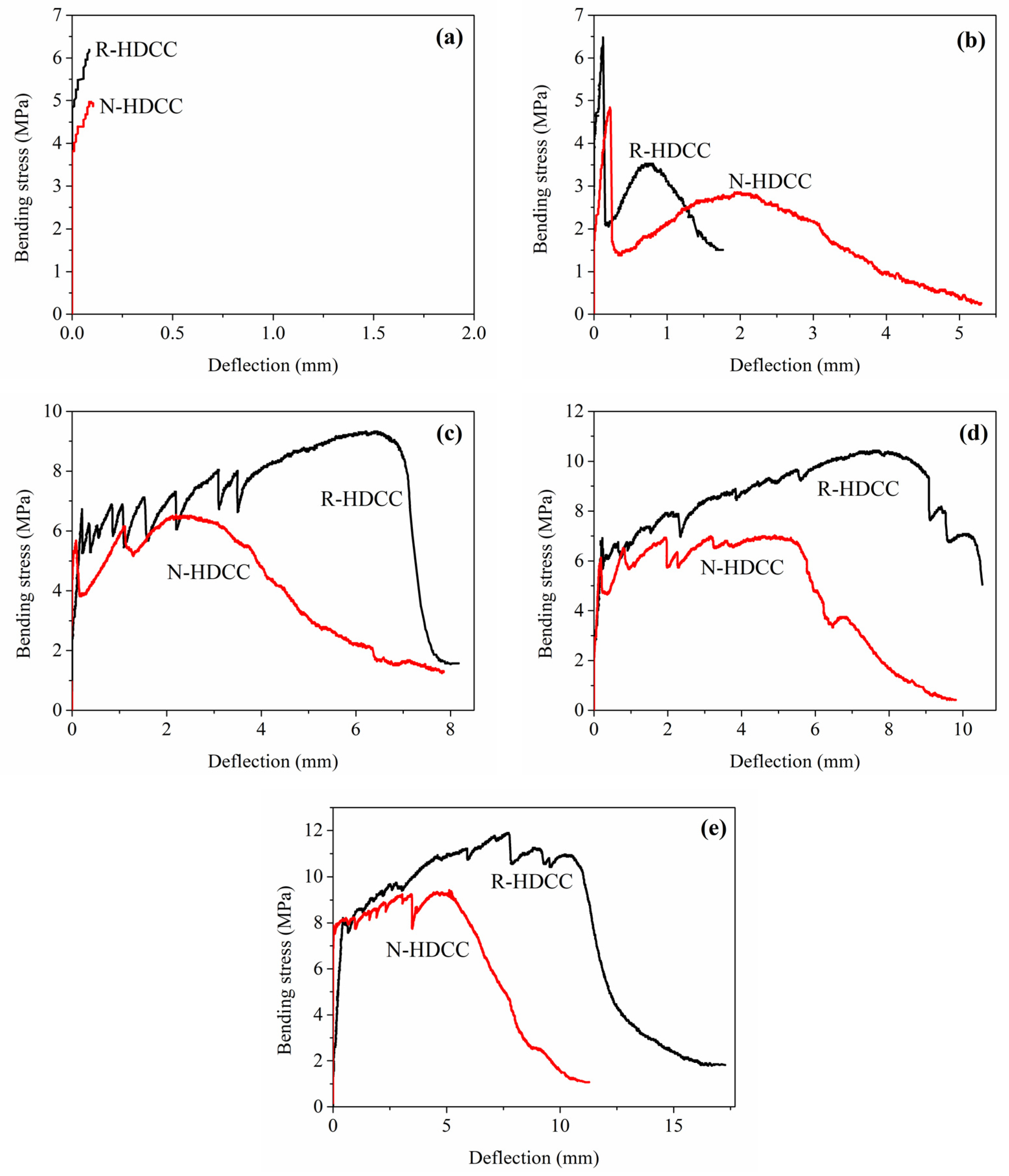
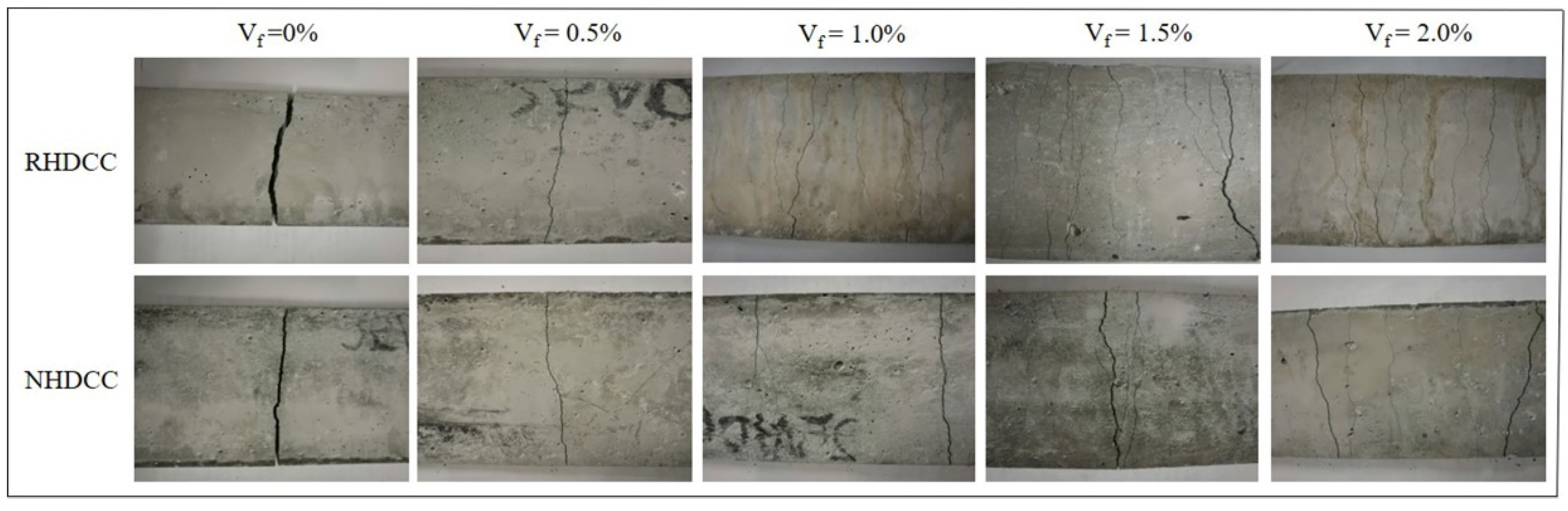
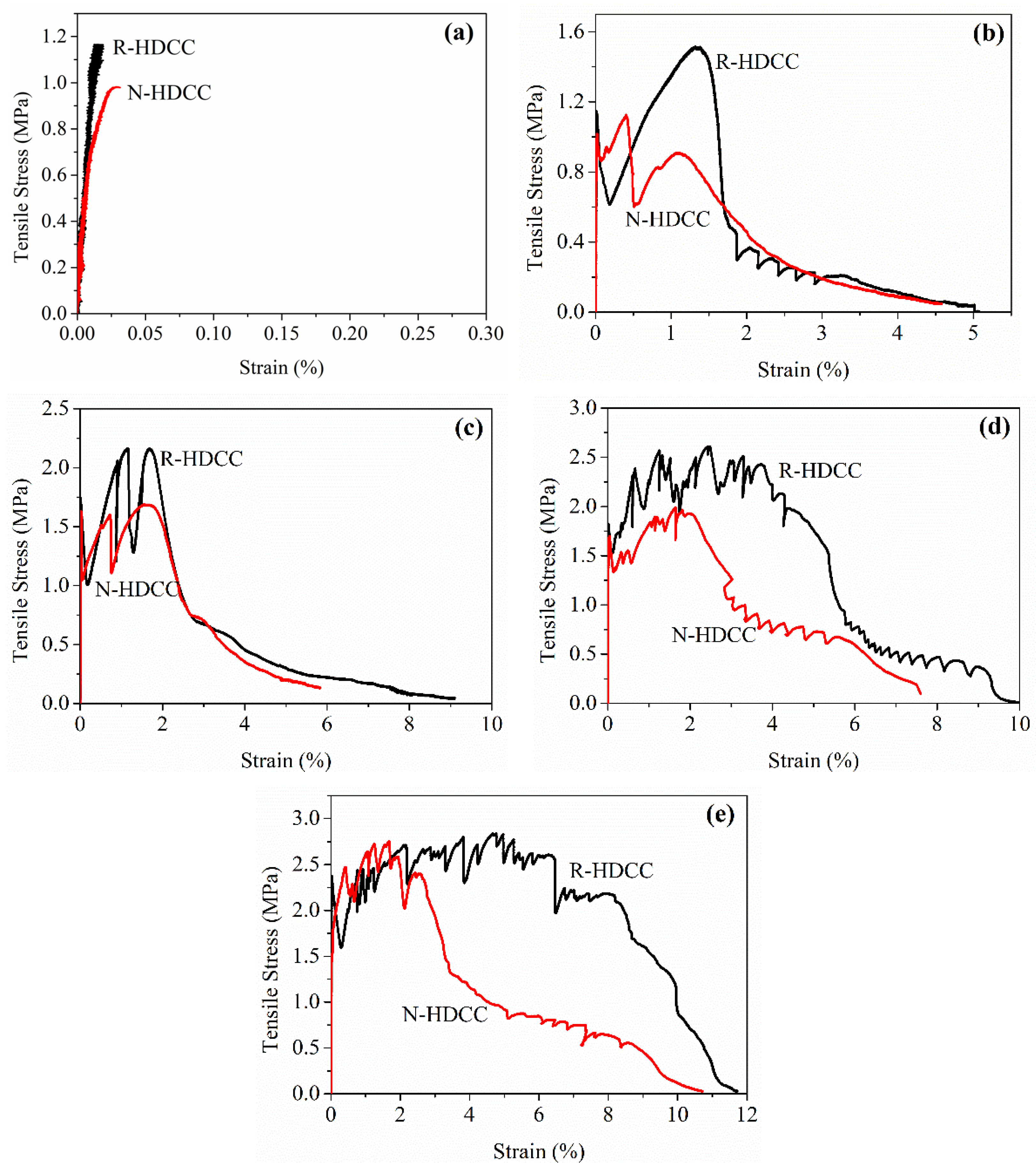
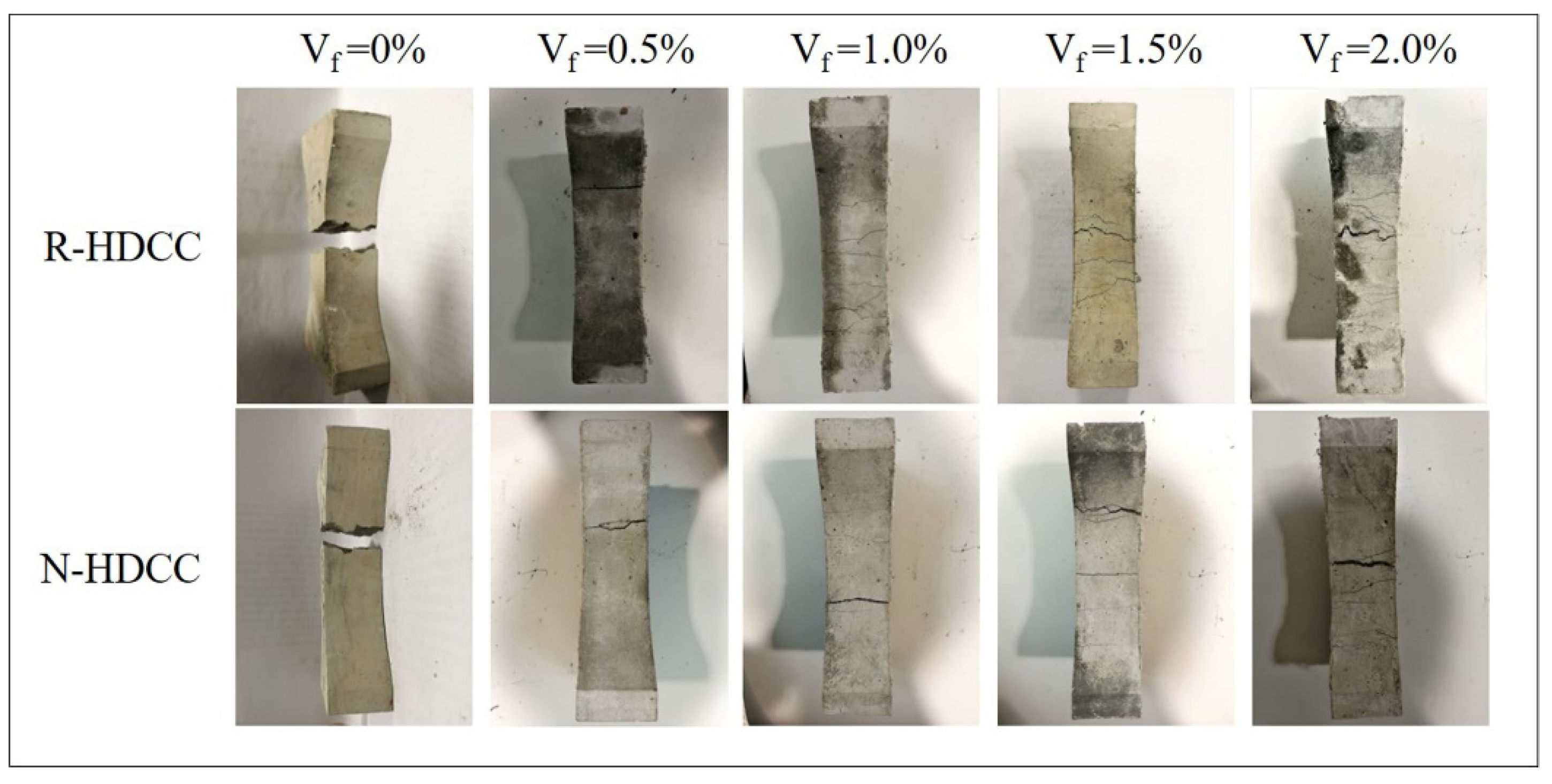
Waste concrete was recycled and crushed into fine aggregate to prepare a high ductility cementitious composite (HDCC) in this study, for helping dispose the massive amount of construction waste and for reserving natural resources. Firstly, the features of recycled fine aggregate (RFA) were analyzed in detail and compared with natural fine aggregate (NFA). After that, the mechanical properties, including compression, flexure, bending and tension, and the microstructure of high ductility cementitious composite (HDCC) prepared with RFA were systematically investigated and compared with that of HDCC prepared with NFA. The results show that, since RFA has a higher water absorption rate and contains 4.86 times as much crush dust as NFA, HDCC with RFA forms a denser matrix and a higher bond between fiber and matrix than HDCC with NFA. Thus, HDCC with RFA has higher compressive, flexural, bending and tensile strength. Meanwhile, the higher bond between the fiber and matrix of HDCC with RFA and the finer particle sizes of RFA can greatly promote the development of multiple cracking. As a result, HDCC with RFA exhibits more remarkable stain hardening, and presents 182.73% higher peak deflection in bending and 183.33% higher peak strain in tension than HDCC with NFA. Finally, with the consideration of fiber volume fraction, the prediction models for the peak strengths of HDCC with RFA were proposed. The prediction results show a good agreement with the test results.
Keywords: cementitious composites; mechanical properties; microstructure; fiber; recycled fine aggregate; ductility cementitious composites; mechanical properties; microstructure; fiber; recycled fine aggregate; ductility