Article

Tribological Aspects of Cutting Tool Wear during the Turning of Stainless Steels


by
Magdalena Zawada-Michałowska
*,
Paweł Pieśko
* and
Jerzy Józwik
*
Faculty of Mechanical Engineering, Lublin University of Technology, 20-618 Lublin, Poland
*
Authors to whom correspondence should be addressed.
Materials 2020, 13(1), 123; https://doi.org/10.3390/ma13010123
Submission received: 11 November 2019 / Revised: 15 December 2019 / Accepted: 23 December 2019 / Published: 26 December 2019
(This article belongs to the Section Manufacturing Processes and Systems)

Abstract

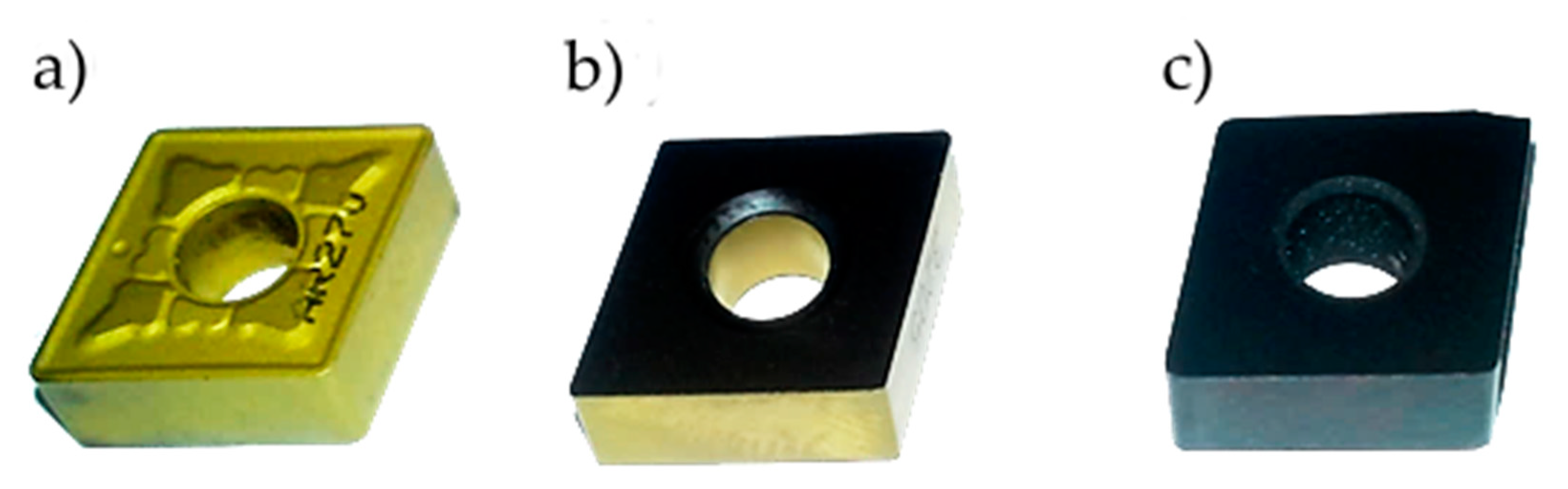
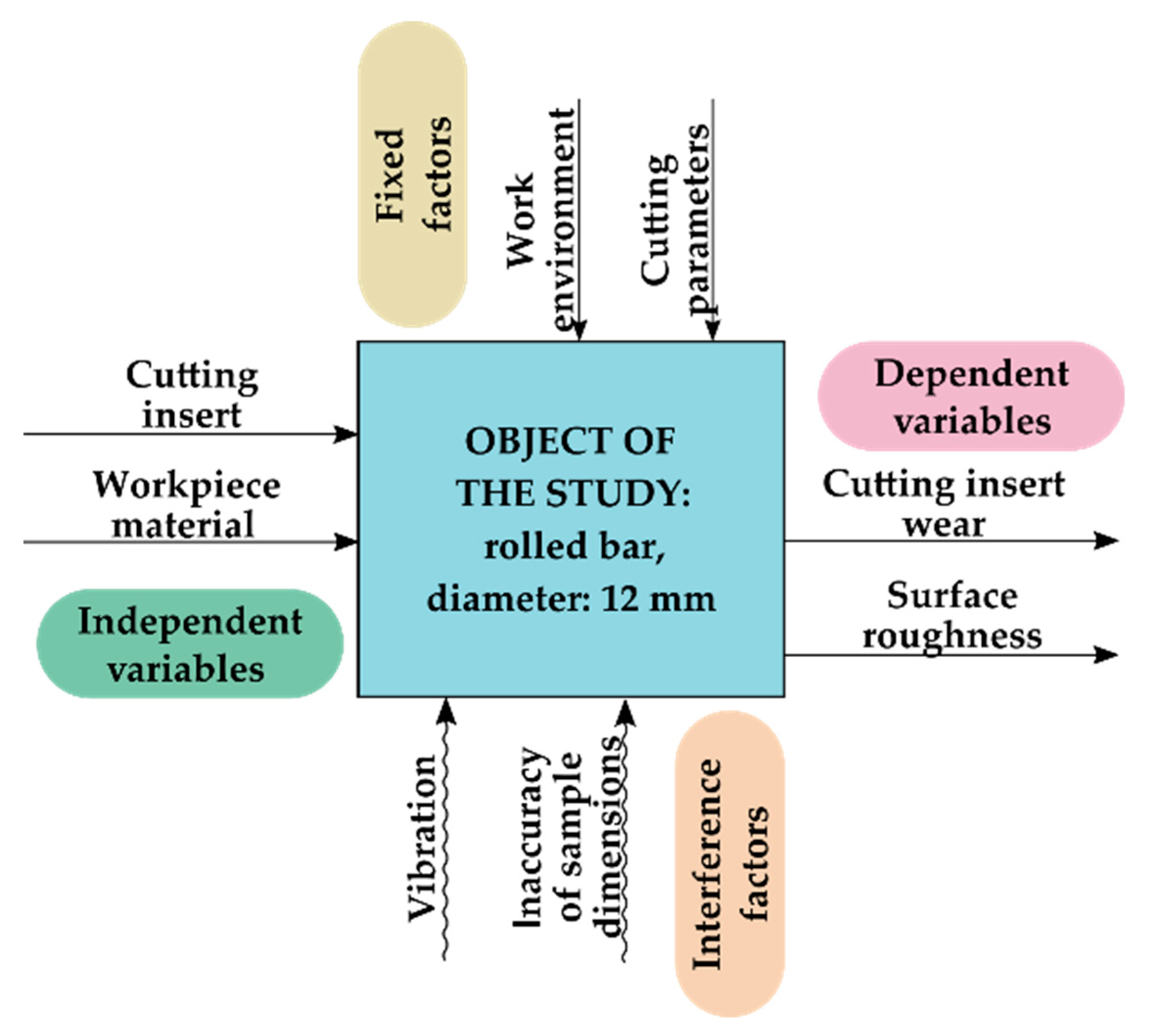
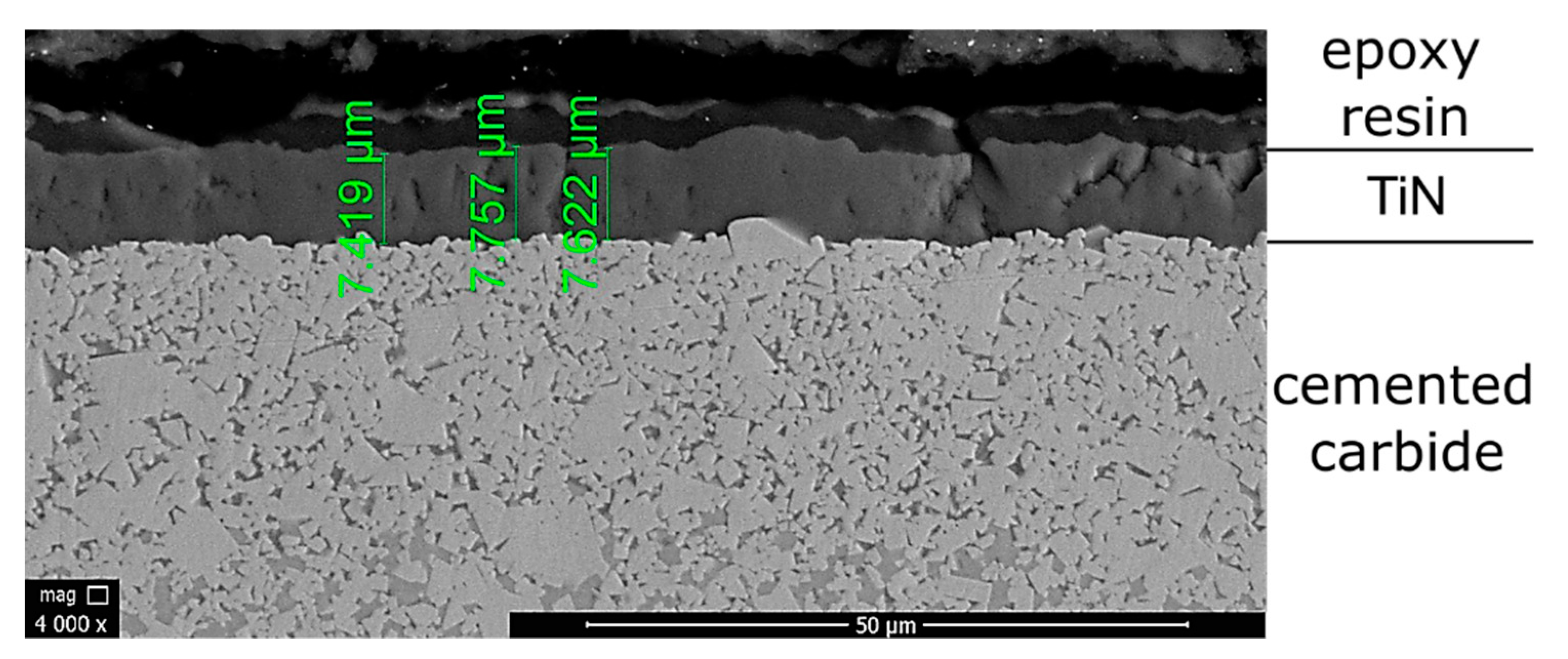
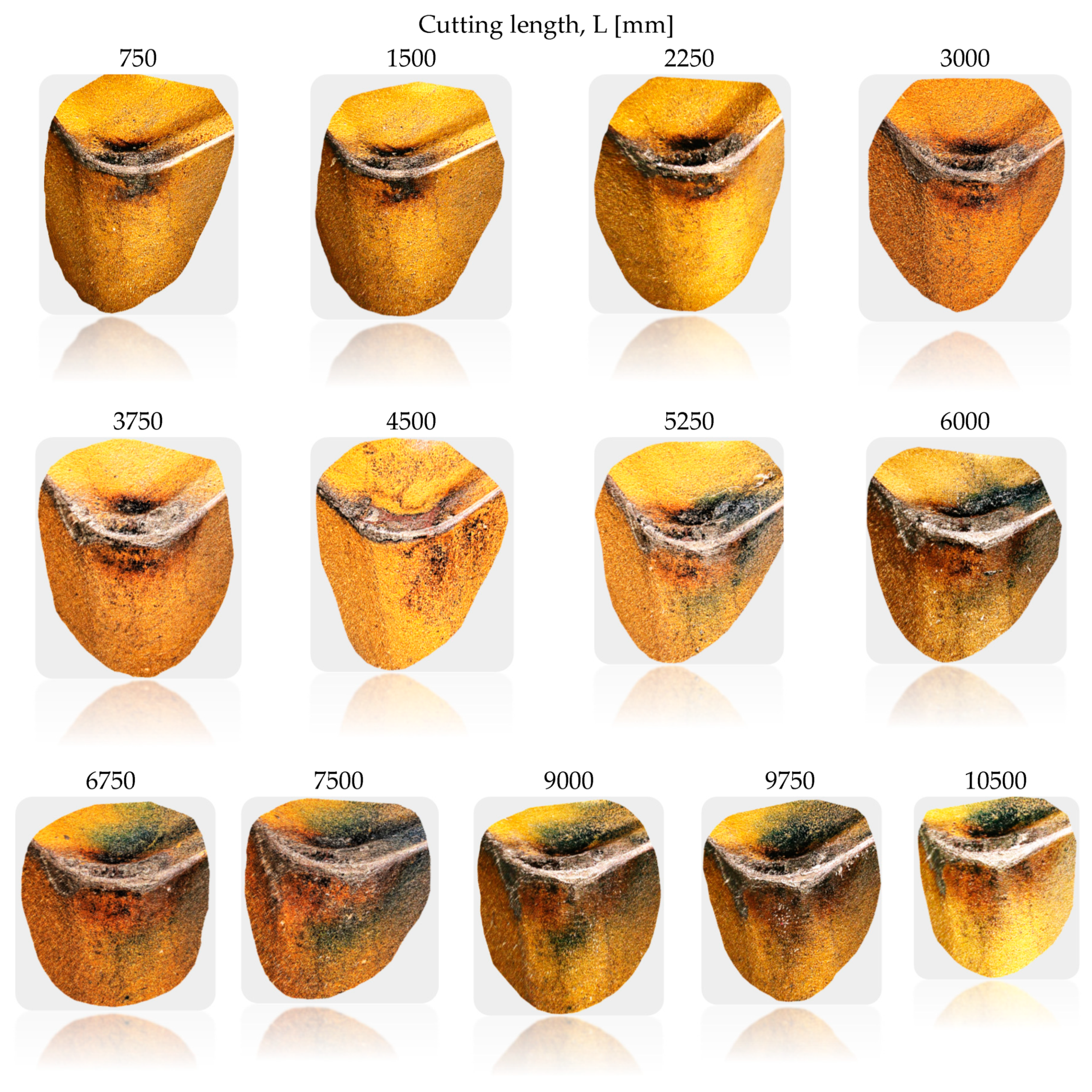
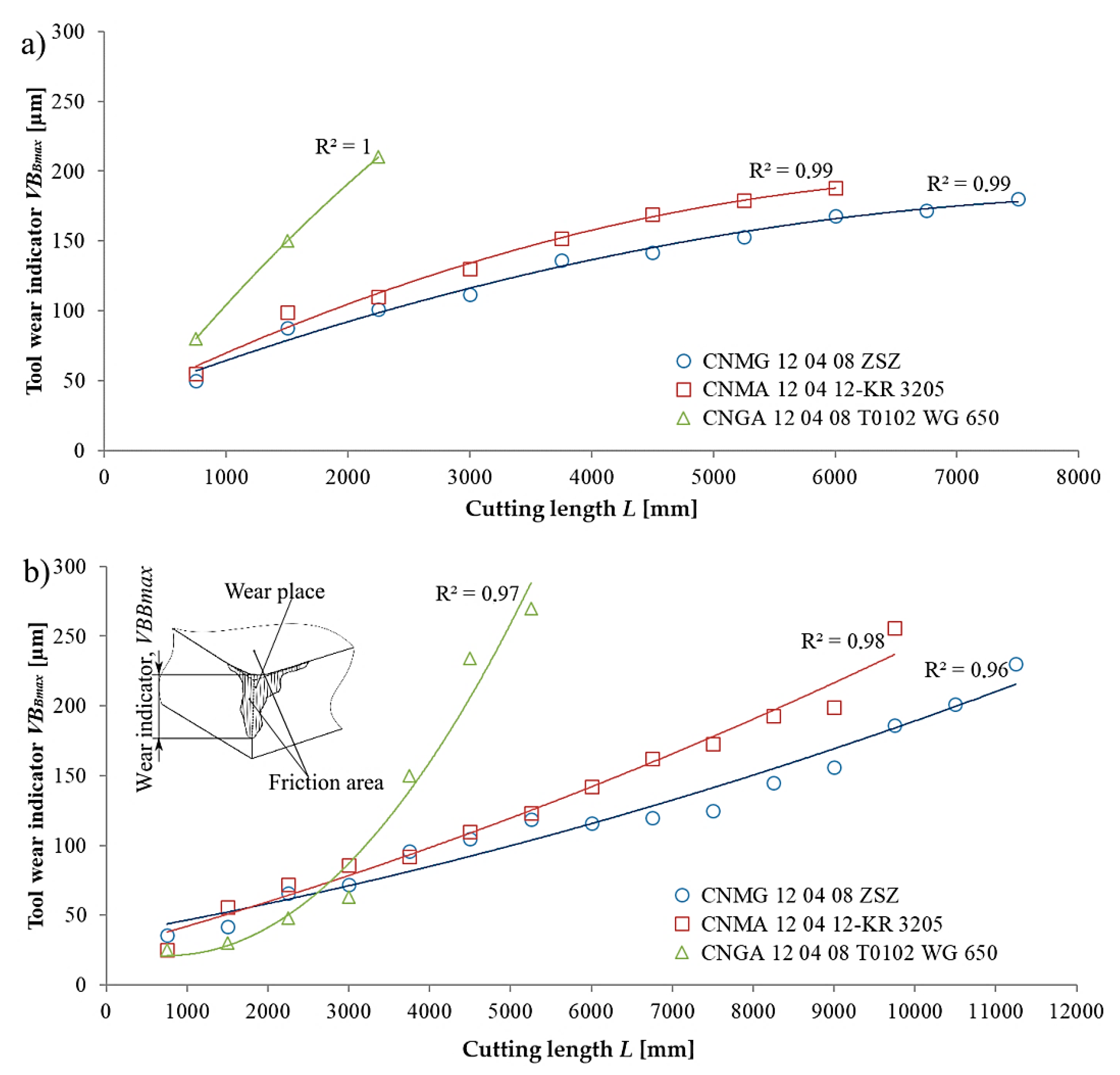
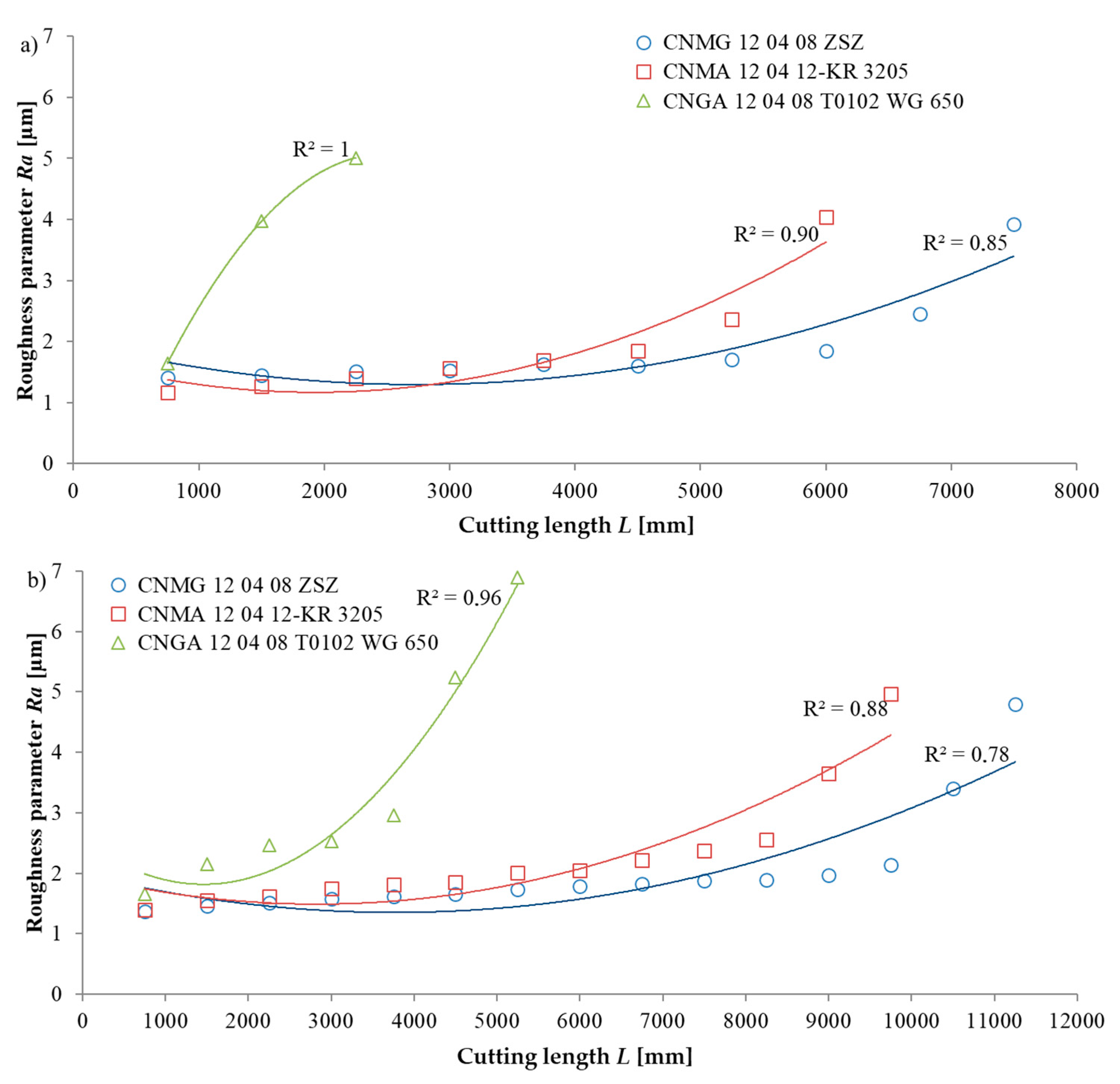
The research paper presents the tribological aspects of cutting tool wear during the turning of stainless steels. An experiment was conducted in order to assess the wear of carbide cutting inserts with CVD-applied anti-wear coatings (CNMG 12 04 08 ZSZ and CNMA 12 04 12-KR 3205) and an uncoated ceramic cutting insert (CNGA 12 04 08 T0102 WG 650). The test subject included the following stainless steel grades X20Cr13 (1.4021) and X8CrNiS18-9 (1.4305). The analysis involved the direct wear indicator, VBBmax, and the indirect wear indicator, which was the roughness of machined surfaces and the Ra parameter. Based on the obtained results for both X20Cr13 and X8CrNiS18-9 steels, it was noticed that the best durability was exhibited by the CNMG 12 04 08 ZSZ insert, whereas the worst durability was identified for the CNGA 12 04 08 T0102 WG 650 insert. When analysing the results obtained with the VBBmax direct indicator, it was observed that in the case of each of the insert, most often the course of their wear was of nature similar to linear. Comparing the VBBmax direct indicator with the indirect indicator, namely, the measured Ra parameter, it was concluded that they were convergent. Upon the deterioration of the surface quality, greater values of the selected geometric measure of wear on the flank face were also identified.
Keywords: tribology; cutting tool wear; turning; stainless steel tribology; cutting tool wear; turning; stainless steel