Article

Variation in Compressive Strength of Concrete aross Thickness of Placed Layer


by
Jarosław Michałek
Faculty of Civil Engineering, Wrocław University of Science and Technology, 50-370 Wrocław, Poland
Materials 2019, 12(13), 2162; https://doi.org/10.3390/ma12132162
Submission received: 18 June 2019 / Revised: 27 June 2019 / Accepted: 4 July 2019 / Published: 5 July 2019
(This article belongs to the Special Issue Non-destructive Testing of Materials in Civil Engineering)

Abstract

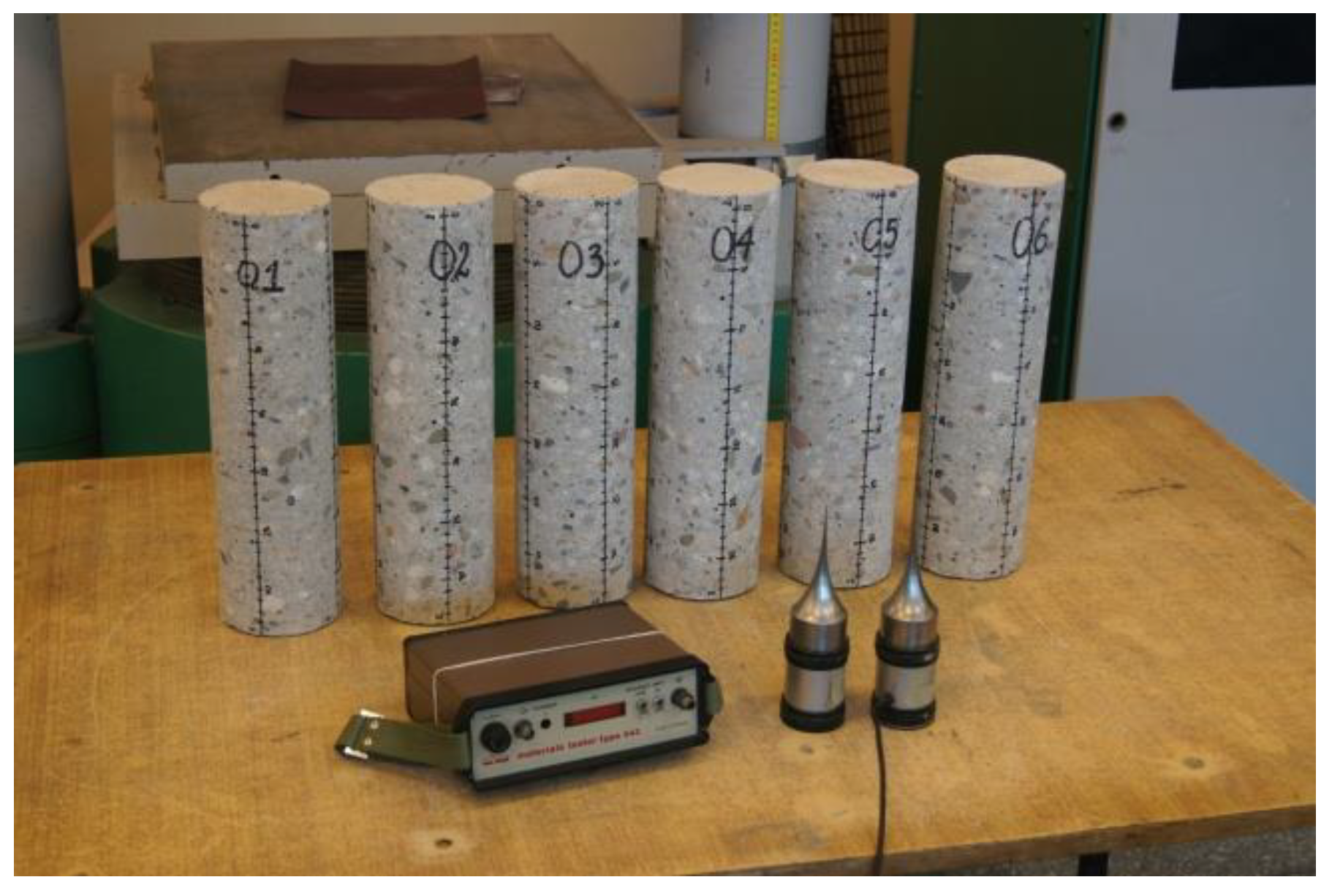
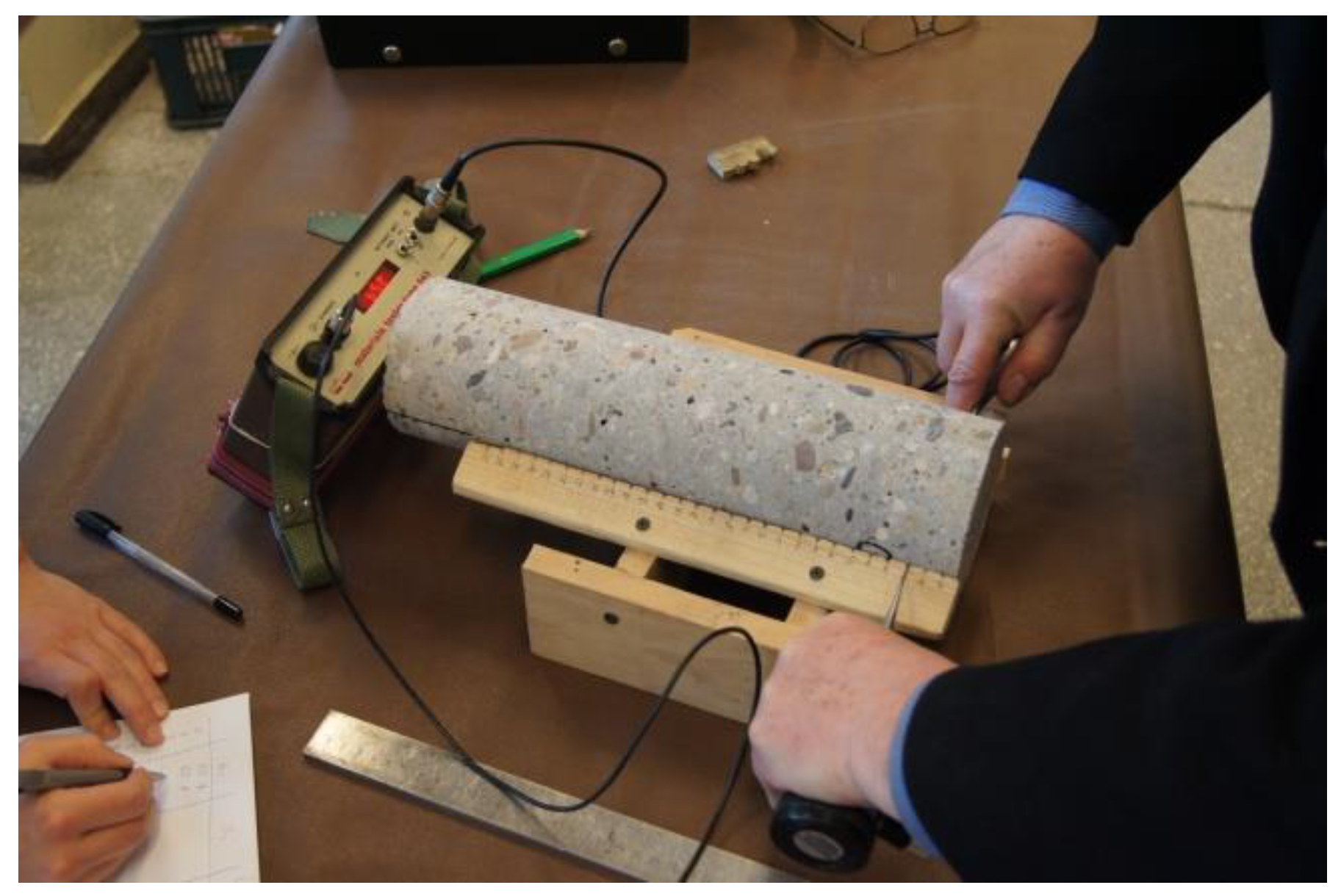
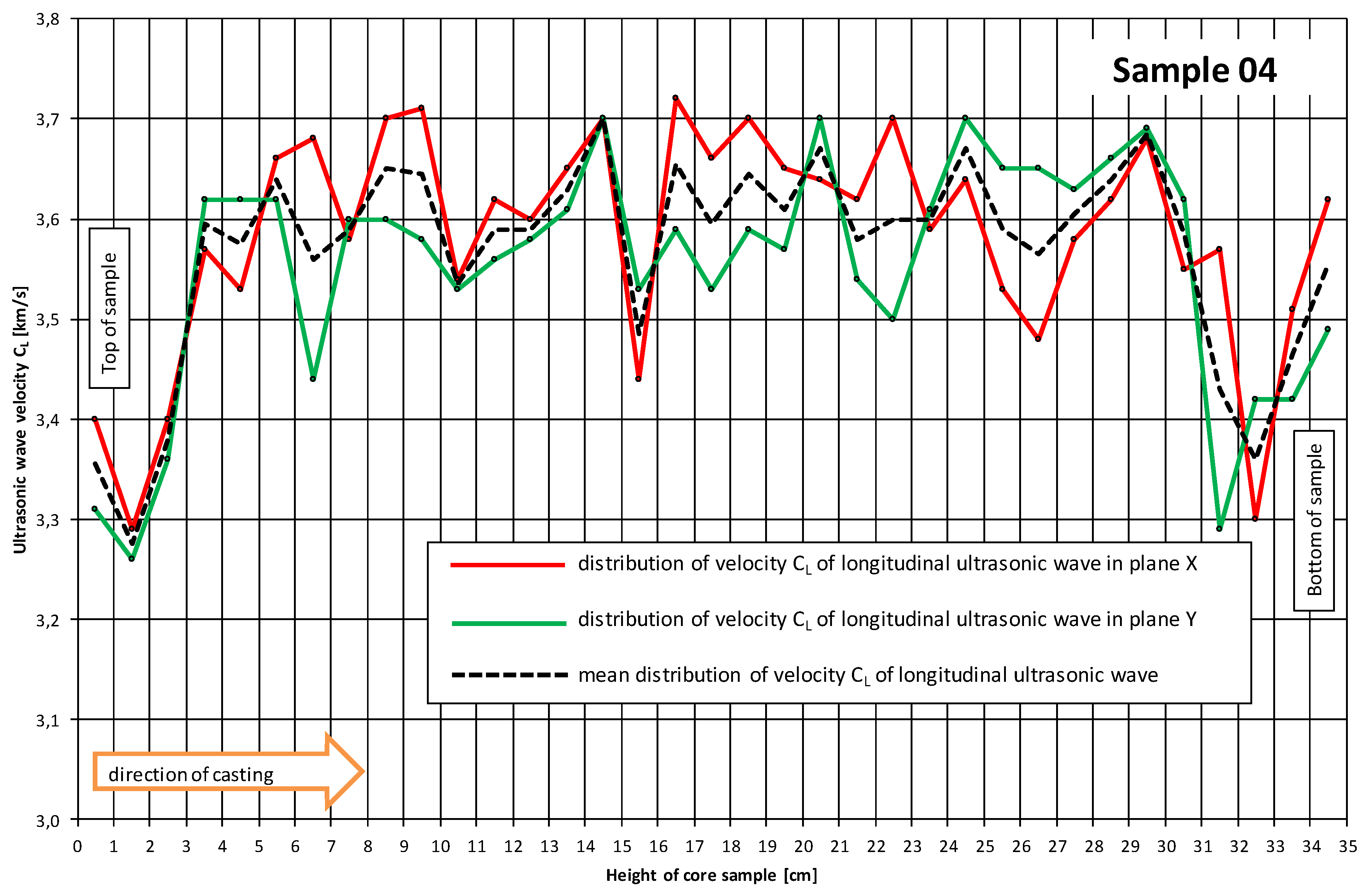
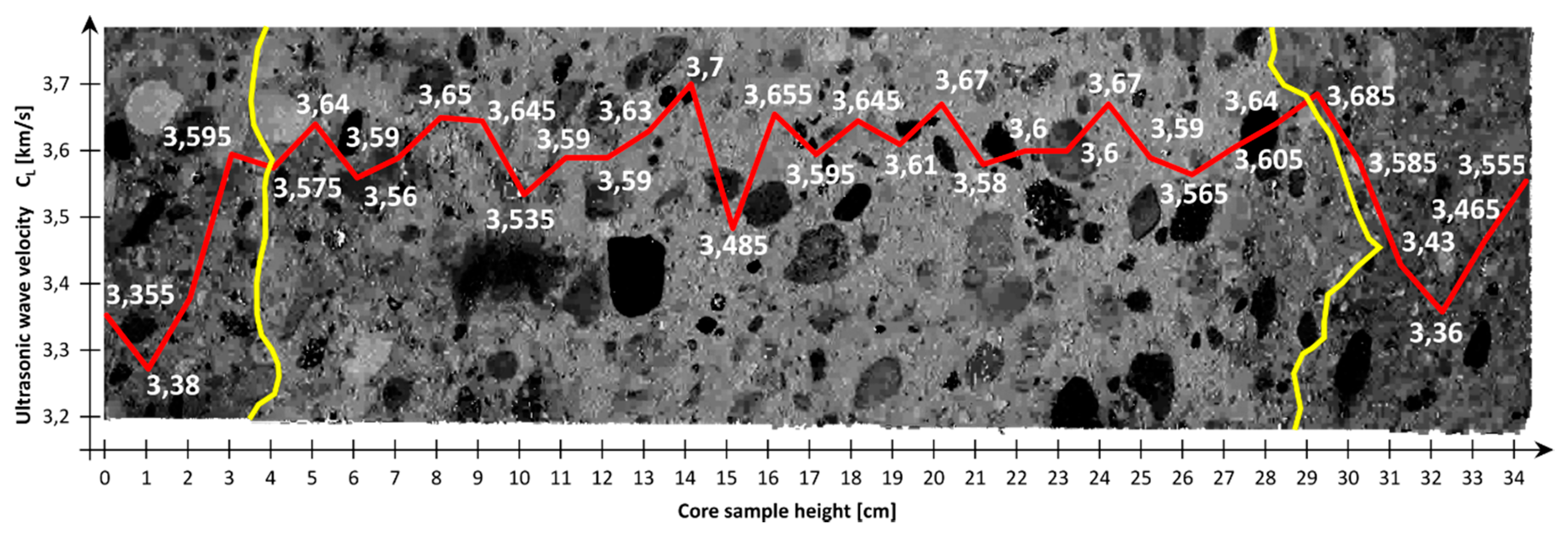
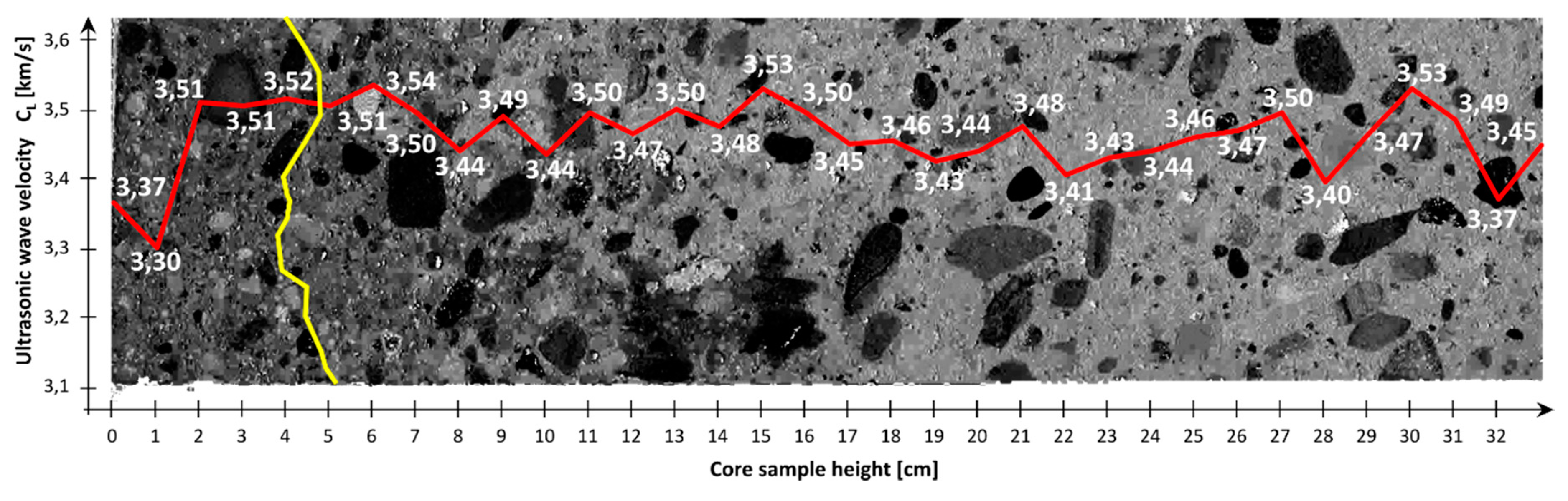
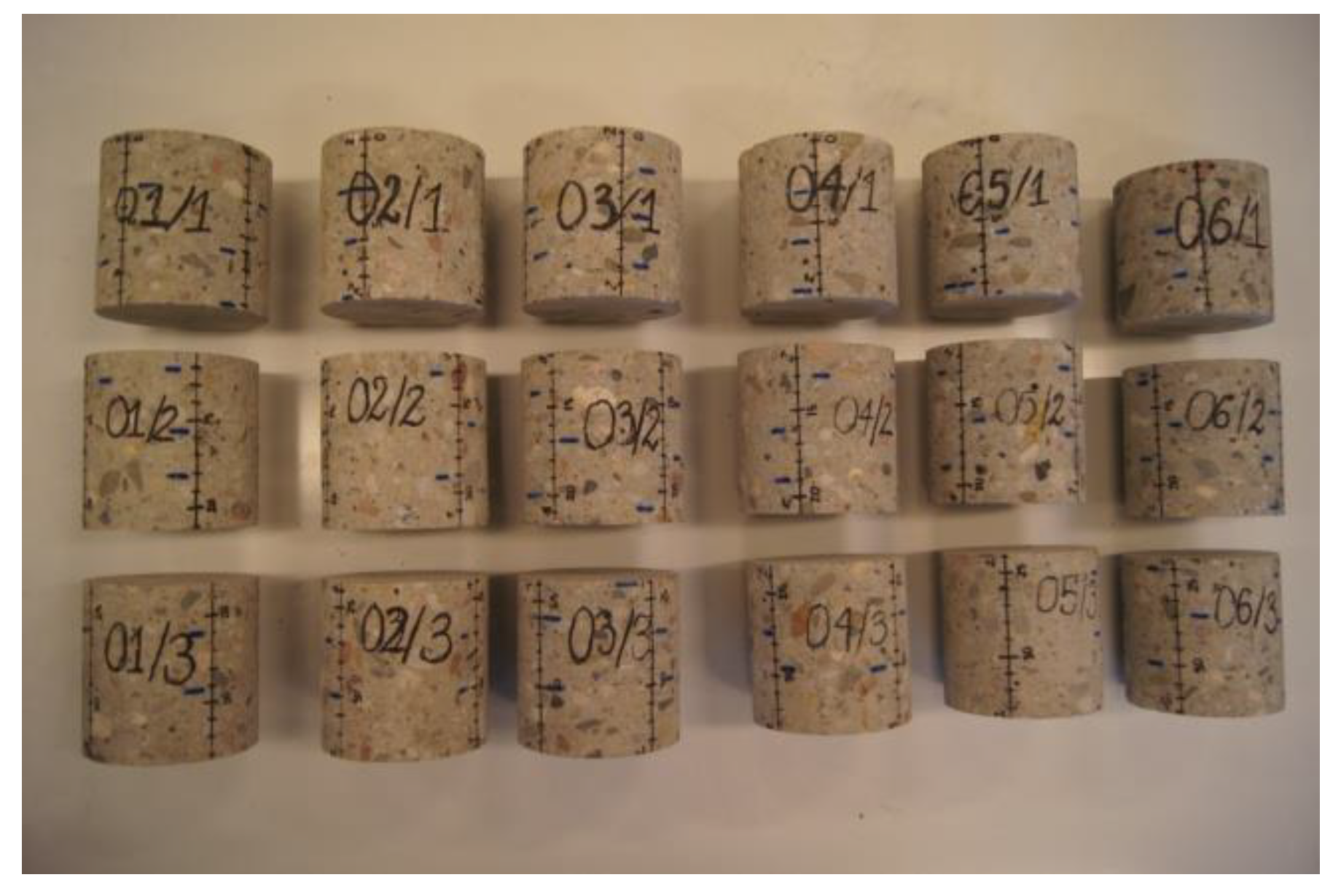
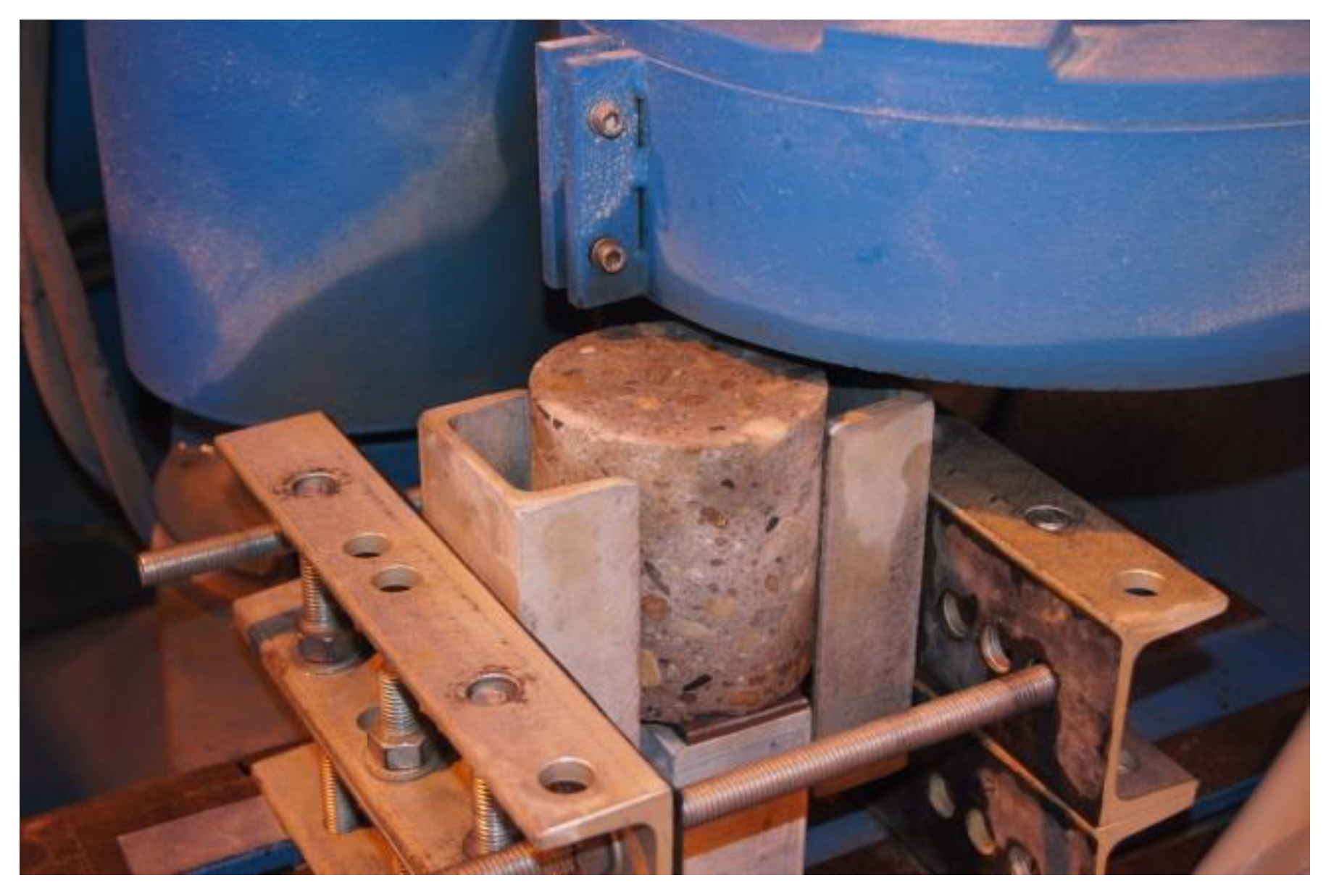
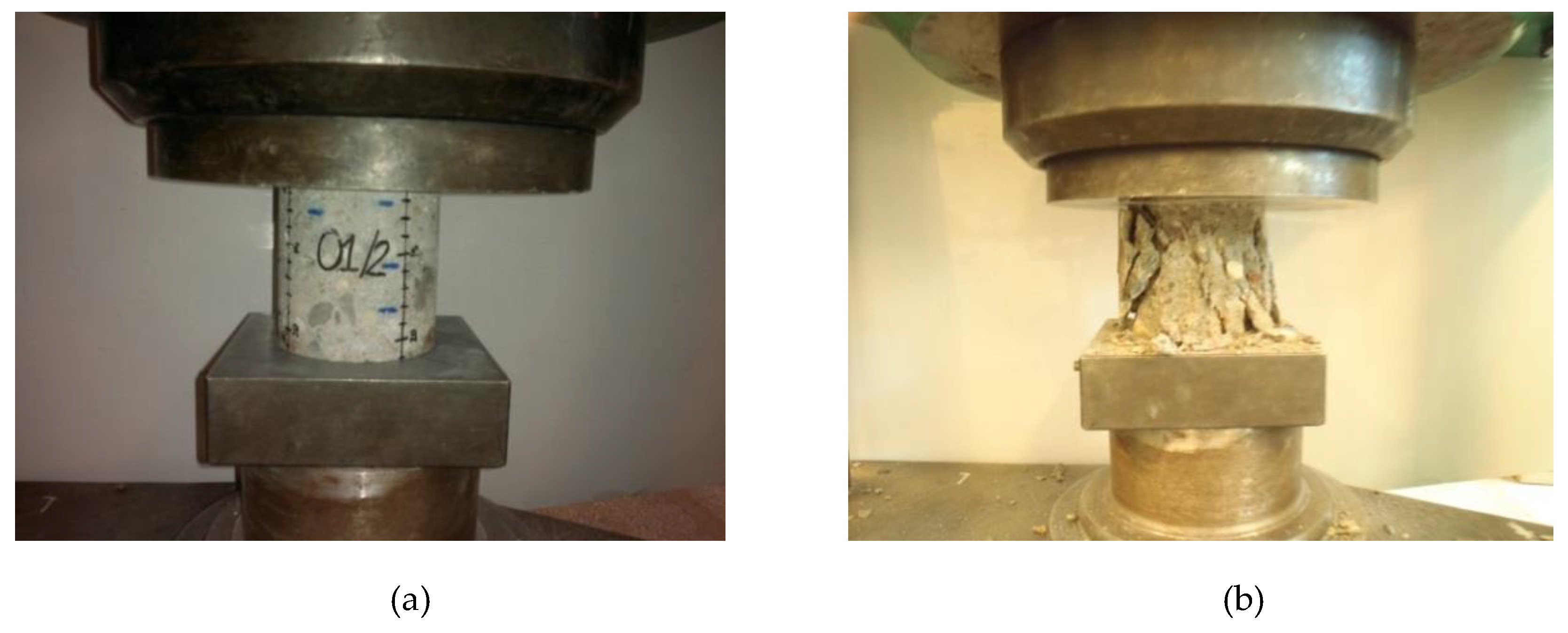
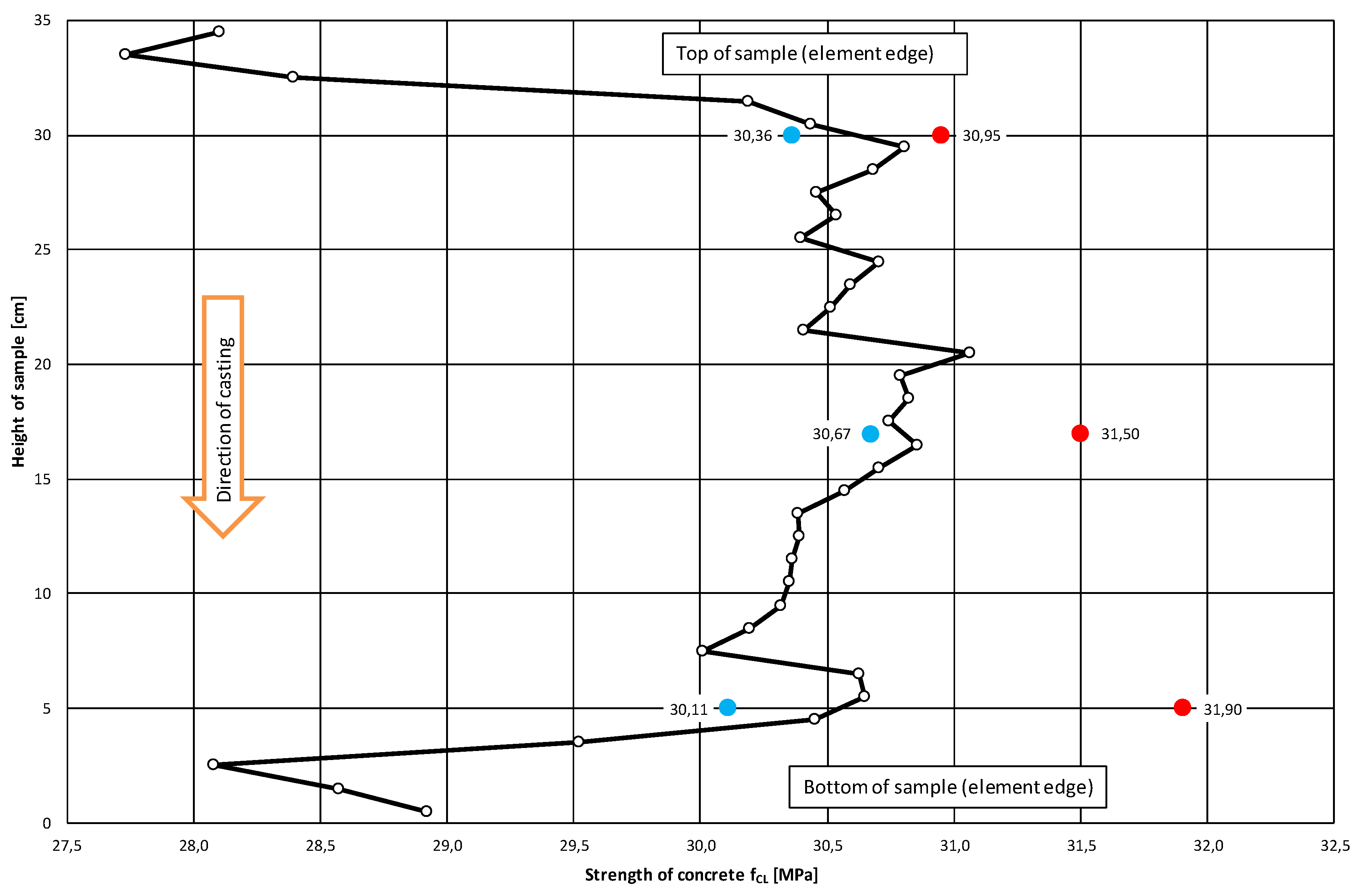
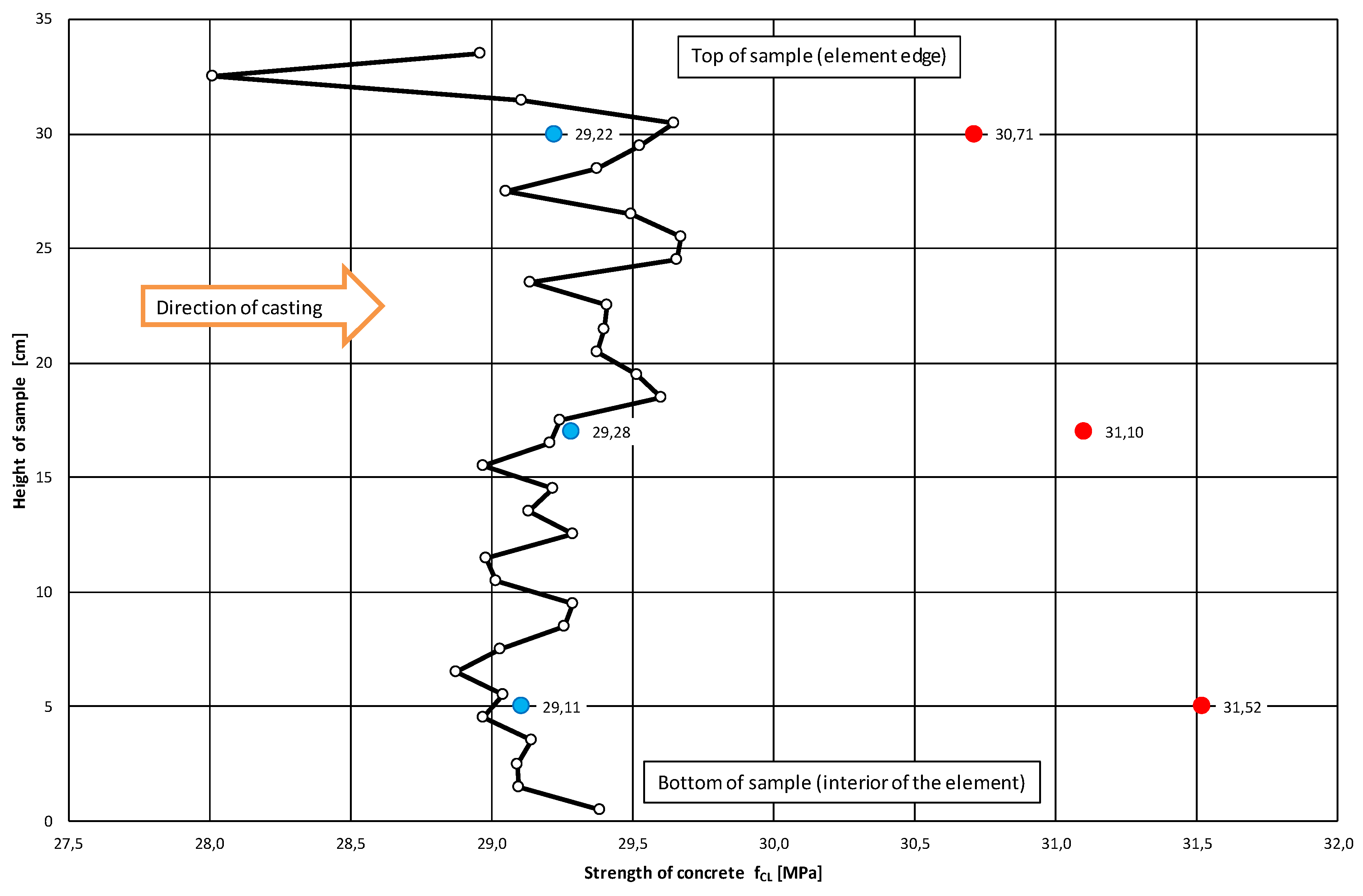
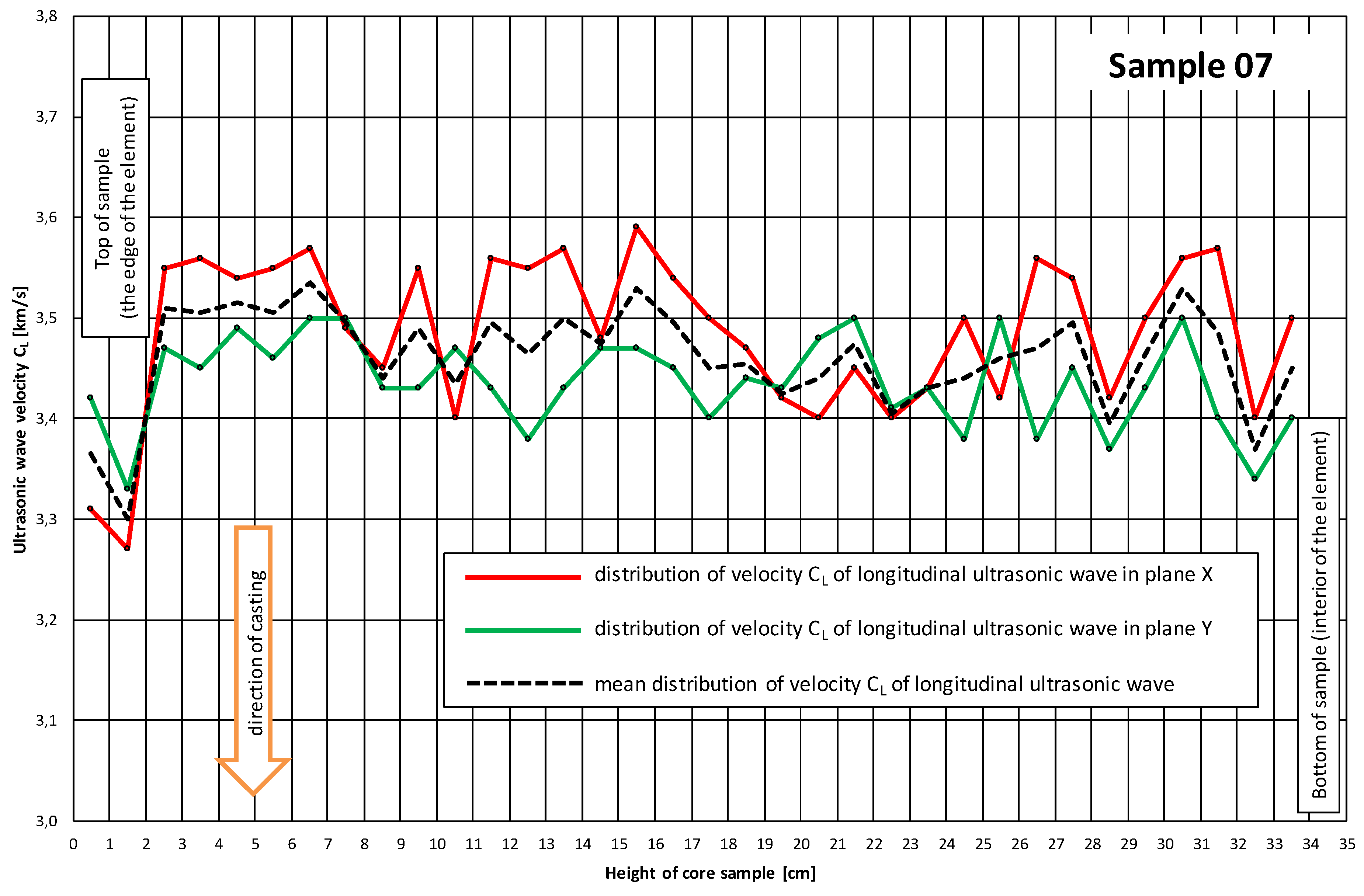
Is the variation in the compressive strength of concrete across the thickness of horizontally cast elements negligibly small or rather needs to be taken into account at the design stage? There are conflicting answers to this question. In order to determine if the compressive strength of concrete varies across the thickness of horizontally cast elements, ultrasonic tests and destructive tests were carried out on core samples taken from a 350 mm thick slab made of class C25/30 concrete. Special point-contact probes were used to measure the time taken for the longitudinal ultrasonic wave to pass through the tested sample. The correlation between the velocity of the longitudinal ultrasonic wave and the compressive strength of the concrete in the slab was determined. The structure of the concrete across the thickness of the slab was evaluated using GIMP 2.10.4. It was found that the destructively determined compressive strength varied only slightly (by 3%) across the thickness of the placed layer of concrete. Whereas the averaged ultrasonically determined strength of the concrete in the same samples does not vary across the thickness of the analyzed slab. Therefore, it was concluded that the slight increase in concrete compressive strength with depth below the top surface is a natural thing and need not be taken into account in the assessment of the strength of concrete in the structure.
Keywords: concrete slabs and floorings; horizontal casting; compressive strength; ultrasonic tests concrete slabs and floorings; horizontal casting; compressive strength; ultrasonic tests