


Abstract
Low-voltage mini-grids play a crucial role in expanding electricity access for rural and remote communities. However, they continue to face technical and operational barriers that hinder their performance and reliability. This study reviewed the evolution of research on technical challenges in low-voltage mini-grids from 2005 to 2025. Using the PRISMA approach, data were extracted from the Scopus database, yielding 155 publications for bibliometric analysis. Bibliometrix in R Studio was used to examine publication trends, geographical contributions, and thematic evolution, while qualitative synthesis identified key engineering and operational constraints. The findings revealed a steady increase in research outputs since 2020, driven by global policy commitments, including Sustainable Development Goal 7 and the Paris Agreement. Persistent technical barriers include voltage and frequency instability, inadequate power quality monitoring, inefficient integration of energy storage, poor control coordination, and limited system design optimisation. African nations contribute less to global research despite being most affected by energy poverty, highlighting capacity and funding gaps. The study highlights the need for integrated solutions combining smart control, hybrid storage, and grid-interconnection technologies to enhance resilience and reliability. For policymakers and practitioners, the findings advocate for investment in research, capacity building, and locally tailored technical standards designed for resource-constrained contexts. This review provides a comprehensive evidence base to guide future research and policy directions aimed at achieving sustainable, technically robust, and financially viable mini-grid systems for universal energy access.
1. Introduction
Access to reliable, affordable, and modern energy remains one of the most pressing global challenges in rural and remote regions of developing countries [1,2]. Although global electrification has reached about 92%, over 670 million people still lack electricity (85% in rural areas) [3,4]. Sub-Saharan Africa (SSA) bears the brunt of this deficit. Recent data indicate that only 48% of Africans overall have access to electricity (up from 33% in 2010), with rural access at ~28% [2]. In this context, extending the main grid to remote, low-density communities is often prohibitively expensive or technically impractical, which has spurred interest in off-grid solutions.
Renewable-based mini-grids, which are small local power systems (typically 10 kW–10 MW) operating at low-voltage distribution levels (≤400 V AC) and serving villages or clusters of communities, are now widely promoted as a key strategy for reaching off-grid populations [5,6]. The falling costs of solar PV and batteries have also made hybrid mini-grids cost-effective where grid extension is infeasible [7]. Similarly, international initiatives (e.g., the World Bank/AfDB’s “Mission 300”) and major funding programmes have surged, demonstrating the view that solar- and diesel-powered mini-grids are essential to meet Sustainable Development Goal 7 on affordable, reliable, and modern energy [8]. For example, recent estimates report that in 2021, approximately 1100 new rural mini-grid systems (with a capacity of approximately 80 MW) were deployed worldwide, with South Asia leading annual installations, followed by SSA [9]. In SSA alone, roughly 11 million mini-grid connections are now operational [2]. These trends highlight the role of mini-grids in electrifying remote communities.
At the same time, however, substantial technical and operational barriers have persisted at the low-voltage (LV) distribution level, especially in African mini-grids [10]. Many existing systems were originally sized only for basic lighting and small loads, and have struggled to adapt to growing demand and the integration of power-hungry appliances [11,12]. Studies have repeatedly noted that LV mini-grids often face severe voltage regulation problems (e.g., excessive voltage drops or rises), feeder capacity constraints, power quality issues, and frequent reliability disruptions [11]. For instance, adding new generations (such as rooftop solar) or loads (such as electric cooking) to a typical rural network can exacerbate voltage imbalances and overload transformers, leading to unstable or out-of-spec voltages. These effects are especially critical in DC/LV systems, where resistive voltage drop limits the geographical footprint of the DC mini-grid [13].
Similarly, field surveys have found that insufficient maintenance and harsh environments (e.g., dust, heat) cause battery failures and inverter faults, reducing uptime [14]. In a recent study of two Namibian mini-grids, system output declined over time due to poor maintenance and battery overheating, resulting in one mini-grid becoming undersized as demand increased [12]. Such issues mean that many LV mini-grids in practice only deliver Tier 1 and Tier 2 level service (basic lighting, television, air circulation, and phone charging), with high losses and low revenue bases [15].
Several authors have reviewed different aspects of mini-grids for rural electrification in developing regions. Sada et al. [16] conducted a scientometric analysis examining research trends and patterns in electrification planning over a five-decade period. Odoi-Yorke et al. [17] conducted a bibliometric analysis to assess the trends in mini-grids for rural electrification from 2003 to 2023. Moner-Girona et al. [18] investigated cost structures and transparency issues in PV/hybrid mini-grid projects across SSA. In the work of Antonanzas-Torres et al. [1], the authors described the current status and future challenges of off-grid mini-grids in West Africa. Come Zebra et al. [5] analysed hybrid renewable energy systems designed to address the intermittent nature of renewable resources.
Other studies include Fajardo et al. [19], who critically examined business models and financing mechanisms for mini-grid development in SSA. They identified access to finance as a major barrier to expansion. The authors argued that no universal solution exists for mini-grid business models in the region. Akinlabi and Oladokun [20] reviewed interconnected mini-grid solutions and viable business models in Nigeria’s post-reform electricity sector. Babayomi et al. [2] provided a comprehensive review of the deployment status of off-grid renewable mini-grids in SSA. Kemausuor et al. [21] reviewed energy planning tools for deploying on-grid and off-grid renewable technologies across Africa. Gill-Wiehl et al. [22] analysed community participation in private mini-grid projects and their impact on sustainability. Bhattacharyya [23] explored whether mini-grids can effectively serve base-of-the-pyramid markets and associated deployment challenges. Frimpong et al. [24] reviewed optimisation approaches for estimating configuration size, cost, and reliability of hybrid renewable energy systems.
Despite extensive reviews of mini-grids, studies addressing the technical challenges and operational constraints of low-voltage systems are limited. This study fills that gap by employing both bibliometric and systematic review approaches to comprehensively identify and synthesise the key technical issues and operational limitations affecting low-voltage mini-grids. To achieve this, the study addresses the following research questions: RQ1: How has research on low-voltage mini-grids evolved over time and across countries? RQ2: Who are the key contributors, and what are the collaboration networks within this research domain? RQ3: What are the dominant and emerging technical themes in low-voltage mini-grid studies? RQ4: What major technical and operational challenges have been reported in low-voltage mini-grids? RQ5: What research gaps and future directions can be identified from existing studies? The study findings provide critical insights into the technical challenges, operational constraints, and emerging research trends in low-voltage mini-grids. It also provides valuable guidance for policymakers, developers, investors, and researchers.
The remainder of this paper is organised as follows: Section 2 describes the bibliometric and systematic review methodologies employed in this study. Section 3 presents the results of the bibliometric analysis, highlighting publication trends, key contributors, and collaboration networks. Section 4 discusses the findings from the synthesis of existing studies in the literature, focusing on the technical and operational aspects of low-voltage mini-grids. Section 5 provides a summary of thematic insights and outlines directions for future research. Finally, Section 6 concludes the paper, providing key recommendations and a way forward for relevant stakeholders.
2. Methodology
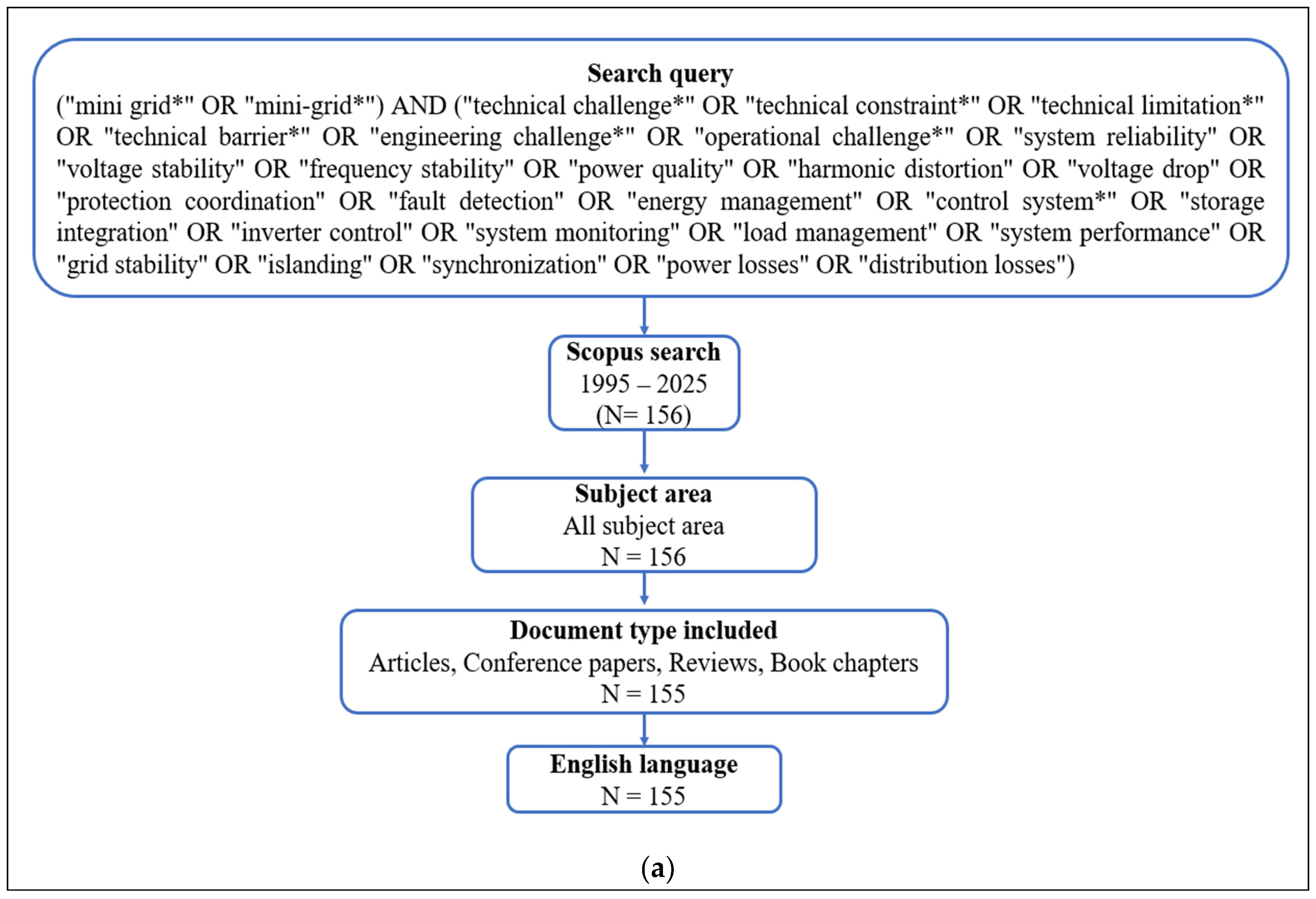
The study employed both quantitative bibliometric analysis and qualitative systematic analysis to address its goal. Figure 1a illustrates the bibliometric analysis process. The study retrieved data from the Scopus database, which is known for its extensive coverage of peer-reviewed scientific literature and its reliability in bibliometric and systematic review studies [25]. Similar studies have also relied exclusively on Scopus data, as is the case in this study [26,27,28,29,30,31]. The search strategy was carefully developed using a combination of keywords and Boolean operators to ensure inclusiveness and relevance to the topic under investigation. The search query comprised the following: (“mini grid*” OR “mini-grid*”) AND (“technical challenge*” OR “technical constraint*” OR “technical limitation*” OR “technical barrier*” OR “engineering challenge*” OR “operational challenge*” OR “system reliability” OR “voltage stability” OR “frequency stability” OR “power quality” OR “harmonic distortion” OR “voltage drop” OR “protection coordination” OR “fault detection” OR “energy management” OR “control system*” OR “storage integration” OR “inverter control” OR “system monitoring” OR “telemetry” OR “load management” OR “system performance” OR “grid stability” OR “islanding” OR “synchronisation” OR “power losses” OR “distribution losses”). The search was limited to the period 2005–2025 to capture two decades of research progress and evolving trends in the field of low-voltage mini-grids. The initial search yielded 156 documents across all subject areas. To enhance the quality and focus of the dataset, filters were applied to include only articles, conference papers, reviews, and book chapters, resulting in a dataset of 155 publications. Further refinement was made by restricting the selection to English-language publications, as these dominate scientific communication and ensure consistency in content interpretation. The final dataset, extracted on November 6, 2025, in CSV format, was used for bibliometric review analyses.
The bibliometric analysis was conducted using the Bibliometrix package in RStudio (version: 2026.01.0+392), as shown in Figure 1a. Bibliometrix, developed by Aria and Cuccurullo [32], is a widely used software for quantitative bibliometric analysis. This study focused on the following analyses: (i) publication trends in annual article production to determine research growth and temporal evolution; (ii) country-level research contributions and international collaboration networks to identify global participation and partnership patterns; (iii) keyword analysis to reveal dominant themes, research hotspots, and emerging technical challenges; and (iv) thematic evolution and factorial analysis of keywords to visualise conceptual structures and topic interrelations over time.
Figure 1.
Methodological framework adopted (a) Bibliometric analysis using Bibliometrix in R-Studio (b) PRISMA guidelines showing the number of records identified, screened, excluded, and finally included for full-text review and analysis [33].
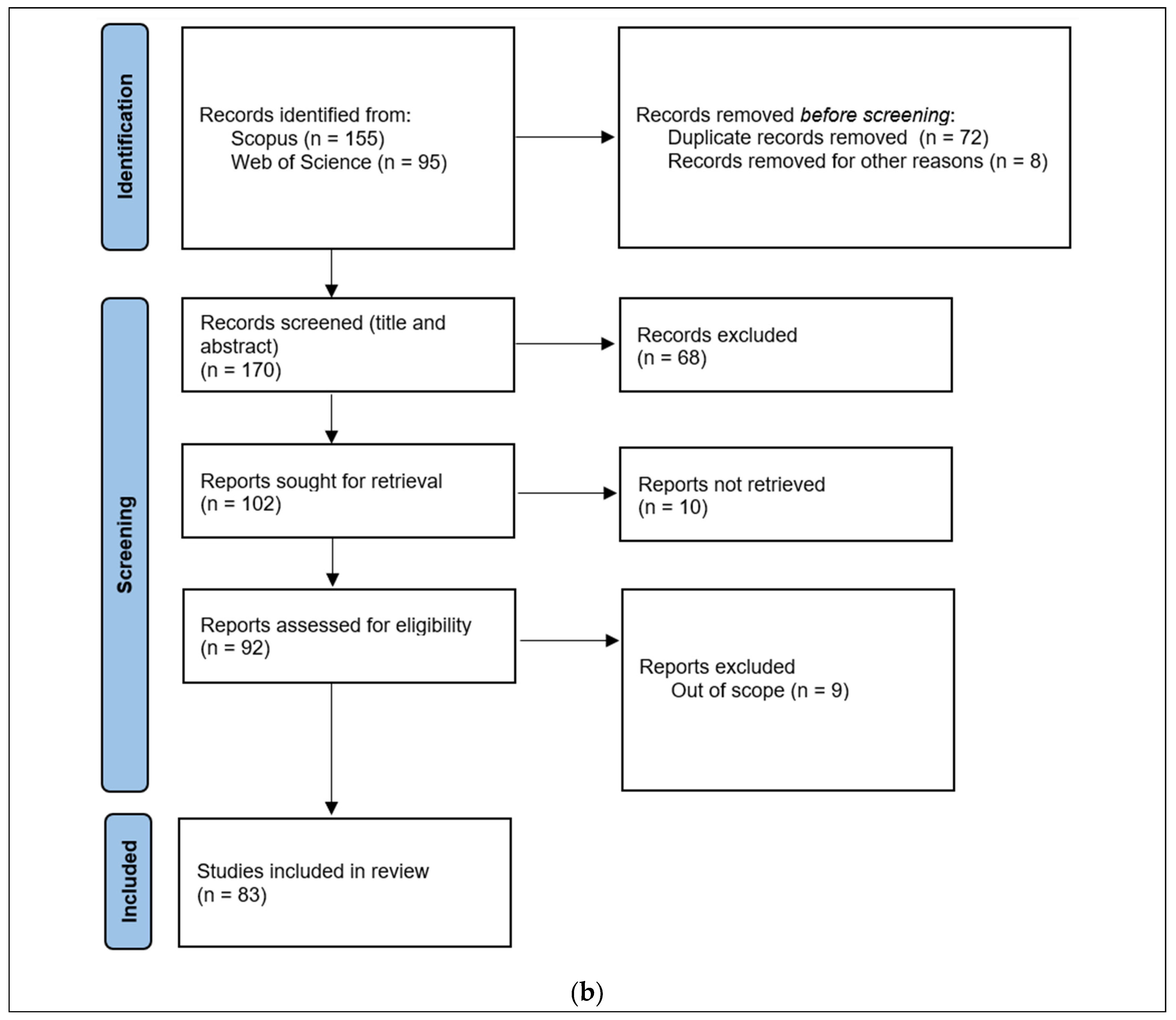
Following the bibliometric assessment, a systematic review was conducted, as illustrated in Figure 1b. The review process followed the Preferred Reporting Items for Systematic Reviews and Meta-Analyses (PRISMA) guidelines and consisted of four sequential stages: identification, screening, eligibility assessment, and inclusion. During the identification stage, a total of 250 records were retrieved from two databases, namely Scopus (n = 155) and Web of Science (n = 95). These records were imported into reference management software for data cleaning. Prior to screening, 72 duplicate records were removed, along with a further 8 records excluded for other reasons, resulting in 170 unique records for screening.
In the screening stage, titles and abstracts of the 170 records were independently reviewed to assess their relevance to the study objectives. At this stage, 68 records were excluded due to lack of relevance, leaving 102 reports sought for full-text retrieval. Of these, 10 reports could not be retrieved, resulting in 92 full-text articles assessed for eligibility. The eligibility stage involved a detailed full-text evaluation focusing on methodological rigour, relevance, and substantive contribution to the study scope. As a result, 9 articles were excluded for being out of scope. It is worth mentioning that any disagreements between the two independent reviewers during the screening and eligibility stages were resolved through discussion and consensus, with a third reviewer consulted where consensus could not be reached. Finally, 83 studies met all inclusion criteria and were included in the final systematic review and synthesis. These final studies formed the evidence base for analysing and categorising the key technical challenges across multiple thematic areas as follows (i) power quality, stability, and frequency regulation challenges in mini-grids; (ii) energy storage integration, battery management, and system reliability in mini-grids; (iii) control system architecture, coordination, and automation challenges; (iv) renewable energy integration, variability management, and curtailment; and (v) system design, planning, and techno-economic optimisation.
3. Results and Discussion
3.1. Trend in Annual Publications
Figure 2 shows the publication trends in annual article production from 2005 to 2025. It can be observed that the early period from 2005 to 2008 recorded minimal research activity, with only 2 to 4 publications in total. This period demonstrates the early stage of mini-grid deployment and limited academic attention to their technical and operational complexities. A gradual increase occurred between 2009 and 2016, during which annual publications varied from 3 to 11 articles, suggesting keen interest in mini-grids as viable electrification solutions for underserved populations. This growth phase coincides with the United Nations’ declaration of 2012 as the International Year of Sustainable Energy for All and the subsequent establishment of the Sustainable Energy for All initiative [34], which could catalyse global dialogue around distributed renewable energy systems.
Figure 2.
Trend in annual article production.
As shown in the figure, the transition point in research intensity occurred around 2020, when the number of annual publications increased to 7 articles and afterwards surged to 15 in 2021, 23 in 2022, and remained elevated at 15 to 19 articles through 2025. It is worth noting that this research growth pattern could be due to several critical policy developments and international commitments. For example, the adoption of the United Nations Sustainable Development Goals (SDG) in 2015, mainly SDG 7, which targets universal energy access by 2030 [35], established a global framework that prioritised mini-grid solutions for remote and rural electrification. In addition, the Paris Agreement’s goal of limiting global temperature rise to well below 2 °C while pursuing efforts to reach 1.5 °C [36] could accelerate global interest in renewable energy, thereby accelerating research on decentralised renewable energy systems, and the African Union’s Agenda 2063 could provide additional motivation for mini-grid research and deployment. Furthermore, the COVID-19 pandemic paradoxically could have enhanced research interest, as energy access became an essential infrastructure for healthcare delivery and economic resilience in isolated communities. Moreover, finance from institutions such as the World Bank, the African Development Bank, and bilateral donors, allocated explicitly for mini-grid programmes, could have established an environment that requires rigorous technical and operational analysis.
The sustained research output from 2021 through 2025, despite some year-to-year fluctuation, indicates that mini-grid research has shifted from an early-stage field to a fully developed field within the energy systems domain. This growth demonstrates both the global scaling of mini-grid deployments and the growth of operational experience, revealing persistent technical challenges that require ongoing investigation. The trends in research growth imply that, as mini-grids are central to achieving universal electrification targets, continued research attention to resolving technical and operational constraints will remain essential for optimising system performance, ensuring financial sustainability, and maximising socio-economic impacts in vulnerable communities.
3.2. Geographical Research Contributions and Collaboration Network
Figure 3a displays the research contribution per country. The results show that the United Kingdom (UK) is the leading contributor, accounting for 10.7% of the global research output, followed by India (8.4%) and Canada (5.8%). It is evident that African countries make a significant contribution to the global research output, with Ghana (4.6%), South Africa (5.1%), and several other nations making contributions to this research domain. However, the dominance of developed nations, especially the UK, India, and Canada, raises critical questions about research capacity, funding mechanisms, and policy frameworks that enable sustained scientific inquiry in this vital sector. The UK’s leadership can be attributed to robust research infrastructure supported by policies such as the Research Excellence Framework (REF) and funding through UK Research and Innovation (UKRI), which prioritises energy access and renewable technologies. Likewise, Innovate UK has supported mini-grid technologies through funding and collaborations, including programmes like the Energy Catalyst Briefing and Brokerage Events [37]. This support involves connecting innovators with investment, often fostering partnerships between academia and industry to develop and commercialise new technologies. India’s contributions could be attributed to the Dayal Upadhyaya Gram Jyoti Yojana (DDUGJY) and the National Smart Grid Mission, which may have catalysed research funding through institutions such as the Ministry of New and Renewable Energy (MNRE) and the Department of Science and Technology. The DDUGJY aimed to strengthen rural electricity distribution by separating feeders, upgrading networks, expanding rural electrification, and improving metering to ensure a reliable, quality, and accessible power supply for rural communities [38].
Figure 3.
(a) Geographical research contributions and (b) Research collaboration network among countries.
For African countries, the case for increased research contribution is urgent. Despite facing the world’s most severe energy access challenges, with over 600 million people lacking access to electricity [39], the contributions of African nations represent only a fraction of the global research output in this field. Ghana’s contributions (4.6%) can be attributed to initiatives such as the Ghana Energy Development and Access Project, which aimed to provide increased access to affordable, reliable and adequate electricity [40]. In addition, Ghana’s Renewable Energy Masterplan, which aimed to deploy 4.8 MW of hybrid mini/micro-grids by 2021–2025 [19], could have accelerated research interest in the country. Nigeria, despite its high energy deficit, shows a lower contribution (2.2%). However, the Rural Electrification Agency’s Mini-Grid Regulations (2016) [41] is a key policy framework that could accelerate research if paired with dedicated funding mechanisms. It is worth noting that the observed research gap in African countries may be driven by several structural challenges, including limited research funding, constraints related to publication fees and journal subscriptions, inadequate laboratory infrastructure, and weak linkages between policy implementation and academic inquiry.
Conversely, this implies not a deficit of need or potential, but rather an opportunity for transformative investment. Thus, improved research capacity in African nations would generate context-specific solutions addressing unique challenges, such as payment systems adapted to informal economies, hybrid systems resilient to extreme weather variability, and community ownership models that capture varied governance arrangements. To bridge this gap, African nations must prioritise the establishment of dedicated research funds, modelled after India’s MNRE or the UK’s UKRI, strengthen South-South research collaborations, and implement policies mandating research components in all mini-grid deployment projects. This approach will transform energy access challenges into catalysts for indigenous innovation and sustainable development.
The country collaboration map, which illustrates the geographical distribution and interconnectedness of research networks, is displayed in Figure 3b. It is worth noting that the colour gradient, ranging from light blue to dark blue, denotes the varying degrees of research activity or collaboration frequency, with darker shades indicating higher contribution levels in mini-grid research. Countries rendered in grey have no research contributions in this domain during the study period. The connecting lines traversing the map depict collaborative linkages between nations, with South Africa emerging as the primary hub of collaboration, as evidenced by multiple lines radiating from the southern African region to various global partners. This network structure emphasises several critical implications for the mini-grid research domain. For example, the collaboration between developed nations (North America, Europe) and select developing countries suggests a North–South research paradigm, where resource-rich institutions in developed countries partner with implementation-context regions in the Global South. The intense blue colouration in North America (Canada and the USA), parts of Europe (notably the UK), India, and Australia indicates that these regions serve as primary knowledge production centres, likely possessing advanced research infrastructure, substantial funding mechanisms, and established academic institutions specialising in off-grid electrification technologies. South Africa’s position as a collaboration nexus is significant due to its dual role as both an African nation facing energy access challenges and a relatively advanced economy with established research capacity, thereby serving as a bridge between African countries and global research networks.
However, the map also shows concerning gaps: large portions of sub-Saharan Africa, Central Asia, and parts of Southeast Asia remain grey or light blue, suggesting limited research contribution despite severe energy poverty in these regions. The collaboration lines mostly connect high-income and upper-middle-income countries, indicating that research partnerships may not adequately reach the least developed countries, where mini-grid solutions are most urgently needed. This spatial distribution raises questions about knowledge asymmetries, research agenda-setting power, and the extent to which locally generated insights from energy-poor regions influence global mini-grid discourse. The concentration of collaborations among a small cluster of countries may lead to the homogenisation of research priorities, potentially overlooking context-specific technical challenges and operational constraints unique to underrepresented regions.
Furthermore, the scarcity of South-South collaboration lines (connections between developing countries) suggests missed opportunities for peer learning and technology transfer among nations facing similar socioeconomic and infrastructural contexts. The implications are clear: although existing research networks have generated valuable knowledge, there is an urgent need to democratise mini-grid research through capacity building in underrepresented regions, fostering more equitable South-South partnerships, and ensuring that collaboration frameworks genuinely incorporate perspectives and priorities from communities most affected by energy poverty, thereby creating a more inclusive and geographically diverse research ecosystem.
3.3. Word Cloud of the Most Occurring Keywords
Figure 4 illustrates the dominant themes and research priorities within the dataset. The emergence of “mini-grid” and “microgrid” as the largest terms confirms these decentralised electrification solutions as the central focus of investigation. This implies their critical role in addressing energy access challenges in developing regions.
Figure 4.
Word cloud of the most occurring keywords.
The size of “rural electrification” highlights the geographical and socio-economic context that drives the deployment of mini-grids. These systems have become technically and economically viable solutions for extending electricity services to remote populations. Conventional grid extension remains excessively expensive or logistically impractical in such contexts. Agbo et al. [42] reported that conventional grid extension is economically unfeasible for remote areas. This is due to challenging terrain, dispersed populations, and low demand. Similarly, Nossek and Berthelemy [43] concluded that mini-grids are popular for electrifying rural locations, based on an examination of 144 mini-grids deployed in Burkina Faso and Madagascar between 2015 and 2020. Aluko et al. [44] highlighted Rwanda’s challenges in electrification, noting that private investments are essential for rural electrification.
The considerable emphasis on “renewable energy,” “solar PV,” and “renewable energy sources” indicates a fundamental shift. This shift toward sustainable generation technologies aligns with global decarbonisation imperatives. Fossil fuel-based systems are economically unsustainable for remote applications. This renewable energy focus stems from solar PV systems achieving significant cost reductions. These reductions occurred over the past decade, making solar PV the primary generation technology. Ramos-Galdo et al. [45] documented that decreasing the costs of lithium-ion batteries and solar PV enhances the feasibility. Chamarande et al. [46] advocated for policies that combine fuel tax and subsidies on solar panels, which further reduce the carbon footprint of mini-grids across African contexts. Jimoh et al. [47] found that in Tanzanian solar mini-grids, longer-growth crops, multiple planting seasons, and optimised irrigation reduced levelized costs by 7% compared to residential-only systems.
The appearance of “diesel-driven generators,” “diesel genset,” and “biomass” in the figure suggests hybrid configurations. Most hybrid renewable energy systems (HRES) combine renewable and conventional generation sources, addressing the intermittency challenges inherent to renewable resources. HRES provide necessary system reliability and power quality assurance for mini-grid operations. For this case, Rangel et al. [48] developed a cost optimisation model for diesel/PV/battery microgrids in Tanzania. The authors found that each electricity demand scenario requires specific diesel generators, influenced by PV and battery units, with a levelized cost of energy (LCOE) ranging from £0.42 to £ 0.45/kWh. Al-Bayati et al. [49] found that integrating solar PV and wind turbines with diesel generators provides a cost-effective solution, achieving an LCOE of $0.123/kWh for rural electrification in Iraq. See et al. [50] found that PV/wind turbine/battery/diesel HRES configurations achieved a LCOE of $0.198/kWh for Malaysia’s Malawali island. Odoi-Yorke et al. [51] concluded that solar PV/biogas/battery systems for Ghana’s remote communities outperform diesel-only alternatives in terms of cost and emissions reductions.
Similarly, the emergence of terms such as “power quality” and “energy storage” reveals critical technical challenges. These challenges confront mini-grid operators and researchers in decentralised electrification contexts. Power quality issues include voltage fluctuations, frequency deviations, and harmonic distortions [52,53,54,55]. These are persistent operational constraints that directly impact consumer satisfaction and the lifespan of equipment. This impact occurs due to the voltage-sensitive nature of modern appliances and productive-use equipment. The emphasis on energy storage technologies in the word cloud, including “battery energy storage” and “battery storage,” suggests their indispensable role. Battery energy storage systems (BESS) manage renewable energy variability, facilitate load balancing, and ensure a continuous power supply during periods of insufficient generation [56,57,58]. This focus is especially salient, as battery systems typically account for 35% to 45% of total capital expenditure [59]. BESS encounters challenges related to degradation, replacement costs, and thermal management in tropical climates [60,61,62,63]. In view of this, Schulte et al. [64] reported that a forecast-based charging strategy prolongs lithium-ion battery lifetime by reducing average battery state-of-charge by 20%. However, this reduction occurred without causing power outages for the mini-grids. Hassane et al. [65] showed photovoltaic/battery systems had optimal net present costs in multiple villages.
The appearance of terms such as “smart grid,” “energy management,” “demand-side management,” and “demand response” indicates areas of investigation by researchers in mini-grid research. In this context, operational optimisation through intelligent control systems and consumer engagement strategies is essential for mini-grid viability. These demand-side interventions address the fundamental challenge of low capacity utilisation plaguing rural mini-grids. Residential consumption patterns typically exhibit sharp evening peaks with minimal daytime demand. Ray and Chakraborty [66] revealed that demand response improves mini-grid economics, reducing investment by 62%, energy costs to $0.23, and also brings 186 million people within affordable access. Wassie and Ahlgren [67] reported that supply side factors, appliance factors, and location-specific factors have a greater influence on demand than income in Ethiopian off-grid PV mini-grids. Ihirwe et al. [68] concluded that peak shaving in solar PV mini-grids with large critical loads enables affordable electricity, while hybrid systems and demand creation support sustainable operations for firms. Afonaa-Mensah et al. [69] concluded that integrating agro-processing loads into Ghanaian mini-grids improved the load factor, increased solar correlation, and reduced the levelized energy costs. Gelchu et al. [70] demonstrated that the implementation of demand-side management in household and productive use categories reduced the levelized energy costs by 45.8% and 20.7%, respectively. Youssef et al. [71] demonstrated that optimisation algorithms in smart homes with mini-grids achieved electricity cost reductions of 76% through strategic storage and trading decisions. Dibaba et al. [72] confirmed that demand response programmes reduce system costs and enhance battery storage lifespan in off-grid microgrids. Opoku et al. [73] identified redundant energy ranging from 56.98 to 119.86 kWh daily on mini-grids, which could support cooking applications through thermal batteries. Keddar et al. [74] proposed smart battery management systems that regulate charging rates to alleviate network constraints and increase service quality. Juma et al. [75] emphasised that energy management systems reduce system downtime and improve operational reliability in Malawian mini-grids. Nanda et al. [76] highlighted that intelligent energy management enables optimal micro-grid operation through real-time demand-supply monitoring and predictive scheduling. Alves Dos Reis et al. [77] demonstrated that effectively managing hybrid microgrids enhances reliability and service continuity in distribution networks.
The presence of terms such as “sustainability,” “resilience,” and “energy access” demonstrates broader developmental objectives. These objectives underpin the deployment of mini-grids, extending beyond mere technical performance and economic viability. They also include community empowerment and climate adaptation considerations for sustainable development. The sustainability literature examines multiple aspects of mini-grid viability across economic, social, and environmental contexts. Katre et al. [78] assessed community-owned systems using novel scoring frameworks that evaluate institutional, financial, and technical capacities over extended operational periods. Lesala and Mukumba [79] demonstrated that meaningful community participation across governance, technical engagement, economic inclusion, and social domains strengthens local ownership, system functionality, and long-term viability. The resilience discourse addresses climate-induced vulnerabilities affecting centralised infrastructure and energy poverty in low-income regions. Okesiji [80] reported that decentralised renewable energy systems provide cost-effective, climate-resilient, and scalable alternatives that leverage locally available resources. Abuzayed et al. [81] show solar and wind energy diversify energy portfolios and reduce hydropower dependence during drought periods. The energy access agenda emphasises equitable electrification strategies that combine grid extension with decentralised solutions, such as solar home systems and mini-grids. Abuzayed et al. [81] found that these approaches offer lower per capita costs while achieving universal access targets. Gollwitzer et al. [82] conceptualised mini-grid electricity as a common-pool resource, drawing lessons from the natural resource management literature. Suryani and Dolle [83] identified critical success factors, including the selection of remote sites with clustered settlements, continuous community involvement from planning through project cycles, life cycle thinking, autonomous system functioning, and contingency planning for grid arrival.
Additionally, terms such as “off-grid electrification,” “distributed generation,” and “autonomous power systems” underscore the paradigm shift. This shift moves from centralised to decentralised energy architectures, signifying a fundamental reconceptualisation of electrification pathways. These pathways operate in resource-constrained contexts where traditional grid extension proves impractical. Sayani et al. [84] found that considering demand growth and using multi-stage mini-grid sizing in rural India can reduce costs by 12%, enabling gradual expansion over single-stage approaches. Ukwuoma et al. [85] found that stand-alone systems in Nigeria’s Kwalita Village achieved a net present cost of $209,402, an energy cost of $0.228/kWh, a renewable fraction of 99.8%, and an emissions reduction of 98.7%. Sawadogo et al. [86] found that solar mini-grid feasibility in Burkina Faso’s Nienega-Mossi community improved with GIS-based load profiling and Particle Swarm Optimisation, reducing LCOE while ensuring reliability. The frequent appearance of terms such as “inverter,” “induction generator,” and “electrical distribution network” demonstrates sustained research attention on the design, optimisation, and integration of key system components within mini-grids. This focus is characteristic of a relatively mature technology, where ongoing work seeks to refine performance, reliability, and system coordination rather than address fundamental feasibility. Furthermore, the use of terms such as “developing country” and “Sub-Saharan Africa” explicitly situates this research. The research exists within specific geographical and developmental contexts where energy poverty remains a pressing issue. Mini-grids serve as critical infrastructure for achieving SDG 7 in these regions.
3.4. Thematic Evolution and Factorial Analysis of Keywords
Figure 5 illustrates the historical progression and interconnectedness of research themes across three distinct periods: 2005–2018, 2019–2022, and 2023–2025. The figure employs a Sankey-style diagram, where box sizes denote the thematic occurrence within each period, colours denote distinct research themes, and connecting lines trace the evolution and transformation of topics across temporal boundaries. It can be observed that during the foundational period (2005–2018), research concentrated on “minigrids” as the dominant theme, accompanied by emerging interests in “smart grid,” “off-grid,” “power quality,” and “mini-grid” technologies. The smaller box sizes suggest an early stage in the mini-grid domain, characterised by a limited publication volume and narrow thematic diversity. Notably, “rural electrification” emerged as a distinct but comparatively minor theme, indicating limited attention to developmental contexts during this early phase.
Figure 5.
Thematic evolution of keywords.
The intermediate period (2019–2022) saw thematic expansion and consolidation, evidenced by significantly larger box sizes across multiple themes. “Mini-grid” appeared as a dominant research focus, demonstrating standardised terminology adoption within the academic community. The significance of “rural electrification” increased, demonstrating awareness of mini-grids as critical infrastructure for addressing energy poverty in underserved regions. The persistence of “minigrids,” “smart grid,” “power quality,” and “energy management” as distinct themes reveals continued attention to technical challenges, whilst the connecting lines reveal thematic continuity and evolution from the previous period. The emergence of “energy management” as a new theme suggests that researchers have developed an increased attention to operational optimisation research. The most recent period (2023–2025) exhibits further thematic concentration, with “mini-grid” maintaining dominance, accompanied by an emphasis on “rural electrification” and the emergence of “renewable energy” as a distinct, major theme. This thematic shift implies that the contemporary research domain focuses on sustainable generation technologies and the challenges of their integration. The connecting lines indicate a clear lineage from previous periods, with “renewable energy” drawing from multiple antecedent themes, suggesting a synthesis of earlier disparate research streams into cohesive, renewable-focused investigations.
It is worth mentioning that the thematic evolution highlights several critical implications for the field’s development. First, the consolidation around “mini-grid” terminology indicates growth and standardisation of conceptual frameworks. Second, the progressive elevation of “rural electrification” highlights the alignment between technical research and developmental objectives. Third, the recent emergence of “renewable energy” as a distinct major theme demonstrates the paradigm shifts toward decarbonised mini-grid configurations. The persistent presence of “power quality” across all periods highlights enduring technical challenges requiring sustained research attention, while the evolution from generic “smart grid” concepts to specific “energy management” approaches demonstrates technical sophistication and operational focus in addressing mini-grid constraints.
The factorial analysis (Figure 6) presents a two-dimensional representation of keywords, where the horizontal and vertical axes denote the first two principal components capturing the maximum variance in the dataset. The spatial proximity of terms indicates their co-occurrence patterns and thematic associations within the literature. It can be observed that the cyan-shaded region in the upper portion of the plot comprises a densely populated cluster of interconnected keywords, including “renewables,” “minigrid,” “grid forming,” “bess” (battery energy storage systems), “diesel genset,” “diesel hybrid mini grid,” “grid support mode,” and “grid forming mode,”. This cluster shows a coherent thematic domain centred on hybrid generation configurations and operational modes. This clustering demonstrates that contemporary mini-grid research emphasises the integration of renewable energy sources with conventional diesel generation and energy storage systems, addressing the technical challenge of managing intermittent renewable resources and maintaining system stability and reliability. The positioning of “renewables” at the extreme right of this cluster, with the highest concentration of associated terms, underlines its centrality as the dominant generation paradigm. At the same time, the proximity of “bess” and operational mode descriptors suggests the critical role of energy storage in enabling flexible system operation between grid-forming and grid-support configurations.
Figure 6.
Factorial analysis of keywords.
In contrast, the lower right quadrant displays a spatially distinct cluster rendered in coral-pink tones, comprising “electrical distribution network,” “emergency control,” “distributed small generation,” and “automation.” This separation along both dimensional axes indicates a fundamentally different thematic orientation focused on network architecture, control systems, and operational management rather than generation technologies. The factorial separation suggests that research addressing distribution network design, emergency response protocols, and automated control systems falls into a different intellectual domain, with limited co-occurrence with generation-focused studies. This reveals a potential fragmentation in the literature, where generation planning and distribution system operation are investigated independently rather than holistically. This bifurcation has significant implications for mini-grid development, as it suggests that technical challenges related to generation integration and those concerning distribution network stability are often addressed in isolation, potentially hindering the development of comprehensive solutions that optimise both generation dispatch and network operation simultaneously. To address this gap, integrated methodological frameworks that couple long-term techno-economic optimisation with short-term dynamic control simulations are essential. Such frameworks should combine multi-year capacity expansion models with high-resolution operational simulations that capture voltage dynamics, frequency regulation, and protection coordination.
The intermediate positioning of terms like “grid forming” along the vertical axis suggests transitional concepts that bridge generation and distribution concerns, as grid-forming capabilities are essential for both renewable integration and network stability. The factorial analysis thus shows that while renewable-hybrid generation dominates research attention, critical gaps persist in addressing the integrated optimisation of generation, storage, and distribution network operation. This finding underlines the need for multidisciplinary research frameworks that simultaneously consider generation diversity, energy storage coordination, distribution network constraints, and automated control strategies to develop holistic solutions for the technical and operational challenges confronting low-voltage mini-grid deployment in resource-constrained environments.
4. Thematic Synthesis of Technical Challenges of Mini-Grids
This section presents a synthesis of the papers that qualified for the systematic review on the technical challenges of mini-grids. The reviewed studies are systematically grouped into key thematic areas to provide a comprehensive understanding of the current state of research, highlight major advancements, and identify existing knowledge gaps. The thematic areas include: (1) power quality, stability, and frequency regulation challenges in mini-grids; (2) energy storage integration, battery management, and system reliability in mini-grids; (3) control system architecture, coordination, and automation challenges; (4) renewable energy integration, variability management, and curtailment; and (5) system design, planning, and techno-economic optimisation. Each of the following sub-sections discusses these thematic areas in detail, outlining the core technical issues addressed in the literature and revealing critical areas that require further investigation to enhance the performance, resilience, and scalability of mini-grid systems.
4.1. Power Quality, Stability, and Frequency Regulation Challenges in Mini-Grids
Power quality management is one of the most persistent technical challenges confronting mini-grid operations, manifesting through voltage fluctuations, frequency deviations, and harmonic distortions that compromise system reliability and equipment longevity. Additionally, the integration of variable renewable energy sources results in voltage and frequency variations within acceptable operational ranges [87,88,89,90]. This problem becomes critical as renewable penetration levels exceed conventional thresholds. Voltage regulation challenges manifest across multiple operational contexts and geographic locations, with severe implications for system reliability and equipment longevity. For example, Nkolokosa et al. [91] reported significant voltage deviations in Kenyan mini-grids, where Hadado and Ndeda Island sites exceeded recommended thresholds of plus or minus 10%, directly compromising power quality and threatening connected equipment. These voltage variations, coupled with poor power factor measurements at Locheromoit, which registered only 0.75 compared to more acceptable values of 0.87 and 0.89 at other sites, demonstrate how inadequate voltage control cascades into broader system performance degradation. The study by Sulaeman et al. [92] reinforced these concerns by emphasising that voltage measurements constitute the minimum requirement for implementing proper power quality assessments. Yet, many mini-grids lack even this basic monitoring capability. Ayoubi et al. [93] addressed these voltage challenges through advanced control strategies, proposing model predictive control for three-phase four-leg inverters that simultaneously compensate for unbalanced load conditions and minimise neutral-to-ground voltage. However, the complexity of such solutions may limit their applicability in resource-constrained settings.
Frequency instability is another equally critical challenge in diesel-hybrid systems operating with high renewable penetration, where rapid power fluctuations from intermittent sources create operational difficulties. In view of this, Wies et al. [94] investigated frequency regulation in wind-diesel mini-grids. They found that system instability stems from multiple compounding factors, including highly variable wind generation, unbalanced single-phase loads distributed across multiple branches, large instantaneous load changes, reactive power overcompensation, and critically, lower machine inertias that provide insufficient damping. The authors’ genetic algorithm-based proportional integral derivative diesel speed controller demonstrated improved frequency regulation compared to standard controls, suggesting that advanced control strategies can mitigate, but not eliminate, these fundamental challenges. Mipoung et al. [95] explored alternative approaches by examining how fixed-pitch type-one wind turbines might assist with frequency support in storage-less diesel hybrid mini-grids. The study found that increased droop slopes in these inexpensive turbines could reduce both frequency variations and power demand fluctuations from diesel generators. Chaudhary et al. [96] extended this analysis to minigrid clusters in Ethiopia, demonstrating that interconnecting multiple minigrids facilitates the sharing of generation and battery energy storage systems, thereby improving frequency stability across the broader network.
Similarly, harmonic distortion and power quality degradation are additional layers of complexity in systems with power electronics interfaces and nonlinear loads. Tan et al. [97] developed a distribution static compensator using a compensatory fuzzy neural network with an asymmetric membership function controller to address total harmonic distortion and power factor issues in mini-grids serving nonlinear and linear inductive loads. Their work highlighted how traditional proportional-integral controllers prove inadequate for managing DC-link voltage regulation under variable load conditions, necessitating more sophisticated control approaches. However, Nkolokosa et al. [91] found that harmonic distortions and frequency deviations in their studied Kenyan minigrids had no significant negative impact on quality and stability performance, suggesting that the effects of harmonics may be context-dependent and require site-specific evaluation rather than universal mitigation strategies. The challenge of maintaining power quality extends beyond steady-state operation to include transient events and system disturbances that can trigger cascading failures. Menniti et al. [98] investigated virtual synchronous generator strategies based on grid-forming inverters that emulate synchronous generator behaviour to ensure frequency and voltage stability within minigrids. Through simulation, they demonstrated that such approaches maintain stability during sudden load variations. Similarly, Nguimfack-Ndongmo et al. [99] introduced an adaptive nonlinear control strategy for virtual synchronous generators in solar PV systems, specifically targeting stability improvements during major disturbances, power fluctuations, and transitions between standalone and grid-connected modes. These advanced control strategies require computational resources and technical expertise that may not be available in many mini-grid deployment contexts.
Likewise, unbalanced loading conditions can pose significant challenges for three-phase mini-grid systems, particularly those serving single-phase loads in rural electrification scenarios. Ninad and Lopes [100] proposed per-phase vector control strategies for four-leg grid-forming inverters to provide balanced voltages despite highly unbalanced loads, noting that such systems must cope with supplying active power in one phase and absorbing it in another due to the presence of a single-phase renewable energy source. Ayoubi et al. [93] reinforced these findings, demonstrating that unbalanced load compensation requires multi-objective control functions that simultaneously track voltage references and minimise neutral-to-ground voltage. These complexities illustrate that load imbalance is not simply a power quality issue, but a fundamental design consideration that necessitates the integrated co-design of generation, distribution, and control systems.
4.2. Energy Storage Integration, Battery Management, and System Reliability in Mini-Grids
This thematic area highlights studies that address the integration of energy storage, battery management, and system reliability in mini-grids. Energy storage systems are crucial components for ensuring the reliability and performance of mini-grids. However, their integration introduces technical challenges, including capacity sizing, charge–discharge management, battery degradation, and coordination of the control system. The dual role of storage systems in providing both short-term power quality support and longer-term energy shifting creates conflicting operational requirements that remain inadequately addressed in many implementations. Recent studies have demonstrated that robust low-carbon operation can be enhanced through the integration of virtual energy storage within coordinated control frameworks [101]. For the case of battery capacity sizing and degradation management, Kaluwa and Bekker [102] analysed the Tsumkwe mini-grid in Namibia. They identified that weak batteries exacerbated excessive diesel consumption because generators simultaneously powered the system and charged degraded batteries, with insufficient solar PV charging during daylight hours exacerbating the problem. The authors concluded that undersized or degraded battery storage forces increased reliance on diesel generation, undermining both economic performance and environmental objectives. Osei et al. [103] investigated hydrogen production from redundant solar energy in Ghanaian mini-grids as an alternative long-duration storage solution. It was observed that, although lithium-ion batteries provided a lower levelized cost of storage at $0.218/kWh, hydrogen-fuel cell pathways achieved a higher cost at $0.249/kWh. This is because lithium-ion batteries have lower costs due to higher efficiency, technological maturity, and lower capital and conversion losses. In contrast, hydrogen systems incur additional costs from electrolysis, storage, and fuel-cell conversion. However, hydrogen-fuel cell provide seasonal and multi-day storage capabilities that batteries cannot match.
Likewise, battery management systems and control strategies are complex due to state-of-charge monitoring, charge–discharge coordination, and protection against abuse conditions (ref). Singh and Lopes [104] developed a battery energy storage system that operates in multiple modes, balancing loads, maintaining a unity power factor for generators, and forcing generators to operate within desired power ranges during genset support mode. Additionally, it provides balanced voltage to unbalanced loads during grid-forming mode. However, the laboratory implementation revealed practical challenges in achieving these multiple simultaneous objectives under rapidly changing conditions. Kliche et al. [105] addressed uncertainty in battery operation through chance constraint formulation in their optimal control problem for mini-grids, recognising that probabilistic approaches better capture the stochastic nature of renewable generation, demand, and ambient temperature effects on battery performance. Nonetheless, the theoretical framework requires validation under real-world operating conditions, where uncertainty sources interact in complex and often unpredictable ways.
Kebir et al. [106] explored the use of second-life batteries for school electrification in Kenya. The authors reported that such systems decreased the levelized cost of electricity by 5.6% to 35.3% in 97.2% of scenarios compared to new batteries, with payback periods reduced by 8.2% to 42.9%. However, the analysis acknowledged that variability in second-life battery condition, capacity fade rates, and remaining useful life creates uncertainty in system performance that requires monitoring and management capabilities. The technical challenge lies not only in identifying suitable second-life batteries but also in developing robust testing protocols, performance prediction models, and adaptive control strategies that can accommodate the inherently heterogeneous characteristics of repurposed battery banks.
Similarly, other studies have revealed that battery-to-grid and vehicle-to-grid integration introduces additional layers of complexity regarding bidirectional power flow control, communication protocols, and coordinated charging strategies. Saini et al. [107] investigated cloud energy storage in conjunction with electric mobility in residential mini-grids. The findings indicate that scenarios involving electric scooters generated 18.72% higher revenue in summer and 29.71% higher revenue in winter compared to systems without mobility integration. However, the analysis discovered that achieving these benefits requires coordination between distributed battery resources, real-time state-of-charge monitoring across multiple users, and dynamic pricing mechanisms that incentivise beneficial charging behaviours. Rosner and Lienkamp [108] proposed modular battery systems for enhanced integration between electric mobility and rural electrification, suggesting that hybrid vehicle battery systems could support electrification of heavier vehicles in minigrids and provide grid services. However, the practical implementation of such concepts faces barriers, including the standardisation of battery interfaces, the development of appropriate communication protocols, and the establishment of regulatory frameworks governing distributed storage participation in mini-grid operations.
Furthermore, the literature has highlighted that energy management algorithms for storage systems must simultaneously optimise multiple conflicting objectives, including cost minimisation, reliability maximisation, battery lifetime extension, and power quality maintenance. Messaoud et al. [109] proposed a fuzzy logic-based energy management system for isolated mini-grids with multiple energy sources; however, their simulation-based validation did not address how the fuzzy membership functions and rule bases should adapt to changing system conditions over time. Nanda et al. [76] developed an intelligent energy management system for microgrids with energy storage integration that continuously monitors demand and supply to determine optimal combinations of renewable generation and stored energy. However, their approach relies on pattern recognition, which may fail under novel operating conditions not represented in the training data. The fundamental challenge lies in developing energy management strategies that remain robust across the different operating conditions, load patterns, and component degradation trajectories encountered over multi-decade system lifetimes.
4.3. Control System Architecture, Coordination, and Automation Challenges
Control system design and coordination are foundational technical challenges that determine whether mini-grids can successfully integrate multiple generation sources, maintain stability under varying conditions, and respond appropriately to disturbances. The transition from simple single-source systems to complex hybrid configurations necessitates hierarchical control frameworks; however, implementation complexity often exceeds the available technical capacity in deployment locations. Hierarchical control architectures provide a framework for coordinating multiple system functions across different timescales; however, their implementation introduces complexity in terms of communication requirements, computational burden, and coordination algorithms. Abdelghany et al. [110] developed a hierarchical model predictive control scheme for wind-hydrogen microgrids that separates long-term operations, managed by high-level control considering day-ahead forecasts and market participation, from short-term operations, handled by low-level control, which compensates for forecast deviations and addresses real-time dynamics. Their approach, implemented through mixed-integer linear programming, achieved coordinated operation but required substantial computational resources and sophisticated forecasting capabilities. Juma and Ayeng’o [75] investigated energy management systems in Malawian mini-grids. The authors found that while such systems reduce downtime and improve operational reliability, adoption remains constrained by high capital expenditure, limited technical expertise, and resource constraints. This disparity between theoretical control capabilities and practical implementation capacity indicates a fundamental barrier to achieving optimal mini-grid performance in many deployment contexts.
In the work of Boyko et al. [111], the authors advocated for intelligent automatic control systems governed by decentralised algorithms that provide coordinated operation of emergency control and power flow automation in community mini-grids. The authors argued that such approaches enhance reliability by eliminating single points of failure. Conversely, Palacios-Bocanegra and Molina [112] implemented centralised control using optimal power flow solutions within supervisory control and data acquisition systems for minigrid power management, demonstrating benefits in terms of system-wide optimisation. Rodriguez-Bernuz and Junyent-Ferré [113] proposed a hybrid approach combining decentralised droop controllers for local stability with centralised optimal power flow for setpoint adjustment. It was observed that the architecture achieves both rapid response and optimal steady-state operation. The choice between these alternatives depends on the reliability of the communication infrastructure, the availability of computational resources, and specific operational priorities that vary across deployment contexts.
Other studies in the literature show that synchronisation and grid interconnection control are challenging technical requirements, especially when connecting multiple autonomous mini-grids or interfacing with unreliable utility grids. In this context, Degefa et al. [114] highlighted that existing protocols often prove inadequate for the specific characteristics of mini-grid systems. Juliana et al. [115] reported that a unified power flow controller for two interconnected solar mini-grids can regulate power flow on interconnection lines, maintaining voltage stability and provide reactive power compensation. However, the study revealed that successful implementation requires precise control of active and reactive power, protection coordination, and careful tuning of controller parameters. Adhikary et al. [116,117] developed automatic synchronisers for connecting induction motors as generators in mini-grid systems, proposing low-cost electronic circuitry using exclusively OR gates, relays, and contactors to achieve a soft connection between generators only after synchronisation. Although such simplified approaches enhance accessibility, they sacrifice the advanced functionality and precise control available in more sophisticated synchronisation systems.
In other studies, model predictive control strategies offer theoretically optimal performance but encounter practical implementation barriers related to computational requirements, model accuracy, and parameter sensitivity. Kliche et al. [105] formulated probabilistic optimal control problems for mini-grids using joint chance constraints to address uncertainties in renewable generation, demand, and ambient temperature. However, they acknowledged that their approach requires accurate probabilistic models of uncertainty, which may be difficult to obtain in practice. Abdelghany et al. [110] developed mixed-logic dynamic frameworks for wind-hydrogen systems that consider various logic states and corresponding continuous dynamics, resulting in mixed-integer linear programmes that must be solved numerically at each time step. The computational burden of these approaches raises questions about their real-time implementability on the embedded control hardware typically deployed in mini-grid systems. Ninad and Lopes [100,118] proposed per-phase vector control techniques that eliminate the need for symmetrical component decomposition, resulting in higher dynamic performance compared to conventional three-phase control approaches. The method was successful for systems with unbalanced loads and single-phase renewable generation, though it requires more complex implementation than standard control schemes. Nguimfack-Ndongmo et al. [99] improved stability during transitions and disturbances by employing an adaptive nonlinear control for virtual synchronous generators, which utilises adaptive tuning to ensure optimal responses to grid modifications and includes online estimators for virtual mechanical power. However, the complexity of these advanced control strategies raises concerns about their maintainability in locations with limited technical support infrastructure.
4.4. Renewable Energy Integration, Variability Management, and Curtailment
The integration of variable renewable energy sources into mini-grids presents challenges, including managing generation variability, maintaining system stability, and achieving optimal capacity utilisation. These challenges become critical as renewable penetration levels increase beyond modest fractions, requiring forecasting, control strategies, and operational approaches that often exceed available technical and institutional capacity. For instance, solar PV integration challenges include improving generation forecasting accuracy, managing ramp rates, and determining optimal capacity sizing in relation to load profiles and storage availability. Opoku et al. [73] reported midday generation surpluses averaging 2250 kWh/month due to mismatches between peak production and local demand, with excess energy curtailed once batteries reached full charge from Ghanaian solar mini-grids. The study machine learning models predicted redundant energy ranging from 56.98 to 119.86 kWh/day, demonstrating systematic underutilisation of installed capacity that limits socio-economic benefits and reduces system economics. This curtailment challenge demonstrates a fundamental tension between achieving high renewable energy fractions and maximising capacity factor utilisation. Tonkoski et al. [119] demonstrated that active power curtailment strategies employing frequency-power droop control for solar PV inverters in diesel-hybrid mini-grids reduced frequency variations and prevented diesel genset operation at reduced loading during periods of excess power. However, curtailment implies an economic loss that undermines the financial viability of renewable energy investments when substantial generation capacity sits idle during peak solar radiation periods.
Likewise, wind energy integration presents challenges related to turbulence-induced power fluctuations, the limited predictability of wind resources, and coordination with other generation sources across multiple time scales. Mipoung et al. [95,120] found that inexpensive turbines could provide some frequency regulation through their inherent power-frequency characteristics for fixed-pitch type-one wind turbines for frequency support in diesel-hybrid mini-grids. However, their effectiveness remained limited compared to variable-speed turbines with pitch control. Chaudhary et al. [96] designed mini-grids utilising solar PV and micro-hydro generation in Ethiopian villages. The authors highlighted that combining multiple renewable sources with different generation profiles reduces overall system variability. Nonetheless, effective renewable integration requires careful coordination of multiple generation sources, appropriately sized storage, and control systems that may challenge implementation capacity in many contexts. Hydropower variability due to seasonal and multi-year hydrological patterns presents long-term challenges that exceed the capabilities of conventional battery storage systems. Abuzayed et al. [81] examined Zambia’s heavy reliance on hydropower, which makes the system vulnerable to climate-induced hydrological variability that causes severe load shedding during droughts. The system modelling indicated that, even in the absence of increased access efforts, at least 2.6 GW of solar power would be required by 2030, potentially reaching 8.4 GW under higher access scenarios or low hydropower availability.
Generation forecasting accuracy influences the efficacy of renewable energy integration strategies; however, forecast errors propagate through operational decisions and control actions in ways that can exacerbate rather than mitigate variability. Ioannou et al. [121] developed distributed artificial intelligence frameworks for power forecasting in mini-grids using temporal convolutional networks, claiming accurate hour-ahead predictions based on data from the previous day. However, the validation focused on normal operating conditions without examining forecast performance during unusual weather patterns, equipment failures, or other off-nominal situations when accurate forecasting becomes most critical. The gap between forecast accuracy under favourable conditions and performance during challenging circumstances remains inadequately characterised in mini-grid contexts. Pelland et al. [122] documented that the Nemiah Valley PV-diesel mini-grid would deliver approximately 10% more energy annually if all output could be absorbed rather than curtailed when generation exceeded load. This curtailment, which occurs when PV penetration reaches 36% of peak load, suggests that increasing renewable fractions beyond modest levels requires alternative approaches, such as demand-side management, additional storage capacity, or productive use applications that can absorb excess generation. Load-generation matching optimisation is another technique for reducing curtailment and improving renewable utilisation through demand-side interventions and flexible loads. In this context, Keddar et al. [11,74] investigated the integration of electric cooking on hybrid solar PV-diesel mini-grids. They found that the coordinated management of cooking loads could improve renewable utilisation and introduce new challenges regarding network constraints and generation capacity requirements. The study of a smart battery charging system for electric cooking devices demonstrated that regulating charging rates based on system conditions can mitigate network impacts and enhance grid accommodation capacity. However, implementing such demand-side strategies requires advanced metering infrastructure, communication systems, and customer engagement mechanisms that may prove difficult to establish and maintain in many rural contexts.
4.5. System Design, Planning, and Techno-Economic Optimisation
Mini-grid system design and planning can encounter technical challenges. Gambino et al. [123] emphasised that energy need assessment provides critical inputs for business modelling and mini-grid design, with assessment accuracy directly affecting technical and financial feasibility. The authors advocated for inclusive methodologies adaptable to different community contexts, prioritising data collection methods capable of achieving representative samples with high accuracy in estimating electricity substitute consumption. Scott and Coley [124] concluded that load profiles reflect complex interactions among appliance ownership, occupancy patterns, and socio-economic status, rather than simple, predictable relationships, in Tanzanian mini-grids. Herraiz-Cañete et al. [125] compared deterministic and stochastic demand forecasting approaches for isolated rural communities, concluding that deterministic methods require less information and processing. In contrast, stochastic approaches yield more realistic results, which are crucial for effective mini-grid design. This tension between data requirements and forecast accuracy creates challenges for project developers operating under resource and time constraints.
Likewise, system sizing optimisation must balance multiple competing objectives, including minimising lifecycle costs, achieving target reliability levels, maximising renewable energy fractions, and ensuring adequate capacity for future load growth. Sawadogo et al. [86] employed particle swarm optimisation to minimise LCOE and adhere to reliability constraints for a Burkina Faso solar mini-grid. It was observed that optimisation-based approaches can identify cost-effective configurations. However, the authors acknowledged that optimal sizing depends critically on the assumed load profiles, component costs, and operational constraints, which contain substantial uncertainty. In the work of Agbo et al. [42], the authors utilised the MicroGridsPy optimisation model to examine different demand scenarios and system configurations for Nigerian rural electrification. Hybrid systems with solar PV, battery storage, and backup generators, incorporating capacity expansion over time, proved to be the most cost-effective. The system-optimised scenario achieved 94.7% renewable energy penetration, with generators contributing less than 6% of the supply. However, reaching this performance required optimisation and careful capacity planning, which may challenge many implementers.
Similarly, other studies have highlighted that technology selection decisions involve evaluating alternative generation, storage, and distribution technologies across technical performance, economic cost, environmental impact, and local appropriateness dimensions. For example, Al-Bayati et al. [49] documented that systems combining solar PV, wind turbines, diesel generators, battery storage, and converters achieved an optimal balance of cost, environmental impact, and reliability. The optimal configuration required 666 kW of photovoltaic power, 47 wind turbines, generators totalling 2600 kW, 864 kWh of battery storage, and 699 kW of converters, achieving a levelized cost of $0.123/kWh. However, the study’s optimisation approach and detailed component specification may exceed the planning capacity available to many developers. Habib [126] conducted load flow studies using OpenDSS software for mini-grids serving agricultural irrigation. The results show that voltage drops from the grid to transmission line endpoints remained within 10% limits at maximum load for centralised configurations, with line losses of only 1.22%. The analysis indicated that distributing generation at multiple locations provided minimal improvement over a centralised architecture, validating the efficiency of their main distribution system design. Chikumbanje et al. [127] introduced a loading index as a rule of thumb for pre-assessing whether detailed grid integration studies are needed when connecting mini-grids, arguing that such simplified screening tools can help prioritise engineering resources. However, these distribution planning approaches assume relatively predictable load distributions and generation locations that may not reflect the organic growth patterns of many mini-grids.
In the case of techno-economic optimisation, Mbouteu Megaptche et al. [128] employed a multi-objective genetic algorithm and cuckoo search optimisation for Cameroonian hybrid renewable energy systems, examining PV-wind-battery and photovoltaic-wind-hydrogen-fuel cell configurations across techno-economic and social dimensions. The authors found that PV-wind-battery-hydrogen configurations optimised by genetic algorithms achieved 72.91% system efficiency, with a 0.4457 loss of power supply probability. However, hydrogen components proved cost-prohibitive due to inefficiencies in the electrolyser and fuel cell. Dagnachew et al. [129] modelled Sub-Saharan African electricity access pathways, projecting that baseline developments would not achieve universal access and that central grid extension must be complemented with off-grid systems. The results indicated that for low consumption levels, off-grid technologies constitute the most important access-increasing technologies, while for high consumption, grid extension proves more economical. Ouédraogo [130] revealed that achieving universal access by 2035 would require $7.8 to $10.44 billion, with mini-grid photovoltaic systems playing a significant role. However, these planning models rely on assumptions about technology costs, demand evolution, and policy environments that introduce substantial uncertainty into resulting recommendations.
5. Summary of Thematic Insights and Future Research Directions
Low-voltage mini-grids face several technical challenges and operational constraints that limit their ability to provide reliable and sustainable electricity access to remote communities, as shown in Table 1. For example, the intermittency and uncertainty of renewable energy sources pose operational challenges, necessitating the use of batteries for energy storage to mitigate instability. However, optimising the lifespan of battery energy storage systems requires balancing degradation against operational expenses [105]. In addition, power quality degradation is another critical technical limitation, as existing standards are often impractical in energy access contexts, necessitating pragmatic approaches such as the Multi-Tier Framework and Quality Assurance Framework. These frameworks require at least voltage measurements for proper implementation, which is challenging due to resource constraints in remote areas [92]. Voltage variations, low power factors, and harmonic distortion are primarily driven by the characteristics of specific loads connected to the system. Field studies indicate that load composition can result in an average power factor as low as 0.75, compared with acceptable ranges of 0.87–0.89, thereby affecting overall power quality and system stability. Additionally, voltage deviations from recommended values are observed, with ranges of 10% to −15% and ±10% [91]. Moreover, system protection remains inadequately addressed, as the adequate protection of LVDC microgrids remains a challenge hindering their adoption, with conventional protection schemes struggling to handle both low-impedance and high-impedance faults in these networks [131].
Similarly, technical design inadequacies are evident, with over-dimensioned mini-grids resulting from initial load overestimation and grant influence, leading to altered operating decisions that exacerbate capacity constraints and worsen battery degradation [132]. The inability to recover even operations and maintenance costs at current consumption levels due to considerably higher electricity supply costs than applied tariffs emphasises the economic unsustainability created by poor design [132]. Load forecasting is another particular challenge, as target communities differ in terms of needs and contextual conditions, requiring inclusive methodologies that are adaptable on a case-by-case basis. However, the scarcity of resources for development aid requires very tight designs that minimise investment and operational costs, demanding accurate energy need assessments that directly affect technical and financial feasibility [123,125]. The complexity increases with demand patterns, as load profiles are determined by a complex mix of appliance ownership, occupancy, and socio-economic status, making prediction difficult without comprehensive data [124]. It is observed that the integration of electric cooking appliances introduces severe constraints, with voltage drop, voltage unbalances, and capacity shortages emerging as critical technical risks. Generation capacity requirements, rather than network constraints, limit the penetration of electric cooking in mini-grids [11].
Table 1.
Summary of reported technical challenges, barriers, and operational constraints in low-voltage mini-grids.
Likewise, control system limitations constrain mini-grid performance and stability, as most existing mini-grids in developing countries lack control strategies that optimise energy use and guarantee consistent performance, with specific gaps in data availability, communication infrastructure limitations, and social and technical constraints [75]. The need for user-friendly control solutions designed to the specific needs of isolated communities remains largely unmet [75]. Grid integration is also another unique challenge, as the interconnection of mini-grids emerges as a strategic approach to enhance reliability, efficiency, and resilience. However, managing power flow, voltage stability, and reactive power compensation during solar energy variability requires complex control [115]. Therefore, virtual synchronous generator control using simplified third-order models is a viable potential solution for improving stability during sudden changes, major disturbances, power fluctuations, and mode switching between standalone and grid-connected operations; yet, implementation complexity remains high [99]. Frequency stability is also problematic, as fluctuating wind energy requires additional power from diesel generators. Grid frequency varies more, resulting in increased unit cycling and leading to power quality and maintenance issues. Large variations in wind power and load demand also increase the rate of change in frequency and frequency excursions, leading to load shedding and the tripping of renewable energy generators [120].
In addition, the integration and management of energy storage systems are also critical technical and economic barriers. Redundant energy generation during peak sunshine hours, when battery energy storage is full, leads to low profitability for mini-grid systems. Mismatches between PV energy generation and household energy demand create redundant energy during afternoon periods [73]. A hydrogen storage alternative has been proposed for harnessing redundant energy from solar mini-grids [140,141,142]. However, although hydrogen storage is technically feasible, its levelized cost is about 13% higher than that of lithium-ion storage [103]. In mini-grids, battery degradation aggravates operational challenges, with excessive diesel use stemming from generators’ dual role in powering systems and charging weak batteries, which is further exacerbated by demand and insufficient PV charging during daylight hours [102]. Significant disparities in capital expenditure per kW among operators, with larger systems achieving better economies of scale through advanced energy management system functionalities, create barriers to smaller-scale deployment [75]. Thus, the high capital expenditure, combined with technical expertise and resource constraints, fundamentally limits operational efficiency improvements in the adoption of energy management systems [75].
It is worth mentioning that socio-economic and institutional barriers interact with technical limitations to constrain sustainability, as financial constraints, complex implementation strategies, and limited monitoring mechanisms render energy policies ineffective in promoting mini-grid development [143]. Nearly 600 million people in Sub-Saharan Africa still lack access to reliable electricity services [144]. Nevertheless, remote areas are considered too poor to afford cost-reflective tariffs, with more clarity needed between the enthusiasm expressed regarding mini-grid potential and the level and quality of finance available [19]. Although hybrid ownership, partially subsidised models, focusing on anchor customers, and bundling projects into financial portfolios are the most promising business strategies, there is no one-size-fits-all solution, and optimistic narratives about private sector participation may not translate into greater accessibility and affordability for geographically remote and low-income users [19]. The lack of proven guidelines from project developers, despite the scarcity of resources requiring very tight designs, perpetuates suboptimal implementations [123]. Community engagement challenges are exacerbated by socio-technical barriers, including land disputes and illegal connections on the social side, as well as limited technical expertise and a lack of qualified technicians on the technical side. This requires the involvement of local communities, training, and the transfer of technical expertise, as well as increased power generation capacity [134].
According to [14], performance monitoring and reliability assessment remain inadequately addressed across implementations, as solar power conversion efficiency was generally low with a 25–45% performance ratio due to inefficiencies in battery bank, distribution losses, and unused losses, with overall system efficiency ranging from 4 to 7%, consistent with the literature reporting PV power systems in tropical climates with an efficiency of 5–15%. These low efficiencies emphasise the importance of system maintenance, load management, and considering the impact of climate change on the reliability and sustainability of mini-grids. However, operators and technical skill deficiencies impact performance issues, with operational and commercial success achievable through optimal system design and utilisation, effective operation and maintenance, and addressing technical, commercial, and social issues [136]. Despite off-grid systems facing the risk of grid encroachment, connecting with the central grid may be possible at some point in the project lifetime, requiring multiple analysis use cases for power system planners and operators to include off-grid systems in planning and operational time frames [145].
Furthermore, hardware and component-level limitations create additional operational constraints, as asynchronous interconnection of large grids transforms power systems from large grids operating synchronously to small grids operating independently, enhancing sensitivity to grid frequency deviation perturbations, with serious deviation of grid parameters leading to power accidents, and even small-scale frequency fluctuations posing threats to automatic generation control [139]. The lack of effective fault detection and location algorithms for LVDC microgrid interconnections, which require high-sampling-rate sensors, implementation, and high communication bandwidth, creates protection gaps [131]. Distribution network design presents challenges, as voltage drop and voltage imbalance issues can be reasonably addressed by using cables with larger cross-sectional areas; however, generation capacity requirements remain the primary barrier [11]. The technological diversity creates compatibility issues, with a hybrid minigrid two-area system comprising solar PV systems, wind turbines, diesel generators, and energy storage systems requiring intelligent, fine-tuned, and optimised controllers to reduce deviations in frequency and tie-line power signals [133].
It is worth noting that critical areas requiring future research are evident in the above limitations. First, the development of cost-effective remote monitoring tools as a mandatory requirement of mini-grid design, essential for power quality assessments and enabling assessments for transients and harmonics, remains urgent, mainly solutions addressing challenges associated with mini-grid control in developing countries, including data availability, communication infrastructure limitations, and social and technical constraints [75,92]. Second, advanced energy storage integration strategies beyond conventional batteries warrant investigation, as hydrogen storage can complement batteries, provide seasonal and multi-day storage capabilities, and reduce renewable curtailment. Wider adoption is supported by cost reductions, efficiency improvements, and enabling policies. Third, adaptive nonlinear control strategies utilising online estimators for virtual mechanical power and specific time constants, which enable real-time adjustments, require further development for diverse mini-grid configurations [99]. Fourth, comprehensive frameworks for techno-economic analysis, which compare business models for typical off-grid systems and planned off-grid systems for grid arrival, explore mini-grid interconnection methods, and assess their impact on grid stability, require refinement [145]. Fifth, investigating factors that contribute to oversized plants, including initial load overestimation and grant influence, along with analysing efficiently designed tariffs and applying tariff regulations to improve financial performance, requires a systematic study [132]. Finally, the development of methodologies providing effective applied solutions to the lack of proven guidelines, giving priority to data collection methods able to achieve large representative samples with high accuracy in estimating energy consumption from electricity substitutes, deserves attention [123]
6. Conclusions and Way Forward
This study assessed the technical challenges and operational constraints that have affected low-voltage mini-grids over the past two decades (2005–2025). Evidence from 92 systematically reviewed studies highlights that, although mini-grids are a sustainable solution for rural electrification, persistent engineering and operational inefficiencies continue to undermine their reliability and sustainability. The major technical issues identified include power quality degradation, frequency instability, inadequate control and automation systems, poor energy storage integration, and suboptimal system design and planning. Power quality problems stemming from voltage fluctuations, harmonic distortion, and frequency deviation remain among the most recurrent challenges. Field studies in African and Asian contexts show that voltage deviations of ±10–15% and poor power factors (as low as 0.75) compromise equipment lifespan and consumer satisfaction. These problems are worsened by inadequate monitoring and control capabilities in most rural mini-grids, where the absence of voltage and harmonic measurement infrastructure limits the ability to enforce power quality standards. Frequency instability in hybrid systems with high renewable penetration emanates from the low inertia of renewable sources and the absence of advanced control mechanisms. Although model predictive control and virtual synchronous generator technologies are viable potential solutions, their complexity and high computational requirements make them difficult to implement in resource-limited environments.
Additionally, energy storage integration is a critical operational bottleneck. Battery degradation, improper sizing, and weak charge–discharge coordination contribute to energy losses and reduced reliability. In several cases, degraded battery banks have led to over-reliance on diesel backup systems, eroding the economic and environmental benefits of renewable-based mini-grids. Although hydrogen-based and hybrid storage configurations are viable options for addressing long-term energy balancing, their adoption remains constrained by high costs and limited technical expertise. Furthermore, energy management systems, essential for optimising the interaction between generation, storage, and load, are seldom applied effectively due to capital constraints and a lack of skilled personnel.
Similarly, control system architecture and automation challenges remain pervasive. Mini-grids typically operate using rudimentary control setups that are unable to coordinate multiple generation sources, respond to real-time disturbances, or optimise load dispatch. Hierarchical and decentralised control frameworks, although well-established in theory, are rarely implemented in practice due to computational complexity and limitations in communication infrastructure. Correspondingly, synchronisation and protection coordination when interconnecting multiple mini-grids or linking them with national grids present new technical hurdles that require sophisticated automation and protection logic. Renewable energy integration introduces its own set of challenges, particularly in balancing supply variability with fluctuating demand in rural areas. Studies indicate that solar PV mini-grids often experience substantial curtailment of generation, with 10–15% of potential energy production wasted during midday hours due to limited load demand and full battery capacity. This redundancy reduces financial returns and system utilisation. Solutions such as electric cooking, water pumping, and productive-use integration have been proposed to absorb surplus energy, yet these interventions require careful load management and robust network design. Wind and hydropower integration similarly demand advanced forecasting and storage coordination, which are not yet standard practice in mini-grid design.
System design and techno-economic optimisation remain critical to the sustainable operation of mini-grids. Many systems are either over-dimensioned due to donor-driven oversizing or underperforming because of poor demand forecasting and a lack of adaptive design methodologies. Deterministic load forecasting models often fail to capture the dynamic consumption behaviours in newly electrified communities, resulting in inefficiencies. Stochastic and hybrid forecasting approaches, although more accurate, often require data and computational resources that are scarce in developing regions. Consequently, several mini-grids fail to recover even their operation and maintenance costs, rendering them financially unsustainable. The geographical distribution of research also shows significant asymmetry. Developed countries, notably the UK, India, and Canada, account for most research output. On the other hand, contributions from Africa remain disproportionately low despite the continent facing the most critical electrification challenges. This imbalance emphasises structural limitations, including limited funding, weak institutional collaboration, and inadequate laboratory infrastructure. Building regional research capacity, fostering South-South partnerships, and incentivising local innovation are therefore urgent priorities.
Accordingly, addressing the identified technical and operational challenges requires a multi-strategy approach integrating technological, institutional, and policy interventions. For example, effective power quality management requires the integration of real-time monitoring tools as a standard feature in mini-grid design. In view of this, governments and funding agencies should mandate low-cost digital metering systems capable of measuring voltage, frequency, harmonics, and load profiles. Such systems will provide the data necessary for predictive maintenance, control system tuning, and regulatory compliance. In addition, simplified versions of virtual synchronous generators and adaptive control systems should be developed for areas with limited resources. Additionally, collaborations among universities, equipment manufacturers, and utilities can facilitate technology transfer and the development of modular, user-friendly control units that enhance mini-grid stability without requiring extensive technical expertise. Policies should encourage hybrid energy storage systems that combine batteries with alternative technologies, such as hydrogen or thermal storage, to address both short-term and seasonal variability. Incentives for battery recycling and repurposing of second-life electric vehicle batteries could reduce costs and promote circular economy principles. Likewise, capacity-building programmes on battery management and thermal regulation are needed to prolong storage lifespan and reduce diesel dependency. Stakeholders must invest in data-driven demand assessment frameworks that combine household surveys, appliance ownership data, and stochastic modelling to capture evolving consumption patterns. The development of simplified optimisation tools and open-source design software, designed for African and Asian contexts, can help bridge the design capacity gap among local developers.
The limited contributions from African research institutions in the global mini-grid research domain accentuate the need for targeted funding mechanisms, such as India’s MNRE or the UK’s UKRI. Establishing regional research hubs and an African mini-grid research consortium will enhance local innovation and contextual technical solutions. Bilateral and multilateral donors should prioritise research components in funded mini-grid projects. Linking mini-grids with local industries, electric cooking initiatives, and agricultural processing can improve load utilisation and reduce curtailment. Policy frameworks should incentivise productive-use applications by offering concessional financing, equipment subsidies, or tariff discounts for value-adding enterprises. The absence of harmonised standards remains a barrier to scalability. Governments should adopt or adapt IEC and IEEE microgrid standards to local contexts, incorporating guidelines for planning, performance reporting, environmental assessment, and decommissioning. Regulatory authorities must also develop clear interconnection codes for grid-tied mini-grids to ensure safe and efficient integration. Economic viability requires aligning tariffs with cost recovery and safeguarding affordability for low-income users through smart subsidies. Policymakers should explore results-based financing, blended finance, and community ownership models that strike a balance between investor confidence and social equity. Integrating mini-grids into national electrification strategies will ensure policy coherence and long-term support.
Future mini-grids must be designed with climate resilience in mind, factoring in temperature, humidity, and extreme weather events that affect component performance. Incorporating resilient technologies such as elevated solar structures, weatherproof storage units, and adaptive cooling systems can enhance reliability and lifespan under changing climatic conditions. Sustainable mini-grid deployment depends on continuous training and capacity development for technicians, operators, and community stakeholders. National energy agencies and universities should establish certification programmes and vocational training centres focused on mini-grid design, control, and maintenance. Table 2 provides a structured summary that links the research questions to their corresponding key findings, identifies knowledge gaps, and proposes future research directions. It is worth noting that the transition toward universal, sustainable energy access will depend on the ability of mini-grids to overcome technical and operational inefficiencies through innovation, collaboration, and evidence-based policy support. This review provides an empirical foundation for aligning research, investment, and regulatory frameworks to achieve resilient, inclusive, and low-carbon energy systems in the Global South.
Table 2.
Summary of research questions linked to key findings, gaps, and future directions.
Funding
This research and the APC were funded by the Ministry of Foreign Affairs of Denmark through grant no. 20-09-DIIS under the project titled “Energy struggles: renewable energy in Africa”.
Data Availability Statement
Data will be made available on request.
Acknowledgments
Special thanks to DANIDA Fellowship Centre, which administers Denmark’s support to development research and research capacity-building on behalf of the Ministry of Foreign Affairs in Denmark.
Conflicts of Interest
The authors declare that they have no known competing financial interests or personal relationships that could have appeared to influence the work reported in this paper.
References
- Antonanzas-Torres, F.; Antonanzas, J.; Blanco-Fernandez, J. State-of-the-Art of Mini Grids for Rural Electrification in West Africa. Energies 2021, 14, 990. [Google Scholar] [CrossRef] [Scilit]
- Babayomi, O.O.; Olubayo, B.; Denwigwe, I.H.; Somefun, T.E.; Adedoja, O.S.; Somefun, C.T.; Olukayode, K.; Attah, A. A Review of Renewable Off-Grid Mini-Grids in Sub-Saharan Africa. Front. Energy Res. 2023, 10, 1089025. [Google Scholar] [CrossRef] [Scilit]
- IEA; IRENA; UNSD; World Bank; WHO. Tracking SDG 7: The Energy Progress Report; World Bank: Washington, DC, USA, 2024. [Google Scholar]
- IEA. Global Energy Review 2025–Analysis; IEA: Paris, France, 2025. [Google Scholar]
- Come Zebra, E.I.; van der Windt, H.J.; Nhumaio, G.; Faaij, A.P.C. A Review of Hybrid Renewable Energy Systems in Mini-Grids for off-Grid Electrification in Developing Countries. Renew. Sustain. Energy Rev. 2021, 144, 111036. [Google Scholar] [CrossRef] [Scilit]
- Energypedia Mini Grids. Available online: https://energypedia.info/wiki/Mini_Grids?utm_source=chatgpt.com#cite_note-Franz_et_al..2C_2014-5 (accessed on 22 January 2026).
- Duran, A.S.; Sahinyazan, F.G. An Analysis of Renewable Mini-Grid Projects for Rural Electrification. Socio-Econ. Plan. Sci. 2021, 77, 100999. [Google Scholar] [CrossRef] [Scilit]
- World Bank Group. Connecting Millions to Electricity in Africa with “Mission 300”. Available online: https://www.worldbank.org/en/news/feature/2024/09/19/five-ways-the-world-bank-will-achieve-mission-300 (accessed on 19 November 2025).
- ESMAP. Energy Storage for Mini Grids: Status and Projections of Battery Deployment; Energy Sector Management Assistance Program; World Bank: Washington, DC, USA, 2024. [Google Scholar]
- Al-Jaafreh, M.A.A.; Mokryani, G. Planning and Operation of LV Distribution Networks: A Comprehensive Review. IET Energy Syst. Integr. 2019, 1, 133–146. [Google Scholar] [CrossRef] [Scilit]
- Keddar, S.; Strachan, S.; Soltowski, B.; Galloway, S. An Overview of the Technical Challenges Facing the Deployment of Electric Cooking on Hybrid PV/Diesel Mini-Grid in Rural Tanzania—A Case Study Simulation. Energies 2021, 14, 3761. [Google Scholar] [CrossRef] [Scilit]
- Mehta, K.; Lwakatare, B.; Zörner, W.; Ehrenwirth, M. Mini-Grid Performance in Sub-Saharan Africa: Case Studies from Tsumkwe and Gam, Namibia. Sustain. Energy Res. 2025, 12, 30. [Google Scholar] [CrossRef] [Scilit]
- NREL. Quality Assurance Framework for Mini-Grids; NREL: Golden, CO, USA, 2016.
- Adu-Poku, A.; Koku Aidam, G.S.; Jackson, G.A.; N’tsoukpoe, K.E.; Kponyo, J.J.; Messan, A.; Ikonne, O.; Kwarteng, W.; Kemausuor, F. Performance Assessment and Resilience of Solar Mini-Grids for Sustainable Energy Access in Ghana. Energy 2023, 285, 129431. [Google Scholar] [CrossRef] [Scilit]
- Energypedia. Global Tracking Framework for Measuring Energy Access. Available online: https://energypedia.info/wiki/Global_Tracking_Framework_for_Measuring_Energy_Access (accessed on 19 November 2025).
- Sada, A.Y.; Uthman, M.; Gafai, N.B. Scientometric Analysis of Electrification Planning for Universal Energy Access: Trends, Networks, and Emerging Research Themes (1970–2025). Next Res. 2025, 2, 100832. [Google Scholar] [CrossRef] [Scilit]
- Odoi-Yorke, F.; Abbey, A.A.; Abaase, S.; Mahama, M. Evaluation of Research Progress and Trends in Mini-Grids for Rural Electrification: A Bibliometric Analysis. Energy Rep. 2024, 12, 4083–4104. [Google Scholar] [CrossRef] [Scilit]
- Moner-Girona, M.; Solano-Peralta, M.; Lazopoulou, M.; Ackom, E.K.; Vallve, X.; Szabó, S. Electrification of Sub-Saharan Africa through PV/Hybrid Mini-Grids: Reducing the Gap between Current Business Models and on-Site Experience. Renew. Sustain. Energy Rev. 2018, 91, 1148–1161. [Google Scholar] [CrossRef] [Scilit]
- Fajardo, A.; Baker, L.H.; Sesan, T.; Bhattacharyya, S.; Kerr, D.; Katyega, M.; Barnett, A. Business Models and Access to Finance for Mini Grid Development in Sub-Saharan Africa. Energy Sustain. Dev. 2025, 85, 101666. [Google Scholar] [CrossRef] [Scilit]
- Akinlabi, A.K.; Oladokun, V.O. A Review of Interconnected Minigrid Solution for Underserved Distribution Network in Nigeria. Technol. Econ. Smart Grids Sustain. Energy 2021, 6, 11. [Google Scholar] [CrossRef] [Scilit]
- Kemausuor, F.; Sedzro, M.D.; Osei, I. Decentralised Energy Systems in Africa: Coordination and Integration of Off-Grid and Grid Power Systems—Review of Planning Tools to Identify Renewable Energy Deployment Options for Rural Electrification in Africa. Curr. Sustain. Renew. Energy Rep. 2018, 5, 214–223. [Google Scholar] [CrossRef] [Scilit]
- Gill-Wiehl, A.; Miles, S.; Wu, J.; Kammen, D.M. Beyond Customer Acquisition: A Comprehensive Review of Community Participation in Mini Grid Projects. Renew. Sustain. Energy Rev. 2022, 153, 111778. [Google Scholar] [CrossRef] [Scilit]
- Bhattacharyya, S. Mini-Grids for the Base of the Pyramid Market: A Critical Review. Energies 2018, 11, 813. [Google Scholar] [CrossRef] [Scilit]
- Frimpong, S.O.; Millham, R.C.; Agbehadji, I.E. A Comprehensive Review of Nature-Inspired Search Techniques Used in Estimating Optimal Configuration Size, Cost, and Reliability of a Mini-Grid HRES: A Systemic Review. In Computational Science and Its Applications—ICCSA 2021; Gervasi, O., Murgante, B., Misra, S., Garau, C., Blečić, I., Taniar, D., Apduhan, B.O., Rocha, A.M.A.C., Tarantino, E., Torre, C.M., Eds.; Lecture Notes in Computer Science; Springer International Publishing: Cham, Switzerland, 2021; Volume 12957, pp. 492–507. ISBN 978-3-030-87012-6. [Google Scholar]
- Agyekum, E.B.; Odoi-Yorke, F.; Rashid, F.L. Salt Cavern Hydrogen Storage Systems: A Comprehensive Review of Advances, Trends, Perspectives, and Its Impact in the Hydrogen Economy. Int. J. Hydrogen Energy 2025, 190, 152220. [Google Scholar] [CrossRef] [Scilit]
- Adeyemi-Kayode, T.M.; Misra, S.; Maskeliunas, R.; Damasevicius, R. A Bibliometric Review of Grid Parity, Energy Transition and Electricity Cost Research for Sustainable Development. Heliyon 2023, 9, e15532. [Google Scholar] [CrossRef] [Scilit]
- Geng, Y.; Chen, W.; Liu, Z.; Chiu, A.S.F.; Han, W.; Liu, Z.; Zhong, S.; Qian, Y.; You, W.; Cui, X. A Bibliometric Review: Energy Consumption and Greenhouse Gas Emissions in the Residential Sector. J. Clean. Prod. 2017, 159, 301–316. [Google Scholar] [CrossRef] [Scilit]
- Md Khudzari, J.; Kurian, J.; Tartakovsky, B.; Raghavan, G.S.V. Bibliometric Analysis of Global Research Trends on Microbial Fuel Cells Using Scopus Database. Biochem. Eng. J. 2018, 136, 51–60. [Google Scholar] [CrossRef] [Scilit]
- Mehraj, N.; Mateu, C.; Cabeza, L.F. Use of Artificial Intelligence Methods in Designing Thermal Energy Storage Tanks: A Bibliometric Analysis. J. Energy Storage 2024, 97, 112794. [Google Scholar] [CrossRef] [Scilit]
- Uliasz-Misiak, B.; Misiak, J.; Lewandowska-Śmierzchalska, J. Hydrogen Storage in Porous Rocks: A Bibliometric Analysis of Research Trends. Energies 2024, 17, 805. [Google Scholar] [CrossRef] [Scilit]
- Odoi-Yorke, F.; Bain, J.; Agyekum, E.B.; Dzebre, D.E.K.; Sekyere, C.K.K.; Quansah, D.A.; Adaramola, M.S. Mapping Ghana’s Renewable Energy Research Landscape: A Bibliometric Insight into Trends, Progress, and Policy Relevance for Sustainable Development. Int. J. Ambient. Energy 2025, 46, 2577223. [Google Scholar] [CrossRef] [Scilit]
- Aria, M.; Cuccurullo, C. Bibliometrix: An R-Tool for Comprehensive Science Mapping Analysis. J. Informetr. 2017, 11, 959–975. [Google Scholar] [CrossRef] [Scilit]
- Page, M.J.; McKenzie, J.E.; Bossuyt, P.M.; Boutron, I.; Hoffmann, T.C.; Mulrow, C.D.; Shamseer, L.; Tetzlaff, J.M.; Akl, E.A.; Brennan, S.E.; et al. The PRISMA 2020 Statement: An Updated Guideline for Reporting Systematic Reviews. PLoS Med. 2021, 18, e1003583. [Google Scholar] [CrossRef]
- Mahama, A. 2012 International Year for Sustainable Energy for All: African Frontrunnership in Rural Electrification. Energy Policy 2012, 48, 76–82. [Google Scholar] [CrossRef] [Scilit]
- Minas, A.M.; García-Freites, S.; Walsh, C.; Mukoro, V.; Aberilla, J.M.; April, A.; Kuriakose, J.; Gaete-Morales, C.; Gallego-Schmid, A.; Mander, S. Advancing Sustainable Development Goals through Energy Access: Lessons from the Global South. Renew. Sustain. Energy Rev. 2024, 199, 114457. [Google Scholar] [CrossRef] [Scilit]
- Gao, Y.; Gao, X.; Zhang, X. The 2 °C Global Temperature Target and the Evolution of the Long-Term Goal of Addressing Climate Change—From the United Nations Framework Convention on Climate Change to the Paris Agreement. Engineering 2017, 3, 272–278. [Google Scholar] [CrossRef] [Scilit]
- Flynn, A. Energy Catalyst Briefing Launch and Brokerage Events; Innovate: London, UK, 2022. [Google Scholar]
- Government of India. Deendayal Upadhyaya Gram Jyoti Yojana (DDUGJY); Government of India: New Delhi, India, 2014. Available online: https://powermin.gov.in/sites/default/files/uploads/Deendayal_Upadhyaya_Gram_Jyoti_Yojana.pdf (accessed on 14 November 2025).
- Cyril, A.O.; Ujah, C.O.; Ekwueme, B.N.; Asadu, C.O. Photovoltaic Mini-Grid Incorporation: The Panacea for Electricity Crisis in Sub-Saharan Africa. Unconv. Resour. 2024, 4, 100079. [Google Scholar] [CrossRef] [Scilit]
- World Bank Group. Ghana-Energy Development and Access Project (GEDAP): Second Additional Financing (English); World Bank Group: Washington, DC, USA, 2015. [Google Scholar]
- Okediya, P. The 2023 Mini-Grid Regulations: Amendments, Project Development Proedures and Permit Requirements. SSRN J. 2024. [Google Scholar] [CrossRef] [Scilit]
- Agbo, C.O.; Onori, A.; Stevanato, N.; Mereu, R.; Ogbuka, C.U.; Eke, M.N.; Ujah, C.O. Planning Off-Grid Rural Electrification with MicroGridsPy: The Case of Dugub, Nigeria. Energy Strategy Rev. 2025, 60, 101775. [Google Scholar] [CrossRef] [Scilit]
- Nossek, V.; Berthelemy, J.-C. Reaching SDG 7: Shedding a Light on the Causal Effect of Mini-Grids on Rural Electrification. J. Dev. Stud. 2025, 62, 1–26. [Google Scholar] [CrossRef] [Scilit]
- Aluko, T.O.; Ngcobo, N.C.; Adebayo, A. Mini-Grids and Private Investment in Rural Electrification: Insights from Rwanda’s Emerging Market. Util. Policy 2025, 95, 101948. [Google Scholar] [CrossRef] [Scilit]
- Ramos-Galdo, S.; Eras-Almeida, A.A.; Aguiar, J.M.; Egido-Aguilera, M.A. Comprehensive Approach for Electricity and Clean Cooking Access through Solar Photovoltaic Mini Grids: The Kobe Refugee Camp Case Study. Energy Sustain. Dev. 2025, 86, 101691. [Google Scholar] [CrossRef] [Scilit]
- Chamarande, T.; Mathy, S.; Hingray, B. Designing Policies to Reduce the Carbon Footprint of Mini-Grids in Africa. Appl. Energy 2025, 396, 126296. [Google Scholar] [CrossRef] [Scilit]
- Jimoh, A.; Beath, H.; Markides, C.N.; Winchester, B. Enhancing Solar Mini-Grid Utilisation in Farming Communities: Crop Strategies to Reduce Costs and Improve Energy Access. Environ. Res. Lett. 2025, 20, 074053. [Google Scholar] [CrossRef] [Scilit]
- Rangel, N.; Li, H.; Aristidou, P. An Optimisation Tool for Minimising Fuel Consumption, Costs and Emissions from Diesel-PV-Battery Hybrid Microgrids. Appl. Energy 2023, 335, 120748. [Google Scholar] [CrossRef] [Scilit]
- Al-Bayati, A.M.S.; Habib Ullah, M.; Hamza Abdulkhudhur, H. Optimization and Feasibility Assessment of Hybrid Mini-Grid Power Systems for Iraq’s Residential Rural Electrification. IEEE Access 2025, 13, 161573–161593. [Google Scholar] [CrossRef] [Scilit]
- See, A.M.K.; Mehranzamir, K.; Rezania, S.; Rahimi, N.; Afrouzi, H.N.; Hassan, A. Techno-Economic Analysis of an off-Grid Hybrid System for a Remote Island in Malaysia: Malawali Island, Sabah. Renew. Sustain. Energy Transit. 2022, 2, 100040. [Google Scholar] [CrossRef] [Scilit]
- Odoi-Yorke, F.; Abaase, S.; Zebilila, M.; Atepor, L. Feasibility Analysis of Solar PV/Biogas Hybrid Energy System for Rural Electrification in Ghana. Cogent Eng. 2022, 9, 2034376. [Google Scholar] [CrossRef] [Scilit]
- Mi, Y.; Yuan, P.; Ma, S.; Yang, Z.; Qiao, J. The Optimal Model-Free Frequency Control for Multi-Microgrid with Distributed Energy Storage. J. Electr. Eng. Technol. 2025, 20, 2929–2942. [Google Scholar] [CrossRef] [Scilit]
- Akinwola, A.B.; Alkuhayli, A. Hybrid PSO–Reinforcement Learning-Based Adaptive Virtual Inertia Control for Frequency Stability in Multi-Microgrid PV Systems. Electronics 2025, 14, 3349. [Google Scholar] [CrossRef] [Scilit]
- Ranjbar, H.; Assimi, H.; Pourmousavi, S.A.; Soong, W.L. Frequency-Constrained Autonomous Microgrid Planning for Mining Industry Applications. Appl. Energy 2025, 396, 126201. [Google Scholar] [CrossRef] [Scilit]
- Satapathy, A.; Choudhury, S.; Nayak, N.; Dhar, S. Investigation of An Intelligent Controller For Power Quality Disturbance In A Renewable Source Based Micro Grid with Electric Vehicle Integration. Results Eng. 2025, 28, 107231. [Google Scholar] [CrossRef] [Scilit]
- Yan, Z.; Chen, X.; Li, J.; Magazzino, C. Data-Driven Optimization of Lithium Battery Energy Storage for Grid Stability and Renewable Energy Integration. Int. J. Hydrogen Energy 2025, 127, 646–654. [Google Scholar] [CrossRef] [Scilit]
- Santos-Pereira, K.; Pereira, J.D.F.; Veras, L.S.; Cosme, D.L.S.; Oliveira, D.Q.; Saavedra, O.R. The Requirements and Constraints of Storage Technology in Isolated Microgrids: A Comparative Analysis of Lithium-Ion vs. Lead-Acid Batteries. Energy Syst. 2025, 16, 967–990. [Google Scholar] [CrossRef] [Scilit]
- Öhrström, F.; Oscarsson, J.; Afzal, Z.; Dani, J.; Asplund, M. From Balance to Breach: Cyber Threats to Battery Energy Storage Systems. Energy Inf. 2025, 8, 39. [Google Scholar] [CrossRef] [Scilit]
- Zhao, G.; Wang, X.; Negnevitsky, M. Connecting Battery Technologies for Electric Vehicles from Battery Materials to Management. iScience 2022, 25, 103744. [Google Scholar] [CrossRef] [Scilit]
- Asano, G.; Nara, H.; Hayashi, H.; Osaka, T.; Momma, T. Prospective View of Battery Degradation Diagnostic Systems. J. Power Sources 2025, 660, 238546. [Google Scholar] [CrossRef] [Scilit]
- Ding, X.; Mao, C.; Guo, P.; Xiong, J.; Xu, Z.; Sun, W.; Harrison, G.P. Dual-Module Coupled Rolling Optimization for Hydro-Wind-PV-Battery Complementary System: Considering Battery Capacity Degradation. J. Energy Storage 2025, 134, 118104. [Google Scholar] [CrossRef] [Scilit]
- Zhang, S.; Xu, C.; Jiang, J.; Guo, J. Reliability and Economic Evaluation of Energy Storage as Backup and Load Regulation Power Supply in Data Centers. Energy Sci. Eng. 2024, 12, 4101–4115. [Google Scholar] [CrossRef] [Scilit]
- Gan, H.; Tian, J.; Wang, X.; Liu, C.; Zhao, J. Multi-Objective Optimization of Spiral Channel Liquid Cooling Plate Aimed at Temperature Uniformity and Resistance Reduction for Thermal Management of Energy Storage System. Int. J. Heat Mass Transf. 2025, 249, 127234. [Google Scholar] [CrossRef] [Scilit]
- Schulte, J.; Figgener, J.; Woerner, P.; Broering, H.; Uwe Sauer, D. Forecast-Based Charging Strategy to Prolong the Lifetime of Lithium-Ion Batteries in Standalone PV Battery Systems in Sub-Saharan Africa. Sol. Energy 2023, 258, 130–142. [Google Scholar] [CrossRef] [Scilit]
- Hassane, A.I.; Didane, D.H.; Tahir, A.M.; Mouangue, R.M.; Tamba, J.G.; Hauglustaine, J.-M. Comparative Analysis of Hybrid Renewable Energy Systems for Off-Grid Applications in Chad. Int. J. Renew. Energy Dev. 2022, 11, 49–62. [Google Scholar] [CrossRef] [Scilit]
- Ray, M.; Chakraborty, B. Impact of Demand Response on Escalating Energy Access with Affordable Solar Photovoltaic Generation in the Global South. Renew. Sustain. Energy Rev. 2021, 143, 110884. [Google Scholar] [CrossRef] [Scilit]
- Wassie, Y.T.; Ahlgren, E.O. Determinants of Electricity Consumption from Decentralized Solar PV Mini-Grids in Rural East Africa: An Econometric Analysis. Energy 2023, 274, 127351. [Google Scholar] [CrossRef] [Scilit]
- Ihirwe, J.P.; Li, Z.; Sun, K.; Bimenyimana, S.; Wang, C.; Asemota, G.N.O.; Nduwamungu, A.; Mesa, C.K. Solar PV Minigrid Technology: Peak Shaving Analysis in the East African Community Countries. Int. J. Photoenergy 2021, 2021, 5580264. [Google Scholar] [CrossRef] [Scilit]
- Afonaa-Mensah, S.; Odoi-Yorke, F.; Babatunde Majeed, I. Evaluating the Impact of Industrial Loads on the Performance of Solar PV/Diesel Hybrid Renewable Energy Systems for Rural Electrification in Ghana. Energy Convers. Manag. X 2024, 21, 100525. [Google Scholar] [CrossRef] [Scilit]
- Gelchu, M.A.; Ehnberg, J.; Shiferaw, D.; Ahlgren, E.O. Impact of Demand-Side Management on the Sizing of Autonomous Solar PV-Based Mini-Grids. Energy 2023, 278, 127884. [Google Scholar] [CrossRef] [Scilit]
- Youssef, H.; Kamel, S.; Hassan, M.H.; Mohamed, E.M.; Belbachir, N. Exploring LBWO and BWO Algorithms for Demand Side Optimization and Cost Efficiency: Innovative Approaches to Smart Home Energy Management. IEEE Access 2024, 12, 28831–28852. [Google Scholar] [CrossRef] [Scilit]
- Dibaba, H.; Demidov, I.; Pinomaa, A.; Annala, S.; Honkapuro, S. Assessing the Economic Benefits of Demand Response for Rural Area Off-Grid Microgrids in Emerging Markets. In Proceedings of the 2023 IEEE PES/IAS PowerAfrica, Marrakech, Morocco, 6–10 November 2023; IEEE: Piscataway, NJ, USA, 2023; pp. 1–5. [Google Scholar]
- Opoku, R.; Mensah, G.; Adjei, E.A.; Bosco Dramani, J.; Kornyo, O.; Nijjhar, R.; Addai, M.; Marfo, D.; Davis, F.; Obeng, G.Y. Machine Learning of Redundant Energy of a Solar PV Mini-Grid System for Cooking Applications. Sol. Energy 2023, 262, 111790. [Google Scholar] [CrossRef] [Scilit]
- Keddar, S.; Strachan, S.; Galloway, S. A Smart eCook Battery-Charging System to Maximize Electric Cooking Capacity on a Hybrid PV/Diesel Mini-Grid. Sustainability 2022, 14, 1454. [Google Scholar] [CrossRef] [Scilit]
- Juma, S.A.; Ayeng’o, S.P.; Kimambo, C.Z.M. Evaluating the Role of Energy Management Systems in Enhancing Operational Efficiency and Sustainability of Mini-Grids in Malawi. IET Smart Grid 2025, 8, e70023. [Google Scholar] [CrossRef] [Scilit]
- Nanda, S.; Kumar, M.N.; Baxi, P.; John, M.; Manaswini, R.; Yadav, D.K. Intelligent Energy Management System for Microgrids with Energy Storage Integration. In Proceedings of the 2025 International Conference on Automation and Computation (AUTOCOM), Dehradun, India, 4 March 2025; IEEE: Piscataway, NJ, USA, 2025; pp. 822–827. [Google Scholar]
- Alves Dos Reis, J.V.; Abel Massunanga Moreira, G.; Tabora, J.M.; Beatriz Silva Correa, B.; Rodrigues Barbosa, A.L.; Correa Dos Santos Junior, L.; Sampaio De Lima, P.L.; Mota Soares, T.; De Lima Toste, M.E.; Holanda Bezerra, U. Microgrid Integration into Brazilian Distribution Networks: A Demand Response Case Study. In Proceedings of the 2024 IEEE International Symposium on Technology and Society (ISTAS), Puebla, Mexico, 18 September 2024; IEEE: Piscataway, NJ, USA, 2024; pp. 1–7. [Google Scholar]
- Katre, A.; Tozzi, A.; Bhattacharyya, S. Sustainability of Community-Owned Mini-Grids: Evidence from India. Energy Sustain. Soc. 2019, 9, 2. [Google Scholar] [CrossRef] [Scilit]
- Lesala, M.E.; Mukumba, P. Community Participation and the Viability of Decentralized Renewable Energy Systems: Evidence from a Hybrid Mini-Grid in Rural South Africa. Oxf. Open Energy 2025, 4, oiaf006. [Google Scholar] [CrossRef] [Scilit]
- Okesiji, S.O. Decentralized Renewable Energy Systems: A Pathway to Climate Resilience in Low-Income Regions. Sustain. Clim. Change 2025, 18, 119–131. [Google Scholar] [CrossRef] [Scilit]
- Abuzayed, A.; Chitandula, A.; Nyoni, K.J.; Solá Vilalta, A. Power System Expansion and Renewable Integration for Drought-Resilient Electrification in Zambia. Energy Policy 2025, 206, 114786. [Google Scholar] [CrossRef] [Scilit]
- Gollwitzer, L.; Ockwell, D.; Muok, B.; Ely, A.; Ahlborg, H. Rethinking the Sustainability and Institutional Governance of Electricity Access and Mini-Grids: Electricity as a Common Pool Resource. Energy Res. Soc. Sci. 2018, 39, 152–161. [Google Scholar] [CrossRef] [Scilit]
- Suryani, A.; Dolle, P. The Sustainability Dilemma of Solar Photovoltaic Mini-Grids for Rural Electrification. In Sustainable Energy Solutions for Remote Areas in the Tropics; Gandhi, O., Srinivasan, D., Eds.; Green Energy and Technology; Springer International Publishing: Cham, Switzerland, 2020; pp. 81–107. ISBN 978-3-030-41951-6. [Google Scholar]
- Sayani, R.; Ortega-Arriaga, P.; Sandwell, P.; Babacan, O.; Gambhir, A.; Robinson, D.; Nelson, J. Sizing Solar-Based Mini-Grids for Growing Electricity Demand: Insights from Rural India. J. Phys. Energy 2023, 5, 014004. [Google Scholar] [CrossRef] [Scilit]
- Ukwuoma, C.D.; Cai, D.; Ukwuoma, C.C.; Otuka, C.I. Exploring the Potential of Solar PV Systems for Sustainable Rural Electrification: A Techno-Economic and Performance Optimization Study of Stand-Alone System. In Proceedings of the 2025 IEEE International Conference on Power Systems and Smart Grid Technologies (PSSGT), Chongqing, China, 11 April 2025; IEEE: Piscataway, NJ, USA, 2025; pp. 442–447. [Google Scholar]
- Sawadogo, B.; Benmouna, A.; Becherif, M.; Barakat, S.; Samy, M. Integrated Solar Electrification and Community Empowerment in a Burkina Faso Village: A Feasibility and Design Study. Results Eng. 2025, 27, 105686. [Google Scholar] [CrossRef] [Scilit]
- Renugadevi, P.; Sudha, A.; Srimathi, R. Reinforcement Learning Model for Real Time Voltage Control in a Hybrid Microgrid. In Proceedings of the 2024 International Conference on Sustainable Technology and Engineering (i-COSTE), Perth, Australia, 18 December 2024; IEEE: Piscataway, NJ, USA, 2024; pp. 1–6. [Google Scholar]
- Tamilselven, K.; Manivel, M.; Vj, V.; Palani, L. Fractional Order and Proportional Resonant Controller Based Virtual Power Plant to Enhance the Time Response in Distribution Network. Adv. Electr. Electron. Eng. 2025, 23, 43–51. [Google Scholar] [CrossRef] [Scilit]
- Gbadega, P.A.; Sun, Y.; Balogun, O.A. Enhanced Multi-Area Automatic Generation Control in Renewable Energy-Based Microgrids Using an IPFC-SMES System and COA-Optimized FOPID Controller. Energy Rep. 2025, 13, 6479–6513. [Google Scholar] [CrossRef] [Scilit]
- Sai Pallavi, A.; Rama Sudha, K. Robust Low-Frequency Oscillations Damping in Hybrid Renewable Energy Systems Using Advanced Controller and Optimization. Eng. Res. Express 2025, 7, 045308. [Google Scholar] [CrossRef] [Scilit]
- Nkolokosa, D.; Waita, S.; Kiruki, M.; Santos, W.M.D. Power Quality Analysis of Three Minigrids in Kenya. In Proceedings of the 2024 3rd International Conference on Advancement in Electrical and Electronic Engineering (ICAEEE), Gazipur, Bangladesh, 25 April 2024; IEEE: Piscataway, NJ, USA, 2024; pp. 1–6. [Google Scholar]
- Sulaeman, I.; Suryani, A.; Appelman, M.; Moonen, N.; Popović, J. The Measures of Power Quality in Energy Access and Cost-Effective Monitoring Tools as an Enabler. In Proceedings of the 2025 IEEE Power Electronics Society International Decentralized Energy Access Symposium (IDEAS), Bali, Indonesia, 7 January 2025; IEEE: Piscataway, NJ, USA, 2025; pp. 1–5. [Google Scholar]
- Ayoubi, E.; Miveh, M.R.; Ghadimi, A.A.; Bagheri, S. Simultaneous Voltage Unbalance Compensation and Neutral-to-ground Voltage Minimization for an Islanded Mini-grid Using Model Predictive Control. Energy Sci. Eng. 2022, 10, 3301–3316. [Google Scholar] [CrossRef] [Scilit]
- Wies, R.W.; Chukkapalli, E.; Mueller-Stoffels, M. Improved Frequency Regulation in Mini-Grids with High Wind Contribution Using Online Genetic Algorithm for PID Tuning. In Proceedings of the 2014 IEEE PES General Meeting|Conference & Exposition, National Harbor, MD, USA, 27–31 July 2014; IEEE: Piscataway, NJ, USA, 2014; pp. 1–5. [Google Scholar]
- Mipoung, O.D.; Lopes, L.A.C.; Pillay, P. Potential of Type-1 Wind Turbines for Assisting with Frequency Support in Storage-Less Diesel Hybrid Mini-Grids. IEEE Trans. Ind. Electron. 2014, 61, 2297–2306. [Google Scholar] [CrossRef] [Scilit]
- Chaudhary, S.K.; Bekele, A.; Vasquez, J.C.; Guerrero, J.M. Minigrid Clusters for Rural Electrification in Ethiopia. In Proceedings of the 2024 6th International Conference on Smart Power & Internet Energy Systems (SPIES), Abu Dhabi, United Arab Emirates, 4 December 2024; IEEE: Piscataway, NJ, USA, 2024; pp. 319–324. [Google Scholar]
- Tan, K.-H.; Lin, F.-J.; Tsai, C.-Y.; Chang, Y.-R. A Distribution Static Compensator Using a CFNN-AMF Controller for Power Quality Improvement and DC-Link Voltage Regulation. Energies 2018, 11, 1996. [Google Scholar] [CrossRef] [Scilit]
- Menniti, D.; Sorrentino, N.; Pinnarelli, A.; Brusco, G.; Spena, G.; Barone, G. DC Nanogrid Application in Minigrid for Rural Electrification and Humanitarian Emergencies. In Proceedings of the 2024 IEEE International Humanitarian Technologies Conference (IHTC), Bari, Italy, 27 November 2024; IEEE: Piscataway, NJ, USA, 2024; pp. 1–7. [Google Scholar]
- Nguimfack-Ndongmo, J.-D.; Kuate-Fochie, R.; Kenné, G. Adaptive Nonlinear Control of the Virtual Synchronous Generator for Photovoltaic Systems in Mini-Grids. Int. J. Dynam. Control 2025, 13, 361. [Google Scholar] [CrossRef] [Scilit]
- Ninad, N.A.; Lopes, L.A.C. Unbalanced Operation of Per-Phase Vector Controlled Four-Leg Grid Forming Inverter for Stand-Alone Hybrid Systems. In Proceedings of the IECON 2012-38th Annual Conference on IEEE Industrial Electronics Society, Montreal, QC, Canada, 25–28 October 2012; IEEE: Piscataway, NJ, USA, 2012; pp. 3500–3505. [Google Scholar]
- Chang, L.; Li, Z.; Tian, X.; Su, J.; Chang, X.; Xue, Y.; Li, Z.; Jin, X.; Wang, P.; Sun, H. A Two-Stage Distributionally Robust Low-Carbon Operation Method for Antarctic Unmanned Observation Station Integrating Virtual Energy Storage and Hydrogen Waste Heat Recovery. Appl. Energy 2025, 400, 126578. [Google Scholar] [CrossRef] [Scilit]
- Kaluwa, S.; Bekker, B. Multi-Criteria Design of a Mini-Grid System: A Case Study of the Tsumkwe Plant in Namibia. In Proceedings of the 2025 33rd Southern African Universities Power Engineering Conference (SAUPEC), Pretoria, South Africa, 29 January 2025; IEEE: Piscataway, NJ, USA, 2025; pp. 1–6. [Google Scholar]
- Osei, L.K.; Opoku, R.; Odoi-Yorke, F.; Sekyere, C.K.K.; Obeng, G.Y.; Forson, F.K. Optimising Mini-Grid Efficiency in Ghana: A Techno-Economic Analysis of Hydrogen Production from Redundant Solar Energy for Fuel Cell Power Generation. Energy Convers. Manag. X 2025, 28, 101309. [Google Scholar] [CrossRef] [Scilit]
- Singh, M.; Lopes, L.A.C. Experimental Assessment of a BESS Control System for Reducing Fuel Consumption and Maintenance Cost of Diesel-Hybrid Mini-Grids. In Proceedings of the 7th IET International Conference on Power Electronics, Machines and Drives (PEMD 2014), Manchester, UK, 8–10 April 2014; Institution of Engineering and Technology: Stevenage, UK, 2014; p. 4.3.04. [Google Scholar]
- Kliche, N.; Henrion, R.; Hömberg, D. Modeling and Simulation of an Isolated Mini-Grid Including Battery Operation Strategies under Uncertainty Using Chance Constraints. Energy Syst. 2025. [Google Scholar] [CrossRef] [Scilit]
- Kebir, N.; Leonard, A.; Downey, M.; Jones, B.; Rabie, K.; Bhagavathy, S.M.; Hirmer, S.A. Second-Life Battery Systems for Affordable Energy Access in Kenyan Primary Schools. Sci. Rep. 2023, 13, 1374. [Google Scholar] [CrossRef] [Scilit] [PubMed]
- Saini, V.K.; Al-Sumaiti, A.S.; Kumar, R. Economic Viability of Cloud Energy Storage with E-Mobility in Residential Mini-Grid. In Handbook on New Paradigms in Smart Charging for E-Mobility; Elsevier: Amsterdam, The Netherlands, 2025; pp. 509–548. ISBN 978-0-323-95201-9. [Google Scholar]
- Rosner, P.; Lienkamp, M. Unlocking the Joint Potential of Electric Mobility and Rural Electrification-A Concept for Improved Integration Using Modular Batteries. In Proceedings of the 2022 IEEE PES/IAS PowerAfrica, Kigali, Rwanda, 22 August 2022; IEEE: Piscataway, NJ, USA, 2022; pp. 1–5. [Google Scholar]
- Messaoud, M.H.B.; Mohamed, N.; Aymen, F. A Fuzzy-Based Multisource Power Management Control of Isolated Mini-Grid. In Proceedings of the 2021 4th International Symposium on Advanced Electrical and Communication Technologies (ISAECT), Alkhobar, Saudi Arabia, 6 December 2021; IEEE: Piscataway, NJ, USA, 2021; pp. 01–06. [Google Scholar]
- Abdelghany, M.B.; Mariani, V.; Liuzza, D.; Glielmo, L. Hierarchical Model Predictive Control for Islanded and Grid-Connected Microgrids with Wind Generation and Hydrogen Energy Storage Systems. Int. J. Hydrogen Energy 2024, 51, 595–610. [Google Scholar] [CrossRef] [Scilit]
- Boyko, E.; Byk, F.; Ilyushin, P.; Myshkina, L.; Suslov, K. Methods to Improve Reliability and Operational Flexibility by Integrating Hybrid Community Mini-Grids into Power Systems. Energy Rep. 2023, 9, 481–494. [Google Scholar] [CrossRef] [Scilit]
- Palacios, L.; Gers, J.M.; Molina, L.A. Efficient Minigrid System Control with Synchronous Generation and Grid Following Inverter. In Proceedings of the 2022 IEEE 40th Central America and Panama Convention (CONCAPAN), Panama, 9 November 2022; IEEE: Piscataway, NJ, USA, 2022; pp. 1–5. [Google Scholar]
- Rodriguez-Bernuz, J.-M.; Junyent-Ferre, A.; Xiang, X. Optimal Droop Offset Adjustments for Accurate Energy Trading in Rural DC Mini-Grid Clusters. In Proceedings of the 2020 International Conference on Smart Grids and Energy Systems (SGES), Perth, Australia, 23–26 November 2020; IEEE: Piscataway, NJ, USA, 2020; pp. 453–458. [Google Scholar]
- Degefa, M.Z.; Klemets, J.R.A.; D’Arco, S.; Sekhar, P.C.; Gupta, A. Review of Grid Interconnection Requirements and Synchronization Controllers for Dispersed Minigrids. In Proceedings of the 2021 IEEE PES/IAS PowerAfrica, Nairobi, Kenya, 23 August 2021; IEEE: Piscataway, NJ, USA, 2021; pp. 1–5. [Google Scholar]
- Juliana, N.K.; Jovia, L.I.; Edimu, A.M.; Ssemakula, F. Implementation of a Unifled Power Flow Controller for Two Interconnected Solar Mini-Grids. In Proceedings of the 2024 IEEE PES/IAS PowerAfrica, Johannesburg, South Africa, 7 October 2024; IEEE: Piscataway, NJ, USA, 2024; pp. 1–6. [Google Scholar]
- Adhikary, B.; Bhandari, V.; Dahal, R. Design of an Automatic Synchronizer for Connecting Induction Motors as Generators in Mini-Grid Systems. In Proceedings of the 2010 IEEE International Conference on Sustainable Energy Technologies (ICSET), Kandy, Sri Lanka, 6–9 December 2010; IEEE: Piscataway, NJ, USA, 2010; pp. 1–4. [Google Scholar]
- Adhikary, B.; Ghimire, B.; Karki, P. Interconnection of Two Micro Hydro Units Forming a Mini-Grid System Using Soft Connection. In Proceedings of the TENCON 2009-2009 IEEE Region 10 Conference, Singapore, 23–26 November 2009; IEEE: Piscataway, NJ, USA, 2009; pp. 1–5. [Google Scholar]
- Ninad, N.A.; Lopes, L.A.C. Per-Phase Vector (Dq) Controlled Three-Phase Grid-Forming Inverter for Stand-Alone Systems. In Proceedings of the 2011 IEEE International Symposium on Industrial Electronics, Gdansk, Poland, 27–30 June 2011; IEEE: Piscataway, NJ, USA, 2011; pp. 1626–1631. [Google Scholar]
- Tonkoski, R.; Lopes, L.A.C.; Turcotte, D. Active Power Curtailment of PV Inverters in Diesel Hybrid Mini-Grids. In Proceedings of the 2009 IEEE Electrical Power & Energy Conference (EPEC), Montreal, QC, Canada, 22–23 October 2009; IEEE: Piscataway, NJ, USA, 2009; pp. 1–6. [Google Scholar]
- Mipoung, O.D.; Lopes, L.A.C.; Pillay, P. Frequency Support From a Fixed-Pitch Type-2 Wind Turbine in a Diesel Hybrid Mini-Grid. IEEE Trans. Sustain. Energy 2014, 5, 110–118. [Google Scholar] [CrossRef] [Scilit]
- Ioannou, I.I.; Javaid, S.; Vassiliou, V.; Pitsillides, A.; Tan, Y. Applying an Agent-Based Distributed AI Framework to Forecast Power for the Mini-Grid Stability. In Proceedings of the 2024 International Conference on Consumer Electronics-Taiwan (ICCE-Taiwan), Taichung, Taiwan, 9 July 2024; IEEE: Piscataway, NJ, USA, 2024; pp. 255–256. [Google Scholar]
- Pelland, S.; Turcotte, D.; Colgate, G.; Swingler, A. Nemiah Valley Photovoltaic-Diesel Mini-Grid: System Performance and Fuel Saving Based on One Year of Monitored Data. IEEE Trans. Sustain. Energy 2012, 3, 167–175. [Google Scholar] [CrossRef] [Scilit]
- Gambino, V.; Del Citto, R.; Cherubini, P.; Tacconelli, C.; Micangeli, A.; Giglioli, R. Methodology for the Energy Need Assessment to Effectively Design and Deploy Mini-Grids for Rural Electrification. Energies 2019, 12, 574. [Google Scholar] [CrossRef] [Scilit]
- Scott, N.; Coley, W. Understanding Load Profiles of Mini-Grid Customers in Tanzania. Energies 2021, 14, 4207. [Google Scholar] [CrossRef] [Scilit]
- Herraiz-Cañete, Á.; Ribó-Pérez, D.; Bastida-Molina, P.; Gómez-Navarro, T. Forecasting Energy Demand in Isolated Rural Communities: A Comparison between Deterministic and Stochastic Approaches. Energy Sustain. Dev. 2022, 66, 101–116. [Google Scholar] [CrossRef] [Scilit]
- Habib, S. A Diverse Framework for Optimization and Techno-Economic Evaluation of PV Mini-Grids for Sustainable Future of Agricultural Irrigation. Appl. Energy 2025, 389, 125743. [Google Scholar] [CrossRef] [Scilit]
- Chikumbanje, M.; Frame, D.; Galloway, S. Multi-Feeder Minigrid Loading Index–A Prequalifier to Rigorous Grid Integration Planning of Minigrids. In Proceedings of the 2022 IEEE PES/IAS PowerAfrica, Kigali, Rwanda, 22 August 2022; IEEE: Piscataway, NJ, USA, 2022; pp. 1–5. [Google Scholar]
- Mbouteu Megaptche, C.A.; Waita, S.; Kim, H.; Musau, P.M.; Odhiambo Aduda, B. Multi-Dimensional Analysis in Optimal Sizing of Hybrid Renewable Energy Systems for Green Energy Growth in Garoua, Cameroon: From Techno-Economic and Social Models to Policies. Energy Convers. Manag. 2024, 315, 118804. [Google Scholar] [CrossRef] [Scilit]
- Dagnachew, A.G.; Lucas, P.L.; Hof, A.F.; Gernaat, D.E.H.J.; De Boer, H.-S.; Van Vuuren, D.P. The Role of Decentralized Systems in Providing Universal Electricity Access in Sub-Saharan Africa–A Model-Based Approach. Energy 2017, 139, 184–195. [Google Scholar] [CrossRef] [Scilit]
- Ouedraogo, N.S. A GIS Approach to Electrification Planning in Cameroon. Energy Strategy Rev. 2023, 45, 101020. [Google Scholar] [CrossRef] [Scilit]
- Liu, C.; Rodriguez-Bernuz, J.-M.; Junyent-Ferre, A. A Low-Cost and Efficient Fault Detection and Location Algorithm for LVDC Microgrid. In Proceedings of the 2021 IEEE 22nd Workshop on Control and Modelling of Power Electronics (COMPEL), Cartagena, Colombia, 2 November 2021; IEEE: Piscataway, NJ, USA, 2021; pp. 1–7. [Google Scholar]
- Bukari, D.; Quansah, D.A.; Kemausuor, F.; Adaramola, M.S. Ex-Post Design, Operations and Financial Cost-Benefit Analysis of Mini-Grids in Ghana: What Can We Learn? Energy Sustain. Dev. 2022, 68, 390–409. [Google Scholar] [CrossRef] [Scilit]
- Abdelkareem, M.; Abdelghany, A.M.; Azzam, Y.A.; Ebrahim, M.A.; Abdelghany, M.A. Hybrid Minigrid System Comprising Energy Storage Systems with Optimal Frequency Control Empowering the New Egypt Large Optical Telescope Site. Phys. Scr. 2024, 99, 065054. [Google Scholar] [CrossRef] [Scilit]
- Nuru, J.T.; Rhoades, J.L.; Gruber, J.S. The Socio-Technical Barriers and Strategies for Overcoming the Barriers to Deploying Solar Mini-Grids in Rural Islands: Evidence from Ghana. Technol. Soc. 2021, 65, 101586. [Google Scholar] [CrossRef] [Scilit]
- Zebra, E.I.C.; Van Der Windt, H.J.; Olubayo, B.; Nhumaio, G.; Faaij, A.P.C. Scaling up the Electricity Access and Addressing Best Strategies for a Sustainable Operation of an Existing Solar PV Mini-Grid: A Case Study of Mavumira Village in Mozambique. Energy Sustain. Dev. 2023, 72, 58–82. [Google Scholar] [CrossRef] [Scilit]
- Boruah, D.; Chandel, S.S. Challenges in the Operational Performance of Six 15-19kWp Photovoltaic Mini-Grid Power Plants in the Jharkhand State of India. Energy Sustain. Dev. 2023, 73, 326–339. [Google Scholar] [CrossRef] [Scilit]
- Mumbere, S.K.; Tanioka, Y.; Matsumoto, S.; Sasaki, Y.; Zoka, Y.; Yorino, N. Distributed Control of Islanded Microgrids Based on Battery SOC in Disaster Situations. In Proceedings of the 2020 IEEE PES Innovative Smart Grid Technologies Europe (ISGT-Europe), The Hague, The Netherlands, 26–28 October 2020; IEEE: Piscataway, NJ, USA, 2020; pp. 1226–1230. [Google Scholar]
- Hanbashi, K.; Iqbal, Z.; Mignard, D.; Pritchard, C.; Djokic, S.Z. Modelling and Validation of Typical PV Mini-Grids in Kenya: Experience from RESILIENT Project. Energies 2023, 16, 3203. [Google Scholar] [CrossRef] [Scilit]
- Kai, S.; Guo, W. Research on Nonlinear Collaborative Control Method for Distributed Photovoltaic Energy Storage Power Station. In Proceedings of the 2024 International Conference of Electrical, Electronic and Networked Energy Systems; Sha, A., Liu, Z., Wang, X., Xiao, Q., Zang, Y., Tang, L., Eds.; Lecture Notes in Electrical Engineering; Springer Nature: Singapore, 2025; Volume 1331, pp. 188–196. ISBN 978-981-96-1863-7. [Google Scholar]
- Odoi-Yorke, F.; Baah, B.; Kissi-Boateng, R.; Opoku, R.; Effah, F.B. Unlocking the Potential of Redundant Energy from Solar Photovoltaic Systems: Navigating Global Research Trends, Innovations, and Future Directions. Energy Rep. 2025, 13, 6362–6383. [Google Scholar] [CrossRef] [Scilit]
- Mensah, G.; Opoku, R.; Teye, M.; Davis, F.; Obeng, G.Y. Investigating Green Hydrogen Production Operated by Redundant Energy on a Solar PV Mini-Grid through Matlab Simulation and Artificial Neural Network. Int. J. Hydrogen Energy 2025, 141, 474–486. [Google Scholar] [CrossRef] [Scilit]
- Mensah, G.; Opoku, R.; Davis, F.; Obeng, G.Y. Techno-Economic Analysis of Green Hydrogen Production and Electric Vehicle Charging Using Redundant Energy on a Solar Photovoltaic Mini-Grid. Clean. Energy Syst. 2024, 9, 100165. [Google Scholar] [CrossRef] [Scilit]
- Nyarko, K.; Whale, J.; Urmee, T. Empowering Low-Income Communities with Sustainable Decentralized Renewable Energy-Based Mini-Grids. Energies 2023, 16, 7741. [Google Scholar] [CrossRef] [Scilit]
- Osunmuyiwa, O.; Odero, M.; Wall, A.; Goode, J.; Flaspohler, G.; Abrokwah, K.; Adkins, J.; Klugman, N. Mobilizing Power Quality and Reliability Measurements for Electricity Equity and Justice in Africa. Nat. Energy 2025, 10, 395–403. [Google Scholar] [CrossRef] [Scilit]
- Anagbah, M.S.; Rawn, B. Solar Mini-Grid Planning Considerations for Future Central Grid Integration: A Case for Rwanda. In Proceedings of the 2023 IEEE AFRICON, Nairobi, Kenya, 20 September 2023; IEEE: Piscataway, NJ, USA, 2023; pp. 1–3. [Google Scholar]
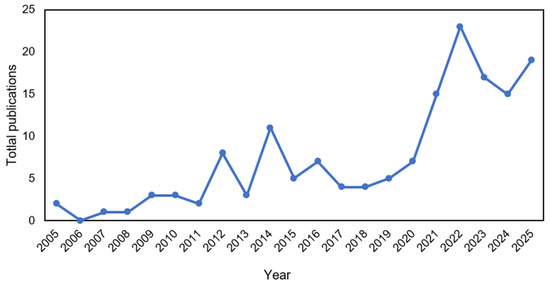
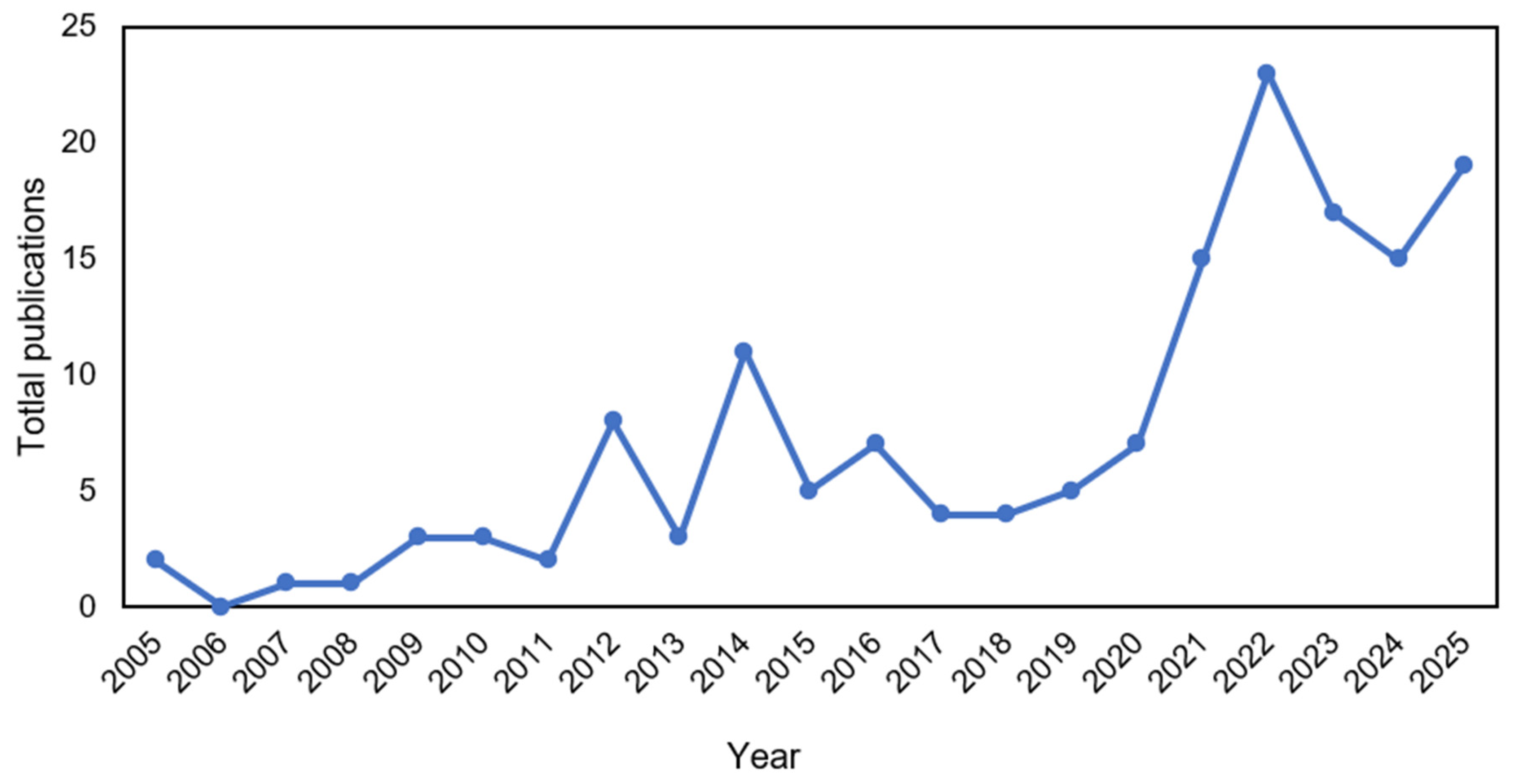
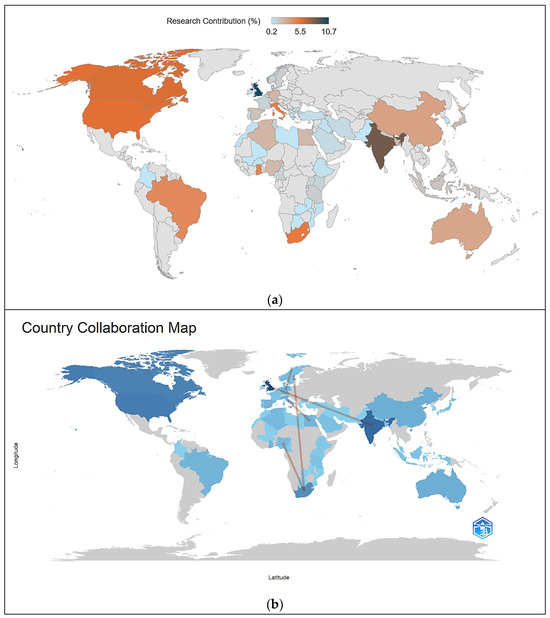
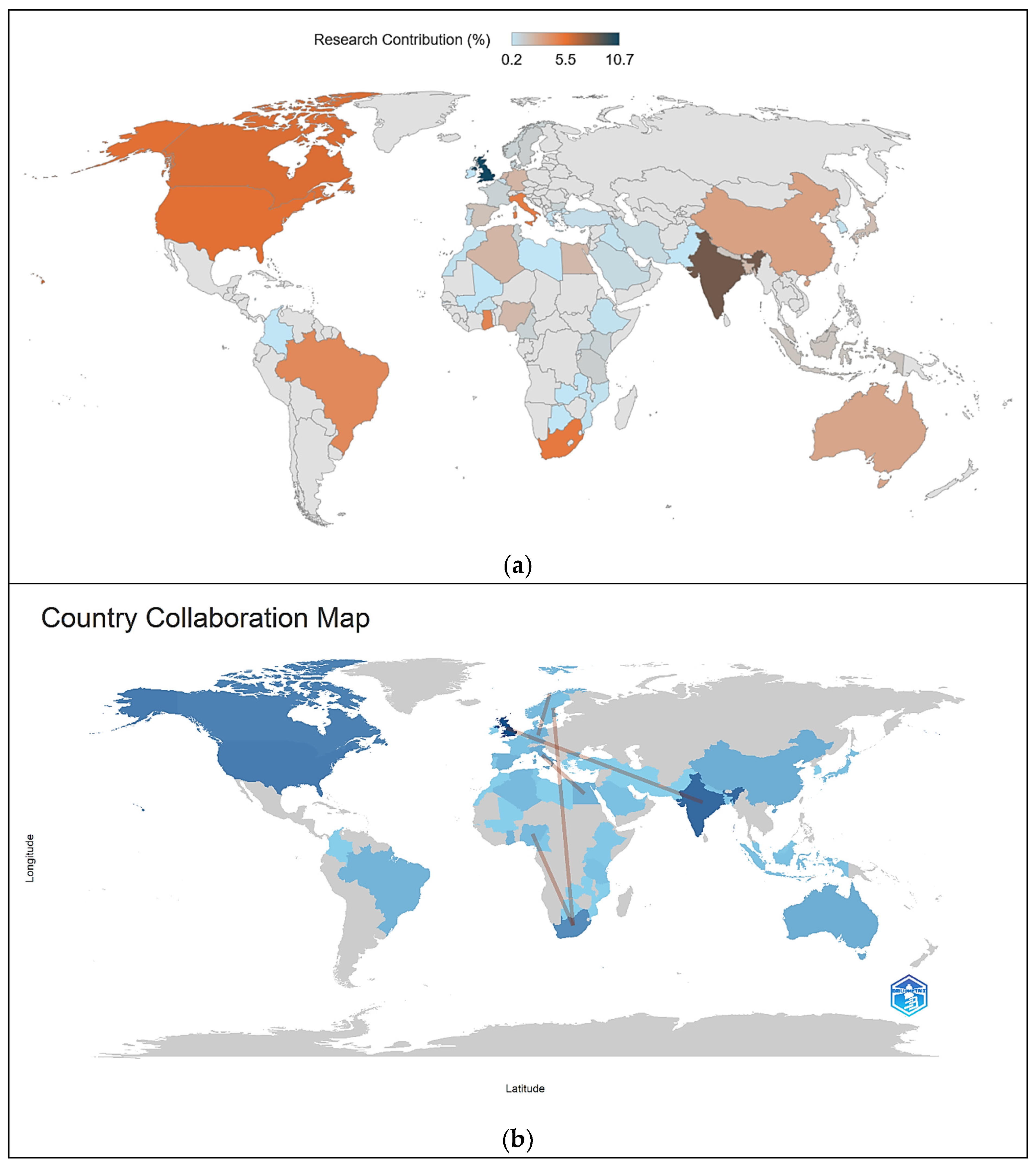
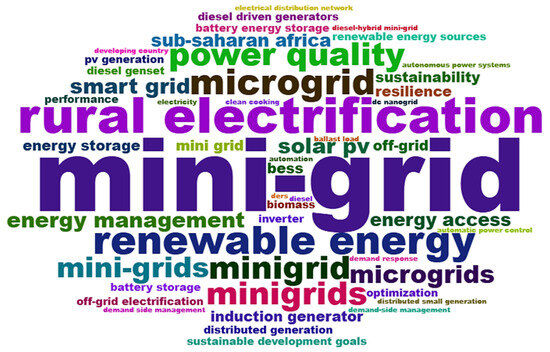
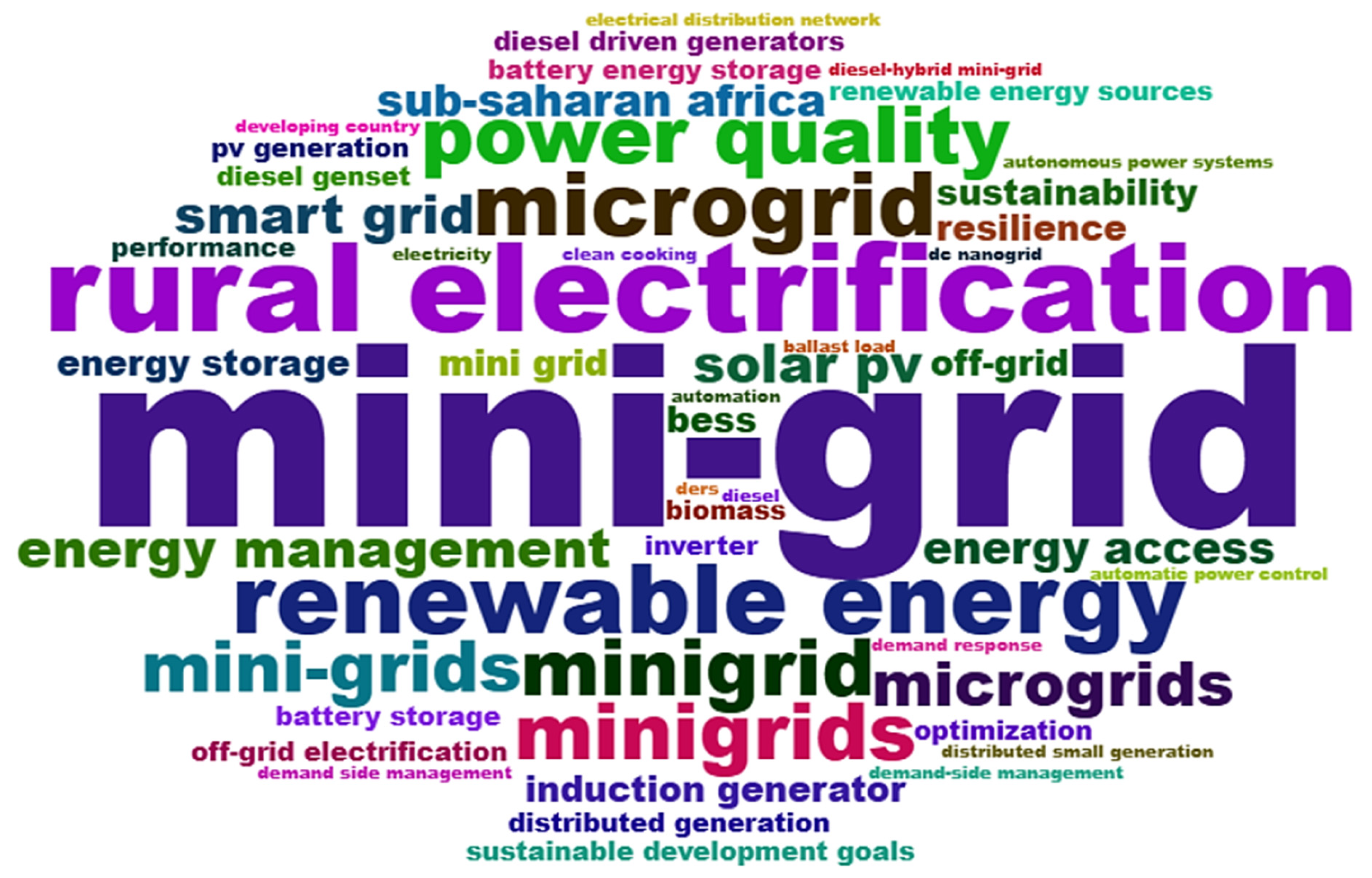
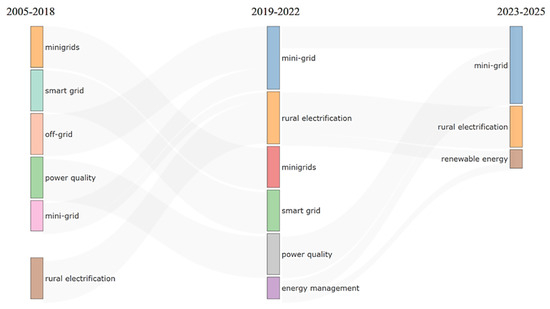
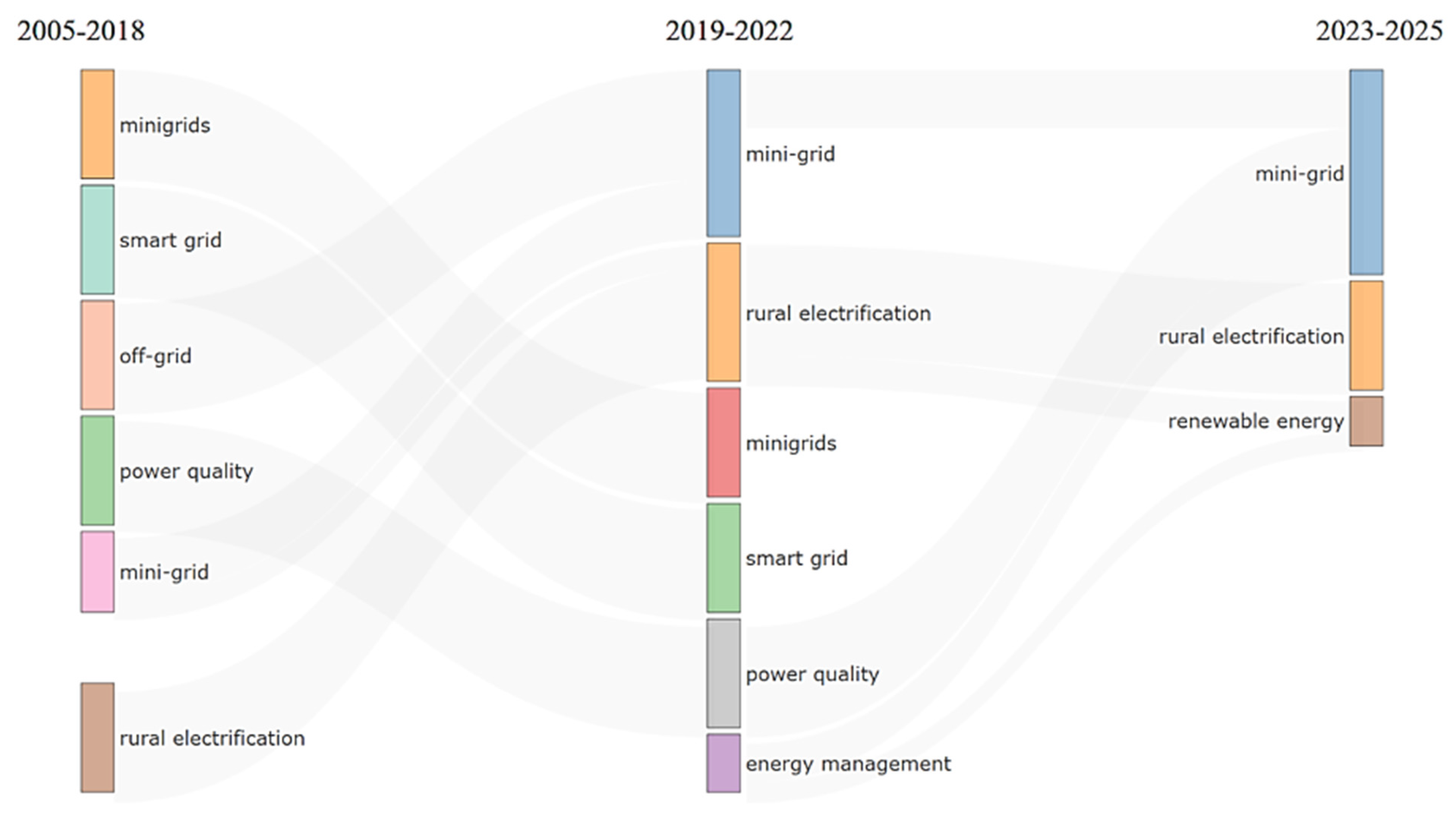
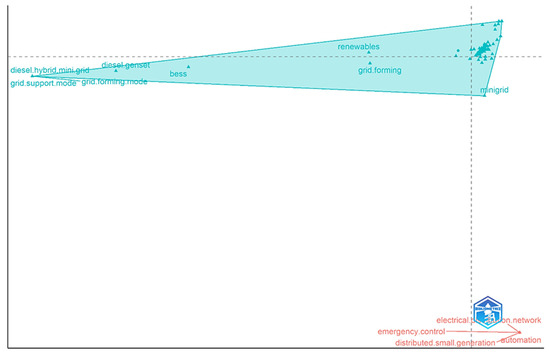
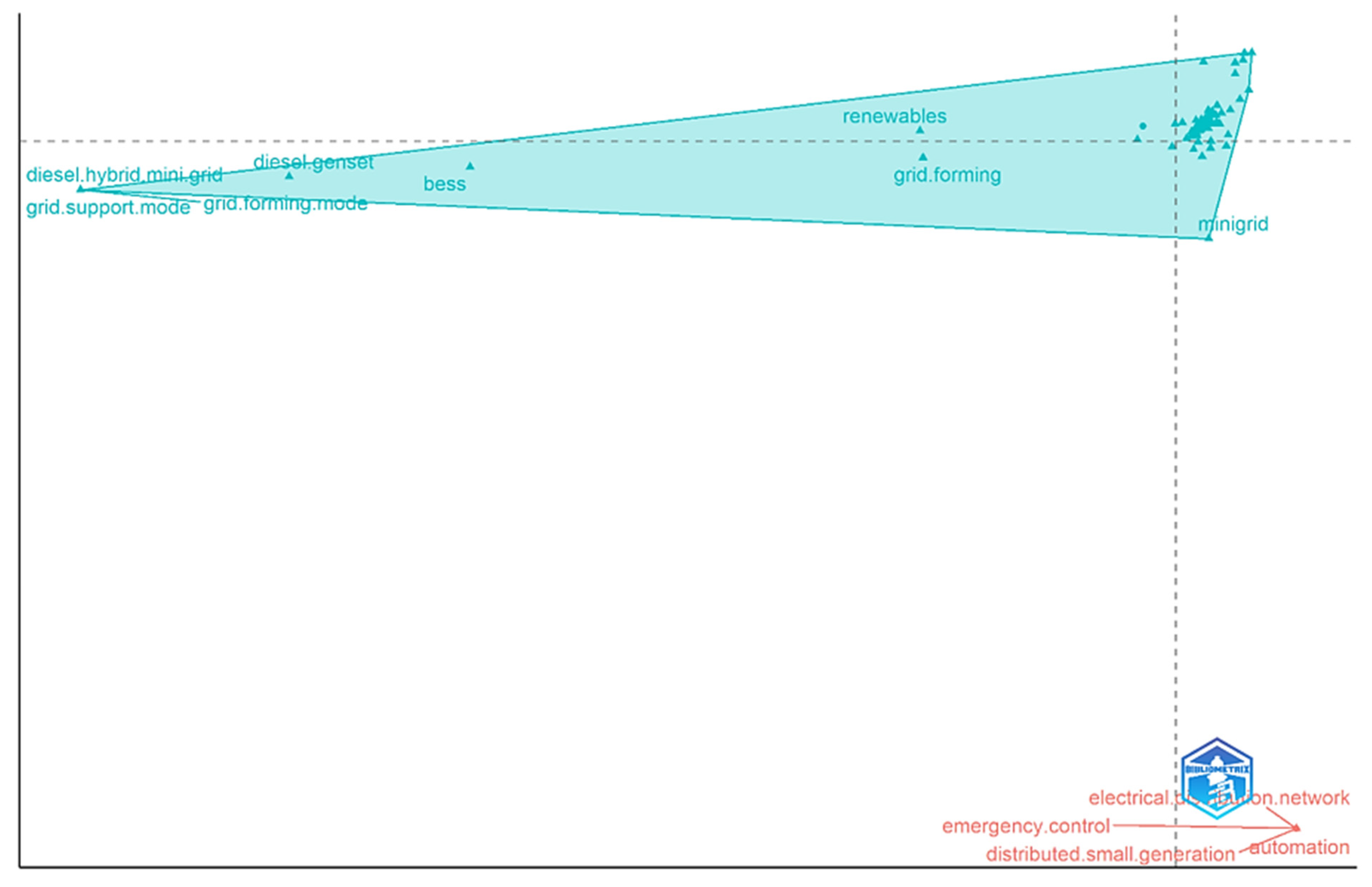

Disclaimer/Publisher’s Note: The statements, opinions and data contained in all publications are solely those of the individual author(s) and contributor(s) and not of MDPI and/or the editor(s). MDPI and/or the editor(s) disclaim responsibility for any injury to people or property resulting from any ideas, methods, instructions or products referred to in the content. |
© 2026 by the authors. Licensee MDPI, Basel, Switzerland. This article is an open access article distributed under the terms and conditions of the Creative Commons Attribution (CC BY) license.