


Abstract
This study evaluates the effects of hydrogen enrichment of compressed natural gas (HCNG, CNG) on particle number emissions and particle size distribution in a dual-fuel compression-ignition (CI) engine. The experiments were conducted using a Fiat 1.3 MultiJet engine operated with conventional diesel fuel, diesel–CNG, and diesel–hydrogen-enriched CNG. Measurements were performed over a range of engine speeds, loads, and energy-substitution conditions. The hydrogen volume fraction in the gaseous fuel ranged from 5–10 vol.% to 53 vol.%. Particle size distributions were measured using an ELPI+ impactor. The use of CNG and hydrogen generally reduced soot-particle emissions in the accumulation mode, particularly within the particle-diameter range of approximately 0.03–0.2 µm. However, under some operating conditions, the number of ultrafine particles increased, particularly in the sub-23 nm range. This finding indicates a transition from a particle-formation mechanism dominated by soot formation and agglomeration to one dominated by nucleation and condensation. This phenomenon is associated with suppressed soot-precursor formation, enhanced soot oxidation by OH radicals, and a reduction in the surface area available for the condensation of volatile components. The effect of hydrogen depended on the engine operating point (EOP) and did not always scale linearly with hydrogen concentration. The results confirm that evaluating alternative fuels solely on the basis of particulate mass is insufficient. Particle number, particle size distribution, and the sub-23 nm fraction must also be considered.
1. Introduction
Particulate matter (PM) emissions from internal combustion engines remain a major challenge in the automotive, power-generation, and heavy-transport sectors. Despite substantial advances in engine design, combustion strategies, and exhaust aftertreatment systems, PM continues to pose a significant threat to the environment and human health. Fine and ultrafine particles are of particular concern because their small size allows them to penetrate deep into the respiratory system and contribute to inflammatory and cardiovascular processes. This issue is especially relevant to compression-ignition engines fueled with diesel fuel, the exhaust from which has been classified by the International Agency for Research on Cancer (IARC) as carcinogenic to humans, primarily because of the presence of soot, polycyclic aromatic hydrocarbons, and other particulate-phase components [1].
PM emitted by internal combustion engines and suspended in ambient air is associated with adverse respiratory and cardiovascular effects. Smaller PM fractions are considered potentially more harmful because of their ability to penetrate the respiratory system. Ultrafine particles (UFPs, PM0.1) are defined as particles with an aerodynamic diameter of ≤100 nm. Numerous studies have reported associations between adverse health effects and exposure to fine particles with an aerodynamic diameter of ≤2.5 µm (PM2.5) and ultrafine particles with an aerodynamic diameter of ≤0.1 µm (PM0.1) [2].
In diesel-fueled engines, particles are formed primarily as a result of local oxygen deficiency, incomplete fuel combustion, and high-temperature hydrocarbon pyrolysis. Particles typically contain a carbonaceous core, organic compounds, sulfates, ash, and trace metals originating from engine-component wear and lubricant additives. Diesel particulate filters (DPFs) have substantially reduced particulate mass and particle number emissions; however, their effectiveness depends on engine operating conditions, exhaust-gas temperature, filter regeneration, and the technical condition of the aftertreatment system [3,4,5]. During DPF regeneration, particle number emissions, nitrogen oxide emissions, and carbon dioxide emissions may temporarily increase, highlighting the need to include these states in real-world emission assessments [2,4,5].
Gaseous fuels, including compressed natural gas (CNG), represent an alternative to conventional diesel fuel. Owing to its high methane content, simpler chemical structure, and favorable hydrogen-to-carbon ratio, CNG generally produces lower particulate mass emissions. Nevertheless, CNG-fueled engines may emit ultrafine particles, particularly in the sub-23 nm range, which are not always fully covered by conventional type-approval procedures [5]. Studies of CNG- and LPG-fueled vehicles indicate that particle number emissions above 23 nm may remain below the applicable limits at standard ambient temperature but may become significant at low ambient temperatures or when the sub-23 nm fraction is considered [6].
The use of CNG in dual-fuel systems with diesel pilot injection represents a compromise between the high efficiency of a compression-ignition engine and the lower emission potential of a gaseous fuel. The diesel quantity is reduced to a pilot injection quantity that initiates ignition, while most energy is supplied by the gaseous fuel. Changing fuel composition affects particulate mass, particle structure, oxidation reactivity, and morphology. Increasing the CNG fraction may produce less mature soot structures and alter particle oxidation reactivity [7].
Hydrogen-fueled internal combustion engines represent another direction in low-emission power-system development. Because hydrogen contains no carbon, its combustion is not expected to produce conventional carbonaceous soot and may substantially reduce CO2, CO, HC, and fuel-derived particles. Nevertheless, hydrogen engines are not entirely free of particle emissions. Potential sources include lubricating oil, lubricant additives, engine-component wear, metal aerosols, and interactions between the fuel and the cylinder-wall oil film [8,9,10]. Miller et al. showed that nanoparticles containing organic compounds and metals, originating mainly from lubricating oil, may form despite the absence of a fuel-derived soot source [9].
In hydrogen engines, attention must therefore be paid to fuel composition, lubricating-oil properties, and the operating conditions of the piston–ring–cylinder assembly. High water-vapor content, pre-ignition, increased thermal loads, and hydrogen-related oil degradation may alter particle-formation mechanisms and accelerate component wear [11]. Studies of diesel–hydrogen dual-fuel engines indicate that hydrogen may reduce CO, HC, and smoke while affecting lubricant properties and metal content, and thus indirectly influencing exhaust-particle composition [11].
An intermediate solution involves mixtures of hydrogen and natural gas, referred to as hydrogen-enriched compressed natural gas, HCNG or H2–CNG. Hydrogen addition increases the combustion rate, extends the flammability limits, and may improve lean-combustion stability. Such systems may reduce CO, HC, and some particulate emissions, although the overall effect depends on hydrogen fraction, ignition strategy, load, and combustion temperature [12,13,14]. Hydrogen may also increase NOx emissions, requiring suitable combustion control or exhaust aftertreatment [12,14].
Particle-emission studies should account for particulate mass, particle number, particle size distribution, chemical composition, and potential toxicity separately. Particulate mass alone is not a sufficient indicator of environmental and health effects because gaseous-fuel and hydrogen engines may emit little particulate mass but large numbers of nanoparticles [6,8,15]. Measurements of the sub-23 nm fraction and real-world emissions using portable emissions measurement systems are therefore increasingly important [16].
Previous studies have focused primarily on the effects of hydrogen on overall particulate emissions, whereas considerably less attention has been devoted to its effects on particle size distribution and dominant formation mechanisms. The transition from soot-dominated formation to nucleation-dominated formation during operation with HCNG therefore remains insufficiently understood.
Detailed particle size distribution analysis may reveal changes in combustion behavior and aerosol-formation pathways. Identifying size ranges in which particle number increases or decreases with hydrogen fraction may help distinguish soot agglomeration from nucleation and condensation, because the mechanisms underlying the transition from soot-dominated to nucleation-dominated particle formation during HCNG operation remain poorly understood.
The evaluation of particulate emissions and formation mechanisms must consider fuel chemistry, ignition method, combustion conditions, the contribution of lubricating oil, and aftertreatment effectiveness. Comparing the three fuel groups enables a more reliable assessment of alternative-fuel potential and identifies research needs concerning ultrafine particles, lubricant-derived nanoparticles, and transient-operation emissions [8,9,15,16,17].
The authors previously reviewed fuels that could be used in compression-ignition engines to reduce harmful exhaust emissions [10]. In the present study, a natural-gas–hydrogen mixture was used to evaluate the effects of its composition on particle emissions and particle size distribution.
Current emission standards specify permissible particulate mass per unit of engine work or distance traveled. Because particle size and number may have important health implications, measurements of particle number concentration and particle size distribution are also becoming increasingly relevant.
In contemporary vehicle-emission research, gravimetric particulate-mass measurement alone is becoming less prominent, whereas particle number, solid particle number, and particle size distribution measurements are gaining importance. Modern engines and aftertreatment systems, particularly DPFs and gasoline particulate filters, reduce particulate mass effectively, yet very small particles may remain significant because of their large number. Mass-based, counting, and spectrometric methods are therefore used jointly [18,19,20,21,22].
The condensation particle counter (CPC) is the principal instrument used in type-approval solid particle number measurements. The exhaust sample is diluted and conditioned, including removal of the volatile fraction, so that the counter primarily detects non-volatile particles. This method was developed within the Particle Measurement Programme under UNECE/WP.29/GRPE and incorporated into UN regulations for light- and heavy-duty vehicles [23,24,25]. The procedure was initially applied mainly to diesel vehicles and later extended to direct-injection spark-ignition vehicles [23].
For accurate research measurements, the scanning mobility particle sizer (SMPS), based on a differential mobility analyzer and a CPC, is widely used. Wang and Flagan [18] described scanning aerosol electrical mobility and reducing the time required to measure the particle number size distribution. The SMPS provides high size resolution, particularly for ultrafine particles, but its relatively long scan time limits highly transient measurements [18,22].
Low-pressure impactors, particularly the electrical low-pressure impactor (ELPI), form another important instrument group. The ELPI classifies particles according to aerodynamic particle diameter across successive stages and uses electrical detection for near-real-time measurement. Its design and principle were described by Keskinen, Pietarinen, and Lehtimäki [19], and its use for diesel-engine particle size distributions was presented in [20].
High-time-resolution instruments such as the engine exhaust particle sizer, differential mobility spectrometer, and diffusion-charging systems are also used. Their shorter response times make them suitable for cold starts, rapid acceleration, filter regeneration, and real-driving tests. The SMPS is suitable for precise mobility-based distributions, the ELPI for rapid aerodynamic distributions, and CPC/SPN systems for type-approval particle number measurements [18,19,20,21,22].
Current regulatory requirements are primarily established by UNECE regulations. UN Regulation No. 83 concerns pollutant emissions from M1 and N1 vehicles [24], UN Regulation No. 49 covers gaseous and particulate pollutants from heavy-duty compression-ignition and selected spark-ignition engines [25], and UN Regulation No. 154 establishes WLTP requirements [26]. PMP documents emphasize that particle number is more sensitive than particulate mass for modern aftertreatment systems [23]. Particle effective density varies with diameter; depending on fueling and operating conditions, values from 0.2 to 1.2 g·cm−3 were reported for aerodynamic diameters from 30 to 300 nm in Euro III engine exhaust [27].
Despite increasing research on hydrogen, CNG, and H2–CNG mixtures, conclusive data on the effects of hydrogen fraction on particle size distributions and formation mechanisms remain limited. Previous work has focused mainly on gaseous emissions, combustion efficiency, and total particulate mass, with less attention to ultrafine and sub-23 nm particles formed through nucleation and condensation of lubricant- and fuel-derived components.
2. Materials and Methods
This study evaluated the effects of H2–CNG composition on particle number emissions and particle size distribution from a 1.3 MultiJet compression-ignition engine. Particular attention was given to particle-size ranges whose contributions changed with hydrogen fraction and to whether hydrogen promoted a transition from soot particles to particles formed by nucleation and condensation.
The test object was a four-cylinder Fiat 1.3 MultiJet compression-ignition engine with a maximum brake power of 55 kW, installed in a Fiat Fiorino light commercial vehicle. According to its type-approval documentation, the engine complied with Euro IV. The manufacturer’s full-load performance curve is presented in Figure 1, and the principal specifications are listed in Table 1 [28,29].
Figure 1.
(a) Schematic of the experimental setup for measuring gaseous exhaust components and particles: 1, test engine; 2, stainless-steel exhaust-gas sampling probes; 3, heated sampling line of the gaseous-component analyzer; 4, atmosFIR gaseous-component analyzer; 5, vacuum pump providing the exhaust-gas flow; 6, calibration and operating gases; 7, exhaust-gas analyzer control and data-acquisition computer; 8, heated sampling line of the particle measurement system; 9, Dekati eDiluter aerosol dilution system; 10, Dekati® High Resolution ELPI®+ electrical low-pressure impactor; 11, particle measurement system control and data-acquisition computer; 12, H2–CNG gaseous-fuel supply system; 13, H2–CNG injector system; 14, original diesel-fuel injection system; 15, H2–CNG system control unit; 16, fuel-weighing system for measuring diesel-fuel consumption; MFM, mass flow meter for measuring natural-gas mass flow; MFC, mass flow controller for measuring and controlling hydrogen mass flow;. (b) HCNG Fuel Metering and Mixing System—Schematic Diagram of the Test Bench: 1, CNG fuel storage vessel located outside the building; 2, high-pressure CNG pressure regulator located outside the building; 3, medium-pressure CNG pressure regulator located near the engine; 4, MFM (mass flow meter)—mass flow measurement of CNG consumption; 5, CNG supply system pressure regulator; 6, hydrogen (H2) fuel storage vessel located outside the building; 7, high- and medium-pressure H2 pressure regulator located outside the building; 8, MFC (mass flow controller)—mass flow measurement of hydrogen consumption with simultaneous control of hydrogen flow rate; 9, flashback arrestor in the hydrogen supply system; 10, CNG/H2 mixing tee; 11, HCNG mixture pressure sensor; 12, HCNG fuel filter providing simultaneous fuel mixing and distribution to individual fuel injectors.
Table 1.
Main specifications of the 1.3 MultiJet engine.
To investigate the effects of H2–CNG composition, the engine was equipped with a STAG CNG supply system providing sequential indirect injection of gaseous CNG into the intake system.
The principal components of the STAG CNG system were:
- An electronic control unit for system management;
- A pressure regulator for reducing gas pressure;
- Gaseous-fuel injectors;
- Sensors for monitoring engine and system operating parameters.
The principal specifications of the diesel fueling system operating with the STAG DF system were as follows:
- The fuel system is a classic Common Rail system—MultiJet II technology, maximum fuel pressure 160 MPa.
- When switching to dual-fuel operation, the diesel fuel injection was reduced by the gas injection system to a level that ensured stable engine operation at the level of diesel fuel substitution set for a given EOP (engine speed, torque output). Switching to CNG fuel injection resulted in a proportional reduction in fuel injection time without changing the rail pressure. Hydrogen was introduced into the classic CNG injection system.
CNG was supplied by an external installation comprising 16 compressed-gas cylinders, each with a working pressure of 200 bar and a water capacity of 40 dm3. The gas pressure was initially reduced to 25 bar, and the gas was heated before entering the engine fuel system. Upon switching to dual-fuel operation, the diesel fuel dosage was reduced by the gas supply system to a level ensuring stable engine operation at the diesel-to-gas substitution rate established for the specific EOP.
The CNG system was additionally equipped with a H2 metering and flow-control system that enabled adjustment of the H2–CNG mixture composition. Figure 1 presents the experimental setup.
2.1. Test Methodology and Operating Conditions
The experiments were conducted on a standard engine dynamometer. The engine was coupled to a W-230 electric dynamometer rated at 230 kW. Engine torque, Mₒ, was measured using a strain-gauge transducer connecting the pivoting dynamometer housing to the foundation. Engine speed, n, was measured using a pulse transducer and a toothed wheel on the dynamometer flange. Hourly diesel-fuel consumption, HFC_ON, was measured using an AVL fuel-weighing system at 5 s intervals and averaged over 60 s. Hourly CNG consumption, HFC_CNG, was measured using an AALBORG thermal mass flow meter. An AALBORG mass flow controller was used to measure hourly hydrogen consumption, HFC_H2, and control the H2–CNG composition.
The engine-coolant temperature, Tch, was maintained at 87–92 °C using an external heat exchanger.
At each engine-speed condition, the following parameters were measured directly:
- Engine torque, Mₒ [N m];
- Engine speed, n [rpm];
- Hourly diesel-fuel consumption, HFC_ON [kg·h−1];
- Hourly CNG consumption, HFC_CNG [kg·h−1];
- Hourly hydrogen consumption, HFC_H2 [kg·h−1];
- Engine air flow rate, Qs [m3·h−1];
- Exhaust-gas temperature, T [°C].
The following parameters were calculated from the directly measured values:
- Engine brake power, Ne [kW];
- Brake-specific fuel consumption, BSFC [g·kWh−1];
- Brake-specific energy consumption, BSEC [MJ·kWh−1];
- Energy substitution ratio, SR_energy [%];
- Brake-specific particle number emission [particles·kWh−1].
Engine load, engine speed, and dynamometer load were controlled from the control and measurement room, which also contained the monitoring instruments.
Engine operation was continuously monitored using a NAVIGATOR TXTs diagnostic interface with IDC5 CAR software.
Before and after the experiments, all relevant measurement systems were checked using external reference standards: calibration gases for the exhaust analyzer, reference masses for torque, a reference tachometer for engine speed, reference pressure sensors, and a dedicated reference mass for the fuel-consumption system.
2.2. Experimental Setup
Figure 1 presents the experimental setup and locations of the probes used to sample exhaust gas for gaseous-component and particle measurements.
A Dekati High Resolution ELPI+ electrical low-pressure impactor was used for real-time measurement of particle size distribution and particle number concentration.
The instrument measures particles from approximately 6–7 nm to 10 µm. Because particles are collected on individual impactor stages, the deposited material can subsequently be subjected to additional analyses, such as chromatography.
Because of the high particle concentrations, a Dekati eDiluter, Dekati Ltd. Kangasala, Finland with a heated sampling line was used. This aerosol-conditioning and dilution system employs controlled two-stage ejector dilution to reduce sample temperature and concentration without changing particle size or chemical composition. The adjustable dilution factor ranged from 1:25 to 1:225, and a fixed single-stage ratio of 1:5 was also available. With a 150 °C sampling line and dry dilution, some volatile species were prevented from condensing; the signal was therefore qualitatively similar to SPN, but the procedure cannot formally be considered PMP-compliant solid particle number measurement.
In our research, the exhaust gas sample was diluted using a Dekati eDiluter at a dilution ratio of 25:1. The sampling line was heated to 200 °C to minimize condensation phenomena, while the exhaust gas temperature reached up to approximately 300 °C. No volatile particle remover (VPR) or thermodenuder was used. Therefore, the ELPI+ measurements included both solid and volatile/semi-volatile particles, particularly in the nucleation mode range. Consequently, the results should be interpreted as total particle number concentrations and size distributions rather than PMP-compliant solid particle number (SPN) measurements. PM was sampled from the exhaust immediately downstream of the combustion chamber—before the exhaust after-treatment system and the EGR. The particle measurements were intentionally conducted upstream of the diesel particulate filter (DPF) to evaluate the direct influence of CNG-H2 blends on particle formation processes within the combustion chamber. Measuring particles before the aftertreatment system eliminates the masking effect of the DPF, whose filtration efficiency typically exceeds 90–99% for particle number emissions. Consequently, the obtained results reflect changes in primary particle formation associated with fuel properties and combustion characteristics rather than the performance of the exhaust aftertreatment system.
Figure 1b shows the configuration of the HCNG mixing, metering, and fuel-consumption measurement system. For safety reasons, CNG and hydrogen were stored in high-pressure cylinders located outside the laboratory building. After pressure reduction, both gases were supplied to the test bench, where they were mixed, and their mass flow rates were measured. The diesel/CNG/HCNG substitution ratio was controlled through the CNG supply system (Figure 1a, items 12 and 15). The hydrogen share in the gaseous fuel mixture was adjusted using a mass flow controller (MFC, Figure 1b, item 8), while the CNG supply settings were corrected accordingly to maintain constant engine load and speed. Fuel consumption was determined using a mass flow meter for CNG (Figure 1b, item 4), a mass flow controller for hydrogen (Figure 1b, item 8), and a mass flow meter for diesel fuel (Figure 1a, item 16).
Measurements were performed at selected steady-state EOPs using diesel-only, diesel–CNG, and diesel–hydrogen-enriched CNG operation. Fourteen impactor stages provided aerodynamic particle diameter data. Hydrogen volume fractions from 0 to 53 vol.% were investigated. The points were selected from the engine characteristics and 13-mode-test guidance, as illustrated in Figure 2.
Figure 2.
Test program: (a) full-load performance characteristics of the test engine; (b) distribution of the engine EOPs according to [30], where our research took into account only orange EOPs (3, 5, 7 & 9) where other points was taken into consideration in the ESC procedure.
EOPs were selected at low and high engine speeds and low and high loads, each at low and high energy substitution ratios. The selected conditions are presented in Table 2.
Table 2.
Distribution and designation of engine operating conditions.
The EOPs were tested sequentially. At each EOP, a single-fuel measurement was first performed, followed by the introduction of a dual-fuel diesel/CNG system. After the engine’s dual-fuel operation stabilized for approximately 6–7 min on diesel/CNG fueling, subsequent measurements were initiated, adding hydrogen and setting subsequent H2 concentrations from 0% (diesel/CNG) to 53%. Each subsequent measurement consisted of engine stabilization and the target measurement. This took up to 5 min per measurement point (MP). The parameters of the tested engine EOPs are shown in the columns of Table 2. Additionally, at the beginning of the table (on the left) is an abbreviation for each EOP and its assigned number, and at the end of the table (on the right) is the hydrogen concentration in the HCNG from which the measurement at that point began. At each MP, the particle composition was measured, and engine torque, engine speed, fuel consumption, and other selected engine operating parameters were measured. The measurement was performed continuously, but at each MP a moment in time was selected, which was defined as the target measurement used as the result, and after noting it, the next MP was moved. The tests were planned for eight characteristic EOPs to compare diesel, diesel–CNG, and diesel–HCNG fueling. Seven EOPs were included in the present analysis because the specified engine operating parameters could not be maintained at a high substitution ratio under the LHH condition. At low engine speeds, the lowest hydrogen fractions were not investigated because the gaseous-fuel flow rate was insufficient to control the hydrogen content reliably. Overall, the test matrix comprised 96 combinations of engine operating conditions and fueling strategies.
At each EOP, the three fueling strategies were tested sequentially. The H2 fraction was increased in increments of 5 percentage points without changing the diesel-injection settings.
The energy substitution ratio, SR_energy, was defined as the ratio of the chemical energy supplied by the gaseous substitute fuel to the total chemical energy supplied by all fuels. The lower heating values of the fuels were used in the calculation:
where:
- • ṁ_gas is the gaseous-fuel mass flow rate, for example CNG or hydrogen-enriched CNG [kg·h−1];
- • ṁ_diesel is the diesel pilot-fuel mass flow rate [kg·h−1];
- • LHV_gas is the lower heating value of the gaseous fuel [MJ·kg−1];
- • LHV_diesel is the lower heating value of diesel fuel [MJ·kg−1].
3. Results and Discussion
Presenting the complete particle number size distribution for every EOP would require considerable space without providing proportionally greater insight. Therefore, four bar charts were prepared for each condition for diesel-only, diesel–CNG, and diesel–hydrogen-enriched CNG operation at selected hydrogen fractions.
Line charts were subsequently used to show how particle number concentration in each size fraction changed with fueling strategy, enabling evaluation of fuel-system conditions and gaseous-fuel composition.
3.1. Evaluation of the Particle Size Distribution
3.1.1. LLL and LLH Conditions: Low Engine Speed and Low Load at Low and High Energy Substitution Ratios
Visible in the Figure 3 transition to diesel–CNG operation did not substantially change the distribution shape, although the absolute particle number concentration decreased. Further hydrogen enrichment proportionally reduced particle number concentration across all analyzed aerodynamic diameter ranges. This main change threshold was observed from the first hydrogen addition in HCNG fuel. The same situation applies to the next EOP shown in Figure 4 below:
Figure 3.
Particle number size distribution for four selected fuel supply scenarios for an engine operating at 2462 RPM, 45 Nm of torque and an energy substitution ratio of 45 percent. On the y-axis, there is the number of particles [1/cm3], and on the x-axis, there is the particle size in [µm]. (a) Diesel-only operation, (b) diesel–CNG dual-fuel operation, (c) diesel–hydrogen-enriched CNG dual-fuel operation (volumetric 25% of H2), (d) diesel–hydrogen-enriched CNG dual-fuel operation (volumetric 53% of H2).
Figure 4.
Particle number size distributions for four selected fueling configurations at an engine speed of 2462 rpm, an engine torque of 45 N·m, and an energy substitution ratio of 70%. On the y-axis, there is the number of particles [1/cm3], and on the x-axis, there is the particle size in [µm]. (a) Diesel-only operation; (b) diesel–CNG dual-fuel operation; (c) diesel–hydrogen-enriched CNG dual-fuel operation with 25 vol.% H2 in the gaseous fuel; and (d) diesel–hydrogen-enriched CNG dual-fuel operation with 53 vol.% H2 in the gaseous fuel.
At the higher substitution ratio, the distribution changed substantially. The concentration of particles between 0.04 and 0.07 µm decreased approximately ninefold after introducing CNG and continued to decrease with hydrogen enrichment. Particles above 0.1 µm decreased or remained similar with CNG and were further reduced with hydrogen enrichment. Conversely, particles near 0.01 µm increased approximately fourfold with CNG and fivefold with hydrogen-enriched CNG relative to diesel-only operation.
3.1.2. HHL and HHH Conditions: High Engine Speed and High Load at Low and High Energy Substitution Ratios
At the low-substitution point, what is visible in Figure 5, diesel–CNG operation reduced particle concentration by approximately 40% across the measured size range without substantially changing the distribution. Further hydrogen enrichment produced only minor changes. The reduction may be associated with suppressed PAH precursor formation and enhanced oxidation of soot nuclei by OH and O radicals [31,32,33,34,35,36].
Figure 5.
Particle number size distribution for four selected fuel supply scenarios for an engine operating at 3300 RPM, 78 Nm of torque and an energy substitution ratio of 45%. On the y-axis, there is the number of particles [1/cm3], and on the x-axis, there is the particle size in [µm]. (a) Diesel-only operation, (b) diesel–CNG dual-fuel operation, (c) diesel–hydrogen-enriched CNG dual-fuel operation (volumetric 25% of H2), (d) diesel–hydrogen-enriched CNG dual-fuel operation (volumetric 53% of H2).
This mechanism may occur because hydrogen has a very high laminar flame speed and adiabatic flame temperature [35].
Most particle fractions decreased during diesel–hydrogen-enriched CNG operation, likely because soot nuclei were oxidized more intensively before leaving the combustion chamber [36].
At the high-substitution point, diesel-only operation exhibited a broad accumulation mode from 0.03 to 0.5 µm [37], with a maximum concentration approaching 4.5 × 10⁶ particles·cm−3 near 0.09 µm. This profile is characteristic of diffusion combustion in a compression-ignition engine and intensive soot-nucleus agglomeration [38].
Diesel–CNG operation suppressed the accumulation mode and reduced the maximum concentration almost fourfold to approximately 1.2 × 10⁶ particles·cm−3. This may be attributed to methane supplying most of the energy and restricting aromatic soot-precursor formation; soot was then formed mainly in the locally rich diffusion flame of the diesel pilot injection [39].
In Figure 6 it is shown that the hydrogen enrichment to 25 vol.% further reduced all fractions, and at 53 vol.%, the reduction was especially pronounced above 0.03 µm. The accumulation mode was almost eliminated, but nucleation-mode ultrafine particles exceeded 1.0 × 10⁶ particles·cm−3, approximately twice the 25 vol.% value and more than three times the diesel–CNG value.
Figure 6.
Particle number size distribution for four selected fuel supply scenarios for an engine operating at 3300 RPM, 78 Nm of torque and an energy substitution ratio of 70%. On the y-axis, there is the number of particles [1/cm3], and on the x-axis, there is the particle size in [µm]. (a) Diesel-only operation, (b) diesel–CNG dual-fuel operation, (c) diesel–hydrogen-enriched CNG dual-fuel operation (volumetric 25% of H2), (d) diesel–hydrogen-enriched CNG dual-fuel operation (volumetric 53% of H2).
The suppression of larger agglomerates and increase in nanoparticles may be associated with a reduction in the available condensation sink. Fewer soot nuclei limit condensation onto existing particles and may promote homogeneous nucleation [40,41].
The strongest change was noted between 45% and 50% hydrogen concentration. HCNG50 changed the particle formation mechanism from soot agglomeration processes to nucleation–condensation processes. The accumulation-mode reduction is consistent with restricted aromatic soot-precursor synthesis in the flame-propagation zone during methane and hydrogen use [42].
3.1.3. LHL Condition: Low Engine Speed, High Load, and Low Energy Substitution Ratio (2462 rpm, 90 Nm, 45%)
Particle concentration increased severalfold after introducing CNG. It can be easy observed in the Figure 7. Particles larger than 0.1 µm increased by hundreds or thousands of percent, whereas the smallest fraction decreased. The maximum concentration increased from approximately 7 × 10⁶ particles·cm−3 during diesel-only operation to more than 42 × 106 particles·cm−3 with CNG. At 53 vol.% H2, hydrogen enrichment reduced it to slightly below 21 × 106 particles·cm−3. The CNG-related increase may result from oxygen displacement and locally oxygen-deficient combustion of the diesel pilot injection [43].
Figure 7.
Particle number size distribution for four selected fuel supply scenarios for an engine operating at 2462 RPM, 90 Nm of torque and an energy substitution ratio of 45 percent. On the y-axis, there is the number of particles [1/cm3], and on the x-axis, there is the particle size in [µm]. (a) Diesel-only operation, (b) diesel–CNG dual-fuel operation, (c) diesel–hydrogen-enriched CNG dual-fuel operation (volumetric 25% of H2), (d) diesel–hydrogen-enriched CNG dual-fuel operation (volumetric 53% of H2).
The liquid fuel consequently burned in locally rich zones, promoting soot agglomeration. Hydrogen may have suppressed this trend by increasing laminar flame speed, temperature, and OH-radical concentration, thereby oxidizing carbonaceous agglomerates during growth [44].
3.1.4. HLL and HLH Conditions: High Engine Speed and Low Load at Low and High Energy Substitution Ratios
In Figure 8 it is visible that introducing CNG substantially reduced particles near 0.1 µm but increased the smallest fraction near 0.01 µm approximately fourfold; at the highest hydrogen fraction it increased almost fivefold. The second-smallest fraction below 0.03 µm doubled relative to diesel-only operation. This ultrafine increase and disappearance of larger particles may be associated with a reduced condensation sink [12].
Figure 8.
Particle number size distribution for four selected engine fueling scenarios at an engine speed of 3300 RPM, torque of 40 Nm and an energy substitution ratio of 45 percent. On the y-axis, there is the number of particles [1/cm3], and on the x-axis, there is the particle size in [µm]. (a) Diesel-only operation, (b) diesel–CNG dual-fuel operation, (c) diesel–hydrogen-enriched CNG dual-fuel operation (volumetric 25% of H2), (d) diesel–hydrogen-enriched CNG dual-fuel operation (volumetric 53% of H2).
At the higher substitution ratio, which results was shown in Figure 9 the smallest particles increased after introducing CNG and continued to increase with hydrogen fraction, while particles near 0.1 µm decreased. Further enrichment increased all analyzed fractions without substantially changing the distribution shape.
Figure 9.
Particle number size distribution for four selected engine fueling scenarios at an engine speed of 3300 RPM, torque of 40 Nm and an energy substitution ratio of 65 percent. On the y-axis, there is the number of particles [1/cm3], and on the x-axis, there is the particle size in [µm]. (a) Diesel-only operation, (b) diesel–CNG dual-fuel operation, (c) diesel–hydrogen-enriched CNG dual-fuel operation (volumetric 25% of H2), (d) diesel–hydrogen-enriched CNG dual-fuel operation (volumetric 53% of H2).
At the maximum hydrogen fraction, the smallest-particle concentration was almost twice the diesel–CNG value and more than four times the diesel-only value. This point showed a clear similarity to EOP 7, differing only in the energy substitution ratio.
3.2. Quantitative and Qualitative Analysis
Reference values corresponded to individual EOPs and fractions measured by successive ELPI+ stages I–XIV in order of increasing aerodynamic particle diameter. The corresponding diameters are listed in Table 3.
Table 3.
ELPI+ impactor stages and particle-size parameters [45].
The following figures present absolute and percentage changes in particle number concentration as functions of hydrogen fraction. Zero-value series and those impairing readability were omitted, especially when the function curves could be shown on two consecutive graphs with different scales, eliminating the results from several impactors shown in the previous graph.
3.2.1. LLL Operating Point: Low Engine Speed, Low Load, and Low Energy Substitution Ratio (2462 rpm, 45 Nm, 45%)
Figure 10 shows that, apart from stages III and IV, particle concentrations decreased after introducing CNG. For the highest-concentration fractions, particularly stages I–V, concentration decreased systematically with hydrogen fraction, consistent with the combustion changes described above.
Figure 10.
Percentage changes in particle number concentration relative to diesel-only operation as a function of the hydrogen volume fraction in the gaseous fuel and the aerodynamic particle diameter for 2462 rpm, 45 Nm, 45% (LLL) EOP.
Figure 11 shows that total particle number concentration decreased relatively steadily and approximately linearly with increasing contribution of hydrogen-rich fuels; only the 20 vol.% H2 case showed a temporary increase. The reduction resulted from lower soot-related and ultrafine fractions [46] and was consistent with previous studies [12,35,42,47,48,49,50,51,52,53]. The absence of an ultrafine increase may be associated with relatively low combustion temperature [54] and is important because the smallest particles are hard to retain for DPFs [55].
Figure 11.
Particle number concentrations in the exhaust gas for the different engine fueling configurations, with contributions from the individual particle-size fractions for 2462 rpm, 45 Nm, 45% (LLL) EOP.
3.2.2. LLH Operating Point: Low Engine Speed, Low Load, and High Energy Substitution Ratio (2462 rpm, 45 Nm, 70%)
The smallest and largest fractions increased by factors of approximately 2–3.5 with CNG and almost seven at 53 vol.% H2—it is visible in the Figure 12. For the smallest particles, this suggests a transition toward nucleation and condensation. The large relative increase in the largest particles must be interpreted cautiously because their diesel-only concentration was very low. Hydrogen increased the smallest fraction while reducing the others, including the largest particles.
Figure 12.
Percentage changes in particle number concentration relative to diesel-only operation as a function of the hydrogen volume fraction in the gaseous fuel and the aerodynamic particle diameter for 2462 rpm, 45 Nm, 70% (LLH) EOP.
In Figure 13, where number of impactor stages were reduced to six, stages II–VI generally decreased with increasing hydrogen, except stage II. Its range of approximately 0.016–0.03 µm may include both small soot-related particles and nucleation-related particles. Stages III–V, approximately 0.03–0.2 µm, were reduced immediately after introducing CNG to only 10–20% of the diesel-only concentrations.
Figure 13.
Percentage changes in particle number concentration relative to diesel-only operation as a function of the hydrogen volume fraction in the gaseous fuel and the aerodynamic particle diameter for 2462 rpm, 45 Nm, 70% (LLH) EOP.
The transition to diesel–CNG operation changed both total particle concentration and distribution what is visible in the Figure 14. Almost all fractions decreased except the smallest. Hydrogen enrichment increased the smallest fraction and slightly reduced the others, increasing total particle number but not necessarily particulate mass.
Figure 14.
A graph showing the quantity of PM in the exhaust gases for the engine when fueled with different fuels, broken down by the size distribution of individual PM particles, identified by the numbers of the respective impactors listed in the legend for 2462 rpm, 45 Nm, 70% (LLH) EOP.
3.2.3. HHL Operating Point: High Engine Speed, High Load, and Low Energy Substitution Ratio (3300 rpm, 78 Nm, 45%)
All measured fractions were reduced relative to diesel-only operation. Hydrogen what is visible in the Figure 15, indicate only minor additional reductions beyond those achieved with CNG, except for a pronounced change in ultrafine particles below 0.06 µm in diesel/HCNG5 fueling. Their response was partly U-shaped and may reflect a transition from precursor oxidation toward nucleation and condensation as water vapor increased and the soot-related condensation sink decreased, which is visible in the hydrogen concentration at the 25% and 50% levels.
Figure 15.
Percentage changes in the quantity of PM emitted relative to emissions when running on diesel, as a function of the hydrogen content in the gaseous fuel and the diameter of the measured PM for 3300 rpm, 78 Nm, 45% (HHL) EOP.
Figure 16 represent the results with summary concentration diagrams, where the lowest total particle number concentration occurred at approximately 25–30 vol.% H2. All fractions decreased substantially without a major distribution-shape change, indicating improved combustion while retaining the particle-formation mechanism characteristic of CI operation.
Figure 16.
Particle number concentrations in the exhaust gas for the different engine fueling configurations, showing the contributions of the individual particle-size fractions for 3300 rpm, 78 Nm, 45% (HHL) EOP.
3.2.4. HHH Operating Point: High Engine Speed, High Load, and High Energy Substitution Ratio (3300 rpm, 78 Nm, 70%)
Diesel–CNG operation reduced all fractions by more than 50%, reaching approximately 80% for some sizes, what is visible in the Figure 17. Hydrogen affected most fractions only at selected concentrations, indicating a limited overall effect. Ultrafine particles below 0.016 µm responded most strongly and could increase, while the remaining fractions decreased, suggesting a greater contribution from nucleation and condensation.
Figure 17.
Percentage changes in particle number concentration relative to diesel-only operation as a function of the hydrogen volume fraction in the gaseous fuel and the aerodynamic particle diameter for 3300 rpm, 78 Nm, 70% (HHH) EOP.
The transition to CNG reduced total particle concentration by a factor of approximately 3.5, what is shown in the Figure 18. Further hydrogen enrichment produced no comparable reduction. The average reduction relative to CNG was only 4.2%, and hydrogen fractions of 5, 10, 50, and 53 vol.% increased the total particle number. Hydrogen therefore had no clear substantial effect on total particle number at this point, whereas the transition to dual-fuel operation produced one of the strongest reductions observed.
Figure 18.
Particle number concentrations in the exhaust gas for the different engine fueling configurations, showing the contributions of the individual particle-size fractions for 3300 rpm, 78 Nm, 70% (HHH) EOP.
3.2.5. LHL Operating Point: Low Engine Speed, High Load, and Low Energy Substitution Ratio (2462 rpm, 90 N·m, 45%)
Figure 19 shows the results of this EOP: five particle-size fractions increased by several thousand percent, while another six increased by several hundred percent relative to diesel-only operation, indicating a substantial deterioration in combustion conditions after the introduction of CNG. Hydrogen enrichment progressively reduced the concentrations of the fractions that had increased following the transition to dual-fuel operation.
Figure 19.
Percentage changes in particle number concentration relative to diesel-only operation as a function of the hydrogen volume fraction in the gaseous fuel and the aerodynamic particle diameter for 2462 rpm, 90 N·m, 45% (LHL) EOP.
Unexpectedly, the smallest-particle fractions remained below the corresponding diesel-only values, and no particles were detected in the smallest ELPI+ stage. Under these conditions, no clear transition between distinct particle-formation mechanisms was observed. Instead, hydrogen addition resulted in an approximately linear reduction in particle concentration across most size ranges, as illustrated in Figure 20.
Figure 20.
Particle number concentrations in the exhaust gas for the different engine fueling configurations, showing the contributions of the individual particle-size fractions for 2462 rpm, 90 N·m, 45% (LHL) EOP.
Almost all particle fractions increased sharply following the introduction of CNG and subsequently decreased with increasing hydrogen concentration. Total particle number concentration reached nearly six times the diesel-only value during diesel–CNG operation and remained approximately 2.5 times higher than the diesel baseline even at 53 vol.% H2. Although no particles were detected in the smallest ELPI+ channel, this does not exclude nucleation processes because particles in the 0.016–0.031 µm range were still present. The absence of the smallest particles may instead be associated with elevated exhaust temperatures that delayed condensation until further cooling occurred downstream [56,57].
The exceptionally high particle number (PN) concentrations observed at this operating point should be interpreted with caution. Because no volatile particle removal system was employed, the measured particle population likely included a significant fraction of volatile and semi-volatile particles generated during sample dilution and cooling. Consequently, the observed increase in PN concentration probably reflected both primary combustion-generated particles and secondary nucleation processes. Additional investigations using a thermodenuder or a PMP-compliant sampling system would be necessary to distinguish between these contributions.
The exceptionally high particle concentrations suggest that the introduction of CNG substantially altered the local combustion environment. At low engine speed and high load, combustion is characterized by long residence times and high fuel demand. Under these conditions, replacing a large fraction of diesel fuel with methane may increase local oxygen deficiency in regions where the diesel pilot fuel ignites.
The resulting deterioration in local air–fuel mixing promotes fuel-rich diffusion flames, which favor soot-precursor formation through the growth of polycyclic aromatic hydrocarbons (PAHs). Once formed, the soot nuclei undergo surface growth and coagulation, leading to the extremely high particle concentrations observed in the accumulation mode. The strong increase in particles between approximately 0.05 and 0.4 µm supports the hypothesis that soot growth and agglomeration were the dominant particle-formation mechanisms at this operating point.
Hydrogen enrichment progressively reduced particle concentrations across nearly all accumulation-mode fractions. The high laminar flame speed of hydrogen promotes faster combustion and reduces the duration of locally fuel-rich zones. In addition, hydrogen combustion increases OH-radical concentrations, thereby promoting soot oxidation. As a result, soot particles may undergo partial oxidation before leaving the combustion chamber.
The approximately linear decrease in particle concentration with increasing hydrogen fraction suggests that hydrogen acted primarily by suppressing soot growth rather than by inducing a fundamental change in the particle-formation pathway. Unlike at the HLL and HLH operating points, no significant increase in the smallest particle fractions was observed. Therefore, the available evidence does not indicate the emergence of a nucleation-dominated regime. Instead, particle formation remained governed by soot generation and agglomeration, although hydrogen reduced the intensity of these processes.
The exceptionally high PN concentrations observed at the LHL EOP should be interpreted with caution. Since no volatile particle removal system was applied, the measured particle population may include a significant contribution from volatile and semi-volatile species formed during sample dilution and cooling. Consequently, the observed increase in particle number concentration likely reflects both primary combustion-generated particles and secondary nucleation processes. Further investigations employing a thermodenuder or PMP-compliant sampling system would be required to distinguish between these contributions. The engine running on diesel fuel did not show increased PM emissions, but the switch to dual fuel led to huge increases in PM concentrations in the exhaust gases. This effect multiplied when the substitution ratio was increased to 70% in an attempt to investigate the LHH EOP. This EOP was intended to be a continuation of this test point, where, while maintaining the same engine operating parameters, gaseous fuel was added in an amount approximately 60% greater than the LHL. The increase in PN concentrations in the exhaust gas prevented testing, as such a significant increase in emissions leads to the risk of DPF blockage. Therefore, after several attempts and measurements, further investigation of this point was abandoned. For the purposes of this discussion, it can be assumed that the conclusions and description for this EOP would be approximately identical to the LHL, except that the magnitude of the increase in concentrations of individual particulate sizes would be many times higher. However, we are only considering diesel/CNG fueling, as diesel/HCNG measurements could not even be initiated.
3.2.6. HLL Operating Point: High Engine Speed, Low Load, and Low Energy Substitution Ratio (3300 rpm, 40 N·m, 45%)
The Figure 21 with a results of this EOP shows that concentration of the smallest particle fraction increased progressively with hydrogen enrichment. Stage II initially decreased by approximately 50% after the introduction of CNG, returned to a level comparable to that of diesel-only operation at approximately 20 vol.% H2, and subsequently increased by more than 200% at 53 vol.% H2. The smallest fraction (Stage I) exceeded three times the diesel-only concentration at the highest investigated hydrogen content. In contrast, the remaining particle-size fractions exhibited only moderate changes and generally remained below their diesel-only values.
Figure 21.
Percentage changes in particle number concentration relative to diesel-only operation as a function of the hydrogen volume fraction in the gaseous fuel and the aerodynamic particle diameter for 3300 rpm, 40 N·m, 45% (HLL) EOP.
Total particle number concentration visible in the Figure 22 decreased by approximately 50% following the transition to diesel–CNG operation. However, further hydrogen enrichment caused a systematic increase in total particle number, which approached the diesel-only level at approximately 30 vol.% H2. This increase was driven primarily by the rapid growth of the two smallest particle-size fractions, whereas larger particles remained substantially reduced.
Figure 22.
Particle number concentrations in the exhaust gas for the different engine fueling configurations, showing the contributions of the individual particle-size fractions for 3300 rpm, 40 N·m, 45% (HLL) EOP.
These results suggest a gradual shift in the dominant particle-formation pathway from soot formation and agglomeration toward nucleation and condensation. As the concentration of larger soot particles decreased, the available condensation surface area was reduced, promoting the formation of ultrafine particles.
This behavior is characteristic of a transition from a soot-dominated aerosol to a nucleation-dominated aerosol. The reduction in accumulation-mode particles indicates that fewer soot nuclei survived the combustion process. Consequently, the total surface area available for condensation decreased substantially.
Volatile organic compounds, sulfur-containing species, lubricant-derived hydrocarbons, and partially oxidized combustion products may condense onto existing soot particles. When the soot-particle concentration decreases, this condensation sink becomes weaker. Volatile species therefore remain in the gas phase for longer and are more likely to form new particles through homogeneous nucleation during dilution and cooling.
Hydrogen intensifies this effect through several combustion-related mechanisms. Its lack of carbon directly reduces soot-precursor formation, while the increased flame speed and enhanced oxidative environment accelerate the destruction of PAHs and soot nuclei. Hydrogen therefore simultaneously suppresses the formation of larger particles and promotes conditions favoring the emergence of ultrafine particles.
The abrupt increase observed above approximately 45 vol.% H2 suggests the presence of a critical threshold. Above this concentration, soot suppression becomes sufficiently strong to alter the dominant particle-formation mechanism. Instead of soot growth and agglomeration, particle formation becomes increasingly controlled by nucleation and subsequent condensation of volatile and semi-volatile compounds.
3.2.7. HLH Operating Point: High Engine Speed, Low Load, and High Energy Substitution Ratio (3300 rpm, 40 N·m, 65%)
The two smallest particle-size fractions (Stages I and II) in the Figure 23 increased substantially, whereas all larger fractions decreased relative to diesel-only operation. The increase in ultrafine particles appeared immediately after the introduction of CNG and continued with increasing hydrogen concentration, indicating a growing contribution of nucleation and condensation processes to overall particle formation.
Figure 23.
Percentage changes in particle number concentration relative to diesel-only operation as a function of the hydrogen volume fraction in the gaseous fuel and the aerodynamic particle diameter for 3300 rpm, 40 N·m, 65% (HLH) EOP.
At hydrogen concentrations of approximately 15–20 vol.% H2, particle concentrations remained relatively stable. It is visible in the Figure 24. Above this range, however, a clear increase in particle number was observed. Among the displayed fractions, Stage III exhibited the most pronounced growth, suggesting that particles initially formed in the smallest size ranges subsequently grew into adjacent fractions.
Figure 24.
Percentage changes in particle number concentration relative to diesel-only operation as a function of the hydrogen volume fraction in the gaseous fuel and the aerodynamic particle diameter for 3300 rpm, 40 N·m, 65% (HLH) EOP.
The absolute concentrations of larger particles remained relatively low throughout the investigated range. Therefore, some of the large percentage variations in these fractions should be interpreted cautiously because they may reflect small absolute changes rather than fundamental shifts in particle-formation mechanisms.
Figure 25 shows overall particle number concentration initially decreased after the transition to diesel–CNG operation despite the simultaneous increase in ultrafine particles and the substantial reduction in particles larger than approximately 0.04 µm. When the hydrogen fraction exceeded approximately 20 vol.% H2, total particle number surpassed the diesel-only value. A second distinct increase occurred at approximately 40 vol.% H2, after which the particle number remained at a similarly elevated level up to the maximum investigated hydrogen content.
Figure 25.
Particle number concentrations in the exhaust gas for the different engine fueling configurations, showing the contributions of the individual particle-size fractions for 3300 rpm, 40 N·m, 65% (HLH) EOP.
The observed increase in ultrafine-particle emissions suggests the presence of a threshold hydrogen concentration above which the dominant particle-formation pathway changes. The simultaneous suppression of accumulation-mode particles and the rapid growth of nucleation-mode particles indicate a transition from soot-dominated particle formation toward mechanisms governed primarily by the nucleation and condensation of volatile and semi-volatile species.
Diesel–CNG operation already produced a substantial reduction in accumulation-mode particles while simultaneously increasing ultrafine-particle concentrations. Subsequent hydrogen enrichment amplified this trend. Whereas particle fractions above approximately 30 nm remained substantially below diesel-only levels, the concentrations in the smallest size ranges increased continuously.
This behavior is consistent with a combustion system approaching a nucleation–condensation regime. Under these conditions, methane and hydrogen substantially reduce the formation of carbonaceous soot precursors. Consequently, the number of accumulation-mode particles decreases, and the total surface area available for adsorption and condensation becomes limited.
At hydrogen concentrations above approximately 20 vol.% H2, the rate of new-particle formation appears to exceed the rate of particle growth through coagulation and deposition onto pre-existing soot particles. The second increase observed at approximately 40 vol.% H2 likely represents the onset of a new equilibrium state dominated by nucleation and condensation processes.
Overall, the HLH operating point provides the clearest evidence of a transition from soot-controlled to nucleation-controlled particle formation. The transition develops between approximately 20 and 40 vol.% H2 and becomes most evident at 40–45 vol.% H2.
3.2.8. Overall Summary
Considerable and strongly operating-point-dependent changes in particle number concentration were observed. The comparisons were based on emissions determined from measured concentrations.
Figure 26 shows that substantial increases in the smallest particles occurred mainly at high engine speeds and low loads for both substitution ratios, where nucleation and condensation most likely became dominant. At 2462 rpm and 90 Nm, intermediate-size concentrations greatly exceeded those at other points; the corresponding high-substitution point could not be measured because concentrations were excessively high. Hydrogen reduced the increase, but concentrations are substantially higher than at the other EOPs.
Figure 26.
Particle number emissions from the engine at 7 different EOPs as a function of aerodynamic particle diameter and fueling configuration: (a) diesel-only operation; (b) diesel–CNG dual-fuel operation; and (c) diesel–hydrogen-enriched CNG dual-fuel operation with 53 vol.% H2 in the gaseous fuel. The y-axis represents particle number emission, and the x-axis represents aerodynamic particle diameter.
In Figure 27, it is clearly visible that, after excluding exceptional points, the comparison showed that at 3300 rpm and 78 Nm, CNG reduced every fraction, especially at the higher substitution ratio. Hydrogen enrichment to 53 vol.% had almost no additional effect.
Figure 27.
Particle number emissions from the engine at 4 different EOPs as a function of aerodynamic particle diameter and fueling configuration: (a) diesel-only operation; (b) diesel–CNG dual-fuel operation; and (c) diesel–hydrogen-enriched CNG dual-fuel operation with 53 vol.% H2 in the gaseous fuel. The y-axis represents particle number emission, and the x-axis represents aerodynamic particle diameter.
At 2462 rpm and 45 Nm, CNG caused only small reductions at low substitution but completely changed the distribution at high substitution: particles below approximately 0.06 µm increased strongly while larger fractions decreased. Hydrogen intensified both trends. This suggests suppression of soot formation without dominant nucleation at low substitution, but dominant nucleation and condensation with near-elimination of soot agglomeration at high substitution.
The relationship between the nucleation and accumulation modes may result from the effect of hydrogen addition on several competing particle formation and removal processes. Hydrogen enrichment modifies combustion kinetics and the radical pool and may promote the oxidation of unburned hydrocarbons, PAHs, soot precursors, and carbonaceous particles. Since PAHs are important intermediates in soot inception and surface growth, their reduced formation or enhanced oxidation may limit the development of accumulation-mode particles [58,59,60,61].
At the same time, a lower concentration of accumulation-mode particles reduces the available surface area acting as a condensation sink for volatile and semi-volatile compounds. These compounds may subsequently form nucleation-mode particles during exhaust dilution and cooling. Therefore, the observed particle-size distribution can reflect a balance between precursor oxidation, soot inception, particle surface growth, condensation, and new-particle formation. However, because OH radicals, PAHs, and volatile precursors were not measured directly, and because no volatile particle removal system was employed, this explanation remains a mechanistic hypothesis requiring further experimental verification.
The results indicate a possible relationship between changes in the nucleation and accumulation modes. Under the investigated conditions, cases without a marked increase in ultrafine particle number were generally also characterized by a less pronounced reduction in accumulation-mode particles. This tendency may reflect the balance between soot-precursor oxidation, particle surface growth, condensation, and nucleation; however, the available measurements do not allow the individual mechanisms to be distinguished conclusively.
Hydrogen affected particle formation differently at each EOP, ranging from negligible to substantial. These observations are summarized in Table 4.
Table 4.
Overall summary of the results.
More than half of the investigated EOPs exhibited two particle groups, usually ultrafine and intermediate-size particles; three groups were identified at three points. The groups generally reflected different formation mechanisms. Total particle number decreased substantially at three high-speed points and less strongly at the fourth. Approximately half of the points showed a potential transition toward nucleation and condensation, usually with reduced soot formation and agglomeration. Hydrogen had a substantial effect at only approximately half of the EOPs.
The increase in total particle number observed for CNG at the low-speed, high-load operating point should not be attributed solely to oxygen displacement. CNG substitution modifies ignition delay, combustion phasing, mixture stratification, local temperature, and the oxidation history of particles produced in the diesel pilot zones. Although CNG usually reduces soot formation by limiting locally fuel-rich regions and suppressing soot-precursor formation, this effect depends on the gas substitution ratio, load, and diesel injection strategy [62,63].
At the investigated operating point, locally reduced oxygen availability and altered combustion phasing may have limited the late-cycle oxidation of carbonaceous particles. Simultaneously, incomplete oxidation of methane and other hydrocarbons may have increased the concentration of volatile or semi-volatile precursors. Because the measurements were conducted without a VPR or thermodenuder, these compounds could have formed additional particles during dilution and cooling. Thus, the measured increase may represent the combined contribution of solid accumulation-mode particles and volatile or semi-volatile nucleation-mode particles rather than an unequivocal increase in soot alone.
This interpretation remains hypothetical because the solid and volatile fractions were not separated experimentally. Measurements employing volatile-particle removal, hydrocarbon speciation, and detailed combustion diagnostics would be required to determine the relative importance of soot formation, soot oxidation, and secondary particle nucleation.
4. Conclusions
The relationships identified from the experimental results were associated with engine speed, engine load, the energy substitution ratio of diesel fuel by gaseous fuel, and the hydrogen fraction in HCNG. The following principal relationships were observed:
- The application of CNG and hydrogen-enriched CNG in dual-fuel compression-ignition operation generally reduced particle emissions in the accumulation mode (approximately 0.03–0.2 µm), indicating the suppression of soot formation and agglomeration processes. The magnitude of this reduction strongly depended on engine operating conditions and the energy substitution ratio.
- Hydrogen enrichment changed the dominant particulate-formation pathway. As the hydrogen fraction increased, accumulation-mode particles were progressively reduced, while the concentration of ultrafine particles, particularly in the sub-23 nm range, often increased. This behavior indicates a transition from soot-dominated particle formation toward nucleation–condensation mechanisms.
- The influence of hydrogen was highly operating-point dependent and was not proportional to the hydrogen content in the gaseous fuel. Under some conditions, increasing the hydrogen fraction significantly reduced total particle number concentration, whereas under others, it produced only minor changes or even increased ultrafine particle emissions.
- The observed particle-size-distribution changes can be explained by reduced soot-precursor formation, enhanced soot oxidation by OH radicals, and a decreased condensation sink caused by the lower concentration of soot particles. These mechanisms favor the formation of ultrafine particles despite the reduction of larger soot agglomerates.
- The results demonstrate that particulate-mass reduction alone is insufficient for evaluating the environmental benefits of alternative gaseous fuels. Comprehensive assessment of dual-fuel diesel–CNG–H2 systems should include particle number concentration, particle-size distribution, and the sub-23 nm fraction, which may become increasingly important as soot emissions are reduced.
- The results indicate that hydrogen enrichment introduces a trade-off between soot reduction and ultrafine particle formation. Therefore, the environmental benefits of HCNG-fueled dual-fuel engines should be assessed using comprehensive particle-size-distribution analyses rather than particulate-mass measurements alone.
Author Contributions
Conceptualization, M.E.K. and G.A.S.; methodology, M.E.K. and G.A.S.; validation, M.E.K.; formal analysis, M.E.K. and G.A.S.; investigation, M.E.K. and G.A.S.; resources, M.E.K.; data curation, M.E.K.; writing—original draft preparation, M.E.K. and G.A.S.; writing—review and editing, M.E.K. and G.A.S.; visualization, M.E.K. and G.A.S.; supervision, M.E.K.; project administration, M.E.K.; funding acquisition, M.E.K. All authors have read and agreed to the published version of the manuscript.
Funding
This work was financed by Military University of Technology under research project no. EL_UGBWIM_10012026_01.
Data Availability Statement
The original contributions presented in this study are included in the article. Further inquiries can be directed to the corresponding author.
Conflicts of Interest
The authors declare no conflicts of interest.
Abbreviations and Symbols
| BSFC | Brake-specific fuel consumpion |
| BSEC | Brake-specific energy consumption |
| CI | Compression ignition |
| CNG | Compressed natural gas |
| CO | Carbon monoxide |
| CO2 | Carbon dioxide |
| CPC | Condensation particle counter |
| D | Diesel-only fueling variant used in the test matrix |
| DF | Dilution factor |
| DMA | Differential mobility analyzer |
| DMS | Differential mobility spectrometer |
| DPF | Diesel particulate filter |
| EEPS | Engine exhaust particle sizer |
| ELPI+ | Electrical Low Pressure Impactor Plus |
| EOP | Engine operating point |
| ESC | European stationary cycle |
| GPF | Gasoline particulate filter |
| HC | Unburned hydrocarbons |
| HCNG | Hydrogen-enriched compressed natural gas; H2–CNG mixture |
| HEPA | High-efficiency particulate air filter |
| HFC | Hourly fuel consumption |
| HFC_H2 | Hourly hydrogen consumption, kg/h |
| HFC_ON | Hourly diesel-fuel consumption, kg/h |
| HHH | High engine speed, high load, high fuel-replacement ratio |
| HHL | High engine speed, high load, low fuel-replacement ratio |
| HLH | High engine speed, low load, high fuel-replacement ratio |
| HLL | High engine speed, low load, low fuel-replacement ratio |
| H2 | Hydrogen |
| IARC | International Agency for Research on Cancer |
| I–XIV | ELPI+ impactor stages ordered by increasing particle aerodynamic diameter |
| LHH | Low engine speed, high load, high fuel-replacement ratio |
| LHL | Low engine speed, high load, low fuel-replacement ratio |
| LLH | Low engine speed, low load, high fuel-replacement ratio |
| LLL | Low engine speed, low load, low fuel-replacement ratio |
| LPG | Liquefied petroleum gas |
| MFC | Mass flow controller |
| MFM | Mass flow meter |
| MP | Measuring point |
| Mo | Engine torque, Nm |
| n | Engine rotational speed, rpm |
| Ne | Effective engine power, kW |
| nm | Nanometer |
| NOx | Nitrogen oxides |
| O | Atomic oxygen radical |
| OH | Hydroxyl radical |
| ON | Diesel fuel (Polish: olej napędowy) |
| PAH | Polycyclic aromatic hydrocarbons |
| PEMS | Portable emissions measurement system |
| PM | Particulate matter |
| PMP | Particle Measurement Programme |
| PM0.1 | Particulate matter with aerodynamic diameter ≤ 0.1 µm |
| PM2.5 | Particulate matter with aerodynamic diameter ≤ 2.5 µm |
| PN | Particle number |
| Qs | Engine air demand, m3/h |
| RCCI | Reactivity-controlled compression ignition |
| rpm | Revolutions per minute |
| SI | Spark ignition |
| SMPS | Scanning mobility particle sizer |
| SPN | Solid particle number |
| SR_energy | Energy substitution rate, |
| T | Exhaust-gas temperature, °C |
| Tch | Engine-coolant temperature, °C |
| UFP | Ultrafine particles; particles with diameter ≤ 100 nm |
| UNECE | United Nations Economic Commission for Europe |
| vol.% | Volume percentage |
| WLTP | Worldwide Harmonized Light Vehicles Test Procedure |
| µm | Micrometer |
References
- International Agency for Research on Cancer (IARC). IARC: Diesel Engine Exhaust Carcinogenic; Press Release No. 213; World Health Organization: Lyon, France, 2012; Available online: https://www.iarc.who.int/news-events/iarc-diesel-engine-exhaust-carcinogenic/ (accessed on 1 August 2026).
- European Commission. Differentiated Health Impacts of Primary and Secondary Ultrafine Particles; CORDIS. 2020. Available online: https://cordis.europa.eu/article/id/415545-ultrafine-particles-and-health-impact-revising-eu-policy (accessed on 1 August 2026).
- European Commission. Commission Regulation (EU) No. 459/2012 of 29 May 2012 Amending Regulation (EC) No. 715/2007 of the European Parliament and of the Council and Commission Regulation (EC) No. 692/2008 as Regards Emissions from Light Passenger and Commercial Vehicles (Euro 6). Off. J. Eur. Union 2012, L 142, 16–24. [Google Scholar]
- Dimaratos, A.; Giechaskiel, B.; Clairotte, M.; Fontaras, G. Impact of Active Diesel Particulate Filter Regeneration on Carbon Dioxide, Nitrogen Oxides and Particle Number Emissions from Euro 5 and 6 Vehicles under Laboratory Testing and Real-World Driving. Energies 2022, 15, 5070. [Google Scholar] [CrossRef] [Scilit]
- Giechaskiel, B. Particle Number Emissions of a Diesel Vehicle during and between Regeneration Events. Catalysts 2020, 10, 587. [Google Scholar] [CrossRef] [Scilit]
- Lähde, T.; Giechaskiel, B. Particle Number Emissions of Gasoline, Compressed Natural Gas (CNG) and Liquefied Petroleum Gas (LPG) Fueled Vehicles at Different Ambient Temperatures. Atmosphere 2021, 12, 893. [Google Scholar] [CrossRef] [Scilit]
- Nithyanandan, K.; Lin, Y.; Donahue, R.; Meng, X.; Li, Y.; Lee, C.F.F. Impact of Diesel/CNG Dual-Fuel Combustion on Exhaust Soot Characteristics. In Proceedings of the ASME 2016 Internal Combustion Engine Fall Technical Conference, Greenville, SC, USA, 9–12 October 2016. ICEF2016-9469. [Google Scholar] [CrossRef] [Scilit]
- Armbruster, F.; Gelner, A.; Zepf, A.; Prager, M.; Härtl, M.; Jaensch, M. Investigations on Particle Emissions of Large-Bore Engines Powered by Natural Gas and Hydrogen. Environ. Sci. Adv. 2024, 3, 1524–1536. [Google Scholar] [CrossRef] [Scilit]
- Miller, A.L.; Stipe, C.B.; Habjan, M.C.; Ahlstrand, G.G. Role of Lubrication Oil in Particulate Emissions from a Hydrogen-Powered Internal Combustion Engine. Environ. Sci. Technol. 2007, 41, 6828–6835. [Google Scholar] [CrossRef] [Scilit]
- Karczewski, M.; Chojnowski, J.; Szamrej, G. A Review of Low-CO2 Emission Fuels for a Dual-Fuel RCCI Engine. Energies 2021, 14, 5067. [Google Scholar] [CrossRef] [Scilit]
- Pardo-García, C.; Orjuela-Abril, S.; Pabón-León, J. Investigation of Emission Characteristics and Lubrication Oil Properties in a Dual Diesel–Hydrogen Internal Combustion Engine. Lubricants 2022, 10, 59. [Google Scholar] [CrossRef] [Scilit]
- Muhssen, H.S.; Zöldy, M.; Bereczky, Á. A Comprehensive Review on the Hydrogen–Natural Gas–Diesel Tri-Fuel Engine Exhaust Emissions. Energies 2024, 17, 3862. [Google Scholar] [CrossRef] [Scilit]
- Sahu, Y.; Sakthivel, P.; Sithananthan, M.; Maheshwari, M. Study on Exhaust Particle and Unregulated Emission Characteristics of a Heavy Duty Natural Gas Engine with HCNG Fuel; SAE Technical Paper 2022-28-0320; SAE: Warrendale, PA, USA, 2022. [Google Scholar] [CrossRef] [Scilit]
- Dimitrov, E.; Peychev, M.; Tashev, A. Comparative Analysis of CNG and Hydrogen Effects on Exhaust Emissions in Dual-Fuel Single Cylinder Diesel Engines. Eng. Proc. 2026, 121, 15. [Google Scholar] [CrossRef] [Scilit]
- Li, Y.; Xue, J.; Peppers, J.; Kado, N.Y.; Vogel, C.F.; Alaimo, C.P.; Green, P.G.; Zhang, R.; Jenkins, B.M.; Kim, M.; et al. Chemical and Toxicological Properties of Emissions from a Light-Duty Compressed Natural Gas Vehicle Fueled with Renewable Natural Gas. Environ. Sci. Technol. 2021, 55, 2820–2830. [Google Scholar] [CrossRef] [Scilit]
- Giechaskiel, B.; Melas, A.; Broekaert, S.; Gioria, R.; Suarez-Bertoa, R. Solid Particle Number Portable Emission Measurement Systems (PEMS) for Heavy-Duty Applications. Appl. Sci. 2024, 14, 654. [Google Scholar] [CrossRef] [Scilit]
- Zhou, L.; Liu, Q.; Salvador, C.M.; Le Breton, M.; Hallquist, M.; Yu, J.Z.; Chan, C.K.; Hallquist, Å.M. Online Characterization of Primary and Secondary Emissions of Particulate Matter and Acidic Molecules from a Modern Fleet of City Buses. Atmos. Chem. Phys. 2024, 24, 11045–11061. [Google Scholar] [CrossRef] [Scilit]
- Wang, S.C.; Flagan, R.C. Scanning Electrical Mobility Spectrometer. Aerosol Sci. Technol. 1990, 13, 230–240. [Google Scholar] [CrossRef] [Scilit]
- Keskinen, J.; Pietarinen, K.; Lehtimäki, M. Electrical Low Pressure Impactor. J. Aerosol Sci. 1992, 23, 353–360. [Google Scholar] [CrossRef] [Scilit]
- Ahlvik, P.; Ntziachristos, L.; Keskinen, J.; Virtanen, A. Real Time Measurements of Diesel Particle Size Distribution with an Electrical Low Pressure Impactor; SAE Technical Paper 980410; SAE: Warrendale, PA, USA, 1998. [Google Scholar] [CrossRef] [Scilit]
- Burtscher, H.; Künzel, S.; Hüglin, C. Characterization of Particles in Combustion Engine Exhaust. J. Aerosol Sci. 1998, 29, 389–396. [Google Scholar] [CrossRef] [Scilit]
- van Gulijk, C.; Schouten, J.M.; Marijnissen, J.C.M.; Makkee, M.; Moulijn, J.A. Restriction for the ELPI in Diesel Particulate Measurements. J. Aerosol Sci. 2001, 32, 1117–1130. [Google Scholar] [CrossRef] [Scilit]
- IWG. Particle Measurement Programme: Terms of Reference and Rules of Procedure. In Proceedings of the 89th UNECE Working Party on Pollution and Energy (GRPE), Geneva, Switzerland, 30 May–2 June 2023; draft, March 2025. Available online: https://wiki.unece.org/download/attachments/286097451/PMP%20ToR%20March%202025%20draft.docx?api=v2 (accessed on 1 August 2026).
- United Nations Economic Commission for Europe (UNECE). UN Regulation No. 83: Uniform Provisions Concerning the Approval of Vehicles with Regard to the Emission of Pollutants According to Engine Fuel Requirements. Off. J. Eur. Union 2012, L 42, 1–207. [Google Scholar]
- United Nations Economic Commission for Europe (UNECE). UN Regulation No. 49: Uniform Provisions Concerning the Measures to Be Taken against the Emission of Gaseous and Particulate Pollutants from Compression-Ignition Engines and Positive-Ignition Engines for Use in Vehicles. Off. J. Eur. Union 2023, L 14, 1–473. [Google Scholar]
- United Nations Economic Commission for Europe (UNECE). UN Regulation No. 154: Uniform Provisions Concerning the Approval of Light-Duty Passenger and Commercial Vehicles with Regards to Criteria Emissions, Emissions of Carbon Dioxide and Fuel Consumption and/or the Measurement of Electric Energy Consumption and Electric Range (WLTP). Off. J. Eur. Union 2021, L 423, 1–603. [Google Scholar]
- Quiros, D.C.; Hu, S.; Hu, S.; Lee, E.S.; Sardar, S.; Wang, X.; Olfert, J.S.; Jung, H.S.; Zhu, Y.; Huai, T. Particle Effective Density and Mass during Steady-State Operation of GDI, PFI, and Diesel Passenger Cars. J. Aerosol Sci. 2015, 83, 39–54. [Google Scholar] [CrossRef] [Scilit]
- Stellantis. Fiat. 1.3 JTD 16v Multijet: The Second Generation of Common-Rail Turbodiesel Engine; Stellantis Media: Hoofddorp, The Netherlands, 2002. [Google Scholar]
- Fiat Professional. Fiat Fiorino Product Brochure; Fiat Professional: Turin, Italy, 2021; Available online: https://finansowanie.fiatprofessional.pl/uploads/Fiorino_katalog_ogolny.pdf (accessed on 10 June 2026).
- DieselNet. European Stationary Cycle (ESC). Available online: https://dieselnet.com/standards/cycles/esc.php (accessed on 7 July 2026).
- Brahma, I.; Ofili, O. Nucleation–Accumulation Mode Trade-Off in Non-Volatile Particle Emissions from a Small Non-Road Diesel Engine. Environ. Sci. Pollut. Res. 2022, 29, 89449–89468. [Google Scholar] [CrossRef] [Scilit]
- Zhu, B.; Zhu, Y.; Wu, J.; Lu, K.; Wang, Y.; Lin, Y.; Gu, M. Numerical Study of Hydrogen Addition Fuel on Soot Formation in Axisymmetric Laminar Methane/Air Diffusion Flames. E3S Web Conf. 2020, 194, 04054. [Google Scholar] [CrossRef] [Scilit]
- Wu, R.; Song, X.; Wei, J.; Bai, Y.; Wang, J.; Lv, P.; He, T.; Parvez, A.M.; Yu, G. Hydrogen Addition in Methane–Oxygen Laminar Inverse Diffusion Flame: A Study Focused on Free Radical Chemiluminescence and Soot Formation. Int. J. Hydrogen Energy 2024, 54, 1029–1043. [Google Scholar] [CrossRef] [Scilit]
- Nithyanandan, K.; Lin, Y.; Donahue, R.; Meng, X.; Zhang, J.; Lee, C.F.F. Characterization of Soot from Diesel–CNG Dual-Fuel Combustion in a CI Engine. Fuel 2016, 184, 145–152. [Google Scholar] [CrossRef] [Scilit]
- Bajerlein, M.; Karpiuk, W.; Kurc, B.; Levchenko, D.; Smolec, R.; Waligórski, M. Hydrogen with Compressed Natural Gas in 1-Cylinder Diesel Engine: Emission Analysis. Adv. Sci. Technol. Res. J. 2025, 19, 106–122. [Google Scholar] [CrossRef] [Scilit]
- Ying, Y.; Liu, D. Detailed Influences of Chemical Effects of Hydrogen as Fuel Additive on Methane Flame. Int. J. Hydrogen Energy 2015, 40, 3777–3788. [Google Scholar] [CrossRef] [Scilit]
- Reijnders, J.; Boot, M.; de Goey, P. Particle Nucleation–Accumulation Mode Trade-Off: A Second Diesel Dilemma? J. Aerosol Sci. 2018, 124, 95–111. [Google Scholar] [CrossRef] [Scilit]
- Kittelson, D.B. Engines and Nanoparticles: A Review. J. Aerosol Sci. 1998, 29, 575–588. [Google Scholar] [CrossRef] [Scilit]
- Pham, V.C.; Le, V.V.; Choi, J.-H.; Lee, W.-J. CFD Analysis of Equivalence Ratio Effects on Combustion and Emissions in a Methanol–Diesel Dual-Fuel Marine Engine. Energies 2026, 19, 626. [Google Scholar] [CrossRef] [Scilit]
- Zink, J.; Unterstrasser, S.; Jurkat-Witschas, T. On the Potential Role of Lubrication Oil Particles in Contrail Formation for Kerosene and Hydrogen Combustion. J. Geophys. Res. Atmos. 2025, 130, e2025JD043487. [Google Scholar] [CrossRef] [Scilit]
- Apicella, B.; Catapano, F.; Di Iorio, S.; Magno, A.; Russo, C.; Sementa, P.; Tregrossi, A.; Vaglieco, B.M. Comprehensive Analysis on the Effect of Lube Oil on Particle Emissions through Gas Exhaust Measurement and Chemical Characterization of Condensed Exhaust from a DI SI Engine Fueled with Hydrogen. Part 2: Effect of Operating Conditions. Int. J. Hydrogen Energy 2024, 48, 22277–22287. [Google Scholar] [CrossRef] [Scilit]
- Agarwal, A.K.; Dhar, A.; Gupta, J.G.; Kim, W.I.; Choi, K.; Lee, C.S.; Park, S. Comparative Particulate Characteristics of Hydrogen, CNG, HCNG, Gasoline and Diesel Fueled Engines. Fuel 2016, 185, 491–499. [Google Scholar] [CrossRef] [Scilit]
- Misra, A.; Yadav, M.; Sharma, A.; Singh, G. Methane–Diesel Dual Fuel Engine: A Comprehensive Review. In Proceedings of International Conference in Mechanical and Energy Technology, Greater Noida, India, 7–8 November 2020; Smart Innovation, Systems and Technologies; Yadav, S., Singh, D.B., Arora, P.K., Kumar, H., Eds.; Springer: Singapore, 2020; Volume 174, pp. 327–337. [Google Scholar] [CrossRef] [Scilit]
- Hui, X.; Zheng, D.; Tan, W.; Xue, X.; Liu, W. The Effects of Hydrogen Addition on Soot Formation in Counterflow Diffusion n-Heptane Flames. Int. J. Hydrogen Energy 2023, 48, 8707–8715. [Google Scholar] [CrossRef] [Scilit]
- Dekati Ltd. Electrical Low Pressure Impactor (ELPI+) User Manual; Version 1.12; Dekati Ltd.: Kangasala, Finland, 2011; Available online: https://portal.dekati.com/documents/elpi-user-manual/ (accessed on 1 February 2026).
- Momenimovahed, A.; Liu, F.; Thomson, K.A.; Smallwood, G.J.; Guo, H. Effect of Fuel Composition on Properties of Particles Emitted from a Diesel–Natural Gas Dual Fuel Engine. Int. J. Engine Res. 2021, 22, 77–87. [Google Scholar] [CrossRef] [Scilit]
- Zetterdahl, M. Particle Emissions from Ships: Measurements on Exhausts from Different Marine Fuels. Ph.D. Thesis, Chalmers University of Technology, Gothenburg, Sweden, 2016. [Google Scholar]
- Muhssen, H.S.; Bereczky, Á.; Zöldy, M.; Kristóf, L. The Impact of Hydrogen Percentage on the Combustion, Performance, and Emissions of NG–H2–Diesel Naturally Aspirated Engine at High Engine Load. Transp. Res. Procedia 2026, 93, 557–563. [Google Scholar] [CrossRef] [Scilit]
- Barroso, P.; Ribas, X.; Pita, M.; Do, J. Study of Dual-Fuel (Diesel + Natural Gas) Particle Matter and CO2 Emissions of a Heavy-Duty Diesel Engine during Transient Operation. Combust. Engines 2013, 153, 3–11. [Google Scholar] [CrossRef] [Scilit]
- Nguyen, N.V.; Nayak, S.K.; Le, H.S.; Kowalski, J.; Deepanraj, B.; Duong, X.Q.; Truong, T.H.; Tran, D.V.; Cao, N.D.; Nguyen, P.Q.P. Performance and Emission Characteristics of Diesel Engines Running on Gaseous Fuels in Dual-Fuel Mode. Int. J. Hydrogen Energy 2024, 49, 868–909. [Google Scholar] [CrossRef] [Scilit]
- Zhou, J.H.; Cheung, C.S.; Zhao, W.Z.; Leung, C.W. Diesel–Hydrogen Dual-Fuel Combustion and Its Impact on Unregulated Gaseous Emissions and Particulate Emissions under Different Engine Loads and Engine Speeds. Energy 2016, 94, 110–123. [Google Scholar] [CrossRef] [Scilit]
- Rahman, M. Comprehensive Investigation of Hydrogen as a Substitute Fuel for CI Engines: Emission and Performance Analysis. SSRN 2024. [Google Scholar] [CrossRef] [Scilit]
- Mehnatkesh, H.; Gordon, D.; Koch, C.R. Dynamic Emission Analysis of a Hydrogen/Diesel Dual-Fuel Engine Using Clustering Method. Int. J. Hydrogen Energy 2025, 136, 371–382. [Google Scholar] [CrossRef] [Scilit]
- Zhou, J.; Cheung, C.S.; Leung, C.W. Combustion, Performance and Emissions of a Diesel Engine with H2, C4 and H2-CH4 Addition. Int. J. Hydrogen Energy 2014, 39, 4611–4621. [Google Scholar] [CrossRef] [Scilit]
- Sirignano, M.; D’Anna, A. Filtration and Coagulation Efficiency of Sub-10 nm Combustion-Generated Particles. Fuel 2018, 221, 298–302. [Google Scholar] [CrossRef] [Scilit]
- Rönkkö, T.; Virtanen, A.; Kannosto, J.; Keskinen, J.; Lappi, M.; Pirjola, L. Nucleation Mode Particles with a Solid Core in the Exhaust of a Heavy-Duty Diesel Engine. Environ. Sci. Technol. 2007, 41, 6384–6389. [Google Scholar] [CrossRef] [Scilit]
- Tartakovsky, L.; Dimitriou, P.; Sher, E.; Shapiro, M. Particle Emissions from Internal Combustion Engines Utilizing Hydrogen and Hydrogen-Enriched Fuels. Prog. Energy Combust. Sci. 2026, 115, 101295. [Google Scholar] [CrossRef] [Scilit]
- Shao, C.; Wang, Q.; Zhang, W.; Bennett, A.; Li, Y.; Guo, J.; Im, H.G.; Roberts, W.L.; Violi, A.; Sarathy, S.M. Elucidating the polycyclic aromatic hydrocarbons involved in soot inception. Commun. Chem. 2023, 6, 223. [Google Scholar] [CrossRef] [Scilit]
- Killingsworth, N.J.; Nguyen, T.M.; Brown, C.; Kukkadapu, G.; Manin, J. Investigating the Effects of Chemical Mechanism on Soot Formation Under High-Pressure Fuel Pyrolysis. Front. Mech. Eng. 2021, 7, 765478. [Google Scholar] [CrossRef] [Scilit]
- Frenklach, M. Reaction mechanism of soot formation in flames. Phys. Chem. Chem. Phys. 2002, 4, 2028–2037. [Google Scholar] [CrossRef] [Scilit]
- Wang, H. Formation of nascent soot and other condensed-phase materials in flames. Proc. Combust. Inst. 2011, 33, 41–67. [Google Scholar] [CrossRef] [Scilit]
- Zhou, H.; Li, X.; Lee, C.F. Investigation on soot emissions from diesel-CNG dual-fuel. Int. J. Hydrogen Energy 2019, 44, 14061–14071. [Google Scholar] [CrossRef] [Scilit]
- Dev, S.; Guo, H.; Liko, B. A Study on the High Load Operation of a Natural Gas-Diesel Dual-Fuel Engine. Front. Mech. Eng. 2020, 6, 545416. [Google Scholar] [CrossRef] [Scilit]
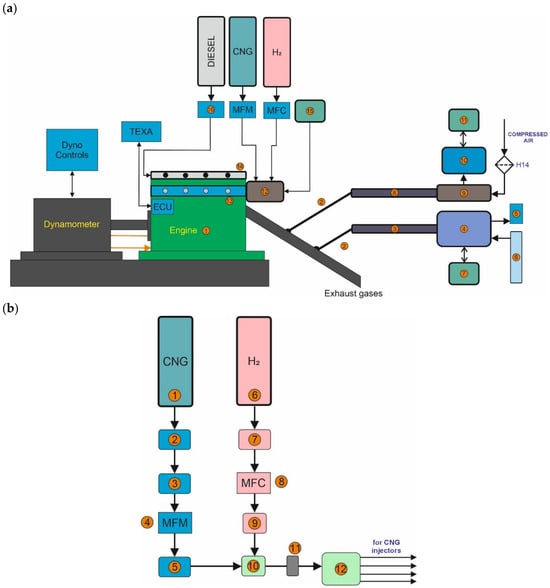
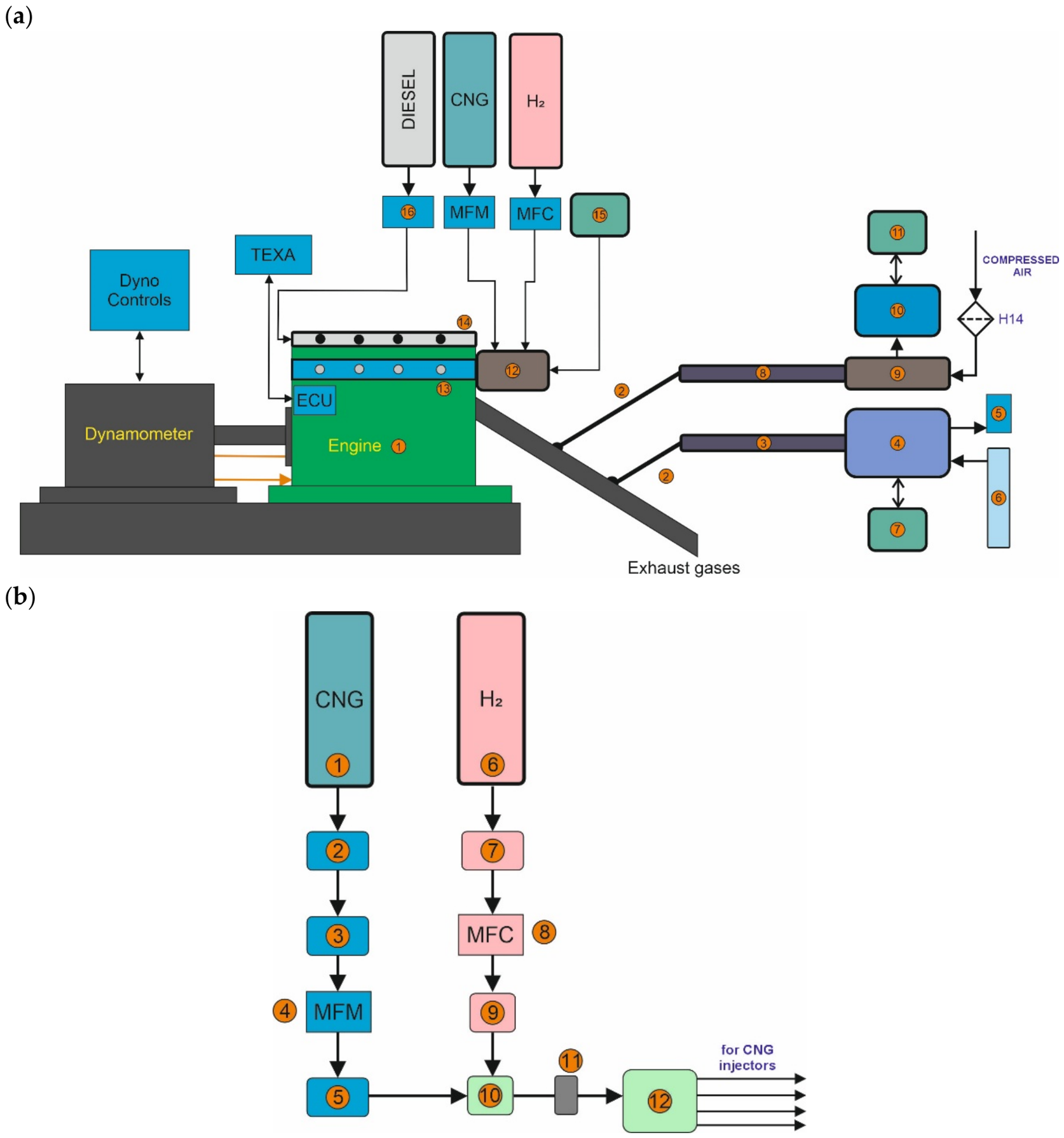
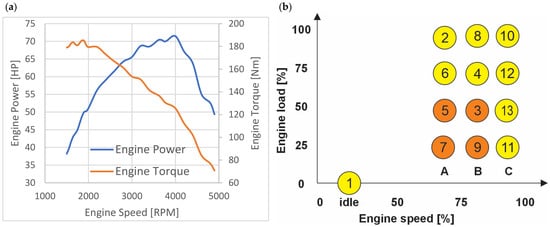
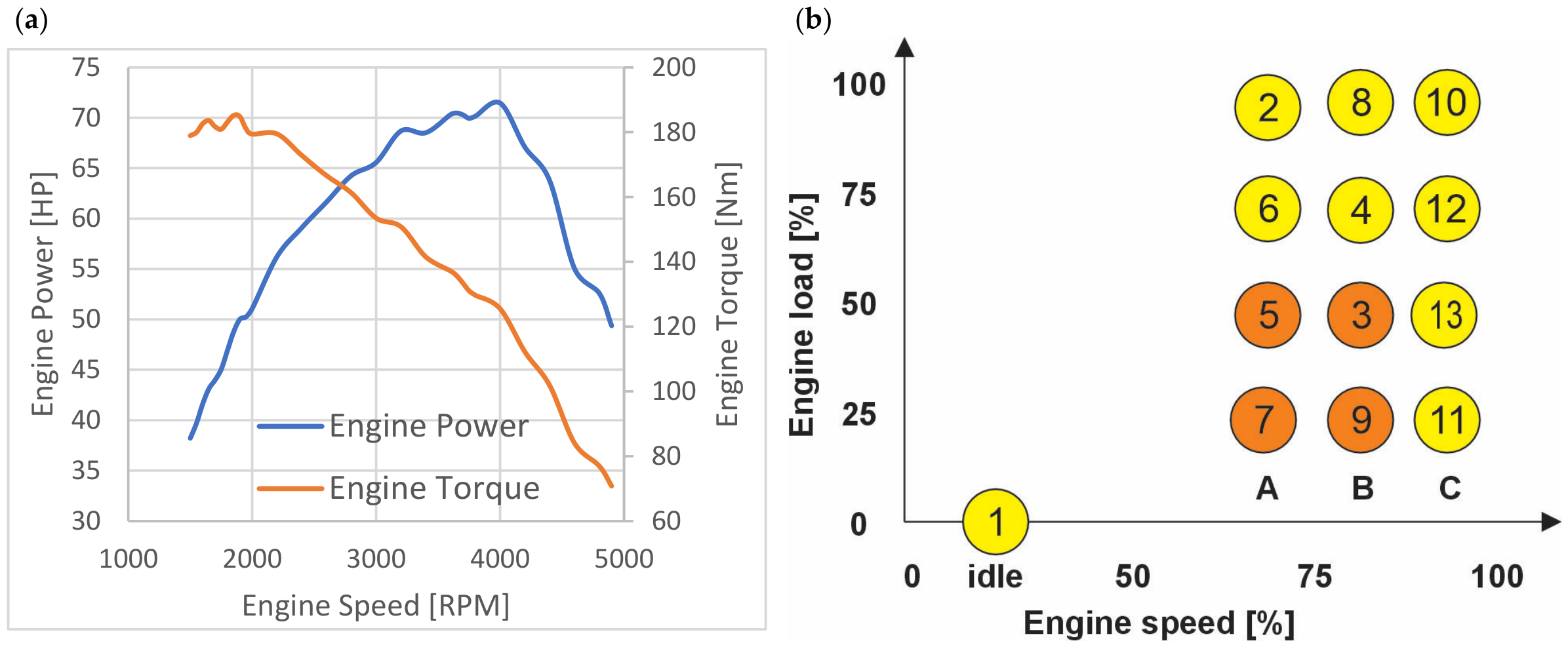
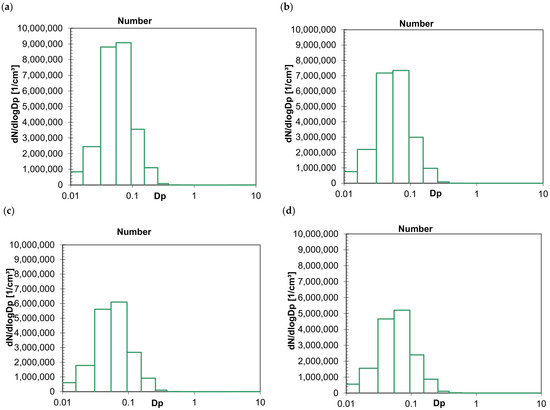
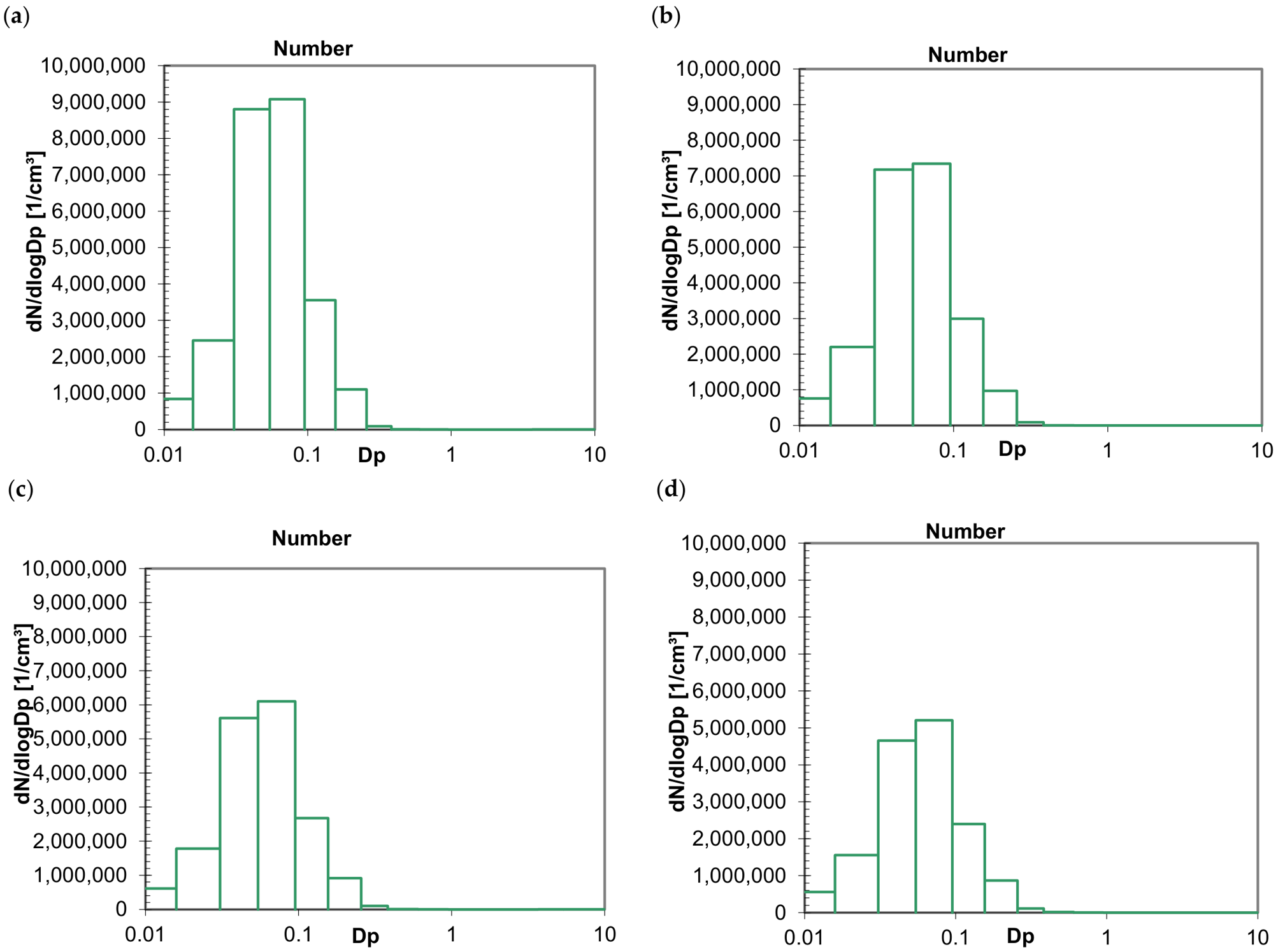
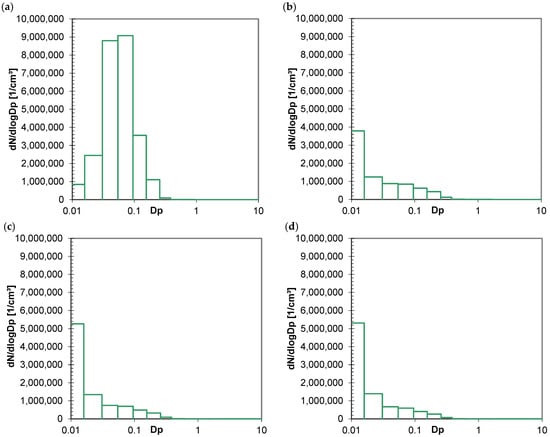
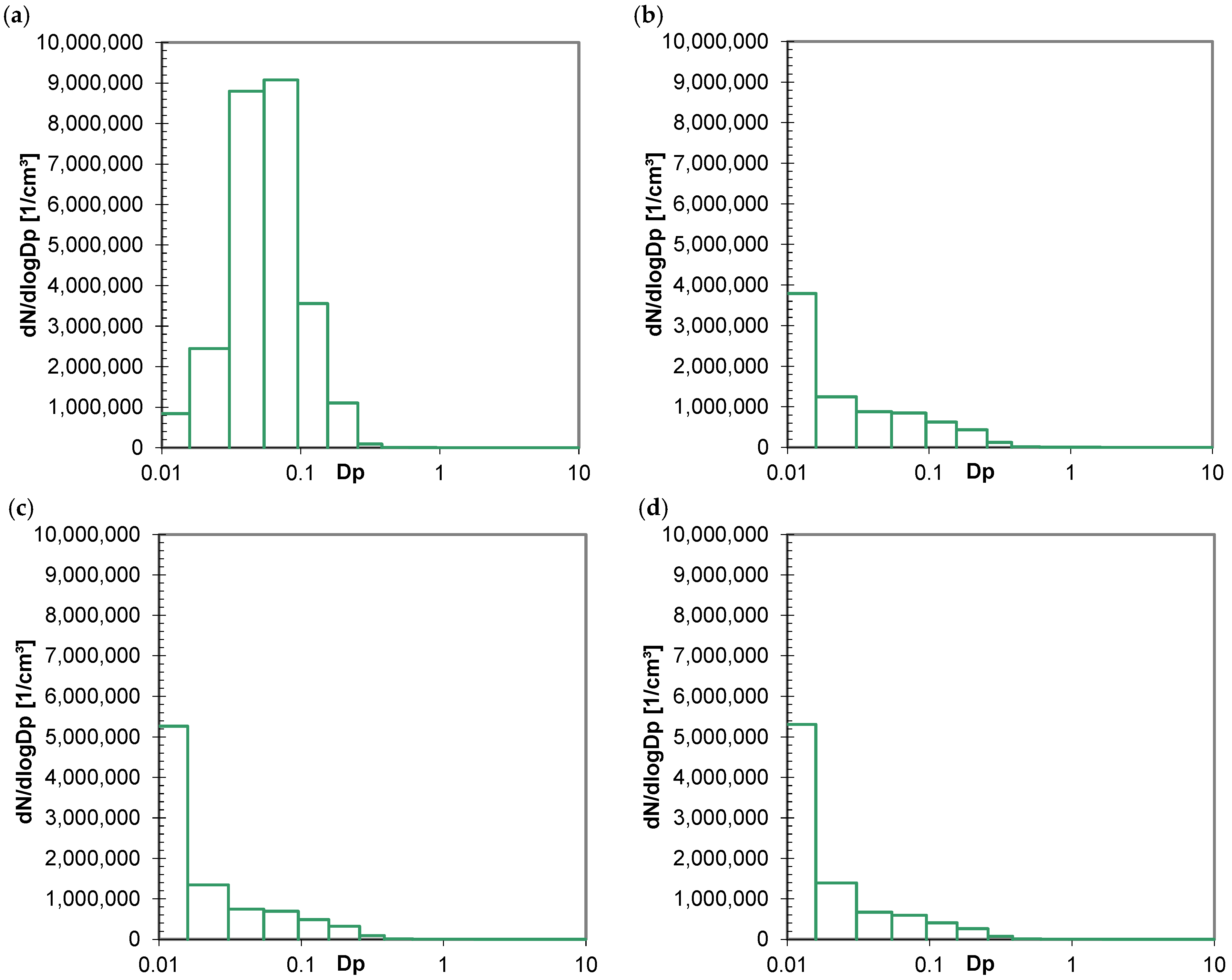
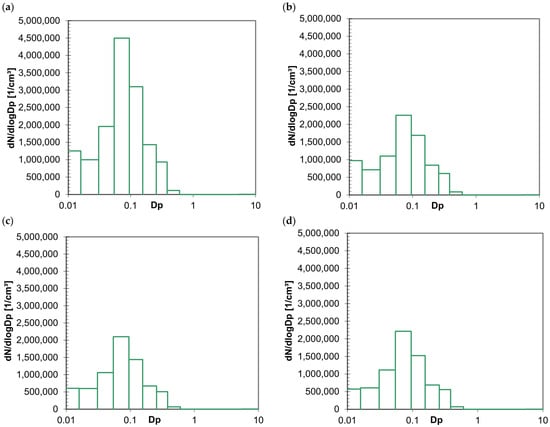
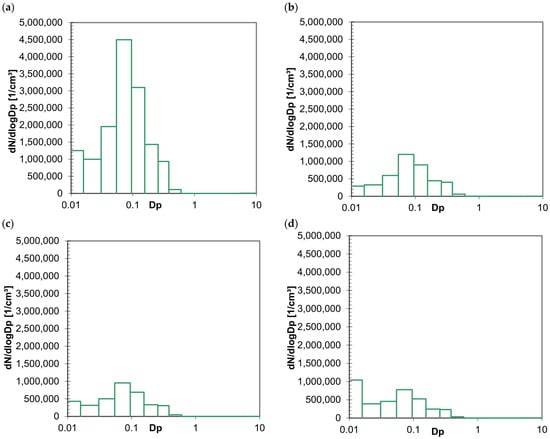
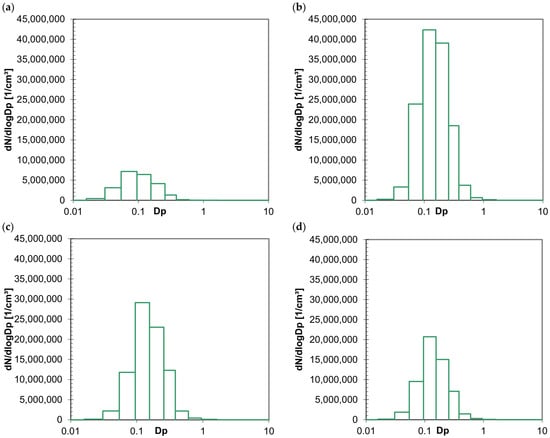
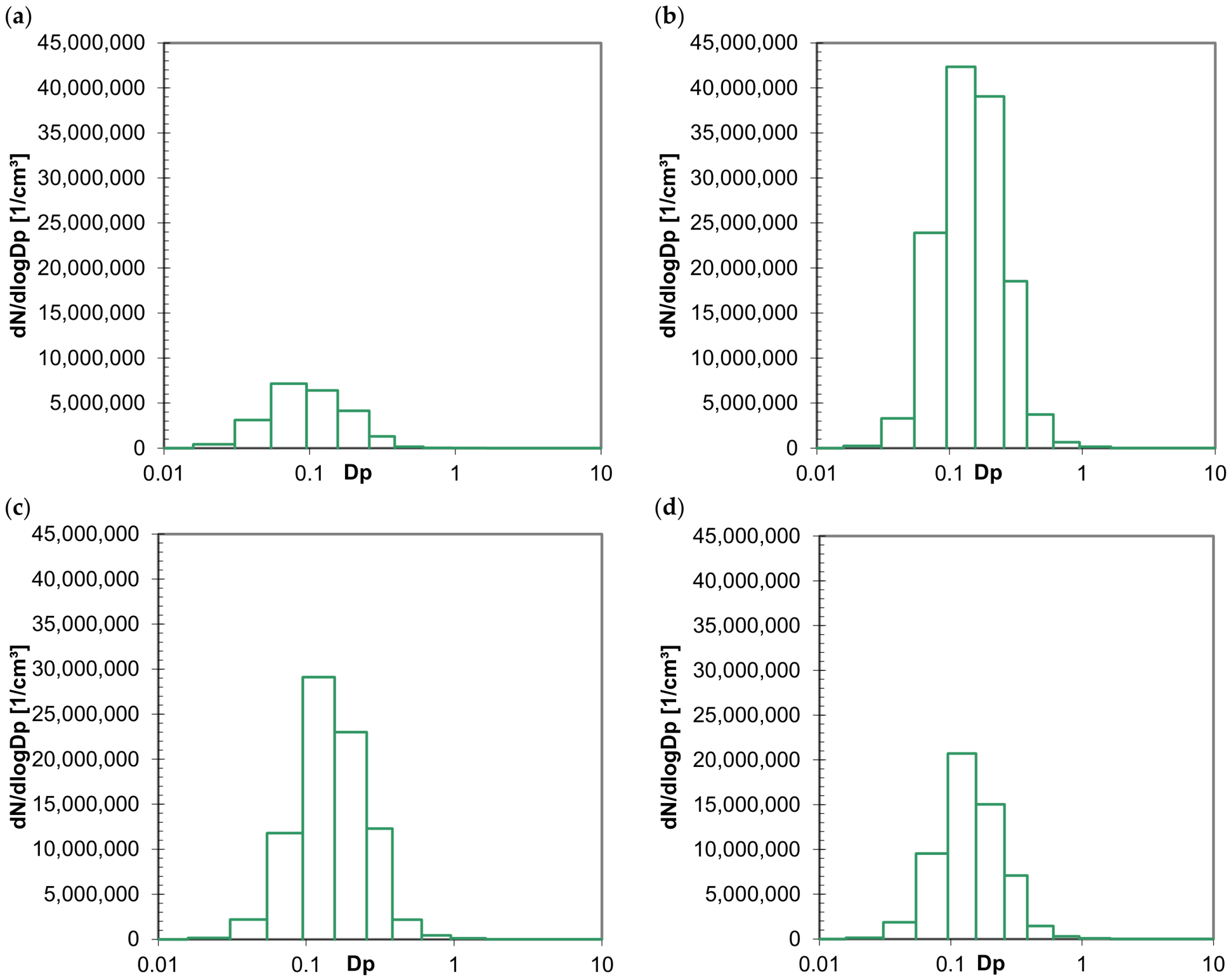
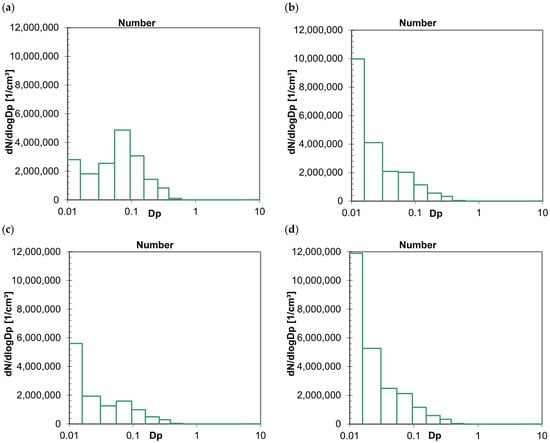
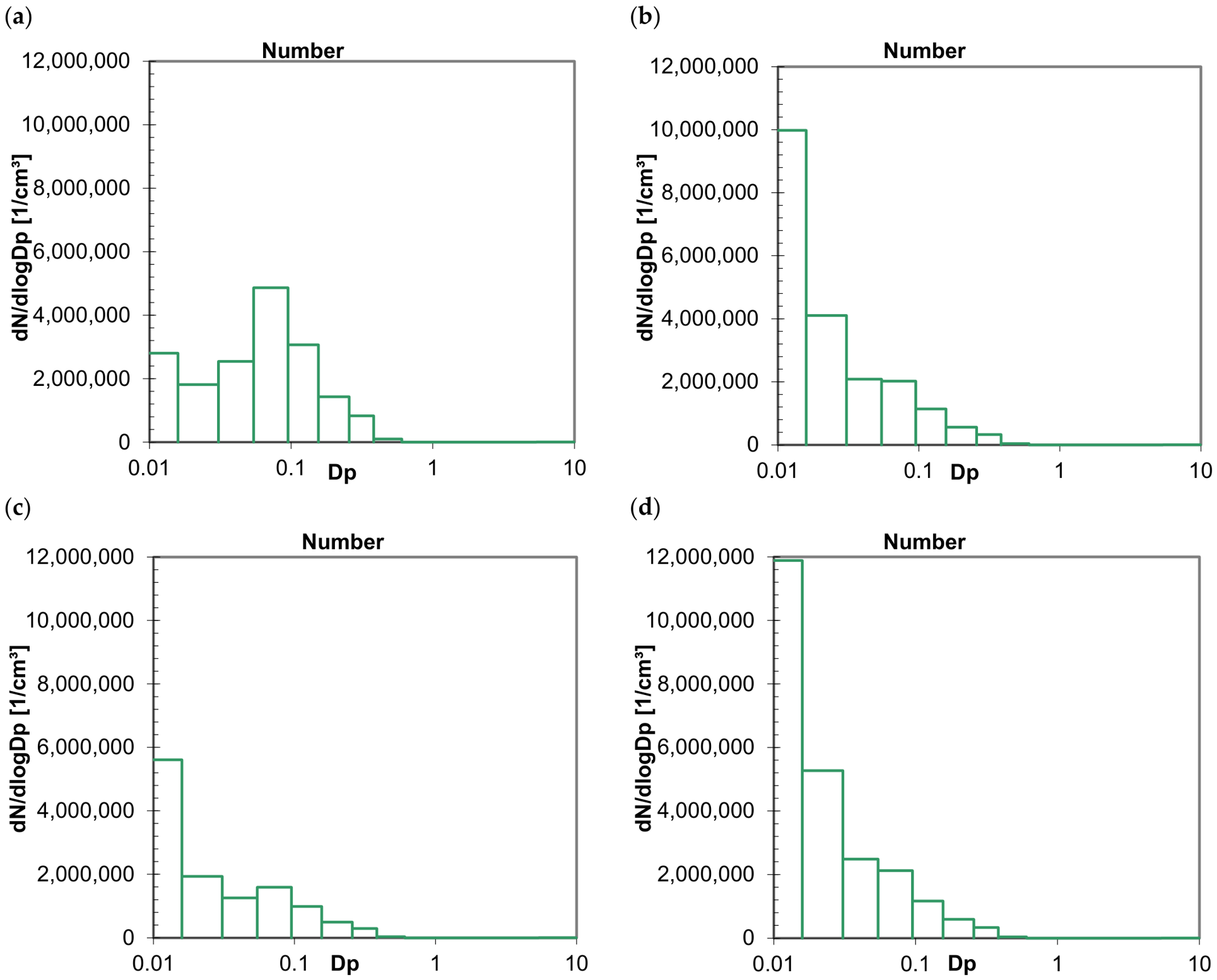
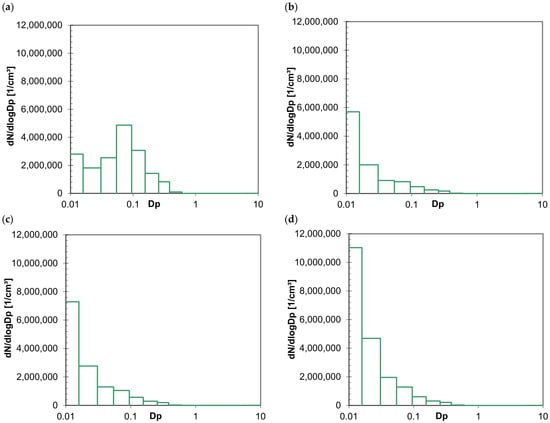
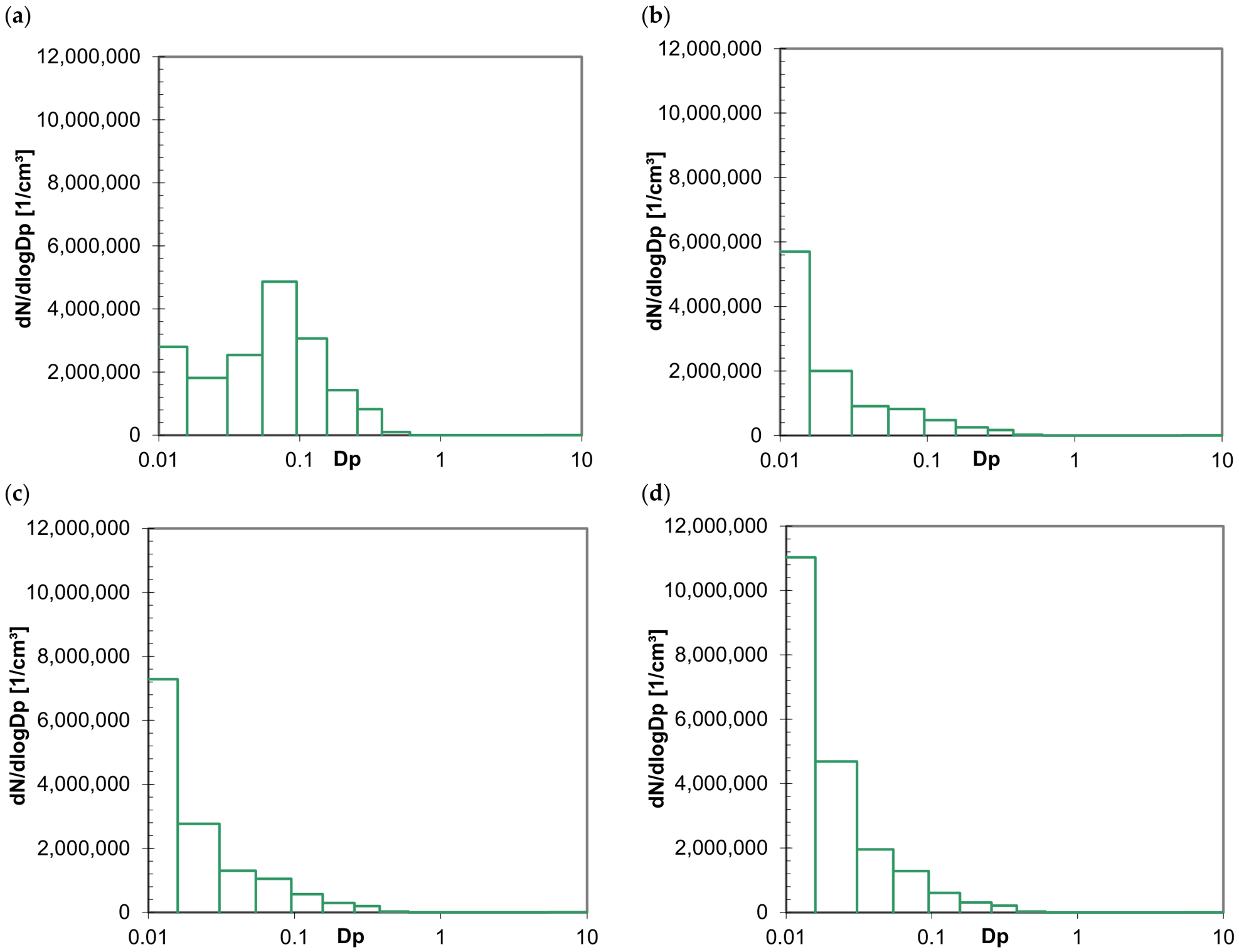
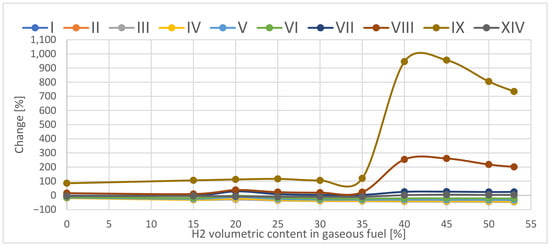
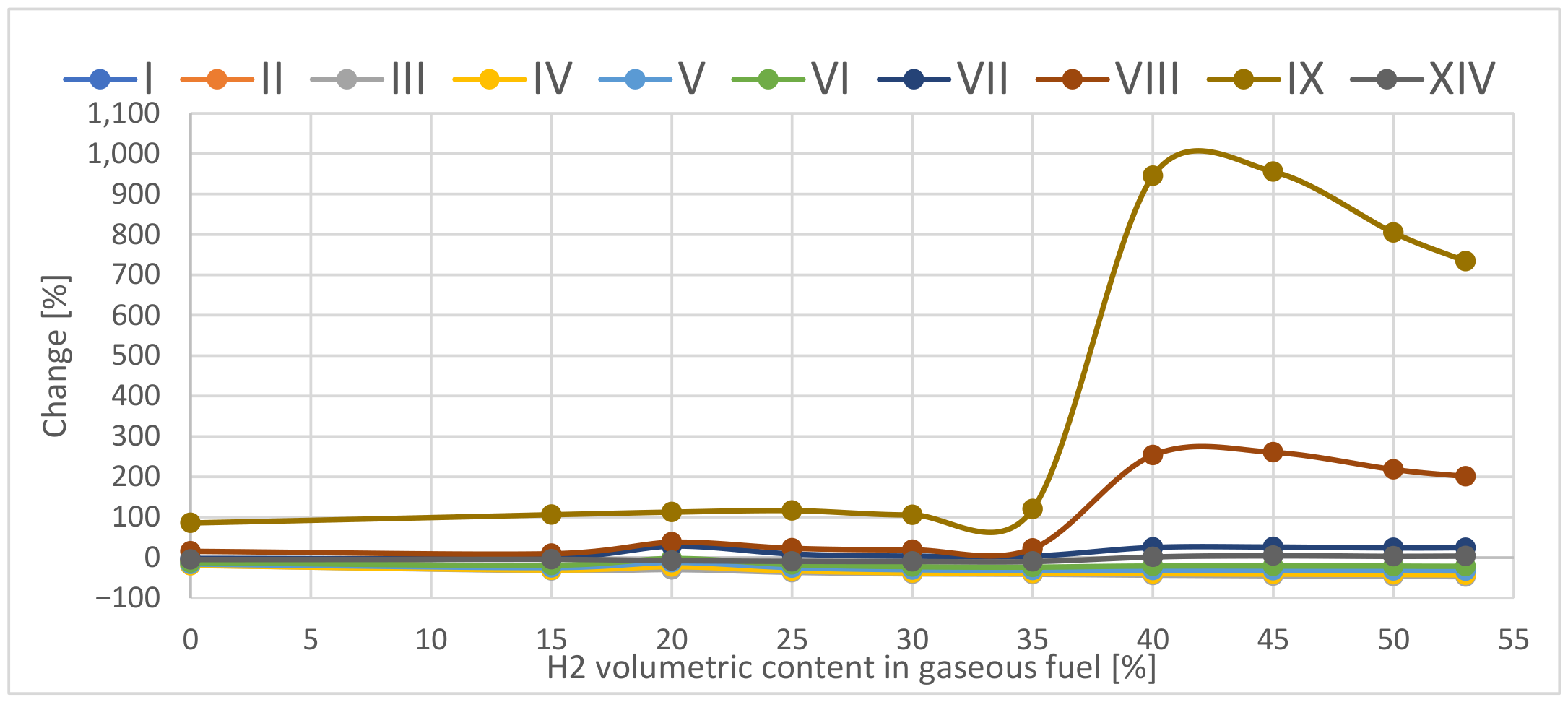
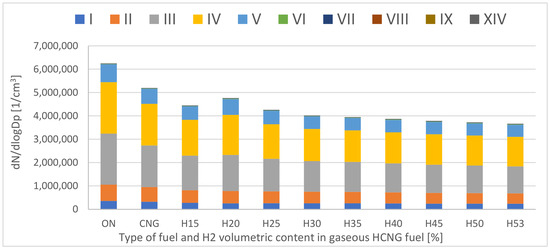
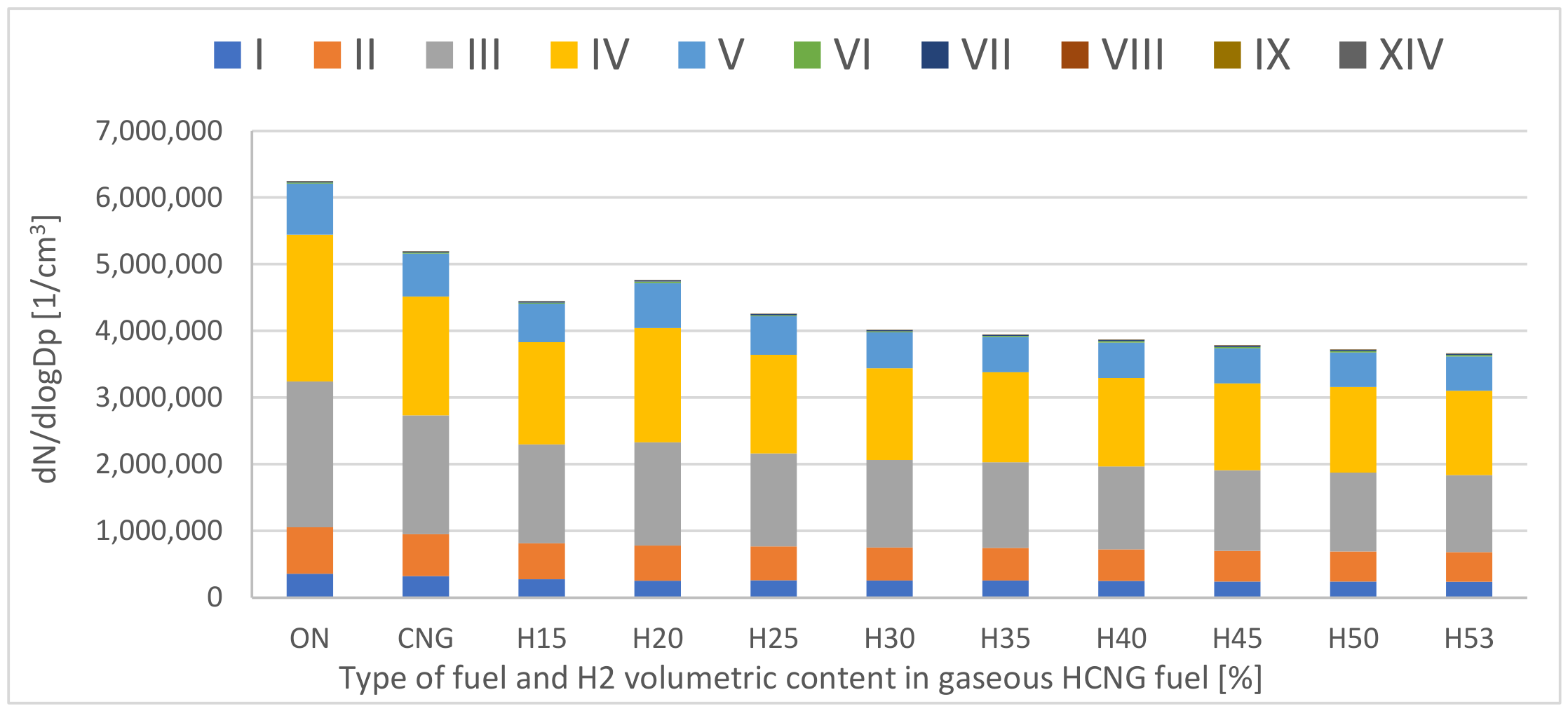
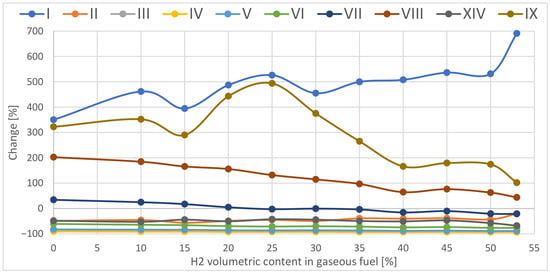
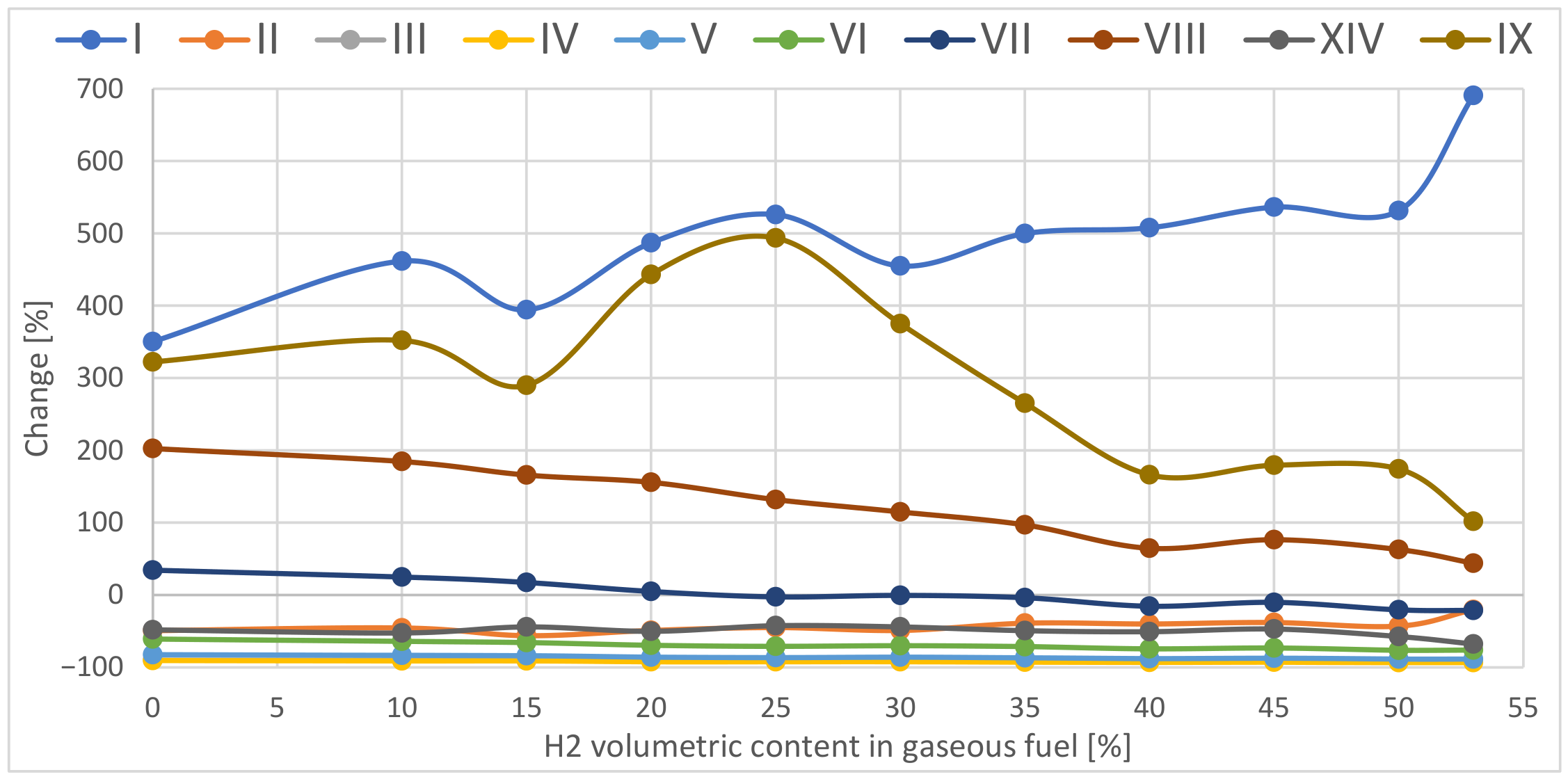
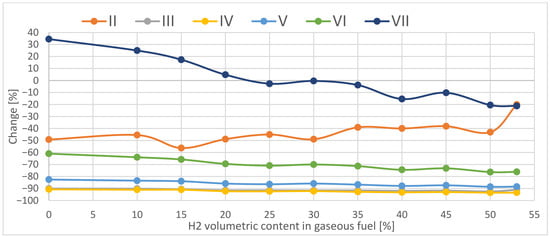
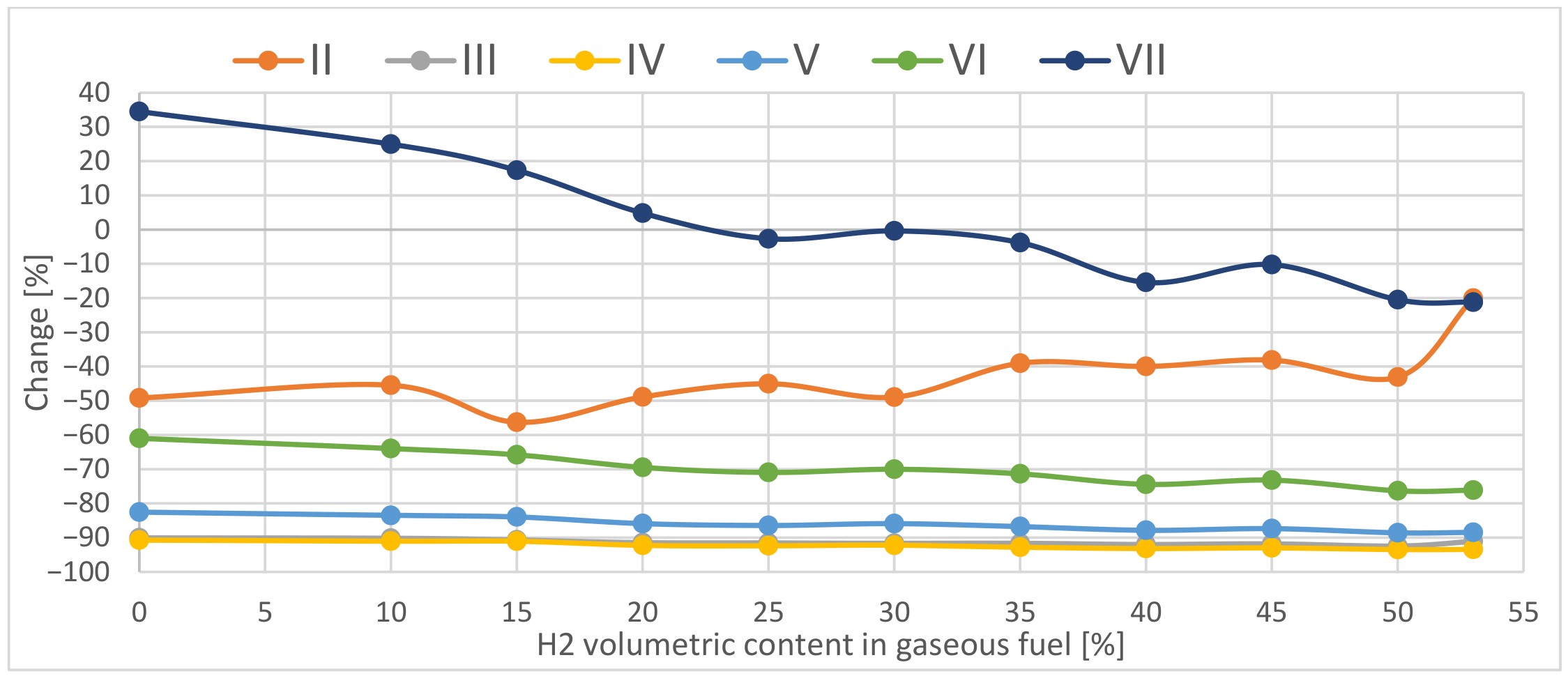
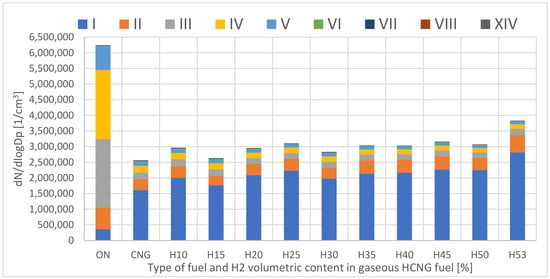
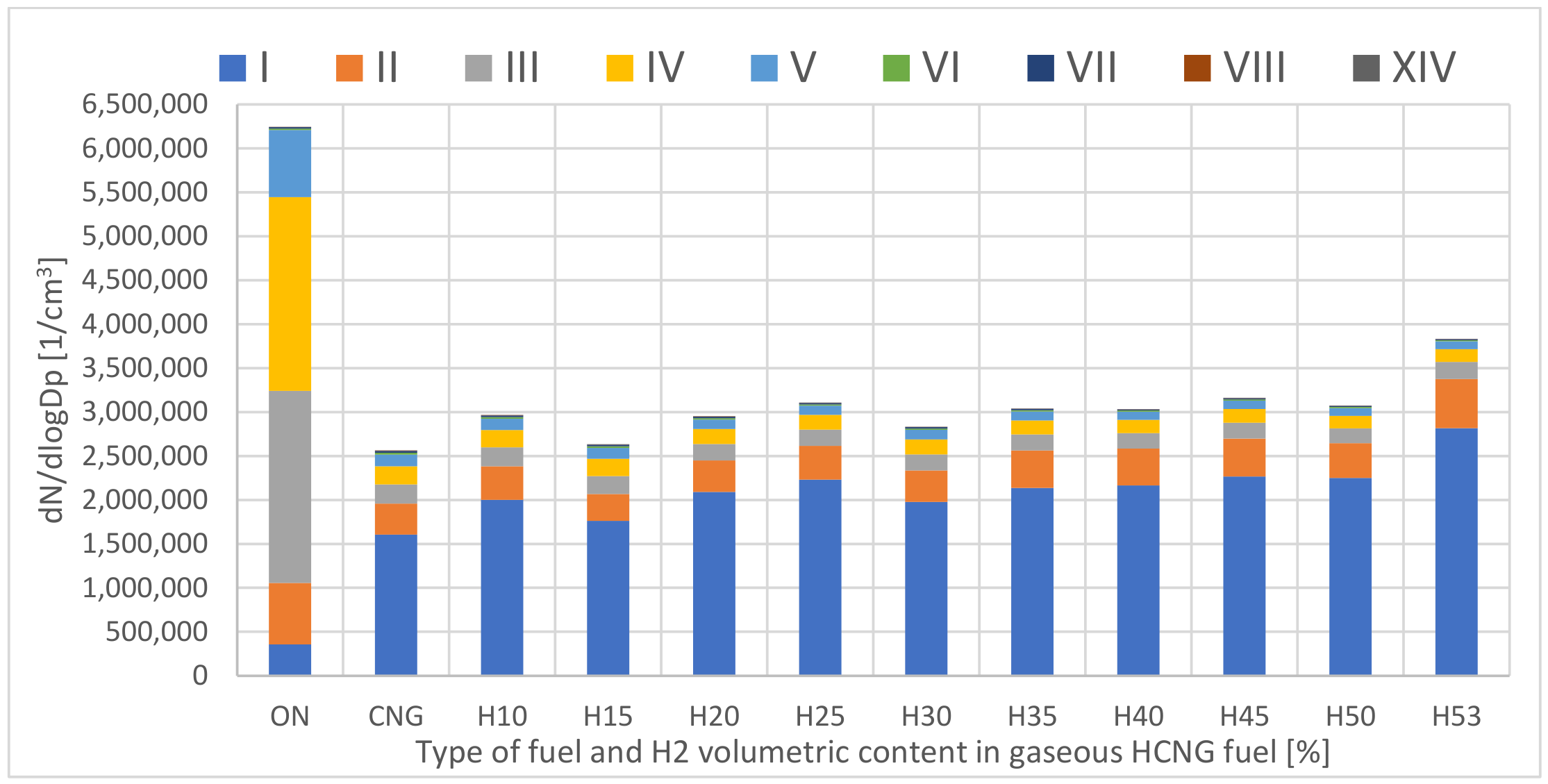
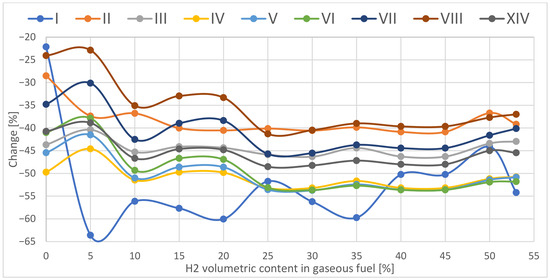
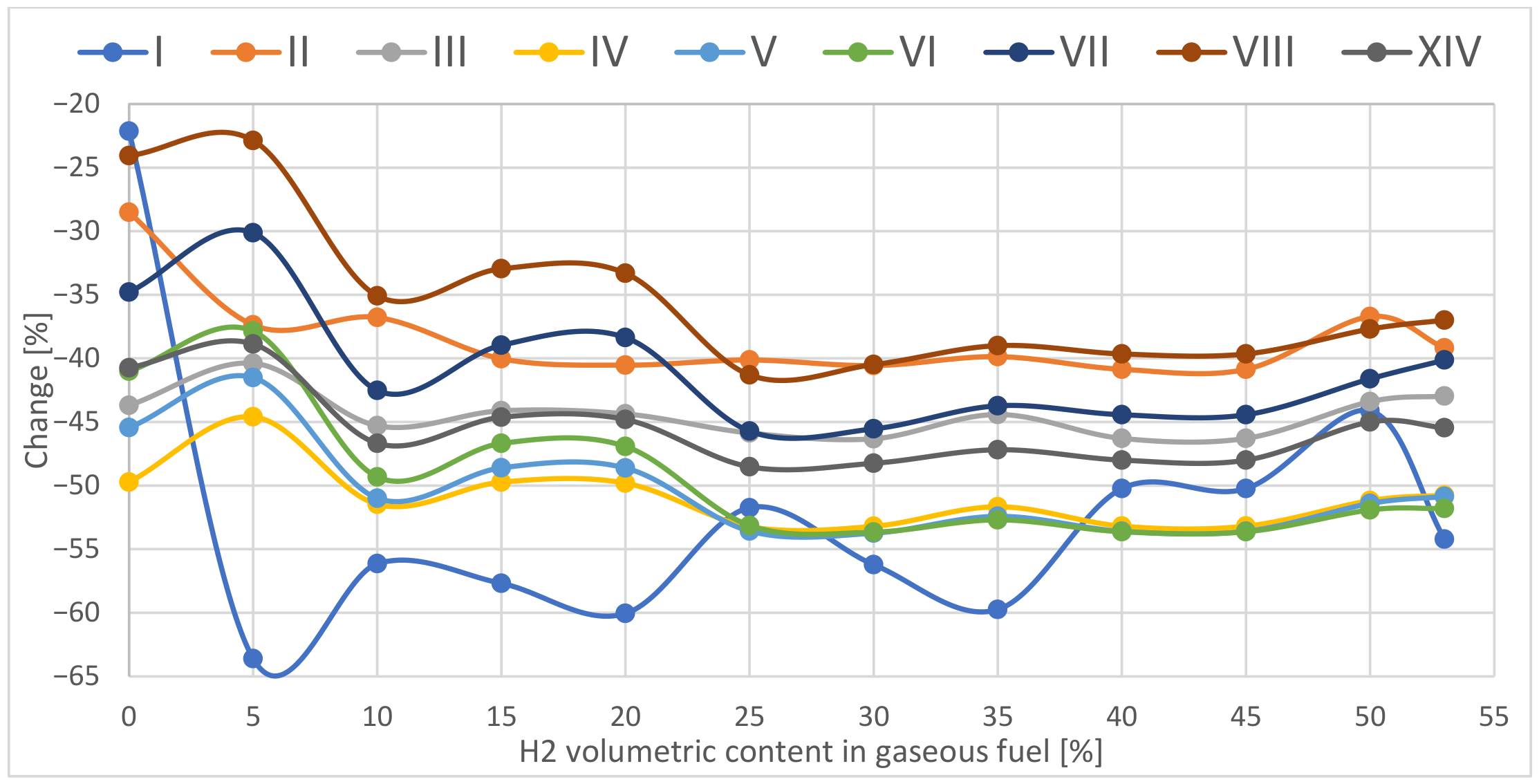
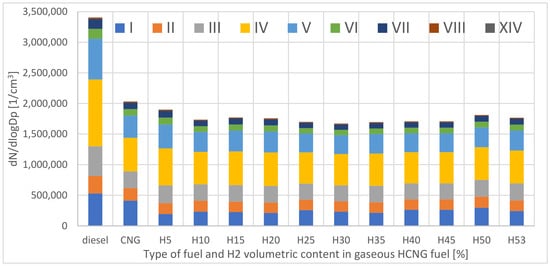
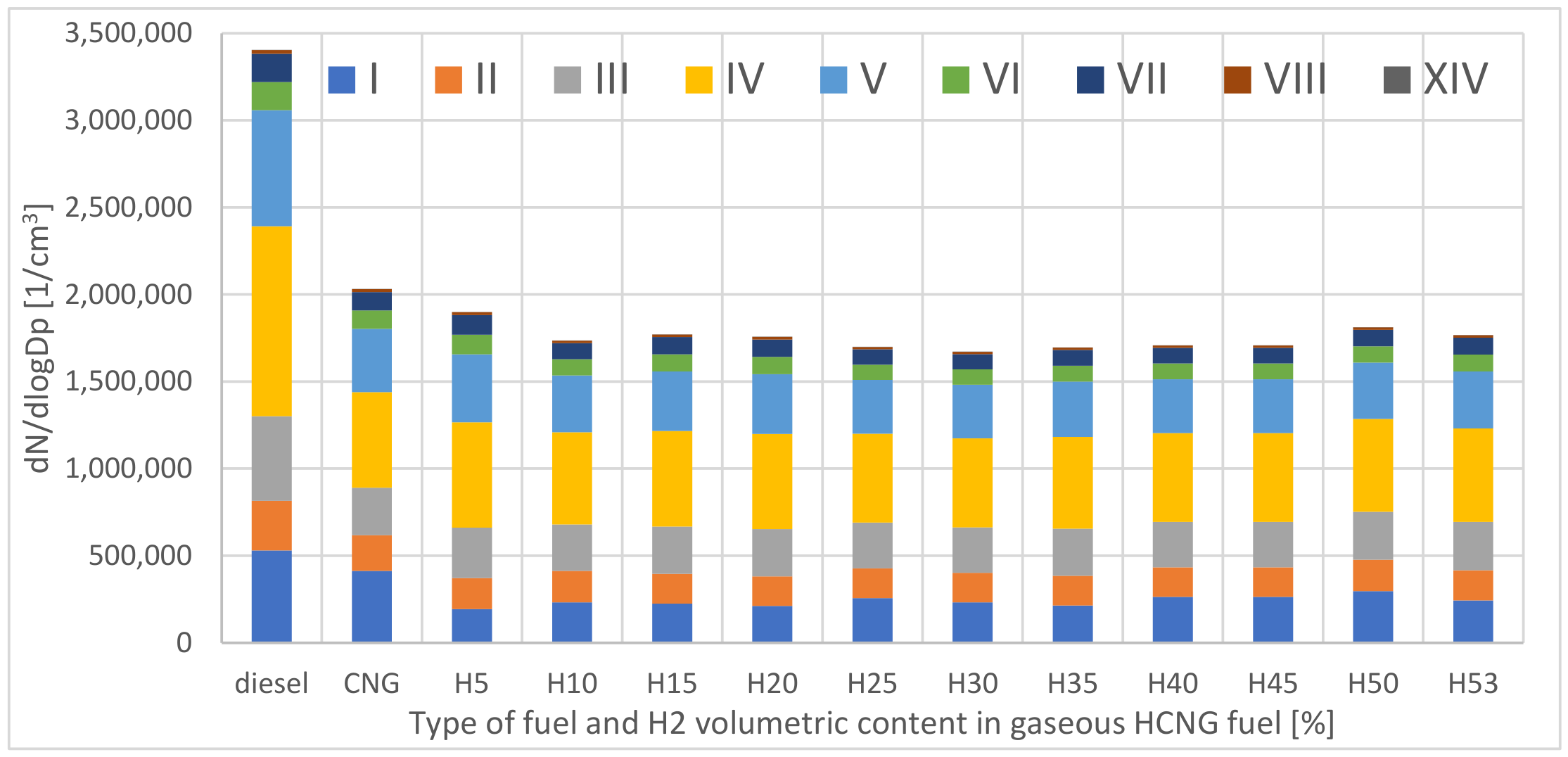
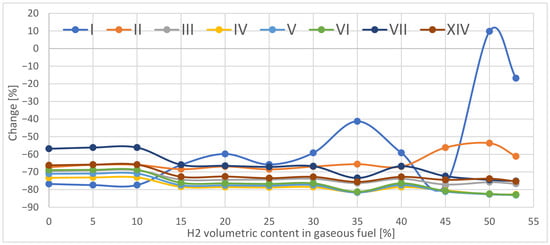
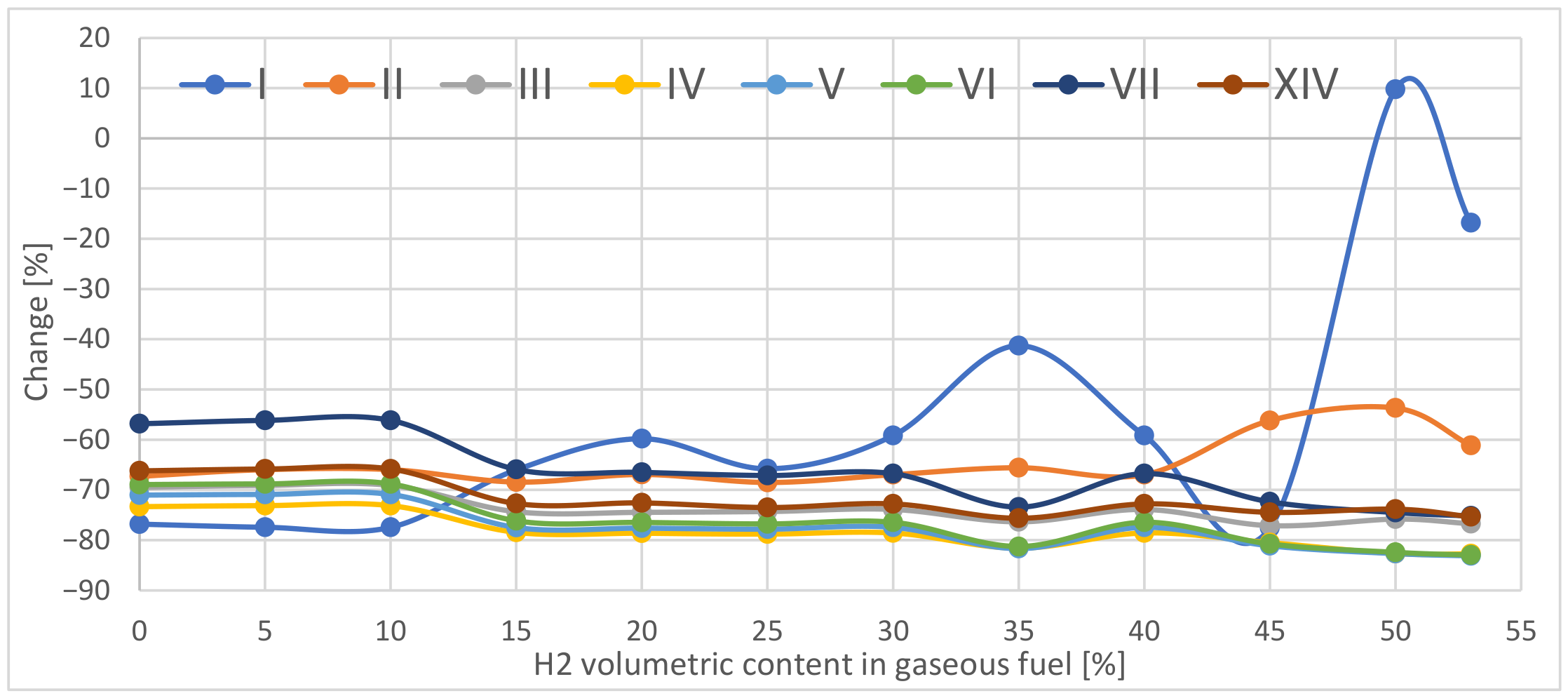
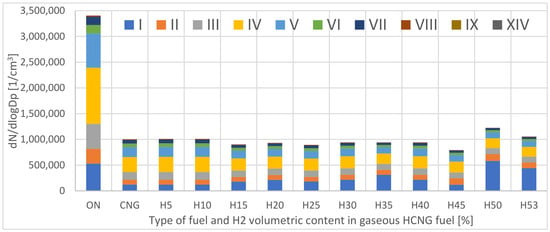
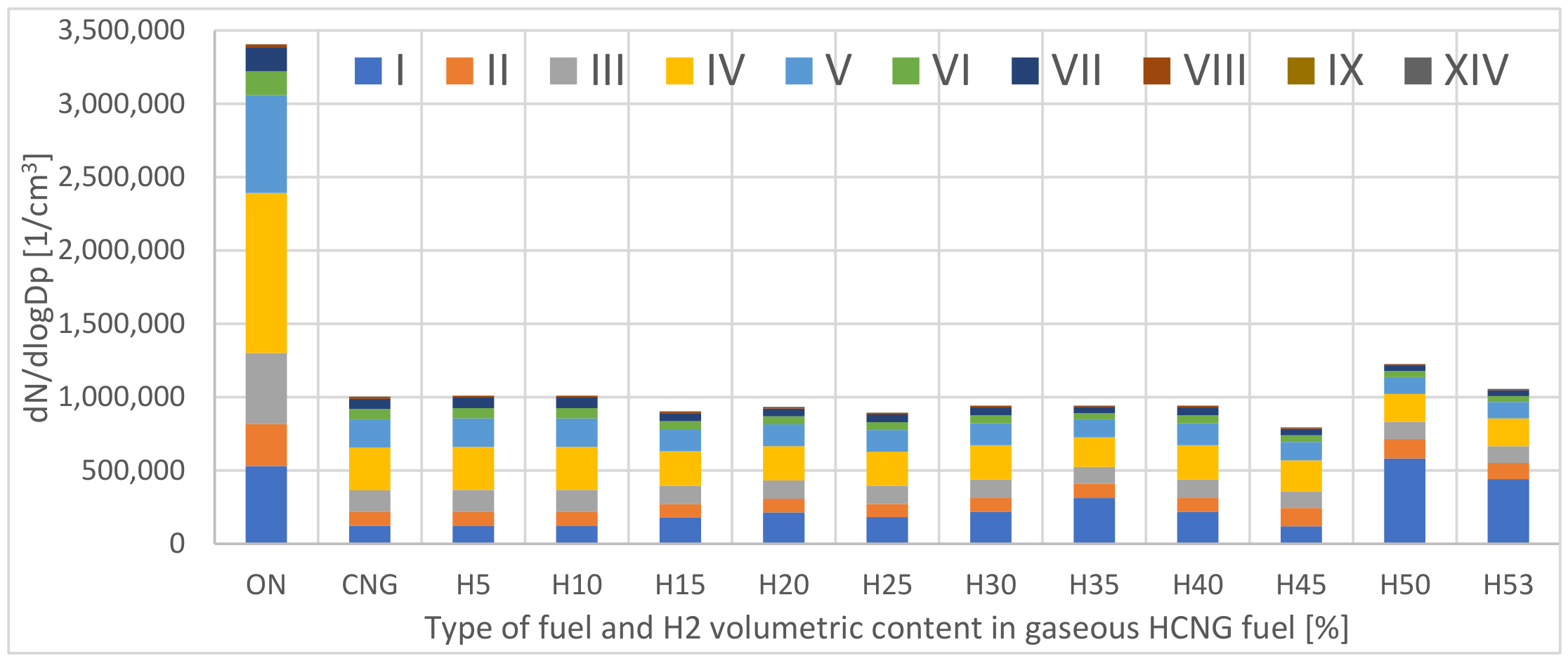
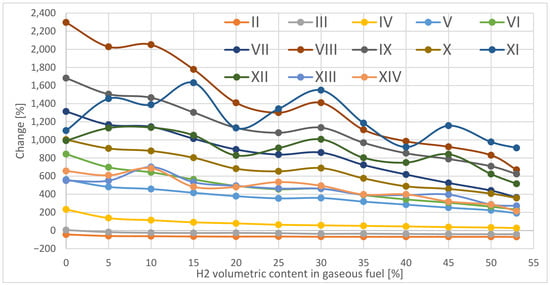
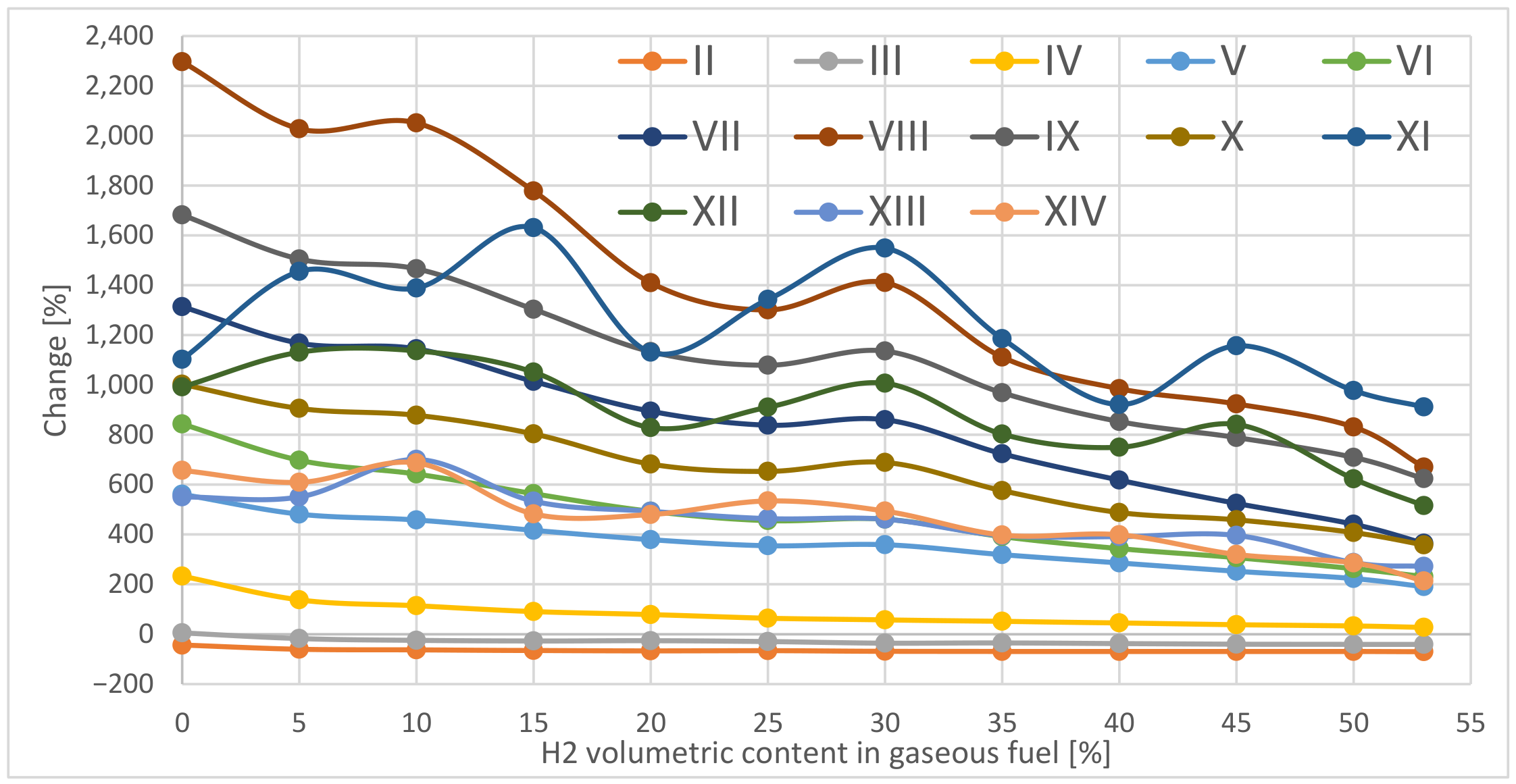
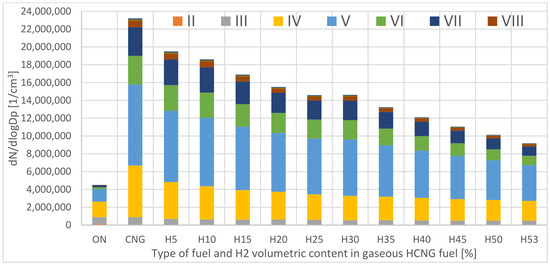
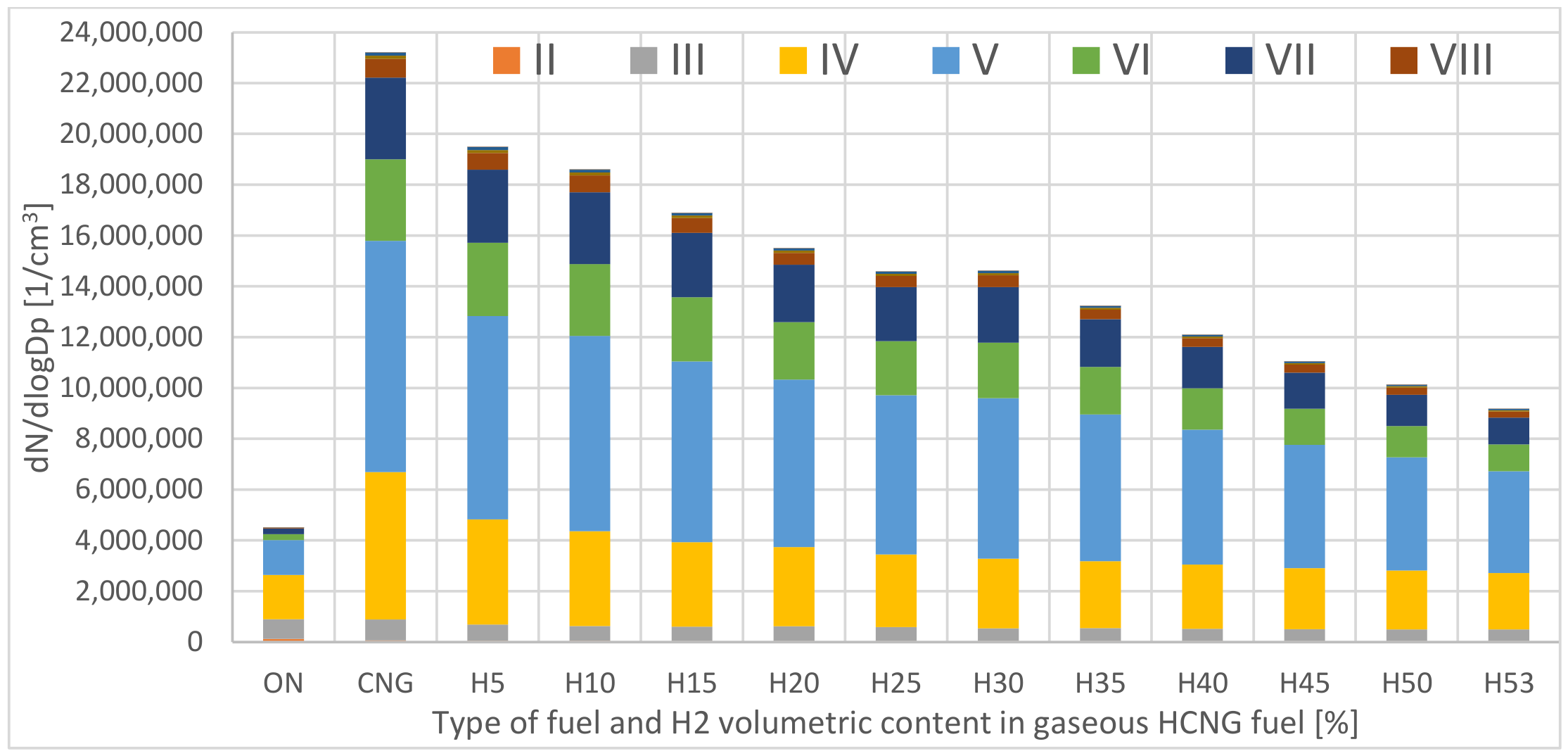
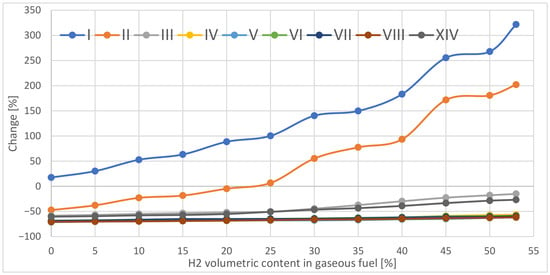
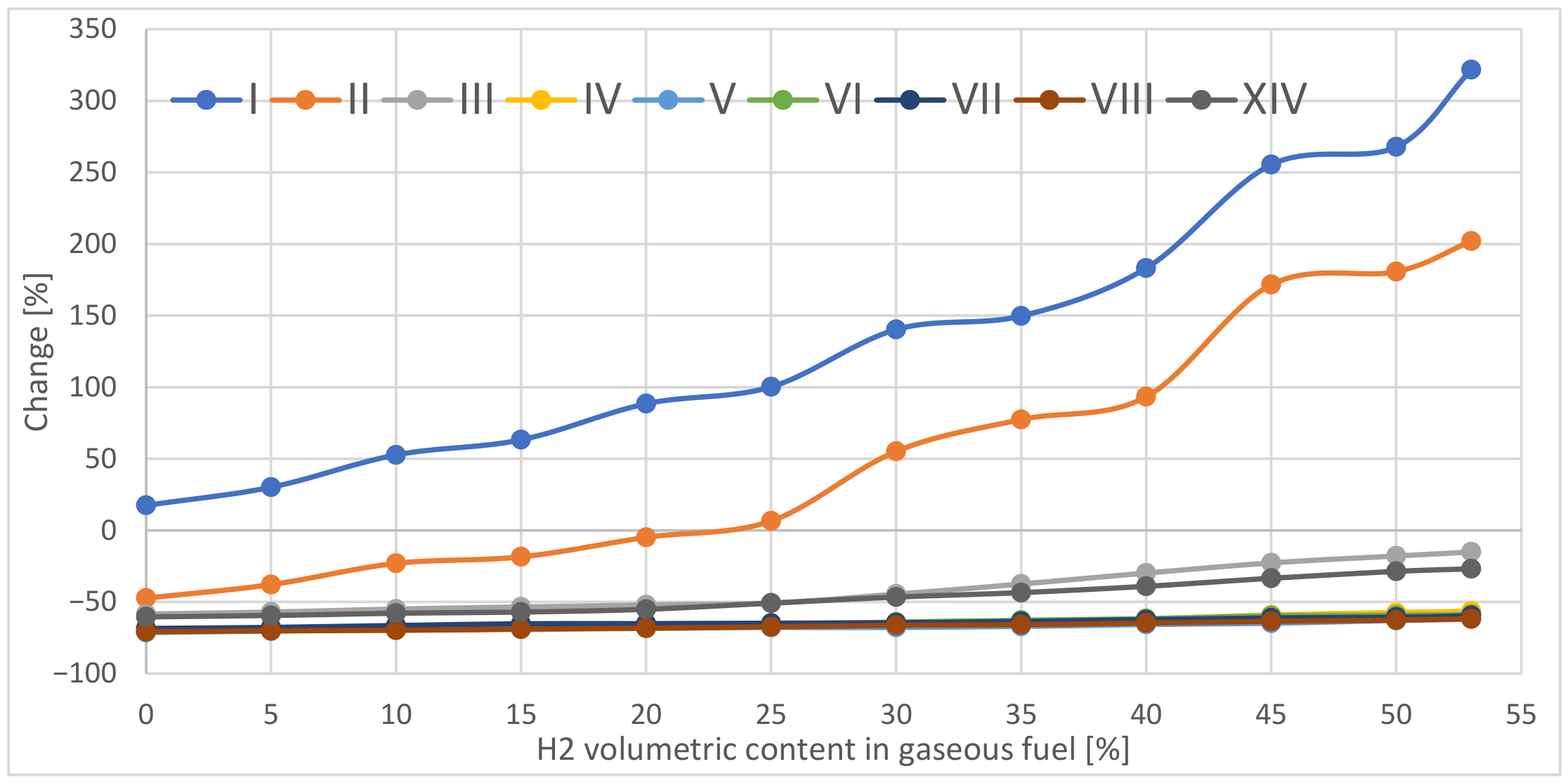
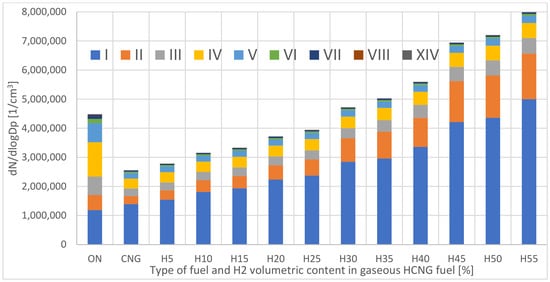
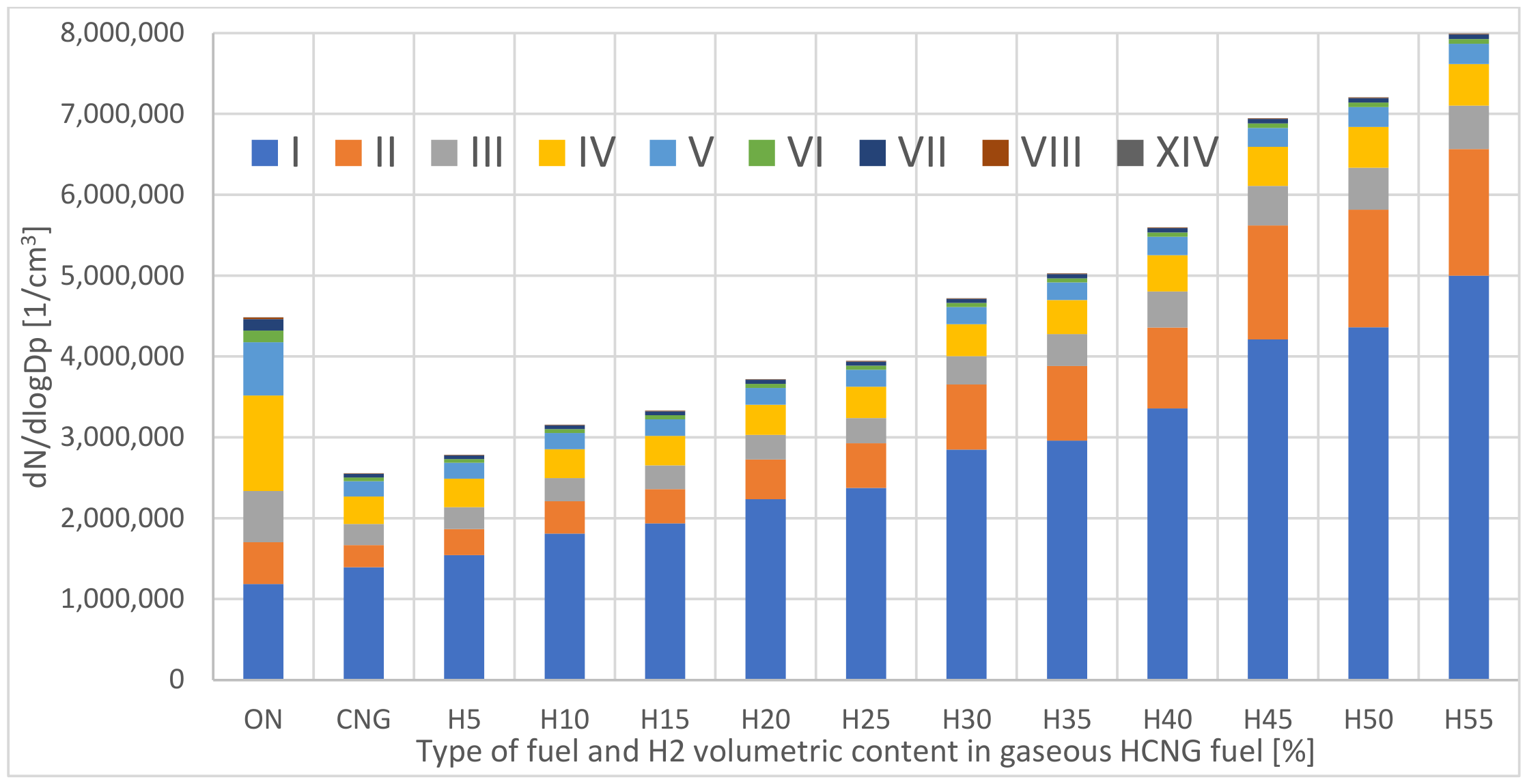
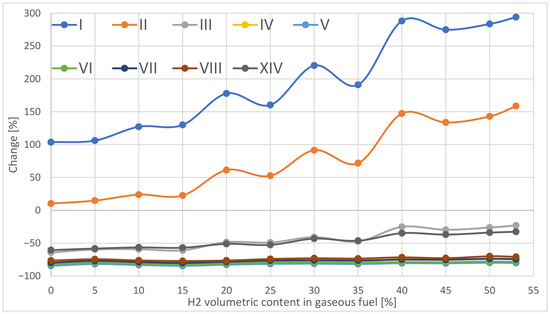
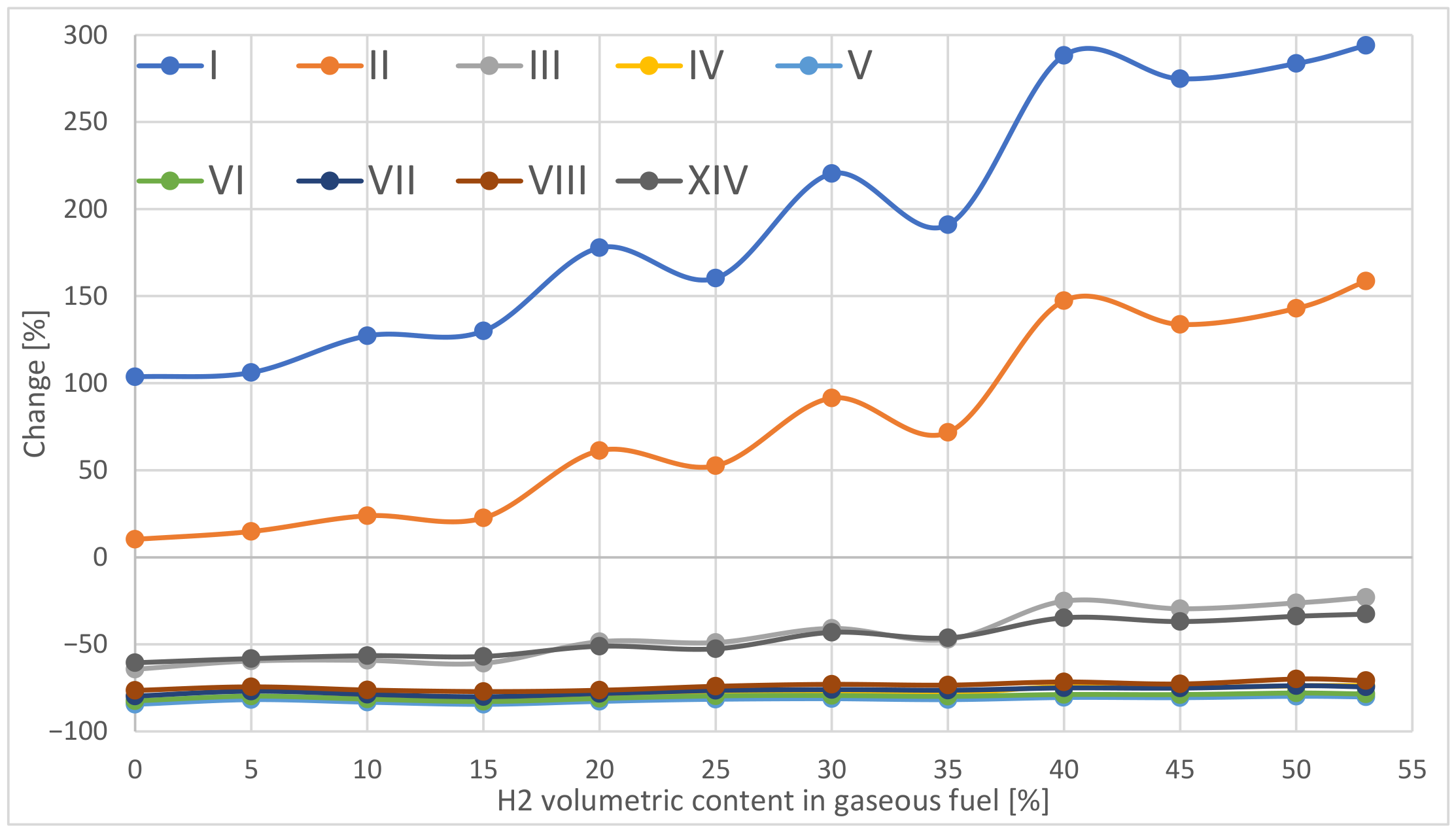
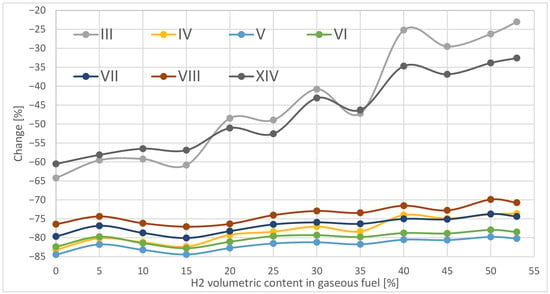
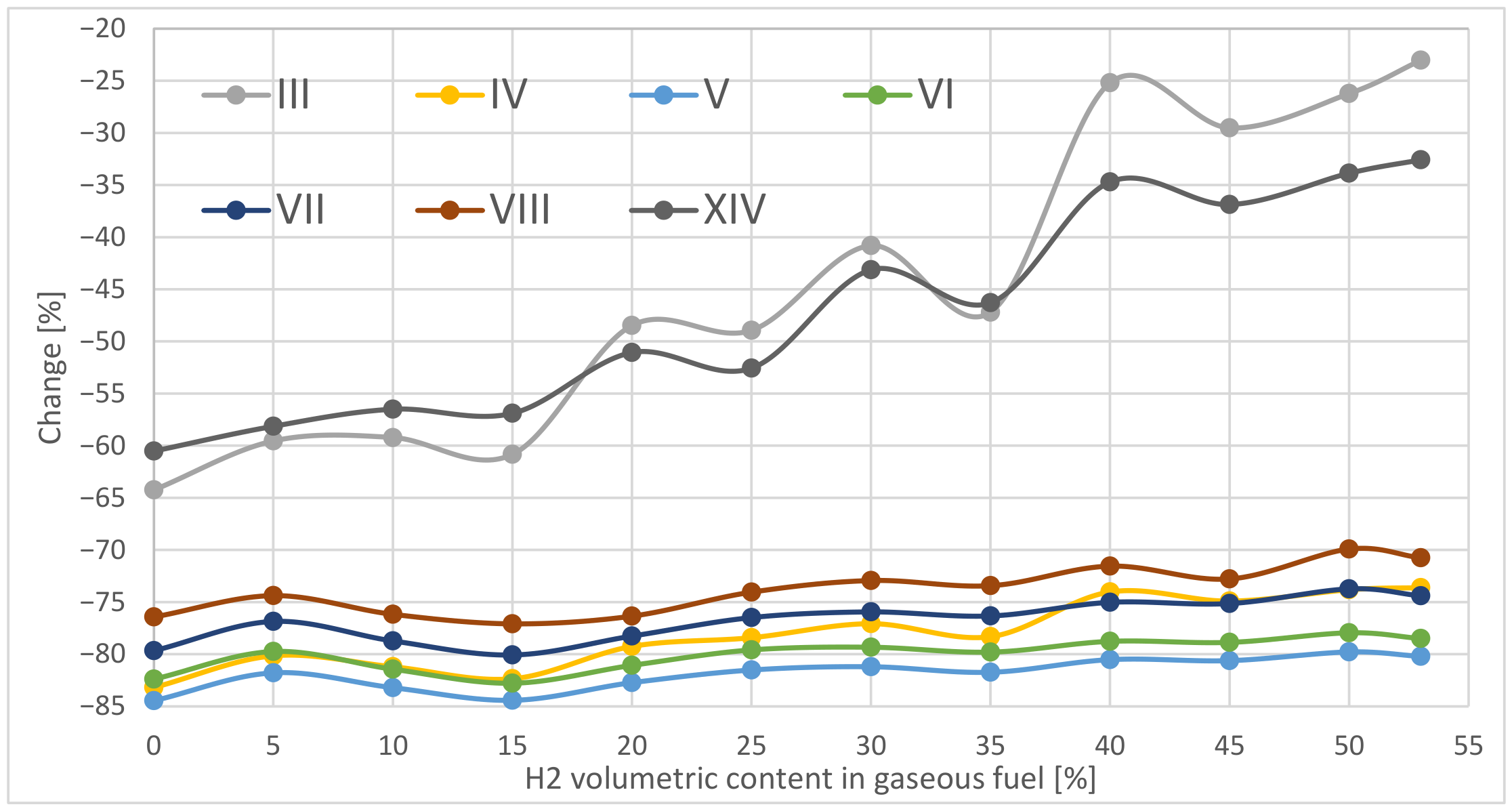
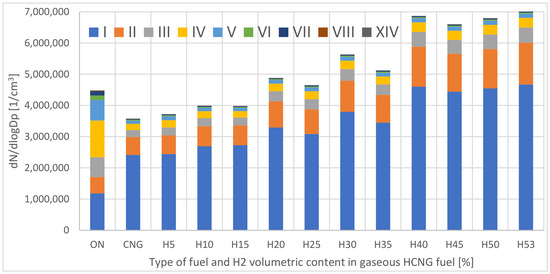
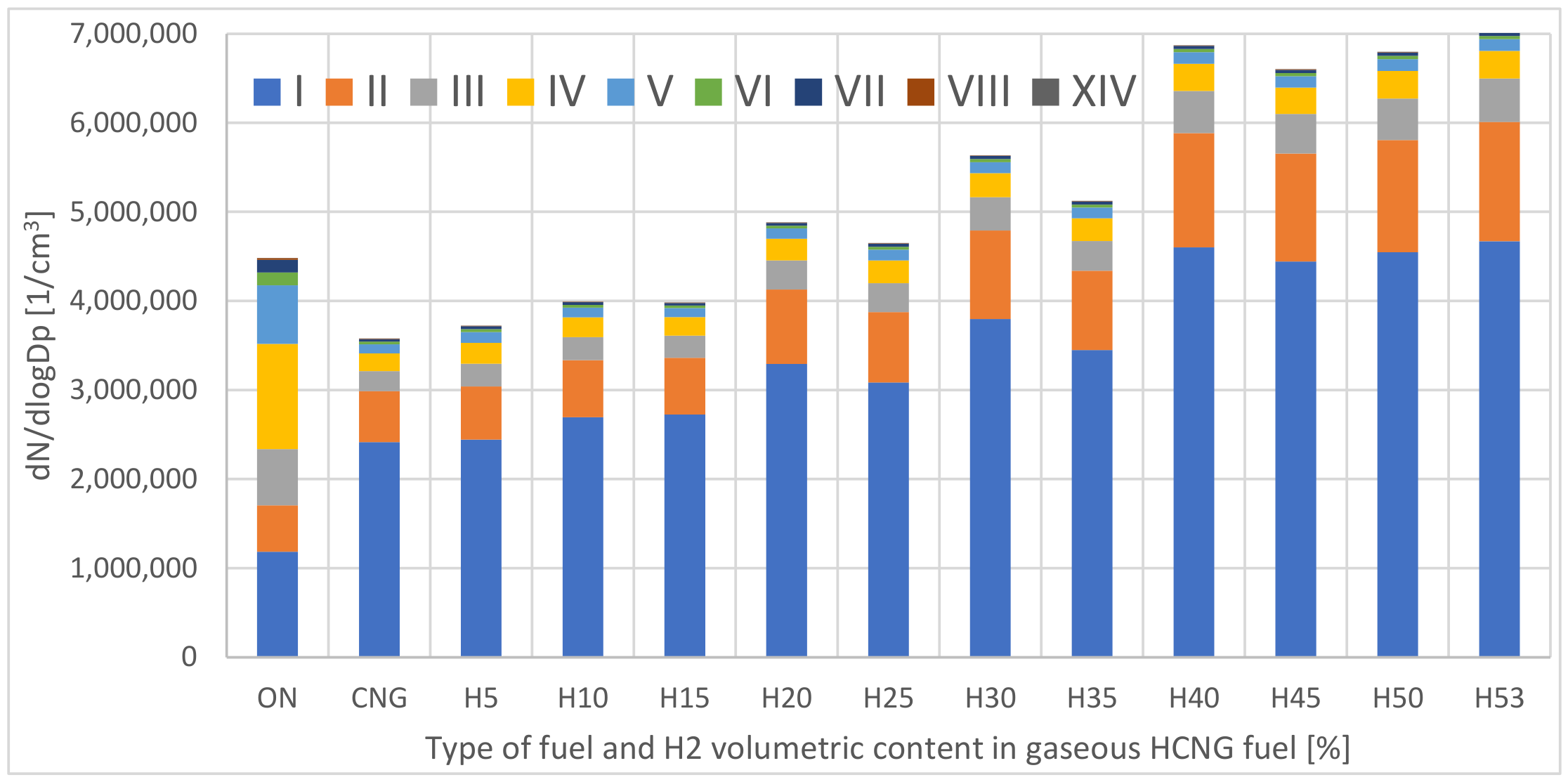
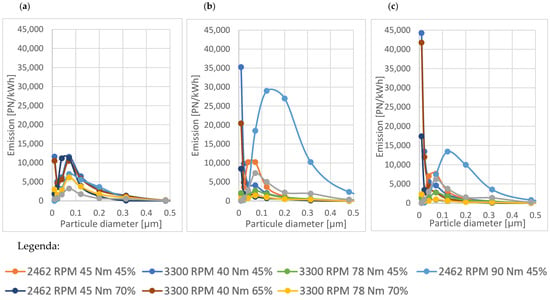
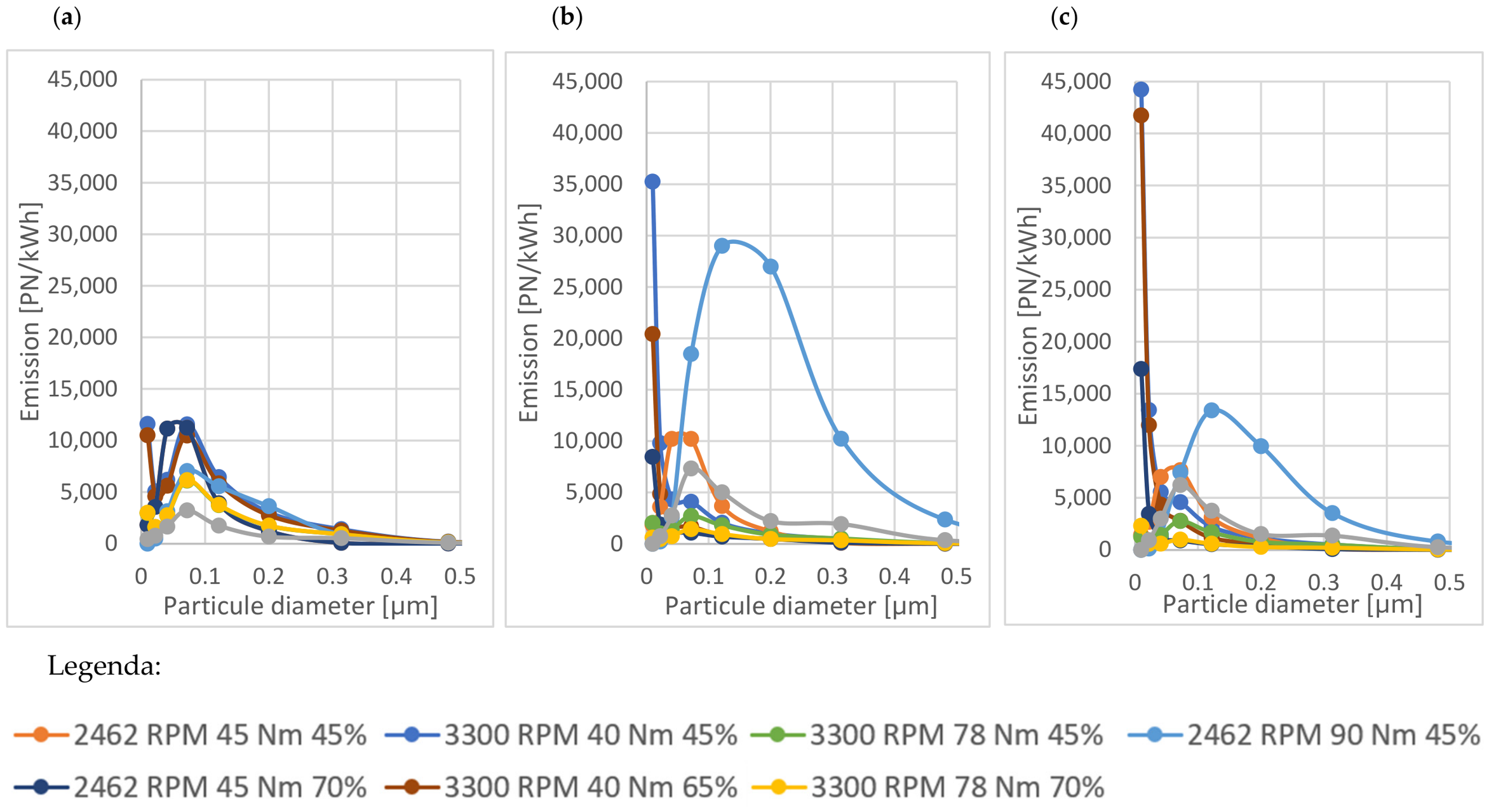
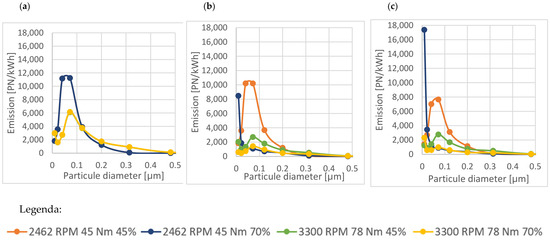
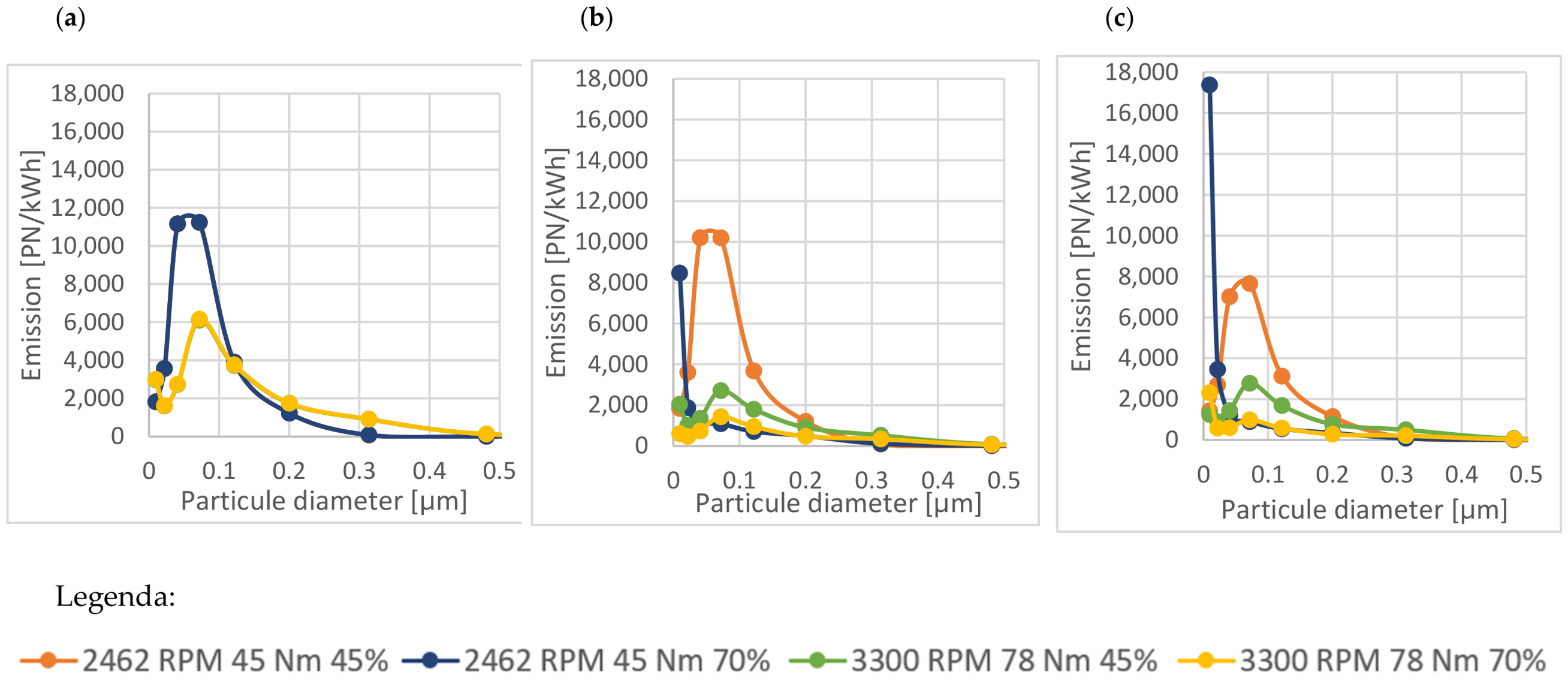

Disclaimer/Publisher’s Note: The statements, opinions and data contained in all publications are solely those of the individual author(s) and contributor(s) and not of MDPI and/or the editor(s). MDPI and/or the editor(s) disclaim responsibility for any injury to people or property resulting from any ideas, methods, instructions or products referred to in the content. |
© 2026 by the authors. Licensee MDPI, Basel, Switzerland. This article is an open access article distributed under the terms and conditions of the Creative Commons Attribution (CC BY) license.