Article

Enhancing Thermal–Hydraulic Performance in Nuclear Reactor Subchannels with Al2O3 Nanofluids: A CFD Analysis


School of Engineering, University of Hull, Hull HU6 7RX, UK
*
Author to whom correspondence should be addressed.
Energies 2024, 17(21), 5486; https://doi.org/10.3390/en17215486
Submission received: 13 June 2024 / Revised: 19 October 2024 / Accepted: 25 October 2024 / Published: 1 November 2024
(This article belongs to the Special Issue Heat Transfer in Heat Exchangers)

Abstract

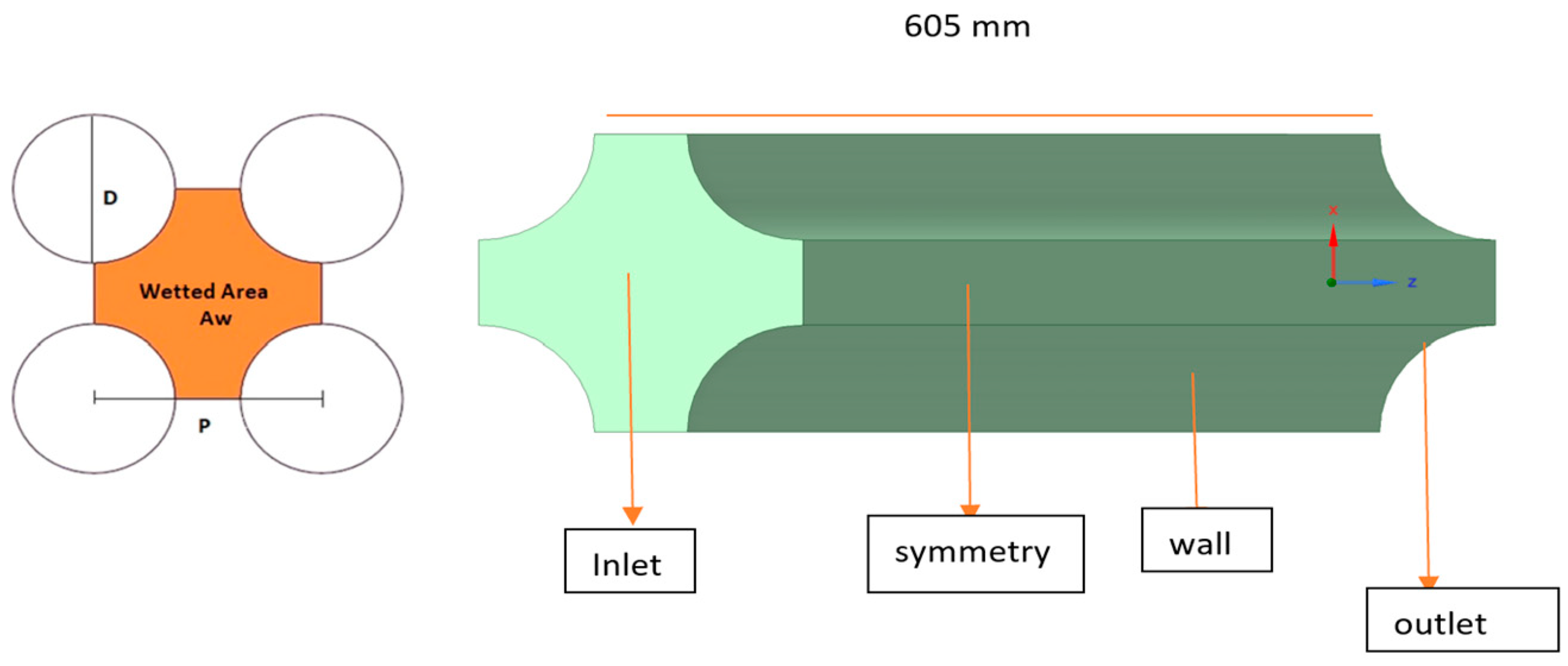
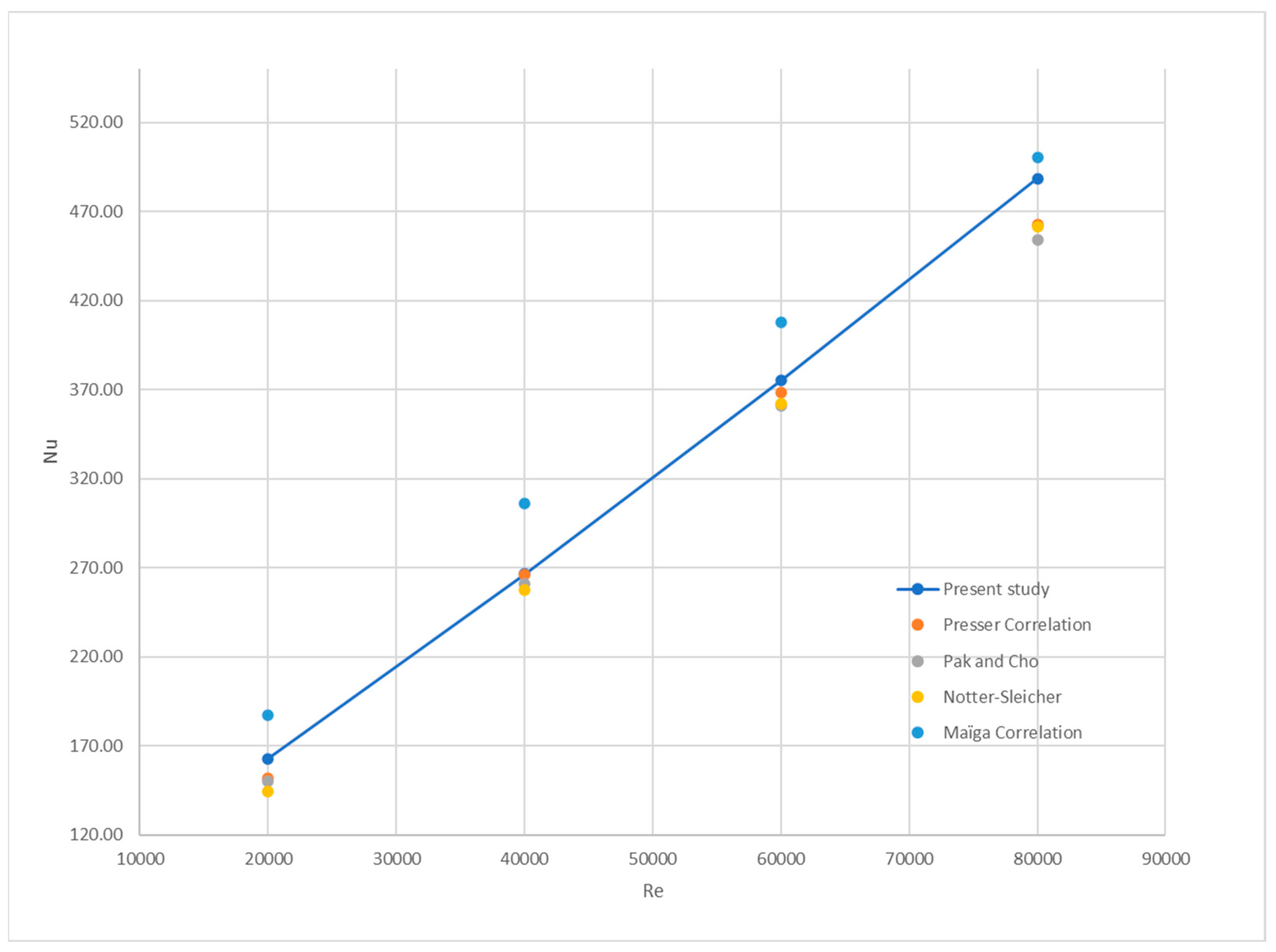
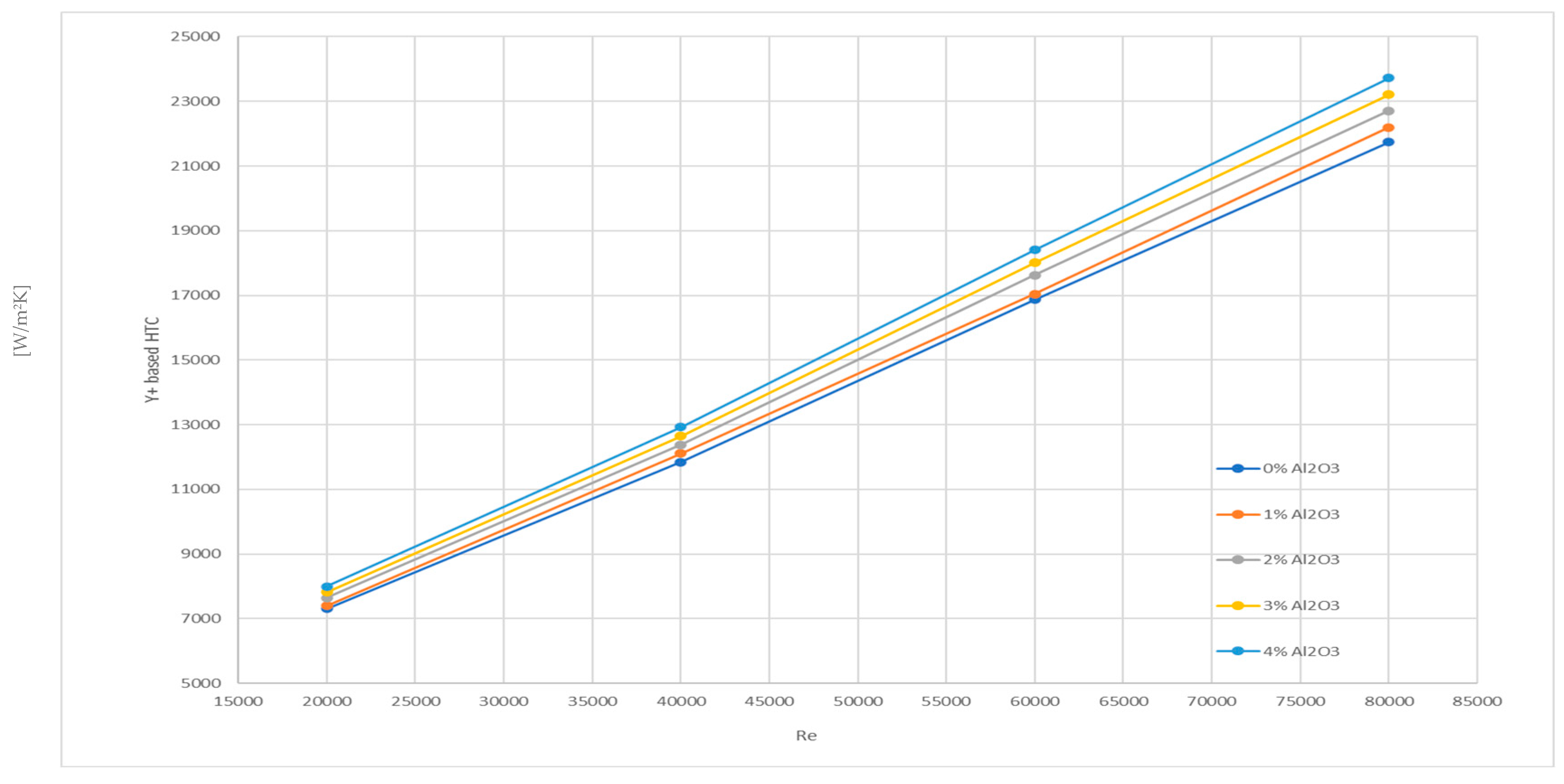
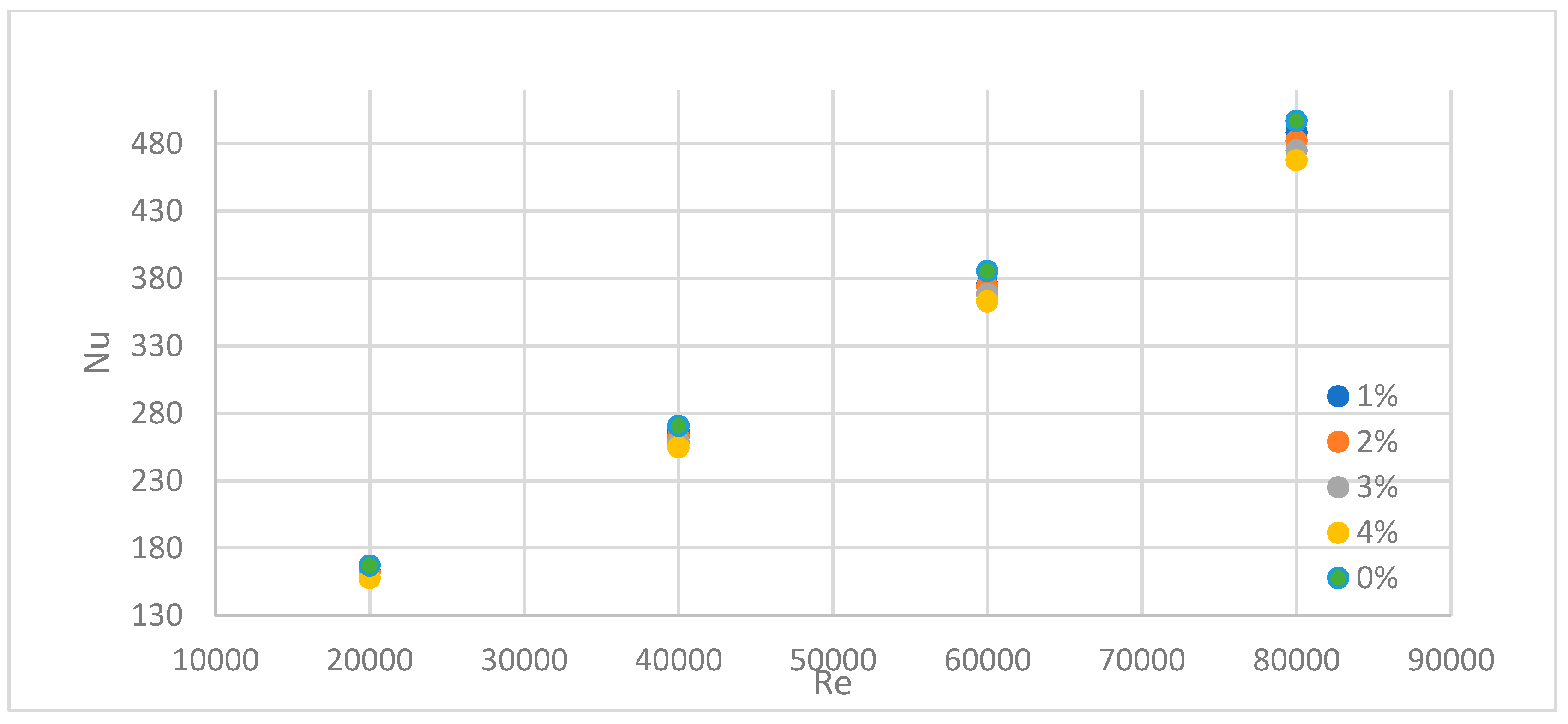
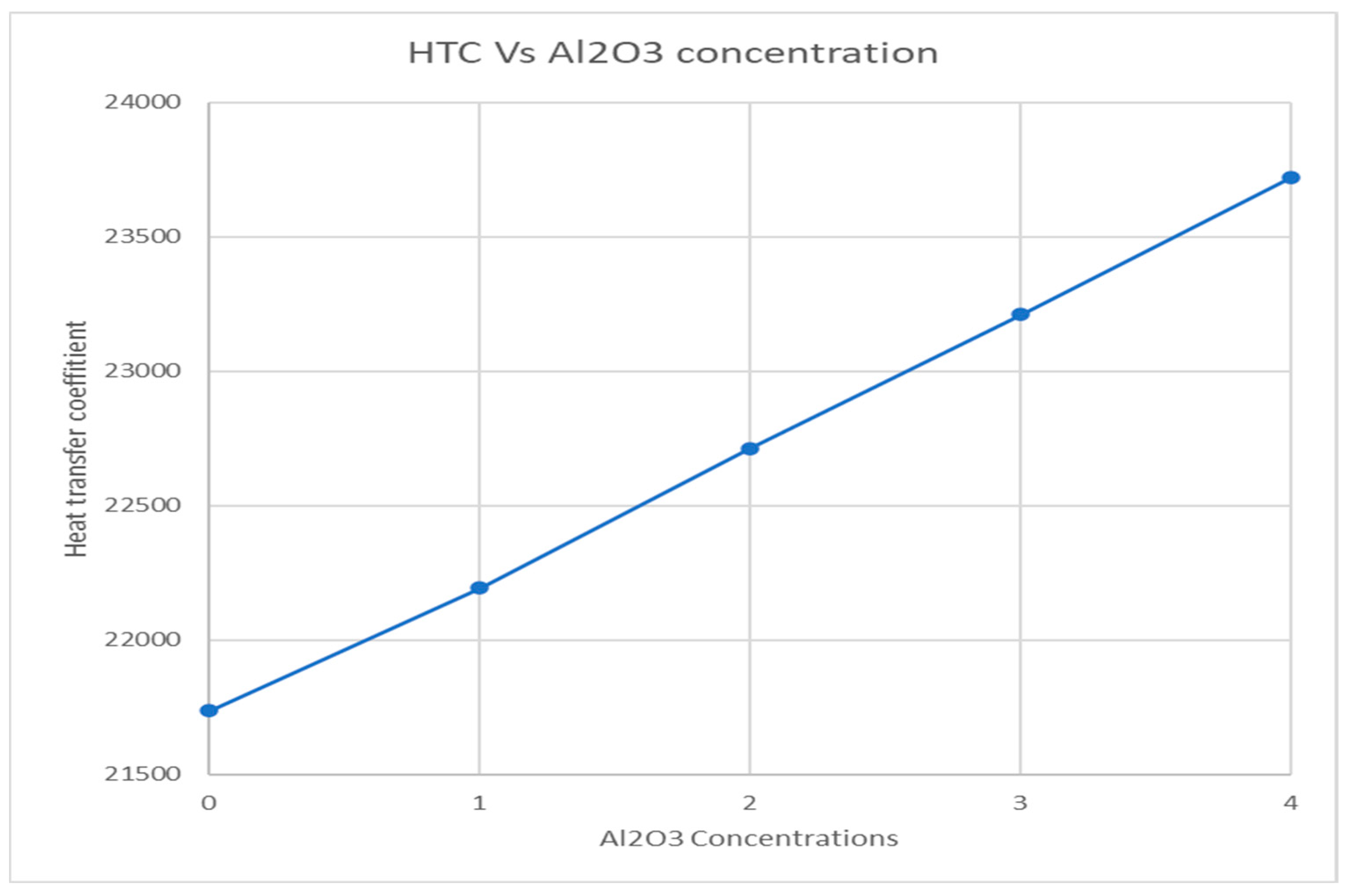
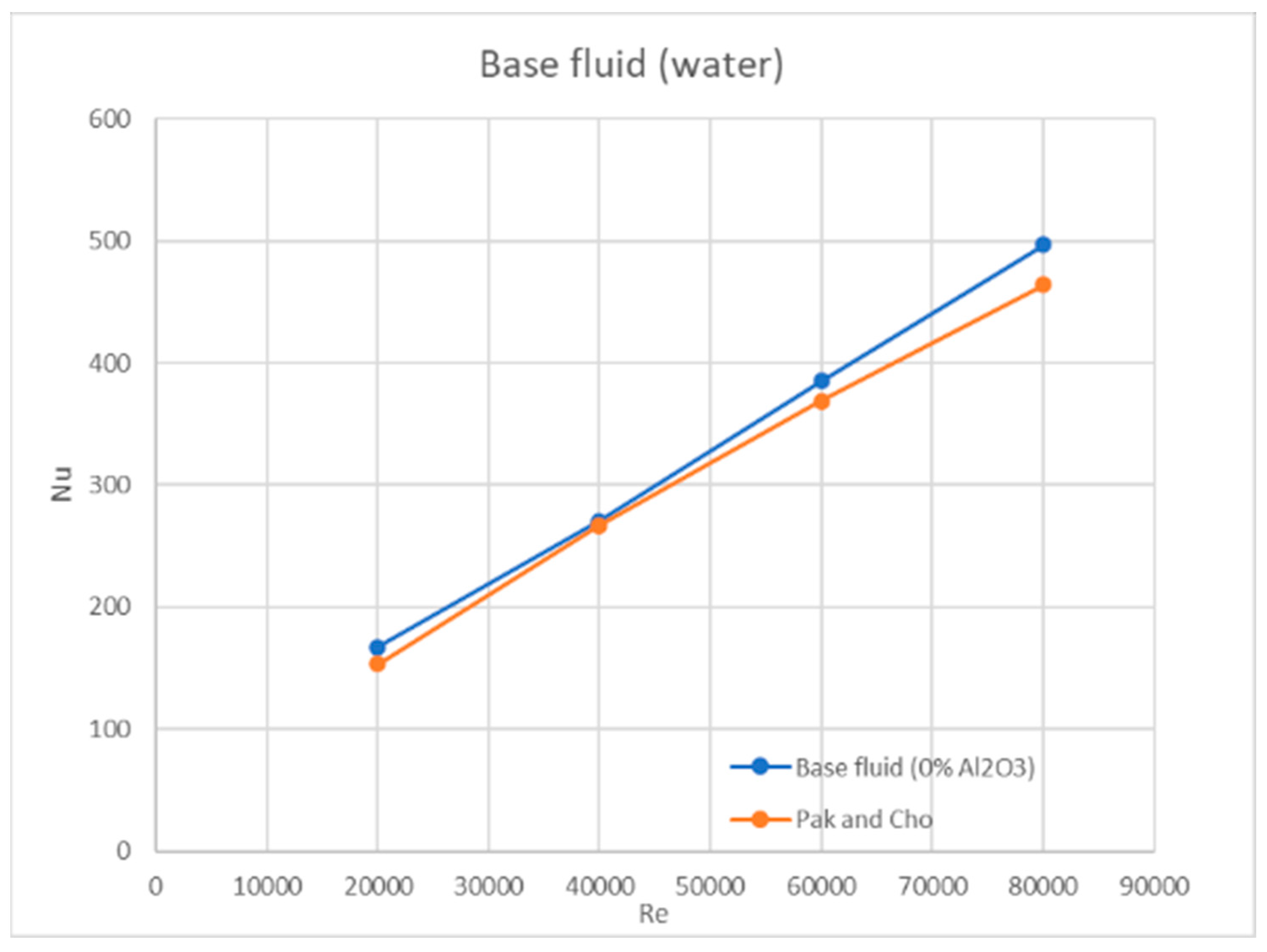
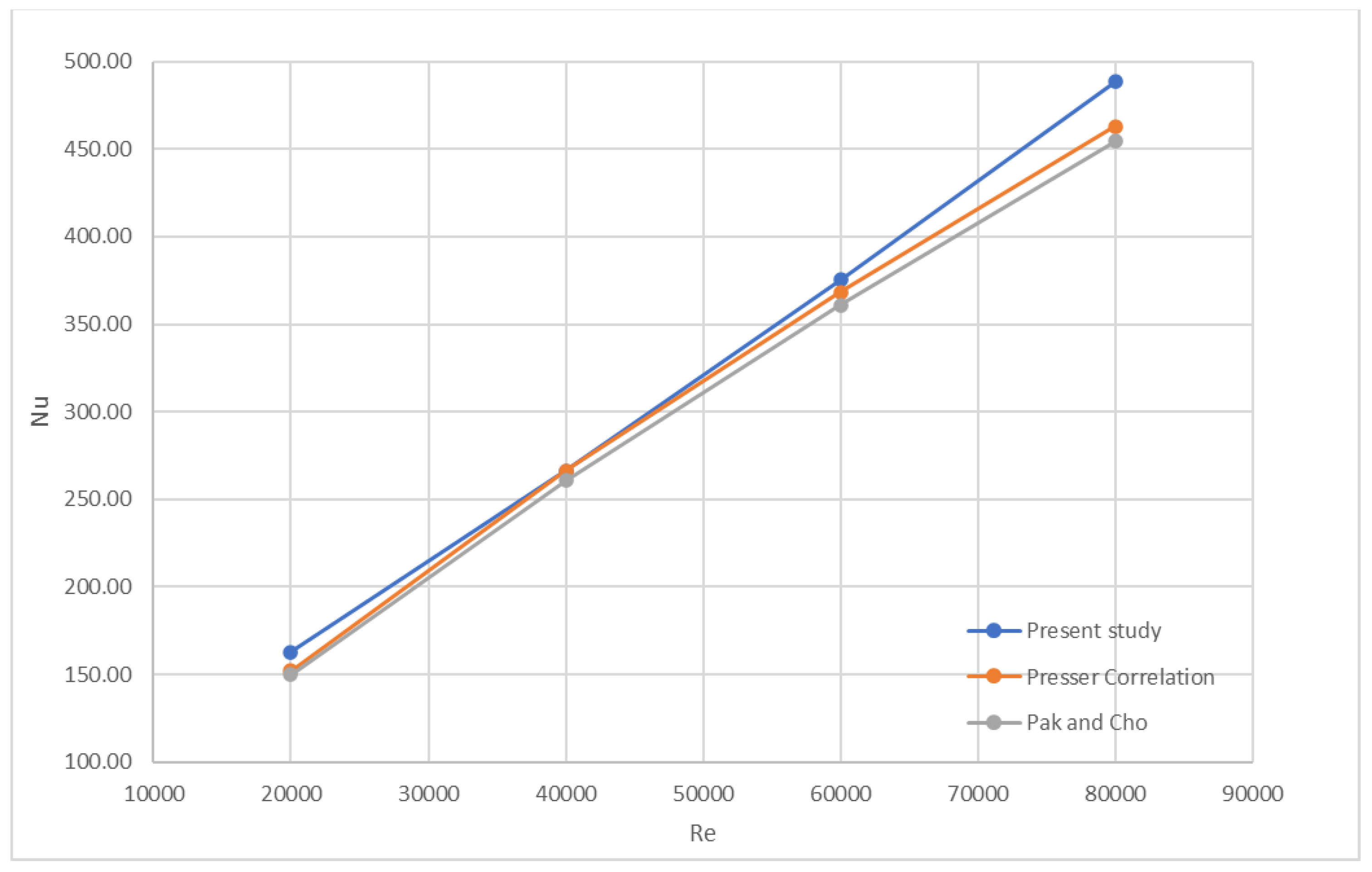
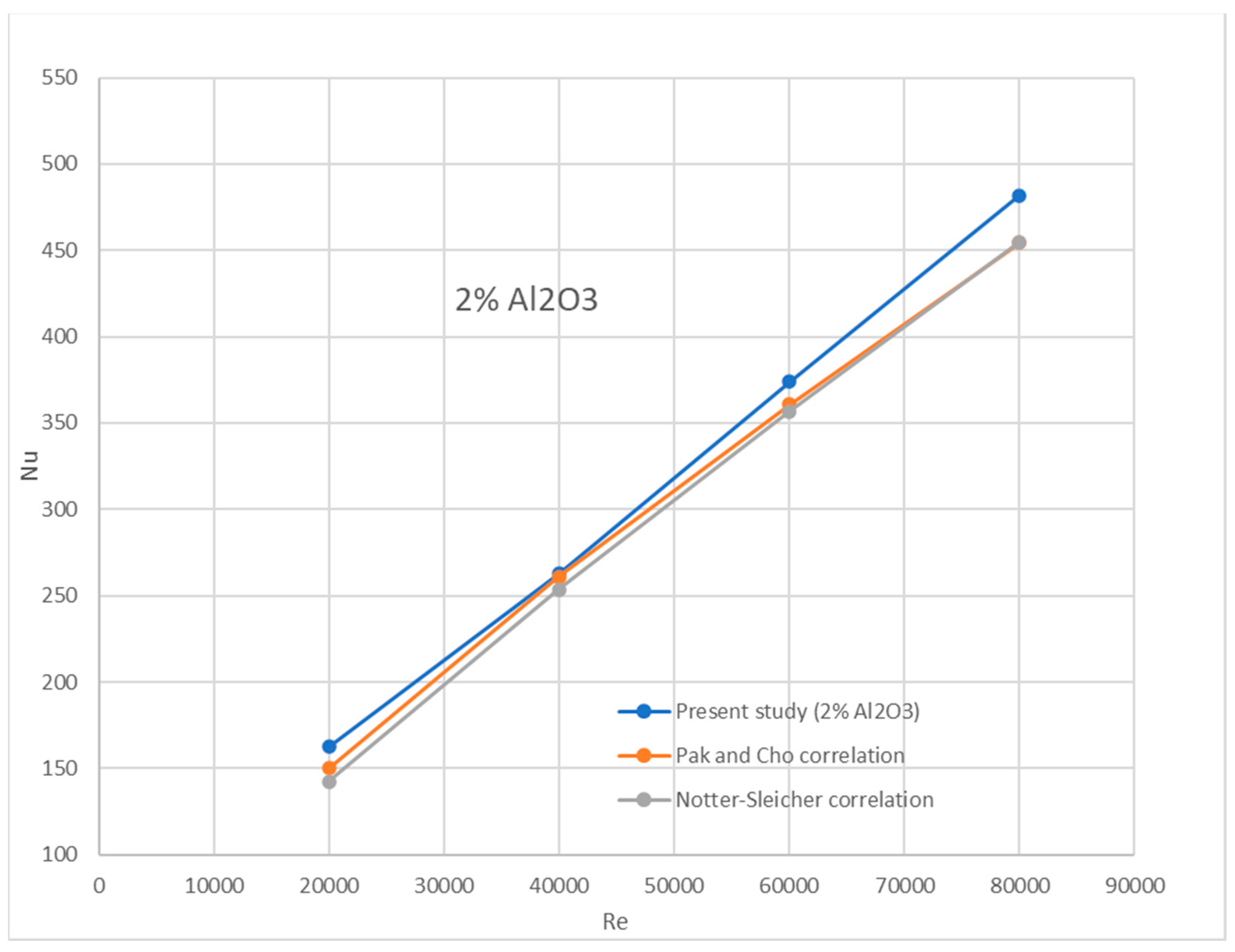
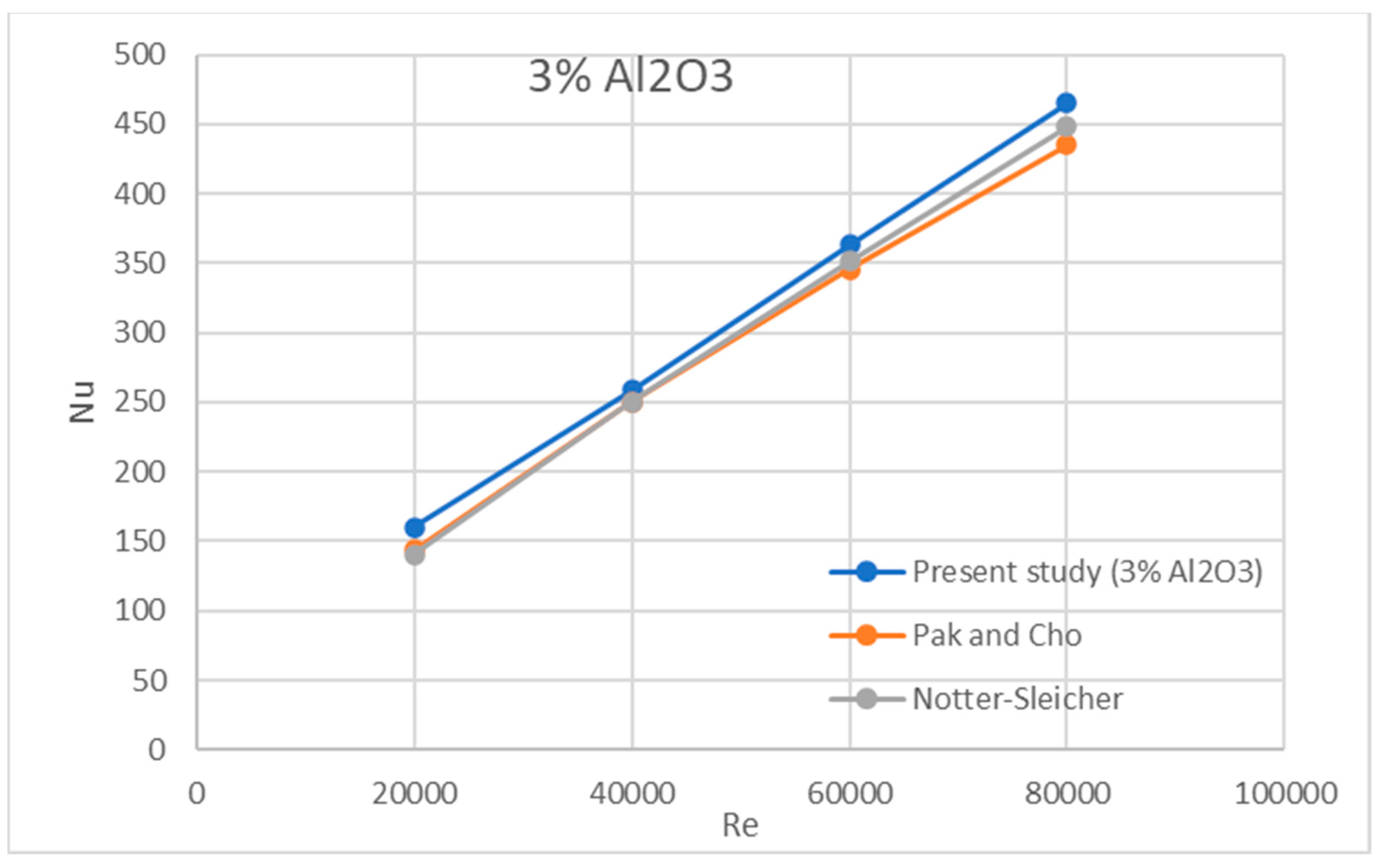
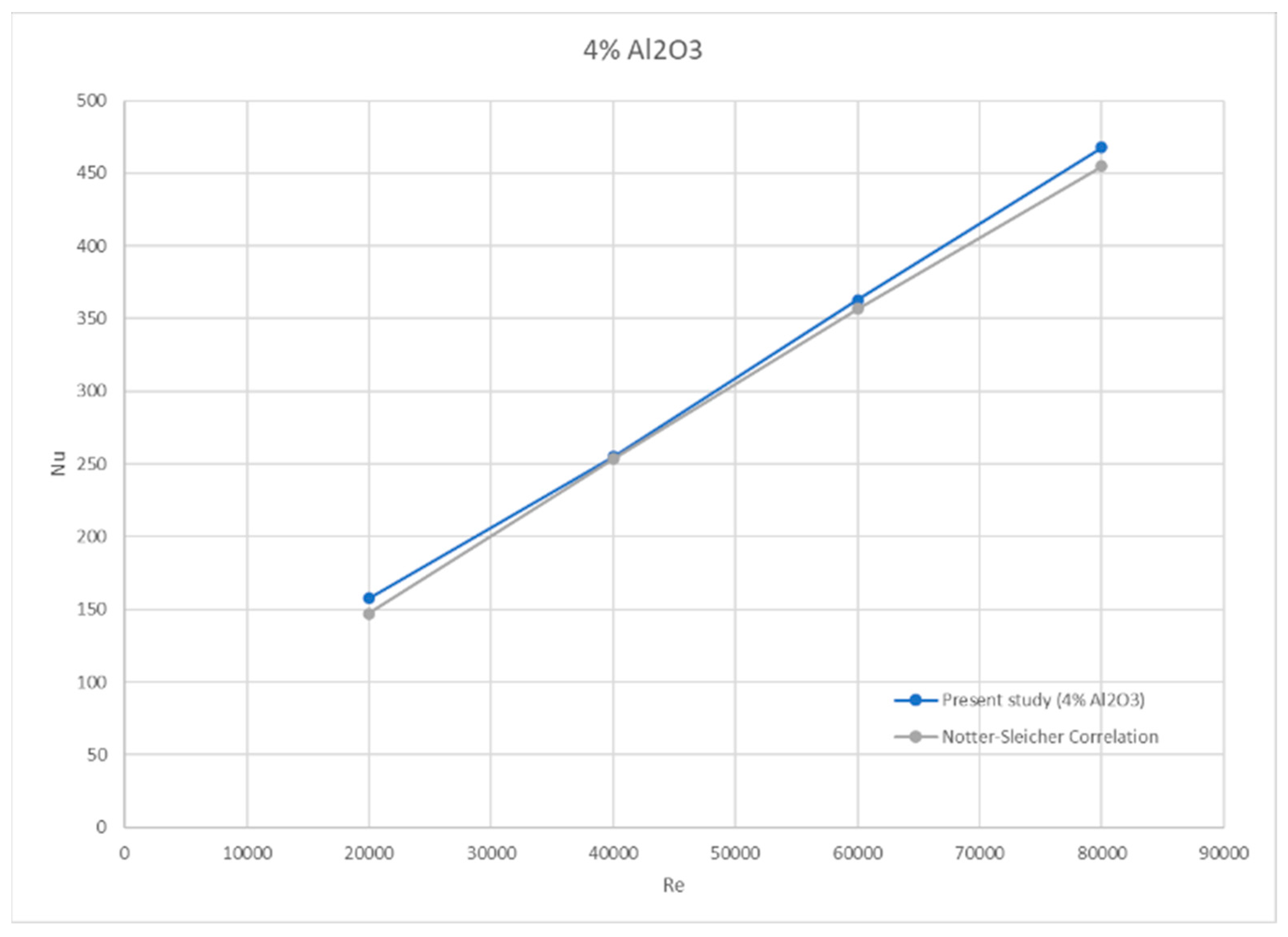
In this paper, the performance of aluminum-based nanofluids with a possible application in pressurized water reactors is numerically investigated. A 605 mm long 4-rod array square (2 × 2) subchannel geometry with a uniform heat flux of 50 kW/m2 has been used in CFD simulation. This analysis has been carried out using the RNG k-epsilon turbulence model with standard wall function in ANSYS FLUENT 2022R1. The impact of various flow conditions and nanofluid concentrations has been examined. The effects of variable velocities on nanofluid performance have been studied using different Reynolds numbers of 20,000, 40,000, 60,000, and 80,000. The analysis was conducted with Al2O3/water nanofluid concentrations of 1%, 2%, 3%, and 4%. A comparison of the Nusselt number based on five different correlations was conducted, and deviations from each correlation were then presented. The homogeneous single-phase mixer approach has been adopted to model nanofluid characteristics. The result shows a gradual enhancement in the heat transfer coefficient with increasing volume concentrations and Reynolds numbers. A maximum heat transfer coefficient has been calculated for nanofluid at maximum volume concentrations (ϕ = 4%) and highest velocities (Re = 80,000). Compared to the base fluid, heat transfer was enhanced by a factor of 1.09 using 4% Al2O3. The Nusselt number was calculated with a minimal error of 3.62% when compared to the Presser correlation and the maximum deviation has been found from the Dittus–Boelter correlation (13.77%). Overall, the findings suggest that aluminum-based nanofluids could offer enhanced heat transfer capabilities in pressurized water reactors.
Keywords: nanofluid; base fluid; ANSYS; numerical analysis; heat transfer; Al2O3; Reynolds number; Nusselt number; pressurized water reactor; heat transfer coefficient nanofluid; base fluid; ANSYS; numerical analysis; heat transfer; Al2O3; Reynolds number; Nusselt number; pressurized water reactor; heat transfer coefficient