


Abstract
The future of opencast mining and energy production based on conventional resources is one of the most important issues being discussed in international forums. The whole discussion is becoming increasingly heated and takes on a special significance with the drastic increase in energy commodity prices that has occurred with the outbreak of war in Ukraine. Especially in a country like Poland, these issues are accompanied by heated discussions between miners, the government and citizens. It should be emphasised that Polish lignite mining currently produces about 35% of the cheapest electricity in Poland and also creates many jobs. The aim of this study is to assess the possibility of continuing opencast mining and its impact on rural development—both from an environmental and socio-economic point of view. The study was conducted for two municipalities in Poland where opencast lignite mining plays an important role, namely Kleszczów and Kleczew. As a result, it was found that in the case of the studied municipalities, the presence of opencast mining has contributed to their development, and the application of modern environmental protection technologies and recultivation have reduced the difficulties associated with mining. On the other hand, the decision to start mining should be the result of a comparison between the potential environmental and social benefits and damages. In some cases, mining is beneficial for community development and leads to new opportunities for agriculture and tourism after reclamation. The study is a combination of different methods, i.e., case studies, GIS remote sensing analysis (based on Landsat data) and econometric analysis for selected socio-economic data.
1. Introduction
The ongoing transformation of the energy sector in Poland [1] and worldwide has a significant impact on the economic development of individual countries and leads to a number of social problems [2,3]. As is well known, the use of renewable energy sources and low-carbon technologies to produce clean energy has become a common aspiration [2,3]. The starting point for such energy policies is the assumption that it is possible to profoundly reduce greenhouse gas emissions while maintaining economic growth and even increasing economic activity and prosperity [1,4]. However, it is often overlooked that traditional energy sectors such as lignite mining have created a large number of jobs and that the cessation of fossil fuel extraction will have a negative impact on employment and thus on the overall economy of mining regions [1,5]. The analysis conducted by Wójcik-Jurkiewicz et al. [1] clearly shows that about half of all Polish mining employees who left the mining sector did not find employment in other industries and remained unemployed. As one of the important reasons for this state of affairs, Wójcik-Jurkiewicz et al. [1] cite the educational level of miners, which is significantly below the average of the labour market. This problem mainly affects regions where hard coal and lignite are mined. Many lignite mines are under increasing pressure due to initiatives to reduce CO2 emissions [6], the rapidly growing renewable energy capacity and the promotion of other alternative technologies [7]. According to a 2018 EU study, Poland is the only country in the EU where coal and lignite mining accounts for more than 50% of total electricity generation [8,9]. However, although Poland’s lignite reserves are huge (over 23.5 billion tonnes) and the mining sector itself has significant potential, the future of Polish lignite mining does not look optimistic from a socio-economic perspective. This situation is of course related to the European Union’s climate and energy policies, as well as social and environmental problems [9].
The future of the mining industry in Poland is the subject of constant negotiations between the government and the miners, who represent an important professional group in the country. Over the years, there have been various ideas from those in power to regulate this particular industry. One of the most recent such initiatives was the drafting of the so-called Coal SpecLaw in April 2019, which sought to introduce certain facilitations in obtaining concessions for the mining of lignite from deposits important to the national economy, i.e., those with an average thickness of more than seven metres [10]. After numerous protests by environmentalists and the media [11], and in connection with the end of the legislative period of the Polish Parliament, the project was withdrawn in the phase of legislative preparations.
It is also worth noting that in September 2020, the Polish government signed a memorandum on the transformation of the mining industry [12]. According to this document, underground coal mining in Poland will only be allowed until 2049. This means that after this date, the mining of this most important energy resource for Poland will be completely stopped. One of the effects of such a declaration could be a renewed renaissance of lignite mining, which will gain importance as a strategic raw material for achieving energy self-sufficiency. In this context, it should be clearly emphasised that no other alternatives are currently in sight. Finally, the prospects for the construction of a nuclear power plant in Poland remain uncertain [13], and natural gas supplies from the USA and Russia are not a source that offers sufficient reliability and continuity to maintain the stability of the Polish energy system. This has probably never been more evident than after 24 February 2022—with the outbreak of war in Ukraine, which led to the Polish government imposing a full embargo on Russian coal imports as early as mid-April 2022.
The geopolitical situation in the world and the need to reduce CO2 emissions [14] require a more conscious approach to the exploration of energy resources [15] and the search for more environmentally friendly methods of mining and processing lignite. The aim of this study is to assess the possibility of continuing lignite opencast mining and its impact on rural development—both from an environmental and socio-economic point of view. More specifically, one of the research tasks is to analyse the balance of gains and losses in order to better understand whether opencast mining tends to have positive (e.g., social and economic) or negative (e.g., environmental) impacts in rural areas.
The article is structured as follows. In Section 2 we go into the methods and materials we use in this article. Section 3 reviews the literature related to the topic of the study. In Section 4 we describe the characteristics of the spatial areas (two different municipalities) that are the subject of the analysis carried out in this article. Section 5 is devoted to desk analysis (The Desk or Desk Research analysis consists of the research, evaluation and possible re-processing of information already collected from official sources.) and panel data analysis of two selected Polish municipalities where lignite is mined. In Section 6, we provide a discussion, and Section 7 presents conclusions from the conducted research.
2. Materials and Methods
As already mentioned in the introduction, one of the research tasks in this article is to take a closer look at the profit and loss balance of selected lignite mining municipalities. In this way, it will be possible to better understand whether lignite opencast mining in rural areas brings positive or negative impacts. The article assesses both socio-economic and environmental factors. Among the relevant indicators to be considered in assessing the effectiveness of continued lignite mining, the following should be considered: (1) social indicators (and costs)—the number of people displaced by resource extraction, the number of villages closed, the number of inhabitants in the municipality and their changes (out-migration, population growth); (2) economic indicators—municipal budget revenues, municipal investment expenditure, number of investments made in the municipality, degree to which the municipality is equipped with technical infrastructure, number of jobs in the municipality; (3) environmental indicators—degree of air pollution by particulate matter, sulphur oxides and nitrogen oxides related to lignite mining, extent of depression cone, degree of pollution of the soil surface; (4) spatial indicators—land use structure before, during and after mining of the raw material, the qualitative structure of the soil in the municipality.
More specifically, the study is based on the analysis of desk research (i.e., the analysis of data coming from the Central Statistical Office (CSO) and municipalities) and geographic information systems (GIS) that allow the integration and collective analysis of geospatial data from different sources, including satellite imagery (e.g., LandSat 9), GPS datasets and text attributes associated with a given space. In other words, GIS is a system that creates, manages, analyses and connects data to a map and integrates location data (in the case of this article, data about lignite opencast mines in two different municipalities in different voivodeships) with all kinds of descriptive information. As part of the GIS data types, the images we use are a powerful visual aid and serve as a source for derived information such as planimetry and classification schemes to derive information such as land use/land cover.
The study provides a detailed analysis and comparison of the overall situation in two different municipalities, i.e., Kleszczów (Łódź Voivodeship) and Kleczew (Wielkopolska Voivodeship), with special attention to the period before the start of lignite mining, after the start of mining, and the current state. More specifically, a review of the area designated for mining is carried out and the number of villages and people displaced by mining is determined. On this basis, trends in the characteristics of the two communities were examined, both in terms of continued land use for non-agricultural purposes and in terms of in-migration and out-migration of residents. Initially, population out-migration and a deterioration of the financial situation of the municipalities were expected. After a few years, there should be a gradual influx of new residents seeking work in the mines or in other businesses that are being established in the newly created settlements.
Historical satellite images and more recent orthophotos showing changes in land cover, as well as statistical data from the Central Statistical Office, were used for the analysis. The development strategies of the two municipalities and the environmental impact assessments prepared for the investments were also analysed. The next step of the study was to compile data on income and expenditure from the municipal budgets for each year of a mine operation, and then to assess and compare the gains with the losses associated with land degradation and the prevention of the use of land designated for mining and adjacent land for agricultural or forestry purposes (due to the negative impact of the subsidence cone) [16]. The final phase of the research was to develop a vision for the future of these communities, and the planned methods of reclamation and use of the mine site after closure.
3. Literature Review
Lignite is one of the cheapest energy sources for electricity generation [17,18,19,20,21]. More specifically, the cost of generating electricity from lignite is about 30% less than that of hard coal [22], so it seems sensible to manage its resources optimally. There are 17 large lignite mines in the European Union [8]. Germany (five mines) and Poland (three large mines) dominate both in terms of the number of mines and production volume. Poland ranks fifth in the world in terms of the amount of lignite resources mined [9]. The largest lignite producer in Poland is KWB Bełchatów with an annual production of about 42.1 megatonnes [23]. In terms of output, it is second only to the mines in the German region of Cologne, which produce about 60 megatonnes of lignite per year. Figure 1 shows the locations of active lignite and hard coal mines in the EU and their annual production by NUTS-2 regions. It shows that Poland and Germany have a dominant share in coal production. Apart from Germany and Poland, other lignite mining areas in the EU are located in Romania, Bulgaria, Greece, Hungary and Slovakia. It is also worth noting that in most countries, opencast lignite mining is rarely carried out in parallel with underground hard coal mining [24]. Poland is the only country in the European Union where such a combination of activities takes place [22]. In the other EU countries, one of the two types of coal usually dominates.
Figure 1.
Locations of active lignite and hard coal mines in the European Union (left), and the annual production of coal mines in NUTS-2 regions in the European Union (right) [Source: EU coal regions: opportunities and challenges ahead].
As for the NUTS-2 regions (i.e., units corresponding to e.g., Polish voivodeships or German Laender in EU terminology) where lignite is mined, annual production varies from less than 2 megatonnes in smaller mining regions up to 60 megatonnes, as can be seen in Figure 1. Again, it shows that the dominant regions are in Poland and Germany. Importantly, the start of opencast lignite mining in a given region is associated with the creation of many new jobs [22,25,26], both those directly related to lignite mining and those indirectly related, such as processing [22]. This is particularly evident in large lignite deposits with extensive extraction. For example, in the Łódź region, where KWB Bełchatów (and its opencast mines “Bełchatów” and “Szczerców”) is located, about 8900 people work in mining. If we add the employees of the subsidiaries that support the mining process and the employees of the power plant adjacent to the mine, the number of jobs increases to 12,500 [27], and with the development of further opencast mines, this number could even increase. The mine is thus the most important workplace for the people in this region. Compared to other mining regions in Europe, the Łódź region is one of the largest in the European Union [8]. As can be seen in Table 1, similar numbers of jobs are also created in the main lignite mining regions in Romania, Bulgaria and Germany. At this point, reference should be made to the study by Kasztelewicz et al. [22], who point to a number of factors why lignite is so strategically important for Poland, and especially for regions such as Łódź and Bełchatów. The advantages of this fossil fuel resource include relatively large and recognised reserves (In 2020, lignite reserves in Poland were estimated at around 5572 million tonnes, according to Statista), years of experience in the field, thanks to which Poland has very qualified technical, engineering and managerial staff, very good scientific and technical support in the form of research institutes and centres that work closely with the mining industry, excellent technical support aimed at the mining industry, and extensive cutting-edge technologies and machinery that are known worldwide.
Table 1.
The number of jobs created by coal mines and their subsidiaries.
One of the problems often cited as an argument against lignite mining is the emission of large amounts of air pollutants during combustion, which are harmful to the environment, health and microclimate [8,28,29,30,31]. It is worth mentioning that the combustion of lignite naturally contributes to the emission of harmful pollutants, i.e., inhalable particles, with diameters that are generally 10 μm and smaller (PM10), sulphur dioxide (SO2), nitrogen oxides (NOx), carbon monoxide (CO) [30], as well as various dusts and heavy metals such as cadmium, lead, mercury [31], in addition to carbon dioxide emissions. Depending on the source of origin, lignite can contain various toxic heavy metals [31], and even radioactive substances that occur as by-products of combustion in the fly ashes. This further increases the health risks [32]. Above all, it should be emphasised that lignite has the peculiarity that its combustion releases more carbon dioxide and sulphur compared to other types of coal while producing the same unit of heat (in other words, it is less energy-rich) [33]. For this reason, lignite is considered by environmentalists to be the most harmful to human health [34], although it should be noted here that scientists are working on technologies to reduce the negative effects of burning this fossil fuel [30,32]. The study by Nanaki et al. [29] suggests that in order to significantly reduce GHG emissions, the technologies used would need to be replaced with more advanced ones that could help improve emissions (i.e., NOx, SO2, and PM10 emissions) over the life cycle of lignite. However, looking at the problem more broadly, it is not the gas emissions that pose the greatest threat from a lignite life cycle perspective, but the category of respiratory impacts and associated diseases [29]. To assess the harm from a health impact perspective, it is worth citing the study by Markandya and Wilkinson [35], who compared the health burden of electricity generation from different sources, including hard coal and lignite. The study found that for lignite, the softest and most polluting form of coal, each TWh of electricity generated causes 32.6 deaths, 298 serious illnesses and 17,676 minor illnesses. For hard coal, the statistics are slightly more favourable, i.e., for every TWh of electricity generated from this resource, there are 24.5 deaths, 225 serious illnesses, including hospitalisations, congestive heart failure and chronic bronchitis, and 13,288 minor illnesses.
The map below (in Figure 2), and the following lists (Table 2 and Table 3) show and compare the most important lignite deposits in Germany and Poland. From the analysis of the data and materials presented, it appears that in the case of Germany, complete data on the number of inhabitants and localities displaced are available, which cannot be said for Poland, for which most similar data are missing (taking into account all reports at both national and EU levels). Significantly, such data is also missing from local archives, as evidenced by information from mine workers and officials [27,36].
Figure 2.
Location of exploited and prospective lignite deposits in Germany and Poland (Source: own elaboration).
Table 2.
Basic data on lignite deposits in Germany.
Table 3.
Basic data on lignite deposits in Poland.
The scale of resettlement in Germany is much larger, but it should also be taken into account that the scale of ongoing lignite mining in Germany is much larger than in Poland and that the country has also introduced a corresponding law regulating these issues of resettlement related to lignite mining. In connection with Table 2 and Table 3, it should be noted that Germany has been struggling for years with a number of difficulties related to forced resettlement in the area of opencast lignite mines. This problem was clearly regulated in the German Mining Act; however, from a social point of view, this law—years later—is perceived very negatively [37]. In this context, the situation in the GRD is the worst. Former inhabitants of mining communities were often forcibly resettled under much worse conditions than in other regions of the country. The situation was much better in North Rhine-Westphalia, for example, where residents (resettlers) were adequately compensated for the costs of relocation to other places. In Poland, on the other hand, at least several new opencast mines are planned [37], but the plans are notoriously torpedoed in connection with EU climate policy. According to Kubiczek [37], it is very difficult to get exact figures on the number of people displaced by Polish opencast mines. A rough estimate of the number due to the development of new opencast mines is around 26,800.
In many countries, there is currently a broad discussion about the future of mining and the utilisation of lignite deposits [9,22,26,32,38,39]. The deposits exploited so far and those where mining started 30–50 years ago are approaching exhaustion. An important element of our analysis is the presentation of both the negative and positive impacts of opencast lignite mining. Table 4 summarises the negative impacts over the life cycle of lignite, mainly in terms of the environment, but also in a socio-economic context. As can be seen in this table, the negative impacts are primarily focused on environmental issues [7,40,41].
Table 4.
Negative impacts in lignite life cycle.
On the other hand, besides the negative effects, opencast mining also brings a number of positive effects. As can be seen in Table 5, most of them are mainly related to the socio-economic situation of the local communities, which are in some way connected to the life cycle of lignite.
Table 5.
Positive impacts in lignite life cycle.
The reasonableness of the above arguments can be confirmed by analysing the list of the richest municipalities in Poland (Table 6, based on the data of the Central Statistical Office for 2019). Among the 2477 municipalities, the municipality of Kleszczów (which we discuss in more detail in Section 5.1) takes the first place. The largest lignite mine in Poland and one of the largest in the world, KWB Bełchatów, operates in this municipality. In turn, the municipality of Rząśnia, which ranks fifth, is home to the “Szczerców” mine. A high 113th place is occupied by the commune of Kleczew (to which we devote more space in Section 5.2), where the mines of KWB Konin are located. For comparison, it should be noted that the other highly ranked municipalities are usually important tourist destinations such as Świeradów-Zdrój, Rewa, Krynica Morska, Karpacz or municipalities with large industrial or service centres.
Table 6.
Per capita income in selected municipalities in Poland.
In addition to the background information and theoretical context, we have included Table A1 in Appendix A, which in a way summarises the main studies that deal with opencast lignite mining and its socio-economic and environmental significance (focusing on both negative and positive impacts). Our aim is to briefly characterise these works and show their contribution to the understanding of the problems analysed, thus further expanding the literature in this field.
In order to investigate and assess the actual impact of opencast mining on rural development in specific municipalities, two examples were selected for further analysis: the municipality of Kleszczów (in Łódzkie Voivodeship) and the municipality of Kleczew (in Wielkopolskie Voivodeship). Section 5 analyses the occurrence of negative and positive impacts of mining activities in these municipalities and provides an overall assessment to show whether these municipalities have gained or lost from lignite mining.
4. Spatial Area under Study
The study was conducted in two municipalities in Poland where opencast lignite mining plays an important role, namely Kleszczów (Łódzkie Voivodeship) and Kleczew (Wielkopolskie Voivodeship). Kleszczów is a rural commune in Łódź Voivodeship, Bełchatów District (see Figure 3). It covers an area of 125 km2. In 2018, it had a population of 6181 inhabitants (according to the Central Statistical Office). On its territory, there are currently 28 villages organised into 10 administrative units. The central part of the municipality of Kleszczów is occupied by the Bełchatów opencast lignite mine, one of the two opencast mines currently in operation, marked in grey (as shown in Figure 3).
Figure 3.
Location of the municipality of Kleszczów in Poland (left) and exact location of the open-cast lignite mine in the municipality of Kleszczów (right) [Source: own elaboration].
Kleczew, in turn, is an urban-rural municipality in Wielkopolskie Voivodeship (see Figure 2), in Konińskie County, with an area of 110 km2. In 2017, it had 9991 inhabitants (Central Statistical Office). On its territory, there are currently 38 villages organised into 19 administrative units.
On the territory of the municipality, there are two open pits of the “Konin” lignite mine (Figure 4), namely “Kazimierz” (field “Kazimierz North”) and “Jóźwin” (fields I, IIA and IIB). Mining of lignite in the first open pit with a total area of 1045 ha began in 1965 and was completed in 2011. The “Józwin” mine has been exploited since 1971 and its operation is expected to end in 2020.
Figure 4.
Location of the municipality of Kleczew in Poland (left) and exact location of the open-cast lignite mine in the municipality of Kleczew (right) [Source: own elaboration].
5. Results
5.1. Case Study 1—Kleszczów Municipality
The beginnings of lignite mining in the municipality of Kleszczów date back to the early 1980s. In the 1990s, extensive resettlements related to mining were carried out in this municipality [60]. It should be noted that Kleszczów was still a typically agricultural municipality in the 1970s before lignite mining began. The approximately 5.3 thousand inhabitants were mainly farmers who extensively cultivated their small, narrow plots of land. There were only six businesses in the municipality in total, employing 81 people. The remaining inhabitants who worked outside agriculture had to commute to work in the nearby towns. In the 1990s, due to the development of mining, several villages were dissolved and the population dropped by about 1500 people to 3736. However, the number of jobs in the businesses located in the municipality multiplied, so that there were 18,671 jobs at that time. This means that the municipality provided almost five times more jobs than its permanent population, which means that it focused on attracting new residents. This trend continued in the following years and the number of inhabitants began to grow again. Housing estates were built in Kleszczów for the employees of the mines and power plants, but also for new commercial and service enterprises. Although the number of administrative units (consisting of an average of two villages) decreased from 17 (in the 1970s) to 10, they developed more intensively, so that already in 2015 the number of inhabitants in the municipality exceeded that before the establishment of the mine and this number continues to increase (see Figure 5).
Figure 5.
Budget revenue, investment expenditure (in millions of PLN), and population of the Kleszczów municipality in 1995–2018 (Source: own elaboration based on data from the Central Statistical Office and the Municipality).
An important element of our study is a GIS-based analysis, which makes it possible to compare relevant satellite images from two different time periods and draw appropriate conclusions. Thanks to such a method, it is possible to estimate the changes in land cover in a larger lignite mining area. For example, Figure 6 shows the Bełchatów opencast mining area in 1984 and in 2018, showing the location of scattered villages throughout the opencast mining area almost 40 years ago (when mining activity was still in its infancy) and in the relatively recent past (four years ago). From the images shown, it can be seen that the opencast mining activities led to the resettlement of five villages, namely Kuców, Stawek, Aleksandrów, Faustynów and Folwark, which means the resettlement of about 500 inhabitants. This process took place in the 1980s and early 1990s. Due to changes in the land use structure in the municipality and a deterioration in the conditions for agriculture, another 1000 inhabitants left the municipality during the same period. It is worth noting that this type of research method, based on the analysis of GIS, has been used before, e.g., in the study by Pavloudakis et al. [7], who compared satellite images for the lignite mining centre of Ptolemaida-Amyntaio in Greece.
Figure 6.
Bełchatów open pit area in 1984 (left), and in 2018 (right) (source: own elaboration).
Table 7 shows the land use structure in the municipality of Kleszczów. Comparing the current land use structure with that before mining, a clear change can be seen. The share of mining land in the total area of the municipality is now about 15%. On the other hand, the share of arable land has decreased from about 50% to 30%, which has enabled the expansion of the mine site and the development of residential and commercial areas, especially in the town of Kleszczów, which has become a modern local centre.
Table 7.
Land use structure in the municipality of Kleszczów.
Significant changes in land use are also evident from the analysis of the corresponding orthophotos. Figure 7, created using software based on GIS, shows the change in land use between 1980 and 2020 in the municipality of Kleszczów. It shows a decrease in arable and forest land in the studied area. The southern part of the municipality is dominated by residential areas and industry, while in the central part the land is used for lignite mining. However, it should be kept in mind that the mining area will be reclaimed after the end of mining and converted into a forest or a water body with a recreational function.
Figure 7.
Change in land use in the period 1980–2020 in the territory of the commune of Kleszczów. Note: The white line marks the exact location of the open-cast lignite mine in the municipality of Kleszczów. (Source: own elaboration).
From an agricultural point of view, the vast majority of soils in the municipality of Kleszczów are classified as IVa–VI, which means that they are not attractive, or more precisely, do not represent any value in the context of agricultural production. Table 8 shows the percentage share of the different soil quality classes in the total area of arable land in the municipality of Kleszczów. It shows that soils of classes IVa–VI account for over 90% of all soils in this municipality. The same applies to the overburden removed from the mines. Therefore, the allocation of part of the land for mining is not a great loss for the region, but on the contrary, can stimulate growth and allow diversification of land use towards urban use with residential and commercial areas.
Table 8.
Percentage share of the different soil quality classes in the total area of arable land in the municipality of Kleszczów.
In order to obtain a complete picture of the environmental impact of opencast lignite mining, it is also important to emphasise the importance of mitigation measures, which in the case of Kleszczów are implemented in the following form [59]:
- Reduction of pollutants produced by coal combustion, in particular (1) dust reduction through the use of electrostatic precipitators (with a dust collection efficiency of 99.6%); (2) sulphur dioxide (SO2) through the use of the flue gas desulphurisation method based on wet lime and gypsum (with an efficiency of 95%) and the production of gypsum as a by-product that can be used in the construction industry; (3) carbon dioxide (CO2)—the power plant in Bełchatów has the lowest CO2 emission rate per unit of electricity generated in Poland; (4) nitrogen oxides (SOx), through the use of boilers with highly efficient denitrification equipment and the application of the SNCR method; (5) mercury, through the use of innovative mercury removal and disposal methods developed in cooperation with scientific centres,
- Mitigation of the effects of excessive soil drying in terms of the cone of depression [16,46,61], the extent of which is shown in Figure 8,
- Restriction on further use of land for non-agricultural and non-forest purposes, i.e., minimisation of further use of land for lignite mining activities,
- Adequate management of water resources (both drainage and irrigation)—construction of a network of canals and pumps to allow drainage of the mining area while irrigating surrounding areas affected by excessive drought, construction of sedimentation basins for treatment of water used during mining operations,
- Reclamation and improvement of the use value of soils, in particular the storage of humus material, the fertilisation of dumps, the neutralisation of acids or the remediation of alkaline and saline soils, the isolation of contaminated soil formations,
- Preservation of the landfill site through appropriate storage of potentially hazardous wastes within the landfill area, terracing of slopes, provision of biological cover,
- The rehabilitation of mining areas after their closure through appropriate technical and biological rehabilitation measures at the mines and external tailings piles aimed at making them safely usable again and restoring the lost beneficial and natural values, including the creation of water reservoirs in the post-mining landscapes, fertilisation and planting of the tailings piles and their use for recreational purposes.
Figure 8.
Extent of the subsidence cone of the KWB Bełchatów mine (source: own elaboration based on data from the assessment of runoff changes in the Widawka river basin).
In summary, while the negative impacts of opencast lignite mining on the environment and the local landscape should not be underestimated, it must also be taken into account that it is possible to significantly reduce the harmful impacts of mining activities, especially if appropriate steps and measures are taken to prevent damage and an adequate rehabilitation plan is prepared and implemented.
In turn, the analysis of socio-economic indicators shows that immediately after the start of lignite mining activities, there was an initial decline in the population and destabilisation of the local labour market. It is worth noting that the number of inhabitants had initially decreased since the beginning of mining (in 1977 there were 5300 inhabitants, in 1990—3736 and in 1995—as shown in Figure 5—only 3429). Shortly afterwards, in the 1990s, the number of inhabitants steadily increased. The municipal budget revenue also increased considerably (as shown in Figure 5). The taxes and levies paid by the mine and the power plant, as well as the newly created industrial and service centres, have contributed to a dynamic increase in revenues in the municipal budget (almost PLN 280 million in 2017). When analysing this development, it should be noted that as budget revenues increased, the municipality was also able to increase its investment expenditure (as shown in Figure 5). The funds spent have helped finance, for example, the provision of services, education, health, culture and technical infrastructure in the region.
Between 2005 and 2018, the investment expenditure of the Kleszczów municipality was over PLN 50 million per year, reaching a peak of over PLN 190 million in 2009. These funds were used for the expansion of the road network, free medical and dental clinics, educational facilities (including three kindergartens, two primary schools, a secondary school, a junior high school, a high-tech grammar school), a cultural centre (Gminny Ośrodek Kultury, Sportu i Rekreacji), a sports club (LKS KNAUF Kleszczów), the educational and sports centre “SOLPARK”, local industrial estates, the Kleszczów Business Incubator and its own electricity, gas and telecommunications networks. A series of outstanding investments and innovations realised by the municipality of Kleszczów earned it numerous prizes and awards, including the title of the best municipality in Poland, first place in the ranking of municipal investments and the title of the innovative municipality [62]. As a result, the municipality has become the region’s main industrial centre, but also a beacon of innovation and a model for rural community development. Unlike many other rural municipalities, the population of Kleszczów grows year after year, thanks to newcomers attracted by the employment opportunities and the rich educational and cultural offers.
It is also worth noting that the municipality of Kleszczów has developed extensive plans for the reclamation of the mine site, to transform it into a forest, a reservoir and a recreational area (due to the low productivity of the local soils). The objectives of these plans are (1) to improve the environment, and (2) to create an alternative source of income after the mine closes, e.g., through tourism [63,64,65]. A significant part of the mine is to be converted into a water reservoir for recreational purposes with appropriate infrastructure. The remaining part of the mine and the external spoil heaps are to be rehabilitated through afforestation, which has already been done to some extent. It is assumed that agriculture currently has only a supplementary function in the municipality (Figure 9). However, thanks to the measures described above, the municipality can become not only environmentally friendly but also attractive to tourists.
Figure 9.
Planned land uses after the recultivation of the KWB Bełchatów mine in the municipality of Kleszczów (source: materials from the Kleszczów Municipal Office).
To further substantiate our findings and show the actual impact of lignite mining on vegetation, we use the widely used Normalised Difference Vegetation Index (NDVI) and data from two different time points (years 1985 and 2021) from LandSat 9 to illustrate a change in land cover over time. The NDVI is a simple indicator based on remote sensing measurements that can be used to assess whether or not the observed target contains living green vegetation. Figure 10 shows the same relevant fragment of the Kleszczów municipal area known as the Góra Kamieńska, which is located on the right side of the main open-cast lignite mine (and represents part of the forested inner dump of the Bełchatów field). Góra Kamieńska is an artificial hill, 405.6 metres above sea level, created as an outer dump of the Bełchatów opencast lignite mine. It is evident that the NDVI in the rehabilitated area of the former landfill reaches high positive values, indicating that the area has been afforested and the indicators have improved. More specifically, the extent of the quarry itself has increased and here the NDVI reaches negative values, but given the reclamation and future development, it is expected that the NDVI in this area will increase significantly.
Figure 10.
Comparison of NDVI in 1985 and 2021 for the same area of the municipality of Kleszczów (appx. 670 km2). (source: own elaboration based on LandSat data).
The following is a summary of the evidence of the positive impact of lignite mining on the functioning and development of the municipality of Kleszczów:
- Approximately 18,000 skilled workers employed by companies in the municipality;
- Large deposits of natural resources associated with lignite mining (clays, sands, aggregates, lake chalk);
- Significant quantities of synthetic gypsum, which is in demand by building material manufacturers;
- Large opportunities for potential investors to purchase electricity through the municipal grid;
- Significant impact of the mine and power plant on the technological, financial and social development of the district and the region as a whole;
- Creation of potential for further development of industry and services through the creation of prepared investment areas (Kleszczów Industrial Zones);
- Possibility of granting tax exemptions for new investors;
- Above-average healthcare system (e.g., visiting specialists, four free dental surgeries);
- Very well-developed educational, cultural and sports facilities. The educational and sports complex “SOLPARK” is fully financed from the municipal budget;
- Provision of kindergarten places for all children of pre-school age;
- Free meals for all pupils in the municipal schools;
- Water supply available in the whole area (i.e., 100%) of the municipality;
- All municipality inhabitants (i.e., 100%) have full access to all basic utilities such as gas, electricity, water and sewer network and ICT network;
- Own gas network throughout the municipality—construction of a reduction station and a gas pipeline supplying gas from over 30 km away;
- Wastewater collection and treatment—90% of the municipality area (wastewater network supplemented by individual waste water treatment plants);
- Municipal energy system operated by a local operator (supplies energy to a large part of the municipal area and industrial areas);
- Municipal ICT network operated by a local operator (provides connectivity and internet access to all interested users);
- Developed network of municipal and district roads with pavements and cycle paths;
- Municipal Industrial Zones—the first zone in Poland with such a status.
Finally, it is also worth highlighting some important facts about the protective measures for the environment, especially those concerning the mitigation of the harmful effects of emissions from the combustion of lignite at the Bełchatów power plant:
- (a)
- Each of the boilers at the Bełchatów power plant is equipped with electrostatic precipitators that capture the dust generated during lignite combustion. The dust collection efficiency is 99.6%. Dust emissions were reduced by 97%—from 35,000 t of dust in 1989 to 0.9 t in 2017.
- (b)
- A wet lime-gypsum method of flue gas desulphurisation with an efficiency of 95% was selected and used, with gypsum as a by-product. To increase the efficiency of the flue gas desulphurisation process, additional flue gas desulphurisation (FGD) units are currently being upgraded to achieve SO2 emission levels below 130 mg/Nm3. The Belchatow power plant has reduced sulphur dioxide emissions by 90%, from 400,000 t in 1989 to 39,000 t in 2017.
- (c)
- In 1992, primary methods to reduce NOx emissions were introduced at Bełchatow Power Plant by optimising the combustion process to reduce emissions of nitrogen compounds. In order to reduce NOx emissions even more (to levels below 175 mg/Nm3), the boilers are currently being successively equipped with highly efficient denitrification systems using the Selective Non-Catalytic Reduction (SNCR) method, which reduces emissions by dosing urea. As a result of the measures taken so far, NOx emissions at Elektrownia Bełchatów have been reduced by 48%—from 55,000 t of NOx in 1989 to 29,000 t in 2017.
5.2. Case Study 2—Kleczew Municipality
As far as the municipality of Kleczew is concerned, the socio-economic indicators show similar trends to those of the municipality of Kleszczów, i.e., increasing municipal budget revenues and an accompanying increase in investment expenditure (see Figure 11).
Figure 11.
Budget revenue, investment expenditure (in millions of PLN), and population of the Kleczew municipality in 1995–2018 (Source: own elaboration based on data from the Central Statistical Office).
The increase in public spending is best illustrated by data from 2010 when the Kazimierz open-cast mine ceased its operations. Between 2000 and 2018, the municipality’s investment expenditure fluctuated between PLN 10–15 million per year. In 2010, it peaked at over PLN 24.5 million (Figure 11). The lower production of the mine compared to Bełchatów and the resulting lower revenues for the budget did not allow for such far-reaching investments as in the municipality of Kleszczów, but this does not mean that they were completely abandoned. The municipality of Kleszczów was able to realise investments such as a well-developed road network, a bypass road, a water supply and sewage system serving most of the municipality, medical clinics, two kindergartens and five primary schools. One of the largest investments was the construction of a sports and recreation park in Kleczew, which was built on post-mining land as part of the initiative “Revitalisation of post-mining landscapes around a lake in the municipality of Kleczew”. In the coming years, the construction of cultural facilities, a nursing home for the elderly and a Tyrolean crossroads are planned. The municipality wants to become the centre of the region and attract tourists and investors. However, due to the end of lignite mining and the planned closure of the second open-cast mine, no significant increase in the number of inhabitants is currently expected, so the population will likely remain at around 10,000.
It is also worth taking a look at the comparison between the two investigated municipalities in terms of their soil structure. The municipality of Kleczew, unlike the municipality of Kleszczów, has a much more favourable soil structure and greater potential for land reuse. For this reason, much of the area has retained its agricultural character, as can be seen in Table 9. The soil structure in the commune of Kleszczów is dominated by soils of medium and poor quality: Luvisols, Cambisols (brown soils), leached Eutric Cambisols and Umbric Gleysols. Currently, wheat complexes account for 2% and rye complexes for 95% of the soils suitable for agricultural production.
Table 9.
Land use structure in the municipality of Kleczew.
Furthermore, after analysing the environmental monitoring data and the data from GIS, it can be concluded that there is no evidence of catastrophic impacts on the studied areas, especially those that would result from the activities of the existing open pits. The mine site is adjacent to farmland whose vegetation condition indicates high yields (Figure 12 and Figure 13).
Figure 12.
The Kazimierz and Jóźwin open pits in 2015 (source: Google Earth).
Figure 13.
Arable land in the immediate vicinity of the Jóźwin open-cast mine (source: KWB Konin materials).
Thanks to the remedial measures initiated by the municipality of Kleczew, the negative impact of mining on the environment has been reduced, also with regard to the further activities related to the life cycle of lignite. It should be noted that in 2015 the municipality of Kleczew adopted an action plan to reduce carbon emissions. The opencast mine also meets all the required environmental standards for lignite mining. Mine water is treated in underground sedimentation basins by sedimentation of suspended mineral matter. Dust deposition is measured regularly at selected points throughout the year. Noise pollution is also measured every two years at specific measuring points to ensure that permissible limits are not exceeded.
What adds to Kleczew’s strategic importance and gives it a significant competitive advantage is its convenient location in relative proximity to Konin (20 km away), a city of 80,000 inhabitants that serves as the centre of local services for Kleczew residents and is the central city of the region. Due to its proximity to this town, the Kleczew mine has proven its potential as a weekend destination for Konin residents after its partial rehabilitation. Therefore, the planning of further reclamation works and new functions for the Kleczew post-mining area focused on tourism and recreation (Figure 14). Ultimately, the following combination of land uses is planned for this area [66,67]:
Figure 14.
Post-mining land uses after the reclamation of “Kazimierz” (left) and “Jóźwin” (right) open pits [17].
- Agricultural use—both opencast lignite mines can be recultivated for growing wheat, beet, rape, sunflower or maize, which can be grown on shallow upland soils; after appropriate soil rehabilitation, agricultural production can even be more effective than on the original sandy soils of the Konin region.
- Forest use—many hectares of forest have been planted on the dumps of the closed and active opencast mines, where various animal species find excellent living conditions; further dumps are to be afforested.
- Water use—the water reservoirs in the post-mining landscape are mainly used for recreation, but also have a retention function. They are well integrated into the landscape of the region and have significantly increased tourism potential, as in the case of the quarry pond created on the former Kazimierz Północ field.
- Recreational use—the post-mining landscape of Jóźwin IIA has already been transformed into a recreational centre by decision of the municipality of Kleczew. The recreation and sports park created in 2013 is a central point overlooking the mining lake and is surrounded by numerous recreational facilities. Other planned changes will be introduced gradually.
5.3. Socio-Economic Analysis of the Data
Section 5.1 and Section 5.2 provide relevant socio-economic data that shed light on the development of the studied lignite mining municipalities. Although the visual assessment of the data based on Figure 5 and Figure 11 suggests that both the increased budget revenues of these municipalities and their investment expenditures are attracting new residents, it is worth examining from an analytical and statistical point of view whether there is evidence that this is indeed the case.
For the analysis, we use annual data from 1995–2018, in particular data on the number of inhabitants (response variable) and the budget revenue and investment expenditure (explanatory variables) for the two municipalities under study (i.e., Kleszczów and Kleczew). The aim is to test the relationships between the data and, in particular, to investigate whether the improvement of economic conditions in the two lignite mining municipalities has an impact on the population of these municipalities. This is a simple analysis to support the visual assessment of Figure 5 and Figure 11. The study could, of course, be extended by including some additional variables in the model, but we do not want the econometric analysis to dominate the findings presented in our study. In other words, our study is largely based on the evaluation of case studies, stylised facts and remote sensing indicators, and the results of the models presented in this section only reinforce these findings.
We tested all correlation coefficients (for each pair individually) and found that all corresponding p-values were less than 0.05 (Figure 15). This is an indication that the correlation estimates between the variables studied are statistically significant. However, it must be taken into account that we are dealing with a time series, so the reliability of such tests is weaker than with cross-sectional data.
Figure 15.
Pairwise correlations for the number of inhabitants (NumInh), budget revenues (BudRev) and investment expenditure (InvExp) (source: own elaboration in R Studio).
The pairwise correlations between the variables studied do not imply causation. It is difficult, on the basis of the above results, to answer unequivocally whether increased municipal budget revenues and increased expenditure (as a result of increased lignite mining), unambiguously cause an increase in the number of inhabitants, which would confirm our research hypothesis that opencast lignite mining positively activates local communities. There are many indications that this might the case. The confirmed results of the correlation coefficients give an indication that this is indeed the case. Therefore, to be sure, one should use the Granger causality test to see if, in fact, one variable is useful in forecasting another [68] and, more specifically, whether the variables Budget Revenue and Investment Expenditure provide statistically significant information about future values of the Number of Inhabitants in both studied municipalities where lignite is mined. By relying on the Granger causality test and running all tests including the Granger causality tests in reverse, we could only confirm that knowledge of the values of the number of inhabitants is valuable in predicting the future values of investment expenditure [F = 5.6021, Pr(>F) = 0.009755]. At the α = 0.05 level of significance, it could not be confirmed that neither the values of budget revenues nor investment expenditure predict the number of inhabitants in the future [F = 2.3882, Pr(>F) = 0.08402, and F = 0.8771, Pr(>F) = 0.4615, respectively]. Since we could not provide evidence of causality to conclusively clarify the assessment of the association of the variables under study, we conducted a brief examination of the panel regression analysis, ordinary least squares (OLS) and fixed-effects model specifications.
In the model, the number of inhabitants is estimated using panel regressions. Municipalities are represented as panels and subsequent years as time. The pooled OLS specification assumes that there is no heterogeneity between municipalities, which is expressed by using the following equation: , where denotes the number of inhabitants corresponding to each of the municipalities and is log-linearised to adjust for disparities, better explore their dynamic properties and simplify the calculations [69,70]. In other words, i = 1, 2 refers to the number of individual municipalities recorded in the database, and t = 1995 … 2018 refers to consecutive years. The term is the common intercept, is the vector with the predicting variables, which means that a specific set of control variables is used to obtain the results. The same predictors are used in all models, i.e., budget revenue (BudRev) and investment expenditure (InvExp). Moreover, the term included in the model presented above is the error term. The specification FE with fixed individual effects is expressed by the following equation: , where represents the fixed effects of each municipality. It controls for heterogeneity between municipalities. The difference between the specification of FE and the OLS model is that the former, unlike the latter, reflects community effects, which are reflected in the term. Therefore, can be viewed as ignorance about all of the other systematic factors that predict the Number of Inhabitants, other than X′. Table 10 and Table 11 show the results, and more specifically Table 10 shows the Fixed Effects model specification, and on top of that, Table 11 reflects the dummy variables (municipalities studied) and their contribution to the explanation of the total variability of the response variable. The model that was created is relatively simple and contains only two explanatory variables. All this was completed to keep this study relatively simple and not to further complicate its meaning.
Table 10.
Fixed Effects panel regression model.
Table 11.
Least-squares dummy variables (LSDV) model.
As for the specification of the fixed effects (FE) panel regression model is presented in Table 10, the F test showed that it is superior to OLS (F = 549.83, df1 = 1, df2 = 44, p-value < 0.00000000000000022). All variables were logarithmically transformed. The logarithmic transformation of the variables in the model has some important advantages [69,70]. In general, a regression model without transformation has unit changes between the explanatory and response variables, where a unit change in an independent variable coincides with a constant change in the dependent variable. Taking the logarithm of one or all variables, the case changes from a unit change to a percentage change. Since the p-value < 0.05, the FE model is the better choice compared to the OLS model (F = 549.83, df1 = 1, df2 = 44, p-value < 0.00000000000000022). Unfortunately, it is not possible to build a random effects (RE) model specification because the model is not estimable. In particular, more cross-sectional data are needed for the Swamy-Arora random effects model to be estimated (these assumptions are not met) [70].
More specifically, the results (Table 10) show that the variables Budget Revenue (BudRev) and Investment Expenditure (InvExp) positively influence the variable number of inhabitants (NumInh). Both variables in the model have beta coefficient estimates greater than zero, which are also statistically significant.
In turn, the least square dummy variable (LSDV) model shows how other individual factors for each community further influence the response variable (see Table 11). The model shows that about half of the variation in the endogenous variable can be explained by the variation in the other factors and economic variables analysed (R2/R2 adjusted adjusted are 0.531/0.499).
Moreover, the results prove that a considerable part of the variation in the endogenous variable can be explained by fixed effects. In the case of the municipality of Kleczew, these effects are obviously larger, as the extent of lignite mining there is also larger compared to Kleszczów.
6. Discussion
The rationale for this study is partly justified by the existence of similar studies conducted for other large lignite-producing countries, including Germany [45,48,71] and Greece [7]. As for the novelty of our study, LandSat 9 satellite data (or more precisely GIS remote sensing data) from different periods are its important element. One cannot say that there is a complete lack of remote sensing studies on lignite mining areas in Poland, but there are certainly not many. We have not found a comparable study that takes into account the Polish context of lignite mining and, for example, uses NDVI data from two very distant time periods (i.e., the present and the 1980s) and draws conclusions from them. Our study shows the extent of environmental changes in the Polish context as far as lignite mining is concerned. This type of research, based on the use of remote sensing data, is becoming increasingly popular. It allows the processing and analysing of satellite images (orthophoto maps), and drawing conclusions from different fields of knowledge, e.g., climate change and water-related issues as in the study by Sobieraj et al. [72], where digital elevation/terrain and slope maps were used and some conclusions were drawn on this basis [72]. We believe that this type of study will become more popular due to the development of remote sensing technology and the increasing amount of available data and tools for data processing and analysis. In this context, Zawadzki et al. [73] point out that post-mining landscapes are usually very large and their land cover is not easy to assess due, among other things, to the particular spatial variability associated with different environmental factors. Therefore, the application of an appropriate survey method to assess such areas is all the more important. The method on which such a study should be based should not only allow a reliable assessment (without excessive errors) based on available data for relatively large areas but should also be cost-effective and offer the possibility of obtaining reliable results relatively quickly [73,74,75]. Modern remote sensing and geostatistical methods help in conducting such studies [75]. One such method is the use of orthophoto maps, which are produced based on various remote sensing sensors, have an adequate spatial, radiometric and temporal resolution, and cover large areas [73]. Such satellite orthophotos can provide a variety of data, e.g., geophysical, ecological, geochemical or even biological or social in nature, which can form a solid basis for validation of the collected satellite data and for scientific conclusions based on geostatistics [75] and a variety of very sophisticated tools such as the Google Earth Engine [76,77]. An example of the use of remote sensing data can be the calculation of selected indices of land surface temperature or vegetation production [78,79]. D’Emilio [75] and Zawadzki et al. [73] point out the possibility of combining numerous ground-based measurements with satellite information originating from Sentinel, Landsat or other satellites to use these data in an integrated way.
Przeździecki et al. [74] investigated the state of grassland moisture in the area of an extensive neighbourhood of an open-cast lignite mine using the Thermo Vegetation Drought Index (TVDI). For this purpose, the authors exclusively used a remote sensing method based on Landsat imagery; they estimated the spatial variability of the TVDI using a semivariance analysis. They thus proved that remote sensing and the TVDI analysis based on it can serve as an effective indicator of the moisture status of grassland in the vicinity of opencast mining. Zawadzki et al. [80], on the other hand, used remote sensing (more precisely, data from TM and ETM+ sensors of the Landsat 5 and Landsat 7 satellites) and geostatistics to determine the area of influence of a subsidence cone near one of the largest opencast mines in Bełchatów. Moreover, the remote sensing-based estimation of the area of the subsidence cone provided similar results as the ground-based data. However, it is worth mentioning that the application of a remote sensing-based method to a very large area (40 km) provided significant savings, as remote sensing is much cheaper compared to ground-based methods.
Our remote sensing study of the NDVI index in the lignite mining area of the Kleszczów municipality, based on Landsat data, should also be seen in this context (i.e., savings in carrying out the analysis) (see Figure 10). Figure 10, indeed shows that the NDVI in the rehabilitated area of the former landfill reaches high positive values after reclamation, which clearly shows that the area has been afforested and the indicators have improved. Of course, the extent of the quarry itself has increased—and here the NDVI reaches negative values, but in view of the reclamation and future development, the NDVI in this area can be expected to increase significantly. This study should be seen as an additional extension of the empirical findings in the field of the GIS-remote sensing analysis (LandSat data) in connection with environmental changes in lignite mining areas after mining.
As for the cost-benefit ratio in the life cycle of lignite (for the mining municipalities studied), the study considered both socio-economic and environmental factors. Specifically, the study is based on desk research, i.e., the analysis of data from the Central Statistical Office (CSO) and the municipalities of Kleszczów and Kleczew, as well as on geographic information systems (GIS), which enable the integration and joint analysis of geodata from different sources, including satellite imagery (i.e., Landsat data). In other words, GIS enables the analysis of data derived from maps from different time periods, and the integration of location data (in the case of this article, data on open pit mines in two different municipalities in different voivodeships) with all kinds of descriptive information. Within the data types of GIS, the images we use are a powerful visual aid and serve as a source of information, e.g., for classification schemes showing land use/land cover. Desk research analysis involves the examination, evaluation and processing of information already collected from official sources. We refer in particular, to data from local branches of the Central Statistical Office, various reports [81,82], data from municipalities, including municipal spatial planning studies, and data obtained through private communication with mine and community representatives [36,56].
As for the statistical and econometric analysis conducted in Section 5.3, it shows that an improvement in economic indicators related to budget revenues and investment expenditure of lignite mining municipalities has a positive impact on the number of inhabitants living in these municipalities. Although it was not possible to prove causality for the relevant variables, an examination of the panel regression analysis shows that about 50% of the variation in the number of inhabitants variable can be explained by the variation in the lignite mining municipalities’ budget revenues and investment expenditure variables. Furthermore, the estimated beta coefficients were found to be positive and statistically significant. It can therefore be concluded that the finances (better economic conditions) of lignite mining municipalities (most of which come from lignite mining) promote the growth of the population in these regions. The overall dimension of the study suggests that the positive aspects of mining predominate in both municipalities studied. In the case of the Kleszczów municipality, the land designated for mining was mostly low-grade farmland. Although the number of inhabitants in the municipality decreased after mining started, this trend reversed after a few years. The municipality’s income and thus its investment expenditure began to increase significantly. This once poor rural municipality is now the richest municipality in Poland and its current level of development is in many ways comparable to that of cities. Moreover, the carefully planned reclamation and future use of the mining areas aims to strengthen both the tourism and economic potential of the region [83]. With the introduction of more restrictive environmental policies that limit the emission of air pollutants and reduce the extent of the groundwater drawdown cone, lignite mining in the municipality of Kleszczów is no longer seen as a problem, but as a source of income, and the municipality itself as an attractive place to live that sets standards for the development of other regions.
Similar trends as in Kleszczów can also be observed in Kleczew. Although the extent of mining in the municipality of Kleczew is much smaller compared to Kleszczów, the same positive and negative aspects of lignite mining can be observed when looking at the ratio of the mining area to the total administrative area. In both municipalities, there is a systematic increase in population and municipal budget revenue, and consequently an increase in investment expenditure. Although the municipality of Kleczew has largely maintained its agricultural character, the income from mining has enabled numerous investment projects to be carried out. Furthermore, the extent of current environmental problems is relatively low, due to the implementation of the Low Emission Management Plan, the limitation of the extent of the subsidence cone (so that farmland is actually adjacent to the mine site, as previously shown in Figure 13) and the implementation of ongoing reclamation measures after the mining of part of the deposit.
Opencast lignite mining thus has both negative and positive impacts on the municipalities, which are briefly summarised in Table 12. This applies not only to lignite mining but also to rock or sulphur opencast mining. However, the analysed examples of two municipalities show that it is possible to ensure energy stability for the whole country and rural development if the negative impacts of lignite mining are adequately mitigated and mine sites are properly rehabilitated after closure.
Table 12.
Advantages and disadvantages of opencast mining in rural areas.
7. Conclusions
The study examines the changes taking place in rural mining areas as a result of open-cast lignite mining in Poland. More specifically, the aim of the study was to assess the possibility of continuing opencast mining and its impact on rural development—both from an environmental and socio-economic point of view. To establish this, we have combined different research methods based on case study analyses (for two important lignite mining centres in Poland), a number of different stylised facts, GIS remote sensing analyses (e.g., NDVI for part of the Kleszczów municipal area) and econometric analyses for selected socio-economic data (based on correlation tests, panel regressions and Granger causality tests). The study took particular account of the suitability of the excluded areas for agricultural production. Our results show that in some cases mining promotes community development and furthermore leads to new agricultural and tourism potential after recultivation. Thanks to mining, rural municipalities are changing their character and combining agricultural, industrial and other economic activities.
It is worth noting that the decision for or against lignite mining development and the assessment of its feasibility is of course strongly influenced by the nature of the municipality, the land use pattern and other social, economic and environmental aspects. Effective decision-making may require appropriate multi-criteria analyses of spatial data using the GIS software that takes into account all aspects of sustainable development. These analyses should also consider the social aspects related to resettlement.
Furthermore, hasty top-down decisions based on the assumption that mining is always and exclusively a harmful activity should be avoided at all costs. The low cost of energy production from lignite makes it the only energy source that can ensure Poland’s self-sufficiency in energy [17]. In addition to providing the needed energy or rock material, opencast lignite mining has proven to be a development opportunity for the municipalities where the opencast mines are located. If mining is cost-effective and the ratio of overburden to deposit thickness does not exceed 12:1 [57,84], then mining is an option worth considering. In any case, mining should be carried out in an environmentally sound manner and should not damage protected unique ecosystems. The positive impacts of mining at some sites may outweigh the negative impacts. Ultimately, important decisions about starting or stopping mining activities in a region should always be made taking into account the views and situations of both the local population and the people working in the mines. Any decision taken by the government without consulting the miners may lead to increased tensions and protests, as has been the case all too often in Poland in recent years. Ensuring decent living conditions for the people who are to be relocated, and maintaining jobs for those who have migrated to work in the mines is a priority that cannot be ignored. Therefore, the negotiations between the government and the miners, as well as the special coal law mentioned in the introduction section, must be evaluated in light of the conclusions formulated above. If a lignite deposit can be considered important for the national economy and its mining is carried out in accordance with the principle of sustainable development and with consideration for the environment, such mining may not only be harmless but even beneficial for the development of the region.
Prospects for further research could include analysing opportunities for post-mining landscape development in places where exploitation has ceased, and monitoring directions for effective reclamation and development that are consistent with municipal and regional spatial planning policies. Guidelines established in this way can help local authorities consciously shape space by enabling the use of existing resources within their municipal areas and then giving them a new character based on mined resources and concern for the environment. In addition, it is advisable to explore the use of lignite outside the energy sector in various other areas as part of the inevitable energy transition. One of these areas is undoubtedly agriculture in the broadest sense. The lignite found in Poland is very similar to soil humus in its physical and chemical properties, with a high content of humic acids and functional oxygen groups. Therefore, most lignite deposits on the Polish territory have proved useful for agriculture and environmental protection, and fertilisers and recultivation mixtures have been developed on their basis. Further research should be directed towards the use of lignite fertilisers, including in the recultivation of industrially contaminated and degraded soils.
Finally, the practical value of the study is that it shows how rational exploitation of fossil fuels through opencast mining, using lignite as an example, complemented by properly implemented reclamation and rational land use, can contribute both to the energy security of the country as a whole and to the spatial development of local mining communities. Based on these conclusions, local authorities can make a conscious assessment of the resources available in their community area and the opportunities for their extraction. They can also gain valuable insights into what developmental changes they can expect in the long term in connection with such mining activities.
Author Contributions
Conceptualization, A.M., Ł.K. and J.S.; methodology, A.M. and J.S.; formal analysis, A.M., Ł.K. and D.M.; investigation, A.M., Ł.K., J.S. and D.M.; resources, Ł.K. and D.M.; writing—original draft preparation, A.M., Ł.K., J.S. and D.M.; writing—review and editing, A.M., Ł.K. and D.M.; supervision, A.M. and J.S.; project administration Ł.K. and D.M. All authors have read and agreed to the published version of the manuscript.
Funding
This research was funded by Warsaw University of Technology, under grant number 504/04513/1060/43.070007. The APC is funded by the Warsaw University of Technology.
Institutional Review Board Statement
Not applicable.
Informed Consent Statement
Not applicable.
Data Availability Statement
Most of the data used in the desk research analysis came from the Local Data Bank of the Central Statistical Office (https://bdl.stat.gov.pl/bdl/start, accessed on 8 June 2022). The Local Data Bank of the Central Statistical Office is Poland’s largest database on the economy, society and the environment. It offers over 40,000 statistical characteristics, arranged thematically.
Conflicts of Interest
The authors declare no conflict of interest.
Appendix A
Below, in the form of Table A1, we give an overview of the most important works/studies dealing with the subject of this study. Our aim is to briefly characterise these works and present their contribution to the understanding of the analysed problems related to opencast lignite mining and its socio-economic and ecological significance.
Table A1.
Important works/studies dealing with opencast lignite mining and its socio-economic and ecological significance (scientific approach).
References
- Wójcik-Jurkiewicz, M.; Czarnecka, M.; Kinelski, G.; Sadowska, B.; Bilińska-Reformat, K. Determinants of Decarbonisation in the Transformation of the Energy Sector: The Case of Poland. Energies 2021, 14, 1217. [Google Scholar] [CrossRef] [Scilit]
- Jonek-Kowalska, I. Transformation of energy balances with dominant coal consumption in European economies and Turkey in the years 1990–2017. Oeconomia Copernic. 2019, 10, 627–647. [Google Scholar] [CrossRef] [Scilit]
- Markandya, A.; Arto, I.; González-Eguino, M.; Román, M.V. Towards a green energy economy? Tracking the employment effects of low-carbon technologies in the European Union. Appl. Energy 2016, 179, 1342–1350. [Google Scholar] [CrossRef] [Scilit]
- Victoria, M.; Zhu, K.; Brown, T.; Andresen, G.B.; Greiner, M. Early Decarbonisation of the European Energy System Pays Off. SSRN Electron. J. 2020, 11, 6223. [Google Scholar]
- Tajduś, A.; Dubiński, J. Globalne problemy górnictwa węgla brunatnego. Górnictwo Geoinżynieria 2011, 35, 367–379. [Google Scholar]
- Knobloch, F.; Pollitt, H.; Chewpreecha, U.; Daioglou, V.; Mercure, J.F. Simulating the Deep Decarbonisation of Residential Heating for Limiting Global Warming to 1.5 °C. Energy Effic. 2019, 12, 521–550. [Google Scholar] [CrossRef] [Scilit]
- Pavloudakis, F.; Roumpos, C.; Karlopoulos, E.; Koukouzas, N. Sustainable rehabilitation of surface coal mining areas: The case of Greek lignite mines. Energies 2020, 13, 3995. [Google Scholar] [CrossRef] [Scilit]
- Alves Dias, P.; Kanellopoulos, K.; Medarac, H.; Kapetaki, Z.; Miranda-Barbosa, E.; Shortall, R.; Tzimas, E. EU Coal Regions: Opportunities and Challenges Ahead; European Commission, Joint Research Centre: Petten, The Netherlands, 2018; pp. 20–32. [Google Scholar]
- Widera, M.; Kasztelewicz, Z.; Ptak, M. Lignite mining and electricity generation in Poland: The current state and future prospects. Energy Policy 2016, 92, 151–157. [Google Scholar] [CrossRef] [Scilit]
- Projekt Ustawy o Zmianie Ustawy—Prawo Geologiczne i Górnicze z 2019 r. (Druk nr 3818). Available online: http://orka.sejm.gov.pl/Druki8ka.nsf/0/1F0301E29B58FBB2C12584710062E470/%24File/3818.pdf (accessed on 25 February 2022).
- Nie dla Odkrywki Złoczew! Mieszkańcy Nie Chcą Nowych Kopalni Węgla w Polsce. Protesty Przeciwko Specustawie Węglowej. Available online: https://polskatimes.pl/nie-dla-odkrywki-zloczew-mieszkancy-nie-chca-nowych-kopalni-wegla- w-polsce-protesty-przeciwko-specustawie-weglowej/ar/c3-14510071 (accessed on 15 February 2022).
- Jest Porozumienie z Rządem w Sprawie Transformacji Górnictwa. Available online: http://solidarnosckatowice.pl/pl-PL/jest_porozumienie_z_rzadem_w_sprawie_transformacji_ gornictwa.html (accessed on 15 February 2022).
- Chmielewski, A. Nuclear Power for Poland. World J. Nucl. Sci. Technol. 2013, 3, 123–130. [Google Scholar] [CrossRef]
- Arora, V.K.; Scinocca, J.F.; Boer, G.J.; Christian, J.R.; Denman, K.L.; Flato, G.M.; Merryfield, W.J. Carbon emission limits required to satisfy future representative concentration pathways of greenhouse gases. Geophys. Res. Lett. 2011, 38, 1–6. [Google Scholar] [CrossRef] [Scilit]
- Manne, A.S.; Richels, R.G. CO2 Emission Limits: An Economic Cost Analysis for the USA. Energy J. 1990, 11, 51–74. [Google Scholar] [CrossRef] [Scilit]
- Pepliński, B.; Czubak, W. The influence of opencast lignite mining dehydration on plant production—A methodological study. Energies 2021, 14, 1917. [Google Scholar] [CrossRef] [Scilit]
- Kasztelewicz, Z. Rekultywacja Terenów Pogórniczych w Polskich Kopalniach Odrywkowych; AGH: Cracow, Poland, 2010. [Google Scholar]
- Kozłowski, Z. Present situation and prospects for lignite in the Polish power-generation industry. Appl. Energy 2003, 74, 323–329. [Google Scholar] [CrossRef] [Scilit]
- Blaschke, W.S.; Gawlik, L. Energy supply policies in Poland: Present and future. In Mining in the New Millennium Challenges and Opportunities; Golosiński, T.S., Ed.; CRC Press: Boca Raton, FL, USA, 2020; pp. 225–229. [Google Scholar]
- Schulz, S.; Schwartzkopff, J. G7 Coal Phase Out: Germany: A Review for Oxfam; E3G: London, UK, 2017; pp. 4–23. [Google Scholar]
- Iatco, C.; Bostan, I.; Lazar, C.; Burciu, A. Reconsidering Economic Coal Resources in Drafting Energy Strategies. The case of Romania. Environ. Eng. Manag. J. 2013, 12, 2025–2030. [Google Scholar] [CrossRef] [Scilit]
- Kasztelewicz, Z.; Tajduś, A.; Ptak, M. Czy legnicki węgiel brunatny to skarb czy przekleństwo dla tej ziemi? cz. 1. In Proceedings of the Conference Przestrzenne, Środowiskowe i Techniczne Uwarunkowania Zagospodarowania Złoża Węgla Brunatnego “LEGNICA”, Legnica, Poland, 28 October 2016. [Google Scholar]
- Kasztelewicz, Z.; Ptak, M. Condition of the mining and energy sectors based on brown coal and conditionings of their development in Poland. Gospod. Surowcami Miner. 2009, 25, 137–151. [Google Scholar]
- Jonek-Kowalska, I. Coal mining in Central-East Europe in perspective of industrial risk. Oeconomia Copernic. 2017, 8, 131–143. [Google Scholar] [CrossRef] [Scilit]
- Radecki, G. Kopalnia jako miejsce wykonywania pracy górniczej uprawniającej do emerytury górniczej. Prawne Probl. Górnictwa Ochr. Środowiska 2017, 2, 59–77. [Google Scholar]
- Kasztelewicz, Z.; Tajduś, A.; Ptak, M. Legnicki węgiel brunatny to skarb czy przekleństwo dla tej Ziemi? cz. II. Przegląd Tech. Gaz. Inżynierska 2017, 11–12, 11–15. [Google Scholar]
- Dymitrowicz, J.; (Bełchatów Lignite Mine Investors Relations Department, Bełchatów, Poland). Personal Communication, 2020.
- Chadwick, M.J.; Highton, N.H.; Lindman, N. Environmental Impacts of Coal Mining & Utilization: A Complete Revision of Environmental Implications of Expanded Coal Utilization; Pergamon Press: New York, NY, USA, 1987. [Google Scholar]
- Nanaki, E.A.; Koroneos, C.J.; Xydis, G.A. Environmental impact assessment of electricity production from lignite. Environ. Prog. Sustain. Energy 2016, 35, 1868–1875. [Google Scholar] [CrossRef] [Scilit]
- Oruc, O.; Dincer, I. Environmental impact assessment of using various fuels in a thermal power plant. Int. J. Glob. Warm. 2019, 18, 191–205. [Google Scholar] [CrossRef] [Scilit]
- Bielowicz, B. Występowanie wybranych pierwiastków szkodliwych w polskim węglu brunatnym. Gospod. Surowcami Miner. 2013, 29, 47–59. [Google Scholar] [CrossRef] [Scilit]
- Gesundheit: Feiner Staub, Großer Schaden. Available online: https://www.boell.de/de/2015/06/02/gesundheit-feiner-staub-grosser-schaden (accessed on 30 May 2022).
- Wang, Q.; Liu, W.; Yuan, X.; Zheng, X.; Zuo, J. Future of lignite resources: A life cycle analysis. Environ. Sci. Pollut. Res. 2016, 23, 24796–24807. [Google Scholar] [CrossRef] [Scilit] [PubMed]
- Lignite Coal—Health Effects and Recommendations from the Health Sector. Available online: https://www.env-health.org/wp-content/uploads/2018/12/HEAL-Lignite-Briefing-en_web.pdf (accessed on 30 May 2022).
- Markandya, A.; Wilkinson, P. Electricity generation and health. Lancet 2007, 370, 979–990. [Google Scholar] [CrossRef] [Scilit]
- Bełchatów Lignite Mine; (Investors Relations Department, Bełchatów, Poland). Personal Communication, 2021.
- Kubiczek, K. Lignite—What is the Future? Is the Development of Opencast Lignite Mines a Future for the Energy Industry or Rather an Environmental Problem and a Violation of Basic Human Rights? Ecological Association EKO-UNIA: Wrocław, Poland, 2017. [Google Scholar]
- Markewitz, P.; Robinius, M.; Stolten, D. The Future of Fossil Fired Power Plants in Germany—A Lifetime Analysis. Energies 2018, 11, 1616. [Google Scholar] [CrossRef] [Scilit]
- Jakob, M.; Steckel, J.C.; Jotzo, F. The future of coal in a carbon-constrained climate. Nat. Clim. Chang. 2020, 10, 704–707. [Google Scholar] [CrossRef] [Scilit]
- Zipper, C.; Burger, J.; Skousen, J.; Angel, P.; Barton, C.; Davis, V.; Franklin, J. Restoring forests and associated ecosystem services on Appalachian coal surface mines. Environ. Manag. 2011, 47, 751–765. [Google Scholar] [CrossRef] [Scilit]
- Schreck, P. Environmental impact of uncontrolled waste disposal in mining and industrial areas in Central Germany. Environ. Geol. 1998, 35, 66–72. [Google Scholar] [CrossRef] [Scilit]
- Karczewska, A. Ochrona Gleb i Rekultywacja Terenów Zdegradowanych; Wydawnictwo Uniwersytetu Przyrodniczego we Wrocławiu: Wrocław, Poland, 2012. [Google Scholar]
- Griazev, M.V.; Kachurin, N.M.; Spirin, V.I. Energy-efficient technologies of integrated coal and mining waste development in the Moscow Coal Basin in the context of secure and sustainable supply of row materials in Central Russia. Eurasian Min. 2016, 2, 15–19. [Google Scholar] [CrossRef] [Scilit]
- Vassilis, M.; Theodoros, T.; Spyridon, P.; Panagiotis, T.; Alexandros, C.; Konstantinos, V. Large induced displacements and slides around an open pit lignite mine, Ptolemais Basin, Northern Greece. In Engineering Geology for Society and Territory—Volume 2; Springer: Cham, Germany, 2015; pp. 311–315. [Google Scholar]
- Terminski, B. Mining-induced displacement and resettlement: Social problem and human rights issue (a global perspective). SSRN Electron. J. 2012, 2028490, 1–45. [Google Scholar] [CrossRef] [Scilit]
- Motyka, J.; Czop, M.; Jończyk, W.; Stachowicz, Z.; Jończyk, I.; Martyniak, R. Wpływ głębokiej eksploatacji węgla brunatnego na zmiany środowiska wodnego w rejonie Kopalni “Bełchatów”. Górnictwo I Geoinżynieria 2007, 31, 477–487. [Google Scholar]
- Sloss, L. Environmental and Other Effects of Mining and Transport. Technical Report No CCC/281; IEA Clean Coal Centre: London, UK, 2017. [Google Scholar]
- Henselowsky, F.; Rölkens, J.; Kelterbaum, D.; Bubenzer, O. Anthropogenic relief changes in a long-lasting lignite mining area (‘Ville’, Germany) derived from historic maps and digital elevation models. Earth Surf. Process. Landf. 2021, 46, 1725–1738. [Google Scholar] [CrossRef] [Scilit]
- Raab, A.; Raab, T.; Takla, M.; Nicolay, A.; Müller, F.; Rösler, H.; Bönisch, E. Reconstructing past environments and societies-interdisciplinary research in the open cast mine Jänschwalde, Germany. In Proceedings of the Conference EGU General Assembly 2013, Vienna, Austria, 22–27 April 2012. [Google Scholar]
- Monjezi, M.; Shahriar, K.; Dehghani, H. Environmental impact assessment of open pit mining in Iran. Environ. Geol. 2009, 58l, 205–216. [Google Scholar] [CrossRef] [Scilit]
- Ghose, M.K.; Majee, S.R. Assessment of the impact on the air environment due to opencast coal mining—An Indian case study. Atmos. Environ. 2000, 34, 2791–2796. [Google Scholar] [CrossRef] [Scilit]
- Kasztelewicz, Z.; Zajączkowski, M. Wpływ działalności górnictwa węgla brunatnego na sektor publiczny. Górnictwo I Geoinżynieria 2010, 4, 327–338. [Google Scholar]
- Pazderski, L.; Bandera, J. Społeczności lokalne wobec węgla brunatnego: Dlaczego perspektywa wpływów finansowych do budżetów gmin i nowych miejsc pracy bywa niewystarczająca. In Proceedings of the XXXI Conference on Energy Resources and Energy in the National Economy, Zakopane, Poland, 15–18 October 2017. [Google Scholar]
- Rolfe, J.; Williams, G.; Lockie, S. Assessing the Social and Economic Impacts of Coal Mining on Communities in the Bowen Basin: Summary and Recommendations; Australian Coal Association Research Program (ACARP): Rockhampton, Australia, 2005. [Google Scholar]
- Shongwe, B. The Impact of Coal Mining on the Environment and Community Quality of Life: A Case Study Investigation of the Impacts and Conflicts Associated with Coal Mining in the Mpumalanga Province, South Africa. Master Thesis, University of Cape Town, Cape Town, South Africa, 2018. [Google Scholar]
- Kleszczów Municipality; (Investors Relations Department, Kleszczów, Poland). Personal Communication, 2021.
- Maciejewska, A. Węgiel Brunatny Jako Źródło Substancji Organicznej i Jego Wpływ na Właściwości Gleb; Oficyna Wydawnicza Politechniki Warszawskiej: Warsaw, Poland, 1998. [Google Scholar]
- Kermer, R.; Hedrich, S.; Bellenberg, S.; Brett, B.; Schrader, D.; Schoenherr, P.; Janneck, E. Lignite ash: Waste material or potential resource-Investigation of metal recovery and utilization options. Hydrometallurgy 2017, 168, 141–152. [Google Scholar] [CrossRef] [Scilit]
- Sala, K. Impact of Industry on the Socio-Economic Situation and Natural Environment of the Kleszczów Commune (Poland). Stud. Ind. Geogr. Comm. Pol. Geogr. Soc. 2019, 33, 143–152. [Google Scholar]
- Jaros, J. Zarys Dziejów Górnictwa Węglowego; Wydawnictwo Naukowe PWN: Warsaw, Poland, 1975. [Google Scholar]
- Wachowiak, G.; Galiniak, G.; Jończyk, W.; Martyniak, R. Ocena zmian odpływu w zlewni rzeki Widawki w roku hydrologicznym 2010 pod wpływem oddziaływania inwestycji górniczo-energetycznej w rejonie Bełchatowa. Górnictwo Geoinżynieria 2011, 35, 381–395. [Google Scholar]
- Grycuk, A. Centra nowoczesnych usług biznesowych w Polsce. Infos Zagadnienia Społeczno-Gospod. 2014, 3, 1–4. [Google Scholar]
- Greinert, A. Węgiel brunatny—Czy będzie polskim surowcem energetycznym XXI wieku? Zesz. Naukowe. Inżynieria Sr. 2014, 154, 87–102. [Google Scholar]
- Chwastek, J.; Dudek, Z.; Targosz, A. Land reclamation trends in Bełchatów-Szczerców. Ochr. Teren. Gor. 1987, 21, 9–17. [Google Scholar]
- Kasztelewicz, Z.; Kaczorowski, J. Rekultywacja i rewitalizacja kopalń węgla brunatnego na przykładzie Kopalni “Bełchatów”. Górnictwo Geoinżynieria 2009, 33, 187–212. [Google Scholar]
- Mocek-Płóciniak, A. Reclamation and Development of Geomechanically Transformed Land in the Konin-Turek Coal Basin. Pol. J. Soil Sci. 2016, 49, 123–132. [Google Scholar] [CrossRef] [Scilit]
- Gilewska, M.; Otremba, K. Rekultywacja i rewitalizacja gruntów pogórniczych na przykładzie gminy Kleczew. Zesz. Naukowe. Inżynieria Sr. 2015, 159, 15–21. [Google Scholar]
- Metelski, D.; Mihi-Ramirez, A. The economic impact of remittances and foreign trade on migration. Granger-Causality approach. Eng. Econ. 2015, 26, 364–372. [Google Scholar] [CrossRef] [Scilit]
- Metelski, D. La Migración Económica Internacional y las Variables Económicas; Universidad de Granada: Granada, Spain, 2016. [Google Scholar]
- Sobieraj, J.; Metelski, D. Governments’ Responses to COVID-19 and the Implications of the Governance and Control of the Pandemic. SSRN Electron. J. 2020, 3707251, 1–50. [Google Scholar] [CrossRef] [Scilit]
- Krümmelbein, J.; Bens, O.; Raab, T.; Anne Naeth, M. A history of lignite coal mining and reclamation practices in Lusatia, eastern Germany. Can. J. Soil Sci. 2012, 92, 53–66. [Google Scholar] [CrossRef] [Scilit]
- Sobieraj, J.; Bryx, M.; Metelski, D. Stormwater Management in the City of Warsaw: A Review and Evaluation of Technical Solutions and Strategies to Improve the Capacity of the Combined Sewer System. Water 2022, 14, 2109. [Google Scholar] [CrossRef] [Scilit]
- Zawadzki, J.; Fabijańczyk, P.; Przeździecki, K. Geostatistical Methods as a Tool Supporting Revitalization of Industrially Degraded and Post-Mining Areas. New Trends Prod. Eng. 2020, 3, 30–40. [Google Scholar] [CrossRef] [Scilit]
- Przeździecki, K.; Zawadzki, J.; Miatkowski, Z. Use of the temperature–vegetation dryness index for remote sensing grassland moisture conditions in the vicinity of a lignite open-cast mine. Environ. Earth Sci. 2018, 77, 623. [Google Scholar] [CrossRef] [Scilit]
- D’Emilio, M.; Coluzzi, R.; Macchiato, M.; Imbrenda, V.; Ragosta, M.; Sabia, S.; Simoniello, T. Satellite data and soil magnetic susceptibility measurements for heavy metals monitoring: Findings from Agri Valley (Southern Italy). Environ. Earth Sci. 2018, 77, 63. [Google Scholar] [CrossRef] [Scilit]
- Mutanga, O.; Kumar, L. Google earth engine applications. Remote Sens. 2019, 11, 591. [Google Scholar] [CrossRef] [Scilit]
- Kennedy, R.E.; Yang, Z.; Gorelick, N.; Braaten, J.; Cavalcante, L.; Cohen, W.B.; Healey, S. Implementation of the LandTrendr algorithm on google earth engine. Remote Sens. 2018, 10, 691. [Google Scholar] [CrossRef] [Scilit]
- Zawadzki, J.; Cieszewski, C.J.; Zasada, M.; Lowe, R.C. Applying geostatistics for investigations of forest ecosystems using remote sensing imagery. Silva Fenn. 2005, 39, 599–618. [Google Scholar] [CrossRef] [Scilit]
- Zawadzki, J. Wykorzystanie metod geostatycznych w badaniach środowiska przyrodniczego. Pr. Nauk. Politech. Warsz. Inżynieria Sr. 2005, 49, 3–13. [Google Scholar]
- Zawadzki, J.; Przeździecki, K.; Miatkowski, Z. Determining the area of influence of depression cone in the vicinity of lignite mine by means of triangle method and LANDSAT TM/ETM satellite images. J. Environ. Manag. 2015, 166, 605–614. [Google Scholar] [CrossRef] [Scilit]
- UM Kleszczów. Kopalnia Węgla Brunatnego Szansą Rozwoju Regionu Opublikowanej Przez UM Kleszczów. Available online: https://slideplayer.pl/slide/824762/ (accessed on 8 June 2022).
- Kleszczów Municipal Council. Założenia do Planu Zaopatrzenia w Ciepło, Energię Elektryczną i Paliwa Gazowe dla Obszaru Gminy Kleszczów na Lata 2019–2034. Available online: https://www.bip.kleszczow.pl/res/serwisy/pliki/24615677?version=1.0 (accessed on 8 June 2022).
- Tkacz, K. Rewitalizacja terenów KWB “Bełchatów” jako szansa na rozwój małych miast. Przestrz. Forma 2015, 23, 267–278. [Google Scholar]
- Maciejewska, A. Rekultywacja i Ochrona Środowiska w Górnictwie Odkrywkowym; Oficyna Wydawnicza Politechniki Warszawskiej: Warsaw, Poland, 2000. [Google Scholar]
- Kittner, N.; Fadadu, R.P.; Buckley, H.L.; Schwarzman, M.R.; Kammen, D.M. Trace metal content of coal exacerbates air-pollution-related health risks: The case of lignite coal in Kosovo. Environ. Sci. Technol. 2018, 52, 2359–2367. [Google Scholar] [CrossRef] [Scilit] [PubMed]
- Singh, A.V.; Sharma, N.K. Application of dense media separation for beneficiation of lignite mining waste into combustible fuel. Energy Sources Part A Recovery Util. Environ. Eff. 2015, 37, 1821–1827. [Google Scholar] [CrossRef] [Scilit]
- Singh, A.V.; Singh, R. Separation of energy-rich fractions from lignite mining waste using the wet sieving technique. Energy Sources Part A Recovery Util. Environ. Eff. 2015, 37, 1520–1525. [Google Scholar] [CrossRef] [Scilit]
- Kasztelewicz, Z.; Ptak, M.; Sikora, M. Węgiel brunatny optymalnym surowcem energetycznym dla Polski. Zesz. Nauk. Inst. Gospod. Surowcami Miner. Energią PAN 2018, 106, 61–83. [Google Scholar]
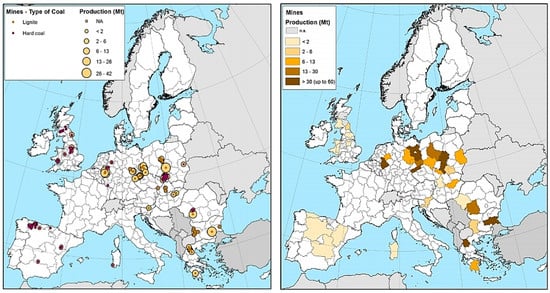
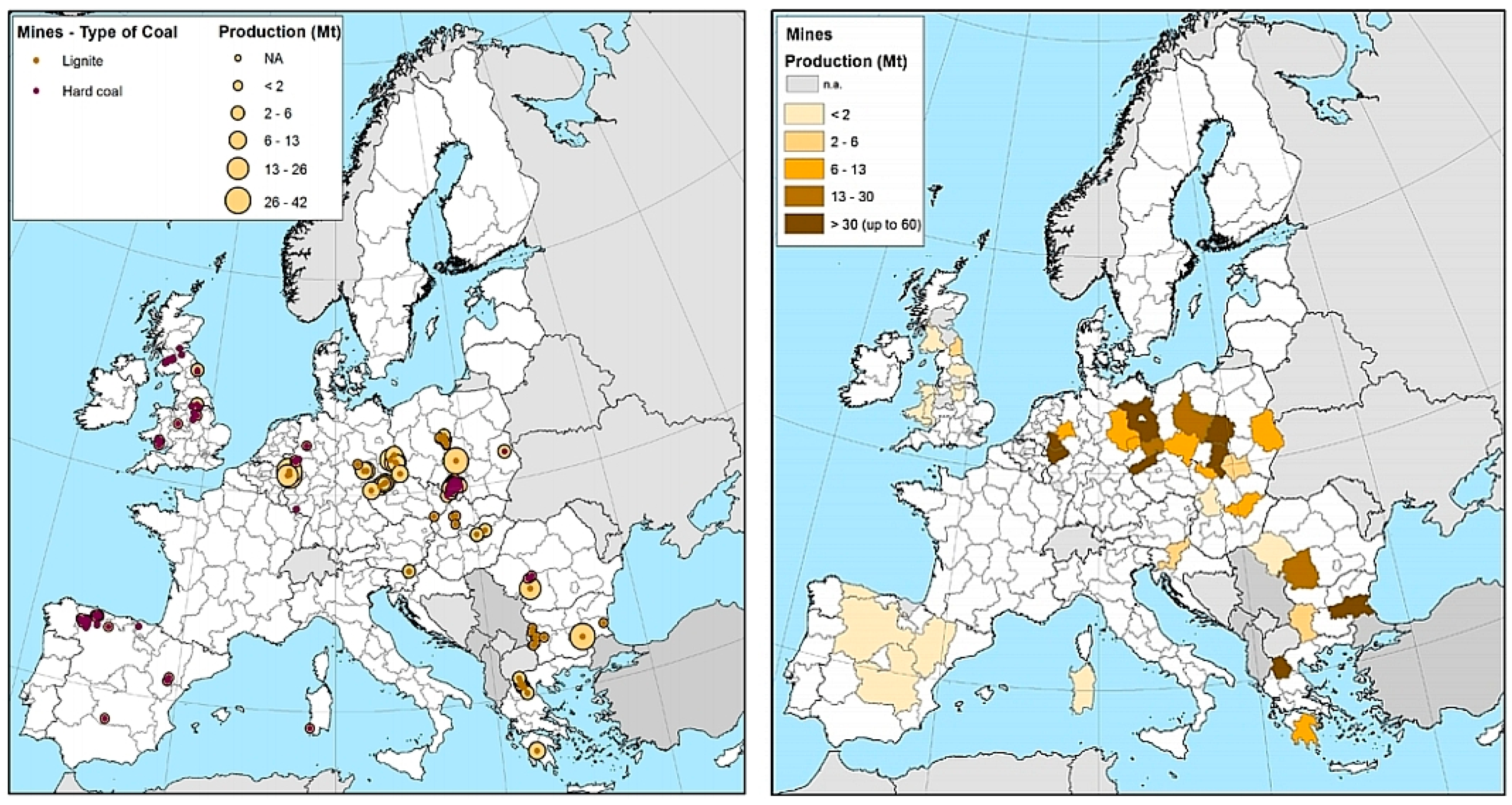
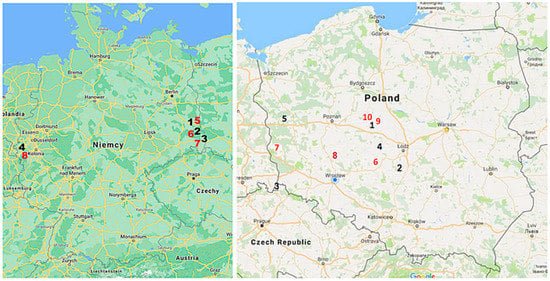
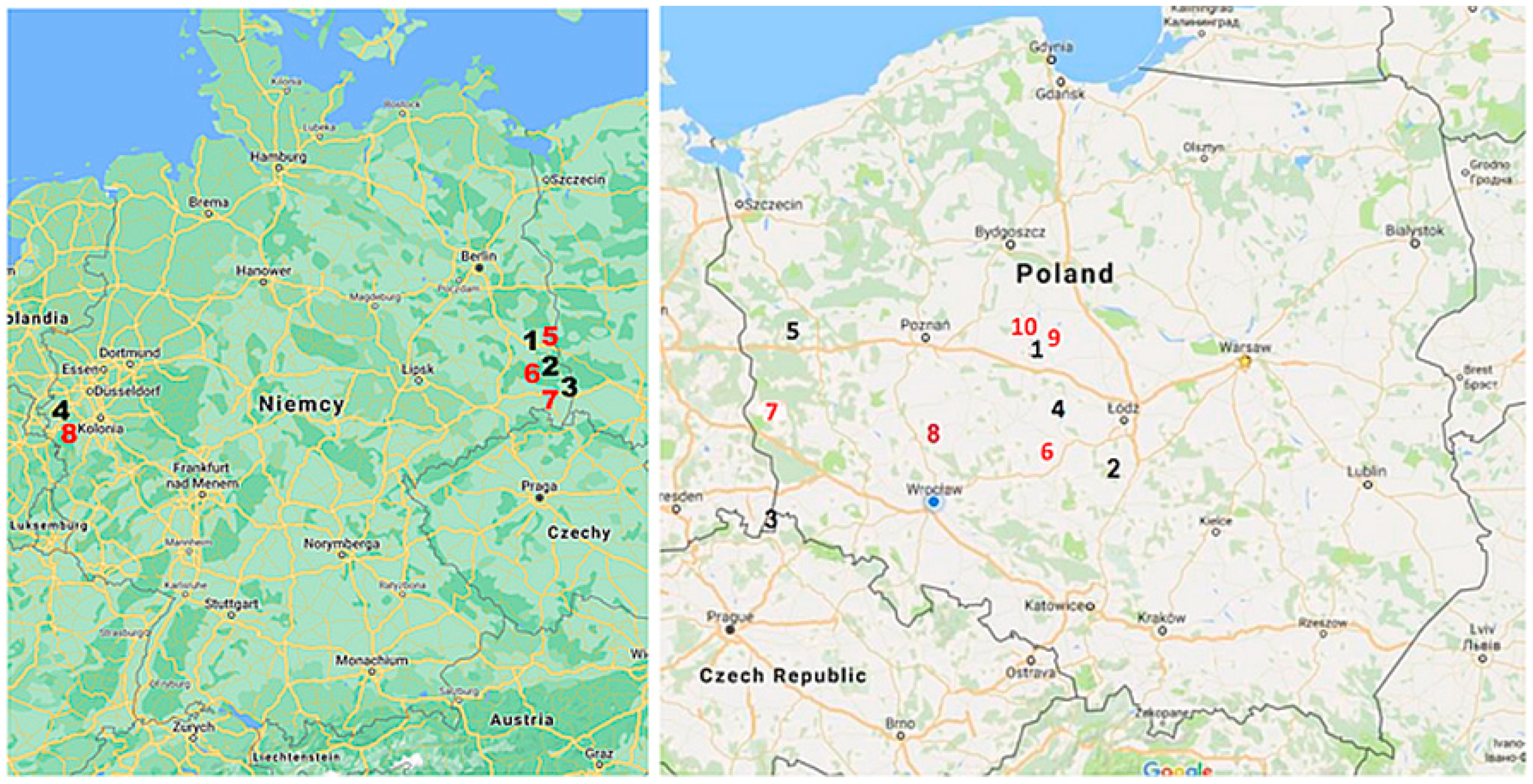
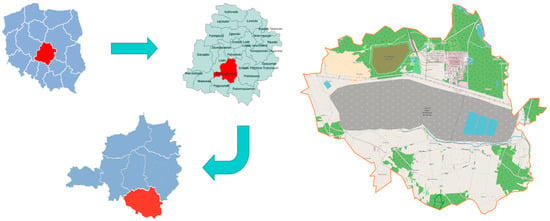
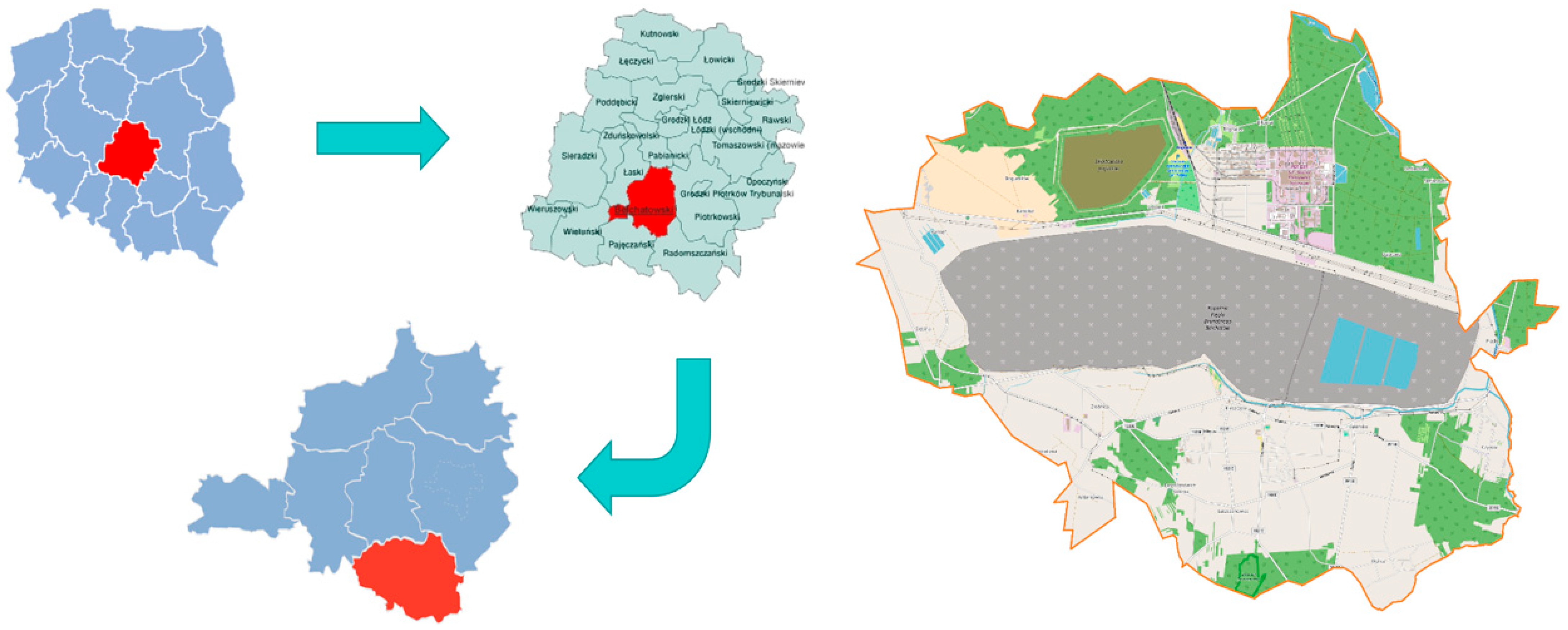
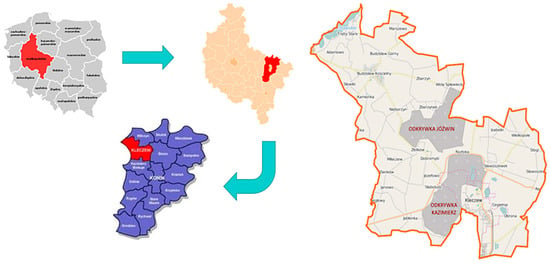
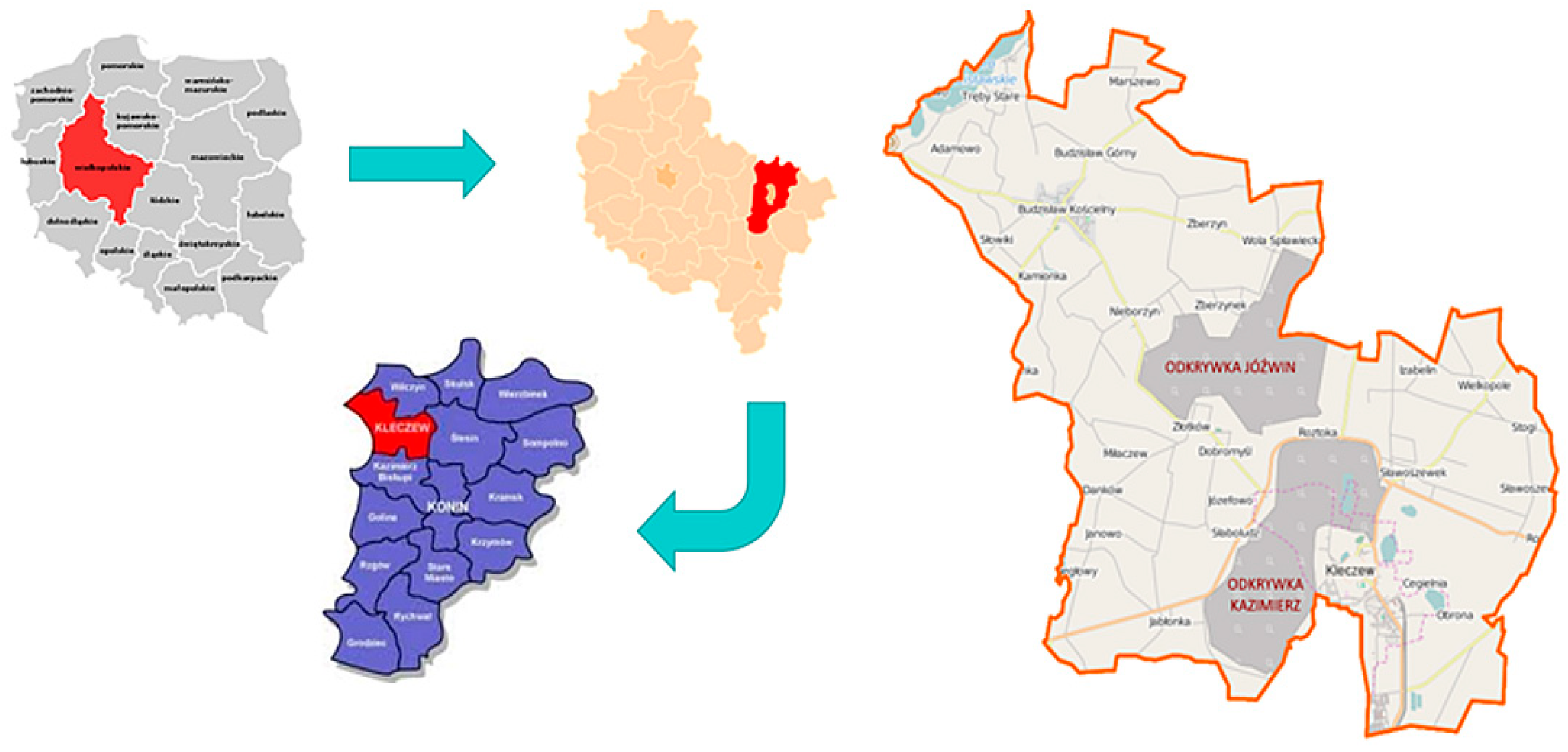
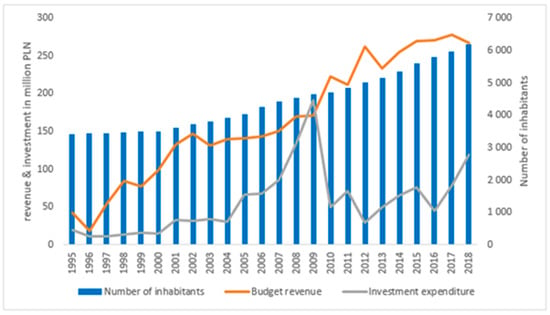
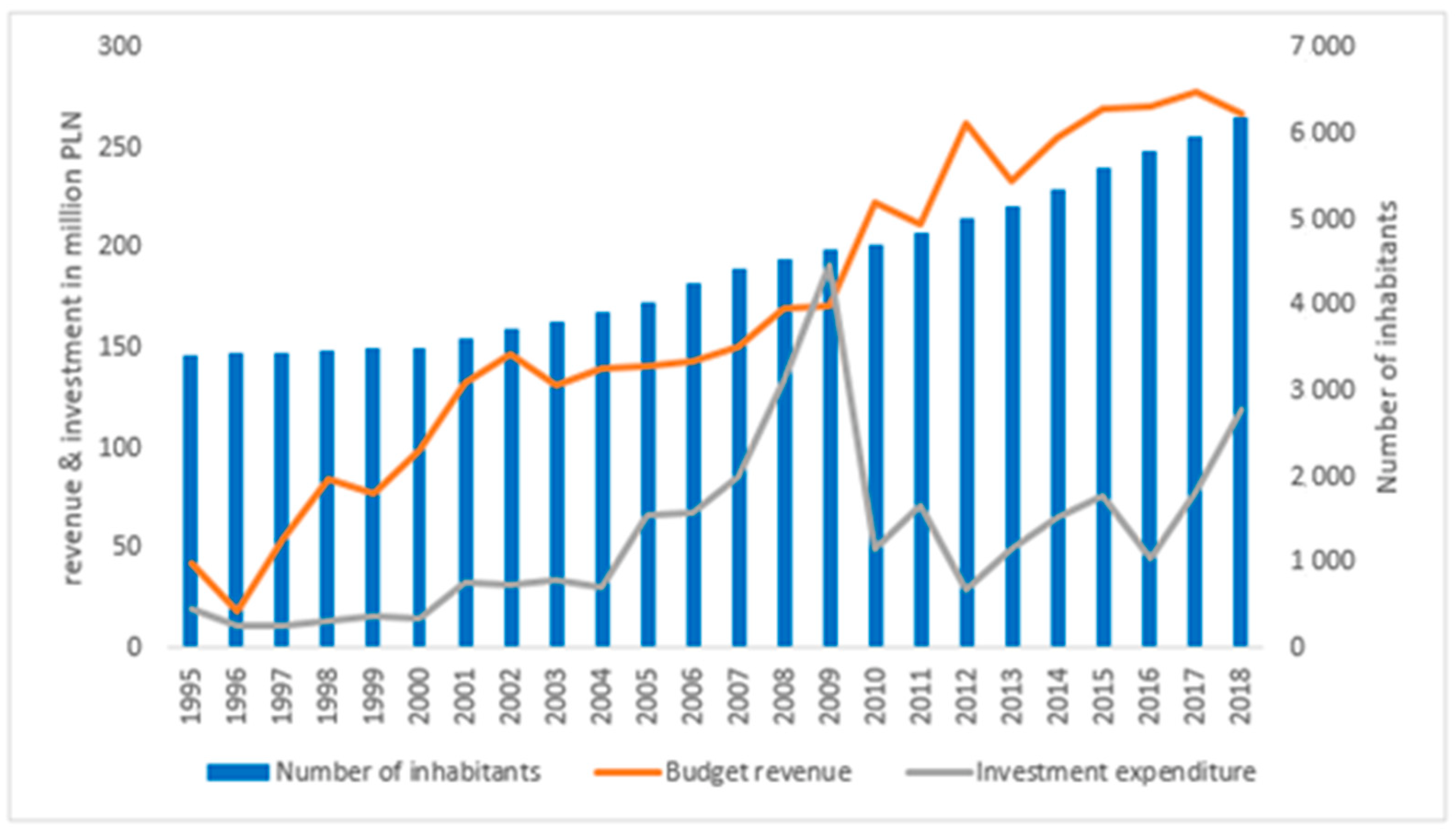
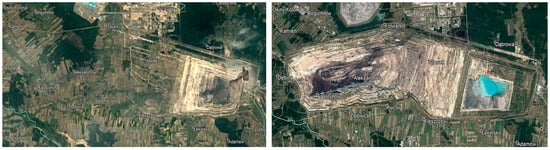
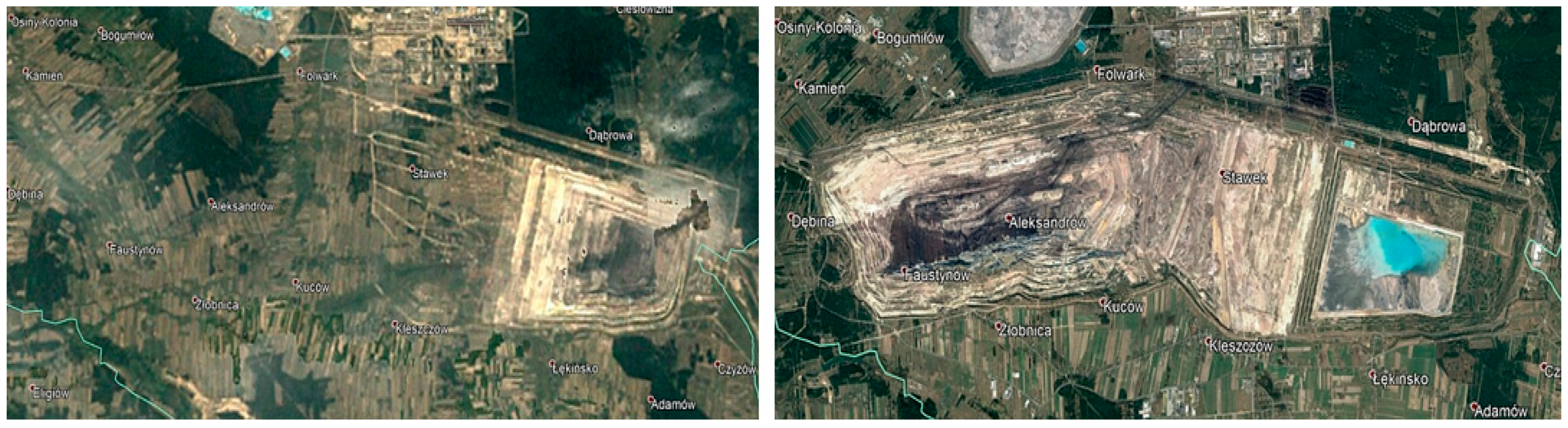
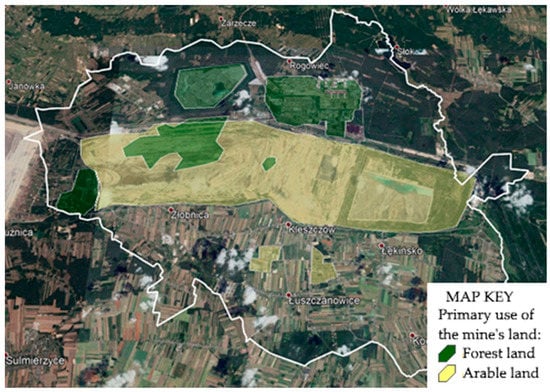
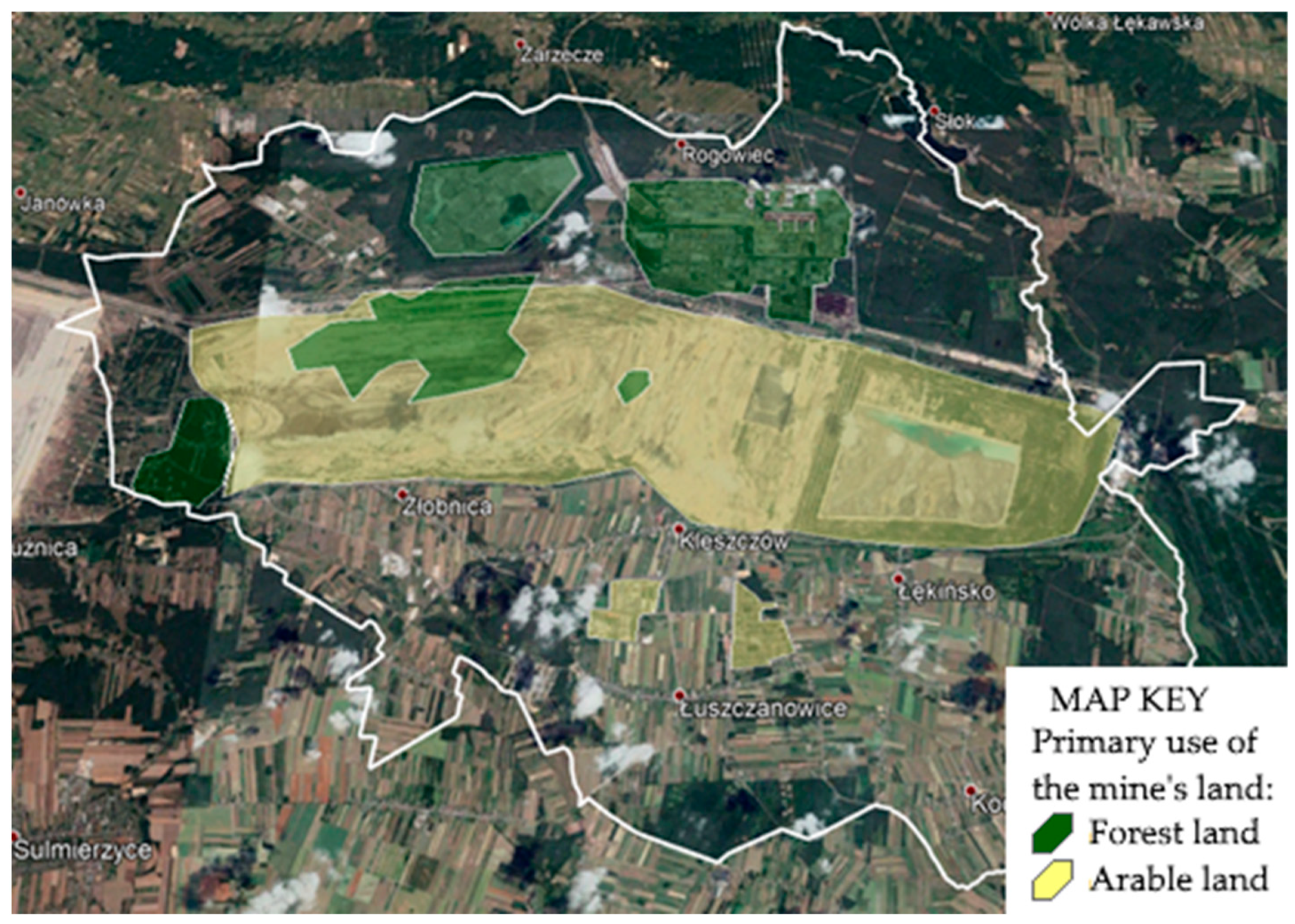
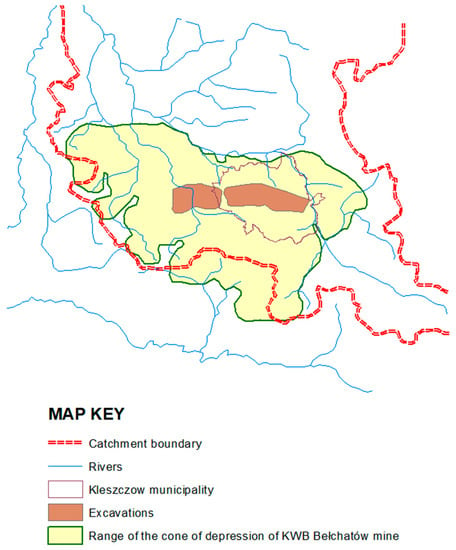
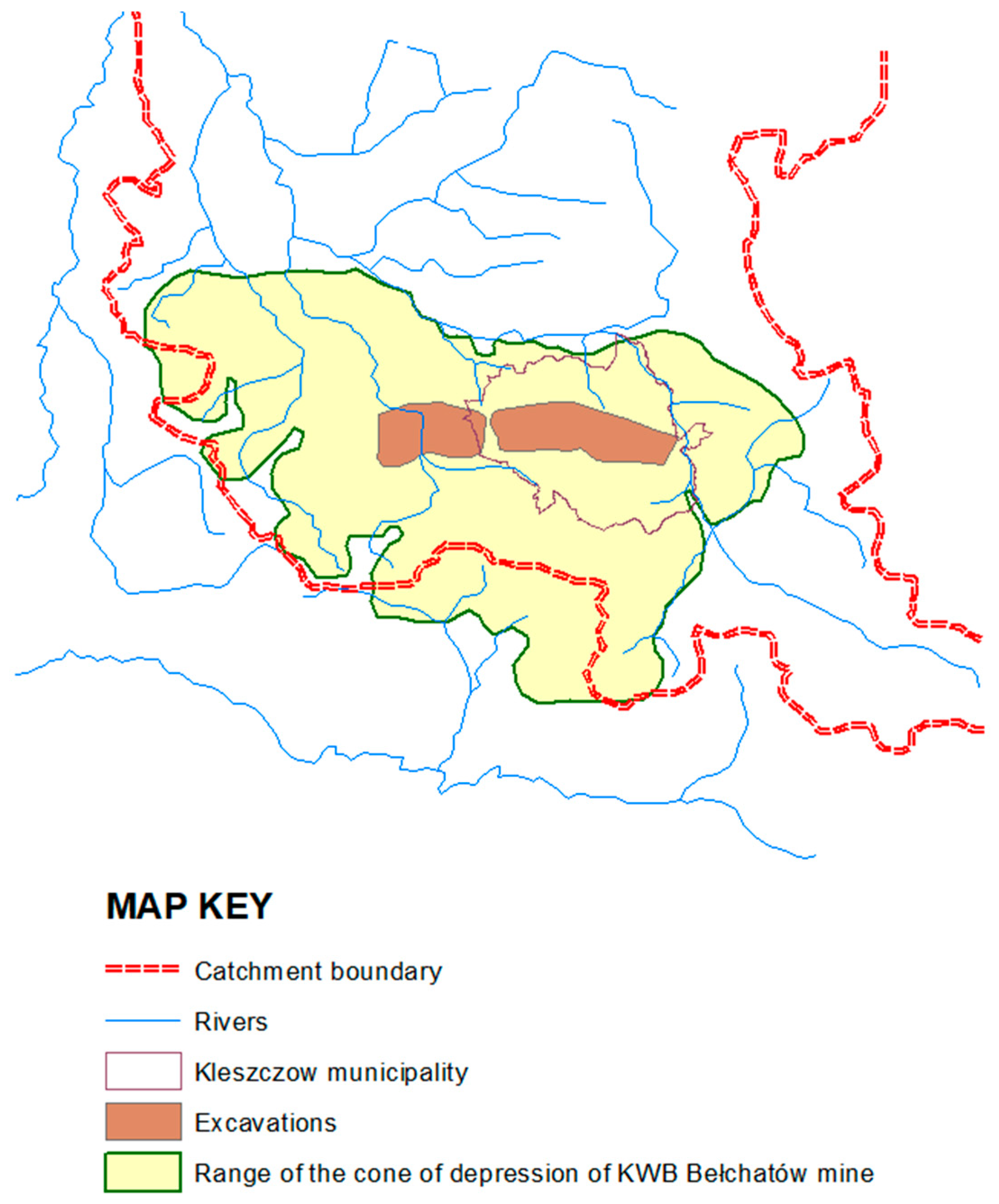
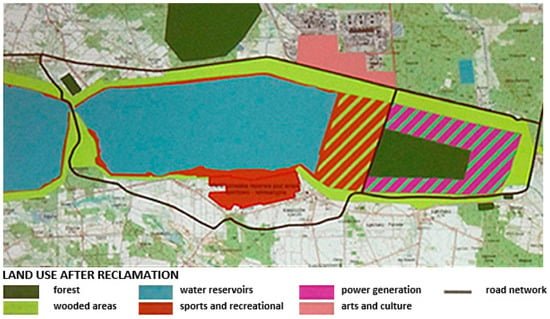
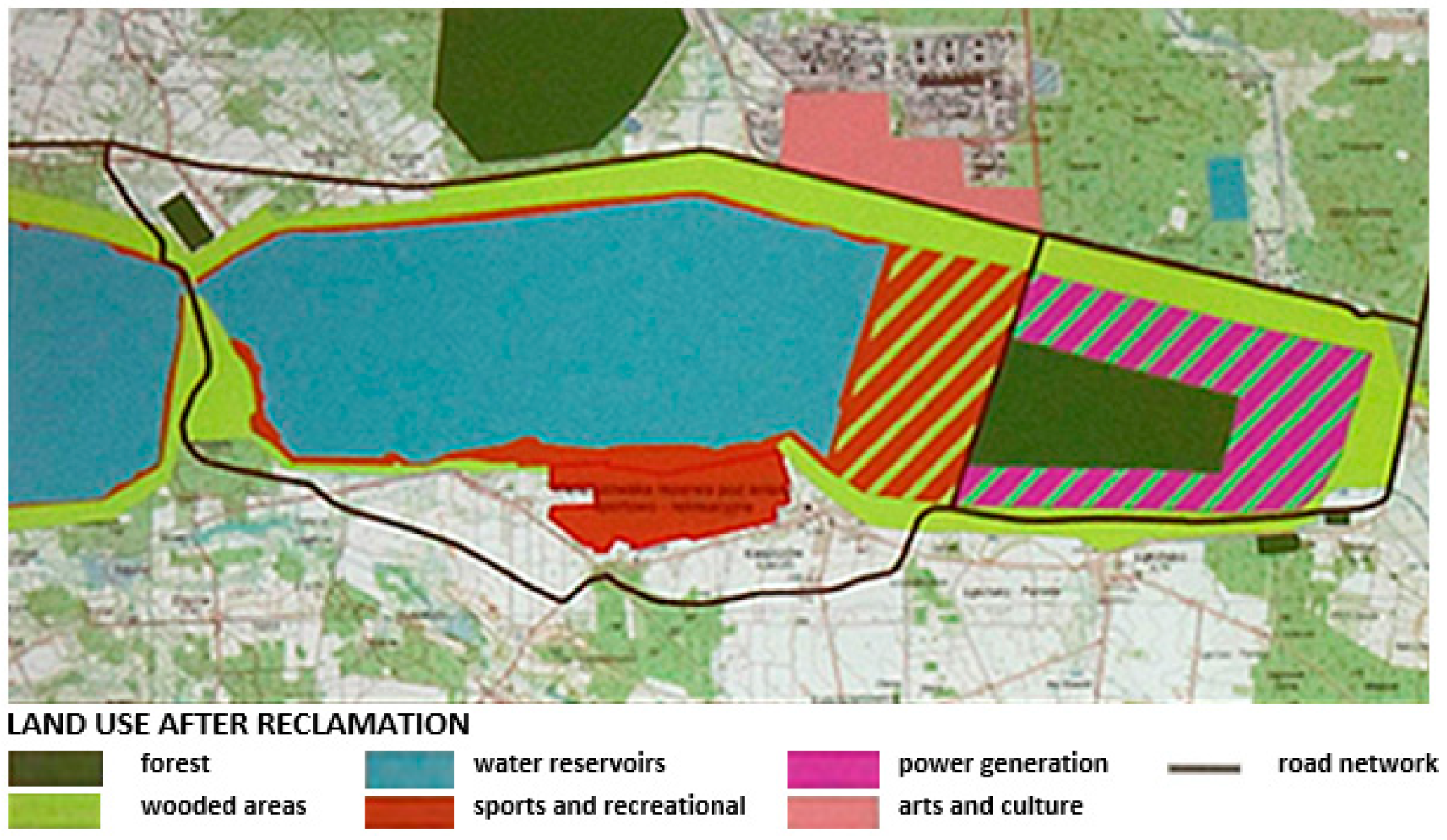
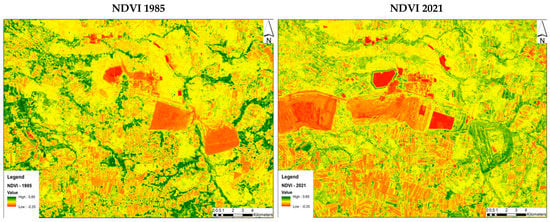
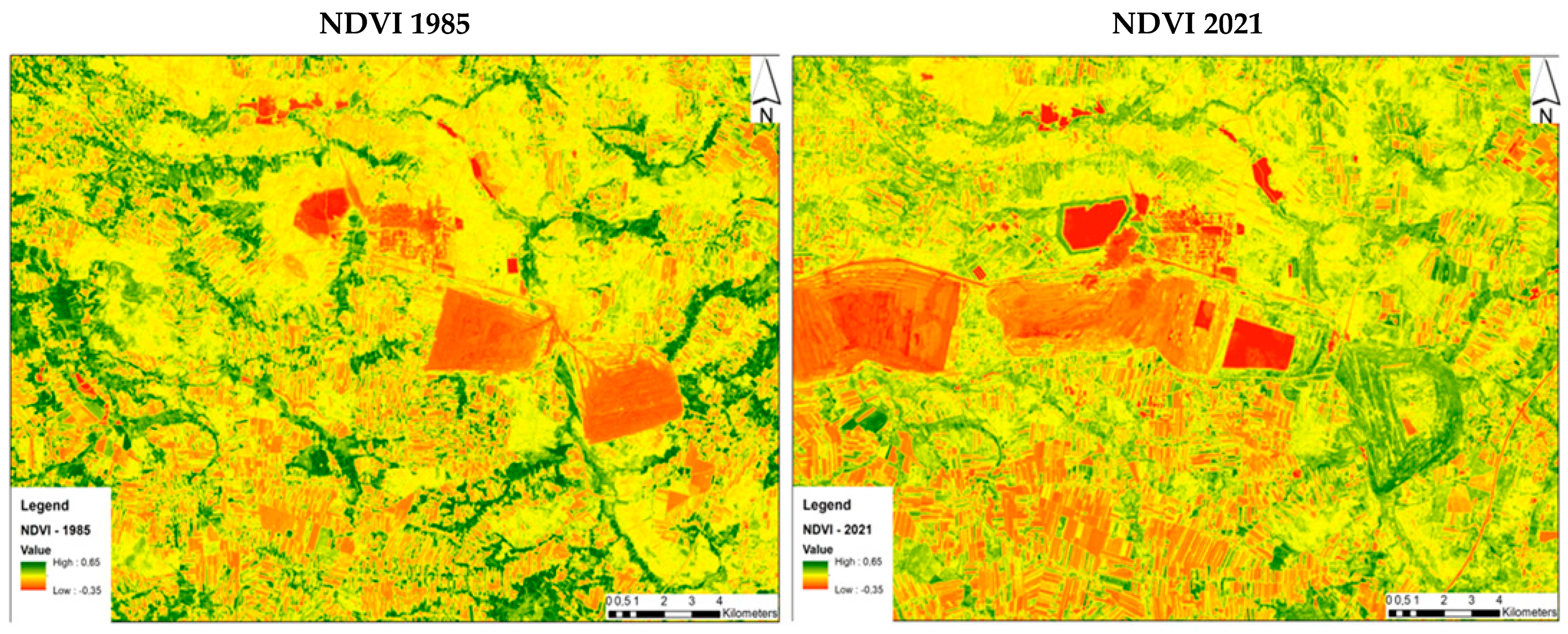
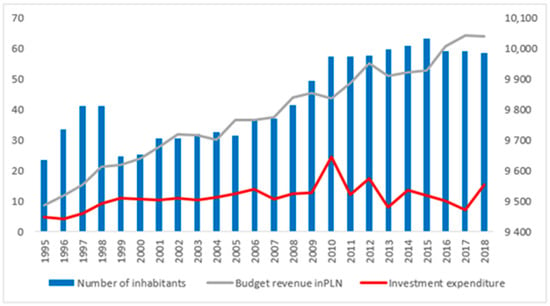
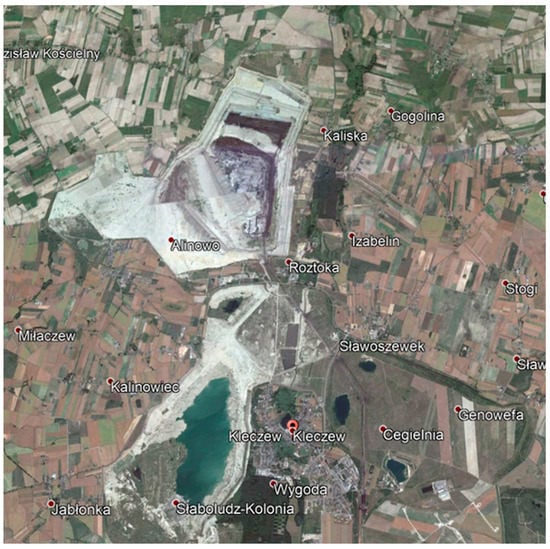
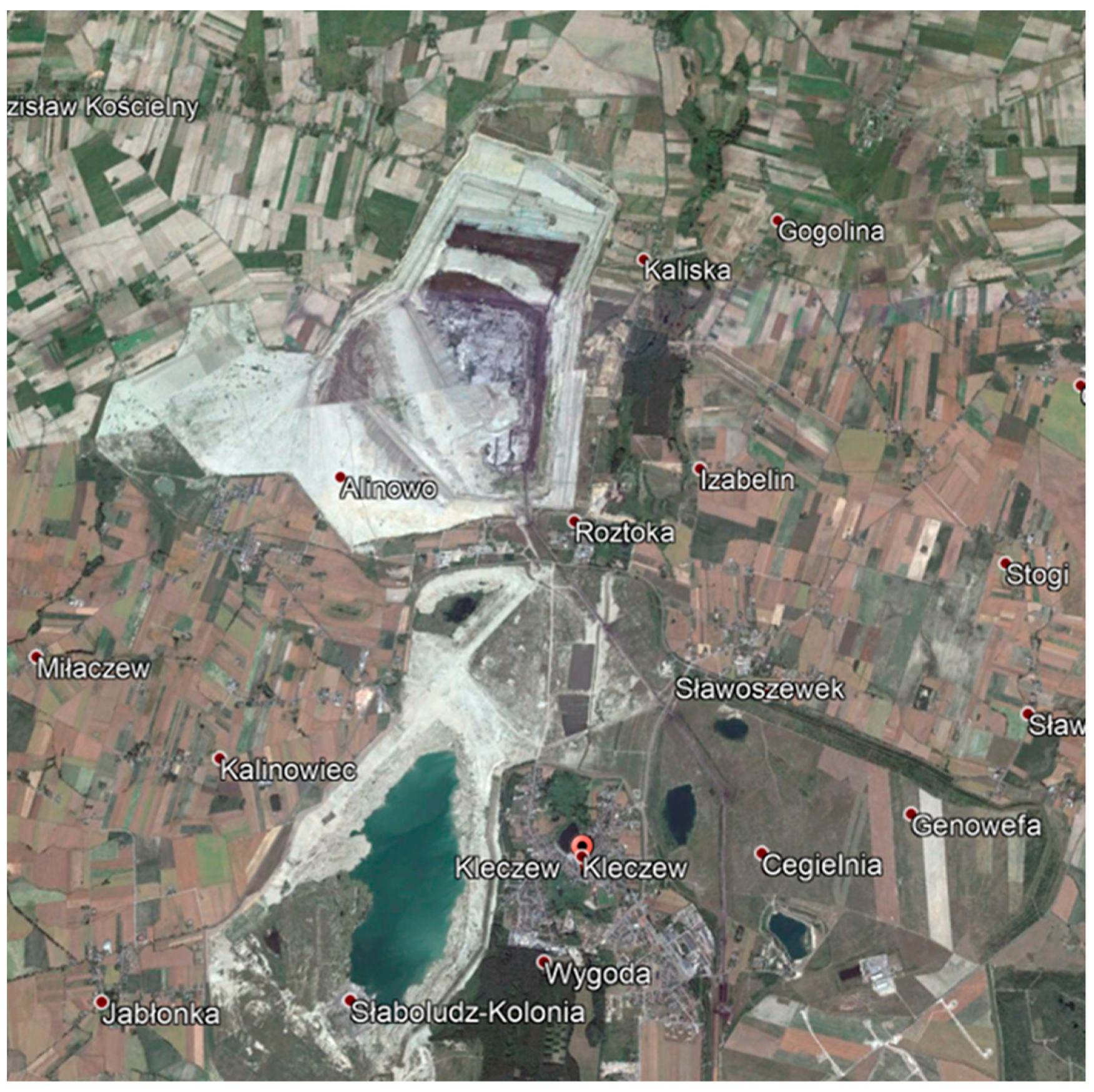
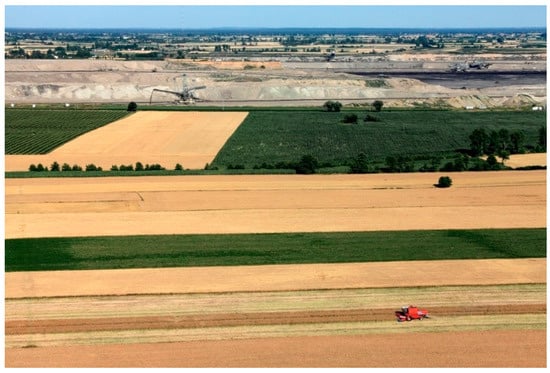
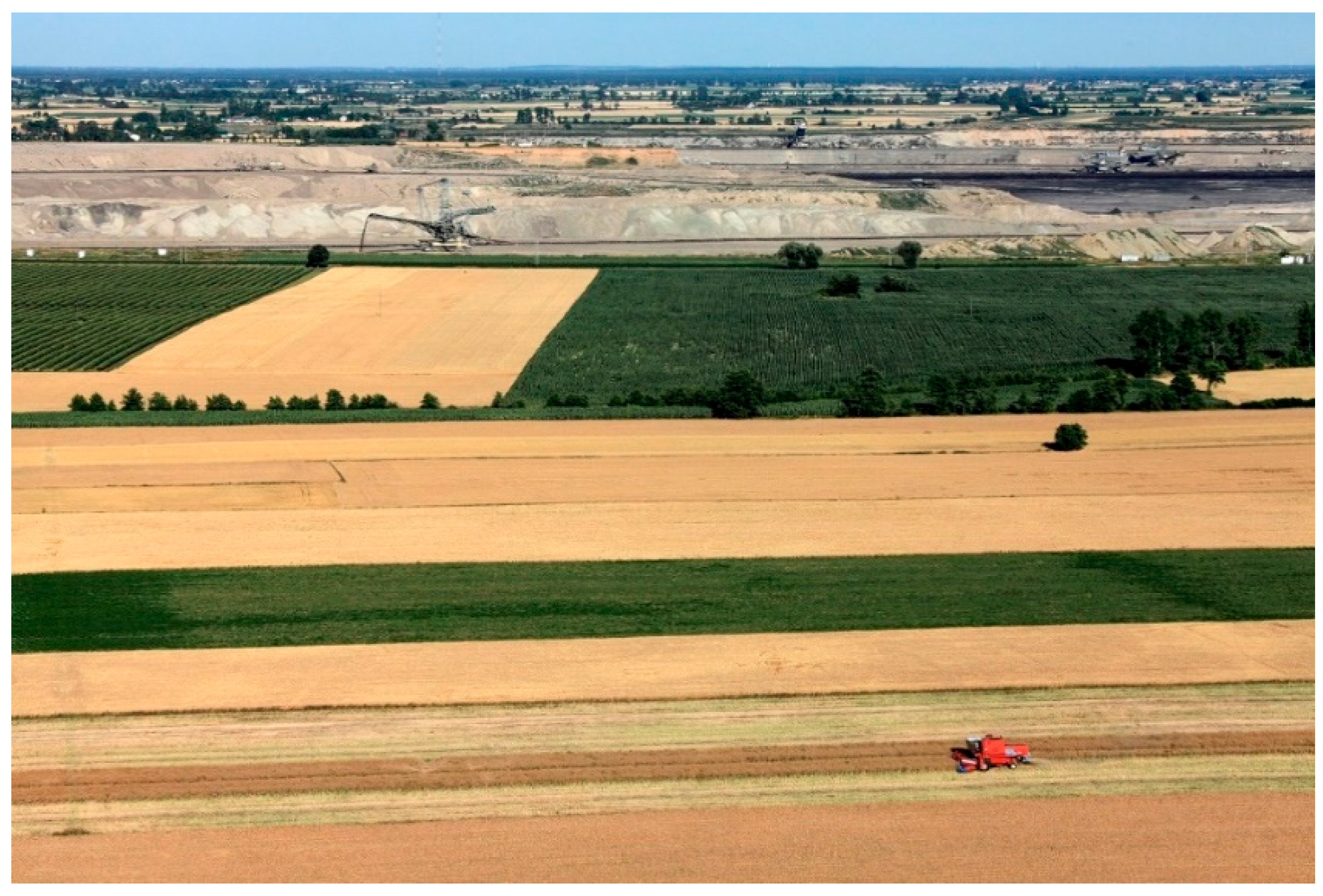
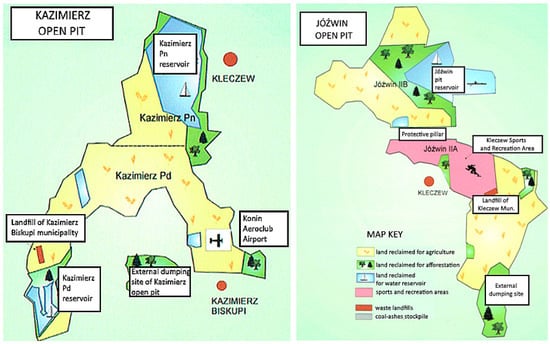
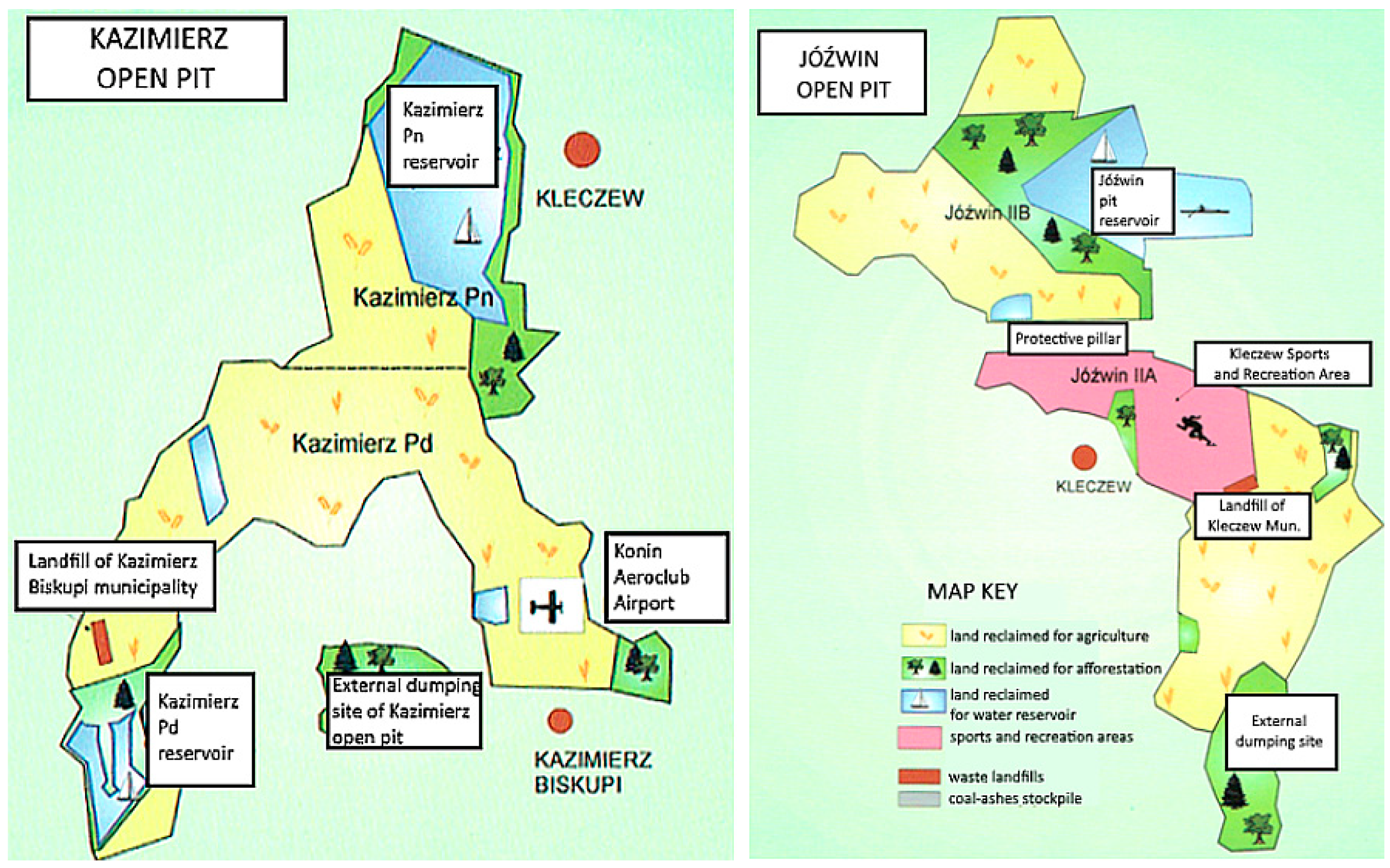
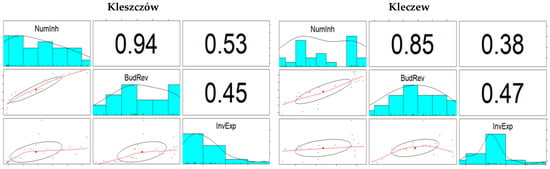
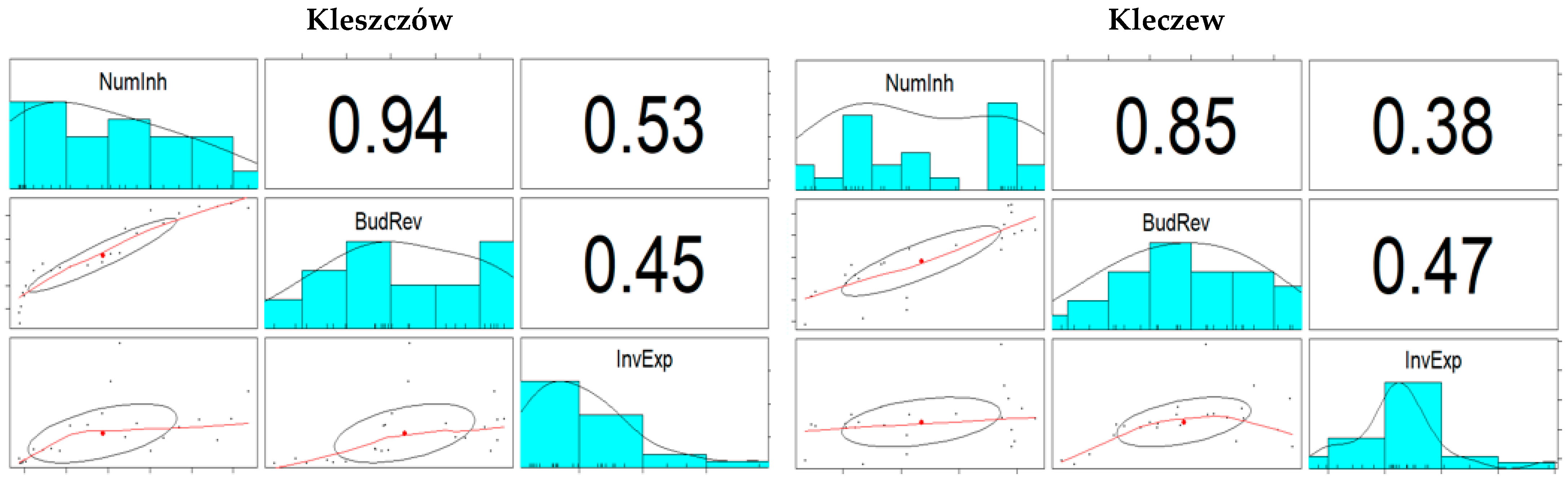

Publisher’s Note: MDPI stays neutral with regard to jurisdictional claims in published maps and institutional affiliations. |
© 2022 by the authors. Licensee MDPI, Basel, Switzerland. This article is an open access article distributed under the terms and conditions of the Creative Commons Attribution (CC BY) license (https://creativecommons.org/licenses/by/4.0/).