


Abstract
The construction sector continues to experience elevated levels of insolvency, driven by an interplay of structural vulnerabilities and macroeconomic pressures, including supply chain disruptions and cost inflation. These challenges have been particularly prominent in Australia, especially among micro and small construction firms, which account for over 90% of reported insolvency cases. In 2024, the Australian construction sector contributed nearly one-quarter of all company insolvencies nationally. This study undertakes a comprehensive review of construction insolvency research, synthesising key themes, causes, early warning indicators, and mitigation strategies, while contextualising global insights using empirical evidence from the Australian construction sector. The methodology integrated systematic literature screening, scientometric analysis, and critical thematic synthesis with a descriptive and selective statistical examination of the Australian Securities and Investments Commission (ASIC) data, complemented by practice-informed insights. The review identified dominant research trajectories, centred on financial risk management, insolvency prediction models, project-level cost and governance risks, and emerging data-driven approaches. Empirical analysis revealed that inadequate cash flow (~16–20%), poor strategic management (~12–18%), and weak financial controls (~11–15%) consistently rank among the leading causes of construction firm failure over the last decade. Indicators such as non-payment of statutory obligations and deteriorating working capital are observed in over half of insolvency cases, highlighting persistent structural fragility. Although global strategic focus areas emphasised financial monitoring and early warning systems, practice-informed findings indicated that effective mitigation requires their operationalisation through capability development, early intervention tools, regulatory oversight, and stakeholder-informed support mechanisms. The study shows how global insolvency risk concepts align with Australian regulatory evidence and highlights the need to translate early-warning approaches into accessible tools and support mechanisms for micro and small construction firms.
1. Introduction
The financial stability of the construction sector is closely intertwined with broader economic conditions, making it particularly vulnerable to macroeconomic shocks and market volatility (Chih & Hsiao, 2023; Bhattacharyya & Hastak, 2024). Construction firms typically operate under tight profit margins, complex contractual arrangements, and extended payment cycles, which amplify exposure to liquidity stress and financial distress (Chadee et al., 2023; Chan & Martek, 2017; W. Wang et al., 2018). As a result, insolvency has long been recognised as a persistent structural risk within the industry as opposed to an episodic occurrence (Caporale et al., 2017; Melles, 2026). This structural vulnerability has been significantly magnified in the aftermath of the COVID-19 pandemic, as global construction markets experienced severe supply chain disruptions, sharp material price escalation, persistent labour shortages, and widespread project delays, collectively placing acute pressure on firm cash flows and working capital positions (Al-Mhdawi et al., 2022; Ling et al., 2022). These pressures were further compounded by post-pandemic inflationary conditions and rapid interest-rate increases, particularly for highly leveraged firms (Ionescu et al., 2022; Khan, 2022). Consequently, business insolvencies surged across multiple regions, with construction consistently identified as one of the most affected sectors (Boata et al., 2025).
In Australia, these global pressures have manifested with particular intensity. Construction insolvencies have increased sharply in the post-pandemic period, exceeding pre-COVID-19 levels and accounting for nearly one-quarter of all company insolvencies nationwide in 2024 (Lyndall et al., 2025). National regulatory data indicate that insolvency events are disproportionately concentrated among micro and small construction firms, especially within the residential sector, where firms often operate with limited capital buffers, weak financial controls, and constrained access to finance (Martin, 2024; Hastings & Swan, 2024). Despite the growing scale and impact of construction insolvency, the academic literature remains fragmented. Prior research has predominantly focused on isolated dimensions of insolvency risk, such as financial ratio-based prediction models, project-level cost overruns, or macroeconomic indicators, often examined in isolation from institutional, behavioural, governance, and regulatory contexts (Lyndall et al., 2025; Jayan et al., 2025).
Thus, this study aims to provide a comprehensive synthesis of global construction insolvency research while grounding its insights in empirical evidence from the Australian context. By combining a systematic scientometric analysis with a critical review of insolvency causes, early warning indicators, and mitigation strategies, this study synthesises the global research landscape. It further integrates an empirical examination of Australian national-level insolvency data (Australian Securities and Investments Commission; ASIC-reported) to bridge the gap between international research trends and local industry realities. In addition, the study incorporates practice-informed insights to operationalise mitigation strategies, illustrating how established response mechanisms are implemented within industry contexts. In doing so, it contributes to a more integrated understanding of construction insolvency as a systemic, multi-level phenomenon and identifies research and policy directions necessary to strengthen financial resilience within the sector.
2. Materials and Methods
The overarching research design adopted in this study is illustrated in Figure 1. It outlines a multi-stage workflow integrating literature search and corpus development, scientometric analysis, critical literature synthesis, Australian ASIC data analysis, practice-informed interview synthesis, and integrated interpretation. Figure 2 outlines the three-staged workflow comprising (1) systematic data search and screening, (2) scientometric analysis, and (3) critical review and discussion, complemented by an empirical analysis of Australian construction insolvency data and practice-informed insights. This integrated approach was selected to map the intellectual structure of construction insolvency research, identify dominant thematic areas, and contextualise global findings using sector-specific evidence and practitioner inputs.
Figure 1.
Overall research design and analytical workflow.
Figure 2.
Literature search, screening, scientometric analysis, and critical review workflow.
2.1. Scientometric Analysis
The first stage involved a structured literature search conducted using the Scopus database. Scopus was selected due to its extensive coverage of peer-reviewed journals across construction management, engineering, economics, and policy-related disciplines (Hu & Chong, 2019; Yin et al., 2019). A Boolean search strategy was developed to capture three core dimensions: (1) construction sector scope (including residential and infrastructure contexts), (2) insolvency and financial distress phenomena, and (3) causes, indicators, behavioural factors, and mitigation or regulatory responses. The Scopus search was conducted on 13 March 2025 and covered publications from 2009 to the search date. The search string formulation and keyword blocks are provided in Appendix A.1. The search was applied to the title, abstract, and keyword fields and restricted to English-language publications. Following retrieval, duplicate records were removed, and a staged screening process was applied. Title and abstract screening excluded studies lacking construction-sector relevance and ensured alignment with insolvency causes, early warning risk indicators, stakeholder behaviour, and mitigation strategies. Studies were excluded where insolvency or financial distress was discussed outside the construction context or where the record did not address at least one of the study’s core review areas. A backward snowballing process was subsequently undertaken to identify additional relevant studies from reference lists. Additional records identified through snowballing were screened using the same inclusion and exclusion logic. The refined sample (n = 195) formed the dataset for subsequent analysis.
The scientometric analysis involved topic modelling to establish a high-level thematic structure of the construction insolvency research domain. Latent Dirichlet Allocation (LDA) was applied to article abstracts to identify dominant topic groupings based on word distribution patterns across the data sample. LDA is a central tool in natural language processing (NLP) for discovering interpretable latent topics from large text collections (Jelodar et al., 2019). Topic modelling was implemented in Python (v 3.13.2) using a Jupyter Notebook environment, following standard text preprocessing procedures (See Appendix A.3 for Python code). Prior to model development, the abstract text was preprocessed by removing English stop words and converting the cleaned text into a document-term matrix using CountVectorizer. The vectorisation parameters were set to exclude very common terms appearing in more than 95% of documents and rare terms appearing in fewer than two documents. The LDA model was implemented in Python using five topic components. A five-topic solution was selected to provide a balance between thematic granularity and interpretability, allowing the analysis to identify the main conceptual orientations in the literature without producing overly fragmented topic groups. For each topic, the most highly weighted terms were extracted and used to support the interpretation of the latent topic structure. Document-topic probabilities were then estimated, and each document was assigned to the topic for which it had the highest probability. This enabled the distribution of publications across the inferred topics to be visualised.
The LDA outputs were interpreted as statistical topic clusters as opposed to definitive thematic categories. Accordingly, the final topic labels were developed through an interpretive process based on the dominant terms within each topic and the focus of representative publications associated with each topic. This interpretive step was used to refine the topic labels, minimise conceptual overlap, and organise the results around clearer analytical dimensions. Therefore, LDA was used for domain-level orientation and thematic structuring rather than for rigid document classification.
Following topic modelling, keyword co-occurrence analysis was conducted to examine relationships among frequently occurring terms. Author and indexed keywords were analysed using VOSviewer v 1.6.20. Prior to network generation, a thesaurus file was used to standardise equivalent keyword forms, including singular/plural variants, hyphenated/non-hyphenated terms, and closely related labels. For example, terms such as “construction”, “construction sector”, and “construction firms” were consolidated where appropriate to reduce duplication and improve interpretability. The co-occurrence network was generated using full counting and VOSviewer’s default normalisation and layout settings. A minimum keyword occurrence threshold of two was applied, resulting in 88 retained keywords and 254 keyword links. For clustering, the minimum cluster size was set to 6 and the clustering resolution was set to 1.00 to reduce fragmentation and support interpretable keyword groupings. The network was visualised using overlay visualisation based on average publication year. Cluster interpretation was based on representative keywords with higher occurrence and total link strength, supported by their functional role in the review. The keyword clusters were therefore interpreted as co-occurrence communities as opposed to mutually exclusive thematic categories. In parallel, publication trend analysis was performed using the Biblioshiny web platform to examine changes in research volume over time.
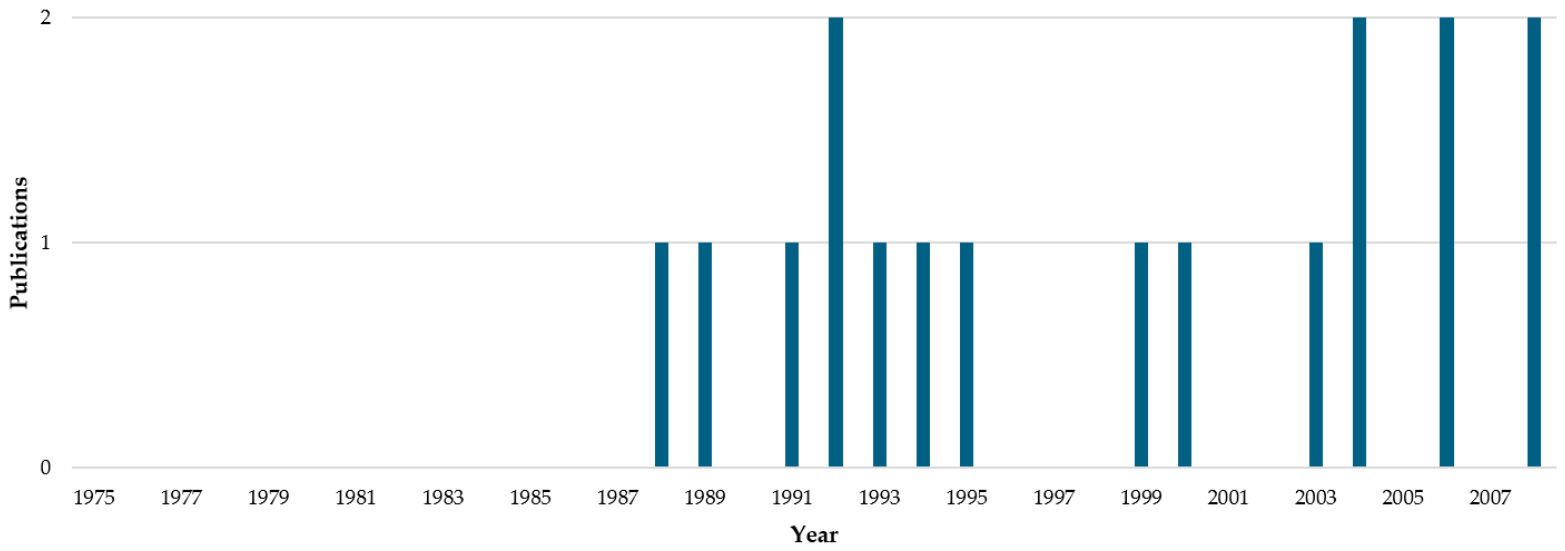
The scientometric analysis was conducted from 2009 onwards, as the publication profile indicates that construction insolvency research became more sustained and traceable from this period. The pre-2009 publication history presented in Appendix A.2 shows sporadic activity, with long gaps and no more than two relevant publications in any single year. Accordingly, 2009 was adopted as the starting point for mapping publication trends and conceptual structure, while earlier relevant studies were retained where appropriate in the critical review. This timeframe also captures major twenty-first-century disruption events affecting construction firms, including the aftermath of the 2007–2009 global financial crisis and the post-COVID-19 economic environment.
2.2. Critical Review and ASIC Reported Data Analysis
Building on the scientometric outputs, a critical qualitative review was undertaken. Studies were examined in depth and synthesised under the dominant thematic areas identified. The review focused on insolvency causes, financial and non-financial risk indicators, and proposed mitigation strategies. This stage also enabled the identification of persistent research gaps and under-explored areas requiring sector-specific investigation. Gap identification was guided by the combined interpretation of the scientometric results, the review categories, and the Australian ASIC evidence. In particular, publication patterns, LDA topic distributions, and keyword co-occurrence outputs were considered alongside the critical review categories covering financial, operational/project management, managerial/organisational, legal/contractual, and external/environmental dimensions. These were then compared with ASIC-reported insolvency patterns to identify areas where existing research appeared limited, fragmented, or insufficiently connected to the Australian construction context.
As the final component, an empirical analysis of Australian construction insolvency was conducted using publicly available data from the ASIC (ASIC, 2025). Insolvency was examined in line with statutory definitions under the Australian Corporations Act 2001 (Tomasic et al., 2002). ASIC data spanning ten years were analysed descriptively to identify patterns in construction insolvency, including temporal trends, firm size distribution, primary causes of failure, and governance and compliance-related misconduct. The analysis aimed to reveal recurring structural and behavioural vulnerabilities rather than to develop predictive models.
In addition to descriptive analysis, to examine whether the reported causes of construction insolvency changed directionally over time, Spearman’s rank correlation analysis was conducted for each reported cause against the ten-year study period. Spearman’s rank correlation was selected because the ASIC data were available as annual percentage values rather than firm-level observations or cause-specific raw counts. The purpose of the test was therefore to assess whether each cause showed a monotonic increasing or decreasing trend over time, without assuming a linear relationship or normally distributed data.
The analysis was conducted in five steps in Excel. First, each financial year from 2014–2015 to 2023–2024 was assigned a time rank, denoted as:
where (T1 = 1) represents 2014–2015 and (T10 = 10) represents 2023–2024. Second, for each insolvency cause, the annual percentage values were ranked in ascending order. Where equal percentage values occurred, average ranks were assigned to tied values using the equation below, which is based on Excel.
where Rpct is the averaged rank of the percentage value for insolvency cause c in year t, pct is the reported percentage value for cause c in year t, and [pc1, pc2, …, pc10] represents the full set of annual percentage values for that cause across the ten years. The final argument, 1, indicates that the values were ranked in ascending order, with lower percentage values assigned lower ranks.
Tt = 1, 2, 3, …, 10
Rpct = RANK.AVG(pct, [pc1, pc2, …, pc10], 1)
Spearman’s rank correlation coefficient for each cause was then calculated as the correlation between the ordinal time variable and the ranked percentage values:
where rho represents the Spearman rank correlation coefficient for cause (c). Positive values of rho indicate an increasing monotonic trend over time, while negative values indicate a decreasing monotonic trend.
rho = CORREL([T1, T2, …, T10], [Rpc1, Rpc2, …, Rpc10])
The statistical significance of each correlation coefficient was assessed by converting rho into a t-statistic:
where (n) is the number of annual observations. As the analysis covered ten financial years (n = 10), and the degrees of freedom were calculated as:
tc = rho * SQRT((n − 2)/(1 − rho2))
df = n = 2
Finally, two-tailed p-values were calculated using the t-distribution.
p = T.DIST.2T(ABS(tc), df)
A threshold of (p < 0.05) was used to identify statistically significant monotonic trends. The results were interpreted cautiously because the analysis was based on aggregated annual percentages rather than firm-level observations. This empirical component provides an evidence-informed foundation for the subsequent discussion.
2.3. Interviews
To complement the literature synthesis and national-level empirical analysis, expert interviews with stakeholders from the Australian construction sector were drawn upon to provide practice-informed insights related to insolvency mitigation. Participant characteristics are summarised in Table 1. These interviews were not used as a standalone qualitative dataset in this study; rather, they were incorporated selectively to support the interpretation and operationalisation of mitigation strategies where they aligned with patterns identified in the literature and ASIC data.
Table 1.
Profile of interview participants.
Participants were selected using purposive stakeholder sampling, with recruitment supported through professional networks and snowballing. The inclusion criteria required participants to have substantial professional experience or recognised domain expertise relevant to residential construction, builder operations, construction-sector financial risk, project delivery, building assessment, cost management, regulation, or insolvency mitigation. The sample, therefore, included builders, a developer, a building surveyor, and academic/domain experts. These categories were included to capture complementary perspectives across firm-level practice, project delivery, regulatory and technical assessment, and sector-level interpretation. The academic/domain expert participants brought construction-sector expertise together with relevant industry-facing experience, including builder trade and small-builder experience, industry consultancy and surveying, professional training, and legal/regulatory experience. Their role was therefore to support the interpretation of the relationship between the literature, regulatory evidence, and practical mitigation pathways. Similarly, the inclusion of participants from different organisation sizes was intended to provide contextual breadth rather than proportional representation of the industry.
The sample size of ten participants was considered appropriate for this supplementary component because the interviews were used to contextualise and operationalise findings already identified through the literature review and ASIC data, rather than to generate statistically generalisable findings. Accordingly, the primary evidence base of the study remains the systematic literature review, scientometric analysis, and ASIC-reported insolvency data, with the interviews providing practice-informed interpretation of mitigation strategies.
Ten semi-structured interviews were conducted with participants between September and December 2025, following recruitment that commenced in August 2025. All interviews were conducted online via Microsoft Teams and lasted approximately 30–45 min. The semi-structured format (see Appendix B.1 for the interview guide) allowed participants to discuss insolvency risks, early warning indicators, and mitigation strategies based on their professional experience. Interviews were audio-recorded only after participant consent was obtained and were transcribed verbatim for analysis. The interview process was conducted in accordance with the approved ethics protocol, and informed consent was obtained from all participants. Participation was voluntary, and interview data were handled confidentially using coded participant identifiers.
The interview transcripts were analysed using a targeted qualitative framework synthesis. This approach was selected because the interview component was intended to support the operationalisation of mitigation strategies as opposed to generating a standalone qualitative theory. The analysis focused on transcript segments relevant to insolvency prevention and mitigation actions. Relevant statements were manually extracted from the transcripts and organised in a traceability matrix recording the corresponding interview-informed mitigation strategy, supporting participant identifier, and Australian empirically observed cause. No dedicated qualitative data analysis software was used; coding and synthesis were conducted manually using the structured matrix. A summary of the traceability matrix is provided in Appendix B.2 to show how the interview material informed the practice-based mitigation strategies. Participant identifiers indicate where a mitigation strategy was raised, supported, or reflected in the interview material, and are not intended to rank strategies by frequency, strength, or representativeness.
3. Scientometric Analysis Results
3.1. Scientific Publication Trend
The scientific output on insolvency in the global construction sector showed distinct temporal spikes (Figure 3), often following major global economic shocks. Notably, a sharp rise in publications occurred in 2010, shortly after the 2007–2009 global financial crisis, suggesting an increased academic interest in financial resilience and sectoral vulnerability (Chih & Hsiao, 2023). A second peak is evident in 2013, aligning with the aftermath of the European sovereign debt crisis, reflecting regional concerns over construction industry stability (Kräussl et al., 2016). More recently, the increase in publications since 2022 corresponds to the post-pandemic recovery period, highlighting renewed interest in insolvency risks associated with rising costs and global construction supply chain disruptions (Biswas et al., 2021). These patterns indicate that academic attention to construction insolvency intensifies following major economic disruptions, with limited sustained focus during periods of relative economic stability.
Figure 3.
Annual scientific publication trend (from 2009 to 13 March 2025).
3.2. Conceptual Structure
Topic modelling identified five dominant thematic orientations within the global construction insolvency literature (Figure 4). The first theme, financial risk management, focuses on firm-level financial planning, liquidity control, and risk management practices used to reduce exposure to financial distress. Studies within this theme highlight strategic approaches to mitigating economic and operational risks through sound financial planning and economic analysis (Shibani et al., 2024; Jiang et al., 2024; Han, 2024). Closely related but analytically distinct is operational and cost risk, which explores how market conditions, business decisions, and cost-related challenges influence project outcomes and the broader economic implications of strategic choices (V. T. Nguyen et al., 2025; Deep et al., 2022; Fadhil & Burhan, 2021). The third theme, insolvency prediction and modelling, focuses on the development and application of predictive financial models to assess insolvency risks and forecast financial health within the sector (Toudas et al., 2024; Van & Toan, 2024; Jeong & Kim, 2022). Complementing this is project-level risk governance, which emphasises techniques for identifying, analysing, and controlling project-specific risks and costs, including budgeting, cost control strategies, project delivery uncertainty, and risk governance mechanisms (Akomea-Frimpong et al., 2024; Kazakovaa & Zavalishinab, 2024; Demirdöğen, 2023). Finally, data-driven and emerging analytical approaches in construction projects emphasise the value of empirical research and data analytics in enhancing project management practices and informing evidence-based decision-making in construction (Coleman et al., 2023; Seidu et al., 2022, 2021). These themes together reflect a progression from firm-level financial risk and predictive modelling to project-level operational governance and emerging analytical approaches. Although these domains offer valuable insights, they are frequently examined in isolation. This fragmentation limits their effectiveness in addressing insolvency as a systemic, multi-level condition that spans firm behaviour, project delivery, and broader market and regulatory environments.
Figure 4.
Scientific publication distribution across topics.
The keyword co-occurrence analysis maps the conceptual relationships within construction insolvency research by showing how frequently used keywords are linked across the reviewed literature (Figure 5). The keywords were interpreted according to their main function in the review, as shown in Table 2. This provides a clearer basis for understanding how the network relates to the study’s focus on insolvency causes, early warning indicators, and mitigation strategies.
Figure 5.
Time-overlayed network of keyword co-occurrence.
Table 2.
Functional classification of keywords in the co-occurrence network.
The network shows that construction insolvency research is concentrated around insolvency and financial distress outcomes, including bankruptcy, business failure, and financial distress. A second group of terms relates to risk drivers and project pressures, including construction cost, cost overruns, project delay, uncertainty, and project risk. These terms connect directly with the review’s focus on the causes and conditions that increase insolvency vulnerability. The network also shows a strong methodological stream, with terms such as financial ratios, Altman model, bankruptcy prediction models, artificial intelligence, and Monte Carlo simulation, indicating increasing use of predictive and data-driven approaches to assess financial distress. Management-oriented terms, including risk management, financial risk management, construction management, and knowledge management, indicate how the literature addresses mitigation and prevention. Contextual terms such as housing, real estate, sustainability, green building, and country names show the sectoral, geographic, and broader research settings in which construction insolvency has been examined. Overall, the keyword co-occurrence analysis indicates that the literature is strongly concentrated around risk, cost, financial distress, prediction, and project management, while stakeholder-oriented, regulatory, and practice-based mitigation terms appear less prominent.
4. Critical Review and Australian Empirical Evidence
4.1. Key Factors Contributing to Construction Insolvencies
4.1.1. Literature Evidence
Table 3 synthesises global studies on insolvency risks in construction firms, highlighting multifaceted factors including economic, operational, legal, external, and strategic domains. Financial instability stands out as the most consistent and dominant contributor across diverse geographic contexts. Firms often suffer from poor cash flow, excessive debt, and inadequate financial controls, which erode liquidity and their capacity to withstand project delays or economic shocks (Patel et al., 2022; Mahamid, 2024). This financial fragility is compounded by inflation, high interest rates, and dependency on debt financing, all of which intensify vulnerability (R. Assaad & El-adaway, 2020; Hanh et al., 2020). Operational and project management deficiencies represent another critical layer of risk. Mismanagement, weak governance, and lack of skilled human capital are recurring themes in the literature, notably cited in global and African contexts (R. Assaad & El-adaway, 2020; Akomea-Frimpong et al., 2024). Poor planning, underbidding, overtrading, and chaotic project acquisition practices further diminish the capacity of firms to deliver projects within budget or timeline (Patel et al., 2022; Stevens & Smolders, 2023). These internal inefficiencies often escalate into cost overruns and client dissatisfaction, weakening competitive standing and financial viability (Annamalaisami & Kuppuswamy, 2021).
Table 3.
Key factors for insolvency risks in construction firms.
Legal and contractual risks, although less frequently reported, can be catastrophic when present. Issues such as procurement fraud, overwhelming contract claims, and phoenix activity undermine trust, trigger litigation, and delay payments, pushing already strained firms closer to collapse (Patel et al., 2022; Coleman et al., 2023). These are especially evident in regions with weak regulatory enforcement, such as India and Iraq, where legal ambiguity can be exploited or lead to severe contractual holdups (Fadhil & Burhan, 2021; Patel et al., 2022). External risks, such as political instability, environmental hazards, and global crises (e.g., COVID-19), compound internal weaknesses (Akomea-Frimpong et al., 2024; Amca et al., 2025). Such factors are highly influential in regions such as the Middle East and Africa, where conflict, government insolvency, and climate-related disruptions can abruptly halt operations or inflate costs (Fadhil & Burhan, 2021; Mahamid, 2024; Coleman et al., 2023). Supply chain disruptions, labour shortages, and material delays further intensify financial and scheduling risks, reducing the resilience of firms to external shocks (Annamalaisami & Kuppuswamy, 2021; Xu et al., 2023). Finally, strategic missteps rooted in deficient leadership and inadequate long-term planning complete the risk profile. Across multiple studies, the absence of enterprise risk management (ERM) systems, the lack of early warning systems, poor diversification strategies, and top management resistance to innovation were identified as contributing to firm fragility (Kazakovaa & Zavalishinab, 2024; Oyeyipo & Osuizugbo, 2023; R. Assaad & El-adaway, 2020). These issues not only prevent timely response to emerging risks but also erode competitive agility and market adaptability.
The critical review showed that insolvency in construction firms is rarely attributable to a single factor; rather, it emerges from a cumulative weaknesses across several domains. Addressing this systemic vulnerability requires holistic interventions, strengthening financial literacy and governance, upgrading project management systems, enhancing legal safeguards, and developing robust strategic foresight and risk management frameworks tailored to local and global realities (Alaka et al., 2017; Okereke et al., 2021; Coggins et al., 2016; Zainal Abidin & Ingirige, 2018).
4.1.2. Descriptive Empirical Evidence
Australia’s construction industry has faced persistent insolvency risks over the past decade, as evidenced by national regulatory data (ASIC). Figure 6, Figure 7 and Figure 8 illustrate the trajectory, causes, and firm-size distribution of construction insolvencies, respectively, revealing both firm-level inefficiencies and macroeconomic vulnerabilities that align closely with themes observed in global literature. Figure 6 shows that consistently high pre-COVID-19 insolvencies in Australia imply that the construction sector was structurally fragile even before the COVID-19 pandemic. COVID-19 acted more like a suppressor (2020–2022) due to industry hibernation, temporary government aid, or delayed insolvency impact and revealer (2022–2024) of existing conditions rather than a root cause (Jayawardana et al., 2025). The continued surge in the post-pandemic period signalled a compounding impact of systemic financial stress, disrupted supply chains, and labour shortages (Zhang et al., 2024). This supports earlier global findings that the cumulative effect of several factors (such as structural and external) acts as a catalyst for spikes in insolvency.
Figure 6.
Total construction insolvencies in Australia in the last decade (Based on ASIC published data).
Figure 7.
Top causes for construction insolvencies in Australia (summing to ≥96%; based on ASIC published data).
Figure 8.
Company size distribution of the insolvency cases in Australia (measured by full-time equivalent employees; based on ASIC published data; adapted from (Jayawardana et al., 2025)).
The raw counts and annual totals for all ASIC-reported insolvency-cause categories are provided in Table A3. Figure 7 presents the dominant cause categories for readability, while lower-frequency ASIC categories not displayed in the figure are retained in the appendix for transparency. The cause categories follow ASIC’s published insolvency-cause classifications. Percentages were calculated by dividing the number of reports in each cause category by the total number of reported causes for the corresponding financial year. This analysis of the top-reported causes over the last decade indicates several recurring themes (Figure 7). Inadequate cash flow or high cash use remained the most frequently cited cause (ranging between 16.6% and 20.2%), highlighting the centrality of liquidity constraints in triggering construction firm collapses. Poor strategic business management and financial control also featured prominently (averaging around 16.08% and 12.75% respectively), resonating international concerns over governance, risk planning, and record-keeping (R. Assaad & El-adaway, 2020). Under-capitalisation and trading losses contributed consistently, highlighting weak equity bases and limited financial buffers. Notably, external economic conditions were cited more frequently in recent years, reflecting broader inflationary and interest rate pressures.
Spearman’s rank correlation analysis was then used to assess whether each reported cause showed a statistically significant monotonic trend over the ten-year period (see Table 4). Most causes did not show statistically significant directional change, suggesting that several insolvency drivers remained persistent across the decade. Inadequate cash flow or high cash use remained the most frequently reported cause across all years but did not show a statistically significant trend (rho = −0.3697, p = 0.2931), reinforcing its interpretation as a persistent structural vulnerability. Poor strategic management of business showed a strong and statistically significant decreasing trend (rho = −0.9030, p = 0.0003), while the “Other” category showed a statistically significant increasing trend (rho = 0.7576, p = 0.0111). This indicates that while strategic management remained a prominent reported cause, its relative contribution declined over time, whereas unclassified or less explicitly categorised causes became more prominent. Under-capitalisation showed a marginal increasing trend (rho = 0.6261, p = 0.0528), and poor financial control showed a marginal decreasing trend (rho = −0.6242, p = 0.0537). Although these latter results did not meet the (p < 0.05) threshold, they suggest patterns worthy of continued monitoring. Overall, the statistical trend analysis complements the descriptive findings by showing that while selected categories changed significantly over time, liquidity-related stress remained a consistent feature of construction insolvency.
Table 4.
Spearman’s rank correlation results for the top causes.
Figure 8 shows that the majority of insolvencies were concentrated in micro to small construction businesses (>92% in all years), those employing fewer than 20 full-time equivalent (FTE) staff. This distribution is indicative of structural fragility within Australia’s smaller construction firm segment, which often operates with tighter margins, weaker access to credit, and lower resilience to economic shocks (Bu et al., 2024; Coggins et al., 2016). These firms are also less likely to implement robust ERM systems or early warning indicators, making them more vulnerable to cascading failures (Rostami et al., 2015; Amoah & Pretorius, 2020). The Australian empirical evidence aligns with global insolvency risk dimensions, particularly liquidity shortfalls, governance weaknesses, and vulnerability to macroeconomic disruption. The persistence of these trends in the Australian context, particularly among small and micro-enterprises, highlights the need for targeted policy interventions and firm-level capacity building to improve resilience across the sector.
4.2. Early Warning Indicators of Insolvency
4.2.1. Literature Evidence
Identifying early warning indicators is critical for preventing construction insolvency through timely interventions. The global literature presents a diverse set of financial, operational, managerial/organisational, legal, and external indicators (Table 5), reflecting the multidimensional nature of insolvency risk in the construction sector. Quantitative metrics remain the basis of insolvency prediction models. Studies such as Karas and Reznakova (2017b) and Toudas et al. (2024) emphasise ratios such as working capital to total assets (WC/TA), earnings before interest and taxes (EBIT) to interest, and Altman’s Z-score, which combines profitability, leverage, liquidity, and solvency. These metrics have been validated across diverse settings, from Europe to Southeast Asia, and consistently correlate with heightened insolvency risk (Karas & Reznakova, 2017b; Toudas et al., 2024; Van & Toan, 2024). Similar indicators, including return on assets (ROA), return on equity (ROE), current ratio, and debt-to-equity ratios, are also flagged as useful in previous works (Semenova & Vitkova, 2019; Van & Toan, 2024; Balina et al., 2021).
Table 5.
Early warning indicators for construction insolvency.
Beyond finance, operational inefficiencies serve as vital early signals. Poor cost estimation, frequent project delays, rework, and low-quality outputs, as reported by Mahamid (2024) and Annamalaisami and Kuppuswamy (2021) often create insolvency risks. Inadequate logistics and procurement delays further diminish project delivery performance, creating ripple effects across supply chains and client satisfaction (D. T. Nguyen & Le, 2022; Bajomo et al., 2022). Indicators related to leadership and decision-making (behavioural), though less quantifiable, are increasingly recognised. Studies such as Alaka et al. (2017) and Coleman et al. (2023) link poor ERM awareness, sole proprietorships, and managerial inefficiency with insolvency. Legal disputes, delayed payments, and procurement fraud are early signs of deeper structural or governance problems. These are particularly problematic in regions with weak regulatory enforcement. For instance, Coleman et al. (2023) and Fadhil and Burhan (2021) highlighted the predictive value of legal breaches in countries such as Zambia and Iraq, where legal challenges can halt project operations and erode financial viability.
External factors like inflation, interest rate fluctuations, and political instability have emerged as dynamic predictors of insolvency in volatile markets (Mahamid, 2024; Annamalaisami & Kuppuswamy, 2021). These magnify existing internal weaknesses, especially for firms with low reserves or high debt exposure. The literature collectively emphasised that no single indicator is sufficient in isolation. A multidimensional approach, incorporating financial ratios, project execution signals, behavioural cues, and macroeconomic variables, is essential for developing robust, context-sensitive early warning systems in the construction sector.
4.2.2. Descriptive Empirical Evidence
National-level evidence from Australia further substantiates the global literature on early warning indicators for construction insolvency. ASIC reports specifically highlighted the indicators that the directors had reasonable grounds to suspect that companies were trading while insolvent (see Table 6). Unlike the reported causes of insolvency presented in Figure 7, ASIC’s published data on indicators of suspected insolvent trading were available only from 2020 to 2021 onwards. Therefore, Table 6 is limited to the 2020–2021 to 2023–2024 period. The raw counts and annual total underlying these insolvent-trading indicators are provided in Table A4. Percentages indicate the share of reports in which each indicator was identified, and multiple indicators may apply to the same report. The most frequently reported indicators in the ASIC dataset between 2020 and 2024 include non-payment of statutory obligations such as Pay-As-You-Go Withholding (PAYGW) tax, superannuation guarantee contributions (SGC), and Goods and Services Tax (GST), which were observed in more than 80% of reported cases between 2021 and 2024. Financial statements disclosing sustained losses and critical shortages in working capital were cited in over half of the cases between 2021 and 2024. The frequent reporting of poor or deteriorating working capital further highlights the difficulties in maintaining adequate liquidity in these construction businesses. These patterns indicate both liquidity distress and weaknesses in the management of core compliance obligations. Additionally, difficulties in meeting debt obligations, evidenced through legal recovery proceedings and ageing creditor accounts, were flagged in over half the cases, suggesting widespread cash flow management issues.
Table 6.
Indicators that the director had reasonable grounds to suspect the company is insolvent in reports alleging insolvent trading (based on ASIC published data).
Other notable indicators included deteriorating cash flows, dishonoured payments, and limited access to finance facilities, such as maxed-out overdraft limits. These findings closely reflect the financial indicators discussed in the literature, such as poor liquidity ratios and working capital constraints, and offer empirical validation for their applicability in the Australian context. ASIC indicators illustrate the real-world occurrence of insolvency warning signs and reinforce the value of comprehensive monitoring systems that integrate financial diagnostics with operational and behavioural assessments. These findings also underline the importance of director education, timely financial reporting, and early intervention to prevent systemic collapse within the sector.
5. Discussion
5.1. Proactive Insolvency Mitigation
In the global construction insolvency literature, responses to financial distress are commonly organised around recurring strategic focus areas. These strategic focus areas reflect the main directions through which firms and industry systems seek to prevent, detect, or mitigate insolvency risk. Across the literature reviewed in this study, insolvency-related mitigation strategies tend to emphasise recurring areas of concern, including financial visibility, compliance, financial management, and early warning capability (see Table 7). These include continuous cash-flow forecasting, working-capital ratio monitoring, profitability and margin tracking, structured capital and debt management, and compliance-linked financial controls (J. Wang et al., 2025; Akomea-Frimpong et al., 2024; Guzikova et al., 2023; Toudas et al., 2024). Although operationalised through different tools and metrics, these strategies share a common objective to surface early signals of financial stress and enable corrective intervention before liquidity erosion escalates into regulatory non-compliance or creditor enforcement.
Table 7.
Australian empirically observed causes, corresponding global strategic focus areas, and empirical mitigation strategies.
The relevance of these strategic focus areas to the Australian construction sector is reinforced by the close alignment between internationally recognised early warning mechanisms and the empirical indicators reported by ASIC in cases of suspected insolvent trading. Indicators such as statutory payment arrears, deteriorating working capital positions, and creditor recovery actions correspond closely with the financial and compliance-based signals embedded in bankruptcy prediction models and financial risk-monitoring frameworks documented in the literature (Kou et al., 2021; Karas & Reznakova, 2017b; Voda et al., 2021). This convergence indicates that the strategic challenge in Australia is not the absence of validated insolvency prevention approaches, but their inconsistent adoption and integration, and delayed deployment, particularly among micro and small firms. It also reflects a broader limitation in the predictive capabilities of existing tools and platforms, which remain insufficient in guiding stakeholders to systematically identify emerging distress patterns and early warning indicators in a timely and actionable manner.
The findings collectively suggest that proactive insolvency mitigation requires the systematic embedding of these strategic focus areas into routine financial governance practices. Such an approach shifts insolvency management from a reactive, event-driven response toward a forward-looking risk management paradigm, where financial distress is identified and addressed as an evolving condition rather than a terminal outcome. Embedding strategic focus areas within firm-level and sector-level oversight mechanisms, therefore, represents a critical pathway for enhancing financial resilience in the construction industry.
5.2. Operationalisation of Mitigation Strategies in Practice
Although global strategic focus areas provide a useful foundation for insolvency prevention through financial monitoring and governance controls, their practical value depends on how they are translated into industry practice. The empirically derived mitigation strategies identified in this study (see Table 7) indicated that insolvency mitigation in the Australian construction sector extends beyond firm-level financial techniques and requires coordinated interventions across capability development, regulatory oversight, stakeholder engagement, and market transparency.
A central dimension of this operationalisation is capability development, particularly in relation to financial and managerial competencies. When read alongside ASIC evidence and prior literature, the practice-informed findings suggested that capability development is particularly important for micro and small construction firms, which often have limited internal capacity for cash flow management, budgeting, financial monitoring, and contract administration. Previous studies also emphasised that small firms, with limited experienced staff and technical competence, are especially vulnerable to these issues and thus to insolvency (Jayan et al., 2025; J. Wang et al., 2024). In this context, targeted education and training initiatives, including financial literacy programs, insolvency awareness, management training, and continuous professional development, can enhance internal capabilities and support the more effective use of financial monitoring and planning frameworks. Embedding these initiatives in vocational and small and medium-sized enterprise (SME) support programs improves behaviour and decision-making (Mahohoma, 2024; Lestari et al., 2024). Over the longer term, the integration of formal business management qualifications into licensing requirements further reinforces the institutionalisation of these capabilities.
Complementing capability development are early intervention mechanisms, which translate abstract early warning concepts into accessible, real-time tools. Early warning systems combine financial indicators (ratios, cash flow, leverage) into models that estimate the probability of distress or insolvency at different stages (J. Wang et al., 2025). Empirical findings emphasise the importance of embedding financial alert systems within routine business processes, such as dashboards and automated warnings integrated into accounting platforms, to enhance visibility of emerging risks. These measures are further supported by advisory and counselling services provided through industry associations, encouraging proactive engagement with financial distress before it escalates. These strategies together operationalise early warning focus areas by making them more actionable and accessible to firms with limited internal resources.
A further dimension concerns compliance and governance mechanisms, particularly where insolvency risk is associated with statutory non-compliance and weak financial oversight. ASIC indicators show that non-payment of statutory debts, deteriorating working capital, and creditor recovery actions are common signals in suspected insolvent trading cases. In this context, practice-informed findings suggest that measures such as financial audits, improved reporting pathways, awareness of complaint or whistleblower channels, and confidential “check-in” services with regulators or specialist advisors may support earlier identification of distress. These mechanisms should be understood as preventive and support-oriented options rather than as established evidence of regulatory effectiveness. Contractual and dispute management mechanisms may also contribute to insolvency mitigation, particularly where disputes, delayed payments, and cost overruns intensify financial pressure. Disputes lead to payment and delays, and cost overruns, major causes of financial strain and contract failure (Alrasheed et al., 2023; Antoniou & Tsioulpa, 2024). Empirical findings indicate that while dispute resolution pathways are generally available, their effectiveness depends on timely access, affordability, and proactive use. Strengthening the accessibility and efficiency of dispute resolution services, along with encouraging early legal consultation, can help prevent disputes from escalating into financial stressors that contribute to insolvency.
Finally, consumer-side interventions contribute to a broader system-level approach to insolvency mitigation. Enhancing consumer awareness through improved guidance, verification mechanisms, and access to reliable information supports more informed decision-making and reduces exposure to high-risk contractual arrangements. Measures such as updated checklists, verification of builder credentials, and moderated feedback systems can improve transparency while maintaining fairness within the market. These strategies highlight that insolvency risk is not solely a firm-level issue but is shaped by interactions across the wider construction ecosystem. Effective mitigation requires ecosystem-level approaches, including sector monitoring, supply chain resilience, fair payment practices, and regulatory oversight, alongside firm-level management improvements (Yung et al., 2025; H. Wang & Zhou, 2024; Coggins et al., 2016). Overall, the empirically derived mitigation strategies suggest that effective insolvency prevention requires the integration of financial, regulatory, behavioural, and market-oriented interventions. By translating global strategic focus areas into context-specific actions, these findings reinforce the need for a coordinated, multi-level approach to strengthening resilience in the Australian construction sector.
5.3. Key Research Gaps and Opportunities
Synthesising the scientometric patterns identified in Section 3 with the Australian empirical evidence presented in Section 4 reveals several persistent research and practice gaps in construction insolvency literature. Despite substantial growth in the global literature, there remains a clear misalignment between the dominant research focus and the segments most exposed to insolvency risk in Australia. Insolvencies are disproportionately concentrated among micro and small firms operating in the residential construction sector, yet this segment continues to receive limited attention in international research, which remains largely oriented toward general construction, infrastructure, and commercial projects (Coggins et al., 2016; Bu et al., 2024).
A second gap relates to the limited integration of stakeholder- and practice-oriented perspectives within the prevailing research agenda. Scientometric evidence indicates weak representation of policy, regulatory, and practitioner-related themes, despite Australian data demonstrating that statutory non-compliance, delayed regulatory intervention, and creditor actions are central features of insolvency trajectories. Prior studies suggest that practitioner-informed and co-produced research enhances the relevance and uptake of insolvency prevention strategies, particularly for small firms with limited internal risk management capacity (Alaka et al., 2017; Rostami et al., 2015). However, such participatory and practice-engaged approaches remain peripheral rather than embedded within mainstream insolvency research.
A third gap concerns the limited integration between external insolvency-monitoring signals and internal firm-level risk assessment tools. External signals include market conditions, regulatory indicators, statutory debt arrears, creditor recovery actions, policy changes, interest-rate pressures, and wider macroeconomic stressors. These signals are important because they capture pressures that emerge outside the firm but can rapidly affect liquidity, compliance, and project viability. In contrast, internal tools focus on firm-level monitoring and prediction, including financial-ratio analysis, cash-flow forecasting, working-capital monitoring, stress testing, scenario analysis, simulation, and increasingly, AI- and machine-learning-based insolvency prediction models. Although recent studies increasingly apply sophisticated statistical and AI-based approaches, these models often remain centred on firm-level financial ratios and do not consistently integrate regulatory, market, or compliance-based indicators (Jeong & Kim, 2022; J. Wang et al., 2025). Australian evidence indicates that early warning signals frequently emerge through statutory payment arrears, deteriorating working capital positions, and exposure to market stress. This highlights the need for insolvency monitoring frameworks that combine external market and regulatory signals with internal predictive analytics and financial management tools.
In addition, there remains a shortage of systematic, case-based analyses of construction insolvency, particularly within the residential sector. The recurrence of similar failure patterns across multiple economic cycles in Australia suggests that longitudinal and comparative case studies could provide deeper insight into insolvency pathways, intervention points, and escalation dynamics. Such empirical grounding would also support the validation and refinement of existing theoretical models and predictive tools (Amoah & Pretorius, 2020; Coggins et al., 2016). Finally, both the global literature and Australian evidence point to the absence of institutionalised feedback mechanisms linking research, industry, and policy. The reactive nature of insolvency research, characterised by publication surges following economic or sectoral crises, reflects limited mechanisms for continuous learning and adaptive response. Establishing structured data-sharing platforms, industry feedback loops, and regulatory-academic interfaces could improve alignment between research outputs and evolving industry needs, supporting a shift toward earlier intervention and resilience-oriented insolvency management (Zainal Abidin & Ingirige, 2018; Seidu et al., 2022).
6. Conclusions and Limitations
This study synthesised global research trends on construction insolvency and contextualised them using empirical evidence from the Australian construction sector. Through a combined scientometric analysis, critical thematic review, and examination of national insolvency data, the study demonstrates that construction insolvency is a systemic and recurrent phenomenon shaped by interacting financial, operational, behavioural, and institutional factors. The findings indicate that liquidity stress, weak financial governance, under-capitalisation, statutory debt pressures, and limited managerial capability remain recurring vulnerabilities in the Australian construction sector. Recent macroeconomic shocks, including cost escalation, supply chain disruption, and interest-rate pressures, appear to have intensified these underlying vulnerabilities rather than acting as isolated causes of insolvency.
The key contribution of this study lies in connecting three evidence layers that are often examined separately: global construction insolvency research, Australian regulatory insolvency data, and practice-informed mitigation insights. This integrated analysis shows that the Australian construction insolvency problem is not simply a post-pandemic anomaly, but reflects persistent liquidity, governance, compliance, and capability-related weaknesses that are especially consequential for micro and small construction firms. Importantly, the alignment between globally recognised early warning indicators and ASIC-reported insolvency signals highlights the practical relevance of existing insolvency prevention strategies, while also exposing persistent gaps in their adoption, particularly among micro and small firms in the construction sector.
From a research perspective, the study contributes by integrating fragmented insolvency literature and aligning global strategic focus areas with empirically observed insolvency patterns in Australia. It further contributes by identifying an implementation gap between established insolvency prediction and monitoring approaches in the literature and the practical needs of micro and small construction firms. The practice-informed findings suggest that mitigation requires more accessible operational pathways, including simple early-warning tools, financial capability development, advisory support, compliance monitoring, and coordinated sector-level intervention. The findings also emphasise the need for closer alignment between academic research, regulatory practice, and industry realities, especially in translating predictive models and early warning frameworks into accessible, operational tools.
The study has several limitations and assumptions. First, as a review-based study, the scientometric and thematic analyses are inherently constrained by the scope and quality of the underlying literature and the use of a single bibliographic database. Although Scopus provides broad coverage, relevant studies published in non-indexed outlets or regional journals may not be fully captured. Second, the empirical analysis relies on aggregated, publicly available insolvency data, which limits firm-level granularity and prevents causal inference or predictive validation. Third, while the study incorporates limited stakeholder insights to support the interpretation of mitigation strategies, it does not constitute a comprehensive qualitative investigation of practitioner perspectives. As such, deeper insights into firm-level decision-making processes and contextual implementation challenges remain constrained. These limitations point to future research opportunities, including longitudinal firm-level analyses, mixed-method studies incorporating practitioner and regulator perspectives, and the development of integrated insolvency monitoring frameworks that combine financial, regulatory, and macroeconomic signals. Future research should further validate and refine the identified mitigation strategies through longitudinal and mixed-method studies, particularly focusing on their adoption and effectiveness within micro and small construction firms.
Author Contributions
Conceptualization, J.J. and M.S.; methodology, J.J. and P.W.; software, J.J.; validation, J.J., P.W., K.W. and M.S.; formal analysis, J.J. and P.W.; investigation, Z.V., K.W. and M.S.; resources, Z.V., K.W. and M.S.; data curation, J.J. and P.W.; writing—original draft preparation, J.J.; writing—review and editing, J.J., Z.V., K.W. and M.S.; visualization, J.J., K.W. and M.S.; supervision, Z.V., K.W. and M.S.; project administration, Z.V., K.W. and M.S.; funding acquisition, Z.V., K.W. and M.S. All authors have read and agreed to the published version of the manuscript.
Funding
This research received no external funding.
Institutional Review Board Statement
The study was conducted in accordance with the Declaration of Helsinki and approved by the Institutional Review Board of Victoria University Human Research Ethics Committee (protocol code ID HRE25-062, 11 June 2025).
Informed Consent Statement
Informed consent was obtained from all subjects involved in the study.
Data Availability Statement
The data that support the findings of this study are available from the corresponding author upon reasonable request.
Acknowledgments
The authors acknowledge the support of the Building and Plumbing Commission, Victoria, through a research fund, for the research project ‘Developing a Roadmap to Safeguard the Viability and Confidence of the Residential Construction Industry in the Face of Imminent Insolvency Risks’. Also, during the preparation of this manuscript, the authors used RMIT University’s Val v25.4.4 for language editing and improving sentence flow. The authors have reviewed and edited the output and take full responsibility for the content of this publication.
Conflicts of Interest
The authors declare no conflicts of interest.
Abbreviations
The following abbreviations are used in this manuscript:
| AHP | Analytical Hierarchy Process |
| ASIC | Australian Securities and Investments Commission |
| EBIT | Earnings Before Interest and Taxes |
| EBITDA | Earnings Before Interest, Taxes, Depreciation and Amortisation |
| ERM | Enterprise Risk Management |
| FTE | Full-Time Equivalent |
| GDP | Gross Domestic Product |
| GST | Goods and Services Tax |
| LDA | Latent Dirichlet Allocation |
| ME | Market/External |
| NLP | Natural Language Processing |
| PAYGW | Pay-As-You-Go Withholding |
| PPP | Public–Private Partnership |
| ROA | Return on Assets |
| ROE | Return on Equity |
| SGC | Superannuation Guarantee Contributions |
| SME | Small and Medium-Sized Enterprise |
| WC/TA | Working Capital to Total Assets |
Appendix A
Appendix A.1
Table A1.
Search string formulation for systematic review.
Appendix A.2
Figure A1.
Publication history of relevant construction insolvency studies before 2009, after screening.
Appendix A.3. Python Code for Topic Modelling Analysis
| import pandas as pd import numpy as np from sklearn.feature_extraction.text import CountVectorizer from sklearn.decomposition import LatentDirichletAllocation import matplotlib.pyplot as plt # Load the data data = pd.read_csv(‘path_to_your_data.csv’) # Text preprocessing and vectorization tf_vectorizer = CountVectorizer(max_df = 0.95, min_df = 2, stop_words = ‘english’) tf = tf_vectorizer.fit_transform(data[‘Abstract’]) # Fit LDA model lda = LatentDirichletAllocation(n_components = 5, random_state = 0) lda.fit(tf) # Function to display topics def print_topics(model, feature_names, n_top_words): for topic_idx, topic in enumerate(model.components_): message = ‘Topic #%d:’ % topic_idx message + = ‘ ’.join([feature_names[i] for i in topic.argsort()[:−n_top_words − 1:−1]]) print(message) # Print the topics print_topics(lda, tf_vectorizer.get_feature_names_out(), 10) # Visualize the topic distribution doc_topic = lda.transform(tf) topic_counts = doc_topic.argmax(axis = 1) topic_distribution = np.bincount(topic_counts, minlength = lda.n_components) fig, ax = plt.subplots() ax.bar(range(lda.n_components), topic_distribution) ax.set_xlabel(‘Topic Number’) ax.set_ylabel(‘Number of Documents’) ax.set_title(‘Document Distribution Across Topics’) ax.set_xticks(range(lda.n_components)) ax.set_xticklabels([‘Topic’ + str(i) for i in range(lda.n_components)]) plt.show() |
Appendix B
Appendix B.1. Semi-Structured Interview Guide
- 1.
- Participant background
Participants were first asked to briefly describe their role, experience, and involvement in the residential construction sector.
- 2.
- Insolvency risks and contributing factors
Participants were invited to discuss the key factors they believed contribute to insolvency risk among construction firms, particularly in the residential construction sector. Follow-up prompts explored financial, operational, managerial, contractual, regulatory, and market-related causes.
- 3.
- Early warning indicators
Participants were asked to reflect on practical signs that may indicate emerging financial distress or insolvency risk. Follow-up prompts explored cash-flow pressures, payment delays, statutory debt issues, deteriorating working capital, project delays, disputes, and behavioural or management-related signals.
- 4.
- Illegal phoenix activity and misconduct
Where relevant, participants were invited to discuss indicators, drivers, or consequences of illegal phoenix activity, as well as related governance or compliance concerns in the construction sector.
- 5.
- Mitigation strategies and practical interventions
Participants were asked to identify strategies, tools, or interventions that could help prevent, detect, or reduce insolvency risk. Follow-up prompts explored financial monitoring, business training, advisory support, regulatory oversight, payment practices, dispute management, consumer awareness, and industry-level support mechanisms.
- 6.
- Closing reflection
Participants were invited to add any further observations, examples, or recommendations not covered during the discussion.
Appendix B.2
Table A2.
Analysis of interview-informed mitigation strategies.
Appendix C
Table A3.
Raw counts and annual total for all ASIC-reported causes of construction insolvency, 2014–2015 to 2023–2024.
Table A4.
Raw counts and annual total for ASIC-reported indicators of suspected insolvent trading, 2020–2021 to 2023–2024.
References
- Akomea-Frimpong, I., Jin, X., & Osei-Kyei, R. (2024). Fuzzy analysis of financial risk management strategies for sustainable public–private partnership infrastructure projects in Ghana. Infrastructures, 9, 76. [Google Scholar] [CrossRef] [Scilit]
- Alaka, H. A., Oyedele, L. O., Owolabi, H. A., Oyedele, A. A., Akinade, O. O., Bilal, M., & Ajayi, S. O. (2017). Critical factors for insolvency prediction: Towards a theoretical model for the construction industry. International Journal of Construction Management, 17, 25–49. [Google Scholar]
- Al-Mhdawi, M., Brito, M. P., Abdul Nabi, M., El-Adaway, I. H., & Onggo, B. S. (2022). Capturing the impact of COVID-19 on construction projects in developing countries: A case study of Iraq. Journal of Management in Engineering, 38, 05021015. [Google Scholar] [CrossRef] [Scilit]
- Alrasheed, K. A., Soliman, E., & AlMesbah, F. E. (2023). Dispute classification in construction projects based on litigation cases. Journal of Legal Affairs and Dispute Resolution in Engineering and Construction, 15, 04523013. [Google Scholar] [CrossRef] [Scilit]
- Amca, Y., Yorucu, V., & Kırıkkaleli, D. (2025). Construction cost index: Political, economic, and financial risk indices within the European continent. Sustainability, 17, 917. [Google Scholar] [CrossRef] [Scilit]
- Amoah, C., & Pretorius, L. (2020). Evaluation of the impact of risk management on project performance in small construction firms in South Africa: The case study of construction systems. Journal of Engineering, Design and Technology, 18, 611–634. [Google Scholar] [CrossRef] [Scilit]
- Annamalaisami, C. D., & Kuppuswamy, A. (2021). Managing cost risks: Toward a taxonomy of cost overrun factors in building construction projects. ASCE-ASME Journal of Risk and Uncertainty in Engineering Systems, Part A: Civil Engineering, 7, 04021021. [Google Scholar] [CrossRef] [Scilit]
- Antoniou, F., & Tsioulpa, A. V. (2024). Assessing the delay, cost, and quality risks of claims on construction contract performance. Buildings, 14, 333. [Google Scholar] [CrossRef] [Scilit]
- ASIC. (2025). Insolvency statistics. Available online: https://www.asic.gov.au/about-asic/corporate-publications/statistics/insolvency-statistics/ (accessed on 11 July 2025).
- Assaad, R., & El-adaway, I. H. (2020). Enhancing the knowledge of construction business failure: A social network analysis approach. Journal of Construction Engineering and Management, 146, 04020052. [Google Scholar] [CrossRef] [Scilit]
- Assaad, R. H., Assaf, G., & El-adaway, I. H. (2024). A fuzzy model and decision-support tool for assessing and predicting the probability of bankruptcy of construction companies. In Computing in civil engineering 2023. American Society of Civil Engineers. [Google Scholar]
- Bajomo, M., Ogbeyemi, A., & Zhang, W. (2022). A systems dynamics approach to the management of material procurement for engineering, procurement and construction industry. International Journal of Production Economics, 244, 108390. [Google Scholar] [CrossRef] [Scilit]
- Balina, R., Idasz-Balina, M., & Achsani, N. A. (2021). Predicting insolvency of the construction companies in the creditworthiness assessment process—Empirical evidence from Poland. Journal of Risk and Financial Management, 14, 453. [Google Scholar] [CrossRef] [Scilit]
- Bhattacharyya, A., & Hastak, M. (2024). Intersectoral vulnerabilities: Assessing the impact of external shocks on the US construction sector. Journal of Management in Engineering, 40, 04024016. [Google Scholar] [CrossRef] [Scilit]
- Biswas, A., Ghosh, A., Kar, A., Mondal, T., Ghosh, B., & Bardhan, D. P. K. (2021). The impact of COVID-19 in the construction sector and its remedial measures. Journal of Physics: Conference Series, 1797, 012054. [Google Scholar] [CrossRef] [Scilit]
- Boata, A., Kuhanathan, A., & Lemerle, M. (2025). The corporate battlefield: Global insolvencies in times of war economics. Available online: https://www.allianz.com/en/economic_research/insights/publications/specials_fmo/250318-global-insolvencies.html (accessed on 19 January 2026).
- Bu, L., Wang, S., Lin, G., & Xu, H. (2024). Insolvency prediction of Australian construction companies using deep learning with bidirectional LSTM autoencoder. Journal of Industrial and Management Optimization, 20, 1967–1978. [Google Scholar] [CrossRef] [Scilit]
- Caporale, G. M., Cerrato, M., & Zhang, X. (2017). Analysing the determinants of insolvency risk for general insurance firms in the UK. Journal of Banking & Finance, 84, 107–122. [Google Scholar] [CrossRef] [Scilit]
- Chadee, A., Ali, H., Gallage, S., & Rathnayake, U. (2023). Modelling the implications of delayed payments on contractors’ cashflows on infrastructure projects. Salehan Institute of Higher Education. [Google Scholar]
- Chan, T. K., & Martek, I. (2017). Profitability of large commercial construction companies in Australia. In Australasian universities building education association conference 2017 (AUBEA 2017). RMIT University. [Google Scholar]
- Chih, Y.-Y., & Hsiao, C. Y.-L. (2023). Brace for another crisis: Empirical evidence from US construction industry and firm performance during and after 2007–2009 global financial crisis. Journal of Management in Engineering, 39, 04022069. [Google Scholar] [CrossRef] [Scilit]
- Coggins, J., Teng, B., & Rameezdeen, R. (2016). Construction insolvency in Australia: Reining in the beast. Construction Economics and Building, 16, 38–56. [Google Scholar] [CrossRef] [Scilit]
- Coleman, C., Mwanaumo, E., & Rahman, R. A. (2023). Indicators of failing projects: The case of public construction. AIP Conference Proceedings, 266, 030009. [Google Scholar] [CrossRef] [Scilit]
- Deep, S., Bhoola, V., Verma, S., & Ranasinghe, U. (2022). Identifying the risk factors in real estate construction projects: An analytical study to propose a control structure for decision-making. Journal of Financial Management of Property and Construction, 27, 220–238. [Google Scholar]
- Demirdöğen, G. (2023). Development of knowledge management risk framework for the construction industry. Buildings, 13, 2606. [Google Scholar] [CrossRef] [Scilit]
- Fadhil, G. A., & Burhan, A. M. (2021). Investigating the effects of economic crisis on construction projects in Iraq. E3S Web of Conferences, 318, 02005. [Google Scholar] [CrossRef] [Scilit]
- Guzikova, L., Neelova, N., & Ushakov, D. (2023). Environmental analysis in bankruptcy diagnosing (the case of construction companies). E3S Web of Conferences, 371, 02059. [Google Scholar] [CrossRef] [Scilit]
- Han, X. (2024). Risk management and project performance: An examination of the construction industry during the COVID-19 pandemic and future prospects. International Journal of Applied Decision Sciences, 17, 497–512. [Google Scholar] [CrossRef] [Scilit]
- Hanh, H. T., Le Thi Viet, N. G. A., Huy, D. T. N., Lan, L. M., & DAT, P. M. (2020). The quantified analysis of causes of market risk fluctuations in the group of construction, real estate and construction material companies in Vietnam during and after the global crisis 2007–2011. WSEAS Transactions on Environment and Development, 16, 189–197. [Google Scholar] [CrossRef] [Scilit]
- Hastings, B., & Swan, P. (2024). Construction nightmares: How builder bankruptcies are costing Aussie homeowners millions. Available online: https://www.unsw.edu.au/newsroom/news/2024/10/construction-nightmares--how-builder-bankruptcies-are-costing-au (accessed on 18 April 2026).
- Hu, X., & Chong, H.-Y. (2019). Environmental sustainability of off-site manufacturing: A literature review. Engineering, Construction and Architectural Management, 28, 332–350. [Google Scholar] [CrossRef] [Scilit]
- Ionescu, L., Toma, M., & Founanou, M. (2022). Analysis of the financial leverage effect in the context of interest rates increase. Valahian Journal of Economic Studies, 13, 15–24. [Google Scholar] [CrossRef] [Scilit]
- Jayan, D., Domingo Dr, N., Kahandawa, R., Wilkinson, S., Vishnu, P., & Gamage, I. W. (2025). Construction company insolvencies: State-of-the-art review. CIB Conferences, 1, 4. [Google Scholar]
- Jayawardana, J., Wijeratne, P., Vrcelj, Z., & Sandanayake, M. (2025). Artificial intelligence for predicting insolvency in the construction industry—A systematic review and empirical feature derivation. Buildings, 15, 2988. [Google Scholar] [CrossRef] [Scilit]
- Jelodar, H., Wang, Y., Yuan, C., Feng, X., Jiang, X., Li, Y., & Zhao, L. (2019). Latent Dirichlet allocation (LDA) and topic modeling: Models, applications, a survey. Multimedia Tools and Applications, 78, 15169–15211. [Google Scholar]
- Jeong, J., & Kim, C. (2022). Comparison of machine learning approaches for medium-to-long-term financial distress predictions in the construction industry. Buildings, 12, 1759. [Google Scholar]
- Jiang, W., Jiang, J., Martek, I., & Jiang, W. (2024). Critical risk management strategies for the operation of public–private partnerships: A vulnerability perspective of infrastructure projects. Engineering, Construction and Architectural Management, 32(7), 4771–4795. [Google Scholar] [CrossRef] [Scilit]
- Karas, M., & Reznakova, M. (2017a). Predicting the bankruptcy of construction companies: A CART-based model. Engineering Economics, 28, 145–154. [Google Scholar] [CrossRef] [Scilit]
- Karas, M., & Reznakova, M. (2017b). The potential of dynamic indicator in development of the bankruptcy prediction models: The case of construction companies. Acta Universitatis Agriculturae et Silviculturae Mendelianae Brunensis, 65(2), 641–652. [Google Scholar] [CrossRef] [Scilit]
- Kazakovaa, N., & Zavalishinab, A. (2024). Analytical toolkit for assessing financial security risks of companies in the Russian construction sector. Finance: Theory and Practice, 28, 109–119. [Google Scholar] [CrossRef] [Scilit]
- Khan, S. U. (2022). Financing constraints and firm-level responses to the COVID-19 pandemic: International evidence. Research in International Business and Finance, 59, 101545. [Google Scholar] [CrossRef] [Scilit] [PubMed]
- Kou, G., Xu, Y., Peng, Y., Shen, F., Chen, Y., Chang, K., & Kou, S. (2021). Bankruptcy prediction for SMEs using transactional data and two-stage multiobjective feature selection. Decision Support Systems, 140, 113429. [Google Scholar] [CrossRef] [Scilit]
- Kräussl, R., Lehnert, T., & Stefanova, D. (2016). The European sovereign debt crisis: What have we learned? Elsevier. [Google Scholar]
- Lestari, S. D., Muhdaliha, E., Firdaus, P. M., Suhendra, E. S., & Brabo, N. A. (2024). Financial literacy at work: Enhancing organizational performance through employee training investments. Atestasi: Jurnal Ilmiah Akuntansi, 7, 721–741. [Google Scholar] [CrossRef] [Scilit]
- Ling, F. Y., Zhang, Z., & Yew, A. Y. (2022). Impact of COVID-19 pandemic on demand, output, and outcomes of construction projects in Singapore. Journal of Management in Engineering, 38, 04021097. [Google Scholar] [CrossRef] [Scilit]
- Lyndall, B., Morgan, O. N., Amanda, B., Elizabeth, S., Fiona, C., & Jessica, T. (2025). Building CRC 4.0 project #80: Why are insolvencies so high in the residential construction industry and what can be done about it?: Final report. Cooperative Research Centre Building 4.0. [Google Scholar]
- Mahamid, I. (2024). Effect of conflicts on the contracting business failure in the construction industry. Journal of King Saud University-Engineering Sciences, 36, 498–503. [Google Scholar] [CrossRef] [Scilit]
- Mahohoma, T. (2024). Financial management skills as enabling factor in project performance of small business in the construction industry in Gauteng Province: Theoretical and practical implications. International Journal of Business Ecosystem & Strategy (2687–2293), 6, 243–253. [Google Scholar] [CrossRef] [Scilit]
- Martin, M. (2024). Builder bankruptcies cost Aussie homeowners millions. Available online: https://www.brokernews.com.au/news/breaking-news/builder-bankruptcies-cost-aussie-homeowners-millions-285829.aspx (accessed on 18 April 2026).
- Mazur, V., Koldovskyi, A., Ryabushka, L., & Yakubovska, N. (2023). The formation of a rational model of management of the construction companies capital structure. Financial & Credit Activity: Problems of Theory & Practice, 6, 128–144. [Google Scholar]
- Melles, G. (2026). Structural capacity constraints in Australia’s housing crisis: A system dynamics analysis of the national housing accord’s unachievable targets. Systems, 14, 119. [Google Scholar] [CrossRef] [Scilit]
- Nguyen, D. T., & Le, P. L. (2022). Twenty-year application of logistics and supply chain management in the construction industry. Construction Management and Economics, 40, 796–834. [Google Scholar] [CrossRef] [Scilit]
- Nguyen, V. T., Do, S. T., Tran, C. N., & Van Pham, L. (2025). Analysis of interrelationships among constructs of cost overrun causes in consortium projects between construction contractors. International Journal of Construction Management, 25(13), 1596–1608. [Google Scholar] [CrossRef] [Scilit]
- Okereke, R. A., Ejekwu, T. B., & Ohamma, V. O. (2021). An evaluation of insolvency and its causes in the construction industry. International Journal of Environment Engineering and Education, 3, 115–121. [Google Scholar] [CrossRef] [Scilit]
- Oyeyipo, O. O., & Osuizugbo, I. C. (2023). Factors influencing enterprise risk management implementation of construction firms in Lagos state, Nigeria. Practice Periodical on Structural Design and Construction, 28(2), 04023010. [Google Scholar] [CrossRef] [Scilit]
- Patel, R. N., Trivedi, R., Pandit, D., & Patel, C. N. (2022). Identification of reasons for contractor insolvency in the Indian construction industry. Journal of The Institution of Engineers (India): Series A, 103(1), 129–137. [Google Scholar] [CrossRef] [Scilit]
- Rokooei, S. (2023). Analysis of engineering and construction students’ perceptions to explore gender disparity. European Journal of Engineering Education, 48(6), 1051–1067. [Google Scholar] [CrossRef] [Scilit]
- Rostami, A., Sommerville, J., Wong, I. L., & Lee, C. (2015). Risk management implementation in small and medium enterprises in the UK construction industry. Engineering, Construction and Architectural Management, 22, 91–107. [Google Scholar] [CrossRef] [Scilit]
- Seidu, R. D., Ebohon, O. J., Young, B. E., & Fong, D. (2022). Assessing the resilience of UK construction SMEs: A cross-sectional analysis of the effects of COVID-19 pandemic. In Construction in 5D: Deconstruction, digitalization, disruption, disaster, development: Proceedings of the 15th built environment conference (pp. 439–451). Springer. [Google Scholar]
- Seidu, R. D., Young, B. E., Kangwa, J., Ebohon, O. J., & Ige, O. (2021, August 2–5). Following the trail: A covariance plotting of the crippling effect of COVID-19 on small and medium sized-SMEs firms in the UK’s construction industry. 4th European Conference on Industrial Engineering and Operations Management, Rome, Italy. [Google Scholar]
- Semenova, T., & Vitkova, E. (2019). Impact of macroeconomic indicators on the financial stability of construction companies in the Czech Republic and Spain. IOP Conference Series: Materials Science and Engineering, 471, 022030. [Google Scholar] [CrossRef] [Scilit]
- Shibani, A., Hasan, D., Saaifan, J., Sabboubeh, H., Eltaip, M., Saidani, M., & Gherbal, N. (2024). Financial risk management in the construction projects. Journal of King Saud University-Engineering Sciences, 36, 552–561. [Google Scholar] [CrossRef] [Scilit]
- Stevens, M., & Smolders, J. (2023). Stakeholder power and mutual dependence: Construction contractors are caught in an economic vise. In S. M. Ahmed, S. Azhar, A. D. Saul, K. L. Mahaffy, & R. U. Farooqui (Eds.), International conference on construction in the 21st century. East Carolina University. [Google Scholar]
- Tomasic, R., Bottomley, S., & McQueen, R. (2002). Corporations law in Australia. Federation Press. [Google Scholar]
- Toudas, K., Archontakis, S., & Boufounou, P. (2024). Corporate bankruptcy prediction models: A comparative study for the construction sector in Greece. Computation, 12, 9. [Google Scholar] [CrossRef] [Scilit]
- Van, H. T. K., & Toan, N. Q. (2024). Using the Altman’s Z-score formula to assess the bankruptcy risk of state-owned construction enterprises in Vietnam. Edelweiss Applied Science and Technology, 8, 935–944. [Google Scholar]
- Vibhakar, N. N., Tripathi, K. K., Johari, S., & Jha, K. N. (2023). Identification of significant financial performance indicators for the Indian construction companies. International Journal of Construction Management, 23, 13–23. [Google Scholar]
- Voda, A. D., Dobrotă, G., Țîrcă, D. M., Dumitrașcu, D. D., & Dobrotă, D. (2021). Corporate bankruptcy and insolvency prediction model. Technological and Economic Development of Economy, 27, 1039–1056. [Google Scholar] [CrossRef] [Scilit]
- Wang, H., & Zhou, Z. (2024). Identification of key risk nodes and invulnerability analysis of construction supply chain networks. Buildings, 14, 1997. [Google Scholar] [CrossRef] [Scilit]
- Wang, J., Li, M., Moorhead, M., & Skitmore, M. (2025). Forecasting financial distress in listed Chinese construction firms: Leveraging ensemble learning and non-financial variables. Construction Management and Economics, 43, 175–195. [Google Scholar]
- Wang, J., Li, M., Skitmore, M., & Chen, J. (2024). Predicting construction company insolvent failure: A scientometric analysis and qualitative review of research trends. Sustainability, 16, 2290. [Google Scholar] [CrossRef] [Scilit]
- Wang, W., Chen, Y., Zhang, S., & Wang, Y. (2018). Contractual complexity in construction projects: Conceptualization, operationalization, and validation. Project Management Journal, 49, 46–61. [Google Scholar] [CrossRef] [Scilit]
- Wibowo, F. A., Satria, A., Gaol, S. L., & Indrawan, D. (2024). Financial risk, debt, and efficiency in Indonesia’s construction industry: A comparative study of SOEs and private companies. Journal of Risk and Financial Management, 17, 303. [Google Scholar] [CrossRef] [Scilit]
- Xu, Q., Hwang, B.-G., Choo, R. Q., Zheng, X., Kong, L., Wang, Q.-C., & Liu, X. (2023). Comparison of construction project risks before and during COVID-19 in Singapore: Criticality and management strategies. Construction Management and Economics, 41, 875–891. [Google Scholar] [CrossRef] [Scilit]
- Yin, X., Liu, H., Chen, Y., & Al-Hussein, M. (2019). Building information modelling for off-site construction: Review and future directions. Automation in Construction, 101, 72–91. [Google Scholar] [CrossRef] [Scilit]
- Yung, P., Saka, A. B., & Caborn, S. E. (2025). A macroeconomic analysis of insolvency in the UK construction industry. Engineering, Construction and Architectural Management, 33(5), 3457–3484. [Google Scholar] [CrossRef] [Scilit]
- Zainal Abidin, N. A., & Ingirige, B. (2018). The dynamics of vulnerabilities and capabilities in improving resilience within Malaysian construction supply chain. Construction Innovation, 18, 412–432. [Google Scholar] [CrossRef] [Scilit]
- Zhang, R., Chen, L., & Sun, X. (2024). The impact of COVID-19 on the financial performance of the UK construction firms. Construction Management and Economics, 42, 867–885. [Google Scholar] [CrossRef] [Scilit]
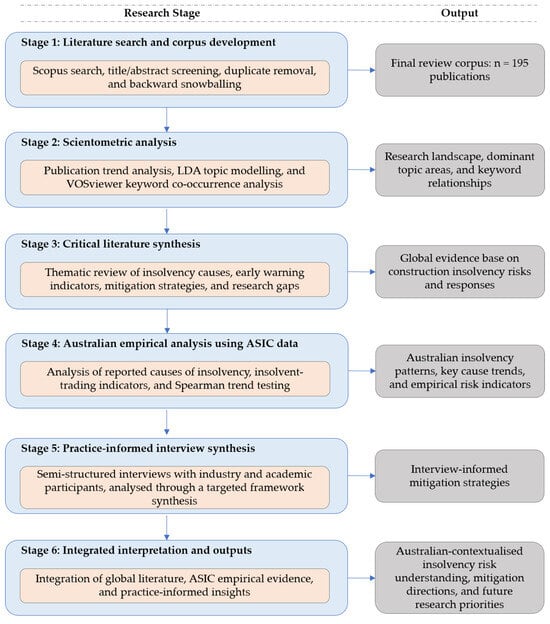
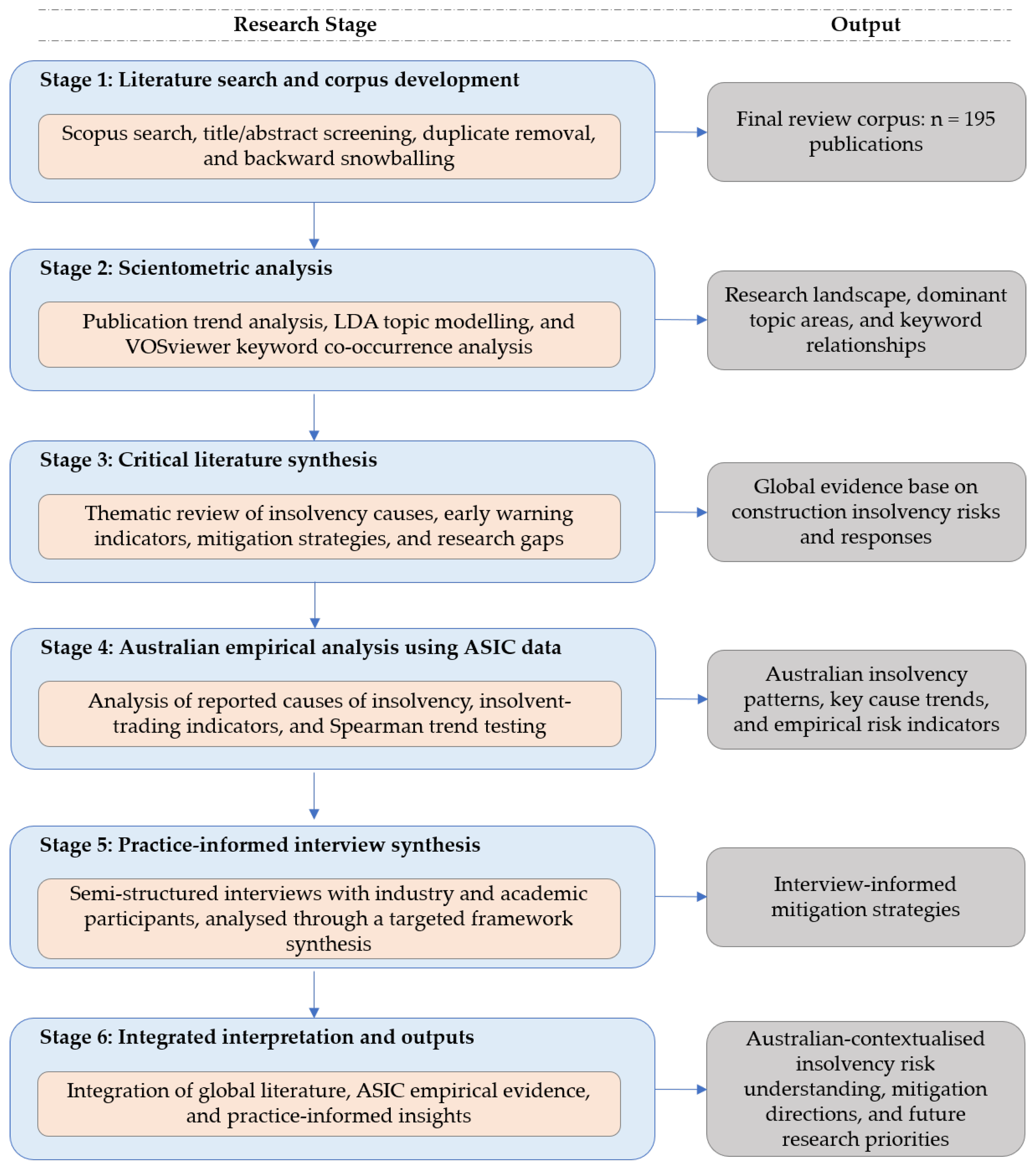
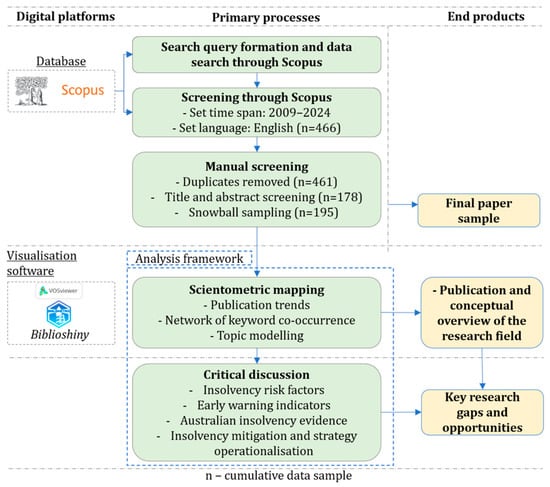
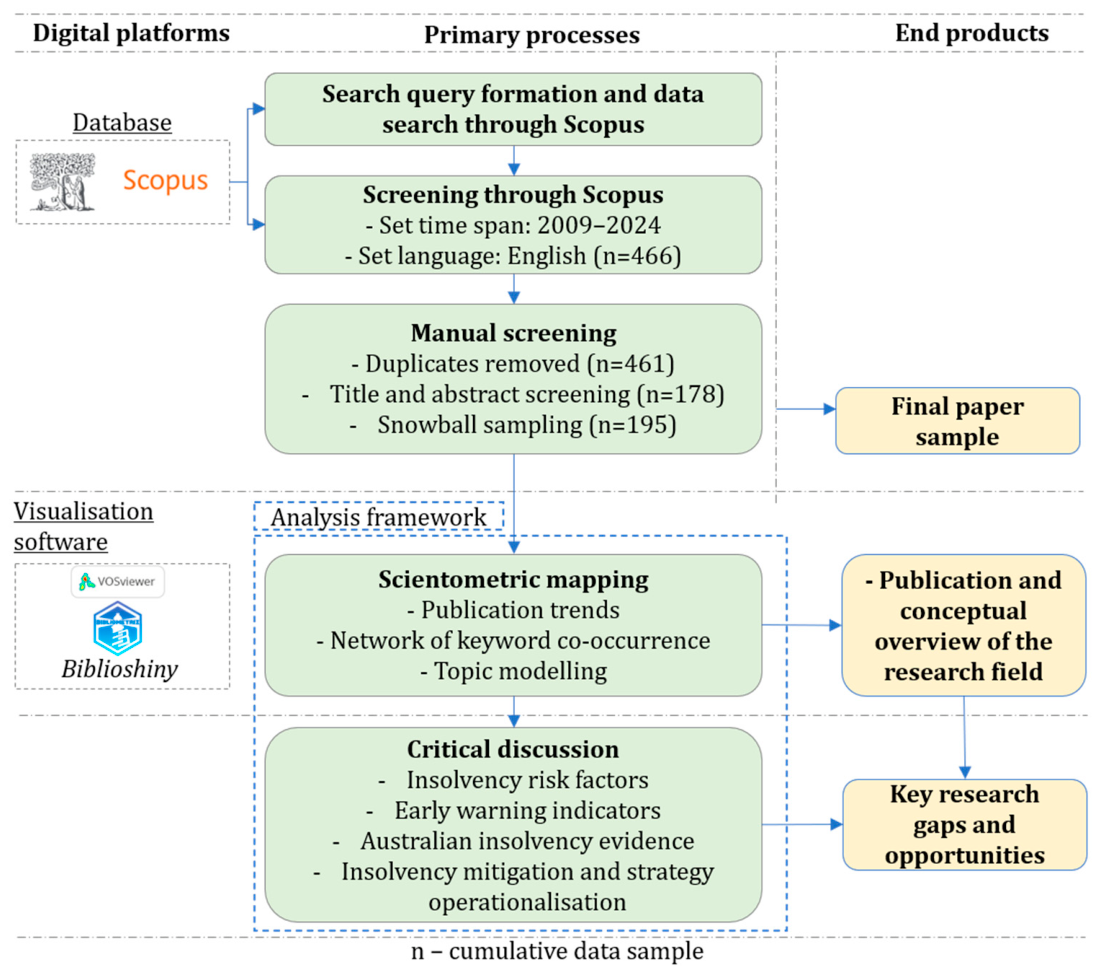
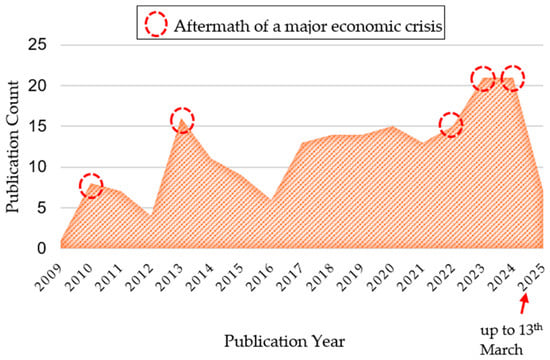
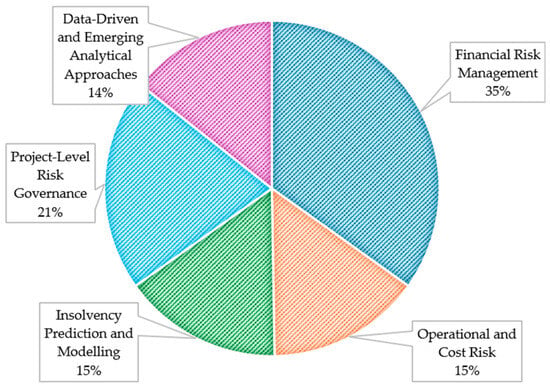
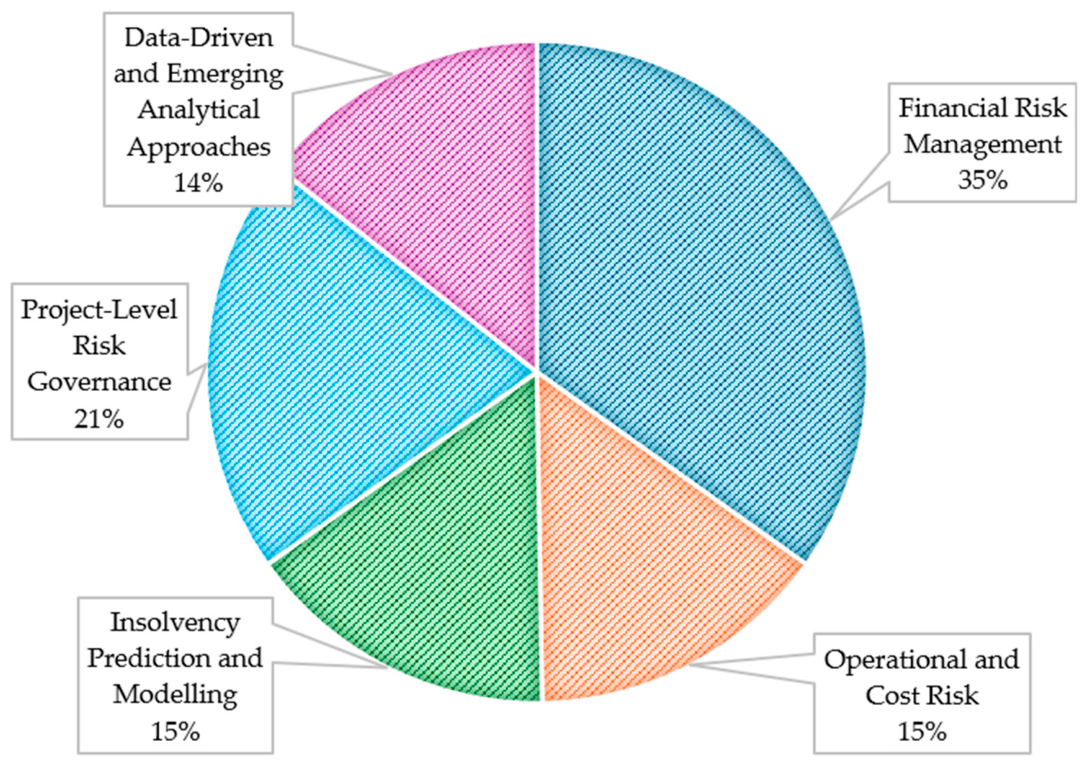
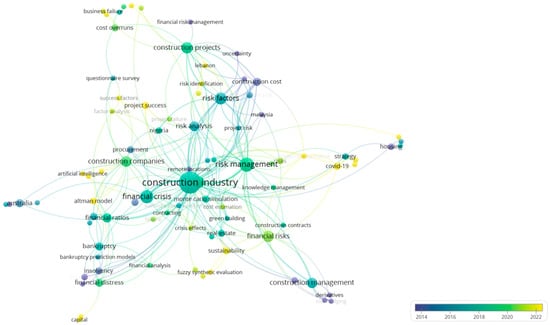
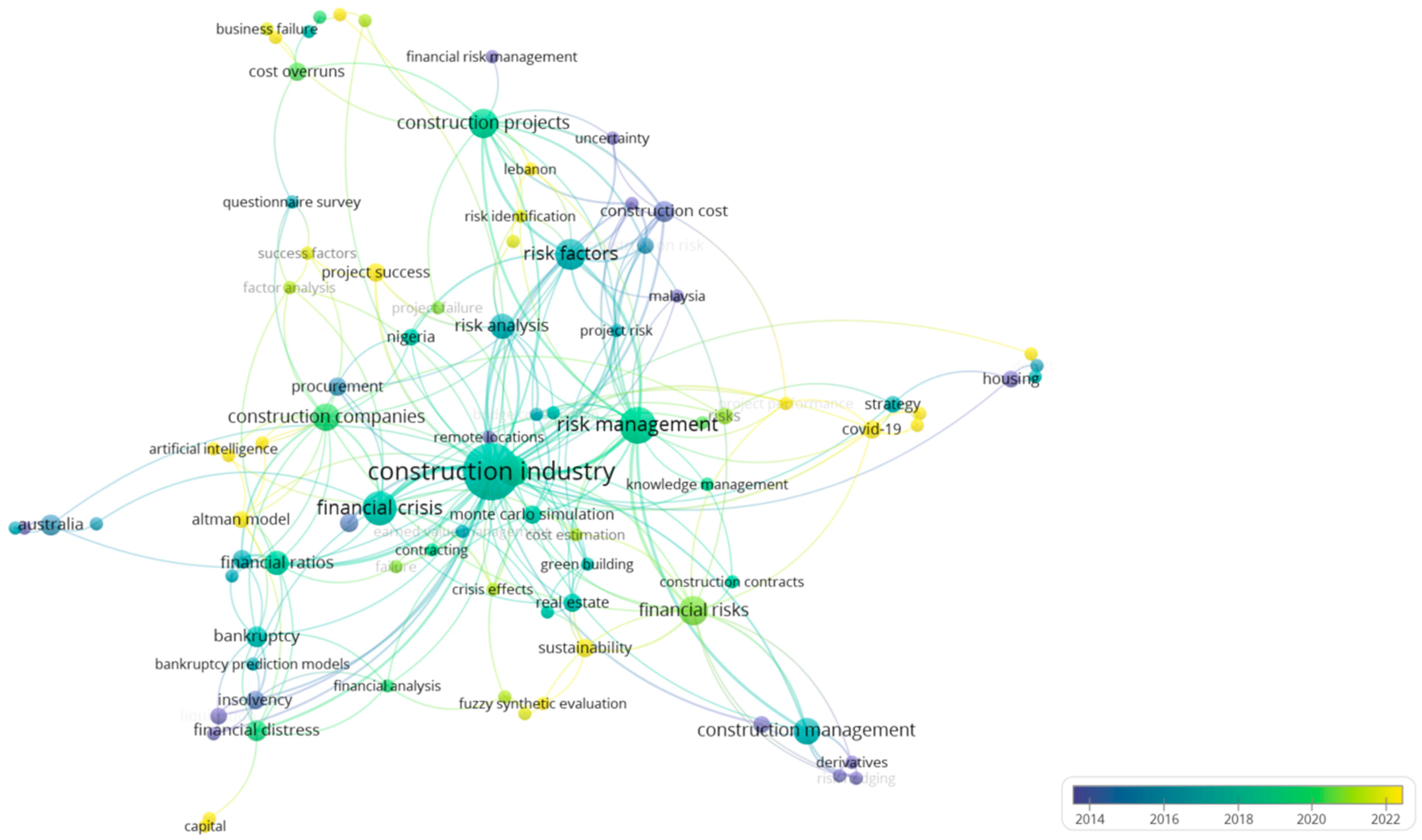
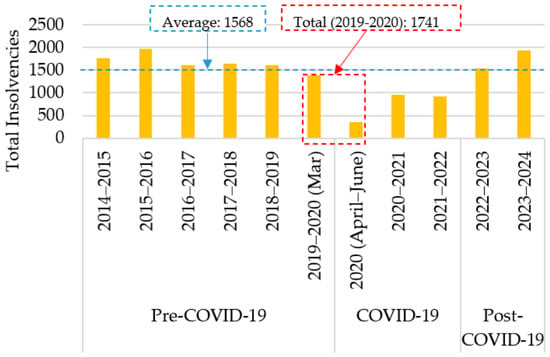
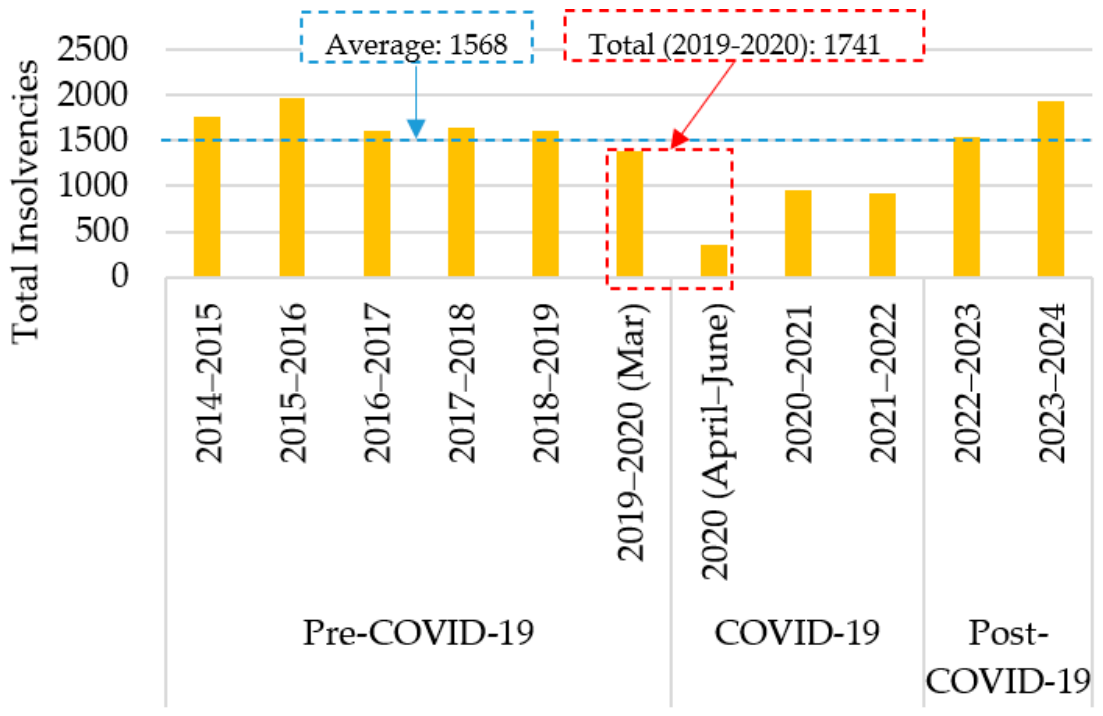
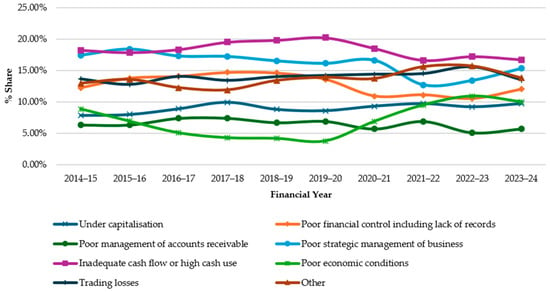
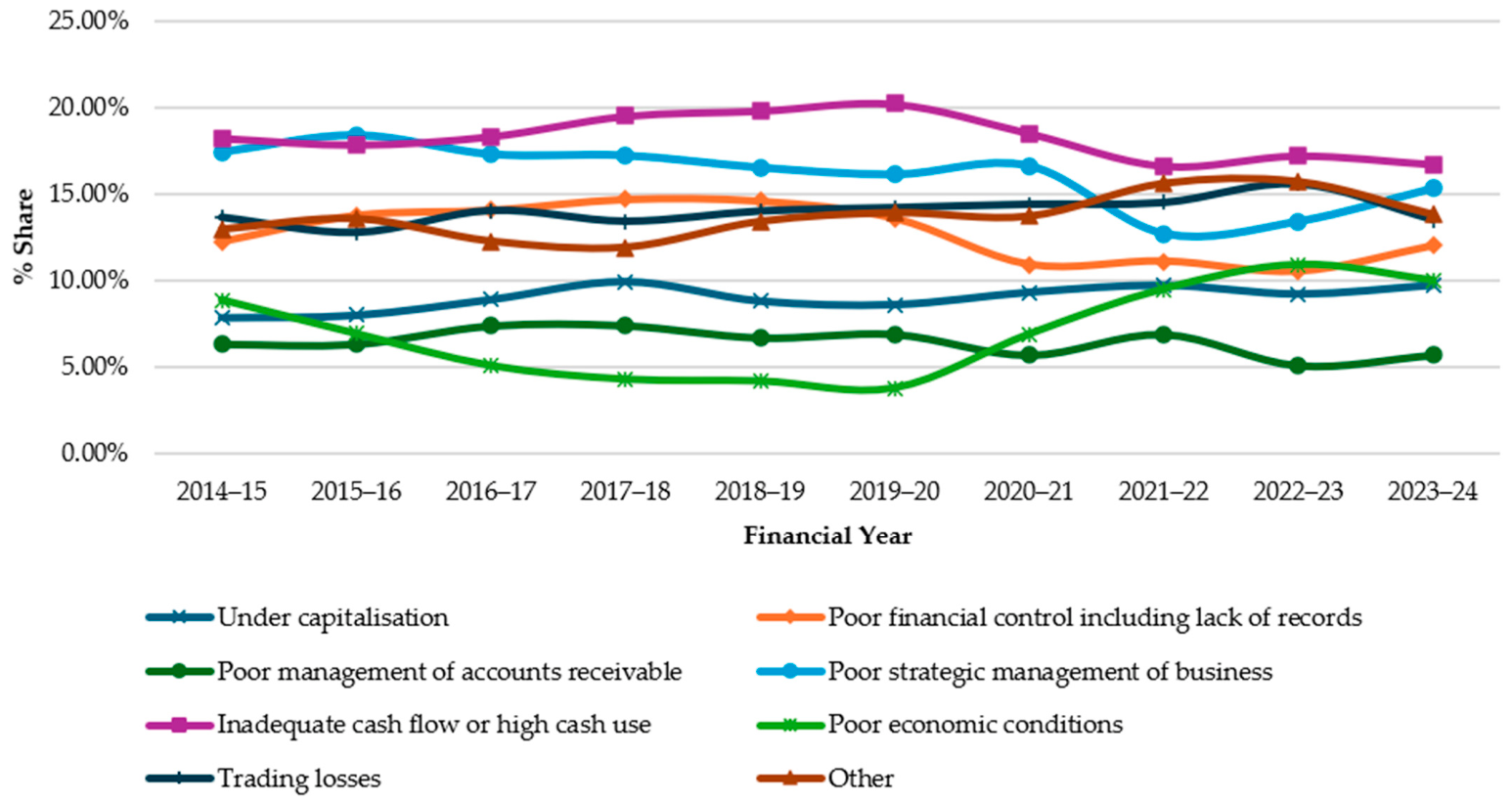
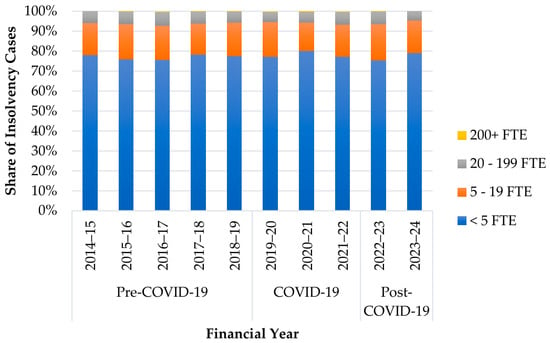
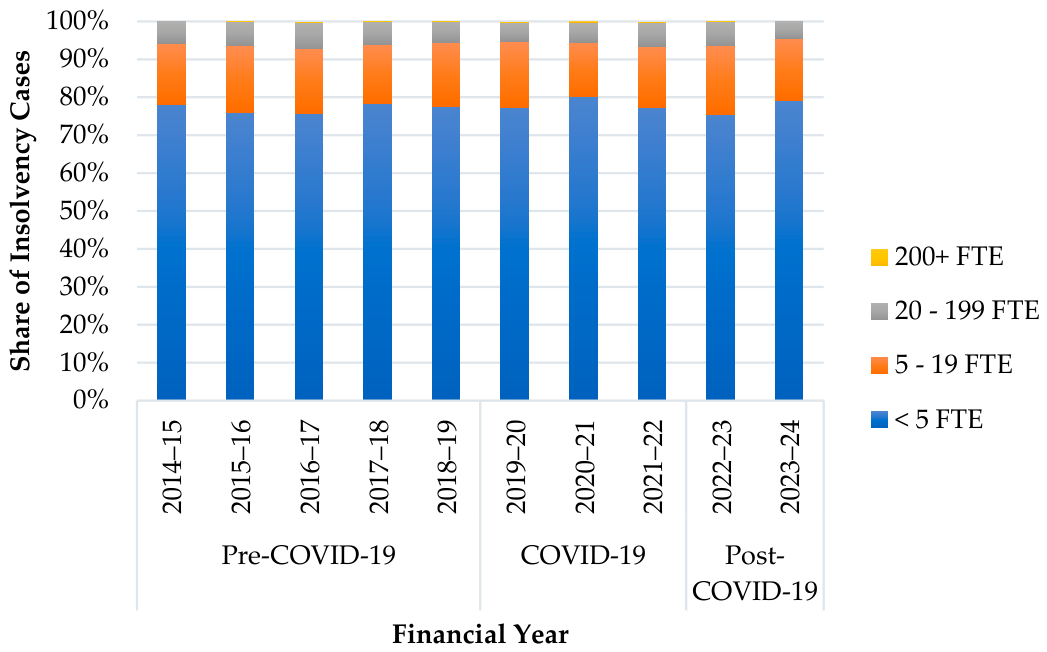

Disclaimer/Publisher’s Note: The statements, opinions and data contained in all publications are solely those of the individual author(s) and contributor(s) and not of MDPI and/or the editor(s). MDPI and/or the editor(s) disclaim responsibility for any injury to people or property resulting from any ideas, methods, instructions or products referred to in the content. |
© 2026 by the authors. Licensee MDPI, Basel, Switzerland. This article is an open access article distributed under the terms and conditions of the Creative Commons Attribution (CC BY) license.