


Abstract
The study examines the compliance of South African JSE-listed companies with the King IV Report principles on corporate governance and their contribution to Sustainable Development Goals (SDGs). To achieve this, integrated reports were downloaded from the websites of the top 22 JSE-listed companies representing six different economic sectors. Using content analysis of the 22 top-performing companies, this study assesses transparency in governance as well as SDG disclosure practices. Results show high compliance with King IV Report principles, especially good performance, legitimacy, and effective control, though full disclosure is not yet achieved. Similarly, while SDG-aligned reporting is robust, only a small percentage of listed companies provided full disclosure on all SDG themes. For regulators, the findings are supportive of stricter reporting and possibly mandatory disclosures aligned with King IV and SDGs. The study’s findings validate the views of stakeholder theory and the triple bottom line framework.
1. Introduction
The development of the United Nations Sustainable Development Goals (SDGs), which were adopted in September 2015, is widely regarded as a pillar for the creation of a better world and for addressing economic, environmental, and social challenges by the year 2030 (Shayan et al., 2022; Guiry, 2024). The adoption of SDGs supports Corporate Social Responsibility (CSR) in solving environmental, social, and economic challenges (Shayan et al., 2022). Accordingly, the well-being of society and the environment should be aligned with the interests of stakeholders (Shayan et al., 2022). The interplay among the protection of the environment, social support, economic development, achieving stakeholder expectations, and wealth creation enhances organisational sustainability (Shayan et al., 2022). Sustainability strives to strengthen economic growth that enhances equitable wealth without natural resource depletion (Abad-Segura & Gonzalez-Zamar, 2021). Thus, balanced investment and economic resource distribution ensure that environmental and social dimensions are pursued to achieve maximum development (Abad-Segura & Gonzalez-Zamar, 2021). The benefit of SDGs implementation lies in that it ensures that society at large is productive and minimises economic volatility and environmental challenges (Shayan et al., 2022). In addition, SDGs serve to preserve the natural resources of companies, grow their customer base and labour markets, and support employees (Shayan et al., 2022).
For the corporate sector, sustainability initiatives play an integral role in achieving the SDGs in both developed and developing economies (Erin et al., 2022). In this regard, credible and reliable accounting and reporting practices can play a critical role in achieving the stated SDGs through sustainability reporting practices for a variety of key stakeholders (Kaur et al., 2025). Companies from various countries and industrial sectors have been adopting various approaches to report their contributions towards achieving SDGs through embracing the integrated reporting approach (Nicolò et al., 2023). Sustainability reporting (SR) discloses and conveys a company’s environmental, social, economic, and governance practices as well as its progress towards achieving SDGs (Alsayegh et al., 2023). The power players (CEOs, boards, and management) of corporate institutions can influence social change within the organisation, especially issues relating to sustainability (Erin et al., 2022). Setting and reporting targets for each SDG priority facilitates the decision-making processes of corporate managers and improves the organisation’s accountability to stakeholders and investors (Nicolò et al., 2023).
In recent years, there has been a growth in the literature that debates the importance of corporate governance in promoting sustainability. Central to the debates is the fact that good governance accelerates the development of sustainable emerging economies (Murshed, 2024). For example, if government authorities enforce steps to punish corrupt leadership and offenders, environmentally friendly companies can become corruption-free and more transparent with respect to their activities (Murshed, 2024). As a result, an inclination toward non-compliance with environmental regulations would fall, which can then lead to a decline in the use of initiatives that damage the environment (Murshed, 2024). Bruner (2021) argues that board structures can greatly influence corporate sustainability.
One of the important goals of board structures is to promote board diversity, which is a critical factor for making sound decisions at top-level management (Bruner, 2021). The ownership of institutions determines the responsibilities of other governance structures, such as the role of boards and incentives to management, in enhancing sustainability practices (Kavadis & Thomsen, 2023). Bruner (2021) contends that the growth of awareness of sustainable development strategy has changed the focus from shareholder-centric corporate governance by organisations. However, Bruner (2021) also argues that the degree of employee participation in corporate governance is not an assurance of good behaviour or sustainable practices. This suggests that it is not guaranteed that stakeholder-oriented governance improves environmental sustainability.
Integrated reporting (IR) presents financial and non-financial information that satisfies a company’s stakeholders about the company’s financial condition, its initiatives towards sustainable development, as well as the detailed societal impact the company has (Sim et al., 2025). It enhances the integration of sustainability into corporate strategy and decision-making, at the same time increasing stakeholder trust (Serhii & Karyna, 2025). Additionally, Sim et al. (2025) note that IR acts as a vital tool for advancing SDGs by promoting transparency, resource allocation guidance, and connecting sustainable concepts. Furthermore, it serves as an instrument to bring together the objectives of different stakeholders (Serhii & Karyna, 2025). The integration of climate change issues ensures that companies align their policies with SDG objectives (Sim et al., 2025). One of the advantages enjoyed by companies that adopt IR is connecting sustainability practices and organisational performance, which results in improved stakeholder perception (Dasila, 2025). Dasila (2025) also stresses that by providing priority to holistic stakeholder-centred reporting, organisations can strengthen their commitment to sustainability and accountability, building positive relationships with stakeholders as well as gaining competitive market advantage. By producing detailed and transparent reports to stakeholders, companies make informed decisions that improve stakeholder trust (Dasila, 2025). Transparent reporting differentiates companies that communicate their sustainable practices from those that do not, contributing to long-term business, building strong stakeholder relationships, as well as increasing competitive advantage (Dasila, 2025).
According to Serhii and Karyna (2025), IR presents financial and non-financial information in a summarised form, which shows the features of an entity’s business model and its capacity to generate short-, medium-, and long-term value. Information contained in integrated reports describes factors that are essential for value creation for the company and its environment (Serhii & Karyna, 2025). The competitiveness of the company in the long run depends on the value created for the company’s stakeholders and society (Serhii & Karyna, 2025). As a result, the adoption of IR frameworks, employing sustainable business operations and promoting transparency and accountability, enables organisations to optimise the value obtained from Environmental, Social, and Governance (ESG) integration, as well as sustainability reporting (Dasinapa, 2024).
The King IV Report (2016) is used to guide all companies, regardless of their form of incorporation. King IV applies to public and private companies, not-for-profit making organisations, retirement funds, municipal organisations, state-owned corporations, as well as small and medium-sized entities (King IV Report, 2016). The King IV Report (2016) provides some supplementary details to assist different companies with guidelines on industry-specific implementation of corporate governance principles (King IV Report, 2016). The report encourages companies to carefully and proportionately apply governance practices. The King IV Report (2016) outlines several objectives to assist in the promotion of good governance across companies. Its objectives are to promote corporate governance as integral to running an organisation and achieving governance outcomes and to broaden the acceptance of King IV by ensuring it is accessible and suitable for implementation across different sectors and organisations. In addition, King IV reinforces governance as a holistic and interrelated set of arrangements to be understood and implemented in an integrated manner and encourages transparency and meaningful reporting to stakeholders.
The King IV Report (2016) on corporate governance for South Africa became effective on 1 April 2017, necessitated by the need to address trends in sustainability, governance, and IR (Mähönen, 2020). In replacing King III, King IV strengthens transparency and accountability among organisations by changing the focus from the apply-or-explain to the apply-and-explain principle (King IV Report, 2016). The key emphasis of the King IV Report is on aligning ethical leadership, transparency, and accountability with global best practices as well as addressing local needs (John & Richard, 2024). Companies are encouraged to apply elements and fulfil them using the apply-and-explain system (Ntjane, 2022). A total of 17 principles are covered in the King IV Report (2016), presented under five governance areas identified as governing structures and delegation, leadership ethics and corporate citizenship, governance of functional areas, strategy, performance, and reporting, as well as stakeholder relationships (Marais, 2020). From the core message on stakeholder inclusivity, companies are expected to give attention to the interests and expectations of all stakeholders and not shareholders only (van der Merwe, 2020). These include suppliers, employees, regulators, and communities. Scheepers and Christopher (2023) highlight that the King IV Report (2016) emphasises upholding of ethical values, responsible leadership, as well as fairly treating others. Thus, there is a need for corporate social responsibility and stakeholder inclusivity to make sure that today’s needs are satisfied without compromising the ability to achieve the needs of future community engagement projects (van der Merwe, 2020; Scheepers & Christopher, 2023). Regarding ethical leadership, the King IV Report (2016) advocates ethical conduct at the centre of governance. Consequently, leaders are expected to show a high degree of integrity, responsibility, and competence (Rossouw, 2020).
Using the integrated approach, the economy, the environment, as well as society are regarded as equal in the creation of sustainable value (Scheepers & Christopher, 2023). The King IV Report (2016) is centred on value creation in a sustainable manner, given that we operate in a world that continues to evolve—a world full of challenges such as climate change, financial crises, and ecological imbalance (van der Merwe, 2020). Besides the advocacy for stakeholder inclusivity, the King IV Report (2016) not only addresses the idea of IR as initially presented in the King III Report but also brings the idea of integrated thinking (van der Merwe, 2020). The King IV Report (2016) supports a full view of the company with both financial and non-financial factors, such as social and environmental impacts, which form part of decision-making and reporting (Boodhun & Jugurnath, 2023). Consequently, this supports IR by presenting financial and sustainability information, which is a key driver of long-term value creation (Sim et al., 2025). Sustainability and transparency are key principles of the King IV Report (Robinson et al., 2020). King IV supports the triple bottom line approach, which addresses economic, social, and environmental performance (Doni et al., 2019). In addition, the King IV Report (2016) encourages trust and legitimacy through transparent governance practices (John & Richard, 2024). According to Scheepers and Christopher (2023), transparency refers to providing visible and disclosed information, objectives, and behaviour to all groups engaged. Using the King IV Report (2016) matters because of future challenges in governance, including digital development and ESG concerns (Myeza et al., 2023).
This study focuses on Johannesburg Stock Exchange-listed companies. Several reasons have been considered for the selection of the listed companies. The first reason was that companies listed on the Johannesburg Stock Exchange (JSE) are mandated to apply the King IV principles using the “apply-and-explain” principle (Khatlisi & Enwereji, 2025). This ensures that the listed companies are most suitable for consideration in assessing the practical use of the governance frameworks and their influence on transparency and sustainability. The second reason is that listed companies are required to publish integrated reports, governance statements, and sustainability disclosures annually (Hamad et al., 2023). This ensures that standardised and rich data for analysis are in place, enhancing a vigorous evaluation of how the King IV principles are implemented. Thirdly, the JSE lists a wide range of companies from different economic sectors such as mining, manufacturing, energy, retail, telecommunications, and finance (Vilakazi & Bosiu, 2024). Such diversity facilitates a detailed understanding of how different industries interpret and operationalise sustainability and transparency practices through the King IV Report (2016) in pursuit of sustainable development. The fourth reason is that companies listed on the JSE significantly influence the economy of South Africa. Smaller firms are guided by the practices of listed companies, which are usually used as benchmarks to influence general corporate behaviour (Vilakazi & Bosiu, 2024). Therefore, an analysis of listed companies gives insights into leadership trends and possible effects throughout the private sector. Finally, the majority of JSE-listed companies operate as multinational firms. This compels them to align their operations with international sustainability frameworks such as Integrated Reporting (IR), the Global Reporting Initiative (GRI), and SDGs (Katuruza, 2020). This also makes them suitable for a global reference point and comparative research. Considering their scale, regulatory obligations, and visibility, companies listed on the JSE are in a better position to drive national progress toward the SDGs. The King IV Report (2016) encourages listed companies to demonstrate high levels of commitment towards ethical leadership, transparency, and sustainable value creation, which are all crucial to responsible management of the environment (Ramalho, 2020; Sithole & Lotter, 2024). By integrating sustainability into their business strategies, JSE-listed companies can act as a stimulus for wider societal development, making them a perfect focus for assessing the effectiveness of the King IV Report (2016) in promoting the SDGs.
The above discussion on the King IV Report (2016) and its use in driving SDGs discloses several gaps in the literature that present opportunities for further investigation. Although the King IV Report encourages sustainable development as a vital principle, it does not directly address what sustainable development entails and how organisations should integrate SDGs into their governance frameworks (Ghio & McGuigan, 2020; Ramalho, 2020). This means that there is a lack of practical guidance for companies that strive to align their operations with SDG targets. In addition, King IV does not provide a roadmap for integrating SDGs into corporate governance and reporting (Mbhalati & Masehela, 2024; Pahuja et al., 2025). It also lacks industry-specific guidelines, which leads to misalignment between its principles and the current legislation governing public institutions in South Africa (Van Zyl & Mans-Kemp, 2020; Mans-Kemp & Rossouw, 2023). Another limitation of the King IV Report (2016) is the lack of indicators or metrics to measure the progress of companies towards SDGs (Ferreira et al., 2025). This creates challenges for companies to evaluate SDG-related performance and communicate their contributions to sustainability practices. The majority of studies are conceptual, mainly looking at shared philosophy between the King IV Report (2016) and the SDGs. There is limited research investigating the impact of the report on SDGs across economic sectors. This study looks at how the King IV Report has been operationalised in promoting SDGs by JSE-listed companies from different economic sectors.
The selection of the six economic sectors that comprise consumer goods, financial services, mining, consumer services, telecommunications, and technology portends their relative importance in the South African economy, as well as the diverse sustainability challenges they encounter. These sectors in total contribute a substantial percentage of the overall Gross Domestic Product and employment in South Africa, thereby making a significant impact on the achievement of the Sustainable Development Goals (SDGs) (Awolusi, 2016; N. W. Hlongwane, 2025). Each sector faces different environmental, social, and governance (ESG) issues. For instance, the mining sector is associated with significant environmental impacts and stakeholder engagement (Dlamini & Dubihlela, 2025); the finance sector plays a major role in the allocation of sustainable finance and governance practices (Maredza & Mhlanga, 2024); the consumer goods and services sector presents a significant impact on responsible consumption and equity in employment (Anwana, 2020), whereas the telecommunications and technology sectors create innovations in the use of technology (Gonese & Ngepah, 2025). By assessing the top 22 largest corporations in the JSE that are listed across these economic sectors, the research ensures the inclusion of industries that vary in their association with the Sustainable Development Goals, thereby providing a holistic insight into the adoption of King IV Report (2016) principles of transparency and sustainability in the integrated reporting framework.
From the above discussion, the study aimed to achieve the following research objectives:
- RO1:
- To examine the extent to which listed companies on the JSE disclose information aligned with the principles of the King IV Report;
- RO2:
- To assess how transparency practices adopted by these companies contribute to the achievement of United Nations Sustainable Development Goals (SDGs);
- RO3:
- To identify patterns in sustainability and transparency reporting among JSE-listed companies;
- RO4:
- To explore the relationship between King IV compliance and the advancement of SDGs within the South African corporate sector.
This study contributes to the academic body of knowledge by critically investigating the role played by the King IV Report (2016) in promoting SDGs through enhanced transparency and sustainability practices in South Africa. This research contributes to the fields of sustainability and governance by presenting empirical findings on the implementation of King IV principles, GRI-aligned sustainability practices, and ISSB-compliant disclosures by South Africa’s leading companies listed on the Johannesburg Stock Exchange. The findings of the paper reflect strong alignment in King IV governance principles in terms of good performance, control, and legitimacy outcomes, with gaps identified in ethical culture disclosures. By analysing SDG disclosures, along with governance disclosure practices, the study contributes towards improved GRI-compliant practices in emerging economies such as South Africa by identifying weaknesses related to themes and economic sectors. Above all, the paper offers new information in terms of providing evidence of ISSB-aligned reporting practices among corporates in South Africa. This contributes to an understanding of readiness and challenges in effecting full IFRS S1 and S2 compliance in line with ISSB principles, offering insights to regulators, practitioners, and global standard-setters
2. Literature Review
This section focuses on a discussion of the theories that guided the study and a review of the empirical literature. The paper is based on the Stakeholder Theory and the Triple Bottom Line framework as discussed below.
2.1. Stakeholder Theory
The Stakeholder Theory offers some thoughtful theoretical perspectives to explain stakeholder concerns and compile information about stakeholders and value creation (Awa et al., 2024). It also aids in compiling information on contextualised behaviour to provide guidance on precautionary decisions, balancing different interests, anticipating corporate actions, assessing outcomes (Awa et al., 2024). The Stakeholder Theory has three tenets, namely jointness of interest, cooperative strategic posture, and rejection of a narrow economic view of the firm (Shah & Guild, 2022). According to Shah and Guild (2022), jointness of interest fosters companies in creating value by striving to balance the interests of all stakeholders. The cooperative strategic posture tenet stimulates the development of cooperation amongst organisations and stakeholders as partners (Shah & Guild, 2022). Furthermore, the rejection of a narrow economic view of the firm tenet guides the company to understate the profit motive as the main objective of the firm (Shah & Guild, 2022). Various stakeholders have vested interests in the organisation and are impacted by its activities; they gain when the company prospers and are adversely affected when the company struggles (Awa et al., 2024). Awa et al. (2024) add that stakeholders can play a crucial role in the wealth creation of the firm and, subsequently, can benefit or suffer from the actions of the firm. Using the stakeholder theory, for a company to function and operate a business model, it should establish sound relationships with both internal and external stakeholders (Freudenreich et al., 2020). Hence, the Stakeholder Theory is regarded as the most common framework used to measure sustainability (Kayikci et al., 2022).
In the context of this paper, the King IV Report (2016) underlines inclusive stakeholder engagement and ethical leadership. The stakeholder theory postulates that companies should create value for all stakeholders instead of only the shareholders. This supports and advances the United Nations’ inclusive development goals, particularly SDGs. Therefore, the Stakeholder Theory is applicable in this study and is used to assess how transparency and sustainability practices stipulated in King IV contribute to accountability, stakeholder trust, and long-term value creation.
2.2. Triple Bottom Line Framework
The Triple Bottom Line (TBL) theory was propounded in 1994 by John Elkington to champion the ideas of sustainable development and public policy framework (Gu et al., 2021; Nica et al., 2025). Within the sustainable development context, TBL has significantly transformed how firms and policymakers understand and assess performance (Nica et al., 2025). An integral part of TBL is the multifaceted pursuit of economic, environmental, and social agendas (Vukovic et al., 2023). In practice, such a multidimensional approach may be in harmony with advancing national or regional development (Vukovic et al., 2023). Under corporate governance, TBL has been recognised as a vital instrument for organisations striving to focus on sustainable business models by providing sustainability reports, environmental, social, and governance (ESG) strategies (Nica et al., 2025). Consequently, the TBL framework integrates economic, environmental, and social values contributing to universal goals such as SDG 8 (decent work and economic growth), SDG 12 (responsible consumption and production), and SDG 13 (climate change) (Nica et al., 2025). Social upliftment, poverty reduction, and environmental progress achieved through emission reduction contribute to efficiency improvement (Vukovic et al., 2023). According to Nica et al. (2025), companies can support the achievement of these global objectives by integrating sustainable practices into their business models through the application of the TBL framework.
TBL is very relevant in the study because it focuses on the three performance criteria, namely economic, environmental, and social. The King IV Report (2016) and the SDGs both underscore integrated thinking and value creation across the three dimensions. For that reason, the TBL framework is useful in evaluating how King IV promotes holistic performance and reporting that encourages sustainable development.
2.3. The Role of King IV in Enhancing Transparency and Sustainability Practices
The role played by King IV in enhancing transparency and sustainability practices is multifaceted. It can be thought of in terms of transparency as a governance outcome and sustainability practices embedded in governance. These are discussed below.
2.3.1. Transparency as a Governance Outcome
The King IV Report recognises transparency as a principal element of ethical leadership and good governance (King IV Report, 2016). The shift from “apply-or-explain” to “apply-and-explain” encourages firms to prioritise the adoption and disclosure of governance principles (King IV Report, 2016). Thus, stakeholder trust and accountability increase. Furthermore, the report encourages IR as a way of reporting the organisation’s performance, strategy, and sustainability (King IV Report, 2016). This promotes transparency in financial and non-financial issues as well as ESG factors. In addition, the report mentions expectations for comprehensive disclosure throughout governance areas such as risk, ethics, remuneration, compliance, and stakeholder engagement, which bring together a culture of transparency (King IV Report, 2016).
2.3.2. Sustainability Practices Embedded in Governance
The King IV Report (2016) incorporates sustainability into its governance framework in several ways. The first one is through ethical and effective leadership as leaders should mitigate adverse impacts on society and on the environment and take steps that lead to long-term sustainability (King IV Report, 2016). The second one is stakeholder inclusivity, where companies are persuaded to align the expectations of all stakeholders and not focus only on shareholders. The third issue is risk and opportunity governance, where organisations are expected to regard risk as both a threat and an opportunity, especially in respect of sustainability and innovation. The fourth element is sustainability-based remuneration. In this principle, the King IV Report (2016) suggests that executive remuneration should be performance-based, indicating sustainable outcomes and embracing non-financial performance measures. The last one is the principle of a combined assurance model. This model combines several assurance functions to preserve the truthfulness of internal and external reporting, thus strengthening both transparency and sustainability (King IV Report, 2016).
The King IV Report (2016) represents a forward-thinking governance framework that supports SDGs, transparency, and sustainability as core principles of corporate governance. Its principles and practices drive firms to adhere to ethical standards, report honestly, and focus on holistic value creation for all stakeholders.
2.4. The King V Draft Report and the Sustainable Development Goals (SDGs)
This section focuses on the King V draft report. The draft report is discussed in relation to embeddedness and integration with SDGs, a comparison of King V and King IV, and its relation to the Sustainable Development Goals.
2.4.1. Embeddedness and Integration with SDGs
The expected release date for the King V Report (2025) was October 2025. The report is based on the foundational principles of King IV, but in contrast, it elaborates and systematically aligns with SDGs by underscoring corporate citizenship, integrated thinking, and long-term value creation (King V Report, 2025). Several key features proposed in the King V draft report support SDGs. Among these are the principles of integrated thinking, sustainable development, strategy and value creation, reporting, remuneration governance, and stakeholder inclusivity. The report defines integrated thinking as understanding the interconnectedness of economic, environmental, and social systems (King V Report, 2025). This offers a complete and detailed view of SDGs, which seek to achieve a balance between economic vitality, environmental health, and social justice. Regarding the principle of sustainable development as an ethical imperative, King V clearly presents sustainable development as a fundamental ethical obligation and vital societal requirement, strengthening the SDGs conventions for long-term resource management (King V Report, 2025).
The third principle focuses on strategy and sustainable value creation. This principle dictates that a company’s purpose, business model, and strategy must contribute to long-term value creation within the bounds of economic, environmental, and social contexts. The King V Report (2025) demands that governing bodies should evaluate the actual and possible outcomes of strategy on society and the planet, resonating with the SDGs’ call for inclusive and sustainable growth (King V Report, 2025). With the principle of reporting, King V proposes dual materiality in sustainability reporting—financial and impact materiality—ensuring that firms report on what impacts their profitability and what affects the environment and stakeholders (King V Report, 2025). This supports SDG 12 (responsible consumption and production) and SDG 13 (climate action). The fifth principle proposed is on remuneration governance. The King V Report (2025) proposes a connection between executive remuneration and performance measures to indicate a favourable outcome across economic, environmental, and social contexts, reinforcing SDG 8 (decent work and economic growth) and SDG 10 (reduced inequalities).
Finally, the sixth principle is stakeholder inclusivity. King V strengthens stakeholder-focused governance, stimulating firms to consider the interests of all stakeholders, including shareholders. This endorses SDG 16 (peace, justice and strong institutions) and SDG 17 (partnerships for the goals).
2.4.2. Comparative Analysis of King V Versus King IV Reports
Below, King V and King IV are compared. This was done in terms of philosophical evolution and structural enhancements.
Philosophical Evolution
Table 1 presents comparative information on the philosophical evolution of the King IV and King V Reports.
Table 1.
Philosophical evolution.
Structural Enhancements
The proposed King V Report signifies a significant transformation in South African corporate governance, conforming more precisely and fully to SDGs. It fosters continuous improvement to integrate sustainability, ethical leadership, and stakeholder inclusivity at the centre of governance structures. King V, in contrast with King IV, proposes a systematic, goal-oriented, and future-driven framework that prepares firms to contribute significantly to global sustainability efforts. This study sets the baseline using King IV for further studies to explore the impact of King V’s on entities’ efforts towards meeting the Sustainable Development Goals through enhanced transparency and sustainability practices in their operations and reporting practices. Table 2 outlines the details of structural enhancements in the King V Report.
Table 2.
Structural enhancements.
2.4.3. Sustainable Development Goals
The United Nations published the SDGs in September 2015 as part of the 2030 Agenda for Sustainable Development (United Nations Sustainable Development Goals, 2023). The 2030 Agenda for Sustainable Development was adopted by all United Nations Member States, including South Africa (United Nations Sustainable Development Goals, 2023). The 2030 Agenda published a total of 17 SDGs, shown in Table 3, which constitute an urgent call to action for all countries. The development of SDGs was centred on ESG principles and presented measurable goals to promote the achievement of societal and business needs without compromising future generations (Mbhalati & Masehela, 2024). In this context, companies in South Africa are expected to integrate SDGs into their business operations and corporate reporting. A study carried out by Haywood and Boihang (2021) revealed that the top 100 South African companies demonstrated their awareness and commitment to SDGs despite only a few having fully integrated SDGs as disclosed in their annual reports. Since reporting on SDGs is voluntary, some companies in South Africa are hesitant to consistently report their SDG activities (Denhere, 2024). However, in recent years, there has been significant progress in the integration of SDGs into corporate strategy and reporting by South African companies (Mbhalati & Masehela, 2024). In line with SDGs, South Africa, just like any other emerging market, is facing developmental challenges such as growing unemployment, inequality, and a contraction in economic activity (Mbhalati & Masehela, 2024).
Table 3.
The United Nations Sustainable Development Goals.
3. Methodology
3.1. Research Design
The study employed both qualitative and quantitative approaches using content analysis to evaluate the extent of the implementation of the King IV Report (2016) principles by JSE-listed companies in line with SDGs. This is in line with previous studies that also used content analysis to assess the adoption of ESG reporting by JSE-listed firms (G. Nel et al., 2022; Daniels & Smit, 2023; Debeila et al., 2024; Kassier, 2024). Content analysis is a research tool used to analyse and interpret the meaning of text data (Kassier, 2024). Content analysis is a systematic research method used to transform qualitative disclosures in integrated or annual reports into quantifiable data for empirical investigation (Aureli et al., 2017; Juniati & Abadi, 2017; Aggarwal & Singh, 2019).
3.2. Data Collection
The study population consisted of companies listed on the JSE. Companies from different economic sectors were selected using a purposive sampling technique. The JSE has 435 listed companies with a market capitalisation of R21 trillion (JSE, 2025). In their study on the evolution of South Africa’s economic structure, Vilakazi and Bosiu (2024) used a sample size of the top 20 largest companies listed on the JSE and argued that they typically account for a significant proportion of the JSE’s total market capitalisation. Thus, this study used a sample size of 22 JSE-listed companies, as shown in Table 4, with the composition by sector. The decision to select the top 22 listed companies in this study was made to ensure that there is fair representation of companies across different economic sectors. The sample size of the top 22 JSE-listed companies adopted in this study was guided by prior similar studies that have used sample sizes of less than the top 40 JSE-listed companies in assessing their practices in SDG reporting. For example, a study by Mbhalati and Masehela (2024) looked at ESG and SDG reporting practices using a qualitative review of lessons from the top 30 FTSE/JSE-listed companies. Similarly, Denhere (2024) investigated the influence of board gender diversity on SDG disclosure using a sample of the top 15 JSE-listed mining companies.
Table 4.
Study sample for the top 22 JSE-listed companies.
Furthermore, Kassier (2024) examined the transitions in corporate sustainability reporting using content analysis for the top 10 FTSE/JSE-listed multinational companies by analysing their sustainability reports. Considering that the JSE top list continuously changes owing to fluctuations in share price and market capitalisation (Debeila et al., 2024), purposive sampling was deemed suitable. Thus, the list available on the 2nd of September 2025 was selected. The 2nd of September was the date when integrated reports and sustainability reports were retrieved from the websites of the top JSE-listed companies. The reason for using both integrated reports and sustainability reports as sources of data in this study is that sustainability reporting is kept separate from traditional financial reporting (Kassier, 2024). Application of the sustainability reports relies on the fact that the SDGs and ESG are intricate frameworks, which encompass environmental and societal influences (Mbhalati & Masehela, 2024), and companies often prefer to report these through non-financial information in the sustainability report. The data were collected by analysing the content of integrated and sustainability reports of the top 22 JSE-listed companies.
The data for 2025 were not yet fully available when the research was conducted. Therefore, the top 22 JSE-listed companies as of 2 September 2025 had a market capitalisation of ZAR 13,9122 trillion, representing 66.25% of the JSE’s total market capitalisation (Profile Group Ltd., 2025). Their operations influence not only the South African economy but also global markets. Large listed firms are most likely to produce comprehensive integrated reports following the International Integrated Reporting Council (IIRC) framework and other global standards (Wachira et al., 2020). The top 22 companies were likely to operate in more than one region and sector, and therefore their sustainability practices were likely to be larger in scope and relevant to a broader range of SDGs, hence their selection in our study. Furthermore, they can serve as benchmarks to evaluate the performance of smaller-scale companies or other sectors (Scholtz et al., 2020). Lessons from their disclosures can inform national policy and corporate governance reform to enhance integration of SDGs (Khatlisi & Enwereji, 2025). The year 2024 assumes significance in the sense that it replicates global movements in ESG guidelines and sustainability disclosures (Zumbansen, 2025).
In addition, the 2024 reports reflect how companies are reacting to recovery plans following the COVID-19 crisis, evolving global standards of ESG, and South Africa’s SDG targets. Furthermore, electronic copies of the King IV and King V Reports were retrieved from the IoDSA website. These were relevant to provide literature on the coverage of SDGs in the South African Corporate Governance framework.
3.3. Data Analysis
Data were analysed using a systematic content analysis. In this study, data analysis was done through the use of qualitative and quantitative descriptive techniques. An analysis of the integrated and sustainability reports of the top 22 JSE-listed companies was done in September 2025. After the sampling of the top 22 listed companies on the Johannesburg Stock Exchange, their published reports were subjected to an in-depth cross-sectional analysis using the qualitative content analysis research method. After that, content analysis was used as the basis to transform qualitative information into a quantifiable format. In quantitative assessment, the sampling process took into consideration the frequency of SDG mentions in different parts of the integrated and sustainability reports for the respective companies. The data described in the reports were carefully categorised, hence streamlining the information in line with recurring concepts and thematic elements. The process adopted a disclosure index, which included all 17 SDGs as a guide. Utilising the GRI framework, a content analysis was conducted to assess the degree to which firms complied with corporate SDG reporting requirements (Erin et al., 2022). This methodology was predicated on the development of a disclosure index, which subsequently allows researchers to assign a score to each indicator.
Content analysis was used to identify and design codes in relation to King IV principles and SDG-disclosure practices. Content analysis was performed using integrated reports in two phases: (1) to assess whether listed companies align their reporting with King IV principles, and (2) to examine the level of information disclosure on SDGs. As the King IV Report (2016) came after the publication of the SDGs, companies are encouraged to align their activities with the SDGs. King IV encourages companies to consider their impact on society and the environment, and this naturally aligns with SDGs (Ahmed, 2023; K. Nel et al., 2023).
In assessing reporting practices in line with King IV, four themes were developed in line with the King IV code on Corporate Governance in South Africa to guide the design of codes and rating scores for each reporting theme as follows:
Ethical culture (Theme 1): This refers to the company’s shared values and practices that guide behaviour as reflected through ethical leadership, establishment of a code of ethics and conduct, sustainability and stakeholder inclusivity, and corporate citizenship initiatives.
Good performance (Theme 2): This looks at the company’s ability to deliver value in the long run by communicating information on the integration of strategy with sustainability, performance metrics linked to strategic objectives, disclosure of material matters, and balanced and transparent reporting.
Effective control (Theme 3): This refers to the company’s systems, policies, and practices to facilitate effective management, risk mitigation, and compliance through disclosing information on board composition and diversity, roles and responsibilities of the board, delegation to committees, as well as independence and effectiveness of governance structures.
Legitimacy (Theme 4): This explains whether the company is socially responsible, transparent, and earns trust and supports its stakeholders through reporting information about stakeholder engagement practices, responsiveness to stakeholder concerns, as well as stakeholder impact and value creation.
The above four reporting themes central to achieving governance outcomes were analysed using five dimensions. These are:
- Presence (Is the topic mentioned at all?): Using a scoring range of 0 = not mentioned at all to 1 = mentioned;
- Clarity (Is the information clearly presented?): Using a scoring range of 0 = unclear; 1 = somewhat clear; 2 = clear;
- Depth (Is the disclosure detailed and insightful?): Using a scoring range of 0 = no performance data; 1 = basic performance indicators mentioned; 2 = quantitative/qualitative data performance mentioned; 3 = detailed performance metrics disclosed;
- Alignment (Is the disclosure aligned with King IV principles?): Using a scoring range of 0 = not aligned; 1 = partially aligned; 2 = explicitly aligned;
- Comparability (Is the disclosure comparable with other listed companies?): Using a scoring range of 0 = not comparable; 1 = somewhat comparable; 2 = fully comparable. Table 5 summarises the disclosure index used in assessing reporting practices in line with King IV principles.
Table 5.
King IV principles disclosure index.
The second stage of content analysis involved the assessment of the reporting of information in line with SDGs. To evaluate integrated reports and sustainability reports, we used the search terms ‘sustainable development goals’ and ‘SDGs’ to establish if (1) a company mentions SDGs in its IR or sustainability report, (2) if so, the level of sustainability information communicated in their reports, and (3) if SDG disclosure is present, which specific SDG they addressed. This is in line with Haywood and Boihang (2021), who examined the early disclosure of SDGs in annual reports using the top 100 JSE-listed companies. The selection of themes for use in assessing SDG disclosure level by listed companies was guided by the Global Reporting Initiatives (GRI). The GRI is a detailed and widely used sustainability reporting framework that requires companies to disclose SDGs across four dimensions, namely environmental stewardship, social equity and inclusion, economic value and innovation, as well as governance, ethics, and partnerships (Global Reporting Initiatives, 2025). In this study, the level of SDG disclosure was rated by defining keywords and themes that signal alignment with SDGs in line with the GRI framework as follows:
- Environmental stewardship (Theme 1): Companies reporting any actions towards climate risk and mitigation strategies, water and energy efficiency, waste and resource management, and biodiversity and ecosystem protection.
- Social equity and inclusion (Theme 2): Companies providing information on employee well-being and health issues, diversity, equity, and inclusion details, community development and poverty alleviation initiatives, and education and skills development programmes.
- Economic value and innovation (Theme 3): Companies disclosing how they are creating jobs and providing decent work, innovation and infrastructure investment details, and sustainable supply chain practices. Governance, ethics, and partnerships (Theme 4): Companies reporting their commitment towards ethical leadership and governance structures, stakeholder engagement and transparency, and urban sustainability and resilience activities.
The sub-themes in each of the four themes above were rated based on five dimensions, which include:
- Presence: This explains the extent to which SDG information is included in the integrated report, with a rating scale of 0 to 1 (0 = no mention of SDGs; 1 = SDG information is included in sections of the integrated report).
- Specificity: This measures whether information reported is specific to individual SDGs, targets, or indicators, with a rating scale of 0 to 2. (0 = generic references to sustainability; 1 = mentions individual SDGs but lacks information on targets and indicators; 2 = clear identification of SDGs, targets, and/or indicators)
- Performance: This looks at whether the company reports progress or outcomes related to SDGs, with a rating scale of 0 to 3 (0 = no performance data; 1 = qualitative statements only; 2 = some quantitative data or KPI provided; 3 = detailed performance metrics reported).
- Alignment: This assesses how a company’s operations, strategy, or initiatives align with SDGs, with a rating scale of 0 to 2 (0 = no alignment between a company’s activities and SDGs; 1 = partial alignment with SDGs; 2 = clear alignment between a company’s activities and specific SDGs), and
- Impact orientation: It assesses whether the company focuses on the impact of its actions on SDG outcomes, with a rating scale of 0 to 2 (0 = activity-based reporting only; 1 = some discussion of observed impact; 2 = impact with evidence or evaluation of outcomes). Table 6 summarises the disclosure index used in assessing SDG reporting.
Table 6.
SDG disclosure index.
Having developed the above themes and rating scales, we used SDGs as the basis for quantitative content analysis.
3.4. Validity and Reliability
The study analysed multiple sources (integrated reports and sustainability reports) to enhance the credibility of results. Content analysis was guided by GRI disclosures linked to targets of SDGs. The linkage between GRI disclosures and SDG targets helps companies to report on their contribution to SDGs in a structured and measurable way (Weerasinghe et al., 2023). The two researchers conducted an independent systematic review to identify extensive details about the Sustainable Development Goals’ themes and sub-themes. In order to maintain methodological rigour, the two researchers independently coded integrated and sustainability reports of the respective firms. Eventually, the researchers met to reconcile inconsistencies, ambiguities, and explanations about the coding conventions. As a result, the researchers examined five integrated reports while attending a debriefing session to deliver the results.
After the debriefing, the researchers assessed the remaining seventeen integrated and sustainability reports, which had been previously assessed by the other researcher. The final review confirmed the presence of similarities amongst the results. Accordingly, the two researchers independently identified the relevant data retrieved from the respective reports that fit the allocated codes. The researchers then transcribed and merged the assigned codes, linking them to the predefined reporting themes and sub-themes. The final themes and sub-themes were reviewed and validated by the two researchers.
For each section of the integrated report, two independent researchers took part in coding each section for each theme (ethical culture; good performance; effective control; legitimacy; environmental stewardship; social equity and inclusion; economic value and innovation; and governance, ethics, and partnerships). The coding of documents was preceded by a pilot test of 10% of documents to refine definitions of each type of content to be coded. This approach ensures rigorous content analysis.
To appraise inter-rater reliability, Cohen’s Kappa statistical measure was used to determine agreement on categorical data that goes beyond chance levels (two raters). Weights for ordinal data were used on the 0-to-3 scale.
Unweighted κ (nominal):
where () represents the observed proportion of agreement (the sum of the diagonal elements divided by (N)) and () denotes the expected agreement by chance, calculated from the product of marginal proportions across categories.
Weighted κ (ordinal):
A weight matrix was used (linear weights = || normalised or quadratic weights applied to reduce the penalty for close disagreements). The expected frequencies are calculated from the marginals of the raters. Weighted k formulations and their relationship to particular ICC variants for ordinal scales are well-established in the reliability literature.
While Landis and Koch (1977) provided rule-of-thumb categories (for example, 0.61–0.80 showing substantial agreement, 0.81–1.00 representing “almost perfect”), many methodologists recommend avoiding the uncritical use of these cut-offs in view of confidence intervals and estimates of prevalence and bias. We therefore report κ (or ) with 95% confidence intervals, along with the underlying confusion matrices, prevalence indices, and an analysis of category imbalance. We pre-defined our target for reliability (κ/ ≥ 0.70 acceptable, following the pilot) and reconciliation of any discrepancies was achieved through discussion.
3.5. Ethical Considerations
Before data were collected, the researchers obtained ethical approval from the College of Business and Economics, University of Johannesburg. The study maintained proper citation and acknowledgment of sources throughout the research. Furthermore, the study anonymised the identity of companies whose integrated reports and sustainability reports were analysed by making use of pseudonyms.
3.6. Unit of Analysis
The unit of analysis for this study is the integrated report for each of the 22 JSE-listed companies included in the sample. Since the purpose of the study is to assess the extent and quality of disclosures related to King IV governance outcomes and SDG-aligned sustainability practices, the analysis is performed at three hierarchical levels: report level, section level, and paragraph level.
3.6.1. Integrated Report as the Main Unit of Analysis
The integrated report is the unit of analysis because it represents the official corporate disclosure document through which firms communicate governance structures, sustainability practices, and performance indicators, along with strategic outcomes. Each integrated report was considered as a whole entity in order to allow comparability among firms and sectors.
3.6.2. Section-Level Analysis
In the integrated reports, the following were used as secondary units of analysis: governance section reports; sustainability section reports; strategy section reports; business models; performance overview; and stakeholder engagement. This type of analysis allowed the content of the disclosures in the integrated reports to be categorised under the various thematic groups that correspond to King IV governance outcomes (ethical culture, good performance, effective control, and legitimacy) as well as the environment, societal, economic, and governance themes associated with the SDGs.
Evaluating disclosures at section level ensures that the analysis captures structural placement, contextual relevance, and thematic emphasis within each report (Nowell et al., 2017).
3.6.3. Paragraph-Level Analysis
A paragraph was the smallest unit of the analysis. In each paragraph, the existence or non-existence of each disclosure item was considered. In fact, the level of information contained in the paragraph was evaluated. Alignment with the principles outlined in King IV was also taken into account. Additionally, alignment with the themes outlined in the SDGs was evaluated. Using paragraphs as the granular unit promotes accuracy and prevents generalisation (Sporleder & Lapata, 2006). Additionally, the method prevents the subjectivity that arises when one uses documents.
This hierarchical method ensures methodological transparency and helps to support the robustness of the scoring system used for all 22 reports of the companies.
4. Results and Discussion
This section focuses on the presentation of results and gives a detailed discussion of sustainability disclosure practices by the JSE top 22 companies in line with King IV principles and SDGs. By analysing disclosure practices from firms across different sectors, challenges and opportunities can be established and valuable strategies offered to inform future practices and trends.
4.1. Background Information
4.1.1. The Top 22 JSE-Listed Companies by Sector
The JSE top 22 comprises companies from different industries such as technology, telecommunications, consumer services, mining, financials, and consumer goods. Figure 1 shows the number of companies representing these sectors from the JSE top 22 list. Notably, the list is dominated by mining companies (8 out of 22), representing 36% of the sample. This is followed by the financial sector, providing 23% (5 out of 22) of the top 22 JSE list. Companies from the consumer services sector represent 14% (3 out of 22) of the top 22 list. Then, the technology, telecommunications, and consumer services sectors each provide 9% (2 out of 22) of the JSE top 22 list. Generally, the study gave equal focus to integrated and sustainability reports from companies representing different industries in the South African context.
Figure 1.
Top 22 JSE-listed companies. Source: Own compilation.
4.1.2. Distribution of Reports by Companies
Figure 2 provides information on the companies that published integrated reports and sustainability reports in 2024. All (100%) of the top 22 JSE-listed companies published integrated reports in 2024. Of these, 82% (18) published separate sustainability reports in 2024. Organisations prefer to communicate non-financial information on ESG and SDGs in sustainability reports, separate from conventional financial statements (Mbhalati & Masehela, 2024). Furthermore, 18% of the companies provided integrated reports only, without supplementary sustainability reports. Consequently, all the top 22 companies satisfied the criterion of generating and publishing comprehensive integrated reports, facilitating the analysis of how the King IV Report is aiding companies in South Africa to attain SDGs through transparency and sustainability disclosure practices.
Figure 2.
Distribution of published reports by the top 22 JSE-listed companies. Source: Own compilation.
4.2. Transparent Reporting Practices by the Top 22 JSE-Listed Companies
4.2.1. Ethical Culture Score
The study evaluated the transparency reporting practices by the top 22 JSE-listed companies. The ethical culture was one of the four themes used to assess the disclosure practice across the 22 companies. The sub-themes used to determine the ethical culture score for each company include ethical leadership disclosures, code of ethics and conduct, sustainability and stakeholder inclusivity, and corporate citizenship initiatives. The four sub-themes were assessed based on five dimensions, which include: presence (is the topic mentioned at all?), using a scoring range of 0 = not mentioned at all to 1 = mentioned; clarity (is the information clearly presented?), using a scoring range of 0 = unclear, 1 = somewhat clear, to 2 = clear; depth (is the disclosure detailed and insightful?), using a scoring range of 0 = no performance data, 1 = basic performance indicators mentioned, 2 = quantitative/qualitative data performance is mentioned, to 3 = detailed performance metrics disclosed; alignment (is the disclosure aligned with King IV principles), using a scoring range of 0 = not aligned, 1 = partially aligned, to 2 = explicitly aligned; and comparability (is the disclosure with other listed companies), using a scoring range of 0 = not comparable, 1 = somewhat comparable, to 2 = fully comparable.
The number of scores per sub-theme is 10 points, summing up to 40 points for the ethical culture score. Figure 3 reveals that five companies (23%) provide full disclosure of ethical leadership, code of ethics and conduct, sustainability and stakeholder inclusivity, and corporate citizenship initiatives in their integrated reports. These include three companies in the financial sector and two companies in the mining sector. Four companies reported disclosure levels between 87.5% and 94%, respectively, in ethical culture practices. Six companies reported the lowest points in disclosure levels: four mining companies scored 21 out of 40 (52.5%), 26.5 out of 40 (66.25%), 27 out of 40 (67.5%), and 29.5 out of 40 (23.75%). One consumer services company scored 23.5 out of 40 (58.75%), with one financials company scoring 28 out of 40 (70%). These companies did not provide clear and structured details on the ethical leadership theme. The majority of companies demonstrated great awareness of the sustainability and inclusivity principle by providing detailed disclosures in their integrated and sustainability reports.
Figure 3.
Ethical culture score. Source: Own compilation. Key: CoG = consumer goods; Fin = financials; Min = mining; CoS = consumer services; Tel = telecommunications; Tec = technology.
4.2.2. Good Performance Score
The good performance theme was assessed using disclosure practices in respect of four sub-themes that include integration of strategy with sustainability, performance metrics linked to strategic objectives, disclosure of material matters, and balanced and transparent reporting. Figure 4 presents the results of King IV’s governance outcome with respect to good performance using content analysis of integrated reports. Fifteen listed companies (68%) presented detailed disclosures (40 out of 40) regarding integration of strategy with sustainability, performance metrics linked to strategic objectives, disclosure of material matters, and balanced and transparent reporting. These include two consumer goods companies, five mining companies, two consumer services companies, two telecommunications companies, two technology companies, and two financials companies. Seven (32%) listed companies recorded points above 32 out of 40 each for the good performance theme. All twenty-two (100%) companies sampled provide detailed information on sub-themes of integration of strategy with sustainability and balanced and transparent reporting. Overall, the top 22 JSE-listed companies demonstrated an awareness of the importance of good performance governance outcomes by providing comprehensive disclosures in their integrated reports.
Figure 4.
Good performance score. Source: Own compilation. Key: CoG = consumer goods; Fin = financials; Min = mining; CoS = consumer services; Tel = telecommunications; Tec = technology.
4.2.3. Effective Control Score
The governance outcome with respect to effective control by the top 22 JSE-listed companies is shown in Figure 5. Sub-themes of board composition and diversity, roles and responsibilities of the board, delegation to committees, as well as independence and effectiveness of governance structures, were used to assess the integrated reports of listed companies and determine the effectiveness of control. From the twenty-two companies, 50% (11 out of 22) scored 40 points each (100%), demonstrating full disclosure of effective control governance outcome. The eleven companies included one in the consumer goods sector, three in the mining sector, three in the financial sector, two in the consumer services sector, one in the telecommunications sector, and one in the technology sector. The lowest points were recorded in one consumer goods company (23.5 out of 40) and two mining companies with 28 out of 40 each. Therefore, 50% of the top 22 JSE-listed companies suggest having mature governance structures and a stronger culture of transparency and accountability. However, the other non-compliant 50% demonstrated weak governance practices, possibly owing to a lack of commitment to King IV principles, resources, or awareness. This implies a partial success in the implementation of King IV principles, as some companies have embraced the framework while others are struggling with its principle-based nature.
Figure 5.
Effective control. Source: Own compilation. Key: CoG = consumer goods; Fin = financials; Min = mining; CoS = consumer services; Tel = telecommunications; Tec = technology.
4.2.4. Legitimacy Score
In measuring the legitimacy outcomes of each company, three sub-themes were used (stakeholder engagement practices, responsiveness to stakeholder concerns, and disclosure of stakeholder impact and value creation). In recording the legitimacy points by each company, Figure 6 shows that 54.5% (12 out of 22) of the listed companies demonstrate that they are aware of their legitimate governance outcome and present detailed disclosures in the integrated reports. The lowest points were recorded by two mining companies (21.5 out of 30 and 22.5 out of 30) and one technology company (22 out of 30). Notably, 43.5% of the listed companies lie in the high compliance range of 70% to 96%, which is promising progress towards full compliance. This implies that, despite the existence of challenges, a significant section of companies is actively adopting the principles of legitimacy, offering a foundation of broader stakeholder engagement, responding to stakeholder concerns, and long-term value creation.
Figure 6.
Legitimacy score. Source: Own compilation. Key: CoG = consumer goods; Fin = financials; Min = mining; CoS = consumer services; Tel = telecommunications; Tec = technology.
4.2.5. Overall Score
Results in Figure 7 reveal that three companies (13.6%) achieved a score of 150 out of 150, indicating that they are fully compliant with the King IV governance outcomes. These include two companies in the financial sector and one in the mining sector. The majority of the companies are within the range of 111.5 to 145.5 (86.4%) out of 150. Generally, this trend demonstrates a strong commitment to ethical leadership, effective control, good performance, and legitimacy as required by the King IV principles. The overall highest score was recorded in good performance, followed by effective control, and legitimacy, with the lowest score recorded in ethical culture.
Figure 7.
Overall score. Source: Own compilation. Key: CoG = consumer goods; Fin = financials; Min = mining; CoS = consumer services; Tel = telecommunications; Tec = technology.
The average score for the 22 listed companies is 135.80, with the highest-scoring companies achieving a score of 150, while the lowest-scoring company had a score of 111.50. The high-performing companies with a score greater than or equal to 145 include company 12 (mining), company 18 (financials), company 19 (financials), company 1 (consumer goods), and company 21 (mining). These companies reveal comprehensive disclosure practices, specifically in sustainability integration, governance, and ethics. On the other hand, low-performing companies with a score less than or equal to 130 include company 7 (consumer services), company 17 (consumer goods), company 5 (consumer goods), company 4 (mining), company 6 (mining), company 9 (financials), and company 10 (mining). These companies need to foster transparency, promote clarity, and improve the depth of disclosures and alignment with King IV principles. The mining and financial sectors are the top performers, indicating detailed governance and sustainability disclosures. However, the technology and consumer services sectors reveal more variations, where some companies achieved lower scores, suggesting potential gaps in stakeholder engagement and ethical leadership.
4.3. Sustainability Reporting Practices
The top 22 listed companies’ sustainability disclosure practices were assessed using four outcomes: (1) environmental stewardship, using the sub-themes climate risk and mitigation strategies (SDG 13), water and energy efficiency (SDGs 6 and 7), waste and resource management (SDG 12), and biodiversity and ecosystem protection (SDGs 14 and 15); (2) social equity and inclusion, using the sub-themes employee well-being and health (SDG 3), diversity, equity, and inclusion (SDGs 5 and 10), community development and poverty alleviation (SDGs 1 and 2), and education and skills development (SDG 4); (3) economic value and innovation, using the sub-themes job creation and decent work (SDG 8), innovation and infrastructure investment (SDG 9), and sustainable supply chain practices; and (4) governance, ethics, and partnerships, using the sub-themes ethical leadership and governance structures (SDG 16), stakeholder engagement and transparency (SDG 17), and urban sustainability and resilience (SDG 11). The sub-themes were assessed based on five dimensions, which include presence (0–1), specificity (0–2), performance (0–3), alignment (0–2), and impact orientation (0–2).
4.3.1. Environmental Stewardship Score
As shown in Figure 8, eleven companies (50%) achieved a perfect score (40/40) each. This suggests that 50% of companies provided comprehensive disclosures on climate risk and mitigation strategies, water and energy efficiency, waste and resource management, as well as biodiversity and ecosystem protection. The eleven companies demonstrate a strong alignment with SDGs 6, 7, 12, 13, 14, and 15. This shows that they have robust governance structures to enhance sustainability practices. The other eleven companies scored between 31 and 39 points, reflecting strong performance by the top 22 JSE-listed companies in supporting SDGs. This suggests a strong foundation in environmental reporting. The leading firms on the JSE are positively contributing to sustainability efforts and the level of compliance thus serves as a strategic tool for alignment with SDGs.
Figure 8.
Environmental stewardship. Source: Own compilation. Key: CoG = consumer goods; Fin = financials; Min = mining; CoS = consumer services; Tel = telecommunications; Tec = technology.
4.3.2. Social Equity and Inclusion Score
Figure 9 reveals that 45% (10/22) of the top 22 listed companies attained 100% points (40/40) on disclosing details about social equity and inclusion in their integrated reports. Comprehensive disclosures were provided on employee well-being and health, diversity, equity, and inclusion, community development and poverty alleviation, as well as education and skills development. This indicates that the ten listed companies have fully implemented social equity principles in their business operations and corporate reporting. It demonstrates that these companies have strong diversity and inclusion policies aligning closely with SDGs 1, 2, 3, 4, 5, and 10. The lowest score was recorded on one financial company (30/40) and one consumer goods company (30.5/40). Fifty-five per cent of the companies had scores between 30 and 38.5 out of 40. This suggests that some top-listed companies have diversity and inclusion policies but lack depth in the implementation.
Figure 9.
Social equity and inclusion. Source: Own compilation. Key: CoG = consumer goods; Fin = financials; Min = mining; CoS = consumer services; Tel = telecommunications; Tec = technology.
4.3.3. Economic Value and Innovation Score
Forty-one per cent (9/22) of the listed companies had perfect disclosures (30/30) on economic value and innovation. Integrated reports had detailed information on job creation and decent work, innovation and infrastructure investment, as well as sustainable supply chain practices. The nine companies include five in the mining sector, three in the financial sector, and one in the technology sector. The lowest scores recorded are 17.5, 18.5, and 19.5 by two financial companies and a consumer goods company. The other companies had points ranging from 20.5 to 27 out of 30. A significant number of top-listed companies are excelling in aligning with SDGs 8 and 9, implying mature integrated thinking. Some variations in other companies may suggest inconsistencies in sustainability reporting and integration of SDG 8 and SDG 9 in their business operations. Generally, the trend is positive, but it indicates the need for standardisation of disclosures, capacity building, and underscores innovation-driven value creation across industries. The results of the economic value and innovation theme are presented in Figure 10.
Figure 10.
Economic value and innovation score. Source: Own compilation. Key: CoG = consumer goods; Fin = financials; Min = mining; CoS = consumer services; Tel = telecommunications; Tec = technology.
4.3.4. Governance, Ethics, and Partnership Score
Figure 11 illustrates the distribution of the results for the governance, ethics, and partnership theme. The analysis of governance, ethics, and partnership goals reflects that 50% of the top 22 listed companies are aware of the importance of governance, ethics, and partnership issues as represented by detailed disclosures in their integrated reports. Mining companies dominate the governance, ethics, and partnership themes, as seven mining companies provided perfect scores (30/30), with financials represented by two companies, and one in consumer goods and another in the consumer services sector. This indicates robust governance structures, ethical practices, and effective partnerships. One company in the technology sector and another in the telecommunications sector recorded the lowest scores of 18.5 and 17.5, respectively. The other companies had points ranging from 20 to 28.5 out of 30. This reflects moderate to comprehensive disclosures, but with variability in quality and the implementation depth of SDGs 11, 16, and 17. Overall, the results reflect a positive trend but indicate the need for greater industry-wide alignment, ethical leadership, and governance structure, and urban sustainability and resilience, especially concerning IR.
Figure 11.
Governance, ethics, and partnership. Source: Own compilation. Key: CoG = consumer goods; Fin = financials; Min = mining; CoS = consumer services; Tel = telecommunications; Tec = technology.
4.3.5. Overall Score
Two mining companies achieved perfect scores (140/140) in total across four sustainability themes, as shown in Figure 12. The lowest scores were recorded in one financial company (105.5/140) and one technology company (111/140). Most of the companies’ scores lay between 105.5 and 139 out of 140. This suggests that the top-listed companies are making significant progress in SDGs integration and disclosing them in their integrated reports.
Figure 12.
Overall score. Source: Own compilation. Key: CoG = consumer goods; Fin = financials; Min = mining; CoS = consumer services; Tel = telecommunications; Tec = technology.
4.3.6. Radar Chart Analysis by Sector
Consumer Goods (CoG)
The strengths of consumer goods companies were high environmental stewardship (climate risk and mitigation strategies—SDG 13; water and energy efficiency—SDGs 6 and 7; waste and resource management—SDG 12; and biodiversity and ecosystem protection—SDGs 14 and 15). Two companies were lower in social equity and inclusion—SDGs 1, 2, 3, 4, 5, and 10; economic value and innovation—SDGs 8 and 9; and governance, ethics, and partnerships—SDGs 11, 16, and 17. Overall, consumer goods companies demonstrated mixed performance, with strong environmental stewardship but weaker social equity and inclusion, economic value and innovation, and governance, ethics, and partnerships. The results of the SDG disclosure by consumer goods companies are depicted in Figure 13.
Figure 13.
SDG disclosure for consumer goods companies. Source: Own compilation.
Financials (Fin)
Three financial companies have shown strengths across environmental stewardship—SDGs 6, 7, 12, 13, 14, and 15; social equity and inclusion—SDGs 1, 2, 3, 4, 5, and 10; and economic value and innovation—SDGs 8 and 9, with two companies being strong in governance, ethics, and partnership—SDGs 11, 16, and 17. Two financial companies are slightly lower across environmental stewardship, social equity and inclusion, and economic value and innovation, while three are weaker in governance, ethics, and partnership. Generally, there is mixed performance across listed financial companies in the integration of SDGs and sustainability disclosure practices. Figure 14 shows the distribution of SDG disclosure in the financial sector.
Figure 14.
SDG disclosure in the financial sector. Source: Own compilation.
Mining (Min)
Mining companies excel in environmental stewardship—SDGs 6, 7, 12, 13, 14, and 15; social equity and inclusion—SDGs 1, 2, 3, 4, 5, and 10; and governance, ethics, and partnership—SDGs 11, 16, and 17. However, some are lower in economic value and innovation—SDGs 8 and 9. Overall, the mining sector is operationally strong in SDGs integration and reporting. However, some companies are struggling to align with SDG 8—job creation and decent work, SDG9—innovation and infrastructure investment, and in implementing sustainable supply chain practices, as indicated by mixed disclosure levels under the economic value and innovation dimension. The SDG disclosure practices in the mining sector are illustrated in Figure 15.
Figure 15.
SDG disclosure in the mining sector. Source: Own compilation.
Consumer Services (CoS)
Figure 16 reveals that the consumer services sector has strength in social equity and inclusion disclosures, aligning with SDGs 1, 2, 3, 4, 5, and 10. Companies are lower in economic value and innovation—SDGs 8 and 9. A mixed sustainability disclosure level is witnessed in environmental stewardship—SDGs 6, 7, 12, 13, 14, and 15, and in governance, ethics, and partnership—SDGs 11, 16, and 17. Generally, the sector has shown significant progress in the integration of SDGs and reporting of sustainability practices.
Figure 16.
SDG disclosure in the consumer services sector. Source: Own compilation.
Telecommunications (Tel)
The telecommunications sector excels in environmental stewardship and social equity and inclusion disclosures, as shown in Figure 17. The weaknesses have been identified in economic value and innovation, as well as governance, ethics, and partnership. Overall, the sector’s operations and disclosure practices are aligned with SDGs 1, 2, 3, 4, 5, 6, 7, 10, 12, 13, 14, and 15, but they potentially lack adequate support for the achievement of SDGs 8, 9, 11, 16, and 17.
Figure 17.
SDG disclosure by the telecommunications sector. Source: Own compilation.
Technology (Tec)
Figure 18 shows that the technology sector is showing promising progress across environmental stewardship and social equity and inclusion disclosures. Technology sector companies demonstrate lower compliance levels in governance, ethics, and partnership structures and disclosures. The results revealed mixed performance in the integration of reporting of economic value and innovation issues. Generally, the technology sector needs to improve across all sustainability practices and move towards greater alignment with SDGs.
Figure 18.
SDG disclosure by the technology sector. Source: Own compilation.
Comparative Insights Across Sectors
The results reveal that the best companies in environmental stewardship (SDGs 6, 7, 12, 13, 14, and 15) are in the mining sector as well as the telecommunications sector. Those with the best disclosures in social equity and inclusion (SDGs 1, 2, 3, 4, 5, and 10) are in the mining sector and the consumer services sector. Companies ranked the best in economic value and innovation (SDGs 8 and 9) are in the mining and technology sectors. Regarding governance, ethics, and partnership (SDGs 11, 16, and 17) disclosures, the best companies are in the mining sector. Furthermore, the lowest companies in environmental stewardship are in the technology sector. Similarly, companies ranked lowest in social equity and inclusion are in the financial sector. In economic value and innovation disclosures, telecommunications has been ranked the lowest-performing sector. The technology sector is the lowest in governance, ethics, and partnership reporting and disclosures. Overall, the mining sector has demonstrated maturity towards aligning its operations with SDGs and reporting detailed information on sustainability and governance practices. A summary of the company scores by sector is provided in Supplementary Material.
4.4. Discussion of Findings
Despite King IV being a voluntary code, companies listed on the JSE are mandated to comply with the provisions of the King IV Report (Anwana, 2022). Research findings by Anwana (2022) suggest that the proper implementation and enforcement of King IV could lead to improved ethical leadership in the South African context, as management of companies can voluntarily comply with the code. In the same context, Dzingai and Fakoya (2017) echo that the King IV code on Corporate Governance is underpinned by four governance outcomes, namely, ethical culture, effective control, good governance, and legitimacy. Our findings resonate with those by Dzingai and Fakoya (2017), who found that mining companies prioritise good governance by designing and developing policies and strategies to attain and preserve international corporate governance guidelines through demonstrating good ethical practices. The results are comparable because a good governance framework prevents arbitrary or irrational decision-making and helps build trust among stakeholders, thus indicating the organisation’s commitment to fairness, integrity, and sustainability (Nicholson et al., 2018). Dzingai and Fakoya (2017) further emphasise that a significant portion of mining companies are integrating sustainability practices and long-term growth strategies by responding to changing demand trends in line with the King IV Report (2016) recommendations. This is consistent with our study findings. Hence, implementing the King IV principles should not be regarded as a liability, but as an ethical investment with the potential to yield long-term financial rewards (Dzingai & Fakoya, 2017).
Regarding the good performance outcome of King IV, JSE-listed companies value the importance of SDGs 8 and 12 in providing decent employment for all, as well as promoting responsible consumption and production practices (Mbhalati & Masehela, 2024). These findings by Mbhalati and Masehela (2024) find support from our study results, which reflect that there is an upward trend in companies that incorporate sustainable development and align business strategies with SDGs. The findings are likely driven by the persistent worldwide pressures for improvements in the realm of sustainability reporting, the rising call from investors demanding environmentally responsible, social, and governance-structured activities, as well as the mounting strategic significance that firms attribute to the Sustainable Development Goals (Rizzato et al., 2024). Mbhalati and Masehela also found that the top 30 JSE-listed companies demonstrate good corporate governance practices, and this contributes to good ethical conduct, transparency, and accountability.
Corvino et al. (2020) found that large companies listed on the JSE still need to improve their disclosure to be seen as responsible firms and strengthen their legitimacy. Ojeyinka and Matemane (2025) report that South African mining companies have embraced the practice of providing information on climate risk-related activities in their integrated reports. Ojeyinka and Matemane note that there is a gradual growth in climate risk disclosure by mining companies, and this is consistent with our study findings. This consistency can be attributed to the persistent impact of regulatory requirements, the growing desire of investors for information on climate risks, and the widespread adoption of global reporting guides such as the TCFD and GRI (Octavio & Setiawan, 2025). In addition to this, the mining industry faces a major reputational risk in view of its ecological impact and high vulnerability to physical and transitional risks associated with climate change, thereby necessitating more extensive disclosure protocols (Ojeyinka & Matemane, 2025). The existence of independent directors on the company’s board influences transparency and voluntary disclosure. According to Cucari et al. (2017), an increase in the number of independent directors on the board improves the disclosure of non-financial information in compliance with the code of corporate governance.
This study found that 50% of listed companies provide comprehensive disclosures on board composition and diversity, board responsibility, and delegation to committees in their integrated reports, aligning with the King IV requirement of effective control. This is consistent with van Vuuren (2020), who found that JSE-listed companies adhere to the King IV disclosure requirements. However, corporate failures still exist owing to weak corporate governance practices (van Vuuren, 2020). According to van Vuuren (2020), the top 40 JSE-listed companies provided excellent disclosures on board diversity, roles and responsibilities, and independence and effectiveness of governance structures.
Dzingai and Fakoya’s (2017) findings are matched by those of our study, namely that JSE-listed companies reflect progress towards good governance practices, with the majority of them having 50%+ independent non-executive directors. This aligns with the King IV recommendations of appointing more independent directors to the board (Dzingai & Fakoya, 2017). Having the majority of directors as independent contributes to board diversity. Such continued consistency can be largely attributed to the sustained influence of governance change, as well as the increasing drive from investors seeking independent, diverse, and more astute boards (Dzingai & Fakoya, 2017). In reaction to the increased focus from mining companies on the importance of ethics, governance and ESG qualities, the board structures from such firms increasingly fall within the ideals promoted under the principles of King IV (Dzingai & Fakoya, 2017). A board with diversity is rich and boasts a variety of skills, knowledge, and expertise (Dzingai & Fakoya, 2017). dos Santos et al. (2024) report that gender and race diversity information was disclosed in 37 JSE-listed family firms, and this enhances board oversight.
The top 22 JSE-listed companies in our study demonstrated their awareness of the legitimacy requirement by disclosing information on stakeholder engagement, stakeholder impact, and value creation themes. This improves the transparency and decision-making of different groups of stakeholders (Mans-Kemp & van Zyl, 2021). In support of this, G. F. Nel and du Toit (2023) found that JSE-listed companies are making significant progress towards stakeholder engagement using Twitter as a means of communication. Similarly, a study by Wadesango (2023) indicates that 43% of the integrated reports sampled in their study had information about stakeholder consultations. These findings contradict Ardiana (2023), who found that there was a low level of stakeholder engagement disclosure by the listed Fortune Global 500 companies. This can be attributed to a wider variety of stakeholder themes despite the ongoing regulatory and governance demands, such as the adoption of integrated reporting and sustainability frameworks that emphasise stakeholder inclusiveness.
Mbhalati and Masehela (2024) contend that there is significant progress towards achieving the SDGs in South Africa despite some gaps and weaknesses to be addressed. South African companies are integrating environmental sustainability into their business operations and reporting procedures (Mbhalati & Masehela, 2024). This is consistent with our findings, where fifty per cent of the top 22 listed companies have provided comprehensive disclosures in their environmental stewardship. In the same vein, Mbhalati and Masehela (2024) found that the widespread reporting of SDGs 8 and 12 among JSE-listed companies is a testimony of the evolving importance and popularity of these goals in sustainable business practices. As emphasised by SDG 12 (responsible consumption and production), JSE-listed companies’ reporting on environmental sustainability demonstrates a growing awareness of environmental impact and the associated potential business opportunities attached (Mbhalati & Masehela, 2024).
Similarly, in Pakistan, the top 300 companies listed on the Pakistan Stock Exchange disclosed information on environmental stewardship, thus complying with environmental regulations (Ul Munir & Ishfaq, 2025). Research findings by Kitsikopoulos et al. (2018) reveal that South African companies prioritise reporting on environmental issues to meet the JSE listing requirements. This represents a growing awareness of environmental issues and positive progress towards sustainable development (Kitsikopoulos et al., 2018). On the contrary, Corvino et al. (2020) found that large companies listed on the JSE are yet to improve on sustainability disclosures to enhance their institutional legitimacy. In 2020, the disclosure of ESG information among JSE-listed companies was not mandatory, leading to selective, inconsistent, and variable practices regarding such disclosures (Zulu, 2023). Offering environmental awards or incentives encourages organisations to publish detailed and quality environmental information. This strengthens their legitimacy and aligns with the United Nations’ SDGs (Ul Munir & Ishfaq, 2025).
Mbhalati and Masehela (2024) report that there is significant progress by South African companies in their contribution to SDGs and in including them in their reporting. Companies are reporting on gender equality, education, and health, and the top 30 JSE-listed companies are prioritising employee wellness and good working conditions, which aligns with the SDGs (Mbhalati & Masehela, 2024). This suggests great commitment towards the well-being of employees and the community (Mbhalati & Masehela, 2024). Our findings align with those by Mbhalati and Masehela (2024), which indicate that diversity is increasingly recognised by JSE-listed companies through ESG reporting in their integrated reports. By recognising diversity, the top 30 listed companies are creating long-term value for their shareholders and society (Mbhalati & Masehela, 2024). Denhere (2024) found gender diversity to have an insignificant influence on SDG disclosure by listed companies. Similarly, Cucari et al. (2017) found that the number of women on the board does not impact the SDG disclosure score in integrated reports. This is because board diversity is multi-dimensional and embraces dimensions of demographic, professional, skills-based, experiential, and cognitive diversity (Mirzaei et al., 2025). Denhere (2024) argues that other factors, such as legal or reputational incentives, can have a significant contribution to the disclosure of SDGs by listed companies in South Africa.
The findings by Totowa and Godspower-Akpomiemie (2023) reflect that investment in innovation negatively impacts the company’s revenue in the short term, as the company may still be learning to integrate it into the business processes. Positive returns will flow to the entity in the long term. In this study, despite the top 22 listed companies prioritising SDGs, the economic value and innovation aspects were overlooked. The opportunities and responsibilities linked to SDG 8 (job creation and decent work) and SDG 9 (innovation and infrastructure investments) were lacking in integrated reports of some of the top 22 JSE-listed companies. D. G. Hlongwane (2023) recommends that mining companies should refocus their goals and incorporate SDGs into their core business strategies.
Fifty per cent of the sampled top 22 JSE-listed companies provide detailed information on SDG 16 (ethical leadership and governance structures), SDG 17 (stakeholder engagement and transparency), and SDG 11 (urban sustainability and resilience) in integrated reports. This suggests a growth in awareness of governance, ethics, and partnership in support of sustainable development. G. Nel et al. (2022) indicate that board diversity enhances corporate governance and transparency in companies. A study by Nyagope et al. (2023) reveals that 20% of the top 40 JSE-listed companies struggled to disclose information technology governance practices, which resulted in partial application of the King IV code. In contrast, the majority of the top 40 JSE-listed companies reported on their corporate governance practices, which then shape ethical conduct, transparency, and accountability (Mbhalati & Masehela, 2024). Certain industries (such as the financial industry) are under more scrutiny, thus providing more information relative to King IV principles compared to industries under less scrutiny (Terblanche et al., 2025). Companies can contribute to SDGs by incorporating diversity, corporate governance, and environmental sustainability into their business practices (Mbhalati & Masehela, 2024).
SDGs were used as a basis of analysis in our study. From the top 22 JSE-listed companies, we observed that 11 companies (50%) prioritise SDG 6 (clean water and sanitation), SDG 7 (affordable and clean energy), SDG 12 (responsible consumption and production), SDG 13 (climate action), SDG 14 (life below water), and SDG 15 (life on land). The significant recognition of these goals by JSE-listed companies underscores how important environmental stewardship is in preserving water quality, generating clean energy, responsible production and consumption, investing in low-carbon development, protecting marine and coastal ecosystems, as well as reducing the loss of natural habitats and biodiversity. The findings imply a growing trend in SDG integration and alignment of corporate strategies with targets outlined in SDGs (Mbhalati & Masehela, 2024). This is followed by 45% of the top 22 listed companies that complied with SDG 1 (no poverty), SDG 2 (zero hunger), SDG 3 (good health and well-being), SDG 4 (quality education), SDG 5 (gender equality), and SDG 10 (reduced inequalities). This suggests that companies are gradually becoming aware of their role in fighting poverty, empowering women, and low-income earners in promoting economic inclusion, despite the uptake of social equity and inclusion still being low.
Similarly, 45% of the top 22 JSE-listed companies revealed that SDG 8 (decent work and economic growth) and SDG 9 (industry, innovation, and infrastructure) are taking prominence in key focus areas. This demonstrates that close to half of the top 22 JSE-listed companies are creating employment and investing in infrastructure and technology to drive economic growth. Similar sentiments are echoed by Haywood and Boihang (2021) and Mbhalati and Masehela (2024), who stress that companies are not solely focusing on financial prosperity but also promote social equity and enhance the well-being of all stakeholders. The top 22 JSE-listed companies showed fluctuations in compliance with SDG 11 (sustainable cities and communities), SDG 16 (peace, justice, and strong institutions), and SDG 17 (partnerships for goals). This indicates that companies are inconsistent in recognising the importance of creating career opportunities, building resilient societies, reducing forms of violence, and supporting international trade. This is consistent with Denhere (2024), who found that there was no systematic trend in the increase in SDG disclosure counts among the top 15 JSE-listed mining companies.
4.5. Theoretical Alignment
4.5.1. Stakeholder Theory
The results show a strong orientation toward stakeholder-centric governance. Firstly, legitimacy results disclosed under stakeholder engagement, responsiveness, and value creation from 54.5% of the sampled firms suggest that companies are actively expanding their accountability beyond shareholders to a plurality of stakeholders. This is in line with Stakeholder Theory which maintains that long-term organisational success is unthinkable without the identification, active engagement, and balancing of all interests materially affected by organisational activities (Donaldson & Preston, 1995; Freeman, 2010). Secondly, ethical culture scores that were assessing ethical leadership, codes of conduct, inclusivity, and corporate citizenship signalled systematic attempts at institutionalising stakeholder-oriented norms and behaviours throughout the sample. The universal publication of integrated reports (100%) and frequent use of standalone sustainability reports (82%) underlines a commitment to transparency and decision-useful information for diverse stakeholder groups, echoing the normative and instrumental claim by the Stakeholder Theory that ethical conduct and disclosure enhance trust, legitimacy, and performance (Donaldson & Preston, 1995; Freeman, 2010).
Furthermore, sectoral trends, in particular the mining and financial sectors leading in respect of ethical leadership, stakeholder inclusiveness, and governance, suggest that firms operating in contexts of heightened societal scrutiny are more likely to adopt responsive stakeholder practices. The finding that 50% of companies provide full effective control disclosures—board composition/diversity, roles, committee structures, independence—supports Stakeholder Theory’s emphasis on governance architecture as an avenue for stakeholder voice and oversight. Collectively, the results reflect an increasing institutionalisation of stakeholder engagement, ethical accountability, and multi-capital value creation among JSE-listed firms.
4.5.2. Triple Bottom Line (People–Planet–Profit)
On Planet, 50% of companies achieved complete disclosure on environmental stewardship with detailed disclosures on climate risk mitigation, water and energy efficiency, waste and resource management, as well as biodiversity protection. This is a high standard of reporting that shows that environmental issues have become incorporated into the overall strategy. It aligns well with the environmental aspect of the Triple Bottom Line and its evolution from simply complying to protect the environment, as described by Elkington and Rowlands in 1999. Under People, 45% of companies made full disclosure of social equity and inclusion. These include general employee health, well-being, diversity, equity, inclusion, community development, reduction of poverty, and training for education and skills. High-quality social reporting for mining and consumer services companies shows the pressures that these high-impact industries face in striving to achieve the idea of addressing social issues and work to build inclusive value, as stated by Elkington and Rowlands. On Profit, 41% of firms reported comprehensively on economic value and innovation, job creation and decent work, infrastructure investments, and supply chain sustainability. Variability in some sectors (for example, lower scores in telecommunications, mixed performance in technology) suggests that maturity is uneven in integrating innovation and supply chain management into strategies. Overall, the TBL balance across the sample is positive: environmental and social pillars are robust, while economic disclosures are uneven but are trending upward toward integrated thinking.
4.5.3. Sustainable Development Goals (SDGs)
Fifty percent of companies exhibit near-perfect environmental stewardship performance on SDGs 6, 7, 12, 13, 14, and 15. This signals significant growth in clean water/sanitation and clean energy, responsible consumption/production, climate action and nature protection, which are consistent with international standards for corporate environmental leadership in the 2030 Agenda (United Nations, 2015). The level of disclosure across SDGs 1–5 and 10 (poverty, hunger, health, education, gender equality and reduced inequalities) reflects growing acknowledgement of corporate responsibility towards human development outcomes. The detailed disclosures in mining and consumer services also indicate that companies with a high level of community interface have institutionalised societal programming and reporting approaches that fit these objectives (United Nations, 2015). SDGs 2 and 3 (industry, innovation and infrastructure; decent work and economic growth, respectively) show good progress across different sectors. Disparities exist in telecommunications and technology, perhaps indicating where more can be done to roll out innovations more widely, embed sustainability into supply chains further than is being achieved today, and work towards consistent measurement of performance across industries (United Nations, 2015). The differences in disclosures about SDGs 11, 16, and 17 (sustainable cities/communities; peace, justice, and strong institutions; and partnerships, respectively) show that companies are still working on improving their abilities in multi-stakeholder partnerships, strong institutional governance, and urban resilience, even though they have made significant progress. It is good to see that 50% of companies provide full governance, ethics, and partnership disclosures; however, the fact that this is not the case in all sectors shows that best practices are still not fully disseminated (United Nations, 2015).
4.5.4. Synthesis
In summary, the results show a movement by companies from a compliance-based approach to strategic sustainability programmes. They are improving governance practices focused on stakeholder welfare, simultaneously balancing the three pillars of the triple bottom line with strong environmental and social performance and increasing the materiality of the Sustainable Development Goals in their reporting by applying sector-specific strengths. The mining and financial sectors are the most developed in terms of capability, while telecommunications and technology are areas of opportunity for collaborative innovation and governance programmes. Standardised metrics, stronger supply chain connections, and collaborative engagement across diverse stakeholders could well enable the reliable attainment of SDGs 8, 9, 11, 16, and 17. This would most likely accelerate progress toward full alignment with comprehensive Stakeholder Theory and the Triple Bottom Line framework, while concurrently enhancing attainment of the Sustainable Development Goals. These trends are supported by theory: stakeholder-responsive governance and integrated value creation are self-reinforcing, thus portending improved long-term performance and legitimacy (Donaldson & Preston, 1995; Elkington & Rowlands, 1999; Freeman, 2010; United Nations, 2015).
5. Conclusions
This study evaluated how JSE-listed companies align their disclosure practices with the King IV principles and their contribution to SDGs through transparency and sustainability reporting. The majority of companies are still struggling with full disclosure in line with King IV principles, with only 13.6% achieving perfect scores. Similarly, while SDG-aligned reporting is robust, only a small percentage (9%) of listed companies provided full disclosure on all SDG themes. This implies that, despite notable progress made, there remains room for improvement in incorporating sustainability and governance frameworks into corporate reporting systems.
Several key contributions have been made by this study. First, the study is regarded as one of the few empirical evaluations of King IV compliance and alignment with SDGs among JSE-listed companies, providing quantitative and qualitative insights into corporate governance and sustainability practices. Secondly, by applying content analysis across multiple dimensions of King IV and SDG themes, the study introduces a framework that is replicable for assessing corporate disclosures. Thirdly, this research contributes to the fields of sustainability and governance by presenting empirical findings on the implementation of King IV principles, GRI-aligned sustainability practices, and ISSB-compliant disclosures by South Africa’s leading companies listed on the Johannesburg Stock Exchange. By analysing SDG disclosures, along with governance disclosure practices, the study contributes towards improved GRI-compliant practices in emerging economies such as South Africa by identifying weaknesses related to themes and economic sectors. Overall, the paper offers new information in terms of providing evidence of ISSB-aligned reporting practices among the corporates of South Africa. This contributes to an understanding of readiness and challenges in effecting full IFRS S1 and S2 compliance in line with ISSB principles, offering insights to regulators, practitioners, and global standard-setters.
These results have a number of practical implications for corporate governance practice, sustainability reporting, and the strategic integration of SDGs within South African listed companies. Strong performance in good performance, effective control, and environmental stewardship shows that many JSE top 22 companies have the governance maturity, strategic alignment, and reporting structures necessary to underpin transparent and responsible business conduct. By contrast, weaker disclosures in ethical culture, economic value, innovation, and governance-related SDGs identify areas requiring managerial attention. One of these is the need for more robust ethical leadership systems, better innovation reporting, more robust processes for stakeholder engagement, and enhanced board diversity and independence in individual sectors. These findings have a number of actionable insights for corporate leaders, boards, regulators, and reporting practitioners who strive to establish robust governance structures, increase sustainability integration, and advance comparability across sectors. Besides practical application, the findings make a valuable contribution to theoretical development in both corporate governance and sustainability studies. Firstly, they confirm Stakeholder Theory by proving that companies that display stronger engagement, legitimacy, and ethics in their corporate governance also produce broader sustainability reports, thus confirming Stakeholder Theory’s assertion that a display of concern about stakeholder needs positively influences a company’s legitimacy and performance. Secondly, the findings extend existing ideas about the application of the Triple Bottom Line principle by identifying that certain asymmetries exist across various sectors. Lastly, they advance theoretical ideas on sustainability because application of the relationship between King IV on Governance and related performance on Sustainable Development Goals shows that, more than mere theory, code(s) on corporate governance act as powerful drivers towards sustainability concerns, whose application, therefore, not only positively influences reporting performance on sustainability but also strengthens sustainability performance through integrated reporting.
The study has several limitations despite its contributions. First, the sample was limited to the top 22 JSE-listed companies, which may not fully represent the broader corporate world in South Africa. Such firms are usually large, heavily resourced, and very visible. They also have greater pressure from stakeholders, regulators, and markets compared to firms classified as either mid-cap or small-cap stocks. The integrated and sustainability reports of these firms, therefore, may not be representative of South African firms generally. Secondly, it utilised publicly available integrated and sustainability reports, which may not capture all internal sustainability practices or informal governance structures. Thirdly, the study analysed integrated and sustainability reports for a single year and cannot show whether disclosure practices are declining or improving. Finally, while efforts were made to be objective, content analysis, by its very nature, involves some level of interpretation, hence subjectivity.
Several recommendations emerge from the results of the current study that can be used to improve the quality of governance, sustainability integration, and alignment with the SDGs in JSE-listed companies. Firstly, companies should improve the quality of disclosures under the ethical culture domain, especially in mining companies, consumer services organisations, and technology companies, because the disclosures under ethical leadership and corporate citizenship were inconsistent in these companies. Secondly, companies that score lower in stakeholder engagement and practices should adopt formal practices of engagement and disclose information regarding the input of stakeholders in the company’s strategic decisions, in the sense that stakeholders’ grievances are accorded preference in company decisions. Thirdly, the companies that scored poorly in economic value/innovation, such as financials, consumer goods, and technology companies, should invest significantly in innovation and technology and sustainable supply chains to better align with SDG 8 and SDG 9. Lastly, companies that scored poorly in governance/value for partnerships, such as those in the technological/telecommunication space, should improve partnerships, urban resilience plans, and SDG-driven governance structures.
Future studies should build on the current study by adopting longitudinal research and analysing integrated and sustainability reports over multiple reporting periods to capture disclosure trends and changes in disclosure in line with the King IV and the newly issued King V principles, as well as the SDGs, which can be achieved over time. In addition, researchers could further incorporate mixed-methods techniques by combining content analysis studies with interview or survey research of board members and/or sustainability officers or stakeholders in corporate entities to provide more depth on a set of underlying corporate dynamics related to disclosure on corporate sustainability and responsibility matters. Future studies could be extended by including small-cap and mid-cap listed companies and evaluating sector-specific groups of firms like mining companies, financial institutions, or technology firms.
Supplementary Materials
The following supporting information can be downloaded at: https://www.mdpi.com/article/10.3390/jrfm19020137/s1, File S1: Summary tables company scores by sector.
Author Contributions
Conceptualization, M.D. and B.M.; methodology, M.D.; software, M.D.; validation, M.D. and B.M.; formal analysis, M.D.; investigation, M.D. and B.M.; writing—original draft preparation, M.D.; writing—review and editing, B.M.; visualisation, M.D.; supervision, B.M. All authors have read and agreed to the published version of the manuscript.
Funding
This research received no external funding.
Institutional Review Board Statement
Not applicable.
Informed Consent Statement
Not applicable.
Data Availability Statement
The data used to support the research findings are available from the corresponding author upon request.
Conflicts of Interest
The authors declare no conflicts of interest.
References
- Abad-Segura, E., & Gonzalez-Zamar, M. D. (2021). Sustainable economic development in higher education institutions: A global analysis within the SDGs framework. Journal of Cleaner Production, 294, 126133. [Google Scholar] [CrossRef] [Scilit]
- Aggarwal, P., & Singh, A. K. (2019). CSR and sustainability reporting practices in India: An in-depth content analysis of top-listed companies. Social Responsibility Journal, 15(8), 1033–1053. [Google Scholar] [CrossRef] [Scilit]
- Ahmed, M. M. A. (2023). The relationship between corporate governance mechanisms and integrated reporting practices and their impact on sustainable development goals: Evidence from South Africa. Meditari Accountancy Research, 31(6), 1919–1965. [Google Scholar] [CrossRef] [Scilit]
- Alsayegh, M. F., Ditta, A., Mahmood, Z., & Kouser, R. (2023). The role of sustainability reporting and governance in achieving sustainable development goals: An international investigation. Sustainability, 15(4), 3531. [Google Scholar] [CrossRef] [Scilit]
- Anwana, E. (2020). Social justice, corporate social responsibility and sustainable development in South Africa. HTS Teologiese Studies/Theological Studies, 76(3), a6095. [Google Scholar] [CrossRef] [Scilit]
- Anwana, E. (2022). Ethical leadership, governance, and corporate social responsibility in South Africa. International Journal of Economics and Business Law, 11(4), 8–40. [Google Scholar]
- Ardiana, P. A. (2023). Stakeholder engagement in sustainability reporting by Fortune Global 500 companies: A call for embeddedness. Meditari Accountancy Research, 31(2), 344–365. [Google Scholar] [CrossRef] [Scilit]
- Aureli, S., Medei, R., Supino, E., & Travaglini, C. (2017). Sustainability disclosure and a legitimacy crisis: Insights from two major cruise companies. European Journal of Tourism Research, 17, 149–163. [Google Scholar] [CrossRef] [Scilit]
- Awa, H. O., Etim, W., & Ogbonda, E. (2024). Stakeholders, stakeholder theory and Corporate Social Responsibility (CSR). International Journal of Corporate Social Responsibility, 9(1), 11. [Google Scholar] [CrossRef] [Scilit]
- Awolusi, O. D. (2016). Mining sector and economic growth in Southern African economies: A panel data analysis. University of KwaZulu-Natal. [Google Scholar]
- Boodhun, Y., & Jugurnath, B. (2023). Value relevance and integrated reporting sustainability approach: Evidence from listed non-financial companies in Australia. The Eurasia Proceedings of Educational and Social Sciences, 29, 10–23. [Google Scholar] [CrossRef] [Scilit]
- Bruner, C. M. (2021). Corporate governance reform and the sustainability imperative. The Yale Law Journal, 131, 1217–1277. [Google Scholar]
- Corvino, A., Doni, F., & Martini, S. B. (2020). Corporate governance, integrated reporting and environmental disclosure: Evidence from the South African context. Sustainability, 12, 4820. [Google Scholar] [CrossRef] [Scilit]
- Cucari, N., De Falco, S. E., & Orlando, B. (2017). Diversity of board of directors and environmental social governance: Evidence from Italian listed companies. Corporate Social Responsibility and Environmental Management, 25(3), 250–266. [Google Scholar] [CrossRef] [Scilit]
- Daniels, N., & Smit, A. R. (2023). Corporate governance and the value relevance of accounting information: Empirical evidence from South Africa. Southern African Journal of Accountability and Auditing Research, 25(1), 24–36. [Google Scholar] [CrossRef] [Scilit]
- Dasila, R. A. (2025). Analysis of alternative financial reporting integration with traditional financial reporting for corporate transparency. Advances in Applied Accounting Research, 3(1), 14–26. [Google Scholar] [CrossRef] [Scilit]
- Dasinapa, M. B. (2024). The integration of sustainability and ESG accounting into corporate reporting practices. Advances in Applied Accounting Research, 2(1), 13–25. [Google Scholar] [CrossRef] [Scilit]
- Debeila, N., Usher, J. V., & Van Zyl, J. (2024). A coherent corporate social responsibility reporting framework for companies listed on the JSE top 40 index. South African Journal of Business Management, 55(1), a4415. [Google Scholar] [CrossRef] [Scilit]
- Denhere, V. (2024). Does board gender diversity influence SDGs disclosure? Insight from top 15 JSE-listed mining companies. Journal of Risk and Financial Management, 17, 429. [Google Scholar] [CrossRef] [Scilit]
- Dlamini, W. B., & Dubihlela, J. (2025). Corporate social responsibility and stakeholder engagement strategies for mining business success and community development: A conceptual framework for South African mining. Journal of Contemporary Management, 22, 1–31. [Google Scholar] [CrossRef] [Scilit]
- Donaldson, T., & Preston, L. E. (1995). The stakeholder theory of the corporation: Concepts, evidence, and implications. Academy of Management Review, 20(1), 65–91. [Google Scholar] [CrossRef] [Scilit]
- Doni, F., Corvino, A., & Bianchi Martini, S. (2019). King codes on corporate governance and ESG performance: Evidence from FTSE/JSE All-Share index. In Integrated reporting: Antecedents and perspectives for organizations and stakeholders (pp. 341–364). Springer International Publishing. [Google Scholar]
- dos Santos, G., Viviers, S., & Venter, E. (2024). The composition of listed family firm boards in South Africa: Alignment to best practices and governance codes. South African Journal of Business Management, 55(1), 1–12. [Google Scholar] [CrossRef] [Scilit]
- Dzingai, I., & Fakoya, M. B. (2017). Effect of corporate governance structure on the financial performance of Johannesburg Stock Exchange (JSE)-listed mining firms. Sustainability, 9, 867. [Google Scholar] [CrossRef] [Scilit]
- Elkington, J., & Rowlands, I. H. (1999). Cannibals with forks: The triple bottom line of 21st century business. Alternatives Journal, 25(4), 42. [Google Scholar] [CrossRef] [Scilit]
- Erin, O. A., Bamigboye, O. A., & Oyewo, B. (2022). Sustainable development goals (SDG) reporting: An analysis of disclosure. Journal of Accounting in Emerging Economies, 12(5), 761–789. [Google Scholar] [CrossRef] [Scilit]
- Ferreira, C., Ecim, D., & Maroun, W. (2025). An analysis of the extent of integrated thinking reflected in key performance indicators: Evidence from South Africa. Sustainability Accounting, Management and Policy Journal, 16(3), 736–766. [Google Scholar] [CrossRef] [Scilit]
- Freeman, R. E. (2010). Strategic management: A stakeholder approach. Cambridge University Press. [Google Scholar]
- Freudenreich, B., Lüdeke-Freund, F., & Schaltegger, S. (2020). A stakeholder theory perspective on business models: Value creation for sustainability. Journal of Business Ethics, 166(1), 3–18. [Google Scholar] [CrossRef] [Scilit]
- Ghio, A., & McGuigan, N. (2020). A life of good governance, positive activism, accountability & integrated thinking: An interview with Mervyn King. Journal of Management Inquiry, 29(4), 475–483. [Google Scholar] [CrossRef] [Scilit]
- Global Reporting Initiatives. (2025). GRI standards. Available online: https://www.globalreporting.org/standards/download-the-standards/ (accessed on 31 August 2025).
- Gonese, D., & Ngepah, N. N. (2025). Fourth industrial revolution technologies and sectoral output in South Africa. Journal of the Knowledge Economy, 1–38. [Google Scholar] [CrossRef] [Scilit]
- Gu, W., Wang, J., Hua, X., & Liu, Z. (2021). Entrepreneurship and high-quality economic development: Based on the triple bottom line of sustainable development. International Entrepreneurship and Management Journal, 17, 1–27. [Google Scholar] [CrossRef] [Scilit]
- Guiry, N. (2024). Why do states adhere to the sustainable development goals? Transnational Environmental Law, 13(2), 400–427. [Google Scholar] [CrossRef] [Scilit]
- Hamad, S., Lai, F. W., Shad, M. K., Khatib, S. F., & Ali, S. E. A. (2023). Assessing the implementation of sustainable development goals: Does integrated reporting matter? Sustainability Accounting, Management and Policy Journal, 14(1), 49–74. [Google Scholar] [CrossRef] [Scilit]
- Haywood, L. K., & Boihang, M. (2021). Business and the SDGs: Examining the early disclosure of the SDGs in annual reports. Development Southern Africa, 38(2), 175–188. [Google Scholar] [CrossRef] [Scilit]
- Hlongwane, D. G. (2023). Assessing the strategy and performance of selected JSE listed mining companies on their contribution to the United Nations sustainable development goals [Master’s thesis, University of the Witwatersrand]. [Google Scholar]
- Hlongwane, N. W. (2025). An analysis of the impact of sectoral employment on economic growth in South Africa. Cogent Economics & Finance, 13(1), 2499695. [Google Scholar] [CrossRef] [Scilit]
- John, M., & Richard, C. K. (2024). Service provision in South African local government and King IV corporate governance report: Challenges and potential solutions. IAHRW International Journal of Social Sciences Review, 12(4), 526–532. [Google Scholar]
- JSE. (2025). List on the JSE. Available online: https://www.jse.co.za/list-jse (accessed on 20 July 2025).
- Juniati, J., & Abadi, K. (2017). Content analysis method: A proposed scoring for quantitative and qualitative disclosures. In Handbook of research methods in corporate social responsibility (pp. 349–363). Edward Elgar Publishing. [Google Scholar]
- Kassier, L. (2024). Identifying transitions in corporate sustainability reporting: A content analysis of JSE/FTSE multinational sustainability reports from 2016 to 2021. International Journal of Corporate Social Responsibility, 9(12), 12. [Google Scholar] [CrossRef] [Scilit]
- Katuruza, T. V. (2020). Disclosure of sustainability development goals in the integrated reports of JSE listed companies [Master’s dissertation, University of Johannesburg (South Africa)]. [Google Scholar]
- Kaur, A., Argento, D., Sharma, U., & Soobaroyen, T. (2025). “Everything, everywhere, all at once”: The role of accounting and reporting in achieving sustainable development goals. Journal of Public Budgeting, Accounting & Financial Management, 37(2), 137–155. [Google Scholar] [CrossRef] [Scilit]
- Kavadis, N., & Thomsen, S. (2023). Sustainable corporate governance: A review of research on longterm corporate ownership and sustainability. Corporate Governance: An International Review, 31(1), 198–226. [Google Scholar] [CrossRef] [Scilit]
- Kayikci, Y., Kazancoglu, Y., Gozacan-Chase, N., & Lafci, C. (2022). Analyzing the drivers of smart sustainable circular supply chain for sustainable development goals through stakeholder theory. Business Strategy and the Environment, 31, 3335–3353. [Google Scholar] [CrossRef] [Scilit]
- Khatlisi, M., & Enwereji, P. (2025). Integrated reporting in practice: Contextual insights from South Africa and the United Kingdom. International Review of Management and Marketing, 15(4), 257–268. [Google Scholar] [CrossRef] [Scilit]
- King IV Report. (2016). Report on corporate governance for South Africa, and the draft code of governance principles. Institute of Directors Southern Africa. [Google Scholar]
- King V Report. (2025). King V draft. Available online: https://www.iodsa.co.za/page/iodsa-king-v-draft (accessed on 28 August 2025).
- Kitsikopoulos, C., Schwaibold, U., & Taylor, D. (2018). Limited progress in sustainable development: Factors influencing the environmental management and reporting of South African JSE-listed companies. Business Strategy and the Environment, 27(8), 1295–1301. [Google Scholar] [CrossRef] [Scilit]
- Landis, J. R., & Koch, G. G. (1977). The measurement of observer agreement for categorical data. Biometrics, 33, 159–174. [Google Scholar] [CrossRef] [Scilit]
- Mans-Kemp, N., & Rossouw, L. (2023, September 10–13). Measuring technology and information governance disclosure: An emerging market perspective. 34th SAIMS Conference (Vol. 204), Centurion, South Africa. [Google Scholar]
- Mans-Kemp, N., & van Zyl, M. (2021). Reflecting on the changing landscape of shareholder activism in South Africa. South African Journal of Economic and Management Sciences, 24(1), 3711. [Google Scholar] [CrossRef] [Scilit]
- Marais, K. Y. (2020). NGO governance: The king IV report on corporate governance as a servant leader [Doctoral dissertation, University of the Free State]. [Google Scholar]
- Maredza, A., & Mhlanga, D. (2024). Sustainable finance and sustainable businesses in Africa. In Sustainable finance and business in Sub-Saharan Africa (pp. 371–389). Springer Nature. [Google Scholar]
- Mähönen, J. (2020). Integrated reporting and sustainable corporate governance from European perspective. Accounting, Economics, and Law: A Convivium, 10(2), 20180048. [Google Scholar] [CrossRef] [Scilit]
- Mbhalati, M. L., & Masehela, F. K. (2024). ESG and SDG reporting practices: A qualitative review of the lessons from the top 30 FTSE/JSE-listed companies (Vol. 11, pp. 211–244). Springer Nature. [Google Scholar] [CrossRef] [Scilit]
- Mirzaei, A., Javaherihaghighi, S., Mehrdoost, H., Qaderi, M., Farbin, E., Rostamian, N., & Ayyoobi, M. (2025). Contemporary paradigms in business management: A systematic review of current trends and innovations. Nobel Sciences. [Google Scholar]
- Murshed, M. (2024). Can renewable energy transition drive green growth? The role of good governance in promoting carbon emission-adjusted economic growth in next eleven countries. Innovation and Green Development, 3, 100123. [Google Scholar] [CrossRef] [Scilit]
- Myeza, L., Ecim, D., & Maroun, W. (2023). The role of integrated thinking in corporate governance during the COVID-19 crisis: Perspectives from South Africa. Journal of Public Budgeting, Accounting & Financial Management, 35(6), 52–77. [Google Scholar] [CrossRef] [Scilit]
- Nel, G., Scholtz, H., & Engelbrecht, W. (2022). Relationship between online corporate governance and transparency disclosures and board composition: Evidence from JSE listed companies. Journal of African Business, 23(2), 304–325. [Google Scholar] [CrossRef] [Scilit]
- Nel, G. F., & du Toit, Y. (2023). Stakeholders’ engagement in 280 characters: Evidence from JSE-listed companies. South African Journal of Economic and Management Sciences, 26(1), a4964. [Google Scholar] [CrossRef] [Scilit]
- Nel, K., Mans-Kemp, N., & Erasmus, P. D. (2023). Sustainable thematic investing: Identifying opportunities based on an analysis of stewardship reports. Sustainability, 15(10), 8411. [Google Scholar] [CrossRef] [Scilit]
- Nica, I., Chiriță, N., & Georgescu, I. (2025). Triple bottom line in sustainable development: A comprehensive bibliometric analysis. Sustainability, 17, 1932. [Google Scholar] [CrossRef] [Scilit]
- Nicholson, C., Hepworth, J., Burridge, L., Marley, J., & Jackson, C. (2018). Translating the elements of health governance for integrated care from theory to practice: A case study approach. International Journal of Integrated Care, 18(1), 11. [Google Scholar] [CrossRef] [Scilit]
- Nicolò, G., Zanellato, G., Tiron-Tudor, A., & Polcini, P. T. (2023). Revealing the corporate contribution to sustainable development goals through integrated reporting: A worldwide perspective. Social Responsibility Journal, 19(5), 829–857. [Google Scholar] [CrossRef] [Scilit]
- Nowell, L. S., Norris, J. M., White, D. E., & Moules, N. J. (2017). Thematic analysis. International Journal of Qualitative Methods, 16(1), 160940691773384. [Google Scholar] [CrossRef] [Scilit]
- Ntjane, M. R. (2022). Application of King IV principles by audit and risk committees of the top 6 higher education institutions in South Africa [Doctoral dissertation, University of Johannesburg]. [Google Scholar]
- Nyagope, T. S., Rajaram, R., & Obagbuwa, O. (2023). Information technology risks and governance disclosure: Evidence from top 40 JSE listed companies. International Journal of Environment, Sustainability and Social Science, 4(5), 1378–1397. [Google Scholar] [CrossRef] [Scilit]
- Octavio, M. F. R., & Setiawan, D. (2025). Does stakeholder and media attention influence climate change disclosure? Evidence from mining industry. Journal of Applied Accounting Research, 26(5), 1047–1066. [Google Scholar] [CrossRef] [Scilit]
- Ojeyinka, T. A., & Matemane, R. (2025). Do risk committee attributes enhance climate risk disclosure? Evidence from the listed mining firms in South Africa. Corporate Social Responsibility and Environmental Management, 32(6), 8390–8409. [Google Scholar] [CrossRef] [Scilit]
- Pahuja, A., Hassan, R., Chandel, A., Kaushik, N., Bhanot, N., & Fareed, M. (2025). Domain development and future research agendas in corporate governance and sustainability research: A review. Sustainable Development, 33, 317–338. [Google Scholar] [CrossRef] [Scilit]
- Profile Group Ltd. (2025). Share data, top 40 securities. Available online: https://www.sharedata.co.za/v2/scripts/shares.aspx (accessed on 5 August 2025).
- Ramalho, A. (2020). The distinctive stance of the King Reports on corporate governance from a global perspective. Journal of Global Responsibility, 11(2), 173–185. [Google Scholar] [CrossRef] [Scilit]
- Rizzato, F., Tonelli, A., Fiandrino, S., & Devalle, A. (2024). Analysing SDG disclosure and its impact on integrated thinking and reporting. Meditari Accountancy Research, 32(3), 803–831. [Google Scholar] [CrossRef] [Scilit]
- Robinson, S., Sun, W., & Arrigoni, A. (2020). Commentary on King Reports on corporate governance. Journal of Global Responsibility, 11(2), 113–121. [Google Scholar] [CrossRef] [Scilit]
- Rossouw, G. J. (2020). The ethics of governance and governance of ethics in the King Reports. Journal of Global Responsibility, 11(2), 187–196. [Google Scholar] [CrossRef] [Scilit]
- Scheepers, J., & Christopher, L. (2023). Ethical imperatives in community engagement. African Journal of Higher Education Community Engagement, 1, 1–19. [Google Scholar] [CrossRef] [Scilit]
- Scholtz, H., Kieviet, S., McNeill, R., Nienaber, H., Costa, B. J. F., Rodrigues, S. C. S. F., Pacheco, P. M., Fatoki, O., & Oztimurlenk, S. (2020). Journal of global business and technology (Volume 16, No. 1). Global Business and Technology Association, Inc. [Google Scholar]
- Serhii, S. Z., & Karyna, H. (2025). Integrated reporting as a transparency tool for sustainable enterprise development. Smart Economy, Entrepreneurship and Security, 3(1), 47–54. [Google Scholar] [CrossRef] [Scilit]
- Shah, M. U., & Guild, P. D. (2022). Stakeholder engagement strategy of technology firms: A review and applied view of stakeholder theory. Technovation, 114, 102460. [Google Scholar] [CrossRef] [Scilit]
- Shayan, N. F., Mohabbati-Kalejahi, N., Alavi, S., & Zahed, M. A. (2022). Sustainable Development Goals (SDGs) as a framework for Corporate Social Responsibility (CSR). Sustainability, 14, 1222. [Google Scholar] [CrossRef] [Scilit]
- Sim, C. H., Hisham, M. H. M., & Sian, K. J. (2025). Fostering transparency, driving value creation and advancing SDGs: A review of integrated reporting. International Journal of Service Management and Sustainability, 10(1), 121–135. [Google Scholar] [CrossRef] [Scilit]
- Sithole, A., & Lotter, M. (2024). Corporate governance disclosure in a South African public pension fund. Acta Commercii-Independent Research Journal in the Management Sciences, 24(1), 1208. [Google Scholar] [CrossRef] [Scilit]
- Sporleder, C., & Lapata, M. (2006). Broad coverage paragraph segmentation across languages and domains. ACM Transactions on Speech and Language Processing, 3(2), 1–35. [Google Scholar] [CrossRef] [Scilit]
- Terblanche, W., Steenkamp, G., Dippenaar, M., & Soobaroyen, T. (2025). Revising the King Code: Does it matter for board diversity and corporate performance? Journal of Accounting in Emerging Economies, 1–29. [Google Scholar] [CrossRef] [Scilit]
- Totowa, J., & Godspower-Akpomiemie, E. (2023). Secondary innovation and firm performance: A case study of JSE-listed companies. African Review of Economics and Finance, 16(1), 87–100. [Google Scholar]
- Ul Munir, M. B., & Ishfaq, M. (2025). Impact of environmental award and financial performance on environmental disclosure quality: A case study of listed companies in Pakistan. Discover Sustainability, 6(1), 65. [Google Scholar] [CrossRef] [Scilit]
- United Nations. (2015). Transforming our world: The 2030 agenda for sustainable development. UN General Assembly Resolution A/RES/70/1. United Nations. [Google Scholar]
- United Nations Sustainable Development Goals. (2023). The 17 goal. Available online: https://sdgs.un.org/goals (accessed on 5 August 2025).
- van der Merwe, A. (2020). The evolution of the stakeholder-inclusive approach in the King Reports. Journal of Global Responsibility, 11(2), 139–146. [Google Scholar] [CrossRef] [Scilit]
- van Vuuren, H. J. (2020). The disclosure of corporate governance: A tick-box exercise or not? International Journal of Business and Management Studies, 12(1), 50–65. [Google Scholar]
- Van Zyl, M., & Mans-Kemp, N. (2020). Reflecting on corporate governance in South Africa: Lessons learned and the way forward. Southern African Business Review, 24(1). [Google Scholar] [CrossRef] [Scilit]
- Vilakazi, T., & Bosiu, T. (2024). The evolution of South Africa’s economic structure: Key trends amongst the top 100 firms on the JSE. In The evolving structure of South Africa’s economy: Faultlines and futures (pp. 168–198). African Books Collective. [Google Scholar]
- Vukovic, D., Spitsin, V., Akerman, E., & Gammerschmidt, I. (2023). Triple bottom line, sustainability, and regional development. Journal of Eurasian Studies, 16(4), 32–43. [Google Scholar] [CrossRef] [Scilit]
- Wachira, M. M., Berndt, T., & Romero, C. M. (2020). The adoption of international sustainability and integrated reporting guidelines within a mandatory reporting framework: Lessons from South Africa. Social Responsibility Journal, 16(5), 613–629. [Google Scholar] [CrossRef] [Scilit]
- Wadesango, O. (2023). An analysis of the level of collaboration between social and environmental stakeholders and Johannesburg Stock Exchange-listed companies in creation of shared value. Journal of Accounting, Finance, and Auditing Studies, 9(2), 1–17. [Google Scholar]
- Weerasinghe, T., Samudrage, D., & Gunarathne, N. (2023). The influence of top management team diversity on Sustainable Development Goals (SDG) reporting: Evidence from Sri Lanka. Business Strategy and the Environment, 32(8), 5922–5934. [Google Scholar] [CrossRef] [Scilit]
- Zulu, A. (2023). Earnings management, earnings quality, and corporate social responsibility: A panel data analysis [Doctoral dissertation, University of Salford (United Kingdom)]. [Google Scholar]
- Zumbansen, P. (2025). Devaluing sustainability: Financialized disclosure governance and transparency in modern slavery and climate change. Journal of Law and Political Economy, 5, 372. [Google Scholar] [CrossRef] [Scilit]
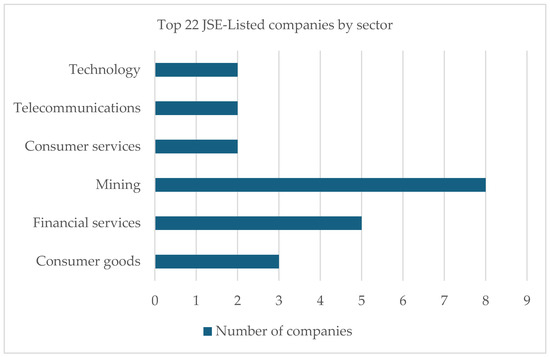
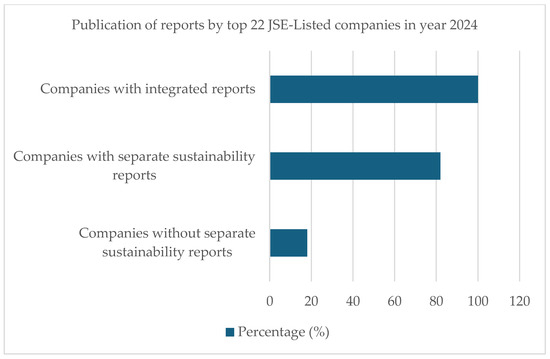
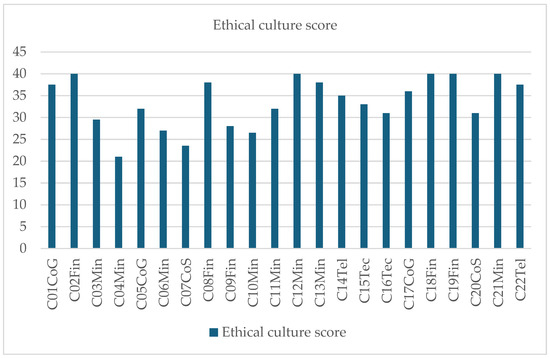
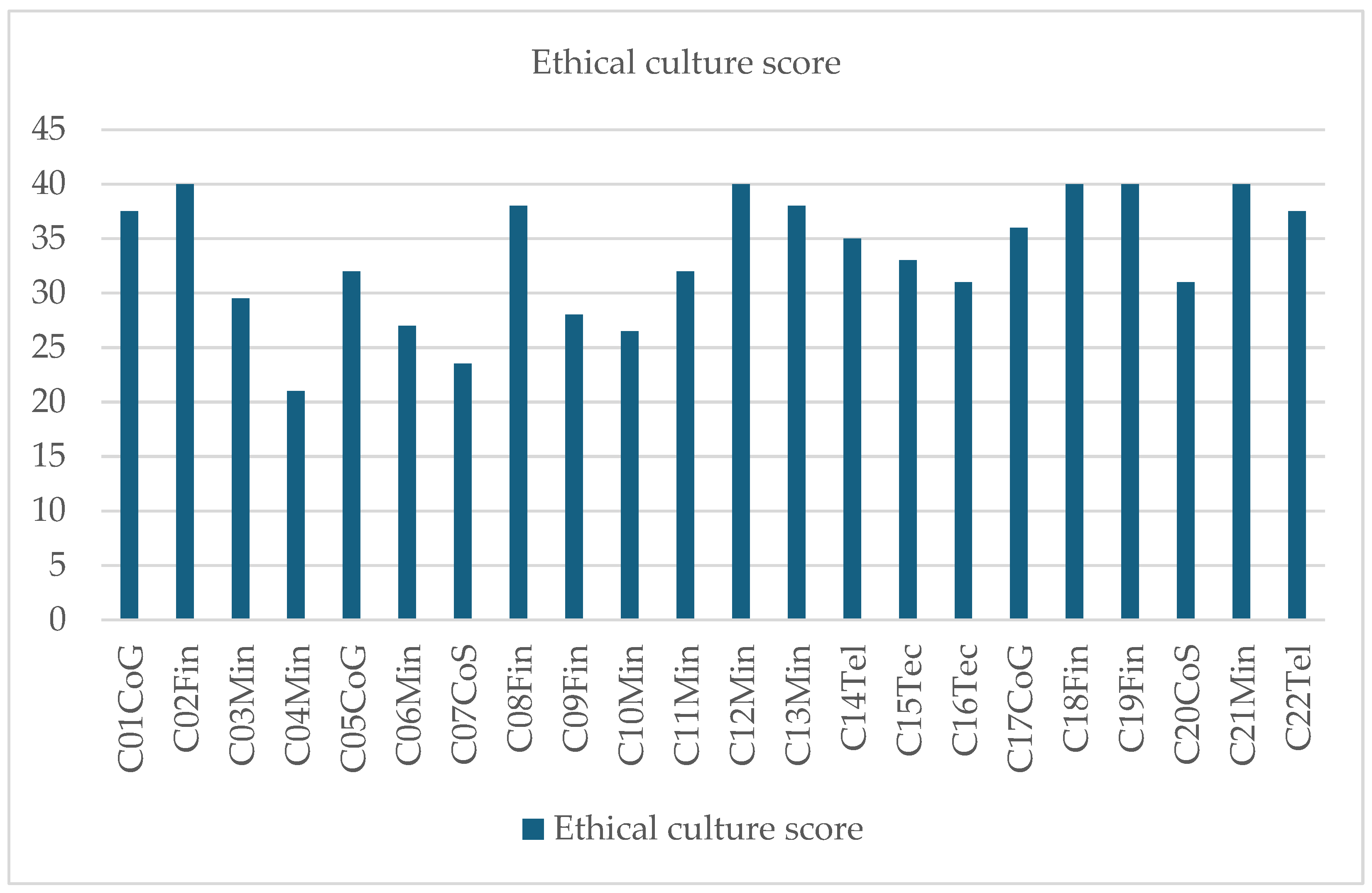
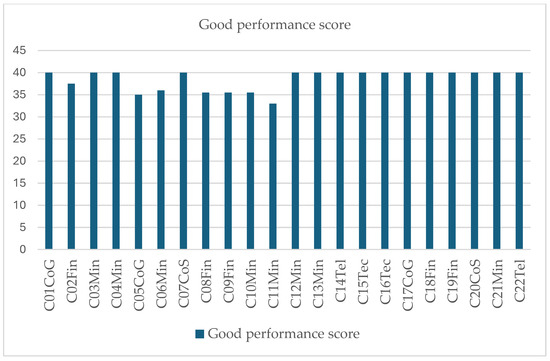
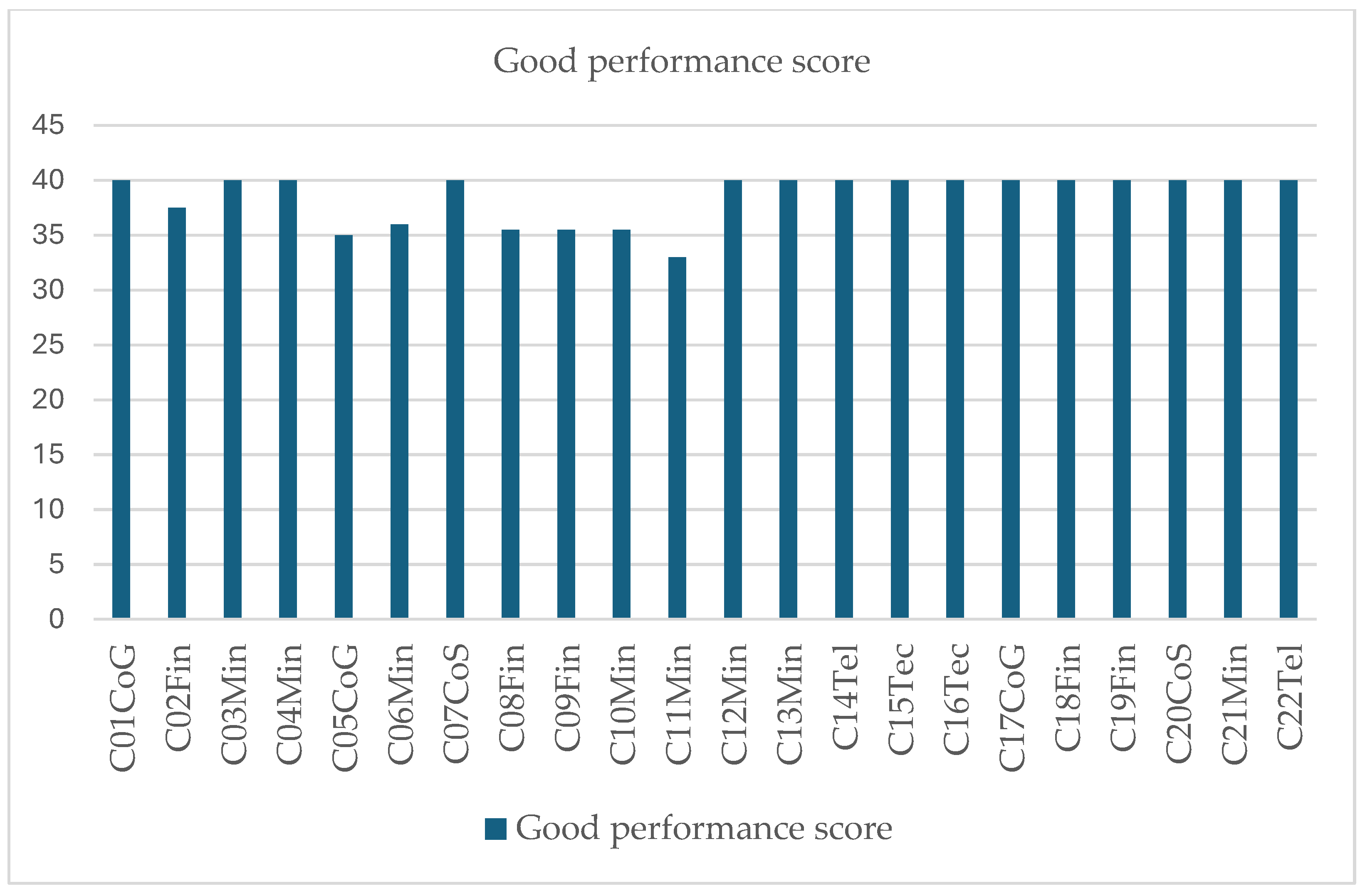
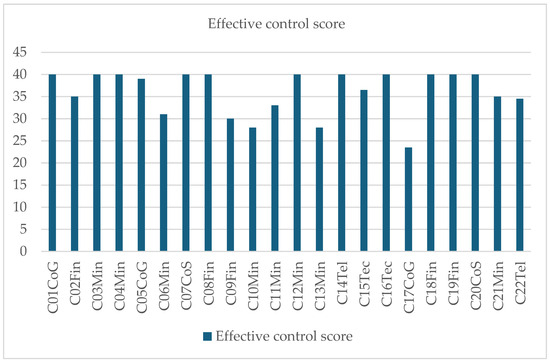
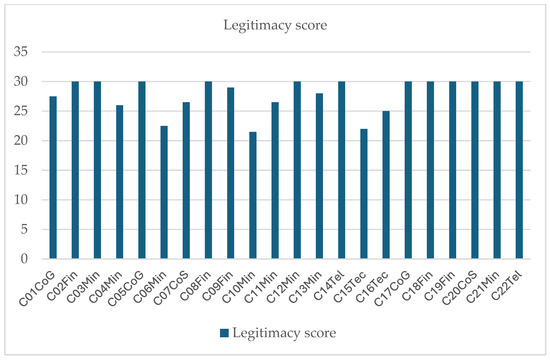
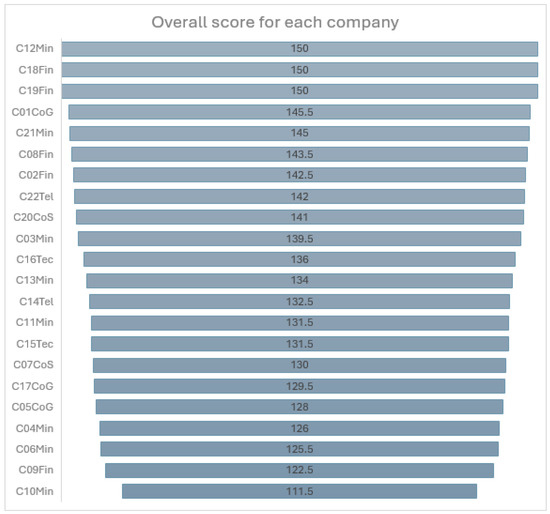
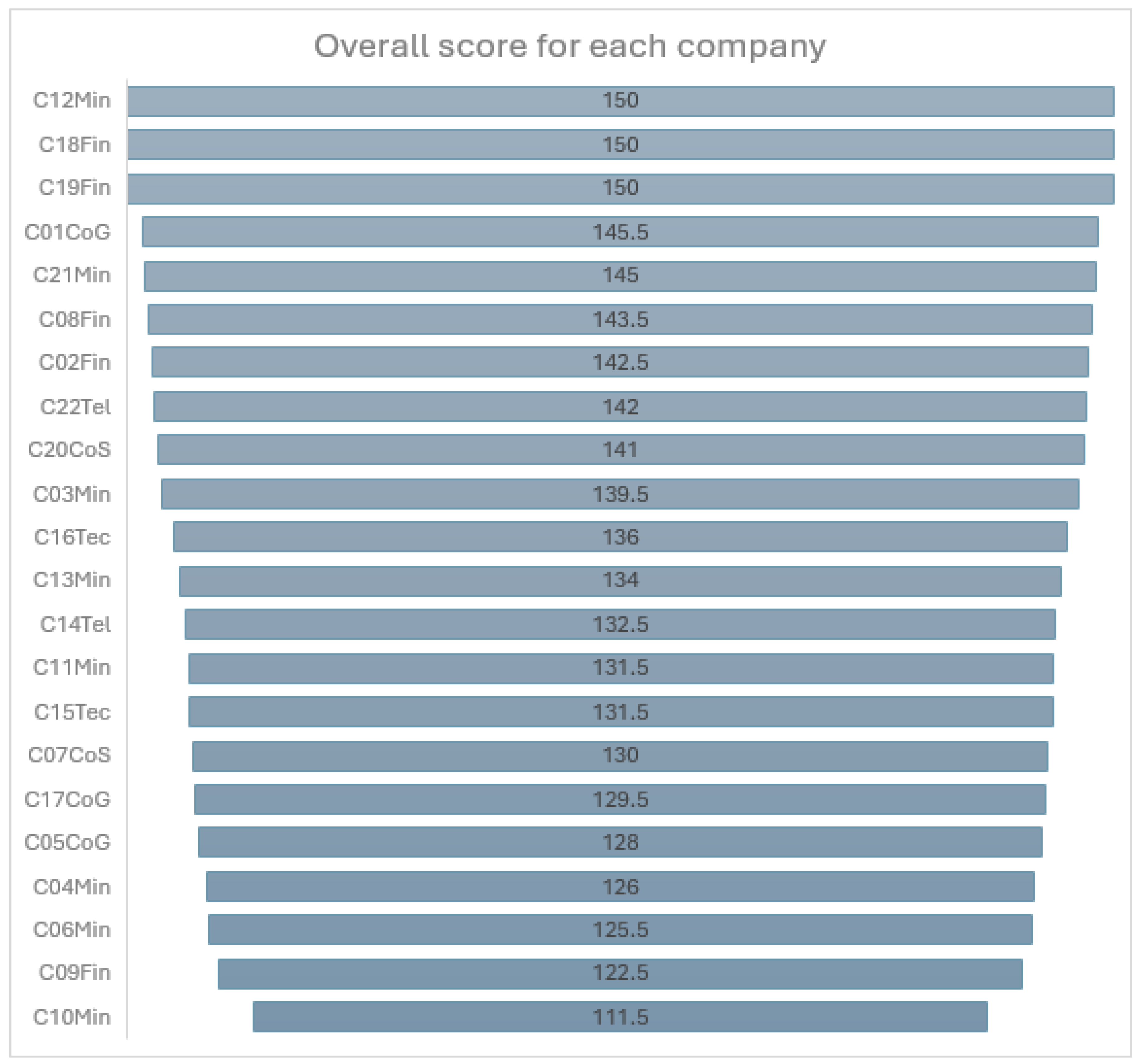
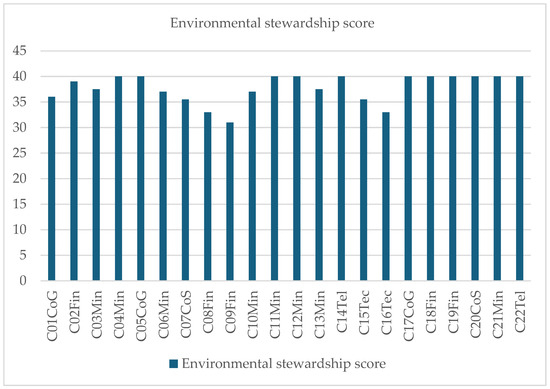
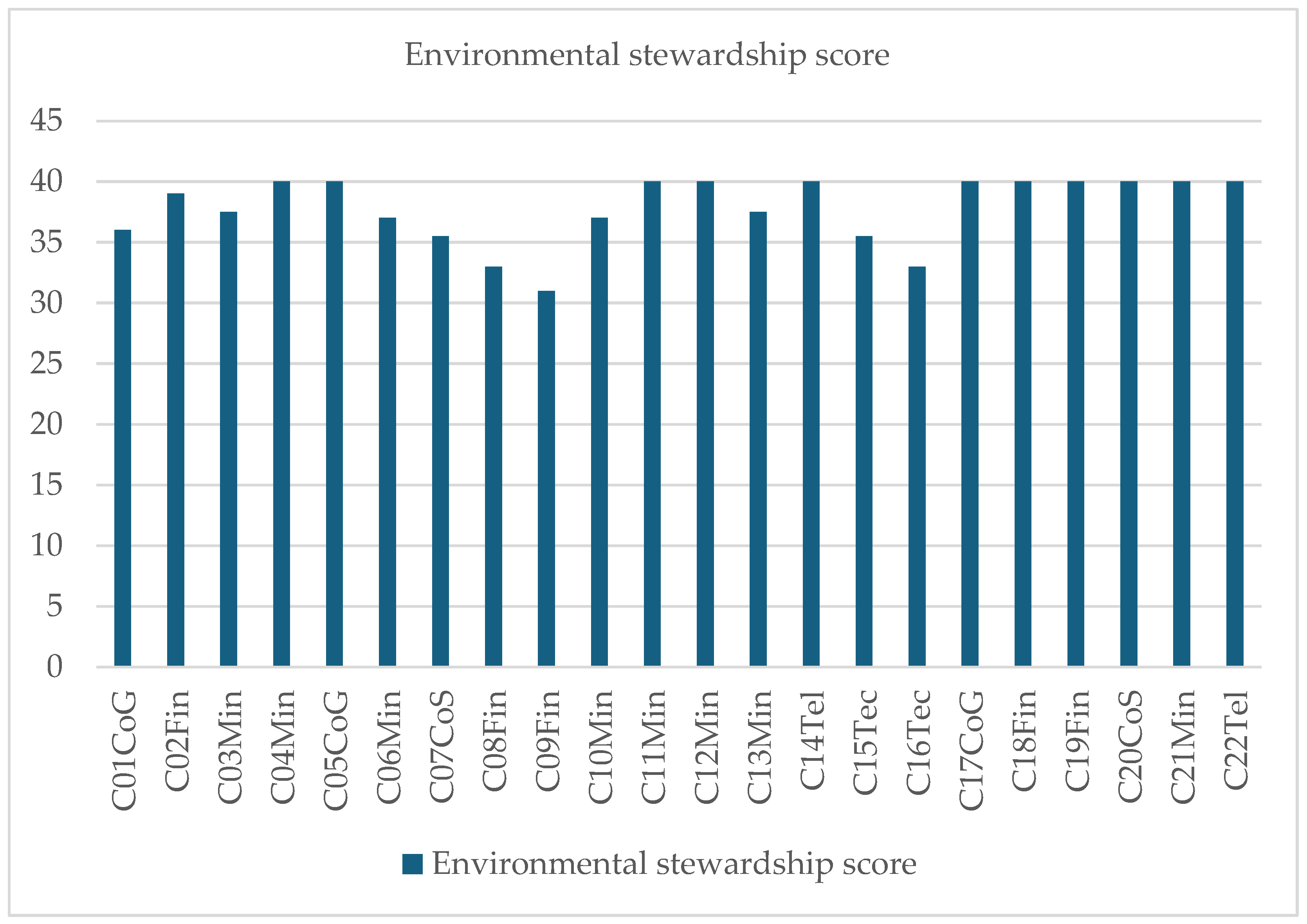
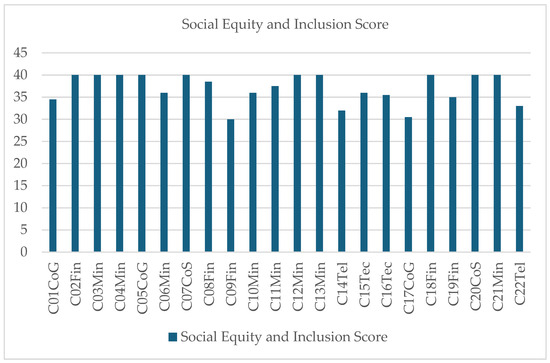
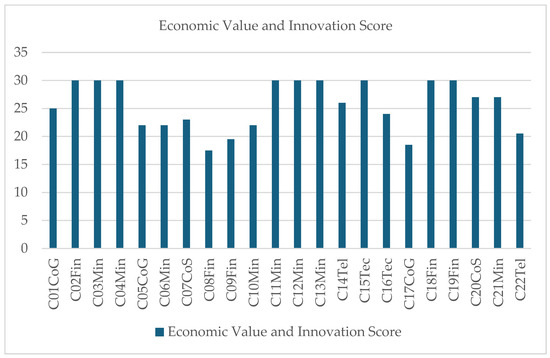
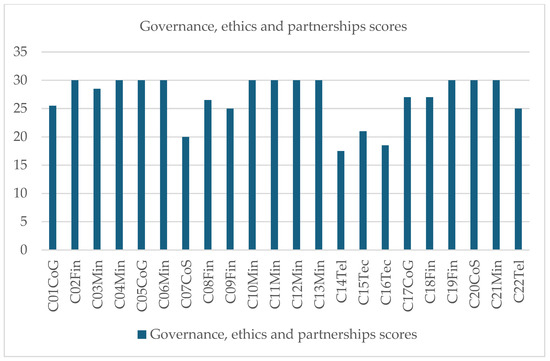
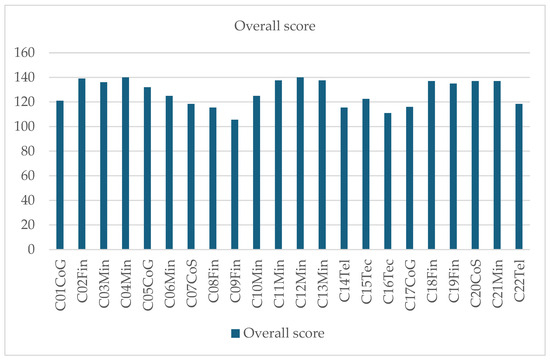
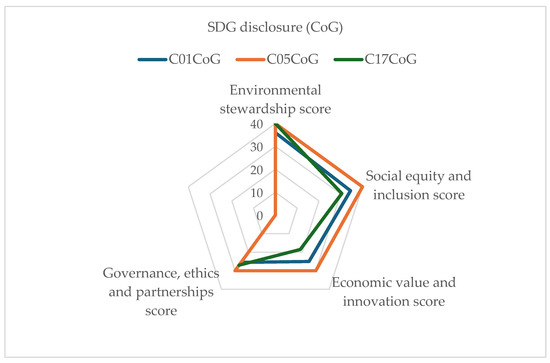
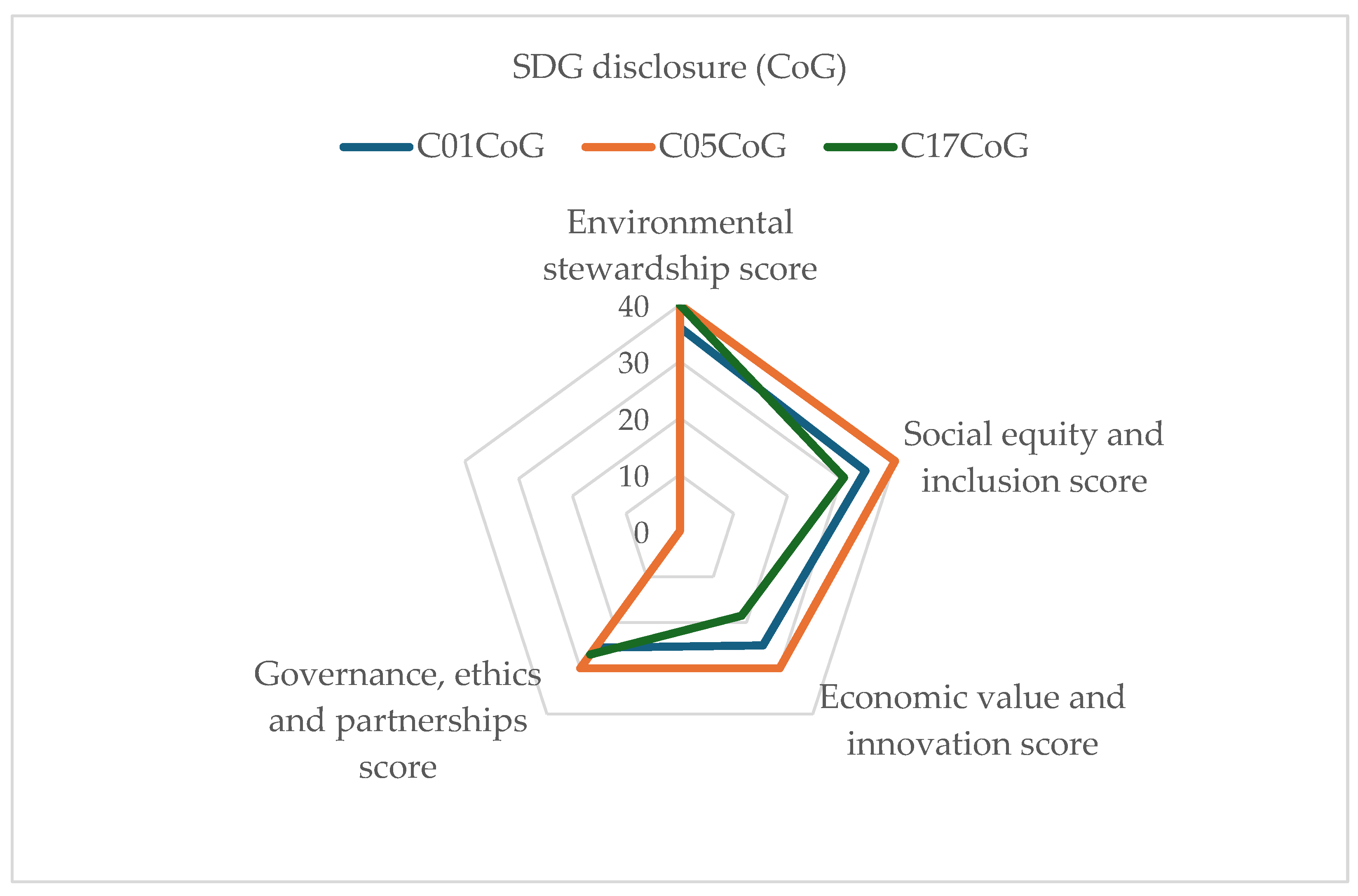
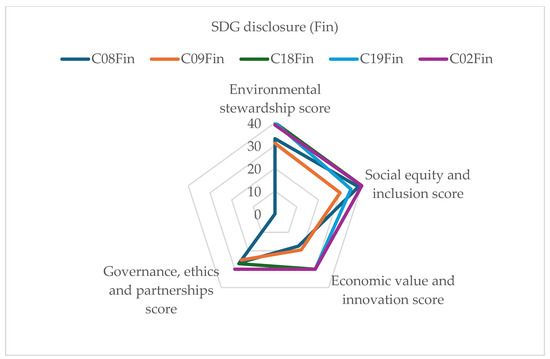
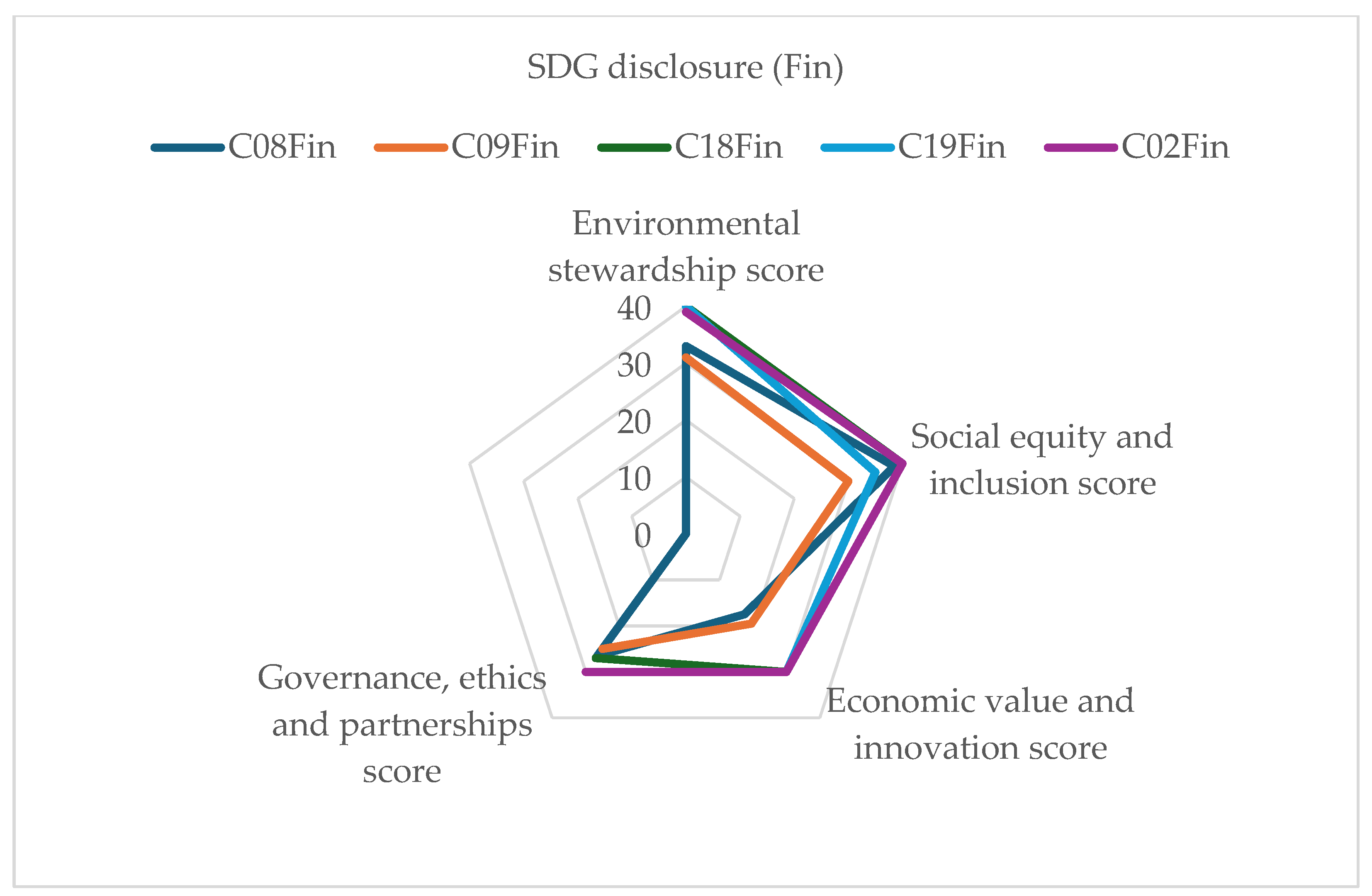
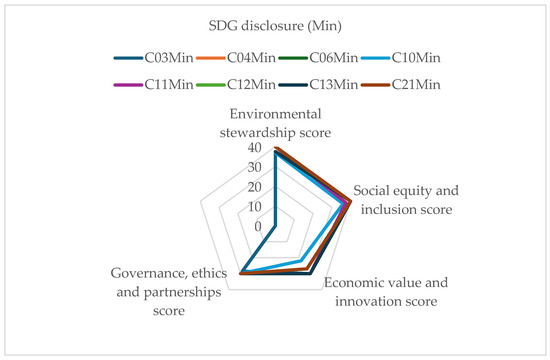
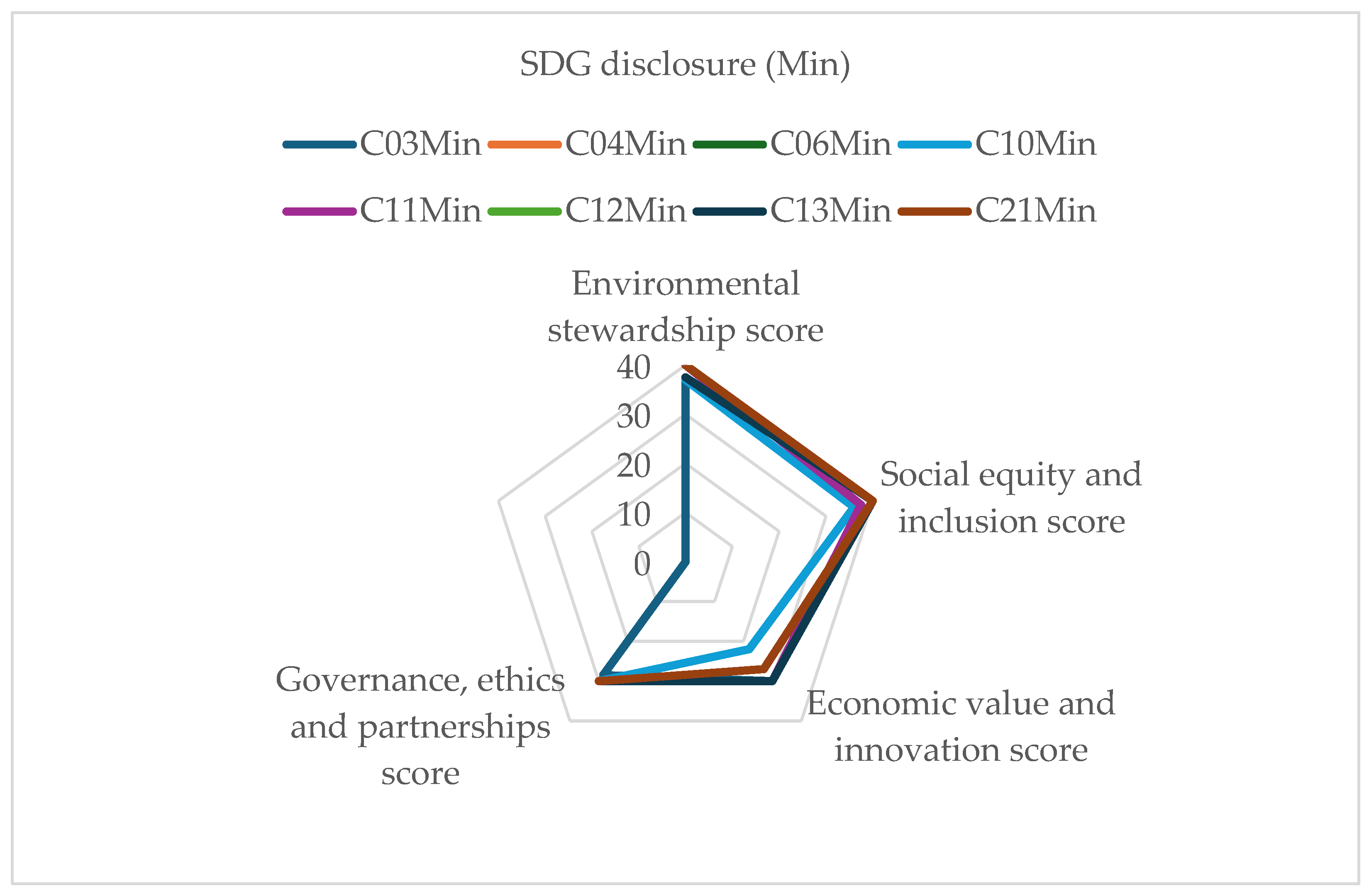
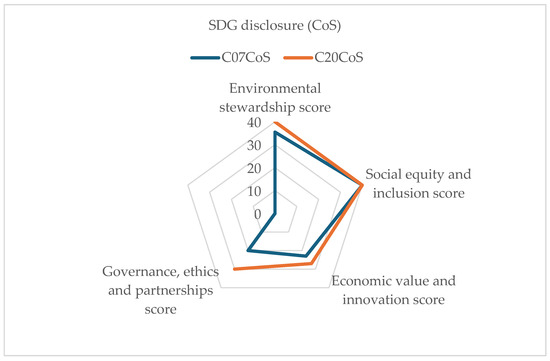
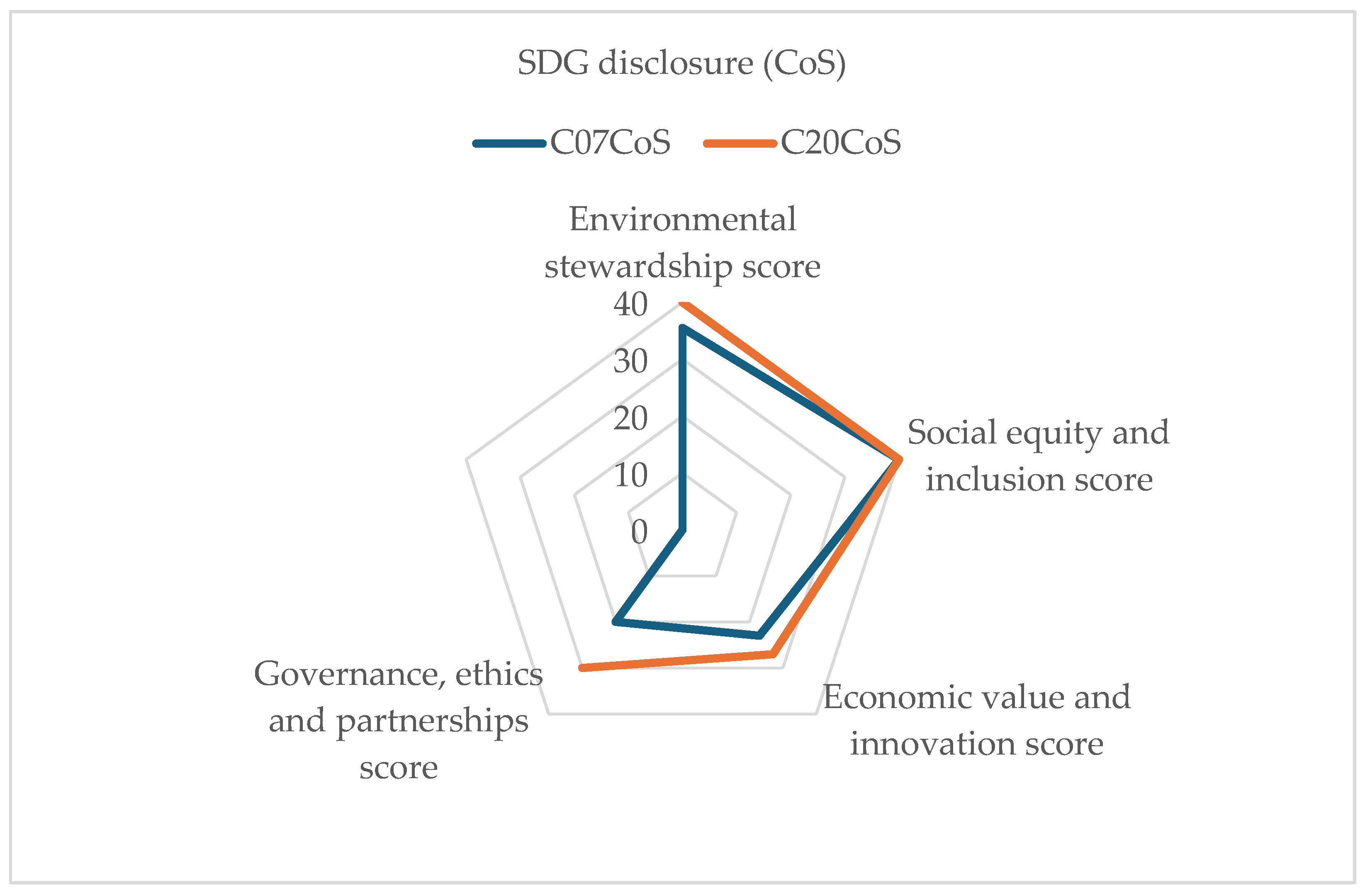
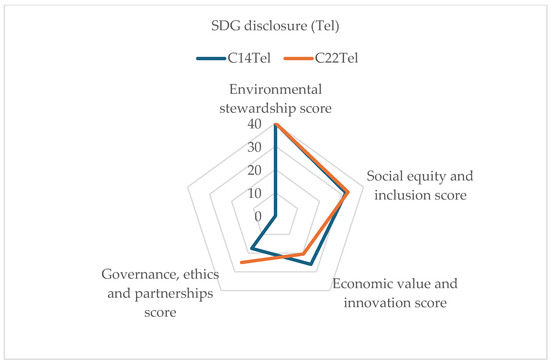
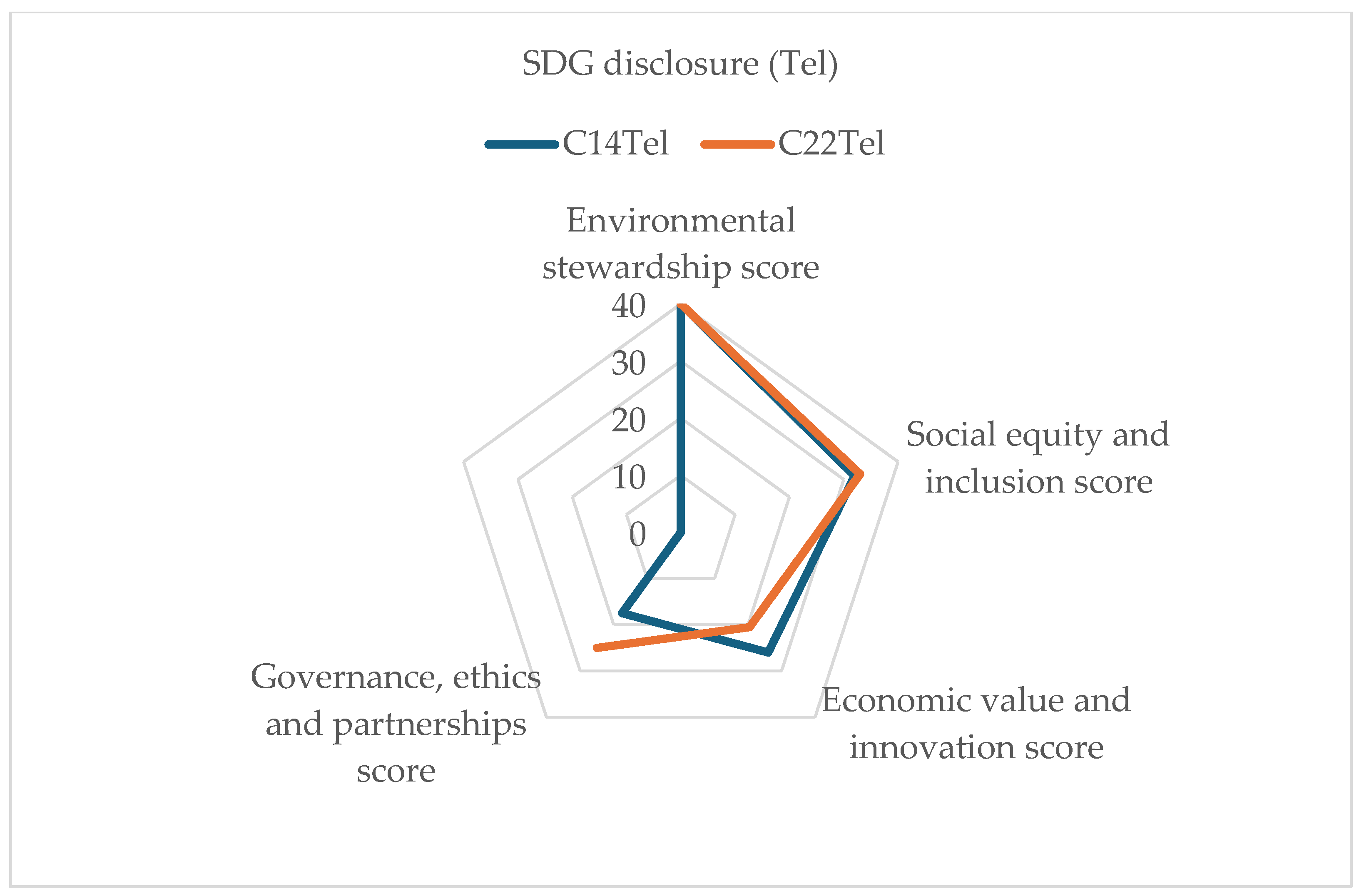
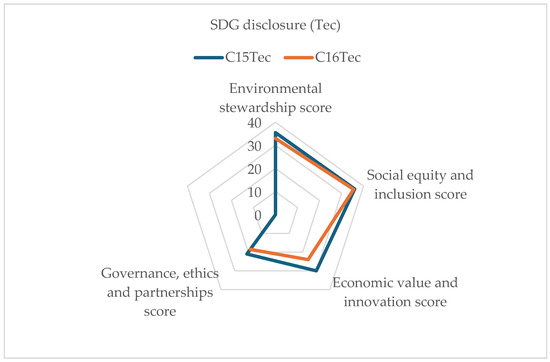
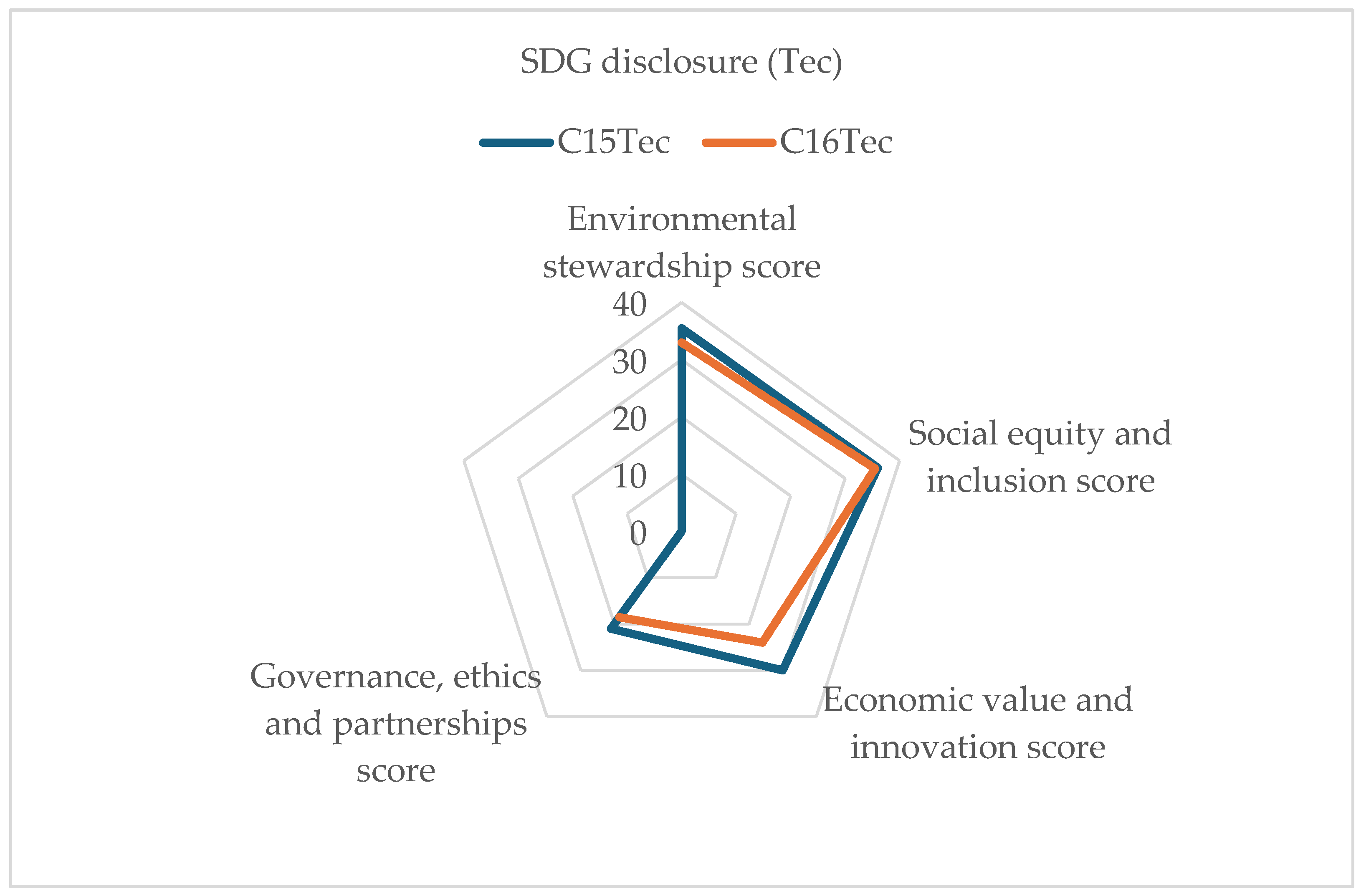

Disclaimer/Publisher’s Note: The statements, opinions and data contained in all publications are solely those of the individual author(s) and contributor(s) and not of MDPI and/or the editor(s). MDPI and/or the editor(s) disclaim responsibility for any injury to people or property resulting from any ideas, methods, instructions or products referred to in the content. |
© 2026 by the authors. Licensee MDPI, Basel, Switzerland. This article is an open access article distributed under the terms and conditions of the Creative Commons Attribution (CC BY) license.