


Abstract
Background: The Mediterranean Diet (MedDiet) is a global benchmark for the prevention of cardiometabolic diseases and healthy aging, with Olea europaea L. (O. europaea L.) and Citrus bergamia Risso et Poiteau (bergamot) serving as primary sources of bioactive molecules such as phenols, in particular flavonoids. Recent evidence highlights a paradigm shift from traditional agricultural yield toward a precision-nutrition model, in which the health-promoting potential of these species is increasingly recognized to arise from the interplay between genetic background and environmental factors. Objectives This review summarised current evidence on how genetic variability drives the metabolic fingerprints of olive and bergamot, exploring the integration of genomic, transcriptomic, and metabolomic data to identify cultivars with superior nutraceutical value. Results: Evidence suggests that phytochemical profiles of O. europaea L. and Citrus species, including bergamot, are shaped by the interaction between genetic background and environmental conditions, with genotype contributing significantly to metabolic variability. Specific O. europaea L. and Citrus genotypes display distinct metabolic fingerprints characterized by different bioactive compound profiles, potentially underlying variations in antioxidant, cardioprotective, lipid-lowering, and anti-inflammatory properties. Conclusions: The integration of high-resolution genotyping and metabolic profiling supports the selection of superior genotypes for standardized, evidence-based nutraceuticals. Future advances in precision breeding are expected to further enhance the health-promoting traits of these Mediterranean species.
1. Introduction
1.1. Nutritional and Functional Significance of Olea europaea L. and Citrus bergamia Risso et Poiteau
A milestone publication by the EAT–Lancet Commission in 2019 introduced the concept of the “planetary health diet,” a dietary model characterized by a high consumption of fruits, vegetables, legumes, whole grains, nuts, vegetable oils and a limited intake of red meat, sugars, and ultra-processed foods. The report highlighted that the Mediterranean diet (MedDiet) represents a real-world and culturally grounded example of this approach [1]. In particular, MedDiet is considered a gold-standard dietary model for the prevention of chronic diseases, particularly cardiometabolic disorders [2,3]. Moreover, extensive scientific evidence has demonstrated its association with a reduced risk of several types of cancer and improved therapeutic outcomes [4,5,6]. Growing evidence also indicates that the MedDiet supports the maintenance of a healthy gut microbiota [7], serving as an effective nutritional strategy for promoting healthy aging, mitigating inflammaging processes, thereby contributing to health preservation throughout the lifespan [8].
MedDiet is mainly based on traditional foods and beverages, often homemade, characteristic of the countries surrounding the Mediterranean Sea. Olea europaea L. (O. europaea L.) and Citrus bergamia Risso et Poiteau (bergamot) represent two major sources of bioactive compounds with well-recognized nutraceutical potential, whose content is strongly influenced by genetic variability, environmental factors and soil type [9,10]. Indeed, olive cultivation, harvesting, and oil extraction have historically been central to the MedDiet in this region, while the use of bergamot in traditional medicine is currently being rediscovered due to its unique polyphenolic profile.
1.2. Mediterranean Diet: Linking Plant Biodiversity to Nutraceutical Potential
O. europaea L. and bergamot have attracted growing scientific interest due not only to the nutraceutical potential of their fruits and oils, but also to many of their by-products, which are rich in bioactive phenols [11,12,13,14,15]. For instance, olive mill wastewater (OMWW), a by-product of industrial extra virgin olive oil (EVOO) production, has been found to contain high concentrations of bioactive phenolic compounds [16]. Similarly, the pharmaceutical potential of bergamot juice (BJ) and albedo, collectively known as ‘pastazzo’, has recently been reassessed through the development of a method to concentrate and dry these materials, resulting in a flavonoid-rich extract known as Bergamot Polyphenolic Fraction (BPF) [17]. Despite the remarkable composition of O. europaea L. and bergamot, their phytochemical fingerprints, particularly that of bergamot, have not been sufficiently explored. Indeed, a clear gap remains in our understanding of how specific genotypes correlate with metabolite profiles and, with the yield of bioactive compounds, relevant to nutraceutical applications.
Recent advances in plant omics technologies have made it possible to bridge this gap in nutraceutical research, supporting both precision agriculture and precision nutrition. By integrating genomic, transcriptomic, and metabolomic data, these approaches provide a comprehensive understanding of how genetic variability shapes phytochemical composition among cultivars, linking agricultural biodiversity to human health outcomes [18].
This review aims to address this gap by exploring the integration of genotypic characterization, transcriptomic analyses, and metabolomic profiling as a strategy to identify and select plant cultivars with enhanced nutraceutical potential.
Techniques such as single nucleotide polymorphism (SNP) genotyping, whole-genome sequencing, and RNA-sequencing (RNA-seq) allow the identification of genes and regulatory networks involved in polyphenol biosynthesis [19,20,21]. Moreover, metabolomics is the most recently emerged branch of omics sciences, along with genomics, transcriptomics, lipidomics, and proteomics, characterizing the biochemical phenotype underlying phytochemical accumulation [22]. Integrating these complementary omics datasets with quantitative phytochemical profiling supports cultivar selection, targeted breeding, and the sustainable valorization of agricultural by-products for nutraceutical applications (Figure 1).
Figure 1.
Integrated overview of genetic variability, molecular markers, metabolic pathways, and breeding strategies for precision nutraceutical development in O. europaea L. and bergamot. Olea europaea L. (O. europaea L.), Citrus bergamia Risso et Poiteau (bergamot), Simple Sequence Repeats (SSR), Single Nucleotide Polymorphism (SNP), Amplified Fragment Length Polymorphism (AFLP), Inter Simple Sequence Repeat (ISSR), RNA-sequencing (RNA-seq).
This perspective introduces a pivotal conceptual shift that highlights how the evaluation of plant varieties should not be limited to agricultural yield but rather extend to the ability of a specific genotype to generate a well-defined and reproducible range of bioactive metabolites. In this context, the MedDiet needs to be rethought as more than just a food pattern, but as an integrated agro-genetic ecosystem shaped by ages of co-evolution between local environments, traditional cultivars, and food practices. Distinct plant genotypes determine unique metabolic fingerprints, which in turn may influence bioactive compounds and their bioactivity and clinical outcomes.
2. Genotype-Dependent Phenolic Variability in Olive Oil: Olea europaea L. Cultivar Selection
Botanical Background and Health Relevance of Olea europaea L.
O. europaea L., a member of the Oleaceae family, is one of the oldest long-lived evergreen woody tree crops in the world. The species includes more than 1200 cultivars and is represented by two coexisting forms of the subspecies europaea, the wild form (O. europaea subsp. europaea var. sylvestris) and the cultivated form (O. europaea subsp. europaea var. europaea) [23]. Around 96% of the world’s olive oil (OO) is from the Mediterranean, which is a feature of the area [24]. The major cultivars of O. europaea L. in Italy include Frantoio, Leccino, Coratina, Carolea, Moraiolo, Ogliarola and Itrana. EVOO represents a key constituent of the MedDiet, serving as its main lipid source. The phytochemical composition of EVOO includes polyunsaturated fatty acids (PUFAs), mainly linoleic acid (LA), monounsaturated fatty acids (MUFAs), tocopherols, phytosterols, squalene, and phenols (oleuropein, tyrosol and hydroxytyrosol); LA is classified as an essential fatty acid because it cannot be synthesized endogenously and must therefore be obtained through the diet [25]. Furthermore, LA and α-linolenic acid represent a fundamental structural component of cellular membranes, and play a crucial role in modulating membrane fluidity, as well as the activity of membrane-associated enzymes and receptors [26].
Evidence from human intervention studies has progressively strengthened the association between EVOO consumption and improved health outcomes, showing that phenolic-rich VOO may improve oxidative stress markers by reducing oxidized low-density lipoprotein (LDL) levels and increasing LDL resistance to oxidation [27], and in 2011, the European Food Safety Authority (EFSA) approved a health claim for EVOO polyphenols, stating they protect blood lipids from oxidative stress.
The effect of EVOO on lipoprotein profile, blood pressure, endothelial function, chronic inflammation, and metabolic syndrome, related to glucose metabolism and oxidative stress, has been linked to reduced risk of cardiovascular disease (CVDs) [28].
It also has a protective function in treating liver fibrosis and Metabolic Dysfunction-Associated Steatotic Liver Disease (MASLD) [29,30,31]. In addition, multiple studies suggest that EVOO has been linked to potential protective effects against certain types of cancer and may improve chemotherapy response [32,33,34]. However, the concentration and composition of bioactive compounds in EVOO are highly variable and depend on multiple factors, including cultivar, environmental conditions, and processing practices. Understanding the determinants of this variability is essential for identifying olive genotypes with enhanced nutraceutical potential.
3. Determinants of Phenolic Variability and Extraction Technologies
The health benefits of EVOO are widely known, but its chemical profile is strongly influenced by geographical origin, agronomic practices, harvest timing, pedoclimatic conditions, processing techniques, and genetic background [35].
In particular, the phenolic composition of newly produced EVOO is primarily determined by the olive cultivar and is further modulated by agronomic factors, including climatic conditions, fruit ripening stage, irrigation practices, and the presence of plant pathologies, as well as by technological factors such as the oil extraction process, malaxation temperature and duration, water addition, and storage conditions [36]. The importance of phenolic content, typically ranging from approximately 100 to over 300 mg/kg, lies in its strong influence on the antioxidant potential of EVOO and its contribution to sensory properties, particularly bitterness.
The methodology employed for EVOO extraction has a significant impact on polyphenol retention. Laboratory-scale and mild extraction approaches (ultrasound-assisted techniques, tailored solvent systems) tend to preserve higher levels of polyphenols, including hydroxytyrosol and oleuropein derivatives, compared with conventional industrial processes, which may result in polyphenol losses exceeding 60% due to more severe processing conditions.
Accordingly, current research in extraction and analysis emphasizes the use of chromatographic techniques alongside innovative extraction strategies, including alternative green solvents such as 2-methyloxolane (2-MeOx) and supercritical fluid technologies, to enhance polyphenol recovery and analytical accuracy [37].
Genetic Improvement and Molecular Approaches for Nutraceutical Enhancement
Strategies aimed at enhancing secondary metabolite profiles and supporting nutraceutical design include the development of markers for cultivar characterization and genetic improvement. Before the advent of molecular tools, olive cultivars were identified based on morphological, biochemical, and agronomic traits [38]. In recent years, several selection programs have emerged, primarily through direct cultivar crosses, to boost olive tree genetic diversity and identify new genotypes better suited for modern farming, high-quality oils, and an improved bioactive compound profile. Molecular marker techniques, developed and improved, have transformed genetic diversity analysis, offering dependable tools for varietal fingerprinting, phylogenetic reconstruction, and parental relationship analysis. Deoxyribonucleic acid (DNA)-based technologies such as Restriction Fragment Length Polymorphism (RFLP), Random Amplified Polymorphic DNA (RAPD), Amplified Fragment Length Polymorphism (AFLP), Variable Number of Tandem Repeats (VNTR), and Simple Sequence Repeats (SSR) have proven particularly effective in identifying polymorphisms useful for traceability, varietal authentication, and marker-assisted selection (MAS) [39,40,41]. To fully assess the pharmacological potential of O. europaea L., integrated approaches combining genetic, biochemical, and pharmacological analyses are needed. Such strategies may help the development of genotype-driven nutraceuticals and promote the selection of cultivars with high functional value (Figure 2).
Figure 2.
Genotyping of O. europaea L. enables selection of progeny with enriched phenolic profiles (tyrosol, hydroxytyrosol, oleuropein, oleocanthal, oleacein) for nutraceutical applications. Olea europaea L. (O. europaea L.).
4. Genotyping and Phytochemical Composition in O. europaea L.
4.1. Genetic Determinants of Phytochemical Composition and Nutraceutical Traits in Olive Oil
The cultivar genotype is a significant factor influencing EVOO phytochemical composition, shaping the accumulation of bioactive compounds and the associated nutraceutical properties. Molecular genotyping approaches have therefore become valuable tools for identifying cultivars with enhanced health-promoting characteristics. Several studies have investigated the relationship between O. europaea L. genotype and phytochemical profiles, revealing significant variability among cultivars and providing valuable information for breeding programs aimed at improving nutraceutical traits (Table 1). According to a study conducted on virgin olive oils (VOOs) obtained from 44 O. europaea L. cultivars over three growing seasons (2015–2018), over 65% of the variance in phenolic content was due to the genotype, with only 3.67% attributable to interannual environmental factors. Genotype strongly influences both phenolic content and composition, contributing to the variability observed among olive cultivars. Several cultivars showed distinct phenolic signatures, with some genotypes characterized by higher levels of 3,4 DHPEA EDA (oleacein) and p-HPEA-EDA (oleocanthal), whereas others accumulated higher proportions of ligstroside and 3,4-DHPEA-EA (oleuropein aglycone) derivatives [42]. The identification of new olive genotypes with improved qualitative traits compared with traditional cultivars represents one of the main objectives of genotype-based selection approaches. In this context, analyses of EVOO’s chemical composition from two new Tunisian O. europaea L. cultivars (Nourgou and Gousalani) showed important differences that mainly depended on the genotype. Phytochemical analyses revealed genotype-dependent differences in tocopherols, pigments, sterols, fatty acids, and phenolic compounds, with Gousalani oils showing higher total phenolic content and stronger antioxidant activity than Nourgou. Additionally, in vitro antioxidant assays, including ferric reducing antioxidant power (FRAP) and oxygen radical absorbance capacity (ORAC), showed strong antioxidant activity and high reducing power, both significantly affected by genotype [43]. In the context of genetic improvement strategies, wild germplasm represents a valuable source of genetic diversity for breeding programs, particularly for the introgression of desirable phytochemical traits. Analysis of 27 genotypes of O. europaea subsp. cuspidata revealed a wide spectrum of secoiridoids, flavonoids, and triterpenic acids, with metabolic profiles significantly different from those of cultivated control genotypes. These findings highlight the potential of wild olive germplasm as a reservoir of rare alleles that can be exploited to enhance phytochemical composition in cultivated olive [44]. In line with this concept, the contribution of genetic diversity to phytochemical variability has also been demonstrated through comparative analyses between cultivated and wild olive genotypes. The genetic variation among four cultivated cultivars (Arbequina, Arbosana, Picual, and Koroneiki) and one wild Saudi Arabian olive cultivar was assessed using molecular and phytochemical analysis. A high degree of polymorphism was detected using RAPD (95.9%) and inter-simple sequence repeat (ISSR) (86.4%) markers, along with a high Polymorphic Information Content (PIC) > 82%. Gas Chromatography–Mass Spectrometry (GC-MS) analysis identified 199 compounds in the cultivars, including phenols and fatty acids. The observed correlation between genetic distance and phytochemical variation suggests a possible relationship between genetic diversity and oil chemical composition [45]. Breeding approaches further demonstrate the potential of genotype selection to improve VOO bioactive profiles. In progenies derived from crosses among Arbequina, Arbosana, and Sikitita, phenolic variability exceeded that of parental cultivars, with >92% of the variance attributed to differences among genotypes, enabling the selection of high-phenolic individuals. These outcomes highlight the importance of selective genotyping in producing oils rich in nutraceuticals [46].
4.2. Effect of Genotype on Crosses and Early Selection
The development of new olive cultivars through controlled hybridization has become a key strategy for improving both agronomic performance and oil quality. Comparative analyses of oils obtained from controlled crosses and their parental cultivars have shown that genetic recombination contributes substantially to phenolic variability. Liquid Chromatography-Quadrupole Time-of-Flight Mass Spectrometry (LC-QTOF-MS) profiling identified 37 phenolic and related biosynthetic compounds, while multivariate analyses clearly discriminated against oils according to genotype, highlighting differences in the accumulation of key secoiridoids, flavonoids, and phenolic acids. Compounds such as hydroxytyrosol, hydroxypinoresinol, quercetin, and several phenolic acids were among the main contributors to genotype-dependent variation. Overall, these findings support the important role of genetic background in modulating the phenolic composition of olive oil and suggest that integrating metabolomic profiling into breeding programs may facilitate the identification and selection of cultivars with improved nutraceutical and sensory characteristics [47].
4.3. Genotype × Environment Factors
Phenolic compound biosynthesis in O. europaea L. is determined by a complex interplay between genetic background and environmental conditions, resulting in substantial variability among cultivars and growing conditions; in fact, although genotype represents a major determinant of phenolic composition, environmental factors such as climatic conditions, geographical location, seasonal variability, harvest date, water availability, and cultivation practices can modulate phenolic accumulation and influence the expression of cultivar-specific traits. Comparative analysis of phenolic compounds in Arbequina, Coratina, Hojiblanca, Koroneiki, Martina, and Picual cultivars showed that genetic variability was the main factor explaining differences in phenolic composition, although environmental conditions such as harvest date, season, and location also influenced phenolic accumulation through genotype × environment interactions. The analysis revealed strong genotype-dependent differences in total phenolics and individual secoiridoids, with Coratina maintaining high phenolic levels and cultivar-specific variation observed for compounds such as dimethyl oleuropein, dimethyl ligstroside, and hydroxytyrosol derivatives. The phenolic profile of Martina was more similar to its male parent Arbequina than to Picual, suggesting a significant genetic contribution to phenolic inheritance. This observation further supports the heritable component of phenolic composition and suggests that parental genotype can influence the inheritance of metabolic traits. However, environmental effects were evident, as phenolic content decreased during fruit maturation and varied between cultivation sites, with Picual showing greater seasonal reduction than Coratina and strong differences between Córdoba and Tenerife. These results highlight the role of genotype in driving olive phenolic composition while emphasizing the importance of genotype × environment interactions [48,49,50]. Consistent with this concept, studies performed under contrasting climatic conditions have demonstrated the strong influence of environmental variables on olive oil composition. In the Zalmati cultivar, for example, precipitation affected pigment accumulation, whereas temperature variation was associated with changes in fatty acid composition, α-tocopherol content, and other quality parameters [51]. Furthermore, environmental influence extends beyond geographic location to encompass abiotic and biotic factors associated with climate change and sustainable soil management. Water availability, soil microbiota, and other environmental cues can modulate phenolic biosynthesis through the regulation of physiological and molecular pathways. Alongside environmental effects on metabolite accumulation, recent studies indicate that abiotic stress can trigger genotype-specific molecular responses. Under drought conditions, olive cultivars activate distinct transcriptional and metabolic pathways regulating phenolic biosynthesis and stress adaptation [52]. Collectively, although genetic background represents the main determinant of olive phenolic composition, environmental factors modulate metabolite accumulation through complex genotype × environment interactions. Understanding these interactions is therefore essential for breeding programs aimed at developing olive cultivars with stable and enhanced nutraceutical properties across different cultivation environments.
4.4. Impact of Genotype and Breeding on Extra-Virgin Olive Oil Composition
Clone-derived oils generally represent an additional approach to improving olive oil quality by enhancing desirable compositional and sensory traits. The comparison between native olive cultivars from the Emilia-Romagna region and their selected clones revealed that clonal oils exhibited higher OA levels and lower proportions of PUFAs, together with increased concentrations of bioactive phenolic compounds, including oleuropein aglycone, elenolic acid, and Deacetoxy-oleuropein-aglycone, a phenolic molecule derived from oleuropein, that could prevent platelet clumping, potentially lessening thrombosis risk, and promoting cardiovascular health. These compositional differences were also reflected in sensory characteristics, as clone-derived oils were generally perceived as more bitter, pungent, and fruity than oils from the parental cultivars [53].
Beyond clonal selection within existing cultivars, controlled hybridization represents another breeding strategy to generate new genetic combinations and enhance desirable quality traits in olive. A representative example is provided by Sicilian olive cultivars, where selective breeding of high-quality cultivars, including Nocellara del Belice, Tonda Dolce di Partanna, Nocellara Messinese Spina, and Buscionetto, led to the development of new genotypes with distinct genetic profiles and valuable phenotypic characteristics. Genetic characterization confirmed the diversity and parental origin of these genotypes, while differences in phenolic content influenced fermentation behavior and the accumulation of bioactive compounds. Hybrids exhibiting higher phenolic levels showed increased concentrations of oleuropein-derived metabolites, such as hydroxytyrosol and tyrosol, highlighting the potential of breeding strategies to improve the nutraceutical properties and quality traits of olive products [54].
The evaluation of segregating olive populations has further highlighted the broad phenotypic variability generated through sexual reproduction and its potential for breeding programs. Analyses of VOOs obtained from open-pollinated Manzanilla de Sevilla progenies and controlled crosses (Arbequina × Arbosana, Picual × Koroneiki, and Sikitita × Arbosana) revealed a remarkably wide range of phenolic contents, in several cases exceeding those observed in the parental cultivars. While significant differences in the accumulation of individual phenolic compounds, including vanillic acid, oleuropein aglycone, oleocanthal, and p-coumaric acid, were detected among segregating populations, most of the observed variation was attributable to differences among genotypes within each cross rather than between different crosses. These findings emphasize the high genetic diversity generated within breeding populations and suggest that evaluating a larger number of progenies from individual crosses may be more effective than increasing the number of crosses for identifying genotypes with superior phenolic profiles and enhanced nutraceutical potential [55].
An analytical method with high throughput has been suggested to include phenolic composition in olive tree genetic improvement programs’ selection criteria. Phenolic assessment was performed in three comparative trials set up in typical olive-growing areas of Andalusia (southern Spain): Morón (42.0% clay), Úbeda (31.9%), and Córdoba (22.3%). Two breeding selections (UCI-2-68 and UCI-5-65), along with their parents Picual and Arbequina, were assessed using an unbalanced experimental design across all locations. The outcomes demonstrate that UCI-2-68 is notable for its ideal phenolic composition, enhancing its existing strong agronomic traits. The fruit and oil shared a high correlation regarding total phenolic content, along with some specific phenols. Environmental conditions strongly influence fruit and oil phenolic compounds, yet the classification of genotypes stays fairly consistent across locations due to minimal genotype–environment interaction. Given the high genotypic variance, it is possible to use the fruit phenolic profile for early selection, excluding genotypes unlikely to produce oils with sufficient phenolic content [56].
The characterization of local olive germplasm represents an important strategy for identifying genotypes with superior nutraceutical potential. In this context, molecular and biochemical analyses of ten newly identified olive genotypes from the Umbria region, combined with SSR-based genetic characterization, revealed substantial variability in both major and minor oil constituents. Comprehensive profiling of fatty acids, phenolic compounds, tocopherols, squalene, and sterols demonstrated marked differences among genotypes, particularly in the content of α-tocopherol and squalene. Multivariate analysis clearly discriminated the genotypes according to their phytochemical composition, enabling the identification of elite accessions, such as Polvese 5 and San Mariano 4, characterized by particularly favorable metabolic profiles. These findings highlight the value of integrating molecular markers with metabolic profiling to support the selection and conservation of local olive germplasm to produce high-quality, nutraceutical-rich EVOO [57].
The main characteristics of the studies investigating the relationship between genotype and phytochemical composition in O. europaea L. are summarized in Table 1, whereas Figure 3 provides a schematic overview of how genetic variability and environmental factors interact to shape olive oil phytochemical profiles.
Figure 3.
Genetic variability (commercial cultivars, wild germplasm, clones, and crosses) has a greater impact on the phytochemical composition of olive oils than environmental factors (soil, climate, processing, harvest date, season, and location). Oleocanthal, oleacein, oleuropein, and hydroxytyrosol are the phenolic compounds whose accumulation is most strongly influenced by genotype.
Table 1.
Summary of studies investigating the influence of genotype on the phenolic and phytochemical composition of olive fruits and olive oils (VOO/EVOO), highlighting the observed key results and their implications for olive breeding and nutraceutical implications.
5. Genetic Influence and Phenolic Composition in Citrus bergamia
5.1. Origin, Geographical Recognition and Cultivar Variability of Bergamot
Bergamot represents a Mediterranean citrus fruit predominantly cultivated along the Ionian coast of Calabria (Italy), where it is recognized with Protected Designation of Origin (PDO) status [58]. Moreover, on 16 October 2025, it was officially granted Protected Geographical Indication (PGI) status as “Bergamotto di Reggio Calabria”, as published in the Gazzetta Ufficiale della Repubblica Italiana, n. 241 [59]. Its cultivation extends across the Ionian coast of the Reggio Calabria province (from Villa San Giovanni to Gioiosa Ionica), encompassing the Grecanica area and the costa dei Gelsomini (Jasmine coast).
The botanical origin of bergamot remains uncertain, with two main hypotheses currently recognized. The first hypothesizes that bergamot is a hybrid derived from Citrus aurantium L. and classified as a botanical variety, Citrus aurantium L. var. bergamia Risso. The second hypothesizes that bergamot originated from a spontaneous genetic mutation of another citrus species.
However, more than 90% of the world’s bergamot production comes from Calabria, a region in the Mediterranean basin in the south of Italy, where specific Mediterranean microclimatic conditions and calcareous and alluvial soils promote vegetative growth and phytochemical development, thereby enhancing the secondary metabolites profile [60,61,62]. Four groups of bergamot varieties have been identified: (i) the Common group, (ii) the Melarosa group (rather flattened fruit), (iii) the Torulosa group (fluted fruit), and (iv) the Piccola group (dwarf cultivars). The cultivars of the Common group are the most widely cultivated and have been recognized three varieties: “Castagnaro,” characterized by larger and wrinkled, but low aromatic fruits, “Femminello”, characterized by spherical, smooth and aromatic fruits, with early and regular production, and “Fantastico” (known as “Inserto,” a hybrid of Femminello and Castagnaro) which combines good productivity with medium-sized fruits [60,61]. These cultivars may also exhibit distinct polyphenol content profiles.
Bergamot fruits, harvested from November to March, are spherical and yellow, known as hesperidia, and are mainly used for essential oil (EO) and fruit juice production, with only about 33% of total citrus fruits being utilized [63]. The remaining 70%, typically regarded as waste, nonetheless represents a valuable source of secondary metabolites, EOs, dietary fibers, and ascorbic acid.
Several studies demonstrated that environmental factors, including altitude, latitude and soil composition, are able to influence the quality and quantity of bioactive compounds in bergamot [64,65], such as flavonoids (neoeriocitrin, naringin, neohesperidine) and volatile compounds (limonene, linalool, linalyl acetate) [61]. Moreover, it has been clarified that leaves may also serve as a valuable source of these bioactive compounds [66]. Thorough knowledge of the botanical and genetic characteristics of bergamot is essential for genetic improvement programs and to ensure cultivar traceability and quality. In recent years, comprehensive genetic and molecular investigations have been undertaken to achieve a more selective characterization of bergamot and to elucidate the taxonomic equivocacy that still surrounds this species. Nowadays, due to their nutraceutical properties, interest in bergamot and other fruit derivatives has increased.
However, further research on the genetic diversity of bergamot cultivars remains crucial to fully understand their variability and to explore their potential applications in nutraceutical and functional food development.
5.2. Phytochemical Profile and Industrial Valorization
Bergamot phytochemical composition is strongly influenced by factors such as botanical variety, agronomic practices, fruit maturity, storage conditions, light exposure, and juice extraction methods [20]. In addition to the fruit, bioactive compounds are distributed across different anatomical parts, including the peel, juice, pomace, seeds, flowers, and leaves [67]. Although most bergamot is consumed fresh, a substantial proportion is processed into products such as juices, jams, candied peel, and flavorings, generating organic waste that may account for 50–70% of the fresh fruit weight, depending on the cultivar, product type, and processing technology [58]. In terms of chemical composition, citrus fruits mainly contain water (85–90%), fiber, proteins, sugars, lipids, minerals, vitamins, pectins, organic acids, and a wide spectrum of secondary metabolites, including phenolic compounds, terpenoids, carotenoids, alkaloids, limonoids, and coumarins. The dietary fiber in citrus fruits is divided into soluble (pectin, fructans, psyllium) and insoluble (cellulose, hemicellulose, lignin) fractions [68]. Soluble fibers are fermented in the colon, producing gelatinous substances with prebiotic activity, while insoluble fibers enhance intestinal transit. The predominant organic acids are citric and malic acids, followed by succinic, tartaric, and oxalic acids; phenolic compounds are the main bioactive constituents of citrus fruits, including diferuloylmethane, stilbenes, phenolic acids, tannins, and, above all, flavonoids, considered the most abundant and functionally relevant class. Flavonoids can be further categorized into chalcones, flavones, flavanones, flavonols, and isoflavones, and are mainly present in the form of glycosides, bound to different sugars. The highest concentrations are found in the solid parts of the fruit (flavedo, albedo, and segmental membranes). Among the most common flavanones in citrus are naringin, neohesperidin, and neoeriocitrin [69]. Furthermore, citrus fruits contain significant levels of terpenoids, mainly carotenoids, which are tetraterpene pigments responsible for the yellow, orange, and red coloration of ripe fruits, and limonoids, oxygenated terpenoids that impart their characteristic bitter taste, both of which contribute to the fruit’s color, aroma, flavor, and overall sensory quality. Citrus fruits are a significant source of vitamins (C, A, and B complex) and minerals such as calcium, potassium, sodium, magnesium, iron, copper, manganese, and zinc. Bergamot essential oil (BEO) is obtained through mechanical scraping and cold pressing of the epicarp and mesocarp, and consists predominantly of volatile compounds, accounting for approximately 93–96% of its composition. The major constituents of this volatile fraction are limonene, linalool, and linalyl acetate, while the remaining non-volatile fraction includes variable amounts of pigments, waxes, coumarins, and psoralens. In contrast, BJ, derived from the endocarp and pulp, contains a complex mixture of phenolic compounds, also present in the albedo; in fact, BJ is particularly rich in flavonoids such as naringin, neohesperidin, and neoeriocitrin, as well as C-glucosides, flavanone-O-glycosides, and flavone O-glycosides, including roifolin-4′-O-glucoside, neodiosmin, roifolin, and poncirin. Moreover, BJ contains furocoumarins such as bergapten and bergamottin, which are reduced or eliminated during processing to minimize toxicity and ensure biocompatibility [70,71].
The distinctive quality of bergamot stems from its phenolic profile; in particular, the BPF concentrates the most bioactive phenolic compounds responsible for the fruit’s health-promoting properties. It is obtained from peeled fruits through industrial squeezing and pressing, and its composition reflects that of BJ. The main constituents of BPF are flavonoids identified by high-resolution mass spectrometry (HRMS) with an Orbitrap analyzer, which allows accurate profiling (<2 ppm) supported by Tandem Mass Spectrometry (MS/MS) fragmentation analysis. Chemical characterization of the BPF has identified several flavonoids, including naringin, neohesperidin, neoeriocitrin, neodiosmin, eriodictyol, and unique bergamot molecules such as brutieridin and melitidin. The latter has a statin-like 3-hydroxy-3-methylglutaryl (HMG) side chain, which is relevant to the lipid-lowering properties of BPF [72,73], and the beneficial effects of bergamot on human health are therefore mainly attributed to its flavonoid content; further compounds recently identified include naringenin, hesperitin-6′-O-HMG-glucoside, and luteolin-7-O-neohesperidoside. PCA of bergamot tissues also showed that the flavonoids neohesperidosides (neoeriocitrin, naringin, neohesperidin, roifolin) exhibit high factor loadings in the first principal component, reflecting their characteristic distribution in different parts of the fruit [66,70].
6. Biological Properties and Nutraceutical Applications of Bergamot Derivatives
6.1. Antioxidant, Neuroprotective and Cardioprotective Effects
Bergamot has been the focus of extensive scientific research and several recent studies due to its biological effects and beneficial properties, observed since the times of folk medicine, which laid the groundwork for in vitro and in vivo studies on bergamot and its derivatives [74]. Recent studies have provided significant insights into the protective effects of bergamot derivatives on oxidative stress-related damage in neuronal cells. BEO exerts cytoprotective action, mitigating oxidative stress induced by hydrogen peroxide and the neurotoxic heavy metal Cd2+. Furthermore, BEO has exhibited antibacterial action against Gram-positive bacteria, such as methicillin-resistant Staphylococcus aureus (MRSA), and Gram-negative strains, such as Klebsiella pneumoniae [63,75]. In vivo findings have shown that BPF can reduce malondialdehyde (MDA) levels in rats fed a high-lipid diet (HLD) and in rats fed a high-fat diet (HFD) [76]. Furthermore, in the liver of mice fed a high-fat Western diet (WD SW) and treated with BPF, a reduction in biomarkers of oxidative damage (e.g., 3-nitrotyrosine (3-NT)) has been observed [77]. The protective role of BPF against cardiac toxicity induced by doxorubicin (Dox)-based chemotherapy has been extensively documented through in vivo findings. Such cardioprotective effect is ascribed to the ability of BPF to mitigate the accumulation of ROS in cardiomyocytes, preserving the functionality of resident endogenous cardiac stem cells (eCSCs) (c-kit+ CD45− CD31−) and preventing the nuclear accumulation of 8-hydroxy-2′-deoxyguanosine (8-OHdG), thus contributing to the reduction of Dox-induced cardiomyopathy [78]. BPF enhances antioxidant defense mechanisms, thereby preventing tissue damage induced by oxidative stress. Although most evidence on BPF activity derives from preclinical and mechanistic studies, preliminary clinical investigations support its potential translational relevance. In patients receiving second-generation antipsychotics, BPF supplementation was associated with reduced body weight and improvements in metabolic parameters, suggesting a potential role in mitigating metabolic alterations related to MS [79]. Additionally, an 8-week clinical study in patients with schizophrenia reported improvements in executive functioning and verbal fluency following BPF supplementation, suggesting additional neuroprotective and cognitive benefits of bergamot-derived phenols [80]. However, these findings should be interpreted cautiously due to the limited sample sizes and short intervention periods. Further randomized clinical trials are required to confirm BPF efficacy, clarify dose–response relationships, and better define its bioavailability and long-term effects.
Metabolic and Anti-Inflammatory Effects
The lipid-lowering effects of bergamot, together with the reduction of oxidative stress markers such as MDA, oxidized LDL, and associated signaling molecules including LOX-1 and PKB, suggest a potential role in modulating cardiometabolic pathways [73]. Bergamot extracts have been associated with beneficial effects on lipid metabolism, including reductions in LDL cholesterol and triglyceride levels, with emerging evidence suggesting a potential role in the modulation of Proprotein Convertase Subtilisin/Kexin type 9 (PCSK9) expression [76]. BPF has been shown to exert a lipid-lowering effect in the liver, leading to a significant reduction in intracellular lipids in human hepatocytes, likely mediated by an increase in β-oxidation. The extract, characterized by a high content of neoeriocitrin, naringin, and neohesperidin, showed a dose-dependent decrease in triglycerides and neutral lipids in both rat cell models and three-dimensional human liver organoids [81]. BPF may lower serum glucose, liver enzymes, and inflammatory markers (Tumor Necrosis Factor Alpha (TNF-α), C-reactive protein (CRP)), helping prevent liver inflammation and fibrosis. Its anti-inflammatory action is linked to reduced interleukin-6 (IL-6), increased interleukin-10 (IL-10), and inhibition of the c-Jun amino-terminal kinase/p38 (JNK/p38) Mitogen-Activated Protein Kinase (MAPK) pathway, partly through decreased Poly (ADP-ribose) polymerase 1 (PARP-1) activity. BPF and flavonoid-rich bergamot extracts also show anticancer-related effects, inducing cell cycle arrest and promoting apoptosis in various human cell lines, while animal studies report reduced expression of pro-survival proteins. In addition, bergamot polyphenol formulations improve gut microbiota balance in high-fat–fed animals, leading to better metabolic profiles and lower lipopolysaccharide (LPS) and oxidative stress levels [4,82,83].
6.2. Functional and Nutraceutical Potential of Bergamot By-Products
The successful extraction of phytochemicals with high biological value from bergamot waste has uncovered new evidence concerning their use in nutraceutical applications (Figure 4) [12]. Extracts from leaves or processing waste have been shown to reduce inflammatory markers and improve lipid profiles and metabolic parameters in in vitro and in vivo models [84]. In obese animal models, leaf extracts reduced inflammation and oxidative stress, with positive effects on liver inflammation and insulin sensitivity [85,86]. Formulations based on bergamot polyphenols, obtained from waste products, were able to reduce liver inflammation and signs of cell damage [77]. Moreover, polyphenol-enriched fractions obtained from bergamot leaves exhibit strong antioxidant and anti-inflammatory activities, effectively reducing oxidative stress and pro-inflammatory signaling in cellular and preclinical models [66]. Bergamot fibers are rich in antioxidants and nutrients that can improve digestive disorders [87], and BPF combined with albedo and pulp fibers counteracts alterations in gut microbiota prompted by a high-fat diet [82]. Recent evidence also shows that BPF obtained from waste products can counteract diet-induced hepatic steatosis by reducing lipogenesis, enhancing autophagy, and improving metabolic and gut-microbiota parameters [88]. In addition, a novel waste-derived BPF formulation produced through sustainable microencapsulation has demonstrated enhanced metabolite bioavailability and improved long-term stability [12]. In vitro and in vivo studies suggest that bergamot derivatives may reduce skin inflammation and modulate cancer cell proliferation [74]. Nevertheless, as the available evidence is limited to experimental models, additional well-designed clinical studies are needed to confirm these effects in humans. Moreover, the composition of the derivatives, concentration, and bioavailability of the active substances may differ widely depending on the type of extract and cultivar, hence making it difficult to standardize nutraceutical treatments.
Figure 4.
Schematic representation of bergamot processing chain, from the production of high economic value products to waste management. The valorization of by-products represents an effective strategy for the recovery of bioactive compounds with potential pharmacological properties. Citrus bergamia Risso et Poiteau (bergamot).
Overall, bergamot represents a highly promising nutraceutical, with clinical applications and potential linked to the circular bioeconomy.
7. Molecular Genotyping and Metabolic Fingerprinting in Citrus
7.1. Metabolic Profiling and Nutraceutical Optimization in Citrus
Recently, advances in genomic and metabolic engineering approaches have opened new perspectives for citrus improvement by enabling a deeper understanding of the genetic and biochemical mechanisms underlying bioactive compound accumulation. This integrated vision has contributed to the development of the concept of functional fruits, where breeding strategies aim to combine agronomic traits with enhanced nutritional and nutraceutical value (Figure 5). Large-scale genomic and metabolomic analyses of citrus germplasm have enabled the construction of an atlas of species-level variation, revealing the genetic basis of metabolic diversity. A total of 19,829 significant SNPs associated with 653 annotated metabolites were identified, including multiple signals relevant to secondary metabolites, particularly flavonoids. During the differentiation of ancestral citrus species, a significant differential accumulation of bioactive compounds in the phenylpropane pathway was observed, mainly flavonoids and coumarins, probably related to the divergent distribution of haplotypes and/or expression profiles of key genes, such as p-coumaroyl coenzyme A 2-hydroxylase (p-coumaroyl CoA 2′-hydroxylase), flavone synthase, cytochrome P450 (CYP450) enzymes, prenyltransferase, and uridine diphosphate glycosyltransferase (UGT). In addition, antioxidant and anticancer activities were systematically evaluated in 219 citrus varieties, identifying robust associations between specific metabolites and distinct bioactivities. In particular, the integration of genomic and metabolic approaches offers new opportunities to enhance beneficial flavonoid accumulation while reducing undesirable coumarin-related compounds, supporting the development of citrus cultivars with improved nutraceutical properties [89].
Figure 5.
Molecular genotyping of bergamot enables the identification of bioactive profiles for nutraceutical development, with potential effects including cell cycle arrest, lipid-lowering activity, and glycemic modulation.
7.1.1. Genetic Mapping of Flavonoid Biosynthesis and Metabolic Reprogramming
The extensive genomic and metabolomic resources generated from different citrus germplasm collections provide a solid basis for the comprehensive characterization of flavonoid biosynthesis and for the targeted exploitation of metabolites to improve fruit quality. A high-density linkage map enabled large-scale analysis of flavonoid metabolic traits in different tissues: young leaves, mature leaves, mature pulp and pericarp, of an F1 population of citrus pseudo-testcrosses, identifying 80 flavonoids and mapping 138 Quantitative Trait Loci (QTLs) related to 57 of them in the four tissues analyzed. Transcriptomic data and functional annotations identified 21 candidate genes, including a gene encoding flavanone 3-hydroxylase (F3H), whose natural variation in dihydrokaempferol content was confirmed to be due to mutations in both the coding region and the promoter [90]. While these findings highlight the importance of allelic variation in shaping flavonoid biosynthesis, genome duplication represents another important source of metabolic variation in Citrus. Polyploidization can profoundly reshape metabolic pathways, thereby altering the accumulation of bioactive compounds with potential nutraceutical value. A representative example is the tetraploid Citrus changshan-huyou, which has attracted considerable interest in both citrus breeding and pharmaceutical applications. Comparison with the corresponding diploid genotype revealed extensive phenotypic, metabolic, and transcriptomic changes. Most of the 2000 differentially accumulated metabolites, including flavonoids, lignans, and coumarins, were downregulated, whereas alkaloids, amino acids, terpenoids, neohesperidin, quercetin-5-O-β-D-glucoside, and several organic acids were upregulated. Furthermore, several genes involved in phenylpropanoid and flavonoid biosynthesis, including members of the CYP450 family, F3′H, 4CL1, and UDP-glucose:flavonoid 3-O-glucosyltransferase (UFGT), together with specific transcription factors, were associated with the accumulation of neohesperidin and quercetin glycosides [91]. Comparable effects of polyploidization have also been reported in autotetraploid Citrus reticulata Blanco (Ponkan mandarin), where fruits accumulated higher levels of primary metabolites, particularly organic acids, but lower amounts of flavonoids and carotenoids than diploid fruits. This metabolic shift has been associated with reduced expression of genes involved in citric acid transport and utilization, which may limit carbon availability for the biosynthesis of secondary metabolites [92].
7.1.2. Metabolic Biomarkers and Enzymatic Determinants of Citrus Diversity
The combination of genetic characterization and chemical profiling provides valuable insights into citrus origin, diversity, and nutraceutical potential. In different citrus varieties, including Chanh Giay, Ma Nao Pan, Nagpur, Pontianak, Dalandan, Qicheng, and Mosambi, specific secondary metabolites such as polymethoxyflavones (sinensetin and tangeretin), furanocoumarins (bergapten and citropten), and volatile compounds (citronellol and α-sinensal) have been identified as potential biomarkers for species discrimination. Moreover, metabolic profiling can reveal differences not captured by genetic analysis alone, as observed in citrus hybrids with similar genetic backgrounds but distinct volatile and secondary metabolite compositions [93]. Beyond their use as taxonomic markers, metabolic profiles can also reveal the enzymatic mechanisms underlying phytochemical diversity. In citrus fruits, the enzymes 1,6-rhamnosyltransferase (1,6RhaT) and 1,2-rhamnosyltransferase (1,2RhaT) catalyze the conversion of flavanone-7-O-glucosides into non-bitter flavanone rutinosides (FR) and bitter flavanone neohesperidosides (FN), respectively. Evidence on the accumulation and variability of flavanone disaccharides across 36 citrus accessions showed that their levels varied widely, ranging from undetectable in pomelo and kumquat to being the predominant flavonoid compounds in sweet oranges and loose-skinned mandarins.
A previously annotated gene, 1,6RhaT, was also identified, which turned out to encode a functional 1,6RhaT, confirmed by in vitro analysis. A total of 28 full-length alleles of the 1,6RhaT gene were isolated and classified into three categories (A, B, and C), but only type A alleles were found to encode functional proteins. Coherently, only accessions containing FR possessed type A alleles, as further verified in two F1 hybrid populations. Furthermore, the reduced catalytic efficiency of 1,6RhaT compared to 1,2RhaT observed in vitro could explain the lower proportions of FR compared to total flavanones in hybrids carrying both functional RhaT [94].
7.1.3. Integrating Molecular Approaches and Regulatory Networks in Citrus Improvement
Evidence from the first correlation study between SSR markers and metabolic profiles in Citrus aurantium leaves demonstrated a strong association between genetic variability and chemical composition. Analysis of eleven Tunisian genotypes revealed significant differences in phenolic content, with 21 phenols identified, including phenolic acids and flavonoids such as naringin, catechin, and epicatechin. Both chemical profiling and SSR-based genetic analysis showed high variability among genotypes, with PCA confirming a clear correspondence between metabolic and molecular patterns. These findings highlight the potential of integrating metabolomic and molecular approaches to identify valuable markers for citrus improvement programs [95]. Recent genomic, transcriptomic and metabolomic analyses of pummelo have clarified the genetic and evolutionary basis of the accumulation of bioactive metabolites in Pummelo (Citrus maxima or Citrus grandis), an important type for breeding in Citrus, clarifying how gene expansions and transcriptional regulators have contributed to strengthening nutraceutical properties. Genotyping was used to identify direct genetic regulators of metabolic pathways of nutraceutical interest, developing an application model that shows how functional genes responsible for the accumulation of bioactive compounds can be mapped. A multi-omics approach integrating genome, transcriptome, and metabolome data from different Pummelo varieties, including the medicinal variety Citrus maxima ‘Huazhouyou-tomentosa’ (HZY-T), enabled the identification of genetic and metabolic determinants associated with bioactive compound accumulation. Compared to the wild citrus species and related genera analyzed, Pummelo shows a significant increase in 43 bioactive metabolites and derivatives, particularly flavonoids, terpenoids, and phenylpropanoid pathway compounds.
The HZY-T genome was assembled at the chromosome level, revealing expansions of gene families involved in the biosynthesis of bioactive metabolites, indicating an evolutionary adaptation that has favored the accumulation of substances with nutraceutical value. The metabolic and gene expression profiles were analyzed in six stages of HZY-T fruit development compared with another variety. The integration of the data made it possible to reconstruct regulatory networks linking specific metabolites to candidate genes, revealing substantial differences between the two varieties. Beyond structural variation, transcriptional regulation also plays a central role in determining phytochemical diversity. Transcriptomic analyses have identified CmtMYB108, a MYB family transcription factor, as a potential regulator of flavone biosynthesis. CmtMYB108 modulates the expression of key structural genes involved in the pathway, including phenylalanine ammonia-lyase (PAL) and flavone synthase (FNS), contributing to differences in flavone accumulation among Citrus species and related taxa. These findings highlight the role of regulatory networks, in addition to genetic variation, in shaping phytochemical diversity and nutraceutical potential [96].
7.1.4. High-Throughput Genotyping Platforms and the Genetic Basis of Phytochemical Diversity
The development of high-throughput genotyping platforms has provided essential genomic resources for dissecting the genetic basis of phytochemical diversity in Citrus. Although Diversity Arrays Technology (DArT) markers were not originally designed to investigate metabolic traits directly, their application has significantly improved the resolution of genetic diversity and phylogenetic analyses within the genus. In particular, the first application of DArT to Citrus provided new insights into the genetic relationships between cultivated species and their wild progenitors. Using DNA from 16 key species, a DArT microarray generated 727 polymorphic markers with high reproducibility (96.5%) and a high call rate (91.16%). This platform therefore represents a valuable genomic resource for future association studies aimed at linking genetic variation with phytochemical traits. Overall, the evidence discussed highlights how Citrus phytochemical diversity is shaped by complex genetic mechanisms, including polyploidization, allelic variation, and transcriptional regulation. Integrating high-throughput genomic approaches with metabolomic profiling will be crucial for exploiting this diversity, supporting the development of functional cultivars with enhanced nutraceutical properties, improving product traceability, and facilitating the production of standardized citrus-derived extracts [97]. The main recent scientific contributions, highlighting methodological strategies, key findings, and implications for nutraceutical valorization, are summarized in Table 2.
Table 2.
Summary of studies investigating the influence of genotype on the phenolic and phytochemical composition of bergamot, highlighting the observed key results and their implications for citrus breeding and nutraceutical implications.
The evidence discussed highlights how citrus phytochemical diversity is not only shaped by environmental and agronomic factors but also by complex genetic mechanisms. Polyploidization, genetic variation, and the regulation of biosynthetic pathways contribute to the differential accumulation of bioactive metabolites, emphasizing the importance of integrating genomic and metabolomic approaches to understand and exploit citrus diversity. These strategies may support the selection of varieties with enhanced nutraceutical properties, improve the traceability of citrus-derived products, and facilitate the development of standardized extracts with consistent quality. Collectively, these studies demonstrate that integrating high-throughput genotyping, metabolomics, transcriptomics and functional genomics provides a comprehensive framework for dissecting the genetic basis of citrus phytochemical diversity and accelerating the breeding of nutritionally enhanced cultivars.
8. Discussion
8.1. Comparative Genomic and Metabolic Perspectives in Citrus and Olea europaea L. for Nutraceutical Development
Although O. europaea L. and bergamot differ in their evolutionary history and secondary metabolites composition, the evidence discussed herein suggests that they share common biological mechanisms contributing to their nutraceutical properties. O. europaea L. is characterized by a phenolic profile dominated by secoiridoids, including oleuropein derivatives, oleocanthal, oleacein, and hydroxytyrosol, whereas bergamot is distinguished by flavanones such as neoeriocitrin, naringin, and neohesperidin, together with the characteristic 3-hydroxy-3-methylglutaryl-coenzyme A (HMG-CoA) reductase inhibitors brutieridin and melitidin. Despite their different biosynthetic origins, these metabolites converge toward similar biological functions, including antioxidant, anti-inflammatory, lipid-lowering, and cardiometabolic effects, supporting the central role of both species within the MedDiet and their increasing importance as sources of nutraceutical compounds. One of the most consistent findings emerging from this review is that phytochemical composition should be regarded as a complex quantitative trait determined by the interaction between genetic background and environmental conditions rather than by either factor alone. In O. europaea L., extensive investigations involving traditional cultivars, breeding populations, wild germplasm, and clonal selections indicate that genotype often accounts for a substantial proportion of the variance of phenolic composition, whereas environmental conditions significantly influence metabolite accumulation and expression within genotype-dependent ranges. Comparable evidence is now accumulating for citrus species, where cultivar identity largely determines flavonoid composition, whereas climate, cultivation practices, and fruit developmental stage mainly influence quantitative metabolite accumulation. Nevertheless, an important imbalance between the two species remains evident. O. europaea L. breeding currently benefits from extensive genomic resources, high-quality reference genomes, well-characterized germplasm collections, and consolidated breeding programs integrating molecular markers and metabolomic analyses. Conversely, despite the growing commercial and nutraceutical relevance of bergamot, genomic resources remain comparatively limited, and functional characterization of genes involved in flavonoid biosynthesis is still in its early stages. Consequently, while O. europaea L. is progressively transitioning toward genomics-assisted breeding, bergamot research remains largely focused on germplasm characterization and phytochemical profiling. This discrepancy highlights one of the major knowledge gaps identified throughout literature. Although numerous association studies have successfully linked genetic variation with metabolite composition, relatively few candidate genes have undergone functional validation. As a result, current breeding strategies remain predominantly correlation-based rather than mechanism-driven. Bridging this gap through functional genomics will be essential to fully exploit the nutraceutical potential of both species. Beyond the traditional focus on productivity, future breeding programs should therefore pursue the simultaneous optimization of agronomic performance, environmental resilience, and accumulation of health-promoting metabolites. This transition from conventional breeding toward precision nutraceutical breeding represents one of the most promising directions for perennial crop improvement [98]. However, achieving this objective will require robust molecular markers, standardized phenotyping platforms, integrated multi-environment trials, and economically sustainable breeding pipelines capable of translating genomic discoveries into commercially valuable cultivars.
8.2. Multi-Omics Approaches for Nutraceutical Crop Improvement
The body of evidence discussed in this review suggests that nutraceutical traits cannot be fully understood through isolated omics perspectives but rather require integration across multiple molecular layers. Genomics identifies genetic variation, transcriptomics reveals regulatory mechanisms controlling biosynthetic pathways, metabolomics quantifies the resulting bioactive compounds, while proteomics and epigenomics contribute additional layers of biological regulation. Only the integration of these complementary datasets allows reconstruction of the molecular networks linking genotype to nutraceutical phenotype. In both O. europaea L. and bergamot, secondary metabolite biosynthesis involves highly interconnected metabolic pathways regulated by complex transcriptional and environmental networks. In O. europaea L., transcriptomic studies have highlighted regulatory changes associated with fruit maturation, oil accumulation, and phenolic metabolism, whereas in bergamot, the characterization of flavonoid-related pathways has revealed complex transcriptional networks regulating the accumulation of flavanones and flavone glycosides [99]. Likewise, flavonoid biosynthesis in bergamot is regulated by complex transcriptional networks controlling the synthesis of flavanones and flavone glycosides. Consequently, the evaluation of isolated metabolites or individual molecular markers provides only limited predictive power for nutraceutical quality. Instead, systems-level analyses integrating genomic, transcriptomic, metabolomic, and phenotypic information offer a much more realistic framework for understanding metabolite accumulation and identifying superior genotypes. Recent advances in computational biology further strengthen this perspective. Artificial intelligence, machine-learning algorithms, and predictive modeling are increasingly capable of integrating large multi-omics datasets to estimate complex phenotypes before extensive field evaluations. Although these approaches have been implemented primarily in annual crops, they represent an attractive opportunity for perennial nutraceutical species characterized by long juvenile phases and costly breeding cycles. Despite these promising developments, several methodological limitations still hinder their widespread application in O. europaea L. and bergamot. Publicly available datasets remain relatively fragmented; metabolomic protocols are often poorly standardized across laboratories, and multi-environment experiments integrating genomic and metabolic information are still limited. These shortcomings reduce the reproducibility of predictive models and currently represent one of the principal obstacles to precision nutraceutical breeding. Importantly, multi-omics integration should not be considered merely the coexistence of different datasets but rather their coordinated biological interpretation. Integrating molecular information with environmental variables and processing conditions will ultimately be necessary not only for identifying genotypes with enhanced nutraceutical potential but also for ensuring reproducible phytochemical fingerprints and standardized products.
8.3. From Marker-Assisted Selection to Predictive Breeding
The progressive expansion of genomic resources has substantially transformed breeding strategies into both perennial crops. At the outset, molecular markers such as SSRs and SNPs were primarily employed for cultivar authentication, germplasm conservation, and the assessment of genetic diversity. More recently, genome-wide association studies (GWAS) and QTL mapping have been successfully applied to perennial fruit crops, including Citrus and O. europaea L. germplasm collections, to identify specific genomic regions and candidate genes controlling phenolic accumulation, flavonoid biosynthesis, and fruit quality traits [55,56,89,90]. Nevertheless, most nutraceutical traits exhibit a complex genetic architecture involving numerous loci with relatively small individual effects. Consequently, MAS alone is unlikely to capture the complete genetic architecture underlying metabolite accumulation. This limitation explains the growing interest in genomic prediction, which simultaneously exploits thousands of genome-wide polymorphisms to estimate breeding values and predict the performance of untested genotypes. Although genomic prediction is not yet routinely applied in O. europaea L. or bergamot breeding, the increasing availability of high-density SNP datasets, improved genome assemblies, and metabolomic resources indicates that its adoption may soon become feasible. The integration of genomic prediction with metabolomic profiles and environmental variables could significantly enhance breeding efficiency by reducing phenotyping costs, shortening breeding cycles, and increasing selection accuracy. Future breeding strategies will therefore likely evolve from identifying individual favorable markers toward predictive frameworks capable of simultaneously integrating genomic, metabolic, phenotypic, and environmental information. Such an approach is expected to improve cultivar selection while increasing the stability and reproducibility of nutraceutical traits under different cultivation conditions.
8.4. Genome Editing in Nutraceutical Breeding: Emerging Opportunities and Challenges
Genome editing represents the natural extension of the genomic knowledge accumulated over the last decade. Unlike marker-assisted selection or genomic prediction, which identify promising genotypes, CRISPR/Cas technologies provide the opportunity to directly validate candidate genes and investigate their contribution to secondary metabolite biosynthesis [100]. Applications in numerous crop species have already demonstrated that targeted editing of structural enzymes and regulatory genes can improve nutritional quality, enhance stress tolerance, modify lipid composition, and increase the accumulation of health-promoting phytochemicals [101,102]. However, the literature reviewed here indicates that such applications remain largely at a prospective stage in O. europaea L. and bergamot. Although transcriptomic and metabolomic studies have identified several candidate genes potentially involved in secoiridoid and flavonoid biosynthesis, functional validation remains largely unexplored. Consequently, a key limitation is no longer the identification of candidate genes but rather the development of efficient transformation systems and reliable functional genomics platforms for perennial species. Technical limitations, including low genotype-dependent transformation responses, difficult plant regeneration, long generation times, and evolving regulatory frameworks, continue to limit practical implementation. Nevertheless, as genomic resources expand and multi-omics analyses progressively identify robust candidate genes, genome editing is expected to become an increasingly valuable complement to conventional breeding. Overall, the evidence synthesized in this review suggests a progressive roadmap for nutraceutical crop improvement. Initial germplasm characterization should be followed by integrated multi-omics analyses to identify candidate genes and metabolic biomarkers. These datasets can subsequently support genomic prediction for early selection of elite genotypes, while genome editing will provide the functional validation necessary to establish causal relationships between genes and nutraceutical traits. Ultimately, combining these complementary approaches may enable the development of cultivars with improved phytochemical composition, greater environmental stability, and more reproducible nutraceutical properties, thereby contributing to the development of cultivars with stable and reproducible nutraceutical properties.
9. Conclusions
The evidence reviewed in this article highlights that nutraceutical quality in O. europaea L. and bergamot results from the complex interplay among genetic background, environmental conditions, cultivation practices, and processing factors. Although genotype represents an important source of variation in phenolic composition, especially flavonoids, the expression of nutraceutical traits remains influenced by genotype–environment interactions and technological processes that must be carefully considered for product standardization. Advances in genomics, metabolomics, and high-throughput phenotyping are providing new opportunities to better characterize the genetic factors underlying nutraceutical traits and to support more informed breeding strategies. In this context, multi-omics integration may provide a framework for identifying and selecting superior genotypes. However, their effective implementation will require further validation through large-scale breeding programs, robust genotype–phenotype associations, standardized analytical pipelines, and clinical studies linking phytochemical composition with biological outcomes. Future breeding strategies will likely combine the selection of genotypes with stable phytochemical profiles, the use of bioactive metabolites as complementary selection markers, and the valorization of agricultural by-products within sustainable production systems. Ultimately, the transition toward precision nutraceutical breeding represents a promising but still evolving framework for developing more reproducible and scientifically supported nutraceutical products. By integrating genetic resources, advanced biotechnologies, quality-control strategies, and biological validation, O. europaea L. and bergamot provide valuable models for translating plant biodiversity into evidence-based functional foods within the MedDiet context.
Author Contributions
V.M., R.M. (Roberta Macrì) and M.S. conceptualized and designed the manuscript; C.A., R.M. (Roberta Macrì) and M.S. wrote the manuscript; C.A., C.B. and R.N., Data curation; S.U., G.R. and M.M.J.A., collected the data designed tables and figures; S.U., G.R., C.A., D.M.D., M.S., M.M.J.A., R.M. (Roberta Macrì), C.B. and R.N., revised the manuscript; V.M. and R.M. (Rocco Mollace) supervised. V.M. Funding Acquisition. All authors have read and agreed to the published version of the manuscript.
Funding
This work was supported by PON-MIUR 03PE000_78_1, PON-MIUR 03PE000_78_2, and PRIR Calabria Asse 1/Azione 1.5.1/FESR (Progetto AgrInfra Calabria).
Data Availability Statement
No new data were created or analyzed in this study. Data sharing is not applicable to this article.
Acknowledgments
The work was supported by public resources from the Italian Ministry of Research. M.S. was supported by resources from the Department of Experimental and Clinical Medicine. Special thanks to Carolina Muscoli, Rocco Savino, Enzo Perri, and Vincenzo Musolino for their collaboration.
Conflicts of Interest
The authors declare that the research was conducted in the absence of any commercial or financial relationships that could be construed as a potential conflict of interest.
Abbreviations
The following abbreviations are used in this manuscript:
| MAS | Marker-Assisted Selection |
| GWAS | Genome-Wide Association Studies |
| 1,2RhaT | 1,2-Rhamnosyltransferase |
| RhaT | Rhamnosyltransferase |
| 1,6RhaT | 1,6-Rhamnosyltransferase |
| 2-MeOx | 2-Methyloxolane |
| 3-NT | 3-nitrotyrosine |
| 3,4-DHPEA-EA | Oleuropein Aglycone |
| 3,4-DHPEA-EDA | Oleacein |
| 8-OHdG | 8-hydroxy-2′-deoxyguanosine |
| AFLP | Amplified Fragment Length Polymorphism |
| BEO | Bergamot essential oil |
| Bergamot | Citrus bergamia Risso et Poiteau |
| BJ | Bergamot Juice |
| BPF | Bergamot Polyphenolic Fraction |
| CRISPR | Clustered Regularly Interspaced Short Palindromic Repeats |
| CRP | C-Reactive Protein |
| CVD | Cardiovascular Disease |
| CYP450 | Cytochrome P450 |
| DArT | Diversity Arrays Technology |
| DNA | Deoxyribonucleic Acid |
| Dox | Doxorubicin |
| eCSCs | Endogenous Cardiac Stem Cells |
| EFSA | European Food Safety Authority |
| EO | Essential Oil |
| EVOO | Extra-Virgin Olive Oil |
| F3H | Flavanone 3-hydroxylase |
| F5H | Flavanone 5-hydroxylase |
| FN | Flavanone Neohesperidoside |
| FNS | Flavone Synthase |
| FR | Flavanone Rutinosides |
| FRAP | Ferric Reducing Antioxidant Power |
| GC-MS | Gas Chromatography–Mass Spectrometry |
| H2O2 | Hydrogen Peroxide |
| HFD | High-Fat Diet |
| HLD | High-Lipid Diet |
| HMG | 3-hydroxy-3-methylglutaryl |
| HMG-CoA | 3-hydroxy-3-methylglutaryl coenzyme A |
| HRMS | High-Resolution Mass Spectrometry |
| HZY-T | Huazhouyou-tomentosa |
| IL-10 | Interleukin-10 |
| IL-6 | Interleukin-6 |
| ISSR | Inter Simple Sequence Repeat |
| JNK | c-Jun amino-terminal kinase |
| LA | Linoleic Acid |
| LC-MS/MS | Liquid Chromatography-Tandem Mass Spectrometry |
| LC-QTOF-MS | Liquid Chromatography–Quadrupole Time-Of-Flight–Mass Spectrometry |
| LDL | Low-Density Lipoprotein |
| LOX-1 | Lectin-type oxidized LDL receptor 1 |
| LPS | Lipopolysaccharide |
| MAPK | Mitogen-Activated Protein Kinase |
| MASLD | Metabolic Dysfunction-Associated Steatotic Liver Disease |
| MDA | Malondialdehyde |
| MedDiet | Mediterranean Diet |
| MRSA | Methicillin-Resistant Staphylococcus Aureus |
| MS/MS | Tandem Mass Spectrometry |
| MUFAs | Monounsaturated Fatty Acids |
| O. europaea L. | Olea Europaea L. |
| OA | Oleic Acid |
| OMWW | Olive Mill Wastewater |
| ORAC | Oxygen Radical Absorbance Capacity |
| p-coumaroyl CoA 2′-hydroxylase | p-coumaroyl coenzyme A 2-hydroxylase |
| P-HPEA-EDA | Oleocanthal |
| PAL | Phenylalanine Ammonia-Lyase |
| PARP-1 | Poly (ADP-ribose) polymerase 1 |
| PCA | Principal Component Analysis |
| PCSK9 | Proprotein Convertase Subtilisin/Kexintype 9 |
| PDO | Protected Designation of Origin |
| PGI | Protected Geographical Indication |
| PIC | Polymorphic Information Content |
| PKB | Protein Kinase B |
| PUFAs | Polyunsaturated Fatty Acids |
| QTLs | Quantitative Trait Loci |
| RAPD | Random Amplified Polymorphic DNA |
| RFLP | Restriction Fragment Length Polymorphism |
| RNA-seq | RNA-sequencing |
| SNP | Single Nucleotide Polymorphism |
| SSR | Simple Sequence Repeats |
| TNF-α | Tumor Necrosis Factor Alpha |
| UFGT | UDP-glucose:flavonoid 3-O-glucosyltransferase |
| UGT | Uridine Diphosphate Glycolyltransferase |
| VNTR | Variable Number of Tandem Repeats |
| VOO | Virgin Olive Oil |
| WD SW | High-fat Western Diet |
References
- Willett, W.; Rockström, J.; Loken, B.; Springmann, M.; Lang, T.; Vermeulen, S.; Garnett, T.; Tilman, D.; DeClerck, F.; Wood, A.; et al. Food in the Anthropocene: The EAT-Lancet Commission on healthy diets from sustainable food systems. Lancet 2019, 393, 447–492. [Google Scholar] [CrossRef] [Scilit] [PubMed]
- Scaglione, S.; Di Chiara, T.; Daidone, M.; Tuttolomondo, A. Effects of the Mediterranean Diet on the Components of Metabolic Syndrome Concerning the Cardiometabolic Risk. Nutrients 2025, 17, 358. [Google Scholar] [CrossRef] [Scilit]
- Sood, S.; Sylivris, A.L.; Sualeheen, A.; Scott, D.; Tan, S.Y.; Villani, A.; Baguley, B.J.; Abbott, G.; Kiss, N.; Daly, R.M.; et al. The effects of Mediterranean diet with and without exercise on body composition in adults with chronic disease: A systematic review and meta-analysis of clinical trials. Clin. Nutr. 2025, 51, 222–239. [Google Scholar] [CrossRef] [Scilit] [PubMed]
- Altomare, C.; Macrì, R.; Serra, M.; Ussia, S.; Ritorto, G.; Maiuolo, J.; Muscoli, C.; Perri, E.; Mollace, V. The Potential of Nutraceutical Supplementation in Counteracting Cancer Development and Progression: A Pathophysiological Perspective. Nutrients 2025, 17, 2354. [Google Scholar] [CrossRef] [Scilit] [PubMed]
- Perrone, P.; De Rosa, C.; D’Angelo, S. Mediterranean Diet and Agri-Food By-Products: A Possible Sustainable Approach for Breast Cancer Treatment. Antioxidants 2025, 14, 789. [Google Scholar] [CrossRef] [Scilit] [PubMed]
- Monllor-Tormos, A.; García-Vigara, A.; Morgan, O.; García-Pérez, M.Á.; Mendoza, N.; Tarín, J.J.; Cano, A. Mediterranean diet for cancer prevention and survivorship. Maturitas 2023, 178, 107841. [Google Scholar] [CrossRef] [Scilit] [PubMed]
- Perrone, P.; D’Angelo, S. Gut Microbiota Modulation Through Mediterranean Diet Foods: Implications for Human Health. Nutrients 2025, 17, 948. [Google Scholar] [CrossRef] [Scilit] [PubMed]
- Mazza, E.; Ferro, Y.; Pujia, R.; Mare, R.; Maurotti, S.; Montalcini, T.; Pujia, A. Mediterranean Diet in Healthy Aging. J. Nutr. Health Aging. 2021, 25, 1076–1083. [Google Scholar] [CrossRef] [Scilit] [PubMed]
- Impellitteri, F.; Multisanti, C.R.; Riolo, K.; Zicarelli, G.; Porretti, M.; Cafeo, G.; Russo, M.; Dugo, P.; Di Bella, G.; Piccione, G.; et al. Bergamot (Citrus bergamia): A Potential New Nutraceutical Against Cellular and Physiological Alterations Induced by Emerging Contaminants in Sentinel Organisms. Antioxidants 2025, 14, 539. [Google Scholar] [CrossRef] [Scilit] [PubMed]
- Rufino-Palomares, E.E.; Pérez-Jiménez, A.; García-Salguero, L.; Mokhtari, K.; Reyes-Zurita, F.J.; Peragón-Sánchez, J.; Lupiáñez, J.A. Nutraceutical Role of Polyphenols and Triterpenes Present in the Extracts of Fruits and Leaves of Olea europaea as Antioxidants, Anti-Infectives and Anticancer Agents on Healthy Growth. Molecules 2022, 27, 2341. [Google Scholar] [CrossRef] [Scilit] [PubMed]
- Moreno-González, R.; Juan, M.E.; Planas, J.M. Table olive polyphenols: A simultaneous determination by liquid chromatography-mass spectrometry. J. Chromatogr. A 2020, 1609, 460434. [Google Scholar] [CrossRef] [Scilit] [PubMed]
- Serra, M.; Macrì, R.; Bonacci, S.; Ritorto, G.; Ussia, S.; Nucera, S.; Caminiti, R.; Ruga, S.; Altomare, C.; Tucci, L.; et al. The second life of Citrus bergamia: Bioavailability analysis of a new formulation using waste-based microencapsulation as a valuable source of bioactive compounds. Pharmacol. Rep. 2025, 77, 1400–1414. [Google Scholar] [CrossRef] [Scilit] [PubMed]
- Rivas-Garcia, L.; Navarro-Hortal, M.D.; Romero-Marquez, J.M.; Llopis, J.; Forbes-Hernández, T.Y.; Xiao, J.; Quiles, J.L.; Sanchez-Gonzalez, C. Valorization of Olea europaea and olive oil processing by-products/wastes. Adv. Food Nutr. Res. 2023, 107, 193–212. [Google Scholar] [CrossRef] [Scilit] [PubMed]
- Carrara, M.; Kelly, M.T.; Roso, F.; Larroque, M.; Margout, D. Potential of Olive Oil Mill Wastewater as a Source of Polyphenols for the Treatment of Skin Disorders: A Review. J. Agric. Food Chem. 2021, 69, 7268–7284. [Google Scholar] [CrossRef] [Scilit] [PubMed]
- Cacciola, F.; Marchesiello, W.M.V.; Galletta, M.; Coppolino, C.; Russo, M.; Buccafuri, A.; Fazio, A.; Plastina, P.; Quinto, M.; Dugo, P.; et al. Elucidating the (lipo)Phenolic Composition of Olive Oil By-Products and Biomass from Three Different Olea europaea Cultivars by Liquid Chromatography Coupled to Photodiode Array and Mass Spectrometry. J. Sep. Sci. 2025, 48, e70189. [Google Scholar] [CrossRef] [Scilit] [PubMed]
- Cuffaro, D.; Bertolini, A.; Bertini, S.; Ricci, C.; Cascone, M.G.; Danti, S.; Saba, A.; Macchia, M.; Digiacomo, M. Olive Mill Wastewater as Source of Polyphenols with Nutraceutical Properties. Nutrients 2023, 15, 3746. [Google Scholar] [CrossRef] [Scilit] [PubMed]
- Maiuolo, J.; Bosco, F.; Guarnieri, L.; Nucera, S.; Ruga, S.; Oppedisano, F.; Tucci, L.; Muscoli, C.; Palma, E.; Giuffrè, A.M.; et al. Protective Role of an Extract Waste Product from Citrus bergamia in an In Vitro Model of Neurodegeneration. Plants 2023, 12, 2126. [Google Scholar] [CrossRef] [Scilit] [PubMed]
- Castillo-Olvera, G.; Cárdenas-Hernández, E.; Pastrana-Pastrana, A.J.; Bola, B.M.; Bamidele, M.O.; Faluyi, E.O.; Sandoval-Cortes, J.; Aguilar, C.N. Integration of high-throughput omics technologies in discovery of phytodrugs to treat metabolic diseases. Plant-Based Drug Discov. 2026, 22, 537–560. [Google Scholar] [CrossRef] [Scilit]
- Li, J.; Wang, Y.; Suh, J.H. Multi-omics approach in tea polyphenol research regarding tea plant growth, development and tea processing: Current technologies and perspectives. Food Sci. Hum. Wellness 2022, 11, 524–536. [Google Scholar] [CrossRef] [Scilit]
- Asadi, A.; Shariati, V.; Mousavi, S.; Mariotti, R.; Hosseini Mazinani, M. Meta-analysis of transcriptome reveals key genes relating to oil quality in olive. BMC Genom. 2023, 24, 566. [Google Scholar] [CrossRef] [Scilit] [PubMed]
- Hernández, M.L.; Sicardo, M.D.; Belaj, A.; Martínez-Rivas, J.M. The Oleic/Linoleic Acid Ratio in Olive (Olea europaea L.) Fruit Mesocarp Is Mainly Controlled by OeFAD2-2 and OeFAD2-5 Genes Together with the Different Specificity of Extraplastidial Acyltransferase Enzymes. Front. Plant Sci. 2021, 12, 653997. [Google Scholar] [CrossRef] [Scilit] [PubMed]
- Hao, Y.; Zhang, Z.; Luo, E.; Yang, J.; Wang, S. Plant metabolomics: Applications and challenges in the era of multi-omics big data. Abiotech 2025, 6, 116–132. [Google Scholar] [CrossRef] [Scilit] [PubMed]
- Bracci, T.; Busconi, M.; Fogher, C.; Sebastiani, L. Molecular studies in olive (Olea europaea L.): Overview on DNA markers applications and recent advances in genome analysis. Plant Cell Rep. 2011, 30, 449–462. [Google Scholar] [CrossRef] [Scilit] [PubMed]
- Baldoni, L.; Belaj, A. Olive. In Oil Crops; Vollmann, J., Rajcan, I., Eds.; Handbook of Plant Breeding; Springer: New York, NY, USA, 2009; Volume 4, pp. 397–421. [Google Scholar] [CrossRef] [Scilit]
- Augimeri, G.; Bonofiglio, D. Promising Effects of N-Docosahexaenoyl Ethanolamine in Breast Cancer: Molecular and Cellular Insights. Molecules 2023, 28, 3694. [Google Scholar] [CrossRef] [Scilit] [PubMed]
- Zhang, J.; Li, H.; Zhong, H.; Chen, X.; Hu, Z.X. Omega-3 polyunsaturated fatty acids protect peritoneal mesothelial cells from hyperglycolysis and mesothelial-mesenchymal transition through the FFAR4/CaMKKβ/AMPK/mTOR signaling pathway. Int. Immunopharmacol. 2024, 128, 111561. [Google Scholar] [CrossRef] [Scilit] [PubMed]
- Marrugat, J.; Covas, M.I.; Fitó, M.; Schröder, H.; Miró-Casas, E.; Gimeno, E.; López-Sabater, M.C.; de la Torre, R.; Farré, M.; SOLOS Investigators. Effects of differing phenolic content in dietary olive oils on lipids and LDL oxidation—A randomized controlled trial. Eur. J. Nutr. 2004, 43, 140–147. [Google Scholar] [CrossRef] [Scilit] [PubMed]
- Ussia, S.; Ritorto, G.; Mollace, R.; Serra, M.; Tavernese, A.; Altomare, C.; Muscoli, C.; Fini, M.; Barillà, F.; Indolfi, C.; et al. Exploring the Benefits of Extra Virgin Olive Oil on Cardiovascular Health Enhancement and Disease Prevention: A Systematic Review. Nutrients 2025, 17, 1843. [Google Scholar] [CrossRef] [Scilit] [PubMed]
- Acar-Tek, N.; Ağagündüz, D. Olive Leaf (Olea europaea L. folium): Potential Effects on Glycemia and Lipidemia. Ann. Nutr. Metab. 2020, 76, 10–15. [Google Scholar] [CrossRef] [Scilit] [PubMed]
- Gabbia, D. Beneficial Effects of Tyrosol and Oleocanthal from Extra Virgin Olive Oil on Liver Health: Insights into Their Mechanisms of Action. Biology 2024, 13, 760. [Google Scholar] [CrossRef] [Scilit] [PubMed]
- Silva-Soto, M.Á.; Carrillo-Fernández, P.; Saez Lancellotti, E.T.; Medina-Jiménez, E.; Mogaburo Alba, J.F.; Catena-Granados, N.; López-Carmona, M.D.; Pérez-Belmonte, L.M.; Prieto Lain, N.; Gómez Hernández, A.I.; et al. Extra Virgin Olive Oil Phenolic Compounds: Modulating Mitochondrial Function and Protecting Against Chronic Diseases—A Narrative Review. Nutrients 2025, 17, 1443. [Google Scholar] [CrossRef] [Scilit] [PubMed]
- Leo, M.; Mancini, C.; Lori, G.; Delre, P.; Ferraris, I.; Lucchini, F.; Molinario, A.; Leri, M.; Castellaneta, A.; Losito, I.; et al. Secoiridoid-enriched extra virgin olive oil extracts enhance mitochondrial activity and antioxidant response in colorectal cancer cells: The role of Oleacein and Oleocanthal in PPARγ interaction. Free Radic. Biol. Med. 2025, 1, 56–72. [Google Scholar] [CrossRef] [Scilit] [PubMed]
- Tarun, M.T.I.; Elsayed, H.E.; Ebrahim, H.Y.; El Sayed, K.A. The Olive Oil Phenolic S-(-)-Oleocanthal Suppresses Colorectal Cancer Progression and Recurrence by Modulating SMYD2-EZH2 and c-MET Activation. Nutrients 2025, 17, 397. [Google Scholar] [CrossRef] [Scilit] [PubMed]
- Benedetto, N.; Calabrone, L.; Gutmańska, K.; Macrì, N.; Cerrito, M.G.; Ricotta, R.; Pelosi, G.; Bruno, A.; Noonan, D.M.; Albini, A. An Olive Oil Mill Wastewater Extract Improves Chemotherapeutic Activity Against Breast Cancer Cells While Protecting from Cardiotoxicity. Front. Cardiovasc. Med. 2022, 14, 867867. [Google Scholar] [CrossRef] [Scilit] [PubMed]
- Navas-López, J.F.; Cano, J.; de la Rosa, R.; Velasco, L.; León, L. Genotype by environment interaction for oil quality components in olive tree. Eur. J. Agron. 2020, 119, 126115. [Google Scholar] [CrossRef] [Scilit]
- Frisina, M.; Bonacci, S.; Oliverio, M.; Nardi, M.; Vatrano, T.P.; Procopio, A. Storage Effects on Bioactive Phenols in Calabrian Monovarietal Extra Virgin Olive Oils Based on the EFSA Health Claim. Foods 2023, 12, 3799. [Google Scholar] [CrossRef] [Scilit] [PubMed]
- Capriotti, A.L.; Cavaliere, C.; Crescenzi, C.; Foglia, P.; Nescatelli, R.; Samperi, R.; Laganà, A. Comparison of extraction methods for the identification and quantification of polyphenols in virgin olive oil by ultra-HPLC-QToF mass spectrometry. Food Chem. 2014, 158, 392–400. [Google Scholar] [CrossRef] [Scilit] [PubMed]
- Barranco, D.; Cimato, A.; Fiorino, P.; Rallo, L.; Touzani, A.; Castaneda, C.; Serafin, F.; Trujillo, I. Word Catalogue of Olive Varieties; International Olive Oil Council: Madrid, Spain, 2000; p. 360. [Google Scholar]
- Kumar, R.; Das, S.P.; Choudhury, B.U.; Kumar, A.; Prakash, N.R.; Verma, R.; Chakraborti, M.; Devi, A.G.; Bhattacharjee, B.; Das, R.; et al. Advances in genomic tools for plant breeding: Harnessing DNA molecular markers, genomic selection, and genome editing. Biol. Res. 2024, 57, 80. [Google Scholar] [CrossRef] [Scilit] [PubMed]
- Brake, M.; Migdadi, H.; Al-Gharaibeh, M.; Ayoub, S.; Haddad, N.; El Oqlah, A. Characterization of Jordanian olive cultivars (Olea europaea L.) using RAPD and ISSR molecular markers. Sci. Hortic. 2014, 176, 282–289. [Google Scholar] [CrossRef] [Scilit]
- Abdessemed, S.; Muzzalupo, I.; Benbouza, H. Assessment of genetic diversity among Algerian olive (Olea europaea L.) cultivars using SSR marker. Sci. Hortic. 2015, 192, 10–20. [Google Scholar] [CrossRef] [Scilit]
- Miho, H.; Moral, J.; Barranco, D.; Ledesma-Escobar, C.A.; Priego-Capote, F.; Díez, C.M. Influence of genetic and interannual factors on the phenolic profiles of virgin olive oils. Food Chem. 2021, 16, 128357. [Google Scholar] [CrossRef] [Scilit] [PubMed]
- Ben Mohamed, M.; Ben Ali, S.; Rocchetti, G.; Tlahig, S.; Bennani, L.; Guasmi, F. Phytochemical Characterization of Two New Olive Oil Genotypes Growing in Southern Tunisia. Molecules 2024, 29, 3997. [Google Scholar] [CrossRef] [Scilit] [PubMed]
- Serrano-García, I.; Olmo-García, L.; Polo-Megías, D.; Serrano, A.; León, L.; de la Rosa, R.; Gómez-Caravaca, A.M.; Carrasco-Pancorbo, A. Fruit Phenolic and Triterpenic Composition of Progenies of Olea europaea subsp. cuspidata, an Interesting Phytochemical Source to Be Included in Olive Breeding Programs. Plants 2022, 11, 1791. [Google Scholar] [CrossRef] [Scilit] [PubMed]
- Abood, A.A.; Al-Ansari, A.M.; Migdadi, H.M.; Okla, M.K.; Assaeed, A.M.; Hegazy, A.K.; Alshameri, A.M.; Khan, M.A. Molecular and phytochemical analysis of wild type and olive cultivars grown under Saudi Arabian environment. 3 Biotech. 2017, 7, 289. [Google Scholar] [CrossRef] [Scilit] [PubMed]
- El Riachy, M.; Priego-Capote, F.; León, L.; Luque de Castro, M.D.; Rallo, L. Virgin olive oil phenolic profile and variability in progenies from olive crosses. J. Sci. Food Agric. 2012, 92, 2524–2533. [Google Scholar] [CrossRef] [Scilit] [PubMed]
- Sánchez de Medina, V.; Calderón-Santiago, M.; El Riachy, M.; Priego-Capote, F.; Luque de Castro, M.D. High-resolution mass spectrometry to evaluate the influence of cross-breeding segregating populations on the phenolic profile of virgin olive oils. J. Sci. Food Agric. 2014, 94, 3100–3109. [Google Scholar] [CrossRef] [Scilit] [PubMed]
- Di Serio, M.G.; Giansante, L.; Del Re, P.; Pollastri, L.; Panni, F.; Valli, E.; Di Giacinto, L. Characterization of ‘Olivastro di Bucchianico cv’ extra virgin olive oils and its recognition by HS-GC-IMS. J. Sci. Food Agric. 2021, 101, 6074–6082. [Google Scholar] [CrossRef] [Scilit] [PubMed]
- Massaccesi, L.; Cucina, M.; Marinotti, A.; Domesi, A.; Orrico, E.; Bozza, T.; Fiorucci, F.; Rossi, M.; Cossignani, L.; Bufacchi, M. Climatic implication in bioactive compounds and fatty acids profile of olive oil derived from new olive (Olea europaea L.) genotypes in Central Italy. Discov. Environ. 2026, 4, 184. [Google Scholar] [CrossRef] [Scilit]
- Yılmaz-Düzyaman, H.; Medina-Alonso, M.G.; Sanz, C.; Pérez, A.G.; de la Rosa, R.; León, L. Influence of Genotype and Environment on Fruit Phenolic Composition of Olive. Horticulturae 2023, 9, 1087. [Google Scholar] [CrossRef] [Scilit]
- Ben Hmida, R.; Gargouri, B.; Chtourou, F.; Abichou, M.; Sevim, D.; Bouaziz, M. Study on the Effect of Climate Changes on the Composition and Quality Parameters of Virgin Olive Oil “Zalmati” Harvested at Three Consecutive Crop Seasons: Chemometric Discrimination. ACS Omega 2022, 7, 40078–40090. [Google Scholar] [CrossRef] [Scilit] [PubMed]
- Salimonti, A.; Lucchese, P.G.; Benincasa, C.; Desando, M.; Nicoletti, R.; Santilli, E.; Lodolini, E.M.; Mercati, F.; Sunseri, F.; Carbone, F. Uncovering alternative physiological and molecular strategies to cope with water stress in olive tree. Plant J. 2025, 123, e70362. [Google Scholar] [CrossRef] [Scilit] [PubMed]
- Rotondi, A.; Lapucci, C.; Morrone, L.; Neri, L. Autochthonous cultivars of Emilia Romagna region and their clones: Comparison of the chemical and sensory properties of olive oils. Food Chem. 2017, 224, 78–85. [Google Scholar] [CrossRef] [Scilit] [PubMed]
- Sorrentino, G.; Muzzalupo, I.; Muccilli, S.; Timpanaro, N.; Russo, M.P.; Guardo, M.; Rapisarda, P.; Romeo, F.V. New accessions of Italian table olives (Olea europaea): Characterization of genotypes and quality of brined products. Sci. Hortic. 2016, 213, 34–41. [Google Scholar] [CrossRef] [Scilit]
- El Riachy, M.; Priego-Capote, F.; Luis, R.; Luque-de Castro, M.D.; León, L. Phenolic composition of virgin olive oils from cross breeding segregating populations. Eur. J. Lipid Sci. Technol. 2012, 114, 542–551. [Google Scholar] [CrossRef] [Scilit]
- Pérez, A.G.; León, L.; Sanz, C.; de la Rosa, R. Fruit Phenolic Profiling: A New Selection Criterion in Olive Breeding Programs. Front. Plant Sci. 2018, 27, 241. [Google Scholar] [CrossRef] [Scilit] [PubMed]
- Mousavi, S.; Stanzione, V.; Mencuccini, M.; Baldoni, L.; Bufacchi, M.; Mariotti, R. Biochemical and molecular profiling of unknown olive genotypes from central Italy: Determination of major and minor components. Eur. Food Res. Technol. 2019, 245, 83–94. [Google Scholar] [CrossRef] [Scilit]
- Gioffrè, G.; Ursino, D.; Labate, M.L.; Giuffrè, A.M. The peel essential oil composition of bergamot fruit (Citrus bergamia, Risso) of Reggio Calabria (Italy): A review. Emir. J. Food Agric. 2020, 32, 835–845. [Google Scholar] [CrossRef] [Scilit]
- Ministry of Agriculture, Food Sovereignty and Forestry. Recognition of the Protected Geographical Indication “Bergamotto di Reggio Calabria” [11/09/2025]; No. 241; Official Gazette of the Italian Republic: Rome, Italy, 2025.
- Mannucci, C.; Navarra, M.; Calapai, F.; Squeri, R.; Gangemi, S.; Calapai, G. Clinical Pharmacology of Citrus bergamia: A Systematic Review. Phytother. Res. 2017, 31, 27–39. [Google Scholar] [CrossRef] [Scilit] [PubMed]
- Navarra, M.; Mannucci, C.; Delbò, M.; Calapai, G. Citrus bergamia essential oil: From basic research to clinical application. Front. Pharmacol. 2015, 6, 36. [Google Scholar] [CrossRef] [Scilit] [PubMed]
- Gattuso, A.; Mafrica, R.; Cannavò, S.; Mafrica, D.; De Bruno, A.; Poiana, M. Quality Evaluation of Bergamot Juice Produced in Different Areas of Calabria Region. Foods 2024, 13, 2080. [Google Scholar] [CrossRef] [Scilit] [PubMed]
- Barbarossa, A.; Mallamaci, R.; Spinozzi, E.; Maggi, F.; Sgobba, M.N.; Rosato, A.; Carocci, A.; Meleleo, D. Investigating Bergamot Essential Oil (BEO) Properties: Cytoprotection in Neuronal Cells Exposed to Heavy Metals and Antibacterial Activities. Antioxidants 2025, 14, 400. [Google Scholar] [CrossRef] [Scilit] [PubMed]
- Statti, G.A.; Conforti, F.; Sacchetti, G.; Muzzoli, M.; Agrimonti, C.; Menichini, F. Chemical and biological diversity of Bergamot (Citrus bergamia) in relation to environmental factors. Fitoterapia 2004, 75, 212–216. [Google Scholar] [CrossRef] [Scilit] [PubMed]
- Verzera, A.; Trozzi, A.; Gazea, F.; Cicciarello, G.; Cotroneo, A. Effects of rootstock on the composition of bergamot (Citrus bergamia Risso et Poiteau) essential oil. J. Agric. Food Chem. 2003, 51, 206–210. [Google Scholar] [CrossRef] [Scilit] [PubMed]
- Baron, G.; Altomare, A.; Mol, M.; Garcia, J.L.; Correa, C.; Raucci, A.; Mancinelli, L.; Mazzotta, S.; Fumagalli, L.; Trunfio, G.; et al. Analytical Profile and Antioxidant and Anti-Inflammatory Activities of the Enriched Polyphenol Fractions Isolated from Bergamot Fruit and Leave. Antioxidants 2021, 10, 141. [Google Scholar] [CrossRef] [Scilit] [PubMed]
- Karki, N.; Achhami, H.; Pachhai, B.B.; Bhattarai, S.; Shahi, D.K.; Bhatt, L.R.; Joshi, M.K. Evaluating citrus juice: A comparative study of physicochemical, nutraceutical, antioxidant, and antimicrobial properties of citrus juices from Nepal. Heliyon 2024, 10, 40773. [Google Scholar] [CrossRef] [Scilit] [PubMed]
- Ben Hsouna, A.; Sadaka, C.; Generalić Mekinić, I.; Garzoli, S.; Švarc-Gajić, J.; Rodrigues, F.; Morais, S.; Moreira, M.M.; Ferreira, E.; Spigno, G.; et al. The Chemical Variability, Nutraceutical Value, and Food-Industry and Cosmetic Applications of Citrus Plants: A Critical Review. Antioxidants 2023, 12, 481. [Google Scholar] [CrossRef] [Scilit] [PubMed]
- Mare, R.; Pujia, R.; Maurotti, S.; Greco, S.; Cardamone, A.; Coppoletta, A.R.; Bonacci, S.; Procopio, A.; Pujia, A. Assessment of Mediterranean Citrus Peel Flavonoids and Their Antioxidant Capacity Using an Innovative UV-Vis Spectrophotometric Approach. Plants 2023, 12, 4046. [Google Scholar] [CrossRef] [Scilit] [PubMed]
- Salerno, R.; Casale, F.; Calandruccio, C.; Procopio, A. Characterization of flavonoids in Citrus bergamia (Bergamot) polyphenolic fraction by liquid chromatography–high resolution mass spectrometry (LC/HRMS). PharmaNutrition 2016, 4, S1–S7. [Google Scholar] [CrossRef] [Scilit]
- Barreca, D.; Mandalari, G.; Calderaro, A.; Smeriglio, A.; Trombetta, D.; Felice, M.R.; Gattuso, G. Citrus Flavones: An Update on Sources, Biological Functions, and Health Promoting Properties. Plants 2020, 9, 288. [Google Scholar] [CrossRef] [Scilit] [PubMed]
- Di Donna, L.; De Luca, G.; Mazzotti, F.; Napoli, A.; Salerno, R.; Taverna, D.; Sindona, G. Statin-like principles of bergamot fruit (Citrus bergamia): Isolation of 3-hydroxymethylglutaryl flavonoid glycosides. J. Nat. Prod. 2009, 72, 1352–1354. [Google Scholar] [CrossRef] [Scilit] [PubMed]
- Gliozzi, M.; Walker, R.; Muscoli, S.; Vitale, C.; Gratteri, S.; Carresi, C.; Musolino, V.; Russo, V.; Janda, E.; Ragusa, S.; et al. Bergamot polyphenolic fraction enhances rosuvastatin-induced effect on LDL-cholesterol, LOX-1 expression and protein kinase B phosphorylation in patients with hyperlipidemia. Int. J. Cardiol. 2013, 170, 140–145. [Google Scholar] [CrossRef] [Scilit] [PubMed]
- Adorisio, S.; Muscari, I.; Fierabracci, A.; Thi Thuy, T.; Marchetti, M.C.; Ayroldi, E.; Delfino, D.V. Biological effects of bergamot and its potential therapeutic use as an anti-inflammatory, antioxidant, and anticancer agent. Pharm. Biol. 2023, 61, 639–646. [Google Scholar] [CrossRef] [Scilit] [PubMed]
- Dardano, D.M.; Serra, M.; Ussia, S.; Ritorto, G.; Altomare, C.; Macrì, E.; Mollace, R.; Savino, R.; Palma, E.; Citraro, R.; et al. The Role of Antioxidants in the Connection Between Microbiota, Neuroinflammation and Epilepsy. Biomedicines 2026, 14, 550. [Google Scholar] [CrossRef] [Scilit] [PubMed]
- Bruno, A.; Pandolfo, G.; Crucitti, M.; Maisano, A.; Zoccali, R.A.; Muscatello, M.R.A. Metabolic outcomes of bergamot polyphenolic fraction administration in patients treated with second-generation antipsychotics: A pilot study. J. Nutr. Biochem. 2017, 40, 32–35. [Google Scholar] [CrossRef] [Scilit] [PubMed]
- Ruscica, M.; Pavanello, C.; Gandini, S.; Macchi, C.; Botta, M.; Dall’Orto, D.; Del Puppo, M.; Bertolotti, M.; Bosisio, R.; Mombelli, G.; et al. Nutraceutical approach for the management of cardiovascular risk—A combination containing the probiotic Bifidobacterium longum BB536 and red yeast rice extract: Results from a randomized, double-blind, placebo-controlled study. Nutr. J. 2019, 18, 13. [Google Scholar] [CrossRef] [Scilit] [PubMed]
- Musolino, V.; Gliozzi, M.; Scarano, F.; Bosco, F.; Scicchitano, M.; Nucera, S.; Carresi, C.; Ruga, S.; Zito, M.C.; Maiuolo, J.; et al. Bergamot Polyphenols Improve Dyslipidemia and Pathophysiological Features in a Mouse Model of Non-Alcoholic Fatty Liver Disease. Sci. Rep. 2020, 10, 2565. [Google Scholar] [CrossRef] [Scilit] [PubMed]
- Carresi, C.; Musolino, V.; Gliozzi, M.; Maiuolo, J.; Mollace, R.; Nucera, S.; Maretta, A.; Sergi, D.; Muscoli, S.; Gratteri, S.; et al. Anti-oxidant effect of bergamot polyphenolic fraction counteracts doxorubicin-induced cardiomyopathy: Role of autophagy and c-kitposCD45negCD31neg cardiac stem cell activation. J. Mol. Cell. Cardiol. 2018, 119, 10–18. [Google Scholar] [CrossRef] [Scilit] [PubMed]
- Bruno, A.; Pandolfo, G.; Crucitti, M.; Cedro, C.; Zoccali, R.A.; Muscatello, M.R.A. Bergamot Polyphenolic Fraction Supplementation Improves Cognitive Functioning in Schizophrenia: Data from an 8-Week, Open-Label Pilot Study. J. Clin. Psychopharmacol. 2017, 37, 468–471. [Google Scholar] [CrossRef] [Scilit] [PubMed]
- Mirarchi, A.; Mare, R.; Musolino, V.; Nucera, S.; Mollace, V.; Pujia, A.; Montalcini, T.; Romeo, S.; Maurotti, S. Bergamot Polyphenol Extract Reduces Hepatocyte Neutral Fat by Increasing Beta-Oxidation. Nutrients 2022, 14, 3434. [Google Scholar] [CrossRef] [Scilit] [PubMed]
- Jia, X.; Chen, Q.; Wu, H.; Liu, H.; Jing, C.; Gong, A.; Zhang, Y. Exploring a novel therapeutic strategy: The interplay between gut microbiota and high-fat diet in the pathogenesis of metabolic disorders. Front. Nutr. 2023, 10, 1291853. [Google Scholar] [CrossRef] [Scilit] [PubMed]
- Pandey, A.; Garg, S.; Matulevicius, S.A.; Shah, A.M.; Garg, J.; Drazner, M.H.; Amin, A.; Berry, J.D.; Marwick, T.H.; Marso, S.P.; et al. Effect of Mineralocorticoid Receptor Antagonists on Cardiac Structure and Function in Patients with Diastolic Dysfunction and Heart Failure with Preserved Ejection Fraction: A Meta-Analysis and Systematic Review. J. Am. Heart Assoc. 2015, 4, e002137. [Google Scholar] [CrossRef] [Scilit] [PubMed]
- Siano, F.; Picariello, G.; Castaldo, D.; Cautela, D.; Caruso, T.; Vasca, E. Monitoring antioxidants by coulometry: Quantitative assessment of the strikingly high antioxidant capacity of bergamot (Citrus bergamia R.) by-products. Talanta 2023, 251, 123765. [Google Scholar] [CrossRef] [Scilit] [PubMed]
- Russo, C.; Lombardo, G.E.; Bruschetta, G.; Rapisarda, A.; Maugeri, A.; Navarra, M. Bergamot Byproducts: A Sustainable Source to Counteract Inflammation. Nutrients 2024, 16, 259. [Google Scholar] [CrossRef] [Scilit] [PubMed]
- Vieira, T.A.; Seloto, D.G.; Rizzi, J.S.; Peixoto, P.V.L.; Corrêa, G.V.B.; Siqueira, J.S.; Grandini, N.A.; Nakandakare-Maia, E.T.; Valente, L.C.; Francisqueti-Ferron, F.V.; et al. Bergamot Leaf Extract as an Agent Against Chronic Liver Diseases? In Vitro and In Vivo Findings on Oxidative Stress Modulation. Antioxidants 2025, 14, 543. [Google Scholar] [CrossRef] [Scilit] [PubMed]
- Siqueira, J.S.; Vieira, T.A.; Nakandakare-Maia, E.T.; Palacio, T.L.N.; Sarzi, F.; Garcia, J.L.; de Paula, B.H.; Bazan, S.G.Z.; Baron, G.; Tucci, L.; et al. Bergamot leaf extract treats cardiorenal metabolic syndrome and associated pathophysiological factors in rats fed with a high sugar fat diet. Mol. Cell Endocrinol. 2022, 556, 111721. [Google Scholar] [CrossRef] [Scilit] [PubMed]
- Zheng, Y.; Wang, Y.; Luo, D.; Lin, L.; Lu, X.; Gao, J.; Xiao, C.; Zhao, M. Effect of Bergamot and Laoxianghuang Polysaccharides on Gut Microbiota Derived from Patients with Hyperlipidemia: An Integrative Analysis of Microbiome and Metabolome during In Vitro Fermentation. Foods 2022, 11, 2039. [Google Scholar] [CrossRef] [Scilit] [PubMed]
- Liang, X.; Wang, Y.; Shen, W.; Liao, B.; Liu, X.; Yang, Z.; Chen, J.; Zhao, C.; Liao, Z.; Cao, J.; et al. Genomic and metabolomic insights into the selection and differentiation of bioactive compounds in citrus. Mol. Plant 2024, 17, 1753–1772. [Google Scholar] [CrossRef] [Scilit] [PubMed]
- Mou, J.; Zhang, Z.; Qiu, H.; Lu, Y.; Zhu, X.; Fan, Z.; Zhang, Q.; Ye, J.; Fernie, A.R.; Cheng, Y.; et al. Multiomics-based dissection of citrus flavonoid metabolism using a Citrus reticulata × Poncirus trifoliata population. Hortic. Res. 2021, 8, 56. [Google Scholar] [CrossRef] [Scilit] [PubMed]
- Huang, P.; Xu, T.; Wang, G.; Zhang, L.; Yao, Y.; Zhang, M.; Zhang, C. Morphological and metabolic changes in Changshan Huyou (Citrus changshan-huyou) following natural tetraploidization. BMC Plant Biol. 2025, 25, 301. [Google Scholar] [CrossRef] [Scilit] [PubMed]
- Tan, F.Q.; Zhang, M.; Xie, K.D.; Fan, Y.J.; Song, X.; Wang, R.; Wu, X.M.; Zhang, H.Y.; Guo, W.W. Polyploidy remodels fruit metabolism by modifying carbon source utilization and metabolic flux in Ponkan mandarin (Citrus reticulata Blanco). Plant Sci. 2019, 289, 110276. [Google Scholar] [CrossRef] [Scilit] [PubMed]
- Goh, R.M.V.; Pua, A.; Luro, F.; Ee, K.H.; Huang, Y.; Marchi, E.; Liu, S.Q.; Lassabliere, B.; Yu, B. Distinguishing citrus varieties based on genetic and compositional analyses. PLoS ONE 2022, 17, 0267007. [Google Scholar] [CrossRef] [Scilit] [PubMed]
- Li, W.; Li, G.; Yuan, Z.; Li, M.; Deng, X.; Tan, M.; Ma, Y.; Chen, J.; Xu, J. Illustration of the variation in the content of flavanone rutinosides in various citrus germplasms from genetic and enzymatic perspectives. Hortic. Res. 2022, 9, 017. [Google Scholar] [CrossRef] [Scilit] [PubMed]
- Lamine, M.; Rahali, F.Z.; Hamdaoui, G.; Selmi, S.; Mliki, A.; Gargouri, M. Associating chemical analysis to molecular markers for the valorization of Citrus aurantium leaves: A useful starting point for marker-assisted selection. Euphytica 2017, 213, 44. [Google Scholar] [CrossRef] [Scilit]
- Zheng, W.; Zhang, W.; Liu, D.; Yin, M.; Wang, X.; Wang, S.; Shen, S.; Liu, S.; Huang, Y.; Li, X.; et al. Evolution-guided multiomics provide insights into the strengthening of bioactive flavone biosynthesis in medicinal pummelo. Plant Biotechnol. J. 2023, 21, 1577–1589. [Google Scholar] [CrossRef] [Scilit] [PubMed]
- Liu, X.; Tang, L.; Wu, H.; Xi, W.; Yu, J.; Zhou, Z. Development of DArT markers and evaluation of phylogenetic relationship of key Citrus species. Genet. Resour. Crop Evol. 2016, 63, 1307–1318. [Google Scholar] [CrossRef] [Scilit]
- Fiaz, S.; Ahmar, S.; Saeed, S.; Riaz, A.; Mora-Poblete, F.; Jung, K.H. Evolution and Application of Genome Editing Techniques for Achieving Food and Nutritional Security. Int. J. Mol. Sci. 2021, 22, 5585. [Google Scholar] [CrossRef] [Scilit] [PubMed]
- Serrano, A.; García-Martín, J.; Moret, M.; Martínez-Rivas, J.M.; Luque, F. Transcriptomic Analysis During Olive Fruit Development and Expression Profiling of Fatty Acid Desaturase Genes. Int. J. Mol. Sci. 2024, 25, 11150. [Google Scholar] [CrossRef] [Scilit] [PubMed]
- Gao, H.; Pei, X.; Song, X.; Wang, S.; Yang, Z.; Zhu, J.; Lin, Q.; Zhu, Q.; Yang, X. Application and development of CRISPR technology in the secondary metabolic pathway of the active ingredients of phytopharmaceuticals. Front. Plant Sci. 2025, 9, 1477894. [Google Scholar] [CrossRef] [Scilit] [PubMed]
- Kumar, D.; Yadav, A.; Ahmad, R.; Dwivedi, U.N.; Yadav, K. CRISPR-Based Genome Editing for Nutrient Enrichment in Crops: A Promising Approach Toward Global Food Security. Front. Genet. 2022, 14, 932859. [Google Scholar] [CrossRef] [Scilit] [PubMed]
- Liu, Q.; Yang, F.; Zhang, J.; Liu, H.; Rahman, S.; Islam, S.; Ma, W.; She, M. Application of CRISPR/Cas9 in Crop Quality Improvement. Int. J. Mol. Sci. 2021, 22, 4206. [Google Scholar] [CrossRef] [Scilit] [PubMed]
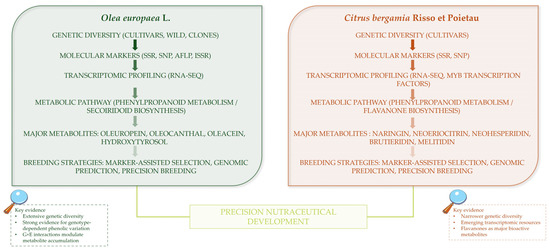
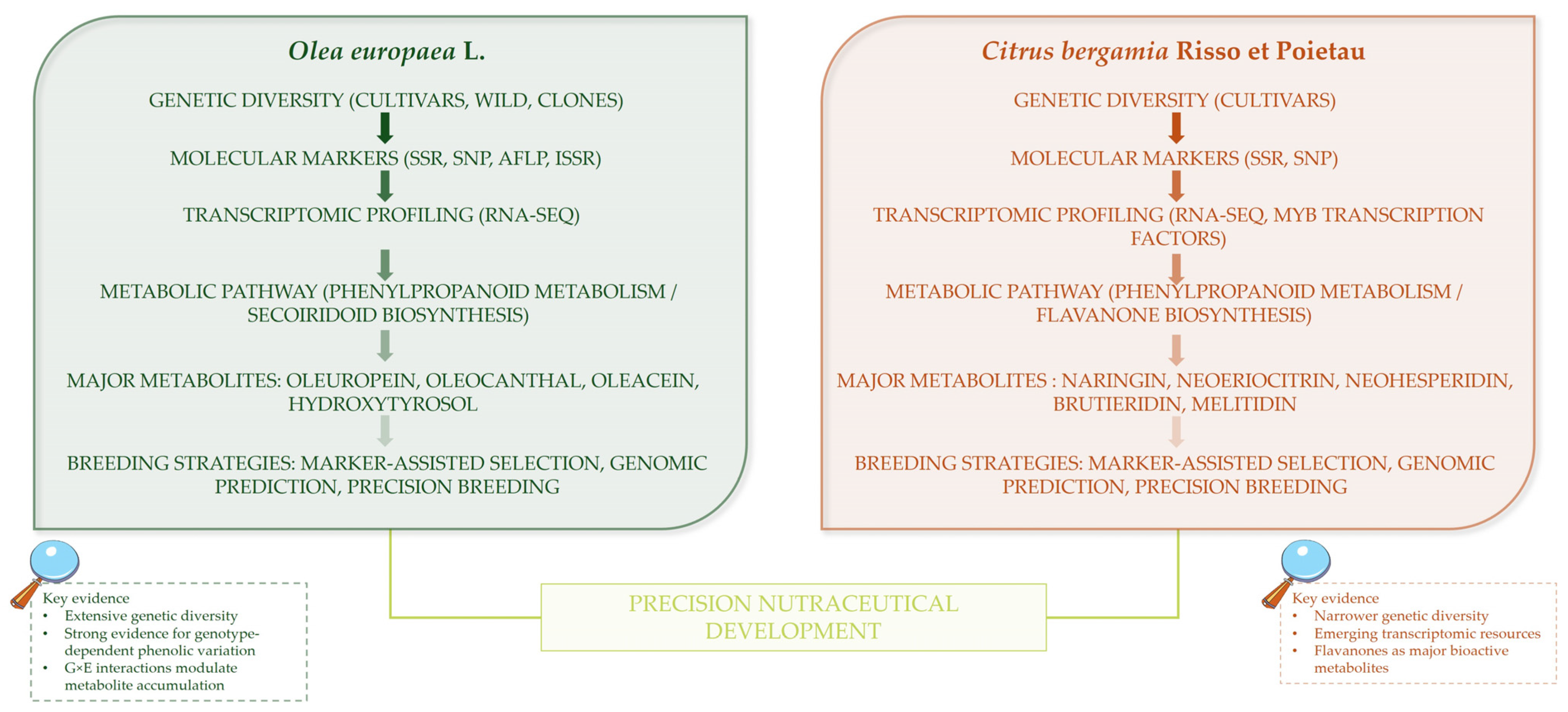
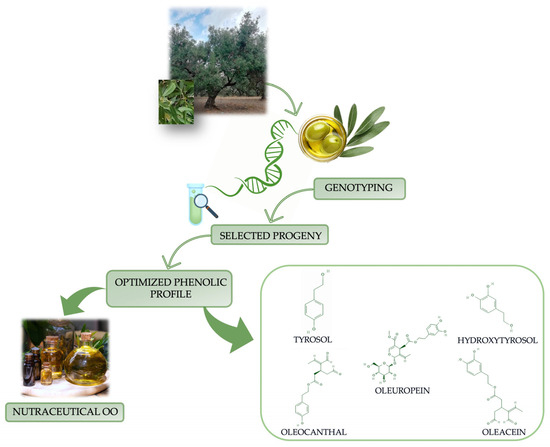
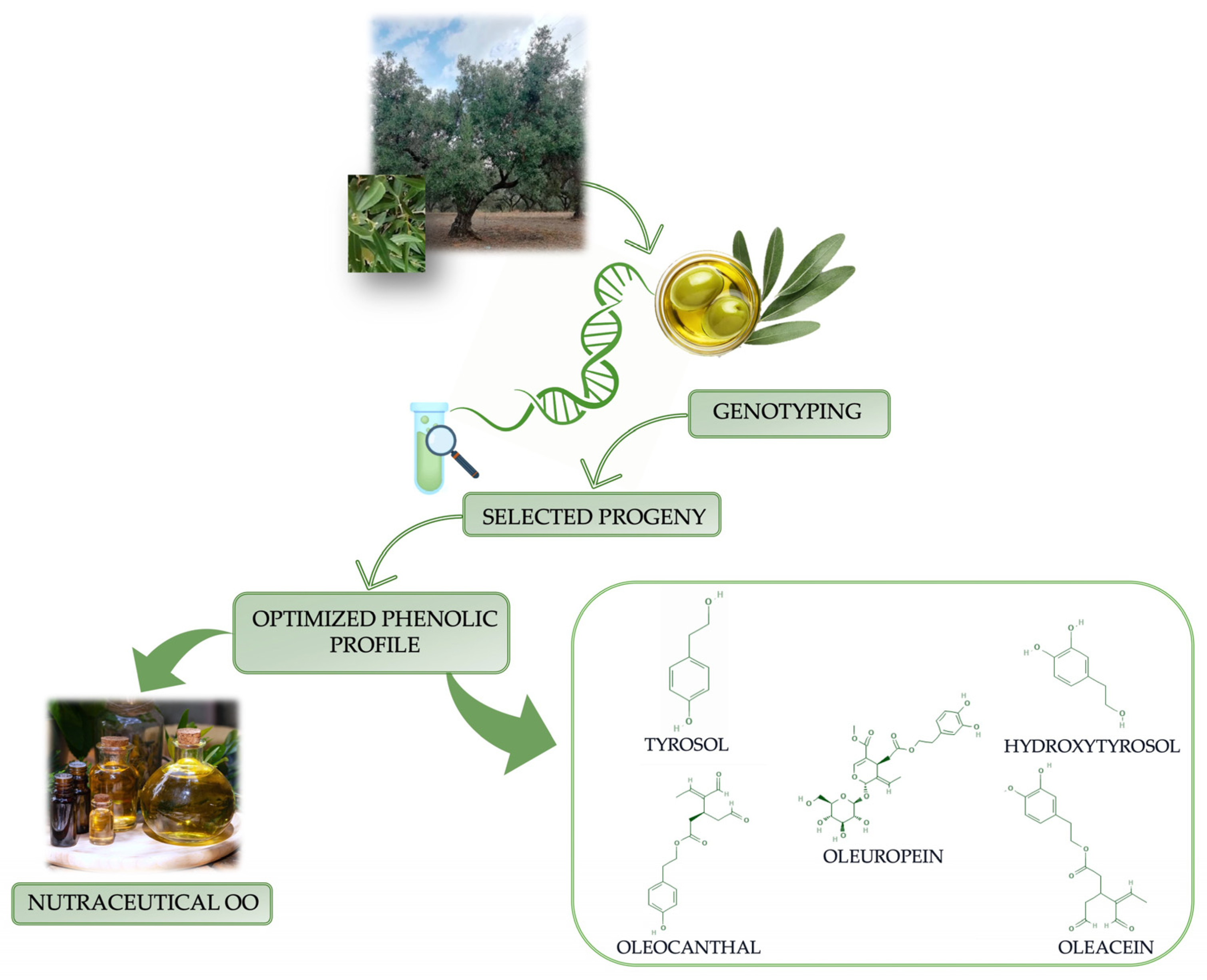
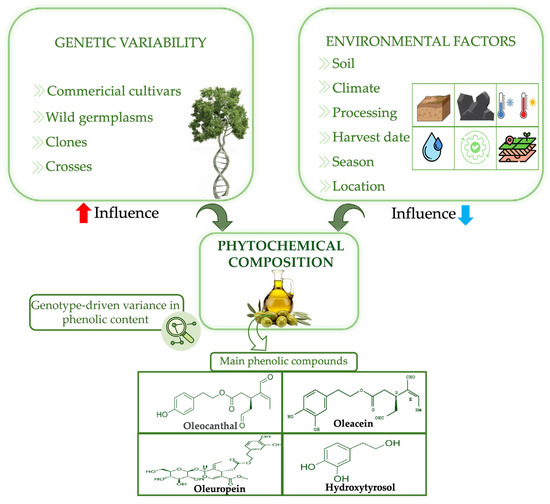
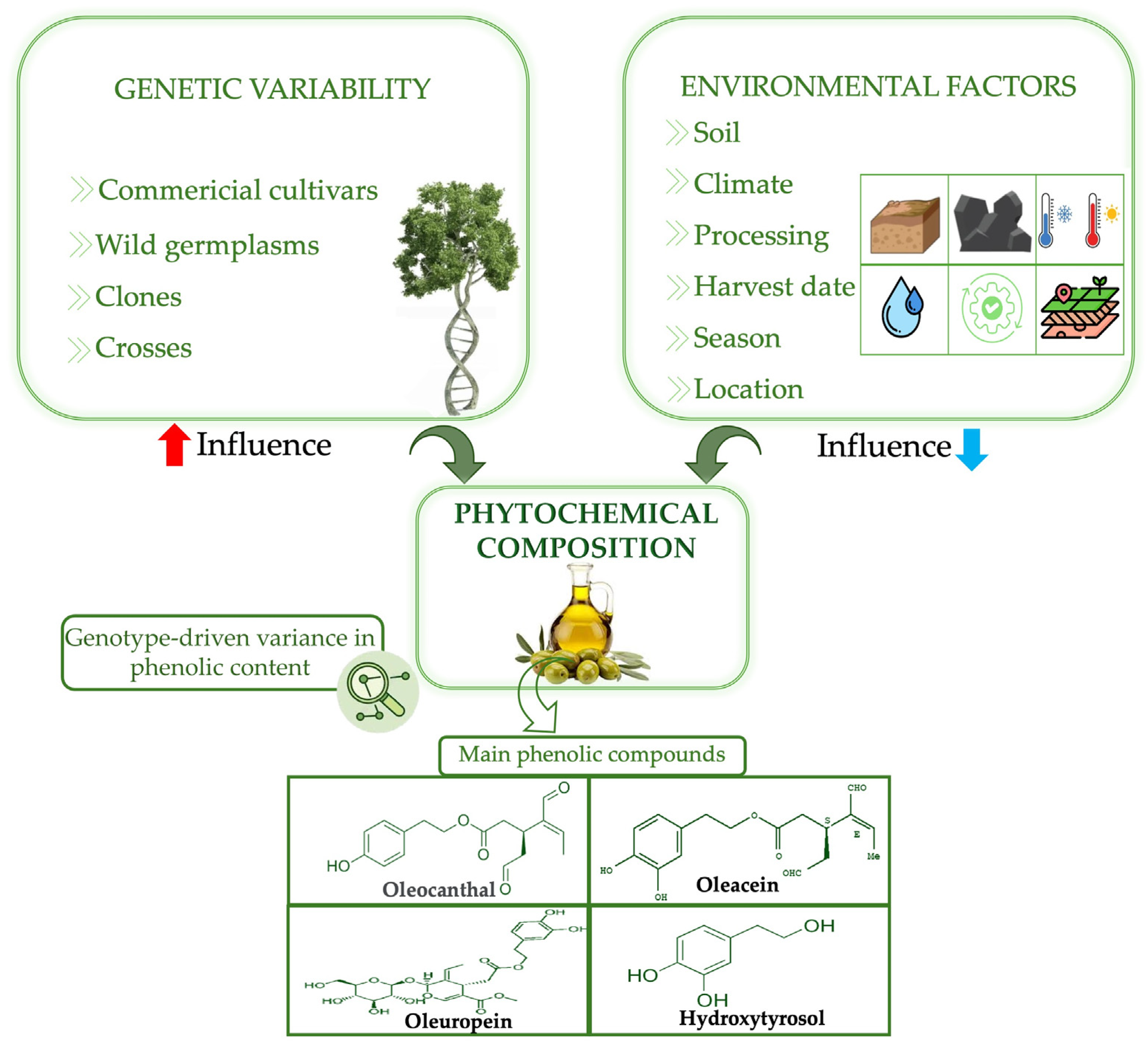
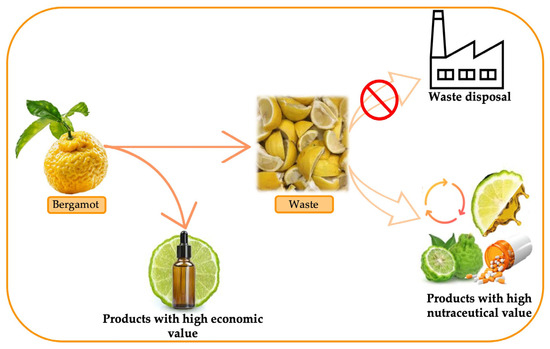
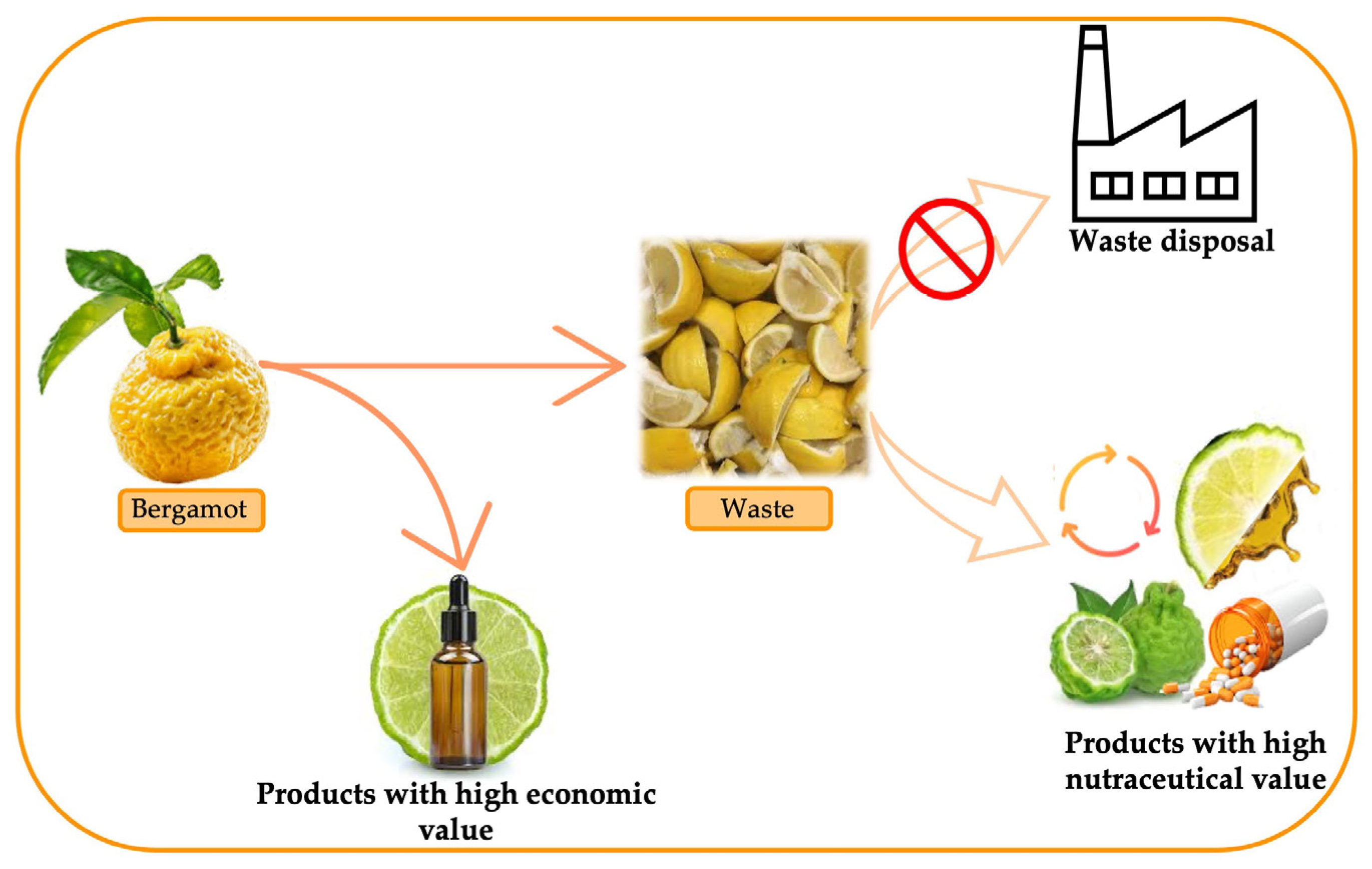
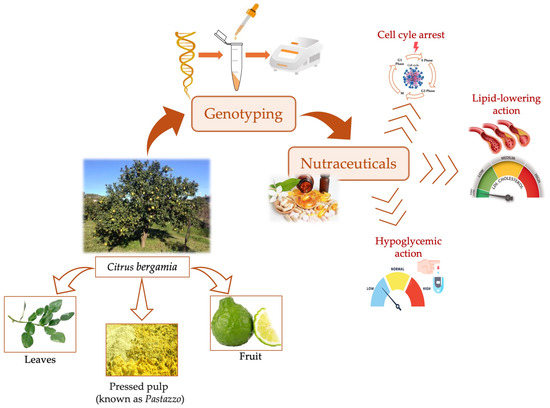
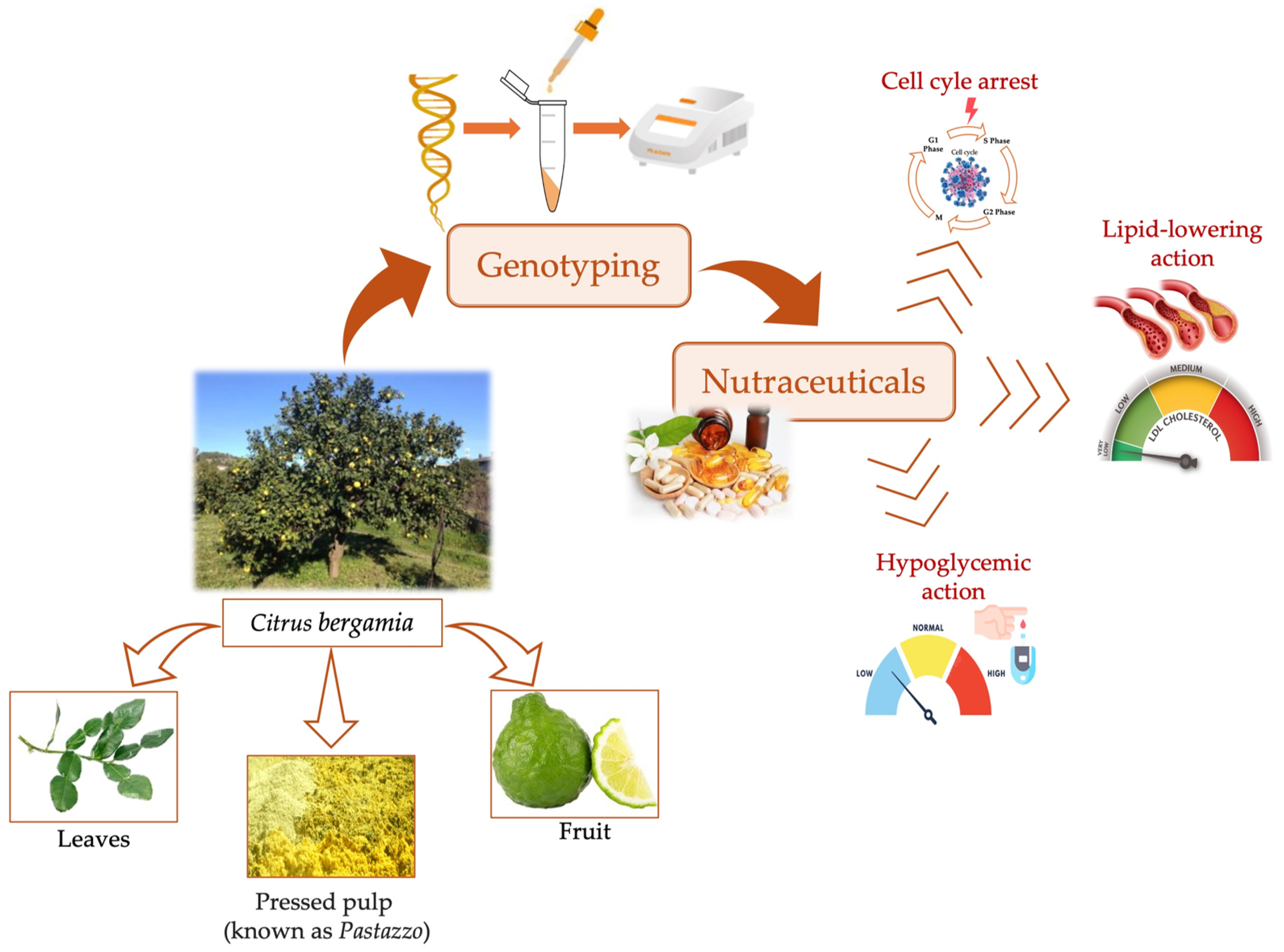

Disclaimer/Publisher’s Note: The statements, opinions and data contained in all publications are solely those of the individual author(s) and contributor(s) and not of MDPI and/or the editor(s). MDPI and/or the editor(s) disclaim responsibility for any injury to people or property resulting from any ideas, methods, instructions or products referred to in the content. |
© 2026 by the authors. Licensee MDPI, Basel, Switzerland. This article is an open access article distributed under the terms and conditions of the Creative Commons Attribution (CC BY) license.