


Abstract
Background and Objectives: Persistent cough, dyspnea, chest tightness, and exercise limitation after SARS-CoV-2 infection are common in people with asthma but are not specific to uncontrolled asthma. This critical narrative review evaluates inhaled corticosteroid (ICS) delivery optimization after COVID-19 while distinguishing direct post-COVID evidence from established asthma evidence. Materials and Methods: PubMed/MEDLINE was searched from January 2020 through 6 July 2026 for literature on asthma after COVID-19, ICS, inhaler technique, adherence, device selection, small-airway disease, chronic cough, rehabilitation, and severe-asthma care; relevant GINA (Global Initiative for Asthma), WHO (World Health Organization), NICE (National Institute for Health and Care Excellence), ERS (European Respiratory Society), and ATS (American Thoracic Society) guidance was also reviewed. The narrative synthesis drew on 89 cited sources, grouped by relevance, study design, and evidentiary directness. Results: Direct post-acute evidence is limited and predominantly observational. Post-acute asthma-control outcomes vary across cohorts; observational evidence suggests increased exacerbation risk, particularly after severe or hospitalized COVID-19. In the most directly relevant observational study, Tichopad et al. evaluated 654 patients with asthma and COVID-19 and found that a higher combined adherence/inhaler-technique score was associated with better recovery of lung-function measures and quality of life, without establishing causality. Evidence for adherence assessment, inhaler-technique correction, device-patient matching, and appropriate ICS-containing therapy is stronger in established asthma care. Extra-fine formulations may improve peripheral deposition in selected asthma phenotypes, whereas post-COVID air trapping alone does not establish corticosteroid responsiveness. Conclusions: COVID-19 history should trigger better asthma assessment, not automatic treatment intensification. Persistent symptoms should prompt confirmation of asthma relevance, assessment of objective and inflammatory features when appropriate, verification of adherence, inhaler technique, and device suitability, and consideration of non-asthma mechanisms before pharmacological escalation.
1. Introduction: Why a Delivery-First Framework Is Needed After COVID-19
Asthma is a heterogeneous chronic airway disease characterized by variable respiratory symptoms, variable airflow limitation, airway hyperresponsiveness, and airway inflammation. Current Global Initiative for Asthma (GINA) strategy documents emphasize confirmation of diagnosis, inhaled corticosteroid (ICS)-containing therapy, repeated review of inhaler technique and adherence, assessment of modifiable risk factors, and stepwise escalation only when asthma remains uncontrolled despite optimized care [1]. Asthma also remains a major global contributor to respiratory morbidity and healthcare utilization [2].
COVID-19 changed the clinical context in which asthma is assessed. Persistent symptoms after SARS-CoV-2 infection frequently include cough, dyspnea, chest tightness, fatigue, reduced physical capacity, and fluctuating symptom burden. Major reviews of long COVID describe multisystem mechanisms and emphasize that respiratory symptoms may overlap with dysautonomia, post-exertional symptom exacerbation, neuroimmune dysfunction, vascular injury, deconditioning, sleep disturbance, and mental-health sequelae [3,4]. The WHO clinical case definition and global burden estimates further highlight that respiratory complaints may occur as part of multisystem post-COVID condition and cannot, by symptoms alone, be attributed to active asthma [5,6]. Population-based studies that compare symptoms before and after infection, and against non-infected controls, show why attribution requires caution [7]. Respiratory sequelae can arise from both pulmonary and extrapulmonary mechanisms [8]. An asthma-specific systematic review provides additional epidemiological context for this diagnostic uncertainty [9].
This overlap creates a practical problem for clinicians. Some patients with asthma-like symptoms after COVID-19 truly have worsened asthma control, viral-triggered airway hyperresponsiveness, increased reliever use, or newly recognized obstructive airway disease. Others have post-viral cough, cough hypersensitivity, small-airway dysfunction without active eosinophilic inflammation, dysfunctional breathing, inducible laryngeal obstruction, deconditioning, obesity-related ventilatory load, anemia, pulmonary vascular disease, residual parenchymal abnormalities, cardiac limitation, gastroesophageal reflux, upper-airway disease, or mixed long-COVID mechanisms. Treating all persistent respiratory symptoms as uncontrolled asthma risks overtreatment, while dismissing all post-COVID symptoms as long COVID risks undertreatment of true asthma worsening [3,4,8].
The central contribution of this review is therefore not a claim that ICS optimization is a new post-COVID treatment. It is a delivery-first, phenotype-aware framework for separating three clinically different problems: delivery failure, pharmacological failure despite adequate delivery, and wrong-target failure in which symptoms are mainly driven by a non-asthma mechanism. A written prescription is not equivalent to effective airway exposure; adherence, technique, inspiratory flow, coordination, particle size, device suitability, affordability, and patient understanding determine the dose that reaches the airway [1].
The focused question is whether optimizing ICS delivery can improve decision-making or outcomes in asthma after COVID-19, and what level of evidence supports each component. This review therefore distinguishes direct post-COVID evidence from peri-infectious observational evidence, acute COVID-19 trials, established asthma care, aerosol/device science, mechanistic evidence, and guideline- or expert-level recommendations.
Population and applicability. This clinical pathway is intended primarily for adults (18 years and older) with previously diagnosed or suspected asthma who are reassessed after SARS-CoV-2 infection. Pediatric studies are discussed only as contextual evidence; the proposed device and investigation sequence is not a pediatric algorithm. Use in children would require age-specific diagnosis, inspiratory-flow assessment, device availability, and spacer/face-mask considerations.
Post-COVID-specific contribution. The steps of confirming asthma, reviewing adherence and inhaler technique, and optimizing devices are already recommended in established asthma care. The additional contribution here is their deliberate integration with competing post-COVID causes of breathlessness or cough, post-infection changes in functional capacity that may complicate delivery, cautious interpretation of distal-airway findings, and screening for post-exertional malaise before exercise-based rehabilitation. This context-dependent framework does not claim a novel drug algorithm or established superiority over GINA-based care [1,3,4,9,10,11,12].
2. Approach to Evidence Synthesis
This study is presented as a critical narrative review and clinical framework, not a systematic review or meta-analysis. Its objective was to synthesize the literature most relevant to a specific clinical problem: whether and how ICS delivery should be optimized in patients with asthma or asthma-like symptoms after COVID-19. The review did not perform PRISMA-level screening, duplicate independent study selection, formal risk-of-bias scoring, or quantitative pooling. Literature was selected for narrative relevance and evidentiary directness rather than through duplicate systematic screening.
The literature search used PubMed/MEDLINE from January 2020 through 6 July 2026, supplemented by relevant guidance documents from GINA, WHO, NICE, ERS, and ATS. Older foundational asthma, aerosol-delivery, inhaler-technique, and pulmonary-rehabilitation publications were included when clinically important. The original narrative search was topic-guided; its documented concepts combined COVID-19/SARS-CoV-2/post-COVID terms with asthma, inhaled corticosteroids, inhaler technique, adherence, device selection, small-airway dysfunction, chronic cough, rehabilitation, biologics, and severe-asthma care, using keywords and Medical Subject Headings where applicable.
Inclusion priority was given to: (1) guidance documents relevant to asthma diagnosis, controller therapy, inhaler technique, adherence, modifiable factors, severe asthma referral, and biologics; (2) studies directly involving asthma control after COVID-19, post-COVID chronic cough treated with ICS, post-COVID inhaler technique, or new-onset obstructive airway disease after COVID-19; (3) acute COVID-19 studies relevant to ICS safety and early inhaled budesonide; (4) chronic-asthma evidence on technique, adherence, device matching, small airways, and biologics; and (5) rehabilitation studies relevant to persistent dyspnea or functional limitation after COVID-19.
Exclusion logic was conservative. Studies were not used to support claims concerning asthma after COVID-19 when they evaluated only acute infection, mixed asthma and chronic obstructive pulmonary disease without stratification, non-respiratory long-COVID symptoms without respiratory endpoints, in vitro mechanisms without clinical correlates, or uncontrolled case reports that could not inform a clinical framework. Evidence was appraised qualitatively by directness to asthma after COVID-19, study design, endpoint relevance, consistency, and major sources of bias. Direct randomized evidence in confirmed asthma after COVID-19 would carry the highest confidence, but such evidence remains sparse. Observational studies were considered hypothesis-supporting rather than definitive when confounding by indication, healthcare-utilization bias, or diagnostic misclassification was plausible.
This review used a focused, iterative, topic-guided search rather than a prospectively registered systematic-review protocol. The search was not designed to estimate a pooled effect size or to exhaustively identify every report on long COVID.
Evidence was organized into five overlapping streams: (1) direct post-infection studies of asthma outcomes, new asthma diagnoses, inhaler use or cough; (2) acute-infection ICS studies, used only for contextual inference; (3) established chronic-asthma evidence on adherence, technique, device choice and severe-asthma therapy; (4) small-airway, aerosol-deposition and mechanistic evidence; and (5) clinical guidelines, alternative post-COVID mechanisms and rehabilitation. Evidence from streams (2)–(5) was explicitly treated as indirect when applied to asthma after COVID-19.
Literature selection and reporting. The final narrative synthesis cites 89 distinct sources, including guidance documents, clinical studies, systematic reviews, and foundational aerosol/device literature; these are the included cited sources, not a PRISMA-defined set of original studies. Screening proceeded iteratively by topic relevance and directness of evidence, rather than through a prospectively specified, duplicate-screened protocol. Original PubMed result totals, numbers of records examined but not cited, duplicate-removal totals and reason-specific exclusion counts were not recorded contemporaneously and cannot be retrospectively determined reliably. We therefore do not present unverifiable exclusion numbers. The main reasons for not treating reports as direct asthma-after-COVID-19 evidence were evaluation of acute infection alone, mixed asthma/COPD outcomes without asthma-specific analysis, absent relevant respiratory outcomes, mechanistic findings without clinical correlates, and case reports insufficient for practice-level inference. Figure 1 reports the documented scope of evidence, selection logic, and final cited-source count without implying systematic screening.
Figure 1.
Schematic representation of evidence sources, eligibility reasoning, and qualitative synthesis in this critical narrative review. The schematic is not a PRISMA flowchart.
Search-term transparency. To clarify the search scope, a reproducible example of the primary PubMed topic combination is (COVID-19 OR SARS-CoV-2 OR post-COVID OR long COVID) AND (asthma) AND (inhaled corticosteroids OR inhaler technique OR adherence OR exacerbations), restricted to literature published from 1 January 2020 through 6 July 2026. Related targeted searches addressed device matching, small-airway tests, aerosol deposition, biomarkers, severe-asthma therapy and rehabilitation, with pre-2020 foundational studies selected separately.
Search-strategy reconstruction for reproducibility (not an archived verbatim query). The following PubMed strings operationalize the original topic concepts and may be rerun with the publication-date filter 1 January 2020–6 July 2026:
(COVID-19[MeSH Terms] OR COVID-19[tiab] OR SARS-CoV-2[tiab] OR long COVID[tiab] OR post-COVID[tiab]) AND (Asthma[MeSH Terms] OR asthma[tiab]) AND (inhaled corticosteroid*[tiab] OR budesonide[tiab] OR adherence[tiab] OR inhaler technique[tiab] OR exacerbation*[tiab]);
(COVID-19[tiab] OR SARS-CoV-2[tiab] OR post-COVID[tiab]) AND (asthma[tiab] OR chronic cough[tiab]) AND (new-onset[tiab] OR lung function[tiab] OR follow-up[tiab]);
(Asthma[MeSH Terms] OR asthma[tiab]) AND (inhaler technique[tiab] OR device selection[tiab] OR inspiratory flow[tiab] OR dry powder inhaler*[tiab] OR adherence[tiab]);
(COVID-19[tiab] OR post-COVID[tiab] OR Asthma[MeSH Terms]) AND (small airways[tiab] OR oscillometry[tiab] OR air trapping[tiab] OR multiple breath washout[tiab] OR extra-fine[tiab]);
(post-COVID[tiab] OR long COVID[tiab]) AND (pulmonary rehabilitation[tiab] OR breathing retraining[tiab] OR post-exertional malaise[tiab]).
3. Defining the Target Population: Pre-Existing Asthma, New-Onset Asthma, and Asthma Mimics After COVID-19
The term “asthma after COVID-19” is preferable to treating “post-COVID asthma” as a single disease entity. The relevant population includes patients with established asthma whose control worsens or remain symptomatic after infection, individuals in whom asthma is newly diagnosed after COVID-19, and patients with asthma-like symptoms whose dominant mechanism is not asthma.
Terminology and timeframe. In this review, “asthma after COVID-19” is a temporal clinical descriptor, not a newly established asthma subtype. It includes (i) previously diagnosed asthma assessed after SARS-CoV-2 infection and (ii) newly diagnosed asthma after infection, for which conventional objective diagnostic confirmation remains necessary. Patients with persistent asthma-like symptoms but without evidence of asthma are considered separately as potential asthma mimics. “Post-acute” describes the timing of an outcome after the acute infection, rather than a distinct form of asthma; the systematic review discussed below included outcomes evaluated at least four weeks after infection [9].
Post-acute asthma-control trajectories are heterogeneous. The 2026 systematic review of 11 observational studies found transient worsening in some populations, particularly early after infection, but no consistent sustained deterioration across longer follow-up; exacerbation risk showed a more consistent observational increase, especially after severe or hospitalized COVID-19 [9]. This heterogeneity is illustrated by a Hong Kong cohort reporting worse control after mild-to-moderate COVID-19 [13] and a later cohort from the Omicron XBB-lineage period (a subsequent Omicron subvariant wave) that did not reproduce the same degree of persistent worsening [14]. These findings support reassessment and attention to exacerbation risk after COVID-19 rather than automatic corticosteroid escalation.
New-onset asthma after COVID-19 is plausible but difficult to classify. Nationwide and clinical cohort studies have reported increased subsequent physician-diagnosed asthma after COVID-19 [15,16]. A large multicenter retrospective cohort using real-world data during a period when Omicron-lineage SARS-CoV-2 variants predominated reported an association between COVID-19 and new-onset obstructive airway diseases, including asthma and bronchiectasis [17]. These findings justify respiratory follow-up when symptoms persist, but observational design, residual confounding, healthcare-utilization bias, coding practices, and diagnostic intensity limit causal inference.
The diagnostic distinction is clinically decisive because ICS delivery optimization has greatest value when asthma and corticosteroid-responsive airway inflammation remain plausible. Objective support may include variable airflow limitation, bronchodilator reversibility, peak-flow variability, airway hyperresponsiveness, fractional exhaled nitric oxide (FeNO), blood eosinophils, exacerbation history, reliever overuse, nocturnal symptoms, or a convincing pre-existing asthma pattern [1,18,19]. Biomarkers can support this assessment but do not independently establish asthma; normal spirometry or low T2 biomarkers do not by themselves exclude it.
Common mimics should be actively considered: post-viral cough, cough hypersensitivity, dysfunctional breathing, inducible laryngeal obstruction, upper-airway cough syndrome, gastroesophageal reflux, obesity-related ventilatory load, deconditioning, anemia, pulmonary vascular disease, residual parenchymal abnormality, cardiac disease, anxiety-related ventilatory dysregulation, and broader long-COVID physiology. Figure 2 summarizes the diagnostic matrix and emphasizes that persistent symptoms after COVID-19 should not automatically trigger ICS escalation.
Figure 2.
Differential diagnosis matrix for persistent respiratory symptoms after COVID-19. ICS, inhaled corticosteroid; FeNO, fractional exhaled nitric oxide; CT, computed tomography; CPET, cardiopulmonary exercise testing; FEV1, forced expiratory volume in one second. The figure separates likely corticosteroid-responsive asthma from common mimics and non-asthma post-COVID mechanisms.
4. Why ICS Continuation Is Supported, but Routine Escalation Is Not
Early pandemic concerns focused on whether chronic respiratory disease or inhaled corticosteroid treatment could increase susceptibility to SARS-CoV-2 infection or worsen outcomes [20]. Large observational platforms and hospital cohorts subsequently shifted the interpretation. The OpenSAFELY population platform identified major COVID-19 mortality risk factors, including age, comorbidity, deprivation, and baseline disease risk [21]. Its specific ICS analysis in asthma and chronic obstructive pulmonary disease (COPD) showed why crude associations are misleading: patients prescribed high-dose ICS often have more severe baseline respiratory disease and more comorbidity [22]. This is confounding by indication, not proof that ICS exposure is harmful.
Hospital cohort data from ISARIC confirmed that outcomes in patients admitted with COVID-19 varied by respiratory diagnosis and patient-level factors, but such cohorts are selected by disease severity, admission thresholds, comorbidity, and testing practices [23]. Systematic reviews and meta-analyses generally support a neutral or possibly modestly favorable association between prior ICS use and COVID-19 outcomes, while acknowledging residual confounding and incomplete adherence data [24,25]. Real-world evidence from periods dominated by Omicron-lineage variants also suggests that asthma is not uniformly associated with worse COVID-19 severity and that phenotype, severity, and confounding must be considered [26].
Randomized trials of inhaled budesonide in early community COVID-19 add safety and plausibility, but they should not be misapplied. STOIC reported faster recovery and fewer urgent-care or hospital events with early inhaled budesonide in mild COVID-19 [27]. PRINCIPLE found shorter self-reported recovery in higher-risk community patients, with less certain effects on hospitalization or death [28]. A meta-analysis of ICS treatment in COVID-19 synthesized this acute-infection literature [29]. These trials evaluated early treatment during acute COVID-19, not maintenance ICS delivery optimization months after infection in confirmed asthma evaluated after COVID-19.
Patients with asthma should continue indicated ICS through and after COVID-19. Routine ICS escalation for persistent post-COVID respiratory symptoms, however, is not evidence-based unless there is evidence supporting uncontrolled corticosteroid-responsive asthma. Guideline-based step-up remains appropriate when asthma is uncontrolled after diagnosis, adherence, technique, device suitability, comorbidities, and other modifiable factors have been addressed [1].
5. Direct Evidence on Asthma After COVID-19: What It Shows and What It Does Not Show
Evidence directly testing ICS-delivery optimization in patients with asthma after COVID-19 is scarce; the most relevant published data are predominantly observational rather than randomized intervention studies. The systematic review examined post-acute asthma outcomes rather than an intervention to optimize ICS delivery [9]. Delivery-specific evidence should therefore be interpreted separately from broader post-acute asthma epidemiology [9,10].
The Czech and Slovak multicenter study by Tichopad and colleagues assessed a combined adherence/application-technique score (A-AppIT) in 654 patients with asthma who developed COVID-19 [10]. Higher scores were associated with greater reversal of COVID-related deterioration in vital capacity and forced expiratory volume in one second (FEV1) and with better quality of life. Associations with acute COVID-19 severity and hospitalization were less robust; the severity association weakened after age adjustment. As the most directly relevant observational delivery evidence, the study supports routine observation and correction of inhaler use but does not establish that technique optimization causally improves post-COVID outcomes.
The Kwok 2023 and 2025 Hong Kong cohorts illustrate why asthma control after COVID-19 should not be assumed to follow a fixed trajectory: worsening of control was observed in the earlier cohort [13], whereas the later cohort evaluated during the Omicron XBB-lineage period showed less sustained deterioration [14]. Their main implication is to reassess asthma control in context rather than assume that treatment intensification is required.
The Xie 2024 prospective cohort of post-COVID chronic cough during the Omicron outbreak is especially useful because cough and lung-function endpoints diverged. ICS use was associated with improvement in some lung-function parameters, whereas cough resolution was not clearly accelerated compared with usual care [30]. The correct inference is endpoint-specific: lower-airway physiology may improve in selected patients, but cough may be driven by cough hypersensitivity, upper-airway disease, reflux, laryngeal dysfunction, or neuroimmune mechanisms rather than corticosteroid-responsive inflammation alone.
The Chuang 2024 multicenter retrospective cohort reported an association between COVID-19 and subsequent diagnoses of obstructive airway disease, including asthma [17]. Residual confounding, diagnostic intensity, and healthcare-utilization bias limit causal inference. Table 1 therefore summarizes selected studies most relevant to delivery, asthma control, cough, and obstructive-airway assessment; it is not intended to catalogue all post-acute asthma literature.
Table 1.
Direct post-COVID evidence and clinically appropriate inference. Abbreviations: A-AppIT, combined adherence/application-technique score; ICS, inhaled corticosteroid; ACT, Asthma Control Test; VC, vital capacity; FEV1, forced expiratory volume in one second; COVID-19, coronavirus disease 2019.
6. Inhaler Technique and Adherence as Exposure Modifiers
Inhaler technique is the most actionable determinant of effective ICS exposure. Across asthma and COPD, device errors are common and clinically consequential [31,32]. The CRITIKAL study linked specific inhaler errors with poorer asthma outcomes, supporting the view that technique errors are potential causes of treatment failure rather than minor educational imperfections [33]. Pressurized metered-dose inhaler (pMDI) errors commonly include poor coordination, rapid inhalation, inadequate inhalation depth, and failure to hold the breath. Dry powder inhaler (DPI) errors commonly involve insufficient inspiratory flow, incorrect loading, exhalation into the device, or failure to inhale forcefully.
Chronic asthma studies are highly relevant to post-COVID care even though they are not post-COVID-specific. Misuse of corticosteroid metered-dose inhalers is associated with decreased asthma stability [34]. Incorrect DPI use affects disease management in asthma and COPD [35]. In COPD primary-care samples, inhaler errors vary by device and patient factors [36], and real-life inhaler mishandling remains common and associated with reduced control [37]. Structured training can maintain clinician and pharmacist demonstration skills [38].
Post-COVID fatigue, dyspnea, and cognitive symptoms could impair inhaler maneuvers, but these are untested clinical hypotheses rather than demonstrated post-COVID-specific device effects. Fatigue may shorten inhalation and breath-holding. Dyspnea may produce hurried inspiration. Cognitive symptoms may weaken multi-step device routines. If present, reduced peak inspiratory flow against the prescribed device resistance may affect suitability of a dry powder inhaler. Anxiety about breathlessness may increase reliever use and reduce confidence in controller therapy. These barriers do not need to be unique to COVID-19 to matter; they only need to reduce the relationship between prescribed dose and delivered airway dose [3,4,31,33].
Adherence is the second major exposure modifier. Poor controller adherence is strongly associated with severe asthma exacerbations [39]. During the pandemic, adherence behavior changed: some patients increased controller use early because of infection-related concern, while others later experienced disruption of routines, medication access, or follow-up [40]. Long-COVID symptoms can further affect adherence through fatigue, cognitive symptoms, depression, polypharmacy, financial barriers, and reduced clinic access.
Adherence also creates interpretative bias. Patients who take ICS reliably may be more engaged, better educated, more likely to attend follow-up, and more able to access care. This healthy-adherer effect can make adherence appear more powerful than the pharmacological exposure alone [10,39,41]. Conversely, patients with more severe symptoms may increase use because they feel worse. Prescription records, refill data, self-report, dose counters, and electronic monitoring each measure different constructs. Objective monitoring is usually preferable to unstructured questioning [41]. Reminder systems and electronic monitoring can improve adherence in selected asthma populations [42,43]. Remote monitoring and telemedicine may help, but effectiveness depends on usability, access, integration into clinical workflows, and a planned response to alerts [44,45].
Technique and adherence should be evaluated together. A patient may be perfectly adherent to an incorrect maneuver, or technically correct on demonstration but inconsistent in daily life. Studies that measure only prescription status risk misclassifying exposure failure as drug failure. Figure 3 summarizes the pathway from prescription to effective deposition and clinical response. Soft-mist inhalers are included in the schematic only as a general inhaler-device class; their inclusion does not imply that an ICS formulation is available through every device class or that an SMI is a specific post-COVID asthma treatment [10,31,33,39].
Figure 3.
Determinants of effective ICS delivery after COVID-19. DPI, dry powder inhaler; MDI, metered-dose inhaler; SMI, soft-mist inhaler. The figure emphasizes that exposure failure can look like pharmacological failure unless adherence, technique, device fit, and deposition are assessed.
7. Device-Patient Matching and Inspiratory Capacity After COVID-19
Device choice is a determinant of airway exposure, not a cosmetic preference. Dry powder inhalers (DPIs) require sufficient inspiratory effort to deaggregate and disperse powder, and device resistance influences dose delivery [46]. pMDIs require coordination unless used with a spacer. Soft-mist inhalers reduce some coordination demands but still require preparation, timing, and breath-hold. Nebulizers reduce coordination requirements but add time, cleaning, cost, and infection-control considerations [31,46].
Post-COVID symptoms might affect inhaler-device suitability, but this remains a plausible clinical hypothesis without direct validation in asthma cohorts after COVID-19. Fatigue or reduced inspiratory effort could impair DPI use; cognitive symptoms might complicate multi-step loading; and weakness, tremor, arthritis, limited vision, or anxiety could impair coordination. Evidence on device errors in COPD and experimental device performance in healthy volunteers supports general device principles, not post-COVID-specific effects. Direct observation of inhaler technique, device-relevant inspiratory flow, and patient–device fit may therefore be appropriate, particularly after hospitalization, exacerbation, device substitution, functional decline, or persistent dyspnea [3,4,31,36,46].
Patient preference influences adherence and confidence, but it should not override technical suitability. A randomized crossover study showed differences in user satisfaction and preference between inhaler devices in stable asthma [47]. Real-world evidence also suggests that device type can affect the effectiveness of asthma combination therapy [48]. Every device switch should therefore be treated as a new initiation: demonstrate, observe return demonstration, document errors, and reassess early.
A practical device-matching sequence includes the following steps: identify the therapeutic goal; assess inspiratory flow, coordination, dexterity, cognition, vision, fatigue, and breath-hold; observe technique with the exact device used at home; correct errors with teach-back; and reassess clinical and objective outcomes after a defined interval. This process reduces unnecessary medication escalation when the real issue is device-patient mismatch [1,31,46].
When a dry-powder device is being selected, or difficulties are suspected, consider measuring peak inspiratory flow (PIF) against the resistance of the actual inhaler, for example with an In-Check DIAL-type meter, rather than inferring suitability from spirometric FEV1 or dyspnea alone. Interpret results with the device-specific recommended flow range; reassess technique or device choice after training. This is a standard inhaler-selection measurement extrapolated to patients assessed after COVID-19, not a validated COVID-specific intervention [31,32,46].
8. Small-Airway Disease, Particle Size, and Extra-Fine Formulations
Small-airway abnormalities reported after SARS-CoV-2 infection justify assessing distal airway function in selected symptomatic patients; however, demonstrating distal airway dysfunction does not establish that ICS escalation or an extra-fine formulation improves post-COVID outcomes. Respiratory viruses are established triggers of asthma exacerbations and airway hyperresponsiveness [49]. Severe COVID-19 can involve dysregulated immune responses [50]. Airway epithelial studies suggest that asthma phenotype, type 2 inflammation, and corticosteroid exposure may influence SARS-CoV-2 entry-related genes such as angiotensin-converting enzyme 2 (ACE2) and transmembrane serine protease 2 (TMPRSS2) [51,52,53,54]. These findings support biological plausibility, not automatic post-COVID ICS escalation.
The small-airway argument is stronger when symptoms are disproportionate to standard spirometry. Quantitative expiratory CT studies after SARS-CoV-2 infection have demonstrated air trapping consistent with distal airway disease, including in patients with preserved conventional spirometry [11]. More recent post-COVID studies have reported small-airway dysfunction and lung hyperinflation as potential mechanisms of persistent dyspnea [55]. Impulse oscillometry (IOS) can detect small-airway dysfunction in symptomatic individuals with preserved pulmonary function [56]. In asthma, small-airway disease contributes to poor control, ventilation heterogeneity, air trapping, and discordance between FEV1 and symptoms [57,58].
For objective characterization of small-airway dysfunction, IOS indices include the difference between resistance at 5 and 20 Hz (R5–R20), reactance at 5 Hz (X5), and the reactance area (AX); abnormal values require equipment- and population-appropriate reference limits. Multiple-breath washout provides the lung clearance index (LCI) and indices of conductive- and acinar-zone ventilation heterogeneity (Scond and Sacin). Body plethysmography complements these tests by documenting elevated residual volume (RV), particularly an increased RV/total lung capacity (TLC) ratio. None of these tests alone identifies corticosteroid-responsive asthma following COVID-19 [57,58].
Particle size affects regional deposition. Aerosol studies show that smaller particles can reach more peripheral airways under appropriate inhalation conditions [59]. Hydrofluoroalkane-beclomethasone data demonstrated improved airway targeting compared with older chlorofluorocarbon formulations [60]. Chronic-asthma studies suggest that extra-fine ICS may improve small-airway dysfunction in selected patients [61]. This supports the statement that extra-fine formulations can improve distal delivery, but it does not prove post-COVID-specific outcome benefit.
The post-COVID inference should remain cautious. Air trapping after COVID-19 may reflect inflammatory bronchiolitis, mucus plugging, airway narrowing, vascular-parenchymal interaction, altered mechanics, or early remodeling. Only some mechanisms are likely to be corticosteroid-responsive. Extra-fine ICS is therefore most defensible when persistent symptoms coexist with objective asthma activity and evidence of small-airway involvement, such as abnormal IOS, multiple-breath washout, expiratory CT air trapping, bronchodilator responsiveness in peripheral indices, or symptoms disproportionate to FEV1 [11,55,56].
Any trial of formulation change should define the target outcome in advance: asthma control, reliever use, exacerbations, FeNO, eosinophils, spirometry, IOS, air trapping, cough, or exercise tolerance. Without a defined endpoint, switching to extra-fine therapy risks becoming an unfalsifiable intervention.
9. When Persistent Symptoms Are Not Corticosteroid-Responsive
Evaluation should also determine whether persistent respiratory symptoms are primarily attributable to mechanisms unlikely to respond to improved ICS delivery. Persistent exertional intolerance after COVID-19 may occur despite limited airflow obstruction. Invasive cardiopulmonary exercise testing has demonstrated mechanisms such as impaired oxygen extraction, abnormal ventilatory efficiency, or circulatory limitation in selected patients after COVID-19 [62]. In such cases, increasing ICS dose may have little effect even when breathlessness is prominent.
Residual parenchymal and vascular sequelae also matter. Histopathological studies of fatal COVID-19 showed diffuse alveolar damage, vascular injury, and complex lung pathology [63]. Follow-up guidance after COVID-19 pneumonia emphasizes evaluation for parenchymal abnormalities, thromboembolic disease, oxygen requirement, and broader pulmonary impairment [64]. These mechanisms can coexist with asthma, making single-mechanism treatment decisions unsafe.
Chronic asthma itself can become less corticosteroid-responsive in some phenotypes. Airway remodeling, fixed airflow limitation, and steroid-resistant features may occur in chronic asthma [65,66]. Bronchoconstriction can contribute to remodeling [67]. Neutrophilic asthma phenotypes are associated with more severe or less corticosteroid-responsive disease in some cohorts [68]. If post-COVID symptoms occur in a patient with fixed obstruction, smoking-related airway disease, obesity-associated dyspnea, or neutrophilic inflammation, the expected benefit of simply increasing ICS dose is lower than in eosinophilic variable asthma.
Cough is particularly misleading: post-COVID cough may reflect lower-airway inflammation but can also arise from cough hypersensitivity, laryngeal dysfunction, upper-airway disease, reflux, or neuroimmune pathways. Persistence after optimized ICS may therefore indicate a wrong target rather than pharmacological failure. Likewise, fatigue and exercise intolerance may respond better to mechanism-directed rehabilitation, pacing, breathing retraining, or treatment of comorbidity than to inhaler escalation [3,4,30].
10. Adjunctive Care: Nebulized Corticosteroids, Biologics, and Rehabilitation
Nebulized corticosteroids should be reserved for conventional clinical situations in which a patient cannot use an appropriate handheld inhaler reliably or when another established indication exists. Nebulized budesonide has evidence in acute asthma-care settings [69], and nebulization can reduce coordination demands, but it adds treatment time, equipment, cleaning, and infection-control considerations [70]. It is not a specific treatment strategy for asthma symptoms simply because they occur after COVID-19.
Biologic therapy remains phenotype- and eligibility-driven severe-asthma treatment. GINA emphasizes confirmation of diagnosis and correction of modifiable factors, including inhaler technique, adherence, device suitability, smoking, and comorbidity, before severe asthma is assigned [1]. Randomized trials support biologics in appropriately selected severe asthma [71,72,73], but COVID-19 history itself is not an indication; biologics should be considered only when established severe-asthma criteria persist despite optimized ICS-containing therapy, management of modifiable factors, and appropriate phenotype assessment [1].
Rehabilitation addresses mechanisms that ICS does not. Pulmonary rehabilitation principles include exercise, education, self-management, and breathing strategies [74], and post-COVID trials and reviews report improvements in exercise capacity, dyspnea, fatigue, or quality of life in selected populations [75,76,77]. The 2026 long-COVID clinical practice guideline recommends screening for post-exertional malaise (PEM) before exercise-based rehabilitation [12]. When PEM or post-exertional symptom exacerbation (PESE) is present, activity management and pacing should be prioritized rather than automatic progressive exercise. This does not alter the indication to continue ICS for objectively supported asthma.
11. Cross-Cutting Limitations and Sources of Bias
Bias analysis is central to this field because the same observation can support different interpretations depending on design. Confounding by indication is the most obvious problem. Patients prescribed high-dose ICS, oral corticosteroids, or biologics usually have more severe baseline asthma and more comorbidity. Worse outcomes in these groups may reflect baseline severity rather than treatment harm [10,22].
The healthy-adherer effect can bias findings in the opposite direction. Patients with better adherence may have better outcomes because they have higher health literacy, better access to care, stronger clinician relationships, more stable routines, and healthier behaviors. Observed benefit from adherence may therefore include both pharmacological exposure and broader self-management capacity [10,39,41].
Technique-adherence correlation is especially relevant for this review. Correct technique during observation may identify patients who are more engaged, more educated, or more likely to use medication consistently. Therefore, observational associations between correct technique and better outcomes should be considered clinically meaningful but not definitive proof of causality. Randomized technique interventions, objective adherence monitoring, and standardized technique scoring are needed [10,31,33].
Healthcare-utilization bias can inflate new-onset asthma estimates after COVID-19. Symptomatic patients are more likely to seek care, undergo spirometry, receive bronchodilator trials, and acquire diagnostic codes. Some diagnoses are valid; others may represent transient post-viral airway hyperresponsiveness, cough hypersensitivity, or diagnostic intensity. Variant-era bias, vaccination-era bias, antiviral availability, and changing care pathways further limit comparison across time [15,16,17].
Endpoint mismatch is another major limitation. FEV1 is important but may miss small-airway disease. Cough resolution may reflect laryngeal or neural mechanisms rather than lower-airway inflammation. Dyspnea scores may be driven by deconditioning, dysfunctional breathing, autonomic dysfunction, anemia, obesity, or cardiac limitation. Quality of life integrates many mechanisms and may improve without measurable airway change. Future studies should align endpoints with the mechanism being tested; the biases and their mitigation strategies are summarized in Table 2 [9,11,30,62].
Table 2.
Biases that should be addressed in asthma delivery research after COVID-19. Abbreviations: ICS, inhaled corticosteroid; FEV1, forced expiratory volume in one second.
12. Proposed Delivery-First Clinical Pathway
The practical output is a delivery-first, phenotype-aware pathway for persistent or worsened respiratory symptoms after COVID-19 when asthma is known, suspected, or newly diagnosed. It is not intended to delay treatment of unstable asthma. Its purpose is to distinguish delivery failure from pharmacological failure despite adequate exposure and from wrong-target failure due to a non-asthma mechanism.
Step 1 is to confirm asthma relevance. Review the previous diagnosis, baseline severity, exacerbation history, pre-COVID lung function, current symptom variability, reliever use, nocturnal symptoms, triggers, bronchodilator response, peak-flow variability, FeNO, blood eosinophils, and bronchial challenge where appropriate.
Step 2 is to search for common non-asthma causes, including post-viral cough, dysfunctional breathing, laryngeal dysfunction, deconditioning, anemia, pulmonary vascular disease, residual parenchymal abnormality, cardiac disease, reflux, and upper-airway disease.
Step 3 is to verify ICS exposure through nonjudgmental discussion, refill history, dose counters, electronic monitoring when available, cost barriers, side effects, and patient understanding of controller therapy.
Step 4 is to observe the exact inhaler used at home, correct critical errors, and document return demonstration.
Step 5 is to match the device to inspiratory flow, coordination, dexterity, cognition, vision, fatigue, preference, affordability, and availability.
Where DPI performance is uncertain, Step 5 should include resistance-matched PIF measurement when available (e.g., an In-Check DIAL-type device), device-specific interpretation, and observation of the inhalation maneuver.
Step 6 is to consider small-airway involvement when symptoms are disproportionate to FEV1, using IOS (R5–R20, X5, and AX), multiple-breath washout (LCI, Scond, and Sacin), body plethysmography (RV and RV/TLC), expiratory CT air trapping, or other available tests, with interpretation against appropriate reference values and the clinical context.
Step 7 is to escalate only if uncontrolled asthma persists after optimized delivery. Escalation may include guideline-based ICS-containing step-up therapy, ICS/long-acting beta2-agonist (LABA) strategies, add-on therapy, or severe-asthma referral according to established criteria [1].
Step 8 is to integrate mechanism-directed non-pharmacological care. If functional limitation dominates, screen for PEM/PESE. If absent, consider individualized rehabilitation and breathing retraining; if present, prioritize activity management/pacing and avoid automatic progressive exercise. Figure 4 summarizes the pathway.
Figure 4.
Delivery-first clinical pathway for persistent asthma-relevant symptoms after COVID-19. ICS, inhaled corticosteroid; FeNO, fractional exhaled nitric oxide. COVID-19 history should trigger better asthma assessment, not automatic treatment intensification. Functional limitation requires PEM/PESE screening before exercise-based rehabilitation; positive screening favors pacing and symptom-contingent activity management.
13. Biomarkers Supporting Asthma Relevance and Corticosteroid-Responsive Inflammation
Biomarkers should support, rather than replace, clinical assessment of asthma after COVID-19. Blood eosinophils and fractional exhaled nitric oxide (FeNO) are the most accessible markers of type 2 (T2) airway inflammation. In a compatible clinical setting, elevated values can increase confidence that persistent symptoms are associated with corticosteroid-responsive airway inflammation and can contribute to phenotype assessment; low values do not exclude asthma because both markers vary over time and can be suppressed by corticosteroid exposure [1,19,78,79]. Serum periostin has also been studied as a surrogate of T2-high asthma, although its clinical performance is inconsistent across populations [80,81]. Total serum IgE is useful mainly for characterization of allergic phenotype and, in selected patients, assessment of eligibility for anti-IgE therapy; it is not a routine biomarker for titrating the ICS dose [82].
For adults and adolescents, an absolute blood eosinophil count of at least 150 cells/µL may support a T2-inflammatory phenotype in difficult-to-treat or severe asthma, while 300 cells/µL is a frequently used enrichment or biologic-eligibility threshold; neither value establishes the diagnosis of asthma. In adults, ATS FeNO interpretation considers values below 25 parts per billion (ppb) less suggestive of eosinophilic inflammation, 25–50 ppb intermediate, and values above 50 ppb supportive of eosinophilic airway inflammation and potential corticosteroid responsiveness. The lower FeNO threshold of 20 ppb is also used in selected severe-asthma T2 phenotype algorithms, a different clinical purpose from the ATS interpretation categories. These markers must be interpreted alongside symptoms, objective variable airflow limitation, corticosteroid exposure, smoking, and atopy [1,19,78,79].
Clinical risk factors for frequent asthma exacerbations have been described in observational cohorts [83]. Other circulating or eosinophil-activation markers remain less established for routine care. Eosinophil-derived neurotoxin and eosinophil cationic protein reflect eosinophil activation and have been investigated as asthma biomarkers [84], but neither has a validated role as a stand-alone test for deciding whether post-COVID respiratory symptoms should prompt ICS escalation. Circulating cytokine and chemokine profiles, including interferon-associated and monocyte/macrophage-related signals, remain primarily research tools rather than validated clinical discriminators.
Post-COVID immunology studies have identified persistent immune abnormalities in some cohorts, but these findings should not be equated with asthma-specific inflammation or treatment responsiveness [85,86,87,88].
In a prospective Romanian cohort of 68 previously hospitalized patients, concentrations of MIF, IFN-γ, TNF-α, IP-10/CXCL10, and MCP-1/CCL2 remained higher at one month in participants recovering from severe disease, but these abnormalities were not associated with persistent symptoms and were not evaluated as markers of asthma or response to ICS [89].
14. Clinical, Public-Health, and Care-Quality Implications
At the care-system level, the framework aims to reduce two opposite errors: inappropriate corticosteroid escalation for non-asthma respiratory symptoms following COVID-19 and undertreatment of genuine asthma worsening. The operational sequence is to establish whether corticosteroid-responsive asthma is plausible and whether prescribed inhaled therapy is being delivered effectively before escalation [1,9,10].
Quality of care therefore depends on observed inhaler technique, adherence, device access and suitability, affordability, health literacy, and continuity of follow-up across primary care, pharmacy, pulmonology, and post-COVID services [1,31,39].
Digital monitoring, pharmacist- or nurse-led inhaler review, remote coaching, breathing retraining, and rehabilitation may support this pathway when access and implementation are feasible. These are quality-improvement tools, not a new post-COVID pharmacological strategy [42,43,44,45].
These indicators are proposed implementation metrics, not established GINA quality standards. Their feasibility, benchmarks, reassessment interval, and association with patient outcomes require prospective validation.
15. Evidence Gaps and Research Agenda
The key research question is no longer whether ICS are generically helpful after COVID-19, but whether structured delivery optimization improves outcomes in well-defined asthma phenotypes compared with high-quality usual care. Studies should distinguish pre-existing asthma, new-onset asthma after COVID-19, post-COVID chronic cough, and non-asthma mimics, while recording baseline asthma severity, acute COVID-19 severity, treatment exposures, vaccination/variant era, comorbidities, and healthcare utilization.
The most important study would be a pragmatic randomized trial of a delivery-optimization bundle. The intervention should include observed inhaler technique, immediate correction, teach-back, device-patient matching, spacer provision when indicated, adherence assessment, objective monitoring or dose-counter review, patient education, and short-interval reassessment. The comparator should be guideline-based usual care, not neglect. Outcomes should include asthma control, exacerbations, reliever use, quality of life, technique score, objective adherence, spirometry, biomarkers, and small-airway endpoints.
A second priority is phenotype-stratified small-airway research. Patients with persistent symptoms, objective asthma activity, preserved or near-preserved FEV1, and small-airway abnormalities could be randomized to standard formulation versus extra-fine ICS-containing therapy after technique and adherence are standardized. Endpoints should include IOS indices (R5–R20, X5 and AX), multiple-breath washout (LCI, Scond and Sacin), expiratory CT air trapping, body-plethysmographic air trapping (RV and RV/TLC), symptoms, exercise tolerance, and exacerbations.
Longitudinal cohorts with denominator populations are also needed to determine whether post-COVID small-airway abnormalities resolve, persist, or progress and whether asthma phenotype or ICS exposure modifies that trajectory. Such work should separate physiological abnormalities from symptoms and from treatment-response claims.
16. Discussion
Evidence from the post-acute asthma literature is variable and context-dependent [9]. This supports an implementation rather than efficacy interpretation: the best post-COVID delivery evidence is observational, while standard technique and adherence checks are established asthma practice.
The distinct practical contribution is a context-specific triage and documentation sequence for adults assessed after COVID-19. Table 3 links each clinical step to evidence directness and approximate certainty, Table 4 proposes process measures and follow-up outcomes that require prospective validation and Table 5 summarizes the priority research questions, study designs, and endpoints needed to validate the proposed framework.
Table 3.
Evidence supporting the proposed delivery-first clinical pathway. The “Evidence directness” column indicates whether each clinical step is supported by direct post-COVID evidence, established asthma research, or extrapolated evidence. Interpretive certainty reflects a qualitative narrative assessment and does not represent a formal GRADE evaluation.
Table 4.
Proposed, not-yet-validated process and outcome quality indicators for implementation of the adult delivery-first pathway. Denominators should be defined prospectively and exceptions recorded.
Table 5.
Priority studies needed to move from plausible care to proven care for asthma after COVID-19. Abbreviations: FEV1, forced expiratory volume in one second; CT, computed tomography; ICS, inhaled corticosteroid.
This approach is consistent with the Global Initiative for Asthma (GINA) 2026 strategy report, which already emphasizes confirmation of diagnosis, ICS-containing therapy, repeated technique and adherence review, correction of modifiable factors, and phenotype-directed severe-asthma care [1]. COVID-19 does not justify a separate asthma pharmacological algorithm; it makes careful application of existing asthma principles more important because respiratory symptoms are less specific.
Endpoint alignment also matters. FEV1 can miss distal-airway abnormalities, cough may persist because of non-asthma mechanisms, and dyspnea or quality of life can change through rehabilitation without parallel improvement in airway inflammation. Future intervention studies should therefore match physiological, inflammatory, exacerbation, adherence, technique, and patient-reported endpoints to the mechanism being tested.
Evidence limitations remain substantial: the pathway integrates chronic-asthma care, post-COVID observational findings, and mechanistic research without demonstrating post-COVID-specific efficacy.
A pragmatic next step is to compare a structured intervention combining device demonstration, adherence assessment, technique correction and targeted reassessment with guideline-based usual care, using objectively recorded exposure and asthma-relevant clinical outcomes. Mechanistic small-airway indices should remain secondary or exploratory unless the intervention is explicitly targeted to that compartment.
17. Conclusions
After COVID-19, persistent respiratory symptoms in patients with established or suspected asthma warrant renewed diagnostic assessment rather than automatic ICS escalation. Clinicians should confirm asthma relevance, evaluate other respiratory and extrapulmonary causes, and assess adherence, observed inhaler technique, and device suitability before stepping up controller treatment.
Optimizing ICS delivery is an established asthma-care quality measure, not a proven post-COVID-specific treatment. Extra-fine formulations, biologics, and rehabilitation should follow objective findings and established indications. Prospective trials are needed to determine whether structured delivery optimization improves outcomes after SARS-CoV-2 infection.
Author Contributions
Conceptualization, N.L., C.A.M. and G.J.; methodology, N.L. and C.A.M.; literature search and investigation, N.L.; writing—original draft preparation, N.L. and C.A.M.; writing—review and editing, C.M., E.E.N., S.S., E.S.I., S.A.L. and G.J.; visualization, N.L. and E.E.N.; supervision, G.J.; project administration, C.M. and G.J. All authors have read and agreed to the published version of the manuscript.
Funding
This research received no external funding.
Institutional Review Board Statement
Not applicable.
Informed Consent Statement
Not applicable.
Data Availability Statement
No new data were created or analyzed in this study. Data sharing is not applicable to this article.
Acknowledgments
This manuscript also forms part of the doctoral thesis of the first author, submitted within the Doctoral School of Medicine and Pharmacy at the “George Emil Palade” University of Medicine, Pharmacy, Science, and Technology of Târgu Mureș, and has been reviewed and approved by all contributing authors. Generative artificial intelligence (OpenAI ChatGPT (GPT-6)) was used to assist with language editing, manuscript organization, figure and table wording, editorial revisions, and preliminary reference cross-checking. AI tools did not generate original patient data, undertake a systematic literature-screening protocol, or independently establish clinical conclusions. All AI-assisted content was critically reviewed and approved by the authors, who take full responsibility for the final manuscript. AI assistance also included drafting proposed implementation indicators, narrative evidence-directness tables, and modifying the graphical abstract and pathway diagram.
Conflicts of Interest
The authors declare no conflicts of interest.
References
- Global Initiative for Asthma. Global Strategy for Asthma Management and Prevention; 2026 Update; Global Initiative for Asthma: Fontana, WI, USA, 2026. [Google Scholar]
- Vos, T.; Lim, S.; Abbafati, C. Global Burden of 369 Diseases and Injuries in 204 Countries and Territories, 1990–2019: A Systematic Analysis. Lancet 2020, 396, 1204–1222. [Google Scholar] [CrossRef] [PubMed]
- Davis, H.; McCorkell, L.; Vogel, J.; Topol, E. Long COVID: Major Findings, Mechanisms and Recommendations. Nat. Rev. Microbiol. 2023, 21, 133–146. [Google Scholar] [CrossRef] [Scilit] [PubMed]
- Al-Aly, Z.; Davis, H.; McCorkell, L.; Soares, L.; Wulf-Hanson, S.; Iwasaki, A.; Topol, E. Long COVID Science, Research and Policy. Nat. Med. 2024, 30, 2148–2164. [Google Scholar] [CrossRef] [Scilit] [PubMed]
- Soriano, J.; Murthy, S.; Marshall, J.; Relan, P.; Diaz, J. WHO Clinical Case Definition Working Group on Post-COVID-19 Condition A Clinical Case Definition of Post-COVID-19 Condition by a Delphi Consensus. Lancet Infect. Dis. 2022, 22, E102–E107. [Google Scholar] [CrossRef] [Scilit] [PubMed]
- Global Burden of Disease Long COVID Collaborators Estimated Global Proportions of Individuals with Persistent Fatigue, Cognitive, and Respiratory Symptom Clusters Following Symptomatic COVID-19 in 2020 and 2021. JAMA 2022, 328, 1604–1615. [Google Scholar] [CrossRef] [Scilit] [PubMed]
- Ballering, A.; van Zon, S.; Olde Hartman, T.; Rosmalen, J. Persistence of Somatic Symptoms after COVID-19 in the Netherlands: An Observational Cohort Study. Lancet 2022, 400, 452–461. [Google Scholar] [CrossRef] [Scilit] [PubMed]
- Singh, S.; Baldwin, M.; Daynes, E. Respiratory Sequelae of COVID-19: Pulmonary and Extrapulmonary Origins, and Approaches to Clinical Care and Rehabilitation. Lancet Respir. Med. 2023, 11, 709–725. [Google Scholar] [CrossRef] [Scilit] [PubMed]
- Alhumaid, S.; Sabr, Z.; Alshehri, S.M.; Alhashem, H.A.; Alnajjad, Q.; Alsaadoun, D.S.; Algrafi, A.S.; Aborshaid, F.A.; Alsaidalani, A.A.; Noorsaeed, S.; et al. Asthma Control and Exacerbation Risk Following SARS-CoV-2 Infection in the Post-Acute COVID-19 Phase: A Systematic Review. Allergy Asthma Clin. Immunol. 2026, 22, 36. [Google Scholar] [CrossRef] [Scilit] [PubMed]
- Tichopad, A.; Zigmond, J.; Jesenak, M. Adherence to Application Technique of Inhaled Corticosteroid in Patients with Asthma and COVID-19 Improves Outcomes. BMJ Open Respir. Res. 2024, 11, e001874. [Google Scholar] [CrossRef] [Scilit] [PubMed]
- Cho, J.L.; Villacreses, R.; Nagpal, P.; Guo, J.; Pezzulo, A.A.; Thurman, A.L.; Hamzeh, N.Y.; Blount, R.J.; Fortis, S.; Hoffman, E.A.; et al. Quantitative Chest CT Assessment of Small Airways Disease in Post-Acute SARS-CoV-2 Infection. Radiology 2022, 304, 185–192. [Google Scholar] [CrossRef] [Scilit] [PubMed]
- Cao, B.; Soriano, J.B.; Wang, Q.; Al-Aly, Z.; Gu, X.; Wang, G.; Leo, Y.-S.; Jin, Y.; Shi, Q.; Ohmagari, N.; et al. Clinical Practice Guideline for Long COVID Prevention and Treatment. Eur. Respir. J. 2026, 68, 2502611. [Google Scholar] [CrossRef] [Scilit] [PubMed]
- Kwok, W.; Tam, T.; Lam, D. Worsening of Asthma Control after Recovery from Mild to Moderate COVID-19 in Patients from Hong Kong. Respir. Res. 2023, 24, 53. [Google Scholar] [CrossRef] [Scilit] [PubMed]
- Kwok, W.C.; Tsui, C.K.; Tam, T.C.C.; Lam, D.C.L.; Ip, M.S.M.; Ho, J.C.M. Asthma Control after Recovery from Mild to Moderate COVID-19: From Omicron BA.2 to XBB- from a Cohort in a University Hospital in Hong Kong. BMC Pulm. Med. 2025, 25, 74. [Google Scholar] [CrossRef] [Scilit] [PubMed]
- Kim, B.; Lee, H.; Choi, S. Increased Risk of New-Onset Asthma after COVID-19: A Nationwide Population-Based Cohort Study. J. Allergy Clin. Immunol. Pract. 2024, 12, 120–132.e5. [Google Scholar] [CrossRef] [Scilit] [PubMed]
- Lee, H.; Choi, S.; Kim, J. New-Onset Asthma Following COVID-19 in Adults. J. Allergy Clin. Immunol. Pract. 2023, 11, 2228–2231.e1. [Google Scholar] [CrossRef] [Scilit] [PubMed]
- Chuang, M.; Hsu, W.; Tsai, Y.; Hsu, W.; Wu, J.; Liu, T.; Huang, P.; Lai, C. New-Onset Obstructive Airway Disease Following COVID-19: A Multicenter Retrospective Cohort Study. BMC Med. 2024, 22, 360. [Google Scholar] [CrossRef] [Scilit] [PubMed]
- Wenzel, S. Asthma Phenotypes: The Evolution from Clinical to Molecular Approaches. Nat. Med. 2012, 18, 716–725. [Google Scholar] [CrossRef] [Scilit] [PubMed]
- Dweik, R.; Boggs, P.; Erzurum, S. An Official ATS Clinical Practice Guideline: Interpretation of Exhaled Nitric Oxide Levels (FeNO) for Clinical Applications. Am. J. Respir. Crit. Care Med. 2011, 184, 602–615. [Google Scholar] [CrossRef] [Scilit] [PubMed]
- Halpin, D.; Faner, R.; Sibila, O.; Badia, J.; Agusti, A. Do Chronic Respiratory Diseases or Their Treatment Affect the Risk of SARS-CoV-2 Infection? Lancet Respir. Med. 2020, 8, 436–438. [Google Scholar] [CrossRef] [Scilit] [PubMed]
- Williamson, E.; Walker, A.; Bhaskaran, K. OpenSAFELY: Factors Associated with COVID-19 Death in 17 Million Patients. Nature 2020, 584, 430–436. [Google Scholar] [CrossRef] [Scilit] [PubMed]
- Schultze, A.; Walker, A.; MacKenna, B. Risk of COVID-19-Related Death among Patients with Chronic Obstructive Pulmonary Disease or Asthma Prescribed Inhaled Corticosteroids: Observational Cohort Study Using the OpenSAFELY Platform. Lancet Respir. Med. 2020, 8, 1106–1120. [Google Scholar] [CrossRef] [Scilit] [PubMed]
- Bloom, C.I.; Drake, T.M.; Docherty, A.B.; Lipworth, B.J.; Johnston, S.L.; Nguyen-Van-Tam, J.S.; Carson, G.; Dunning, J.; Harrison, E.M.; Baillie, J.K.; et al. Risk of Adverse Outcomes in Patients with Underlying Respiratory Conditions Admitted to Hospital with COVID-19: A National, Multicentre Prospective Cohort Study Using the ISARIC WHO Clinical Characterisation Protocol UK. Lancet Respir. Med. 2021, 9, 699–711. [Google Scholar] [CrossRef] [Scilit] [PubMed]
- Chen, C.; Wang, C.; Chen, C. The Influence of Prior Use of Inhaled Corticosteroids on COVID-19 Outcomes: A Systematic Review and Meta-Analysis. PLoS ONE 2024, 19, e0295366. [Google Scholar] [CrossRef] [Scilit] [PubMed]
- Halpin, D.; Singh, D.; Hadfield, R. Inhaled Corticosteroids and COVID-19: A Systematic Review and Clinical Perspective. Eur. Respir. J. 2020, 55, 2001009. [Google Scholar] [CrossRef] [Scilit] [PubMed]
- Wang, H.; Jiang, X.; Chan, K. Association between Asthma and COVID-19 Severity during Omicron Epidemic: A Retrospective Cohort Study Using Real-World Data. BMC Infect. Dis. 2024, 24, 667. [Google Scholar] [CrossRef] [Scilit] [PubMed]
- Ramakrishnan, S.; Nicolau, D., Jr.; Langford, B. Inhaled Budesonide in the Treatment of Early COVID-19 (STOIC): A Phase 2, Open-Label, Randomised Controlled Trial. Lancet Respir. Med. 2021, 9, 763–772. [Google Scholar] [CrossRef] [Scilit] [PubMed]
- Yu, L.; Bafadhel, M.; Dorward, J. Inhaled Budesonide for COVID-19 in People at High Risk of Complications in the Community in the UK (PRINCIPLE): A Randomised, Controlled, Open-Label, Adaptive Platform Trial. Lancet 2021, 398, 843–855. [Google Scholar] [CrossRef] [Scilit] [PubMed]
- Yu, S.; Kim, O.; Lee, E. Clinical Efficacy of Inhaled Corticosteroids in Patients with Coronavirus Disease 2019: A Systematic Review and Meta-Analysis. PLoS ONE 2023, 18, e0294872. [Google Scholar] [CrossRef] [Scilit] [PubMed]
- Xie, P.; Zhang, Y.; Niu, W. Clinical Characteristics and Effects of Inhaled Corticosteroid in Patients with Post-COVID-19 Chronic Cough during the Omicron Variant Outbreak. BMC Pulm. Med. 2024, 24, 156. [Google Scholar] [CrossRef] [Scilit] [PubMed]
- Chrystyn, H.; van der Palen, J.; Sharma, R. Device Errors in Asthma and COPD: Systematic Literature Review and Meta-Analysis. npj Prim. Care Respir. Med. 2017, 27, 22. [Google Scholar] [CrossRef] [Scilit] [PubMed]
- Dolovich, M.; Ahrens, R.; Hess, D. Device Selection and Outcomes of Aerosol Therapy: Evidence-Based Guidelines. Chest 2005, 127, 335–371. [Google Scholar] [CrossRef] [Scilit] [PubMed]
- Price, D.; Roman-Rodriguez, M.; McQueen, R. Inhaler Errors in the CRITIKAL Study: Type, Frequency, and Association with Asthma Outcomes. J. Allergy Clin. Immunol. Pract. 2017, 5, 1071–1081.e9. [Google Scholar] [CrossRef] [Scilit] [PubMed]
- Giraud, V.; Roche, N. Misuse of Corticosteroid Metered-Dose Inhaler Is Associated with Decreased Asthma Stability. Eur. Respir. J. 2002, 19, 246–251. [Google Scholar] [CrossRef] [Scilit] [PubMed]
- Lavorini, F.; Magnan, A.; Dubus, J. Effect of Incorrect Use of Dry Powder Inhalers on Management of Patients with Asthma and COPD. Respir. Med. 2008, 102, 593–604. [Google Scholar] [CrossRef] [Scilit] [PubMed]
- Lindh, A.; Theander, K.; Arne, M. Errors in Inhaler Use Related to Devices and to Inhalation Technique among Patients with Chronic Obstructive Pulmonary Disease in Primary Health Care. Nurs. Open 2019, 6, 1519–1527. [Google Scholar] [CrossRef] [Scilit] [PubMed]
- Melani, A.; Bonavia, M.; Cilenti, V. Inhaler Mishandling Remains Common in Real Life and Is Associated with Reduced Disease Control. Respir. Med. 2011, 105, 930–938. [Google Scholar] [CrossRef] [Scilit] [PubMed]
- Basheti, I.; Armour, C.; Reddel, H.; Bosnic-Anticevich, S. Long-Term Maintenance of Pharmacists’ Inhaler Technique Demonstration Skills. Am. J. Pharm. Educ. 2009, 73, 32. [Google Scholar] [CrossRef] [Scilit] [PubMed]
- Engelkes, M.; Janssens, H.; de Jongste, J.; Sturkenboom, M.; Verhamme, K. Medication Adherence and the Risk of Severe Asthma Exacerbations: A Systematic Review. Eur. Respir. J. 2015, 45, 396–407. [Google Scholar] [CrossRef] [Scilit] [PubMed]
- Kaye, L.; Theye, B.; Smeenk, I.; Gondalia, R.; Barrett, M.; Stempel, D. Changes in Medication Adherence among Patients with Asthma and COPD during the COVID-19 Pandemic. J. Allergy Clin. Immunol. Pract. 2020, 8, 2384–2386.e2. [Google Scholar] [CrossRef] [Scilit] [PubMed]
- Chan, A.; Harrison, J.; Black, P.; Mitchell, E.; Foster, J. Using Electronic Monitoring Devices to Measure Inhaler Adherence: A Practical Guide for Clinicians. J. Allergy Clin. Immunol. Pract. 2015, 3, 335–349.e5. [Google Scholar] [CrossRef] [Scilit] [PubMed]
- Foster, J.; Usherwood, T.; Smith, L.; Sawyer, S.; Xuan, W.; Rand, C.; Reddel, H. Inhaler Reminders Improve Adherence with Controller Treatment in Primary Care Patients with Asthma. J. Allergy Clin. Immunol. 2014, 134, 1260–1268.e3. [Google Scholar] [CrossRef] [Scilit] [PubMed]
- Charles, T.; Quinn, D.; Weatherall, M.; Aldington, S.; Beasley, R.; Holt, S. An Audiovisual Reminder Function Improves Adherence with Inhaled Corticosteroid Therapy in Asthma. J. Allergy Clin. Immunol. 2007, 119, 811–816. [Google Scholar] [CrossRef] [Scilit] [PubMed]
- Mosnaim, G.; Carrasquel, M.; Ewing, T.; Berty, A.; Snedden, M. Remote Monitoring in Asthma: A Systematic Review. Eur. Respir. Rev. 2025, 34, 240143. [Google Scholar] [CrossRef] [Scilit] [PubMed]
- Halterman, J.; Fagnano, M.; Tremblay, P.; Butz, A.; Perry, T.; Wang, H. Effect of the Telemedicine Enhanced Asthma Management Through the Emergency Department (TEAM-ED) Program on Asthma Morbidity: A Randomized Controlled Trial. J. Pediatr. 2024, 266, 113867. [Google Scholar] [CrossRef] [Scilit] [PubMed]
- Clark, A.; Hollingworth, A. The Relationship between Powder Inhaler Resistance and Peak Inspiratory Conditions in Healthy Volunteers: Implications for in Vitro Testing. J. Aerosol. Med. 1993, 6, 99–110. [Google Scholar] [CrossRef] [Scilit] [PubMed]
- Ohbayashi, H.; Asano, T.; Kudo, S.; Ariga, M. Comparison of User Satisfaction and Preference with Inhalant Devices Between a Pressurized Metered-Dose Inhaler and Ellipta in Stable Asthma Patients: A Randomized, Crossover Study. Pulm. Ther. 2021, 7, 171–187. [Google Scholar] [CrossRef] [Scilit] [PubMed]
- Price, D.; Roche, N.; Christian Virchow, J.; Burden, A.; Ali, M.; Chisholm, A.; Lee, A.J.; Hillyer, E.V.; von Ziegenweidt, J. Device Type and Real-World Effectiveness of Asthma Combination Therapy: An Observational Study. Respir. Med. 2011, 105, 1457–1466. [Google Scholar] [CrossRef] [Scilit] [PubMed]
- Jackson, D.; Johnston, S. The Role of Viruses in Acute Exacerbations of Asthma. J. Allergy Clin. Immunol. 2010, 125, 1178–1187. [Google Scholar] [CrossRef] [Scilit] [PubMed]
- Lucas, C.; Wong, P.; Klein, J.; Castro, T.B.R.; Silva, J.; Sundaram, M.; Ellingson, M.K.; Mao, T.; Oh, J.E.; Israelow, B.; et al. Longitudinal Analyses Reveal Immunological Misfiring in Severe COVID-19. Nature 2020, 584, 463–469. [Google Scholar] [CrossRef] [Scilit] [PubMed]
- Peters, M.C.; Sajuthi, S.; Deford, P.; Christenson, S.; Rios, C.L.; Montgomery, M.T.; Woodruff, P.G.; Mauger, D.T.; Erzurum, S.C.; Johansson, M.W.; et al. COVID-19-Related Genes in Sputum Cells in Asthma. Relationship to Demographic Features and Corticosteroids. Am. J. Respir. Crit. Care Med. 2020, 202, 83–90. [Google Scholar] [CrossRef] [Scilit] [PubMed]
- Kimura, H.; Francisco, D.; Conway, M.; Martinez, F.D.; Vercelli, D.; Polverino, F.; Billheimer, D.; Kraft, M. Type 2 Inflammation Modulates ACE2 and TMPRSS2 in Airway Epithelial Cells. J. Allergy Clin. Immunol. 2020, 146, 80–88.e8. [Google Scholar] [CrossRef] [Scilit] [PubMed]
- Sungnak, W.; Huang, N.; Bécavin, C.; Berg, M.; Queen, R.; Litvinukova, M.; Talavera-López, C.; Maatz, H.; Reichart, D.; Sampaziotis, F.; et al. SARS-CoV-2 Entry Factors Are Highly Expressed in Nasal Epithelial Cells Together with Innate Immune Genes. Nat. Med. 2020, 26, 681–687. [Google Scholar] [CrossRef] [Scilit] [PubMed]
- Jackson, D.J.; Busse, W.W.; Bacharier, L.B.; Kattan, M.; O’Connor, G.T.; Wood, R.A.; Visness, C.M.; Durham, S.R.; Larson, D.; Esnault, S.; et al. Association of Respiratory Allergy, Asthma, and Expression of the SARS-CoV-2 Receptor ACE2. J. Allergy Clin. Immunol. 2020, 146, 203–206.e3. [Google Scholar] [CrossRef] [Scilit] [PubMed]
- Lo, P.-C.; Feng, J.-Y.; Hsiao, Y.-H.; Su, K.-C.; Chou, K.-T.; Chen, Y.-M.; Ko, H.-K.; Perng, D.-W. Long COVID Symptoms after 8-Month Recovery: Persistent Static Lung Hyperinflation Associated with Small Airway Dysfunction. Respir. Res. 2024, 25, 209. [Google Scholar] [CrossRef] [Scilit] [PubMed]
- Li, L.-Y.; Yan, T.-S.; Yang, J.; Li, Y.-Q.; Fu, L.-X.; Lan, L.; Liang, B.-M.; Wang, M.-Y.; Luo, F.-M. Impulse Oscillometry for Detection of Small Airway Dysfunction in Subjects with Chronic Respiratory Symptoms and Preserved Pulmonary Function. Respir. Res. 2021, 22, 68. [Google Scholar] [CrossRef] [Scilit] [PubMed]
- Contoli, M.; Santus, P.; Papi, A. Small Airway Disease in Asthma: Pathophysiological and Diagnostic Considerations. Curr. Opin. Pulm. Med. 2015, 21, 68–73. [Google Scholar] [CrossRef] [Scilit] [PubMed]
- Gonem, S.; Natarajan, S.; Desai, D.; Corkill, S.; Singapuri, A.; Bradding, P.; Gustafsson, P.; Costanza, R.; Kajekar, R.; Parmar, H.; et al. Clinical Significance of Small Airway Obstruction Markers in Patients with Asthma. Clin. Exp. Allergy 2014, 44, 499–507. [Google Scholar] [CrossRef] [Scilit] [PubMed]
- Usmani, O.S.; Biddiscombe, M.F.; Barnes, P.J. Regional Lung Deposition and Bronchodilator Response as a Function of Beta2-Agonist Particle Size. Am. J. Respir. Crit. Care Med. 2005, 172, 1497–1504. [Google Scholar] [CrossRef] [Scilit] [PubMed]
- Leach, C.L.; Davidson, P.J.; Boudreau, R.J. Improved Airway Targeting with the CFC-Free HFA-Beclomethasone Metered-Dose Inhaler Compared with CFC-Beclomethasone. Eur. Respir. J. 1998, 12, 1346–1353. [Google Scholar] [CrossRef] [Scilit] [PubMed]
- Scichilone, N.; Benfante, A.; Morandi, L.; Bellini, F.; Papi, A. Impact of Extrafine Formulations of Inhaled Corticosteroids/Long-Acting Beta-2 Agonist Combinations on Patient-Related Outcomes in Asthma and COPD. Patient Relat. Outcome Meas. 2014, 5, 153–162. [Google Scholar] [CrossRef] [Scilit] [PubMed][Green Version]
- Singh, I.; Joseph, P.; Heerdt, P.M.; Cullinan, M.; Lutchmansingh, D.D.; Gulati, M.; Possick, J.D.; Systrom, D.M.; Waxman, A.B. Persistent Exertional Intolerance After COVID-19: Insights from Invasive Cardiopulmonary Exercise Testing. Chest 2022, 161, 54–63. [Google Scholar] [CrossRef] [Scilit] [PubMed]
- Bradley, B.T.; Maioli, H.; Johnston, R.; Chaudhry, I.; Fink, S.L.; Xu, H.; Najafian, B.; Deutsch, G.; Lacy, J.M.; Williams, T.; et al. Histopathology and Ultrastructural Findings of Fatal COVID-19 Infections in Washington State: A Case Series. Lancet 2020, 396, 320–332. [Google Scholar] [CrossRef] [Scilit] [PubMed]
- George, P.M.; Barratt, S.L.; Condliffe, R.; Desai, S.R.; Devaraj, A.; Forrest, I.; Gibbons, M.A.; Hart, N.; Jenkins, R.G.; McAuley, D.F.; et al. Respiratory Follow-up of Patients with COVID-19 Pneumonia. Thorax 2020, 75, 1009–1016. [Google Scholar] [CrossRef] [Scilit] [PubMed]
- Vignola, A.M.; Mirabella, F.; Costanzo, G.; Di Giorgi, R.; Gjomarkaj, M.; Bellia, V.; Bonsignore, G. Airway Remodeling in Asthma. Chest 2003, 123, 417S–422S. [Google Scholar] [CrossRef] [Scilit] [PubMed]
- Goleva, E.; Hauk, P.J.; Boguniewicz, J.; Martin, R.J.; Leung, D.Y.M. Airway Remodeling and Lack of Bronchodilator Response in Steroid-Resistant Asthma. J. Allergy Clin. Immunol. 2007, 120, 1065–1072. [Google Scholar] [CrossRef] [Scilit] [PubMed]
- Grainge, C.L.; Lau, L.C.K.; Ward, J.A.; Dulay, V.; Lahiff, G.; Wilson, S.; Holgate, S.; Davies, D.E.; Howarth, P.H. Effect of Bronchoconstriction on Airway Remodeling in Asthma. N. Engl. J. Med. 2011, 364, 2006–2015. [Google Scholar] [CrossRef] [Scilit] [PubMed]
- Moore, W.C.; Hastie, A.T.; Li, X.; Li, H.; Busse, W.W.; Jarjour, N.N.; Wenzel, S.E.; Peters, S.P.; Meyers, D.A.; Bleecker, E.R.; et al. Sputum Neutrophil Counts Are Associated with More Severe Asthma Phenotypes Using Cluster Analysis. J. Allergy Clin. Immunol. 2014, 133, 1557–1563.e5. [Google Scholar] [CrossRef] [Scilit] [PubMed]
- Sheikh-Motahar-Vahedi, H.; Habibi-Samadi, M.; Vahidi, E.; Saeedi, M.; Momeni, M. Nebulized Budesonide vs. Placebo in Adults with Asthma Attack; a Double Blind Randomized Placebo-Controlled Clinical Trial. Adv. J. Emerg. Med. 2019, 3, e4. [Google Scholar] [CrossRef] [Scilit] [PubMed]
- Ari, A. Practical Strategies for a Safe and Effective Delivery of Aerosolized Medications to Patients with COVID-19. Respir. Med. 2020, 167, 105987. [Google Scholar] [CrossRef] [Scilit] [PubMed]
- Bleecker, E.R.; FitzGerald, J.M.; Chanez, P.; Papi, A.; Weinstein, S.F.; Barker, P.; Sproule, S.; Gilmartin, G.; Aurivillius, M.; Werkström, V.; et al. Efficacy and Safety of Benralizumab for Patients with Severe Asthma Uncontrolled with High-Dosage Inhaled Corticosteroids and Long-Acting Β2-Agonists (SIROCCO): A Randomised, Multicentre, Placebo-Controlled Phase 3 Trial. Lancet 2016, 388, 2115–2127. [Google Scholar] [CrossRef] [Scilit] [PubMed]
- Rabe, K.F.; Nair, P.; Brusselle, G.; Maspero, J.F.; Castro, M.; Sher, L.; Zhu, H.; Hamilton, J.D.; Swanson, B.N.; Khan, A.; et al. Efficacy and Safety of Dupilumab in Glucocorticoid-Dependent Severe Asthma. N. Engl. J. Med. 2018, 378, 2475–2485. [Google Scholar] [CrossRef] [Scilit] [PubMed]
- Diver, S.; Khalfaoui, L.; Emson, C.; Wenzel, S.E.; Menzies-Gow, A.; Wechsler, M.E.; Johnston, J.; Molfino, N.; Parnes, J.R.; Megally, A.; et al. Effect of Tezepelumab on Airway Inflammatory Cells, Remodelling, and Hyperresponsiveness in Patients with Moderate-to-Severe Uncontrolled Asthma (CASCADE): A Double-Blind, Randomised, Placebo-Controlled, Phase 2 Trial. Lancet Respir. Med. 2021, 9, 1299–1312. [Google Scholar] [CrossRef] [Scilit] [PubMed]
- Rochester, C.L.; Vogiatzis, I.; Holland, A.E.; Lareau, S.C.; Marciniuk, D.D.; Puhan, M.A.; Spruit, M.A.; Masefield, S.; Casaburi, R.; Clini, E.M.; et al. An Official American Thoracic Society/European Respiratory Society Policy Statement: Enhancing Implementation, Use, and Delivery of Pulmonary Rehabilitation. Am. J. Respir. Crit. Care Med. 2015, 192, 1373–1386. [Google Scholar] [CrossRef] [Scilit] [PubMed]
- Spruit, M.A.; Holland, A.E.; Singh, S.J.; Tonia, T.; Wilson, K.C.; Troosters, T. COVID-19: Interim Guidance on Rehabilitation in the Hospital and Post-Hospital Phase from a European Respiratory Society- and American Thoracic Society-Coordinated International Task Force. Eur. Respir. J. 2020, 56, 2002197. [Google Scholar] [CrossRef] [Scilit] [PubMed]
- Oliveira, M.R.; Hoffman, M.; Jones, A.W.; Holland, A.E.; Borghi-Silva, A. Effect of Pulmonary Rehabilitation on Exercise Capacity, Dyspnea, Fatigue, and Peripheral Muscle Strength in Patients with Post-COVID-19 Syndrome: A Systematic Review and Meta-Analysis. Arch. Phys. Med. Rehabil. 2024, 105, 1559–1570. [Google Scholar] [CrossRef] [Scilit] [PubMed]
- Li, S.; Dai, B.; Hou, Y.; Zhang, L.; Liu, J.; Hou, H.; Song, D.; Wang, S.; Li, X.; Zhao, H.; et al. Effect of Pulmonary Rehabilitation for Patients with Long COVID-19: A Systematic Review and Meta-Analysis of Randomized Controlled Trials. Ther. Adv. Respir. Dis. 2025, 19, 17534666251323482. [Google Scholar] [CrossRef] [Scilit] [PubMed]
- Diamant, Z.; Vijverberg, S.; Alving, K.; Bakirtas, A.; Bjermer, L.; Custovic, A.; Dahlen, S.-E.; Gaga, M.; Gerth van Wijk, R.; Giacco, S.D.; et al. Toward Clinically Applicable Biomarkers for Asthma: An EAACI Position Paper. Allergy 2019, 74, 1835–1851. [Google Scholar] [CrossRef] [Scilit] [PubMed]
- Fahy, J.V. Type 2 Inflammation in Asthma--Present in Most, Absent in Many. Nat. Rev. Immunol. 2015, 15, 57–65. [Google Scholar] [CrossRef] [Scilit] [PubMed]
- Izuhara, K.; Ohta, S.; Ono, J. Using Periostin as a Biomarker in the Treatment of Asthma. Allergy Asthma Immunol. Res. 2016, 8, 491–498. [Google Scholar] [CrossRef] [Scilit] [PubMed]
- Pavlidis, S.; Takahashi, K.; Ng Kee Kwong, F.; Xie, J.; Hoda, U.; Sun, K.; Elyasigomari, V.; Agapow, P.; Loza, M.; Baribaud, F.; et al. “T2-High” in Severe Asthma Related to Blood Eosinophil, Exhaled Nitric Oxide and Serum Periostin. Eur. Respir. J. 2019, 53, 1800938. [Google Scholar] [CrossRef] [Scilit] [PubMed]
- Lee, Y.; Quoc, Q.L.; Park, H.-S. Biomarkers for Severe Asthma: Lessons from Longitudinal Cohort Studies. Allergy Asthma Immunol. Res. 2021, 13, 375–389. [Google Scholar] [CrossRef] [Scilit] [PubMed]
- Ansari, S.F.; Memon, M.; Kumar, R.; Rizwan, A. Risk Factors Associated with Frequent Acute Exacerbations of Asthma. Cureus 2020, 12, e11090. [Google Scholar] [CrossRef] [Scilit] [PubMed]
- Granger, V.; Zerimech, F.; Arab, J.; Siroux, V.; de Nadai, P.; Tsicopoulos, A.; Matran, R.; Akiki, Z.; Nadif, R. Blood Eosinophil Cationic Protein and Eosinophil-Derived Neurotoxin Are Associated with Different Asthma Expression and Evolution in Adults. Thorax 2022, 77, 552–562. [Google Scholar] [CrossRef] [Scilit] [PubMed]
- Zein, J.G.; Strauss, R.; Attaway, A.H.; Hu, B.; Milinovich, A.; Jawhari, N.; Chamat, S.S.; Ortega, V.E. Eosinophilia Is Associated with Improved COVID-19 Outcomes in Inhaled Corticosteroid-Treated Patients. J. Allergy Clin. Immunol. Pract. 2022, 10, 742–750.e14. [Google Scholar] [CrossRef] [Scilit] [PubMed]
- Gao, Y.; Cai, C.; Adamo, S.; Biteus, E.; Kamal, H.; Dager, L.; Miners, K.L.; Llewellyn-Lacey, S.; Ladell, K.; Amratia, P.S.; et al. Identification of Soluble Biomarkers That Associate with Distinct Manifestations of Long COVID. Nat. Immunol. 2025, 26, 692–705. [Google Scholar] [CrossRef] [Scilit] [PubMed]
- Selvi, F.R.; Longhino, D.; Lucca, G.; Baglivo, I.; Zavarella, M.A.; Laface, C.; Bruno, L.; Gamberale, S.; Fabbroni, L.; Rizzi, A.; et al. Investigation of Biomarkers in Allergic Patients with Long COVID. J. Pers. Med. 2026, 16, 31. [Google Scholar] [CrossRef] [Scilit] [PubMed]
- Mitkowski, P.; Leśniak, M.; Kobza, D.; Aleksandrowicz, K.; Chodowiec, A.; Piwowarek, K.; Włodarczyk, W.; Porębska, K.; Plewka-Barcik, K.; Borkowska, A.; et al. Immune Dysregulation After COVID-19: Longitudinal Analysis up to 9 Months. Int. J. Mol. Sci. 2026, 27, 5137. [Google Scholar] [CrossRef] [Scilit] [PubMed]
- László, N.; Mărginean, C.; Mátyás, B.B.; Man, C.A.; Nagy, E.E.; Jimborean, G. Macrophage Migration Inhibitory Factor and Post-Discharge Inflammatory Profiles in Severe COVID-19: A Prospective Observational Study from Romania. Int. J. Mol. Sci. 2025, 26, 9697. [Google Scholar] [CrossRef] [Scilit] [PubMed]
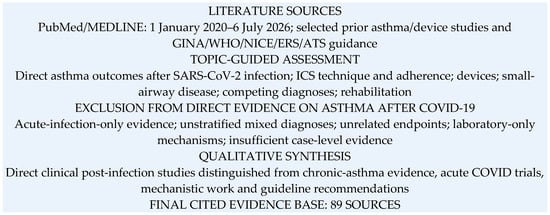
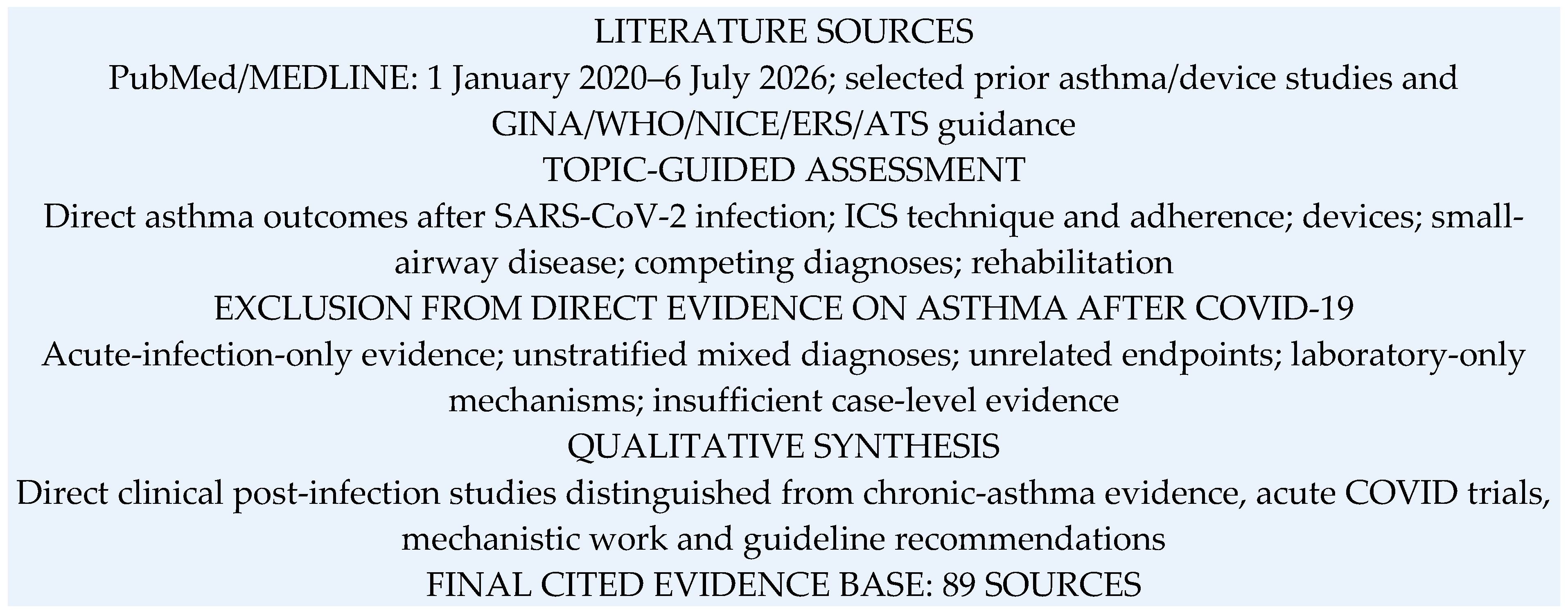
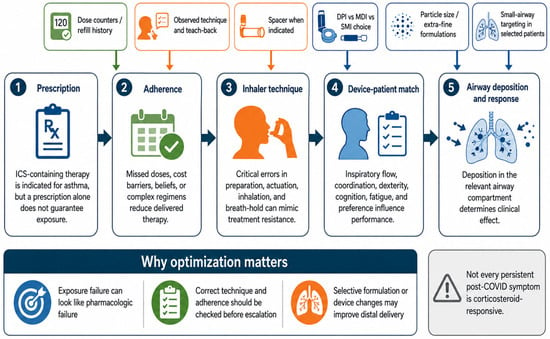
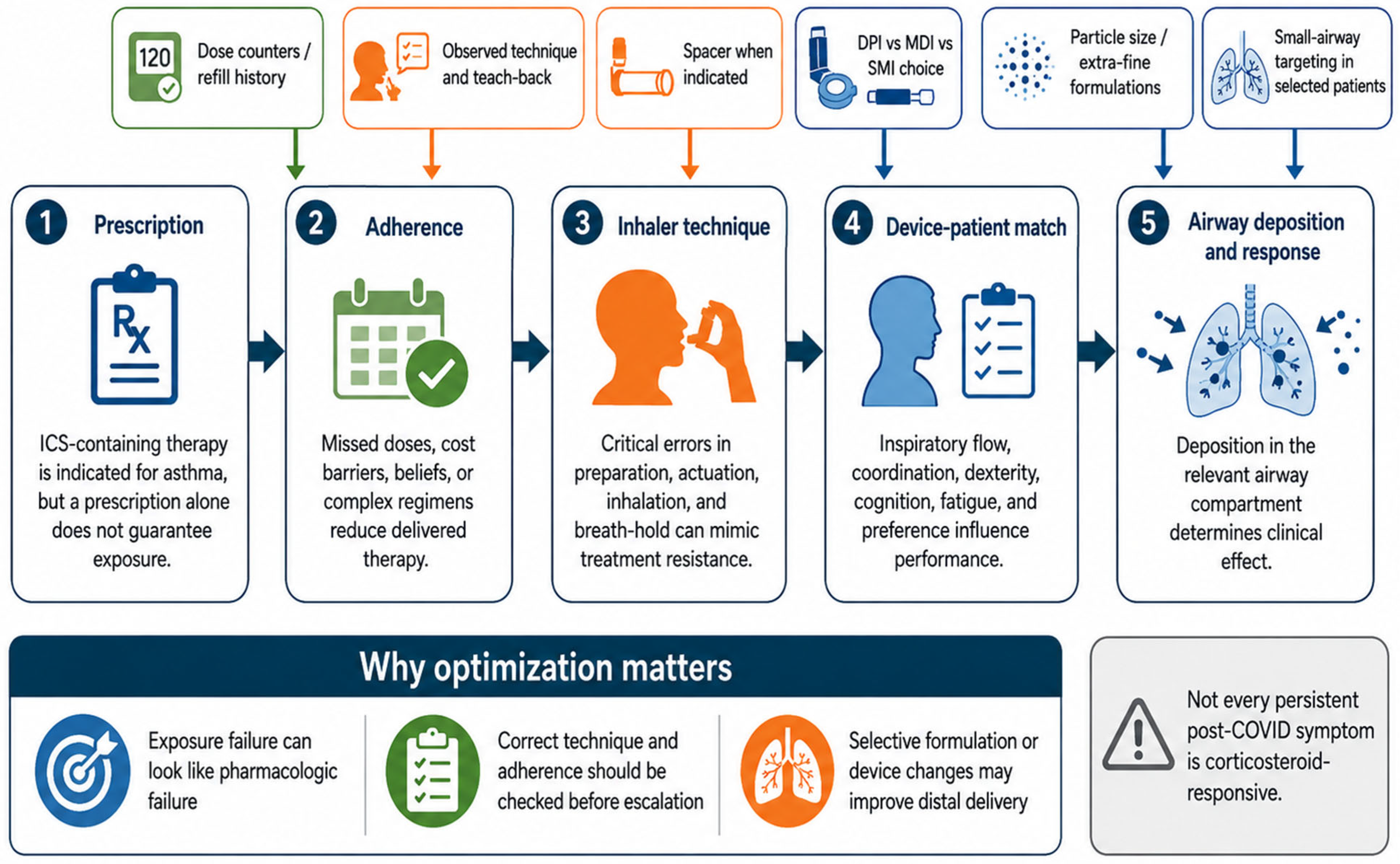
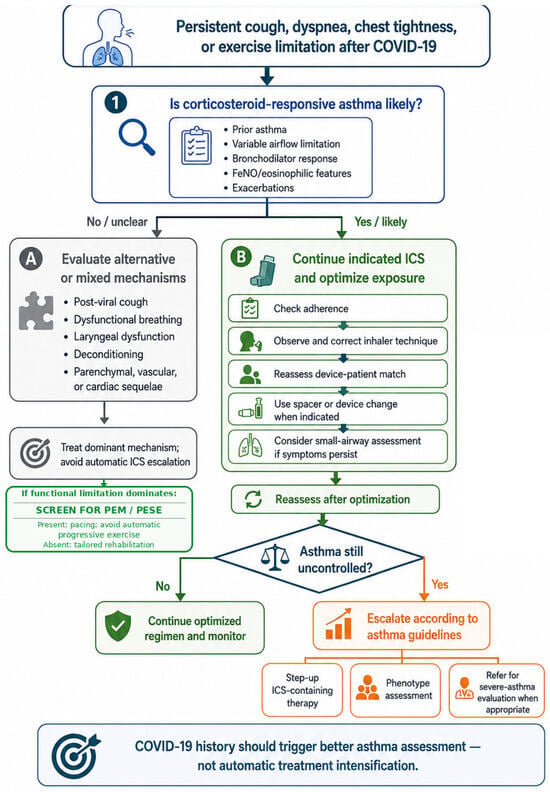
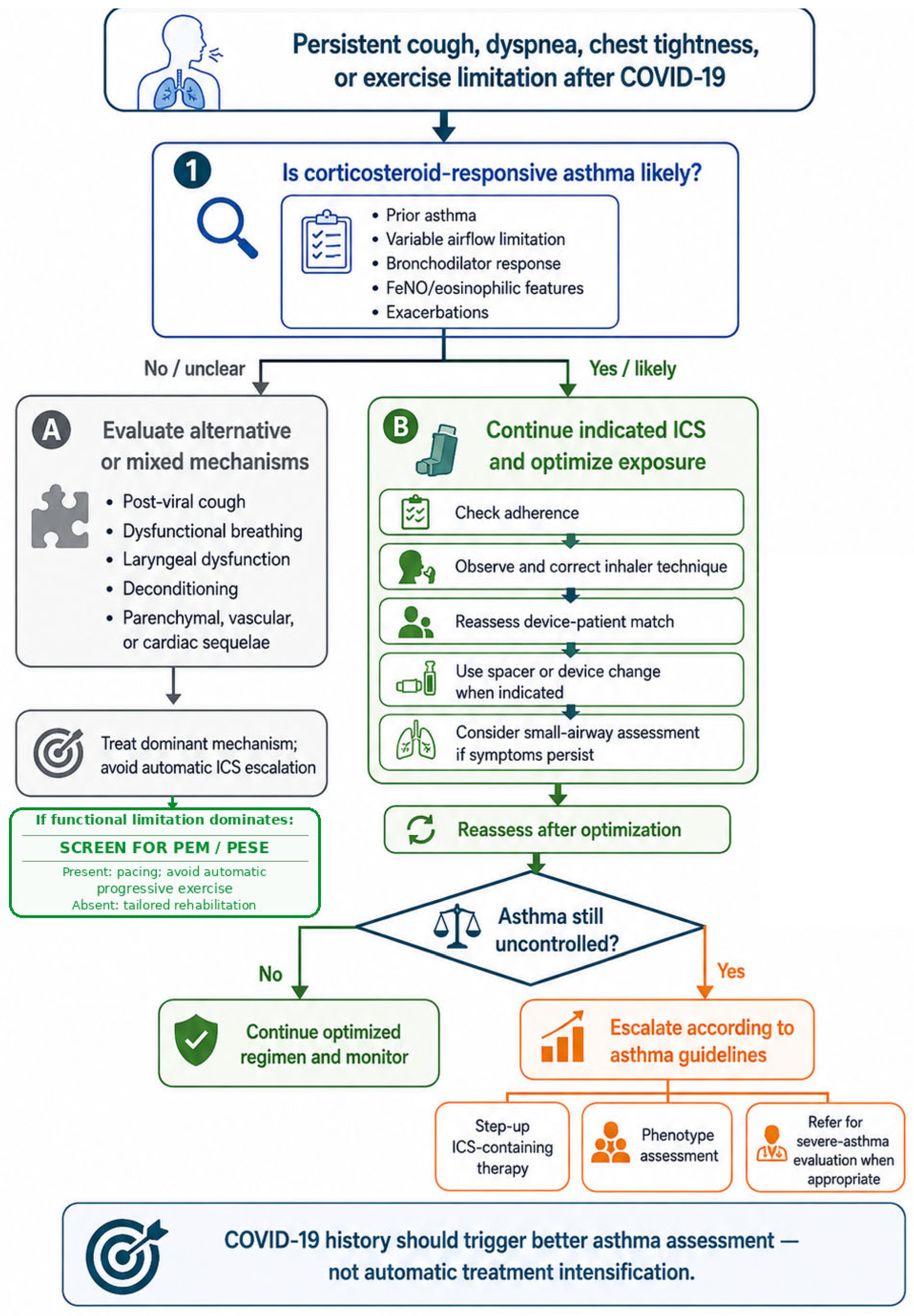

Disclaimer/Publisher’s Note: The statements, opinions and data contained in all publications are solely those of the individual author(s) and contributor(s) and not of MDPI and/or the editor(s). MDPI and/or the editor(s) disclaim responsibility for any injury to people or property resulting from any ideas, methods, instructions or products referred to in the content. |
© 2026 by the authors. Published by MDPI on behalf of the Lithuanian University of Health Sciences. Licensee MDPI, Basel, Switzerland. This article is an open access article distributed under the terms and conditions of the Creative Commons Attribution (CC BY) license.