


Abstract
Wastewater-based epidemiology (WBE) has emerged as a powerful approach for population-level monitoring of chemical exposure, health status, and disease transmission by analysing wastewater. Although chromatographic and molecular techniques remain the gold standard in WBE, their high cost, infrastructural demands, and limited suitability for decentralized and real-time monitoring motivate the development of complementary sensing technologies. In this context, optical (bio)sensors, particularly fluorescence-based platforms, have attracted increasing attention due to their high sensitivity, rapid response, and potential for on-site monitoring. This review discusses recent advances in fluorescent optical (bio)sensors for WBE, with a particular focus on carbon dots (CDs), including waste- and biomass-derived CDs produced via green synthesis as well as CDs obtained from commercial chemicals. The applicability of CD-based sensors to wastewater-relevant analytes is evaluated, highlighting current achievements, as well as existing limitations and challenges related to real-sample validation and the translation of these platforms into robust, field-deployable systems for their implementation in sustainable wastewater monitoring and public health surveillance.
1. Wastewater-Based Epidemiology
Wastewater-Based Epidemiology (WBE) is a population-level surveillance approach based on the analysis of chemical and biological biomarkers present in wastewater to infer patterns of exposure, consumption, health status, and disease circulation within a community [1,2]. The underlying principle of WBE is that substances consumed by humans are excreted in urine and feces, either unchanged or as metabolites, and subsequently conveyed through sewage systems to wastewater treatment plants (WWTPs). By sampling and analysing wastewater before treatment, integrated information representative of both symptomatic and asymptomatic individuals can be obtained, while maintaining low operational costs and safeguarding individual privacy [3].
Originally, WBE was developed for monitoring enteric pathogens, such as poliovirus, norovirus, rotavirus, adenovirus, and other enteroviruses, enabling assessment of viral circulation and early detection of outbreaks in defined geographic areas [4,5]. Since the 1990s, its application has progressively expanded beyond pathogen surveillance to include the estimation of community-wide consumption of illicit drugs, marking a pivotal transition toward broader public health and environmental monitoring [6,7]. Over the past two decades, WBE has evolved into a versatile and non-invasive tool for assessing population-level exposure to a wide range of chemical stressors. Its scope now encompasses the evaluation of illicit and licit drug use, exposure to heavy metals and environmental pollutants, the spread of infectious diseases, and the prevalence of antibiotic resistance genes (ARGs) [8,9]. More recently, the global application of WBE to monitor SARS-CoV-2 has further demonstrated its value as an effective early-warning and decision-support system during public health emergencies [10,11,12]. The successful implementation of WBE relies on the identification of robust, representative (bio)markers that accurately reflect human behaviour, health status, and environmental exposure.
Nevertheless, the heterogeneous and dynamic nature of wastewater presents substantial analytical challenges, as its complex matrix contains a wide range of interfering substances. This complexity emphasizes the necessity for sensitive, selective, and rigorously validated analytical methodologies to ensure reliable biomarker identification and quantification.
A variety of fluorescent nanomaterials have been explored for optical sensing applications, including semiconductor quantum dots, graphene-based materials, and organic fluorophores. Semiconductor quantum dots exhibit high fluorescence quantum yields and excellent photostability; however, their potential toxicity and environmental concerns, often associated with heavy metal content, limit their applicability in sustainable sensing platforms. Graphene oxide and related carbon-based materials offer strong quenching capabilities and large surface area, but their fluorescence properties are generally less tunable and often require complex functionalization. Organic fluorophores, while widely used, may suffer from photobleaching and limited stability in complex matrices [13,14].
In this context, carbon dots (CDs) emerge as particularly attractive alternatives, combining low toxicity, environmental friendliness, cost-effective synthesis—especially from waste-derived precursors—and tunable optical properties [15].
Therefore, the development of CD-based fluorescent (bio)sensors represents a promising strategy to address current analytical limitations in WBE. CDs can be synthesized from a wide range of precursors, including waste-derived materials, enabling more sustainable and cost-effective production routes aligned with green chemistry principles. In addition to their favorable optical properties, carbon dot-based (bio)sensors offer several practical advantages, including low sample volume requirements, rapid response, high sensitivity and selectivity, and the potential for low-cost, portable device integration. These characteristics make them particularly attractive for decentralized and real-time monitoring applications. This review aims to provide a comprehensive overview of recent advances in CD-based optical sensing platforms for the detection of contaminants and biomarkers in the context of wastewater-based epidemiology, while also considering their applicability in other complex matrices.
1.1. Global Use of WBE in Real-Time
The real-time application of WBE has become an increasingly important component of global public health surveillance, enabling near-continuous monitoring of disease circulation and other population-level health indicators. By capturing temporal trends in pathogen loads and community exposure ahead of clinical reporting, real-time WBE provides early-warning signals that complement conventional epidemiological surveillance systems, which are often affected by testing delays, underreporting, and healthcare-seeking behaviour.
Consequently, wastewater surveillance has been recognized as a valuable decision-support tool for timely public health interventions and preparedness planning [16,17]. A flagship example of real-time WBE implementation is the response to the COVID-19 pandemic. National and international public health institutions rapidly established wastewater surveillance networks that provided weekly (and in some cases daily) updates on SARS-CoV-2 levels in sewage. These datasets were often publicly accessible through dashboards, facilitating transparent communication of viral trends to both health authorities and the general public. In the United States, the Centers for Disease Control and Prevention (CDC) incorporated wastewater data into its core public health data systems, showing weekly updates on multiple respiratory pathogens (e.g., SARS-CoV-2, influenza A, and RSV) to support early warning and informed health decision-making by communities and policymakers.
This real-time data submission goal—where a large proportion of samples are reported within seven days of collection—reflects efforts to accelerate detection of public health threats and optimize resource allocation [18]. At the global level, the World Health Organization (WHO) maintains a COVID-19 wastewater surveillance dashboard that aggregates publicly available national and regional datasets, highlighting the widespread adoption of environmental surveillance for SARS-CoV-2 across all WHO regions.
The WHO underscores that wastewater data provide valuable early signals of changes in virus circulation—often preceding increases in reported clinical cases and hospital admissions by several weeks—and should be used alongside traditional indicators such as case counts and hospitalization data. Member States are encouraged to strengthen and maintain SARS-CoV-2 wastewater monitoring and to make these data publicly available to support collective efforts in outbreak detection, variant tracking, and public communication [19,20]. Figure 1 presents a conceptual illustration of how wastewater-based epidemiology can support real-time epidemiological surveillance at a global scale. This schematic does not represent actual epidemiological data but rather a hypothetical scenario designed to highlight the potential integration of wastewater monitoring into public health decision-making frameworks. The illustration was developed by authors based on existing wastewater surveillance initiatives and visualization approaches, including platforms such as European Commission’s Joint Research Centre (JRC) Wastewater Observatory [21].
Figure 1.
Conceptual illustration of a hypothetical global wastewater-based epidemiology surveillance framework. Color-coded indicators represent illustrative epidemiological trends inferred from wastewater monitoring (green: controlled; yellow: advancing; red: critical). This figure is intended for conceptual demonstration purposes only and does not represent real epidemiological data. The illustration was created by the authors based on existing wastewater surveillance platforms, including the JRC Wastewater Observatory [21].
1.2. Major Contaminants Tracked Through WBE
Wastewater-based epidemiology has been applied to monitor a wide range of contaminants that reflect population-level exposure, behaviour, and health status. Among the primary targets of WBE are infectious agents, illicit and recreational drugs, pharmaceuticals and personal care products, environmental xenobiotics, and microbiological determinants such as antibiotic resistance [22,23].
One of the most widely studied contaminant classes in WBE is viral pathogens, particularly SARS-CoV-2, whose RNA has been quantified in municipal wastewater to infer community infection dynamics and provide early warning of outbreaks. Numerous studies have demonstrated strong correlations between viral RNA loads in wastewater and clinical COVID-19 cases, with signals often preceding reported incidence data by several days, highlighting WBE’s utility in infectious disease surveillance at the population scale [24,25].
WBE has also been extensively used to track illicit and recreational drug use [26]. Quantification of human metabolites of substances such as cocaine [27,28], methamphetamine [29,30], MDMA [31,32], and opioids [33,34] in sewage enables objective estimation of drug consumption trends across communities and over time. Such studies have been conducted globally, providing spatial and temporal patterns of drug use that complement traditional public health and law enforcement datasets. For example, the mass loads of these metabolites in wastewater can be used to calculate per capita consumption rates when combined with biomarker excretion rates and flow data, facilitating direct comparisons between cities and regions.
Another major application of WBE concerns the assessment of pharmaceuticals and personal care products (PPCPs), which enter wastewater systems primarily through human excretion following consumption, as well as through improper disposal [26]. Numerous studies have demonstrated the applicability of WBE to estimate community-level consumption of specific pharmaceutical classes, including antidepressants such as fluoxetine [35], sertraline [36], citalopram [37], and venlafaxine [38]; non-steroidal anti-inflammatory drugs (NSAIDs) such as ibuprofen [39], diclofenac [40], naproxen [41], and ketoprofen [42]; and antibiotics including amoxicillin [43], ciprofloxacin [44], sulfamethoxazole [45], and azithromycin [46]. In addition, widely consumed psychoactive and lifestyle-related substances, such as caffeine [47], nicotine (via cotinine) [48], and paracetamol [49], are frequently monitored as robust population biomarkers. Wastewater-based studies have revealed pronounced temporal variations in the consumption of these compounds, reflecting seasonal disease prevalence, public health interventions, and behavioural changes during the COVID-19 pandemic. Furthermore, comparisons between pharmaceutical loads measured in wastewater and external data sources—such as prescription records, sales statistics, and healthcare utilization data—have demonstrated good agreement in many cases, supporting the validity of WBE as a complementary tool for evaluating drug consumption patterns and broader public health trends. Beyond intentional exposure, WBE provides insights into unintentional human exposure to environmental contaminants.
Comprehensive reviews have documented the detection of organic chemicals such as organophosphorus flame retardants, per- and polyfluoroalkyl substances (PFAS), phthalates and terephthalates, benzotriazoles and benzothiazoles, bisphenols, pesticides, and parabens in wastewater, reflecting broad exposure to these potentially harmful compounds at the population level [23,26,50]. For instance, WBE studies have reported the presence of multiple PFAS compounds in influent wastewater from urban treatment plants, demonstrating the technique’s applicability to persistent and bioaccumulative contaminants [51,52,53].
In addition to organic micropollutants and pharmaceuticals, WBE has also been applied to assess population-level exposure to inorganic contaminants, particularly trace metals. Metals such as lead, mercury, cadmium, copper, and iron can enter wastewater systems through industrial discharges, corrosion of water distribution systems, and domestic activities, and their presence in sewage has been proposed as an indicator of environmental and occupational exposure at the community level. Several studies have demonstrated the feasibility of monitoring metal loads in influent wastewater to identify spatial and temporal trends in exposure, supporting the inclusion of metal ions among relevant WBE targets [3,54,55].
Pesticides constitute another important class of contaminants addressed within the WBE framework. Agricultural runoff, urban pest control, and food consumption contribute to the occurrence of pesticide residues and their metabolites in wastewater. Compounds such as neonicotinoids [56,57], organophosphates [58,59], triazoles [60,61], and organochlorine pesticides [62,63] have been detected in wastewater, reflecting both dietary intake and environmental exposure. Wastewater-based monitoring of these substances provides valuable information on regional agricultural practices, seasonal application patterns, and potential human health risks associated with chronic low-level exposure.
Naturally occurring bioactive compounds, including flavonoids and other polyphenols, have emerged as additional targets of interest in residual water analysis [64,65,66]. Although not contaminants per se, flavonoids originate from plant-based foods, beverages, and herbal products and can be excreted by humans or released during food processing and industrial activities. Their detection in wastewater may serve as indirect markers of dietary habits, food consumption patterns, or specific industrial discharges. Collectively, the inclusion of metals, pesticides, and flavonoids further highlights the broad scope of wastewater-based epidemiology as a tool capable of capturing both harmful exposures and lifestyle-related biomarkers at the population level.
Finally, WBE is increasingly applied to monitor antibiotic resistance genes (ARGs) [67] and other microbial determinants associated with antimicrobial resistance (AMR) [68]. Wastewater serves as a reservoir where resistant bacteria and ARGs from human sources converge, providing a population-scale indicator of resistance dissemination. Recent work highlights the detection of clinically relevant ARGs in sewage, underscoring the importance of WBE for public health monitoring and the evaluation of interventions aimed at reducing AMR spread [69]. The overall workflow of wastewater-based epidemiology is illustrated in Figure 2. The process begins with the human population as the primary source of chemical and biological markers released into wastewater. Following sampling, these biomarkers are analyzed to identify relevant chemical targets (e.g., pharmaceuticals, heavy metals, and drugs) and biological targets (e.g., viruses, bacteria, and antibiotic resistance genes). Quantitative analysis of the target analytes is then performed based on analytical signal responses, enabling accurate determination of concentration levels. The resulting data are subsequently integrated into public health surveillance systems, supporting data analysis, early warning strategies, and informed decision-making.
Figure 2.
Schematic representation of wastewater-based epidemiology workflow. Biomarkers originating from the human population are collected through sampling and classified into chemical and biological targets. Quantification of target analytes is achieved through analytical signal responses, enabling data-driven public health surveillance, including early warning and decision-making processes.
1.3. Common Analytical Methods for Contaminant Detection in WBE
Analytical strategies in wastewater-based epidemiology are largely centered on liquid chromatography–mass spectrometry (LC–MS), as most biomarkers of interest consist of polar human metabolites rather than their parent compounds [70].
In parallel, polymerase chain reaction (PCR)-based methods are routinely employed for the detection of viral nucleic acids in wastewater, including poliovirus, hepatitis B virus, and SARS-CoV-2, although such approaches can be susceptible to matrix inhibition and require careful optimization of concentration and recovery steps [71]. Although highly effective, PCR-based approaches require specialized laboratory infrastructure, skilled personnel, and carefully optimized sample concentration and recovery procedures. In contrast, liquid chromatography–tandem mass spectrometry (LC–MS/MS) offers several advantages, such as shorter analytical run times, high sensitivity, and the ability to simultaneously detect viral proteins and host-derived biomarkers through both targeted and untargeted workflows. Mass spectrometry has been highlighted as a powerful tool to characterize a broad range of WBE targets by generating a comprehensive chemical and proteomic fingerprint of wastewater samples [72]. This comprehensive detection capability enables earlier and more robust surveillance. Notably, LC–MS/MS-based studies have reported the identification of SARS-CoV-2-associated proteins in wastewater up to six days before corresponding clinical case data were available, including peptides derived from structural and accessory proteins, an observation that underscores the potential of proteomic biomarkers such as membrane, spike, and nucleocapsid proteins for COVID-19 monitoring [71,73]. Despite the high analytical performance of these conventional techniques, their application is often limited in scenarios requiring rapid, decentralized, and continuous monitoring. In this context, optical sensing strategies, particularly those based on carbon dots, offer distinct advantages for on-site, real-time analysis, where low-cost instrumentation, minimal sample preparation, and rapid response are essential. These features make them especially suitable for distributed monitoring networks and early warning systems within wastewater-based epidemiology. Despite the high analytical performance of these conventional techniques, their application is often limited in scenarios requiring rapid, decentralized, and continuous monitoring. In this context, optical sensing strategies, particularly those based on CDs can offer distinct advantages for on-site and real-time analysis, where low-cost instrumentation, minimal sample preparation, and fast response are essential. These features make them especially suitable for distributed monitoring networks and early warning systems within wastewater-based epidemiology [74].
2. Emerging Optical (Bio)sensor Technologies for Wastewater Monitoring
Optical (bio)sensors are analytical devices that transduce chemical or biological recognition events into measurable optical signals, such as changes in absorbance, fluorescence intensity, emission wavelength, or luminescence lifetime.
These platforms are particularly attractive for wastewater monitoring due to their high sensitivity, fast response times, and suitability for non-invasive analysis in complex matrices, including environmental and biological samples [75,76,77]. Among the different optical detection strategies, fluorescence-based sensing is one of the most widely explored approaches. Fluorescence sensing relies on the excitation of a fluorophore, followed by emission at a longer wavelength, with variations in emission intensity or spectral properties correlating with the presence and concentration of target analytes. This strategy has been extensively applied to the detection of wastewater-relevant species, including metal ions, pharmaceuticals, pesticides, pathogens, and biomarkers related to human health and environmental exposure [77,78,79].
Carbon dots (CDs) have emerged as an important class of fluorescent nanomaterials employed in optical (bio)sensors. CDs are nanoscale carbon-based materials, typically below 10 nm in size, characterized by strong and tunable photoluminescence, good water solubility, high photostability, and low toxicity. Their fluorescence emission is generally attributed to a combination of core and surface states. These properties make CDs particularly suitable for sensing applications in aqueous and chemically complex environments such as wastewater [76,79,80].
In addition to CDs, optical sensing platforms frequently incorporate other functional materials to improve performance. Graphene oxide and related carbon materials are commonly used as fluorescence quenchers or energy acceptors due to their broad absorption profiles and strong π–π interactions. Polymers, silica-based matrices, and metal-containing components are also employed to enhance stability, selectivity, and signal transduction, particularly in hybrid sensing architectures designed for complex environmental samples [81,82,83]. Fluorescence-based optical sensing using CDs typically operates via signal modulation mechanisms, such as fluorescence quenching or enhancement. In “turn-off” sensors, analyte interaction induces fluorescence quenching via mechanisms such as static or dynamic quenching, or inner-filter effects. Conversely, “turn-on” sensors rely on fluorescence recovery or enhancement upon analyte binding, often providing improved signal-to-noise ratios. Ratiometric and FRET-based strategies are also frequently reported to improve analytical reliability in complex matrices [77,84,85].
To ensure reliable fluorescence measurements and enable comparison between different sensing systems, reference fluorophores are commonly used. Classical molecular fluorophores such as quinine sulfate, fluorescein, rhodamine derivatives, and coumarins are widely reported as fluorescence standards for calibration and quantum yield determination in optical sensing studies, including those involving CDs [78,86]. The sensing performance of carbon-dot-based platforms is further enhanced by their ease of surface functionalization.
Abundant surface functional groups enable conjugation with biorecognition elements such as antibodies, aptamers, enzymes, and molecularly imprinted polymers, facilitating selective detection of biological targets. Moreover, coordination with metal ions or incorporation into hybrid nanocomposites can introduce additional signal amplification pathways, expanding the applicability of fluorescent optical biosensors for wastewater monitoring [79,81,83].
Overall, the combination of fluorescence-based optical transduction, carbon-dot nanomaterials, and advanced functionalization strategies positions optical (bio)sensors as promising tools for wastewater monitoring and wastewater-based epidemiology. Their sensitivity, adaptability, and compatibility with complex matrices support their application in environmental surveillance, public health monitoring, and emerging decentralized analytical platforms, although challenges related to matrix effects, reproducibility, and long-term stability remain [76,77,86].
Application of Waste-Derived Carbon Dots for Optical Detection
This section provides an overview of the fundamental properties, synthesis strategies, and functional characteristics of CDs, with particular emphasis on waste-derived materials and their relevance for the development of fluorescent (bio)sensing platforms.
Since their initial discovery during the purification of carbon nanotubes in 2004, CDs have emerged as promising alternatives to conventional semiconductor quantum dots due to their superior photostability, environmental friendliness, and ease of surface functionalization [87,88].
Structurally, CDs consist of an amorphous or partially graphitic carbon core containing sp2/sp3-hybridized domains, surrounded by abundant surface functional groups such as hydroxyl, carboxyl, and amino moieties, which play a crucial role in their optical behavior and sensing performance [89]. In recent years, increasing emphasis has been placed on developing waste-derived CDs as part of sustainable, circular-economy-driven nanomaterial strategies.
Waste-derived CDs are synthesized from biomass or waste resources, including food waste, agricultural residues, plant by-products, and industrial biomass, enabling the valorization of low-value materials into high-performance fluorescent nanomaterials [89,90]. Representative examples include CDs prepared from fruit peels, such as banana, orange, and apple waste; spent coffee grounds and tea waste; rice husk; corn silk; and other plant-derived residues rich in carbohydrates, proteins, and polyphenols [88,91,92]. Beyond their availability as carbon sources, the chemical composition of these waste precursors plays a decisive role in determining the physicochemical structure, surface chemistry, and optical performance of CDs, establishing a clear precursor–property–performance relationship. Biomass-derived precursors are inherently composed of varying proportions of carbohydrates, proteins, lipids, and polyphenolic compounds, which directly influence the carbonization process, heteroatom incorporation, and surface functionality of the resulting CDs [93]. In general, carbohydrate-rich precursors (e.g., fruit peels or lignocellulosic residues) favour the formation of more carbonized and graphitic cores, typically leading to stable fluorescence emission but relatively limited surface passivation. In contrast, nitrogen-rich precursors such as coffee grounds, tea waste, or protein-containing biomass promote intrinsic N-doping during synthesis, significantly enhancing quantum yield, electron transfer capability, and sensing sensitivity [88,94]. For instance, CDs derived from spent coffee grounds exhibit abundant nitrogen- and oxygen-containing functional groups (e.g., hydroxyl, carboxyl, and amino groups), originating from the complex composition of cellulose, hemicellulose, and proteins in the precursor. These surface functionalities improve water dispersibility, fluorescence stability, and provide active sites for selective interactions with analytes, enabling highly sensitive and selective detection in environmental and food matrices [94]. Similarly, precursors rich in polyphenols or organic acids contribute to oxygen-functionalized surfaces, which enhance solubility and facilitate coordination with metal ions or biomolecules, thereby improving selectivity in sensing applications. In addition, heteroatom co-doping (e.g., N, S) derived from natural precursors has been shown to modulate the electronic structure of CDs, leading to tunable emission behavior, higher quantum yields, and improved analytical performance [95]. Therefore, the rational selection of waste precursors enables the controlled tuning of CD properties without requiring extensive post-synthetic modification. This composition-driven approach is particularly relevant for the design of fluorescent (bio)sensors, where surface chemistry, heteroatom doping, and photoluminescence properties directly govern sensitivity, selectivity, and detection limits [93].
The synthesis of waste-derived CDs aligns closely with green synthesis principles, aiming to minimize hazardous reagents, reduce energy consumption, and avoid complex purification steps. Compared to conventional chemically derived CDs, green CDs synthesized from renewable resources are generally cost-effective, environmentally benign, and suitable for applications requiring low toxicity, such as biosensing and bioimaging [90,96]. Importantly, the choice of precursor and synthesis conditions has a significant influence on the optical properties, quantum yield, and surface chemistry of the resulting CDs, which directly affects their sensing performance [88,92].
From a synthetic perspective, CDs can be produced via both top-down and bottom-up approaches. Top-down methods involve the breakdown of bulk carbonaceous materials into nanoscale CDs using techniques such as laser ablation, arc discharge, electrochemical oxidation, or chemical oxidation. Although effective, these methods often require harsh conditions, sophisticated instrumentation, and offer limited control over particle size and surface chemistry, making them less compatible with green synthesis strategies [90,91]. Consequently, bottom-up approaches are more widely adopted, particularly for waste-derived and green CDs. These methods rely on the carbonization of small organic molecules or biomass precursors through processes such as hydrothermal or solvothermal treatment, microwave-assisted synthesis, ultrasonic treatment, and pyrolysis [91,92].
Among bottom-up strategies, hydrothermal synthesis is the most frequently reported method for waste-derived CDs, owing to its simplicity, scalability, moderate reaction conditions, and compatibility with aqueous biomass precursors. This approach enables effective carbonization and surface passivation in a single step, often yielding CDs with high fluorescence intensity and tunable emission properties [90,97]. Microwave-assisted synthesis has also gained attention due to its rapid reaction times, uniform heating, and reduced energy consumption, making it particularly attractive for green and large-scale production of CDs from food waste and plant residues [91,92].
The unique fluorescence properties of CDs underpin their widespread application in optical sensors and biosensors. CD-based fluorescent sensing typically relies on mechanisms such as fluorescence quenching or enhancement, inner filter effects, and Förster resonance energy transfer (FRET), which can be modulated by interactions between the CD surface and target analytes (Figure 3) [87,98]. The presence of abundant surface functional groups facilitates selective interactions with metal ions, organic pollutants, biomolecules, and pathogens, enabling sensitive and selective detection. Furthermore, the ease of surface functionalization allows the integration of CDs with biorecognition elements such as antibodies, aptamers, and enzymes, expanding their applicability to fluorescent biosensing platforms [98,99].
Figure 3.
Role of carbon dots (CDs) in chemical and biosensing based on fluorescence quenching mechanisms. Changes in fluorescence intensity may occur through different pathways, including (a) transfer of conduction band electrons from CDs to low-lying vacant d-orbitals of metal ions, (b) electron transfer between the conduction bands of CDs and metal ions, (c) fluorescence resonance energy transfer (FRET), and (d) inner filter effect. Reproduced from [100] under a Creative Commons Attribution 4.0 International License.
Overall, the combination of waste-derived precursors, green synthesis routes, and favorable optical properties positions CDs as highly attractive materials for next-generation fluorescent (bio)sensors. These characteristics are particularly relevant for applications in wastewater-based epidemiology, where robust, sensitive, and cost-effective detection strategies are required for complex matrices. Despite these advantages, challenges related to reproducibility, quantum yield optimization, and matrix effects remain key aspects to be addressed in future developments [89,97].
3. Fluorescent Carbon-Dot-Based (Bio)sensors Targeting Wastewater-Relevant Analytes
This section provides a structured discussion of the studies summarized in Table 1, focusing on fluorescent carbon dot-based (bio)sensors for the detection of analytes relevant to wastewater-based epidemiology. The analysis is organized according to target categories and key analytical parameters, including synthesis strategy, quantum yield, detection limits, and performance in real samples.
Table 1 compiles research articles that employ fluorescent CDs in sensing and biosensing platforms for the detection of a wide range of chemical and biological targets relevant to human health and wastewater-based epidemiology. Given the limited number of studies directly validated in wastewater matrices, the scope of this analysis was expanded to include sensors evaluated in other complex matrices, provided the targeted analytes are known to occur in wastewater and pose potential public health risks. This approach reflects the current state of the art and enables the identification of transferable sensing strategies relevant to WBE applications. With respect to the target and recognition scheme, a clear predominance of sensors targeting small-molecular analytes, particularly metal ions, inorganic anions, and antibiotics, is observed.
Metal ions such as Fe3+, Cu2+, Pb2+, and Hg2+ are frequently detected through fluorescence quenching or enhancement mechanisms based on direct interactions between the analyte and functional groups on the CD surface, often without the need for a recognition element [101,102,103,104,105,106]. These systems benefit from relatively simple architectures and good robustness, which is advantageous for application in complex matrices. Inorganic anions, including fluoride and cyanide, are also addressed using similar fluorescence-based strategies, demonstrating the versatility of CDs for non-metal ionic species of environmental relevance [104,107].
CD-based sensors developed for metal ion detection display substantial variability in both precursor selection and optical performance. Reported carbon sources include waste-derived materials such as banana peels [101,102], orange peels [105], and rice husk [106], as well as synthetic precursors including citric acid and succinic acid [103]. The resulting quantum yields span a wide range, from as low as 2.6% [101] to as high as 56.2% [106], corresponding to nearly a 20-fold difference. Despite this pronounced variability, all reported sensors achieved micromolar to sub-micromolar limits of detection for environmentally relevant metal ions, including Fe3+, Cu2+, Pb2+, and Hg2+. Notably, the lowest detection limit reported was 0.01335 µM for Pb2+ [104]. Importantly, high quantum yield did not consistently translate into improved analytical sensitivity. For example, banana peel-derived CDs with relatively modest quantum yields (2.6–18%) [101] exhibited detection limits comparable to those achieved using rice husk-derived CDs with significantly higher quantum yield (56.2%) [106]. This observation suggests that surface chemistry and the availability of functional groups involved in metal coordination may play a more decisive role than intrinsic fluorescence brightness in determining sensing performance. Recovery studies generally demonstrated good analytical accuracy, with values ranging from 89% to 116% in tap, river, and irrigation water samples. However, only a single study [104] evaluated sensor performance in real wastewater, highlighting the need for further validation under realistic WBE conditions.
With respect to antibiotics, they represent one of the most extensively investigated target classes, reflecting their widespread use in human and veterinary medicine and their frequent detection in wastewater. CD-based sensors developed for antibiotic detection also display considerable variability in precursor selection, synthesis routes, and optical properties. Reported carbon sources include waste-derived precursors such as rice husk [106,108], sumac [109], and spent coffee grounds [94], as well as synthetic molecular precursors including citric acid [110,111], sucrose [112,113], phosphoric acid [112], and formamide [114]. As a result, the reported quantum yields span a wide range, from as low as 1.4% for sumac-derived CDs [109] to values as high as 56.2% and 55.2% for rice husk-derived systems [106,108]. Despite this pronounced variability in fluorescence efficiency, all sensors achieved detection limits within environmentally relevant ranges for antibiotics such as ciprofloxacin, ofloxacin, tetracycline, oxytetracycline, kanamycin, and amoxicillin. Reported limits of detection range from the micromolar level down to the low nanomolar and subnanomolar levels, with the lowest values reaching 0.0007 µM for ofloxacin [109] and 0.00173 µM for tetracycline in swine wastewater [112]. As observed for metal ion sensing, high quantum yield does not consistently correlate with improved analytical sensitivity. For instance, sumac-derived CDs with a very low quantum yield (1.4%) [109] achieved detection limits comparable to or lower than those obtained using rice husk-derived systems with quantum yields exceeding 50% [106,108], indicating that surface functionalization and specific interactions between antibiotic molecules and CD surface groups play a more decisive role than intrinsic fluorescence brightness. Recovery experiments generally demonstrated good analytical accuracy across a wide range of sample matrices, with most reported values falling between approximately 89% and 110%. Satisfactory recoveries were obtained in relatively simple matrices such as tap, river, and lake water, as well as in more complex samples including milk, liquid eye drops, tablets, supplements, and swine wastewater [106,109,110,112,114]. These results indicate that the majority of antibiotic sensors maintain acceptable quantitative performance even in matrices with varying levels of organic and inorganic complexity.
Fluoride (F−) and cyanide (CN−) are also represented in Table 1 as relevant inorganic targets with recognized environmental and public health significance. CD-based fluorescent sensors reported for fluoride detection were synthesized using molecular precursors such as citric acid and glutamine, with sodium sulphide employed as a surface-modifying agent, yielding quantum yields of approximately 10% [104]. Despite this moderate optical efficiency, the sensor achieved a sub-micromolar limit of detection of 0.04317 µM within a linear range of 0–12 µM. Performance validation was conducted in complex matrices, including fish extracts and wastewater, with recovery values ranging from 89.30% to 116.40% and 90.22% to 115.05%, respectively, indicating good analytical accuracy even in biologically and chemically complex samples [104].
Cyanide detection was achieved using CDs derived from corn silks via a hydrothermal synthesis route, resulting in a quantum yield of approximately 15% [107]. The reported sensor exhibited a detection limit of 0.459 µM over a linear range of 0.5–50 µM and was successfully applied to diverse matrices, including industrial effluent, sorghum leaves, and flaxseeds. Although recovery data were not reported for cyanide detection, the demonstrated applicability across industrial and plant-based samples highlights the versatility of CD-based fluorescent platforms for monitoring highly toxic inorganic anions.
Regarding bacterial detection, CD-based fluorescent (bio)sensors are less extensively investigated than for other target classes, reflecting the greater complexity of biological targets compared to small molecules or inorganic ions.
The reported studies focus primarily on Escherichia coli as a model organism, employing nucleic acid-based biorecognition elements such as aptamers and oligonucleotides to confer selectivity [115,116,117]. CDs synthesized from waste-derived precursors, including orange peel [118] and carrot juice [119], as well as from synthetic precursors such as citric acid [120], were prepared using microwave-assisted or hydrothermal methods. When reported, quantum yields ranged up to 16.2% [118], although optical efficiency was not systematically correlated with analytical performance. Detection limits varied substantially depending on the recognition strategy, ranging from tens of CFU mL−1 to sub-100 CFU mL−1. Notably, an oligonucleotide-based sensor achieved a detection limit as low as 0.00103 µM equivalent (corresponding to approximately 60 CFU mL−1) in food matrices such as chicken, meat, and cheese [120], highlighting the sensitivity attainable through sequence-specific recognition.
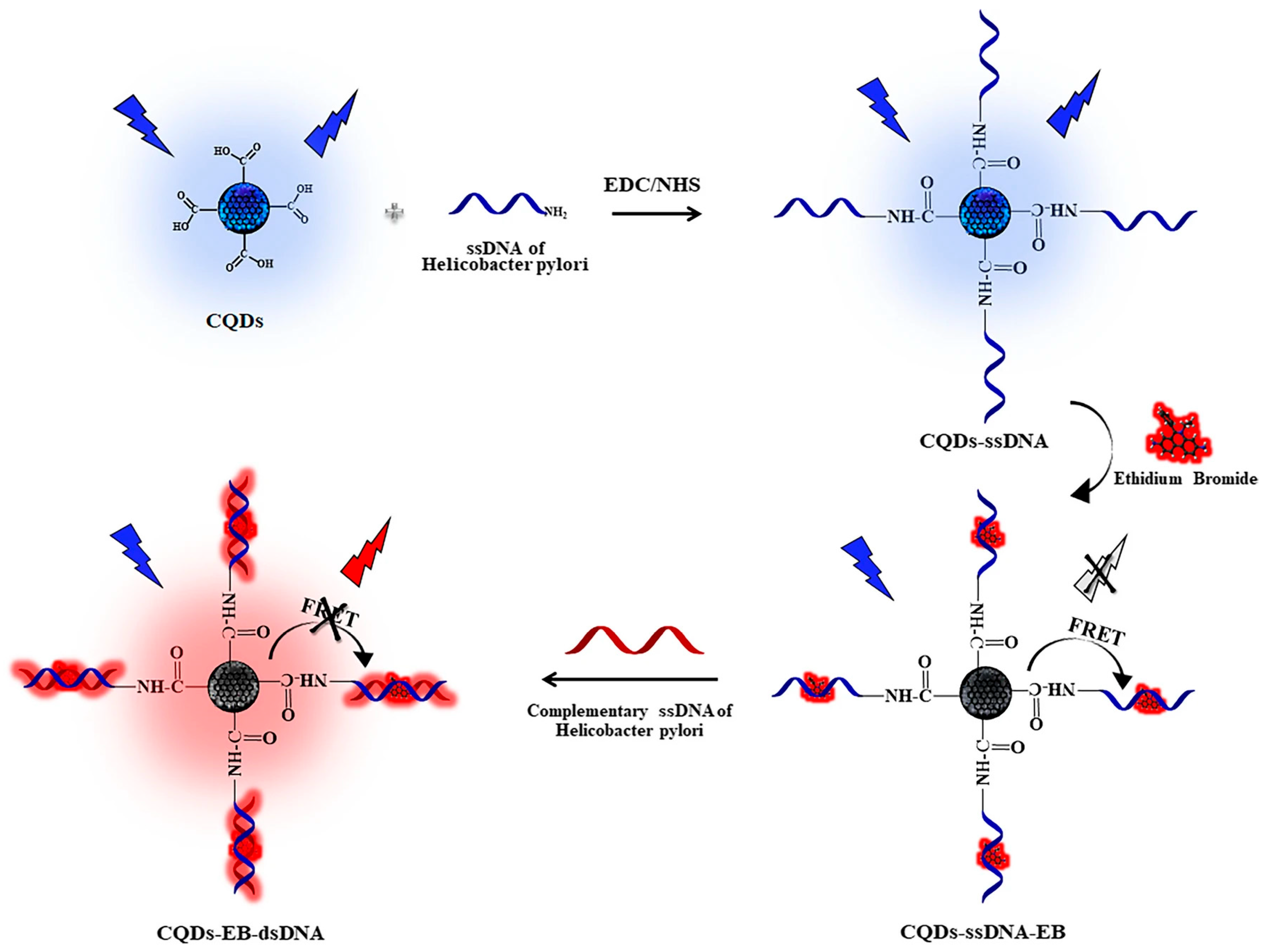
Aptamer-based systems also demonstrated effective detection of E. coli in complex matrices, including milk [118], although recovery data were not consistently reported. To clarify the working principle of CD-based biosensors, a representative mechanism is illustrated in Figure 4. In this system, carbon dots are functionalized with single-stranded DNA (ssDNA) probes specific to the target sequence. In the absence of the target, the addition of ethidium bromide (EB) leads to fluorescence quenching, mainly due to fluorescence resonance energy transfer (FRET) between CDs (donor) and EB (acceptor), facilitated by spectral overlap. Upon introduction of the complementary DNA sequence, hybridization occurs, forming double-stranded DNA (dsDNA), which promotes the intercalation of EB into the DNA structure. This process alters the spatial arrangement and energy transfer efficiency within the system, resulting in fluorescence recovery or enhancement [118].
In addition to E. coli, a CD-based fluorescent biosensor targeting Helicobacter pylori was developed using ssDNA as the recognition element, achieving a detection limit of 0.098 µM with satisfactory recoveries (93.06–101.85%) in saliva samples [121]. Overall, these studies demonstrate that CD-based fluorescent biosensors can achieve sensitive and selective bacterial detection. However, their application remains largely limited to food and biological samples. Validation in wastewater matrices is notably absent, underscoring a significant gap that must be addressed before such platforms can be reliably integrated into wastewater-based epidemiology frameworks.
Figure 4.
Schematic representation of a carbon dot (CD)-based fluorescence biosensor using a nucleic acid recognition strategy. Reproduced from [121] under a Creative Commons Attribution 4.0 International License.
Viral detection using CD-based fluorescent (bio)sensors is primarily represented in Table 1 by platforms targeting SARS-CoV-2, reflecting the central role of wastewater surveillance during the COVID-19 pandemic. Both reported sensing strategies rely on antibody-based recognition elements [122,123], underscoring the suitability of immunoassays coupled with fluorescent CDs for viral biosensing. CDs were synthesized using thiourea and citric acid via a hydrothermal route [122] or obtained from a commercial source [123]. When reported, quantum yields reached values as high as 71.83% for commercially sourced materials [123]. These systems demonstrated sensitive detection in the nanogram per millilitre range, with limits of detection as low as 0.05 ng mL−1 and linear ranges from 0.1 to 100 ng mL−1. Performance validation was reported in serum samples, yielding recoveries between 110.05% and 115.45% [123]. Despite the promising analytical sensitivity achieved, validation of CD-based fluorescent biosensors for SARS-CoV-2 detection remains confined to biological matrices, with no systematic evaluation reported in real municipal wastewater, limiting their direct applicability to routine wastewater-based epidemiology.
Biological analytes including hormones, mycotoxins, and cytokine biomarkers represent an important subset of targets in Table 1, highlighting the applicability of fluorescent CD-based (bio)sensors to clinically and toxicologically relevant compounds.
Hormonal detection is exemplified by progesterone, monitored using an antibody-CD sensor synthesized from citric acid via a hydrothermal route, yielding a quantum yield of 8.5% [124]. This platform exhibited a linear detection range of 0.01–0.9 µM, a limit of detection of 0.0138 µM, and satisfactory recoveries of 95.6–98.4% in water samples.
Cytokine biomarkers, including C-reactive protein, tumour necrosis factor-α, and interleukin-6, were detected using CDs synthesized from citric acid via microwave-assisted methods [125]. While quantum yield values were not reported, these sensors exhibited linear ranges of 2.50–24.0 pg mL−1 for C-reactive protein, 0.25–32.0 pg mL−1 for tumour necrosis factor-α, and 1.50–16.0 pg mL−1 for interleukin-6, with corresponding limits of detection of 2.50 pg mL−1, 0.25 pg mL−1, and 1.50 pg mL−1, respectively. These platforms demonstrated good analytical accuracy in biologically relevant matrices, including serum, urine, artificial saliva, and sweat, with recoveries ranging from 99.22% to 103.56%. Collectively, these results indicate that CD-based fluorescent biosensors can achieve sensitive and quantitative detection of diverse biological targets. However, their application remains largely confined to biological and food-related matrices, with no validation reported in real municipal wastewater.
Finally, environmental contaminants, such as pesticides and phenolic compounds, are also listed in Table 1, illustrating the extension of CD-based fluorescent sensing platforms to agrochemical and industrially relevant analytes. Pesticide detection was demonstrated for compounds including thiamethoxam, propargite, hexaconazole, and quinalphos using CDs derived from tea waste via hydrothermal synthesis [126]. These CDs exhibited a relatively high quantum yield of 40.05%, indicating strong fluorescence. The reported sensors covered wide linear ranges, including 0.2–5000 ng mL−1 for all targets, with limits of detection as low as 0.001 ppm for thiamethoxam and 0.01 ppm for propargite, while the limit of detection for quinalphos reached 0.0002 ppm. Although recovery studies were not reported for these pesticide sensors, the broad dynamic range and low detection limits indicate their suitability for environmental monitoring applications.
Phenolic compound detection is exemplified by tannic acid, monitored using CDs synthesized from xylan via microwave-assisted pyrolysis in the presence of polyethyleneimine [115]. This system exhibited a quantum yield of 8.0%, a linear detection range of 0.1–5 µM, and a limit of detection of 0.04 µM. Validation in lake water and white wine yielded recoveries of 94.0–112.0%, demonstrating good analytical accuracy in complex aqueous and food matrices. Another example is 4-nitrophenol, a toxic organic pollutant commonly associated with industrial effluents, pesticide degradation, and domestic wastewater discharges. The reported fluorescent CD-based sensor for 4-nitrophenol employed waste-derived precursors obtained from Citri Reticulatae Pericarpium and was synthesized via a hydrothermal route [116], highlighting the use of green and sustainable carbon sources. Although the quantum yield was not reported, the sensor exhibited a wide linear detection range from 0.2 to 80 µM and achieved a limit of detection of 0.17 µM, within environmentally relevant concentration levels. Validation across multiple aqueous matrices—including tap water, river water, and domestic wastewater—yielded recovery values ranging from 95.45% to 107.38%, demonstrating good analytical accuracy and robustness in complex water samples. Overall, these studies confirm that fluorescent CD-based sensors can be effectively tailored for the detection of diverse environmental contaminants. Nevertheless, as with other target classes, systematic validation in real wastewater matrices remains scarce, underscoring the need for further studies addressing matrix complexity and real-world applicability within wastewater-based epidemiology.
In general, Table 1 highlights the versatility of fluorescent CD-based (bio)sensors for detecting a wide range of wastewater-relevant chemical and biological targets. Across different analyte classes, adequate analytical sensitivity and recovery are generally achieved in complex matrices. However, sensing performance is primarily governed by surface chemistry and recognition strategies rather than fluorescence efficiency alone. A consistent limitation remains the scarce validation in real wastewater matrices. Wastewater is a highly complex and heterogeneous system, containing dissolved organic matter, metal ions, suspended solids, and exhibiting variable pH and ionic strength. These components can significantly affect fluorescence-based detection through multiple mechanisms, including dynamic and static quenching, inner filter effects, and background autofluorescence, leading to signal distortion and reduced sensitivity.
Interactions between matrix components and the surface functional groups of carbon dots may further alter their optical properties, block active binding sites, or induce aggregation under high ionic strength conditions, compromising stability and reproducibility [127,128]. Biofouling and non-specific adsorption also contribute to performance variability, while the intrinsic temporal and spatial variability of wastewater poses additional challenges for method standardization and reproducibility [129]. These factors collectively explain why many CD-based sensing platforms, although highly sensitive under controlled laboratory conditions, still face significant barriers when applied to real wastewater systems [50,130].
In addition to matrix-related challenges, several limitations are inherent to the carbon dot materials themselves. The wide diversity of precursors, synthesis routes, and processing conditions has led to significant variability in CD properties, hindering systematic understanding and limiting the ability to design materials in a target-oriented manner. Although strategies such as heteroatom doping are widely reported to enhance optical performance [131,132], their effects are not always consistent, highlighting the need for a deeper understanding of structure–property relationships [133,134].
Furthermore, bottom-up synthesis approaches may generate fluorescent molecular by-products that can interfere with the intrinsic emission of CDs, potentially leading to misinterpretation of sensing performance [135,136]. The effective removal of these species often relies on purification steps such as dialysis, which are difficult to scale and may increase resource consumption [137]. The lack of standardized protocols to assess purification efficiency further complicates comparisons across studies.
Moreover, the reproducibility of CD synthesis and the lack of harmonized characterization methodologies remain critical barriers to the reliable comparison and practical implementation of these materials [138,139]. In parallel, while waste- and biomass-derived CDs are frequently described as “green”, a more critical evaluation of their environmental sustainability is required. Current assessments are often based primarily on the use of renewable precursors, whereas other key principles of green chemistry—such as atom economy, reaction efficiency, and the generation and toxicity of by-products—are rarely considered. In many cases, synthesis yields remain low, and the environmental impact of residual impurities is not well understood [140,141]. These aspects highlight the need for more rigorous and quantitative sustainability assessments to ensure that CD-based sensing platforms are not only effective but also genuinely aligned with green chemistry principles.
Table 1.
Overview of fluorescent CD-based (bio) sensors reported in the literature for the detection of chemical and biological targets relevant to human health and wastewater-based epidemiology.
4. Conclusions
This review highlights the growing potential of carbon dot-based fluorescent (bio)sensors as alternative analytical tools for wastewater-based epidemiology. Compared to conventional techniques, these platforms offer advantages in terms of cost, portability, rapid response, and compatibility with complex aqueous matrices, while enabling the detection of a broad range of chemical and biological targets.
Despite these advances, the field remains largely at the proof-of-concept stage, with limited validation under real wastewater conditions. The complexity and variability of wastewater matrices, combined with challenges related to reproducibility and standardization, continue to hinder the translation of these sensing platforms into practical applications. Bridging this gap will require not only improved analytical performance but also systematic validation strategies and the development of more robust and reliable sensing systems capable of operating under realistic conditions.
From a broader perspective, advancing this field requires addressing fundamental challenges associated with carbon dot materials, including the lack of reproducible and target-oriented synthesis, the presence of fluorescent by-products that complicate signal interpretation, and the absence of scalable and standardized purification protocols. In parallel, the environmental sustainability of waste-derived CDs remains insufficiently assessed, particularly regarding synthesis efficiency and the impact of residual impurities. This reflects a broader transition in the field—from sensitivity-driven optimization toward application-oriented design—where robustness, reproducibility, and real-world performance become central. Addressing these challenges will be essential for translating CD-based sensing platforms into reliable and deployable tools for environmental and public health monitoring.
Author Contributions
R.T.: Investigation, Visualization, Writing—original draft. L.P.d.S.: Conceptualization, Funding acquisition, Project administration, Supervision, Writing—review and editing. All authors have read and agreed to the published version of the manuscript.
Funding
The Portuguese “Fundação para a Ciência e Tecnologia” (FCT, https://ror.org/00snfqn58 (accessed on 12 January 2026)) is acknowledged for funding project 2023.13127.PEX, R&D Unit CIQUP (UID/00081/2025) and the Associated Laboratory IMS (LA/P/0056/2020). “Programa Regional do Norte 2021–2027” (Norte 2030) is acknowledged for funding projects Restaura (NORTE 2030-FEDER-02704900), iChem4M (NORTE2030-FEDER-02706400), and AGRO-CIRN (NORTE2030-FEDER-02703200). For the purpose of Open Access, the authors have applied a CC-BY public copyright license to any Author‘s Accepted Manuscript (AAM) version arising from this submission. Luís Pinto da Silva acknowledges funding from FCT under the Scientific Employment Stimulus (CEECINST/00069/2021).
Institutional Review Board Statement
Not applicable.
Informed Consent Statement
Not applicable.
Data Availability Statement
No data was used for the research described in the article.
Conflicts of Interest
The authors declare that they have no known competing financial interests or personal relationships that could have influenced the work reported in this paper.
References
- Viviani, L.; Vecchio, R.; Pariani, E.; Sandri, L.; Binda, S.; Ammoni, E.; Cereda, D.; Carducci, A.; Pellegrinelli, L.; Odone, A. Wastewater-Based Epidemiology of Influenza Viruses: A Systematic Review. Sci. Total Environ. 2025, 986, 179706. [Google Scholar] [CrossRef] [Scilit]
- Rahman, A.; Kang, S.; Wang, W.; Garg, A.; Maile-Moskowitz, A.; Vikesland, P.J. Nanobiotechnology Enabled Approaches for Wastewater Based Epidemiology. TrAC-Trends Anal. Chem. 2021, 143, 116400. [Google Scholar] [CrossRef] [Scilit]
- Markosian, C.; Mirzoyan, N. Wastewater-Based Epidemiology as a Novel Assessment Approach for Population-Level Metal Exposure. Sci. Total Environ. 2019, 689, 1125–1132. [Google Scholar] [CrossRef] [Scilit]
- Jiménez-Rodríguez, M.G.; Silva-Lance, F.; Parra-Arroyo, L.; Medina-Salazar, D.A.; Martínez-Ruiz, M.; Melchor-Martínez, E.M.; Martínez-Prado, M.A.; Iqbal, H.M.N.; Parra-Saldívar, R.; Barceló, D.; et al. Biosensors for the Detection of Disease Outbreaks through Wastewater-Based Epidemiology. TrAC-Trends Anal. Chem. 2022, 155, 116585. [Google Scholar] [CrossRef] [Scilit]
- Guo, Y.; Li, J.; O’Brien, J.; Sivakumar, M.; Jiang, G. Back-Estimation of Norovirus Infections through Wastewater-Based Epidemiology: A Systematic Review and Parameter Sensitivity. Water Res. 2022, 219, 118610. [Google Scholar] [CrossRef] [Scilit]
- Murakami, M.; Nishikawa, Y.; Kitajima, M. Analysis of Research Fields Involving Wastewater-Based Epidemiology and Interdisciplinary Spillovers Using a Structural Topic Model. Results Chem. 2024, 12, 101897. [Google Scholar] [CrossRef] [Scilit]
- Gatica-Bahamonde, G.; Godynyuk, E.A.; Neicun, J.; Roberts, E.; Tangerli, M.M.; van Kessel, R.; Czabanowska, K.; Humphreys, K.; Roman-Urrestarazu, A. Analysing the Use Trends of New Psychoactive Substances Using Wastewater-Based Epidemiology in Europe: A Systematic Review. Emerg. Trends Drugs Addict. Health 2023, 3, 100053. [Google Scholar] [CrossRef] [Scilit]
- Laimou-Geraniou, M.; Heath, D.; Heath, E. Analytical Methods for the Determination of Antidepressants, Antipsychotics, Benzodiazepines and Their Metabolites through Wastewater-Based Epidemiology. Trends Environ. Anal. Chem. 2023, 37, e00192. [Google Scholar] [CrossRef] [Scilit]
- Devianto, L.A.; Sano, D. Systematic Review and Meta-Analysis of Human Health-Related Protein Markers for Realizing Real-Time Wastewater-Based Epidemiology. Sci. Total Environ. 2023, 897, 165304. [Google Scholar] [CrossRef] [Scilit]
- Chea, T.G.; Quoie, G.D.S.; Yang, Y. Application and Challenge of Wastewater-Based Epidemiology for the COVID-19 Epidemic Control in Countries at Different Developing Levels. J. Water Process Eng. 2024, 58, 104911. [Google Scholar] [CrossRef] [Scilit]
- Barcellos, D.S.; Barquilha, C.E.R.; Oliveira, P.E.; Prokopiuk, M.; Etchepare, R.G. How Has the COVID-19 Pandemic Impacted Wastewater-Based Epidemiology? Sci. Total Environ. 2023, 892, 164561. [Google Scholar] [CrossRef] [Scilit]
- Soni, V.; Paital, S.; Raizada, P.; Ahamad, T.; Khan, A.A.P.; Thakur, S.; Singh, P.; Hussain, C.M.; Sharma, S.; Nadda, A.K. Surveillance of Omicron Variants through Wastewater Epidemiology: Latest Developments in Environmental Monitoring of Pandemic. Sci. Total Environ. 2022, 843, 156724. [Google Scholar] [CrossRef] [Scilit] [PubMed]
- Gao, M.; Zhang, S.; Zhang, Z.; Wang, H.; Wu, J.; Chang, Z.; Zhang, Z.; Zhao, B. Comparison of Toxic Effects and Underlying Mechanisms of Carbon Quantum Dots and CdSe Quantum Dots on Chromochloris Zofingiensis from the Chemical Composition Perspective. Chemosphere 2024, 363, 142911. [Google Scholar] [CrossRef] [Scilit] [PubMed]
- Ross, S.; Wu, R.S.; Wei, S.C.; Ross, G.M.; Chang, H.T. The Analytical and Biomedical Applications of Carbon Dots and Their Future Theranostic Potential: A Review. J. Food Drug Anal. 2020, 28, 677–695. [Google Scholar] [CrossRef] [Scilit] [PubMed]
- Dua, S.; Kumar, P.; Pani, B.; Kaur, A.; Khanna, M.; Bhatt, G. Stability of Carbon Quantum Dots: A Critical Review. RSC Adv. 2023, 13, 13845–13861. [Google Scholar] [CrossRef] [Scilit]
- Daughton, C.G. Wastewater Surveillance for Population-Wide Covid-19: The Present and Future. Sci. Total Environ. 2020, 736, 139631. [Google Scholar] [CrossRef] [Scilit]
- Polo, D.; Quintela-Baluja, M.; Corbishley, A.; Jones, D.L.; Singer, A.C.; Graham, D.W.; Romalde, J.L. Making Waves: Wastewater-Based Epidemiology for COVID-19—Approaches and Challenges for Surveillance and Prediction. Water Res. 2020, 186, 116404. [Google Scholar] [CrossRef] [Scilit]
- CDC Real-Time Wastewater Data Guides Public Health Action. Available online: https://www.cdc.gov/public-health-data-strategy/php/story/real-time-wastewater-data-guides-public-health-action.html (accessed on 16 December 2025).
- World Health Organization (WHO). Environmental Surveillance for SARS-CoV-2 to Complement Other Public Health Surveillance; World Health Organization (WHO): Geneva, Switzerland, 2023. [Google Scholar]
- World Health Organization (WHO). WHO COVID-19 Dashboard. Available online: https://data.who.int/dashboards/covid19/wastewater? (accessed on 16 December 2025).
- European Commission. EU Wastewater Observatory for Public Health—National Dashboards Listed and Operated by National Health Authorities; European Commission: Brussels, Belgium, 2025; Available online: https://health.ec.europa.eu/latest-updates/launching-eu-wastewater-surveillance-dashboard-2025-01-29_en (accessed on 16 December 2025).
- Senta, I.; Rodríguez-Mozaz, S.; Corominas, L.; Petrovic, M. Wastewater-Based Epidemiology to Assess Human Exposure to Personal Care and Household Products—A Review of Biomarkers, Analytical Methods, and Applications. Trends Environ. Anal. Chem. 2020, 28, e00103. [Google Scholar] [CrossRef] [Scilit]
- Vitale, D.; Morales Suárez-Varela, M.; Picó, Y. Wastewater-Based Epidemiology, a Tool to Bridge Biomarkers of Exposure, Contaminants, and Human Health. Curr. Opin. Environ. Sci. Health 2021, 20, 100229. [Google Scholar] [CrossRef] [Scilit]
- Chen, C.; Wang, Y.; Kaur, G.; Adiga, A.; Espinoza, B.; Venkatramanan, S.; Warren, A.; Lewis, B.; Crow, J.; Singh, R.; et al. Wastewater-Based Epidemiology for COVID-19 Surveillance and beyond: A Survey. Epidemics 2024, 49, 100793. [Google Scholar] [CrossRef] [Scilit]
- Tandukar, S.; Thakali, O.; Baral, R.; Tiwari, A.; Haramoto, E.; Tuladhar, R.; Joshi, D.R.; Sherchan, S.P. Application of Wastewater-Based Epidemiology for Monitoring COVID-19 in Hospital and Housing Wastewaters. Sci. Total Environ. 2024, 931, 171877. [Google Scholar] [CrossRef] [Scilit]
- Choi, P.M.; Tscharke, B.J.; Donner, E.; O’Brien, J.W.; Grant, S.C.; Kaserzon, S.L.; Mackie, R.; O’Malley, E.; Crosbie, N.D.; Thomas, K.V.; et al. Wastewater-Based Epidemiology Biomarkers: Past, Present and Future. TrAC-Trends Anal. Chem. 2018, 105, 453–469. [Google Scholar] [CrossRef] [Scilit]
- Steenbeek, R.; Emke, E.; Vughs, D.; Matias, J.; Boogaerts, T.; Castiglioni, S.; Campos-Mañas, M.; Covaci, A.; de Voogt, P.; ter Laak, T.; et al. Spatial and Temporal Assessment of Crack Cocaine Use in 13 European Cities through Wastewater-Based Epidemiology. Sci. Total Environ. 2022, 847, 157222. [Google Scholar] [CrossRef] [Scilit] [PubMed]
- Quireyns, M.; Van Wichelen, N.; Boogaerts, T.; Surmont, T.; Cunningham, A.; Matias, J.; Gys, C.; Covaci, A.; van Nuijs, A.L.N. Evaluating the Potential of Wastewater-Based Epidemiology to Estimate the Retail Illicit Drug Market Size in Europe: A Case Study. Int. J. Drug Policy 2025, 139, 104771. [Google Scholar] [CrossRef] [Scilit] [PubMed]
- Sharfudeen, Y.A.; Cha, H.J.; Oh, J.E. Tracking Methamphetamine and Amphetamine Consumption Patterns in South Korea via Enantiomeric Analysis of Wastewater. Sci. Total Environ. 2023, 905, 166910. [Google Scholar] [CrossRef] [Scilit]
- Wang, Z.; Shao, X.T.; Tan, D.Q.; Yan, J.H.; Xiao, Y.; Zheng, Q.D.; Pei, W.; Wang, Z.; Wang, D.G. Reduction in Methamphetamine Consumption Trends from 2015 to 2018 Detected by Wastewater-Based Epidemiology in Dalian, China. Drug Alcohol Depend. 2019, 194, 302–309. [Google Scholar] [CrossRef] [Scilit]
- Bishop, N.; Jones-Lepp, T.; Margetts, M.; Sykes, J.; Alvarez, D.; Keil, D.E. Wastewater-Based Epidemiology Pilot Study to Examine Drug Use in the Western United States. Sci. Total Environ. 2020, 745, 140697. [Google Scholar] [CrossRef] [Scilit]
- Mercan, S.; Kuloglu, M.; Tekin, T.; Turkmen, Z.; Dogru, A.O.; Safran, A.N.; Acikkol, M.; Asicioglu, F. Wastewater-Based Monitoring of Illicit Drug Consumption in Istanbul: Preliminary Results from Two Districts. Sci. Total Environ. 2019, 656, 231–238. [Google Scholar] [CrossRef] [Scilit]
- Castiglioni, S.; Salgueiro-Gonzalez, N.; Corli, O.; Béen, F.; Bijlsma, L.; Boogaerts, T.; Kasprzyk-Hordern, B.; Matias, J.; Hernández, F.; van Nuijs, A.L.N.; et al. Estimating the Consumption of Prescription Opioids through Wastewater Analysis: The Patterns of Use in Italy. Water Res. 2025, 284, 123938. [Google Scholar] [CrossRef] [Scilit]
- Jaunay, E.L.; Simpson, B.S.; White, J.M.; Gerber, C. Using Wastewater-Based Epidemiology to Evaluate the Relative Scale of Use of Opioids. Sci. Total Environ. 2023, 897, 165148. [Google Scholar] [CrossRef] [Scilit]
- Zhao, Z.; Yuan, J.; Zheng, Q.; Tscharke, B.J.; Boogaerts, T.; Wang, Z.; Chen, S.; O’Brien, J.W.; van Nuijs, A.L.N.; Covaci, A.; et al. Utilizing National Wastewater and Sales Data to Derive and Validate the Correction Factors of Five Common Antidepressants for Wastewater-Based Epidemiology. Water Res. 2025, 276, 123263. [Google Scholar] [CrossRef] [Scilit]
- Yang, M.; Yao, Y.; Shen, H.; Teng, F.; Liu, Y.; Ma, Y.; Di, B.; Su, M. Detection of Antidepressants in Wastewater from Four Provinces of China by UPLC-MS/MS to Assess the Regional Prevalence of Depression. Microchem. J. 2025, 215, 114446. [Google Scholar] [CrossRef] [Scilit]
- Li, Z.; Li, J.; Hu, Y.; Yan, Y.; Tang, S.; Ma, R.; Li, L. Evaluation of Pharmaceutical Consumption between Urban and Suburban Catchments in China by Wastewater-Based Epidemiology. Environ. Res. 2024, 250, 118544. [Google Scholar] [CrossRef] [Scilit] [PubMed]
- Muñoz-Bartual, M.; Arjona-Mudarra, P.; Piñaga-Solé, M.; Mateo-Paredes, N.M.; Garrigues, S.; Esteve-Turrillas, F.A. Assessing Pharmaceutical and Illicit Drugs Abuse in a University Environment through Wastewater Analysis. Sci. Total Environ. 2025, 969, 178893. [Google Scholar] [CrossRef] [Scilit] [PubMed]
- Shao, X.T.; Li, H.Y.; Gong, Z.F.; Lin, J.G.; Wang, D.G. Screening Potential Biomarkers for Acute Respiratory Infectious Diseases from Antipyretics, Antiviral, and Antibiotics in Wastewater. Sci. Total Environ. 2024, 954, 176714. [Google Scholar] [CrossRef] [Scilit]
- Całus-Makowska, K.; Binkowski, Ł.J.; Grobelak, A. Pharmaceutical Residues in Wastewater Treatment Plants in Poland: Removal Efficiency and Risk Assessment. J. Environ. Manag. 2025, 394, 127480. [Google Scholar] [CrossRef] [Scilit]
- Elliss, H.; Kevill, J.L.; Proctor, K.; Farkas, K.; Bailey, O.; Shuttleworth, J.; Jones, D.L.; Kasprzyk-Hordern, B. Flow-Driven Biomarker Movement in Gravitational Sewers for Wastewater-Based Epidemiology and Public Health Monitoring. Water Res. 2025, 287, 124269. [Google Scholar] [CrossRef] [Scilit]
- Ceolotto, N.; Dollamore, P.; Hold, A.; Balne, B.; Jagadeesan, K.K.; Standerwick, R.; Robertson, M.; Barden, R.; Kasprzyk-Hordern, B. A New Wastewater-Based Epidemiology Workflow to Estimate Community Wide Non-Communicable Disease Prevalence Using Pharmaceutical Proxy Data. J. Hazard. Mater. 2024, 461, 132645. [Google Scholar] [CrossRef] [Scilit]
- Li, J.; Ren, J.; Li, J.; Thai, P.K.; Cen, X.; Zhao, Z.; Zhai, N.; Thomas, K.V.; O’Brien, J.W. Stability of Antibiotics and Their Metabolites in Sewers: Implications for Wastewater-Based Epidemiology and Antibiotic Sustainability. Environ. Sci. Technol. 2025, 59, 17796–17810. [Google Scholar] [CrossRef] [Scilit]
- Holton, E.; Sims, N.; Jagadeesan, K.; Standerwick, R.; Kasprzyk-Hordern, B. Quantifying Community-Wide Antimicrobials Usage via Wastewater-Based Epidemiology. J. Hazard. Mater. 2022, 436, 129001. [Google Scholar] [CrossRef] [Scilit]
- Malcom, H.B.; Bowes, D.A. Use of Wastewater to Monitor Antimicrobial Resistance Trends in Communities and Implications for Wastewater-Based Epidemiology: A Review of the Recent Literature. Microorganisms 2025, 13, 2073. [Google Scholar] [CrossRef] [Scilit]
- Mirzaie, F.; Teymori, F.; Shahcheragh, S.; Dobaradaran, S.; Arfaeinia, H.; Kafaei, R.; Sahebi, S.; Farjadfard, S.; Ramavandi, B. Occurrence and Distribution of Azithromycin in Wastewater Treatment Plants, Seawater, and Sediments of the Northern Part of the Persian Gulf around Bushehr Port: A Comparison with Pre-COVID 19 Pandemic. Chemosphere 2022, 307, 135996. [Google Scholar] [CrossRef] [Scilit]
- Senta, I.; Gracia-Lor, E.; Borsotti, A.; Zuccato, E.; Castiglioni, S. Wastewater Analysis to Monitor Use of Caffeine and Nicotine and Evaluation of Their Metabolites as Biomarkers for Population Size Assessment. Water Res. 2015, 74, 23–33. [Google Scholar] [CrossRef] [Scilit]
- Mackie, R.S.; Tscharke, B.J.; O’Brien, J.W.; Choi, P.M.; Gartner, C.E.; Thomas, K.V.; Mueller, J.F. Trends in Nicotine Consumption between 2010 and 2017 in an Australian City Using the Wastewater-Based Epidemiology Approach. Environ. Int. 2019, 125, 184–190. [Google Scholar] [CrossRef] [Scilit]
- Albarano, L.; Maggio, C.; Lofrano, G.; Carotenuto, M.; Guida, M.; Vaiano, V.; Libralato, G. Environmental Risk Assessment of Paracetamol in Aquatic Ecosystems Using Species Sensitivity Distribution and Global Occurrence Data. J. Hazard. Mater. 2025, 499, 140107. [Google Scholar] [CrossRef] [Scilit] [PubMed]
- Lorenzo, M.; Picó, Y. Wastewater-Based Epidemiology: Current Status and Future Prospects. Curr. Opin. Environ. Sci. Health 2019, 9, 77–84. [Google Scholar] [CrossRef] [Scilit]
- Mu, H.; Chen, L.; Zhou, R.; Gu, L.; Yu, Y.; Tang, J.; Zhang, H.; Ren, H.; Wu, B.; Bu, Y. Combination of Suspect and Nontarget Screening with Exposure Assessment for Per- and Polyfluoroalkyl Substance Prioritization in Chinese Municipal Wastewater. Environ. Int. 2025, 198, 109384. [Google Scholar] [CrossRef] [Scilit] [PubMed]
- Salawu, O.A.; Han, Z.; Senehi, N.L.; Roback, S.L.; Adeleye, A.S. Determination of Household Wastewater PFAS Composition and Concentrations via Neighborhood Sampling. J. Hazard. Mater. 2025, 498, 139834. [Google Scholar] [CrossRef] [Scilit]
- Kurwadkar, S.; Dane, J.; Kanel, S.R.; Nadagouda, M.N.; Cawdrey, R.W.; Ambade, B.; Struckhoff, G.C.; Wilkin, R. Per- and Polyfluoroalkyl Substances in Water and Wastewater: A Critical Review of Their Global Occurrence and Distribution. Sci. Total Environ. 2022, 809, 151003. [Google Scholar] [CrossRef] [Scilit]
- Wang, Y.; Qiao, M.; Yang, H.; Chen, Y.; Jiao, B.; Liu, S.; Duan, A.; Wu, S.; Wang, H.; Yu, C.; et al. Investigating the Relationship of Co-Exposure to Multiple Metals with Chronic Kidney Disease: An Integrated Perspective from Epidemiology and Adverse Outcome Pathways. J. Hazard. Mater. 2024, 480, 135844. [Google Scholar] [CrossRef] [Scilit]
- Ding, W.; Mo, Z.; Qi, J.; Wang, M.; Zou, J.; Wang, K.; Gong, D.; Zhao, Y.; Miao, H.; Zhao, Z. Luminescent Iron Phthalocyanine Organic Polymer Nanosheets with Space-Separated Dual-Active Sites for the Detection and Photocatalytic Reduction of Cr(VI) from Wastewater. Environ. Res. 2025, 264, 120282. [Google Scholar] [CrossRef] [Scilit] [PubMed]
- Cristale, J.; Becker, R.W.; Tornisielo, V.L.; Dantas, R.F.; Bartelt-Hunt, S.; Onanong, S.; Snow, D.D. Comparison of Salting-out Assisted Liquid-Liquid Extraction to Polymeric Solid Phase Extraction for Liquid Chromatography Tandem Mass Spectrometry of Neonicotinoids Insecticides and Metabolites in Wastewater: Occurrence and Aquatic Risk Assessment. Environ. Pollut. 2025, 373, 126136. [Google Scholar] [CrossRef] [Scilit] [PubMed]
- Qin, R.; Zhang, B.; Huang, Y.; Song, S.; Zhang, Z.; Wen, X.; Zhong, Z.; Zhang, F.; Zhang, T. The Fate and Transport of Neonicotinoid Insecticides and Their Metabolites through Municipal Wastewater Treatment Plants in South China. Environ. Pollut. 2024, 349, 123968. [Google Scholar] [CrossRef] [Scilit] [PubMed]
- Jocić, A.; Marić, S.; Tekić, D.; Lazarević-Pašti, T.; Mušović, J.; Filipović Tričković, J.; Dimitrijević, A. Complete Removal of Organophosphate Pesticides from Wastewaters with Sustainable Ionic Liquid-Based Aqueous Two-Phase Strategy. J. Water Process Eng. 2024, 64, 105621. [Google Scholar] [CrossRef] [Scilit]
- Wang, J.; Du, X.; Wang, Z.; Wu, P.; Zhou, J.; Tao, X.; Dang, Z.; Lu, G. Optimization and Verification of Selective Removal of Organophosphate Esters from Wastewater by Molecularly Imprinted Adsorbent. Chemosphere 2024, 350, 141082. [Google Scholar] [CrossRef] [Scilit]
- Sheykhan, M.; Aladaghlo, Z.; Javanbakht, S.; Fakhari, A.; Shaabani, A. Carbon Nanotubes/Metal-Organic Framework Based Magnetic Dispersive Micro-Solid Phase Extraction for the Determination of Triazole Fungicides in Wastewater and Soil Samples. Microchem. J. 2023, 193, 109149. [Google Scholar] [CrossRef] [Scilit]
- Masís-Mora, M.; Lizano-Fallas, V.; Tortella, G.; Beita-Sandí, W.; Rodríguez-Rodríguez, C.E. Removal of Triazines, Triazoles and Organophophates in Biomixtures and Application of a Biopurification System for the Treatment of Laboratory Wastewaters. Chemosphere 2019, 233, 733–743. [Google Scholar] [CrossRef] [Scilit]
- Moawed, E.A.; Radwan, A.M. Application of Acid Modified Polyurethane Foam Surface for Detection and Removing of Organochlorine Pesticides from Wastewater. J. Chromatogr. B Analyt. Technol. Biomed. Life Sci. 2017, 1044–1045, 95–102. [Google Scholar] [CrossRef] [Scilit]
- Afifiyan, N.; Soto, O.; Phan, K.; Li, L.; Juma, T.; Otim, O. Evaluating Bottle Liquid-Liquid Extraction Technique for Monitoring Residual Levels of Organochlorine Pesticides in Wastewater Treatment-Associated Matrices. Chem. Eng. J. Adv. 2024, 18, 100599. [Google Scholar] [CrossRef] [Scilit]
- Beluomini, M.A.; Stradiotto, N.R.; Boldrin, M.V. Electrosynthesis of Three-Dimensional Nanoporous Nickel on Screen-Printed Electrode Used for the Determination of Narirutin in Citrus Wastewater. Food Chem. 2021, 353, 129427. [Google Scholar] [CrossRef] [Scilit]
- Azevedo Beluomini, M.; Ramos Stradiotto, N.; Boldrin Zanoni, M.V. Simultaneous Detection of Hesperidin and Narirutin in Residual Water Using Nanoporous Platinum Electrosynthesized by Alloying-Dealloying Mechanism. J. Electroanal. Chem. 2022, 904, 115866. [Google Scholar] [CrossRef] [Scilit]
- Franzen Ramos, L.; Pluschke, J.; Bernardes, A.M.; Geißen, S.U. Polyphenols in Food Processing Wastewaters: A Review on Their Identification and Recovery. Clean. Circ. Bioecon. 2023, 5, 100048. [Google Scholar] [CrossRef] [Scilit]
- Holzer, C.; Ho, J.; Tiehm, A.; Stange, C. Wastewater Monitoring—Passive Sampling for the Detection of SARS-CoV-2 and Antibiotic Resistance Genes in Wastewater. Sci. Total Environ. 2025, 959, 178244. [Google Scholar] [CrossRef] [Scilit] [PubMed]
- Xu, L.; Ceolotto, N.; Jagadeesan, K.; Standerwick, R.; Robertson, M.; Barden, R.; Kasprzyk-Hordern, B. Antimicrobials and Antimicrobial Resistance Genes in the Shadow of COVID-19 Pandemic: A Wastewater-Based Epidemiology Perspective. Water Res. 2024, 257, 121665. [Google Scholar] [CrossRef] [Scilit]
- Mao, K.; Zhang, H.; Pan, Y.; Yang, Z. Biosensors for Wastewater-Based Epidemiology for Monitoring Public Health. Water Res. 2021, 191, 116787. [Google Scholar] [CrossRef] [Scilit]
- Picó, Y.; Barceló, D. Identification of Biomarkers in Wastewater-Based Epidemiology: Main Approaches and Analytical Methods. TrAC-Trends Anal. Chem. 2021, 145, 116465. [Google Scholar] [CrossRef] [Scilit]
- Maggi, J.; Abian, J.; Ginebreda, A.; Barceló, D.; Carrascal, M. Immunoproteomics for Wastewater-Based Health Surveillance: A Review. Environ. Sci. Ecotechnol. 2025, 28, 100626. [Google Scholar] [CrossRef] [Scilit]
- Picó, Y.; Barceló, D. Mass Spectrometry in Wastewater-Based Epidemiology for the Determination of Small and Large Molecules as Biomarkers of Exposure: Toward a Global View of Environment and Human Health under the COVID-19 Outbreak. ACS Omega 2021, 6, 30865–30872. [Google Scholar] [CrossRef] [Scilit]
- Lara-Jacobo, L.R.; Islam, G.; Desaulniers, J.P.; Kirkwood, A.E.; Simmons, D.B.D. Detection of SARS-CoV-2 Proteins in Wastewater Samples by Mass Spectrometry. Environ. Sci. Technol. 2022, 56, 5062–5070. [Google Scholar] [CrossRef] [Scilit]
- Zhou, M.; Li, J.; Yuan, S.; Yang, X.; Lu, J.; Jiang, B. A Centrifugal Microfluidic System for Automated Detection of Multiple Heavy Metal Ions by Aptamer-Based Colorimetric Assay. Sens. Actuators B Chem. 2024, 403, 135210. [Google Scholar] [CrossRef] [Scilit]
- Mostufa, S.; Rezaei, B.; Ciannella, S.; Yari, P.; Gómez-Pastora, J.; He, R.; Wu, K. Advancements and Perspectives in Optical Biosensors. ACS Omega 2024, 9, 24181–24202. [Google Scholar] [CrossRef] [Scilit]
- Herrera-Domínguez, M.; Morales-Luna, G.; Mahlknecht, J.; Cheng, Q.; Aguilar-Hernández, I.; Ornelas-Soto, N. Optical Biosensors and Their Applications for the Detection of Water Pollutants. Biosensors 2023, 13, 370. [Google Scholar] [CrossRef] [Scilit]
- Xiao, Y.; Du, Z.; Li, Y.; Cao, L.; Zhu, B.; Kitaguchi, T.; Huang, C. A Review on the Application of Biosensors for Monitoring Emerging Contaminants in the Water Environment. Sensors 2025, 25, 4945. [Google Scholar] [CrossRef] [Scilit]
- Halicka, K.; Meloni, F.; Czok, M.; Spychalska, K.; Baluta, S.; Malecha, K.; Pilo, M.I.; Cabaj, J. New Trends in Fluorescent Nanomaterials-Based Bio/Chemical Sensors for Neurohormones Detection A Review. ACS Omega 2022, 7, 33749–33768. [Google Scholar] [CrossRef] [Scilit]
- Xie, L.; Yang, K.; Wang, M.; Hou, W.; Ren, Q. Recent Advances in Flexible Materials for Wearable Optical Biosensors. Biosensors 2025, 15, 611. [Google Scholar] [CrossRef] [Scilit] [PubMed]
- Sharifi, M.; Pourasl, M.H.; Tajalli, H.; Khalilzadeh, B.; Isildak, I. Advances in Biosensors for Wastewater Quality Assessment. TrAC-Trends Anal. Chem. 2026, 195, 118622. [Google Scholar] [CrossRef] [Scilit]
- Qu, W.; Chen, Y.; Liu, S.; Luo, L. Advances and Prospects of Nanomaterial Coatings in Optical Fiber Sensors. Coatings 2025, 15, 1008. [Google Scholar] [CrossRef] [Scilit]
- Jampasa, S.; Khamcharoen, W.; Wirojsaengthong, S.; Suea-Ngam, A.; Traipop, S.; Ozer, T.; Unob, F.; Puthongkham, P.; Chailapakul, O. Recent Advances and Trends in the Applications of Nanomaterials in Optical Sensing Platforms. TrAC-Trends Anal. Chem. 2024, 180, 117914. [Google Scholar] [CrossRef] [Scilit]
- Nautiyal, D.; Jain, U. Emerging Trends in Fluorescent and Quenching Nanomaterials for Viral Detection: Innovations in Biological and Chemical Sensing. Talanta Open 2025, 11, 100430. [Google Scholar] [CrossRef] [Scilit]
- Liu, D.M.; Dong, C.; Jiang, H.L. Nanomaterial-Based Sensors for Heavy Metal Ions Analysis. Microchem. J. 2025, 218, 115511. [Google Scholar] [CrossRef] [Scilit]
- Singh, H.; Thakur, B.; Bhardwaj, S.K.; Khatri, M.; Kim, K.H.; Bhardwaj, N. Nanomaterial-Based Fluorescent Biosensors for the Detection of Antibiotics in Foodstuffs: A Review. Food Chem. 2023, 426, 136657. [Google Scholar] [CrossRef] [Scilit]
- Sharma, K.; Sharma, M. Optical Biosensors for Environmental Monitoring: Recent Advances and Future Perspectives in Bacterial Detection. Environ. Res. 2023, 236, 116826. [Google Scholar] [CrossRef] [Scilit] [PubMed]
- Daoudi, W.; Tiwari, A.; Tyagi, M.; Singh, P.; Saxena, A.; Verma, D.K.; Dagdag, O.; Sharma, H.K.; Fuertes, P.O.; El Aatiaoui, A. Carbon Dots Nanoparticles: A Promising Breakthrough in Biosensing, Catalysis, Biomedical and Authers Applications. Nano-Struct. Nano-Objects 2024, 37, 101074. [Google Scholar] [CrossRef] [Scilit]
- Kaur, P.; Verma, G. Converting Fruit Waste into Carbon Dots for Bioimaging Applications. Mater. Today Sustain. 2022, 18, 100137. [Google Scholar] [CrossRef] [Scilit]
- Soni, H.; Bhattu, M.; SD, P.; Kaur, M.; Verma, M.; Singh, J. Recent Advances in Waste-Derived Carbon Dots and Their Nanocomposites for Environmental Remediation and Biological Applications. Environ. Res. 2024, 251, 118560. [Google Scholar] [CrossRef] [Scilit]
- Salimi Shahraki, H.; Ahmad, A.; Bushra, R. Green Carbon Dots with Multifaceted Applications–Waste to Wealth Strategy. FlatChem 2022, 31, 100310. [Google Scholar] [CrossRef] [Scilit]
- Fan, H.; Zhang, M.; Bhandari, B.; Yang, C. hui Food Waste as a Carbon Source in Carbon Quantum Dots Technology and Their Applications in Food Safety Detection. Trends Food Sci. Technol. 2020, 95, 86–96. [Google Scholar] [CrossRef] [Scilit]
- Bian, J.; Wang, Z.; Ge, J.; Gong, W.; Nan, K.; Liu, Z.; Guo, J.; Zhao, Q.; Wang, X.; Wan, L. Recent Advances of Fluorescent Carbon Dots for Biological Imaging and Biosensing. Chem. Eng. J. 2025, 519, 165135. [Google Scholar] [CrossRef] [Scilit]
- Xu, Y.; Wang, C.; Zhuo, H.; Zhou, D.; Song, Q. The Function-Oriented Precursor Selection for the Preparation of Carbon Dots. Nano Res. 2023, 16, 11221–11249. [Google Scholar] [CrossRef] [Scilit]
- Shen, H.; Chu, Y.; Liu, Z.; Zhang, C.; Yu, Y.; Yang, S. Highly Selective Sensing of Tetracycline by Fluorescent Carbon Dots Derived from Spent Coffee Grounds via a Green Microwave Route. RSC Adv. 2026, 16, 797–807. [Google Scholar] [CrossRef] [Scilit]
- Sahana, S.; Gautam, A.; Singh, R.; Chandel, S. A Recent Update on Development, Synthesis Methods, Properties and Application of Natural Products Derived Carbon Dots. Nat. Prod. Bioprospect. 2023, 13, 51. [Google Scholar] [CrossRef] [Scilit] [PubMed]
- Yücer, S.; Sarac, B.; Ciftci, F. Tissue Engineering and Biosensing Applications of Carbon-Based Nanomaterials. Biomed. Eng. Adv. 2025, 9, 100145. [Google Scholar] [CrossRef] [Scilit]
- Abdulla, N.S.; Fernandez, M.J.F.; Balanay, M.P. Upcycling Biomass Waste into Luminescent Solid-State Carbon Dots. Next Mater. 2024, 3, 100155. [Google Scholar] [CrossRef] [Scilit]
- Das, P.; Nath, P.C.; Pandey, V.K.; Singh, R.; Rustagi, S.; Shaikh, A.M.; Kovács, B. Carbon Quantum Dots as Emerging Biosensors for Food Safety and Environmental Applications: Advances and Challenges. Appl. Food Res. 2025, 5, 101255. [Google Scholar] [CrossRef] [Scilit]
- Liu, C.; Mei, Y.; Lei, Q.; Ma, X.; Nan, X.; Zhu, Y.; Liao, J.; Xu, Y.; Luo, Y.; Zhang, H.; et al. Fluorescent Carbon Dots Based on Food Wastes: Applications in Food Safety Detection. Chem. Eng. J. 2024, 499, 156434. [Google Scholar] [CrossRef] [Scilit]
- Sharma, A.; Das, J. Small Molecules Derived Carbon Dots: Synthesis and Applications in Sensing, Catalysis, Imaging, and Biomedicine. J. Nanobiotechnol. 2019, 17, 92. [Google Scholar] [CrossRef] [Scilit]
- Kunnath Parambil, N.S.; Dasan, A.; Premkumar, A.T.; Renuka, N.K.; Raphael, S.J. Blue Luminescent Carbon Quantum Dots Derived from Diverse Banana Peels for Selective Sensing of Fe(III) Ions. Sens. Int. 2025, 6, 100301. [Google Scholar] [CrossRef] [Scilit]
- Chaudhary, N.; Gupta, P.K.; Eremin, S.; Solanki, P.R. One-Step Green Approach to Synthesize Highly Fluorescent Carbon Quantum Dots from Banana Juice for Selective Detection of Copper Ions. J. Environ. Chem. Eng. 2020, 8, 103720. [Google Scholar] [CrossRef] [Scilit]
- Altaylı, B.; Toprak, Y.E.; Çubuk, S.; Uyumaz, F.; Kahraman, M.V. Fluorescent Carbon Quantum Dots for Toxic Mercury (II) Ions Detection in Environmental Waters. Surf. Interfaces 2025, 74, 107668. [Google Scholar] [CrossRef] [Scilit]
- Aladesuyi, O.A.; Oluwafemi, O.S. ‘Off–On’ Determination of Lead (Pb2+) and Fluoride (F−) Ion in Fish and Wastewater Samples Using N, S Co-Doped Carbon Quantum Dots (N, S-CQDs). Appl. Water Sci. 2024, 14, 153. [Google Scholar] [CrossRef] [Scilit]
- Hashem, H.M.; El-Maghrabey, M.; Borg, H.; Magdy, G.; Belal, F.; El-Shaheny, R. Room-Temperature Upcycling of Agricultural Waste to Carbon Dots and Its Application as a Selective Fluorescence Nanoprobe for Iron (III) Analysis in Diverse Samples. Talanta Open 2025, 12, 100484. [Google Scholar] [CrossRef] [Scilit]
- Kundu, A.; Maity, B.; Basu, S. Rice Husk-Derived Carbon Quantum Dots-Based Dual-Mode Nanoprobe for Selective and Sensitive Detection of Fe3+and Fluoroquinolones. ACS Biomater. Sci. Eng. 2022, 8, 4764–4776. [Google Scholar] [CrossRef] [Scilit]
- Archana, P.; Mayil Vealan, S.B.; Sekar, C. Qualitative and Quantitative Detection of Cyanide in Forage Crop and Fibre Dietary Products by Colorimetric and Fluorescent Sensor Based on Corn Silk Derived Carbon Dots-Rutin System. Food Chem. 2025, 493, 145978. [Google Scholar] [CrossRef] [Scilit]
- Jessy Mercy, D.; Kiran, V.; Thirumalai, A.; Harini, K.; Girigoswami, K.; Girigoswami, A. Rice Husk Assisted Carbon Quantum Dots Synthesis for Amoxicillin Sensing. Results Chem. 2023, 6, 101219. [Google Scholar] [CrossRef] [Scilit]
- Fatah, S.A.; Omer, K.M. Visual and Conventional Off-On Mode Platform for Detection of Ofloxacin in Water and Eye-Drop Using Fluorescence Enhancement and Redshift of Sumac-Derived Carbon Dots. Microchem. J. 2025, 214, 114094. [Google Scholar] [CrossRef] [Scilit]
- Yu, P.; Ji, L.; Wang, T.; Hu, J.; Jiang, L.; Guo, S.; Pan, Y.; Lin, J. Detection of Tetracycline in Farm Wastewater by Nitrogen-Doped Carbon Quantum Dots. J. Fluoresc. 2025, 35, 7121–7130. [Google Scholar] [CrossRef] [Scilit] [PubMed]
- Wang, Q.; Li, X.; Yang, K.; Zhao, S.; Zhu, S.; Wang, B.; Yi, J.; Zhang, Y.; Song, X.; Lan, M. Carbon Dots and Eu3+Hybrid-Based Ratiometric Fluorescent Probe for Oxytetracycline Detection. Ind. Eng. Chem. Res. 2022, 61, 5825–5832. [Google Scholar] [CrossRef] [Scilit]
- Fu, Q.; Long, C.; Qin, L.; Jiang, Z.; Qing, T.; Zhang, P.; Feng, B. Fluorescent and Colorimetric Dual-Mode Detection of Tetracycline in Wastewater Based on Heteroatoms-Doped Reduced State Carbon Dots. Environ. Pollut. 2021, 283, 117109. [Google Scholar] [CrossRef] [Scilit]
- Rahman, N.; Raheem, A. Carbon Dots-Based Fluorescence Method for Determination of Oxytetracycline in Wastewater, Milk, and Meat Samples. Chem. Pap. 2024, 78, 6011–6019. [Google Scholar] [CrossRef] [Scilit]
- Wang, J.; Lu, T.; Hu, Y.; Wang, X.; Wu, Y. A Label-Free and Carbon Dots Based Fluorescent Aptasensor for the Detection of Kanamycin in Milk. Spectrochim. Acta A Mol. Biomol. Spectrosc. 2020, 226, 117651. [Google Scholar] [CrossRef] [Scilit]
- Yang, P.; Zhu, Z.; Chen, M.; Zhou, X.; Chen, W. Microwave-Assisted Synthesis of Polyamine-Functionalized Carbon Dots from Xylan and Their Use for the Detection of Tannic Acid. Spectrochim. Acta A Mol. Biomol. Spectrosc. 2019, 213, 301–308. [Google Scholar] [CrossRef] [Scilit]
- Zhong, J.; Huo, L.; Zhong, H.; Li, P. Bio-Sourced Fe-Doped Carbon Dots for Dual-Mode Fluorescence and Colorimetric Sensing of 4-Nitrophenol. Diam. Relat. Mater. 2026, 162, 113286. [Google Scholar] [CrossRef] [Scilit]
- John, B.K.; Mathew, J.; K, S.; K, R.E.; Mathew, B. Biomass Derived Carbon Quantum Dots as a Versatile Platform for Fluorescent Sensing, Catalytic Reduction, Fluorescent Ink and Anticancer Agents. Mater. Today Sustain. 2024, 26, 100715. [Google Scholar] [CrossRef] [Scilit]
- Hu, X.; Li, Y.; Xu, Y.; Gan, Z.; Zou, X.; Shi, J.; Huang, X.; Li, Z.; Li, Y. Green One-Step Synthesis of Carbon Quantum Dots from Orange Peel for Fluorescent Detection of Escherichia Coli in Milk. Food Chem. 2021, 339, 127775. [Google Scholar] [CrossRef] [Scilit] [PubMed]
- Bai, X.; Ga, L.; Ai, J. A Fluorescent Biosensor Based on Carbon Quantum Dots and Single-Stranded DNA for the Detection of Escherichia Coli. Analyst 2023, 148, 3892–3898. [Google Scholar] [CrossRef] [Scilit]
- Saad, S.M.; Abdullah, J.; Abd Rashid, S.; Fen, Y.W.; Salam, F.; Yih, L.H. A Carbon Dots Based Fluorescence Sensing for the Determination of Escherichia Coli O157:H7. Measurement 2020, 160, 107845. [Google Scholar] [CrossRef] [Scilit]
- Öztürk, D.; Durmuş, M. N-Doped Carbon Quantum Dot–Based Ratiometric Fluorescent Nanosensor Platforms for Detection of Gastric Cancer-Associated Helicobacter Pylori Genes. Microchim. Acta 2025, 192, 147. [Google Scholar] [CrossRef] [Scilit]
- Ju, J.; Zhang, X.; Li, L.; Regmi, S.; Yang, G.; Tang, S. Development of Fluorescent Lateral Flow Immunoassay for SARS-CoV-2-Specific IgM and IgG Based on Aggregation-Induced Emission Carbon Dots. Front. Bioeng. Biotechnol. 2022, 10, 1042926. [Google Scholar] [CrossRef] [Scilit]
- Li, Y.; Ren, Y.; Yi, Z.; Han, S.; Liu, S.; Long, F.; Zhu, A. Detection of SARS-CoV-2 S Protein Based on FRET between Carbon Quantum Dots and Gold Nanoparticles. Heliyon 2023, 9, e22674. [Google Scholar] [CrossRef] [Scilit]
- Disha; Kumari, P.; Patel, M.K.; Kumar, P.; Nayak, M.K. Carbon Dots Conjugated Antibody as an Effective FRET-Based Biosensor for Progesterone Hormone Screening. Biosensors 2022, 12, 993. [Google Scholar] [CrossRef] [Scilit]
- Khachornsakkul, K.; Del-Rio-Ruiz, R.; Chheang, L.; Zeng, W.; Sonkusale, S. Distance-Based Paper Analytical Device for Multiplexed Quantification of Cytokine Biomarkers Using Carbon Dots Integrated with Molecularly Imprinted Polymer. Lab Chip 2024, 24, 2262–2271. [Google Scholar] [CrossRef] [Scilit]
- Sinha, N.; Ray, S. Application of Carbon Quantum Dots Derived from Waste Tea for the Detection of Pesticides in Tea: A Novel Biosensor Approach. ACS Omega 2024, 9, 50201–50213. [Google Scholar] [CrossRef] [Scilit]
- Cui, L.; Ren, X.; Sun, M.; Liu, H.; Xia, L. Carbon Dots: Synthesis, Properties and Applications. Nanomaterials 2021, 11, 3419. [Google Scholar] [CrossRef] [Scilit] [PubMed]
- Zhang, Z.; Wu, C.; Hu, J.; Li, C.; Liu, Y.; Lei, B.; Zheng, M. Recent Advances of Carbon Dots: Synthesis, Plants Applications, Prospects, and Challenges. ACS Appl. Bio Mater. 2025, 8, 935–961. [Google Scholar] [CrossRef] [Scilit] [PubMed]
- Peltola, E.; Aarva, A.; Sainio, S.; Heikkinen, J.J.; Wester, N.; Jokinen, V.; Koskinen, J.; Laurila, T. Biofouling Affects the Redox Kinetics of Outer and Inner Sphere Probes on Carbon Surfaces Drastically Differently-Implications to Biosensing. Phys. Chem. Chem. Phys. 2020, 22, 16630–16640. [Google Scholar] [CrossRef] [Scilit] [PubMed]
- Chochlakis, D.; Tzedakis, G.; Kokkinomagoula, A.; Tzamali, E.; Ntoula, A.; Malliarou, M.; Intze, E.; Koutsolioutsou, A.; Kotsifaki, C.; Kalisperi, D.; et al. Challenges on the Implementation of Wastewater-Based Epidemiology as a Prediction Tool: The Paradigm of SARS-CoV-2. Sci. Total Environ. 2025, 981, 179593. [Google Scholar] [CrossRef] [Scilit]
- Liao, J.; Cheng, Z.; Zhou, L. Nitrogen-Doping Enhanced Fluorescent Carbon Dots: Green Synthesis and Their Applications for Bioimaging and Label-Free Detection of Au3+ Ions. ACS Sustain. Chem. Eng. 2016, 4, 3053–3061. [Google Scholar] [CrossRef] [Scilit]
- Li, Y.; Zhao, Y.; Cheng, H.; Hu, Y.; Shi, G.; Dai, L.; Qu, L. Nitrogen-Doped Graphene Quantum Dots with Oxygen-Rich Functional Groups. J. Am. Chem. Soc. 2012, 134, 15–18. [Google Scholar] [CrossRef] [Scilit]
- Christé, S.; da Silva, J.C.G.E.; da Silva, L.P. Evaluation of the Environmental Impact and Efficiency of N-Doping Strategies in the Synthesis of Carbon Dots. Materials 2020, 13, 504. [Google Scholar] [CrossRef] [Scilit]
- Chahal, S.; Yousefi, N.; Tufenkji, N. Green Synthesis of High Quantum Yield Carbon Dots from Phenylalanine and Citric Acid: Role of Stoichiometry and Nitrogen Doping. ACS Sustain. Chem. Eng. 2020, 8, 5566–5575. [Google Scholar] [CrossRef] [Scilit]
- Essner, J.B.; Kist, J.A.; Polo-Parada, L.; Baker, G.A. Artifacts and Errors Associated with the Ubiquitous Presence of Fluorescent Impurities in Carbon Nanodots. Chem. Mater. 2018, 30, 1878–1887. [Google Scholar] [CrossRef] [Scilit]
- Sendão, R.M.S.; Crista, D.M.A.; Afonso, A.C.P.; Martínez De Yuso, M.D.V.; Algarra, M.; Esteves Da Silva, J.C.G.; Pinto Da Silva, L. Insight into the Hybrid Luminescence Showed by Carbon Dots and Molecular Fluorophores in Solution. Phys. Chem. Chem. Phys. 2019, 21, 20919–20926. [Google Scholar] [CrossRef] [Scilit]
- Ullal, N.; Mehta, R.; Sunil, D. Separation and Purification of Fluorescent Carbon Dots—An Unmet Challenge. Analyst 2024, 149, 1680–1700. [Google Scholar] [CrossRef] [Scilit]
- Song, H.; Ru, Y.; Yu, J.; Tao, S.; Li, Y.; Liu, H.; Liu, Y.; Zhang, H.; Wu, H.; Cheng, Y.; et al. Carbon Dots: From Fundamentals to Frontier Applications. Sci. China Chem. 2026, 69, 539–618. [Google Scholar] [CrossRef] [Scilit]
- Zhu, S.; Song, Y.; Zhao, X.; Shao, J.; Zhang, J.; Yang, B. The Photoluminescence Mechanism in Carbon Dots (Graphene Quantum Dots, Carbon Nanodots, and Polymer Dots): Current State and Future Perspective. Nano Res. 2015, 8, 355–381. [Google Scholar] [CrossRef] [Scilit]
- Fernandes, S.; da Silva, J.C.G.E.; da Silva, L.P. Life Cycle Assessment-Based Comparative Study between High-Yield and “Standard” Bottom-Up Procedures for the Fabrication of Carbon Dots. Materials 2022, 15, 3446. [Google Scholar] [CrossRef] [Scilit]
- Yang, Y.; Cui, J.; Zheng, M.; Hu, C.; Tan, S.; Xiao, Y.; Yang, Q.; Liu, Y. One-Step Synthesis of Amino-Functionalized Fluorescent Carbon Nanoparticles by Hydrothermal Carbonization of Chitosan. Chem. Commun. 2012, 48, 380–382. [Google Scholar] [CrossRef] [Scilit]
- Wu, Y.; Liu, X.; Wu, Q.; Yi, J.; Zhang, G. Carbon Nanodots-Based Fluorescent Turn-On Sensor Array for Biothiols. Anal. Chem. 2017, 89, 7084–7089. [Google Scholar] [CrossRef] [Scilit]
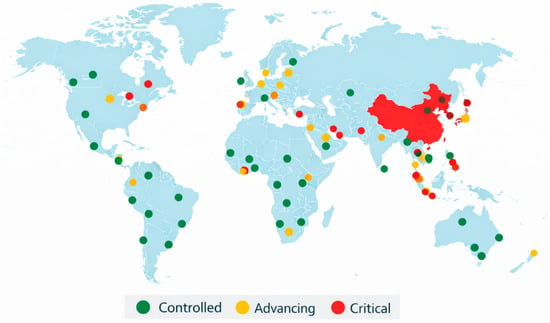
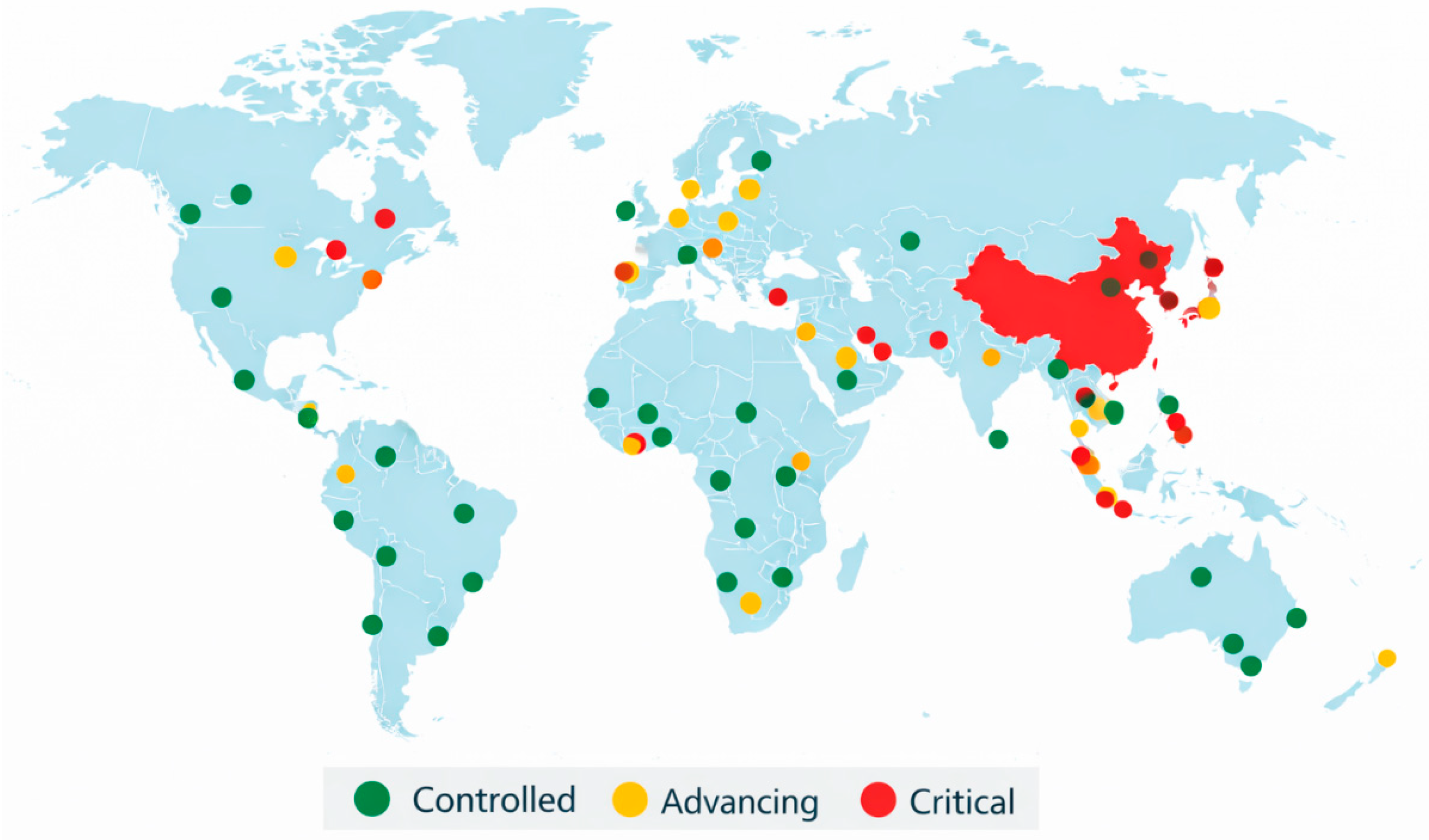
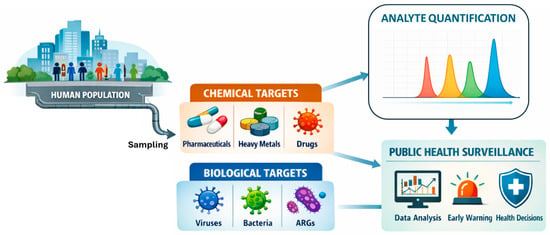
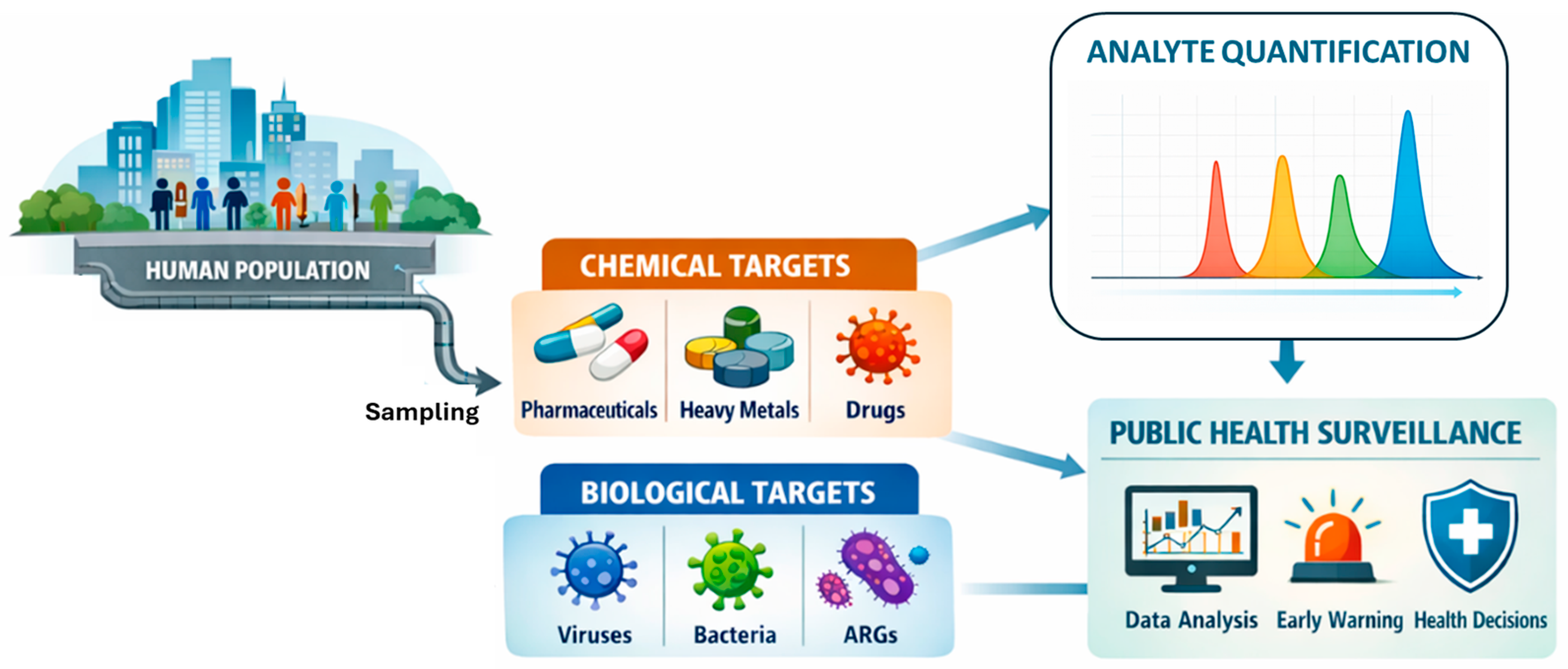
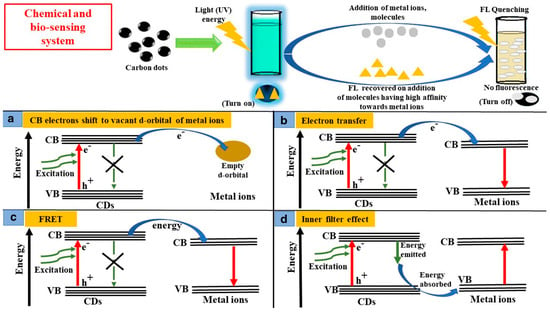
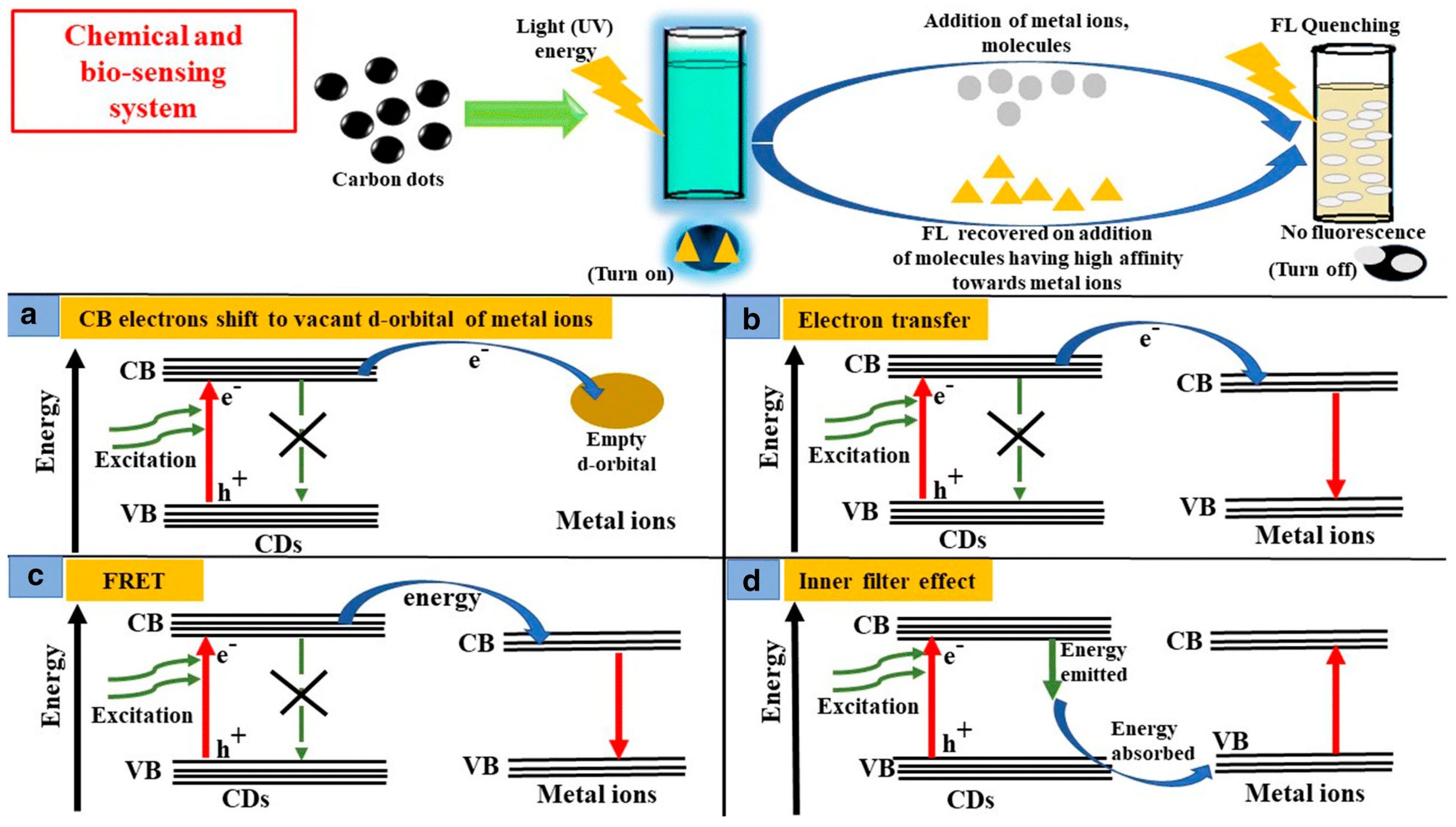
Disclaimer/Publisher’s Note: The statements, opinions and data contained in all publications are solely those of the individual author(s) and contributor(s) and not of MDPI and/or the editor(s). MDPI and/or the editor(s) disclaim responsibility for any injury to people or property resulting from any ideas, methods, instructions or products referred to in the content. |
© 2026 by the authors. Licensee MDPI, Basel, Switzerland. This article is an open access article distributed under the terms and conditions of the Creative Commons Attribution (CC BY) license.