Article

Investigation on Spectrum Estimation Methods for Bimodal Sea State Conditions †

by
Giovanni Battista Rossi
1,*,
Francesco Crenna
1,
Marta Berardengo
1,
Vincenzo Piscopo
2 and
Antonio Scamardella
2
1
Department of Mechanical, Energy, Management and Transportation Engineering, University of Genova, Via Opera Pia 15A, 16145 Genova, Italy
2
Department of Science and Technology, University of Naples “Parthenope”, Centro Direzionale Isola C4, 80143 Naples, Italy
*
Author to whom correspondence should be addressed.
Paper is an extended version of our paper published in Rossi, G.B., Crenna, F., Berardengo, M., Piscopo, V. and Scamardella, A., Data processing for the accurate evaluation of combined wind sea and swell spectra. In Proceedings of the 2020 IMEKO TC-19 International Workshop on Metrology for the Sea, Naples, Italy, 5–7 October 2020.
Sensors 2021, 21(9), 2995; https://doi.org/10.3390/s21092995
Submission received: 20 February 2021 / Revised: 15 April 2021 / Accepted: 22 April 2021 / Published: 24 April 2021

Abstract

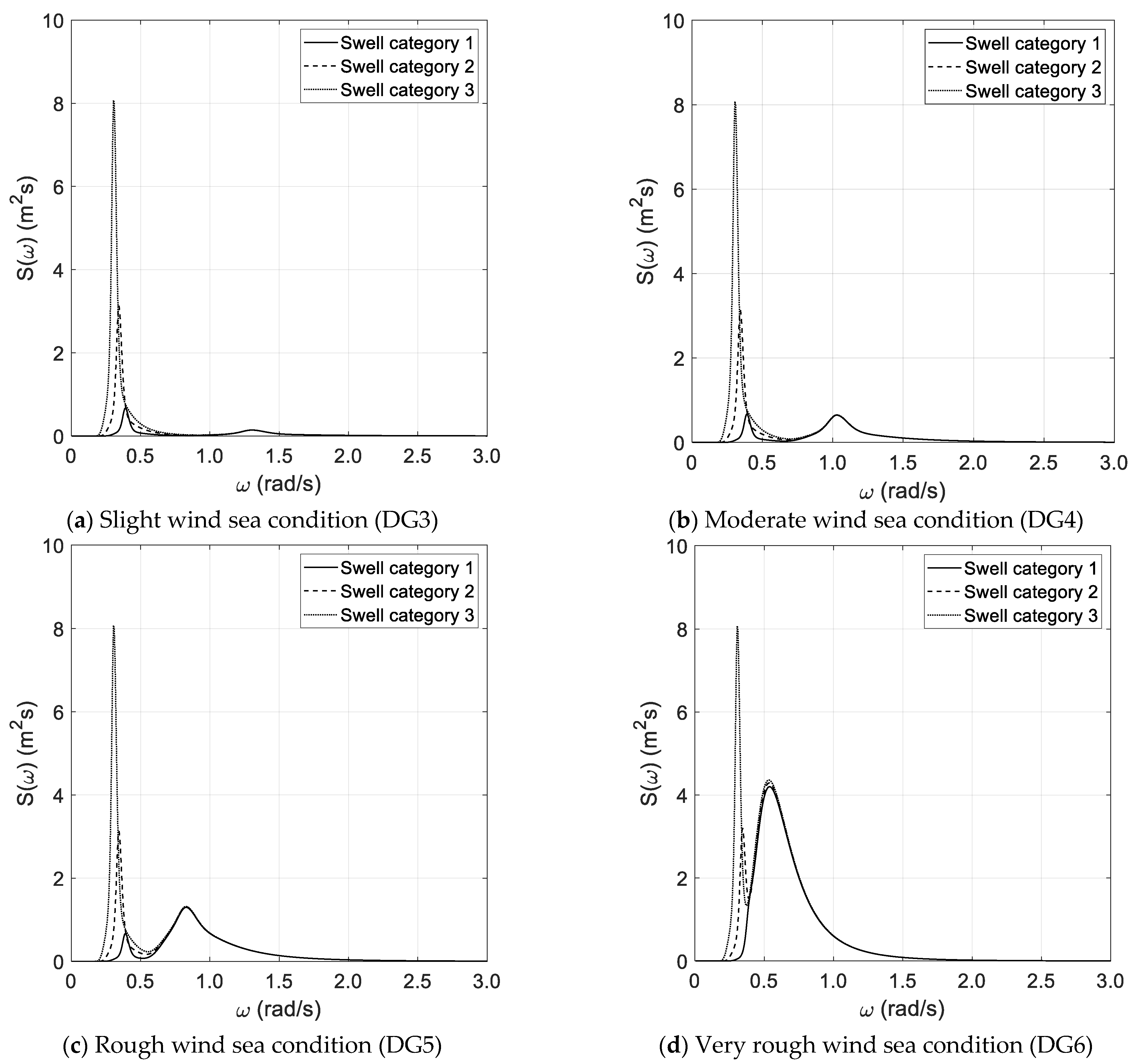
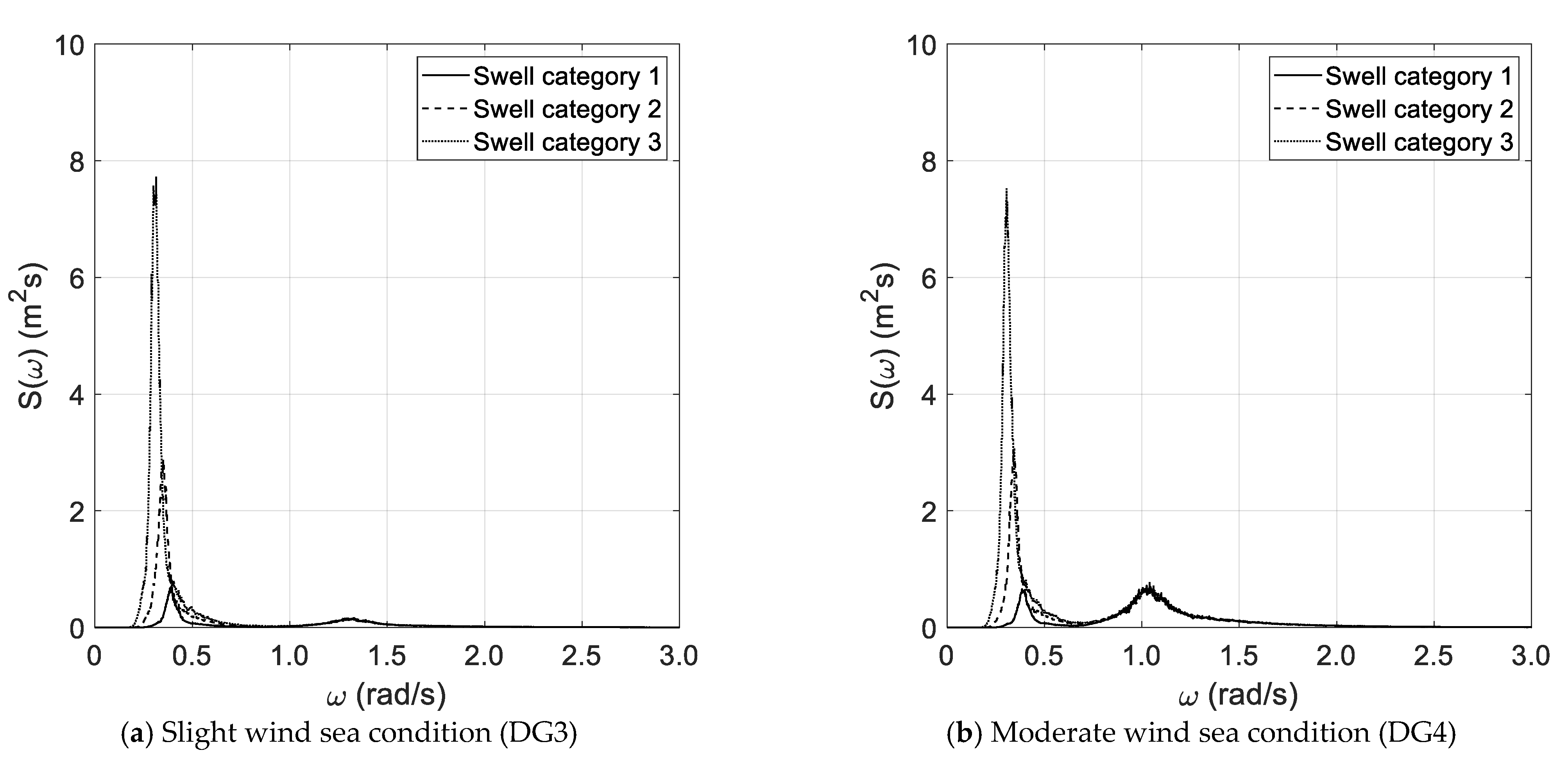
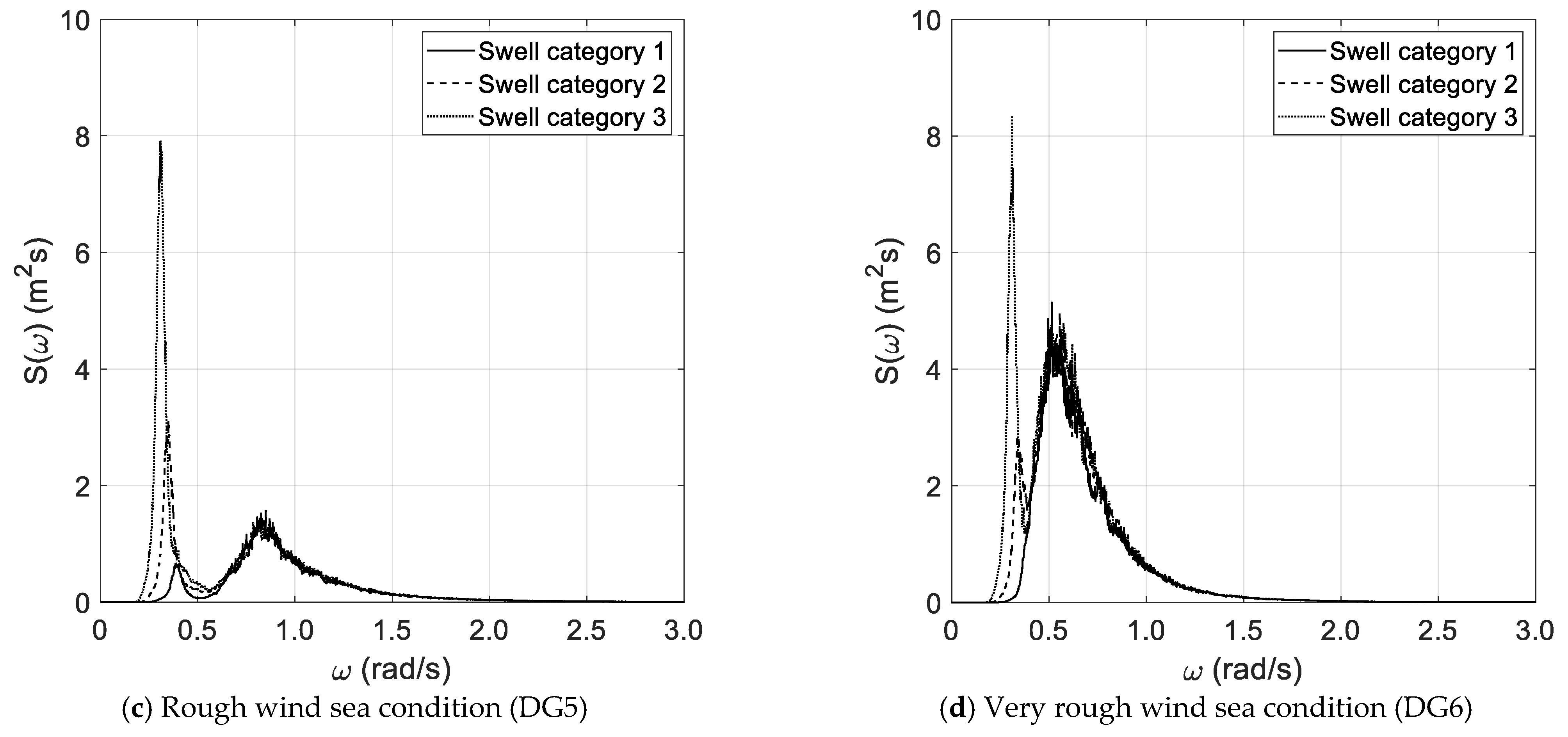
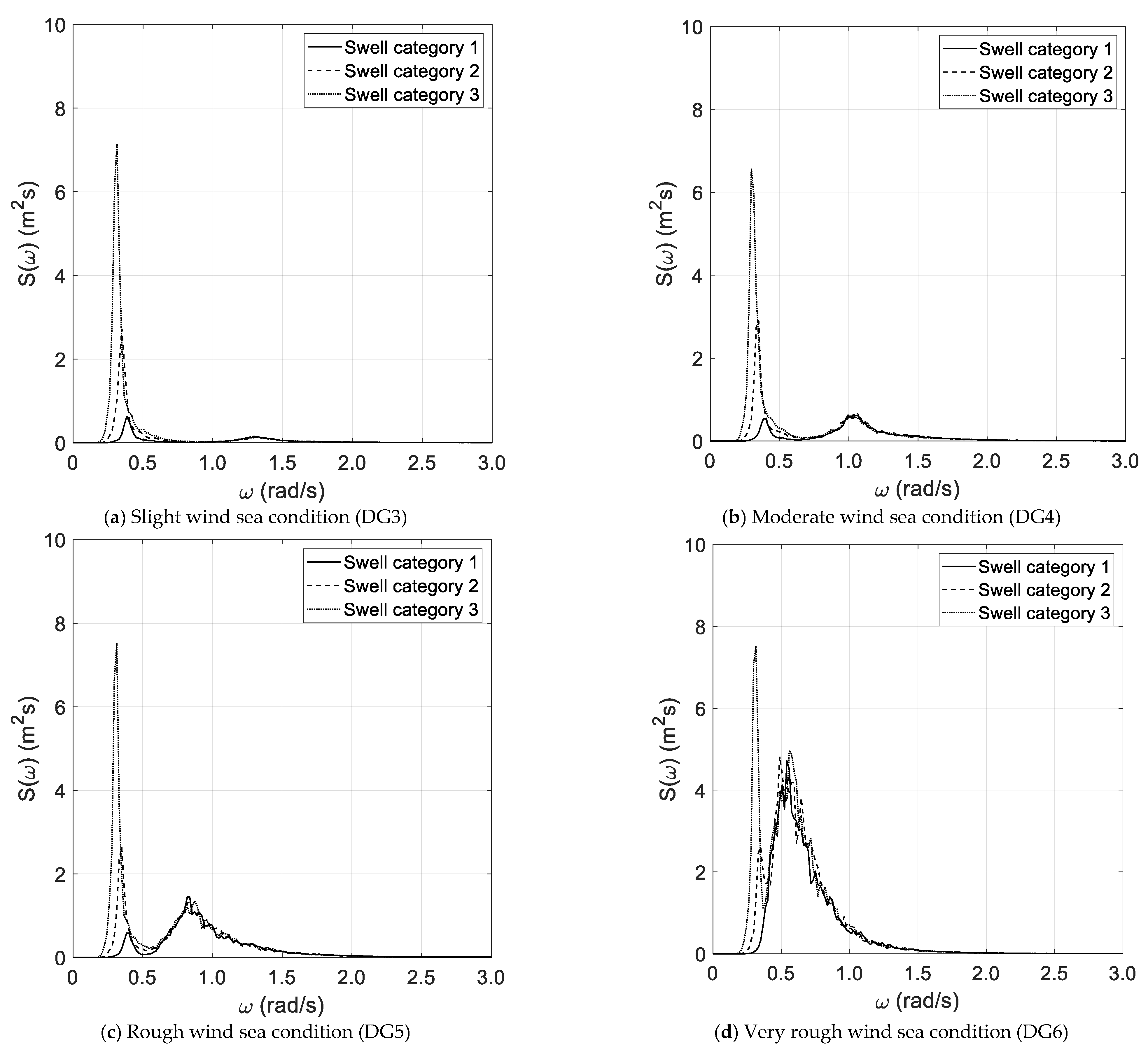
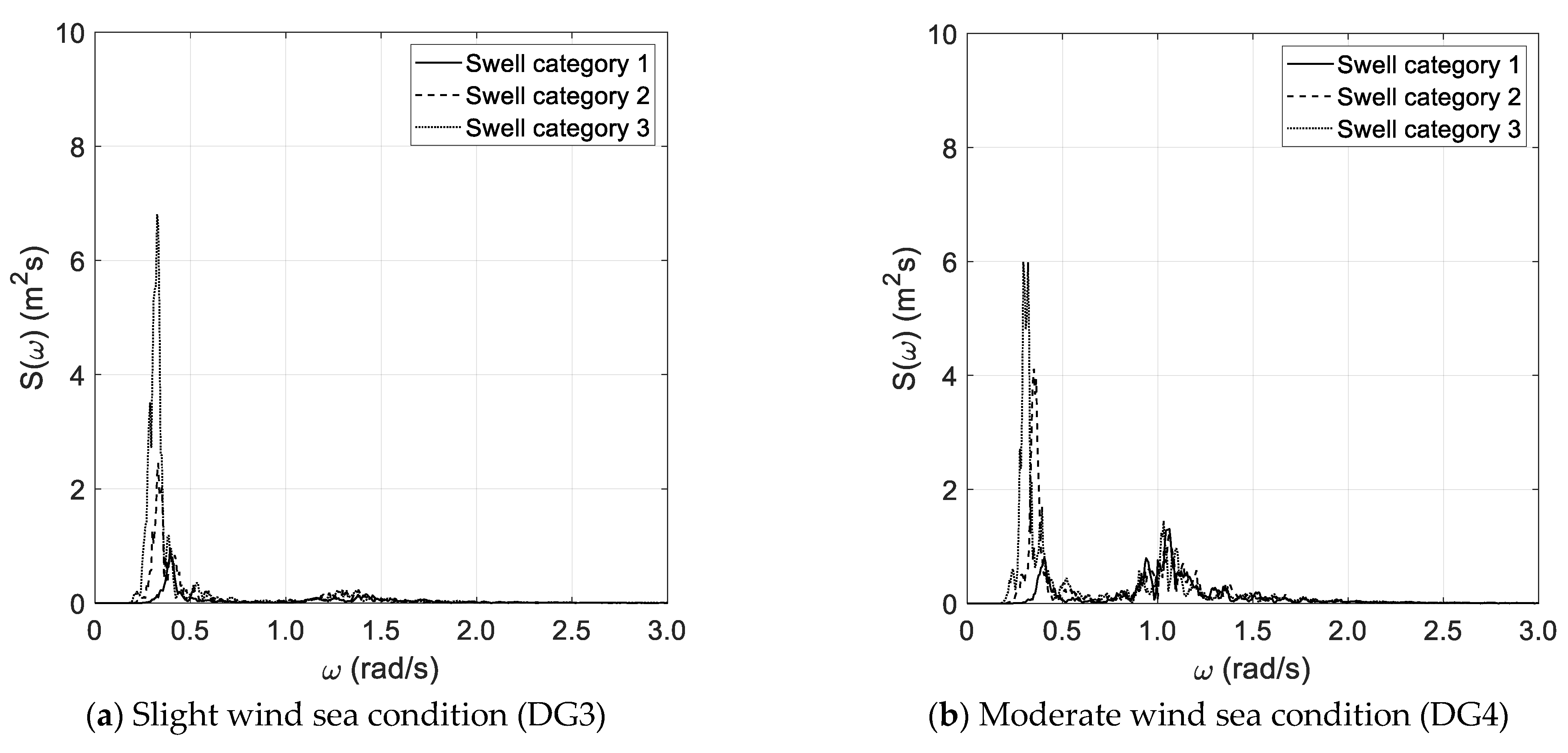
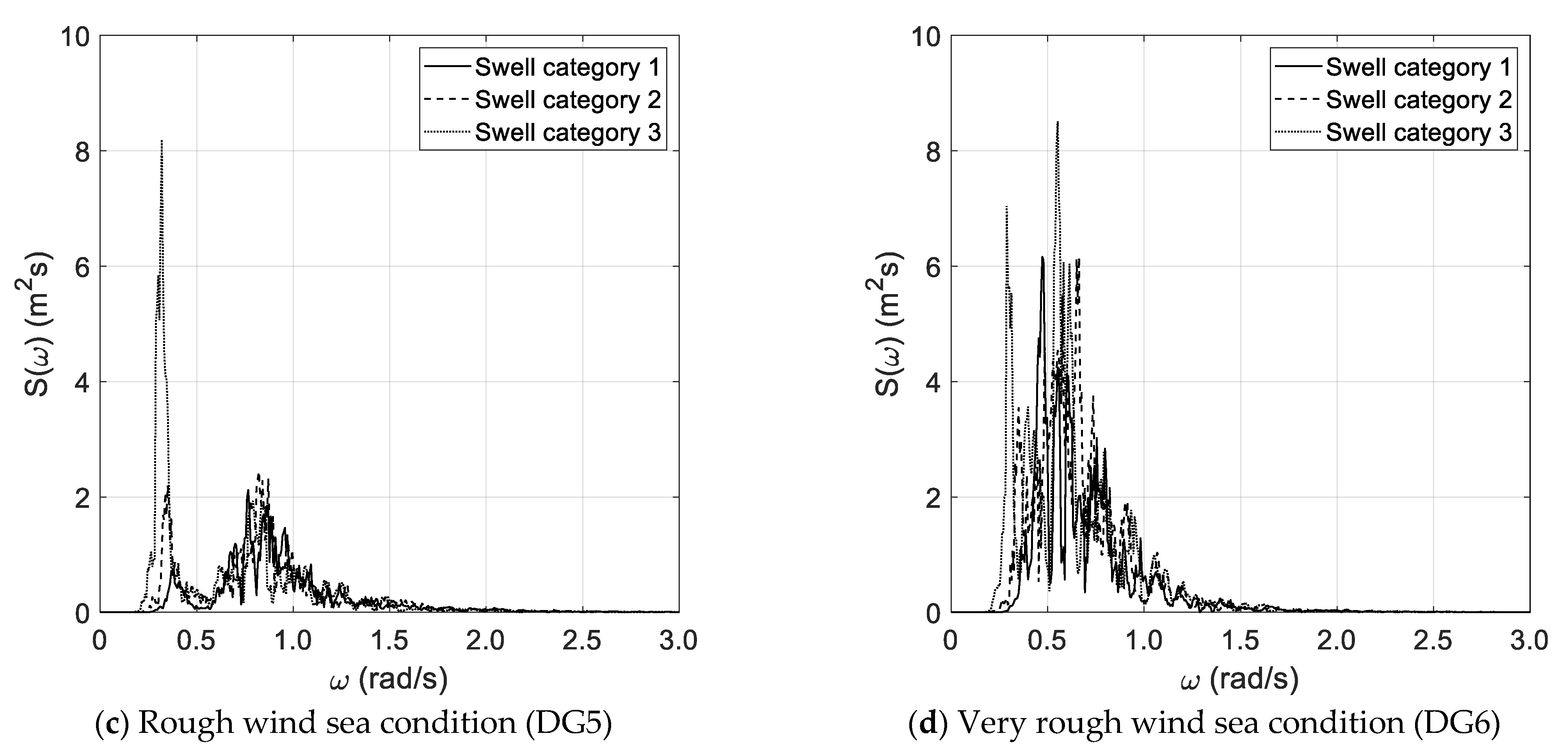
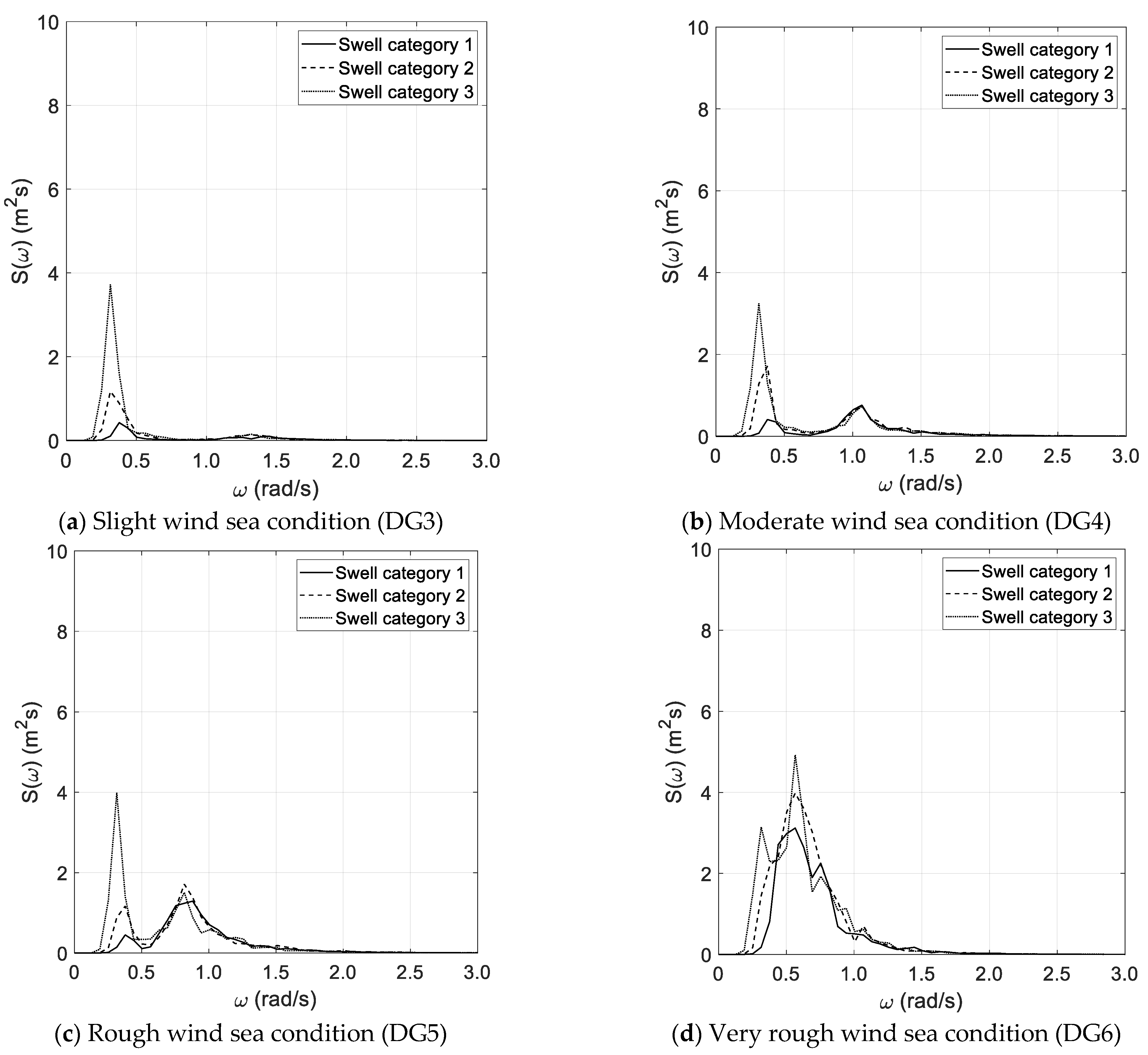
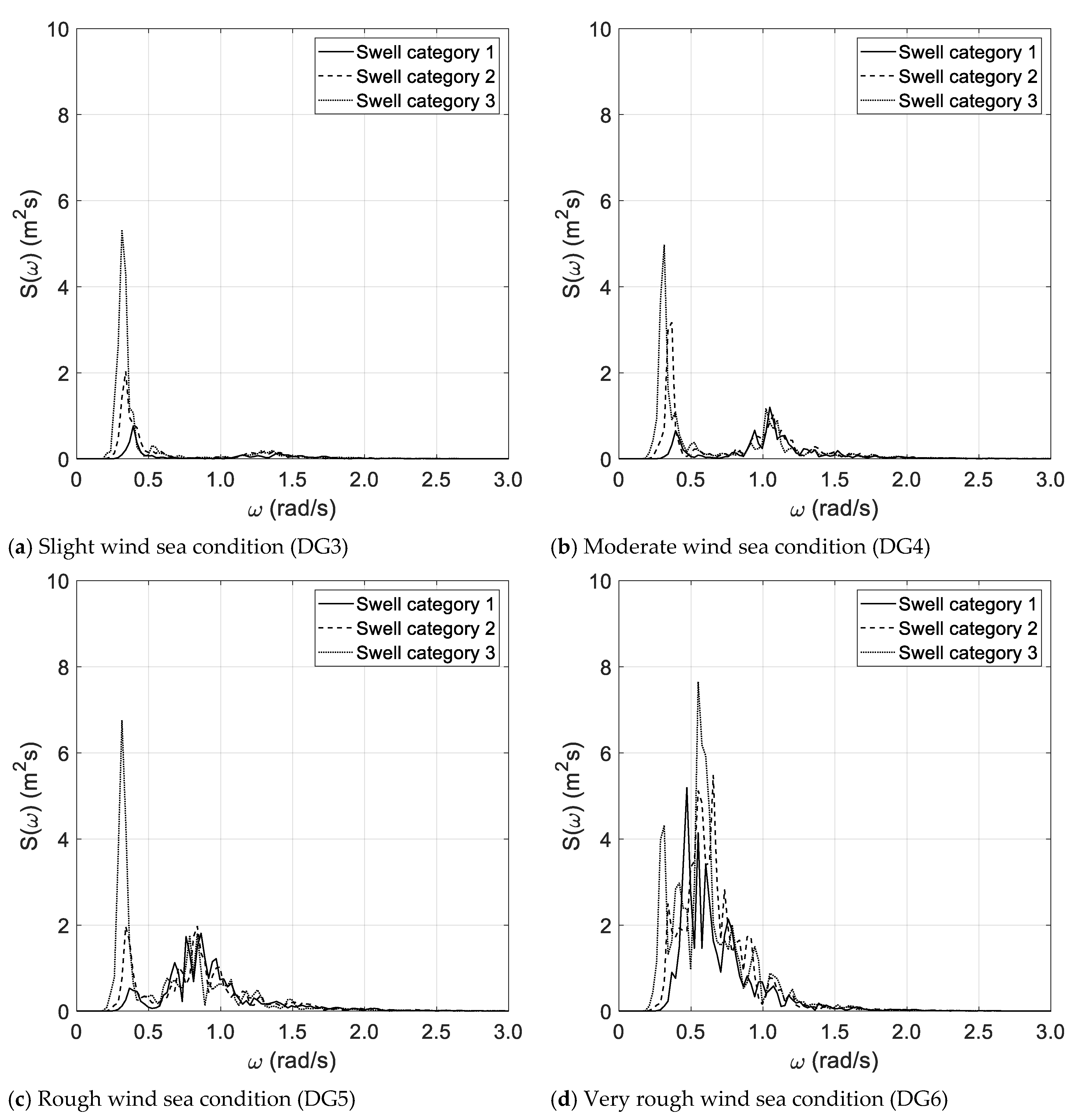
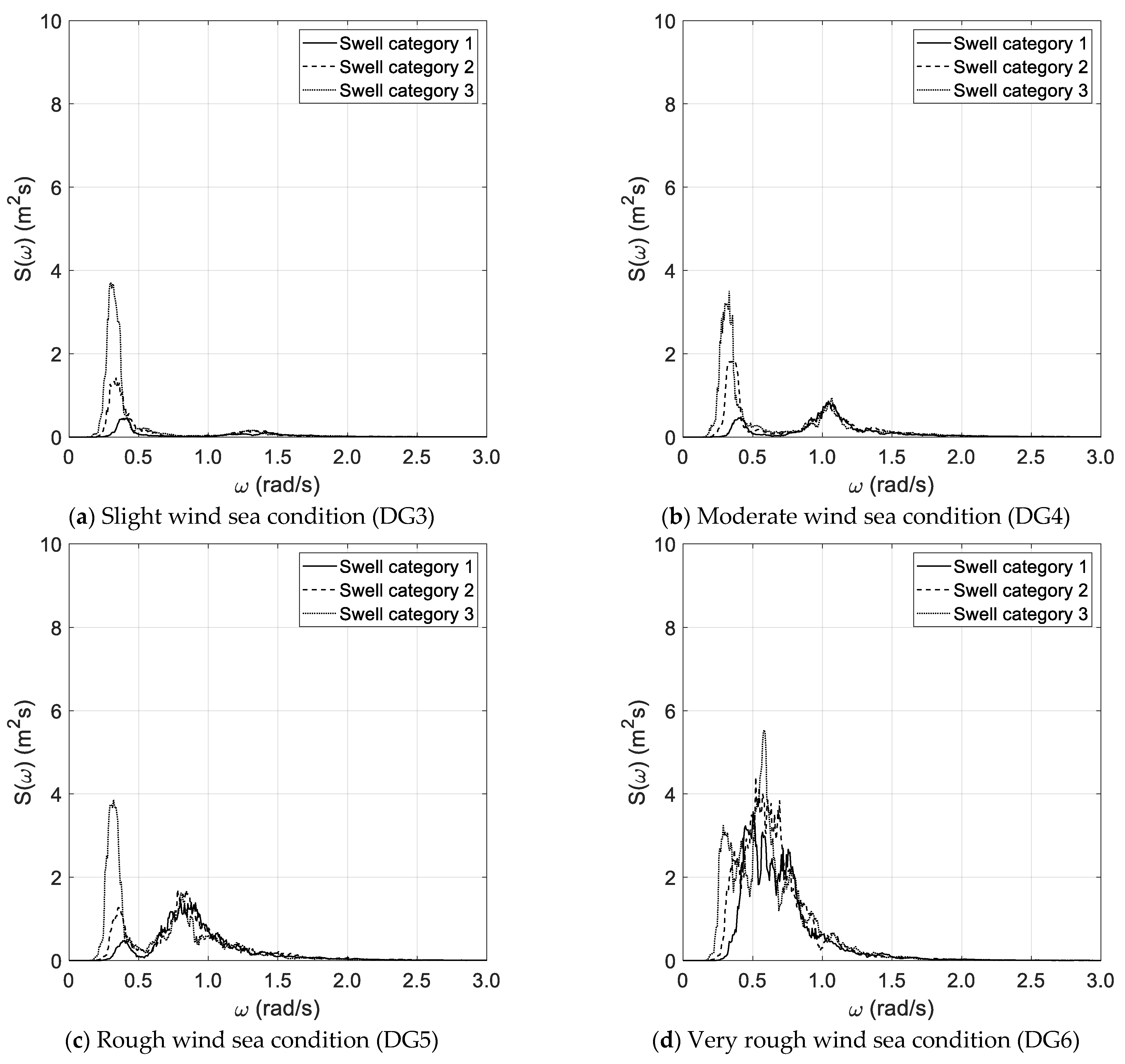
The reliable monitoring of sea state parameters is a key factor for weather forecasting, as well as for ensuring the safety and navigation of ships. In the current analysis, two spectrum estimation techniques, based on the Welch and Thomson methods, were applied to a set of random wave signals generated from a theoretical wave spectrum obtained by combining wind sea and swell components with the same prevailing direction but different combinations of significant wave heights, peak periods, and peak enhancement factors. A wide benchmark study was performed to systematically apply and compare the two spectrum estimation methods. In this respect, different combinations of wind sea spectra, corresponding to four grades of the Douglas Scale, were combined with three swell spectra corresponding to different swell categories. The main aim of the benchmark study was to systematically investigate the effectiveness of the Welch and Thomson methods in terms of spectrum restitution and the assessment of sea state parameters. The spectrum estimation methods were applied to random wave signals with different durations, namely 600 s (short) and 3600 s (long), to investigate how the record length affected the assembled sea state parameters, which, in turn, were assessed by the nonlinear least square method. Finally, based on the main outcomes of the benchmark study, some suggestions are provided to select the most suitable spectrum reconstruction method and increase the effectiveness of the assembled sea state parameters.
Keywords: sea wave monitoring; bimodal sea state conditions; Welch method; Thomson method; wind sea and swell waves; non-linear least square method sea wave monitoring; bimodal sea state conditions; Welch method; Thomson method; wind sea and swell waves; non-linear least square method