Article

Multi-UAV Area Coverage Based on Relative Localization: Algorithms and Optimal UAV Placement
1
The Guangdong Province Key Laboratory of Intelligent Decision and Cooperative Control, School of Automation, Guangdong University of Technology, Guangzhou 510006, China
2
Peng Cheng Laboratory, Shenzhen 518055, China
*
Author to whom correspondence should be addressed.
Sensors 2021, 21(7), 2400; https://doi.org/10.3390/s21072400
Submission received: 3 February 2021 / Revised: 15 March 2021 / Accepted: 17 March 2021 / Published: 31 March 2021
(This article belongs to the Section Remote Sensors)

Abstract

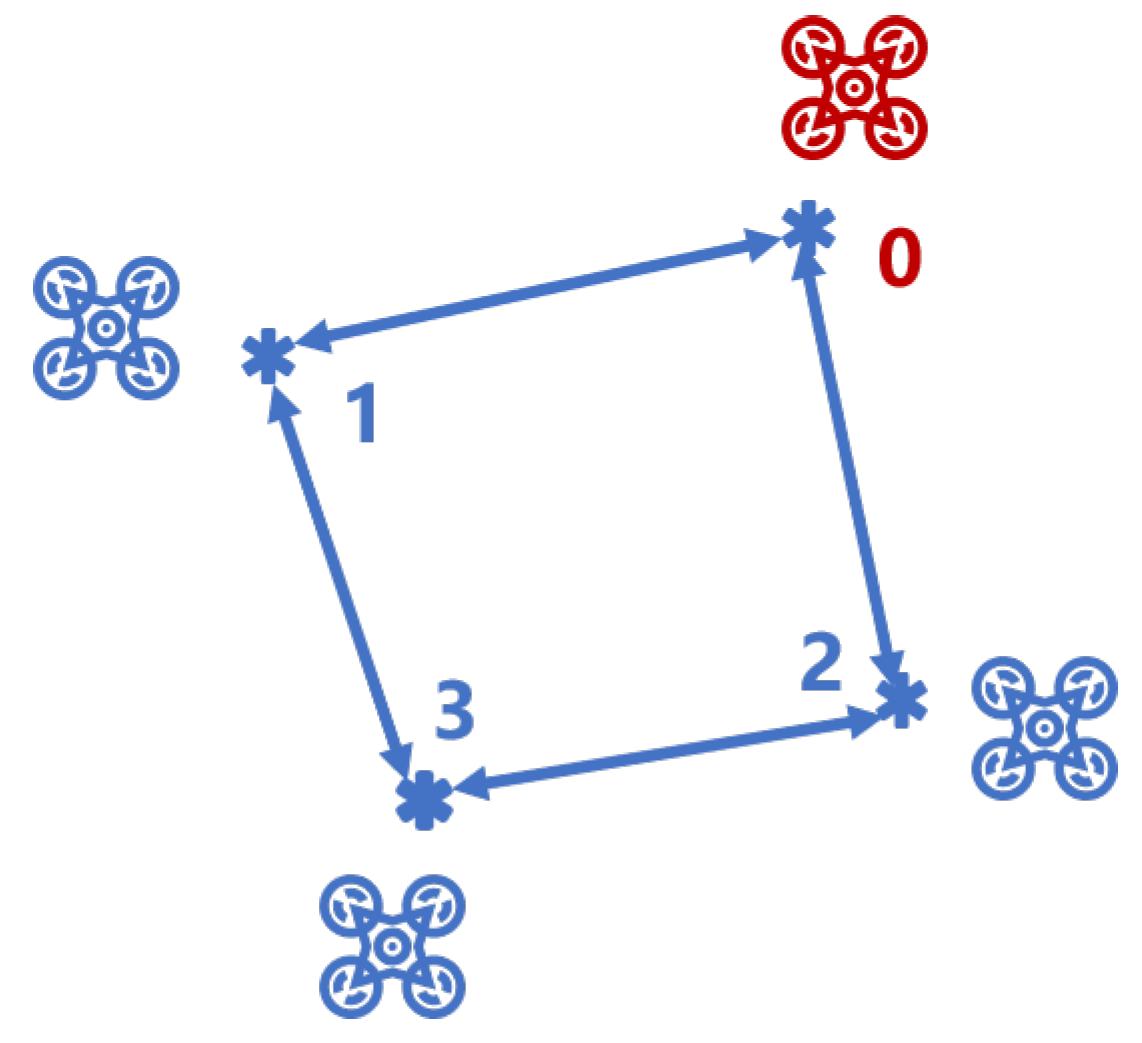
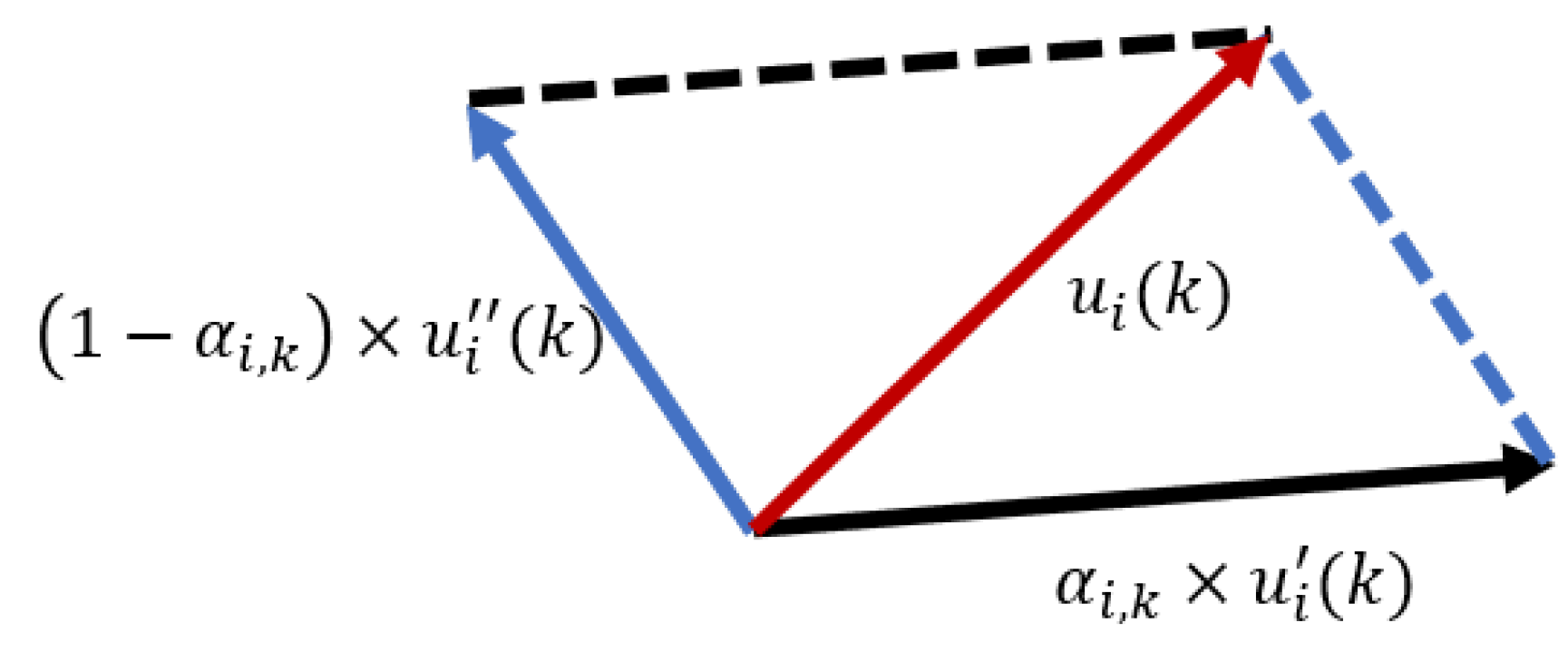
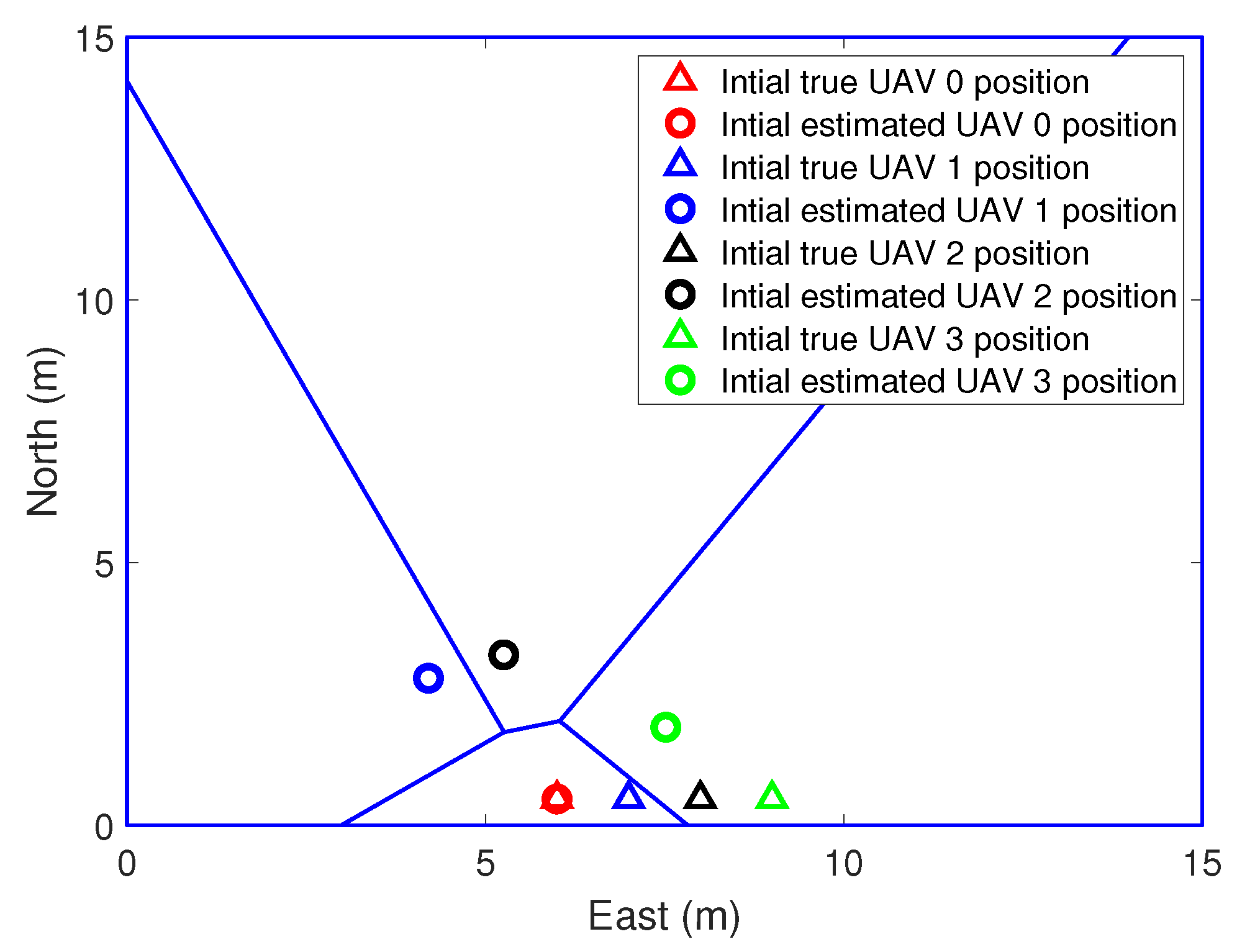
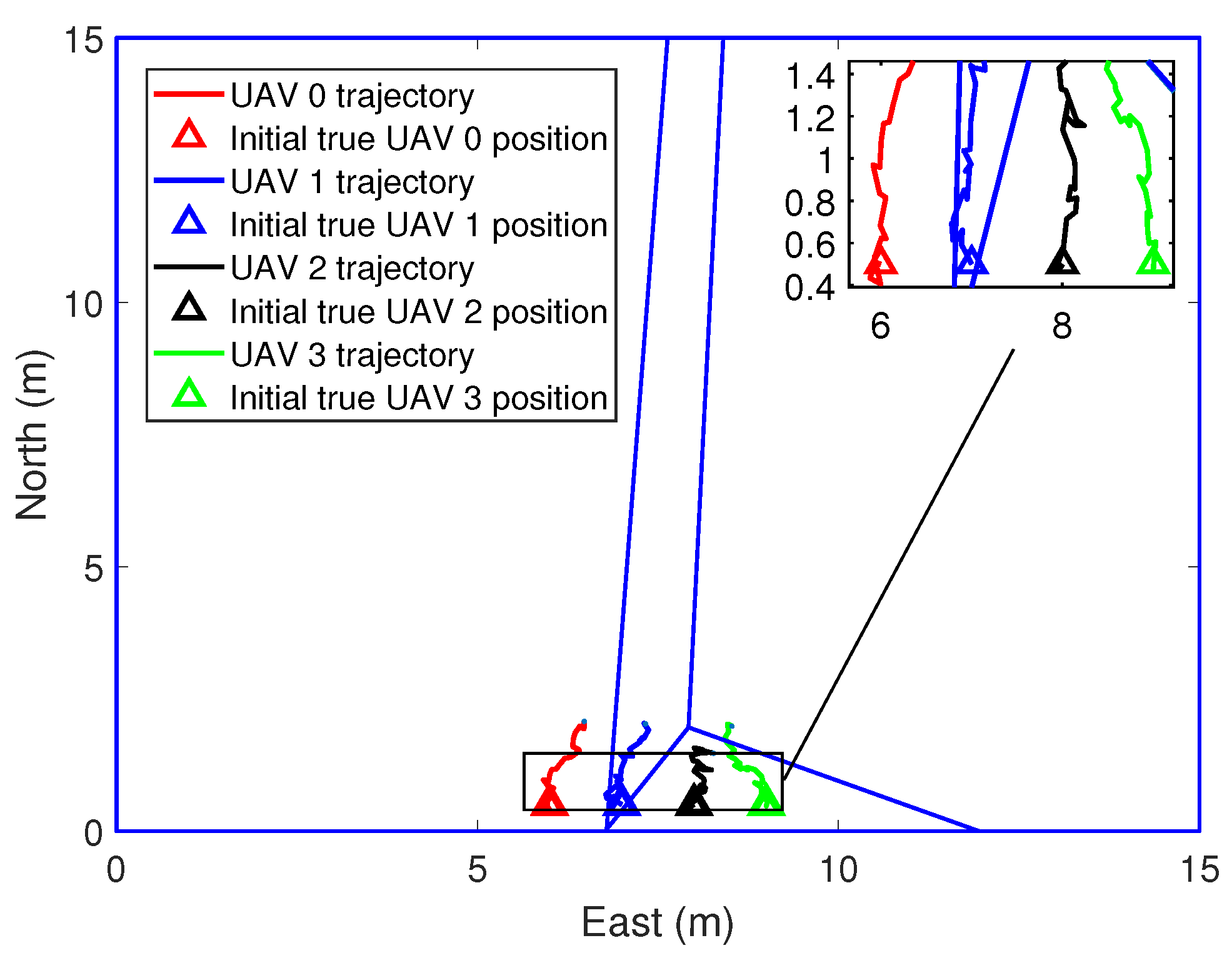
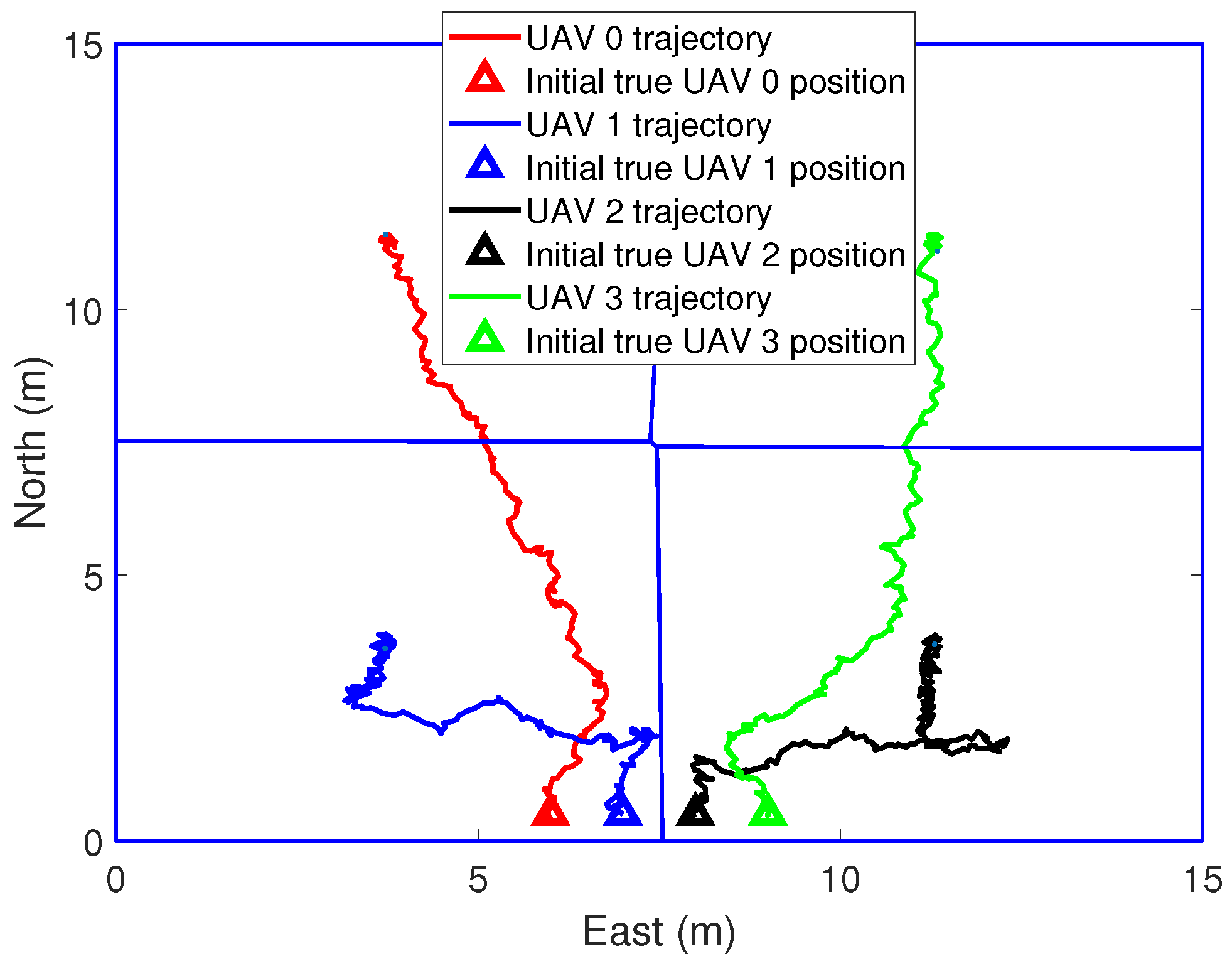
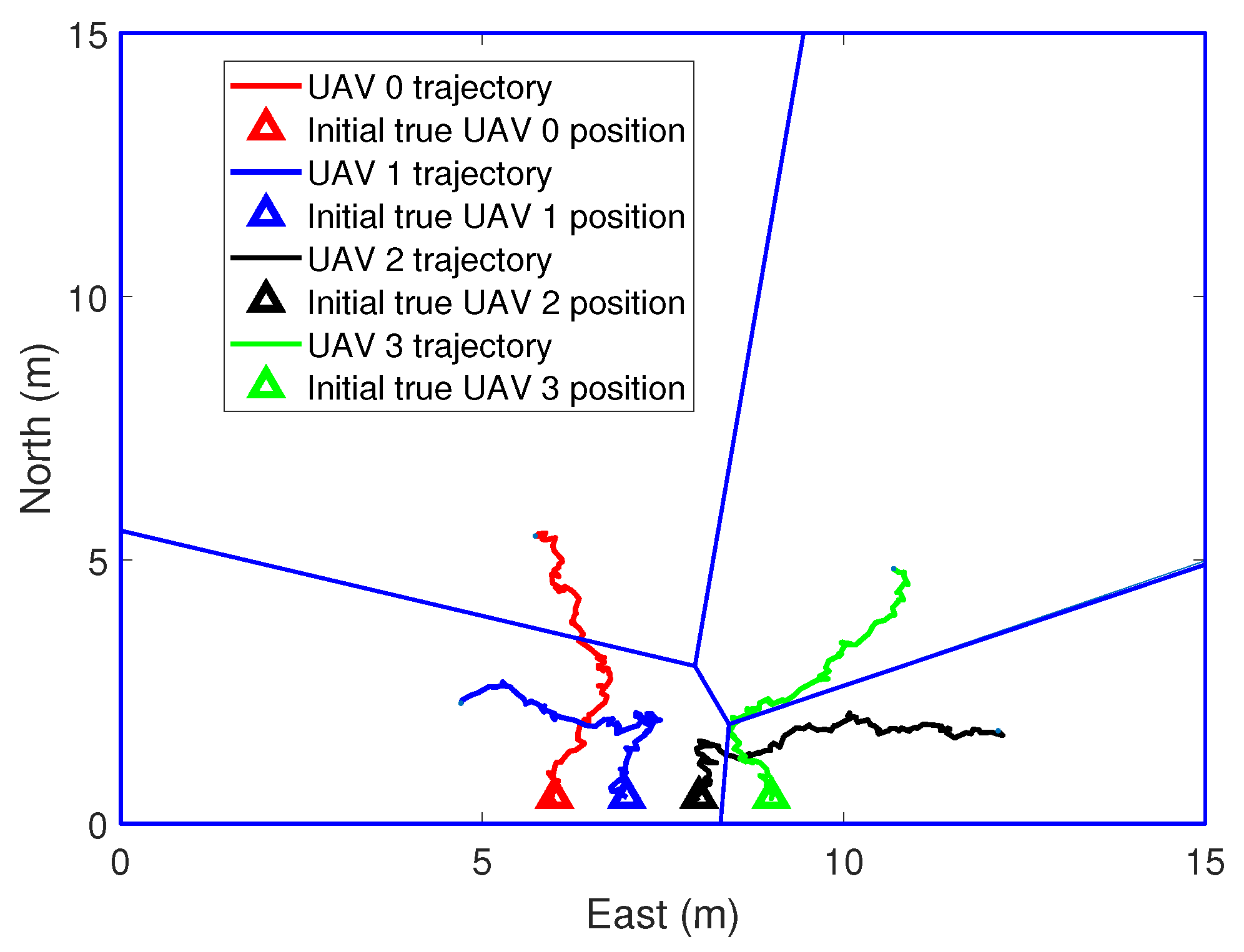
This paper is concerned with relative localization-based optimal area coverage placement using multiple unmanned aerial vehicles (UAVs). It is assumed that only one of the UAVs has its global position information before performing the area coverage task and that ranging measurements can be obtained among the UAVs by using ultra-wide band (UWB) sensors. In this case, multi-UAV relative localization and cooperative coverage control have to be run simultaneously, which is a quite challenging task. In this paper, we propose a single-landmark-based relative localization algorithm, combined with a distributed coverage control law. At the same time, the optimal multi-UAV placement problem was formulated as a quadratic programming problem by compromising between optimal relative localization and optimal coverage control and was solved by using Sequential Quadratic Programming (SQP) algorithms. Simulation results show that our proposed method can guarantee that a team of UAVs can efficiently localize themselves in a cooperative manner and, at the same time, complete the area coverage task.
Keywords: coverage control; ultra-wide band (UWB) sensors; relative localization; unmanned aerial vehicles (UAVs) coverage control; ultra-wide band (UWB) sensors; relative localization; unmanned aerial vehicles (UAVs)