Article

CNN Training with Twenty Samples for Crack Detection via Data Augmentation

State Key Laboratory for Strength and Vibration of Mechanical Structures, Xi’an Jiaotong University, Xi’an 710049, China
*
Author to whom correspondence should be addressed.
Sensors 2020, 20(17), 4849; https://doi.org/10.3390/s20174849
Submission received: 1 August 2020 / Revised: 20 August 2020 / Accepted: 24 August 2020 / Published: 27 August 2020
(This article belongs to the Special Issue Damage Detection Systems for Aerospace Applications)

Abstract

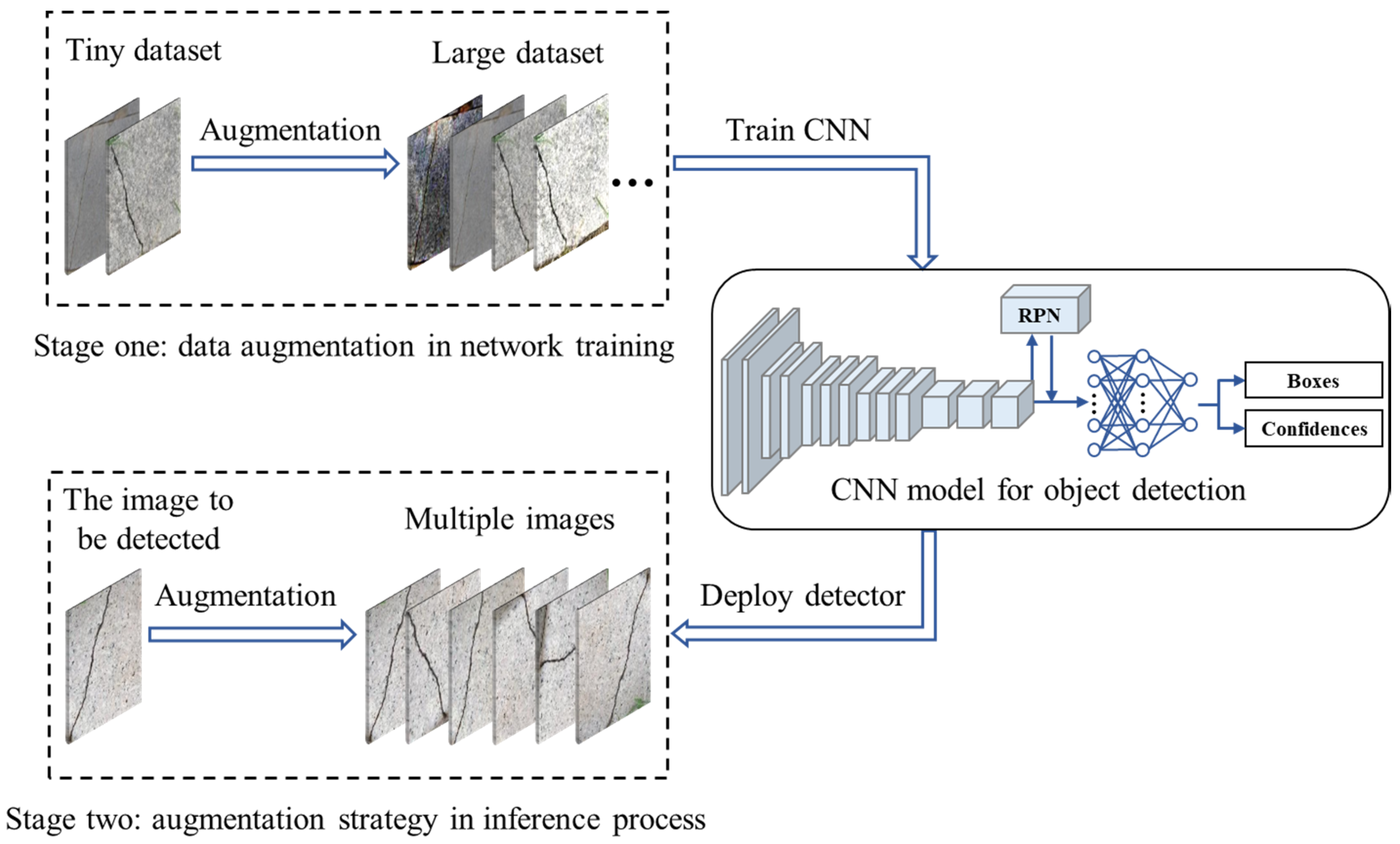
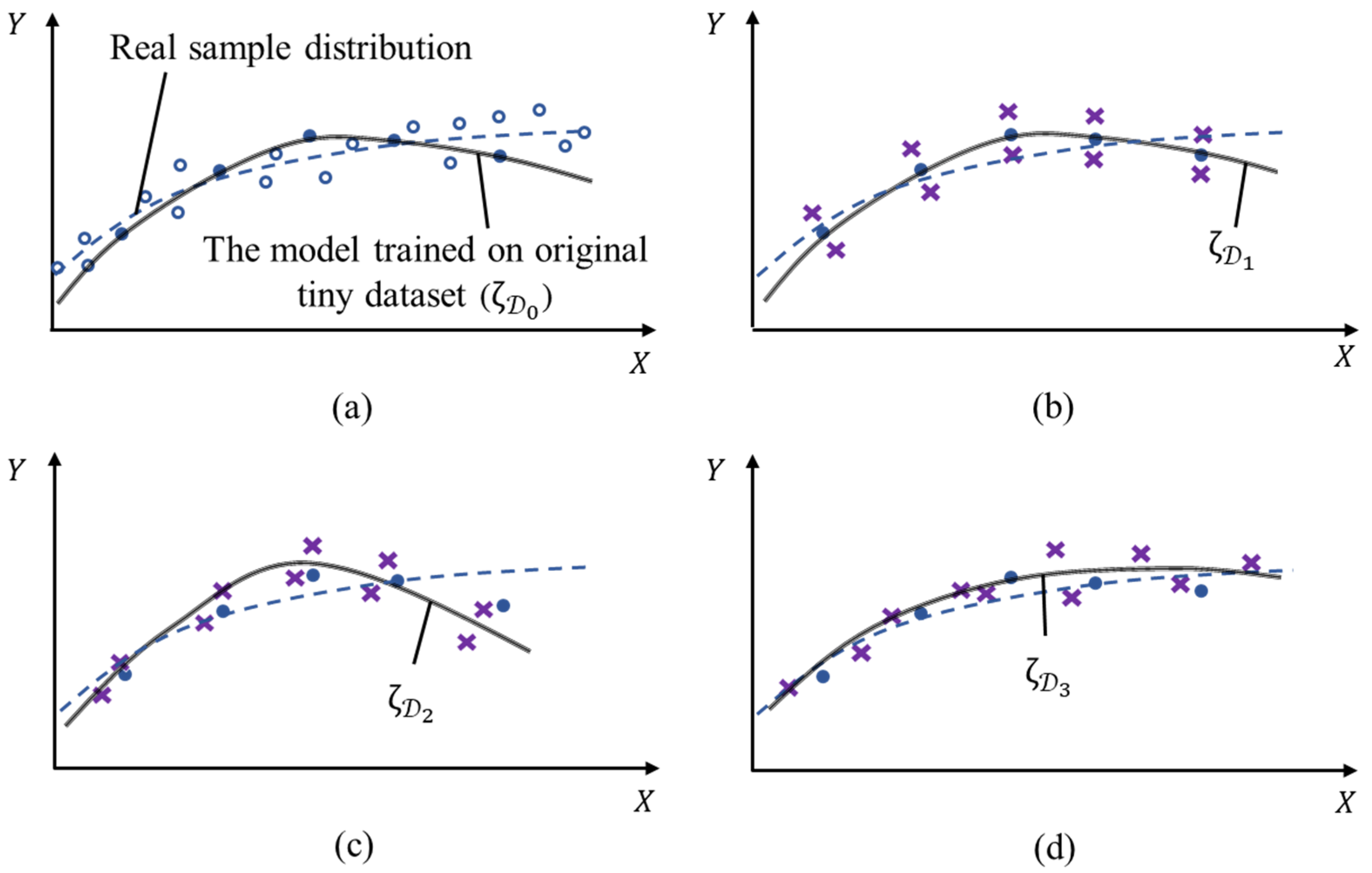
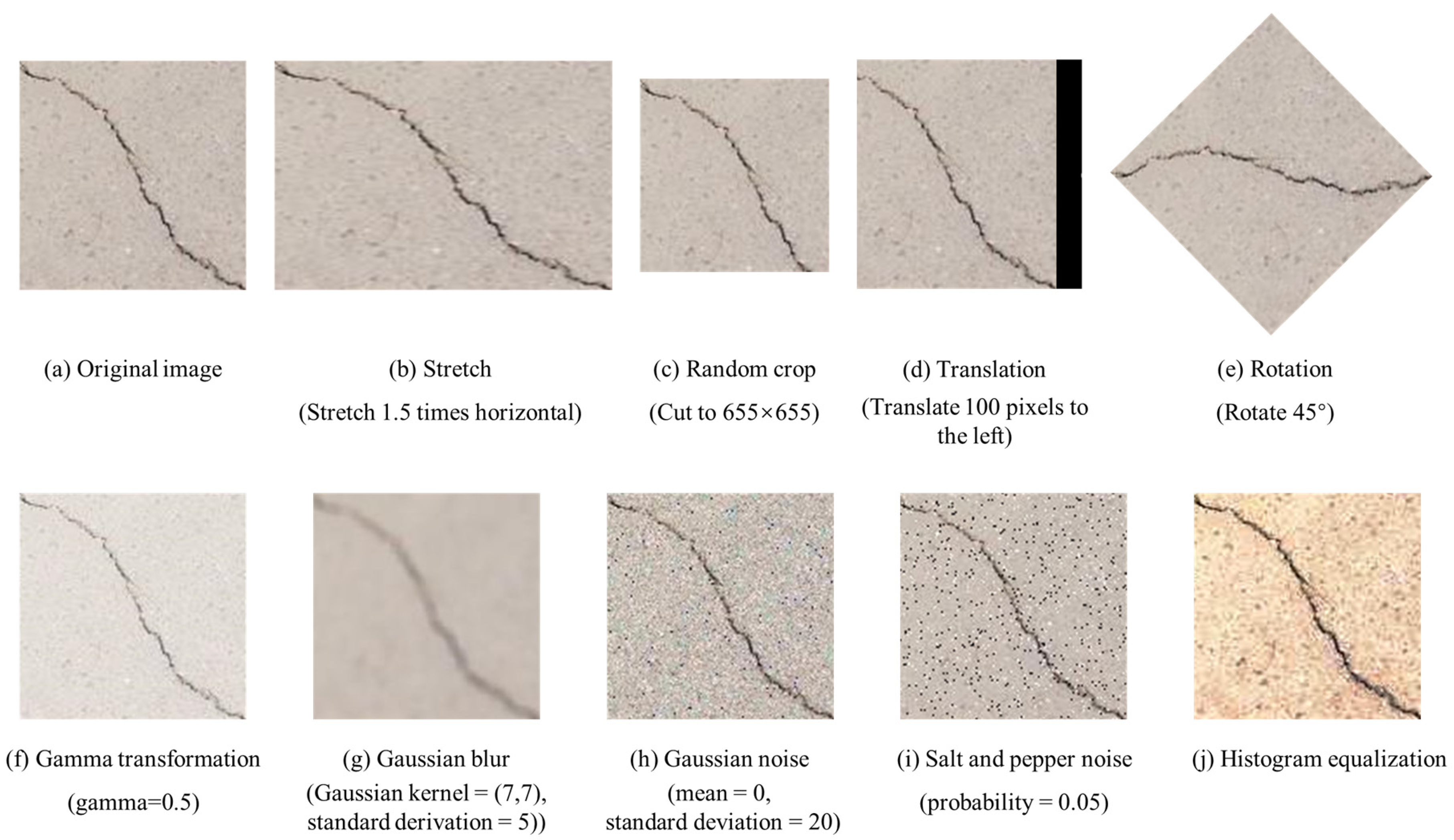
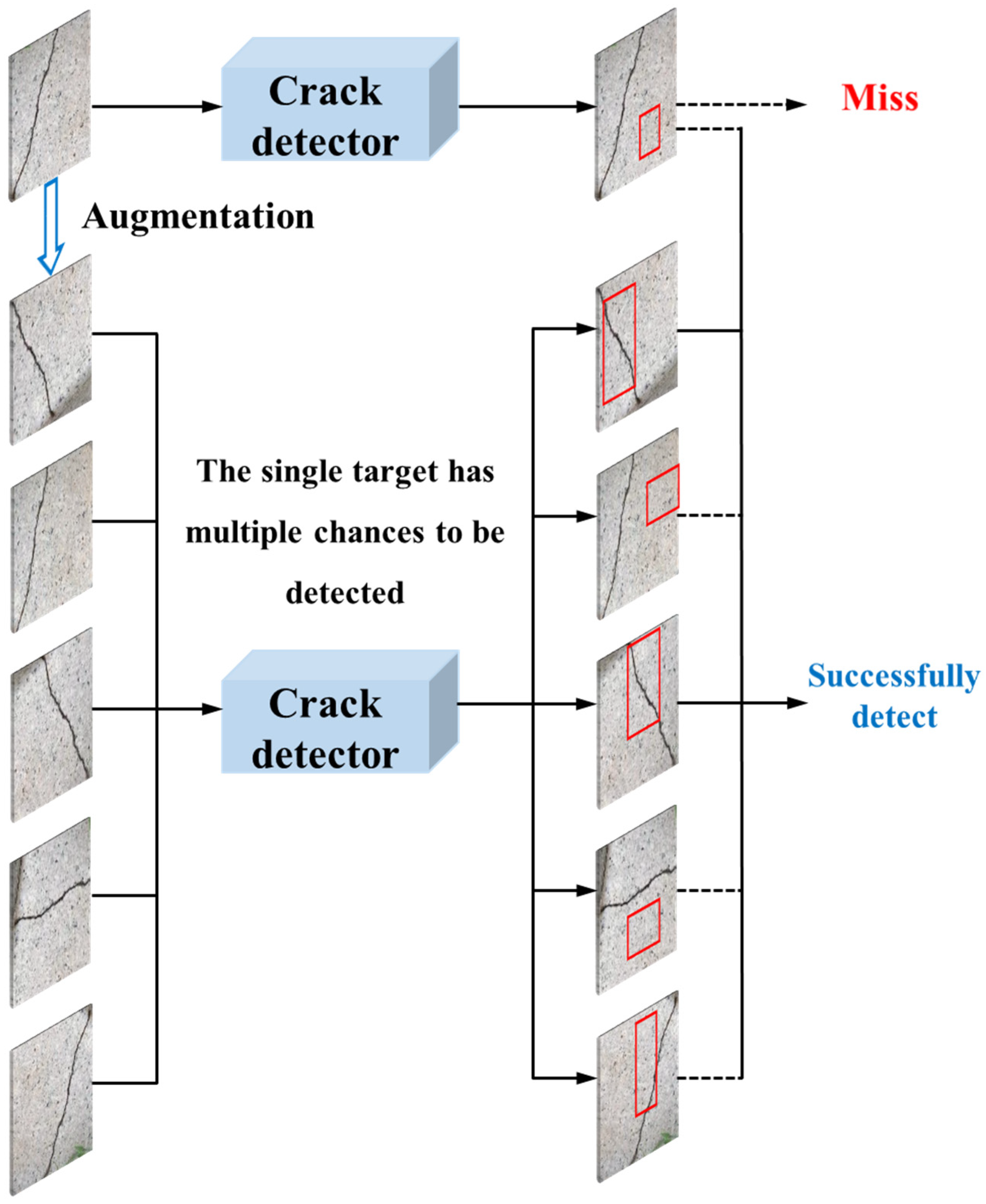
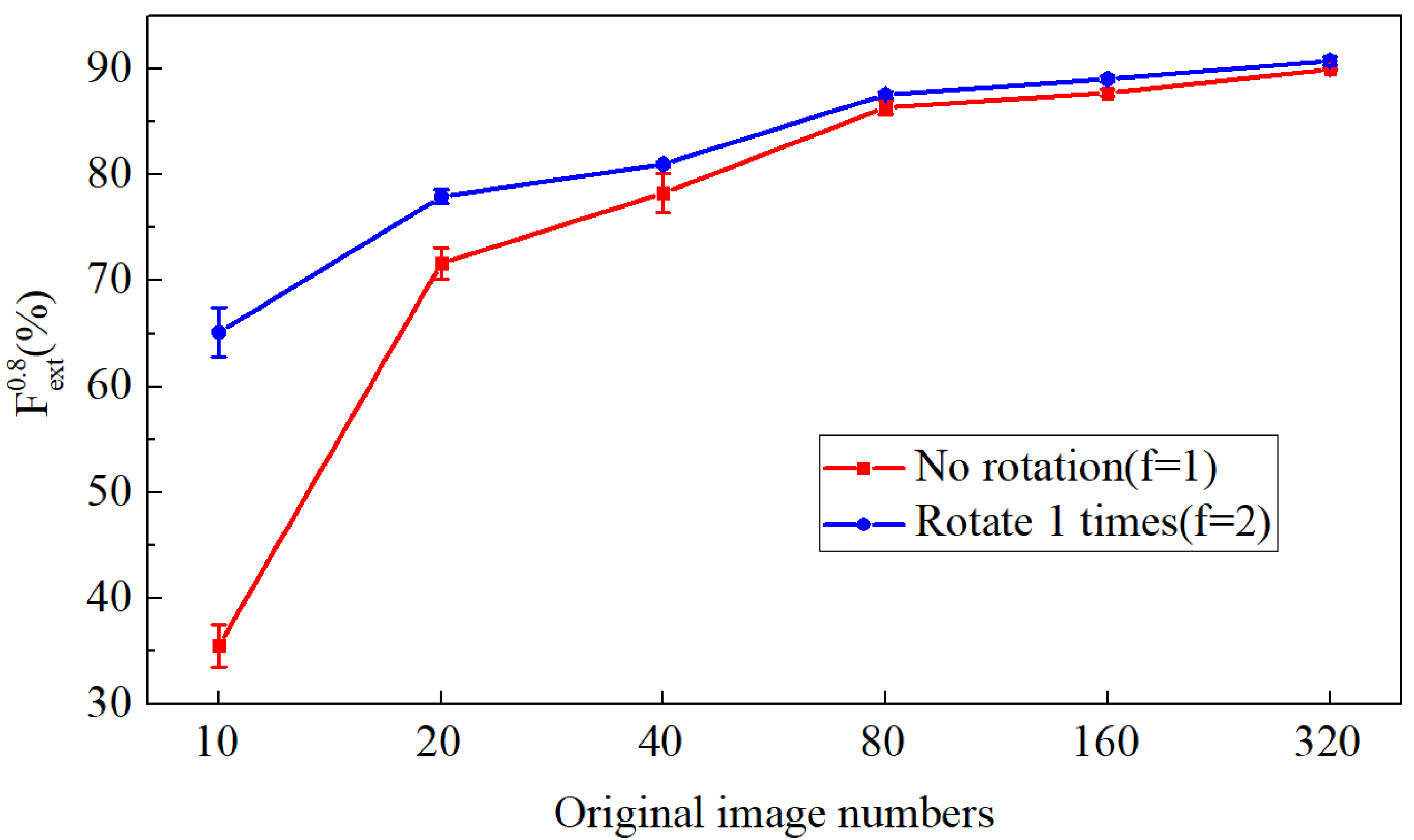
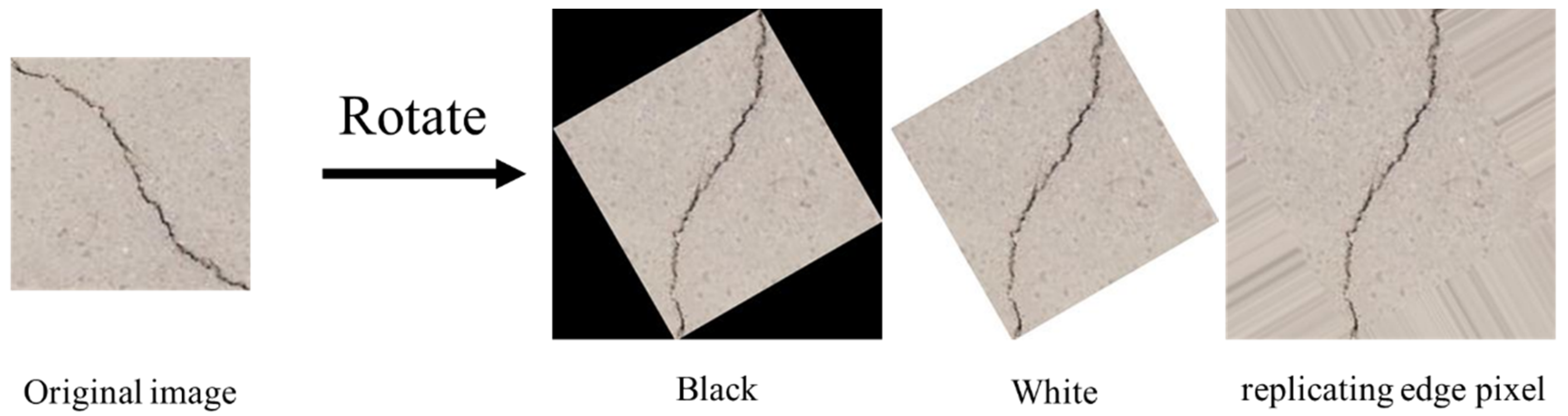
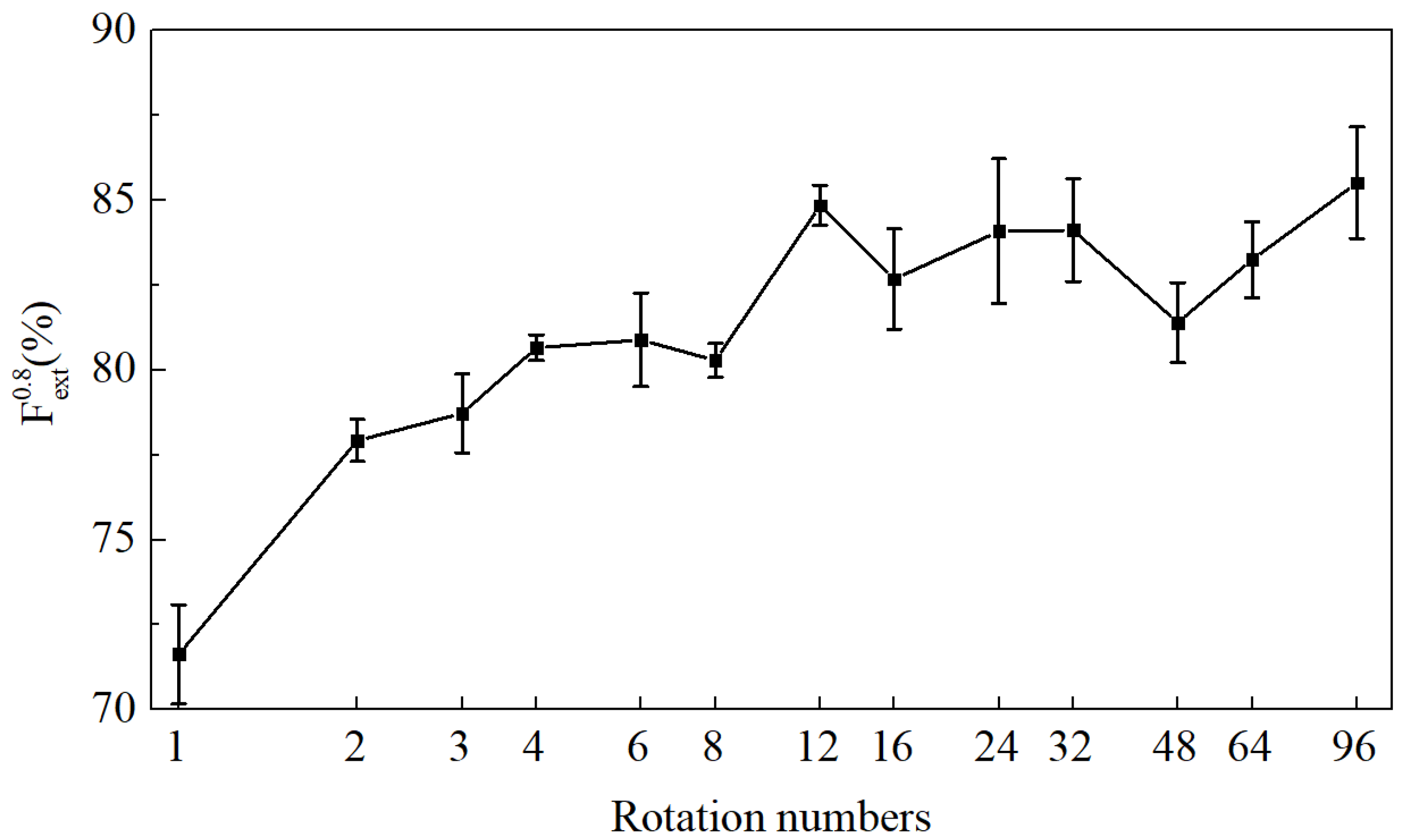
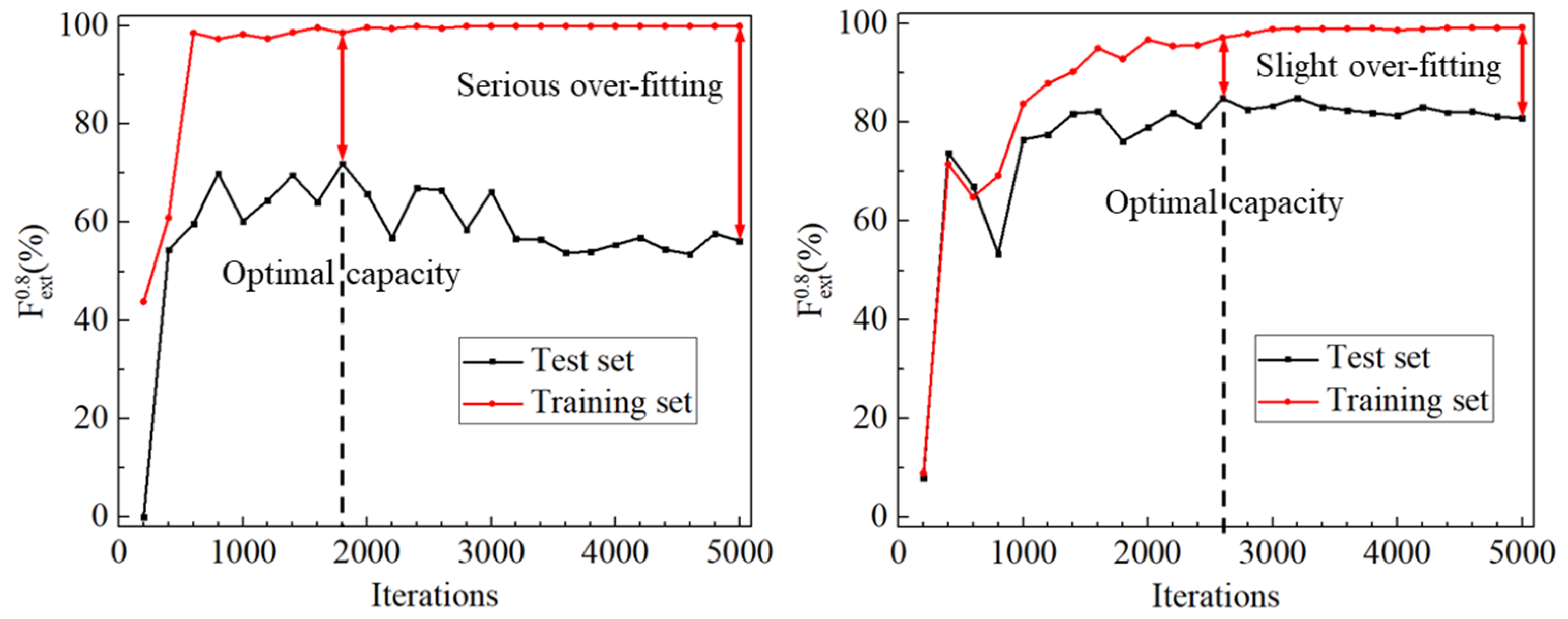
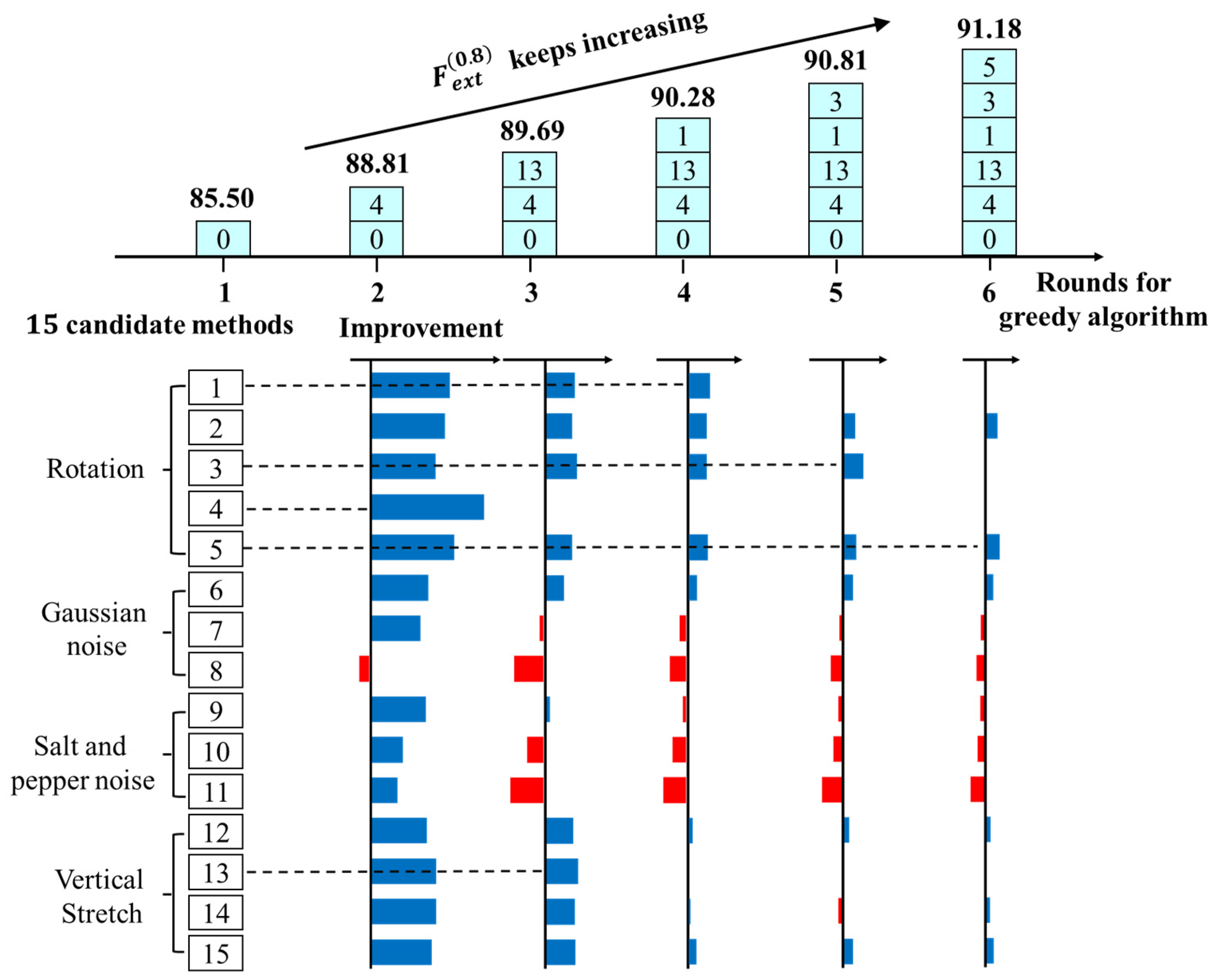
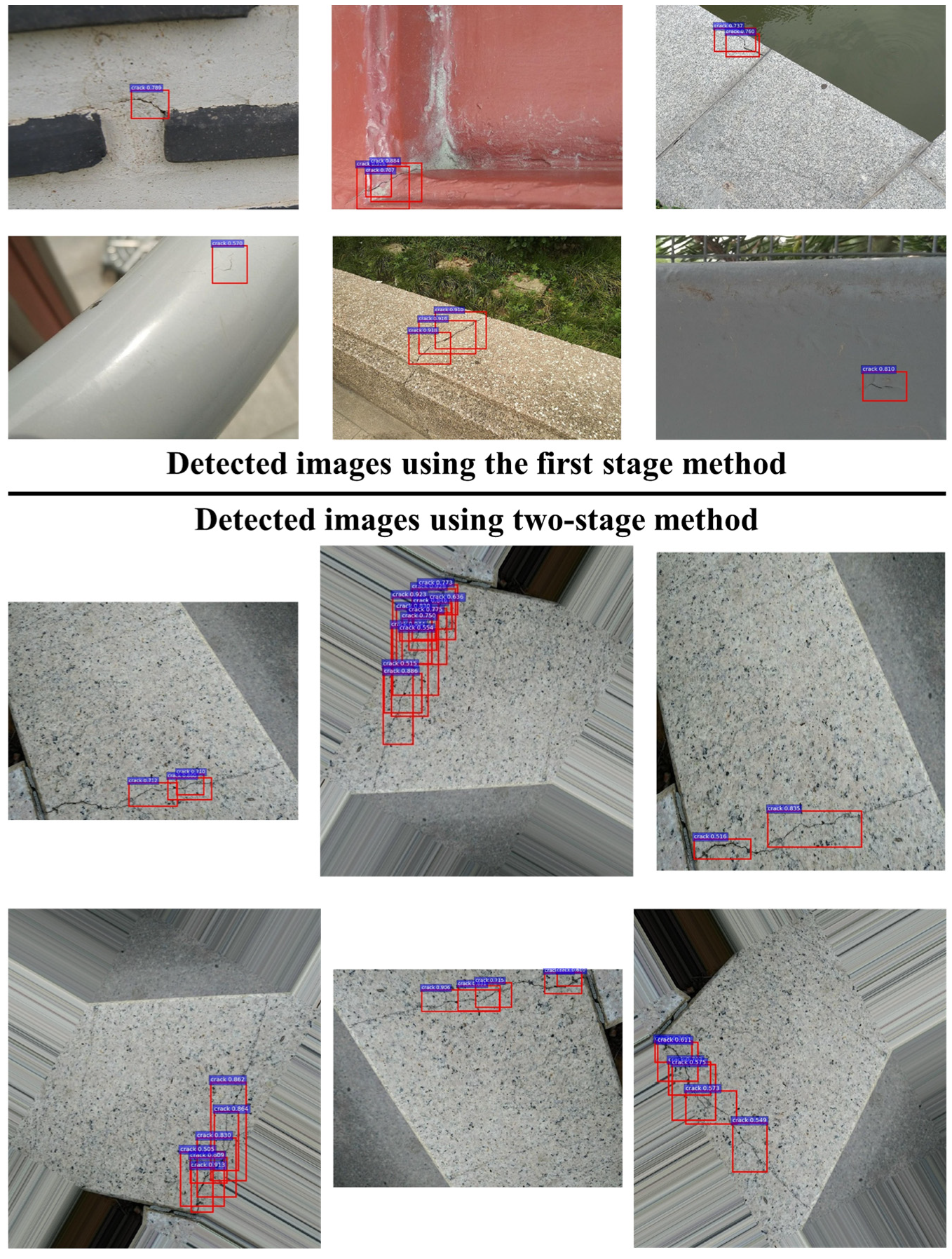
The excellent generalization ability of deep learning methods, e.g., convolutional neural networks (CNNs), depends on a large amount of training data, which is difficult to obtain in industrial practices. Data augmentation is regarded commonly as an effective strategy to address this problem. In this paper, we attempt to construct a crack detector based on CNN with twenty images via a two-stage data augmentation method. In detail, nine data augmentation methods are compared for crack detection in the model training, respectively. As a result, the rotation method outperforms these methods for augmentation, and by an in-depth exploration of the rotation method, the performance of the detector is further improved. Furthermore, data augmentation is also applied in the inference process to improve the recall of trained models. The identical object has more chances to be detected in the series of augmented images. This trick is essentially a performance–resource trade-off. For more improvement with limited resources, the greedy algorithm is adopted for searching a better combination of data augmentation. The results show that the crack detectors trained on the small dataset are significantly improved via the proposed two-stage data augmentation. Specifically, using 20 images for training, recall in detecting the cracks achieves 96% and Fext(0.8), which is a variant of F-score for crack detection, achieves 91.18%.
Keywords: crack detection; deep learning; data augmentation; small samples crack detection; deep learning; data augmentation; small samples