Review

Human Liver Regeneration: An Etiology Dependent Process

Department of Imaging and Pathology, Translational Cell and Tissue Research, KU Leuven and University Hospitals Leuven, 3000 Leuven, Belgium
*
Author to whom correspondence should be addressed.
Int. J. Mol. Sci. 2019, 20(9), 2332; https://doi.org/10.3390/ijms20092332
Submission received: 11 April 2019 / Revised: 6 May 2019 / Accepted: 9 May 2019 / Published: 10 May 2019
(This article belongs to the Special Issue Liver Damage and Repair)

Abstract

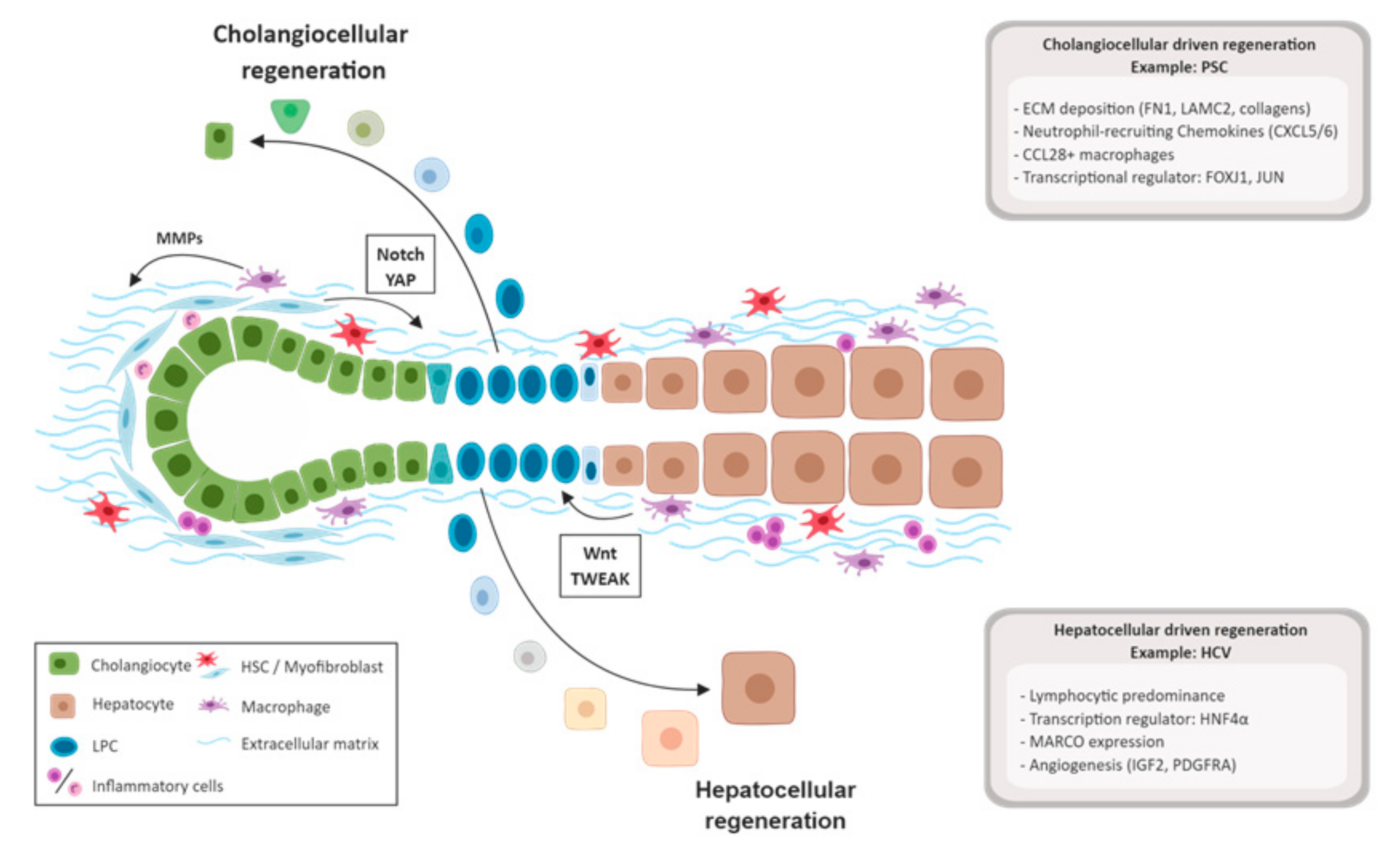
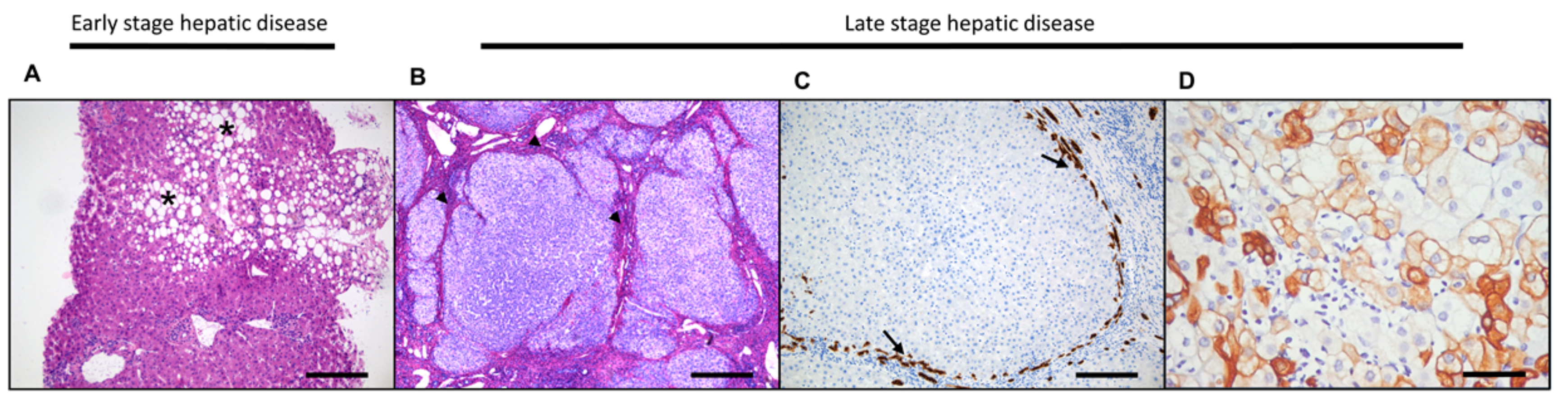
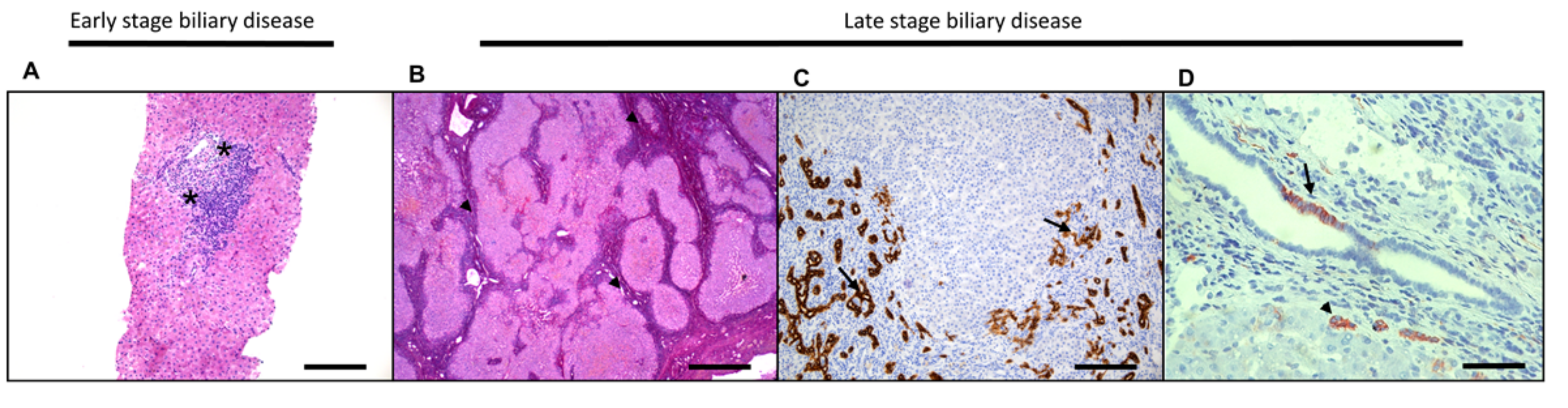
Regeneration of the liver has been an interesting and well-investigated topic for many decades. This etiology and time-dependent mechanism has proven to be extremely challenging to investigate, certainly in human diseases. A reason for this challenge is found in the numerous interactions of different cell components, of which some are even only temporarily present (e.g., inflammatory cells). To orchestrate regeneration of the epithelial cells, their interaction with the non-epithelial components is of utmost importance. Hepatocytes, cholangiocytes, liver progenitor cells, and peribiliary glands have proven to be compartments of regeneration. The ductular reaction is a common denominator in virtually all liver diseases; however, it is predominantly found in late-stage hepatic and biliary diseases. Ductular reaction is an intriguing example of interplay between epithelial and non-epithelial cells and encompasses bipotential liver progenitor cells which are able to compensate for the loss of the exhausted hepatocytes and cholangiocytes in biliary and hepatocytic liver diseases. In this manuscript, we focus on the etiology-specific damage that is observed in different human diseases and how the liver regulates the regenerative response in an acute and chronic setting. Furthermore, we describe the importance of morphological keynotes in different etiologies and how spatial information is of relevance for every basic and translational research of liver regeneration.
Keywords: liver regeneration; liver progenitor cell; ductular reaction; human liver diseases; acute liver damage; chronic liver damage; liver carcinogenesis liver regeneration; liver progenitor cell; ductular reaction; human liver diseases; acute liver damage; chronic liver damage; liver carcinogenesis