


Abstract
Inflammatory bowel disease (IBD) combines mucosal injury with systemic vascular dysfunction. The endocannabinoid system (ECS) and wider endocannabinoidome influence epithelial permeability, immune trafficking and vascular responses, but these effects arise in different cells and experimental settings. This narrative review evaluates which ECS-related mechanisms have been demonstrated at the intestinal–vascular interface and identifies the causal steps required to translate them into IBD therapy. Its specific contribution is to link ligand identity, cellular target and measured outcomes across epithelial permeability, gut–vascular barrier (GVB) integrity, leukocyte recruitment and systemic vascular physiology. Evidence from patients with IBD is interpreted alongside experimental colitis and mechanistic studies in other vascular beds. Macrophage inflammatory restraint can coexist with enhanced T-cell gut homing, while microbial metabolites regulate epithelial lipid export and neutrophil migration. Clinical cannabis trials provide signals for symptom improvement, with inconsistent objective inflammatory benefit and important limitations in blinding, tolerability and adjusted analyses. The clinical studies reviewed have not demonstrated restoration of GVB integrity by ECS modulation in IBD. Research priorities include intestinal N-acylethanolamine metabolism, selective delivery to relevant immune populations, direct endothelial permeability measurements and paired intestinal and vascular outcomes. Their development requires measured target engagement, compartment-specific exposure and compound-specific safety assessment.
1. Introduction
Inflammatory bowel disease (IBD) challenges the separation between mucosal disease and systemic vascular disease. In a Danish nationwide cohort, myocardial infarction, stroke and cardiovascular death were concentrated in periods of active intestinal disease, whereas risks during remission approached those of the comparison population [1]. A French nationwide analysis similarly linked acute arterial events to severe disease activity, with a particularly marked relative excess in younger patients [2]. These observations do not identify a single circulating mediator, but they establish a clinically meaningful problem: intestinal inflammation changes the environment in which the vascular system operates. A treatment that relieves abdominal symptoms without modifying that environment may leave an important component of disease burden untouched.
The endocannabinoid system (ECS) comprises the endogenous lipid ligands anandamide (AEA) and 2-arachidonoylglycerol (2-AG), cannabinoid receptors 1 and 2 (CB1 and CB2), and the enzymes that synthesize and degrade these ligands. Fatty acid amide hydrolase (FAAH) and monoacylglycerol lipase (MAGL) are major degradation enzymes for AEA and 2-AG, respectively. Intestinal ECS signaling contributes to immune regulation, epithelial permeability, motility and sensory processing [3,4]. The wider endocannabinoidome includes related lipids, such as palmitoylethanolamide (PEA) and oleoylethanolamide (OEA), which also engage targets beyond CB1 and CB2 [5,6]. Prostanoids and other lipid mediators enter this discussion through shared substrates, metabolic conversion or interacting inflammatory pathways. Their inclusion requires a defined connection to this signaling network. Human intestinal microvessels show impaired nitric oxide (NO)-dependent vasodilation during chronic inflammation, providing a vascular phenotype against which candidate ECS mechanisms can be tested [7].
Previous reviews have addressed ECS-dependent intestinal homeostasis [3], neural regulation along the brain–gut axis [4], and the endocannabinoidome in extraintestinal complications of IBD [8]. Our earlier dysbiosis-centered review described links among intestinal permeability, circulating microbial products, endothelial dysfunction and cardiovascular risk, with emphasis on emerging biomarkers [9]. The present review adds an evaluation of the evidence connecting a particular cannabinoid-related ligand or metabolic intervention to a defined cell population and functional outcome at the gut–vascular interface. It examines whether epithelial, immune and vascular observations form a demonstrated causal sequence, and identifies the missing experiments when they do not. This approach helps explain divergent effects, including macrophage inflammatory restraint and increased T-cell gut homing, and supports selection of measurable endpoints for therapeutic development.
We first define the epithelial and vascular compartments and introduce the endogenous signaling network. We then examine immune regulation, epithelial repair, microbial control of lipid availability, intestinal endothelial function and systemic vascular physiology. Studies of synthetic receptor ligands and enzyme inhibitors are included as experimental perturbations of candidate pathways. Studies of purified phytocannabinoids and botanical preparations provide pharmacological and clinical translation evidence, with their composition and target attribution considered explicitly. Across these sources, the review asks which effects can be assigned to endogenous signaling, which depend on an administered compound, and which connections remain hypotheses requiring direct testing in IBD.
2. Literature Sources and Interpretive Approach
This narrative review used literature searches conducted in PubMed, Scopus and Web of Science on 9 October 2026. Supplementary Methods S1 reports the database search strings. The principal PubMed query combined an ECS/endocannabinoidome concept block with an IBD concept block and excluded records indexed as preprints. The Scopus and Web of Science queries also covered intestinal and vascular mechanisms and cardiovascular safety. Duplicate records were removed with the assistance of Zotero. J.B. and R.Š. reviewed the publications for relevance. Primary reports were selected when they addressed endogenous signaling, a defined cannabinoid-related intervention, intestinal barrier or immune mechanisms, vascular physiology, clinical IBD outcomes or relevant safety findings. Foundational reviews were used to contextualize the scope. Preprints and records identified as retracted were excluded from the supporting evidence.
A representative core of the PubMed strategy was: ((“Cannabinoids”[Mesh] OR “Endocannabinoids”[Mesh] OR cannabis[tiab] OR cannabinoid*[tiab] OR endocannabinoid*[tiab] OR cannabidiol[tiab] OR anandamide[tiab] OR “2-arachidonoylglycerol”[tiab] OR palmitoylethanolamide[tiab] OR oleoylethanolamide[tiab]) AND (“Inflammatory Bowel Diseases”[Mesh] OR “Crohn Disease”[Mesh] OR “Colitis, Ulcerative"[Mesh] OR “inflammatory bowel”[tiab] OR Crohn*[tiab] OR colitis[tiab] OR ileitis[tiab])) NOT preprint[Publication Type]. Supplementary Methods S1 records the full saved PubMed expression, including additional receptor, enzyme and pharmacological terms.
Direct evidence from patients with IBD was prioritized for clinical interpretation, including intervention trials, observational studies and patient-derived tissue experiments. Experimental colitis studies were used to examine causality and identify cellular mechanisms. Studies in other populations, disease models or vascular beds were retained when they informed a specific mechanism, exposure question or safety concern, with their model and translational limitations stated. Selection also considered informative disagreement, including differences between genetic and pharmacological perturbation, exposure routes and measured endpoints. This thematic narrative synthesis was designed to support mechanistic interpretation and hypothesis generation.
3. Epithelial Permeability, the Gut–Vascular Barrier and Endothelial Function
The intestinal epithelial barrier regulates passage between the lumen and underlying mucosa. Cannabinoid experiments in Caco-2 monolayers directly connect the ECS-related pharmacology to this compartment. Apical Δ9-tetrahydrocannabinol (THC) and cannabidiol (CBD) accelerated recovery of cytokine-induced hyperpermeability, whereas AEA and 2-AG worsened it under the tested conditions [10]. These findings establish ligand- and exposure-dependent epithelial responses. The gut–vascular barrier (GVB) regulates exchange across intestinal microvessels and requires vascularly localized permeability measurements alongside endothelial junctional and structural assessment [11]. IBD-related vascular leakage has been demonstrated in patient observations and experimental colitis, while the endothelial rescue experiments in these studies used interventions outside the ECS [11,12]. Establishing an ECS-mediated GVB effect therefore requires an additional test in intestinal endothelium.
Intestinal endothelial function also includes vasomotor control, leukocyte recruitment, hemostatic regulation and repair. CB2-dependent T-cell adhesion and gut homing provide an experimentally supported ECS connection to the recruitment function [13]. Macromolecular leakage and leukocyte passage require separate assays because regulated diapedesis can occur without generalized barrier failure. Intestinal arteriolar dilation measures local vasomotor responsiveness, whereas functional capillary density addresses perfusion. Brachial flow-mediated dilation (FMD) describes systemic conduit-artery responsiveness [14]. Coronary flow velocity reserve (CFVR) measures coronary flow responsiveness under a defined stimulus and depends on endothelial, smooth-muscle and hemodynamic determinants [15]. Evidence for GVB protection requires direct permeability assessment even when these other vascular outcomes improve.
Table 1 maps each measurement to the anatomical compartment and function it addresses. This distinction structures the subsequent ECS discussion. Epithelial resistance, endothelial tracer leakage, immune-cell adhesion and systemic vascular physiology provide complementary evidence, and a proposed gut–vascular mechanism must explain how an intervention changes the relevant outcomes within the same disease context. Endothelial cannabinoid experiments from brain or coronary preparations provide candidate mechanisms for intestinal testing, with their tissue origin retained in the interpretation [16,17].
Table 1.
Compartments, endothelial functions and the interpretation of measurements.
4. An Inflammation-Responsive Lipid Network
The intestinal endocannabinoid system is best approached as a set of local signaling circuits whose outputs depend on the cells producing, degrading and sensing each lipid. Its connection to the gut is longstanding: 2-arachidonoylglycerol (2-AG) was originally isolated from canine intestinal tissue and shown to engage cannabinoid receptors [23]. In the human colon, cannabinoid receptors 1 and 2 (CB1 and CB2) and enzymes involved in anandamide (AEA) and 2-AG metabolism occur across epithelial, immune, muscular and neural compartments. Their distribution changes during ulcerative colitis (UC), making whole-tissue measurements sensitive to both molecular regulation and the composition of the sampled tissue [24]. This matters when interpreting an inflamed biopsy: a higher receptor transcript could reflect induction within a cell, recruitment of receptor-expressing cells, or both.
The canonical organization comprises AEA and 2-AG, the receptors CB1 and CB2, and their synthesis and degradation machinery. N-acyl phosphatidylethanolamine-specific phospholipase D (NAPE-PLD) participates in AEA production, diacylglycerol lipase (DAGL) enzymes in 2-AG production, fatty acid amide hydrolase (FAAH) in AEA hydrolysis, and monoacylglycerol lipase (MAGL) in 2-AG hydrolysis. These components are represented in the human colonic tissue study, but their expression should not be treated as a direct measure of signaling flux [24]. The expanded network described as the endocannabinoidome extends beyond canonical receptor ligands [5]. It includes lipids, such as palmitoylethanolamide (PEA) and oleoylethanolamide (OEA), together with targets including peroxisome proliferator-activated receptor α (PPARα) and transient receptor potential vanilloid 1 (TRPV1). Their relevance is functional rather than terminological: epithelial protection by PEA and OEA has been linked to different targets, rather than demonstrated CB1/CB2 agonism [6]. Consequently, “enhancing the ECS” does not identify a pharmacologically coherent intervention.
This distinction also applies to the drugs used to interrogate the network. Comparative profiling of 18 reference cannabinoid receptor ligands revealed differences in signaling bias, species pharmacology and off-target activity; HU910, HU308 and JWH-133 emerged as preferred CB2 agonist probes under the tested conditions [25]. Those rankings help select experimental probes, but they do not establish that equal receptor occupancy yields equal effects in intestinal macrophages, lymphocytes and endothelium. Concentration and the signaling pathway being measured remain part of the mechanism.
Phytocannabinoids require an additional distinction. Cannabidiol (CBD) reduced agonist efficacy through negative allosteric modulation of CB1 in cell-based experiments [26]. It also competed for fatty acid-binding proteins involved in intracellular AEA transport; the same study found inhibition of rodent, but not human, FAAH [27]. CBD should therefore not be presented simply as a CB1/CB2 agonist or a demonstrated human FAAH inhibitor. Receptor dependence in a tissue assay may reflect a contribution of endogenous signaling without direct orthosteric activation by the administered compound.
Evidence concerning endogenous signaling is identified here by measurements of endogenous ligands or metabolic enzymes and by genetic or pharmacological perturbations that test pathway involvement. Synthetic agonists, antagonists and enzyme inhibitors provide controlled interventions whose selectivity and concentration determine what can be inferred. Purified plant-derived cannabinoids and botanical mixtures are considered separately because their multiple constituents and targets can generate effects beyond the endogenous circuit under study. Accordingly, a response to CBD, cannabigerol (CBG) or a synthetic probe is attributed to the administered compound unless supporting experiments identify the relevant endogenous mechanism.
Early animal genetics established that endogenous cannabinoid signaling can restrain intestinal injury. CB1 deletion worsened chemically induced colitis, whereas global FAAH deficiency and the cannabinoid agonist HU210 reduced dinitrobenzene sulfonic acid (DNBS)-associated injury [28]. Subsequent trinitrobenzene sulfonic acid (TNBS) experiments found that deleting CB1, CB2 or both increased inflammation, without a further increase after double deletion [29]. These studies support a protective role for the intact signaling network under their experimental conditions. They do not locate that protection in a particular intestinal cell or predict the effects of adding an agonist after chronic disease has become established.
Human findings argue against a single, persistent endocannabinoid deficiency in IBD. Di Sabatino and colleagues reported less AEA in inflamed than uninflamed mucosa, accompanied by lower NAPE-PLD activity and higher FAAH activity; methanandamide suppressed cytokine release from cultured mucosal preparations [30]. A later surgical-tissue study found increased AEA and several related lipids, while receptor transcript measurements identified a significant reduction of CB1 in UC. Its RNA and lipid analyses used different sample sets, and the reported 2-AG increase was not statistically significant [31]. A separate human plasma study found higher AEA and OEA in both UC and Crohn’s disease, whereas higher 2-AG and increased mucosal DAGLα transcripts were confined to Crohn’s disease; selected lysophosphatidylinositol species were also elevated [32]. Circulating lipid abundance and mucosal transcription therefore require separate interpretation. In a paired-biopsy study published in 2026, inflamed mucosa had lower FAAH, PPARG (encoding peroxisome proliferator-activated receptor γ) and TRPV1 transcripts but higher CNR2 (encoding CB2) and GPR55 (G protein-coupled receptor 55) transcripts [33]. These results cannot be reconciled simply by choosing one study as the correct direction of change: enzyme activity, bulk RNA and full-wall lipid abundance measure different aspects of a heterogeneous tissue.
That heterogeneity has practical consequences for enzyme inhibition. FAAH inhibition or the uptake/transport inhibitor used in one TNBS study reduced colitis through effects requiring both cannabinoid receptors [34]. A pharmacological comparison adds an important qualification: it found that FAAH inhibition increased colonic AEA without increasing PEA or improving several macroscopic and infiltration outcomes, whereas inhibition of N-acylethanolamine-hydrolyzing acid amidase (NAAA) increased PEA and was protective [35]. PF-3845 likewise reduced TNBS colitis and produced inflammation-state-dependent changes in colonic prostaglandin and other lipid profiles [36]. The relevant exposure is therefore a remodeled lipid network, rather than AEA alone. An enzyme name alone cannot establish that the resulting tissue response will be anti-inflammatory. Table 2 organizes these strategies by their entry point and the biological uncertainty that matters for translation.
Table 2.
Pharmacological strategies and requirements for therapeutic development.
Metabolic fate provides a second reason to measure that network. Cyclooxygenase-2 (COX-2) converts endocannabinoids into prostaglandin ethanolamides and glycerol esters; purified-enzyme experiments show that the latter are poor substrates for FAAH and MAGL compared with canonical endocannabinoids [51]. Hydrolysis can also supply arachidonic acid for prostaglandin synthesis. This MAGL-dependent route was prominent in mouse brain, whereas gut prostaglandins in the same study depended mainly on cytosolic phospholipase A2 [52]. Thus, a metabolic mechanism established in one organ should not be transferred unchanged to the intestine.
These interacting pathways nevertheless permit deliberate combination pharmacology. ARN2508, an inhibitor of FAAH and cyclooxygenase (COX) isoforms 1 and 2, engaged its targets after oral administration, suppressed intestinal inflammation and protected against nonsteroidal anti-inflammatory drug (NSAID)-associated gastrointestinal injury in mice [53]. This supports testing whether coordinated control of endocannabinoid and prostanoid metabolism can improve the therapeutic window. It remains preclinical evidence for a defined compound, rather than validation of unrestricted COX inhibition or all multitarget cannabinoids in IBD.
5. From Immune Regulation to Epithelial Repair
5.1. Immune Regulation Depends on Cell Identity and State
Macrophages contribute to intestinal inflammation through cytokine production and inflammasome activation, and can also sustain immune tolerance. In the study by Ke and colleagues, the synthetic CB2 agonist HU308 reduced inflammatory injury in dextran sulfate sodium (DSS) colitis and inhibited signaling associated with NLR family pyrin domain-containing 3 (NLRP3) in macrophage experiments. Peritoneal macrophage assays showed reduced interleukin (IL)-1β release without corresponding suppression of IL-6 or tumor necrosis factor α (TNFα). In RAW264.7 cells, Atg5 knockdown attenuated HU308-mediated inhibition of inflammasome activation, supporting an autophagy-dependent component [38]. These results identify a specific inflammatory circuit that requires validation in human intestinal macrophages.
A complementary homeostatic pathway links endogenous AEA–CB2 signaling to intestinal macrophages expressing high levels of C-X3-C motif chemokine receptor 1 (CX3CR1) and IL-27-dependent regulatory T-cell responses, with capsaicin–TRPV1 signaling upstream of AEA production [39]. This connects macrophage function to adaptive immune tolerance. Together with the inflammasome findings, it suggests that a useful intervention should reduce damaging cytokine output while preserving tolerogenic and antimicrobial functions. Changes in a small set of polarization markers provide only partial evidence for that broader cellular program.
Patient-derived experiments extend this rationale. Macrophages generated from peripheral blood of children with ulcerative colitis (UC) or Crohn’s disease (CD) showed lower CB2 expression and altered inflammatory and iron-handling profiles. The synthetic agonist JWH-133 modified polarization markers, cytokines and hepcidin/iron-associated responses. In macrophage–Caco-2 co-cultures, the study assessed epithelial-cell viability and cytokine output [54]. These measurements support an effect on the inflammatory epithelial environment, while direct restoration of epithelial permeability remains to be demonstrated. Mucosal validation should also consider fibrosis, because a repair-associated macrophage phenotype can have different consequences during acute injury and persistent matrix remodeling.
T cells contribute through activation, survival and recruitment into intestinal tissue, and cannabinoid effects differ across these processes. JWH-133 reduced inflammation in IL-10-deficient and DSS colitis models, accompanied by reduced immune activation and greater apoptosis of activated T cells [55]. Leddy and colleagues subsequently showed that CB2 signaling enhanced retinoic-acid-associated α4β7 expression and adhesion to mucosal addressin cell adhesion molecule 1 (MAdCAM-1). T-cell-specific CNR2 deletion reduced ileal homing and attenuated chronic ileitis in TNFΔARE mice, which lack AU-rich regulatory elements in Tnf mRNA [13]. Thus, reduced activated-cell survival and enhanced entry of surviving cells can produce divergent outcomes. The comparison depends on activation state, disease model, exposure and intestinal location.
The homing experiments connect ECS signaling to an immune–endothelial interaction, with important limits on extrapolation. The functional in vitro assays used defined cell and MAdCAM-1 expression systems, and the in vivo evidence came from mice. Reduced homing was observed in the ileal compartment, while colonic recruitment was unchanged in the competitive homing experiment [13]. These results support testing cellular and segmental specificity in human IBD. They also require therapeutic programs to measure lymphocyte adhesion and migration alongside macrophage responses and endothelial permeability. Figure 1 illustrates selected macrophage and T-cell CB2 mechanisms together with the separately established IFN-γ-mediated endothelial barrier pathway.
Figure 1.
Cell-specific CB2 signaling and endothelial barrier disruption at the gut–vascular interface. In experimental macrophages, cannabinoid receptor type 2 (CB2) activation enhances autophagy, suppressing NLRP3 inflammasome activation and reducing caspase-1 activation and interleukin-1β (IL-1β) release. In retinoic acid (RA)-conditioned T cells, CB2-dependent ERK1/2 signaling increases α4β7 integrin expression, promoting adhesion to endothelial MAdCAM-1 and transmigration into the lamina propria. Separately, interferon-γ (IFN-γ) signaling through the IFNGR1/IFNGR2 receptor complex disrupts VE-cadherin-mediated endothelial junctions and increases vascular permeability. The intestinal epithelial layer and underlying vascular endothelium represent distinct barriers, while leukocyte recruitment and vascular leakage represent different functional outcomes. The schematic summarizes selected experimental mechanisms whose effects depend on cell type and inflammatory context. Arrows indicate signaling or movement; blunt-ended lines indicate inhibition. Abbreviations: ERK1/2, extracellular signal-regulated kinases 1 and 2; IFNGR1/2, interferon-γ receptor subunits 1 and 2; MAdCAM-1, mucosal addressin cell adhesion molecule 1; NLRP3, NLR family pyrin domain-containing 3; VE-cadherin, vascular endothelial cadherin. Created in https://BioRender.com.
Additional compounds show that immune outcomes require direct target validation. The synthetic CB2 inverse agonist SMM-189 improved DSS colitis and altered lamina propria immune populations. Increased CB2 and protein kinase A expression accompanied the response, leaving their causal contribution unresolved [56]. A CBD–cannabidivarin (CBDV) combination suppressed C-X-C motif chemokine receptor 4 (CXCR4)-associated migration and improved experimental colitis through CB2-dependent effects [57]. Receptor dependence identifies pathway participation, while direct receptor binding and agonism require their own evidence.
Phytocannabinoid studies provide further pharmacological probes of inflammatory output. Cannabigerol (CBG) reduced DNBS-associated colonic injury, macrophage inducible nitric oxide synthase (iNOS) and NO production, and epithelial reactive oxygen species (ROS). CB2 antagonism enhanced its suppression of macrophage NO, which limits attribution of this response to direct CB2 activation [44]. Cannabichromene (CBC) also improved DNBS colitis and permeability measures. Attribution of its macrophage response to transient receptor potential ankyrin 1 (TRPA1) remained uncertain because the antagonists themselves suppressed nitrite production [45]. These studies justify investigation of the compounds while preserving uncertainty about the endogenous pathway responsible for their effects.
Neutrophils amplify acute mucosal injury through recruitment and subsequent passage across the epithelial barrier. The atypical synthetic ligand O-1602 reduced experimental colitis and chemotaxis in CB1/CB2-deficient and GPR55-deficient systems [58]. Abnormal cannabidiol likewise reduced recruitment and colitis with incompletely resolved receptor pharmacology [59]. A more directly localized endogenous mechanism involves epithelial P-glycoprotein-dependent lipid export and restraint of neutrophil transepithelial migration, discussed in Section 6 [60]. These processes complement the macrophage cytokine and T-cell homing pathways, but each requires its own readout. A testable therapeutic hypothesis is that delivery enriched in intestinal macrophages could retain CB2-associated inflammasome restraint and tolerance while limiting exposure of gut-homing T cells. Validation requires a matched-exposure comparison demonstrating reduced macrophage NLRP3/caspase-1/IL-1β responses, preserved tolerogenic function and no increase in T-cell α4β7 expression, MAdCAM-1 adhesion or transmigration. Intestinal endothelial tracer leakage should be assessed as a separate outcome. Local or peripheral distribution alone leaves cellular selectivity unproven.
5.2. Epithelial Repair Does Not Establish Vascular-Barrier Rescue
Epithelial experiments show particularly clearly that ligand identity and the side of exposure matter. In cytokine-challenged Caco-2 monolayers, apical Δ9-tetrahydrocannabinol (THC) and CBD accelerated recovery of permeability, whereas AEA and 2-AG aggravated it. Both sets of effects were sensitive to CB1 antagonism; inhibiting endogenous lipid degradation also worsened permeability in that system [10]. Antagonist sensitivity establishes participation of a pathway, rather than proving that CBD is a direct CB1 agonist. More fundamentally, a shared receptor-dependent component did not produce a shared barrier outcome. This finding challenges both a class-wide “cannabinoids repair the barrier” claim and the assumption that increasing endogenous ligands must reproduce phytocannabinoid effects.
Related lipid circuits can behave differently again. PEA and OEA protected cytokine-challenged monolayers through PPARα- and TRPV1-associated mechanisms, respectively [6]. During hypoxia/reoxygenation, apical OEA was protective, whereas basolateral OEA increased permeability through a different target-associated mechanism [61]. The polarized epithelial systems reveal a useful pharmacological principle: delivery to the lumen, lamina propria or circulation cannot be considered interchangeable. A locally retained formulation could alter epithelial exposure while producing less systemic exposure, although that proposed advantage would still require direct pharmacokinetic and functional testing.
Tissue injury and epithelial permeability are also separable. CB2 activation reduced crypt injury and lymphocyte density in cytokine-challenged human colonic explants, yet neither CB1 nor CB2 activation altered paracellular permeability in the parallel Caco-2 assay [62]. Reduced inflammatory damage can therefore occur without demonstrating direct restoration of epithelial junction function. Similarly, whole-animal MAGL inhibition increased 2-AG, improved TNBS colitis and reported intestinal barrier function, and reduced endotoxemia and remote inflammation [40]. That result is compatible with worsening by apical 2-AG in epithelial monoculture because the intact animal contains immune, neural and stromal responses that the monoculture lacks. It does not identify which barrier compartment produced the reduction in circulating microbial products.
Human experimental permeability data remain limited. In a randomized parallel study of healthy men exposed to aspirin, a single oral dose of CBD or PEA attenuated the urinary lactulose/mannitol response relative to placebo. Only 30 participants completed the study, and the PEA ratio analysis retained four participants because mannitol could not be quantified in six others [18]. This supports a preliminary effect on experimentally induced intestinal permeability. Its human relevance lies in experimental epithelial permeability; endothelial effects and IBD healing remain separate questions.
At the gut–vascular interface, the unresolved causal step is whether these epithelial and immune effects stabilize the underlying endothelial barrier, and whether endothelial stabilization contributes independently to intestinal benefit. The present evidence identifies plausible routes—less cytokine exposure, altered leukocyte trafficking and less entry of microbial products—but does not establish their relative importance. Barrier, trafficking and perfusion should therefore be treated as related yet distinct outcomes. This distinction allows the subsequent vascular evidence to be interpreted on its own terms, rather than inheriting efficacy from studies that measured only epithelial resistance, tissue histology or systemic endotoxin.
5.3. Repair, Angiogenesis and Fibrosis Require Different Endpoints
Resolving inflammation is not identical to normalizing the vascular response to repair. In healthy-donor neutrophils, cannabinoid receptor stimulation selectively reduced lipopolysaccharide (LPS)-induced vascular endothelial growth factor A (VEGF-A) release, while conditioned-medium experiments showed less endothelial permeability and tube formation [63]. This establishes an immune-derived route to modifying vascular behavior in vitro, not a therapeutic effect in IBD. PEA provides more intestine-specific evidence: DSS experiments and ex vivo UC biopsies linked it to reduced VEGF-associated signaling, with PPARα-dependent effects in the experimental work [64]. The human samples were treated outside the patient. These findings support modulation of inflammation-associated angiogenic signaling, but cannot show that chronic suppression of angiogenesis preserves mucosal repair or improves human microvascular function.
Fibrosis introduces a further change in the therapeutic objective. Human CD strictures showed increased NAAA expression and reduced OEA/PEA in a study that linked NAAA inhibition to less collagen accumulation in chronic TNBS experiments and to macrophage-dependent regulation of fibroblast responses [43]. This is a more direct bridge between altered lipid metabolism and fibroinflammatory disease than an isolated cytokine reduction. Nevertheless, not all endpoints improved, including the reported accumulation of α-smooth muscle actin (α-SMA)-positive cells, and the human component was observational. Whether the intervention prevents progressive stricturing or reverses an established stricture remains untested clinically.
CBD also reduced fibrosis-associated outcomes in chronic DSS experiments, with evidence from inhibitor or knockdown experiments implicating nuclear factor erythroid 2-related factor 2 (Nrf2), heme oxygenase 1 (HO-1), and transforming growth factor β (TGF-β) signaling through SMAD2 and SMAD3 [65]. WIN55,212-2 reduced several fibrosis-associated transcripts in another chronic DSS model [66]. These studies justify including fibrosis within the mechanistic scope, while keeping their conclusions distinct: neither establishes clinical reversal of stenosis, and the CBD findings do not demonstrate a CB1/CB2 mechanism. Transcript changes alone are particularly insufficient to infer restoration of tissue architecture or function.
A coherent therapeutic hypothesis must therefore accommodate three potentially competing requirements: limiting destructive inflammation, preserving coordinated epithelial and vascular repair, and preventing persistent matrix deposition. Selective cell targeting and local exposure are plausible ways to improve that balance, but their advantage remains a hypothesis. The decisive experiments will need to connect receptor- and lipid-specific effects to epithelial flux, endothelial leakage and trafficking, perfusion, and collagen remodeling in the same disease context.
6. Microbial and Dietary Control of Lipid Signaling
The microbiota can regulate host endocannabinoid signaling through lipid metabolism and epithelial transport. Germ-free mouse reconstitution and microbiota manipulation changed intestinal lipids, their regulatory machinery and CB1-associated permeability, while epithelial NAPE-PLD deletion altered microbial composition and adaptation to dietary fat [67,68,69]. These metabolic models establish bidirectional regulation whose relevance to IBD requires disease-specific testing. Human ileostomy and fecal/plasma studies further show compartment-dependent lipid profiles [70,71]. Consequently, blood endocannabinoid concentrations provide an incomplete measure of the intestinal exposure that microbes and epithelial cells encounter.
Host lipids also act on microbial functions. Experiments using N-acylethanolamines (NAEs) elevated in IBD stool linked these lipids to altered bacterial respiration and enrichment of disease-associated communities [72]. Separately, 2-AG antagonized the bacterial histidine kinase QseC, suppressed enterobacterial virulence and protected mice against infection [73]. These effects connect defined host lipids to microbial behavior through mechanisms that include bacterial targets. Their direction depends on the lipid and the microbial function measured.
Microbial N-acyl amides, including experimental G protein-coupled receptor 119 (GPR119) agonists and Bacteroides-derived N-acyl glycines, provide additional routes to host enteroendocrine signaling [74,75]. Donor-dependent production of related lipids during intestinal fermentation illustrates substrate sensitivity [76]. These findings support a broader chemical network, with effective host exposure and IBD vascular consequences still requiring validation.
A more direct mechanistic bridge involves epithelial P-glycoprotein (P-gp). P-gp-dependent apical lipid secretion restrains hepoxilin A3-driven neutrophil migration across epithelial monolayers. Human-derived colonoids demonstrated apical AEA release, and separate experiments identified inhibitory activity of AEA, OEA and α-linolenoyl ethanolamide, with lipid-dependent contributions of CB2 [60]. Butyrate and selected secondary bile acids induce P-gp through a regulatory network involving hepatocyte nuclear factor 4α (HNF4α) [77,78]. UC-derived samples showed reduced epithelial P-gp and AEA and reduced transporter-inducing activity of luminal contents [77]. These observations connect microbial metabolites, epithelial lipid availability and transepithelial recruitment. The proposed extension to intestinal endothelial permeability and circulating exposures is illustrated in Figure 2, where experimental segments and hypothetical vascular links are distinguished. Direct GVB measurements remain necessary to test that extension.
Figure 2.
Microbial lipid signaling at the gut–vascular interface. (A) Microbiota-derived butyrate and selected secondary bile acids induce epithelial P-glycoprotein (P-gp). P-gp-dependent apical lipid release includes anandamide (AEA), demonstrated in human colonoids. Selected N-acylethanolamines (NAEs) inhibit hepoxilin A3-driven neutrophil migration toward the lumen in experimental assays [60,77,78]. (B) Links between epithelial lipid signaling, intestinal endothelial permeability, circulating exposures and systemic vascular responses are hypotheses. Blood-to-tissue tracer extravasation measures gut–vascular barrier (GVB) permeability and can be complemented by junctional vascular endothelial (VE)-cadherin imaging [11]. GVB leakage can precede epithelial deterioration in murine colitis [12]. Brachial flow-mediated dilation (FMD) and coronary flow velocity reserve (CFVR) characterize distinct systemic vascular responses [14,15]. The complete ECS-dependent pathway remains unvalidated in patients with IBD. Created with BioRender.com.
6.1. Dietary Substrates and Endocannabinoidome Responses
Dietary fatty acids influence the substrates available for endocannabinoidome signaling. Human associations with intake, microbial families and body composition derive partly from overlapping analyses of a 195-participant cohort [71,79,80]. An eight-week Mediterranean-diet intervention in adults with overweight or obesity reduced circulating AEA and increased OEA/PEA and OEA/AEA ratios [81]. Prediabetes data additionally associated AEA with skin advanced glycation end-products and dietary adherence, although the cross-sectional design and enzyme-linked immunosorbent assay measurements limit mechanistic inference [82]. These findings justify controlling diet and adiposity in IBD lipidomics studies. They leave open whether changing a lipid profile mediates intestinal or vascular improvement.
Dietary colitis models provide greater intestinal specificity. A high-linoleic-acid soybean-oil diet increased permeability and colitis susceptibility alongside changes in HNF4α, bioactive lipids and adherent-invasive Escherichia coli [83]. In DSS colitis, n-3-rich oils modified tissue endocannabinoidome/oxylipin profiles and some inflammatory or permeability outcomes despite limited correction of community-wide microbiota changes [84]. These experiments motivate testing mediator pathways through receptor or enzyme perturbation, because simultaneous lipid, microbial and inflammatory changes alone cannot establish which component drives protection.
6.2. Related Lipid Circuits in Epithelial and Neuroimmune Regulation
OEA reduced inflammatory signaling and intestinal injury in chemical-colitis models, with PPARα implicated in complementary epithelial and animal experiments [85,86]. Small human OEA and PEA studies in obesity reported selected biochemical or microbial functional changes with limited effects on overall microbial diversity [87,88]. Their relevance here is to lipid-sensitive host–microbe pathways. Direct efficacy in IBD and the vascular consequences of these changes remain untested in those populations.
Murine intestinal organoids exposed to Lactiplantibacillus plantarum showed improved permeability together with changes in NAEs, monoacylglycerols and their metabolic machinery. FAAH or MAGL inhibition reproduced barrier improvement, supporting a candidate lipid pathway whose necessity for the probiotic effect remains unresolved [89]. Endocannabinoid-derived prostaglandin glycerol esters also produced assay-specific effects on epithelial cytokines or survival [90]. These findings support testing epithelial flux, survival and inflammatory signaling separately before attributing vascular protection to a microbial intervention.
Enteric glia connect related lipid signaling to epithelial and sensory outcomes. Glial-derived S-nitrosoglutathione supported barrier function, including in ex vivo CD tissue, while PEA suppressed inflammatory glial signaling through PPARα in colitis and UC-derived preparations [91,92]. Phytocannabinoid culture studies extend the neuroimmune observations [93]. Glial MAGL manipulation, PEA treatment after colitis and a phytocannabinoid mixture altered hypersensitivity or transit through differing mechanisms, with the mixture reducing hypersensitivity without changing colitis [94,95,96]. Thus, a neuroimmune lipid response can improve symptoms while objective inflammation persists. Its contribution to the intestinal vasculature requires direct testing.
6.3. Local Lipid Production and Candidate Vascular Connections
PEA altered tryptophan-related metabolism in obese mice, and THC altered microbial and host metabolites in antiretroviral-treated macaques infected with simian immunodeficiency virus (SIV) [97,98]. Combined microbiota, lipidomics and coronary imaging in people with and without human immunodeficiency virus (HIV) infection likewise showed disease-dependent associations [99]. These studies supply methods for studying interorgan signaling, but transfer to IBD depends on identifying a defined mediator, measuring its exposure and perturbing its pathway. A metabolite association becomes a vascular mechanism only when the relevant vascular response is demonstrated.
Engineered bacterial lipid production provides a more direct intestinal test. NAPE-PLD-expressing Lactobacillus paracasei supplied with palmitate generated PEA and improved inflammatory and epithelial outcomes in DSS colitis [100]. Protection against toxin-A injury depended on PPARα and the engineered construct, strengthening the substrate–enzyme–receptor attribution [101]. Oleate-supported OEA production extended the approach to obesity models [102]. Translation to IBD requires control of bacterial persistence and measured local lipid exposure, together with safety assessment in immunosuppressed hosts. Testing the epithelial pathway and endothelial leakage in the same model would establish whether the benefit extends to the GVB.
Delivery studies reinforce the need to measure the responding compartment. Intrarectal CBD improved TNBS injury at a dose whose oral administration was ineffective [103]. Liposomal F96 improved selected DSS-colitis outcomes compared with free F96 [104], whereas the peripherally restricted agonist SAB378 altered transit without improving DSS or TNBS colitis [105]. These findings support formulation-specific testing. Section 9.3 details the additional evidence required for endothelial targeting and GVB protection.
Figure 2 summarizes the experimentally supported epithelial lipid pathway and the proposed vascular links that require direct testing.
7. From Intestinal Microvessels to Systemic Vascular Dysfunction
7.1. The Gut–Vascular Barrier: Endothelial Permeability and Junctional Integrity
The vascular evidence is considered at three levels. Human IBD tissue and clinical observations establish disease-associated vascular abnormalities. Intestinal experimental models test selected barrier or recruitment mechanisms. Endothelial cultures and disease models from other vascular beds provide mechanistic plausibility and safety signals whose relevance requires validation in intestinal microvessels. The proposed connections in Figure 2 are interpreted within this hierarchy.
The intestinal endothelium is an active component of mucosal homeostasis rather than a passive conduit beneath the epithelial barrier. The original description of the gut–vascular barrier (GVB) identified an endothelial checkpoint restricting the systemic passage of intestinal antigens and microorganisms. In experimental Salmonella infection, disruption depended on bacterial virulence machinery and reduced endothelial β-catenin signaling; observations in human celiac disease supplied a further disease context. These findings established a vascular barrier concept, but they did not establish an endocannabinoid mechanism or demonstrate that the same initiating events operate in IBD [106].
Temporal ordering is particularly relevant to an ECS-based interpretation. In DSS and T-cell-transfer colitis, longitudinal multiphoton imaging detected increased vascular permeability before conventional inflammatory manifestations and epithelial barrier deterioration. PLVAP upregulation preceded reduced epithelial E-cadherin expression. Thus, a model in which epithelial leakage invariably initiates vascular damage is too restrictive: intestinal endothelial changes may contribute early to disease development, although the initiating sequence in these mouse models cannot be assumed for every human IBD phenotype [12].
PLVAP, also termed PV1, requires careful interpretation. Its expression may accompany pathological vascular remodeling, but the protein also supports diaphragms that regulate exchange through fenestrated endothelium. Endothelial PLVAP deletion in mice removed these structures and produced substantial plasma protein leakage and non-inflammatory protein-losing enteropathy. Consequently, reduced PLVAP cannot automatically signify barrier improvement, and increased PLVAP cannot be treated as a universal quantitative index of leakage. Vessel identity, structural localization and functional permeability measurements are necessary to interpret a change in expression [19].
Direct IBD experiments place inflammatory cytokines at endothelial junctions. Endothelial-specific deletion of the interferon-γ (IFN-γ) receptor chain IFNGR2 attenuated experimental colitis, while IFN-γ disrupted VE-cadherin and increased vascular permeability. Intestinal vascular-barrier dysfunction was also observed in human IBD, and imatinib restored adherens junctions and reduced permeability and inflammation in experimental colitis. These results establish a vessel-directed pathogenic mechanism and experimental reversibility, without demonstrating an ECS mechanism or clinical imatinib efficacy [11]. IFN-γ also altered the secretome of endothelial cells isolated from normal human colon, identifying candidate angiocrine communication rather than proving that each altered protein causes epithelial leakage [107]. Together, these findings motivate testing whether ECS modulation changes junctional and paracrine endothelial outputs separately.
The ECS-related junctional experiments informing this discussion come from other vascular beds. In bEnd.3 brain endothelial monolayers, pharmacological and small interfering RNA-mediated suppression of DAGLα-dependent 2-AG synthesis impaired barrier integrity and altered VE-cadherin, with partial rescue by exogenous 2-AG [16]. CBD attenuated high-glucose-induced permeability and VE-cadherin changes in human coronary endothelial cells [17]. These models establish ligand-responsive endothelial mechanisms under their specific conditions. Their transfer to IBD requires intestinal endothelial preparations, inflammatory exposures relevant to the disease and functional permeability assays. Direct human IBD observations of vascular leakage [11] and these extraintestinal ECS experiments address complementary parts of the proposed mechanism. An ECS-dependent restoration of the human IBD-associated GVB defect remains untested.
7.2. Intestinal Endothelial Function Beyond Permeability: Perfusion, Immune Recruitment and Hemostasis
Barrier permeability must also be distinguished from vascular perfusion. Human submucosal arterioles from chronically inflamed IBD tissue showed markedly impaired acetylcholine-induced dilation, loss of the NO-dependent component and increased reactive oxygen species, whereas uninvolved vessels retained responses resembling controls. These findings place local endothelial dysfunction within the inflammatory lesion and provide a plausible contribution to impaired tissue repair. A treatment could therefore improve endothelial junctions while leaving vasodilator capacity deficient, or suppress inflammatory recruitment without restoring capillary perfusion [7].
The intestinal endothelial surface also couples inflammatory recruitment to anticoagulant regulation. Inflamed CD and UC mucosa showed reduced expression of endothelial protein C receptor and thrombomodulin, with impaired protein C activation. Activated protein C attenuated cytokine-induced adhesion and chemokine responses in human intestinal microvascular endothelial cells, while treatment improved experimental colitis [108]. This supplies a mechanistic connection between microvascular inflammation and loss of an anticoagulant program. It does not establish clinical thrombosis prevention or junctional repair, but shows why an endothelial intervention should be assessed beyond permeability alone.
The CB2-dependent T-cell findings place a migrating lymphocyte and its endothelial surface within one mechanism. Patient-derived intestinal endothelial experiments show that this interaction is pharmacologically modifiable and heterogeneous: tofacitinib reduced leukocyte adhesion or transmigration in a subset of cells isolated from ten patients with active UC, associated with higher phosphorylation of signal transducer and activator of transcription 3 and 6 (STAT3/6) [109]. This is a non-ECS comparator, demonstrating that endothelial inflammatory state can influence a drug response. It neither validates a clinical predictive biomarker nor shows restoration of macromolecular vascular permeability. Acute microcirculatory experiments can additionally distinguish altered recruitment from vessel perfusion.
Acute sepsis studies provide additional intestinal microcirculatory evidence while remaining external to chronic IBD. HU308 reduced intestinal leukocyte adhesion in endotoxemia and peritonitis models [110]. In a subsequent mouse endotoxemia study, HU308, the FAAH inhibitor URB597 and the MAGL inhibitor JZL184 reduced leukocyte adhesion, yet did not restore villous functional capillary density. This dissociation is important: fewer adherent leukocytes constitute an anti-inflammatory vascular response, but do not establish reperfusion, normalized exchange, preserved bacterial containment or mucosal healing [20].
Ligand specificity is equally important. In primary human endothelial assays, N-arachidonoyldopamine (NADA) and WIN55,212-2 reduced inflammatory cytokine production and neutrophil adhesion, while AEA and 2-AG did not reproduce the same screening effect. Combined CB1 antagonism and CB2 inverse agonism attenuated NADA responses, but did not establish the separate necessity of each receptor. The study also illustrates a methodological hazard: suppression of cytokines by 10 μM CBD occurred with appreciable cell death. Reduced inflammatory readouts therefore require concurrent viability assessment before being interpreted as endothelial protection [111].
7.3. ECS Pharmacology Across Vascular Beds and Cell Populations
The following studies test vascular responses in atherosclerosis, ocular neovascularization and nonintestinal endothelial preparations. They are used to identify context-dependent receptor effects and potential systemic consequences of increased lipid exposure. Their different disease settings, vascular beds and genetic or pharmacological interventions limit inference about chronic intestinal microvascular disease. A consistent interpretation therefore requires the identity of the ligand, responding cell and measured vascular endpoint in each comparison.
GPR55 demonstrates why cell identity must accompany receptor nomenclature. CID16020046 reduced experimental colitis, macrophage migration and CD11b expression, while Gpr55-deficient mice also showed less DSS-associated inflammation [48]. In a separate atherosclerosis study, O-1602 increased THP-1 monocyte adhesion to endothelial cells and macrophage antigen 1 (Mac-1) expression through signaling involving calcium, calcium/calmodulin-dependent protein kinase kinase (CaMKK), phosphoinositide 3-kinase (PI3K), activator protein 1 (AP-1) and nuclear factor κB (NF-κB); CID16020046 attenuated these responses and experimental atherosclerosis. Together, these studies support a pro-recruitment role in particular myeloid settings, rather than a universal prediction for whole-organism GPR55 blockade [112].
A countervailing phenotype emerged in adaptive immunity. Global or B-cell-specific Gpr55 deficiency promoted atherosclerotic plaque development, disturbed plasma-cell maturation and increased immunoglobulin G (IgG) production; human unstable plaques also showed altered GPR55 expression. This argues against treating inhibition of a monocyte adhesion pathway as sufficient justification for chronic systemic receptor antagonism. Pharmacological targeting could affect different cellular compartments in opposing directions, and genetic deletion is itself an imperfect substitute for time-limited drug exposure [50].
PEA further complicates a simple GPR55 agonist-versus-antagonist classification. In apolipoprotein E (ApoE)-deficient mice, PEA reduced early plaque formation and promoted features consistent with stability in established lesions. Its enhancement of macrophage Mer receptor tyrosine kinase (MerTK) expression and efferocytosis was linked to GPR55. This pro-resolving response differs from the monocyte adhesion phenotype elicited by O-1602 and cannot be generalized to every GPR55 ligand. PEA should accordingly be discussed as an endocannabinoid-related lipid with a wider signaling profile, rather than as interchangeable with THC, CBD or selective classical-receptor agonists [113].
OEA supplies another route into vascular inflammation without requiring a classical CB1/CB2 mechanism. It attenuated oxidative injury in cultured human umbilical vein endothelial cells (HUVECs) and reduced early atherosclerotic changes in ApoE-deficient mice [114]. In a separate experimental study, OEA shifted macrophage markers toward a reparative phenotype and increased plaque collagen while reducing necrotic-core size; AMP-activated protein kinase (AMPK) inhibition and PPARα suppression attenuated relevant responses. Histological evidence compatible with plaque stability is also distinct from demonstrated prevention of rupture or cardiovascular events [115].
GPR18 shows why intestinal pharmacology and vascular physiology require separate causal tests. The agonist PSB-KK-1415 improved selected inflammatory and pain outcomes in TNBS models [116]. However, Gpr18 deletion in T cells or recipient tissues did not change severity in T-cell-transfer or DSS colitis despite inflammation-associated transcript increases [117]. Pharmacological stimulation and constitutive deletion ask different questions, and the models recruit different injury pathways; this comparison supports further target validation rather than treating expression as evidence of necessity. In the vascular compartment, Gpr18-knockout mice had impaired femoral endothelial vasodilation and lower endothelial nitric oxide synthase (eNOS) expression, with preserved responses to exogenous NO and no equivalent aortic impairment; older animals developed a daytime hypertensive phenotype [49]. Because that investigation concerned signaling by the pro-resolving mediator resolvin D2, it cannot establish that cannabinoid-related ligands reproduce the same response. A useful gut–vascular strategy would need to demonstrate its ligand-specific intestinal action and its consequences in the relevant vascular bed.
Enzyme inhibition also changes more than one receptor pathway. FAAH inactivation, URB597 and AEA suppressed endothelial proliferation or migration, while FAAH deficiency reduced laser-induced choroidal neovascularization. This establishes an antiangiogenic mechanism in an ocular setting, rather than proving that inhibition would optimize the balance between inflammatory angiogenesis and vascular repair in colitis [118]. Similarly, lifelong MAGL deficiency in ApoE-deficient mice increased lesion size while producing thicker fibrous caps and other features compatible with stability; a CB2 inverse agonist reversed the plaque phenotype. Plaque burden and plaque composition therefore moved in different directions [119].
Conversely, JZL184-associated elevation of 2-AG promoted atherosclerosis in a lineage-deletion study, and the effect depended on myeloid rather than the tested endothelial CB2 expression. Human monocytes exposed to 2-AG also increased reactive oxygen species (ROS) and IL-1β. This result does not negate endothelial junctional support by endogenous 2-AG in a brain cell model; it demonstrates that preservation of one cellular function can coexist with adverse immune-mediated vascular effects elsewhere. Differences between genetic enzyme deficiency, pharmacological inhibition and cell-specific receptor perturbation are therefore part of the biological explanation, rather than incidental inconsistencies [41].
Platelets add a receptor-independent branch to this network. Its relevance to IBD lies in a thromboinflammatory setting that combines endothelial activation, coagulation dysregulation and platelet–leukocyte crosstalk [120]. Human platelet studies found that 2-AG promoted aggregation and thromboxane-linked activation without requiring classical cannabinoid receptors [121]. Experiments in blood and platelet-rich plasma implicated MAGL-mediated arachidonic-acid liberation and subsequent thromboxane generation, although studies differed in the effects of lipase inhibition. Assay preparation and micromolar exposure therefore constrain translation into clinical thrombosis risk [122]. An IBD-specific pathway provides the relevant disease context: a study including 48 patients found increased neutrophil extracellular traps (NETs) in active disease; functional assays showed NET-induced phosphatidylserine exposure and procoagulant responses in platelets and endothelial cells. Deoxyribonuclease (DNase) reduced accelerated thrombus formation in DSS mice [123]. Lipid-driven platelet activation and NET-driven immunothrombosis are distinct mechanisms that may converge on vascular injury. A cannabinoid effect on the latter pathway remains unestablished, and neither cell assay demonstrates prevention of clinical thrombotic events.
7.4. Systemic Vascular Phenotypes in IBD and Human Cannabinoid Pharmacology
Human IBD studies establish a vascular clinical context, but currently do not connect ECS modulation to improvement of those outcomes. In a study of 56 patients with IBD and 34 controls, both brachial flow-mediated dilation (FMD) and coronary flow velocity reserve (CFVR) were lower in IBD. Trimethylamine N-oxide (TMAO) was inversely associated with CFVR in the overall patient group, whereas neither TMAO nor the inflammatory biomarkers correlated significantly with overall FMD; subtype analyses differed. The findings are consistent with a gut-derived metabolic association, but do not establish a causal TMAO pathway, an ECS mediator or a cannabinoid treatment effect [21].
Arterial stiffness provides a complementary systemic phenotype. A cross-sectional study of 80 patients with IBD and 75 controls found higher pulse wave velocity (PWV), heart-rate-adjusted central augmentation index and serum catestatin, with an independent association between PWV and catestatin [124]. These findings connect a circulating peptide with vascular physiology, but neither demonstrate a causal catestatin pathway nor measure endothelial-barrier leakage or an ECS treatment effect.
Human physiological perturbation offers a more specific test of an inflammatory vascular mechanism. Intravascular infliximab improved acetylcholine-dependent vasodilation in patients with CD without changing responses to sodium nitroprusside; the same effect was not observed in UC in that study [125]. This supports a TNF-sensitive endothelial component in the tested setting, rather than a universal subtype distinction. Longer-term disease control may influence several vascular domains together. In a 60-patient before-and-after study, surgery or anti-TNF treatment was followed by improved FMD, coronary flow reserve and myocardial deformation, alongside reduced inflammatory and oxidative markers and lower glycocalyx perfused-boundary-region measurements. The latter remain an imaging-derived vascular-surface surrogate, and concurrent clinical improvement prevents attribution of the coordinated changes to one mediator [22]. Neither the acute physiological experiment nor the before-and-after study establishes GVB sealing or a cannabinoid treatment effect.
A prospective observational study similarly documented reduced pharmacologically assessed CFVR in IBD and improvement after intestinal surgery, with inflammatory-marker changes associated with the vascular response. Because the ratio can increase when resting flow decreases, reserve should be reported together with resting and hyperemic velocities. These findings support a reversible coronary phenotype in selected patients and help define the measurements needed in an ECS-directed study [15]. Brachial FMD describes conduit-artery responsiveness, CFVR describes a coronary flow response, and intestinal arteriolar dilation describes a local resistance-vessel function. None directly measures GVB permeability, and strain-based myocardial outcomes are further downstream. Terminological precision is therefore essential when these measures are brought into one mechanistic narrative.
Controlled CBD studies illustrate why vascular responses also require temporal and hemodynamic interpretation. In nine healthy men, 600 mg CBD reduced resting systolic pressure and stroke volume while increasing heart rate and maintaining cardiac output [126]. In a separate 26-man trial, the acute reduction in resting mean arterial pressure was lost after seven days of 600 mg/day, although a lower systolic response to isometric stress persisted. An exploratory FMD increase arose from the within-CBD comparison of day seven with day one in a six-per-group subsample, rather than a demonstrated between-arm benefit [127]. These observations justify measuring systemic physiology during dosing; they do not establish sustained endothelial protection or efficacy in IBD.
Evidence from hypertension extends this hemodynamic signal beyond healthy volunteers. In the randomized, placebo-controlled crossover HYPER-H21-4 trial, five-week treatment with a defined oral CBD formulation reduced 24-h ambulatory blood pressure, with the main reduction evident by 2.5 weeks and little additional change after dose uptitration. PWV did not improve significantly [128]. This separation between blood pressure and arterial stiffness is relevant to the gut–vascular framework: changing a systemic hemodynamic endpoint does not establish endothelial repair, intestinal disease modification or benefit in IBD.
Human pharmacological observations remain compartment-specific. CBD relaxed isolated mesenteric arteries from mixed surgical donors, with evidence for endothelial, NO, CB1 and transient receptor potential (TRP)-related contributions. The inclusion of donors with inflammatory bowel disorders does not convert this experiment into an IBD treatment trial. Acute arterial relaxation also cannot establish improved mucosal perfusion under inflammatory conditions or reduced capillary leakage [129]. A small randomized crossover study found improved brachial FMD with PEA in ocular hypertension. This supplies a human signal that a related lipid can modify vascular responsiveness, while the different population and surrogate endpoint leave IBD efficacy unresolved [130].
8. Clinical Translation from Symptom Relief to Disease Modification
Clinical cannabis trials provide pharmacological evidence about the tested products, rather than direct tests of endogenous ECS physiology. Symptomatic benefit has been reported more consistently than objective suppression of inflammation. Pain, stool frequency, appetite and sleep are legitimate outcomes, and improvements can matter substantially to patients. The sensory rationale has been developed extensively in the irritable bowel syndrome (IBS) literature [131], but analgesia in a disorder of gut–brain interaction and suppression of IBD inflammation are different treatment goals. Symptoms can improve through neural and behavioral effects without mucosal healing. This distinction is especially important when a treatment is proposed to interrupt systemic vascular consequences of inflammation. Table 3 therefore separates each trial’s published primary outcome from its objective inflammatory findings.
Table 3.
Selected placebo-controlled trials of cannabis-derived products in IBD.
The 2013 Crohn’s disease trial randomized 22 participants and analyzed 21. Its primary remission endpoint, CDAI ≤ 150, was not met: remission occurred in 5/11 cannabis-treated and 1/10 placebo-treated participants (p = 0.43). The secondary clinical-response endpoint favored cannabis, but 19/21 participants correctly identified their allocation at the end of treatment, limiting confidence in blinded assessment of subjective outcomes [132]. The 2017 trial of CBD, 10 mg twice daily for eight weeks, specified a 70-point CDAI reduction as its primary outcome. It did not separately report counts attaining that threshold; the reported mean CDAI reductions were 117 ± 130 versus 91 ± 81 points (p = 0.6), without a significant treatment advantage [133]. This negative result applies to that dose and formulation and cannot establish the efficacy of higher exposure or other CBD preparations.
In Irving et al., CBD-rich botanical extract did not improve the primary total-Mayo remission endpoint compared with placebo (28% versus 26%; p = 0.753) [134]. Fecal calprotectin showed no between-group difference (p = 0.959). Of 105 measurements, 65 (62%) exceeded the assay’s upper limit of 600 μg/g and were imputed at that limit. Between-group differences in circulating IL-2, IL-6 and TNF-α were also nonsignificant. An exploratory improvement in the endoscopic subscore favored treatment (14/21 versus 10/26; p = 0.054), meeting the pilot study’s 0.10 significance threshold, but incomplete endoscopic data and unadjusted multiple comparisons preclude a confirmatory interpretation. Poorer tolerability reduced active-treatment exposure, and per-protocol symptom signals are vulnerable to differential adherence and selection. Thus, the trial provides neither an unequivocally positive inflammatory result nor a basis for claiming that every objective endpoint was negative.
The 2021 ulcerative colitis trial used reduction in the Lichtiger score at eight weeks as its primary outcome, with Mayo endoscopic score as a secondary endpoint. Among 32 participants, the clinical score improved significantly with THC-rich cannabis, but between-group analyses did not establish an endoscopic benefit, and CRP and fecal calprotectin did not significantly improve [135]. The 2021 Crohn’s disease trial randomized 56 participants and defined its primary outcome as CDAI reduction and QOL improvement. Unadjusted comparisons favored CBD-rich cannabis oil, but comparisons adjusted for age, sex and disease duration were not significant for CDAI (p = 0.072) or QOL (p = 0.143). SES-CD, CRP and fecal calprotectin also showed no significant treatment advantage [136]. These findings qualify claims of clinical efficacy and do not establish mucosal healing, GVB protection or prevention of systemic vascular dysfunction.
This pattern creates a useful separation between symptom-directed and inflammation-directed development programs. A symptom trial should retain validated patient-reported outcomes while documenting that objective inflammation is stable or appropriately treated. An inflammation trial requires objective target engagement and mucosal outcomes, even if pain improves early. This distinction accords with the STRIDE-II framework, which retains clinical remission and endoscopic healing as long-term targets and uses symptom relief and inflammatory biomarkers at earlier stages of assessment [137]. The CALM trial provides an intervention-based rationale: in early Crohn’s disease, escalation guided by symptoms plus inflammatory biomarkers achieved better endoscopic outcomes than symptom-guided management alone [138]. For a gut–vascular intervention, improvement in vascular physiology is an additional question that cannot be answered by either symptom scores or endoscopy alone.
Selective receptor pharmacology offers a more defined test of peripheral analgesia. The highly selective full CB2 agonist olorinab reduced colitis-associated and post-inflammatory visceral hypersensitivity and colonic afferent hypersensitivity in rodents [139]. In a randomized but open-label phase 2a study, 14 patients with quiescent to mildly active Crohn’s disease received olorinab for eight weeks. Pain improved, but the absence of placebo and the safety-focused design limited efficacy inference [140]. Translation was less convincing in a different disorder: the 273-participant, placebo-controlled CAPTIVATE trial in IBS with constipation (IBS-C) or diarrhea (IBS-D) found no significant advantage at any tested dose on its week-12 abdominal-pain primary endpoint, despite a prespecified higher-pain subgroup signal [141]. That trial qualifies the analgesic rationale without testing IBD inflammation. Together, these results support evaluating a defined sensory mechanism while keeping mucosal and vascular efficacy as separate questions. Peripheral restriction can reduce central exposure, but it does not confer intestinal cell specificity: immune cells, vascular cells and sensory pathways outside the brain remain potential targets.
Human lipid measurements may eventually connect these clinical phenotypes to mechanism, provided that they are interpreted as compartment-dependent signals. In an exploratory study accompanying cannabis treatment in IBD, circulating lipid responses differed between Crohn’s disease and ulcerative colitis, and selected changes correlated with symptoms or quality of life [142]. These observations support measuring the endocannabinoidome during treatment, but correlations do not establish that a serum lipid mediated clinical improvement. They also caution against treating a blood concentration as a direct readout of receptor activation in the intestinal endothelium.
Observational studies add information about longer treatment periods and clinical behavior, while introducing additional sources of uncertainty. The UK Medical Cannabis Registry reported improved patient-reported outcomes in an IBD cohort followed for up to 18 months, but its uncontrolled design cannot separate treatment effects from selection, expectation, concurrent care and selective follow-up [143]. A propensity-matched electronic-health-record study found associations between cannabis use and more emergency visits, hospitalization, corticosteroid exposure and opioid use, without an increased incidence of IBD-related surgery or death [144]. An earlier patient survey associated prolonged cannabis use for IBD symptoms with surgery in Crohn’s disease [145]. Taken together, these studies support careful prospective investigation rather than a causal conclusion that cannabis either improves or worsens disease course. Patients with greater symptom burden may be more likely to use cannabis, while symptom suppression may also change how disease activity is perceived and reported.
The translational implication is that ECS modulation should be evaluated as a family of interventions with different intended outcomes. Botanical products, purified CBD, selective receptor ligands and inhibitors of lipid metabolism should not be treated as interchangeable. Neither should a positive symptom trial be interpreted as a test of the entire molecular rationale. A productive next step is to match each compound to a defined mechanism and require evidence that the corresponding biological compartment has changed.
9. Exposure and Safety Determine Therapeutic Value
9.1. Cardiovascular Pharmacology and Safety
The vascular profile of THC should be distinguished from that of CBD and endogenous or related lipids. In endothelial cells derived from human induced pluripotent stem cells, THC induced inflammatory and oxidative responses involving NF-κB and CB1. Receptor perturbation and genistein attenuated these responses, while experiments in mice linked THC exposure to endothelial dysfunction and atherosclerosis. Such interventions support a mechanism within those models. The associated human epidemiology remains observational, and no clinical trial establishes genistein as a means of preventing cannabis-associated cardiovascular events [37].
The small Cannabis: Does It Damage Endothelium (CANDIDE) study adds a direct human vascular measurement. Chronic marijuana smokers and THC-edible users had lower brachial FMD than nonusers in a cross-sectional, age-matched sample. Serum from smokers also reduced stimulated endothelial NO production, whereas that assay did not show the same reduction for edible users. These observations suggest that impaired vascular responsiveness need not be confined to inhaled exposure, but they do not establish causality or identify a shared mechanism for both routes. They also cannot be applied to purified CBD or interpreted as evidence of GVB injury in IBD [146].
Clinical-event studies reinforce the need to characterize products and exposure. A Danish matched register study associated initiation of prescribed medical cannabis for chronic pain with higher 180-day arrhythmia risk; the acute-coronary-syndrome comparison was inconclusive. The prescribing setting included THC-only, THC/CBD and CBD-only preparations, so the overall association cannot be assigned to one molecule or route. Confounding by indication, illness characteristics and actual consumption remains relevant despite matching [147].
Not all longitudinal evidence indicates increased cardiovascular events. The Coronary Artery Risk Development in Young Adults (CARDIA) study found no association between cumulative or recent marijuana use and incident cardiovascular outcomes over extended follow-up. Most cumulative exposure was relatively low, and event numbers and the historical exposure setting constrain inference about frequent use of contemporary high-potency products. This null result should accompany adverse observational signals without being presented as proof of universal safety [148]. For an IBD-focused interpretation, isolated endothelial protection, symptom improvement and systemic vascular safety remain separate propositions requiring different evidence. None of the human vascular studies discussed here demonstrates that an ECS-directed treatment improves FMD or coronary microvascular function in patients with IBD.
9.2. Selectivity, Systemic Exposure and Drug Interactions
Exposure links intestinal pharmacology to systemic safety, and the nominal dose alone does not define that exposure. In a phase 1 study, a randomized-sequence food-effect arm involving twelve healthy volunteers found that a high-fat meal increased peak plasma concentration of a 1500 mg CBD oral solution 4.85-fold and its area under the concentration–time curve to the last measurable point 4.2-fold [149]. Food timing and formulation therefore deserve control when linking a dose to a vascular response or adverse event. The magnitude cannot be assumed for lower doses, botanical oils or patients with IBD, but nutritional variation and background medication can complicate interpretation. A favorable mucosal assay cannot specify the concentrations subsequently reached in liver, brain, myocardium or circulating immune cells.
Biological variation can further separate administered dose from measured exposure. A plasma and urine analysis from the same HYPER-H21-4 cohort found higher plasma CBD concentrations in women than men after five weeks, with residual CBD detected in some participants after washout and during the subsequent placebo period [150]. This is complementary pharmacokinetic evidence from the same trial, rather than an independent efficacy replication. It supports measuring exposure, considering sex and body composition, and assessing carryover in crossover designs; residual detection alone does not establish persistent therapeutic activity.
Chemically characterized full-spectrum cannabis oil altered hepatic lipid handling, circulating AEA and 2-AG, and fibrosis-associated or vascular-associated inflammatory markers in short sucrose-rich-diet experiments in rats [151,152]. These preventive metabolic models identify potential systemic responses to botanical exposure. Their relevance here is exposure outside the intestine, with intestinal barrier efficacy and functional vascular effects requiring separate testing.
CBD provides a clinically demonstrated example of exposure-dependent risk. A randomized trial in healthy adults receiving 5 mg/kg/day for four weeks found hepatic transaminase elevations above three times the upper limit of normal in the CBD group and none in the placebo group [46]. The result does not quantify risk in IBD, but it argues against assuming that a non-intoxicating preparation is pharmacologically inert outside the intestine. For an IBD development program, liver safety should be related to the achieved exposure and background medication rather than inferred from the absence of psychotropic effects.
Drug interactions can be equally important. In a controlled pharmacokinetic study in 12 healthy participants, steady-state CBD increased tacrolimus peak concentration approximately 4.2-fold and total exposure approximately 3.1-fold [47]. Although the study was conducted outside IBD and does not define interactions with every IBD medication, it demonstrates that a cannabinoid product can substantially alter the disposition of a narrow-therapeutic-index immunosuppressant. Interaction studies should therefore accompany, rather than follow, the development of systemic cannabinoid regimens for patients receiving complex treatment.
Manipulation of endogenous lipid metabolism requires a similarly compound-specific assessment. The FAAH inhibitor BIA 10-2474 caused severe neurological toxicity, including a death, in a phase 1 trial [153]. Subsequent activity-based protein profiling showed inhibition of additional lipid hydrolases and disruption of neuronal lipid networks, although the experiments did not establish the precise cause of the clinical toxicity [42]. The episode illustrates why selectivity within the serine-hydrolase family is a central development requirement. It should not be converted into a claim that all FAAH inhibition necessarily has the same toxicity.
Selectivity does not remove adaptation to sustained target engagement. Repeated strong MAGL inhibition caused brain CB1 desensitization and loss of analgesic activity in mice [154]. Lower repeated JZL184 doses preserved CB1 function and gastroprotective effects in an NSAID-injury model [155]. Although these are not chronic IBD efficacy studies, their dose-dependent divergence argues for testing partial inhibition and sustained benefit rather than assuming that maximal lipid elevation is optimal.
Target engagement is also distinct from therapeutic efficacy. In a randomized osteoarthritis trial, the more selective FAAH inhibitor PF-04457845 markedly inhibited FAAH and increased its lipid substrates but did not provide the expected analgesic benefit [156]. Together, these human observations separate three questions that experimental colitis studies often combine: whether a compound reaches its target, whether changing that target improves the intended clinical outcome, and whether the total pharmacology remains acceptable. A convincing gut–vascular program must answer all three.
9.3. Therapeutic Implications of Selectivity and Exposure
For preclinical development, the strongest priorities are intestinal NAAA–PEA/OEA modulation and cell-selective CB2 modulation. This prioritization reflects human intestinal anchoring, experimental target attribution and the feasibility of testing a measurable intestinal mechanism. NAAA inhibition is supported by altered NAAA/substrate profiles in human CD strictures and macrophage-associated antifibrotic effects in experimental colitis [43]. CB2 offers defined macrophage pathways but requires simultaneous assessment of T-cell recruitment [13,38,39]. Both priorities require direct endothelial permeability outcomes before a GVB indication can be advanced. Their relative clinical efficacy and safety remain undetermined.
Broader FAAH/MAGL manipulation, GPR55/GPR18 ligands and phytocannabinoids remain conditional candidates because their effects vary across cells, vascular beds and exposure ranges [25,41,50,116,117,118,119]. CBD development requires hepatic and interaction assessment, while THC-containing preparations require product-specific cardiovascular evaluation [37,46,47]. Enzyme inhibitors need biochemical selectivity and lipid-network profiling. Peripheral restriction identifies the distribution relative to the central nervous system, while intestinal and immune-cell selectivity require additional measurements.
Liposomal F96 illustrates the distinction between intestinal accumulation and endothelial targeting. The study tracked a fluorescently labeled liposomal carrier in gastrointestinal segments and colonic crypts and reported reduced myeloperoxidase activity and improved colon length and histology in DSS mice. It did not establish F96 concentrations in the colonic endothelium, reduced plasma exposure or GVB rescue [104]. Validation should compare free F96, liposomal F96 and empty liposomes, quantify F96 and relevant metabolites in colonic tissue and plasma over time, and demonstrate endothelial uptake and NAAA inhibition if direct endothelial action is proposed. Vascular tracer extravasation and junctional VE-cadherin imaging should accompany epithelial permeability and local/systemic toxicity assessments. Reduced leakage without endothelial target engagement would support investigation of an indirect anti-inflammatory mechanism. Any safety advantage must be demonstrated for F96 at the achieved exposure and cannot be inferred solely from liposomal encapsulation.
10. A Research Agenda Linking Intestinal Mechanisms to Vascular Outcomes
The research agenda should test a sequence from local target engagement to an intestinal functional response and then to a vascular consequence. The NAAA–PEA/OEA and cell-selective CB2 priorities provide defined starting points. The epithelial P-gp pathway offers a complementary microbial mechanism with experimentally supported components [60,77,78]. Figure 2 identifies the proposed vascular extensions, and Table 4 specifies outcomes that could support or challenge each hypothesis. The complete sequence remains unproven for an ECS-directed intervention in human IBD.
Table 4.
Research priorities that connect mechanism to clinically interpretable outcomes.
Anatomical and cellular resolution is essential. Paired inflamed and non-inflamed samples should distinguish within-cell receptor regulation from changes in the abundance of receptor-expressing cells. Spatial localization, cell-resolved target assays and targeted lipidomics can identify epithelial, neuronal, myeloid, lymphocytic and endothelial responses. The CB2 homing experiments used reductionist adhesion systems, including MAdCAM-1-expressing endothelial cells, and demonstrated segment-specific effects in mice [13]. Validation should therefore include primary human intestinal cells, disease location and inflammatory state.
A testable CB2 hypothesis is that macrophage-enriched intestinal exposure could suppress NLRP3/caspase-1/IL-1β signaling while preserving tolerogenic responses, at exposures that avoid increased T-cell α4β7 expression and MAdCAM-1-dependent recruitment [13,38,39]. Matched macrophage and retinoic-acid-conditioned T-cell experiments should compare a targeted formulation with the same untargeted ligand, quantify cellular exposure and use CNR2 perturbation to establish target dependence. Required outcomes include macrophage inflammasome activity, IL-27-associated tolerance, T-cell viability, α4β7 expression, adhesion under flow and transmigration. A formulation that improves macrophage readouts while increasing gut homing would challenge the proposed therapeutic window. Organoid–immune–intestinal endothelial systems should then test epithelial flux, vascular tracer leakage, perfusion and repair. This model remains a hypothesis for formulation development.
Exposure and safety must be assessed for the actual compound and formulation. Local delivery studies should characterize free drug, relevant metabolites and carrier distribution in the lumen, intestinal tissue and circulation. Enzyme inhibitors require measured target engagement and broader lipid profiling, while microbial interventions require functional metabolite assays. Safety evaluation should relate local toxicity, systemic effects and interaction potential to achieved exposure. For CBD, the demonstrated tacrolimus interaction makes intestinal metabolism and transport relevant even when circulating CBD is low [47]. Such findings inform compound-specific development rather than establishing a shared safety profile across ECS-directed agents.
In clinical work, longitudinal designs offer a practical route from association to temporal evidence. Patients assessed before and after effective standard IBD treatment could establish whether changes in endocannabinoid-related lipids accompany changes in inflammation and vascular function. Such a study would identify candidate relationships for a later intervention trial; it would not isolate a cannabinoid mechanism because treatment affects many pathways simultaneously. Disease location, surgery, smoking, adiposity, diet, recent cannabinoid exposure and concomitant medication should be prespecified as potential sources of heterogeneity. Sample handling is itself a potential source of measurement bias. Plasma methods demonstrated ex vivo monoacylglycerol generation and chemical isomerization of 2-AG [157]; a separate study found substantial anticoagulant- and processing-dependent shifts even during brief cold storage [158]. Sampling time, fasting state, anticoagulant, time to separation and isomer-resolving analysis should therefore be prespecified and held consistent across visits.
A vascular assessment should specify what each measurement can answer. Brachial flow-mediated dilation characterizes a largely NO-mediated conduit-artery response to increased shear stress and requires standardized acquisition and analysis [14]; coronary flow velocity reserve can interrogate coronary vasodilator reserve under a defined stimulus; myocardial deformation can identify a downstream functional phenotype. If cold-pressor testing is used, the stimulus, response metric and intended physiological interpretation should be distinguished from pharmacologically induced hyperemic reserve. Repeated assessments should use the same protocol and account for heart rate, blood pressure, anemia, hydration and disease activity. The aim is to identify coordinated changes across compartments while preserving the physiological meaning of each measurement.
An initial interventional study should have one prespecified primary mechanistic outcome, with clinical symptoms, objective intestinal inflammation and vascular physiology arranged as a limited hierarchy of secondary outcomes. This prevents a favorable change among many correlated measurements from becoming the apparent main finding. Background IBD treatment should be maintained or modified according to a protocol that protects patients and permits interpretation. An adjunctive cannabinoid strategy should be evaluated alongside established disease control, with its intended role defined before recruitment. A positive early mechanistic signal would justify a larger efficacy study; it would not establish prevention of cardiovascular events.
The major opportunities for causal discrimination are often found in discordant responses. If symptoms improve while fecal calprotectin, endoscopy and vascular function remain unchanged, the result supports a symptom-directed mechanism. If intestinal inflammation improves but vascular function does not, the timing of vascular recovery, residual risk factors and an ineffective vascular pathway become competing explanations. If a vascular response occurs without measurable mucosal improvement, direct vascular pharmacology deserves investigation. These patterns are more informative than a single composite claim of reduced inflammation, because each directs the next experiment toward a different link in the proposed sequence.
Biological heterogeneity can guide patient selection through candidate profiles combining intestinal activity, lipidomics, microbial metabolism and vascular function. Their clinical value requires reproducibility, treatment interaction and external validation before they are called endotypes. Prespecified mechanistic hypotheses should guide this work toward a treatment whose intestinal benefit and vascular consequences can be explained together.
11. Conclusions
The ECS and wider endocannabinoidome provide experimentally supported links to intestinal immune regulation, epithelial function and vascular biology. Their relevance to the gut–vascular interface depends on ligand identity, cellular target, disease model and achieved exposure. Interpreting epithelial permeability, GVB leakage, immune trafficking and vascular physiology as distinct outcomes reveals both protective mechanisms and potentially adverse responses, including increased T-cell gut homing. The mechanistic contribution of this review is to identify which links have been tested and which experiments are needed to connect them within IBD.
Clinical cannabis trials provide signals for symptom improvement, but objective inflammatory benefits remain inconsistent, and interpretation is limited by small samples, imperfect blinding, variable formulations and analysis-dependent results. None of the clinical studies reviewed directly demonstrated restoration of intestinal endothelial barrier integrity by ECS modulation in patients with IBD. Vascular responses observed in other populations remain indirect evidence for this disease setting. Future IBD studies should report symptoms, endoscopic and biomarker outcomes, GVB measurements where feasible, and systemic vascular physiology according to their distinct biological meanings.
Intestinal NAAA–PEA/OEA pathways and selective modulation of CB2-responsive immune populations are priorities for mechanistic validation because they offer defined targets and testable exposure–response hypotheses. Progress requires cell-resolved target engagement, direct permeability assays, pharmacokinetic characterization and compound-specific hepatic, cardiovascular and interaction assessment. Longitudinal studies pairing intestinal activity and lipidomics with vascular measurements can identify candidate relationships for subsequent intervention trials. A therapeutic claim will require reproducible benefit in the intended compartment at an acceptable overall exposure.
Supplementary Materials
The following supporting information can be downloaded at: https://www.mdpi.com/article/10.3390/molecules31234331/s1, Supplementary Methods S1 provides the PubMed, Scopus and Web of Science search expressions saved for the 9 October 2026 search and documents the available search settings.
Author Contributions
Conceptualization, R.Š., M.K. and J.B.; methodology, R.Š. and M.K.; investigation, R.Š., M.K. and V.R.; data curation, R.Š. and M.K.; writing—original draft preparation, R.Š. and M.K.; writing—review and editing, R.Š., M.K., V.R. and J.B.; visualization, R.Š. and M.K.; supervision, J.B.; project administration, J.B. All authors have read and agreed to the published version of the manuscript.
Funding
This research was funded by the European Union (NextGenerationEU) under the Croatian Recovery and Resilience Plan 2021–2026 (NRRP), through the University of Split institutional project “Personalized Medicine in IBD: Integration of Clinical, Laboratory, and AI Models for Outcome Prediction” (AI-IBD; IP-UNIST-32), approved by the Ministry of Science, Education and Youth of the Republic of Croatia.
Institutional Review Board Statement
Not applicable.
Informed Consent Statement
Not applicable.
Data Availability Statement
No new data were created or analyzed in this study. Data sharing is not applicable to this article.
Conflicts of Interest
The authors declare no conflicts of interest.
Abbreviations
The following abbreviations are used in this manuscript:
| 2-AG | 2-Arachidonoylglycerol |
| AEA | Anandamide |
| CB1 | Cannabinoid receptor 1 |
| CB2 | Cannabinoid receptor 2 |
| CBC | Cannabichromene |
| CBD | Cannabidiol |
| CBDV | Cannabidivarin |
| CBG | Cannabigerol |
| CD | Crohn’s disease |
| CFVR | Coronary flow velocity reserve |
| DAGLα | Diacylglycerol lipase α |
| DNBS | Dinitrobenzene sulfonic acid |
| DSS | Dextran sulfate sodium |
| ECS | Endocannabinoid system |
| FAAH | Fatty acid amide hydrolase |
| FMD | Flow-mediated dilation |
| GPR18 | G protein-coupled receptor 18 |
| GPR55 | G protein-coupled receptor 55 |
| GVB | Gut–vascular barrier |
| HNF4α | Hepatocyte nuclear factor 4α |
| IBD | Inflammatory bowel disease |
| MAGL | Monoacylglycerol lipase |
| MPO | Myeloperoxidase |
| NAAA | N-Acylethanolamine-hydrolyzing acid amidase |
| NADA | N-Arachidonoyldopamine |
| NAEs | N-Acylethanolamines |
| NAPE-PLD | N-Acyl phosphatidylethanolamine-specific phospholipase D |
| NETs | Neutrophil extracellular traps |
| NLRP3 | NLR family pyrin domain-containing 3 |
| OEA | Oleoylethanolamide |
| P-gp | P-Glycoprotein |
| PBR | Perfused boundary region |
| PEA | Palmitoylethanolamide |
| PLVAP/PV1 | Plasmalemma vesicle-associated protein |
| PPARα | Peroxisome proliferator-activated receptor α |
| PWV | Pulse wave velocity |
| SES-CD | Simple Endoscopic Score for Crohn’s Disease |
| THC | Δ9-Tetrahydrocannabinol |
| TMAO | Trimethylamine N-oxide |
| TNBS | Trinitrobenzene sulfonic acid |
| TRPV1 | Transient receptor potential vanilloid 1 |
| UC | Ulcerative colitis |
| CDAI | Crohn’s Disease Activity Index |
| CANDIDE | Cannabis: Does It Damage Endothelium |
| CARDIA | Coronary Artery Risk Development in Young Adults |
| CRP | C-reactive protein |
| ITT | Intention-to-treat |
| PP | Per-protocol |
| QOL | Quality of life |
| AMPK | AMP-activated protein kinase |
| AP-1 | Activator protein 1 |
| ApoE | Apolipoprotein E |
| CaMKK | Calcium/calmodulin-dependent protein kinase kinase |
| CNR2 | Gene encoding cannabinoid receptor 2 |
| COX-2 | Cyclooxygenase 2 |
| COX | Cyclooxygenase |
| CX3CR1 | C-X3-C motif chemokine receptor 1 |
| CXCR4 | C-X-C motif chemokine receptor 4 |
| DAGL | Diacylglycerol lipase |
| DNase | Deoxyribonuclease |
| eNOS | Endothelial nitric oxide synthase |
| ERK1/2 | Extracellular signal-regulated kinases 1 and 2 |
| GPR119 | G protein-coupled receptor 119 |
| HIV | Human immunodeficiency virus |
| HO-1 | Heme oxygenase 1 |
| HUVECs | Human umbilical vein endothelial cells |
| IBS | Irritable bowel syndrome |
| IBS-C | Irritable bowel syndrome with constipation |
| IBS-D | Irritable bowel syndrome with diarrhea |
| IFN-γ | Interferon γ |
| IFNGR1/2 | Interferon γ receptor subunits 1 and 2 |
| IgG | Immunoglobulin G |
| IL | Interleukin |
| iNOS | Inducible nitric oxide synthase |
| LPS | Lipopolysaccharide |
| Mac-1 | Macrophage antigen 1 |
| MAdCAM-1 | Mucosal addressin cell adhesion molecule 1 |
| MerTK | Mer receptor tyrosine kinase |
| NF-κB | Nuclear factor κB |
| NO | Nitric oxide |
| Nrf2 | Nuclear factor erythroid 2-related factor 2 |
| NSAID | Nonsteroidal anti-inflammatory drug |
| PI3K | Phosphoinositide 3-kinase |
| PPARG | Gene encoding peroxisome proliferator-activated receptor γ |
| ROS | Reactive oxygen species |
| SIV | Simian immunodeficiency virus |
| STAT3/6 | Signal transducer and activator of transcription 3 and 6 |
| TGF-β | Transforming growth factor β |
| TNF | Tumor necrosis factor |
| TNFα | Tumor necrosis factor α |
| TNFΔARE | TNF model lacking AU-rich regulatory elements |
| TRP | Transient receptor potential |
| TRPA1 | Transient receptor potential ankyrin 1 |
| VE-cadherin | Vascular endothelial cadherin |
| VEGF | Vascular endothelial growth factor |
| VEGF-A | Vascular endothelial growth factor A |
| α-SMA | α-Smooth muscle actin |
References
- Kristensen, S.L.; Ahlehoff, O.; Lindhardsen, J.; Erichsen, R.; Jensen, G.V.; Torp-Pedersen, C.; Nielsen, O.H.; Gislason, G.H.; Hansen, P.R. Disease Activity in Inflammatory Bowel Disease Is Associated with Increased Risk of Myocardial Infarction, Stroke and Cardiovascular Death—A Danish Nationwide Cohort Study. PLoS ONE 2013, 8, e56944. [Google Scholar] [CrossRef] [Scilit] [PubMed]
- Kirchgesner, J.; Beaugerie, L.; Carrat, F.; Andersen, N.N.; Jess, T.; Schwarzinger, M. Increased Risk of Acute Arterial Events in Young Patients and Severely Active IBD: A Nationwide French Cohort Study. Gut 2018, 67, 1261–1268. [Google Scholar] [CrossRef] [Scilit] [PubMed]
- Cuddihey, H.; MacNaughton, W.K.; Sharkey, K.A. Role of the Endocannabinoid System in the Regulation of Intestinal Homeostasis. Cell. Mol. Gastroenterol. Hepatol. 2022, 14, 947–963. [Google Scholar] [CrossRef] [Scilit] [PubMed]
- Sharkey, K.A.; Wiley, J.W. The Role of the Endocannabinoid System in the Brain–Gut Axis. Gastroenterology 2016, 151, 252–266. [Google Scholar] [CrossRef] [Scilit] [PubMed]
- Lian, J.; Casari, I.; Falasca, M. Modulatory Role of the Endocannabinoidome in the Pathophysiology of the Gastrointestinal Tract. Pharmacol. Res. 2022, 175, 106025. [Google Scholar] [CrossRef] [Scilit] [PubMed]
- Karwad, M.A.; Macpherson, T.; Wang, B.; Theophilidou, E.; Sarmad, S.; Barrett, D.A.; Larvin, M.; Wright, K.L.; Lund, J.N.; O’Sullivan, S.E. Oleoylethanolamine and Palmitoylethanolamine Modulate Intestinal Permeability in Vitro via TRPV1 and PPARα. FASEB J. 2017, 31, 469–481. [Google Scholar] [CrossRef] [Scilit] [PubMed]
- Hatoum, O.A.; Binion, D.G.; Otterson, M.F.; Gutterman, D.D. Acquired Microvascular Dysfunction in Inflammatory Bowel Disease: Loss of Nitric Oxide-Mediated Vasodilation. Gastroenterology 2003, 125, 58–69. [Google Scholar] [CrossRef] [Scilit] [PubMed]
- Thapa, D.; Ghimire, A.; Warne, L.N.; Carlessi, R. Targeting the Endocannabinoidome: A Novel Approach to Managing Extraintestinal Complications in Inflammatory Bowel Disease. Pharmaceuticals 2025, 18, 478. [Google Scholar] [CrossRef] [Scilit] [PubMed]
- Šantić, R.; Pavlović, N.; Kumrić, M.; Vilović, M.; Božić, J. Pathophysiological Links Between Inflammatory Bowel Disease and Cardiovascular Disease: The Role of Dysbiosis and Emerging Biomarkers. Biomedicines 2025, 13, 1864. [Google Scholar] [CrossRef] [Scilit] [PubMed]
- Alhamoruni, A.; Wright, K.; Larvin, M.; O’Sullivan, S. Cannabinoids Mediate Opposing Effects on Inflammation-induced Intestinal Permeability. Br. J. Pharmacol. 2012, 165, 2598–2610. [Google Scholar] [CrossRef] [Scilit] [PubMed]
- Langer, V.; Vivi, E.; Regensburger, D.; Winkler, T.H.; Waldner, M.J.; Rath, T.; Schmid, B.; Skottke, L.; Lee, S.; Jeon, N.L.; et al. IFN-γ Drives Inflammatory Bowel Disease Pathogenesis through VE-Cadherin–Directed Vascular Barrier Disruption. J. Clin. Investig. 2019, 129, 4691–4707. [Google Scholar] [CrossRef] [Scilit] [PubMed]
- Mohamed Abdou, M.; Kreiß, L.; Schmid, B.; Thoma, O.-M.; Krüger, R.; Bénard, A.; Müller, T.M.; Knauss, A.; Gabel, M.; González-Acera, M.; et al. Early Gut–Vascular Barrier Breakdown Precedes Colitis Onset in Murine Models. Cell. Mol. Gastroenterol. Hepatol. 2026, 20, 101795. [Google Scholar] [CrossRef] [Scilit] [PubMed]
- Leddy, R.S.; Hudachek, C.L.; Phelan, H.M.; Aherne, C.M.; Romero, J.; Hillard, C.J.; Wang, Z.; Eissner, G.; Jedlicka, P.; Collins, C.B. CB2R Promotes T Cell Gut Homing and Exacerbates Ileitis in a Murine Crohn’s Model. Inflamm. Bowel Dis. 2026, 32, 1219–1234. [Google Scholar] [CrossRef] [Scilit] [PubMed]
- Thijssen, D.H.J.; Bruno, R.M.; Van Mil, A.C.C.M.; Holder, S.M.; Faita, F.; Greyling, A.; Zock, P.L.; Taddei, S.; Deanfield, J.E.; Luscher, T.; et al. Expert Consensus and Evidence-Based Recommendations for the Assessment of Flow-Mediated Dilation in Humans. Eur. Heart J. 2019, 40, 2534–2547. [Google Scholar] [CrossRef] [Scilit] [PubMed]
- Kakuta, K.; Dohi, K.; Yamamoto, T.; Fujimoto, N.; Shimoyama, T.; Umegae, S.; Ito, M. Coronary Microvascular Dysfunction Restored After Surgery in Inflammatory Bowel Disease: A Prospective Observational Study. J. Am. Heart Assoc. 2021, 10, e019125. [Google Scholar] [CrossRef] [Scilit] [PubMed]
- Levine, A.A.; Liktor-Busa, E.; Balasubramanian, S.; Palomino, S.M.; Burtman, A.M.; Couture, S.A.; Lipinski, A.A.; Langlais, P.R.; Largent-Milnes, T.M. Depletion of Endothelial-Derived 2-AG Reduces Blood-Endothelial Barrier Integrity via Alteration of VE-Cadherin and the Phospho-Proteome. Int. J. Mol. Sci. 2023, 25, 531. [Google Scholar] [CrossRef] [Scilit] [PubMed]
- Rajesh, M.; Mukhopadhyay, P.; Bátkai, S.; Haskó, G.; Liaudet, L.; Drel, V.R.; Obrosova, I.G.; Pacher, P. Cannabidiol Attenuates High Glucose-Induced Endothelial Cell Inflammatory Response and Barrier Disruption. Am. J. Physiol.-Heart Circ. Physiol. 2007, 293, H610–H619. [Google Scholar] [CrossRef] [Scilit] [PubMed]
- Couch, D.G.; Cook, H.; Ortori, C.; Barrett, D.; Lund, J.N.; O’Sullivan, S.E. Palmitoylethanolamide and Cannabidiol Prevent Inflammation-Induced Hyperpermeability of the Human Gut In Vitro and In Vivo—A Randomized, Placebo-Controlled, Double-Blind Controlled Trial. Inflamm. Bowel Dis. 2019, 25, 1006–1018. [Google Scholar] [CrossRef] [Scilit] [PubMed]
- Stan, R.V.; Tse, D.; Deharvengt, S.J.; Smits, N.C.; Xu, Y.; Luciano, M.R.; McGarry, C.L.; Buitendijk, M.; Nemani, K.V.; Elgueta, R.; et al. The Diaphragms of Fenestrated Endothelia: Gatekeepers of Vascular Permeability and Blood Composition. Dev. Cell 2012, 23, 1203–1218. [Google Scholar] [CrossRef] [Scilit] [PubMed]
- Sardinha, J.; Kelly, M.E.M.; Zhou, J.; Lehmann, C. Experimental Cannabinoid 2 Receptor-Mediated Immune Modulation in Sepsis. Mediat. Inflamm. 2014, 2014, 1–7. [Google Scholar] [CrossRef] [Scilit] [PubMed]
- Kul, S.; Caliskan, Z.; Guvenc, T.S.; Celik, F.B.; Sarmis, A.; Atici, A.; Konal, O.; Akıl, M.; Cumen, A.S.; Bilgic, N.M.; et al. Gut Microbiota-Derived Metabolite Trimethylamine N-Oxide and Biomarkers of Inflammation Are Linked to Endothelial and Coronary Microvascular Function in Patients with Inflammatory Bowel Disease. Microvasc. Res. 2023, 146, 104458. [Google Scholar] [CrossRef] [Scilit] [PubMed]
- Triantafyllou, C.; Nikolaou, M.; Ikonomidis, I.; Bamias, G.; Kouretas, D.; Andreadou, I.; Tsoumani, M.; Thymis, J.; Papaconstantinou, I. Effects of Anti-Inflammatory Treatment and Surgical Intervention on Endothelial Glycocalyx, Peripheral and Coronary Microcirculatory Function and Myocardial Deformation in Inflammatory Bowel Disease Patients: A Two-Arms Two-Stage Clinical Trial. Diagnostics 2021, 11, 993. [Google Scholar] [CrossRef] [Scilit] [PubMed]
- Mechoulam, R.; Ben-Shabat, S.; Hanus, L.; Ligumsky, M.; Kaminski, N.E.; Schatz, A.R.; Gopher, A.; Almog, S.; Martin, B.R.; Compton, D.R.; et al. Identification of an Endogenous 2-Monoglyceride, Present in Canine Gut, That Binds to Cannabinoid Receptors. Biochem. Pharmacol. 1995, 50, 83–90. [Google Scholar] [CrossRef] [Scilit] [PubMed]
- Marquéz, L.; Suárez, J.; Iglesias, M.; Bermudez-Silva, F.J.; Rodríguez De Fonseca, F.; Andreu, M. Ulcerative Colitis Induces Changes on the Expression of the Endocannabinoid System in the Human Colonic Tissue. PLoS ONE 2009, 4, e6893. [Google Scholar] [CrossRef] [Scilit] [PubMed]
- Soethoudt, M.; Grether, U.; Fingerle, J.; Grim, T.W.; Fezza, F.; De Petrocellis, L.; Ullmer, C.; Rothenhäusler, B.; Perret, C.; Van Gils, N.; et al. Cannabinoid CB2 Receptor Ligand Profiling Reveals Biased Signalling and Off-Target Activity. Nat. Commun. 2017, 8, 13958. [Google Scholar] [CrossRef] [Scilit] [PubMed]
- Laprairie, R.B.; Bagher, A.M.; Kelly, M.E.M.; Denovan-Wright, E.M. Cannabidiol Is a Negative Allosteric Modulator of the Cannabinoid CB1 Receptor. Br. J. Pharmacol. 2015, 172, 4790–4805. [Google Scholar] [CrossRef] [Scilit] [PubMed]
- Elmes, M.W.; Kaczocha, M.; Berger, W.T.; Leung, K.; Ralph, B.P.; Wang, L.; Sweeney, J.M.; Miyauchi, J.T.; Tsirka, S.E.; Ojima, I.; et al. Fatty Acid-Binding Proteins (FABPs) Are Intracellular Carriers for Δ9-Tetrahydrocannabinol (THC) and Cannabidiol (CBD). J. Biol. Chem. 2015, 290, 8711–8721. [Google Scholar] [CrossRef] [Scilit] [PubMed]
- Massa, F.; Marsicano, G.; Hermann, H.; Cannich, A.; Monory, K.; Cravatt, B.F.; Ferri, G.-L.; Sibaev, A.; Storr, M.; Lutz, B. The Endogenous Cannabinoid System Protects against Colonic Inflammation. J. Clin. Investig. 2004, 113, 1202–1209. [Google Scholar] [CrossRef] [Scilit]
- Engel, M.A.; Kellermann, C.A.; Burnat, G.; Hahn, E.G.; Rau, T.; Konturek, P.C. Mice Lacking Cannabinoid CB1-, CB2-Receptors or Both Receptors Show Increased Susceptibility to Trinitrobenzene Sulfonic Acid (TNBS)-Induced Colitis. J. Physiol. Pharmacol. 2010, 61, 89–97. [Google Scholar] [PubMed]
- Di Sabatino, A.; Battista, N.; Biancheri, P.; Rapino, C.; Rovedatti, L.; Astarita, G.; Vanoli, A.; Dainese, E.; Guerci, M.; Piomelli, D.; et al. The Endogenous Cannabinoid System in the Gut of Patients with Inflammatory Bowel Disease. Mucosal Immunol. 2011, 4, 574–583. [Google Scholar] [CrossRef] [Scilit] [PubMed]
- Wolyniak, M.; Wlodarczyk, M.; Piscitelli, F.; Verde, R.; Di Marzo, V.; Mokrowiecka, A.; Malecka-Wojciesko, E.; Fabisiak, A. Modulation of CB1 and CB2 receptors and endocannabinoid activity in inflammatory bowel diseases. J. Physiol. Pharmacol. 2024, 75, 547–555. [Google Scholar] [CrossRef] [Scilit] [PubMed]
- Grill, M.; Högenauer, C.; Blesl, A.; Haybaeck, J.; Golob-Schwarzl, N.; Ferreirós, N.; Thomas, D.; Gurke, R.; Trötzmüller, M.; Köfeler, H.C.; et al. Members of the Endocannabinoid System Are Distinctly Regulated in Inflammatory Bowel Disease and Colorectal Cancer. Sci. Rep. 2019, 9, 2358. [Google Scholar] [CrossRef] [Scilit] [PubMed]
- Pelisenco, I.A.; Salvi, A.; De Petro, G.; Musat, I.A.; Manuc, T.E.; Tieranu, C.G.; Becheanu, G.; Milanesi, E.; Dobre, M. Altered Endocannabinoid System Gene Expression in Inflammatory Bowel Disease Mucosa: New Perspectives in Inflammatory Bowel Disease Management. World J. Gastrointest. Endosc. 2026, 18, 113576. [Google Scholar] [CrossRef] [Scilit] [PubMed]
- Storr, M.A.; Keenan, C.M.; Emmerdinger, D.; Zhang, H.; Yüce, B.; Sibaev, A.; Massa, F.; Buckley, N.E.; Lutz, B.; Göke, B.; et al. Targeting Endocannabinoid Degradation Protects against Experimental Colitis in Mice: Involvement of CB1 and CB2 Receptors. J. Mol. Med. 2008, 86, 925–936. [Google Scholar] [CrossRef] [Scilit] [PubMed]
- Alhouayek, M.; Bottemanne, P.; Subramanian, K.V.; Lambert, D.M.; Makriyannis, A.; Cani, P.D.; Muccioli, G.G. N-Acylethanolamine-hydrolyzing Acid Amidase Inhibition Increases Colon N-palmitoylethanolamine Levels and Counteracts Murine Colitis. FASEB J. 2015, 29, 650–661. [Google Scholar] [CrossRef] [Scilit] [PubMed]
- Sałaga, M.; Mokrowiecka, A.; Zakrzewski, P.K.; Cygankiewicz, A.; Leishman, E.; Sobczak, M.; Zatorski, H.; Małecka-Panas, E.; Kordek, R.; Storr, M.; et al. Experimental Colitis in Mice Is Attenuated by Changes in the Levels of Endocannabinoid Metabolites Induced by Selective Inhibition of Fatty Acid Amide Hydrolase (FAAH). J. Crohn’s Colitis 2014, 8, 998–1009. [Google Scholar] [CrossRef] [Scilit] [PubMed]
- Wei, T.-T.; Chandy, M.; Nishiga, M.; Zhang, A.; Kumar, K.K.; Thomas, D.; Manhas, A.; Rhee, S.; Justesen, J.M.; Chen, I.Y.; et al. Cannabinoid Receptor 1 Antagonist Genistein Attenuates Marijuana-Induced Vascular Inflammation. Cell 2022, 185, 1676–1693.e23. [Google Scholar] [CrossRef] [Scilit] [PubMed]
- Ke, P.; Shao, B.-Z.; Xu, Z.-Q.; Wei, W.; Han, B.-Z.; Chen, X.-W.; Su, D.-F.; Liu, C. Activation of Cannabinoid Receptor 2 Ameliorates DSS-Induced Colitis through Inhibiting NLRP3 Inflammasome in Macrophages. PLoS ONE 2016, 11, e0155076. [Google Scholar] [CrossRef] [Scilit] [PubMed]
- Acharya, N.; Penukonda, S.; Shcheglova, T.; Hagymasi, A.T.; Basu, S.; Srivastava, P.K. Endocannabinoid System Acts as a Regulator of Immune Homeostasis in the Gut. Proc. Natl. Acad. Sci. USA 2017, 114, 5005–5010. [Google Scholar] [CrossRef] [Scilit] [PubMed]
- Alhouayek, M.; Lambert, D.M.; Delzenne, N.M.; Cani, P.D.; Muccioli, G.G. Increasing Endogenous 2-arachidonoylglycerol Levels Counteracts Colitis and Related Systemic Inflammation. FASEB J. 2011, 25, 2711–2721. [Google Scholar] [CrossRef] [Scilit] [PubMed]
- Avraamidou, E.; Nöthel, M.; Danisch, M.; Bindila, L.; Schmidt, S.V.; Lutz, B.; Nickenig, G.; Jehle, J. Myeloid But Not Endothelial Expression of the CB2 Receptor Promotes Atherogenesis in the Context of Elevated Levels of the Endocannabinoid 2-Arachidonoylglycerol. J. Cardiovasc. Trans. Res. 2023, 16, 491–501. [Google Scholar] [CrossRef] [Scilit] [PubMed]
- Van Esbroeck, A.C.M.; Janssen, A.P.A.; Cognetta, A.B.; Ogasawara, D.; Shpak, G.; Van Der Kroeg, M.; Kantae, V.; Baggelaar, M.P.; De Vrij, F.M.S.; Deng, H.; et al. Activity-Based Protein Profiling Reveals off-Target Proteins of the FAAH Inhibitor BIA 10-2474. Science 2017, 356, 1084–1087. [Google Scholar] [CrossRef] [Scilit] [PubMed]
- Nanì, M.F.; Pagano, E.; De Cicco, P.; Lucariello, G.; Cattaneo, F.; Tropeano, F.P.; Cicia, D.; Amico, R.; Raucci, F.; Ercolano, G.; et al. Pharmacological Inhibition of N-Acylethanolamine Acid Amidase (NAAA) Mitigates Intestinal Fibrosis Through Modulation of Macrophage Activity. J. Crohn’s Colitis 2025, 19, jjae132. [Google Scholar] [CrossRef] [Scilit] [PubMed]
- Borrelli, F.; Fasolino, I.; Romano, B.; Capasso, R.; Maiello, F.; Coppola, D.; Orlando, P.; Battista, G.; Pagano, E.; Di Marzo, V.; et al. Beneficial Effect of the Non-Psychotropic Plant Cannabinoid Cannabigerol on Experimental Inflammatory Bowel Disease. Biochem. Pharmacol. 2013, 85, 1306–1316. [Google Scholar] [CrossRef] [Scilit] [PubMed]
- Romano, B.; Borrelli, F.; Fasolino, I.; Capasso, R.; Piscitelli, F.; Cascio, M.; Pertwee, R.; Coppola, D.; Vassallo, L.; Orlando, P.; et al. The Cannabinoid TRPA1 Agonist Cannabichromene Inhibits Nitric Oxide Production in Macrophages and Ameliorates Murine Colitis. Br. J. Pharmacol. 2013, 169, 213–229. [Google Scholar] [CrossRef] [Scilit] [PubMed]
- Florian, J.; Salcedo, P.; Burkhart, K.; Shah, A.; Chekka, L.M.S.; Keshishi, D.; Patel, V.; Yang, S.; Fein, M.; DePalma, R.; et al. Cannabidiol and Liver Enzyme Level Elevations in Healthy Adults: A Randomized Clinical Trial. JAMA Intern. Med. 2025, 185, 1070. [Google Scholar] [CrossRef] [Scilit] [PubMed]
- So, G.C.; Lu, J.B.L.; Koyama, S.; Cheng, Y.; Gisch, D.L.; McClara, K.; Dexter, P.R.; Sharfuddin, A.A.; Etkins, J.; Tillman, E.M.; et al. A Phase I Trial of the Pharmacokinetic Interaction Between Cannabidiol and Tacrolimus. Clin. Pharmacol. Ther. 2025, 117, 716–723. [Google Scholar] [CrossRef] [Scilit] [PubMed]
- Stančić, A.; Jandl, K.; Hasenöhrl, C.; Reichmann, F.; Marsche, G.; Schuligoi, R.; Heinemann, A.; Storr, M.; Schicho, R. The GPR 55 Antagonist CID 16020046 Protects against Intestinal Inflammation. Neurogastroenterol. Motil. 2015, 27, 1432–1445. [Google Scholar] [CrossRef] [Scilit] [PubMed]
- De Moudt, S.; Sitek, B.; Bar, A.; Lourenco-Rodrigues, M.; Lagrange, J.; Yen, F.T.; Chłopicki, S.; Mercier, N.; Bäck, M. Vascular Bed-Specific Endothelial Dysfunction and Age-Dependent Circadian Hypertension in Mice Lacking the Resolvin D2 Receptor GPR18. FASEB J. 2025, 39, e71245. [Google Scholar] [CrossRef] [Scilit] [PubMed]
- Guillamat-Prats, R.; Hering, D.; Derle, A.; Rami, M.; Härdtner, C.; Santovito, D.; Rinne, P.; Bindila, L.; Hristov, M.; Pagano, S.; et al. GPR55 in B Cells Limits Atherosclerosis Development and Regulates Plasma Cell Maturation. Nat. Cardiovasc. Res. 2022, 1, 1056–1071. [Google Scholar] [CrossRef] [Scilit] [PubMed]
- Vila, A.; Rosengarth, A.; Piomelli, D.; Cravatt, B.; Marnett, L.J. Hydrolysis of Prostaglandin Glycerol Esters by the Endocannabinoid-Hydrolyzing Enzymes, Monoacylglycerol Lipase and Fatty Acid Amide Hydrolase. Biochemistry 2007, 46, 9578–9585. [Google Scholar] [CrossRef] [Scilit] [PubMed]
- Nomura, D.K.; Morrison, B.E.; Blankman, J.L.; Long, J.Z.; Kinsey, S.G.; Marcondes, M.C.G.; Ward, A.M.; Hahn, Y.K.; Lichtman, A.H.; Conti, B.; et al. Endocannabinoid Hydrolysis Generates Brain Prostaglandins That Promote Neuroinflammation. Science 2011, 334, 809–813. [Google Scholar] [CrossRef] [Scilit] [PubMed]
- Sasso, O.; Migliore, M.; Habrant, D.; Armirotti, A.; Albani, C.; Summa, M.; Moreno-Sanz, G.; Scarpelli, R.; Piomelli, D. Multitarget Fatty Acid Amide Hydrolase/Cyclooxygenase Blockade Suppresses Intestinal Inflammation and Protects against Nonsteroidal Anti-inflammatory Drug-dependent Gastrointestinal Damage. FASEB J. 2015, 29, 2616–2627. [Google Scholar] [CrossRef] [Scilit] [PubMed]
- Creoli, M.; Di Paola, A.; Tarallo, A.; Aziz, S.; Miele, E.; Martinelli, M.; Casertano, M.; Colucci, A.; Cenni, S.; Marrapodi, M.M.; et al. Effects of CB2 Receptor Modulation on Macrophage Polarization in Pediatric Inflammatory Bowel Disease. Int. J. Mol. Sci. 2025, 26, 3720. [Google Scholar] [CrossRef] [Scilit] [PubMed]
- Singh, U.P.; Singh, N.P.; Singh, B.; Price, R.L.; Nagarkatti, M.; Nagarkatti, P.S. Cannabinoid Receptor-2 (CB2) Agonist Ameliorates Colitis in IL-10−/− Mice by Attenuating the Activation of T Cells and Promoting Their Apoptosis. Toxicol. Appl. Pharmacol. 2012, 258, 256–267. [Google Scholar] [CrossRef] [Scilit] [PubMed]
- Kiran, S.; Rakib, A.; Moore, B.M.; Singh, U.P. Cannabinoid Receptor 2 (CB2) Inverse Agonist SMM-189 Induces Expression of Endogenous CB2 and Protein Kinase A That Differentially Modulates the Immune Response and Suppresses Experimental Colitis. Pharmaceutics 2022, 14, 936. [Google Scholar] [CrossRef] [Scilit] [PubMed]
- Gelfand, A.; Besser, E.; Procaccia, S.; Cohen, J.; Steinberg, M.; Kleifeld, O.; Meiri, D. Combination of CBD with Minor Cannabinoid CBDV Suppresses CXCR4 via CB2 Receptor and Alleviates Colitis in Mice. Biomed. Pharmacother. 2025, 193, 118768. [Google Scholar] [CrossRef] [Scilit] [PubMed]
- Schicho, R.; Bashashati, M.; Bawa, M.; McHugh, D.; Saur, D.; Hu, H.-M.; Zimmer, A.; Lutz, B.; Mackie, K.; Bradshaw, H.B.; et al. The Atypical Cannabinoid O-1602 Protects against Experimental Colitis and Inhibits Neutrophil Recruitment. Inflamm. Bowel Dis. 2011, 17, 1651–1664. [Google Scholar] [CrossRef] [Scilit] [PubMed]
- Krohn, R.M.; Parsons, S.A.; Fichna, J.; Patel, K.D.; Yates, R.M.; Sharkey, K.A.; Storr, M.A. Abnormal Cannabidiol Attenuates Experimental Colitis in Mice, Promotes Wound Healing and Inhibits Neutrophil Recruitment. J. Inflamm. 2016, 13, 21. [Google Scholar] [CrossRef] [Scilit] [PubMed]
- Szabady, R.L.; Louissaint, C.; Lubben, A.; Xie, B.; Reeksting, S.; Tuohy, C.; Demma, Z.; Foley, S.E.; Faherty, C.S.; Llanos-Chea, A.; et al. Intestinal P-Glycoprotein Exports Endocannabinoids to Prevent Inflammation and Maintain Homeostasis. J. Clin. Investig. 2018, 128, 4044–4056. [Google Scholar] [CrossRef] [Scilit] [PubMed]
- Karwad, M.A.; Couch, D.G.; Wright, K.L.; Tufarelli, C.; Larvin, M.; Lund, J.; O’Sullivan, S.E. Endocannabinoids and Endocannabinoid-like Compounds Modulate Hypoxia-Induced Permeability in CaCo-2 Cells via CB1, TRPV1, and PPARα. Biochem. Pharmacol. 2019, 168, 465–472. [Google Scholar] [CrossRef] [Scilit] [PubMed]
- Harvey, B.S.; Nicotra, L.L.; Vu, M.; Smid, S.D. Cannabinoid CB2 Receptor Activation Attenuates Cytokine-Evoked Mucosal Damage in a Human Colonic Explant Model without Changing Epithelial Permeability. Cytokine 2013, 63, 209–217. [Google Scholar] [CrossRef] [Scilit] [PubMed]
- Braile, M.; Cristinziano, L.; Marcella, S.; Varricchi, G.; Marone, G.; Modestino, L.; Ferrara, A.L.; De Ciuceis, A.; Scala, S.; Galdiero, M.R.; et al. LPS-Mediated Neutrophil VEGF-A Release Is Modulated by Cannabinoid Receptor Activation. J. Leukoc. Biol. 2021, 109, 621–631. [Google Scholar] [CrossRef] [Scilit] [PubMed]
- Sarnelli, G.; D’Alessandro, A.; Iuvone, T.; Capoccia, E.; Gigli, S.; Pesce, M.; Seguella, L.; Nobile, N.; Aprea, G.; Maione, F.; et al. Palmitoylethanolamide Modulates Inflammation-Associated Vascular Endothelial Growth Factor (VEGF) Signaling via the Akt/mTOR Pathway in a Selective Peroxisome Proliferator-Activated Receptor Alpha (PPAR-α)-Dependent Manner. PLoS ONE 2016, 11, e0156198. [Google Scholar] [CrossRef] [Scilit] [PubMed]
- Wang, Y.; Ji, X.; Wang, X.; Sun, M.; Li, C.; Wu, D. Cannabidiol Alleviates Intestinal Fibrosis in Mice with Ulcerative Colitis by Regulating Transforming Growth Factor Signaling Pathway. J. Inflamm. Res. 2025, 18, 1–15. [Google Scholar] [CrossRef] [Scilit] [PubMed]
- Misztal, Z.; Wołyniak, M.; Małecka-Wojciesko, E.; Fabisiak, A. WIN55,212-2 Attenuates Intestinal Fibrosis in a DSS-Induced Mouse Model. Pharmacol. Rep. 2026, 78, 479–486. [Google Scholar] [CrossRef] [Scilit] [PubMed]
- Manca, C.; Boubertakh, B.; Leblanc, N.; Deschênes, T.; Lacroix, S.; Martin, C.; Houde, A.; Veilleux, A.; Flamand, N.; Muccioli, G.G.; et al. Germ-Free Mice Exhibit Profound Gut Microbiota-Dependent Alterations of Intestinal Endocannabinoidome Signaling. J. Lipid Res. 2020, 61, 70–85. [Google Scholar] [CrossRef] [Scilit] [PubMed]
- Muccioli, G.G.; Naslain, D.; Bäckhed, F.; Reigstad, C.S.; Lambert, D.M.; Delzenne, N.M.; Cani, P.D. The Endocannabinoid System Links Gut Microbiota to Adipogenesis. Mol. Syst. Biol. 2010, 6, MSB201046. [Google Scholar] [CrossRef] [Scilit] [PubMed]
- Everard, A.; Plovier, H.; Rastelli, M.; Van Hul, M.; De Wouters d’Oplinter, A.; Geurts, L.; Druart, C.; Robine, S.; Delzenne, N.M.; Muccioli, G.G.; et al. Intestinal Epithelial N-Acylphosphatidylethanolamine Phospholipase D Links Dietary Fat to Metabolic Adaptations in Obesity and Steatosis. Nat. Commun. 2019, 10, 457. [Google Scholar] [CrossRef] [Scilit] [PubMed]
- Tagliamonte, S.; Gill, C.I.R.; Pourshahidi, L.K.; Slevin, M.M.; Price, R.K.; Ferracane, R.; Lawther, R.; O’Connor, G.; Vitaglione, P. Endocannabinoids, Endocannabinoid-like Molecules and Their Precursors in Human Small Intestinal Lumen and Plasma: Does Diet Affect Them? Eur. J. Nutr. 2021, 60, 2203–2215. [Google Scholar] [CrossRef] [Scilit] [PubMed]
- Castonguay-Paradis, S.; Parent, L.; St-Arnaud, G.; Perron, J.; Dumais, É.; Flamand, N.; Raymond, F.; Di Marzo, V.; Veilleux, A. The Human Fecal Endocannabinoidome Mediator Profile Is Mainly Defined by the Fecal Microbiota and Diet. J. Clin. Endocrinol. Metab. 2025, 110, 739–747. [Google Scholar] [CrossRef] [Scilit] [PubMed]
- Fornelos, N.; Franzosa, E.A.; Bishai, J.; Annand, J.W.; Oka, A.; Lloyd-Price, J.; Arthur, T.D.; Garner, A.; Avila-Pacheco, J.; Haiser, H.J.; et al. Growth Effects of N-Acylethanolamines on Gut Bacteria Reflect Altered Bacterial Abundances in Inflammatory Bowel Disease. Nat. Microbiol. 2020, 5, 486–497. [Google Scholar] [CrossRef] [Scilit] [PubMed]
- Ellermann, M.; Pacheco, A.R.; Jimenez, A.G.; Russell, R.M.; Cuesta, S.; Kumar, A.; Zhu, W.; Vale, G.; Martin, S.A.; Raj, P.; et al. Endocannabinoids Inhibit the Induction of Virulence in Enteric Pathogens. Cell 2020, 183, 650–665.e15. [Google Scholar] [CrossRef] [Scilit] [PubMed]
- Cohen, L.J.; Esterhazy, D.; Kim, S.-H.; Lemetre, C.; Aguilar, R.R.; Gordon, E.A.; Pickard, A.J.; Cross, J.R.; Emiliano, A.B.; Han, S.M.; et al. Commensal Bacteria Make GPCR Ligands That Mimic Human Signalling Molecules. Nature 2017, 549, 48–53. [Google Scholar] [CrossRef] [Scilit] [PubMed]
- Drzazga, A.; Bernat, P.; Nowak, A.; Szustak, M.; Korkus, E.; Gendaszewska-Darmach, E.; Koziołkiewicz, M. N-Acyl Glycines Produced by Commensal Bacteria Potentiate GLP-1 Secretion as GPCR Ligands. Biomed. Pharmacother. 2024, 180, 117467. [Google Scholar] [CrossRef] [Scilit] [PubMed]
- Roussel, C.; Sola, M.; Lessard-Lord, J.; Nallabelli, N.; Généreux, P.; Cavestri, C.; Azeggouar Wallen, O.; Villano, R.; Raymond, F.; Flamand, N.; et al. Human Gut Microbiota and Their Production of Endocannabinoid-like Mediators Are Directly Affected by a Dietary Oil. Gut Microbes 2024, 16, 2335879. [Google Scholar] [CrossRef] [Scilit] [PubMed]
- Foley, S.E.; Tuohy, C.; Dunford, M.; Grey, M.J.; De Luca, H.; Cawley, C.; Szabady, R.L.; Maldonado-Contreras, A.; Houghton, J.M.; Ward, D.V.; et al. Gut Microbiota Regulation of P-Glycoprotein in the Intestinal Epithelium in Maintenance of Homeostasis. Microbiome 2021, 9, 183. [Google Scholar] [CrossRef] [Scilit] [PubMed]
- Foley, S.E.; Dente, M.J.; Lei, X.; Sallis, B.F.; Loew, E.B.; Meza-Segura, M.; Fitzgerald, K.A.; McCormick, B.A. Microbial Metabolites Orchestrate a Distinct Multi-Tiered Regulatory Network in the Intestinal Epithelium That Directs P-Glycoprotein Expression. mBio 2022, 13, e01993-22. [Google Scholar] [CrossRef] [Scilit] [PubMed]
- Castonguay-Paradis, S.; Lacroix, S.; Rochefort, G.; Parent, L.; Perron, J.; Martin, C.; Lamarche, B.; Raymond, F.; Flamand, N.; Di Marzo, V.; et al. Dietary Fatty Acid Intake and Gut Microbiota Determine Circulating Endocannabinoidome Signaling beyond the Effect of Body Fat. Sci. Rep. 2020, 10, 15975. [Google Scholar] [CrossRef] [Scilit] [PubMed]
- Castonguay-Paradis, S.; Perron, J.; Flamand, N.; Lamarche, B.; Raymond, F.; Di Marzo, V.; Veilleux, A. Dietary Food Patterns as Determinants of the Gut Microbiome–Endocannabinoidome Axis in Humans. Sci. Rep. 2023, 13, 15702. [Google Scholar] [CrossRef] [Scilit] [PubMed]
- Tagliamonte, S.; Laiola, M.; Ferracane, R.; Vitale, M.; Gallo, M.A.; Meslier, V.; Pons, N.; Ercolini, D.; Vitaglione, P. Mediterranean Diet Consumption Affects the Endocannabinoid System in Overweight and Obese Subjects: Possible Links with Gut Microbiome, Insulin Resistance and Inflammation. Eur. J. Nutr. 2021, 60, 3703–3716. [Google Scholar] [CrossRef] [Scilit] [PubMed]
- Grahovac, M.; Kumric, M.; Vilovic, M.; Supe-Domic, D.; Pavlovic, N.; Bukic, J.; Ticinovic Kurir, T.; Bozic, J. Endocannabinoid and AGE Interactions in Prediabetes: The Role of Mediterranean Diet Adherence. Nutrients 2025, 17, 2517. [Google Scholar] [CrossRef] [Scilit] [PubMed]
- Deol, P.; Ruegger, P.; Logan, G.D.; Shawki, A.; Li, J.; Mitchell, J.D.; Yu, J.; Piamthai, V.; Radi, S.H.; Hasnain, S.; et al. Diet High in Linoleic Acid Dysregulates the Intestinal Endocannabinoid System and Increases Susceptibility to Colitis in Mice. Gut Microbes 2023, 15, 2229945. [Google Scholar] [CrossRef] [Scilit] [PubMed]
- Giorgini, G.; Leblanc, N.; Muller, C.; Dumais, E.; Labbé-Blondeau, M.-N.; Thibodeau, A.; Flamand, N.; Di Marzo, V.; Silvestri, C. Seal and Fish Oils Partially Counteract Inflammation and Modulate Endocannabinoidome Lipid and Oxylipin Alterations in DSS-Induced Colitis. Sci. Rep. 2026, 16, 25037. [Google Scholar] [CrossRef] [Scilit] [PubMed]
- Lama, A.; Provensi, G.; Amoriello, R.; Pirozzi, C.; Rani, B.; Mollica, M.P.; Raso, G.M.; Ballerini, C.; Meli, R.; Passani, M.B. The Anti-Inflammatory and Immune-Modulatory Effects of OEA Limit DSS-Induced Colitis in Mice. Biomed. Pharmacother. 2020, 129, 110368. [Google Scholar] [CrossRef] [Scilit] [PubMed]
- Otagiri, S.; Ohnishi, S.; Ohara, M.; Fu, Q.; Yamamoto, K.; Yamamoto, K.; Katsurada, T.; Sakamoto, N. Oleoylethanolamide Ameliorates Dextran Sulfate Sodium-Induced Colitis in Rats. Front. Pharmacol. 2020, 11, 1277. [Google Scholar] [CrossRef] [Scilit] [PubMed]
- Batacan, R.; Rao, A.; Bajagai, Y.S.; Stanley, D.; Briskey, D. Oleoylethanolamide Supplementation Enriches Akkermansia Muciniphila and Modulates Intestinal Barrier Function in Adults with Obesity: A Randomized, Double-Blind, Placebo-Controlled Trial. Gut Microbes Rep. 2026, 3, 2622259. [Google Scholar] [CrossRef] [Scilit] [PubMed]
- Batacan, R.; Briskey, D.; Bajagai, Y.S.; Smith, C.; Stanley, D.; Rao, A. Effect of Palmitoylethanolamide Compared to a Placebo on the Gut Microbiome and Biochemistry in an Overweight Adult Population: A Randomised, Placebo Controlled, Double-Blind Study. Biomedicines 2024, 12, 1620. [Google Scholar] [CrossRef] [Scilit] [PubMed]
- Allam-Ndoul, B.; Pulido-Mateos, E.C.; Bégin, F.; St-Arnaud, G.; Tinoco Mar, B.A.; Mayer, T.; Dumais, E.; Flamand, N.; Raymond, F.; Roy, D.; et al. Lactiplantibacillus plantarum Strengthens the Intestinal Barrier: Involvement of the Endocannabinoidome. Am. J. Physiol.-Gastrointest. Liver Physiol. 2025, 329, G245–G260. [Google Scholar] [CrossRef] [Scilit] [PubMed]
- Bestard-Escalas, J.; Sasportes, O.; Ameraoui, H.; González-Nicolau, M.; Alhouayek, M.; Muccioli, G.G. The Endocannabinoid-Derived Prostaglandin Glycerol Esters and Prostaglandin Ethanolamides Modulate Intestinal Epithelial Hallmarks of Colitis. Biochim. Biophys. Acta (BBA) —Mol. Cell Biol. Lipids 2026, 1871, 159719. [Google Scholar] [CrossRef] [Scilit] [PubMed]
- Savidge, T.C.; Newman, P.; Pothoulakis, C.; Ruhl, A.; Neunlist, M.; Bourreille, A.; Hurst, R.; Sofroniew, M.V. Enteric Glia Regulate Intestinal Barrier Function and Inflammation Via Release of S-Nitrosoglutathione. Gastroenterology 2007, 132, 1344–1358. [Google Scholar] [CrossRef] [Scilit] [PubMed]
- Esposito, G.; Capoccia, E.; Turco, F.; Palumbo, I.; Lu, J.; Steardo, A.; Cuomo, R.; Sarnelli, G.; Steardo, L. Palmitoylethanolamide Improves Colon Inflammation through an Enteric Glia/Toll like Receptor 4-Dependent PPAR-α Activation. Gut 2014, 63, 1300–1312. [Google Scholar] [CrossRef] [Scilit] [PubMed]
- Cohen, G.; Gover, O.; Schwartz, B. Phytocannabinoids Reduce Inflammation of Primed Macrophages and Enteric Glial Cells: An In Vitro Study. Int. J. Mol. Sci. 2023, 24, 14628. [Google Scholar] [CrossRef] [Scilit] [PubMed]
- Morales-Soto, W.; Thomasi, B.; Gulbransen, B.D. Endocannabinoids Regulate Enteric Neuron–Glia Networks and Visceral Hypersensitivity Following Inflammation through a Glial-dependent Mechanism. Glia 2024, 72, 2095–2114. [Google Scholar] [CrossRef] [Scilit] [PubMed]
- Capasso, R.; Orlando, P.; Pagano, E.; Aveta, T.; Buono, L.; Borrelli, F.; Di Marzo, V.; Izzo, A.A. Palmitoylethanolamide Normalizes Intestinal Motility in a Model of Post-inflammatory Accelerated Transit: Involvement of CB1 Receptors and TRPV 1 Channels. Br. J. Pharmacol. 2014, 171, 4026–4037. [Google Scholar] [CrossRef] [Scilit] [PubMed]
- Svendsen, K.; Bradaia, A.; Gandini, M.A.; Defaye, M.; Matisz, C.; Abdullah, N.S.; Gruber, A.; Zamponi, G.W.; Sharkey, K.A.; Altier, C. Entourage Effects of Nonpsychotropic Cannabinoids on Visceral Sensitivity in Experimental Colitis. J. Pharmacol. Exp. Ther. 2025, 392, 103389. [Google Scholar] [CrossRef] [Scilit] [PubMed]
- Pirozzi, C.; Coretti, L.; Opallo, N.; Bove, M.; Annunziata, C.; Comella, F.; Turco, L.; Lama, A.; Trabace, L.; Meli, R.; et al. Palmitoylethanolamide Counteracts High-Fat Diet-Induced Gut Dysfunction by Reprogramming Microbiota Composition and Affecting Tryptophan Metabolism. Front. Nutr. 2023, 10, 1143004. [Google Scholar] [CrossRef] [Scilit] [PubMed]
- Premadasa, L.S.; Romero, L.; Mohan, M. Supplementing HIV-ART with Cannabinoids Increases Serotonin, BHB, and Ahr Signaling While Reducing Secondary Bile Acids and Acylcholines. Sci. Adv. 2025, 11, eadw4021. [Google Scholar] [CrossRef] [Scilit] [PubMed]
- Mboumba Bouassa, R.-S.; Giorgini, G.; Silvestri, C.; Muller, C.; Nallabelli, N.; Alexandrova, Y.; Durand, M.; Tremblay, C.; El-Far, M.; Chartrand-Lefebvre, C.; et al. Plasma Endocannabinoidome and Fecal Microbiota Interplay in People with HIV and Subclinical Coronary Artery Disease: Results from the Canadian HIV and Aging Cohort Study. iScience 2024, 27, 110456. [Google Scholar] [CrossRef] [Scilit] [PubMed]
- Esposito, G.; Pesce, M.; Seguella, L.; Lu, J.; Corpetti, C.; Del Re, A.; De Palma, F.D.E.; Esposito, G.; Sanseverino, W.; Sarnelli, G. Engineered Lactobacillus Paracasei Producing Palmitoylethanolamide (PEA) Prevents Colitis in Mice. Int. J. Mol. Sci. 2021, 22, 2945. [Google Scholar] [CrossRef] [Scilit] [PubMed]
- Esposito, G.; Corpetti, C.; Pesce, M.; Seguella, L.; Annunziata, G.; Del Re, A.; Vincenzi, M.; Lattanzi, R.; Lu, J.; Sanseverino, W.; et al. A Palmitoylethanolamide Producing Lactobacillus Paracasei Improves Clostridium Difficile Toxin A-Induced Colitis. Front. Pharmacol. 2021, 12, 639728. [Google Scholar] [CrossRef] [Scilit] [PubMed]
- Seguella, L.; Corpetti, C.; Lu, J.; Pesce, M.; Franzin, S.B.; Palenca, I.; Zilli, A.; Vincenzi, M.; Caprioli, D.; Paytuví-Gallart, A.; et al. Oleoylethanolamide-Producing Lactobacillus Paracasei F19 Improves Metabolic and Behavioral Disorders by Restoring Intestinal Permeability and Microbiota-Gut-Brain Axis in High-Fat Diet-Induced Obese Male Mice. Brain Behav. Immun. 2025, 127, 25–44. [Google Scholar] [CrossRef] [Scilit] [PubMed]
- Schicho, R.; Storr, M. Topical and Systemic Cannabidiol Improves Trinitrobenzene Sulfonic Acid Colitis in Mice. Pharmacology 2012, 89, 149–155. [Google Scholar] [CrossRef] [Scilit] [PubMed]
- Xiu, Y.; Wang, K.; Chen, J.; Zhuo, Z.; Xiu, Y. Liposomal N-Acylethanolamine-Hydrolyzing Acid Amidase (NAAA) Inhibitor F96 as a New Therapy for Colitis. RSC Adv. 2020, 10, 34197–34202. [Google Scholar] [CrossRef] [Scilit] [PubMed]
- Cluny, N.L.; Keenan, C.M.; Duncan, M.; Fox, A.; Lutz, B.; Sharkey, K.A. Naphthalen-1-Yl-(4-Pentyloxynaphthalen-1-Yl)Methanone (SAB378), a Peripherally Restricted Cannabinoid CB1/CB2 Receptor Agonist, Inhibits Gastrointestinal Motility but Has No Effect on Experimental Colitis in Mice. J. Pharmacol. Exp. Ther. 2010, 334, 973–980. [Google Scholar] [CrossRef] [Scilit] [PubMed]
- Spadoni, I.; Zagato, E.; Bertocchi, A.; Paolinelli, R.; Hot, E.; Di Sabatino, A.; Caprioli, F.; Bottiglieri, L.; Oldani, A.; Viale, G.; et al. A Gut-Vascular Barrier Controls the Systemic Dissemination of Bacteria. Science 2015, 350, 830–834. [Google Scholar] [CrossRef] [Scilit] [PubMed]
- Naschberger, E.; Flierl, C.; Huang, J.; Erkert, L.; Gamez-Belmonte, R.; Gonzalez-Acera, M.; Bober, M.; Mehnert, M.; Becker, C.; Schellerer, V.S.; et al. Analysis of the Interferon-γ-Induced Secretome of Intestinal Endothelial Cells: Putative Impact on Epithelial Barrier Dysfunction in IBD. Front. Cell Dev. Biol. 2023, 11, 1213383. [Google Scholar] [CrossRef] [Scilit] [PubMed]
- Scaldaferri, F.; Sans, M.; Vetrano, S.; Graziani, C.; De Cristofaro, R.; Gerlitz, B.; Repici, A.; Arena, V.; Malesci, A.; Panes, J.; et al. Crucial Role of the Protein C Pathway in Governing Microvascular Inflammation in Inflammatory Bowel Disease. J. Clin. Investig. 2007, 117, 1951–1960. [Google Scholar] [CrossRef] [Scilit] [PubMed]
- Massimino, L.; Spanò, S.; Lamparelli, L.A.; Fuggetta, D.; Peyrin-Biroulet, L.; Sileri, P.; Danese, S.; D’Alessio, S.; Ungaro, F. Tofacitinib Inhibits Leukocyte Trafficking Across the Intestinal Endothelial Barrier in a Specific Cohort of Ulcerative Colitis Patients. Inflamm. Bowel Dis. 2022, 28, 971–976. [Google Scholar] [CrossRef] [Scilit] [PubMed]
- Lehmann, C.; Kianian, M.; Zhou, J.; Küster, I.; Kuschnereit, R.; Whynot, S.; Hung, O.; Shukla, R.; Johnston, B.; Cerny, V.; et al. Cannabinoid Receptor 2 Activation Reduces Intestinal Leukocyte Recruitment and Systemic Inflammatory Mediator Release in Acute Experimental Sepsis. Crit. Care 2012, 16, R47. [Google Scholar] [CrossRef] [Scilit] [PubMed]
- Wilhelmsen, K.; Khakpour, S.; Tran, A.; Sheehan, K.; Schumacher, M.; Xu, F.; Hellman, J. The Endocannabinoid/Endovanilloid N-Arachidonoyl Dopamine (NADA) and Synthetic Cannabinoid WIN55,212-2 Abate the Inflammatory Activation of Human Endothelial Cells. J. Biol. Chem. 2014, 289, 13079–13100. [Google Scholar] [CrossRef] [Scilit] [PubMed]
- Lee, S.-J.; Im, D.-S. GPR55 Antagonist CID16020046 Protects against Atherosclerosis Development in Mice by Inhibiting Monocyte Adhesion and Mac-1 Expression. Int. J. Mol. Sci. 2021, 22, 13084. [Google Scholar] [CrossRef] [Scilit] [PubMed]
- Rinne, P.; Guillamat-Prats, R.; Rami, M.; Bindila, L.; Ring, L.; Lyytikäinen, L.-P.; Raitoharju, E.; Oksala, N.; Lehtimäki, T.; Weber, C.; et al. Palmitoylethanolamide Promotes a Proresolving Macrophage Phenotype and Attenuates Atherosclerotic Plaque Formation. Arterioscler. Thromb. Vasc. Biol. 2018, 38, 2562–2575. [Google Scholar] [CrossRef] [Scilit] [PubMed]
- Ma, L.; Guo, X.; Chen, W. Inhibitory Effects of Oleoylethanolamide (OEA) on H2O2-Induced Human Umbilical Vein Endothelial Cell (HUVEC) Injury and Apolipoprotein E Knockout (ApoE-/-) Atherosclerotic Mice. Int. J. Clin. Exp. Pathol. 2015, 8, 6301–6311. [Google Scholar] [PubMed]
- Chen, Z.; Zhuo, R.; Zhao, Y.; Yang, L.; Zhou, Y.; Cheng, X.; Peng, L.; Jin, X.; Wang, Y. Oleoylethanolamide Stabilizes Atherosclerotic Plaque through Regulating Macrophage Polarization via AMPK-PPARα Pathway. Biochem. Biophys. Res. Commun. 2020, 524, 308–316. [Google Scholar] [CrossRef] [Scilit] [PubMed]
- Fabisiak, A.; Fabisiak, N.; Mokrowiecka, A.; Malecka-Panas, E.; Jacenik, D.; Kordek, R.; Zielińska, M.; Kieć-Kononowicz, K.; Fichna, J. Novel Selective Agonist of GPR18, PSB-KK-1415 Exerts Potent Anti-inflammatory and Anti-nociceptive Activities in Animal Models of Intestinal Inflammation and Inflammatory Pain. Neurogastroenterol. Motil. 2021, 33, e14003. [Google Scholar] [CrossRef] [Scilit] [PubMed]
- Dicker, M.; Li, Y.; Giles, D.A.; Verstichel, G.; Castelan, V.C.; Ascui-Gac, G.; Chou, T.-F.; Perez-Jeldres, T.; Cheroutre, H.; Kronenberg, M. CD4+-Mediated Colitis in Mice Is Independent of the GPR183 and GPR18 Pathways. Front. Immunol. 2022, 13, 1034648. [Google Scholar] [CrossRef] [Scilit] [PubMed]
- Rieck, S.; Kilgus, S.; Meyer, J.H.; Huang, H.; Zhao, L.; Matthey, M.; Wang, X.; Schmitz-Valckenberg, S.; Fleischmann, B.K.; Wenzel, D. Inhibition of Vascular Growth by Modulation of the Anandamide/Fatty Acid Amide Hydrolase Axis. Arterioscler. Thromb. Vasc. Biol. 2021, 41, 2974–2989. [Google Scholar] [CrossRef] [Scilit] [PubMed]
- Vujic, N.; Schlager, S.; Eichmann, T.O.; Madreiter-Sokolowski, C.T.; Goeritzer, M.; Rainer, S.; Schauer, S.; Rosenberger, A.; Woelfler, A.; Doddapattar, P.; et al. Monoglyceride Lipase Deficiency Modulates Endocannabinoid Signaling and Improves Plaque Stability in ApoE-Knockout Mice. Atherosclerosis 2016, 244, 9–21. [Google Scholar] [CrossRef] [Scilit] [PubMed]
- Šantić, R.; Pavlović, N.; Kumrić, M.; Vilović, M.; Božić, J. Molecular Determinants of Thromboinflammatory Activation in Inflammatory Bowel Disease. J. Mol. Med. 2026, 104, 86. [Google Scholar] [CrossRef] [Scilit] [PubMed]
- Baldassarri, S.; Bertoni, A.; Bagarotti, A.; Sarasso, C.; Zanfa, M.; Catani, M.V.; Avigliano, L.; Maccarrone, M.; Torti, M.; Sinigaglia, F. The Endocannabinoid 2-arachidonoylglycerol Activates Human Platelets through non-CB1/CB2 Receptors. J. Thromb. Haemost. 2008, 6, 1772–1779. [Google Scholar] [CrossRef] [Scilit] [PubMed]
- Brantl, S.A.; Khandoga, A.L.; Siess, W. Mechanism of Platelet Activation Induced by Endocannabinoids in Blood and Plasma. Platelets 2014, 25, 151–161. [Google Scholar] [CrossRef] [Scilit] [PubMed]
- Li, T.; Wang, C.; Liu, Y.; Li, B.; Zhang, W.; Wang, L.; Yu, M.; Zhao, X.; Du, J.; Zhang, J.; et al. Neutrophil Extracellular Traps Induce Intestinal Damage and Thrombotic Tendency in Inflammatory Bowel Disease. J. Crohn’s Colitis 2020, 14, 240–253. [Google Scholar] [CrossRef] [Scilit] [PubMed]
- Zivkovic, P.M.; Matetic, A.; Tadin Hadjina, I.; Rusic, D.; Vilovic, M.; Supe-Domic, D.; Borovac, J.A.; Mudnic, I.; Tonkic, A.; Bozic, J. Serum Catestatin Levels and Arterial Stiffness Parameters Are Increased in Patients with Inflammatory Bowel Disease. J. Clin. Med. 2020, 9, 628. [Google Scholar] [CrossRef] [Scilit] [PubMed]
- Schinzari, F.; Armuzzi, A.; De Pascalis, B.; Mores, N.; Tesauro, M.; Melina, D.; Cardillo, C. Tumor Necrosis Factor-α Antagonism Improves Endothelial Dysfunction in Patients with Crohn’s Disease. Clin. Pharmacol. Ther. 2008, 83, 70–76. [Google Scholar] [CrossRef] [Scilit] [PubMed]
- Jadoon, K.A.; Tan, G.D.; O’Sullivan, S.E. A Single Dose of Cannabidiol Reduces Blood Pressure in Healthy Volunteers in a Randomized Crossover Study. JCI Insight 2017, 2, e93760. [Google Scholar] [CrossRef] [Scilit] [PubMed]
- Sultan, S.R.; O’Sullivan, S.E.; England, T.J. The Effects of Acute and Sustained Cannabidiol Dosing for Seven Days on the Haemodynamics in Healthy Men: A Randomised Controlled Trial. Br. J. Clin. Pharmacol. 2020, 86, 1125–1138. [Google Scholar] [CrossRef] [Scilit] [PubMed]
- Dujic, G.; Kumric, M.; Vrdoljak, J.; Dujic, Z.; Bozic, J. Chronic Effects of Oral Cannabidiol Delivery on 24-h Ambulatory Blood Pressure in Patients with Hypertension (HYPER-H21-4): A Randomized, Placebo-Controlled, and Crossover Study. Cannabis Cannabinoid Res. 2024, 9, 979–989. [Google Scholar] [CrossRef] [Scilit] [PubMed]
- Stanley, C.P.; Hind, W.H.; Tufarelli, C.; O’Sullivan, S.E. Cannabidiol Causes Endothelium-Dependent Vasorelaxation of Human Mesenteric Arteries via CB1 Activation. Cardiovasc. Res. 2015, 107, 568–578. [Google Scholar] [CrossRef] [Scilit] [PubMed]
- Strobbe, E.; Cellini, M.; Campos, E.C. Effectiveness of Palmitoylethanolamide on Endothelial Dysfunction in Ocular Hypertensive Patients: A Randomized, Placebo-Controlled Cross-Over Study. Investig. Ophthalmol. Vis. Sci. 2013, 54, 968. [Google Scholar] [CrossRef] [Scilit] [PubMed]
- Brierley, S.M.; Greenwood-Van Meerveld, B.; Sarnelli, G.; Sharkey, K.A.; Storr, M.; Tack, J. Targeting the Endocannabinoid System for the Treatment of Abdominal Pain in Irritable Bowel Syndrome. Nat. Rev. Gastroenterol. Hepatol. 2023, 20, 5–25. [Google Scholar] [CrossRef] [Scilit] [PubMed]
- Naftali, T.; Bar-Lev Schleider, L.; Dotan, I.; Lansky, E.P.; Sklerovsky Benjaminov, F.; Konikoff, F.M. Cannabis Induces a Clinical Response in Patients with Crohn’s Disease: A Prospective Placebo-Controlled Study. Clin. Gastroenterol. Hepatol. 2013, 11, 1276–1280.e1. [Google Scholar] [CrossRef] [Scilit] [PubMed]
- Naftali, T.; Mechulam, R.; Marii, A.; Gabay, G.; Stein, A.; Bronshtain, M.; Laish, I.; Benjaminov, F.; Konikoff, F.M. Low-Dose Cannabidiol Is Safe but Not Effective in the Treatment for Crohn’s Disease, a Randomized Controlled Trial. Dig. Dis. Sci. 2017, 62, 1615–1620. [Google Scholar] [CrossRef] [Scilit] [PubMed]
- Irving, P.M.; Iqbal, T.; Nwokolo, C.; Subramanian, S.; Bloom, S.; Prasad, N.; Hart, A.; Murray, C.; Lindsay, J.O.; Taylor, A.; et al. A Randomized, Double-Blind, Placebo-Controlled, Parallel-Group, Pilot Study of Cannabidiol-Rich Botanical Extract in the Symptomatic Treatment of Ulcerative Colitis. Inflamm. Bowel Dis. 2018, 24, 714–724. [Google Scholar] [CrossRef] [Scilit] [PubMed]
- Naftali, T.; Bar-Lev Schleider, L.; Scklerovsky Benjaminov, F.; Konikoff, F.M.; Matalon, S.T.; Ringel, Y. Cannabis Is Associated with Clinical but Not Endoscopic Remission in Ulcerative Colitis: A Randomized Controlled Trial. PLoS ONE 2021, 16, e0246871. [Google Scholar] [CrossRef] [Scilit] [PubMed]
- Naftali, T.; Bar-Lev Schleider, L.; Almog, S.; Meiri, D.; Konikoff, F.M. Oral CBD-Rich Cannabis Induces Clinical but Not Endoscopic Response in Patients with Crohn’s Disease, a Randomised Controlled Trial. J. Crohn’s Colitis 2021, 15, 1799–1806. [Google Scholar] [CrossRef] [Scilit] [PubMed]
- Turner, D.; Ricciuto, A.; Lewis, A.; D’Amico, F.; Dhaliwal, J.; Griffiths, A.M.; Bettenworth, D.; Sandborn, W.J.; Sands, B.E.; Reinisch, W.; et al. STRIDE-II: An Update on the Selecting Therapeutic Targets in Inflammatory Bowel Disease (STRIDE) Initiative of the International Organization for the Study of IBD (IOIBD): Determining Therapeutic Goals for Treat-to-Target Strategies in IBD. Gastroenterology 2021, 160, 1570–1583. [Google Scholar] [CrossRef] [Scilit] [PubMed]
- Colombel, J.-F.; Panaccione, R.; Bossuyt, P.; Lukas, M.; Baert, F.; Vaňásek, T.; Danalioglu, A.; Novacek, G.; Armuzzi, A.; Hébuterne, X.; et al. Effect of Tight Control Management on Crohn’s Disease (CALM): A Multicentre, Randomised, Controlled Phase 3 Trial. Lancet 2017, 390, 2779–2789. [Google Scholar] [CrossRef] [Scilit] [PubMed]
- Castro, J.; Garcia-Caraballo, S.; Maddern, J.; Schober, G.; Lumsden, A.; Harrington, A.; Schmiel, S.; Lindstrom, B.; Adams, J.; Brierley, S.M. Olorinab (APD371), a Peripherally Acting, Highly Selective, Full Agonist of the Cannabinoid Receptor 2, Reduces Colitis-Induced Acute and Chronic Visceral Hypersensitivity in Rodents. Pain 2022, 163, e72–e86. [Google Scholar] [CrossRef] [Scilit] [PubMed]
- Yacyshyn, B.R.; Hanauer, S.; Klassen, P.; English, B.A.; Stauber, K.; Barish, C.F.; Gilder, K.; Turner, S.; Higgins, P.D.R. Safety, Pharmacokinetics, and Efficacy of Olorinab, a Peripherally Acting, Highly Selective, Full Agonist of the Cannabinoid Receptor 2, in a Phase 2a Study of Patients with Chronic Abdominal Pain Associated with Crohn’s Disease. Crohn’s Colitis 360 2021, 3, otaa089. [Google Scholar] [CrossRef] [Scilit] [PubMed]
- Chang, L.; Cash, B.D.; Lembo, A.; Kunkel, D.C.; English, B.A.; Lindstrom, B.; Gu, G.; Skare, S.; Gilder, K.; Turner, S.; et al. Efficacy and Safety of Olorinab, a Full Agonist of the Cannabinoid Receptor 2, for the Treatment of Abdominal Pain in Patients with Irritable Bowel Syndrome: Results from a Phase 2b Randomized Placebo-controlled Trial (CAPTIVATE). Neurogastroenterol. Motil. 2023, 35, e14539. [Google Scholar] [CrossRef] [Scilit] [PubMed]
- Tartakover Matalon, S.; Azar, S.; Meiri, D.; Hadar, R.; Nemirovski, A.; Abu Jabal, N.; Konikoff, F.M.; Drucker, L.; Tam, J.; Naftali, T. Endocannabinoid Levels in Ulcerative Colitis Patients Correlate with Clinical Parameters and Are Affected by Cannabis Consumption. Front. Endocrinol. 2021, 12, 685289. [Google Scholar] [CrossRef] [Scilit] [PubMed]
- Gupta, A.; Erridge, S.; Graf, V.; Kelada, M.; Bapir, L.; Jesuraj, N.; Warner-Levy, J.; Clarke, E.; McLachlan, K.; Coomber, R.; et al. UK Medical Cannabis Registry: An Updated Analysis of Clinical Outcomes of Cannabis-Based Medicinal Products for Inflammatory Bowel Disease. Expert Rev. Gastroenterol. Hepatol. 2024, 18, 829–838. [Google Scholar] [CrossRef] [Scilit] [PubMed]
- Glickman, D.; Dalessio, S.; Raup-Konsavage, W.M.; Vrana, K.E.; Coates, M.D. The Impact of Cannabis Use on Clinical Outcomes in Inflammatory Bowel Disease: A Population-Based Longitudinal Cohort Study. Inflamm. Bowel Dis. 2024, 30, 1055–1061. [Google Scholar] [CrossRef] [Scilit] [PubMed]
- Storr, M.; Devlin, S.; Kaplan, G.G.; Panaccione, R.; Andrews, C.N. Cannabis Use Provides Symptom Relief in Patients with Inflammatory Bowel Disease but Is Associated with Worse Disease Prognosis in Patients with Crohn’s Disease. Inflamm. Bowel Dis. 2014, 20, 472–480. [Google Scholar] [CrossRef] [Scilit] [PubMed]
- Mohammadi, L.; Navabzadeh, M.; Jiménez-Téllez, N.; Han, D.D.; Reagan, E.; Naughton, J.; Zhou, L.Y.; Almeida, R.; Castaneda, L.M.; Abdelaal, S.A.; et al. Association of Endothelial Dysfunction with Chronic Marijuana Smoking and THC-Edible Use. JAMA Cardiol. 2025, 10, 851. [Google Scholar] [CrossRef] [Scilit] [PubMed]
- Holt, A.; Nouhravesh, N.; Strange, J.E.; Kinnberg Nielsen, S.; Schjerning, A.-M.; Vibe Rasmussen, P.; Torp-Pedersen, C.; Gislason, G.H.; Schou, M.; McGettigan, P.; et al. Cannabis for Chronic Pain: Cardiovascular Safety in a Nationwide Danish Study. Eur. Heart J. 2024, 45, 475–484. [Google Scholar] [CrossRef] [Scilit] [PubMed]
- Reis, J.P.; Auer, R.; Bancks, M.P.; Goff, D.C.; Lewis, C.E.; Pletcher, M.J.; Rana, J.S.; Shikany, J.M.; Sidney, S. Cumulative Lifetime Marijuana Use and Incident Cardiovascular Disease in Middle Age: The Coronary Artery Risk Development in Young Adults (CARDIA) Study. Am. J. Public Health 2017, 107, 601–606. [Google Scholar] [CrossRef] [Scilit] [PubMed]
- Taylor, L.; Gidal, B.; Blakey, G.; Tayo, B.; Morrison, G. A Phase I, Randomized, Double-Blind, Placebo-Controlled, Single Ascending Dose, Multiple Dose, and Food Effect Trial of the Safety, Tolerability and Pharmacokinetics of Highly Purified Cannabidiol in Healthy Subjects. CNS Drugs 2018, 32, 1053–1067. [Google Scholar] [CrossRef] [Scilit] [PubMed]
- Batinic, A.; Sutlovic, D.; Kuret, S.; Burcul, F.; Kalajzic, N.; Matana, A.; Dujic, G.; Vrdoljak, J.; Kumric, M.; Bozic, J.; et al. Differences in Plasma Cannabidiol Concentrations in Women and Men: A Randomized, Placebo-Controlled, Crossover Study. Int. J. Mol. Sci. 2023, 24, 10273. [Google Scholar] [CrossRef] [Scilit] [PubMed]
- Degrave, V.; Vega Joubert, M.B.; Ingaramo, P.; Sedan, D.; Andrinolo, D.; Mac Loughlin, T.M.; D’Alessandro, M.E.; Oliva, M.E. Cannabis Oil Modulates Liver Alterations and Endocannabinoid System Changes in a Female Rat Model of Diet-Induced MASLD. Front. Nutr. 2026, 13, 1770150. [Google Scholar] [CrossRef] [Scilit] [PubMed]
- Degrave, V.M.; Ingaramo, P.; Caltana, L.; Sedan, D.; Andrinolo, D.; D’Alessandro, M.E.; Oliva, M.E. Cannabis Oil Prevents Early Hepatic Fibrosis, Inflammation, and Endothelial Dysfunction in a Sucrose-Rich Diet-Induced MASLD Model: Role of Cannabinoid Receptors. Med. Cannabis Cannabinoids 2026, 9, 163–179. [Google Scholar] [CrossRef] [Scilit] [PubMed]
- Kerbrat, A.; Ferré, J.-C.; Fillatre, P.; Ronzière, T.; Vannier, S.; Carsin-Nicol, B.; Lavoué, S.; Vérin, M.; Gauvrit, J.-Y.; Le Tulzo, Y.; et al. Acute Neurologic Disorder from an Inhibitor of Fatty Acid Amide Hydrolase. N. Engl. J. Med. 2016, 375, 1717–1725. [Google Scholar] [CrossRef] [Scilit] [PubMed]
- Schlosburg, J.E.; Blankman, J.L.; Long, J.Z.; Nomura, D.K.; Pan, B.; Kinsey, S.G.; Nguyen, P.T.; Ramesh, D.; Booker, L.; Burston, J.J.; et al. Chronic Monoacylglycerol Lipase Blockade Causes Functional Antagonism of the Endocannabinoid System. Nat. Neurosci. 2010, 13, 1113–1119. [Google Scholar] [CrossRef] [Scilit] [PubMed]
- Kinsey, S.G.; Wise, L.E.; Ramesh, D.; Abdullah, R.; Selley, D.E.; Cravatt, B.F.; Lichtman, A.H. Repeated Low-Dose Administration of the Monoacylglycerol Lipase Inhibitor JZL184 Retains Cannabinoid Receptor Type 1–Mediated Antinociceptive and Gastroprotective Effects. J. Pharmacol. Exp. Ther. 2013, 345, 492–501. [Google Scholar] [CrossRef] [Scilit] [PubMed]
- Huggins, J.P.; Smart, T.S.; Langman, S.; Taylor, L.; Young, T. An Efficient Randomised, Placebo-Controlled Clinical Trial with the Irreversible Fatty Acid Amide Hydrolase-1 Inhibitor PF-04457845, Which Modulates Endocannabinoids but Fails to Induce Effective Analgesia in Patients with Pain Due to Osteoarthritis of the Knee. Pain 2012, 153, 1837–1846. [Google Scholar] [CrossRef] [Scilit] [PubMed]
- Pastor, A.; Farré, M.; Fitó, M.; Fernandez-Aranda, F.; De La Torre, R. Analysis of ECs and Related Compounds in Plasma: Artifactual Isomerization and Ex Vivo Enzymatic Generation of 2-MGs. J. Lipid Res. 2014, 55, 966–977. [Google Scholar] [CrossRef] [Scilit] [PubMed]
- Hahnefeld, L.; Gurke, R.; Thomas, D.; Schreiber, Y.; Schäfer, S.M.G.; Trautmann, S.; Snodgrass, I.F.; Kratz, D.; Geisslinger, G.; Ferreirós, N. Implementation of Lipidomics in Clinical Routine: Can Fluoride/Citrate Blood Sampling Tubes Improve Preanalytical Stability? Talanta 2020, 209, 120593. [Google Scholar] [CrossRef] [Scilit] [PubMed]
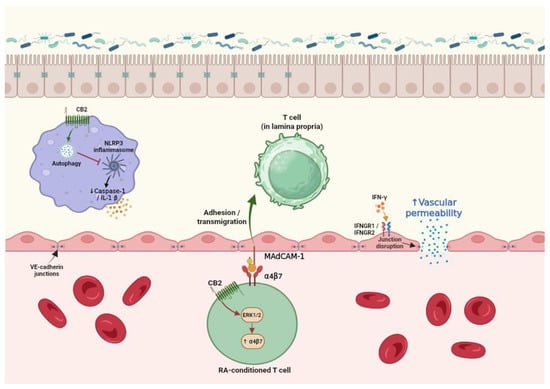
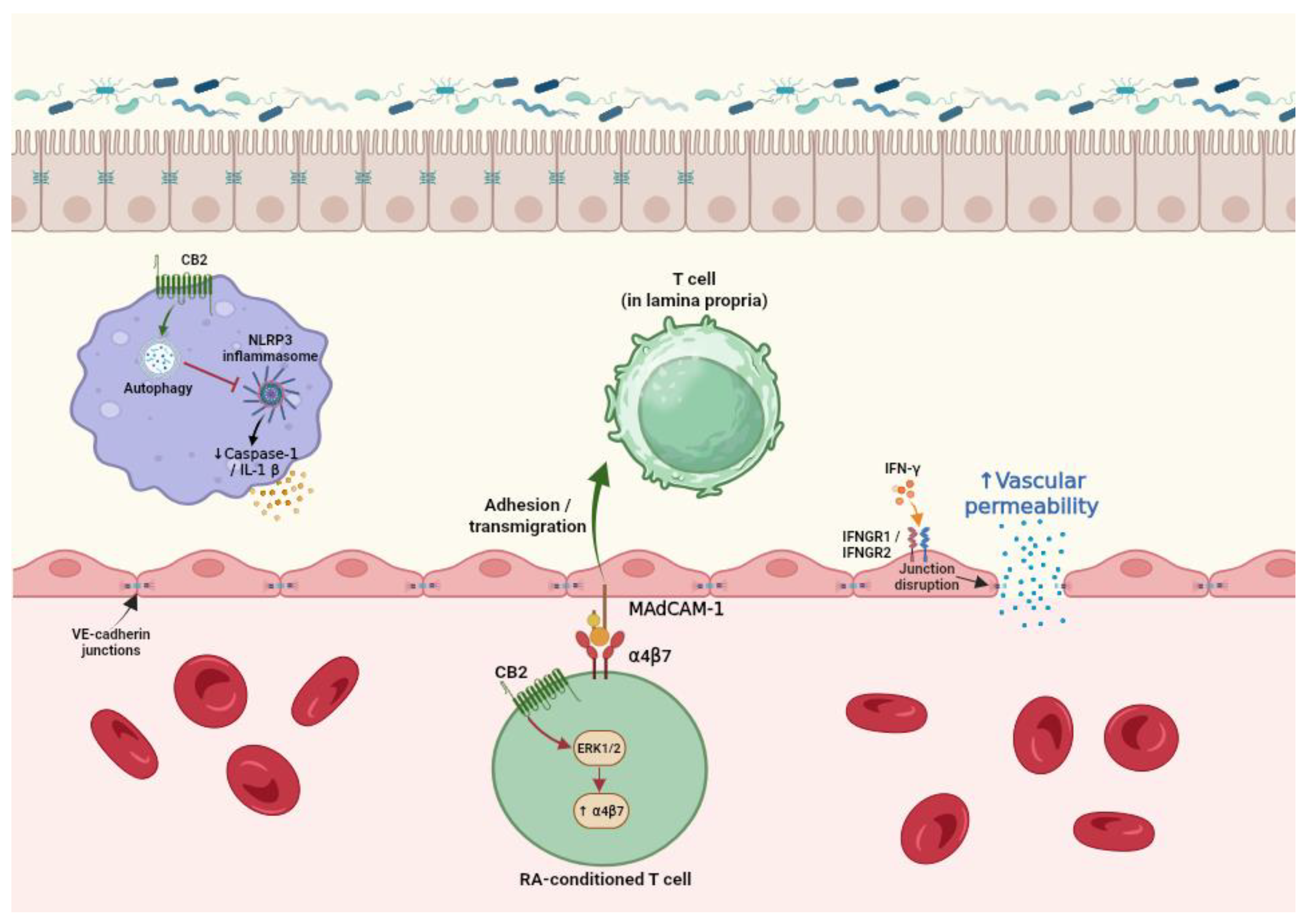
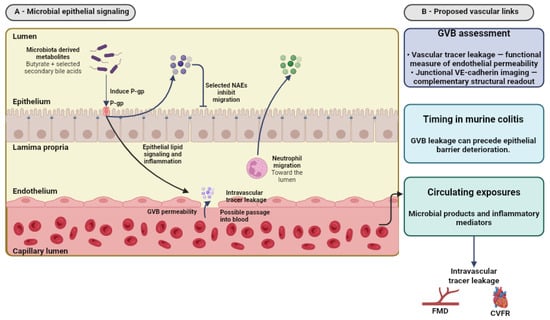
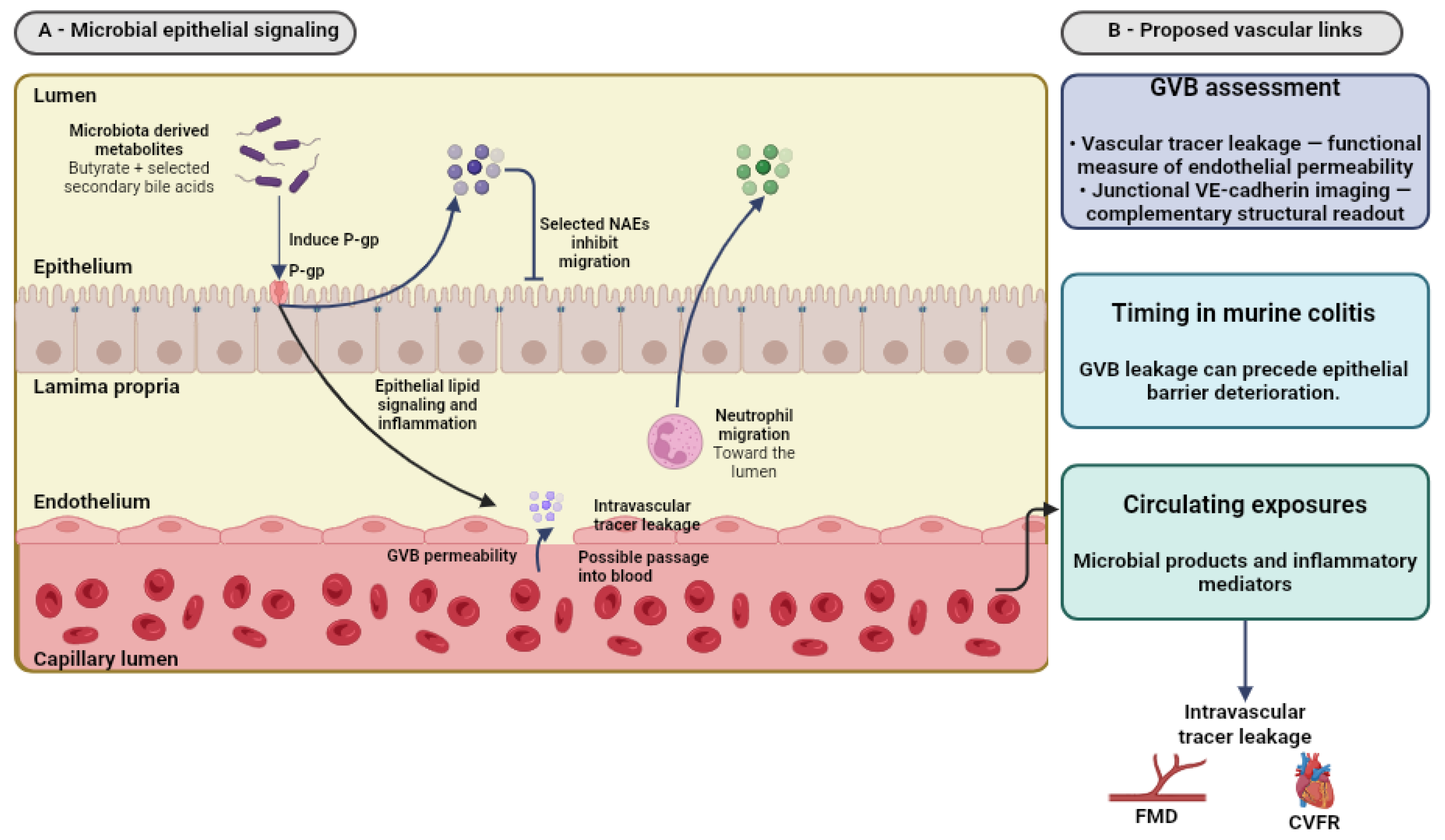

Disclaimer/Publisher’s Note: The statements, opinions and data contained in all publications are solely those of the individual author(s) and contributor(s) and not of MDPI and/or the editor(s). MDPI and/or the editor(s) disclaim responsibility for any injury to people or property resulting from any ideas, methods, instructions or products referred to in the content. |
© 2026 by the authors. Licensee MDPI, Basel, Switzerland. This article is an open access article distributed under the terms and conditions of the Creative Commons Attribution (CC BY) license.