Article

Anti-Tumor Effects of Queen Bee Acid (10-Hydroxy-2-Decenoic Acid) Alone and in Combination with Cyclophosphamide and Its Cellular Mechanisms against Ehrlich Solid Tumor in Mice

by
Aishah E. Albalawi
1,*,
Norah A. Althobaiti
2,
Salma Saleh Alrdahe
1,
Reem Hasaballah Alhasani
3,
Fatima S. Alaryani
4 and
Mona Nasser BinMowyna
5
1
Department of Biology, Faculty of Science, University of Tabuk, Tabuk 71491, Saudi Arabia
2
Department of Biology, College of Science and Humanities-Al Quwaiiyah, Shaqra University, Al Quwaiiyah 19257, Saudi Arabia
3
Department of Biology, Faculty of Applied Science, Umm Al-Qura University, Makkah 21961, Saudi Arabia
4
Department of Biology, Faculty of Sciences, University of Jeddah, Jeddah 21959, Saudi Arabia
5
College of Applied Medical Sciences, Shaqra University, Shaqra 11961, Saudi Arabia
*
Author to whom correspondence should be addressed.
Molecules 2021, 26(22), 7021; https://doi.org/10.3390/molecules26227021

Submission received: 28 October 2021 / Revised: 15 November 2021 / Accepted: 17 November 2021 / Published: 20 November 2021
(This article belongs to the Special Issue Biological Activity of Natural Compounds in Combination with Drugs)

Abstract

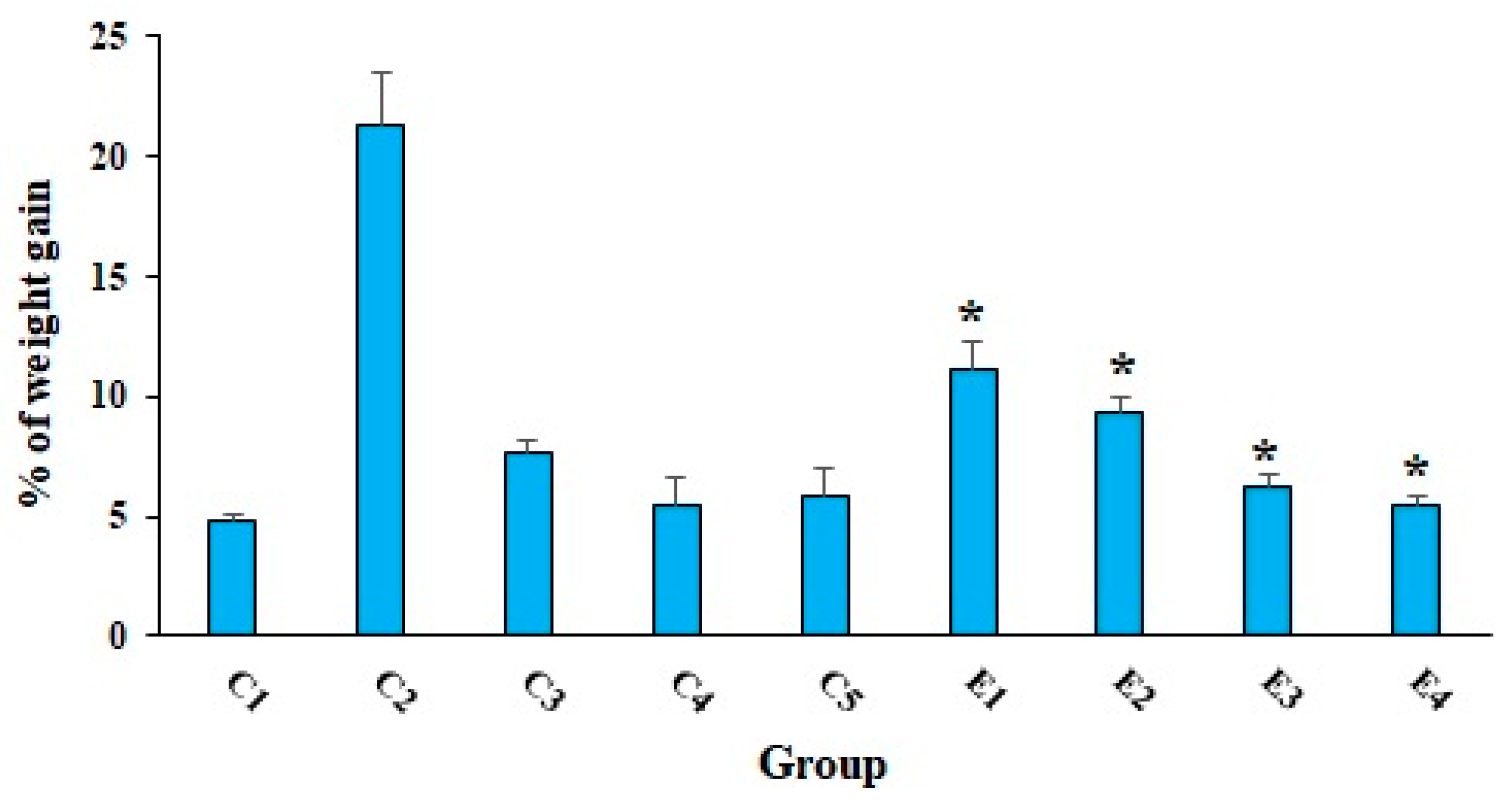
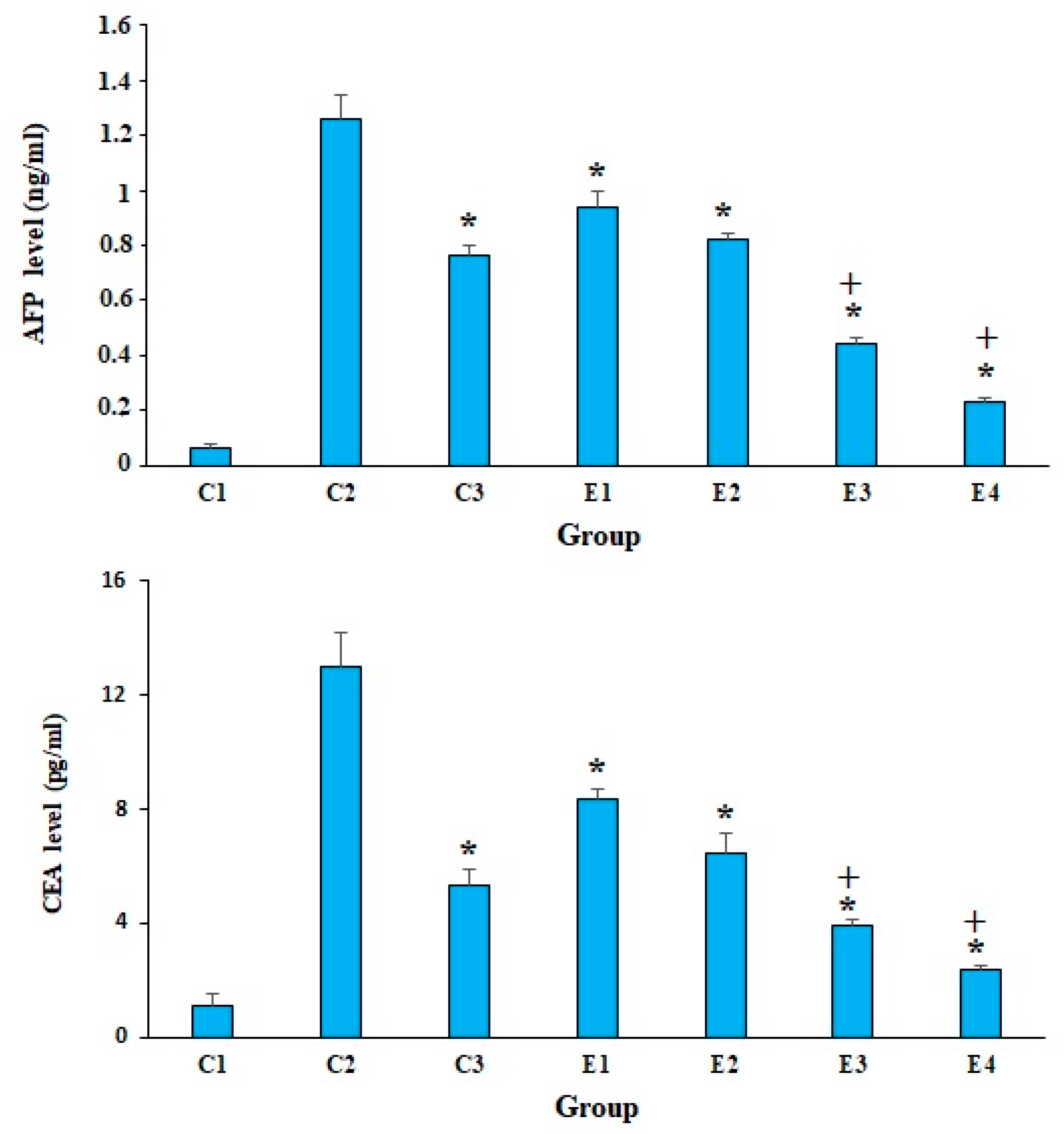
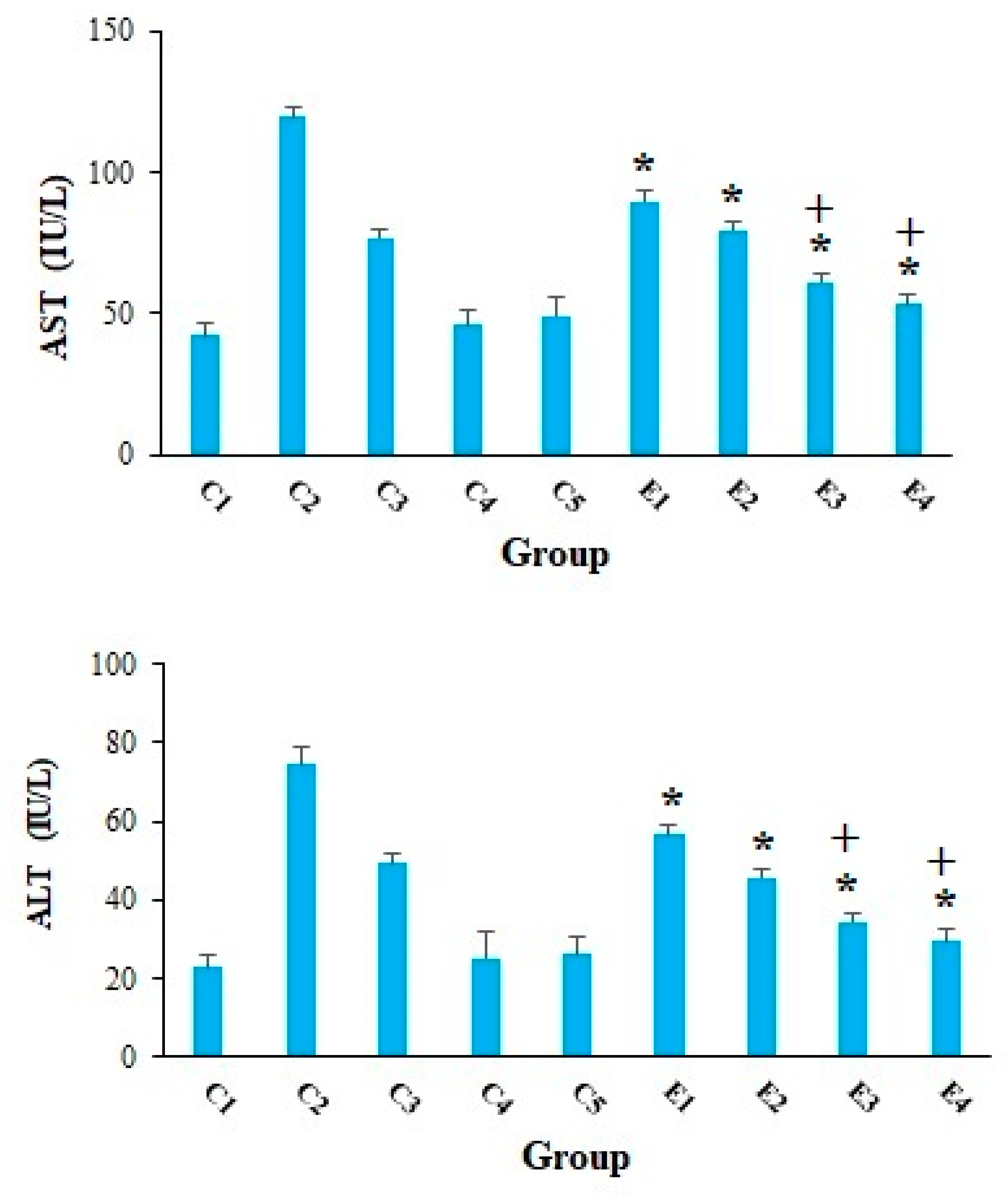
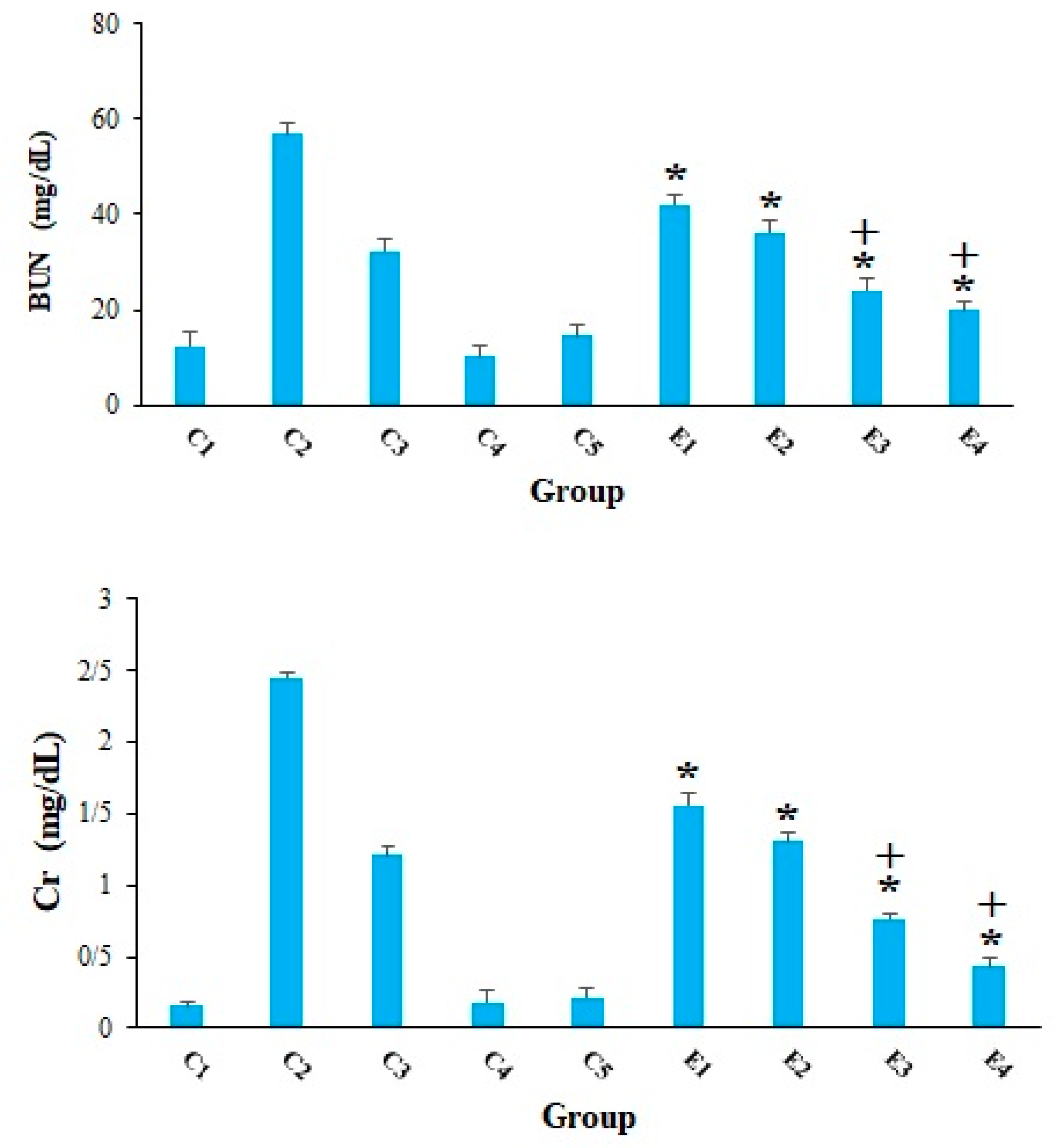
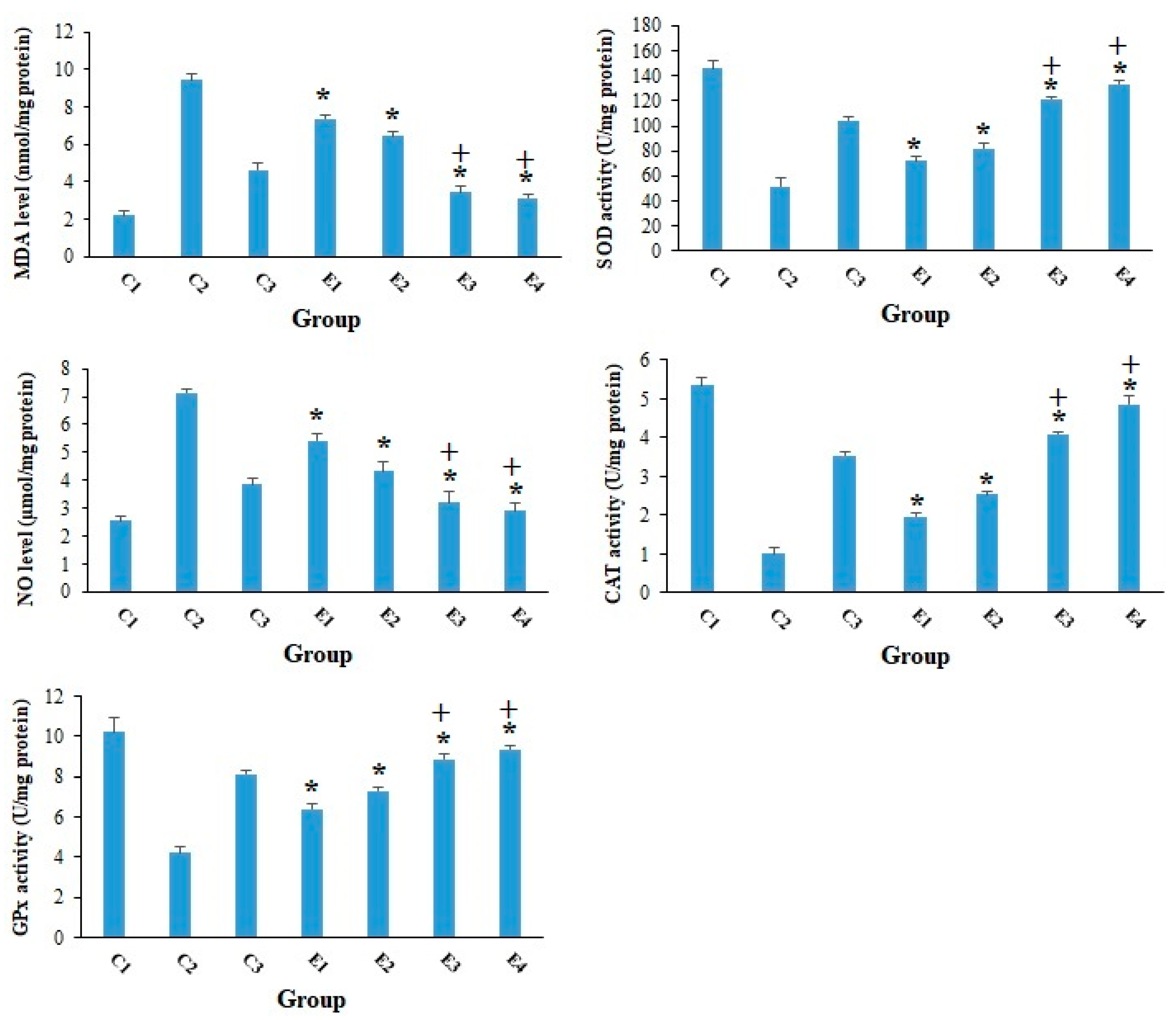
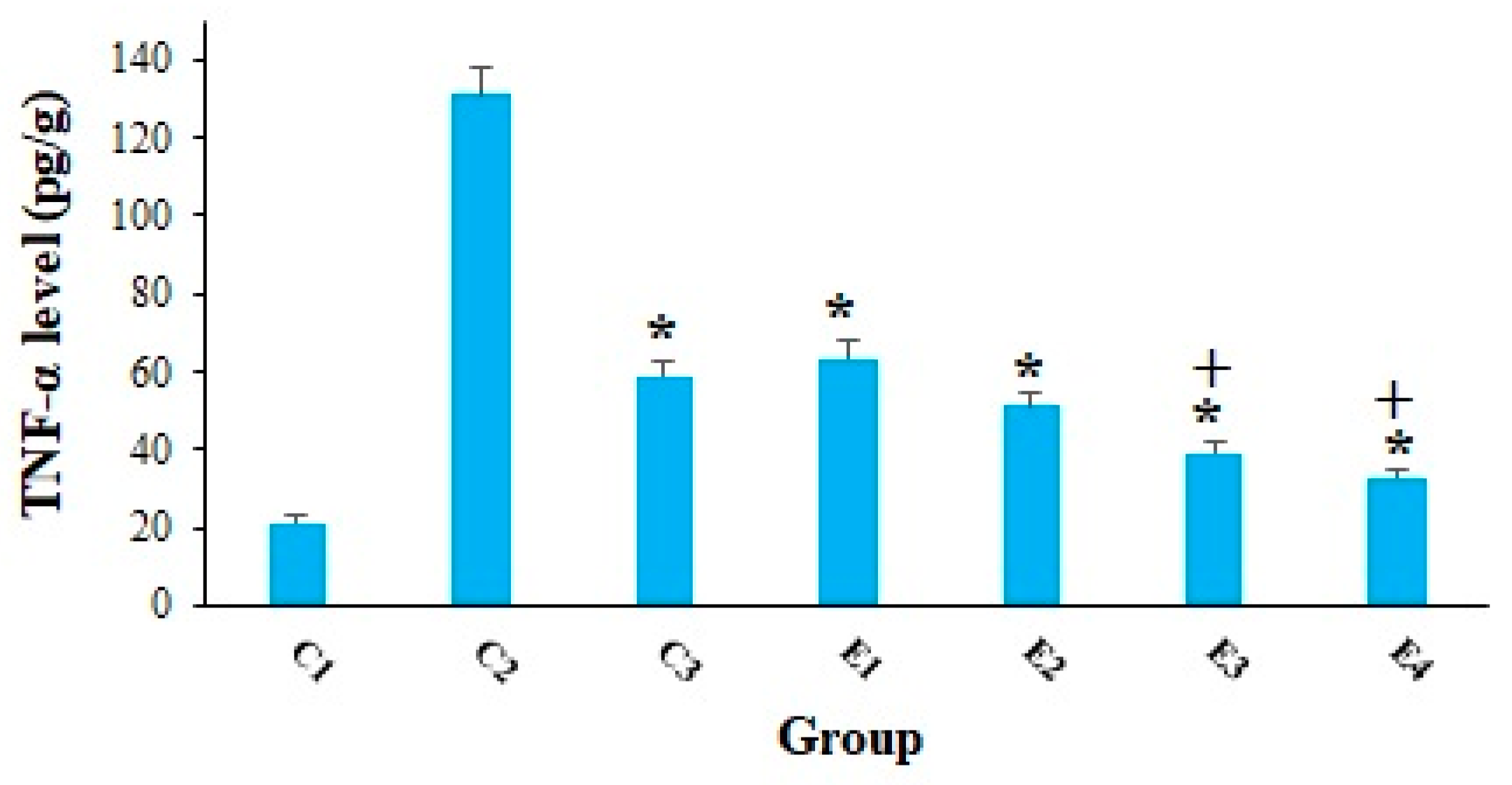
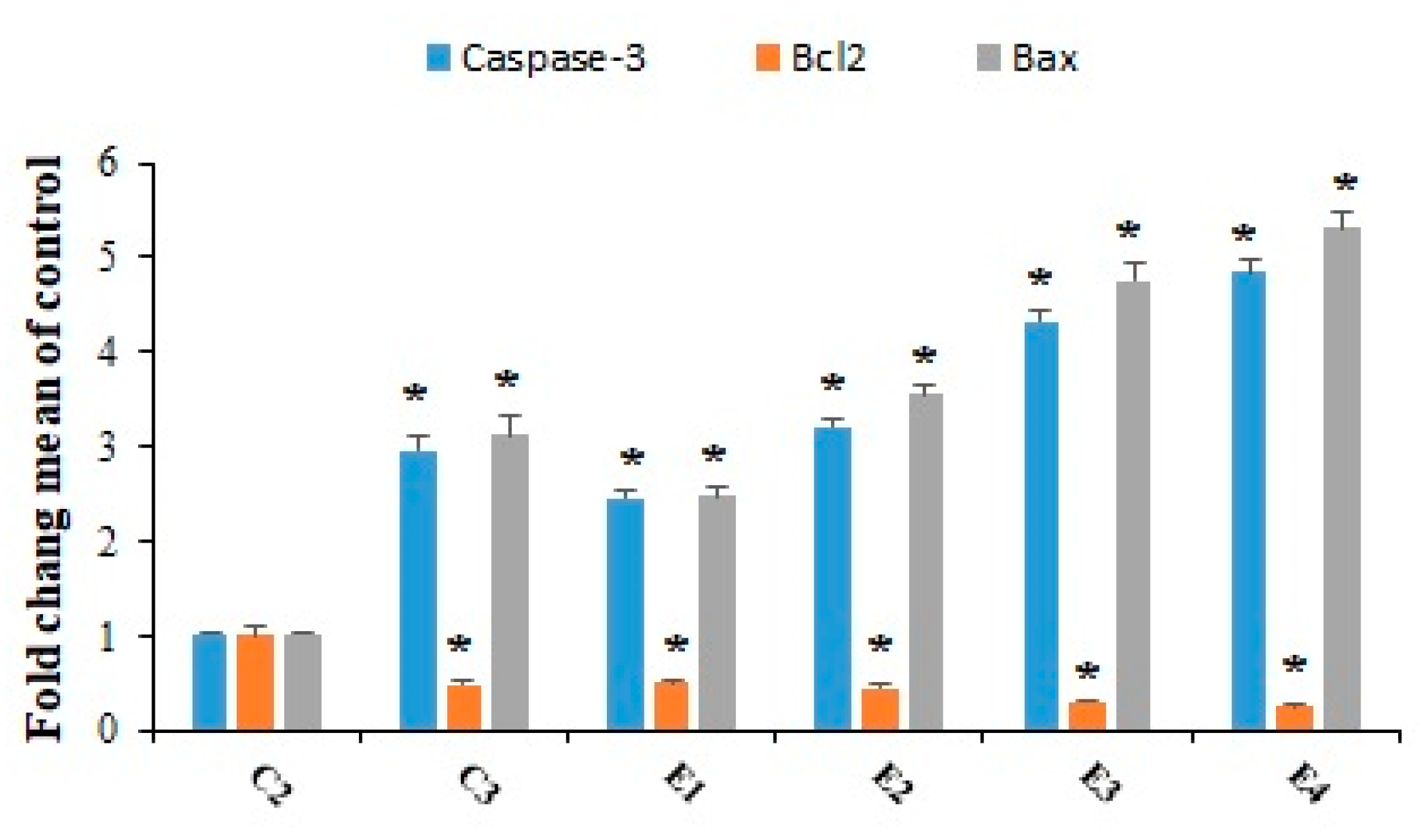
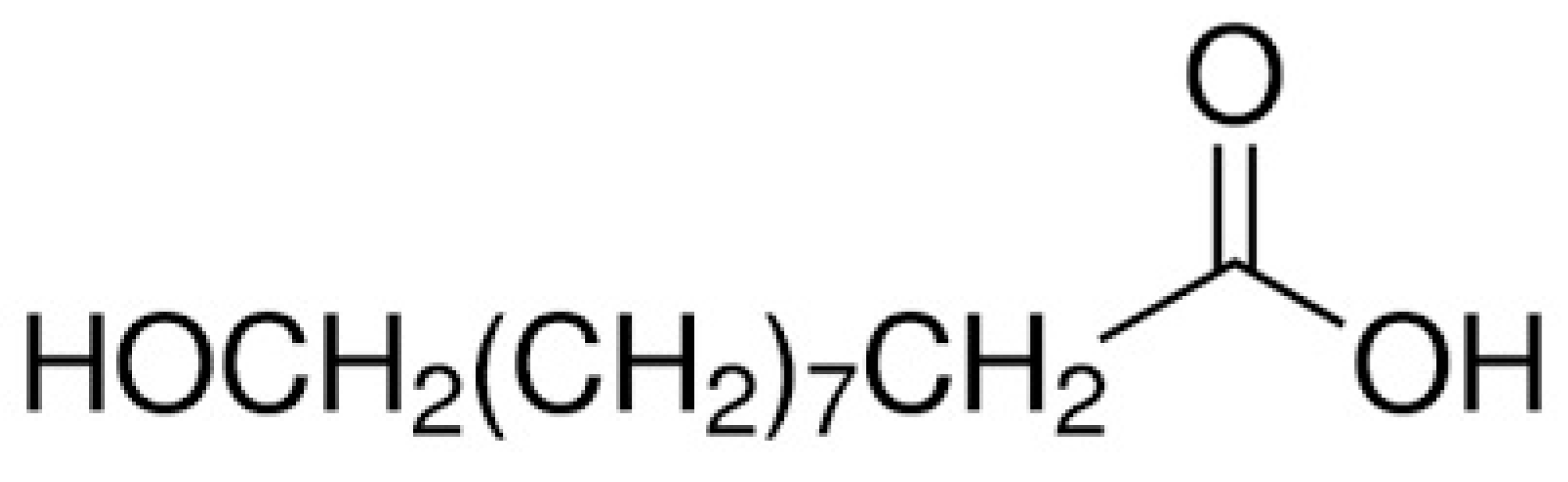
Queen bee acid or 10-hydroxy-2-decenoic acid (10-HDA) is one of the main and unique lipid components (fatty acids) in royal jelly. Previous studies have demonstrated that 10-HDA has various pharmacological and biological activities. The present study aims to evaluate the anti-tumor effects of 10-HDA alone and combined with cyclophosphamide (CP), as an alkylating agent which widely used for the treatment of neoplastic cancers, against the Ehrlich solid tumors (EST) in mice. Methods: A total of 72 female Swiss albino mice were divided into eight groups. EST mice were treated with 10-HDA (2.5 and 5 mg/kg) alone and combined with CP (25 mg/kg) orally once a day for 2 weeks. Tumor growth inhibition, body weight, the serum level of alpha-fetoprotein (AFP) and carcinoembryonic antigen tumor (CAE), liver and kidney enzymes, tumor lipid peroxidation (LPO) and nitric oxide (NO), antioxidant enzymes (e.g. glutathione reductase (GR), glutathione peroxidase (GPx), catalase enzyme (CAT)), tumor necrosis factor alpha level (TNF-α), and the apoptosis-regulatory genes expression were assessed in tested mice. Results: the findings exhibited that treatment of EST-suffering mice with 10-HDA at the doses of 2.5 and 5 mg/kg especially in combination with CP significantly (p < 0.001) decreased the tumor volume and inhibition rate, tumor markers (AFP and CEA), serum level of liver and kidney, LPO and NO, TNF-α level, as well as the expression level of Bcl-2 in comparison with the mice in the C2 group; while 10-HDA at the doses of 2.5 and 5 mg/kg especially in combination with CP significantly (p < 0.001) improved the level of antioxidant enzymes of GPx, CAT, and SOD and the expression level of caspase-3 and Bax genes. Conclusions: According to the results of the present investigations, 10-HDA at the doses of 2.5 and 5 mg/kg especially in combination with CP showed promising antitumor effects against EST in mice and can be recommended as a new or alternative anticancer agent against tumor; nevertheless, further investigations, particularly in clinical setting, are required to confirm these results.
Keywords: cancer; treatment; royal jelly; natural products; breast cancer; in vivo cancer; treatment; royal jelly; natural products; breast cancer; in vivo