


Abstract
Promoting consumers’ green consumption is an important way to drive the low-carbon transition on the demand side and achieve sustainable development. Existing research mainly compares the persuasive effects of AI and human recommenders, with limited attention to how different types of AI recommenders and algorithmic matching frames can collaboratively promote online green purchasing. Through two studies, this work examines the impact of AI recommender types (thinking vs. feeling) and algorithmic matching frames (item-oriented vs. user-oriented) on online green purchasing intentions and their psychological mechanisms. The results indicate that there is a significant interaction effect; combining thinking AI with an item-oriented frame is more effective in enhancing purchasing intentions, while combining feeling AI with a user-oriented frame is even more effective. Furthermore, in the thinking AI context, the item-oriented frame enhances purchasing intentions by increasing perceived product efficacy; in the feeling AI context, the user-oriented frame functions by enhancing perceived social identification. This work reveals the interaction between AI recommender types and algorithmic matching frames, as well as their differentiated psychological mechanisms. It expands the application of Schema Congruity Theory in AI-driven green consumption contexts and provides practical insights for digital platforms to develop AI recommendation and information intervention strategies.
1. Introduction
Global warming and the resulting extreme weather and resource pressures have become sustainable development challenges that the world must face together. The research report by the Intergovernmental Panel on Climate Change indicates that human activities have clearly led to global warming, with the global surface temperature from 2011 to 2020 rising by approximately 1.1 °C compared to the average level from 1850 to 1900 [1]. The impact of climate change on extreme weather has spread to all regions of the world. Addressing climate change and achieving sustainable development require the collective efforts of society, contributing from both the supply side and the demand side. Demand-side measures and changes in end-service methods can reduce greenhouse gas emissions in end sectors such as buildings, land transportation, and food by 40–70% relative to the baseline scenario by 2050 [1]. As a broad and important demand-side force, consumers’ daily purchasing choices are a crucial component in achieving green transformation and sustainable development. Compared to traditional products, green products are typically defined as those that minimize environmental impact throughout their entire lifecycle or those that can reduce resource consumption, pollutant emissions, and ecological damage during production, use, and disposal [2]. Expanding green purchasing not only reduces the resource and environmental footprint of consumption activities through consumption substitution [3], but also transforms consumers’ environmental preferences into market demand, driving companies to enhance innovation in green products and green processes, and accordingly adjust their R&D directions and resource investments [4]. Therefore, how to promote green purchasing has become an important topic in the research of green marketing and consumer behavior.
However, from the perspective of environmental benefits, green purchasing usually has positive externalities and exhibits a typical social dilemma structure [5]. The energy savings, emissions reductions, and ecological improvements resulting from consumers’ green purchasing choices will spill over to other members of society who do not directly bear the purchasing costs [6]. At the same time, the private costs of purchasing decisions are mainly borne by the consumers themselves; compared to traditional products, consumers may need to pay a green premium, incur higher information search and verification costs, and bear the perceived risk of uncertainty regarding the performance of green products [2,7]. This asymmetry between private costs and public benefits means that even consumers with a positive environmental attitude may not necessarily choose green products, resulting in a relatively common barrier to green purchasing [8]. In addition, price sensitivity [9,10], consumption habits [8,11], the credibility of green claims [12,13], and concerns about product functionality [14] may all hinder green purchasing. Certain isolated use of eco-friendly colors or eco-labels may even trigger the inference of “eco-friendly but less effective,” reducing consumers’ evaluation of the product’s effectiveness [15]. Compared to subsidies or mandatory policies, information intervention strategies such as advertising, social norms, and recommendation explanations have the advantages of being easy to implement, having low marginal costs, and being easily scalable on digital platforms [16,17,18,19]. Existing research reviews indicate that information dissemination can promote sustainable decision-making through pathways such as cognitive processing, value beliefs, and personal norms [20]. In a simulated social media experiment, green advertising information increased the proportion of low-carbon product choices from 7.6% under baseline conditions to 27.8%, while strong social norm information raised it to 13.1% [21]. Therefore, how to design low-cost and manipulable information intervention strategies to promote green purchasing is of significant theoretical and practical importance.
Existing research has explored the impact of information intervention on green purchasing from the perspectives of advertising appeals [14,21], eco-labels [22,23], and visual and sensory cues [24,25]. A significant portion of this research focuses on the differences in effects between “Gain and Loss,” “Positive and Negative,” or “Function and Environment” information [26,27,28]. These studies have deepened the understanding of the content and presentation of green information, but in the context of AI and algorithms deeply influencing personal decisions and accelerating information dissemination, there is relatively little research on how algorithms explain why they recommend a particular green product to consumers. According to the research by Gai and Klesse [29], recommendation systems can describe the same recommendation using an item-oriented frame based on product similarity or a user-oriented frame based on shared consumer preferences; these two descriptions highlight product matching and user matching, respectively, and their persuasive effects differ [30]. Moreover, online shopping has become an important part of consumers’ daily lives, with AI recommendation systems, chatbots, and virtual shopping assistants widely integrated into the online shopping process. Personalized chat information can enhance consumers’ understanding of products and decision-making convenience, thereby promoting purchasing intentions [31]. However, existing research primarily compares the persuasive effects of AI and human recommenders, finding that their relative effectiveness depends on the product’s functionality, hedonic nature, and the consumer’s cognitive processing [32,33,34]. Recent research shows that consumer responses to AI recommendations depend on both the recommendation source and decision context. Mazzù et al. [35] find that AI versus human recommendation effects vary across search and experience products due to differences in perceived transparency and credibility. These findings highlight the context-dependent nature of AI recommendation effects and the need to move beyond a simple AI-human comparison. In fact, AI is not a homogeneous information source, and the differences between various AI recommenders in promoting consumers’ online green purchasing still need further exploration. Although existing research has begun to focus on the differences in recommendation effects of different types of AI in various consumption contexts [36,37,38], the specific combinations of AI recommenders with algorithmic matching frames, and how this “source-frame” matching promotes online green purchasing still require systematic examination. Taken together, the research gap remains. First, green purchase research has mainly focused on message appeals, environmental labels, and sensory cues, with limited attention to how algorithms justify green product recommendations. Second, AI recommendation studies have largely compared AI with human recommenders or different AI types across contexts, leaving unclear how AI capability cues interact with item- versus user-oriented matching frames. Third, the psychological mechanisms underlying these source-frame effects remain underexplored, particularly whether functional evaluation and social identification operate as distinct pathways. Addressing these gaps is important because consumers’ responses to the same green recommendation may depend jointly on the AI’s capability profile and the matching rationale used.
To address the aforementioned research gap, this work draws on the findings of Huang and Rust [39] and Gai and Klesse [29] to categorize AI recommenders into thinking and feeling types and algorithmic matching frames into item-oriented and user-oriented frames, examining their interactive effects on consumers’ online green purchasing intentions. Based on Schema Congruity Theory, we hypothesize that the data analysis and functional judgment schema that consumers form for thinking AI is more consistent with the item-oriented frame that emphasizes product attribute similarity, thereby enhancing online green purchasing intentions. For the schema formed by emotional understanding and relational connection with feeling AI, it is more consistent with the user-oriented frame that emphasizes user similarity and shared preferences, resulting in better persuasion effects. Furthermore, we explain this interaction from two psychological pathways. Thinking AI can enhance the diagnosticity of product matching cues, allowing the item-oriented frame to promote purchasing intentions by increasing perceived product efficacy; feeling AI can endow users with relational meaning through similarity, enabling the user-oriented frame to promote purchasing intentions by enhancing perceived social identification. The present research focuses on online green purchase intention rather than repurchase intention because the focal decision occurs at the pre-purchase recommendation stage, and participants were not required to have prior experience with the focal products. Repurchase intention presupposes prior consumption and is additionally shaped by post-purchase factors such as product performance, satisfaction, and brand loyalty. Including repurchase intention would therefore introduce uncontrolled post-purchase influences that are not part of the experimental setting. Purchase intention thus provides the most appropriate outcome for capturing responses to AI recommendations in this context.
This work has the following theoretical and practical value. First, we extend Schema Congruity Theory from the traditional congruence between products and categories to the cross-level matching between AI communication entities and algorithmic information frames, demonstrating that the recommendation effect is not solely determined by AI types or algorithmic frames but depends on the consistency match of the schemas they activate. Secondly, this work advances Cue Utilization Theory from the content of cues and their internal and external classifications to how information source cues alter the diagnostic value of cues through the conditional mediating effect of perceived product efficacy, revealing the cognitive pathway through which algorithm recommendation information transforms into the efficacy judgment of green products. Third, this work introduces Social Identity Theory into the context of AI recommendation shopping, indicating that similar user information does not automatically form social identification. The relational ability of feeling AI is a crucial condition for transforming statistical similarity into a sense of belonging to a green group, thereby expanding the research on how social identification affects green purchasing. On a practical level, this work provides e-commerce platforms with more targeted recommendation information configuration strategies, enhancing online green marketing efficiency by optimizing recommendation subjects and algorithmic frames.
2. Literature Review and Hypothesis Development
Three complementary theories guide the proposed model. Schema Congruity Theory serves as the overarching framework for explaining why the persuasive effect of an algorithmic matching frame depends on the capability schema activated by the AI recommender. Cue Utilization Theory specifies the cognitive pathway through which thinking AI combined with an item-oriented frame enhances perceived product efficacy, whereas Social Identity Theory specifies the relational pathway through which feeling AI combined with a user-oriented frame strengthens identification with the green consumer group. Accordingly, these theories guide both the proposed interaction between AI recommender type and algorithmic matching frames and the two conditional mediation mechanisms developed below.
2.1. Thinking AI Versus Feeling AI
AI recommender systems have been widely integrated into e-commerce, mobile retailing, social media, and online service platforms [40]. An AI recommender can be defined as an intelligent system that uses technologies such as machine learning, deep learning, and natural language processing to integrate consumers’ historical behavior, preferences, contextual information, and product attributes, identify their needs, and generate personalized recommendations [32,33]. These systems may operate as back-end recommendation algorithms or as consumer-facing interfaces, including chatbots, voice assistants, and virtual sales consultants. In information-rich shopping environments, they help consumers filter alternatives and identify products that are more relevant to their preferences [41]. Beyond facilitating product selection, AI recommenders have become important interfaces through which firms communicate with consumers, create value, and manage customer relationships [42]. They can improve consumers’ understanding of products and increase the perceived convenience of the shopping process, thereby strengthening purchase intention [31,43]. Because they can influence consumers’ attention, judgment, and goal pursuit by adjusting the content, presentation, and timing of feedback, AI recommenders may also function as digital behavioral intervention agents [44].
As the functions of AI recommenders in marketing continue to expand, existing research has classified AI according to different criteria. According to external carriers, AI can be classified into algorithms, chatbots, and service robots [45]. Based on consumers’ perception of AI’s role, it can be distinguished as a technical tool for achieving task goals and an intelligent agent with social interaction capabilities [46]; based on the depth of the relationship between AI and users, it can be categorized into AI assistants, AI agents, and AI companions [47]; and based on task capabilities, AI can be divided into mechanical intelligence, analytical intelligence, intuitive intelligence, and empathetic intelligence [48]. Since the AI in this work already possesses the basic ability to generate and deliver product recommendations, the focus of the research is not on whether it can automatically perform routine tasks, but rather on whether it prominently exhibits cognitive analytical abilities or emotional interaction abilities during the recommendation process. Therefore, we draw on the research findings of Huang and Rust [39] regarding the marketing strategy framework to further focus on the two types of AI recommenders: thinking AI recommender and feeling AI recommender.
Specifically, thinking AI recommenders primarily rely on consumer data, product information, and algorithmic analysis to generate recommendations through pattern recognition, preference inference, and outcome prediction. By processing consumer behavior and product attribute data, they seek to determine which products are most suitable for a consumer and consequently, convey signals of rationality, professionalism, accuracy, and competence [37]. Feeling AI recommenders, by contrast, adjust recommendation information by recognizing and responding to consumers’ emotional states, psychological needs, and relational expectations. Through natural language processing, sentiment analysis, empathetic responses, and relational expressions, they seek to provide emotional support and establish interpersonal connections [49]. The fundamental distinction between the two types therefore lies in the capabilities made most salient to consumers: thinking AI emphasizes data processing, pattern recognition, and analytical judgment, whereas feeling AI emphasizes emotional understanding, empathetic interaction, and relationship building. These different capability signals may elicit distinct consumer expectations and responses. Recent experimental evidence further confirms that thinking and feeling AI do not exert uniform effects across consumer settings. Bi et al. [37] show that the effectiveness of the two AI types varies across consumption contexts and operates through differentiated cognitive and affective responses. This evidence supports the context-dependent nature of AI capability effects.
2.2. Item-Oriented Frames Versus User-Oriented Frames
As algorithmic recommender systems become an important part of e-commerce and online marketing, firms must determine not only what to recommend but also how to explain the basis of a recommendation. These systems typically use consumers’ browsing, search, clicking, rating, and purchase records to match user information with product information and predict which products may be relevant to them [50,51]. However, the effectiveness of a recommendation depends not only on the predictive accuracy of the underlying algorithm but also on whether consumers can understand the rationale behind its output [52]. Because complex algorithms often operate as a “black box,” platforms commonly attach brief explanatory labels to their recommendations, such as “Similar to products you viewed,” “Customers who bought this item also bought,” or “Users with similar preferences also liked” [53]. By highlighting selected forms of matching information, these explanations translate an abstract computational process into a comprehensible recommendation rationale and may influence consumers’ understanding of, trust in, and responses to the recommendation [54]. Algorithmic matching frames therefore constitute a marketing communication device through which platforms shape consumers’ interpretations of algorithmic recommendations, rather than merely serving as technical descriptions of how the recommendation was generated.
Usually, from a technical perspective, algorithmic matching frames can be divided into item-based and user-based collaborative filtering. The former generates recommendations based on the similarity between products that consumers have previously interacted with and other products, while the latter generates recommendations based on users with similar preferences or behaviors [55]. At the communication level, algorithmic matching frames can also be categorized based on the information cues they prominently present. For example, the comparison-based frame highlights the comparability or similarity between the recommended product and the current product, such as “Products similar to this one”; the norm-based frame emphasizes the collective behavior of other consumers or the popularity of the product, such as “Customers who viewed this item also viewed” [56]. In marketing practice, the same recommendation results generated by a hybrid algorithm can be presented as matching between products or as matching between users [29]. Given that this work focuses on what type of matching relationship is prominently presented on online shopping platforms, rather than the actual recommendation algorithms used, the algorithmic matching frames are categorized into item-oriented and user-oriented frames.
Specifically, the item-oriented frame refers to the platform interpreting the recommendation results as a matching frame generated by the similarity or relevance between the focal product and the recommended product. This frame positions the product as the center of information organization, emphasizing the commonalities between two products in terms of category, attributes, functions, or other product features. Therefore, the core basis provided by the item-oriented frame is the matching between items, meaning that the reason consumers see the recommendation is that the recommended product has some objective connection with the product they previously chose [30]. In contrast, the user-oriented frame refers to the platform interpreting the recommendation results as products that were jointly chosen by consumers with similar preferences or behaviors. Therefore, the user-oriented frame not only conveys the existence of a relationship between products but also additionally conveys the matching between users, that is, the shared tastes or preferences between consumers and other users. In other words, the item-oriented frame uses product attributes and product relationships as primary evidence, exhibiting strong product-centric and objective comparison characteristics; the user-oriented frame, on the other hand, uses the behaviors and shared preferences of similar users as primary evidence, exhibiting strong user-centric and social reference characteristics [29]. Two frames do not have an absolute superiority or inferiority outside of context; consumers’ reactions to the two frames will change in different shopping situations [30]. Recent studies shift attention from the mere presence of algorithmic recommendations to how recommendation information is designed and interpreted. Wang et al. [57] show that personalization and transparency shape consumer evaluations and purchase intention, while Aoki and Matsui [53] find that algorithmic recommendations may complement or substitute other information sources depending on how they are evaluated. However, these studies do not distinguish between item-based and similar-user-based rationales or examine whether their effects depend on AI recommender capabilities. Whether the platform attributes the rationality of recommendations to “product-to-product matching” or “user-to-user preference matching” will have a differential impact on consumers’ purchase intentions.
2.3. The Interaction Effect of AI Recommender Types and Algorithmic Matching Frames
Consumers’ reactions to AI recommendations not only depend on the type of recommender but are also influenced by how the recommender explains the basis of the recommendations. Drawing on the research by Huang and Rust [39], we categorize AI recommender types into two distinct categories: Thinking and Feeling, each providing different cues about their source capabilities. Thinking AI makes consumers associate it with data processing, pattern recognition, and rational analysis, while feeling AI makes consumers associate it with emotional understanding, empathetic communication, and relationship building [37]. Algorithmic matching frames provide the basis for recommendations. Item-oriented frames emphasize the similarity in attributes or functions between the product and the products the consumer has previously shown interest in; user-oriented frames emphasize the similarity in preferences between the consumer and other consumers, and the resulting “taste matching” [29]. These two types of cues are not independent in consumer judgment, as consumers simultaneously evaluate whether the recommendation basis aligns with the capabilities claimed by the recommenders. Related research also indicates that the influence of thinking AI and feeling AI is significantly dependent on the recommendation context, rather than being a stable single main effect [37]. Especially, green purchasing involves not only the functional judgment of whether the product is truly effective [58] but also whether consumers perceive the green choice as an expression of their environmental identity and group belonging [59]. Therefore, AI recommender types and algorithmic matching frames may interactively influence consumers’ green purchasing intentions by jointly determining the credibility and persuasiveness of the recommended information.
Schema Congruity Theory provides a theoretical explanation for the aforementioned interaction. Schema is the cognitive structure that consumers use to organize the typical attributes, capabilities, and relationships of an object; when faced with multiple information cues, consumers will determine whether new information can be integrated into the existing schema [60]. When the capability schema evoked by AI recommender types aligns with the judgment logic emphasized by algorithmic matching frames, the two types of cues can be integrated into a coherent explanation, reducing the cognitive cost for consumers to understand “why the recommended information is worth adopting” and enhancing the conceptual fluency and credibility of the information [61]. Conversely, when AI recommender types and algorithmic matching frames point to different judgment logics, consumers need to further understand why the core capabilities of the recommenders are inconsistent with their recommendations, which may reduce the appropriateness and diagnostic value of the recommended information [62]. Accordingly, we believe that different AI recommender types and algorithmic matching frames can form schema-congruity combinations, promoting the fluency of information processing for consumers, thereby generating higher green purchasing intentions.
Specifically, thinking AI recommenders have a high degree of analytical schema-congruity with item-oriented frames. The core advantage of thinking AI lies in its ability to utilize data for systematic and objective analysis, thereby forming rational judgments and personalized recommendations [48]. The item-oriented frame similarly directs consumers’ attention to product-level evidence, that is, the recommended product’s match with the features, attributes, or performance of products the consumer has previously focused on [29]. When the two are combined, consumers are likely to form a coherent inference, namely that thinking AI recommends the green product because it has identified reliable attribute and efficacy matches through product data analysis. This congruity not only reinforces the professional capabilities and judgment accuracy of thinking AI but also helps alleviate consumers’ doubts about the actual effectiveness of green products. Existing research has also found that people are more inclined to believe that machines are suitable for performing cognitive rather than emotional tasks [63], and that AI has a relative advantage in evaluating functional and instrumental attributes [32]. In contrast, user-oriented frames shift the basis of judgment to the preferences of similar consumers and social “taste matching,” which does not completely align with the product analysis schema most prominent in thinking AI. Therefore, under the conditions of thinking AI, item-oriented frames are more effective than user-oriented frames in enhancing the functional diagnosis of recommendations, thereby generating higher green purchasing intentions.
In contrast, feeling AI recommenders have a higher social relationship schema-congruity with user-oriented frames. Feeling AI’s outstanding ability is its empathy, which allows it to recognize and understand consumers’ emotions and establish emotional and relational connections through interaction [49]. This AI, which possesses human-like and relational capabilities, is more likely to trigger mentalizing and self-referencing [33]. At the same time, user-oriented frames tell consumers that the recommended information comes from “consumers similar to me also like or choose this product,” thereby activating social cues such as similar others, shared preferences, and group belonging [29]. Information about similar others can enhance consumers’ understanding of others and increase their confidence in judgments, linking the recommendations to their own needs [64]. This mechanism is particularly important for green purchasing because green purchasing can express consumers’ pro-environmental identity and moral image, and green choices themselves can sometimes serve as identity and reputation signals directed at others [59,65]. Therefore, the relational connection ability of feeling AI makes the social information of “consumers similar to me” in user-oriented frames appear more authentic and credible, thereby strengthening consumers’ purchasing intentions. In contrast, item-oriented frames limit attention to the attributes of green products, which not only fails to fully leverage the emotional and relational advantages of feeling AI but may also cause schema inconsistency between recommendation sources and recommendation reasons. Therefore, under the conditions of feeling AI, user-oriented frames may be more effective than item-oriented frames. Based on the above reasoning, the following hypothesis can be proposed:
H1.
AI recommender types and algorithmic matching frames interact to influence consumers’ online green purchasing intentions.
H1a.
When a thinking AI recommender delivers an item-oriented (vs. user-oriented) matching frame, it leads to higher online green purchasing intentions.
H1b.
When a feeling AI recommender delivers a user-oriented (vs. item-oriented) matching frame, it leads to higher online green purchasing intentions.
2.4. The Mediating Role of Perceived Product Efficacy
Perceived product efficacy refers to the subjective judgment of consumers regarding whether a product can achieve its expected functions and fulfill its core benefit promises, that is, whether consumers believe the product is effective and can help them achieve the desired usage results [66,67]. This concept reflects the performance expectations formed before purchase, rather than the actual product performance verified through objective testing. In this work, perceived product efficacy mainly reflects consumers’ evaluation and judgment of the functional use of green products. This is particularly important for green products because consumers sometimes believe that companies sacrifice functional performance to enhance the environmental friendliness of the products, thereby evaluating green products as less effective than traditional products, which in turn reduces product preference and purchase intention [15,58]. Existing research also indicates that consumers’ purchase judgments of sustainable or green products largely depend on whether they believe the products can deliver their functional benefits; when perceived product efficacy increases, consumers are more likely to form positive purchase intentions [67,68].
Cue Utilization Theory provides a useful theoretical foundation for explaining how perceived product efficacy translates algorithmic recommendation information into green purchasing intentions. This theory posits that since consumers find it difficult to directly observe the true quality and performance of a product before purchase, they will use various cues available in the market environment to infer the product’s potential performance [69,70]. Especially in the context of online shopping, where consumers cannot directly touch and try out products, and the green attributes and actual efficacy of the products are often difficult to verify before purchase, they need to rely more on external cues such as the source of recommendations, product information, and reasons for recommendations to make judgments [71]. Consumers do not process each cue in isolation; rather, they combine multiple cues and determine their weight based on the relevance and diagnosticity of the cues to the current judgment task [72,73]. In this work, AI recommender types constitute clues about the information source capabilities, while algorithmic matching frames explain the basis for the formation of recommendation results. Among them, item-oriented frames emphasize the similarity in attributes or categories between the recommended products and the products the consumer has previously shown interest in, thereby directing the consumer’s attention to product features and functions; user-oriented frames, on the other hand, emphasize preference matching among similar users, primarily providing information about shared tastes and social preferences [29]. When recommended information convinces consumers that green products can effectively achieve their intended use, their concerns about the product’s functional shortcomings will decrease, and the expected instrumental value and purchase confidence of the product will increase accordingly. At this point, the efficacy judgments formed by consumers based on observable information can further influence their product preferences and purchase likelihood [74].
This efficacy-based mechanism should operate primarily when the recommendation is delivered by thinking AI. When thinking AI uses an item-oriented frame, its analytical capability cues are consistent with the product-level evidence emphasized by the frame. Thinking AI signals that the recommender can systematically compare and evaluate product information, while the item-oriented frame indicates that the recommendation is based on similarities in product attributes or functions. Together, these cues increase the diagnostic value of the recommendation for evaluating functional performance, making consumers more likely to infer that the recommended green product will be effective. When thinking AI uses a user-oriented frame, however, the recommendation rationale shifts from product attributes to the preferences of similar consumers. Although shared preferences may indicate that other consumers like the product, they provide less direct evidence that the product can perform its intended functions. We do not assume that feeling AI is objectively incapable of product analysis; rather, its most salient capabilities may be perceived as less diagnostic for evaluating functional performance. Accordingly, perceived product efficacy is expected to transmit the effect of algorithmic matching frames on green purchase intention primarily under the thinking AI condition. Based on the above reasoning, we propose the following hypothesis:
H2.
For thinking AI recommenders, perceived product efficacy mediates the effect of algorithmic matching frames on online green purchasing intentions.
2.5. The Mediating Role of Perceived Social Identification
Perceived social identification refers to the extent to which consumers psychologically categorize themselves into a social group and perceive shared characteristics, a sense of belonging, and emotional bonds with that group [75]. When consumers identify with a group, their membership in that group is no longer just an external classification but is incorporated into their self-concept, forming the cognition of “who I am” and “where I belong” [34,76]. Social identification typically includes three interrelated dimensions: first, the importance of group identity in the self-concept, known as identity centrality; second, the positive feelings consumers have toward their group membership, referred to as in-group affect; and third, the perceived connection between oneself and other group members, known as in-group ties [77,78]. In recent years, digital marketing research has further distinguished social identification into cognitive identification and emotional identification. The former reflects consumers’ cognitive perception of having common characteristics with other group members, while the latter reflects consumers’ emotional attachment to the group. Both types of identification can significantly predict consumers’ purchase and electronic word-of-mouth intentions [37,79]. In this work, perceived social identification is operationalized more specifically as perceived social identification with the green consumer group in the focal green-purchasing context. The similar users mentioned in the user-oriented matching frame constitute an antecedent social-categorization cue. Specifically, the frame indicates that consumers who share the focal consumer’s preferences for environmentally friendly products also browse and select the recommended green product. This information may make a shared green-consumption category salient and provide a basis for consumers to categorize themselves in relation to a socially meaningful green consumer group. Accordingly, the measured mediator captures the downstream extent to which consumers categorize themselves as members of, feel attached to, and experience a psychological connection with the broader green consumer group. Importantly, perceived social identification is not equivalent to perceived similarity. Perceived similarity is merely when consumers find that they share common characteristics with other users, serving as a precursor to forming social identification [80]. Perceived social identification emphasizes that I am a member of the green consumption group.
According to Social Identity Theory, individuals categorize themselves socially based on shared preferences, values, or behavioral traits, and through self-categorization, they internalize the typical characteristics and behavioral norms of a group as standards for self-judgment and behavior choices [81]. When a group’s identity becomes prominent, the shared preferences of its members are understood by consumers as group norms of “how people similar to me would typically choose,” thereby generating identity-consistency behavior [82,83]. Therefore, when consumers identify with similar users or green consumer groups presented by algorithms, the preference of other group members for green products will gain higher self-relevance [84]. Purchasing recommended products not only means accepting a product suggestion but also becomes a way to express and maintain group identity [85]. In the context of green consumption, consumers’ identification with the green consumption group can reduce the psychological distance between them and green products, enhance the perceived green value, and ultimately strengthen green purchasing intentions [86,87,88]. Thus, perceived social identification constitutes an important socio-psychological pathway through which AI recommender types and algorithmic matching frames influence consumers’ green purchasing intentions.
This identification-based mechanism should primarily operate when recommended information is provided by feeling AI. The user-oriented frame focuses on the common preferences between consumers and other users, directing attention to people similar to me; in contrast, the item-oriented frame primarily emphasizes the attribute or category matching between the current product and previously browsed products, providing less information about social groups and member relationships [29]. At the same time, feeling AI, with its emphasis on empathy recognition and relational interaction, can convey social cues such as understanding, recognition, and emotional connection to consumers [37]. Therefore, when the user-oriented frame is conveyed by feeling AI, the relational characteristics of feeling AI will endow similar users with stronger social and emotional significance, making it easier for consumers to interpret the shared preferences among users as genuine group commonality, thereby generating a sense of group belonging and emotional bonds of “these people and I are the same type of consumers” [89]. This activated perceived social identification subsequently drives consumers to make green purchase choices that align with their group identity. In contrast, under the thinking AI condition, consumers are more likely to perceive similar users as statistical categories divided by the algorithm based on historical data, and view the user-oriented frame as a computational method to improve prediction accuracy, rather than as a group relationship with emotional and normative significance. Therefore, algorithmic matching frames are more likely to alter consumers’ judgments of recommendation accuracy or product efficacy under thinking AI conditions, while it is more difficult to form significant indirect effects through perceived social identification [90]. Based on the above reasoning, the following hypothesis can be proposed:
H3.
For feeling AI recommenders, perceived social identification mediates the effect of algorithmic matching frames on online green purchasing intentions.
We created a research model to visually present the relationships between the various variables and the research hypotheses (Figure 1).
Figure 1.
Research Model.
3. Study 1
3.1. Pilot Test
The purpose of the Pilot Test is to determine the stimuli to be used in the formal experiment. First, after the focus group discussion, we identified eight commonly used green products in daily life as alternatives, including water-saving faucets, natural laundry detergent, eco-friendly clothing, fluorine-free variable frequency air conditioners, recycled printer paper, non-polluting batteries, biodegradable cartons, and eco-friendly paint. Subsequently, we conducted a questionnaire survey to measure consumers’ familiarity with and perception of the greenness of these products, which helps reduce the barriers to consumers’ judgment and understanding of product attributes in formal experiments. We recruited 120 participants through Credamo (Nfemale = 55%, Mage = 33.32, SD = 10.89). Detailed demographic information is shown in Table 1. We listed these eight products and asked participants to report their familiarity with each product (7-point scale, 1 = very unfamiliar, 7 = very familiar, adapted from Zhang et al. [91]), as well as their perception of the green attributes (11-point scale, 0 = 1% green, 10 = 99% green, adapted from Li et al. [34]). The Credamo is a professional survey platform with a large respondent panel covering diverse demographic backgrounds. The survey task was distributed through the platform’s respondent pool, and registered panel members voluntarily participated in the study. Since the Pilot Test aims to assess consumers’ familiarity with and perception of commonly used green products, recruitment is not restricted by gender, age, education level, or income. This recruitment strategy allows the Pilot Test to include consumers from different demographic groups who can reasonably encounter and evaluate these products in their daily lives. As shown in Table 1, the sample covers multiple different demographic categories, providing appropriate participants for the selection of experimental stimuli.
Table 1.
Demographic information of Pilot Test.
The results showed that participants’ familiarity with the above eight products, ranked from high to low, is as follows: Mnatural laundry detergent = 5.87, Mrecycled printer paper = 5.79, Mbiodegradable cartons = 5.68, Meco-friendly paint = 5.55, Meco-friendly clothing = 5.48, Mnon-polluting batteries = 5.20, Mfluorine-free variable frequency air conditioners = 4.96, Mwater-saving faucets = 4.71; the perception of green attributes ranked from high to low is: Mrecycled printer paper = 8.42, Mnatural laundry detergent = 8.29, Mbiodegradable cartons = 8.25, Mnon-polluting batteries = 8.16, Meco-friendly paint = 7.82, Mfluorine-free variable frequency air conditioners = 7.76, Meco-friendly clothing = 7.67, Mwater-saving faucets = 6.33. Considering the familiarity and judgment results of green attributes, we selected recycled printer paper and natural laundry detergent as the stimuli for the formal experiments in Study 1 and Study 2, respectively. Based on this, we designed the experimental materials, which can effectively reduce cognitive barriers for consumers during the experiment [91].
3.2. Experimental Design
Study 1 was designed to test the interaction effect of AI recommender types and algorithmic matching frames, specifically to test Hypothesis 1. We adopted a 2 (AI recommender types: thinking AI vs. feeling AI) × 2 (algorithmic matching frames: item-oriented vs. user-oriented) factorial between-subjects experimental design. An a priori power analysis conducted in G*Power 3.1 indicated that an F-test with an assumed effect size of f = 0.25, α = 0.05, and statistical power of 0.80 required a minimum total sample of 128 participants [92].
In Study 1, we used “recycled printer paper” as the stimulus in the formal experiment. By manipulating different AI recommender types and algorithmic matching frames, we examined whether participants’ green purchasing intentions differed after being exposed to different experimental stimuli. In the manipulation of AI recommender types, the same image was used across all experimental conditions, and the capabilities and characteristics of the different recommenders were distinguished through textual descriptions. For example, the “thinking AI” stated, “I excel at logical reasoning and information analysis; thinking is my strong suit,” while the “feeling AI” stated, “I excel at understanding emotions and sensory experiences; emotional perception is my strong suit” (see the Appendix A). The same presenting avatar was used in all four experimental conditions, and only the textual description of the recommender’s capabilities varied. Importantly, the avatar was not intended to operationalize AI types. Its facial identity, expression, attractiveness, visual realism, size, and visual style were held constant across conditions. This standardization reduced between-condition variation attributable to visual appearance. For the design of algorithmic matching frames, drawing on the research findings of Gai and Klesse [29], two types of frames were adopted: “item-oriented” and “user-oriented.” Item-oriented frames emphasize products similar to those the consumer has previously browsed, such as “Algorithm analysis has found that the eco-friendly office supplies you recently browsed share a high similarity in product attributes with this recycled printer paper.” User-oriented frames emphasize the preferences and choices of users similar to the consumer, such as “Algorithm analysis has found that a group of consumers with preferences similar to yours in eco-friendly office supplies frequently browse and choose this recycled printer paper” (see the Appendix A). The user-oriented frame communicated that the recommendation was generated from the preferences of consumers similar to the focal participant. It did not explicitly manipulate product popularity, sales volume, the number of prior buyers, or the proportion of users choosing the product. We therefore interpret it as a user-matching cue.
To test the effectiveness of the manipulation, we designed manipulation check items targeting different variables. After being presented with the experimental material and completing the questions related to online green purchasing intentions, participants were asked to answer these manipulation check questions. The items regarding AI recommender types included: (1) “The aforementioned AI recommendation assistant excels at thinking;” (2) “The characteristics of the aforementioned AI recommendation assistant are logical reasoning and information analysis;” (3) “The aforementioned AI recommendation assistant excels in emotional perception;” (4) “The aforementioned AI recommendation assistant is characterized by emotional understanding and experiential perception.” The items for algorithmic matching frames included: (1) “The above information is recommended based on similar products I have browsed in the past;” (2) “The information above highlights similarities with products I have previously shown interest in;” (3) “The information above is recommended based on the choice preferences of consumers similar to me;” (4) “The information above emphasizes the interests and preferences of consumers similar to me regarding this type of product.” All items were designed using a 7-point scale (1 = strongly disagree, 7 = strongly agree). During sample recruitment, we did not impose restrictions on participants’ demographic characteristics, such as age, occupation, or income level, to enhance the sample’s breadth and representativeness. At the same time, to ensure the independence of the sample, we prohibited participants from forwarding the questionnaire or responding more than once. Ultimately, Study 1 collected 259 valid responses via Credamo (a professional online survey platform, Nfemale = 53.67%, Mage = 32.86, SD = 9.65). Detailed demographic information is shown in Table 2.
Table 2.
Demographic information of Study 1.
Participants in Study 1 were recruited through the respondent panel of Credamo. The study participation invitation was distributed to registered members, who voluntarily decided whether to participate. The target population of this study consisted of general consumers who use online shopping platforms and may encounter AI-generated product recommendations during online purchasing. Accordingly, recruitment was open to consumers from different gender, age, educational, and income groups, without imposing demographic quotas that would restrict the breadth of the sample. The use of recycled printer paper, a familiar daily-use product, also made the experimental scenario relevant to a broad range of online consumers. As reported in Table 2, the final sample included participants from multiple demographic categories, demonstrating broad demographic coverage and alignment with the target consumer population.
After providing informed consent, participants were randomly assigned by the questionnaire system, with equal probability, to one of the four experimental conditions. Questionnaire forwarding and multiple submissions were prohibited. A total of 272 responses were collected. After excluding 8 patterned responses (such as ‘Z’-shaped options) and 5 responses that met the criterion for excessively short completion time (60 s), 259 valid responses were retained.
3.3. Experimental Procedure
At the beginning of the formal experiment, we set up a hypothetical scenario and informed the participants to imagine themselves in that scenario. We presented the following text: “Please imagine the following scenario.” You plan to buy daily office or study supplies and are browsing an online shopping platform. The platform has set up an AI smart recommendation assistant that can recommend products to consumers based on relevant information in the shopping system. At this point, the AI smart recommendation assistant recommended recycled printer paper to you, and you saw the following information. Then, participants were assigned to 1/4 experimental conditions randomly.
In the formal experiment, we supplemented the parameters and products related to recycled printer paper to enhance the participants’ sense of presence and the product’s authenticity. For example, we mentioned “Made from recycled paper fibers as the main raw material, suitable for daily printing, copying, and writing. The paper surface is smooth and can be used with common inkjet and laser printing devices. The outer packaging is made of recyclable paper materials;” “500 sheets/package.” After receiving the material stimulus, participants need to respond to a 7-point scale regarding their purchase intention for the product (1 = strongly disapprove, 7 = strongly approve): (1)”The likelihood of me buying the recycled printer paper above is very high;” (2)”I think the recycled printer paper above is worth buying;” (3)”I will recommend the recycled printer paper above to people around me;” (4)”Overall, I am willing to buy the recycled printer paper above.” (adapted from Li et al. [38]). Regarding the purchase intention scale, the first, second, and fourth items capture consumers’ personal purchase likelihood, perceived purchase worthiness, and overall willingness to buy, respectively, whereas the third item captures their willingness to advocate the same product to others for purchasing. Retaining this item preserves comparability with the source scale and captures whether a favorable evaluation of the product extends to an outward behavioral endorsement. Thus, the composite is interpreted here as a broad purchase behavioral intention. Subsequently, participants answered the manipulation check items, including judgments on AI recommender types and algorithmic matching frames. Finally, they completed questions related to demographic variables, including age, gender, education level, etc. To minimize the possibility that the manipulation-check items would explicitly cue the intended AI capability and matching-frame dimensions before the focal outcome was recorded, purchase intention was measured immediately after stimulus exposure, followed by the manipulation checks and demographic questions.
3.4. Results
We first examined the results of the formal experiment. The results of the paired-sample t-test showed that when consumers received information from a thinking AI recommender, they were more likely to perceive the AI as “thinking-type” rather than “feeling-type” (Mthinking = 5.96, SD = 0.75; Mfeeling = 3.34, SD = 1.56, t(127) = 15.83, p < 0.001, Cohen’s d = 1.40); conversely, when receiving information from a feeling AI recommender, consumers were more likely to perceive the AI as “feeling-type” (Mthinking = 4.73, SD = 1.43; Mfeeling = 5.63, SD = 1.09, t(130) = −5.15, p < 0.001, Cohen’s d = 0.45). Regarding perceptions of algorithmic matching frames, when consumers received information emphasizing the item-oriented dimension, they rated the item-oriented dimension higher (Mitem-oriented = 5.87, SD = 0.89; Muser-oriented = 4.41, SD = 1.75, t(129) = 8.05, p < 0.001, Cohen’s d = 0.71). Conversely, when exposed to information emphasizing user-oriented aspects, consumers rated the user-oriented dimension higher (Mitem-oriented = 4.65, SD = 1.61; Muser-oriented = 5.99, SD = 0.84, t(128) = −8.62, p < 0.001, Cohen’s d = 0.76). The above test results indicated that the manipulations of AI recommender types and algorithmic matching frames in Study 1 were effective.
Analysis using SPSS 26.0 revealed that the Cronbach’s α value for purchasing intentions was 0.831, indicating good internal consistency. Study 1 used consumers’ green purchasing intentions as the dependent variable and conducted a two-way ANOVA at the 95% confidence level examining the effects of AI recommender types and algorithmic matching frames. The results revealed a significant interaction between the two factors (F(1, 255) = 49.63, p < 0.001, ), supporting H1. Furthermore, Study 1 conducted an independent-samples t-test. Under thinking AI, purchase intention was higher for the item-oriented frame than for the user-oriented frame (Mthinking-item = 6.06, SD = 0.50; Mthinking-user = 5.53, SD = 0.68; t(126) = 5.06, p < 0.001, Cohen’s d = 0.89, Figure 2), supporting H1a. Under feeling AI, purchase intention was higher for the user-oriented frame than for the item-oriented frame (Mfeeling-item = 5.62, SD = 0.51; Mfeeling-user = 6.08, SD = 0.55, t(129) = −4.90, p < 0.001, Cohen’s d = 0.87, Figure 2), supporting H1b.
Figure 2.
Interaction effect of AI recommender types and algorithmic matching frames (Study 1).
Because participants were randomly assigned to the four experimental conditions, the unadjusted factorial ANOVA remains the primary test of the hypotheses. As a robustness check, we re-estimated the model after including gender, age, education, and monthly income as control variables; age was entered as a continuous variable, while the remaining variables were entered categorically. The interaction between AI recommender type and algorithmic matching frame remained significant (F(1, 246) = 48.49, p < 0.001, ). Thus, adjustment for demographic heterogeneity did not change the focal conclusion of Study 1.
We next examined two potential alternative explanations. Some studies suggest that there are significant differences between men and women in purchasing behavior [93], particularly regarding everyday consumption [94]. Study 1 tested this hypothesis, and the results revealed a main effect of gender on green purchasing intentions (F(1, 251) = 0.45, p = 0.501, ), an interaction effect between AI recommender types and gender (F(1, 251) = 0.20, p = 0.653, ), and an interaction effect between algorithmic matching frames and gender (F(1, 251) = 0.89, p = 0.348, ), and the three-way interaction effect of AI recommender types, algorithmic matching frames, and gender (F(1, 251) = 0.79, p = 0.374, ) were all insignificant; therefore, this possibility was ruled out.
Furthermore, the Elaboration Likelihood Model (ELM) posits that consumers process information through central and peripheral routes, which differ in the amount of cognitive resources invested. Compared to the peripheral route, the central route requires more cognitive resources, leading consumers to spend more time thinking and making judgments [36,95]. Consequently, Study 1 conducted an analysis of variance (ANOVA) with participants’ response time as the dependent variable and found a main effect of AI recommender types (F(1, 255) = 1.88, p = 0.171, ), a main effect of algorithmic matching frames (F(1, 255) = 0.52, p = 0.473, ), and the interaction effect between AI recommender types and algorithmic matching frames (F(1, 255) = 0.11, p = 0.737, ) were all insignificant, ruling out this potential explanation.
4. Study 2
4.1. Experimental Design
Study 2 tested the interaction between AI recommender type and algorithmic matching frame, as well as the conditional indirect effects through perceived product efficacy and perceived social identification. We employed a 2 × 2 between-subjects experimental design. An a priori power analysis conducted in G*Power 3.1 indicated that an F-test with an assumed effect size of f = 0.25, α = 0.05, and statistical power of 0.80 required a minimum total sample of 128 participants.
According to the Pilot Test in Study 1, in Study 2, we used natural laundry detergent as the formal experimental stimulus. By manipulating different AI recommender types and algorithmic matching frames, we examined whether there were differences in participants’ green purchasing intentions after being exposed to different experimental materials. In the design of AI recommender types, similar to Study 1, we used the same image under different experimental conditions and distinguished the abilities and characteristics of different recommenders through textual statements to reduce between-condition variation attributable to visual appearance caused by participants’ preferences and aversions to different external images (see the Appendix A). For the design of algorithmic matching frames, similar to Study 1, we used two types of frames: “item-oriented” and “user-oriented.” Item-oriented frames emphasize products similar to those previously browsed by the consumer, while user-oriented frames emphasize preferences and choices of users similar to the consumer (see the Appendix A). The user-oriented frame communicated that the recommendation was generated from the preferences of consumers similar to the focal participant. It did not explicitly manipulate product popularity, sales volume, the number of prior buyers, or the proportion of users choosing the product. We therefore interpret it as a user-matching cue. This resulted in the formation of four different sets of experimental materials: “thinking AI-item group,” “thinking AI-user group,” “feeling AI-item group,” and “feeling AI-user group”.
Similarly, we also set up corresponding manipulation check items in Study 2. After reading the stimulus material and completing the questions about purchasing intentions, participants were then asked to complete the manipulation-check items. All items were measured on a 7-point scale (1 = strongly disapprove, 7 = strongly approve). The items regarding AI recommender types and algorithmic matching frames are the same as in Study 1. During the sample recruitment process, Study 2 also did not impose restrictions on participants’ demographic characteristics such as age, occupation, and income level to enhance the breadth and representativeness of the sample. At the same time, to ensure the independence of the sample, we prohibited participants from forwarding the questionnaire or answering it multiple times. Ultimately, Study 2 retained 261 valid responses through Credamo (a professional online survey platform), after excluding data from participants who filled out the survey carelessly or took a short amount of time to complete it (Nfemale = 62.45%, Mage = 33.64, SD = 10.14).
Study 2 employed the same recruitment procedure as Study 1. Because the study focused on consumers’ responses to AI recommendations in an online shopping context, the recruitment procedure targeted a broad population of general consumers rather than a specific educational or income group. No demographic quotas were imposed, allowing the sample to cover consumers with different demographic backgrounds. Moreover, natural laundry detergent is a commonly used household product that can be understood and evaluated by consumers from a wide range of demographic groups. As shown in Table 3, the final sample covered multiple gender, age, educational, and income categories, supporting its demographic breadth and relevance to the target population.
Table 3.
Demographic information of Study 2.
After providing informed consent, participants were randomly assigned by the questionnaire system, with equal probability, to one of the four experimental conditions. A total of 280 responses were collected. After excluding 13 patterned responses (such as ‘Z’-shaped options) and 6 responses that met the criterion for excessively short completion time (60 s), 261 valid responses were retained.
4.2. Experimental Procedure
At the beginning of the formal experiment, we set up a hypothetical scenario and informed the participants to imagine themselves in that scenario to enhance the sense of presence. We presented the following text: “Please imagine you are planning to purchase daily cleaning supplies and are browsing an online shopping platform.” The platform has set up an AI smart recommendation assistant that can recommend products to consumers based on relevant information in the shopping system. At this point, the AI smart recommendation assistant recommended a natural laundry detergent to you, and you saw the following information. Then, participants were assigned to 1/4 experimental conditions at random.
In the formal experiment, we added details about the parameters and features of the “natural laundry detergent” to enhance the product’s realism. For example, we mentioned, “Made with plant-based cleaning ingredients, suitable for the daily cleaning of cotton, linen, and common blended fabrics. The product does not contain phosphates or optical brighteners, and the bottle is made from recyclable plastic;” “2 kg;” “about 50 times.” After being presented with the material, participants were asked to rate their purchase intention for the product on a 7-point scale (1 = strongly disapprove, 7 = strongly approve). The same four-item operationalization and rationale described in Study 1 were applied in Study 2, including: (1) “The likelihood of me buying the detergent above is very high;” (2) “I think the detergent above is worth buying;” (3) “I will recommend the detergent above to people around me;” (4) “Overall, I am willing to buy the detergent above” (adapted from Li et al. [38]). In addition, participants were asked to rate their perceived product efficacy and perceived social identification on a 7-point scale. The perceived product efficacy scale consisted of four items: (1) “I believe this product can effectively fulfill its primary function;” (2) “I believe this product can help me achieve the results it claims;” (3) “I believe this product can effectively address the corresponding environmental issues;” (4) “I believe that the core ingredients or technologies used in this product are sufficiently effective.” (adapted from Vanbergen et al. [66]). The items measuring perceived social identification included four statements: (1) “I consider myself a part of the green consumer group”; (2) “I identify with the group of green consumers”; (3) “I am very happy to consider myself a part of the green consumer group”; and (4) “I feel a strong connection with green consumers” (adapted from Zheng et al. [86] and Liao et al. [96]). Because all focal recommendations concerned green products and the user-oriented frame explicitly referred to consumers with similar preferences for environmentally friendly products, the group referent of perceived social identification was contextualized as the green consumer group. The items therefore assess participants’ self-categorization, sense of belonging, affective evaluation of membership, and psychological connection with the green consumer group. This operationalization captures identification with the broader green consumer group rather than direct identification with the specific set of similar users described in the recommendation. We therefore interpret the mediator as green-consumer-group identification and do not treat it as a direct measure of identification with those particular similar users. Participants then answered the manipulation check items. Finally, they reported on demographic variables, including age, gender, and educational level. This ordering was used to reduce the possibility that the checks would direct participants’ attention to the intended AI capability and matching-frame comparisons before the focal responses were collected.
4.3. Results
We first examined the results of the experimental manipulations. The results of the paired-sample t-test showed that when consumers received information from a thinking AI recommender, they were more likely to perceive the AI as “thinking-type” rather than “feeling-type” (Mthinking = 6.15, SD = 0.67; Mfeeling = 3.35, SD = 1.67, t(125) = 15.82, p < 0.001, Cohen’s d = 1.41); conversely, when receiving information from a feeling AI recommender, consumers were more likely to perceive the AI as “feeling-type” (Mthinking = 4.65, SD = 1.47; Mfeeling = 5.86, SD = 1.05, t(134) = −7.08, p < 0.001, Cohen’s d = 0.61). Regarding perceptions of algorithmic matching frames, when consumers received information emphasizing the item-oriented dimension, they rated the item-oriented dimension higher (Mitem-oriented = 6.01, SD = 0.76; Muser-oriented = 4.34, SD = 1.90, t(130) = 9.21, p < 0.001, Cohen’s d = 0.80). Conversely, when exposed to information emphasizing user-oriented aspects, consumers rated the user-oriented dimension higher (Mitem-oriented = 4.55, SD = 1.73; Muser-oriented = 6.13, SD = 0.72, t(129) = −8.93, p < 0.001, Cohen’s d = 0.78). The above test results indicate that the manipulations of AI recommender types and algorithmic matching frames in Study 2 were effective.
Using SPSS 26.0 to calculate the Cronbach’s α values for the scale, we found that the Cronbach’s α values for purchasing intentions, perceived product efficacy, and perceived social identification were 0.823, 0.818, and 0.833, respectively, indicating good internal consistency.
Study 2 used consumers’ green purchasing intentions as the dependent variable and conducted a two-way ANOVA analysis of AI recommender types and algorithmic matching frames at the 95% confidence level, finding a significant interaction between the two (F(1, 257) = 70.59, p < 0.001, ), supporting H1 again. Furthermore, Study 2 conducted an independent-samples t-test. Under thinking AI, purchase intention was higher for the item-oriented frame than for the user-oriented frame (Mthinking-item = 6.11, SD = 0.48; Mthinking-user = 5.48, SD = 0.62, t(124) = 6.29, p < 0.001, Cohen’s d = 1.14, Figure 3), supporting H1a. Under feeling AI, purchase intention was higher for the user-oriented frame than for the item-oriented frame (Mfeeling-item = 5.34, SD = 0.81; Mfeeling-user = 5.98, SD = 0.45, t(133) = −5.69, p < 0.001, Cohen’s d = 0.98, Figure 3), supporting H1b.
Figure 3.
Interaction effect of AI recommender types and algorithmic matching frames (Study 2).
We conducted the same adjusted robustness analysis in Study 2. After controlling for gender, age, education, and monthly income, the interaction between AI recommender type and algorithmic matching frames remained significant (F(1, 247) = 62.73, p < 0.001, ). The interaction therefore remained robust after accounting for observed demographic heterogeneity.
Next, we conducted a test for mediating effects. First, we examined the interaction effect of AI recommender types and algorithmic matching frames on perceived product efficacy. The results of the two-way ANOVA analysis showed that the aforementioned interaction effect was significant (F(1, 257) = 17.41, p < 0.001, ), and when the thinking AI recommender conveyed information, the item-oriented frame was more effective at enhancing perceived product efficacy (Mthinking-item = 5.99, SD = 0.48; Mthinking-user = 5.48, SD = 0.62, t(124) = 5.18, p < 0.001, Cohen’s d = 0.92); whereas when the feeling AI recommender conveyed information, there was no significant difference in perceived product efficacy between the item-oriented and user-oriented frames (Mfeeling-item = 5.53, SD = 0.76; Mfeeling-user = 5.64, SD = 0.49, t(133) = −0.99, p = 0.324, Cohen’s d = 0.17). Next, we examined the interaction effect of AI recommender types and algorithmic matching frames on perceived social identification. The results of the two-way ANOVA analysis showed that this interaction effect was significant (F(1, 257) = 7.15, p < 0.01, ), and when a thinking AI recommender conveyed information, there was no significant difference in perceived social identification between item-oriented and user-oriented frames (Mthinking-item = 5.84, SD = 0.56; Mthinking-user = 5.81, SD = 0.64, t(124) = 0.20, p = 0.842, Cohen’s d = 0.05); whereas when the feeling AI recommender conveyed information, the user-oriented frame was more effective at enhancing perceived social identification (Mfeeling-item = 5.72, SD = 0.85; Mfeeling-user = 6.14, SD = 0.50, t(133) = −3.41, p < 0.001, Cohen’s d = 0.60).
Using PROCESS Model 8 with 5000 bootstrap samples, we estimated the conditional indirect effects. For perceived product efficacy, the index of moderated mediation was 0.306, with a 95% bootstrap confidence interval of [0.144, 0.495]. The indirect effect was significant under thinking AI (effect = −0.252, SE = 0.059, 95% CI [−0.374, −0.141]) but not under feeling AI (effect = 0.054, SE = 0.057, 95% CI [−0.047, 0.178]), supporting H2. For perceived social identification, the index of moderated mediation was 0.098, with a 95% bootstrap confidence interval of [0.016, 0.210]. The indirect effect was significant under feeling AI (effect = 0.094, SE = 0.045, 95% CI [0.022, 0.194]) but not under thinking AI (effect = −0.005, SE = 0.025, 95% CI [−0.053, 0.048]), supporting H3. Figure 4 presents the path coefficients and confidence intervals, Table 4 reports the detailed results, and Table 5 and Table 6 report the conditional indirect effects.
Figure 4.
Mediating role of perceived product efficacy and perceived social identification. Note: ** p < 0.01, *** p < 0.001; Int_1 refers to the interaction between AI recommender types and algorithmic matching frames.
Table 4.
Results of the mediating analysis regarding perceived product efficacy and perceived social identification.
Table 5.
The test results of the mediating role of perceived product efficacy under different levels of AI recommender types.
Table 6.
Test results of the mediating role of perceived social identification under different levels of AI recommender types.
5. General Discussion
Firstly, this work found that AI recommender types and algorithmic matching frames jointly shape consumers’ green purchase intention through a source-frame congruity mechanism. This finding is consistent with recent AI recommendation research, which highlights that AI effects and recommendation design features are context-dependent rather than universal [35,57]. It also aligns with emerging evidence that AI-generated or AI-mediated green persuasion can enhance green purchase intention when it activates certain perceptions [97]. This result is also consistent with Huang and Rust [39] regarding the applicability of different AI capabilities to various marketing tasks. They point out that thinking AI excels at processing data and identifying product features, while feeling AI focuses on understanding consumer emotions and building relational connections. Our findings are also supported by the research results of Bi et al. [37], who believe that the impact of thinking AI and feeling AI on purchase intention depends on the consumption context, functioning through cognitive responses and emotional responses, respectively. The research by Zhang et al. [30] on recommendation frameworks also indicates that item-oriented and user-oriented frames do not have an absolute advantage outside of context; their effectiveness depends on the degree of alignment between the frame and consumer decision cues, which is consistent with the results of this work. However, this work is not entirely consistent with the conclusion of Gai and Klesse [29] that the user-oriented frame can usually increase click-through rates by providing additional “taste matching” guarantees. This work indicates that this advantage only holds in the context of feeling AI. This inconsistency may be because existing studies keep recommenders constant and use immediate click behavior as the outcome variable; this work simultaneously manipulates recommender types and algorithmic matching frames, and examines green products with both functional and social attributes. Only when recommenders demonstrate the ability to understand consumer emotions and social needs do the similarity cues in the user-oriented frame become more credible; conversely, item-oriented information provided by thinking AI aligns better with consumer expectations of its analytical capabilities. Therefore, the differences between the two types of studies reflect the boundary conditions of the recommendation framing effect.
Second, the results support the proposed efficacy pathway under the thinking AI condition. This result is consistent with the fundamental conclusions of existing product efficacy research, which indicates that consumers use external cues such as product claims to infer whether a product can deliver on its promised benefits, and that efficacy judgments further influence purchase intentions [67,98]. It is worth noting that Chang et al. [99] found that anthropomorphized product cues can also alter perceived product efficacy and lower product evaluations due to compensatory inferences of “cute but not effective.” This is different from the results in this work, where the algorithmic matching frames under the feeling AI condition did not significantly change perceived product efficacy. The possible reason is that Chang et al. [99] manipulated anthropomorphized cues directly attached to the product and packaging, whereas the feeling ability in this work is at the information source level. The algorithmic matching frame manipulation did not produce a detectable change in efficacy judgments under the feeling AI condition.
Third, the results support the proposed identification pathway under the feeling AI condition. This is consistent with the findings of Zheng et al. [86] on green consumption from the perspective of social identification, which suggests that when consumers feel they share similar values or group belonging with the green consumption group, they are more likely to form green purchasing intentions. Feeling AI has the relational ability to establish emotional connections [49], thereby transforming the description of “consumers similar to you” in the user-oriented frame from statistical matching information into socially meaningful group belonging cues. This finding is more conditional than the discovery by Shen et al. [90], who found that algorithm-generated identity labels themselves can promote identity-consistent product preferences by enhancing the expected accuracy of predictions and the strength of identification. This work, however, did not identify this process under conditions involving thinking AI. One possible explanation is that thinking AI encourages consumers to interpret similar-user information primarily as the output of data-based clustering, whereas feeling AI makes the same information more likely to be interpreted in relational and socially meaningful terms. Accordingly, the user-oriented frame may not automatically generate social identification with the green consumer group; its identification-based effect appears to depend on whether the recommender makes the similarity information socially meaningful.
6. Conclusions
6.1. Research Findings
This work reveals how AI recommender types (thinking vs. feeling) and algorithmic matching frames (item-oriented vs. user-oriented) influence consumers’ online green purchasing intentions. We also examined the mediating effects of perceived product efficacy and perceived social identification. The main findings of the study are as follows: (1) There is a significant interaction between AI recommender types and algorithmic matching frames, and this interaction is consistently observed across both studies. (2) Perceived product efficacy plays a conditional mediating role under the thinking AI condition. (3) Perceived social identification plays a conditional mediating role under the feeling AI condition.
6.2. Theoretical Contributions
The theoretical contributions of this work mainly include the following aspects. First, this work extends Schema Congruity Theory by demonstrating that congruity can arise between an AI recommender’s salient capability schema and the informational logic of an algorithmic matching frame. Traditional schema congruity research primarily examines the congruence or incongruence between new products and existing product category schemas, as well as the resulting differences in information processing and product evaluation [60]. Subsequent research has extended schema congruity to the cultural matching of brands and artistic elements, revealing the role of authenticity judgments [62]. Against this background, the present research extends schema congruity to the cross-level relationship between an AI recommender’s perceived capability schema and the informational logic of an algorithmic matching frame. By integrating AI recommender types and algorithmic matching frames within the same theoretical framework, this work shifts the unit of analysis from the traditional congruity between products and categories or between brands and cultural elements to congruity between an intelligent information source and its recommendation rationale. It further shows that neither an AI recommender type nor an algorithmic matching frame has a universal persuasive advantage independent of the other; their effectiveness depends on the compatibility between the capability schema activated by the recommender and the informational logic conveyed by the frame. This extension identifies an important boundary of Schema Congruity Theory in AI-mediated green purchasing.
Second, this research contributes to Cue Utilization Theory by showing that the diagnostic value of an algorithmic cue depends partly on its congruity with the perceived capabilities of the information source. Existing research primarily focuses on how consumers utilize internal and external cues to assess product quality, and how the effects of different cues are influenced by cue valence, product type, or usage experience [72,73]. On this basis, this work finds that the diagnosticity of cues not only depends on the cues themselves but also on whether the cues match the characteristics of the information source. Under thinking AI conditions, item-oriented frames can be regarded as product information cues with high diagnostic value, thereby enhancing perceived product efficacy and green purchasing intentions. Thus, this work advances Cue Utilization Theory from “what cues consumers utilize” to “under what AI source conditions the same cues will be used as judgment criteria,” indicating that the predictive value and credibility of cues are not fixed attributes but are jointly constructed by the information source and the cue content. By identifying perceived product efficacy as the functional inference connecting algorithmic cues with green purchase intention, the research clarifies how source-frame congruity is translated into consumer judgment.
Third, this work reveals the conditional mediating role of perceived social identification, expanding the explanatory scope of Social Identity Theory in the contexts of algorithmic recommendation and green purchasing. Existing research typically considers green self-identity or social group identity as relatively stable behavioral antecedents and points out that peer influence, personal values, and group identity can promote green purchasing intentions [86,100]. This work found that social identification can also become a situational psychological outcome activated by algorithmic dissemination strategies. We believe that “consumers similar to you” are not only statistical matching information but can also serve as cues for temporary self-categorization and group belonging. However, this statistical similarity can more easily transform into socially meaningful collective connections only when AI possesses emotional understanding and relational communication abilities. This also expands the research on how algorithmic identity labels can enhance identity recognition [90] and further identifies AI relational capabilities as a boundary condition. Accordingly, this work conceptualizes social identification with the green consumer group as a psychological state jointly shaped by recommender characteristics and algorithmic framing, thereby clarifying how statistical similarity may acquire social meaning in AI impacts on green purchasing intention.
6.3. Practical Implications
This work also provides some practical implications, divided into the following three aspects. First, this work finds that AI recommender types and algorithmic matching frames interactively influence purchasing intentions. This suggests that marketers should not view AI recommender types and algorithmic matching frames as independent design elements, nor should they assume that one type of AI or recommendation frame is always more effective. Instead, they should establish a mechanism for the coordinated configuration of AI capabilities and recommendation frames. Specifically, in scenarios that emphasize information analysis such as product search, parameter comparison, and decision-making on detail pages, companies can deploy thinking AI and adopt an item-oriented frame, explaining the recommendation reasons around product materials, functional attributes, environmental certifications, and their similarities with existing green products. For example, the recommendation copy could be designed as “Based on your interest in biodegradable materials, energy efficiency, and durability, this product has a high compatibility with the green products you have browsed.” Conversely, in relationship-oriented scenarios such as online customer service, member communities, and repurchase communication, feeling AI can be configured with a user-oriented frame to convey recommendation reasons through empathetic language, preference responses, and references to similar users. Therefore, the platform can dynamically route based on the consumer’s current page, search goals, and interaction purposes to enhance the consumer’s purchasing intentions.
Second, this work found that perceived product efficacy plays a mediating role under the condition of thinking AI. This provides valuable practical insights for marketers. For green products, an item-oriented recommendation interface can establish three layers of evidence. First, the platform provides specific features and environmental performance, such as energy-saving ratio, carbon emission reduction, material recyclability, service life, and cleaning effectiveness. Product claims and external presentation cues can influence consumers’ efficacy judgments and their purchasing intentions [98], so companies should avoid using broad statements like “natural,” “green,” or “eco-friendly” that lack quantitative backing. Second, the platform can set perceived product efficacy as a process indicator for the recommendation system, testing whether consumers truly believe the product can deliver the claimed benefits before officially launching the recommendation ads. For the feeling AI interface, warmth expressions should not replace functional evidence; if necessary, standardized product evidence can be embedded, or a one-click switch to the thinking AI analysis module can be provided, thereby balancing relational experience and information credibility.
Third, this work found that perceived social identification plays a mediating role under the condition of feeling AI, which suggests that marketers should enhance relational recommendations of feeling AI through authentic and transparent social similarity information. Specifically, the user-oriented frame should not rely solely on vague conformity appeals like “everyone likes it,” but should provide concrete evidence of similarity, such as shared green living goals, preferences for eco-friendly products, or records of sustainable consumption. This should be complemented by authentic user reviews, green identity badges, community participation progress, and shared environmental achievements. This group identity label can enhance social identification, promoting product preferences that ensure identity consistency [90], thereby increasing green purchasing intentions [86]. Feeling AI can also transform the “similar users” in statistical data into a socially connected “We” by addressing consumers’ environmental concerns, affirming their green values, and inviting them to join green communities. However, the platform should allow consumers to view, modify, or reject the identity labels assigned by the algorithm, explain the basis for calculating similar users, and avoid fabricating group sizes or reinforcing social pressure. Effectiveness evaluation should not be limited to click-through rates but should also simultaneously monitor perceived social identification, trust, repurchase, and community participation to determine whether social identification truly translates into sustained green consumption. Taken collectively, platforms can operationalize these findings through a three-stage deployment protocol. First, consumer touchpoints should be classified as task-oriented (e.g., search, comparison, product evaluation) or relationship-oriented (e.g., service dialog, membership, community interaction). Second, task-oriented touchpoints can be matched with a thinking AI/item-oriented configuration, and relationship-oriented touchpoints with a feeling AI/user-oriented configuration, while maintaining access to objective product information in both cases. Third, before full deployment, platforms should run A/B tests assessing not only conversion outcomes but also perceived product efficacy, social identification, satisfaction, and loyalty [101]. This structured implementation approach can help platforms translate theoretical insights into actionable design strategies that enhance both consumer decision quality and long-term sustainable engagement.
6.4. Limitations and Future Research
This work still has the following limitations. First, we only distinguish AI recommenders as thinking AI and feeling AI, but in reality, AI capabilities often have multidimensional and hybrid characteristics. Future research could examine more AI types and further explore whether the combination ratio of thinking and feeling capabilities, task division, and dynamic switching methods will affect consumer reactions. Second, this work mainly examines consumers’ judgments after encountering AI-recommended information and has not yet fully revealed the process of continuous interaction between consumers and AI and its subsequent effects. In the future, multi-turn dialog experiments or longitudinal studies can be used to analyze how interaction frequency, information feedback, self-disclosure, and trust changes affect subsequent purchase decisions. Third, this work uses online green purchasing intentions as the dependent variable rather than actual purchasing behavior. In the future, shopping software simulators can be developed to closely replicate the stages of product browsing: AI conversations, product comparisons, adding to the shopping cart, and payment options. Combined with field experiments, this can test whether the research conclusions can extend from purchasing intentions to actual purchasing behavior. Fourth, although the user-oriented frame was adapted from the user-based recommendation framing developed by Gai and Klesse [29], it may involve a social-proof perception. Conceptually, similarity-based matching emphasizes whether the users underlying a recommendation share the target consumer’s preferences, whereas social proof emphasizes whether a choice is widely endorsed by other consumers [102,103]. The present user-oriented materials did not provide explicit aggregate indicators such as sales volume, choice percentages, ratings, or majority-choice information; it may still have generated a social-proof inference. Future research could manipulate user similarity and popularity or majority-choice information and measure them separately. This helps to more accurately define the effects of the user-oriented frame. Fifth, the user-oriented frame referred to consumers with similar green preferences, whereas perceived social identification was measured using items referring to the broader green consumer group. Although similar-user information may make this broader category salient, the present measures do not directly capture identification with the specific similar users described in the recommendation. The indirect effect should therefore be interpreted as operating through identification with the green consumer group, rather than direct identification with those particular users. Future research should use separate measures of perceived similarity, identification with similar users, and identification with the broader green consumer group to examine their distinct or sequential roles.
Author Contributions
Conceptualization, Methodology, Investigation, Writing—reviewing and editing, S.L. and K.C.; Formal analysis, Writing—original draft, S.L. Supervision, K.C. All authors have read and agreed to the published version of the manuscript.
Funding
This research was funded by Major Project of The National Social Science Fund of China, grant number 23&ZD096.
Institutional Review Board Statement
The study was conducted in accordance with the Declaration of Helsinki, and approved by the Human Study Ethics Committee of Beijing Forestry University (protocol code: BJFUPSY-2025-053; date of approval: 22 July 2025).
Informed Consent Statement
Informed consent was obtained from all subjects involved in the study.
Data Availability Statement
The raw data supporting the conclusions of this article will be made available by the authors on request.
Conflicts of Interest
The authors declare no conflicts of interest.
Appendix A
Experimental Materials for Study 1.
| Item-Oriented Frame | User-Oriented Frame |
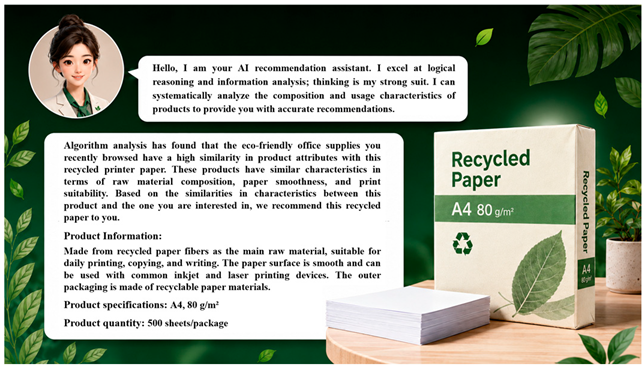 | 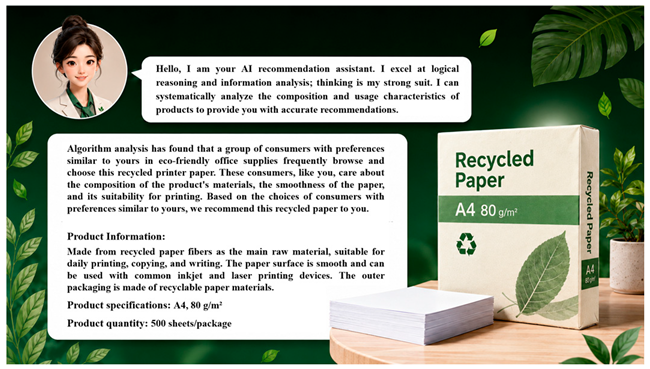 |
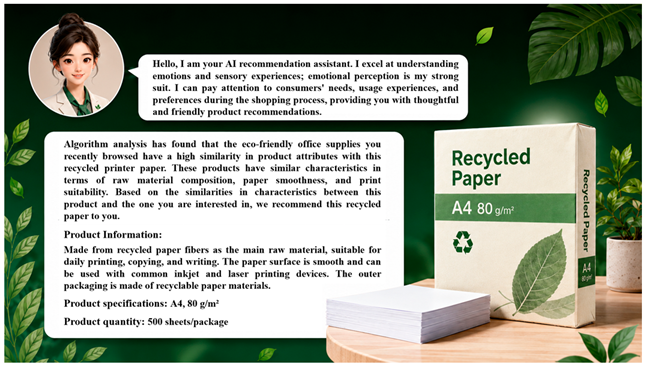 | 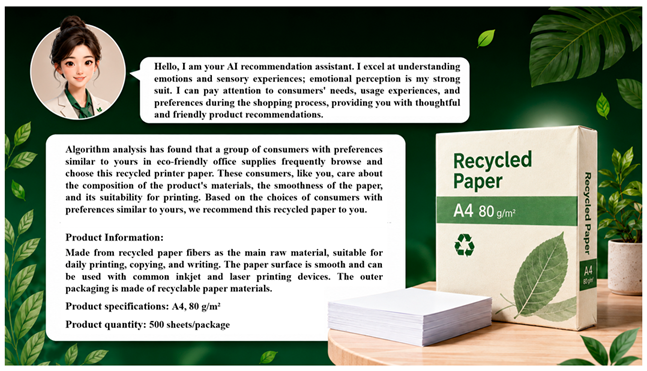 |
Experimental Materials for Study 2.
| Item-Oriented Frame | User-Oriented Frame |
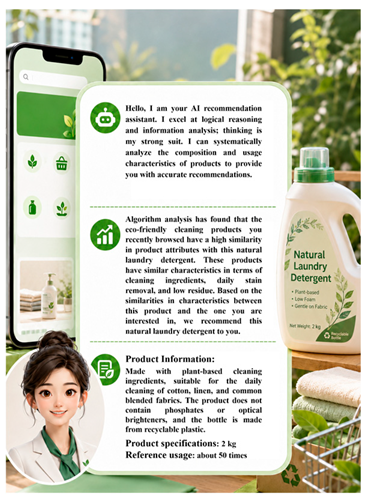 | 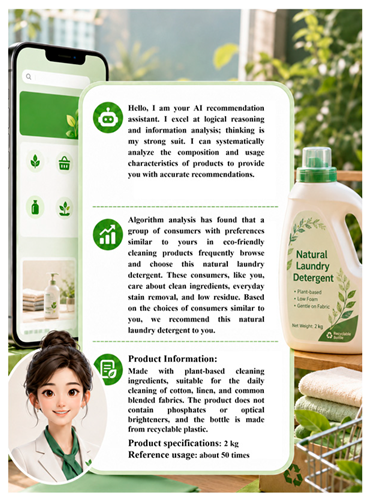 |
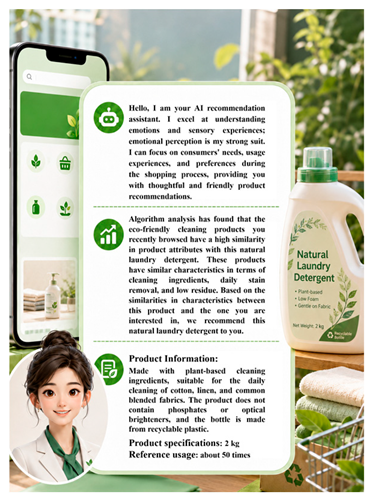 | 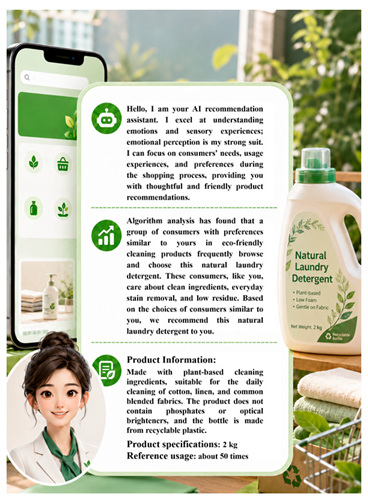 |
References
- Intergovernmental Panel on Climate Change. Climate Change 2023: Synthesis Report; Core Writing Team, Lee, H., Romero, J., Eds.; IPCC: Geneva, Switzerland, 2023. [Google Scholar] [CrossRef] [Scilit]
- Barbu, A.; Catană, Ș.A.; Deselnicu, D.C.; Cioca, L.I.; Ioanid, A. Factors influencing consumer behavior toward green products: A systematic literature review. Int. J. Environ. Res. Public Health 2022, 19, 16568. [Google Scholar] [CrossRef] [Scilit]
- Guan, D.; Lei, Y.; Liu, Y.; Ma, Q. The effect of matching promotion type with purchase type on green consumption. J. Retail. Consum. Serv. 2024, 78, 103732. [Google Scholar] [CrossRef] [Scilit]
- Al-Swidi, A.K.; Al-Hakimi, M.A.; Gelaidan, H.M.; Al-Temimi, S.K.A.J. How does consumer pressure affect green innovation of manufacturing SMEs in the presence of green human resource management and green values? A moderated mediation analysis. Bus. Ethics Environ. Responsib. 2022, 31, 1157–1173. [Google Scholar] [CrossRef] [Scilit]
- Sun, Y.; Li, T.; Wang, S. “I buy green products for my benefits or yours”: Understanding consumers’ intention to purchase green products. Asia Pac. J. Mark. Logist. 2022, 34, 1721–1739. [Google Scholar] [CrossRef] [Scilit]
- Ma, Y.; Zhao, H.; Ma, H. Guiding policy of green technology innovation and green consumption considering positive externality of products. Sustain. Oper. Comput. 2025, 6, 289–296. [Google Scholar] [CrossRef] [Scilit]
- Chen, C.F.; Zhang, D.; Zhu, L.; Zhang, F.; Zhang, Z. Promoting green choices: How price premium displays influence consumer preference for green products. Resour. Conserv. Recycl. 2024, 207, 107682. [Google Scholar] [CrossRef] [Scilit]
- Witek, L.; Kuźniar, W. Green purchase behaviour gap: The effect of past behaviour on green food product purchase intentions among individual consumers. Foods 2024, 13, 136. [Google Scholar] [CrossRef] [Scilit]
- Malhotra, G.; Srivastava, H. Green purchase intention in omnichannel retailing: Role of environmental knowledge and price sensitivity. J. Strateg. Mark. 2024, 32, 467–490. [Google Scholar] [CrossRef] [Scilit]
- Srivastava, V.; Gupta, A.K. Price sensitivity, government green interventions, and green product availability triggers intention toward buying green products. Bus. Strategy Environ. 2023, 32, 802–819. [Google Scholar] [CrossRef] [Scilit]
- Silintowe, Y.B.R.; Sukresna, I.M. The inhibiting factors of green product purchasing behavior: Green knowledge as a moderating effect. Bus. Theory Pract. 2023, 24, 392–404. [Google Scholar] [CrossRef] [Scilit]
- Fella, S.; Bausa, E. Green or greenwashed? Examining consumers’ ability to identify greenwashing. J. Environ. Psychol. 2024, 95, 102281. [Google Scholar] [CrossRef] [Scilit]
- Isac, N.; Javed, A.; Radulescu, M.; Cismasu, I.D.L.; Yousaf, Z.; Serbu, R.S. Is greenwashing impacting on green brand trust and purchase intentions? Mediating role of environmental knowledge. Environ. Dev. Sustain. 2025, 27, 21329–21346. [Google Scholar] [CrossRef] [Scilit]
- Gong, S.; Wang, L. Are explicit or implicit appeals more credible? The congruence effects of green advertising appeals and product category on consumers’ evaluation. Curr. Psychol. 2023, 42, 29035–29047. [Google Scholar] [CrossRef] [Scilit]
- Pancer, E.; McShane, L.; Noseworthy, T.J. Isolated environmental cues and product efficacy penalties: The color green and eco-labels. J. Bus. Ethics 2017, 143, 159–177. [Google Scholar] [CrossRef] [Scilit]
- He, A.; Li, A. Intervention policies for promoting green consumption behavior: An interdisciplinary systematic review and future directions. J. Environ. Manag. 2025, 373, 123917. [Google Scholar] [CrossRef] [Scilit]
- Felfernig, A.; Wundara, M.; Tran, T.N.T.; Polat-Erdeniz, S.; Lubos, S.; El Mansi, M.; Garber, D.; Le, V.M. Recommender systems for sustainability: Overview and research issues. Front. Big Data 2023, 6, 1284511. [Google Scholar] [CrossRef] [Scilit]
- Nijssen, S.R.R.; Pijs, M.; van Ewijk, A.; Müller, B.C.N. Towards more sustainable online consumption: The impact of default and informational nudging on consumers’ choice of delivery mode. Clean. Responsible Consum. 2023, 11, 100135. [Google Scholar] [CrossRef] [Scilit]
- He, G.; Pan, Y.; Park, A.; Sawada, Y.; Tan, E.S. Reducing single-use cutlery with green nudges: Evidence from China’s food-delivery industry. Science 2023, 381, add9884. [Google Scholar] [CrossRef] [Scilit]
- Lima, P.A.B.; Falguera, F.P.S.; da Silva, H.M.R.; Maciel, S.; Mariano, E.B.; Elgaaied-Gambier, L. From green advertising to sustainable behavior: A systematic literature review through the lens of value-belief-norm framework. Int. J. Advert. 2024, 43, 53–96. [Google Scholar] [CrossRef] [Scilit]
- Castro-Santa, J.; Drews, S.; van den Bergh, J. Nudging low-carbon consumption through advertising and social norms. J. Behav. Exp. Econ. 2023, 102, 101956. [Google Scholar] [CrossRef] [Scilit]
- Lee, E.J.; Bae, J.; Kim, K.H. The effect of environmental cues on the purchase intention of sustainable products. J. Bus. Res. 2020, 120, 425–433. [Google Scholar] [CrossRef] [Scilit]
- Taillie, L.S.; Wolfson, J.A.; Prestemon, C.E.; Bercholz, M.; Ewoldt, L.; Ruggles, P.R.; Hall, M.G. The impact of an eco-score label on US consumers’ perceptions of environmental sustainability and intentions to purchase food: A randomized experiment. PLoS ONE 2024, 19, e0306123. [Google Scholar] [CrossRef] [Scilit]
- Zhang, K.; Wang, S.; Yang, H.; Chen, L. Do consumers prefer sad faces on eco-friendly products? How facial expressions on green products in advertisements influence purchase intentions. J. Advert. Res. 2023, 63, 274–289. [Google Scholar] [CrossRef] [Scilit]
- Kuang, T.; Yang, D.; Zou, D. The impact of transparent packaging: How transparent packaging for organic foods affects tourists’ green purchasing behavior. Front. Nutr. 2024, 11, 1328596. [Google Scholar] [CrossRef] [Scilit]
- Zhao, Z.; Li, S.; Peng, Q.; Chen, K. A novel perspective on green advertising: The interactive effect of message framing and advertising type on consumer’s green purchase intention. J. Consum. Behav. 2025, 24, 3009–3028. [Google Scholar] [CrossRef] [Scilit]
- Chen, L.; He, L.; Yan, X.; Liu, C. Green message framing in enhancing sustainable consumption behavior of fashion based on the cross-theoretical model. J. Environ. Public Health 2022, 2022, 4038992. [Google Scholar] [CrossRef] [Scilit]
- Fu, L.; Gao, J. Bitter or sweet? The interactive impact of message framing and environmental attitude on the effectiveness of green advertising. Asian J. Commun. 2023, 33, 246–267. [Google Scholar] [CrossRef] [Scilit]
- Gai, P.J.; Klesse, A.K. Making recommendations more effective through framings: Impacts of user- versus item-based framings on recommendation click-throughs. J. Mark. 2019, 83, 61–75. [Google Scholar] [CrossRef] [Scilit]
- Zhang, C.; Zheng, W.; Zhang, X.; Li, T. Effective e-commerce product recommendation: Matching effect between recommendation framing and consumers’ shopping goal specificity. Inf. Manag. 2025, 63, 104263. [Google Scholar] [CrossRef] [Scilit]
- Whang, J.B.; Song, J.H.; Lee, J.H.; Choi, B. Interacting with chatbots: Message type and consumers’ control. J. Bus. Res. 2022, 153, 309–318. [Google Scholar] [CrossRef] [Scilit]
- Longoni, C.; Cian, L. Artificial intelligence in utilitarian versus hedonic contexts: The “word-of-machine” effect. J. Mark. 2022, 86, 91–108. [Google Scholar] [CrossRef] [Scilit]
- Wien, A.H.; Peluso, A.M. Influence of human versus AI recommenders: The roles of product type and cognitive processes. J. Bus. Res. 2021, 137, 13–27. [Google Scholar] [CrossRef] [Scilit]
- Li, S.; Huang, X.; Sheng, Y.; Chen, K. The interactive effect of recommendation subjects and message types on consumers’ suboptimal food purchase intentions. J. Retail. Consum. Serv. 2025, 84, 104200. [Google Scholar] [CrossRef] [Scilit]
- Mazzù, M.F.; Andria, A.; Baccelloni, A.; De Angelis, M. The impact of humans vs. AI recommendation on consumer reactions to products exposure. Electron. Commer. Res. 2025. advance online publication. [Google Scholar] [CrossRef] [Scilit]
- Huang, M.H.; Rust, R.T. A strategic framework for artificial intelligence in marketing. J. Acad. Mark. Sci. 2021, 49, 30–50. [Google Scholar] [CrossRef] [Scilit]
- Bi, C.; Cui, X.; Sun, Z.; Jin, Y. Thinking AI or feeling AI? The effect of AI on consumers’ willingness to purchase healthy food from the perspective of nudge. Humanit. Soc. Sci. Commun. 2025, 12, 1032. [Google Scholar] [CrossRef] [Scilit]
- Li, S.; Chang, H.; Ma, J.; Chen, K. Show Me Competence or Make Me Feel Warm: The Impact of Green Brand Anthropomorphism on Consumers’ Purchasing Intentions. Behav. Sci. 2026, 16, 316. [Google Scholar] [CrossRef] [Scilit]
- Huang, M.H.; Rust, R.T. Engaged to a robot? The role of AI in service. J. Serv. Res. 2021, 24, 30–41. [Google Scholar] [CrossRef] [Scilit]
- Pantano, E.; Viassone, M.; Boardman, R.; Dennis, C. Inclusive or exclusive? Investigating how retail technology can reduce old consumers’ barriers to shopping. J. Retail. Consum. Serv. 2022, 68, 103074. [Google Scholar] [CrossRef] [Scilit]
- Masciari, E.; Umair, A.; Ullah, M.H. A systematic literature review on AI-based recommendation systems and their ethical considerations. IEEE Access 2024, 12, 121223–121241. [Google Scholar] [CrossRef] [Scilit]
- Mariani, M.M.; Hashemi, N.; Wirtz, J. Artificial intelligence empowered conversational agents: A systematic literature review and research agenda. J. Bus. Res. 2023, 161, 113838. [Google Scholar] [CrossRef] [Scilit]
- Elmashhara, M.G.; De Cicco, R.; Silva, S.C.; Hammerschmidt, M.; Silva, M.L. How gamifying AI shapes customer motivation, engagement, and purchase behavior. Psychol. Mark. 2024, 41, 134–150. [Google Scholar] [CrossRef] [Scilit]
- Woolley, K.; Sharif, M.A. Digital tracking, gamification, social media, and AI: How technology influences motivation. Consum. Psychol. Rev. 2026, 9, 85–100. [Google Scholar] [CrossRef] [Scilit]
- Gelbrich, K.; Roschk, H.; Miederer, S.; Kerath, A. Automated versus human agents: A meta-analysis of customer responses to robots, chatbots, and algorithms and their contingencies. J. Mark. 2026, 90, 1–26. [Google Scholar] [CrossRef] [Scilit]
- Li, B.; Lai, E.Y.; Wang, X. From tools to agents: Meta-analytic insights into human acceptance of AI. J. Mark. 2026, 90, 13–33. [Google Scholar] [CrossRef] [Scilit]
- Patil, R.K.; Rice, D.H.; Janiszewski, C. Human-AI partnerships: Living and working with AI assistants, AI agents, and AI companions. J. Consum. Psychol. 2026, 36, 399–426. [Google Scholar] [CrossRef] [Scilit]
- Huang, M.H.; Rust, R.T. Artificial intelligence in service. J. Serv. Res. 2018, 21, 155–172. [Google Scholar] [CrossRef] [Scilit]
- Huang, M.H.; Rust, R.T. The caring machine: Feeling AI for customer care. J. Mark. 2024, 88, 1–23. [Google Scholar] [CrossRef] [Scilit]
- Mohammadi Darani, M.; Aghaie, S. Recommender systems impact on Platform’s content and outcomes: The role of providers and algorithm designs. J. Res. Interact. Mark. 2025, 19, 917–935. [Google Scholar] [CrossRef] [Scilit]
- Zhang, W.; Wang, Y. The impact of different recommendation algorithms on consumer search behavior and merchants competition. Int. Rev. Econ. Financ. 2025, 98, 103943. [Google Scholar] [CrossRef] [Scilit]
- Stalidis, G.; Karaveli, I.; Diamantaras, K.I. Recommendation systems for e-shopping: Review of techniques for retail and sustainable marketing. Sustainability 2023, 15, 16151. [Google Scholar] [CrossRef] [Scilit]
- Aoki, T.; Matsui, A. Does algorithmic recommendation complement or substitute advertising and influencers? Consumer attitudes toward recommendation information and the formation of purchase intentions. Comput. Hum. Behav. 2025, 172, 108735. [Google Scholar] [CrossRef] [Scilit]
- Rong, Y.; Leemann, T.; Nguyen, T.-T.; Fiedler, L.; Qian, P.; Unhelkar, V.; Seidel, T.; Kasneci, G.; Kasneci, E. Towards human-centered explainable AI: A survey of user studies for model explanations. IEEE Trans. Pattern Anal. Mach. Intell. 2024, 46, 2104–2122. [Google Scholar] [CrossRef] [Scilit]
- Choi, Y.; Kim, J. Consumer preferences in user- vs. item-based recommender systems for search and experience products. J. Mark. Manag. 2025, 41, 84–110. [Google Scholar] [CrossRef] [Scilit]
- Zhang, J.; Balaji, M.S.; Luo, J.; Jha, S. Effectiveness of product recommendation framing on online retail platforms. J. Bus. Res. 2022, 153, 185–197. [Google Scholar] [CrossRef] [Scilit]
- Wang, W.; Chen, Z.; Kuang, J. Artificial intelligence-driven recommendations and functional food purchases: Understanding consumer decision-making. Foods 2025, 14, 976. [Google Scholar] [CrossRef] [Scilit] [PubMed]
- Lin, Y.C.; Chang, C.C.A. Double standard: The role of environmental consciousness in green product usage. J. Mark. 2012, 76, 125–134. [Google Scholar] [CrossRef] [Scilit]
- Whitmarsh, L.; O’Neill, S. Green identity, green living? The role of pro-environmental self-identity in determining consistency across diverse pro-environmental behaviours. J. Environ. Psychol. 2010, 30, 305–314. [Google Scholar] [CrossRef] [Scilit]
- Meyers-Levy, J.; Tybout, A.M. Schema congruity as a basis for product evaluation. J. Consum. Res. 1989, 16, 39–54. [Google Scholar] [CrossRef] [Scilit]
- Lee, A.Y.; Labroo, A.A. The effect of conceptual and perceptual fluency on brand evaluation. J. Mark. Res. 2004, 41, 151–165. [Google Scholar] [CrossRef] [Scilit]
- Seo, Y.; Septianto, F.; Ko, E. The role of cultural congruence in the art infusion effect. J. Consum. Psychol. 2022, 32, 634–651. [Google Scholar] [CrossRef] [Scilit]
- Waytz, A.; Norton, M.I. Botsourcing and outsourcing: Robot, British, Chinese, and German workers are for thinking-not feeling-jobs. Emotion 2014, 14, 434–444. [Google Scholar] [CrossRef] [Scilit]
- Faraji-Rad, A.; Samuelsen, B.M.; Warlop, L. On the persuasiveness of similar others: The role of mentalizing and the feeling of certainty. J. Consum. Res. 2015, 42, 458–471. [Google Scholar] [CrossRef] [Scilit]
- Griskevicius, V.; Tybur, J.M.; Van den Bergh, B. Going green to be seen: Status, reputation, and conspicuous conservation. J. Pers. Soc. Psychol. 2010, 98, 392–404. [Google Scholar] [CrossRef] [Scilit]
- Vanbergen, N.; Irmak, C.; Sevilla, J. Product entitativity: How the presence of product replicates increases perceived and actual product efficacy. J. Consum. Res. 2020, 47, 192–214. [Google Scholar] [CrossRef] [Scilit]
- Simão, S.A.V.; Rohden, S.F.; Pinto, D.C. Natural claims and sustainability: The role of perceived efficacy and sensorial expectations. Sustain. Prod. Consum. 2022, 34, 505–517. [Google Scholar] [CrossRef] [Scilit]
- Felix, R.; González, E.M.; Castaño, R.; Carrete, L.; Gretz, R.T. When the green in green packaging backfires: Gender effects and perceived masculinity of environmentally friendly products. Int. J. Consum. Stud. 2022, 46, 925–943. [Google Scholar] [CrossRef] [Scilit]
- Olson, J.C.; Jacoby, J. Cue utilization in the quality perception process. In Proceedings of the Third Annual Conference of the Association for Consumer Research; Venkatesan, M., Ed.; Association for Consumer Research: Duluth, MN, USA, 1972; pp. 167–179. [Google Scholar]
- Szybillo, G.J.; Jacoby, J. Intrinsic versus extrinsic cues as determinants of perceived product quality. J. Appl. Psychol. 1974, 59, 74–78. [Google Scholar] [CrossRef] [Scilit]
- Purohit, D.; Srivastava, J. Effect of manufacturer reputation, retailer reputation, and product warranty on consumer judgments of product quality: A cue diagnosticity framework. J. Consum. Psychol. 2001, 10, 123–134. [Google Scholar] [CrossRef] [Scilit]
- Kakaria, S.; Simonetti, A.; Bigne, E. Interaction between extrinsic and intrinsic online review cues: Perspectives from cue utilization theory. Electron. Commer. Res. 2024, 24, 2469–2497. [Google Scholar] [CrossRef] [Scilit]
- Söderström, C.; Mikalef, P.; Landmark, A.D.; Gupta, S. Augmented reality (AR) marketing and consumer responses: A study of cue-utilization and habituation. J. Bus. Res. 2024, 182, 114813. [Google Scholar] [CrossRef] [Scilit]
- Bharti, S.; Sussman, A.B. Consumers prefer products that work using directionally consistent causal chains. J. Consum. Res. 2025, 52, 308–329. [Google Scholar] [CrossRef] [Scilit]
- Abrams, D.; Hogg, M.A. Social identification, self-categorization and social influence. Eur. Rev. Soc. Psychol. 1990, 1, 195–228. [Google Scholar] [CrossRef] [Scilit]
- Postmes, T.; Haslam, S.A.; Jans, L. A single-item measure of social identification: Reliability, validity, and utility. Br. J. Soc. Psychol. 2013, 52, 597–617. [Google Scholar] [CrossRef] [Scilit]
- Ashforth, B.E.; Mael, F. Social identity theory and the organization. Acad. Manag. Rev. 1989, 14, 20–39. [Google Scholar] [CrossRef] [Scilit]
- Cameron, J.E. A three-factor model of social identity. Self Identity 2004, 3, 239–262. [Google Scholar] [CrossRef] [Scilit]
- Hsieh, J.-K. The impact of influencers’ multi-SNS use on followers’ behavioral intentions: An integration of cue consistency theory and social identity theory. J. Retail. Consum. Serv. 2023, 74, 103397. [Google Scholar] [CrossRef] [Scilit]
- Dondapati, A.; Dehury, R.K. Virtual vs. human influencers: The battle for consumer hearts and minds. Comput. Hum. Behav. Artif. Hum. 2024, 2, 100059. [Google Scholar] [CrossRef] [Scilit]
- Amani, D. Destination identification and destination community identification as drivers of destination brand value co-creation in emerging tourism destinations: A social identity theory perspective. Int. J. Hosp. Tour. Adm. 2025, 26, 483–519. [Google Scholar] [CrossRef] [Scilit]
- Hogg, M.A.; Reid, S.A. Social identity, self-categorization, and the communication of group norms. Commun. Theory 2006, 16, 7–30. [Google Scholar] [CrossRef] [Scilit]
- Leyva-Hernández, S.N.; Terán-Bustamante, A.; Martínez-Velasco, A. COVID-19, social identity, and socially responsible food consumption between generations. Front. Psychol. 2023, 14, 1080097. [Google Scholar] [CrossRef] [Scilit]
- Wu, Y.; Yang, S.; Liu, D. The effect of social media influencer marketing on sustainable food purchase: Perspectives from multi-group SEM and ANN analysis. J. Clean. Prod. 2023, 416, 137890. [Google Scholar] [CrossRef] [Scilit]
- Farivar, S.; Wang, F. Effective influencer marketing: A social identity perspective. J. Retail. Consum. Serv. 2022, 67, 103026. [Google Scholar] [CrossRef] [Scilit]
- Zheng, C.; Ling, S.; Cho, D. How social identity affects green food purchase intention: The serial mediation effect of green perceived value and psychological distance. Behav. Sci. 2023, 13, 664. [Google Scholar] [CrossRef] [Scilit]
- Cui, T.; Tang, S.; Iqbal, Q. The role of green influencers on users’ green consumption intention: An empirical study from China and Pakistan. Asia Pac. J. Mark. Logist. 2025, 37, 1854–1870. [Google Scholar] [CrossRef] [Scilit]
- Islam, J.U.; Thomas, G.; Albishri, N.A. From status to sustainability: How social influence and sustainability consciousness drive green purchase intentions in luxury restaurants. Acta Psychol. 2024, 251, 104595. [Google Scholar] [CrossRef] [Scilit]
- Mari, A.; Mandelli, A.; Algesheimer, R. Empathic voice assistants: Enhancing consumer responses in voice commerce. J. Bus. Res. 2024, 175, 114566. [Google Scholar] [CrossRef] [Scilit]
- Shen, Z.; Hu, Y.; Yin, Y. Algorithm-generated identity labeling promotes identity-consistent product preferences. Psychol. Mark. 2025, 42, 1667–1679. [Google Scholar] [CrossRef] [Scilit]
- Zhang, X.; Chen, K.; Li, S. The effects of green advertising appeal and message type on purchase intention. J. Retail. Consum. Serv. 2024, 81, 104007. [Google Scholar] [CrossRef] [Scilit]
- Faul, F.; Erdfelder, E.; Buchner, A.; Lang, A.G. Statistical power analyses using G* Power 3.1: Tests for correlation and regression analyses. Behav. Res. Methods 2009, 41, 1149–1160. [Google Scholar] [CrossRef] [Scilit] [PubMed]
- Bulut, Z.A.; Kökalan Çımrin, F.; Doğan, O. Gender, generation and sustainable consumption: Exploring the behaviour of consumers from Izmir, Turkey. Int. J. Consum. Stud. 2017, 41, 597–604. [Google Scholar] [CrossRef] [Scilit]
- Li, J.; Zhang, J.; Zhang, D.; Ji, Q. Does gender inequality affect household green consumption behaviour in China? Energy Policy 2019, 135, 111071. [Google Scholar] [CrossRef] [Scilit]
- Moradi, M.; Zihagh, F. A meta-analysis of the elaboration likelihood model in the electronic word of mouth literature. Int. J. Consum. Stud. 2022, 46, 1900–1918. [Google Scholar] [CrossRef] [Scilit]
- Liao, J.; Huang, M.; Xiao, B. Promoting continual member participation in firm-hosted online brand communities: An organizational socialization approach. J. Bus. Res. 2017, 71, 92–101. [Google Scholar] [CrossRef] [Scilit]
- Zhou, C.; Jiang, B. How do consumers react to AI-generated green marketing content? A hybrid analysis using PLS-SEM and text mining. J. Retail. Consum. Serv. 2025, 87, 104431. [Google Scholar] [CrossRef] [Scilit]
- Labrecque, L.I.; Sohn, S.; Seegebarth, B.; Ashley, C. Color me effective: The impact of color saturation on perceptions of potency and product efficacy. J. Mark. 2025, 89, 120–139. [Google Scholar] [CrossRef] [Scilit]
- Chang, C.T.; Lee, H.C.; Lee, Y.K.; Wang, T.P. “I doubt it works!” The negative impacts of anthropomorphizing healthcare products. J. Bus. Res. 2023, 164, 114008. [Google Scholar] [CrossRef] [Scilit]
- Becerra, E.P.; Carrete, L.; Arroyo, P. A study of the antecedents and effects of green self-identity on green behavioral intentions of young adults. J. Bus. Res. 2023, 155, 113380. [Google Scholar] [CrossRef] [Scilit]
- Hassan, N.; Abdelraouf, M.; El-Shihy, D. The moderating role of personalized recommendations in the trust–satisfaction–loyalty relationship: An empirical study of AI-driven e-commerce. Future Bus. J. 2025, 11, 66. [Google Scholar] [CrossRef] [Scilit]
- Melnyk, V.; Carrillat, F.A.; Melnyk, V. The influence of social norms on consumer behavior: A meta-analysis. J. Mark. 2022, 86, 98–120. [Google Scholar] [CrossRef] [Scilit]
- Tucker, C.; Zhang, J. How does popularity information affect choices? A field experiment. Manag. Sci. 2011, 57, 828–842. [Google Scholar] [CrossRef] [Scilit]
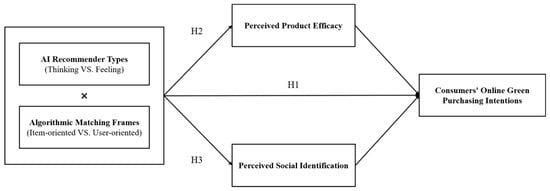
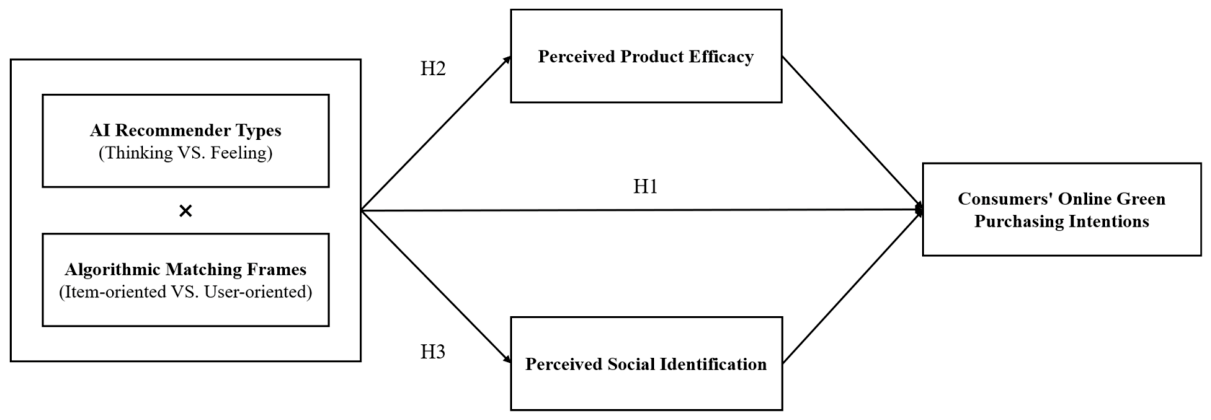
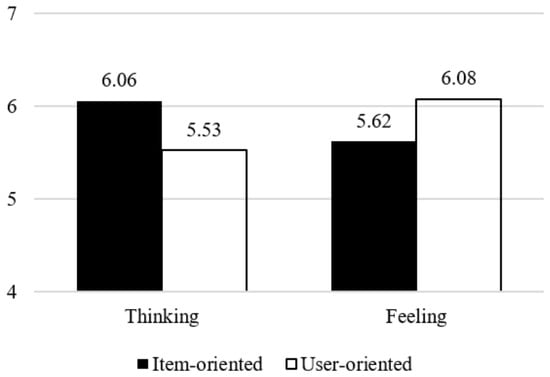
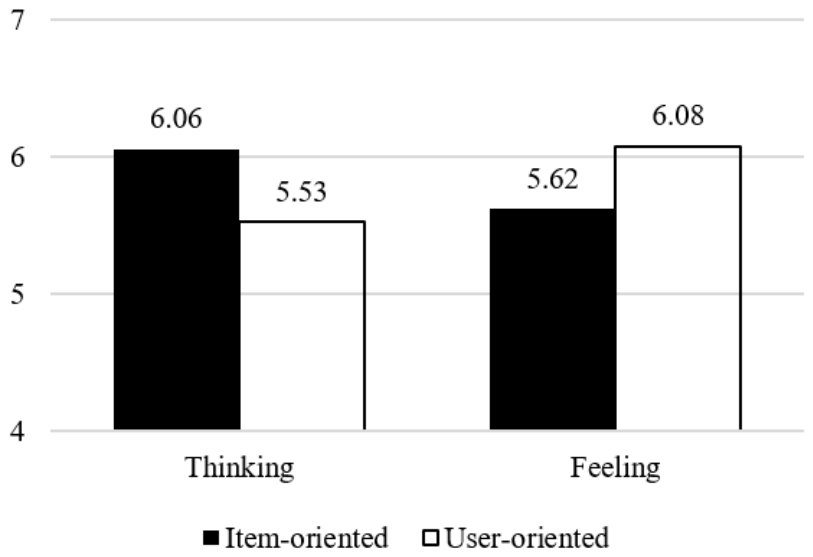
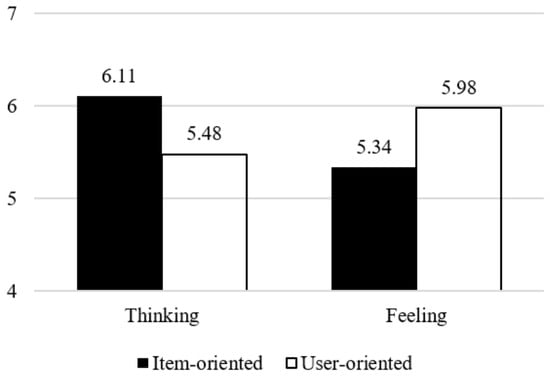
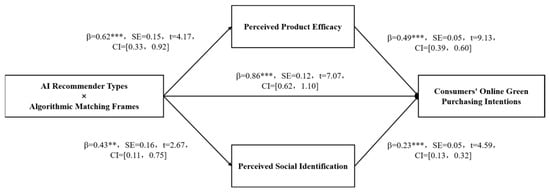

Disclaimer/Publisher’s Note: The statements, opinions and data contained in all publications are solely those of the individual author(s) and contributor(s) and not of MDPI and/or the editor(s). MDPI and/or the editor(s) disclaim responsibility for any injury to people or property resulting from any ideas, methods, instructions or products referred to in the content. |
© 2026 by the authors. Licensee MDPI, Basel, Switzerland. This article is an open access article distributed under the terms and conditions of the Creative Commons Attribution (CC BY) license.