


Abstract
AI digital-human livestreaming has become a key format of e-commerce livestreaming due to its low cost and round-the-clock operation. How the technical features of digital humans work together with consumers’ psychological perceptions to drive consumption is an important academic and practical question. Existing studies mostly adopt linear analytical paradigms. They focus on the anthropomorphic appearance features of digital humans. Few studies interpret the synergistic effects of technical–emotional factors from a configurational perspective. Empirical tests on boundary conditions under different platform ecosystems are also scarce. Drawing on the SOR–PAD theoretical framework, this study takes 18,690 livestream bullet-screen comments collected from 40 AI digital-human livestream rooms across Jingdong, Baidu, and Meituan as the research material. It conducts a mixed empirical analysis, combining text mining, machine learning, and fsQCA. The dependent variable, purchase behavior tendency, is obtained from an SVM model trained by matching bullet-screen comments with desensitized background transaction data. This indicator acts as a proxy measure for subjective purchase intention. The SVM model achieves an accuracy of 0.97, recall of 0.94, and an F1-score of 0.95. The findings are as follows. First, four technical features, including professionalism, simulation fidelity, responsiveness, and personalization, together with the three psychological perceptions of pleasure, arousal, and trust, constitute critical antecedents of high purchase behavior tendencies. Second, no single necessary condition can trigger a high purchase behavior tendency. Five equivalent technical–emotional configuration paths are identified, including response-oriented, pleasure-oriented, and multiple-synergy types. Third, the conversion effects of the configuration paths show clear platform boundaries. Different e-commerce formats match differentiated configuration paths. This study introduces configurational causal logic into the existing SOR–PAD framework. It expands the application boundary of this framework for AI digital-human livestreaming scenarios. It supplements the empirical evidence of consumer behavior under human–computer interactions. It also offers practical references for platforms and merchants to operate AI digital-human livestreams.
1. Introduction
Against the deep integration of internet technology and the digital economy, e-commerce livestreaming has become a core competitive field in online retail. Since 2022, AI digital-human livestreaming, which integrates artificial intelligence and virtual reality technologies, has grown rapidly. It delivers round-the-clock operation, professional commentary, and low-cost advantages. Industry statistics show that the operation cost of AI digital-human livestreams on Jingdong accounts for only 10% of that of human anchors [1]. The market size of AI digital humans in China reached CNY 4.12 billion in 2024 [2]. These data reflect its fast industrialization trend and strategic value.
However, existing academic research on AI digital-human livestreaming lags behind industrial practice. Several research gaps remain. In terms of research objects, existing studies pay more attention to superficial features such as the anthropomorphic appearance and visual attractiveness of digital humans. They give insufficient attention to the configurational synergies of functional technical attributes, including professionalism, responsiveness, and personalization. They easily ignore the essential role of digital humans as “technical service carriers”. Thus, they cannot fully reflect consumers’ compound demands in human–computer interaction contexts [3,4,5]. In terms of analytical paradigms, mainstream linear methods such as regression and SEM focus on the independent net effects of variables. Purchase behavior tendency in consumption contexts results from multi-factor coupling. It features equifinal paths and asymmetric causality. Traditional linear models hardly capture joint combinational effects between technical features and user emotions [6,7]. In terms of theoretical application, the SOR model and PAD emotion theory have been applied in livestream consumption research. Most existing combinations of the two theories stay within linear testing thinking. Few studies conduct integrated deduction from the configurational perspective. Contextual boundary constraints brought by platform ecosystems are rarely considered [6,8].
Based on the above theoretical and practical gaps, this study breaks away from the single linear net-effect analytical mindset. It takes the configurational synergies of technical–emotional factors as the main research line. It treats platform heterogeneity as an important boundary condition for configurational effects. This study conducts a mixed empirical analysis, combining text mining, machine learning, and fsQCA configurational analysis. It aims to expand the application boundary of the existing SOR–PAD framework for AI digital-human livestreaming scenarios rather than constructing a brand new theoretical system. It intends to fill the limitations of prior research. Three core research questions are proposed:
RQ1: Based on real-time bullet-screen comment data, what core technical stimulus and emotional perception dimensions serve as key antecedents of purchase behavior tendency in AI digital-human livestreams?
RQ2: Drawing on the SOR–PAD theory, what types of technical–emotional configurational causal paths drive high purchase behavior tendencies?
RQ3: As a vital boundary condition, how does platform heterogeneity impose differentiated constraints on the effects of various configurations?
This study answers the above research questions through empirical analysis. Theoretical, methodological, and practical contributions are elaborated upon in the discussion section.
2. Literature Review
2.1. AI Digital-Human Livestreaming and Non-Human Agents
Current studies on AI digital-human livestreaming mostly draw research paradigms from virtual influencers, VTubers, AI avatars, and chatbots. Research focus lies on superficial traits such as anthropomorphic appearance. The functional attributes of digital humans as technical service carriers receive limited attention. Systematic examinations of multi-factor configurational synergies and platform contextual boundaries are scarce. To clarify the research priorities of different non-human agents and identify literature gaps, this study compares the core features of various agents (Table 1). The existing research rarely simultaneously investigates the functional technical attributes of digital humans, multi-dimensional psychological perceptions, the configurational co-occurrence of technical-psychological factors, and platform heterogeneity. This gap provides the entry point for this study.
Table 1.
Core feature differences between AI digital-human livestreaming and other non-human agents.
2.2. Livestream Bullet-Screen Comments and Text Mining
Livestream bullet-screen comments represent typical real-time user-generated content (UGC) in livestream contexts. They are generated synchronously while users watch livestreams. They directly reflect consumers’ spontaneous attitudes and emotional feedback toward livestream content, commodities, and human–computer interactions [18]. Different from lagging commodity reviews generated after transactions, bullet-screen comments feature immediacy, interactivity, and situational embeddedness. They can track the dynamic evolution of consumer psychology and behavioral tendencies during livestream sessions. They serve as an important data source for analyzing the “stimulus—emotion—behavior” mechanism under AI digital-human livestreaming [18]. From a marketing research perspective, mining bullet-screen comment text supports consumer insight and scenario-based brand evaluation. It also provides empirical bases for optimizing AI digital-human livestream operation strategies [19].
Traditional empirical studies on livestream consumption mostly collect data through static questionnaires [20]. Questionnaires deliver standardized and easily collected structured data. However, they have inherent limitations for AI digital-human livestream research. First, social desirability bias makes respondents beautify their attitudes and overestimate their positive purchase tendencies [21]. Second, questionnaires rely on post-event recall. Recall bias distorts transient emotional experiences during livestreaming [22]. Questionnaires only capture the post hoc outcomes of purchase intentions. They scarcely restore psychological dynamics in human–computer interaction processes. In contrast, bullet-screen comments are generated synchronously with viewing behaviors. They mitigate the above measurement biases to some extent and capture users’ instant psychological responses [23]. Bullet-screen comments belong to unstructured text data containing abundant consumer demands and emotional information. Text-mining techniques can convert unstructured text into qualitative and quantitative information for empirical analysis. They effectively complement questionnaire surveys.
Topic clustering and sentiment analysis constitute two core text-mining techniques for bullet-screen comment research [24]. Latent Dirichlet allocation (LDA) topic modeling is an unsupervised probabilistic model. It extracts users’ potential concerns from massive unstructured texts. It is widely adopted for topic identification of bullet-screen comments [1]. Dictionary-based and machine learning-driven sentiment analysis methods quantify text sentiment tendency and intensity [25,26]. Existing studies have verified the value of text mining for bullet-screen comment analysis in human-anchor livestreams. Few studies extend this toolkit to AI digital-human livestream contexts to analyze relationships between technical features, user emotions, and behavioral tendency [20]. Accordingly, this study combines LDA topic modeling and sentiment analysis techniques for bullet-screen comment mining. It extracts the core constructs required for this study and quantifies consumers’ dynamic psychological perceptions. It mitigates over-reliance on static questionnaire data in existing AI digital-human livestream research.
2.3. SOR–PAD Theoretical Framework
The SOR (stimulus–organism–response) model was proposed by Mehrabian and Russell in 1974. It argues that external environmental stimuli (S) trigger changes in individuals’ internal psychological states (organism, O). These changes further drive corresponding behavioral responses (response, R). This model has been widely applied in consumer behavior research on e-commerce livestreaming and virtual consumption [27]. In existing e-commerce livestream research, many scholars test the SOR framework empirically by using regression, SEM, and other linear tools. They confirm that external stimuli, such as livestream interaction, anchor characteristics, and commodity presentation, affect users’ emotions and trust perceptions, and further influence purchase behavior tendencies [1,6]. Linear analysis effectively identifies the independent net effects of variables; however, it assumes mutual independence among different stimulus factors. It barely captures linkage-coupling relationships between multiple technical features and multi-dimensional psychological perceptions. Meanwhile, the original SOR model describes internal organism-level psychology in general terms of cognition and affection. It does not subdivide emotions. It cannot finely capture the differentiated psychological experiences wrought by AI digital-human technical stimuli.
The pleasure–arousal–dominance (PAD) emotion theory provides a theoretical foundation for fine-grained emotion decomposition. It divides individual emotions into three independent dimensions: pleasure reflects subjective satisfaction; arousal represents emotional activation and excitement; and dominance refers to individuals’ perceived control over external environments [8]. Different from simple positive–negative binary emotion classification, the PAD framework supports fine-grained emotion depiction. It fits the psychological interpretation of consumers under technology-driven human–computer interaction scenarios.
Important notes: This study does not revise the core essence of PAD emotion theory. Pre-analysis of our bullet-screen comment corpus shows that few texts in our sample reflect the “dominance” dimension. A valid text-based measurement for this dimension cannot be achieved. Multiple empirical studies adopting the SOR–PAD framework for human–computer interaction contexts note that the dominance dimension is difficult to observe in such scenarios. Researchers often introduce the trust construct to compensate for measurement limitations of the dominance dimension. Trust reflects users’ psychological expectations and risk perceptions toward commodities, anchors, and platforms [1,7,20]. Following such research, this study retains the original pleasure and arousal dimensions from PAD. It adds trust as an independent organism-level construct. Trust is not treated as a direct equivalent to the dominance dimension in PAD theory. This adjustment represents scenario-oriented and data-driven exploratory adaptation for AI digital-human e-commerce livestreaming. It is not a theoretical revision of PAD theory itself. The existing literature verifies that pleasure and arousal positively facilitate consumption. Trust perception reduces consumers’ perceived risk and strengthens confidence in consumption decisions [28]. Nevertheless, most existing PAD-related studies examine emotions separately. They rarely combine emotions with technical antecedents, such as the professionalism and responsiveness of AI digital humans. Thus, they cannot explain how different technical features evoke differentiated psychological perceptions. A small number of QCA-based configurational studies on livestreaming only analyze superficial features, such as anthropomorphic appearance. They do not introduce fine-grained multi-dimensional psychological perceptions as antecedent conditions. The explanatory power of configurational models remains to be improved.
Based on the above theoretical foundations, this study integrates the SOR model and PAD emotion theory. It establishes the analytical framework: “AI digital-human technical stimulus (S); multi-dimensional psychological perception (O); purchase behavior tendency (R)”. Important note: This study does not conduct statistical mediation–effect tests. Both technical stimuli and multi-dimensional psychological perceptions are treated as antecedent conditions of the outcome variable. It focuses on the influences of the configurational co-occurrence of technical–emotional factors on purchase behavior tendency. This study does not build a brand new theory. It introduces configurational causal logic into the existing SOR–PAD theory and expands its application scope for AI digital-human livestreaming contexts. This analytical framework consists of four components: SOR provides macro causal logic; PAD realizes fine-grained emotion division; fsQCA undertakes configurational causal analysis; and platform heterogeneity serves as a key situational boundary condition.
Regarding method selection, this study chooses fsQCA configurational analysis instead of traditional necessary condition analysis or Bayesian models. Consumption decisions feature multi-condition concurrency, equifinal paths, and asymmetric causality [29]. Traditional necessary condition analysis only identifies whether a single condition constitutes a necessary prerequisite for outcomes. Bayesian analysis focuses on parameter estimation and probabilistic inference. The core strength of fsQCA configurational analysis lies in identifying multiple equivalent combination paths leading to one identical outcome. It better suits analyses on how mixes of technical and psychological factors jointly drive consumption behaviors.
The core logic of this framework is as follows. First, the SOR model sets the overall causal structure. Technical attributes of digital humans are defined as external stimuli. Purchase behavior tendency serves as the final behavioral outcome. It compensates for the limitations of pure linear SOR research in ignoring multi-factor linkages. Second, PAD theory supports the fine-grained decomposition of organism-level psychological states. Combined with the corpus features of this study, the trust construct is supplemented. General “affective changes” are operationalized into three observable psychological dimensions: pleasure, arousal, and trust. It fills the gaps of pure PAD research, which lacks technical antecedents from digital humans. Third, configurational causal thinking from fsQCA breaks the preset assumptions of independent net effects. It reveals how mixes of different technical attributes and psychological perceptions jointly generate high purchase behavior tendencies. It addresses the shortcomings of prior livestream-oriented QCA studies that lack fine-grained psychological antecedents. Fourth, platform heterogeneity is incorporated as a boundary constraint for configurational effects. It clarifies the situational applicability of different technical–emotional configurational co-occurrence patterns and further improves the situational explanatory power of the framework.
3. Methodology
3.1. Research Design
This study adopts a deductive research paradigm rooted in the SOR–PAD theoretical framework. It selects AI digital-human livestream bullet-screen comment data from Jingdong, Meituan, and Baidu as empirical objects. It designs a three-step research framework: “data collection and preprocessing → core variable extraction and quantification → configurational analysis and heterogeneity analysis” (Figure 1). Important note: LDA topic modeling, grounded theoretical coding, the self-built emotion dictionary, and SVM machine learning belong to data-processing tools. They extract and quantify constructs preset by the SOR–PAD theory. This study does not adopt grounded theory for bottom-up theory construction. Correspondences between each analytical technique and the research questions (RQ1–RQ3) are illustrated in the respective sections.
Figure 1.
Research framework of AI digital-human livestreaming’s impact on consumers’ purchase behavior tendency. Notes. “百度” translates to “Baidu”, “美团” translates to “Meituan”, “京东” translates to “Jingdong”.
(1) Data layer: Python (3.10.12) crawlers collect raw bullet-screen comment data from AI digital-human livestreams on three platforms. Preprocessing steps, including word segmentation, deduplication, and stop-word filtering, generate valid bullet-screen comment datasets for follow-up analysis.
(2) Variable layer: LDA topic clustering is performed on preprocessed bullet-screen comment texts. Grounded theoretical coding classifies, validates, and resolves ambiguities for clustering outputs. Core technical stimulus and multi-dimensional psychological perception variables are extracted. This step mainly responds to RQ1. Next, a combined scheme of “self-built emotion dictionary + SVM machine learning” quantifies variables. Unstructured bullet-screen comment texts are converted into standardized quantitative variables as input data for configurational analysis.
(3) Analysis layer: fsQCA configurational analysis identifies technical–psychological perception configurational co-occurrence paths generating high purchase behavior tendencies. It answers RQ2. The fsQCA analysis covers 40 livestream rooms and 7 antecedent conditions. The case-to-condition ratio reaches the lower acceptable limit for this method. Interpretations of results remain cautious. Full sample constraints and limitations are elaborated upon in Section 5.4. Further heterogeneity tests are implemented. Full-sample regression with configuration-by-platform dummy-variable interaction terms serves as core statistical evidence for boundary-effect tests of configurations. Subgroup regressions per platform act only as auxiliary exploratory analyses. It examines differentiated constraints of configurational effects under different platform contexts and answers RQ3. Finally, conclusions are drawn from the empirical results, and targeted practical implications are proposed.
3.2. Data Collection
3.2.1. Rationale for Platform Selection
This study chooses Jingdong, Baidu, and Meituan as research platforms. This selection considers both theoretical appropriateness and empirical feasibility. First, the three platforms represent three typical e-commerce livestreaming positioning modes: comprehensive self-operated e-commerce, information-empowered search-driven e-commerce, and instant retail. Such divergence enables tests of platform heterogeneity boundary effects and improves external validity. Second, all three platforms have mature AI digital-human livestream layouts. Jingdong focuses on home appliance and beauty product self-operated livestreams. Baidu integrates information search functions with livestream sales. Meituan prioritizes local-life services and instant-consumption livestreams revolving around fresh food. They produce rich, scenario-representative bullet-comment data. Third, data accessibility is guaranteed. AI digital-human livestream labels are clearly marked on each platform. Bullet comments are publicly displayed. Crawling complies with robot protocol specifications and satisfies empirical research norms.
3.2.2. Sample Screening and Data Preprocessing
Four screening criteria are set to guarantee sample validity. Livestreams must be purely AI digital-human-driven. Mixed livestreams combining human anchors and AI assistance are excluded. Anchor fan volume must be ≥1000 to guarantee basic livestream traffic (Table 2). Bullet-screen comment volume per livestream must be ≥1000, and the interaction ratio (bullet-screen comment count/viewer count) must be ≥0.05 to ensure data richness and interaction levels. The livestream sales/conversion ratio (sales volume/viewer count) must be ≥0.02 to guarantee commodity conversion capacity [30]. After screening, 40 AI digital-human livestream room samples are obtained, including 15 from Jingdong, 16 from Baidu, and 9 from Meituan.
Table 2.
Anchor sample (partial).
This study focuses on commercially mature and stably operated digital-human livestream rooms. Novice livestream rooms with low operation levels are excluded. This filtering creates a certain sample selection bias, which is further discussed in the limitations Section 5.4. This study uses the Python Scrapy framework to collect raw bullet-screen comment data generated between July and November 2025. The initial raw bullet-screen comment volume exceeds 60,000. Bullet-screen comment data naturally suffer from silent-user bias, interaction selection bias (users holding extreme positive or negative emotions tend to post comments; neutral users seldom comment), and spam comment bias. To mitigate such biases, multi-batch data-crawling across ordinary periods and large-promotion periods is adopted. Weighted sampling is conducted according to the proportions of livestream rooms on each platform. It optimizes the sample structure and improves the representativeness of bullet-screen comment samples. Preprocessing removes duplicate bullet-screen comments and filters machine-generated system comments. Multiple valid comments posted by a single user are retained. Meaningless spam texts such as “666” and “lucky draw” are eliminated. The Jieba tool performs word segmentation. Double-round stop-word filtering is executed. After preprocessing, 18,690 valid bullet-screen comments are obtained: 7826 from Jingdong, 6542 from Baidu, and 4322 from Meituan.
3.3. LDA Topic Modeling
First, latent Dirichlet allocation (LDA) topic modeling performs unsupervised text mining. This probabilistic generative model objectively identifies users’ latent concerns from large-scale unstructured bullet-screen comment texts. It reduces the subjective bias wrought by manual induction [31,32]. This study jointly applies perplexity and topic coherence indicators to determine the optimal topic number [33]. Sensitivity comparisons are implemented for topic numbers of 8, 9, and 10. Comprehensive consideration of model interpretability and indicator performance identifies 9 as the optimal topic number (Figure 2). After filtering low-frequency words, model parameters are set: α = 0.1, β = 0.01 to adjust prior distributions of topic keywords [34]. The online mode iterates 10 times for model fitting and topic extraction. It guarantees the stability and replicability of outputs [34].
Figure 2.
Topic coherence and perplexity metrics across different topic number settings.
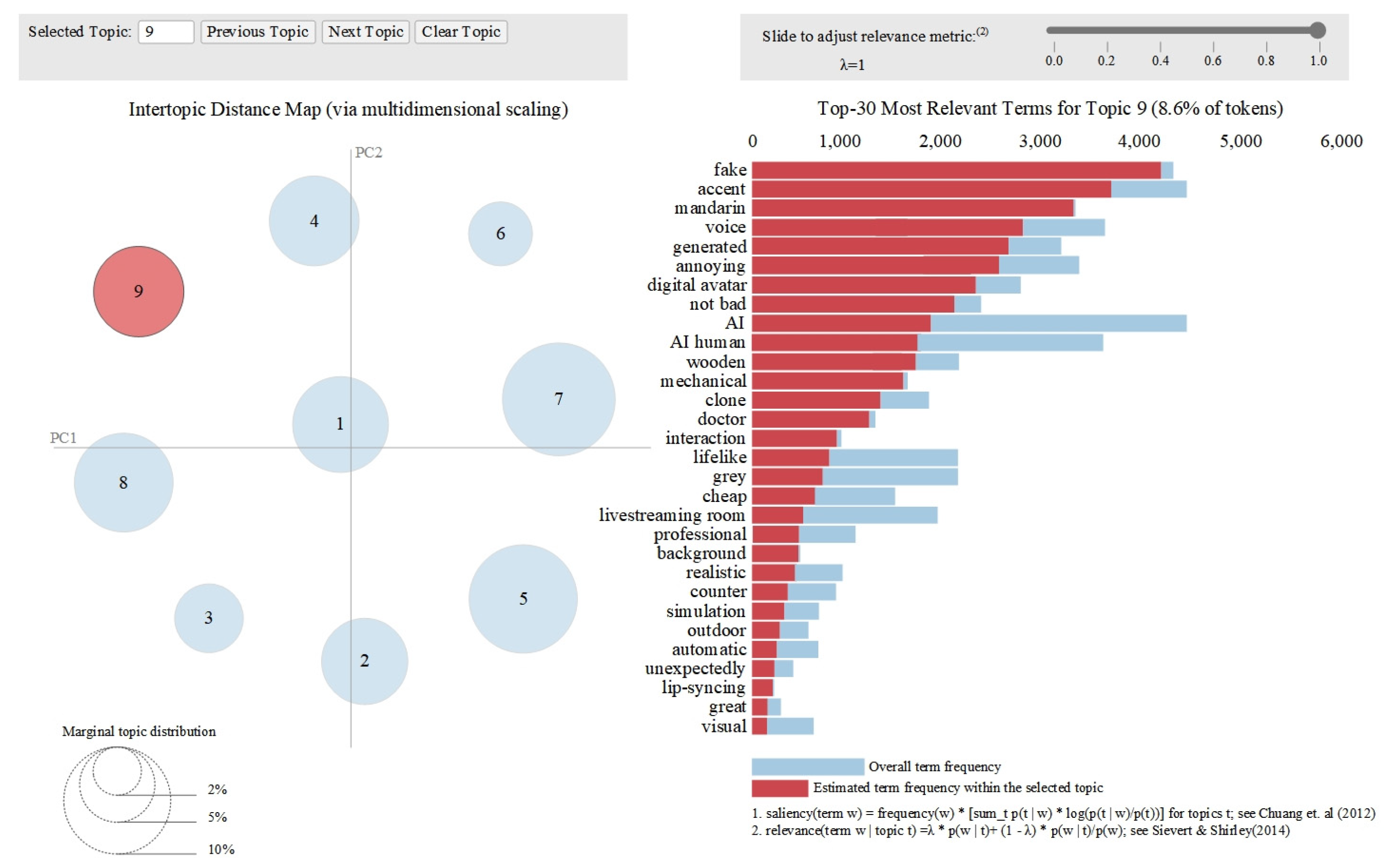
Second, the pyLDAvis tool visually inspects LDA clustering outputs (Figure 3). Visual results show good discriminability among the nine topics in a two-dimensional space. Overlap between topics stays low. Topic division performance is satisfactory. It provides visual references for subsequent manual coding [32].
Finally, grounded theoretical coding involves manual coding and secondary validation based on topic keywords in the LDA output. This step serves RQ1. It extracts technical stimulus and psychological perception dimensions corresponding to theories from clustered keywords. Two independent researchers with research backgrounds perform back-to-back coding. Inter-coder reliability was α = 0.87 (≥0.7), indicating satisfactory coding reliability [35]. For lexemes generating semantic divergence in coding, two coders returned to the original bullet-screen comment texts. They conducted collective discussions combined with the existing AI digital-human-related literature for calibration. Semantic-consistency tests judge fitness between keywords and AI digital-human livestream scenario research. Semantically deviated lexemes are eliminated. Systematic bias in construct extraction is avoided. Reliable support is provided for the extraction of subsequent variable dimensions [36].
Figure 3.
PyLDAvis (3.4.1) visualization of comment topic clustering results [37,38].
3.4. Sentiment Analysis and Variable Quantification
3.4.1. Construction of a SOR–PAD-Based Custom Sentiment Dictionary
Based on LDA topic modeling clustering outputs, this study builds a scenario-specific emotion dictionary adapted for AI digital-human livestreams under the SOR–PAD integrated theoretical framework. It quantifies the emotional intensity of each construct within bullet-screen comment texts. Dictionary construction strictly follows research paradigms in computational advertising and sentiment computing [39,40]. It ensures internal logical consistency between the extraction of emotional dimensions and the SOR–PAD theoretical framework. This study adopts a self-built scenario-specific dictionary instead of general dictionaries such as LIWC and HowNet. General dictionaries lack domain-specific lexemes for AI digital-human livestreams, such as “high-simulation appearance” and “fast response”. They cannot realize fine-grained semantic discrimination. Self-built scenario-specific dictionaries improve text quantification accuracy.
The specific construction steps of the emotion dictionary are as follows. First, the core keywords of each topic are extracted from LDA topic-clustering outputs. Correspondences between topic keywords and theoretical dimensions are presented in Table 3 in Section 3.4.1. Second, keywords are classified into technical stimulus dimensions (professionalism, simulation fidelity, responsiveness, and personalization) and multi-dimensional psychological perception dimensions (pleasure, arousal, and trust). They are consistent with the antecedent constructs of configurational analysis. Third, the HowNet-Emotion Dictionary and BosonNLP-Emotion Dictionary are integrated. Each keyword is matched with sentiment polarity (positive/negative/neutral) and sentiment intensity weights. Fourth, domain-specific lexemes are supplemented for livestreaming and AI digital humans. The final version of the emotion dictionary is iterated and generated.
Table 3.
Comment topic analysis results.
To guarantee the reliability of the self-built dictionary, two marketing field researchers conducted expert score reviews for lexeme–dimension matches. This dictionary is compared with the HowNet and BosonNLP dictionaries on a bullet-screen comment subset of this study. The classification performance advantages of the scenario-specific dictionary are verified. For the emotional quantification of each dimension, this study adopts a weighted-summation method to calculate the emotional scores for each dimension of a bullet-screen comment [41].
where i is the emotional word extracted by the LDA topic model, n is the number of emotional words; npos and nneg are the number of positive and negative words (positive and neutral words are assigned 1, negative words are assigned −1); degree is the weight of degree adverbs, referring to the study of Li et al. (2018) [42], degree adverbs are divided into 5 levels with weights of 1.5, 1.2, 1, 0.8, and 0.5, respectively (Table 4); not_words is the weight of negative words, otherwise assigned −1 (Table 5); and basic is the basic weight, set to 1.
Table 4.
Dictionary for degree words.
Table 5.
Dictionary for negation words.
3.4.2. Machine Learning-Based Quantification of Purchase Behavior Tendency
Subjective purchase behavior tendencies represent a compound psychological perception. It cannot be directly measured by using single lexemes within bullet-screen comments. Therefore, this study builds binary labels, relying on desensitized real transaction data from livestream-room backends. It obtains purchase behavior tendency scores through an SVM machine learning model. This indicator serves as a proxy measure for subjective purchase intention. It is not equivalent to questionnaire-collected subjective purchase intention [41].
- (1)
- Full workflow for bullet-screen comment transaction data matching and sample label annotation
To mitigate the data bias wrought by the fact that “posting a bullet-screen comment does not equal placing a real-world order”, this study connects two datasets: livestream-room bullet-screen comment logs and desensitized e-commerce backend transaction order data. Matching rules are established for sample annotation. First, a matching identifier: The unique device IDs of livestream users act as internal association primary keys. The bullet-screen comment records and purchase orders of identical viewers are linked. Device IDs are only used for internal sample matching. They are deleted immediately after matching. No user-identifiable information is stored externally. Transaction data are desensitized exports obtained through platform cooperation instead of crawler-scraped data. Second, a time-filtering rule: Only bullet-screen comments posted before transaction occurrence timestamps are retained. Bullet-screen comments generated after users complete placing orders are excluded. Third, binary-label criteria: If a user generates valid paid orders within the current livestream session (canceled and refunded orders are excluded), all prior bullet-screen comments from this user are labeled as high-behavior-tendency samples. If a user only posts bullet-screen comments without completing any transaction within the livestream session, comments are labeled as low-behavior-tendency samples. Important limitation note: This labeling strategy assigns labels according to users’ final behavior regarding the placing of orders. Even if their bullet-screen comments contain no purchase-related content, all prior comments of purchasing users are marked as high-tendency samples. User-level noise may be introduced; therefore, this study builds an additional robustness check subset. Only comments containing purchase-related keywords are kept for model training. Outputs from two groups of models are compared to verify the robustness of the main analysis results. Fourth, sample-balancing processing: Raw datasets contain far more low-behavior-tendency bullet-screen comment samples than high-tendency ones. Stratified random sampling balances the proportions of the two sample groups. It reduces the model bias caused by class imbalance. Fifth, a data isolation rule: Only compliant desensitized backend transaction data exports from Jingdong, Baidu, and Meituan (July–November 2025) are adopted. The authenticity of labels is guaranteed.
- (2)
- SVM classification model training and quantification procedures
First, construction of the pre-training set: 135,610 cross-platform general livestream bullet-screen comments are used for word vector pre-training. The Word2vec-CBOW algorithm is applied, with Window size = 3 and word-vector dimension = 500. After five iterations, average vectors are taken as the semantic features of bullet-screen comments. Second, dataset splitting: To avoid sample leakage, datasets are stratified at the user level rather than randomly split per single bullet-screen comment. Bullet-screen comments belonging to the same user never appear in both training and test sets. A 7:3 split ratio is adopted: 70% serve as the training set and 30% as the independent test set. Stratified splitting guarantees consistent ratios of high- and low-purchase-behavior-tendency samples across the two subsets. Third, classification model training: The SVM classifier is built with binary labels (high/low purchase behavior tendency) as output targets. Mapping learning between semantic features of bullet-screen comments and real-world transaction behaviors is completed. To evaluate the performance of the SVM model relative to baseline models, logistic regression and random forest models are trained under identical feature settings. The performance indicators are as follows: SVM (accuracy 0.97, recall 0.94, and F1-score 0.95); logistic regression (accuracy 0.91, recall 0.88, and F1-score 0.89); and random forest (accuracy 0.93, recall 0.90, and F1-score 0.91). Comparison results show that the SVM model achieves superior classification validity for this dataset. Fourth, target sample quantification: The well-trained stable SVM model predicts each of the 18,690 valid AI digital-human livestream bullet-screen comment samples in this study. Probability values of high purchase behavior tendencies predicted by the model are output. This continuous probability, ranging from 0 to 1, serves as the quantified purchase behavior-tendency score for each bullet-screen comment.
Each technical and emotional dimension score is calculated through weighted summation using the self-built emotion dictionary. Continuous purchase behavior tendency scores generated from the above machine learning step are added. All quantified values are standardized uniformly. They constitute complete input datasets for subsequent fsQCA configurational analysis. Unstructured bullet-screen comment texts are fully converted into standardized continuous variables.
3.5. Fuzzy-Set Qualitative Comparative Analysis (fsQCA)
FsQCA 4.0 software is adopted for configurational analysis to clarify the differentiated formation paths of high purchase behavior tendencies under the multi-factor coupling of technical stimuli and multi-dimensional psychological perceptions [43]. The unit of analysis for fsQCA in this study is livestream-room cases (N = 40). Raw materials include 18,690 bullet-screen comments. Quantification with dictionaries and SVM is performed at the single bullet-screen comment level. Variables are then aggregated into arithmetic means per livestream room to generate standardized livestream-room-level datasets for configurational analysis. The same raw bullet-screen comment corpus is adopted across all procedures. Uniform data specifications lay a solid data foundation for the reliability of configurational results.
Qualitative comparative analysis (QCA) was proposed by Charles Ragin in 1987 as a case-oriented research method [29]. Consumption decisions in AI digital-human livestream contexts feature causal complexity, equifinal paths, and asymmetric causality. Single variables cannot independently determine consumption outcomes. Different mixes of multiple factors can generate multiple equivalent driving paths. Traditional linear statistical methods scarcely capture such “joint effects” [44]. Therefore, fsQCA fits the research objectives of this study. The complete fsQCA analysis workflow, variable calibration rules, and condition discrimination criteria in this study follow the latest methodological specifications in the QCA field [45]. Implementation steps proceed sequentially: variable setting and data calibration, the necessary condition test, sufficient-condition configurational analysis, and the robustness test.
3.6. Platform Heterogeneity Analysis
Further regression analyses using Stata 18 test the boundary constraint effects of platform heterogeneity on configurational effects. FsQCA identifies equivalent configuration sets generating a high purchase-behavior tendency. Regression analyses further test whether magnitudes of configurational effects change under different platform contexts. The two methods complement rather than replace each other.
Configurations derived from fsQCA serve as independent variables. Purchase behavior tendency acts as the dependent variable. Interaction terms between configurations and platform dummy variables are introduced into full-sample models. Formal statistical tests for inter-group differences of configurational effects are completed. Subgroup regressions per platform are supplemented for illustration. Regression samples contain aggregated data from 40 livestream rooms (15 from Jingdong, 16 from Baidu, and 9 from Meituan). Control variables include anchor fan volume, livestream-room-like volume, and livestream categories. Important note: Subgroup samples per platform are limited in size. Risks of low statistical power and overfitting exist. Subgroup regression outputs only serve as an interpretive reference. The main conclusions of this study rely primarily on full-sample interaction-term test results.
4. Results
4.1. Core Variable Identification Based on LDA
After completing LDA topic extraction and double-round grounded theoretical coding validation in Section 3.3, this study adopts the SOR–PAD integrated framework for hierarchical classification. It refers to the original PAD emotion definitions proposed by Mehrabian and Russell (1974) [27]. Unified semantic mapping criteria are built to construct a complete conversion path from LDA text outputs to theoretical constructs.
First, all LDA output topic keywords are preliminarily classified following three-layer SOR logic. Texts describing digital-human explanation, interaction, appearance, and algorithm functions are categorized into the S (external technical stimulus) class. Texts reflecting viewing experiences and consumption risk concerns are categorized into the O (organism-level multi-dimensional psychological perception) class. Texts describing placing orders and repeat purchases are categorized into the R (purchase behavior tendency outcome) class. Second, for semantically ambiguous keywords with an unclear category attribution, two coders performed independent labeling, referencing original PAD definitions. For lexemes generating coding divergence, calibration is implemented by combining features of AI digital-human livestream scenarios and lexicon libraries from the existing consumption-emotion-related literature. Semantic text ambiguities are eliminated to guarantee the consistency of high-level classification outputs. Finally, after completing high-level classification and ambiguity calibration, nine original text-derived topics are aggregated, drawing on subdivision classification outputs from grounded theoretical coding. Important note: This study retains the pleasure and arousal dimensions from the original PAD theory. Trust is added as an independent organism-level psychological construct to adapt the features of bullet-screen comment corpora. This represents a situational adjustment instead of a modification of the core of PAD theory. Ultimately, four technical stimulus dimensions at the S layer, multi-dimensional psychological perception constructs (pleasure, arousal, and trust) at the O layer, and the R-layer purchase behavior tendency outcome variable are obtained. Complete conversion from unstructured bullet-screen comment texts to structured empirical constructs is realized. Correspondences among various keywords and theoretical dimensions fit scenarios in AI digital-human livestream research. Full correspondences between topics and variables are shown in Table 3.
4.2. Variable Quantification Results
Drawing on Section 3.4, the custom SOR–PAD sentiment dictionary and trained machine learning model quantified antecedent and outcome constructs. Partial quantification examples are shown in Table 6. Quantification outputs show large score variations across individual bullet comments. They reflect heterogeneous consumer perceptions and psychological responses to the technical features of AI digital humans. For instance, the bullet comment, “This facial cleanser is mild and non-irritating; its oil-control performance is excellent and it feels very comfortable to use”, receives a professionalism score of 4.8 and a pleasure score of 5. It reflects user recognition of professional product explanations and strong subjective pleasure. Another bullet comment, “The shoes mentioned last time support authenticity inspection. My daughter confirmed they are genuine. Thank you”, yields a responsiveness score of 3.8 and a trust score of 5. It reflects user approval of a real-time interaction and a high level of trust. SVM-generated purchase behavior tendency proxy scores correlate moderately strongly with dimension-level sentiment scores. This correlation supports the reasonableness of the quantification workflow.
Table 6.
Sample variable quantification results.
4.3. Configurational Analysis of AI Digital-Human Livestreaming Purchase Behavior Tendencies Based on fsQCA
4.3.1. Variable Calibration
This study applies the direct calibration method to transform continuous variables into fuzzy-set membership scores. Direct calibration sets anchor points from sample quantiles. It delivers objectivity and replicability for continuous-case datasets and avoids the subjective bias introduced by indirect calibration [44,46]. Following mainstream QCA literature conventions, three anchor points are set: full membership = 90% quantile, crossover point = 50% quantile, and full non-membership = 10% quantile. This setting preserves sample distribution features and mitigates outlier interference, consistent with fuzzy-set calibration principles [29,44,47]. To reduce ambiguity around the crossover threshold value, the crossover point is adjusted from 0.5 to 0.501 for sharper set boundary discrimination [46]. Calibration anchor point values for all variables are listed in Table 7. It is worth noting that the calibration anchor points in Table 7 are calculated from aggregated standardized livestream-room-level variables. The numerical range differences from Table 6 originate from aggregation and standardization.
Table 7.
Variable calibration anchors.
4.3.2. Necessity Condition Analysis
Necessary condition analysis tests whether any single antecedent constitutes a necessary pre-condition for the outcome. A condition is treated as necessary when consistency is >0.9, meaning that the outcome nearly always occurs given the presence of that condition [48]. The results in Table 8 show that consistency values for all antecedent conditions are below 0.9. No single necessary condition exists. This outcome satisfies the pre-conditions for the subsequent sufficiency condition configurational analysis.
Table 8.
Necessity analysis of condition variables.
4.3.3. Sufficiency Configuration Results
Truth table construction and sufficiency condition analysis follow necessary condition testing. A consistency threshold = 0.8 [46], PRI threshold = 0.75 [49], and frequency threshold = 1 were used [47]. Five valid configurational paths for high purchase behavior tendencies are obtained (Table 9). Overall solution consistency = 0.93 (>0.8). Overall solution coverage = 0.47. Configurational outputs exhibit acceptable fitting quality and explanatory power. According to differences in core condition combinations, the five paths are grouped into three driving modes: responsiveness-dominant mode, pleasure-dominant mode, and multi-factor synergy mode.
Table 9.
Sufficiency analysis of condition configurations.
- (1)
- Responsiveness-dominant Mode
Configuration S1 follows utilitarian-oriented logic derived from the SOR–PAD framework. Responsiveness and professionalism function as core technical stimuli. Pleasure and trust remain at low baseline levels; strong affective activation is not required. According to SOR–PAD theories, consumers prioritize information acquisition efficiency in rational product comparison contexts. Low-arousal baseline psychological states are sufficient to support purchase decisions. This configuration achieves a consistency = 0.957 and raw coverage = 0.207. It represents a mainstream conversion path for digital products and standard goods livestreams. Efficient Q&A and standardized professional explanations alone can form complete configurational co-occurrence patterns that drive high purchase behavior tendencies.
- (2)
- Pleasure-dominant Mode
Configuration S2 corresponds to the hedonic-oriented configurational path within SOR–PAD. Professionalism only eliminates basic information-related doubts. Pleasure acts as the core psychological driver. Arousal and trust stay at low activation levels. PAD theory suggests pleasure serves as a central trigger for impulsive consumption [20]. In low-decision-threshold fast-moving consumer goods contexts, pleasure generated by interactive benefits can directly stimulate ordering behavior. Consistency = 0.943, raw coverage = 0.203. It forms a “basic technical stimulus + strong pleasure perception” synergy pattern and fits beauty product and snack livestreams.
- (3)
- Multi-factor Synergy Mode
This group includes three configurational paths relying on the joint activation of technical and psychological perception factors to satisfy compound consumer demands. Scenario applicability gradients exist among the three paths.
Configuration S3 (responsiveness + professionalism + pleasure + trust): Under the SOR–PAD framework, responsiveness and professionalism constitute external technical stimuli (S). They deliver standardized and reliable product service signals. Trust (added organism-level construct in this study) mitigates product safety worries. It works together with pleasure perception to reduce perceived risk levels [1]. Raw coverage = 0.265. S3 represents the most prevalent conversion path for high-perceived-risk livestreams selling maternal, infant, or healthcare-related goods.
Configuration S4 (responsiveness + pleasure + trust + arousal) builds on S3 and additionally activates the arousal dimension. According to PAD theory, arousal reflects emotional excitement and latent demand activation. Promotional discounts and knowledge popularization-oriented livestreams raise organism-level arousal. Impulsive consumption mechanisms are superimposed upon stable technical–psychological foundations [1]. Consistency reaches 0.995. S4 has strong explanatory power for skincare and health science popularization-oriented livestreams.
Configuration S5 (full set of four technical dimensions + full-set multi-dimensional psychological perception dimensions) represents the most comprehensive multi-factor linkage configurational pattern under SOR–PAD. In fresh food and local instant-retail livestream contexts, consumer demands are highly compound. All four technical dimensions and all three psychological perception dimensions must function simultaneously. From configurational causal logic, omitting any technical or psychological perception element breaks the whole set of co-occurrence conditions. S5 fits local instant-retail livestream scenarios with highly diversified consumer requirements.
Collectively, the five equifinal configurational paths support the core theoretical inference derived from SOR–PAD: no single variable acts as a necessary condition for high purchase behavior tendencies. Multiple equifinal causal paths can generate identical consumption outcomes. Three configurational synergy modes emerge: utilitarian-oriented, hedonic-oriented, and multi-factor synergy-oriented. Conventional linear tools such as multiple regression or SEM only test the independent net effects of individual variables. They cannot capture complementary and linkage relationships among variables. They cannot explain equifinal phenomena, where different factor combinations produce equivalent outcomes. fsQCA configurational causal analysis overcomes the limits imposed by linear causal assumptions. It fully captures heterogeneous technical–psychological co-occurrence mechanisms across different livestream scenarios and compensates for weaknesses in prior linear SOR–PAD-based empirical studies.
4.3.4. Robustness Test
To ensure the reliability and stability of the configurational results, this study conducts a robustness test by raising the consistency threshold from the default value of 0.8 to 0.85 and 0.9, respectively. The results indicate that the core conditions of the five configurational paths remain unchanged, with no significant fluctuations in key indicators, including consistency and coverage (see Appendix A). These findings verify the robustness of the sufficiency condition analysis and the credibility of the research conclusions [49].
4.4. Platform Heterogeneity Analysis
Drawing on Section 3.6, differences in platform industrial-format attributes lead to the varied effectiveness and adaptability of fsQCA-derived configurations across livestream contexts. Stata 18 is adopted for regression tests (Figure 4). Full-sample configuration-by-platform dummy-variable interaction–regression outputs in Table 10 of the main text serve as core statistical evidence for platform difference tests of configurational effects. Subgroup regression outputs per platform are placed in Appendix B Table A3 and serve only as descriptive reference clues.
Figure 4.
Analysis of heterogeneity in configurations. Notes. “美团” translates to “Meituan”, “京东” translates to “Jingdong”.
Table 10.
Full-sample regression results of configuration-by-platform interaction effects.
Important note: Subgroup sample sizes per platform are limited (Jingdong N = 15; Baidu N = 16; and Meituan N = 9). The Meituan subgroup has low degrees of freedom. Risks of low statistical power and overfitting exist. Coefficients and p-values of subgroup regressions in Appendix B Table A3 serve only as descriptive references and shall not be used for statistical inference. Results from full-sample interaction models show that platform contexts constitute important boundary conditions for configurational effects. Different industrial formats fit differentiated configuration paths. This study focuses on platform adaptation differences of whole technical–emotional configuration combinations rather than the independent-effect differences of single variables. The interpretive deductions below combine model outputs and public industry background information. Descriptions of platform ecosystems represent external industry facts instead of direct empirical outputs from regressions.
- (1)
- Jingdong platform
From the full-sample interaction model outputs in Table 10, interaction terms JD × S2 and JD × S3 reach statistical significance. The effectiveness of configurations S2 and S3 is significantly strengthened under the Jingdong context. Interaction terms JD × S1 and JD × S4 are non-significant. Subgroup outputs in Appendix B Table A3 act only as auxiliary descriptive references. Combined deductions draw on the existing literature: Jingdong’s self-operated business format covers diverse categories. Differentiated consumer demands exist within the platform. Multiple configuration paths may function simultaneously [50]. The hedonic-oriented S2 configuration may apply to impulse consumption scenarios for low-decision-threshold categories, such as beauty products and apparel. The multi-factor synergy S3 configuration can tentatively explain conversion logic for high-perceived-risk categories, including maternal, infant, and healthcare products [51].
- (2)
- Baidu platform
The Table 10 outputs show that interaction terms Baidu × S1, Baidu × S2, and Baidu × S3 are significant. The effectiveness of configurations S1, S2, and S3 improves significantly under the Baidu context. Subgroup outputs in Appendix B Table A3 serve only as supplementary clues. Combined analyses draw on existing studies and Baidu-search e-commerce industrial backgrounds: The platform prioritizes digital-standard goods, low-cost daily-use goods, and science popularization-oriented livestream sales [52]. The response-oriented S1 configuration seems to fit the rational information retrieval and price comparison demands of users purchasing digital products. The S2 configuration may adapt to low-cost fast-moving consumer goods scenarios. The non-significant interaction term for the arousal-integrated S4 configuration means its explanatory power for skincare and health- and science-popularization livestreams remains a referential deduction only [53].
- (3)
- Meituan platform
Meituan acts as the reference baseline group. Interaction terms JD × S5 and Baidu × S5 in Table 10 are non-significant. No statistically significant cross-platform effect differences exist for the full-factor synergy configuration S5. Deductions draw on the existing literature: Meituan focuses on fresh food and local instant-retail businesses. Consumers hold compound multi-faceted demands, covering delivery timeliness, commodity explanations, personalized recommendations, psychological experiences, and quality guarantees [54]. Simplified configuration paths scarcely satisfy such complex consumption demands. Only the full-factor synergy S5 configuration may improve purchase behavior tendencies [55].
5. Discussion
5.1. Key Findings
5.1.1. Core Stimuli and Multi-Dimensional Psychological Perceptions: Advancing the Technical Attribute System for AI Digital Humans
Against RQ1, this study draws on livestream bullet-screen comment texts and LDA topic mining. It summarizes four core technical stimulus dimensions for AI digital humans: professionalism, simulation fidelity, responsiveness, and personalization. It also identifies three key multi-dimensional psychological perception constructs: pleasure, arousal, and trust. It fills the research gaps of prior studies that over-emphasize superficial features, such as an anthropomorphic appearance and entertainment performance, while paying insufficient attention to functional technical indicators [56,57]. Most of the existing SOR–PAD framework-based empirical literature adopts questionnaires for linear tests. They preset mutual independence and one-way effects among various stimuli and psychological perceptions on consumption outcomes [58]. In contrast, the configurational perspective findings of this study show that psychological perceptions do not function in isolation. Pleasure, arousal, and trust form linked configurational co-occurrence relationships. They jointly affect purchase behavior tendency. The driving logic of psychological factors in AI livestream contexts is expanded from a single-factor-driven mode to a multi-dimensional psychological perception configurational synergy-driven mode.
Prior studies on virtual anchors and AI avatars mostly treat anthropomorphic appearance and visual attractiveness as core pre-conditions for user trust. They form the mainstream view that “higher appearance realism generates higher user trust” [59,60]. The empirical results of this study supplement and revise this viewpoint. Within AI digital-human livestream selling contexts, simulation fidelity mostly acts as a peripheral auxiliary condition. Professionalism and real-time-response capacity constitute core supports for building user trust. This finding echoes the core propositions of the HAII human–computer interaction framework. It further refines the applicable boundaries of this theory for subdivided e-commerce livestream scenarios [61]. Important notes: This study retains the original pleasure and arousal dimensions from PAD. Trust represents an independently added construct adapted for livestream scenarios. Trust is not treated as a direct equivalent to the dominance dimension within PAD theory. Compared with the traditional positive–negative binary emotion classification, fine-grained multi-construct division better explains consumer psychological changes under technology-driven human–computer interaction contexts. New empirical evidence is provided for the application of the SOR–PAD framework within such scenarios.
5.1.2. Configurational Paths of Purchase Behavior Tendency: Unpacking Technical Stimulus–Multi-Dimensional Psychological Perception Synergy Logic
Addressing RQ2, this study adopts fsQCA configurational analysis to overcome the limitations of analytical perspectives using traditional linear models. Multiple regression and structural equation modeling tools are suitable for identifying the independent net effects of variables. However, they cannot explain the real-world equifinal causality phenomenon, in which livestream rooms with vastly different resource inputs can achieve comparable conversion outcomes. The results confirm that no single technical or psychological perception element can independently produce a high purchase behavior tendency. Consumer outcomes are jointly shaped by the combined effects of technical stimuli and multi-dimensional psychological perceptions. Three categories of equivalent configuration modes are summarized: utilitarian-oriented, hedonic-oriented, and high-risk compound-demand-oriented. These findings mutually verify the theoretical deductions derived from the SOR–PAD framework [7].
The three configuration modes can be interpreted through the utilitarian–hedonic dichotomy theory and perceived risk theory [62]. Under utilitarian-oriented configurations, consumers prioritize information acquisition efficiency and practical utility. Technical service cues dominate consumption decisions, while psychological perceptions only play a supporting fallback role [63]. Under hedonic-oriented configurations, hedonic psychological experience serves as the core driving force. Basic professional information only eliminates minimal consumption-related doubts [64]. For high-perceived-risk scenarios such as maternal/infant and fresh food products, efficiency-oriented cues or emotional cues alone cannot resolve consumers’ quality concerns. Joint activation of multi-dimensional technical stimuli and psychological perceptions is required to reduce perceived risk [65]. This hierarchical pattern expands the explanatory scope of the SOR–PAD framework in livestream e-commerce contexts and supplements situational boundary conditions for high-risk-perception scenarios.
Some existing livestream consumption studies follow linear causal presuppositions, assuming that higher variable levels will always generate better consumption outcomes [1]. Our equifinal path findings align with the configurational causal viewpoints proposed by Ragin [29], offering supplementary insights into such conventional linear assumptions. Comparisons with studies on human anchors reveal that human hosts mostly rely on personal charisma and emotional resonance to trigger impulsive consumption [22]. By contrast, AI digital humans leverage their inherent technical attributes. They form unique conversion configurations via differentiated combinations of technical cues and multi-dimensional psychological perceptions, showing consumer response patterns distinct from human-host livestreams.
From a methodological perspective, this study constructs a bullet-screen text quantification workflow integrating LDA, self-built emotion dictionaries, and SVM. Different from the questionnaire-dominated measurement approaches widely used in this research field, this workflow mitigates recall bias to a certain extent [5]. The complete reproducible mixed-research pipeline of “text mining–machine learning–configurational analysis” provides a new analytical paradigm for consumer behavior research based on real-time user-generated text. It enriches the methodological toolkit for empirical studies on livestream e-commerce.
5.1.3. Platform Heterogeneity: Expanding the SOR Model’s Contextual Boundaries Informed by Multi-Theory Perspectives
Addressing RQ3, the conversion effectiveness of configuration paths exhibits clear platform-based boundary conditions. The primary statistical evidence for cross-platform differences in configurational effects comes from the full-sample interaction tests between configurations and platform dummy variables in Table 10. Subgroup regression outputs in Appendix B serve only as auxiliary descriptive clues and are not used for statistical inference. The effective configuration combinations that generate high purchase behavior tendency diverge across Jingdong, Baidu, and Meituan. Existing studies adopting the SOR–PAD framework often ignore platform context differences and lack scenario-specific theoretical explanations. Accordingly, this study draws on consumer involvement theory and platform ecosystem theory to interpret the internal mechanisms behind such configurational divergence. It fills research gaps stemming from generalized contexts and vague boundary conditions [66,67].
From the perspective of consumer involvement characteristics, differences in users’ product involvement levels across platforms shape divergent consumer demands and factor preferences [66]. Theoretical and platform context inferences indicate that most users entering Baidu livestream rooms via active search hold rational decision-making tendencies. The minimalist, function-oriented S1 configuration centered on responsiveness and professionalism may match their needs for information retrieval and price comparison. The S4 configuration incorporating arousal and trust may be suitable for moderately involved users interested in science popularization content. The pleasure-driven S2 configuration may apply to low-involvement users purchasing affordable consumer goods. Meituan focuses on fresh-food-oriented local instant retail. Consumers hold multiple overlapping demands, including timeliness, product quality, personalized services, and after-sales support. Simplified single-factor combinations scarcely satisfy such complex consumption needs, and only the full-synergy S5 configuration has the potential to function effectively. Jingdong covers highly involved 3C home appliance categories, high-risk maternal and infant goods, and healthcare products, as well as low-involvement daily chemical and snack products, leading to obvious user stratification. For low-involvement hedonic consumption groups, the pleasure-driven S2 configuration may be applicable. For high-safety-demand and highly involved consumer groups, the multi-factor balanced synergy S3 configuration can be considered, thus forming a dual-path parallel-effect pattern.
Platform ecosystem endowments further explain configuration adaptation regularities across different business formats [67]. Benefiting from its self-operated supply chain and closed-loop warehousing logistics ecosystem, Jingdong’s regular marketing activities support the effectiveness of the pleasure-oriented S2 configuration. Meanwhile, genuine-sounding product traceability and quality endorsements lay the foundations for the implementation of the multi-factor synergy S3 configuration, balancing professional service delivery, building trust, and user experience. Guided by search precision matching logic, Baidu allocates more resources to product Q&A and knowledge popularization rather than entertainment-oriented operations. Therefore, the professionalism- and responsiveness-centered S1 configuration possesses strong adaptation potential. Only science popularization tracks can potentially activate the arousal-enhanced S4 configuration. Meituan builds a localized fulfilment system, combining livestream entrances, front-end warehouses, and instant delivery. Its full-link service requirements impose high standards on digital-human livestreams regarding technical service, users’ psychological experience, and quality assurance. Consequently, only the full-factor-linked S5 configuration is likely to fit its ecosystem characteristics.
It should be noted that the above statements regarding product category adaptation and platform ecosystems are post hoc interpretive inferences based on theories and public industry backgrounds. They are not definitive empirical conclusions directly derived from subgroup regressions. Such inferences are supported by statistical outputs from full-sample interaction models, while Appendix B subgroup results serve merely as supplementary references. Interaction model results confirm that whole sets of technical–psychological configuration combinations show heterogeneous adaptation effectiveness across platforms, rather than that the independent effects of single antecedent variables change across contexts. By taking platform context as a key boundary condition, this study specifies the applicable scope of the SOR–PAD framework for three segmented scenarios: comprehensive self-operated e-commerce, search-based e-commerce, and instant retail. It expands the contextual explanatory power of this framework and provides theoretical references for differentiated AI digital-human livestream operations on various platforms.
5.2. Theoretical Contributions
5.2.1. Introducing Configurational Causal Logic into the SOR–PAD Integrated Framework
Most existing empirical studies combining SOR and PAD adopt regression or SEM for linear tests. They focus on the independent net effects of variables and scarcely capture synergistic coupling relationships between technical stimuli and multi-dimensional psychological perceptions [1,58]. Instead of constructing a brand new SOR–PAD theoretical system, this study introduces configurational causal logic into the established SOR–PAD integrated framework. It establishes the analytical logic of “digital-human technical stimulus, multi-dimensional psychological perception, and purchase behavior tendency”. Moving beyond the preset of independent variable net effects, it investigates equifinal substitution and complementary symbiosis among technical and psychological perception elements. The empirical results verify that no single antecedent can independently produce high purchase behavior tendencies; high-level consumption outcomes stem from the configurational synergy of multiple factors. These findings challenge and supplement the conventional linear assumption that “higher variable levels lead to better consumption outcomes”. They extend the explanatory boundary of the SOR–PAD framework in human–computer interaction livestream contexts. It should be emphasized that this study identifies configurational co-occurrence patterns among variables and does not test strict time-sequential S–O–R causal transmission processes.
5.2.2. Improving the Functional Technical Dimension System of AI Digital Humans
Existing studies on virtual humans largely focus on superficial visual features such as anthropomorphic appearances. They lack systematic summaries of functional technical attributes critical to sales conversion [68,69]. Drawing on LDA text-mining outputs of livestream bullet-screen comments, this study extracts four technical dimensions: professionalism, responsiveness, personalization, and simulation fidelity. It builds an antecedent construct system centered on service capabilities. Empirical findings indicate that user trust mainly originates from configurational combinations of functional technical attributes, including professionalism and responsiveness, whereas simulated appearance only plays a peripheral auxiliary role. This result revises the one-sided view that “anthropomorphic realism determines user trust”. It enriches theoretical dimensions for evaluating digital human technical effectiveness within human–computer interaction research.
5.2.3. Providing New Empirical Evidence for Equifinal Configurational Causality in E-Commerce Consumption
Most empirical livestream consumption studies rely on conventional linear statistics. They cannot explain real-world equifinal causality phenomena, where large gaps in resource input can still yield comparable conversion performance [70]. This study adopts the mixed text configurational analysis workflow of “LDA self-built emotion dictionary SVM-fsQCA”. It identifies five equifinal configuration paths, including response-oriented, pleasure-oriented, and multiple-synergy types. It confirms that purchase behavior tendency features asymmetric and equifinal configurational causality. AI digital humans achieve consumption conversion via the differentiated configurational co-occurrence of technical stimuli and multi-dimensional psychological perceptions. Their working mechanisms differ from human anchors, who drive consumption through personal charisma and emotional resonance. This study supplements empirical materials for configurational-perspective human–computer interaction consumption research. Meanwhile, it delivers a reproducible configurational quantification analytical paradigm built upon user-generated text data.
5.2.4. Testing the Platform Contextual Boundaries of Configurational Effects
Several configurational-perspective consumption studies are conducted based on single-platform samples. They assume universal cross-scenario applicability for configuration paths and omit multi-format boundary condition examinations. Taking livestream rooms from self-operated e-commerce, search-based e-commerce, and instant retail platforms as samples, this study uses full-sample interaction regressions between configurations and platform dummy variables as core statistical evidence. Subgroup regressions per platform serve only as auxiliary supporting materials. Results show that whole “technical stimulus–multi-dimensional psychological perception” configuration combinations exert heterogeneous effectiveness across platforms (rather than the heterogeneous independent effects of individual antecedent variables). Both platform ecosystem endowments and user involvement levels constrain the conversion effectiveness of configurations. Based on the explanatory logic of “platform ecosystem—user involvement—configuration adaptation”, this study specifies the applicable conditions of the SOR–PAD framework for multi-format e-commerce scenarios. It improves external validity for configurational causal models and human–computer interaction adoption theories. Nevertheless, limited by small subgroup sample sizes, conclusions regarding such situational boundaries await further replication and validation using larger sample datasets.
5.3. Practical Implications
5.3.1. Implications for AI Digital-Human Livestream Operation Optimization
Livestream operators can refer to the configurations identified in this study and match AI digital-human functional modules and livestream operation plans according to category-specific consumption characteristics. (1) For utilitarian rational-purchase-oriented categories, such as digital products and standard tools, operators may draw on the thinking behind the response-dominant S1 configuration. Resources can be prioritized for improving digital humans’ real-time answering capacity and building standardized professional knowledge bases. Redundant entertainment interaction content should be appropriately reduced. Rapid Q&A and precise parameter interpretation can satisfy users’ efficiency-first consumption demands. (2) For low-decision-threshold hedonic fast-moving consumer goods such as beauty products and snacks, the pleasure-dominant S2 configuration can be adopted for reference. Interesting scripts, flash-sale promotions, and coupon-driven interactions can create relaxed viewing atmospheres, alongside basic product information explanations to stimulate impulsive consumption. (3) For high-safety-requirement categories such as maternal, infant, and healthcare products, operators may follow the construction logic of the balanced-synergy S3 configuration. Real-time interactive responses, a pleasant communication experience, quality and trust endorsements, and in-depth professional explanations all need to be considered. For science-popularization-oriented skincare and healthcare livestreams, the S4 configuration logic can be trialed. Based on responsiveness, pleasure, and trust, topic operations and welfare campaigns can arouse consumption demands. For fresh-food-oriented instant-retail scenarios with overlapping multi-level demands, priority should be given to the full-factor synergy S5 configuration. Modules covering professional explanation, rapid response capability, personalized recommendations, emotional atmosphere building, trust assurance, and consumption demand arousal should be synchronously improved to match consumers’ compound consumption expectations.
5.3.2. Implications for Differentiated Platform Operation Across Different Business Formats
Derived from configurational adaptation clues obtained via full-sample interaction models (subgroup outputs serve only as supplementary references), differentiated digital-human layout suggestions are proposed, considering gaps in user involvement characteristics and platform ecosystem endowments across comprehensive self-operated e-commerce, search-based e-commerce, and local instant-retail platforms. (1) For JD-style comprehensive self-operated e-commerce platforms, both S2 and S3 configurations possess potential adaptation value. Stratified category-based operation strategies are recommended. For low-involvement fast-moving consumer goods such as beauty and apparel products, operators may refer to the pleasure-driven S2 mode and boost conversion via welfare interaction atmospheres. For high-risk must-buy large-sized goods for maternal, infant, and healthcare purposes, the multi-factor balanced synergy S3 configuration is suggested. Q&A responsiveness, professional output, trust building, and livestream experience should all be taken into account. During large promotion events, resources for pleasure-oriented marketing activities can be moderately increased to further unlock the conversion potential brought about by the S2 configuration. (2) For Baidu-style search-based e-commerce platforms, the responsiveness- and professionalism-centered S1 configuration shows good adaptation potential, while S2 and S4 serve as supplementary paths. For digital product livestreams, the lightweight functional digital-human ideas behind S1 are preferred to satisfy the rational demands of search-oriented users for parameter inquiry and question answering. For daily-use goods and categories, more pleasure-oriented scripts can be added to follow S2 configuration thinking. For skincare and health-and science-popularization livestreams, the S4 configuration can be trialed, with added marketing arousal links to tap consumption potential. (3) For Meituan-style instant-retail scenarios, simplified S1–S4 configurations scarcely drive order growth. Practitioners should prioritize construction ideas derived from the full-factor synergy S5 configuration. Platforms and merchants need to attach importance to full-function digital-human capability development. Given long fulfilment chains and diversified user demands in fresh food and local-life scenarios, full-set capabilities, including timeliness-related Q&A, commodity source popularization, personalized purchase recommendations, after-sales support, and livestream atmosphere interactions, need iterative improvement. Lightweight universal digital-human templates should not be applied mechanically.
5.3.3. Implications for Industrial Policy Optimization
Combining the consumption-track characteristics and configuration-driving regularities revealed in this study, regulatory authorities can refer to our findings and explore classified guidance and refined supervision ideas. (1) For utilitarian consumption tracks such as digital home appliances: Policy support can be offered for R&D on intelligent Q&A and professional knowledge-base-oriented digital-human technologies. R&D subsidies and computing resource support can be provided for enterprises developing efficient-response-type AI digital humans, so as to promote the technical implementation of lightweight function-oriented S1 digital humans. (2) For hedonic entertainment-focused fast-moving consumer-goods livestream tracks: On the one hand, R&D iteration for emotion interaction and livestream-script-related content technologies should be moderately supported. On the other hand, regulatory rules for livestream promotion activities, such as coupons, flash sales, and free gifts, need improvement. Risks of irrational consumption caused by excessive emotional inducement should be avoided. (3) For high-safety-risk maternal, infant, and healthcare-related tracks: Construction of digital supporting solutions such as product quality traceability and genuine product endorsement should be promoted. Enterprises can be guided to follow the capability-oriented standards of the balanced synergy S3 configuration. Capabilities for professional explanations and quality trust demonstrations should be strengthened. (4) For fresh-food-oriented local instant-retail tracks: Drawing on existing supporting resources for service industry digitalization and consumer facilitation initiatives, platforms should be supported to iterate scenario-specific full-function digital humans for local-life contexts. Scenario-customized functions, including pre-warehouse-delivery-related Q&A and personalized recommendations for seasonal fresh goods, should be improved.
From an industrial supervision perspective, authorities can explore establishing an AI digital-human capability classification guidance mechanism. Corresponding capability construction guidelines for different livestream tracks can be formulated. The market can be guided to reduce the launch of low-quality and under-equipped digital-human products, so as to maintain a healthy development environment for segmented livestream tracks.
5.4. Limitations and Future Research Directions
First, there are constraints on the sample coverage and sample size. This study only selects mature AI digital-human livestream rooms from three domestic platforms. Novice-level livestream rooms are excluded. Therefore, conclusions cannot be readily generalized to overseas platforms or other livestream business formats. Moreover, only 40 fsQCA cases are available in this study. Restricted by sample capacity, the frequency threshold can only be set as 1. Raising the frequency threshold to 2 generally requires at least 80 cases, which cannot be realized given current sample conditions. Sample sizes become even smaller for platform-specific subgroups, bringing risks of low statistical power and overfitting. Future studies can expand sample coverage, incorporating livestream rooms of varied operation levels, multiple platforms, and cross-cultural contexts. Under larger-sample conditions, additional robustness checks can be conducted by adjusting frequency thresholds, and configurational findings can be further replicated and verified. Second, there are limitations regarding the data and measurement. This study relies on bullet-screen-comment text data. Bullet-screen comments do not equate fully with consumers’ subjective inner psychology, and direct questionnaire-based measurements are absent. Bullet-screen-comment data are aggregated into livestream-room-level mean values. Although this solves the non-independence problem of individual comment observations, micro-variations at the individual user level are lost. Future research can integrate bullet-screen comments, transactions, and questionnaire data. Triangulation approaches can be adopted to improve construct measurement quality. Third, there are limitations regarding the boundaries of the theoretical framework. This study conducts configurational analysis under the SOR–PAD framework. Trust is added as an independent organism-layer construct adapted for livestream scenario requirements, and the original dominance dimension of PAD is not adopted. In addition, technology acceptance theories, including TPB, TAM, and UTAUT, are not integrated in this work. Future studies can build multi-theory-coupled models to enrich explanatory perspectives for human–computer interaction-related consumption behaviors. Fourth, there are limitations regarding constraints for causal inference. fsQCA identifies configurational co-occurrence relationships among variables. It cannot test time-sequential causality or statistical mediation effects. Platform-specific subgroup–regression outputs serve only as auxiliary exploratory evidence. Boundary-relevant conclusions await replication using larger-sample datasets. Fifth, limitations stemming from static cross-sectional data. This study adopts aggregated static data. It cannot capture the dynamic evolution of consumer psychology and purchase behavior tendencies during livestream sessions. Future research can collect time-series bullet-screen-comment datasets. Longitudinal dynamic configurational analysis can be applied to explore the temporal variation regularities of combinations of technical–psychological factors.
6. Conclusions
Based on livestream bullet-screen comment data, this study combines self-built emotion dictionary quantification, machine learning-based quantification, and fsQCA configurational analysis. It empirically investigates configurational associations among AI digital-human livestream technical characteristics, users’ multi-dimensional psychological perceptions, and purchase behavior tendency. Different from traditional regression approaches focusing on independent net-effect identification for individual variables, this study draws the following core conclusions. First, no single antecedent can determine high purchase behavior tendencies. Consumption conversion results from the configurational synergy of multiple conditions. This study identifies five equivalent “technical-stimulus and multi-dimensional psychological perception” configuration paths, covering response-oriented, pleasure-oriented, and multiple-synergy types. Findings confirm that high conversion can be realized via multiple differentiated paths. They complement the linear presumption that “better conditions will inevitably yield better conversion outcomes” [71]. Second, the conversion effectiveness of configuration paths is subject to significant platform context boundary constraints. Primary statistical evidence for cross-platform configurational differences comes from full-sample interaction tests between configurations and platform dummy variables. Subgroup–platform regressions are used merely for auxiliary interpretation. Whole sets of technical–psychological configuration combinations show divergent adaptation effects across Jingdong, Baidu, and Meituan. Such divergence can be explained by consumer involvement theory and platform ecosystem theory. Inherent differences among the three platforms regarding user involvement, category structure, and platform ecosystem endowments constitute the underlying mechanisms behind differentiated configuration adaptation. Third, this study introduces configurational causal logic into the existing SOR–PAD framework. Scenario-specific emotion dictionaries enable the fine-grained quantification of multi-dimensional psychological perceptions. It expands the application boundary of the SOR–PAD framework within AI digital-human livestream contexts. It remedies the limitations of most existing empirical studies in this field that rely on linear modeling [7,9,58]. This study delivers empirical references for multi-format platforms to implement differentiated AI digital-human livestream operations. It also enriches configurational-perspective empirical evidence for consumer behaviors within intelligent livestream contexts. Restricted by sample size limitations, our conclusions await further replication and validation using larger-sample datasets.
Author Contributions
Conceptualization, J.W., X.Q., X.L. and Q.D.; Methodology, J.W.; Software and investigation, Q.D. and X.Q.; Resources, X.Q., X.L. and J.W.; Data curation, Q.D. and J.W.; Writing—original draft preparation, J.W., X.L. and X.Q.; Writing—review and editing, J.W. and X.L.; Visualization, J.W.; Supervision, X.Q., X.L. and J.W.; Project administration, Q.D. All authors have read and agreed to the published version of the manuscript.
Funding
This study was supported by the General Project of Philosophy and Social Science Research in Jiangsu Province (2025), “Field Restructuring and Generative Paths for the Transformation of Digital Cultural Formats in Jiangsu” (Grant No. 2025SJYB0481). This project was supported by the School of Ethnic Chinese Business Research, Nanjing Tech University Pujiang Institute.
Institutional Review Board Statement
The study was conducted in accordance with the Declaration of Helsinki, and was approved by the Human Medical Ethics Committee of South China University of Technology (Protocol No.: PA-2025167; Approval Date: 13 May 2025).
Informed Consent Statement
All participants were informed of the stages and objectives of the study and were asked to sign an informed consent form agreeing to participate in the study.
Data Availability Statement
The data shown in this research are available upon request from the corresponding author.
Conflicts of Interest
The authors declare no conflicts of interest.
Appendix A. Robustness Test Results of Configurations
Table A1.
Robustness check of configuration results (increasing the consistency threshold to 0.85).
Table A2.
Robustness check of configuration results (increasing the consistency threshold to 0.9).
Appendix B. Regression Results for Subsamples by Platform
Table A3.
Heterogeneity analysis across different livestreaming platforms.
References
- Wen, J.; Li, X. AI Digital Human Responsiveness and Consumer Purchase Intention: The Mediating Role of Trust. J. Theor. Appl. Electron. Commer. Res. 2025, 20, 246. [Google Scholar] [CrossRef] [Scilit]
- IDC. China’s AI Digital Avatar Market Share in 2024; IDC Report: Framingham, MA, USA, 2025. [Google Scholar]
- Oliveira, F.G.D.; Belitski, M.; Kakabadse, N.; Theodorakopoulos, N. Unveiling the potential of digital human avatars in modern marketing strategies. Int. Mark. Rev. 2025, 42, 527–555. [Google Scholar] [CrossRef] [Scilit]
- Kim, T.; Lee, O.K.D.; Kang, J. Why people trust AI software robots: A mediated moderation perspective on the interaction between their intelligence and appearance. Ind. Manag. Data Syst. 2025, 125, 2426–2456. [Google Scholar] [CrossRef] [Scilit]
- Li, R.; Ma, B.; Zhang, P. Influence of AI Streamer Characteristics on Consumers’ Purchase Intention in Livestream Commerce—From the Dual Perspectives of Technology and Society. J. Beijing Inst. Technol. (Soc. Sci. Ed.) 2025, 27, 127–144. [Google Scholar]
- Feng, R.L.; Qu, H.J. Influence of virtual anchor characteristics on consumers′ clothing purchase intention. Wool Text. J. 2024, 52, 103–113. [Google Scholar]
- Liu, Y.; Li, Q.; Yin, M. Research on the Influence of Webcast Shopping Features on Consumer Buying Behavior. Soft Sci. 2020, 34, 108–114. [Google Scholar]
- Dreisbach, G. Using the theory of constructed emotion to inform the study of cognition-emotion interactions. Psychon. Bull. Rev. 2022, 30, 489–497. [Google Scholar] [CrossRef] [Scilit]
- Wen, J.; Li, X.; Wan, H.; Yang, G.; Cui, X. LDA-SEM-fsQCA analysis of AI digital human anchor traits on consumers’ purchase intention in agricultural e-commerce: A mixed-methods study. J. Retail. Consum. Serv. 2026, 92, 104858. [Google Scholar] [CrossRef] [Scilit]
- Leggett, K.L.; Davies, W.E. Examining a hyper-human virtual brand ambassador as a brand personification strategy. J. Prod. Brand Manag. 2026, 35, 415–428. [Google Scholar] [CrossRef] [Scilit]
- Shen, Z. Interactive or not? Enhancing the interactive effectiveness of virtual brand ambassadors on consumer behavior. Asia Pac. J. Mark. Logist. 2025, 37, 2481–2499. [Google Scholar] [CrossRef] [Scilit]
- Huang, Y.; Gu, R. Unmasking entities: Expectancy violations in VTubers’ and virtual influencers’ self-disclosure. Psychol. Pop. Media 2026. [Google Scholar] [CrossRef] [Scilit]
- Wang, H.; Miyata, K. MagicLiveRoom: A livestream system for VTubers to seamlessly interact with real-world objects. In International Workshop on Advanced Imaging Technology (IWAIT); SPIE: Bellingham, WA, USA, 2026; Volume 14072, pp. 421–426. [Google Scholar]
- Qiao, K.; Sheng, X.; Li, Z. AI-Avatars Versus human-avatars: A comparative study of user interaction behaviors in live streaming. Int. J. Hum.–Comput. Interact. 2026, 42, 9754–9779. [Google Scholar] [CrossRef] [Scilit]
- Dolak, R.; Suchanek, P.; Botlik, J. AI Avatars in University Education: Literature Review. In International Conference on Innovative Technologies and Learning; Springer Nature: Cham, Switzerland, 2026; pp. 77–84. [Google Scholar]
- Iqbal, M.Z.; Talukder, M.G.M. Agentic AI in Global Health Consultation: Technological Foundations, Clinical Validation, Regulatory Frameworks, and Future Prospects. Intell. Hosp. 2026, 100111, in press. [Google Scholar]
- Jafari, E. Leadership readiness for AI chatbots in higher education: A Delphi-based managerial competency and governance framework. Humanit. Soc. Sci. Commun. 2026. [Google Scholar] [CrossRef] [Scilit]
- Zhang, N.; Hu, W. Do psychological ownership and communicative presence matter? Examining how user-generated content in e-commerce live streaming influences consumers’ purchase intention. Behav. Sci. 2024, 14, 696. [Google Scholar] [CrossRef] [Scilit]
- Yang, J. Exploring consumer responses to user-generated AI ads: A comparative analysis. J. Mark. Commun. 2025, 1–21. [Google Scholar] [CrossRef] [Scilit]
- Wen, J.; Li, X.; Han, H. Emotional Resonance and Buying Behavior in Live Streaming: A Study on KOL Influence and the Mediation of Purchase Intentions. J. Theor. Appl. Electron. Commer. Res. 2025, 20, 108. [Google Scholar] [CrossRef] [Scilit]
- Larson, R.B. Controlling social desirability bias. Int. J. Mark. Res. 2019, 61, 534–547. [Google Scholar] [CrossRef] [Scilit]
- Colombo, D.; Suso-Ribera, C.; Fernández-Álvarez, J.; Cipresso, P.; Garcia-Palacios, A.; Riva, G.; Botella, C. Affect recall bias: Being resilient by distorting reality. Cogn. Ther. Res. 2020, 44, 906–918. [Google Scholar] [CrossRef] [Scilit]
- Zhang, Y.; Qian, A.; Pi, Z.; Yang, J. Danmaku related to video content facilitates learning. J. Educ. Technol. Syst. 2019, 47, 359–372. [Google Scholar] [CrossRef] [Scilit]
- Liang, L.; Yuan, L.; Xie, J. Mechanism study of live streaming customers purchase behavior based on ABC belief theory. Soft Sci. 2022, 36, 118–126. [Google Scholar]
- Kang, K.; Lu, J.; Guo, L.; Li, W. The dynamic effect of interactivity on customer engagement behavior through tie strength: Evidence from live streaming commerce platforms. Int. J. Inf. Manag. 2021, 56, 102251. [Google Scholar] [CrossRef] [Scilit]
- Meng, L.M.; Duan, S.; Zhao, Y.; Lü, K.; Chen, S. The impact of online celebrity in live streaming e-commerce on purchase intention from the perspective of emotional contagion. J. Retail. Consum. Serv. 2021, 63, 102733. [Google Scholar] [CrossRef] [Scilit]
- Mehrabian, A.; Russell, J.A. An Approach to Environmental Psychology; The MIT Press: Cambridge, MA, USA, 1974. [Google Scholar]
- Weinberg, P.; Gottwald, W. Impulsive consumer buying as a result of emotions. J. Bus. Res. 1982, 10, 43–57. [Google Scholar] [CrossRef] [Scilit]
- Ragin, C.C. Redesigning Social Inquiry: Fuzzy Sets and Beyond; University of Chicago Press: Chicago, IL, USA, 2009. [Google Scholar]
- Zhong, Y.Y. Analyzing Data to Effectively Improve Live Streaming Performance. China Drug Store 2022, 6, 70–72. [Google Scholar]
- Blei, D.M.; Ng, A.Y.; Jordan, M.I. Latent dirichlet allocation. J. Mach. Learn. Res. 2003, 3, 993–1022. [Google Scholar]
- Wen, J.; Han, H. Evolution of talent policies in Guangdong-Hong Kong-Macao greater bay area: An LDA thematic model approach. PLoS ONE 2025, 20, e0336580. [Google Scholar] [CrossRef] [Scilit]
- Wang, W.; Feng, Y.; Dai, W. Topic analysis of online reviews for two competitive products using latent Dirichlet allocation. Electron. Commer. Res. Appl. 2018, 29, 142–156. [Google Scholar] [CrossRef] [Scilit]
- Ligorio, L.; Venturelli, A.; Caputo, F. Tracing the boundaries between sustainable cities and cities for sustainable development. An LDA analysis of management studies. Technol. Forecast. Soc. Change 2022, 176, 121447. [Google Scholar] [CrossRef] [Scilit]
- O’Connor, C.; Joffe, H. Intercoder Reliability in Qualitative Research: Debates and Practical Guidelines. Int. J. Qual. Methods 2020, 19, 1609406919899220. [Google Scholar] [CrossRef] [Scilit]
- Tulupyev, A.L.; Nikolenko, S.I. Directed cycles in Bayesian belief networks: Probabilistic semantics and consistency checking complexity. In Proceedings of the Mexican International Conference on Artificial Intelligence, Monterrey, Mexico, 14–18 November 2005; Springer: Berlin/Heidelberg, Germany, 2005; pp. 214–223. [Google Scholar]
- Chuang, J.; Manning, C.D.; Heer, J. Termite: Visualization techniques for assessing textual topic models. In Proceedings of the International Working Conference on Advanced Visual Interfaces, Capri Island, Italy, 21–25 May 2012; pp. 74–77. [Google Scholar]
- Sievert, C.; Shirley, K. LDAvis: A Method for Visualizing and Interpreting Topics. In Proceedings of the Workshop on Interactive Language Learning, Visualization, and Interfaces, Baltimore, MD, USA, 27 June 2014; pp. 63–70. [Google Scholar]
- Barari, M.; Ross, M.; Quach, S.; Surachartkumtonkun, J. Using text and image mining to study how actor engagement creates value in the sharing economy. Eur. J. Mark. 2024, 58, 1858–1887. [Google Scholar] [CrossRef] [Scilit]
- Wen, T.J.; Chuan, C.H.; Anghelcev, G.; Sar, S.; Yun, J.T.; Xu, Y. Infusing Affective Computing Models into Advertising Research on Emotions. J. Advert. 2024, 53, 710–731. [Google Scholar] [CrossRef] [Scilit]
- Yang, Y.; Wei, L.; Zhao, Q.; Guo, X. Available medication and business benefits: An empathy strategy into risky but meaningful 24 h pharmacy. Kybernetes 2026, 55, 3353–3377. [Google Scholar] [CrossRef] [Scilit]
- Li, S.B.; Quan, H.F.; Hu, J.J. Perceptual evaluation method of products based on online reviews data driven. Comput. Integr. Manuf. Syst. 2018, 24, 752–762. [Google Scholar]
- Ragin, C.C.; Sean, D. Fuzzy-Set/Qualitative Comparative Analysis 3.0; University of California, Department of Sociology: Irvine, CA, USA, 2016. [Google Scholar]
- Du, Y.Z.; Jia, L.D. Group perspective and qualitative comparative analysis (QCA): A new path for management research. Manag. World 2017, 6, 155. [Google Scholar]
- Ding, H. Qualitative Comparative Analysis: Search Target, Reflection on the Top-Down Approach, and Introduction of the Bottom-Up Approach. Int. J. Qual. Methods 2023, 22, 16094069231182634. [Google Scholar] [CrossRef] [Scilit]
- Fiss, P.C. Building better causal theories: A fuzzy set approach to typologies in organization research. Acad. Manag. J. 2011, 54, 393–420. [Google Scholar] [CrossRef] [Scilit]
- Schneider, C.Q.; Wagemann, C. Set-Theoretic Methods for the Social Sciences: A Guide to Qualitative Comparative Analysis; Cambridge University Press: Cambridge, UK, 2012. [Google Scholar]
- Pappas, I.O.; Woodside, A.G. Fuzzy-set Qualitative Comparative Analysis (fsQCA): Guidelines for research practice in Information Systems and marketing. Int. J. Inf. Manag. 2021, 58, 102310. [Google Scholar] [CrossRef] [Scilit]
- Zhang, M.; Du, Y.Z. Qualitative Comparative Analysis (QCA) in Management and Organization Research: Position, Tactics, and Directions. Chin. J. Manag. 2019, 16, 1312–1323. [Google Scholar]
- Xu, H. Analysis of Jingdong Mall’s Internationalization Strategy. Теория и практика современной науки 2023, 10, 5–14. [Google Scholar]
- Fan, D.; Li, X.; Zhang, J. Comparative study on strategic modes of e-commerce platform between Jingdong and Alibaba. E3S Web Conf. 2021, 275, 01028. [Google Scholar] [CrossRef] [Scilit]
- Shen, H. China’s Tech Giants: Baidu, Alibaba, Tencent’. Digit. Asia 2020, 2018, 33–41. [Google Scholar]
- Sağlam, M.H. Sponsored visibility and attention allocation in E-commerce marketplaces: Evidence from a multi-country Amazon search panel. J. Retail. Consum. Serv. 2027, 94, 104987. [Google Scholar] [CrossRef] [Scilit]
- He, Z. E-commerce Model Analysis of Meituan. In 2025 5th International Conference on Enterprise Management and Economic Development (ICEMED 2025); Atlantis Press: Zhengzhou, China, 2025; pp. 1140–1146. [Google Scholar]
- Long, Y.; Zheng, Z.; Cui, R.; Wang, W.; Wei, H.; Tian, X. Online-Offline Synergy: Food Delivery and Convenience Stores. 2026. Available online: https://papers.ssrn.com/sol3/papers.cfm?abstract_id=6537099 (accessed on 8 July 2026).
- Xiong, L.; Wei, D.; Long, X. Real vs. Virtual: How the Uncanny Valley Weakens the Persuasive Power of Celebrity AI Avatar Presenters—An Experimental Study Based on Live Streaming E-Commerce. J. Theor. Appl. Electron. Commer. Res. 2026, 21, 141. [Google Scholar] [CrossRef] [Scilit]
- Man, S.S.; Li, X.; Chen, J.; Lun, C.; Chan, A.H.S. Avatar Anthropomorphism and Avatar Realism in Older Adult–AI Chatbot Interaction: Effects on Trust, Perceived Warmth, and Perceived Competence. Int. J. Hum.–Comput. Interact. 2026, 1–19. [Google Scholar] [CrossRef] [Scilit]
- Shah, A.M.; Abbasi, A.Z.; Yan, X. Do online peer reviews stimulate diners’ continued log-in behavior: Investigating the role of emotions in the O2O meal delivery apps context. J. Retail. Consum. Serv. 2023, 72, 103234. [Google Scholar] [CrossRef] [Scilit]
- Vuong, Q.H.; La, V.P.; Nguyen, M.H.; Jin, R.; La, M.K.; Le, T.T. AI’s humanoid appearance can affect human perceptions of Its emotional capability: Evidence from self-reported data in the US. Int. J. Hum.–Comput. Interact. 2024, 40, 4906–4917. [Google Scholar] [CrossRef] [Scilit]
- Song, J.; Lin, H. Exploring the effect of artificial intelligence intellect on consumer decision delegation: The role of trust, task objectivity, and anthropomorphism. J. Consum. Behav. 2024, 23, 727–747. [Google Scholar] [CrossRef] [Scilit]
- Sundar, S.S. Rise of machine agency: A framework for studying the psychology of human–AI interaction (HAII). J. Comput.-Mediat. Commun. 2020, 25, 74–88. [Google Scholar] [CrossRef] [Scilit]
- Hwang, J.; Park, S.; Woo, M. Understanding user experiences of online travel review websites for hotel booking behaviours: An investigation of a dual motivation theory. Asia Pac. J. Tour. Res. 2018, 23, 359–372. [Google Scholar] [CrossRef] [Scilit]
- Fiore, A.M.; Kim, J. An integrative framework capturing experiential and utilitarian shopping experience. Int. J. Retail Distrib. Manag. 2007, 35, 421–442. [Google Scholar] [CrossRef] [Scilit]
- Adomaviciute, K. Relationship between utilitarian and hedonic consumer behavior and socially responsible consumption. Econ. Manag. 2013, 18, 754–760. [Google Scholar] [CrossRef] [Scilit][Green Version]
- Nesbitt, A.; Majowicz, S.; Finley, R.; Marshall, B.; Pollari, F.; Sargeant, J.A.N.; Sittler, N. High-risk food consumption and food safety practices in a Canadian community. J. Food Prot. 2009, 72, 2575–2586. [Google Scholar] [CrossRef] [Scilit]
- Rachmad, Y.E. Consumer Involvement Theory; United Nations Economic and Social Council: New York, NY, USA, 2025. [Google Scholar]
- Panico, C.; Cennamo, C. User preferences and strategic interactions in platform ecosystems. Strateg. Manag. J. 2022, 43, 507–529. [Google Scholar] [CrossRef] [Scilit]
- Sestino, A.; D’angelo, A. Designing AI-based interactive avatars in healthcare services: The impact of human-like similarity on emotional responses. Manag. Decis. 2025, 1–25. [Google Scholar] [CrossRef] [Scilit]
- Yin, J.; Yi, C.; Gu, Q. Interacting with digital humans: The effects of appearance and language style on tourists’ travel intentions. J. Vacat. Mark. 2026. [Google Scholar] [CrossRef] [Scilit]
- Taglinger, M.; Jordan, S.; Kracklauer, A.H. Acceptance of artificially intelligent digital humans in online shops: A modelling approach. J. Appl. Interdiscip. Res. 2023, 1, 28–49. [Google Scholar]
- Yu, T.; Teoh, A.P.; Bian, Q.; Liao, Q.; Wang, C. Can virtual influencers affect purchase intentions in tourism and hospitality e-commerce live streaming? An empirical study in China. Int. J. Contemp. Hosp. Manag. 2025, 37, 216–238. [Google Scholar] [CrossRef] [Scilit]
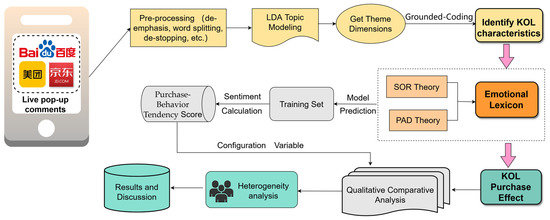
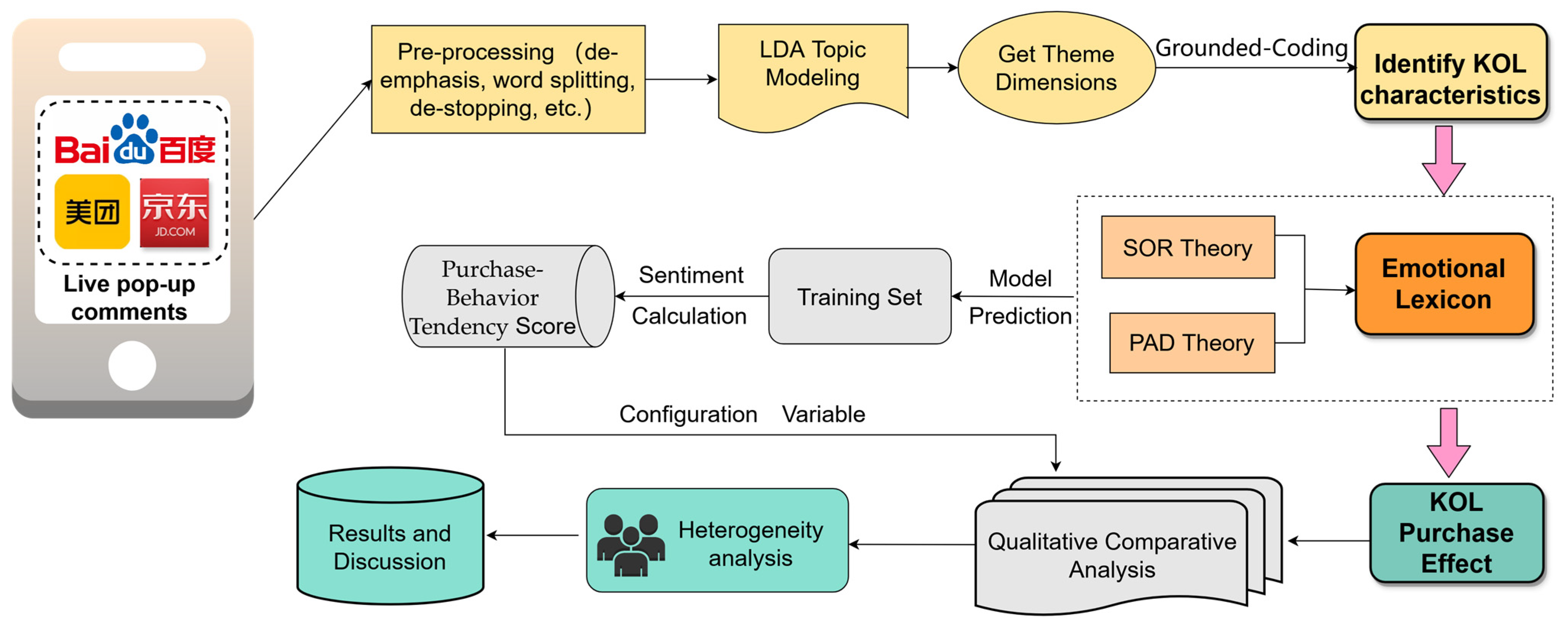
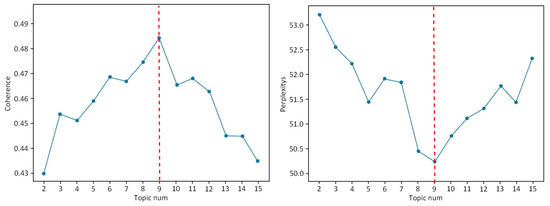
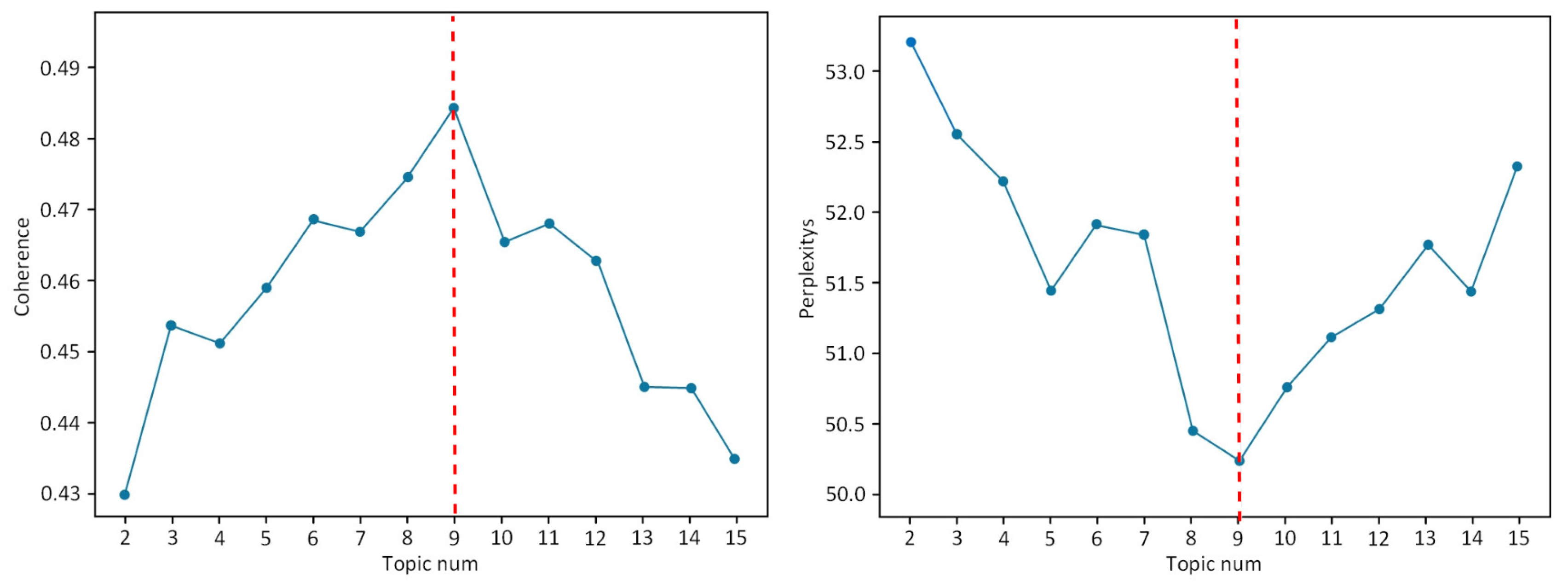
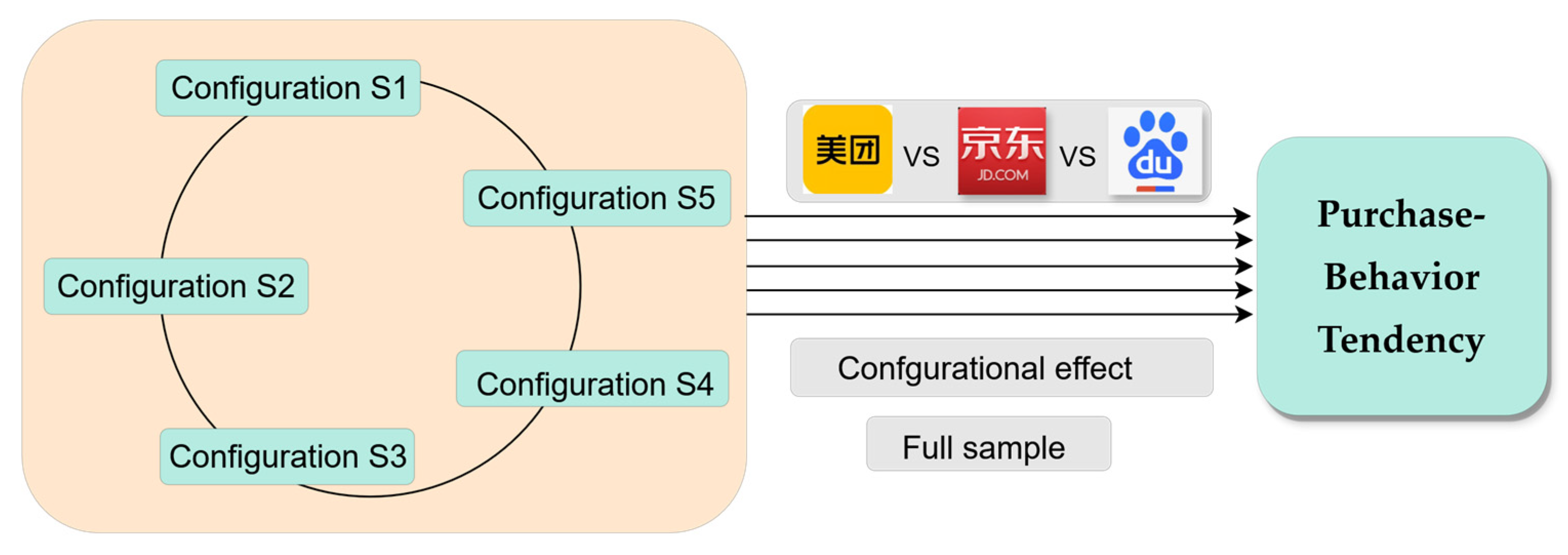

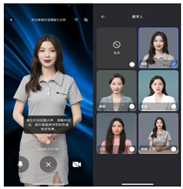



Disclaimer/Publisher’s Note: The statements, opinions and data contained in all publications are solely those of the individual author(s) and contributor(s) and not of MDPI and/or the editor(s). MDPI and/or the editor(s) disclaim responsibility for any injury to people or property resulting from any ideas, methods, instructions or products referred to in the content. |
© 2026 by the authors. Licensee MDPI, Basel, Switzerland. This article is an open access article distributed under the terms and conditions of the Creative Commons Attribution (CC BY) license.