


Abstract
This study investigates the impact of generative AI personalization on brand loyalty within smart tourism platforms and examines the mediating roles of perceived transparency and consumer trust. As generative AI technologies become increasingly integrated into tourism services, understanding the mechanisms through which personalized AI-driven interactions influence tourists’ loyalty has become an important research priority. Drawing upon the Stimulus–Organism–Response (S-O-R) framework, the study proposes that generative AI personalization is associated with brand loyalty both directly and indirectly through tourists’ evaluations of transparency and trust. A quantitative research design was adopted using a structured questionnaire administered to tourists with prior experience using generative AI-enabled smart tourism platforms. A total of 688 valid responses were collected and analyzed using Partial Least Squares Structural Equation Modeling (PLS-SEM). The findings reveal that generative AI personalization is positively associated with brand loyalty, perceived transparency, and consumer trust. The proposed model explained 76.5% of the variance in brand loyalty (R2 = 0.765), with consumer trust emerging as the strongest direct predictor of loyalty (β = 0.379). Furthermore, both perceived transparency and consumer trust significantly mediated the relationship between generative AI personalization and brand loyalty, indicating that tourists’ evaluations of platform transparency and trustworthiness play important roles in linking personalized AI experiences with long-term loyalty intentions. The study contributes theoretically by extending the application of the S-O-R framework to generative AI-enabled tourism environments. Specifically, it conceptualizes generative AI personalization as an adaptive technological stimulus and demonstrates how perceived transparency and consumer trust function as key cognitive mechanisms linking AI-driven personalization to brand loyalty. The findings also provide practical insights for tourism organizations seeking to leverage generative AI technologies to strengthen customer relationships and foster long-term loyalty within smart tourism platforms.
1. Introduction
The rapid digital transformation of the tourism industry has fundamentally changed the way tourists search for information, evaluate alternatives, and make travel decisions [1]. Smart tourism platforms have become central actors in this transformation by integrating advanced technologies that support real-time interaction, personalized experiences, and data-driven decision-making. These platforms increasingly rely on artificial intelligence to enhance service delivery and improve customer engagement [2]. As competition intensifies and tourists become more digitally connected, tourism organizations face growing pressure to deliver experiences that are not only efficient but also highly relevant to individual needs and preferences [3].
Recent developments in generative artificial intelligence have introduced new opportunities for personalization within digital environments [4]. Unlike traditional recommendation systems that primarily rank or select among pre-existing alternatives, generative AI can create customized content, provide contextual recommendations, generate travel itineraries, and engage users through human-like interactions. These capabilities have expanded the scope of personalization beyond product suggestions to encompass a broader range of travel-related experiences [5]. Consequently, generative AI personalization is increasingly recognized as a strategic capability that can strengthen relationships between tourists and digital tourism platforms [6].
Personalization has long been recognized as an important driver of customer engagement and loyalty [7]. Within smart tourism platforms, AI-generated recommendations and tailored travel content can improve the relevance of information and simplify decision-making processes [8]. Such experiences may encourage tourists to develop stronger preferences toward a platform and increase their willingness to continue using its services [9]. However, personalization alone may not be sufficient to establish enduring relationships with users. The effectiveness of AI-driven personalization depends largely on how tourists interpret and evaluate the information generated by these systems [10].
In this context, perceived transparency has emerged as a critical factor in shaping user responses to AI-enabled services [11]. Tourists increasingly seek clarity regarding the information presented to them and the processes through which digital platforms operate [12]. Transparent communication can reduce uncertainty and help tourists better understand the information and services provided by the platform [13]. When information is perceived as clear, understandable, and openly communicated, tourists are more likely to evaluate AI-generated recommendations favorably during travel planning and decision-making [8].
Consumer trust represents another essential mechanism through which digital interactions influence behavioral outcomes [14]. Tourism decisions often involve financial commitments, uncertainty, and perceived risk. As a result, trust plays a particularly important role in digital tourism environments [15]. Trust enables tourists to feel confident in the reliability of the platform and the quality of the information it provides [16]. Previous research has consistently identified trust as a key predictor of loyalty-related behaviors, including continued usage, positive word-of-mouth, and long-term commitment to a brand [17,18]. The development of trust may therefore represent an important pathway through which generative AI personalization contributes to stronger tourist-brand relationships [19].
Despite growing interest in artificial intelligence within tourism research, several important gaps remain. First, existing studies have largely focused on technology adoption, service quality, customer satisfaction, or behavioral intentions (e.g., [2,12]), while limited attention has been given to the influence of generative AI personalization on brand loyalty in smart tourism settings. Second, although transparency and trust have been examined separately in digital environments [10,13], their roles as explanatory mechanisms linking AI-driven personalization to loyalty remain insufficiently understood. Third, empirical evidence regarding the combined influence of perceived transparency and consumer trust within a unified framework remains limited, particularly in the context of tourism platforms that increasingly depend on generative AI technologies. These gaps restrict current understanding of how tourists transform personalized AI experiences into enduring loyalty toward tourism brands.
To address these limitations, this study examines the impact of generative AI personalization on tourist brand loyalty in smart tourism platforms. Specifically, the study assesses the effects of generative AI personalization on brand loyalty, perceived transparency, and consumer trust. It further investigates the effects of perceived transparency and consumer trust on brand loyalty. In addition, the study explores the mediating roles of perceived transparency and consumer trust in explaining how generative AI personalization contributes to the development of tourist brand loyalty.
This study contributes to the tourism and digital marketing literature in several ways. It extends current understanding of generative AI by examining its implications beyond technology usage and focusing on loyalty-related outcomes. It also provides a more comprehensive explanation of the psychological mechanisms that connect AI-driven personalization with tourist behavior by integrating perceived transparency and consumer trust into a single framework. Furthermore, the study enriches the application of the S-O-R framework by explaining tourists’ responses to generative AI-enabled smart tourism platforms. Finally, the findings offer practical insights for tourism organizations seeking to leverage generative AI technologies while maintaining transparent communication and fostering trustworthy relationships with tourists.
2. The Literature Review and Hypothesis Development
2.1. Generative AI Personalization
Generative AI personalization refers to the use of generative artificial intelligence systems to create individualized, context-sensitive, and dynamically produced travel content based on users’ preferences, needs, and ongoing inputs [20]. In smart tourism platforms, such personalization may take the form of customized itineraries, conversational travel guidance, destination narratives, personalized explanations, adaptive booking assistance, and real-time responses tailored to a tourist’s specific travel context [21]. This form of personalization differs from conventional algorithmic personalization [22]. Traditional recommendation systems typically rely on predefined rules, collaborative filtering, content-based filtering, or historical behavioral data to rank and recommend existing products or services [23]. By contrast, generative AI can synthesize information and produce new travel-related content rather than merely selecting among pre-existing alternatives [24]. It can also adjust its outputs interactively as users provide additional information, revise their preferences, or change their travel requirements [25]. This distinction is theoretically important because generative outputs are more adaptive, interactive, and less standardized than conventional recommendations. These characteristics can increase the perceived relevance and relational value of the platform, thereby strengthening tourists’ attachment and loyalty [21]. At the same time, the dynamic and sometimes unpredictable nature of generated content may create uncertainty regarding how recommendations are produced and whether they can be relied upon [26]. Consequently, perceived transparency and consumer trust become especially important mechanisms through which tourists evaluate generative AI-based personalization. Transparency helps users understand and assess AI-generated content, whereas trust reflects confidence in the platform’s reliability, integrity, and ability to provide appropriate travel guidance [27].
Accordingly, the present study treats generative AI personalization as a distinct technological capability rather than as a general form of digital recommendation. It captures tourists’ perceptions that the smart tourism platform generates individualized, adaptive, and interactive travel content that reflects their preferences, inputs, and situational needs.
2.2. S-O-R Model
The theoretical foundation of this study is anchored in the Stimulus–Organism–Response (S-O-R) model, originally developed by Mehrabian and Russell (1974) to explain how environmental stimuli influence individuals’ internal evaluations and subsequent behavioral responses [28]. The model has been widely applied in consumer behavior, digital marketing, e-commerce, and tourism research because of its ability to explain how external technological and service-related factors shape customer perceptions and behaviors [29]. The central premise of the S-O-R framework is that external stimuli influence behavior indirectly through individuals’ internal cognitive and affective evaluations [30,31]. The growing integration of generative artificial intelligence into smart tourism platforms provides a relevant context for applying the S-O-R framework [32]. Tourism decisions are increasingly shaped by digital interactions in which tourists rely on intelligent systems to search for information, evaluate destinations, plan itineraries, and make booking decisions [21]. Generative AI has expanded the capabilities of these platforms by enabling highly personalized interactions and dynamically generated content. These capabilities provide the context in which generative AI personalization functions as the external stimulus within the S-O-R framework [33].
Within the present study, generative AI personalization represents the stimulus component of the model. Through personalized travel recommendations, customized travel information, and tailored digital interactions, generative AI creates a unique experience for each tourist [25]. These personalized experiences serve as external cues that shape tourists’ evaluations of the platform. The S-O-R framework suggests that tourists do not respond to these technological stimuli automatically. Rather, they interpret and evaluate them before forming behavioral intentions [34].
The organism component is represented by perceived transparency and consumer trust. These constructs capture the internal cognitive evaluations that emerge during tourists’ interactions with AI-enabled tourism platforms. Perceived transparency reflects the extent to which tourists view the platform as clear, open, and understandable in its communication and information provision [35]. Trust reflects confidence in the platform’s reliability, integrity, and ability to act in the user’s best interest [27]. Both constructs represent psychological states through which tourists interpret the value and credibility of AI-driven interactions. From an S-O-R perspective, these evaluations function as critical mechanisms that translate technological stimuli into meaningful behavioral consequences.
Brand loyalty represents the response component of the framework. Loyalty reflects tourists’ intentions to continue using a platform, recommend it to others, and maintain a long-term relationship with the tourism brand [36]. According to the S-O-R logic, favorable behavioral responses emerge when individuals develop positive internal evaluations of the stimulus [37]. Consequently, tourists who perceive AI-enabled interactions as transparent and trustworthy are more likely to exhibit stronger loyalty toward the platform [38].
The S-O-R framework provides a coherent explanation for the relationships proposed in this study. Generative AI personalization is expected to shape tourists’ perceptions of transparency and trust because personalized interactions can increase the relevance, usefulness, and perceived value of the information provided. At the same time, perceived transparency and consumer trust represent two complementary cognitive evaluations through which tourists interpret AI-enabled interactions. While perceived transparency reflects evaluations of clarity and openness, consumer trust reflects confidence in the platform’s reliability and integrity. Together, these organismic evaluations contribute to explaining tourists’ loyalty toward smart tourism platforms. These internal evaluations subsequently influence loyalty by encouraging tourists to maintain ongoing relationships with tourism brands that they perceive as reliable and beneficial. The model therefore offers a suitable theoretical lens for explaining how AI-driven personalization is transformed into loyalty outcomes through the cognitive mechanisms of transparency and trust within smart tourism platforms.
Accordingly, Figure 1 presents the proposed research model, illustrating the proposed research model, in which generative AI personalization represents the stimulus, perceived transparency and consumer trust represent the organismic mechanisms, and brand loyalty represents the response.
Figure 1.
The proposed research model.
2.3. Generative AI Personalization as a Driver of Tourists’ Behavioral and Cognitive Responses
The value of personalization has traditionally been linked to a platform’s ability to deliver relevant information and reduce decision complexity [39]. The emergence of generative AI has expanded this capability by enabling platforms to create context-specific content, provide adaptive recommendations, and engage users through highly individualized interactions. Unlike conventional personalization mechanisms, generative AI continuously generates responses that reflect users’ preferences, needs, and situational requirements. This enables tourists to experience greater relevance throughout the travel planning process [21].
Personalized interactions can influence tourists beyond immediate functional benefits [9]. When travelers perceive that a platform understands their interests and delivers information aligned with their expectations, they are more likely to develop favorable evaluations of the platform. Such evaluations may strengthen emotional attachment and encourage future engagement [40]. Personalized experiences may foster loyalty by increasing the perceived value of the relationship and reducing the attractiveness of competing alternatives [41]. As AI-generated interactions become more responsive and individualized, tourists may increasingly view the platform as a preferred partner in future travel decisions [19].
The influence of generative AI personalization is also likely to extend to tourists’ perceptions of transparency. Personalized recommendations are often accompanied by information that reflects users’ specific travel preferences and contexts. When recommendations appear relevant and coherent, tourists may perceive the platform as more understandable and informative [9]. Such personalization can improve the clarity of communication by reducing information overload and presenting content that is directly connected to users’ needs [42]. As a result, tourists may develop stronger perceptions that the platform communicates information in a transparent and meaningful manner [40].
Trust may also emerge as an important outcome of AI-driven personalization [43]. Tourism decisions frequently involve uncertainty, financial commitment, and information asymmetry [44]. Under such conditions, tourists seek signals that a platform can reliably support their decisions [45]. Personalized interactions may serve as one such signal by demonstrating that the platform can recognize individual preferences and deliver relevant assistance [46]. When AI-generated content consistently reflects users’ needs and expectations, tourists may become more confident in the platform’s competence and reliability. Over time, this confidence may develop into trust, particularly when personalized recommendations facilitate informed and satisfactory travel decisions [26]. So, the following hypotheses are suggested:
H1.
Generative AI personalization positively affects brand loyalty.
H2.
Generative AI personalization positively affects perceived transparency.
H3.
Generative AI personalization positively affects consumer trust.
2.4. Perceived Transparency and Consumer Trust
Tourists’ long-term loyalty depends largely on how they interpret and evaluate AI-enabled interactions [47]. Within digital tourism environments, perceived transparency and consumer trust represent two key cognitive evaluations that shape the quality of the relationship between tourists and tourism brands [48]. Perceived transparency reduces ambiguity during the decision-making process [49]. Tourism products are characterized by intangibility and are often evaluated before actual consumption [50]. Consequently, tourists rely heavily on the information provided by digital platforms [51]. When information is presented in a clear, understandable, and open manner, tourists are better positioned to evaluate available alternatives and make informed decisions [27]. Transparency can therefore enhance tourists’ evaluations of the platform and facilitate more informed decision-making [52]. A platform that communicates openly may also be perceived as more accountable and customer-oriented, increasing tourists’ willingness to maintain a long-term relationship with the brand [53].
Consumer trust plays an especially important role in tourism settings because travel decisions involve uncertainty, risk, and financial commitment [54]. Tourists frequently depend on digital platforms to obtain information, compare options, and complete transactions without direct interaction with service providers [45]. Under these conditions, trust functions as a mechanism that reduces perceived vulnerability and encourages continued reliance on the platform [55]. When tourists believe that a platform is reliable, honest, and capable of acting in their best interests, they become more likely to revisit the platform, recommend it to others, and remain loyal despite the availability of competing alternatives [56]. Loyalty, therefore, can be viewed as a behavioral manifestation of trust that develops through repeated positive experiences and favorable evaluations [21]. Hence, the following hypotheses are developed:
H4.
Perceived transparency positively affects brand loyalty.
H5.
Consumer trust positively affects brand loyalty.
2.5. The Mediating Roles
The relationship between personalization and loyalty is unlikely to be purely direct. Although personalized interactions can create immediate value for tourists, the translation of these experiences into enduring loyalty often depends on how users interpret and evaluate the platform [57]. The Stimulus–Organism–Response framework suggests that external stimuli influence behavioral outcomes through internal psychological processes [58]. In the context of smart tourism platforms, generative AI personalization represents the stimulus, while perceived transparency and consumer trust represent the key cognitive evaluations through which tourists develop behavioral responses [26].
Perceived transparency offers one possible explanation for how personalized AI interactions evolve into loyalty. Personalization may increase the relevance of information presented to tourists, but its effectiveness ultimately depends on whether users perceive the platform as clear and understandable [59]. Tourists are more likely to develop favorable attitudes toward platforms that communicate information openly and reduce uncertainty during travel planning [60]. Under such conditions, AI-enabled personalization becomes more than a technological feature; it enhances tourists’ evaluations of the platform by improving clarity and reducing uncertainty [19]. These perceptions can strengthen tourists’ attachment to the platform and increase their willingness to maintain future interactions. Consequently, transparency may represent a critical pathway through which AI-driven personalization contributes to loyalty formation [21].
Independently, trust provides another mechanism through which personalization can influence behavioral outcomes. Personalized recommendations often signal that the platform understands users’ preferences and can support their travel decisions effectively [9]. Such experiences may enhance perceptions of competence and reliability, which are fundamental components of trust. Once trust is established, tourists become more willing to rely on the platform, continue using its services, and maintain long-term relationships with the brand [27]. From this perspective, loyalty emerges not simply because information is personalized but because personalization strengthens confidence in the platform’s ability to deliver value consistently over time [43]. In this vein, these arguments suggest that transparency and trust function as important explanatory mechanisms that transform AI-enabled personalized experiences into stronger loyalty outcomes. Therefore, the following hypotheses are proposed:
H6.
Perceived transparency mediates the link between generative AI personalization and brand loyalty.
H7.
Consumer trust mediates the link between generative AI personalization and brand loyalty.
3. Methods
3.1. Sample and Data Collection
This study targeted tourists who had prior experience using generative AI-enabled smart tourism platforms for travel planning, destination exploration, itinerary generation, or tourism-related decision-making. Given the nature of the research model, which examines tourists’ perceptions of generative AI personalization, transparency, trust, and loyalty, it was essential to collect data from individuals who had actual exposure to AI-supported tourism services. Therefore, a purposive sampling approach was employed to ensure that respondents possessed relevant experience with the phenomenon under investigation. To verify participant eligibility, two screening questions were included at the beginning of the questionnaire. First, respondents were asked whether they had used a smart tourism platform or generative AI tool for travel-related purposes during the previous twelve months. Second, respondents were asked whether they had received AI-generated travel recommendations, personalized travel information, itinerary suggestions, destination guidance, or booking assistance through such platforms. Only respondents who answered “Yes” to both screening questions were allowed to proceed to the main measurement sections of the questionnaire.
Examples of platforms and tools provided to respondents included AI-enabled travel planning applications, smart tourism platforms, online travel agencies, and generative AI tools used for tourism-related purposes, such as ChatGPT, Google Gemini, Microsoft Copilot, Booking.com, Expedia, Agoda, Trip.com, Airbnb, and other tourism platforms incorporating AI-powered recommendation and personalization features. These examples were included solely to help respondents understand the context of the study and identify relevant experiences. The unit of analysis in this study was the individual tourist’s overall experience with generative AI-enabled smart tourism platforms rather than a single designated platform or brand. Respondents were therefore asked to answer the questionnaire based on their accumulated travel-related experiences with the AI-enabled platforms or tools they had used during the previous twelve months. The platform examples were provided to help respondents identify relevant experiences and were not intended to direct them toward evaluating one specific platform. Accordingly, the study captures generalized perceptions of generative AI personalization, perceived transparency, consumer trust, and brand loyalty across respondents’ prior experiences with AI-enabled smart tourism platforms. In this study, brand loyalty reflects respondents’ overall loyalty tendency toward the AI-enabled smart tourism platforms they had previously used, rather than loyalty toward one preselected focal brand.
Data were collected between January and April 2026 using a structured online questionnaire distributed through multiple digital channels, including social media platforms, tourism-related online communities, travel discussion groups, and professional networking platforms. Data collection was not restricted to a specific country or geographical region. Instead, respondents were recruited from diverse geographical contexts based on their prior experience with generative AI-enabled tourism services. For the purpose of the multi-group analysis, participants were classified into Arab and non-Arab nationality groups rather than according to a specific country of residence or data-collection location. The online distribution approach was considered appropriate because the target population consisted primarily of digitally active tourists who regularly use online platforms and AI-powered services for travel planning and decision-making. No monetary or non-monetary incentives were offered to respondents.
To maximize participation and improve data quality, the survey introduction clearly explained the purpose of the study and informed respondents that participation was entirely voluntary. Respondents were assured that their answers would be used exclusively for academic research purposes and that no personally identifiable information would be collected. In addition, no names, email addresses, phone numbers, IP addresses, or other identifying information were recorded. Participants were also informed that they could discontinue the survey at any time without any consequences. Several procedural measures were implemented to minimize potential response bias and common method bias. First, anonymity was guaranteed to reduce social desirability bias and encourage honest responses. Second, the questionnaire emphasized that there were no right or wrong answers and that respondents should answer based on their actual experiences. Third, the measurement items were presented in a clear and neutral manner to avoid leading respondents toward specific answers. Finally, the order of questionnaire sections was carefully structured to reduce consistency motives and evaluation apprehension.
A total of 1264 individuals completed the initial screening stage during the data-collection period. Of these, 576 were excluded because they did not satisfy one or both eligibility criteria. Specifically, eligible participants were required to report both prior use of a smart tourism platform or generative AI tool for travel-related purposes during the previous twelve months and prior receipt of AI-generated or personalized travel assistance. The remaining 688 respondents satisfied both eligibility requirements, proceeded to the main measurement sections, and completed the questionnaire. Their responses were screened for completeness and consistency, and all 688 were retained as the final valid analytical sample for Partial Least Squares Structural Equation Modeling (PLS-SEM). Thus, 1264 represents the number of individuals who completed the initial screening stage, while 688 represents the final number of completed and eligible responses included in the analysis (participant flow: 1264 screened → 576 ineligible → 688 eligible and complete → 688 analyzed).
Because the questionnaire was disseminated through multiple online platforms and communities, it was not possible to determine the total number of individuals who viewed the survey invitation. Accordingly, a conventional survey response rate could not be calculated. Instead, this study reports the number of respondents who completed the initial screening stage (n = 1264) and the final number of eligible completed questionnaires included in the analysis (n = 688), thereby providing a transparent account of participant flow throughout the data-collection process. Furthermore, because participation was voluntary and recruitment relied on online purposive sampling, the final sample represents a self-selected group of tourists with prior experience using generative AI-enabled smart tourism platforms. Consequently, the findings should be generalized with appropriate caution beyond digitally active tourists and should not be interpreted as statistically representative of the broader tourist population. No formal attention-check items or specialized bot-detection and duplicate-prevention mechanisms were incorporated into the online questionnaire. Clear instructions were provided before each construct to guide respondents and improve response accuracy.
3.2. Measures
The study employed multi-item measurement scales derived from the established literature to ensure content validity and theoretical consistency. All measurement items were adapted to reflect the context of generative AI-enabled smart tourism platforms. Before administering the questionnaire, the original scales were reviewed and contextually adapted to align their wording and references with the study setting. The adaptation process involved replacing references to general firms, services, or digital platforms with references to “the smart tourism platform,” where appropriate. Additional wording refinements were made to capture AI-generated, adaptive, personalized, and tourism-related interactions while preserving the underlying conceptual meaning of the original constructs. Respondents were asked to indicate their level of agreement with each statement using a five-point Likert scale ranging from 1 (“strongly disagree”) to 5 (“strongly agree”).
Generative AI personalization was assessed using four items adapted from Farahat [26]. The items measured the extent to which the smart tourism platform provided individualized travel information, generated personalized travel suggestions, dynamically adapted its content and recommendations, and created travel experiences that reflected users’ preferences, needs, expectations, and inputs.
Perceived transparency was measured using five items adapted from Al-Romeedy and Singh [61]. Although the original scale was developed in a financial-analysis context, it captures general dimensions of transparent communication, including clarity, openness, interpretability, disclosure of relevant information, and honesty. These dimensions are equally relevant to AI-enabled smart tourism platforms, where users evaluate the transparency of AI-generated information and recommendations. Accordingly, the items were contextually adapted to the tourism setting while preserving their original conceptual meaning. The items assessed the clarity, openness, interpretability, disclosure of relevant information and limitations, and honesty of the information communicated by the smart tourism platform.
Consumer trust was measured using five items adapted from the trust dimensions proposed by Morgan and Hunt [62]. Although originally developed within the relationship marketing literature, the scale captures fundamental dimensions of trust, including honesty, reliability, integrity, concern for users’ interests, and confidence in the exchange partner. These dimensions remain conceptually applicable to AI-enabled service platforms, where users evaluate the credibility and dependability of the platform. Accordingly, the items were contextually adapted to reflect tourists’ trust in generative AI-enabled smart tourism platforms while maintaining the underlying conceptual meaning of the original scale. The items assessed respondents’ perceptions of the platform’s honesty, concern for users’ interests, non-opportunistic behavior, reliability in fulfilling commitments, and overall trustworthiness.
Brand loyalty was assessed using three items adapted from Hwang et al. [63]. The items captured respondents’ positive word-of-mouth, intention to continue using the smart tourism platform, and preference for the platform when planning future trips. The complete list of measurement items and their respective sources is presented in Appendix A.
Before the main data-collection stage, a pilot study was conducted with 53 participants who had prior experience using generative AI-enabled tourism platforms. The pilot study was designed to assess the clarity, comprehensibility, contextual relevance, wording, questionnaire flow, and appropriateness of the measurement items. Participants were asked to evaluate whether the statements were understandable and accurately reflected their experiences with AI-enabled tourism services. Based on the feedback received, minor wording and presentation adjustments were made to improve clarity, readability, and contextual fit. No constructs or measurement items were removed, and the underlying conceptual meaning of the original scales was retained.
The questionnaire was administered in both Arabic and English. To ensure semantic and conceptual equivalence between the two language versions, a translation and back-translation procedure was conducted by specialists with relevant linguistic and subject-matter expertise. First, the original English questionnaire was translated into Arabic by a specialist familiar with tourism, artificial intelligence, and consumer behavior terminology. The Arabic version was then translated back into English by another specialist. The original English version and the back-translated version were subsequently compared, and any linguistic or conceptual discrepancies were reviewed and resolved before the final bilingual questionnaire was administered.
3.3. Common Method Bias
Given the perceptual nature of the constructs examined in this study, particular attention was devoted to enhancing data quality and minimizing potential sources of systematic measurement error. Several design features were incorporated into the survey process to encourage independent and unbiased responses. Respondents were informed that the study was conducted solely for academic purposes and that their participation was entirely voluntary. The survey did not request any personally identifiable information, thereby reducing concerns related to privacy and encouraging participants to provide genuine evaluations based on their actual experiences with smart tourism platforms [64]. To further improve response accuracy, the questionnaire was carefully structured to ensure simplicity, readability, and conceptual distinction among the study constructs. The measurement items were drawn from the established literature and adapted to fit the context of generative AI-enabled tourism platforms. Prior to the main data collection phase, the survey instrument underwent expert review and pilot evaluation to confirm clarity, relevance, and comprehensibility. These steps helped reduce the likelihood of item misunderstanding and response pattern bias.
After data collection, additional diagnostic procedures were performed to determine whether the observed relationships might be influenced by common method effects. Harman’s single-factor test was conducted by entering all measurement items into an unrotated exploratory factor analysis. The results showed that the largest factor explained 31.61% of the total variance, which was below the commonly applied threshold of 50%. This result indicates that no single factor accounted for the majority of the covariance among the measurement items. Furthermore, the full collinearity assessment within the PLS-SEM framework showed that all construct-level VIF values were below the recommended threshold of 3.3. The specific full collinearity VIF values for the four latent constructs are reported in Appendix A. These findings indicate that common method bias was unlikely to have materially influenced the study results, thereby providing additional confidence in the validity of the empirical findings [65].
3.4. Data Analysis Procedure
The proposed research model was analyzed using partial least squares structural equation modeling (PLS-SEM) in SmartPLS 4.1.0.1. PLS-SEM was considered appropriate because the study examined a prediction-oriented model involving direct, indirect, and group-specific relationships. All constructs were specified as reflective measurement models. The PLS algorithm was estimated using the path weighting scheme, a maximum of 300 iterations, a stop criterion of 10−7, initial weights set to 1, and the no-sign-change option. The analysis proceeded through the evaluation of the measurement model, structural model, mediation effects, predictive relevance, measurement invariance, and multi-group differences. The reflective measurement model was assessed using outer loadings, Cronbach’s alpha, composite reliability, average variance extracted, indicator variance inflation factors, the Fornell–Larcker criterion, and the heterotrait–monotrait ratio. The structural model was evaluated using path coefficients, R2, f2, Q2, SRMR, and NFI. In addition, the model’s out-of-sample predictive performance was evaluated using the PLSpredict procedure, which compares the prediction errors of the PLS-SEM model with those of a linear model benchmark at the indicator level.
The significance of the direct and indirect effects was assessed through non-parametric bootstrapping with 5000 subsamples. Two-tailed tests were applied at the 5% significance level using percentile-based 95% confidence intervals. An effect was considered significant when its p-value was below 0.05, and its confidence interval did not include zero. Mediation was assessed by examining the significance and direction of the specific indirect effects together with the corresponding direct effect.
The model’s explanatory power was evaluated using R2, while f2 values of 0.02, 0.15, and 0.35 were interpreted as representing small, medium, and large effect sizes, respectively. In-sample predictive relevance was assessed through the blindfolding procedure using an omission distance of 7, with Q2 values greater than zero indicating predictive relevance. Out-of-sample predictive performance was further assessed using the PLSpredict procedure based on Q2_predict and indicator-level prediction errors (RMSE), with comparisons against a linear model benchmark.
Before conducting the multi-group analysis, measurement invariance across Arab and non-Arab respondents was examined using the Measurement Invariance of Composite Models (MICOM) procedure. MICOM assessed configural invariance, compositional invariance, and equality of composite means and variances. The MICOM and permutation-based multi-group analyses were conducted using 5000 permutations and two-tailed tests at the 5% significance level. Group differences were considered significant when the corresponding permutation p-value was below 0.05.
4. Results
4.1. Respondents’ Profile
Table 1 presents the demographic characteristics of the respondents. The sample consisted of 688 participants, with males representing 57.7% and females accounting for 42.3% of the total sample. The largest age group was 35–44 years (35.8%), followed by 25–34 years (24.1%) and 45–54 years (21.5%), indicating that most respondents were within the economically active and travel-engaged age categories. The sample was relatively balanced in terms of nationality, with 51.6% Arab respondents and 48.4% non-Arab respondents. Regarding educational attainment, most participants held a bachelor’s degree (71.2%), while 17.8% had a high school qualification or below, 6.3% held a diploma, and 4.7% possessed postgraduate qualifications. The findings further show substantial engagement with AI technologies in tourism contexts, as 67.1% of respondents reported using AI for travel planning frequently or very frequently. In addition, most participants demonstrated considerable experience with AI-powered tourism platforms, with 34.9% reporting three to four years of experience and 19.9% reporting more than four years of experience.
Table 1.
Demographic profile.
4.2. Measurement Model Assessment
The assessment of the measurement model began with an examination of indicator reliability, internal consistency, and convergent validity (Table 2). All measurement items exhibited strong loadings on their respective constructs, with values ranging from 0.819 to 0.880, exceeding the recommended threshold of 0.70. The results further demonstrated satisfactory internal consistency, as Cronbach’s alpha values ranged from 0.833 to 0.903 and composite reliability values ranged from 0.900 to 0.928. Convergent validity was also established, with all AVE values surpassing the minimum recommended level of 0.50. Moreover, the VIF values remained well below critical levels, indicating that multicollinearity was not a concern. Collectively, these findings suggest that the indicators adequately capture their intended constructs and provide a reliable basis for subsequent analyses.
Table 2.
Measurement model.
Having established reliability and convergent validity, the distinctiveness of the constructs was evaluated using the Fornell–Larcker criterion (Table 3). The results revealed that the square root of the AVE for each construct exceeded its correlations with all other constructs in the model. This pattern indicates that each construct explains more variance in its own indicators than it shares with other latent variables. Although moderate associations were observed among the study constructs, particularly between consumer trust and brand loyalty, the Fornell–Larcker results confirm that these relationships do not compromise construct distinctiveness. The findings therefore provide strong evidence that the conceptual boundaries between generative AI personalization, perceived transparency, consumer trust, and brand loyalty are adequately maintained.
Table 3.
Construct Descriptive Statistics, Latent-Variable Correlations, and Fornell–Larcker Criterion.
The assessment was further strengthened through the HTMT analysis presented in Table 4. All HTMT values were substantially below the recommended threshold of 0.85, ranging from 0.462 to 0.768. These results reinforce the conclusions drawn from the Fornell–Larcker criterion and provide additional evidence that the constructs are empirically distinguishable from one another. The convergence of results across multiple validity assessments enhances confidence in the quality of the measurement model and indicates that the latent constructs are measured with sufficient precision and independence. Consequently, the measurement model satisfies the established requirements for reliability and validity, supporting the evaluation of the structural relationships proposed in the study [66].
Table 4.
HTMT for validity.
The results reported in Table 5 indicate that the proposed model exhibits meaningful explanatory and predictive capabilities. Generative AI personalization accounts for 16.9% of the variance in perceived transparency and 19.5% of the variance in consumer trust, suggesting that personalized AI-driven interactions play a noticeable role in shaping tourists’ evaluations of smart tourism platforms. While these values indicate that other factors may also contribute to the formation of transparency perceptions and trust, they nevertheless highlight the importance of personalization as an influential antecedent of both constructs. The model demonstrates substantially greater explanatory power for brand loyalty, explaining 76.5% of its variance. This finding underscores the collective influence of generative AI personalization, perceived transparency, and consumer trust in shaping tourists’ loyalty intentions and suggests that loyalty emerges through a combination of technological experiences and subsequent cognitive evaluations.
Table 5.
Coefficient of Determination, Predictive Relevance, and Model Fit.
The predictive relevance analysis further supports the robustness of the model, as all Q2 values are greater than zero, indicating predictive relevance for all endogenous constructs. The highest predictive relevance was observed for brand loyalty (Q2 = 0.534), followed by consumer trust (Q2 = 0.132) and perceived transparency (Q2 = 0.116). These results indicate that the model not only explains a substantial proportion of variance in the endogenous constructs but also possesses satisfactory predictive capability, particularly with respect to tourists’ loyalty toward smart tourism platforms. In addition, the model demonstrated an acceptable fit, with an SRMR value of 0.051 and an NFI value of 0.936, indicating a satisfactory correspondence between the proposed model and the observed data.
To complement the in-sample predictive relevance assessment obtained through the blindfolding procedure (Q2), the model’s out-of-sample predictive performance was further evaluated using the PLSpredict procedure. Unlike the blindfolding-based Q2 statistic, which assesses predictive relevance within the estimation sample, PLSpredict evaluates the model’s ability to predict new observations. The assessment compared the indicator-level prediction errors of the PLS-SEM model with those of a linear model benchmark using the root mean squared error (RMSE) criterion [66]. The PLSpredict results are presented in Table 6 and complement the in-sample predictive assessment by evaluating the model’s out-of-sample prediction capability. As shown in Table 6, all Q2_predict values were greater than zero, indicating predictive relevance for all endogenous indicators. Moreover, the PLS-SEM model consistently produced lower RMSE values than the linear model benchmark across all indicators, as reflected by the negative RMSE differences. Taken together, these results suggest that the proposed model demonstrates satisfactory out-of-sample predictive capability in addition to its in-sample explanatory performance.
Table 6.
PLSpredict assessment.
4.3. Structural Model
The structural model results provide strong support for all proposed hypotheses (Table 7). The findings reveal that generative AI personalization exerts a significant positive influence on brand loyalty (β = 0.371, t = 9.008, p < 0.001), supporting H1. The magnitude of this relationship indicates that personalized AI-driven experiences are closely linked to stronger loyalty intentions toward smart tourism platforms. The effect size (f2 = 0.446) indicates a large explanatory contribution of generative AI personalization to loyalty formation.
Table 7.
Structural model results.
The results further demonstrate that generative AI personalization positively affects perceived transparency (β = 0.411, t = 10.763, p < 0.001), supporting H2. This relationship exhibits a medium effect size (f2 = 0.203), indicating that personalized interactions are meaningfully linked to tourists’ perceptions of clarity and openness. Similarly, generative AI personalization shows a significant positive relationship with consumer trust (β = 0.443, t = 11.482, p < 0.001), supporting H3. Among the direct relationships involving the mediating variables, this path shows the strongest coefficient. This relationship exhibits a medium effect size (f2 = 0.244), suggesting that personalization is closely associated with tourists’ confidence in smart tourism platforms.
The results also confirm the importance of perceived transparency and consumer trust in shaping loyalty outcomes. Perceived transparency exerts a significant positive effect on brand loyalty (β = 0.346, t = 8.854, p < 0.001), supporting H4. The corresponding effect size (f2 = 0.354) indicates a large explanatory contribution of transparency to brand loyalty, showing that clear and open communication is strongly connected to tourists’ willingness to maintain relationships with smart tourism platforms.
Consumer trust also has a significant positive effect on brand loyalty (β = 0.379, t = 10.249, p < 0.001), supporting H5. Among the three direct predictors of brand loyalty, consumer trust demonstrates the strongest path coefficient, although its coefficient is only slightly higher than that of generative AI personalization. The corresponding effect size (f2 = 0.411) indicates a large contribution of consumer trust to loyalty formation. Nevertheless, generative AI personalization exhibits a slightly larger effect size (f2 = 0.446), indicating that the relative importance of the predictors differs depending on whether path coefficients or effect sizes are considered.
The mediation analysis provides additional insight into the mechanisms underlying loyalty formation. The indirect effect of generative AI personalization on brand loyalty through perceived transparency is positive and significant (β = 0.142, t = 6.441, p < 0.001), supporting H6. Because both the direct effect of generative AI personalization on brand loyalty and the indirect effect through perceived transparency remain positive and significant, perceived transparency functions as a complementary partial mediator.
The results further show that consumer trust significantly mediates the relationship between generative AI personalization and brand loyalty (β = 0.168, t = 6.183, p < 0.001), supporting H7. Since the direct path from generative AI personalization to brand loyalty also remains significant, consumer trust likewise functions as a complementary partial mediator. Comparing the two mediation effects reveals that the indirect pathway through consumer trust (β = 0.168) is stronger than the pathway through perceived transparency (β = 0.142). This finding indicates that trust represents the relatively more influential mechanism through which AI-enabled personalization is translated into loyalty outcomes.
Overall, the findings suggest that generative AI personalization is related to brand loyalty both directly and indirectly, while perceived transparency and consumer trust serve as complementary cognitive mechanisms within the statistical model linking personalized AI experiences to tourists’ long-term relationship intentions toward smart tourism platforms.
The total effect of generative AI personalization on brand loyalty was 0.681, consisting of a direct effect (β = 0.371) and combined indirect effects through perceived transparency and consumer trust (β = 0.310). After rounding, the total effect corresponds closely to the zero-order correlation of 0.681 reported in Table 8, providing consistency between the structural model results and the latent-variable correlation matrix.
Table 8.
Direct, Indirect, and Total Effects.
4.4. Multi-Group Analysis
Nationality was selected as the grouping variable because smart tourism platforms serve culturally diverse users whose travel expectations, communication styles, and evaluations of AI-enabled services may differ across national backgrounds [67,68]. Given the multicultural nature of international tourism, comparing Arab and non-Arab tourists provides an opportunity to examine whether the proposed structural relationships remain stable across broad cultural groups.
Prior to conducting the multi-group analysis, measurement invariance between Arab and non-Arab respondents was assessed using the Measurement Invariance of Composite Models (MICOM) procedure. As reported in Table 9, configural invariance was established because the same measurement items, model specification, data treatment procedures, and PLS-SEM estimation settings were applied across both groups. Compositional invariance was also established for all constructs. The c values ranged from 0.994 to 0.998 and were higher than their corresponding 5% quantiles. In addition, all permutation p-values exceeded 0.05, indicating that compositional invariance could not be rejected. The tests of equality of composite means and variances were likewise nonsignificant for all constructs, as all corresponding p-values were greater than 0.05. Accordingly, full measurement invariance was established across the Arab and non-Arab groups, permitting meaningful comparison of the structural path coefficients.
Table 9.
Measurement Invariance of Composite Models (MICOM) Results.
The multi-group analysis in Table 10 revealed a remarkable degree of consistency between Arab and non-Arab respondents across all proposed relationships. The effect of generative AI personalization on brand loyalty was slightly stronger among Arab tourists (β = 0.389) than among non-Arab tourists (β = 0.361); however, the difference was not statistically significant (p = 0.417). A similar pattern emerged for the relationship between generative AI personalization and perceived transparency, where the path coefficients reached 0.423 and 0.397 for Arab and non-Arab respondents, respectively, with no significant difference between the two groups (p = 0.462). Likewise, the impact of generative AI personalization on consumer trust remained highly comparable across Arab (β = 0.456) and non-Arab tourists (β = 0.428), and the observed difference was statistically insignificant (p = 0.391). The relationships linking perceived transparency to brand loyalty (βArab = 0.374; βNon-Arab = 0.351, p = 0.486) and consumer trust to brand loyalty (βArab = 0.482; βNon-Arab = 0.459, p = 0.438) followed the same pattern. Notably, the absolute differences across all paths ranged from only 0.023 to 0.028, further indicating the absence of meaningful variation between the two groups. These findings suggest that nationality does not significantly alter the structural relationships proposed in the model and that the mechanisms through which generative AI personalization contributes to loyalty operate similarly among both Arab and non-Arab tourists.
Table 10.
Multi-group analysis results.
5. Discussion
The findings indicate that generative AI personalization is closely linked to tourists’ evaluations and behavioral intentions within smart tourism platforms. The positive relationship between personalization and brand loyalty suggests that tourists place greater value on digital experiences that reflect their individual preferences, interests, and travel needs, consistent with Pencarelli [12]. Malik et al. [69] similarly noted that, as tourism decisions become increasingly information-intensive, personalized interactions are linked to easier navigation through large volumes of content and identifying options that are more relevant to their circumstances. Such experiences correspond with a stronger sense of connection with the platform and correspond with a greater likelihood of continued engagement. The magnitude of the observed relationship further suggests that tourists do not regard AI-driven personalization merely as a technological feature but rather as an integral component of the overall service experience that is linked to greater perceived attractiveness of the platform, as clarified by Hasanein et al. [19].
The results also show that personalization is positively related to perceived transparency and consumer trust. These relationships suggest that personalized interactions correspond with more favorable judgments regarding the quality, clarity, and credibility of the information provided by smart tourism platforms [70]. When recommendations appear relevant and tailored to personal needs, tourists tend to perceive the platform as more informative and easier to understand. Likewise, the consistent provision of relevant recommendations is connected to stronger confidence in the platform’s ability to support travel decisions [9]. These findings imply that personalization appears to serve not only as a component of the user experience but also as a possible signal of platform competence and reliability, consistent with the conclusions of Zhang and Sundar [71]. Al-Romeedy and Alharethi [21] also showed that, in increasingly competitive digital tourism environments, such perceptions are especially important because tourists often depend on online information when evaluating destinations, planning itineraries, and making booking decisions. Although generative AI personalization was significantly associated with both perceived transparency and consumer trust, the explanatory power for these two constructs was relatively modest (R2 = 0.169 and R2 = 0.195, respectively). These findings indicate that personalization represents an important, but not exclusive, determinant of tourists’ transparency perceptions and trust. A substantial proportion of the variance in both constructs is likely attributable to additional factors beyond the scope of the present model, such as prior experience with the platform, platform reputation, perceived privacy and security safeguards, institutional credibility, service quality, and individual differences in familiarity with AI technologies. Accordingly, the findings suggest that personalization should be viewed as one component within a broader ecosystem of factors that jointly shape tourists’ evaluations of AI-enabled smart tourism platforms, rather than as the sole driver of transparency and trust. The positive relationships identified in this study should also be interpreted in light of the broader personalization–privacy literature, which recognizes that personalization may not always produce favorable outcomes. Previous research has shown that highly personalized digital services can sometimes evoke privacy concerns, perceptions of intrusiveness, or the so-called “creepiness” effect when users perceive that excessive personal information has been collected or inferred without sufficient transparency or control [2,26]. Under such circumstances, personalization may weaken rather than strengthen trust. The present findings suggest that, within the context of generative AI-enabled smart tourism platforms, the beneficial aspects of personalization appear to outweigh these potential drawbacks. One possible explanation is that tourists voluntarily interact with AI-supported travel platforms to obtain relevant recommendations and planning assistance, making personalized interactions more likely to be perceived as useful and expected rather than intrusive. Nevertheless, the findings should not be interpreted as implying that personalization invariably increases transparency and trust. Instead, the effectiveness of personalization is likely to depend on how responsibly personal data are collected, communicated, and managed, highlighting the importance of transparent data practices and appropriate privacy safeguards.
Another important finding concerns the positive link between perceived transparency and brand loyalty. The results suggest that tourists who perceive platform information as clear and understandable also report stronger loyalty intentions. This finding is consistent with Chen et al. [72], who noted that tourism decisions frequently involve uncertainty because travelers must evaluate destinations and services before actual consumption. Hasanein et al. [19] further argued that transparency is linked to lower perceived ambiguity and clearer decision-making. Tourists who perceive information as open, understandable, and straightforward tend to feel more confident during their interactions with the platform. Such confidence corresponds with stronger intentions to reuse the platform and maintain longer-term relationships with tourism brands, as suggested by Yang et al. [9]. The findings therefore indicate that transparency should be viewed not only as a communication practice but also as a factor closely related to customer retention.
Among the direct relationships examined, consumer trust showed the strongest connection with brand loyalty. This result highlights the importance of trust in digital tourism contexts, where travelers often make decisions involving financial commitments, personal information, and uncertain outcomes [73]. Al-Romeedy [2] similarly emphasized that even highly sophisticated technological features can be insufficient to sustain loyalty when users question the credibility or reliability of a platform. Tran et al. [56] also suggested that trust is closely connected to long-term relationship intentions and corresponds with tourists’ willingness to revisit the platform, rely on its recommendations, and maintain favorable attitudes toward the brand. The comparatively stronger relationship between trust and loyalty further suggests that tourists evaluate tourism platforms not only on the basis of information quality but also according to the confidence they develop in the platform itself, as noted by Hu [74].
The mediation analysis provides additional insight into the statistical pathways connecting personalization and loyalty. Both perceived transparency and consumer trust significantly mediated the relationship between generative AI personalization and brand loyalty. These findings suggest that the link between personalized experiences and loyalty operates partly through tourists’ evaluations of transparency and trust rather than through the direct path alone. Personalization corresponds with more favorable cognitive evaluations, which are subsequently linked to stronger loyalty intentions [10]. The stronger indirect relationship through consumer trust suggests that trust represents a relatively more influential pathway than transparency in connecting AI-enabled personalization with loyalty outcomes, as emphasized by Banerjee et al. [75]. This pattern indicates that the perceived success of personalization initiatives is closely related not only to the relevance of the content provided but also to the level of confidence users place in the platform. While transparency corresponds with clearer understanding and evaluation of information, trust shows a comparatively stronger relationship with long-term commitment and repeated engagement [26,27].
6. Theoretical Implications
The present study offers several theoretical contributions to the literature on smart tourism and generative artificial intelligence by extending the application of the Stimulus–Organism–Response (S-O-R) framework to AI-enabled tourism platforms. Rather than revisiting the theoretical foundations of the S-O-R model, the study contributes by conceptualizing generative AI personalization as an adaptive technological stimulus capable of generating personalized, context-sensitive, and interactive tourism experiences. Unlike conventional digital personalization approaches that primarily provide standardized or rule-based recommendations, generative AI dynamically creates tailored content and travel recommendations based on individual users’ preferences and needs. This extension broadens the range of stimuli examined within the S-O-R literature and demonstrates the relevance of adaptive AI technologies for explaining tourists’ behavioral responses in contemporary digital tourism environments.
The study also contributes to the organism dimension of the S-O-R framework by introducing perceived transparency and consumer trust as complementary cognitive evaluations through which tourists interpret AI-enabled interactions. Previous tourism studies have predominantly emphasized affective or utilitarian responses, such as satisfaction, enjoyment, perceived value, and attitude. While these constructs have enriched understanding of tourist behavior, they provide only a partial account of how individuals evaluate increasingly autonomous and intelligent systems. The present findings indicate that tourists’ responses to generative AI are linked not only to assessments of usefulness and performance but also to evaluations of platform clarity, openness, and trustworthiness. Consequently, the study expands the conceptual boundaries of the organism component and highlights the importance of cognitive evaluation processes in accounting for behavioral intentions within AI-driven tourism settings.
A further theoretical contribution emerges from the relative strength of the proposed mediators. Although both perceived transparency and consumer trust statistically mediated the relationship between generative AI personalization and brand loyalty, consumer trust exhibited the stronger statistical relationship with loyalty. This pattern provides a more nuanced understanding of the internal mechanisms underlying tourists’ responses to AI-enabled platforms. Existing research frequently treats transparency and trust as closely related constructs that jointly contribute to favorable outcomes. The current findings indicate that their roles are not equivalent. While transparency corresponds with clearer understanding and reduced uncertainty, consumer trust demonstrates the stronger statistical pathway linking personalized AI experiences with loyalty intentions. This distinction contributes to theory by showing that different organismic states may possess different explanatory strength and should not be assumed to perform identical functions within the S-O-R process.
The mediation findings further extend theoretical understanding by demonstrating that the statistical relationship between generative AI personalization and brand loyalty operates through both direct and indirect pathways. The complementary partial mediation effects indicate that personalization is associated with loyalty not only directly but also through tourists’ evaluations of transparency and trust. These findings suggest that the relationship between AI-driven personalization and loyalty cannot be understood solely through the technological characteristics of personalization itself. Rather, it is also associated with how tourists cognitively evaluate AI-enabled interactions and develop confidence in the platform. Collectively, these findings provide a more comprehensive theoretical explanation of the statistical mechanisms linking adaptive AI personalization with tourists’ long-term loyalty intentions toward smart tourism platforms.
7. Practical Implications
The findings offer several practical implications for managers of smart tourism platforms seeking to leverage generative AI technologies to strengthen customer relationships and support long-term loyalty. The most notable implication stems from the prominent role of consumer trust in relation to brand loyalty. Although personalized AI-enabled services are often viewed as enhancing the user experience, the results indicate that loyalty intentions are more closely connected to the confidence tourists place in the platform. Tourism organizations should therefore evaluate AI initiatives not only according to their ability to generate personalized recommendations but also according to the extent to which they support credibility, reliability, and user confidence. Investments in AI technologies are likely to be more effective when accompanied by strategies that reinforce trust throughout the customer journey.
The findings also indicate that personalization should be viewed as a strategic relationship-building capability rather than solely as a technological feature. Many tourism organizations focus on implementing AI tools to improve operational efficiency or recommendation accuracy. However, the results show that the value of personalization extends beyond functional performance. Personalized interactions are linked to loyalty intentions and correspond with more favorable perceptions of transparency and trust. Tourism managers should therefore prioritize the development of AI systems capable of understanding individual preferences and delivering contextually relevant recommendations that reflect travelers’ needs and expectations. Such efforts are consistent with more meaningful digital experiences and stronger intentions to continue using the platform.
Another important implication concerns the management of transparency within AI-enabled environments. The positive relationship between perceived transparency and loyalty highlights the importance of clear and understandable communication. Tourists are increasingly exposed to algorithmically generated recommendations, yet many remain uncertain about how such recommendations are produced. Tourism platforms can address this uncertainty by providing concise explanations, clarifying information sources, and presenting recommendations in a straightforward manner. Greater transparency can improve users’ understanding of AI-generated content and strengthen confidence in the platform’s intentions and capabilities. Transparency should therefore be embedded within the design of AI-enabled services rather than treated as a separate communication activity.
The mediation findings provide further managerial insight by indicating that the value of personalization is closely connected to the perceptions it generates among users. Increasing the level of personalization alone is unlikely to be sufficient when tourists do not regard the platform as trustworthy and transparent. Managers should therefore monitor customer perceptions alongside technological performance indicators. Measures related to trust, credibility, and transparency can provide useful evidence about the perceived quality of AI initiatives and help organizations identify areas requiring improvement. This perspective supports a more balanced managerial approach in which technological sophistication and customer perceptions are addressed simultaneously.
Finally, the absence of statistically significant differences between Arab and non-Arab respondents indicates that the examined structural relationships were broadly similar across the two groups. This pattern suggests that the core strategic emphasis on personalization, transparency, and trust can be maintained across diverse tourist segments. Nevertheless, localized adaptations remain important for addressing language, cultural expectations, communication style, and user-interface preferences. Tourism organizations should therefore combine a consistent strategic framework with context-sensitive implementation when introducing AI-enabled personalization in international markets. Such an approach can support scalable digital solutions while preserving relevance for different customer groups.
8. Limitations and Future Research
Despite its contributions, this study is subject to several limitations that provide opportunities for future research. First, the study adopted a cross-sectional design, which captures respondents’ perceptions at a single point in time. Although this approach is suitable for examining the proposed relationships, it does not allow for the observation of how tourists’ perceptions of personalization, transparency, trust, and loyalty develop through repeated interactions with smart tourism platforms. Future studies could employ longitudinal designs to investigate the stability and evolution of these relationships over time and to provide stronger evidence regarding causal dynamics.
Second, the study relied exclusively on self-reported data collected through a questionnaire. While this method is widely used in tourism and consumer behavior research, it primarily reflects perceived rather than actual behavior. Future research could complement perceptual measures with experimental approaches, behavioral analytics, platform usage records, or booking data to examine whether tourists’ actual actions correspond with their reported evaluations and intentions. Future studies may also employ sentiment analysis and natural language processing techniques to analyze users’ interactions with AI-powered travel chatbots. Such approaches could provide more objective, real-time evidence of how tourists develop perceptions of transparency and trust during AI-supported travel planning, thereby complementing traditional self-reported measures.
Third, the current model focused on perceived transparency and consumer trust as the primary mediating mechanisms linking generative AI personalization to brand loyalty. Although both mediators demonstrated significant explanatory value, other psychological processes may also contribute to explaining how tourists respond to AI-enabled personalization. Future studies may consider additional mediating variables such as perceived value, customer engagement, perceived service quality, customer experience, emotional attachment, satisfaction, perceived usefulness, or perceived enjoyment to provide a more comprehensive understanding of the underlying mechanisms driving loyalty formation.
Fourth, the study did not incorporate any moderating variables that might influence the strength of the proposed relationships. The effects of generative AI personalization may vary across different user segments and contextual conditions. Future research could therefore examine potential moderators such as age, digital literacy, technology readiness, AI familiarity, privacy concerns, perceived risk, travel experience, cultural orientation, or tourist involvement. Future studies may also compare the explanatory power of different grouping variables in multi-group analyses. In particular, moderators such as AI familiarity, digital literacy, and frequency of platform use may provide more theoretically grounded insights into heterogeneity in tourists’ responses to generative AI-enabled smart tourism platforms than broad demographic classifications alone. Such investigations would provide a deeper understanding of the circumstances under which AI-enabled personalization becomes more or less effective.
Fifth, respondents were not instructed to evaluate one designated focal platform or brand. Instead, they answered the questionnaire based on their overall experience with one or more generative AI-enabled smart tourism platforms used during the previous twelve months. Because the listed examples differed in purpose, interaction mode, brand relationship, and degree of generative AI integration, brand loyalty in this study should be interpreted as respondents’ overall loyalty tendency toward the AI-enabled smart tourism platforms with which they had interacted, rather than loyalty toward one single, preselected brand. This design may have introduced heterogeneity into respondents’ evaluations and limited the precision of brand-specific conclusions. Future research should require participants to identify one focal platform, such as the most recently or most frequently used platform, and assess generative AI personalization, perceived transparency, consumer trust, and brand loyalty consistently with reference to that same platform. Comparative studies may also examine whether the proposed relationships differ across general-purpose generative AI tools, online travel agencies, and tourism-specific smart platforms.
Sixth, the study employed a voluntary online purposive sampling strategy, resulting in a self-selected sample of tourists who had prior experience using generative AI-enabled smart tourism platforms. Although this approach was appropriate for recruiting respondents with relevant experience, it may limit the generalizability of the findings beyond digitally active tourists who have prior experience with AI-enabled tourism services and should not be interpreted as statistically representative of the broader tourist population. Future research may employ probability-based sampling techniques, recruit participants from specific tourism destinations or countries, or compare different sampling strategies to strengthen the external validity and generalizability of the findings. Moreover, although several procedural remedies were implemented to enhance response quality and reduce response bias, the questionnaire did not include formal attention-check items or specialized bot-detection mechanisms. Future studies are encouraged to incorporate these procedures to further strengthen data quality and the robustness of survey-based findings.
Finally, beyond the brand loyalty outcome examined in this study, generative AI-enabled tourism experiences may influence a broader range of behavioral outcomes. While loyalty represents a critical indicator of long-term customer relationships, future research could extend the current framework by examining variables such as revisit intention, customer advocacy, electronic word-of-mouth, platform commitment, customer retention, customer engagement, booking intention, purchase intention, destination choice behavior, and continued platform usage. Exploring these outcomes would contribute to a more comprehensive understanding of the broader consequences of generative AI personalization within smart tourism environments. Future research may further examine the potential trade-off between personalization benefits and privacy concerns by incorporating constructs such as perceived privacy risk, perceived intrusiveness, perceived surveillance, or the personalization–privacy paradox to better understand the conditions under which personalization strengthens or weakens consumer trust.
9. Conclusions
This study advances understanding of how generative AI-enabled personalization is associated with tourists’ loyalty toward smart tourism platforms. By integrating perceived transparency and consumer trust within the Stimulus–Organism–Response (S-O-R) framework, the study demonstrates that tourists’ evaluations of AI-enabled interactions extend beyond the functional benefits of personalization to include broader assessments of platform openness and trustworthiness. These cognitive evaluations provide important explanatory pathways linking personalized AI experiences with loyalty intentions. The findings suggest that personalization alone is unlikely to explain tourists’ long-term relationships with AI-enabled tourism platforms. Rather, its effectiveness is closely associated with the extent to which personalized interactions are accompanied by transparent communication and the development of consumer trust. The stronger mediating role of trust further highlights the importance of relational evaluations in AI-supported tourism environments, where users increasingly depend on intelligent systems to support travel-related decisions. Overall, this study contributes to the emerging literature on generative AI in tourism by providing an integrated perspective on the relationships among personalization, transparency, trust, and loyalty. As AI technologies continue to evolve, the long-term success of smart tourism platforms will depend not only on their ability to deliver increasingly personalized experiences but also on their ability to foster user confidence through responsible, transparent, and trustworthy AI-enabled interactions. Unlike conventional recommendation systems that primarily retrieve or rank existing information, generative AI dynamically creates personalized, context-sensitive, and human-like travel content through interactive responses. Consequently, tourists’ expectations extend beyond receiving relevant recommendations to expecting AI-generated content that is accurate, transparent, explainable, and trustworthy. The present findings therefore suggest that, as generative AI becomes increasingly embedded in smart tourism platforms, maintaining consumer trust and transparency will be just as important as delivering highly personalized experiences.
Funding
Ongoing Research Funding program (ORF-2026-1753), King Saud University, Riyadh, Saudi Arabia.
Institutional Review Board Statement
The study was conducted according to the guidelines of the Declaration of Helsinki and approved by the Permanent Subcommittee for Humanities and Social Research Ethics, King Saud University (IRB approval: 26-0839).
Informed Consent Statement
Informed consent was obtained from all subjects involved in this study.
Data Availability Statement
Data are available upon request from researchers who meet the eligibility criteria. Kindly contact the first author privately through e-mail.
Conflicts of Interest
The author declares no conflicts of interest.
Appendix A
| Constructs | Original Scale Source | Full Collinearity VIF |
| Generative AI personalization. | Farahat [26] | 2.271 |
| The smart tourism platform provides travel information and recommendations that are tailored to my individual preferences. | ||
| The smart tourism platform generates personalized travel suggestions that are specifically aligned with my interests and needs. | ||
| The smart tourism platform dynamically adapts its content and generates recommendations based on my travel-related preferences and inputs. | ||
| The smart tourism platform offers an interactive and personalized experience by generating travel content that reflects my specific expectations and interests. | ||
| Perceived transparency. | Al-Romeedy and Singh [61] | 2.098 |
| The smart tourism platform provides clear and understandable information to its users. | ||
| The smart tourism platform openly discloses relevant information about its services and operations. | ||
| The information provided by the smart tourism platform is transparent and easy to interpret. | ||
| The smart tourism platform clearly communicates any uncertainties or limitations associated with its information. | ||
| The smart tourism platform is honest and forthcoming in presenting information to users. | ||
| Consumer trust. | Morgan and Hunt [62] | 2.33 |
| I believe that the smart tourism platform is honest in its interactions with users. | ||
| I believe that the smart tourism platform acts in the best interests of its users. | ||
| I believe that the smart tourism platform does not take advantage of its users. | ||
| I trust the smart tourism platform to keep its commitments and promises to users. | ||
| Overall, I consider the smart tourism platform to be trustworthy. | ||
| Brand loyalty. | Hwang et al. [63] | 1.895 |
| I say positive things about this smart tourism platform to others. | ||
| I intend to continue using this smart tourism platform in the future. | ||
| This smart tourism platform would be my first choice when planning future trips. |
References
- Ozdemir, O.; Dogru, T.; Kizildag, M.; Erkmen, E. A critical reflection on digitalization for the hospitality and tourism industry: Value implications for stakeholders. Int. J. Contemp. Hosp. Manag. 2023, 35, 3305–3321. [Google Scholar] [CrossRef] [Scilit]
- Al-Romeedy, B.S. AI-driven knowledge and intelligence: A strategic framework for competitive advantage in tourism and hospitality industry. Bus. Process Manag. J. 2026. ahead of print. [CrossRef] [Scilit]
- Zeqiri, A.; Ben Youssef, A.; Maherzi Zahar, T. The role of digital tourism platforms in advancing sustainable development goals in the industry 4.0 era. Sustainability 2025, 17, 3482. [Google Scholar] [CrossRef] [Scilit]
- Ooi, K.B.; Tan, G.W.H.; Al-Emran, M.; Al-Sharafi, M.A.; Capatina, A.; Chakraborty, A.; Dwivedi, Y.K.; Huang, T.-L.; Kar, A.K.; Lee, V.-H.; et al. The potential of generative artificial intelligence across disciplines: Perspectives and future directions. J. Comput. Inf. Syst. 2025, 65, 76–107. [Google Scholar]
- De Cicco, R.; Francioni, B.; Dini, M.; Curina, I.; Filieri, R.; Cioppi, M. Generative AI and human advice: User perceptions, intentions, and behavior across pre-visit and on-site travel stages. J. Travel Res. 2025. [Google Scholar] [CrossRef] [Scilit]
- Zhang, J.; Quoquab, F.; Mohammad, J.; Li, Z. Metaverse tourism and generative artificial intelligence: Unveiling the key factors shaping Gen Z’s travel satisfaction. Tour. Rev. 2026, 81, 782–806. [Google Scholar]
- Zhang, C.; Ma, S.; Li, S.; Singh, A. Effects of customer engagement behaviors on action loyalty: Moderating roles of service failure and customization. Int. J. Contemp. Hosp. Manag. 2021, 33, 286–304. [Google Scholar] [CrossRef] [Scilit]
- Mladenović, D.; Ismagilova, E.; Mogaji, E.; Dwivedi, Y.K. Travel recommendations of tomorrow: Generative artificial intelligence and travel planning. J. Consum. Behav. 2026, 25, 1365–1384. [Google Scholar] [CrossRef] [Scilit]
- Yang, X.; Zhang, L.; Feng, Z. Personalized tourism recommendations and the E-tourism user experience. J. Travel Res. 2024, 63, 1183–1200. [Google Scholar]
- Koo, I.; Zaman, U.; Ha, H.; Nawaz, S. Assessing the interplay of trust dynamics, personalization, ethical AI practices, and tourist behavior in the adoption of AI-driven smart tourism technologies. J. Open Innov. Technol. Mark. Complex. 2025, 11, 100455. [Google Scholar] [CrossRef] [Scilit]
- Qadri, U.A.; Moustafa, A.M.A. They Made It Just for Me! How AI Transparency and Influencer Well-Being Shape Consumer Responses to AI-Driven Content. Psychol. Mark. 2026, 43, 591–608. [Google Scholar]
- Pencarelli, T. The digital revolution in the travel and tourism industry. Inf. Technol. Tour. 2020, 22, 455–476. [Google Scholar]
- Luo, W.; Shen, Z.; Zhu, R.; Hu, X. Unveiling the influence of transparency in risk communication: Shifting from information disclosure to uncertainty reduction. Int. J. Disaster Risk Reduct. 2024, 104, 104376. [Google Scholar] [CrossRef] [Scilit]
- Khamitov, M.; Rajavi, K.; Huang, D.W.; Hong, Y. Consumer trust: Meta-analysis of 50 years of empirical research. J. Consum. Res. 2024, 51, 7–18. [Google Scholar] [CrossRef] [Scilit]
- Zhang, Y.; Papp-Váry, Á.; Szabó, Z. Global influences of digital transformation on behavioral factors in tourism: A systematic literature review. Cogent Bus. Manag. 2025, 12, 2536101. [Google Scholar] [CrossRef] [Scilit]
- Kitsios, F.; Mitsopoulou, E.; Moustaka, E.; Kamariotou, M. User-Generated Content behavior and digital tourism services: A SEM-neural network model for information trust in social networking sites. Int. J. Inf. Manag. Data Insights 2022, 2, 100056. [Google Scholar] [CrossRef] [Scilit]
- Ooi, S.K.; Yeap, J.A.; Hor, S.P. Assessing functional and relational drivers of telco brand loyalty: The role of consumer brand engagement. Qual. Quant. 2026, 60, 11035–11057. [Google Scholar] [CrossRef] [Scilit]
- Zunayah, A.; Rizan, M.; Wibowo, S.F. The Role of Brand Trust in Customer Retention through Value, Personalization, e-WOM, and Social Media. Int. J. Econ. Stud. 2026, 3, 25–38. [Google Scholar] [CrossRef] [Scilit]
- Hasanein, A.M.; Al-Romeedy, B.S.; Khairy, H.A.; Thani, A.M.A. AI-driven cultural storytelling and tourists’ behavioral intentions: Understanding the mediation of authenticity and destination Image. Heritage 2026, 9, 78. [Google Scholar] [CrossRef] [Scilit]
- Liu, G.G.; Lv, L.; Meng, L.L.; Tao, J. Beyond algorithms: How socio-technical antecedents drive social-exchange outcomes in AI travel planning personalization. J. Retail. Consum. Serv. 2026, 89, 104607. [Google Scholar] [CrossRef] [Scilit]
- Al-Romeedy, B.S.; Alharethi, T. ChatGPT as an Emerging Digital Travel Advisor: Insights into AI Usefulness, Usability, and Consumer Decision Behavior. J. Theor. Appl. Electron. Commer. Res. 2026, 21, 6. [Google Scholar]
- Kant, T. Making It Personal: Algorithmic Personalization, Identity, and Everyday Life; Oxford University Press: Oxford, UK, 2020. [Google Scholar]
- Taha, K.; Yoo, P.D.; Yeun, C.; Taha, A. Empirical and experimental perspectives on big data in recommendation systems: A comprehensive survey. Big Data Min. Anal. 2024, 7, 964–1014. [Google Scholar] [CrossRef] [Scilit]
- Lu, Q.; Chen, T.; Duan, H.; Zhou, X.; Lin, Z. How generative artificial intelligence transforms destination cultural narratives: From a media ecology perspective. J. Travel Res. 2026. [Google Scholar] [CrossRef] [Scilit]
- Aribas, E.; Daglarli, E. Transforming personalized travel recommendations: Integrating generative AI with personality models. Electronics 2024, 13, 4751. [Google Scholar] [CrossRef] [Scilit]
- Farahat, E. Applications of Artificial Intelligence as a Marketing Tool and Their Impact on the Competitiveness of the Egyptian Tourist Destination. Doctoral Dissertation, Minia University, Minya, Egypt, 2023. [Google Scholar]
- Shalan, I. The Impact of Artificial Intelligence on Improving Tourism Service Quality in The Egyptian Destination. Doctoral Dissertation, University of Sadat City, Sadat City, Egypt, 2025. [Google Scholar]
- Erul, E.; Karacabey, F.A.; Woosnam, K.M.; Koc, E. Rethinking stimulus-organism-response theory for residents’ behaviour in tourism. Curr. Issues Tour. 2026, 29, 1547–1563. [Google Scholar]
- Mohammed, A.; Ferraris, A. Exploring motivational drivers of AI chatbot adoption in emerging markets: Insights from the stimulus-organism-response model for service automation. Bottom Line 2026, 39, 299–319. [Google Scholar]
- Erensoy, A.; Mathrani, A.; Schnack, A.; Elms, J.; Baghaei, N. Consumer behavior in immersive virtual reality retail environments: A systematic literature review using the stimuli-organisms-responses (S-O-r) model. J. Consum. Behav. 2024, 23, 2781–2811. [Google Scholar] [CrossRef] [Scilit]
- Kurniawan, N.F.; Madiasto, E.; Soesilo, P.K. How website’s atmosphere affect consumer behavior: A new model based on the stimulus-organism-response (SOR) framework. J. Bus. Manag. Account. 2021, 3, 139–149. [Google Scholar]
- Ghorbanzadeh, D.; Alhitmi, H.K.; Sayed, B.T.; Chandra, T.; Kumar, S.P.; Prasad, K.D.V. Leveraging generative AI for tourist purchase intention: An SOR model moderated by digital literacy. Nankai Bus. Rev. Int. 2026, 17, 437–462. [Google Scholar] [CrossRef] [Scilit]
- Wessel, M.; Adam, M.; Benlian, A.; Majchrzak, A.; Thies, F. Generative AI and its transformative value for digital platforms. J. Manag. Inf. Syst. 2025, 42, 346–369. [Google Scholar] [CrossRef] [Scilit]
- Wu, S.; Wong, I.A.; Lin, Z.C. Understanding the role of atmospheric cues of travel apps: A synthesis between media richness and stimulus–organism–response theory. J. Hosp. Tour. Manag. 2021, 49, 226–234. [Google Scholar] [CrossRef] [Scilit]
- Lin, H.C.; Liu, X.; Huang, Y.; Chen, H.Y. Determinants of continued use of tourism and hospitality e-commerce platforms and the role of information transparency. Curr. Issues Tour. 2023, 26, 3140–3159. [Google Scholar]
- Tran, L.A.P.; Chang, T.Y. What makes customers loyal to an online booking brand? The effects of online brand experience and brand attachment. J. Qual. Assur. Hosp. Tour. 2024, 25, 187–214. [Google Scholar]
- Qiu, H.; Wang, X.; Wu, M.Y.; Wei, W.; Morrison, A.M.; Kelly, C. The effect of destination source credibility on tourist environmentally responsible behavior: An application of stimulus-organism-response theory. J. Sustain. Tour. 2023, 31, 1797–1817. [Google Scholar]
- Ghesh, N.; Alexander, M.; Davis, A. The artificial intelligence-enabled customer experience in tourism: A systematic literature review. Tour. Rev. 2024, 79, 1017–1037. [Google Scholar]
- Hu, Y.; Li, G.; Liu, M.; Qu, S. Information sharing and personalized pricing in online platforms. Prod. Oper. Manag. 2025, 34, 3958–3977. [Google Scholar] [CrossRef] [Scilit]
- Yap, Y.Y.; Tan, S.H.; Tan, B.C.; Tan, S.K. Sustaining traveler engagement through user-generated content platforms: Determinants of satisfaction and continuance intention in digital tourism and hospitality services. Cogent Bus. Manag. 2026, 13, 2666918. [Google Scholar] [CrossRef] [Scilit]
- Yum, K.; Kim, J. The influence of perceived value, customer satisfaction, and trust on loyalty in entertainment platforms. Appl. Sci. 2024, 14, 5763. [Google Scholar] [CrossRef] [Scilit]
- Mahdi, M.N.; Ahmad, A.R.; Ismail, R.; Natiq, H.; Mohammed, M.A. Solution for information overload using faceted search—A review. IEEE Access 2020, 8, 119554–119585. [Google Scholar] [CrossRef] [Scilit]
- Hassan, N.; Abdelraouf, M.; El-Shihy, D. The moderating role of personalized recommendations in the trust–satisfaction–loyalty relationship: An empirical study of AI-driven e-commerce. Future Bus. J. 2025, 11, 66. [Google Scholar] [CrossRef] [Scilit]
- Lin, M.S.; Sharma, A.; Pan, B.; Quadri-Felitti, D. Information asymmetry in the innovation adoption decision of tourism and hospitality SMEs in emerging markets: A mixed-method analysis. Tour. Manag. 2023, 99, 104793. [Google Scholar] [CrossRef] [Scilit]
- Chuang, C.M. The conceptualization of smart tourism service platforms on tourist value co-creation behaviours: An integrative perspective of smart tourism services. Humanit. Soc. Sci. Commun. 2023, 10, 367. [Google Scholar] [CrossRef] [Scilit]
- Schweidel, D.A.; Bart, Y.; Inman, J.J.; Stephen, A.T.; Libai, B.; Andrews, M.; Rosario, A.B.; Chae, I.; Chen, Z.; Kupor, D.; et al. How consumer digital signals are reshaping the customer journey. J. Acad. Mark. Sci. 2022, 50, 1257–1276. [Google Scholar] [CrossRef] [Scilit] [PubMed]
- Kim, J. Platform quality factors influencing content providers’ loyalty. J. Retail. Consum. Serv. 2021, 60, 102510. [Google Scholar] [CrossRef] [Scilit]
- Lee, M.; Lee, S.A.; Shin, H.H.; Jeong, M. Revisiting and exploring trust in the digital era: Conceptualization and scale development of digital trust in hospitality and tourism. Inf. Technol. Tour. 2025, 27, 125–155. [Google Scholar] [CrossRef] [Scilit]
- Tomlinson, E.C.; Schnackenberg, A. The effects of transparency perceptions on trustworthiness perceptions and trust. J. Trust Res. 2022, 12, 1–23. [Google Scholar] [CrossRef] [Scilit]
- Custódio, M.; Ferreira, A.; Costa, C.; Santos, J.A.C. A model for the development of innovative tourism products: From service to transformation. Sustainability 2020, 12, 4362. [Google Scholar] [CrossRef] [Scilit]
- García-Milon, A.; Olarte-Pascual, C.; Juaneda-Ayensa, E.; Pelegrín-Borondo, J. Tourist purchases in a destination: What leads them to seek information from digital sources? Eur. J. Manag. Bus. Econ. 2021, 30, 243–260. [Google Scholar] [CrossRef] [Scilit]
- Park, K.; Yoon, H.Y. AI algorithm transparency, pipelines for trust not prisms: Mitigating general negative attitudes and enhancing trust toward AI. Humanit. Soc. Sci. Commun. 2025, 12, 1160. [Google Scholar] [CrossRef] [Scilit]
- Dabija, D.C.; Csorba, L.M.; Isac, F.L.; Rusu, S. Managing sustainable sharing economy platforms: A stimulus–organism–response based structural equation modelling on an emerging market. Sustainability 2023, 15, 5583. [Google Scholar] [CrossRef] [Scilit]
- Williams, A.M.; Baláž, V. Tourism and trust: Theoretical reflections. J. Travel Res. 2021, 60, 1619–1634. [Google Scholar] [CrossRef] [Scilit]
- Mattathil, A.P.; George, B.; Henthorne, T.L. Trust as Behavioral Architecture: How E-Commerce Platforms Shape Consumer Judgment and Agency. Platforms 2026, 4, 2. [Google Scholar] [CrossRef] [Scilit]
- Tran, T.P.; Wen, C.; Gugenishvili, I. Exploring the relationship between trusts, likability, brand loyalty, and revisit intentions in the context of Airbnb. J. Hosp. Tour. Technol. 2023, 14, 540–556. [Google Scholar] [CrossRef] [Scilit]
- Gaafar, H. Artificial intelligence in Egyptian tourism companies: Implementation and perception. J. Assoc. Arab Univ. Tour. Hosp. 2020, 18, 66–78. [Google Scholar]
- Zhu, L.; Li, H.; Wang, F.K.; He, W.; Tian, Z. How online reviews affect purchase intention: A new model based on the stimulus-organism-response (S-O-R) framework. Aslib J. Inf. Manag. 2020, 72, 463–488. [Google Scholar] [CrossRef] [Scilit]
- Ma, S. Enhancing tourists’ satisfaction: Leveraging artificial intelligence in the tourism sector. Pac. Int. J. 2024, 7, 89–98. [Google Scholar] [CrossRef] [Scilit]
- Yuan, Y.; Chan, C.S.; Eichelberger, S.; Ma, H.; Pikkemaat, B. The effect of social media on travel planning process by Chinese tourists: The way forward to tourism futures. J. Tour. Futur. 2026, 12, 121–140. [Google Scholar]
- Al-Romeedy, B.; Singh, A. Reimagining Customer Relations Through AI Innovation. In Utilizing AI and Machine Learning in Financial Analysis; Darwish, D., Kumar, S., Eds.; IGI Global Scientific Publishing: Hershey, PA, USA, 2025; pp. 351–368. [Google Scholar] [CrossRef] [Scilit]
- Morgan, R.M.; Hunt, S.D. The commitment-trust theory of relationship marketing. J. Mark. 1994, 58, 20–38. [Google Scholar] [CrossRef] [Scilit]
- Hwang, J.; Choe, J.Y.J.; Kim, H.M.; Kim, J.J. Human baristas and robot baristas: How does brand experience affect brand satisfaction, brand attitude, brand attachment, and brand loyalty? Int. J. Hosp. Manag. 2021, 99, 103050. [Google Scholar] [CrossRef] [Scilit]
- Podsakoff, P.; MacKenzie, S.; Lee, J.; Podsakoff, N. Common method biases in behavioral research: A critical review of the literature and recommended remedies. J. Appl. Psychol. 2003, 88, 879–903. [Google Scholar] [CrossRef] [Scilit] [PubMed]
- Kock, N. Methods showcase—Using PLSF-SEM in business communication research. Int. J. Bus. Commun. 2025, 62, 187–205. [Google Scholar] [CrossRef] [Scilit]
- Hair, J.; Hult, G.; Ringle, C.; Sarstedt, M. A Primer on Partial Least Squares Structural Equation Modeling (PLS-SEM); Sage Publications: Singapore, 2021. [Google Scholar]
- Jiang, H.L.; Lu, L.H.; Yuen, T.W.; Liu, Y.L. Promoting sustainable hospitality: Examining the impact of voice assistant recommendations on customer engagement in pre-travel decision-making: Moderating effects of use purpose and cultural orientation. J. Hosp. Mark. Manag. 2025, 34, 767–805. [Google Scholar] [CrossRef] [Scilit]
- Sim, M.; Kim, H. Assessing AI robot service attributes in smart hotel encounters: A cross-cultural application of the Kano model. Int. J. Hosp. Manag. 2026, 136, 104645. [Google Scholar] [CrossRef] [Scilit]
- Malik, G.; Singh, D.; Jha, A. Navigating the digital horizon: How AI-powered chatbots are redefining engagement in online travel agencies (OTAs). J. Hosp. Tour. Technol. 2026. ahead of print. [Google Scholar] [CrossRef] [Scilit]
- Jeong, M.; Shin, H.H. Tourists’ experiences with smart tourism technology at smart destinations and their behavior intentions. J. Travel Res. 2020, 59, 1464–1477. [Google Scholar] [CrossRef] [Scilit]
- Zhang, B.; Sundar, S.S. Proactive vs. reactive personalization: Can customization of privacy enhance user experience? Int. J. Hum.-Comput. Stud. 2019, 128, 86–99. [Google Scholar] [CrossRef] [Scilit]
- Chen, J.L.; Baláž, V.; Li, G.; Williams, A.M. Tourist decision-making and types of crises: Risk attitudes, knowledge, and destination preference persistence. J. Hosp. Tour. Res. 2026, 50, 271–287. [Google Scholar] [CrossRef] [Scilit]
- Swadhi, R.; Gayathri, K.; Dimri, S.; Balakrishnan, A.; Jyothi, P. Role of digital marketing in shaping travel decisions: Consumer behavior in tourism. In Intersections of Niche Tourism and Marketing; IGI Global Scientific Publishing: Hershey, PA, USA, 2025; pp. 153–176. [Google Scholar]
- Hu, T. Digital tourism platform features as marketing stimuli shaping tourist experience and revisit intention. Front. Commun. 2026, 11, 1807972. [Google Scholar] [CrossRef] [Scilit]
- Banerjee, S.; Talukder, M.B.; Banerjee, T.; Sachan, S. The Impact of AI-Driven Personalization on Consumer Engagement and Loyalty. In Reshaping Business at the Intersection of Neuromarketing and AI; IGI Global Scientific Publishing: Hershey, PA, USA, 2026; pp. 291–318. [Google Scholar]
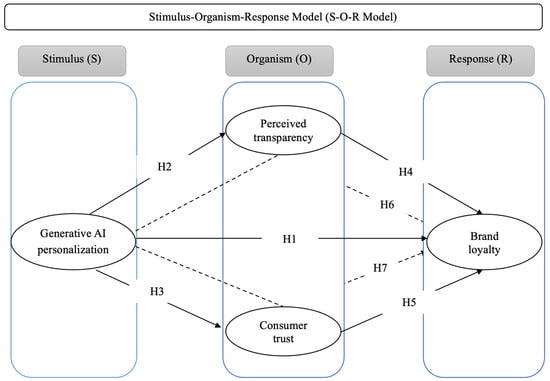
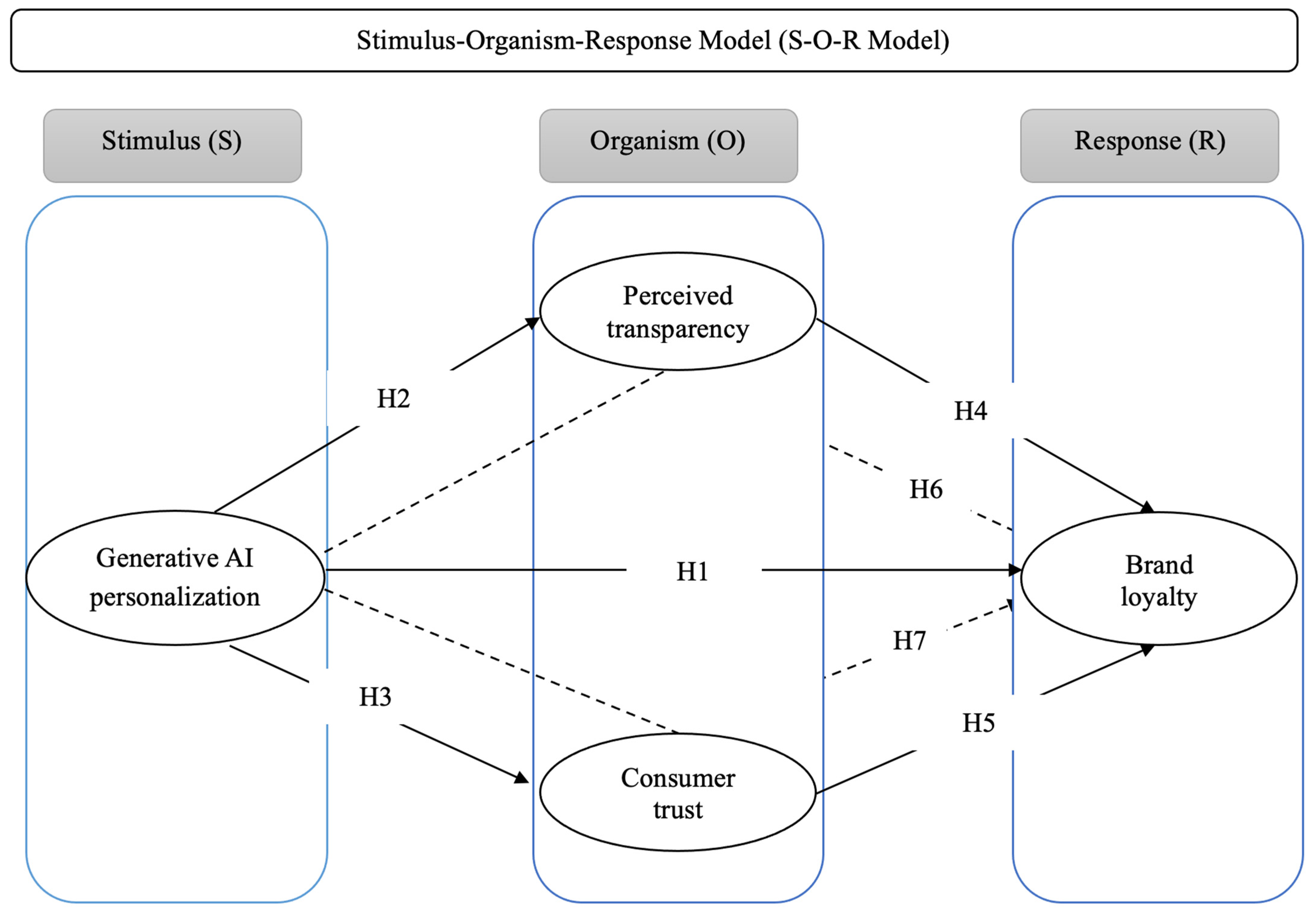

Disclaimer/Publisher’s Note: The statements, opinions and data contained in all publications are solely those of the individual author(s) and contributor(s) and not of MDPI and/or the editor(s). MDPI and/or the editor(s) disclaim responsibility for any injury to people or property resulting from any ideas, methods, instructions or products referred to in the content. |
© 2026 by the author. Licensee MDPI, Basel, Switzerland. This article is an open access article distributed under the terms and conditions of the Creative Commons Attribution (CC BY) license.