


Abstract
With the rapid diffusion of generative AI (Gen-AI) chatbots in service settings, understanding how their interactional characteristics are associated with user satisfaction has become increasingly critical. Although prior research has primarily emphasized system performance, relatively limited attention has been devoted to the underlying psychological mechanisms through which specific interactional features influence user experience. To address this gap, the present study develops a dual-path mediation model that differentiates between affective and cognitive processes, focusing on the mediating roles of emotional empathy and proficiency evaluation. Empirical data were collected via an online survey from 550 users with prior chatbot interaction experience. Structural equation modeling was employed to examine the effects of six chatbot characteristics on user satisfaction. These characteristics were classified into two categories: behavioral interaction characteristics (perceived initiative, perceived responsibility, and perceived timeliness) and normative interaction characteristics (perceived standardization, perceived impartiality, and perceived transparency). The results indicate that all characteristics, except perceived timeliness and perceived impartiality, exert significant positive effects on emotional empathy. Meanwhile, all characteristics exert significant positive effects on proficiency evaluation. The mediation analyses further indicate that emotional empathy and proficiency evaluation mediate some of the relationships between chatbot interactional characteristics and user satisfaction. By disentangling these mechanisms, this study advances current understanding of human–AI interaction from a dual-process perspective and clarifies the distinct roles of affective and cognitive pathways. It also offers practical guidance for the design of Gen-AI systems, suggesting ways to better align system features with users’ emotional expectations and task-oriented needs in real service settings.
1. Introduction
Chatbots are defined as intangible dialogue agents that communicate through natural language within text-based environments. Functioning as socio-technological media, they support both task-oriented and general-purpose interactions, embodying a range of social and functional attributes [1,2,3,4]. Amid the rapid evolution of generative artificial intelligence (Gen-AI), chatbots are widely being adopted across a growing range of application domains, including customer service, medical consultation, educational tutoring, and entertainment interactions [5,6,7]. For example, a growing number of enterprises have integrated Gen-AI chatbots (hereafter referred to as “chatbots” unless otherwise specified) into customer engagement processes, thereby reshaping the online customer experience [8,9]. These chatbots perform a variety of functions, such as handling search queries and providing decision support and delivering convenient and personalized interactive services [10], while maintaining clarity and professionalism in communication [5,11]. Collectively, these capabilities influence users’ emotional and cognitive evaluations throughout the interaction process [2,10,12].
The emergence of Gen-AI has further reshaped the paradigm of human–computer interaction [1,7,13,14]. Compared with early rule-based systems, Gen-AI chatbots leverage natural language generation and contextual understanding capabilities to achieve greater semantic coherence and social appropriateness, thereby reshaping users’ psychological expectations of digital service interactions [15,16]. Increasingly, organizations are delegating front-end communication tasks to AI agents, making it a pressing academic issue to investigate how chatbot characteristics influence user experience and user satisfaction. The Computer as a Social Actor (CASA) framework provides a conceptual foundation for understanding this phenomenon, suggesting that individuals tend to apply social norms and expectations to computer systems when those systems display social cues [7,17,18,19]. When chatbots engage through speech, tone, or behavior that mirrors human communication patterns, individuals tend to attribute social intentions and interpersonal qualities to them [18,20,21]. These social cues not only influence users’ perceptions of chatbots’ politeness, credibility, and empathy [6,8,22], but also shape users’ proficiency evaluation of chatbots through characteristics such as conversational coherence, responsiveness, and perceived professionalism [16,23].
Synthetic agents are capable of exhibiting empathic attitudes at both the behavioral and relational levels [21,24]. With the widespread adoption of Gen-AI, scholars have increasingly highlighted the pivotal role of its social attributes in influencing users’ perceptions of empathy and overall satisfaction [25,26,27], with social cues such as politeness, initiative, and responsiveness identified as key factors driving the perception of chatbot empathy [19,22,28]. Meanwhile, research on AI interaction systems has advanced, with growing academic attention to how design and behavioral attributes, including perceived usefulness, ease of use, and system quality, shape users’ assessments of system competence and overall interaction satisfaction [23,29]. Although these research streams have advanced understanding of the affective and cognitive dimensions of human–AI interaction, they have largely developed along separate lines. Existing models predominantly focus on trust and cognitive evaluation, while the relationship between users’ emotional responses and their assessments of chatbot proficiency remains insufficiently integrated into a unified explanatory framework. Consequently, it remains unclear how these complementary psychological processes jointly account for users’ overall satisfaction with chatbots. This represents a first research gap concerning the integration of affective and cognitive mechanisms.
The behavioral and design features of Gen-AI systems play a multifaceted role in shaping human–machine relationships [6,7,9,30]. By facilitating accessible, personalized, and proactively efficient engagement, chatbots can enhance users’ emotional connections and proficiency evaluations, thereby ultimately improving overall interaction satisfaction [2,24]. Despite increasing research on AI social presence and humanized design, existing studies have not sufficiently explained how distinct interaction characteristics are associated with users’ emotional empathy and proficiency evaluation, respectively. In particular, behavioral characteristics that describe how chatbots act during interactions and normative characteristics that reflect the principles governing those interactions have rarely been examined together within an integrated framework. This limits understanding of how different types of interaction cues relate to users’ affective and cognitive evaluations and, in turn, to their satisfaction. To develop an integrated account of how Gen-AI chatbot characteristics shape user satisfaction, this study draws on Computers Are Social Actors (CASA) theory and the Stereotype Content Model (SCM). CASA theory explains why users may respond socially to technological systems when they display cues associated with interpersonal communication, whereas the SCM provides a framework for understanding the dimensions through which social targets are evaluated.
In this study, chatbot interaction characteristics are analytically organized into behavioral and normative characteristics according to their primary conceptual focus. Behavioral characteristics concern how a chatbot acts and responds during interaction, including initiative, responsibility, and timeliness [3,9,30], which serve as interaction cues rooted in interpersonal communication norms and are directly manifested during real-time exchanges. Perceived initiative captures the extent to which the chatbot proactively identifies or addresses users’ needs; perceived responsibility reflects users’ perceptions that it responds accountably and takes appropriate responsibility for interactional tasks; and perceived timeliness concerns the promptness and efficiency of its responses. These characteristics describe the chatbot’s enacted conduct in the interaction process. Normative characteristics concern the principles and expectations governing how interactions are conducted, including fairness, standardization, and transparency [29,31,32]. Perceived standardization reflects consistency and predictability in service procedures and responses; perceived impartiality concerns whether users perceive the chatbot’s treatment and decisions as fair; and perceived transparency concerns the extent to which relevant information, procedures, and limitations are communicated clearly. These characteristics therefore capture users’ evaluations of the regularity, fairness, and openness of chatbot-mediated interactions. The distinction between behavioral and normative characteristics is an analytical distinction based on their primary evaluative focus, rather than a claim that the two categories are mutually exclusive.
By influencing emotional empathy and proficiency evaluation, these behavioral and normative features reshape service experiences, offering insight into how chatbots shape user perceptions and satisfaction. This study develops an integrated framework that links multidimensional interaction characteristics of generative chatbots to user satisfaction through both affective and cognitive processes. By examining how distinct interaction cues shape emotional empathy and proficiency evaluation in parallel, it provides a more fine-grained explanation of how user experience is constructed in AI-driven environments. The framework also provides a basis for understanding how variations in chatbot design may translate into differences in user responses across usage scenarios.
2. Theoretical Framework and Hypotheses Development
2.1. Linking Behavioral Interaction Characteristics to Emotional Empathy
Building on the theoretical foundation of human–computer interaction, prior research has emphasized that technological systems displaying even subtle human-like cues can evoke social responses from users [17,18,19]. Such behavioral signals not only reinforce the relational dimension of interaction but also foster emotional resonance [26,28]. For example, consumers tend to prefer companies equipped with chatbots that proactively initiate dialogues and effectively demonstrate product and service functionalities in e-commerce settings, enhancing the smoothness of the user experience and engagement [10]. Extending this perspective, chatbots are often attributed human social roles such as companion, healthcare provider, service assistant, or government official, reflecting the inherently social nature embedded in their communicative behaviors [6,19,20]. Artificial intelligence is not only capable of being trained to recognize human emotions but can also demonstrate human-like empathy during interactions [33]. Within this context, emotional empathy has emerged as a central construct, capturing users’ perceptions of how well chatbots understand and appropriately respond to their emotional states [19,34]. Existing research further suggests that behavioral interaction characteristics, including initiative, responsibility, and timeliness, may serve as critical antecedents of perceived empathy, shaping interaction quality and enhancing the overall service experience [11,19,34]. When chatbots proactively offer assistance, act responsibly, and respond with timeliness, they are more likely to be perceived as interactive partners endowed with empathetic capacity, effectively signaling to users that they are valued and cared for, thereby eliciting positive emotional connections [10,21,30,34].
Initiative plays an important role in human–machine collaboration [11,35]. Based on CASA theory, Li and Wang [19] demonstrated that when government chatbots exhibit proactive and polite communication behaviors, citizens report stronger emotional engagement during interactions, indicating that initiative-oriented cues reflecting attentiveness and responsiveness foster warmth and enhance users’ affective experiences in human–computer relationships [19,23]. Moreover, empirical studies have shown that varying levels of proactive behavior in social robots and AI chatbots significantly influence users’ affective perceptions, particularly the sense of warmth and perceived emotional value. As initiative and timeliness become more salient, users experience stronger emotional benefits and intrinsic engagement during interaction [10,35]. Furthermore, Ding and Najaf [23] identified initiative as a critical determinant of positive human–machine relationships in their study on the psychological mechanisms of chatbot adoption. Accordingly, in Gen-AI service environments, proactive interactions serve as affective triggers that enhance users’ emotional empathy [3,35], thereby improving overall satisfaction with AI-mediated services.
Within the framework of the Stereotype Content Model (SCM), warmth and competence are identified as the two core dimensions shaping social cognition [19,25,36]. The warmth dimension encompasses attributes such as morality and a sense of responsibility, which serve as key determinants of emotional attribution [36,37]. The perception of responsibility can be viewed as a personified social cue that reflects the system’s attentiveness to users’ experiences [9]. When AI operates with a high level of autonomy or takes on a leading role, users are more inclined to attribute responsibility for interaction outcomes to the system [30]. This perceived responsibility strengthens users’ trust and empathy toward the system, particularly in its capacity to respond to needs, understand emotions, and demonstrate care [13]. For example, government chatbots that convey responsibility and professionalism encourage citizens to develop stronger emotional bonds, attributing warmth and reliability to the system, which enhances emotional satisfaction during interaction [19]. Existing research indicates that users expect interactive agents to act responsibly and even bear consequences when errors occur [14,21]. Responsible communicative behaviors exhibited by chatbots, such as active error correction, are associated with users’ perceptions of care, more positive emotional attributions, and higher satisfaction [22,27,30].
Perceived timeliness functions as a salient social cue that shapes how individuals assess the attentiveness and relational commitment of conversational agents [3,9]. Through efficient and seamless exchanges, users can effortlessly obtain relevant information and enjoy smooth service flows, thereby reinforcing their perception of service utility and emotional value [9,10]. High-quality communication between customers and service agents depends on interactions that are coherent, timely, accurate, and satisfying [38]. When exchanges unfold with seamless and timely feedback, users are more likely to ascribe a sense of care and social presence to the agent, thereby deepening relational engagement [9]. Prior research has shown that reducing perceived waiting time substantially enhances overall user experience [39]. Conversely, delayed responses diminish users’ sense of connectedness and evoke negative emotions such as frustration, disappointment, and uncertainty [1,39]. Empirical findings further suggest that younger users, in particular, report higher satisfaction and stronger engagement when interacting with agents perceived as timely and responsive [40]. Drawing on the aforementioned research background, this study puts forward the following hypothesis:
H1.
Perceived initiative is positively associated with emotional empathy
H2.
Perceived responsibility is positively associated with emotional empathy.
H3.
Perceived timeliness is positively associated with emotional empathy.
2.2. Linking Normative Interaction Characteristics to Emotional Empathy
Although normative characteristics primarily concern the principles governing interaction, they may also carry interpersonal meaning. From a CASA perspective, users can interpret a chatbot’s adherence to consistent procedures, fair treatment, and transparent communication as socially meaningful signals rather than merely technical design properties. Such practices may convey respect for users, reduce uncertainty about how they are treated, and create a more predictable interactional environment. In relation to SCM, these signals may contribute to warmth-related judgments when users interpret them as evidence of consideration and responsible treatment.
Chatbots operate on vast datasets and sophisticated algorithms; however, their computational processes are not entirely immune to errors, biases, or asymmetries in data [33,41]. Such negative influences often manifest as embedded data biases and algorithmic opacity, posing significant challenges to the transparency and accountability of AI-mediated communication [31]. Consequently, embedding principles of standardization, fairness, and transparency into system design has become a prerequisite for the responsible and effective application of artificial intelligence [42,43]. Standardization is generally defined as the process of establishing a set of uniform characteristics or procedures for a particular offering [44]. In the context of chatbots, standardization is reflected in aspects such as visual interface design, website integration, speech synthesis modules, and embedded knowledge bases [45]. Accordingly, this study conceptualizes perceived standardization as users’ cognition of the degree to which chatbot services exhibit normative consistency, operational uniformity, and regularity in service quality. The AI system is required to adhere to established standards and norms, as ethical guidelines emphasize that accuracy, privacy, and security constitute essential components of chatbot service standardization [20,31]. Prior studies suggest that when users perceive chatbots as operating under coherent conversational norms and ethical standards, they are more inclined to attribute human-like warmth and a perception of accountability, thereby eliciting affective empathy [10,33,46]. Specifically, generative chatbots such as ChatGPT, characterized by high levels of structural coherence and linguistic consistency, provide users with a personified and appealing interaction experience that strengthens trust and emotional engagement [5].
Perceived impartiality can be understood as an individual’s overall judgment of whether a chatbot’s decision-making processes and outcomes are objective, unbiased, and resistant to external interference or preferential influence [32,41]. Impartiality in artificial intelligence embodies a multidimensional set of considerations, including design bias, ranking bias, sample selection bias, and equitable treatment across demographic groups [15,47]. These factors directly shape users’ experiences, influencing not only the technical legitimacy of algorithmic decisions but also their broader social acceptance [32]. To safeguard neutrality and justice, many countries and regions have established regulatory principles requiring artificial intelligence systems to comply with democratic and impartial standards, such as prohibiting chatbots from recommending political candidates during elections [42]. However, cross-linguistic discrepancies in factual accuracy and social bias among chatbots may subtly affect users’ cognition and evaluation [42]. Prior studies have demonstrated that when users perceive algorithmic decisions as impartial, they are more inclined to trust the system [19,29]. Conversely, when users perceive biased or unfavorable outcomes based on attributes such as gender or race, they tend to experience alienation and distrust, which weakens the emotional resonance and empathy that might otherwise emerge in human–machine interaction [15,29].
Transparency has been widely recognized as a fundamental cornerstone for establishing and maintaining user trust in AI systems [15,31,42]. Regulatory frameworks across most countries and regions explicitly require AI systems to adhere to the principle of transparency, regarding it as a prerequisite for ensuring interpretability and social acceptability [31]. Transparency encompasses the dimensions of explainability and readability, reflecting users’ capacity to comprehend how AI systems function and the reasoning underlying their outputs [13]. The transparency of artificial intelligence enhances the traceability of algorithmic operations and decision-making processes, ensuring clarity and accountability in system behavior [15]. By fostering an impression of honesty and openness [21], it shapes users’ psychological sense of trust and security. When users are explicitly informed that certain content or decisions are automatically generated by an AI system, their willingness to engage in emotional resonance increases significantly [24]. Kuai, Brantner, Karlsson, Van Couvering, and Romano [42] indicated that varying degrees of chatbot transparency significantly affect user experience, with linguistic and cultural opacity undermining trust and attachment. In e-health contexts, low transparency chatbots often evoke suspicion of manipulation and weaken the emotional basis of human–machine relationships [43]. Taken together, transparency serves not only as a foundational condition for the technical credibility of AI systems but also as a crucial design element for bridging the emotional divide between humans and machines. Higher levels of algorithmic transparency enable users to better comprehend system reliability and fairness, which in turn strengthen trust, enhance satisfaction, and promote sustained emotional resonance and interaction between users and AI systems [15,24]. The present study proposes the following hypothesis:
H4.
Perceived standardization is positively associated with emotional empathy.
H5.
Perceived impartiality is positively associated with emotional empathy.
H6.
Perceived transparency is positively associated with emotional empathy.
2.3. Linking Behavioral Interaction Characteristics to Proficiency Evaluation
Proficiency evaluation, reflecting an individual’s confidence in others’ ability to effectively carry out tasks and accomplish goals, specifically refers in the context of human–chatbot interaction to users’ overall assessment of a chatbot’s technical proficiency, problem-solving ability, and service consistency [5,8,36]. It represents a user-level judgment formed on the basis of the chatbot’s demonstrated task-related capabilities. The construct focuses on how users evaluate the chatbot’s ability to address interactional demands and accomplish relevant tasks. The term emphasizes users’ evaluations of the chatbot’s demonstrated performance in specific interaction contexts, rather than its general competence as an abstract capability. Proficiency evaluation concerns users’ judgments of a chatbot’s performance in carrying out specific tasks. It is conceptually distinct from ability-based trust, which reflects users’ willingness to rely on the chatbot, and system quality, which encompasses broader attributes of the system.
Whereas CASA explains why users respond to the chatbot’s conduct as if it carried social meaning, the competence dimension of SCM helps explain how users infer the system’s ability to accomplish interactional goals. Chatbots possess diverse capabilities, including creative ideation, logical reasoning, and decision-making [33]. Simultaneously, anthropomorphism can enhance users’ performance expectations of chatbots, which may prompt them to evaluate chatbot performance against standards commonly applied to human service providers [14,18]. When users perceive that a chatbot can effectively support task completion and optimize service outcomes, they tend to form more favorable evaluations of its proficiency in handling interactional tasks [2,3]. Furthermore, interaction quality reflects customers’ subjective perceptions of the effectiveness of human–machine communication during service encounters [1]. When a chatbot demonstrates proactive responses, confirmation of feedback, and efficient problem resolution, users may regard these behaviors as evidence of its ability to handle tasks effectively, thereby forming higher proficiency evaluations [22]. Chatbots exhibit initiative by understanding user needs and proactively offering suggestions [11,19]. Empirical evidence indicates that proactive behaviors can reinforce the agentic image of chatbots in task execution, and are associated with users perceiving them as intelligent agents capable of self-regulation and continuous optimization [11,19]. As noted by Pelau, Dabija, and Ene [46], the quality of interaction and perceived anthropomorphic attributes of service-oriented AI significantly promote user acceptance. When chatbots understand user needs and respond proactively, users may evaluate their proficiency more favorably because such behaviors demonstrate an ability to anticipate task requirements and provide relevant assistance. This perception arises not only from the fluency of interaction and proactive responsiveness [8], but also from users’ inferences about task execution drawn from these behaviors [3]. Moreover, proactive communication behaviors can themselves be interpreted by users as indicators of the chatbot’s capacity to manage interactional tasks, further shaping their proficiency evaluation [21].
When users attribute responsibility to the system in AI-dominated scenarios, they may be more inclined to evaluate its proficiency based on how it handles tasks and responds to problems [11,13,46]. Highly responsible chatbots can elicit greater user engagement and trust in their capabilities [11]. Specifically, behaviors such as proactively and sincerely apologizing in error situations can mitigate users’ negative emotions while demonstrating the chatbot’s ability to acknowledge mistakes and respond appropriately to interactional problems [22,27]. This attribution of responsibility may foster trust-based inferences through social reasoning, with users viewing the system as diligent and reliable when it performs effectively [14], thereby enhancing interactional trust and recognition [20,21]. Furthermore, when users perceive the system as adhering to ethical principles and assuming social obligations, they may also evaluate its ability to handle tasks and interactional demands more favorably [19,33]. Taken together, perceived responsibility, as a key dimension of anthropomorphism, positively influences users’ proficiency evaluation by shaping their judgments of the chatbot’s performance in managing tasks, addressing errors, and responding appropriately during interactions.
The timely responsiveness of chatbots can effectively reduce users’ perceived waiting time, enhance operational efficiency, and strengthen perceptions of system reliability and trustworthiness [3,9,39]. As a key dimension of anthropomorphism, perceived timeliness shapes users’ judgments of how efficiently a chatbot processes requests and delivers responses, potentially enhancing their proficiency evaluation [18], thereby positively influencing their proficiency evaluation of the system [46]. As Li and Lee [5] suggest, timeliness constitutes one of the decisive components of communication quality, directly shaping users’ cognitive trust and subsequent adoption intentions. When a chatbot provides prompt and appropriate responses, users can obtain relevant information with less delay, potentially contributing to more favorable evaluations of the chatbot’s task performance [1]. Moreover, response speed serves as a crucial determinant of experiential value, as users who can rapidly obtain useful information and enjoy convenient services tend to regard the system as efficient and capable of delivering effective services [10]. Conversely, delayed or inaccurate responses may undermine users’ willingness to interact and erode their trust in the system [2,39]. Therefore, perceived timeliness may influence users’ proficiency evaluation by shaping their judgments of the chatbot’s efficiency in responding to requests and completing interactional tasks. Accordingly, this study advances the following hypothesis:
H7.
Perceived initiative is positively associated with proficiency evaluation.
H8.
Perceived responsibility is positively associated with proficiency evaluation.
H9.
Perceived timeliness is positively associated with proficiency evaluation.
2.4. Linking Normative Interaction Characteristics to Proficiency Evaluation
The usability of standardized systems can significantly enhance users’ perceived functional performance [8,10]. On one hand, when users believe that chatbots are capable of making decisions consistent with ethical and moral standards, they tend to perceive them as more competent and reliable [21,46]. On the other hand, users’ evaluations of interaction capability are also shaped by interface functionality and design features [2]. Consistent interface layouts, interaction procedures, and linguistic expressions provide users with clearer expectations of how a chatbot operates, making it easier to assess its performance across different tasks [16]. Furthermore, when chatbots are endowed with normative persona characteristics in interface and communication design [18], users’ experiential and technological perceptions are further enhanced [22]. Prior research also suggests that accounting for user diversity and providing customized services constitute essential elements of standardized chatbot design [11]. For instance, ChatGPT’s ability to integrate various travel information resources from multiple sources and provide personalized recommendations illustrates how the organization and delivery of task-relevant information can influence users’ evaluations of its performance [5]. In summary, perceived standardization enhances system regularity, consistency, and reliability, helping users assess how effectively the chatbot handles tasks and thereby positively influencing their proficiency evaluation [8,29,44].
Amid the accelerating integration of artificial intelligence into public and commercial service domains, chatbots, which increasingly serve as machine agents, are broadly expected to provide information and services that are objective, neutral, and consistent [21,42]. However, biases inherent in data and algorithmic processes can generate perceptions of unfairness during interactions, thereby undermining users’ trust and their evaluations of system performance [32,47]. As chatbots play an increasingly central role in assisting decision-making and disseminating information, users’ perceptions of algorithmic fairness have emerged as a critical psychological mechanism influencing their attitudes and behaviors [42,47]. Empirical research indicates that when chatbots exhibit favoritism, unequal treatment, or inconsistency in information provision, users are inclined to interpret these behaviors as signs of limitations in the system’s ability to process and deliver information appropriately [48]. In contrast, chatbots that display fairness, impartiality, and procedural transparency are more likely to be regarded as capable of handling requests consistently and applying relevant rules appropriately, thereby enhancing users’ evaluations of their proficiency in performing interactional tasks [19]. Cross-linguistic comparative evidence further shows that differences in information delivery, normative adherence, and source attribution across linguistic and cultural contexts can weaken perceptions of fairness and accountability, ultimately reducing trust in the chatbot’s expertise and technical adequacy [20]. Overall, perceived fairness constitutes more than an ethical or social evaluation; it also provides a basis for users to judge whether a chatbot can handle information and interactional tasks appropriately, thereby shaping their proficiency evaluation.
System transparency is crucial in influencing users’ trust and evaluations of AI system performance [20,31]. Opaque “black-box” systems often weaken users’ assurance of system reliability and their understanding of how the system produces its responses [23], whereas highly transparent systems that clearly communicate data processing procedures, decision-making logic, and outcome generation mechanisms can enhance users’ understanding and perceived control, thereby strengthening their perceptions of credibility and professional competence [31]. In the context of service recovery, chatbots that explicitly explain their reasoning and provide clear, actionable information are perceived as being more able to explain outcomes and address problems effectively [43]. Such transparency helps users better comprehend system behavior and increases their confidence in its reliability [20,30]. High levels of visibility and clarity, combined with accessible feedback mechanisms, further improve user satisfaction and proficiency evaluations [29], enabling users to maintain trust and positive attitudes toward AI products and services even when faced with uncertainty or unfavorable outcomes [13]. In sum, transparent algorithmic operations and information disclosure mechanisms substantially enhance users’ evaluations of system capability, reliability, and professionalism. These assessments may contribute to more favorable proficiency evaluations and influence users’ continued usage intentions [22,27,30]. Based on these insights, this study proposes the following hypothesis:
H10.
Perceived standardization is positively associated with proficiency evaluation.
H11.
Perceived impartiality is positively associated with proficiency evaluation.
H12.
Perceived transparency is positively associated with proficiency evaluation
2.5. Linking Emotional Empathy and Proficiency Evaluation to User Satisfaction
Emotional empathy and proficiency evaluation are proposed as parallel mediators because they capture distinct evaluative processes through which users interpret chatbot interactions. Emotional empathy concerns the affective and relational significance of an interaction, particularly whether users feel that the chatbot understands their emotional states and responds with appropriate attention. Proficiency evaluation, in contrast, concerns users’ judgments of the chatbot’s task-related capabilities, including its perceived ability to provide accurate responses and solve problems effectively. The former therefore reflects users’ affective interpretation of the interaction, whereas the latter reflects their assessment of the chatbot’s functional capability. These evaluations may be informed by the same interactional cue without necessarily following a fixed causal sequence. For example, a chatbot’s proactive response may simultaneously make users feel that their needs are being attended to and lead them to infer that the system can anticipate or address a task requirement. Similarly, transparent communication may shape users’ emotional experience while providing information relevant to their assessment of the chatbot’s capabilities. Thus, affective and capability-related evaluations represent distinguishable routes through which interaction characteristics may contribute to satisfaction.
The parallel mediation framework is adopted because the present study focuses on the respective indirect associations of chatbot characteristics with user satisfaction through emotional empathy and proficiency evaluation. The proposed model does not assume that emotional empathy must precede proficiency evaluation, or vice versa, and it does not hypothesize that the effect of one mediator depends on the level of the other. A sequential model would require a theoretically specified ordering between the two evaluations, while an interaction model would require a rationale for why one evaluation changes the effect of the other. Neither relationship constitutes the central proposition of the present study. Accordingly, the two mediators are modeled in parallel to distinguish the affective and capability-related pathways linking chatbot characteristics to user satisfaction. This specification does not imply that the two psychological processes are completely independent in real interactions; rather, it reflects the distinct explanatory roles examined in the present research.
User satisfaction denotes users’ assessment of the information and service level provided by the chatbot during the interaction [25,38,39]. Extensive research has consistently demonstrated that the emotional empathy conveyed by chatbots is a critical determinant of users’ service experience and satisfaction [8,10,24]. Emotional empathy enables users to perceive the chatbot’s affective understanding, care, and attentiveness during interactions, thereby enhancing the positivity of their experience and significantly improving their acceptance of system suggestions as well as behavioral compliance [4,24]. Such empathic expression positively influences users’ overall satisfaction with the system [26,28]. For instance, in healthcare contexts, empathic responses have been shown to substantially increase user satisfaction and continuance intention, with social presence partially moderating this relationship [49]. During service recovery processes, chatbot expressions of understanding and compassion can significantly lessen the negative emotions caused by service breakdowns [37]. These empathic responses not only improve users’ emotional reactions but also foster affective resonance and relational maintenance, thereby enhancing overall customer satisfaction [34]. Overall, these findings highlight emotional empathy as a fundamental determinant of user satisfaction.
When the interaction process demonstrates high efficiency and reliability, users have a higher tendency to trust the system and perceive the chatbot as possessing strong task execution and professional competence [2,25]. Such ability-based evaluations strengthen users’ acceptance of artificial intelligence entities and reinforce their cognitive trust [13], thereby directly enhancing satisfaction with the service experience and increasing retention [25]. Empirical evidence from prior studies indicates that capable and functionally reliable chatbots significantly improve user satisfaction with the interaction [11]. Extending this line of inquiry, when chatbots deliver precise, efficient, and solution-oriented responses during service recovery, users tend to perceive them as more competent and reliable, which in turn enhances interaction satisfaction [37]. Moreover, empirical findings confirm that the perceived value derived from interactions with chatbots is an important antecedent of customer satisfaction [8,10]. Therefore, it can be inferred that when users develop higher perceptions of a chatbot’s competence, their overall satisfaction with the service is likely to increase. Thus, this study advances the following hypothesis:
H13.
Emotional empathy is positively associated with user satisfaction.
H14.
Proficiency evaluation is positively associated with user satisfaction.
3. Research Methodology
3.1. Research Model
Figure 1 presents the research model developed in this study and shows the hypothesized relationships among the key constructs. The model integrates chatbot characteristics, emotional empathy, proficiency evaluation, and user satisfaction into a coherent analytical framework. Chatbot characteristics are divided into two dimensions, namely behavioral interaction characteristics such as perceived initiative, responsibility, and perceived timeliness, and normative interaction characteristics such as perceived standardization, perceived impartiality, and perceived transparency. These dimensions are expected to influence emotional empathy and proficiency evaluation, which in turn shape user satisfaction. Overall, the model embodies both relational and functional perspectives of human–AI interaction, offering a comprehensive understanding of how chatbot features affect user experience and evaluative outcomes.
Figure 1.
The conceptual research model.
3.2. Sample and Data Collection
This study collected empirical data via the Credamo Platform (www.credamo.com), an online survey service in China that provides access to a broad participant pool and reliable sampling procedures. The target population comprised individuals with prior experience interacting with Gen-AI chatbots. Participants were recruited through the platform’s official respondent database and social media channels. No demographic quotas were imposed. To prevent missing data, all questionnaire items were set as mandatory. To prevent duplicate submissions, each IP address was restricted to one response. Utilizing this platform enabled this study to reach a demographically diverse group of respondents and enhance the representativeness of the dataset. All participants were informed of the study objectives and procedures prior to participation, ensuring that the principles of voluntary consent and anonymity were strictly followed. No monetary or other compensation was provided to respondents. To ensure that respondents met the study’s eligibility criteria, a screening question asking whether they had previously used chatbots was included, and respondents without prior chatbot experience were automatically screened out. For participants under the age of 18, participation was voluntary, and informed consent was obtained before questionnaire completion. Parental or legal guardian consent was also obtained. An attention-check item was also included to assess response quality. The questionnaire asked respondents to evaluate their overall experiences across the Gen-AI chatbots they had used, rather than focusing on a single named system.
Data collection took place between 1 October and 30 November 2025. Before the formal survey, domain experts and experienced chatbot users reviewed the questionnaire to assess the appropriateness of its structure and the clarity of its items. The questionnaire was revised based on their feedback, followed by a small-scale pilot study to preliminarily assess item clarity and the measurement properties of the scales. In total, 588 questionnaires were returned. To ensure data quality and compliance with the eligibility criteria, questionnaires were excluded if respondents reported no prior experience using chatbots, failed the attention-check item, completed the questionnaire in an unusually short or long time, or exhibited patterned response behaviors. The sample size was considered in relation to the number of measurement items and the complexity of the proposed model. The final sample of 550 valid responses was used for confirmatory factor analysis and structural equation modeling.
3.3. Measurement
All measurement scales used in this study were derived from well-established and validated instruments and were appropriately adapted to fit the research context, ensuring both content relevance and measurement validity. A five-point Likert scale was applied, where 1 represented “strongly disagree,” 2 “disagree,” 3 “neutral,” 4 “agree,” and 5 “strongly agree.” Participants were instructed to evaluate each statement based on their actual experiences in interactions with chatbots. Specific measurement scales and their sources are shown in Table 1.
Table 1.
Measurement and questionnaire.
Perceived initiative refers to the extent to which a chatbot proactively guides interactions and offers assistance. Perceived initiative was operationalized using measurement items adapted from prior research on proactive system behavior and chatbot interactivity [19]. Participants evaluated the degree to which the chatbot exhibited proactive engagement during interactions. Perceived responsibility refers to users’ perceptions of whether a chatbot takes responsibility for addressing their needs and providing appropriate and accurate assistance. Drawing on the perceived responsibility scale originally developed in AI medical and coaching settings [30], this study adapted and refined the items to align with user-chatbot interaction scenarios. Perceived timeliness refers to users’ perceptions of how quickly and efficiently a chatbot responds to requests and provides the information or services they need, and it was measured using items adapted from Chen, Gong, Lu, and Tang [16], capturing users’ perceptions of the chatbot’s responsiveness in terms of promptness, efficiency, and interaction fluency, as well as any perceived delays in obtaining desired information or services.
Perceived standardization refers to users’ perceptions of the consistency of a chatbot’s service procedures and quality. The construct was measured using items adapted from prior studies on service consistency and process standardization [44], with adjustments made for chatbot service contexts. The scale evaluates users’ perceptions of standardization across service procedures, operational processes, service quality, behavioral consistency, and the handling of errors or exceptions. Perceived impartiality refers to users’ perceptions of whether a chatbot treats different users fairly and without bias. It was adapted from the AI fairness and algorithmic trust framework proposed by Ehrhardt, Renn, and Utz [41] and further refined to suit chatbot-based service interactions. Unlike standardization, which concerns consistency in service procedures, impartiality concerns fairness in the treatment of users and groups. It captures users’ perceptions of impartiality, emphasizing fairness in addressing diverse user needs, the mitigation of social bias, and the perceived justice embedded in decision-making processes. Perceived transparency refers to users’ perceptions of how clearly a chatbot communicates its functions, interaction processes, and decision-making. To comprehensively assess the transparency of chatbots, this study draws on the measures of interaction transparency from Hadi, Siregar, Wijaya, Handayani, and Harahap [43] and the items assessing AI system transparency from Yue and Li [13]. The scale not only captures the clarity of the chatbot’s communication during user interactions but also encompasses the transparency of how the system processes data and makes decisions.
Emotional empathy refers to users’ perceptions of a chatbot’s ability to understand their perspectives, recognize their emotions, and respond with concern and emotional sensitivity. Emotional empathy was measured using items adapted from the artificial empathy scales proposed by Juquelier, Poncin, and Hazée [28] and Liu-Thompkins, Okazaki, and Li [34]. The construct includes two dimensions, emotional understanding and emotional resonance, which together capture users’ perceived empathic sensitivity and responsiveness during interactions. Proficiency evaluation refers to users’ assessments of a chatbot’s ability to complete tasks accurately, solve problems, and provide reliable assistance. The measurement was adapted from prior research on human trust in artificial intelligence, particularly the competence-based trust framework proposed by Glikson and Woolley [50]. User satisfaction refers to users’ overall satisfaction with the service and their evaluation of whether the chatbot meets their expectations. The measurement was developed from an established scale by Chung, Ko, Joung, and Kim [38].
4. Data Analysis Strategy
This study employs SPSS 27.0 and AMOS 29.0 to conduct a quantitative analysis centered on six categories of chatbot interaction features. Data preprocessing includes eliminating invalid responses based on completion time and logical consistency, as well as inspecting missing values and outliers. Common method bias was assessed using Harman’s single-factor test. Descriptive statistics of users’ demographic characteristics, including gender, age, educational background, and other relevant factors, were generated in SPSS. The internal consistency of all measurement scales was evaluated using Cronbach’s alpha, with 0.70 as the threshold. Confirmatory factor analysis (CFA) was subsequently conducted in AMOS to assess the measurement structure. Reliability and convergent validity were assessed using standardized factor loadings above 0.50, composite reliability (CR) exceeding 0.70, and average variance extracted (AVE) above 0.50. In addition, squared multiple correlations (SMC) were examined to evaluate the explanatory power of each indicator, and most items exceeded the recommended threshold of 0.50, indicating adequate item reliability. To ensure the robustness of the structural estimates, multicollinearity was examined through variance inflation factors. In the structural modeling stage, a latent-variable path model was constructed to test the mechanisms through which chatbot interaction features shape user satisfaction. Hypotheses were tested using standardized path coefficients and their significance levels. Bias-corrected bootstrap procedures were further applied to identify the mediating effects of emotional empathy and proficiency evaluation. These analyses reveal the dual psychological pathways that link interaction features to user outcomes.
5. Results
5.1. Demographic Statistics
Data were collected from users with actual experience using Gen-AI chatbots, yielding 550 valid responses, comprising 293 females (53.3%) and 257 males (46.7%). Age distribution indicated that younger adults represented the largest segment, with 209 participants aged 18–30 (38.0%), followed by 148 individuals between 31 and 40 years (26.9%), indicating that young and middle-aged adults constituted the majority of the respondents in the present sample. The sample exhibited a relatively high level of educational attainment, with 306 respondents holding a bachelor’s degree (55.6%) and a further 11.7% possessing postgraduate credentials. Usage patterns suggest primarily moderate engagement, with 49.1% using chatbots for under one hour daily, while 30.0% reported using them for one to two hours daily. Moreover, long-term exposure was evident, as 80.0% had used chatbots for more than one year, whereas only 20.0% reported less than one year of experience, reflecting a generally stable and sustained engagement with chatbots. The application contexts reported by respondents were wide-ranging. Learning assistance (72.2%), work-related tasks (62.7%), and information retrieval (62.5%) represented the dominant functional scenarios, whereas entertainment purposes accounted for 46.4%. Overall, the sample encompasses a broad range of age groups, usage intensities, and application scenarios, and thus provides a robust empirical basis for the subsequent analyses. Detailed descriptive statistics are presented in Table 2.
Table 2.
Summary of demographic information (N = 550).
5.2. Measurement Model, Reliability, and Validity
Prior to estimating the structural model, the measurement model was rigorously assessed. The CFA results indicated an acceptable overall model fit. To validate the proposed framework, structural equation modeling was conducted using the empirical data. The measurement model results indicate that all fit indices reach acceptable levels (χ2/df = 1.341 < 3; RMSEA = 0.025 < 0.08; CFI = 0.981 > 0.9; NFI = 0.928 > 0.9; IFI = 0.981 > 0.9; TLI = 0.978 > 0.9), indicating that the hypothesized measurement model exhibits a good fit to the observed data. Standardized factor loadings were generally above the recommended threshold of 0.70, suggesting that the observed items adequately represented their corresponding latent constructs, although a few items fell slightly below this cutoff and were retained due to their proximity to the recommended level. In addition, most items demonstrated SMC values above 0.50. Items below this threshold were also retained, as both composite reliability (CR) and average variance extracted (AVE) met the established criteria. Retaining these items helps preserve the content validity and theoretical completeness of the constructs and does not pose a substantive threat to the overall robustness of the measurement model. Reliability analysis demonstrated that all constructs exhibited Cronbach’s alpha coefficients and CR values exceeding 0.70, indicating satisfactory internal consistency. Regarding convergent validity, all constructs exhibited AVE values above the recommended threshold of 0.50. The results are presented in Table 3. Discriminant validity was assessed using the Fornell–Larcker criterion, showing that the square root of each construct’s AVE exceeded its correlations with other constructs, thereby indicating adequate discriminant validity among the latent variables. The results are presented in Table 4. Discriminant validity was further assessed using the heterotrait–monotrait ratio of correlations (HTMT). All HTMT values were below the recommended threshold of 0.85, ranging from 0.259 to 0.665. These results provide additional support for the discriminant validity of the measurement model, suggesting that the constructs are empirically distinguishable from one another. Overall, the measurement model exhibited acceptable model fit, reliability, and validity, meeting widely recognized standards and supporting its suitability for subsequent structural analysis.
Table 3.
Statistical results of confirmatory factor analysis.
Table 4.
Discriminant validity.
5.3. Common Method Bias
To reduce the potential impact of common method bias (CMB), several procedural measures were adopted during data collection, including ensuring respondent anonymity and employing neutral item wording to reduce evaluation apprehension. To further assess the presence of CMB at the statistical level, Harman’s single-factor test was conducted, and exploratory factor analysis showed that the first unrotated factor explained less than 50% of the total variance (32.7%), suggesting the absence of a dominant single factor. These results indicate that common method bias is unlikely to present a significant threat to the validity of the findings, and the dataset demonstrates acceptable methodological independence. In addition, a full collinearity assessment based on variance inflation factors (VIFs) was performed, in which each construct was regressed on the remaining constructs. The results showed that all VIF values were below 3.3, with the maximum value being 2.264, providing further evidence that CMB was unlikely to pose a serious threat to the findings. Nevertheless, these diagnostic tests cannot conclusively rule out the presence of CMB.
5.4. Structural Model
After the measurement model was validated through confirmatory testing, the structural model was subsequently estimated to examine the hypothesized relationships among latent variables. The results indicate that the overall fit of the structural model was satisfactory, with all fit indices meeting recommended thresholds (χ2/df = 1.331 < 3; RMSEA = 0.025 < 0.08; RMR = 0.030 < 0.05; CFI = 0.981 > 0.90; AGFI = 0.915 > 0.90; IFI = 0.981 > 0.90; TLI = 0.979 > 0.90). Detailed model fit statistics are reported in Table 5. The explanatory power of the structural model was assessed using the squared multiple correlations (R2). The R2 values were 0.406 for emotional empathy, 0.467 for proficiency evaluation, and 0.680 for user satisfaction, indicating that the model explained 40.6%, 46.7%, and 68.0% of the variance in these constructs, respectively. Path analysis was then conducted to test the proposed theoretical relationships among the latent constructs. The results show that most interaction features exert significant effects on emotional empathy and proficiency evaluation.
Table 5.
Fit indices for the measurement model.
In the emotional empathy pathway, perceived initiative (β = 0.171, p = 0.001), perceived responsibility (β = 0.217, p < 0.001), perceived standardization (β = 0.193, p < 0.001), and perceived transparency (β = 0.233, p < 0.001) all have significant positive effects on emotional empathy, thereby supporting Hypotheses H1, H2, H4, and H6. In contrast, perceived timeliness (β = −0.038, p = 0.417) and perceived impartiality (β = 0.061, p = 0.176) show no significant effect. Accordingly, Hypotheses H3 and H5 are not supported. With respect to the proficiency evaluation pathway, perceived initiative (β = 0.146, p = 0.004), perceived responsibility (β = 0.182, p < 0.001), perceived timeliness (β = 0.158, p < 0.001), perceived standardization (β = 0.172, p < 0.001), perceived impartiality (β = 0.104, p = 0.017), and perceived transparency (β = 0.211, p < 0.001) all exert significant positive effects on proficiency evaluation, lending support to Hypotheses H7, H8, H9, H10, H11 and H12. Finally, both emotional empathy (β = 0.208, p < 0.001) and proficiency evaluation (β = 0.169, p < 0.001) are found to have significant positive effects on user satisfaction, providing strong support for Hypotheses H13 and H14. The standardized path coefficients among variables are shown in Figure 2.
Figure 2.
Results for the structural equation model. * p < 0.05; ** p < 0.01; *** p < 0.001.
5.5. Mediation Analysis
After validating the overall structural model, this study examined the mediating effects of emotional empathy and proficiency evaluation to further clarify the functional differences among distinct psychological mechanisms within the causal pathways. Specifically, indirect effects were estimated using a bias-corrected bootstrap approach with 5000 resamples, with significance determined by whether the 95% confidence interval included zero. Detailed data are presented in Table 6. Specifically, the indirect effects of perceived initiative through emotional empathy (β = 0.036, 95% CI [0.010, 0.080], p = 0.004) and proficiency evaluation (β = 0.025, 95% CI [0.005, 0.058], p = 0.006) are both significant, as neither confidence interval includes zero. Similarly, perceived responsibility demonstrates significant mediation effects through both emotional empathy (β = 0.045, 95% CI [0.018, 0.094], p < 0.001) and proficiency evaluation (β = 0.031, 95% CI [0.009, 0.073], p = 0.002), indicating that both affective and cognitive mechanisms contribute to the relationship between perceived responsibility and user satisfaction. For perceived timeliness, only the indirect effect through proficiency evaluation is significant (β = 0.027, 95% CI [0.009, 0.062], p = 0.002), whereas the mediation effect through emotional empathy is not significant (β = −0.008, 95% CI [−0.034, 0.014], p = 0.442).
Table 6.
Analysis of the mediation effect.
Perceived standardization exhibits significant indirect effects on user satisfaction through both emotional empathy (β = 0.040, 95% CI [0.015, 0.081], p = 0.001) and proficiency evaluation (β = 0.029, 95% CI [0.007, 0.069], p = 0.003). By contrast, perceived impartiality demonstrates a significant indirect effect only through proficiency evaluation (β = 0.017, 95% CI [0.002, 0.045], p = 0.027), whereas its indirect effect through emotional empathy is not statistically significant (β = 0.013, 95% CI [−0.007, 0.042], p = 0.204). Finally, perceived transparency exhibits significant indirect effects through both emotional empathy (β = 0.049, 95% CI [0.020, 0.096], p < 0.001) and proficiency evaluation (β = 0.036, 95% CI [0.011, 0.077], p = 0.002), suggesting that transparency is associated with user satisfaction through both affective and cognitive mechanisms. Overall, these findings highlight the heterogeneous mediating roles of emotional empathy and proficiency evaluation across different chatbot interaction characteristics.
As shown in Table 7, perceived initiative, perceived responsibility, perceived standardization, perceived impartiality, and perceived transparency had significant positive direct effects on users’ continuous use intention, whereas the direct effect of perceived timeliness was not significant (β = 0.076, p = 0.070). Regarding total effects, all six interaction characteristics had significant positive effects on US, with perceived transparency showing the strongest effect (β = 0.262, p < 0.001), followed by perceived standardization (β = 0.223, p < 0.001) and perceived initiative (β = 0.211, p < 0.001). Notably, although PT did not have a significant direct effect, its total effect was significant (β = 0.095, p = 0.023), suggesting a potential indirect pathway linking perceived timeliness to continuous use intention.
Table 7.
Direct and total effects.
6. Discussion
6.1. Summary of the Key Findings
Centering on Gen-AI chatbots as an increasingly prevalent subject of human–computer interaction, this study constructed and tested a structural model that begins with multidimensional interaction features, incorporates users’ perceived empathy and proficiency evaluation as mediating psychological mechanisms, and takes user satisfaction as the outcome variable, thereby systematically elucidating the internal logic underlying user experience formation in the context of Gen-AI. The findings demonstrate that chatbot interaction characteristics exert distinct influences on user responses, support the majority of the proposed hypotheses, and provide new empirical evidence for understanding the complexity of contemporary human–machine relationships.
Firstly, different interaction features exhibit distinct effects across the structural paths. From the perspective of emotional empathy, perceived initiative, perceived responsibility, perceived standardization and perceived transparency all exerted significant positive effects on users’ perceived empathy. Unlike traditional AI systems that merely respond passively to user queries, Gen-AI tends to go beyond direct answers by proactively offering deeper suggestions or guiding subsequent actions. This form of proactive engagement enables users to more readily perceive the chatbot’s attentiveness to their situation and its understanding of their needs [11,25]. Furthermore, perceived responsibility facilitates users’ cognitive tendency to regard the chatbot as a collaborative partner rather than a tool [13,30], which in turn enhances perceptions of sincerity and contributes to the formation of emotional empathy. Moreover, perceived standardization enables users to quickly form a foundational impression of how the chatbots operate. This predictability eliminates unnecessary confusion and uncertainty, establishing an emotional foundation for users to feel in control and secure. When chatbot responses are vague, avoid acknowledging errors, or fail to address users’ needs directly, users are likely to perceive the system as lacking genuine commitment to their requests, even when its responses contain substantial affective language. Therefore, perceived responsibility not only serves as a fundamental basis for building trust in human–AI interaction but also constitutes an important prerequisite for users to genuinely perceive and internalize the chatbot’s emotional empathy.
Furthermore, the positive effect of perceived timeliness on emotional empathy proposed in Hypothesis 3 was not supported by the findings. One possible explanation is that users may not necessarily interpret timely responses as evidence of a chatbot’s emotional understanding. Furthermore, the hypothesized positive relationship between perceived timeliness and emotional empathy was not supported. Although the estimated coefficient was negative, the relationship was not statistically significant, suggesting that perceived timeliness may not be meaningfully associated with emotional empathy in the present study. One possible explanation is that users do not necessarily interpret timely responses as evidence of a chatbot’s emotional understanding. Emotional empathy may depend more on whether a response reflects an understanding of users’ feelings and circumstances than on the speed of its delivery. However, the negative coefficient may also indicate a potential negative tendency that warrants further investigation. Emotional empathy depends on whether the response reflects an understanding of the user’s feelings and circumstances, rather than simply how quickly it is delivered. This is consistent with previous research suggesting that an excessive focus on efficiency may come at the expense of emotional depth, while an appropriate delay may sometimes lead to more favorable evaluations [12]. Such interpretations may also extend to human–chatbot interactions, particularly when users discuss complex or emotionally sensitive issues. Response speed alone may be insufficient to foster emotional empathy, as users’ perceptions may also be shaped by how appropriately a response addresses their emotional needs. Consequently, a more nuanced design approach would involve adjusting response timing based on context, using intentional delays or status indicators in complex scenarios to balance the trade-off between speed and emotional depth.
The findings suggest that perceived standardization and perceived transparency may support emotional empathy by making chatbot interactions more predictable and understandable. Consistent interaction patterns help users anticipate chatbot responses and reduce uncertainty, while clear explanations of information sources, processing logic, and response rationales help users understand the basis of these responses. Such clarity may make expressions of care and understanding appear more relevant to users’ needs rather than merely formulaic. Moreover, when chatbot responses are presented in a consistent and comprehensible manner, users may find it easier to connect the system’s expressions with the specific concerns raised during interaction. In contrast, the effect of perceived impartiality on emotional empathy was not statistically significant, although its effect on proficiency evaluation was significant. One possible explanation is that perceived impartiality primarily reflects users’ judgments of whether a chatbot treats users consistently and applies its rules fairly. From the perspective of the CASA paradigm, users may apply social expectations to their interactions with chatbots, but different social cues do not necessarily elicit the same psychological responses. Perceived impartiality may signal adherence to consistent rules and fair treatment, without necessarily conveying sensitivity to an individual user’s emotional state. Such perceptions may contribute to evaluations of the chatbot’s capability and reliability, but they do not necessarily indicate that the chatbot understands users’ individual feelings or circumstances. Unlike emotional empathy, which concerns users’ perceptions of being emotionally understood, impartiality emphasizes consistency and equal treatment. Consequently, users may recognize a chatbot as fair without developing a stronger sense of emotional connection with it. This distinction also helps explain why perceived impartiality was significantly associated with proficiency evaluation but not emotional empathy: consistent and impartial treatment may provide a basis for judging how reliably the chatbot operates, whereas emotional empathy may require more direct cues of emotional understanding and responsiveness. Taken together, these results indicate that users are more likely to develop a subjective sense that “the chatbot understands me” when the system demonstrates proactive contextual understanding, provides explanatory rationales for its actions, and signals a willingness to engage interactively.
Secondly, in terms of proficiency evaluation, all characteristics exhibit significant positive effects. This overall pattern suggests that users assess chatbots’ task-related performance not only through their immediate performance but also through the interaction cues that signal how effectively and reliably they can handle different tasks. Perceived initiative also exerts a robust positive influence on proficiency evaluation. Beyond signaling responsiveness, initiative is interpreted by users as evidence of contextual understanding and problem-solving capability. When a chatbot goes beyond passive reply patterns to actively identify user needs and anticipate follow-up issues, and when it additionally conveys a sense of perceived responsibility, it is more readily construed as a system with superior task-handling competence [19]. When chatbots demonstrate strong commitment in handling complex tasks or proactively correct service errors, users are more likely to interpret such responsible and self-corrective behaviors as indicators of technological maturity, thereby enhancing evaluations of their competence. Additionally, the significant effect of perceived timeliness further reflects users’ inherent expectations of algorithmic efficiency, whereby rapid responses are associated with strong computational capacity, high processing efficiency, and technological maturity. Beyond these dynamic aspects of interaction, users may also rely on the consistency and explainability of chatbot behavior when evaluating its capabilities. Perceived standardization reflects the extent to which chatbots adhere to consistent interaction rules and stable output logic during communication. When chatbots exhibit relatively uniform response formats and processing procedures across different task contexts, users are more likely to interpret such consistency as an external manifestation of operational regularity, thereby forming more positive evaluations of their information processing capability. Chatbots that clearly articulate their information sources, reasoning processes, and response rationales are more likely to be perceived as verifiable and predictable intelligent systems, which in turn reinforces judgments of professionalism and reliability [29,31]. The positive effect of perceived impartiality is likewise informative. Although impartiality is often conceptualized as an ethical attribute [32], its influence in the context of ability evaluation appears to stem more from users’ cognitive assessments of decision rationality. Rather than interpreting impartiality solely in moral terms, users tend to view it as an indicator of the system’s capacity to deliver consistent and unbiased outcomes across situations, which is closely aligned with perceptions of technical reliability.
Finally, emotional empathy and proficiency evaluation are both positively associated with user satisfaction. As chatbot applications diversify and algorithmic capabilities advance, empathy-related perceptions may become an increasingly important source of differentiation in user satisfaction [37]. At the same time, satisfaction judgments are also associated with chatbots’ performance in information provision, problem solving, and decision support, reflecting users’ pragmatic evaluations of whether a system can provide efficient and accurate assistance [25]. The indirect-effect results further reveal that emotional empathy and proficiency evaluation do not mediate all relationships between chatbot interaction characteristics and user satisfaction uniformly. Specifically, emotional empathy significantly mediates the relationships of perceived initiative, perceived responsibility, perceived standardization, and perceived transparency with user satisfaction, but not those of perceived timeliness and perceived impartiality. The nonsignificant indirect effect of perceived timeliness may suggest that prompt responses primarily reflect interactional efficiency and do not necessarily convey emotional understanding or concern. Likewise, impartial treatment may be perceived as a matter of fairness rather than an expression of emotional responsiveness, which may help explain the nonsignificant indirect effect through emotional empathy. In contrast, proficiency evaluation significantly mediates the relationships between all six interaction characteristics and user satisfaction, suggesting that users’ assessments of chatbot capabilities provide a more consistent explanatory pathway linking interaction characteristics to satisfaction in the present sample.
It should be noted that these conclusions primarily apply to general-purpose chatbots oriented toward information services and task assistance. As Gen-AI further evolves in emotional expression and interactional sophistication, and as chatbot use cases expand, the relative importance of empathy and competence in shaping satisfaction may undergo dynamic shifts. In interaction contexts centered on emotional companionship, relational maintenance, or identity projection, such as virtual partners or companion-oriented agents, emotional empathy may play a more prominent role in user satisfaction, while the importance of different interaction features may vary across contexts. In addition, the consistently high correlations among the six interaction features indicate that users tend to evaluate chatbot performance holistically rather than as isolated attributes. Furthermore, there is a strong correlation among the six interaction features, indicating that users typically evaluate chatbots’ performance holistically rather than assessing individual features separately. When a chatbot excels in a particular key dimension, users may project positive expectations onto other dimensions, thereby reporting greater overall satisfaction.
6.2. Theoretical and Practical Implications
This study offers several theoretical contributions that extend the existing literature. First, moving beyond prior approaches that predominantly conceptualize human–computer interaction through the lenses of instrumental rationality or functional adaptation, this research foregrounds the mechanisms through which users’ holistic experiences are formed in Gen-AI contexts. By integrating communication and social psychological perspectives, the study extends the application of these theories to Gen-AI chatbots, where users’ experiences may be shaped by both the functional features of interaction and their social and psychological interpretations of these features. It broadens the applicability of communication and social psychological theories to intelligent media environments, while offering a refined theoretical perspective for understanding the evolving nature of human–machine relationships. Second, this study advances a more structured understanding of interaction characteristics in chatbots. Prior studies have often examined anthropomorphic cues and system quality as relatively discrete factors, with limited integration across different types of interaction features. In contrast, this study conceptualizes chatbot interaction characteristics as a multidimensional system encompassing both behavioral and normative dimensions, distinguishing between what chatbots do in the course of interaction and how their interactions conform to expected standards and principles. Behavioral characteristics capture users’ perceptions of chatbots’ interactional conduct, including initiative, responsibility, and timeliness, whereas normative characteristics reflect users’ perceptions of the consistency, impartiality, and transparency of chatbot interactions. This classification is grounded in the conceptual distinction between interactional conduct and the standards by which such conduct is evaluated, rather than in a simple division between technical and social attributes. By bringing these dimensions into a unified analytical framework, the study provides a theoretically informed way to organize diverse interaction characteristics and examine their potentially distinct associations with users’ psychological evaluations and satisfaction. This approach also offers a basis for further refining and validating the classification of Gen-AI chatbot interaction characteristics across different application contexts. Third, this study explicates the psychological mechanisms through which users’ perceptions are translated into user satisfaction by distinguishing between emotional empathy and proficiency evaluation. The findings reveal a parallel emotional-cognitive structure underlying user experience formation in Gen-AI, extending prior studies that have predominantly focused on single explanatory routes such as trust or anthropomorphism. Emotional empathy captures the affective dimension of users’ responses, whereas proficiency evaluation reflects their judgments of chatbots’ task-related performance. The results indicate that users’ evaluative responses are shaped not by isolated judgments of technical performance, but by the joint operation of affective resonance and perceived interactional capability. By identifying these distinct yet interconnected pathways, this study develops a more nuanced account of user experience formation with chatbots and provides a theoretical foundation for future research on dynamic, human-centered intelligent systems.
This study also offers several practical implications. First, the empirical findings provide actionable evidence for service design, translating abstract interaction qualities into operable design principles. By clarifying the roles of perceived initiative, responsibility, and timeliness in shaping user experience, the findings suggest that enterprises may improve Gen-AI system interaction quality by aligning system design with users’ emotional expectations and task-oriented needs. Such adjustments support a shift in chatbot development from a predominantly technical logic toward a user experience orientation, thereby fostering more effective human–machine adaptation and strengthening trust formation. At the same time, reinforcing standards related to procedural consistency, fairness, and transparency within algorithmic design and service delivery can mitigate users’ risk perceptions and enhance perceived reliability and social legitimacy, offering an empirical basis for iterative product optimization. Second, the findings offer practical insights for improving chatbot services in learning, work, and information-seeking contexts. For electronic commerce, they may inform the design of chatbot functions related to product information provision and customer inquiries. At the level of artificial intelligence governance and industry standard setting, the findings concerning transparency, fairness, and responsibility may inform the development of relevant service standards and guidelines for chatbot design and deployment. Finally, by tracing the psychological mechanisms underlying user experience, this study contributes to addressing the practical challenge of sustaining user engagement. It offers theoretically informed directions for improving chatbot interaction design and user experience in everyday service contexts.
7. Limitations and Implications for Future Research
While this study provides some innovation in theoretical integration and model construction, several limitations remain and deserve further attention. First, the data are primarily derived from a cross-sectional survey. While the sample encompasses diverse user groups, user perceptions and behavioral intentions are inherently dynamic, and a single time-point measurement cannot adequately capture their evolution. The potential influence of common method bias cannot be entirely ruled out, despite the procedural and statistical measures taken to assess and mitigate this concern. Future research could employ longitudinal designs or scenario-based experiments to incorporate temporal and contextual dimensions, thereby examining how the mechanisms of chatbot interaction unfold over time. In addition, the relatively high educational profile of the sample calls for caution when generalizing the findings to broader populations. Second, the study pays limited attention to deeper interactional elements such as linguistic style, emotional tone, and cultural context. These factors, particularly in cross-cultural settings, may exert important moderating effects on the formation of perceived empathy and proficiency evaluation. Building on the distinction between behavioral and normative characteristics proposed in this study, future research could further investigate whether these relationships vary across cultural and service contexts.
Finally, the present study draws on CASA theory and the Stereotype Content Model to explain users’ responses to Gen-AI chatbots, focusing on emotional empathy and proficiency evaluation as complementary psychological mechanisms. However, user responses to AI systems may also involve considerations beyond these affective and cognitive evaluations. Future research could therefore extend the proposed framework by incorporating perspectives such as AI ethics and technological trust, examining how these perspectives complement or qualify the explanatory roles of emotional empathy and proficiency evaluation. An interdisciplinary approach drawing on psychology, communication studies, and computational social science may further enrich the theoretical understanding of human–AI interaction and help identify additional mechanisms underlying user satisfaction.
Author Contributions
Conceptualization, H.P. and Z.W.; methodology, H.P., Z.W., R.G. and M.G.; writing—draft preparation, H.P., Z.W., R.G., T.W. and L.Z.; analysis and interpretation of data, L.Z., T.W. and M.G.; writing—revision and editing, Z.W., R.G., T.W., L.Z. and M.G.; funding acquisition, H.P. All authors have read and agreed to the published version of the manuscript.
Funding
This research was funded by the Tianjin Graduate Education Reform Program (Grant No. TJYG25036).
Institutional Review Board Statement
The study was conducted in accordance with the Declaration of Helsinki and approved by the Ethics Committee of Tianjin University (TJUE2025-H-S-24FXWB042).
Informed Consent Statement
Informed consent was obtained from all subjects involved in the study.
Data Availability Statement
The data of this study are available from the corresponding author upon reasonable request.
Conflicts of Interest
The authors declare no conflicts of interest.
References
- Ranieri, A.; Di Bernardo, I.; Mele, C. Serving Customers through Chatbots: Positive and Negative Effects on Customer Experience. J. Serv. Theory Pract. 2024, 34, 191–215. [Google Scholar] [CrossRef] [Scilit]
- Li, C.-Y.; Fang, Y.-H.; Chiang, Y.-H. Can Ai Chatbots Help Retain Customers? An Integrative Perspective Using Affordance Theory and Service-Domain Logic. Technol. Forecast. Soc. Change 2023, 197, 122921. [Google Scholar] [CrossRef] [Scilit]
- Meng, H.; Lu, X.; Xu, J. The Impact of Chatbot Response Strategies and Emojis Usage on Customers’ Purchase Intention: The Mediating Roles of Psychological Distance and Performance Expectancy. Behav. Sci. 2025, 15, 117. [Google Scholar] [CrossRef] [Scilit] [PubMed]
- Rohden, S.F.; Espartel, L.B. Emotional Artificial Intelligence: The Impact of Chatbot Empathy and Emotional Tone on Consumer Satisfaction and Word of Mouth. Int. J. Hum.-Comput. Stud. 2026, 210, 103764. [Google Scholar] [CrossRef] [Scilit]
- Li, Y.; Lee, S.O. Navigating the Generative Ai Travel Landscape: The Influence of Chatgpt on the Evolution from New Users to Loyal Adopters. Int. J. Contemp. Hosp. Manag. 2024, 37, 1421–1447. [Google Scholar] [CrossRef] [Scilit]
- Fatima, J.K.; Khan, M.I.; Bahmannia, S.; Chatrath, S.K.; Dale, N.F.; Johns, R. Rapport with a Chatbot? The Underlying Role of Anthropomorphism in Socio-Cognitive Perceptions of Rapport and E-Word of Mouth. J. Retail. Consum. Serv. 2024, 77, 103666. [Google Scholar] [CrossRef] [Scilit]
- Latikka, R.; Bergdahl, J.; Savolainen, I.; Celuch, M.; Oksanen, A. Individual and Well-Being Factors Associated with Social Chatbot Usage: A Six-Country Study. J. Soc. Pers. Relatsh. 2026, 43, 1055–1079. [Google Scholar] [CrossRef] [Scilit]
- Rather, R.A. Does Consumers’ Reveal Engagement Behaviours in Artificial Intelligence Ai)-Based Technologies? The Dynamics of Perceived Value and Self-Congruence. Int. J. Hosp. Manag. 2025, 126, 103989. [Google Scholar] [CrossRef] [Scilit]
- Pham, H.C.; Duong, C.D.; Nguyen, G.K.H. What Drives Tourists’ Continuance Intention to Use Chatgpt for Travel Services? A Stimulus-Organism-Response Perspective. J. Retail. Consum. Serv. 2024, 78, 103758. [Google Scholar] [CrossRef] [Scilit]
- Chen, J.-S.; Le, T.-T.; Florence, D. Usability and Responsiveness of Artificial Intelligence Chatbot on Online Customer Experience in E-Retailing. Int. J. Retail Distrib. Manag. 2021, 49, 1512–1531. [Google Scholar] [CrossRef] [Scilit]
- Lim, J.; Hwang, W. Proactivity of Chatbots, Task Types and User’s Characteristics When Interacting with Artificial Intelligence (Ai) Chatbots. Int. J. Hum.–Comput. Interact. 2025, 41, 11848–11866. [Google Scholar] [CrossRef] [Scilit]
- Kim, K.; Shams, G.; Kim, K. From Seconds to Sentiments: Differential Effects of Chatbot Response Latency on Customer Evaluations. Int. J. Hum.–Comput. Interact. 2026, 42, 597–612. [Google Scholar] [CrossRef] [Scilit]
- Yue, B.; Li, H. The Impact of Human-Ai Collaboration Types on Consumer Evaluation and Usage Intention: A Perspective of Responsibility Attribution. Front. Psychol. 2023, 14, 1277861. [Google Scholar] [CrossRef] [Scilit] [PubMed]
- Crolic, C.; Thomaz, F.; Hadi, R.; Stephen, A.T. Blame the Bot: Anthropomorphism and Anger in Customer–Chatbot Interactions. J. Mark. 2021, 86, 132–148. [Google Scholar] [CrossRef] [Scilit]
- Malik, N.; Kar, A.K.; Tripathi, S.N.; Gupta, S. Exploring the Impact of Fairness of Social Bots on User Experience. Technol. Forecast. Soc. Change 2023, 197, 122913. [Google Scholar] [CrossRef] [Scilit]
- Chen, Q.; Gong, Y.; Lu, Y.; Tang, J. Classifying and Measuring the Service Quality of Ai Chatbot in Frontline Service. J. Bus. Res. 2022, 145, 552–568. [Google Scholar] [CrossRef] [Scilit]
- Nass, C.; Steuer, J.; Tauber, E.R. Computers Are Social Actors. In Proceedings of the SIGCHI Conference on Human Factors in Computing Systems; ACM: New York, NY, USA, 1994; pp. 72–78. [Google Scholar]
- Gambino, A.; Fox, J.; Ratan, R. Building a Stronger Casa: Extending the Computers Are Social Actors Paradigm. Hum.-Mach. Commun. 2020, 1, 71–86. [Google Scholar] [CrossRef] [Scilit]
- Li, X.; Wang, J. Should Government Chatbots Behave Like Civil Servants? The Effect of Chatbot Identity Characteristics on Citizen Experience. Gov. Inf. Q. 2024, 41, 101957. [Google Scholar] [CrossRef] [Scilit]
- Lindgren, H. Emerging Roles and Relationships among Humans and Interactive Ai Systems. Int. J. Hum.–Comput. Interact. 2025, 41, 10595–10617. [Google Scholar] [CrossRef] [Scilit]
- de Visser, E.J.; Monfort, S.S.; McKendrick, R.; Smith, M.A.B.; McKnight, P.E.; Krueger, F.; Parasuraman, R. Almost Human: Anthropomorphism Increases Trust Resilience in Cognitive Agents. J. Exp. Psychol. Appl. 2016, 22, 331. [Google Scholar] [CrossRef] [Scilit] [PubMed]
- Cao, B.; Li, Z.; Jiang, L.C. When Chatbots Make Errors: Cognitive and Affective Pathways to Understanding Forgiveness of Chatbot Errors. Telemat. Inform. 2024, 94, 102189. [Google Scholar] [CrossRef] [Scilit]
- Ding, Y.; Najaf, M. Interactivity, Humanness, and Trust: A Psychological Approach to Ai Chatbot Adoption in E-Commerce. BMC Psychol. 2024, 12, 595. [Google Scholar] [CrossRef] [Scilit] [PubMed]
- Shen, J.; DiPaola, D.; Ali, S.; Sap, M.; Park, H.W.; Breazeal, C. Empathy toward Artificial Intelligence Versus Human Experiences and the Role of Transparency in Mental Health and Social Support Chatbot Design: Comparative Study. JMIR Ment. Health 2024, 11, e62679. [Google Scholar] [CrossRef] [Scilit] [PubMed]
- Zhang, Y.; Özsomer, A.; Canlı, Z.G.; Baghirov, F. Artificial Intelligence Chatbots Versus Human Agents in Customer Satisfaction: The Role of Warmth and Competence. J. Interact. Mark. 2025, 61, 215–229. [Google Scholar] [CrossRef] [Scilit]
- Zhang, J.; Lu, J.; Wang, X.; Liu, L.; Feng, Y. Emotional Expressions of Care and Concern by Customer Service Chatbots: Improved Customer Attitudes Despite Perceived Inauthenticity. Decis. Support Syst. 2024, 186, 114314. [Google Scholar] [CrossRef] [Scilit]
- Kim, T.; Song, H. How Should Intelligent Agents Apologize to Restore Trust? Interaction Effects between Anthropomorphism and Apology Attribution on Trust Repair. Telemat. Inform. 2021, 61, 101595. [Google Scholar] [CrossRef] [Scilit]
- Juquelier, A.; Poncin, I.; Hazée, S. Empathic Chatbots: A Double-Edged Sword in Customer Experiences. J. Bus. Res. 2025, 188, 115074. [Google Scholar] [CrossRef] [Scilit]
- Shin, D. User Perceptions of Algorithmic Decisions in the Personalized Ai System:Perceptual Evaluation of Fairness, Accountability, Transparency, and Explainability. J. Broadcast. Electron. Media 2020, 64, 541–565. [Google Scholar] [CrossRef] [Scilit]
- Zhu, Y.; Lu, X. Being Responsible or Affable: Investigating the Effects of Ai Error Correction Behaviors on User Engagement. Decis. Support Syst. 2025, 198, 114542. [Google Scholar] [CrossRef] [Scilit]
- Balasubramaniam, N.; Kauppinen, M.; Rannisto, A.; Hiekkanen, K.; Kujala, S. Transparency and Explainability of Ai Systems: From Ethical Guidelines to Requirements. Inf. Softw. Technol. 2023, 159, 107197. [Google Scholar] [CrossRef] [Scilit]
- Mehrabi, N.; Morstatter, F.; Saxena, N.; Lerman, K.; Galstyan, A. A Survey on Bias and Fairness in Machine Learning. ACM Comput. Surv. (CSUR) 2021, 54, 1–35. [Google Scholar] [CrossRef] [Scilit]
- Kleinrichert, D. Empathy: An Ethical Consideration of Ai & Others in the Workplace. AI Soc. 2024, 39, 2743–2757. [Google Scholar] [CrossRef] [Scilit]
- Liu-Thompkins, Y.; Okazaki, S.; Li, H. Artificial Empathy in Marketing Interactions: Bridging the Human-Ai Gap in Affective and Social Customer Experience. J. Acad. Mark. Sci. 2022, 50, 1198–1218. [Google Scholar] [CrossRef] [Scilit]
- Tan, H.; Zhao, Y.; Li, S.; Wang, W.; Zhu, M.; Hong, J.; Yuan, X. Relationship between Social Robot Proactive Behavior and the Human Perception of Anthropomorphic Attributes. Adv. Robot. 2020, 34, 1324–1336. [Google Scholar] [CrossRef] [Scilit]
- Cuddy, A.J.C.; Fiske, S.T.; Kwan, V.S.Y.; Glick, P.; Demoulin, S.; Leyens, J.; Bond, M.H.; Croizet, J.; Ellemers, N.; Sleebos, E.; et al. Stereotype Content Model across Cultures: Towards Universal Similarities and Some Differences. Br. J. Soc. Psychol. 2009, 48, 1–33. [Google Scholar] [CrossRef] [Scilit] [PubMed]
- Haupt, M.; Rozumowski, A.; Freidank, J.; Haas, A. Seeking Empathy or Suggesting a Solution? Effects of Chatbot Messages on Service Failure Recovery. Electron. Mark. 2023, 33, 1–22. [Google Scholar] [CrossRef] [Scilit]
- Chung, M.; Ko, E.; Joung, H.; Kim, S.J. Chatbot E-Service and Customer Satisfaction Regarding Luxury Brands. J. Bus. Res. 2020, 117, 587–595. [Google Scholar] [CrossRef] [Scilit]
- Hidayat-Ur-Rehman, I. Interplay of Factors Determining Users’ Intentions to Adopt Chatbots for Airline Tickets Assistance. The Moderating Role of Perceived Waiting Time. AI Soc. 2025, 40, 4393–4407. [Google Scholar] [CrossRef] [Scilit]
- Wang, Y.-L.; Lo, C.-W. The Effects of Response Time on Older and Young Adults’ Interaction Experience with Chatbot. BMC Psychol. 2025, 13, 150. [Google Scholar] [CrossRef] [Scilit] [PubMed]
- Ehrhardt, N.; Renn, M.; Utz, S. Navigating Fairness: Introducing the Multidimensional Aim-Fair Scale for Evaluating Ai Decision-Making. AI Soc. 2025, 40, 6181–6199. [Google Scholar] [CrossRef] [Scilit]
- Kuai, J.; Brantner, C.; Karlsson, M.; Van Couvering, E.; Romano, S. Ai Chatbot Accountability in the Age of Algorithmic Gatekeeping: Comparing Generative Search Engine Political Information Retrieval across Five Languages. New Media Soc. 2025, 28, 2121–2143. [Google Scholar] [CrossRef] [Scilit]
- Hadi, Z.A.; Siregar, D.A.; Wijaya, G.S.T.; Handayani, P.W.; Harahap, N.C. The Influence of Transparency, Anthropomorphism, and Positive Politeness on Chatbots for Service Recovery in E-Health Applications. Cogent Soc. Sci. 2024, 10, 2415534. [Google Scholar] [CrossRef] [Scilit]
- Kasiri, L.A.; Cheng, K.T.G.; Sambasivan, M.; Sidin, S.M. Integration of Standardization and Customization: Impact on Service Quality, Customer Satisfaction, and Loyalty. J. Retail. Consum. Serv. 2017, 35, 91–97. [Google Scholar] [CrossRef] [Scilit]
- Kuligowska, K. Commercial Chatbot: Performance Evaluation, Usability Metrics and Quality Standards of Embodied Conversational Agents. Prof. Cent. Bus. Res. 2015, 2, 1–16. [Google Scholar] [CrossRef] [Scilit]
- Pelau, C.; Dabija, D.-C.; Ene, I. What Makes an Ai Device Human-Like? The Role of Interaction Quality, Empathy and Perceived Psychological Anthropomorphic Characteristics in the Acceptance of Artificial Intelligence in the Service Industry. Comput. Hum. Behav. 2021, 122, 106855. [Google Scholar] [CrossRef] [Scilit]
- Wang, G.; Guo, Y.; Zhang, W.; Xie, S.; Chen, Q. What Type of Algorithm Is Perceived as Fairer and More Acceptable? A Comparative Analysis of Rule-Driven Versus Data-Driven Algorithmic Decision-Making in Public Affairs. Gov. Inf. Q. 2023, 40, 101803. [Google Scholar] [CrossRef] [Scilit]
- Stellar, J.E.; Willer, R. Unethical and Inept? The Influence of Moral Information on Perceptions of Competence. J. Personal. Soc. Psychol. 2018, 114, 195–210. [Google Scholar] [CrossRef] [Scilit] [PubMed]
- Jiang, T.; Huang, C.; Xu, Y.; Zheng, H. Cognitive Vs. Emotional Empathy: Exploring Their Impact on User Outcomes in Health-Assistant Chatbots. Behav. Inf. Technol. 2025, 44, 4387–4402. [Google Scholar] [CrossRef] [Scilit]
- Glikson, E.; Woolley, A.W. Human Trust in Artificial Intelligence: Review of Empirical Research. Acad. Manag. Ann. 2020, 14, 627–660. [Google Scholar] [CrossRef] [Scilit]
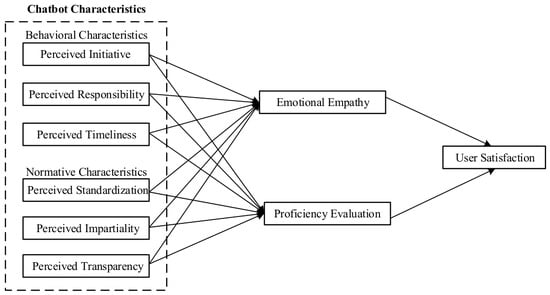
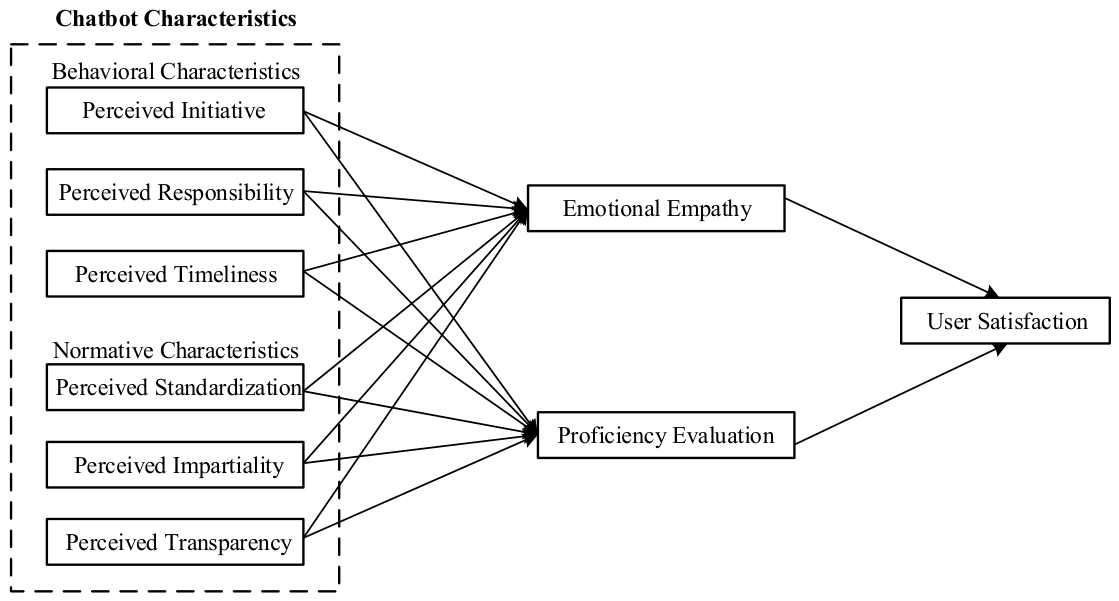
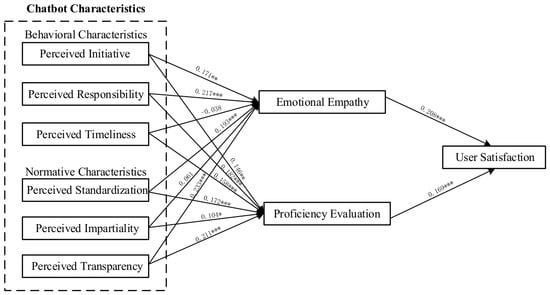
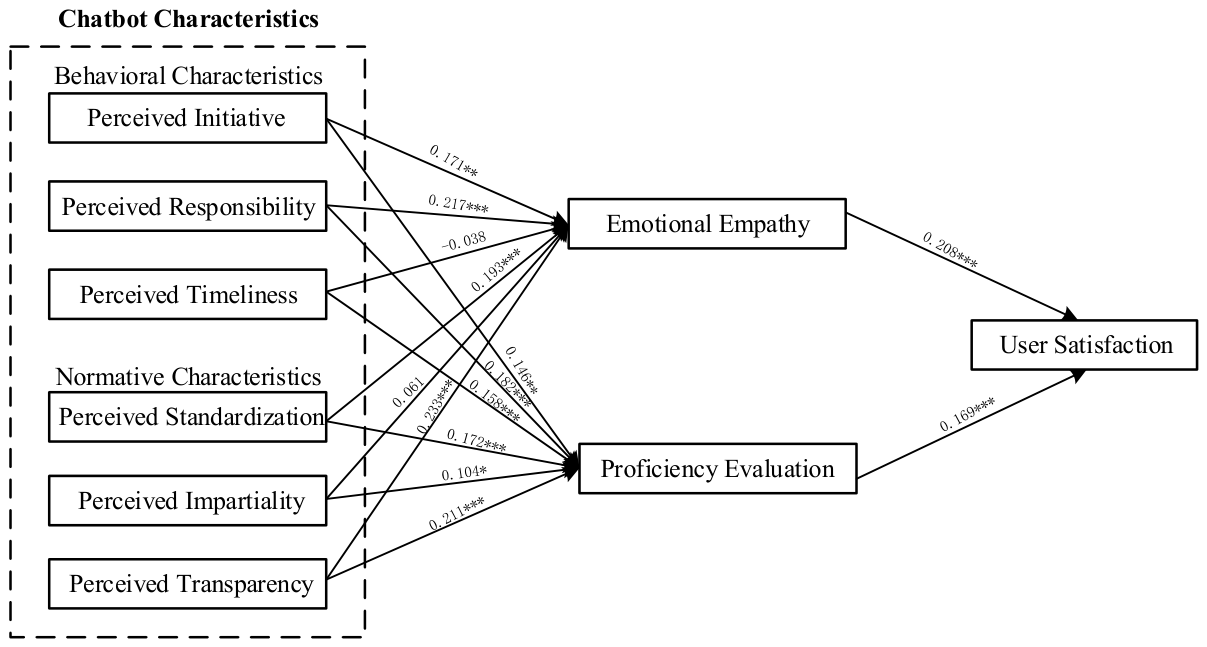

Disclaimer/Publisher’s Note: The statements, opinions and data contained in all publications are solely those of the individual author(s) and contributor(s) and not of MDPI and/or the editor(s). MDPI and/or the editor(s) disclaim responsibility for any injury to people or property resulting from any ideas, methods, instructions or products referred to in the content. |
© 2026 by the authors. Licensee MDPI, Basel, Switzerland. This article is an open access article distributed under the terms and conditions of the Creative Commons Attribution (CC BY) license.