
Topical Advisory Panel applications are now closed. Please contact the Editorial Office with any queries.
-
Early Graft Loss in Solitary Pancreas Transplant Recipients Within Eurotransplant Region -
Dual, Split and Multi-Graft Liver Transplantation: Surgical Strategies to Maximize Liver Utilization -
Availability of Different Related Stem Cell Donors and Outcomes After Allogeneic Transplantation: A Single-Center Experience (2019–2024)
Journal Description
Transplantology
Transplantology
is an international, peer-reviewed, open access journal on all areas of experimental and clinical transplantation, published quarterly online by MDPI.
- Open Access— free for readers, with article processing charges (APC) paid by authors or their institutions.
- High Visibility: indexed within Scopus, and other databases.
- Rapid Publication: manuscripts are peer-reviewed and a first decision is provided to authors approximately 29.2 days after submission; acceptance to publication is undertaken in 4.2 days (median values for papers published in this journal in the second half of 2025).
- Recognition of Reviewers: APC discount vouchers, optional signed peer review, and reviewer names published annually in the journal.
- Transplantology is a companion journal of JCM.
Latest Articles
99mTc-MAG3 Scintigraphy Within 48 h of Kidney Transplantation Predicts Long-Term Graft Survival: A Retrospective Single-Center Cohort Study
Transplantology 2026, 7(2), 11; https://doi.org/10.3390/transplantology7020011 - 6 May 2026
Abstract
Background/Objectives: Renal scintigraphy with 99mTc-MAG3 is a non-invasive tool for assessing early post-kidney-transplant function and detecting complications. While its utility in predicting delayed graft function (DGF) is established, evidence regarding its capacity to predict long-term graft survival remains limited. This study aimed
[...] Read more.
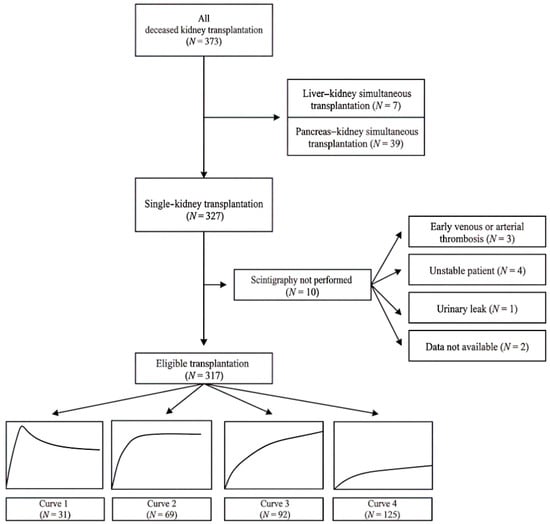
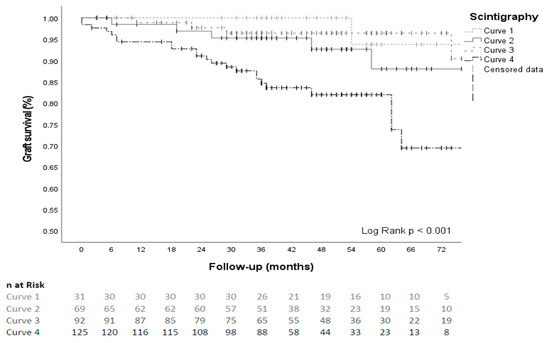
Background/Objectives: Renal scintigraphy with 99mTc-MAG3 is a non-invasive tool for assessing early post-kidney-transplant function and detecting complications. While its utility in predicting delayed graft function (DGF) is established, evidence regarding its capacity to predict long-term graft survival remains limited. This study aimed to evaluate whether early post-transplant scintigraphy provides independent prognostic information for long-term graft survival. Methods: We conducted a retrospective cohort study of kidney transplantations performed at a single tertiary-care academic institution (2015–2019). Patients undergoing simultaneous multi-organ transplantation or experiencing complications precluding early scintigraphy were excluded. All included patients underwent 99mTc-MAG3 scintigraphy within 48 h post-transplantation. Renogram curves were categorized using the Heaf and Iversen classification (Grades 1–4). Univariate and multivariate Cox proportional hazards regression analyses were performed to assess death-censored graft survival. The study followed STROBE reporting guidelines. Results: Among the 317 included patients, renogram curves were distributed as follows: Grade 1 (n = 31, 9.8%), Grade 2 (n = 69, 21.8%), Grade 3 (n = 92, 29.0%), and Grade 4 (n = 125, 39.4%). The overall DGF incidence was 25.9%, with rates progressively increasing across the grades: 0% (Grade 1), 4.3% (Grade 2), 16.3% (Grade 3), and 51.2% (Grade 4) (p < 0.001). On multivariate analysis adjusting for recipient BMI, donation technique, Kidney Donor Risk Index (KDRI), and DGF, grafts with reduced uptake (Grade 4) demonstrated a significantly higher risk of graft loss compared to those with normal uptake (Grades 1–3 combined) (HR: 3.15; 95% CI: 1.34–7.40; p = 0.008). The mean follow-up was 45.6 months (IQR: 34.5–60). Conclusions: 99mTc-MAG3 scintigraphy performed within 48 h of kidney transplantation provides independent prognostic information for long-term graft survival. The Grade 4 renogram pattern identifies a high-risk subgroup with over threefold increased risk of subsequent graft loss. These findings support the integration of early scintigraphy into post-transplant risk stratification protocols, though prospective validation is warranted.
Full article
(This article belongs to the Section Perioperative Patient Management (i.e. Preabilitation, Intensive Care Management, Complications))
►
Show Figures
Open AccessArticle
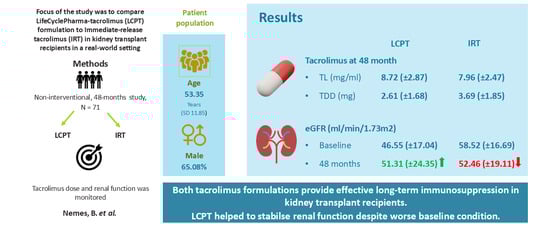
Comparing the Effectiveness of Different Tacrolimus-Containing Medications Used in Daily Patient Care of Adult Kidney Transplant Patients in Transplant Centres of Eastern Hungary in a Prospective Non-Interventional Study (DeSz Study)
by
Balázs Nemes, Ákos Szeredi, Zsolt Abonyi-Tóth, Orsolya Balogh, Aranka Dimovics, Dóra Fazekas and Edit Szederkényi
Transplantology 2026, 7(2), 10; https://doi.org/10.3390/transplantology7020010 - 16 Apr 2026
Abstract
Background/Objectives: Given the narrow therapeutic range of tacrolimus and substantial inter-individual variability in trough levels, both total daily dose and the trough level-to-dose ratio are commonly used to guide dose optimization. In this study, Life-Cycle Pharma tacrolimus was compared with immediate-release tacrolimus
[...] Read more.
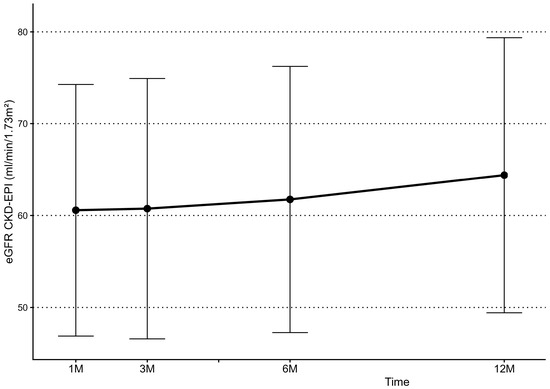
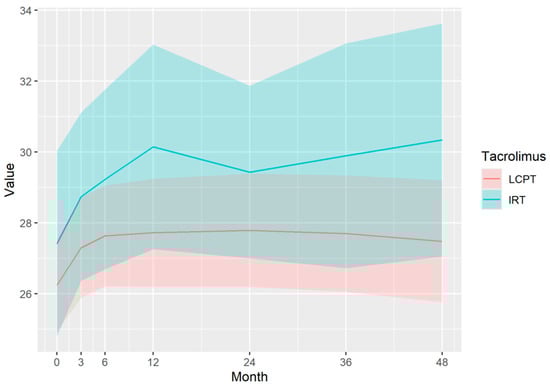
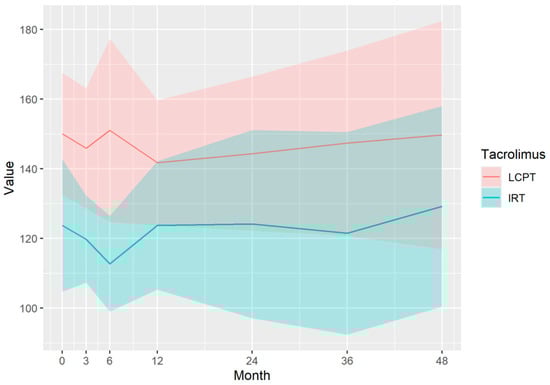
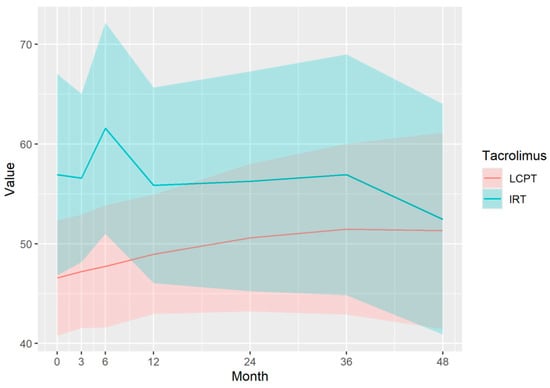
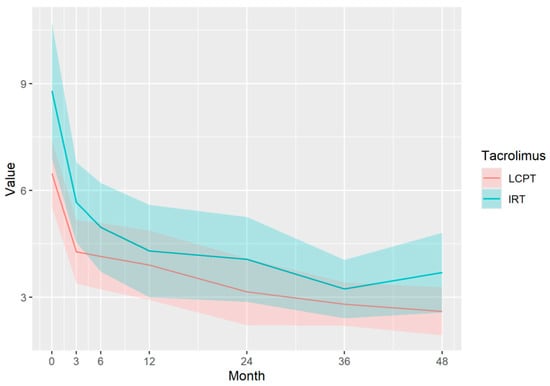
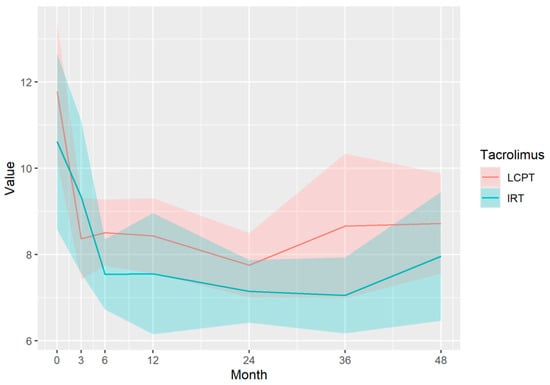
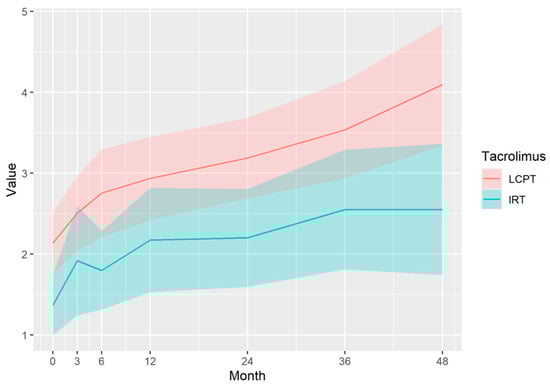
Background/Objectives: Given the narrow therapeutic range of tacrolimus and substantial inter-individual variability in trough levels, both total daily dose and the trough level-to-dose ratio are commonly used to guide dose optimization. In this study, Life-Cycle Pharma tacrolimus was compared with immediate-release tacrolimus in a real-world setting. Methods: This longitudinal observational study included kidney transplant recipients at two Hungarian university clinics. Sixty-three (63) patients completed the study and were included in the statistical analysis. They received either Life-Cycle Pharma-tacrolimus (n = 40) or immediate-release tacrolimus (n = 23) as maintenance therapy in the two study arms, each combined with everolimus or mycophenolic acid and corticosteroids. Patients were enrolled 4–6 weeks after transplantation and prospectively followed for 48 months. Tacrolimus trough level, total daily dose and their ratio were recorded at each of the seven follow-up visits during the 48-month study period. Epidemiological data, patient characteristics, laboratory parameters (including eGFR, de novo donor-specific antibodies, and CMV and BK virus incidence), and acute rejection episodes were monitored. Results: The mean age at enrolment was 53.35 years, and 41 patients (65.08%) were male. A stable therapeutic maintenance trough level was achieved in both study arms. Life-Cycle Pharma tacrolimus required a 30% lower total daily dose than immediate-release tacrolimus to achieve comparable exposure. A gradual decline in eGFR was observed in the immediate-release tacrolimus arm (a mean decrease of 6.06 mL/min/1.73 m2 over 4 years) from a baseline level of 58.52 mL/min/1.73 m2 (±16.69), whereas GFR increased in the Life-Cycle Pharma tacrolimus arm (a mean increase of 4.76 mL/min/1.73 m2 over the same period) from a significantly lower baseline level of 46.55 mL/min/1.73 m2 (±17.04). Conclusions: Both formulations provided effective long-term maintenance immunosuppression in kidney transplant recipients and maintained stable trough levels. Life-Cycle Pharma tacrolimus represents a potential option for dose minimization, and it also helped to stabilize renal function despite the worse baseline condition.
Full article
(This article belongs to the Section Solid Organ Transplantation)
►▼
Show Figures

Graphical abstract
Open AccessArticle
Relationship Between Numbers of Patients Registered and Procedures Performed at Lung Transplantation Centers in Japan
by
Takashi Inoue, Masayuki Chida, Yoshinori Okada, Masaaki Sato, Hidemi Suzuki, Yasushi Hoshikawa, Toyofumi Chen-Yoshikawa, Daisuke Nakajima, Yasushi Sintani, Shinichi Toyooka, Seiichiro Sugimoto, Toshihiko Sato, Takeshi Shiraishi, Keitaro Matsumoto, Takahiro Nakajima and Sumiko Maeda
Transplantology 2026, 7(2), 9; https://doi.org/10.3390/transplantology7020009 - 15 Apr 2026
Abstract
Background: Recently, there has been a dramatic increase in deceased lung transplantation (DLT) procedures performed in Japan. However, there is concern that the number of transplantations may reach the limit of capacity in some centers. The present study was conducted to analyze
[...] Read more.
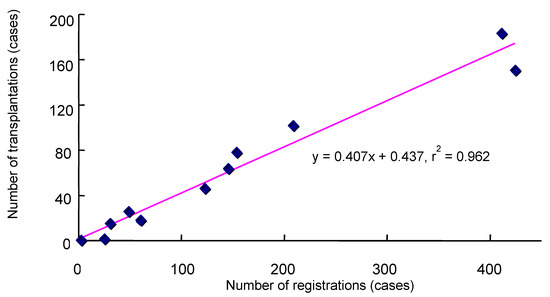
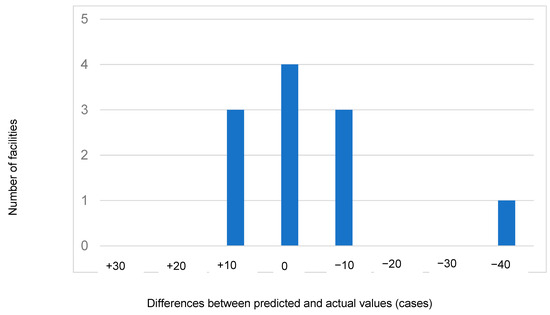
Background: Recently, there has been a dramatic increase in deceased lung transplantation (DLT) procedures performed in Japan. However, there is concern that the number of transplantations may reach the limit of capacity in some centers. The present study was conducted to analyze the relationship between the numbers of individuals registered for DLT by the Japan Organ Transplantation Network (JOT) and procedures subsequently performed at lung transplantation centers. Methods: Using a database and registry reports provided by the Japanese Society of Lung and Heart-lung Transplantation, the numbers of individuals registered in the JOT and DLT procedures performed from January 2014 to December 2023 were analyzed. Results: The number of registrations was found to be correlated with the number of DLTs, with the coefficient of determination (R2) 0.962 and slope of the regression line (X coefficient) 0.407. The facility with the greatest number of registrations, with a registration-to-transplantation ratio of 0.353, was identified as an outlier (p < 0.05) and excluded from analysis. This exclusion increased both the correlation coefficient value to 0.986 and X coefficient value to 0.461. Conclusions: The present analysis showed that the number of DLTs was well correlated with number of registrations at each of the transplantation facilities. Both registration and transplantation numbers have increased in the recent decade. The facility with the highest number of registrations showed a lower registration-to-transplantation ratio, because the increase in registrations outpaced the number of transplantations.
Full article
(This article belongs to the Section Solid Organ Transplantation)
►▼
Show Figures

Figure 1
Open AccessArticle
Availability of Different Related Stem Cell Donors and Outcomes After Allogeneic Transplantation: A Single-Center Experience (2019–2024)
by
Khanh Ba Nguyen, Ha Khanh Nguyen, Que Ngoc Tran, Linh Quang Do and Thanh Ha Nguyen
Transplantology 2026, 7(1), 8; https://doi.org/10.3390/transplantology7010008 - 10 Mar 2026
Abstract
Background: In countries lacking donor registries, related donors, including haploidentical ones, often serve as the main option. This research aimed to examine the feasibility of locating donors for allogeneic hematopoietic stem cell transplants and to assess the outcomes associated with various donor
[...] Read more.
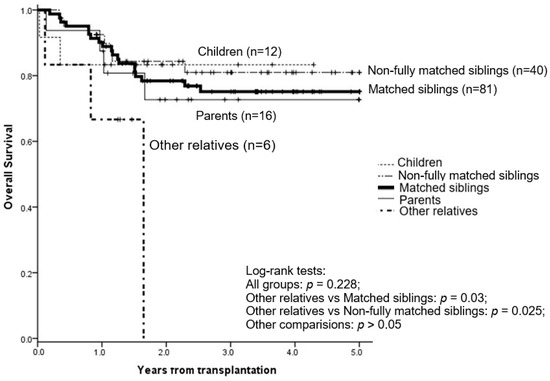
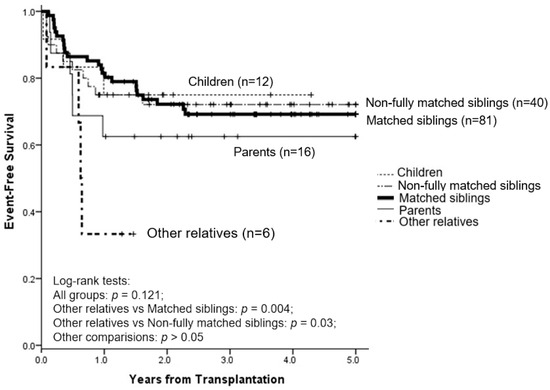
Background: In countries lacking donor registries, related donors, including haploidentical ones, often serve as the main option. This research aimed to examine the feasibility of locating donors for allogeneic hematopoietic stem cell transplants and to assess the outcomes associated with various donor types. Methods: Between 2019 and 2024, a retrospective observational study was carried out, involving 520 patients and 824 potential stem cell donors. Of these patients, 155 successfully identified a suitable donor and underwent allogeneic stem cell transplantation using mobilized peripheral blood stem cells. The study tracked overall and event-free survival over a five-year period to assess outcomes based on different donor types. Results: With alternative related donors (ARDs), 91% of patients were able to find at least one suitable donor for transplantation. The chances of identifying an appropriate donor increase with a larger pool of potential donors. Transplantation outcomes using ARDs, such as siblings, children, or parents, were similar to those with matched sibling donors. Other relatives could be considered as potential haploidentical donors, but the results with these donors were less favorable compared to those of others. Conclusions: The use of ARDs has significantly expanded the availability of related donors, with promising outcomes.
Full article
(This article belongs to the Section Artificial Organs, Stem Cells and Xenotransplantation)
►▼
Show Figures

Figure 1
Open AccessArticle
Macronutrient Supplementation During Prolonged Normothermic Incubation Increases Mitochondrial Function of Precision-Cut Kidney Slices After Ischemia
by
L. Annick van Furth, Dafni Efraimoglou, Albert Gerding, Barbara M. Bakker, Peter Olinga, Henri G. D. Leuvenink and Leonie H. Venema
Transplantology 2026, 7(1), 7; https://doi.org/10.3390/transplantology7010007 - 6 Mar 2026
Abstract
Background/Objectives: Kidneys from marginal donors are more susceptible to ischemia–reperfusion injury (IRI). To diminish the deleterious effects of IRI, mitochondria should be preserved optimally between donation and transplantation. It is unknown which macronutrients are imperative to support mitochondrial function during normothermic preservation.
[...] Read more.
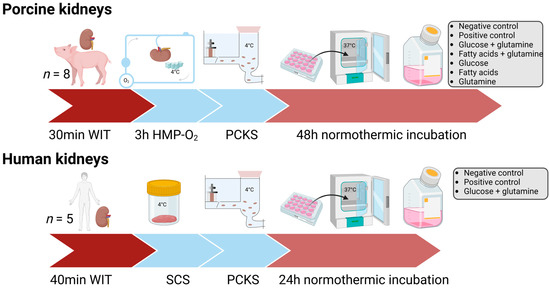
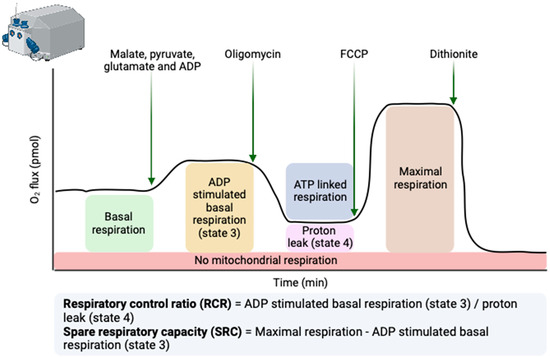
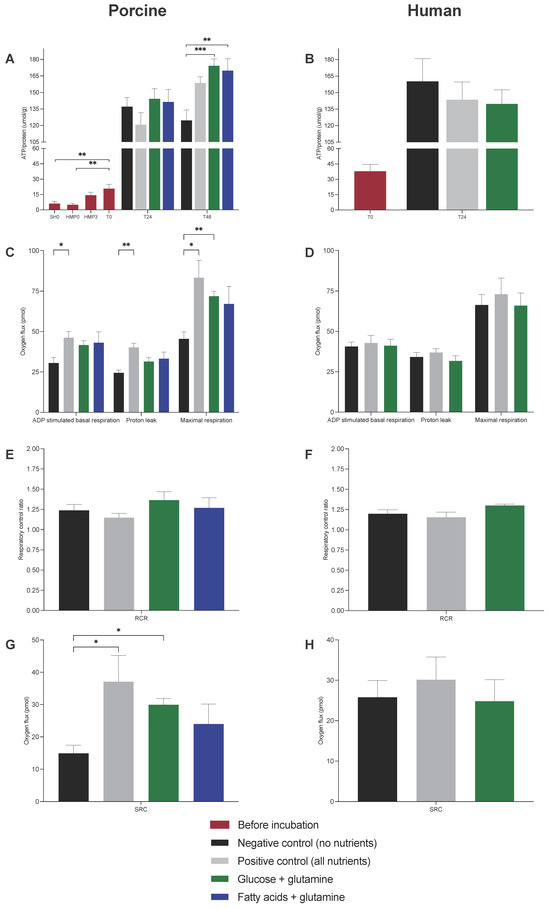
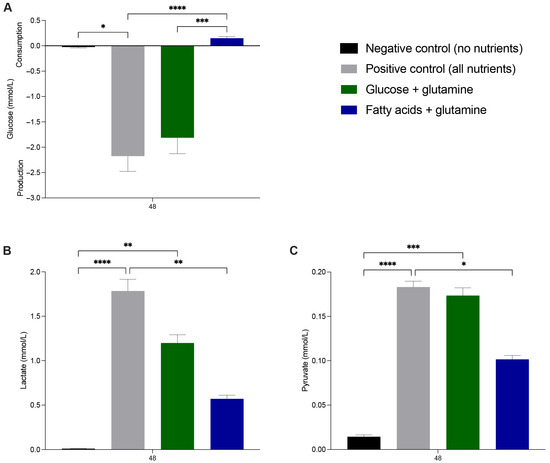
Background/Objectives: Kidneys from marginal donors are more susceptible to ischemia–reperfusion injury (IRI). To diminish the deleterious effects of IRI, mitochondria should be preserved optimally between donation and transplantation. It is unknown which macronutrients are imperative to support mitochondrial function during normothermic preservation. The aim of this study is to investigate the effect of different macronutrient compositions on mitochondrial function during prolonged normothermic incubation of precision-cut kidney slices. Methods: Both porcine (n = 8) and human (n = 5) kidneys were studied. After warm ischemia and cold preservation, precision-cut kidney slices (PCKS) were made and incubated in different incubation media under normothermic conditions. PCKS were incubated with all different combinations of glucose, glutamine and/or fatty acids. At zero, 24 and 48 h, mitochondrial function and metabolite levels were assessed. Results: After 48 h of incubation, ATP levels were significantly higher with glucose and glutamine or fatty acids and glutamine, compared to incubation without nutrients (p = 0.001 and p = 0.003, respectively). Also, mitochondrial oxygen fluxes were higher with all nutrients compared to no nutrients (ADP stimulated basal respiration p = 0.040; proton leak p = 0.001 and maximal respiration p = 0.039). Conclusions: The addition of multiple macronutrients during prolonged normothermic incubation increases the mitochondrial function of PCKS. These data pave the way for optimising the nutritional support for ex vivo perfusion of marginal kidneys.
Full article
(This article belongs to the Section Organ and Tissue Donation and Preservation)
►▼
Show Figures

Figure 1

Open AccessArticle
Analysis of Publications Related to Nursing Care in Patients Who Experience Organ and Tissue Transplantation Using the Bibliometric Method
by
Hatice Gülsoy and Hatice Öntürk Akyüz
Transplantology 2026, 7(1), 6; https://doi.org/10.3390/transplantology7010006 - 24 Feb 2026
Abstract
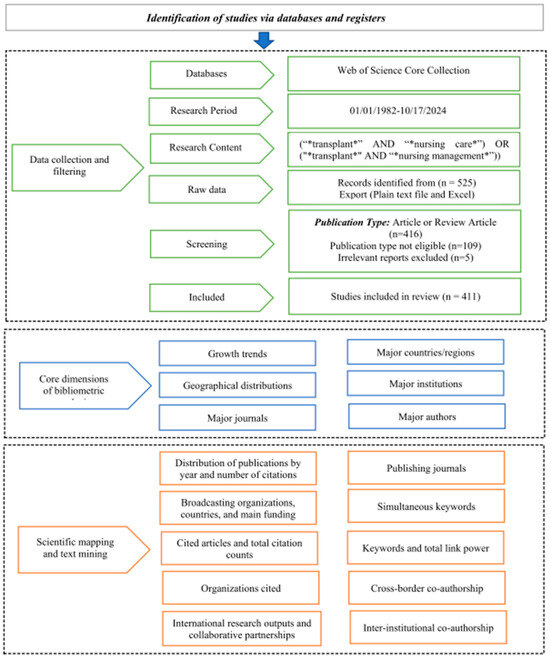
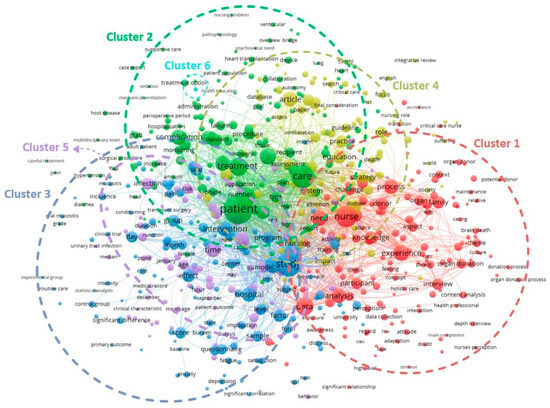
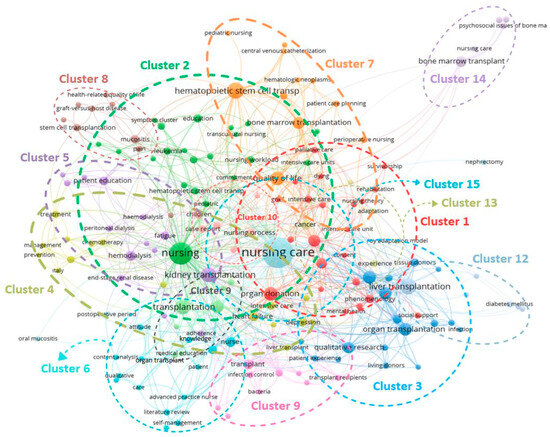
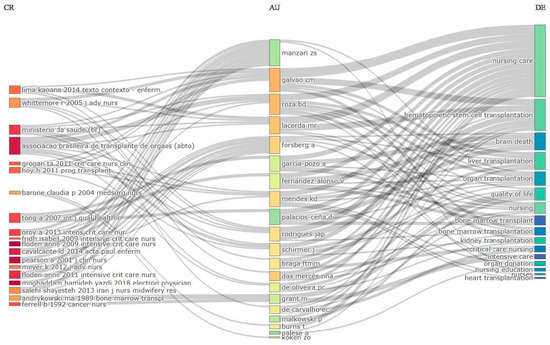
Background: This study was conducted to guide researchers by providing a global macroscopic perspective on the main characteristics of publications on nursing care in patients undergoing organ and tissue transplantation. Methods: The data obtained from the Web of Science (WoS) database in light
[...] Read more.
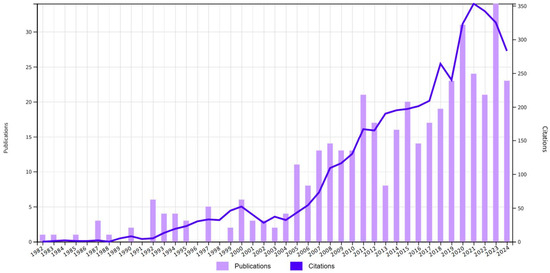
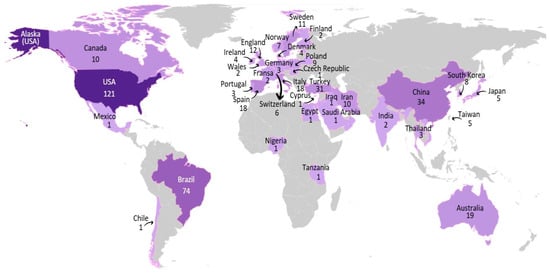
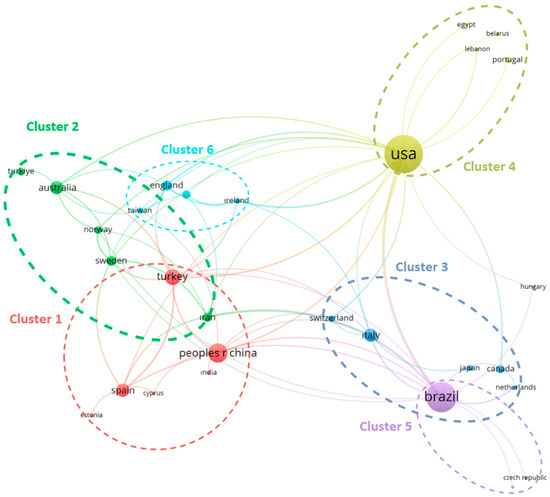
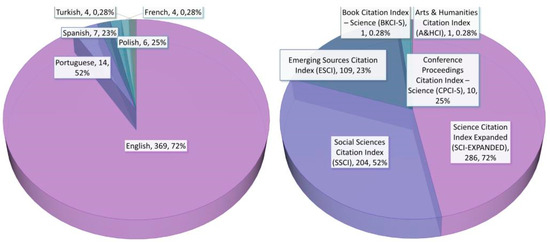
Background: This study was conducted to guide researchers by providing a global macroscopic perspective on the main characteristics of publications on nursing care in patients undergoing organ and tissue transplantation. Methods: The data obtained from the Web of Science (WoS) database in light of the determined keywords were analyzed using quantitative and qualitative criteria. The bibliometric analyses and visualizations were conducted using Microsoft Excel 365, VOSviewer (version 1.6.20), and the Biblioshiny interface within the R environment. Results: A total of 525 records were initially identified from the Web of Science database. After excluding meeting abstracts, editorials, and letters to ensure data quality, 411 publications (articles and reviews) were included in the final bibliometric analysis. The majority of these publications (87.6%) were published after 2005. The top five countries with the highest number of publications are the United States (USA), Brazil, China, Turkey, and Australia. Conclusions: This study is the first bibliometric analysis study to examine the trend of scientific publications indexed in Web of Science for nursing care in patients with organ and tissue transplantation processes. The findings have the potential to be used to improve the work of scientists conducting research in the field of nursing care.
Full article
(This article belongs to the Section Organ and Tissue Donation and Preservation)
►▼
Show Figures

Figure 1
Open AccessCase Report
Alemtuzumab-Associated Accommodative Spasm in a Renal Transplant Recipient: A Case Report of a Rare Neuro-Ophthalmic Complication
by
Mahmoud Elshehawy, Safa Elmakki, Hana Morrissey and Patrick Anthony Ball
Transplantology 2026, 7(1), 5; https://doi.org/10.3390/transplantology7010005 - 3 Feb 2026
Abstract
Background: Alemtuzumab is a recombinant DNA-derived humanized monoclonal antibody directed against the 21–28 kd cell surface glycoprotein, CD52. Alemtuzumab is used as an organ anti-rejection therapy in transplant recipients. Neuro-ophthalmic adverse effects are rarely described, and, to our knowledge, accommodative spasm has not
[...] Read more.
Background: Alemtuzumab is a recombinant DNA-derived humanized monoclonal antibody directed against the 21–28 kd cell surface glycoprotein, CD52. Alemtuzumab is used as an organ anti-rejection therapy in transplant recipients. Neuro-ophthalmic adverse effects are rarely described, and, to our knowledge, accommodative spasm has not previously been reported in a transplant recipient. Case Description: A thirty-nine-year-old woman with genetically confirmed NPHP1-associated nephronophthisis, with stage F3 fibrosis, developed persistent bilateral blurred vision 72 h following alemtuzumab administration for a biopsy-proven acute cellular rejection, approximately six to seven weeks post-transplant. Initial attribution to hyperglycaemia and tacrolimus toxicity delayed recognition. Cycloplegic refraction confirmed a marked hyperopic shift (+2.75 D right eye, +2.50 D left eye) with significant improvement in visual acuity, consistent with accommodative spasm. Systemic evaluations excluded hyperglycaemia-related lens changes, calcineurin inhibitor neurotoxicity, and cytomegalovirus retinitis. MRI was not pursued in the absence of red flag neurological features, and because a definitive ophthalmic diagnosis had been made. Management and Outcome: The patient was managed expectantly, as cycloplegic refraction had already confirmed the diagnosis, and symptoms were improving. Therapeutic cycloplegia (e.g., atropine) was withheld to avoid impairing near vision and driving ability. Full resolution occurred within 4 to 6 weeks without intervention. Drug exposure to onset of symptoms was 72 h; onset of symptoms to diagnostic confirmation was 22 days; total symptom duration was 5.5 weeks, and recovery was 2 weeks after diagnosis. Conclusions: This case represents the first reported transplant case of alemtuzumab-associated accommodative spasm. Causality assessment supports a WHO-UMC classification of “Probable”, aligning with five Bradford–Hill considerations (temporality, biological plausibility, consistency, specificity, and analogy), but without statistical “strength of association” given that this is a single case report. Early cycloplegic refraction should be incorporated into the evaluation of post-alemtuzumab visual complaints, and clinicians should contribute to pharmacovigilance through structured reporting to capture these rare but important events.
Full article
(This article belongs to the Section Solid Organ Transplantation)
Open AccessArticle
Risk Factors for Incisional Hernia After Kidney Transplantation: Impact of Fascial Closure Suture Type
by
Jorge de la Mata, Oleksandr Boiko, Sofia Zarraga, Jorge Garcia-Olaverri, Ana Llorente, Sergio Prieto and David Lecumberri
Transplantology 2026, 7(1), 4; https://doi.org/10.3390/transplantology7010004 - 30 Jan 2026
Abstract
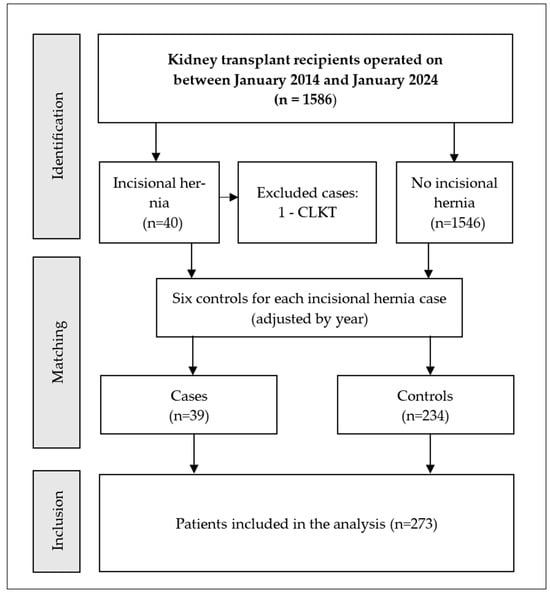
Background/Objectives: Incisional hernia (IH) is a frequent complication after kidney transplantation, with its risk influenced by both patient-related factors such as obesity, diabetes mellitus, and smoking, and procedure-related factors including surgical technique and immunosuppressive therapy. This study aimed to identify risk factors
[...] Read more.
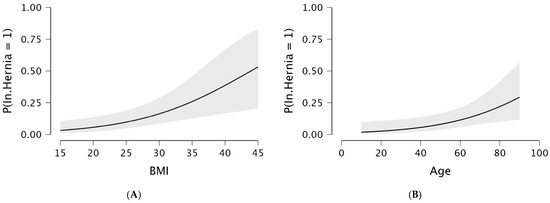
Background/Objectives: Incisional hernia (IH) is a frequent complication after kidney transplantation, with its risk influenced by both patient-related factors such as obesity, diabetes mellitus, and smoking, and procedure-related factors including surgical technique and immunosuppressive therapy. This study aimed to identify risk factors associated with IH and to evaluate the impact of suture type used for fascial closure in kidney transplant recipients. Methods: We performed a single-center retrospective case–control study including adult kidney transplant recipients who underwent transplantation between January 2014 and January 2024. Patients who developed an IH were identified and matched 1:6 with controls according to year of transplantation. Demographic variables, patient comorbidities, dialysis modality, and type of fascial closure suture were analyzed. Patients were subsequently compared according to the type of fascial closure used, either absorbable barbed polydioxanone sutures or absorbable monofilament polyglyconate loop sutures. Multivariable logistic regression analysis was conducted to identify independent predictors of IH. Results: Among 1586 kidney transplant recipients, 39 patients developed an IH, corresponding to an incidence of 2.5% after a median follow-up of 36 months. On multivariable analysis, age was independently associated with IH development (OR 1.04; p = 0.01), as was obesity (body mass index > 30 kg/m2; OR 2.55; p = 0.01). The overall incidence of IH did not differ significantly between suture types, with rates of 11.4% (10/88) for absorbable barbed polydioxanone sutures versus 15.6% (29/186) for absorbable monofilament polyglyconate loop sutures (p = 0.35). In obese recipients, however, fascial closure with barbed polydioxanone sutures was associated with a significantly lower incidence of IH, at 9.1% (2/22) versus 36.4% (12/33) for loop sutures (p = 0.02). Conclusions: Obesity and older age were the main independent predictors of IH after kidney transplantation in this cohort. In obese recipients, fascial closure using absorbable barbed polydioxanone sutures was associated with a substantially lower IH rate. These findings warrant confirmation in prospective, randomized studies.
Full article
(This article belongs to the Section Solid Organ Transplantation)
►▼
Show Figures

Figure 1
Open AccessArticle
Early Graft Loss in Solitary Pancreas Transplant Recipients Within Eurotransplant Region
by
Jacobus W. Mensink, Jacob K. de Bakker, Marko J. K. Mallat, Milou van Bruchem, Danny van der Helm, Marieke van Meel, Aiko P. J. de Vries, Robert A. Pol, Christian Margreiter and Volkert A. L. Huurman
Transplantology 2026, 7(1), 3; https://doi.org/10.3390/transplantology7010003 - 8 Jan 2026
Abstract
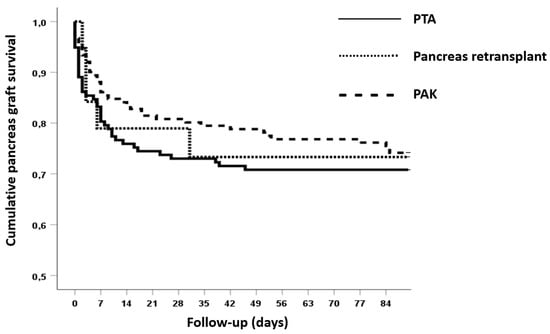
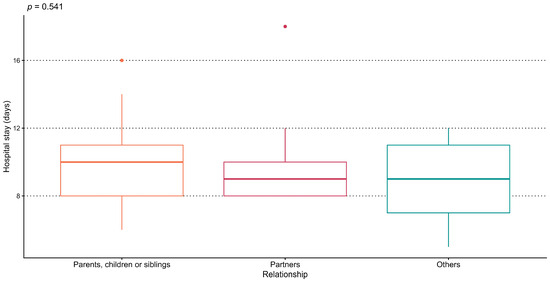
Introduction: While extensive research has been conducted on specific factors affecting transplant outcomes in simultaneous pancreas-kidney recipients, less is known about outcomes following single pancreas transplantation (PTx). This study focuses on identifying factors related to early graft loss after PTx. Patients and Methods:
[...] Read more.
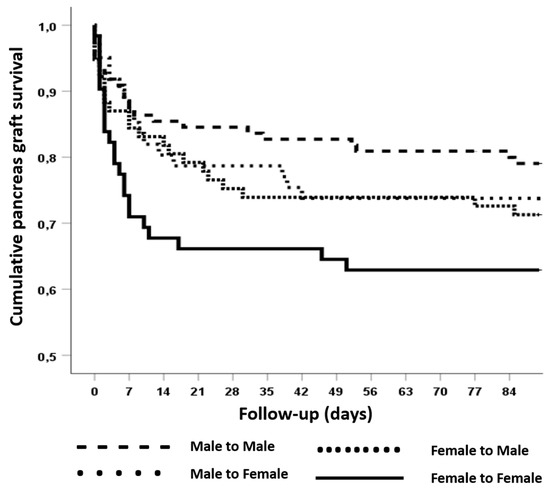
Introduction: While extensive research has been conducted on specific factors affecting transplant outcomes in simultaneous pancreas-kidney recipients, less is known about outcomes following single pancreas transplantation (PTx). This study focuses on identifying factors related to early graft loss after PTx. Patients and Methods: A retrospective analysis was performed on a Eurotransplant (ET) registry database encompassing all consecutive solitary pancreas transplantations from 2000 to 2018. To address any missing values, multiple imputation techniques were employed. Uni and multivariable statistical analyses were performed. Results: The primary causes of early graft loss (<90 days) were thrombosis, bleeding, rejection, and infection. Using multivariable analysis, donor male gender (Hazard Ratio (HR) 0.62) was significantly associated with early graft survival. Of all recipient variables, recipient age (HR 0.96) and recipient cardiovascular history (HR 2.10) were associated with graft loss. A subgroup analysis PTx of female donors into female recipients showed an increased risk for early graft loss compared to male-to-male transplants (HR 2.14). The graft survival rates were 62.9% and 79.0%, respectively (p = 0.017). Discussion: This Eurotransplant registry analysis identifies various donor- and recipient-related risk factors after PTx, partly mirroring the SPK population but also identifying new factors. These findings identify PTx patients as a separate entity in pancreas transplantation and emphasize the need for tailor-made matching of donors and recipients.
Full article
(This article belongs to the Section Solid Organ Transplantation)
►▼
Show Figures

Figure 1
Open AccessReview
Dual, Split and Multi-Graft Liver Transplantation: Surgical Strategies to Maximize Liver Utilization
by
Josip Basić, Ivan Romić, Juraj Kolak, Goran Pavlek and Hrvoje Silovski
Transplantology 2026, 7(1), 2; https://doi.org/10.3390/transplantology7010002 - 7 Jan 2026
Abstract
Liver graft shortage remains a major limiting factor in contemporary liver transplantation, particularly in the setting of increasing waiting list pressure and constrained donor availability. While the biological quality of donor organs cannot be modified surgically, several operative strategies have been developed to
[...] Read more.
Liver graft shortage remains a major limiting factor in contemporary liver transplantation, particularly in the setting of increasing waiting list pressure and constrained donor availability. While the biological quality of donor organs cannot be modified surgically, several operative strategies have been developed to optimize liver utilization and compensate for insufficient graft volume. These include split liver transplantation (SLT), dual-graft living donor liver transplantation (DGLT), auxiliary procedures, and selected multi-graft or hybrid configurations. This review provides an updated and structured overview of surgical concepts aimed at maximizing effective liver mass for transplantation. We discuss indications, technical considerations, and reported outcomes of split, dual, and combined graft approaches, with particular emphasis on graft-to-recipient weight ratio (GRWR), portal inflow modulation, and prevention of small-for-size syndrome. The role of machine perfusion technologies—including normothermic and hypothermic approaches—as enabling tools for graft assessment and safer utilization of partial grafts is also examined. Finally, we address ethical and logistical challenges associated with complex graft strategies and outline future directions in which advances in perfusion, graft assessment, and staged transplantation concepts may further refine patient selection and procedural safety. Collectively, these strategies represent complementary solutions for extending liver transplantation beyond conventional single-graft paradigms in highly selected settings.
Full article
(This article belongs to the Special Issue New Horizons in Transplantation Research: A Review Series)
Open AccessCase Report
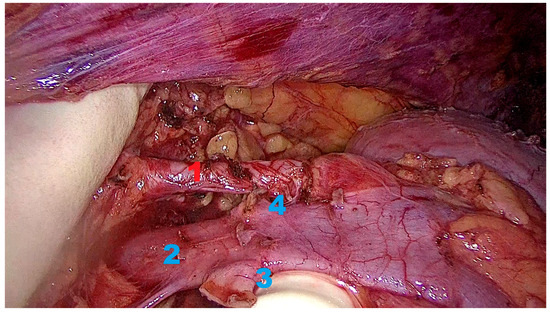
Tacrolimus Concentration Fluctuations Caused by Chyle Leakage After Liver Transplantation: A Case Report
by
Yi-Meng Wang, Zhao-Zu Feng, Fan Mu, Bo Wang and Liang-Shuo Hu
Transplantology 2026, 7(1), 1; https://doi.org/10.3390/transplantology7010001 - 25 Dec 2025
Abstract
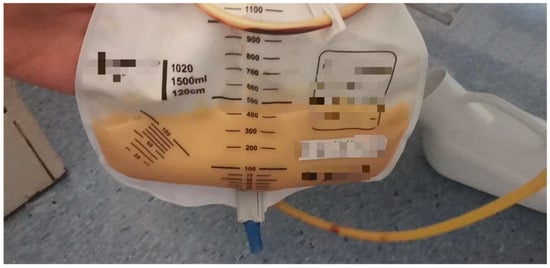
Background: Chyle leakage is known to be a rare postoperative complication following liver transplantation (LT), and continuous leakage of large volumes of chyle can worsen prognosis. However, its mechanism is not fully understood, and no existing reports show the influence of chyle
[...] Read more.
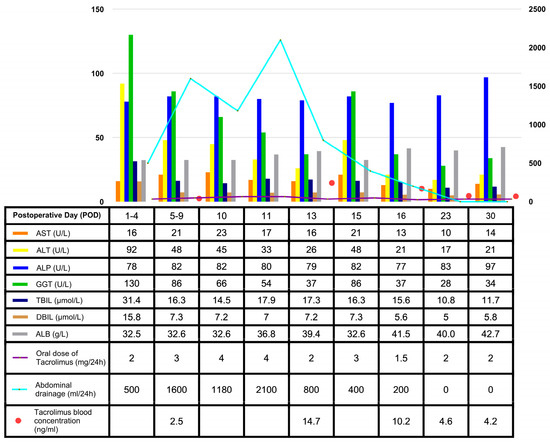
Background: Chyle leakage is known to be a rare postoperative complication following liver transplantation (LT), and continuous leakage of large volumes of chyle can worsen prognosis. However, its mechanism is not fully understood, and no existing reports show the influence of chyle leakage after LT on blood concentration of the drug tacrolimus. Case presentation: A 43-year-old male with primary hepatocellular carcinoma (HCC), decompensated cirrhosis, and massive ascites underwent orthotopic liver transplantation (OLT). During active chyle leakage, his daily tacrolimus dose was escalated to 4.0 mg with concurrent administration of a CYP3A5 inhibitor, but blood concentrations remained subtherapeutic (1.7–2.5 ng/mL). Conservative treatments failed, so intraperitoneal injection of erythromycin (0.75 g) dissolved in 25% glucose solution (40 mL) was initiated on postoperative day (POD) 11, then administered every other day. After three treatments, chylous drainage reduced significantly, and tacrolimus concentrations abruptly increased to 14.7 ng/mL following a marked reduction in chylous drainage (to 800 mL/d on POD 13). Subsequent dose adjustments stabilized tacrolimus levels at 4.6–6.2 ng/mL with a daily dose of 2.0 mg. Conclusions: Intraperitoneal injection of erythromycin hypertonic solution may promote lymphatic fistula closure via chemical stimulation, though its efficacy requires further validation. Chyle leakage likely reduces tacrolimus blood concentration through multiple potential mechanisms. This case highlights the need for clinical attention to the association between chyle leakage and immunosuppressant concentrations, though further studies are required for validation.
Full article
(This article belongs to the Section Perioperative Patient Management (i.e. Preabilitation, Intensive Care Management, Complications))
►▼
Show Figures

Figure 1
Open AccessArticle
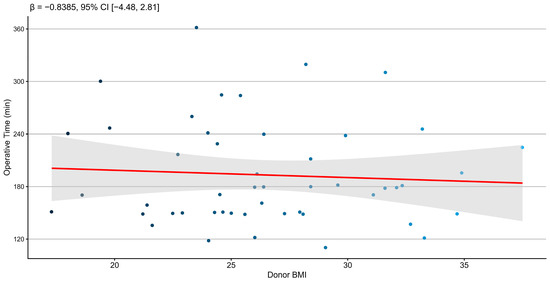
A Retrospective Analysis of a Single Center’s Experience with Hand-Assisted Retroperitoneoscopic Living Donor Nephrectomy: Perioperative Outcomes in 50 Consecutive Cases
by
David Adandedjan, Igor Gala, Rastislav Kalanin, Tatiana Baltesova, Jana Katuchova, Luboslav Bena and Stefan Hulik
Transplantology 2025, 6(4), 38; https://doi.org/10.3390/transplantology6040038 - 9 Dec 2025
Abstract
Background: Minimally invasive techniques for living donor nephrectomy are crucial for donor safety and promoting organ donation. Hand-Assisted Retroperitoneoscopic Donor Nephrectomy (HARP-DN) combines the benefits of minimally invasive surgery with the tactile feedback of open surgery. This study analyzes a single center’s
[...] Read more.
Background: Minimally invasive techniques for living donor nephrectomy are crucial for donor safety and promoting organ donation. Hand-Assisted Retroperitoneoscopic Donor Nephrectomy (HARP-DN) combines the benefits of minimally invasive surgery with the tactile feedback of open surgery. This study analyzes a single center’s initial experience with this technique. Methods: A retrospective analysis was conducted on the first 50 consecutive living kidney donors who underwent HARP-DN at our institution. We collected and evaluated preoperative demographics, intraoperative data (operating time, warm ischemia time), and postoperative outcomes, including complication rates, length of hospital stay, and donor renal function at discharge. Results: All 50 HARP-DN procedures were successfully completed with zero conversions to open surgery and no donor mortality. The mean operating time was 192.4 ± 57.7 min, and the median warm ischemia time was a competitive 110 s. The overall perioperative complication rate was low at 4% (2/50 cases), involving manageable bleeding events. Donors experienced a rapid return to oral diet, and all were discharged with excellent renal function as indicated by a mean serum creatinine of 1.09 ± 0.30 mg/dL. Conclusions: Our initial experience demonstrates that Hand-Assisted Retroperitoneoscopic Donor Nephrectomy is a safe, reproducible, and effective procedure. It offers the advantages of a minimally invasive approach, including low morbidity and excellent preservation of donor renal function, while achieving a short warm ischemia time critical for graft quality. These findings support HARP-DN as a safe, reproducible, and effective option for living donor nephrectomy.
Full article
(This article belongs to the Section Living Donors and Mini Invasive Surgery)
►▼
Show Figures

Figure 1
Open AccessCase Report
Stage IIIa Lung Cancer Treatment by the Combined Tomotherapy and Infusion of Autologous Peripheral-Blood-Mononuclear-Derived Lymphocytes: A Case Report of Aged Patient
by
Aigul Brimova, Anastasia Ganina, Larissa Kozina, Daulet Berikbol, Manarbek Askarov and Yerzhan Shayakhmetov
Transplantology 2025, 6(4), 37; https://doi.org/10.3390/transplantology6040037 - 5 Dec 2025
Abstract
Background: Lung cancer is one of the leading cancers worldwide in mortality and incidence. Treating advanced stages of lung cancer is a great problem because of high metastatic potential and low adherence to common monotherapies such as radiation or chemotherapy. In addition, monotherapy
[...] Read more.
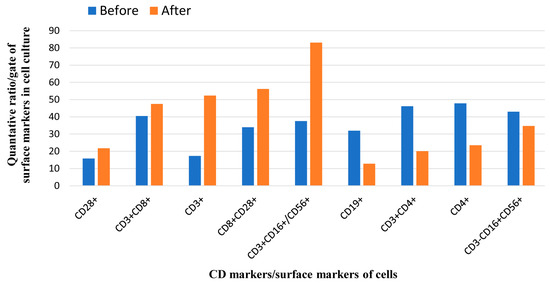
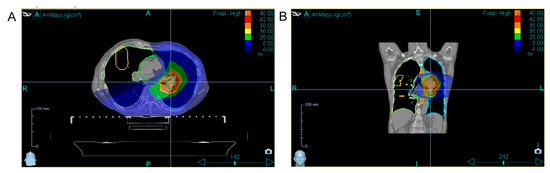
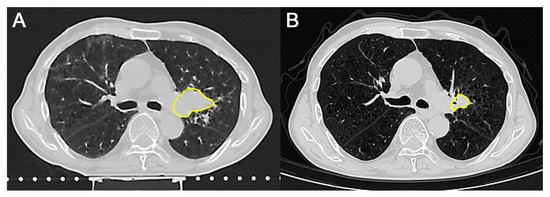
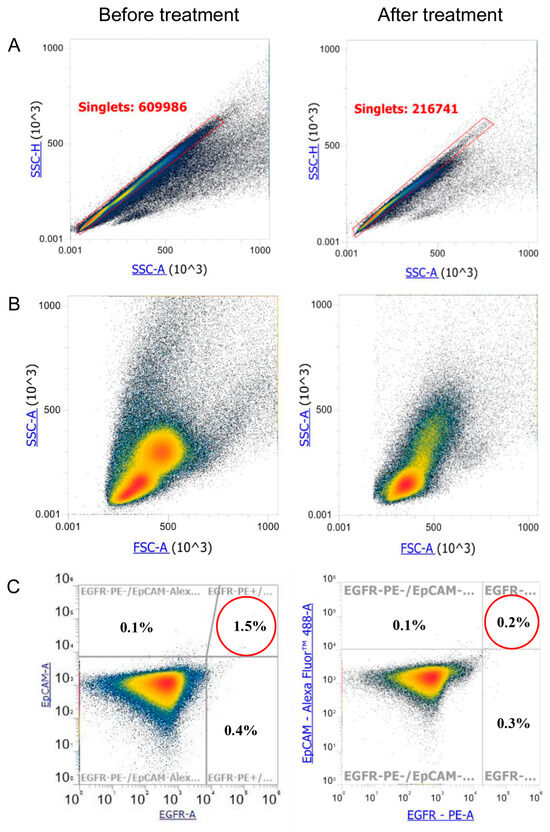
Background: Lung cancer is one of the leading cancers worldwide in mortality and incidence. Treating advanced stages of lung cancer is a great problem because of high metastatic potential and low adherence to common monotherapies such as radiation or chemotherapy. In addition, monotherapy in aged patients is not always sufficiently effective. Case Report: This study presents a clinical case of a 71-year-old man with an advanced stage of lung cancer. Computed tomography (CT) of the chest revealed central tumor of the left lung and moderate mediastinal lymphadenopathy. We found circulating tumor cells (CTC) in the peripheral blood of the patient at the level of approximately 19 cells per 1 mL above the referent detection limit. The patient was treated with combined tomotherapy (eight fractions, one fraction per day except weekends) and immune cell therapy using autologous activated lymphocytes (twice during the period, on tomotherapy day #1 and day #6). The lymphocytes were obtained from peripheral blood, purified, pre-activated in culture with a specific combination of cytokines, and infused back into the patient seven days post-culture. Two months post-therapy, the tumor was reduced by 42.5% in linear dimensions according to RECIST and by 78% of volume compared to the initial values, as confirmed by CT examination. Additionally, the level of CTC in the peripheral blood dropped to the referent detection limit. Conclusions: The combination of tomotherapy and immunotherapy with activated autologous lymphocytes may result in the positive dynamics of the malignant condition in selected patients, even in aged ones.
Full article
(This article belongs to the Section Transplant Immunology and Immunosuppressive Drugs)
►▼
Show Figures

Figure 1
Open AccessArticle
Post-Traumatic Growth, Mindfulness, and Quality of Life in Liver Transplant Recipients: A Cross-Sectional Study
by
Bilsev Demir, Semra Bulbuloglu and Kubra Kayaoglu
Transplantology 2025, 6(4), 36; https://doi.org/10.3390/transplantology6040036 - 30 Nov 2025
Cited by 1
Abstract
Purpose: This study aimed to examine post-traumatic growth, mindfulness, and quality of life in recipients after liver transplantation. Design and Methods: This study employs a descriptive and cross-sectional design. We collected data in an organ transplant center affiliated with a research and application
[...] Read more.
Purpose: This study aimed to examine post-traumatic growth, mindfulness, and quality of life in recipients after liver transplantation. Design and Methods: This study employs a descriptive and cross-sectional design. We collected data in an organ transplant center affiliated with a research and application hospital in Eastern Turkey. The sample in our study included a total of 292 liver transplant recipients. We collected data using a personal information form, the Post-Traumatic Growth (PTG) Inventory, the Mindfulness Scale (MS), and the Quality of Life Questionnaire (QoL) Short Form (SF-36). We performed data analysis using descriptive statistical methods and one-way analysis of variance. Results: Of the liver transplant recipients, 72.6% were between 45 and 64 years of age, 72.3% were female, and 56.5% had undergone liver transplantation more than 1 year prior. Liver transplant recipients scored between 64.89 and 97.85 on the negative subscales. Recipients scored between 32.70 and 44.72 on the positive subscales in QoL SF-36. The PTG and MS mean scores were 62.43 ± 20.31 and 62.35 ± 7.14, respectively. There was a positive correlation between positive QoL sub-dimensions and MS and PTG (p < 0.05). Conclusions: We found a positive and strong relationship between PTG and mindfulness; in addition, we found that an increase in both had the effect of improving QoL. We recommend developing strategies that increase PTG, and that mindfulness be performed to improve QoL among patients following liver transplantation.
Full article
(This article belongs to the Section Transplant Immunology and Immunosuppressive Drugs)
Open AccessReview
Liver Transplantation in the Era of Metabolic Dysfunction–Associated Fatty Liver Disease: Challenges, Ethical Dilemmas, and Future Directions
by
Said A. Al-Busafi and Mohammed Eslam
Transplantology 2025, 6(4), 35; https://doi.org/10.3390/transplantology6040035 - 21 Nov 2025
Cited by 1
Abstract
Metabolic dysfunction–associated fatty liver disease (MAFLD) is now the leading indication for liver transplantation (LT), reshaping the landscape of transplant hepatology. Its close association with obesity, type 2 diabetes, cardiovascular disease, and extrahepatic malignancies poses unique challenges throughout the transplant continuum. This narrative
[...] Read more.
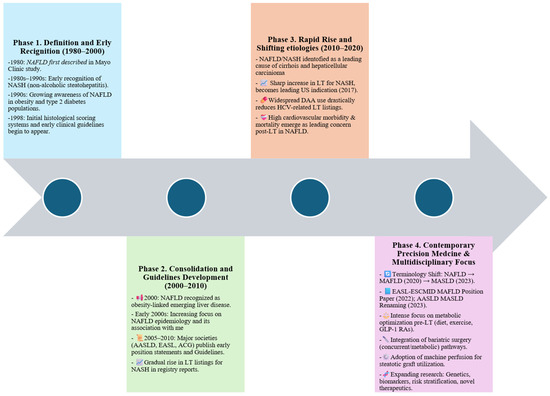
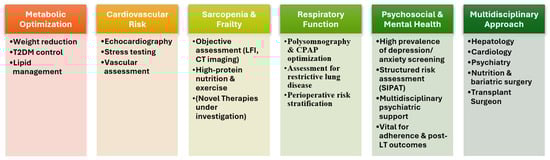
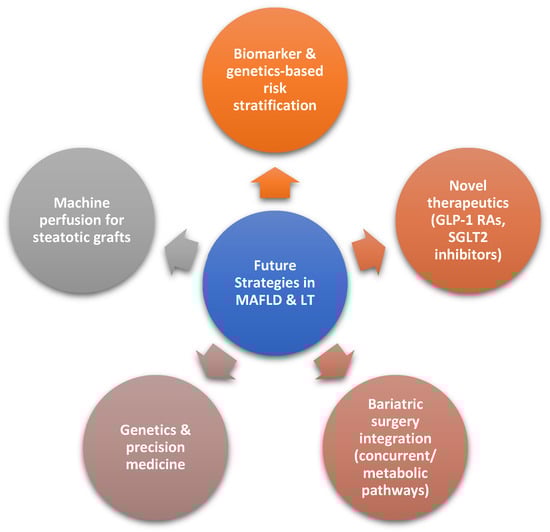
Metabolic dysfunction–associated fatty liver disease (MAFLD) is now the leading indication for liver transplantation (LT), reshaping the landscape of transplant hepatology. Its close association with obesity, type 2 diabetes, cardiovascular disease, and extrahepatic malignancies poses unique challenges throughout the transplant continuum. This narrative review synthesizes current evidence across the pre-, peri-, and post-transplant spectrum, with a focus on practical implications for clinical management. We explore pre-transplant evaluation, focusing on how metabolic comorbidities, frailty, and organ allocation disparities intersect with emerging interventions such as GLP-1 receptor agonists, bariatric surgery, and structured weight loss programs. The increase in pediatric MAFLD, especially its early-onset aggressive form, indicates an evolving and concerning future burden on transplant programs. In the peri-operative and post-transplant periods, we address MAFLD recurrence, cardiometabolic complications, and the rising incidence of new cancers, particularly in relation to calcineurin inhibitor (CNI) exposure. Customized immunosuppression strategies, using mTOR inhibitors and mycophenolate mofetil, are discussed for their role in balancing graft protection with reducing cancer risk. We also review the application of machine perfusion technologies to optimize and expand the pool of steatotic donor livers. Future directions include the development of non-invasive diagnostic biomarkers, precision immunosuppression, and genomics-based risk stratification. Collectively, these insights emphasize the urgent need for multidisciplinary, patient-specific approaches and prospective, multicenter studies to optimize outcomes and equity in the era of MAFLD-driven liver transplantation.
Full article
(This article belongs to the Special Issue New Horizons in Transplantation Research: A Review Series)
►▼
Show Figures

Figure 1
Open AccessArticle
Epitope Specificity of HLA Class I Alloantibodies in Indian Renal Transplant Patients: A Single-Center Study
by
Vikash Chandra Mishra, Dinesh Chandra, Ritu Sharma, Diksha Dhuliya and Vimarsh Raina
Transplantology 2025, 6(4), 34; https://doi.org/10.3390/transplantology6040034 - 11 Nov 2025
Abstract
Background/Objectives: Epitope-based matching has emerged as a refined approach for assessing donor–recipient compatibility in renal transplantation. However, limited data are available on HLA Class I epitope distribution among Indian patients, particularly from northern India, where substantial allelic diversity is known to influence
[...] Read more.
Background/Objectives: Epitope-based matching has emerged as a refined approach for assessing donor–recipient compatibility in renal transplantation. However, limited data are available on HLA Class I epitope distribution among Indian patients, particularly from northern India, where substantial allelic diversity is known to influence immunological risk. Methods: This retrospective analysis evaluated HLA Class I single-antigen bead (SAB) antibody data from 218 consecutive renal-transplant candidates who tested positive for anti-HLA antibodies between July 2018 and September 2024. HLA Class I epitopes were identified and analyzed using MATCH IT Antibody Software (Immucor, version 1.5.0). Demographic variables and sensitization history (previous transplant, transfusion, pregnancy) were reviewed. Results: A total of 504 distinct epitopes were identified, with 65GK and 163LG emerging as the most frequent motifs. The predominance of these epitopes mirrors the high prevalence of alleles such as HLA-A*24 and HLA-B*35 reported in North-Indian populations. The data suggest a strong influence of regional allele architecture on the immunogenic epitope landscape. Conclusions: This study provides the first baseline characterization of HLA Class I epitope distribution among northern-Indian renal-transplant candidates. The findings emphasize the need for establishing population-specific HLA epitope databases and highlight the potential of epitope-based matching to enhance donor selection and minimize immunological risk in Indian transplantation programs.
Full article
(This article belongs to the Section Solid Organ Transplantation)
►▼
Show Figures

Figure 1
Open AccessEditorial
Tacrolimus Minimization and Mycophenolate Rescue in Liver Transplant Recipients with Chronic Kidney Disease
by
Afrasyab Khan
Transplantology 2025, 6(4), 33; https://doi.org/10.3390/transplantology6040033 - 4 Nov 2025
Abstract
Chronic kidney disease (CKD) remains one of the most frequent long-term complications following liver transplantation, with calcineurin inhibitor nephrotoxicity as an important and modifiable driver [...]
Full article
(This article belongs to the Section Solid Organ Transplantation)
Open AccessArticle
Arterial Stiffness in Kidney Transplant Recipients: A Cross-Sectional Tunisian Study
by
Hiba Ghabi, Amira Khemiri, Ikram Mami, Syrine Tlili, Jihen Sahli, Fethi Ben Hmida, Lamia Rais and Mouhamed Karim Zouaghi
Transplantology 2025, 6(4), 32; https://doi.org/10.3390/transplantology6040032 - 29 Oct 2025
Cited by 1
Abstract
Background: Arterial stiffness assessed by measuring pulse wave velocity (PWV) is a well-established predictor of cardiovascular mortality. To our knowledge, no studies on arterial stiffness in kidney transplant recipients (KTRs) from Tunisia have been conducted. The present study aimed to assess arterial stiffness
[...] Read more.
Background: Arterial stiffness assessed by measuring pulse wave velocity (PWV) is a well-established predictor of cardiovascular mortality. To our knowledge, no studies on arterial stiffness in kidney transplant recipients (KTRs) from Tunisia have been conducted. The present study aimed to assess arterial stiffness in Tunisian KTRs and to identify the key predictors associated with its increase. Methods: We conducted a cross-sectional, single-center study enrolling Tunisian KTRs aged 18 years or older with a minimum post-transplant follow-up of six months. Arterial stiffness was measured as pulse carotid–femoral PWV (CF-PWV) by a Complior device. A CF-PWV ≥ 10 m/s was defined as elevated. Results: Fifty-four KTRs were included (mean age: 42.55 ± 10.61 years). Among them, 19 (35.2%) had a CF-PWV ≥ 10 m/s. The univariate analysis showed a significant association between elevated CF-PWV and the following parameters: age, hypertension prior to transplantation, dyslipidemia, donor age, parameters obtained through office blood pressure measurement (systolic blood pressure (SBP), diastolic blood pressure (DBP), and pulse pressure (PP)), central SBP recorded by the Complior device, nocturnal SBP obtained through 24 h ambulatory blood pressure monitoring (ABPM), and fasting blood glucose. A multivariable analysis with CF-PWV ≥ 10 m/s as a dependent variable retained the following independent factors: dyslipidemia (p = 0.015; OR = 60.32), donor age (p = 0.014; OR = 1.16), SBP obtained through office blood pressure measurement (p = 0.015; OR = 1.25), and fasting blood glucose (p = 0.034; OR = 22.35). Conclusions: Given the major impact of cardiovascular disease on post-transplant outcomes, understanding the determinants of arterial stiffness is crucial for improving patient care. Routine PWV assessment may not be feasible in all centers due to cost or limited equipment availability. Therefore, identifying the clinical and biological markers associated with arterial stiffness offers a low-cost and widely accessible alternative for evaluating cardiovascular risk. These findings may support the development of a simple risk score to help nephrologists detect and manage high-risk KTRs more effectively.
Full article
(This article belongs to the Section Solid Organ Transplantation)
Open AccessArticle
Belatacept-Based Immunosuppression in Lung Transplant Recipients with Calcineurin Inhibitor Renal Toxicities
by
Krysta Walter, Alisia Chen, Jennifer Hagopian, Elizabeth Belloli, Michael Combs, Dennis Lyu and Rommel Sagana
Transplantology 2025, 6(4), 31; https://doi.org/10.3390/transplantology6040031 - 19 Oct 2025
Abstract
Background/Objectives: Calcineurin inhibitors (CNI) contribute to renal dysfunction post-transplant. Belatacept is a renal sparing immunosuppressive agent. We sought to determine if the use of belatacept, as an alternative to a CNI-based maintenance immunosuppressive regimen ameliorates the effects of CNI-related nephrotoxicity in lung
[...] Read more.
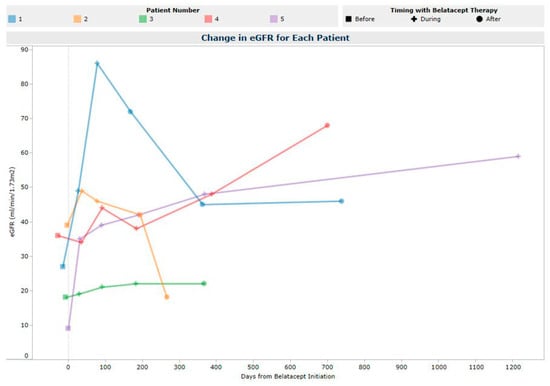
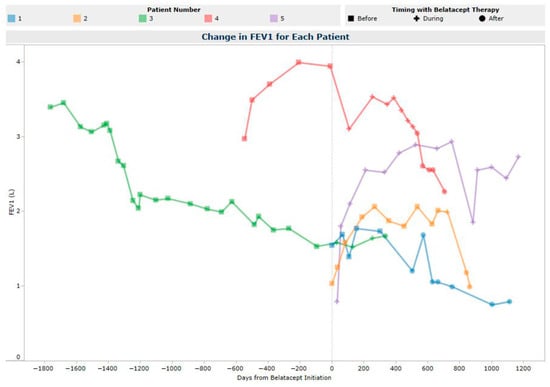
Background/Objectives: Calcineurin inhibitors (CNI) contribute to renal dysfunction post-transplant. Belatacept is a renal sparing immunosuppressive agent. We sought to determine if the use of belatacept, as an alternative to a CNI-based maintenance immunosuppressive regimen ameliorates the effects of CNI-related nephrotoxicity in lung transplant recipients, while preserving graft function. Methods: Retrospective case series of adult lung transplant recipients (LTR) converted to belatacept with CNI elimination between 2020 and 2023. Primary outcomes were estimated glomerular filtration rate (eGFR) and pulmonary function testing. Secondary outcomes included incidence of rejection, mortality, donor specific antibody (DSA), chronic lung allograft dysfunction, infection, malignancies, and drug discontinuation. Results: Five LTR converted to belatacept with a median follow up of 3.49 years (IQR 16.4). eGFR improved with a median change of +18 mL/min/1.73 m2 (IQR 6–34) at 12 months, this was sustained at last-follow-up (+19 mL/min/1.73 m2 (IQR 6–34)). Force expiratory volume in 1 s (FEV1) declined from baseline to last follow-up (median change −0.53 L). At a median of 199 days post-conversion (IQR 108–453), belatacept was discontinued in 4/5 (80%) LTR, primarily due to graft dysfunction (3/4), and CNI therapy resumed. No LTR developed CLAD, DSA, malignancy, or died on belatacept. Infection (primarily pulmonary bacterial or fungal) occurred in all LTR on belatacept. Conclusions: Belatacept with complete CNI elimination in LTR resulted in a sustained improvement in renal function in this series but was accompanied by a high discontinuation rate due to worsening graft function. The risks to the graft associated with belatacept and calcineurin inhibitor elimination outweigh any potential renal benefits.
Full article
(This article belongs to the Section Solid Organ Transplantation)
►▼
Show Figures

Figure 1
Open AccessArticle
Should Early Hyperglycemia Be Considered a Risk Factor for Post-Transplant Diabetes Mellitus? Findings from a Retrospective Cohort Study in Kidney Transplant Recipients Without Diabetes Mellitus Prior to Transplant
by
Rachel B. Allen, Emily Stevenson, April L. Goley, Bonnie Alexander, Joanna Ma, Taylor B. Raiger, Mary M. Chandran and Kristen R. Szempruch
Transplantology 2025, 6(4), 30; https://doi.org/10.3390/transplantology6040030 - 11 Oct 2025
Abstract
Background: Post-transplant diabetes mellitus (PTDM) is a complication of kidney transplantation, but the impact of early hyperglycemia (EH) remains unclear. This study aimed to assess the incidence of PTDM in kidney transplant recipients (KTRs) who experienced EH compared to those who do not
[...] Read more.
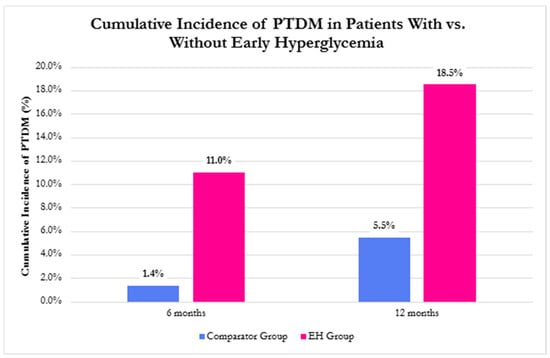
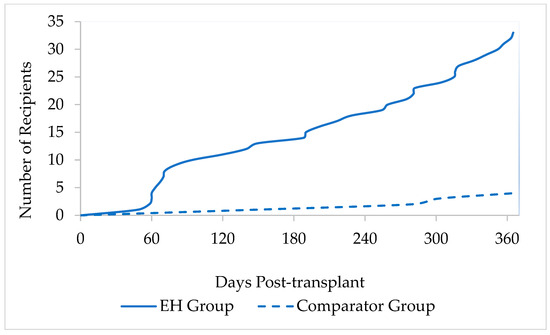
Background: Post-transplant diabetes mellitus (PTDM) is a complication of kidney transplantation, but the impact of early hyperglycemia (EH) remains unclear. This study aimed to assess the incidence of PTDM in kidney transplant recipients (KTRs) who experienced EH compared to those who do not at 6 months post-transplant. Methods: A single-center, retrospective cohort study was conducted in adults who underwent kidney transplantation from 1 January 2019 to 25 May 2022. KTRs who developed EH were compared against those who did not. Results: The primary outcome was the difference in incidence of PTDM at 6 months. Secondary outcomes included rehospitalizations and infections within 6 months and PTDM, renal function, cardiovascular events, and graft and patient survival within 12 months. Two hundred and seventy-nine KTRs (EH, n = 204 vs. comparator, n = 75) were included. There were higher incidences of PTDM in the EH group compared to the comparator group at 6 months (11% vs. 1.4%, p = 0.012) and 12 months post-transplant (18.5% vs. 5.5%, p = 0.007). KTRs with EH had 8.9 times greater odds of developing PTDM (OR 8.9; 95% 1.2–67.3, p = 0.03) at 6 months. There was no significant difference found in other secondary outcomes. Conclusions: KTRs with EH had an increased incidence of developing PTDM.
Full article
(This article belongs to the Section Perioperative Patient Management (i.e. Preabilitation, Intensive Care Management, Complications))
►▼
Show Figures

Figure 1
Highly Accessed Articles
Latest Books
E-Mail Alert
News
Topics
Topic in
Biomedicines, Current Oncology, Diagnostics, JCM, Livers, Transplantology, Gastrointestinal Disorders
Advances in Gastrointestinal and Liver Disease: From Physiological Mechanisms to Clinical Practice, 2nd Edition
Topic Editors: Davide Giuseppe Ribaldone, Gian Paolo CavigliaDeadline: 20 December 2026
Special Issues
Special Issue in
Transplantology
Artificial Intelligence in Modern Transplantation
Guest Editors: Vassilios Papalois, Georgios TsoulfasDeadline: 31 December 2026
Special Issue in
Transplantology
New Horizons in Transplantation Research: A Review Series
Guest Editors: Maurizio Salvadori, Gaetano CiancioDeadline: 15 March 2027