
Article

Analysis of Publications Related to Nursing Care in Patients Who Experience Organ and Tissue Transplantation Using the Bibliometric Method

by
Hatice Gülsoy
1,* and
Hatice Öntürk Akyüz
2
1
Department of Nursing, Faculty of Health Sciences, Alanya Alaaddin Keykubat University, 07425 Alanya, Türkiye
2
Department of Nursing, Faculty of Health Sciences, Bitlis Eren University, 13000 Bitlis, Türkiye
*
Author to whom correspondence should be addressed.
Transplantology 2026, 7(1), 6; https://doi.org/10.3390/transplantology7010006
Submission received: 3 December 2025 / Revised: 20 January 2026 / Accepted: 3 February 2026 / Published: 24 February 2026
(This article belongs to the Section Organ and Tissue Donation and Preservation)

Abstract

Background: This study was conducted to guide researchers by providing a global macroscopic perspective on the main characteristics of publications on nursing care in patients undergoing organ and tissue transplantation. Methods: The data obtained from the Web of Science (WoS) database in light of the determined keywords were analyzed using quantitative and qualitative criteria. The bibliometric analyses and visualizations were conducted using Microsoft Excel 365, VOSviewer (version 1.6.20), and the Biblioshiny interface within the R environment. Results: A total of 525 records were initially identified from the Web of Science database. After excluding meeting abstracts, editorials, and letters to ensure data quality, 411 publications (articles and reviews) were included in the final bibliometric analysis. The majority of these publications (87.6%) were published after 2005. The top five countries with the highest number of publications are the United States (USA), Brazil, China, Turkey, and Australia. Conclusions: This study is the first bibliometric analysis study to examine the trend of scientific publications indexed in Web of Science for nursing care in patients with organ and tissue transplantation processes. The findings have the potential to be used to improve the work of scientists conducting research in the field of nursing care.

1. Background

Organ and tissue transplantation is regarded as one of the most effective treatment methods to extend the life expectancy and improve the quality of life for patients suffering from end-stage organ failure, a condition that poses a significant threat to life. This process extends beyond mere surgical intervention and requires a comprehensive multidisciplinary approach that encompasses preoperative preparation, intraoperative procedures, and postoperative care stages [1,2,3,4,5,6,7].
Organ transplantation practices contribute significantly to the physiological recovery of patients, yet they also demand a multidimensional form of care that directly affects the patient’s social and psychological well-being [2,6,8,9,10,11,12]. In this context, nurses play a critical role as healthcare professionals, not only by addressing the physiological needs of patients but also by meeting their psychosocial needs. The multifaceted nature of nursing care involves helping patients cope with the biological, psychological, and social challenges encountered throughout the pre- and post-transplantation phases, as well as supporting the adaptation of family members to this demanding process [1,2,3,5,6,13].
In the post-transplantation period, one of the most critical components for extending patients’ survival and maintaining the functionality of the transplanted organ is immunosuppressive therapy management. Immunosuppressive drugs aim to prevent the body from rejecting the transplanted organ by suppressing the immune system [2,6,8,9,10,11]. However, this treatment process is not solely confined to preventing organ rejection; it also presents a treatment approach that can lead to serious side effects and complications. In this context, it is essential that immunosuppressive drugs are taken at the correct dose, at the appropriate time, and in a consistent manner. Nurses play a central role in managing this treatment by ensuring patients’ adherence to medication, monitoring for side effects, and identifying potential complications at an early stage [2,6,8,10,11]. While the one-year survival rate in patients adhering to immunosuppressive therapy is over 90%, this rate drops below 70% in patients showing non-adherence. These data underscore the critical impact of adherence to immunosuppressive therapy on long-term survival rates of transplant patients [1,2,3,4,6,14,15,16,17,18,19,20,21,22].
A substantial proportion of these complications arises due to non-compliance with immunosuppressive therapy or inadequate implementation of infection control measures. When nurses provide continuous education and monitoring to enhance patients’ adherence to medication, it becomes possible to prevent or manage these complications through early intervention [1,2,3,5,6,7,19,20,21,22,23,24,25,26,27,28,29,30,31,32,33].
This study aims to examine research on nursing care for patients who have undergone organ and tissue transplantation and to contribute to the advancement of research for scientists interested in this field.
Beyond providing a descriptive overview of publication trends, this bibliometric analysis offers a strategic framework for researchers working in transplantation nursing. By identifying dominant research themes, emerging topics, and underexplored areas, the findings of this study may guide future research priorities, support evidence-based curriculum development, and inform policy-oriented and multidisciplinary approaches in nursing care for transplant patients. Furthermore, the results highlight research gaps related to patient-reported outcomes, psychosocial care, and long-term self-management, thereby contributing to the advancement of the field.

2. Materials and Methods

2.1. Design of This Study

This is an observational and descriptive retrospective study that examines historical data using science mapping and bibliometric methodologies. The aim is to reveal the course of development of specific topics and trends in research areas by analyzing the existing literature in depth. The bibliometric analyses and visualizations were performed using Microsoft Excel 365 (Microsoft Corp., Redmond, WA, USA), VOSviewer (version 1.6.19), and the Biblioshiny interface.

2.2. Data Sources

Today, bibliometric research has been made possible by the creation and development of the Science Citation Index (SCI), Social Science Citation Index (SSCI) and Arts and Humanities Citation Index (A&HCI) indexes within the Web of Science (WoS). As a global database, WoS was the main and only reference source for citation analysis until the launch of Scopus in 2004 [18].
In order to obtain the most comprehensive publications from the words identified for the research, a search was conducted using the “Topic” section of the WoS search engine, which includes the publication abstract, titles, keywords and keyword plus. As a result of the search, 525 publications were obtained, and 411 publications, including research and review articles, were included in this study by using the inclusion or exclusion criteria. No language or index distinction was made. The data obtained from the WoS database were downloaded in “Plain text file” format for use in the VOSviewer software program and Biblioshiny interface, and in “Excel” format for use in the Microsoft Excel program.
Publications in all languages indexed in the Web of Science database were included; bibliometric indicators were derived from metadata (titles, abstracts, keywords, and citation information) provided by WoS, irrespective of the original publication language.

2.3. Inclusion and Exclusion Criteria

Research articles and review articles focusing on nursing care in the context of organ, tissue, or hematopoietic stem cell transplantation were included in this study. Meeting abstracts, editorial materials, letters, book chapters, early access papers, withdrawn publications, and retracted documents were excluded to ensure analytical consistency and reproducibility. Although the primary focus of this study is nursing care in the context of organ and tissue transplantation, publications addressing closely related domains (e.g., oncology nursing or complex clinical care) were retained when they explicitly involved transplant populations or nursing practices relevant to transplantation processes. This approach reflects the multidisciplinary and cross-cutting nature of nursing care in transplantation.

2.4. Publications’ Duration and Searching Key Terms

The keywords identified were divided into two groups in order to obtain the most comprehensive and accurate studies on nursing care in patients with organ and tissue transplantation processes. The keywords in the first group are transplantation, donor, organ procurement and tissue procurement, while the keywords in the second group are nursing care, nursing management, care nursing, rehabilitation nursing, nursing interventions, nursing role, nursing education and nursing process. These keywords were combined in various combinations using the publication search operators and special characters used in the WOS database. Örneğin; (TS = (“*transplant*” AND “*nursing care*”)) OR (TS = (“*transplant*” AND “*nursing management*”)) vb. As a result of the search, 1 January 1982, which is the starting date of the publications, was taken as the starting date, and all research and review articles published until 17 October 2024 were included in the research.
The keyword strategy was developed to balance sensitivity and specificity. The truncation term “transplant*” was intentionally used to capture a broad range of transplantation-related concepts (e.g., organ allocation, organ recipients, and transplant processes) within the WoS Topic field, which also includes Keywords Plus.

2.5. Bibliometric Methodology

Bibliometric analysis offers a macroscopic view of the academic literature through quantitative methods, enabling researchers to examine the development, current state, and characteristics of a field [19,20,21,22,23]. It is used to assess research trends, performance, and collaborations among authors, journals, institutions, and countries [24,25,26]. In short, bibliometric analysis provides comprehensive information on publications in a particular field, allowing researchers to identify existing gaps both geographically and in terms of content [27,28,29,30,31,32,33,34,35]. This study aims to provide a global overview of publications on nursing care in organ and tissue transplantation using bibliometric analysis [33,34,35]. Data from WoS (1982–2024) were analyzed via VOSviewer and Biblioshiny, covering publication trends, geographic and author networks, research areas, journal indexes and languages, funding organizations, institutional and country collaborations, keyword associations, citation links, and annual keyword trends.
The manuscript was carefully edited to improve clarity, reduce redundancy, and ensure consistent academic tone throughout the Results and Discussion Sections.

3. Results

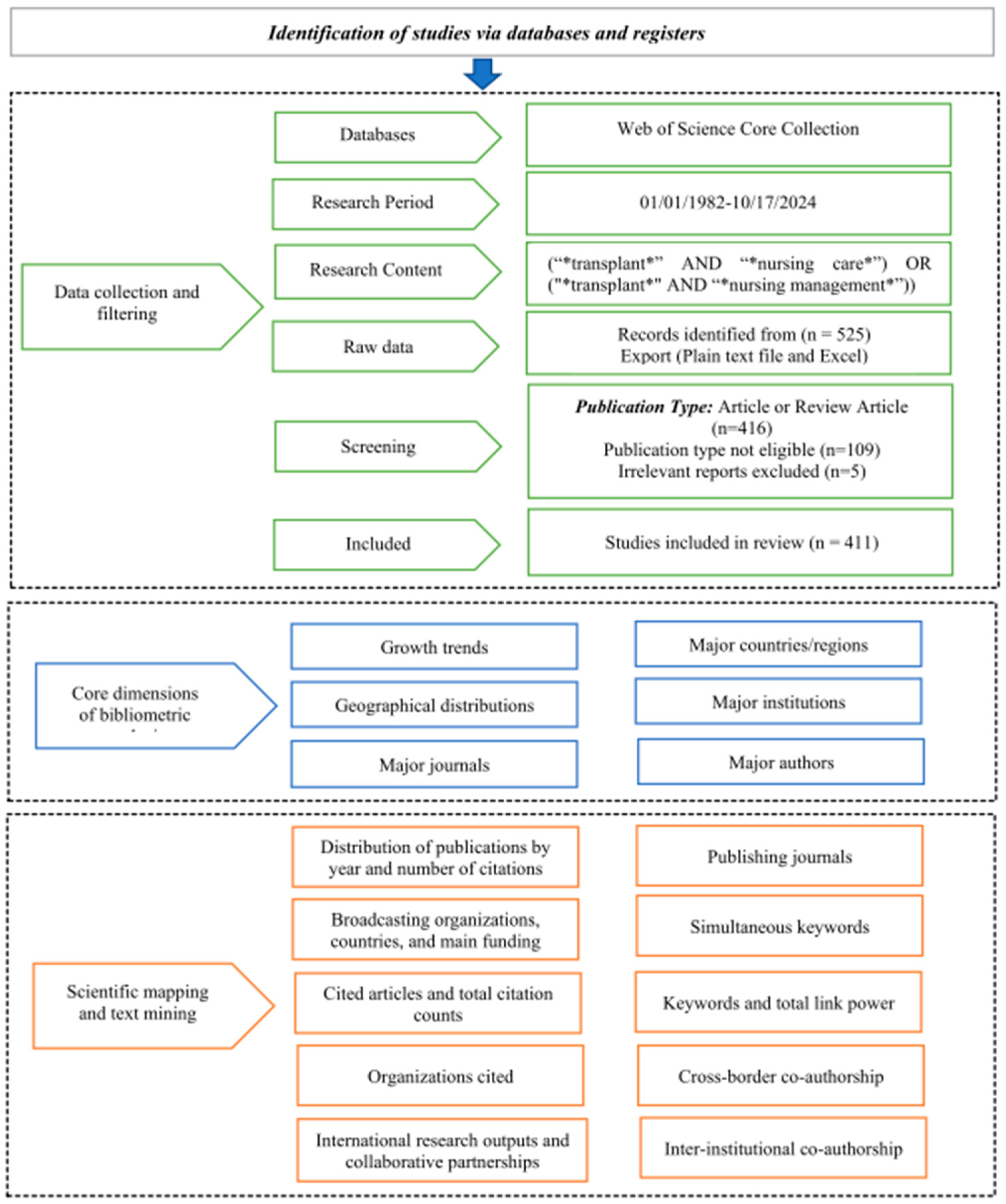
3.1. PRISMA Flow Diagram of the Study Selection Process (n = 411)

Although the search timespan started in 1982, publication output prior to 2005 was sparse and irregular. Therefore, the observed increase after 2005 represents the substantive emergence and consolidation of transplantation nursing as a distinct research field (Figure 1).

3.2. Annual Distribution of Published and Cited Articles

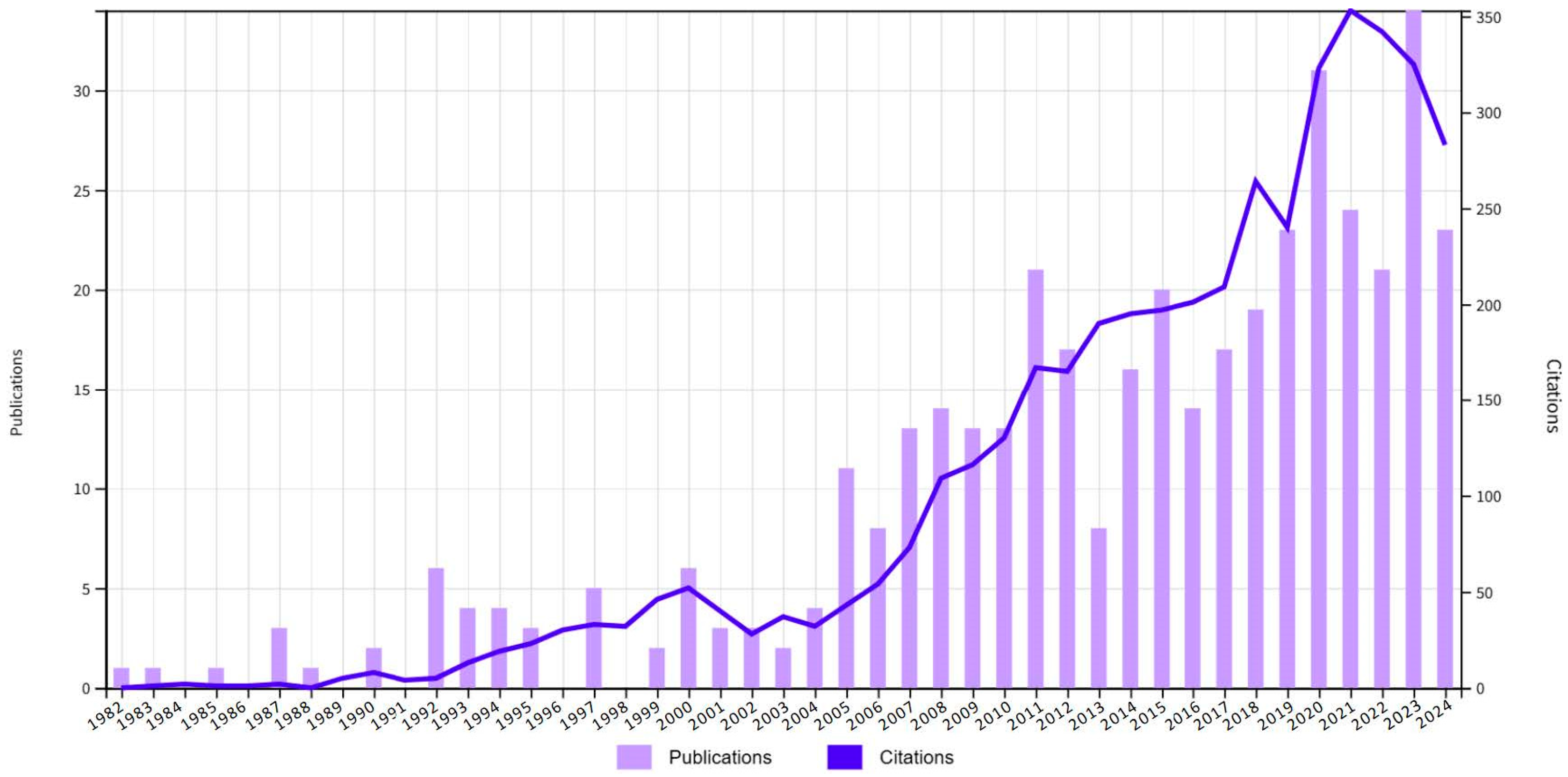
Figure 2 shows the trend of publications on nursing care in transplant patients over time. Since 2005, 87.59% (360) of the publications were produced, with the highest number in 2023 (34 articles) and the most citations in 2021 (353). The rise in publications suggests growing interest, influenced by advances in medicine, increased transplants, and multidisciplinary approaches. While citation counts reflect academic impact, some years show high publication numbers but low citations, indicating that scientific influence may grow over time.

3.3. Geographical Distribution of the Articles

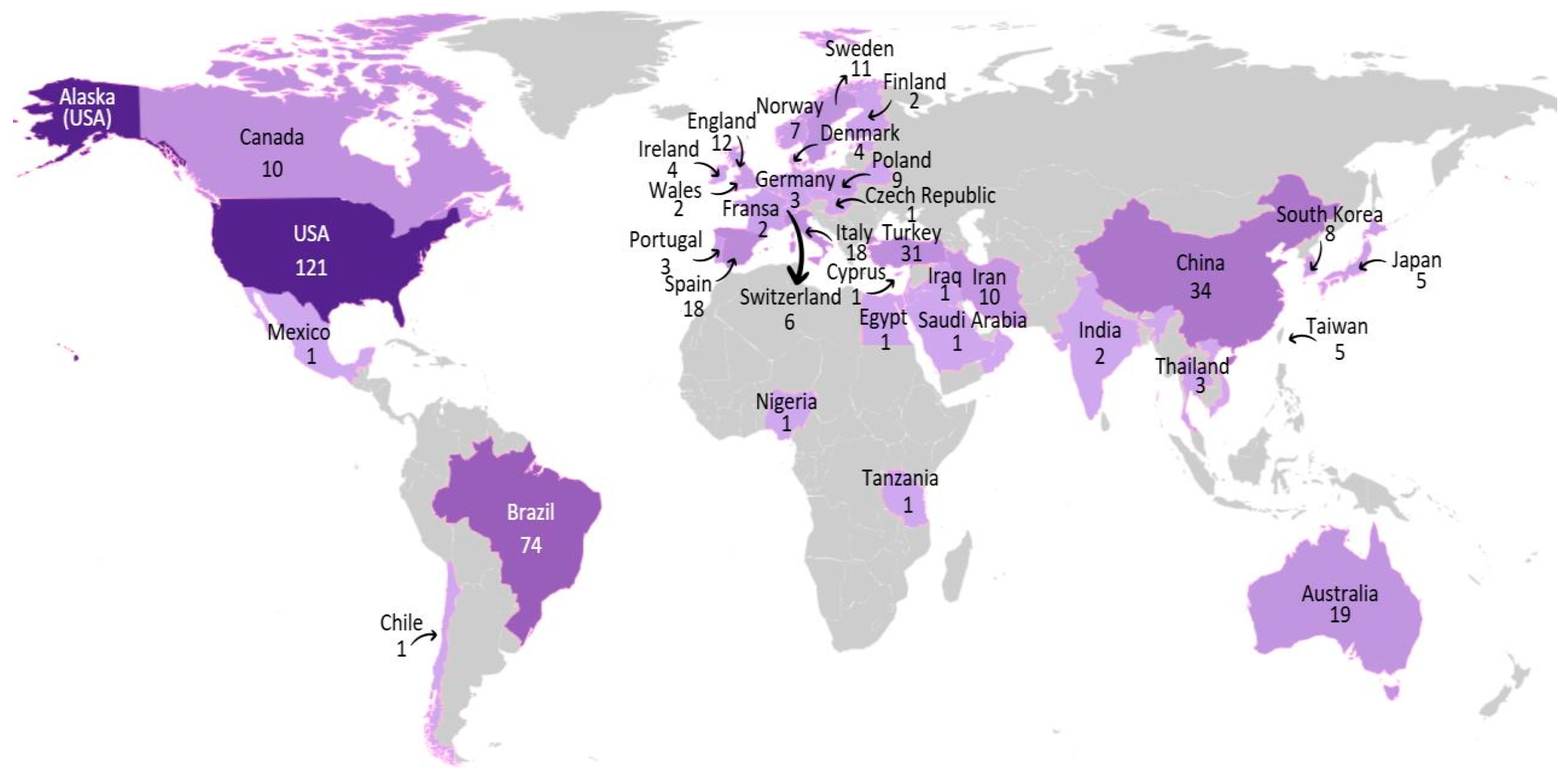
Figure 3 shows the number of publications by country, with darker colors indicating higher output. The USA leads with 212 publications, reflecting its strong healthcare research capacity. Brazil follows with 74, showing growing academic interest. China (34), Turkey (31), and Australia (19) also show increasing contributions, highlighting their development as emerging research centers. The map emphasizes regions with high research intensity in nursing and clinical practice. Table 1 lists the most cited studies, indicating their foundational role in nursing care, transplantation, and cancer nursing. All country-level publication counts reported in the Abstract, Results, and figures are based on a standardized full-counting approach using author affiliation data extracted from the Web of Science database.

3.4. Research Fields, Indexes, Languages and Funding Organizations of Publications

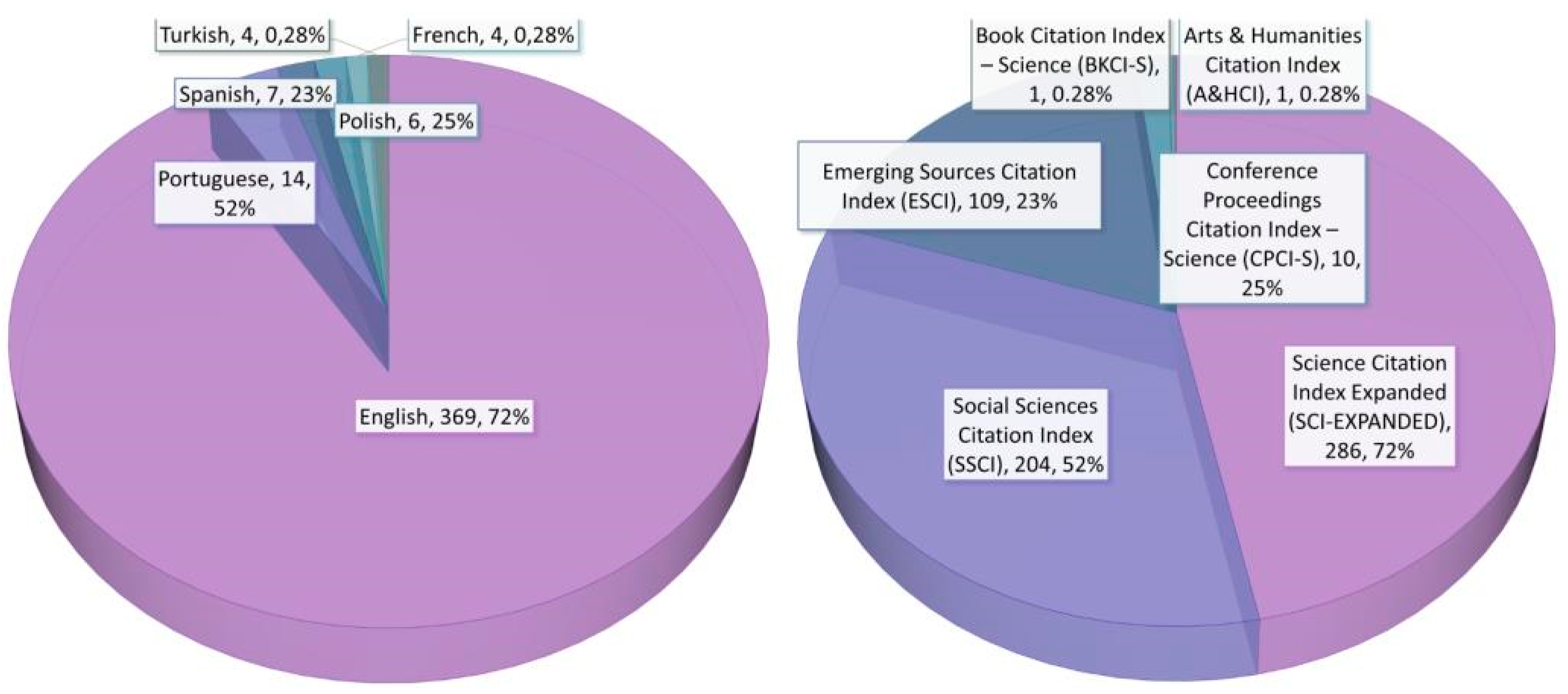
Supplemental Figure S1 shows that most studies on nursing care for transplant patients focus on nursing (266 publications), followed by oncology (60), transplantation (40), surgery (35), and urology-nephrology (21). Other fields like critical care, cardiology, and immunology highlight the multidisciplinary nature of post-transplant care. Figure 4 presents the index and language distribution of these publications.
Figure 4 shows the language and index distribution of publications on nursing care in transplant patients. English leads with 369 publications (72%), followed by Portuguese (2.7%), reflecting Brazil’s contribution. Other languages like Spanish, Polish, French, and Turkish show limited but notable engagement. In index distribution, SCI-EXPANDED (72%) and SSCI (52%) dominate, indicating publication in high-impact and social science journals. ESCI (23%) reflects newer journals, while CPCI-S, A&HCI, and BCKI-S have minimal presence. Department of Health and Human Services (4.38%) and NIH (3.89%) are the leading funders of research in this field. Brazil’s CAPES and NIH’s NCI and NINR funded 7 (1.70%) and 5 (1.22%) studies, respectively. Brazil’s CNPQ and China’s NSFC each supported 4 publications (0.97%).

3.5. Network Maps Between Countries and Authors

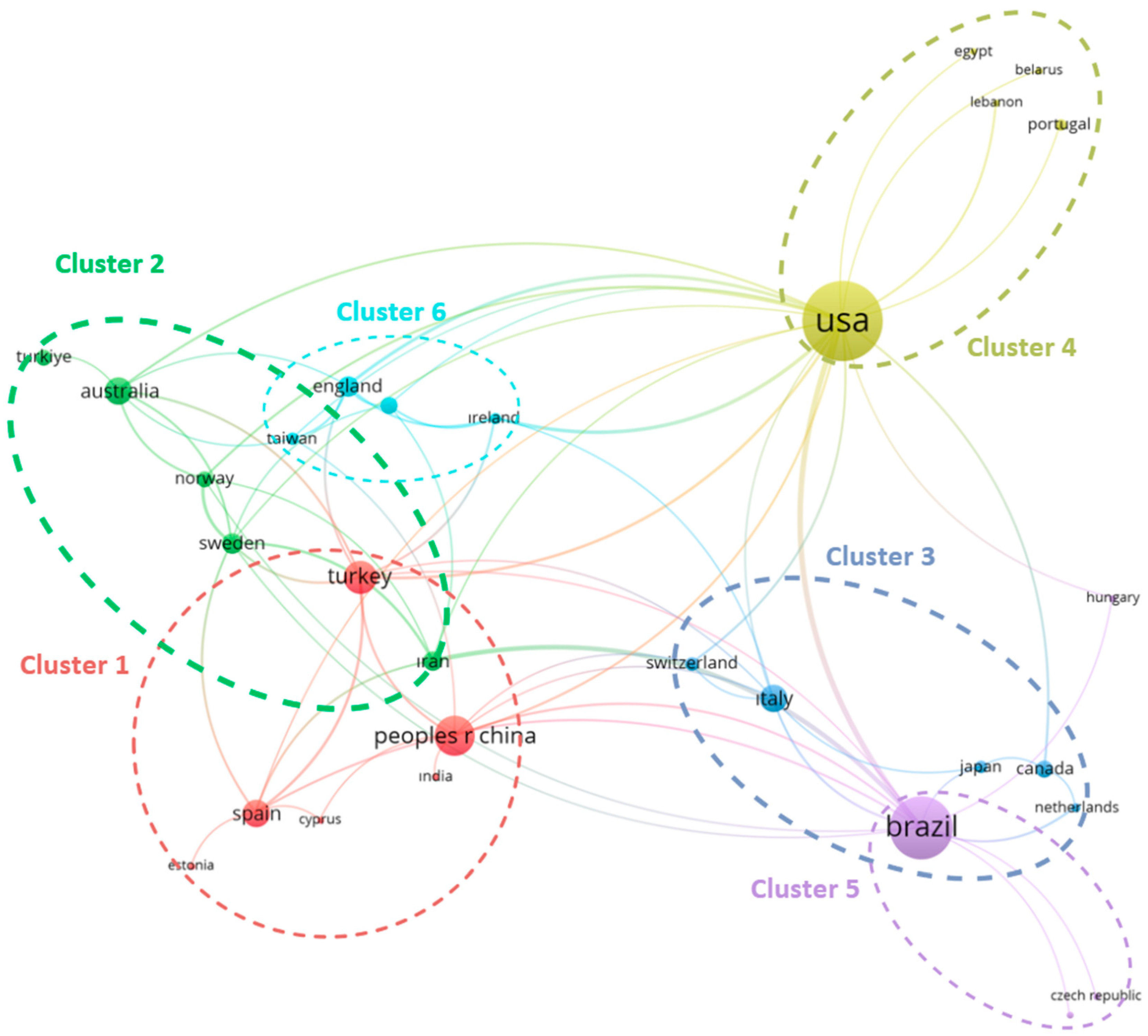
Figure 5 shows international academic collaboration and citation networks across six country clusters. The USA, in Cluster 4, is the most central and cited country, with strong ties to Egypt, Lebanon, and Portugal. China (Cluster 1) also plays a key role, collaborating with India, Iran, and Spain. Turkey stands out through partnerships with China, Iran, the UK, and Australia, though it appears twice on the map due to the “Turkey/Türkiye” naming difference. Brazil (Cluster 3) collaborates with Italy, Japan, Canada, and European countries, especially in transplant and nursing care. Other active countries include the UK, Australia, Sweden, and Japan. Supplemental Figure S2 shows the network of author citations.
Supplemental Figure S2 shows a citation network of authors across 14 clusters. Central authors like Cristina Maria Galvao, Bartira de Aguiar Roza, and Karina dal Sasso Mendes are the most cited or collaborative. Others, such as Victor Parizad and Marwan S. Abouljoud, also have strong citation ties. Thick lines indicate close collaboration, as seen between Nen Nanu Alves das Merces and Maris Ribeiro Lacerda in Cluster 7. Smaller clusters represent more specialized or less-cited groups.
Supplemental Figure S3 shows widespread international academic cooperation, with the USA leading in both publication volume and cross-country collaborations, likely due to its strong research networks and funding. China and Australia also display extensive ties with European countries, supported by robust funding and joint research projects, promoting global knowledge exchange.

3.6. Collaborative Co-Authorship Network Analysis

Supplemental Figures S4–S6 present density maps illustrating author collaborations from different perspectives. Supplemental Figure S4 shows individual author networks, with Karina Dal Sasso, Cristina Maria Galvao, and Emilia Campos de Carvalho appearing as the most influential and collaborative researchers. Supplemental Figure S5 maps collaborations by country, highlighting the U.S., Brazil, and China as leading nations in publication volume and international cooperation, with the U.S. being the most prominent. Turkey, the UK, Italy, and Australia also show effective but smaller-scale collaborations. Supplemental Figure S6 focuses on institutions, with Univ Sao Paulo, Johns Hopkins University, Univ Calif San Francisco, Mayo Clinic, and Hacettepe University standing out as key contributors.

3.7. Keyword Network Maps

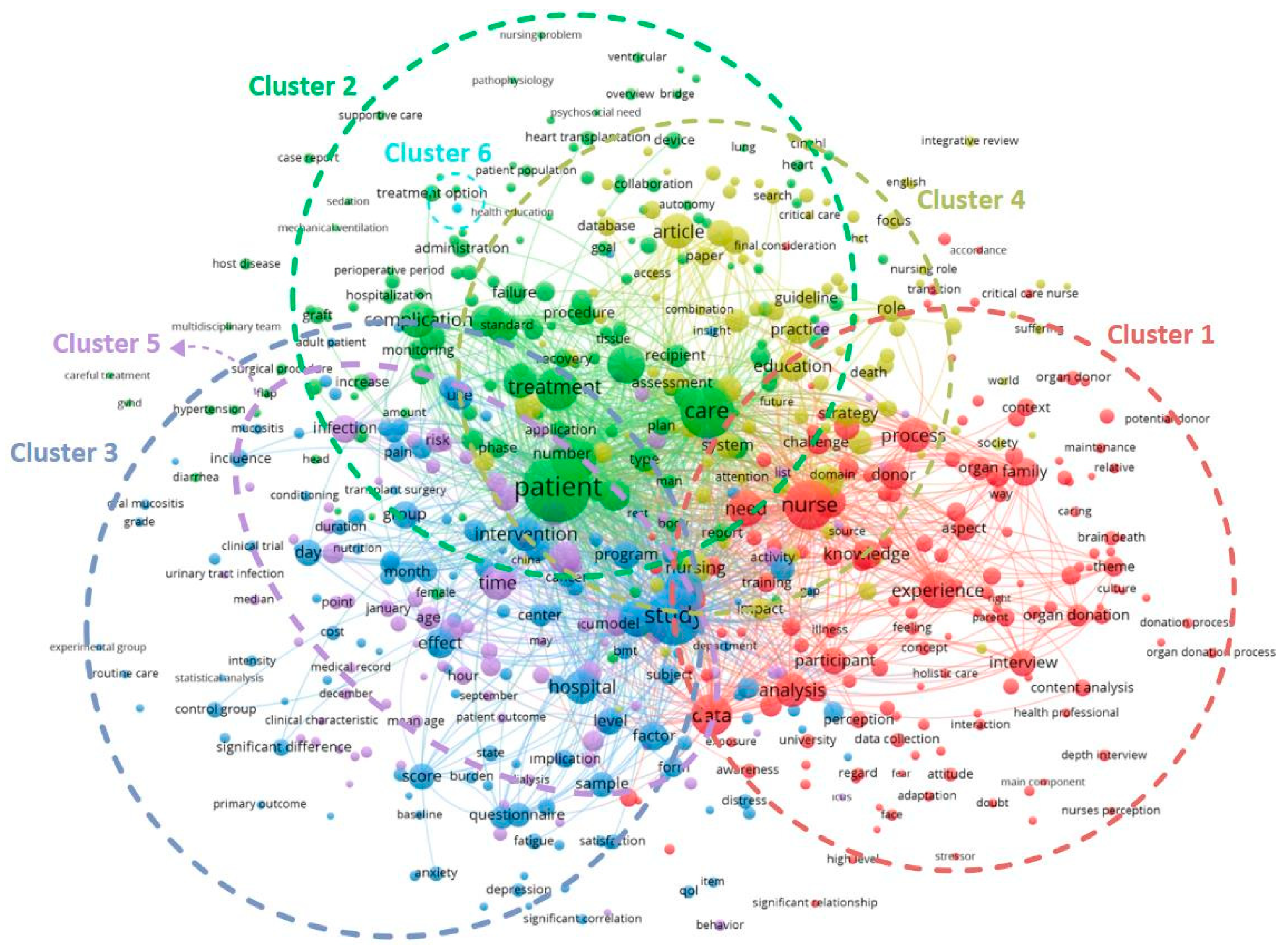
Figure 6 displays a keyword network map with 6 clusters. Cluster 1 focuses on organ donation, highlighting terms like “nurse,” “experience,” and “brain death,” emphasizing nurses’ roles and experiences in the donation process. Cluster 2 centers on patient care, complications, and treatments, especially in post-transplant care. Cluster 3 involves technical medical topics such as “clinical trial,” “infection control,” and “surgical outcome.” Cluster 4 addresses the nursing role, education, guidelines, and critical care practices. Cluster 5 includes terms related to time and risk factors in the transplant process, such as “age,” “year,” and “risk.” Cluster 6 features only the term “alternative”.
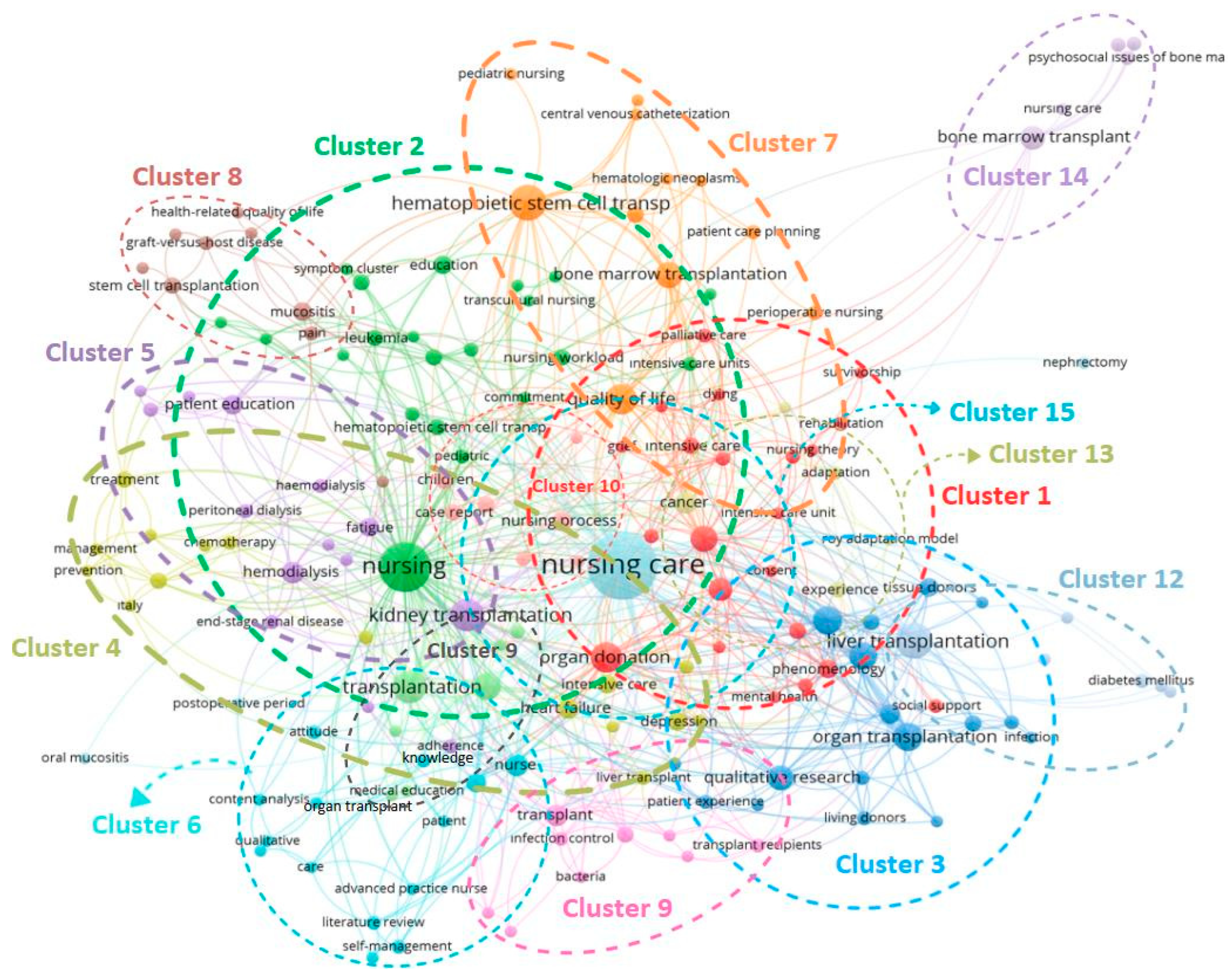
Figure 7 presents a keyword network map with 15 clusters. Cluster 1 focuses on care and social support with terms like “nursing theory” and “organ donation.” Other clusters cover topics such as stem cell transplantation (Cluster 2), transplant complications (Cluster 9), liver transplantation and diabetes (Cluster 12), and pediatric care (Cluster 7). The most central is Cluster 15, centered on “nursing care,” linked to terms like “nephrectomy” and “postoperative period.” Strong connections exist between key terms like “nursing” and “quality of life,” highlighting the importance of areas such as palliative care, patient education, and self-management. Figure 7 shows links to cited references, authors, and descriptors.
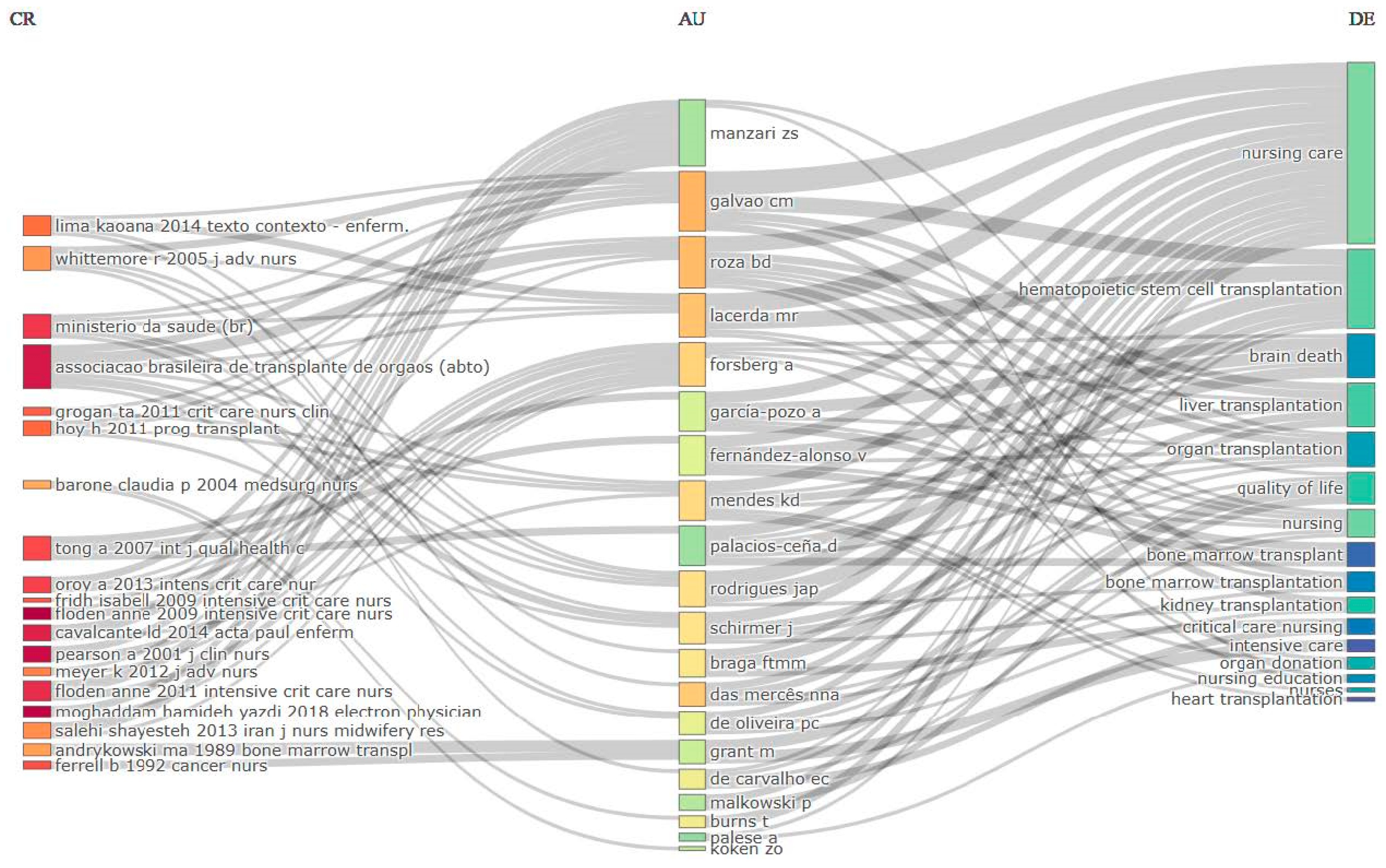
Figure 8 shows the connections between cited references (CR), author affiliations (AU), and descriptors (DE). The left column lists frequently cited sources like Lima, Kaoana (2014), Ministério da Saúde (BR), Grogan TA (2011), and Tong A (2007), indicating their foundational role in transplant-related nursing care research. The middle column highlights key contributors such as Cristina Maria Galvão, Bartira de Aguiar Roza, Mendes KD, and Lacerda MR, who are linked to multiple studies and keywords. The right column displays commonly used keywords like “nursing care,” “organ transplantation,” “brain death,” and “quality of life,” reflecting the field’s focus on critical care and patient outcomes. Supplemental Figure S7 presents the yearly distribution and frequency of these keywords.
Supplemental Figure S7 offers insights into the changing focus of research topics over time by tracking keyword usage. For example, the prominence of “bone-marrow transplantation” in 2010 suggests it was a key topic that year. After 2005, terms like “care,” “quality of life,” and “sensitive care” became more common, reflecting a growing emphasis on patients’ emotional and social needs.

4. Discussion

The inclusion of highly cited studies from adjacent clinical domains should be interpreted within the context of transplantation nursing as an interdisciplinary field rather than a narrowly defined specialty. This bibliometric analysis stands out as one of the first studies to examine the global development and scientific trends in nursing care during organ and tissue transplantation. Bibliometric analysis is increasingly recognized as a vital tool for mapping research trends and ensuring scientific integrity in the nursing discipline, as recently demonstrated by Contreras-Muñoz et al. [34]. The findings demonstrate that the critical role of nurses in post-transplant patient care is increasingly recognized, with a notable rise in publications on this topic. Particularly since 2005, there has been a marked increase in the number of studies in this field, reaching its peak in 2023. This increase can be attributed to both the growing prevalence of organ transplantation procedures and the adoption of multidisciplinary approaches. Nursing care plays a crucial role not only in supporting patients’ physiological recovery but also in addressing their psychosocial and cultural needs [3,4,7,13].
The study highlights that the United States has emerged as the leading country in terms of publications in this area, a position that can be linked to the country’s substantial research capacity in healthcare, large-scale funded projects, and academic collaborations. Similarly, countries like Brazil and China have also made significant contributions. The structural characteristics of their healthcare systems, investments in research, and strong academic partnerships have contributed to their leadership in this field [1,5,17].
United States (USA): U.S. health policies, state support for scientific research, and collaborations between universities and hospitals contribute to the high research output in this area. Institutions like the National Institutes of Health (NIH) support large-scale projects in healthcare, which encompass significant research on nursing care, post-transplant care, and multidisciplinary approaches. Additionally, U.S. medical schools and research hospitals are among the institutions that train specialized healthcare professionals in organ transplantation, promote research, and develop innovative care approaches. This infrastructure and support have contributed to the United States’ position as the leading country in publications related to organ transplantation and nursing care [2,6].
Brazil: The development of health policies and increased investments in healthcare in recent years have allowed for more research in nursing care. Universities, federal health programs, and organizations such as the Foundation for Research Support (FAPESP) provide substantial support for comprehensive research on nursing care in the transplantation process. Another reason Brazil stands out in nursing research is the increased recognition of the role of nurses in patient care, along with a healthcare system that encourages nurses to conduct research. This has led to a rise in academic output in Brazil, establishing the country as an important research center in organ transplantation and nursing care [3,4].
China: The expansion of healthcare services and the increasing prevalence of organ transplantation operations in China have spurred growth in nursing care research in this area. Support from the Ministry of Health and the National Natural Science Foundation of China for research on organ and tissue transplantation has significantly increased the number of academic publications in this field. Additionally, the development of innovative practices aimed at improving the quality of post-transplant care has contributed to the proliferation of research. China’s rapidly expanding academic and scientific infrastructure, along with an increase in international collaborations, has strengthened the country’s influence in this field [1,6,7,8]
Turkey is among the countries that have been advancing research on nursing care in organ and tissue transplantation processes. The country’s extensive healthcare infrastructure, government-supported health services, and increasing number of educational institutions have facilitated research in this area [1,6,14].
Research on organ transplantation nursing in Turkey primarily focuses on fundamental aspects of care, such as infection control, immunosuppressive therapy management, and patient education. Additionally, collaborations between the Ministry of Health and universities have improved the quality of research in this area, contributing to the enhancement of post-transplant care [5,7,17].
The Turkish healthcare system’s transition to a multidisciplinary approach and adoption of a patient-centered care model have underscored the importance of research in organ transplantation nursing. There has been an observable increase in studies on psychosocial support for post-transplant patients in Turkey. Nurses assume significant responsibilities in providing psychological support to patients during the preoperative and postoperative periods, helping them adjust to their new lives, and educating their families throughout this process [2,5,6].
Across all these countries, it is evident that organ and tissue transplantation is a complex and sensitive process that requires multidisciplinary teamwork. In this process, healthcare professionals from various fields including surgeons, anesthetists, immunologists, psychologists, social workers, and nurses work together to optimize preoperative and postoperative care for patients. Team members adopt a holistic approach to meet the physiological, psychological, and social needs of patients, with each discipline providing unique contributions. Within this multidisciplinary structure, nurses play a critical role at every stage of the transplantation process, as they bear direct responsibility for patients’ daily care and the prevention of complications [2,5,6,17].
The role of nurses in organ and tissue transplantation begins not only in the postoperative period but also in the preoperative phase, where the care and support provided to patients is of critical importance. The pre-transplant period is vital for preparing patients for surgery and the lifestyle changes that follow, and it is during this phase that the educational and psychological support provided by nurses comes to the forefront. Nurses provide comprehensive support to patients by educating them about the surgical process, helping them adapt to postoperative requirements, and strengthening them psychologically in anticipation of the challenges they may face [2,6,11].
Psychological support is one of the most crucial elements provided by nurses in the preoperative period. Organ transplantation is not only a life-saving intervention but also an emotionally exhausting process for patients. At this stage, nurses play a key role in helping patients cope with feelings of fear, anxiety, and uncertainty, thereby strengthening their psychological resilience. By adopting a reassuring approach, nurses help patients feel more at ease and foster a more positive outlook on the surgical process. This pre-transplant support allows patients to enter surgery with a prepared mindset and adapt more quickly to the recovery process. Studies in the literature show that psychosocial support reduces depression and anxiety rates in transplant patients and enhances overall quality of life. Similar to other complex chronic conditions such as oncology, where the quality of nursing care significantly impacts patient perception and outcomes Kurek et al. [35], nursing care in transplantation plays a pivotal role in the long-term success of the treatment. A traumatic experience like organ transplantation leads to not only physiological but also psychological and social challenges for patients. At this point, nurses provide various forms of psychosocial support to help patients manage the stress, anxiety, and adaptation issues they encounter during this process. Emotional support contributes positively to the recovery process and facilitates patients’ reintegration into their social environments. The support provided by nurses in this regard helps patients feel more secure and increases their commitment to the treatment [2,6,27,28,29,30].
In addition, nurses involve families in the preoperative period to strengthen patients’ social support systems. By informing family members about the surgical process and postoperative care responsibilities, nurses enhance the effectiveness of the support that families can provide to the patient. This involvement ensures that patients feel supported not only during the surgery itself but also throughout the long-term recovery process, contributing to their psychological resilience [2,17].
The education and support provided in the preoperative period facilitate patients’ adaptation to the postoperative process and help them prepare psychologically. This preparation forms a solid foundation for the postoperative period, highlighting once again the vital role nurses play at every stage of the transplantation process [5,6,7,10,23,24,25,26].
Recent studies highlight the growing importance of self-management and shared decision-making in transplantation nursing. For instance, Jobst et al. [31] emphasized the critical role of self-management support after solid organ transplantation, while Grossi [32] drew attention to shared decision-making processes. Furthermore, the necessity of increasing knowledge levels among nursing students regarding organ donation has been recently reiterated by Bertocchi et al. [33]. Our bibliometric findings regarding the ‘self-management’ cluster align with these current research trends.
The high publication output observed in certain countries may be partially associated with broader research capacity and international collaboration networks, rather than being interpreted as a direct consequence of specific national funding policies.

5. Conclusions

In conclusion, this study reveals global trends in research on nursing care for patients undergoing organ and tissue transplantation, making a significant contribution to identifying gaps in this field. The study shows that, especially in recent years, the vital role of nurses in post-transplant care has become increasingly recognized, and they have emerged as an integral part of multidisciplinary healthcare teams. The data reveal that nurses’ responsibilities in critical areas such as immunosuppressive therapy management, infection control, patient education, and psychosocial support contribute directly to patients’ recovery processes. New research in this area is anticipated to play a significant role in improving patient health and advancing the field of nursing care.

Supplementary Materials

The following supporting information can be downloaded at: https://www.mdpi.com/article/10.3390/transplantology7010006/s1, Supplementary Figure S1. Distribution of research fields in publications on nursing care in transplant patients. Supplementary Figure S2. Author citation network map. Supplementary Figure S3. International collaboration network between countries. Supplementary Figure S4. Density visualization of individual author networks. Supplementary Figure S5. Country-based co-authorship network. Supplementary Figure S6. Institutional collaboration network. Supplementary Figure S7. Yearly distribution and frequency of keywords.

Author Contributions

Conceptualization, H.Ö.A. and H.G.; methodology, H.G.; software, H.Ö.A.; validation, H.Ö.A. and H.G.; formal analysis, H.Ö.A.; investigation, H.G.; resources, H.Ö.A.; data curation, H.G.; writing—original draft preparation, H.Ö.A.; writing—review and editing, H.G.; visualization, H.Ö.A.; supervision, H.G. All authors have read and agreed to the published version of the manuscript.

Funding

This research received no external funding.

Institutional Review Board Statement

Not applicable (Ethical review and approval were not required for this study as it is a bibliometric analysis of publicly available data).

Informed Consent Statement

Not applicable.

Data Availability Statement

The data presented in this study are available upon request from the corresponding author.

Conflicts of Interest

The authors declare no conflicts of interest.

References

  1. Alqahtani, S.A.; Stepanova, M.; Kabbara, K.W.; Younossi, I.; Mishra, A.; Younossi, Z. Liver transplant center size and the impact on clinical outcomes and resource utilization. Transplantation 2022, 106, 988–996. [Google Scholar] [CrossRef] [PubMed]
  2. Guorgui, J.; Ito, T.; Younan, S.; Agopian, V.G.; Dinorcia, J.; Farmer, D.G.; Busuttil, R.W.; Kaldas, F.M. The utility of extended criteria donor livers in high acuity liver transplant recipients. Am. Surg. 2021, 87, 1684–1689. [Google Scholar] [CrossRef] [PubMed]
  3. Özer, N.; Sarıtaş, S.; Özlü, Z.K. Investigation of Nursing Students’ Knowledge and Thoughts on Organ Transplantation and Donation. Anadolu Hemşirelik Sağlık Bilim. Derg. 2010, 13, 1–11. (In Turkish) [Google Scholar]
  4. Soylu, D.; Tuna, A. Nursing Care in Cadaveric Organ Transplantation Processes. Turk. Klin. J. Intern. Med. 2020, 5, 62–69. (In Turkish) [Google Scholar]
  5. Soylu, D.; Soylu, A.; Şen, S. Two significant concepts in organ donation: Empathic tendency and altruism. Transpl. Immunol. 2022, 75, 101731. [Google Scholar] [CrossRef]
  6. Tajima, T.; Hata, K.; Haga, H.; Nishikori, M.; Umeda, K.; Kusakabe, J.; Miyauchi, H.; Okamoto, T.; Ogawa, E.; Sonoda, M.; et al. Post-transplant lymphoproliferative disorders after liver transplantation: A retrospective cohort study including 1954 transplants. Liver Transplant. 2021, 27, 1165–1180. [Google Scholar] [CrossRef]
  7. Thongprayoon, C.; Hansrivijit, P.; Leeaphorn, N.; Acharya, P.; Torres-Ortiz, A.; Kaewput, W.; Kovvuru, K.; Kanduri, S.R.; Bathini, T.; Cheungpasitporn, W. Recent advances and clinical outcomes of kidney transplantation. J. Clin. Med. 2020, 9, 1193. [Google Scholar] [CrossRef]
  8. Alan, H.; Arslan, E.A.; Altınışık, H.B. The Relationship Between Burnout and Empathy Skills Among Nurses Working in Hemodialysis Units. Nefroloji Hemşireliği Derg. 2018, 13, 37–44. (In Turkish) [Google Scholar]
  9. Bleszynski, M.S.; Punnen, S.; Desai, S.; Hussaini, T.; Marquez, V.; Yoshida, E.M.; Jayakumar, S.; Chartier-Plante, S.; Segedi, M.; Scudamore, C.H.; et al. Outcomes of liver transplant recipients with high MELD scores: An experience from a Canadian centre. Can. J. Surg. 2022, 65, E425. [Google Scholar] [CrossRef]
  10. Golightly, L.K.; Teitelbaum, I.; Simendinger, B.A.; Kiser, T.H.; Barber, G.R.; Stolpman, N.M. Renal Pharmacotherapy. In Renal Pharmacotherapy; Springer: Cham, Switzerland, 2021; pp. 113–207. [Google Scholar]
  11. Masset, C.; Le Turnier, P.; Bressollette-Bodin, C.; Renaudin, K.; Raffi, F.; Dantal, J. Virus-associated nephropathies: A narrative review. Int. J. Mol. Sci. 2022, 23, 12014. [Google Scholar] [CrossRef]
  12. Togay, E.; Akyüz, H.Ö. Examinations of effects of socio-demographic features and disease-related data of patients with hemodialysis on the quality of life. Sci. Rep. 2023, 13, 16536. [Google Scholar] [CrossRef]
  13. Gülsoy, H.; Aslan, Z.; Uslu, Ü.; Nalbant, Ö. Investigation of the Effect of Disaster Awareness Training Given to Individuals Aged 60 and Over on Disaster Awareness and Preparedness: Alanya Alaaddin Keykubat Tazelenme University Example. Hastan. Öncesi Derg. 2023, 8, 266–277. (In Turkish) [Google Scholar] [CrossRef]
  14. Gezginci, E.; Göktaş, S.; Şendir, M. The Relationship Between Nursing Students’ Self-Compassion and Their Attitudes Towards Organ Donation. İnönü Üniv. Sağlık Hiz. Mesl. Yüksek Okulu Derg. 2020, 8, 196–207. (In Turkish) [Google Scholar] [CrossRef]
  15. Thongprayoon, C.; Vaitla, P.; Jadlowiec, C.C.; Leeaphorn, N.; Mao, S.A.; Mao, M.A.; Pattharanitima, P.; Bruminhent, J.; Khoury, N.J.; Garovic, V.D.; et al. Use of machine learning consensus clustering to identify distinct subtypes of black kidney transplant recipients and associated outcomes. JAMA Surg. 2022, 157, e221286. [Google Scholar] [CrossRef]
  16. Gülsoy, H.; Şenturan, L. Validity and Reliability Study of Geriatric Health Promotion Scale. J. Tradit. Complement. Med. 2020, 3, 140–149. (In Turkish) [Google Scholar] [CrossRef]
  17. Bachynski, J.C.; Duhn, L.; Costa, I.G.; Camargo-Plazas, P. The Current State of Kidney Supportive Care in Nephrology Nursing Practice: A Literature Review. Nephrol. Nurs. J. 2024, 51, 25. [Google Scholar] [CrossRef] [PubMed]
  18. Mongeon, P.; Paul-Hus, A. The journal coverage of bibliometric databases: A comparison of Scopus and Web of Science. Scientometrics 2014, 4, 1–6. [Google Scholar]
  19. Jia, X.; Dai, T.; Guo, X. Comprehensive exploration of urban health by bibliometric analysis: 35 years and 11,299 articles. Scientometrics 2014, 99, 881–894. [Google Scholar] [CrossRef]
  20. Li, J.; Hale, A. Output distributions and topic maps of safety related journals. Saf. Sci. 2016, 82, 236–244. [Google Scholar] [CrossRef]
  21. Öntürk Akyüz, H.; Dindar Demiray, E.K.; Alkan, S. Network analysis of nursing publications in the COVID-19 era. J. Clin. Med. Kazakhstan 2021, 18, 27–31. [Google Scholar]
  22. Li, W.; Zhao, Y. Bibliometric analysis of global environmental assessment research in a 20-year period. Environ. Impact Assess. Rev. 2015, 50, 158–166. [Google Scholar] [CrossRef]
  23. Gall, M.; Nguyen, K.H.; Cutter, S.L. Integrated research on disaster risk: Is it really integrated? Int. J. Disaster Risk Reduct. 2015, 12, 255–267. [Google Scholar] [CrossRef]
  24. Öntürk Akyüz, H.; Alkan, S.; Şenturan, L. A Scientometric Overview of the Current Status and Trends of Holistic Nursing Studies. Holist. Nurs. Pract. 2024, 38, 3–13. [Google Scholar] [CrossRef]
  25. Wang, Y.; Li, Z.; Liu, Y. Artificial Intelligence in Nursing Decision-Making: A Bibliometric Analysis of Trends and Impacts. Healthcare 2025, 13, 198. [Google Scholar]
  26. Ferreira, D.C.; Vieira, I.; Pedro, M.I.; Caldas, P.; Varela, M. Patient Satisfaction with Healthcare Services and the Techniques Used for its Assessment: A Systematic Literature Review and a Bibliometric Analysis. Healthcare 2023, 11, 439. [Google Scholar] [CrossRef]
  27. Taskin, Y.; Karaman, A. Post-Traumatic Growth, Mindfulness, and Quality of Life in Liver Transplant Recipients: A Cross-Sectional Study. Transplantology 2025, 6, 36–46. [Google Scholar]
  28. Ryu, G.W.; Choi, M. Self-Management Interventions for Kidney Transplant Recipients: A Systematic Review. Healthcare 2025, 13, 1918. [Google Scholar] [CrossRef]
  29. Longo, D.; Ramacciati, N.; Giusti, G.D. Nurse Specialist in the Organ and Tissue Donation Process with Coordination Role: A Scoping Review. Nurs. Rep. 2025, 15, 39. [Google Scholar] [CrossRef]
  30. Liu, Y.; Li, X.; Sun, J.; Liu, H. Status and Association Factors of Self-Management Among Lung Transplantation Recipients Based on the Health Belief Model. Healthcare 2024, 12, 85. [Google Scholar]
  31. Bertocchi, L.; Petrucci, C.; Calzetta, M.A.; Dante, A.; Curcio, F.; Lancia, L.; Aviles Gonzalez, C.I. Knowledge and Attitudes Toward Organ Donation and Transplantation Among Nursing Students: A Multicentre Cross-Sectional Study. Nurs. Rep. 2025, 15, 181. [Google Scholar] [CrossRef]
  32. Jobst, S.; Kugler, C.; Rebafka, A. Aspects of Self-Management After Solid Organ Transplantation—A Scoping Review. Nurs. Rep. 2025, 15, 304. [Google Scholar] [CrossRef] [PubMed]
  33. Grossi, A.A. Shared Decision-Making in Solid Organ Transplantation: A Review. Transplantology 2025, 6, 1. [Google Scholar] [CrossRef]
  34. Contreras-Muñoz, M.P.; Zahn-Muñoz, C.; Solís-Albanese, E.; Martínez-Rojas, E. Analysis of Retractions in Nursing from Publications Between 2000 and 2024: A Bibliometric Analysis Using Retraction Watch. Nurs. Rep. 2025, 15, 349. [Google Scholar] [CrossRef] [PubMed]
  35. Kurek, M.; Tatara, T.; Świtalski, J.; Fronczak, A.; Tatara, M.; Augustynowicz, A. Quality of Nursing Care as Perceived by Patients Treated for Multiple Myeloma in Polish Oncology Units: A Cross-Sectional Study. Cancers 2025, 17, 153. [Google Scholar] [CrossRef] [PubMed]
Figure 1. PRISMA flow diagram of the bibliometric analysis. * The asterisk (*) indicates truncation used in the Web of Science search strategy to capture all word variants. Arrows indicate the flow and filtering steps of the study selection process. Bold text highlights key stages and categories within the bibliometric analysis.
Transplantology 07 00006 g001
Figure 2. Annual number of publications and citations of studies on nursing care in transplant patients.
Transplantology 07 00006 g002
Figure 3. Number of publications on nursing care in transplant patients by country (1982–2024).
Transplantology 07 00006 g003
Figure 4. Index and language distribution of publications on nursing care in transplant patients.
Transplantology 07 00006 g004
Figure 5. Cross-country citation visualization network map. As of 2023, Turkey started to be written in publications instead of Turkey.
Transplantology 07 00006 g005
Figure 6. Network map of keywords mentioned by the authors.
Transplantology 07 00006 g006
Figure 7. Network map of the relatedness of the keywords mentioned by the authors.
Transplantology 07 00006 g007
Figure 8. Publications’ cited references (CR), authors (AU), and descriptors (DE) links.
Transplantology 07 00006 g008
Table 1. The most cited documents from publications on nursing care in transplantation process patients.
AuthorsJournal TitlePublication YearDOITotal CitationsAverage per Year
Goovaerts et al.Nephrology Dialysis Transplantation2005https://doi.org/10.1093/ndt/gfh9051608
Rice et al.Journal of Nursing Management2008https://doi.org/10.1111/j.1365-2834.2007.00798.x1378.06
Merritt et al.Journal of Pediatric Gastroenterology And Nutrition2017https://doi.org/10.1097/MPG.00000000000017221301.25
Barnard, A; Sandelowski, MJournal of Advanced Nursing2001https://doi.org/10.1046/j.1365-2648.2001.01768.x1154.79
Seiler, MJ; Aramant, RBProgress in Retinal And Eye Research2012https://doi.org/10.1016/j.preteyeres.2012.06.0031138.69
Ferrell et al.Cancer Nursing1992 1133.42
Yun et al.Nursing Outlook2010https://doi.org/10.1016/j.outlook.2009.12.0021107.33
Hacker et al.Oncology Nursing Forum2006https://doi.org/10.1188/06.ONF.614-6241025.37
Mandell et al.Liver Transplantation2002https://doi.org/10.1053/jlts.2002.34379873.78
Gaston-Johansson et al.Oncology Nursing Forum2004https://doi.org/10.1188/04.ONF.1161-1169803.81
Porsan et al.Quarterly Journal of Medicine1987 711.87
Niscola et al.Haematologica2007https://doi.org/10.3324/haematol.10232673.72
Kelly et al.Journal of Advanced Nursing2000https://doi.org/10.1046/j.1365-2648.2000.01561.x652.6
Padilha et al.Intensıve and Crıtıcal Care Nursing2007https://doi.org/10.1016/j.iccn.2006.07.004613.39
Ferrell et al.Cancer Nursing1992https://doi.org/10.1097/00002820-199215040-00001581.76
Quarello et al.Journal of Nephrology2006 562.95
Pelletier, MJournal of Advanced Nursing1992https://doi.org/10.1111/j.1365-2648.1992.tb01822.x561.7
Forsberg et al.Journal of Advanced Nursing2000https://doi.org/10.1046/j.1365-2648.2000.01480.x542.16
Jacoby et al.Dimensions of Critical Care Nursing2005https://doi.org/10.1097/00003465-200507000-00009512.55
Schumacher et al.Clinical Transplantation1997 501.79
Braga et al.Cancer Nursing2015https://doi.org/10.1097/NCC.0000000000000194494.9
Awad, A; Stüve, ODrugs & Aging2010https://doi.org/10.2165/11532120-000000000-00000473.13
Andersson et al.Journal of Clinical Nursing1999https://doi.org/10.1046/j.1365-2702.1999.00237.x461.77
Weiss et al.Pediatric Critical Care Medicine2017https://doi.org/10.1097/PCC.0000000000001320455.63
Sadala, MLA; Stolf, NAGJournal of Clinical Nursing2008https://doi.org/10.1111/j.1365-2702.2007.02206.x442.59
Disclaimer/Publisher’s Note: The statements, opinions and data contained in all publications are solely those of the individual author(s) and contributor(s) and not of MDPI and/or the editor(s). MDPI and/or the editor(s) disclaim responsibility for any injury to people or property resulting from any ideas, methods, instructions or products referred to in the content.