


Journal Description
Systems
Systems
is an international, peer-reviewed, open-access journal that publishes original research on systems theory, systems methodologies and systems practice monthly. The journal encompasses a wide range of fields, including systems engineering, management, business and organisational systems, and information and data systems. It focuses on complex social-technical system issues, offering a comprehensive platform for the exchange of ideas and insights in this field. Systems is committed to publishing high-quality research that addresses systemic, holistic, systems-based issues. Submissions may be research papers or review articles. Systems is interested in studies that include people, processes and technology. Papers on complex mathematical modelling without an obvious link to systems are not suitable for publication. The International Society for the Systems Sciences (ISSS) has an affiliation with Systems and its members receive a discount on the article processing charges.
- Open Access— free for readers, with article processing charges (APC) paid by authors or their institutions.
- High Visibility: indexed within Scopus, SSCI (Web of Science), Ei Compendex, dblp, and other databases.
- Journal Rank: JCR - Q1 (Social Sciences, Interdisciplinary) / CiteScore - Q2 (Modeling and Simulation)
- Rapid Publication: manuscripts are peer-reviewed and a first decision is provided to authors approximately 20.1 days after submission; acceptance to publication is undertaken in 2.7 days (median values for papers published in this journal in the second half of 2025).
- Recognition of Reviewers: reviewers who provide timely, thorough peer-review reports receive vouchers entitling them to a discount on the APC of their next publication in any MDPI journal, in appreciation of the work done.
Impact Factor:
3.1 (2024);
5-Year Impact Factor:
3.1 (2024)
Latest Articles
A Federated Digital Twin Framework for Consumer Wellbeing Systems
Systems 2026, 14(4), 417; https://doi.org/10.3390/systems14040417 (registering DOI) - 9 Apr 2026
Abstract
Consumer wellbeing systems are characterized by conceptual fragmentation, heterogeneous data sources, and multilevel interactions across economic, psychological, social, and environmental domains. Existing monitoring approaches remain largely unidimensional and lack integrative system architectures capable of supporting real-time, adaptive analysis. This paper proposes a Federated
[...] Read more.
Consumer wellbeing systems are characterized by conceptual fragmentation, heterogeneous data sources, and multilevel interactions across economic, psychological, social, and environmental domains. Existing monitoring approaches remain largely unidimensional and lack integrative system architectures capable of supporting real-time, adaptive analysis. This paper proposes a Federated Digital Twin (FDT) framework for Consumer Wellbeing Systems, designed to integrate decentralized, multimodal data while preserving autonomy and privacy. The proposed architecture builds on a five-dimensional digital twin model and extends it through federated interoperability, data fusion, adaptive learning, simulation capabilities, and human-in-the-loop mechanisms. The framework enables the synchronization of observed, self-reported, contextual, and synthetic data across distributed environments, supporting system-level modeling, prediction, and optimization. As an illustrative application, the paper examines Shopping Wellbeing and Shopping–Life Balance as sub-systems within broader wellbeing ecosystems, demonstrating how federated digital twins can unify fragmented theoretical constructs into a coherent, dynamic monitoring structure. The study contributes a system-oriented conceptual architecture for modeling complex human-centric wellbeing ecosystems and outlines implications for systems design, governance, and future interdisciplinary research.
Full article
(This article belongs to the Section Complex Systems and Cybernetics)
►
Show Figures
Open AccessArticle
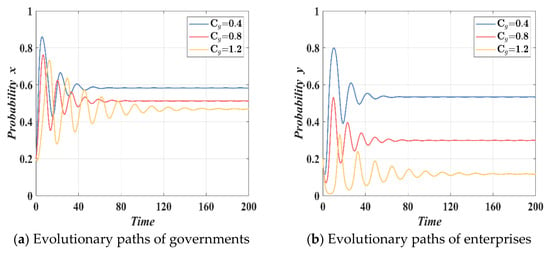
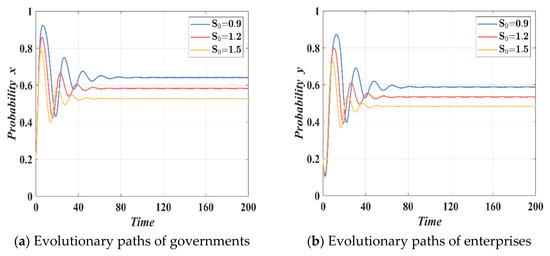
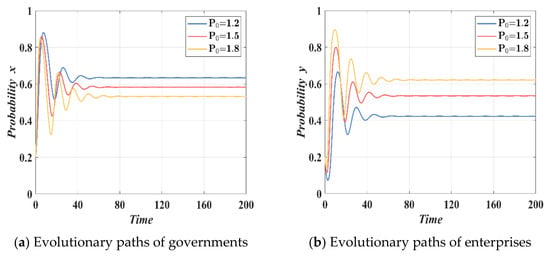
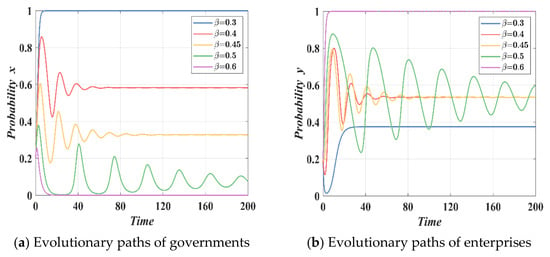
Evolutionary Game Analysis of AI-Generated Disinformation Governance on UGC Platforms Based on Prospect Theory
by
Licai Lei, Yanyan Wu and Shang Gao
Systems 2026, 14(4), 416; https://doi.org/10.3390/systems14040416 (registering DOI) - 9 Apr 2026
Abstract
While Generative Artificial Intelligence technology empowers content production on user-generated content platforms, it also gives rise to novel risks of disinformation dissemination. The effective governance of these risks is critical to ensuring the cybersecurity of the online ecosystem and maintaining long-term social stability.
[...] Read more.
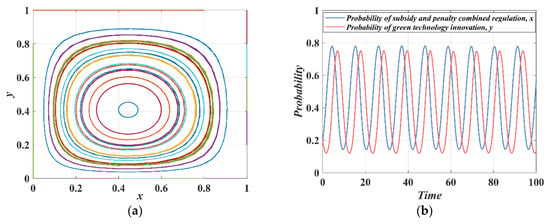
While Generative Artificial Intelligence technology empowers content production on user-generated content platforms, it also gives rise to novel risks of disinformation dissemination. The effective governance of these risks is critical to ensuring the cybersecurity of the online ecosystem and maintaining long-term social stability. To address the collaborative governance dilemma, this study constructs a tripartite “platform-user-government” evolutionary game model based on prospect theory. It explores the evolutionarily stable strategies and stability conditions of each actor, supplemented by numerical simulations and practical case validation. The results indicate that: (1) under specific conditions, the system can converge to an ideal equilibrium {active platform governance, engaged user participation, stringent government supervision}; (2) the government’s reward–penalty mechanisms can drive the system towards this ideal equilibrium; (3) users’ digital literacy is a key variable influencing the system’s evolutionary path; (4) both the risk preference coefficient (β) and loss aversion coefficient (λ) from prospect theory have a significant moderating effect on the system’s evolution. Finally, targeted recommendations are proposed for the three aforementioned stakeholders to accelerate the improvement of China’s collaborative governance of the content ecosystem.
Full article
(This article belongs to the Special Issue Advancing Open Innovation in the Age of AI and Digital Transformation)
►▼
Show Figures

Figure 1
Open AccessArticle
Knowledge Evolution in the Mobile Industry via Embedding-Based Topic Growth and Typology Analysis
by
Sungjin Jeon, Woojun Jung and Keuntae Cho
Systems 2026, 14(4), 415; https://doi.org/10.3390/systems14040415 - 9 Apr 2026
Abstract
►▼
Show Figures
The mobile industry has experienced long-run changes in its knowledge structure, including identifiable transition points observable through embedding-based semantic analysis. Using abstracts from 86,674 mobile industry publications published between 2005 and 2024, we embed documents with SPECTER2, build year-specific embedding distributions, and derive
[...] Read more.
The mobile industry has experienced long-run changes in its knowledge structure, including identifiable transition points observable through embedding-based semantic analysis. Using abstracts from 86,674 mobile industry publications published between 2005 and 2024, we embed documents with SPECTER2, build year-specific embedding distributions, and derive knowledge regimes by combining change-point detection with inter-year distribution distances. We then extract regime-specific topics via clustering and reconstruct topic lineages by aligning topic similarities to classify inheritance, differentiation, convergence, and disappearance. The analysis delineates three regimes spanning 2005 to 2012, 2013 to 2019, and 2020 to 2024, with pronounced transitions around 2012 to 2013 and 2019 to 2020. Regime 1 centers on foundational technologies such as wireless communication, power, sensors, and reliability. Regime 2 expands toward platforms, apps, and data analytics alongside cross-domain convergence. Regime 3 is characterized by strengthened 5G operations and data-driven services, together with the independent rise in policy, governance, and regulation topics. Transitions reflect recombination built on inherited knowledge rather than abrupt replacement, and post-transition topics display distinct growth typologies by network position and growth pattern. By integrating embedding-based changepoint detection with topic lineage reconstruction, we provide a reproducible account of regime transitions and quantitative evidence to inform the timing of corporate R&D, standard and platform strategies, and policy and regulatory design.
Full article

Figure 1
Open AccessSystematic Review
The Decentralized AI Ecosystem in Healthcare: A Systematic Review of Technologies, Governance, and Implementation
by
Antonio Pesqueira, Carmen Cucul, Thomas Egelhof, Stephanie Fuchs, Leilei Tang, Natalia Sofia and Andreia de Bem Machado
Systems 2026, 14(4), 414; https://doi.org/10.3390/systems14040414 - 9 Apr 2026
Abstract
This research examines the emerging ecosystem of models that are developed and run across a distributed network of computers called decentralized artificial intelligence. The focus is to understand these models in the healthcare context and with a focus on their core components: technologies,
[...] Read more.
This research examines the emerging ecosystem of models that are developed and run across a distributed network of computers called decentralized artificial intelligence. The focus is to understand these models in the healthcare context and with a focus on their core components: technologies, governance frameworks, and real-world applications. A systematic literature review was conducted, analyzing peer-reviewed studies from PubMed, Scopus, and Web of Science to map the current landscape of the field. The primary objective was to synthesize the current research on decentralized approaches in healthcare, including core approaches like federated learning and blockchain-based AI models, as well as emerging concepts such as agentic AI blockchain-based AI models and DAOs, to comprehend their application in clinical and operational settings. The research assesses the maturity of these implementations, ranging from pilot programs to large-scale organizational settings. It also identified the key computational and technical methods and platforms used and the key benefits and challenges influencing their adoption. The findings underscore the pivotal role of the decentralized paradigm in addressing the fundamental limitations of traditional AI, including data privacy, trust, institutional silos, and regulatory complexity. Insights are also offered for healthcare providers, technology developers, researchers, and policymakers aiming to navigate and leverage decentralized AI to build more equitable, efficient, and collaborative healthcare systems.
Full article
(This article belongs to the Special Issue Leveraging AI Algorithms to Enhance Healthcare Systems)
►▼
Show Figures

Figure 1

Open AccessArticle
A Comprehensive Resilience Assessment Model for Smart Ports: A System Dynamics Simulation of Ningbo-Zhoushan Port in the Context of Digital Transformation
by
Yike Feng, Yan Song, Wei Wei and Yongquan Chen
Systems 2026, 14(4), 413; https://doi.org/10.3390/systems14040413 - 8 Apr 2026
Abstract
As a key node in the global supply chain, the resilience of ports is crucial for coping with multiple risks such as increasingly frequent climate change, operational accidents, and geopolitics, and ensuring the smooth flow of trade and sustainable development. This paper takes
[...] Read more.
As a key node in the global supply chain, the resilience of ports is crucial for coping with multiple risks such as increasingly frequent climate change, operational accidents, and geopolitics, and ensuring the smooth flow of trade and sustainable development. This paper takes Ningbo-Zhoushan Port, which leads the world in throughput, as the research object, aiming to construct a comprehensive port resilience assessment model. Through the system dynamics method, the smart port system is deconstructed into three interrelated subsystems: meteorology, production, and economic-politics, and a simulation model including a causal relationship diagram and a system flow diagram is established accordingly. The model is verified to be effective and robust through historical data testing and sensitivity analysis. By setting different scenarios, this paper quantitatively analyzes the impact of single and compound risk shocks such as extreme weather, production accidents, and tariff policies on port throughput, and classifies port resilience into three levels: strong, medium, and weak. The research results show that Ningbo-Zhoushan Port shows strong resilience to the above-mentioned single risks. Even when the risk parameters are increased by 100%, the change rate of port throughput is less than the historical average annual change rate by 5.06%. However, in the extreme scenario of multiple risk couplings, the decline in port throughput is more significant, highlighting the importance of coping with compound risks. Further strategy simulation reveals that accelerating the economic development of the hinterland, increasing investment in port infrastructure, increasing the frequency of equipment maintenance, expanding the proportion of high-quality employees, and strengthening public facility management for accurate risk prediction are all effective ways to enhance port resilience. This research provides a scientific decision-making support tool for port managers, and the proposed resilience enhancement strategies have important theoretical and practical significance for ensuring the long-term stable operation of ports and the sustainable development of the regional economy.
Full article
Open AccessArticle
Land–Water Allocation, Yield Stability, and Policy Trade-Offs Under Climate Change: A System Dynamics Analysis
by
Xiaojing Jia and Ruiqi Zhang
Systems 2026, 14(4), 412; https://doi.org/10.3390/systems14040412 - 8 Apr 2026
Abstract
Climate change is intensifying hydroclimatic extremes and agricultural water scarcity, sharpening trade-offs among yield stability, water saving, and farm incomes in major grain regions. Existing studies often optimise cropping patterns or irrigation schedules separately, seldom embedding yield robustness and policy instruments in one
[...] Read more.
Climate change is intensifying hydroclimatic extremes and agricultural water scarcity, sharpening trade-offs among yield stability, water saving, and farm incomes in major grain regions. Existing studies often optimise cropping patterns or irrigation schedules separately, seldom embedding yield robustness and policy instruments in one decision framework. We propose an integrated Machine-learning–System-dynamics–Non-dominated-sorting-genetic-algorithm-II (ML–SD–NSGA-II) framework linking long-horizon meteorological scenario generation, crop–water–economy feedback and multi-objective optimisation of crop areas and irrigation depths. ML models generate daily climate sequences to drive an SD model of soil moisture, yield formation, basin-scale allocable water, and farm returns; NSGA-II searches Pareto-optimal strategies that maximise profit and irrigation water productivity while minimising yield deviation. Applied to a rice–wheat irrigation system in the middle Yangtze River Basin, knee-point solutions lift irrigation water productivity by about 14%, maintain near-baseline profits, and reduce yield deviation. Scenario tests with block tariffs, quota-based subsidies, and extreme drought show pricing mainly curbs low-value water use in normal years, while under drought, physical scarcity dominates and economic tools offer limited buffering. This reveals the existence of a scarcity-regime threshold beyond which economic instruments become second-order relative to binding biophysical constraints. The framework supports transparent ex ante testing of tariff–subsidy packages for irrigation governance and adaptation.
Full article
(This article belongs to the Special Issue Integrating System Dynamics with AI and Other Analytical Methods: Advancements and Applications for Decision Making with/Within Complex Systems)
►▼
Show Figures

Figure 1
Open AccessArticle
An Evolutionary Game Model for Digital Urban–Rural Sharing of Social Public Resources Based on System Dynamics
by
Zongjun Wang and Wenyi Luo
Systems 2026, 14(4), 411; https://doi.org/10.3390/systems14040411 - 8 Apr 2026
Abstract
Digital urban–rural sharing of social public resources (SPRs) is important for improving resource allocation efficiency and narrowing urban–rural disparities. This study applies a tripartite evolutionary game framework to analyze the strategic interactions among the government sector, the sharing supply side, and the sharing
[...] Read more.
Digital urban–rural sharing of social public resources (SPRs) is important for improving resource allocation efficiency and narrowing urban–rural disparities. This study applies a tripartite evolutionary game framework to analyze the strategic interactions among the government sector, the sharing supply side, and the sharing demand side in the digital urban–rural SPR sharing process. A system dynamics (SD) model is further constructed to simulate the dynamic evolution of the system under different initial conditions and parameter settings. The results show that the system generally evolves along a path of government initiation, demand-side response, and supply-side follow-up. Higher collaborative benefits, lower resource transfer costs, stronger government credibility, and appropriately designed subsidies promote active sharing and accelerate convergence toward a high-sharing stable outcome. In contrast, high transfer costs, weak collaborative incentives, and insufficient regulatory credibility inhibit sharing behavior or delay convergence. In addition, different initial cooperation levels mainly affect the convergence speed and fluctuation pattern of the evolutionary process. This study extends the application of the tripartite evolutionary game framework to the digital urban–rural SPR sharing context and combines it with SD simulation to reveal the system’s dynamic evolution mechanism. The findings provide practical implications for promoting digital urban–rural SPR sharing through moderate subsidies, reduced transfer costs, enhanced regulatory credibility, and strengthened collaborative mechanisms.
Full article
(This article belongs to the Special Issue Operation Optimization and Performance Assessment of Complex Social-Economic Systems)
►▼
Show Figures

Figure 1
Open AccessArticle
Generative AI Adoption in B2B Firms: Ethical Governance, Innovation Capabilities, and Long-Term Competitive Performance
by
Michele Alves, Domingos Martinho, Ricardo Marcão and Pedro Sobreiro
Systems 2026, 14(4), 410; https://doi.org/10.3390/systems14040410 - 8 Apr 2026
Abstract
The rapid diffusion of generative artificial intelligence (GenAI) is reshaping organisational systems and digital transformation strategies, yet it remains unclear which organisational conditions are associated with long-term competitive performance in business-to-business (B2B) contexts. This study adopts a systems-informed perspective and examines how ethical
[...] Read more.
The rapid diffusion of generative artificial intelligence (GenAI) is reshaping organisational systems and digital transformation strategies, yet it remains unclear which organisational conditions are associated with long-term competitive performance in business-to-business (B2B) contexts. This study adopts a systems-informed perspective and examines how ethical governance, environmental dynamism, exploratory and exploitative innovation, and GenAI adoption are associated with long-term competitive performance in B2B firms. Using survey data from 104 Portuguese B2B managers and Partial Least Squares Structural Equation Modelling (PLS-SEM), the findings show that ethical governance is the strongest organisational correlate of long-term competitive performance, underscoring the central role of governance structures in responsible GenAI use. GenAI adoption is positively associated with performance, but its role is complementary rather than dominant. Exploratory innovation does not show a significant direct association with performance; instead, its association with performance operates through GenAI adoption in the estimated model, suggesting that experimentation becomes more performance-relevant when translated into digitally enabled routines. In contrast, exploitative innovation is directly associated with performance through incremental efficiency mechanisms. These findings challenge technology-deterministic assumptions and suggest that long-term competitive performance in B2B firms is more closely associated with the organisational alignment of governance structures, innovation capabilities, and GenAI adoption than with technology adoption alone.
Full article
(This article belongs to the Section Systems Practice in Social Science)
►▼
Show Figures

Figure 1
Open AccessArticle
Purpose-Driven Smart Specialization (S3+P): A Multilevel Model for Sustainable Regional Development
by
Maria Luísa Silva, María Isabel Sánchez-Hernández, Marc Jacquinet and Paulo Neto
Systems 2026, 14(4), 409; https://doi.org/10.3390/systems14040409 - 8 Apr 2026
Abstract
Smart Specialization Strategy (S3) has become a central instrument of European Union Cohesion Policy, yet its implementation has revealed recurring limitations, including formalistic Entrepreneurial Discovery Processes, weak multilevel coordination, generic priorities, and evaluation systems focused mainly on innovation outputs. This paper examines how
[...] Read more.
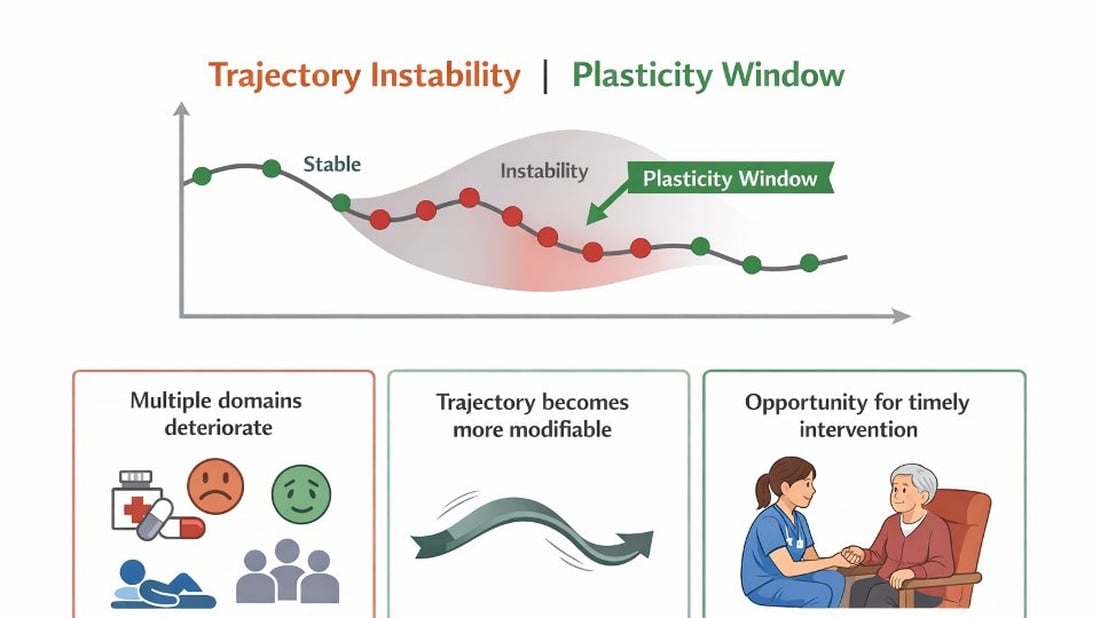
Smart Specialization Strategy (S3) has become a central instrument of European Union Cohesion Policy, yet its implementation has revealed recurring limitations, including formalistic Entrepreneurial Discovery Processes, weak multilevel coordination, generic priorities, and evaluation systems focused mainly on innovation outputs. This paper examines how shared purpose can be incorporated into S3 in ways that improve both developmental direction and implementation quality across levels. The study adopts a conceptual research design based on a critical synthesis of literature and a model-building procedure, complemented by an illustrative regional application. The main result is the Purpose-Driven Smart Specialization (S3+P) framework, a multilevel model linking individual, organizational, territorial, and macro-policy dimensions through five catalytic mechanisms: plasticity, temporality, identity, memory, and relational networks. The paper also proposes a six-step policy cycle and an indicator logic that broadens evaluation beyond conventional innovation metrics. The analysis suggests that purpose can strengthen directionality, coherence, and legitimacy in regional strategy while preserving the place-based and discovery-oriented rationale of S3. The framework contributes to current debates on the renewal of smart specialization for more sustainable and coordinated regional development.
Full article
(This article belongs to the Section Systems Practice in Social Science)
►▼
Show Figures

Figure 1
Open AccessArticle
How Open Government Data Enhances Public Service Delivery: A Quasi-Natural Experiment from Government Data Platforms
by
Yuhui Guo and Zexun Zhang
Systems 2026, 14(4), 408; https://doi.org/10.3390/systems14040408 - 7 Apr 2026
Abstract
►▼
Show Figures
Enhancing the level of public service delivery constitutes a core objective for governments worldwide in their efforts to optimize governance effectiveness. With the advancement of the digital revolution, government data has emerged as a critical factor of production, and its open utilization is
[...] Read more.
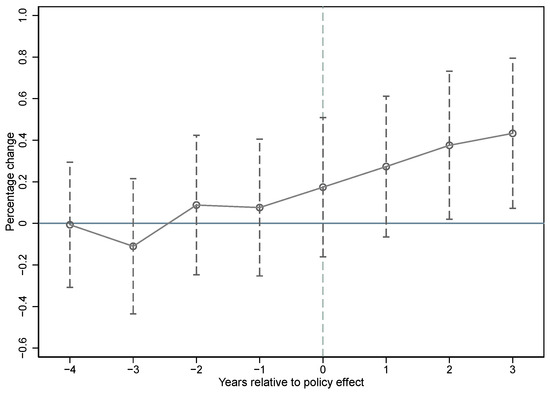
Enhancing the level of public service delivery constitutes a core objective for governments worldwide in their efforts to optimize governance effectiveness. With the advancement of the digital revolution, government data has emerged as a critical factor of production, and its open utilization is increasingly regarded as a strategic resource for addressing public service challenges. This study employs panel data from 285 Chinese cities spanning the period 2010 to 2022. By leveraging the staggered rollout of data openness platforms by local governments as a quasi-natural experiment, it evaluates the impact mechanism of government data openness on public service delivery using a staggered difference-in-differences approach. The findings indicate that open government data significantly enhances regional public service delivery, an effect that operates primarily through data utilization and urban technological innovation capacity, both of which collectively empower public service improvements. Moderation analysis further reveals that fiscal transparency exerts a significant positive moderating effect within this pathway, thereby amplifying the influence of government data openness on public service provision levels.
Full article

Figure 1
Open AccessArticle
Where to Start? Participatory Systems Mapping for Place-Based Service Integration in the City of Casey
by
Matt Healey, Joseph Lea and Vanessa Hammond
Systems 2026, 14(4), 407; https://doi.org/10.3390/systems14040407 - 7 Apr 2026
Abstract
Place-based approaches have gained significant attention as a means of addressing entrenched disadvantage through collaborative, locally responsive service delivery, yet implementation has yielded mixed results and the systemic factors that facilitate or impede inter-organisational collaboration remain inadequately understood. This study applied participatory systems
[...] Read more.
Place-based approaches have gained significant attention as a means of addressing entrenched disadvantage through collaborative, locally responsive service delivery, yet implementation has yielded mixed results and the systemic factors that facilitate or impede inter-organisational collaboration remain inadequately understood. This study applied participatory systems mapping as part of a systemic inquiry to identify leverage points for place-based integrated service delivery in the City of Casey, an outer-metropolitan municipality in Melbourne, Australia. Twenty-one representatives from the Casey Futures Partnership engaged in group model building workshops, co-producing a causal loop diagram containing 33 factors and 104 directional connections. The resulting map was analysed using a blended analytical approach combining network metrics with the Action Scales Model. Funding availability and criteria emerged as the most central factor within the system, while belief-level factors, including territorial behaviour and resource and collaboration mindset, were found to be substantially shaped by upstream structural conditions. Factors combining network influence with deeper system positioning and amenability to local action included awareness of community needs and priorities, trust and willingness to collaborate from funders, inter-organisational communication, and advocacy effectiveness. The findings support multi-level place-based approaches that address underlying beliefs and structural conditions alongside operational improvements.
Full article
(This article belongs to the Special Issue Applying Systems Science to Place-Based Systems Change Efforts: Theoretical and Methodological Advances)
►▼
Show Figures

Figure 1
Open AccessArticle
Volatility Spillovers Between China’s Financial Markets and Strategic Metal Assets: Evidence from LLM Knowledge Distillation
by
Dian Sheng, Jining Wang and Lei Wang
Systems 2026, 14(4), 406; https://doi.org/10.3390/systems14040406 - 7 Apr 2026
Abstract
►▼
Show Figures
This study employs a TVP-VAR-BK-DY framework to examine volatility spillovers between China’s financial markets and strategic metal assets. To capture retail investor sentiment, we construct a sentiment index using an LLM knowledge distillation framework. Building on this index, the analysis further incorporates economic
[...] Read more.
This study employs a TVP-VAR-BK-DY framework to examine volatility spillovers between China’s financial markets and strategic metal assets. To capture retail investor sentiment, we construct a sentiment index using an LLM knowledge distillation framework. Building on this index, the analysis further incorporates economic policy uncertainty to investigate the joint effects of retail investor sentiment and economic policy uncertainty on cross-market volatility spillovers. The results show that: (1) Price movements in certain assets exhibit leading effects, while metals with stronger financial characteristics generate more pronounced spillover effects. (2) The spillover structure between China’s financial markets and strategic metal assets displays substantial heterogeneity across time horizons and frequency bands. In the 1–5-day frequency band, the stock market serves as a net transmitter of volatility to the banking sector, gold, and copper. In the frequency band exceeding five days, these three assets exert reverse net spillover effects on the stock market. (3) The effects of retail investor sentiment and economic policy uncertainty on volatility spillovers differ significantly. The impact of retail investor sentiment is primarily concentrated in the 1–5-day frequency band, whereas economic policy uncertainty exhibits significant spillover effects in the frequency band exceeding six months.
Full article

Figure 1
Open AccessArticle
Two-Stage Robust Optimization for Coupled Multi-Agent Task Allocation in Disaster Response Under Demand Uncertainty
by
Chenxi Duan, Chongshuang Hu, Minghao Li and Jiang Jiang
Systems 2026, 14(4), 405; https://doi.org/10.3390/systems14040405 - 7 Apr 2026
Abstract
Multi-agent systems (MASs), with unmanned aerial vehicles (UAVs) as a representative embodiment, have become increasingly vital in time-sensitive disaster response scenarios, where multiple agents must collaborate to execute “observe-and-intervene” emergency tasks and jointly cope with dynamic environmental uncertainties. Existing research on task allocation
[...] Read more.
Multi-agent systems (MASs), with unmanned aerial vehicles (UAVs) as a representative embodiment, have become increasingly vital in time-sensitive disaster response scenarios, where multiple agents must collaborate to execute “observe-and-intervene” emergency tasks and jointly cope with dynamic environmental uncertainties. Existing research on task allocation mostly eliminates uncertainty through deterministic models; the few studies that directly consider uncertainty focus primarily on time uncertainty, overlooking the critical importance of demand uncertainty. To this end, this study accounts for the impact of harsh environmental conditions and incident complexity factors on intervention resource demands. We establish an uncertainty set for these demands and construct a two-stage robust optimization model to solve the coupled multi-agent task allocation problem. Compared with deterministic models, this framework enhances risk resistance while simultaneously reducing the conservatism of decisions. Furthermore, to overcome the computational challenges of large-scale instances, a Learning-Enhanced Column and Constraint Generation (LE-C&CG) algorithm is proposed. Experimental results demonstrate that LE-C&CG converges over an order of magnitude faster than standard Benders and C&CG algorithms, consistently achieving a 0% optimality gap within fractions of a second, making it highly suitable for time-critical emergency applications.
Full article
(This article belongs to the Section Artificial Intelligence and Digital Systems Engineering)
►▼
Show Figures

Figure 1
Open AccessArticle
Prism-Based Mapping of 6G Use Cases Integrating Technical Requirements and Multidimensional Service Classification
by
Sunhye Kim, Yoon Seo, Seung-Hoon Hwang and Byungun Yoon
Systems 2026, 14(4), 404; https://doi.org/10.3390/systems14040404 - 7 Apr 2026
Abstract
►▼
Show Figures
Purpose: With the advent of sixth-generation (6G) communication technology, systematic mapping of its use cases to associated technical requirements has become essential for accelerating standardization, guiding R&D investment, and informing policy formulation. Methods: This study consolidated 65 use case scenarios from key academic
[...] Read more.
Purpose: With the advent of sixth-generation (6G) communication technology, systematic mapping of its use cases to associated technical requirements has become essential for accelerating standardization, guiding R&D investment, and informing policy formulation. Methods: This study consolidated 65 use case scenarios from key academic and institutional 6G sources into 21 representative cases. A three-round Delphi-based expert assessment, employing a five-point Likert scale and interquartile-range-based consensus monitoring, was used to assign primary and secondary technical requirements across six core dimensions: immersive communication, massive communication, hyper-reliable low-latency communication, integrated sensing and communication, integrated artificial intelligence and communication (IAAC), and ubiquitous connectivity. A three-dimensional (3D) prism-based visualization framework was subsequently developed to represent the interdependencies among these requirements. Results: IAAC and massive communication emerged as the most critical requirements, each functioning as a primary or secondary driver across most use cases. The prism framework revealed hierarchical and complementary relationships among the six dimensions that conventional 2D wheel diagrams cannot adequately capture. Furthermore, a nine-criterion multidimensional classification framework, encompassing data transmission mode, decision-making mode, communication flow, interaction type, device type, deployment type, human activity innovation, user type, and personalization level, was developed, offering industry-specific guidance for service design. Collectively, the proposed framework supports user-centric design, informs strategic technology planning, and contributes to policy development while acknowledging existing limitations in quantitative mapping and economic analysis.
Full article

Figure 1
Open AccessArticle
Educating for Complexity: A Learning Architecture for Systems Thinking in Professional Education and Generative AI Governance
by
Liliana Pedraja-Rejas, Katherine Acosta-García, Emilio Rodríguez-Ponce and Camila Muñoz-Fritis
Systems 2026, 14(4), 403; https://doi.org/10.3390/systems14040403 - 7 Apr 2026
Abstract
Professional education increasingly requires graduates to make decisions in complex systems marked by multiple stakeholders, feedback, delays, uncertainty, and unintended consequences, yet systems thinking is still often taught as a set of disconnected tools rather than as an integrated professional practice. This conceptual
[...] Read more.
Professional education increasingly requires graduates to make decisions in complex systems marked by multiple stakeholders, feedback, delays, uncertainty, and unintended consequences, yet systems thinking is still often taught as a set of disconnected tools rather than as an integrated professional practice. This conceptual paper adopts an integrative theory-building approach to develop a unified architecture for systems thinking in professional education, drawing purposively on systems traditions, practice-based learning, assessment scholarship, and emerging work on generative artificial intelligence (GenAI). The paper proposes four iterative practices (sensemaking and boundary setting, co-modelling and causal representation, intervention reasoning, and meta-learning) as the core architecture for learning systems thinking in professional contexts. It further translates this architecture into indicative implications for curriculum sequencing, authentic tasks, and assessment, while positioning GenAI as a cross-cutting support/risk layer that can assist iteration and critique but also introduce predictable risks such as fabricated causal links, overreliance, and false mastery. To address these risks, the paper outlines governance conditions based on traceability, uncertainty checks, stakeholder validation, and process-based assessment. Overall, the framework provides a design-oriented basis for teaching, assessing, and governing systems thinking in contemporary professional education and a foundation for future empirical testing.
Full article
(This article belongs to the Special Issue Systems Thinking in Education: Learning, Design and Technology)
►▼
Show Figures

Figure 1
Open AccessArticle
Managing Tourism Destinations as Complex Adaptive Systems: An MCDM-Based Hybrid Governance Selection Model for Sustainable Regional Development
by
Eda Kaya and Yusuf Karakuş
Systems 2026, 14(4), 402; https://doi.org/10.3390/systems14040402 - 5 Apr 2026
Abstract
The purpose of this study is to determine the most suitable Destination Management Organization (DMO) model for the sustainable development of the Rize destination. Approached from the perspective of Complex Adaptive Systems (CAS), the research is of strategic importance in order to overcome
[...] Read more.
The purpose of this study is to determine the most suitable Destination Management Organization (DMO) model for the sustainable development of the Rize destination. Approached from the perspective of Complex Adaptive Systems (CAS), the research is of strategic importance in order to overcome systemic entropy threats, such as coordination deficiencies and unplanned growth, faced by the destination through a scientific model. Methodologically, a sequential exploratory mixed method integrating qualitative and quantitative methods was adopted. In the qualitative phase, system bottlenecks were identified through interviews with 15 strategic stakeholders; in the quantitative phase, Analytical Hierarchy Process (AHP) and Quality Function Deployment (QFD) analyses were applied with 271 participants. Key findings indicate that the most critical factors disrupting the system’s homeostatic balance are weak inter-institutional coordination and inadequate infrastructure. AHP results confirm that market diversification, sustainable planning, and quality standards are priority activities. The final analysis conducted using the QFD decision matrix identified the PPCP (Public–Private–Community Partnership) model, which synchronizes public oversight with private sector innovation and integrates community-based feedback mechanisms, as the most effective structure for enabling resource integration and value co-creation among actors. The model’s adaptive architecture further accommodates emergent stakeholder dynamics, including the growing role of tourists as co-creators of destination experiences through digital platforms. The study contributes to the literature by offering a rational decision support mechanism for complex system management through AHP-QFD integration and proposes a three-phase evaluation framework to ensure results-oriented governance adaptation.
Full article
(This article belongs to the Special Issue Toward Innovative Hospitality and Tourism Systems: Exploring Challenges and Opportunities)
►▼
Show Figures

Figure 1
Open AccessArticle
Emission-Reduction Decision-Making in a Shipping Logistics Service Supply Chain Under Carbon Cap-And-Trade Mechanisms: Based on Two-Way Cost Sharing of AI Technology
by
Guangsheng Zhang, Ran Yan, Zhaomin Zhang, Shiguan Liao and Tianlong Luo
Systems 2026, 14(4), 401; https://doi.org/10.3390/systems14040401 - 5 Apr 2026
Abstract
Under the background of the carbon cap and trading mechanism, the shipping logistics service supply chain faces pressure to reduce carbon emissions, and artificial intelligence technology provides a new technological path for emission reduction. In the context of a carbon cap-and-trade system, this
[...] Read more.
Under the background of the carbon cap and trading mechanism, the shipping logistics service supply chain faces pressure to reduce carbon emissions, and artificial intelligence technology provides a new technological path for emission reduction. In the context of a carbon cap-and-trade system, this study examines a shipping logistics service supply chain comprising a service provider and a service integrator, where the provider adopts AI technologies for direct emission reduction and the integrator contributes indirectly. It investigates optimal decision-making under two models: a single emission-reduction model (only provider uses AI) and a joint-emission-reduction model (both adopt AI), while also exploring one-way and two-way cost-sharing contracts between them. The study establishes these models to analyze the impact of cost-sharing contracts on emission reduction levels, total service volume, and profits, and further examines how government regulation of carbon trading prices can promote reduction. Findings reveal that cost-sharing contracts effectively enhance emission reduction, output, and member benefits; one-way contracts are conducive to operations, while two-way contracts are effective only within a small cost-sharing ratio range. The joint model outperforms the single model under specific parameter thresholds, and cost-sharing ratios influence decentralized versus centralized decision-making. Government carbon price regulation can encourage reduction but must consider its effects on low-carbon logistics volume and profits.
Full article
(This article belongs to the Section Supply Chain Management)
►▼
Show Figures

Figure 1
Open AccessArticle
Organisational Viability in Artisan Dairy Short Food Supply Chains: A Cybernetic Diagnosis Using the Viable System Model
by
David Ernesto Salinas-Navarro, Eliseo Vilalta-Perdomo, Rosario Michel-Villarreal and Ah-Reum Cho
Systems 2026, 14(4), 400; https://doi.org/10.3390/systems14040400 - 4 Apr 2026
Abstract
Short food supply chains (SFSCs) for artisan dairy products promote rural development, cultural preservation, and consumer trust but face challenges not found in mainstream chains. This study focuses on queso Tenate, a traditional cow-milk cheese from central Mexico, and examines how its
[...] Read more.
Short food supply chains (SFSCs) for artisan dairy products promote rural development, cultural preservation, and consumer trust but face challenges not found in mainstream chains. This study focuses on queso Tenate, a traditional cow-milk cheese from central Mexico, and examines how its SFSC organisational structure influences its capacity to ensure food safety, quality consistency, market delivery, and viability. Using a single-case exploratory design, the study applies the Viable System Model (VSM) as a diagnostic framework to map systemic functions within an artisan dairy enterprise. Data were collected through VSM-informed interviews and observations of production and retail practices. The findings show that food safety, quality performance, and market delivery reliability are structurally mediated by systemic coherence, not product characteristics alone. While strong relational coordination and shared identity sustain viability, several functions—particularly coordination, audit, and intelligence—remain person-dependent. This study identifies structural implications for strengthening regulatory coordination and monitoring practices without undermining relational management or artisan identity. The primary contributions are as follows: (i) extending SFSC research through a systemic diagnosis of an artisan dairy chain in an emerging economy; (ii) linking VSM-based organisational study to food safety, quality consistency, and market performance; and (iii) positioning VSM as a conversational tool for SFSC viability. Limitations include the single-case design, reliance on qualitative data, and absence of longitudinal measurements. Future research should compare VSM applications across multiple SFSCs, integrate quantitative analyses, and explore its use as a management tool. The study highlights the role of systemic coherence in ensuring SFSC sustainability and cultural embeddedness.
Full article
(This article belongs to the Section Systems Practice in Social Science)
►▼
Show Figures

Figure 1
Open AccessArticle
Evolution of Driver Strategies Under Platform-Led Incentives: A Stackelberg–Evolutionary Game Model with Large-Scale Ride-Hailing Data
by
Wenbo Su, Jingu Mou, Zhengfeng Huang, Yibing Wang, Hongzhao Dong, Manel Grifoll and Pengjun Zheng
Systems 2026, 14(4), 399; https://doi.org/10.3390/systems14040399 - 4 Apr 2026
Abstract
Online ride-hailing platforms increasingly rely on differentiated incentive mechanisms to regulate driver participation and balance supply and demand. However, drivers’ adaptive responses to such incentives introduce dynamic feedback and uncertainty that static equilibrium models fail to capture. This study develops a dual-layer Stackelberg–evolutionary
[...] Read more.
Online ride-hailing platforms increasingly rely on differentiated incentive mechanisms to regulate driver participation and balance supply and demand. However, drivers’ adaptive responses to such incentives introduce dynamic feedback and uncertainty that static equilibrium models fail to capture. This study develops a dual-layer Stackelberg–evolutionary game framework in which the platform acts as a strategic leader setting the order allocation rates and prices, while heterogeneous drivers adapt their working-hour strategies through evolutionary dynamics. Using operational data from Ningbo, China, we calibrated the demand elasticity and driver cost parameters and identified endogenous fatigue-cost thresholds that govern regime shifts in strategy dominance. Simulation results show that uniform incentives tend to drive the system toward single-strategy lock-in, whereas differentiated order allocation and pricing effectively sustain multi-strategy coexistence and mitigate extreme supply polarization. The findings reveal how platform-led differentiation reshapes the evolutionary fitness landscape of drivers, providing actionable guidance for incentive design aimed at stabilizing supply structures, improving platform revenue, and protecting driver welfare.
Full article
(This article belongs to the Section Systems Theory and Methodology)
►▼
Show Figures

Figure 1
Open AccessArticle
Conceptualisation of Sustainable Development in the Context of SME Sector Enterprises
by
Barbara Siuta-Tokarska and Jadwiga Adamczyk
Systems 2026, 14(4), 398; https://doi.org/10.3390/systems14040398 - 4 Apr 2026
Abstract
The issue of sustainable socio-economic development in the context of SMEs fits within the broader stream of research on strategic management of organizations operating under conditions of dynamic environmental change. From the perspective of strategic management, this implies the necessity of adopting an
[...] Read more.
The issue of sustainable socio-economic development in the context of SMEs fits within the broader stream of research on strategic management of organizations operating under conditions of dynamic environmental change. From the perspective of strategic management, this implies the necessity of adopting an approach that not only responds to current market needs, but also incorporates social responsibility, resource efficiency, and organizational resilience. Consequently, sustainable development becomes a key element shaping strategic decision-making in SMEs, strengthening their adaptability and capacity to create long-term value. This study is conceptual and theoretical in nature, focusing on the interpretation of notions and the specificity of sustainable socio-economic development in the context of enterprises in the SME sector. The conducted research has resulted in filling the identified research gap and solving the research problem, including the development of a theoretical model presented as a conceptual illustration entitled “From the Idea to the Paradigm of Sustainable Socio-Economic Development in the SMEs.” The study also led to the identification of four orders of sustainable socio-economic development—environmental, social, economic, and institutional-political—in the context of enterprises in the SME sector.
Full article
(This article belongs to the Special Issue Strategic Management in Enterprises: From the Industry and Society 4.0 to 5.0 Era)
►▼
Show Figures

Figure 1
Highly Accessed Articles
Latest Books
E-Mail Alert
News
Topics
Topic in
AI, Applied Sciences, Systems, JTAER, Healthcare
Data Science and Intelligent Management
Topic Editors: Dongxiao Gu, Jiantong Zhang, Jia LiDeadline: 30 April 2026
Topic in
Actuators, Algorithms, BDCC, Future Internet, JMMP, Machines, Robotics, Systems
Smart Product Design and Manufacturing on Industrial Internet
Topic Editors: Pingyu Jiang, Jihong Liu, Ying Liu, Jihong YanDeadline: 30 June 2026
Topic in
Economies, Systems, Urban Science
Sustainability Efforts and Importance of Change Management, 2nd Edition
Topic Editors: Throstur Olaf Sigurjonsson, José Manuel Ruano de la FuenteDeadline: 23 July 2026
Topic in
Applied Sciences, Buildings, CivilEng, Infrastructures, Safety, Systems
Advancing Construction Safety and Health: Innovations and Strategies
Topic Editors: Hadi Sarvari, David J. Edwards, Timothy Olawumi, Frank GhansahDeadline: 15 August 2026
Special Issues
Special Issue in
Systems
Management and Simulation of Digitalized Smart Manufacturing Systems
Guest Editors: Mohammed M. Mabkhot, Pedro Ferreira, Dorota StadnickaDeadline: 10 April 2026
Special Issue in
Systems
Systems Approach to the Safety Aspects of Sustainable Transport Systems
Guest Editors: Mohammad Rajabalinejad, Nils RosmullerDeadline: 30 April 2026
Special Issue in
Systems
Generative AI Transformation in Education: Current Issues and Challenges
Guest Editors: Gila Kurtz, Antonella PoceDeadline: 30 April 2026
Special Issue in
Systems
Cognitive and Practical Perspectives on Resilience, Organization and Entangled Systems
Guest Editor: Rasmus Gahrn-AndersenDeadline: 30 April 2026
Topical Collections
Topical Collection in
Systems
Collected papers from ISSS
Collection Editors: Javier Calvo-Amodio, David Rousseau