Special Issue "Advances in Marketing and Managing Tourism Destinations"

A special issue of Sustainability (ISSN 2071-1050). This special issue belongs to the section "Tourism, Culture, and Heritage".

Deadline for manuscript submissions: 30 September 2021.

Special Issue Editor

Prof. Dr. Alastair M. Morrison
E-Mail Website
Guest Editor
Marketing, Events and Tourism Department, University of Greenwich, London SE10 9LS, UK
Interests: urban tourism; tourism cities; tourism destination management; marketing and branding of tourism destinations; sustainable tourism; tourism cities; sharing economy; crisis management
Special Issues and Collections in MDPI journals

Special Issue Information

Dear Colleagues,

Destination management and marketing have been evolving and professionalizing steadily over the past 25-plus years. This Special Issue of Sustainability aims to publish high quality research on recent and expected advances in destination management and marketing within the context of sustainable development. Works that reflect the situation during and after the COVID-19 pandemic will be given a priority.

Manuscripts addressing the following and related topics and themes are invited:

  • Recent evolution of destination management and marketing
  • The impacts of COVID-19 on destination management and marketing
  • Crisis management within destination management
  • Leadership and destination management and marketing
  • The intersections of destination management and sustainable tourism
  • Responsible tourism/travel and destination management
  • Destination management planning and strategy
  • Visitor management by destinations
  • Resident quality of life and destination management
  • The role of destination marketing within destination management
  • Recent advances in destination management and marketing
  • Social media and destination management and marketing
  • Influences of smart tourism on destination management and marketing
  • Artificial intelligence applications in destination management and marketing
  • Traditional vs. new media in destination marketing
  • Community resident involvement in destination management and marketing
  • Tourism product development and destination management
  • Community based tourism (CBT) and destination management
  • Festivals and events in destination management and marketing
  • Partnership, cooperation, and collaboration in destination management and marketing
  • Research for destination management and marketing
  • Consumer behavior and destination marketing
  • Creativity and innovation in destination management and marketing
  • Domestic vs. international tourism marketing
  • City destination management
  • Business tourism advances
  • Accessible tourism and destination management
  • Destination management organizations and their roles
  • Funding for destination management and marketing
  • The governance of destination management and marketing
  • Destination management and performance measurement
  • The future for destination management and marketing

Please contact Guest Editor directly with questions about potential topics and themes.

Prof. Dr. Alastair M. Morrison
Guest Editor

Manuscript Submission Information

Manuscripts should be submitted online at www.mdpi.com by registering and logging in to this website. Once you are registered, click here to go to the submission form. Manuscripts can be submitted until the deadline. All papers will be peer-reviewed. Accepted papers will be published continuously in the journal (as soon as accepted) and will be listed together on the special issue website. Research articles, review articles as well as short communications are invited. For planned papers, a title and short abstract (about 100 words) can be sent to the Editorial Office for announcement on this website.

Submitted manuscripts should not have been published previously, nor be under consideration for publication elsewhere (except conference proceedings papers). All manuscripts are thoroughly refereed through a single-blind peer-review process. A guide for authors and other relevant information for submission of manuscripts is available on the Instructions for Authors page. Sustainability is an international peer-reviewed open access semimonthly journal published by MDPI.

Please visit the Instructions for Authors page before submitting a manuscript. The Article Processing Charge (APC) for publication in this open access journal is 1900 CHF (Swiss Francs). Submitted papers should be well formatted and use good English. Authors may use MDPI's English editing service prior to publication or during author revisions.

Keywords

  • destination management
  • destination marketing
  • destination branding
  • Sustainable Development Goals (SDGs)
  • sustainable tourism
  • responsible tourism
  • digital marketing and ICTs
  • social media
  • new normal
  • virtual reality
  • artificial intelligence (AI)

Published Papers (9 papers)

Order results
Result details
Select all
Export citation of selected articles as:

Research

Jump to: Other

Article
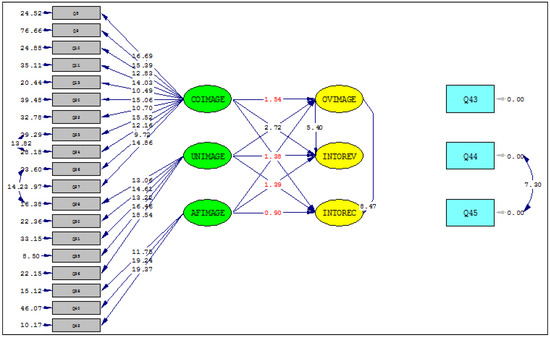
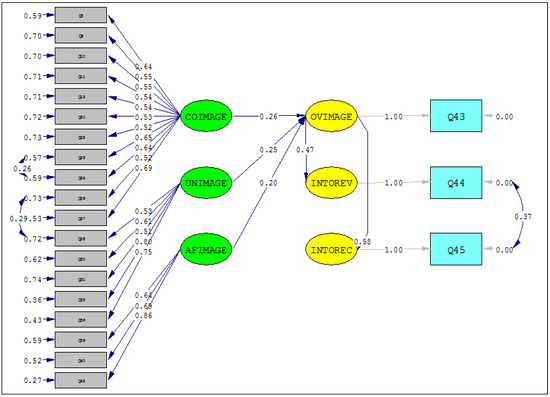
A Cross-Destination Analysis of Country Image: A Key Factor of Tourism Marketing
Sustainability 2021, 13(17), 9529; https://doi.org/10.3390/su13179529 - 24 Aug 2021
Viewed by 283
Abstract
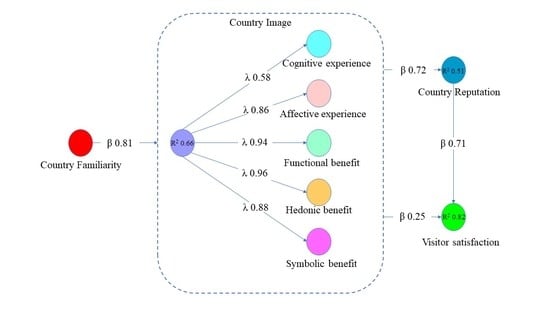
The purpose of this study is to check whether the image of a country can be configured by the interaction of cognitive and emotional experiences with the functional, hedonic, and symbolic benefits perceived by the visitor. It is intended to verify whether this [...] Read more.
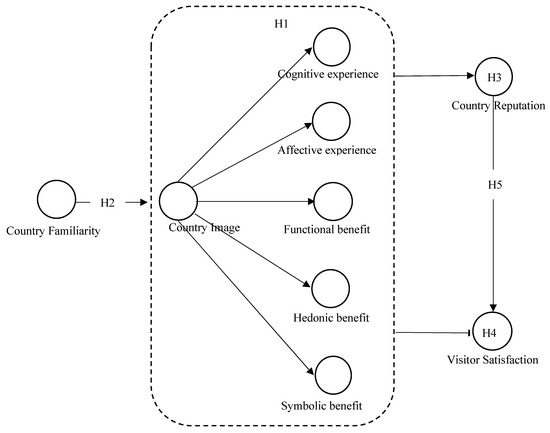
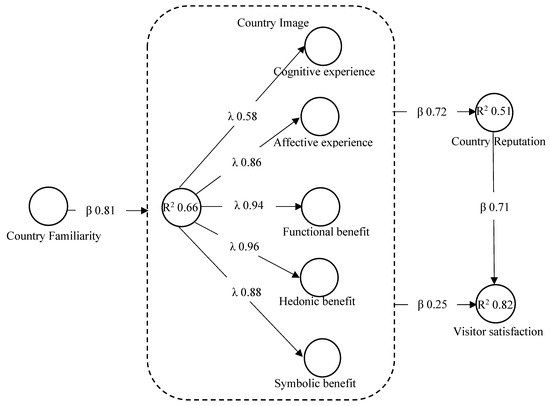
The purpose of this study is to check whether the image of a country can be configured by the interaction of cognitive and emotional experiences with the functional, hedonic, and symbolic benefits perceived by the visitor. It is intended to verify whether this multidimensional image facilitates the connection between people’s familiarity with the country, its reputation, and their satisfaction. A non-probabilistic convenience sample has been used. An online questionnaire has been applied. In total, 1812 valid answers have been obtained. Through a structural equations model (SEM), the quantitative analysis has been developed. This study revealed that the country’s image has a multidimensional configuration that positively connects people’s familiarity with a country with its reputation and with visitor satisfaction. This proposed new approach to configure the image of a country based on its visitors can be a key tool for implementing destination marketing strategies. Full article
(This article belongs to the Special Issue Advances in Marketing and Managing Tourism Destinations)
Show Figures

Graphical abstract

Article
Friendly Locals and Clean Streets?—Evaluating Jakarta’s Destination Brand Image
Sustainability 2021, 13(13), 7434; https://doi.org/10.3390/su13137434 - 02 Jul 2021
Viewed by 408
Abstract
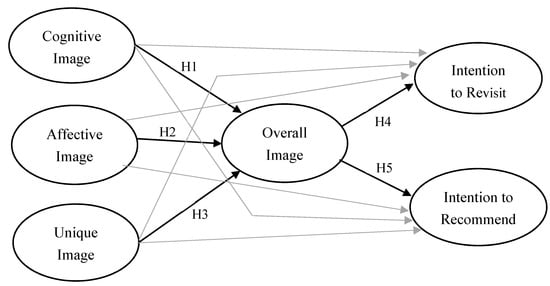
Destination image and city branding are accumulating a growing body of knowledge in urban studies and tourism literature. Although several visitor destination image models have been proposed, the most prevalent in Asia remains the comprehensive destination image model. This is the first research [...] Read more.
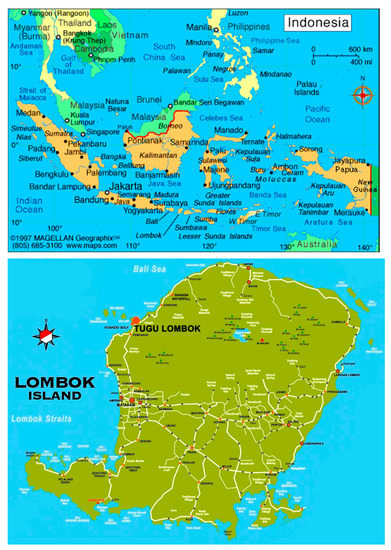
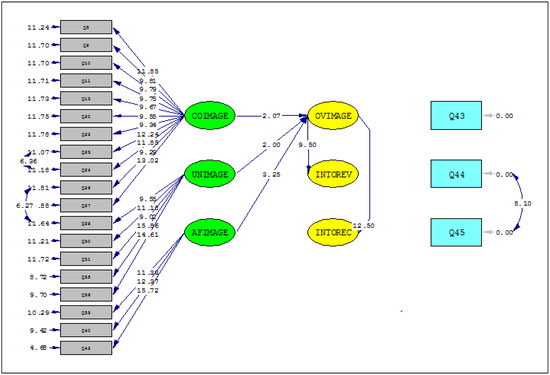
Destination image and city branding are accumulating a growing body of knowledge in urban studies and tourism literature. Although several visitor destination image models have been proposed, the most prevalent in Asia remains the comprehensive destination image model. This is the first research to test the applicability of this model beyond the United States and with international (rather than domestic) visitors. Jakarta is chosen as the geographical test area for this study, which incorporates structural equation modeling on a data sample of international leisure visitors in Jakarta. The findings indicate that the destination image model could be generalized beyond the US and applied to Jakarta. This study finds that tourism policymakers in Jakarta should focus on promoting the friendliness of local residents and improving the city’s cleanliness, as these are the two most positive and negative perceptions. Overall, this study showed that a unique destination image—a largely under-researched topic in place branding—is a variable that should be considered when formulating the overall place image of city destinations around the world. Full article
(This article belongs to the Special Issue Advances in Marketing and Managing Tourism Destinations)
Show Figures

Figure 1

Article
Sustainable Governance on the Intention of Medical Tourism in Uzbekistan
Sustainability 2021, 13(12), 6915; https://doi.org/10.3390/su13126915 - 18 Jun 2021
Cited by 1 | Viewed by 405
Abstract
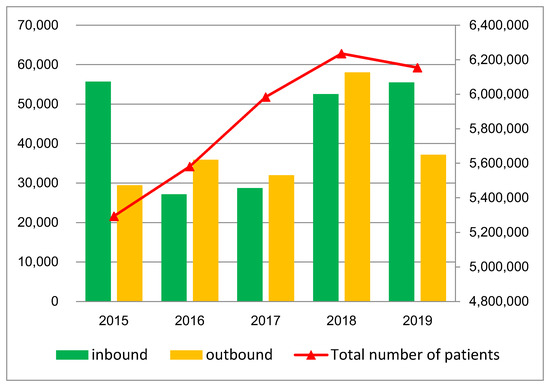
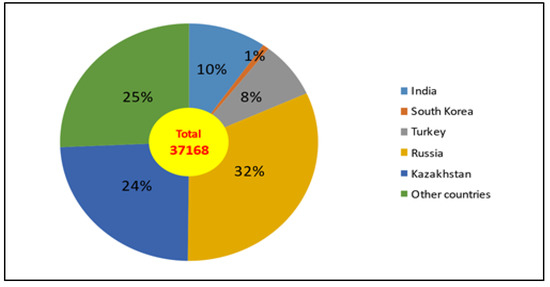
Medical tourism is a growing niche market with huge potential as the 6th industry of medical services, including an unforgettable trip. Due to these advantages, Uzbekistan hopes to be a leader in central Asia concerning medical tourism. Contrary to this ambitious goal, Uzbekistan [...] Read more.
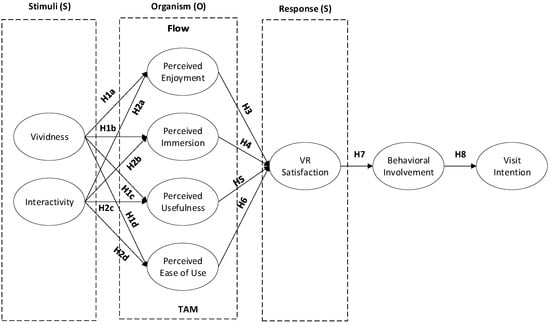
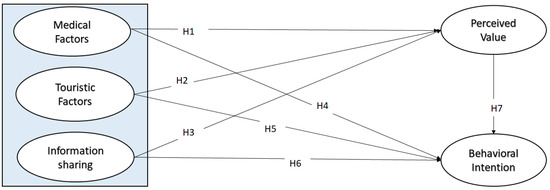
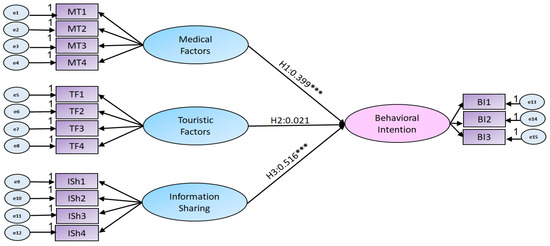
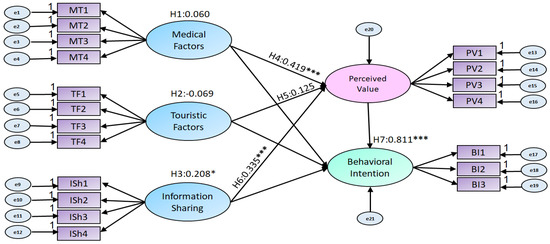
Medical tourism is a growing niche market with huge potential as the 6th industry of medical services, including an unforgettable trip. Due to these advantages, Uzbekistan hopes to be a leader in central Asia concerning medical tourism. Contrary to this ambitious goal, Uzbekistan patients still prefer going abroad for medical services. Therefore, in order for Uzbekistan to be a hub for medical tourism, the sustainable governance factors of medical tourism need to be found for local patients going overseas. Under this research motivation, this study evaluates how the medical, tourism, and information sharing factors influence behavioral intention based on the structural equation model (SEM) with a random sample of 498 residents in Uzbekistan. Perceived value and behavioral intention are used as a mediating variable and a dependent variable, respectively. The main findings are summarized as follows. First, the medical factor and information sharing are very important factors for behavioral intention, with high coefficient values of 0.399 and 0.516, respectively, while the tourism factor is not influential on the behavioral intention statistically. This implies that Uzbekistani patients do not consider tourism factors as a core condition, instead focusing on the service quality of the medical operation and convenience for foreign patients. Second, in the indirect model, we found that perceived value takes a fully mediating role between medical factors and behavioral intention, while it takes a partially mediating role between information sharing and behavioral intention, implying that strong promotion policies are required for the advantages of tourism and enhanced access to information. Full article
(This article belongs to the Special Issue Advances in Marketing and Managing Tourism Destinations)
Show Figures

Figure 1
Article
Social Media as a Destination Marketing Tool for a Sustainable Heritage Festival in Nigeria: A Moderated Mediation Study
Sustainability 2021, 13(11), 6191; https://doi.org/10.3390/su13116191 - 31 May 2021
Viewed by 510
Abstract
This study explored how social media is used as a destination marketing tool for the sustainability of heritage festival quality in Nigeria, drawing on the theory of planned behavior. The festival, which is an exploration of heritage, was specifically premeditated to celebrate the [...] Read more.
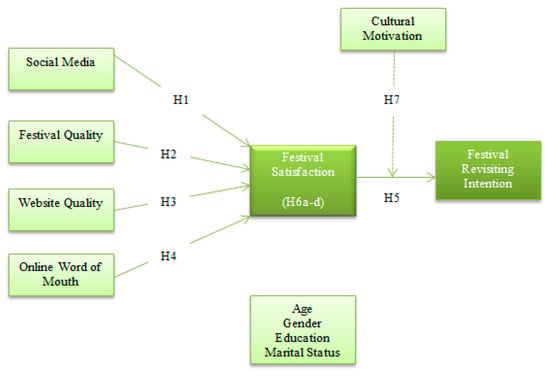
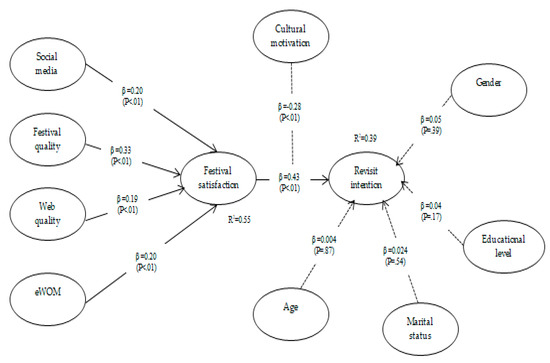
This study explored how social media is used as a destination marketing tool for the sustainability of heritage festival quality in Nigeria, drawing on the theory of planned behavior. The festival, which is an exploration of heritage, was specifically premeditated to celebrate the slave trade period by highlighting the unique connection of African American history to the diaspora ancestors who were literally taken away as slaves through “the point of no return” in Badagry, Nigeria. A structured questionnaire was utilized as a research instrument to gather information aimed at examining the influence of social media (SM), website quality (WQ), and online word of mouth (eWOM) on tourists’ festival satisfaction (FS) and festival revisiting intention (FRI). Data were gathered from samples of 473 diaspora tourists at Badagry Diaspora Festival in Nigeria and analyzed using partial least square structural equation modelling (PLS-SEM) with the aid of WarpPLS (7.0). The findings of the study revealed that social media (SM), festival quality (FQ), website quality (WQ), and electronic word of mouth (eWOM) had a positive and significant relationship with tourists’ festival satisfaction. Additionally, this study found that festival quality had a positive impact on the intention of the tourists to revisit the Badagry Diaspora Festival because tourist attitude is influenced by the socio-cultural background of tourists. Moreover, the result revealed the partial mediating effect of festival satisfaction in the relationship between (a) SM, (b) FQ, (c) WQ, and (d) eWOM and tourists’ festival satisfaction. Similarly, cultural motivation was also found to mediate the relationship between tourists’ festival satisfaction and festival revisiting intension (RI). Based on the findings, the implications of the festival sustainability and future research directions were discussed. Full article
(This article belongs to the Special Issue Advances in Marketing and Managing Tourism Destinations)
Show Figures

Figure 1
Article
Authenticity, Perceived Value and Loyalty in Marine Tourism Destinations: The Case of Zhoushan, Zhejiang Province, China
Sustainability 2021, 13(7), 3716; https://doi.org/10.3390/su13073716 - 26 Mar 2021
Viewed by 623
Abstract
A very good understanding and knowledge about the tourists’ perceptions are of critical importance for the management and marketing of tourism destinations and sites of all types. The aim of this study was to investigate the perceived authenticity and its relationship with perceived [...] Read more.
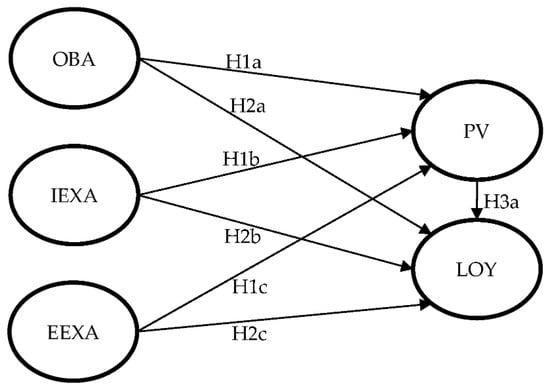
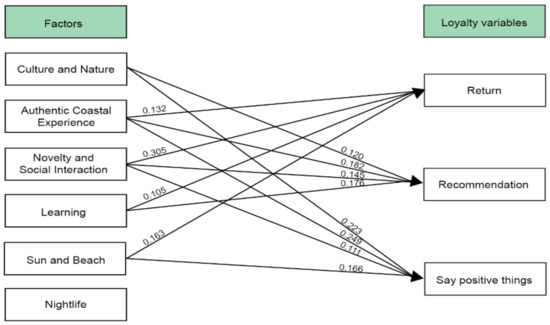
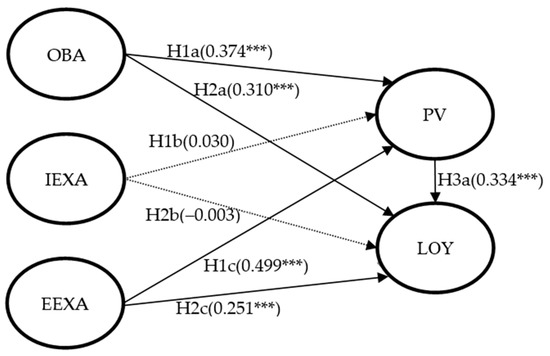
A very good understanding and knowledge about the tourists’ perceptions are of critical importance for the management and marketing of tourism destinations and sites of all types. The aim of this study was to investigate the perceived authenticity and its relationship with perceived value and loyalty of tourists in the context of marine tourism. First, the study proposed a research model based on the conceptual foundations of authenticity, perceived value and loyalty. The suggested model was then tested by means of a quantitative survey conducted in Zhoushan, one of the most popular Chinese marine tourism destinations. The study’s findings revealed that the object-based authenticity and interpersonal authenticity significantly affected perceived value and loyalty of tourists, and the perceived value partly mediated the relationship between authenticity and loyalty. The article is completed by discussing the theoretical and managerial implications. Full article
(This article belongs to the Special Issue Advances in Marketing and Managing Tourism Destinations)
Show Figures

Figure 1
Article
Destination Attractiveness and Memorable Travel Experiences in Silk Road Tourism in Uzbekistan
Sustainability 2021, 13(4), 2252; https://doi.org/10.3390/su13042252 - 19 Feb 2021
Cited by 2 | Viewed by 654
Abstract
This study explored the relationships between destination attractiveness, satisfaction, the sense of reliving, and loyalty among American tourists who had experienced Silk Road tourism in Uzbekistan. In addition, this study investigated the mediating role of the sense of reliving with regard to satisfaction [...] Read more.
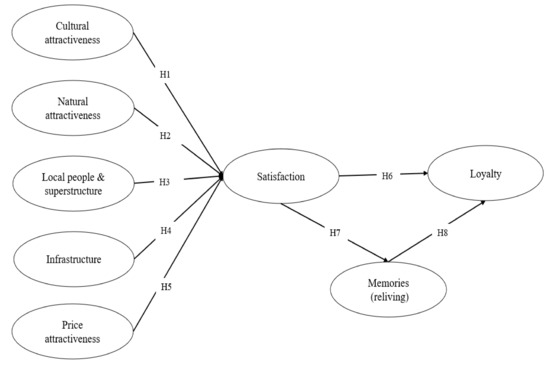
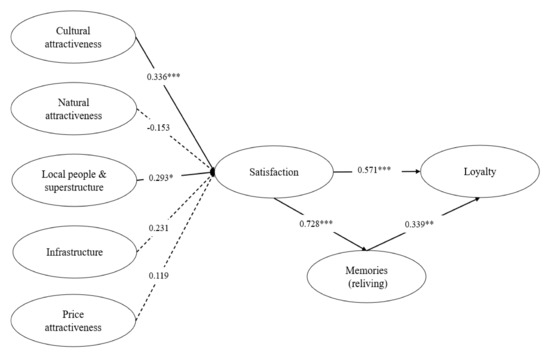
This study explored the relationships between destination attractiveness, satisfaction, the sense of reliving, and loyalty among American tourists who had experienced Silk Road tourism in Uzbekistan. In addition, this study investigated the mediating role of the sense of reliving with regard to satisfaction and loyalty. A total of 477 respondents participated and were used for the final analysis. The results suggest that destination attractiveness includes multidimensional constructs consisting of five dimensions, namely, cultural attractiveness, natural attractiveness, the local people and superstructure, infrastructure, and price attractiveness. Cultural attractiveness, the warm hospitality of local people, and the superstructure appear to be the competitive attributes of Silk Road tourism in Uzbekistan affecting tourist satisfaction. Furthermore, the results reveal that tourist satisfaction increases loyalty. A mediating role of the sense of reliving with regard to satisfaction and loyalty was also confirmed. Tourists remember their travel experiences upon returning home, relive Silk Road travel experiences, and demonstrate their behavioral intentions. These findings can provide a deeper understanding of destination attractiveness and memorable experiences for increasing loyalty to destinations related to Silk Road tourism in Uzbekistan. Full article
(This article belongs to the Special Issue Advances in Marketing and Managing Tourism Destinations)
Show Figures

Figure 1
Communication
Assortative Matching of Tourists and Destinations: Agents or Algorithms?
Sustainability 2021, 13(4), 1987; https://doi.org/10.3390/su13041987 - 12 Feb 2021
Cited by 2 | Viewed by 739
Abstract
We propose that assortative matching, a well-established paradigm in other industry sectors and academic disciplines, can underpin the concept of destination matching. This provides a new foundation to integrate research concepts and terminology in destination marketing and destination choice. We argue that the [...] Read more.
We propose that assortative matching, a well-established paradigm in other industry sectors and academic disciplines, can underpin the concept of destination matching. This provides a new foundation to integrate research concepts and terminology in destination marketing and destination choice. We argue that the commercial tourism industry already applies destination matching approaches, with three historical phases. Initially, matching of tourists and destinations relied on the tacit expertise of specialist agents. This still applies in specialist subsectors. For generalist travel and accommodation, human agents were partially replaced by online travel agents, OTAs, which are customised algorithms operating only in the travel sector. These still exist, but their share price trends suggest decreasing significance. Currently, automated assortative algorithms use multiple sources of digital data to push appealing offers to potential purchasers, across all retail sectors. Digital marketing strategies for tourism products, enterprises, and destinations are now just one category of generalised product–purchaser matching, using entirely automated algorithms. Researchers do not have access to proprietary algorithms, but we can identify which components they incorporate by analysing their underlying patents. We propose that theories of destination marketing and choice need to reflect these recent and rapid real-world changes via deliberate analysis of destination matching. Full article
(This article belongs to the Special Issue Advances in Marketing and Managing Tourism Destinations)
Article
Integrating a Local Asset/Resource into Tourism and Leisure Offering: The Case of Tea Resources in Longwu Town, Zhejiang Province, China
Sustainability 2021, 13(4), 1920; https://doi.org/10.3390/su13041920 - 10 Feb 2021
Viewed by 656
Abstract
The purpose of this article is to report on a research project in the field of tea tourism. The project’s aim was to identify the prerequisites and critical success factors for and to suggest the adequate strategies to achieve an effective pairing/partnership between [...] Read more.
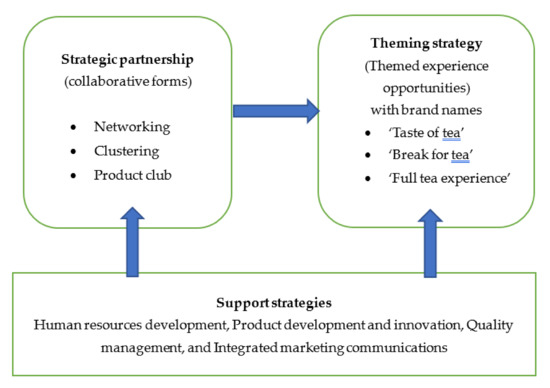
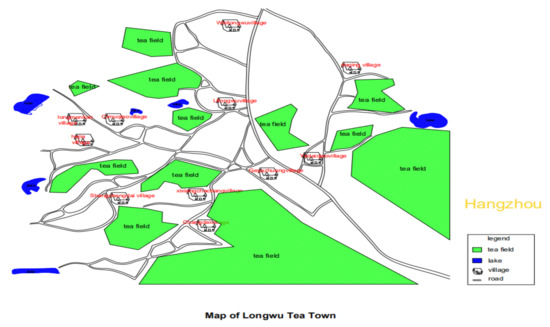
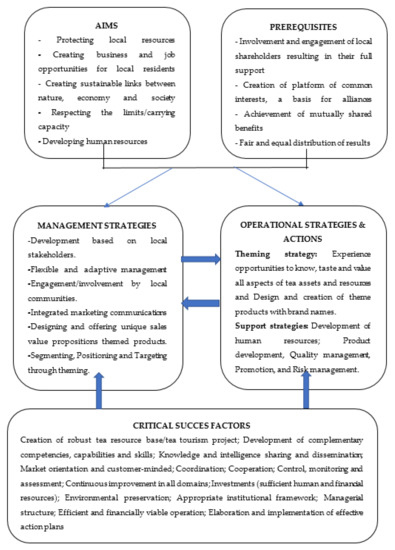
The purpose of this article is to report on a research project in the field of tea tourism. The project’s aim was to identify the prerequisites and critical success factors for and to suggest the adequate strategies to achieve an effective pairing/partnership between the tea industry and tourism/leisure activities. Drawing on the blended theoretical foundations of sustainable tourism development, community-based tourism, and strategic marketing planning, this study first analyzed the tea offering as a tourism asset. It then suggested the appropriate pairing between tea offering and tourism/leisure activities. The suggested framework for managing the partnership was empirically tested and validated within the Chinese context. Findings allowed one to form a comprehensive and integrated set of key issues and elements to take into account. Clear and specific development aims along with the necessary conditions are leading to the determination of suitable strategies and adequate actions. The study also indicates the key elements for the successful integration, effective pairing, and sustainable operation of tea tourism offering. The study is completed by summarizing management implications and guidelines for involved stakeholders to attain expected outcomes from sustainable action plans. Full article
(This article belongs to the Special Issue Advances in Marketing and Managing Tourism Destinations)
Show Figures

Figure 1
Other

Jump to: Research

Case Report
Women’s Role in Organizational Commitment and Job Satisfaction in the Travel Industry—An Evidence from the Urban Setting
Sustainability 2021, 13(15), 8395; https://doi.org/10.3390/su13158395 - 27 Jul 2021
Cited by 1 | Viewed by 407
Abstract
Employee satisfaction is the main factor achieving high work performance, providing quality services in the tourism sector, which directly affects the increase in productivity and commitment to the organization. The research is focused on determining the factors of job satisfaction and commitment to [...] Read more.
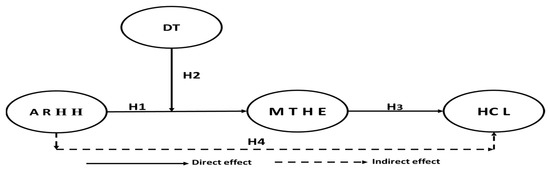
Employee satisfaction is the main factor achieving high work performance, providing quality services in the tourism sector, which directly affects the increase in productivity and commitment to the organization. The research is focused on determining the factors of job satisfaction and commitment to the institution by the female workforce. The authors conducted a survey in tourism companies in Novi Sad (the second-largest city in Serbia), based on a sample of 610 women in total, using a standardized MSQ questionnaire for job satisfaction, and Meyer and Allen’s organizational commitment scale. Three multiple regression analyses were used to determine the relationship between job satisfaction factors and organizational commitment factors. The results confirm the existence and strength of correlation between satisfaction factors and types of organizational commitment, and the fact that the position of women in the tourism sector is not at an enviable level, and that they remain in the same organization because of the small number of alternatives and moral obligations. Full article
(This article belongs to the Special Issue Advances in Marketing and Managing Tourism Destinations)
Back to TopTop