Special Issue "Circular Economy Approaches for Lifecycles of Products and Services"

A special issue of Sustainability (ISSN 2071-1050). This special issue belongs to the section "Sustainable Engineering and Science".

Deadline for manuscript submissions: 31 January 2022.

Special Issue Editors

Prof. Dr. Daizhong Su
E-Mail Website
Chief Guest Editor
Advanced Design and Manufacturing Engineering Centre, School of Architecture Design and the Built Environment, Nottingham Trent University, Nottingham NG1 4FQ, UK
Interests: circular economy; sustainable technology; sustainable production and consumption; sustainable design and manufacture
Dr. Wenjie Peng
E-Mail Website
Co-Guest Editor
Advanced Design and Manufacturing Engineering Centre, School of Architecture Design and the Built Environment, Nottingham Trent University, Nottingham NG1 4FQ, UK
Interests: sustainability; ICT; internet of things; sustainable production and consumption; industrial engineering; control
Dr. You Wu
E-Mail Website
Co-Guest Editor
Advanced Design and Manufacturing Engineering Centre, School of Architecture Design and the Built Environment, Nottingham Trent University, Nottingham NG1 4FQ, UK
Interests: circular economy; climate change; environmental life cycle assessment; social life cycle assessment; engineering management; materials efficiency
Dr. Hua Huang
E-Mail Website
Co-Guest Editor
School of Information Engineering, Jingdezhen Ceramic Institute, Jingdezhen 333001, China
Interests: cloud computing; service computing; smarting computing; product intelligent design; mobile systems for eco-accounting

Special Issue Information

Dear Colleagues,

There has been an increasing demand to implement circular economy approaches in the development of products and services through product life cycle. To facilitate implementation, sustainability technologies play important roles covering environmental, social and economic perspectives. To meet the demand, the project “a circular economy approach for lifecycles of products and services (CIRC4Life)” http://www.circ4life.eu has been in operation since May 2018 and will conclude at the end of October 2021 with total project budget 7.3 million euros. The CIRC4Life project is supported by the European Commission’s Horizon 2020 programme, which involves 17 international teams.

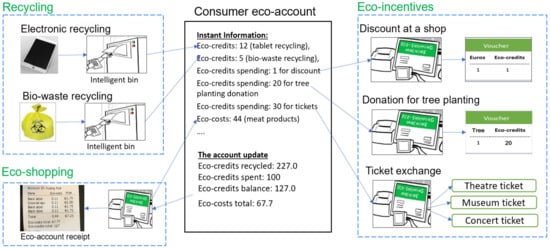
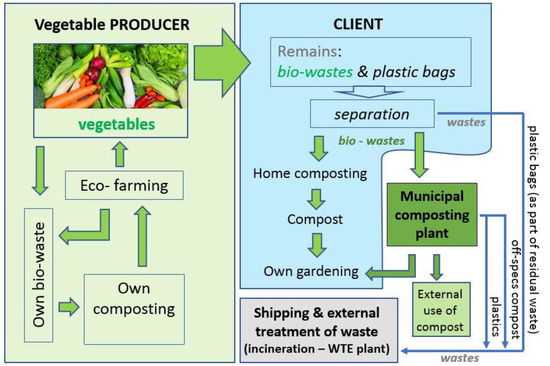
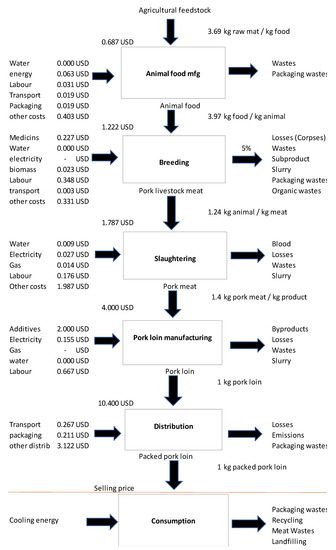
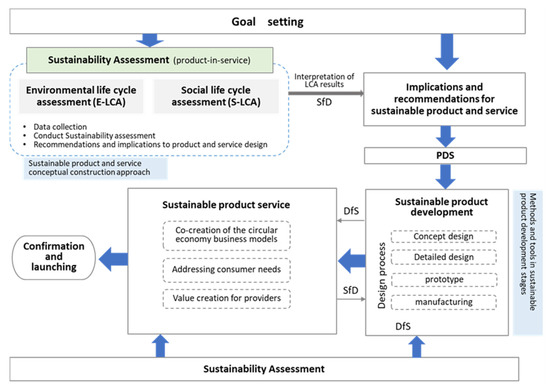
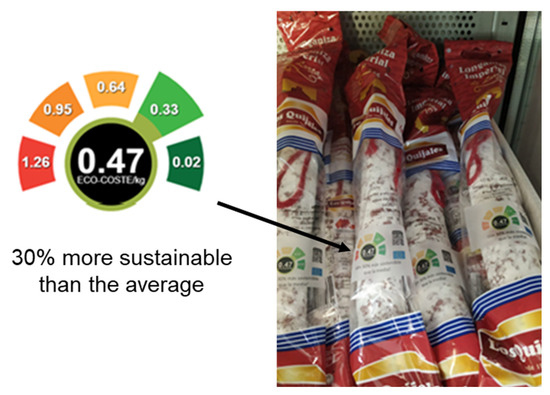
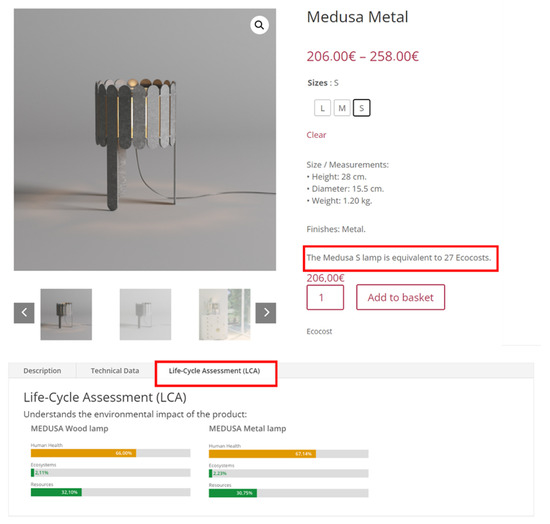
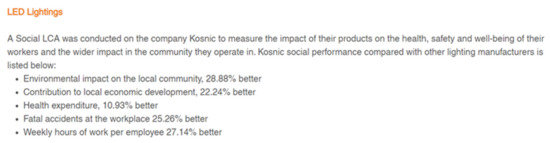
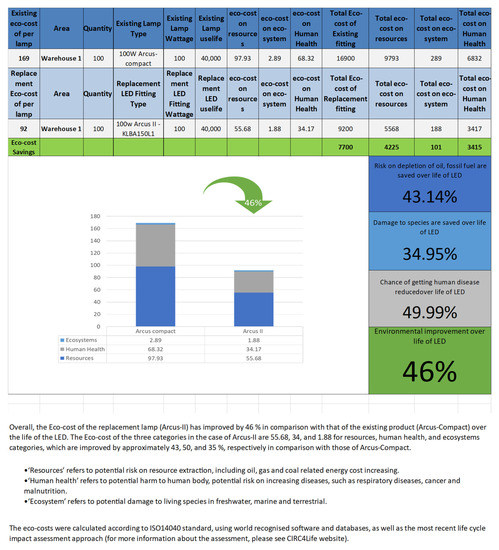
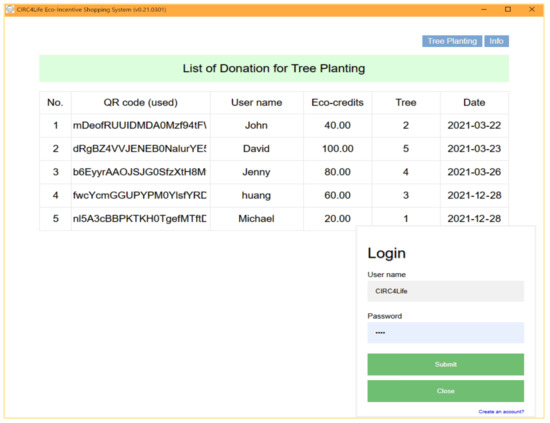
The CIRC4Life project develops three circular economy business models (CEBMs): the co-creation of products and services, sustainable consumption, and collaborative recycling/reuse. The CEBMs are demonstrated in four industrial sectors: LED lighting products, vegetable farming, meat supply chain and bio-waste recycling, and computer tablet recycling and reuse. The CEBMs and demonstrators are supported by various sustainability technologies, including information and communication technology (ICT), traceability, environmental and social life cycle assessments, sustainable design and manufacture, eco-accounting, eco-shopping and eco-incentives, decision-making tools, online data mining, living lab approaches, and more, which can be found on the project Website mentioned above.  

In order to further develop and implement circular economy approaches and sustainability, to share the CIRC4Life project achievements and to promote the research outcome in the research areas, this Special Issue calls for papers focused on, but not limited to, the following topics:

  •  Circular economy and sustainability methods/technologies 
    - Circular economy approaches for products and services;
    - Circular economy business models;
    - Sustainability technologies and their industrial application;
    - Sustainability and circular economy through product life cycle;
    - Methodologies for environmentally friendly product development;
    - Environmental life cycle assessment. Social life cycle assessment. Three bottom lines of sustainability; 
    - Product environmental footprint, environmental product declaration, product carbon footprint, life cycle analysis methods, lifecycle inventory data;
    - Eco-labelling and environmental labelling;
  • Circular economy and sustainability implementation 
    - Sustainable production and consumption;
    - Eco-design and eco-manufacture;
    - Product supply chain/value chain with sustainability;
    - Methods and applications of Eco-accounting, eco-cost, eco-credit, eco-shopping and eco-incentives;
    - Climate change resilience, and green-house gas emission adaptation and mitigation; 
    - Sustainable built and environment;
    - Low carbon emission buildings and sustainable construction;
    - Renewable energy; 
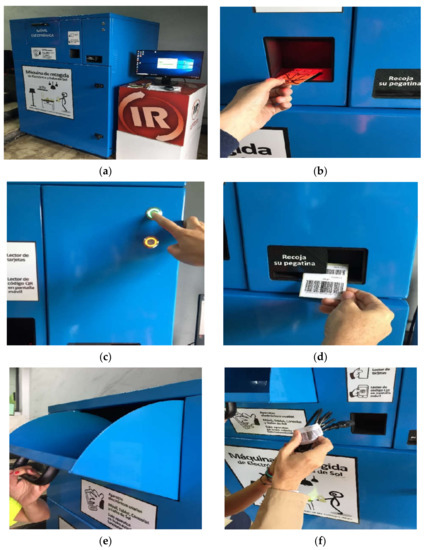
    - End-of-life product treatment. Remanufacture, recycle and reuse. WEEE treatment. Bio-waste treatment; 
    - Sustainable product services, leasing services, product maintenance;
    - Sustainable technology for vegetable farming and the meat supply chain; 
    - Co-creation and living labs for circular economy.
  • Development and support for circular economy and sustainability
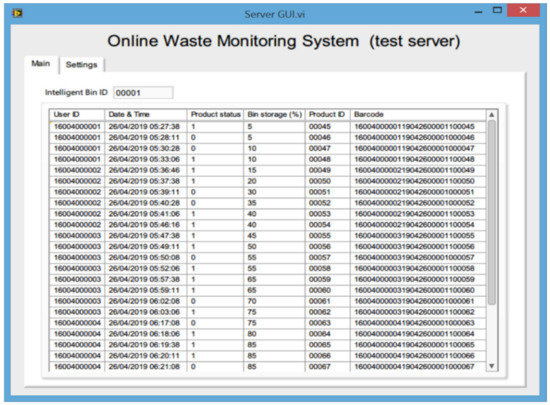
    - Traceability, control, condition monitoring and related technologies for circular economy and sustainability;
    - Sustainability and circular economy supported by ICT technologies such as smart computing, internet of things, mobile technology, big data, cloud computing, internet technology, blockchain, etc;
    - ICT infrastructure for sustainability; 
    - Online data mining consumer preferences from e-commerce websites; 
    - Green computing; 
    - Decision-making systems for sustainability; 
    - Policy alignment for circular economy and sustainability; 
    - Education and training for circular economy and sustainability;
    - Public awareness of circular economy and sustainability;
    - Literature review for circular economy and sustainability; 
    - Other issues/fields related to circular economy and sustainability;

Prof. Daizhong Su
Chief Guest Editor

Dr. Wenjie Peng
Dr. You Wu
Dr. Hua Huang
Co-Guest Editors

Manuscript Submission Information

Manuscripts should be submitted online at www.mdpi.com by registering and logging in to this website. Once you are registered, click here to go to the submission form. Manuscripts can be submitted until the deadline. All papers will be peer-reviewed. Accepted papers will be published continuously in the journal (as soon as accepted) and will be listed together on the special issue website. Research articles, review articles as well as short communications are invited. For planned papers, a title and short abstract (about 100 words) can be sent to the Editorial Office for announcement on this website.

Submitted manuscripts should not have been published previously, nor be under consideration for publication elsewhere (except conference proceedings papers). All manuscripts are thoroughly refereed through a single-blind peer-review process. A guide for authors and other relevant information for submission of manuscripts is available on the Instructions for Authors page. Sustainability is an international peer-reviewed open access semimonthly journal published by MDPI.

Please visit the Instructions for Authors page before submitting a manuscript. The Article Processing Charge (APC) for publication in this open access journal is 1900 CHF (Swiss Francs). Submitted papers should be well formatted and use good English. Authors may use MDPI's English editing service prior to publication or during author revisions.

Keywords

  • circular economy
  • sustainability
  • sustainable technology
  • product life cycle
  • products and services
  • sustainable production and consumption
  • information and communication technology (ICT)
  • computing
  • traceability
  • policy
  • recycle
  • reuse
  • re-manufacture

Published Papers (2 papers)

Order results
Result details
Select all
Export citation of selected articles as:

Research

Article
Experimental Study on the Effect of Fulvic Acid in Waste Slurry on Flocculation and Zeta Potential
Sustainability 2021, 13(14), 7784; https://doi.org/10.3390/su13147784 - 12 Jul 2021
Viewed by 439
Abstract
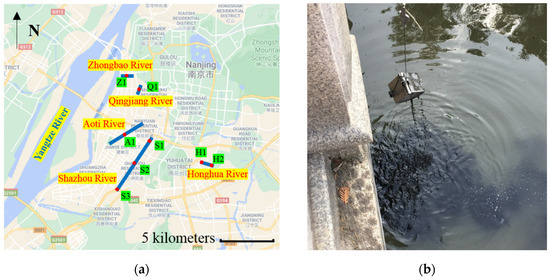
The waste slurry produced by the dredging of urban rivers needs to be dewatered before being reused sustainably. As a large amount of plant debris accumulates in sediment, humus-like substances become one of main components in waste slurry. In light of the lack [...] Read more.
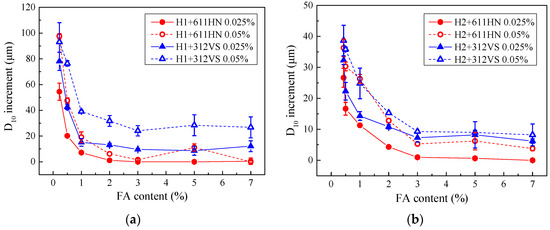
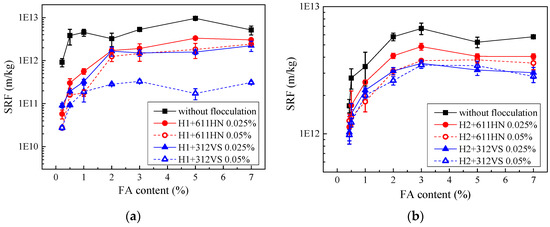
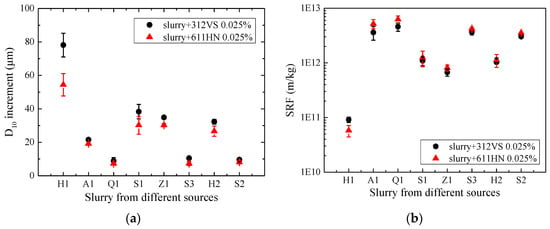
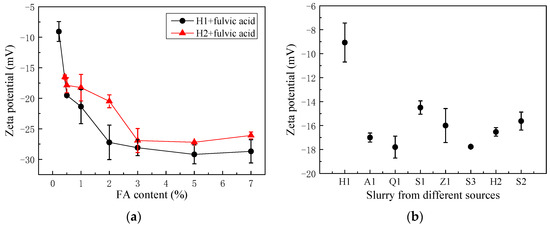
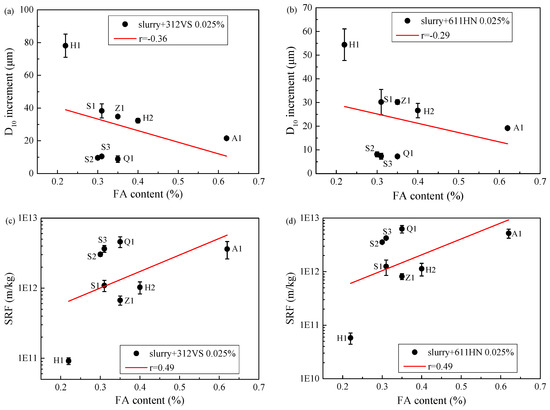
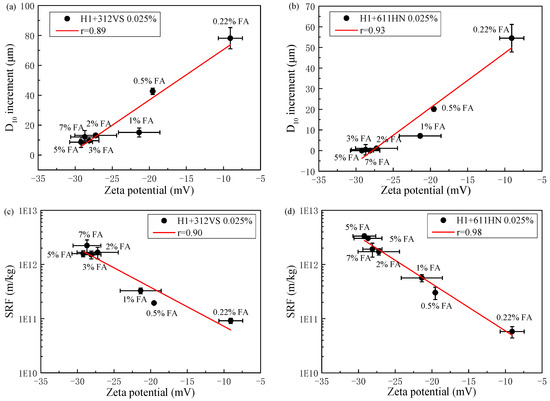
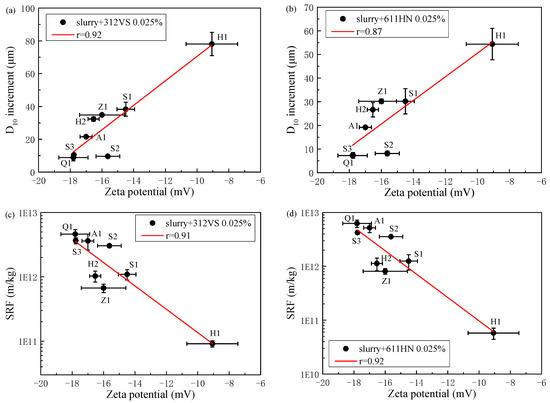
The waste slurry produced by the dredging of urban rivers needs to be dewatered before being reused sustainably. As a large amount of plant debris accumulates in sediment, humus-like substances become one of main components in waste slurry. In light of the lack of research on the effect of fulvic acid (FA) in waste slurry on flocculation and separation, this paper carried out experimental research, including the effect of FA content on flocculation and filtration, as well as flocculation and filtration experiments of eight different sources of waste slurry. The results show that if only the FA content in the slurry is changed, the effect of FA on flocculation and separation is significant when the FA content is 0~3%, but it is not obvious when the FA content exceeds 3%. The flocculation and filtration results of eight different sources of river-dredged waste slurry are obviously different; the D10 increment can differ by nearly 10 times, and the specific resistance to filtration (SRF) differs by 2 orders of magnitude. However, FA is not a sensitive factor affecting the flocculation results. FA mainly affects the results by affecting the zeta potential of the slurry. Therefore, in the dewatering design of waste slurry, only the zeta potential needs to be considered. Full article
(This article belongs to the Special Issue Circular Economy Approaches for Lifecycles of Products and Services)
Show Figures

Figure 1

Article
Circular Economy Matchmaking Framework for Future Marketplace Deployment
Sustainability 2021, 13(10), 5668; https://doi.org/10.3390/su13105668 - 18 May 2021
Viewed by 574
Abstract
Online marketplaces enable cooperation between potential stakeholders by supporting offer and demand identification at the secondary raw material markets. The use of marketplaces facilitates communication between supply chain actors operating within the same or different industry sectors and enables detection of ways to [...] Read more.

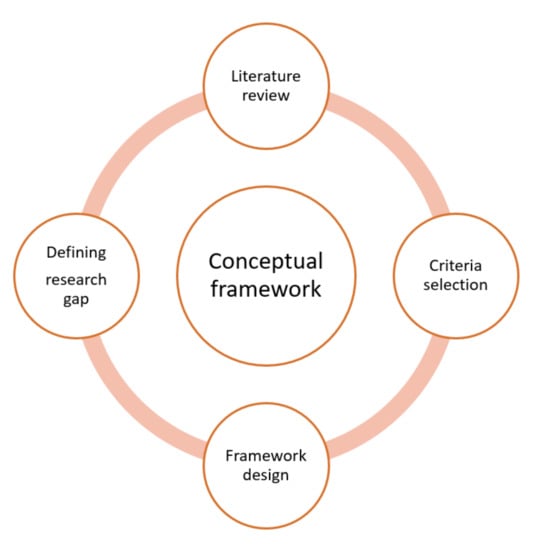
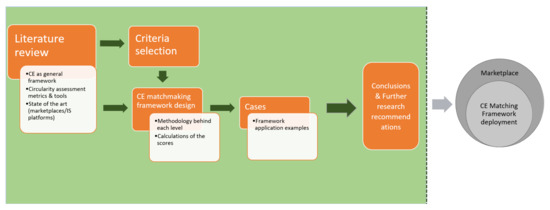
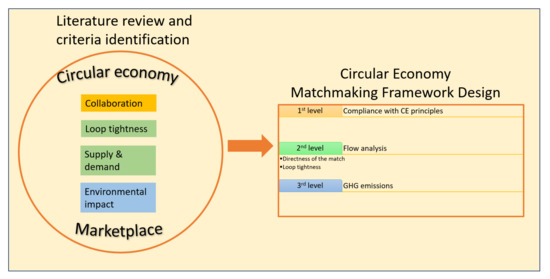
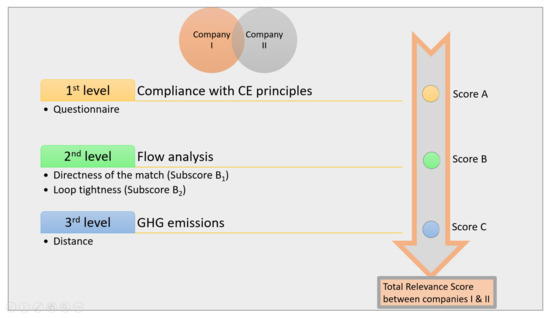
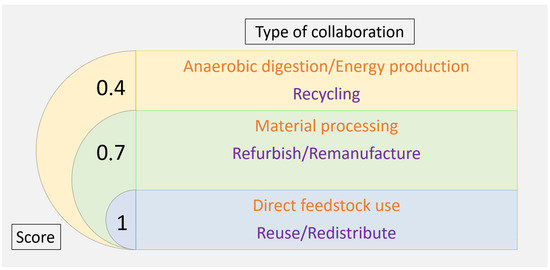
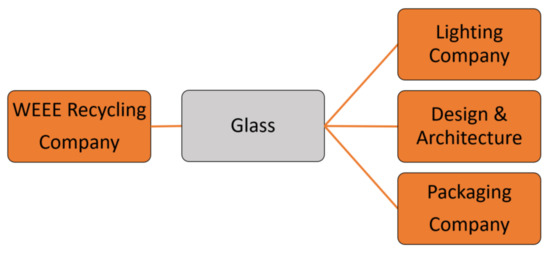
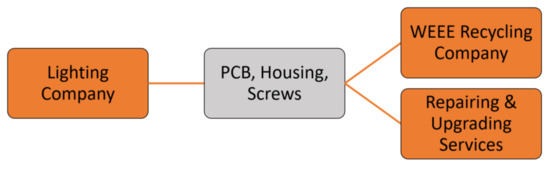
Online marketplaces enable cooperation between potential stakeholders by supporting offer and demand identification at the secondary raw material markets. The use of marketplaces facilitates communication between supply chain actors operating within the same or different industry sectors and enables detection of ways to close the loop of their products. This research investigated which criteria to use for the circular cooperation matching of companies in the context of a marketplace. These criteria were used for the development of a circular economy (CE) matchmaking framework based on a multi-level approach and relevance scoring between the users. The multi-level approach is based on the following criteria: (i) the compliance with circular economy principles, (ii) the material flows analysis, (iii) the greenhouse gas (GHG) emissions from transport. Based on those aspects a Total Relevance Score (TRS) between the stakeholders is calculated. The Total Relevance Score indicates the possibility for successful circular cooperation between two partners who are willing to close their loops with the best possible match. The logic behind the proposed circular economy matchmaking framework is illustrated by four cases using data collected from companies. Recommendations for further deployment are proposed. The developed framework, by incorporating circular economy principles for the first time within the matching algorithm, provides the opportunity for interested stakeholders for more tailored matching and increases their possibilities of finding a perfect match on the secondary raw materials market in terms of circularity. A similar approach has not yet been reported in the literature. The circular economy matchmaking framework constitutes a theoretical basis of an online marketplace to be developed. Full article
(This article belongs to the Special Issue Circular Economy Approaches for Lifecycles of Products and Services)
Show Figures

Figure 1

Back to TopTop