Sustainable Transport Economics, Behaviour and Policy
Share This Topical Collection
Editors
Topical Collection Information
Dear Colleagues,
Climate change and disruptive technologies have generated increasing pressure on transport professionals to focus on sustainable transport. Therefore, the planning, design, management and regulation of all transport services and infrastructures is a challenge to policy makers, transportation engineers, planners and behavioural scientists seeking to promote sustainable travel behaviours. This magnitude of this challenge will only increase as new technology and innovations such as connected, autonomous vehicles, unmanned aerial vehicles, and Mobility-as-a-Service are introduced. Hence, this Special Issue focuses on research that aims to increase our understanding of sustainable travel behaviour, and the development, implementation and evaluation of measures to increase the efficiency, environmental friendliness, resilience and sustainability of existing and future transportation systems.
Dr. Richard Tay
Dr. Long Truong
Dr. Samuel Chng
Collection Editors
Manuscript Submission Information
Manuscripts should be submitted online at www.mdpi.com by registering and logging in to this website. Once you are registered, click here to go to the submission form. All submissions that pass pre-check are peer-reviewed. Accepted papers will be published continuously in the journal (as soon as accepted) and will be listed together on the collection website. Research articles, review articles as well as short communications are invited. For planned papers, a title and short abstract (about 250 words) can be sent to the Editorial Office for assessment.
Submitted manuscripts should not have been published previously, nor be under consideration for publication elsewhere (except conference proceedings papers). All manuscripts are thoroughly refereed through a single-anonymized peer-review process. A guide for authors and other relevant information for submission of manuscripts is available on the Instructions for Authors page. Sustainability is an international peer-reviewed open access semimonthly journal published by MDPI.
Please visit the Instructions for Authors page before submitting a manuscript.
The Article Processing Charge (APC) for publication in this open access journal is 2400 CHF (Swiss Francs).
Submitted papers should be well formatted and use good English. Authors may use MDPI's
English editing service prior to publication or during author revisions.
Keywords
- Demand and adoption of sustainable vehicles and fuel
- Public transport ridership, cycling and walking
- Improving safety of vulnerable road users
- Improving comfort and accessibility of public transport
- Sustainable cities and transport
- Economic incentives, regulation and policies
- Advanced travel demand management strategies
- Sustainability education, social marketing and campaigns
- Evaluation of techonologies in changing behaviours
- Evaluation of technologies in reducing pollution
- Cost–benefit analysis of green transport technologies
- Shared mobilities such as carsharing, ridesharing, ride hailing, etc.
Published Papers (31 papers)
Open AccessArticle
Internalizing External Accident Costs in Safety Investment Evaluation Using Cost–Benefit Analysis
by
Christina Nikolova
Cited by 2 | Viewed by 2887
Abstract
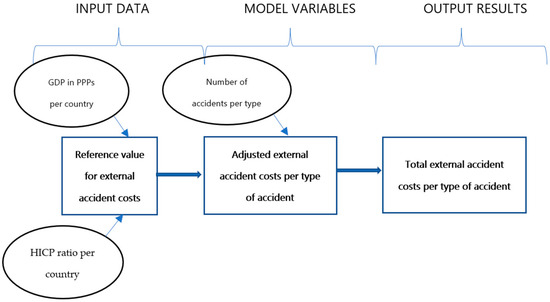
The primary objectives of transportation system development in European countries include improving transport efficiency, enhancing national economic competitiveness, and promoting sustainable mobility. A key aspect of achieving these goals is the evaluation of transport externalities, particularly external accident costs, which is critical for
[...] Read more.
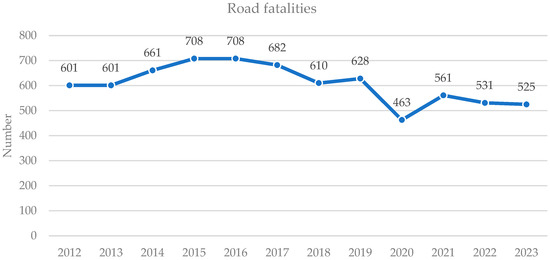
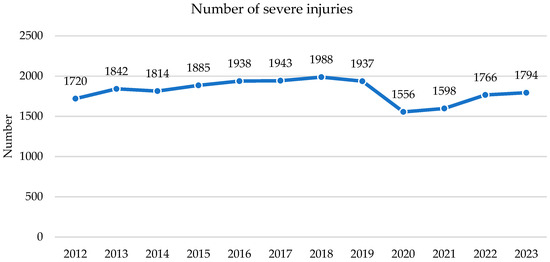
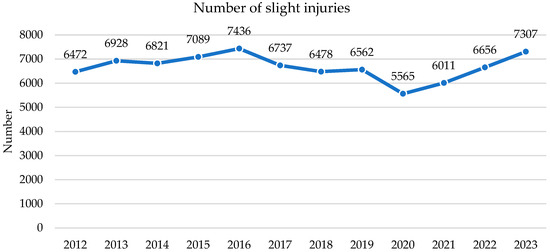
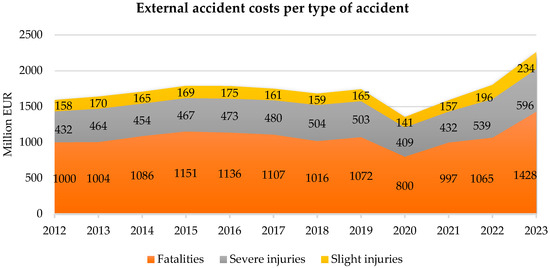
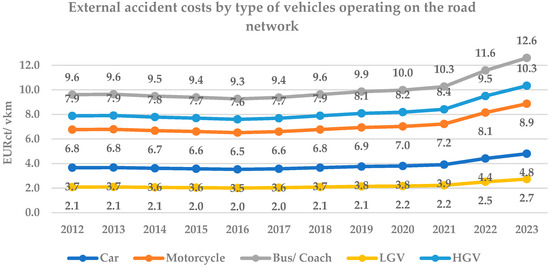
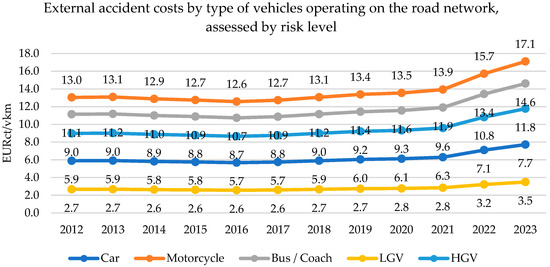
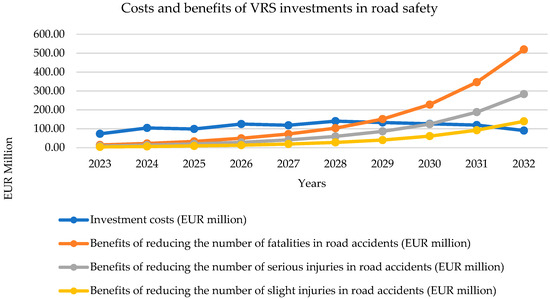
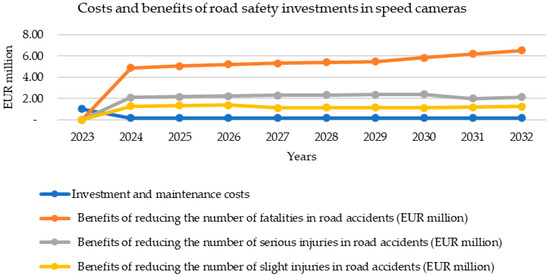
The primary objectives of transportation system development in European countries include improving transport efficiency, enhancing national economic competitiveness, and promoting sustainable mobility. A key aspect of achieving these goals is the evaluation of transport externalities, particularly external accident costs, which is critical for ensuring the economic and social sustainability of road transport development. This study comprehensively evaluates external road accident costs and proposes an innovative approach to internalizing these costs through a cost–benefit analysis (CBA). By integrating these external costs into CBA, policymakers can better understand the societal impact of road safety investments, allowing for more informed decisions regarding measures to reduce road accidents and fatalities. This paper also explores the role of specific safety investments, such as installing vehicle restrain systems (VRS), buffers, and terminals on the national road network, as well as installing speed cameras, in reducing accidents and mitigating external costs. The findings highlight road safety measures’ importance in enhancing economic efficiency and social well-being, providing a solid foundation for the sustainable and efficient development of transportation systems.
Full article
►▼
Show Figures
Open AccessArticle
Exploring AAM Acceptance in Tourism: Environmental Consciousness’s Influence on Hedonic Motivation and Intention to Use
by
Yining Suo, Chenglong Li, Li Tang and Longyang Huang
Cited by 14 | Viewed by 4743
Abstract
Tourist destinations thrive on sustainable development. Electric vertical take-off and landing (eVTOL) aircraft, representing energy-efficient advancements in aviation that are pivotal to advanced air mobility (AAM), have garnered attention. Yet, the discourse on eVTOLs’ role in tourism remains scant. This study, drawing from
[...] Read more.
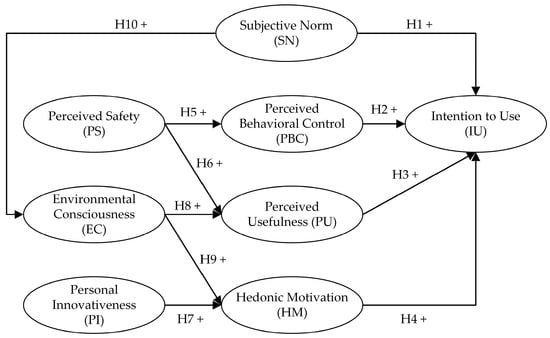
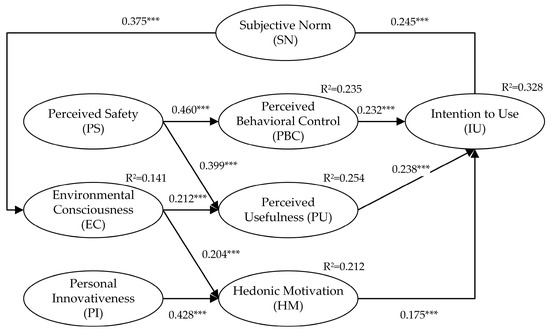
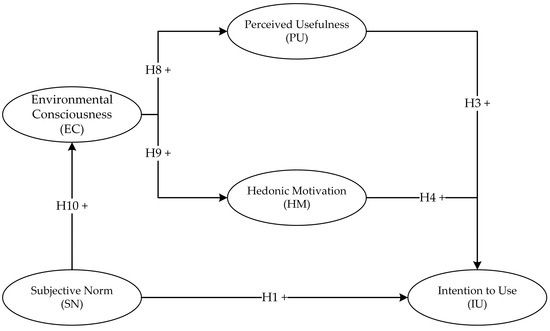
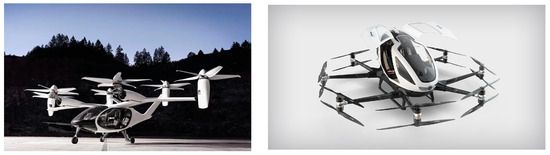
Tourist destinations thrive on sustainable development. Electric vertical take-off and landing (eVTOL) aircraft, representing energy-efficient advancements in aviation that are pivotal to advanced air mobility (AAM), have garnered attention. Yet, the discourse on eVTOLs’ role in tourism remains scant. This study, drawing from 450 samples in the Mogan Mountain Scenic Area, introduces the AAM-tourism acceptance model (ATAM). It integrates the theory of planned behavior (TPB) and technology acceptance model (TAM) theoretical frameworks, incorporating environmental consciousness, perceived safety, hedonic motivation, and personal innovativeness, assessing their influence on tourists’ eVTOL usage intention through a structural equation model (SEM). The results reveal that environmental consciousness significantly impacts hedonic motivation and perceived usefulness, driving eVTOL adoption. Furthermore, personal innovativeness influences intention through hedonic motivation and perceived behavioral control. Therefore, environmental consciousness and hedonic motivation align deeply with eVTOL attributes, both significantly positively influencing intention to use. Thus, the study validates eVTOL’s viability in tourism and its potential for sectoral expansion. Moreover, it offers insights into how psychological factors shape eVTOL adoption, guiding the promotion of eVTOL sightseeing services and informing research on AAM acceptance across various domains.
Full article
►▼
Show Figures
Open AccessArticle
Examining Policy Strategies for Electrifying Transportation in ASEAN: A STEELUP Framework Evaluation
by
Bernice Huang, Yunkyung Choi, Samuel Chng and Harvey Neo
Cited by 14 | Viewed by 6189
Abstract
With the recent emphasis on carbon neutrality following COP27, many countries prioritise shifting to electric mobility as a crucial strategy to combat carbon emissions. A significant portion of this comes from transportation. Notably, countries such as Norway, China, and the United States have
[...] Read more.
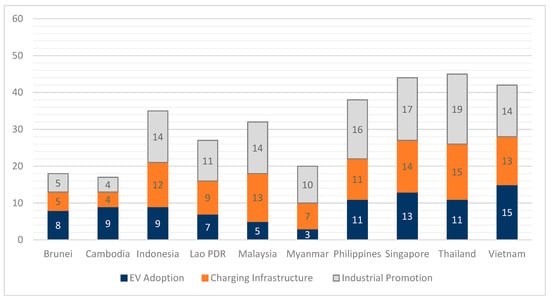
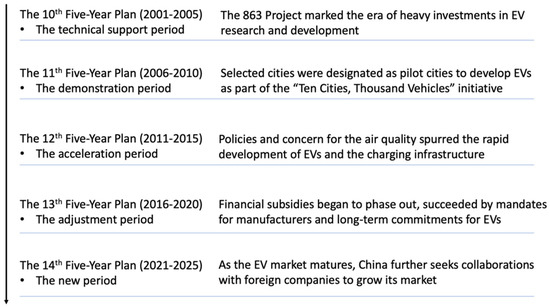
With the recent emphasis on carbon neutrality following COP27, many countries prioritise shifting to electric mobility as a crucial strategy to combat carbon emissions. A significant portion of this comes from transportation. Notably, countries such as Norway, China, and the United States have taken the lead in the electric vehicle (EV) industry, driven by their effective e-mobility policies. In contrast, the 10 member nations of the Association of Southeast Asian Nations (ASEAN) are still in the early stages of adopting this emerging trend. This paper conducts a comprehensive evaluation of the current e-mobility policies within the ASEAN region, employing the STEELUP (Sociocultural and demographic, Technological, Economic, Environmental, Legislative, Urban design, and Political) framework to provide a holistic perspective on the e-mobility landscape in the ASEAN countries. By critically assessing the implementation of e-mobility policies in each country, this paper aims to identify key gaps and challenges that hinder the acceleration of EV adoption in the region. The findings from the STEELUP framework, coupled with a thorough analysis of the current conditions in ASEAN, provide crucial insights for governments and policymakers to act upon. Through evidence-based recommendations, this study concludes by suggesting effective strategies to expedite the uptake of EVs in the ASEAN region.
Full article
►▼
Show Figures
Open AccessArticle
Passenger Travel Path Selection Based on the Characteristic Value of Transport Services
by
Peiwen Zhang, Rui Ding, Wenke Zhao, Liaodong Zhang and Hong Sun
Cited by 5 | Viewed by 3370
Abstract
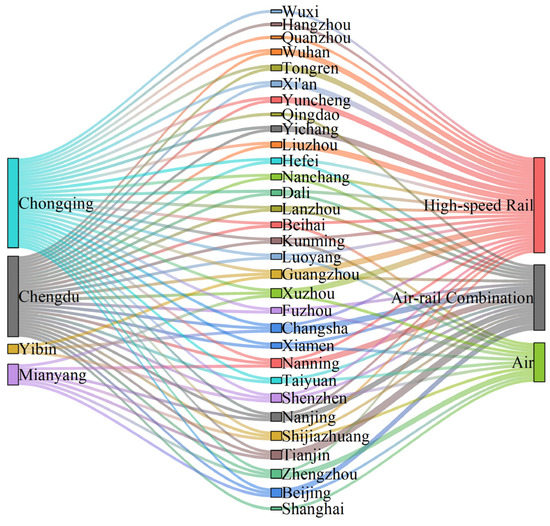
In this paper, we establish a generalized cost function for passenger travel based on the characteristic value of transportation services, and we select high-speed rail, air, and air–rail as the selection branches in order to build a passenger travel decision-making model combined with
[...] Read more.
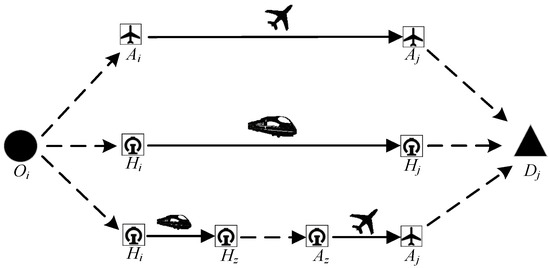
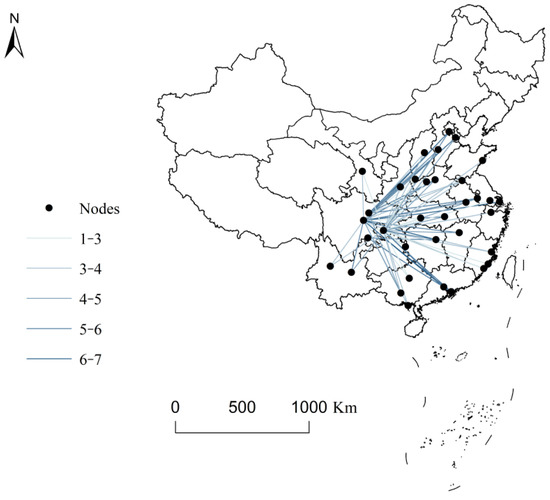
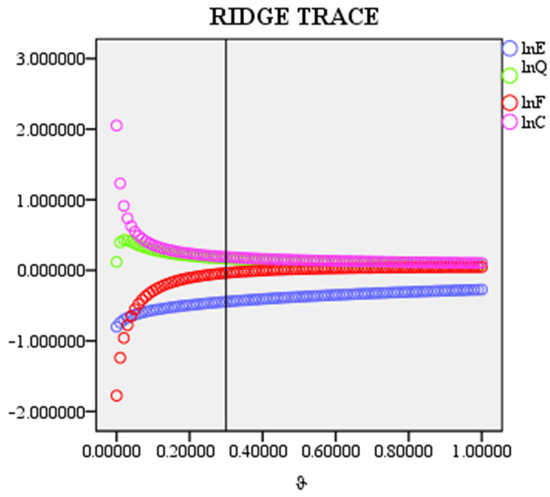
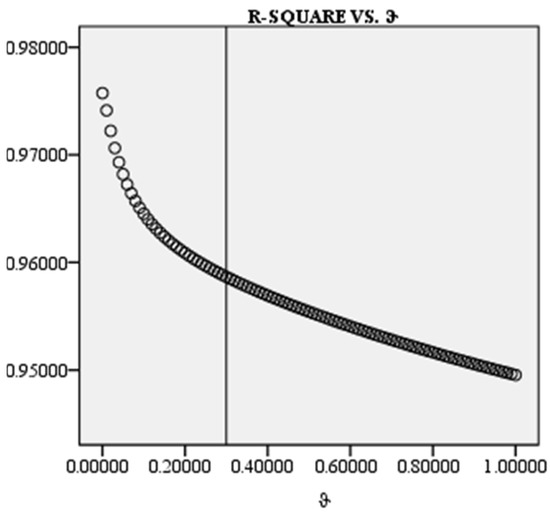
In this paper, we establish a generalized cost function for passenger travel based on the characteristic value of transportation services, and we select high-speed rail, air, and air–rail as the selection branches in order to build a passenger travel decision-making model combined with a logit model to analyze the preference for passenger travel choices. The results show that, within the transportation network of the Chengdu–Chongqing economic circle, passengers are more likely to take the high-speed rail option directly, followed by air–rail and air options, and these results are concentrated within a transportation distance range of less than 1000 km, 1000–1200 km, and more than 1200 km, respectively. Among them, the OD travel routes comprised Chengdu and Yibin as the transit nodes of the combined travel account for more than 50%, which exhibits the high strategic development potential of air–rail combined transportation. Ridge regression analyses show that ticket price, quickness, convenience, and comfort influence the probability related to travelers’ travel choice at varying degrees. The elasticity values of the fatigue recovery time, travel time, and time value per capita for high-speed rail are much greater than the other two travel modes, indicating that these three factors have a high impact on the travel choice behavior of high-speed rail.
Full article
►▼
Show Figures
Open AccessArticle
The Impact of Traffic Information Provision and Prevailing Policy on the Route Choice Behavior of Motorcycles Based on the Stated Preference Experiment: A Preliminary Study
by
Siti Raudhatul Fadilah, Hiroaki Nishiuchi and An Minh Ngoc
Cited by 4 | Viewed by 3655
Abstract
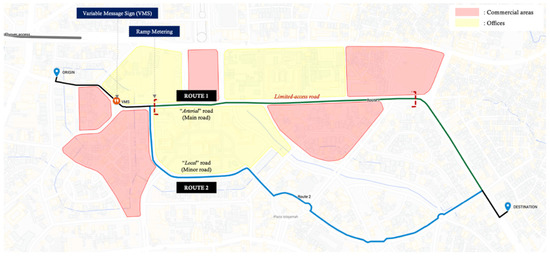
It is anticipated that the prevalence of motorcycles in Asian countries will continue to increase, causing congestion and network imbalances concerning the nature of motorcycles. Literature demonstrates Variable Message Signs (VMSs) as an effective measure for addressing this issue. Understanding route choice behavior
[...] Read more.
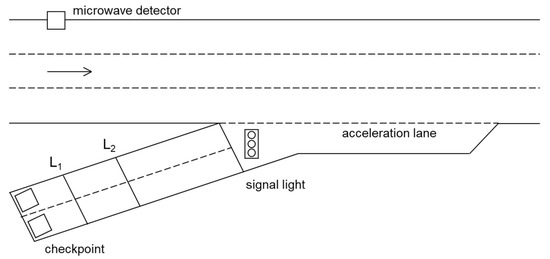
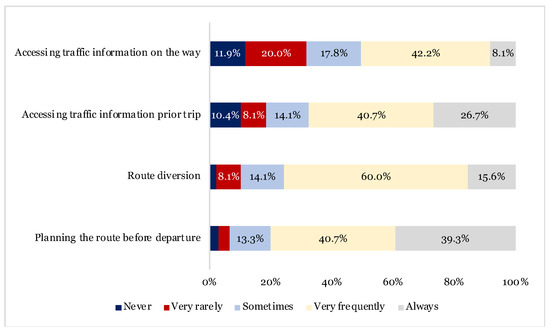
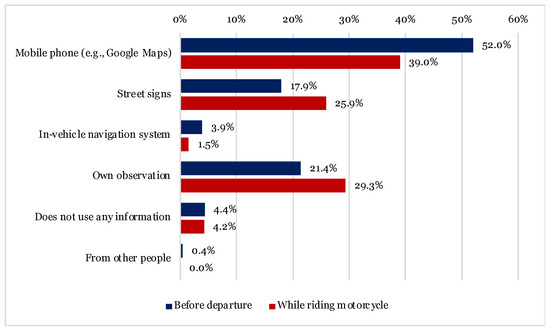
It is anticipated that the prevalence of motorcycles in Asian countries will continue to increase, causing congestion and network imbalances concerning the nature of motorcycles. Literature demonstrates Variable Message Signs (VMSs) as an effective measure for addressing this issue. Understanding route choice behavior may thus aid in determining the appropriate traffic information to broadcast. This study aims to identify the impact of VMS messages related to traffic conditions and regulations on the route choice of motorcycle riders. In this instance, the core concept of ramp metering is adapted for non-highways to manage the proportion of motorcycles entering the traffic stream of the mainline. Two predetermined routes were offered through a stated preference survey to capture the responses to VMS. A binary logit model was initially introduced, further improved by including the individual characteristics and accommodating the unobserved factors across a series of observations (panel effects) by applying the mixed binary logit. It was revealed that traffic flow conditions significantly affect route preference; therefore, motorcycles tend to choose routes with lower volumes. However, waiting time at a ramp meter has no impact. The present research is a preliminary investigation for further implications in proposing traffic management strategies under mixed traffic situations.
Full article
►▼
Show Figures
Open AccessArticle
Understanding Shared Autonomous Vehicle Preferences: A Comparison between Shuttles, Buses, Ridesharing and Taxis
by
Samuel Chng, Sabreena Anowar and Lynette Cheah
Cited by 24 | Viewed by 4344
Abstract
Shared autonomous vehicles (AVs) will soon be introduced in public transportation as cities and their transportation systems become ‘smarter’. This brings long-term environmental, economic and societal benefits to cities. However, shared AVs will not only need to overcome technological challenges but also prevail
[...] Read more.
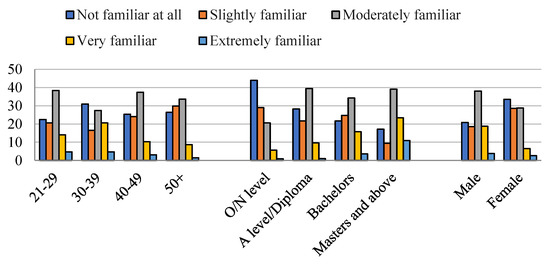
Shared autonomous vehicles (AVs) will soon be introduced in public transportation as cities and their transportation systems become ‘smarter’. This brings long-term environmental, economic and societal benefits to cities. However, shared AVs will not only need to overcome technological challenges but also prevail against social barriers for successful marketplace penetration. Hence, we proposed and investigated the acceptance of four shared AV service designs for public use in this study, namely, autonomous buses, shuttles, AV rideshares and autonomous or robo-taxis. An online survey conducted in Singapore with 734 adults found the greatest receptiveness toward the introduction of autonomous shuttles, in part due to perceptions that they will perform well and be easy to adopt. This aligns with ongoing shared AV trials where AV shuttles are mostly used. Larger autonomous buses had the second-highest acceptance. AV rideshares and taxis seem to largely appeal to the existing regular users of the conventional counterparts of these services. These results suggest that to encourage a mode switch from public transport to ridesharing and taxis, or vice versa, shared AVs need to appeal to users beyond being an automated version of existing modes. That is, shared AVs need to address an underserved or unmet transportation need or population.
Full article
►▼
Show Figures
Open AccessArticle
Characteristics of Pedestrians in Bangladesh Who Did Not Receive Public Education on Road Safety
by
Tanvir Chowdhury, Shakil Mohammad Rifaat and Richard Tay
Cited by 3 | Viewed by 3064
Abstract
The safety of pedestrians, such as workers who largely walk to and from work, has not been given sufficient attention, especially in the area of traffic safety in developing countries, including Bangladesh. Although the National Road Safety Strategy has a very strong emphasis
[...] Read more.
The safety of pedestrians, such as workers who largely walk to and from work, has not been given sufficient attention, especially in the area of traffic safety in developing countries, including Bangladesh. Although the National Road Safety Strategy has a very strong emphasis on road safety education and publicity campaigns, the road safety knowledge may not have reached these vulnerable road users who most needed them. Moreover, little is known about the penetration rate of these campaigns and who have benefited or not benefited from them. On the other hand, the developing country, like Bangladesh, is heavily dependent on its Readymade Garment (RMG) workers for earning foreign currency, and walking is one of the major mode of transports of those workers. The objective of this study is to identify those who are not reach by the safety education. Results from a survey of 1020 RMG workers around Dhaka identified several socioeconomic, demographic, travel characteristics and accident experience that affect the most vulnerable segments who are left out of the system. The findings of this study would help the policy makers to arrange necessary road safety education for the most vulnerable cohorts of pedestrians to encourage the continued use of this sustainable mode of commute.
Full article
Open AccessArticle
Understanding Consumer Buying Intention of E-Commerce Airfares Based on Multivariate Demographic Segmentation: A Multigroup Structural Equation Modeling Approach
by
Phaninee Naruetharadhol, Sasichakorn Wongsaichia, Shenying Zhang, Chanchai Phonthanukitithaworn and Chavis Ketkaew
Cited by 17 | Viewed by 7253
Abstract
The internet offers enormous development opportunities for airline firms and a lot of information for consumers to pick the finest available options. This research aims to study the consumer buying intention of e-commerce airfares in an emerging economy based on the technology acceptance
[...] Read more.
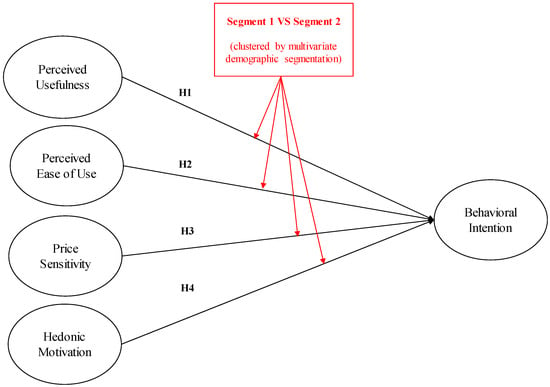
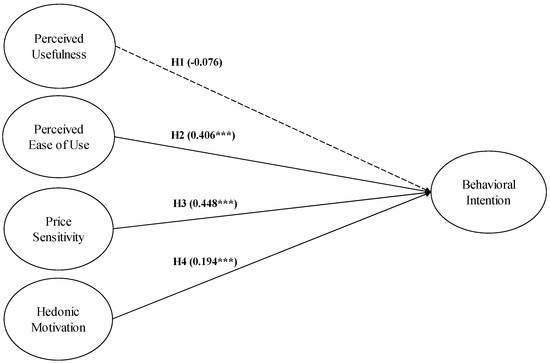
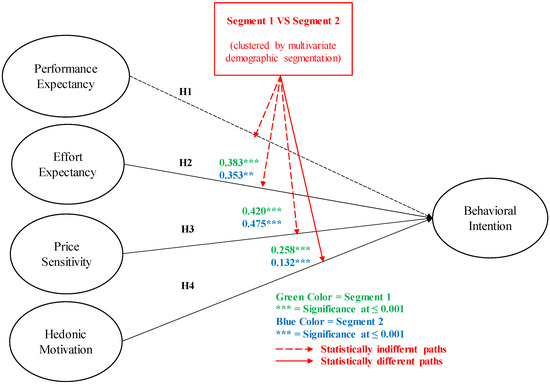
The internet offers enormous development opportunities for airline firms and a lot of information for consumers to pick the finest available options. This research aims to study the consumer buying intention of e-commerce airfares in an emerging economy based on the technology acceptance model. This article employed a sample of 3064 respondents at six airports in Thailand. It used cluster analysis (a multivariate analysis approach) to determine two main customer segments and then used a structural equation modeling (SEM) technique utilizing demographic segmentation as a moderator to explain the behaviors of those two segments. The findings demonstrated two customer segments: (1) the older with high and middle-income segment, and (2) the young with low-income segment. The empirical results revealed that price sensitivity and perceived ease of use substantially impacted behavioral intention to use e-commerce airfares in both segments. The users from segment (1) are more likely to look for the fun experience and entertainment value of using e-commerce airfares than those from segment (2). However, perceived usefulness is unlikely to be a vital factor in consumers’ purchasing decisions about using e-commerce airfares. It is recommended that airline companies and online travel agencies should consider perceived ease of use, price sensitivity, and hedonic motivation when implementing e-commerce airline websites for selling tickets.
Full article
►▼
Show Figures
Open AccessArticle
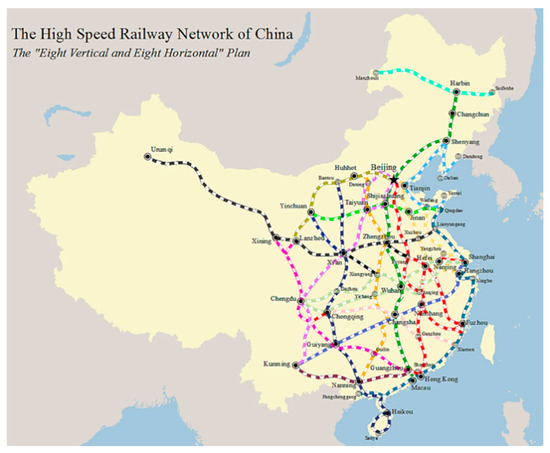
Networked Transport and Economic Growth: Does High-Speed Rail Narrow the Gap between Cities in China?
by
Bingyu Wu, Weidong Li and Jingyu Chen
Cited by 9 | Viewed by 5472
Abstract
The construction of China’s high-speed rail has been arousing controversy for the possibility of exacerbating regional imbalance. This paper provides an empirical analysis based on the panel data of 276 prefecture-level cities during 2007–2018 to explore the authenticity of this inference. The panel
[...] Read more.
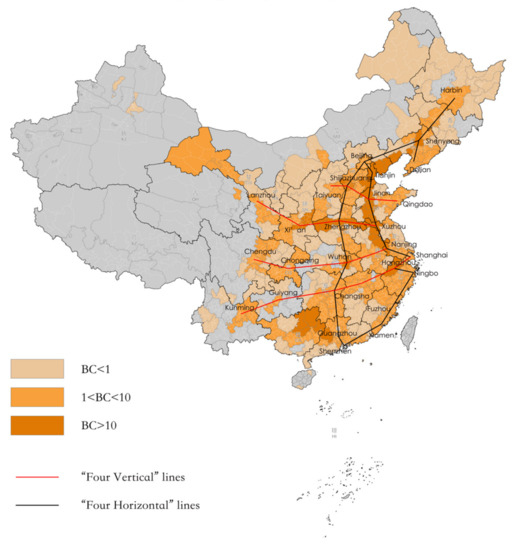
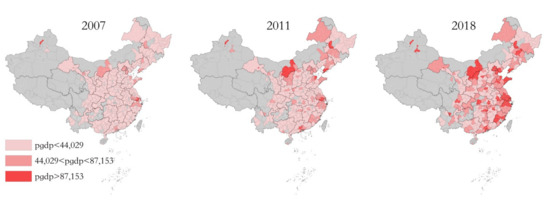
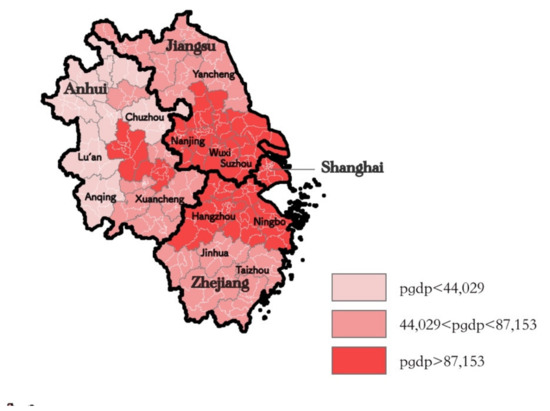
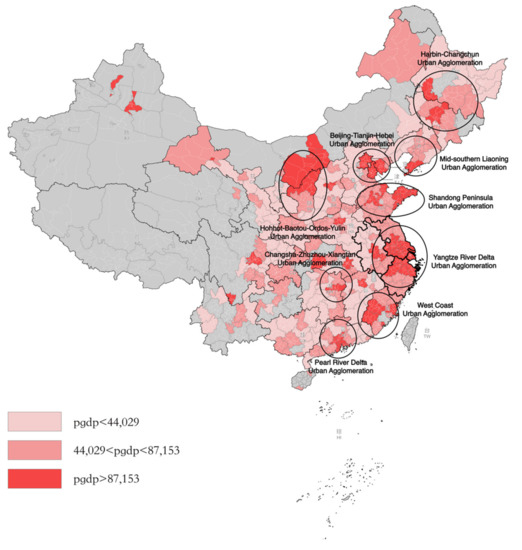
The construction of China’s high-speed rail has been arousing controversy for the possibility of exacerbating regional imbalance. This paper provides an empirical analysis based on the panel data of 276 prefecture-level cities during 2007–2018 to explore the authenticity of this inference. The panel threshold model is adopted to investigate whether the economic growth becomes stronger and more equal among China’s cities under the impact of the rapidly expanding high-speed rail network by taking per capita gross domestic product (pGDP) as the threshold variable. To fully explore the dynamic function, we incorporate three progressive indices to measure the role of cities in China’s high-speed rail network: the existence of high-speed rail, the number of lines, and the betweenness centrality of the city in the entire network. The result shows that high-speed rail can promote economic growth and that there is a threshold effect in this process. Specifically, cities with higher pGDP can benefit more from high-speed rail. Another significant conclusion can be drawn that high-speed rail can intensify regional disparities, yet the marginal economic gap tends to decline as the high-speed rail network gets more optimized. Meanwhile, this study recognized nine circle-like high-speed rail urban agglomerations based on empirical results, reflecting the polycentric developing pattern of China.
Full article
►▼
Show Figures
Open AccessArticle
Travel Behavior before and during the COVID-19 Pandemic in Brazil: Mobility Changes and Transport Policies for a Sustainable Transportation System in the Post-Pandemic Period
by
Carolina Silva Costa, Cira Souza Pitombo and Felipe Lobo Umbelino de Souza
Cited by 32 | Viewed by 6609
Abstract
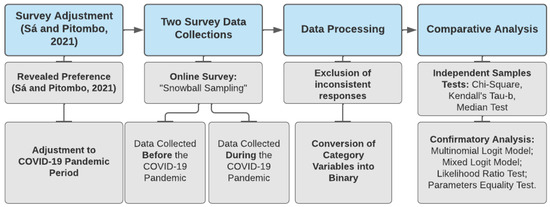
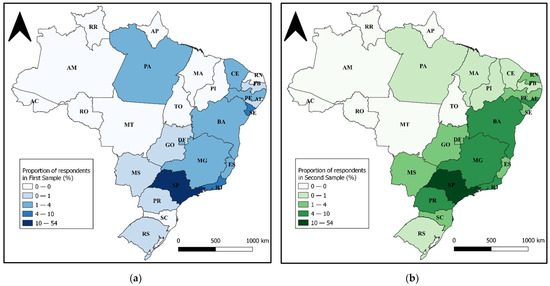
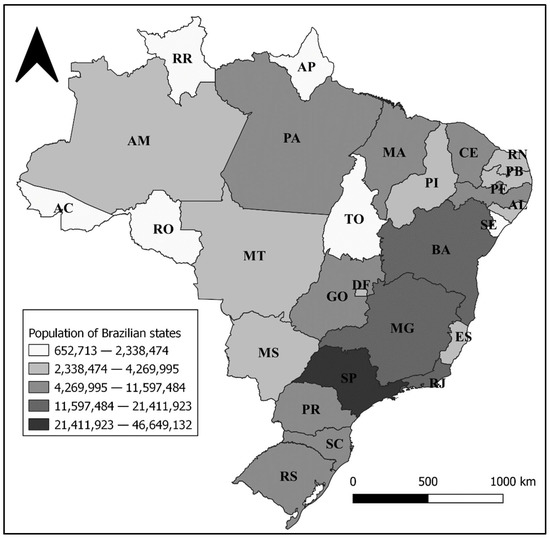
This article was motivated by the urban mobility changes observed at the onset of the COVID-19 pandemic in Brazil. We aim to analyze travel behavior before and during the COVID-19 pandemic in Brazil considering two samples of revealed preference online data, independent samples
[...] Read more.
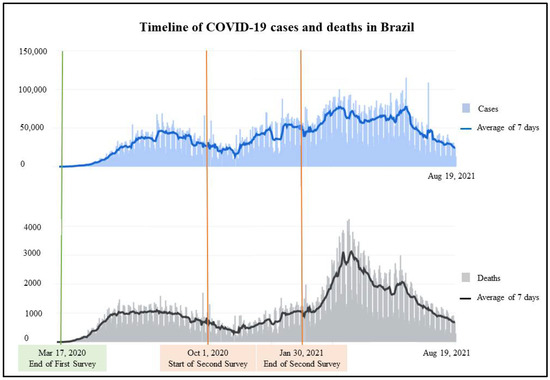
This article was motivated by the urban mobility changes observed at the onset of the COVID-19 pandemic in Brazil. We aim to analyze travel behavior before and during the COVID-19 pandemic in Brazil considering two samples of revealed preference online data, independent samples tests, multinomial logit models (MNL), and mixed logit models (ML). The analysis shows a decrease in Urban Public Transport (UPT) use. Comfort and frequency of the UPT service were important factors to attract users during the pandemic period. Ridesourcing services were used for leisure purposes before the pandemic. During the pandemic, they were used for health purposes. Active modes were used more for shopping and leisure purposes during the pandemic. Regarding car users, such as drivers, it was found that they used ridesourcing less often during the pandemic than before. The main contribution of this research concerns the changes in travel behavior that might remain and how these analyses can shape sustainable transportation public policies in the future. Therefore, for a Brazilian study case, this article suggests an increase in the quality of UPT services, a reform on pricing regulations for UPT, an increase in the infrastructure for active modes, an implementation of car demand management strategies, and more strategies to support teleworking as a form of traffic demand management.
Full article
►▼
Show Figures
Open AccessArticle
Social Psychology and the Willingness of Different Citizens to Participate in a Car Lottery
by
Junze Zhu, Hongzhi Guan, Hai Yan and Hongfei Wang
Viewed by 2669
Abstract
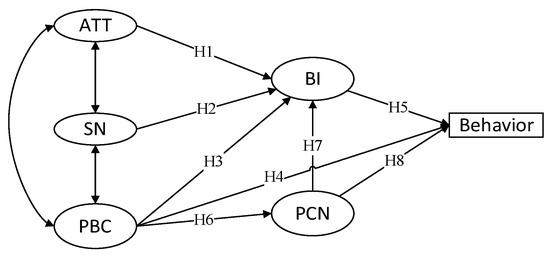
To investigate citizens’ participation behavior in the lottery under the influence of the license plate lottery policy (LPLP) and to guide them to participate in the lottery rationally, this paper, based on social psychology and combined with the theory of planned behavior, divides
[...] Read more.
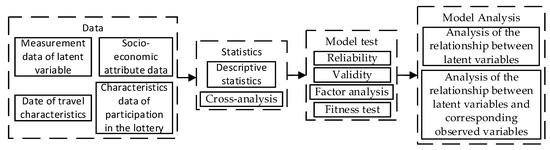
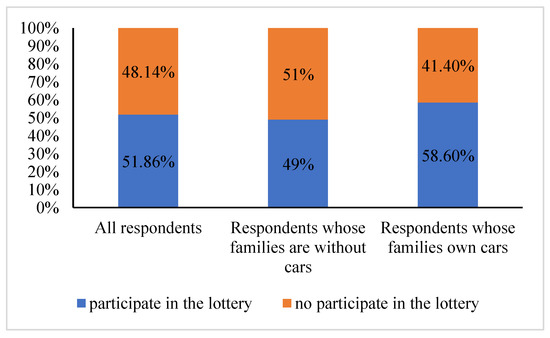
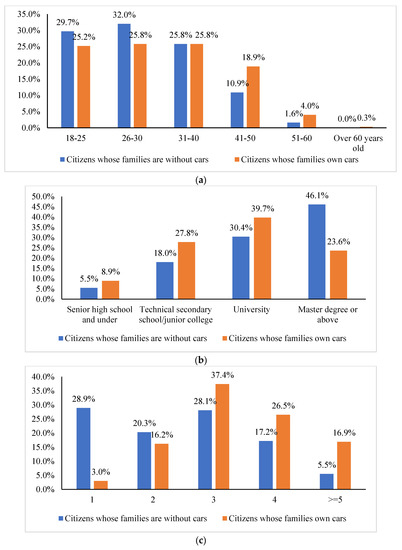
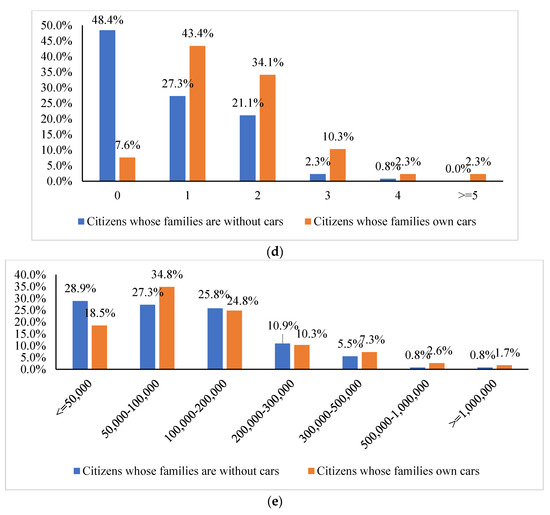
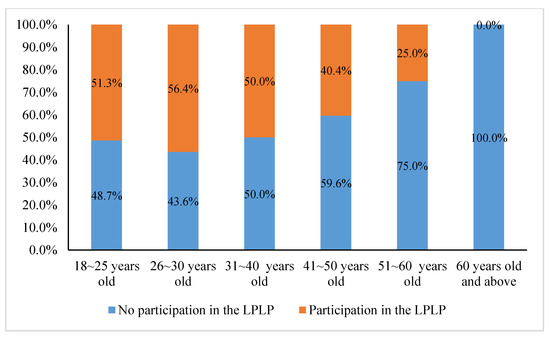
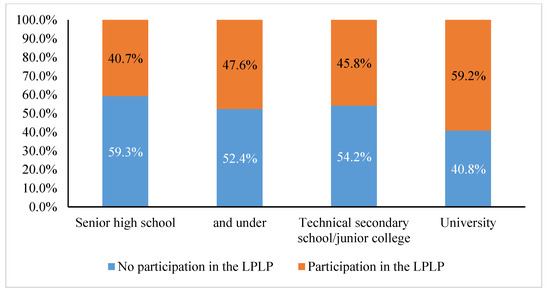
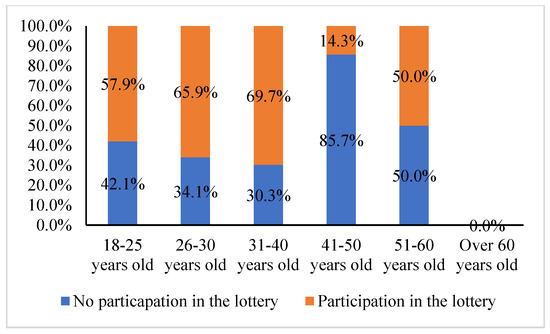
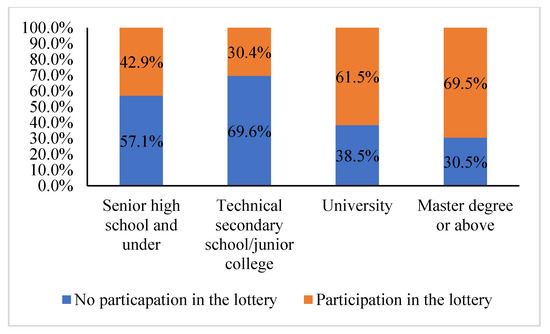
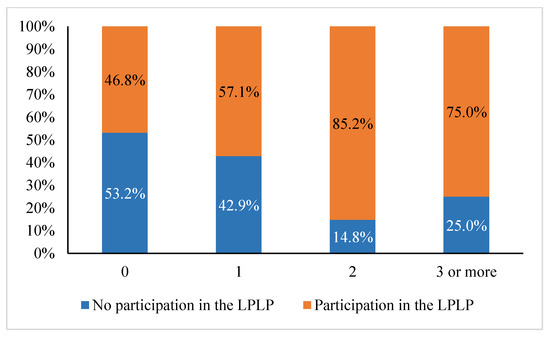
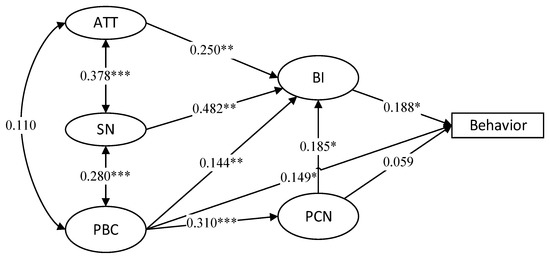
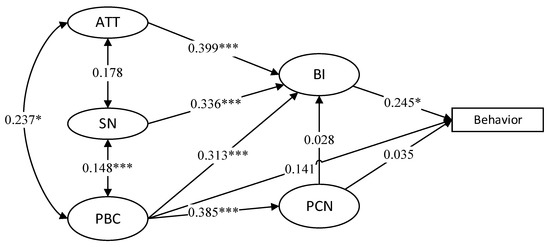
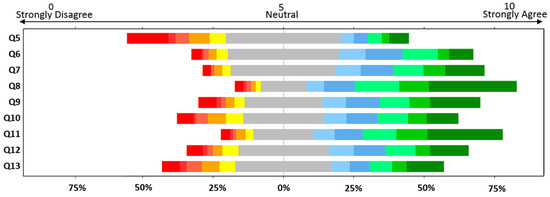
To investigate citizens’ participation behavior in the lottery under the influence of the license plate lottery policy (LPLP) and to guide them to participate in the lottery rationally, this paper, based on social psychology and combined with the theory of planned behavior, divides citizens into citizens with cars in their households and citizens without cars in their households. This study then separately constructs structural equation models, sets perceived car necessity (PCN), perceived behavioral control (PBC), attitude toward car ownership (ATT), and subjective norms (SN), respectively. These four psychological latent variables were used to analyze the participation behavior of different categories of citizens in the car lottery from the perspective of psychological factors. Our empirical study found that there are significant differences in age and the number of people living together. The mechanism of their intention to participate in the car lottery and the psychological factors are different. The psychological factors affecting the intention of people with a car and people without a car to participate in the car lottery are SN > ATT > PCN > PBC and ATT > SN > PBC, respectively. Our research results can help to identify the internal factors and mechanisms that influence citizens’ intention to participate in the car lottery and help government administrators to optimize the LPLP.
Full article
►▼
Show Figures
Open AccessEditor’s ChoiceArticle
Determining the Factors That Influence Electric Vehicle Adoption: A Stated Preference Survey Study in Beijing, China
by
Ziwen Ling, Christopher R. Cherry and Yi Wen
Cited by 109 | Viewed by 21771
Abstract
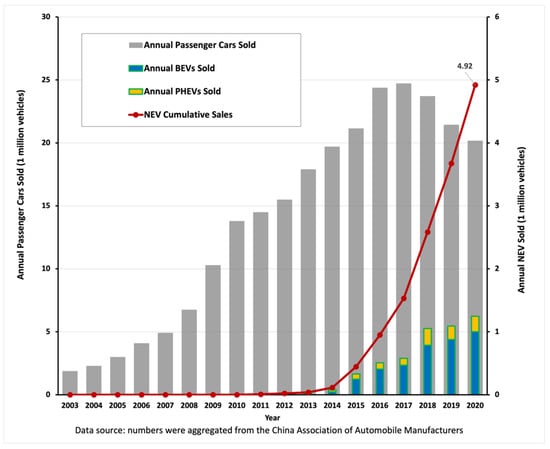
The transition from conventional vehicles (CVs) to electric vehicles (EVs) could be promising in tackling environmental challenges in China. Using a sample of 1216 respondents in Beijing, China, our study intends to understand the underlying factors that drive the decision to purchase an
[...] Read more.
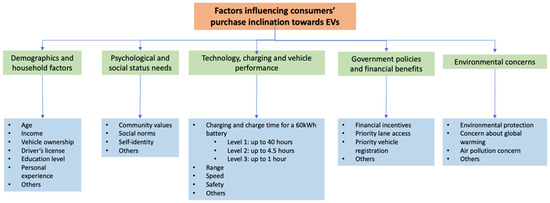
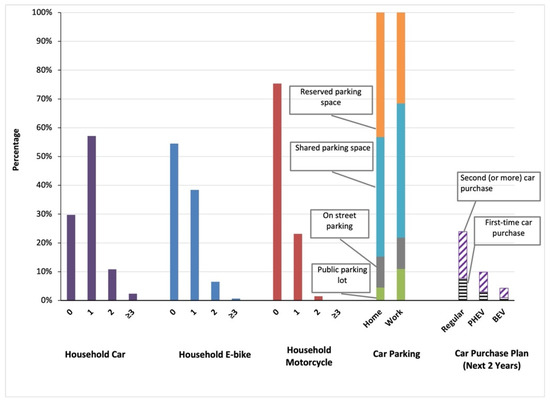
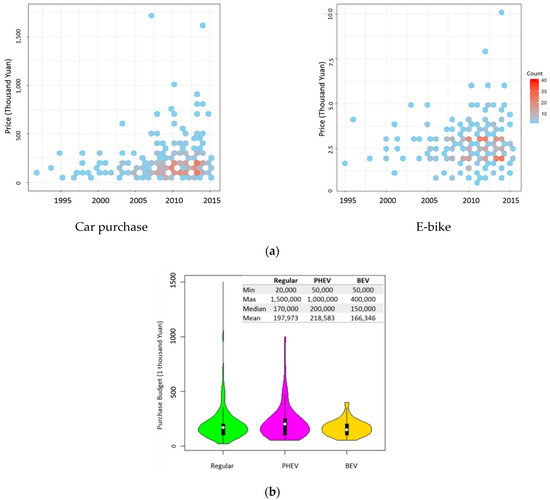
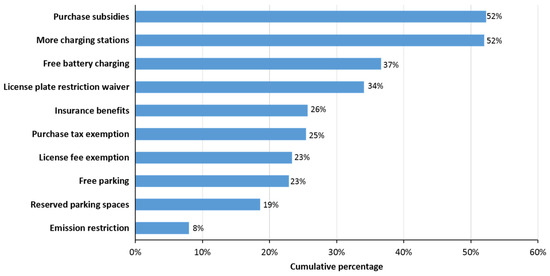
The transition from conventional vehicles (CVs) to electric vehicles (EVs) could be promising in tackling environmental challenges in China. Using a sample of 1216 respondents in Beijing, China, our study intends to understand the underlying factors that drive the decision to purchase an EV among potential Chinese vehicle purchasers. We built two choice models to estimate vehicle purchase behavior and fuel choice. We found that males and having higher household income are associated with greater intention to purchase EVs (both plug-in and battery electric vehicles). However, a previous inclination to choose CV negatively impacted willingness to buy EVs. Between specific EV types, we found that Plug-in Hybrid EV (PHEV) purchase was negatively associated with plans to obtain a driver’s license within three years and longer durations of having owned a motorized vehicle first. Yet, the number of electric bicycles in the household was positively associated with PHEV-purchase likelihood. For Battery EVs (BEV), we found that respondents who had previous experience with an EV (either as a driver or passenger) were more likely to purchase a BEV while existing ownership of a driver’s license and a higher purchase budget reduced such possibility. Based on our findings, we recommend authorities continue to, or increasingly, provide direct monetary incentives to purchase EVs, and to provide EV driving and riding experience to customers, especially who are in the middle- and low-income vehicle purchasing groups, to improve the Chinese EV market relative to CVs.
Full article
►▼
Show Figures
Open AccessArticle
Improvement of Container Terminal Productivity with Knowledge about Future Transport Modes: A Theoretical Agent-Based Modelling Approach
by
Mehdi Mazloumi and Edwin van Hassel
Cited by 6 | Viewed by 7198
Abstract
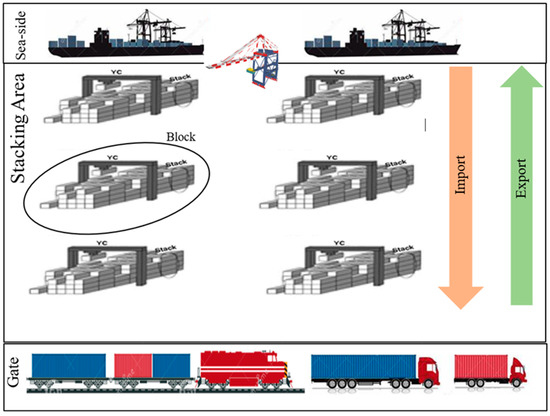
Despite all the achievements in improving container terminal performance in terms of equipment and container stacking systems (CSS), terminal operators are still facing several challenges. One of these challenges is the lack of information about further transportation modes of the container, which leads
[...] Read more.
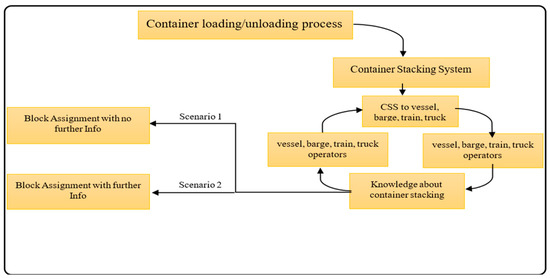
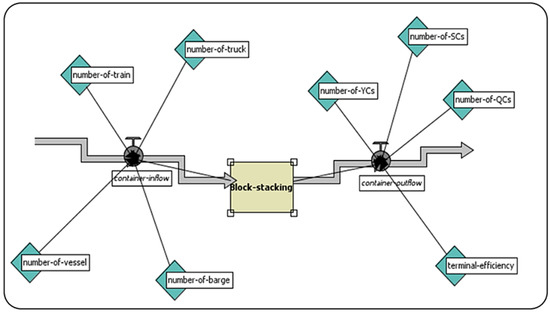
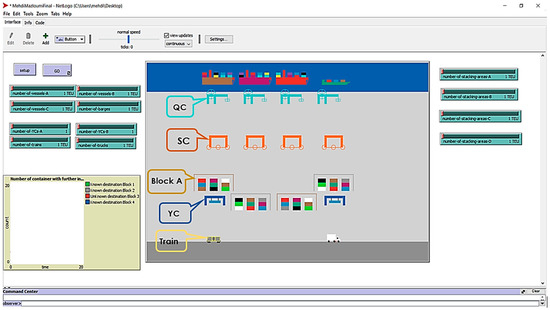
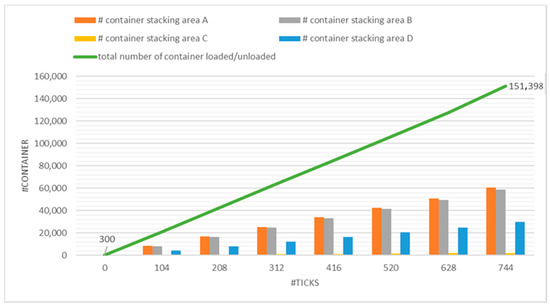
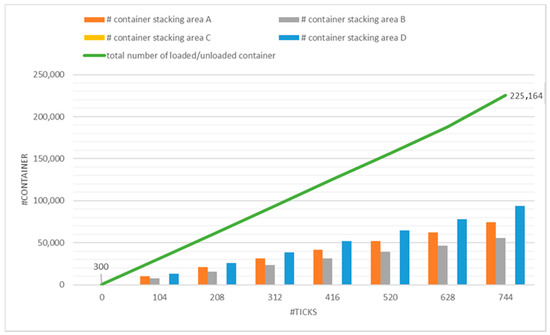
Despite all the achievements in improving container terminal performance in terms of equipment and container stacking systems (CSS), terminal operators are still facing several challenges. One of these challenges is the lack of information about further transportation modes of the container, which leads to extra movements of the container inside the stacking area. Hence, we aimed to examine factors that affect container handling processes and to evaluate a container terminal’s overall equipment effectiveness. This study used data from a container terminal at the Port of Antwerp, Belgium. An agent-based model was developed based on a block-stacking strategy to investigate two scenarios: (1) having information about further transportation modes and (2) a base scenario. The Overall Equipment Effectiveness Index (OEE) was also adopted to evaluate the container terminal’s effectiveness in both scenarios. Results showed that having information on further transportation mode significantly increased the container outflow, and the OEE index improved compared to the base scenario’s results. Therefore, we recommend an integrated data-sharing system where all the stakeholders can share their information with no fear of losing their market share.
Full article
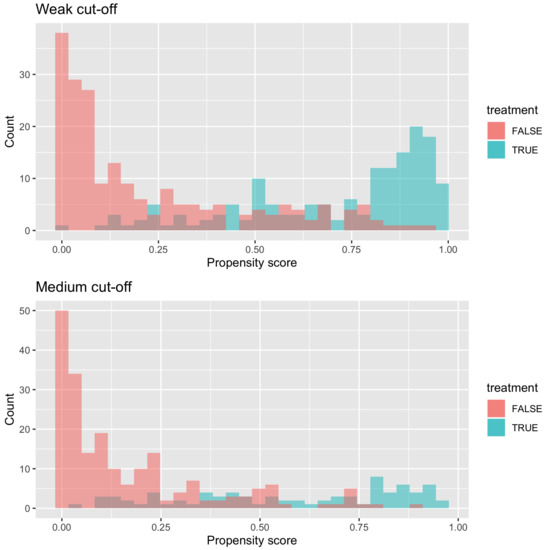
►▼
Show Figures
Open AccessArticle
Comprehensive Operation Risk Assessment of a Highway Maintenance Area Based on Reliability
by
Nan Ouyang
Cited by 2 | Viewed by 2772
Abstract
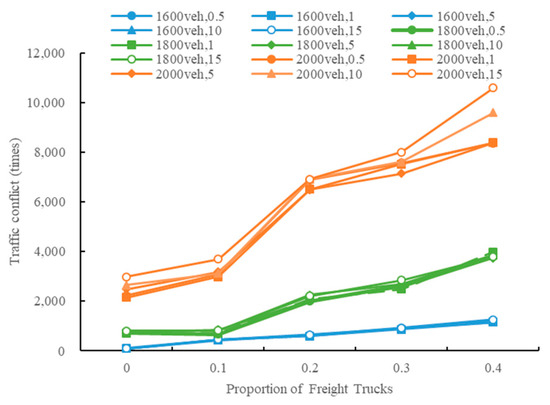
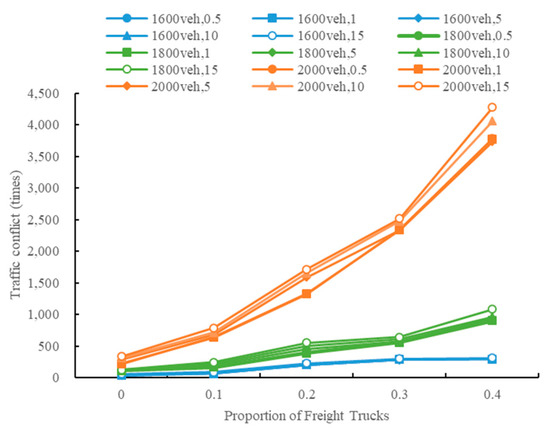
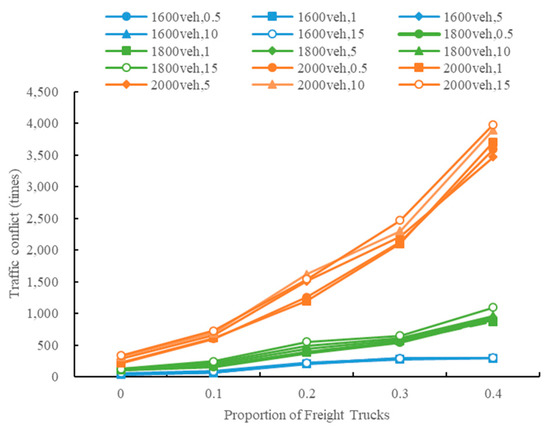
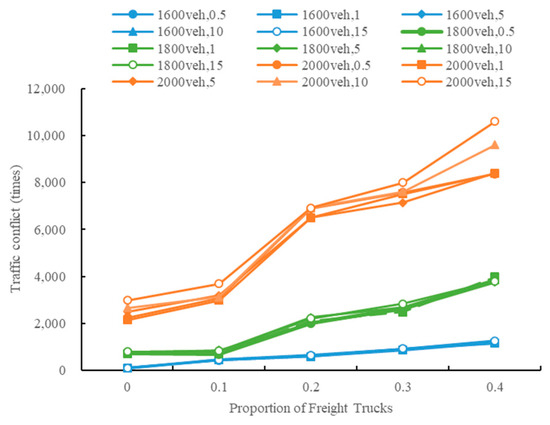
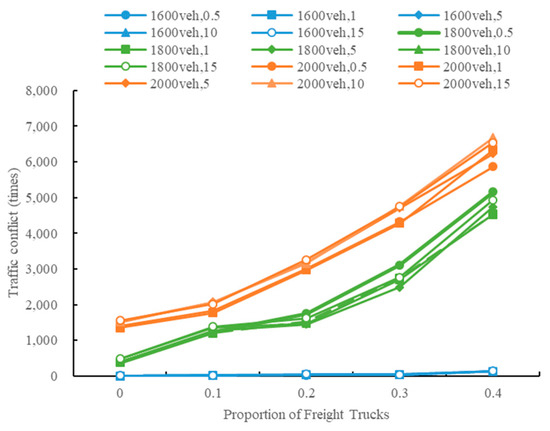
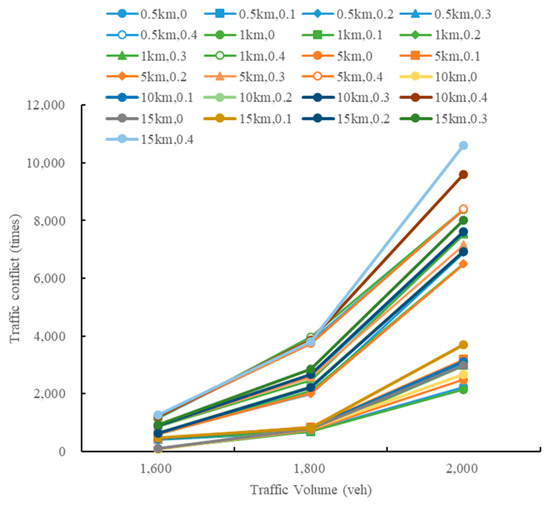
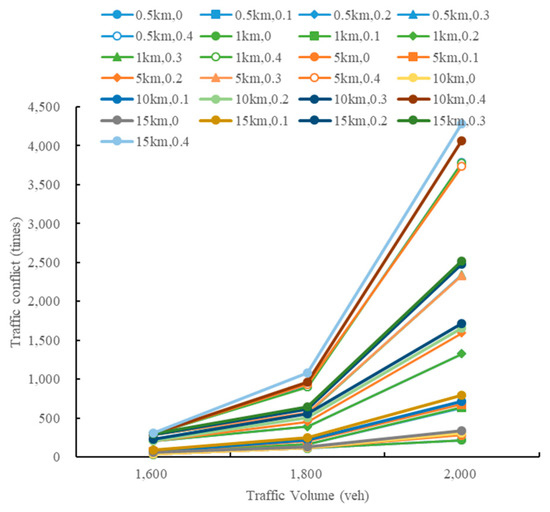
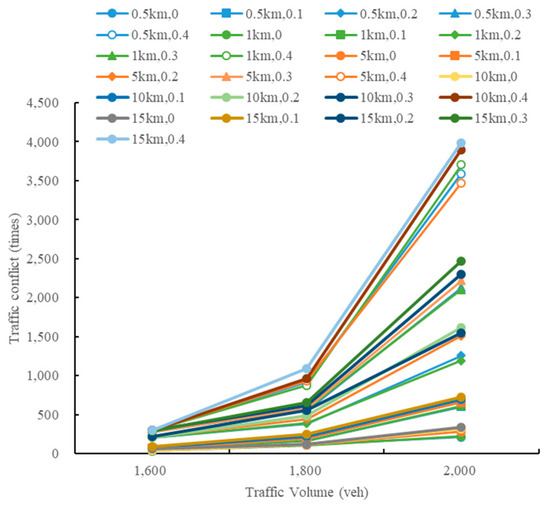
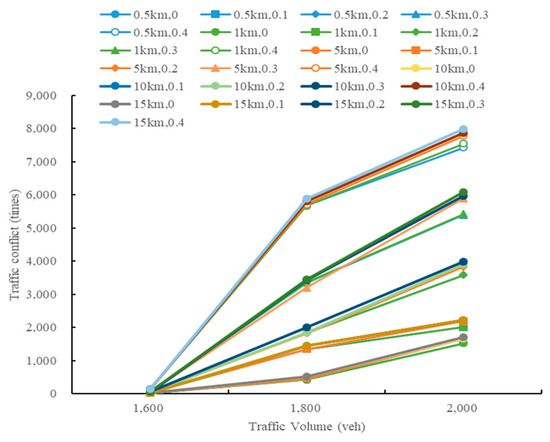
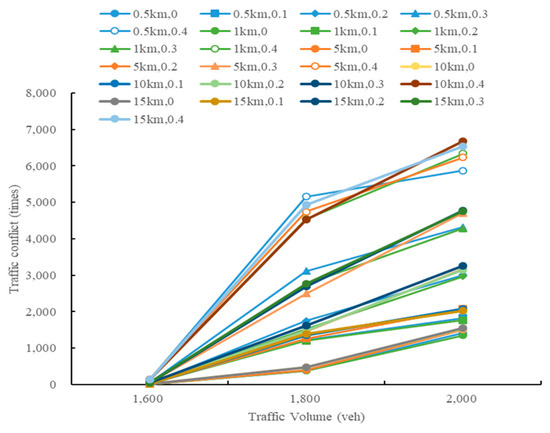
To study the influence of various working conditions on traffic safety in the maintenance area of a mountain expressway, 675 groups of PTV VISSIM traffic simulation experiments were designed with various traffic organization modes, traffic volumes, traffic compositions, activity area lengths, and speed
[...] Read more.
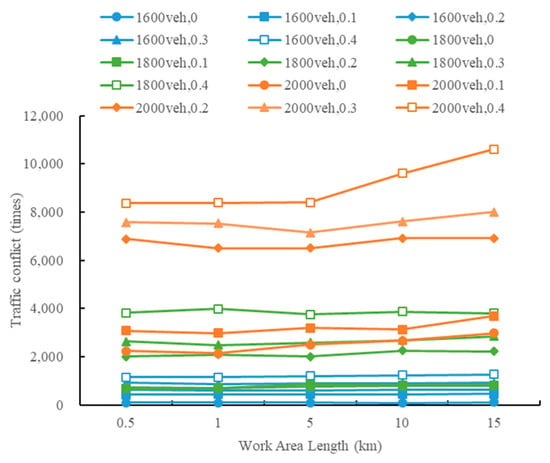
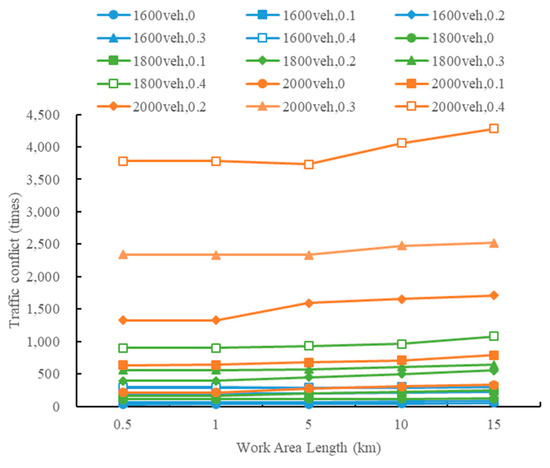
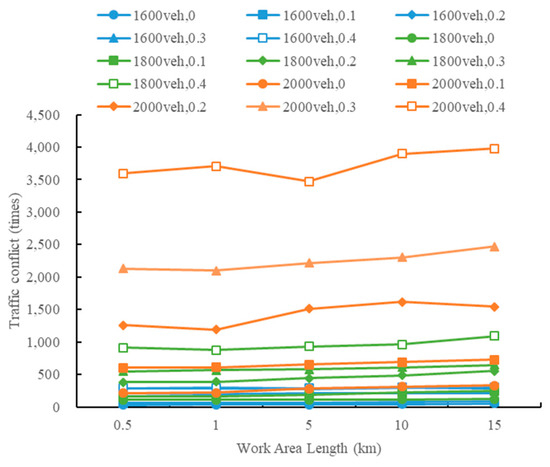
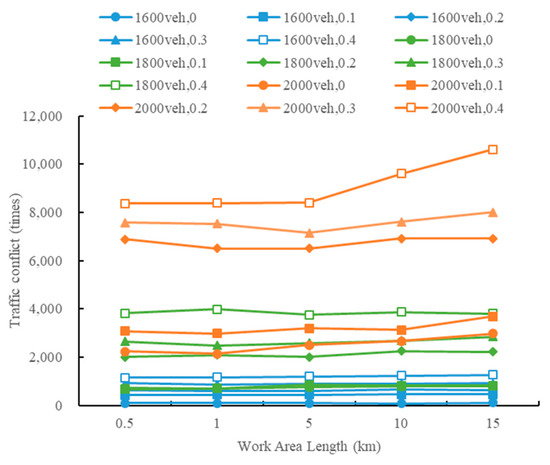
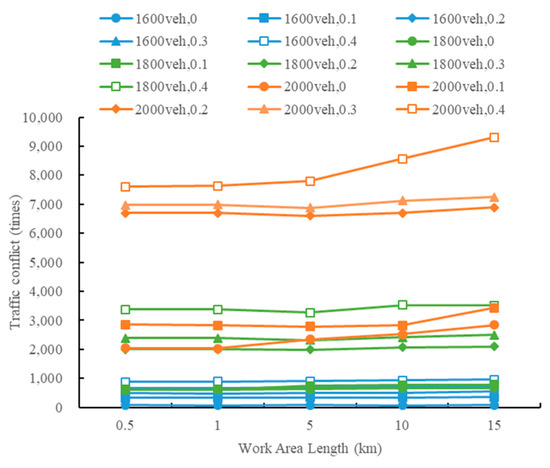
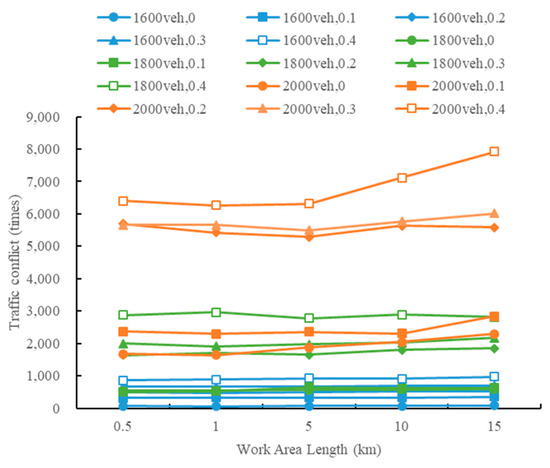
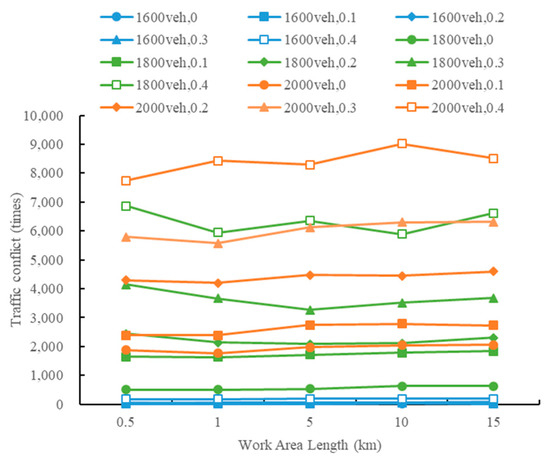
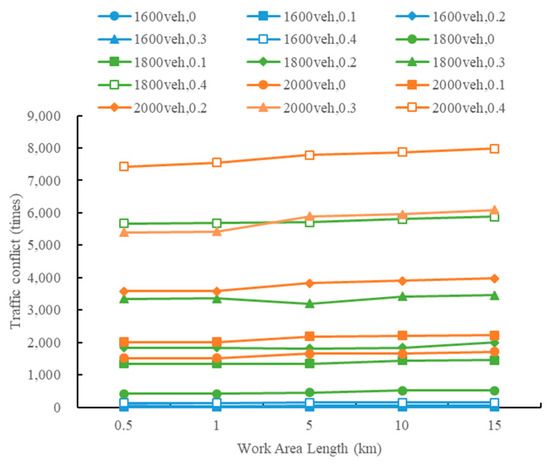
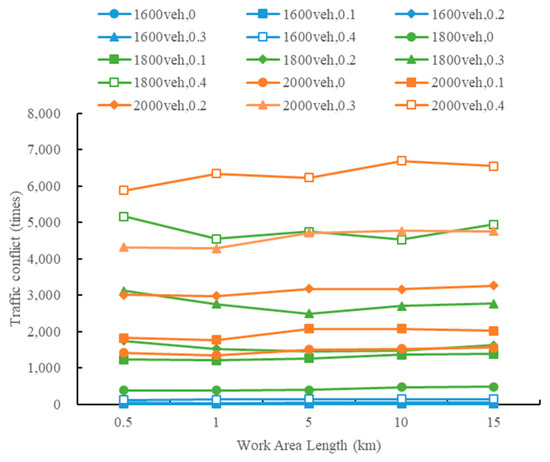
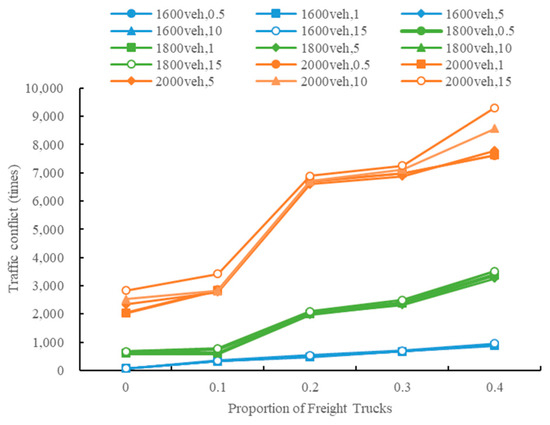
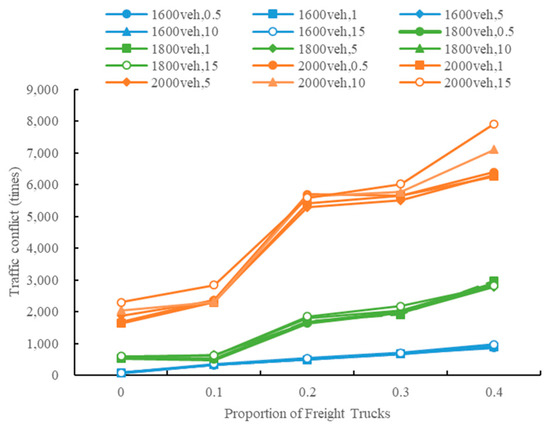
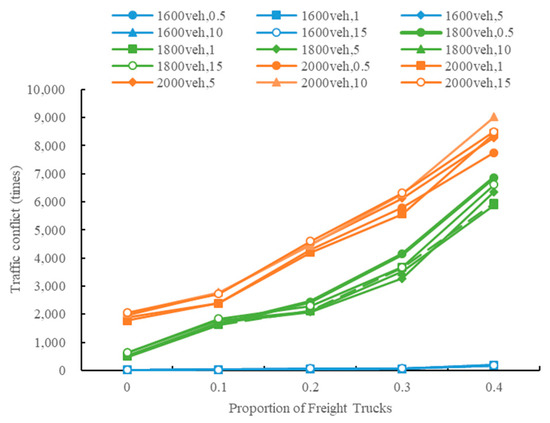
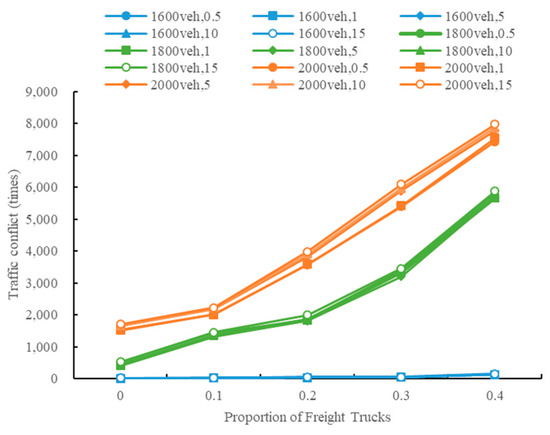
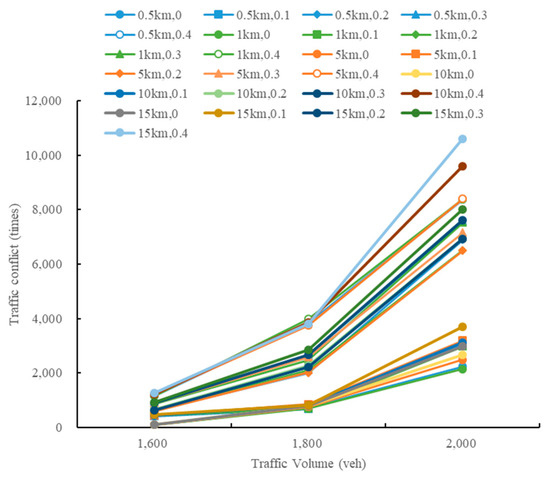
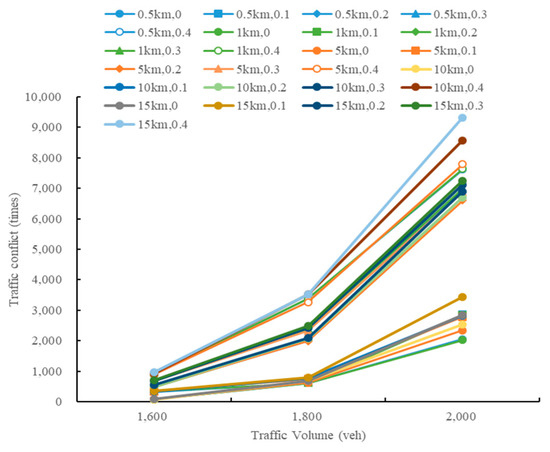
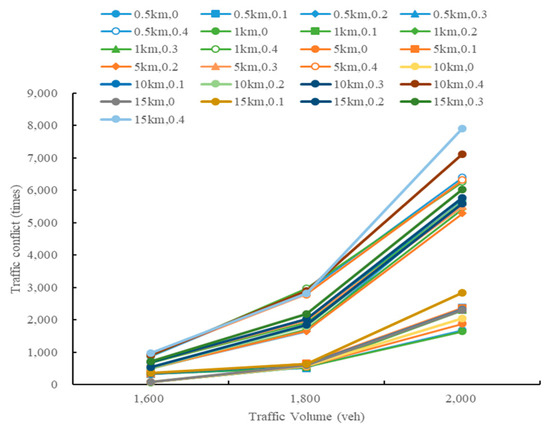
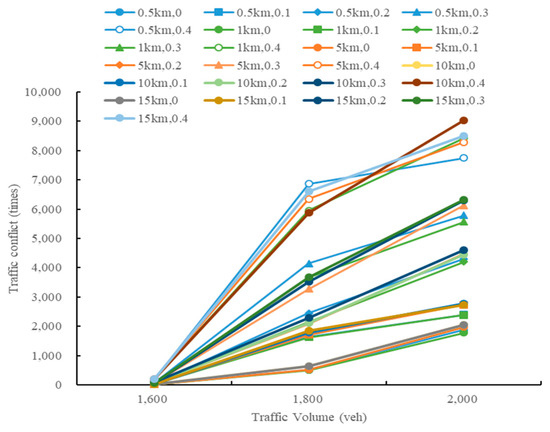
To study the influence of various working conditions on traffic safety in the maintenance area of a mountain expressway, 675 groups of PTV VISSIM traffic simulation experiments were designed with various traffic organization modes, traffic volumes, traffic compositions, activity area lengths, and speed limit values. The results show that the activity area length of a closed lane, a compressed lane, and a borrowed opposite lane had no marked influence on the traffic conflicts. There was a significant positive correlation between the proportion of trucks and the number of traffic conflicts, and the number of traffic conflicts increased significantly with an increase in traffic volume. In the closed lane and borrowed opposite lane scenarios, the increase in traffic conflicts was more obvious with the increase in traffic volume. There were obvious differences in the number of traffic conflicts under different forms of traffic organization. The number of conflicts in the compressed lane scenario was the lowest, and in the borrowed opposite lane scenario the number of conflicts was the highest. There was a significant correlation between a decrease in the speed limit and an increase in the number of traffic conflicts. Finally, with traffic volume, truck proportion, and speed limit values as independent variables and reliability as a dependent variable, linear regression equations of reliability were established for three traffic organization scenarios: closed lane, borrowed opposite lane, and compressed lane.
Full article
►▼
Show Figures
Open AccessArticle
Optimal Urban Transit Investment Model and Its Application
by
Nir Sharav and Yoram Shiftan
Cited by 2 | Viewed by 4152
Abstract
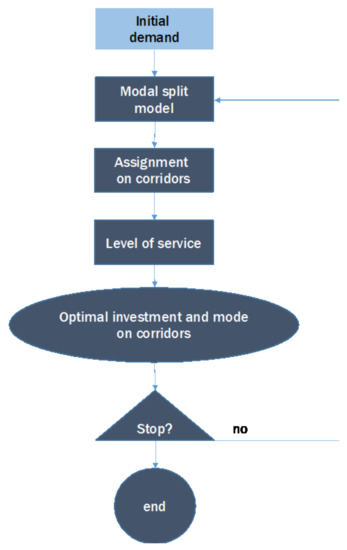
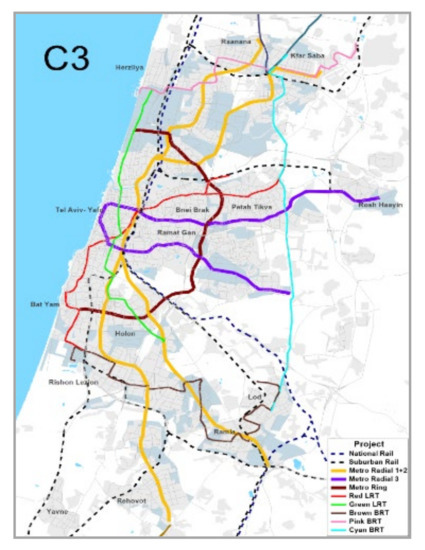
We present a new urban transit investment model, integrating transport economic theory regarding optimal investment with transport modeling, planning, and network design. The model expands on the theory of optimal transit network planning and investment, accounting for the effects of the investment on
[...] Read more.
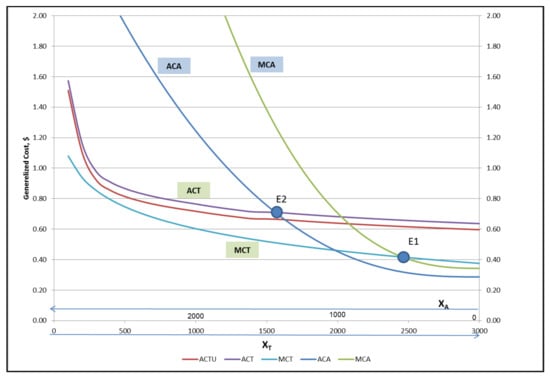
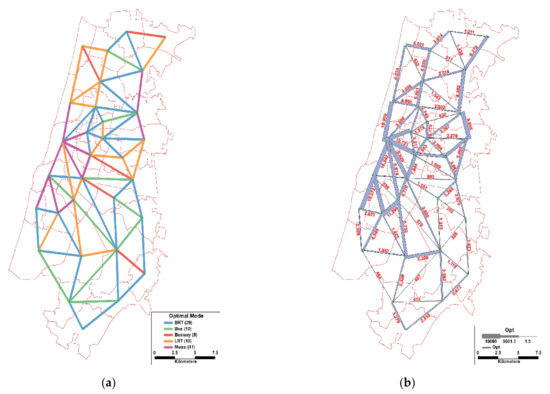
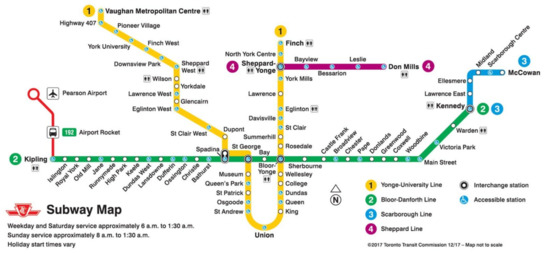
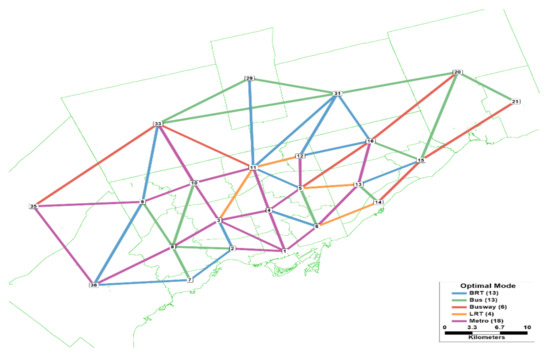
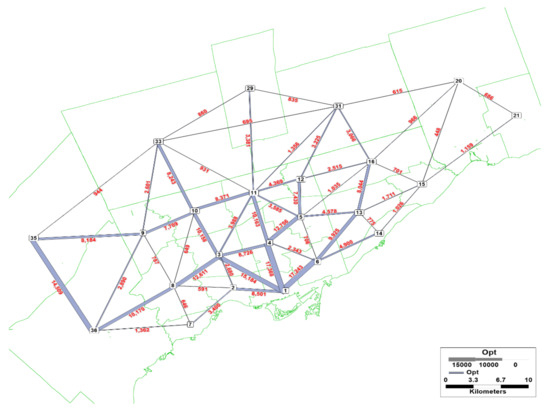
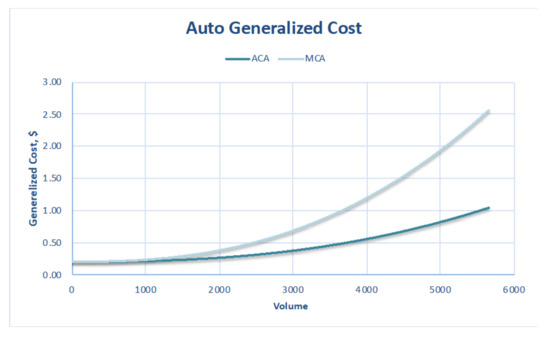
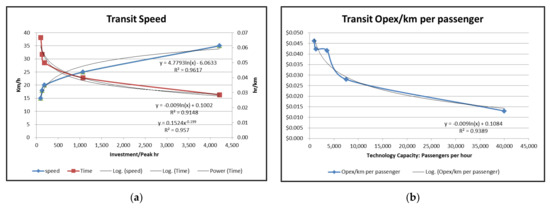
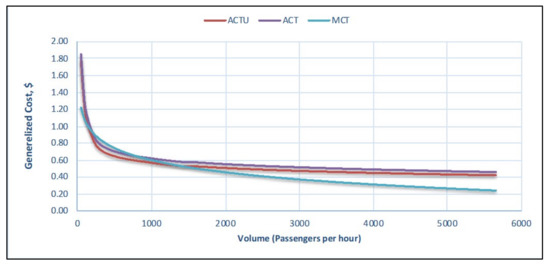
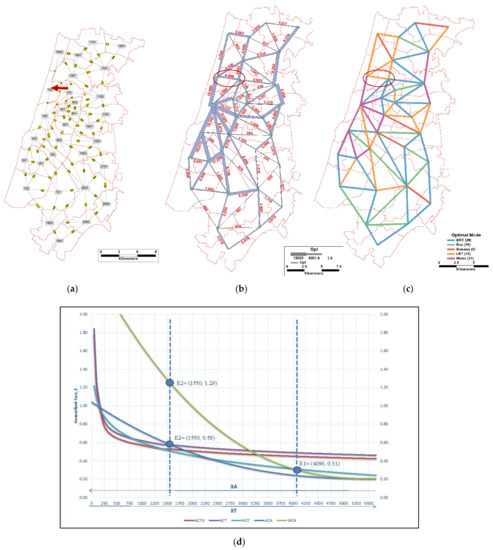
We present a new urban transit investment model, integrating transport economic theory regarding optimal investment with transport modeling, planning, and network design. The model expands on the theory of optimal transit network planning and investment, accounting for the effects of the investment on accessibility, level of service, and speed. The model seeks long-term optimal transit investment and optimal road pricing simultaneously in an integrated, unified model. To illustrate the advantages of our approach, we applied our empirical model to two case studies, Tel Aviv and Toronto, integrating our theoretical contribution into practice. Our results demonstrate the model’s ability to indicate the optimal transit mode and investment on a corridor level and the total investment required for the city transit network. The model results were compared to the actual and planned transit networks of Tel Aviv and Toronto and showed the model’s capability to produce a good balance of strategic design and network details. The research concludes that applying the right toll with the applicable transit investment is crucial for obtaining an efficient network and performance. This research can direct planners and policymakers in planning urban transport and provide a comprehensive set of guidelines for optimizing the simultaneous investment in mass transit and the congestion toll toward more sustainable cities and transportation systems.
Full article
►▼
Show Figures
Open AccessArticle
Economic Value of Terminal Aerodrome Forecasts at Incheon Airport, South Korea
by
In-Gyum Kim, Hye-Min Kim, Dae-Geun Lee, Byunghwan Lim and Hee-Choon Lee
Cited by 1 | Viewed by 3945
Abstract
Meteorological information at an arrival airport is one of the primary variables used to determine refueling of discretionary fuel. This study evaluated the economic value of terminal aerodrome forecasts (TAF), which has not been previously quantitatively analyzed in Korea. The analysis data included
[...] Read more.
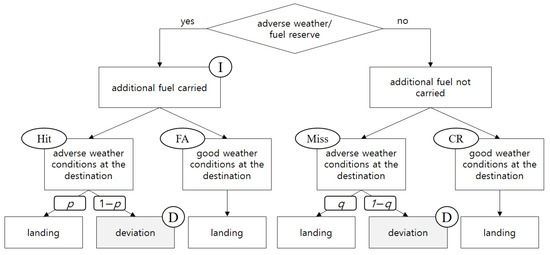
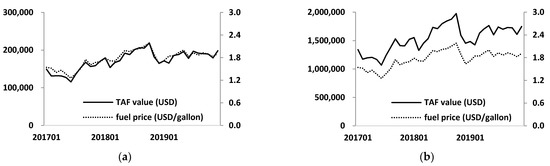
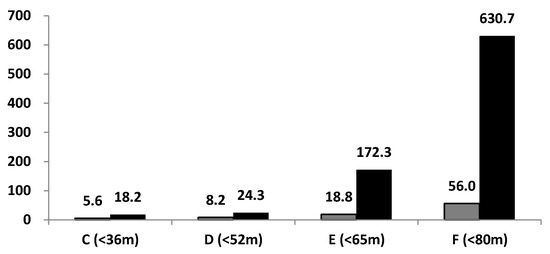
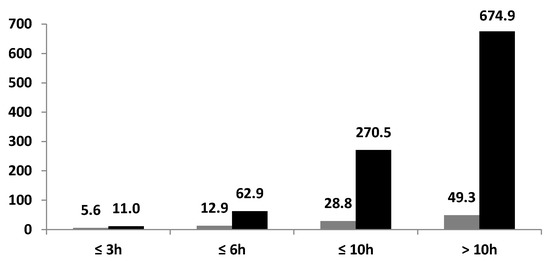
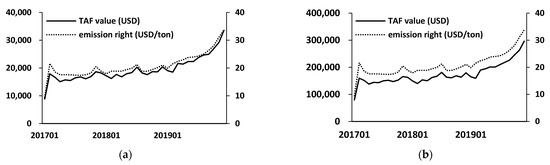
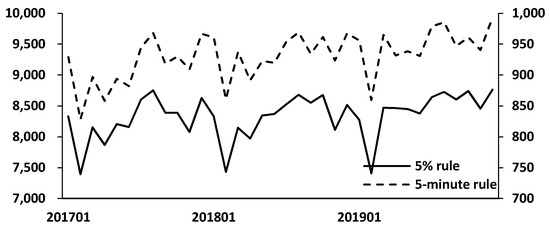
Meteorological information at an arrival airport is one of the primary variables used to determine refueling of discretionary fuel. This study evaluated the economic value of terminal aerodrome forecasts (TAF), which has not been previously quantitatively analyzed in Korea. The analysis data included 374,716 international flights that arrived at Incheon airport during 2017–2019. A cost–loss model was used for the analysis, which is a methodology to evaluate forecast value by considering the cost and loss that users can expect, considering the decision-making result based on forecast utilization. The value was divided in terms of improving fuel efficiency and reducing CO
2 emissions. The results of the analysis indicate that the annual average TAF value for Incheon Airport was approximately 2.2 M–20.1 M USD under two hypothetical rules of refueling of discretionary fuel. This value is up to 26.2% higher than the total budget of 16.3 M USD set for the production of aviation meteorological forecasts by the Korea Meteorological Administration (KMA). Further, it is up to 10 times greater than the 2 M USD spent on aviation meteorological information fees collected by the KMA in 2018.
Full article
►▼
Show Figures
Open AccessArticle
Travelers on the Railway: An Economic Growth Model of the Effects of Railway Transportation Infrastructure on Consumption and Sustainable Economic Growth
by
Congliang Wu, Ning Zhang and Liwen Xu
Cited by 24 | Viewed by 6760
Abstract
The impacts of transportation infrastructure on sustainable economic development are multifaceted. The existing literature works on the assumption that transportation infrastructure influences sustainable economic development by influencing production behavior. By observing the increasingly common phenomenon of family tourism, this paper finds that transportation
[...] Read more.
The impacts of transportation infrastructure on sustainable economic development are multifaceted. The existing literature works on the assumption that transportation infrastructure influences sustainable economic development by influencing production behavior. By observing the increasingly common phenomenon of family tourism, this paper finds that transportation infrastructure not only affects production behavior, but also directly impacts residents’ consumption behavior. Based on this, this paper constructs a growth model in which the traffic infrastructure affects both production and consumption in order to reveal the mechanism by which railway infrastructure changes residents’ consumption structures and ultimately promotes sustainable economic growth by promoting private tourism. In order to verify this theoretical proposition, this paper also constructs panel data from the provinces of China from 2008 to 2018 and conducts an empirical study. It was found that railway and railway infrastructure investments can not only directly promote sustainable economic development through the multiplier effect, but can also indirectly promote economic growth by increasing the amounts of private tourism and their proportions.
Full article
Open AccessArticle
Decision-Making Process for Demand Response Public Transportation Service Design—A Case Study in Incheon, Korea
by
Chang-Gyun Roh and Hyeonmyeong Jeon
Cited by 5 | Viewed by 5403
Abstract
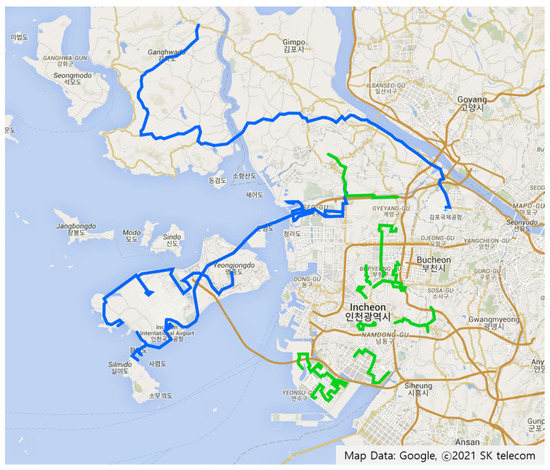
Incheon is a major city comprising the metropolitan area around Seoul. However, it ranks the lowest in terms of road extension scale relative to population and number of vehicles. There is extreme traffic congestion and shortages of parking spaces in downtown Incheon, impacting
[...] Read more.
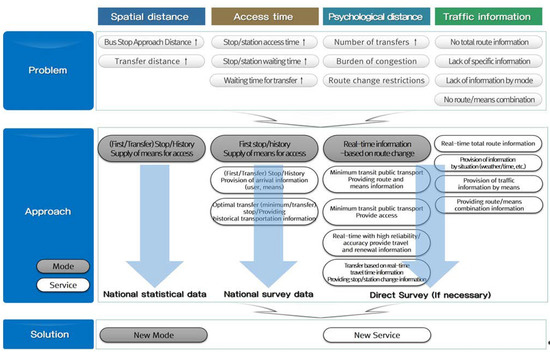
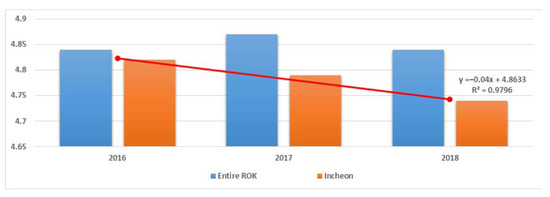
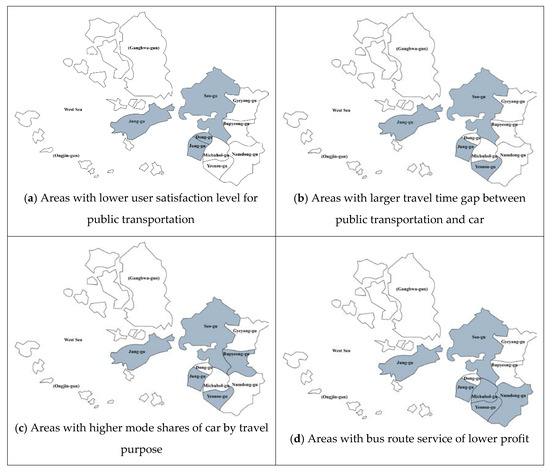
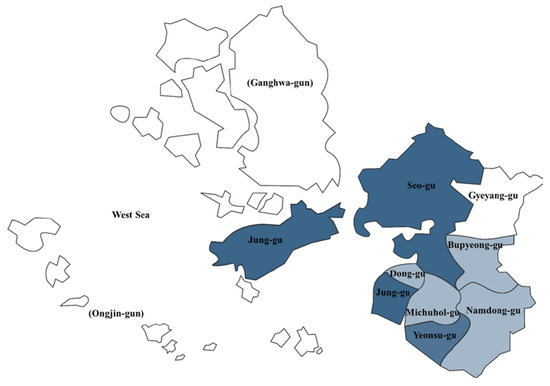
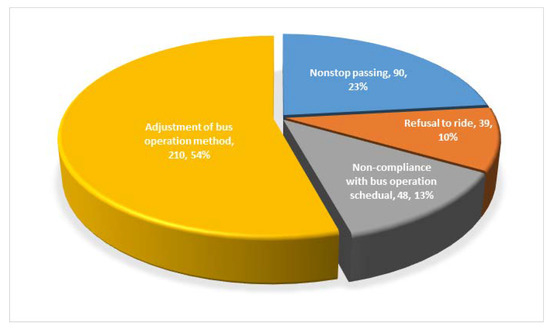
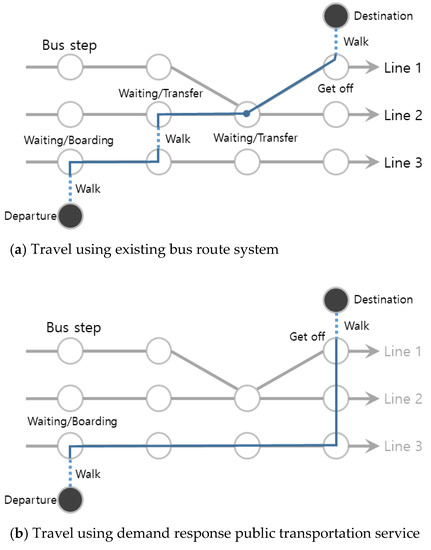
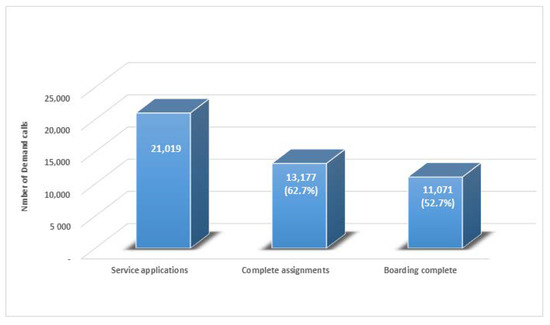
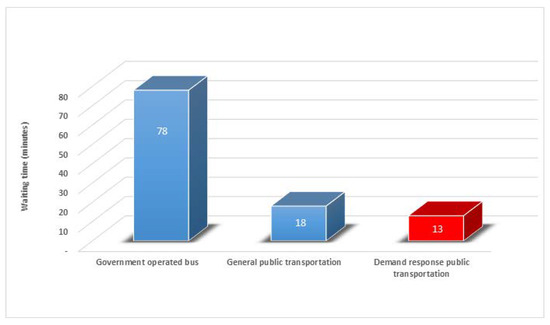
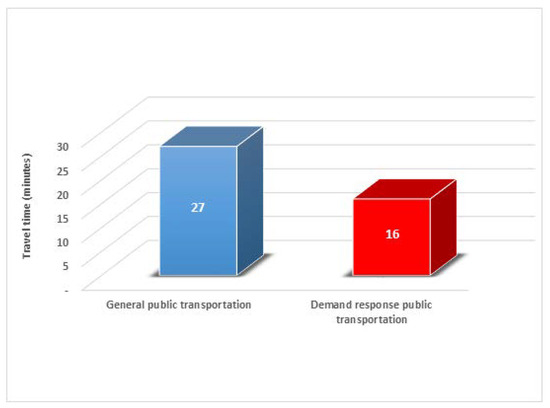
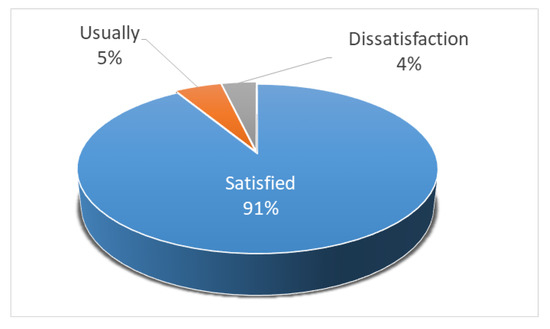
Incheon is a major city comprising the metropolitan area around Seoul. However, it ranks the lowest in terms of road extension scale relative to population and number of vehicles. There is extreme traffic congestion and shortages of parking spaces in downtown Incheon, impacting traffic. Alternative policies of the municipal government to address these issues, including road extension and improving public transportation, have not shown results because of the low satisfaction level of the public transportation service and limited transportation mode transfer owing to travel within the metropolitan area. Therefore, to improve the public transportation service, conducting a comprehensive analysis on the current service and improving its quality were deemed necessary. Additionally, adopting a demand response public transportation service was considered. In conjunction, objective and easy-to-use data should be used, so that if anyone repeats the procedure, the same result should be obtained. For this, we propose the simplest process. Thus, to introduce the service, this study presents a decision-making process by establishing a regional prioritizing methodology based on the transportation environment satisfaction level, average access time to major facilities, public transportation competitiveness, personal vehicle demand, and existing public transit routes. To assess the methodology feasibility and conformity, user satisfaction was analyzed in Jung-gu, Incheon. The analysis showed 91% user satisfaction, verifying that the demand response public transportation service was effectively supplied. This analysis process will be useful when applying and expanding new transportation services.
Full article
►▼
Show Figures
Open AccessArticle
Spatial and Temporal Distribution of Elderly Public Transport Mode Preference
by
Kaniz Fatima, Sara Moridpour and Tayebeh Saghapour
Cited by 11 | Viewed by 5389
Abstract
The elderly population is increasing rapidly. Understanding travel behaviour for this group of commuters (in terms of the trip purpose and travel time) is necessary for future transport planning. Many researchers are working on travel’s spatial and temporal analysis to provide operational decision
[...] Read more.
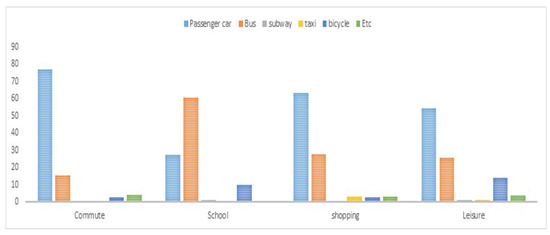
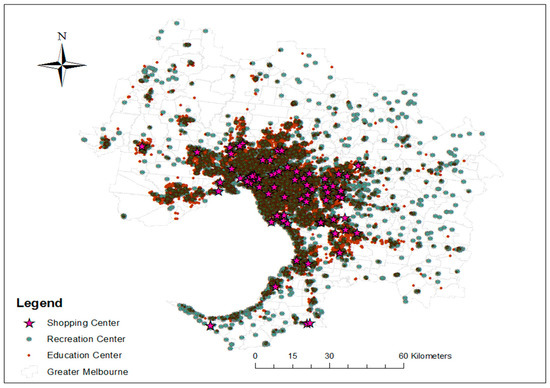
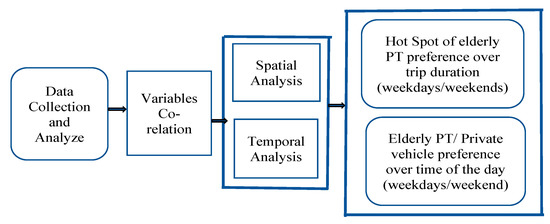
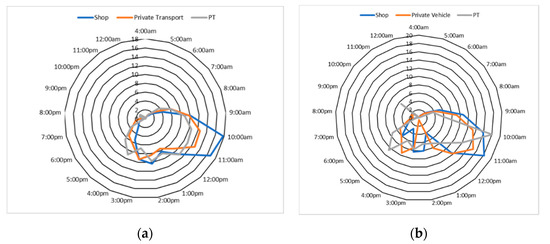
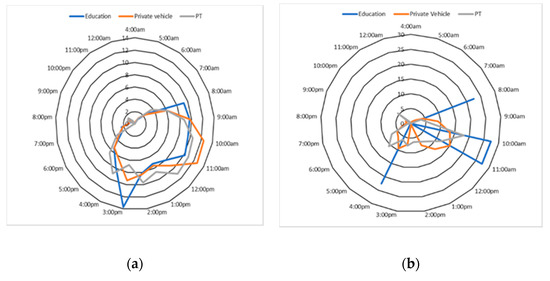
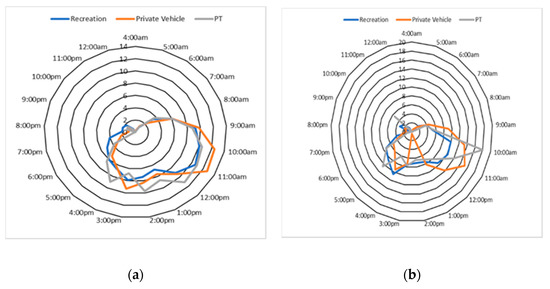
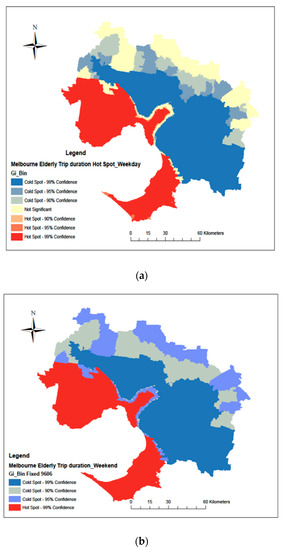
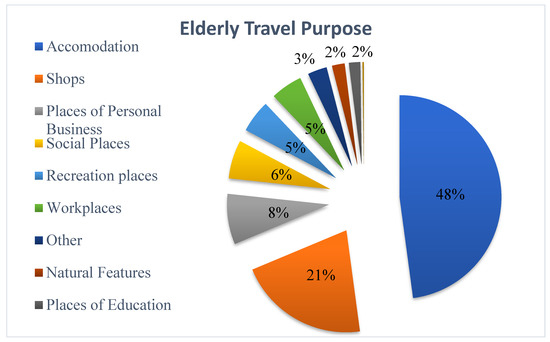
The elderly population is increasing rapidly. Understanding travel behaviour for this group of commuters (in terms of the trip purpose and travel time) is necessary for future transport planning. Many researchers are working on travel’s spatial and temporal analysis to provide operational decision making and transport network planning. This research study’s primary purpose is to identify the influence of trip duration (using public transport), time of the day (usage of public transport), and public transport (PT) accessibility over public transport mode preference by elderly (over 65 years of age) commuters. The methodology of this study is divided into two parts as spatial analysis and temporal analysis. The research identified the dependency of trip duration, time of the day, geographical areas, and PT access over transport mode preference of elderly. The temporal study shows that transport mode preference can vary depending on trip purposes. However, for specific trip durations and times of the day, the elderly sometimes choose PT as a mobility mode. For instance, on shopping trips between 10:00 and 11:00 a.m., the elderly have a greater possibility of choosing public transport over private vehicles. Moreover, the results show the public transport mode preference based on different times of the day and trip purposes. Urban and transport planner can use the results to modify/plan public transport schedule, which can be easily accessible by the elderly population.
Full article
►▼
Show Figures
Open AccessArticle
Propensity to Choose Electric Vehicles in Cross-Border Alpine Regions
by
Silvia Tomasi, Alyona Zubaryeva, Cesare Pizzirani, Margherita Dal Col and Jessica Balest
Cited by 10 | Viewed by 4761
Abstract
Electric vehicles (EVs) are low-carbon innovations that decrease emissions in transportation. Understanding what drives individual propensity to choose EVs supports policymakers in shaping effective low-carbon mobility policies. Within the MOBSTER Interreg project, data were collected using a survey administered to residents in three
[...] Read more.
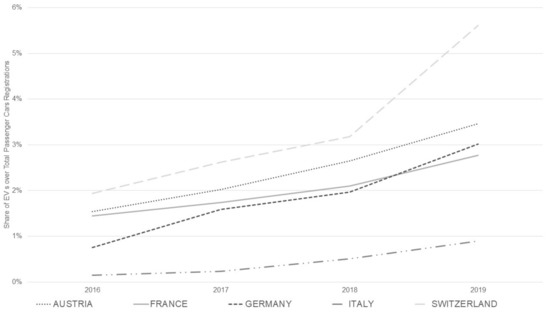
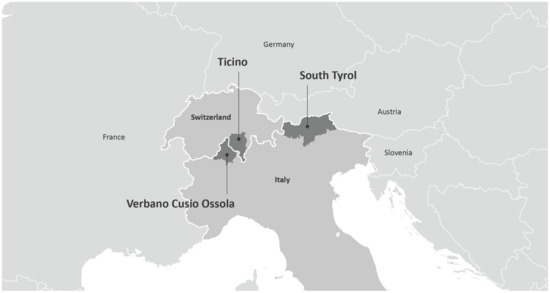
Electric vehicles (EVs) are low-carbon innovations that decrease emissions in transportation. Understanding what drives individual propensity to choose EVs supports policymakers in shaping effective low-carbon mobility policies. Within the MOBSTER Interreg project, data were collected using a survey administered to residents in three Alpine cross-border regions—Canton Ticino (Switzerland), South Tyrol (Italy), and Verbano-Cusio-Ossola (Italy)—and were analyzed with a logistic regression. This study reports on the relevant drivers of EV uptake, showing (i) that some sociodemographic attributes positively impact the propensity to choose an EV (e.g., young age and teenage children), (ii) that the presence and visibility of charging infrastructures are important, and (iii) that the role of tourism is not a driver of EV uptake. This study confirms that policies should consider sociodemographics, social practices, and physical infrastructures as playing roles in EV uptake. Future research should address the issue of access to low-carbon innovations for all.
Full article
►▼
Show Figures
Open AccessArticle
Modeling a Distance-Based Preferential Fare Scheme for Park-and-Ride Services in a Multimodal Transport Network
by
Xinyuan Chen, Ruyang Yin, Qinhe An and Yuan Zhang
Cited by 16 | Viewed by 4153
Abstract
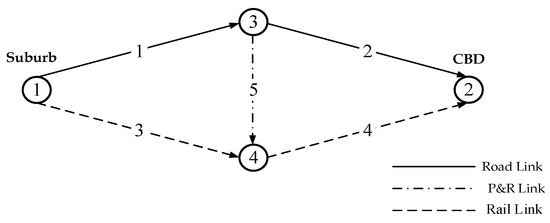
This paper investigates a distance-based preferential fare scheme for park-and-ride (P&R) services in a multimodal transport network. P&R is a sustainable commuting approach in large urban areas where the service coverage rate of conventional public transport modes (e.g., train and bus) is poor/low.
[...] Read more.
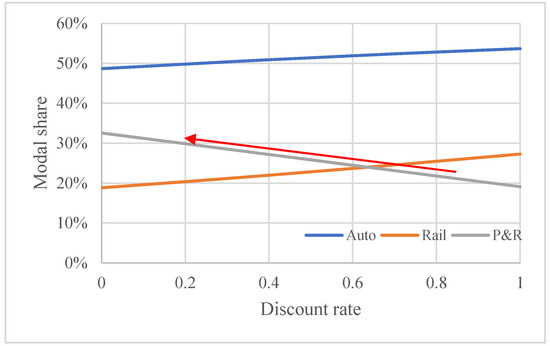
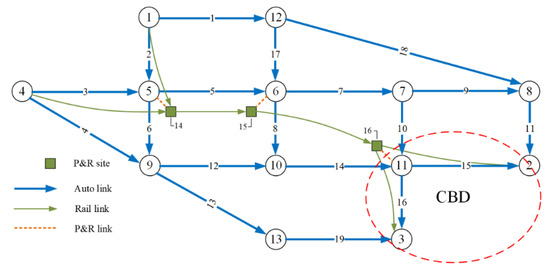
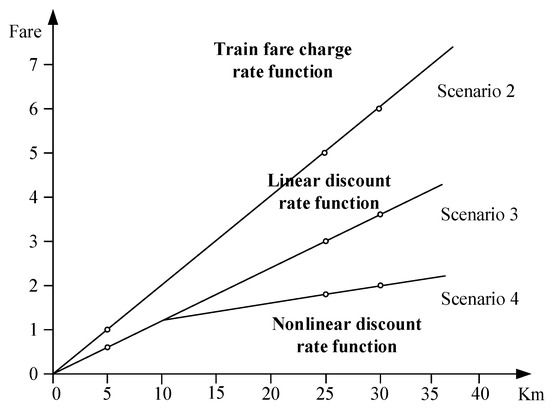
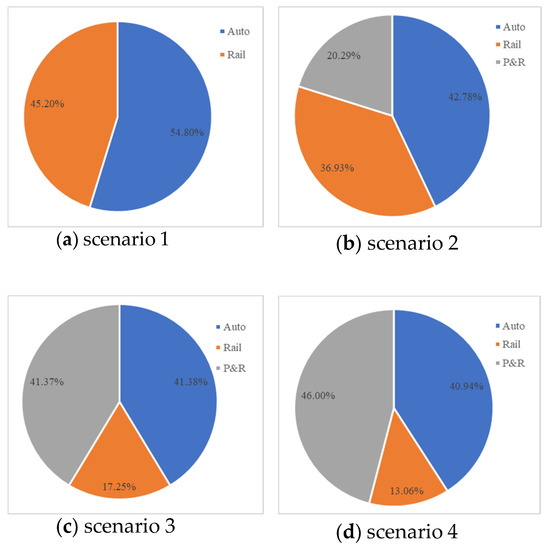
This paper investigates a distance-based preferential fare scheme for park-and-ride (P&R) services in a multimodal transport network. P&R is a sustainable commuting approach in large urban areas where the service coverage rate of conventional public transport modes (e.g., train and bus) is poor/low. However, P&R services in many cities are less attractive compared to auto and other public transport modes, especially for P&R facilities sited far away from the city center. To address this issue, this paper proposes a distance-based preferential fare scheme for P&R services in which travelers who choose the P&R mode get a discount. The longer the distance they travel by train, the better the concessional price they get. A multimodal transport network equilibrium model with P&R services is developed to evaluate the impacts of the proposed distance-based fare scheme. The travelers’ mode choice behavior is modeled by the multinomial logit (MNL) discrete choice model, and their route choice behavior is depicted by the user equilibrium condition. A mathematical programming model is then built and subsequently solved by the outer approximation method. Numerical simulations demonstrate that the proposed distance-based preferential fare scheme can effectively motivate travelers to use a P&R service and significantly enhance the transport network’s performance.
Full article
►▼
Show Figures
Open AccessArticle
Sustainable Transportation and Policy Development: A Study for Impact Analysis of Mobility Patterns and Neighborhood Assessment of Walking Behavior
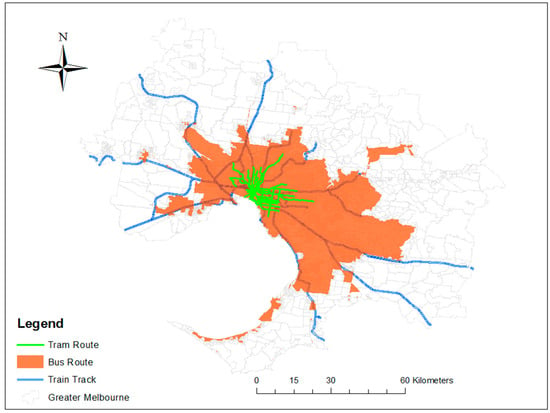
by
Gustavo de Siqueira, Ahmad Adeel, Petrit Pasha, Amal Al Balushi and Syyed Adnan Raheel Shah
Cited by 14 | Viewed by 5365
Abstract
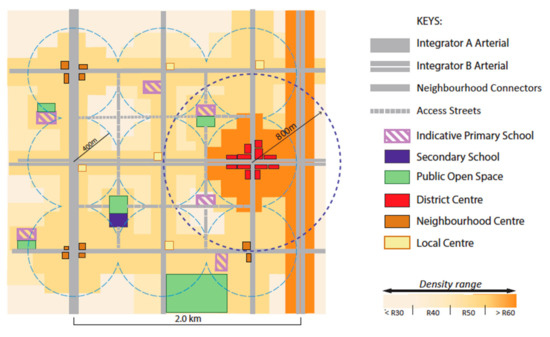
Since rapid growth and car-oriented patterns became a global threat and non-communicable diseases (NCDs) levels are advancing, strategies to redesign the built environment into healthier spaces have gained importance. Walkability plays a central role in this context. However, the literature is dominated by
[...] Read more.
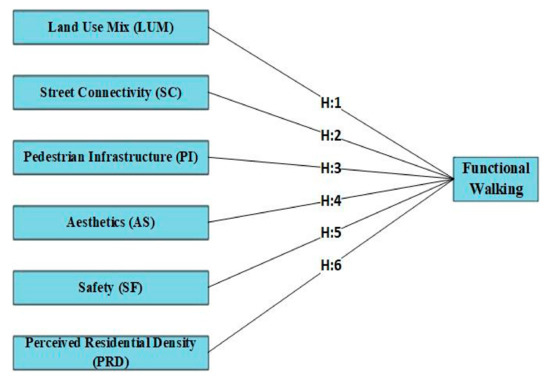
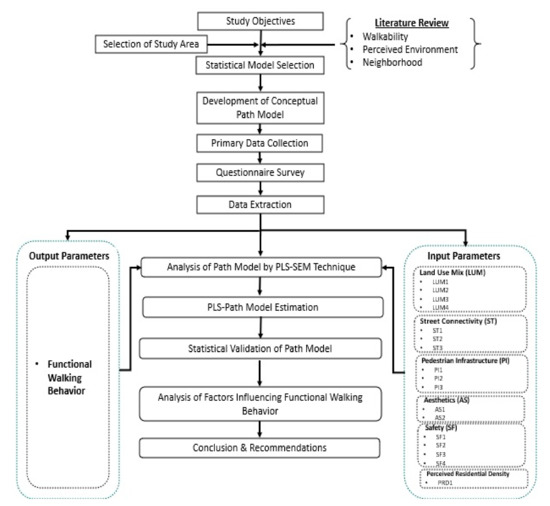
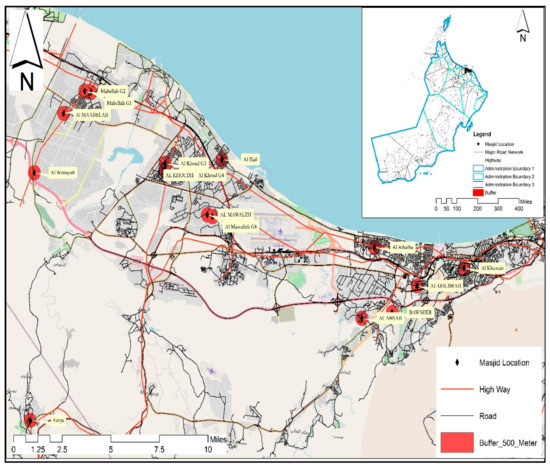
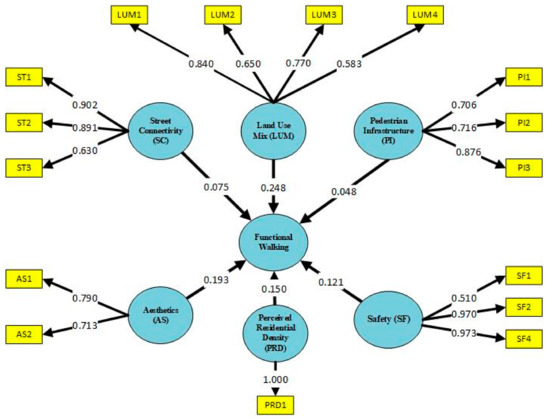
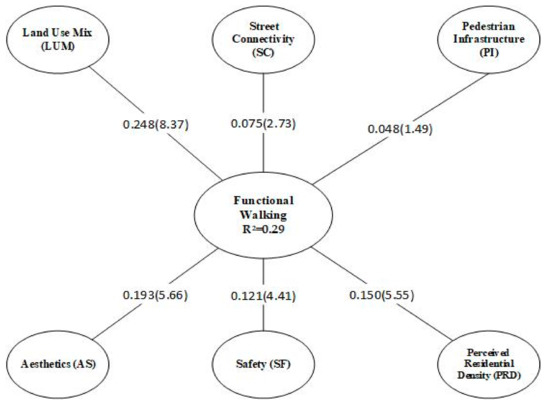
Since rapid growth and car-oriented patterns became a global threat and non-communicable diseases (NCDs) levels are advancing, strategies to redesign the built environment into healthier spaces have gained importance. Walkability plays a central role in this context. However, the literature is dominated by studies from western industrialized countries. In this paper, we employed structural equational modeling to analyze perceptual data collected from different neighborhoods of Muscat. We compared the responses regarding environmental attributes to the frequency of walking for transport. We found that land use mix combined with low residential density are the factors that have the highest impact on pedestrian activity. Conversely, the estimates of the pedestrian infrastructure were surprisingly low, suggesting that, in car dominant societies, walking perceptions are affected by drivers’ perspectives.
Full article
►▼
Show Figures
Open AccessArticle
The Regional Determinants of the New Venture Formation in China’s Car-Sharing Economy
by
Yan Zhou and Sangmoon Park
Cited by 14 | Viewed by 4718
Abstract
New ventures play an important role in promoting regional economic growth, employment and innovative development. In China, the new business model centered on the sharing economy has grown rapidly in a short time, especially with regard to car-sharing, which has become one of
[...] Read more.
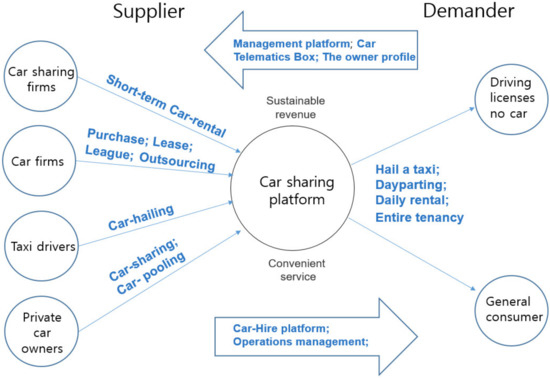
New ventures play an important role in promoting regional economic growth, employment and innovative development. In China, the new business model centered on the sharing economy has grown rapidly in a short time, especially with regard to car-sharing, which has become one of the new governmental strategies to promote economic development in China. New car-sharing ventures have been recognized as the leading sector in sustainable development for the circular economy and resource reuse. This paper explores the regional determinants of new firm formation in the nascent car-sharing industry in China. We used panel data from 449 car-sharing new ventures established in 257 cities in China from 2011 to 2019 to conduct an empirical analysis. The findings show that the urbanization economy, human capital and venture capital in the region have a positive impact on the establishment of new ventures. At the same time, the regional population density, localization economy, innovation capacity and competitive environment have no significant relationships with the establishment of new car-sharing firms. This paper provides insights for startups entering the field of car-sharing and a theoretical basis for the subsequent research on startups in the sharing economy industry.
Full article
►▼
Show Figures
Open AccessArticle
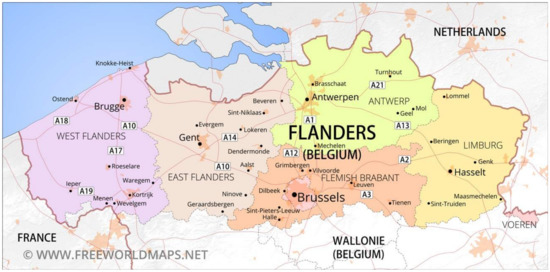
Does Car-Sharing Reduce Car-Use? An Impact Evaluation of Car-Sharing in Flanders, Belgium
by
Donald A. Chapman, Johan Eyckmans and Karel Van Acker
Cited by 32 | Viewed by 7938
Abstract
Private car-use is a major contributor of greenhouse gases. Car-sharing is often hypothesised as a potential solution to reduce car-ownership, which can lead to car-sharing users reducing their car-use. However, there is a risk that car-sharing may also increase car-use amongst some users.
[...] Read more.
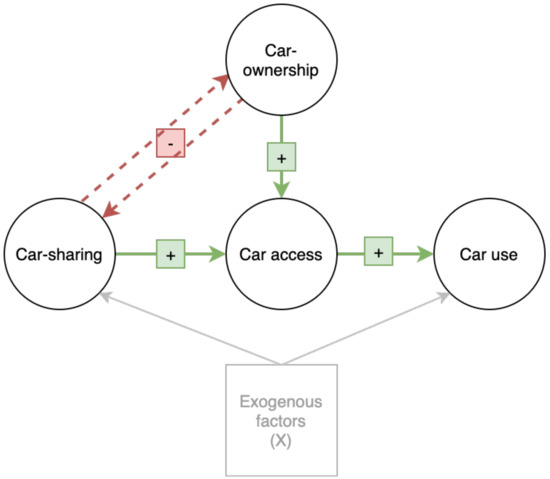
Private car-use is a major contributor of greenhouse gases. Car-sharing is often hypothesised as a potential solution to reduce car-ownership, which can lead to car-sharing users reducing their car-use. However, there is a risk that car-sharing may also increase car-use amongst some users. Existing studies on the impacts of car-sharing on car-use are often based on estimates of the users’ own judgement of the effects; few studies make use of quasi-experimental methods. In this paper, the impact of car-sharing on car-ownership and car-use in Flanders, Belgium is estimated using survey data from both sharers and non-sharers. The impact on car-use is estimated using zero-inflated negative binomial regression, applied to matched samples of car-sharing users and non-users. The results show that the car-sharing may reduce car-use, but only if a significant number of users reduce their car-ownership. Policy intervention may therefore be required to ensure car-sharing leads to a reduction in car-use by, for example, discouraging car-ownership. Further research using quasi-experimental methods is required to illuminate whether the promise of car-sharing is reflected in reality.
Full article
►▼
Show Figures
Open AccessArticle
The Influence of the Air Cargo Network on the Regional Economy under the Impact of High-Speed Rail in China
by
Lulu Hao, Na Zhang, Hongchang Li, Jack Strauss, Xuejie Liu and Xuemeng Guo
Cited by 14 | Viewed by 6789
Abstract
There is little research on the impact of air cargo networks on regional economic development, which is especially notable considering that Chinese airlines gradually adjusted their networks after the introduction of high-speed rail (HSR). This empirical study aims to fill this research gap.
[...] Read more.
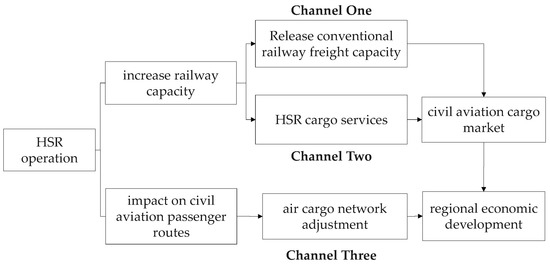
There is little research on the impact of air cargo networks on regional economic development, which is especially notable considering that Chinese airlines gradually adjusted their networks after the introduction of high-speed rail (HSR). This empirical study aims to fill this research gap. Firstly, we used the Ordinary Least Squares (OLS) method to study the effect of the air cargo network on the regional economy. The results show that, in eastern and central China, the higher the clustering coefficient of the domestic air cargo network, the more significant their promotion effect becomes on the GDP per capita, with cities in eastern China benefitting the most from this effect. However, for super-scale cities, the clustering coefficient of the domestic air cargo network has a significant negative effect on the GDP per capita, which is likely because both the air and HSR passenger services crowd out the development opportunities for air cargo. Secondly, we applied the Difference-in-Difference (DID) method in order to measure the impact on the regional economy caused by air cargo under the impact of HSR. The results show that the aviation network adjusted for the impact of HSR produces heterogeneous effects on cities for different regions and scales, and that the international aviation network has greater impacts on cities than the domestic network. In eastern China, HSR and air cargo (both international and domestic networks) promote economic growth simultaneously; in central China, only domestic air cargo has a positive effect on the regional economy; in western China, neither HSR nor air cargo has an obvious effect on the regional economy. Policy implications—such as encouraging the cooperation of HSR and civil aviation—are discussed, and could help bring the functions of the air cargo network in regional economic development into full play.
Full article
►▼
Show Figures
Open AccessArticle
Sustainability of Transport System of Large Russian City in the Period of COVID-19: Methods and Results of Assessment
by
Artur I. Petrov and Daria A. Petrova
Cited by 19 | Viewed by 4245
Abstract
In spring 2020 the whole world went through the “black swan”—COVID-19 pandemic. The healthcare systems of all countries and the world economy, in general, became very stressed. The extraordinary decline of activity in all spheres, except healthcare, led to a drop in the
[...] Read more.
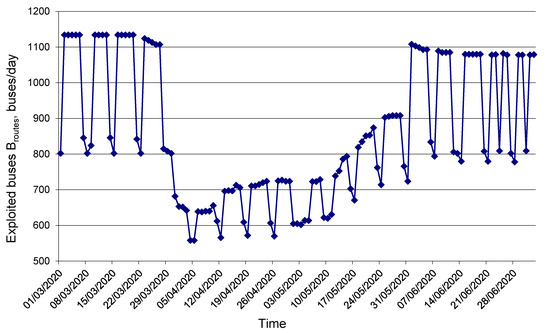
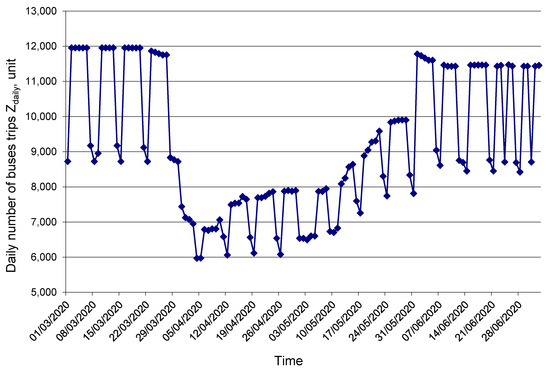
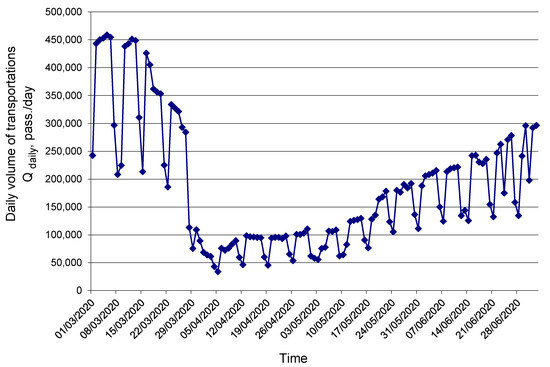
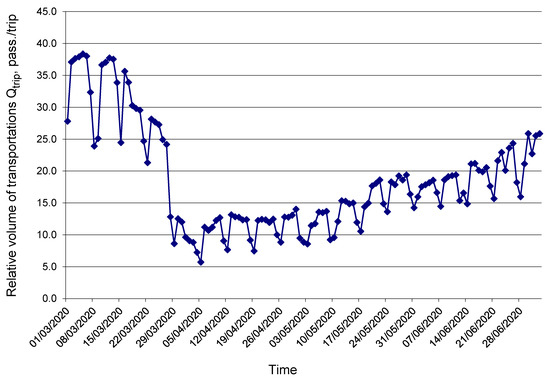
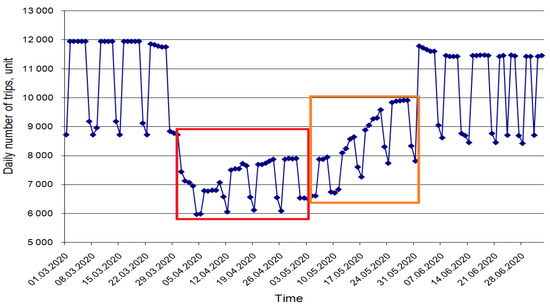
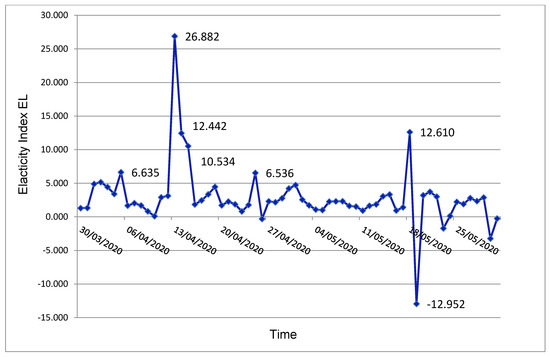
In spring 2020 the whole world went through the “black swan”—COVID-19 pandemic. The healthcare systems of all countries and the world economy, in general, became very stressed. The extraordinary decline of activity in all spheres, except healthcare, led to a drop in the demand for transport services, including city public transport. It was important for city management to support the sustainability of the local transport system. The article presents fundamental approaches to assessing the sustainability of a transport service, particularly city passenger public transport (CPPT), for the example of the large Russian city Tyumen (size of population—nearly 807 thousand people). Methods of analysis of the sustainability of the transport process in conditions of negative environmental impact (COVID-19 pandemic) are considered. During the period from 30.03.2020 to 31.05.2020 (nine weeks—the acute phase of COVID-19 pandemic) structural sustainability of the CPPT system in Tyumen kept a high level. By changing the parameters of the planned characteristics of the CPPT system state, an attempt to adapt the transport service supply to a sharp decrease in transport demand was made. In the period of “self-isolation”, the demand for the CPPT transport service reduced more than the transport service supply. Sustainability of CPPT functioning was evaluated by calculating the elasticity of the transport supply (number of trips) in relation to the actual demand (actual volume of transportations). Calculation of the elasticity index of the CPPT system of Tyumen during nine weeks of April–May 2020 (duration of “self-isolation“) is provided. A conclusion was made from the results of the research. In particular, it was found that the foreground target function of city management was the maintenance of a high level of transportation processes to the detriment of the transportations’ effectiveness. Such a policy led to contradictory results—the additional financial expenses at the rate of 135–150 million rubles and quite a high level of contentment of the Tyumen population with the quality of the CPPT work (sociological research established that 80–85% of respondents were satisfied with the quality of the transport service in April–May 2020).
Full article
►▼
Show Figures
Open AccessReview
Elderly Sustainable Mobility: Scientific Paper Review
by
Kaniz Fatima, Sara Moridpour, Chris De Gruyter and Tayebeh Saghapour
Cited by 48 | Viewed by 13236
Abstract
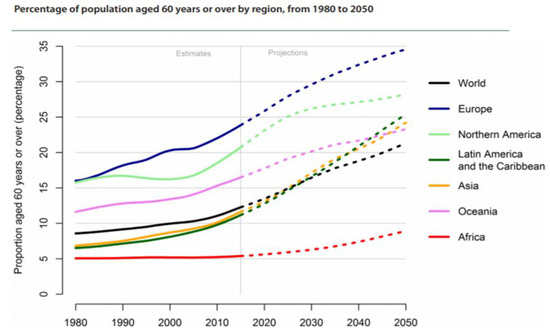
The number of elderly people as a proportion of the world’s population is growing significantly. Special attention to the accessibility and mobility requirements of this group is needed. The contribution of this paper is a review of travel patterns, mode preferences, infrastructure solutions,
[...] Read more.
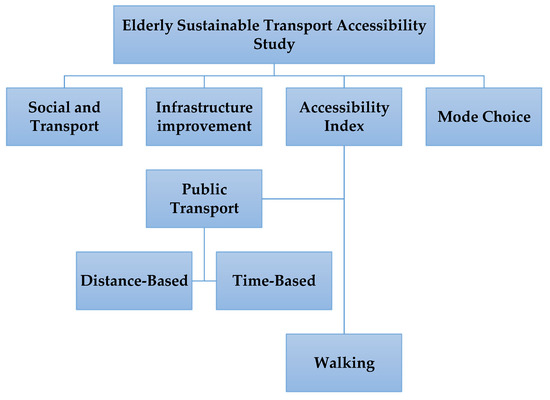
The number of elderly people as a proportion of the world’s population is growing significantly. Special attention to the accessibility and mobility requirements of this group is needed. The contribution of this paper is a review of travel patterns, mode preferences, infrastructure solutions, accessibility indices, mode choice models and datasets as they relate to elderly mobility. Key findings highlight the role of residential location characteristics in shaping elderly travel patterns, helping to explain why research on elderly travel has largely relied on case studies to date. The review also summarizes a range of indices that have been developed to measure public transport and walking accessibility among the elderly, including distance and time-based methods. Future research should consider the dominance of private transport in facilitating elderly mobility and its implications for cities experiencing an aging population.
Full article
►▼
Show Figures
Open AccessArticle
Influence of Community Design and Sociodemographic Characteristics on Teleworking
by
Mohammad Abu Afrahim Bhuiyan, Shakil Mohammad Rifaat, Richard Tay and Alex De Barros
Cited by 12 | Viewed by 4129
Abstract
The traffic on the roads in many countries has been increasing in recent decades, and the increases in congestion and carbon emission are contributing significantly to climate change. To minimize these adverse effects, the use of more sustainable travel modes, such as public
[...] Read more.
The traffic on the roads in many countries has been increasing in recent decades, and the increases in congestion and carbon emission are contributing significantly to climate change. To minimize these adverse effects, the use of more sustainable travel modes, such as public transit, walking, bicycling, carpool and ridesharing, has been widely promoted. Apart from these travel modes, alternatives, such as teleworking, which reduces commute trips, should also be promoted. The objective of this study is to identify different neighborhood design and social characteristics that are associated with teleworking. In this case study, a multiple regression model is applied to 2011 census data and road infrastructure data of 185 communities from the city of Calgary in Canada. In addition, a random intercept model is estimated to account for unobserved heterogeneity. We find that different street patterns, geographical size, land use, mass rapid transit, and road types have a significant effect on teleworking or working-at-home and should be considered when designing new communities. We also find several significant sociodemographic characteristics, including family size, marital status, children, housing type and language. Policy implications based on this research are then provided.
Full article
Open AccessArticle
The Depth-First Optimal Strategy Path Generation Algorithm for Passengers in a Metro Network
by
Kai Lu, Tao Tang and Chunhai Gao
Cited by 4 | Viewed by 3483
Abstract
Passenger behavior analysis is a key issue in passenger assignment research, in which the path choice is a fundamental component. A highly complex transit network offers multiple paths for each origin–destination (OD) pair and thus resulting in more flexible choices for each passenger.
[...] Read more.
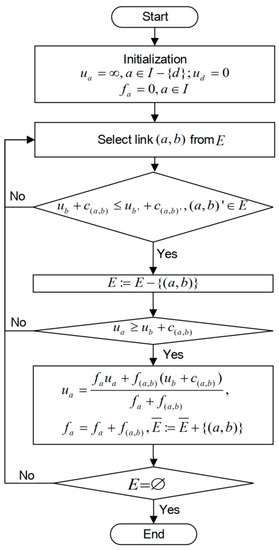
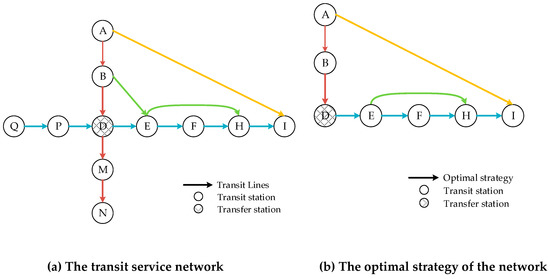
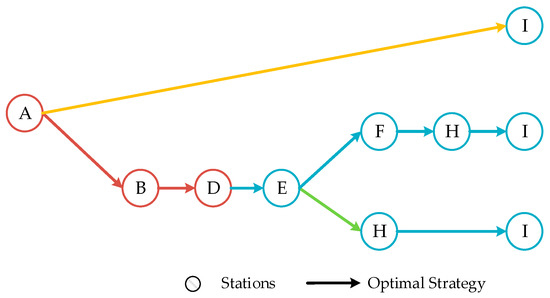
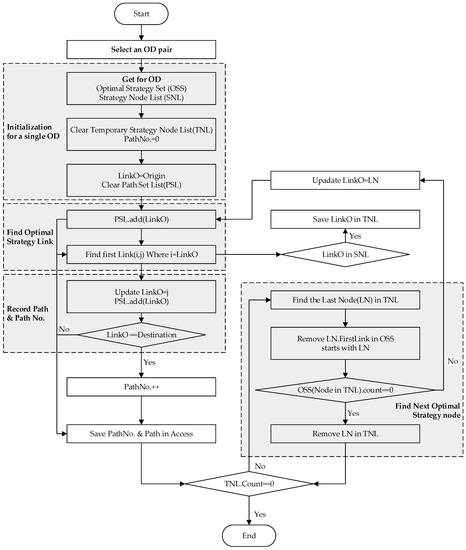
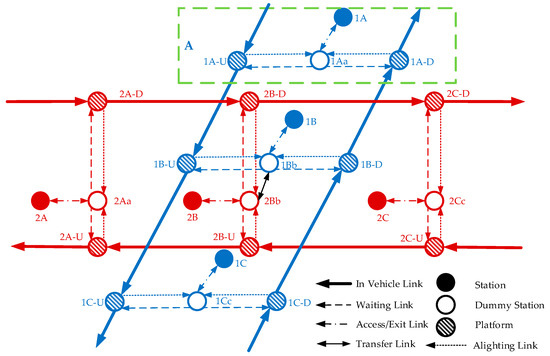
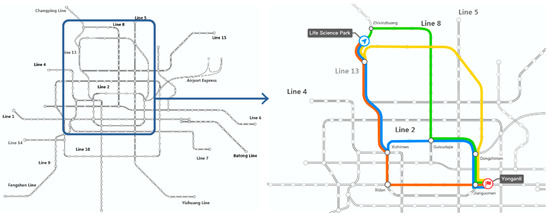
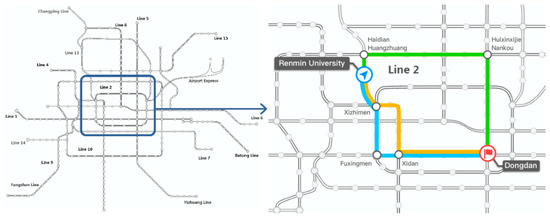
Passenger behavior analysis is a key issue in passenger assignment research, in which the path choice is a fundamental component. A highly complex transit network offers multiple paths for each origin–destination (OD) pair and thus resulting in more flexible choices for each passenger. To reflect a passenger’s flexible choice for the transit network, the optimal strategy was proposed by other researchers to determine passenger choice behavior. However, only strategy links have been searched in the optimal strategy algorithm and these links cannot complete the whole path. To determine the paths for each OD pair, this study proposes the depth-first path generation algorithm, in which a strategy node concept is newly defined. The proposed algorithm was applied to the Beijing metro network. The results show that, in comparison to the shortest path and the K-shortest path analysis, the proposed depth-first optimal strategy path generation algorithm better represents the passenger behavior more reliably and flexibly.
Full article
►▼
Show Figures
Open AccessArticle
Urban Congestion Charging Acceptability: An International Comparative Study
by
Mohamad Shatanawi, Fatma Abdelkhalek and Ferenc Mészáros
Cited by 22 | Viewed by 5868
Abstract
The congestion charging scheme is regarded as a successful measure to reduce traffic-related problems. However, low general acceptability of the public for implementing such a scheme is a barrier against its success. In this research, an online pre-designed survey was conducted in five
[...] Read more.
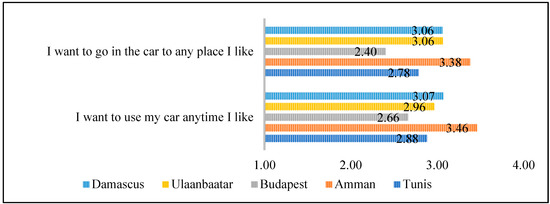
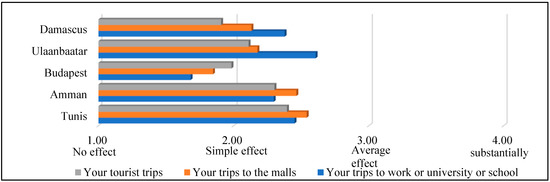
The congestion charging scheme is regarded as a successful measure to reduce traffic-related problems. However, low general acceptability of the public for implementing such a scheme is a barrier against its success. In this research, an online pre-designed survey was conducted in five capitals (Budapest, Tunis, Amman, Ulaanbaatar, and Damascus) to define the factors that affect congestion charging acceptability the most. The results of relationships between the studied factors like travel behavior and acceptance of the congestion charging scheme show an irregular pattern in each city. It indicates that the identity of each city and its general policy implications determine which factors significantly affect the public acceptability of congestion charging scheme. In Amman and Budapest, most of the predictors have no statistical effect on the schemes’ public acceptability. Consistent with previous researches, on the other hand, the results demonstrate that the schemes’ effectiveness is crucial and affects the acceptability significantly in all cities. At the same time, it shows that the “prior scheme knowledge” factor has a significant direct effect on the acceptability level in three cities (Damascus, Tunis, and Ulaanbaatar).
Full article
►▼
Show Figures
Open AccessEditor’s ChoiceArticle
An Integrated Model of Park-And-Ride Facilities for Sustainable Urban Mobility
by
Jairo Ortega, János Tóth, Tamás Péter and Sarbast Moslem
Cited by 29 | Viewed by 7468
Abstract
The Park and Ride (P&R) System is part of a set of parking policies provided by Sustainable Urban Mobility Plans (SUMPs) that have been used in developing efficient, safe and environmentally friendly solutions to reduce the undesirable effects of private vehicles in Central
[...] Read more.
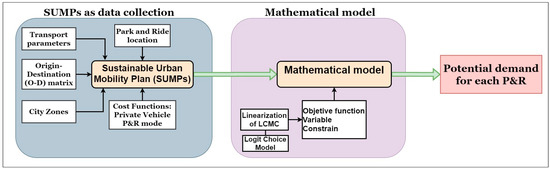
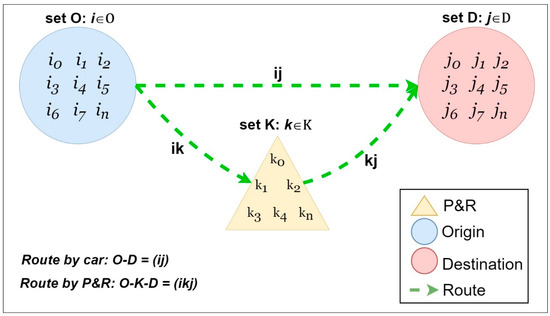
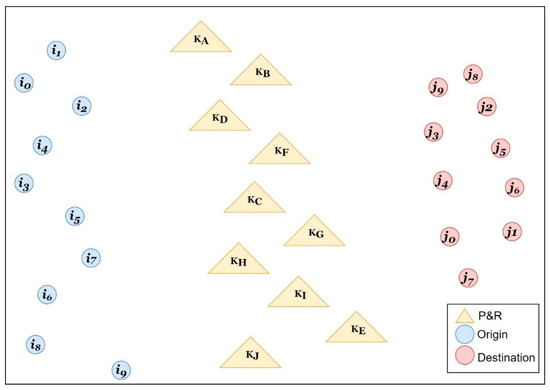
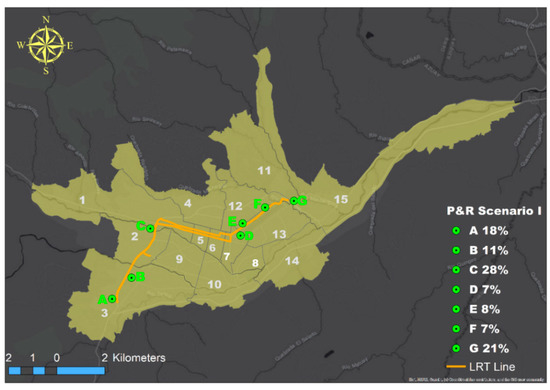
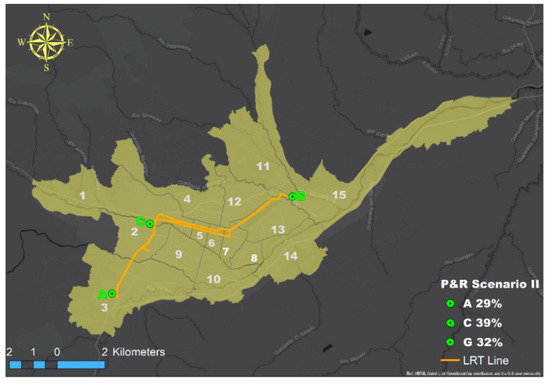
The Park and Ride (P&R) System is part of a set of parking policies provided by Sustainable Urban Mobility Plans (SUMPs) that have been used in developing efficient, safe and environmentally friendly solutions to reduce the undesirable effects of private vehicles in Central Business District (CBD). In fact, the P&Rs are allocated near public transportation stations to ease transfer from a private vehicle to a public transportation mode. Therefore, the P&R system is considered as an alternative transport mode in which the location and potential demand of each facility are fundamental components to be evaluated within sustainable urban planning. The paper proposes an integrated model of P&R facilities based on estimate the potential demand through a mathematical model of the seven park-and-ride (P&R) facilities (designated A to G) in Cuenca city, Ecuador. The developed integrated model includes two cost functions: one is the P&R mode, and the second is the private car mode. Additionally, a SUMP is integrated into the model as a data collection source in order to find the required parameters for the cost functions and origin–destination (O-D) matrix of private vehicles. The results showed that three out of the seven P&R facilities (P&R C, P&R G, and P&R A) had the highest demand (70% of the overall demand). Consequently, these three P&R facilities were studied separately using the same developed model, and the demand proved to be the highest for P&R facility “C” (39% out of 70%). In conclusion, SUMPs, as a methodology for data collection and a mathematical model, proved to be an effective integrated method for evaluating the most attractive P&R location based on the potential demand.
Full article
►▼
Show Figures