




Journal Description
Sports
Sports
is an international, peer-reviewed, open access journal published monthly online by MDPI. The Strength and Conditioning Society (SCS), European Sport Nutrition Society (ESNS) and European Network of Sport Education (ENSE) are affiliated with Sports and their members receive discounts on the article processing charges.
- Open Access— free for readers, with article processing charges (APC) paid by authors or their institutions.
- High Visibility: indexed within Scopus, ESCI (Web of Science), PubMed, PMC, and other databases.
- Journal Rank: JCR - Q1 (Sport Sciences) / CiteScore - Q2 (Physical Therapy, Sports Therapy and Rehabilitation)
- Rapid Publication: manuscripts are peer-reviewed and a first decision is provided to authors approximately 19.9 days after submission; acceptance to publication is undertaken in 5.5 days (median values for papers published in this journal in the second half of 2025).
- Recognition of Reviewers: reviewers who provide timely, thorough peer-review reports receive vouchers entitling them to a discount on the APC of their next publication in any MDPI journal, in appreciation of the work done.
Impact Factor:
2.9 (2024);
5-Year Impact Factor:
3.3 (2024)
Latest Articles
The Correlation Between Functional Movement Screen Scores and Self-Reported Injury History Among Competitive Male Padel Players: A Cross-Sectional Study
Sports 2026, 14(5), 208; https://doi.org/10.3390/sports14050208 - 18 May 2026
Abstract
Background: Padel is a rapidly growing sport, yet limited evidence is available regarding movement quality and injury history among competitive players. The Functional Movement Screen (FMS) may help describe movement patterns associated with previous injury, although its predictive value remains uncertain. This study
[...] Read more.
Background: Padel is a rapidly growing sport, yet limited evidence is available regarding movement quality and injury history among competitive players. The Functional Movement Screen (FMS) may help describe movement patterns associated with previous injury, although its predictive value remains uncertain. This study examined the association between FMS total and component scores and self-reported injury history among competitive male padel players. Methods: A cross-sectional study was conducted involving 17 competitive male padel players, with 9 injured and 8 uninjured based on self-reported musculoskeletal injury history within the preceding 12 months. Movement quality was assessed using the seven-item FMS. Spearman’s rank correlation was used to examine the association between FMS total score and injury history, while Mann–Whitney U tests were used to compare FMS total and component scores between groups. The seven component-level comparisons were considered exploratory. Bonferroni correction was applied by using an adjusted significance threshold of α = 0.05/7 = 0.007; therefore, unadjusted p-values were interpreted against this corrected threshold. Results: Lower FMS total scores were associated with previous injury history (ρ = −0.703, 95% CI: −0.89 to −0.38, p = 0.002). Previously injured players demonstrated lower FMS total scores than uninjured players (p = 0.005). Among individual components, the In-Line Lunge showed a significant between-group difference after Bonferroni correction (p = 0.004), suggesting lower performance in a task requiring lower-limb stability, mobility, and trunk control. Conclusions: In this small exploratory cross-sectional study, lower FMS scores were associated with self-reported previous injury among competitive male padel players. These findings should be interpreted cautiously, as the study design does not allow causal or predictive conclusions. Larger prospective studies are needed to clarify whether FMS scores have practical value in monitoring movement quality in padel athletes.
Full article
(This article belongs to the Special Issue Advancing Athlete Assessment and Performance Training)
Open AccessArticle
Comparison of Anthropometric and Physical Performance Profiles in Elite Judo and Jiu-Jitsu Athletes
by
Artur Avelino Birk Preissler, Filipe Manuel Clemente, Marcela Zimmermann Casal, Rui Miguel Silva, Ana Filipa Silva, João Vitor Silveira and Pedro Schons
Sports 2026, 14(5), 207; https://doi.org/10.3390/sports14050207 - 18 May 2026
Abstract
Combat-sport performance depends on the interaction between technical skills and physical capacities, yet direct comparisons between grappling disciplines remain limited. The aim of this study was to compare the anthropometric profile and physical performance of elite judo and jiu-jitsu athletes. This cross-sectional study
[...] Read more.
Combat-sport performance depends on the interaction between technical skills and physical capacities, yet direct comparisons between grappling disciplines remain limited. The aim of this study was to compare the anthropometric profile and physical performance of elite judo and jiu-jitsu athletes. This cross-sectional study included 25 elite male athletes (judo—n = 12; jiu-jitsu—n = 13) assessed during a preparatory training phase. Anthropometric measures included age, training experience, height, and body mass, while physical performance was evaluated using dominant and non-dominant handgrip strength, squat jump (SJ), countermovement jump (CMJ), medicine ball throw with and without countermovement, and dynamic and isometric judogi-grip pull-up tests. Between-group comparisons were performed using independent sample tests, with effect sizes (ES) calculated. Judo athletes had greater training experience (13.25 ± 2.73 vs. 7.85 ± 4.36 years; p = 0.001; ES = 1.472) and higher SJ performance (38.71 ± 6.69 vs. 33.82 ± 4.74 cm; p = 0.045; ES = 0.850) compared to jiu-jitsu athletes. No significant between-group differences were observed for the remaining variables (p > 0.05). These findings indicate that no statistically significant differences were detected in most anthropometric and physical performance variables between elite judo and jiu-jitsu athletes, and the initially higher squat jump performance observed in judo athletes was no longer statistically significant after adjustment for training experience.
Full article
(This article belongs to the Special Issue Sport-Specific Testing and Training Methods in Youth: 2nd Edition)
►▼
Show Figures

Figure 1

Open AccessArticle
Physical Fitness and External Training Load Represent Distinct Dimensions of Performance in Female Football Players During the Pre-Season
by
Artur Avelino Birk Preissler, Filipe Manuel Clemente, Ewerton Luiz Bourscheid da Rocha, Rui Miguel Silva, Ana Filipa Silva, Jocelito Bijoldo Martins and Pedro Schons
Sports 2026, 14(5), 206; https://doi.org/10.3390/sports14050206 - 18 May 2026
Abstract
Monitoring performance in football often combines physical testing and GPS-derived external-load measures, although their relationships remain unclear. This study examined the relationships between physical-test outcomes and GPS-derived external-load variables during the pre-season in professional female football players and whether these measures appear to
[...] Read more.
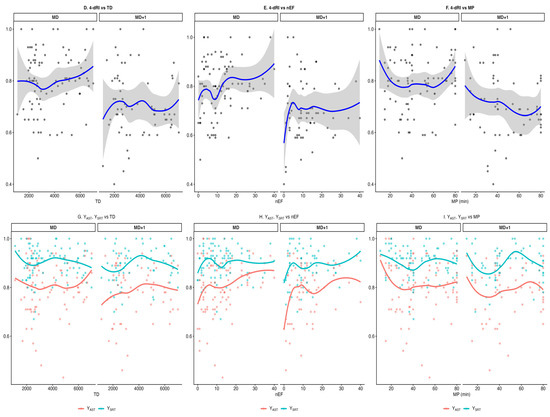
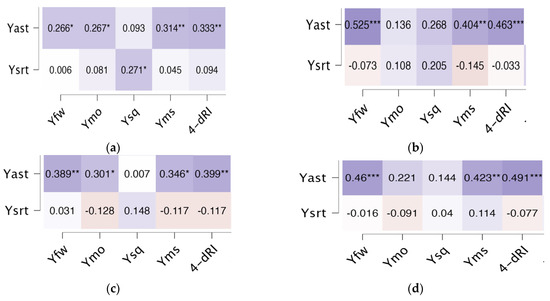
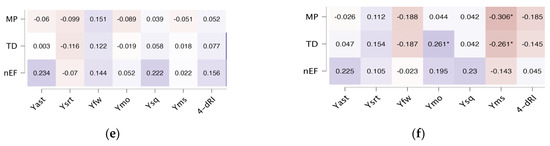
Monitoring performance in football often combines physical testing and GPS-derived external-load measures, although their relationships remain unclear. This study examined the relationships between physical-test outcomes and GPS-derived external-load variables during the pre-season in professional female football players and whether these measures appear to capture distinct dimensions of performance. This observational study monitored 24 outfield players from a Brazilian Women’s First Division team during a 6-week pre-season. Players performed the countermovement jump, 10 m and 30 m sprints, change-of-direction test, and 30–15 intermittent fitness test while external load was recorded across field sessions. Associations were examined using Pearson’s or Spearman’s correlations, and principal component analysis (PCA) was applied. Significant correlations were more frequent within than between domains. Total distance correlated with accelerations (ρ = 0.740, p < 0.001), decelerations (ρ = 0.684, p < 0.001), Z3 distance (ρ = 0.595, p = 0.003), and Z4 distance (ρ = 0.584, p = 0.003), while sprint count correlated with sprint distance (r = 0.950, p < 0.001). Estimated VO2max correlated positively with CMJ (r = 0.533, p = 0.007) and negatively with 10 m (r = −0.445, p = 0.029) and 30 m sprint times (r = −0.476, p = 0.019). PCA identified two components explaining 61.4% of the total variance: external load (40.6%) and physical performance (20.8%). These findings indicate that both approaches capture distinct and complementary aspects of performance.
Full article
(This article belongs to the Special Issue Sport-Specific Testing and Training Methods in Youth: 2nd Edition)
Open AccessArticle
Common Injuries Across Baseline, 6-Month, and 12-Month Assessments in CrossFit® Athletes of Different Experience Levels
by
Luiz Paulo Milares and Ricardo Luís Fernandes Guerra
Sports 2026, 14(5), 205; https://doi.org/10.3390/sports14050205 - 18 May 2026
Abstract
Crossfit® is a high-intensity interval training modality that combines weightlifting, aerobic exercises, and gymnastics. Although it has gained widespread popularity, it also presents a considerable injury rate without clarity on the extent to which experience categories exhibit distinct temporal patterns. This study
[...] Read more.
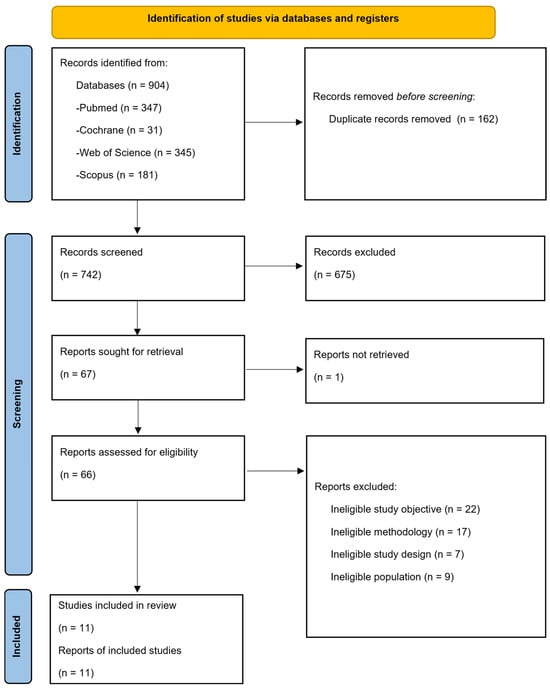
Crossfit® is a high-intensity interval training modality that combines weightlifting, aerobic exercises, and gymnastics. Although it has gained widespread popularity, it also presents a considerable injury rate without clarity on the extent to which experience categories exhibit distinct temporal patterns. This study identifies the most common injuries and their progression across CrossFit® categories over 12 months. We defined injury as any Crossfit-related event requiring healthcare consultation and interrupting an athlete’s activity. An observational, longitudinal study was conducted with 102 participants categorized into three groups (n = 34): beginner, scale, and rx. An adapted injury index questionnaire was applied, and descriptive statistics were performed. Results showed that the most frequent injuries affected the shoulder and knee, with variations across the different athlete categories. Beginners exhibited the highest injury rates: knee (56%) and shoulder (35%). The scale group presented a greater concentration of shoulder injuries, whereas rx demonstrated the lowest injury incidence overall. Over the 12-month follow-up, 135 injuries were reported at baseline, decreasing to 116 at six months and 101 at the final evaluation. Dropout rates were 35% among beginners, 12% in the scale group, and 0% in the rx group. Crossfit-related injuries primarily affect the shoulders and knees, with a higher incidence in beginners. Future studies should investigate movement technique, strength, mobility, and limb dominance considering the overhead demands and the associated injury risk, in addition studies should examine training programming too
Full article
(This article belongs to the Special Issue Endurance Sports Performance: Training, Recovery and Injury-Prevention Strategies)
►▼
Show Figures

Figure 1

Open AccessArticle
Effects of 12-Week Multicomponent Training Program on Body Composition, Metabolic Health, and Physical Performance in Middle-Aged and Older Women: Exploratory Role of Baseline Adiposity
by
Citlali Campos-Hernández, Tatiana Romero-García, Héctor Frayde-Gómez, Cristhian Emmanuel López-Campos, María Jossé Navarro-Ibarra, Juan Carlos Borbón-Román, Juan Pablo Machado-Parra, Victor Enrique Porras-Alvarado and Mario Israel Oregel-Cortez
Sports 2026, 14(5), 204; https://doi.org/10.3390/sports14050204 - 15 May 2026
Abstract
Combined functional training (FT), high-intensity interval training (HIIT) and aquatic exercise may improve health-related fitness in aging populations; however, the influence of baseline adiposity on training responses remains unclear. This study evaluated the effects of a 12-week multicomponent training program on aerobic capacity,
[...] Read more.
Combined functional training (FT), high-intensity interval training (HIIT) and aquatic exercise may improve health-related fitness in aging populations; however, the influence of baseline adiposity on training responses remains unclear. This study evaluated the effects of a 12-week multicomponent training program on aerobic capacity, body composition, metabolic health, and physical performance in middle-aged and older women and explored whether baseline body fat percentage modulated these responses. Thirty-four women (50–72 years) were assigned to a control group (Ctrl, n = 10) or an exercise group, stratified into normal fat (NF%, n = 10) and high fat (HF%, n = 14). The intervention included three weekly 60 min sessions consisting of HIIT, FT, and aquatic-based interval and resistance exercises, while controls maintained their habitual lifestyle without structured exercise. Significant improvements were observed in VO2max, skeletal muscle mass, fasting insulin, triglycerides, total cholesterol, HDL cholesterol, and functional performance. Baseline adiposity influenced metabolic adaptations, with greater improvements in the HF% group. These findings suggest that multicomponent training may improve cardiometabolic health and physical performance; however, the results should be interpreted cautiously due to the quasi-experimental design and small sample size.
Full article
(This article belongs to the Special Issue Effects of Physically Active Interventions on Health and Well-Being in Older Adults)
►▼
Show Figures

Graphical abstract
Open AccessArticle
Rethinking Warm-Up in Overhead Exercise: Acute Shoulder Responses to a Strength- and Mobility-Oriented Protocol in Youth Athletes
by
Andrea Pagliaro, Alessia Boatta, Anna Alioto, Roberta Cottone, Domenico Nuzzo, Pasquale Picone, Cristina Cortis, Andrea Fusco, Magdalena Dzitkowska-Zabielska, Giuseppe Messina and Patrizia Proia
Sports 2026, 14(5), 203; https://doi.org/10.3390/sports14050203 - 15 May 2026
Abstract
Overhead sports place high demands on the shoulder complex, making warm-up specificity relevant for acute readiness. This randomized controlled pilot trial compared the immediate effects of a shoulder-specific warm-up with a habitual routine in 24 youth competitive overhead athletes (14–20 years), allocated to
[...] Read more.
Overhead sports place high demands on the shoulder complex, making warm-up specificity relevant for acute readiness. This randomized controlled pilot trial compared the immediate effects of a shoulder-specific warm-up with a habitual routine in 24 youth competitive overhead athletes (14–20 years), allocated to an experimental group (EG = 12) and a habitual warm-up group (SWG = 12). The warm-up protocol was administered bilaterally to both shoulders, whereas outcome measurements were collected unilaterally, with each shoulder tested separately. Assessments were performed before and immediately after the warm-up protocol. Outcome measures included shoulder flexion range of motion (ROM), handgrip strength, Closed Kinetic Chain Upper Extremity Stability (CKCUES) performance, and post-warm-up Rating of Perceived Exertion (RPE; Borg CR-10). A significant group-by-time interaction was found for right shoulder flexion ROM (p = 0.003, η2p = 0.346), with a significant increase in the EG from baseline to post-test (p = 0.008). No significant effects were observed for left shoulder flexion ROM, handgrip strength, or CKCUES performance. Post-warm-up RPE was statistically significant in the EG compared to the SWG (p = 0.041). These preliminary findings may suggest the potential practical value of more targeted warm-up strategies in overhead sports, while larger longitudinal studies are needed to confirm their broader functional relevance.
Full article
(This article belongs to the Special Issue Sport-Specific Testing and Training Methods in Youth: 2nd Edition)
►▼
Show Figures

Graphical abstract
Open AccessArticle
Within-System Agreement Between Real-Time and Post-Processed Data Using Dynamix from League Optical Tracking (Hawk-Eye) in Professional Football
by
Marco Beato, Paolo Troiani, Chiara Zinco, Dario Pompa, Maurizio Bertollo and Cristian Savoia
Sports 2026, 14(5), 202; https://doi.org/10.3390/sports14050202 - 15 May 2026
Abstract
This study aimed to evaluate the within-system agreement and interchangeability of real-time and post-processed external load metrics in elite football. Data were collected from 50 official Serie A matches using Dynamix (K-Sport World S.R.L., Pesaro, Italy), the platform for acquiring and standardizing tracking
[...] Read more.
This study aimed to evaluate the within-system agreement and interchangeability of real-time and post-processed external load metrics in elite football. Data were collected from 50 official Serie A matches using Dynamix (K-Sport World S.R.L., Pesaro, Italy), the platform for acquiring and standardizing tracking inputs. SmartLive, a real-time monitoring module embedded within Dynamix, was compared with post-processed data from the league-approved optical tracking provider (Hawk-Eye Innovations Limited, Basingstoke, UK) in Serie A. The external load metrics analyzed included total distance covered; distances at speeds exceeding 15, 20, and 25 km·h−1; distances within the 15–20 km·h−1 and 20–25 km·h−1 ranges; distance covered during accelerations > 2 m·s−2 and decelerations < −2 m·s−2; and peak speed. Intraclass correlation coefficients (ICCs) demonstrated excellent agreement across all metrics, with values ranging from 0.929 to 0.999. Bland–Altman analysis revealed small mean differences between systems, indicating strong agreement. Overall, the findings confirm that both real-time and post-processed data are in close agreement across a wide range of performance metrics. Minor discrepancies were observed in intermediate speed zones and acceleration/deceleration events. This study provides the first validation of SmartLive’s within-system agreement with post-processed data, supporting its use alongside post-processed data in elite football environments.
Full article
(This article belongs to the Special Issue Advances in Football Science: Integrating Technology, Performance, and Well-Being (2nd Edition))
►▼
Show Figures

Figure 1
Open AccessArticle
Six Weeks of High-Intensity Interval Training vs. Small-Sided Games: Effects on Physical Performance in Female Basketball Players
by
Mima Stanković, Ilma Čaprić, Emir Biševac, Raid Mekić, Aldina Ajdinović, Zerina Salihagić, Goran Jelaska, Luka Pezelj and Igor Jelaska
Sports 2026, 14(5), 201; https://doi.org/10.3390/sports14050201 - 13 May 2026
Abstract
►▼
Show Figures
High-intensity interval training (HIIT) and small-sided games (SSG) are popular conditioning tactics in team sports, but their relative efficiency among female basketball players is uncertain. The aim of this study was to examine and compare the effects of a six-week HIIT and SSG
[...] Read more.
High-intensity interval training (HIIT) and small-sided games (SSG) are popular conditioning tactics in team sports, but their relative efficiency among female basketball players is uncertain. The aim of this study was to examine and compare the effects of a six-week HIIT and SSG intervention on the physical performance of elite female basketball players. Forty-four participants (20.98 ± 4.58 years) were randomly assigned to one of three groups: HIIT (n = 14), SSG (n = 14), or control (n = 16). Pre- and post-intervention evaluations assessed sprint performance (0–10, 0–20, 0–30 m), agility (Pro-agility, Zig-zag, 9-6-3-6-9 tests), vertical jump height (CMJ, CMJA, SJ), repeated sprint ability (RSA), and aerobic capacity (VO2max, VIFT, MAS). HIIT and SSG significantly improved all performance measures compared to the control group (p < 0.001, ηp2 = 0.365–0.809); however, there were no significant differences between the two experimental groups. HIIT had a slightly greater effect on linear sprinting, but SSG was more effective for agility and aerobic performance. Body composition remained unchanged. These data suggest that HIIT and SSG are both effective training methods for improving speed, agility, explosive power, RSA, and aerobic capacity in female basketball players. Incorporating both strategies into an organized training program can improve sport-specific performance and overall conditioning.
Full article

Figure 1
Open AccessArticle
Physiological, Metabolic, and Mitochondrial Adaptations to a One-Week Endurance Training Camp in Recreational Athletes: An Observational Study
by
Daniel Alexander Bizjak, Lucas John, Moritz Munk, Marie Reiter, Nea Lüders, Johannes Kirsten, Alexander-Stephan Henze and Sebastian Viktor Waldemar Schulz
Sports 2026, 14(5), 200; https://doi.org/10.3390/sports14050200 - 13 May 2026
Abstract
Endurance training camps are well established in elite sports, but one-week camps for recreational endurance athletes have recently gained popularity despite limited scientific evidence. This study investigated the effects of a one-week endurance training camp on body composition, endurance performance, and markers of
[...] Read more.
Endurance training camps are well established in elite sports, but one-week camps for recreational endurance athletes have recently gained popularity despite limited scientific evidence. This study investigated the effects of a one-week endurance training camp on body composition, endurance performance, and markers of metabolic stress and mitochondrial adaptation in recreational athletes. Female and male endurance athletes (≥18 years) participated in a professionally guided one-week endurance training camp. Assessments included body composition, running diagnostics, sleep-quality/recovery-stress questionnaires, nutrition/energy balance diaries, blood profiling, and mitochondrial biogenesis markers. Measurements were conducted before (pre), during (camp), and after the camp (post). A total of 35 participants (18 male/17 female) were included. Body mass and body fat decreased from pre- to post-camp. Lactate concentrations at threshold levels changed, while velocities at fixed lactate concentrations and maximal oxygen uptake did not significantly improve. Post-camp, lactate dehydrogenase, klotho, and vitamin D increased, whereas interferon-γ, kynurenine, cortisol, creatinine, and ferritin decreased. Plasma mitochondrial and nuclear DNA abundance, as well as PGC1-α expression, increased, while vascular endothelial growth factor decreased. A one-week endurance training camp in a holiday-like setting induces measurable physiological, metabolic, and mitochondrial adaptations in recreational athletes and is associated with reduced systemic and psychological stress. However, the concurrent increase in muscle- and cell-stress markers indicates a substantial physiological load.
Full article
(This article belongs to the Special Issue Effects of Physical Activity on Physical and Mental Health)
►▼
Show Figures

Figure 1

Open AccessConference Report
Strength and Conditioning Society (SCS) 8th Annual Meeting, Oslo, Norway, 2025
by
Pedro E. Alcaraz, Anthony J. Blazevich, Tomás T. Freitas, Elena Marín-Cascales and Truls Raastad
Sports 2026, 14(5), 199; https://doi.org/10.3390/sports14050199 - 12 May 2026
Abstract
On behalf of the Strength and Conditioning Society (SCS), we are pleased to present the abstracts submitted for the SCS 8th Annual Meeting. The event was held at the Norwegian School of Sport Sciences in Oslo, Norway, on 8–10 October 2025, and comprised
[...] Read more.
On behalf of the Strength and Conditioning Society (SCS), we are pleased to present the abstracts submitted for the SCS 8th Annual Meeting. The event was held at the Norwegian School of Sport Sciences in Oslo, Norway, on 8–10 October 2025, and comprised several invited sessions held by international and national speakers on a variety of topics related to biochemistry and exercise physiology, strength and conditioning practices and their application to health, injury prevention, and sports performance. These included strength training in high-performance sports, sport science and training–competition load management in elite environments, biochemistry and exercise physiology and prescription, nutrition and biomechanics, among others. The conference also included practical workshops held by renowned academics and practitioners on eccentric training, change of direction ability, and strength and power training in professional team sports, combat sports, and ergospirometry and exercise prescription in specific populations. Finally, the event disseminated up-to-date strength and conditioning research by providing practitioners and researchers with the opportunity to present their most recent findings. All abstracts presented at the SCS 8th Annual Meeting can be found in this Conference Report.
Full article
(This article belongs to the Special Issue Strength and Conditioning Society 2025: Sports Performance, Injury Prevention, Rehabilitation, and Health Improvement)
Open AccessArticle
Establishing the Reliability of a Functional Performance Test Battery That Incorporates the QASLS Tool in Pre-Elite Female Field Hockey Players
by
Rosalyn Cooke, Lee Herrington, James Martin, Alison Rushton, Nicola Heneghan and Andy Soundy
Sports 2026, 14(5), 198; https://doi.org/10.3390/sports14050198 - 12 May 2026
Abstract
Pre-elite female field hockey players have a high incidence of lower extremity injury, highlighting the need for practical and reliable screening approaches. A dual assessment combining Functional Performance Tests (FPTs) with movement quality scoring (QASLS) may provide a more comprehensive evaluation; however, its
[...] Read more.
Pre-elite female field hockey players have a high incidence of lower extremity injury, highlighting the need for practical and reliable screening approaches. A dual assessment combining Functional Performance Tests (FPTs) with movement quality scoring (QASLS) may provide a more comprehensive evaluation; however, its reliability in this population is unclear. Fifteen pre-elite female field hockey players (16.7 ± 0.7 years) completed an FPT battery (anterior reach (AR), single leg drop vertical jump–land (DVJL), single hop for distance (SHFD), side hop (SH)) on two occasions, 28 days apart. Movement quality was assessed by three raters using QASLS. Reliability was evaluated using ICC with 95% confidence intervals (CI), alongside standard error of measurement (SEM), smallest detectable difference (SDD), and percentage exact agreement (PEA). Test–retest reliability varied across tasks (ICC2,1 0.33–0.90), with wide confidence intervals indicating uncertainty in several estimates. AR demonstrated the most consistent reliability, supporting its use for monitoring over time. In contrast, the DVJL and SH showed the greatest variability, likely reflecting higher task complexity, while the SHFD required relatively large performance changes to exceed measurement error. Intra-rater reliability for QASLS was consistent across the FPT battery (ICC2,k 0.79–0.90), whereas inter-rater reliability was more variable (0.38–0.82), indicating rater-dependent differences. PEA demonstrated generally high agreement (60–100%), although lower agreement was observed for pelvic alignment components. These findings support the use of a dual assessment approach as a practicable profiling approach in pre-elite female field hockey, enabling practitioners to identify movement deficits not captured by performance metrics alone. However, variability in complex tasks and between raters highlights the need to consider measurement error and implement standardised rater training when profiling or monitoring performance.
Full article
(This article belongs to the Special Issue Women's Special Issue Series: Sports)
Open AccessArticle
Perceptual–Cognitive Abilities and Reaction Performance in Female Volleyball Players: Implications for Training and Player Development
by
Afroditi Lola, Eleni Bassa, Georgia Stavropoulou, George Giatsis and Konstantinos Chatzinikolaou
Sports 2026, 14(5), 197; https://doi.org/10.3390/sports14050197 - 9 May 2026
Abstract
►▼
Show Figures
Perceptual–cognitive abilities are essential components of performance in volleyball, where players must quickly interpret visual information and respond effectively to rapidly changing game situations. The present study aimed to examine perceptual–cognitive abilities and reaction performance in competitive female volleyball players and to explore
[...] Read more.
Perceptual–cognitive abilities are essential components of performance in volleyball, where players must quickly interpret visual information and respond effectively to rapidly changing game situations. The present study aimed to examine perceptual–cognitive abilities and reaction performance in competitive female volleyball players and to explore how these abilities may contribute to athlete development and training design. Thirty-nine young female volleyball athletes participated in the study and underwent an evaluation of perceptual–cognitive abilities considered critical for volleyball performance. These abilities were assessed through specially designed computer-based tasks delivered via dedicated experimental software, enabling the measurement of reaction time and response accuracy during perceptual–motor processing. Group comparisons did not reveal significant differences between playing positions or competitive levels in the measured perceptual–cognitive abilities. Multivariate and clustering analyses suggested the presence of potential performance patterns characterized by different combinations of reaction speed, response accuracy, and perceptual–cognitive processing. However, these patterns should be interpreted with caution, as the clustering solution showed limited separation (silhouette score = 0.02), indicating an exploratory and non-definitive structure. Overall, the findings highlight the multidimensional nature of perceptual–cognitive performance in volleyball and suggest that athletes may rely on different perceptual–motor strategies when responding to game-related stimuli. From an applied perspective, integrating perceptual–cognitive challenges into training environments may support athlete development and improve decision-making efficiency in dynamic game situations.
Full article

Figure 1
Open AccessReview
Integrating Biological Maturity into Fitness Assessment and Physical Activity Interventions in Children and Adolescents: A Narrative Review
by
Souhail Bchini, Ismail Dergaa, Wissem Dhahbi, Halil İbrahim Ceylan, Valentina Stefanica, Taoufik Selmi, Dhouha Moussaoui and Nadhir Hammami
Sports 2026, 14(5), 196; https://doi.org/10.3390/sports14050196 - 9 May 2026
Abstract
Background: Childhood and adolescence represent critical developmental periods characterized by rapid somatic growth, endocrine changes, and the progressive attainment of biological maturity. These maturational processes substantially influence the development of physical fitness, yet are often overlooked when evaluating performance in youth populations. This
[...] Read more.
Background: Childhood and adolescence represent critical developmental periods characterized by rapid somatic growth, endocrine changes, and the progressive attainment of biological maturity. These maturational processes substantially influence the development of physical fitness, yet are often overlooked when evaluating performance in youth populations. This structured narrative review aims to synthesize current knowledge regarding the relationships between somatic growth, biological maturity, and physical fitness in children and adolescents. Methods: A structured narrative review was conducted by systematically searching PubMed, Scopus, and Web of Science databases for peer-reviewed articles published up to February 2026. Keywords included ‘biological maturation’, ‘physical fitness’, ‘youth’, ‘adolescence’, ‘peak height velocity’, and ‘bio-banding’. Studies were eligible if they examined relationships between biological maturity indicators and physical fitness outcomes in children and adolescents aged 8–19 years. No publication date restrictions were applied, although priority was given to articles from the past 15 years. Results: Evidence consistently indicates that biological maturity substantially influences muscular strength, power, and speed in males; findings among females and for cardiorespiratory fitness are more nuanced and context-dependent. Early-maturing boys typically exhibit superior strength and power performances, whereas findings among girls are more variable. Earlier maturation in girls is frequently associated with increased adiposity, which may attenuate performance in weight-bearing activities. When maturity status is ignored, physical fitness evaluations may misrepresent the capabilities of late-maturing youth and potentially discourage long-term participation in physical activity. Conclusions: Integrating biological maturity into youth fitness evaluation frameworks is essential for accurately interpreting performance data and for providing developmentally appropriate interventions. Three implementation strategies are recommended: (i) adoption of maturity offset or percentage of predicted adult stature as standard covariates; (ii) development of maturity-stratified normative standards; and (iii) implementation of bio-banding in youth sport development.
Full article
(This article belongs to the Special Issue Growth, Development, and Qualitative Research Protocols for Identifying and Developing Sports Talent for Adolescent Athletes)
►▼
Show Figures

Figure 1
Open AccessReview
Holistic Performance Programming for mTBI Recovery in U.S. Military Tactical Athletes: A Narrative Review
by
Ed Daly, John Mackersie and Lisa Ryan
Sports 2026, 14(5), 195; https://doi.org/10.3390/sports14050195 - 9 May 2026
Abstract
►▼
Show Figures
Tactical athletes, including military service members, are exposed to occupational demands that increase their risk of mild traumatic brain injury (mTBI), particularly through blast exposure, falls, collisions, and repeated sub-concussive events. Although clinical tools and progressive return-to-activity protocols support acute management, recovery may
[...] Read more.
Tactical athletes, including military service members, are exposed to occupational demands that increase their risk of mild traumatic brain injury (mTBI), particularly through blast exposure, falls, collisions, and repeated sub-concussive events. Although clinical tools and progressive return-to-activity protocols support acute management, recovery may remain fragmented when physical, cognitive, psychological, and performance domains are not integrated. Military personnel require recovery models which extend beyond symptom resolution and return-to-duty clearance. Holistic performance programming offers a multidimensional framework which incorporates subject matter experts across strength and conditioning, rehabilitation, nutrition, behavioural health, cognitive performance, and human performance optimisation. This narrative review examines the role of holistic performance programming in optimising recovery from mTBI among tactical athletes, with emphasis on interdisciplinary care, structured assessment, recovery periodisation, monitoring technologies, and return-to-duty readiness. The role of embedded subject matter experts in identifying and monitoring mTBI; interdisciplinary care models which integrate clinical and performance expertise; structured recovery pathways from assessment to reintegration; and the importance of flexibility, communication, and service member engagement are examined. In addition, the review assesses the potential use of biomarkers, wearable technologies, and multi-domain assessment tools to guide individualised recovery. Holistic performance programming may bridge the gap between clinical recovery and operational readiness following mTBI. By integrating physical, cognitive, psychological, nutritional, and sleep-related strategies, this approach may reduce fragmented care and better address the complex nature of mTBI recovery. Interdisciplinary performance teams may improve early recognition, individualised rehabilitation, safer return-to-duty decisions, and long-term readiness. Future practice should prioritise standardised assessment, real-time monitoring, education, and stigma reduction.
Full article

Figure 1
Open AccessArticle
Effects of Specific Training Programs on Punch Performance
by
Manuel Pinto, João Crisóstomo, Christopher Kirk, Javier Abián-Vicén and Luís Monteiro
Sports 2026, 14(5), 194; https://doi.org/10.3390/sports14050194 - 8 May 2026
Abstract
►▼
Show Figures
Punch impact power is crucial for boxing performance and varies with punch biomechanics. Straight punches rely primarily on linear force production, whereas Hook punches depend more on rotational and lateral force generation; however, the effectiveness of strength and conditioning (S&C) interventions remains insufficiently
[...] Read more.
Punch impact power is crucial for boxing performance and varies with punch biomechanics. Straight punches rely primarily on linear force production, whereas Hook punches depend more on rotational and lateral force generation; however, the effectiveness of strength and conditioning (S&C) interventions remains insufficiently explored. This study investigated the effects of targeted S&C programs on Straight and Hook punch impact power in trained boxers compared with regular boxing training. Thirty-one boxers completed an eight-week intervention and were allocated to three groups: a Linear-Oriented Training Group (LOTG), a Rotational-Oriented Training Group (ROTG), or a Control Group (CG). Punch impact power (Jab, Cross, Lead Hook, and Rear Hook) was assessed using PowerKube at baseline and post-intervention. One-repetition maximum bench press (1 RM BP), countermovement jump (CMJ), and handgrip strength (HS) were also evaluated. Data were analyzed using mixed-design repeated-measures ANOVA and one-way ANOVA on post–pre change scores (Δ). A significant main effect of time was observed for all punch types (p < 0.001), with significant group × time interactions for the Cross, Lead Hook, and Rear Hook (p < 0.05). The ROTG showed the greatest improvements, particularly in Hook punches. Targeted S&C interventions, particularly rotational training, improved punching impact power and neuromuscular performance.
Full article

Figure 1
Open AccessArticle
The Relationship Between Situational Motivation and the Effect of Verbal Encouragement on Long Jump Performance: Autonomous vs. Controlled Motivation
by
Amir Romdhani, Ahmed Ghorbel, Ghada Regaieg, Vlad Adrian Geantă, Alexandra Reta Iacobini, Alexandru Ioan Băltean, Makram Zghibi and Omar Trabelsi
Sports 2026, 14(5), 193; https://doi.org/10.3390/sports14050193 - 7 May 2026
Abstract
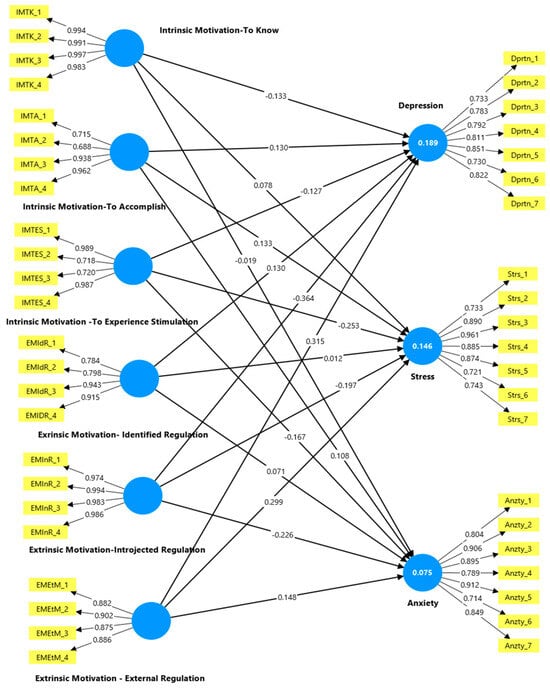
This study examined whether pre-existing situational motivation correlates with the magnitude of performance improvement elicited by verbal encouragement (VE) in long jump. A total of 134 physically active sports science students (21.1 ± 1.4 years) performed a long jump task under two conditions:
[...] Read more.
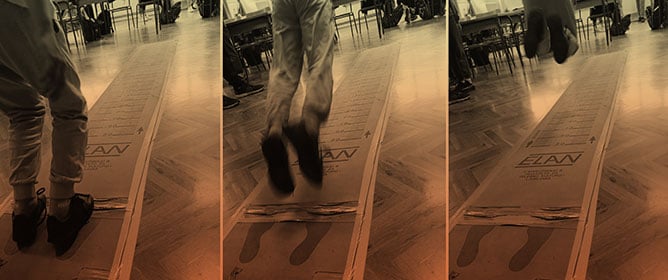
This study examined whether pre-existing situational motivation correlates with the magnitude of performance improvement elicited by verbal encouragement (VE) in long jump. A total of 134 physically active sports science students (21.1 ± 1.4 years) performed a long jump task under two conditions: with and without peer VE. Situational motivation, differentiated into autonomous (Intrinsic Motivation [IM], Identified Regulation [IR]) and controlled (External Regulation [ER], Amotivation [AM]) forms, was assessed immediately prior to trials using the Situational Motivation Scale (SIMS). Performance improvement was calculated as the percentage change (Δ%) between conditions. Paired t-tests evaluated the overall effect of VE, while multiple linear regression analysis was used to assess the predictive relationship between situational motivation subscales and performance gains (Δ%), with sex included as a covariate. The results showed that VE significantly enhanced performance across both sexes (p < 0.001; d = 1.109–1.331). The regression models indicated that Δ% was positively predicted by autonomous forms of motivation (IM: R2 = 0.252; IR: R2 = 0.262) and negatively predicted by controlled forms (ER: R2 = 0.27; AM: R2 = 0.249). Sex was not a significant predictor in any model (p > 0.05), indicating that all observed relationships were consistent across both male and female participants. These findings indicate that the performance-enhancing effect of VE in long jump is associated with the initial motivational state of the practitioners, being greater in autonomously motivated individuals and attenuated in those with controlled motivation. Consequently, situational motivation should be assessed before implementing VE in long jump, as its effectiveness is limited in individuals with low autonomous drive and may require preliminary strategies to enhance task engagement.
Full article
(This article belongs to the Special Issue Psychological Dimensions of Success and Failure in Sport)
►▼
Show Figures

Figure 1
Open AccessArticle
Blood Volume and Haemoglobin Mass in Relation to Fat-Free Mass and Aerobic Capacity in Elite Junior Rowers
by
Viktorija Maconytė, Loreta Stasiulė and Arvydas Stasiulis
Sports 2026, 14(5), 192; https://doi.org/10.3390/sports14050192 - 7 May 2026
Abstract
►▼
Show Figures
Background: Blood volume (BV), haemoglobin mass (Hb-mass) are key determinants of blood oxygen transport. The aim of this study was to assess BV and Hb-mass in elite junior rowers and evaluate their relationship with fat-free mass (FFM) and aerobic capacity. Methods: Twenty-five males
[...] Read more.
Background: Blood volume (BV), haemoglobin mass (Hb-mass) are key determinants of blood oxygen transport. The aim of this study was to assess BV and Hb-mass in elite junior rowers and evaluate their relationship with fat-free mass (FFM) and aerobic capacity. Methods: Twenty-five males (18.4 ± 2.4 y, 1.92 ± 0.5 m, 89.3 ± 4.7 kg) and fourteen females (17.0 ± 1.9 y, 1.77 ± 0.7 m, 74.2 ± 11.3 kg) participated. BV, plasma volume (PV), and Hb-mass were assessed via CO rebreathing. Pulmonary gas exchange was measured during a graded rowing test. Results: Males had higher absolute BV (7270 ± 717 vs. 5388 ± 471 mL) and Hb-mass (1083 ± 91 vs. 720 ± 49 g). After adjusting for FFM, most differences disappeared, except PV, which remained higher in females (57.2 ± 4.8 vs. 49.9 ± 6.5 mL·FFM·kg−1). V̇O2max was higher in males in absolute (6.28 ± 0.40 vs. 4.48 ± 0.29 L·min−1) and body-mass-relative terms (70.2 ± 5.6 vs. 61.3 ± 7.3 mL·kg−1·min−1), but not when expressed per FFM (79.4 ± 5.3 vs. 81.1 ± 7.3 mL·FFM·kg−1·min−1). BV, PV, and Hb-mass correlated positively with V̇O2max in both sexes, with stronger associations in females. Conclusions: Sex differences in blood parameters among junior rowers are largely explained by FFM, except for PV, which is relatively higher in females. Stronger associations between blood variables and aerobic capacity in females suggest greater reliance on central oxygen transport.
Full article

Figure 1
Open AccessReview
Reporting of Y Balance Test Measurement Procedures in Reliability and Validity Studies: A Scoping Review
by
Hiroto Takahashi, Tatsuya Igawa, Ryunosuke Urata, Shomaru Ito, Kosuke Suzuki, Riyaka Ito, Mika Toda, Chiaki Matsumoto and Masahiro Ishizaka
Sports 2026, 14(5), 191; https://doi.org/10.3390/sports14050191 - 6 May 2026
Abstract
The Y Balance Test (YBT) is widely used to assess dynamic balance and lower-limb function in both clinical and sports settings. However, substantial variability exists in YBT measurement procedures across studies, which may complicate interpretation of the reliability and validity findings. This scoping
[...] Read more.
The Y Balance Test (YBT) is widely used to assess dynamic balance and lower-limb function in both clinical and sports settings. However, substantial variability exists in YBT measurement procedures across studies, which may complicate interpretation of the reliability and validity findings. This scoping review aimed to systematically map the reporting frequency and heterogeneity of participant characteristics and measurement procedures in studies evaluating the reliability and/or validity of the YBT. This scoping review was conducted in accordance with the PRISMA extension for Scoping Reviews and the Joanna Briggs Institute methodology. MEDLINE, CENTRAL, CINAHL, and clinical trial registries were searched from inception to 20 September 2025. Observational studies assessing the reliability and/or validity of the YBT were also included. Data on participant attributes and key measurement procedures, including practice trials, rest periods, upper-limb restrictions, heel lift allowance, and other protocol components, were extracted. A total of 32 studies involving 1701 participants were analyzed. Considerable heterogeneity was observed in the reporting of YBT measurement procedures across studies, with differences according to study design and participant characteristics. While practice trials and error criteria were frequently described, other factors that may influence outcomes, including warm-up protocols, rest periods, heel lift allowance, and trial order, were less consistently reported. Such variability may limit the interpretability and comparability of YBT findings. Notable gaps were identified in both reliability and validity studies, as well as in studies involving injured or clinical populations. These findings highlight the need for greater transparency and consistency in YBT reporting. Clearer reporting standards may improve evidence synthesis and the application of YBT findings.
Full article
(This article belongs to the Special Issue Fostering Sport for a Healthy Life)
►▼
Show Figures

Figure 1
Open AccessArticle
Preliminary Evidence of Motor Outcomes in Children with Autism Spectrum Disorder Following Equine-Assisted Therapy and Dual-Task Training: A Pilot Study
by
Carlo della Valle, Giulia Di Martino, Alessio Melis, Lorenzo Persichini, Chiara De Santis Del Tavano, Claudia Cerulli, Giovanni Fiorilli, Giuseppe Calcagno, Enzo Iuliano and Alessandra di Cagno
Sports 2026, 14(5), 190; https://doi.org/10.3390/sports14050190 - 6 May 2026
Abstract
►▼
Show Figures
Background: Equine-assisted therapy (EAT) is a supportive intervention for children with autism spectrum disorder (ASD). Aim: This pilot study evaluated the feasibility of a cognitive–motor EAT intervention to explore its preliminary effects on motor coordination in children with ASD. Methods: A single-group pre-test–post-test
[...] Read more.
Background: Equine-assisted therapy (EAT) is a supportive intervention for children with autism spectrum disorder (ASD). Aim: This pilot study evaluated the feasibility of a cognitive–motor EAT intervention to explore its preliminary effects on motor coordination in children with ASD. Methods: A single-group pre-test–post-test design was adopted. Twelve children (mean age: 10.08 ± 1.51 years; ASD level 1–2) participated in a 16-week EAT program. The intervention integrated EAT with cognitive dual-task activities targeting attention and perceptual processing. Motor performance was assessed before and after the intervention using the Movement Assessment Battery for Children (MABC-2). Results: The RM-ANOVA examined pre–post changes. A significant improvement in the MABC-2 Total Test Score was observed (p = 0.036; ηp2 = 0.34; 95% CI [0.541, 13.792]), indicating a trend of improvement of global motor coordination. No significant improvements were observed in Manual Dexterity, Aiming and Catching, and Balance subscale scores. Conclusions: A cognitively enriched EAT program promoted improvements in overall motor competence in ASD children, even without measurable changes in specific motor skills. The intervention was feasible and well-tolerated, with high adherence and no adverse events. These preliminary findings support the feasibility and potential value of integrating cognitive–motor demands into EAT and provide a rationale for larger randomized controlled studies.
Full article

Figure 1
Open AccessReview
Why Hand–Wrist Bandaging Could Improve Performance in Elite Soccer Players? A Scoping Review on the Biomechanical Rationale of Upper Limb Role in Kicking
by
Rocco De Vitis, Luca Lombardi, Matteo Guzzini, Arturo Militerno, Giuseppe Taccardo and Marco Passiatore
Sports 2026, 14(5), 189; https://doi.org/10.3390/sports14050189 - 6 May 2026
Abstract
►▼
Show Figures
Background: Soccer kicking biomechanics has traditionally focused on lower limbs, overlooking whole-body integration. Three-dimensional motion analyses have demonstrated that upper limbs contribute substantially through tension arc formation, counterbalancing, and kinetic chain coordination. The hand–wrist complex may influence performance through proprioceptive pathways, yet this
[...] Read more.
Background: Soccer kicking biomechanics has traditionally focused on lower limbs, overlooking whole-body integration. Three-dimensional motion analyses have demonstrated that upper limbs contribute substantially through tension arc formation, counterbalancing, and kinetic chain coordination. The hand–wrist complex may influence performance through proprioceptive pathways, yet this remains untested. Methods: Following PRISMA-ScR guidelines, we searched PubMed/MEDLINE, Web of Science, and SPORTDiscus (inception—February 2026). Peer-reviewed studies examining kicking mechanics, kinetic chains, and joint proprioception were included. Two reviewers independently screened records and extracted data. Narrative synthesis was used to organize findings across four thematic categories: upper limb biomechanics, kinetic chain principles, wrist–hand stability, and proprioceptive enhancement. Results: From 3847 records, 51 studies (1988–2025) were included. Upper limbs are essential for kicking through tension arc formation, energy transfer, and balance maintenance. Kinetic chains operate bidirectionally; available evidence suggests that proximal segment deficits are associated with substantially increased compensatory demands at distal segments. External joint support has been shown to enhance proprioception and force perception. Conclusions: This scoping review identifies a theoretical rationale and a critical research gap: no direct empirical evidence exists that hand–wrist bandaging affects kicking performance. Evidence from adjacent domains (upper limb kicking biomechanics, kinetic chain theory and proprioceptive enhancement with external supports) provides indirect, translational support for the plausibility of a hypothesis that remains entirely untested. Future research should employ within-subject crossover designs in elite soccer players to determine whether this intervention produces any measurable effect. Practical recommendations to athletes or practitioners are premature and are not supported by the current evidence base.
Full article

Figure 1
Journal Menu
► ▼ Journal Menu-
- Sports Home
- Aims & Scope
- Editorial Board
- Reviewer Board
- Topical Advisory Panel
- Instructions for Authors
- Special Issues
- Topics
- Topical Collections
- Article Processing Charge
- Indexing & Archiving
- Editor’s Choice Articles
- Most Cited & Viewed
- Journal Statistics
- Journal History
- Journal Awards
- Society Collaborations
- Conferences
- Editorial Office
Journal Browser
► ▼ Journal BrowserHighly Accessed Articles
Latest Books
E-Mail Alert
News
Topics
Topic in
Biomechanics, JFMK, Sensors, Sports
Current Perspectives and Future Directions in Sports Biomechanics
Topic Editors: Pedro Forte, Rafael Peixoto, Luís BranquinhoDeadline: 25 May 2026
Topic in
Education Sciences, Sports
Sustainability-Oriented Learning in Physical Education and Health (PEH)
Topic Editors: Suzanne Lundvall, Andreas FröbergDeadline: 15 June 2026
Topic in
Applied Sciences, Brain Sciences, JFMK, Nutrients, Sports
Exercise and Nutrition for Physical Performance, Mental Health and General Well-Being
Topic Editors: Gian Mario Migliaccio, Luca RussoDeadline: 12 July 2026
Topic in
Biology, Brain Sciences, Sports, Biomechanics, JFMK, Physiologia
The Mechanics of Movement: Biomechanics in Sports Performance
Topic Editors: Mario Bernardo-Filho, Danúbia Da Cunha De Sá-Caputo, Redha TaiarDeadline: 31 July 2026
Conferences
Special Issues
Special Issue in
Sports
Innovative Approaches to Sports Injury Prevention and Recovery
Guest Editor: Márk VácziDeadline: 30 May 2026
Special Issue in
Sports
Evaluation and Implementation of Inertial Technologies in the Analysis of Sports Performance and Physical Activity
Guest Editors: José Pino-Ortega, Diego Villarejo-GarcíaDeadline: 31 May 2026
Special Issue in
Sports
The Prevention and Rehabilitation of Training Injuries
Guest Editor: Blanca de la Cruz-TorresDeadline: 15 June 2026
Special Issue in
Sports
Promotion of Healthy Habits, Inclusive Sport and Educational Improvement
Guest Editor: José Enrique Moral-GarcíaDeadline: 30 June 2026
Topical Collections
Topical Collection in
Sports
Human Physiology in Exercise, Health and Sports Performance
Collection Editors: Rodrigo Zacca, Robin Pla, Roberto Baldassarre