Dear Colleagues,
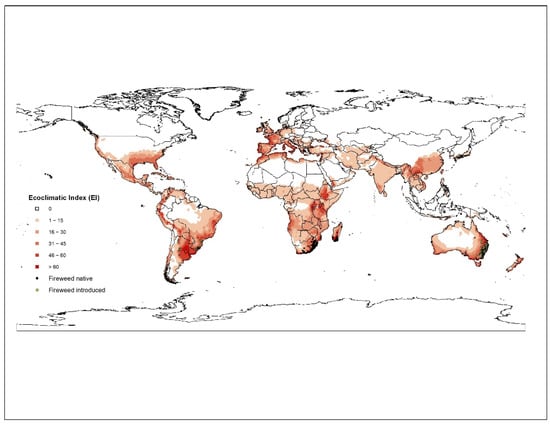
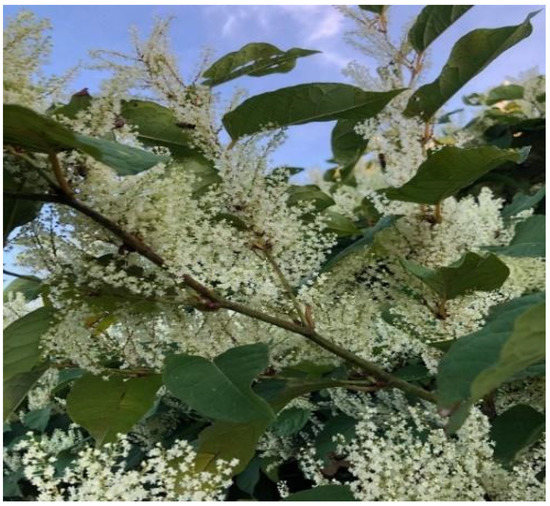
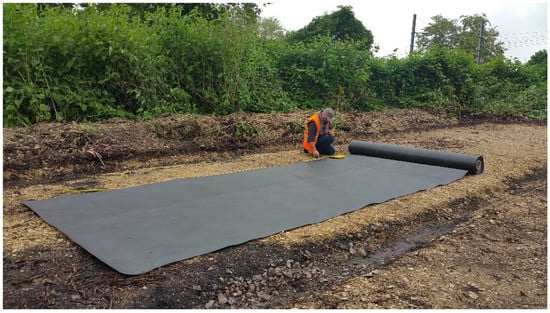
Invasive species are recognised as one of the largest global threats to biodiversity. Introduced species may become invasive and displace native species, affect ecosystem processes and functioning, and cause substantial economic losses. The management of invasive species is challenging. There is a broad spectrum of innovative methods in their monitoring and eradication, often with partial success. This encourages other possibilities in their control – the use of invasive species as providers of ecosystem services.
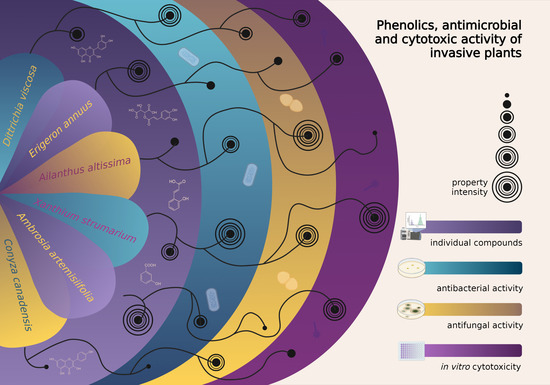
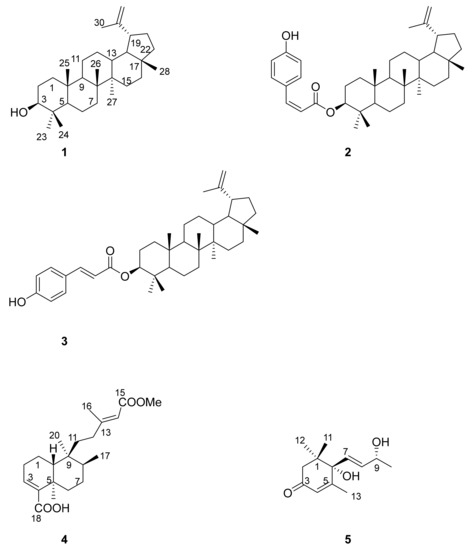
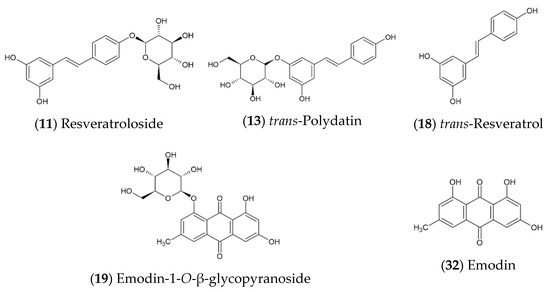
Invasive plants are rich in specialised metabolites. Many studies proved that phytochemical uniqueness is essential in their invasion ability. Antimicrobial agents produced by plants' specialised metabolism serve as their natural protective mechanism, increasing their competitiveness, and therefore many invasive plant species possess antifungal and antibacterial activity. Thus, plant extracts or plant specialised metabolites that are nontoxic and are specific in their action are considered as a possible alternative to many pharmaceuticals. They could also be active ingredients of natural preparations, such as pesticides and herbicides, in organic crop production. Since the availability of plant material is often a limiting factor, invasive species, abundant and not desired in a natural environment are of great potential for human use.
This Collection welcomes the submission of review and research papers or short communications on topics related to the management of invasive species but also of their potential for providing new ecosystem services, primarily medicinal (as phytopharmaceuticals) and agricultural (as alternative herbicides and pesticides).
Dr. Danijela Poljuha
Dr. Barbara Sladonja
Collection Editors
Manuscript Submission Information
Manuscripts should be submitted online at www.mdpi.com by registering and logging in to this website. Once you are registered, click here to go to the submission form. All submissions that pass pre-check are peer-reviewed. Accepted papers will be published continuously in the journal (as soon as accepted) and will be listed together on the collection website. Research articles, review articles as well as short communications are invited. For planned papers, a title and short abstract (about 250 words) can be sent to the Editorial Office for assessment.
Submitted manuscripts should not have been published previously, nor be under consideration for publication elsewhere (except conference proceedings papers). All manuscripts are thoroughly refereed through a single-anonymized peer-review process. A guide for authors and other relevant information for submission of manuscripts is available on the Instructions for Authors page. Plants is an international peer-reviewed open access semimonthly journal published by MDPI.
Please visit the Instructions for Authors page before submitting a manuscript.
The Article Processing Charge (APC) for publication in this open access journal is 2700 CHF (Swiss Francs).
Submitted papers should be well formatted and use good English. Authors may use MDPI's
English editing service prior to publication or during author revisions.