



Pharmacy 2026, 14(7), 141; https://doi.org/10.3390/pharmacy14070141 - 23 Sep 2026
Abstract
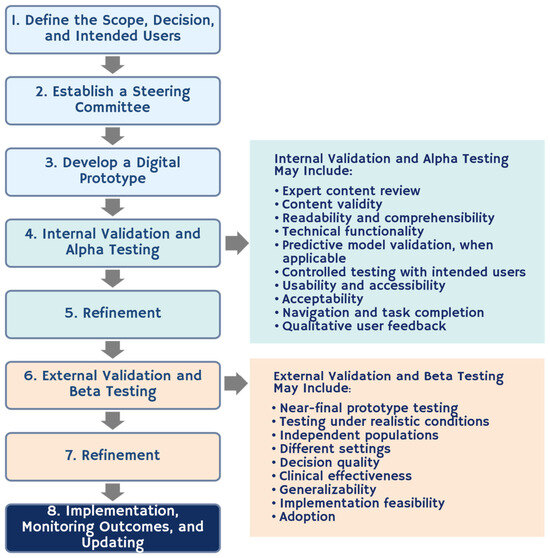
Traditional herbal preparations are frequently used alongside prescription and non-prescription medicines, yet conventional medication reconciliation may not preserve the preparation details needed to interpret interaction and safety evidence. We propose the community-contextualized translational ethnopharmacy framework (CTEF) as a testable conceptual architecture for pharmacy
[...] Read more.
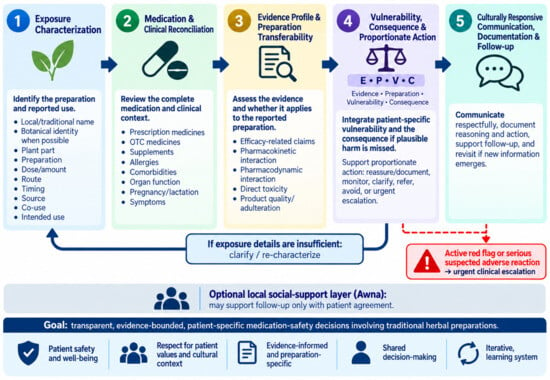
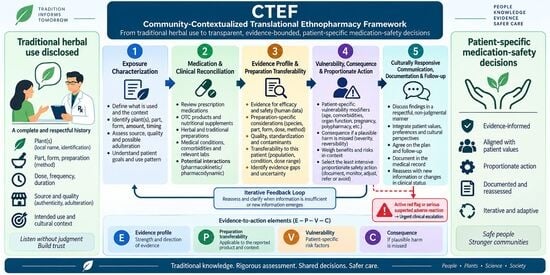
Traditional herbal preparations are frequently used alongside prescription and non-prescription medicines, yet conventional medication reconciliation may not preserve the preparation details needed to interpret interaction and safety evidence. We propose the community-contextualized translational ethnopharmacy framework (CTEF) as a testable conceptual architecture for pharmacy practice. Developed through a problem-oriented conceptual synthesis and a targeted, non-systematic comparator mapping, CTEF treats the exact reported preparation as the clinical exposure and embeds it within a review of the patient’s complete medication and clinical context. The revised framework is iterative and comprises five functions: exposure characterization; comprehensive medication and clinical reconciliation; appraisal of the evidence profile and transferability to the reported preparation; consequence-sensitive action selection using patient vulnerability and explicit escalation/de-escalation rules; and culturally responsive communication, documentation, and follow-up. The central hypothesis is that, compared with a prespecified standard medication-reconciliation workflow, CTEF will improve exposure-characterization completeness, inter-rater reproducibility, and concordance with blinded external adjudication without unacceptable increases in consultation burden, unnecessary escalation, or patient-reported communication harm. CTEF is not a scale, treatment guideline, or validated clinical decision rule. Staged co-design, simulation, reliability, feasibility, comparative, and cross-cultural studies are required before clinical adoption.
Full article
(This article belongs to the Section Pharmacy Practice and Practice-Based Research)
►
Show Figures
Graphical abstract