
Topical Advisory Panel applications are now closed. Please contact the Editorial Office with any queries.
Journal Description
Modelling
Modelling
is an international, peer-reviewed, open access journal on theory and applications of modelling and simulation in engineering science, published bimonthly online by MDPI.
- Open Access— free for readers, with article processing charges (APC) paid by authors or their institutions.
- High Visibility: indexed within ESCI (Web of Science), Scopus, Ei Compendex, EBSCO and other databases.
- Rapid Publication: manuscripts are peer-reviewed and a first decision is provided to authors approximately 24.9 days after submission; acceptance to publication is undertaken in 3.9 days (median values for papers published in this journal in the second half of 2025).
- Journal Rank: JCR - Q2 (Engineering, Multidisciplinary) / CiteScore - Q2 (Mathematics (miscellaneous))
- Recognition of Reviewers: APC discount vouchers, optional signed peer review and reviewer names are published annually in the journal.
Impact Factor:
1.5 (2024);
5-Year Impact Factor:
1.5 (2024)
Latest Articles
Data-Driven Prediction of Punchout Occurrence in CRCP Using an Optimized Gradient Boosting Model
Modelling 2026, 7(1), 38; https://doi.org/10.3390/modelling7010038 (registering DOI) - 13 Feb 2026
Abstract
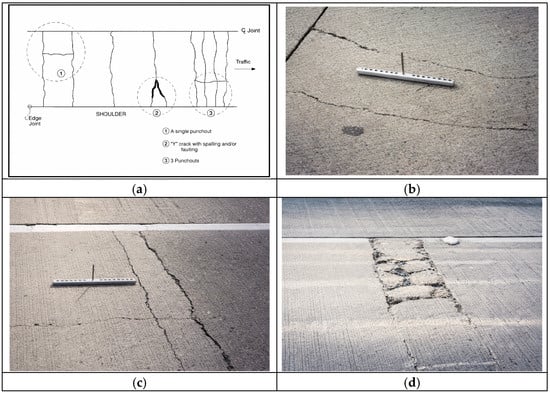
Punchouts distress represents a major structural deficiency in Continuously Reinforced Concrete Pavements (CRCPs), contributing to premature deterioration, reduced ride quality, and increased maintenance demands. To improve the prediction of punchout occurrence, this study develops a hybrid data-driven modeling approach that combines Gradient Boosting
[...] Read more.
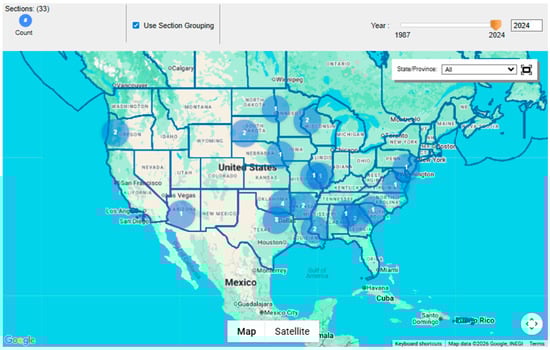
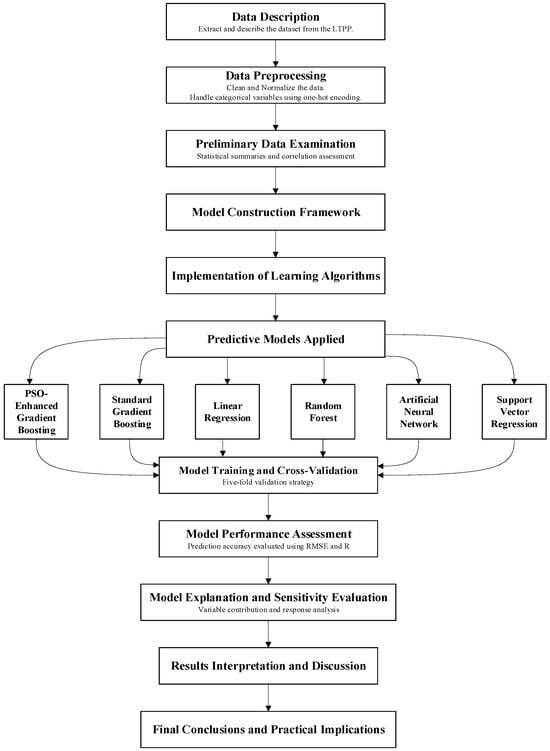
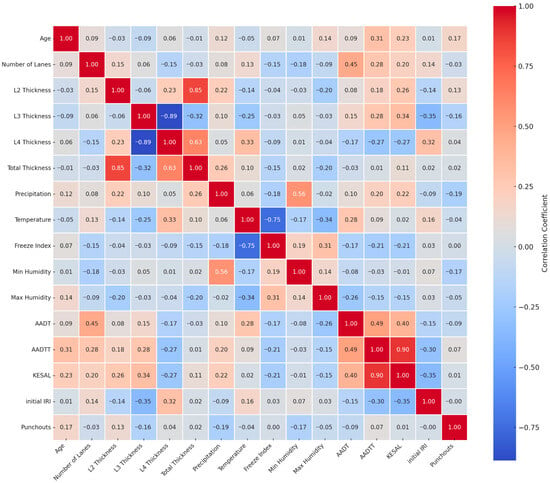
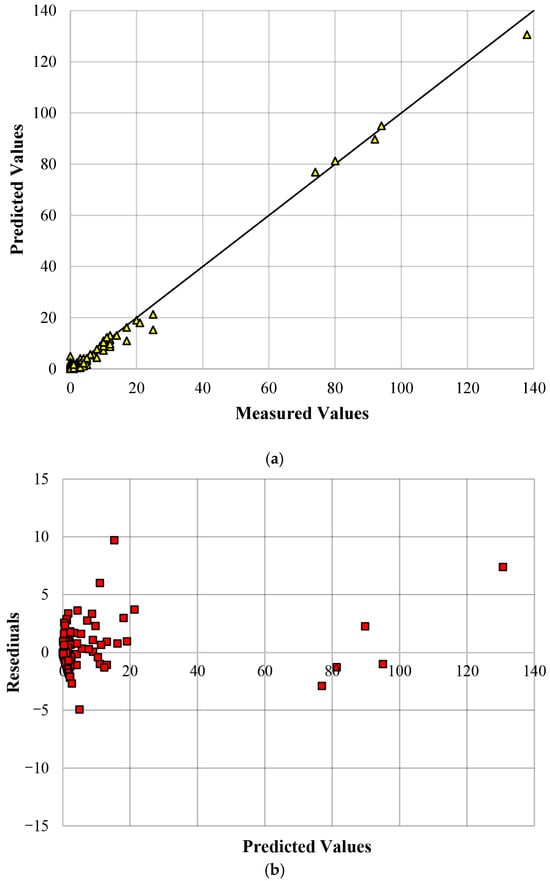
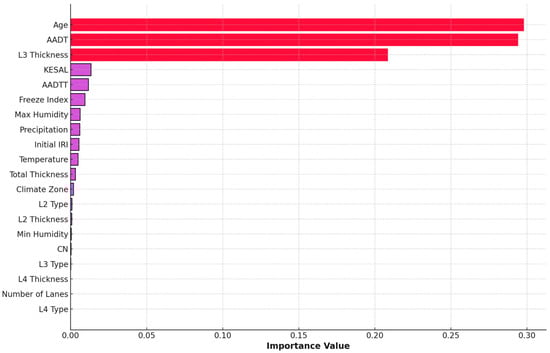
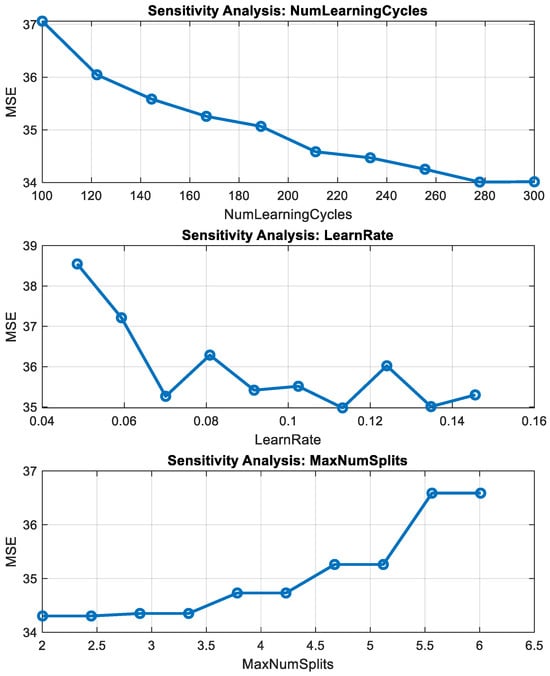
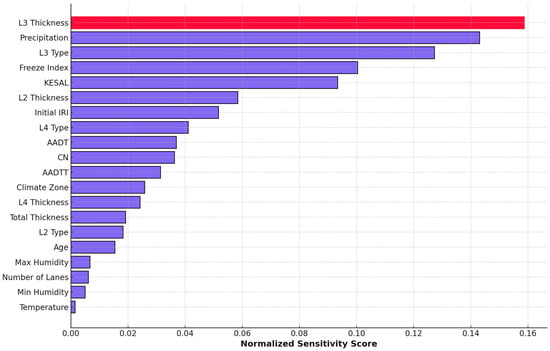
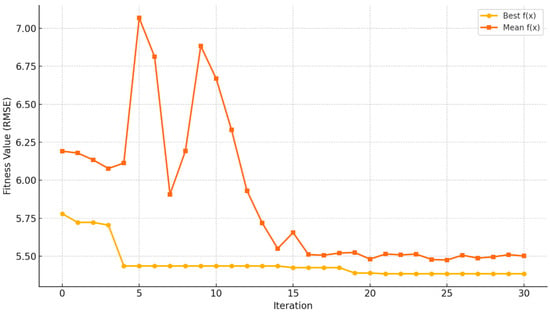
Punchouts distress represents a major structural deficiency in Continuously Reinforced Concrete Pavements (CRCPs), contributing to premature deterioration, reduced ride quality, and increased maintenance demands. To improve the prediction of punchout occurrence, this study develops a hybrid data-driven modeling approach that combines Gradient Boosting Machines (GBMs) with Particle Swarm Optimization (PSO). The proposed framework utilizes 395 observations obtained from 33 CRCP sections in the Long-Term Pavement Performance (LTPP) database, incorporating structural, climatic, traffic, and performance-related variables. PSO was applied to systematically tune key GBM hyperparameters, including the number of boosting iterations, learning rate, and tree complexity, in order to enhance predictive accuracy. Model performance was evaluated using five-fold cross-validation, where the optimized PSO-GBM model achieved an average RMSE of 1.09 and an R2 value of 0.947, outperforming conventional GBM as well as Random Forest, Support Vector Regression, Artificial Neural Networks, and Linear Regression models. Variable importance and sensitivity analyses revealed that Layer 3 thickness, pavement age, annual average daily traffic, and precipitation play dominant roles in punchout development. The consistency of residual distributions and the stability of hyperparameter sensitivity trends further confirm the robustness of the proposed framework. Overall, the results demonstrate that integrating evolutionary optimization with ensemble learning provides an effective tool for modeling complex pavement distresses and offers practical support for proactive maintenance planning and long-term management of CRCP infrastructure.
Full article
(This article belongs to the Special Issue Advanced Modelling Techniques in Transportation Engineering)
►
Show Figures
Open AccessArticle
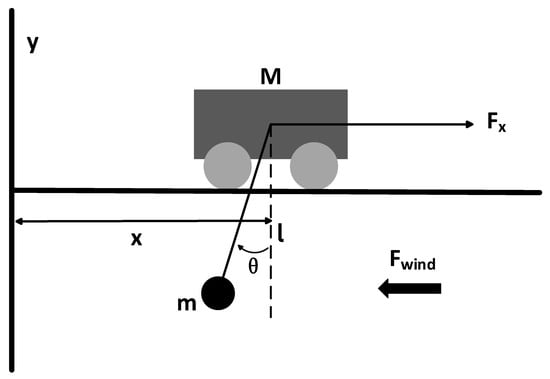
Adaptive Hybrid Control for Bridge Cranes Under Model Mismatch and Wind Disturbance
by
Yulong Qiu, Weimin Xu and Wangqiang Niu
Modelling 2026, 7(1), 37; https://doi.org/10.3390/modelling7010037 - 12 Feb 2026
Abstract
►▼
Show Figures
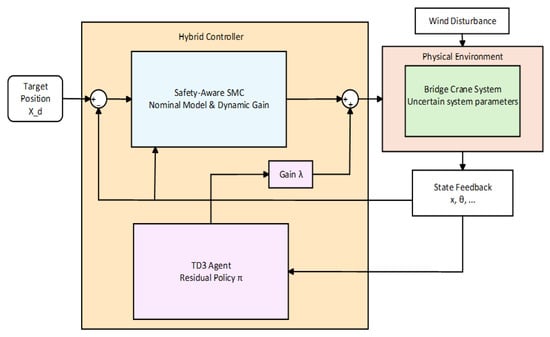
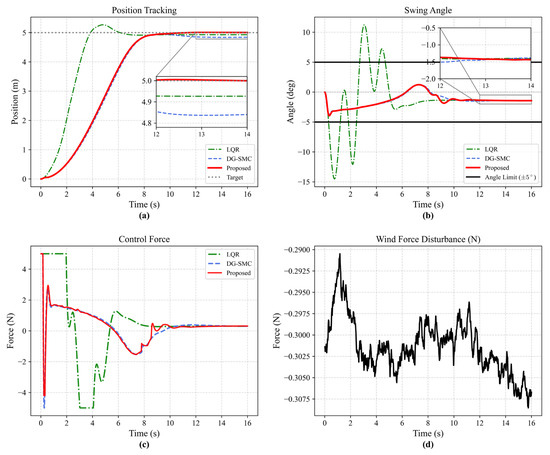
Addressing the challenge of balancing high-precision positioning with strict safety constraints for underactuated bridge cranes subject to model parameter mismatch and stochastic wind disturbances, an adaptive hybrid control framework is presented integrating a Safety-Aware Dynamic Gain Sliding Mode Controller (DG-SMC) with a TD3-based
[...] Read more.
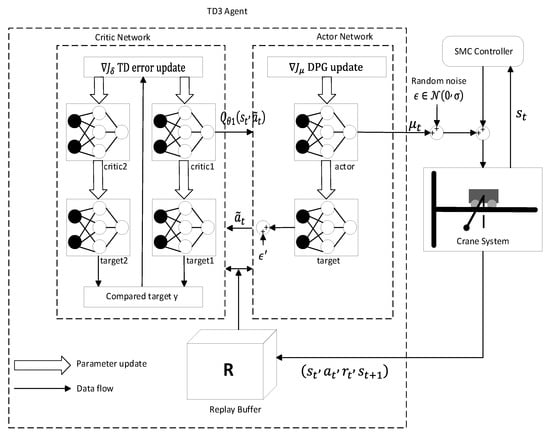
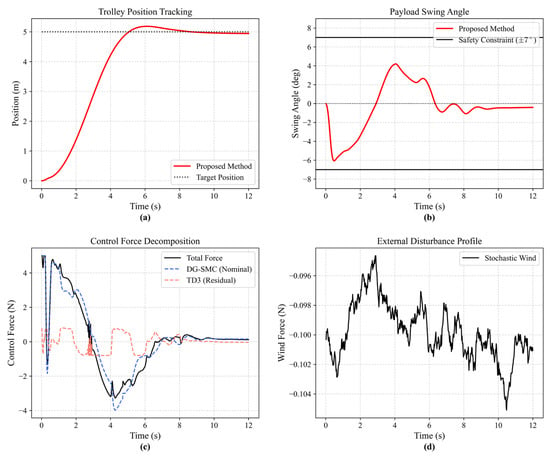
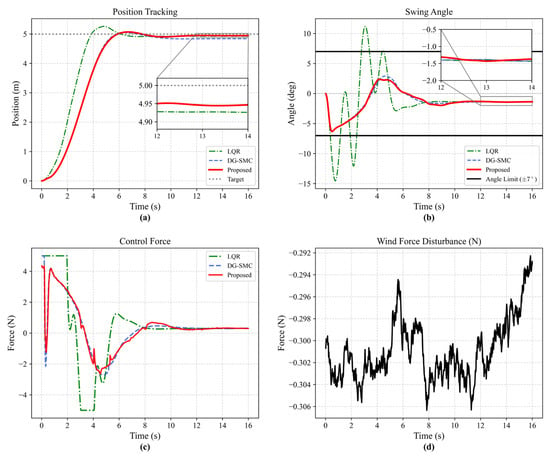
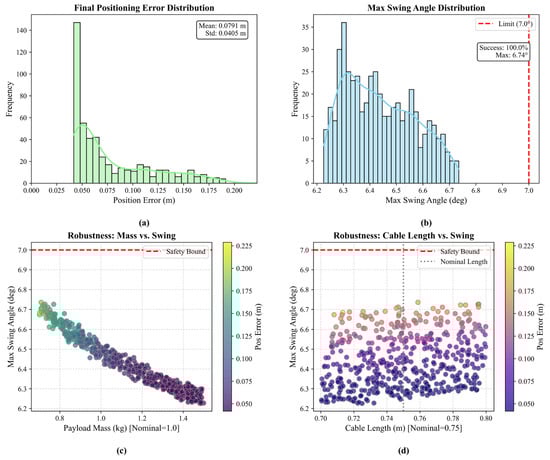
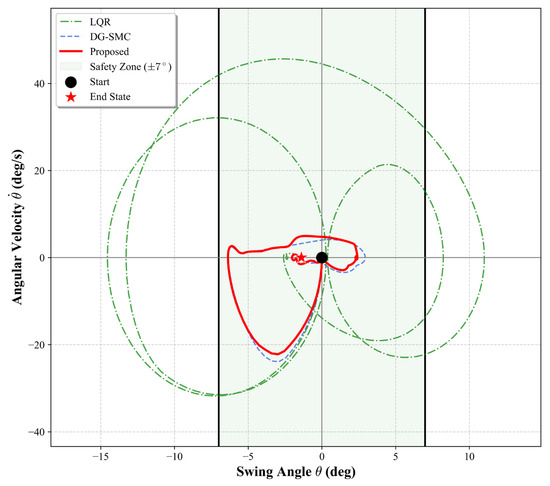
Addressing the challenge of balancing high-precision positioning with strict safety constraints for underactuated bridge cranes subject to model parameter mismatch and stochastic wind disturbances, an adaptive hybrid control framework is presented integrating a Safety-Aware Dynamic Gain Sliding Mode Controller (DG-SMC) with a TD3-based residual deep reinforcement learning network. By designing a gain scheduling mechanism based on swing angle amplitude, the proposed method physically limits trolley acceleration to strictly constrain the payload swing angle within a safe range ( ). Simultaneously, a TD3 agent is introduced as a residual compensator to adaptively learn system dynamics through environmental interaction, generating real-time compensatory control forces to counteract unmodeled dynamics arising from system parameter deviations and continuous wind resistance. Numerical simulations demonstrate that, under conditions involving payload mass deviations of up to 25% and stochastic wind disturbances, the proposed control method effectively reduces steady-state positioning errors, suppresses payload swing during operation, and significantly enhances the system’s energy dissipation efficiency and global robustness in uncertain environments.
Full article

Figure 1
Open AccessArticle
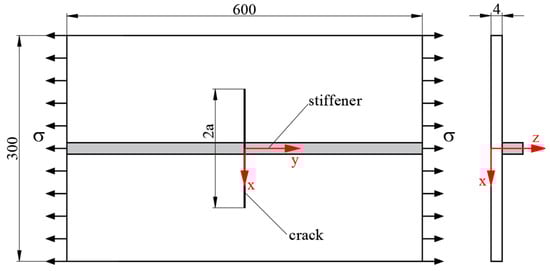
Structural Integrity Evaluation of Cracked Plates with Different Types of Stiffeners: A Numerical Study
by
Stefan-Dan Pastrama
Modelling 2026, 7(1), 36; https://doi.org/10.3390/modelling7010036 - 9 Feb 2026
Abstract
Many structures use stiffeners to improve their strength and stability and especially to stop the growth of cracks that can appear during the manufacturing process or in service. The most used stiffeners have rectangular cross-sections, other shapes being less used to strengthen mechanical
[...] Read more.
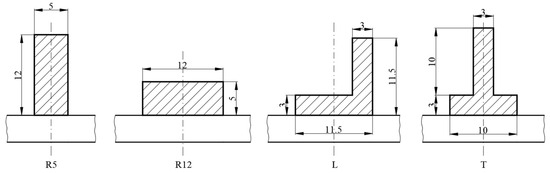
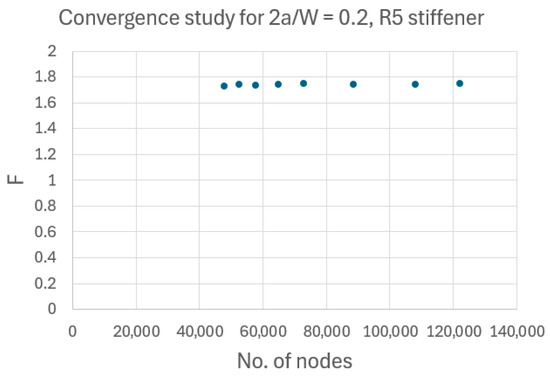
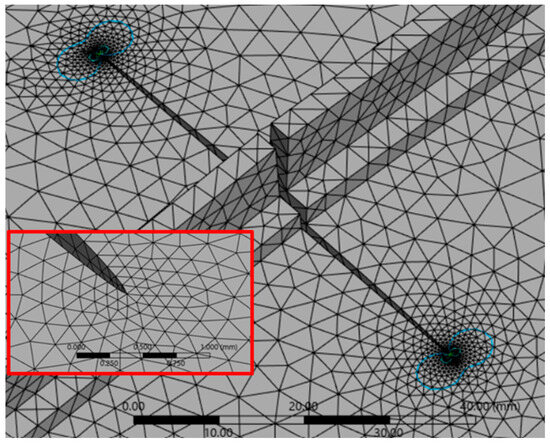
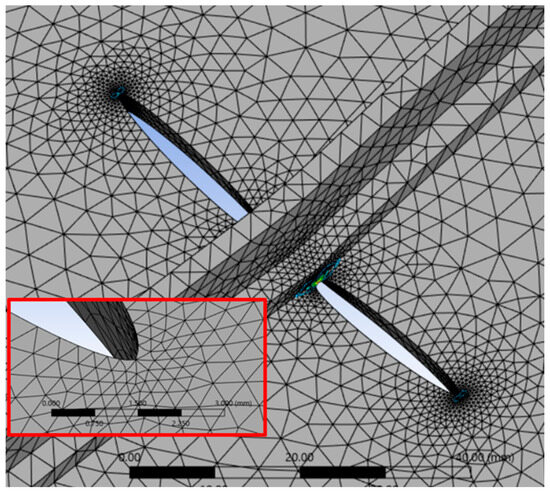
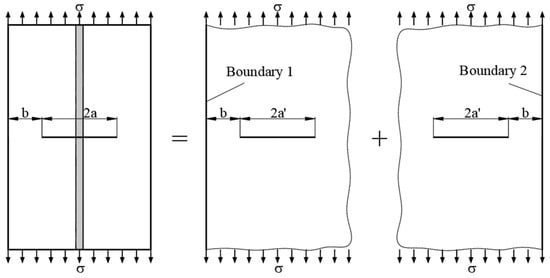
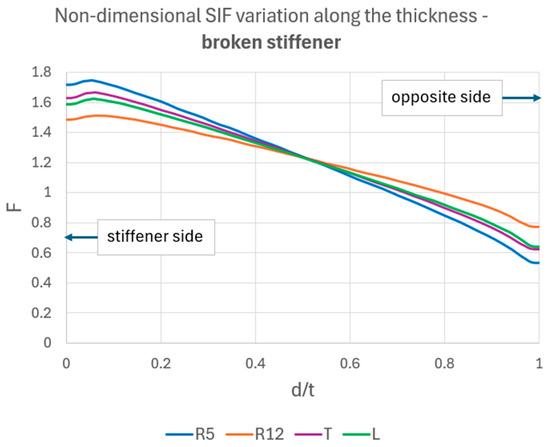
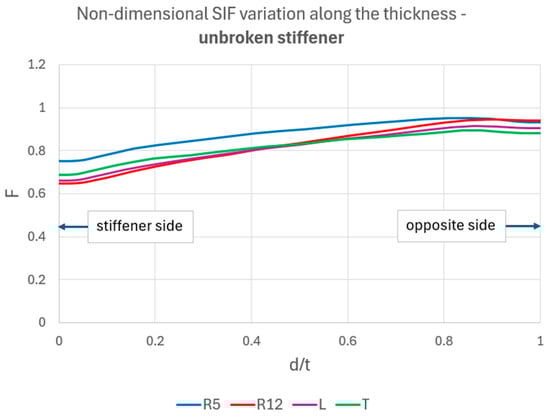
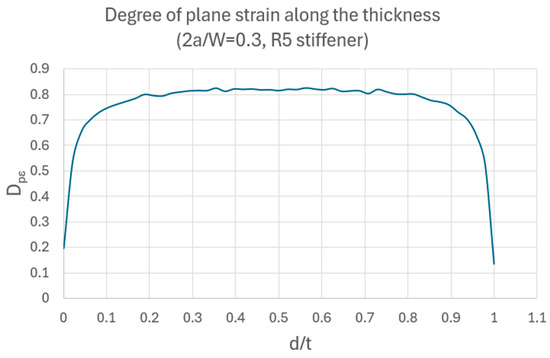
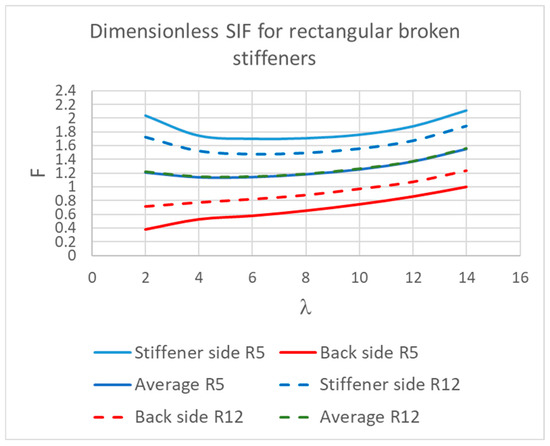
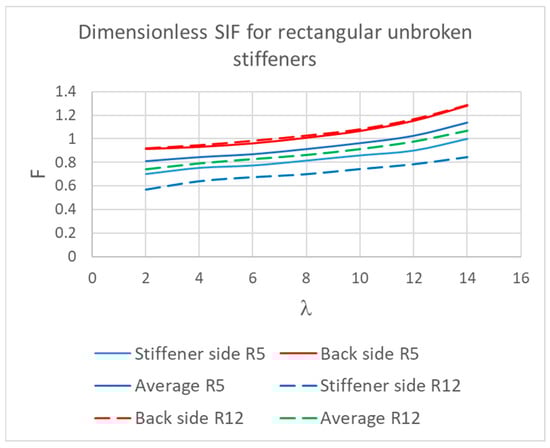
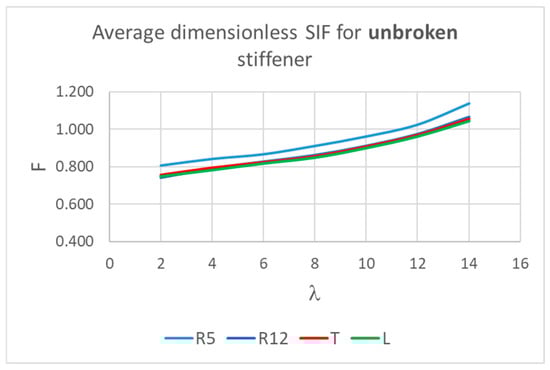
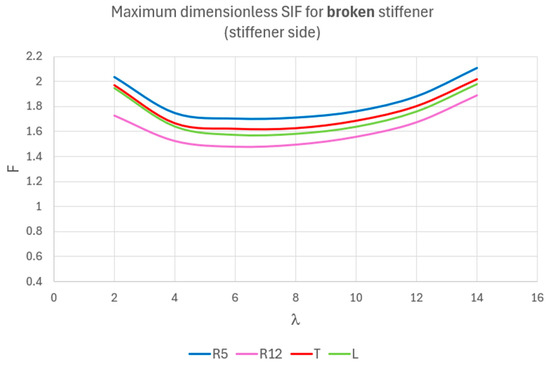
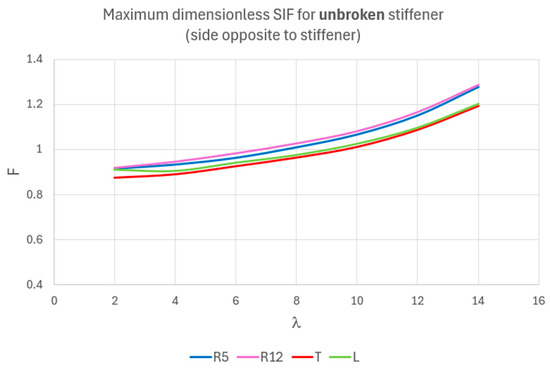
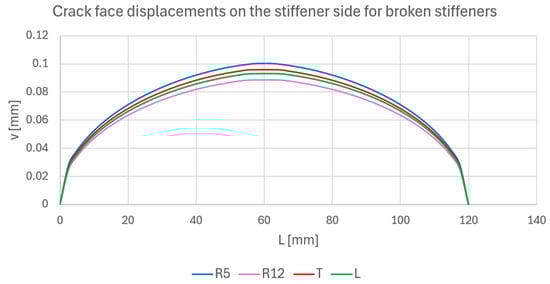
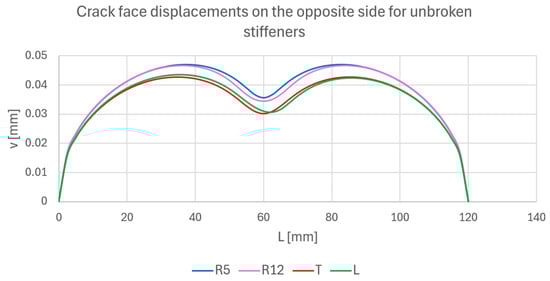
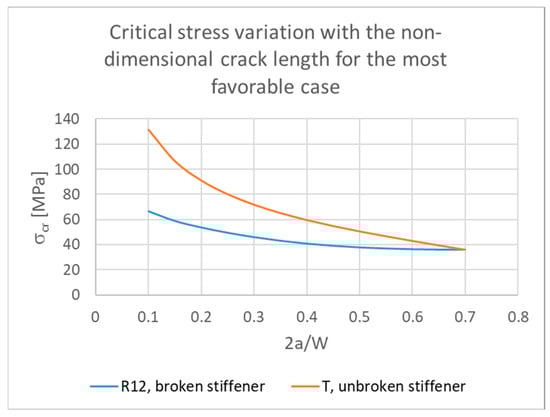
Many structures use stiffeners to improve their strength and stability and especially to stop the growth of cracks that can appear during the manufacturing process or in service. The most used stiffeners have rectangular cross-sections, other shapes being less used to strengthen mechanical structures. A numerical study of cracked aluminum plates reinforced with different types of stiffeners is presented in this paper to study the influence of different types of stringers on the structural integrity of the plates. Continuously attached stiffeners with rectangular, L- and T-shaped cross-sections are considered in two variants: with the stiffener broken and unbroken. A numerical model is developed and validated by comparing the obtained results with those calculated using the compounding method. It is shown that an important variation in the stress intensity factor occurs though the thickness of the plate and that stiffeners with the same area yield approximately the same average values of the stress intensity factor. However, the shape of the stiffeners influences the maximum stress intensity factors, which are responsible for the crack growth. Conclusions are drawn about the shape that provides a longer lifetime and higher critical stresses at which catastrophic failure may occur.
Full article
(This article belongs to the Section Modelling in Engineering Structures)
►▼
Show Figures

Figure 1
Open AccessArticle
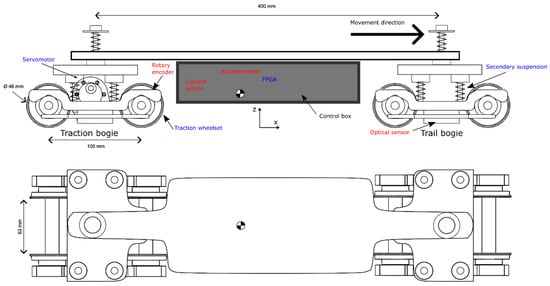
Detecting Rail Surface Contaminants Using a Combined Short-Time Fourier Transform and Convolutional Neural Network Approach
by
Gerardo Hurtado-Hurtado, Tania Elizabeth Sandoval-Valencia, Luis Morales-Velázquez and Juan Carlos Jáuregui-Correa
Modelling 2026, 7(1), 35; https://doi.org/10.3390/modelling7010035 - 9 Feb 2026
Abstract
Condition monitoring of railway track surfaces is crucial for ensuring the safety, operational efficiency, and effective maintenance of railway systems. This work presents a data-driven modelling and an experimental methodology for identifying and classifying contaminants on railway tracks using vibration analysis and artificial
[...] Read more.
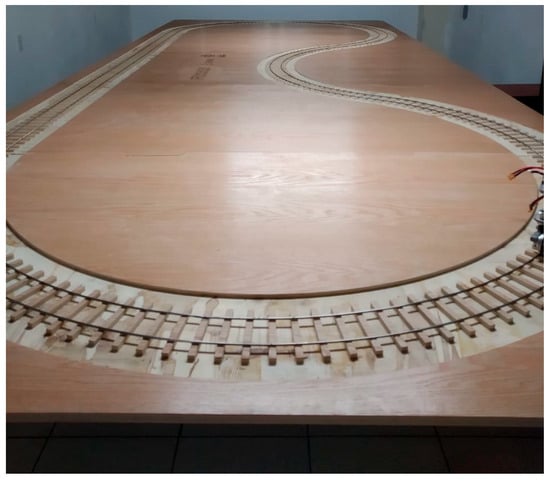
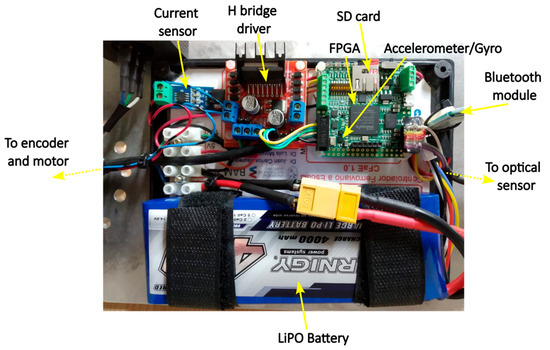
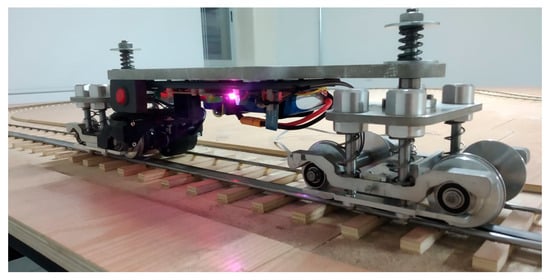
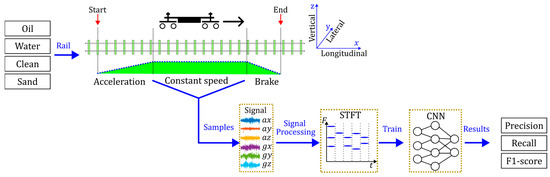
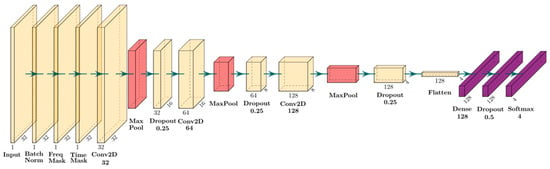
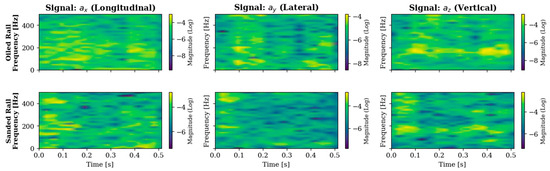
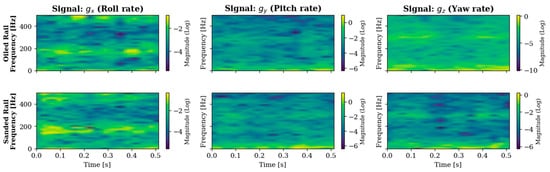
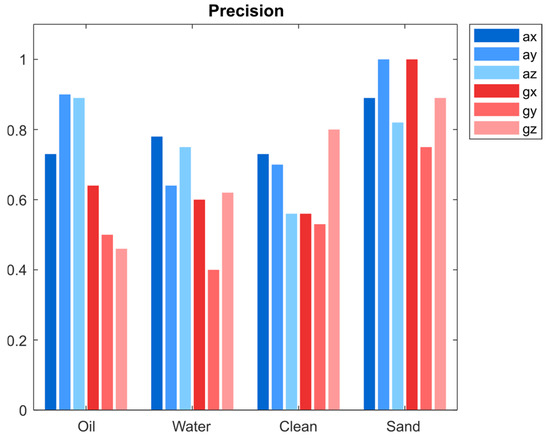
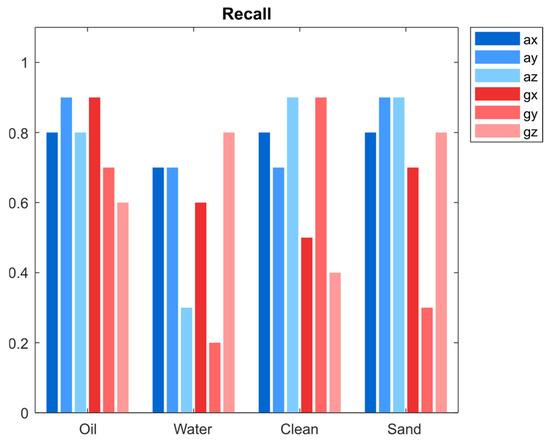
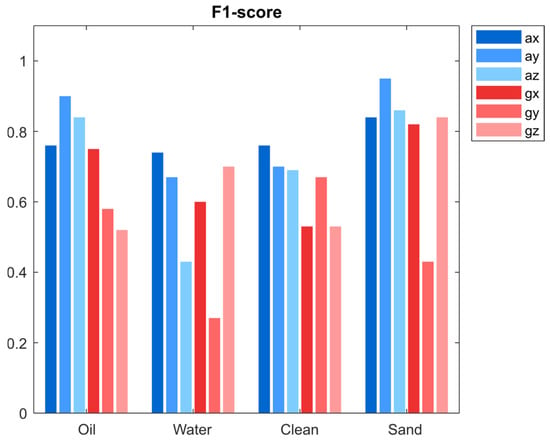
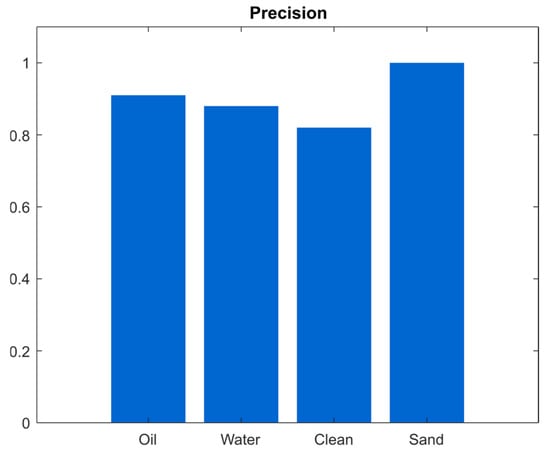
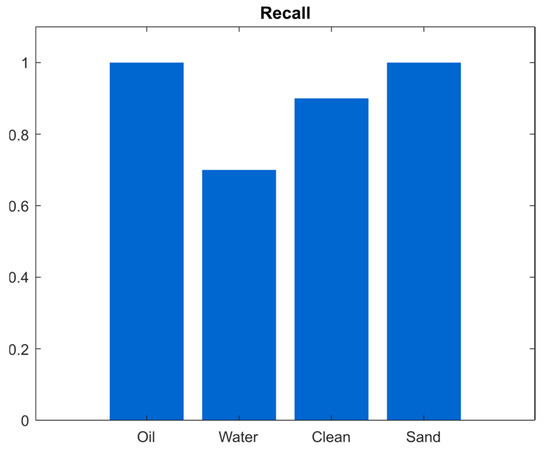
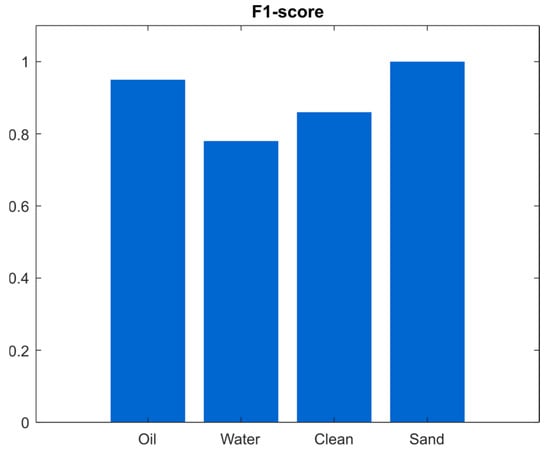
Condition monitoring of railway track surfaces is crucial for ensuring the safety, operational efficiency, and effective maintenance of railway systems. This work presents a data-driven modelling and an experimental methodology for identifying and classifying contaminants on railway tracks using vibration analysis and artificial intelligence techniques. In this study, the railway dynamics were physically simulated using a 1:20 scaled test rig, where the rails were treated with various contaminants (oil, water, and sand), and the resulting vehicle vibrations were recorded by on-board accelerometers and gyroscopes. To construct the predictive model, a hybrid architecture was designed integrating Short-Time Fourier Transform (STFT) for time-frequency feature extraction and a multi-channel Convolutional Neural Network (CNN) for pattern recognition. Initial results indicate that accelerometer data, particularly from longitudinal and lateral vibrations, are more effective than gyroscope data for classifying certain contaminants. To enhance classification robustness, this work introduces a multi-channel CNN that simultaneously processes the most informative signals, leading to a significant improvement in detection accuracy across all tested contaminants. This study validates the effectiveness of the proposed methodology as a robust and reliable solution for contaminant detection, while also confirming the utility of the scaled testbed as a valuable platform for future research in railway dynamics.
Full article
(This article belongs to the Section Modelling in Artificial Intelligence)
►▼
Show Figures

Figure 1
Open AccessArticle
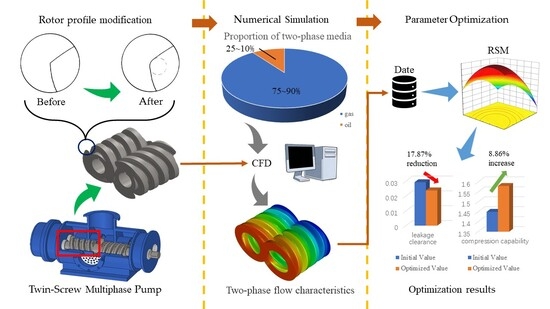
Numerical Simulation of Performance Analysis and Parameter Optimization for a High-Gas-Fraction Twin-Screw Multiphase Pump
by
Wenkui Xi, Luyu Chen, Wei Tian, Xiongxiong Wang, Shuqin Xiao and Yanbin Li
Modelling 2026, 7(1), 34; https://doi.org/10.3390/modelling7010034 - 5 Feb 2026
Abstract
►▼
Show Figures
A twin-screw multiphase pump is essential equipment for the transfer of gas-liquid multiphase mixtures in oil and gas operations. This work addresses rotor deformation in real applications by correcting the rotor profile using the arc transition approach, eliminating teeth tips, mitigating local stress
[...] Read more.
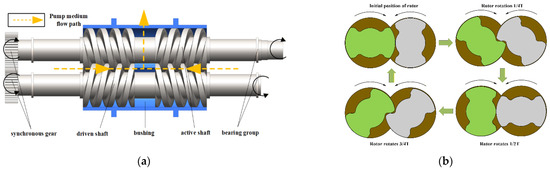
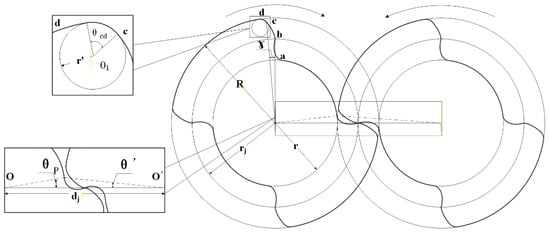
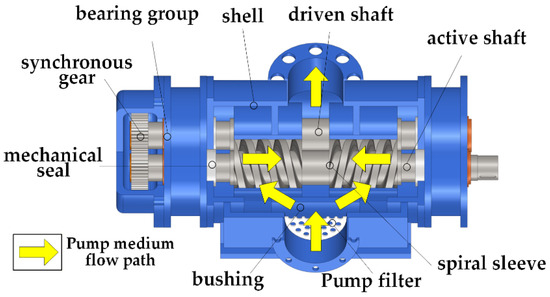
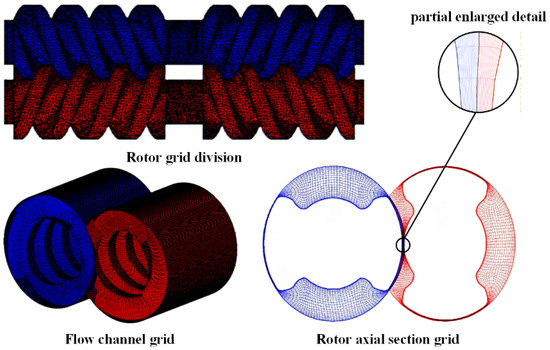
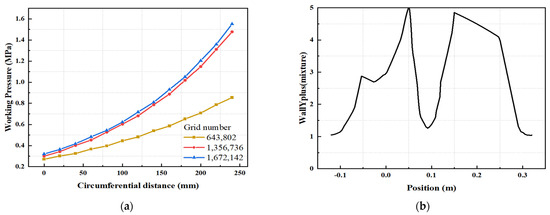
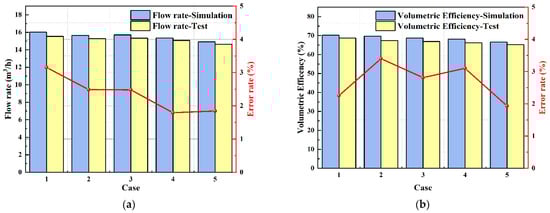
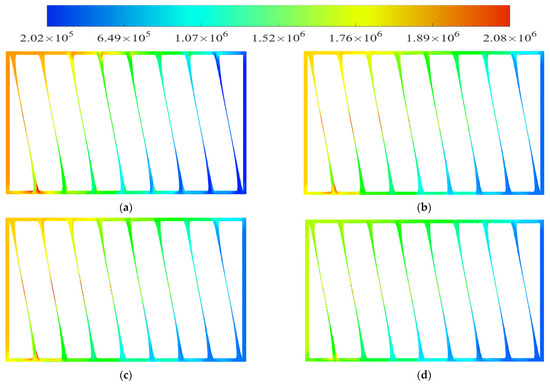
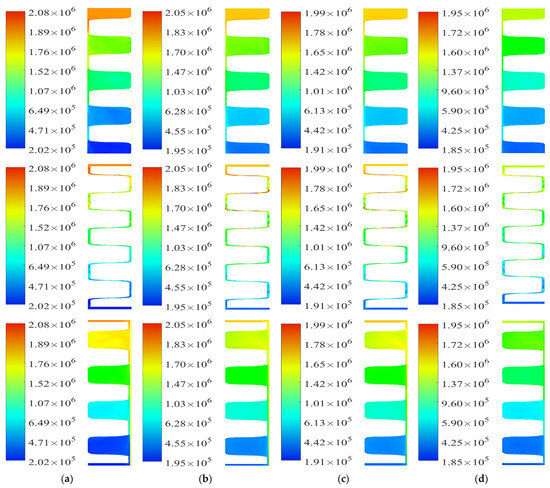
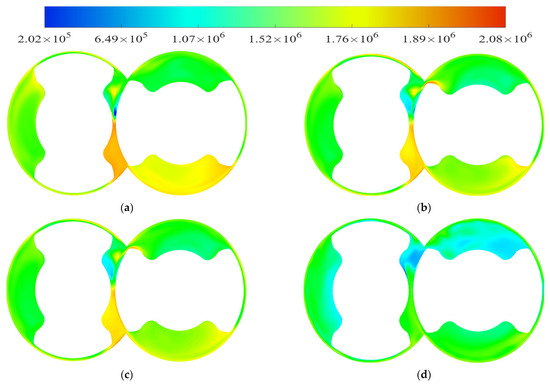
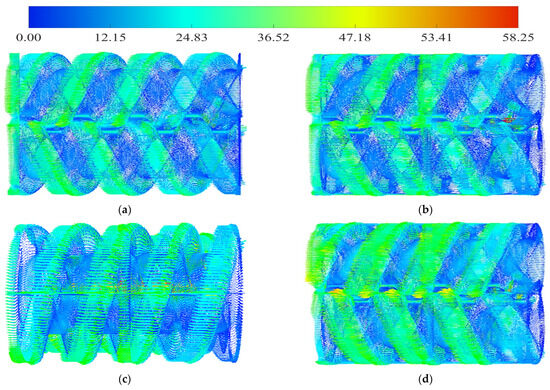
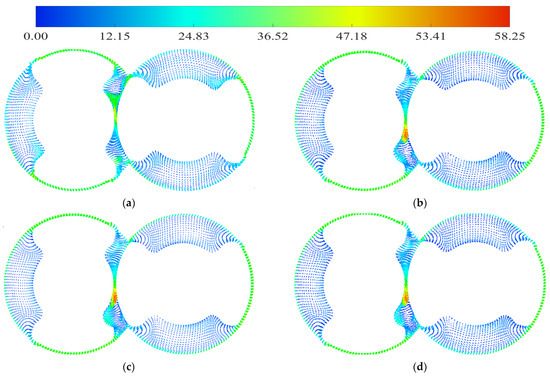
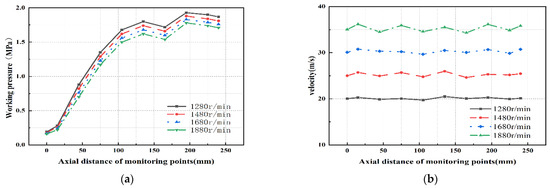
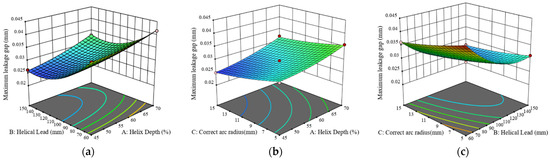
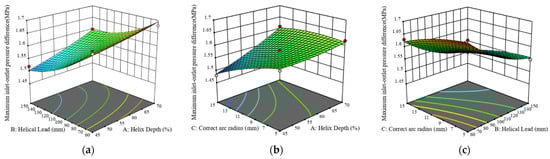
A twin-screw multiphase pump is essential equipment for the transfer of gas-liquid multiphase mixtures in oil and gas operations. This work addresses rotor deformation in real applications by correcting the rotor profile using the arc transition approach, eliminating teeth tips, mitigating local stress concentration, and reducing the danger of rotor deformation. Simultaneously, in conjunction with the oil and gas mixed transportation requirements of the Changqing Oilfield, the MPC208-67 twin-screw mixed transportation pump was engineered, and the essential structural specifications were established. This paper employs the Mixture multiphase flow model and the SST k-ω turbulence model to simulate the internal flow field of the pump in Changqing Oilfield, aiming to examine the impact of high-gas-content conditions on the pump’s performance and ensure it aligns with design specifications. The modeling findings indicate that the pressure in the pump progressively rises along the axial direction and remains constant within the chamber. As the void fraction of the medium increases, the pressure differential between the inlet and exit of the rotor fluid domain progressively diminishes, resulting in high-velocity fluid emerging in the interstice between driving and driven rotors. The simultaneous increase in rotational speed elevates the overall fluid velocity while diminishing the pressure value. Under rated conditions, the output pressure and flow rate of the planned multiphase pump achieve 1.8 MPa and 300 m3/h, respectively, thereby fully satisfying the design specifications. This work employs the response surface approach to optimize multi-objective performance parameters, including leakage and pressurization capacity, to enhance the pump’s operational performance under high gas content situations. The optimization results indicate a 17.87% reduction in pump leakage, an 8.86% rise in pressurization capacity, and a substantial enhancement in pump performance.
Full article

Graphical abstract
Open AccessArticle
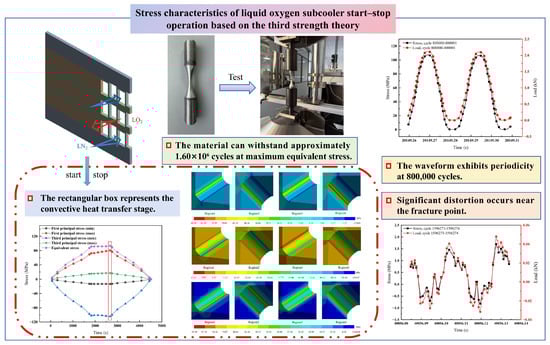
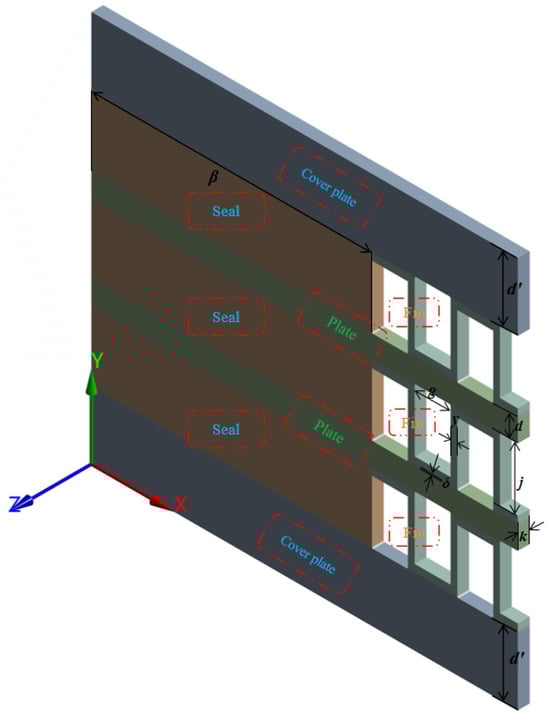
Stress Characteristics Analysis of Aluminum Brazed Structures (ABS) in Liquid Oxygen Subcoolers Under Liquid Nitrogen Conditions
by
Baoding Wang, Qing Zhang, Qingfen Ma, Zhongye Wu, Yilong Sun, Jingru Li and Hui Lu
Modelling 2026, 7(1), 33; https://doi.org/10.3390/modelling7010033 - 4 Feb 2026
Abstract
►▼
Show Figures
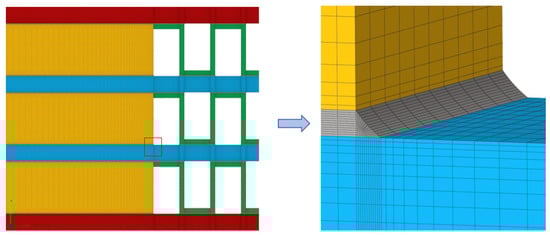
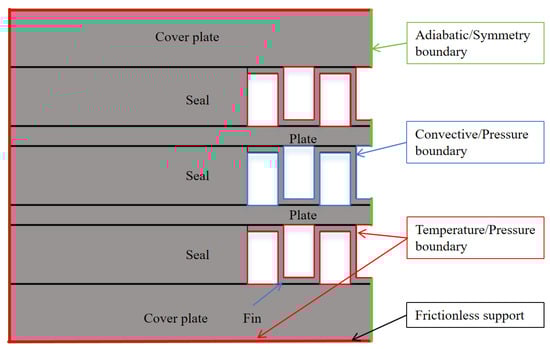
The liquid oxygen subcooler is a key unit for the deep cooling, storage, and transportation of liquid oxygen. Its frequent start–stop operation under liquid nitrogen bath conditions introduces potential risks to service reliability. This study employs a thermo-structural sequential coupling approach to evaluate
[...] Read more.
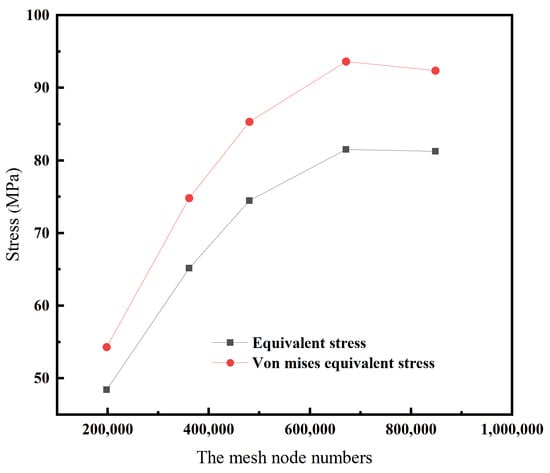
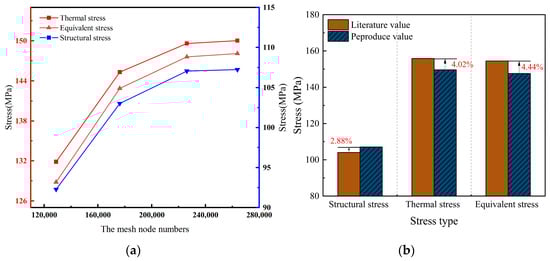
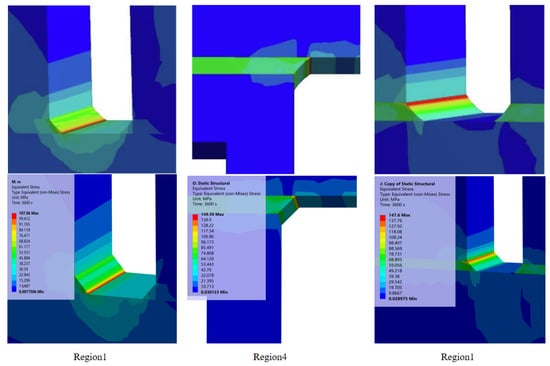
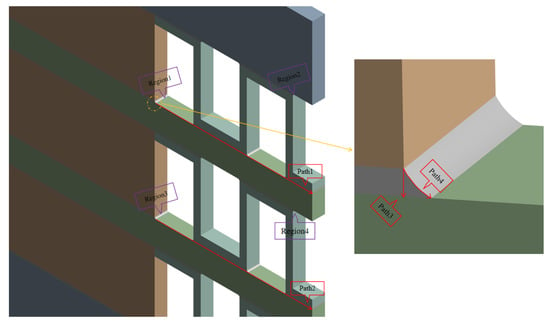
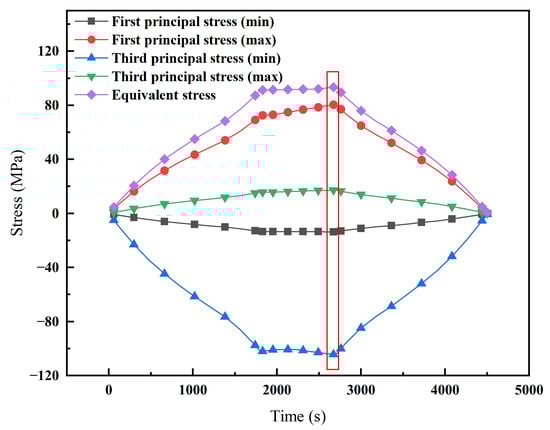
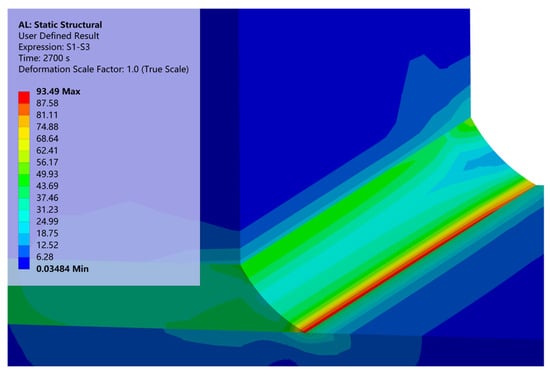
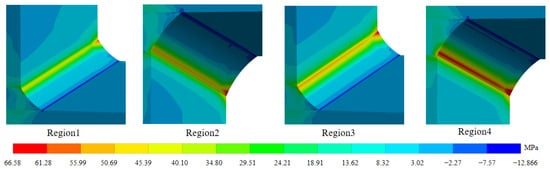
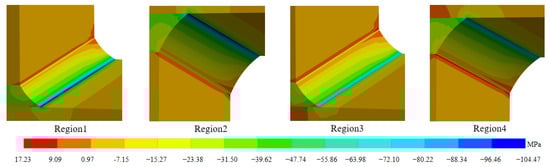
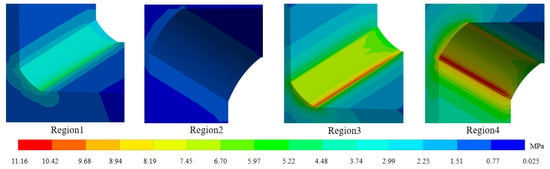
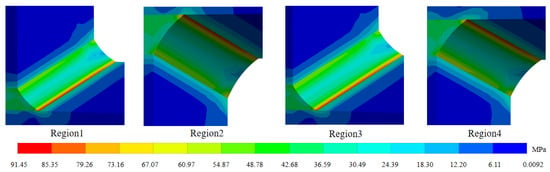
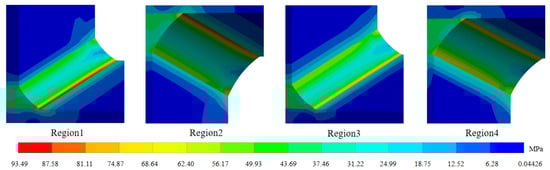
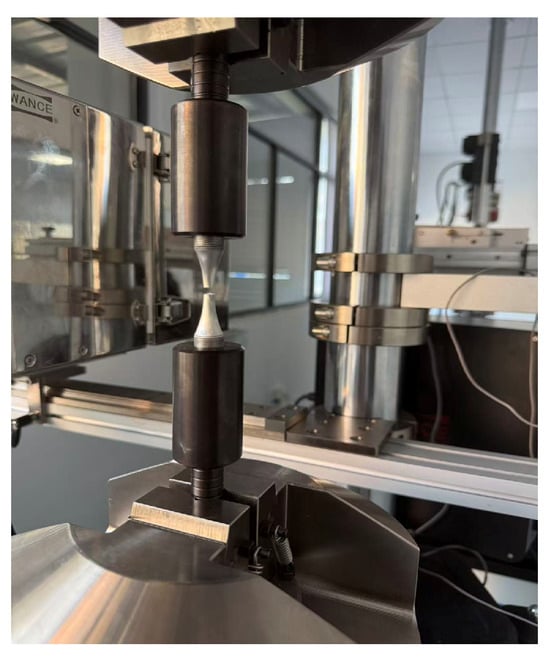
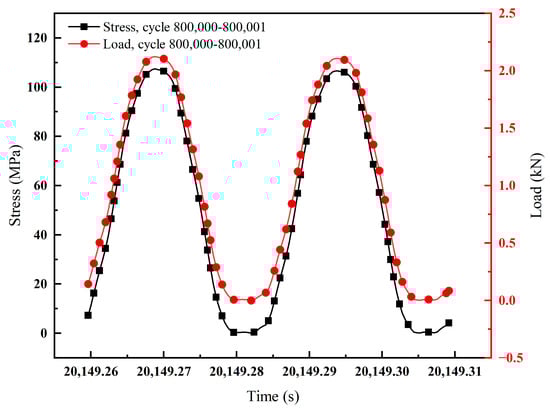
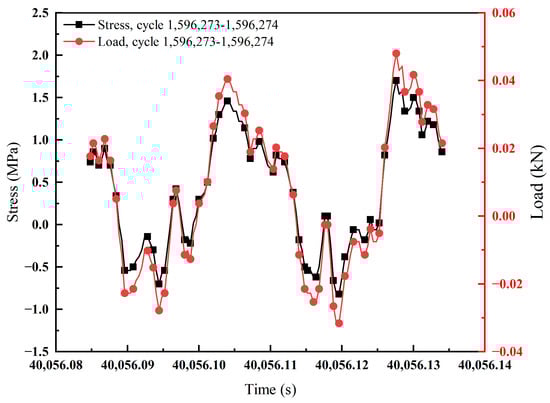
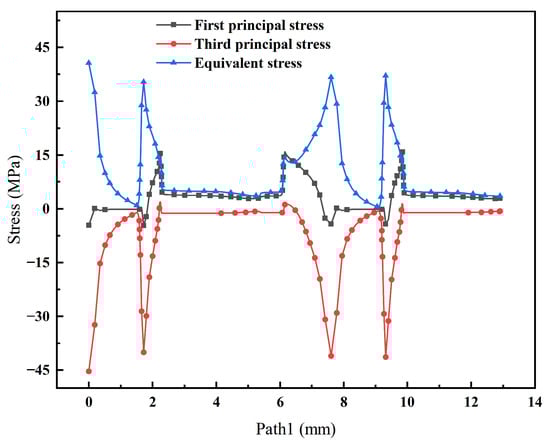
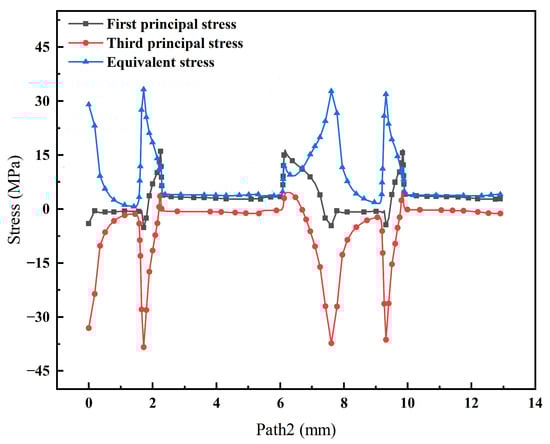
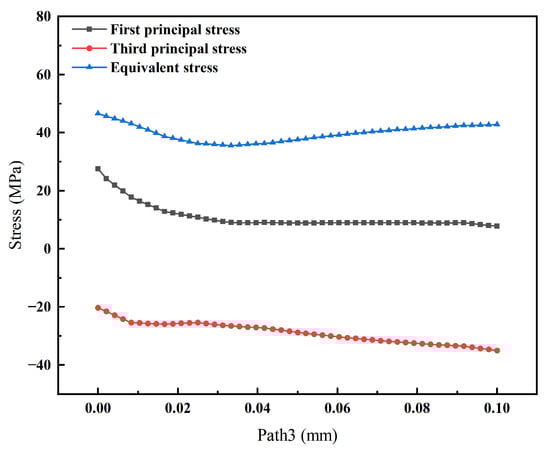
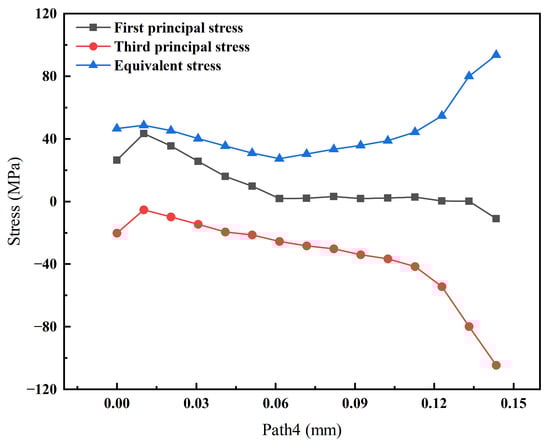
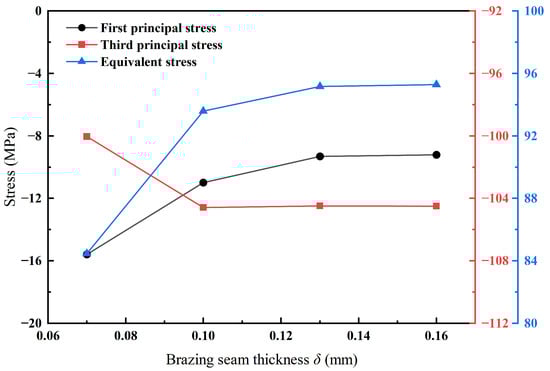
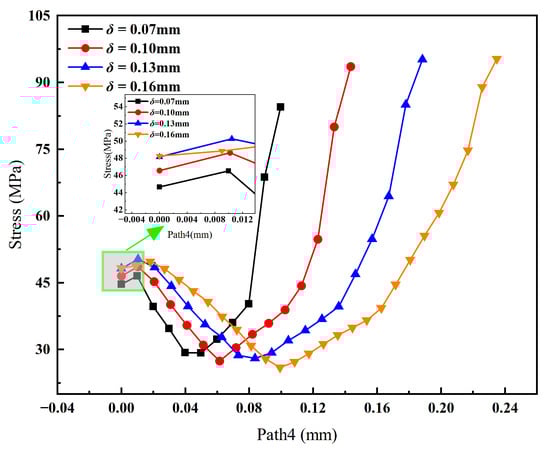
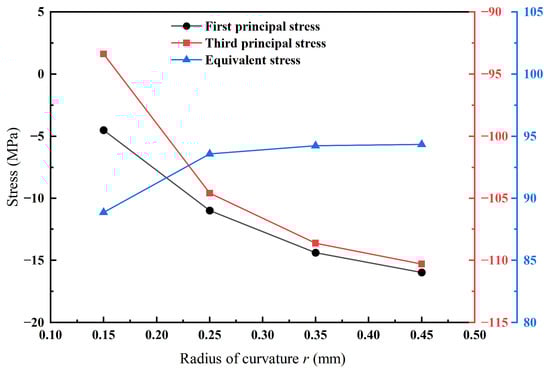
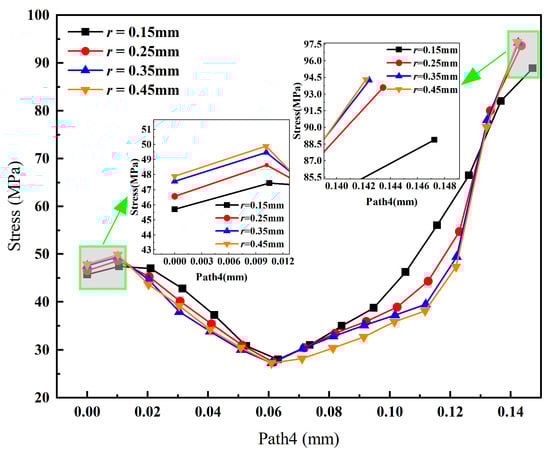
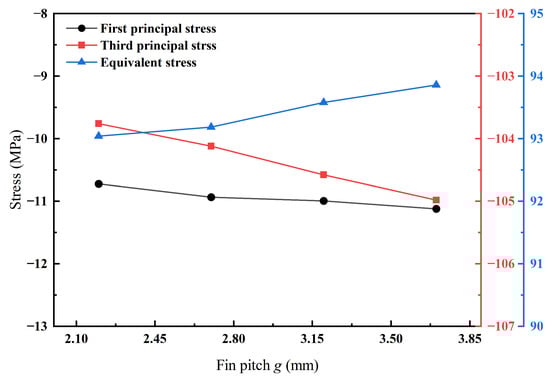
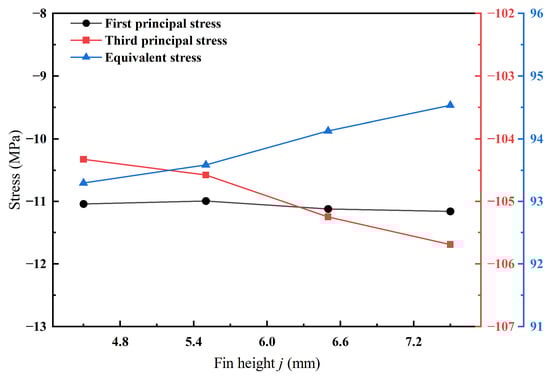
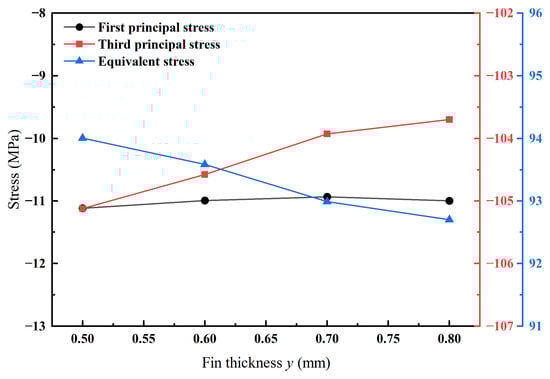
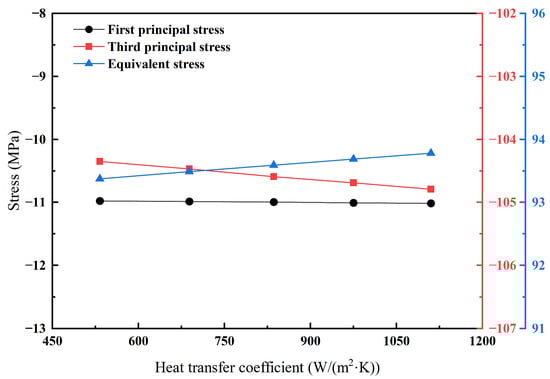
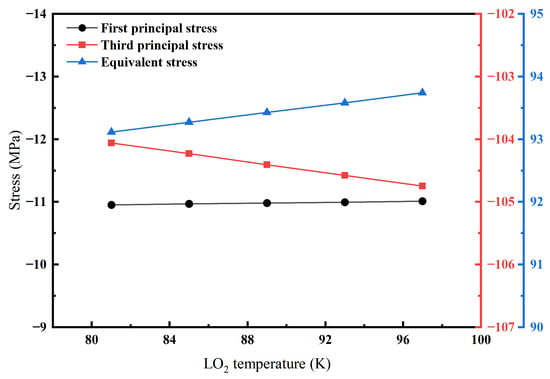
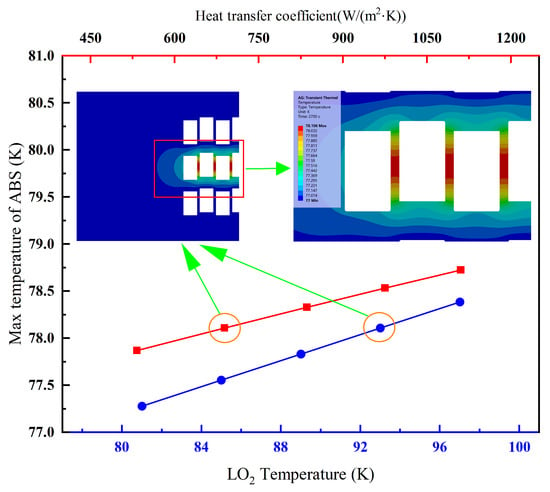
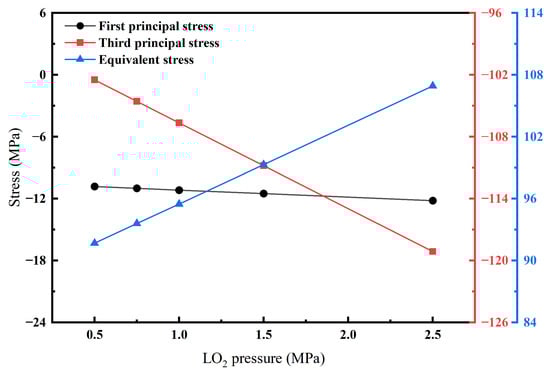
The liquid oxygen subcooler is a key unit for the deep cooling, storage, and transportation of liquid oxygen. Its frequent start–stop operation under liquid nitrogen bath conditions introduces potential risks to service reliability. This study employs a thermo-structural sequential coupling approach to evaluate the stress behavior of ABS components in a flat plate-fin heat exchanger during the pre-cooling, heat-exchange, and recovery stages. Based on the maximum shear stress (Tresca) criterion, the evolution of principal stresses in the brazed layer under liquid nitrogen bath conditions was analyzed, and a conservative assessment of the material’s fatigue behavior was conducted. The results indicate that the equivalent stress is governed by the third principal stress, originating from the thermal compression effect induced by low-temperature constraint shrinkage. During the heat exchange phase (2700 s), the inlet equivalent stress reached 93.49 MPa, which is below the 258 MPa limit, falling within Region 1. Local stress concentration is primarily driven by thermal loading, with brazing layer thickness, curvature radius, and liquid oxygen pressure serving as key control variables. Under a safety factor of 1.15 (107 MPa), fatigue testing exceeding 1.5 million cycles has confirmed the static safety and operational reliability of the ABS.
Full article

Graphical abstract
Open AccessArticle
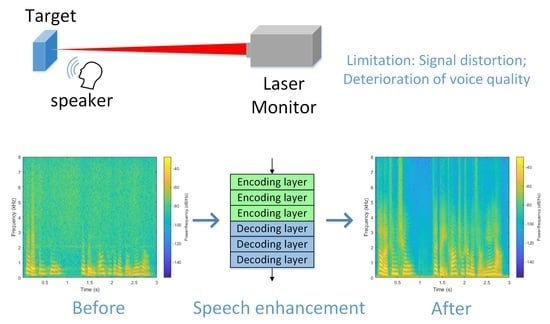
A Nested U-Network with Temporal Convolution for Monaural Speech Enhancement in Laser Hearing
by
Bomao Zhou, Jin Tang and Fan Guo
Modelling 2026, 7(1), 32; https://doi.org/10.3390/modelling7010032 - 3 Feb 2026
Abstract
Laser Doppler vibrometer (LDV) has the characteristics of long-distance, non-contact, and high sensitivity, and plays an increasingly important role in industrial, military, and security fields. Remote speech acquisition technology based on LDV has progressed significantly in recent years. However, unlike microphone receivers, LDV-captured
[...] Read more.
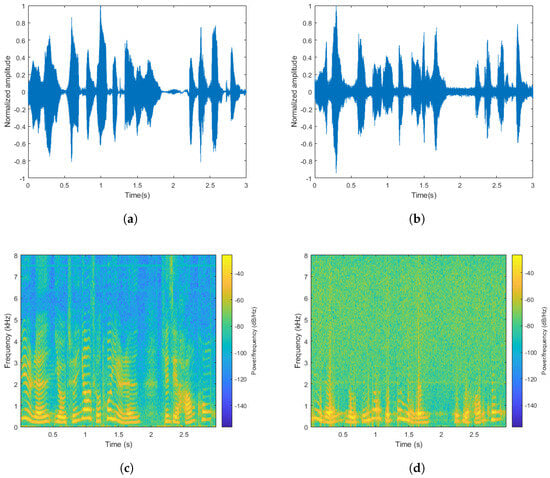
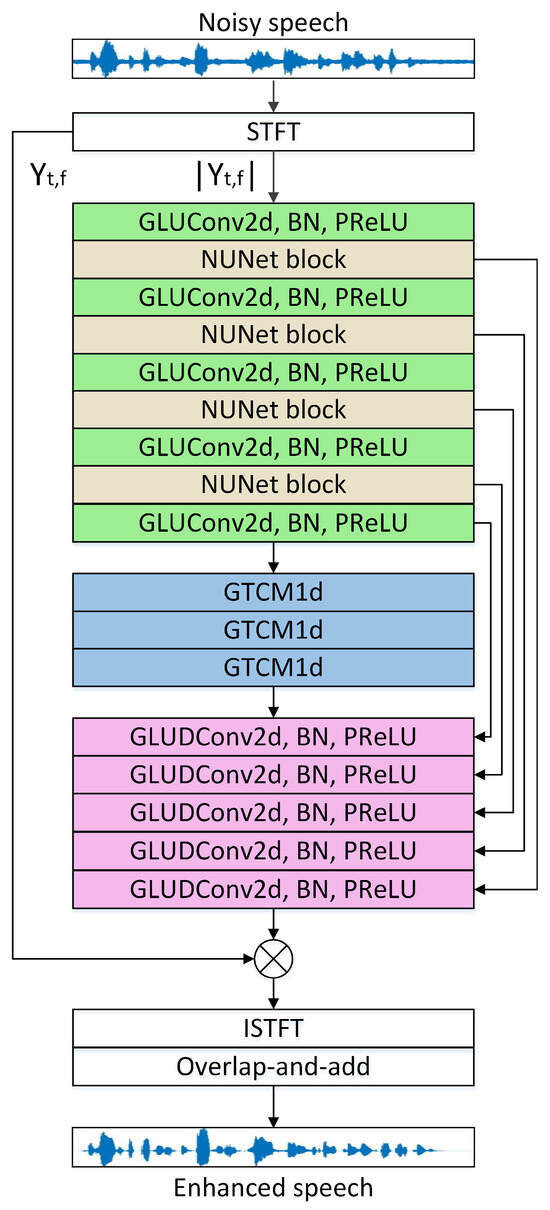
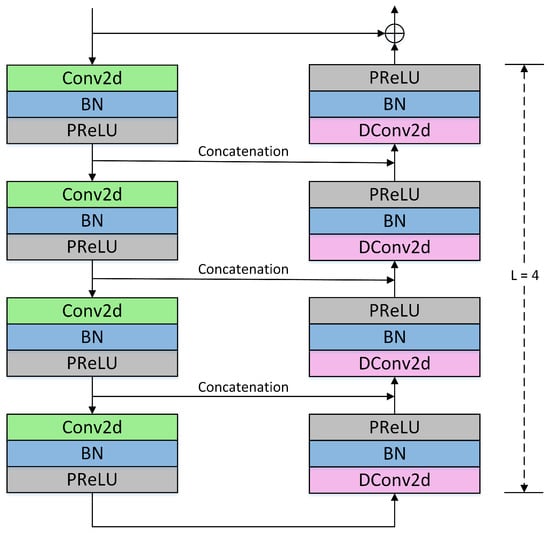
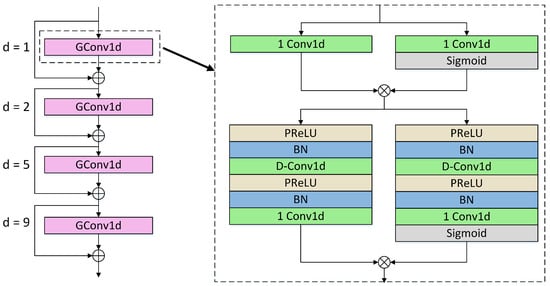
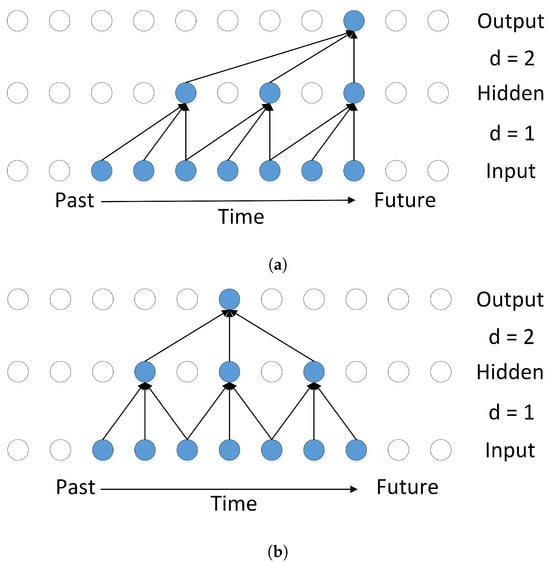
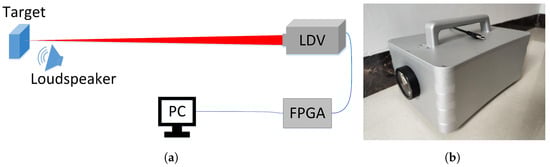
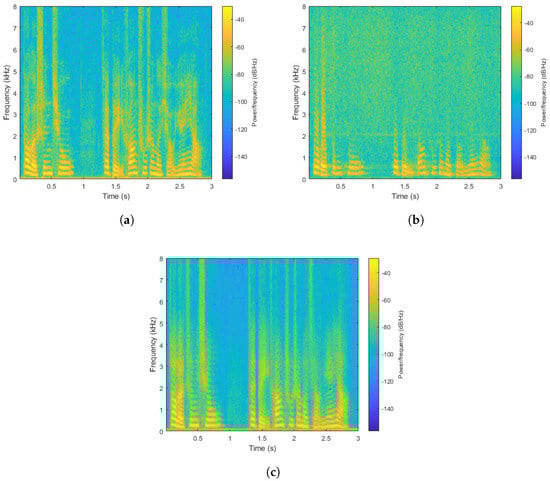
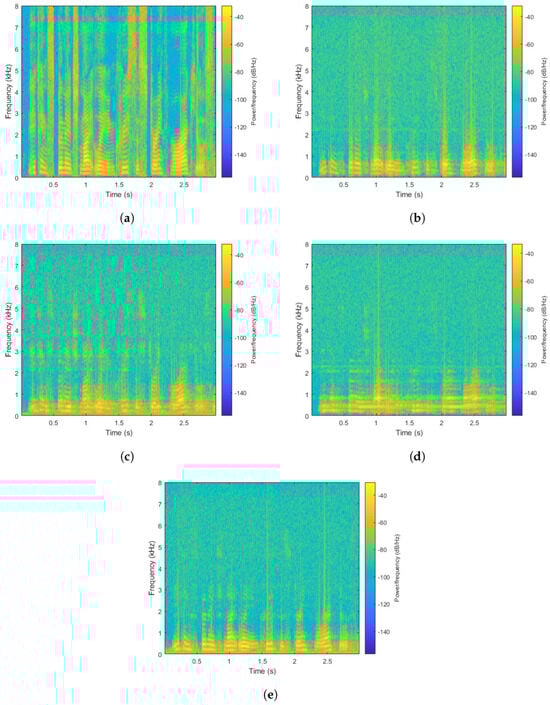
Laser Doppler vibrometer (LDV) has the characteristics of long-distance, non-contact, and high sensitivity, and plays an increasingly important role in industrial, military, and security fields. Remote speech acquisition technology based on LDV has progressed significantly in recent years. However, unlike microphone receivers, LDV-captured signals have severe signal distortion, which affects the quality of the LDV-captured speech. This paper proposes a nested U-network with gated temporal convolution (TCNUNet) to enhance monaural speech based on LDV. Specifically, the network is based on an encoder-decoder structure with skip connections and introduces nested U-Net (NUNet) in the encoder to better reconstruct speech signals. In addition, a temporal convolutional network with a gating mechanism is inserted between the encoder and decoder. The gating mechanism helps to control the information flow, while temporal convolution helps to model the long-range temporal dependencies. In a real-world environment, we designed an LDV monitoring system to collect and enhance voice signals remotely. Different datasets were collected from various target objects to fully validate the performance of the proposed network. Compared with baseline models, the proposed model achieves state-of-the-art performance. Finally, the results of the generalization experiment also indicate that the proposed model has a certain degree of generalization ability for different languages.
Full article
(This article belongs to the Special Issue AI-Driven and Data-Driven Modelling in Acoustics and Vibration)
►▼
Show Figures

Graphical abstract
Open AccessArticle
Modelling and Optimizing IoT-Based Dynamic Bus Lanes to Minimize Vehicle Energy Consumption at Intersections
by
Chongming Wang, Sujun Gu, Bo Yang and Yuan Cao
Modelling 2026, 7(1), 31; https://doi.org/10.3390/modelling7010031 - 3 Feb 2026
Abstract
►▼
Show Figures
Urban sustainability heavily relies on efficient transportation systems, with dynamic bus lanes (DBL) being crucial components. However, traditional DBLs often face underutilization, leading to inefficient road usage. To this end, a novel IoT-Enabled Dynamic Bus Lane System (IoT-DBL) has been proposed, aimed at
[...] Read more.
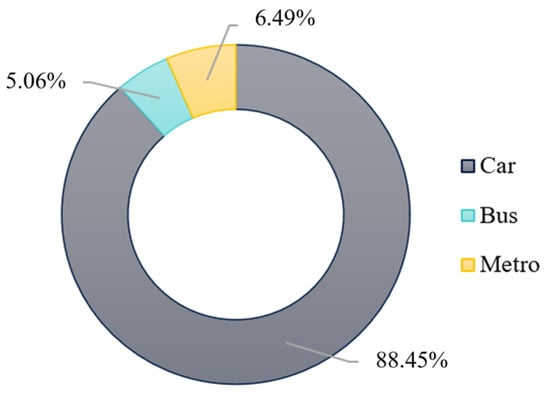
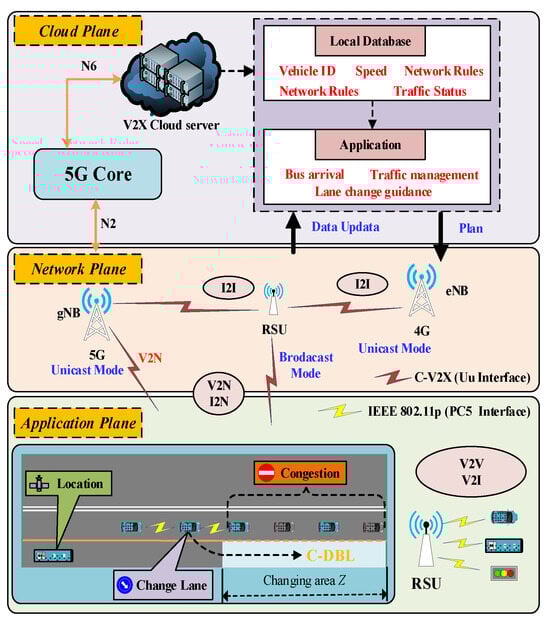
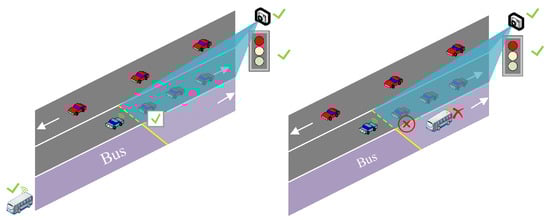
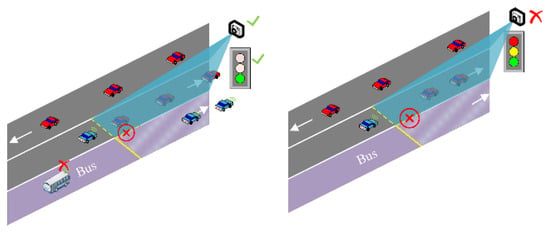
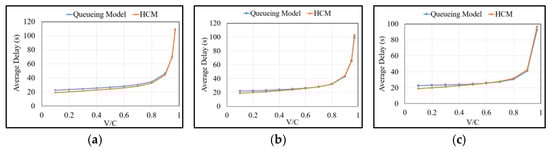
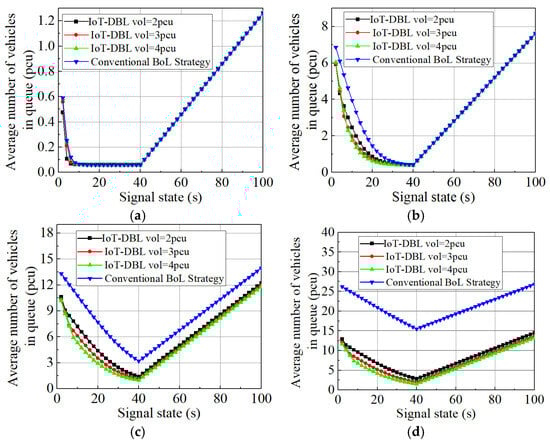
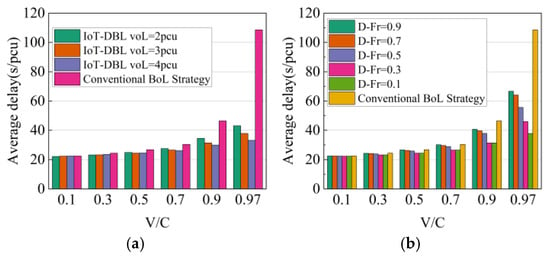
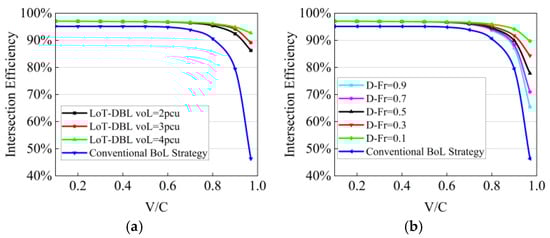
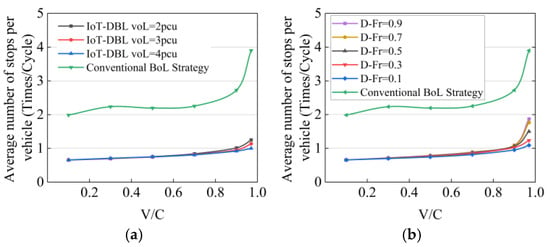
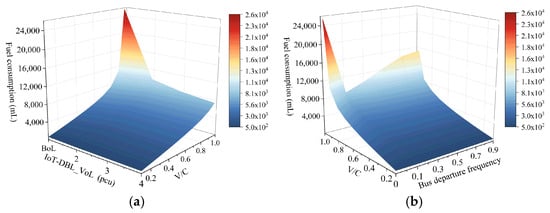
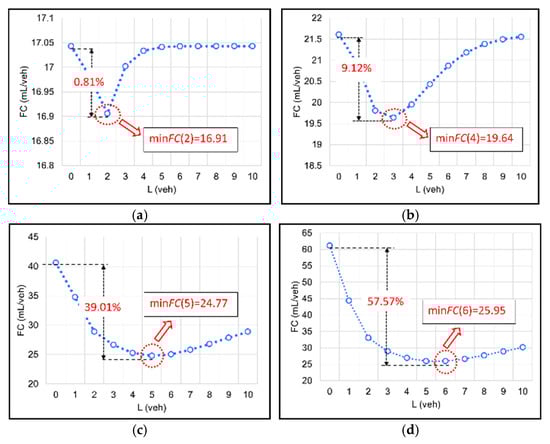
Urban sustainability heavily relies on efficient transportation systems, with dynamic bus lanes (DBL) being crucial components. However, traditional DBLs often face underutilization, leading to inefficient road usage. To this end, a novel IoT-Enabled Dynamic Bus Lane System (IoT-DBL) has been proposed, aimed at improving road utilization and reducing vehicle energy consumption. To assess the effectiveness of IoT-DBL, we developed a Markov chain-based queuing model and established a comprehensive evaluation framework through various performance metrics. Theoretical analysis reveals that the IoT-DBL system significantly improves intersection efficiency and reduces vehicle fuel consumption. Further optimization using a genetic algorithm (GA) identifies the optimal deployment length of IoT-DBLs to minimize fuel consumption. Numerical experiments demonstrate that the IoT-DBL strategy significantly outperforms traditional DBL methods, reducing queue lengths by 71.15%, vehicle delays by 69.48%, and fuel consumption by 70.42%, while increasing intersection efficiency by 100.11%. These results highlight that the IoT-DBL system can substantially improve traffic conditions, alleviate congestion, decrease fuel consumption, and enhance overall intersection efficiency, thereby providing a promising solution for sustainable urban transportation.
Full article

Figure 1
Open AccessArticle
Mathematical Modeling of Pressure-Dependent Variation in the Hydrodynamic Parameters of Gas Fields
by
Elmira Nazirova, Abdugani Nematov, Gulstan Artikbaeva, Shikhnazar Ismailov, Marhabo Shukurova, Asliddin R. Nematov and Marks Matyakubov
Modelling 2026, 7(1), 30; https://doi.org/10.3390/modelling7010030 - 2 Feb 2026
Abstract
►▼
Show Figures
This study introduces a mathematical framework for analyzing unsteady gas filtration in porous media with pressure-dependent porosity variations. The physical process is formulated as a nonlinear parabolic boundary value problem that captures the coupled interaction between pressure evolution and porosity changes during gas
[...] Read more.
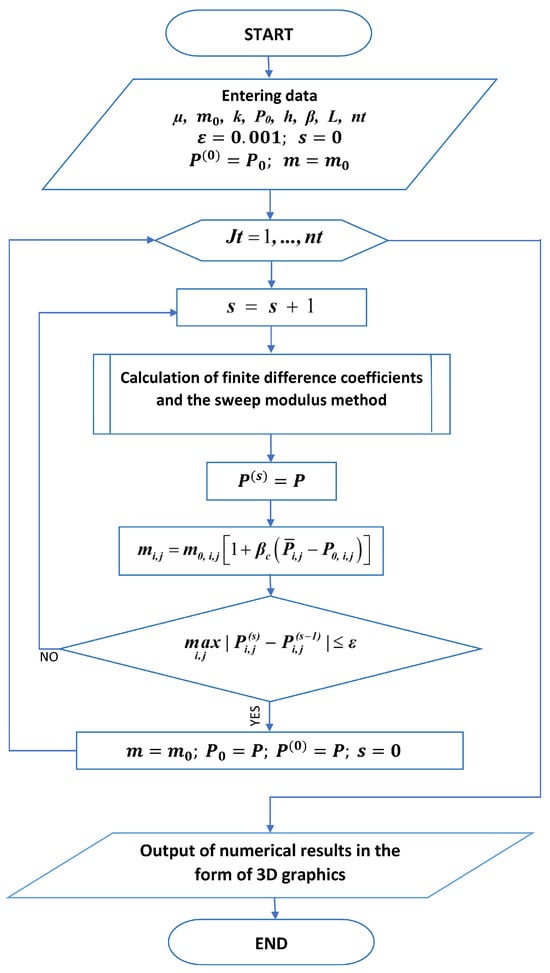
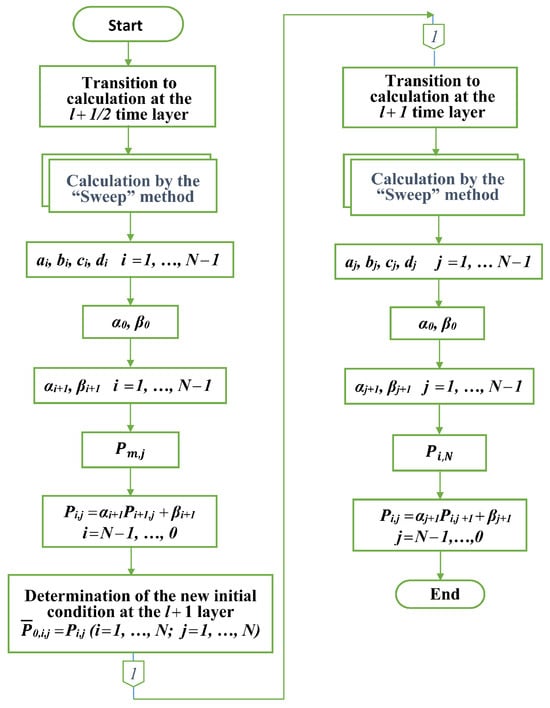
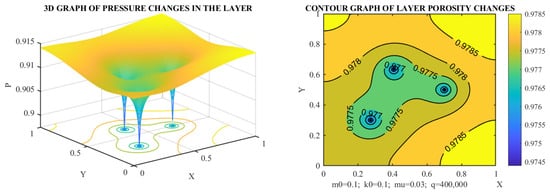
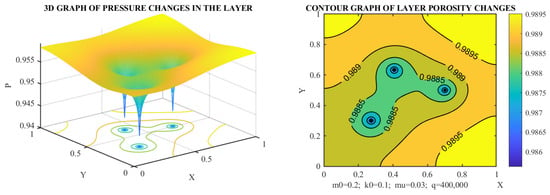
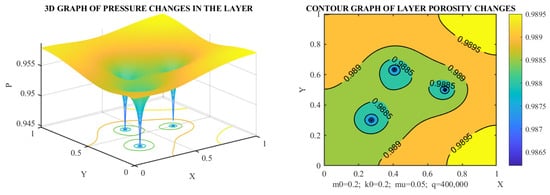
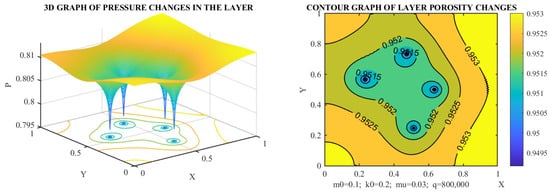
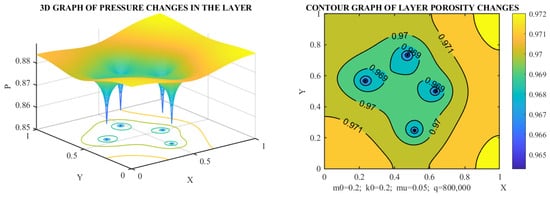
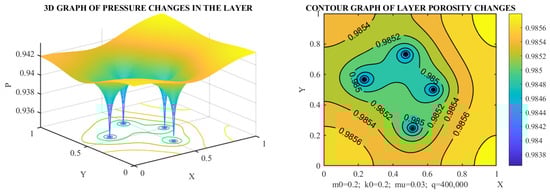
This study introduces a mathematical framework for analyzing unsteady gas filtration in porous media with pressure-dependent porosity variations. The physical process is formulated as a nonlinear parabolic boundary value problem that captures the coupled interaction between pressure evolution and porosity changes during gas production. To solve the equation, a numerical strategy is developed by integrating the Alternating Direction Implicit (ADI) scheme with quasi-linearization iterations, employing finite difference discretization on a two-dimensional spatial grid. Extensive computational experiments are performed to investigate the influence of key reservoir parameters—including porosity coefficient, permeability, gas viscosity, and well production rate—on the spatiotemporal behavior of pressure and porosity during long-term extraction. The results indicate significant porosity variations near the wellbore driven by local pressure depletion, reflecting strong sensitivity of the system to formation properties. The validated numerical model provides valuable quantitative insights for optimizing reservoir management and improving production forecasting in gas field development. Overall, the proposed methodology serves as a practical tool for oil and gas engineers to assess long-term reservoir performance under diverse operational conditions and to design efficient extraction strategies that incorporate pressure-dependent formation property changes.
Full article

Figure 1
Open AccessArticle
Zernike Correction and Multi-Objective Optimization of Multi-Layer Dual-Scale Nano-Coupled Anti-Reflective Coatings
by
Liang Hong, Haoran Song, Lipu Zhang and Xinyu Wang
Modelling 2026, 7(1), 29; https://doi.org/10.3390/modelling7010029 - 30 Jan 2026
Abstract
►▼
Show Figures
In high-precision optical systems such as laser optics, astronomical observation, and semiconductor lithography, anti-reflection coatings are crucial for light transmittance, imaging quality, and stability, but traditional designs face modeling challenges in balancing ultralow reflectivity, high wavefront quality, and manufacturability amid multi-dimensional parameter coupling
[...] Read more.
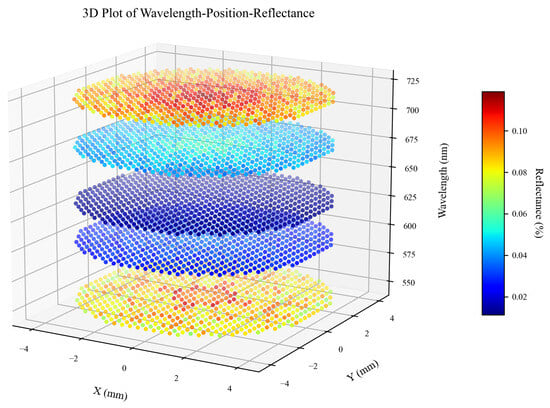
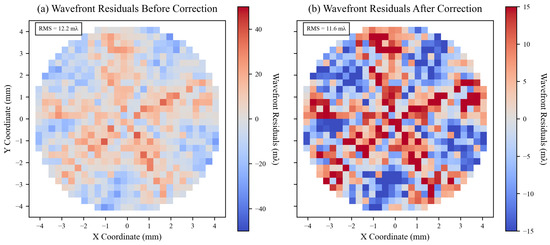
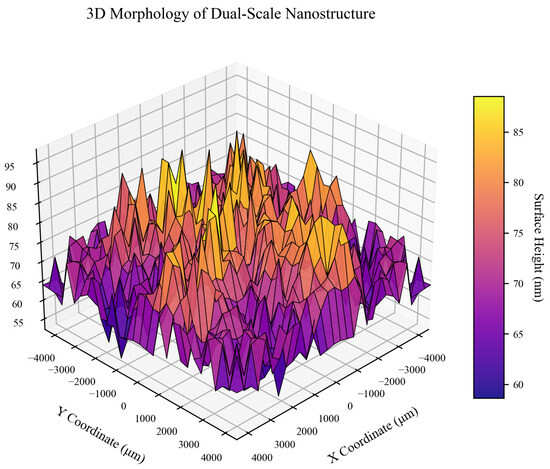
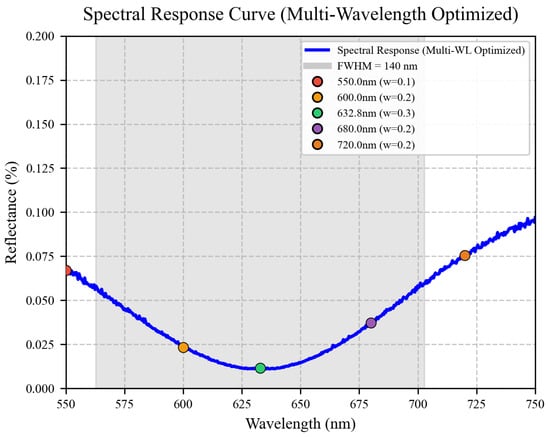
In high-precision optical systems such as laser optics, astronomical observation, and semiconductor lithography, anti-reflection coatings are crucial for light transmittance, imaging quality, and stability, but traditional designs face modeling challenges in balancing ultralow reflectivity, high wavefront quality, and manufacturability amid multi-dimensional parameter coupling and multi-objective constraints. This study addresses these by proposing a unified mathematical modeling framework integrating a Symmetric five-layer high-low refractive index alternating structure (V-H-V-H-V) with dual-scale nanostructures, employing a constrained quasi-Newton optimization algorithm (L-BFGS-B) to minimize reflectivity, wavefront root-mean-square (RMS) error, and surface roughness root-mean-square (RMS) in a six-dimensional parameter space. The Sellmeier equation is adopted to calculate wavelength-dependent material refractive indices, the model uses the transfer matrix method for the Symmetric five-layer high-low refractive index alternating structure’s reflectivity, incorporates nano-surface height function gradient correction, sub-wavelength modulation, and radial optimization, applies Zernike polynomials for low-order aberration correction, quantifies surface roughness via curvature proxies, and optimizes via a weighted objective function prioritizing low reflectivity. Numerical results show the spatial average reflectivity at 632.8 nm reduced to 0.13%, the weighted average reflectivity across five representative wavelengths in the 550–720 nm range to 0.037%, the reflectivity uniformity to 10.7%, the post-correction wavefront RMS to 11.6 milliwavelengths, and the surface height standard deviation to 7.7 nm. This framework enhances design accuracy and efficiency, suits UV nanoimprinting and electron beam evaporation, and offers significant value for high-power lasers, lithography, and space-borne radars.
Full article

Figure 1
Open AccessArticle
Interpretable Optimized Support Vector Machines for Predicting the Coal Gross Calorific Value Based on Ultimate Analysis for Energy Systems
by
Paulino José García-Nieto, Esperanza García-Gonzalo, José Pablo Paredes-Sánchez and Luis Alfonso Menéndez-García
Modelling 2026, 7(1), 28; https://doi.org/10.3390/modelling7010028 - 26 Jan 2026
Abstract
In energy production systems, the higher heating value (HHV), also known as the gross calorific value, is a key parameter for identifying the primary energy source. In this study, a novel artificial intelligence model was developed using support vector machines (SVM) combined with
[...] Read more.
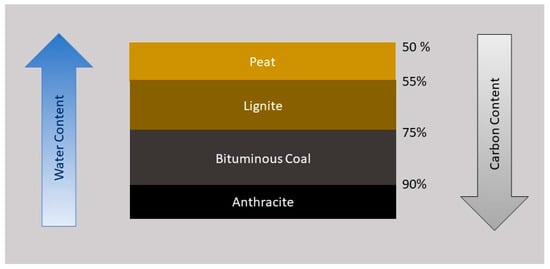
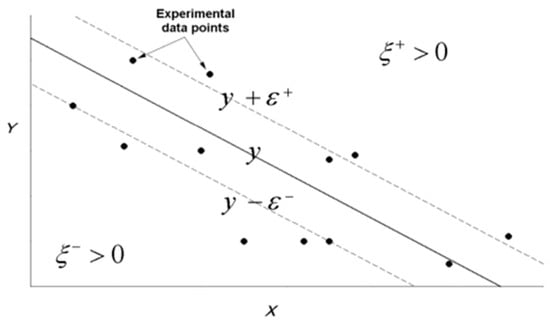
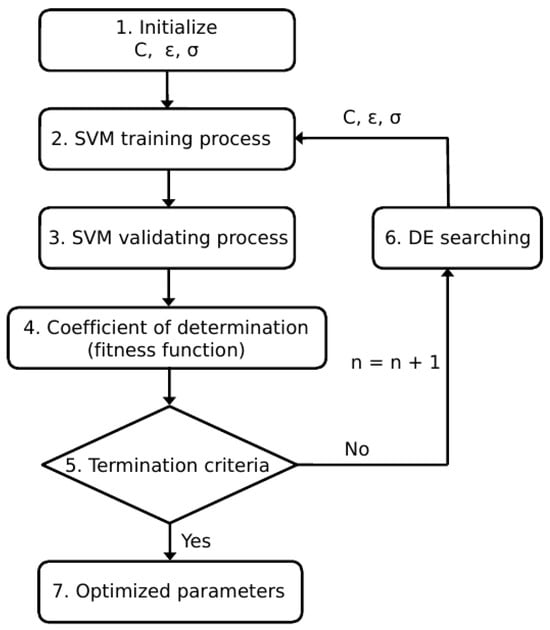
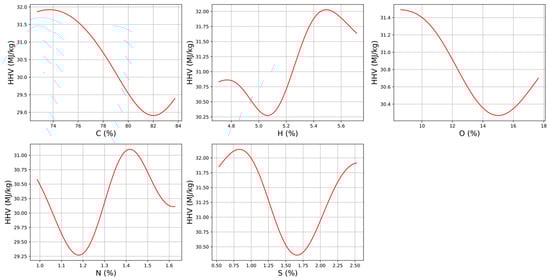
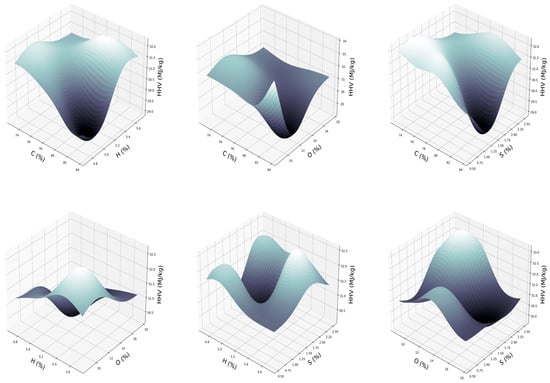
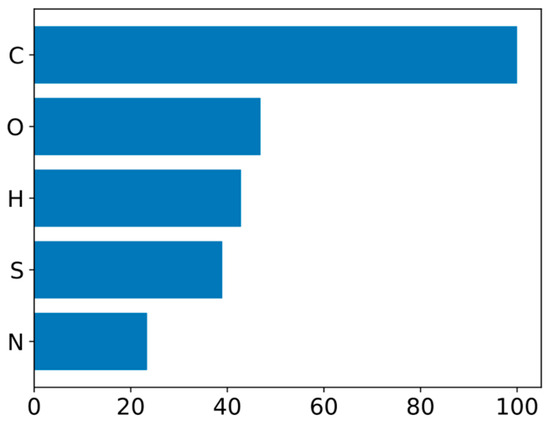
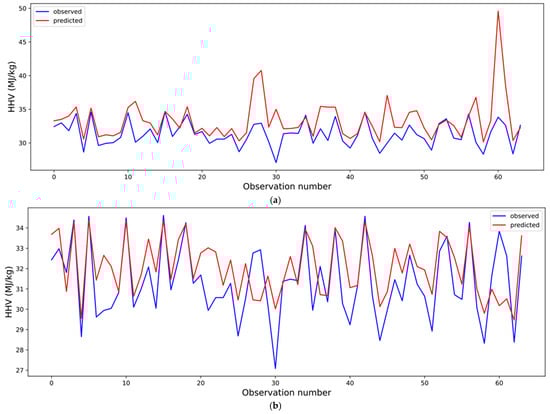
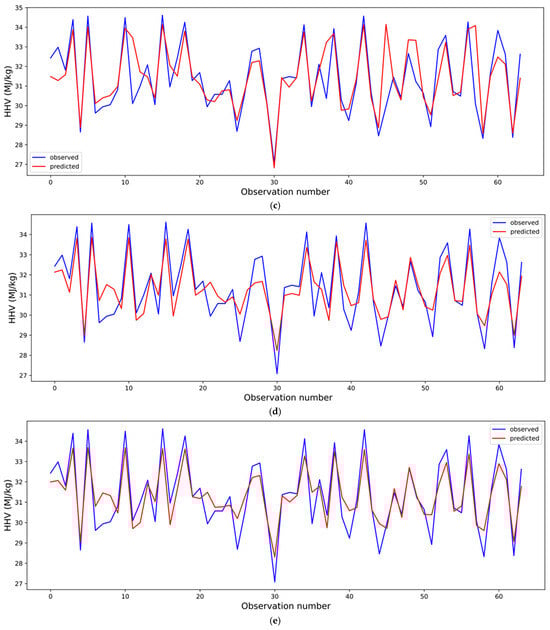
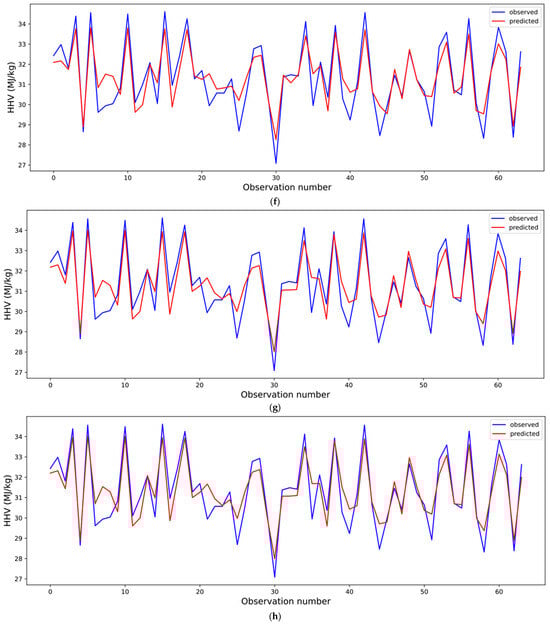
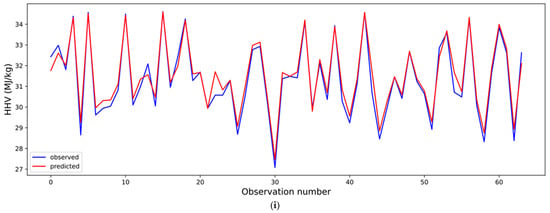
In energy production systems, the higher heating value (HHV), also known as the gross calorific value, is a key parameter for identifying the primary energy source. In this study, a novel artificial intelligence model was developed using support vector machines (SVM) combined with the Differential Evolution (DE) optimizer to predict coal gross calorific value (the dependent variable). The model incorporated the elements from coal ultimate analysis—hydrogen (H), carbon (C), oxygen (O), sulfur (S), and nitrogen (N)—as input variables. For comparison, the experimental data were also fitted to previously reported empirical correlations, as well as Ridge, Lasso, and Elastic-Net regressions. The SVM-based model was first used to assess the influence of all independent variables on coal HHV and was subsequently found to be the most accurate predictor of coal gross calorific value. Specifically, the SVM regression (SVR) achieved a correlation coefficient (r) of 0.9861 and a coefficient of determination (R2) of 0.9575 for coal HHV prediction based on the test samples. The DE/SVM approach demonstrated strong performance, as evidenced by the close agreement between observed and predicted values. Finally, a summary of the results from these analyses is presented.
Full article
(This article belongs to the Section Modelling in Artificial Intelligence)
►▼
Show Figures

Figure 1
Open AccessArticle
GPU-Accelerated FLIP Fluid Simulation Based on Spatial Hashing Index and Thread Block-Level Cooperation
by
Changjun Zou and Hui Luo
Modelling 2026, 7(1), 27; https://doi.org/10.3390/modelling7010027 - 21 Jan 2026
Abstract
►▼
Show Figures
The Fluid Implicit Particle (FLIP) method is widely adopted in fluid simulation due to its computational efficiency and low dissipation. However, its high computational complexity makes it challenging for traditional CPU architectures to meet real-time requirements. To address this limitation, this work migrates
[...] Read more.
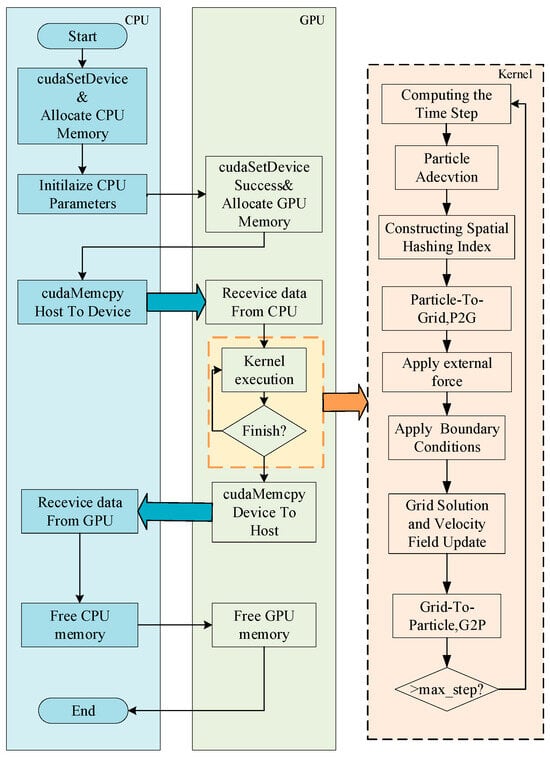
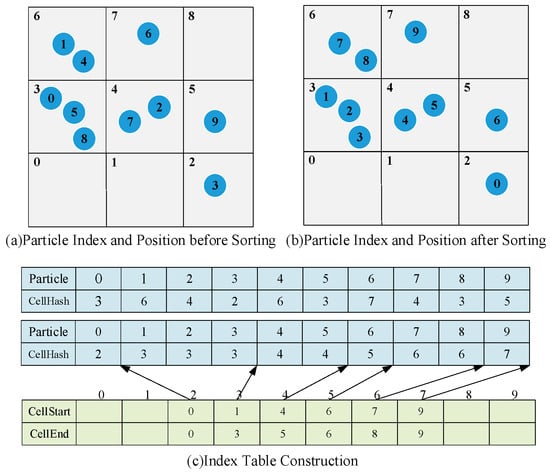
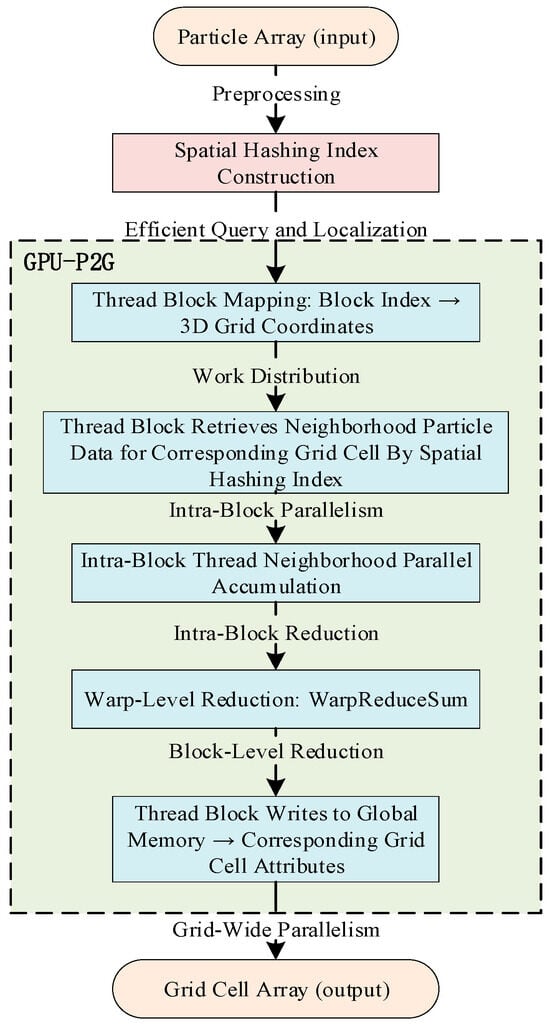
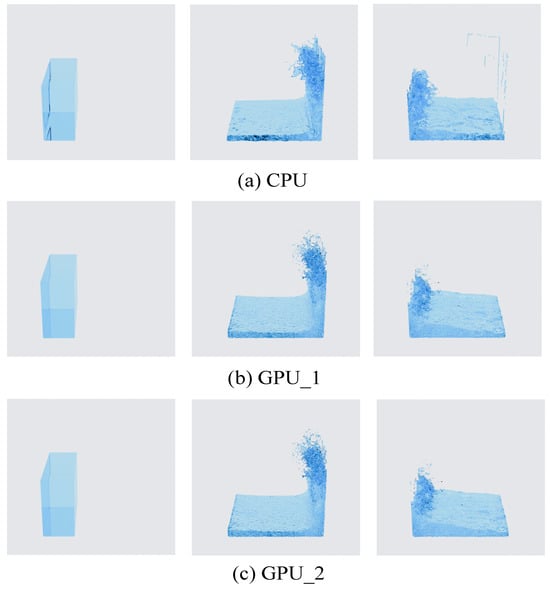
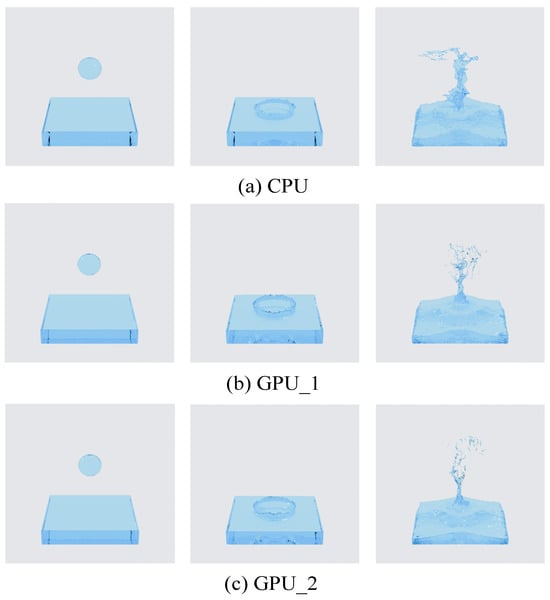
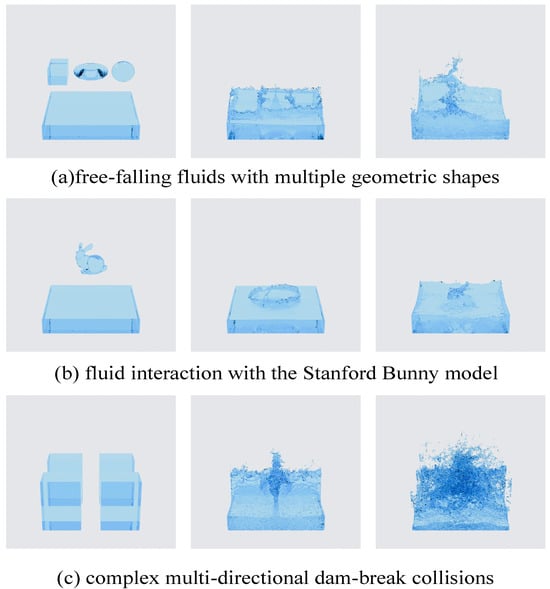
The Fluid Implicit Particle (FLIP) method is widely adopted in fluid simulation due to its computational efficiency and low dissipation. However, its high computational complexity makes it challenging for traditional CPU architectures to meet real-time requirements. To address this limitation, this work migrates the FLIP method to the GPU using the CUDA framework, achieving a transition from conventional CPU computation to large-scale GPU parallel computing. Furthermore, during particle-to-grid (P2G) mapping, the conventional scattering strategy suffers from significant performance bottlenecks due to frequent atomic operations. To overcome this challenge, we propose a GPU parallelization strategy based on spatial hashing indexing and thread block-level cooperation. This approach effectively avoids atomic contention and significantly enhances parallel efficiency. Through diverse fluid simulation experiments, the proposed GPU-parallelized strategy achieves a nearly 50× speedup ratio compared to the conventional CPU-FLIP method. Additionally, in the P2G stage, our method demonstrates over 30% performance improvement relative to the traditional GPU-based particle-thread scattering strategy, while the overall simulation efficiency gains exceeding 20%.
Full article

Figure 1
Open AccessArticle
Comparative Evaluation of Event-Based Forecasting Models for Thai Airport Passenger Traffic
by
Thanrada Chaikajonwat and Autcha Araveeporn
Modelling 2026, 7(1), 26; https://doi.org/10.3390/modelling7010026 - 20 Jan 2026
Abstract
►▼
Show Figures
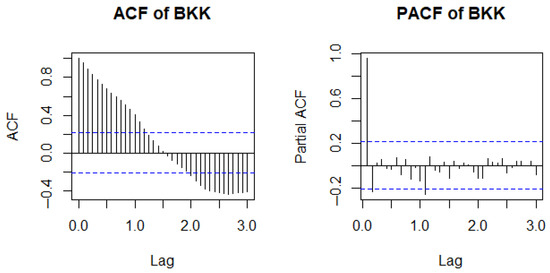
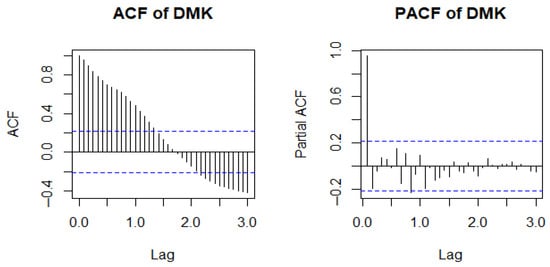
Accurate passenger traffic forecasting is vital for strategic planning in Thailand’s aviation industry. This study forecasts the monthly total number of passengers at Suvarnabhumi (BKK), Don Mueang (DMK), Chiang Mai (CNX), and Phuket (HKT) airports using data from 2017 to 2024. The dataset
[...] Read more.
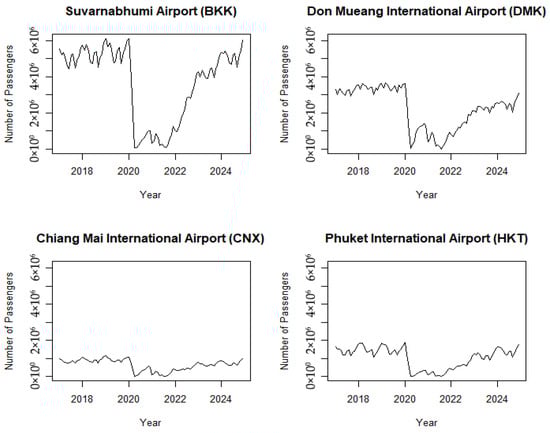
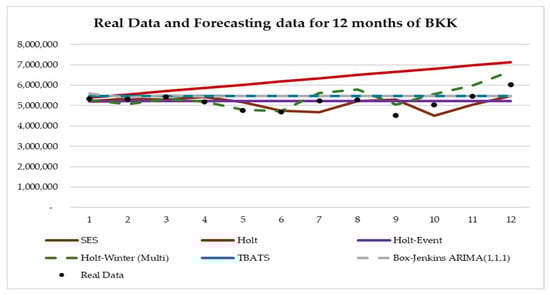
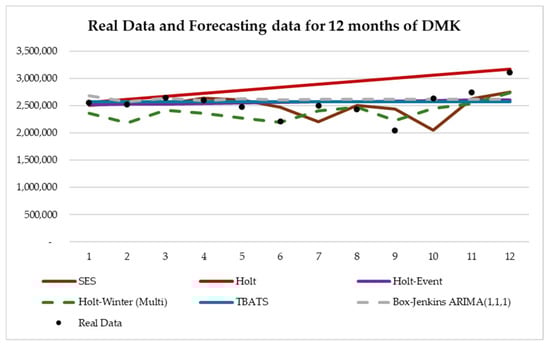
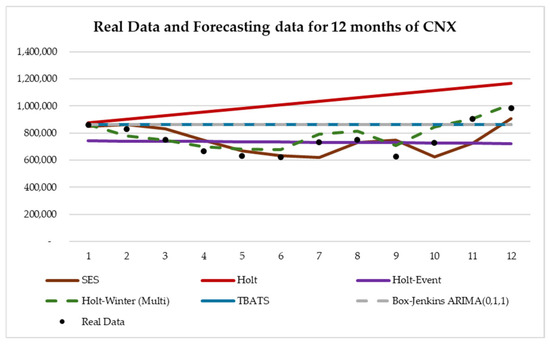
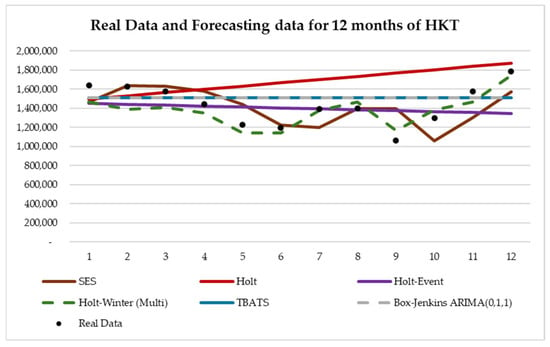
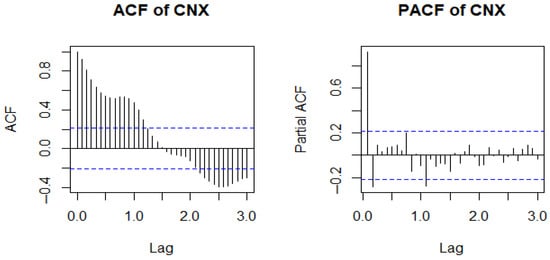
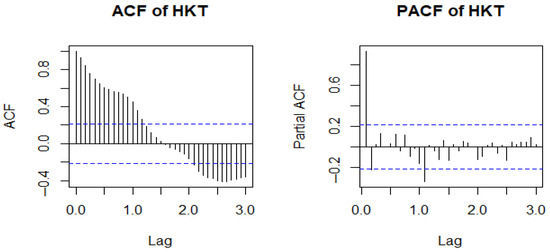
Accurate passenger traffic forecasting is vital for strategic planning in Thailand’s aviation industry. This study forecasts the monthly total number of passengers at Suvarnabhumi (BKK), Don Mueang (DMK), Chiang Mai (CNX), and Phuket (HKT) airports using data from 2017 to 2024. The dataset was partitioned into training (January 2017–December 2023) and testing (January–December 2024) sets. Six methods were compared: Single Exponential Smoothing, Holt’s, Holt’s with Events Adjustment, Holt–Winters Multiplicative, TBATS model, and Box–Jenkins. Performance was evaluated using Mean Absolute Percentage Error (MAPE) and Mean Absolute Error (MAE). The results indicate that the optimal forecasting method varies by airport characteristics. Holt’s Method with Events Adjustment, which incorporates major disruptions such as the COVID-19 pandemic, produced the most accurate forecasts for BKK and DMK by effectively capturing external shocks. In contrast, the Holt–Winters Multiplicative method performed best for CNX and HKT, reflecting strong seasonal patterns typically driven by tourism activities in these destinations.
Full article

Figure 1
Open AccessArticle
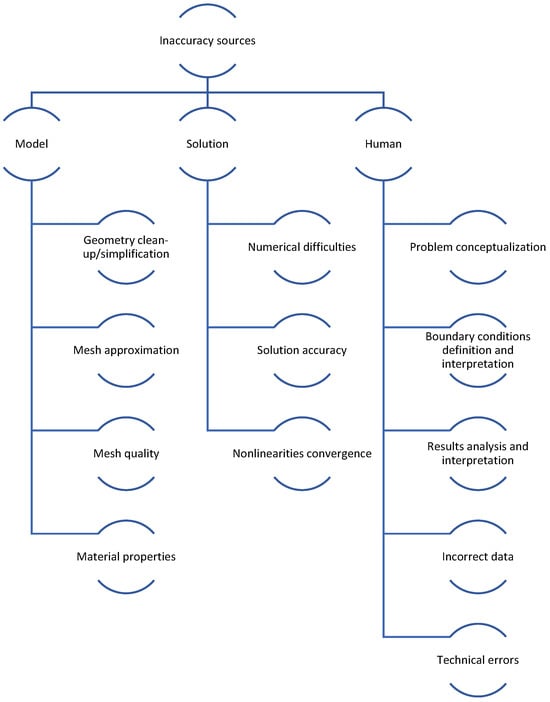
Inaccuracy in Structural Mechanics Simulation as a Function of Material Models
by
Georgi Todorov, Konstantin Kamberov and Konstantin Dimitrov
Modelling 2026, 7(1), 25; https://doi.org/10.3390/modelling7010025 - 20 Jan 2026
Abstract
The study is dedicated to the accuracy of engineering analyses of virtual prototypes. In particular, it aims to quantify the importance of material models and data consistent with physical tests. The focus is set on the stress–strain material characteristic that is the basis
[...] Read more.
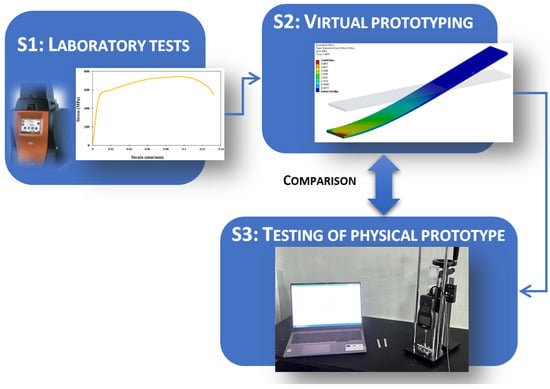
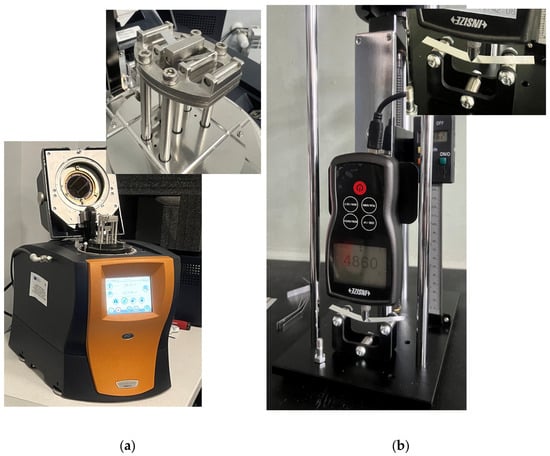
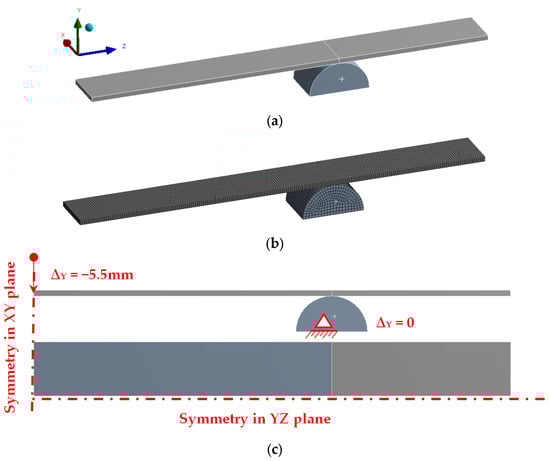
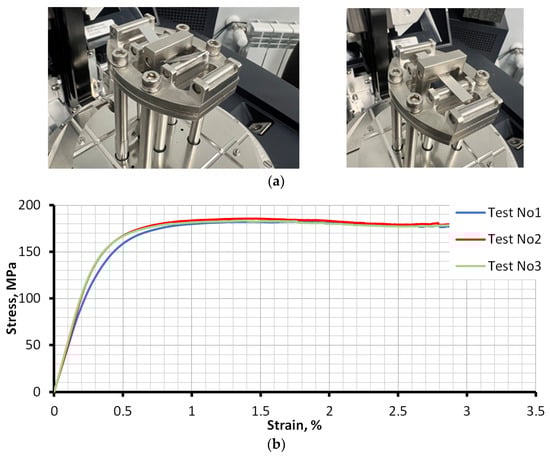
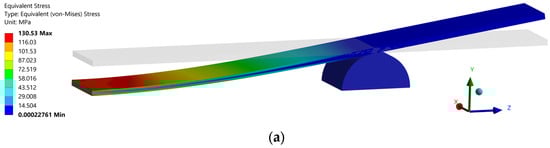
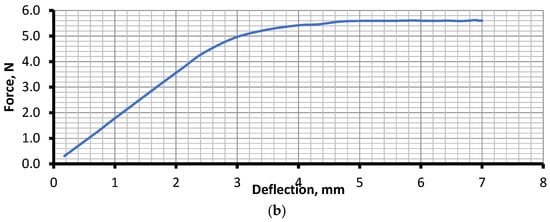
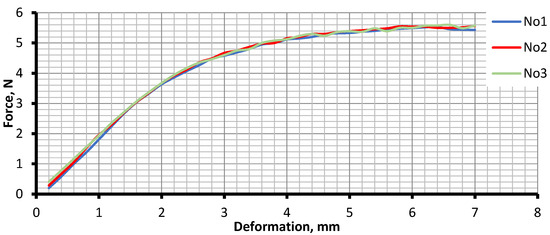
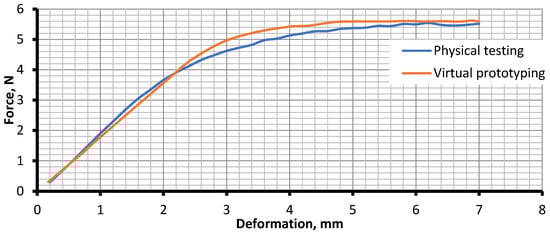
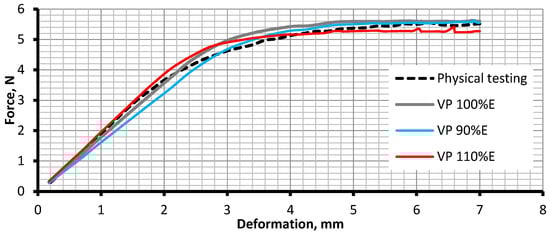
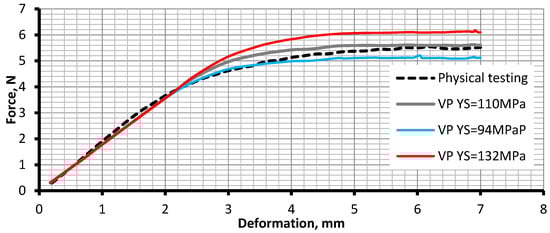
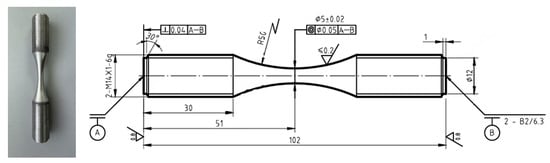
The study is dedicated to the accuracy of engineering analyses of virtual prototypes. In particular, it aims to quantify the importance of material models and data consistent with physical tests. The focus is set on the stress–strain material characteristic that is the basis for correct simulation results, and the deviations of its parameters—elasticity module and yield stress—that are assessed. This is performed in three main steps: laboratory measurement of the material properties of a sample material (aluminum alloy), followed by an engineering analysis of a component produced from the same material, using the determined mechanical characteristics. The third step involves physical tests used to validate the virtual prototyping results by comparing them with the physical test results. The material properties used in the virtual prototype are subjected to a sensitivity analysis to determine their influence on the design’s elastic and plastic behavior. The main conclusions of the study are the importance of these material characteristics for achieving an adequate result. A general recommendation is formed that shows the importance of laboratory testing of material properties before virtual prototyping to avoid any influence of factors as production technology or geometry (specimen thickness).
Full article
(This article belongs to the Section Modelling in Mechanics)
►▼
Show Figures

Figure 1

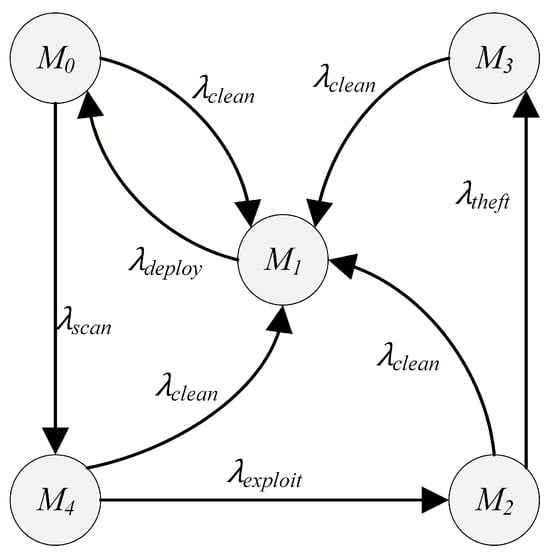
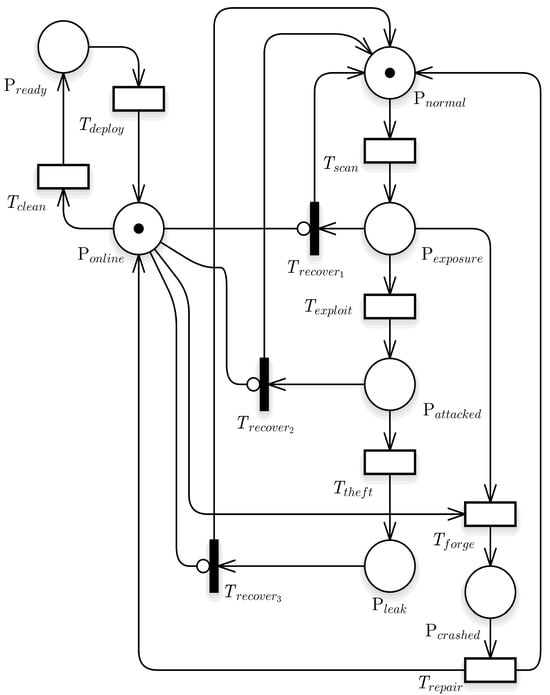
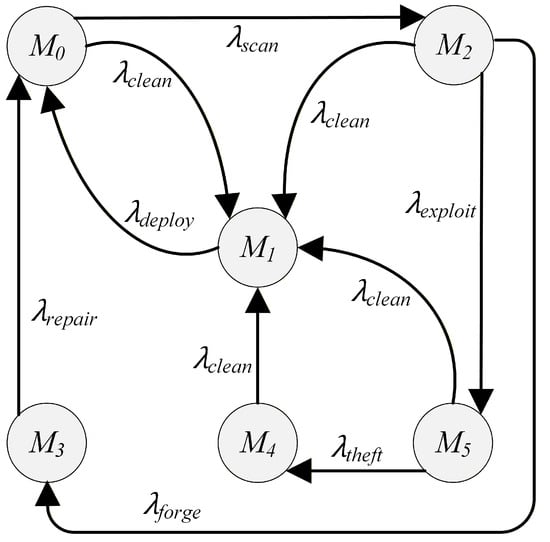
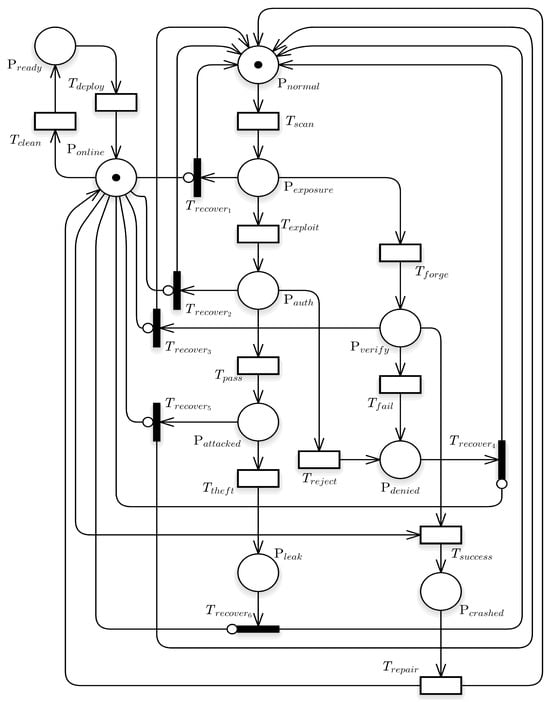
Open AccessArticle
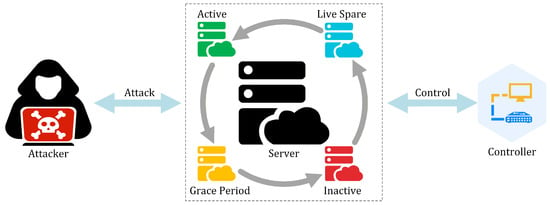
Modeling and Authentication Analysis of Self-Cleansing Intrusion-Tolerant System Based on GSPN
by
Wenhao Fu, Shenghan Luo, Chi Cao, Leyi Shi and Juan Wang
Modelling 2026, 7(1), 24; https://doi.org/10.3390/modelling7010024 - 19 Jan 2026
Abstract
►▼
Show Figures
Self-cleansing intrusion-tolerant systems mitigate attacker intrusions and control through periodic recovery, thereby enhancing both availability and security. However, vulnerabilities in the control link render these systems susceptible to request forgery attacks. Furthermore, existing research on the modeling and performance analysis of such systems
[...] Read more.
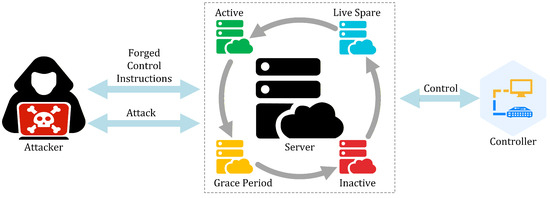
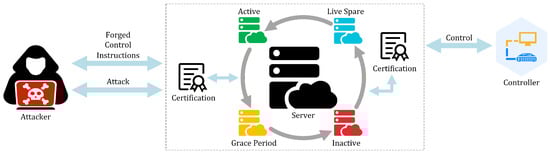
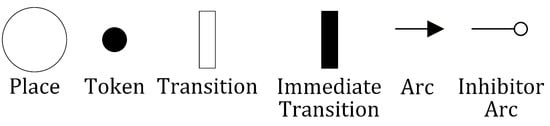
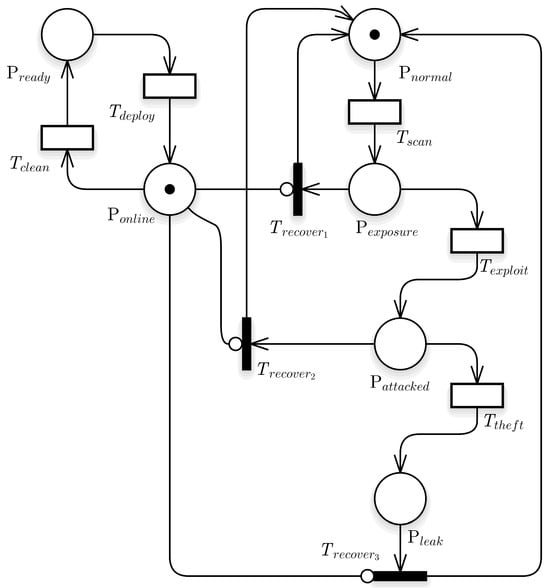
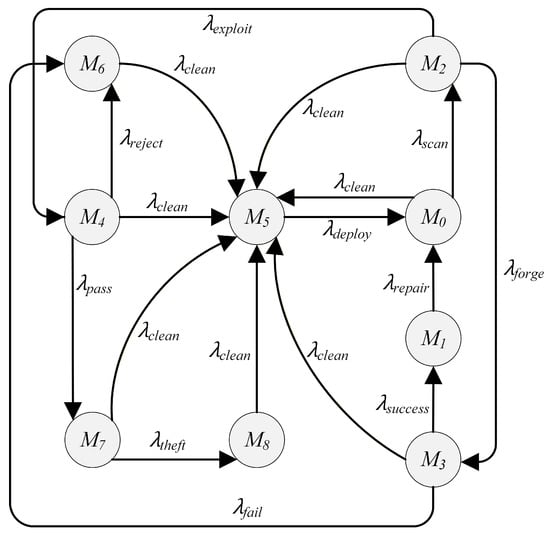
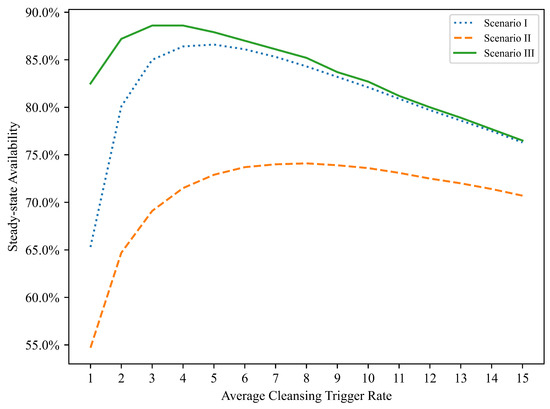
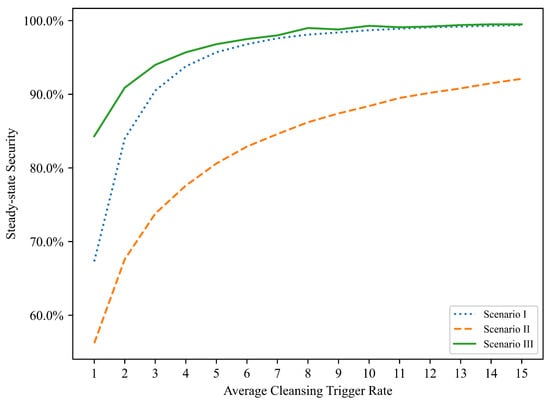
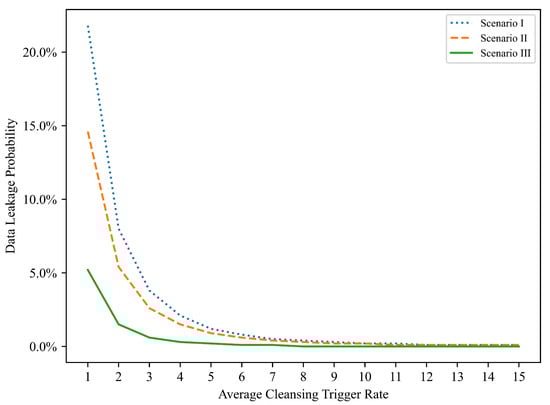
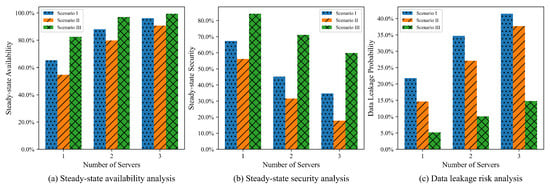
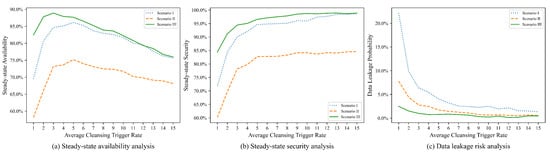
Self-cleansing intrusion-tolerant systems mitigate attacker intrusions and control through periodic recovery, thereby enhancing both availability and security. However, vulnerabilities in the control link render these systems susceptible to request forgery attacks. Furthermore, existing research on the modeling and performance analysis of such systems remains insufficient. To address these issues, this paper introduces an authentication mechanism to fortify control link security and employs Generalized Stochastic Petri Nets for system evaluation. We constructed Petri net models for three distinct scenarios: a traditional system, a system compromised by forged controller requests, and a system fortified with authentication mechanism. Subsequently, isomorphic Continuous-Time Markov Chains were derived to facilitate theoretical analysis. Quantitative evaluations were performed by deriving steady-state probabilities and conducting simulations on the PIPE platform. To further assess practicality, we conduct scalability analysis under varying system scales and parameter settings, and implement a prototype in a virtualized testbed to experimentally validate the analytical findings. Evaluation results indicate that authentication mechanism ensures the reliable execution of cleansing strategies, thereby improving system availability, enhancing security, and mitigating data leakage risks.
Full article

Figure 1
Open AccessArticle
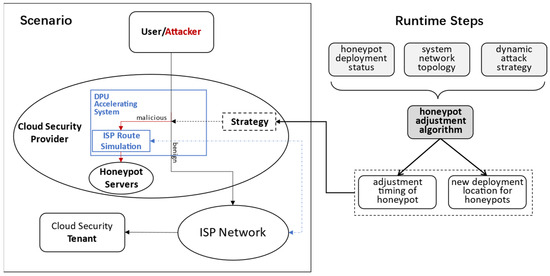
Adaptive Software-Defined Honeypot Strategy Using Stackelberg Game and Deep Reinforcement Learning with DPU Acceleration
by
Mingxuan Zhang, Yituan Yu, Shengkun Li, Yan Liu, Yingshuai Zhang, Rui Zhang and Sujie Shao
Modelling 2026, 7(1), 23; https://doi.org/10.3390/modelling7010023 - 16 Jan 2026
Abstract
►▼
Show Figures
Software-defined (SD) honeypots, as dynamic cybersecurity technologies, enhance defense efficiency through flexible resource allocation. However, traditional SD honeypots face latency and jitter issues under network fluctuations, while balancing adjustment costs with defense benefits remains challenging. This paper proposes a DPU-accelerated SD honeypot security
[...] Read more.
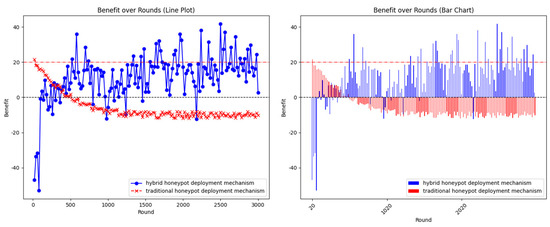
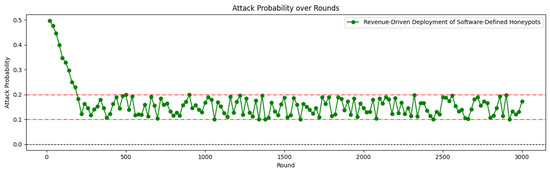
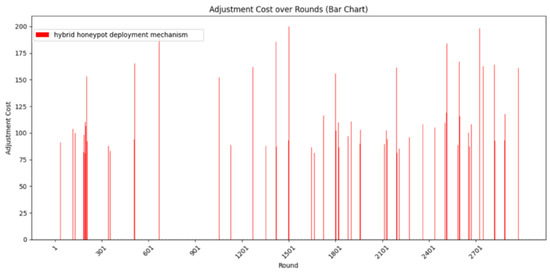
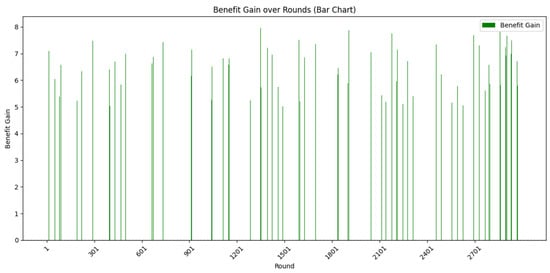
Software-defined (SD) honeypots, as dynamic cybersecurity technologies, enhance defense efficiency through flexible resource allocation. However, traditional SD honeypots face latency and jitter issues under network fluctuations, while balancing adjustment costs with defense benefits remains challenging. This paper proposes a DPU-accelerated SD honeypot security service deployment method, leveraging DPU hardware acceleration to optimize network traffic processing and protocol parsing, thereby significantly improving honeypot environment construction efficiency and response real-time performance. For dynamic attack–defense scenarios, we design an adaptive adjustment strategy combining Stackelberg game theory with deep reinforcement learning (AASGRL). By calculating the expected defense benefits and adjustment costs of optimal honeypot deployment strategies, the approach dynamically determines the timing and scope of honeypot adjustments. Simulation experiments demonstrate that the mechanism requires no adjustments in 80% of interaction rounds, while achieving enhanced defense benefits in 20% of rounds with controlled adjustment costs. Compared to traditional methods, the AASGRL mechanism maintains stable defense benefits in long-term interactions, verifying its effectiveness in balancing low costs and high benefits against dynamic attacks. This work provides critical technical support for building adaptive proactive network defense systems.
Full article

Figure 1
Open AccessArticle
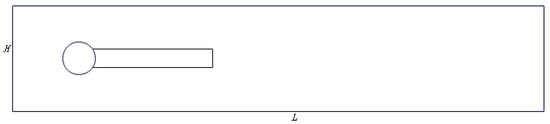
FLIP-IBM: Fluid–Structure Coupling Interaction Based on Immersed Boundary Method Under FLIP Framework
by
Changjun Zou and Jia Yu
Modelling 2026, 7(1), 22; https://doi.org/10.3390/modelling7010022 - 16 Jan 2026
Abstract
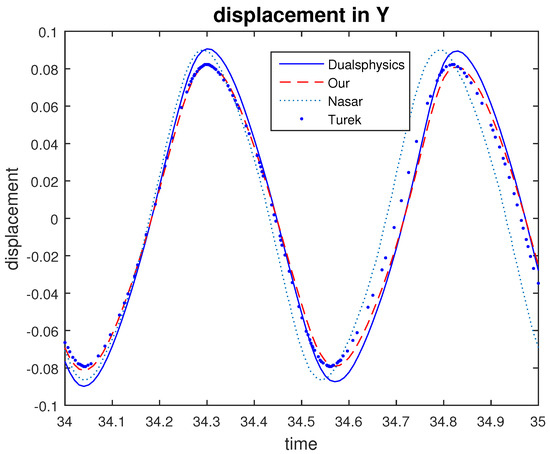
Fluid–structure coupling is a prominent and hot topic in computer graphics and virtual reality. The hybrid technique known as FLIP combines the benefits of grid-based and particle-based techniques. Nevertheless, a significant problem is figuring out how to accomplish fluid–structure coupling interaction based on
[...] Read more.
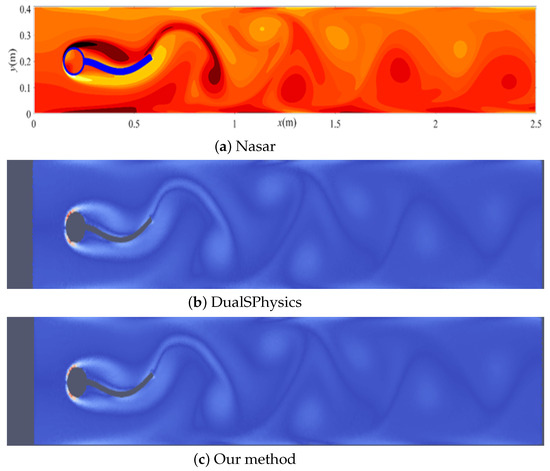
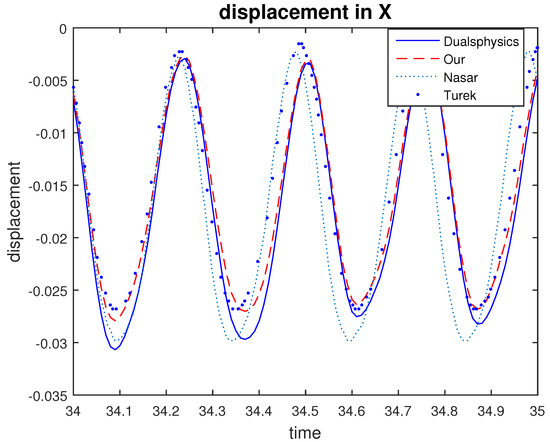
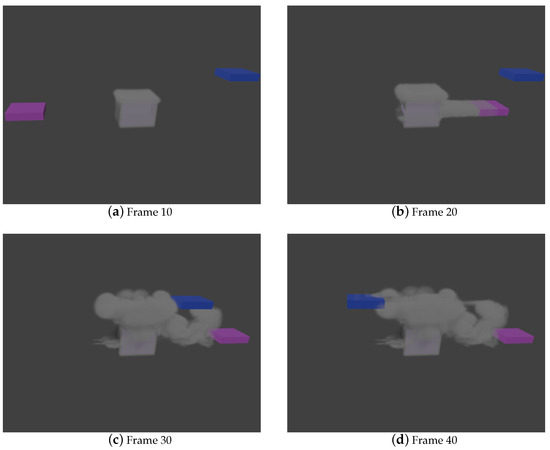
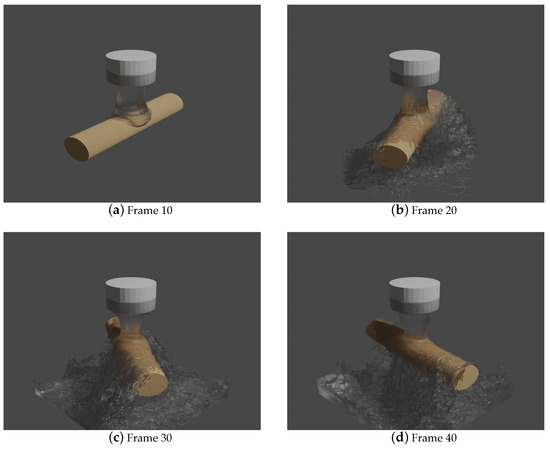
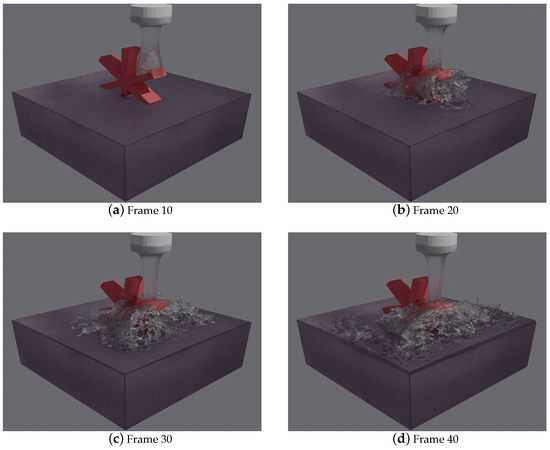
Fluid–structure coupling is a prominent and hot topic in computer graphics and virtual reality. The hybrid technique known as FLIP combines the benefits of grid-based and particle-based techniques. Nevertheless, a significant problem is figuring out how to accomplish fluid–structure coupling interaction based on the FLIP technique framework. We propose an immersed boundary approach to handle the problem of realistic fluid–structure coupling interaction under the FLIP framework. The benchmark test results demonstrate that, in addition to producing rich fluid–structure coupling interaction results, our novel technique also effectively reflects the effects of moving obstacle boundaries on the flow and pressure fields, thereby expanding the application area of the FLIP method.
Full article
(This article belongs to the Section Modelling in Engineering Structures)
►▼
Show Figures

Figure 1
Open AccessArticle
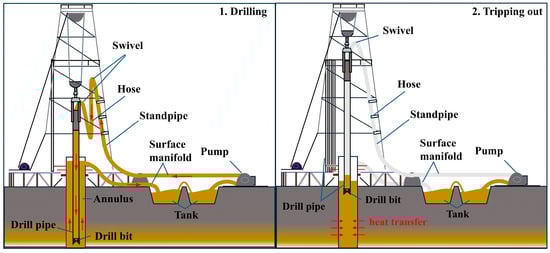
Numerical Modeling and Simulation of Thermal Effect-Driven Bottom Hole Pressure Variation and Control Technology During Tripping-Out in HTHP Ultra-Deep Wells
by
Hu Yin, Hongzhuo Yan and Chunzhu Chen
Modelling 2026, 7(1), 21; https://doi.org/10.3390/modelling7010021 - 15 Jan 2026
Abstract
Controlling bottom hole pressure (BHP) during tripping-out is a key challenge in ultra-deep well drilling. Under high-temperature and high-pressure (HTHP) conditions, ultra-deep wells feature long tripping-out cycles, where thermal effects are prone to causing BHP reduction and increasing kick risk. However, existing pressure
[...] Read more.
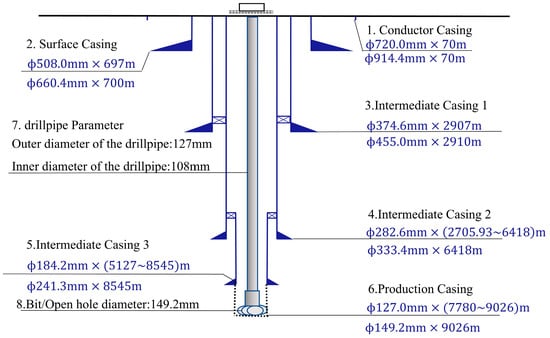
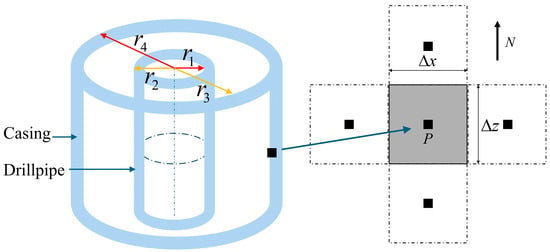
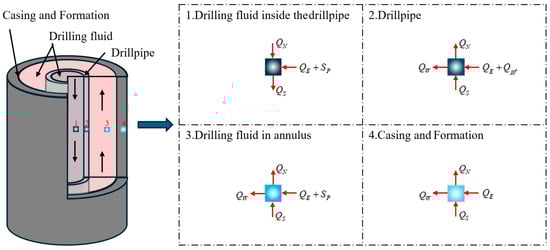
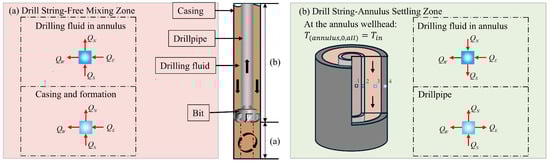
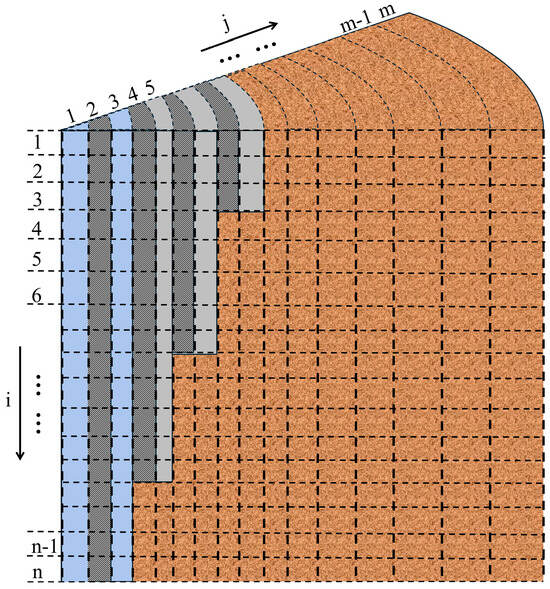
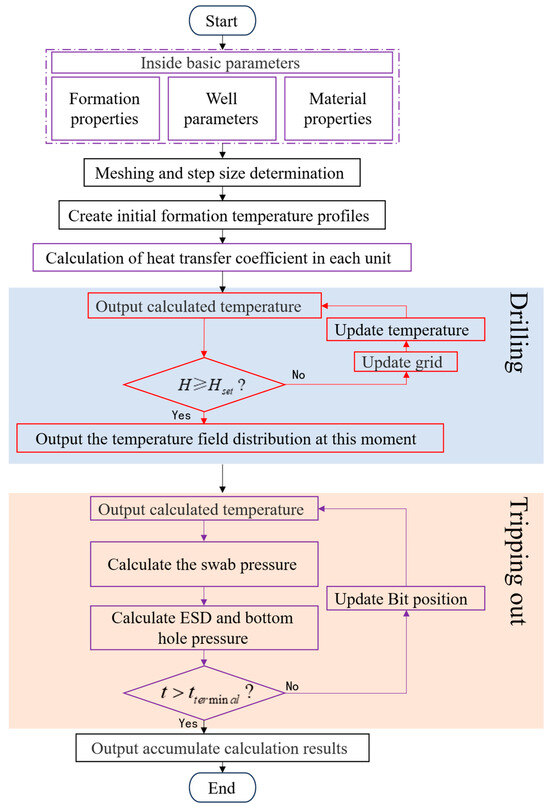
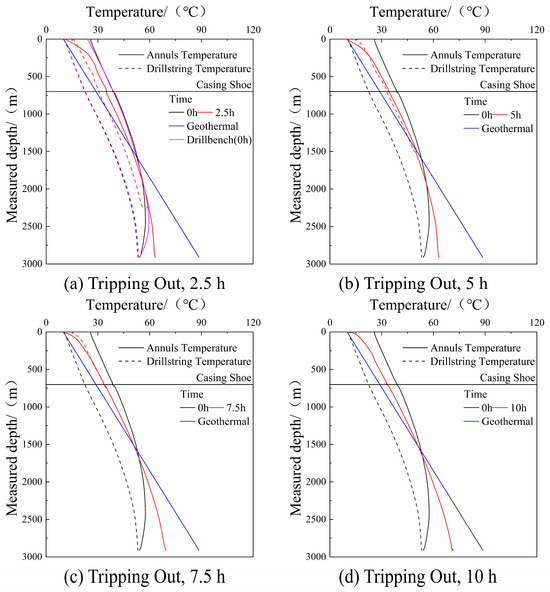
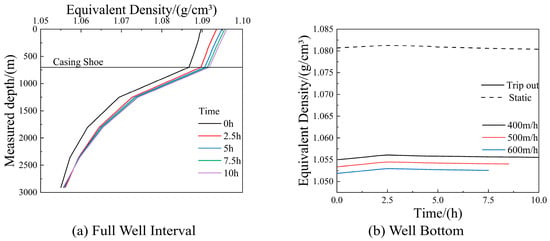
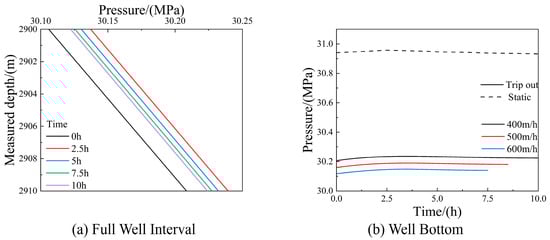
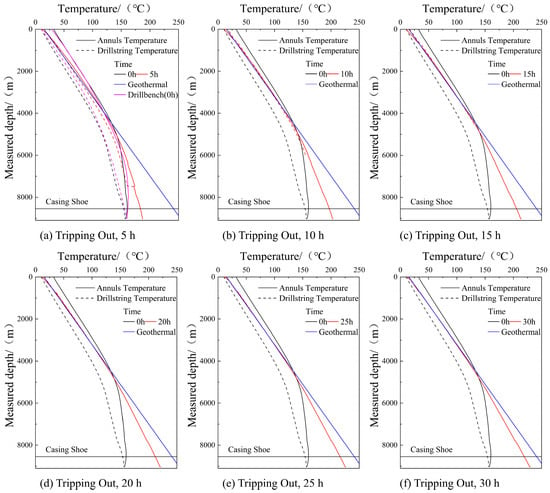
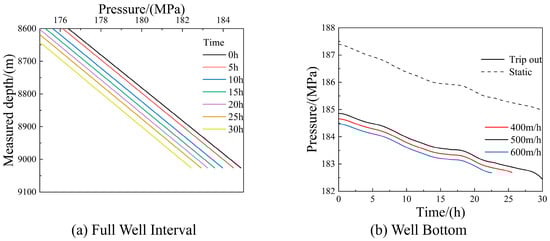
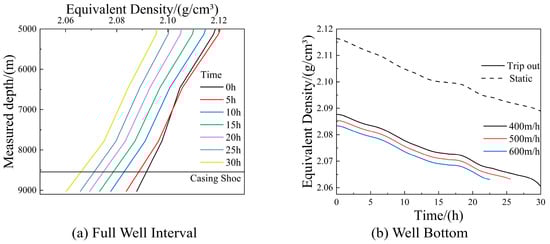
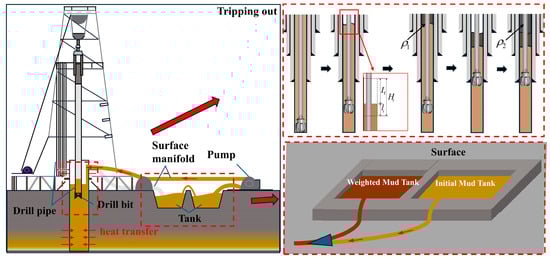
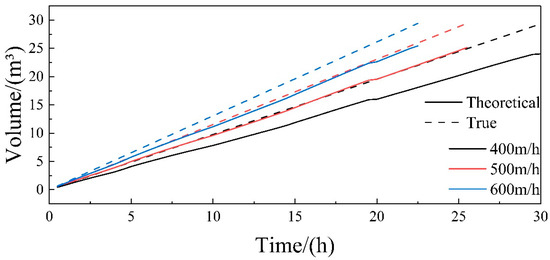
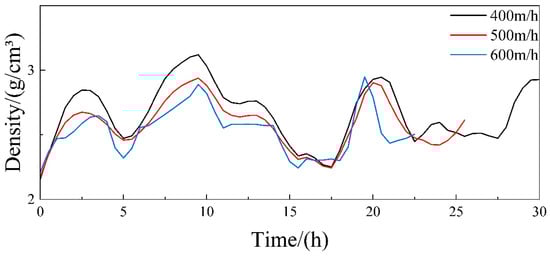
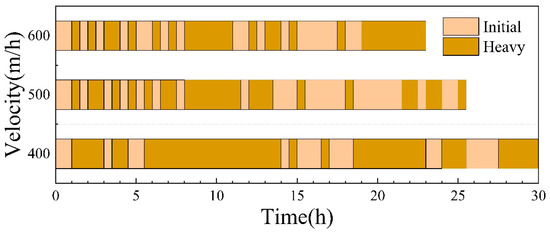
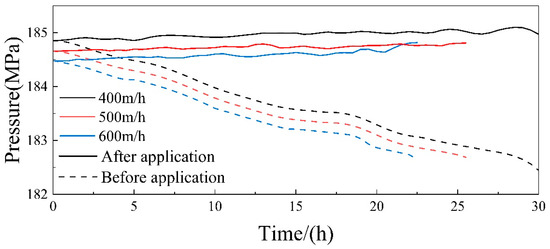
Controlling bottom hole pressure (BHP) during tripping-out is a key challenge in ultra-deep well drilling. Under high-temperature and high-pressure (HTHP) conditions, ultra-deep wells feature long tripping-out cycles, where thermal effects are prone to causing BHP reduction and increasing kick risk. However, existing pressure control technologies struggle to adapt to the requirements of narrow safe density windows in deep formations. This study establishes a transient tripping-out temperature field model, taking the PS6 ultra-deep vertical well as a case study to calculate the variations in temperature, equivalent static density (ESD), and BHP during tripping-out at 2910 m and 9026 m. A weighted drilling fluid supplementation method is presented, with supplementary parameters designed and its feasibility verified. The results indicate that during the entire tripping-out process, the bottom hole temperature at 2910 m increases by 17.5 °C and BHP rises by 0.016 MPa; at 9026 m, the temperature increases by 72.6 °C and BHP decreases by 2.410 MPa. Compared with the traditional “heavy mud cap” technology, the presented method can control BHP within a smaller fluctuation range (within 0.339 MPa) during tripping-out, better adapting to the safe tripping requirements of narrow safe density windows in deep formations and effectively mitigating kick risk.
Full article
(This article belongs to the Topic Advances in Monitoring, Modeling and Control of Multiphase Flow in Artificially Lifted Wells)
►▼
Show Figures

Figure 1

Open AccessArticle
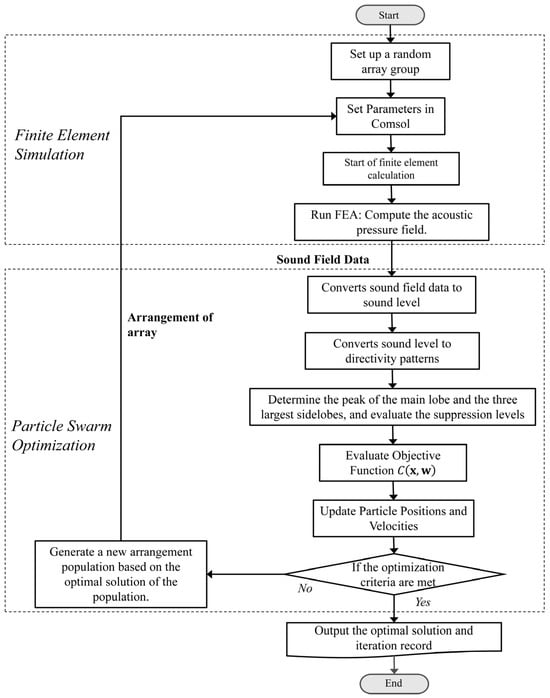
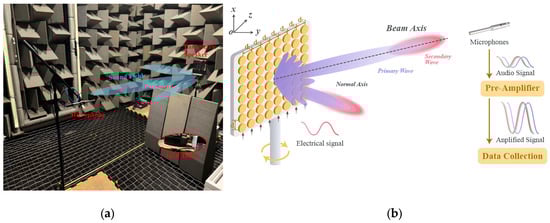
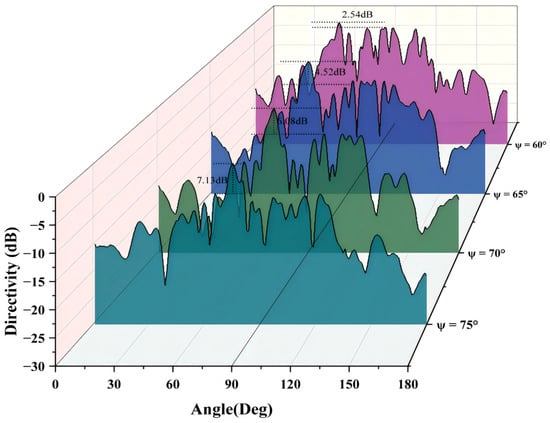
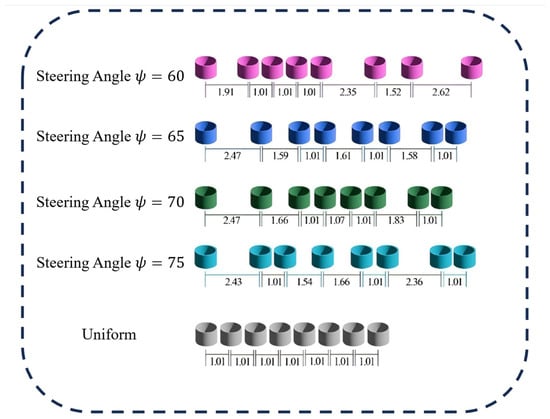
Adaptive Optimization of Non-Uniform Phased Array Speakers Using Particle Swarm Optimization for Enhanced Directivity Control
by
Shangming Mei, Yihua Hu and Mohammad Nasr Esfahani
Modelling 2026, 7(1), 20; https://doi.org/10.3390/modelling7010020 - 15 Jan 2026
Abstract
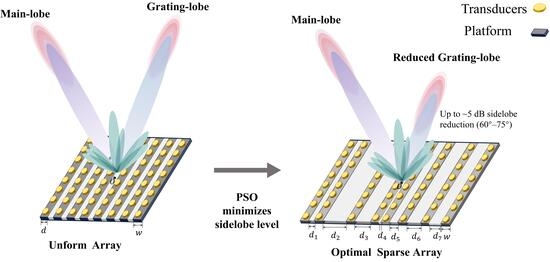
Phased array speakers are often designed with uniform element spacing, which limits beam steering capability and sidelobe control under practical aperture and hardware constraints. This study presents an optimization-driven modelling framework for parametric array loudspeakers (PALs) that systematically links array layout synthesis with
[...] Read more.
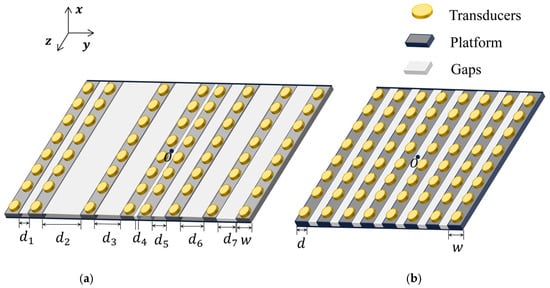
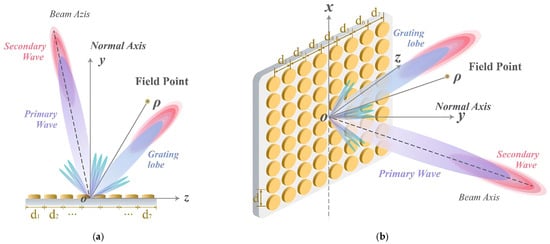
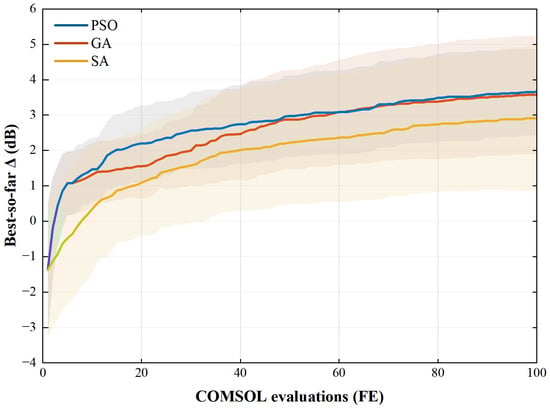
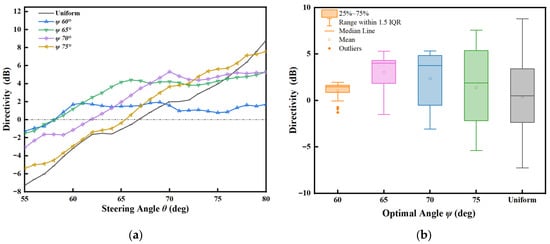
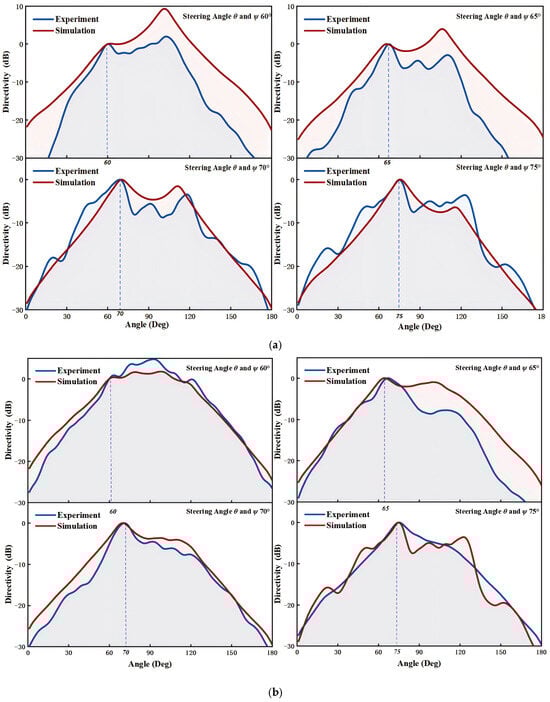
Phased array speakers are often designed with uniform element spacing, which limits beam steering capability and sidelobe control under practical aperture and hardware constraints. This study presents an optimization-driven modelling framework for parametric array loudspeakers (PALs) that systematically links array layout synthesis with high-fidelity directivity prediction, by combining a frequency-domain convolution model with a finite element method (FEM) pipeline. We formulate array layout synthesis as a constrained optimization problem and employ particle swarm optimization (PSO) to determine non-uniform element positions that suppress sidelobes while preserving mainlobe integrity across steering angles. By integrating linear acoustic field simulation with far-field directivity prediction, the framework serves as a computationally efficient surrogate model suitable for iterative design under non-ideal spacing conditions. Simulation results and laboratory measurements demonstrate that the optimized non-uniform arrays achieve consistently lower sidelobe levels and more concentrated mainlobes than conventional uniform configurations. These results validate the proposed framework as a practical and reproducible solution for steering-capable PAL design when the conventional λ/2 spacing constraint cannot be satisfied and establish a foundation for subsequent robustness and sensitivity analyses.
Full article
(This article belongs to the Special Issue AI-Driven and Data-Driven Modelling in Acoustics and Vibration)
►▼
Show Figures

Graphical abstract
Open AccessArticle
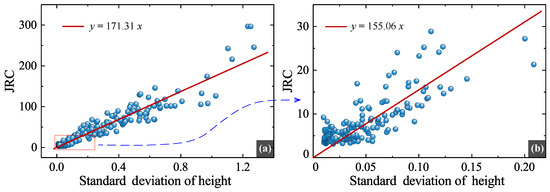
A Fractal Topology-Based Method for Joint Roughness Coefficient Calculation and Its Application to Coal Rock Surfaces
by
Rui Wang, Jiabin Dong and Wenhao Dong
Modelling 2026, 7(1), 19; https://doi.org/10.3390/modelling7010019 - 15 Jan 2026
Abstract
►▼
Show Figures
The accurate evaluation of the Joint Roughness Coefficient (JRC) is crucial for rock mechanics engineering. Existing JRC prediction models based on a single fractal parameter often face limitations in physical consistency and predictive accuracy. This study proposes a novel two-parameter JRC prediction method
[...] Read more.
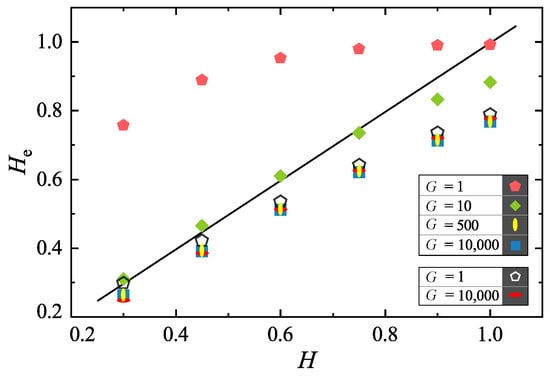
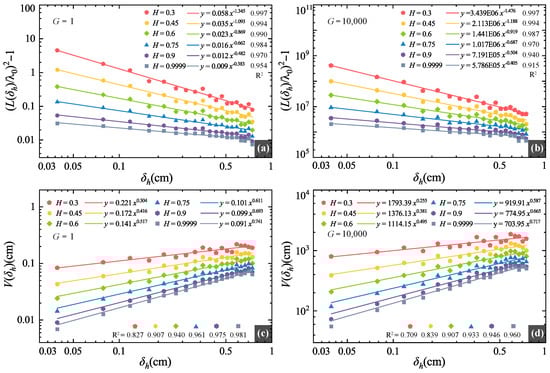
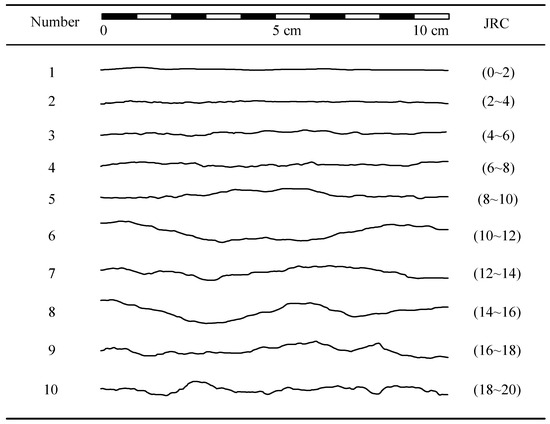
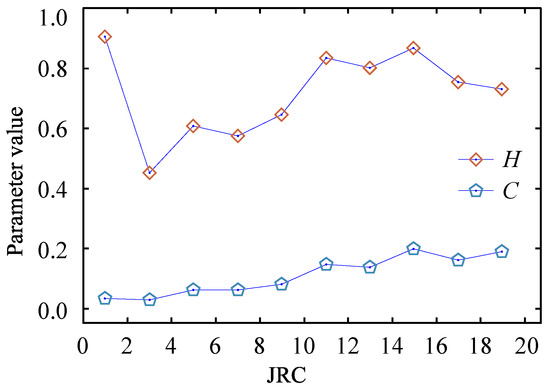
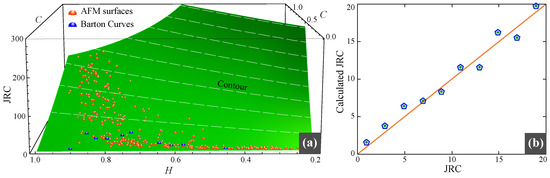
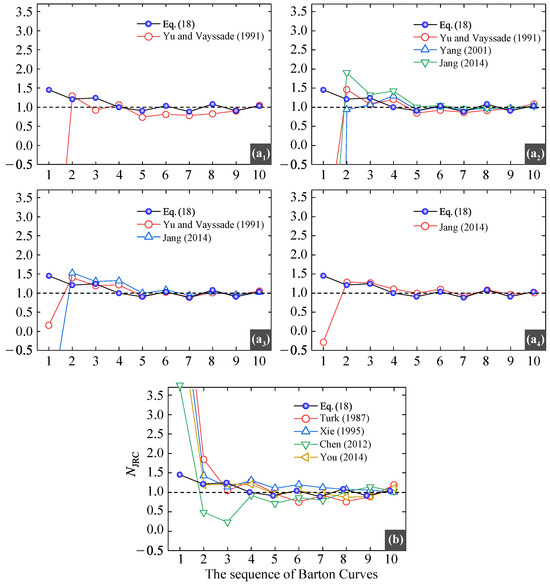
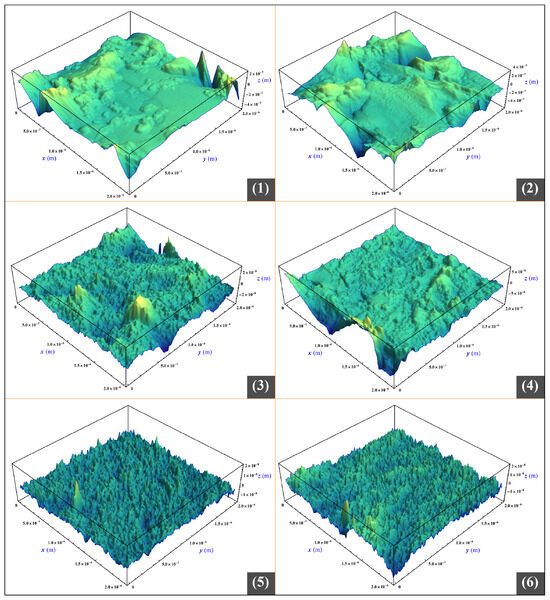
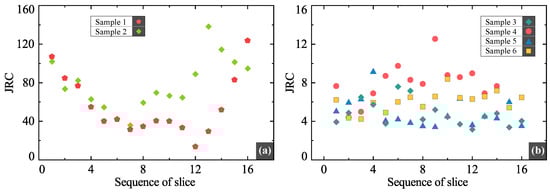
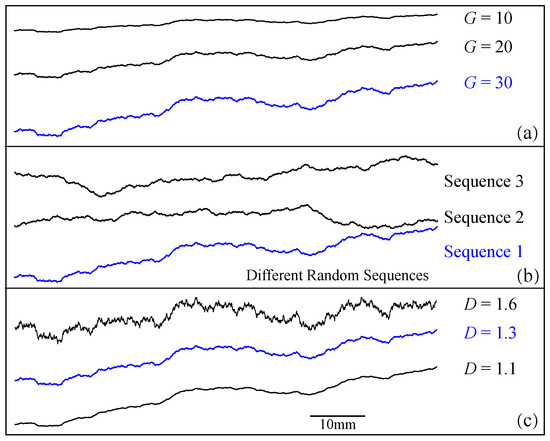
The accurate evaluation of the Joint Roughness Coefficient (JRC) is crucial for rock mechanics engineering. Existing JRC prediction models based on a single fractal parameter often face limitations in physical consistency and predictive accuracy. This study proposes a novel two-parameter JRC prediction method based on fractal topology theory. The core innovation of this method lies in extracting two distinct types of information from a roughness profile: the scale-invariant characteristics of its frequency distribution, quantified by the Hurst exponent (H), and the amplitude-dependent scale effects, quantified by the coefficient (C). By integrating these two complementary aspects of roughness, a comprehensive predictive model is established: JRC = . The application of this model to Atomic Force Microscopy (AFM)-scanned coal rock surfaces indicates that JRC is primarily controlled macroscopically by amplitude-related information (reflected by C), while the scale-invariant frequency characteristics (reflected by H) significantly influence local prediction accuracy. By elucidating the distinct roles of scale-invariance and amplitude attributes in controlling JRC, this research provides a new theoretical framework and a practical analytical tool for the quantitative evaluation of JRC in engineering applications.
Full article

Figure 1
Highly Accessed Articles
Latest Books
E-Mail Alert
News
Topics
Topic in
AI, Algorithms, Modelling, Applied Sciences
Advancements in Coupling Simulation and Artificial Intelligence: Methods, Applications, and Future Directions
Topic Editors: Greg Zacharewicz, Nicolas Daclin, Vittorio Solina, Diana Maria Torres RicaurteDeadline: 30 June 2026
Topic in
Applied Sciences, Architecture, Buildings, CivilEng, Infrastructures, Materials, Modelling
Sustainable Construction Materials, Processes, and Automation Technologies
Topic Editors: Ayman El-Zohairy, Ahmed A. IbrahimDeadline: 20 August 2026
Topic in
Applied Sciences, Drones, Infrastructures, Logistics, Modelling, Energies, Technologies, Future Transportation
New Technological Solutions, Research Methods, Simulation and Analytical Models That Support the Development of Modern Transport Systems, 2nd Edition
Topic Editors: Artur Kierzkowski, Tomasz Nowakowski, Agnieszka A. Tubis, Franciszek Restel, Tomasz Kisiel, Anna Jodejko-Pietruczuk, Mateusz Zaja̧c, Viktoria Ivannikova, Michał Stosiak, Andrija VidovićDeadline: 31 August 2026
Topic in
Aerospace, Applied Sciences, Catalysts, Energies, Modelling
Theoretical, Numerical and Experimental Studies on Clean Energy and Combustion, 2nd Edition
Topic Editors: Pedro Miguel Rebelo Resende, Mohsen Ayoobi, Alexandre M. AfonsoDeadline: 30 September 2026
Special Issues
Special Issue in
Modelling
Advances in Agent-Based Modelling and Simulation for Industrial and Public Assets
Guest Editors: Idriss El-Thalji, Yiliu LiuDeadline: 31 March 2026
Special Issue in
Modelling
Machine Learning and Artificial Intelligence in Modelling
Guest Editors: Margarita Terziyska, Miroslava IvanovaDeadline: 31 March 2026
Special Issue in
Modelling
Modelling of Nonlinear Dynamical Systems
Guest Editors: Liming Dai, Jialin TianDeadline: 31 March 2026
Special Issue in
Modelling
Recent Advances in Computational Fluid Mechanics
Guest Editors: Yazhou Wang, Tao XueDeadline: 30 April 2026