You are currently viewing a new version of our website. To view the old version click .
  • 9 daysTime to First Decision

Microwave

Microwave is an international, peer-reviewed, open access journal on the science and engineering of microwave and its applications, and is published quarterly online by MDPI.

All Articles (13)

AI-Driven RF Fingerprinting for Secure Positioning Optimization in 6G Networks

  • Ioannis A. Bartsiokas,
  • Maria-Lamprini A. Bartsioka and
  • Anastasios K. Papazafeiropoulos
  • + 2 authors

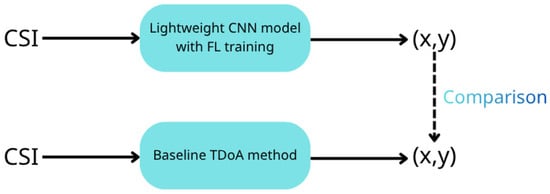
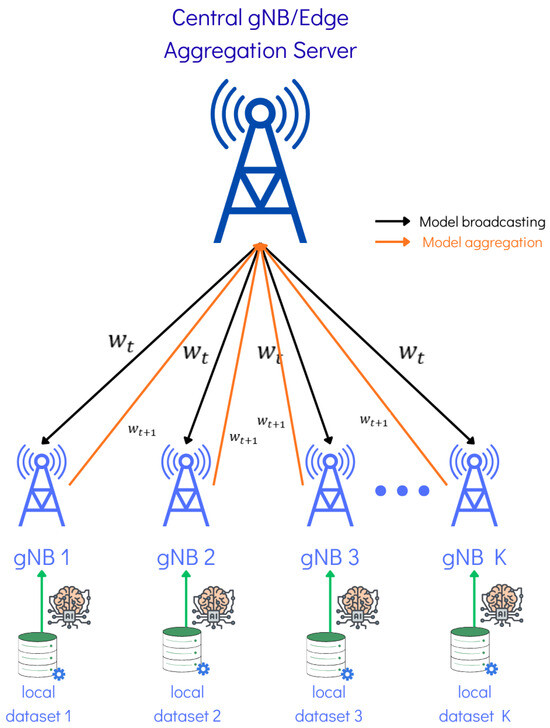
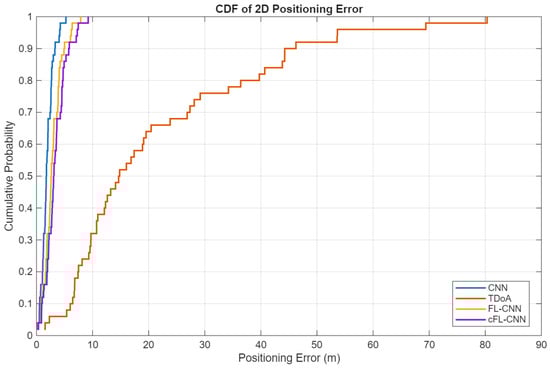
Accurate user positioning in 6G networks is essential for next-generation mobile services. However, classical approaches such as time-difference-of-arrival (TDoA) remain vulnerable to dense multipath and NLoS conditions commonly found in indoor and industrial environments. This paper proposes an AI-driven RF fingerprinting framework that leverages uplink channel state information (CSI) to achieve robust and privacy-preserving 2D localization. A lightweight convolutional neural network (CNN) extracts location-specific spectral–spatial fingerprints from CSI tensors, while a federated learning (FL) scheme enables distributed training across multiple gNBs without sharing raw channel data. The proposed integration of CSI tensor processing with FL and structured pruning is introduced as a novel solution for practical 6G edge positioning. To further reduce latency and communication costs, a structured pruning mechanism compresses the model by 40–60%, lowering the memory footprint with negligible accuracy loss. A performance evaluation in 3GPP-compliant indoor factory scenarios indicates a median positioning error below 1 m for over 90% of cases, significantly outperforming TDoA. Moreover, the compressed FL model reduces the FL communication load by ~38% and accelerates local training, establishing an efficient, secure, and deployment-ready positioning solution for 6G networks.
23 December 2025

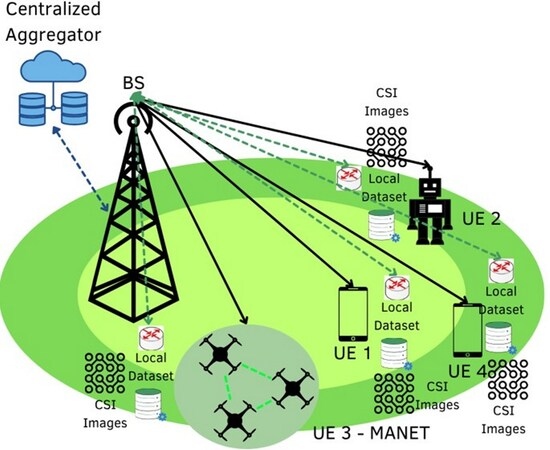
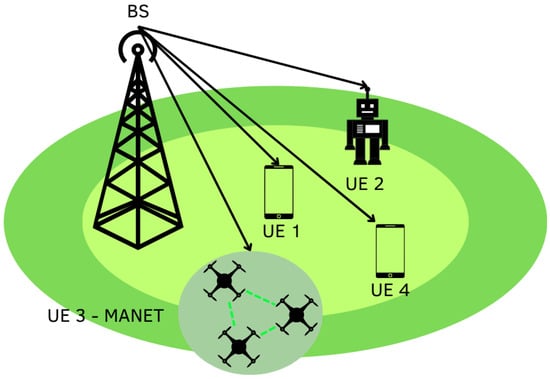
Overall topology of the 6G topology.

A Review of Methods for Improving Microwave Heating Uniformity

  • Liping Yan,
  • Chengrong Wang and
  • Xingrui Yin

Microwave heating technology has gained extensive application in various fields, including food processing and drying, material synthesis, and waste treatment, due to its advantages of high efficiency, selectivity, and rapid response. However, the inherent non-uniform electromagnetic field distribution within metallic microwave cavities leads to uneven heating. This issue severely constrains the large-scale industrial application of microwave heating, particularly its extension into high-precision, high-value-added industrial sectors like 3D printing, curing, and microwave plasma micro/nano-fabrication. To address this challenge, extensive research efforts have been undertaken in both academia and industry, focusing on improving microwave heating uniformity, resulting in the proposal of various methods. This review summarizes these methods for enhancing microwave heating uniformity and specifically outlines recent research progress on novel techniques based on artificial electromagnetic surfaces. It aims to offer valuable references and guidance for the broader application of microwave heating technology.

10 December 2025

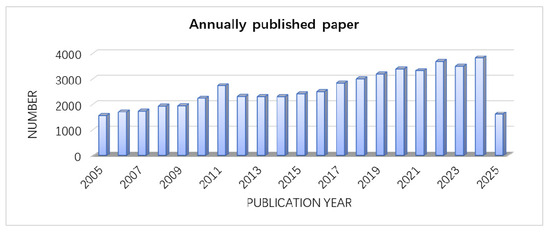
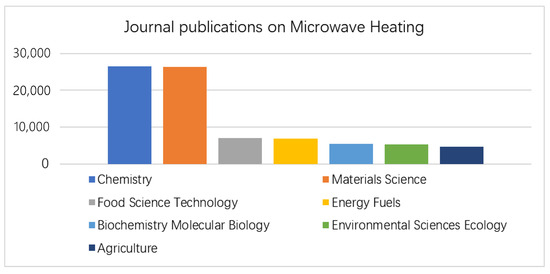
Number of annually published papers on microwave heating based on the Science Citation Index (SCI) library.

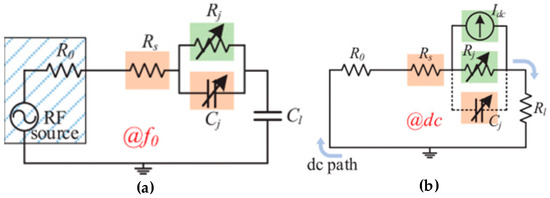
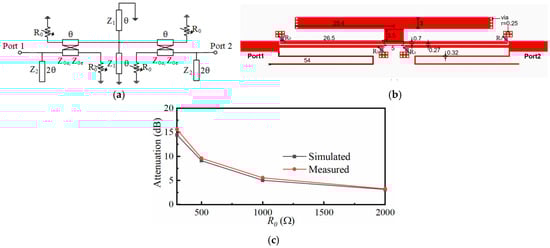
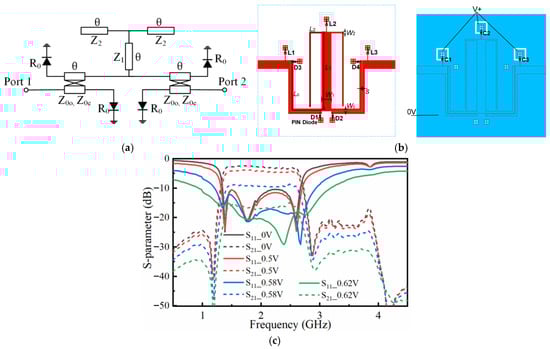
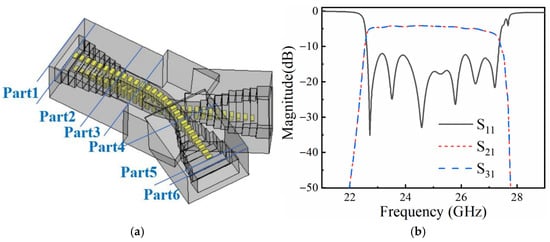
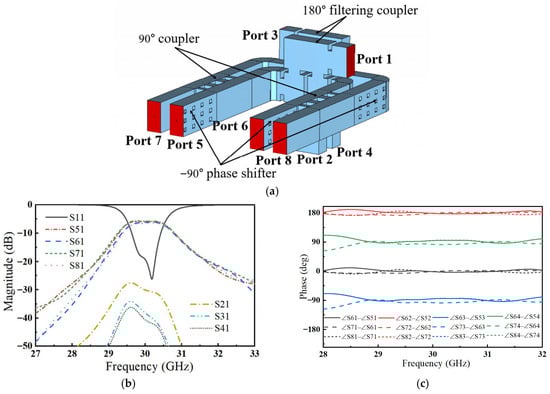
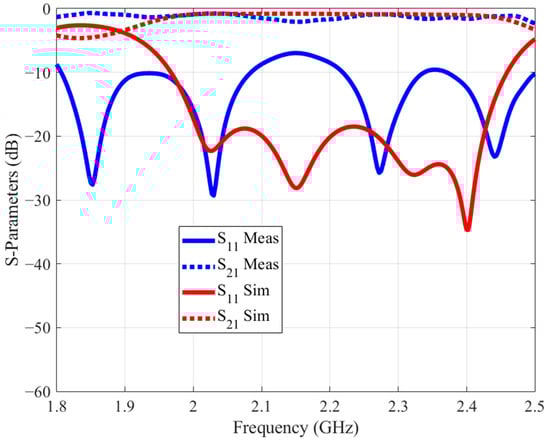
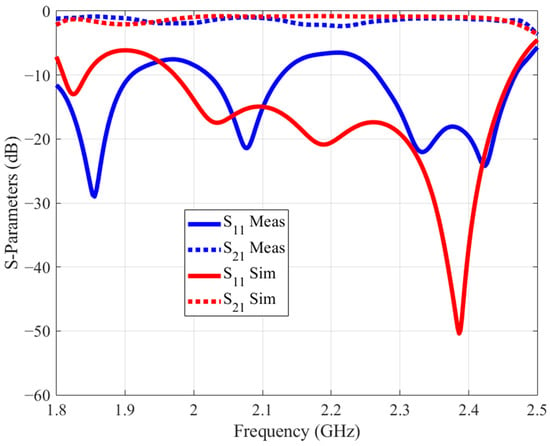
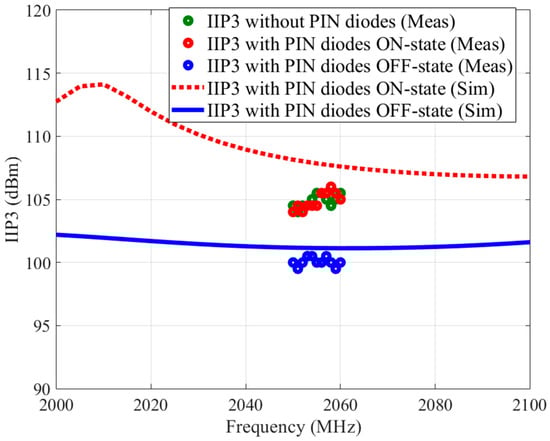
This paper provides a comprehensive review of recent advancements in radio-frequency (RF) multifunctional components with integrated filtering characteristics, including tunable filtering attenuators, filtering power dividers, filtering couplers, and filtering Butler matrices, all of which play critical roles in wireless communication systems. With the increasing demand for miniaturization, integration, and low-loss performance in RF front-ends, multifunctional components with filtering characteristics have become essential. This review first introduces tunable attenuators and filtering attenuators based on various technologies such as PIN diodes, graphene-based structures, and RF-MEMS switches, and also analyzes their advantages, limitations, and performance. Then, we discuss filtering power dividers developed from Wilkinson structures, three-line coupled structures, resonator-based coupling matrix methods, and SSPP-waveguide hybrids. Furthermore, filtering couplers and filtering Butler matrices are reviewed, highlighting their capability to simultaneously achieve amplitude and phase control, making them suitable for multi-beam antenna feeding networks. Finally, a brief conclusion is summarized. Future research directions, such as hybrid technologies, novel materials, broadband and multi-band designs, and antenna-matrix co-design, are suggested to further enhance the performance and practicality of multifunctional RF components for next-generation wireless communication systems.

5 November 2025

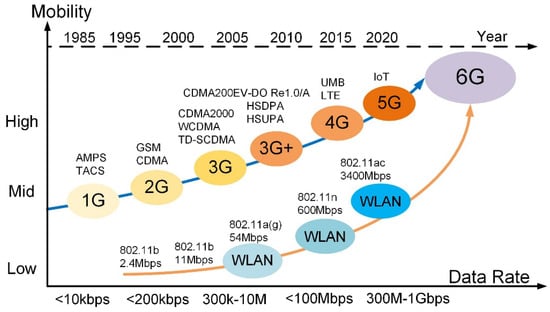
Development history of wireless communication systems.

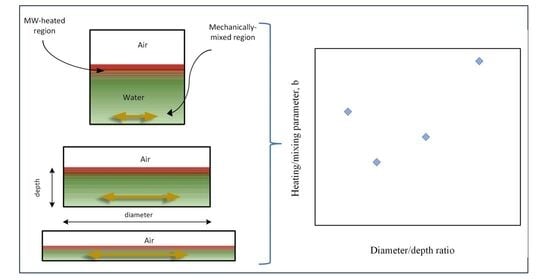
Influence of the Shape Factor on the Heating of an Aqueous Solution by Microwave

  • Yusuke Asakuma,
  • Ryohei Yakata and
  • Anita Hyde
  • + 2 authors

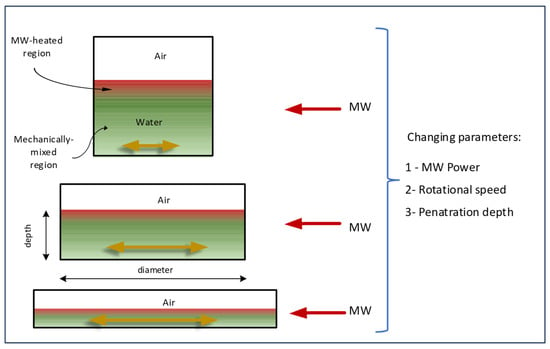
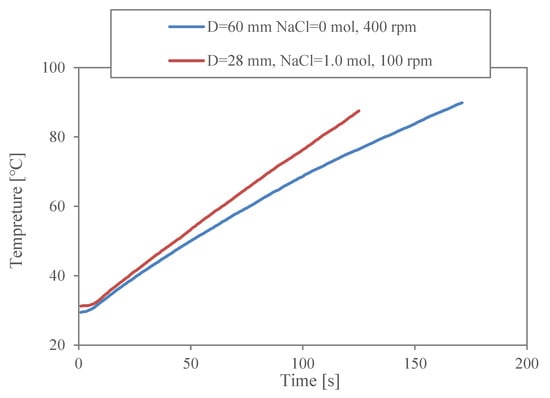
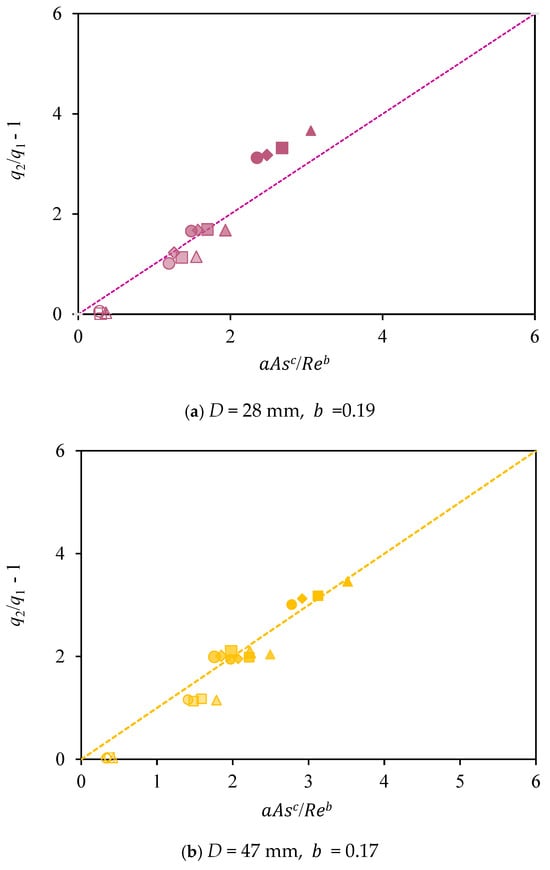
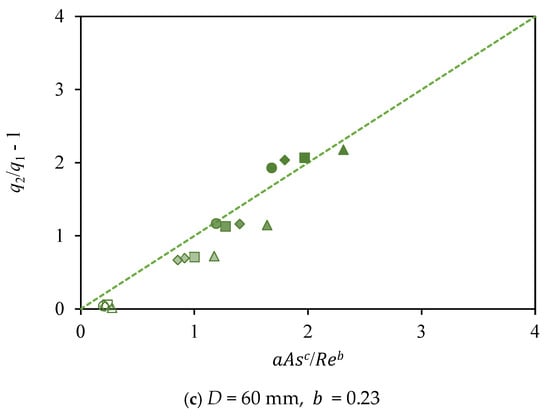
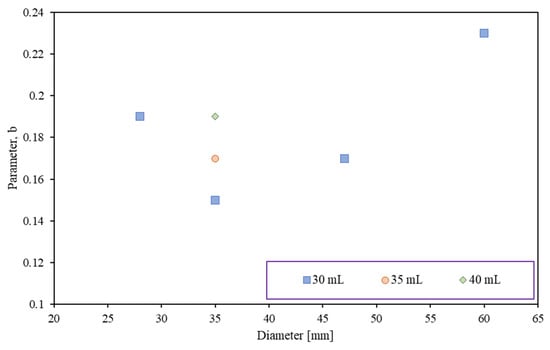
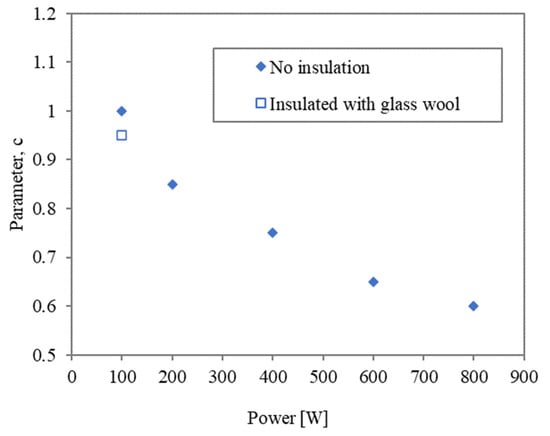
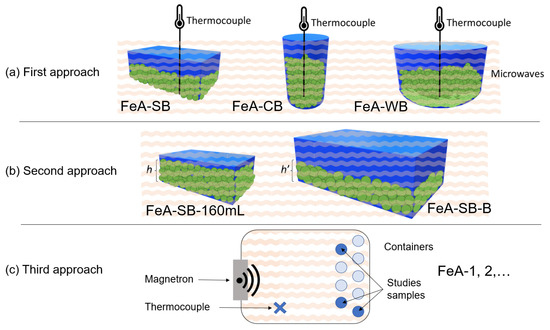
In this study, the microwave heating efficiency of a water body is investigated with different shape factors. In particular, the same water volume was deposited in cylindrical containers with different diameters. Here, “shape factor” refers to the ratio between the surface fluid layer, which strongly absorbs microwave energy, and the inner layer, which is heated largely via conduction. For a liquid in a cylindrical container, the shape factor is characterised as the ratio between the depth and diameter of the air/water surface area. The heating efficiency is characterised by relating the energy absorbed in the outer fluid layer with the energy gained in the bulk and monitoring the temperature in the fluid bulk at the point that the outer layer commences boiling. A correlation equation for the uniformity of the sample heating (with stirring) provided a simple link between the physical factors and microwave (MW) parameters. It was found that a depth/diameter ratio approaching 1:1 provided the most uniform heating. The correlations between the fitting parameters and physical conditions provide a simple yet effective method to characterise the thermal homogeneity of microwave heating that can assist with practical parameterisation of the design of microwave reactors.
18 October 2025

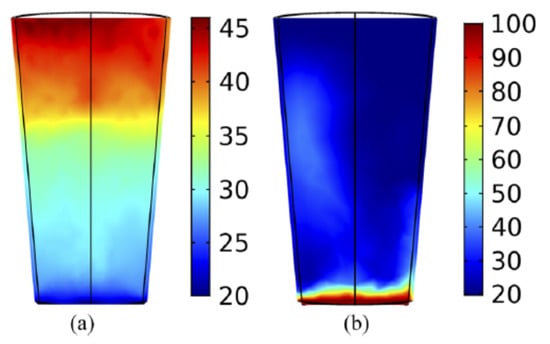
Temperature (in °C) profiles during (a) microwave and (b) conventional (heating from the bottom) of a glass of water, predicted by multi-physics simulations. Reprinted from Zhao et al., 2020 [22]. Available under a CC BY 4.0 license.

News & Conferences

Issues

Open for Submission

Editor's Choice

Get Alerted

Add your email address to receive forthcoming issues of this journal.

XFacebookLinkedIn
Microwave - ISSN 3042-5697