Micro/Nanoscale Electrokinetics
Share This Topical Collection
Editors
 Dr. Rodrigo Martinez-Duarte
Dr. Rodrigo Martinez-Duarte
E-Mail
Website
Collection Editor
Department of Mechanical Engineering, Clemson University, Clemson, SC 29634, USA
Interests: micromanufacturing; biomanufacturing; carbonaceous materials; electrokinetics; microfluidics; bacteria; composites; healthcare diagnostics; multicultural collaboration
Special Issues, Collections and Topics in MDPI journals
Topical Collection Information
Dear Colleagues,
Micro/nanofluidic chips have found increasing applications in the analysis of chemical and biological samples over the past two decades. Electrokinetics has become the method of choice in these micro/nanochips for transporting, manipulating and sensing ions, (bio)molecules, fluids and (bio)particles, etc., due to the high maneuverability, scalability, sensitivity, and integrability. The involved phenomena, which cover electro-osmosis, electrophoresis, dielectrophoresis, electrohydrodynamics, electrothermal flow, diffusioosmosis, diffusiophoresis, streaming potential, current, etc., arise from either the inherent or the induced surface charge of the solid–liquid interface under DC and/or AC electric fields. To review the state-of-the-art of micro/nanochip electrokinetics, this Topical Collection of Micromachines welcomes all original research or review articles on the fundamentals and applications of any electrokinetic phenomena in both microfluidic and nanofluidic devices.
Prof. Dr. Xiangchun Xuan
Dr. Rodrigo Martinez-Duarte
Collection Editors
Manuscript Submission Information
Manuscripts should be submitted online at www.mdpi.com by registering and logging in to this website. Once you are registered, click here to go to the submission form. All submissions that pass pre-check are peer-reviewed. Accepted papers will be published continuously in the journal (as soon as accepted) and will be listed together on the collection website. Research articles, review articles as well as short communications are invited. For planned papers, a title and short abstract (about 250 words) can be sent to the Editorial Office for assessment.
Submitted manuscripts should not have been published previously, nor be under consideration for publication elsewhere (except conference proceedings papers). All manuscripts are thoroughly refereed through a single-anonymized peer-review process. A guide for authors and other relevant information for submission of manuscripts is available on the Instructions for Authors page. Micromachines is an international peer-reviewed open access monthly journal published by MDPI.
Please visit the Instructions for Authors page before submitting a manuscript.
The Article Processing Charge (APC) for publication in this open access journal is 2100 CHF (Swiss Francs).
Submitted papers should be well formatted and use good English. Authors may use MDPI's
English editing service prior to publication or during author revisions.
Keywords
- electrokinetics
- micro/nanofluidics
- electroosmosis
- electrophoresis
- diffusioosmosis
- diffusiophoresis
- streaming potential/current
- dielectrophoresis
- induced charge electrokinetics
- electrical sensing
Published Papers (13 papers)
Open AccessArticle
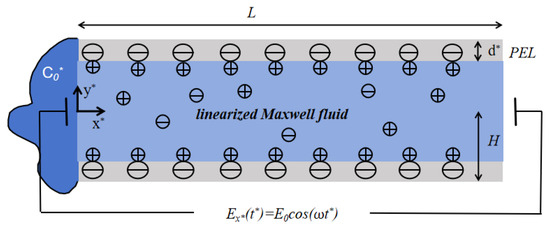
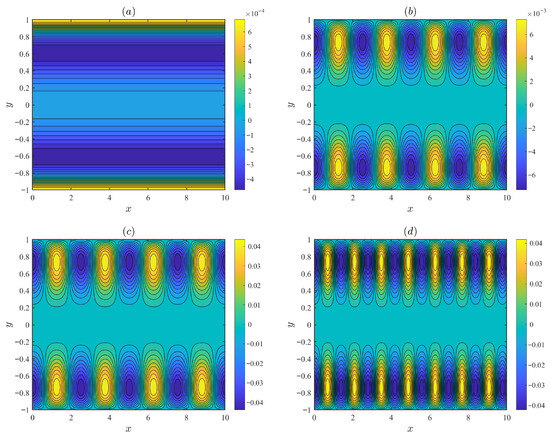
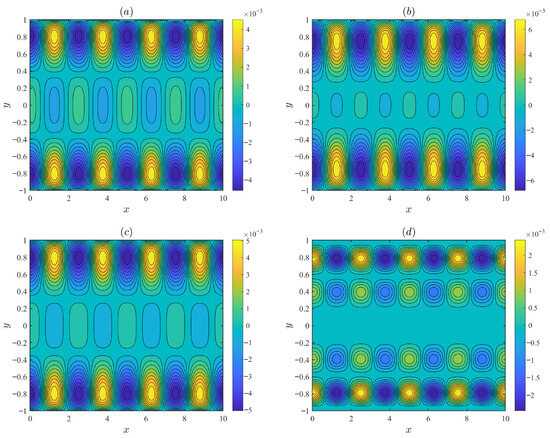
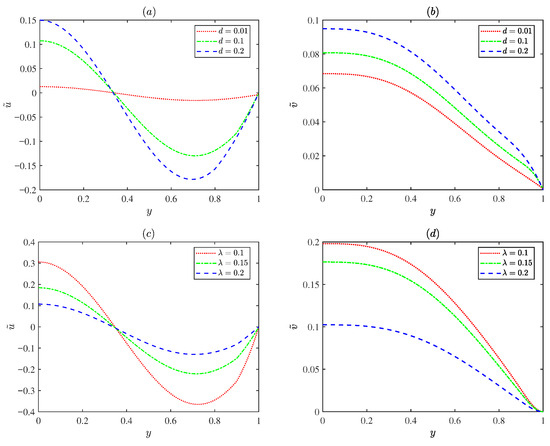
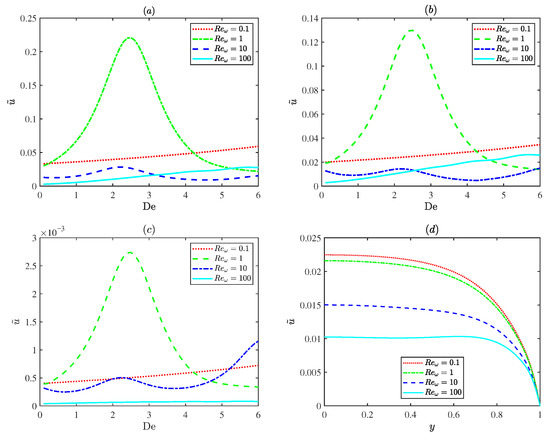
Electroosmosis and Solute Diffusion Transport of Maxwell Fluid Through a Polyelectrolyte-Grafted Microchannel with Modulated Charged Surfaces
by
Yin Shang, Fengqin Li and Chunhong Yang
Cited by 2 | Viewed by 411
Abstract
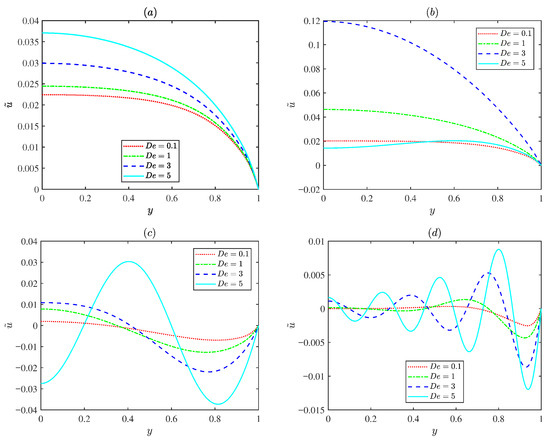
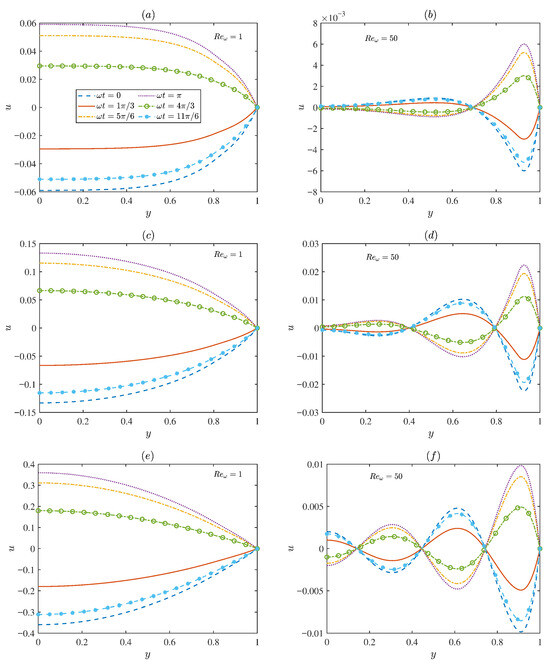
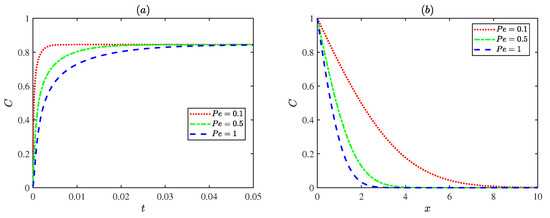
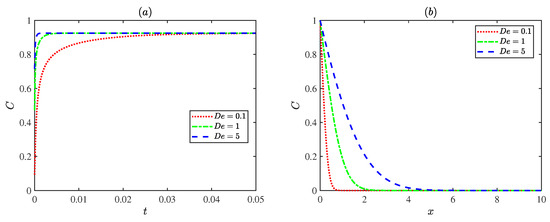
This study investigates the time-periodic electroosmotic flow and solute transport of Maxwell fluid in a parallel microchannel with modulated surface charges. The Poisson–Boltzmann equation and the linearized momentum equations are solved using a superposition-based analytical approach. The influences of oscillation intensity, fluid elasticity,
[...] Read more.
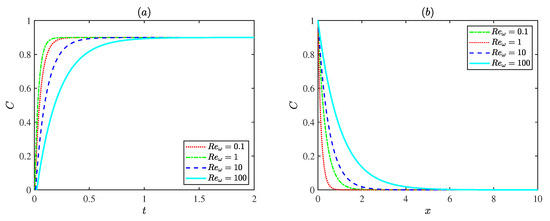
This study investigates the time-periodic electroosmotic flow and solute transport of Maxwell fluid in a parallel microchannel with modulated surface charges. The Poisson–Boltzmann equation and the linearized momentum equations are solved using a superposition-based analytical approach. The influences of oscillation intensity, fluid elasticity, and electrokinetic parameters on the velocity and concentration distributions are examined. The results show that wall-potential modulation combined with a time-periodic electric field generates recirculating motion and oscillatory velocity patterns. Moderate oscillation strengthens both flow and solute transport, whereas stronger oscillation weakens transport efficiency. This work provides a quantitative analysis the interplay between oscillatory electroosmotic flow and solute transport in Maxwell fluid and clarifies the role of oscillation strength in controlling solute dispersion.
Full article
►▼
Show Figures
Open AccessFeature PaperEditor’s ChoiceArticle
Quantifying and Minimizing the Variance of Gradient Insulator-Based Dielectrophoresis
by
Hoai Nguyen, A. K. M. Fazlul Karim Rasel and Mark A. Hayes
Viewed by 610
Abstract
Opportunities abound in microfluidic technologies to impact how we understand extremely complex systems with many constituents which change with time and space. In these technologies, separation science plays a central role towards understanding everything from biology and healthcare to environmental monitoring to the
[...] Read more.
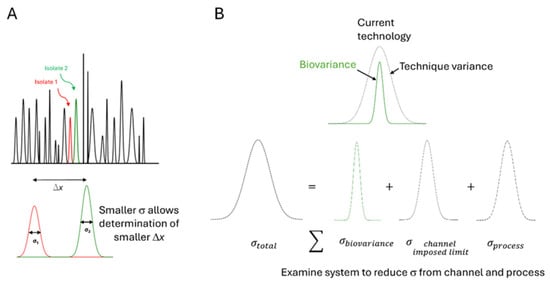
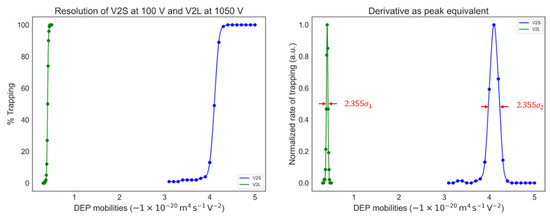
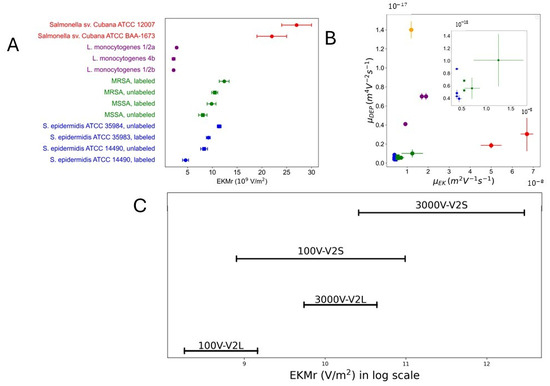
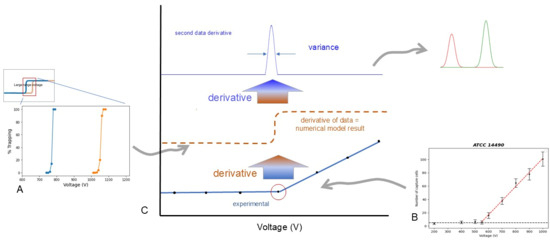
Opportunities abound in microfluidic technologies to impact how we understand extremely complex systems with many constituents which change with time and space. In these technologies, separation science plays a central role towards understanding everything from biology and healthcare to environmental monitoring to the search for life in the Solar system. Separations can amplify the capabilities of detection modalities by isolating targets and/or increasing their concentration while removing background constituents which can interfere with their sensing. In essence, separations increase the amount of information that can be gathered from a sample. The ideal features of next-generation separations capability are present in gradient insulator-based dielectrophoresis (g-iDEP), enabled by the length scale and precision of microfluidics. It acts through electric field interactions with particles, which enables unbiased (label-free) separations since all relevant particles, from atoms to cells, have an accessible response to electricity—either through linear (electrophoresis) or higher-order gradient (dielectrophoresis and related) effects. The technique isolates and concentrates, enabling improved detection function and multidimensional separations. Its foundational theoretical capabilities give it separations power on the order of 1:10
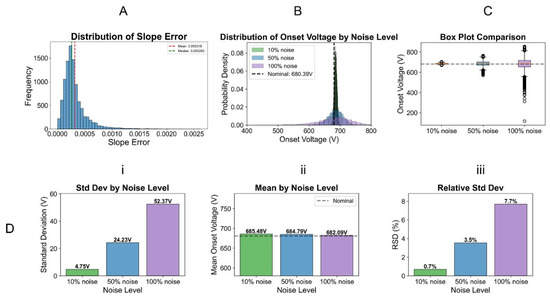
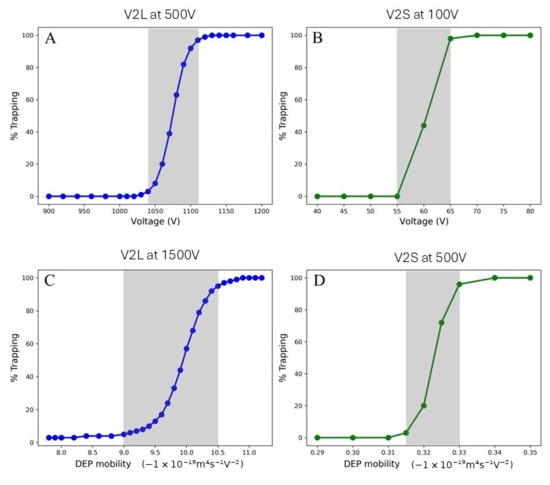
8, beyond the resolving power of the best mass spectrometers and ultra-high resolution spectroscopies. Experimental evidence is amassing that shows it to be a powerful tool that can resolve tiny differences in cells (antibiotic resistance versus susceptible in unlabeled paired isolates across many species) and differentiate single-point mutations in proteins. Its capabilities are still emerging, and this work aims to quantify the current practice and connect those approaches to the ultimate capabilities of the technique towards quantifying the dynamic range and resolving power of the strategy as a whole. The technique uses two methods of quantifying the electrophysical properties of the target, voltage sweep and spatial methods. The voltage sweep method is lower-resolution and serves as a search mode, while the spatial method is higher-resolution and quantifies the properties over a smaller defined range determined via the sweep method. These quantification methods are examined by collating existing experimental data, performing relevant Monte Carlo simulations, and finite element model calculations. These are summarized to understand the mechanisms currently limiting the technique, facilitate quantitative comparisons with traditional separation science capabilities in terms of resolution and dynamic range, and compare them to the theoretical limits of the strategy.
Full article
►▼
Show Figures
Open AccessArticle
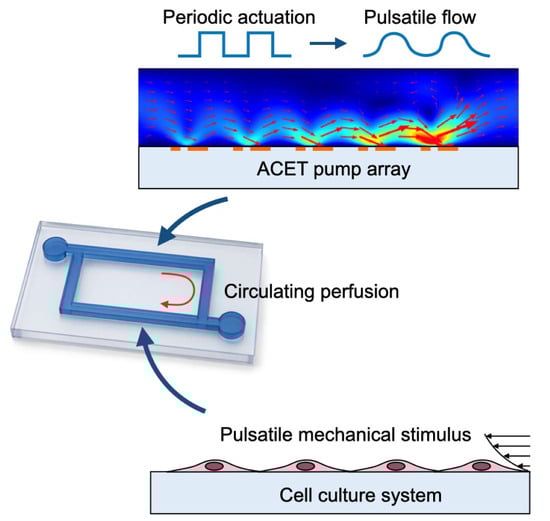
On-Chip AC Electrothermal Pump for Pulsatile Perfusion
by
Itaru Kawata, Sosuke Kobayashi, Yoshiyasu Ichikawa and Masahiro Motosuke
Viewed by 689
Abstract
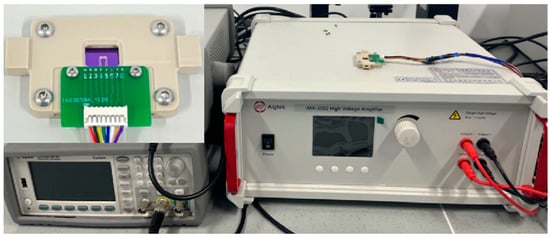
Microphysiological systems (MPSs) have emerged as promising platforms for drug discovery and in vitro pharmacological testing. MPSs aid to reproduce physiologically relevant microenvironments, in which controlled perfusion can play important role. In this study, an on-chip AC electrothermal (ACET) pump was developed for
[...] Read more.
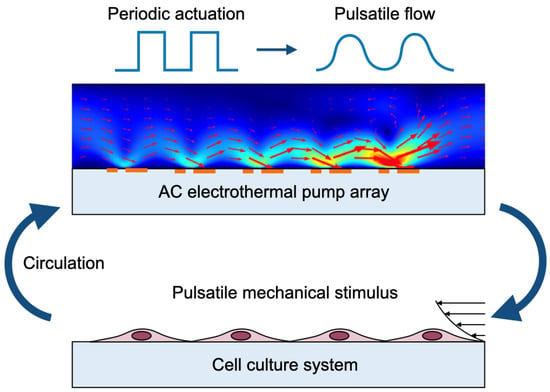
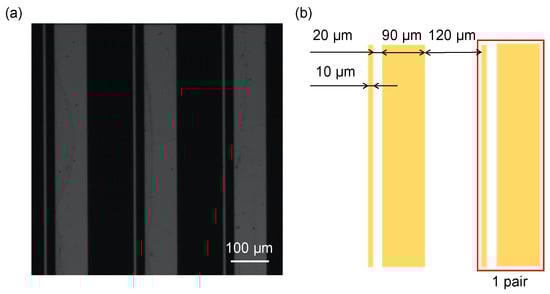
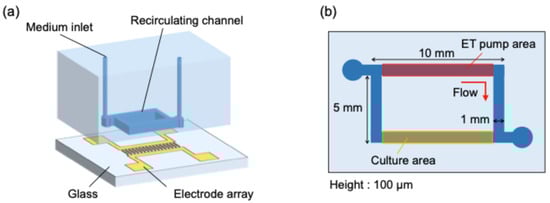
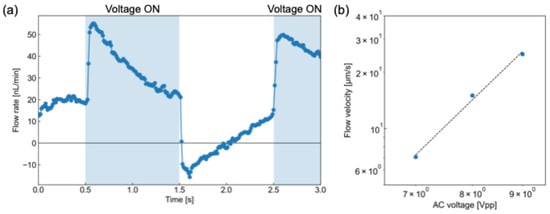
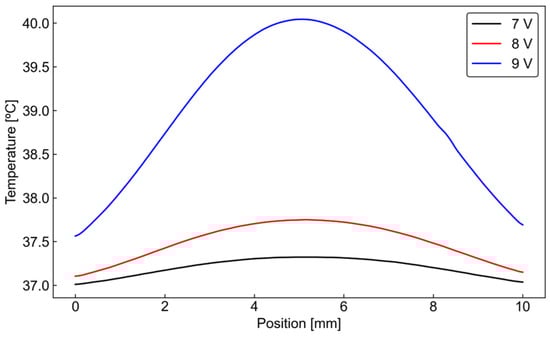
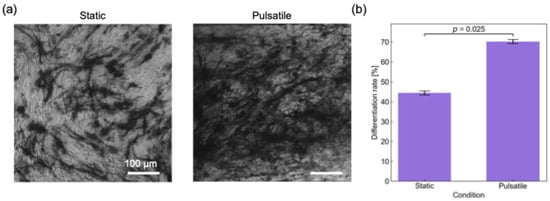
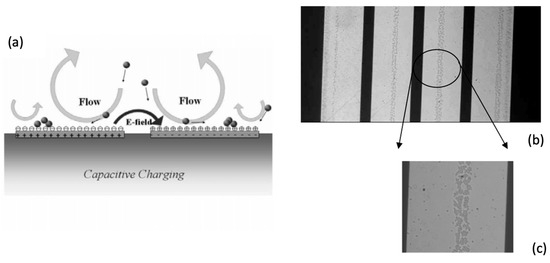
Microphysiological systems (MPSs) have emerged as promising platforms for drug discovery and in vitro pharmacological testing. MPSs aid to reproduce physiologically relevant microenvironments, in which controlled perfusion can play important role. In this study, an on-chip AC electrothermal (ACET) pump was developed for pulsatile perfusion in microfluidic cell culture systems. The proposed pump generates fluid motion through the interaction between an applied electric field and temperature-dependent gradients in the electrical properties of the fluid. Pulsatile perfusion was produced by periodic application of an AC voltage to the electrode array, and the pulsation cycle could be controlled electrically. The maximum flow velocity increased with the applied AC voltage, demonstrating tunable flow generation by the ACET pump. To evaluate the applicability of the developed system to cell culture, human mesenchymal stem cells (hMSCs) were cultured under pulsatile perfusion conditions for five days. The results showed that osteogenic differentiation under pulsatile perfusion was higher than that under static culture conditions. These findings demonstrate the potential of the proposed on-chip ACET pump as a simple and effective platform for generating physiologically relevant pulsatile perfusion in microphysiological systems.
Full article
►▼
Show Figures
Open AccessReview
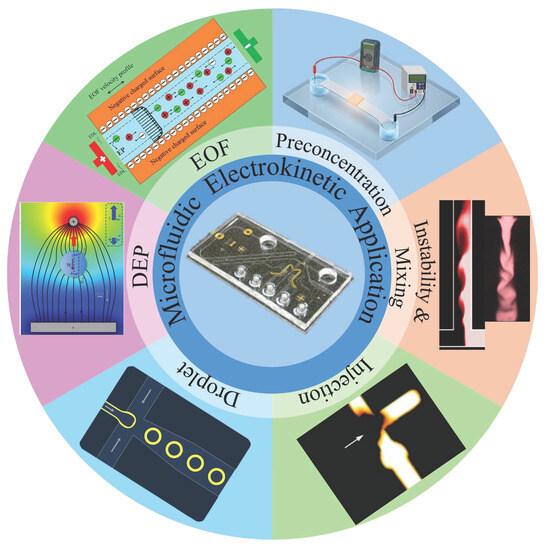
Electrokinetic Microfluidics at the Convergence Frontier: From Charge-Driven Transport to Intelligent Chemical Systems
by
Cheng-Xue Yu, Chih-Chang Chang, Kuan-Hsun Huang and Lung-Ming Fu
Cited by 3 | Viewed by 1613
Abstract
Electrokinetics has established itself as a central pillar in microfluidic research, offering a powerful, non-mechanical means to manipulate fluids and analytes. Mechanisms such as electroosmotic flow (EOF), electrophoresis (EP), and dielectrophoresis (DEP) re-main central to the field, once more layers of complexity emerge
[...] Read more.
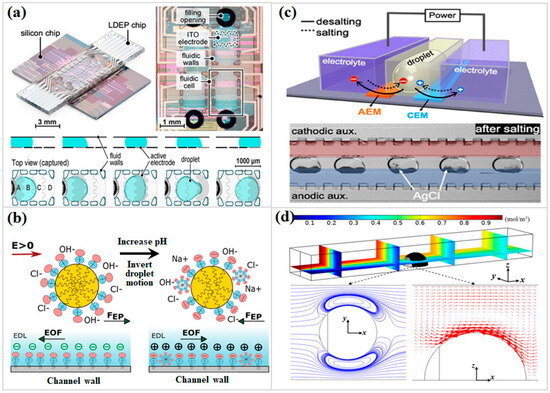
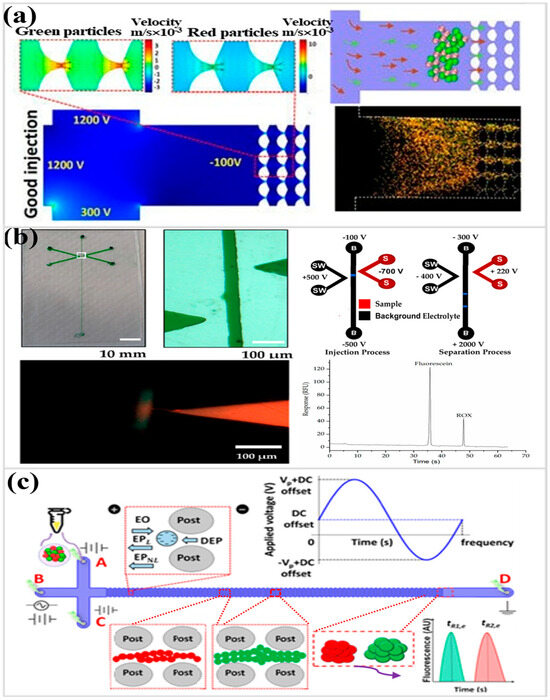
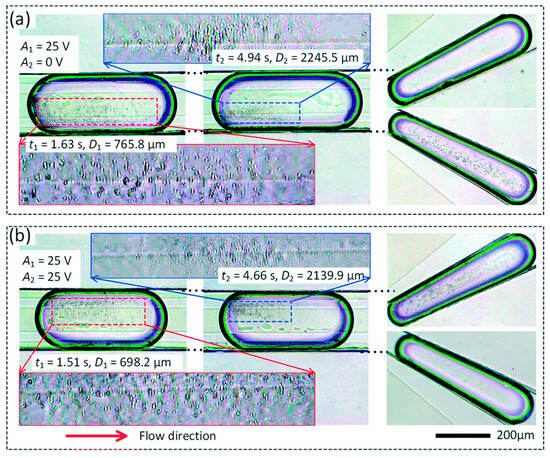
Electrokinetics has established itself as a central pillar in microfluidic research, offering a powerful, non-mechanical means to manipulate fluids and analytes. Mechanisms such as electroosmotic flow (EOF), electrophoresis (EP), and dielectrophoresis (DEP) re-main central to the field, once more layers of complexity emerge heterogeneous interfaces, viscoelastic liquids, or anisotropic droplets are introduced. Five research directions have become prominent. Field-driven manipulation of droplets and emulsions—most strikingly Janus droplets—demonstrates how asymmetric interfacial structures generate unconventional transport modes. Electrokinetic injection techniques follow as a second focus, because sharply defined sample plugs are essential for high-resolution separations and for maintaining analytical accuracy. Control of EOF is then framed as an integrated design challenge that involves tuning surface chemistry, engineering zeta potential, implementing nanoscale patterning, and navigating non-Newtonian flow behavior. Next, electrokinetic instabilities and electrically driven micromixing are examined through the lens of vortex-mediated perturbations that break diffusion limits in low-Reynolds-number flows. Finally, electrokinetic enrichment strategies—ranging from ion concentration polarization focusing to stacking-based preconcentration—demonstrate how trace analytes can be selectively accumulated to achieve detection sensitivity. Ultimately, electrokinetics is converging towards sophisticated integrated platforms and hybrid powering schemes, promising to expand microfluidic capabilities into previously inaccessible domains for analytical chemistry and diagnostics.
Full article
►▼
Show Figures
Open AccessArticle
Dynamic Electrophoresis of an Oil Drop
by
Hiroyuki Ohshima
Viewed by 942
Abstract
We present a theoretical framework describing how the electrophoretic mobility of a weakly charged oil droplet in an aqueous electrolyte varies with frequency when the system is subjected to an oscillatory electric field. The surface charge of the droplet arises from the adsorption
[...] Read more.
We present a theoretical framework describing how the electrophoretic mobility of a weakly charged oil droplet in an aqueous electrolyte varies with frequency when the system is subjected to an oscillatory electric field. The surface charge of the droplet arises from the adsorption of electrolyte ions. Our analysis is based on a simplified form of the Baygents–Saville model, in which the interior of the droplet is assumed to contain no dissolved ions. In this approach, variations in interfacial tensions along the droplet surface, generated by the Marangoni effect, are explicitly included. From the formulation, we derive a general expression for the dynamic electrophoretic mobility of a charged spherical droplet, and, in addition, obtain concise analytical formulas applicable in the limit of small zeta potentials.
Full article
►▼
Show Figures
Open AccessArticle
On Using Electric Circuit Models to Analyze Electric Field Distributions in Insulator-Based Electrokinetically Driven Microfluidic Devices
by
J. Martin de los Santos-Ramirez, Ricardo Roberts, Vania G. Martinez-Gonzalez and Victor H. Perez-Gonzalez
Cited by 1 | Viewed by 1167
Abstract
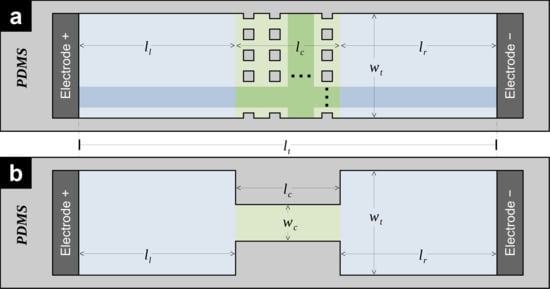
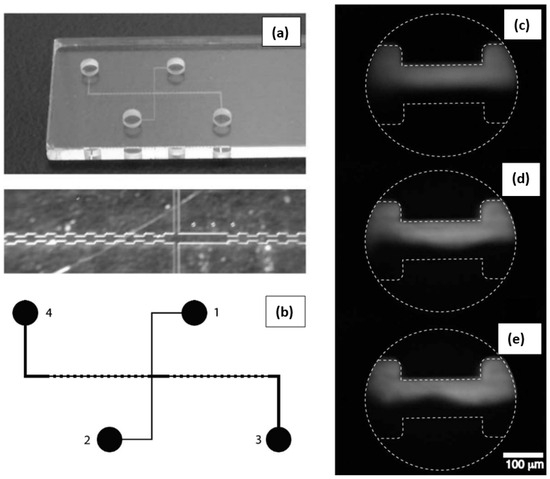
Predicting the electric field distribution inside microfluidic devices featuring an embedded array of electrical insulating pillars is critical for applications that require the electrokinetic manipulation of particles (e.g., bacteria, exosomes, microalgae, etc.). Regularly, these predictions are obtained from finite element method (FEM)-based software.
[...] Read more.
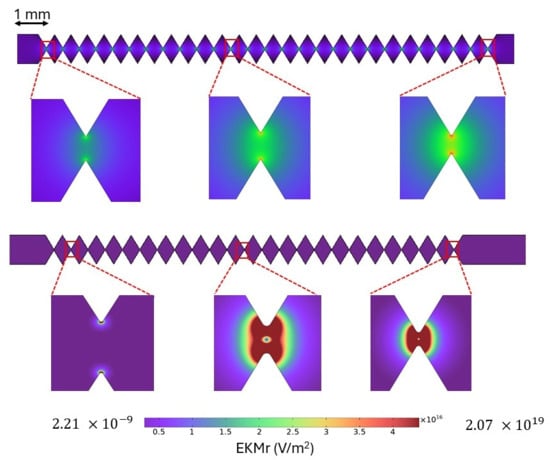
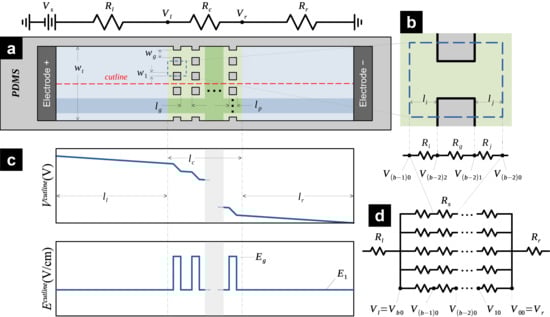
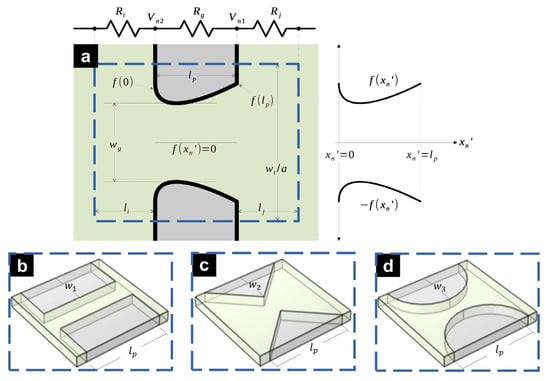
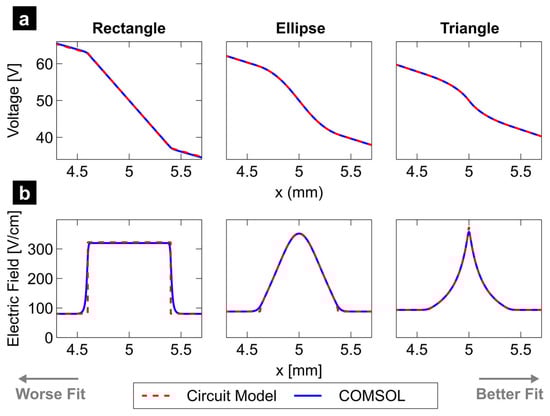
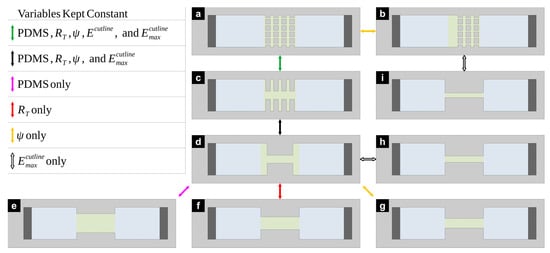
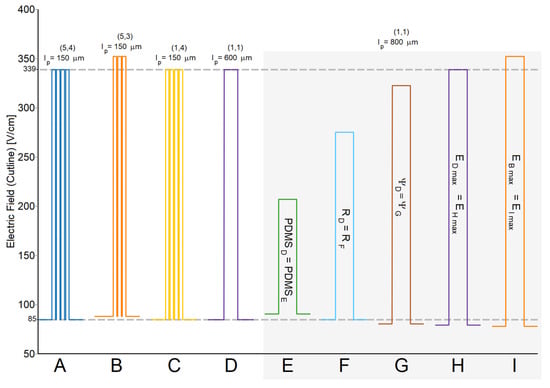
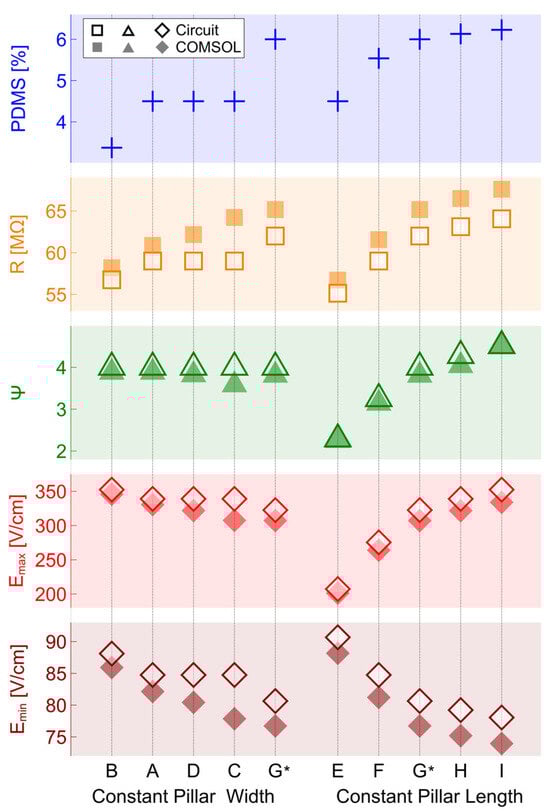
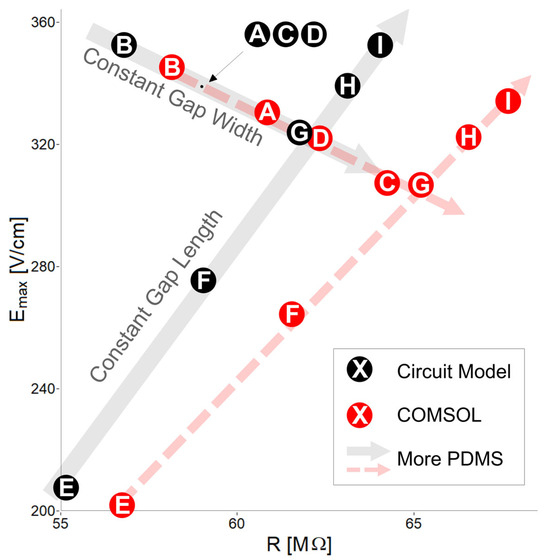
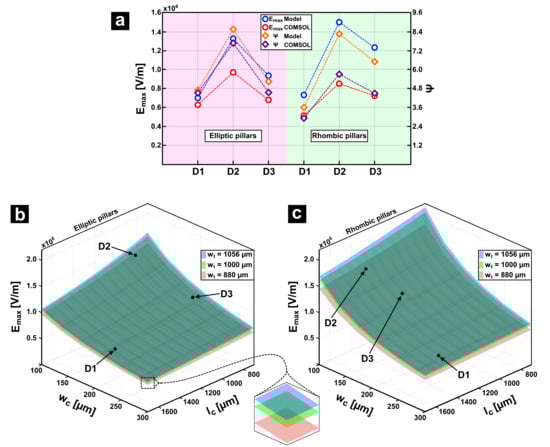
Predicting the electric field distribution inside microfluidic devices featuring an embedded array of electrical insulating pillars is critical for applications that require the electrokinetic manipulation of particles (e.g., bacteria, exosomes, microalgae, etc.). Regularly, these predictions are obtained from finite element method (FEM)-based software. This approach is costly, time-consuming, and cannot effortlessly reveal the dependency between the electric field distribution and the microchannel design. An alternative approach consists of analytically solving Laplace’s equation subject to specific boundary conditions. This path, although precise, is limited by the availability of suitable coordinate systems and can only solve for the simplest case of a single pair of pillars and not for a rectangular array of pillars. Herein, we propose and test the hypothesis that the electric field across a longitudinal path within the microchannel can be estimated from an electric circuit model of the microfluidic device. We demonstrate that this approach allows estimating the electric field for whatever pillar shape and array size. Estimations of the electric field extracted from a commercial FEM-based software were used to validate the model. Moreover, the circuit model effortlessly illustrates the relationships between the electric field and the geometrical parameters that define the microchannel design.
Full article
►▼
Show Figures
Open AccessArticle
Continuous Separation of Lithium Iron Phosphate and Graphite Microparticles via Coupled Electric and Magnetic Fields
by
Wenbo Liu, Xiaolei Chen, Pengfei Qi, Xiaomin Liu and Yan Wang
Cited by 1 | Viewed by 1117
Abstract
Driven by the growing demand for sustainable resource utilization, the recovery of valuable constituents from spent lithium-ion batteries (LIBs) has attracted considerable attention, whereas conventional recycling processes remain energy-intensive, inefficient, and environmentally detrimental. Herein, an efficient and environmentally benign separation strategy integrating dielectrophoresis
[...] Read more.
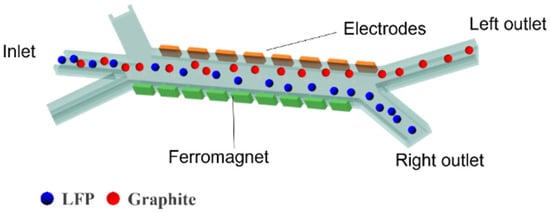
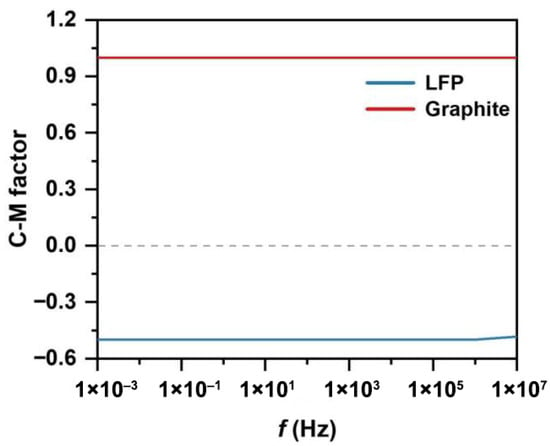
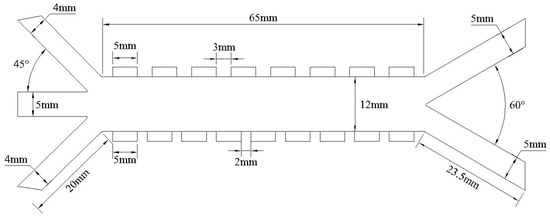
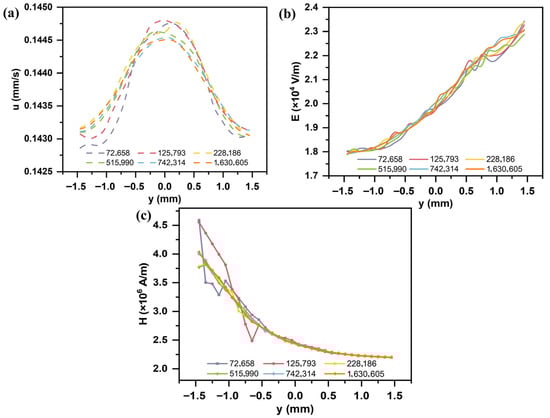
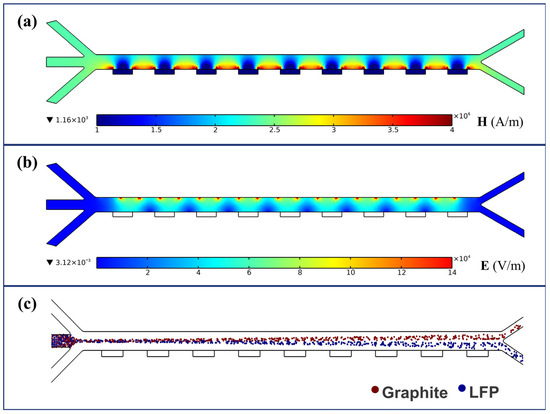
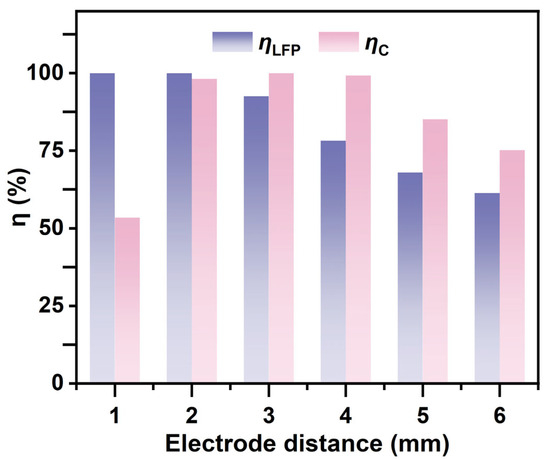
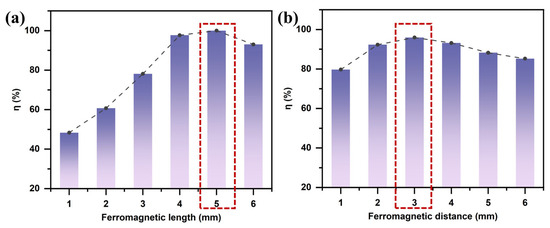
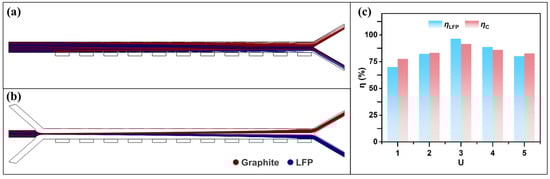
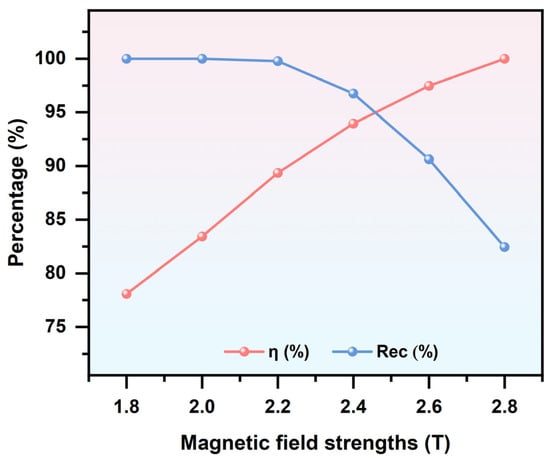
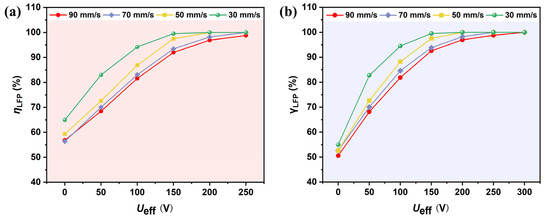
Driven by the growing demand for sustainable resource utilization, the recovery of valuable constituents from spent lithium-ion batteries (LIBs) has attracted considerable attention, whereas conventional recycling processes remain energy-intensive, inefficient, and environmentally detrimental. Herein, an efficient and environmentally benign separation strategy integrating dielectrophoresis (DEP) and magnetophoresis (MAP) is proposed for isolating the primary components of “black mass” from spent LIBs, i.e., lithium iron phosphate (LFP) and graphite microparticles. A coupled electric–magnetic–fluid dynamic model is established to predict particle motion behavior, and a custom-designed microparticle separator is developed for continuous LFP–graphite separation. Numerical simulations are performed to analyze microparticle trajectories under mutual effects of DEP and MAP and to evaluate the feasibility of binary separation. Structural optimization revealed that the optimal separator configuration comprised an electrode spacing of 2 mm and a ferromagnetic body length of 5 mm with 3 mm spacing. Additionally, a numerical study also found that an auxiliary flow velocity ratio of 3 resulted in the best particle focusing effect. Furthermore, the effects of key operational parameters, including electric and magnetic field strengths and flow velocity, on particle migration were systematically investigated. The findings revealed that these factors significantly enhanced the lateral migration disparity between LFP and graphite within the separation channel, thereby enabling complete separation of LFP particles with high purity and recovery under optimized conditions. Overall, this study provides a theoretical foundation for the development of high-performance and environmentally sustainable LIBs recovery technologies.
Full article
►▼
Show Figures
Open AccessArticle
Surface Porousization of Hard Carbon Anode Materials for Sodium-Ion Batteries
by
Qianhui Huang, Shunzhang You and Chenghao Yang
Cited by 12 | Viewed by 4873
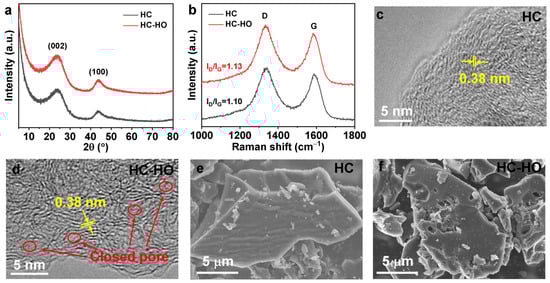
Abstract
Sodium-ion batteries (SIBs) have been considered as a promising alternative to lithium-ion batteries (LIBs) for large-scale energy storage. However, the commercial graphite anode is not suitable for SIBs due to its low Na
+ ion storage capability. Currently, hard carbon has been considered
[...] Read more.
Sodium-ion batteries (SIBs) have been considered as a promising alternative to lithium-ion batteries (LIBs) for large-scale energy storage. However, the commercial graphite anode is not suitable for SIBs due to its low Na
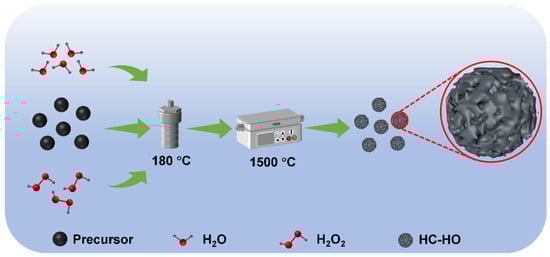
+ ion storage capability. Currently, hard carbon has been considered a promising anode material for SIBs. Herein, the surface porousized hard carbon anode materials have been prepared by using hydrogen peroxide (H
2O
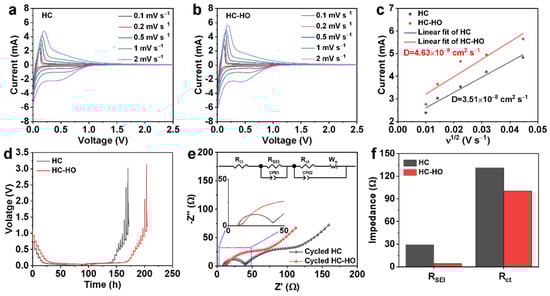
2) with a hydrothermal method (HC-HO) and utilized as the anode material for SIBs. The porous structure of HC-HO provides more storage space for Na
+ ions and enhances the intercalation/deintercalation reversibility and diffusion rate of Na
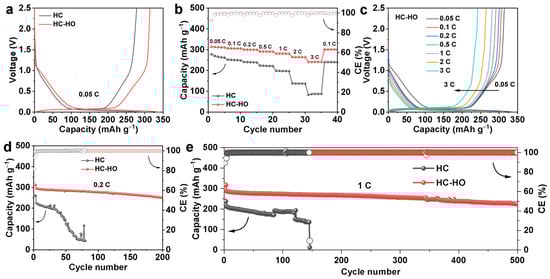
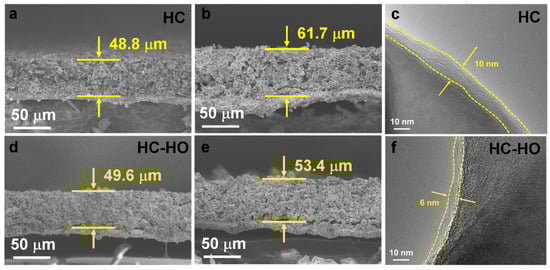
+ ions. Moreover, HC-HO can effectively alleviate the particle volume expansion and generate a thin and stable SEI film during charge/discharge processes. Thus, the HC-HO exhibits a high reversible capacity (314.4 mAh g
−1 with an ICE of 92.3% at 0.05 C), excellent rate performance (241.4 mAh g
−1 at 3 C), and outstanding cycling stability (a capacity retention of 78.6% after 500 cycles at 1 C). The preparation of porous hard carbon provides new ideas for the future development direction of hard carbon.
Full article
►▼
Show Figures
Open AccessReview
A Review on AC-Dielectrophoresis of Nanoparticles
by
Tonoy K. Mondal, Aaditya V. B. Bangaru and Stuart J. Williams
Cited by 13 | Viewed by 8233
Abstract
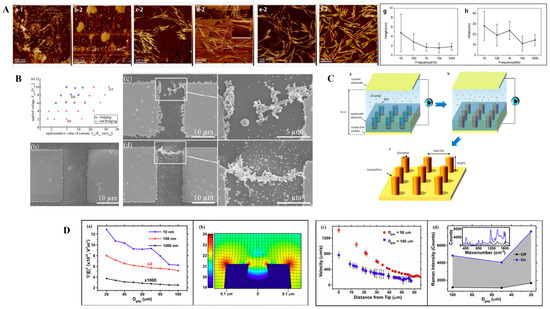
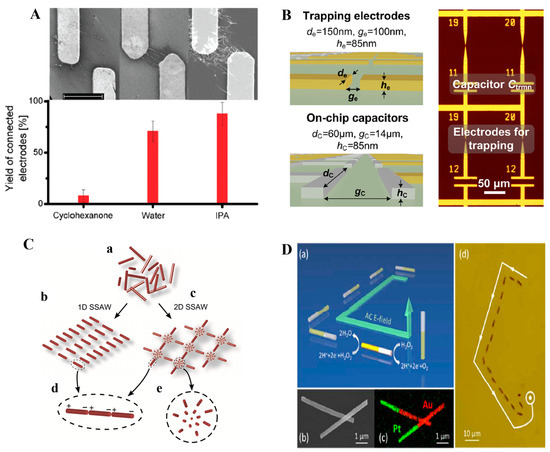
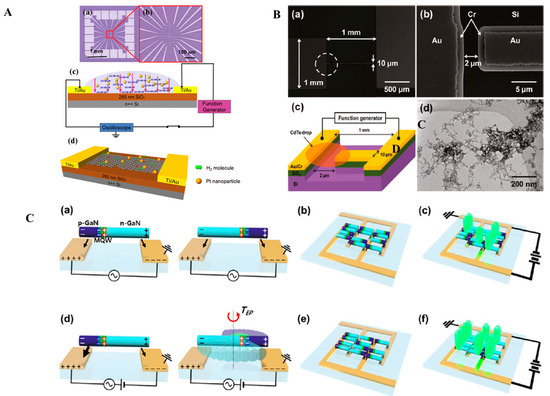
Dielectrophoresis at the nanoscale has gained significant attention in recent years as a low-cost, rapid, efficient, and label-free technique. This method holds great promise for various interdisciplinary applications related to micro- and nanoscience, including biosensors, microfluidics, and nanomachines. The innovation and development of
[...] Read more.
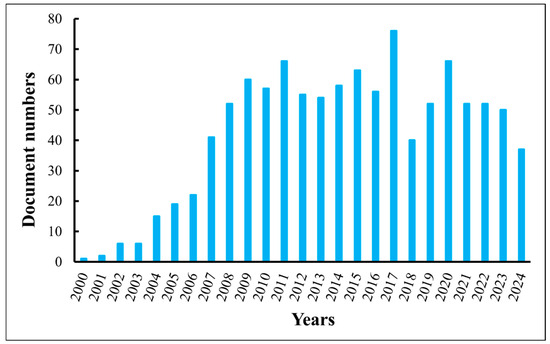
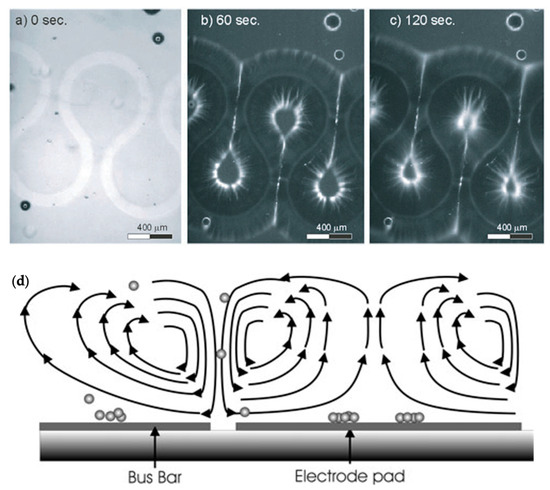
Dielectrophoresis at the nanoscale has gained significant attention in recent years as a low-cost, rapid, efficient, and label-free technique. This method holds great promise for various interdisciplinary applications related to micro- and nanoscience, including biosensors, microfluidics, and nanomachines. The innovation and development of such devices and platforms could promote wider applications in the field of nanotechnology. This review aims to provide an overview of recent developments and applications of nanoparticle dielectrophoresis, where at least one dimension of the geometry or the particles being manipulated is equal to or less than 100 nm. By offering a theoretical foundation to understand the processes and challenges that occur at the nanoscale—such as the need for high field gradients—this article presents a comprehensive overview of the advancements and applications of nanoparticle dielectrophoresis platforms over the past 15 years. This period has been characterized by significant progress, as well as persistent challenges in the manipulation and separation of nanoscale objects. As a foundation for future research, this review will help researchers explore new avenues and potential applications across various fields.
Full article
►▼
Show Figures
Open AccessEditor’s ChoiceReview
Electro-Elastic Instability and Turbulence in Electro-osmotic Flows of Viscoelastic Fluids: Current Status and Future Directions
by
Chandi Sasmal
Cited by 11 | Viewed by 2296
Abstract
The addition of even minute amounts of solid polymers, measured in parts per million (ppm), into a simple Newtonian fluid like water significantly alters the flow behavior of the resulting polymer solutions due to the introduction of fluid viscoelasticity. This viscoelastic behavior, which
[...] Read more.
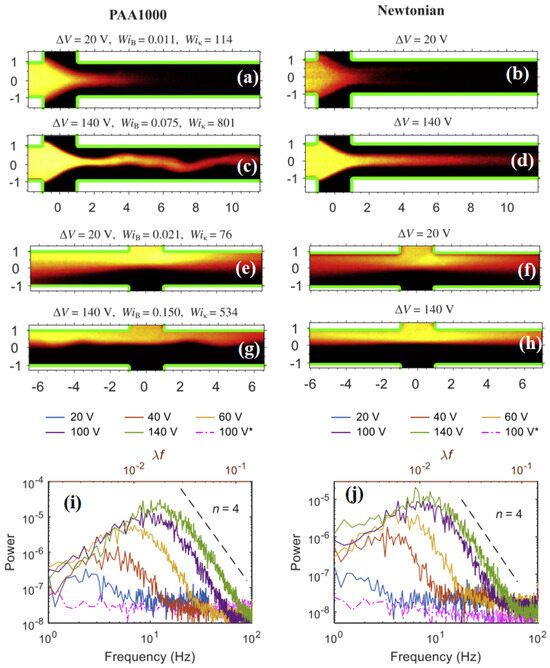
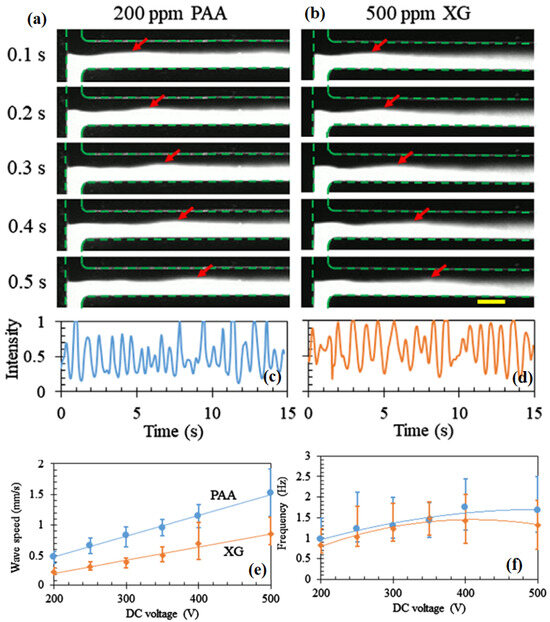
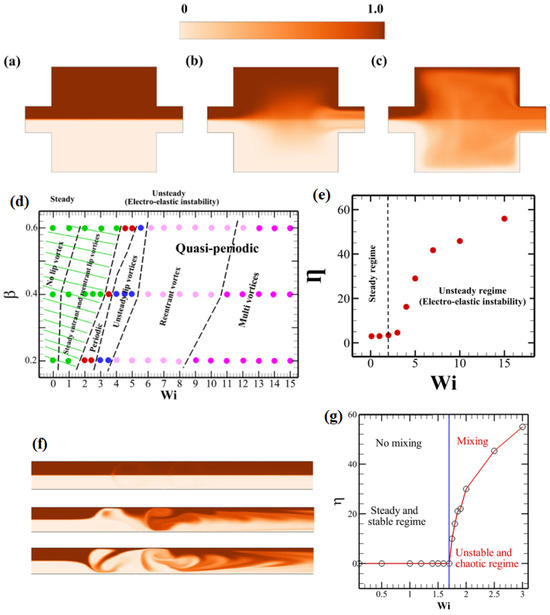
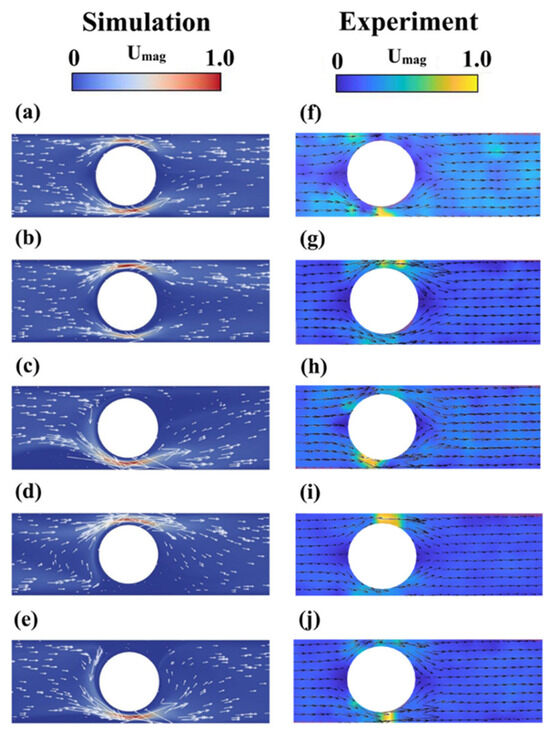
The addition of even minute amounts of solid polymers, measured in parts per million (ppm), into a simple Newtonian fluid like water significantly alters the flow behavior of the resulting polymer solutions due to the introduction of fluid viscoelasticity. This viscoelastic behavior, which arises due to the stretching and relaxation phenomena of polymer molecules, leads to complex flow dynamics that are starkly different from those seen in simple Newtonian fluids under the same conditions. In addition to polymer solutions, many other fluids, routinely used in various industries and our daily lives, exhibit viscoelastic properties, including emulsions; foams; suspensions; biological fluids such as blood, saliva, and cerebrospinal fluid; and suspensions of biomolecules like DNA and proteins. In various microfluidic platforms, these viscoelastic fluids are often transported using electro-osmotic flows (EOFs), where an electric field is applied to control fluid movement. This method provides more precise and accurate flow control compared to pressure-driven techniques. However, several experimental and numerical studies have shown that when either the applied electric field strength or the fluid elasticity exceeds a critical threshold, the flow in these viscoelastic fluids becomes unstable and asymmetric due to the development of electro-elastic instability (EEI). These instabilities are driven by the normal elastic stresses in viscoelastic fluids and are not observed in Newtonian fluids under the same conditions, where the flow remains steady and symmetric. As the electric field strength or fluid elasticity is further increased, these instabilities can transition into a more chaotic and turbulent-like flow state, referred to as electro-elastic turbulence (EET). This article comprehensively reviews the existing literature on these EEI and EET phenomena, summarizing key findings from both experimental and numerical studies. Additionally, this article presents a detailed discussion of future research directions, emphasizing the need for further investigations to fully understand and harness the potential of EEI and EET in various practical applications, particularly in microscale flow systems where better flow control and increased transport rates are essential.
Full article
►▼
Show Figures
Open AccessFeature PaperEditor’s ChoiceArticle
On-Chip DNA Assembly via Dielectrophoresis
by
Xichuan Rui, Lin-Sheng Wu and Xin Zhao
Viewed by 2048
Abstract
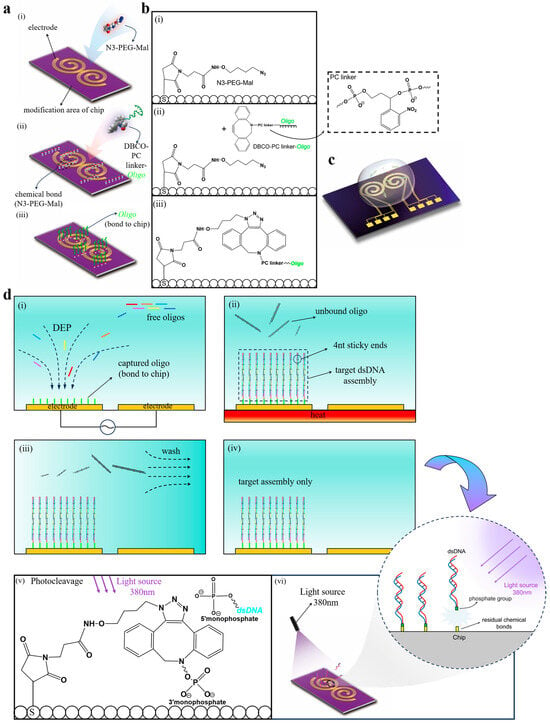
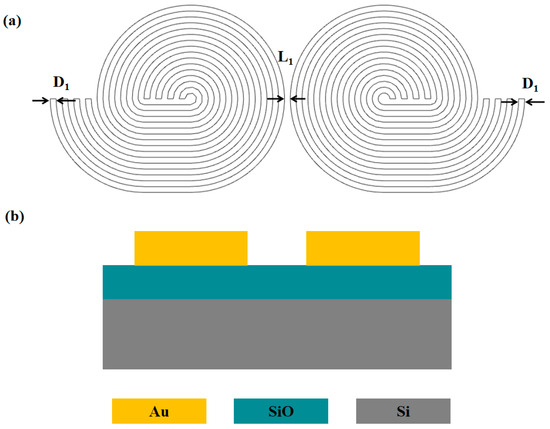
On-chip gene synthesis has the potential to improve the synthesis throughput and reduce the cost exponentially. While there exist several microarray-based oligo synthesis technologies, on-chip gene assembly has yet to be demonstrated. This work introduces a novel on-chip DNA assembly method via dielectrophoresis
[...] Read more.
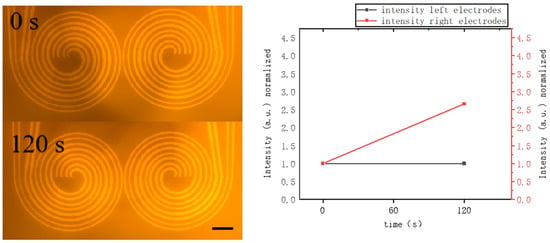
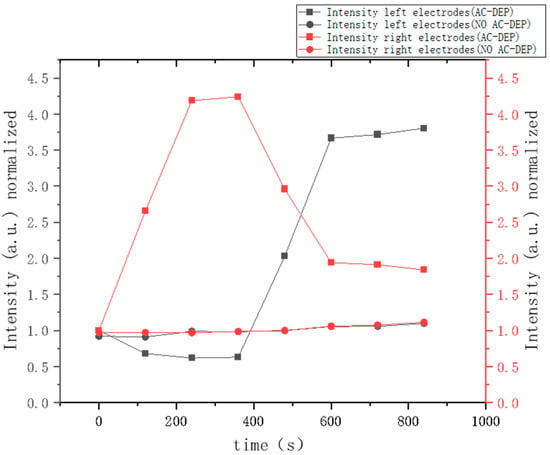
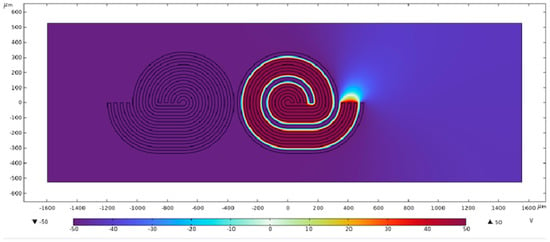
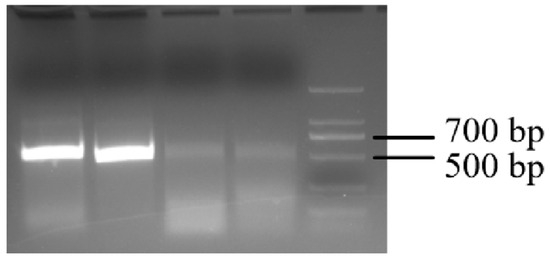
On-chip gene synthesis has the potential to improve the synthesis throughput and reduce the cost exponentially. While there exist several microarray-based oligo synthesis technologies, on-chip gene assembly has yet to be demonstrated. This work introduces a novel on-chip DNA assembly method via dielectrophoresis (DEP) that can potentially be integrated with microarray-based oligo synthesis on the same chip. Our DEP chip can selectively manipulate oligos and guide their movement without perturbing the surrounding fluid medium, thus aiding in DNA assembly. Helical forked electrode design has been optimized for compatibility with DEP, ensuring efficient control over target oligos. By applying an alternating current signal set at 2 MHz, we successfully achieve the desired directed movement of oligonucleotides. Additionally, chemical treatments combined with photoirradiation enabled the connection of complementary gene sequences and the subsequent release of single-stranded DNA products. Sequencing results validate the effective assembly of DNA fragments, approximately 500 base pairs in length, using our DEP device.
Full article
►▼
Show Figures
Open AccessReview
Constrained Volume Micro- and Nanoparticle Collection Methods in Microfluidic Systems
by
Tanner N. Wells, Holger Schmidt and Aaron R. Hawkins
Cited by 1 | Viewed by 3376
Abstract
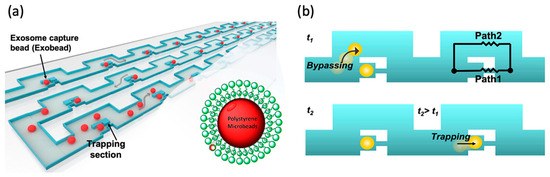
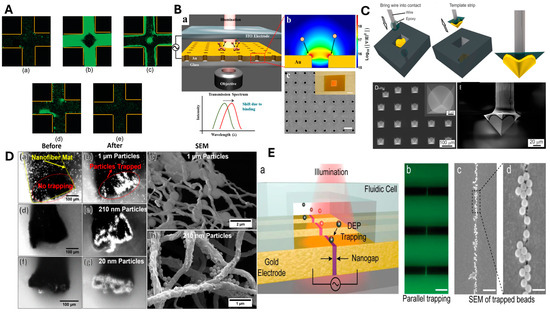
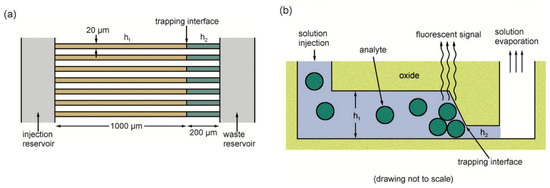
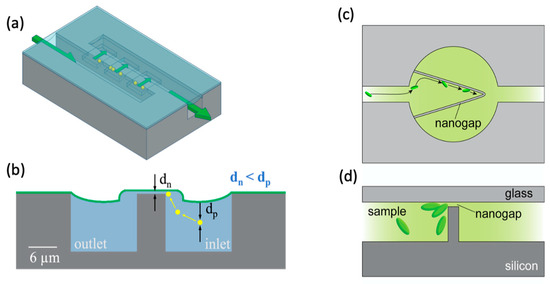
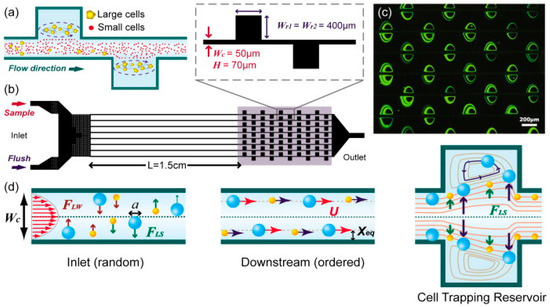
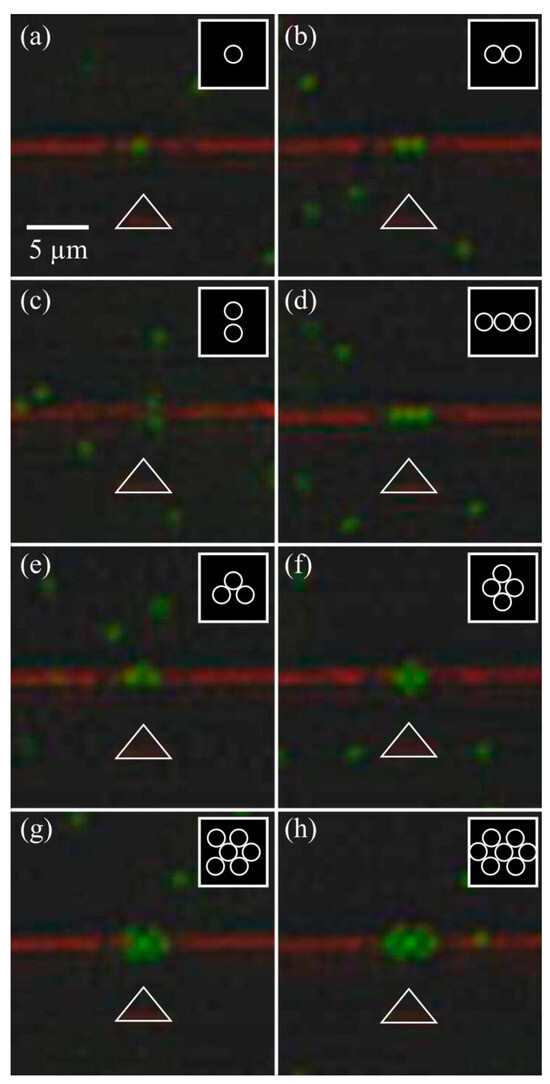
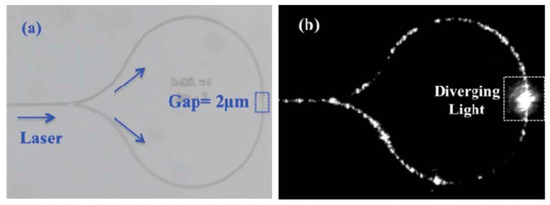
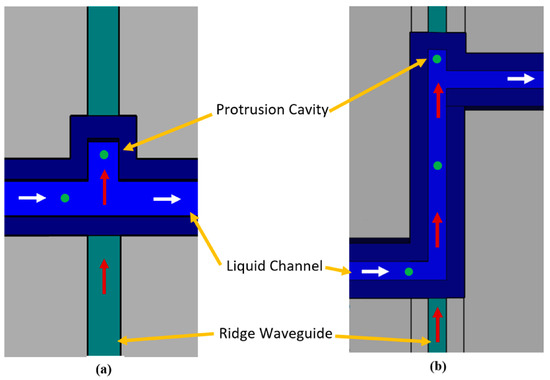
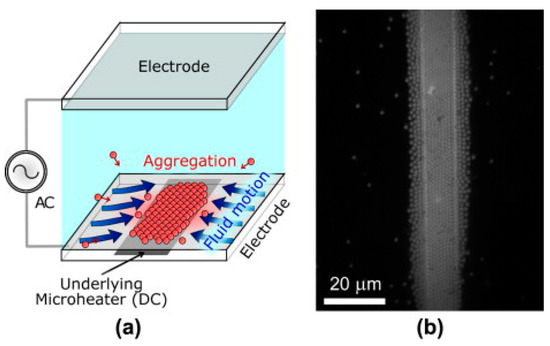
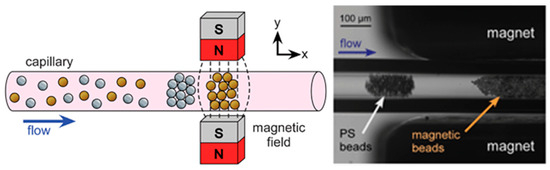
Particle trapping and enrichment into confined volumes can be useful in particle processing and analysis. This review is an evaluation of the methods used to trap and enrich particles into constrained volumes in microfluidic and nanofluidic systems. These methods include physical, optical, electrical,
[...] Read more.
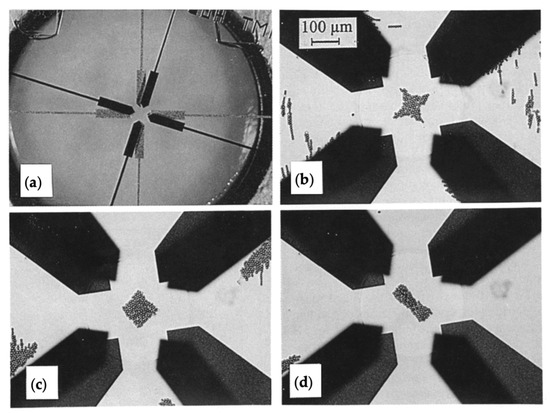
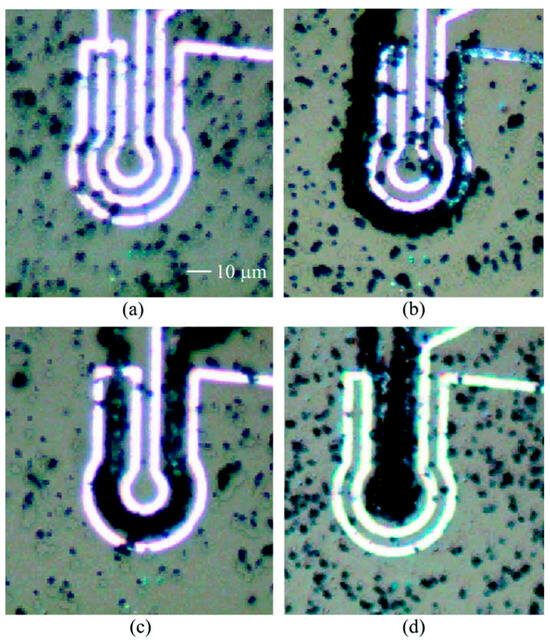
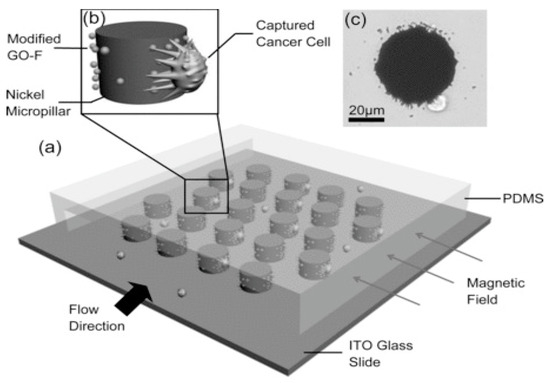
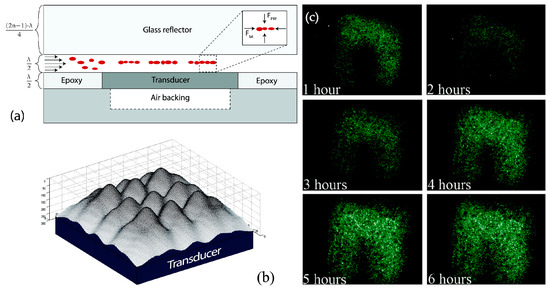
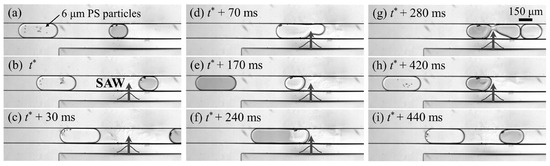
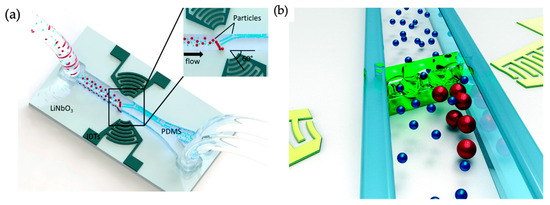
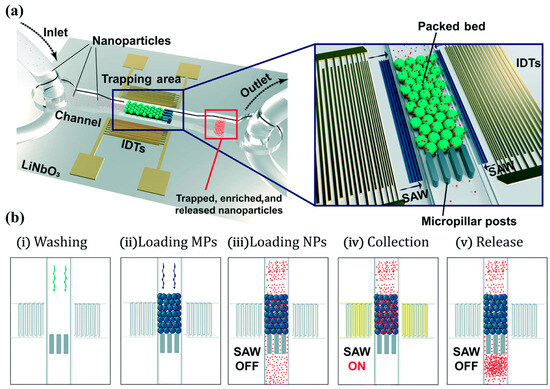
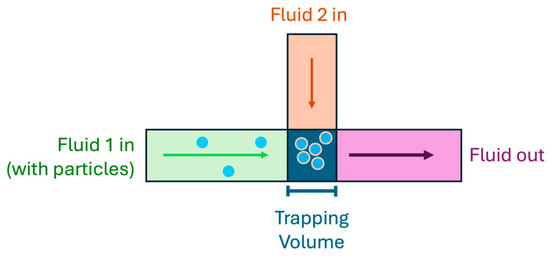
Particle trapping and enrichment into confined volumes can be useful in particle processing and analysis. This review is an evaluation of the methods used to trap and enrich particles into constrained volumes in microfluidic and nanofluidic systems. These methods include physical, optical, electrical, magnetic, acoustic, and some hybrid techniques, all capable of locally enhancing nano- and microparticle concentrations on a microscale. Some key qualitative and quantitative comparison points are also explored, illustrating the specific applicability and challenges of each method. A few applications of these types of particle trapping are also discussed, including enhancing biological and chemical sensors, particle washing techniques, and fluid medium exchange systems.
Full article
►▼
Show Figures
Open AccessArticle
Optimizing Optical Dielectrophoretic (ODEP) Performance: Position- and Size-Dependent Droplet Manipulation in an Open-Chamber Oil Medium
by
Md Aminul Islam and Sung-Yong Park
Cited by 4 | Viewed by 3156
Abstract
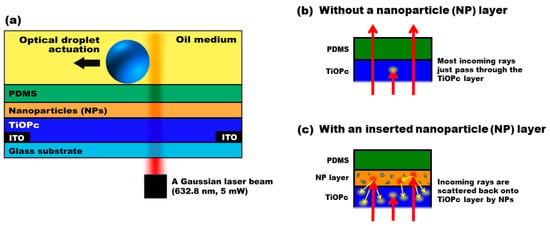
An optimization study is presented to enhance optical dielectrophoretic (ODEP) performance for effective manipulation of an oil-immersed droplet in the floating electrode optoelectronic tweezers (FEOET) device. This study focuses on understanding how the droplet’s position and size, relative to light illumination, affect the
[...] Read more.
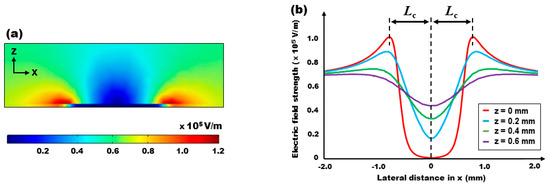
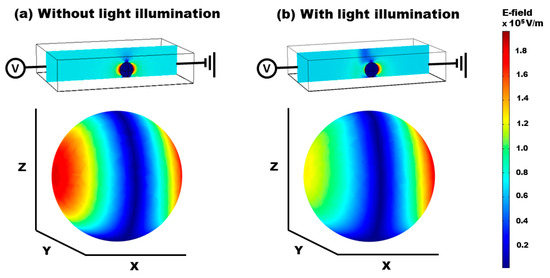
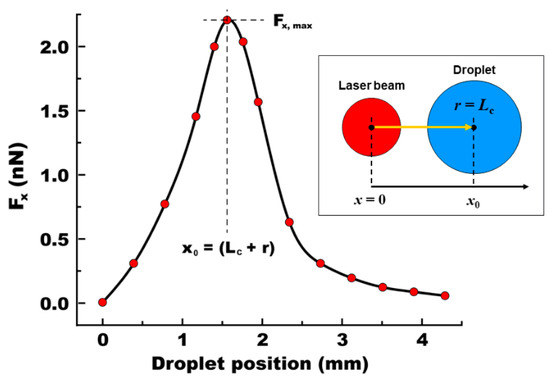
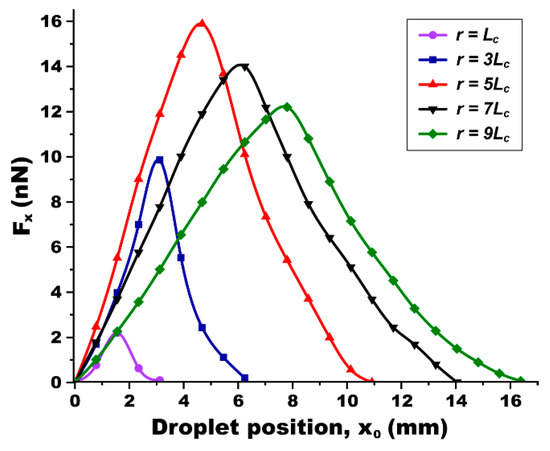
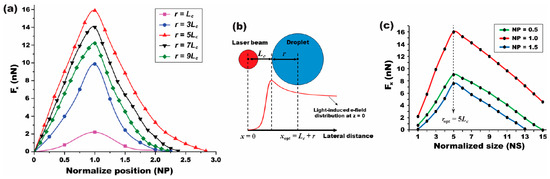
An optimization study is presented to enhance optical dielectrophoretic (ODEP) performance for effective manipulation of an oil-immersed droplet in the floating electrode optoelectronic tweezers (FEOET) device. This study focuses on understanding how the droplet’s position and size, relative to light illumination, affect the maximum ODEP force. Numerical simulations identified the characteristic length (
Lc) of the electric field as a pivotal factor, representing the location of peak field strength. Utilizing 3D finite element simulations, the ODEP force is calculated through the Maxwell stress tensor by integrating the electric field strength over the droplet’s surface and then analyzed as a function of the droplet’s position and size normalized to
Lc. Our findings reveal that the optimal position is
xopt= Lc+ r, (with
r being the droplet radius), while the optimal droplet size is
ropt = 5
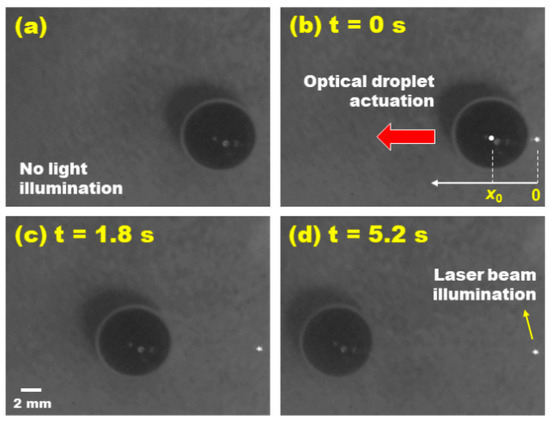
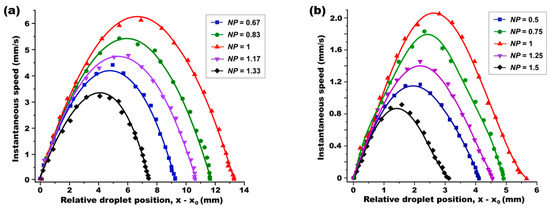
Lc, maximizing light-induced field perturbation around the droplet. Experimental validations involving the tracking of droplet dynamics corroborated these findings. Especially, a droplet sized at
r = 5
Lc demonstrated the greatest optical actuation by performing the longest travel distance of 13.5 mm with its highest moving speed of 6.15 mm/s, when it was initially positioned at
x0= Lc+ r = 6
Lc from the light’s center. These results align well with our simulations, confirming the criticality of both the position (
xopt) and size (
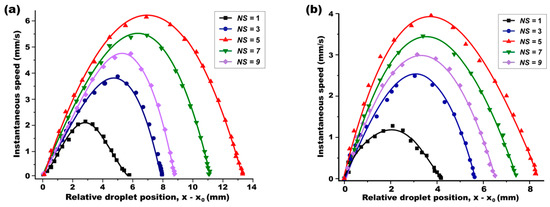
ropt) for maximizing ODEP force. This study not only provides a deeper understanding of the position- and size-dependent parameters for effective droplet manipulation in FEOET systems, but also advances the development of low-cost, disposable, lab-on-a-chip (LOC) devices for multiplexed biological and biochemical analyses.
Full article
►▼
Show Figures