

-
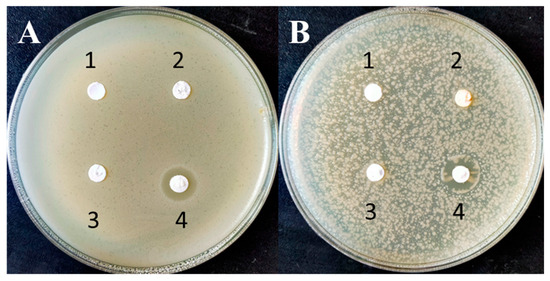
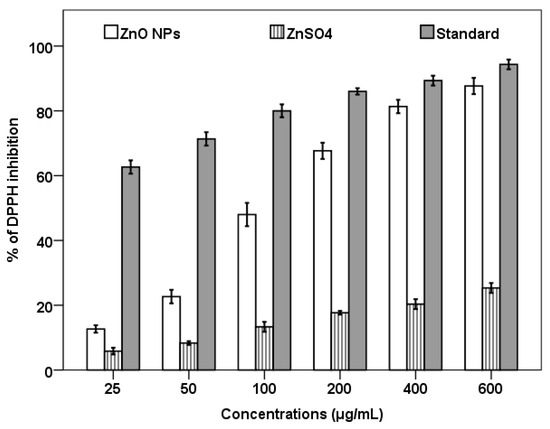
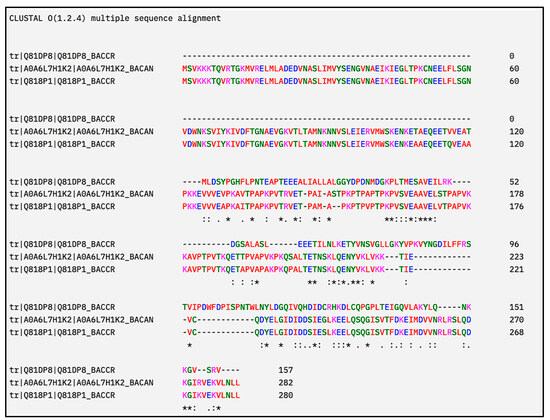
Genome Sequence and Characterization of Bacillus cereus Endophytes Isolated from the Alectra sessiliflora and Their Biotechnological Potential -
Evaluation of Antibiotic Resistance in Escherichia coli Isolated from a Watershed Section of Ameca River in Mexico -
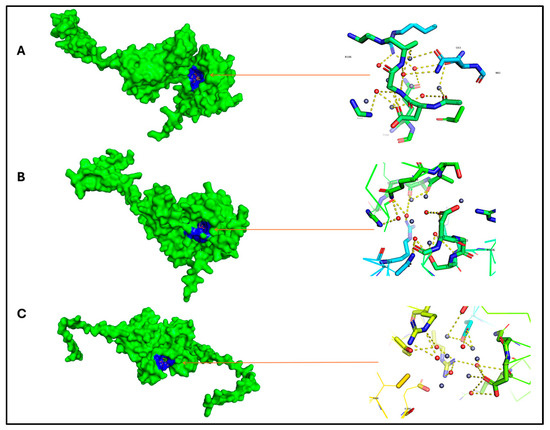
Oral Intake of Klebsiella oxytoca Disrupts Murine Intestinal Bacteriota and Anti-K. oxytoca Compound Baicalin by In Silico and In Vitro Analysis -
Fungal Functional Level to Describe Soil Fungal Composition at Mediterranean Vineyards
Journal Description
Microbiology Research
is an international, scientific, peer-reviewed open access journal published monthly online by MDPI (from Volume 11 Issue 2-2020).
- Open Access— free for readers, with article processing charges (APC) paid by authors or their institutions.
- High Visibility: indexed within Scopus, ESCI (Web of Science), Embase, and other databases.
- Rapid Publication: manuscripts are peer-reviewed and a first decision is provided to authors approximately 20.7 days after submission; acceptance to publication is undertaken in 2.9 days (median values for papers published in this journal in the first half of 2025).
- Recognition of Reviewers: APC discount vouchers, optional signed peer review, and reviewer names published annually in the journal.
Impact Factor:
2.2 (2024);
5-Year Impact Factor:
2.1 (2024)
Latest Articles
Molecular Networks Underlying Wheat Resistance and Susceptibility to Pyrenophora tritici-repentis
Microbiol. Res. 2025, 16(11), 242; https://doi.org/10.3390/microbiolres16110242 (registering DOI) - 15 Nov 2025
Abstract
►
Show Figures
Pyrenophora tritici-repentis (Ptr), the causal agent of tan spot, is a necrotrophic fungus that represents a significant threat to wheat production worldwide. The development of resistant cultivars is limited by an incomplete understanding of wheat defence responses against Ptr. Here,
[...] Read more.
Pyrenophora tritici-repentis (Ptr), the causal agent of tan spot, is a necrotrophic fungus that represents a significant threat to wheat production worldwide. The development of resistant cultivars is limited by an incomplete understanding of wheat defence responses against Ptr. Here, weighted gene co-expression network analysis (WGCNA) was applied to RNA-seq data from resistant (Robigus) and susceptible (Hereward) wheat lines before and after Ptr infection to identify coordinated host responses. Eight co-expression modules were identified, three of which were linked to either resistance, susceptibility, or Ptr infection. The resistance-associated module was enriched with chloroplast ribosomal machinery genes (e.g., 50S ribosome-binding GTPase, L28, L6), and transcriptional regulators. This suggested that maintaining chloroplast function, coupled with large-scale transcriptional reprogramming, was important for resistance. The susceptibility-associated module indicated the high expression of post-transcriptional modifiers, including SGS3, RBX1, and SENPs. The Ptr-responsive module showed common responses in both genotypes and included several defence-related genes (nucleotide-binding domain leucine-rich repeat R-genes [NLRs], chitinases, beta-1,3-glucanases) and metabolic pathways, such as phenylpropanoid biosynthesis and nitrogen metabolism (phenylpropanoid ammonia lyase [PAL], cytochrome P450s, glutamine synthase, and ammonium transporters). These results define distinct and shared molecular networks that are linked to resistance and susceptibility, providing valuable candidate genes for functional validation that could ultimately be exploited to enhance wheat resilience against necrotrophic fungal pathogens.
Full article
Open AccessReview
Gut Biome-Mediated Barriers to Nutrient Absorption: Investigating the Impact of Dysbiosis
by
Anna H. Sandhu and Arun Radhakrishnan
Microbiol. Res. 2025, 16(11), 241; https://doi.org/10.3390/microbiolres16110241 - 14 Nov 2025
Abstract
The gut microbiome is essential for nutrient absorption, immune function, and overall metabolic health. A balanced microbial community allows for the breakdown of carbohydrates, proteins, fats, vitamins, and minerals into maximally absorbed nutrients and provides protection against inflammation. Dysbiosis, or microbial imbalance, disrupts
[...] Read more.
The gut microbiome is essential for nutrient absorption, immune function, and overall metabolic health. A balanced microbial community allows for the breakdown of carbohydrates, proteins, fats, vitamins, and minerals into maximally absorbed nutrients and provides protection against inflammation. Dysbiosis, or microbial imbalance, disrupts these processes and leads to malabsorption, barrier dysfunction, and toxic metabolite production. These imbalances contribute to a wide variety of diseases, from obesity, diabetes, and cardiovascular disease to anemia, osteoporosis, and nervous system dysfunctions. Advances in sequencing, metabolomics, and functional assays have facilitated an enhanced understanding of the ecological and biochemical complexity of gut microbes. AI-based models are also providing new insights into personalized diet and therapeutic approaches. Through the redefinition of malnutrition and chronic disease within microbial ecology, science proves the potential for engineered probiotics, precision prebiotics, and gut-targeted therapies. These innovations hold the potential to improve global health and propel precision medicine in nutrition.
Full article
(This article belongs to the Topic Microbiota Diversity and Its Broader Biological Implications Across Human and Animal Health)
►▼
Show Figures

Figure 1
Open AccessArticle
Antimicrobial Resistance Patterns of Escherichia coli Isolates from Female Urinary Tract Infection Patients in Lebanon: An Age-Specific Analysis
by
Samara Hassan, Ghassan Ghssein, Zeina Kassem, Sema Alarab, Jana El Aris and Zeinab Ezzeddine
Microbiol. Res. 2025, 16(11), 240; https://doi.org/10.3390/microbiolres16110240 - 13 Nov 2025
Abstract
Urinary tract infections (UTIs) are a global health concern, with over 150 million cases annually, primarily caused by Escherichia coli. Due to anatomical differences, females, especially children and postmenopausal women, are four times more susceptible. Crucially, E. coli has developed widespread antimicrobial
[...] Read more.
Urinary tract infections (UTIs) are a global health concern, with over 150 million cases annually, primarily caused by Escherichia coli. Due to anatomical differences, females, especially children and postmenopausal women, are four times more susceptible. Crucially, E. coli has developed widespread antimicrobial resistance (AMR), including resistance to broad-spectrum agents and the emergence of Extended-Spectrum Beta-Lactamase (ESBL)-producing strains. This retrospective study analyzed hospital records from 95 female patients with positive urine cultures at Siblin Governmental Hospital in 2024. Patients were stratified into three age categories: children (≤18 years), adults (18–64 years) and elderly patients (>64 years). Statistical analysis using SPSS focused on descriptive resistance patterns and differences across age groups. Overall, cephalothin (85.7%) and cefaclor (78.49%) exhibited the highest resistance rates. Conversely, tigecycline (97.22%) and ertapenem (91.67%) showed the highest susceptibility. Resistance patterns varied significantly by age. For instance, elderly patients showed high resistance to agents like Augmentin (52.5%) and cefixime (66.1%), while the pediatric group (≤18 years) displayed exceptionally high resistance to cefixime (90.0%). E. coli isolates show high resistance to conventionally used antibiotics, complicating UTI treatment. These findings highlight the need for continuous local surveillance, particularly focusing on third-generation cephalosporins and beta-lactamase production. Ultimately, age is a critical factor that must be considered when determining empirical antibiotic therapy for UTIs.
Full article
(This article belongs to the Special Issue Host–Microbe Interactions in Health and Disease)
Open AccessArticle
Sensitive Detection of β-Carotene in Chromogenic and Non-Chromogenic Mycobacteria by HPLC-DAD and UHPLC-MS
by
Ana Milena Murillo, Juan David Zapata Serna, Verónica Gómez Tangarife, Jaime Alberto Robledo Restrepo and Luz Elena Botero
Microbiol. Res. 2025, 16(11), 239; https://doi.org/10.3390/microbiolres16110239 - 13 Nov 2025
Abstract
►▼
Show Figures
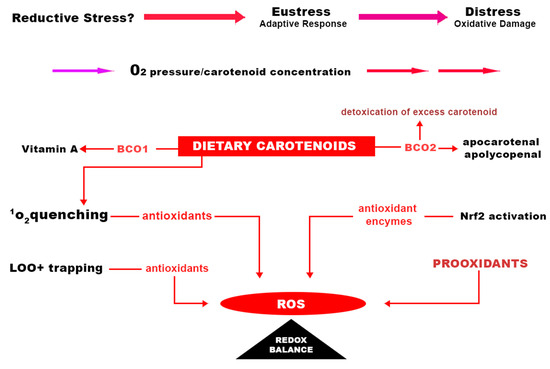
Carotenoid pigments are widely distributed in nature and play a crucial role in protecting organisms from photodynamic damage. However, the characterization of carotenoid production in clinically relevant mycobacteria has been limited due to the low sensitivity of conventional detection methods. We present a
[...] Read more.
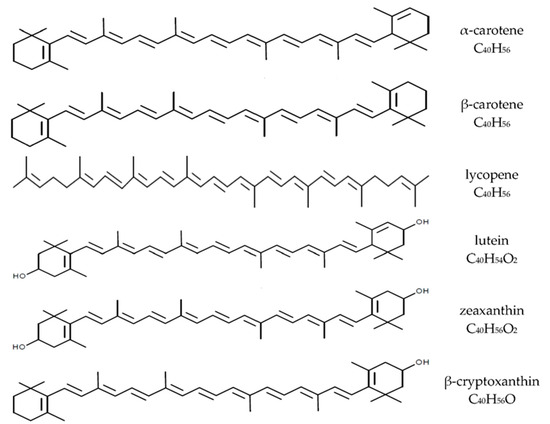
Carotenoid pigments are widely distributed in nature and play a crucial role in protecting organisms from photodynamic damage. However, the characterization of carotenoid production in clinically relevant mycobacteria has been limited due to the low sensitivity of conventional detection methods. We present a descriptive analysis of carotenoid production in seven mycobacterial isolates from the scotochromogenic, photochromogenic, and non-chromogenic groups. To achieve this, we used a combination of High-performance liquid chromatography with diode-array detection (HPLC-DAD) and Ultra-high performance liquid chromatography–mass spectrometry (UHPLC-MS) to detect carotenoids pigments. Mycobacterium tuberculosis (MTB) and Mycobacterium bovis (MB) (non-chromogenic mycobacteria) produced β-carotene when cultured in the absence of light, at levels comparable to those of photochromogenic mycobacteria such as M. marinum (MM) and M. kansasii (MK). The highest levels of carotenoids were found in scotochromogenic species M. avium (MAV) and M. gordonae (MGOR). Conversely, M. abscessus (MABS), a non-chromogenic species in which no β-carotene was detected, served as a negative control for matrix effects. As expected, the use of highly sensitive analytical techniques such as HPLC-DAD and UHPLC-MS significantly enhanced the detection of β-carotene compared to visual pigment assessment. These methods allowed the detection of basal β-carotene levels even in mycobacteria classified as non-chromogenic. The proposed analytical approach provides a robust research tool to understand the effects of different stimulus that may alter the cell physiology in terms of pigment production.
Full article

Figure 1
Open AccessArticle
Methanolic Extract of Moringa oleifera Seed Synergizes the Bactericidal Effect of Ampicillin, Cephalexin, and Amoxicillin/Clavulanic Acid Against Multidrug-Resistant Escherichia coli Isolated from Street-Vended Food
by
Daniela Mora-Coto, Pedro R. Moreno-Vélez, José Luna-Muñoz, José Jaime Jarero-Basulto, Anahi Pérez-Galicia, Samadhi Moreno-Campuzano and Miguel Angel Ontiveros-Torres
Microbiol. Res. 2025, 16(11), 238; https://doi.org/10.3390/microbiolres16110238 - 12 Nov 2025
Abstract
Background: Antibiotic drug resistance is a serious global health problem that threatens therapeutics against infectious diseases. As antibiotics become less effective every year, our objective was to evaluate the adjuvant activity of methanolic extracts of Moringa oleifera seed combined with antibiotics of clinical
[...] Read more.
Background: Antibiotic drug resistance is a serious global health problem that threatens therapeutics against infectious diseases. As antibiotics become less effective every year, our objective was to evaluate the adjuvant activity of methanolic extracts of Moringa oleifera seed combined with antibiotics of clinical use against multidrug-resistant Escherichia coli isolated from street food samples searching for a new alternative to treat infectious diseases commonly treated with antibiotics. Methods: Secondary metabolites of M. oleifera seeds were obtained through maceration (methanol 80%) and detected following qualitative phytochemical assays. MIC, MBC and tolerance level were determined using microdilution tests. Antimicrobial activity was tested by sensitivity analysis, and the adjuvant activity was explored in combination with twelve antibiotics against the E. coli samples. Results: Alkaloids, phenolic compounds, flavonoids, and polyphenols were detected. MIC and MBC values ranged from 31.3 to 62 mg/mL and 62–125 mg/mL, respectively. The extract showed low antimicrobial activity against the multidrug-resistant E. coli, but the inhibitory capacity of ampicillin, cephalexin, and amoxicillin/clavulanic acid was significantly increased when combined with the plant extract. In contrast, the activity of ciprofloxacin, levofloxacin, tetracycline, polymyxin, and nalidixic acid decreased with the extract. Conclusion: Methanolic extracts of M. oleifera seeds represent a potential adjuvant for beta-lactams in the face of the growing problem of global antimicrobial resistance. This study represents the first steps in exploring the adjuvant capacity of plants against resistant environmental pathogens in Mexico.
Full article
(This article belongs to the Topic Multidrug Resistance Across Pathogens: Fungi, Bacteria, Parasites, and Viruses)
►▼
Show Figures

Graphical abstract
Open AccessArticle
Exploration and Comparison of High-Throughput Sequencing Analysis of Endophytic Fungal Communities in Morinda tinctoria and Pithecellobium dulce
by
Michael Joe Xavier Sneha, Israel Mani, Myithili Thangavel, Senthuran Suresh Kumar, Pandy Rajapriya, Nagendraprabhu Ponnuraj and Mohan Pandi
Microbiol. Res. 2025, 16(11), 237; https://doi.org/10.3390/microbiolres16110237 - 12 Nov 2025
Abstract
►▼
Show Figures
Fungal endophytes can be identified in a wide range of plant species which help to protect from both abiotic and biotic stressors. This research focused on using high-throughput sequencing (HTS) analysis to gain insight into the foliar endophytic fungal diversity between Morinda tinctoria
[...] Read more.
Fungal endophytes can be identified in a wide range of plant species which help to protect from both abiotic and biotic stressors. This research focused on using high-throughput sequencing (HTS) analysis to gain insight into the foliar endophytic fungal diversity between Morinda tinctoria and Pithecellobium dulce. The study obtained a total of 118,547 sequencing reads, which were grouped into 266 Operational Taxonomic Units (OTUs) with a 97% similarity threshold. M. tinctoria had more OTUs than P. dulce. Alpha diversity results show that both plant species support varied microbial communities with similar but distinct biodiversity profiles. The Shannon index revealed that M. tinctoria had considerably more fungal diversity than P. dulce. The correlation matrix and PCoA depicts the pairwise correlations between several soil metrics such as the total nitrogen level, entire phosphorus, overall potassium, and the electrical conductivity, total carbon from organic matter, pH levels, manganese, iron, zinc, copper, and boron. The OTUs were classified into 5 phyla, 18 classes, 40 orders, 70 families, and 36 genera, where the phylum Ascomycota has a relative abundance of (50–55%), followed by Basidiomycota at (55–60%). The most abundant genera were Wallemia (30–35%), Saitozyma (30–40%), and Talaromyces (20–25%), with average relative abundances. Unassigned genera show a significant proportion of fungal taxa that are still taxonomically unclear. A comparative analysis has been performed between the two plants, M. tinctoria has a higher fungal diversity, which is frequently associated with increased ecological stability, disease resistance, and better functional relationships with the host plant.
Full article

Graphical abstract
Open AccessArticle
Vimentin Methylation as a Potential Screening Biomarker for Colorectal Cancer in HIV-Helminth Co-Infected Individuals
by
Botle Precious Damane, Shakeel Kader, Mohammed Alaouna, Pragalathan Naidoo, Zodwa Dlamini and Zilungile Lynette Mkhize-Kwitshana
Microbiol. Res. 2025, 16(11), 236; https://doi.org/10.3390/microbiolres16110236 - 11 Nov 2025
Abstract
Colonoscopy remains the gold standard for colorectal cancer (CRC) screening, but its invasiveness, cost, and limited availability in resource-constrained settings pose major barriers. Stool-based methylated DNA biomarkers, such as vimentin, offer sensitive, non-invasive alternatives. Given the high burden of HIV and helminth co-infections
[...] Read more.
Colonoscopy remains the gold standard for colorectal cancer (CRC) screening, but its invasiveness, cost, and limited availability in resource-constrained settings pose major barriers. Stool-based methylated DNA biomarkers, such as vimentin, offer sensitive, non-invasive alternatives. Given the high burden of HIV and helminth co-infections in sub-Saharan Africa and their potential contribution to cancer susceptibility, this study investigated whether stool-derived vimentin methylation could detect early oncogenic changes in these high-risk groups. In this retrospective cross-sectional study, archived stool samples from 62 South African adults were stratified into five groups: uninfected controls, HIV-infected only, helminth-infected only, HIV-helminth co-infected, and CRC-confirmed patients. DNA was extracted, bisulfite-converted, and analyzed for vimentin methylation using a high-resolution melt assay. Fecal occult blood testing (FOBT) was also performed. Vimentin methylation differed significantly across groups (p < 0.0001). CRC cases showed 90% methylation, confirming its role as a CRC biomarker. Interestingly, vimentin methylation frequencies were also observed in HIV-only (92.9%, p < 0.0001 vs. controls), helminth-only (93.3%, p < 0.0001), and HIV-helminth co-infected (77.9%, p < 0.0001) individuals without diagnosed cancer, compared to 10% in controls. Methylation levels in infected groups were not significantly different from CRC patients (all p > 0.05), suggesting infection-induced epigenetic changes of comparable magnitude to malignancy. To support these results, DNMT1–RG108 molecular docking (PDB 4WXX, Maestro 2025-3) demonstrated stable binding (GlideScore −6.285 kcal/mol; ΔG_bind −49.61 kcal/mol) via hydrogen bonding with Glu1266 and Asn1578 and π–π stacking with Phe1145, providing a mechanistic explanation for infection-driven vimentin methylation. No significant differences were found between infected groups. FOBT was positive in 83.3% of CRC cases, with only sporadic positives in infected groups. These findings provide novel evidence that chronic HIV and helminth infections are associated with vimentin promoter methylation at levels indistinguishable from CRC. This supports the hypothesis that persistent infection-driven inflammation promotes early epigenetic reprogramming toward oncogenesis. In high-burden African settings, stool-based methylation assays could serve as early diagnostic tools to identify at-risk individuals long before clinical disease manifests, enabling targeted surveillance and prevention.
Full article
(This article belongs to the Special Issue Host–Microbe Interactions in Health and Disease)
►▼
Show Figures

Figure 1
Open AccessArticle
Isolation and Characterization of Pseudomonas sp. YU44 as Microbial Pesticide for Crown Gall Disease in Grapevine and Rose
by
Chizuru Narushima, Yoshinao Aoki and Shunji Suzuki
Microbiol. Res. 2025, 16(11), 235; https://doi.org/10.3390/microbiolres16110235 - 9 Nov 2025
Abstract
►▼
Show Figures
Crown gall disease, caused by soil-borne bacterial pathogens, such as Allorhizobium vitis, poses a significant threat to grapevine cultivation in Japan, particularly under environmental conditions exacerbated by climate change. Effective chemical control options are limited, highlighting the need for sustainable biocontrol strategies.
[...] Read more.
Crown gall disease, caused by soil-borne bacterial pathogens, such as Allorhizobium vitis, poses a significant threat to grapevine cultivation in Japan, particularly under environmental conditions exacerbated by climate change. Effective chemical control options are limited, highlighting the need for sustainable biocontrol strategies. In this study, we screened a library of soil bacteria with known antagonistic activity against major grapevine fungal pathogens and identified Pseudomonas sp. strain YU44 as a broad-spectrum antagonist of crown gall pathogens A. vitis and Rhizobium radiobacter. In vitro assays demonstrated that YU44 inhibits the growth of both pathogens by secreting bioactive compounds. In vivo bioassays confirmed that pretreatment with YU44 significantly suppresses crown gall formation in grapevine and rose seedlings. Additionally, YU44 application to soil near the stem base reduces disease severity in grapevine seedlings, supporting its potential as a practical biocontrol agent. Although complete disease suppression is not achieved, YU44 represents a promising environmentally friendly alternative for integrated disease management because it can complement resistant rootstocks, sanitation practices, and cultivation methods. These findings highlight YU44’s potential as an adaptive management tool for crown gall disease in the face of climate change.
Full article

Figure 1
Open AccessCommunication
Ionic Liquid and NanoSuit® Methods Prevent Surface Alterations in the Probiotic Lacticaseibacillus paracasei Strain Shirota Caused by the Critical Point Drying Process on Field Emission Scanning Electron Microscopy
by
Minoru Ando, Chie Hata, Haruka Nishizaki, Masao Togao and Koji Kawakami
Microbiol. Res. 2025, 16(11), 234; https://doi.org/10.3390/microbiolres16110234 - 7 Nov 2025
Abstract
►▼
Show Figures
Field emission scanning electron microscopy (FE-SEM) may be used to visualize the surface morphology of samples that are permeable to electron beams, including biological samples. Probiotics attenuate host physiological functions and are characterized by their three-dimensional surface structures. In this study, we determined
[...] Read more.
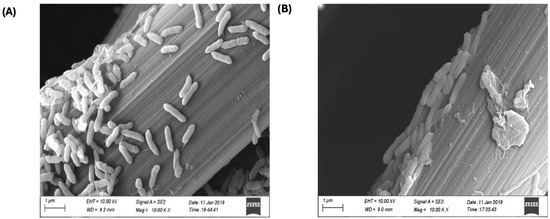
Field emission scanning electron microscopy (FE-SEM) may be used to visualize the surface morphology of samples that are permeable to electron beams, including biological samples. Probiotics attenuate host physiological functions and are characterized by their three-dimensional surface structures. In this study, we determined the effect of critical point drying (CPD) on FE-SEM observations of the surface of Lacticaseibacillus paracasei strain Shirota (LcS). We also assessed ionic liquid (IL), a non-volatile liquid salt that retains moisture, and NanoSuit®, which forms a protective polymer membrane around the sample, through FE-SEM observation of these probiotics. The results indicate that dehydration during CPD leads to reticular structures on the probiotic surface, potentially affecting the characteristics observed by FE-SEM. In addition, we examined IL and NanoSuit®, which do not involve dehydration. The initial examination involving optimal dilution using silica particles revealed that 5–10% IL and 5–20% NanoSuit® solutions maintained particle size consistency. We examined LcS specimens under these conditions and observed smooth surfaces, not reticulate structures. These results indicate that CPD affects LcS surface morphology, whereas the IL and NanoSuit® methods preserved it. This suggests their applicability for probiotic preparation before FE-SEM observations.
Full article
Figure 1
Open AccessReview
From Culture to Metagenomics: How Methodological Advances Reshape Our Understanding of the Oral Microbiota of Venomous Snakes
by
Stephany Young Yusty and Alexa Prescilla-Ledezma
Microbiol. Res. 2025, 16(11), 233; https://doi.org/10.3390/microbiolres16110233 - 3 Nov 2025
Abstract
►▼
Show Figures
Venomous snakes constitute ecologically significant and medically relevant organisms due to the risks associated with their bites, which frequently result in secondary infections. The oral microbiota of these reptiles plays a crucial role in the pathogenesis of such infections; however, its diversity and
[...] Read more.
Venomous snakes constitute ecologically significant and medically relevant organisms due to the risks associated with their bites, which frequently result in secondary infections. The oral microbiota of these reptiles plays a crucial role in the pathogenesis of such infections; however, its diversity and clinical implications remain insufficiently characterized. This is the first comprehensive review to systematically trace the methodological evolution in snake oral microbiota research, documenting the paradigm shift from traditional culture-dependent techniques to advanced culture-independent approaches, including next-generation sequencing and metagenomics. Our analysis uniquely demonstrates the transformative impact of these technological advances on bacterial diversity identification and antimicrobial resistance gene detection in venomous species. Environmental factors, captivity conditions, and venom composition significantly influence microbial community structure and resistance profiles. These intricate interactions are essential for improving clinical management of snakebite infections, informing empirical antibiotic therapy protocols, and guiding antivenom production strategies. Additionally, the potential of snake oral microbiota as a source of novel bioactive compounds represents an emerging area of bioprospecting research. This review uniquely bridges microbiology, venomics, and clinical medicine, demonstrating the necessity for integrative, multidisciplinary approaches to fully elucidate the ecological and biomedical significance of oral microbial communities in venomous snakes.
Full article
Figure 1
Open AccessArticle
Helicobacter pylori-Associated Infection: A Comprehensive Histopathological Analysis of Gastric Biopsies from Patients of Pakistan
by
Obaid Ullah, Hazir Rahman and Salma Ijaz
Microbiol. Res. 2025, 16(11), 232; https://doi.org/10.3390/microbiolres16110232 - 2 Nov 2025
Abstract
Helicobacter pylori is a gastric pathogen that induces chronic gastritis, which may progress to neutrophilic activity, glandular atrophy, intestinal metaplasia, and gastric carcinoma. The aim of this study was to evaluate H. pylori-induced tissue damage. A total of 602 gastric biopsy samples
[...] Read more.
Helicobacter pylori is a gastric pathogen that induces chronic gastritis, which may progress to neutrophilic activity, glandular atrophy, intestinal metaplasia, and gastric carcinoma. The aim of this study was to evaluate H. pylori-induced tissue damage. A total of 602 gastric biopsy samples were collected, categorized, and analyzed using hematoxylin and eosin and Giemsa staining, followed by molecular confirmation through PCR targeting the species-specific 16S rRNA gene. H. pylori density and histopathological features were evaluated and graded according to the updated Sydney classification system. H. pylori was detected in 55% (n = 334) of cases, and the antrum (50.83%, p < 0.00001) was the predominant site. A slightly higher prevalence was observed in females, accounting for 56.9% compared to males at 43.1%, which was attributed to sociocultural exposure differences. Individuals aged 11–40 years accounted for 58.3% (n = 195), highlighting early-age acquisition of infection. H. pylori infection was significantly linked to moderate-to-severe inflammation (63.2%, p < 0.00001) and neutrophilic activity (53.3%, p < 0.00001). Intestinal metaplasia and atrophy were infrequent, present in 0.6% (95% CI, 0.02, p = 0.149) and 0.9% (95% CI, 0.05, p = 0.430) of individuals. H. pylori infection causes chronic inflammation and neutrophilic infiltration of the stomach mucosa. Early identification and histopathological examination are essential in assessing H. pylori-related gastric pathology.
Full article
(This article belongs to the Special Issue Host–Microbe Interactions in Health and Disease)
►▼
Show Figures

Figure 1
Open AccessArticle
Diversity and Antimicrobial Resistance of Staphylococci Isolated from Healthy Dogs and Cats in Southern Brazil
by
Letícia da Silva, Tamiris Silva Lopes, Gustavo Brambatti, Aline de Barros Moyses, Leandro do Monte Ribas, Diéssy Kipper, André Felipe Streck and Vagner Ricardo Lunge
Microbiol. Res. 2025, 16(11), 231; https://doi.org/10.3390/microbiolres16110231 - 31 Oct 2025
Abstract
►▼
Show Figures
Staphylococcus spp. are potential pathogens classified into more than 50 species, frequently presenting antimicrobial resistance (AMR) to several drugs. The present study aimed to identify the Staphylococcus species and their AMR in staphylococci isolated from healthy companion animals (pets) in southern Brazil. A
[...] Read more.
Staphylococcus spp. are potential pathogens classified into more than 50 species, frequently presenting antimicrobial resistance (AMR) to several drugs. The present study aimed to identify the Staphylococcus species and their AMR in staphylococci isolated from healthy companion animals (pets) in southern Brazil. A total of 78 presumptive Staphylococcus sp. isolates (from 48 dogs and 30 cats) were obtained in a period of five years (2018–2022). All isolates were analyzed by Matrix-Assisted Laser Desorption/Ionization Time-of-Flight (MALDI-ToF) and tested with a panel of antimicrobials frequently used in pet treatment in Brazil. The results demonstrated that 68 isolates were identified as Staphylococcus spp., including 26 (38.2%) classified as coagulase-positive staphylococci (CoPS) and 42 (61.8%) as coagulase-negative staphylococci (CoNS). CoPS included S. pseudintermedius (n = 20; 29.4%), S. aureus (n = 3; 4.4%), and S. schleiferi (n = 2; 2.9%), while CoNS were S. equorum (n = 12; 17.6%), S. felis (n = 7; 10.3%), S. sciuri (n = 8; 11.8%), S. simulans (n = 4; 5.9%), S. epidermidis (n = 1; 1.5%), S. haemolyticus (n = 1; 1.5%), S. saprophyticus (n = 1; 1.5%), and S. xylosus (n = 1; 1.5%). The remaining eight isolates were identified as Staphylococcus spp. AMR analyses demonstrated that 17 (25%) isolates presented susceptibility to all tested drugs, and 51 (75%) to one or more antimicrobials. Twenty-four (35.6%) isolates were multidrug resistant (MDR), and 13 (19.1%) were methicillin-resistant staphylococci (MRS). S. pseudintermedius was the CoPS most frequently with AMR, including nine (45%) MDR and four (20%) MRS, while S. equorum was the predominant CoNS with AMR, highlighting nine (75%) MDR and four (33.3%) MRS. The Staphylococcus species diversity identified here highlights the importance of studying the microorganisms circulating in healthy companion animals and their characteristics concerning pathogenicity and AMR.
Full article
Figure 1
Open AccessArticle
Antibacterial Effect of Sapindus mukorossi Aqueous Extract in Human Saliva—A Pilot Translational Study with an Ex Vivo Model
by
Yu-Hsin Yang, Jing-Jie Yu, Wei-Min Chang, Haw-Ming Huang and Chin-Wei Wang
Microbiol. Res. 2025, 16(11), 230; https://doi.org/10.3390/microbiolres16110230 - 30 Oct 2025
Abstract
►▼
Show Figures
Sapindus mukorrosi (Sm) seeds have been used in Chinese medicine for treating gingival disease, suggesting that Sm may modulate oral bacteria and alleviate gingival inflammation. However, the hydrophobicity of seed oil limits its use in the aqueous oral environment. Therefore, the
[...] Read more.
Sapindus mukorrosi (Sm) seeds have been used in Chinese medicine for treating gingival disease, suggesting that Sm may modulate oral bacteria and alleviate gingival inflammation. However, the hydrophobicity of seed oil limits its use in the aqueous oral environment. Therefore, the artificial saliva-infused Sm seed aqueous extract (SMa) was developed and applied to our ex vivo model to test its anti-bacterial effect. Unstimulated whole saliva from seven patients with Stage III/IV, Grade C periodontitis was cultured for 8 h with or without SMa. The bacterial count was measured based on the optical density and bacterial DNA concentration. The salivary microbiome was sequenced via next-generation sequencing over the 16S rRNA gene V3-V4 hypervariable regions. The bacterial DNA concentration in the SMa group was significantly lower than the Without-SMa group after 6 to 8 h of culture. No significant difference in alpha and beta diversity was observed between the two groups. The relative abundance of Porphyromonas was reduced, while that of Veillonella was elevated in the SMa group compared to the Without-SMa group. The findings indicated that the antibacterial effects of SMa are manifested primarily through bacterial growth inhibition, with the minor modulation of specific taxa.
Full article
Figure 1
Open AccessArticle
Microbial and Chemical Contamination in Springs of Northern and Central Lithuania
by
Žaneta Maželienė, Giedrė Jarienė and Asta Aleksandravičienė
Microbiol. Res. 2025, 16(11), 229; https://doi.org/10.3390/microbiolres16110229 - 29 Oct 2025
Abstract
►▼
Show Figures
Groundwater springs are an important source of drinking water in Lithuania; however, they are highly sensitive to microbial and chemical contamination. The aim of this study was to assess microbial and chemical contamination in springs from different regions of Lithuania. Five springs were
[...] Read more.
Groundwater springs are an important source of drinking water in Lithuania; however, they are highly sensitive to microbial and chemical contamination. The aim of this study was to assess microbial and chemical contamination in springs from different regions of Lithuania. Five springs were analyzed: Kučgaliai, Smardonė, Salomėja and Žalsvoji (Biržai and Pasvalys districts, Northern Lithuania) and Svilė (Kelmė district, Central Lithuania). Water samples were collected four times a year—during spring, summer, autumn, and winter—and analyzed according to international standards. Chemical parameters included pH, nitrites, nitrates, chlorides, sulfates, and permanganate index, while microbiological analysis targeted Escherichia coli, Enterococcus spp., and coliform bacteria. The results revealed substantial differences between karst and groundwater-fed springs. Karst springs were more vulnerable to fluctuations in contamination, with Smardonė exhibiting extremely high sulfate concentrations and significant microbial loads. In contrast, Kučgaliai, although located in a karst region, was covered and protected, and its water fully complied with hygiene standards. Groundwater-fed springs showed less variability but were still affected by surface sources. The highest microbial contamination was recorded in autumn and winter, coinciding with increased rainfall and reduced dilution capacity.
Full article
Figure 1
Open AccessCommunication
Efficacy of an Indigenously Isolated Rice Field Methanotroph as a Potential Bio-Inoculant for Promoting Rice Plant Growth
by
Shubha Manvi, Kajal Pardhi, Shirish Kadam, Yash Kadam, Yukta Patil, Rahul A. Bahulikar and Monali C. Rahalkar
Microbiol. Res. 2025, 16(11), 228; https://doi.org/10.3390/microbiolres16110228 - 28 Oct 2025
Abstract
►▼
Show Figures
Methanotrophs offer promising avenues for sustainable agriculture and climate mitigation. This study evaluates the efficacy of indigenously isolated methanotrophs, particularly Methylomonas Kb3, as bioinoculants in rice cultivation. Kb3-treated plants exhibited early flowering, increased height, and a grain yield up to 17% higher than
[...] Read more.
Methanotrophs offer promising avenues for sustainable agriculture and climate mitigation. This study evaluates the efficacy of indigenously isolated methanotrophs, particularly Methylomonas Kb3, as bioinoculants in rice cultivation. Kb3-treated plants exhibited early flowering, increased height, and a grain yield up to 17% higher than that of untreated controls. A mixed inoculation of Methylomonas and Methylomagnum resulted in a 15% increase in yield, indicating limited synergistic benefit. The root-dipping method during transplantation proved to be a practical and scalable inoculation technique for farmers. Genomic analysis revealed that Methylomonas Kb3 harbours genes associated with nitrogen fixation and resistance to heavy metals and antibiotics, potentially underpinning its agronomic performance. Beyond yield enhancement, the application of methanotrophs may contribute to reduced methane emissions in flooded paddy systems, offering dual benefits for both productivity and environmental sustainability. These findings warrant multilocation trials to validate efficacy across diverse agro-climatic zones and support the development of climate-smart biofertilizer strategies.
Full article
Figure 1
Open AccessArticle
Ion Homeostasis, Osmotic Adjustment, and ROS Detoxification Underlie Pea Salinity Tolerance Induced by Pseudomonas putida RT12
by
Amir Abdullah Khan, Khulood Fahad Alabbosh, Kashif, Babar Iqbal, Sehrish Manan, Wardah A. Alhoqail, Dao-Lin Du and Yong-Feng Wang
Microbiol. Res. 2025, 16(11), 227; https://doi.org/10.3390/microbiolres16110227 - 23 Oct 2025
Abstract
►▼
Show Figures
In saline soil, legumes are restricted in their growth potential by osmotic stress, ion toxicity, and oxidative damage. We evaluated five halotolerant plant growth-promoting bacteria and selected Pseudomonas putida RT12 for its exceptional EPS production, tolerance to 600 mM NaCl, strong biofilm development,
[...] Read more.
In saline soil, legumes are restricted in their growth potential by osmotic stress, ion toxicity, and oxidative damage. We evaluated five halotolerant plant growth-promoting bacteria and selected Pseudomonas putida RT12 for its exceptional EPS production, tolerance to 600 mM NaCl, strong biofilm development, and plant growth-promoting traits (ACC-deaminase 2.86 µM·mg−1; IAA 144 µM·mL−1). RT12 was evaluated on two varieties of peas (peas2009 and 9800-10) with and without inoculation at 0, 75, and 150 mM NaCl concentrations. RT12 markedly protected growth under severe salinity: at 150 mM, shoot length rose to 23.13 cm (peas2009) and 17.44 cm (9800-10), in contrast to 11.18 cm and 12.32 cm in uninoculated specimens; root length and dry weight demonstrated comparable recovery (root length increased from 11.00 to 22.25 cm; dry weight of peas2009 from 0.15 to 0.17 and 0.41 to 0.71 g). RT12 sustained photosynthesis (total chlorophyll increased from 43.5 to 54.5), enhanced relative water content (to 94.1% and 97.2%), elevated osmolytes (total soluble proteins rose from 7.34 to 18.12 µg·g−1 FW; total soluble sugars increased from 19.1 to 41.3 mg·g−1 FW), and augmented antioxidant activities (catalase increased from 2.11 to 4.70; superoxide dismutase rose from 1.20 to 4.83; peroxidase increased from 0.08 to 0.18), while reducing malondialdehyde/hydrogen peroxide levels. RT12 was significant as it inhibited the accumulation of Na+ (from 23.95 to 16.32 mg·g−1 DW), elevated K+ levels (from 17.76 to 29.12 mg·g−1 DW), and restored the K+/Na+ ratio to normal (from 0.74 to 1.59) in inoculated plants compared to non-inoculated ones. A multivariate analysis linked growth protection to ionic homeostasis, osmotic control, and the detoxification of reactive oxygen species (ROS). RT12 is a promising bioinoculant for cultivating peas in saline-affected soils.
Full article
Graphical abstract
Open AccessReview
The Growing Antibiotic Resistance of Campylobacter Species: Is There Any Link with Climate Change?
by
Eleni V. Geladari, Dimitris Kounatidis, Evangelia Margellou, Apostolos Evangelopoulos, Edison Jahaj, Andreas Adamou, Vassilios Sevastianos, Charalampia V. Geladari and Natalia G. Vallianou
Microbiol. Res. 2025, 16(11), 226; https://doi.org/10.3390/microbiolres16110226 - 22 Oct 2025
Abstract
►▼
Show Figures
Campylobacter spp. remain among the most common pathogens causing acute diarrhea worldwide. Campylobacter jejuni and Campylobacter coli are the main species that cause gastroenteritis. Campylobacteriosis is a food-borne disease, although this Gram-negative bacterium may be transmitted via water-borne outbreaks as well as direct
[...] Read more.
Campylobacter spp. remain among the most common pathogens causing acute diarrhea worldwide. Campylobacter jejuni and Campylobacter coli are the main species that cause gastroenteritis. Campylobacteriosis is a food-borne disease, although this Gram-negative bacterium may be transmitted via water-borne outbreaks as well as direct contact with animals, emphasizing its zoonotic potential. Campylobacterisosis does not usually require hospitalization. Antimicrobials are warranted only for patients with severe disease, as well as patients who are at risk for severe disease, such as the elderly, pregnant women or immunocompromised patients. Nonetheless, the irrational use of antibiotics in human and veterinary medicine enhances antimicrobial resistance (AMR). Resistance of Campylobacter spp. to fluoroquinolones, macrolides and tetracyclines is a significant concern to the scientific community. Point mutations, horizontal gene transfer and efflux pumps are the main mechanisms for the development and transmission of AMR in Campylobacter spp. Emerging evidence suggests that climate change may indirectly contribute to the spread of AMR in Campylobacter, particularly through its influence on bacterial ecology, transmission pathways and antibiotic use patterns. Higher temperatures and extreme weather events accelerate bacterial growth, amplify the transfer of AMR genes and magnify disease transmission, including drug-resistant infections. Horizontal gene transfer, especially in the context of biofilm formation, may further perplex the situation. Excessive farming and overuse of antibiotics as growth promoters in animals may also contribute to increased AMR rates. Climate change and AMR are interconnected and pose a significant threat to global public health. Multidisciplinary strategies mitigating both phenomena are crucial in order to contain the spread of Campylobacter-related AMR. The aim of this review is to describe the molecular mechanisms that result in AMR of Campylobacter spp. and underscore the association between climate change and Campylobacteriosis. Novel methods to mitigate Campylobacter-related AMR will also be discussed.
Full article
Figure 1
Open AccessArticle
Isolation and Characterization of Microorganism Associated with Vanilla planifolia Produced in Different Production Systems in México
by
Dannia Fernanda Garrido-Fernández, Lorena Jaqueline Gómez-Godínez, Delfino Reyes-López, Carlos Hugo Avendaño-Arrazate, Ramón Ignacio Arteaga-Garibay, José Martín Ruvalcaba-Gómez, Carmela Hernández-Dominguez and Fernando López-Morales
Microbiol. Res. 2025, 16(11), 225; https://doi.org/10.3390/microbiolres16110225 - 22 Oct 2025
Abstract
The microbiota associated with Vanilla planifolia grown in three production systems in Puebla, México, was evaluated: shade cloth, cocuite, and acahual. Rhizosphere and soil samples were analyzed, from which bacteria, fungi, yeasts, and actinomycetes were isolated. The bacterial and actinomycete isolates were characterized
[...] Read more.
The microbiota associated with Vanilla planifolia grown in three production systems in Puebla, México, was evaluated: shade cloth, cocuite, and acahual. Rhizosphere and soil samples were analyzed, from which bacteria, fungi, yeasts, and actinomycetes were isolated. The bacterial and actinomycete isolates were characterized morphologically and biochemically, and their potential as growth promoters was evaluated. Morphological and microscopic characteristics identified the fungi. In parallel, agronomic variables were measured in five plants per system, and the data were analyzed using ANOVA and Tukey’s test (p ≤ 0.05). The results showed that the shade cloth favored a greater number of internodes, total leaves, and biomass, although with a higher incidence of diseased leaves. The cocuite presented intermediate values, while the acahual had lower leaf density but fewer leaf health problems. Microbial composition varied across systems, with potentially beneficial bacteria and actinomycetes, as well as both beneficial and pathogenic fungi, being prominent. These findings demonstrate the influence of the management system on the microbiota and health of V. planifolia, providing a basis for more sustainable production strategies for vanilla cultivation in Mexico.
Full article
(This article belongs to the Topic New Challenges on Plant–Microbe Interactions)
►▼
Show Figures

Figure 1
Open AccessArticle
Resolving Diaporthe Species Diversity Associated with Grapevine Propagation Material: An Emerging Threat to Grapevine Sustainability
by
Christos Tsoukas, Georgios Stavrianos and Epaminondas Paplomatas
Microbiol. Res. 2025, 16(11), 224; https://doi.org/10.3390/microbiolres16110224 - 22 Oct 2025
Abstract
►▼
Show Figures
The genus Diaporthe consists of saprobes, endophytes, and important plant pathogens. Members of this genus are widely distributed and have a broad host range, including grapevines. This study aimed to establish a baseline survey to assess the diversity of Diaporthe species infecting propagation
[...] Read more.
The genus Diaporthe consists of saprobes, endophytes, and important plant pathogens. Members of this genus are widely distributed and have a broad host range, including grapevines. This study aimed to establish a baseline survey to assess the diversity of Diaporthe species infecting propagation material and to explore their dynamics in disease development. Initially, a survey was conducted in a nursery field, and isolations were carried out from 2-month-old symptomatic grafted vines of cv. Agiorgitiko grafted onto rootstock Richter 110. The initial molecular identification of the isolated mycobiome at the genus level was carried out by sequencing the universal internal transcribed spacer (ITS) locus, while subsequent species-level identification of the Diaporthe isolates was performed through phylogenetic approaches coupled with morphological characterization. Based on the combined analysis, five phylogenetically distinct Diaporthe spp. were identified in this study, taxonomically assigned to D. ampelina, D. eres, D. foeniculina, D. serafiniae, and D. novem. Pathogenicity trials demonstrated that the most aggressive species were D. ampelina followed by D. eres, while the remaining species were classified as opportunistic or weak pathogens of grapevine. Overall, accurate identification and monitoring of Diaporthe species involved in propagation material infections are important in order to develop species-specific effective management strategies in grapevine nurseries.
Full article

Graphical abstract
Open AccessArticle
In Vitro Investigation of Traditional Medicine Recipes Used in Bukavu (DR-Congo) to Treat Trichophyton rubrum Dermatophytosis
by
Alexis Cizungu Murhula, Valérie De Glas, Eléa Denil and Yves Poumay
Microbiol. Res. 2025, 16(10), 223; https://doi.org/10.3390/microbiolres16100223 - 10 Oct 2025
Abstract
►▼
Show Figures
Twenty natural products used in traditional medicine to treat dermatophytosis were evaluated for their efficacy against Trichophyton rubrum, the most frequent dermatophyte infecting humans. For this purpose, aqueous and methanolic extracts were prepared from ash, honey, and plant organs as pure (100%)
[...] Read more.
Twenty natural products used in traditional medicine to treat dermatophytosis were evaluated for their efficacy against Trichophyton rubrum, the most frequent dermatophyte infecting humans. For this purpose, aqueous and methanolic extracts were prepared from ash, honey, and plant organs as pure (100%) or diluted (75%, 50%, 25%, 12.5%, 6.25%, 3.125%, and 1.56%) preparations. The extracts were then evaluated by incorporating them into a Sabouraud medium and seeding them with T. rubrum as a fungal culture. The results identify fourteen extracts as being able to completely inhibit T. rubrum growth through either fungistatic or fungicidal activity. The five extracts with the highest efficacy to inhibit T. rubrum growth were further analyzed for their potential to alter in vitro reconstructed human epidermis (RHE). An aqueous extract from Allium sativum produced no tissue alteration in RHE, unlike the extracts from Conyza sumatrensis, Rumex abyssinicus, or Pentas longiflora. The data suggest that preparations used in traditional medicine by rural population in South-Kivu (DR-Congo) might represent valid alternatives to fight dermatophytosis. However, they also illustrate that several preparations remain inefficient and that others may be detrimental to the epidermis. This work reveals that traditional preparations, although affordable and easily available, require an evaluation of their efficacy and safety.
Full article

Figure 1
Highly Accessed Articles
Latest Books
E-Mail Alert
News
Topics
Topic in
Applied Microbiology, Fermentation, Foods, Microbiology Research, Microorganisms
Fermented Food: Health and Benefit
Topic Editors: Niel Van Wyk, Alice VilelaDeadline: 31 December 2025
Topic in
Applied Microbiology, Microbiology Research, Microorganisms, IJMS, IJPB, Plants
New Challenges on Plant–Microbe Interactions
Topic Editors: Wenfeng Chen, Junjie ZhangDeadline: 31 January 2026
Topic in
Applied Microbiology, IJMS, Microbiology Research, Microorganisms, Veterinary Sciences, Applied Biosciences
Microbiota Diversity and Its Broader Biological Implications Across Human and Animal Health
Topic Editors: Giovanna Liguori, Luc van Nassauw, Anna CostagliolaDeadline: 30 April 2026
Topic in
Microorganisms, Pollutants, Processes, Sustainability, Recycling, Waste, Microbiology Research
The Role of Microorganisms in Waste Treatment
Topic Editors: Zuotao Zhang, Tan Chen, Bing ZhangDeadline: 31 May 2026
Special Issues
Special Issue in
Microbiology Research
Zoonotic Bacteria: Infection, Pathogenesis and Drugs—Second Edition
Guest Editors: Yang Wang, Shaohui WangDeadline: 30 December 2025
Special Issue in
Microbiology Research
Diagnostics and Molecular Epidemiology of Infectious Diseases in Veterinary Medicine
Guest Editor: Seyed Ali GhorashiDeadline: 31 December 2025
Special Issue in
Microbiology Research
Medically Relevant Fungi: Virulence Factors, and New Diagnostic and Treatment Approaches
Guest Editor: Hector M. Mora-MontesDeadline: 31 January 2026
Special Issue in
Microbiology Research
Unveiling the Hidden World: Diversity and Ecology of Cyanobacteria and Algae
Guest Editors: Slađana S. Popović, Olga JakovljevićDeadline: 31 January 2026
Topical Collections
Topical Collection in
Microbiology Research
Microbiology and Technology of Fermented Foods
Collection Editor: Salam A. Ibrahim
Topical Collection in
Microbiology Research
Public Health and Quality Aspects Related to Animal Productions
Collection Editors: Beniamino T. Cenci-Goga, Massimo Zerani
Topical Collection in
Microbiology Research
Microorganisms and Their Incredible Potential to Face Societal Challenges
Collection Editor: Mireille Fouillaud