


Journal Description
Journal of Sensor and Actuator Networks
is an international, peer-reviewed, open access journal on the science and technology of sensor and actuator networks, published bimonthly online by MDPI.
- Open Access— free for readers, with article processing charges (APC) paid by authors or their institutions.
- High Visibility: indexed within Scopus, ESCI (Web of Science), dblp, Inspec, and other databases.
- Journal Rank: JCR - Q2 (Computer Science, Information Systems) / CiteScore - Q1 (Control and Optimization)
- Rapid Publication: manuscripts are peer-reviewed and a first decision is provided to authors approximately 23.6 days after submission; acceptance to publication is undertaken in 3.8 days (median values for papers published in this journal in the second half of 2025).
- Recognition of Reviewers: reviewers who provide timely, thorough peer-review reports receive vouchers entitling them to a discount on the APC of their next publication in any MDPI journal, in appreciation of the work done.
- Journal Clusters of Network and Communications Technology: Future Internet, IoT, Telecom, Journal of Sensor and Actuator Networks, Network, Signals.
Impact Factor:
4.2 (2024);
5-Year Impact Factor:
3.7 (2024)
Latest Articles
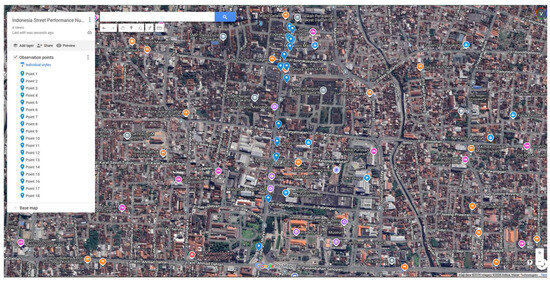
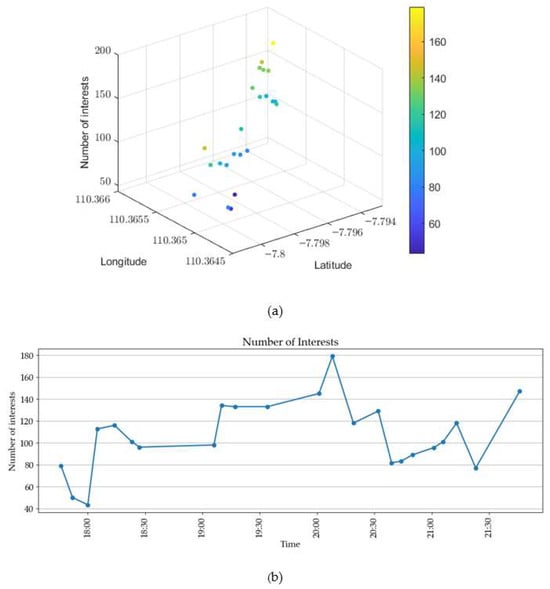
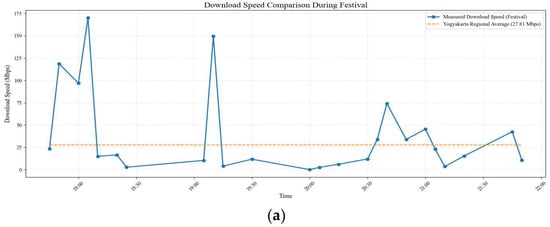
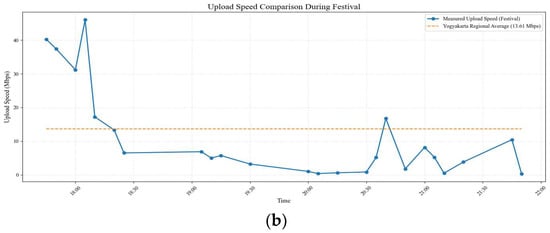
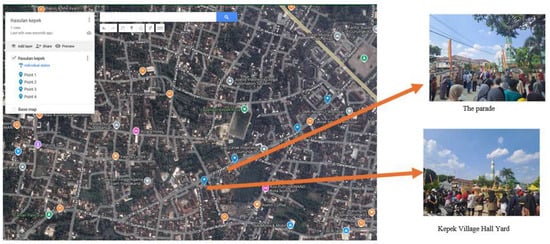
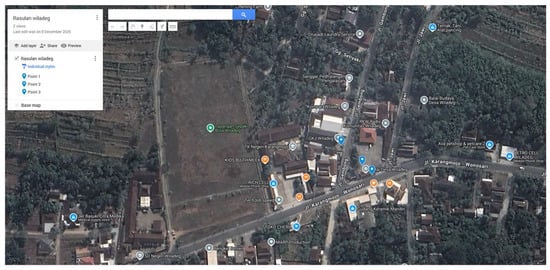
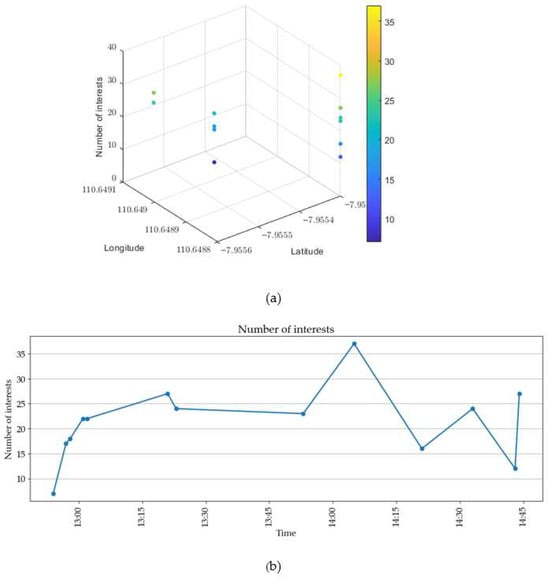
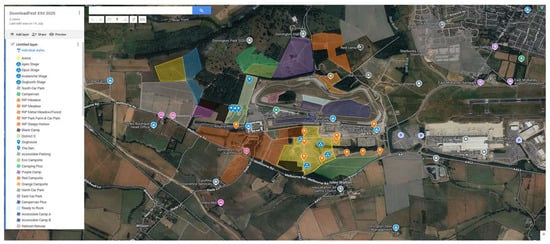
Next Generation Intelligent Mobile Edge Networks for Improving Service Provisioning in Indonesian Festivals
J. Sens. Actuator Netw. 2026, 15(1), 19; https://doi.org/10.3390/jsan15010019 - 6 Feb 2026
Abstract
Indonesia is a country of vast geographical and cultural diversity, hosting numerous cultural festivals annually, such as Sekaten, Labuhan, and the Lembah Baliem Festival. However, as the world’s largest archipelago country, Indonesia faces geographical challenges in terms of ensuring the reliability of communication
[...] Read more.
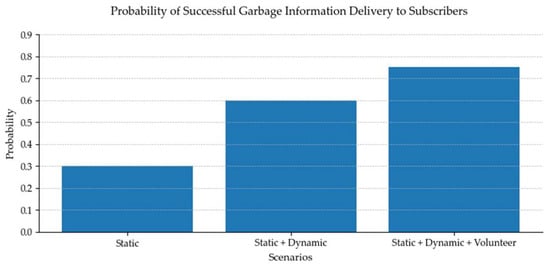
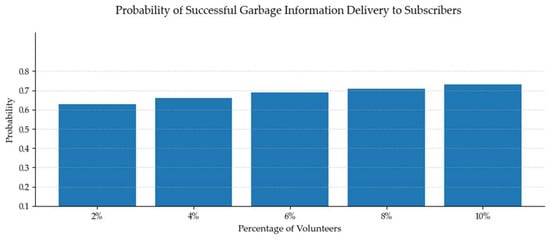
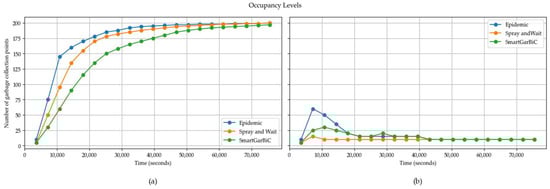
Indonesia is a country of vast geographical and cultural diversity, hosting numerous cultural festivals annually, such as Sekaten, Labuhan, and the Lembah Baliem Festival. However, as the world’s largest archipelago country, Indonesia faces geographical challenges in terms of ensuring the reliability of communication networks, particularly in maintaining user experience in high-density, short-duration traffic burst environments, such as festivals. The nation’s network connectivity relies heavily on satellite networks and Palapa Ring, a national fibre-optic backbone network that comprises a combination of inland and underwater networks, connecting major and remote islands to the global internet. Although this solution can provide a baseline for broadband connectivity, an adaptive intelligent mobile edge-based solution is needed to complement the existing network infrastructure in order to meet the dynamic demands of localised and transient traffic surges across multiple temporary, geographically dispersed festival sites in both urban and rural areas. In this paper, we present a multimodal study that combines network connectivity measurements during a festival with an extensive user analysis of festival participants and organisers to investigate reliability gaps in user experience regarding network connectivity. Our findings show that internet connectivity was intermittently disrupted during the festival, and our user analysis revealed a gap between customer expectations and perceptions of network service quality and the provision of application services in a heterogeneous festival environment. To address this challenge, we propose a novel next-generation intelligent festival mobile edge framework, MobiFest, which integrates the multi-layer Cognitive Cache which has geospatial–temporal edge intelligence for localised service provisioning to improve the delivery of application services in both urban and rural festival environments. In our extensive experiments, we employ smart garbage as our use case and demonstrate how our complex, multimodal intelligent network protocol SmartGarbiC, designed based on MobiFest for garbage management services, outperforms state-of-the-art and benchmark protocols.
Full article
(This article belongs to the Section Communications and Networking)
►
Show Figures
Open AccessArticle
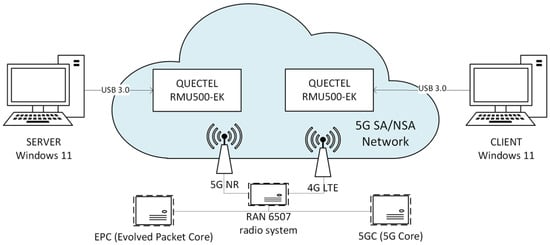
Performance Benchmarking of 5G SA and NSA Networks for Wireless Data Transfer
by
Miha Pipan, Marko Šimic and Niko Herakovič
J. Sens. Actuator Netw. 2026, 15(1), 18; https://doi.org/10.3390/jsan15010018 - 2 Feb 2026
Abstract
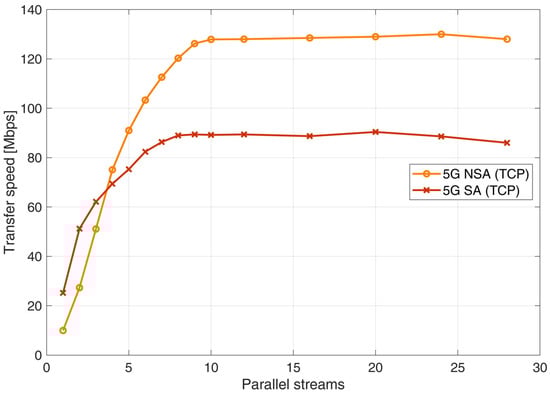
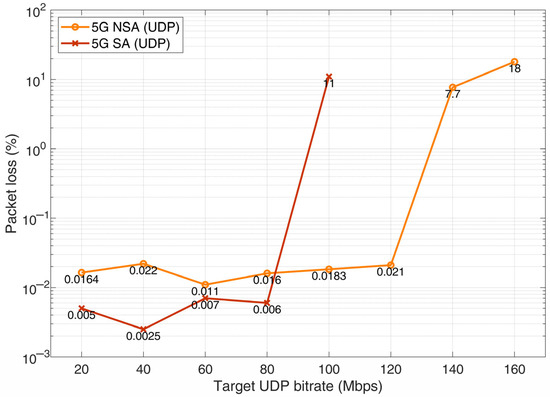
This paper presents test results of the performance comparison of 5G standalone (SA) and non-standalone (NSA) networks in the context of gathering data of remote sensors and machines. The study evaluates key network characteristics such as latency, throughput, jitter and packet loss (for
[...] Read more.
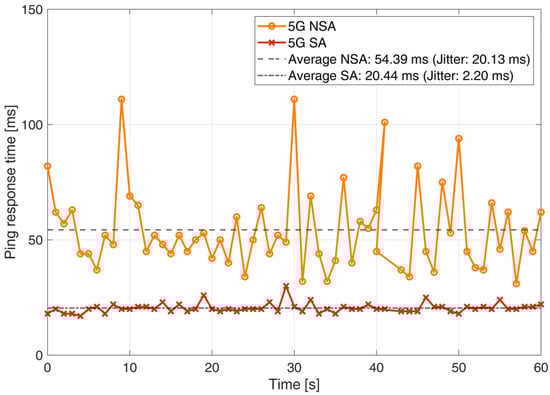
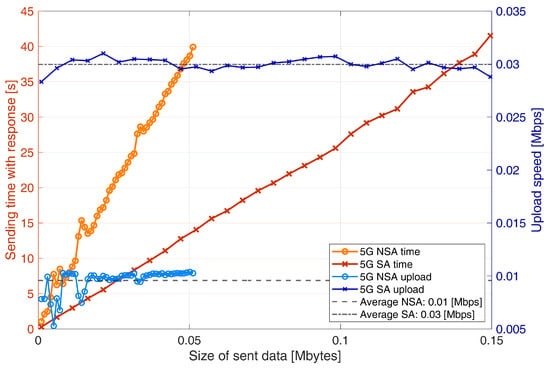
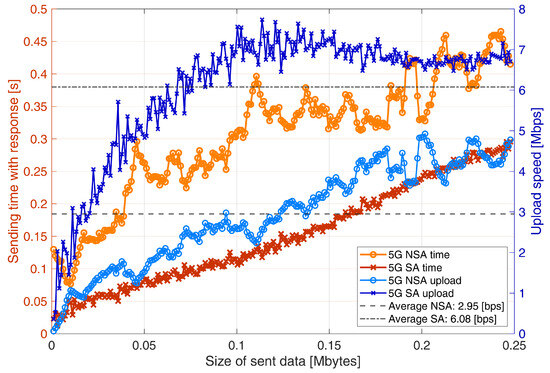
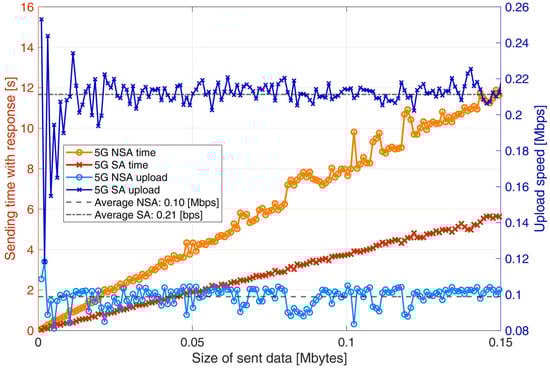
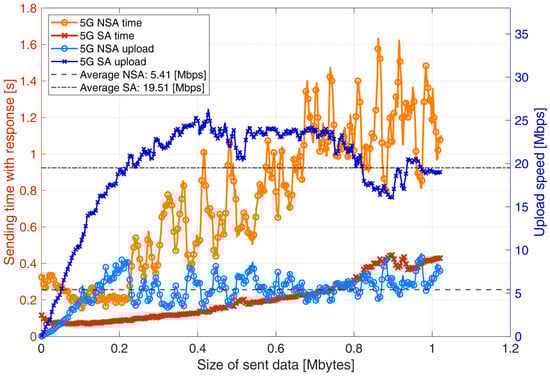
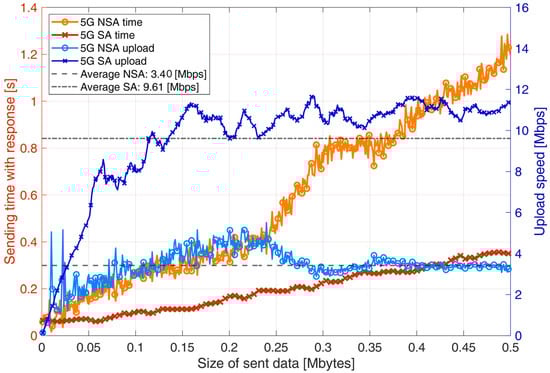
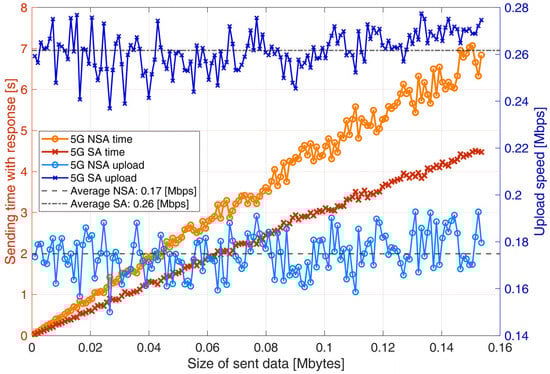
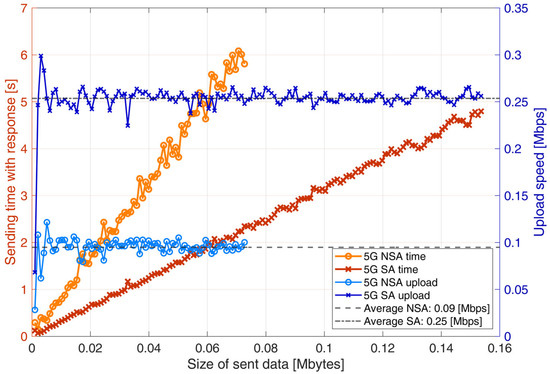
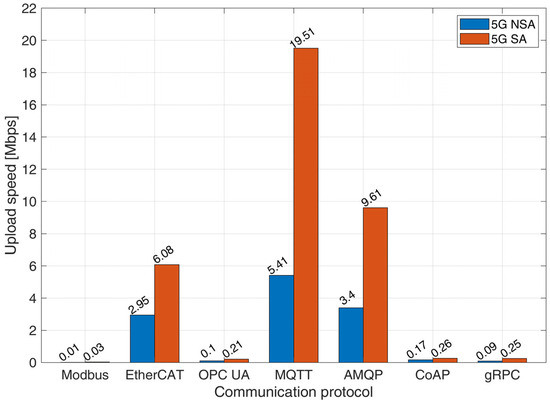
This paper presents test results of the performance comparison of 5G standalone (SA) and non-standalone (NSA) networks in the context of gathering data of remote sensors and machines. The study evaluates key network characteristics such as latency, throughput, jitter and packet loss (for UDP protocol only) using standardized tests to gain insights into the impact of these factors on real-time and data-intensive communication. In addition, a range of communication protocols including OPC UA, Modbus, MQTT, AMQP, CoAP, EtherCAT and gRPC were tested to assess their efficiency, scalability and suitability with different send data sizes. By conducting experiments in a controlled hardware environment, we have analyzed the impact of the 5G architecture on protocol behavior and measured the transmission performance at different data sizes and connection configurations. Particular attention is paid to protocol overhead, data transfer rates and responsiveness, which are crucial for industrial automation and IoT deployments. The results show that SA networks consistently offer lower latency and more stable performance, where robust and low-latency data transfer is essential. In contrast, lightweight IoT protocols such as MQTT and CoAP demonstrate reliable operation in both SA and NSA environments due to their low overhead and adaptability. These insights are equally important for time-critical industrial protocols such as EtherCAT and OPC UA, where stability and responsiveness are crucial for automation and control. The study highlights current limitations of 5G networks in supporting both remote sensing and industrial use cases, while providing guidance for selecting the most suitable communication protocols depending on network infrastructure and application requirements. Moreover, the results indicate directions for configuring and optimizing future 5G networks to better meet the demands of remote sensing systems and Industry 4.0 environments.
Full article
(This article belongs to the Section Communications and Networking)
►▼
Show Figures

Figure 1
Open AccessArticle
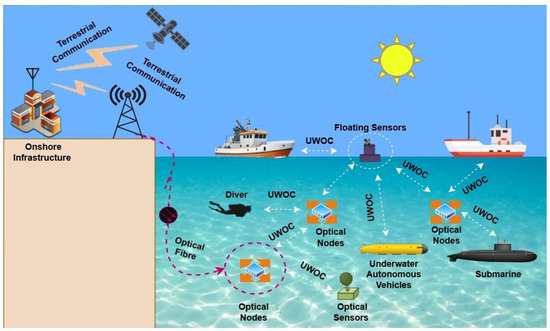
Mitigating Salinity Effects in UWOC Using Integrated Polarization-Multiplexed MIMO Architecture
by
Sushank Chaudhary
J. Sens. Actuator Netw. 2026, 15(1), 17; https://doi.org/10.3390/jsan15010017 - 2 Feb 2026
Abstract
►▼
Show Figures
Underwater wireless optical communication (UWOC) has emerged as a key enabler for Internet of Underwater Things (IoUT) and autonomous sensing networks, but its reliability is severely affected by salinity-induced attenuation, scattering, and turbulence. This work presents a high-speed and salinity-resilient UWOC architecture that
[...] Read more.
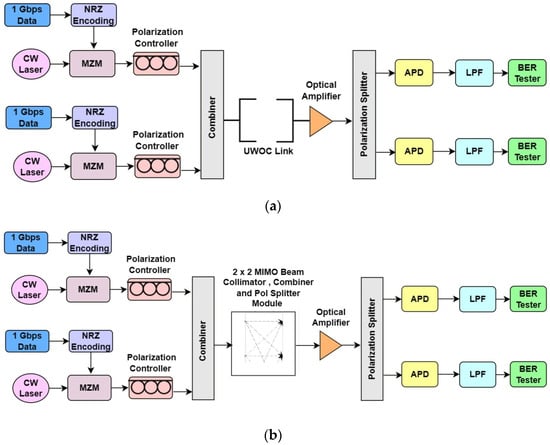
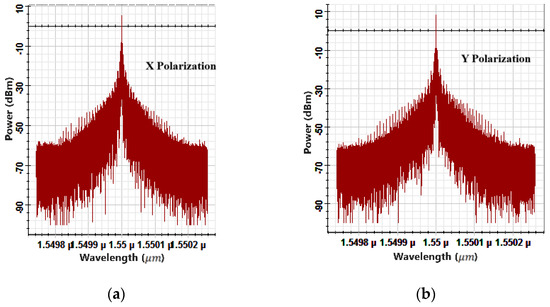
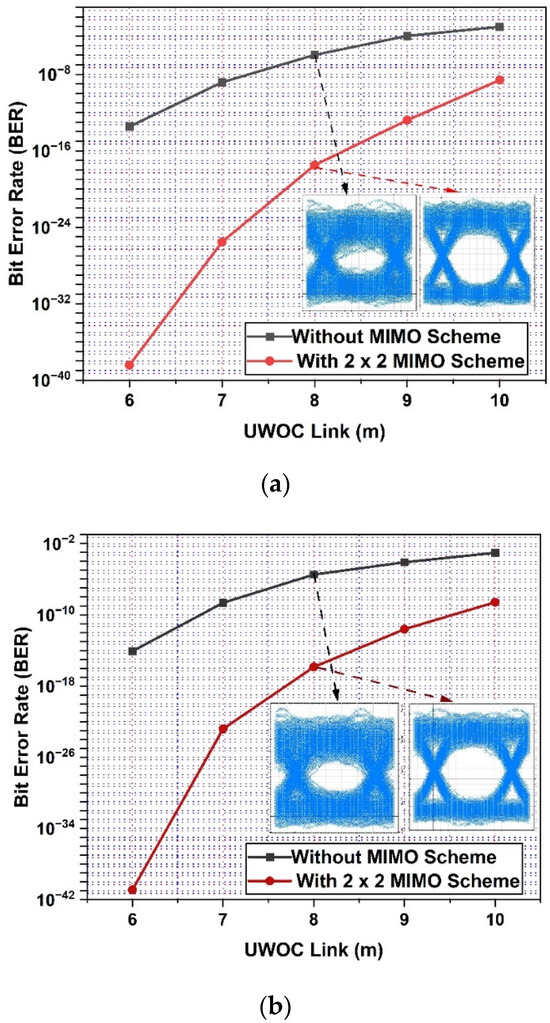
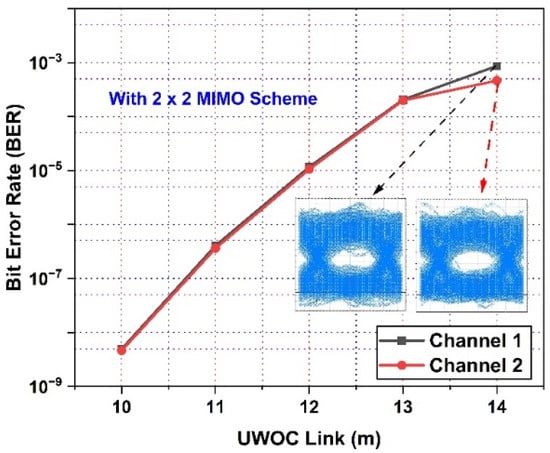
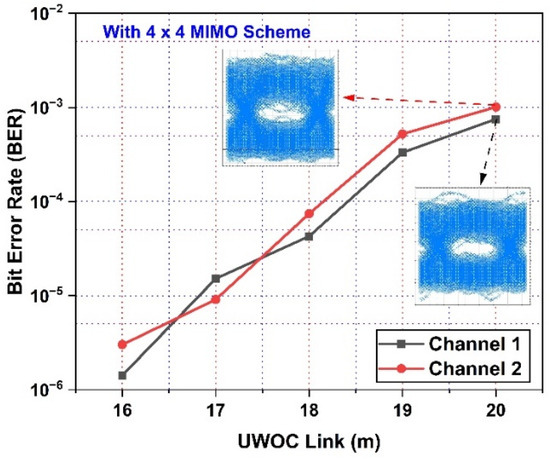
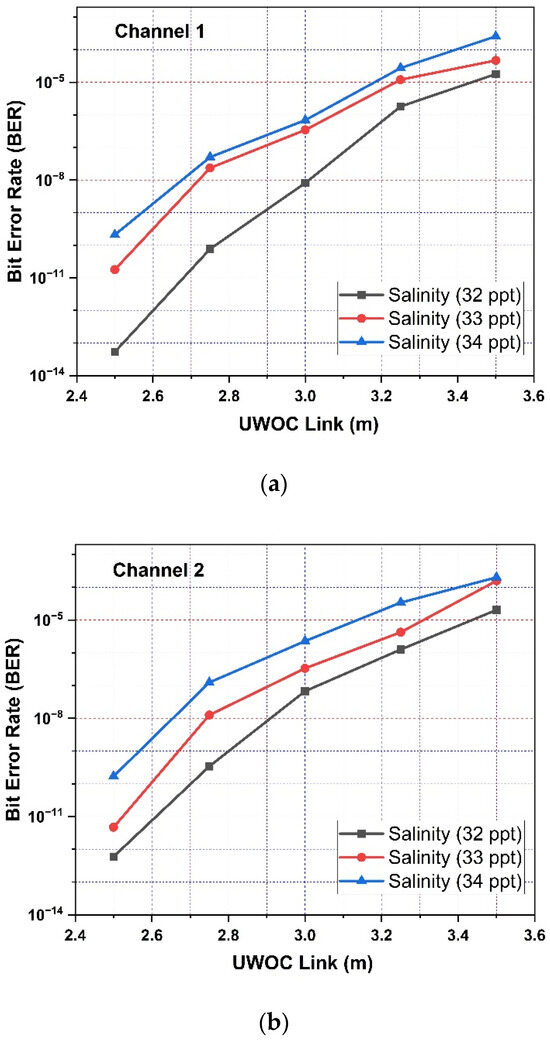
Underwater wireless optical communication (UWOC) has emerged as a key enabler for Internet of Underwater Things (IoUT) and autonomous sensing networks, but its reliability is severely affected by salinity-induced attenuation, scattering, and turbulence. This work presents a high-speed and salinity-resilient UWOC architecture that jointly exploits Polarization Division Multiplexing (PDM) and Multiple-Input Multiple-Output (MIMO) diversity to enhance link capacity and robustness in realistic oceanic conditions. Two 1 Gbps NRZ data channels at 1550 nm were transmitted using continuous-wave lasers and evaluated using a hybrid OptiSystem–MATLAB simulation framework with full channel modeling of absorption, scattering, turbulence, and salinity (32–36 ppt). Results reveal that the proposed PDM-MIMO system achieves more than an order-of-magnitude bit-error-rate (BER) reduction compared with non-MIMO or single-polarization baselines, maintaining acceptable BER levels up to 20 m. Performance degradation with increasing salinity is quantified, and results confirm that combined PDM and spatial diversity effectively mitigate salinity-induced losses. The presented design demonstrates a viable and scalable solution for next-generation underwater sensing and communication networks in coastal and deep-sea ecosystems.
Full article

Figure 1
Open AccessArticle
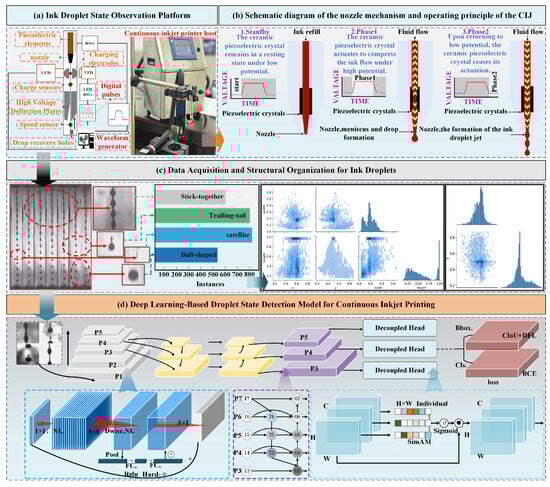
Deep Learning-Based Ink Droplet State Recognition for Continuous Inkjet Printing
by
Jianbin Xiong, Jing Wang, Qi Wang, Jianxiang Yang, Xiangjun Dong, Weikun Dai and Qianguang Zhang
J. Sens. Actuator Netw. 2026, 15(1), 16; https://doi.org/10.3390/jsan15010016 - 1 Feb 2026
Abstract
►▼
Show Figures
The high-quality droplet formation in continuous inkjet printing (CIJ) is crucial for precise character deposition on product surfaces. This process, where a piezoelectric transducer perturbs a high-speed ink stream to generate micro-droplets, is highly sensitive to parameters like ink pressure and transducer amplitude.
[...] Read more.
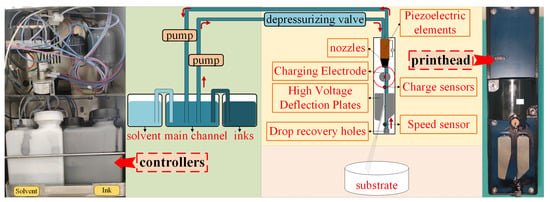
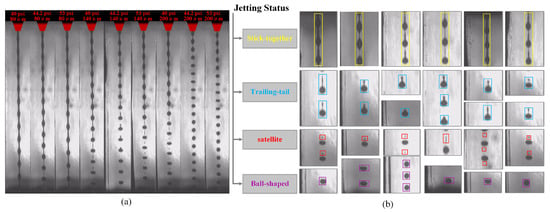
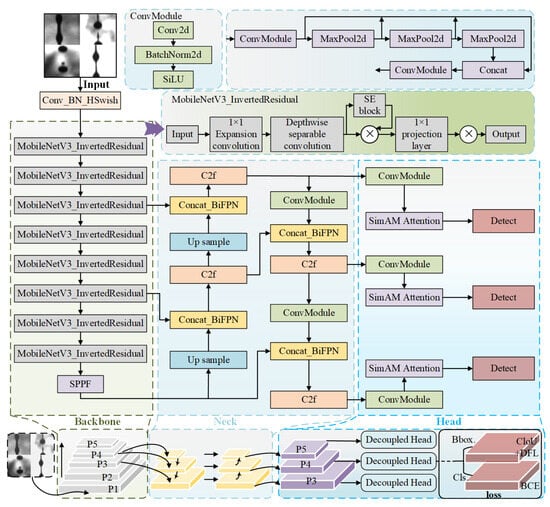
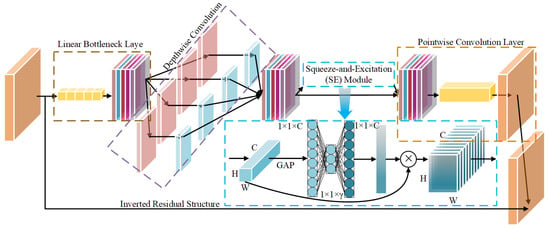
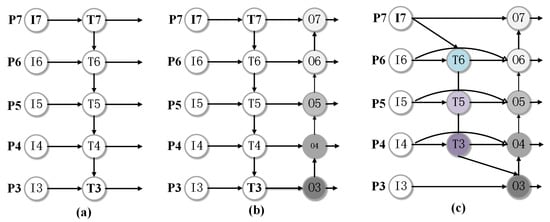
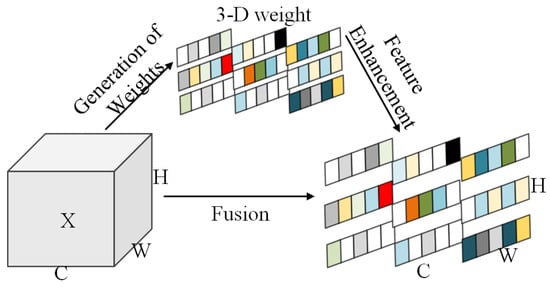
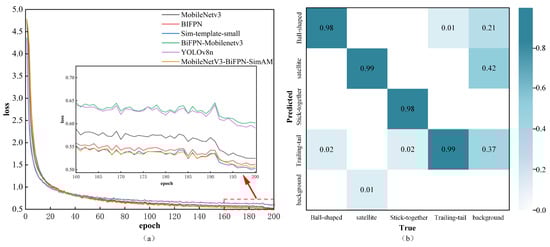
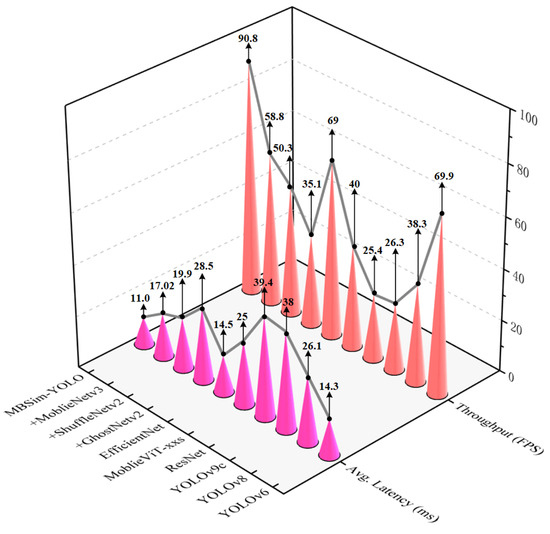
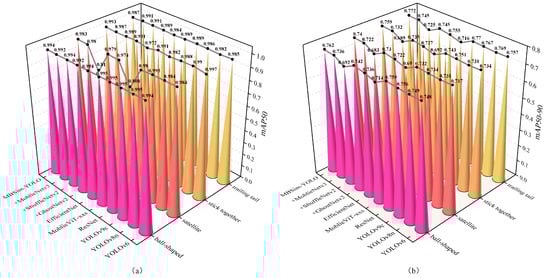
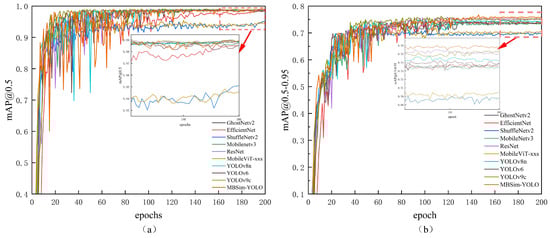
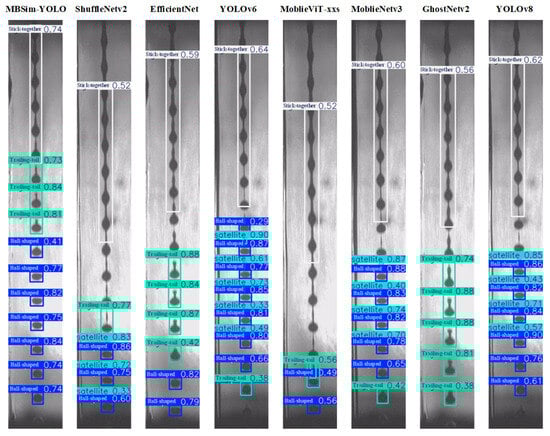
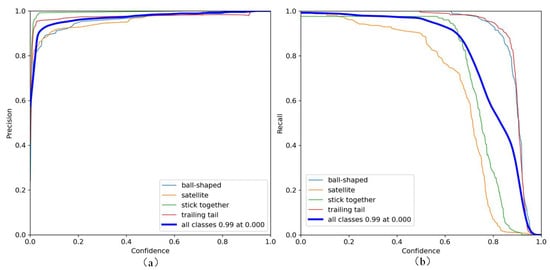
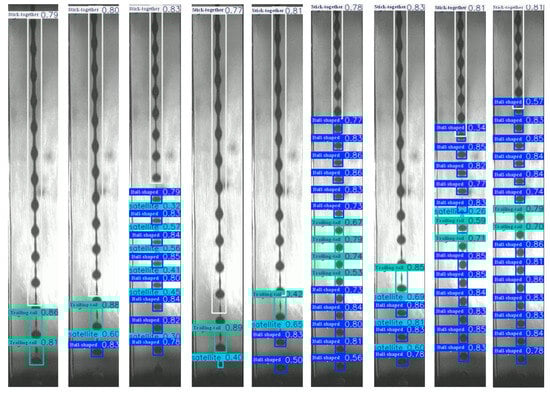
The high-quality droplet formation in continuous inkjet printing (CIJ) is crucial for precise character deposition on product surfaces. This process, where a piezoelectric transducer perturbs a high-speed ink stream to generate micro-droplets, is highly sensitive to parameters like ink pressure and transducer amplitude. Suboptimal conditions lead to satellite droplet formation and charge transfer issues, adversely affecting print quality and necessitating reliable monitoring. Replacing inefficient manual inspection, this study develops MBSim-YOLO, a deep learning-based method for automated droplet detection. The proposed model enhances the YOLOv8 architecture by integrating MobileNetv3 to reduce computational complexity, a Bidirectional Feature Pyramid Network (BiFPN) for effective multi-scale feature fusion, and a Simple Attention Module (SimAM) to enhance feature representation robustness. A dataset was constructed using images captured by a CCD camera during the droplet ejection process. Experimental results demonstrate that MBSim-YOLO reduces the parameter count by 78.81% compared to the original YOLOv8. At an Intersection over Union (IoU) threshold of 0.5, the model achieved a precision of 98.2%, a recall of 99.1%, and a mean average precision (mAP) of 98.9%. These findings confirm that MBSim-YOLO achieves an optimal balance between high detection accuracy and lightweight performance, offering a viable and efficient solution for real-time, automated quality monitoring in industrial continuous inkjet printing applications.
Full article

Figure 1
Open AccessArticle
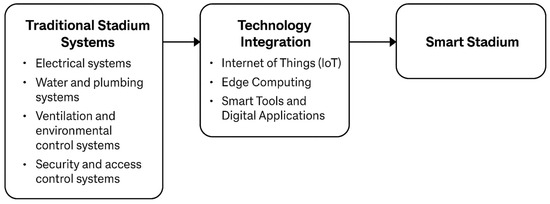
Toward an Integrated IoT–Edge Computing Framework for Smart Stadium Development
by
Nattawat Pattarawetwong, Charuay Savithi and Arisaphat Suttidee
J. Sens. Actuator Netw. 2026, 15(1), 15; https://doi.org/10.3390/jsan15010015 - 1 Feb 2026
Abstract
Large sports stadiums require robust real-time monitoring due to high crowd density, complex spatial configurations, and limited network infrastructure. This research evaluates a hybrid edge–cloud architecture implemented in a national stadium in Thailand. The proposed framework integrates diverse surveillance subsystems, including automatic number
[...] Read more.
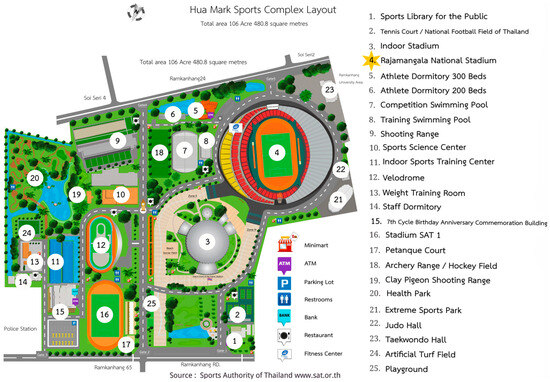
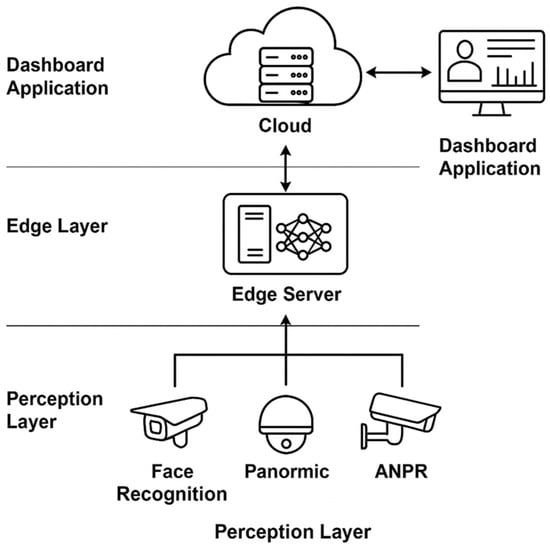
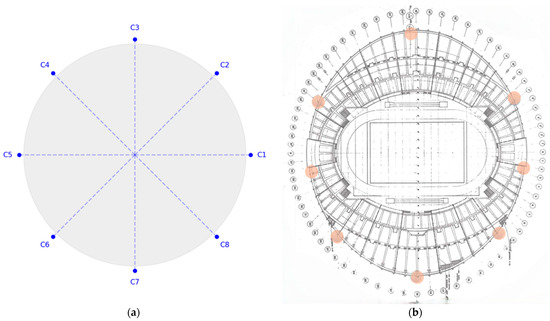
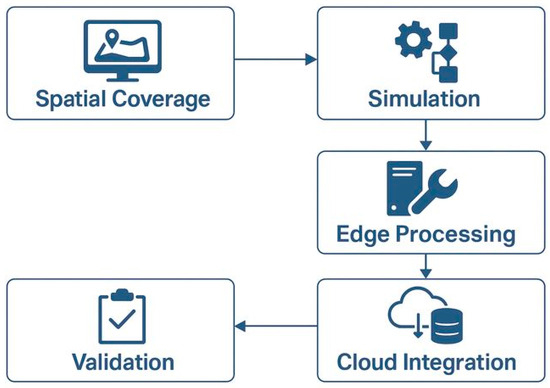
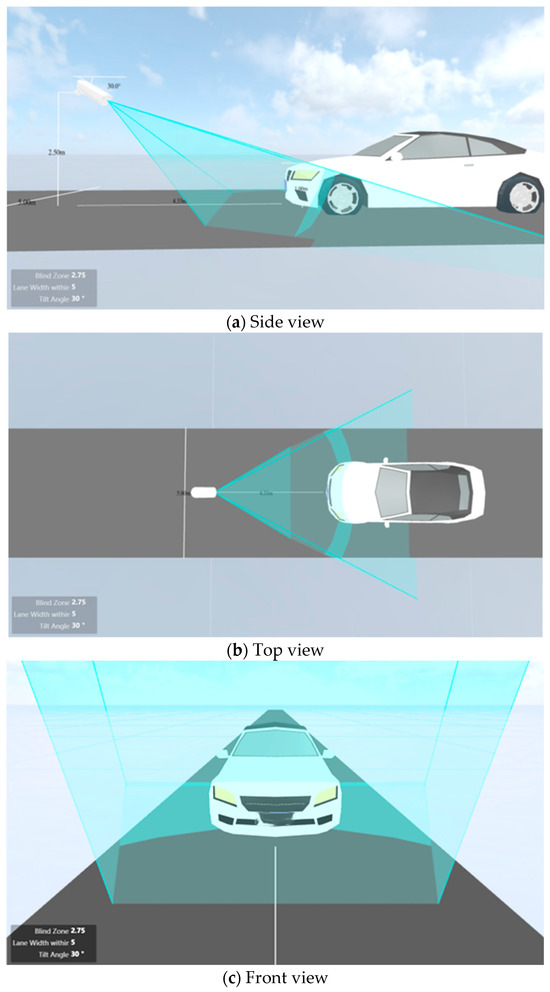
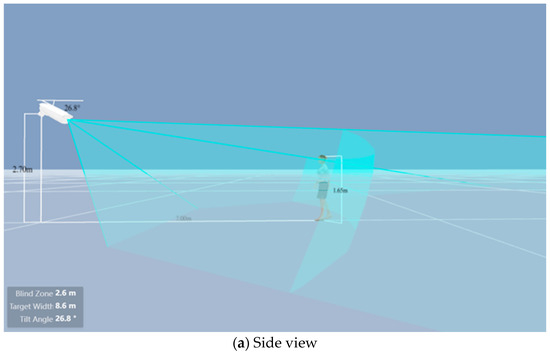
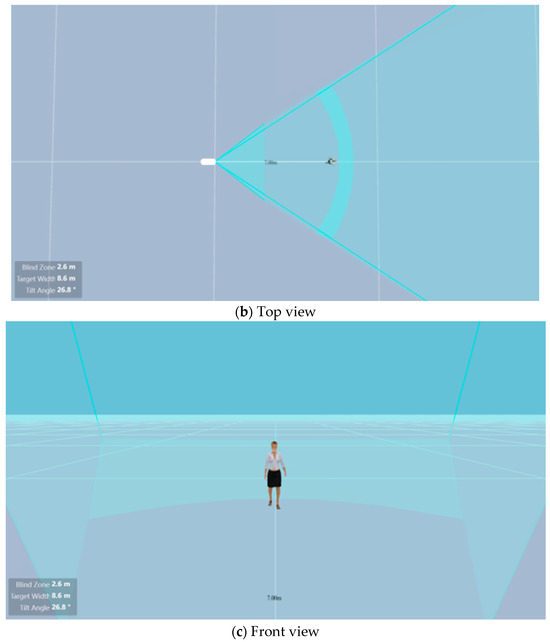
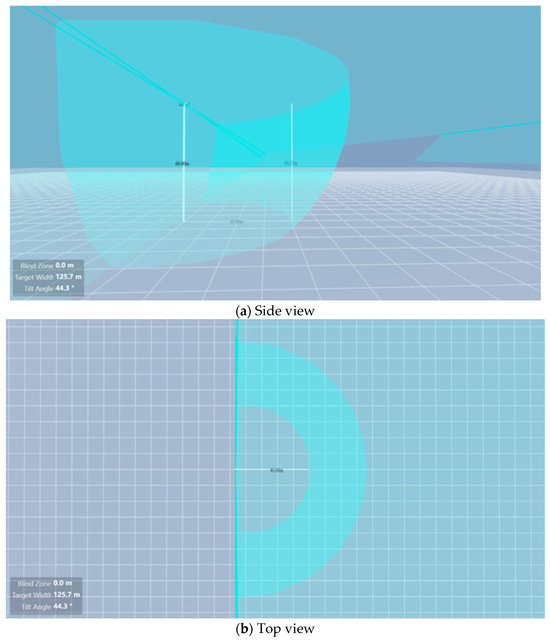
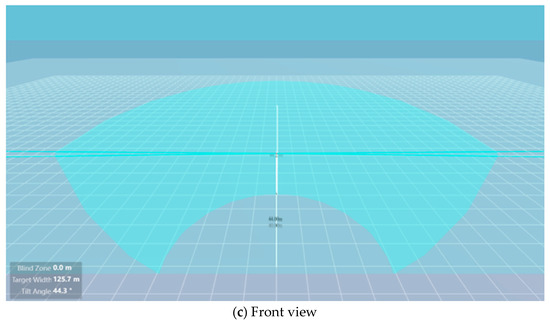
Large sports stadiums require robust real-time monitoring due to high crowd density, complex spatial configurations, and limited network infrastructure. This research evaluates a hybrid edge–cloud architecture implemented in a national stadium in Thailand. The proposed framework integrates diverse surveillance subsystems, including automatic number plate recognition, face recognition, and panoramic cameras, with edge-based processing to enable real-time situational awareness during high-attendance events. A simulation based on the stadium’s physical layout and operational characteristics is used to analyze coverage patterns, processing locations, and network performance under realistic event scenarios. The results show that geometry-informed sensor deployment ensures continuous visual coverage and minimizes blind zones without increasing camera density. Furthermore, relocating selected video processing tasks from the cloud to the edge reduces uplink bandwidth requirements by approximately 50–75%, depending on the processing configuration, and stabilizes data transmission during peak network loads. These findings suggest that processing location should be considered a primary architectural design factor in smart stadium systems. The combination of edge-based processing with centralized cloud coordination offers a practical model for scalable, safety-oriented monitoring solutions in high-density public venues.
Full article
(This article belongs to the Section Big Data, Computing and Artificial Intelligence)
►▼
Show Figures

Figure 1
Open AccessData Descriptor
Multi-Background UAV Spraying Behavior Recognition Dataset for Precision Agriculture
by
Chang Meng, Lei Shu and Leijing Bai
J. Sens. Actuator Netw. 2026, 15(1), 14; https://doi.org/10.3390/jsan15010014 - 26 Jan 2026
Abstract
The rapid growth of precision agriculture has accelerated the deployment of plant protection unmanned aerial vehicles (UAVs). However, reliable data resources for vision-based intelligent supervision of operational states, such as whether a UAV is currently spraying, remain limited. Most publicly available UAV detection
[...] Read more.
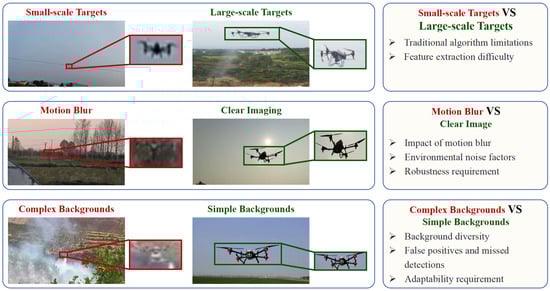
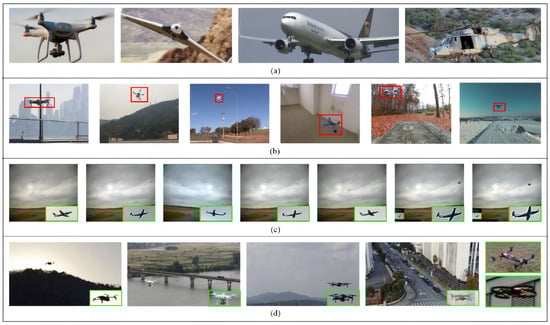
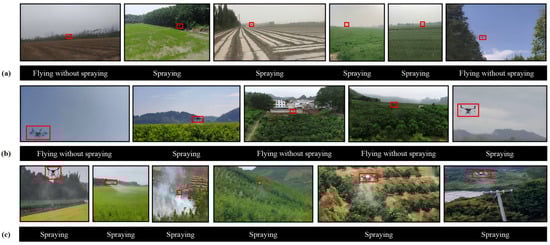
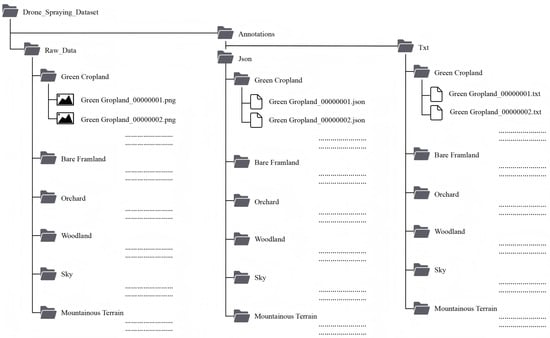
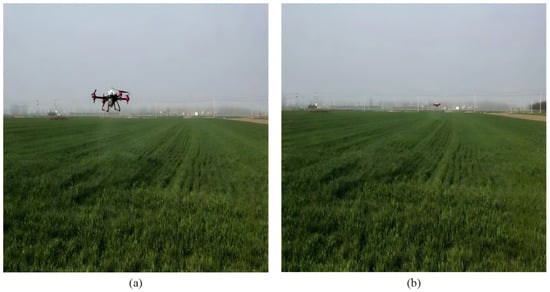
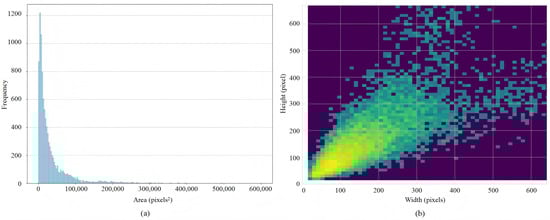
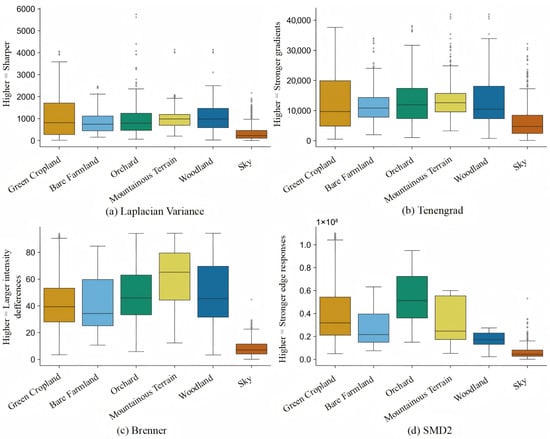
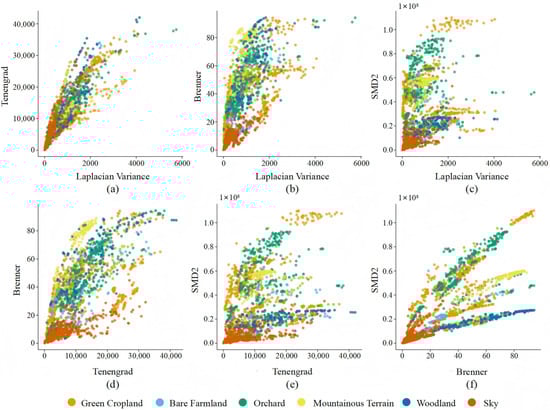
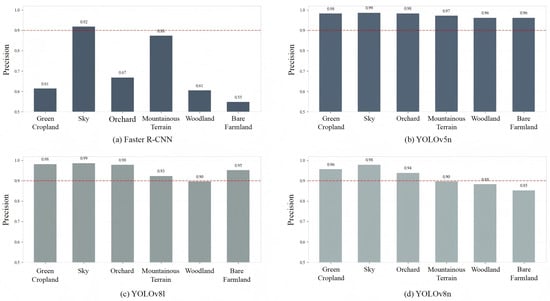
The rapid growth of precision agriculture has accelerated the deployment of plant protection unmanned aerial vehicles (UAVs). However, reliable data resources for vision-based intelligent supervision of operational states, such as whether a UAV is currently spraying, remain limited. Most publicly available UAV detection datasets target urban security and surveillance scenarios, where annotations emphasize object localization rather than agricultural operation state recognition, making them insufficient for farmland spraying supervision. Therefore, agricultural-oriented data resources are needed to cover diverse backgrounds and include operation state labels, thereby supporting both academic research and practical deployment. In this study, we construct and release the first multi-background dataset dedicated to agricultural UAV spraying behavior recognition. The dataset contains 9548 high-quality annotated images spanning the following six typical backgrounds: green cropland, bare farmland, orchard, woodland, mountainous terrain, and sky. For each UAV instance, we provide both a bounding box and a binary operation state label, namely spraying and flying without spraying. We further conduct systematic benchmark evaluations of mainstream object detection algorithms on this dataset. The dataset captures agriculture-specific challenges, including a high proportion of small objects, substantial scale variation, motion blur, and complex dynamic backgrounds, and can be used to assess algorithm robustness in real-world agricultural settings. Benchmark results show that YOLOv5n achieves the best overall performance, with an accuracy of 97.86% and an mAP@50 of 98.30%. This dataset provides critical data support for automated supervision of plant protection UAV spraying operations and precision agriculture monitoring platforms.
Full article
(This article belongs to the Special Issue AI-Assisted Machine-Environment Interaction)
►▼
Show Figures

Figure 1
Open AccessArticle
AI Correction of Smartphone Thermal Images: Application to Diabetic Plantar Foot
by
Hafid Elfahimi, Rachid Harba, Asma Aferhane, Hassan Douzi and Ikram Damoune
J. Sens. Actuator Netw. 2026, 15(1), 13; https://doi.org/10.3390/jsan15010013 - 26 Jan 2026
Abstract
Prevention of complications related to diabetic foot (DF) can now be performed using smartphone-connected thermal cameras. However, the absolute error associated with these devices remains particularly high, compromising measurement reliability, especially under variable environmental conditions. To address this, we introduce a physiologically motivated
[...] Read more.
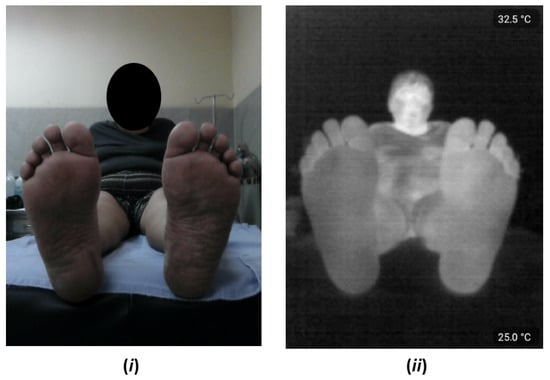
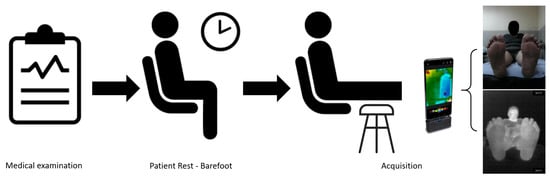
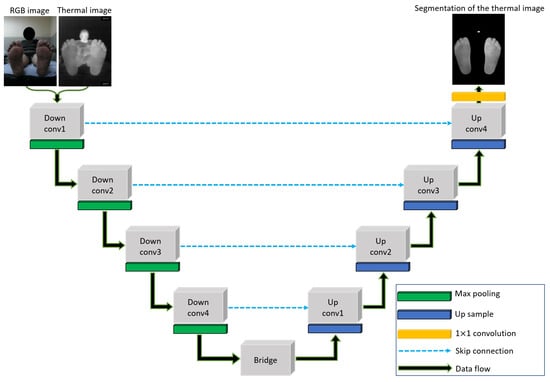
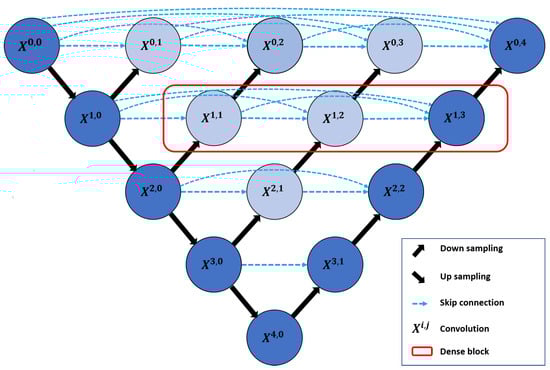
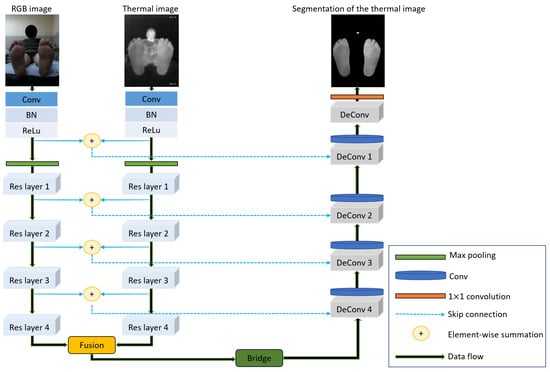
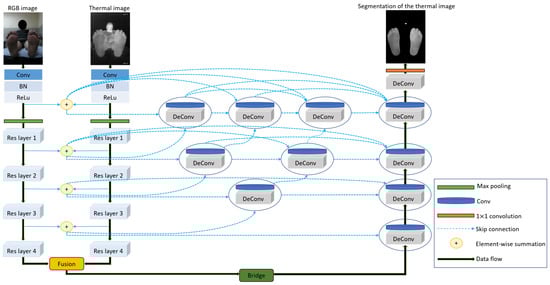
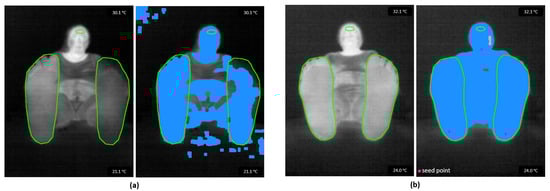
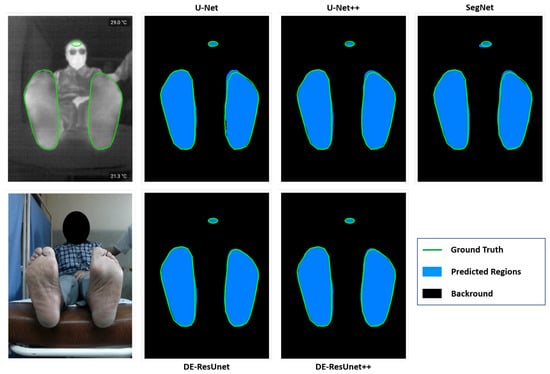
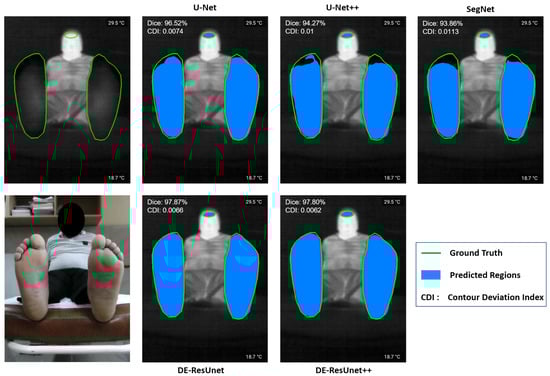
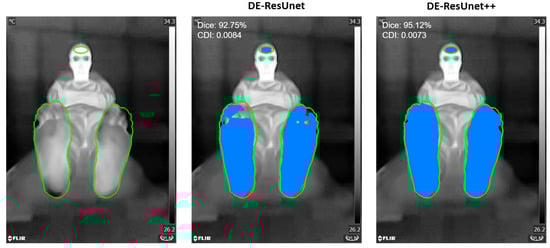
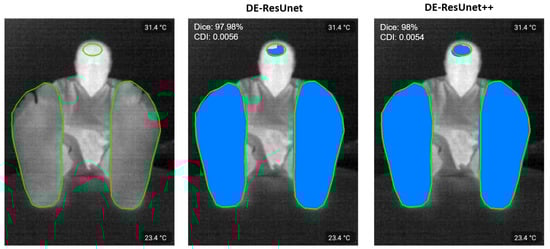
Prevention of complications related to diabetic foot (DF) can now be performed using smartphone-connected thermal cameras. However, the absolute error associated with these devices remains particularly high, compromising measurement reliability, especially under variable environmental conditions. To address this, we introduce a physiologically motivated two-region segmentation task (forehead + plantar foot) to enable stable temperature correction. First, we developed a fully automated joint method for this task, building upon a new multimodal thermal–RGB dataset constructed with detailed annotation procedures. Five deep learning methods (U-Net, U-Net++, SegNet, DE-ResUnet, and DE-ResUnet++) were evaluated and compared to traditional baselines (Adaptive Thresholding and Region Growing), demonstrating the clear advantage of data-driven approaches. The best performance was achieved by the DE-ResUnet++ architecture (Dice score: 98.46%). Second, we validated the correction approach through a clinical study. Results showed that the variance of corrected temperatures was reduced by half compared to absolute values (p < 0.01), highlighting the effectiveness of the correction approach. Furthermore, corrected temperatures successfully distinguished DF patients from healthy controls (p < 0.01), unlike absolute temperatures. These findings suggest that our approach could enhance the performance of smartphone-connected thermal devices and contribute to the early prevention of DF complications.
Full article
(This article belongs to the Special Issue IoT and Networking Technologies for Smart Mobile Systems)
►▼
Show Figures

Figure 1

Open AccessArticle
Hybrid Wavelet–Transformer–XGBoost Model Optimized by Chaotic Billiards for Global Irradiance Forecasting
by
Walid Mchara, Giovanni Cicceri, Lazhar Manai, Monia Raissi and Hezam Albaqami
J. Sens. Actuator Netw. 2026, 15(1), 12; https://doi.org/10.3390/jsan15010012 - 22 Jan 2026
Abstract
Accurate global irradiance (GI) forecasting is essential for improving photovoltaic (PV) energy management, stabilizing renewable power systems, and enabling intelligent control in solar-powered applications, including electric vehicles and smart grids. The highly stochastic and non-stationary nature of solar radiation, influenced by rapid atmospheric
[...] Read more.
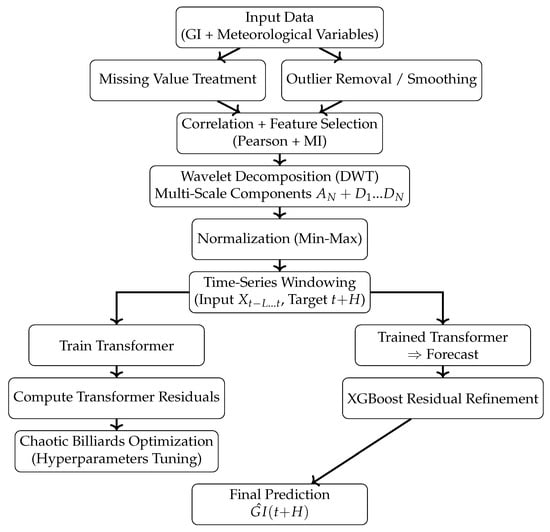
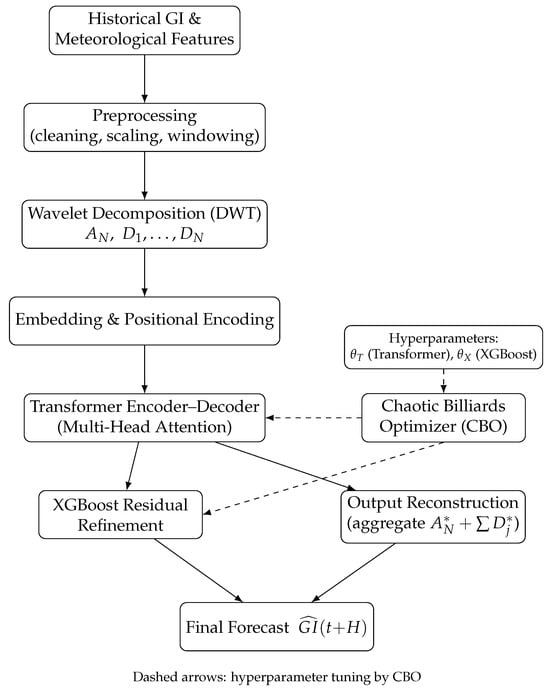
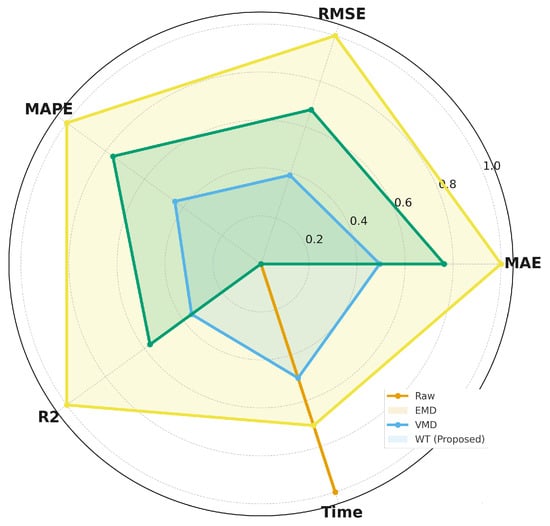
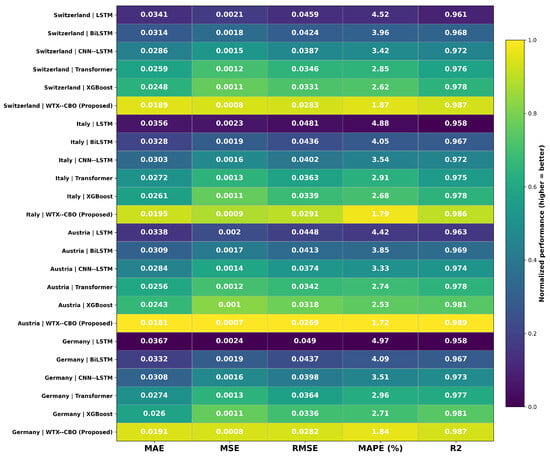
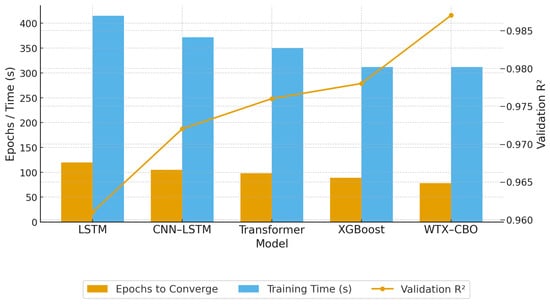
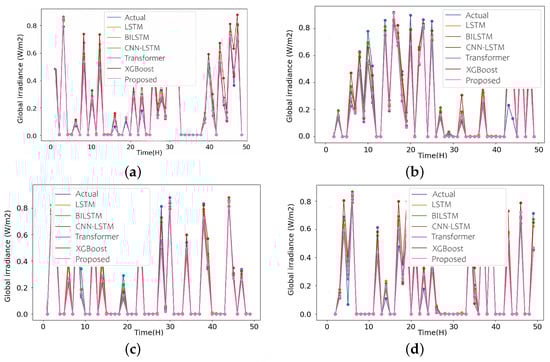
Accurate global irradiance (GI) forecasting is essential for improving photovoltaic (PV) energy management, stabilizing renewable power systems, and enabling intelligent control in solar-powered applications, including electric vehicles and smart grids. The highly stochastic and non-stationary nature of solar radiation, influenced by rapid atmospheric fluctuations and seasonal variability, makes short-term GI prediction a challenging task. To overcome these limitations, this work introduces a new hybrid forecasting architecture referred to as WTX–CBO, which integrates a Wavelet Transform (WT)-based decomposition module, an encoder–decoder Transformer model, and an XGBoost regressor, optimized using the Chaotic Billiards Optimizer (CBO) combined with the Adam optimization algorithm. In the proposed architecture, WT decomposes solar irradiance data into multi-scale components, capturing both high-frequency transients and long-term seasonal patterns. The Transformer module effectively models complex temporal and spatio-temporal dependencies, while XGBoost enhances nonlinear learning capability and mitigates overfitting. The CBO ensures efficient hyperparameter tuning and accelerated convergence, outperforming traditional meta-heuristics such as Particle Swarm Optimization (PSO) and Genetic Algorithms (GA). Comprehensive experiments conducted on real-world GI datasets from diverse climatic conditions demonstrate the outperformance of the proposed model. The WTX–CBO ensemble consistently outperformed benchmark models, including LSTM, SVR, standalone Transformer, and XGBoost, achieving improved accuracy, stability, and generalization capability. The proposed WTX–CBO framework is designed as a high-accuracy decision-support forecasting tool that provides short-term global irradiance predictions to enable intelligent energy management, predictive charging, and adaptive control strategies in solar-powered applications, including solar electric vehicles (SEVs), rather than performing end-to-end vehicle or photovoltaic power simulations. Overall, the proposed hybrid framework provides a robust and scalable solution for short-term global irradiance forecasting, supporting reliable PV integration, smart charging control, and sustainable energy management in next-generation solar systems.
Full article
(This article belongs to the Special Issue AI and IoT Convergence for Sustainable Smart Manufacturing)
►▼
Show Figures

Figure 1
Open AccessReview
A Survey on Fault Detection of Solar Insecticidal Lamp Internet of Things: Recent Advance, Challenge, and Countermeasure
by
Xing Yang, Zhengjie Wang, Lei Shu, Fan Yang, Xuanchen Guo and Xiaoyuan Jing
J. Sens. Actuator Netw. 2026, 15(1), 11; https://doi.org/10.3390/jsan15010011 - 19 Jan 2026
Abstract
Ensuring food security requires innovative, sustainable pest management solutions. The Solar Insecticidal Lamp Internet of Things (SIL-IoT) represents such an advancement, yet its reliability in harsh, variable outdoor environments is compromised by frequent component and sensor faults, threatening effective pest control and data
[...] Read more.
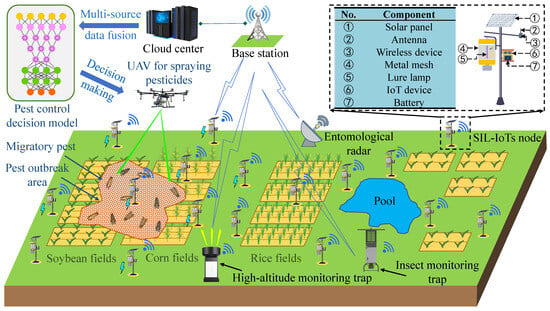
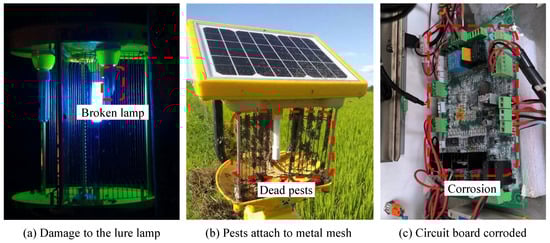
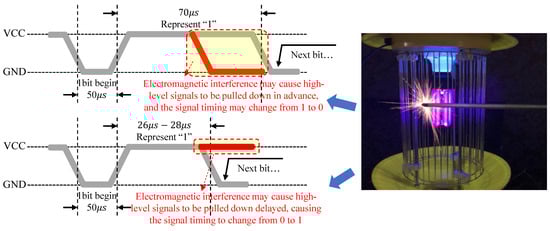
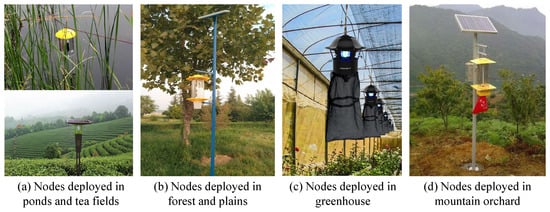
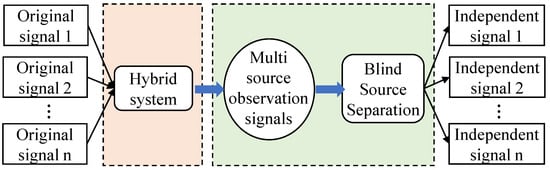
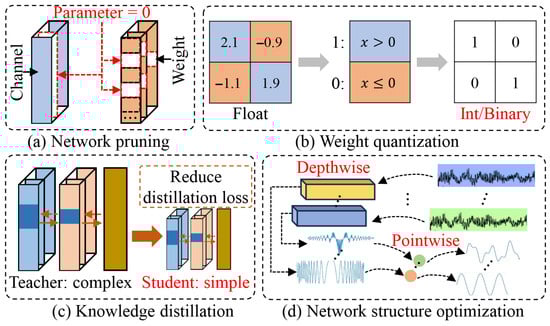
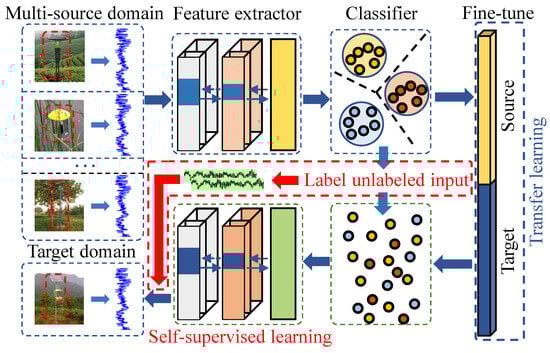
Ensuring food security requires innovative, sustainable pest management solutions. The Solar Insecticidal Lamp Internet of Things (SIL-IoT) represents such an advancement, yet its reliability in harsh, variable outdoor environments is compromised by frequent component and sensor faults, threatening effective pest control and data integrity. This paper presents a comprehensive survey on fault detection (FD) for SIL-IoT systems, systematically analyzing their unique challenges, including electromagnetic interference, resource constraints, data scarcity, and network instability. To address these challenges, we investigate countermeasures, including blind source separation for signal decomposition under interference, lightweight model techniques for edge deployment, and transfer/self-supervised learning for low-cost fault modeling across diverse agricultural scenarios. A dedicated case study, utilizing sensor fault data of SIL-IoT, demonstrates the efficacy of these approaches: an empirical mode decomposition-enhanced model achieved 97.89% accuracy, while a depthwise separable-based convolutional neural network variant reduced computational cost by 88.7% with comparable performance. This survey not only synthesizes the state of the art but also provides a structured framework and actionable insights for developing robust, efficient, and scalable FD solutions, thereby enhancing the operational reliability and sustainability of SIL-IoT systems.
Full article
(This article belongs to the Special Issue Fault Diagnosis in the Internet of Things Applications)
►▼
Show Figures

Figure 1

Open AccessArticle
Fuzzy Logic-Based Data Flow Control for Long-Range Wide Area Networks in Internet of Military Things
by
Rachel Kufakunesu, Herman C. Myburgh and Allan De Freitas
J. Sens. Actuator Netw. 2026, 15(1), 10; https://doi.org/10.3390/jsan15010010 - 14 Jan 2026
Abstract
►▼
Show Figures
The Internet of Military Things (IoMT) relies on Long-Range Wide Area Networks (LoRaWAN) for low-power, long-range communication in critical applications like border security and soldier health monitoring. However, conventional priority-based flow control mechanisms, which rely on static classification thresholds, lack the adaptability to
[...] Read more.
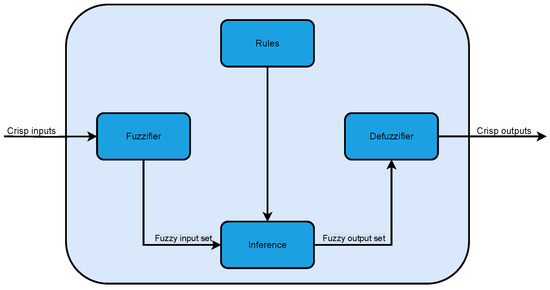
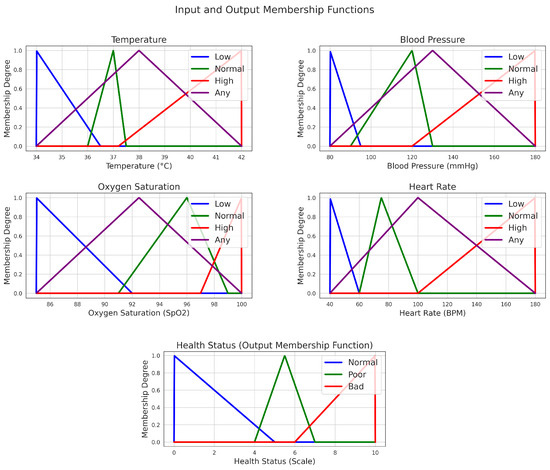
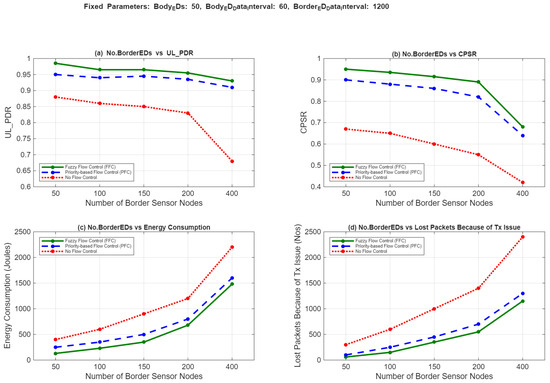
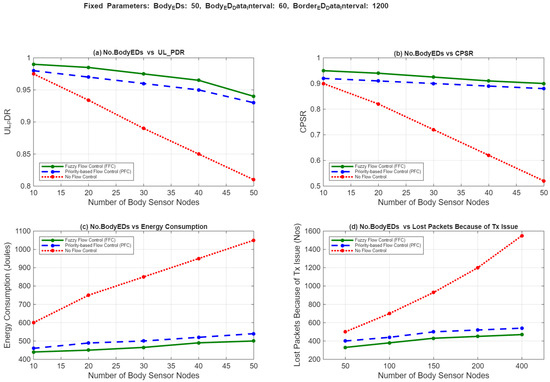
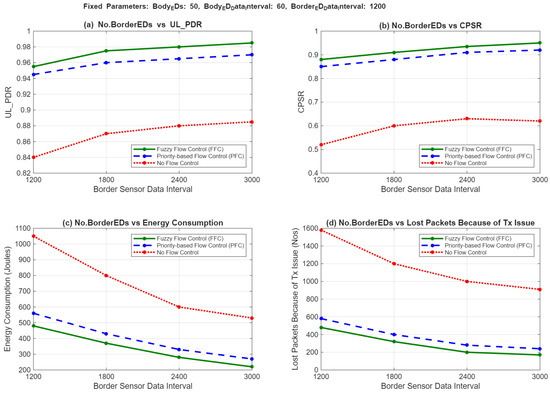
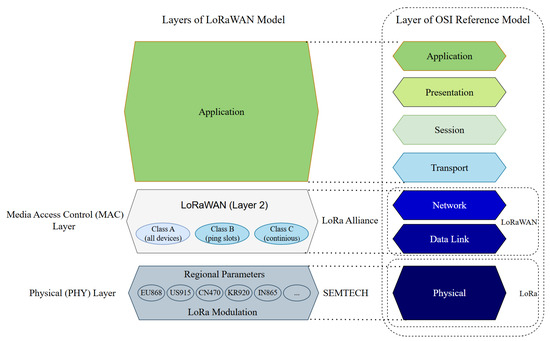
The Internet of Military Things (IoMT) relies on Long-Range Wide Area Networks (LoRaWAN) for low-power, long-range communication in critical applications like border security and soldier health monitoring. However, conventional priority-based flow control mechanisms, which rely on static classification thresholds, lack the adaptability to handle the nuanced, continuous nature of physiological data and dynamic network states. To overcome this rigidity, this paper introduces a novel, domain-adaptive Fuzzy Logic Flow Control (FFC) protocol specifically tailored for LoRaWAN-based IoMT. While employing established Mamdani inference, the FFC system innovatively fuses multi-parameter physiological data (body temperature, blood pressure, oxygen saturation, and heart rate) into a continuous Health Score, which is then mapped via a context-optimised sigmoid function to dynamic transmission intervals. This represents a novel application-layer semantic integration with LoRaWAN’s constrained MAC and PHY layers, enabling cross-layer flow optimisation without protocol modification. Simulation results confirm that FFC significantly enhances reliability and energy efficiency while reducing latency relative to traditional static priority architectures. Seamlessly integrated into the NS-3 LoRaWAN simulation framework, the FFC protocol demonstrates superior performance in IoMT communications. Simulation results confirm that FFC significantly enhances reliability and energy efficiency while reducing latency compared with traditional static priority-based architectures. It achieves this by prioritising high-priority health telemetry, proactively mitigating network congestion, and optimising energy utilisation, thereby offering a robust solution for emergent, health-critical scenarios in resource-constrained environments.
Full article

Figure 1
Open AccessArticle
A Pre-Industrial Prototype for a Tele-Operable Drone-Mountable Electrical Sensor
by
Khaled Osmani, Marc Florian Meyer and Detlef Schulz
J. Sens. Actuator Netw. 2026, 15(1), 9; https://doi.org/10.3390/jsan15010009 - 13 Jan 2026
Abstract
►▼
Show Figures
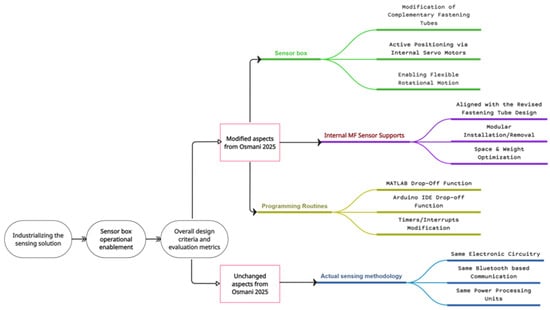
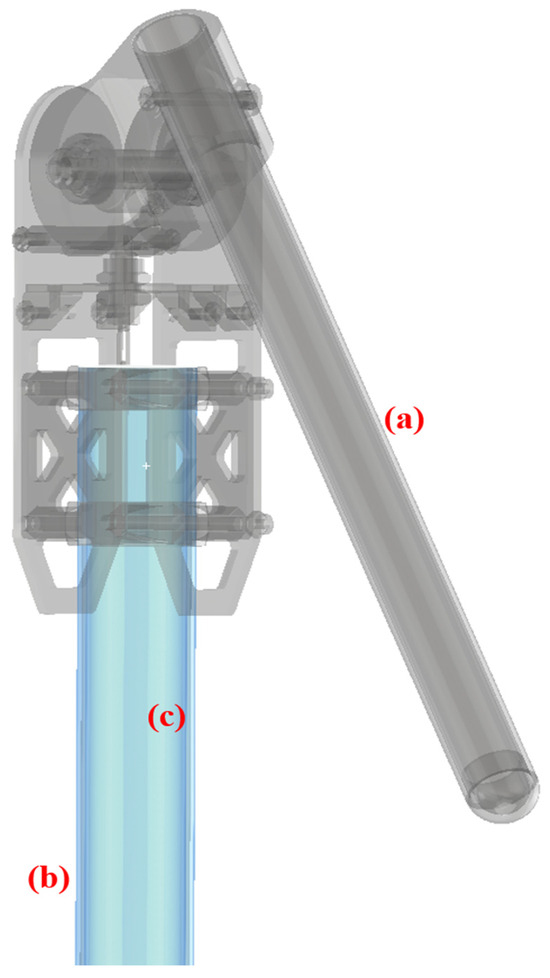
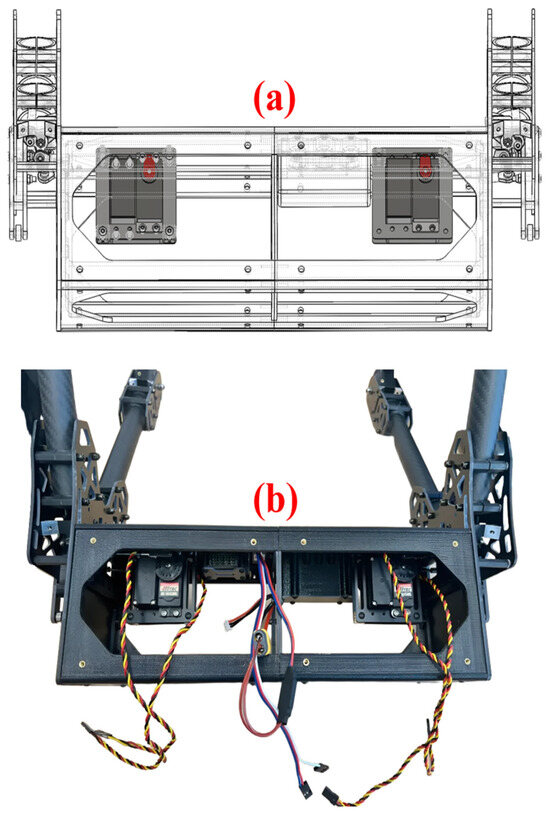
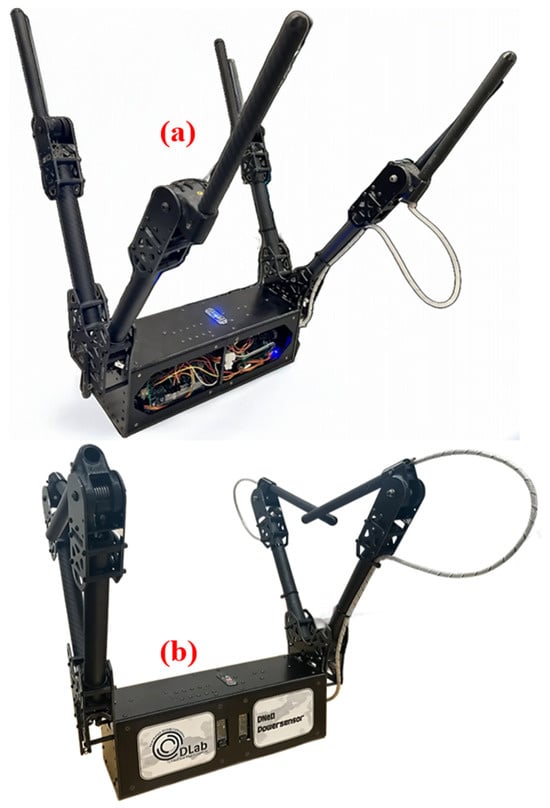
This paper presents a pre-industrial, laboratory-stage version of an innovative sensor box designed to enable remote measurement of electrical currents. The proposed prototype functions as a drone-mounted payload that can be deployed onto overhead transmission lines. Utilizing Hall-effect sensors, electronic signal processing through
[...] Read more.
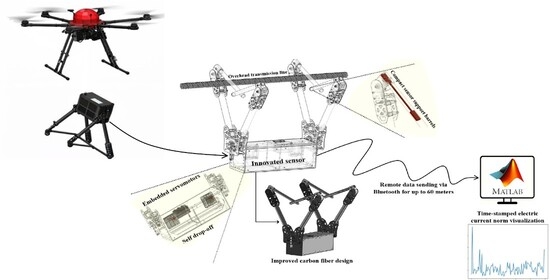
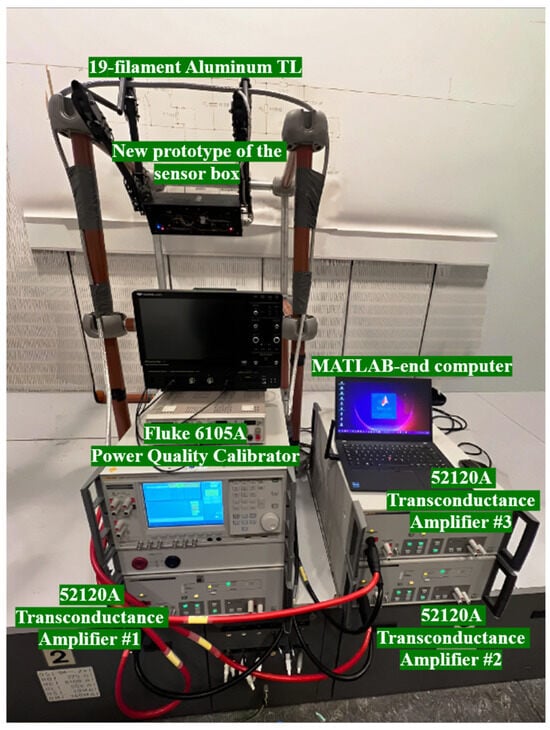
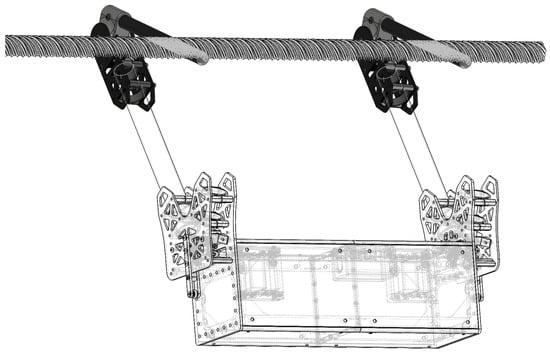
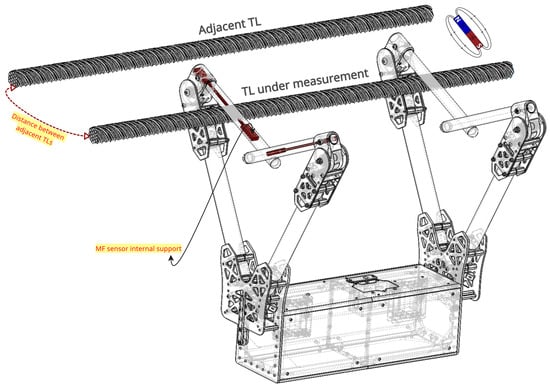
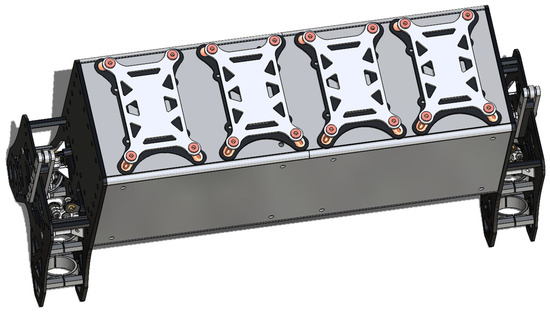
This paper presents a pre-industrial, laboratory-stage version of an innovative sensor box designed to enable remote measurement of electrical currents. The proposed prototype functions as a drone-mounted payload that can be deployed onto overhead transmission lines. Utilizing Hall-effect sensors, electronic signal processing through filtering, and digital data transmission via Arduino and Bluetooth, the instantaneous line currents are visualized in MATLAB (R2023a) as time-based curves. The sensor box can also be remotely released from the transmission line once measurements are complete, allowing a fully autonomous mode of operation. Laboratory tests demonstrated promising results for real-world applications, with measurement efficiencies ranging from 92% to 98% under various test conditions, including stress tests involving harmonics and total harmonic distortion up to 40%. Future work will focus on implementing effective shielding against high electric fields to further enhance reliability and advance the sensor’s industrialization as a novel solution for power grid digitalization.
Full article

Graphical abstract
Open AccessReview
Measurement Uncertainty and Traceability in Upper Limb Rehabilitation Robotics: A Metrology-Oriented Review
by
Ihtisham Ul Haq, Francesco Felicetti and Francesco Lamonaca
J. Sens. Actuator Netw. 2026, 15(1), 8; https://doi.org/10.3390/jsan15010008 - 7 Jan 2026
Abstract
►▼
Show Figures
Upper-limb motor impairment is a major consequence of stroke and neuromuscular disorders, imposing a sustained clinical and socioeconomic burden worldwide. Quantitative assessment of limb positioning and motion accuracy is fundamental to rehabilitation, guiding therapy evaluation and robotic assistance. The evolution of upper-limb positioning
[...] Read more.
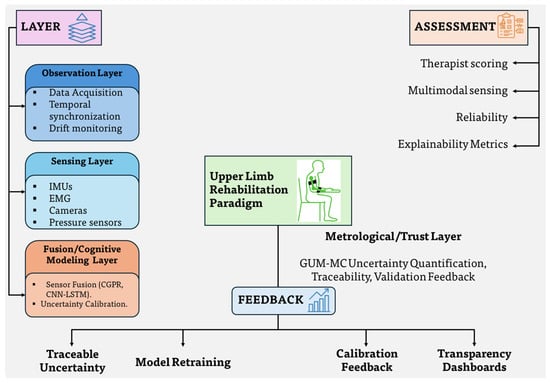
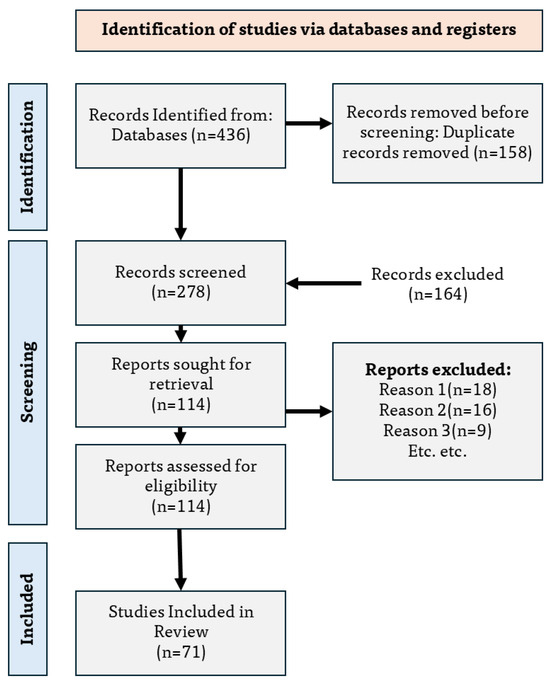
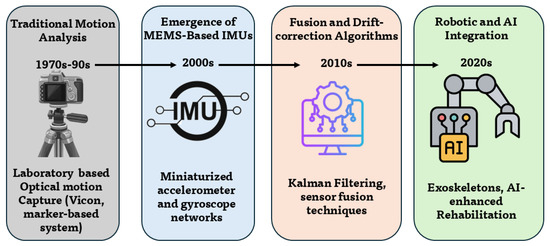
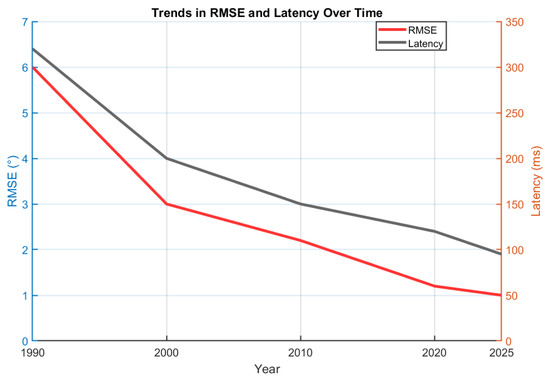
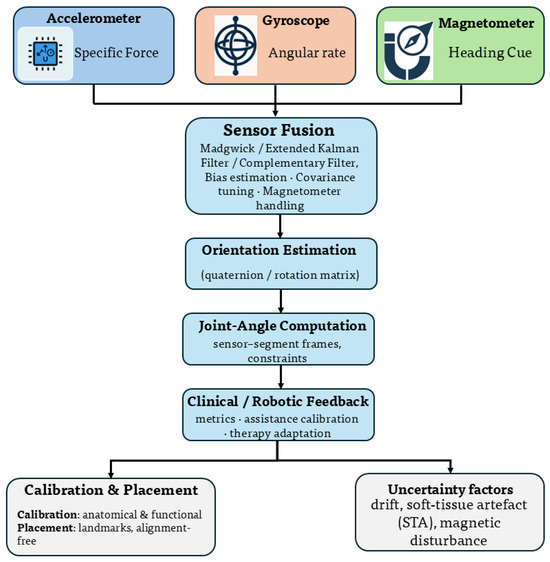
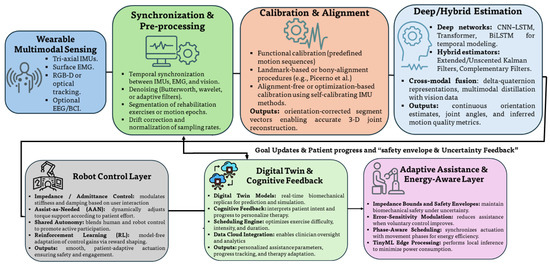
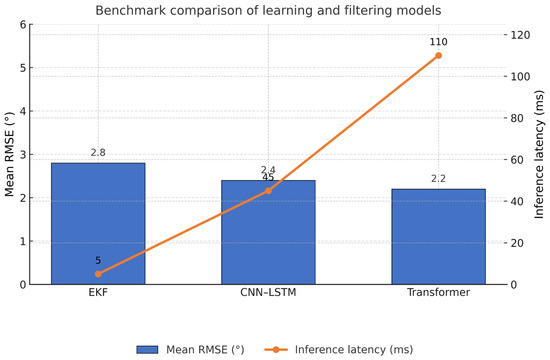
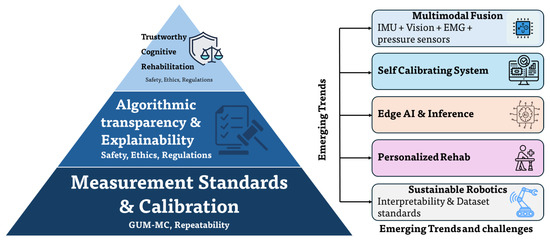
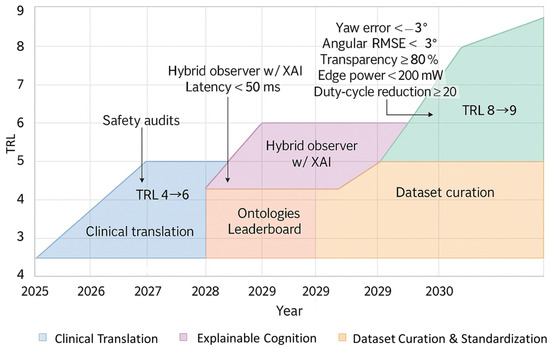
Upper-limb motor impairment is a major consequence of stroke and neuromuscular disorders, imposing a sustained clinical and socioeconomic burden worldwide. Quantitative assessment of limb positioning and motion accuracy is fundamental to rehabilitation, guiding therapy evaluation and robotic assistance. The evolution of upper-limb positioning systems has progressed from optical motion capture to wearable inertial measurement units (IMUs) and, more recently, to data-driven estimators integrated with rehabilitation robots. Each generation has aimed to balance spatial accuracy, portability, latency, and metrological reliability under ecological conditions. This review presents a systematic synthesis of the state of measurement uncertainty, calibration, and traceability in upper-limb rehabilitation robotics. Studies are categorised across four layers, i.e., sensing, fusion, cognitive, and metrological, according to their role in data acquisition, estimation, adaptation, and verification. The Preferred Reporting Items for Systematic Reviews and Meta-Analyses (PRISMA) protocol was followed to ensure transparent identification, screening, and inclusion of relevant works. Comparative evaluation highlights how modern sensor-fusion and learning-based pipelines achieve near-optical angular accuracy while maintaining clinical usability. Persistent challenges include non-standard calibration procedures, magnetometer vulnerability, limited uncertainty propagation, and absence of unified traceability frameworks. The synthesis indicates a gradual transition toward cognitive and uncertainty-aware rehabilitation robotics in which metrology, artificial intelligence, and control co-evolve. Traceable measurement chains, explainable estimators, and energy-efficient embedded deployment emerge as essential prerequisites for regulatory and clinical translation. The review concludes that future upper-limb systems must integrate calibration transparency, quantified uncertainty, and interpretable learning to enable reproducible, patient-centred rehabilitation by 2030.
Full article

Figure 1
Open AccessSystematic Review
Industrial Wireless Networks in Industry 4.0: A Systematic Review
by
Christos Tsallis, Panagiotis Papageorgas, Dimitrios Piromalis and Radu Adrian Munteanu
J. Sens. Actuator Netw. 2026, 15(1), 7; https://doi.org/10.3390/jsan15010007 - 6 Jan 2026
Abstract
Industrial wireless sensor and actuator networks (IWSANs) are central to Industry 4.0, supporting distributed sensing, actuation, and communication in cyber-physical production systems. Unlike previous studies, which focus on isolated constraints, this review synthesises recent work across eight coupled dimensions. These span reliability and
[...] Read more.
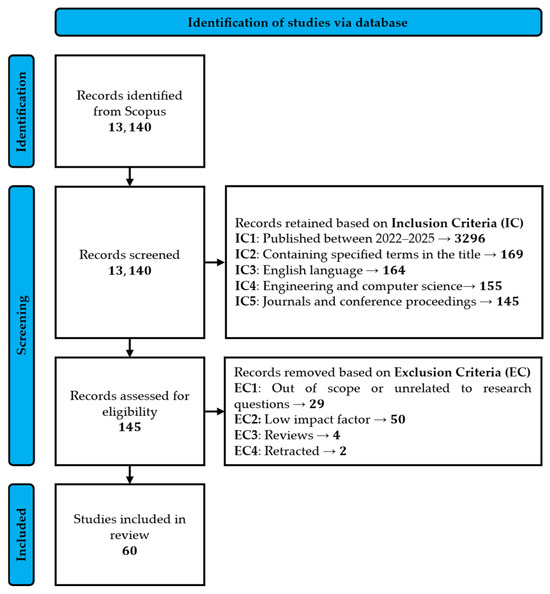
Industrial wireless sensor and actuator networks (IWSANs) are central to Industry 4.0, supporting distributed sensing, actuation, and communication in cyber-physical production systems. Unlike previous studies, which focus on isolated constraints, this review synthesises recent work across eight coupled dimensions. These span reliability and fault tolerance, security and trust, time synchronisation, energy harvesting and power management, media access control (MAC) and scheduling, interoperability, routing and topology control, and real-world validation, within a unified comparative framework. Following Preferred Reporting Items for Systematic Reviews and Meta-Analyses (PRISMA) 2020 guidelines, a Scopus search identified 60 primary publications published between 2022 and 2025. The analysis shows a clear shift from reactive designs to predictive approaches that incorporate learning methods and energy considerations. Fault detection now relies on deep learning (DL) and statistical modelling, security incorporates trust and intrusion detection, and new synchronisation and MAC schemes approach wired levels of determinism. Regarding applied contributions, the analysis notes that routing and energy harvesting advances extend network lifetime. However, gaps remain in mobility support, interoperability across protocol layers, and field validation. The present work outlines these open issues and highlights research directions needed to mature IWSANs into robust infrastructure for Industry 4.0 and the emerging Industry 5.0 vision.
Full article
(This article belongs to the Special Issue Applications of Wireless Sensor Networks: Innovations and Future Trends)
►▼
Show Figures

Figure 1

Open AccessArticle
From Sound to Risk: Streaming Audio Flags for Real-World Hazard Inference Based on AI
by
Ilyas Potamitis
J. Sens. Actuator Netw. 2026, 15(1), 6; https://doi.org/10.3390/jsan15010006 - 1 Jan 2026
Abstract
Seconds count differently for people in danger. We present a real-time streaming pipeline for audio-based detection of hazardous life events affecting life and property. The system operates online rather than as a retrospective analysis tool. Its objective is to reduce the latency between
[...] Read more.
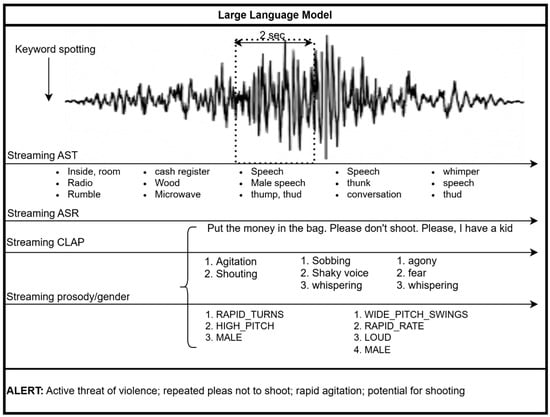
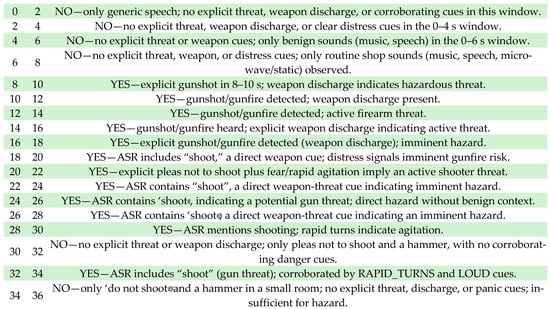
Seconds count differently for people in danger. We present a real-time streaming pipeline for audio-based detection of hazardous life events affecting life and property. The system operates online rather than as a retrospective analysis tool. Its objective is to reduce the latency between the occurrence of a crime, conflict, or accident and the corresponding response by authorities. The key idea is to map reality as perceived by audio into a written story and question the text via a large language model. The method integrates streaming, zero-shot algorithms in an online decoding mode that convert sound into short, interpretable tokens, which are processed by a lightweight language model. CLAP text–audio prompting identifies agitation, panic, and distress cues, combined with conversational dynamics derived from speaker diarization. Lexical information is obtained through streaming automatic speech recognition, while general audio events are detected by a streaming version of Audio Spectrogram Transformer tagger. Prosodic features are incorporated using pitch- and energy-based rules derived from robust F0 tracking and periodicity measures. The system uses a large language model configured for online decoding and outputs binary (YES/NO) life-threatening risk decisions every two seconds, along with a brief justification and a final session-level verdict. The system emphasizes interpretability and accountability. We evaluate it on a subset of the X-Violence dataset, comprising only real-world videos. We release code, prompts, decision policies, evaluation splits, and example logs to enable the community to replicate, critique, and extend our blueprint.
Full article
(This article belongs to the Topic Trends and Prospects in Security, Encryption and Encoding)
►▼
Show Figures

Figure 1

Open AccessArticle
A Comprehensive Multiple Linear Regression Modeling and Analysis of LoRa User Device Energy Consumption
by
Josip Lorincz, Marko Kusačić, Edin Čusto and Zoran Blažević
J. Sens. Actuator Netw. 2026, 15(1), 5; https://doi.org/10.3390/jsan15010005 - 29 Dec 2025
Abstract
The rapid expansion of Long Range (LoRa) and Long Range Wide Area Network (LoRaWAN) protocol technologies in large-scale Internet of Things (IoT) deployments highlights the need for precise and analytically grounded energy consumption (EC) estimation of battery-powered LoRa end devices (DVs). Since LoRa
[...] Read more.
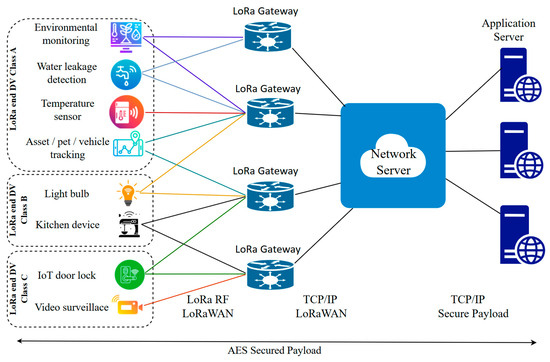
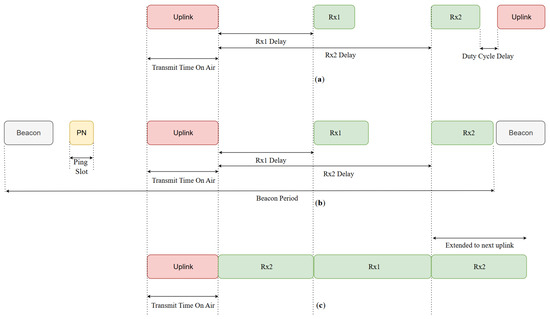
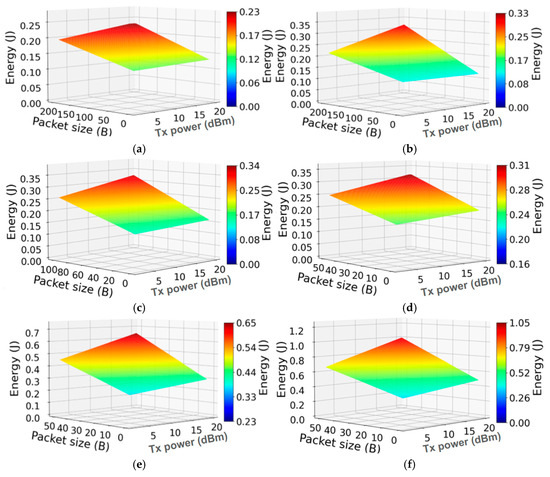
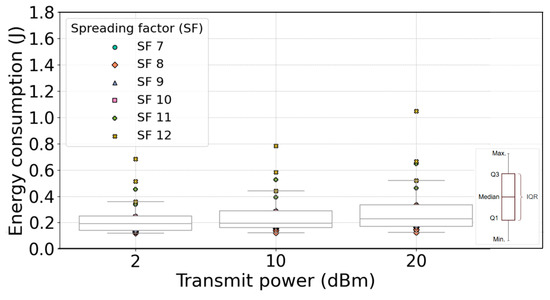
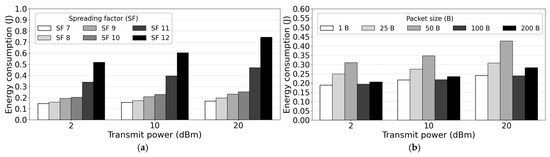
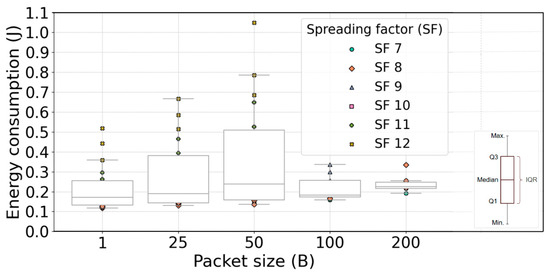
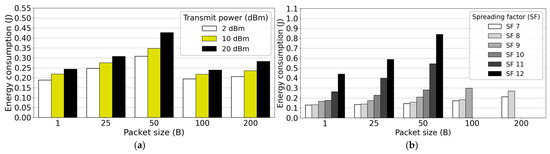
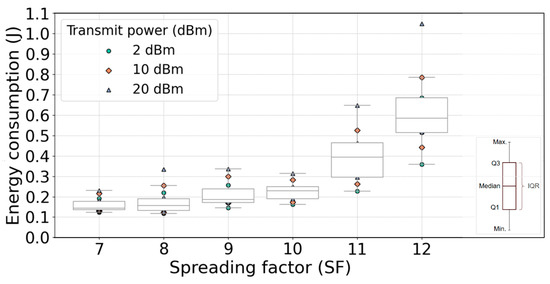
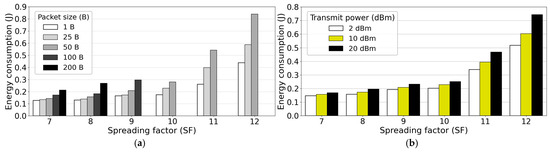
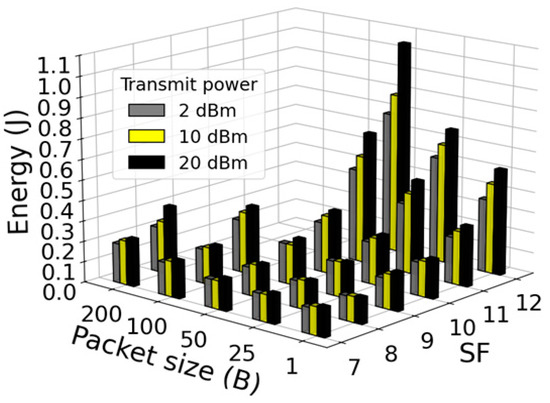
The rapid expansion of Long Range (LoRa) and Long Range Wide Area Network (LoRaWAN) protocol technologies in large-scale Internet of Things (IoT) deployments highlights the need for precise and analytically grounded energy consumption (EC) estimation of battery-powered LoRa end devices (DVs). Since LoRa DV instantaneous EC strongly depends on key transmission parameters, primarily including spreading factor (SF), transmit (Tx) power, and LoRa message packet size (PS), accurate modelling of their combined influence is essential for optimizing LoRa end DV lifetime, ensuring energy-efficient network operation, and supporting transmission parameter-adaptive communication strategies. Motivated by these needs, this paper presents a comprehensive multiple linear regression modelling framework for quantifying LoRa end DV EC during one transmission and reception LoRa end DV Class A communication cycle. The study is based on extensive high-resolution electric-current measurements collected over 69 measurement sets spanning different combinations of SFs, Tx power levels, and PS values. Based on measurement results, a total of 14 multiple linear regression models are developed, each capturing the joint impact of two transmission parameters while holding the third fixed. The developed regression models are mathematically formulated using linear, interaction, and polynomial terms to accurately express nonlinear EC behavior. Detailed statistical accuracy assessments demonstrate excellent goodness of fit of the developed EC multiple linear regression models. Complementary numerical analyses of regression models EC data distribution further validate regression models’ reliability, and highlight transmission parameter-driven variability of Lora end DV EC. The results of numerical analyses for LoRa end DV EC data distribution show that specific combinations of SF, Tx power, and PS transmit parameters amplify or mitigate EC differences, demonstrating that their joint variability patterns can significantly alter instantaneous energy demand across operating conditions. These interactions underscore the importance of modelling parameters together, rather than in isolation. The developed regression models provide interpretable mathematical formulations of instantaneous LoRa end DV EC prediction for transmission at different combinations of transmission parameters, and offer practical value for energy-aware configuration, battery-lifetime planning, and optimization of LoRa network-based IoT systems.
Full article
(This article belongs to the Special Issue Applications of Wireless Sensor Networks: Innovations and Future Trends)
►▼
Show Figures

Figure 1
Open AccessArticle
The Effect of Electromagnetic Pulse Attacks on USB Camera Performance
by
Gang Wei, Lei Shu, Wei Lin, Xing Yang, Ru Han, Kailiang Li and Kai Huang
J. Sens. Actuator Netw. 2026, 15(1), 4; https://doi.org/10.3390/jsan15010004 - 29 Dec 2025
Abstract
►▼
Show Figures
The camera is a core device for modern surveillance and data collection, widely used in various fields including security, transportation, and healthcare. However, their widespread deployment has proportionally escalated associated security risks. This paper initially examines the current state of research on attack
[...] Read more.
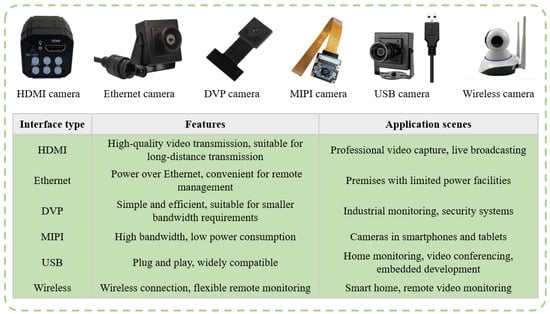
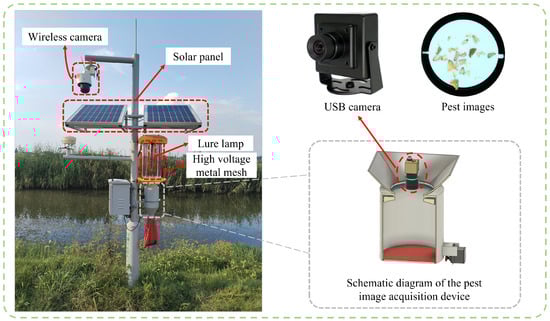
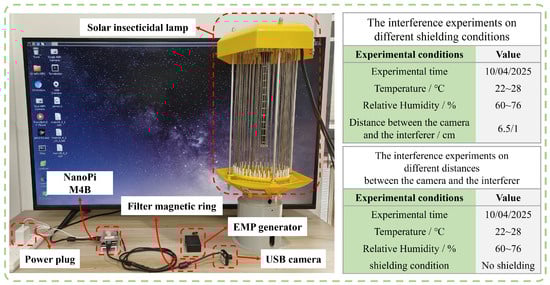
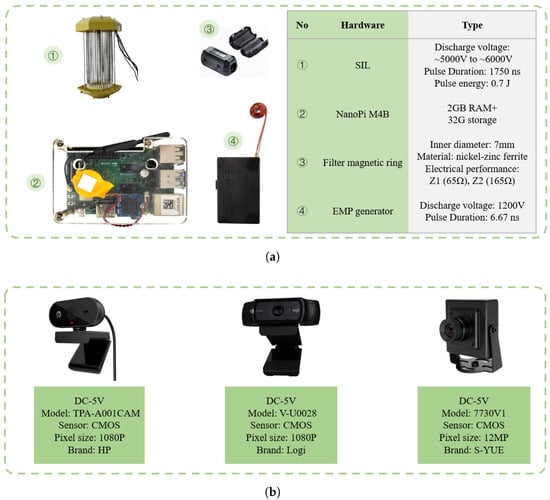
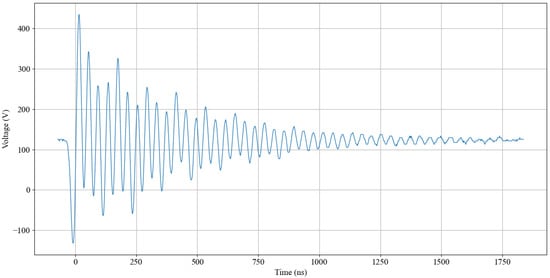
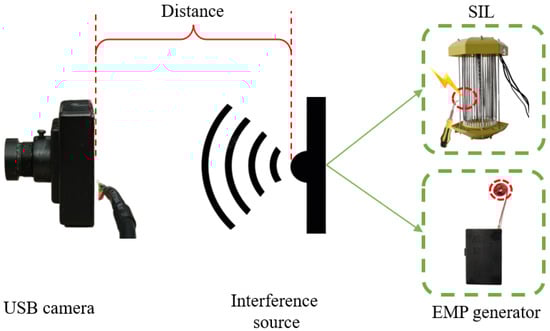
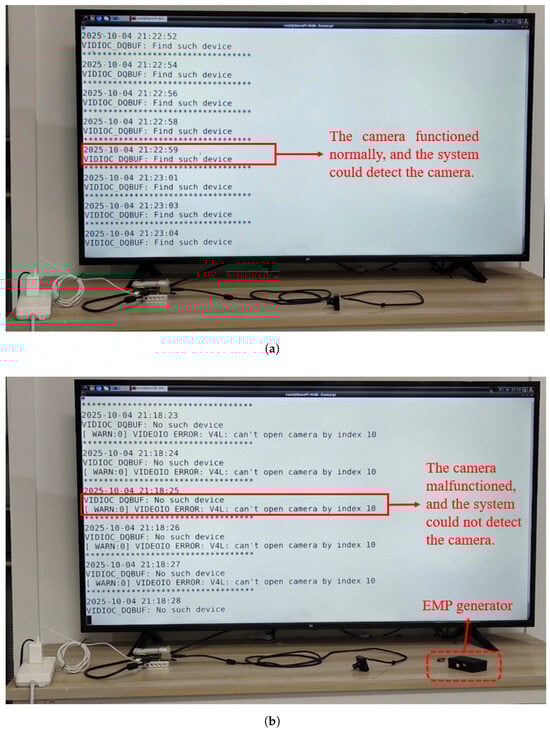
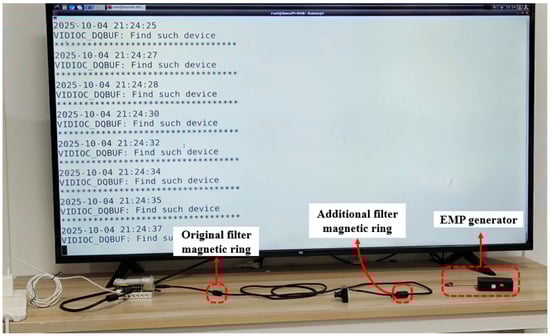
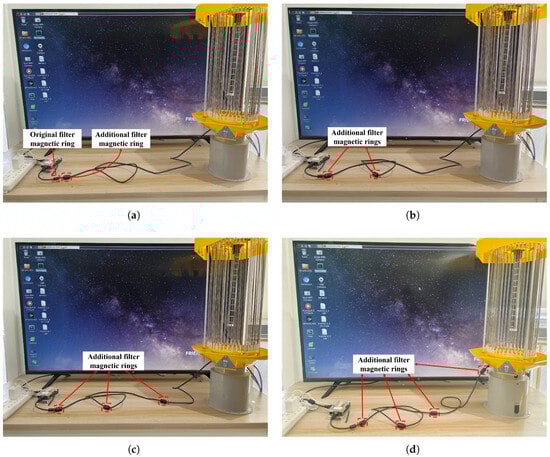
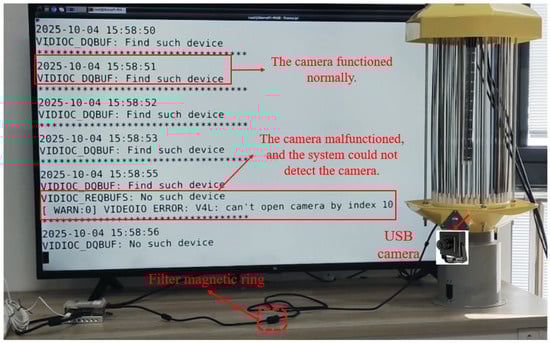
The camera is a core device for modern surveillance and data collection, widely used in various fields including security, transportation, and healthcare. However, their widespread deployment has proportionally escalated associated security risks. This paper initially examines the current state of research on attack methods targeting camera systems, providing a comprehensive review of various attack techniques and their security implications. Subsequently, we focus on a specific attack method against universal serial bus (USB) cameras, known as electromagnetic pulse (EMP) attacks, which utilize EMP to prevent the system from detecting the cameras. We simulated EMP attacks using a solar insecticidal lamp (which generates EMP by releasing high-voltage pulses) and a commercially available EMP generator. The performance of the cameras under various conditions was evaluated by adjusting the number of filtering magnetic rings on the USB cable and the distance between the camera and the interference source. The results demonstrate that some USB cameras are vulnerable to EMP attacks. Although EMP attacks might not invariably cause image distortion or permanent damage, their covert nature can lead to false detection of system failures, data security, and system maintenance. Based on these findings, it is recommended to determine the optimal number of shielding rings for cameras or their safe distance from EMP sources through the experimental approach outlined in this study, thereby enhancing the security and resilience of USB camera enabled systems in specific scenarios.
Full article

Figure 1
Open AccessReview
Fiber-Optic Gyroscopes: Architectures, Signal Processing, Error Compensation, and Emerging Trends
by
Yerlan Tashtay, Nurzhigit Smailov, Daulet Naubetov, Akezhan Sabibolda, Yerzhan Nussupov, Nurzhamal Kashkimbayeva, Yersaiyn Mailybayev and Askhat Batyrgaliyev
J. Sens. Actuator Netw. 2026, 15(1), 3; https://doi.org/10.3390/jsan15010003 - 25 Dec 2025
Abstract
►▼
Show Figures
Fiber-optic gyroscopes (FOGs) have become one of the most important elements of modern inertial navigation systems due to their high accuracy, reliability, and independence from external signals such as satellite navigation. This review analyzes and discusses the key FOG architectures: interferometric (IFOG), resonant
[...] Read more.
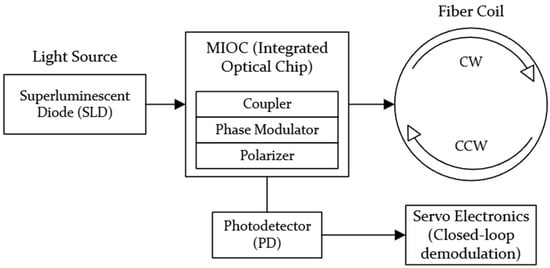
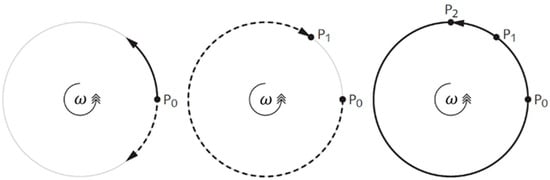
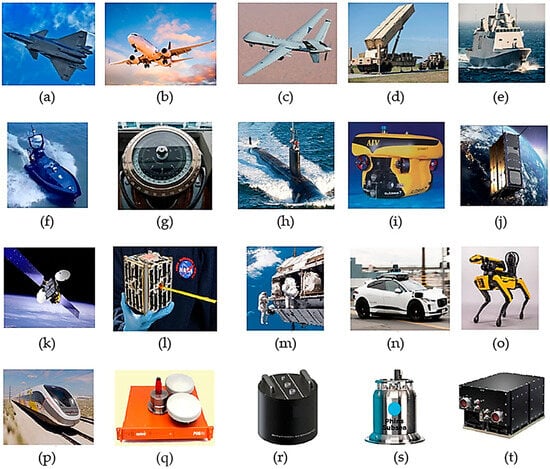
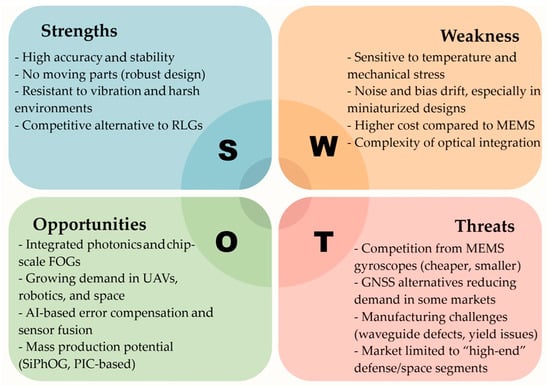
Fiber-optic gyroscopes (FOGs) have become one of the most important elements of modern inertial navigation systems due to their high accuracy, reliability, and independence from external signals such as satellite navigation. This review analyzes and discusses the key FOG architectures: interferometric (IFOG), resonant (RFOG), digital (DFOG), and hybrid (HFOG). The concepts of their functioning, structural features, and the main advantages and limitations of each architecture are examined. Particular focus is placed on advanced signal-processing and error-compensation algorithms, including filtering techniques, noise suppression, mitigation of thermal and mechanical drifts, and emerging machine learning (ML) based approaches. The analysis of these architectures is carried out in terms of major parameters that determine accuracy, robustness, and miniaturization potential. Various applications of FOGs in space systems, ground platforms, marine and underwater navigation, aviation, and scientific research are also being considered. Finally, the latest development trends are summarized, with a particular focus on miniaturization, integration with additional sensors, and the introduction of digital and AI-driven solutions, aimed at achieving higher accuracy, long-term stability, and resilience to real-world disturbances.
Full article

Figure 1
Open AccessArticle
Robust Physical-Layer Key Generation Using UWB in Industrial IoT: A Measurement-Based Analysis
by
Lorenzo Mario Amorosa, Stefano Caputo, Lorenzo Mucchi and Gianni Pasolini
J. Sens. Actuator Netw. 2026, 15(1), 2; https://doi.org/10.3390/jsan15010002 - 23 Dec 2025
Abstract
This paper addresses the confidentiality of wireless communications in industrial internet-of-things environments by investigating the feasibility of secret key generation for link-layer encryption using ultra wideband (UWB) signals. Taking advantage of the nanosecond-level temporal resolution offered by ultra wideband, we exploit channel reciprocity
[...] Read more.
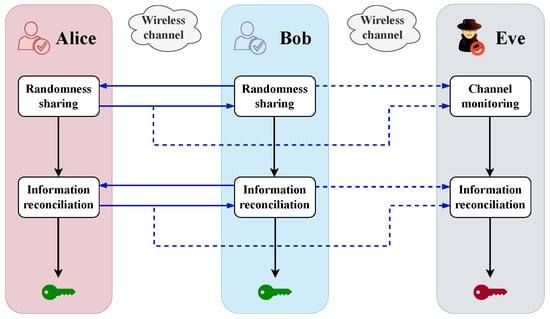
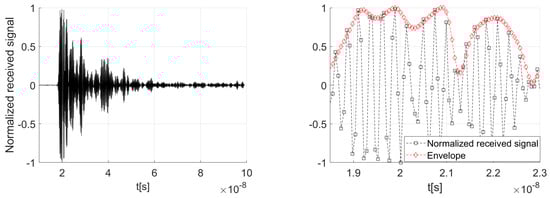
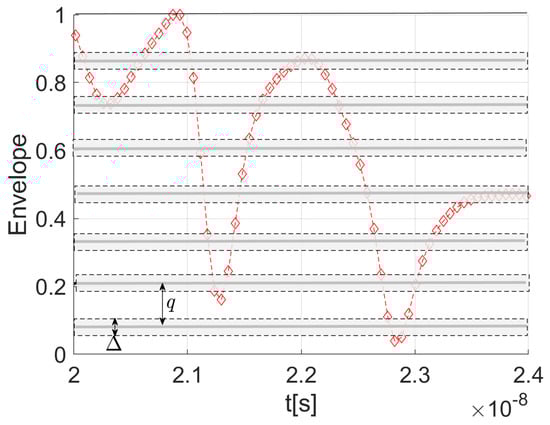
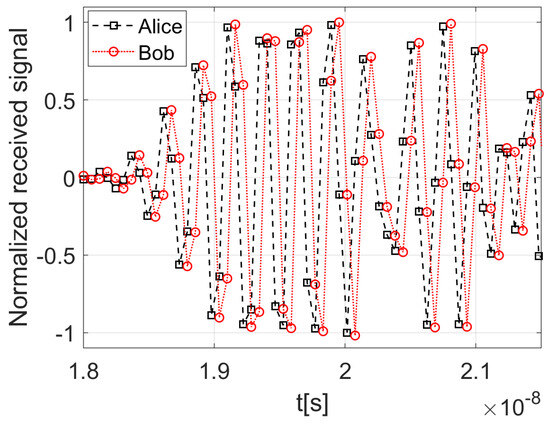
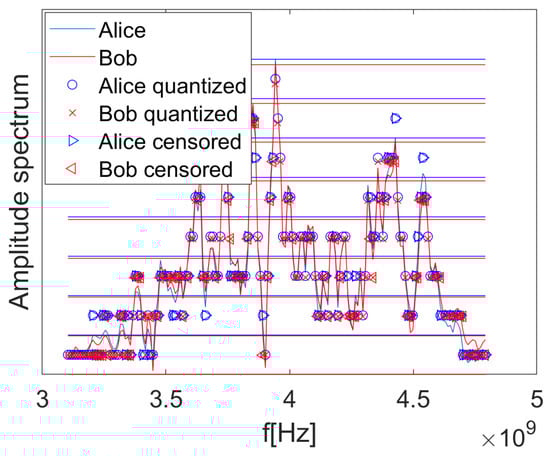
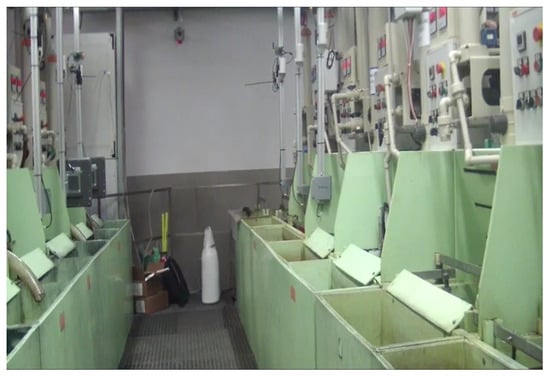
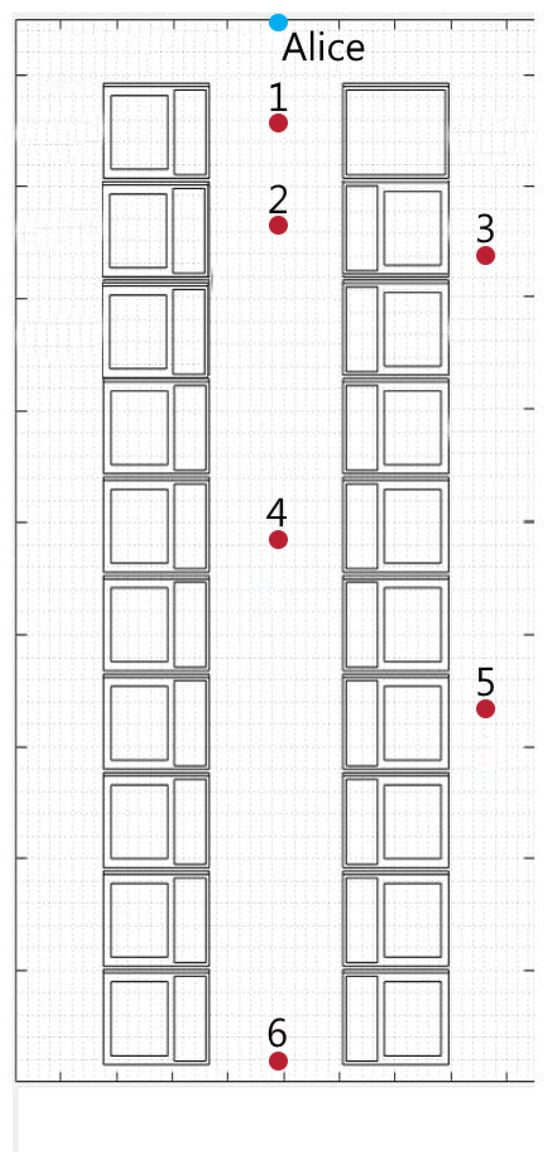
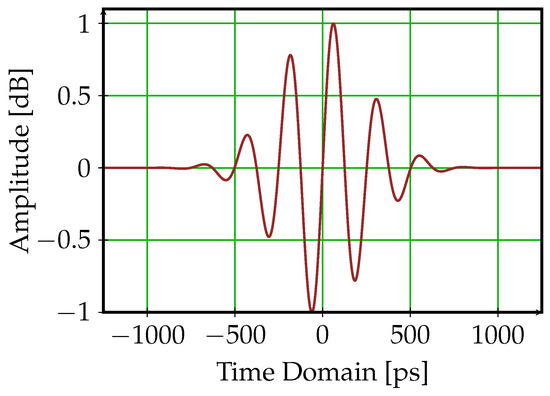
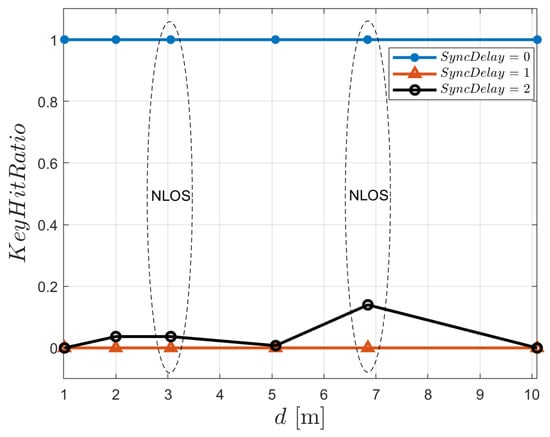
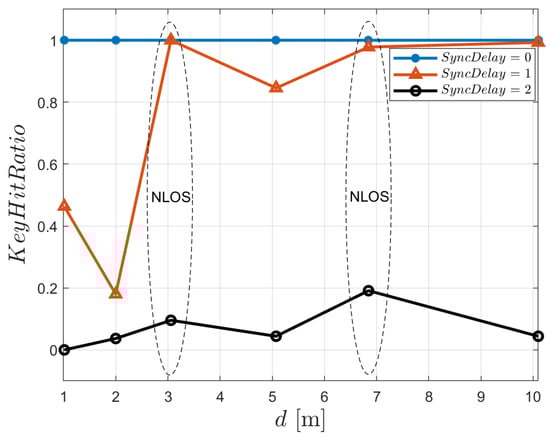
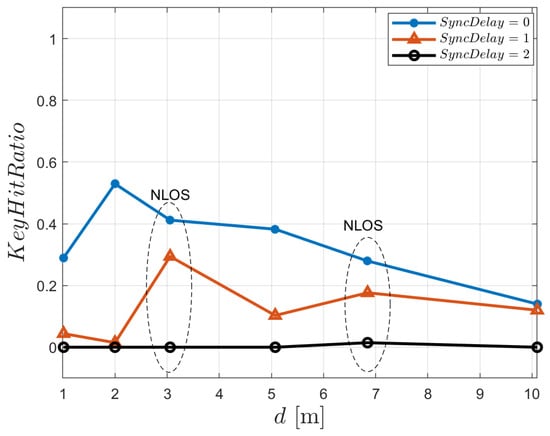
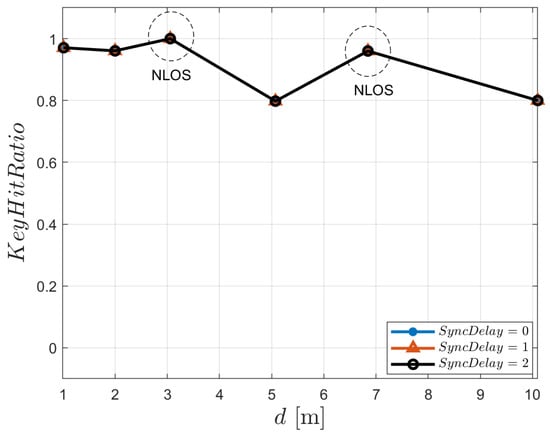
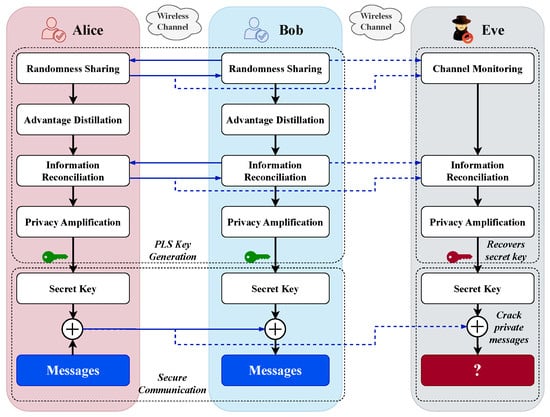
This paper addresses the confidentiality of wireless communications in industrial internet-of-things environments by investigating the feasibility of secret key generation for link-layer encryption using ultra wideband (UWB) signals. Taking advantage of the nanosecond-level temporal resolution offered by ultra wideband, we exploit channel reciprocity to extract highly detailed, noise-like channel measurements, in line with the physical-layer security paradigm. Three key generation algorithms, operating in both the time and frequency domains, are evaluated using real-world data collected through a dedicated measurement campaign in an industrial setting. The analysis, conducted under realistic conditions, examines the impact of practical impairments, such as imperfect channel reciprocity and timing misalignments, on the key agreement rate and the length of the generated keys. The results confirm the strong potential of ultra wideband technology to enable robust physical-layer security, offering a viable and efficient solution for securing wireless communications in complex and dynamic industrial internet-of-things environments.
Full article
(This article belongs to the Special Issue Industrial Networks of the Future Across the Edge-to-Cloud Continuum)
►▼
Show Figures

Figure 1
Open AccessArticle
Parkinson’s Disease Classification Using Machine Learning and Wrist Rigidity Measurements from an Active Orthosis
by
Adriano Alves Pereira, Daniel Hilário da Silva, Caio Tonus Ribeiro, Caroline Valentini de Queiroz, Luanne Cardoso Mendes, Leandro Rodrigues da Silva Souza, Selma Terezinha Milagre, Adriano de Oliveira Andrade and Carlos Dias Maciel
J. Sens. Actuator Netw. 2026, 15(1), 1; https://doi.org/10.3390/jsan15010001 - 19 Dec 2025
Abstract
Background: Rigidity is a cardinal symptom of Parkinson’s Disease (PD), yet its clinical evaluation remains largely subjective and susceptible to errors. This study introduces an innovative method for objectively classifying individuals with PD by combining an active wrist orthosis with Machine Learning (ML)
[...] Read more.
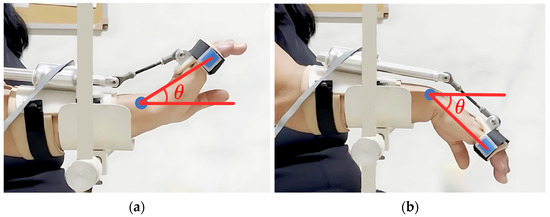
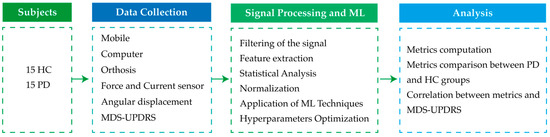
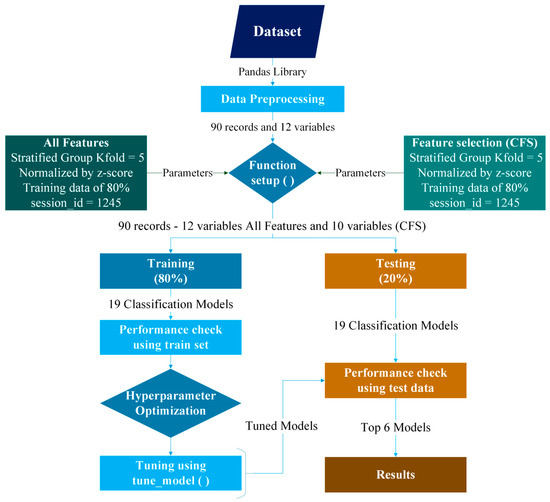
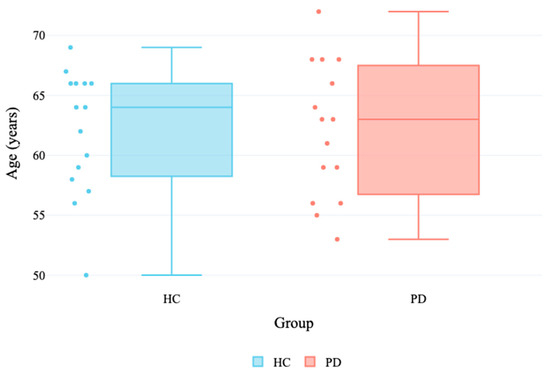
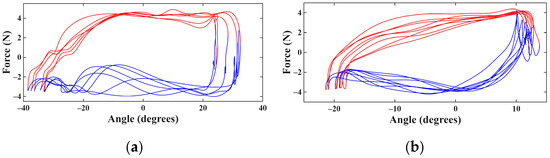
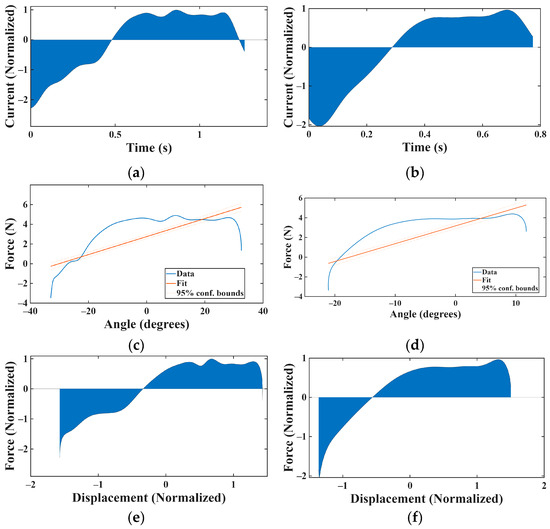
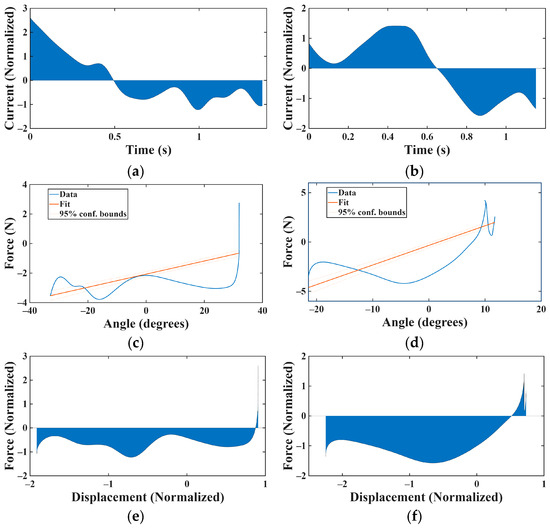
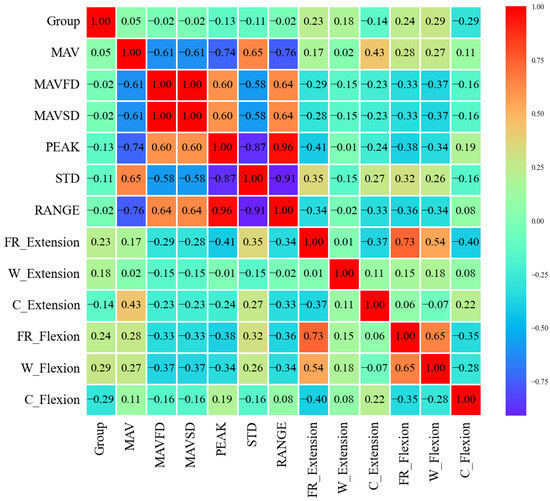
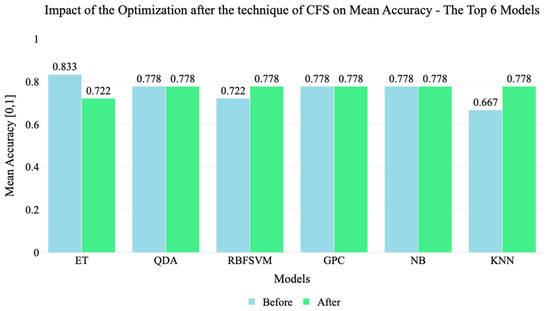
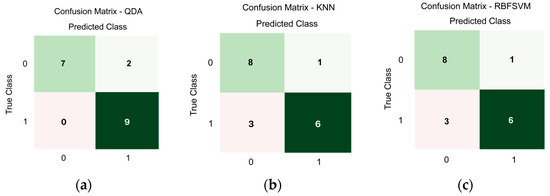
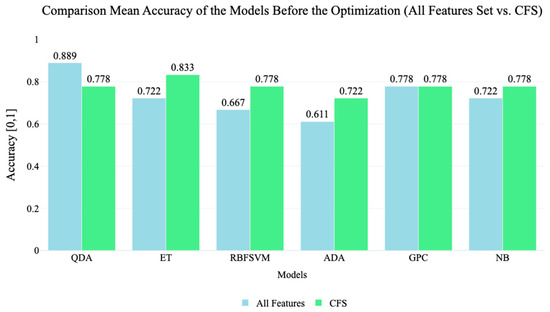
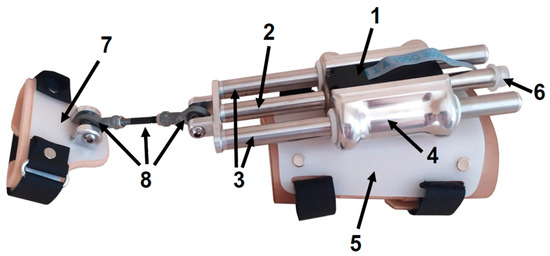
Background: Rigidity is a cardinal symptom of Parkinson’s Disease (PD), yet its clinical evaluation remains largely subjective and susceptible to errors. This study introduces an innovative method for objectively classifying individuals with PD by combining an active wrist orthosis with Machine Learning (ML) models. Methods: The orthosis, equipped with current and force sensors, recorded biomechanical signals during passive wrist flexion and extension, from which twelve quantitative features were extracted. Data were collected from 30 participants (15 with PD and 15 Healthy Controls). Nineteen supervised ML algorithms were systematically evaluated through feature selection, cross-validation, and hyperparameter tuning. Results: Using all twelve features, QDA achieved an accuracy of 0.889 and sensitivity of 1.000, followed by GPC (0.778) and LDA (0.778). After applying feature selection with the Correlation-based Feature Subset to reduce redundancy, Extra Trees reached 0.833 accuracy, while both QDA and GPC maintained accuracies of 0.778. This consistency across models, even with a reduced feature set, highlights the robustness of the extracted biomarkers. Conclusions: These findings confirm that wrist rigidity signals provide discriminative quantitative information between PD patients and HC and are able to support PD classification, combining engineering innovation with clinical practice that highlights the potential of integrating wearable devices and ML as a personalized healthcare in PD.
Full article
(This article belongs to the Section Actuators, Sensors and Devices)
►▼
Show Figures

Figure 1
Open AccessArticle
Passive Localization in GPS-Denied Environments via Acoustic Side Channels: Harnessing Smartphone Microphones to Infer Wireless Signal Strength Using MFCC Features
by
Khalid A. Darabkh, Oswa M. Amro and Feras B. Al-Qatanani
J. Sens. Actuator Netw. 2025, 14(6), 119; https://doi.org/10.3390/jsan14060119 - 16 Dec 2025
Abstract
►▼
Show Figures
The Global Positioning System (GPS) and Received Signal Strength Indicator (RSSI) usage for location provenance often fails in obstructed, noisy, or densely populated urban environments. This study proposes a passive location provenance method that uses the location’s acoustics and the device’s acoustic side
[...] Read more.
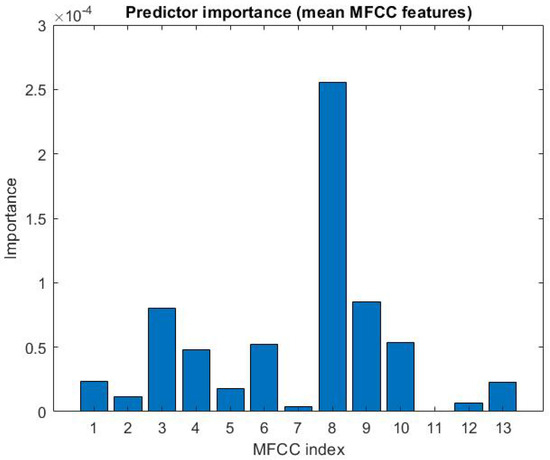
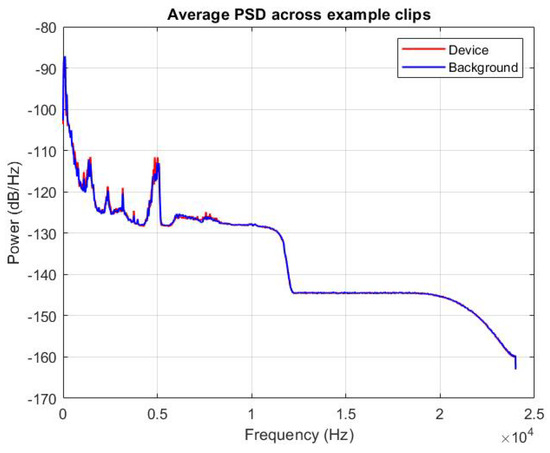
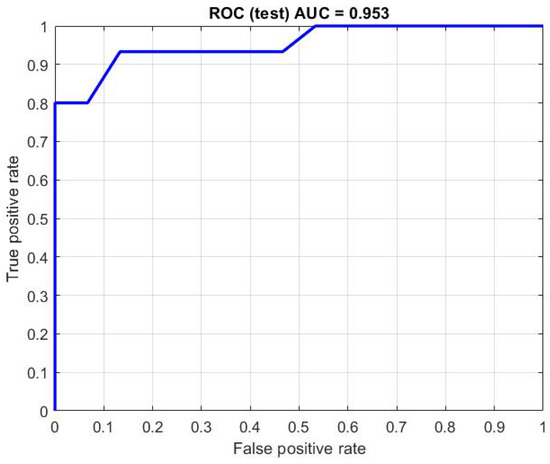
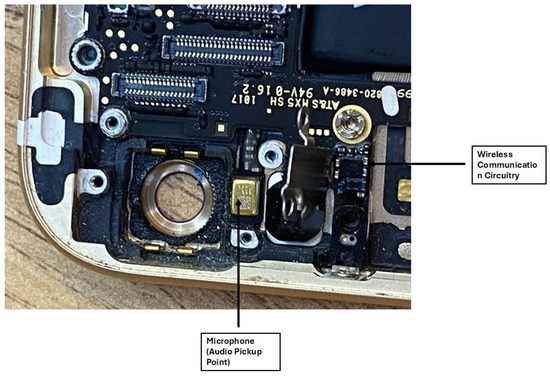
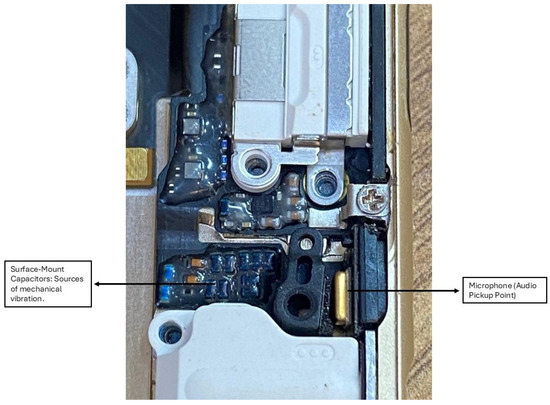
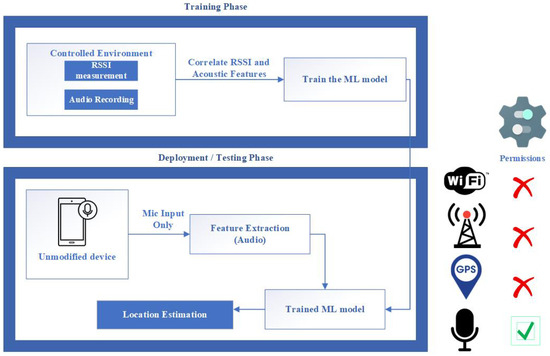
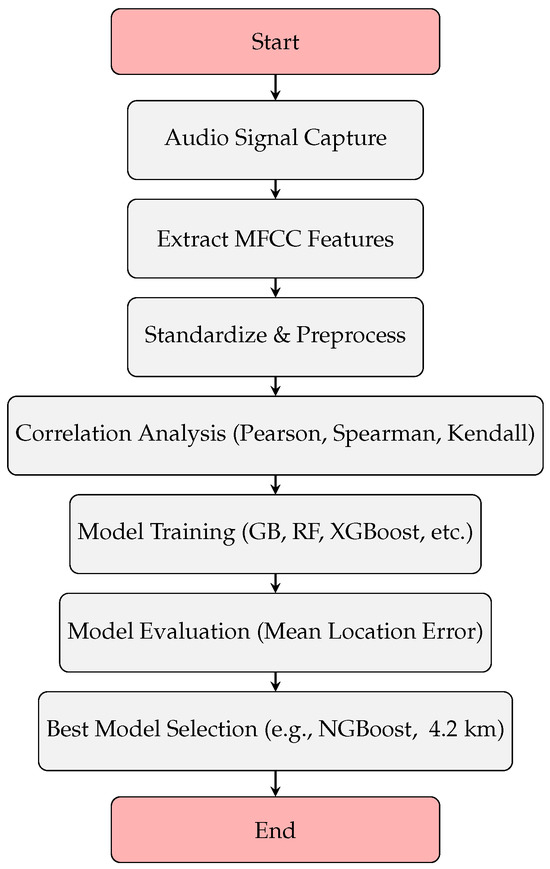
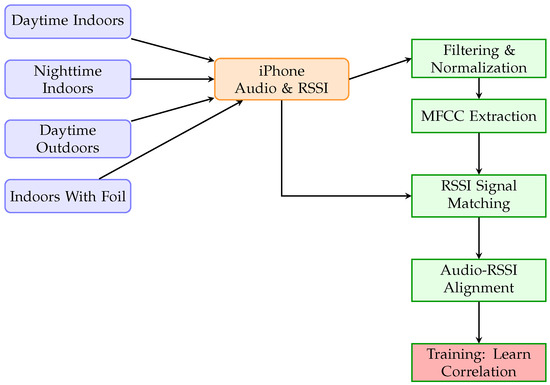
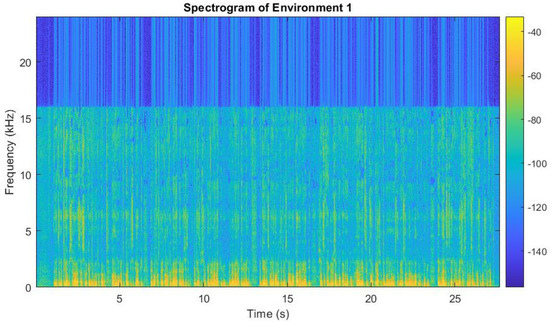
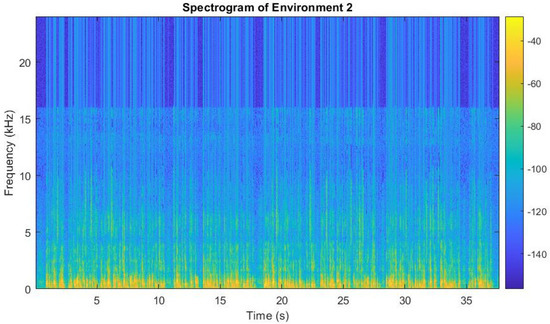
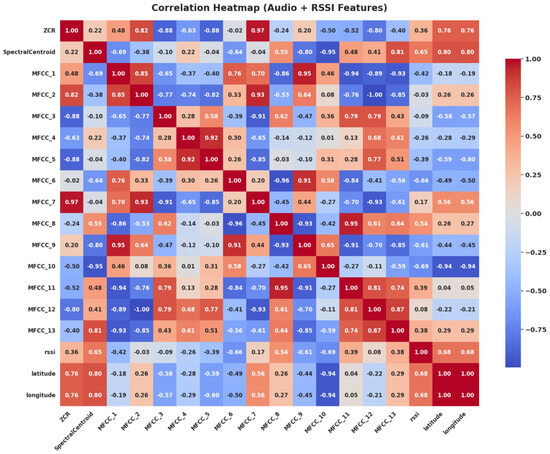
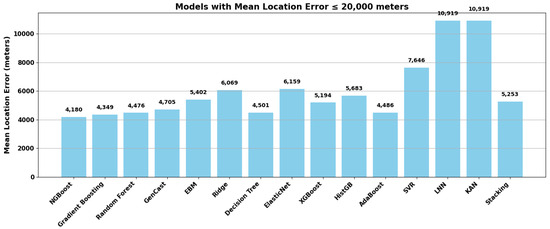
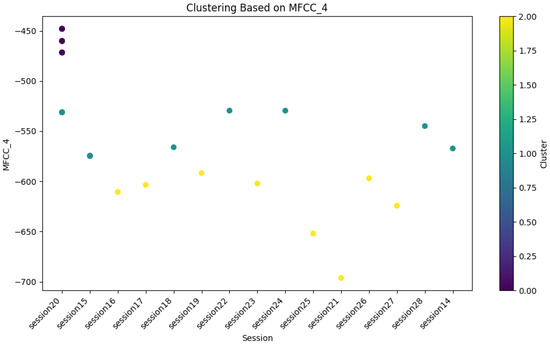
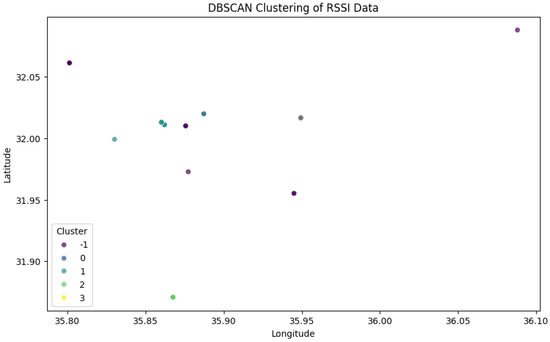
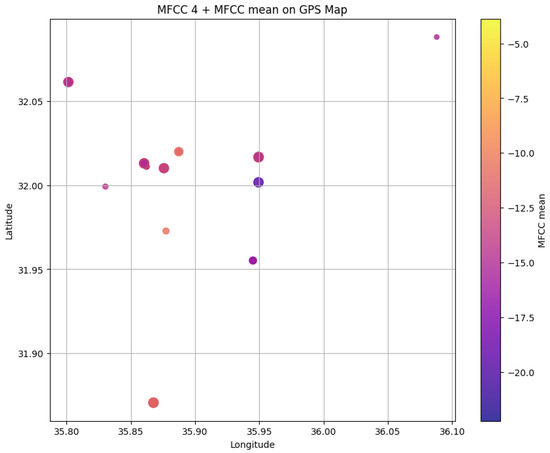
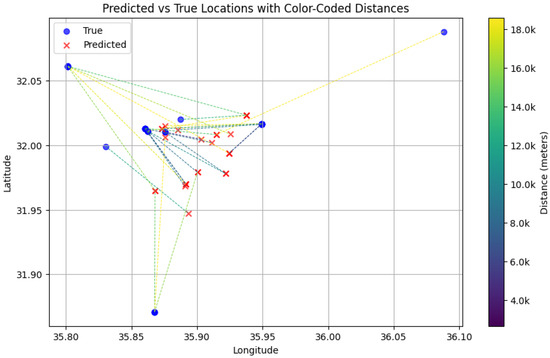
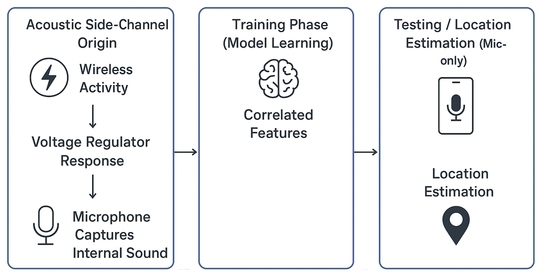
The Global Positioning System (GPS) and Received Signal Strength Indicator (RSSI) usage for location provenance often fails in obstructed, noisy, or densely populated urban environments. This study proposes a passive location provenance method that uses the location’s acoustics and the device’s acoustic side channel to address these limitations. With the smartphone’s internal microphone, we can effectively capture the subtle vibrations produced by the capacitors within the voltage-regulating circuit during wireless transmissions. Subsequently, we extract key features from the resulting audio signals. Meanwhile, we record the RSSI values of the WiFi access points received by the smartphone in the exact location of the audio recordings. Our analysis reveals a strong correlation between acoustic features and RSSI values, indicating that passive acoustic emissions can effectively represent the strength of WiFi signals. Hence, the audio recordings can serve as proxies for Radio-Frequency (RF)-based location signals. We propose a location-provenance framework that utilizes sound features alone, particularly the Mel-Frequency Cepstral Coefficients (MFCCs), achieving coarse localization within approximately four kilometers. This method requires no specialized hardware, works in signal-degraded environments, and introduces a previously overlooked privacy concern: that internal device sounds can unintentionally leak spatial information. Our findings highlight a novel passive side-channel with implications for both privacy and security in mobile systems.
Full article

Graphical abstract
Journal Menu
► ▼ Journal Menu-
- JSAN Home
- Aims & Scope
- Editorial Board
- Reviewer Board
- Topical Advisory Panel
- Instructions for Authors
- Special Issues
- Topics
- Sections
- Article Processing Charge
- Indexing & Archiving
- Editor’s Choice Articles
- Most Cited & Viewed
- Journal Statistics
- Journal History
- Journal Awards
- Conferences
- Editorial Office
Journal Browser
► ▼ Journal BrowserHighly Accessed Articles
Latest Books
E-Mail Alert
News
19 November 2025
Meet Us Virtually at the 1st International Online Conference on Sensor and Actuator Networks (CSAN 2026), 9–10 July 2026
6 November 2025
MDPI Launches the Michele Parrinello Award for Pioneering Contributions in Computational Physical Science
Topics
Topic in
Applied Sciences, Computers, JSAN, Technologies, BDCC, Sensors, Telecom, Electronics
Electronic Communications, IOT and Big Data, 2nd Volume
Topic Editors: Teen-Hang Meen, Charles Tijus, Cheng-Chien Kuo, Kuei-Shu Hsu, Jih-Fu TuDeadline: 31 March 2026
Topic in
Applied Mechanics, JLPEA, JSAN, ASI
Application of IOT on Manufacturing, Communication and Engineering, 2nd Volume
Topic Editors: Teen-Hang Meen, Chun-Yen Chang, Charles Tijus, Cheng-Fu Yang, Shu-Han LiaoDeadline: 31 May 2026
Topic in
Electronics, Future Internet, Information, JSAN, Sensors, IoT
Privacy Challenges and Solutions in the Internet of Things
Topic Editors: Abdul Majeed, Safiullah KhanDeadline: 30 June 2026
Topic in
Applied Sciences, Electronics, JSAN, Photonics, Sensors, Telecom
Machine Learning in Communication Systems and Networks, 3rd Edition
Topic Editors: Yichuang Sun, Haeyoung Lee, Oluyomi SimpsonDeadline: 20 August 2026
Conferences
Special Issues
Special Issue in
JSAN
AI and IoT Convergence for Sustainable Smart Manufacturing
Guest Editors: Chun-Cheng Lin, Tony HuangDeadline: 28 February 2026
Special Issue in
JSAN
Fault Diagnosis in the Internet of Things Applications
Guest Editors: Fabrizio De Vita, Giovanni CicceriDeadline: 31 March 2026
Special Issue in
JSAN
AI-Assisted Machine-Environment Interaction
Guest Editors: Manolo Dulva Hina, Amar Ramdane-CherifDeadline: 30 April 2026
Special Issue in
JSAN
IoT and Networking Technologies for Smart Mobile Systems
Guest Editors: Chengwen Luo, Xingyu Feng, Chao FanDeadline: 20 May 2026