

Journal Description
Journal of Marine Science and Engineering
is an international, peer-reviewed, open access journal on marine science and engineering, published semimonthly online by MDPI. The Australia New Zealand Marine Biotechnology Society (ANZMBS) is affiliated with JMSE and its members receive discounts on the article processing charges.
- Open Access— free for readers, with article processing charges (APC) paid by authors or their institutions.
- High Visibility: indexed with Scopus, SCIE (Web of Science), Ei Compendex, GeoRef, Inspec, AGRIS, and other databases.
- Journal Rank: JCR - Q2 (Oceanography) / CiteScore - Q1 (Ocean Engineering)
- Rapid Publication: manuscripts are peer-reviewed and a first decision is provided to authors approximately 15 days after submission; acceptance to publication is undertaken in 2.6 days (median values for papers published in this journal in the first half of 2026).
- Recognition of Reviewers: reviewers who provide timely, thorough peer-review reports receive vouchers entitling them to a discount on the APC of their next publication in any MDPI journal, in appreciation of the work done.
- Journal Clusters of Water Resources: Water, Journal of Marine Science and Engineering, Hydrology, Resources, Oceans, Limnological Review, Coasts and Hydropower.
Impact Factor:
3.2 (2025);
5-Year Impact Factor:
3.2 (2025)
Latest Articles
Numerical Analysis of the Hydrodynamic Performance of a Connected Offshore Floating Photovoltaic Platform Array
J. Mar. Sci. Eng. 2026, 14(14), 1336; https://doi.org/10.3390/jmse14141336 - 20 Jul 2026
Abstract
Offshore floating photovoltaic (FPV) platforms have attracted attention as a promising approach for expanding solar energy utilization in marine environments. However, the hydrodynamic behavior of connected FPV arrays and the associated mooring response under realistic offshore conditions remain insufficiently understood. In this study,
[...] Read more.
Offshore floating photovoltaic (FPV) platforms have attracted attention as a promising approach for expanding solar energy utilization in marine environments. However, the hydrodynamic behavior of connected FPV arrays and the associated mooring response under realistic offshore conditions remain insufficiently understood. In this study, a numerical model of a connected offshore FPV platform array designed for the East China Sea is established using frequency-domain hydrodynamic analysis and time-domain simulations. The effects of module spacing and connector configuration are first examined for a twin-float system, and the optimized connection scheme is then applied to a 4 × 4 array. The motion responses, air-gap variation, and mooring performance of the array are evaluated under operational and extreme sea states. The results show that the surge response of the array is governed by an edge amplification effect under operational conditions, whereas the array tends to exhibit a more coordinated, quasi-rigid-body response as environmental loading increases. The heave response is influenced by wave shielding among adjacent units, while the pitch motion is strongly synchronized by the spring–damper connection system. The air-gap and mooring analyses indicate that the platform maintains sufficient freeboard and mooring safety margins under the considered sea states. These findings provide useful guidance for the preliminary design and safety assessment of connected offshore FPV arrays.
Full article
(This article belongs to the Topic Marine Energy)
Open AccessArticle
A Variational Dispersion Mode Decomposition Approach to Extracting Normal-Mode Interference Spectra from Broadband Acoustic Intensity Measurements
by
Wei Gao and Guocheng Gao
J. Mar. Sci. Eng. 2026, 14(14), 1335; https://doi.org/10.3390/jmse14141335 - 20 Jul 2026
Abstract
The primary objective of separating normal-mode interference spectra (NMISs) is to extract more fine-grained coherent structures between different pairs of modes in a shallow water sound field. However, NMISs generally exhibit nonlinear phase frequency and amplitude frequency relationships in one-dimensional broadband sound intensity
[...] Read more.
The primary objective of separating normal-mode interference spectra (NMISs) is to extract more fine-grained coherent structures between different pairs of modes in a shallow water sound field. However, NMISs generally exhibit nonlinear phase frequency and amplitude frequency relationships in one-dimensional broadband sound intensity measurements, which poses a challenge for effective separation. To address the difficulty arising from the nonlinearity of NMISs, this study presents a variational dispersion mode decomposition (VDMD) method. An innovation of VDMD is to incorporate the physical model of NMISs into the framework of Variational Nonlinear Chirp Mode Decomposition (VNCMD). First, it utilizes the waveguide invariant and the interference frequency factor to characterize the phase function of NMISs. Second, this parameterization of the nonlinear phase function provides an analytical expression for the gradient of the objective function in the variational optimization processing of VNCMD, thereby improving the efficiency of its iterative search and enabling accurate extraction of NMISs. Finally, experimental results from a Yellow Sea trial demonstrate that the separated NMISs agree well with the reference modes, validating the effectiveness of our proposed method.
Full article
(This article belongs to the Section Ocean Engineering)
Open AccessArticle
Beyond Nuclear Norm: Adversarial Spectral Distribution Alignment for Cross-Domain Underwater Object Recognition
by
Yun Zhang and Lei Song
J. Mar. Sci. Eng. 2026, 14(14), 1334; https://doi.org/10.3390/jmse14141334 - 20 Jul 2026
Abstract
Cross-domain underwater object recognition is essential for intelligent visual monitoring in marine ranching, yet domain shift caused by varying water conditions and imaging devices severely degrades model performance. Existing adversarial domain adaptation methods align feature distributions to mitigate domain shift, but they often
[...] Read more.
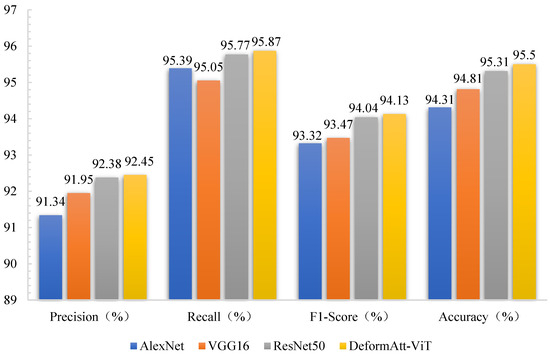
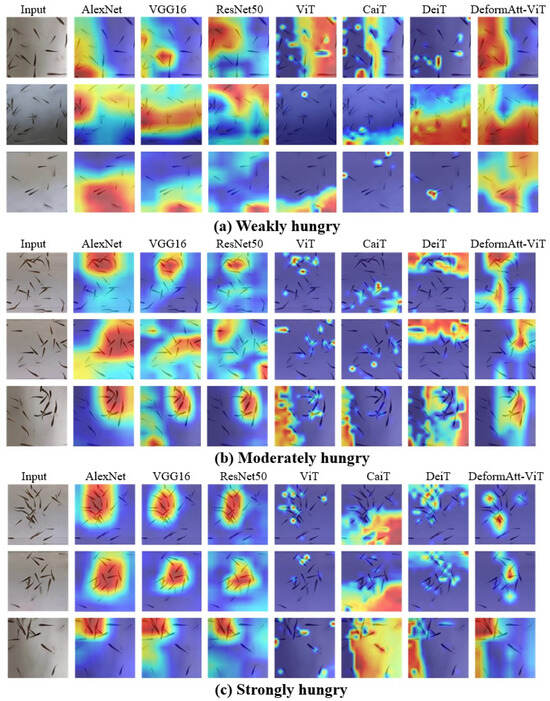
Cross-domain underwater object recognition is essential for intelligent visual monitoring in marine ranching, yet domain shift caused by varying water conditions and imaging devices severely degrades model performance. Existing adversarial domain adaptation methods align feature distributions to mitigate domain shift, but they often fail to preserve the fine-grained discriminative structure required for distinguishing visually similar marine species. Discriminator-free adversarial domain adaptation constrains only the sum of singular values, leading to projection distortion, thereby degrading target discriminability. We observe that the discriminative structure of the source domain is encoded in the singular value distribution of classifier outputs, and aligning this distribution across domains, rather than its sum, preserves discriminability during knowledge transfer. Based on this insight, we propose Adversarial Spectral Distribution Alignment (ASDA). ASDA consists of Spectral Distribution Alignment (SDA), which minimizes the Wasserstein distance between source and target singular value distributions, and a Dynamic Feature Queue (DFQ) with an adaptive length schedule that provides stable spectral distribution estimates across mini-batches. By enforcing singular value ratio consistency across all principal directions, SDA achieves fine-grained alignment, which reduces domain discrepancy while preserving discriminative features. Experimental results on two underwater image datasets demonstrate that ASDA outperforms existing domain adaptation methods.
Full article
(This article belongs to the Section Marine Aquaculture)
►▼
Show Figures

Figure 1
Open AccessReview
A Review of Medium–Long-Term Wind Energy Projection
by
Yi Lai, Chong-Wei Zheng, Feng Zhang, Lei Wang and Hong Cheng
J. Mar. Sci. Eng. 2026, 14(14), 1333; https://doi.org/10.3390/jmse14141333 - 20 Jul 2026
Abstract
Reliable medium–long-term wind energy projection is essential in the planning, financing, and operation of large-scale offshore wind development. This study classified projection methods into three categories: statistical/empirical and climate-signal-driven methods, dynamical models with reanalysis and regional downscaling, and machine/deep learning and hybrid methods
[...] Read more.
Reliable medium–long-term wind energy projection is essential in the planning, financing, and operation of large-scale offshore wind development. This study classified projection methods into three categories: statistical/empirical and climate-signal-driven methods, dynamical models with reanalysis and regional downscaling, and machine/deep learning and hybrid methods for bias correction, downscaling, and direct data-driven projection. Then, this study reviewed the technical framework, representative studies, and comparative strengths and limitations. The main finding was that the state of the art increasingly converged on “dynamical simulation plus statistical or machine learning correction”. Next, seven main bottlenecks, along with the countermeasures, were systematically presented: (i) difficult data quality control and insufficient observational representativeness, especially offshore; (ii) divergent, even contradictory, conclusions for the same region across data sources and research groups; (iii) large uncertainty in extrapolating 10 m winds to the continually rising turbine hub height; (iv) difficulty in quantifying and communicating non-stationarity and uncertainty to decision-makers; (v) engineering conversion errors from projected “wind resource” to deliverable “electricity”; (vi) systematic biases in the marine atmospheric boundary layer, strong winds, and extreme conditions; and (vii) unresolved reliability, interpretability, and out-of-distribution generalization of AI models. Correspondingly, three mutually reinforcing strands of countermeasures were proposed: first, strengthening the observational and benchmarking foundation through unified, open, quality-controlled observation networks with data-provenance standards and shared reference datasets and intercomparison protocols; second, advancing physics–data integration and uncertainty quantification through hybrid and physics-informed correction, regime-specific bias correction of boundary-layer and extreme-wind errors, and probabilistic frameworks that delivered and clearly communicated credible intervals; and third, closing the resource-to-electricity gap by embedding power-curve convolution, wake-loss modeling, and availability and technology derating into the projection workflow, with the aim of improving medium–long-term wind energy projection accuracy.
Full article
(This article belongs to the Special Issue Marine Renewable Energy and Environment Evaluation)
Open AccessArticle
Multi-Objective Ship Route and Speed Optimization Under Time-Varying Marine Environments Based on NSGA-II
by
Junyi Wang, Shaojie Guo and Yihua Liu
J. Mar. Sci. Eng. 2026, 14(14), 1332; https://doi.org/10.3390/jmse14141332 - 20 Jul 2026
Abstract
Efficient ship voyage planning under time-varying marine environments is important for reducing fuel consumption, improving operational efficiency, and maintaining navigational safety. This study proposes an NSGA-II-based multi-objective ship route and speed optimization method that jointly optimizes intermediate waypoint positions and segment speeds. A
[...] Read more.
Efficient ship voyage planning under time-varying marine environments is important for reducing fuel consumption, improving operational efficiency, and maintaining navigational safety. This study proposes an NSGA-II-based multi-objective ship route and speed optimization method that jointly optimizes intermediate waypoint positions and segment speeds. A three-objective framework is developed to minimize fuel consumption, voyage time, and a navigational safety index. Static navigational data are used for feasibility checking, while time-varying wind, wave, and current fields are matched with route segments according to their positions and sailing times. An Extra Trees-based fuel consumption model and a multi-factor safety index evaluation model are embedded into the segment-level evaluation process, and joint waypoint–speed encoding, grouped genetic operators, and constraint handling are incorporated into the NSGA-II framework. A case study on the Busan–Ningbo route shows that the proposed method generates a well-distributed Pareto non-dominated solution set and reveals clear trade-offs among the three objectives. The TOPSIS-based recommended route achieves a fuel consumption of 43.468 t, a voyage time of 34.599 h, and a safety index value of 0.830. Compared with the A* baseline route, the proposed method reduces fuel consumption, voyage time, safety index value, and route length by 5.08%, 3.52%, 20.61%, and 5.65%, respectively. Comparisons with the original NSGA-II and CMOPSO further show that the proposed method improves Pareto solution quality and route smoothness among the multi-objective optimization methods. Results from two representative oceanic route scenarios further demonstrate that the proposed framework can generate feasible Pareto solution sets and recommended routes under different voyage conditions. These results indicate that the proposed method can provide feasible, smooth, and balanced route–speed solutions for voyage optimization under complex marine conditions.
Full article
(This article belongs to the Section Ocean Engineering)
►▼
Show Figures

Figure 1
Open AccessArticle
ARGO-Net: An Adaptive Receptive-Field and Geometry-Oriented Network for Lightweight Ship Detection in Complex Maritime Scene
by
Jing Qu, Qiang Zhou, Bimeng Zhang, Yude Zhu and Kai Chen
J. Mar. Sci. Eng. 2026, 14(14), 1331; https://doi.org/10.3390/jmse14141331 - 20 Jul 2026
Abstract
Deploying robust ship detectors in real-world maritime environments is severely bottlenecked by the dual challenges of strictly constrained computational resources and complex background interferences, such as dense berthing, wake patterns, and SAR speckle. To solve these problems, we propose ARGO-Net, a highly efficient
[...] Read more.
Deploying robust ship detectors in real-world maritime environments is severely bottlenecked by the dual challenges of strictly constrained computational resources and complex background interferences, such as dense berthing, wake patterns, and SAR speckle. To solve these problems, we propose ARGO-Net, a highly efficient architecture tailored for multi-modal maritime detection. At its core, ARGO-Net extracts physically meaningful and highly discriminative features through three targeted innovations. First, a Background Suppression and Reconstruction Module (BSRM) is developed to mitigate irregular coastal clutter and speckle in the frequency domain, reconstructing resilient spatial representations. Second, to capture the intrinsic morphological properties of ships, the High-Resolution Preserving Feature Network (HRPFN) employs geometry-oriented strip convolutions alongside an adaptive scale mechanism, effectively preserving the structural continuity of elongated hulls across extreme scale variations. Finally, a Semantic–Detail Alignment Fusion (SDAF) module is introduced to resolve cross-level spatial mismatches, ensuring that deep semantic context precisely informs low-level boundary localization. Extensive evaluations on the SeaShips and SSDD benchmarks highlight the exceptional efficiency–accuracy balance of ARGO-Net. With a marginal footprint of merely 2.3 M parameters and 6.9 G FLOPs, ARGO-Net achieves 97.9%/75.4% (mAP@50/mAP@50:95) on SeaShips and 99.5%/79.3% on SSDD. The proposed framework demonstrates that integrating background-aware feature reconstruction with geometry-driven fusion yields state-of-the-art localization precision without compromising lightweight deployability.
Full article
(This article belongs to the Section Ocean Engineering)
Open AccessArticle
Spatio-Temporal Analysis and Multiscale Identification of Global Bulk Carrier Accident Blackspots
by
Zhanzhu Li, Xiaohua Cao, Jin Chen and Hua Zhou
J. Mar. Sci. Eng. 2026, 14(14), 1330; https://doi.org/10.3390/jmse14141330 - 20 Jul 2026
Abstract
Bulk carriers play a critical role in global dry bulk transportation, and their safe operation is closely related to commodity supply chains, port continuity, and maritime governance. However, bulk carrier accidents are unevenly distributed across maritime space, and existing maritime blackspot studies are
[...] Read more.
Bulk carriers play a critical role in global dry bulk transportation, and their safe operation is closely related to commodity supply chains, port continuity, and maritime governance. However, bulk carrier accidents are unevenly distributed across maritime space, and existing maritime blackspot studies are often limited by single-scale density estimation, unconstrained planar smoothing, and insufficient consideration of temporal persistence. These limitations make it difficult to distinguish robust accident-prone waters from scale-sensitive or temporally unstable hotspots. To address this problem, this study proposes a constrained multiscale consensus framework for identifying and interpreting global bulk carrier accident blackspots. The framework first screens and standardizes global maritime accident records to extract valid bulk carrier accident samples. It then constructs an ocean-constrained equal-area analysis grid and estimates severity-weighted accident intensity under multiple Gaussian smoothing bandwidths. Scale-specific hotspots are further extracted through threshold-based segmentation and minimum-area filtering, and a consensus persistence rule is developed to classify core, secondary, and transition blackspots. Finally, threshold sensitivity analysis, bootstrap resampling, time-window comparison, lifecycle classification, accident-type stratification, and severity-weighted versus frequency-only comparison are conducted to evaluate the robustness and interpretability of the identified blackspots. Based on 38,139 raw accident records, the empirical analysis retained 1441 cleaned bulk carrier accidents from 2015 to 2023 and identified 87 core consensus blackspots, covering approximately 8.06 million km2 and containing 863 accidents. These blackspots are mainly concentrated in major coastal shipping regions, and the proposed framework provides a reproducible and geographically constrained basis for global maritime blackspot identification.
Full article
(This article belongs to the Section Ocean Engineering)
►▼
Show Figures

Figure 1
Open AccessArticle
Dynamic Response Analysis of Floating Offshore Wind Turbines During Towing Operations
by
Jianan Wu, Kuankuan Wu, Liangmao Lin, Haorui Si, Binghao Zhao and Dayong Zhang
J. Mar. Sci. Eng. 2026, 14(14), 1329; https://doi.org/10.3390/jmse14141329 - 20 Jul 2026
Abstract
Floating offshore wind turbines (FOWTs) have become an important structural configuration for deep-water offshore wind energy development. However, existing studies have mainly focused on towing experience for conventional offshore structures and static stability assessment, while a systematic understanding of the multi-body coupled dynamic
[...] Read more.
Floating offshore wind turbines (FOWTs) have become an important structural configuration for deep-water offshore wind energy development. However, existing studies have mainly focused on towing experience for conventional offshore structures and static stability assessment, while a systematic understanding of the multi-body coupled dynamic response characteristics and hazardous response factors of large-scale FOWTs under combined wind, wave, and current loads remains limited. To address the insufficient understanding of critical hazardous response indicators in existing studies, a 10 MW semi-submersible floating wind turbine was investigated in this study. Variations in environmental loads, towline constraints, and FOWT responses during towing were incorporated into a multi-body coupled analysis framework, and the key hazardous response indicators governed by different dominant environmental factors were identified. The results indicate that increasing wind speed significantly amplifies the pitch response, with the extreme pitch angle reaching approximately −7.17° under the 24 m/s wind condition. Variations in current velocity have limited influence on response amplitudes. Wave height has the most pronounced effect on heave motion and nacelle acceleration. Under the 6.5 m wave height condition, their extreme values reach approximately −1.37 m and 1.15 m/s2, respectively. Under the single-tug towing configuration, the 45° and 90° environmental directions induce pronounced lateral and yaw offsets, indicating insufficient path-keeping capability under unfavorable environmental directions. Comprehensive analysis demonstrates that pitch motion should be regarded as the primary hazardous response indicator under high wind speed conditions, while nacelle acceleration and heave motion require particular attention under high wave height conditions.
Full article
(This article belongs to the Section Ocean Engineering)
►▼
Show Figures

Figure 1
Open AccessArticle
Pore-Scale Imaging of CO2–Water Displacement: Experimental Insights from Microfluidics
by
Jiaxun Xu, Yijun Shen, Yi Hong, Zhao Lu and Shiguo Wu
J. Mar. Sci. Eng. 2026, 14(14), 1328; https://doi.org/10.3390/jmse14141328 - 20 Jul 2026
Abstract
Geological storage of carbon dioxide (CO2) in deep-sea formations represents a pivotal strategy for mitigating atmospheric CO2 levels, where storage security and efficacy are fundamentally governed by the pore-scale seepage behavior of CO2. However, the microscopic displacement mechanisms
[...] Read more.
Geological storage of carbon dioxide (CO2) in deep-sea formations represents a pivotal strategy for mitigating atmospheric CO2 levels, where storage security and efficacy are fundamentally governed by the pore-scale seepage behavior of CO2. However, the microscopic displacement mechanisms of CO2–water two-phase flow under the characteristic high-pressure, low-temperature conditions of the deep sea remain inadequately understood. This study employed a self-developed high-pressure microfluidic experimental platform (0–30 MPa, 4–50 °C) to systematically investigate the CO2 displacement process in porous media. The effects of injection rate (0.001–5 mL/min) and system pressure (1, 5, and 10 MPa) on displacement patterns, front stability, and final saturation were quantified. The results demonstrate that injection rate is the primary controller of displacement stability: high rates (≥0.1 mL/min) induce viscous fingering and lower final saturation, whereas low rates (≤0.05 mL/min) promote stable, piston-like displacement. Crucially, elevated pressure exerts a profound stabilizing effect, effectively suppressing fingering instabilities and enhancing final gas saturation (up to 0.544 at 10 MPa). This work elucidates the synergistic regulatory mechanism between injection rate and confining pressure, providing essential pore-scale experimental evidence for optimizing injection parameters to achieve efficient and secure CO2 storage in deep-sea reservoirs.
Full article
(This article belongs to the Special Issue Advanced Studies of Hydrate-Bearing Marine Sediments)
►▼
Show Figures

Figure 1
Open AccessArticle
Coupled Aero-Hydro-Elastic Response Analysis of 16 MW Semi-Submersible and TLP Floating Wind Turbines
by
Kangzhe Li, Jinghong Shang, Liang Liu, Xuliang Han, Xing Zheng and Guangyuan Cheng
J. Mar. Sci. Eng. 2026, 14(14), 1327; https://doi.org/10.3390/jmse14141327 - 20 Jul 2026
Abstract
This study investigates the dynamic performance characteristics of 16 MW-class floating wind turbines supported by semi-submersible and tension leg platform (TLP) concepts, with the aim of providing guidance for platform selection. High-fidelity coupled aero-hydro-servo-elastic models were developed in OpenFAST for both floating platform
[...] Read more.
This study investigates the dynamic performance characteristics of 16 MW-class floating wind turbines supported by semi-submersible and tension leg platform (TLP) concepts, with the aim of providing guidance for platform selection. High-fidelity coupled aero-hydro-servo-elastic models were developed in OpenFAST for both floating platform configurations. Dynamic simulations were carried out under operational conditions for five wind–wave inflow directions with aligned environmental loading. The responses of the floating systems were comprehensively evaluated in terms of platform six-degree-of-freedom motions, tower structural behavior, blade aeroelastic loads, and aerodynamic performance. The results show that the TLP configuration provides enhanced hydrodynamic stability, reduced platform motions, and improved aerodynamic efficiency compared with the semi-submersible platform. In contrast, the semi-submersible configuration exhibits lower aeroelastic loading levels. Furthermore, platform-induced hydrodynamic excitations significantly amplify the elastic responses of both the tower and blades, leading to noticeable variations in aerodynamic performance. These findings provide useful insights into the design and selection of next-generation large-scale floating wind turbine platforms.
Full article
(This article belongs to the Section Ocean Engineering)
►▼
Show Figures

Figure 1
Open AccessArticle
Experimental, Numerical, and Analytical Investigation on the Crashworthiness of U-Shaped Stiffened Hull Plates Under Wedge-Shaped Impact
by
Yue Tang, Shuai Zong, Lejun Shen and Jiangtao Zhai
J. Mar. Sci. Eng. 2026, 14(14), 1326; https://doi.org/10.3390/jmse14141326 - 20 Jul 2026
Abstract
The crashworthiness of stiffened hull plates is essential for improving ship safety under collision and grounding loads. In this study, the impact resistance and energy-absorption mechanism of a U-shaped stiffened hull plate subjected to a wedge-shaped impact are investigated through drop-weight tests, nonlinear
[...] Read more.
The crashworthiness of stiffened hull plates is essential for improving ship safety under collision and grounding loads. In this study, the impact resistance and energy-absorption mechanism of a U-shaped stiffened hull plate subjected to a wedge-shaped impact are investigated through drop-weight tests, nonlinear finite-element simulations, and analytical derivations. The experimental results show that the specimen experiences local indentation of the face plate, folding of the U-shaped stiffener webs, and crack propagation along the stiffener direction. The maximum residual deformation reaches 112 mm, and the failure mode is governed by the combined effect of face-plate stretching, web folding, and tearing near the contact or welded region. A finite-element model is established in ABAQUS and validated against the experimental deformation mode and force–indentation response. Furthermore, an analytical model based on the plastic upper-bound theorem is proposed to predict the instantaneous structural resistance. The total resistance is decomposed into contributions from the face plate, inclined webs, cap plate, and the tearing correction term. The analytical prediction agrees reasonably with the experimental and numerical results, with a peak collision force of approximately 620 kN at an indentation depth of about 124.5 mm. The proposed method provides a practical reference for rapid resistance prediction and crashworthy design of U-shaped stiffened hull plates.
Full article
(This article belongs to the Special Issue Advanced Analysis of Ship and Offshore Structures)
►▼
Show Figures

Figure 1
Open AccessArticle
Deep-Sea Vector Geomagnetic Observations from a Mooring Platform: Instrument Demonstration and Geophysical Data Quality
by
Xianfeng Li, Chenguang Liu, Qingjie Zhou and Yang Sun
J. Mar. Sci. Eng. 2026, 14(14), 1325; https://doi.org/10.3390/jmse14141325 - 20 Jul 2026
Abstract
Despite their importance for constraining lithospheric magnetization models, tracking secular variation in oceanic regions, and improving global geomagnetic field representations, long-term vector geomagnetic data from deep-sea environments remain scarce. In this study, we developed a three-axis fluxgate magnetometer mounted on a deep-sea mooring
[...] Read more.
Despite their importance for constraining lithospheric magnetization models, tracking secular variation in oceanic regions, and improving global geomagnetic field representations, long-term vector geomagnetic data from deep-sea environments remain scarce. In this study, we developed a three-axis fluxgate magnetometer mounted on a deep-sea mooring platform to acquire continuous vector data at 580 m depth in the Western Pacific Ocean and assessed its performance through a 48 h observatory comparison and a 20-day at-sea trial. During the observatory test, the magnetometer achieved an instrumental accuracy of 0.2 nT (characterized under stable observatory conditions) and a noise floor of 0.09 nT, with Pearson correlations of 93.76–94.13% against reference scalar magnetometers. In the sea trial, the attitude-corrected, vector-synthesized total field agreed with two co-deployed Sentinel magnetometers at 230 m and 380 m depths, yielding Pearson correlations of 94.33% and 94.59%, respectively. All instruments coherently recorded diurnal variations with a peak-to-peak amplitude of approximately 50 nT. The inter-depth differences in mean total field—35,353 nT at 230 m, 35,337 nT at 380 m, and 35,285 nT at 580 m—are primarily attributable to uncalibrated instrument baselines, with secondary contributions from residual attitude correction errors. These results demonstrate that mooring platforms can support multi-depth vector geomagnetic observations over deployment timescales of weeks to months, providing a pathway toward spatially distributed deep-sea geomagnetic field monitoring.
Full article
(This article belongs to the Special Issue Ocean Observations, Second Edition)
►▼
Show Figures

Figure 1
Open AccessArticle
Stable Incremental Underwater Object Detection via Adaptive Representation Routing and Topology-Preserved Replay
by
Shaodong Zhang, Feng Tian, Haiyang Yao, Jinhao Shi and Yongsheng Yan
J. Mar. Sci. Eng. 2026, 14(14), 1324; https://doi.org/10.3390/jmse14141324 - 19 Jul 2026
Abstract
Incremental object detection (IOD) is critical for autonomous underwater perception, where detectors deployed on long-duration underwater platforms must continuously adapt to evolving marine environments while retaining previously learned recognition and localization capabilities. However, underwater IOD is particularly challenging because visual degradation, small-object ambiguity,
[...] Read more.
Incremental object detection (IOD) is critical for autonomous underwater perception, where detectors deployed on long-duration underwater platforms must continuously adapt to evolving marine environments while retaining previously learned recognition and localization capabilities. However, underwater IOD is particularly challenging because visual degradation, small-object ambiguity, background dominance, rare-class dilution, and non-stationary data distributions jointly cause structure instability in incremental representations. Existing response-based distillation methods, such as elastic response distillation (ERD), mainly preserve output-level responses and often rely on rigid backbone updating and static optimization strategies, making them insufficient for maintaining hierarchical representation stability under degraded and imbalanced underwater observations. To address these limitations, we propose a structure-stable underwater IOD framework that jointly regulates representation update, replay topology, and optimization dynamics within a unified stability–plasticity formulation. Specifically, Structure-Adaptive Residual Routing (SARR) replaces binary layer freezing with adaptive residual paths, task-aware gradient routing, and semantic-sensitive update gates, enabling parameter-efficient incremental representation routing. Topology-Aware Semantic Replay (TASR) maintains class prototypes, teacher-guided relation matrices, and decision-boundary anchor samples to preserve the neighborhood topology of rare old classes in the feature manifold. Uncertainty-Aware Plasticity–Stability Feedback (UPSF) dynamically adjusts classification and localization distillation strengths according to old-class forgetting risk, new-class learning difficulty, and localization uncertainty. Extensive experiments on UTDAC2020 and DUO demonstrate that the proposed method outperforms representative distillation- and transformer-based IOD baselines in most incremental settings. In particular, our method achieves 30.7% AP on UTDAC2020 under the 2 + 2 setting and narrows the gap to full-data training, validating the effectiveness of structure-stable representation evolution for robust incremental underwater object detection.
Full article
(This article belongs to the Section Marine Environmental Science)
►▼
Show Figures

Figure 1
Open AccessArticle
A Study on the Dynamic Ultimate Bearing Capacity of Box Girders Under Combined Hydrostatic Pressure and Whipping-Type Dynamic Bending Loads
by
Jucheng Wang, Yongjun Wang, Jianji Tang, Kun Liu, Jiaxia Wang and Yonghao He
J. Mar. Sci. Eng. 2026, 14(14), 1323; https://doi.org/10.3390/jmse14141323 - 19 Jul 2026
Abstract
Hydrodynamic actions on ships may excite hull-girder whipping and generate short-duration global dynamic bending effects in the structure. To investigate the dynamic ultimate bearing capacity of box girders under such hydrodynamically induced whipping-type dynamic bending loads, a simplified box-girder structural segment is studied
[...] Read more.
Hydrodynamic actions on ships may excite hull-girder whipping and generate short-duration global dynamic bending effects in the structure. To investigate the dynamic ultimate bearing capacity of box girders under such hydrodynamically induced whipping-type dynamic bending loads, a simplified box-girder structural segment is studied in this paper. A nonlinear dynamic finite element model is established under the combined action of hydrostatic pressure and equivalent whipping-type dynamic bending loads. Instead of directly applying localized slamming pressure, opposite rotational velocities with equal magnitudes are prescribed at the end reference points to equivalently represent the global bending response associated with whipping. This treatment allows the load-carrying characteristics and failure behavior of the box girder under transient dynamic bending to be examined. Geometric nonlinearity, material nonlinearity, the Cowper–Symonds strain-rate effect, and initial geometric imperfections are considered in the model. Stochastic finite element analysis and Monte Carlo simulation are further used to evaluate the influence of the randomness of Young’s modulus and loading strain rate on the probability distribution of the dynamic ultimate bearing capacity and structural reliability. The results show that the dynamic ultimate bearing capacity of the box girder increases with increasing strain rate, while its sensitivity to the strain rate decreases markedly when the strain rate exceeds 2.306 s−1. A larger initial geometric imperfection amplitude leads to a more evident reduction in the ultimate capacity. The reliability analysis shows that an increase in the mean load effect significantly increases the failure probability; when the mean load effect is lower than the mean ultimate bending moment, an increase in the load standard deviation reduces structural reliability. This study provides a fundamental numerical reference for predicting the dynamic ultimate bearing capacity and conducting probabilistic safety assessment of box-girder structures subjected to whipping-type global dynamic bending.
Full article
(This article belongs to the Section Ocean Engineering)
►▼
Show Figures

Figure 1
Open AccessArticle
A BASM-Integrated LLM Reasoning Method for Multidimensional Vessel Anomaly Attribution and Decision Support
by
Yongfeng Suo, Fangfang Luo and Tao Zhang
J. Mar. Sci. Eng. 2026, 14(14), 1322; https://doi.org/10.3390/jmse14141322 - 19 Jul 2026
Abstract
The attribution of anomalous vessel behaviors is crucial for maritime traffic supervision and safety decision-making. However, existing approaches often lack the capability to systematically interpret multidimensional anomaly features and reveal their underlying behavioral mechanisms, limiting the transparency and practical value of anomaly attribution.
[...] Read more.
The attribution of anomalous vessel behaviors is crucial for maritime traffic supervision and safety decision-making. However, existing approaches often lack the capability to systematically interpret multidimensional anomaly features and reveal their underlying behavioral mechanisms, limiting the transparency and practical value of anomaly attribution. To address these challenges, we propose a multidimensional anomalous vessel behavior attribution and decision-support framework based on large language models (LLMs). Specifically, the framework first employs Behavioral Anomaly Semantic Mapping (BASM) to transform multidimensional anomaly features into structured semantic units governed by logical constraints; it then leverages knowledge-guided reasoning (KGRP-PCoT) with LLMs to perform multi-step inference, enabling systematic attribution from low-level anomaly observations to high-level behavioral mechanisms. Experiments conducted on AIS data from the Wusongkou waters demonstrate that the proposed framework significantly outperforms traditional methods. Quantitative evaluations show that the framework achieves a BLEU-4 score of 0.91 and a BERTScore of 0.98 when integrated with advanced LLMs like DeepSeek. Furthermore, the ablation study confirms that the proposed BASM and KGRP-PCoT mechanisms improve the BERTScore from approximately 0.86 to 0.98. It not only reveals the causal mechanisms underlying anomalous behaviors more accurately but also improves logical consistency and regulatory compliance, confirming its practical utility and decision-support value.
Full article
(This article belongs to the Section Ocean Engineering)
Open AccessArticle
A Manifold Alignment and Hierarchical Surrogate-Assisted Transfer Optimization Algorithm for Multi-UUV Shape Design
by
Junyu Xiang, Xinjing Wang, Shengfa Wang, Guanghui Liu and Huachao Dong
J. Mar. Sci. Eng. 2026, 14(14), 1321; https://doi.org/10.3390/jmse14141321 - 19 Jul 2026
Abstract
In engineering practice, different requirements often give rise to distinct product designs. For the specific case of multi-UUVs, small-scale vehicles are typically designed with a rotational body shape to ensure superior hydrodynamic performance, whereas large-scale vehicles are often configured with a near-rectangular body
[...] Read more.
In engineering practice, different requirements often give rise to distinct product designs. For the specific case of multi-UUVs, small-scale vehicles are typically designed with a rotational body shape to ensure superior hydrodynamic performance, whereas large-scale vehicles are often configured with a near-rectangular body shape to satisfy the demands of substantial payload capacity. These two tasks share a portion of common variables, while each also maintains its own task-specific variables. When each task is optimized independently, redundant computational efforts are incurred and inherent similarities among tasks remain unexploited, which frequently leads to suboptimal solutions. Typical multitask optimization algorithms assume completely heterogeneous tasks and therefore become inefficient when applied to this kind of partially heterogeneous problem. To address this, a manifold alignment and hierarchical surrogate-assisted transfer optimization algorithm (MAHSTO) is proposed in this work. In MAHSTO, an implicit knowledge transfer strategy is developed via manifold alignment. The design variables of both tasks are mapped onto a common low-dimensional latent space via manifold alignment, which enables implicit knowledge transfer across tasks. In addition, a hierarchical multisurrogate model with adaptive sampling is established. It comprises one shared global surrogate model that captures common trends across tasks and two task-specific surrogate models that focus on accurately fitting their respective tasks. Furthermore, an adaptive sampling criterion is adopted for different surrogate models to balance exploration and exploitation. Experiments on benchmark cases demonstrate that the proposed MAHSTO outperforms four state-of-the-art optimization algorithms, achieving the best performance in 58.3% of cases. Finally, MAHSTO is applied to the shape optimization of multi-UUVs. The results further verify its competitiveness in handling computationally expensive engineering problems.
Full article
(This article belongs to the Special Issue Overall Design of Underwater Vehicles)
Open AccessArticle
Acoustic-Intensity-Guided Local Grid-Refinement Sparse Bayesian Learning for Broadband Direction-of-Arrival Estimation Using a Single Acoustic Vector Sensor
by
Weiyu Tan, Juan Hui, Zikai Wang and Wenwu Wang
J. Mar. Sci. Eng. 2026, 14(14), 1320; https://doi.org/10.3390/jmse14141320 - 19 Jul 2026
Abstract
Broadband direction-of-arrival (DOA) estimation using a single acoustic vector sensor (AVS) is an important problem in passive underwater source localization and underwater acoustic signal processing, especially for compact underwater platforms and passive acoustic monitoring applications. However, conventional grid-based sparse Bayesian learning (SBL) may
[...] Read more.
Broadband direction-of-arrival (DOA) estimation using a single acoustic vector sensor (AVS) is an important problem in passive underwater source localization and underwater acoustic signal processing, especially for compact underwater platforms and passive acoustic monitoring applications. However, conventional grid-based sparse Bayesian learning (SBL) may suffer from grid mismatch when the true bearing lies between adjacent predefined grid points. Although a dense grid can reduce this mismatch, it increases computational cost and dictionary coherence. To address this problem, this paper proposes an acoustic-intensity-guided local grid-refinement SBL method, termed AI-LGR-SBL. The pressure and particle-velocity channels are first used to construct acoustic intensity information and detect candidate source regions. The coarse bearing results then guide target-related spectral peak selection during SBL iterations, and local grid refinement is performed only around the selected directions. Simulations involving single-source and two-source scenarios show that AI-LGR-SBL yields sharper spatial spectra and lower estimation errors than conventional grid-based SBL. Compared with basic SBL, AI-LGR-SBL reduces the RMSE by approximately 10% in the low-SNR region and by 4–7% at relatively high SNRs. Compared with globally dense-grid SBL, it reduces the average runtime by approximately 47.3% and 43.6% in the single-source and equal-power two-source scenarios, respectively. Lake-trial data further demonstrate clear bearing–time trajectories and effective sub-grid peak refinement, supporting the feasibility of the proposed method for broadband underwater DOA estimation and passive source localization using a single AVS.
Full article
(This article belongs to the Special Issue Advanced Research in Underwater Acoustic Signal Processing)
Open AccessArticle
Encounter Scenario Generation and Simulation Based on a Wasserstein Generative Adversarial Network with Gradient Penalty for Autonomous Ships
by
Jie Shi, Shengzheng Wang, Xiuzhi Chen, Xinwei Lin and Ranxuan Ke
J. Mar. Sci. Eng. 2026, 14(14), 1319; https://doi.org/10.3390/jmse14141319 - 18 Jul 2026
Abstract
Virtual testing is one of the key methods for evaluating the collision avoidance capabilities of autonomous ships, and test scenarios provide the fundamental basis for its implementation. However, generating test scenarios that are both diverse and physically realistic remains a significant challenge in
[...] Read more.
Virtual testing is one of the key methods for evaluating the collision avoidance capabilities of autonomous ships, and test scenarios provide the fundamental basis for its implementation. However, generating test scenarios that are both diverse and physically realistic remains a significant challenge in this field. This paper proposes a ship encounter scenario generation and dynamic simulation method for encounter situations based on a Wasserstein Generative Adversarial Network with Gradient Penalty (WGAN-GP). Specifically, the proposed framework consists of a Collision Risk Index-guided-WGAN-GP (CRI-WGAN-GP) for initial encounter scenario generation and a Physics-Informed Conditional WGAN-GP (PI-CWGAN-GP) for dynamic encounter scenario simulation. In the first stage, the CRI-WGAN-GP is developed to generate initial encounter scenarios with collision-risk characteristics. The Collision Risk Index (CRI) is directly embedded into the discriminator of the WGAN-GP. This mechanism forces the latent space to learn risk correlations, enabling effective exploration of high-risk boundaries and generating test cases with collision risks for the target ship. In the second stage, the PI-CWGAN-GP is designed to generate sequential dynamic simulation scenarios conditioned on the current encounter situation. By incorporating constraints related to ship motion performance, the PI-CWGAN-GP ensures that the generated ship behaviors are physically realistic. The proposed method is experimentally evaluated based on scenario diversity and physical realism, and the experimental results demonstrate that the proposed method can generate initial scenarios with collision risks and simulate ship behavior in encounter situations. Compared to existing random sampling and general generative adversarial network methods, the proposed approach shows significant advantages in generating more realistic and high-risk scenarios. In addition, a stress-test analysis is conducted based on a real encounter scenario, with the historical own-ship trajectory replayed as a reference response. Since no specific collision-avoidance algorithm is exposed to the generated scenarios in closed loop, the evaluation is limited to examining the encounter pressure imposed by the generated target-ship behaviors. The results show that the generated counterpart scenarios reduce the original spatial and temporal safety margins and create more demanding encounter conditions.
Full article
(This article belongs to the Special Issue Applications of Sensors and Artificial Intelligence Techniques in Ships)
►▼
Show Figures

Figure 1
Open AccessArticle
Estuarine Salinity Inversion Using Acoustic Doppler Velocimetry (ADV): Methodology, Sensitivity and Environmental Modulations
by
Yanhui Zhai, Pengxi Zhou, Huan Liu, Shengwen Liu and Mingli Zhao
J. Mar. Sci. Eng. 2026, 14(14), 1318; https://doi.org/10.3390/jmse14141318 - 18 Jul 2026
Abstract
Retrieving the hydrophysical properties of water columns from acoustic backscatter signals is crucial for obtaining continuous and nonintrusive observations in estuarine environments. Utilizing the pulse coherent technology in the Acoustic Doppler Velocimeter (ADV), this study presents a methodology to estimate smoothed, low-frequency practical
[...] Read more.
Retrieving the hydrophysical properties of water columns from acoustic backscatter signals is crucial for obtaining continuous and nonintrusive observations in estuarine environments. Utilizing the pulse coherent technology in the Acoustic Doppler Velocimeter (ADV), this study presents a methodology to estimate smoothed, low-frequency practical salinity in estuarine waters by integrating synchronized temperature and pressure datasets. Laboratory calibration experiments demonstrate that the Medwin formula achieves the highest inversion accuracy across a salinity range of 0 to 35 PSU, although data dispersion increases when salinity drops below 15 PSU. This methodology was further validated using field data, where acoustic intensity profiles were derived through multi-probe spatial averaging and quadratic polynomial fitting. Field application results show that a 300 min moving average filter extracts the lower frequency salt intrusion trend from turbulent noise, allowing the framework to track tidal-scale salinity variations with a low pass trend precision of ±3.07 PSU relative to reference instruments, whereas the raw unfiltered inversion exhibits a root-mean-square error (RMSE) of 5.68 PSU. The inversion performance is sensitive to ambient dynamics: the lowest error deviations occur within a moderate environmental window characterized by current velocities of 0.10–0.58 m/s and turbidities of 109.7–208.0 NTU. In contrast, the uncertainty increases during periods with higher velocities (up to 0.83 m/s) and severe turbidities (up to 278.1 NTU) or during slack water periods with current velocities below 0.10 m/s where the acoustic backscatter drops below 90 dB. These findings quantitatively define the environmental constraints for acoustic salinity estimations, providing a low-cost and non-intrusive methodological framework for recovering low-frequency salinity trends in dynamic estuaries.
Full article
(This article belongs to the Section Ocean Engineering)
►▼
Show Figures

Figure 1
Open AccessArticle
A Motion Impact Index Framework for Quality Classification of Operational Buoy Wind-Speed Measurements
by
Dandan Cao and Zhiguo He
J. Mar. Sci. Eng. 2026, 14(14), 1317; https://doi.org/10.3390/jmse14141317 - 18 Jul 2026
Abstract
Operational marine buoys provide essential in situ wind observations, but platform attitude variations induced by wind–wave forcing can affect wind-speed measurement quality. Existing high-frequency motion-correction methods are difficult to apply to routine buoy archives that contain only averaged outputs. This study analyzed 6964
[...] Read more.
Operational marine buoys provide essential in situ wind observations, but platform attitude variations induced by wind–wave forcing can affect wind-speed measurement quality. Existing high-frequency motion-correction methods are difficult to apply to routine buoy archives that contain only averaged outputs. This study analyzed 6964 quality-screened half-hourly observations from an operational 10 m buoy in the Changjiang Estuary (7 July–1 December 2025) and developed a Motion Impact Index (MII)-based quality classification framework for buoy wind-speed measurements under attitude and sea-state variations. The composite tilt angle was right-skewed (mean 10.68°, 95th percentile 23.09°) and significantly correlated with significant wave height ( = 0.388, < 0.001). Theoretical cosine-response analysis indicated a geometric projection effect of −1.7% at the mean tilt and about −8% at the 95th percentile, whereas wind-direction dispersion showed no significant attitude dependence under ≥ 5 m/s. The MII was defined as , with = 1.0 adopted as an engineering default, and four quality classes were established using the 50th, 80th, and 95th percentiles. Time-split testing, parameter-sensitivity analysis, and bootstrap resampling indicated that the thresholds were statistically stable. When stratified by ERA5 wind speed, the buoy–ERA5 bias increased systematically across the four classes, supporting their interpretation as progressively different measurement conditions. The numerical MII thresholds reported here are specific to the platform type and deployment site; when applied to other buoy designs or sea areas, the thresholds should be recalibrated from local data.
Full article
(This article belongs to the Section Physical Oceanography)
►▼
Show Figures

Figure 1
Journal Menu
► ▼ Journal Menu-
- JMSE Home
- Aims & Scope
- Editorial Board
- Reviewer Board
- Topical Advisory Panel
- Early Career Editorial Board
- Instructions for Authors
- Special Issues
- Topics
- Sections
- Article Processing Charge
- Indexing & Archiving
- Editor’s Choice Articles
- Most Cited & Viewed
- Journal Statistics
- Journal History
- Journal Awards
- Society Collaborations
- Conferences
- Editorial Office
Journal Browser
► ▼ Journal BrowserHighly Accessed Articles
Latest Books
E-Mail Alert
News
Topics
Topic in
Drones, Electronics, Eng, JMSE, Robotics, Sensors, Vehicles
Advanced Technologies and Applications for Unmanned Systems
Topic Editors: Jinchao Chen, Chao Chen, Yingjie ZhangDeadline: 31 July 2026
Topic in
Coasts, Energies, JMSE, Sustainability, Future Transportation
Maritime Transportation in the Blue Economy and Green Shipping Technology
Topic Editors: Chungkuk Jin, Junghwan Choi, Won-Ju Lee, Hokeun KangDeadline: 15 September 2026
Topic in
Applied Sciences, Energies, JMSE, Processes, Resources, Gases
Exploitation and Underground Storage of Oil and Gas
Topic Editors: Jianjun Liu, Rui Song, Liuke Huang, Yao Wang, Mingyang Wu, Gang HuiDeadline: 30 September 2026
Topic in
Applied Sciences, Buildings, Designs, Infrastructures, JMSE
Resilient Civil Infrastructure, 2nd Edition
Topic Editors: De-Cheng Feng, Ji-Gang Xu, Xu-Yang CaoDeadline: 31 October 2026
Conferences
Special Issues
Special Issue in
JMSE
Advances in Maritime Decarbonization: Technologies and Operations Towards Zero-Emission Ports and Vessels
Guest Editor: Juan Moreno-GutiérrezDeadline: 25 July 2026
Special Issue in
JMSE
Advances in Maritime Shipping
Guest Editor: Chuanxu WangDeadline: 25 July 2026
Special Issue in
JMSE
Underwater Wireless Power Transfer Systems
Guest Editor: Zhengchao YanDeadline: 25 July 2026
Special Issue in
JMSE
Underwater Acoustic Field Modulation Technology
Guest Editor: Bin WangDeadline: 25 July 2026