
Journal Description
Clocks & Sleep
Clocks & Sleep
is a peer-reviewed, open access journal that investigates a wide range of sleep related topics and is published quarterly online by MDPI. The Australasian Chronobiology Society, Society for Light, Rhythms, and Circadian Health, and Swiss Society of Sleep Research, Sleep Medicine and Chronobiology are affiliated with Clocks & Sleep and their society members receive a discount on the article processing charges.
- Open Access— free for readers, with article processing charges (APC) paid by authors or their institutions.
- High visibility: indexed within Scopus, ESCI (Web of Science), PubMed, PMC, FSTA, and other databases.
- Journal Rank: CiteScore - Q2 (Neuroscience (miscellaneous))
- Rapid Publication: manuscripts are peer-reviewed and a first decision is provided to authors approximately 27.8 days after submission; acceptance to publication is undertaken in 3.6 days (median values for papers published in this journal in the second half of 2025).
- Recognition of Reviewers: reviewers who provide timely, thorough peer-review reports receive vouchers entitling them to a discount on the APC of their next publication in any MDPI journal, in appreciation of the work done.
- Journal Cluster of Neurosciences: Brain Sciences, Neurology International, NeuroSci, Clinical and Translational Neuroscience, Neuroimaging, Neuroglia, Psychiatry International, Clocks & Sleep and Journal of Dementia and Alzheimer's Disease.
Impact Factor:
2.1 (2024);
5-Year Impact Factor:
2.5 (2024)
Latest Articles
Circadian Regulation and Pain: A Systematic Review of the Association Between Rest–Activity Rhythm and Pain-Related Outcomes
Clocks & Sleep 2026, 8(2), 32; https://doi.org/10.3390/clockssleep8020032 - 28 May 2026
Abstract
The rest–activity rhythm (RAR) is a key marker of circadian regulation and is commonly assessed using actigraphy. Emerging evidence suggests that characteristics of RAR, such as amplitude, stability, and regularity, may be associated with pain-related outcomes. However, no systematic review has yet synthesized
[...] Read more.
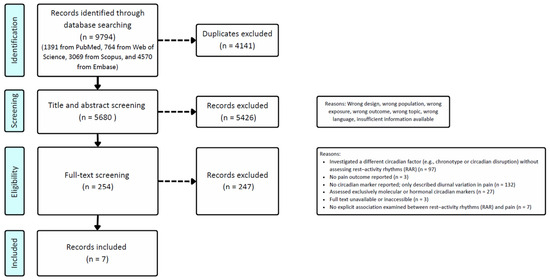
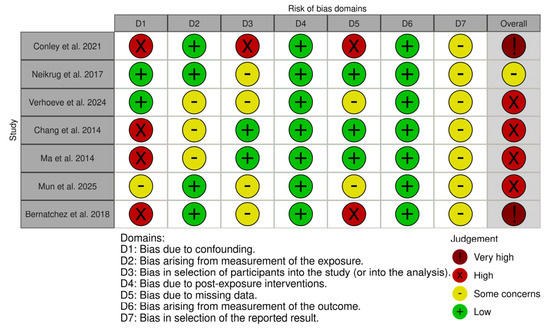
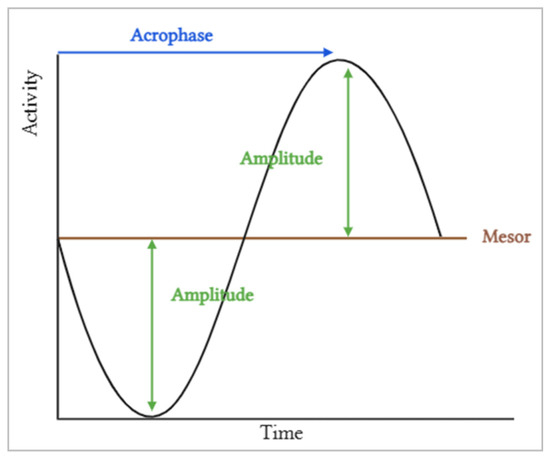
The rest–activity rhythm (RAR) is a key marker of circadian regulation and is commonly assessed using actigraphy. Emerging evidence suggests that characteristics of RAR, such as amplitude, stability, and regularity, may be associated with pain-related outcomes. However, no systematic review has yet synthesized this evidence across populations and pain conditions. This systematic review aimed to provide an overview of current approaches to measuring and defining RAR and to examine its associations with pain outcomes in both healthy individuals and clinical populations experiencing acute or chronic pain. A systematic search of PubMed, Web of Science, Scopus, and Embase was conducted, with the final search completed on 20 May 2025. Observational studies reporting associations between at least one RAR characteristic and a pain outcome were eligible. Article selection and risk-of-bias assessment using the ROBINS-E tool were performed independently by two reviewers, and findings were synthesized narratively. Seven cross-sectional studies were included, employing diverse analytic methods such as cosinor and non-parametric analyses. Overall, the findings were heterogeneous, suggesting that associations between RAR and pain vary according to the RAR metric used, the analytical approach, and the population studied. Nevertheless, the evidence generally indicates that more robust and well-consolidated circadian rhythms are associated with lower pain, whereas regularity and timing appear to play more context-dependent roles, highlighting the potential relevance of RAR metrics as modifiable targets and the need for standardized measurement approaches.
Full article
(This article belongs to the Section Human Basic Research & Neuroimaging)
►
Show Figures
Open AccessArticle
Efficacy and Safety of Sustained-Release Melatonin Capsules (2 mg) in Healthy Adults with Poor Sleep Quality: A Randomized, Double-Blind, Placebo-Controlled Trial
by
Shefali Thanawala, Rajat Shah, Alphy Lopes, Milind Kulkarni, Bharat Jain and Niranjan Andhalkar
Clocks & Sleep 2026, 8(2), 31; https://doi.org/10.3390/clockssleep8020031 - 27 May 2026
Abstract
Sleep disturbances and poor sleep quality are growing public health concerns, adversely affecting both physical and mental health. While exogenous melatonin supplements are used to manage the condition, there is limited evidence available on the efficacy of sustained-release (SR) melatonin formulations. This multicenter,
[...] Read more.
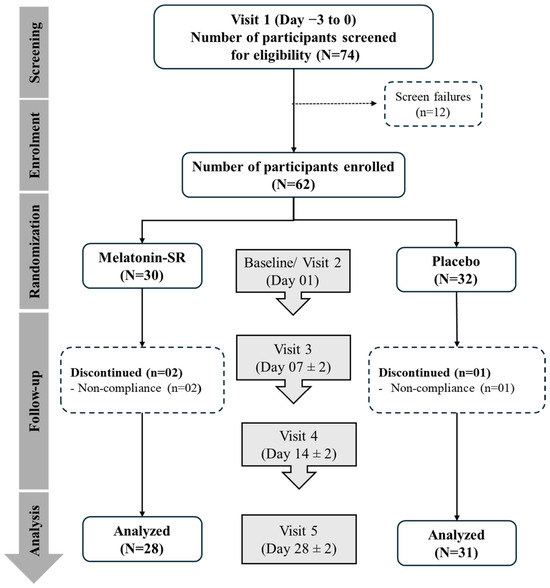
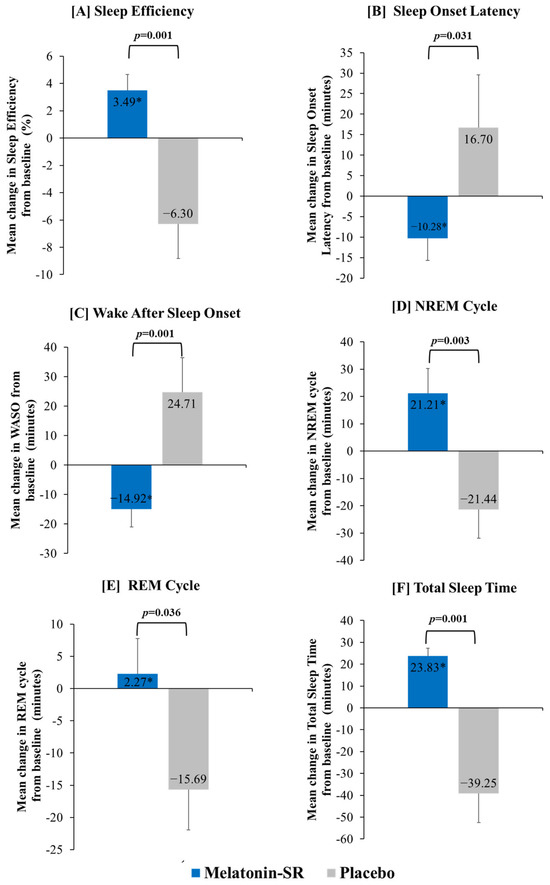
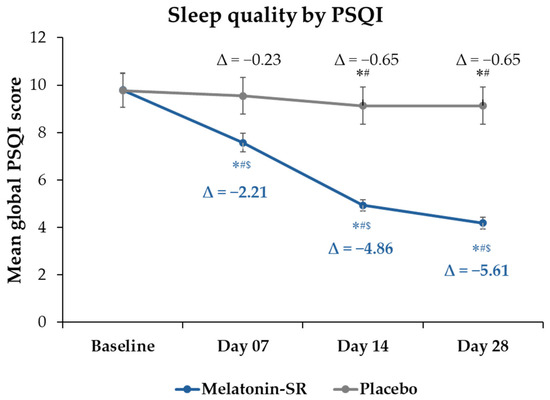
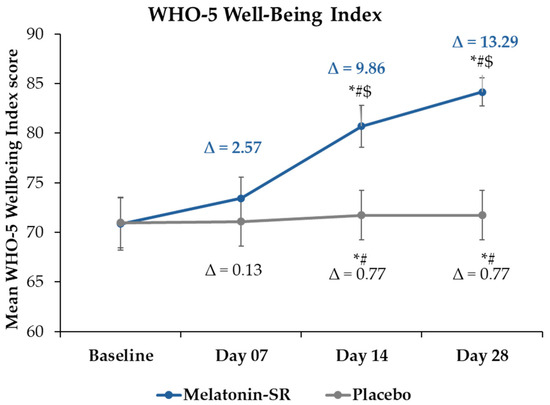
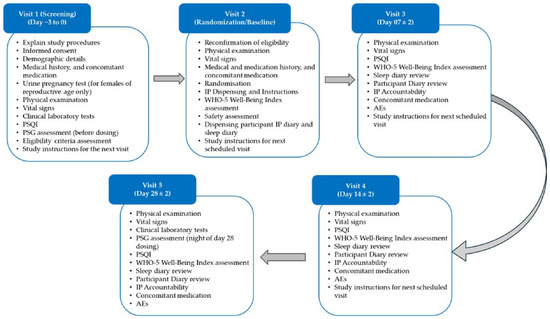
Sleep disturbances and poor sleep quality are growing public health concerns, adversely affecting both physical and mental health. While exogenous melatonin supplements are used to manage the condition, there is limited evidence available on the efficacy of sustained-release (SR) melatonin formulations. This multicenter, randomized, double-blind, placebo-controlled clinical trial evaluated the efficacy and safety of melatonin-SR capsules (2 mg) in healthy adults with poor sleep quality. Participants aged 30–60 years with poor sleep quality received melatonin-SR (2 mg) or a placebo capsule at night for 28 days. Changes from baseline to day 28 in polysomnography (PSG)-derived sleep parameters, Pittsburgh Sleep Quality Index (PSQI), WHO-5 Well-Being Index, sleep diary parameters, and safety profile were evaluated. Of 62 enrolled participants, 59 (melatonin-SR, n = 28; placebo, n = 31) completed the study. Compared with placebo, melatonin-SR supplementation resulted in significant improvements at day 28 in PSG-derived sleep efficiency (change from baseline: 3.49 for melatonin-SR vs. −6.30% for placebo; p = 0.001) and total sleep time (change from baseline: 23.83 for melatonin-SR vs. −39.25 min for placebo; p = 0.001), along with significant reductions in sleep onset latency (change from baseline: −10.28 for melatonin-SR vs. 16.70 min for placebo; p = 0.031) and wake after sleep onset (change from baseline: −14.92 for melatonin-SR vs. 24.71 min for placebo; p = 0.001). Melatonin-SR supplementation demonstrated a large treatment effect for the improvement in sleep efficiency compared with placebo (Cohen’s d = 0.9). A significant reduction in PSQI global scores was observed in the melatonin-SR group from day 07 onwards (change from baseline on day 07: −2.21 vs. −0.23; day 14: −4.86 vs. −0.65; and day 28: −5.61 vs. −0.65 for melatonin-SR and placebo, respectively; p = 0.001). Improvement in subjective psychological well-being was significant from day 14 onwards (change from baseline on day 14: 9.86 vs. 0.77; and day 28: 13.29 vs. 0.77 for melatonin-SR and placebo, respectively; p = 0.001). A significant improvement in subjective sleep parameters at day 28 (p < 0.05) was observed. Reported adverse events in both groups were mild and transient in nature. Supplementation with melatonin-SR 2 mg capsule at night for 28 days was found to be effective and safe in improving objective and subjective sleep quality outcomes and overall well-being in the trial population.
Full article
(This article belongs to the Section Human Basic Research & Neuroimaging)
►▼
Show Figures

Figure 1
Open AccessArticle
Temporal Dynamics of Sleep During Bright-Light Therapy for Depression and Their Relation to Symptom Improvement
by
Emma Visser, Niki Antypa, Machteld C. Marcelis, Claudia J. P. Simons and Yvonne A. W. de Kort
Clocks & Sleep 2026, 8(2), 30; https://doi.org/10.3390/clockssleep8020030 - 26 May 2026
Abstract
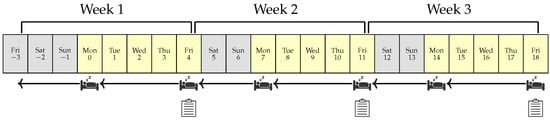
Sleep disturbance is a central feature of depression and a proposed pathway through which Bright-Light Therapy (BLT) exerts antidepressant effects. However, little is known about how sleep reorganises day by day during BLT or whether these dynamics relate to symptom improvement. We analysed
[...] Read more.
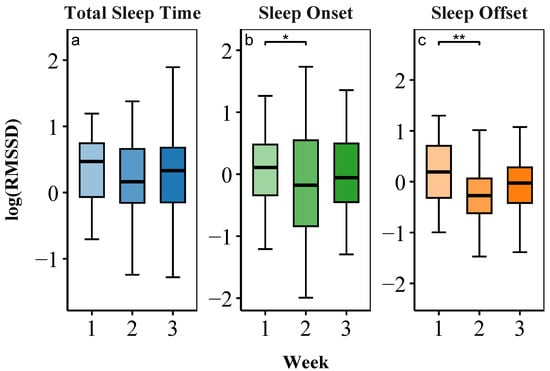
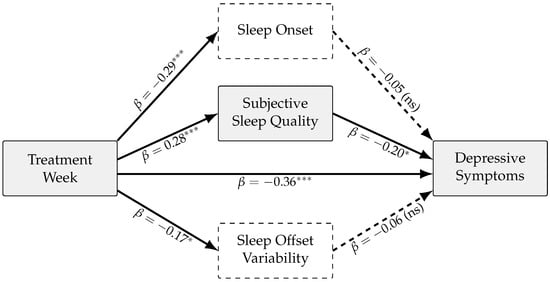
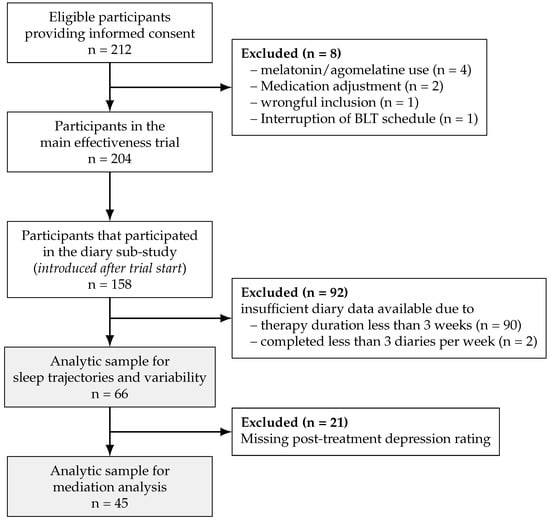
Sleep disturbance is a central feature of depression and a proposed pathway through which Bright-Light Therapy (BLT) exerts antidepressant effects. However, little is known about how sleep reorganises day by day during BLT or whether these dynamics relate to symptom improvement. We analysed daily sleep diaries from 66 patients with depression undergoing three weeks of BLT in routine outpatient care. Generalised Additive Mixed Models characterised daily trajectories in sleep timing, continuity, duration, and Subjective Sleep Quality, and weekly changes in sleep regularity were assessed using Root Mean Square of the Successive Differences. Structural Equation Modelling examined whether within-person deviations in sleep parameters mediated changes in depressive symptoms. Sleep timing showed gradual adjustment across treatment, with a progressive 48 min advance in weekday sleep onset. Sleep regularity improved from Week 1 to Week 2 before partially reversing, and the probability of nocturnal awakenings followed a non-linear trajectory. Other sleep parameters showed weaker directional trends. Improvements in Subjective Sleep Quality accounted for a modest portion of the association between treatment progression and reductions in depressive symptoms, whereas changes in sleep timing and regularity were not associated with symptom change. These findings indicate that sleep reorganises gradually during outpatient BLT, with different sleep dimensions evolving on distinct timescales and Subjective Sleep Quality emerging as one observable component linked to symptom improvement. More broadly, the results highlight the value of day-to-day modelling for understanding sleep–mood dynamics during real-world chronotherapy.
Full article
(This article belongs to the Section Impact of Light & other Zeitgebers)
►▼
Show Figures

Figure 1
Open AccessArticle
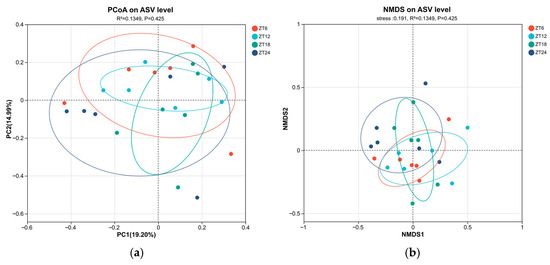
Influences of Diurnal Rhythms on Gut Microbiota and Clock Gene Expression in Procambarus clarkii
by
Lin Feng, Zhengyan Zhou, Yubo Ma, Yingying Zhao, Hua Wei and Xiaochen Zhu
Clocks & Sleep 2026, 8(2), 29; https://doi.org/10.3390/clockssleep8020029 - 25 May 2026
Abstract
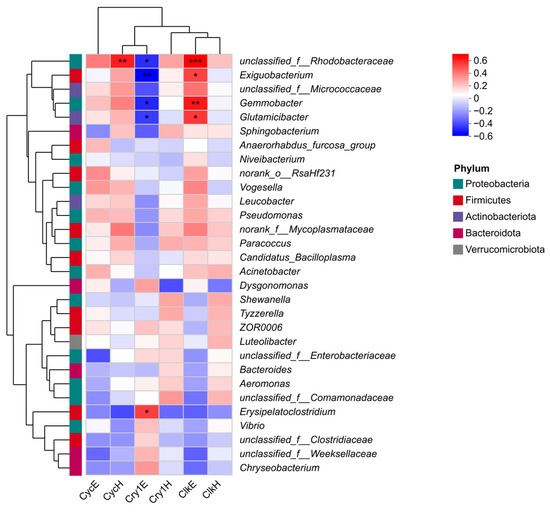
This study investigated the diurnal dynamics of the gut microbiota and core clock gene expression in the red swamp crayfish, Procambarus clarkii. Samples were collected at four time points (06:00, 12:00, 18:00, and 24:00) over a 24 h period. Gut microbiota characteristics
[...] Read more.
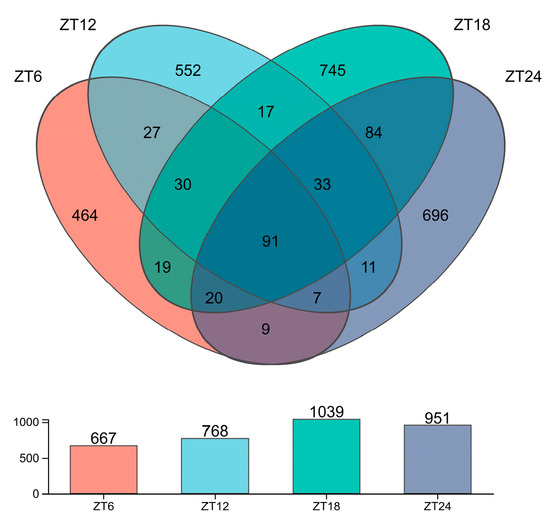
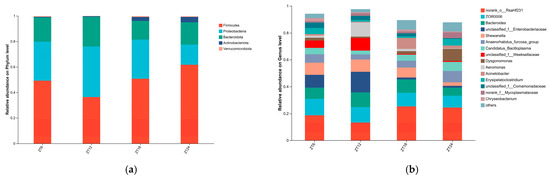
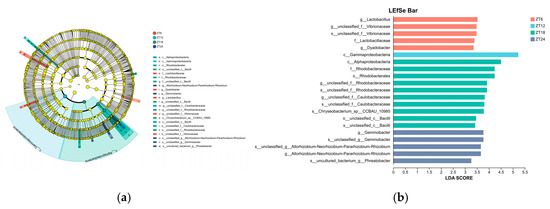
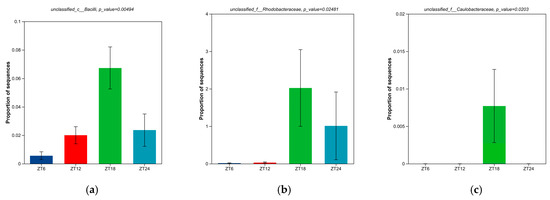
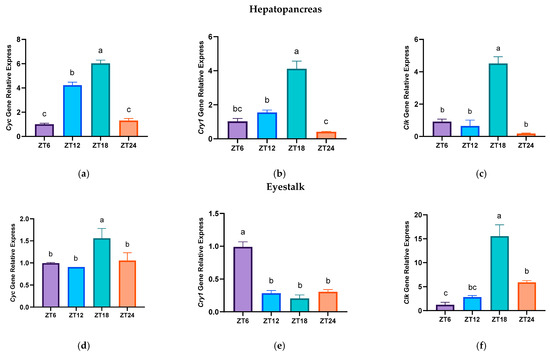
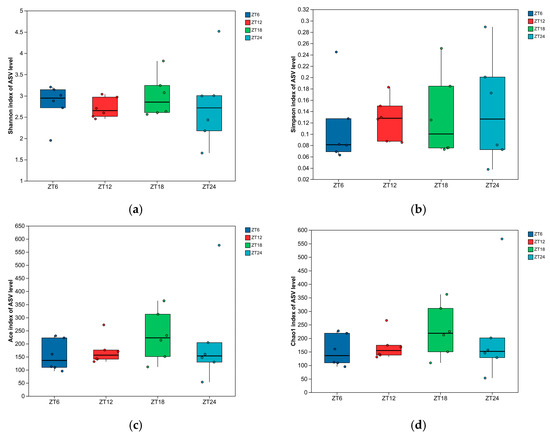
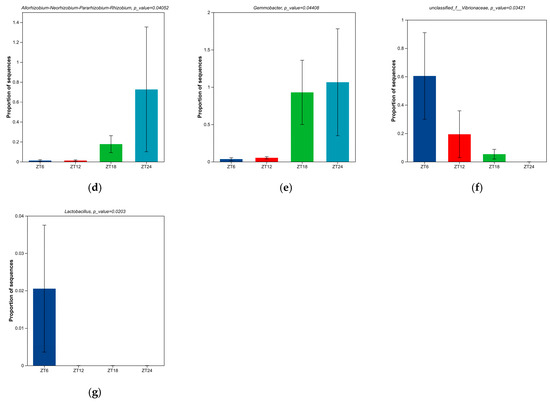
This study investigated the diurnal dynamics of the gut microbiota and core clock gene expression in the red swamp crayfish, Procambarus clarkii. Samples were collected at four time points (06:00, 12:00, 18:00, and 24:00) over a 24 h period. Gut microbiota characteristics were analyzed using 16S rRNA gene sequencing, while quantitative real-time polymerase chain reaction (qPCR) was used to examine the expression patterns of core clock genes, including Cycle (Cyc), Clock (Clk), and cryptochrome type 1 (Cry1), in the hepatopancreas and eyestalk. The results showed that Kruskal–Wallis tests for α-diversity indices (Shannon, Simpson, ACE, Chao1) and PERMANOVA for β-diversity (Bray–Curtis) of the gut microbiota revealed no significant diurnal variation across the four time points (all p > 0.05). Firmicutes, Proteobacteria, and Bacteroidota were the dominant phyla, with norank_o_RsaHf231, ZOR0006, and Bacteroides as the predominant genera. Although the overall microbial structure remained stable, several taxa, including unclassified_c_Bacilli, unclassified_f_Caulobacteraceae, Gemmobacter, unclassified_f_Rhodobacteraceae, Allorhizobium–Neorhizobium–Pararhizobium–Rhizobium, Lactobacillus, and unclassified_f_Vibrionaceae exhibited time-dependent fluctuations. In addition, the relative mRNA expression levels of Cyc, Clk, and Cry1 in the hepatopancreas and eyestalk showed significant diurnal variation. This study reveals the diurnal dynamic characteristics of the gut microbiota and core clock gene expression in P. clarkii, providing a foundation for further investigation of diurnal regulatory mechanisms and physiological adaptations.
Full article
(This article belongs to the Special Issue Circadian Rhythm Research in Aquatic Animals)
►▼
Show Figures

Figure 1

Open AccessReview
Obstructive Sleep Apneas and Cardiovascular Diseases
by
Vincenzo Castiglione, Paolo Morfino, Iacopo Fabiani, Francesco Gentile, Edoardo Airò, Benedetta Volpi, Daniela Cardinale, Claudio Passino, Alberto Giannoni and Michele Emdin
Clocks & Sleep 2026, 8(2), 28; https://doi.org/10.3390/clockssleep8020028 - 21 May 2026
Abstract
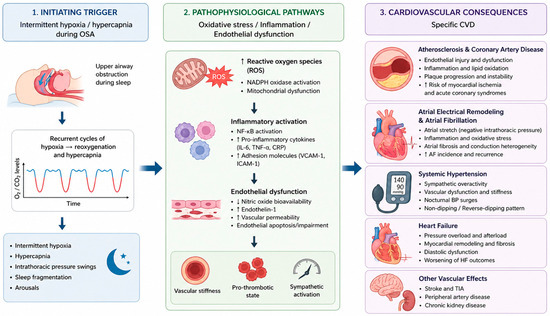
Obstructive sleep apnea (OSA) is a sleep-disordered breathing condition characterized by recurrent upper-airway obstruction, leading to intermittent hypoxemia, sleep fragmentation, and sympathetic activation. OSA is highly prevalent in patients with cardiovascular diseases and is strongly associated with hypertension, atrial fibrillation, coronary artery disease,
[...] Read more.
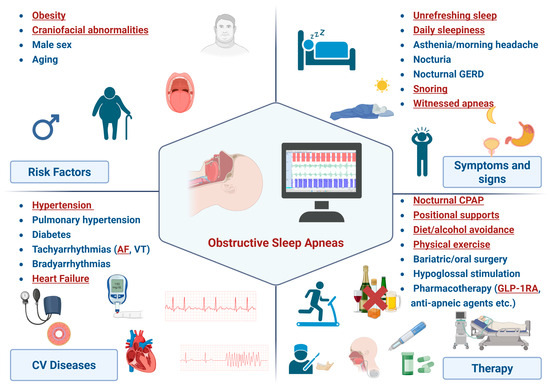
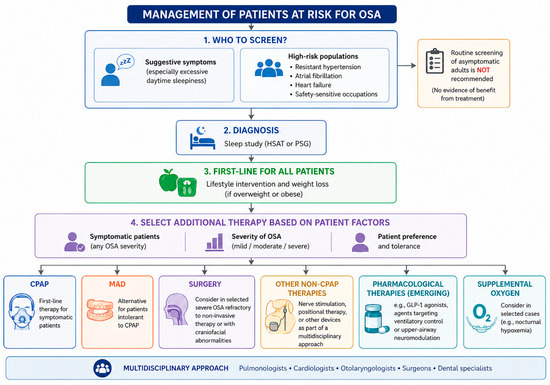
Obstructive sleep apnea (OSA) is a sleep-disordered breathing condition characterized by recurrent upper-airway obstruction, leading to intermittent hypoxemia, sleep fragmentation, and sympathetic activation. OSA is highly prevalent in patients with cardiovascular diseases and is strongly associated with hypertension, atrial fibrillation, coronary artery disease, heart failure, and adverse prognosis. This review summarizes current evidence on the pathophysiology of OSA, its cardiovascular consequences, and available diagnostic and therapeutic strategies, with particular attention to clinical implications in cardiology practice. We discuss established treatments such as lifestyle interventions, continuous positive airway pressure, mandibular advancement devices, and selected surgical options, as well as emerging therapies, including pharmacological approaches targeting weight loss and ventilatory control. While OSA treatment improves symptoms and quality of life, evidence for cardiovascular event reduction remains heterogeneous and appears strongly influenced by patient selection and treatment adherence. Identifying patients most likely to benefit from targeted OSA management remains a key challenge.
Full article
(This article belongs to the Special Issue Emerging Trends in Obstructive Sleep Apnea)
►▼
Show Figures

Figure 1
Open AccessReview
Obstructive Sleep Apnea in Critically Ill Patients: A Structured Narrative Review of Prevalence, Diagnostic Barriers, and Clinical Implications in the ICU
by
Christine Gharib, Catherine Kim, Jun Ling and Madhu Varma
Clocks & Sleep 2026, 8(2), 27; https://doi.org/10.3390/clockssleep8020027 - 20 May 2026
Abstract
Obstructive sleep apnea (OSA) is a highly prevalent yet frequently underdiagnosed condition that is associated with significant cardiopulmonary, metabolic, and neurocognitive outcomes. Risk factors for OSA overlap with illnesses commonly observed in intensive care unit (ICU) patients, resulting in a disproportionately elevated burden
[...] Read more.
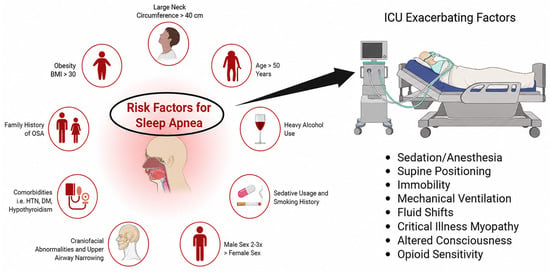
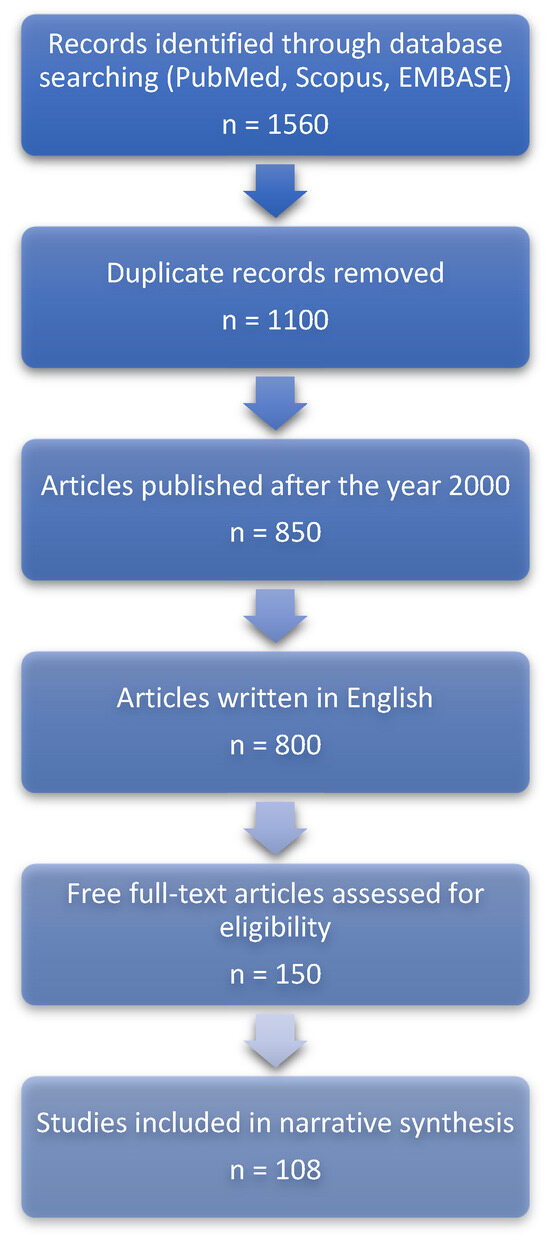
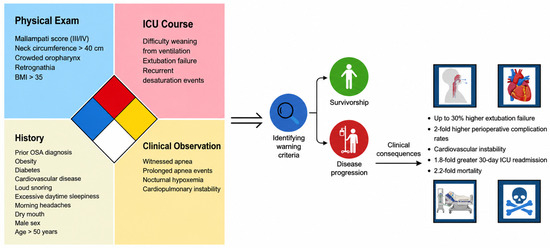
Obstructive sleep apnea (OSA) is a highly prevalent yet frequently underdiagnosed condition that is associated with significant cardiopulmonary, metabolic, and neurocognitive outcomes. Risk factors for OSA overlap with illnesses commonly observed in intensive care unit (ICU) patients, resulting in a disproportionately elevated burden on healthcare. This structured narrative review synthesizes current evidence regarding the prevalence, diagnostic challenges, and clinical implications of obstructive sleep apnea (OSA) in critically ill adults admitted to intensive care units (ICUs) using PubMed, EMBASE, and Scopus. Key search terms included “obstructive sleep apnea,” “ICU,” and “critical illness.” Results showed that OSA is present in up to 60–70% of ICU patients, yet only ~5% are formally diagnosed during hospitalization. Underdiagnosis is linked to prolonged mechanical ventilation, extubation failure rates as high as 30%, 2-fold higher perioperative complication rates, cardiovascular instability, 1.8-fold greater 30-day ICU readmission rates, and 2.2-fold mortality. Standard screening tools have limited applicability in ICU patients. Emerging alternatives, such as overnight oximetry, polygraphy, and machine learning models lack validation. Our analyses reveal that current diagnostic and treatment strategies are poorly adapted to critically ill patients. Integration of OSA as a part of ICU management, diagnosis, and intervention may reduce readmissions and mortality.
Full article
(This article belongs to the Special Issue Emerging Trends in Obstructive Sleep Apnea)
►▼
Show Figures

Figure 1

Open AccessArticle
Association of Healthy Lifestyle with Insomnia Among Chinese Older Adults: A Cross-Sectional Study
by
Lu Liu, Wen Zhou, Yu Luo, Yueyi Zhang, Dongxi Wang, Ming Chen, Zhiming Wang and Yan Zeng
Clocks & Sleep 2026, 8(2), 26; https://doi.org/10.3390/clockssleep8020026 - 9 May 2026
Abstract
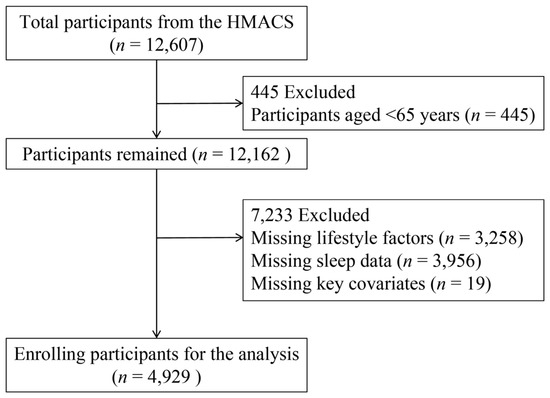
Insomnia is common among older adults and is associated with adverse health outcomes, yet evidence on its relationship with healthy lifestyle in Chinese older adults is limited. This study included 4929 participants from the Hubei Memory and Aging Cohort Study (HMACS). A healthy
[...] Read more.
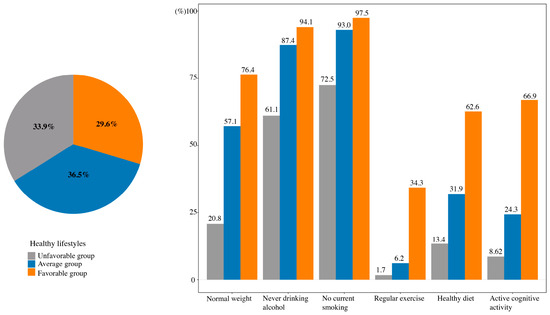
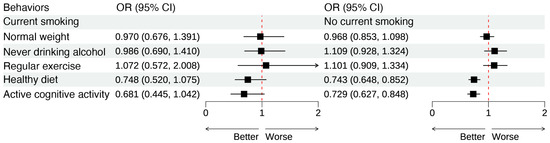
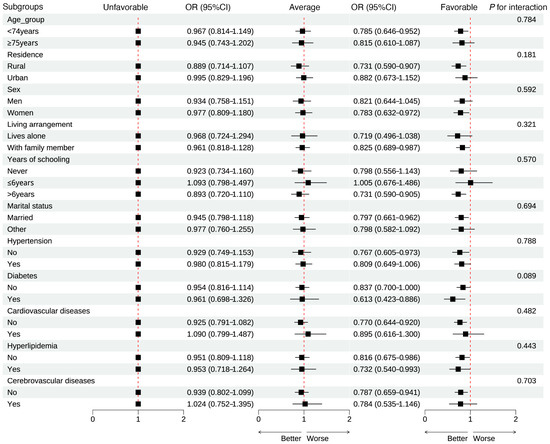
Insomnia is common among older adults and is associated with adverse health outcomes, yet evidence on its relationship with healthy lifestyle in Chinese older adults is limited. This study included 4929 participants from the Hubei Memory and Aging Cohort Study (HMACS). A healthy lifestyle score (range 0–6) was constructed based on body weight, drinking alcohol, smoking, regular exercise, diet, and cognitive activity. Participants were categorized into unfavorable (0–2), average (3), and favorable (4–6) lifestyle groups. Insomnia was defined using the Athens Insomnia Scale (AIS ≥ 6), or the Pittsburgh Sleep Quality Index (PSQI > 5). Multivariable logistic regression models were applied to assess the associations of overall and individual healthy behaviors with insomnia risk. Stratified analyses by smoking status and substitution analyses were conducted. Healthier lifestyle was associated with lower risk of insomnia. Compared with the unfavorable group, participants with favorable lifestyle had a 17.5% lower risk of insomnia. Among individual lifestyle behaviors, healthy diet and active cognitive activity were associated with reduced insomnia risk. Stratified analyses showed these associations were only evident among non-current smokers. Substitution analyses suggested that replacing unhealthy behaviors with healthy ones was associated with a lower insomnia risk. Favorable lifestyle, particularly healthy diet and active cognitive activity, is associated with lower insomnia risk among older adults, with stronger associations observed among non-current smokers.
Full article
(This article belongs to the Section Disorders)
►▼
Show Figures

Figure 1
Open AccessCommunication
Pet Co-Sleeping and Well-Being: Evidence from Two Cross-Sectional Online Surveys of Youths and Adults
by
Kaori Endo, Keiichi Shimatani and Norimichi Suzuki
Clocks & Sleep 2026, 8(2), 25; https://doi.org/10.3390/clockssleep8020025 - 7 May 2026
Abstract
While the health benefits of pet ownership are well-documented, research on co-sleeping with pets has yielded conflicting results, often contrasting objective sleep disturbances with subjective satisfaction. This study examined the association between dog or cat co-sleeping and well-being across two age groups: adults
[...] Read more.
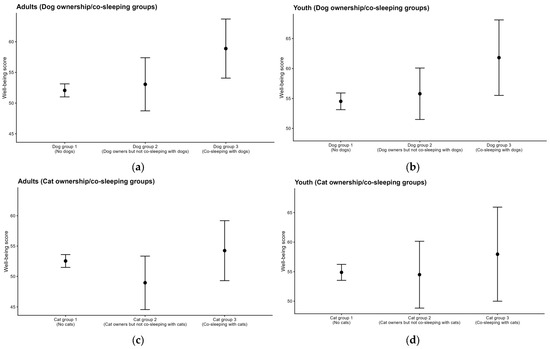
While the health benefits of pet ownership are well-documented, research on co-sleeping with pets has yielded conflicting results, often contrasting objective sleep disturbances with subjective satisfaction. This study examined the association between dog or cat co-sleeping and well-being across two age groups: adults and youths. Data were collected through two cross-sectional online surveys involving adults (n = 2675) and youths (n = 1050). Participants reported their pet ownership, co-sleeping status, and well-being using the five-item World Health Organization Well-being Index (WHO-5). Analysis of covariance (ANCOVA) was used to compare WHO-5 scores among three groups: non-owners, owners who do not co-sleep, and co-sleepers. In adults, dog co-sleepers exhibited significantly higher well-being scores compared to non-owners (p = 0.025). However, no significant associations were observed in the youth sample. These findings suggest that while pet co-sleeping is often perceived as disruptive, it may be positively associated with subjective well-being in adult populations. Further longitudinal research is needed to clarify the causal relationship and the specific mechanisms underlying this “pet effect” in the context of shared sleep environments.
Full article
(This article belongs to the Section Human Basic Research & Neuroimaging)
►▼
Show Figures

Figure 1

Open AccessArticle
Sleep Hygiene and Symptom Burden in Multiple Sclerosis: A Cross-Sectional Study
by
Michalina Rzepka, Aleksandra Buczek, Tomasz Chmiela, Weronika Galus, Joanna Siuda and Ewa Krzystanek
Clocks & Sleep 2026, 8(2), 24; https://doi.org/10.3390/clockssleep8020024 - 30 Apr 2026
Abstract
Sleep disturbances are common in multiple sclerosis (MS) and contribute to increased symptom burden. Behavioral sleep hygiene practices are potentially modifiable factors influencing sleep and related symptoms, yet their role in MS remains insufficiently explored. This cross-sectional study comprised 175 MS patients. Sleep
[...] Read more.
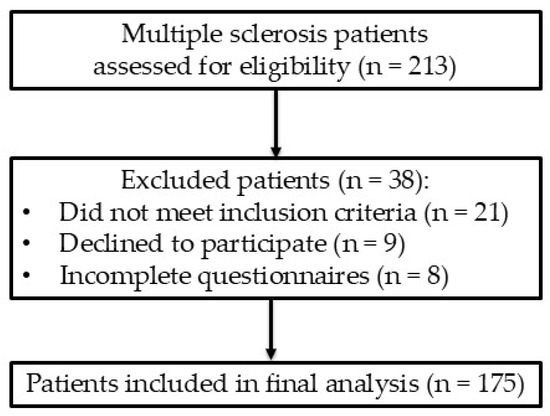
Sleep disturbances are common in multiple sclerosis (MS) and contribute to increased symptom burden. Behavioral sleep hygiene practices are potentially modifiable factors influencing sleep and related symptoms, yet their role in MS remains insufficiently explored. This cross-sectional study comprised 175 MS patients. Sleep hygiene was assessed using a behavioral checklist covering a regular sleep schedule, avoidance of daytime naps, limitation of evening caffeine intake, reduced evening screen exposure, and optimization of the sleep environment. The instruments included the Fatigue Severity Scale (FSS), the Modified Fatigue Impact Scale (MFIS), the Athens Insomnia Scale (AIS), the Epworth Sleepiness Scale (ESS), and the Hospital Anxiety and Depression Scale (HADS). Higher sleep hygiene adherence was associated with lower daytime sleepiness (ESS: r = −0.18, p = 0.020), anxiety (HADS-A: r = −0.16, p = 0.034), and depression (HADS-D: r = −0.15, p = 0.047). Patients with higher adherence (score ≥ 3) demonstrated significantly lower MFIS, AIS, ESS, and HADS-D scores compared with those with lower adherence (all p < 0.05). Multivariate regression showed that sleep hygiene adherence was independently associated with lower MFIS (β = −3.24, 95% CI: −6.06 to −0.41, p = 0.025), ESS (β = −0.85, 95% CI: −6.06 to −0.41, p = 0.016), HADS-A (β = −0.67, 95% CI: −1.23 to −0.11, p = 0.019), and HADS-D scores (β = −0.62, 95% CI: −1.17; −0.08, p = 0.026). Better adherence to sleep hygiene practices may be associated with a lower symptom burden in MS.
Full article
(This article belongs to the Section Human Basic Research & Neuroimaging)
►▼
Show Figures

Figure 1
Open AccessReview
AI-Driven Hybrid Detection and Classification Framework for Secure Sleep Health IoT Networks
by
Prajoona Valsalan and Mohammad Maroof Siddiqui
Clocks & Sleep 2026, 8(2), 23; https://doi.org/10.3390/clockssleep8020023 - 28 Apr 2026
Abstract
Sleep disorders, such as insomnia, obstructive sleep apnea (OSA), narcolepsy, REM sleep behavior disorder, and circadian rhythm disturbances, represent a rapidly expanding global health burden that is strongly associated with cardiovascular, metabolic, neurological, and psychiatric diseases. Advancements in wearable sensing technologies and Internet
[...] Read more.
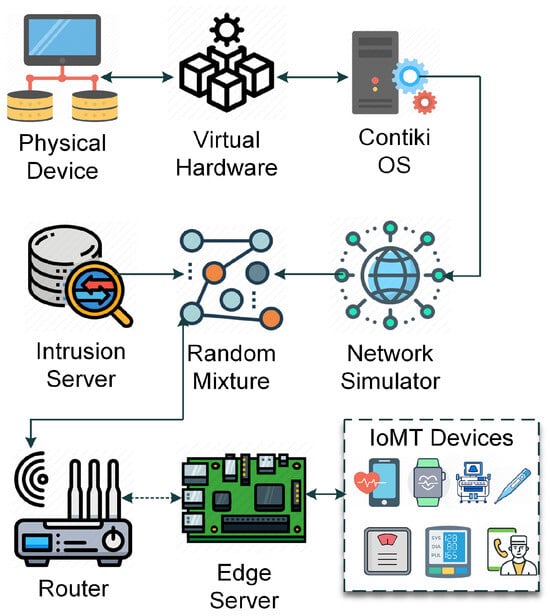
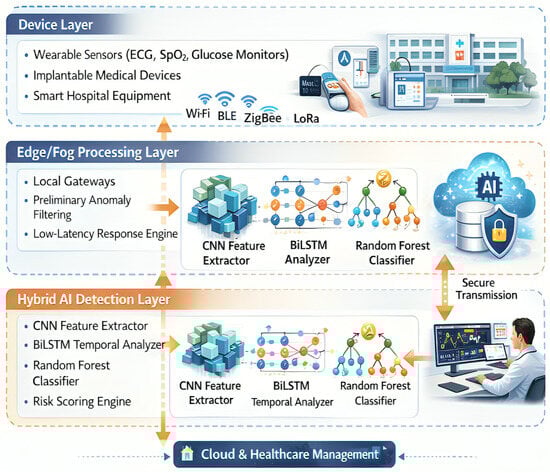
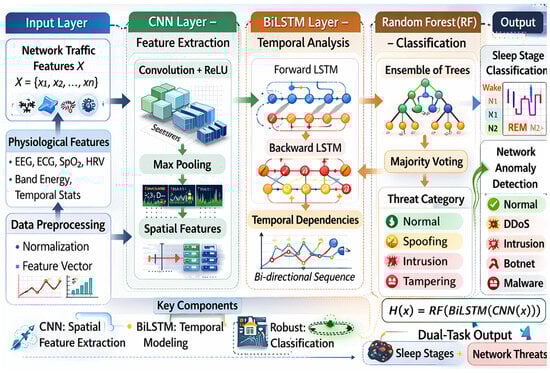
Sleep disorders, such as insomnia, obstructive sleep apnea (OSA), narcolepsy, REM sleep behavior disorder, and circadian rhythm disturbances, represent a rapidly expanding global health burden that is strongly associated with cardiovascular, metabolic, neurological, and psychiatric diseases. Advancements in wearable sensing technologies and Internet of Medical Things (IoMT) infrastructures have expanded the possibilities for continuous, home-based sleep assessment beyond conventional polysomnography laboratories. These Sleep Health Internet of Things (S-HIoT) systems combine multimodal physiological sensing (EEG, ECG, SpO2, respiratory effort and actigraphy) with wireless communication and cloud-based analytics for automated sleep-stage classification and disorder detection. Nonetheless, the digitization of sleep medicine brings about significant cybersecurity concerns. The constant transmission of sensitive biomedical information makes S-HIoT networks open to anomalous traffic flows, signal manipulation, replay attacks, spoofing, and data integrity violation. Existing studies mostly focus on analyzing physiological signals and network intrusion detection independently, resulting in a systemic vulnerability of cyber–physical sleep monitoring ecosystems. With the aim of addressing this empirical deficiency, this review integrates emerging advances (2022–2026) in the AI-assisted categorization of sleep phases and IoMT anomaly detector designs on the finer analysis of CNN, LSTM/BiLSTM, Transformer-based systems, and a component part of federated schemes and the lightweight, edge-deployable intruder assessor models available. The aim of this study is to uncover a gap in the literature: integrated architectures to trade off audiences of faithfulness of physiological modeling with communication-layer security. To counter it, we present a single framework to include CNN-based spatial feature extraction, Bidirectional Long Short-Term Memory (BiLSTM)-based temporal models and Random Forest-based ensemble classification using a dual task-learning approach. We propose a multi-objective optimization framework to jointly optimize the performance of sleep-stage prediction and that of network anomaly detection. Performance on publicly available datasets (Sleep-EDF and CICIoMT2024) confirms that hybrid integration can be tailored to achieve high accuracy [99.8% sleep staging; 98.6% anomaly detection] whilst being characterized by low inference latency (<45 ms), which is promising for feasibility in real-time deployment in view of targeting edge devices. This work presents a comprehensive framework for developing secure, intelligent, and clinically robust digital sleep health ecosystems by bridging chronobiological signal modeling with cybersecurity mechanisms. Furthermore, it highlights future research directions, including explainable AI, federated secure learning, adversarial robustness, and energy-aware edge optimization.
Full article
(This article belongs to the Section Computational Models)
►▼
Show Figures

Figure 1
Open AccessReview
The Role of Circadian Rhythm Dysregulation, Abnormal Sleep Patterns, and Sleep Disorders on the Development of Diabetes
by
Hulya Merie, Bashair M. Mussa and Salah Abusnana
Clocks & Sleep 2026, 8(2), 22; https://doi.org/10.3390/clockssleep8020022 - 28 Apr 2026
Abstract
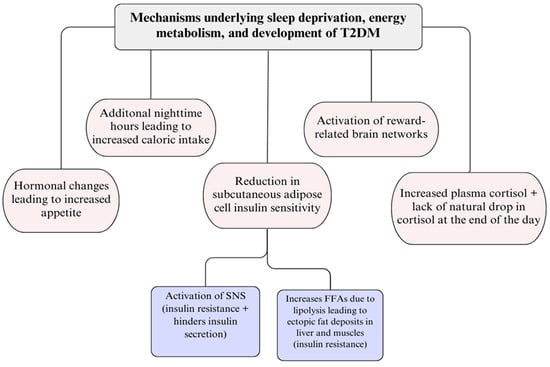
It is noteworthy that disturbances in circadian rhythms and irregular sleep patterns can exert influence over the onset of Type 2 Diabetes (T2DM). Similarly, they can impact the development of Type 1 Diabetes (T1DM). In recent decades, there has been a notable trend
[...] Read more.
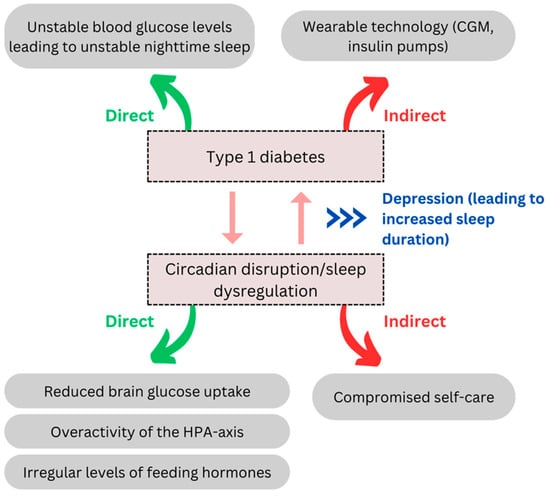
It is noteworthy that disturbances in circadian rhythms and irregular sleep patterns can exert influence over the onset of Type 2 Diabetes (T2DM). Similarly, they can impact the development of Type 1 Diabetes (T1DM). In recent decades, there has been a notable trend towards both reduced and extended sleep durations, with a concurrent rise in occurrences of compromised sleep quality attributable to sleep fragmentation. These sleep disturbances, along with clinically recognized sleep disorders such as sleep apnea and insomnia, have been increasingly associated with a range of detrimental health outcomes. Of particular concern is the growing evidence linking sleep dysregulation to an augmented risk of metabolic diseases, including diabetes. In addition to sleep duration and quality, emerging research suggests that an individual’s chronotype, reflecting their preferred time for going to sleep, may also exert an influence on disease development, particularly T2DM. The habit of going to bed late when compared to the tendency of going to bed early tends to cause significant disruptions to daily social engagements. Eventually, this misalignment may lead to discrepancies in sleep schedules between weekdays and weekends, commonly referred to as social jetlag. The current review aims to discuss the complex relationship between circadian rhythm misalignment, triggered by improper sleep habits such as short or long sleep duration, disrupted chronotype, social jetlag, and sleep disorders, on the subsequent impact on the development of diabetes. Overall, current evidence suggests that circadian rhythm disruption and sleep disorders contribute significantly to metabolic dysregulation and diabetes risk, highlighting the importance of sleep health in prevention and management of diabetes.
Full article
(This article belongs to the Section Disorders)
►▼
Show Figures

Figure 1
Open AccessArticle
From Sunlight to Screens: Modeling When Light Exposure Matters Most for Sleep and Circadian Health
by
Franco Tavella, Michael Gradisar, Renske Lok and Olivia Walch
Clocks & Sleep 2026, 8(2), 21; https://doi.org/10.3390/clockssleep8020021 - 27 Apr 2026
Abstract
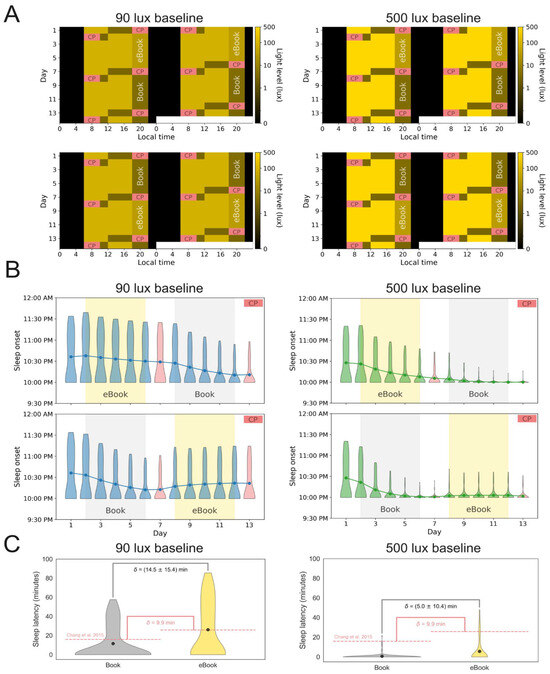
Understanding the effects of light on the body at different times of the 24 h solar day is a topic of increasing interest. In this paper, we use a mathematical model from the literature to simulate what would be expected of the human
[...] Read more.
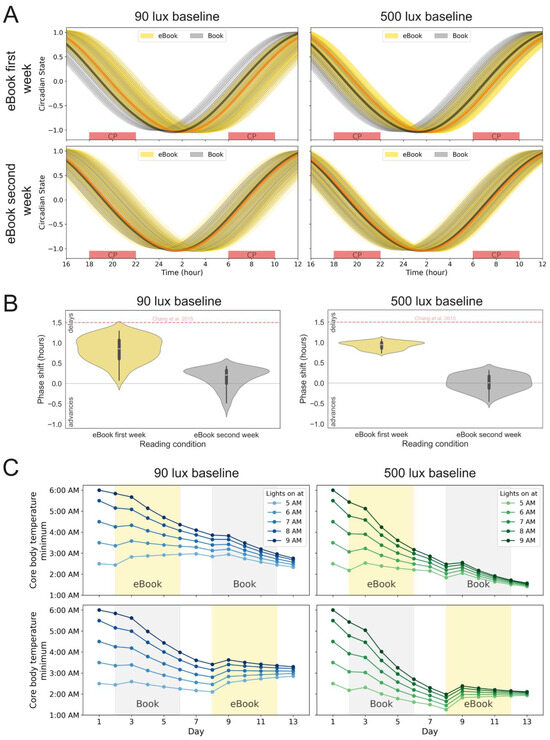
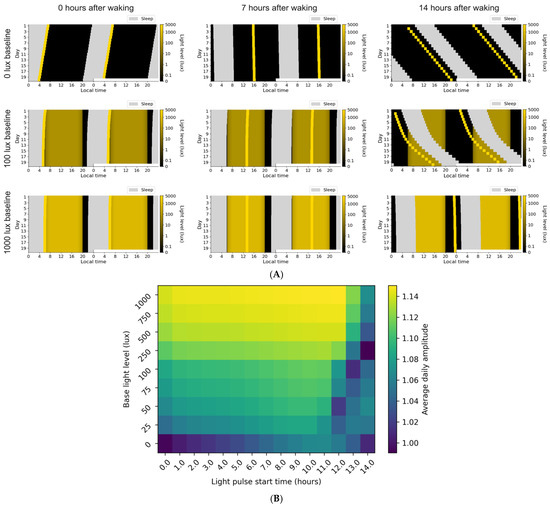
Understanding the effects of light on the body at different times of the 24 h solar day is a topic of increasing interest. In this paper, we use a mathematical model from the literature to simulate what would be expected of the human circadian clock on different light schedules. We first reproduce an influential experiment which found eBooks, when compared to a paper book, delayed sleep by roughly 10 min and melatonin onset by 1.5 h. The model is able to match the delay in sleep onset but struggles to reproduce the melatonin phase delay. However, certain initial conditions and parameters are capable of phase shifts consistent with the original study’s magnitude, suggesting that the original study’s finding may have been influenced by the pre-study entrainment or variability among the participants. We next simulate the same protocol under higher daytime light levels (increasing baseline illumination from 90 to 500 lux) and find that brighter daytime exposure reduces both sleep onset latency and the variability in phase delay attributable to evening eBook light. Finally, we explore how the timing of a bright light pulse during the day changes outcomes, such as sleep onset and circadian amplitude, and how these effects interact with light during the other hours of the 24 h day. Together, these modeling results suggest robust daytime light exposure confers resilience against the circadian-disruptive effects of evening light, generating testable predictions regarding the timing and intensity of beneficial light interventions for maintaining circadian alignment.
Full article
(This article belongs to the Section Impact of Light & other Zeitgebers)
►▼
Show Figures

Figure 1
Open AccessArticle
Post-Learning Offline Pauses Support Consolidation Beyond the Mind-Wandering State
by
José Costa Dias and Philippe Peigneux
Clocks & Sleep 2026, 8(2), 20; https://doi.org/10.3390/clockssleep8020020 - 17 Apr 2026
Abstract
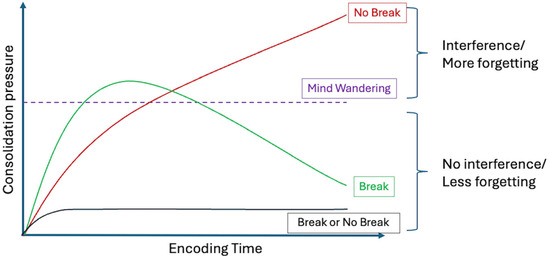
Brief post-learning wakeful resting periods and local sleep mechanisms have been proposed to support offline memory consolidation processes. Mind-wandering (MW), thought to reflect the occurrence or need for local sleep, has been linked to momentary attentional disengagement and may index transitions toward offline
[...] Read more.
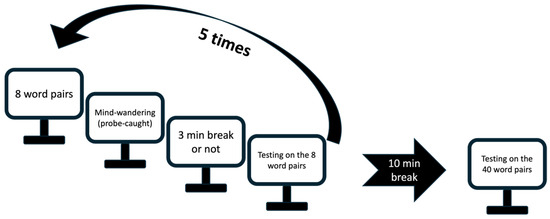
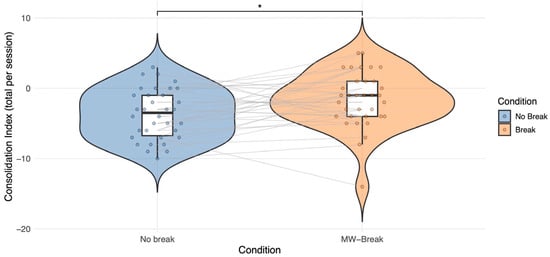
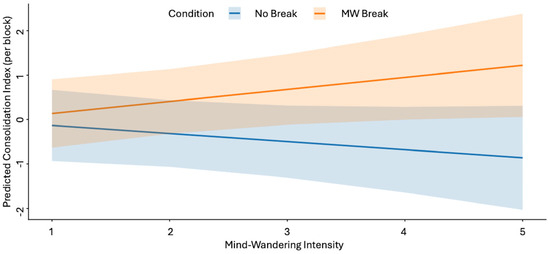
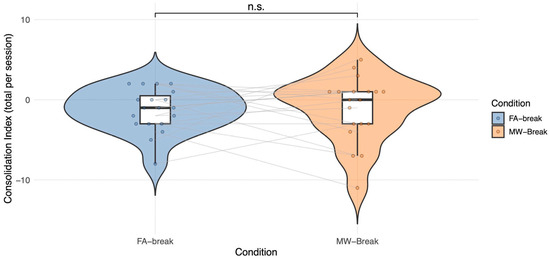
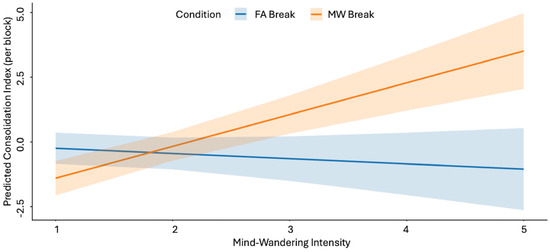
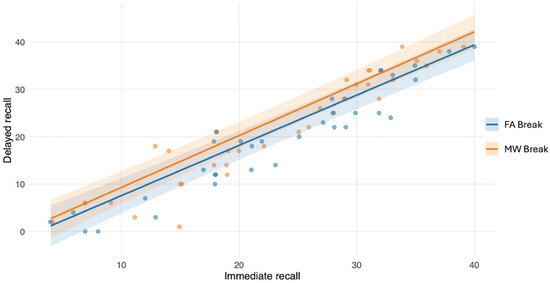
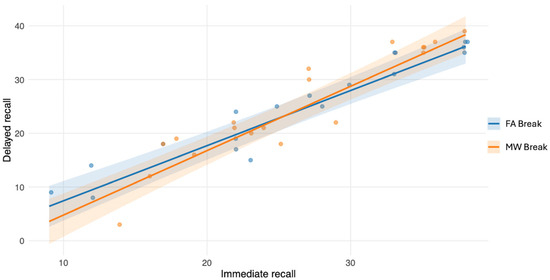
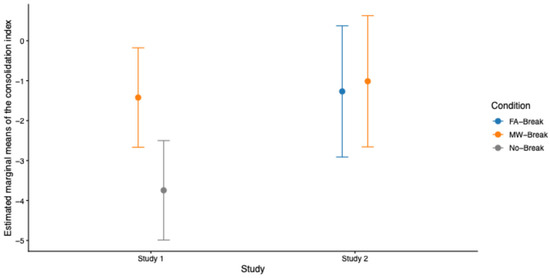
Brief post-learning wakeful resting periods and local sleep mechanisms have been proposed to support offline memory consolidation processes. Mind-wandering (MW), thought to reflect the occurrence or need for local sleep, has been linked to momentary attentional disengagement and may index transitions toward offline processing states. We hypothesized that resting opportunities administered immediately after probe-caught MW episodes reflecting local sleep need may selectively enhance memory consolidation. In a first experiment, participants learned five blocks of eight paired-associate words; a MW thought probe was administered after each block. In the MW condition, participants were allowed a 3 min quiet, offline pause after the block if they reported MW. In the control condition, no pause was administered. Consolidation was better in the MW than the control condition, supporting the hypothesis. However, Experiment 2 tested the MW-related pause effect by comparing the MW condition to a condition in which pauses were allowed irrespective of MW. Results showed that performance equally improved in both conditions, suggesting that post-learning pause effects would not be MW-specific. However, additional analyses evidenced a positive relationship between MW intensity and memory consolidation in both experiments. Our findings suggest that transient interruption of input during a declarative learning session may favor memory consolidation at wake, partially independently of the attentional state.
Full article
(This article belongs to the Section Human Basic Research & Neuroimaging)
►▼
Show Figures

Figure 1
Open AccessArticle
Light Exposure Rhythms and Sleep Organization in Adolescents: Temporal Differences Between Weekdays and Weekends in an Actigraphic Study
by
Emilly Francianne Lamego da Silva, Guilherme Martins, Francimara Diniz Ribeiro, Leonardo Martins Guimaraes Rossi, Milena Fernandes de Oliveira, Camila Fernanda Cunha Brandão, Lucas Rios Drummond, Lucas Tulio Lacerda, Thais de Fatima Bittencourt Oliveira and Michael Jackson Oliveira de Andrade
Clocks & Sleep 2026, 8(2), 19; https://doi.org/10.3390/clockssleep8020019 - 15 Apr 2026
Abstract
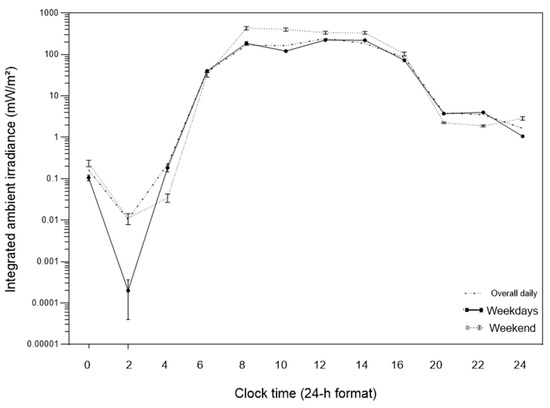
Light exposure is a primary zeitgeber for the human circadian system and plays a key role in shaping sleep–wake patterns during adolescence, a period marked by biological sensitivity and social constraints. How the temporal organization and spectral composition of daily light exposure differ
[...] Read more.
Light exposure is a primary zeitgeber for the human circadian system and plays a key role in shaping sleep–wake patterns during adolescence, a period marked by biological sensitivity and social constraints. How the temporal organization and spectral composition of daily light exposure differ between weekdays and weekends remains poorly understood. Eighteen adolescents (15–17 years) were monitored for seven days using wrist actigraphy with integrated light sensors. Sleep parameters, nonparametric circadian rhythm indices, and time-resolved profiles of ambient and spectral (blue, green, and red) light exposure were analyzed. Repeated-measures ANOVA tested the effects of time of day and day type. Total sleep time and time in bed were longer on weekdays than on weekends (p < 0.05), while sleep latency and WASO did not differ. Circadian indices indicated preserved rhythmic organization. Light exposure showed a robust diurnal profile, with higher spectral irradiance on weekends (p < 0.001), especially in the morning and early afternoon. Significant time × day-type interactions were observed across all spectral bands (p < 0.001), indicating systematic reshaping of daily light profiles. Adolescents exhibit weekday–weekend differences in the temporal and spectral organization of light exposure, affecting the amplitude and shape of overall daily profiles.
Full article
(This article belongs to the Section Impact of Light & other Zeitgebers)
►▼
Show Figures

Figure 1
Open AccessOpinion
Sleepless in Society: Introducing the Concept of Public Sleep
by
Tony J. Cunningham, Shengzi Zeng and Seo Ho Song
Clocks & Sleep 2026, 8(2), 18; https://doi.org/10.3390/clockssleep8020018 - 9 Apr 2026
Abstract
Major social, cultural, and sociopolitical events routinely disrupt daily life, yet their effects on sleep are rarely conceptualized at the population level beyond anecdotal sharing. The purpose of this Opinion piece is to initiate a preliminary discussion of “public sleep” as a novel
[...] Read more.
Major social, cultural, and sociopolitical events routinely disrupt daily life, yet their effects on sleep are rarely conceptualized at the population level beyond anecdotal sharing. The purpose of this Opinion piece is to initiate a preliminary discussion of “public sleep” as a novel construct describing systematic, event-related changes in sleep timing, duration, and quality that emerge coherently within communities in response to shared social experiences. Drawing on similarities with the well-established concept of public mood, we posit that sleep can be shaped by social environments in which shared attention, emotional climate, and coordinated schedules exert systematic influence. In support of this claim, we describe preliminary evidence from diverse domains demonstrating population-level sleep disruption following major events, including the transition to Daylight Saving Time, national elections, prolonged crises such as the COVID-19 pandemic and armed conflicts, and highly salient cultural activities such as major sporting events. These reports from disparate fields provide an initial indication that public sleep disruptions can be acute or prolonged, geographically localized or global, and may be shaped by the duration, emotional intensity, and perceived importance of the associated event. We further highlight the potential public health, safety, social, and economic consequences of collective sleep loss, underscoring its relevance beyond individual well-being. Finally, we outline key directions for future research, emphasizing the need for systematic reviews, mechanistic studies, longitudinal designs, and policy-relevant recommendations. Recognizing public sleep as a measurable population phenomenon would provide a foundation for anticipating, monitoring, and mitigating sleep disruption during periods of collective strain, with implications for both individual health and societal resilience.
Full article
(This article belongs to the Section Disorders)
Open AccessReview
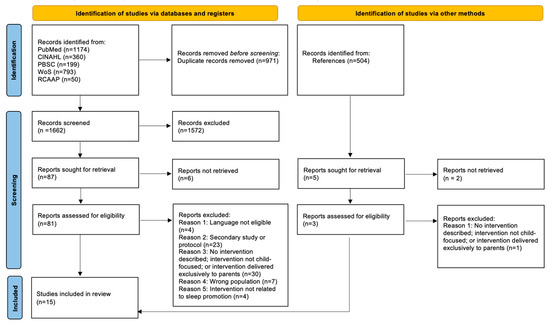
Mapping Evidence on Child-Focused Interventions for Promoting Healthy Sleep Habits: A Scoping Review
by
Ana Patrícia Dias and Fernanda Loureiro
Clocks & Sleep 2026, 8(2), 17; https://doi.org/10.3390/clockssleep8020017 - 7 Apr 2026
Abstract
Sleep is critical for physical growth and healthy child development. Traditionally, interventions targeting sleep improvement in children have focused on the parents. This scoping review aimed to identify and summarize the available evidence on child-focused interventions designed to promote healthy sleep habits among
[...] Read more.
Sleep is critical for physical growth and healthy child development. Traditionally, interventions targeting sleep improvement in children have focused on the parents. This scoping review aimed to identify and summarize the available evidence on child-focused interventions designed to promote healthy sleep habits among children aged 3–12 in healthcare settings. The review was conducted in accordance with JBI guidelines. A comprehensive search strategy was employed, encompassing databases such as PubMed, CINAHL, Psychology & Behavioral Sciences Collection, Education Source, Scopus, Web of Science, the Public Health Database, and Portugal’s Open Access Scientific Repository. Following identification and screening, 15 articles were included. Three types of interventions were identified: isolated, combined, and structured programs. Overall, the studies suggest that, while sleep-related knowledge tends to improve, achieving sustained, long-term behavioral change remains challenging in this age group. Active child participation appears essential for promoting lasting results and developing more tailored, child-friendly interventions.
Full article
(This article belongs to the Section Human Basic Research & Neuroimaging)
►▼
Show Figures

Figure 1
Open AccessReview
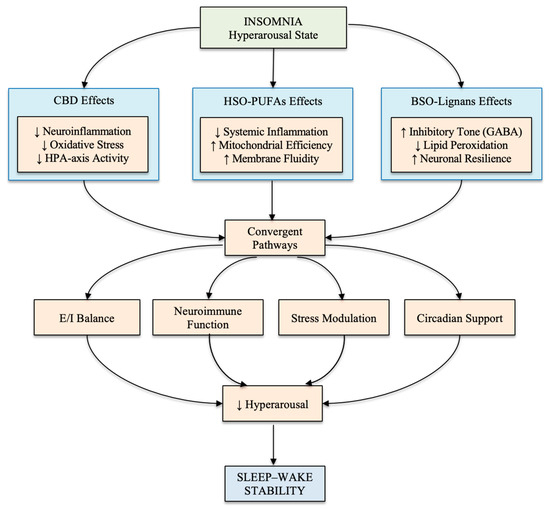
Mechanistic Pathways Linking Cannabidiol, Hemp Seed Oil and Black Sesame Oil in Hyperarousal Insomnia: A Narrative Review
by
Piphat Kovitkanit and Thavatchai Kamoltham
Clocks & Sleep 2026, 8(2), 16; https://doi.org/10.3390/clockssleep8020016 - 31 Mar 2026
Abstract
Insomnia is increasingly recognized as a manifestation of multisystem dysregulation characterized by sustained physiological hyperarousal. This review situates insomnia within a framework of reciprocal disturbances across neuroendocrine, inflammatory, and autonomic pathways. It examines the potential roles of cannabidiol (CBD), polyunsaturated fatty acids (PUFAs)
[...] Read more.
Insomnia is increasingly recognized as a manifestation of multisystem dysregulation characterized by sustained physiological hyperarousal. This review situates insomnia within a framework of reciprocal disturbances across neuroendocrine, inflammatory, and autonomic pathways. It examines the potential roles of cannabidiol (CBD), polyunsaturated fatty acids (PUFAs) derived from hemp seed oil (HSO), and lignans from black sesame oil (BSO) as modulators of upstream biological processes relevant to sleep regulation. Rather than acting as direct hypnotics, these compounds are considered for their capacity to influence convergent mechanisms involved in sleep–wake stability. Preclinical evidence suggests that CBD modulates endocannabinoid and serotonergic signaling, potentially contributing to the regulation of physiological processes associated with hyperarousal. Concurrently, HSO-derived fatty acids support mitochondrial function and lipid-mediated resolution. Sesame lignans further contribute through antioxidant properties linked to redox balance, neurometabolic stability, and modulation of neural excitability. However, the current evidence base is predominantly preclinical, and definitive conclusions regarding therapeutic efficacy or optimal dosing in humans remain limited. Future research should prioritize integrative clinical studies that link these specific biological modulations to standardized sleep outcomes to determine their real-world applicability. Nevertheless, the pathways discussed align with biological domains consistently implicated in established insomnia phenotypes. This review integrates these compounds within a shared hyperarousal framework to highlight convergent upstream mechanisms that extend beyond their individual effects.
Full article
(This article belongs to the Section Disorders)
►▼
Show Figures

Figure 1
Open AccessArticle
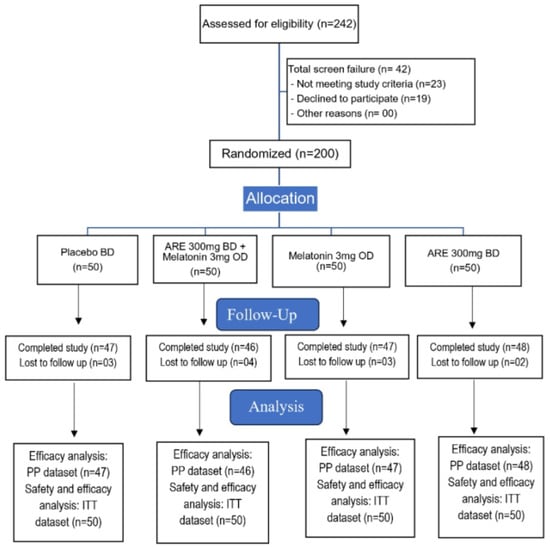
Comparative Evaluation of Ashwagandha (Withania somnifera) Root Extract and Melatonin for Improving Sleep Quality in Adults: A Prospective, Randomized, Double-Blind, Placebo-Controlled Study
by
Navya Movva, Jaising Salve, Kalpana Wankhede, Vaishali Thakare and Deepak Langade
Clocks & Sleep 2026, 8(2), 15; https://doi.org/10.3390/clockssleep8020015 - 27 Mar 2026
Abstract
Ashwagandha, a revered herb in Ayurvedic medicine for over 3000 years, is recognized for its potential benefits in regulating sleep and supporting overall vitality. This study evaluated the comparative effects of Ashwagandha root extract (ARE) and melatonin (MLT) on sleep quality in adults.
[...] Read more.
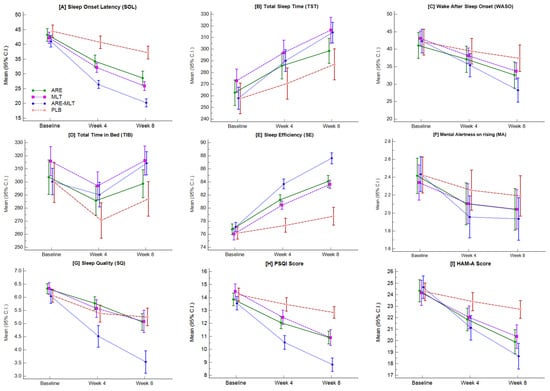
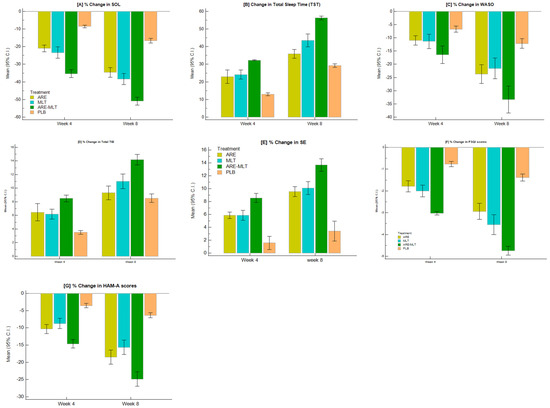
Ashwagandha, a revered herb in Ayurvedic medicine for over 3000 years, is recognized for its potential benefits in regulating sleep and supporting overall vitality. This study evaluated the comparative effects of Ashwagandha root extract (ARE) and melatonin (MLT) on sleep quality in adults. In this prospective, randomized, double-blind, placebo-controlled trial, 200 men and women aged 18–50 years were randomized to receive ARE (300 mg twice daily; n = 50), MLT (3 mg/day; n = 50), a combination of ARE (600 mg/day) and MLT (3 mg/day; n = 50), or placebo (n = 50) for eight weeks. The primary outcome was the change in sleep onset latency (SOL) from baseline to week eight, measured by actigraphy. Secondary outcomes included actigraphy-based changes in total sleep time (TST), wake after sleep onset (WASO), and sleep efficiency (SE), as well as subjective measures such as the Pittsburgh Sleep Quality Index (PSQI) and the Hamilton Anxiety Scale (HAM-A). At week eight, SOL was significantly reduced across treatment groups, with the ARE–MLT (p < 0.0001) combination showing the greatest improvement. The combination group also demonstrated significant improvements in TST (p < 0.0001), WASO (p < 0.0001), and SE (p < 0.0001), whereas ARE and MLT monotherapy produced moderate but comparable benefits. Inferential analyses confirmed statistically significant improvements in objective and subjective sleep measures (p < 0.0001). Safety analyses indicated that mild adverse events occurred across all groups, with no clinically significant between-group differences. Overall, both Ashwagandha and melatonin improved sleep disturbances in adults, with combination therapy producing the most consistent and pronounced benefits.
Full article
(This article belongs to the Section Human Basic Research & Neuroimaging)
►▼
Show Figures

Figure 1
Open AccessArticle
Evaluation of the Efficacy of a Vibrotactile Device for Positional Therapy of Sleep-Disordered Breathing: A Pilot Study in Healthy Volunteers
by
Andrey R. Alexandrov, Anton R. Kiselev, Mikhail V. Agaltsov, Anastasia R. Alexandrova and Ivan A. Kudashov
Clocks & Sleep 2026, 8(1), 14; https://doi.org/10.3390/clockssleep8010014 - 16 Mar 2026
Abstract
The role of body position during sleep, particularly the supine position, is now recognized as an important factor in the development of sleep-disordered breathing such as snoring, apnea, and hypopnea. This pilot study aimed to evaluate the efficacy of a new wearable vibrotactile
[...] Read more.
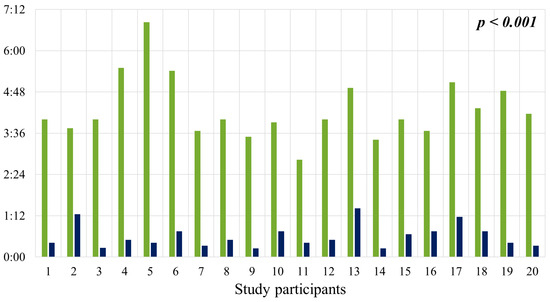
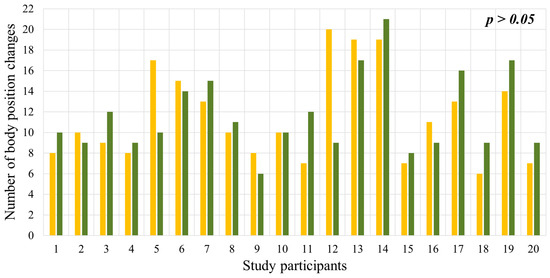
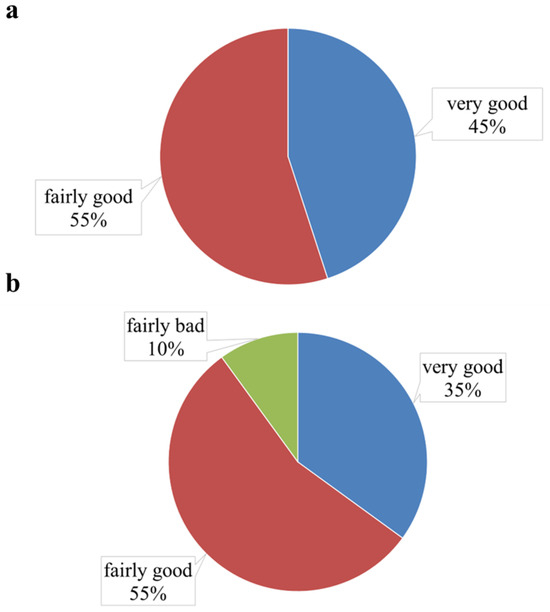
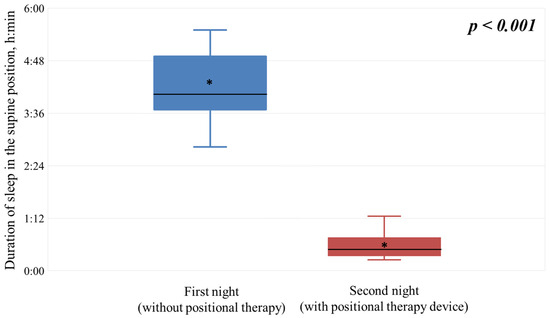
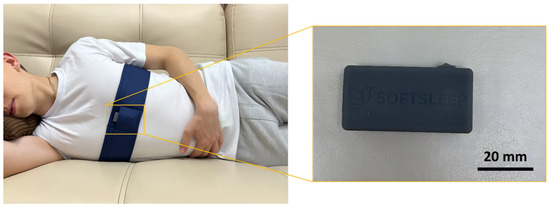
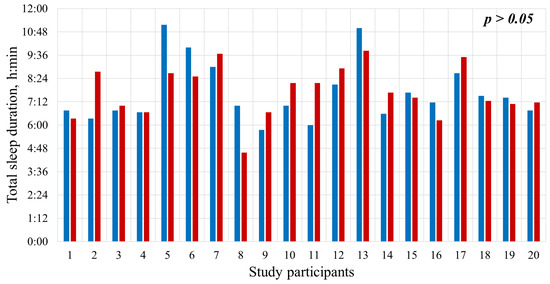
The role of body position during sleep, particularly the supine position, is now recognized as an important factor in the development of sleep-disordered breathing such as snoring, apnea, and hypopnea. This pilot study aimed to evaluate the efficacy of a new wearable vibrotactile device (SoftSleep) in reducing sleep time in the supine position without negatively affecting total sleep duration or perceived sleep quality. This pilot study included 20 healthy volunteers. Sleep was monitored over two consecutive nights: the first night without positional therapy (PT) and the second night using a PT device. The primary outcome measures were total sleep time, sleep duration in the supine position, number of position changes, and subjective sleep quality (using the modified Pittsburgh Sleep Quality Index). Use of SoftSleep showed a significant reduction in the mean proportion of sleep in the supine position from 56.01% to 7.84% (p < 0.001). Total sleep time did not change significantly (7:39 ± 1:33 vs. 7:42 ± 1:19; p > 0.05). A moderate increase in the number of position changes was not accompanied by a deterioration in subjective sleep quality: 90% of participants rated their sleep with the device as very good or fairly good. Only three participants reported brief awakenings, which did not affect their overall perception of nighttime rest. These results indicate that the SoftSleep device effectively promotes sleep in a non-supine position without altering sleep quality or subjective perception of sleep. The high tolerability of the device confirms its potential for further clinical evaluation in patients with positional sleep apnea.
Full article
(This article belongs to the Section Disorders)
►▼
Show Figures

Figure 1
Open AccessArticle
Sleep and Sleep Disorder Knowledge Among Physicians Working in Qatar’s Primary Health Care Corporation: A Cross-Sectional Study
by
Mohamed Salem, Fawzia Alhor, Amr Ouda, Soha Halawa, Yara Abuazab and Ibrahim Elmakaty
Clocks & Sleep 2026, 8(1), 13; https://doi.org/10.3390/clockssleep8010013 - 12 Mar 2026
Abstract
Sleep is a fundamental biological process essential for physical, cognitive, and mental health, yet sleep disorders remain underrecognized in primary care. Given the central role of primary care physicians (PCPs) in early identification and management, this study aimed to assess sleep and sleep
[...] Read more.
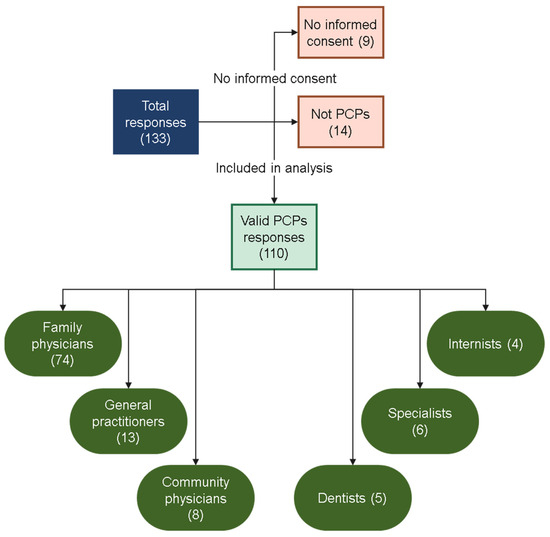
Sleep is a fundamental biological process essential for physical, cognitive, and mental health, yet sleep disorders remain underrecognized in primary care. Given the central role of primary care physicians (PCPs) in early identification and management, this study aimed to assess sleep and sleep disorder knowledge among PCPs working within the Primary Health Care Corporation in Qatar. A cross-sectional study was conducted using the validated 30-item Assessment of Sleep Knowledge in Medical Education (ASKME) questionnaire, alongside demographic and clinical practice variables. The primary outcomes were the overall ASKME percentage score and participants achieving adequate sleep knowledge (≥60%). A total of 110 PCPs were included in the analysis. The mean overall ASKME score was 56.5%, and 44.5% of participants achieved adequate sleep knowledge. Knowledge was highest in circadian sleep–wake regulation and basic sleep principles, and lowest in common sleep disorders, sleep architecture, and the effects of drugs and alcohol on sleep. In multivariable logistic regression, years of clinical experience was the only factor independently associated with adequate sleep knowledge. These findings indicate persistent gaps in clinically relevant sleep knowledge among PCPs and underscore the need for targeted sleep education within primary care to support early and effective management of sleep disorders. However, the achieved sample size was substantially smaller than the initially calculated target of 260, limiting statistical power; therefore, the non-significant findings may reflect a Type II error, and the regression analyses should be interpreted with caution.
Full article
(This article belongs to the Section Disorders)
►▼
Show Figures

Figure 1
Highly Accessed Articles
Latest Books
E-Mail Alert
News
Topics
Topic in
Brain Sciences, Clocks & Sleep, Neurology International, NeuroSci
Translational Advances in Neurodegenerative Dementias, Second Edition
Topic Editors: Francesco Di Lorenzo, Annibale AntonioniDeadline: 30 September 2026
Topic in
Brain Sciences, Clocks & Sleep, JDAD, Neuroglia, Psychiatry International, NeuroSci, Neurology International, CTN
Advancing Neuroscience and Brain Sciences: Insights from the 5th International Electronic Conference on Brain Sciences & 1st International Electronic Conference on Neurosciences (IECBS-IECNS 2026)
Topic Editors: Stephen D. Meriney, Magda TsolakiDeadline: 11 November 2026
Special Issues
Special Issue in
Clocks & Sleep
Circadian Rhythm Research in Aquatic Animals
Guest Editor: Yingdong LiDeadline: 30 June 2026
Special Issue in
Clocks & Sleep
Genetic Studies of Sleep and Circadian Rhythms
Guest Editor: Mario PedrazzoliDeadline: 31 July 2026
Special Issue in
Clocks & Sleep
Night Shift Work and Health
Guest Editor: Jolanta Malinowska-BorowskaDeadline: 31 August 2026
Special Issue in
Clocks & Sleep
Emerging Trends in Obstructive Sleep Apnea
Guest Editor: Ali Albert el-SolhDeadline: 30 November 2026
Topical Collections
Topical Collection in
Clocks & Sleep
Featured Papers from Australasian Chronobiology Society
Collection Editors: Sean Cain, Elise McGlashan