

Agriculture | Issue Cover Collection Published in 2025 (II)
The articles listed below have been selected as the cover articles for Issues 13–24 of Volume 15 by the Editorial Office of Agriculture (ISSN: 2077-0472). These articles represent the latest research advancements in fields within the journal's scope, and we hope they will serve as a source of new research ideas for scholars and authors in these fields. For full access to Volume 15, please visit https://www.mdpi.com/2077-0472/15.

by Sara Mayo-Prieto, Alejandra J. Porteous-Álvarez, Guzmán Carro-Huerga, Laura Zanfaño, Daniela Ramírez-Lozano, Álvaro Rodríguez-González, Alicia Lorenzana de la Varga and Pedro A. Casquero
Agriculture 2025, 15(13), 1328;
https://doi.org/10.3390/agriculture15131328
Available online: https://www.mdpi.com/2077-0472/15/13/1328
Cover Story: As the agricultural sector seeks eco-friendly alternatives to synthetic inputs, a new study highlights the potential of hop cone residues as a sustainable replacement for peat in seed coatings. Researchers tested native Trichoderma strains and found that hop-based formulations not only support superior fungal growth but also maintain or improve seed germination. Field trials with bean seeds confirmed that coatings using hop residues promote early plant establishment, particularly under integrated production systems. This promising approach opens new avenues for the valorization of agricultural waste, combining crop performance with environmental responsibility.
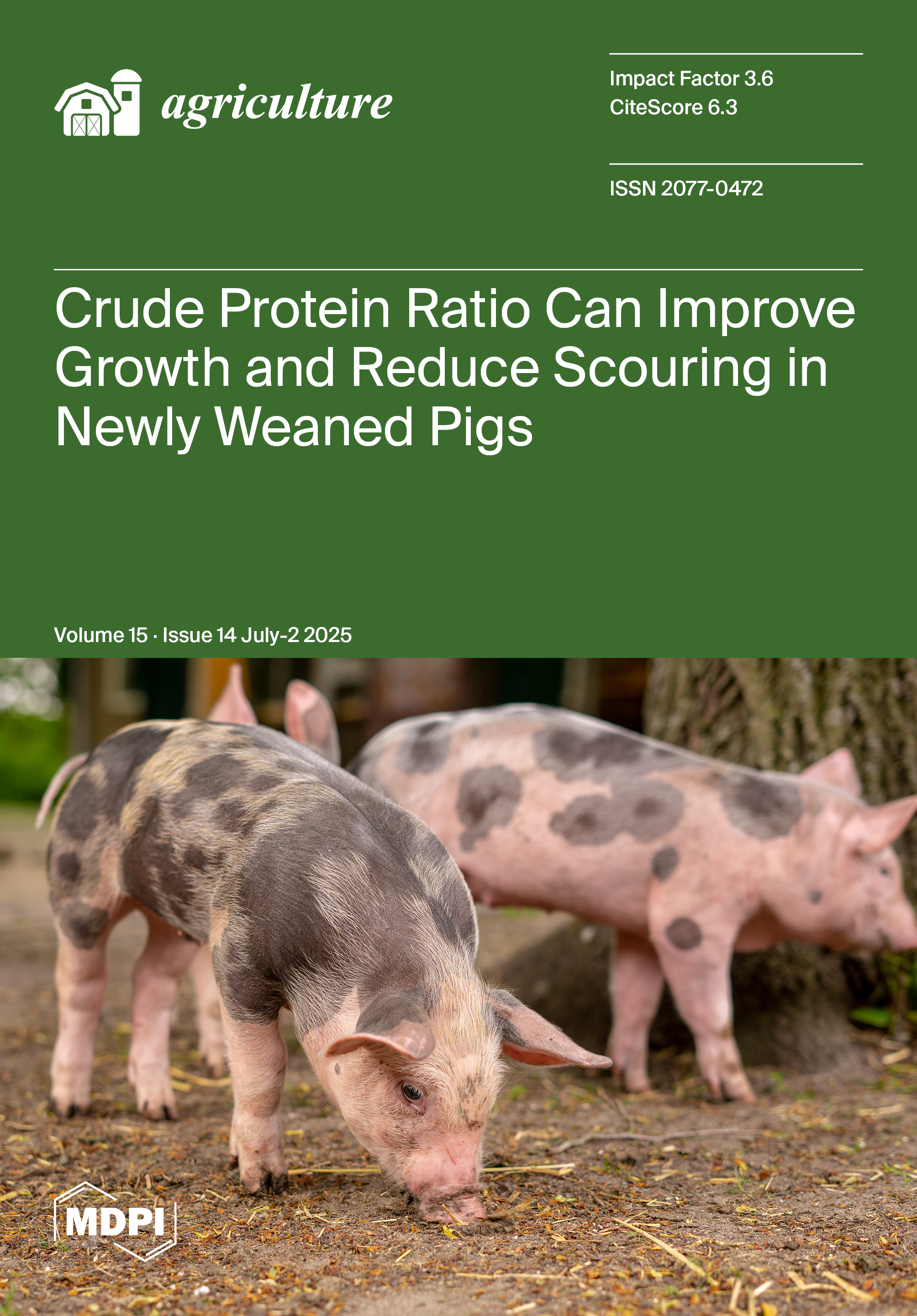
by James E. Langley, Kate J. Plush, Surinder S. Chauhan, John R. Pluske, Sally Tritton, Frank R. Dunshea and Jeremy J. Cottrell
Agriculture 2025, 15(14), 1516
https://doi.org/10.3390/agriculture15141516
Available online: https://www.mdpi.com/2077-0472/15/14/1516
Cover Story: A low-crude-protein diet is a valuable strategy for Australian pigs. Reducing crude protein after weaning may prevent waste and may also prevent the emergence of antibiotic resistance genes by improving gut function and avoiding excessive growth. The higher weaning age in this trial may also be a factor in considering the use of low zinc oxide, which may be an important factor in the reduced diarrhoea index and increased growth trend observed in this trial, but the mechanism of this result is currently unknown. In conclusion, feeding pigs a low-fat diet can successfully reduce post-weaning diarrhoea, and the significant improvement in the diarrhoea index and growth trend is of great significance.
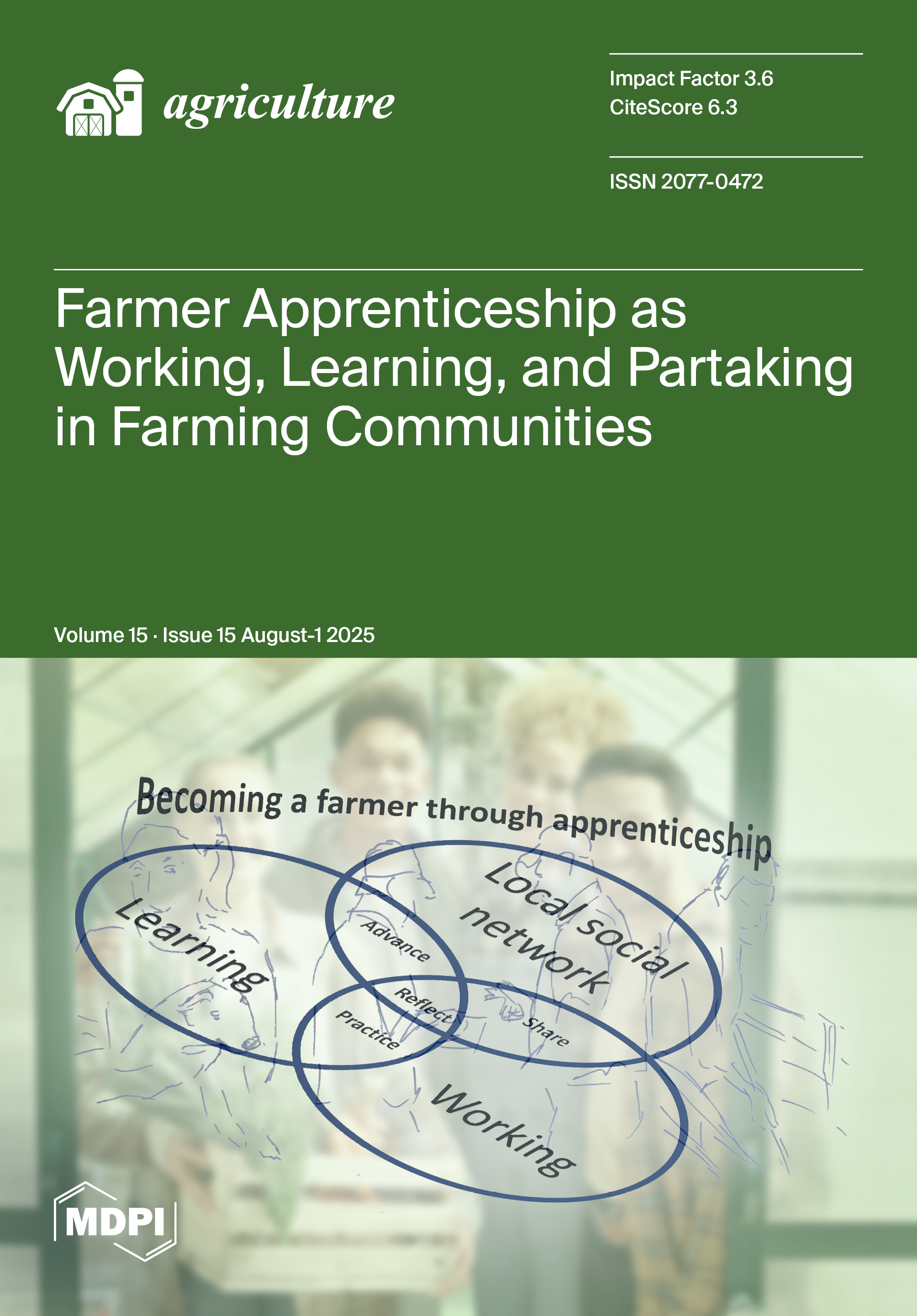
15. “Farmer Apprenticeship: Working While Learning or Learning to Work? Experiences and Views on Farmer Apprenticeship in Contemporary Danish Animal Farming”
by Mette Vaarst and Inger Anneberg
Agriculture 2025, 15(15), 1605;
https://doi.org/10.3390/agriculture15151605
Available online: https://www.mdpi.com/2077-0472/15/15/1605
Cover Story: How do young farmer apprentices learn how to farm and take care of animals? How can their periods of on-farm practice be shaped to best support their education and future as farmers? A pilot study based on interviews of 24 farmer students and 10 host farmers suggested how farmer apprentices’ learning during their on-farm apprentice period was influenced by different views and interests. We discovered a potential conflict between the view of the apprentice primarily as a learner versus primarily as a farm labourer learning through practical work. Additionally, it was proposed that on-farm and social environments were very important for the development of future farmers.
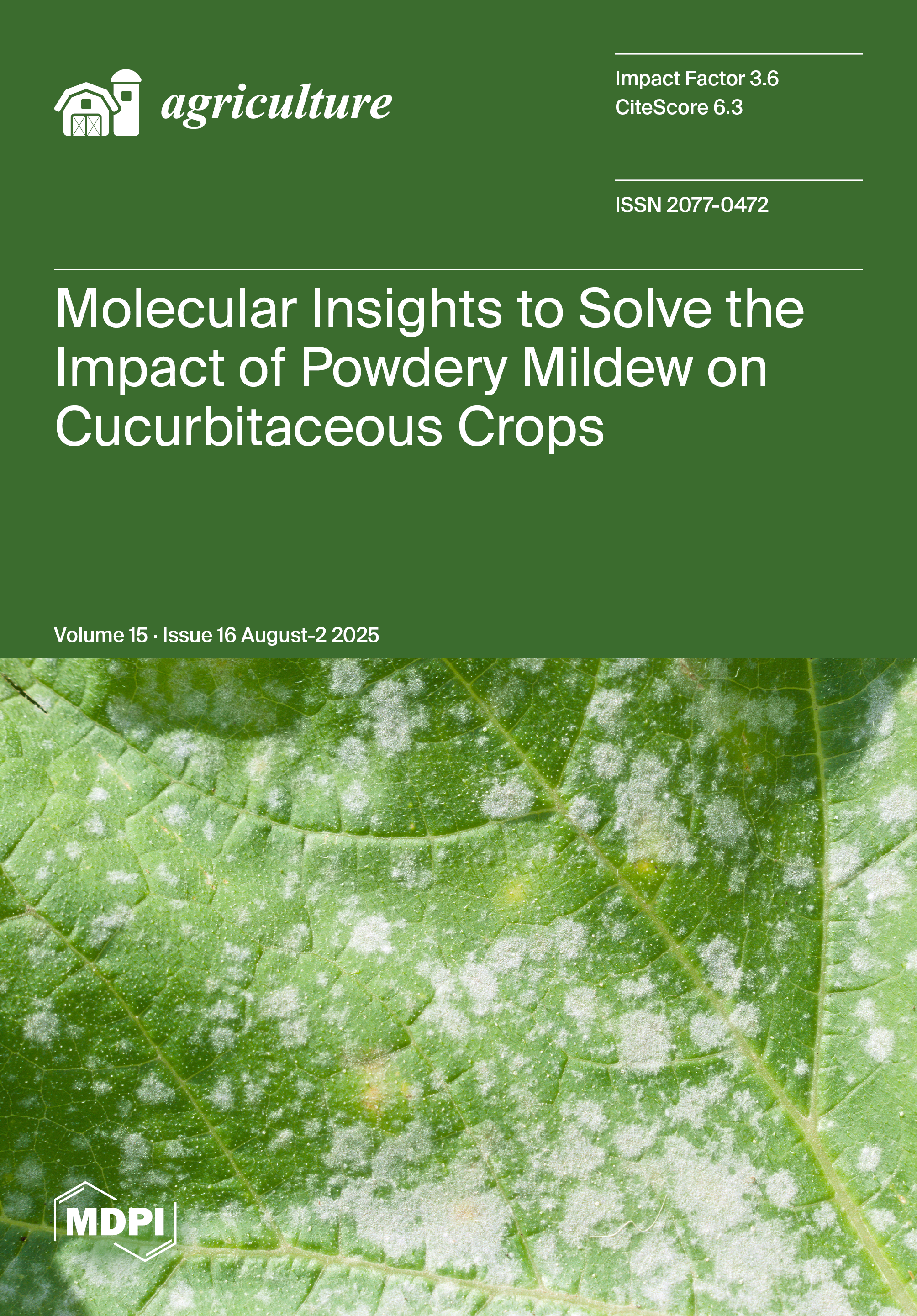
by Magdalena Pawełkowicz, Agata Głuchowska, Ewa Mirzwa-Mróz, Bartłomiej Zieniuk, Zhimin Yin, Czesław Zamorski and Arkadiusz Przybysz
Agriculture 2025, 15(16), 1743;
https://doi.org/10.3390/agriculture15161743
Available online: https://www.mdpi.com/2077-0472/15/16/1743
Cover Story: The impact of climate change on the prevalence and severity of powdery mildew in cucurbit crops is increasing prominently. While significant progress has been made in understanding the molecular basis of host resistance and pathogen virulence, the complex interaction between genetic, environmental, and epidemiological factors necessitates a multifaceted approach. Incorporating climate-resilient breeding targets, molecular diagnostics, and adaptive disease management strategies is essential for mitigating future disease outbreaks. The convergence of genomics, gene editing, and predictive modeling offers hope for the development of long-lasting, environmentally responsive resistance in cucurbits. Combining genetic resistance with agronomic practices and predictive disease modeling could provide sustainable solutions for controlling powdery mildew under changing climate conditions.
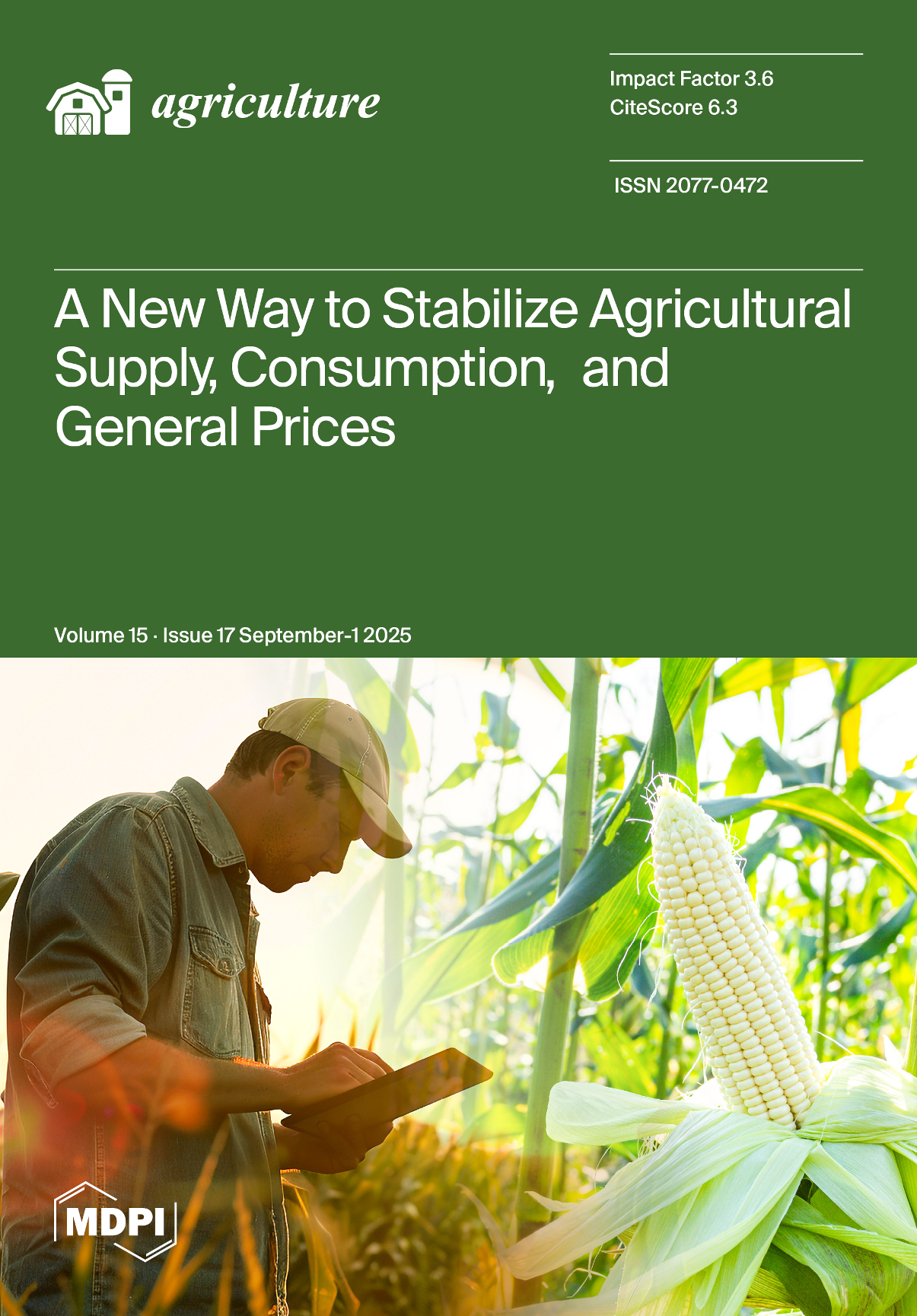
by Oscar V. De la Torre-Torres, Rodolfo A. López-Torres, María de la Cruz del Río-Rama and José Álvarez-García
Agriculture 2025, 15(17), 1862;
https://doi.org/10.3390/agriculture15171862
Available online: https://www.mdpi.com/2077-0472/15/17/1862
Cover Story: Using a method widely employed in active portfolio management and asset–liability management, the authors address the lack of hedging effectiveness that yellow corn 1-month futures of the Chicago Mercantile Exchange offer for cross-hedging the price of Mexican white corn and test the benefits of a portfolio of futures selected along the surplus efficient frontier (a special case of the minimum tracking error). This hedge can choose a portfolio with the lowest tracking error and be used as the balancing (short) position for the strike or minimum buy price that the Mexican Government or a financial institution could offer to farmers and intermediaries to enhance food security.
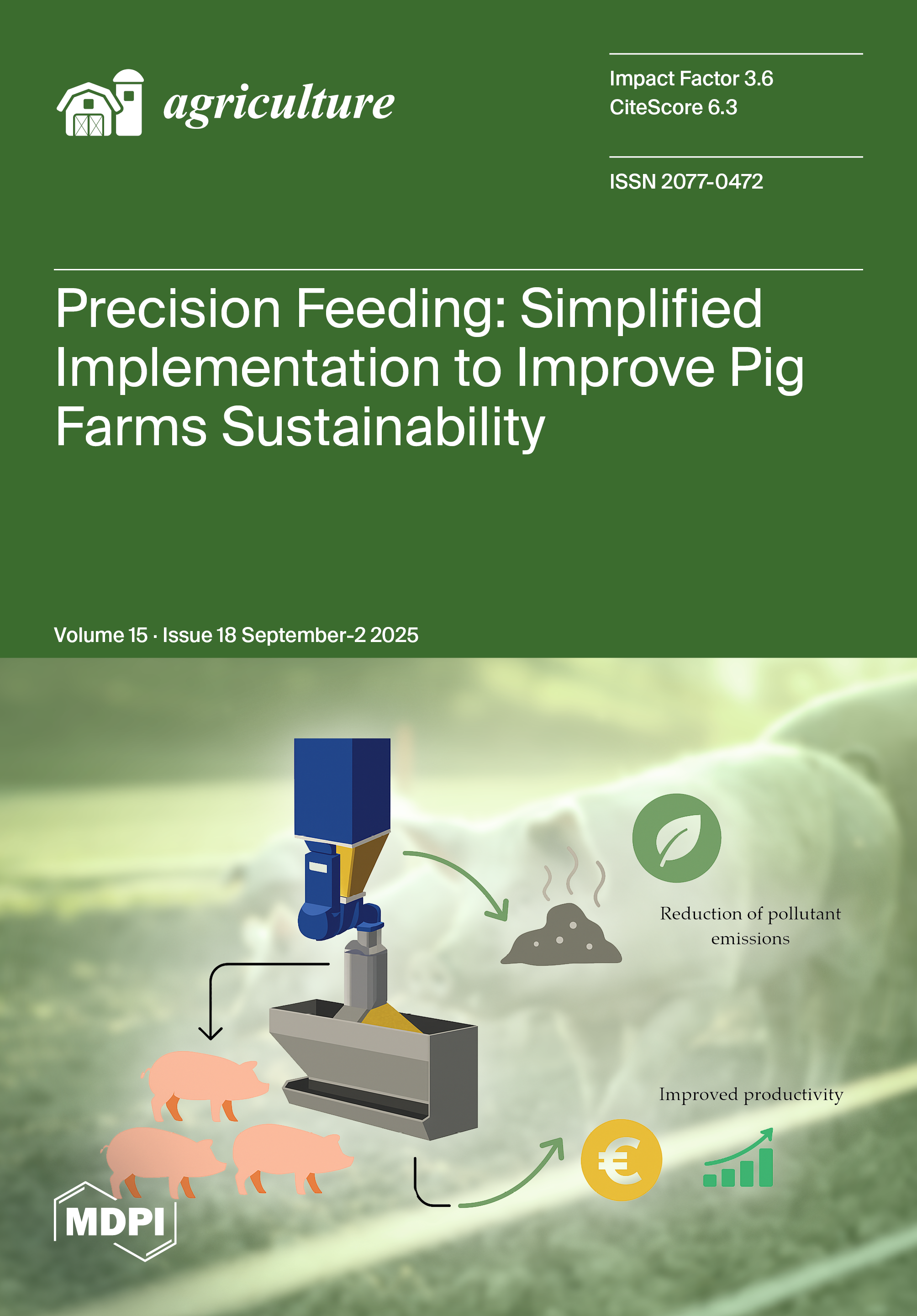
by Gema Montalvo, María Rodríguez, Carlos Piñeiro, Salvador Calvet, María J. Sanz and Paloma Garcia-Rebollar
Agriculture 2025, 15(18), 1935;
https://doi.org/10.3390/agriculture15181935
Available online: https://www.mdpi.com/2077-0472/15/18/1935
Cover Story: Can the simplified implementation of precision feeding enhance productivity and reduce pollutant emissions? This study evaluated a simplified precision feeding strategy on pig fattening farms to assess its effects on economic performance and pollutant emissions: two commercial feeds, a nutrient-rich pre-grower and a nutrient-poor finisher, were blended weekly based on the lysine needs of two groups of pigs, defined by initial body weight. The results show that simplified precision can provide economic benefits without compromising performance, but blend feeding formulation should also address potential NH3 and GHG emissions during slurry storage. The integration of artificial intelligence-driven tools for real-time diet adjustments is of great interest to enhance sustainability and efficiency.
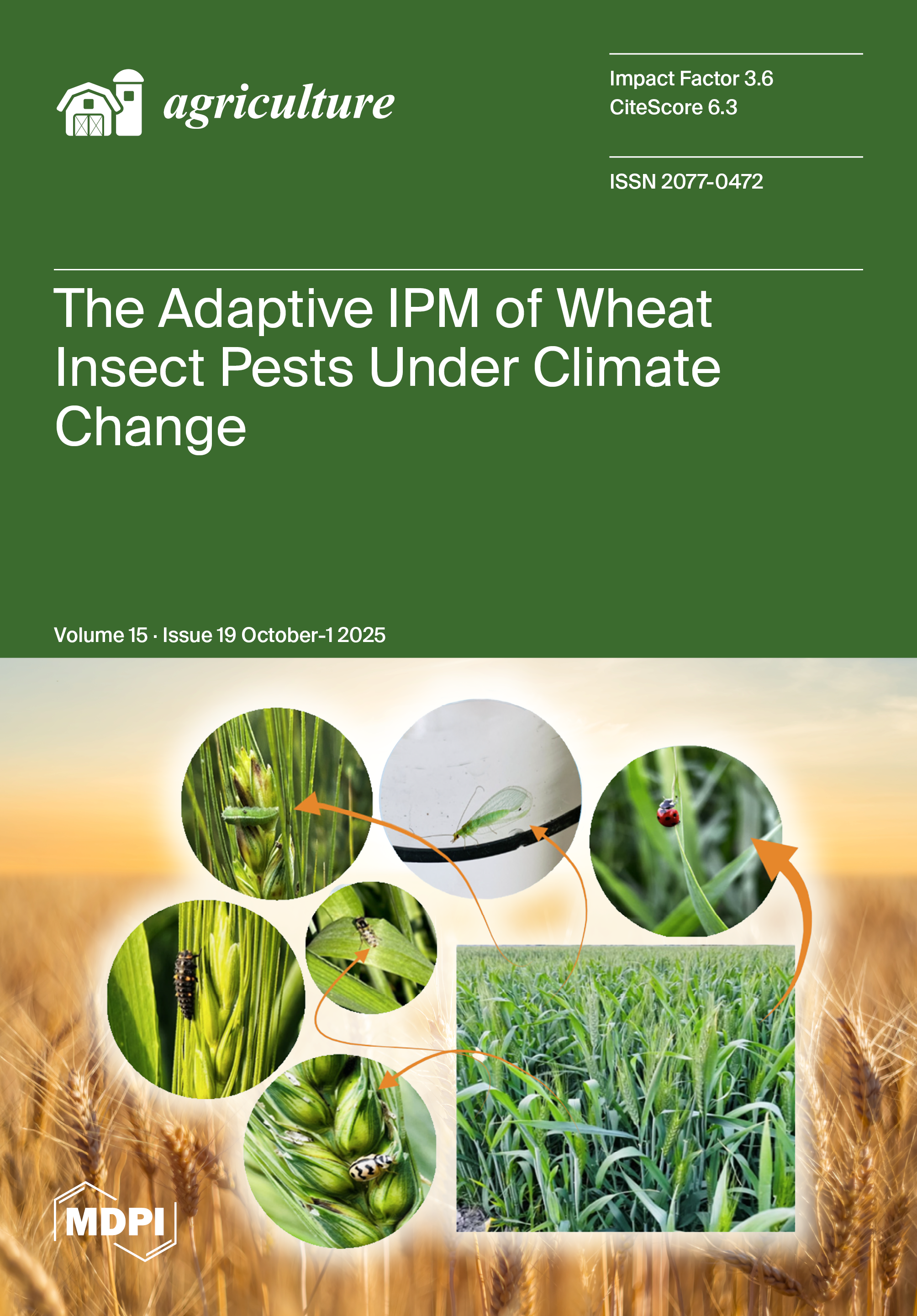
by Gurveer Singh and Neelendra K. Joshi
Agriculture 2025, 15(19), 2067;
https://doi.org/10.3390/agriculture15192067
Available online: https://www.mdpi.com/2077-0472/15/19/2067
Cover Story: Sustaining wheat yield potential is vital for global food security, yet pest management faces increasing challenges from climate change and evolving agronomic practices. Intensive fertilizer and pesticide use, along with continuous rice–wheat monoculture, has disrupted ecological balances, intensifying pest outbreaks in North India. The potato aphid, once limited to solanaceous crops, now infests wheat due to climatic shifts. Zero tillage and residue retention in wheat have created favorable conditions for pink stem borer carryover from rice and earlier armyworm infestations supported by larval survival within rice straw residues. This review highlights adaptive IPM strategies integrating ecological insight and improved agronomic practices to strengthen wheat agroecosystem resilience under changing environments.
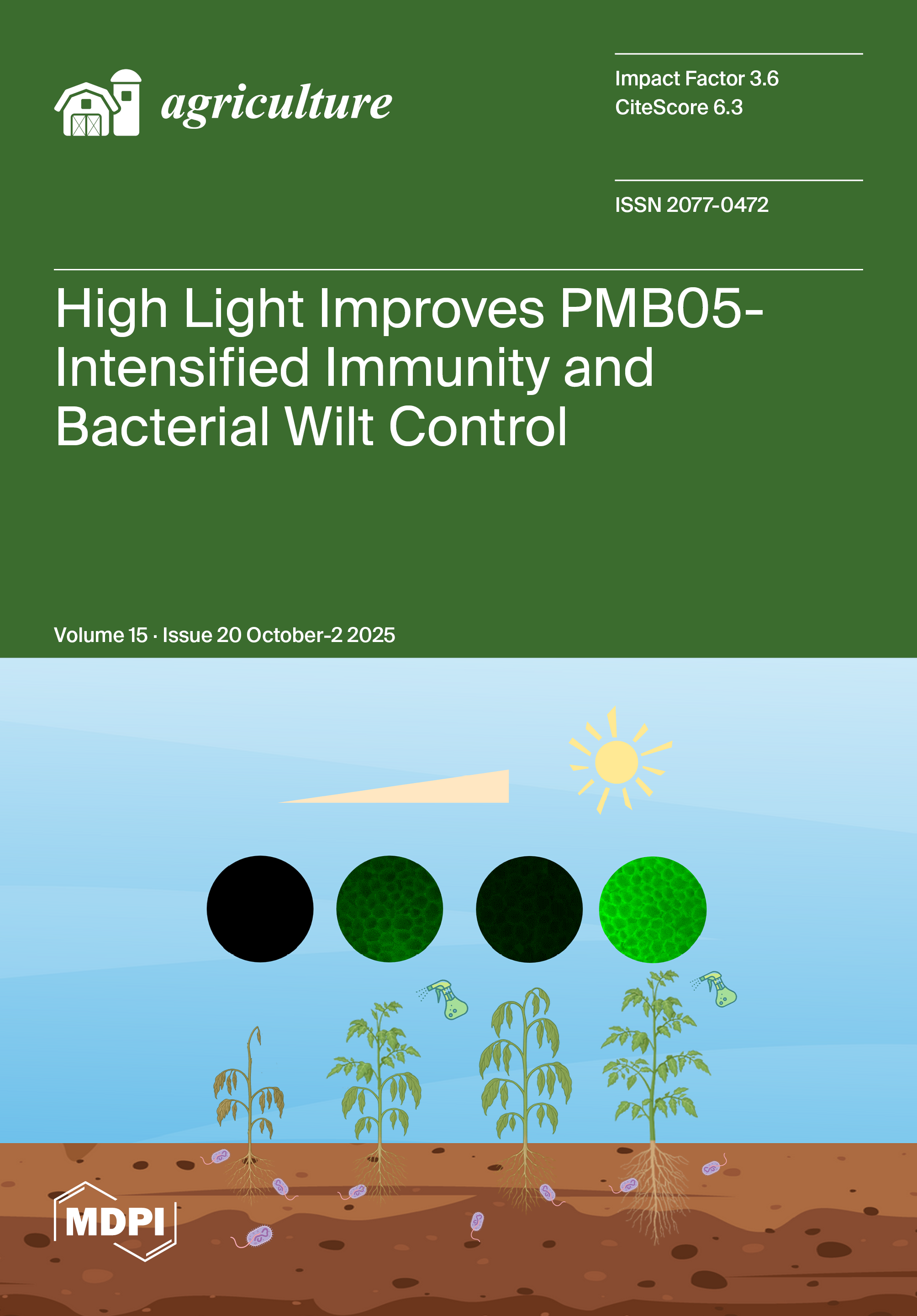
by Sin-Hua Li, Ai-Ting Li, Ming-Qiao Shi, Yi-Xuan Lu, Li-Ya Hong, Hsing-Ying Chung and Yi-Hsien Lin
Agriculture 2025, 15(20), 2110;
https://doi.org/10.3390/agriculture15202110
Available online: https://www.mdpi.com/2077-0472/15/20/2110
Cover Story: Can environmental factors such as light intensity determine the success of biocontrol strategies against plant diseases? This study visually demonstrates that higher light intensity significantly enhances the ability of Bacillus amyloliquefaciens PMB05 to intensify strong immune responses and control bacterial wilt in Arabidopsis and tomato plants. By comparing plants grown under different light conditions, this research highlights that only those under high light, and with an intact salicylic acid pathway, achieve robust disease resistance when treated with PMB05. These findings reveal that adjusting environmental parameters such as light can optimize the disease control potential of beneficial microbes, offering a promising approach for sustainable crop protection.
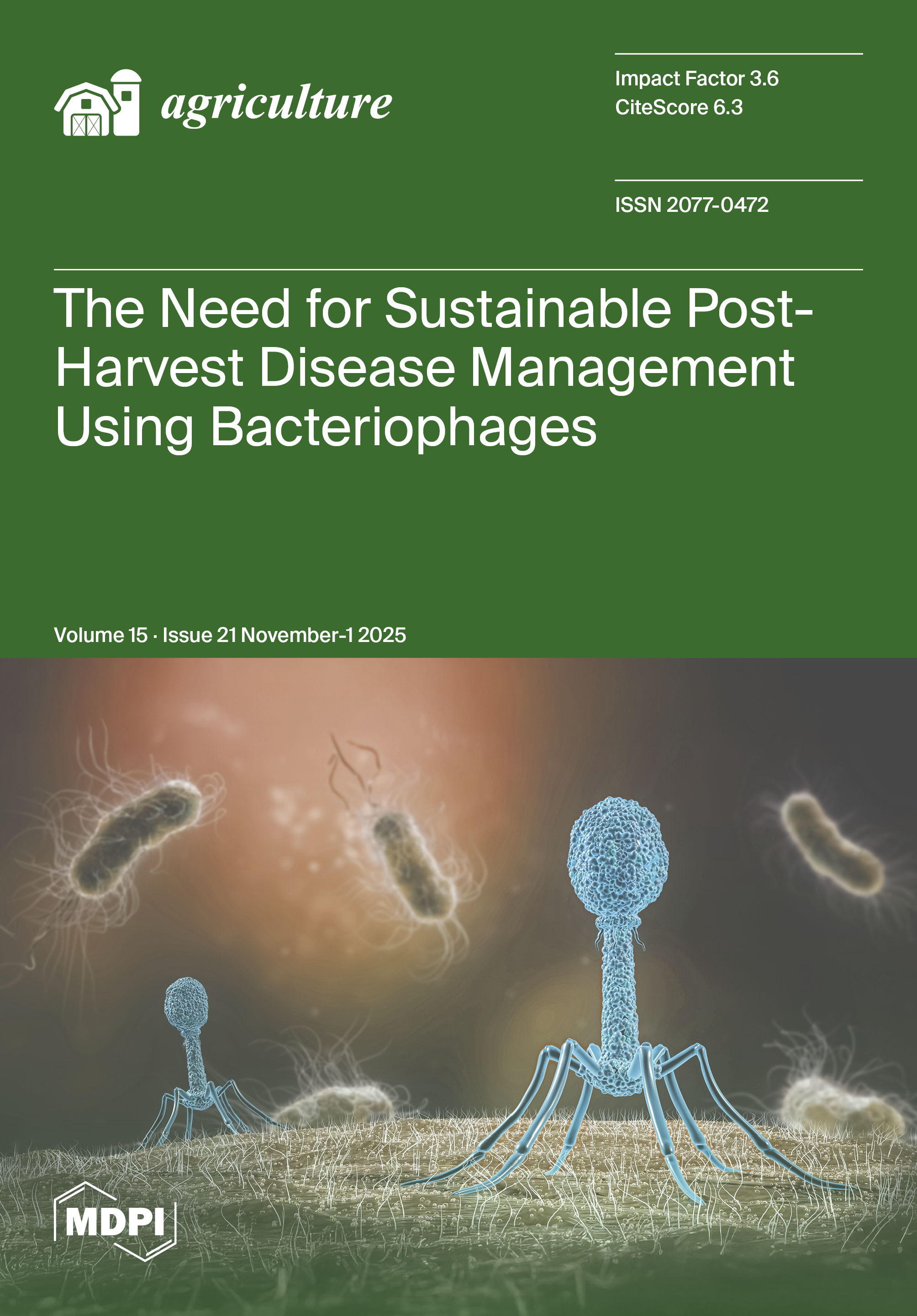
by Anna Hoffmann, Katarzyna Sadowska, Weronika Zenelt and Krzysztof Krawczyk
Agriculture 2025, 15(21), 2261;
https://doi.org/10.3390/agriculture15212261
Available online: https://www.mdpi.com/2077-0472/15/21/2261
Cover Story: Bacteriophage-based strategies hold great promise for improving post-harvest disease management. But bacterial resistance, regulatory hurdles, and commercial production complexities remain key barriers to large-scale adoption. Phage viability in storage and the field has increased thanks to developments in formulation technologies, such as encapsulation and stabilization. To fully realize the potential of bacteriophage applications, future efforts should focus on enhancing phage stability, optimizing their integration into post-harvest treatment systems, and addressing safety and regulatory concerns. The integration of various microbial biocontrol agents, including PGPR and exopolysaccharide-producing bacteria, supports the development of resilient agroecosystems and complements the use of bacteriophages in sustainable plant protection.
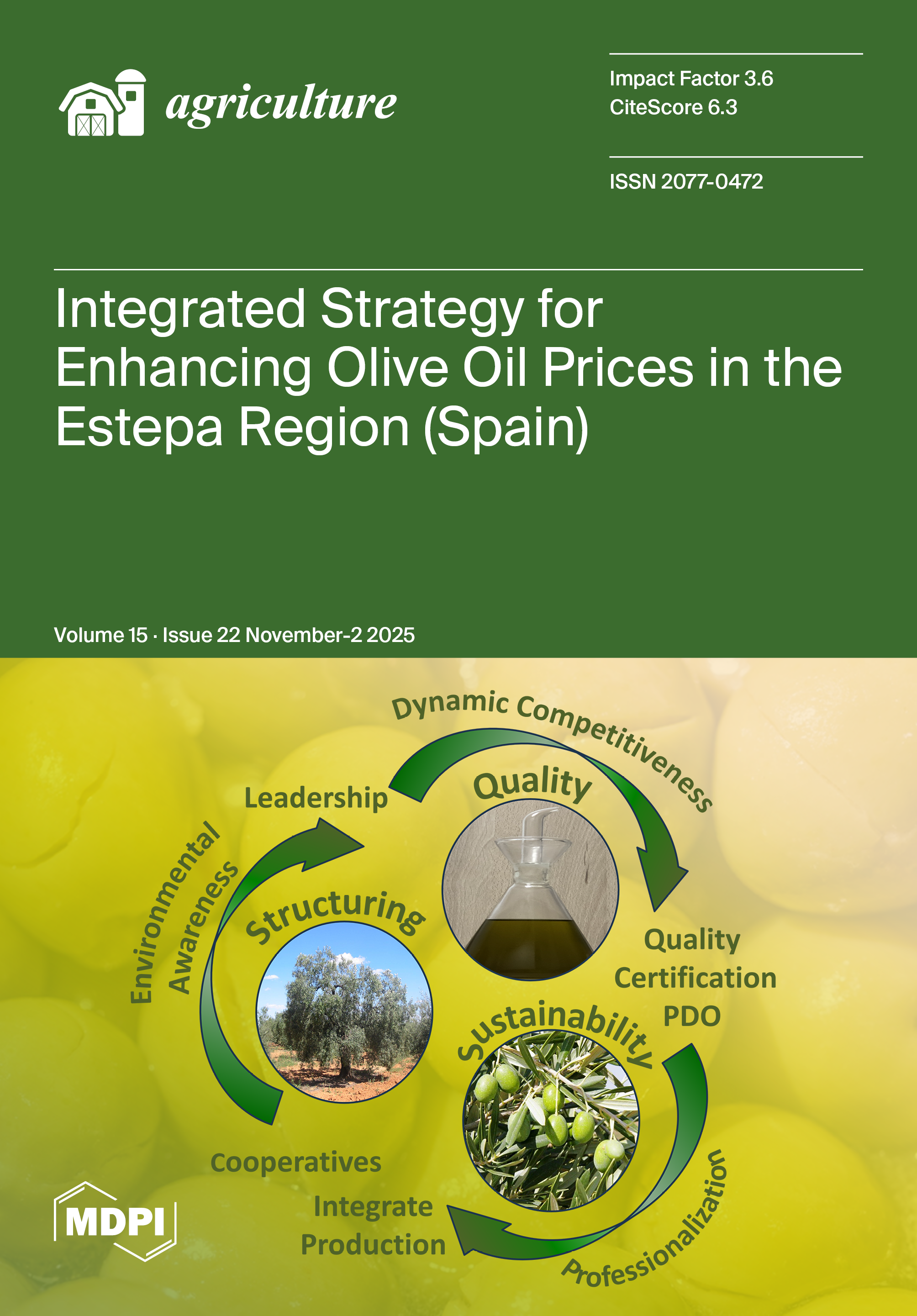
by Carlos Bueno-Suarez, Manuel David García-Brenes and Manuel Delgado-Pertíñez
Agriculture 2025, 15(22), 2352;
https://doi.org/10.3390/agriculture15222352
Available online: https://www.mdpi.com/2077-0472/15/22/2352
Cover Story: Spain is the world’s leader in olive oil production, with Andalusia (southern Spain) serving as the region with the largest cultivated land. In the area of Estepa, with an agri-food system based on olive monoculture, local producers are adopting strategies focused on quality differentiation and sustainability to boost competitiveness. Generational change remains a major challenge. This study examines actions to improve organization, sustainability, production quality, and pricing. The results show that quality-based pricing yields an extra EUR 200/t, though it has not stopped rural depopulation or agricultural abandonment. This study recommends exploring new production and organizational models that ensure social and environmental sustainability, offering crucial insights for rural development policy.
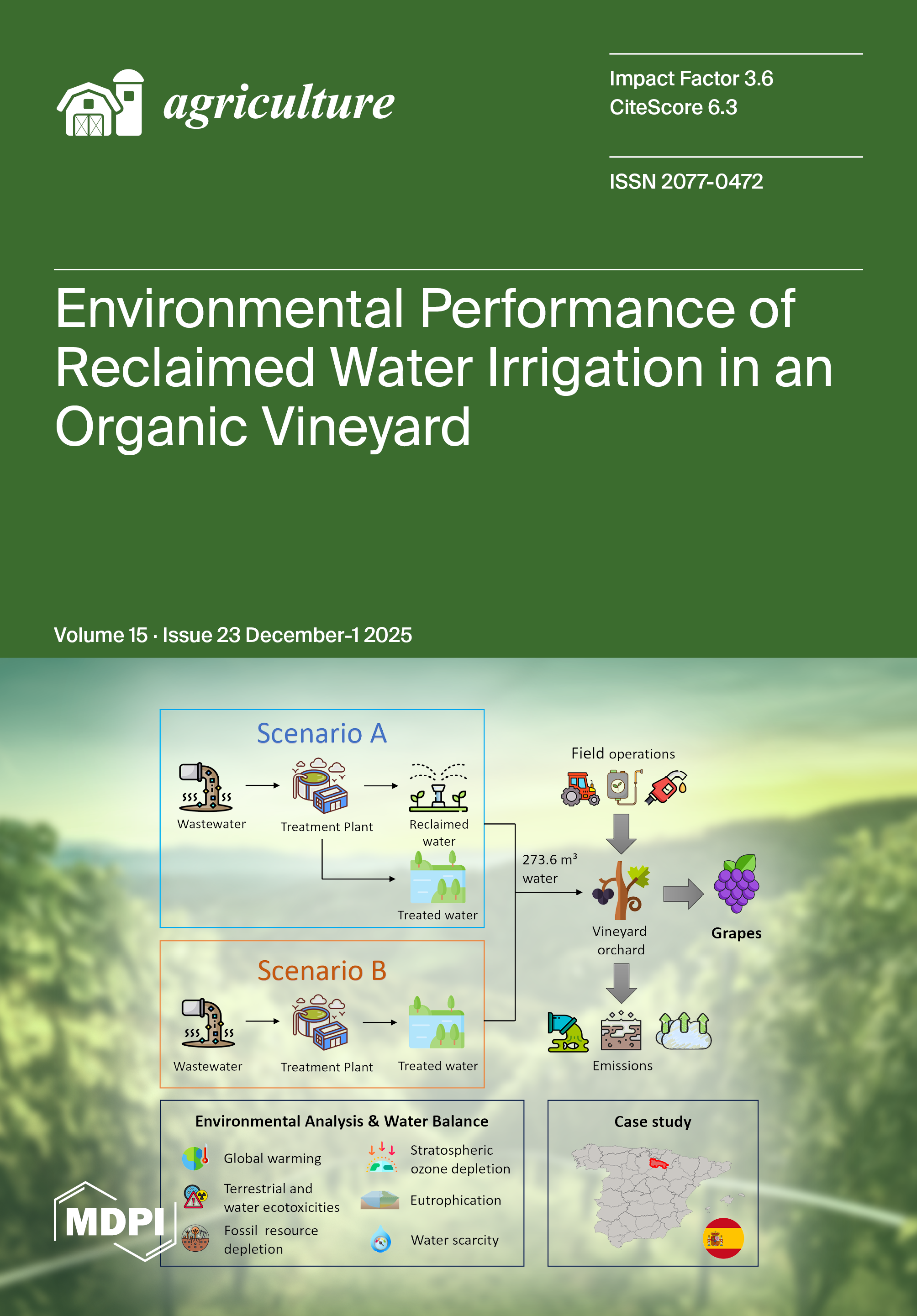
by Adrián Agraso-Otero, Mar Vilanova de la Torre, María Malia Molleda, Ricardo Rebolledo-Leiva and Sara González-García
Agriculture 2025, 15(23), 2505;
https://doi.org/10.3390/agriculture15232505
Available online: https://www.mdpi.com/2077-0472/15/23/2505
Cover Story: In a world where freshwater is becoming increasingly scarce, vineyards are being challenged to grow smarter. This study explores how reclaimed water can transform irrigation, using an organic vineyard in La Rioja as a case study, reducing environmental impact while preserving grape quality. By applying a lifecycle assessment and water balance modelling, this research reveals that using treated wastewater not only decreases the impact on global warming or eutrophication but also reduces pressure on natural water sources. The findings highlight reclaimed water as a powerful ally for a circular and more resilient wine sector, offering a sustainable path forward for agriculture in water-stressed regions. Could the future of wine be rooted in water reuse?
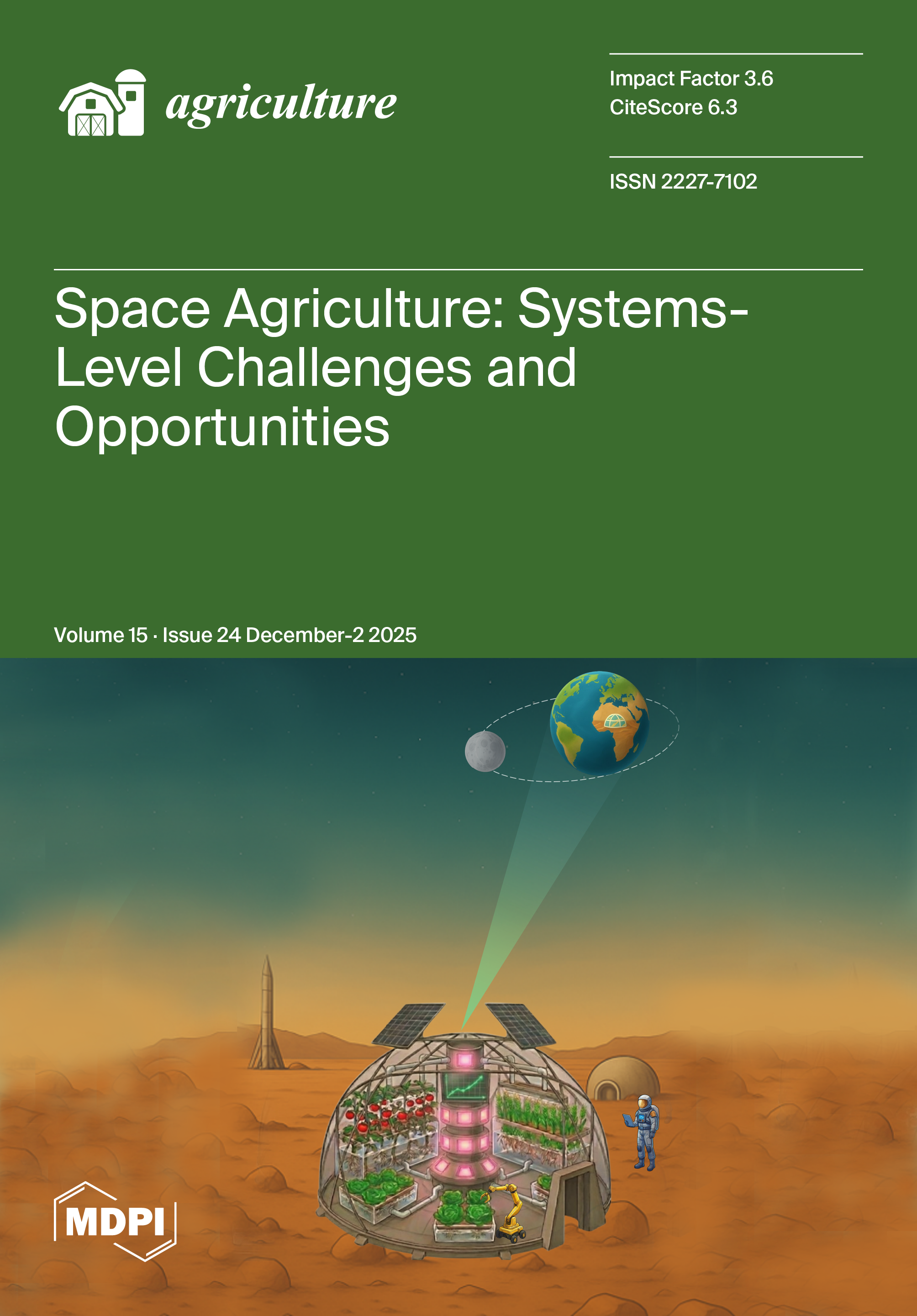
by Hassan Fazayeli, Aaron Lee M. Daigh, Cassandra Palmer, Santosh Pitla, David Jones and Yufeng Ge
Agriculture 2025, 15(24), 2541;
https://doi.org/10.3390/agriculture15242541
Available online: https://www.mdpi.com/2077-0472/15/24/2541
Cover Story: The cover image illustrates a conceptual representation of agriculture on the surface of Mars, where plant production must operate under extreme environmental, biological, and operational constraints, including reduced gravity, elevated radiation, limited resources, and non-Earth atmospheric conditions. Within a sealed controlled-environment agriculture (CEA) habitat, crops are sustained through hydroponics, spectrum-controlled LED lighting, robotics, sensors, and the automated regulation of temperature, humidity, water, nutrients, and gas exchange. Together, these elements highlight the tightly coupled, system-level nature of space agriculture. The image further emphasizes how insights from extraterrestrial cultivation—particularly closed-loop design, automation, and resource efficiency—can inform resilient agricultural solutions for extreme and resource-limited environments on Earth.