Journal Description
Merits — Journal of Human Resources
Merits
— Journal of Human Resources is an international, peer-reviewed, open access journal on virtues, talents and human resources published quarterly online by MDPI.
- Open Access— free for readers, with article processing charges (APC) paid by authors or their institutions.
- Rapid Publication: manuscripts are peer-reviewed and a first decision is provided to authors approximately 28 days after submission; acceptance to publication is undertaken in 7.8 days (median values for papers published in this journal in the second half of 2025).
- Recognition of Reviewers: APC discount vouchers, optional signed peer review, and reviewer names published annually in the journal.
- Merits — Journal of Human Resources is a companion journal of Sustainability.
Latest Articles
Tourism and Hospitality Students’ Perceptions of Their Employment Prospects and Future Career Paths: A Systematic Literature Review
Merits 2026, 6(2), 13; https://doi.org/10.3390/merits6020013 - 14 May 2026
Abstract
►
Show Figures
This study systematically reviews 129 peer-reviewed empirical studies examining tourism and hospitality (T&H) students’ perceptions of their employment prospects and future career paths. A systematic review was conducted using the RePEc database, which provides comprehensive coverage of economics, tourism, and hospitality research, ensuring
[...] Read more.
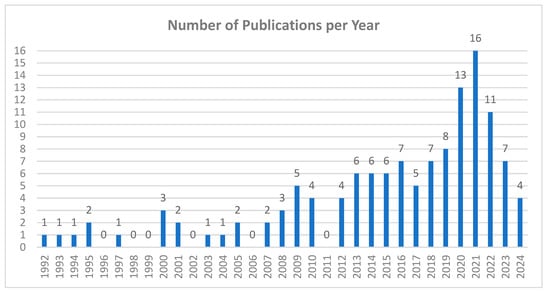
This study systematically reviews 129 peer-reviewed empirical studies examining tourism and hospitality (T&H) students’ perceptions of their employment prospects and future career paths. A systematic review was conducted using the RePEc database, which provides comprehensive coverage of economics, tourism, and hospitality research, ensuring broad and interdisciplinary representation of relevant studies. By synthesizing evidence across three decades, the review identifies persistent and emerging themes shaping students’ career outlooks. Negative perceptions, particularly regarding pay, working hours, job security, and career progression, remain the most frequently reported concerns and are strongly associated with employment anxiety. At the same time, the analysis highlights a significant rise in entrepreneurial intentions after 2015, reflecting students’ growing preference for autonomy and innovation. Internships and real-world experiences consistently emerge as pivotal in shaping perceptions, either reinforcing commitment to the sector or exposing mismatches between expectations and workplace realities. The review further underscores the influence of cultural, social, and personal factors, including family background, gender norms, and self-efficacy, in shaping career decisions. This study contributes by offering a comprehensive thematic synthesis, identifying patterns and transitions over time, and outlining research gaps. The findings provide actionable insights for educators, industry practitioners, and policymakers seeking to strengthen career pathways and ensure the long-term sustainability of the T&H workforce.
Full article
Open AccessReview
Mapping the Evidence on Decent Work (2022–2025): An Evidence Gap Map of Recent Empirical Research
by
Theodoro Batsios, Sumanjeet Rajak, Elisabetta Rubiolo and Abel Perez-Gonzalez
Merits 2026, 6(2), 12; https://doi.org/10.3390/merits6020012 - 12 May 2026
Abstract
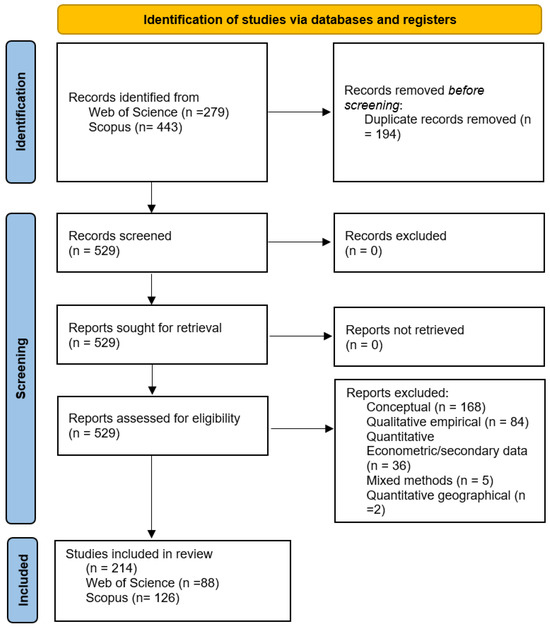
Purpose: This study presents an evidence gap map (EGM) of recent empirical survey-based research on decent work published between 2022 and 2025. The aim is to systematically visualize where empirical evidence has accumulated and to identify persistent knowledge gaps across key dimensions, populations,
[...] Read more.
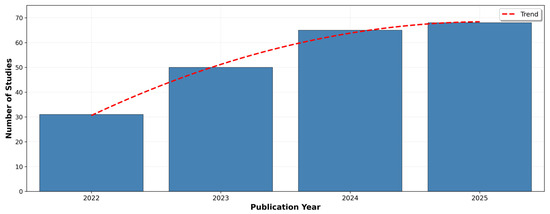
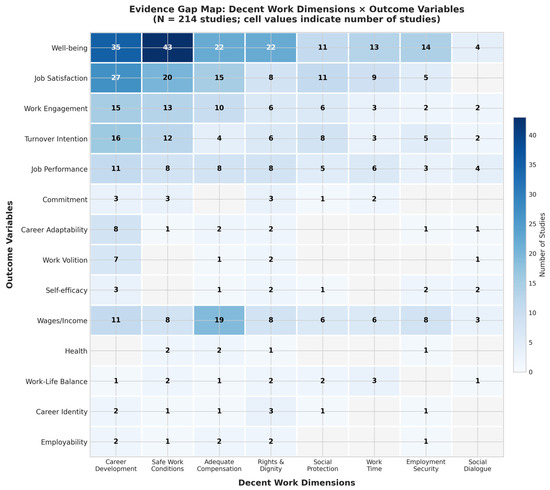
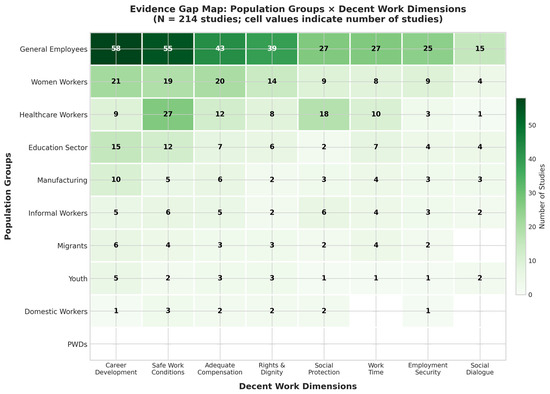
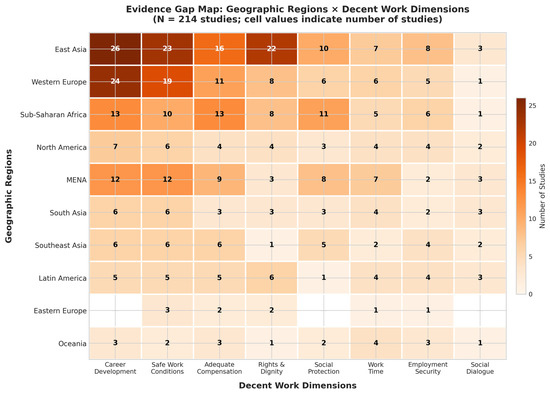
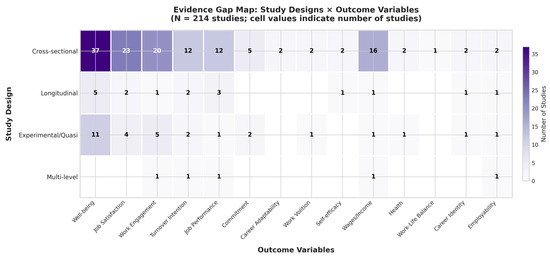
Purpose: This study presents an evidence gap map (EGM) of recent empirical survey-based research on decent work published between 2022 and 2025. The aim is to systematically visualize where empirical evidence has accumulated and to identify persistent knowledge gaps across key dimensions, populations, regions, outcomes, and methodological approaches, thereby informing future research agendas and evidence-informed policy development. Design/methodology/approach: A systematic mapping review was conducted following established guidance for evidence gap maps. Searches were performed in major bibliographic databases using a focused strategy to identify studies explicitly engaging with the decent work construct. Empirical quantitative studies based on survey methods were screened against predefined eligibility criteria. A total of 214 studies published between January 2022 and 2025 were included and coded using a structured framework covering decent work dimensions, population characteristics, geographic context, methodological design, and outcome variables. Evidence gap maps were constructed using matrix-based visualizations to display evidence density and gaps. Findings: Despite a substantial increase in publication volume since 2022, the evidence base remains unevenly distributed. Empirical research continues to concentrate on a limited subset of decent work dimensions and individual-level outcomes, while dimensions related to social dialogue and employment security receive comparatively little attention. Vulnerable worker populations—including persons with disabilities, domestic workers, and gig economy workers—remain critically underrepresented. Methodologically, cross-sectional designs predominate, with longitudinal and multilevel approaches still relatively scarce. Geographic coverage is similarly uneven, with research activity concentrated in a limited number of regions. Research limitations/implications: By systematically mapping recent empirical survey-based evidence, this study highlights persistent misalignments between theoretical ambitions, policy priorities, and empirical practice. The findings provide a structured basis for prioritizing future research and for aligning psychological research on decent work more closely with equity-oriented policy objectives. Originality/value: This study is the first evidence gap map focusing specifically on recent empirical survey-based research on decent work. By applying a rigorous EGM approach to post-2021 literature, it offers a structured overview of this segment of the evidence base and identifies priority areas where empirical knowledge remains limited.
Full article
(This article belongs to the Special Issue Decent Work for All: Interdisciplinary Perspectives and Global Challenges)
►▼
Show Figures

Figure 1

Open AccessArticle
Firm Type and Women’s Leadership Aspirations Across Career Stages: Evidence from Post-Socialist Mongolia
by
Enkhzul Galsanjigmed
Merits 2026, 6(2), 11; https://doi.org/10.3390/merits6020011 - 1 May 2026
Abstract
Women’s advancement into leadership roles remains uneven in many post-socialist labor markets despite high levels of female education and workforce participation. While prior research has emphasized structural barriers and national institutional conditions, less is known about how firm-level organizational environments shape women’s evaluations
[...] Read more.
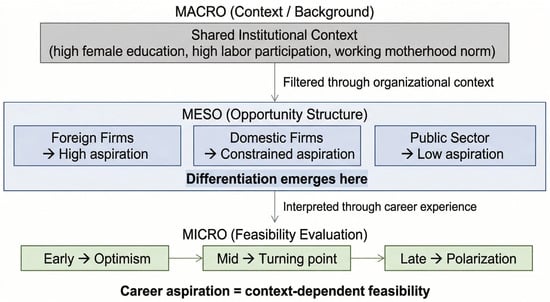
Women’s advancement into leadership roles remains uneven in many post-socialist labor markets despite high levels of female education and workforce participation. While prior research has emphasized structural barriers and national institutional conditions, less is known about how firm-level organizational environments shape women’s evaluations of leadership as a viable career pathway. This study aims to examine how firm type shapes women’s managerial aspirations across career stages in post-socialist Mongolia. Using cross-sectional survey data from 191 employed women in Ulaanbaatar, aspiration patterns were compared across three organizational contexts: foreign-owned firms, domestic private firms, and public-sector organizations. Career aspirations were operationalized as three states—high aspiration, constrained aspiration, and low aspiration—to capture differences between leadership motivation and perceived feasibility. Pearson’s chi-square tests and Cramér’s V were used to assess associations between firm type, career stage, and aspiration categories. The results show that women in foreign-owned firms are more likely to sustain leadership aspirations, whereas constrained and low aspirations are more prevalent in domestic private firms and the public sector, particularly at mid-career stages. These findings suggest that leadership aspirations reflect organizationally shaped feasibility assessments rather than individual motivation alone, and that firm type operates as a critical meso-level opportunity structure within shared post-socialist institutional conditions.
Full article
(This article belongs to the Special Issue Global Advances on Women in Leadership)
►▼
Show Figures

Figure 1
Open AccessArticle
Organizational Career System Expectations and Personal Value Orientations: Evidence from Canadian and German Millennial Business Students
by
Hermann Lassleben and Stefan Litz
Merits 2026, 6(2), 10; https://doi.org/10.3390/merits6020010 - 7 Apr 2026
Abstract
This study examines Millennial business students’ expectations of organizational career systems (OCS) to inform the design of work environments that attract and retain Millennial employees. It explores preferred OCS features, the role of personal value orientations (PVO), and potential cross-national differences. Data were
[...] Read more.
This study examines Millennial business students’ expectations of organizational career systems (OCS) to inform the design of work environments that attract and retain Millennial employees. It explores preferred OCS features, the role of personal value orientations (PVO), and potential cross-national differences. Data were collected through a cross-national survey of 284 business students in Canada and Germany. Variance analyses and group comparisons were used to assess differences in OCS expectations, and ordinary least squares regression examined the influence of PVO on preferences for four OCS features: internal recruitment, recognition of group contributions, formal promotion processes, and tenure-based advancement. The results show that Millennial business students favor OCS that emphasize recognition of group contributions and transparent, formal procedures, while placing less importance on internal recruitment and tenure-based advancement. PVO significantly predict these preferences: self-transcendence values are positively associated with preferences for formal procedures, whereas conservation values relate positively to tenure-based advancement. Canadian respondents exhibit slightly stronger preferences for formal procedures, group recognition, and tenure than German respondents, although overall cross-national differences remain modest. The study’s reliance on a convenience sample and self-reported data limits generalizability, highlighting the need for more diverse samples and qualitative approaches. By linking career system expectations to underlying personal values rather than generational labels, this study provides theoretical insight and practical guidance for designing fair and transparent OCS aligned with the career expectations of Millennial respondents.
Full article
Open AccessArticle
Managing Human Resources Strategically in Romania: An Exploratory Qualitative Study of Digital Transformation, Sustainability and Cultural Influences
by
Olimpia State, Diana-Maria Preda (Naum), Daniela-Elena Mocanu and Vlad Diaconescu
Merits 2026, 6(2), 9; https://doi.org/10.3390/merits6020009 - 1 Apr 2026
Abstract
Digital transformation and sustainability have become key priorities in strategic HR management; however, their implementation and integration remain inconsistent and are strongly influenced by organizational context. This study examines strategic HR management at the intersection of digital transformation, sustainability, and organizational culture. The
[...] Read more.
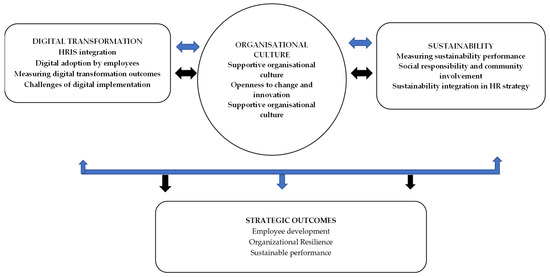
Digital transformation and sustainability have become key priorities in strategic HR management; however, their implementation and integration remain inconsistent and are strongly influenced by organizational context. This study examines strategic HR management at the intersection of digital transformation, sustainability, and organizational culture. The objective is to explore how Romanian organizations align these dimensions within strategic human resource management. The research employed a qualitative approach, consisting of nine semi-structured interviews with HR professionals and managers from diverse organizational settings. Interview data were analyzed using thematic analysis to identify recurring patterns across the three dimensions. Although limited to the characteristics of the qualitative sample and not intended to generate findings applicable to the entire Romanian HR practice, the findings suggest that digital transformation in HR is primarily experienced as a capability development process, supported by integrated digital systems that enhance employee efficiency and autonomy, while also presenting challenges related to resistance to change and skills shortages. Sustainability emerges as a developing component of HR strategy, often limited by inadequate measurement mechanisms and competing organizational priorities. Organizational culture serves a mediating role by shaping how digital and sustainability initiatives are interpreted, adopted, and evaluated. The study highlights the need to align technological, sustainability, and cultural dimensions to support coherent and future-oriented HR strategies.
Full article
(This article belongs to the Special Issue Strategic Human Resource Management: Transforming Organizations for Competitive Advantage)
►▼
Show Figures

Figure 1
Open AccessArticle
Using an Action Research Engagement Framework to Increase Readiness for Organizational Change
by
Wendy E. Rowe and Niels Agger-Gupta
Merits 2026, 6(1), 8; https://doi.org/10.3390/merits6010008 - 19 Mar 2026
Abstract
►▼
Show Figures
The Action Research Engagement (ARE) framework was developed in 2012 to assist graduate students in facilitating organizational leadership or change projects. Ten years later, the authors implemented a qualitative meta-evaluative study to examine the strengths and weaknesses of the framework based on a
[...] Read more.
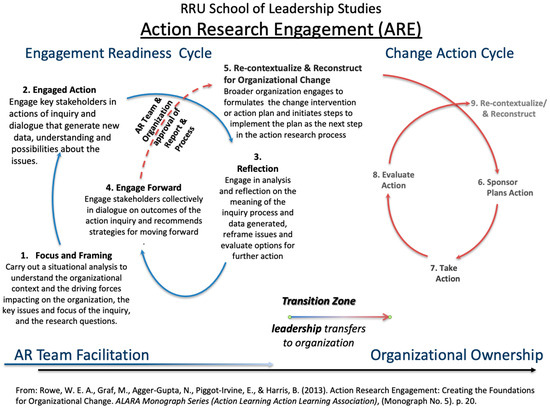
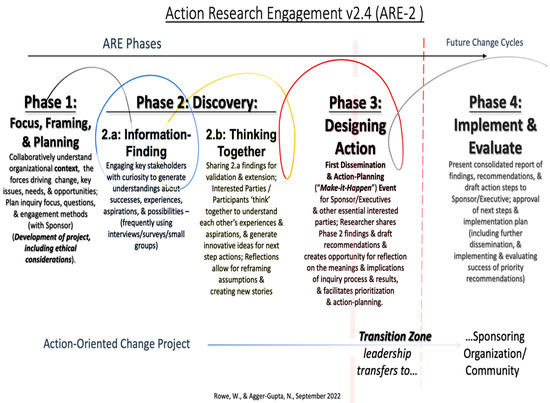
The Action Research Engagement (ARE) framework was developed in 2012 to assist graduate students in facilitating organizational leadership or change projects. Ten years later, the authors implemented a qualitative meta-evaluative study to examine the strengths and weaknesses of the framework based on a document review of 49 organizational change research studies that had purported to use the ARE framework. In-depth interviews were conducted with 12 student researchers leading the studies. The results revealed that the framework was mostly or fully followed in all projects guiding organizations on how to initiate a change initiative, but that many projects suffered from weaknesses in stakeholder communication, engaging everyone in change goals, and maintaining sponsor active involvement through all phases of the project. All projects engaged stakeholders in inquiry activities but not necessarily using sequenced action research cycles. Follow-through to decisions and action by leaders was lacking in many projects. Student researchers identified two weaknesses in the original ARE framework: there was no clarity on how inquiry processes might engage larger numbers of stakeholders in the change goals, nor did the framework address how to facilitate decision-making or taking action toward future changes. Based on the study’s findings, an enhanced framework (ARE-2) is offered that makes greater deliberative use of action research principles and cycles of inquiry and reflection to deepen the inquiry process and consequently to strengthen stakeholder engagement, leadership commitment, and readiness for organizational change. The ARE-2 framework has practical application for guiding leaders on how to implement sustainable change in their organization.
Full article

Figure 1
Open AccessArticle
Generation Z Employees’ Acceptance and AI Use Intensity: A Moderated Mediation Model of Psychological Safety, Technostress, and Trust
by
Claudia-Elena Țuclea and Luciana-Floriana Poenaru
Merits 2026, 6(1), 7; https://doi.org/10.3390/merits6010007 - 4 Mar 2026
Cited by 1
Abstract
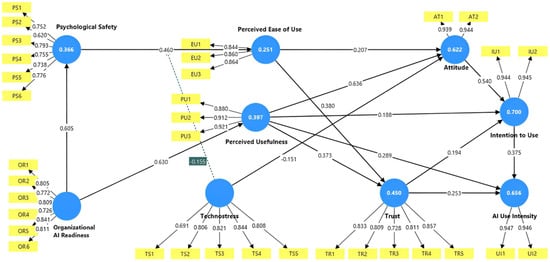
This study investigates the factors influencing employee acceptance and actual AI use intensity (frequency and routinization) by integrating the Technology Acceptance Model with organizational and psychosocial variables. Data were collected via an online survey of Romanian Generation Z participants with work experience (
[...] Read more.
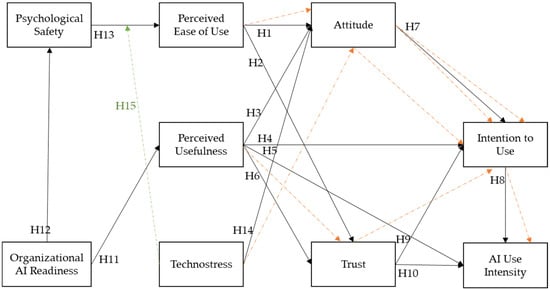
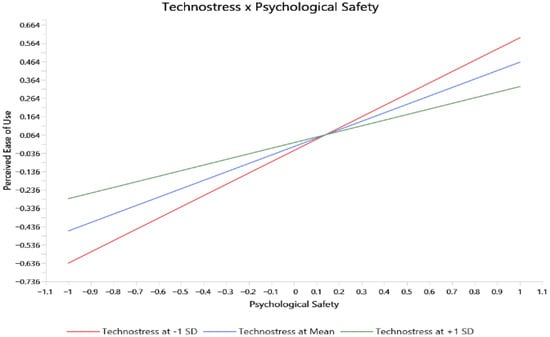
This study investigates the factors influencing employee acceptance and actual AI use intensity (frequency and routinization) by integrating the Technology Acceptance Model with organizational and psychosocial variables. Data were collected via an online survey of Romanian Generation Z participants with work experience (N = 272) between 10 May and 25 May 2025, and analyzed using PLS-SEM with a moderated mediation model. Perceived usefulness emerged as the strongest driver of attitude, intention, and AI use intensity. Organizational AI readiness increased perceived usefulness and was positively associated with psychological safety. Trust influenced both intention and AI use intensity and partially mediated the relationship between perceived usefulness and intention. Technostress was negatively associated with attitudes and weakened the positive relationship between psychological safety and perceived ease of use. By shifting the focus from intention to AI use intensity, the study refines acceptance theory for AI-enabled work and clarifies how organizational context, trust, and digital strain shape sustained and routinized AI use in daily work. Practically, the findings suggest that organizations should communicate AI value and task fit, foster psychologically safe learning climates, build trust through transparency and guidance, and actively mitigate technostress through training, workload design, and clear expectations.
Full article
(This article belongs to the Special Issue Strategic Human Resource Management: Transforming Organizations for Competitive Advantage)
►▼
Show Figures

Figure 1
Open AccessSystematic Review
Gender Diversity and Psychosocial Work Risks from a Non-Binary Perspective: A Systematic Review
by
Abel Perez-Gonzalez, Ferdinando Tuscani, Raul Pelagaggi and Mohamed Nasser
Merits 2026, 6(1), 6; https://doi.org/10.3390/merits6010006 - 27 Feb 2026
Abstract
►▼
Show Figures
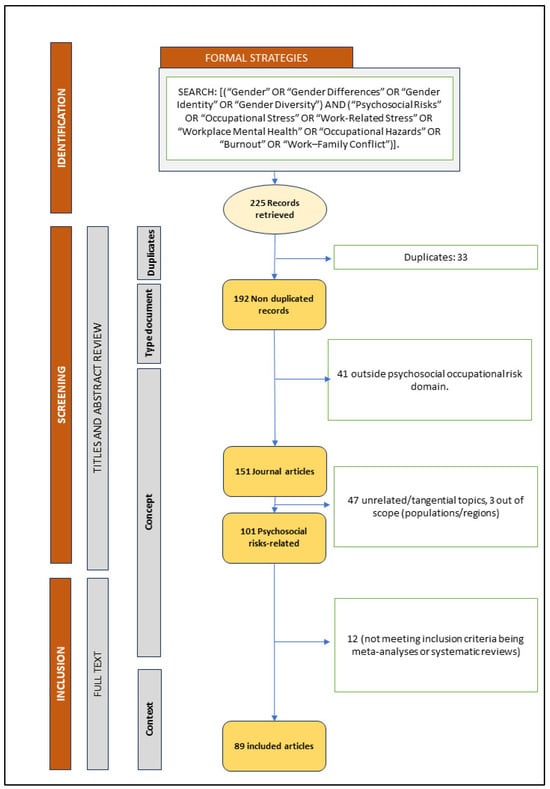
This systematic review examines how gender shapes exposure to and experiences of psychosocial risks in the workplace. Drawing on 89 empirical studies published between 2010 and 2024, the review synthesizes evidence from occupational health psychology, gender studies, and organizational research. Searches were conducted
[...] Read more.
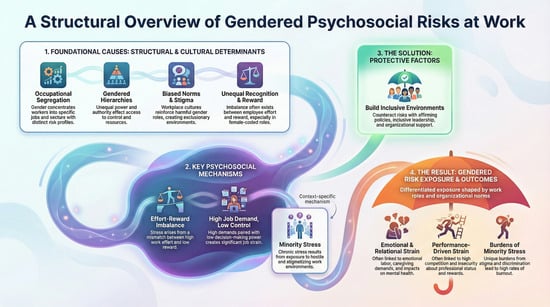
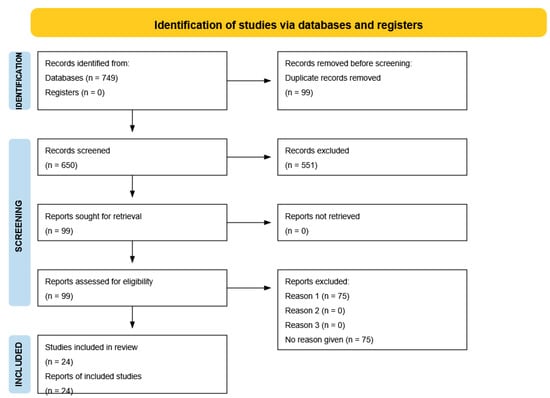
This systematic review examines how gender shapes exposure to and experiences of psychosocial risks in the workplace. Drawing on 89 empirical studies published between 2010 and 2024, the review synthesizes evidence from occupational health psychology, gender studies, and organizational research. Searches were conducted in PubMed, Web of Science, Scopus, CINAHL, and PsycINFO, and included empirical studies published in English and Spanish. Following PRISMA guidelines, a qualitative thematic synthesis was conducted to integrate findings across diverse sectors, populations, and methodological approaches. The evidence reveals persistent gendered patterns in psychosocial risk exposure and outcomes: women are more frequently exposed to emotionally demanding and relational forms of work and report poorer mental health outcomes; men experience performance-driven strain linked to workload, competition, and reward insecurity more often; and transgender and non-binary workers face additional psychosocial burdens associated with stigma, discrimination, and minority stress. Across the literature, structural and cultural determinants—such as occupational segregation, unequal recognition, and gendered organizational norms—emerge as central mechanisms underlying these disparities. Theoretical frameworks including effort–reward imbalance, demand–control, work–family conflict, organizational climate, and minority stress collectively contribute to explaining how gendered psychosocial risks are produced and sustained. Overall, the review underscores the need to move beyond individualistic and binary models of psychosocial risk toward gender-responsive approaches that account for structural, relational, and identity-based dimensions of work, thereby informing research and organizational strategies aimed at promoting equitable and sustainable well-being at work.
Full article

Graphical abstract
Open AccessArticle
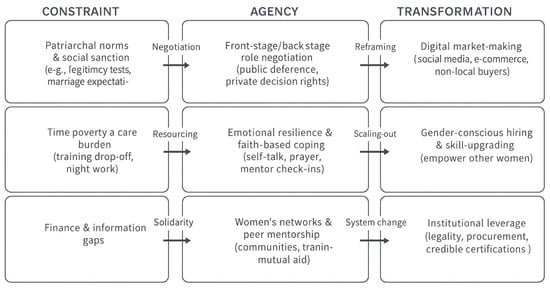
The Empowerment Spiral: From Constraint to Transformation in Rural Indonesian Women’s Entrepreneurship
by
Yosefiani Tamatur, Marcus Goncalves and Elizabeth Rhyne
Merits 2026, 6(1), 5; https://doi.org/10.3390/merits6010005 - 14 Feb 2026
Abstract
This study examines how rural Indonesian women entrepreneurs navigate the gendered structures and institutional barriers that shape their entrepreneurial experiences. Grounded in the Gender and Development (GAD) framework, the research employs a qualitative, interpretive design and draws on 22 semi-structured interviews with women
[...] Read more.
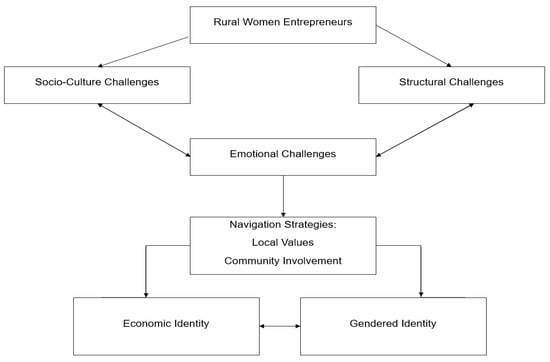
This study examines how rural Indonesian women entrepreneurs navigate the gendered structures and institutional barriers that shape their entrepreneurial experiences. Grounded in the Gender and Development (GAD) framework, the research employs a qualitative, interpretive design and draws on 22 semi-structured interviews with women entrepreneurs from diverse regions and sectors. Data were analyzed using reflexive thematic analysis to identify recurring patterns of constraint, agency, and transformation within women’s narratives. Findings reveal that patriarchal norms and time poverty continue to restrict women’s visibility and resource access. Nevertheless, they exercise negotiated agency through adaptive strategies such as front-stage/back-stage role division, emotional resilience, and collective peer support. Over time, these adaptive behaviors evolve into transformative practices, such as digital market-making, gender-conscious leadership, and intergenerational empowerment, that challenge structural inequalities from within. The study refines GAD theory by conceptualizing empowerment as cyclical and context-embedded, rather than linear or absolute. Policy implications emphasize reforms linking inclusion to transformation through childcare-linked training, collateral access, digital literacy, and institutional support for women’s networks. Overall, entrepreneurship emerges as both a livelihood strategy and a transformative social practice redefining gender relations in Indonesia.
Full article
(This article belongs to the Special Issue Sustainable Entrepreneurship in the Digital Age)
►▼
Show Figures

Figure 1

Open AccessArticle
EU Labour Market in the Context of Sustainable Development
by
Georgiana-Raluca Ladaru, Ionut Laurentiu Petre, Steliana Mocanu and Anca Simina Popescu
Merits 2026, 6(1), 4; https://doi.org/10.3390/merits6010004 - 9 Feb 2026
Abstract
The aim of this study is to empirically assess how labour market dysfunctions, human capital, innovation and economic development jointly influence the employment rate in the European Union within the framework of SDG 8—Decent Work and Economic Growth. While the link between employment
[...] Read more.
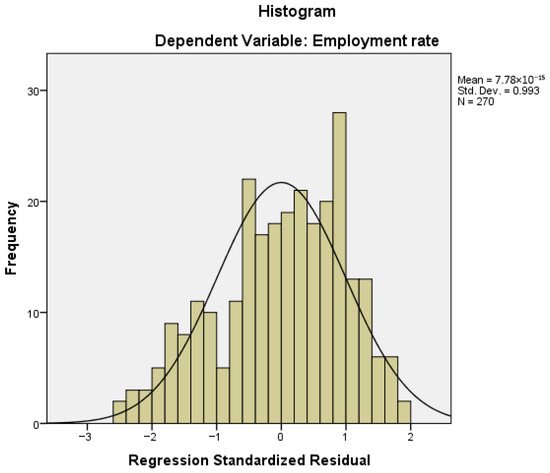
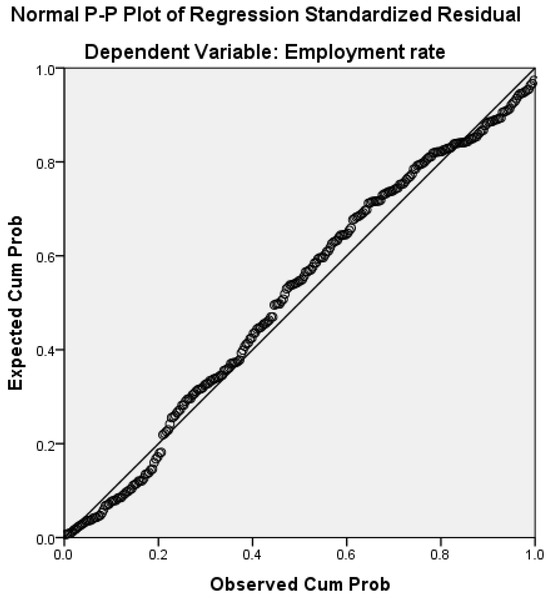
The aim of this study is to empirically assess how labour market dysfunctions, human capital, innovation and economic development jointly influence the employment rate in the European Union within the framework of SDG 8—Decent Work and Economic Growth. While the link between employment and sustainability is well-recognized, this research addresses a significant gap by identifying how structural inefficiencies, specifically youth inactivity (NEET) and low work intensity, act as primary inhibitors that decouple economic growth from sustainable social integration. Using a multivariate panel regression, the study quantifies the impact of human capital and R&D investment as catalysts for decent work. The findings challenge the traditional growth-centric paradigm, revealing that achieving SDG 8 targets in the EU depends more on the quality of labour market integration and human capital resilience than on overall GDP expansion. This paper provides a robust empirical framework for policymakers to transition from quantitative employment targets to qualitative, sustainable labour integration.
Full article
(This article belongs to the Special Issue Strategic Human Resource Management: Transforming Organizations for Competitive Advantage)
►▼
Show Figures

Figure A1
Open AccessArticle
What Are the Impacts of Companies Paying for Employees’ Education and Training on Employee Retention, Motivation, and Productivity?
by
Ali Mohammed Almashyakhi
Merits 2026, 6(1), 3; https://doi.org/10.3390/merits6010003 - 12 Jan 2026
Abstract
Employer-funded education and training (EFET) has gained increasing attention as a strategic human resource practice for developing human capital and enhancing organizational performance. However, empirical evidence on its effectiveness remains limited in emerging economies, particularly within the Kingdom of Saudi Arabia (KSA), where
[...] Read more.
Employer-funded education and training (EFET) has gained increasing attention as a strategic human resource practice for developing human capital and enhancing organizational performance. However, empirical evidence on its effectiveness remains limited in emerging economies, particularly within the Kingdom of Saudi Arabia (KSA), where workforce localization and human capital development are central to Vision 2030. This study examines the associations between EFET participation and three key employee outcomes: motivation, retention intention, and productivity. Using a quantitative research design, data were collected from 200 employees and managers across multiple sectors in KSA through a structured questionnaire. Structural Equation Modeling (SEM) was employed to test the hypothesized relationships while controlling for gender, age, sector, and years of experience. The results indicate that EFET participation is positively and significantly associated with employee motivation, retention intention, and self-reported productivity, with the strongest association observed for retention intention. Model fit indices demonstrate an excellent overall fit, supporting the proposed model’s robustness. By integrating Human Capital Theory with empirical evidence from the Saudi context, this study contributes to the literature by extending understanding of how employer-funded education functions within a non-Western labor market. The findings offer practical implications for organizations and policymakers seeking to optimize education and training investments in support of sustainable workforce development and Vision 2030 objectives.
Full article
Open AccessReview
Intersectionality in the Labor Market: An Integrative Review of Race, Gender, and Class-Based Inequalities
by
Michele Kremer Sott, Mariluza Sott Bender, Richard Ecke dos Santos, Kamila da Silva Baum, Gislene Cassia dos Santos Schwambach and Rodrigo Evaldo Schwambach
Merits 2026, 6(1), 2; https://doi.org/10.3390/merits6010002 - 8 Jan 2026
Cited by 1
Abstract
►▼
Show Figures
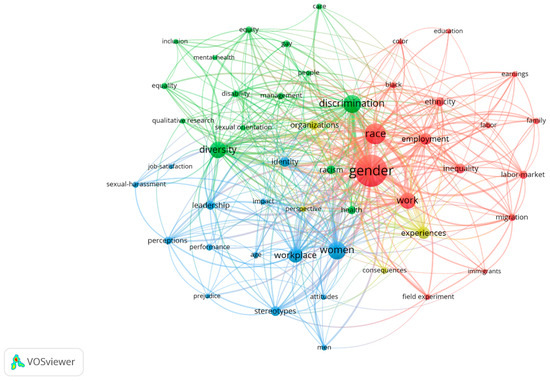
The concept of intersectionality examines how multiple and interdependent forms of oppression manifest among marginalized social groups, considering their social markers. This study aims to analyze intersectionality in the labor market, with a critical focus on the interactions between race, gender, and class
[...] Read more.
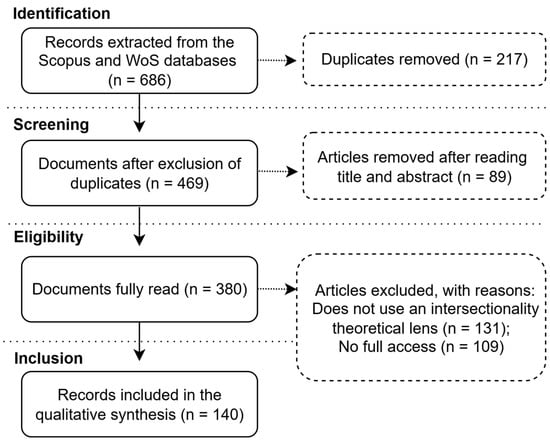
The concept of intersectionality examines how multiple and interdependent forms of oppression manifest among marginalized social groups, considering their social markers. This study aims to analyze intersectionality in the labor market, with a critical focus on the interactions between race, gender, and class as structuring axes of inequality. An integrative literature review was conducted, encompassing an in-depth analysis of 140 articles addressing intersectionality in the labor context. The findings reveal a persistent conceptual fragmentation of intersectionality and a dilution of critical debates within labor market research. Empirical evidence consistently shows that women and racialized groups face enduring structural barriers, including wage gaps, occupational segregation, and limited access to leadership positions. Moreover, these inequalities are often obscured or reduced to superficial diversity and inclusion initiatives rather than being addressed as systemic issues. The study emphasizes the importance of committed and critical intersectional approaches to understanding and addressing systemic inequalities in the labor market, highlighting theoretical and epistemological gaps that must be addressed to advance emancipatory practices and policies that directly confront structural racism, patriarchy, and class-based exploitation. The study contributes theoretically by deepening the application of intersectionality in the labor market and by identifying conceptual and epistemological gaps in the literature. Empirically, it provides practical guidance for organizations to transform diversity initiatives into strategic and inclusive actions, integrating multiple social identities into management policies and practices.
Full article

Figure 1
Open AccessArticle
Fair at Any Age? A Cross-Country Descriptive Study on Ageism in the European Workplace
by
Lucie Stecker, Alfredo Salomão Filho, Tanja Tillmanns, Theofilos Pouliopoulos and Tiago Marques
Merits 2026, 6(1), 1; https://doi.org/10.3390/merits6010001 - 23 Dec 2025
Abstract
►▼
Show Figures
Ageism remains a pervasive yet under-addressed form of workplace discrimination, affecting employees across age groups. This study, conducted within the framework of the EU-funded project SNAW–Say No to Ageism in the Workplace, presents findings from a cross-national survey in Germany, Romania, Ireland, Portugal,
[...] Read more.
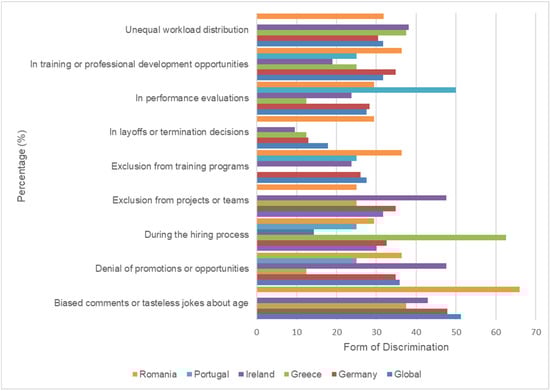
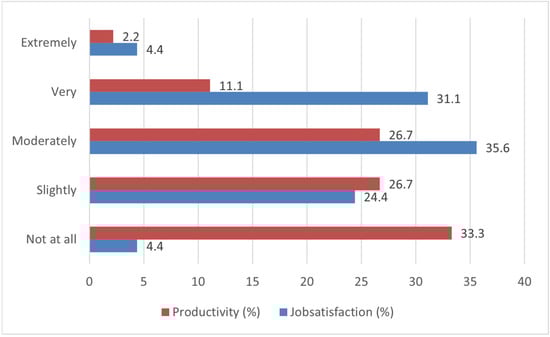
Ageism remains a pervasive yet under-addressed form of workplace discrimination, affecting employees across age groups. This study, conducted within the framework of the EU-funded project SNAW–Say No to Ageism in the Workplace, presents findings from a cross-national survey in Germany, Romania, Ireland, Portugal, and Greece, with 511 participants including employees and employers. The survey examined five dimensions of workplace ageism (cognitive, emotional, behavioural, institutional, and outcome-related) through questions on stereotypes, experiences, organisational practices, and perceived impacts. Results indicate that age-based stereotypes are widely recognised, especially in Germany, Ireland, and Greece. Older workers were often portrayed as resistant to change or technologically outdated, while younger workers were described as inexperienced or unreliable. Despite some positive perceptions, these ambivalent views contribute to exclusionary dynamics. Employees consistently reported higher levels of ageism than employers, revealing a “perception gap”. Institutional responses were uneven: awareness of policies or initiatives promoting age diversity was low, and their effectiveness remained uncertain. Across countries, respondents linked ageism to reduced job satisfaction and productivity, though the perceived severity varied. The findings highlight ageism as a multifaceted challenge that undermines well-being and organisational performance. Counteracting it requires raising awareness, transparent communication, inclusive policies, and leadership engagement across Europe.
Full article

Figure 1
Open AccessArticle
Embedding Anti-Discrimination Policies and Allyship in Mining and Engineering Workplaces: A Pathway to Decent Work
by
Jocelyn Peltier-Huntley
Merits 2025, 5(4), 24; https://doi.org/10.3390/merits5040024 - 25 Nov 2025
Cited by 1
Abstract
Despite the existence of human rights legislation in Canada, equitable access to these rights remains elusive in many workplaces—particularly in traditionally male-dominated sectors such as engineering and mining. This paper argues that the proactive application of human rights frameworks can drive meaningful workplace
[...] Read more.
Despite the existence of human rights legislation in Canada, equitable access to these rights remains elusive in many workplaces—particularly in traditionally male-dominated sectors such as engineering and mining. This paper argues that the proactive application of human rights frameworks can drive meaningful workplace culture transformation by addressing both overt and systemic inequities. While Canadian human rights laws offer legal remedies for discrimination, underrepresented groups continue to face barriers, especially in non-unionized environments where support mechanisms are limited. This paper presents a novel analysis of Canadian workplaces through a human rights lens, emphasizing the need for policies that go beyond reactive measures. It advocates for increased public awareness, targeted allyship training, and leadership accountability to foster inclusive and equitable work environments. The findings have broad implications for advancing decent work across sectors and for building representative and inclusive workforces.
Full article
(This article belongs to the Special Issue Decent Work for All: Interdisciplinary Perspectives and Global Challenges)
Open AccessArticle
Strategic Human Resource Management in the Digital Era: Technology, Transformation, and Sustainable Advantage
by
Carmen Nastase, Andreea Adomnitei and Anisoara Apetri
Merits 2025, 5(4), 23; https://doi.org/10.3390/merits5040023 - 11 Nov 2025
Cited by 7
Abstract
The rapid integration of emerging technologies into organizational processes has fundamentally redefined the role of strategic human resource management (SHRM). This paper explores how digital innovations—such as artificial intelligence (AI), robotic process automation (RPA), blockchain, and immersive technologies—are reshaping the workforce and transforming
[...] Read more.
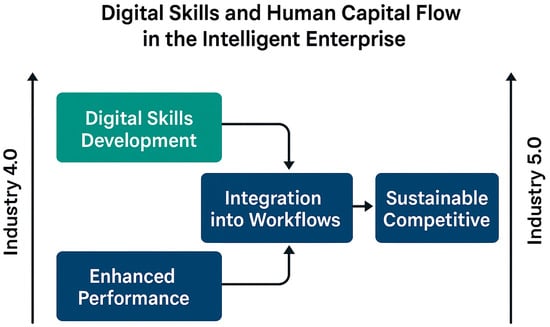
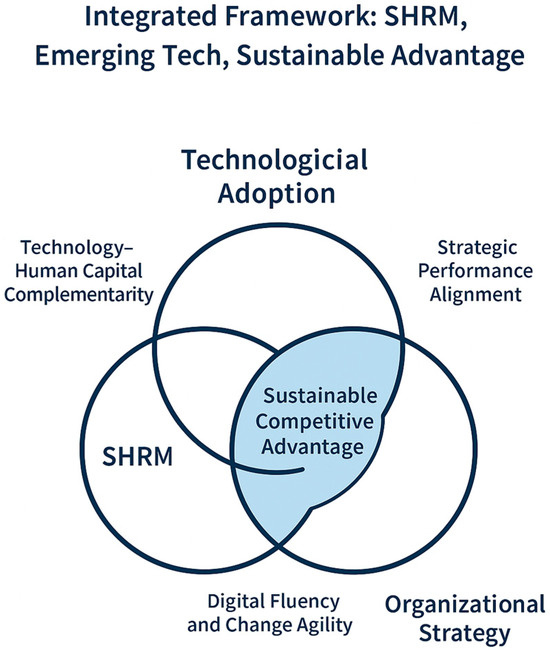
The rapid integration of emerging technologies into organizational processes has fundamentally redefined the role of strategic human resource management (SHRM). This paper explores how digital innovations—such as artificial intelligence (AI), robotic process automation (RPA), blockchain, and immersive technologies—are reshaping the workforce and transforming the way organizations attract, develop, and retain talent. In the context of the digital era, human capital is no longer a passive input but a strategic enabler of sustainable competitive advantage. The purpose of the study is to analyze how SHRM practices must evolve to align with technology-driven organizational models, combining insights from a systematic literature review, institutional reports, and illustrative corporate cases. Findings indicate that agility, continuous reskilling, ethical AI governance, and employee well-being are critical levers for sustainable advantage. Comparative tables highlight differences between traditional HRM and SHRM in the digital era, while case studies (IBM, Walmart, Unilever, and UiPath) demonstrate the strategic value of predictive analytics, diversity and inclusion programs, virtual training, and people analytics. By proposing a conceptual model that links emerging technologies, SHRM, and competitiveness, the paper contributes to current debates on the transformation of work and organizational resilience. The study offers practical implications for HR leaders, policymakers, and academics navigating digital transformation while reinforcing human-centric performance and sustainability.
Full article
(This article belongs to the Special Issue Strategic Human Resource Management: Transforming Organizations for Competitive Advantage)
►▼
Show Figures

Figure 1
Open AccessSystematic Review
Sustainable Leadership as a Governance Mechanism in the ESG Era: A Systematic Review of Organizational Transformation in the Hospitality Sector
by
Santos Manuel Cavero López, Ignacio Ruiz Guerra and Jesús Barreal Pernas
Merits 2025, 5(4), 22; https://doi.org/10.3390/merits5040022 - 3 Nov 2025
Cited by 3
Abstract
►▼
Show Figures
In the ESG era, the hospitality sector faces an urgent need to transform its governance models. However, a conceptual gap exists regarding the specific mechanisms that drive this transformation. This study addresses this gap through a systematic literature review to propose a novel
[...] Read more.
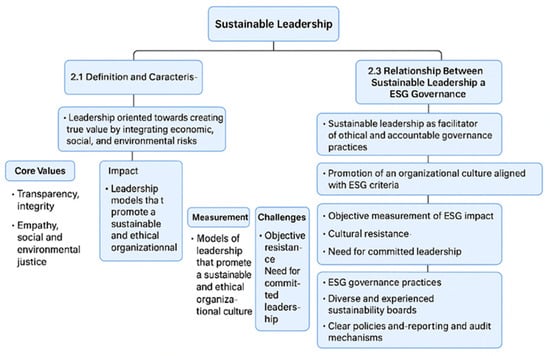
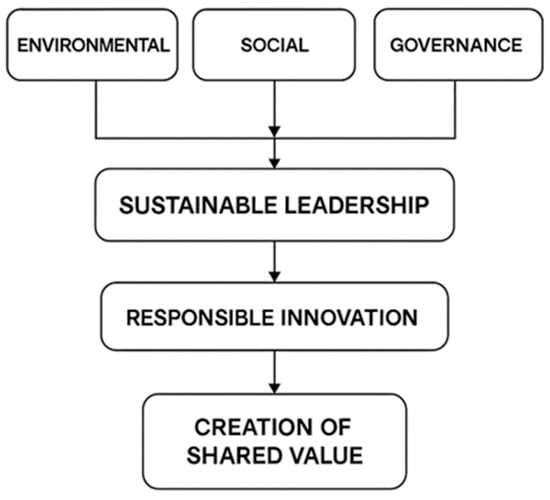
In the ESG era, the hospitality sector faces an urgent need to transform its governance models. However, a conceptual gap exists regarding the specific mechanisms that drive this transformation. This study addresses this gap through a systematic literature review to propose a novel integrative framework. Unlike previous reviews that analyze sustainable leadership and ESG governance in isolation, this paper positions sustainable leadership as the central mechanism that catalyzes the systemic integration of ESG criteria into the sector’s organizational culture and strategy. The proposed framework articulates how this leadership style facilitates a cultural, strategic, and operational transformation by balancing economic performance with social well-being and environmental protection. Specifically, within the hospitality context, sustainable leadership is shown to be key in fostering organizational resilience, responsible innovation, and participatory governance. The analysis also identifies critical barriers to implementation, such as cultural resistance, the lack of clear metrics, and the need for specialized leadership training. The unique contribution of this article is to offer a conceptual model that articulates the causal relationship between leadership and applied ESG governance, presenting sustainable leadership not merely as a management style, but as the fundamental component for building resilient and legitimate hospitality organizations in the long term.
Full article

Figure 1
Open AccessReview
When the Darkness Consolidates: Collective Dark Triad Leadership and the Ethics Mirage
by
Abdelaziz Abdalla Alowais and Abubakr Suliman
Merits 2025, 5(4), 21; https://doi.org/10.3390/merits5040021 - 31 Oct 2025
Cited by 4
Abstract
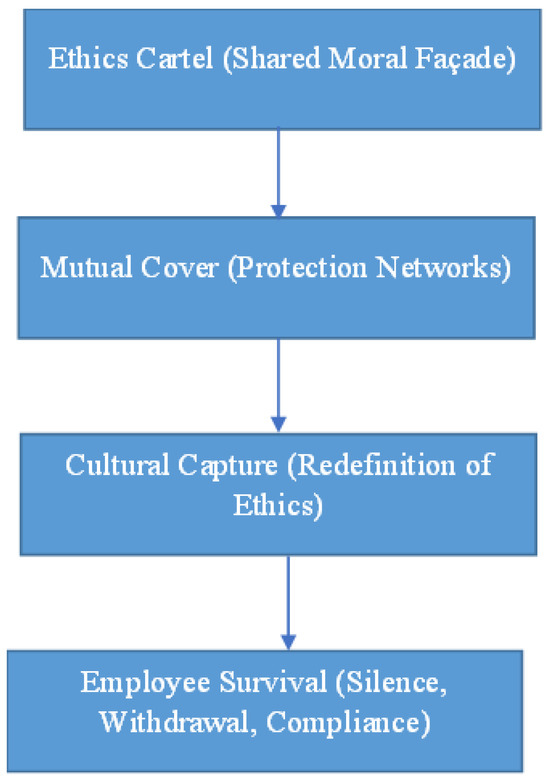
This research explores how coalitions of leaders who score high in the Dark Triad traits—narcissism, Machiavellianism, and psychopathy—rebuild moral architectures in organizations to consolidate power, suppress dissent, and secure their rule. Contrary to work that has focused predominantly on individual toxic leaders, this
[...] Read more.
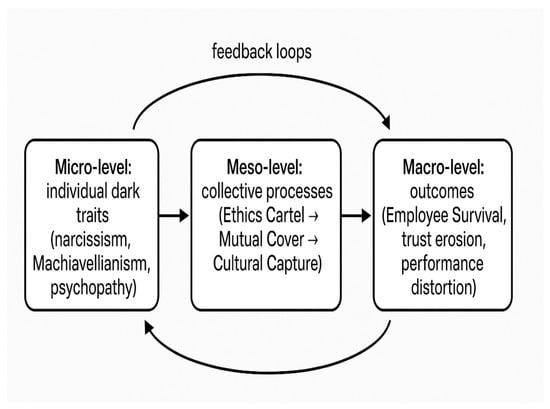
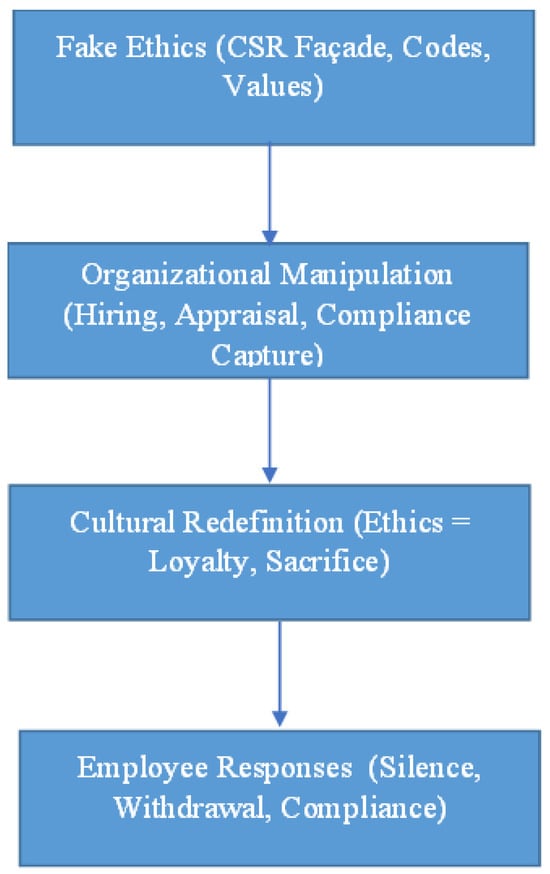
This research explores how coalitions of leaders who score high in the Dark Triad traits—narcissism, Machiavellianism, and psychopathy—rebuild moral architectures in organizations to consolidate power, suppress dissent, and secure their rule. Contrary to work that has focused predominantly on individual toxic leaders, this research examines the collective processes that emerge when multiple high-DT-scoring leaders coalesce and unify their moral leadership front. Adopting a qualitative, article-based document analysis methodology, this study synthesizes and critiques evidence from 55 peer-reviewed articles published between 2015 and 2025. Thematic analysis identified three fundamental dynamics through which Dark Triad leaders collectively exercise dominance. The first, the Ethics Cartel, involves the construction of a shared moral façade that legitimates power and shields wrongdoing. The second, Mutual Cover, outlines forms of mutual protection in which leaders shield one another from accountability and scrutiny. The third, Cultural Capture, outlines processes through which organizational culture is increasingly reconfigured such that “ethics” are structured to favor leadership over employees or wider stakeholders. This study illustrates how these coalitions cross over into individual transgressions, creating systemic risk that warps the fabric of organizational culture. Employees are confronted with a work culture that positions ethics as a means of developing survival adaptive mechanisms, such as silence, withdrawal, or compliance. These processes not only harm psychological safety and break trust but also disable accountability mechanisms established to maintain integrity. This study contributes to the study of leadership and organizational ethics by framing ethics not as merely an individual moral stance but as a collective instrument of power. It calls for more attention to the risks that follow collaboration among toxic leaders and for governance arrangements that address the organizational and systemic consequences of these unions. By situating these findings within the broader debate on power, people, and performance, this paper aligns with the focus of the Special Issue “Power, People, and Performance: Rethinking Organizational Leadership and Management” by showing how collective Dark Triad leadership distorts organizational performance outcomes while reshaping power relations in ways that undermine people’s trust and well-being. These insights extend Alowais & Suliman’s findings, highlighting the systemic feedback loops sustaining ethical distortion.
Full article
(This article belongs to the Special Issue Power, People, and Performance: Rethinking Organizational Leadership and Management)
►▼
Show Figures

Figure 1
Open AccessArticle
Funding the Future: How Size, Revenue, and Community Shape Retirement Benefits in Nonprofits
by
Xintong Chen
Merits 2025, 5(4), 20; https://doi.org/10.3390/merits5040020 - 24 Oct 2025
Abstract
The nonprofit sector provides roughly one in ten jobs in the United States. Yet retirement benefits remain uneven and often inadequate compared to those in the public and private sectors. This article examines disparities in nonprofit access to retirement plans and analyzes how
[...] Read more.
The nonprofit sector provides roughly one in ten jobs in the United States. Yet retirement benefits remain uneven and often inadequate compared to those in the public and private sectors. This article examines disparities in nonprofit access to retirement plans and analyzes how organizational and community characteristics shape retirement benefit provision. The study uses panel regression approaches with data from the NCCS Core PC files and the U.S. Census. The analysis shows that most nonprofits do not offer retirement plans, and those that do often contribute only minimally. Larger organizations and those with higher levels of donative revenue are more likely to offer and contribute to retirement plans. By contrast, the arts and humanities nonprofits and nonprofits in communities with lower educational attainment are significantly less likely to do so. Racial and geographic disparities also persist. Nonprofits in whiter communities are more likely to offer plans, though not necessarily at higher contribution levels. These findings underscore the need for targeted policy and philanthropic interventions. Supporting under-resourced organizations in providing competitive retirement benefits can promote workforce stability and advance equity across the nonprofit sector.
Full article
Open AccessArticle
Unravelling Employee Retention: Exploring Psychological Contract’s Role in Bangladesh’s Garment Sector
by
Kudrat Khuda, Palash Kamruzzaman and Matthijs Bal
Merits 2025, 5(4), 19; https://doi.org/10.3390/merits5040019 - 14 Oct 2025
Cited by 1
Abstract
Employee turnover remains a major concern for businesses globally. In Western contexts, the concept of psychological contract breach (PCB) is often employed to understand this phenomenon. This paper takes Bangladesh’s readymade garment (RMG) sector as a case study to explore the factors that
[...] Read more.
Employee turnover remains a major concern for businesses globally. In Western contexts, the concept of psychological contract breach (PCB) is often employed to understand this phenomenon. This paper takes Bangladesh’s readymade garment (RMG) sector as a case study to explore the factors that support employee retention in their jobs, despite reported poor working conditions and associated issues in garment factories. Data were gathered among 400 RMG workers and linear regression analysis was used to answer this question. We demonstrated that while PCB was positively related to turnover intention, its impact on the retention of Bangladeshi garment workers was relatively minimal. Qualitative data showed how cultural and social factors distinct from known Western retention causes shaped our findings. The evidence presented in this paper sheds new light on employee retention in a Bangladeshi context, where socio-cultural issues challenge the PCB theory, which was developed largely based on Western economies.
Full article
(This article belongs to the Special Issue Organizational Psychology in the Workplace)
►▼
Show Figures

Figure 1

Open AccessCorrection
Correction: Curado et al. Validating Sustainable Career Indicators: A Case Study in a European Energy Company. Merits 2023, 3, 230–247
by
Carla Curado, Tiago Gonçalves and Cláudia Ribeiro
Merits 2025, 5(4), 18; https://doi.org/10.3390/merits5040018 - 13 Oct 2025
Abstract
In the original publication [...]
Full article
(This article belongs to the Special Issue Feature Papers in Merits from Editorial Board Members)
Highly Accessed Articles
Latest Books
E-Mail Alert
News
Topics
Topic in
Healthcare, Social Sciences, Societies, Merits, Genealogy
Community-Driven Health: Advancing Indigenous Well-Being and Workforce
Topic Editors: Donna-Marie Palakiko, Morgan A. Torris-HedlundDeadline: 31 December 2027
Special Issues
Special Issue in
Merits
Building Thriving Organizations: Strategies for Long-Term Success
Guest Editors: Gabriel Croitoru, Lavinia CucDeadline: 15 June 2026
Special Issue in
Merits
Innovative Approaches to Sustainable Human Resource Management: Policies and Practices
Guest Editor: Natália TeixeiraDeadline: 30 June 2026
Special Issue in
Merits
Strategic Human Resource Management: Transforming Organizations for Competitive Advantage
Guest Editors: Claudia-Elena Tuclea, Luciana PoenaruDeadline: 15 July 2026
Special Issue in
Merits
Organizational Psychology in Human Resource Management Practices
Guest Editors: Rosa Lutete Geremias, Patrícia Teixeira Maggi da Silva, Carla CaracolDeadline: 31 July 2026