


Abstract
The concept of intersectionality examines how multiple and interdependent forms of oppression manifest among marginalized social groups, considering their social markers. This study aims to analyze intersectionality in the labor market, with a critical focus on the interactions between race, gender, and class as structuring axes of inequality. An integrative literature review was conducted, encompassing an in-depth analysis of 140 articles addressing intersectionality in the labor context. The findings reveal a persistent conceptual fragmentation of intersectionality and a dilution of critical debates within labor market research. Empirical evidence consistently shows that women and racialized groups face enduring structural barriers, including wage gaps, occupational segregation, and limited access to leadership positions. Moreover, these inequalities are often obscured or reduced to superficial diversity and inclusion initiatives rather than being addressed as systemic issues. The study emphasizes the importance of committed and critical intersectional approaches to understanding and addressing systemic inequalities in the labor market, highlighting theoretical and epistemological gaps that must be addressed to advance emancipatory practices and policies that directly confront structural racism, patriarchy, and class-based exploitation. The study contributes theoretically by deepening the application of intersectionality in the labor market and by identifying conceptual and epistemological gaps in the literature. Empirically, it provides practical guidance for organizations to transform diversity initiatives into strategic and inclusive actions, integrating multiple social identities into management policies and practices.
Keywords:
intersectionality; gender; race; class; labor market; social markers; intersectional approach 1. Introduction
Equity, equality, diversity, and inclusion are terms widely discussed by scholars and practitioners to improve organizational environments and reduce inequalities [1,2,3]. However, their application in concrete intersectional practices remains limited, often remaining conceptual or symbolic [4,5]. Initially coined by Kimberlé Crenshaw, the concept of intersectionality proposes an analysis of the multiple and interdependent oppressions experienced by marginalized social groups, such as Black women, Indigenous peoples, and LGBTQIAP+ individuals, among others. Intersectionality, at its core, rejects a simplistic view of inequalities, challenging the tendency within academia and public policy to treat race/ethnicity, gender, and class as isolated spheres of analysis [6]. Instead, it advocates for an approach that recognizes how these social dimensions intertwine, creating complex and unique realities of oppression and exclusion [7].
However, despite the growing adoption of the term, the application of the concept of intersectionality in the labor market has often been diluted and depoliticized [8]. In many studies, the idea is adapted for purely academic purposes or to support superficial corporate and governmental policies, without a genuine commitment to the structural transformation of the conditions that perpetuate workplace inequalities [9,10]. Intersectionality, given its origins and revolutionary potential, should serve as a starting point for challenging the status quo. Yet, its critical force is frequently silenced by neutrality or by a fragmented approach to social phenomena [11].
The dilution of the concept of intersectionality occurs especially when the literature fails to adopt a critical lens that interrogates academic practices themselves, which often reproduce—without scrutiny—the very inequalities they aim to address [8,12,13]. In a context where the globalized labor market is increasingly interconnected and shaped by dynamics of structural inequality, academia must reexamine its approaches and methodologies concerning intersectionality [14]. Likewise, the labor market and practitioners must become familiar with the concept and apply it effectively within organizational contexts [3].
In this context, a more in-depth examination of the state of the art on intersectionality in the labor market is necessary, particularly studies that explore the interaction between race/ethnicity, gender, and class [11]. This study aims to both map existing scientific contributions and critically reflect on their limitations by conducting an Integrative Literature Review on the topic, following the methodological steps rigorously outlined by Torraco [15].
The link between the concept of intersectionality and labor market dynamics has been previously explored by prominent scholars such as Kimberlé Crenshaw [16], Patricia Hill Collins [17], and Sirma Bilge [18]. These authors demonstrate how structural forms of oppression—particularly racism, patriarchy, and class exploitation—intersect and are reproduced in the world of work in an interdependent manner. Inspired by these theoretical frameworks, this review seeks to synthesize the main findings in the literature on the topic, to understand the relationship between intersectionality and the labor market, particularly regarding the structural forms of inequality that affect the lives of marginalized groups. At the same time, it aims to identify theoretical gaps that, at times, obscure central dimensions of the debate, especially concerning the transformative potential of intersectionality as a critical analytical tool. Based on this premise, the study is guided by the following research questions (RQ):
RQ1: What theoretical gaps, silences, or superficial appropriations of the concept of intersectionality can be identified in current scientific literature?
RQ2: How do traditional organizational practices reproduce hierarchies based on race, gender, and class, even in the context of advancing intersectional discussions?
RQ3: How can the concept of intersectionality, when adopted in a critical and committed way, guide the implementation of equitable practices and policies in the world of work?
The results of this study reveal that the concept of intersectionality has often been diluted, depoliticized, or used superficially, frequently reduced to a synonym for “diversity” or “inclusion”. Epistemological silences are also evident, such as the erasure of contributions from Black scholars like Kimberlé Crenshaw and Patricia Hill Collins. These theoretical and superficial gaps reflect a lack of conceptual depth and critical analysis of power structures.
It is important to note that the dilution of the concept of intersectionality in the labor market, as observed in this literature review, was identified through the very studies analyzed, which highlight limitations related to the partial application of the concept, the prioritization of isolated markers (such as gender or race) over broader intersectional analyses, and the tendency to reduce intersectionality to a descriptive variable rather than employing it as a theoretical–methodological lens capable of revealing complex structures of inequality.
The study makes significant contributions to both theoretical and practical domains. From an academic perspective, it underscores the need to deepen the application of the concept of intersectionality in the labor market, moving beyond merely descriptive or superficial analyses of diversity and inclusion. By critically reviewing recent literature, the study identifies conceptual and epistemological gaps, such as the simplified appropriation of the concept and the silencing of contributions by Black scholars, demonstrating that structural inequalities based on race, gender, and class cannot be understood in isolation but rather emerge from complex interactions of interdependent forms of oppression. This highlights the importance of linking intersectionality to emancipatory practices that challenge historically entrenched hierarchies and power structures.
From a managerial standpoint, the study illustrates how organizations can integrate an intersectional perspective into policies, processes, and corporate culture, transforming performative diversity initiatives into strategic and substantive actions. It emphasizes the need to account for multiple social identities in recruitment, career development, performance evaluation, and leadership promotion, providing concrete guidance for managers to create more inclusive and equitable workplaces. Furthermore, by suggesting future research across specific sectors, cultural contexts, and emerging forms of work, the study broadens the scope for applied investigation, bridging theory, organizational practice, and social transformation in the world of work.
This study is organized into the following sections: Section 2 provides the theoretical background on intersectionality and the labor market. Section 3 describes the materials and methods employed in this study. Section 4 presents the results and is subdivided into four subsections: ibliometric Performance of the Field; Gaps, Silences, and Superficialities; How Organizational Practices Reproduce Inequalities; and, Intersectional Equitable Practices and Policies in the Labor Market. Section 5 presents the study’s findings. Finally, Section 6 presents the conclusions, limitations, theoretical and managerial implications, and recommendations for future research.
2. Intersectionality and the Labor Market
Intersectionality theory has emerged as a fundamental analytical framework in social sciences and gender studies, providing a deeper understanding of how different forms of oppression and discrimination intersect and manifest in individual and collective experiences [19,20]. The term “intersectionality” was coined by Professor Kimberlé Crenshaw in 1989 to describe the unique experiences of Black women who face both gender discrimination and racism [6]. Crenshaw [6] employed the metaphor of an intersection to illustrate how various forms of discrimination do not operate in isolation but rather as overlapping and interconnected forces. Therefore, intersectionality goes beyond the analysis of single categories, proposing a complex and dynamic analysis of social inequalities and moving beyond the view of identity as static and exogenous in social policy [21].
The concept of intersectionality emerged as a critique of traditional approaches to the study of discrimination, which treated forms of oppression separately [22,23]. Before this concept, studies on gender, race, or class were often addressed as isolated issues [24]. For example, gender issues were predominantly analyzed within the context of discrimination against women, while studies on race focused on the racial discrimination experienced by Black individuals and other racial minorities [7,16].
In developing the concept of intersectionality, Crenshaw (1989) highlighted that to fully understand experiences of marginalization and inequality, it is necessary to consider the convergence of different forms of discrimination, such as gender, racial, and class discrimination [6]. In other words, Black women do not experience discrimination merely as women or as Black individuals, but at the intersection of these two identities, resulting in a unique experience of oppression that cannot be adequately understood through a singular analysis of race or gender alone [24,25].
Therefore, intersectionality challenges traditional approaches and promotes a more holistic understanding of the dynamics of power and oppression in society, grounded in the interaction of multiple social identities [26,27,28]. As such, it provides a vital contribution to the analysis of structural inequalities, enabling researchers and practitioners to observe the complex layers of discrimination that often remain invisible when examining only a single social identity at a time [29]. Thus, the lens of intersectionality broadens understanding of experiences of marginalization, exclusion, and rights violations by illustrating how these experiences vary across different combinations of social identities [8,30].
In the workplace, some groups are rendered invisible or experience a double bind of prejudice, where multiple marginalized identities overlap and amplify the barriers faced by these individuals [29,31]. For example, Black women may simultaneously encounter gender stereotypes that question their competence and racial discrimination that limits their access to promotion opportunities and professional recognition [32,33]. Similarly, racialized LGBTQIAP+ professionals may experience exclusion, microaggressions, and a lack of organizational support in ways that would not be captured when analyzing gender identity or sexual orientation in isolation [34,35].
Applying intersectionality to the labor market enables identification of how policies, human resource practices, and organizational cultures can reproduce structural inequalities by failing to account for the complexity of workers’ identities [36,37]. For example, diversity programs that focus solely on gender or race may not effectively reach individuals situated at multiple intersections of marginalization, such as Black women or trans people from ethnic minorities, thereby perpetuating patterns of exclusion and invisibility [38,39].
Furthermore, the intersectional perspective helps to understand how factors such as social class, age, disability, and migration status interact with gender and race to affect career trajectories, access to mentorship networks, compensation, and working conditions [16,40,41]. Research has shown that workers situated at multiple intersections of disadvantage are more likely to experience harassment, have their authority challenged, and face difficulties in balancing work and personal life, thereby reinforcing systemic inequalities that affect opportunities for advancement and workplace well-being [42,43].
Therefore, incorporating intersectionality into labor market analyses expands understanding of inequalities and provides tools for developing more inclusive organizational policies, effective diversity programs, and management practices that recognize the complexity of workers’ identities, thereby promoting equity and social justice in the workplace [44,45,46].
3. Materials and Method
The methodology of this study adopts a conceptual, integrative literature review, aiming to map academic production on intersectionality in the labor market, identify research patterns, and reflect on gaps and limitations in current approaches. The integrative review was conducted following the guidelines of Torraco [15], which enable a comprehensive and critical perspective on the researched topic. By combining an integrative literature review with a bibliometric analysis, we followed the guidelines for conducting multimethod literature reviews [47].
3.1. Literature Search Strategy
The search for articles was conducted on the Scopus and ISI Web of Science (WoS) Core Collection databases [48,49], using combinations of keywords related to intersectionality. Articles published from 1 January 2020 to 4 September 2025 (date of the search) were included. By focusing on articles published over the last five years, it was possible to capture contemporary debates and recent empirical evidence on intersectionality in organizational and labor-market research. This period marks an expansion in both methodological approaches and the incorporation of intersectionality into management and diversity studies [50,51]. Foundational works published before 2020 were used to inform the conceptual framework and theoretical discussion but were not included in the systematic synthesis of evidence. The potential implications of this temporal cutoff are discussed in the limitations section.
To maintain conceptual consistency, we limited our corpus to studies that used intersectionality as a theoretical lens rather than merely as a descriptive label or a diversity indicator. This criterion ensured that the selected articles engaged substantively with the framework’s analytical and political foundations. Table 1 presents the search strategy employed.
Table 1.
Search strategy.
3.2. Study Selection and Analysis Process
The selection and analysis of articles were conducted in four phases: (i) identification of studies; (ii) screening of records related to the topic; (iii) assessment of eligibility for studies meeting the inclusion and exclusion criteria; and (iv) inclusion of the selected articles in the qualitative synthesis.
A total of 345 documents were retrieved from Scopus and 341 from Web of Science, for a total of 686. Of these, 217 duplicates were removed. The deduplication, processing, and organization of the data were carried out using a Microsoft Excel spreadsheet.
Pairs independently screened the titles and abstracts of the remaining 469 documents to apply the inclusion and exclusion criteria. In the eligibility phase, 380 papers were selected for detailed analysis, and articles that did not employ the intersectional theoretical lens were excluded. A total of 131 articles were excluded for not using the intersectionality lens, and 109 documents were excluded due to lack of full-text access, resulting from subscription limitations or restrictions on institutional access available to the research team at the time of the study. Finally, 140 articles were included in the qualitative synthesis.
The qualitative analysis involved a detailed reading of the selected articles to identify the main thematic axes of inequality (race/ethnicity, gender, and/or class), the key gaps and silences in the literature, and how the concept of intersectionality can inform emancipatory practices and policies in the labor market.
The analyses were conducted using a Microsoft Excel spreadsheet. For the classification and analysis of the selected studies, three authors (M.K.S.; M.S.B. and R.E.d.S.) independently read and evaluated the articles at each stage of the review. Any discrepancies were resolved through joint discussion with a fourth author (K.d.S.B). Figure 1 presents the results of each methodological step.
Figure 1.
Methodological steps for identification, screening, eligibility, and inclusion of records.
Bibliometric analysis is a quantitative method used to map, measure, and evaluate scientific production within a specific field [47,52]. The bibliometric analysis was conducted using VOSviewer software (version 1.6.20) to identify the most frequently co-occurring terms in studies within the field during the selected period. A minimum occurrence threshold of 10 was applied, resulting in 50 main terms. All keywords were considered, including both author-provided and indexed keywords.
The term “intersectionality” was excluded to highlight less explored terms in the field, as suggested by Furstenau et al. [53]. This methodological choice was made intentionally to reveal related but underexplored themes; however, to ensure robustness, additional analyses were conducted, including the term “intersectionality”, which confirmed that the overall network structure and thematic clusters remained consistent. This approach allows the identification of complementary topics while maintaining the centrality of intersectionality in the qualitative synthesis.
The bibliometric analysis was conducted based on the initial corpus of identified studies (469 records), while the qualitative synthesis was carried out using the 140 studies selected after full-text reading.
4. Results
This section presents the main findings derived from the literature review. It discusses (i) the bibliometric results of the study; (ii) the theoretical gaps, silences, and superficial appropriations of the concept; (iii) how organizational practices reproduce inequalities; and (iv) the possible pathways for incorporating the concept of intersectionality into emancipatory practices and policies in the labor market.
4.1. Bibliometric Performance and Network Analysis
The bibliometric results of the study indicate that the journals with the highest number of publications on the topic during the analyzed period (1 January 2020–4 September 2025) were Gender, Work and Organization (26 documents), Equality, Diversity and Inclusion (11), and the International Journal of Environmental Research and Public Health (7). The first two are leading journals in the field of organizational and management studies, with a focus on gender, diversity, and inequalities in the world of work, while the third, with an interdisciplinary scope, reflects the incorporation of the topic into different contexts.
The authors who published the most on the topic during the period were Michelle K. Ryan and Barnini Bhattacharyya, with four documents each. They are followed by Debora Gottardello, Patricia Loga, Sareh Nazari, Selu Paea, Jane Parker, Varda Wasserman, and Amanda Young-Hauser, each with three documents. In addition, the University of Toronto recorded the highest number of publications on the subject, with 12 publications over the five-year period analyzed. The University of British Columbia and The Open University follow, with 10 and 7 articles, respectively. These results are based on the authors’ institutional affiliations.
Regarding the countries with the highest number of publications on the topic during the analyzed period, the United States (USA) leads with 127 publications, followed by Canada with 58. The country distribution was determined by the authors’ institutional affiliations. Table 2 presents the countries with the most significant number of publications, together with the number of citations and the total link strength. In the VOSviewer software, total link strength represents the strength of the connection between two nodes [54].
Table 2.
Countries with the highest number of documents in the period, based on the 469 records extracted from the databases.
The bibliometric analysis also allows for the identification of the topics that stood out during the analyzed period and were most frequently researched. Table 3 presents the most recurrent keywords in the field of study. The term “intersectionality,” in addition to being the most frequent, is also the most connected, appearing alongside various other words in different contexts. The terms “gender” and “race” follow and serve as the main social markers discussed in relation to intersectionality. Terms such as “discrimination,” “woman,” “diversity,” “work,” “workplace,” “experiences,” and “employment” appear as intermediate terms with moderate frequency.
Table 3.
Keywords with the most significant number of occurrences, based on the 469 records extracted from the databases.
To identify these topics, we used the VOSviewer software to generate a network of keywords that co-occurred most frequently in the identified documents. The minimum number of occurrences of a keyword used was 10, resulting in 50 unique terms presented in Figure 2. The size of each circle is proportional to the number of documents associated with it, while the lines represent the co-occurrence of terms within the same article [54].
Figure 2.
Network of the most prominent terms based on the 140 studies included in the qualitative synthesis (1 January 2020–4 September 2025).
The bibliometric network analysis reveals that the central core of the debate focuses on gender and race within the context of work. These two themes stand out both in the volume of associated publications and as the most frequently discussed social markers. Furthermore, there is an articulation between structural inequalities (employment, gender, race, and others) and organizational dimensions such as leadership, performance, and job satisfaction.
It is noteworthy that the presence of terms such as discrimination, stereotypes, mental health, and sexual harassment highlights concerns that are not only structural but also experiential and psychosocial, linked to individuals. These findings suggest expanding the debate beyond macro-structural issues to incorporate the subjective experiences of exclusion, marginalization, and resistance.
In Figure 2, four clusters are identifiable. The red cluster (Cluster 1) represents the (macro)structures of inequality. It reflects a macro-analytical and structural agenda concerned with how social categories shape access to work and the distribution of opportunities. This cluster is characterized by themes such as gender, race, and employment. The presence of terms such as labor market, migration, and inequality suggests a growing interest in social mobility and entry barriers for racial and gender minorities, particularly within the context of globalized economies. Within this cluster, there is a link between intersectionality and studies of social stratification; the focus is less on individual experience and more on collective and structural dynamics of exclusion. The most frequent keywords indicate that the studies in this cluster prioritize institutional and systemic explanations of patterns of inequality, investigating how employment regimes, public policies, and processes of globalization reinforce entry and mobility barriers for racialized groups, women, and migrants.
The explanatory mechanisms identified in this cluster include labor market segmentation, which distinguishes between formal and informal jobs and disproportionately affects racialized women and migrants [55]; institutionalized discrimination, expressed through recruitment practices and the recognition of qualifications [56]; and legal restrictions and migration policies that limit access to rights and opportunities [57]. Moreover, cultural norms and expectations of “professional adequacy” act as symbolic filters that reinforce racial and gender hierarchies. These findings point to the need for structural public policies, since interventions aimed solely at the individual level, such as training or mentoring programs, are insufficient to address inequalities deeply rooted in institutions and markets. The literature recommends anti-discrimination legal reforms, the expansion of social protection, the regulation of informal labor, and affirmative policies that consider the intersections between gender, race, and migratory status.
Despite its robust structural approach, this cluster presents important limitations. By focusing on macro dynamics, many studies tend to underestimate the subjective experiences of discrimination and resistance lived by individuals, while also homogenizing social categories by treating “women,” “Black people,” or “migrants” as uniform groups. There is also a lack of methodological integration, as few studies combine large-scale statistical analyses with qualitative methods capable of elucidating the micro-level mechanisms of exclusion.
The green cluster (Cluster 2) is strongly anchored in diversity and inclusion policies (meso level), marked by keywords such as diversity, discrimination, inclusion, equity, disability, and sexual orientation, which highlight an organizational and normative perspective. This cluster, therefore, refers to diversity management strategies and human resource policies aimed at the inclusion of marginalized groups. The existence of this cluster demonstrates the translation of intersectionality into organizational practice, although often through instrumental approaches oriented toward corporate reputation.
One of the main themes emerging in this cluster is the “organizational translation” of intersectionality, that is, the way companies incorporate this concept into their diversity policies [42,56,58]. While critical literature highlights the transformative potential of intersectionality as a tool to rethink power relations, corporate practices often reduce it to a managerial instrument for compliance or reputation, stripped of its original political content. As a result, intersectionality is frequently operationalized through isolated categories, overlooking the interactions between different social markers and the structural inequalities that sustain them.
Another key axis of Cluster 2 involves organizational barriers to effective inclusion. Despite the growing adoption of diversity policies, corporate cultures still reproduce implicit biases, microaggressions [59], and symbolic exclusion dynamics that hinder the sense of belonging among women [60,61,62], Black individuals [63,64], LGBTQIAP+ people [65], and persons with disabilities [66,67]. In this context, discussions emerge around organizational climate, psychological safety, and inclusive leadership, emphasizing that promoting diversity requires deep cultural transformations rather than merely formal changes in policies or procedures.
The literature also highlights a tension between the ethical and instrumental dimensions of diversity. On one hand, there is a growing emphasis on the business case for diversity, which frames inclusion as a source of competitive advantage linked to innovation and organizational performance. On the other hand, critical studies warn of the risks associated with a “performative” approach to inclusion, in which organizations adopt symbolic practices (such as campaigns or one-off trainings) without changing the underlying power structures that sustain internal inequalities. This tension reveals an ongoing dispute between normative and emancipatory perspectives on diversity, which ultimately reflects the selective appropriation of intersectionality within corporate discourse.
Despite these limitations, Cluster 2 plays a crucial role in bringing the intersectional debate into organizational contexts, fostering reflections on equity, accessibility, and recognition policies. It reveals an expanding meso-analytical agenda in which intersectionality is applied to understand inclusion and exclusion processes occurring within institutions. However, its advancement depends on overcoming reductionist approaches, requiring a closer integration with the macro and micro levels so that diversity management goes beyond statistical representation and translates into real transformations in power relations and working conditions.
The blue cluster (Cluster 3) is associated with workplace experiences (micro level), as evidenced by terms such as workplace, leadership, stereotypes, performance, and job satisfaction. This cluster adopts a micro-analytical and experiential perspective, investigating how individuals experience inequalities in their daily work lives and highlighting invisible barriers (such as stereotypes, harassment, and prejudice) that affect professional trajectories, particularly those of women.
The studies grouped in Cluster 3 investigate phenomena such as gender and racial stereotypes, microaggressions, moral and sexual harassment, implicit bias, the impostor syndrome, and invisible barriers to career advancement. In many cases, these studies demonstrate that inequalities are not only expressed through exclusionary formal policies but also through behavioral expectations and tacit norms that regulate what is considered appropriate, competent, or professional. For example, women and racialized individuals often report additional pressure to prove their competence, face double standards in performance evaluations, and experience social isolation within their teams [38,55,64,68,69].
Another recurring aspect concerns leadership and professional recognition. Studies indicate that although diversity policies may increase the representation of minority groups at intermediate levels, cultural and symbolic barriers continue to restrict access to decision-making and leadership positions [70,71,72]. Analyses of inclusive leadership gain prominence in this context, proposing that managers adopt practices that reduce bias and promote psychologically safe environments where workers can express their identities without fear of retaliation [63,73,74].
Furthermore, the cluster addresses the emotional and psychosocial implications of inequalities, including impacts on job satisfaction, mental health, burnout, and organizational engagement. This line of research brings the intersectionality debate closer to fields such as organizational psychology and occupational health studies, broadening its interdisciplinary relevance. From a theoretical perspective, Cluster 3 contributes to a rehumanization of discussions on inequality by placing the individual back at the center of analysis. It emphasizes that inequalities are not merely statistical patterns or abstract structures but lived, embodied, and emotionally charged experiences. This approach allows for a deeper understanding of the everyday effects of intersectionality, showing how multiple forms of oppression intertwine and shape professional identities, interpersonal relationships, and career trajectories.
However, the studies in this cluster face certain limitations. Often, research is based on small samples and specific organizational contexts, which makes it difficult to generalize the findings. In addition, there is a tendency to focus on individual experiences without necessarily linking them to broader institutional structures, a gap that underscores the need for stronger articulation with meso- and macro-level analyses.
Finally, the yellow cluster (Cluster 4) (interdisciplinary) discusses the impacts of intersectionality—or the lack thereof—in the workplace. Terms such as experiences, consequences, and perspectives indicate an emerging and interdisciplinary field. In this cluster, intersectionality is linked to physical and mental health, occupational stress, and the psychological effects of multiple forms of discrimination. Although it is a smaller cluster, it holds high growth potential, as it engages with current debates on mental health in the workplace and social justice.
This cluster also reveals an expansion of the intersectional agenda, incorporating debates over occupational health, emotional justice, and organizational well-being. In this context, intersectionality is mobilized as a tool to understand how working conditions and health experiences are shaped by overlapping social hierarchies rather than by isolated phenomena. This perspective makes it possible to recognize, for instance, that the impact of occupational stress is not homogeneous—it intensifies when workers simultaneously face institutional racism, sexism, or discrimination based on sexual orientation.
In summary, Cluster 4 is consolidated as an interdisciplinary field sensitive to the human dimensions of work, articulating intersectionality, health, and social justice. It highlights the need to rethink organizational and public policies from a perspective that integrates equity, care, and well-being, recognizing that addressing inequalities requires not only transforming institutional structures and practices but also fostering psychologically safe, ethical, and sustainable work environments.
The interconnection between different social markers and organizational spheres reinforces the relevance of the intersectional perspective as a central analytical tool for understanding the multiple layers of inequality that permeate the world of work.
Moreover, among the studies analyzed, 69 (49%) focused on women as the target population, either considering specific characteristics or not, such as Black women [64], Indigenous women [75], immigrants [76], and trans women [77]. Of the 69 studies addressing women and intersectionality, 42 (60%) considered race and ethnicity as social markers, 13 (18%) considered migration status, and 6 (8%) considered class.
In addition, of the 140 studies included in the qualitative synthesis, 24 (17%) analyzed both men and women [78,79,80], 8 (5%) studies considered LGBTQIAP+ populations [65,81], and 4 (2%) addressed people with disabilities [66,82]. Among the studies reviewed, 89 (63%) addressed race/ethnicity, and 26 (18%) addressed class.
Of the studies analyzed, 41 (29%) addressed the context of the United States, 14 (10%) the United Kingdom, 12 (8%) Canada, and 11 (7%) Australia. In addition, 41 (29%) considered multiple sectors in their analyses, while other studies focused on specific sectors, such as the clothing industry [83], hospitality and tourism [84], nonprofit organizations [85], and rural settings [86], among others.
In addition, we identified how many studies addressed each social marker. Table 4 shows the main markers. Most studies addressed gender, followed by race/ethnicity and class. A significant number of studies focused on migration, while few examined sexual orientation, disability, religion, age group, and educational level.
Table 4.
Main social markers.
To enhance transparency and traceability of the analytical process, we developed an explicit analytical matrix that links each research question to the themes identified in the corpus and to the specific studies that informed those themes. Table 5 provides a structured overview of how the findings presented in Section 4.2, Section 4.3 and Section 4.4 relate directly to each research question. For each RQ, the matrix details the analytical themes addressed in the corresponding subsection, lists the studies from which these themes were derived, and specifies the social markers that are central to the analysis.
Table 5.
Analytical Matrix Connecting Research Questions, Themes, and Evidence.
This mapping clarifies the empirical basis of each interpretive claim, enabling readers to trace how particular studies support the identification of gaps (RQ1), the reproduction of hierarchies (RQ2), and proposals for equitable practices (RQ3). The matrix, therefore, serves as a navigational tool, guiding the reader through the internal logic of the results and reinforcing the coherence between the question-driven structure and the evidence synthesized from the corpus.
The matrix organizes the evidence base by mapping how the included studies contribute to each analytical category and which social markers are mobilized across the corpus. Table 5 allowed us to systematically connect the coding, thematic synthesis, and interpretive integration of the data. The resulting matrix functions as an intermediary analytical device, bridging the research questions, thematic patterns, and empirical grounding that underpin our findings.
4.2. Intersectionality: Between Gaps, Silences, and Superficialities
Conceived from the struggles and lived experiences of Black women, the concept of intersectionality emerged as a powerful response to the limitations of single-axis frameworks, unveiling the overlapping systems of oppression that operate simultaneously within the structures of power [16]. Over time, however, this concept has been progressively diluted or misinterpreted in many of its practical applications, particularly in the labor market.
In organizational contexts, this dilution of the concept can be observed in public policy proposals and corporate initiatives that seek to incorporate intersectionality into their approaches, yet do not engage in deeper reflection on the real transformations these practices entail [187]. Superficial appropriations, in turn, become evident when the concept is used to legitimize institutionalized discourses of diversity and inclusion, without a genuine commitment to structural change or social justice [51].
Moreover, there is a scarcity of research examining how intersectionality shapes workplace experiences [188]. Analyzing data from 449 individuals, one study found that more stigmatized individuals with a higher number of social markers perceive greater job insecurity, which can lead to various psychological effects and impact their work performance [188]. Similarly, by interviewing 31 male and female migrants, Netto et al. [189] found that intersectionality is applied in a limited way. The authors’ findings show that patriarchy and racism interact with other structural factors to create barriers to workplace progression for migrants, restricting professional opportunities and generating economic, social, discursive, and psychological harms over time.
In the labor market, intersectional analyses are often limited to a few social markers. Most frameworks focus solely on gender, ignoring other interactions that affect workers’ workplace experiences [190]. According to De Vita [203], even studies that examine gender tend to present a homogeneous view of the female population, overlooking significant differences among women, such as race/ethnicity, sexual orientation, age, social class, and other factors that create barriers to labor market access and/or biases in the workplace. The same occurs with other identities: Gunther [204] noted that male elementary general music teachers are often treated as a homogeneous group, and many studies ignore or downplay diverse social markers that influence teachers’ experiences and self-perceptions.
Intersectionality is also underexplored in the informal labor market, where workers are excluded from legal and regulatory frameworks. Based on ethnographic research in the street trade and domestic work sectors in Tanzania, Steiler [205] found that social markers such as ethnicity/race, gender, age, marital status, and educational level are related to individuals’ labor regulation and workers’ visibility. As a result, certain sectors and individuals become invisible due to normative contexts.
Bloch et al. [206] emphasize that few studies simultaneously examine race and gender in the workplace, opening the way for intersectional research that explores how these markers intersect in the production and reproduction of organizational inequalities, affecting access to opportunities, career progression, and professional recognition.
Specific labor market issues, such as wage disparities and promotions, have been studied for decades; however, they are rarely examined through an intersectional lens. One study indicates that there is no single wage penalty associated with identity, but such penalties multiply as social markers accumulate [152]. The same applies to promotions, as few studies examine the characteristics of promoted individuals and how these characteristics influence perceptions of anticipated discrimination [146]. Furthermore, there are few studies on Black women in leadership positions. This gap reflects the lack of analyses that consider the intersections of gender, race, and class as structuring dimensions of leadership experiences. The scarcity of research on their career trajectories and management styles limits the understanding of how these women build authority, exercise influence, and face institutional barriers, while also reinforcing a hegemonic, Eurocentric view of leadership still centered on White men [69].
Thus, the implementation of diversity and inclusion policies within organizations, although often grounded in the notion of intersectionality, frequently remains limited to symbolic measures such as the establishment of quotas or the promotion of unconscious bias training. While these initiatives are important, they rarely challenge the power structures that sustain systemic inequalities. By focusing solely on individual identity categories—such as gender or race—without considering their intersections with class, disability, sexual orientation, gender identity, ethnicity, religion, territory, and other dimensions, such policies may fail to address the root causes of inequalities in the labor market and other spheres of society [191].
This superficial appropriation is also evident in academic settings, where the term is often adopted as a mere synonym for “diversity” or “inclusion” [1], disregarding its structural implications and its intrinsic connection to social struggles. Moreover, significant silencing can be observed regarding the origins and authorship of the concept, erasing the contributions of Black intellectuals such as Kimberlé Crenshaw [6,16], Patricia Hill Collins [17,51], and other Afro-diasporic thinkers. The epistemic erasure of these voices reinforces a hegemonic narrative that depoliticizes intersectionality and weakens its transformative potential [50]. These epistemological silences, in turn, contribute to the invisibilization of Black and peripheral knowledge, reproducing a colonial logic that sustains whiteness as the theoretical and methodological center [192].
Beyond shaping these organizational and academic contexts in a broader sense, this process of dilution can be observed more sharply in fields such as administration, public policy, law, and labor [193]. While the concept of intersectionality offers a unique opportunity to rethink inequality in a more complex and integrated manner, it is often employed instrumentally, without a genuine commitment to social transformation [186]. This occurs when proposed solutions fail to address the root causes of problems, aiming instead at the symbolic inclusion of marginalized groups without altering the structural conditions that perpetuate their subordination [191].
A critical reflection on the transformative potential of intersectionality requires viewing it not merely as an academic tool, but as an instrument of social struggle, capable of challenging the oppressive structures that dominate society [193]. Intersectionality should not be reduced to a label for categorizing inequalities; instead, it should serve as a lens through which practices and policies can be articulated to contest the foundations of structural inequities. This demands a bolder approach that goes beyond superficiality and genuinely seeks to transform the social and economic conditions that marginalize specific groups [191].
Although one of the objectives of this study is to identify gaps, silences, and superficialities in the concept of intersectionality in the labor market, we recognize that the field has advanced. Among these advances, notable developments include the expansion of theoretical debate on intersectionality in organizational contexts [41,43,73,89,93,96,106,171,185,192,206], the growth of empirical research incorporating multiple social markers of difference [55,70,85,94,166], and the effort in some studies to articulate structural and institutional dimensions of inequality with individual and collective experiences in the workplace [65,66,90,102,163]. These advances demonstrate the field’s gradual maturation and point to promising pathways for more robust, integrated intersectional analyses.
4.3. How Organizational Practices Reproduce Inequalities
It is observed that, through the lens of the concept of intersectionality, within the context of the labor market, a white woman may face barriers related to gender discrimination. In contrast, a Black woman may be simultaneously affected by both racial and gender discrimination [6,16]. Furthermore, social class can also be an essential factor, as individuals from lower socioeconomic backgrounds may experience a combination of social and economic exclusions that intertwine with gender and racial identities [194]. Intersectionality, therefore, constitutes a fundamental theoretical and analytical tool for revealing how different systems of power—such as sexism and classism, for example—interact and produce complex inequalities that affect individuals across various social contexts.
By analyzing interviews about the work history of 23 Black trans women in the United States, Greene and Ervin’s [62] study found that workplace discrimination leads to economic disadvantages in the form of exclusion and limited employment opportunities. Thus, the intersection of gender, ethnicity, and race perpetuates the precariousness and exploitation of the labor of women and LGBTQIAP+ individuals, especially ethnic minorities and migrants, hindering their participation in the labor market and access to fair working conditions [65].
Brooks et al. [108] explored the experiences of 20 women in the United Kingdom who entered the labor market after graduation. Their findings show that women, particularly those from lower social classes and Black women, face structural and individual barriers that limit their career opportunities. The same applies to women entrepreneurs, whose intersecting social markers of race, gender, and class generate entrepreneurial penalties that keep them at the socioeconomic margins [80].
In a study with 248 workers, it was found that women and racial minorities reported higher levels of anticipated discrimination. When social markers intersected (women from racial minorities), the highest levels of anticipated discrimination were observed [146].
Through 33 interviews with Indigenous women, a study identified that this population experiences inequality, discrimination, and violence (formal, informal, physical, and verbal) in the workplace. The findings highlight the multiple layers of oppression they face, resulting from the intersection of gender, ethnicity, and social position, revealing how these women are systematically marginalized. Furthermore, the study shows that they often encounter negative and stereotypical representations in both academic and organizational settings, which contribute to the persistence of structural barriers, limit opportunities for professional advancement, and reinforce the need for intersectional analyses to fully understand their experiences [75].
By analyzing gender equality among skilled migrant women in Australian workplaces, a study found that these professionals face multiple challenges arising from the intersection of gender, skilled-migrant status, cultural background, and family responsibilities. Even when holding managerial positions, many begin their careers in roles below their previous qualifications because experience acquired outside Australia is undervalued. In addition, they face behavioral expectations aligned with gender norms, pressures to adopt masculine traits, limitations imposed by motherhood, and cultural barriers that influence perceptions of competence and leadership [88].
A study explored how the ethnic and racial identification of Black and Brown immigrants relates to their experiences of daily microaggressions in the workplace, revealing that, due to the intersections of race, ethnicity, migratory status, and gender, these individuals face exclusion, stereotyping, pressure to assimilate, fear of failure, and lack of recognition. These dynamics result in high emotional costs and negatively impact their psychological well-being, career trajectories, and full participation in organizational environments. Moreover, participants developed various self-care and coping strategies to address these experiences, including support networks, mentorship, and cultural, spiritual, and physical practices, demonstrating the resilience required to navigate contexts of subtle and institutionalized discrimination [180].
By examining how race/ethnicity, gender, and sexuality shape the experiences of lawyers in non-profit organizations, a study found that these professionals face significant challenges related to tokenization, microaggressions, and negative stereotypes, particularly among lawyers from racial/ethnic and sexual and/or gender minorities. They often feel pressure to “perform better” than their white or heterosexual colleagues, experience social isolation, stress, and burnout, and show higher turnover rates [85].
Research on the labor market indicates that Black women face multiple barriers to professional advancement, including lower wages and greater difficulty accessing leadership positions [55,64,195]. This occurs because they are subject to gender discrimination while also being disadvantaged by racial discrimination—a combination that devalues their qualifications and hinders their professional recognition. Furthermore, social class also plays a significant role, as workers from lower social classes, regardless of gender or race, are often relegated to subordinate positions with fewer rights and benefits [196].
In many companies, Black women are often found in precarious, subordinate, and low-influence positions. At the same time, white men occupy leadership roles, perpetuating a cycle of exclusion that is difficult to break [197]. Moreover, intersectionality highlights how diversity and inclusion policies often fail to account for the interconnectedness of multiple forms of discrimination, leading to initiatives that do not address the complexity of inequalities in the labor market [195].
Another relevant point is discrimination in recruitment processes. Black women, for instance, are often confronted with both gender and racial biases during job interviews, which can lead to unequal hiring outcomes. For Black candidates, recruiters commonly associate negative stereotypes with their racial identity, while for white women, stereotypes of fragility or emotional instability tend to prevail. For Black women, however, these two sets of stereotypes may intersect, creating additional challenges for their inclusion and advancement within corporate environments [195].
Through the analytical lens of intersectionality, it is also possible to observe that other populations are systematically excluded or placed in more precarious labor positions. LGBTQIAP+ individuals frequently face both subtle and explicit discrimination in recruitment processes, hostile corporate environments, and barriers to career advancement [34,149,185]. The situation is even more critical for trans and travesti individuals, whose unemployment and informality rates are alarming [207]. When this identity intersects with other markers, such as race or social class, the likelihood of dignified inclusion in the labor market decreases sharply [34,127].
For Indigenous populations, the labor market imposes challenges that go beyond racial discrimination [208]. The devaluation of traditional knowledge, structural racism, and forced urbanization place these individuals in work contexts that disregard their culture and identity, often resulting in underemployment and exploitative labor relations. Moreover, territorial displacement disrupts community ties and hinders access to professional support networks.
Ageism is another factor that severely limits labor-market participation [198]. Despite accumulated experience, many individuals are dismissed under the justification that they cannot adapt to new technologies or organizational dynamics. When combined with other marginalized identities (for example, an elderly Indigenous person or an older lesbian woman), exclusion becomes even more pronounced, revealing the extent to which the labor market fails to provide equitable conditions [199].
In summary, the lens of intersectionality offers a critical perspective on the dynamics of discrimination, inequality, and oppression in the labor market. Through this lens, it becomes evident that forms of oppression related to race, gender, and class do not operate in isolation but intersect in ways that create complex experiences of exclusion and marginalization. By applying intersectionality to the study of the labor market, it is possible to identify existing disparities and propose more balanced and inclusive policies and practices that address inequalities more effectively [209].
4.4. Intersectional Equitable Practices and Policies in the Labor Market
First and foremost, for intersectionality to reclaim its transformative potential, there must be an effort to reconnect with its origins, which are linked to the critique of multiple, intertwined structures of oppression. Rather than being employed superficially, intersectionality should be integrated into practices that account for the various dimensions of inequality, such as gender, race, class, sexuality, and other factors. The re-engagement with this concept requires a more integrated and profound approach, one that not only describes inequalities but also critically interrogates them and proposes ways to overcome them [51]. The literature on the subject, especially within the scope of Black feminist thought [51], emphasizes that intersectionality should be understood as an analytical and political tool for social transformation, thereby returning to its origins. Its purpose is not merely to describe inequalities, but to reveal how interdependent structures of power—such as racism, patriarchy, and capitalism—interact in the production and reproduction of injustices. In this sense, reclaiming the transformative potential of intersectionality entails re-inscribing it within a critical perspective that prevents the political dilution of the concept and reaffirms its roots in the Black women’s movement and the struggle for social justice.
One key way to advance in this regard is to integrate intersectionality into public inclusion and social justice policies in a more holistic, structural manner. This entails recognizing the multiple dimensions of inequality and promoting actions that connect different social markers throughout all stages of policy planning, implementation, and evaluation. Furthermore, it is essential that analysis and monitoring be guided by concrete social indicators sensitive to intersectional inequalities, ensuring that interventions effectively respond to the needs of historically marginalized groups [193].
Rather than merely acknowledging the presence of marginalized groups in the labor market, it is necessary to create concrete conditions that enable these groups to access and maintain positions of power, breaking down the barriers that prevent them from achieving equal opportunities [193]. To this end, public policies and organizational practices must be guided by a genuine intersectional analysis that understands the complex forms of discrimination individuals face in their daily lives [200]. One example of a way forward is the implementation of leadership training and development programs that, rather than being limited to categories such as “women” or “Black individuals,” recognize the intersection of these markers with social class, geographic origin, disability, and other factors. These programs can be aimed at empowering workers who face multiple forms of oppression, providing critical and strategic preparation so that these individuals can, for instance, assume leadership positions or transform discriminatory practices within organizations [7].
Leadership and capacity-building practices are also central to reducing bias. Organizations that adopt transformational and democratic leadership styles encourage power sharing, open dialogue, and the recognition of diverse experiences. Diversity, equity, and inclusion training with an intersectional perspective helps develop empathy and critical awareness among managers and employees. Evidence indicates that such training programs are more effective when they are continuous, evidence-based, and linked to organizational performance evaluations, rather than isolated initiatives [64].
Organizations can adopt intersectional data monitoring systems to assess pay disparities, promotion patterns, and diversity outcomes across multiple social categories [79]. The use of disaggregated data (by gender, race/ethnicity, disability, and migration status) allows for a more detailed understanding of inequalities and guides evidence-based interventions [182].
Furthermore, ongoing and critical training in diversity, equity, and inclusion, sensitive to intersectionality, emerges as an essential tool for raising awareness among managers and employees about implicit biases, microaggressions, and entrenched stereotypes [76,85]. When combined with mentorship programs, support networks, and representative leadership, such training strengthens the professional advancement of women, racialized individuals, and sexual minority groups, providing concrete support for career progression and access to information and collaboration networks that have historically been denied to them [170,210].
Organizational flexibility practices, such as remote work, adaptable schedules, paid parental leave, and childcare services, directly reduce employees’ vulnerability with caregiving responsibilities, formally recognize unpaid labor, and promote gender equity [71]. In parallel, the creation of inclusive and safe organizational cultures, with accessible feedback channels and clear policies against harassment and discrimination, contributes to preventing symbolic, verbal, and structural violence, ensuring that minority groups can express their identities without fear of retaliation [64,85].
Practices that recognize and value work historically rendered invisible, such as that performed by racialized women or immigrants, and that promote opportunities for professional development, micro-entrepreneurship, and technical training, highlight the need for deep structural changes [111]. Such measures not only address superficial inequalities but also aim to transform institutional hierarchies, deconstruct privileges, and foster a more just and inclusive work environment [98]. In sum, reducing violence and discrimination in the workplace requires integrating policies, training, support networks, and cultural transformations that account for the intersection of multiple social markers, moving beyond symbolic solutions and advancing toward truly emancipatory practices.
To ensure that intersectionality translates into emancipatory policies in the labor market, organizations must rethink their power structures, organizational culture, and human resource practices. Rather than adopting “diversity and inclusion” policies that merely serve a marketing agenda, companies need to embrace an anti-racist and anti-patriarchal perspective in their daily practices [104]. This entails reviewing recruitment processes, promotion and benefits policies, and creating spaces for dialogue where multiple experiences of oppression can be heard and respected, with concrete actions taken to eliminate inequalities [8].
Another important avenue is the integration of intersectionality within labor relations [104]. In a highly segmented and unequal work context, where vulnerable workers face significant difficulties in accessing labor rights, an intersectional perspective can help identify and address disparities. Intersectionality can be used to analyze how labor laws affect different groups, such as Black women, people with disabilities, or immigrants, enabling a fairer and more equitable reinterpretation of labor policies [30].
Education and continuous training are also key elements in this critical re-engagement. By educating workers and business leaders from an intersectional perspective, it is possible to foster a deeper understanding of the dynamics of oppression in the workplace. Organizations should be encouraged to invest in training programs that address not only the forms of discrimination but also practical strategies for tackling inequalities, promoting the active participation of historically marginalized groups in the development of solutions [6,7].
Fostering psychologically safe and genuinely inclusive environments is essential [69]. Practices such as anti-harassment policies, accessible reporting and feedback mechanisms, mental health support for racialized and LGBTQIAP+ individuals, and affinity groups or internal support networks ensure that workers can express their identities without fear of retaliation [65]. When combined with transparency in communication and participatory decision-making, these measures help deconstruct power asymmetries and promote a genuinely inclusive organizational culture.
Ultimately, intersectionality should not be viewed as a static approach, but rather as a dynamic and flexible concept that evolves in response to the changing realities of the labor market. As the labor market transforms, new social demands emerge, including novel ways of claiming rights [201], which necessitate a continuous revision, expansion, and contextualization of the understanding of the interconnection between oppression and inequality in light of contemporary challenges. Emancipatory policies must be developed through an ongoing negotiation between workers’ interests, labor market needs, and social dynamics, always keeping in mind that social struggles and issues of class, race, gender, and other factors must be addressed in an integrated and transformative manner [11].
Thus, the critical re-engagement with intersectionality in the labor market is a fundamental step toward building a more just and equitable society. Intersectionality can indeed serve as a powerful tool for social transformation, but for this potential to be realized, a deep commitment is required to change power structures and to create public policies and organizational practices that genuinely emancipate the individuals and groups most affected by oppression and inequalities in the workplace [202].
5. Discussion
The concept of intersectionality, throughout its development, has undergone processes of appropriation and adaptation across different contexts, particularly in public policies and corporate practices. In many cases, its application has lost the depth and radical potential necessary to drive meaningful changes in power structures. However, it is possible to envision a critical and committed re-engagement with this concept, aimed at promoting emancipatory practices and policies within the labor market [16].
The use of an intersectionality lens in the labor market is essential for analyzing the dynamics of inequality and discrimination within labor relations [196]. The labor market is a space where individuals’ social identities are often negotiated, hierarchized, and exploited, and intersectionality helps to reveal how these discriminatory practices operate in distinct ways, depending on the interactions among different social identities such as race, gender, and class [11].
The trivialization of the concept of intersectionality in contemporary scientific production does not occur in isolation but reflects a broader trend of uncritical appropriation of categories originating from social struggles. When removed from its original context—which involves denouncing structural racism, patriarchy, and capitalism—the concept loses its capacity for critique and social transformation, functioning instead as a theoretical ornament or a “badge of engagement” disconnected from concrete practices of resistance.
Historically, academic contexts have appropriated the term and often used it in a diluted sense or grounded in discussions limited to one- or two-dimensional axes, thereby omitting the multiple ways in which power relations produce, traverse, and perpetuate forms of violence. According to Seag et al. [136], institutions operate from meritocratic and gendered perspectives, meaning that merit and access to research resources are shaped by those who conform to cisnormative, Eurocentric, and binary standards, rendering invisible bodies that deviate from this hierarchical measure. In this regard, universities are intrinsically permeated by principles that deny visibility to the full spectrum of populations circulating within their corridors.
Another important point is that, in its essence, intersectionality demands a critical analysis committed to social transformation, which entails reflecting on structures of power and privilege [7]. However, many scholars and practitioners approach intersectionality reductively, failing to consider the necessity of questioning the functioning of institutions and social systems that sustain these inequalities [211]. Rather than fostering structural transformation, intersectionality, as it is often presented, is frequently limited to a tool for describing the realities of oppression, without proposing tangible changes in power relations [186].
In this regard, the findings point to three major issues in the way the concept of intersectionality has been interpreted and operationalized. First, theoretical gaps are evident in the lack of conceptual depth and the neglect of epistemological debates surrounding the topic. Second, silences are manifested in the erasure of Black authors and the intellectual traditions that underpin intersectionality. Third, superficial appropriations occur when the concept is employed in a generic, depoliticized manner or as an instrument of institutional marketing.
Thus, it is essential to recognize that intersectionality has its roots in social movements, not solely in academic production. Reducing its origin to a theoretical debate disregards the struggles and voices that shaped it. Beyond a conceptual matter, neglecting this trajectory erases the contributions of numerous Black women and weakens the critical and transformative power inherent in the concept [212]. For instance, the position of a “gender outsider”—that is, someone perceived as dissident from the dominant gender—can expand listening and provide valuable insights in academic research. Therefore, broadening the scope of genders, sexualities, and singularities can offer significant contributions toward making the university environment more plural, safe, and nondiscriminatory [143]. Active decolonial approaches to research practices require the researcher to engage in attentive listening, maintain reliability, and, above all, adopt a stance that challenges the illusion of scientific neutrality [136].
In this regard, “gender prototypes,” rooted in androcentric perspectives [213], position white men and women as the universal subjects and sole bearers of legitimate knowledge, thereby erasing Black and decolonial epistemologies as well as non-cisgender identities. Coles and Pasek [214] demonstrate that social representations of race and gender are structured in ways that masculinize Blackness and whiten femininity, resulting in Black women being perceived as less feminine and less fully belonging to either category.
Analogous to universities, this may help explain why Black women academics consistently see their work underrepresented and recognized only in tangential ways. Erasure extends beyond the mere numerical absence of racialized researchers; it is also reinforced by a perceptible regime that legitimizes only the white body as worthy of intellectual possibility in the public arena. Thus, the marginalization of Black intellectual traditions can be understood as an effect of the same symbolic matrix that produces intersectional invisibility. When scientific and political movements operate along singular axes—sometimes gender, sometimes race—they tend to reiterate the silencing of those who occupy the interstices of these markers [214].
Thus, from an organizational perspective, the inclusion of individuals with diverse characteristics and particularities may lead—without transformations in structural and symbolic logics—to isolation and limited assimilation of practices and traditions that, although established, can be exclusionary or detrimental [149]. Christiansen and Kristjánsdóttir [140] reveal that even in contexts considered advanced in terms of gender equality and social equity, such as Iceland, racialized migrant women face both explicit and structurally subtle barriers to entering the labor market, which generally remains white and cisnormative. Regardless of qualifying markers such as degrees or professional training, nothing guarantees the inclusion, integration, or professional recognition of these individuals. Accordingly, the inclusion of people with diverse particularities may result in isolation and limited assimilation of organizational cultural traditions if companies do not rethink their symbolic and structural logics to accommodate a spectrum of singularities and differences that must be respected and embraced [215].
In this context, those who occupy privileged and powerful positions bear the ethical responsibility to implement policies that deconstruct practices of inequality and harassment, as mere numerical presence of “diverse” individuals and institutional statements of “awareness” do not guarantee substantive change. Meaningful transformation arises from attentive, everyday praxis that is, above all, committed to social and cultural change [212].
A broader reading of social reality through the lens of intersectional feminisms allows us to understand that studies or initiatives that disregard the intertwined effects of gender, sexuality, racism, colonialism, ableism, and classism will be insufficient. These structural oppressions do not operate in isolation; therefore, practices such as harassment and discrimination must be understood as systemic expressions of inequality, whose mitigation requires collective responses and profound transformations within institutional structures [149].
Intersectionality also holds the potential to challenge the presumed neutrality of public policies and professional practices by highlighting the interconnections between race, gender, class, and other social categories [209]. It provides a critical framework that not only enables a deeper understanding of inequalities but also supports the development of more inclusive and effective solutions [211]. A critical reflection on its transformative potential thus becomes essential to discern whether intersectionality has genuinely served as a tool for social change or, conversely, has been instrumentalized to mitigate inequalities without provoking substantive alterations in power structures [193].
By mapping the scientific literature on intersectionality, this study identifies how the analyzed works either engage with the concept’s complexity or, conversely, employ it in an instrumentalized manner, detached from its political and epistemological dimensions. Theoretical gaps become evident, for instance, when academic research mentions intersectionality only superficially, without delving into its origins or problematizing its conceptual debates or considering its developments [216]. In many cases, intersectionality appears merely as an analytical “add-on” rather than as a structuring analytical axis [217].
Therefore, it is essential to highlight these gaps and silences as part of a critical effort to reclaim the concept in its full radicality [50]. In this way, the findings of this study underscore the need to interrogate these issues, analyze how intersectionality has been applied in both organizational contexts and academic research, and emphasize the importance of exposing how it is detached from its insurgent character. By doing so, the aim is not only to critically reclaim the concept but also to strengthen an epistemology that acknowledges the centrality of Black, female, and subaltern experiences in knowledge production.
6. Conclusions
This study aimed to reflect on intersectionality in the labor market, highlighting the multiple forms of inequality that emerge from the intersection of race/ethnicity, gender, and class. Throughout the analysis, it becomes evident that intersectionality, although widely discussed in academic contexts, is still often diluted or depoliticized in approaches that fail to consider its true transformative potential. The critical review of the scientific literature revealed theoretical and methodological gaps that, by failing to acknowledge the complexity of interactions among different social identities, contribute to the perpetuation of structural inequalities.
Critically reflecting on intersectionality as a tool for social transformation revealed the need for a more robust approach firmly committed to emancipatory practices. The dilution of the concept, when treated in an isolated or simplistic manner, weakens its potential to foster meaningful change in the labor market. Intersectionality should serve as a starting point for questioning the power structures that perpetuate the exclusion and marginalization of historically oppressed social groups, rather than as a marketing device or a means of legitimizing superficial policies.
In this regard, the study also pointed to avenues for a critical reappraisal of the concept of intersectionality, linking it to emancipatory practices and policies in the world of work. Transforming the labor market requires more than inclusion measures; it demands a reconfiguration of power dynamics that recognizes and addresses multiple forms of discrimination in a structural, integrated manner.
Therefore, by deepening the intersectional analysis in the context of work, it becomes possible to envision a more inclusive and equitable future, where multidimensional social identities are no longer sources of exclusion but are recognized as essential elements in building a fair and plural labor environment. It is imperative that academia, as well as public and corporate policies, embrace intersectionality in a critical and committed manner to achieve meaningful social transformation in the labor market.
6.1. Limitations
This study presents some limitations that should be acknowledged. Although the integrative review strictly followed the protocol proposed by Torraco [15], reliance on specific academic databases may have resulted in the exclusion of relevant studies published in less accessible sources or in less prevalent languages. Moreover, the analytical method may not fully capture the theoretical, methodological, and ideological complexity of the reviewed studies, thereby limiting the depth of certain interpretations.
The focus on specific social markers—race/ethnicity, gender, and class—implies that other important factors, such as sexuality, disability, age, sexual orientation or geographic origin, may be underrepresented, thereby reducing the breadth of the intersectional analysis. The chosen timeframe (1 January 2020–4 September 2025) also limits consideration of significant research published earlier, which could contribute to the historical context or more consolidated theoretical perspectives.
Additionally, although the bibliometric analysis identifies trends and recurring terms, it does not allow for assessing the methodological quality of the studies or the effectiveness of the practices described. Finally, the generalization of the findings should be approached with caution, since the study reflects recent scientific production and may not capture regional, cultural, or sector-specific nuances relevant to the application of intersectionality in the labor market.
6.2. Theoretical and Managerial Implications
From a theoretical perspective, the review highlights the importance of advancing intersectionality beyond a descriptive lens to a more critical and transformative framework. By synthesizing recent literature, this study reinforces the need to consider multiple and overlapping dimensions of inequality—race/ethnicity, gender, and class—while also acknowledging other social markers such as disability, age, sexual orientation, and geographic origin. Theoretical gaps identified in the literature, including superficial appropriations and silences regarding foundational Black feminist scholarship, underscore the need for a more robust conceptualization of intersectionality that connects structural oppression to tangible labor market outcomes [212].
Furthermore, the study contributes to theory by illustrating how intersectionality can serve as a lens for understanding the complex mechanisms through which systemic inequalities are reproduced in organizational contexts. It demonstrates that inequalities in the labor market are not the result of isolated factors but emerge from the interaction of multiple structural forces, including racism, patriarchy, and class exploitation [202]. This insight encourages scholars to move beyond single-axis analyses and adopt multi-dimensional approaches that more accurately reflect the lived experiences of marginalized groups.
Additionally, the findings underscore the importance of integrating historical and epistemological perspectives into intersectional analyses. By situating contemporary studies within the broader lineage of Black feminist thought, researchers can better account for the origins, purposes, and transformative potential of the concept. This theoretical grounding helps prevent the depoliticization of intersectionality and promotes scholarship that is attentive to power dynamics, social justice, and emancipation [149].
From a managerial standpoint, the findings underscore that organizations must move beyond performative diversity and inclusion initiatives toward structural interventions that address systemic inequities. Evidence from the reviewed studies indicates that merely symbolic or compliance-driven actions fail to produce sustainable change, particularly when organizational hierarchies and power asymmetries remain unchallenged. Managers and human resource practitioners should incorporate an intersectional lens in policy design, talent development, and leadership programs to ensure that initiatives recognize the complex realities of marginalized groups. For example, leadership training and career development programs should consider the intersections of race, gender, and class, rather than focusing on single categories, to create pathways for historically underrepresented employees to access positions of power. This mechanism operates by enhancing awareness of multiple overlapping disadvantages, enabling managers to tailor interventions that address differentiated barriers to advancement [104].
Furthermore, these insights suggest that organizations should integrate intersectionality into human resource processes, including recruitment, promotion, performance evaluation, mentorship, succession planning, and benefits allocation. Empirical evidence from organizational studies reviewed indicates that bias and exclusion often emerge at the micro-level, highlighting these processes as critical points for intervention. Decision-making practices should be actively sensitive to intersecting forms of disadvantage, ensuring that policies and procedures do not inadvertently perpetuate existing hierarchies. However, the feasibility of these practices depends on contextual factors such as organizational size, leadership commitment, and data availability on workforce diversity. By embedding an intersectional perspective across these processes, companies can create workplaces that go beyond compliance with diversity mandates and actively challenge structural discrimination and exclusion [55].
The study also highlights the importance of intersectionality in organizational culture. Managers should foster environments that encourage dialogue, reflection, and accountability regarding power relations, privilege, and bias. Mechanisms identified in the reviewed studies, such as inclusive leadership behaviors, peer learning forums, and transparent grievance systems, can support this cultural transformation. This involves establishing safe spaces where employees can voice experiences of marginalization, promoting participatory decision-making, and implementing mechanisms to monitor equity outcomes. Nonetheless, challenges such as resistance to cultural change and the lack of managerial training in equity-oriented practices may hinder implementation, requiring sustained commitment and monitoring [73].
Finally, integrating intersectionality into organizational practice has broader implications for corporate social responsibility and sustainability. Companies that adopt an intersectional approach are better positioned to engage in socially responsible practices, improve employee engagement and retention, enhance innovation through diverse perspectives, and contribute to social equity at a systemic level. These outcomes are particularly evident in contexts where intersectional strategies align with long-term equity goals and are integrated into corporate governance structures. In sum, an intersectional managerial approach transforms diversity from a performative metric into a strategic, actionable, and transformative dimension of organizational development [92].
Overall, integrating intersectionality into both theory and management practice offers organizations a pathway to transform work environments that address structural inequalities and enhance social justice. The findings collectively emphasize that actionable strategies must be evidence-based, context-aware, and supported by mechanisms for accountability and evaluation. This dual perspective emphasizes that advancing equity in the labor market requires both conceptual rigor and actionable strategies that account for the complexity of multiple, overlapping social identities.
6.3. Research Avenues
The studies reviewed in this literature review have highlighted essential avenues for future research. Future studies could examine organizational practices for implementing diversity and inclusion policies and assess their effectiveness from an intersectional perspective. Longitudinal studies could track the outcomes of such programs over time, identifying which strategies succeed in addressing multiple and overlapping forms of disadvantage and which fail to achieve this goal. Case studies of organizations recognized for innovative or transformative practices may also offer valuable lessons for scholars and practitioners.
Future research could explore the intersection of intersectionality with emerging labor market trends, such as remote work, gig economy platforms, and technological automation. Investigating how these transformations differentially affect workers with overlapping marginalized identities would deepen the understanding of contemporary labor inequalities and contribute to the design of more equitable, inclusive, and socially just organizational policies and practices.
Another important direction involves integrating intersectionality into educational and training methodologies. Future studies could examine how business school curricula, human resource programs, and management training incorporate the concept of intersectionality, equipping future professionals with the knowledge and competencies to understand and address complex workplace inequalities. Experimental studies could also assess the impact of such educational interventions on participants’ attitudes, decision-making, and leadership practices.
Moreover, the present study has certain limitations that point to additional research opportunities. Studies incorporating the perspectives of workers directly affected by intersectional forms of discrimination could provide critical insights into the lived experiences of oppression and exclusion. Qualitative methods such as in-depth interviews, focus groups, and ethnographic fieldwork can yield rich, detailed data on how inequalities manifest in everyday working life, informing both theory and practice. Participatory action research approaches, in which workers collaborate in the design and evaluation of interventions, may help bridge the gap between academic research and practical solutions.
Author Contributions
Conceptualization, M.K.S.; methodology, M.K.S., M.S.B., K.d.S.B. and R.E.d.S.; software, M.K.S.; validation, M.K.S., M.S.B., K.d.S.B., R.E.d.S., G.C.d.S.S. and R.E.S.; formal analysis, M.K.S., M.S.B., K.d.S.B., R.E.d.S.; G.C.d.S.S. and R.E.S.; investigation, M.K.S., M.S.B. and R.E.d.S.; resources, M.K.S. and M.S.B.; data curation, M.K.S., M.S.B. and R.E.d.S.; writing—original draft preparation, M.K.S., M.S.B. and R.E.d.S.; writing—review and editing, M.K.S., M.S.B., K.d.S.B., R.E.d.S., G.C.d.S.S. and R.E.S.; visualization, M.K.S., M.S.B., K.d.S.B., R.E.d.S., G.C.d.S.S. and R.E.S.; supervision, M.K.S.; project administration, M.K.S.; funding acquisition, M.K.S., G.C.d.S.S. and R.E.S. All authors have read and agreed to the published version of the manuscript.
Funding
This study was financed in part by the Coordenação de Aperfeiçoamento de Pessoal de Nível Superior (CAPES), Finance Code 001, Brazil; in part by the Fundação de Amparo à Pesquisa do Estado do Rio Grande do Sul (FAPERGS), Brazil; and in part by the Conselho Nacional de Desenvolvimento Científico e Tecnológico (CNPq), Brazil.
Institutional Review Board Statement
Not applicable.
Informed Consent Statement
Not applicable.
Data Availability Statement
No new data were created or analyzed in this study.
Conflicts of Interest
The authors declare no conflicts of interest. The funders had no role in the design of the study, in the collection, analysis, or interpretation of data, in the writing of the manuscript, or in the decision to publish the results.
References
- Jean, T.; Young, J.P.; Nye, J.R.E.; Nye, E.A.; Eberman, L.E. Supervisor Authority and Its Impacts on Equity, Diversity, and Inclusion in National Collegiate Athletic Association Athletic Training Environments. J. Athl. Train. 2025, 60, 389–399. [Google Scholar] [CrossRef] [Scilit]
- Tricco, A.C.; Parker, A.; Khan, P.A.; Nincic, V.; Robson, R.; MacDonald, H.; Warren, R.; Cleary, O.; Zibrowski, E.; Baxter, N.; et al. Interventions on Gender Equity in the Workplace: A Scoping Review. BMC Med. 2024, 22, 149. [Google Scholar] [CrossRef] [Scilit]
- Parker, J.; Loga, P.; Paea, S.; Young-Hauser, A. Whose Equity? What Equity? The Role of Pacific Staff Networks in Progressing Gender and Intersectional Equity at Work. J. Ind. Relat. 2024, 66, 104–129. [Google Scholar] [CrossRef] [Scilit]
- Ovalle, A.; Subramonian, A.; Gautam, V.; Gee, G.; Chang, K.-W. Factoring the Matrix of Domination: A Critical Review and Reimagination of Intersectionality in AI Fairness. In Proceedings of the 2023 AAAI/ACM Conference on AI, Ethics, and Society, Montréal, QC, Canada, 8–10 August 2023; ACM: Montréal, QC, Canada, 2023; pp. 496–511. [Google Scholar]
- Mosley, T.J.; Zajdel, R.A.; Alderete, E.; Clayton, J.A.; Heidari, S.; Pérez-Stable, E.J.; Salt, K.; Bernard, M.A. Intersectionality and Diversity, Equity, and Inclusion in the Healthcare and Scientific Workforces. Lancet Reg. Heal. 2025, 41, 100973. [Google Scholar] [CrossRef] [Scilit] [PubMed]
- Crenshaw, K.W. Mapping the Margins: Intersectionality, Identity Politics, and Violence against Women of Color. In The Public Nature of Private Violence; Routledge: London, UK, 2013; pp. 93–118. [Google Scholar]
- Collins, P.H.; Bilge, S. Intersectionality; Polity Press: Malden, MA, USA, 2016. [Google Scholar]
- Akotirene, C.I. Interseccionalidade; Pólen: São Paulo, Brazil, 2019; pp. 41–53. [Google Scholar]
- Piscitelli, A. Interseccionalidades, Categorias de Articulação e Experiências de Migrantes Brasileiras. Soc. Cult. 2008, 11, 2. [Google Scholar] [CrossRef] [Scilit]
- Sim, E.; Bierema, L.L. Intersectional Precarity in Academia: A Systematic Literature Review. Equal. Divers. Incl. Int. J. 2025; in press. [CrossRef] [Scilit]
- Davis, A. Mulheres, Raça e Classe; Boitempo: São Paulo, Brazil, 2016. [Google Scholar]
- Gonzalez, L. Racismo e Sexismo Na Cultura Brasileira. Rev. Ciênc. Sociais Hoje 1984, 2, 223–244. [Google Scholar]
- Hooks, B. Ensinando a Transgredir: A Educação Como Prática da Liberdade; WMF Martins Fontes: São Paulo, Brazil, 2013; Volume 2. [Google Scholar]
- Gutiérrez-Rodríguez, E. Migration, Domestic Work and Affect: A Decolonial Approach on Value and the Feminization of Labor; Routledge: London, UK, 2010. [Google Scholar]
- Torraco, R.J. Writing Integrative Literature Reviews: Using the Past and Present to Explore the Future. Hum. Resour. Dev. Rev. 2016, 15, 404–428. [Google Scholar] [CrossRef] [Scilit]
- Crenshaw, K. Demarginalizing the Intersection of Race and Sex: A Black Feminist Critique of Antidiscrimination Doctrine, Feminist Theory and Antiracist Politics. In Feminist Legal Theories; Routledge: London, UK, 2013; pp. 23–51. [Google Scholar]
- Collins, P.H. Intersectionality as Critical Inquiry. In Companion to Feminist Studies; Naples, N.A., Ed.; Wiley: Hoboken, NJ, USA, 2020; pp. 105–128. ISBN 978-1-119-31494-3. [Google Scholar]
- Bilge, S. The Fungibility of Intersectionality: An Afropessimist Reading. Ethn. Racial Stud. 2020, 43, 2298–2326. [Google Scholar] [CrossRef] [Scilit]
- Tedds, L.M. Igniting an Intersectional Shift in Public Policy Research (and Training). Can. Public Policy 2023, 49, 1–12. [Google Scholar] [CrossRef] [Scilit]
- Forbes, N.; Yang, L.C.; Lim, S. Intersectional Discrimination and Its Impact on Asian American Women’s Mental Health: A Mixed-Methods Scoping Review. Front. Public Health 2023, 11, 993396. [Google Scholar] [CrossRef] [Scilit]
- Garcia, T.C.; Zajicek, A. Incorporating Intersectionality in Public Policy: A Systematic Literature Review. Humanit. Soc. 2022, 46, 271–290. [Google Scholar] [CrossRef] [Scilit]
- Hamidullah, M.F.; Riccucci, N.M. Intersectionality and Family-Friendly Policies in the Federal Government: Perceptions of Women of Color. Adm. Soc. 2017, 49, 105–120. [Google Scholar] [CrossRef] [Scilit]
- Burgess-Proctor, A. Intersections of Race, Class, Gender, and Crime: Future Directions for Feminist Criminology. Fem. Criminol. 2006, 1, 27–47. [Google Scholar] [CrossRef] [Scilit]
- Yu, H.H. Intersectionality and Non-Reporting Behavior: Perceptions from Women of Color in Federal Law Enforcement. Rev. Public Pers. Adm. 2022, 42, 574–592. [Google Scholar] [CrossRef] [Scilit]
- Haarr, R.N.; Morash, M. Police Workplace Problems, Coping Strategies and Stress: Changes from 1990 to 2003 for Women and Racial Minorities. In Proceedings of the Law Enforcement Executive Forum, Washington DC, USA, 12 August 2004; Volume 4, pp. 165–185. [Google Scholar]
- Esposito, E. Discourse, Intersectionality, Critique: Theory, Methods and Practice. Crit. Discourse Stud. 2024, 21, 505–521. [Google Scholar] [CrossRef] [Scilit]
- Kelly, C.; Kasperavicius, D.; Duncan, D.; Etherington, C.; Giangregorio, L.; Presseau, J.; Sibley, K.M.; Straus, S. ‘Doing’ or ‘Using’ Intersectionality? Opportunities and Challenges in Incorporating Intersectionality into Knowledge Translation Theory and Practice. Int. J. Equity Health 2021, 20, 187. [Google Scholar] [CrossRef] [Scilit]
- Wyatt, T.R.; Johnson, M.; Zaidi, Z. Intersectionality: A Means for Centering Power and Oppression in Research. Adv. Health Sci. Educ. 2022, 27, 863–875. [Google Scholar] [CrossRef] [Scilit]
- Purdie-Vaughns, V.; Eibach, R.P. Intersectional Invisibility: The Distinctive Advantages and Disadvantages of Multiple Subordinate-Group Identities. Sex Roles 2008, 59, 377–391. [Google Scholar] [CrossRef] [Scilit]
- Carbado, D.W.; Crenshaw, K.W.; Mays, V.M.; Tomlinson, B. INTERSECTIONALITY: Mapping the Movements of a Theory. Bois. Rev. Soc. Sci. Res. Race 2013, 10, 303–312. [Google Scholar] [CrossRef] [Scilit]
- Pogrebna, G.; Angelopoulos, S.; Motsi-Omoijiade, I.; Kharlamov, A.; Tkachenko, N. The Impact of Intersectional Racial and Gender Biases on Minority Female Leadership over Two Centuries. Sci. Rep. 2024, 14, 111. [Google Scholar] [CrossRef] [Scilit] [PubMed]
- Ferraro, H.S.; Marrone, J.A. Black Women’s Career Success: Integrating Intersectionality and Career Success Research. Group Organ. Manag. 2025, 50, 381–419. [Google Scholar] [CrossRef] [Scilit]
- McCluney, C.L.; Rabelo, V.C. Conditions of Visibility: An Intersectional Examination of Black Women’s Belongingness and Distinctiveness at Work. J. Vocat. Behav. 2019, 113, 143–152. [Google Scholar] [CrossRef] [Scilit]
- Cech, E.A.; Rothwell, W.R. LGBT Workplace Inequality in the Federal Workforce: Intersectional Processes, Organizational Contexts, and Turnover Considerations. ILR Rev. 2020, 73, 25–60. [Google Scholar] [CrossRef] [Scilit]
- Huibregtse, K.; Granger, T.A. Intersectionality of LGBTQ+ Disabled Individuals and Their Work Experiences: A Review of the Literature. J. Appl. Rehabil. Couns. 2025, 56, 2–11. [Google Scholar] [CrossRef] [Scilit]
- Sim, E.; Jeong, S. Mapping the Future of Intersectional Research in Human Resource Development: An Integrated Literature Review. Hum. Resour. Dev. Rev. 2023, 22, 554–581. [Google Scholar] [CrossRef] [Scilit]
- Kele, J.E.; Cassell, C.; Ford, J.; Watson, K. Intersectional Identities and Career Progression in Retail: The Experiences of Minority-ethnic Women. Gend. Work Organ. 2022, 29, 1178–1198. [Google Scholar] [CrossRef] [Scilit]
- Alormele, N.; Robles, J.S. Speaking Back through Repetitioning: Black Women’s Resistance and Empowerment in Global University Spaces. Ethn. Racial Stud. 2025, 1–19. [Google Scholar] [CrossRef] [Scilit]
- Shabalala, S.B.; Campbell, M. The High Price of Gender Noncompliance: Exploring the Economic Marginality of Trans Women in South Africa. Soc. Incl. 2025, 13, 1–19. [Google Scholar] [CrossRef] [Scilit]
- Lapshina, N.; Grabarski, M.K. Double Disadvantage: Disability and Gender in the Context of Workplace Harassment. Consult. Psychol. J. 2023, 75, 277. [Google Scholar]
- Godechot, O.; Safi, M.; Soener, M. Organizational Intersectionality: Do Gender and Migration Status Inequalities Reinforce or Offset Each Other in French Workplaces? Work Employ. Soc. 2025, 39, 1463–1485. [Google Scholar] [CrossRef] [Scilit]
- Hollis, L.P. Bullied out of Position: Black Women’s Complex Intersectionality, Workplace Bullying, and Resulting Career Disruption. J. Black Sex. Relatsh. 2018, 4, 73–89. [Google Scholar] [CrossRef] [Scilit]
- Patel, T.G.; Kamerāde, D.; Carr, L. Higher Rates of Bullying Reported by ‘White’ Males: Gender and Ethno-Racial Intersections and Bullying in the Workplace. Work Employ. Soc. 2024, 38, 442–460. [Google Scholar] [CrossRef] [Scilit]
- Hebl, M.; Cheng, S.K.; Ng, L.C. Modern Discrimination in Organizations. Annu. Rev. Organ. Psychol. Organ. Behav. 2020, 7, 257–282. [Google Scholar] [CrossRef] [Scilit]
- Shah, F. Intersectionality and Workplace Equity: A Multidisciplinary Analysis of Gender, Race, and Class. J. Gend. Power Soc. Transform. 2024, 1, 10–17. [Google Scholar]
- Xiao, V.L. Gender, Race, and Intersectionality in the Workplace; Routledge: London, UK, 2022. [Google Scholar] [CrossRef] [Scilit]
- Marzi, G.; Balzano, M.; Caputo, A.; Pellegrini, M.M. Guidelines for Bibliometric-Systematic Literature Reviews: 10 Steps to Combine Analysis, Synthesis and Theory Development. Int. J. Manag. Rev. 2025, 27, 81–103. [Google Scholar] [CrossRef] [Scilit]
- Seow, R.Y.C. Transforming ESG Analytics with Machine Learning: A Systematic Literature Review Using TCCM Framework. Corp. Soc. Responsib. Environ. Manag. 2025, 32, 7358–7389. [Google Scholar] [CrossRef] [Scilit]
- Mori, M.; Sassetti, S.; Cavaliere, V.; Bonti, M. A Systematic Literature Review on Artificial Intelligence in Recruiting and Selection: A Matter of Ethics. Pers. Rev. 2025, 54, 854–878. [Google Scholar] [CrossRef] [Scilit]
- Gonzalez, L. Por Um Feminismo Afro-Latino-Americano; Editora Schwarcz-Companhia das Letras: São Paulo, Brazil, 2020. [Google Scholar]
- Collins, P.H. Black Feminist Thought: Knowledge, Consciousness, and the Politics of Empowerment; Routledge: London, UK, 2022. [Google Scholar]
- Ellili, N.O.D.; Seow, R.Y.C. Mapping Environmental, Social, and Governance Controversies and Corporate Financial Performance: Insights from Bibliometric and Content Analyses. Bus. Strategy Dev. 2025, 8, e70125. [Google Scholar] [CrossRef] [Scilit]
- Furstenau, L.B.; Rabaioli, B.; Sott, M.K.; Cossul, D.; Bender, M.S.; Farina, E.M.J.D.M.; Filho, F.N.B.; Severo, P.P.; Dohan, M.S.; Bragazzi, N.L. A Bibliometric Network Analysis of Coronavirus during the First Eight Months of COVID-19 in 2020. Int. J. Environ. Res. Public Health 2021, 18, 952. [Google Scholar] [CrossRef] [Scilit] [PubMed]
- Sott, M.K.; Bender, M.S. The Role of Adaptive Leadership in Times of Crisis: A Systematic Review and Conceptual Framework. Merits 2025, 5, 2. [Google Scholar] [CrossRef] [Scilit]
- da Costa Daniele, T.M.; Nascimento, L.O.; Abdon, A.P.V.; da Silva Leandro, I.C.; de Araújo Moura, L.; Caetano, F.A.O.; Frota, M.A. Exploring the Intersection of Work, Race, and Aging in the Lives of Elderly Black Women. New Trends Qual. Res. 2024, 20, e1120. [Google Scholar] [CrossRef] [Scilit]
- Gottardello, D. The Maze: Reflections on Navigating Intersectional Identities in the Workplace. Gend. Work Organ. 2023, 30, 1839–1854. [Google Scholar] [CrossRef] [Scilit]
- Loezar-Hernandez, M.; Gonzalez-Rodriguez, A.; Urrego-Parra, H.N.; del Mar Jiménez-Lasserrotte, M.; del Mar Pastor-Bravo, M.; Briones-Vozmediano, E. The Vulnerability of Migrant Women Working in Agriculture in Spain: A Qualitative Study from the Perspective of Social and Health Professionals. In Proceedings of the Women’s Studies International Forum; Elsevier: Amsterdam, The Netherlands, 2025; Volume 109, p. 103065. [Google Scholar]
- Ahrens, P.; Meier, P. From Parliament to Party: The Gender-Sensitive Parliamentary Group. Polit. Gov.-Lisbon Port. 2013 Currens 2024, 12, 8107. [Google Scholar] [CrossRef] [Scilit]
- Miller, B.; Ball, A. “If Another Person Says,‘You’Re So Articulate,’So Help Me”: Microaggressions Experienced by Employees of Human Service Agencies. Adv. Soc. Work 2023, 23, 26–43. [Google Scholar] [CrossRef] [Scilit]
- Yende, S.J.; Hlatshwayo, L.P.; Davids, M.N.; Motubatse, K.T. Persistent Inequality: Understanding the Challenges Faced by Women in South Africa despite the Annual Celebration of Women’s Day. Pak. J. Life Soc. Sci. 2024, 22, 2456–2467. [Google Scholar] [CrossRef] [Scilit]
- Rossenkhan, Z.; Au, W.C.; Ahmed, P.K. Role Incongruity and Prejudice: Barriers in Malay Muslim Women Managers’ Career Experiences. Equal. Divers. Incl. Int. J. 2024, 44, 1181–1200. [Google Scholar] [CrossRef] [Scilit]
- Greene, J.; Ervin, W. The Cost of Crossing Gender Boundaries: Trans Women of Color and the Racialized Workplace Gender Order. Gend. Work Organ. 2024, 31, 2585–2600. [Google Scholar] [CrossRef] [Scilit]
- Farista, F.; Jaga, A. Workplace Breastfeeding as Foodwork in Organizational Settings: Advancing Knowledge from Black, Low-Income Women In South Africa. Gend. Soc. 2024, 38, 761–787. [Google Scholar] [CrossRef] [Scilit]
- Ramdeo, J. Black Women Educators’ Stories of Intersectional Invisibility: Experiences of Hindered Careers and Workplace Psychological Harm in School Environments. Educ. Rev. 2025, 77, 475–494. [Google Scholar] [CrossRef] [Scilit]
- Tomaselli, A. An Intersectional Analysis of Precarity and Exploitation: Women and LGBTQIA+ Workers in Substate Neoliberal Systems. Soc. Incl. 2024, 12. [Google Scholar] [CrossRef] [Scilit]
- Chowdhury, D.; Lund, E.M.; Carey, C.D.; Li, Q. Intersection of Discriminations: Experiences of Women with Disabilities with Advanced Degrees in Professional Sector in the United States. Rehabil. Psychol. 2022, 67, 28. [Google Scholar] [CrossRef] [Scilit] [PubMed]
- He, S.; He, W. Exploring Feminist Perspectives on Vulnerable Groups with Disabilities: A Study of China. J. Hum. Secur. 2023, 19. [Google Scholar]
- Mehra, R.; Alspaugh, A.; Dunn, J.T.; Franck, L.S.; McLemore, M.R.; Keene, D.E.; Kershaw, T.S.; Ickovics, J.R. “‘Oh Gosh, Why Go?’ Cause They Are Going to Look at Me and Not Hire”: Intersectional Experiences of Black Women Navigating Employment during Pregnancy and Parenting. BMC Pregnancy Childbirth 2023, 23, 17. [Google Scholar] [CrossRef] [Scilit] [PubMed]
- Creighton-Randall, O. The Black Woman Servant Leader. Bus. Ethic- Leadersh. 2023, 7, 225–233. [Google Scholar] [CrossRef] [Scilit]
- Yemane, R. Cumulative Disadvantage? The Role of Race Compared to Ethnicity, Religion, and Non-White Phenotype in Explaining Hiring Discrimination in the US Labour Market. Res. Soc. Stratif. Mobil. 2020, 69, 100552. [Google Scholar] [CrossRef] [Scilit]
- Hutchings, K.; Moyle, C.; Chai, A.; Garofano, N.; Moore, S. Segregation of Women in Tourism Employment in the APEC Region. Tour. Manag. Perspect. 2020, 34, 100655. [Google Scholar] [CrossRef] [Scilit]
- Marshburn, C.K.; Cochran, K.J.; Flynn, E.; Levine, L.J. Workplace Anger Costs Women Irrespective of Race. Front. Psychol. 2020, 11, 579884. [Google Scholar] [CrossRef] [Scilit]
- Aspinall, C.; Jacobs, S.; Frey, R. The Impact of Intersectionality on Nursing Leadership, Empowerment and Culture: A Case Study Exploring Nurses and Managers’ Perceptions in an Acute Care Hospital in Aotearoa, New Zealand. J. Clin. Nurs. 2021, 30, 1927–1941. [Google Scholar] [CrossRef] [Scilit]
- Sales, S.; Galloway Burke, M.; Cannonier, C. African American Women Leadership across Contexts: Examining the Internal Traits and External Factors on Women Leaders’ Perceptions of Empowerment. J. Manag. Hist. 2020, 26, 353–376. [Google Scholar] [CrossRef] [Scilit]
- Nayak, K.V. Indigenous Women’s Evaluation of Anti-Indigenous Violence: An Intersectional Analysis. Altern. Int. J. Indig. Peoples 2025, 21, 42–53. [Google Scholar] [CrossRef] [Scilit]
- Albertsson, M.; Erikson, J. Racism and Gender in the Parliamentary Workplace: Insight into Immigrant Background MPs’ Experiences of Discrimination in Sweden. Scand. Polit. Stud. 2025, 48, e70006. [Google Scholar] [CrossRef] [Scilit]
- Koreitem, A.; Mocello, A.; Gomez, J.L.; Saggese, G.; Neilands, T.; de Sousa Mascena Veras, M.A.; Lippman, S.A.; Sevelius, J. Intersectional discrimination, mental health, and health care access among transgender women in Brazil. Health Psychol. 2025, 44, 256. [Google Scholar] [CrossRef] [Scilit]
- Maestri, G.; Mantovan, C. Roma Housing Deprivation and Segregation in Italy: An Intersectional Analysis of Social Navigation Strategies of Romanian Roma Migrant Women and Men. Ethnicities 2025, 25, 884–908. [Google Scholar] [CrossRef] [Scilit]
- Sprengholz, M.; Hamjediers, M. Intersections and Commonalities: Using Matching to Decompose Wage Gaps by Gender and Nativity in Germany. Work Occup. 2024, 51, 249–286. [Google Scholar] [CrossRef] [Scilit]
- Martinez Dy, A.; Jayawarna, D.; Marlow, S. Racial Capitalism and Entrepreneurship: An Intersectional Feminist Labour Market Perspective on UK Self-Employment. Sociology 2024, 58, 1038–1060. [Google Scholar] [CrossRef] [Scilit]
- Luiz, J.M.; Terziev, V. Axes and Fluidity of Oppression in the Workplace: Intersectionality of Race, Gender, and Sexuality. Organization 2024, 31, 295–315. [Google Scholar] [CrossRef] [Scilit]
- Berghs, M.; Dyson, S.; Greene, A.-M.; Atkin, K.; Morrison, V. ‘They Can Replace You at Any Time!’: (In)Visible Hyper-Ableism, Employment and Sickle Cell Disorders in England. Scand. J. Disabil. Res. 2021, 23, 348–359. [Google Scholar] [CrossRef] [Scilit]
- Shewly, H.J.; Bal, E.; Laila, R. Hyper-Precarious Lives: Understanding Migration, Global Supply Chain, and Gender Dynamics in Bangladesh. Soc. Incl. 2024, 12. [Google Scholar] [CrossRef] [Scilit]
- Adam, I.; Agyeiwaah, E.; Dayour, F. Migrant Worker Inclusion and Psychological Well-Being: Insights from the Hospitality and Tourism Workplace. J. Hosp. Tour. Manag. 2023, 55, 448–459. [Google Scholar] [CrossRef] [Scilit]
- Cayir, E.; Spencer, M.; Billings, D.; Hilfinger Messias, D.K.; Robillard, A. Working Against Gender-Based Violence in the American South: An Analysis of Race, Ethnicity, Gender, and Sexuality in Advocacy. Qual. Health Res. 2021, 31, 2454–2469. [Google Scholar] [CrossRef] [Scilit] [PubMed]
- Tong, Y.; Chen, R.K. Rethinking Gender Inequality in China’s Rural-to-Urban Migration: An Intersectionality Approach. Sociol. Compass 2025, 19, e70075. [Google Scholar] [CrossRef] [Scilit]
- Kulshrestha, R.; Sahay, A. ‘I Want to Break Free’: Breaking Gender Stereotypes and Reconstructing Gender Identities by Women Entrepreneurs in India. Vis. J. Bus. Perspect. 2024. [Google Scholar] [CrossRef] [Scilit]
- Jogulu, U.; Parris, M.A.; Mutum, J. Assessing the State of Gender Equality for Skilled Migrant Women: Intersectionality Challenges. Corp. Gov. Int. J. Bus. Soc. 2025, 25, 1188–1212. [Google Scholar]
- Yasmeen, F.; Petersen, A.; Forbes-Mewett, H. Discrimination at Work? The Case of Pakistani Migrant Women in Australian Workplaces. Aust. Fem. Stud. 2025, 40, 390–409. [Google Scholar] [CrossRef] [Scilit]
- Maatwk, F. Gendered Inequalities: A Comparative Analysis of Gendered Experiences of Inequality in Technology in Egypt and the United Kingdom. Gend. Work Organ. 2025, 32, 1604–1614. [Google Scholar] [CrossRef] [Scilit]
- Spellman, C.; McBride, J. Gendering “The Hidden Injuries of Class”: In-Work Poverty, Precarity, and Working Women Using Food Banks in Britain. Gend. Work Organ. 2025, 32, 1421–1431. [Google Scholar] [CrossRef] [Scilit]
- Asim, S.S.; Begum, A.; Asim, A. Influence of Gender Identity on Educational Experiences of Male Students in Obstetrics in a Muslim Society; Compromising Diversity in Reproductive Healthcare Professionals. Ann. Abbasi Shaheed Hosp. Karachi Med. Dent. Coll. 2025, 30, 122–127. [Google Scholar]
- Borzoo, S. Intersecting Gender, Race, and Class in the Labor of Beauty: Toward Integration of Oppression and Subversion. Sociol. Compass 2025, 19, e70085. [Google Scholar] [CrossRef] [Scilit]
- Zajdel, R.A.; Rodriquez, E.J.; Mejía, R.; Pérez-Stable, E.J. Perspectives on the Intersection of Race and Ethnicity, Immigration Status, and Sexual and Gender Minoritised Status among Clinical and Scientific Workforces in Latin America. Lancet Reg. Heal. 2025, 41, 100975. [Google Scholar]
- Shahbaz, R.; Williams, A.; Sethi, B.; Wahoush, O. Transnational Caregiving: Experiences of Visible Minority Carer-Employees. Health Soc. Care Community 2025, 2025, 4282271. [Google Scholar] [CrossRef] [Scilit]
- Saxonberg, S. Using the Intersectional Approach to Social Policy to Investigate the Adult Worker Model. Soc. Policy Soc. 2025, 24, 1–5. [Google Scholar] [CrossRef] [Scilit]
- Coşkuner Aktaş, S. Was COVID-19-Related Working from Home (WFH) a Chance for Change? Gender-Based Experiences of Parents. Humanit. Soc. Sci. Commun. 2025, 12, 465. [Google Scholar]
- Wang, S.; Denmead, T. White Profitability: An Intersectional Critique of Chinese Women’s Reckoning with the English Language Industry. Race Ethn. Educ. 2025, 1–21. [Google Scholar] [CrossRef] [Scilit]
- Posel, D. Who Cares? Gender Differences in Social Reproduction and Well-Being in South Africa. Gend. Work Organ. 2025, 32, 1593–1603. [Google Scholar] [CrossRef] [Scilit]
- Bharwani, N.K.; Hodges, T.; Lepadatu, D.; Rodriguez, D.X. ‘Just Leader? No, Lideresa!’Experiences of Female Leaders Working in Climate Change Disaster Risk Reduction and Environmental Sustainability in the Global South. Environ. Res. Clim. 2024, 3, 045008. [Google Scholar] [CrossRef] [Scilit]
- De Giusti Bordignon, M.; Viczko, M. Academic Women’s Labour During the COVID-19 Pandemic: A Review and Thematic Analysis of the Literature. Can. J. Educ. Adm. Policy 2024, 104–126. [Google Scholar] [CrossRef] [Scilit]
- Harknett, K.; O’Herron, C.; Bellew, E. Can’t Catch a Break: Intersectional Inequalities at Work. Sociol. Sci. 2024, 11, 233–257. [Google Scholar]
- Kark, R.; Yacobovitz, N.; Segal-Caspi, L.; Kalker-Zimmerman, S. Catty, Bitchy, Queen Bee or Sister? A Review of Competition among Women in Organizations from a Paradoxical-coopetition Perspective. J. Organ. Behav. 2024, 45, 266–294. [Google Scholar] [CrossRef] [Scilit]
- Corbett, C.; Wullert, K.E.; Gilmartin, S.K.; Simard, C. Glass Ceilings, Step Stools, and Sticky Floors: The Racialized Gendered Promotion Process. Socius Sociol. Res. Dyn. World 2024, 10, 23780231241274238. [Google Scholar] [CrossRef] [Scilit]
- Pan, Q.; Maree, C. ‘I Didn’t Realise There Are So Many of Them’: Ethnic Chinese Women in Civic Life in Australia. Asian Stud. Rev. 2024, 48, 352–369. [Google Scholar] [CrossRef] [Scilit]
- Nash, M.; Moore, R. In/Visible: The Intersectional Experiences of Women of Color in Science, Technology, Engineering, Mathematics, and Medicine in Australia. Gend. Work Organ. 2024, 31, 693–709. [Google Scholar] [CrossRef] [Scilit]
- Porras, V.d.C.A.; Cuervo, S.A.C.; Cuervo, R.C. Intersectional Analysis of the Barriers Faced by University Women Accessing and Using Ai in the Workplace. J. Asian Sci. Res. 2024, 14, 521. [Google Scholar] [CrossRef] [Scilit]
- Brooks, R.; Yeadon-Lee, T.; Gill, S.S. Maintaining the Gap: Women’s Early Career Experiences of Entry into the UK Graduate Labour Market. J. Educ. Work 2024, 37, 17–31. [Google Scholar] [CrossRef] [Scilit]
- Neupane, G. Negotiating and Reinventing Identities by South Asian Women in the Context of Transnational Mobility. Gend. Issues 2024, 41, 7. [Google Scholar] [CrossRef] [Scilit]
- Van Wees, M.; Duijs, S.E.; Mazurel, C.; Abma, T.A.; Verdonk, P. Negotiating Masculinities at the Expense of Health: A Qualitative Study on Men Working in Long-term Care in the Netherlands, from an Intersectional Perspective. Gend. Work Organ. 2024, 31, 1657–1675. [Google Scholar] [CrossRef] [Scilit]
- González-Agüero, M.; Burcu, O. The Vulnerabilities of Skilled Irregular Venezuelan Migrants and Entrepreneurs in Chile. J. Ethn. Migr. Stud. 2024, 50, 3453–3471. [Google Scholar] [CrossRef] [Scilit]
- Mahajan, R.; Bleijenbergh, I.; Benschop, Y. Towards Inclusive Gender Diversity Training–a Critical Framework. Equal. Divers. Incl. Int. J. 2025, 44, 1–17. [Google Scholar] [CrossRef] [Scilit]
- Drydakis, N.; Paraskevopoulou, A.; Bozani, V. A Field Study of Age Discrimination in the Workplace: The Importance of Gender and Race–Pay the Gap. Empl. Relat. Int. J. 2023, 45, 304–327. [Google Scholar] [CrossRef] [Scilit]
- Ryan, M.K. Addressing Workplace Gender Inequality: Using the Evidence to Avoid Common Pitfalls. Br. J. Soc. Psychol. 2023, 62, 1–11. [Google Scholar] [CrossRef] [Scilit]
- Konzen, C.; Noakes, S. Anti-Essentialism and Intersectionality: An Analysis of the’Workplace Gender Equality Act 2012′(Cth) and the Review of the’Workplace Gender Equality Act 2012′(Cth). Univ. New South Wales Law J. 2023, 46, 1169–1213. [Google Scholar]
- Petersen, B.K.; Chowhan, J.; Cooke, G.B.; Gosine, R.; Warrian, P.J. Automation and the Future of Work: An Intersectional Study of the Role of Human Capital, Income, Gender and Visible Minority Status. Econ. Ind. Democr. 2023, 44, 703–727. [Google Scholar] [CrossRef] [Scilit]
- Alonso-Villar, O.; Del Río, C. Disentangling Occupational Sorting from Within-Occupation Disparities: Earnings Differences Among 12 Gender–Race/Ethnicity Groups in the U.S. Popul. Res. Policy Rev. 2023, 42, 45. [Google Scholar] [CrossRef] [Scilit]
- Jaakson, K.; Dedova, M. Do (Gendered) Ageism and Ethnic Minorities Explain Workplace Bullying? Int. J. Manpow. 2023, 44, 199–215. [Google Scholar] [CrossRef] [Scilit]
- Bhattacharyya, B.; Berdahl, J.L. Do You See Me? An Inductive Examination of Differences between Women of Color’s Experiences of and Responses to Invisibility at Work. J. Appl. Psychol. 2023, 108, 1073. [Google Scholar] [CrossRef] [Scilit] [PubMed]
- Egan, M.; Voss, B.D.L. Ephemeral Promises of Happiness: Coming out in the Australian Accounting Profession into the Late 2010s. Gend. Work Organ. 2023, 30, 2033–2048. [Google Scholar] [CrossRef] [Scilit]
- Sharma, S.; Reimer-Kirkham, S. Exploring Racism and Racialization in the Work of Healthcare Chaplains: A Case for a Critical Multifaith Approach. J. Health Care Chaplain. 2023, 29, 307–319. [Google Scholar] [CrossRef] [Scilit]
- Li, J.; Xue, E.; Li, K. Exploring the Challenges and Strategies of the Sustainable Development of Female Teachers in China’s World-Class Universities: Stakeholder Perspectives. Sustainability 2023, 15, 3488. [Google Scholar]
- Opara, V.; Ryan, M.K.; Sealy, R.; Begeny, C.T. “Fitting in Whilst Standing out”: Identity Flexing Strategies of Professional British Women of African, Asian, and Caribbean Ethnicities. Front. Sociol. 2023, 8, 820975. [Google Scholar] [CrossRef] [Scilit]
- Maiztegui Oñate, C.; Di Martino, M.L.; Aristegui, I. Highly Educated Women: Exploring Barriers and Strategies for Labour Integration in an Emotional Migratory Process. Soc. Sci. 2023, 12, 687. [Google Scholar] [CrossRef] [Scilit]
- Reinwald, S.; Annen, S. Influence of Gender and Prior Education Intersectionality on Further Education Investments and Job Satisfaction. Sage Open 2023, 13, 21582440231180095. [Google Scholar] [CrossRef] [Scilit]
- Koenig, B.; Murphy, A.; McDermid, J.; Johnston, S.; Knight, R.; Gilbert, M.; Shannon, K.; Krüsi, A. Intersecting Structural Barriers to Reporting Violence among Men and Non-Binary Sex Workers under End-Demand Criminalization in Canada. SSM-Qual. Res. Health 2023, 4, 100311. [Google Scholar] [CrossRef] [Scilit]
- Hennekam, S.; Dumazert, J. Intersectional (in)Visibility of Transgender Individuals with an Ethnic Minority Background throughout a Gender Transition: Four Longitudinal Case Studies. Gend. Work Organ. 2023, 30, 1585–1610. [Google Scholar] [CrossRef] [Scilit]
- Ballo, J.G. Is the Disability Wage Gap a Gendered Inequality? Evidence from a 13-Year Full Population Study from Norway. Soc. Sci. Med. 2023, 331, 116077. [Google Scholar] [CrossRef] [Scilit]
- Cannon, C. Muslim Women in the Workplace and the Equality Act 2010: Opportunities for an Intersectional Analysis. Int. J. Discrim. Law 2023, 23, 185–215. [Google Scholar] [CrossRef] [Scilit]
- Tetteh, L.N.O.; Zaier, A.; Maina, F. Navigating Uncharted Paths to the American Professoriate: Experiences of Immigrant Black Female Faculty. J. Multicult. Educ. 2023, 17, 83–93. [Google Scholar] [CrossRef] [Scilit]
- Veena, N.; Kusakabe, K. Negotiating Social Location as a Workplace Strategy: Gorkhali Women Migrant Domestic Workers and South Asian Employers in Bangkok. J. Ethn. Migr. Stud. 2023, 49, 2932–2949. [Google Scholar] [CrossRef] [Scilit]
- Marcus, J.; Aksoy, E.; Bolat, O.I.; Bolat, T. Null Effects of Age and Gender on Worker Well-Being, Work-Family Conflict and Performance While Working Remotely during the COVID-19 Pandemic. J. Manag. Psychol. 2023, 38, 671–686. [Google Scholar] [CrossRef] [Scilit]
- Barakat, E.H. Pious Women Challenge Arrangements Anchored in the Dominancy of the Religious Discourse: Druze Women in Israel as a Case Study. Religions 2023, 14, 995. [Google Scholar] [CrossRef] [Scilit]
- Viano, S.; Rodriguez, L.A.; Hunter, S.B. Principal and Teacher Shared Race and Gender Intersections: Teacher Turnover, Workplace Conditions, and Monetary Benefits. AERA Open 2023, 9, 23328584221148156. [Google Scholar] [CrossRef] [Scilit]
- Duffy, S.; O’Shea, M.; Tang, L.M. Sexually Harassed, Assaulted, Silenced, and Now Heard: Institutional Betrayal and Its Affects. Gend. Work Organ. 2023, 30, 1387–1406. [Google Scholar] [CrossRef] [Scilit]
- Seag, M.C.; Nielsen, H.E.; Nash, M.; Badhe, R. Towards Intersectional Approaches to Gendered Change in Antarctic Research. Antarct. Sci. 2023, 35, 390–402. [Google Scholar] [CrossRef] [Scilit]
- Bikos, L.J. “When They Hand You Your Uniform, They Forget to Say,‘Hand Me Your Soul’”: Incidents and Impacts of Institutional Betrayal in Canadian Police Services. Soc. Probl. 2024, 71, 1100–1117. [Google Scholar] [CrossRef] [Scilit]
- Carangio, V. White Anglo Patriarchal Possession in Organizations: Unequal Vertical Career Progressions among Anglo White & non-Anglo White Highly Skilled Immigrant Women. Gend. Work Organ. 2023, 30, 1199–1217. [Google Scholar] [CrossRef] [Scilit]
- Thomas, C.; Lightman, N. “Island Girls”: Caribbean Women Care Workers in Canada. Can. Ethn. Stud. 2022, 54, 29–58. [Google Scholar] [CrossRef] [Scilit]
- Christiansen, T.H.; Kristjánsdóttir, E.S. “Whether You like My Skin or Not, I Am Here”: Skilled Racial Minority Migrant Women’s Experiences of Navigating Career Challenges in the White Icelandic Labor Market. J. Glob. Mobil. Home Expatr. Manag. Res. 2022, 10, 496–514. [Google Scholar] [CrossRef] [Scilit]
- Hora, M.T.; Wolfgram, M.; Huerta, A.H.; Lee, C.; Gopal, A. A Multilevel, Agent-Centered Analysis of Intersectionality in a Hispanic-Serving Institution: The Case of College Internship Access for Latinx Students. AERA Open 2022, 8, 23328584221102162. [Google Scholar] [CrossRef] [Scilit]
- Archer, C.; Sison, M.D.; Gaddi, B.; O’Mahony, L. Bodies of/at Work: How Women of Colour Experienced Their Workplaces and Have Been Expected to ‘Perform’during the COVID-19 Pandemic. In Performing Identity in the Era of COVID-19; Routledge: London, UK, 2023; pp. 140–161. [Google Scholar]
- Reddy, R. Crossing the Gender Chasm for Productive Field Engagement. Qual. Rep. 2022, 27, 2744–2760. [Google Scholar] [CrossRef] [Scilit]
- Webster, N.A.; Haandrikman, K. Exploring the Role of Privilege in Migrant Women’s Self-Employment. Entrep. Theory Pract. 2022, 46, 1534–1568. [Google Scholar] [CrossRef] [Scilit]
- Kiebler, J.M.; Stewart, A.J. Gender Stereotypes, Class, and Race in Attributions of Blame for Women’s Gender-linked Mistreatment. Anal. Soc. Issues Public Policy 2022, 22, 351–377. [Google Scholar] [CrossRef] [Scilit]
- Nag, D.; Arena, D.F.; Jones, K.P. How Promotion Loss Shapes Expectations of Discrimination: An Intersectional Approach. Gend. Manag. Int. J. 2022, 37, 441–456. [Google Scholar] [CrossRef] [Scilit]
- Hall, N.M.; Dickens, D.D.; Minor, K.A.; Thomas, Z.; Mitchell, C.; Johnson, N. The strong Black woman stereotype and identity shifting among Black women in academic and other professional spaces. Women’s Health 2025, 21, 17455057251335358. [Google Scholar] [CrossRef] [Scilit] [PubMed]
- Adams, T.L.; Flores, J. Marginalized Inclusion: The Experiences of Visible Minority Engineers in Ontario, Canada. Can. Ethn. Stud. 2022, 54, 23–45. [Google Scholar] [CrossRef] [Scilit]
- Mattheis, A.; Marín-Spiotta, E.; Nandihalli, S.; Schneider, B.; Barnes, R.T. “Maybe This Is Just Not the Place for Me:” Gender Harassment and Discrimination in the Geosciences. PLoS ONE 2022, 17, e0268562. [Google Scholar] [CrossRef] [Scilit]
- Nishat, A. Placing the Dalit Women at the Intersections: A Sociological Study of Dom Women of Kolkata. Contemp. Voice Dalit 2023, 15, S180–S187. [Google Scholar] [CrossRef] [Scilit]
- Ozturk, M.B.; Berber, A. Racialised Professionals’ Experiences of Selective Incivility in Organisations: A Multi-Level Analysis of Subtle Racism. Hum. Relat. 2022, 75, 213–239. [Google Scholar] [CrossRef] [Scilit]
- Paul, M.; Zaw, K.; Darity, W. Returns in the Labor Market: A Nuanced View of Penalties at the Intersection of Race and Gender in the US. Fem. Econ. 2022, 28, 1–31. [Google Scholar] [CrossRef] [Scilit]
- Fath, S.; Ma, A.; Rosette, A.S. Self-Views of Disadvantage and Success Impact Perceptions of Privilege among White Men. Organ. Behav. Hum. Decis. Process. 2022, 169, 104114. [Google Scholar] [CrossRef] [Scilit]
- Peng, Y. A two-study examination of age discrimination, work meaningfulness, and bridge employment intentions. Career Dev. Int. 2022, 27, 391–407. [Google Scholar] [CrossRef] [Scilit]
- Zinatsa, F.; Saurombe, M.D. Tied Migrant Labor Market Integration: Deconstructing Labor Market Subjectivities in South Africa. Front. Psychol. 2022, 13, 806436. [Google Scholar] [CrossRef] [Scilit]
- Hanlon, C.; Taylor, T. Workplace Experiences of Women with Disability in Sport Organizations. Front. Sports Act. Living 2022, 4, 792703. [Google Scholar] [CrossRef] [Scilit]
- Adapa, S.; Sheridan, A. A Case of Multiple Oppressions: Women’s Career Opportunities in Malaysian SME Accounting Firms. Int. J. Hum. Resour. Manag. 2021, 32, 2416–2442. [Google Scholar] [CrossRef] [Scilit]
- Moore, C.; Coates, E.; Watson, A.R.; de Heer, R.; McLeod, A.; Prudhomme, A. “It’s important to work with people that look like me”: Black patients’ preferences for patient-provider race concordance. J. Racial Ethn. Health Disparities 2023, 10, 2552–2564. [Google Scholar]
- Erikson, J. Class and Gender in Conflict? Exploring Intersectionality in Practice in Swedish Gender Equality Bargaining. Polit. Eur. 2021, 74, 190–214. [Google Scholar]
- Ogbemudia, J. Confronting Discrimination and Structural Inequalities: Professional Nigerian Women’s Experiences of Negotiating the UK Labour Market. J. Int. Womens Stud. 2021, 22, 4–24. [Google Scholar]
- Dillard, N.; Osam, K. Deconstructing the Meaning of Engagement: An Intersectional Qualitative Study. Hum. Resour. Dev. Int. 2021, 24, 511–532. [Google Scholar] [CrossRef] [Scilit]
- Jetha, A.; Gignac, M.A.M.; Ibrahim, S.; Martin Ginis, K.A. Disability and Sex/Gender Intersections in Unmet Workplace Support Needs: Findings from a Large Canadian Survey of Workers. Am. J. Ind. Med. 2021, 64, 149–161. [Google Scholar] [CrossRef] [Scilit]
- Bourabain, D. Everyday Sexism and Racism in the Ivory Tower: The Experiences of Early Career Researchers on the Intersection of Gender and Ethnicity in the Academic Workplace. Gend. Work Organ. 2021, 28, 248–267. [Google Scholar] [CrossRef] [Scilit]
- Islam, A.; Pakrashi, D.; Sahoo, S.; Wang, L.C.; Zenou, Y. Gender Inequality and Caste: Field Experimental Evidence from India. J. Econ. Behav. Organ. 2021, 190, 111–124. [Google Scholar] [CrossRef] [Scilit]
- Hervie, V.M.; Abbey, E.; Dadzie, N.K.M. Gender Perspectives of Male Immigrant Healthcare Assistants in Norwegian Elderly Care. J. Comp. Soc. Work 2021, 16, 85–108. [Google Scholar] [CrossRef] [Scilit]
- Feeney, M.K.; Camarena, L. Gender, Race, and Diversity Values Among Local Government Leaders. Rev. Public Pers. Adm. 2021, 41, 105–131. [Google Scholar] [CrossRef] [Scilit]
- Bolzani, D.; Crivellaro, F.; Grimaldi, R. Highly Skilled, yet Invisible. The Potential of Migrant Women with a STEMM Background in Italy between Intersectional Barriers and Resources. Gend. Work Organ. 2021, 28, 2132–2157. [Google Scholar] [CrossRef] [Scilit]
- Liu, J.; Guo, S. Navigating Transition to Work: Recent Immigrants’ Experiences of Lifelong Learning in Canada. Int. Rev. Educ. 2021, 67, 733–750. [Google Scholar] [CrossRef] [Scilit]
- Ammann, C.; Mall, J.; Richter, M.; Thieme, S. Negotiating Social Differences and Power Geometries among Healthcare Professionals in a Swiss Hospital. Gend. Place Cult. 2021, 28, 1715–1737. [Google Scholar] [CrossRef] [Scilit]
- Thomas, J. Should I Stay or Should I Go Home? Newcomer Employment Experiences in Mid-Sized Canadian Cities. Can. J. Sociol. Can. Sociol. 2021, 46, 191–216. [Google Scholar]
- Mandel, H.; Semyonov, M. The Gender-Race Intersection and the ‘Sheltering-Effect’of Public-Sector Employment. Res. Soc. Stratif. Mobil. 2021, 71, 100581. [Google Scholar]
- Henderson, S. The Legal Protection of Women Migrant Domestic Workers from the Philippines and Sri Lanka: An Intersectional Rights-Based Approach. Int. J. Care Caring 2021, 5, 65–83. [Google Scholar] [CrossRef] [Scilit]
- Riach, K.; Jack, G. Women’s Health in/and Work: Menopause as an Intersectional Experience. Int. J. Environ. Res. Public Health 2021, 18, 10793. [Google Scholar] [CrossRef] [Scilit]
- Miller, C.; Roksa, J. Balancing Research and Service in Academia: Gender, Race, and Laboratory Tasks. Gend. Soc. 2020, 34, 131–152. [Google Scholar] [CrossRef] [Scilit]
- Tingvold, L.; Fagertun, A. Between Privileged and Oppressed? Immigrant Labor Trajectories in Norwegian Long-Term Care. Sustainability 2020, 12, 4777. [Google Scholar] [CrossRef] [Scilit]
- Webster, N.A.; Zhang, Q. Careers Delivered from the Kitchen? Immigrant Women Small-Scale Entrepreneurs Working in the Growing Nordic Platform Economy. NORA-Nord. J. Fem. Gend. Res. 2020, 28, 113–125. [Google Scholar] [CrossRef] [Scilit]
- Corpuz, E.; Due, C.; Augoustinos, M. Caught in Two Worlds: A Critical Review of Culture and Gender in the Leadership Literature. Soc. Pers. Psychol. Compass 2020, 14, 1–14. [Google Scholar] [CrossRef] [Scilit]
- Doering, L.; Tilcsik, A. Location Matters:: Everyday Gender Discrimination in Remote and On-site Work. Organ. Sci. 2025, 36, 547–571. [Google Scholar] [CrossRef] [Scilit]
- Intungane, D.; Long, J.; Gateri, H.; Dhungel, R. Employment Barriers for Racialized Immigrants: A Review of Economic and Social Integration Support and Gaps in Edmonton, Alberta. Genealogy 2024, 8, 40. [Google Scholar] [CrossRef] [Scilit]
- Best, C.; Holt, C.; Matthews, L. Navigating Multiple Identities in the American Workplace: Microaggression and the Caribbean Diaspora. Qual. Soc. Work 2023, 22, 753–770. [Google Scholar] [CrossRef] [Scilit]
- De Los Reyes, P. Migrant Mothers: Work, Nation and Racialisation in Swedish Official Discourses 1970–2000. Scand. Econ. Hist. Rev. 2022, 70, 123–141. [Google Scholar] [CrossRef] [Scilit]
- Hussein, S. Employment Inequalities among British Minority Ethnic Workers in Health and Social Care at the Time of COVID-19: A Rapid Review of the Literature. Soc. Policy Soc. 2022, 21, 316–330. [Google Scholar] [CrossRef] [Scilit]
- Doerr, K.; Riegle-Crumb, C.; Russo-Tait, T.; Takasaki, K.; Sassler, S.; Levitte, Y. Making Merit Work at the Entrance to the Engineering Workforce: Examining Women’s Experiences and Variations by Race/Ethnicity. Sex Roles 2021, 85, 422–439. [Google Scholar] [CrossRef] [Scilit]
- Tong, A.C.; Tsoi, E.W.; Mak, W.W. Socioeconomic Status, Mental Health, and Workplace Determinants among Working Adults in Hong Kong: A Latent Class Analysis. Int. J. Environ. Res. Public Health 2021, 18, 7894. [Google Scholar]
- Lacatena, M.; Ramaglia, F.; Vallone, F.; Zurlo, M.C.; Sommantico, M. Lesbian and Gay Population, Work Experience, and Well-Being: A Ten-Year Systematic Review. Int. J. Environ. Res. Public Health 2024, 21, 1355. [Google Scholar] [PubMed]
- Nash, J.C. Re-Thinking Intersectionality. Fem. Rev. 2008, 89, 1–15. [Google Scholar] [CrossRef] [Scilit]
- Henning, C.E. Interseccionalidade e Pensamento Feminista: As Contribuições Históricas e Os Debates Contemporâneos Acerca Do Entrelaçamento de Marcadores Sociais Da Diferença. Mediações 2015, 20, 97–128. [Google Scholar]
- Lavaysse, L.M.; Probst, T.M.; Arena, D.F., Jr. Is More Always Merrier? Intersectionality as an Antecedent of Job Insecurity. Int. J. Environ. Res. Public Health 2018, 15, 2559. [Google Scholar] [CrossRef] [Scilit]
- Netto, G.; Noon, M.; Hudson, M.; Kamenou-Aigbekaen, N.; Sosenko, F. Intersectionality, Identity Work and Migrant Progression from Low-paid Work: A Critical Realist Approach. Gend. Work Organ. 2020, 27, 1020–1039. [Google Scholar] [CrossRef] [Scilit]
- Aziz, R.; Kapilashrami, A.; Majdzadeh, R. Mind the ‘Inequality’Gap: Intersectionality-Informed Scoping Review of Inequalities and Adverse Experiences of Health and Care Workers Globally. BMJ Glob. Health 2025, 10. [Google Scholar]
- Hirata, H. Gênero, Classe e Raça Interseccionalidade e Consubstancialidade Das Relações Sociais. Tempo Soc. 2014, 26, 61–73. [Google Scholar]
- Couto, M.T.; Oliveira, E.d.; Separavich, M.A.A.; Luiz, O.d.C. The Feminist Perspective of Intersectionality in the Field of Public Health: A Narrative Review of the Theoretical-Methodological Literature. Salud Colect. 2019, 15, e1994. [Google Scholar]
- Alves, F.R.O.; Motta, A.C.D.G.D.; de Moura, R.G. Dimensões interseccionais de raça e gênero no mercado de trabalho para mulheres negras com formação superior. Rev. Eletrônica Ciência Adm. 2025, 24, 216–239. [Google Scholar]
- Adebisi, F.; Jivraj, S.; Tzouvala, N. Decolonisation, Anti-Racism, and Legal Pedagogy; Routledge: London, UK, 2024. [Google Scholar]
- Bento, C. O Pacto da Branquitude; Companhia das letras: São Paulo, Brasil, 2022. [Google Scholar]
- Rodriguez, J.K.; Guenther, E.A.; Faiz, R. Feminist Futures in Gender-in-Leadership Research: Self-Reflexive Approximations to Intersectional Situatedness. Gend. Manag. Int. J. 2023, 38, 230–247. [Google Scholar] [CrossRef] [Scilit]
- Hollis, L.P. Black Women, Intersectionality, and Workplace Bullying: Intersecting Distress; Routledge: London, UK, 2022. [Google Scholar]
- Moore, S. ‘No Matter What I Did I Would Still End up in the Same Position’: Age as a Factor Defining Older Women’s Experience of Labour Market Participation. Work Employ. Soc. 2009, 23, 655–671. [Google Scholar] [CrossRef] [Scilit]
- Jason, K.; Erving, C.L. The Intersecting Consequences of Race-Gender Health Disparities on Workforce Engagement for Older Workers: An Examination of Physical and Mental Health. Soc. Curr. 2022, 9, 45–69. [Google Scholar] [CrossRef] [Scilit] [PubMed]
- Veras, R.M.; Araújo, R.P.d.S.; Passos, V.B.C.d.; Jesus, M.L.d.; Permisán, C.G.; Vargas, M.G. Interseccionalidade Gênero-Raça-Classe Na Formação de Profissionais de Saúde Na UFBA, Brasil. Ciênc. Saúde Coletiva 2025, 30, e02132025. [Google Scholar]
- Vieira, C.E.C. Violência No Trabalho: Dimensões Estruturais e Interseccionais. Rev. Bras. Saúde Ocup. 2023, 48, edcinq2. [Google Scholar]
- Cobo, B.; Oliveira, B.M.M.D. Desigualdades no mercado de trabalho brasileiro: Uma proposta de conceituação e mensuração do trabalho precário sob a lupa da interseccionalidade. Rev. Bras. Estud. Popul. 2024, 41, e0260. [Google Scholar]
- De Vita, L. The Importance of Intersectionality for Gender Equality in the Labor Market Analysis. AG Gend.-Int. J. Gend. Stud. 2022, 11. [Google Scholar]
- Gunther, W.C. The Unicorns of Elementary Schools: Male Elementary General Music Teachers. Music. Educ. Res. 2022, 24, 95–110. [Google Scholar] [CrossRef] [Scilit]
- Steiler, I. The Intersectionality of Informal Employment: Insights from Street Vending and Domestic Work in Tanzania. J. Labor Soc. 2021, 24, 107–132. [Google Scholar] [CrossRef] [Scilit]
- Bloch, K.R.; Taylor, T.; Church, J.; Buck, A. An Intersectional Approach to the Glass Ceiling: Gender, Race and Share of Middle and Senior Management in U.S. Workplaces. Sex Roles 2021, 84, 312–325. [Google Scholar] [CrossRef] [Scilit]
- Berke, D.S.; Hotchkiss, M.; Smith, A.M.; Gilbert, C. Mapping multilevel contributions to the sexual victimization of trans women and trans feminine people: A qualitative intersectional stigma analysis. J. Child Sex. Abus. 2025, 34, 579–599. [Google Scholar] [CrossRef] [Scilit]
- Santamaría, L.J.; Manríquez, L.; Diego, A.; Salazár, D.A.; Lozano, C.; García Aguilar, S. Black, African American, and migrant indigenous women in leadership: Voices and practices informing critical HRD. Adv. Dev. Hum. Resour. 2022, 24, 173–192. [Google Scholar] [CrossRef] [Scilit]
- Collins, P.H. An entirely different world? Challenges for the sociology of race and ethnicity. In The Sage Handbook of Sociology; Sage: Thousand Oaks, CA, USA, 2005; pp. 208–222. [Google Scholar]
- Hiremath, D.V.; Tadepalli, A.K.; Nalina, R. Sustainable Human Resource Practices: Leveraging Green Technologies to Enhance Work–Life Balance for Women in IT Post-COVID-19. In Green Finance and Energy Transition: Innovation, Legal Frameworks and Regulation; Springer: Cham, Switzerland, 2025; pp. 569–579. [Google Scholar]
- de Souza, C.R.; Godoy, E.V. O Lugar Da Mulher Negra Na Academia, Interseccionalidades E (Re)Existências Na Pesquisa Em Educação. Even. Pedagóg. 2024, 15, 446–461. [Google Scholar] [CrossRef] [Scilit]
- Kyrillos, G.M. Uma Análise Crítica Sobre Os Antecedentes Da Interseccionalidade. Rev. Estud. Fem. 2020, 28, e56509. [Google Scholar] [CrossRef] [Scilit]
- Bourdieu, P. A Dominação Masculina; Bertrand: Porto, Portugal, 2012. [Google Scholar]
- Coles, S.M.; Pasek, J. Intersectional Invisibility Revisited: How Group Prototypes Lead to the Erasure and Exclusion of Black Women. Transl. Issues Psychol. Sci. 2020, 6, 314. [Google Scholar] [CrossRef] [Scilit]
- Ferreira, A.D.A.L.; Alves, B.d.N.; Lins, E.R.; Santos, E.C.d. Diferenças e Interseccionalidades Nas Organizações: Análise Das Representações de Líderes Nos Filmes Amor Sem Escalas, O Diabo Veste Prada e Um Senhor Estagiário1. REAd Rev. Eletrônica Adm. Porto Alegre 2020, 26, 819–850. [Google Scholar] [CrossRef] [Scilit]
- Brünig, L.; Kahrass, H.; Salloch, S. The Concept of Intersectionality in Bioethics: A Systematic Review. BMC Med. Ethics 2024, 25, 64. [Google Scholar] [CrossRef] [Scilit]
- Hing, L.S.S.; Sakr, N.; Sorenson, J.B.; Stamarski, C.S.; Caniera, K.; Colaco, C. Gender Inequities in the Workplace: A Holistic Review of Organizational Processes and Practices. Hum. Resour. Manag. Rev. 2023, 33, 100968. [Google Scholar] [CrossRef] [Scilit]
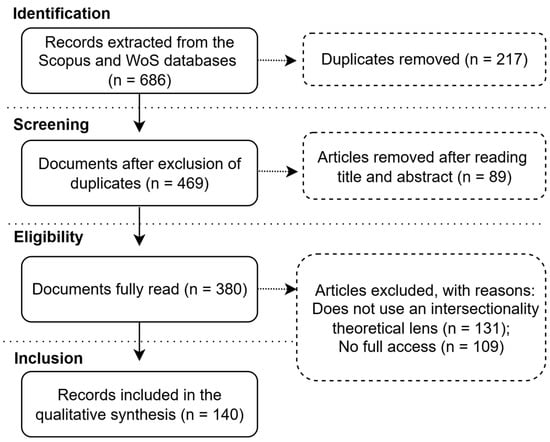
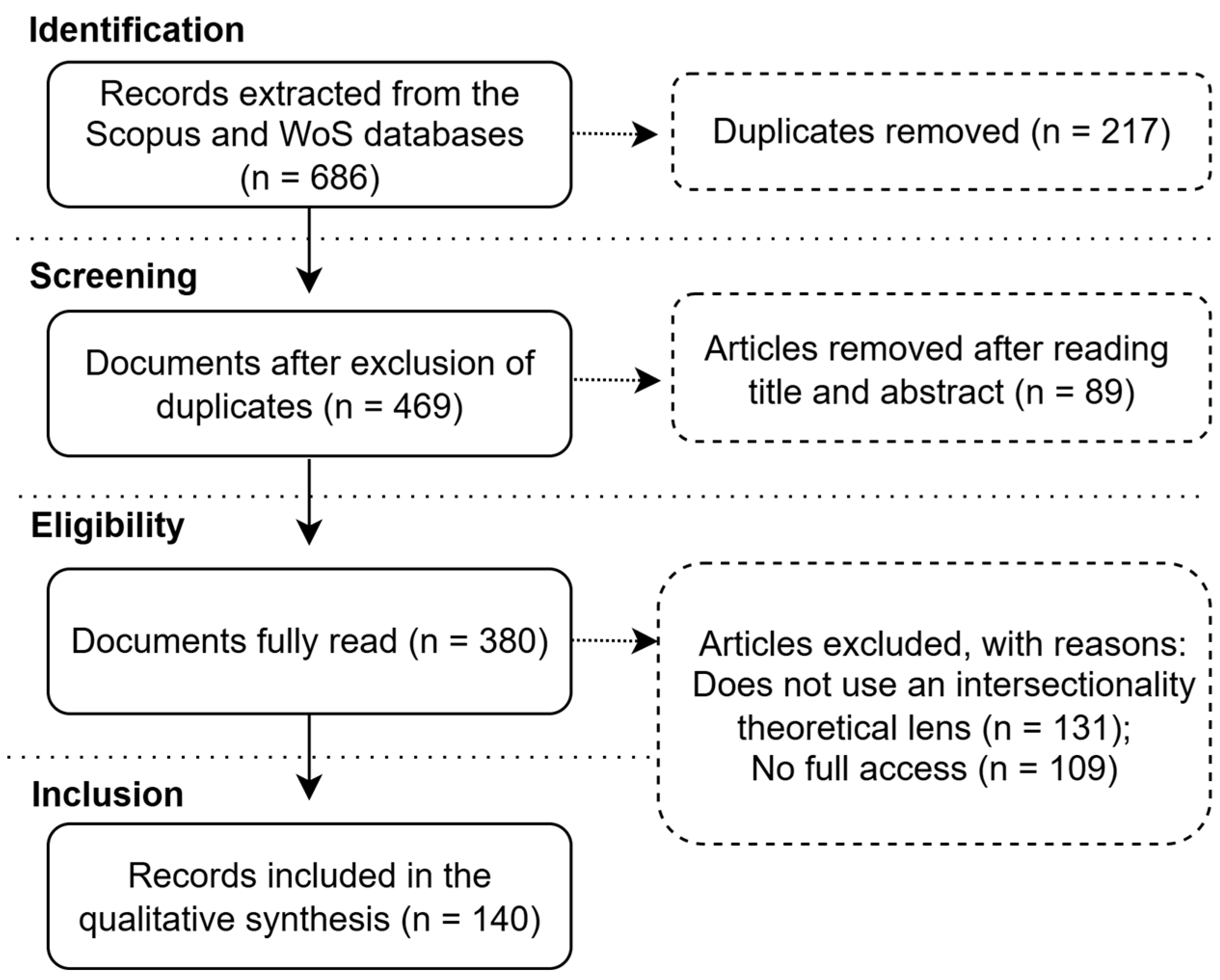
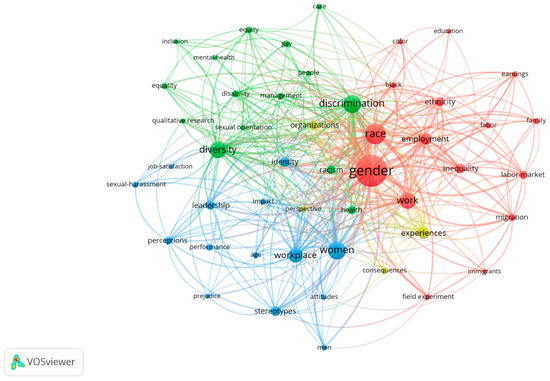
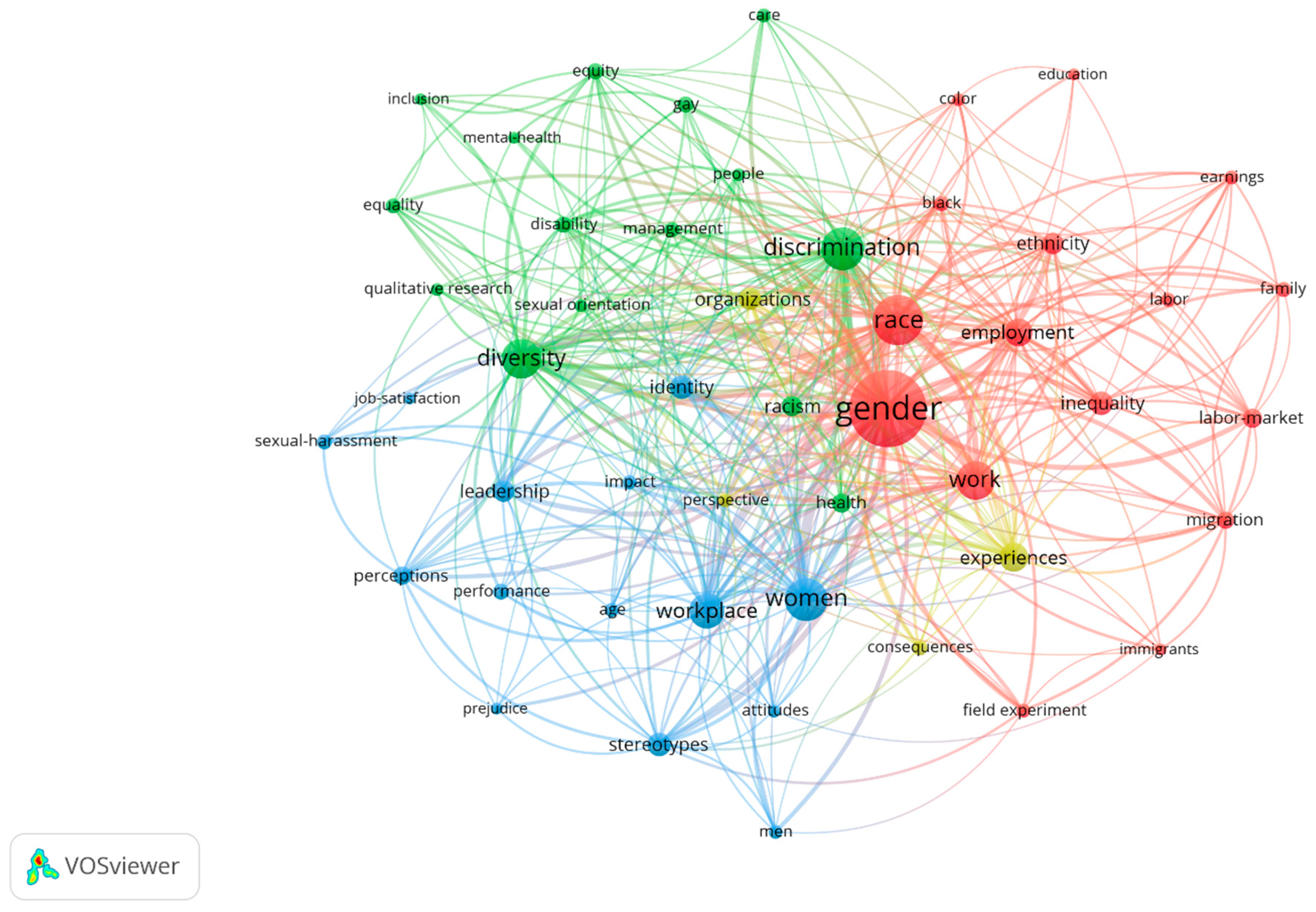

Disclaimer/Publisher’s Note: The statements, opinions and data contained in all publications are solely those of the individual author(s) and contributor(s) and not of MDPI and/or the editor(s). MDPI and/or the editor(s) disclaim responsibility for any injury to people or property resulting from any ideas, methods, instructions or products referred to in the content. |
© 2026 by the authors. Licensee MDPI, Basel, Switzerland. This article is an open access article distributed under the terms and conditions of the Creative Commons Attribution (CC BY) license.