


Abstract
This study systematically reviews 129 peer-reviewed empirical studies examining tourism and hospitality (T&H) students’ perceptions of their employment prospects and future career paths. A systematic review was conducted using the RePEc database, which provides comprehensive coverage of economics, tourism, and hospitality research, ensuring broad and interdisciplinary representation of relevant studies. By synthesizing evidence across three decades, the review identifies persistent and emerging themes shaping students’ career outlooks. Negative perceptions, particularly regarding pay, working hours, job security, and career progression, remain the most frequently reported concerns and are strongly associated with employment anxiety. At the same time, the analysis highlights a significant rise in entrepreneurial intentions after 2015, reflecting students’ growing preference for autonomy and innovation. Internships and real-world experiences consistently emerge as pivotal in shaping perceptions, either reinforcing commitment to the sector or exposing mismatches between expectations and workplace realities. The review further underscores the influence of cultural, social, and personal factors, including family background, gender norms, and self-efficacy, in shaping career decisions. This study contributes by offering a comprehensive thematic synthesis, identifying patterns and transitions over time, and outlining research gaps. The findings provide actionable insights for educators, industry practitioners, and policymakers seeking to strengthen career pathways and ensure the long-term sustainability of the T&H workforce.
1. Introduction
Understanding tourism and hospitality (T&H) students’ perceptions of their future career paths and employment prospects is crucial, as these perceptions directly influence their motivation, academic engagement, and ultimately, their commitment to the industry [1]. Educational institutions play a vital role in preparing students for the multifaceted challenges, and understanding their perspectives is essential for tailoring curricula and pedagogical approaches to meet industry demands [2]. Career perceptions held by students significantly impact their decisions regarding internships, further education, and eventual job selection, thereby influencing the talent pool available to the industry [3].
In this review, “career perceptions” refer to students’ subjective evaluations, attitudes, expectations, and beliefs regarding employment conditions, career advancement opportunities, and long-term professional trajectories within the tourism and hospitality sector. “Employment prospects” denote perceived job availability, stability, remuneration, and entry pathways into the industry. “Future career paths” encompass anticipated progression routes, including managerial advancement, entrepreneurship, sector mobility, or potential exit decisions. These constructs collectively frame the scope of the present synthesis.
Furthermore, the alignment of students’ career expectations with the realities of the workplace is critical for ensuring job satisfaction and reducing employee turnover rates, which can be particularly problematic in these sectors [4]. Therefore, it is important to explore students’ attitudes toward various aspects of working conditions, including pay and benefits, physical work environments, and opportunities for advancement [5].
The persistence of challenges such as expectation–reality misalignment, employment anxiety, and fluctuating entrepreneurial aspirations underscores the fragmented nature of existing research. Although numerous empirical studies have examined specific aspects of students’ career perceptions, findings remain dispersed across contexts, time periods, and methodological approaches. Without a structured synthesis, it is difficult to assess overarching patterns, theoretical consistencies, and evolving trends. A systematic literature review is therefore necessary to consolidate existing knowledge, identify thematic regularities, and provide a coherent foundation for future research and policy development.
This paper contributes to the literature as it systematically reviews 129 studies on the perceptions of tourism and hospitality students with respect to their employment prospects and their future career paths. This review provides one of the most extensive syntheses, which attempts to highlight the main characteristics and findings of each study, to categorize them, to identify patterns over time and to produce a thematic synthesis grouping studies by key themes. This review provides insights for educational institutions, industry practitioners, and policymakers, enabling them to make informed decisions that foster a robust and engaged workforce in the tourism and hospitality domains.
While prior studies have examined tourism and hospitality students’ career perceptions, most existing contributions are either narrative reviews, conceptual discussions, or analyses focusing on specific dimensions such as internship experiences, employability skills, or entrepreneurial intentions. To date, no study has systematically synthesized the full breadth of empirical research on this topic using a structured PRISMA-based systematic literature review covering more than three decades of scholarship.
The present study advances the literature in several ways. First, it compiles and analyzes 129 empirical studies, providing one of the most comprehensive datasets on tourism and hospitality students’ career perceptions. Second, it applies a transparent systematic review protocol, enabling structured identification of thematic patterns and methodological characteristics across the literature. Third, it integrates multiple theoretical frameworks-including Human Capital Theory, Social Cognitive Career Theory, the Theory of Planned Behavior, and Career Construction Theory-into a unified conceptual interpretation. Finally, the review identifies temporal shifts in research themes, particularly the growing prominence of entrepreneurial intentions and employment anxiety in the post-2015 literature. Together, these contributions provide a consolidated and forward-looking foundation for future research on tourism and hospitality career development.
The layout of the paper is as follows: the second section presents the main theories on the T&H education and labor outcomes nexus, and the third section describes the methodology of the systematic literature review and shows the main characteristics and results of the studies. The fourth section summarizes the main findings and discusses the key insights. Thereafter, Section 5 and Section 6 present the patterns over time and a thematic synthesis, respectively. Finally, Section 7 discusses the theoretical integration of the findings, Section 8 highlights the gaps in literature and discusses future research directions, and Section 9 presents the conclusions of the study.
2. Main Theories on the Relationship Between Tourism and Hospitality Education and Labor Outcomes
Understanding tourism and hospitality students’ career perceptions requires a multidimensional theoretical foundation. The empirical literature synthesized in this review draws primarily on established career development and employability theories that explain intention formation, motivational processes, adaptability, and skill acquisition. The frameworks discussed below were selected based on their prevalence within the reviewed studies and their conceptual relevance to dominant themes such as entrepreneurial intentions, employment anxiety, career adaptability, and perceived employability.
While originating from distinct disciplinary traditions, these theories offer complementary lenses for interpreting how students evaluate career pathways in the tourism and hospitality sector. The theoretical frameworks discussed in this section were selected based on their prevalence in the reviewed empirical literature and their conceptual relevance to career intention, employability, adaptability, and educational outcomes within tourism and hospitality contexts. While other career and employability theories exist, the selected frameworks represent the most frequently cited and analytically influential perspectives within the body of research synthesized in this review.
2.1. Human Capital Theory
Human Capital Theory suggests that investments in education and training enhance individuals’ knowledge and skills, thereby increasing their productivity and value in the labor market. This theory posits that skilled workers not only possess educational attainment but also encompass tacit knowledge and specific skill sets [6]. Within the context of tourism and hospitality education, this framework emphasizes the importance of curricula that equip students with industry-relevant competencies, enabling them to secure desirable employment opportunities and advance their careers [5]. Students’ perceptions of the value of their education are therefore shaped by their expectations regarding the returns on their investment, including anticipated salaries, job security, and career progression [7]. The application of human capital theory to tourism and hospitality education underscores the need for educators to align their programs with the evolving demands of the industry, ensuring that graduates possess the skills and knowledge required to succeed in a competitive global market [8].
In the context of the present systematic review, Human Capital Theory provides a useful lens for interpreting studies that examine the relationship between educational preparation, internship experience, and perceived employability. Many of the reviewed studies implicitly rely on the assumption that enhanced skills and competencies translate into improved employment prospects. However, the thematic synthesis also reveals limitations of this perspective, as negative career perceptions often persist despite skill acquisition. This suggests that while Human Capital Theory effectively explains instrumental dimensions of career evaluation, it may be insufficient for capturing subjective factors such as work–life balance concerns, industry prestige, or emotional disillusionment that are particularly salient in tourism and hospitality contexts.
2.2. Social Cognitive Career Theory
Social Cognitive Career Theory offers a comprehensive framework for understanding the psychological processes that influence career decision-making and development. This theory posits that career choices are shaped by the interplay of self-efficacy beliefs, outcome expectations, and personal goals, all of which are influenced by individual experiences and environmental factors. Self-efficacy, defined as an individual’s belief in their ability to successfully perform specific tasks, plays a crucial role in shaping career interests and aspirations [9]. Furthermore, this theory emphasizes the importance of observational learning and social persuasion in shaping career beliefs and aspirations. Students often look to role models, such as successful tourism industry professionals or alumni, to gain insights into potential career paths and develop their own aspirations. Moreover, contextual factors, such as perceived social support and barriers to achieving career goals, also influence career decision-making [10].
Within this review, Social Cognitive Career Theory informs the interpretation of recurring themes such as self-efficacy, employment anxiety, and the role of contextual supports or barriers. The prominence of self-efficacy across the reviewed studies aligns strongly with SCCT’s core propositions. At the same time, the findings suggest that sector-specific structural constraints—such as seasonality, wage instability, and crisis vulnerability—may extend beyond individual cognitive appraisal processes. Thus, while SCCT offers a robust framework for understanding motivational dynamics, its explanatory power may benefit from integration with broader structural perspectives when applied to tourism and hospitality education.
2.3. Theory of Planned Behavior
Theory of Planned Behavior suggests that individuals’ intentions to engage in a particular behavior, such as pursuing a career in tourism and hospitality, are influenced by their attitudes toward the behavior, subjective norms, and perceived behavioral control. Attitudes, reflecting individuals’ positive or negative evaluations of a career in these industries, are shaped by beliefs about the potential outcomes and associated values [11]. Subjective norms, representing individuals’ perceptions of social pressure to pursue or avoid a particular career, are influenced by the opinions of significant others, such as family members, friends, and mentors. Perceived behavioral control, referring to individuals’ beliefs about their ability to successfully perform the behaviors required for a career in tourism and hospitality, is influenced by factors such as skills, resources, and opportunities. The more favorable the attitude and subjective norm, and the greater the perceived control, the stronger the person’s intention to perform the behavior in question [12].
In relation to this review, TPB provides a structured model for interpreting studies examining entrepreneurial intentions, career commitment, and intention to remain in or exit the tourism sector. Many empirical studies rely on TPB constructs such as attitudes, subjective norms, and perceived behavioral control to explain career-related decisions. However, the thematic analysis indicates that career perceptions in tourism and hospitality are often shaped by dynamic and emotionally charged experiences, particularly during internships or crises. As such, while TPB offers strong predictive value for intention formation, it may not fully capture evolving identity processes or contextual volatility characteristic of the sector.
2.4. Krumboltz’s Social Learning Theory
Krumboltz’s Social Learning Theory of Career Decision Making provides a framework for understanding how individuals make career choices based on their learning experiences [13]. This theory emphasizes that career paths are not predetermined but rather evolve through a series of learning experiences that shape individuals’ beliefs, interests, and skills [14]. Krumboltz posits that career decisions are influenced by four key factors: genetic endowments and special abilities, environmental conditions and events, learning experiences, and task approach skills. In the face of economic shifts, Krumboltz’s theory equips career counselors with tools to guide students in adopting proactive career behaviors and capitalizing on emerging opportunities [15]. This model acknowledges the complexities of career development, highlighting the importance of adaptability and life-long learning in navigating the ever-changing landscape of the tourism and hospitality industries [16].
Krumboltz’s Social Learning Theory is particularly relevant for interpreting the role of experiential learning and unplanned events identified in the review, especially in relation to internship experiences and exposure to workplace realities. The synthesis demonstrates that such experiences frequently recalibrate students’ expectations and career intentions. Nevertheless, despite its conceptual relevance, this theory appears comparatively underutilized within tourism and hospitality research. Greater empirical application of learning-based and happenstance perspectives could enhance understanding of how students adapt to sector-specific uncertainties.
2.5. Career Construction Theory
Career construction theory views career development as an active process where individuals create meaning from their choices as they build their careers, highlighting that careers are not simply unfolding but are thoughtfully constructed through individual action [17]. The core of this theory emphasizes career adaptability, which involves individuals possessing the psychological resources needed for current and future career tasks [18]. It helps individuals navigate career challenges by understanding personal narratives [19]. Career adaptability, a central tenet of career construction theory, encompasses an individual’s resources for managing career development, including concern, control, curiosity, and confidence [20]. Furthermore, this theory emphasizes the importance of self-construction in linking one’s self-concept with work, thereby empowering individuals to actively create their work and derive meaning from their careers, an approach particularly relevant in navigating the evolving dynamics of the modern workplace [21].
Career Construction Theory contributes to a developmental perspective that is particularly useful for interpreting themes related to adaptability, shifting aspirations, and declining enthusiasm over time. The evidence synthesized in this review suggests that students’ career perceptions evolve through exposure to industry realities, reflecting processes of career adaptation and identity reconstruction. However, the relatively limited application of this theory within the reviewed literature indicates an opportunity for more longitudinal and narrative-based research approaches that move beyond static intention models.
While career adaptability is most explicitly conceptualized within Career Construction Theory, related constructs such as self-efficacy and task-approach skills in other frameworks reflect complementary dimensions of adaptive capacity. In this review, career adaptability refers specifically to the psychosocial resources enabling individuals to navigate career transitions.
These above-mentioned theories underscore the importance of proactive personality traits, self-efficacy, creativity, and adaptability in shaping students’ career paths and employment prospects, especially in the tourism and hospitality sectors [22,23]. Moreover, individual attributes and cultural backgrounds play a pivotal role in shaping career adaptability and adaptation, further emphasizing the need for tailored support and guidance. The interplay between personality traits, self-efficacy, creativity, and employability highlights the importance of these inter-connected factors in promoting professional success and personal growth within the hospitality and tourism sectors [9]. Therefore, to enhance the quality of education, it’s crucial to regularly assess students’ perceptions and adapt curricula to align with industry demands, thereby ensuring graduates are well-prepared for their future careers.
Although the theories discussed originate from distinct disciplinary traditions, they share several overlapping constructs, including self-efficacy, adaptability, learning experiences, and contextual influences. Together, they provide a multidimensional understanding of career perceptions, encompassing cognitive intention formation (TPB), psychosocial resource development (Career Construction Theory), contextual and motivational processes (SCCT), and skill-based investment perspectives (Human Capital Theory). While overlapping in certain constructs, each framework contributes a distinct explanatory emphasis, thereby offering complementary insights for interpreting the empirical literature synthesized in this review.
3. Methodology
3.1. The Systematic Literature Review Methodology
A systematic literature review (SLR) was conducted to examine empirical research on students’ perceptions with respect to their career paths and employment prospects in the T&H sector. A five-step process has been followed, which has been used in reviewing tourism and hospitality research, in accordance with recent SLRs in the literature [24,25]. These steps include (1) defining the objectives for a review; (2) determining keywords, database, and inclusion and exclusion selection criteria; (3) searching database and screening initial results; (4) extracting and evaluating the quality of studies; and (5) synthesizing, interpreting, and presenting findings.
The database utilized was Research Papers in Economics (RePEc), due to its comprehensive indexing of scholarly work in economics, tourism & hospitality, and education. The search spanned until 2024. The keywords included were: “tourism AND career”, “hospitality AND career”, “tourism OR hospitality AND students”, “tourism OR hospitality AND employment”. A study to be included had to be peer-reviewed, only empirical studies were considered, a focus should be on T&H students, and only English-language papers were considered. Studies which were opinion articles or theoretical essays, belonged to grey literature or were non-peer-reviewed works were excluded from the sample. Although RePEc provides broad interdisciplinary coverage, we acknowledge that relying on a single database may limit comprehensiveness. Future research may benefit from multi-database searches including Scopus and Web of Science.
The screening process was conducted by the author using predefined inclusion and exclusion criteria to ensure consistency and transparency in study selection. Although systematic procedures were followed, the absence of independent dual screening represents a methodological limitation and may introduce potential selection bias. The search initially yielded 1169 results in total. After reading the title and abstract, 757 studies we found to be irrelevant and were excluded. In the rest 412 studies, after de-duplication and removing non-English ones, 370 full-text articles were re-viewed. Based on eligibility criteria, excluding those which expressed the view of the authors, were theoretical or were not peer-reviewed, 129 studies were included in the final analysis. Although strict inclusion criteria were applied (peer-reviewed empirical studies, English-language publications, and relevance to tourism and hospitality students), a formal methodological quality appraisal tool was not employed to score individual studies. The peer-review process was considered a baseline indicator of scholarly rigor. However, the absence of structured quality scoring means that studies of varying methodological robustness were synthesized without differential weighting. Future systematic reviews may benefit from incorporating formal appraisal frameworks to assess study design quality, sampling adequacy, and analytical transparency.
In the present study, methodological transparency was addressed by documenting the research design characteristics of the reviewed studies (e.g., quantitative, qualitative, and mixed-methods approaches) and by applying strict inclusion criteria requiring peer-reviewed empirical research. This approach ensures baseline scholarly rigor while maintaining the primary objective of thematic synthesis.
To further enhance analytical depth and address variation in study rigor, the reviewed studies were categorized into three broad robustness groups based on sample size, research design, and analytical sophistication. Studies employing large samples and advanced statistical techniques (e.g., structural equation modeling) were classified as high robustness, standard cross-sectional survey-based studies were classified as moderate robustness, and studies with smaller samples or primarily descriptive analytical approaches were classified as lower robustness.
While this classification does not constitute a formal methodological quality appraisal framework, it introduces a degree of differentiation across the evidence base and supports a more nuanced interpretation of the findings.
Figure 1 presents the procedures used in the PRISMA diagram.
Figure 1.
Systematic Literature Review Flowchart.
To further assess the robustness of the dataset and address potential database coverage limitations, a supplementary verification search was conducted in the Scopus database using comparable keywords (TITLE-ABS-KEY: tourism OR hospitality AND students AND career/employment/perception). The search returned 1912 documents before filtering. After applying basic restrictions (English-language journal articles within business, management, and social sciences), the pool of potentially relevant studies was substantially reduced to a manageable subset. We then cross-checked the final dataset of 129 studies included in this review and found that 101 studies (78.3%) are indexed in Scopus. This substantial overlap indicates that the RePEc-based search captured the majority of the core empirical literature on tourism and hospitality students’ career perceptions. The remaining studies are primarily published in specialized or regional journals not indexed in Scopus, suggesting that the use of RePEc also enabled the inclusion of additional relevant contributions.
While the high overlap (78.3%) with Scopus indicates that the RePEc-based search captures the core body of empirical literature, the remaining 21.7% of studies not indexed in Scopus primarily consist of publications in specialized regional journals, education-focused outlets, and emerging interdisciplinary venues. This suggests that the use of RePEc not only ensures coverage of mainstream academic literature but also enables the inclusion of additional relevant studies that may be underrepresented in larger citation databases. Accordingly, the study is positioned as a RePEc-based systematic review, complemented by a Scopus verification search to assess coverage and robustness.
Table 1 presents the list of studies included in the review and indicates whether each study is indexed in Scopus.
3.2. Thematic Coding and Synthesis Procedure
Following the identification of the final sample of 129 studies, a thematic synthesis was conducted to identify recurring patterns across the literature. The coding process followed a hybrid inductive–deductive approach. While the theoretical framework presented in Section 2 informed initial analytical sensitivity (e.g., self-efficacy, career adaptability, employment expectations), themes were primarily derived inductively from the empirical findings reported in the reviewed studies.
Each study was systematically examined and coded according to its main findings using a structured classification matrix. Studies were allowed to be assigned to multiple thematic categories where appropriate, as many addressed overlapping dimensions (e.g., negative career perceptions and employment anxiety). Consequently, thematic percentages reported in Table 1 exceed 100%, reflecting the non-mutually exclusive nature of categories.
The themes were refined iteratively to ensure conceptual clarity, internal consistency, and distinctiveness across categories. This process resulted in the identification of eight major thematic clusters that structure the synthesis presented in Section 5 and Section 6.
In addition to thematic coding, the methodological characteristics of the reviewed studies were examined to provide additional transparency regarding the evidence base. The studies were broadly classified according to research design, including quantitative survey-based studies, qualitative studies (e.g., interviews or case studies), and mixed-methods approaches combining surveys with qualitative data. The review indicates that the majority of studies employ quantitative survey-based designs, typically analyzed using statistical techniques such as regression analysis or structural equation modeling. A smaller number of studies adopt qualitative or mixed-methods approaches. This classification helps contextualize the nature of the empirical evidence synthesized in the review while maintaining the primary objective of thematic synthesis rather than formal meta-analysis.
Table 1.
Studies included in the systematic literature review and their Scopus indexing status.
4. SLR Findings and Key Insights
Table A1 in the Appendix A presents an extensive SLR of studies on T&H students’ perceptions on their career intentions and employability prospects. Several interesting outcomes and implications can be drawn. Regarding methodological approaches, most studies rely on cross-sectional survey data collected from tourism and hospitality students and analyzed using statistical techniques such as regression analysis, ANOVA, or structural equation modeling. Comparative examination of methodological approaches suggests that quantitative studies tend to emphasize measurable determinants of career intentions, such as self-efficacy, attitudes, and perceived employability, whereas qualitative studies often reveal more nuanced interpretations of students’ experiences, including emotional responses to internships, identity development, and expectation–reality gaps within the industry. A smaller number of studies employ qualitative methods (e.g., interviews or focus groups), while some adopt mixed-methods approaches combining surveys with qualitative data. This methodological distribution reflects the dominant reliance on survey-based empirical research within tourism and hospitality education literature. With respect to geographic insights, the studies covered a wide range of countries, with Turkey (n = 13), China (n = 11), UK (n = 9), and USA (n = 8) contributing the highest number of research works. Perceptions vary widely by country. For instance, students in countries with stronger T&H sectors or supportive entrepreneurial ecosystems (e.g., parts of China, Spain) often show more optimism.
A broader comparison across regions suggests that students in countries with well-developed tourism sectors or strong institutional support for entrepreneurship tend to report more optimistic career expectations, whereas students in regions characterized by seasonal tourism employment or limited career progression opportunities express greater employment anxiety and negative career perceptions.
As for the employment dimension, many studies report students’ concerns or negative perceptions about long-term employment prospects in the T&H industry. Concerning the career dimension, while interest in entering the T&H field is often initially high, several studies show declining enthusiasm over time, especially as students face real-world working conditions (low pay, limited advancement, seasonality). This pattern can be interpreted through the lens of Career Construction Theory, which emphasizes adaptive recalibration of expectations following experiential learning. It also reflects SCCT constructs, particularly the interaction between self-efficacy and contextual barriers encountered during internships. However, a substantial number of students still express entrepreneurial intentions or resilience in pursuing T&H careers despite challenges. Factors such as self-efficacy, previous work experience, education quality (especially internships), family background, and entrepreneurship education play significant roles in shaping career intentions.
Table 2.
Summary of main findings.
From Table 2, it is more obvious that the most frequent theme is “negative career perceptions” indicating that students often express doubts about long-term career satisfaction in the T&H sector. The prevalence of negative career perceptions challenges the purely instrumental assumptions of Human Capital Theory, suggesting that skill acquisition alone does not guarantee positive sector evaluation. Instead, subjective outcome expectations and contextual factors, central to SCCT and TPB, appear to play a decisive role. On the other hand, positive outlooks and entrepreneurship together make up about 41%, showing that a substantial portion of students are still optimistic or proactive about their careers and see value in starting their own businesses. The increasing emphasis on entrepreneurial intentions aligns strongly with TPB constructs of perceived behavioral control and with SCCT’s focus on self-efficacy, indicating a shift toward agency-driven career pathways. Another issue is the employment anxiety, which is quite widespread, particularly with post-pandemic concerns and sector instability.
Furthermore, with respect to the number of publications per year related to the topic, Figure 2 presents that the studies span from 1992 to 2024, showing a clear upward trend in research output over time.
Figure 2.
Number of Publications per Year.
It is shown that until 2008, the number of publications was relatively low, with sporadic contributions (mostly 1–2 papers per year), and for several years (1997, 1998, 2003, 2006) no publications on the issue were found. During the period 2009–2018, a steady increase in research interest is observed, reaching 5 publications in 2009 and fluctuating between 4 and 7 publications per year from 2013 onward. A sharp rise was seen in 2019 (8 papers) and 2020 (13 papers), indicating increased academic attention, possibly due to the COVID-19 pandemic’s impact on tourism and hospitality careers. Notable growth occurred between 2013 and 2017, showing a sustained level of scholarly output. The number of publications peaked dramatically in 2021 with 16 papers. A slight decline is observed, with 11 publications in 2023 and 7 in 2024. However, it should be noted that the data collection concluded during 2024, and therefore the publication count for that year reflects partial data. Consequently, the apparent decrease does not necessarily indicate a reduction in research interest but may instead reflect incomplete annual coverage.
Finally, regarding the journals which published the studies of the sample, Figure 3 depicts a list of the academic journals along with numbers that represent publication counts of the studies which constitute the studies of the SLR.
Figure 3.
Number of Publications per Journal.
Research on tourism and hospitality students’ career perceptions and employment prospects is more often published in Journal of Hospitality, Leisure, Sport & Tourism Education which seems to align well with the educational focus of the topic. Moreover, the inclusion of Sustainability journal suggests that career prospects in hospitality and tourism are increasingly linked to sustainable practices. The list in general includes a mix of hospitality education journals (such as Journal of Hospitality & Tourism Education, or Journal of Teaching in Travel & Tourism) and industry-focused journals (such as Tourism Management, International Journal of Hospitality Management, etc.).
While the Journal of Hospitality, Leisure, Sport & Tourism Education emerges as the dominant publication outlet, this pattern suggests that research on students’ career perceptions is primarily framed within an educational and pedagogical context. The prominence of education-oriented journals indicates that scholars frequently conceptualize career perceptions as outcomes of curriculum design, internship structures, and employability development rather than solely as labor market phenomena.
The appearance of Sustainability among the leading publication venues is particularly noteworthy. This may reflect a growing intersection between sustainability discourse and career attractiveness in tourism and hospitality. As sustainable tourism practices and responsible business models gain prominence, students may increasingly evaluate career prospects not only in terms of financial stability but also through the lens of environmental responsibility, ethical values, and long-term industry viability. This trend aligns with broader shifts toward purpose-driven employment and value-based career decision-making observed in contemporary workforce research.
Moreover, the diversity of journals publishing on this topic-spanning education, management, sustainability, and tourism-specific outlets—indicates the interdisciplinary nature of the field. However, it also suggests that research remains somewhat fragmented across disciplinary silos. Greater theoretical integration across these domains could further consolidate and strengthen this area of scholarship.
5. Patterns over Time
The temporal segmentation into three periods (1990–2005, 2006–2015, and 2016–2024) was defined inductively based on observable shifts in publication volume and thematic emphasis across the dataset. The first period reflects the formative phase of research in this domain, characterized by relatively limited publication frequency. The second period captures a phase of expansion and diversification of research themes, coinciding with broader developments in global tourism growth and post-financial-crisis labor market concerns. The third period reflects a marked increase in publication intensity, particularly during and after the COVID-19 pandemic, alongside a notable rise in entrepreneurial and sustainability-related discourse. Although the intervals are not equal in length, they reflect substantive shifts in research patterns rather than arbitrary chronological divisions.
The final period includes studies published up to 2024, recognizing that the final year represents partial publication data. The analysis of the 129 studies revealed some patterns over time. Three broad timeframes are used to make the trends clearer:
- Pre-2000. During this period, positive expectations were common, with students showing early enthusiasm for tourism careers [26,125]. The negative perceptions have already begun emerging in some studies (e.g., [82]).
- From 2000 to 2015. A growing negativity toward employment in T&H became a recurring theme [79,114,115,116]. Moreover, internships and education started being seen as critical influencers [52,54]. Furthermore, employment anxiety emerged, tied to economic downturns (e.g., 2008 financial crisis).
- From 2016 to 2025. Studies published in post-2015 first reveal that negative perceptions remained but became more nuanced. In addition, entrepreneurial intention skyrocketed, as students increasingly saw entrepreneurship as an alternative to traditional jobs [93,94,98]. Moreover, employment anxiety increased sharply during COVID-19, but some resilience and optimism persisted in many studies [65,148].
Table 3 presents briefly the above-mentioned patterns over time of the studies of the SLR.
Table 3.
Patterns over time of the studies of the SLR.
A comparative examination of these periods reveals a clear shift from early optimism regarding tourism careers toward more critical and diversified career perceptions. While early studies emphasized sector attractiveness and growth opportunities, later research increasingly highlights employment instability, work–life balance concerns, and the emergence of entrepreneurial pathways as alternative career strategies.
The increasing employment anxiety observed during the 2000–2015 period coincides with broader global economic instability, particularly following the 2008 financial crisis, which significantly affected youth employment rates and job security perceptions across many economies. These macroeconomic shocks likely influenced students’ confidence in long-term career stability within tourism and hospitality.
The marked rise in entrepreneurial intentions after 2015 may be interpreted within the broader context of global start-up culture, innovation-driven economies, and the expansion of digital entrepreneurship ecosystems. Increased policy support for entrepreneurship education, business incubators, and start-up funding mechanisms may have contributed to the normalization of self-employment as a viable career pathway. Simultaneously, the emergence of the gig economy and platform-based business models reshaped perceptions of traditional employment, encouraging greater autonomy and flexibility.
The COVID-19 pandemic represents a critical structural disruption that profoundly reshaped employment expectations. Sector shutdowns, travel restrictions, and workforce reductions heightened employment anxiety but also stimulated discussions of resilience, adaptability, and innovation within tourism education. These developments underscore how global crises function as catalysts that recalibrate students’ perceptions of career risk and opportunity.
Furthermore, the growing emphasis on sustainability and responsible tourism in the late 2010s may have influenced students’ motivations, particularly among those seeking meaningful and value-driven career paths.
These temporal patterns reflect not only structural industry shifts but also evolving psychosocial dynamics consistent with Social Cognitive Career Theory and Career Construction Theory, particularly regarding adaptability and outcome expectations.
6. Thematic Synthesis and Analysis
6.1. Thematic Analysis
The thematic analysis followed a structured qualitative synthesis approach, combining inductive identification of recurring patterns with deductive sensitivity to constructs derived from the theoretical frameworks outlined in Section 2. Coding was conducted manually using a classification matrix, and themes were iteratively refined to ensure conceptual distinctiveness and internal coherence. The process was conducted by a single reviewer based on predefined criteria, which is acknowledged as a limitation.
This section presents a thematic synthesis grouping the studies by key themes. First, many students initially show enthusiasm and view T&H as offering enjoyable, flexible, and exciting career opportunities, indicating a positive career outlook (e.g., [26,34,57,65,103,119]). Second, there are negative career perceptions. Common concerns include low pay, long hours, seasonality, and limited career advancement (e.g., [30,60,82,89,92,114,115,116]).
Third, regarding entrepreneurial intentions, a growing number of students prefer entrepreneurial ventures over traditional employment, driven by creativity [55,62,93,94,98,107,145]. Fourth, there is the issue of the impact of internships and education. The key message is that practical experiences and well-designed educational programs, especially internships, strongly influence career intentions and improve employability (e.g., [1,52,54,66,75,105]).
A fifth theme arises from concerns about job security, employability, and work–life balance which are widespread heightened by economic crises and COVID-19. Some representative studies were conducted by [30,89,113,128,135]. The sixth issue is related to cultural and social influences. More particularly, family expectations, social status, gender, and cultural background significantly affect T&H students’ career choices (e.g., [58,99,100,110,122,123]).
Declining enthusiasm over time is identified as a seventh theme, noticing that while many students begin their studies with optimism, exposure to industry realities often reduces enthusiasm and shifts career intentions [76,85,95,101]. A final eighth issue stems from the fact that students often aspire to leadership or entrepreneurial roles, motivated by a desire for control, creativity, and better work conditions [5,56,79,122,123,130].
While certain themes appear conceptually related, particularly negative career perceptions, employment anxiety, and declining enthusiasm over time, they capture distinct analytical dimensions. “Negative career perceptions” refers to generalized evaluations of industry conditions (e.g., pay, work hours, advancement opportunities). “Employment anxiety” specifically denotes concerns regarding job security and labor market instability. “Declining enthusiasm over time” reflects a longitudinal trajectory in which initially positive expectations become moderated following experiential exposure. Distinguishing these dimensions enables a more nuanced interpretation of how attitudes, emotions, and temporal dynamics interact. The main themes, key issues, and representative studies identified through the thematic synthesis are summarized in Table 4.
Table 4.
Thematic Analysis Matrix.
In sum, the key cross-cutting insights that are generated from the thematic analysis is that (i) employment anxiety and negative perceptions are common across most regions and time periods, (ii) entrepreneurial aspirations have risen sharply since 2015, (iii) internships and real-world experience are critical factors shaping career outcomes, (iv) cultural, social, and personal factors heavily influence career decision-making.
6.2. Critical Evaluation of the Thematic Analysis
- 1.
- Negative Career Perceptions
Across the 35 studies categorized under negative career perceptions, concerns about low pay, long and irregular working hours, limited career advancement, and employment instability emerge as the most consistently reported issues. Compensation dissatisfaction appears particularly salient in survey-based studies using Likert-scale instruments, where financial expectations are directly measured. In contrast, qualitative studies often reveal more nuanced ambivalence, with students acknowledging structural challenges while still recognizing professional development opportunities.
Regional patterns are observable. Studies from highly seasonal tourism economies (e.g., parts of Southern Europe and developing economies) emphasize instability and precariousness more strongly, whereas research in rapidly growing tourism markets sometimes reports mixed perceptions tied to expansion opportunities.
Importantly, contradictions exist within this theme. Students frequently express dissatisfaction with structural working conditions while simultaneously valuing international mobility and experiential learning opportunities. This tension suggests that negative perceptions reflect critical evaluation rather than outright rejection of the sector, aligning with Human Capital Theory’s assumption that individuals weigh costs against long-term benefits.
- 2.
- Positive Career Outlook
The 28 studies categorized under positive career outlook commonly highlight enjoyment, creativity, international exposure, dynamic work environments, and personal growth opportunities. Positive perceptions often correlate with prior industry exposure or internship experience, suggesting experiential familiarity moderates initial enthusiasm.
Interestingly, qualitative research tends to reveal intrinsic motivations (passion for hospitality, cultural exchange), whereas quantitative studies more frequently measure perceived job attractiveness in instrumental terms (promotion opportunities, skill development). Cultural variation is notable: studies in regions where tourism is a prestigious or expanding industry report more optimistic outlooks.
However, positive outlooks are often time-sensitive. Longitudinal or retrospective studies indicate that optimism may decline following exposure to real working conditions. This suggests that early enthusiasm may represent aspirational perceptions shaped by education rather than grounded industry experience.
- 3.
- Entrepreneurial Intentions
The 26 studies addressing entrepreneurial intentions show a marked increase after 2015. Dominant predictors include self-efficacy, perceived behavioral control, entrepreneurial education exposure, and proactivity, often grounded in the Theory of Planned Behavior and Social Cognitive Career Theory.
Quantitative structural equation modeling studies frequently report strong statistical relationships between entrepreneurship education and intention formation. However, qualitative research highlights perceived barriers such as capital constraints and regulatory complexity, suggesting a gap between intention and implementation.
Regional patterns indicate stronger entrepreneurial optimism in contexts with institutional support systems (incubators, start-up funding). Notably, entrepreneurship sometimes appears as an adaptive response to dissatisfaction with traditional employment structures, reinforcing the idea that entrepreneurial aspirations may be both opportunity-driven and constraint-driven.
- 4.
- Impact of Internships & Education
The 24 studies in this theme consistently emphasize internships as a pivotal turning point. However, findings are polarized: internships can reinforce commitment or trigger disillusionment, depending on quality and mentorship.
Survey-based research often measures satisfaction levels, while qualitative studies reveal deeper recalibration of expectations. In some cases, internships expose mismatches between academic preparation and industry reality, challenging Human Capital Theory’s assumption that skill acquisition automatically enhances career attractiveness.
Regional differences appear where structured internship systems are institutionalized versus loosely regulated. Well-designed internships correlate with positive career commitment, suggesting educational quality mediates industry perception.
- 5.
- Employment Anxiety
The 22 studies addressing employment anxiety highlight concerns about job security, economic instability, work–life balance, and crisis vulnerability. Anxiety spikes during macroeconomic downturns, especially post-2008 and during COVID-19.
Quantitative studies frequently measure anxiety through psychometric scales, linking it to academic dissatisfaction and decreased sector commitment. Qualitative research, however, reveals resilience narratives, particularly during the pandemic, where students articulate adaptive career strategies.
Cultural context influences anxiety intensity. Regions heavily dependent on tourism demonstrate stronger crisis sensitivity. These findings challenge purely rational career models and suggest integrating contextual uncertainty into theoretical frameworks.
- 6.
- Cultural & Social Influences
The 18 studies under this theme emphasize family expectations, gender norms, social status perceptions, and cultural values. Family background significantly influences career decision-making, particularly in collectivist societies.
Quantitative regression-based studies often identify demographic predictors (gender, parental occupation), while qualitative studies reveal intergenerational expectations and prestige considerations.
Contradictions appear where tourism is economically important but socially undervalued, creating tension between economic rationality and social prestige. These findings align strongly with Social Cognitive Career Theory’s emphasis on contextual factors and subjective norms.
- 7.
- Declining Enthusiasm Over Time
The 15 studies in this theme document a recurrent trajectory: initial optimism → exposure to industry realities → moderated expectations. Longitudinal and retrospective studies are particularly important here.
Decline is most frequently associated with internships, low compensation awareness, and work–life balance concerns. However, not all declines result in exit intentions; some students recalibrate toward management or entrepreneurship instead.
This pattern suggests that career construction processes evolve dynamically rather than linearly, supporting Career Construction Theory’s emphasis on adaptability and narrative reframing.
- 8.
- Preference for Leadership/Ownership Roles
The 17 studies highlighting leadership aspirations consistently report desire for managerial authority, autonomy, creativity, and improved working conditions. Management roles are often perceived as offering escape from entry-level labor conditions.
Quantitative studies show high aspiration rates, but qualitative research suggests that such aspirations may be idealized rather than grounded in realistic promotion pathways. Cultural context again plays a role, with stronger leadership aspirations in regions emphasizing status mobility.
This theme intersects closely with entrepreneurial intention and suggests that students seek structural agency within or beyond traditional organizational hierarchies.
7. Theoretical Integration of Findings
While Section 2 introduced five major theoretical perspectives relevant to tourism and hospitality (T&H) education and labor outcomes, a deeper examination of the 129 reviewed studies reveals uneven theoretical application across the literature.
A substantial proportion of studies are either explicitly or implicitly grounded in the Theory of Planned Behavior (TPB) and Social Cognitive Career Theory (SCCT). Studies examining entrepreneurial intention, career intention, self-efficacy, and perceived behavioral control frequently adopt TPB constructs, particularly attitude toward the profession, subjective norms, and perceived behavioral control. Similarly, research emphasizing self-efficacy, outcome expectations, and personal agency often aligns with SCCT. These two theories appear to dominate the post-2010 literature, particularly in entrepreneurship-focused research.
Human Capital Theory is implicitly reflected in studies emphasizing internships, practical education, skill acquisition, and employability enhancement. Although rarely explicitly stated as a theoretical framework, many studies operate under its assumptions—namely that education and experiential learning increase labor market value and career prospects.
In contrast, Career Construction Theory and Krumboltz’s Social Learning Theory are less frequently operationalized directly. While themes such as career adaptability, narrative identity, and learning experiences are present in the findings, only a limited number of studies explicitly employ these frameworks. This suggests an underutilization of developmental and constructivist career theories within tourism and hospitality education research.
Importantly, the synthesized findings both support and extend existing theoretical perspectives. For example:
The strong influence of internships supports Human Capital Theory but also suggests that experiential learning functions as both skill accumulation and expectation recalibration.
The rise in entrepreneurial intentions post-2015 reinforces TPB’s emphasis on attitudinal and normative drivers, yet also indicates structural industry dissatisfaction not fully captured by traditional intention models.
Persistent employment anxiety challenges purely rational-choice assumptions and highlights the importance of contextual uncertainty, suggesting opportunities for integrating crisis and resilience perspectives into career theories.
Overall, the review indicates that while TPB and SCCT dominate the field, the broader theoretical landscape remains fragmented. Greater theoretical integration, particularly incorporating career adaptability and longitudinal developmental perspectives, would strengthen future research.
The distribution of theoretical frameworks across the reviewed studies is summarized in Table 5.
Table 5.
Theoretical Distribution of Reviewed Studies.
Taken together, these theoretical perspectives can be integrated into a conceptual framework explaining tourism and hospitality students’ career perceptions and intentions. Human Capital Theory emphasizes the role of educational investment and skill acquisition in shaping perceived employability and career opportunities. Social Cognitive Career Theory highlights the importance of self-efficacy beliefs and outcome expectations in shaping motivation and career commitment. The Theory of Planned Behavior provides a framework for understanding how attitudes, subjective norms, and perceived behavioral control influence career intentions and entrepreneurial aspirations. Finally, Career Construction Theory offers a developmental perspective explaining how students continuously reinterpret and reconstruct their career identities in response to educational experiences, internships, and industry realities.
Integrating these perspectives provides a more comprehensive explanation of tourism and hospitality students’ career perceptions, linking structural factors (education and labor market conditions), cognitive and motivational processes (self-efficacy and intentions), and dynamic career development processes (adaptability and identity construction). This integrative view helps explain why students’ perceptions evolve over time and why some students remain committed to the sector while others seek alternative or entrepreneurial pathways.
Based on the synthesis, an integrative conceptual framework can be proposed in which tourism and hospitality students’ career perceptions are shaped by the interaction of three core dimensions:
- (1)
- Structural factors, including education, internships, and labor market conditions;
- (2)
- Cognitive and affective processes, such as self-efficacy, employment anxiety, and perceived employability;
- (3)
- Career outcomes, including sector commitment, entrepreneurial intention, and potential exit decisions.
These relationships are further influenced by contextual factors such as cultural norms, social expectations, and industry characteristics. This integrative perspective highlights how career perceptions emerge from the dynamic interaction between external conditions and internal evaluation processes, providing a more comprehensive explanation than single-theory approaches.
8. Gaps in the Literature, Limitations and Future Research Directions
This systematic literature review has illuminated several key themes and insights regarding tourism and hospitality students’ perceptions of their future career paths and employment prospects. While the existing literature offers valuable insights into tourism and hospitality students’ perceptions of their future career paths and employment prospects, there are notable gaps and limitations that warrant consideration and highlight areas for future research endeavors.
A methodological limitation of this review is the reliance on a single database (RePEc), which may have excluded relevant studies indexed elsewhere. Although stringent inclusion criteria were applied, future systematic reviews should incorporate multiple databases to enhance comprehensiveness and minimize selection bias. Additionally, the original keyword combinations were relatively focused and may not have captured all relevant synonyms such as “perceptions,” “attitudes,” or “intentions.”. This approach may have limited coverage. Future reviews could incorporate broader keyword combinations to further enhance comprehensiveness.
Another limitation relates to the screening process, which was conducted by a single reviewer. Although strict criteria were applied, future reviews should employ multiple independent reviewers and calculate inter-rater reliability statistics.
A further limitation relates to the absence of a formal methodological quality assessment of the included studies. Although all studies were peer-reviewed empirical works, the synthesis does not differentiate between studies of varying methodological rigor. Consequently, findings should be interpreted with appropriate caution, and future reviews are encouraged to incorporate structured appraisal tools. Although the review provides a structured thematic synthesis of the literature, it does not apply a formal methodological quality appraisal framework to weight studies according to research design rigor, sample size, or analytical robustness. Future systematic reviews could incorporate structured appraisal tools or robustness classification systems to enable more evaluative synthesis.
Also, the geographic scope of existing studies is limited, with a concentration on certain regions or countries, which restricts the generalizability of findings across diverse cultural and economic contexts. Most studies are limited to four institutions, which may not fully represent the broader spectrum of schools [118]. Future research should aim to include a more diverse range of geographical locations and cultural settings to provide a more comprehensive understanding of students’ perceptions on a global scale.
Moreover, the research methodologies employed in many studies often rely heavily on quantitative surveys, mainly questionnaires, potentially overlooking the nuanced perspectives and experiences that qualitative approaches, such as in-depth interviews or focus groups, could provide [149]. Descriptive statistics can be limiting in explaining the complex relationships among different measurement variables [90]. To gain a deeper understanding of students’ perceptions, future research should possibly incorporate mixed-methods approaches, combining quantitative data with qualitative insights to capture the complexity of the issue.
In addition, longitudinal studies tracking students’ career trajectories over time are scarce, limiting our understanding of how perceptions evolve and influence actual career choices and outcomes. Future research should adopt longitudinal designs to examine the long-term impact of education, industry experiences, and other factors on students’ career paths and professional success. Furthermore, future research needs to explore the influence of emerging trends, such as technological advancements, sustainability concerns, and global events, on students’ perceptions and career aspirations within the tourism and hospitality sectors [8].
It has to be noted that future research should evaluate the impact of career counseling, mentorship programs, industry partnerships, and curriculum enhancements on students’ career readiness and success. The existing literature does not account for students’ family backgrounds and their influence on career choices [68]. There is a need for more research to explore how socio-cultural values impact students’ career decision-making in the hospitality and tourism industry [32]. Future studies should also examine the effectiveness of different interventions and strategies aimed at enhancing students’ career prospects and fostering a more positive perception of the industry [150].
The main research gaps and future research directions are summarized in Table 6.
Table 6.
Research Gap Matrix.
In addition to the above-mentioned research gaps, future studies would benefit from greater specificity regarding methodological design and career stages under examination. While mixed-methods approaches are recommended, qualitative inquiry is particularly needed to explore how students construct and reconstruct their professional identities over time. For example, in-depth interviews could examine how expectations change during internships, how students emotionally interpret workplace realities, and how perceptions evolve following exposure to crisis events such as the COVID-19 pandemic. Such qualitative insights would complement survey-based findings on career intention and employability anxiety.
Similarly, longitudinal research would be especially valuable if focused on clearly defined transition points, such as: (i) pre-internship to post-internship perception shifts; (ii) the transition from final year of study to first employment; and (iii) the early-career stage (0–3 years after graduation), where attrition rates are often highest. Tracking these stages would allow researchers to examine whether negative perceptions translate into sector exit, whether entrepreneurial intentions result in actual venture creation, and how employment anxiety changes once graduates gain professional experience.
More targeted research questions that could guide future studies include:
- How do internship experiences recalibrate students’ expectations regarding pay, work–life balance, and career progression?
- What factors predict long-term retention versus early exit from the tourism and hospitality sector?
- How do sustainability values influence career commitment among younger cohorts?
- Does participation in mentorship or entrepreneurship incubator programs increase post-graduation career stability?
Providing greater clarity regarding specific career transitions, identity development processes, and intervention outcomes would enhance theoretical advancement and generate more actionable knowledge for educators and policymakers.
Another significant gap concerns the limited number of intervention-based studies within the tourism and hospitality education literature. While many studies identify factors contributing to negative career perceptions, employment anxiety, or declining enthusiasm, relatively few rigorously evaluate solutions designed to address these issues. Future research should move beyond problem identification and adopt experimental or quasi-experimental designs to test the effectiveness of specific interventions.
For example, curriculum innovations incorporating sustainability, digital competencies, or entrepreneurial incubation could be systematically evaluated to determine whether they improve long-term career commitment. Structured mentorship programs linking students with industry professionals could be assessed for their impact on employment anxiety, self-efficacy, and sector retention. Similarly, formalized industry–university partnership models could be examined to determine whether improved internship design reduces post-placement disillusionment.
Career counseling interventions also warrant systematic investigation. Controlled studies could examine whether targeted counseling reduces intention to exit the sector or enhances realistic career expectation alignment. By adopting quasi-experimental, longitudinal, or randomized designs, future research can generate evidence-based insights into which educational and institutional strategies effectively improve career perceptions and outcomes.
Shifting toward intervention-oriented research would significantly enhance the practical and policy relevance of tourism and hospitality education scholarship.
Another underexplored dimension concerns the interaction between individual differences and structural industry factors. While several studies acknowledge the role of gender, family background, and cultural expectations, future research should more systematically examine how personality traits (e.g., extraversion, resilience, proactivity), career values (e.g., desire for stability versus autonomy), and generational orientations influence career commitment within tourism and hospitality.
For example, it remains unclear why some students maintain strong sector commitment despite awareness of low pay or demanding working conditions, while others abandon their initial aspirations. Investigating how traits such as psychological resilience, adaptability, risk tolerance, or entrepreneurial orientation moderate the relationship between negative industry perceptions and career intention would provide a more nuanced understanding of career persistence.
Generational differences also deserve closer examination. Emerging cohorts may place greater emphasis on work–life balance, purpose-driven employment, and sustainability values. Future research could explore how these value orientations interact with industry realities and whether alignment between personal values and organizational practices enhances retention.
By integrating personality psychology, value theory, and structural labor market analysis, future scholarship can move toward a more holistic model explaining not only what students perceive, but why individuals respond differently to similar industry conditions.
Closing this section, it is imperative for the industry to improve its image by offering attractive compensation, facilitating work–life balance through flexible work hours, and fostering positive relationships between employees and managers [117]. Providing students with a comprehensive overview of career options, including potential career paths, working conditions, and advancement opportunities, is essential for fostering realistic expectations and informed decision-making [115].
Among the identified gaps, the scarcity of longitudinal and intervention-based research emerges as particularly critical, as addressing these areas would substantially enhance theoretical development and practical applicability within tourism and hospitality education.
9. Concluding Remarks
By systematically synthesizing three decades of empirical research and integrating multiple theoretical perspectives, this review provides one of the most comprehensive and methodologically transparent overviews of tourism and hospitality students’ career perceptions currently available in literature. This systematic literature review analyzed 129 empirical studies to provide a comprehensive understanding of how tourism and hospitality (T&H) students perceive their employment prospects and future career trajectories. The evidence illustrates a dynamic and sometimes contradictory landscape shaped by structural industry conditions, educational practices, and socio-cultural influences.
Beyond synthesizing empirical findings, this review contributes theoretically by contextualizing established career development frameworks within the specific dynamics of tourism and hospitality education. The evidence suggests that while Human Capital Theory explains instrumental expectations regarding skill acquisition and employability, subjective evaluations of industry conditions frequently mediate career commitment. Similarly, the findings extend Social Cognitive Career Theory by highlighting the interaction between self-efficacy and sector-specific structural volatility. Career Construction Theory is particularly relevant for understanding evolving perceptions over time, especially in the context of internship exposure and crisis-related recalibration. By integrating these perspectives, the review refines their applicability within a sector characterized by seasonality, uncertainty, and rapid change.
The persistence of negative career perceptions, including concerns about low pay, long hours, limited career advancement, and job insecurity, remains a critical challenge across regions and time periods. These concerns are closely tied to widespread employment anxiety, which has been further amplified by economic downturns and the COVID-19 pandemic.
Yet, the review also uncovers positive and adaptive trends. A significant rise in entrepreneurial intentions, especially after 2015, signals a shift toward greater autonomy, innovation, and resilience among students. In parallel, internships and practical learning experiences consistently emerge as decisive factors in shaping career perceptions, serving both as motivators and as reality checks that recalibrate expectations.
Another key insight lies in the influence of cultural, social, and personal factors, including family expectations, gender norms, and individual self-efficacy. These factors interact with broader structural conditions, resulting in highly diverse and context-dependent career outlooks.
Beyond synthesizing existing evidence, the findings of this review have concrete implications for multiple stakeholder groups.
For educators, the evidence strongly supports the importance of high-quality, structured internship programs with meaningful supervision and reflective components. Curricular design should integrate experiential learning with guided expectation management to prevent post-internship disillusionment. Embedding entrepreneurship education, sustainability-focused modules, and digital competency training can also enhance students’ perceived agency and adaptability. Additionally, structured career counseling services that address employment anxiety and realistic career progression pathways may help align expectations with industry realities.
For industry practitioners, improving working conditions appears central to long-term sector attractiveness. Evidence suggests that transparent career progression pathways, competitive compensation structures, mentorship opportunities, and work–life balance initiatives are critical in reducing negative perceptions. Organizations that cultivate supportive workplace cultures and demonstrate commitment to employee development are more likely to retain graduates. In particular, structured onboarding programs and early-career mentoring may reduce attrition during the vulnerable first years of employment.
For policymakers, regulatory frameworks that incentivize fair labor practices, support youth entrepreneurship, and strengthen university–industry partnerships could significantly improve career pathways. Public investment in tourism innovation hubs, start-up incubators, and skills development initiatives may enhance entrepreneurial viability. Moreover, policies promoting sustainable tourism practices may increase sector attractiveness among value-driven younger cohorts.
By translating empirical insights into targeted, evidence-informed recommendations, the tourism and hospitality sector can better align educational preparation, workplace practices, and policy environments with students’ evolving expectations and career aspirations.
While the review provides a comprehensive synthesis of existing research, its findings should be interpreted in light of certain limitations, including reliance on a single database, English-language publications, and published empirical studies. The absence of formal quality scoring and single-reviewer screening also represent methodological constraints. These considerations underscore the need for continued refinement in future systematic investigations.
Overall, while skepticism toward long-term employment in T&H persists, students increasingly demonstrate resourcefulness in crafting alternative pathways, often favoring leadership or entrepreneurial roles. For the sector to sustain a motivated workforce, stronger collaboration between academia and industry is essential. Enhancing working conditions, embedding entrepreneurial education, and aligning curricula with evolving industry demands will be critical steps in ensuring that the next generation of graduates can thrive while contributing to the long-term sustainability of tourism and hospitality.
Funding
This research received no external funding.
Institutional Review Board Statement
Not applicable.
Informed Consent Statement
Not applicable.
Data Availability Statement
No new data were created or analyzed in this study.
Conflicts of Interest
The author declares no conflicts of interest.
Correction Statement
This article has been republished with a minor correction to the readability of appendix. This change does not affect the scientific content of the article.
Appendix A
Table A1.
Studies of the SLR with their Characteristics and Findings.
References
- Papathanassis, A. Cruise tourism ‘brain drain’: Exploring the role of personality traits, educational experience and career choice attributes. Curr. Issues Tour. 2021, 24, 2028–2043. [Google Scholar] [CrossRef] [Scilit]
- Pranić, L.; Pivčević, S.; Garbin Praničević, D. Top 30 soft skills in tourism and hospitality graduates: A systematic literature review. In 6th International Scientific Conference ToSEE-Tourism in Southern and Eastern Europe 2021: ToSEE-Smart, Experience, Excellence & ToFEEL-Feelings, Excitement, Education, Leisure (ToSEE 2021); Fakultet za menadžment u turizmu i ugostiteljstvu Sveučilišta u Rijeci: Opatija, Croatia, 2021; Volume 6, pp. 637–656. [Google Scholar] [CrossRef] [Scilit]
- Kim, B.P.; McCleary, K.W.; Kaufman, T. The new generation in the industry: Hospitality/tourism students’ career preferences, sources of information and career choice factors. J. Hosp. Tour. Educ. 2010, 22, 5–11. [Google Scholar] [CrossRef] [Scilit]
- Scott, B.; Revis, S. Talent management in hospitality: Graduate career success and strategies. Int. J. Contemp. Hosp. Manag. 2008, 20, 781–791. [Google Scholar] [CrossRef] [Scilit]
- Bordean, O.N.; Sonea, A. Student satisfaction and perceived skills: Any link to employability? Entrep. Sustain. Issues 2018, 6, 356–370. [Google Scholar] [CrossRef]
- Booyens, I. Education and skills in tourism: Implications for youth employment in South Africa. Dev. South. Afr. 2020, 37, 825–839. [Google Scholar] [CrossRef] [Scilit]
- Bouchon, P.; Daya, P.; Neethiahnanthan, A.R. Hospitality higher education talent management programme, STEP: A stepping-stone to develop future hospitality leaders. TEAM J. Hosp. Tour. 2016, 13, 41–53. [Google Scholar]
- Hsu, C.H.C.; Xiao, H.; Chen, N. Hospitality and tourism education research from 2005 to 2014: “Is the past a prologue to the future?”. Int. J. Contemp. Hosp. Manag. 2017, 29, 141–160. [Google Scholar] [CrossRef] [Scilit]
- Tsai, C.-F.; Chang, C.-P.; Chen, T.-L.; Hsu, M.-L. Exploring the Influence of Personality Traits, Self-Efficacy, and Creativity on Employability for Hospitality and Tourism College Students. Sustainability 2024, 16, 1490. [Google Scholar] [CrossRef] [Scilit]
- Byars-Winston, A.; Estrada, Y.; Howard, C.; Davis, D.; Zalapa, J. Influence of social cognitive and ethnic variables on academic goals of underrepresented students in science and engineering: A multiple-groups analysis. J. Couns. Psychol. 2010, 57, 205–218. [Google Scholar] [CrossRef] [Scilit]
- Reichenberger, I.; Raymond, E.M. Tourism students’ career strategies in times of disruption. J. Hosp. Tour. Manag. 2021, 48, 220–229. [Google Scholar] [CrossRef] [Scilit]
- Bosnjak, M.; Ajzen, I.; Schmidt, P. The theory of planned behavior: Selected recent advances and applications. Eur. J. Psychol. 2020, 16, 352–356. [Google Scholar] [CrossRef] [Scilit] [PubMed]
- Krumboltz, J.D. The happenstance learning theory. J. Career Assess. 2008, 17, 135–154. [Google Scholar] [CrossRef] [Scilit]
- Yunus, N.M.; Zainudin, Z.N.; Yusop, Y.M.; Othman, W.N.W.; Kamarudin, E.M.E.; Anuar, M. Understanding career decision-making: Influencing factors and application of Krumboltz’s social learning theory. Int. J. Acad. Res. Bus. Soc. Sci. 2024, 14, 36–51. [Google Scholar] [CrossRef] [Scilit]
- Greenleaf, A.T. Making the best of a bad situation: Career counseling young adults in the aftermath of the great recession. J. Employ. Couns. 2014, 51, 158–169. [Google Scholar] [CrossRef] [Scilit]
- Eidimtas, A.; Jucevičienė, P. Factors influencing school-leavers decision to enrol in higher education. Procedia Soc. Behav. Sci. 2014, 116, 3983–3988. [Google Scholar] [CrossRef] [Scilit]
- Packard, B.W.; Leach, M.; Ruiz, Y.; Nelson, C.; DiCocco, H. School-to-work transition of career and technical education graduates. Career Dev. Q. 2012, 60, 134–144. [Google Scholar] [CrossRef] [Scilit]
- Chen, J.; Zhang, X. The impact of career calling on higher vocational nursing students’ learning engagement: The mediating roles of career adaptability and career commitment. Front. Psychol. 2023, 14, 1111842. [Google Scholar] [CrossRef] [Scilit] [PubMed]
- Del Corso, J.; Rehfuss, M.C. The Role of narrative in career construction theory. J. Vocat. Behav. 2011, 79, 334–339. [Google Scholar] [CrossRef] [Scilit]
- Zhou, X.; Hu, Y.; Li, Y.; Wen, B. Why do hotel interns stay in the hospitality and tourism industry? An interactionist perspective of organizational socialization. Int. J. Contemp. Hosp. Manag. 2022, 34, 1225–1245. [Google Scholar] [CrossRef] [Scilit]
- Wang, D.; Li, Y. Career construction theory: Tools, interventions, and future trends. Front. Psychol. 2024, 15, 1381233. [Google Scholar] [CrossRef] [Scilit]
- Rudolph, C.W.; Lavigne, K.N.; Zacher, H. Career adaptability: A meta-analysis of relationships with measures of adaptivity, adapting responses, and adaptation results. J. Vocat. Behav. 2016, 98, 17–34. [Google Scholar] [CrossRef] [Scilit]
- Zacher, H. Career adaptability predicts subjective career success above and beyond personality traits and core self-evaluations. J. Vocat. Behav. 2013, 84, 21–30. [Google Scholar] [CrossRef] [Scilit]
- Hoang, G.; Yang, M.; Luu, T.T. Ethical leadership in tourism and hospitality management: A systematic literature review and research agenda. Int. J. Hosp. Manag. 2023, 114, 103563. [Google Scholar] [CrossRef] [Scilit]
- Hoang, G.; Wilson-Evered, E.; Lockstone-Binney, L.; Luu, T.T. Empowering leadership in hospitality and hospitality management: A systematic literature review. Int. J. Contemp. Hosp. Manag. 2021, 33, 4182–4214. [Google Scholar] [CrossRef] [Scilit]
- Airey, D.; Frontistis, A. Attitudes to careers in tourism: An Anglo Greek comparison. Tour. Manag. 1997, 18, 149–158. [Google Scholar] [CrossRef] [Scilit]
- Aksu, A.; Köksal, D. Perceptions and attitudes of tourism students in Turkey. Int. J. Contemp. Hosp. Manag. 2005, 17, 436–447. [Google Scholar] [CrossRef] [Scilit]
- Alananzeh, O. Exploring the factors influencing students in enrolling tourism and hospitality management colleges in Jordan: A case study in Aqaba economic zone. J. Manag. Res. 2014, 6, 61–73. [Google Scholar] [CrossRef] [Scilit]
- Al-Jubari, I.; Bahari, S.; Kamarudin, N.; Fadzli, A. Examining attitudinal determinants of startup intention among university students of hospitality and tourism. Int. J. Hum. Potentials Manag. 2019, 1, 33–42. [Google Scholar]
- Alrawadieh, D. Does employability anxiety trigger psychological distress and academic major dissatisfaction? A study on tour guiding students. J. Tour. 2021, 7, 55–71. [Google Scholar] [CrossRef] [Scilit]
- Altman, L.; Brothers, L. Career longevity of hospitality graduates. Hosp. Rev. J. 1995, 13, 77–83. [Google Scholar]
- Amissah, E.; Mensah, A.; Mensah, I.; Gamor, E. Students’ perceptions of careers in Ghana’s hospitality and tourism industry. J. Hosp. Tour. Educ. 2019, 32, 1–13. [Google Scholar] [CrossRef] [Scilit]
- Anthony, G.; Mensah, I.; Amissah, E. Undergraduate hospitality students’ perceptions of careers in the industry: The Ghanaian context. Res. Hosp. Manag. 2021, 11, 101–111. [Google Scholar] [CrossRef] [Scilit]
- Appietu, M.E.; Asimah, V.K.; Mensah, C. Does perception of hospitality employment change post internship? Afr. J. Hosp. Tour. Manag. 2019, 1, 116–129. [Google Scholar] [CrossRef] [Scilit]
- Arcodia, C.; Dickson, C. ITHAS: An experiential education case study in tourism education. J. Hosp. Tour. Educ. 2009, 21, 37–43. [Google Scholar] [CrossRef] [Scilit]
- Ardani, P.A.; Pradini, G. Factors influencing career interest in the tourism industry (Case study on students of the National University Tourism Study Program). In Proceedings of the International Conference on Business, Management, Accounting and Sustainable Economy (ICBMASE 2023); Advances in Economics, Business and Management Research; Atlantis Press: Dordrecht, The Netherlands, 2024; Volume 275, pp. 70–75. [Google Scholar] [CrossRef] [Scilit]
- Armoo, A.K.; Neequaye, K. Factors used by Ghanaian students in determining career options in the tourism and hospitality industry: Lessons for developing countries. Worldw. Hosp. Tour. Themes 2014, 6, 166–178. [Google Scholar]
- Atef, T.; Al Balushi, M. Omani tourism and hospitality students’ employment intentions and job preferences: Ramifications on Omanization plans. Qual. Assur. Educ. 2017, 25, 440–461. [Google Scholar] [CrossRef] [Scilit]
- Ayad, T.; Sobaih, A.E.E.; Elshaer, I.A. University incubator support and entrepreneurial intention among tourism graduates: Mediating role of personal attitude. Sustainability 2022, 14, 16045. [Google Scholar] [CrossRef] [Scilit]
- Badulescu, A.; Badulescu, D.; Bac, D.; Sipos-Gug, S. Attitudes and intentions of business master students towards sustainable tourism and entrepreneurship. Amfiteatru Econ. J. 2014, 16, 1110–1124. [Google Scholar]
- Bahcelerli, N.M.; Sucuoglu, E. Undergraduate tourism students’ opinions regarding the work conditions in the tourism industry. Procedia Econ. Financ. 2015, 26, 1130–1135. [Google Scholar] [CrossRef] [Scilit]
- Barron, P.; Anastasiadou, C. Student part-time employment: Implications, challenges and opportunities for higher education. Int. J. Contemp. Hosp. Manag. 2009, 21, 140–153. [Google Scholar] [CrossRef] [Scilit]
- Barron, P.; Maxwell, G.; Broadbridge, A.; Ogden, S. Careers in hospitality management: Generation Y’s experiences and perceptions. J. Hosp. Tour. Manag. 2007, 14, 119–128. [Google Scholar] [CrossRef] [Scilit]
- Bednarska, M.; Olszewski, M. Students’ attitudes towards careers in the tourism industry—Implications for tacit knowledge management. J. Entrep. Manag. Innov. 2013, 9, 119–134. [Google Scholar] [CrossRef] [Scilit]
- Benaraba, C.M.D.; Bulaon, N.J.B.; Escosio, S.M.D.; Narvaez, A.H.G.; Suinan, A.N.A.; Roma, M.N. A comparative analysis on the career perceptions of tourism management students before and during the COVID-19 pandemic. J. Hosp. Leis. Sport Tour. Educ. 2022, 30, 100361. [Google Scholar] [CrossRef] [Scilit] [PubMed]
- Birtch, T.A.; Chiang, F.F.T.; Cai, Z.; Wang, J. Am I choosing the right career? The implications of COVID-19 on the occupational attitudes of hospitality management students. Int. J. Hosp. Manag. 2021, 95, 102931. [Google Scholar] [CrossRef] [Scilit]
- Blomme, R.; Rheede, A.; Tromp, D. The hospitality industry: An attractive employer? An exploration of students’ and industry workers’ perceptions of hospitality as a career field. J. Hosp. Tour. Educ. 2013, 21, 6–14. [Google Scholar] [CrossRef] [Scilit]
- Butkouskaya, V.; Romagosa, F.; Noguera, M. Obstacles to sustainable entrepreneurship amongst tourism students: A gender comparison. Sustainability 2020, 12, 1812. [Google Scholar] [CrossRef] [Scilit]
- Cantos, M.G.; Sauña, M.J.E.; De Ramos, H.H.B.; Dimaano, J.G.L.; Lingon, R.B.; Pulhin, J.C.B. Career decision self-efficacy among students of hospitality and tourism management. Asia Pac. J. Educ. Arts Sci. 2019, 6, 41–51. [Google Scholar]
- Cesário, F.; Sabino, A.; Moreira, A.; Portugal, M.; Correia, A. Students’ motivation for a sustainable career in the hospitality industry in Portugal. Sustainability 2022, 14, 6522. [Google Scholar] [CrossRef] [Scilit]
- Chang, S.; Tse, E.C.-Y. Understanding the initial career decisions of hospitality graduates in Hong Kong. J. Hosp. Tour. Res. 2012, 39, 57–74. [Google Scholar] [CrossRef] [Scilit]
- Chen, T.-L.; Shen, C.-C. Today’s intern, tomorrow’s practitioner?—The influence of internship programmes on students’ career development in the hospitality industry. J. Hosp. Leis. Sport Tour. Educ. 2012, 11, 29–40. [Google Scholar] [CrossRef] [Scilit]
- Chen, J.S.; Chu, K.H.-L.; Wu, W. Tourism students’ perceptions of work values: A case of Taiwanese universities. Int. J. Contemp. Hosp. Manag. 2000, 12, 360–365. [Google Scholar] [CrossRef] [Scilit]
- Chi, C.G.; Gursoy, D. How to help your graduates secure better jobs? An industry perspective. Int. J. Contemp. Hosp. Manag. 2009, 21, 308–322. [Google Scholar] [CrossRef] [Scilit]
- Chia, C.-C.; Liang, C. Influence of creativity and social capital on the entrepreneurial intention of tourism students. J. Entrep. Manag. Innov. 2016, 12, 151–168. [Google Scholar] [CrossRef] [Scilit]
- Choudhary, R. Review on employability of students in hospitality sector. Int. J. Emerg. Technol. Innov. Res. 2019, 6, 663–668. [Google Scholar]
- Choy, M.W.; Yeung, A.S. Career choice of tourism students in a triple-whammy crisis. PLoS ONE 2022, 17, e0279411. [Google Scholar] [CrossRef] [Scilit] [PubMed]
- Chuang, N.-K.; Dellmann-Jenkins, M. Career decision making and intention: A study of hospitality undergraduate students. J. Hosp. Tour. Res. 2010, 34, 512–530. [Google Scholar] [CrossRef] [Scilit]
- Chuang, N.-K.; Lee, P.C.; Kwok, L. Assisting students with career decision-making difficulties: Can career decision-making self-efficacy and career decision-making profile help? J. Hosp. Leis. Sport Tour. Educ. 2020, 26, 100235. [Google Scholar] [CrossRef] [Scilit]
- Datta, A.; Jha, B. Industrial Training and its consequences on the career perception. A study in context of the hotel management students’ at Jaipur. Int. J. Econ. Bus. Rev. 2015, 3, 146–152. [Google Scholar]
- Datta, A. Effect of internship on career perception of hotel management students. ZENITH Int. J. Multidiscip. Res. 2013, 3, 50–63. [Google Scholar]
- Dragin, A.S.; Mijatov, M.B.; Munitlak Ivanović, O.; Jovičić Vuković, A.; Ivkov Džigurski, A.; Košić, K.; Nedeljković Knežević, M.; Tomić, S.; Stankov, U.; Vujičić, M.D.; et al. Entrepreneurial Intention of Students (Managers in Training): Personal and Family Characteristics. Sustainability 2022, 14, 7345. [Google Scholar] [CrossRef] [Scilit]
- Düzgün, M. A reassessment of well-being in vocational preparation: A new model focusing on psychological resilience and occupational identification in tourism education. J. Tour. Sustain. Well-Being 2024, 12, 336–352. [Google Scholar]
- Eminov, A.; Aliyeva, I. Assessment of education and employment cooperation in Azerbaijan tourism industry. Yearb. D. A. Tsenov Acad. Econ. 2017, 1, 121–142. [Google Scholar]
- Fantillo, E.-M.R.; Quierez, R.C.M.; Sardido, E.T. Career perception: Graduating tourism students of 2021–2022 DLSU-D in the new normal. Quantum J. Soc. Sci. Humanit. 2022, 3, 100–117. [Google Scholar] [CrossRef] [Scilit]
- Farmaki, A. Tourism and hospitality internships: A prologue to career intentions? J. Hosp. Leis. Sport Tour. Educ. 2018, 23, 50–58. [Google Scholar] [CrossRef] [Scilit]
- Getz, D. Students’ work experiences, perceptions and attitudes towards careers in hospitality and tourism: A longitudinal case study in Spey Valley, Scotland. Int. J. Hosp. Manag. 1994, 13, 25–37. [Google Scholar] [CrossRef] [Scilit]
- Grobelna, A. The perception of job-related motivators when choosing a career in the tourism and hospitality industry—A comparative study between Polish and Spanish students. Int. J. Manag. Econ. 2017, 53, 84–106. [Google Scholar] [CrossRef] [Scilit]
- Grobelna, A. A study-life conflict and its impact on tourism and hospitality students’ burnout and their employment aspirations. Sustainability 2022, 14, 6608. [Google Scholar] [CrossRef] [Scilit]
- Grobelna, A.; Skrzeszewska, K. Seasonality: Is it a problem or challenge facing future tourism employment? Implications for management. J. Entrep. Manag. Innov. 2019, 15, 205–230. [Google Scholar] [CrossRef] [Scilit]
- Grobelna, A.; Tokarz-Kocik, A. Person-job fit in students’ perspective and its consequences for career aspirations. Eur. Res. Stud. J. 2021, 24, 155–168. [Google Scholar] [CrossRef] [Scilit]
- Grobelna, A.; Wyszkowska-Wrobel, E.M. Understanding employment aspirations of future tourism and hospitality workforce: The critical role of cultural participation and study engagement. Eur. Res. Stud. J. 2021, 24, 1312–1332. [Google Scholar] [CrossRef] [Scilit]
- Hjalager, A.-M. Global tourism careers? Opportunities and dilemmas facing higher education in tourism. J. Hosp. Leis. Sport Tour. Educ. 2003, 2, 26–38. [Google Scholar] [CrossRef] [Scilit]
- Hoque, M.A.; Ashif, A.S.M. Dream career in tourism and hospitality industry: Myth or reality? Int. J. Tour. Policy 2020, 10, 142–162. [Google Scholar] [CrossRef] [Scilit]
- Horng, J.-S.; Hsiao, H.-L.; Liu, C.-H.; Chou, S.-F.; Chung, Y.-C. Learning innovative entrepreneurship: Developing an influential curriculum for undergraduate hospitality students. J. Hosp. Leis. Sport Tour. Educ. 2021, 29, 100289. [Google Scholar] [CrossRef] [Scilit]
- Jenkins, A.K. Making a career of it? Hospitality students’ future perspectives: An Anglo-Dutch study. Int. J. Contemp. Hosp. Manag. 2001, 13, 13–20. [Google Scholar] [CrossRef] [Scilit]
- Johns, N.; McKechnie, M. Career demands and learning perceptions of hotel and catering graduates—Ten years on. Int. J. Contemp. Hosp. Manag. 1995, 7, 9–12. [Google Scholar] [CrossRef] [Scilit]
- Kapera, I. Motives and expectations of students from Ukraine with respect to higher education in Poland in the field of tourism. Turyzm 2017, 27, 17–21. [Google Scholar] [CrossRef] [Scilit]
- Kim, S.S.; Lee, M.J.; Chon, K. Study motivations and study preferences in the Korean hospitality and tourism field. J. Mark. High. Educ. 2008, 18, 216–239. [Google Scholar] [CrossRef] [Scilit]
- Kim, S.; Jung, J.; Wang, K.-C. Hospitality and tourism management students’ study and career preferences: Comparison of three Asian regional groups. J. Hosp. Leis. Sport Tour. Educ. 2016, 19, 66–84. [Google Scholar] [CrossRef] [Scilit]
- Kipkosgei, B.; Kivuva, A.K.; Muiruri, J.N. Perceptions of tourism students towards career choice in the Kenyan tourism industry: A comparative study of Moi university and Kenya Utalii College. Afr. J. Tour. Hosp. Leis. 2015, 1, 1–10. [Google Scholar]
- Kusluvan, S.; Kusluvan, Z. Perceptions and attitudes of undergraduate tourism students towards working in the tourism industry in Turkey. Tour. Manag. 2000, 21, 251–269. [Google Scholar] [CrossRef] [Scilit]
- Lambulira, M.; Banda, S.; Mhango, G.M.K.; Bello, F.G. Students’ perceptions towards tourism education and careers after the COVID-19 pandemic in Sub-Saharan Africa. Afr. J. Hosp. Tour. Leis. 2022, 11, 1158–1172. [Google Scholar]
- Lashley, C. Student employment in hospitality and tourism: Insights from a recent study. Res. Hosp. Manag. 2013, 3, 1–8. [Google Scholar] [CrossRef] [Scilit]
- Le, A.H.; Klieve, H.; McDonald, C.V. Tertiary students’ perceptions of hospitality careers in Vietnam. Empir. Res. Vocat. Educ. Train. 2018, 10, 14. [Google Scholar] [CrossRef] [Scilit]
- Lee, P.C.; Jae, M.; Dopson, L.R. Who influences college students’ career choices? An empirical study of hospitality management students. J. Hosp. Tour. Educ. 2019, 31, 74–86. [Google Scholar] [CrossRef] [Scilit]
- Lewis, A.; Airey, D. Tourism careers in Trinidad and Tobago: Perceptions of secondary school students. Tour. Hosp. Res. 2001, 3, 7–20. [Google Scholar] [CrossRef] [Scilit]
- Litvin, S.W. Tourism student perceptions of a travel agency career. Tour. Hosp. Res. 2000, 1, 295–312. [Google Scholar] [CrossRef] [Scilit]
- Liu, F.; Zhang, F.; Wu, N.; James, N.K. Career barriers of hospitality and tourism management students and the impacts on their career intention. Econ. Res.-Ekon. Istraž. 2023, 36, 2129410. [Google Scholar] [CrossRef] [Scilit]
- Lu, T.; Adler, H. Career goals and expectations of hospitality and tourism students in China. J. Teach. Travel Tour. 2009, 9, 63–80. [Google Scholar] [CrossRef] [Scilit]
- Maiorescu, I.; Sabou, G.C.; Bucur, M.; Zota, R.D. Sustainability barriers and motivations in higher education: A students’ perspective. Amfiteatru Econ. 2020, 22, 362–375. [Google Scholar] [CrossRef] [Scilit]
- Mannaa, M.; Abou-Shouk, M. Students’ perceptions towards working in the tourism and hospitality industry in United Arab Emirates. Al-Adab J. 2020, 1, 33–52. [Google Scholar] [CrossRef] [Scilit]
- Martín-Navarro, A.; Velicia-Martín, F.; Medina-Garrido, J.A.; Rodrigues, R.G. Causal propensity as an antecedent of entrepreneurial intentions. Int. Entrep. Manag. J. 2023, 19, 501–522. [Google Scholar] [CrossRef] [Scilit]
- Martín-Navarro, A.; Velicia-Martín, F.; Medina-Garrido, J.A.; Palos-Sánchez, P.R. Impact of effectual propensity on entrepreneurial intention. J. Bus. Res. 2023, 157, 113604. [Google Scholar] [CrossRef] [Scilit]
- Maxwell, G.A.; Ogden, S.M.; Broadbridge, A. Generation Y’s career expectations and aspirations: Engagement in the hospitality industry. J. Hosp. Tour. Manag. 2010, 17, 53–61. [Google Scholar] [CrossRef] [Scilit]
- Mayuzumi, Y. Is there a future for agriculture in world leading tourism resort islands of developing countries? Case study about survey of consciousness about career choice of young generation in Bali, Indonesia. Asia-Pac. J. Reg. Sci. 2020, 4, 91–110. [Google Scholar] [CrossRef] [Scilit]
- McKercher, B.; Jin, X.; Tolkach, D.; Lee, A.; Macionis, N. Career development of tourism, hospitality and events graduates. Int. J. Tour. Res. 2023, 25, 350–358. [Google Scholar] [CrossRef] [Scilit]
- Mei, H.; Zhan, Z.; Fong, P.; Liang, T.; Ma, Z. Planned behaviour of tourism students’ entrepreneurial intentions in China. Appl. Econ. 2016, 48, 1240–1254. [Google Scholar] [CrossRef] [Scilit]
- Mohammad, B.A.A.; Alsaleh, H.T. Motivation of students to study tourism hospitality programs. Int. J. Asian Soc. Sci. 2013, 3, 1637–1647. [Google Scholar]
- Mungai, M.; Kieti, D.; Mapelu, I. Tourism education enrolment among Kenyan public universities: Socioeconomic aspects. Int. J. Res. Bus. Soc. Sci. 2021, 10, 340–348. [Google Scholar] [CrossRef] [Scilit]
- Nachmias, S.; Walmsley, A. Making career decisions in a changing graduate labour market: A Hospitality perspective. J. Hosp. Leis. Sport Tour. Educ. 2015, 17, 50–58. [Google Scholar] [CrossRef] [Scilit]
- Omar, M. Students’ perceptions and attitudes toward working in the tourism industry in Egypt. J. Assoc. Arab Univ. Tour. Hosp. 2014, 11, 77–84. [Google Scholar] [CrossRef] [Scilit]
- Ortiz, M.; Coromina, L. Effect of COVID-19 pandemic on perceptions and career goals of undergraduate tourism students in Ecuador. Cienc. Unemi 2021, 14, 15–28. [Google Scholar] [CrossRef] [Scilit]
- Özişik Yapici, O.; Yildirim, G.; Bal, C. How did Covid-19 affect career intentions of students studying tourism. J. Tour. Gastron. Stud. 2023, 9, 84–98. [Google Scholar] [CrossRef] [Scilit]
- Park, S.A.; Kim, H.-B.; Lee, K.-W. Perceptions of Determinants of job selection in the hospitality and tourism industry: The case of Korean university students. J. Hum. Resour. Hosp. Tour. 2017, 16, 422–444. [Google Scholar] [CrossRef] [Scilit]
- Petrova, P.; Mason, P. The value of tourism degrees: A Luton-based case study. Educ. Train. 2004, 46, 153–161. [Google Scholar] [CrossRef] [Scilit]
- Phuc, P.; Vinh, N.; Do, Q.H. Factors affecting entrepreneurial intention among tourism undergraduate students in Vietnam. Manag. Sci. Lett. 2020, 10, 3675–3682. [Google Scholar] [CrossRef] [Scilit]
- Pol, R.; Patil, H. Perception of Final Year hotel management students towards working in hotel industry. Atithya J. Hosp. 2015, 1, 53–54. [Google Scholar] [CrossRef] [Scilit]
- Pranić, L. What happens to the entrepreneurial intentions of Gen Z in a crony capitalist economy amidst the COVID-19 pandemic? Sustainability 2023, 15, 5750. [Google Scholar] [CrossRef] [Scilit]
- Rahimi, R.; Nadda, V.; Hyseni, B.; Mulindwa, D. Motivations of South Asian students to study tourism and hospitality in the United Kingdom. Adv. Cult. Tour. Hosp. Res. 2016, 12, 223–234. [Google Scholar]
- Ramakrishnan, S.; Macaveiu, C. Understanding aspirations in tourism students. J. Hosp. Tour. Manag. 2019, 39, 40–48. [Google Scholar] [CrossRef] [Scilit]
- Raybould, M.; Wilkins, H. Overqualified and underexperienced: Turning graduates into hospitality managers. Int. J. Contemp. Hosp. Manag. 2005, 17, 203–216. [Google Scholar] [CrossRef] [Scilit]
- Reichenberger, I.; Raymond, E.M. Students’ perceptions of tertiary tourism education and careers during the Covid-19 pandemic. J. Teach. Travel Tour. 2021, 21, 380–402. [Google Scholar] [CrossRef] [Scilit]
- Richardson, S. Undergraduate tourism and hospitality students attitudes toward a career in the industry: A preliminary investigation. J. Teach. Travel Tour. 2008, 8, 23–46. [Google Scholar] [CrossRef] [Scilit]
- Richardson, S. Undergraduates’ perceptions of tourism and hospitality as a career choice. Int. J. Hosp. Manag. 2009, 28, 382–388. [Google Scholar] [CrossRef] [Scilit]
- Richardson, S. Tourism and hospitality students’ perceptions of a career in the industry: A comparison of domestic (Australian) students and international students studying in Australia. J. Hosp. Tour. Manag. 2010, 17, 1–11. [Google Scholar] [CrossRef] [Scilit]
- Richardson, S.; Butler, G. Attitudes of Malaysian tourism and hospitality students’ towards a career in the industry. Asia Pac. J. Tour. Res. 2012, 17, 262–276. [Google Scholar] [CrossRef] [Scilit]
- Richardson, S.; Thomas, N.J. Utilising generation Y: United States hospitality and tourism students’ perceptions of careers in the industry. J. Hosp. Tour. Manag. 2012, 19, 102–114. [Google Scholar] [CrossRef] [Scilit]
- Roberts, M.D. Secondary school students’ views of tourism education and tourism careers. J. Hosp. Tour. Educ. 2024, 36, 13–24. [Google Scholar] [CrossRef] [Scilit]
- Robinson, R.; Ruhanen, L.; Breakey, N. Tourism and hospitality internships: Influences on student career aspirations. Curr. Issues Tour. 2016, 19, 513–527. [Google Scholar] [CrossRef] [Scilit]
- Roney, S.A.; Öztin, P. Career perceptions of undergraduate tourism students: A case study in Turkey. J. Hosp. Leis. Sport Tour. Educ. 2007, 6, 4–17. [Google Scholar] [CrossRef] [Scilit]
- Ross, G. Tourism management as a career path: Vocational perceptions of Australian school leavers. Tour. Manag. 1992, 13, 242–247. [Google Scholar] [CrossRef] [Scilit]
- Ross, G. Tourism and hospitality employment and career perceptions among high school students. Vis. Leis. Bus. 1993, 12, 13–33. [Google Scholar]
- Rosyidi, M.I. Undergraduate students’ perceptions and attitudes towards a career in tourism industry: The case of Indonesia. J. Manag. Kewirausahaan 2021, 23, 40–51. [Google Scholar] [CrossRef] [Scilit]
- Selçuk, G.N.; Erdogan, M.; Güllüce, A.Ç. A research into career considerations of students enrolled In tourism degree programs. Int. J. Bus. Soc. Sci. 2013, 4, 218–226. [Google Scholar]
- Şengel, Ü.; Genç, G.; Zengin, B. Expectation differences between the tourism sector and students: A comparative analysis. Eur. J. Tour. Hosp. Recreat. 2020, 10, 177–189. [Google Scholar] [CrossRef] [Scilit]
- Seyitoğlu, F.; Atsız, O.; Kaya, F.; Taş, S. The two-way perspective of tourism undergraduates towards (post-)viral world: The future of tourism, and vocational development and career. J. Hosp. Leis. Sport Tour. Educ. 2022, 31, 100400. [Google Scholar] [CrossRef] [Scilit]
- Shah, C.; Chowdhury, A.; Gupta, V. Impact of COVID-19 on tourism and hospitality students’ perceptions of career opportunities and future prospects in India. J. Teach. Travel Tour. 2021, 21, 359–379. [Google Scholar] [CrossRef] [Scilit]
- Sincharoenkul, K.; Witthayasirikul, C. Can online learners obtain sufficient competencies in the hospitality and tourism industries? Front. Educ. 2022, 7, 996377. [Google Scholar] [CrossRef] [Scilit]
- Skiert, M.; Buchta, K. Own business enterprise in the professional plans of tourism and recreation students. Pol. J. Sport Tour. 2012, 19, 58–62. [Google Scholar] [CrossRef] [Scilit]
- Tan, Z.M.A.; Baharun, N.; Wazir, N.M.; Ngelambong, A.A.; Ali, N.M.; Ghazali, N.; Tarmazi, S.A.A. Graduates’ perceptions on the factors affecting commitment to pursue career in the hospitality industry. Procedia Soc. Behav. Sci. 2016, 224, 416–420. [Google Scholar] [CrossRef] [Scilit]
- Teng, C.-C. The effects of personality traits and attitudes on student uptake in hospitality employment. Int. J. Hosp. Manag. 2008, 27, 76–86. [Google Scholar] [CrossRef] [Scilit]
- Thetsane, R.; Mokhethi, M.; Malunga, M.; Makatjane, T. Lesotho students career perceptions in tourism and hospitality industry. J. Tour. Hosp. Manag. 2020, 8, 1–9. [Google Scholar] [CrossRef] [Scilit]
- Turanligil, F.G.; Altintaş, V. Analysis of industry perceptions and expectations of tourism students: A case study in Turkey. Geoj. Tour. Geosites 2018, 21, 266–281. [Google Scholar] [CrossRef] [Scilit]
- Unguren, E.; Huseyinli, T. The moderating effect of student club membership on the relationship between career intention in the tourism sector and post-graduate employability anxiety. J. Hosp. Leis. Sport Tour. Educ. 2020, 27, 100265. [Google Scholar] [CrossRef] [Scilit]
- Vaníček, J.; Jarolímková, L. Development of opinions of tourism students at the Prague University of Economics and Business on the COVID-19 pandemic. Manag. Bus. Res. Q. 2021, 18, 60–71. [Google Scholar] [CrossRef] [Scilit]
- Verdadero, D.M.Q.; Alvarez, J.M.S.; Dinglasan, A.D.; Pureza, M.S.; Ramirez, D.B.; Sare, J.J.C.; Felicen, S.S. Students’ preparedness to enter tourism industry. J. Tour. Hosp. Res. 2020, 17, 1–12. [Google Scholar]
- Wakelin-Theron, N.; Ukpere, W.I.; Spowart, J. Perception of tourism graduates and the tourism industry on the important knowledge and skills required in the tourism industry. Afr. J. Hosp. Tour. Leis. 2018, 7, 1–18. [Google Scholar]
- Wan, Y.K.P.; Wong, I.A.; Kong, W.H. Student career prospect and industry commitment: The roles of industry attitude, perceived social status, and salary expectations. Tour. Manag. 2014, 40, 1–14. [Google Scholar] [CrossRef] [Scilit]
- Wang, S.; Huang, X. College Students’ Perceptions of Tourism careers in China: Implications for the Industry and Education Providers. J. Hum. Resour. Hosp. Tour. 2014, 13, 211–233. [Google Scholar] [CrossRef] [Scilit]
- Wen, H.; Leung, X.; Li, X.; Kwon, J. What influences Chinese students’ intentions to pursue hospitality careers? A comparison of three-year versus four-year hospitality programs. J. Hosp. Leis. Sport Tour. Educ. 2008, 23, 70–81. [Google Scholar] [CrossRef] [Scilit]
- Wen, H.; Li, X.; Kwon, J. Undergraduate students’ attitudes toward and perceptions of hospitality careers in mainland China. J. Hosp. Tour. Educ. 2019, 31, 159–172. [Google Scholar] [CrossRef] [Scilit]
- Xu, S.; Martinez, L.R.; Van Hoof, H.; Tews, M.; Torres, L.; Farfan, K. The impact of abusive supervision and co-worker support on hospitality and tourism student employees’ turnover intentions in Ecuador. Curr. Issues Tour. 2018, 21, 775–790. [Google Scholar] [CrossRef] [Scilit]
- Yaşar, E.; Öztürk, İ. Were career expectations realized? Examining the careers of tourism management graduates. MANAS Sos. Araştırmalar Derg. 2023, 12, 641–653. [Google Scholar] [CrossRef] [Scilit]
- Zhang, H.; Chen, H. Entrepreneurship education and entrepreneurial intention among tourism and hotel management students: The mediating role of entrepreneurial self-efficacy and the moderating role of grit. SAGE Open 2024, 14, 1–13. [Google Scholar] [CrossRef] [Scilit]
- Zhang, S.-N.; Li, Y.-Q.; Liu, C.-H.; Ruan, W.-Q. Critical factors identification and prediction of tourism and hospitality students’ entrepreneurial intention. J. Hosp. Leis. Sport Tour. Educ. 2020, 26, 100234. [Google Scholar] [CrossRef] [Scilit]
- Zhong, Y.; Busser, J.; Shapoval, V.; Murphy, K. Hospitality and tourism student engagement and hope during the COVID-19 pandemic. J. Hosp. Tour. Educ. 2021, 33, 194–206. [Google Scholar] [CrossRef] [Scilit]
- Zhong, L.; Li, X.; Sun, S.; Law, R.; Qi, X.; Dong, Y. Influencing factors of students’ learning gains in tourism education: An empirical study on 28 tourism colleges in China. Sustainability 2022, 14, 16601. [Google Scholar] [CrossRef] [Scilit]
- Harkison, T.; Poulston, J.; Kim, J.G. Hospitality graduates and managers: The big divide. Int. J. Contemp. Hosp. Manag. 2011, 23, 377–392. [Google Scholar] [CrossRef] [Scilit]
- El-Houshy, S. Hospitality students’ perceptions towards working in hotels: A case study of the Faculty of Tourism and Hotels in Alexandria University. arXiv 2018, arXiv:1807.09660. [Google Scholar] [CrossRef] [Scilit]
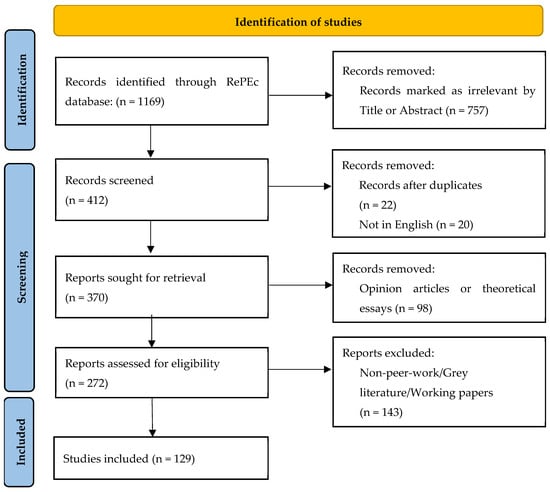
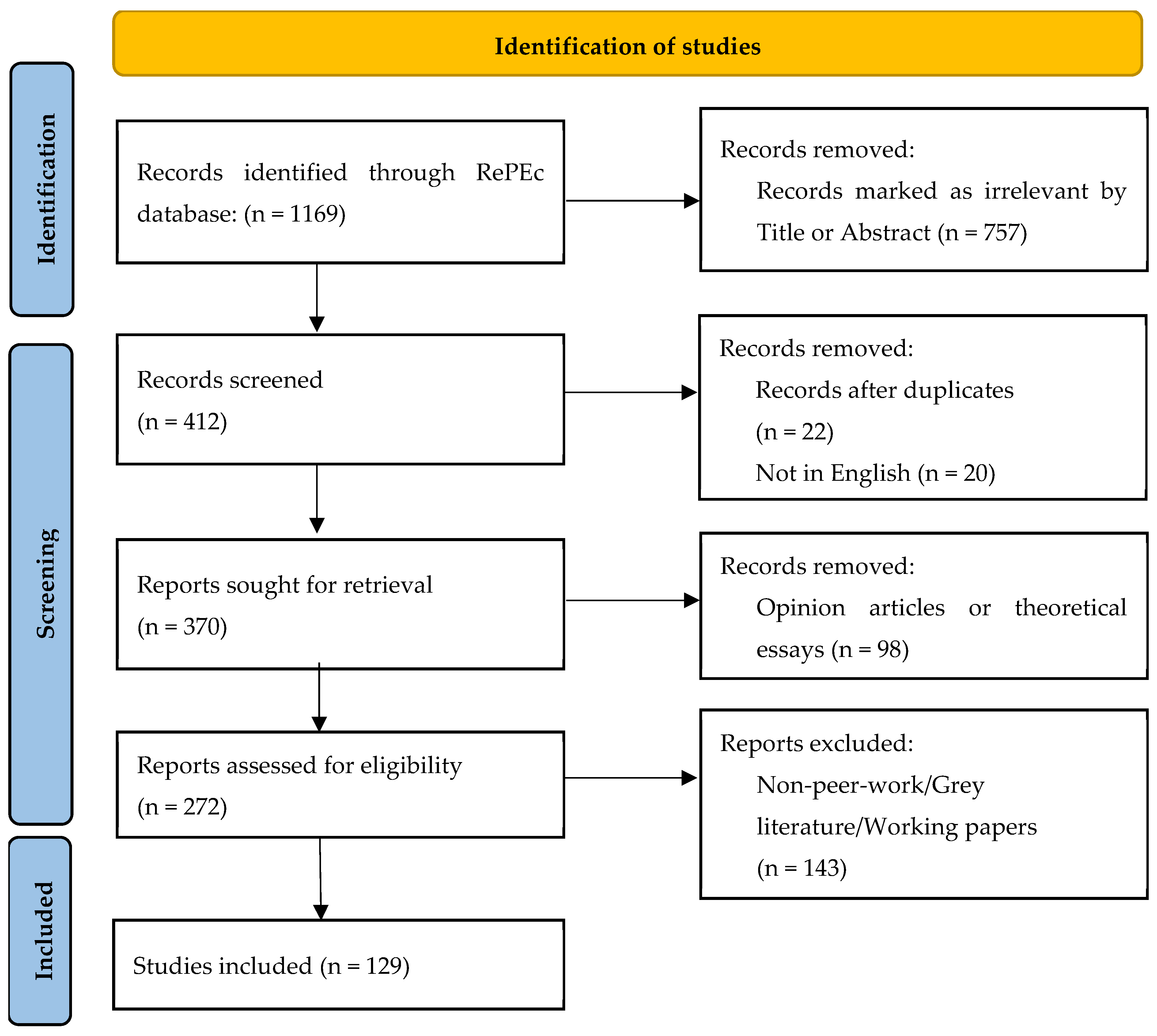
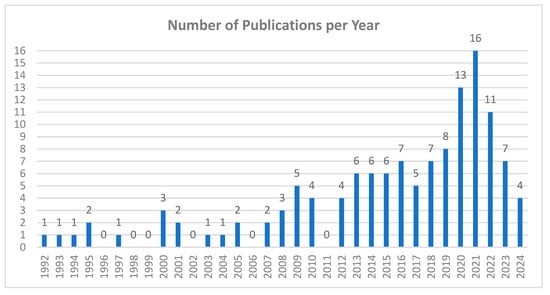
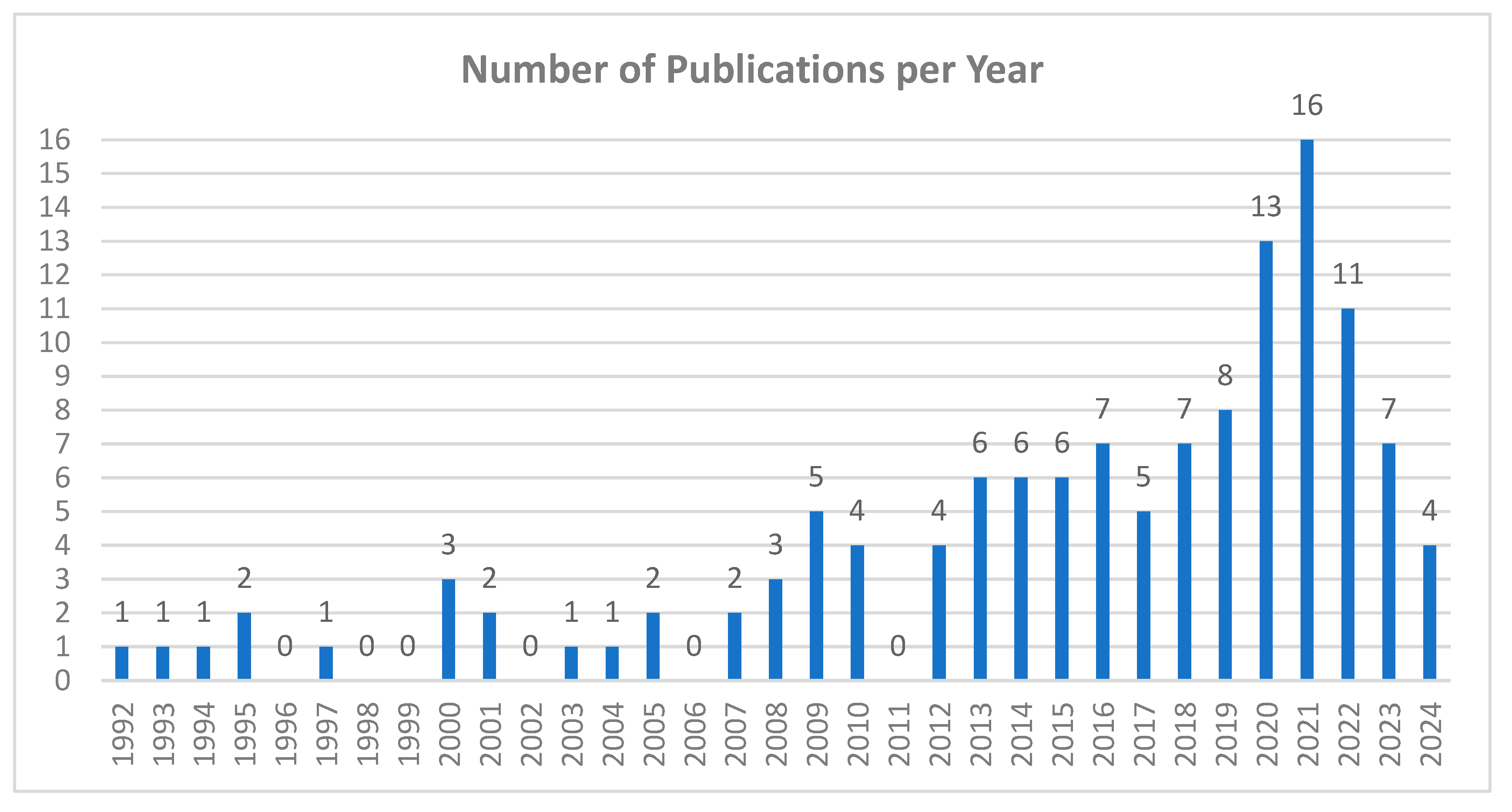
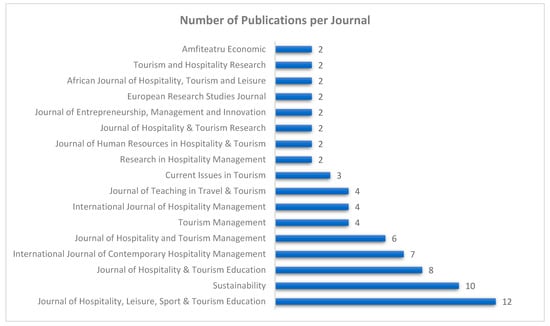
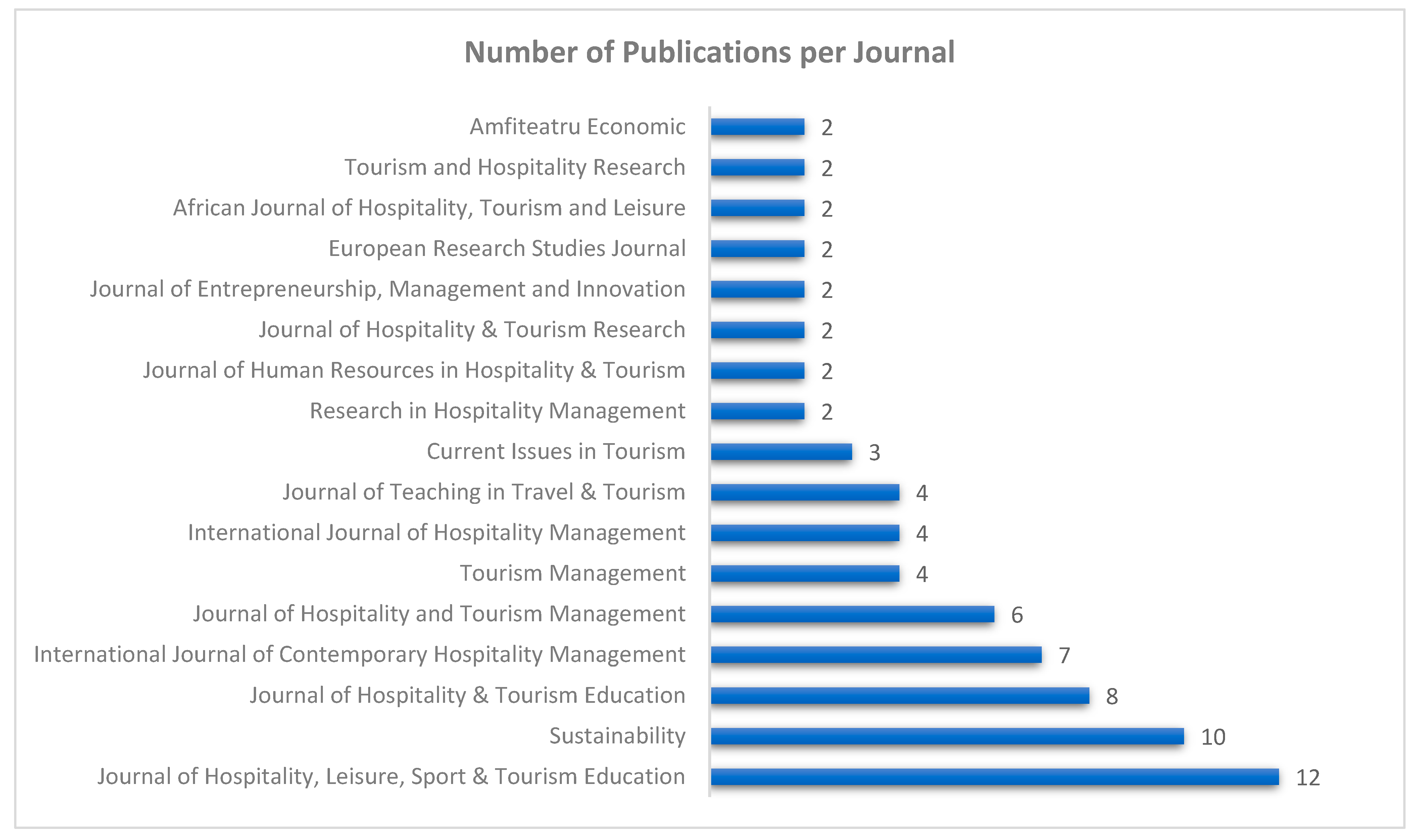

Disclaimer/Publisher’s Note: The statements, opinions and data contained in all publications are solely those of the individual author(s) and contributor(s) and not of MDPI and/or the editor(s). MDPI and/or the editor(s) disclaim responsibility for any injury to people or property resulting from any ideas, methods, instructions or products referred to in the content. |
© 2026 by the author. Licensee MDPI, Basel, Switzerland. This article is an open access article distributed under the terms and conditions of the Creative Commons Attribution (CC BY) license.