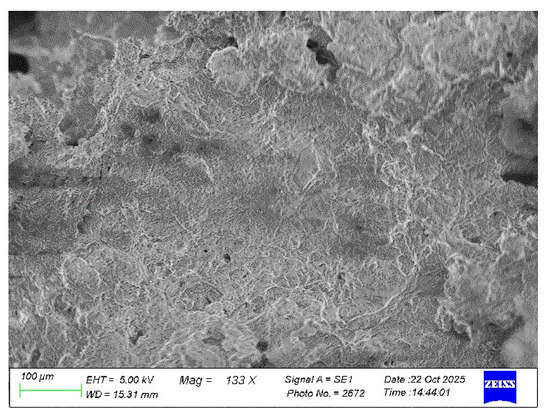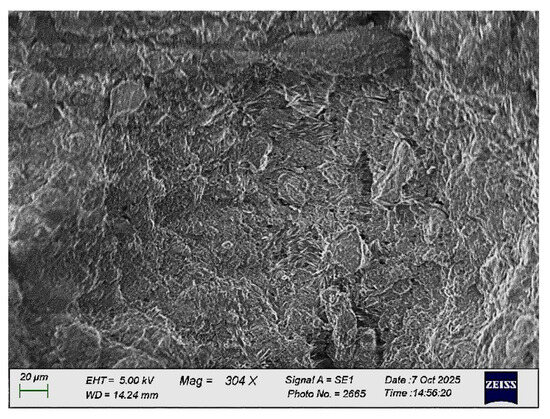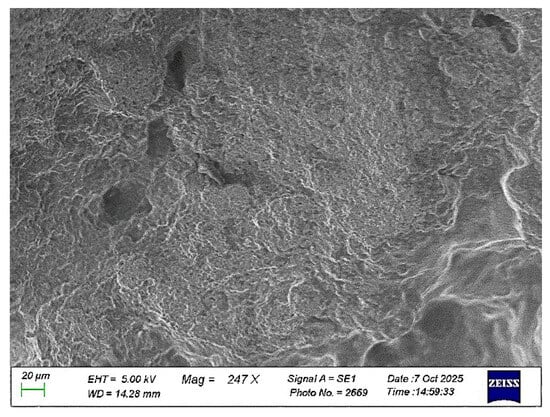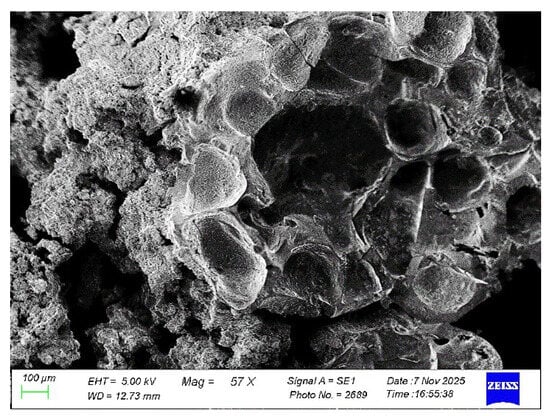

-
A Prototypical Fuzzy Similarity-Based Classification Framework for Ultrasonic Defect Detection in Concrete -
Hybrid Smart Energy Community and Machine Learning Approaches for the AI Era in Energy Transition -
Study on the Characteristics and Parameter Optimization of Wedge Cut Delayed Blasting in a Tunnel -
Analysis of Chamber Wall Thickness Influence on Liquid Piston Compressor Efficiency
Journal Description
Eng
Eng
is an international, peer-reviewed, open access journal on all areas of engineering, published monthly online by MDPI.
- Open Access— free for readers, with article processing charges (APC) paid by authors or their institutions.
- High Visibility: indexed within ESCI (Web of Science), Scopus, Ei Compendex, EBSCO and other databases.
- Journal Rank: JCR - Q2 (Engineering, Multidisciplinary) / CiteScore - Q2 (Engineering (miscellaneous))
- Rapid Publication: manuscripts are peer-reviewed and a first decision is provided to authors approximately 18 days after submission; acceptance to publication is undertaken in 4.5 days (median values for papers published in this journal in the second half of 2025).
- Recognition of Reviewers: APC discount vouchers, optional signed peer review, and reviewer names published annually in the journal.
Impact Factor:
2.4 (2024);
5-Year Impact Factor:
2.4 (2024)
Latest Articles
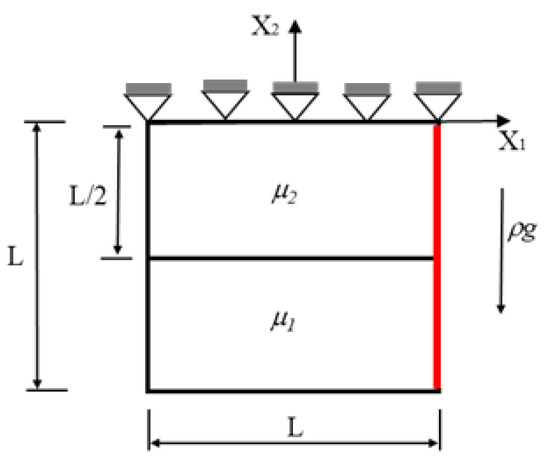
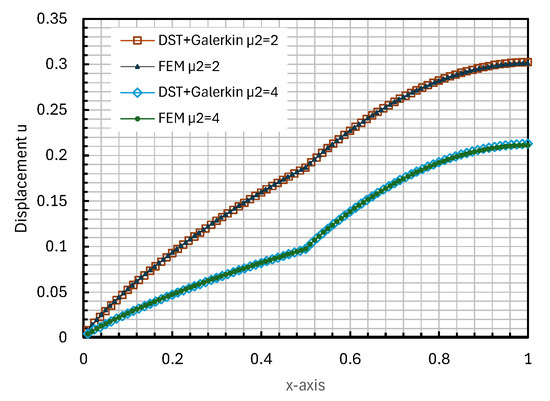
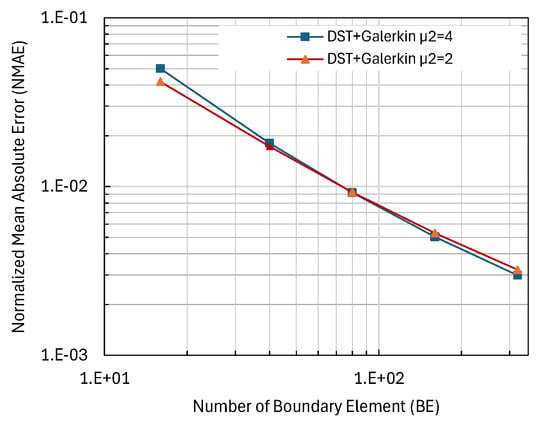
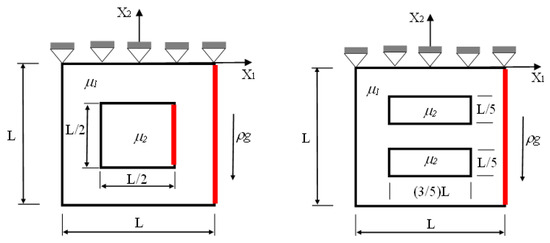
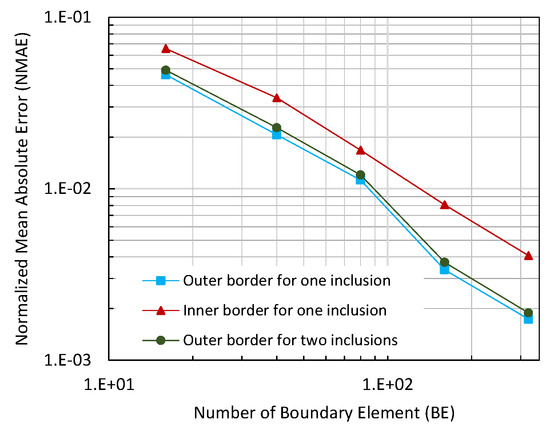
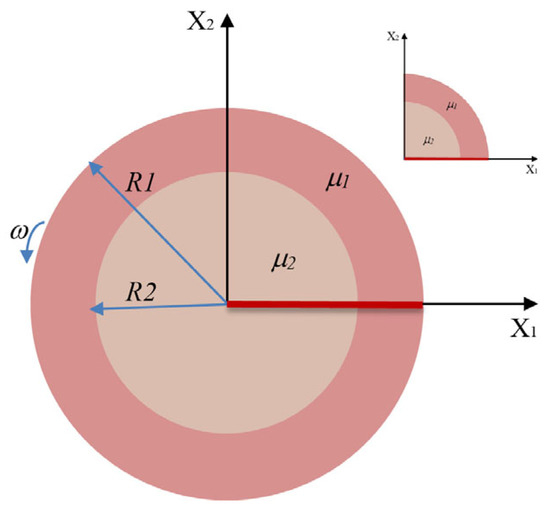
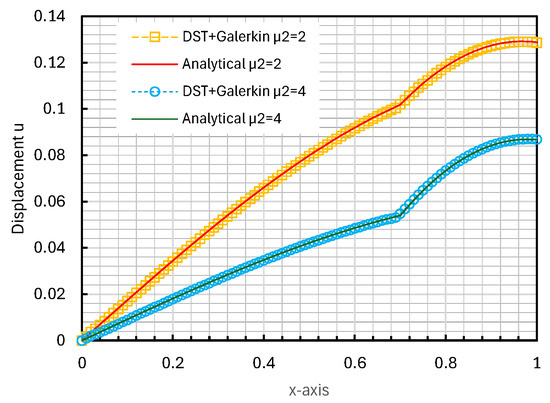
A Novel Boundary Element Approach for Elastic Domains Using DST and Galerkin Tensor
Eng 2026, 7(6), 255; https://doi.org/10.3390/eng7060255 - 22 May 2026
Abstract
►
Show Figures
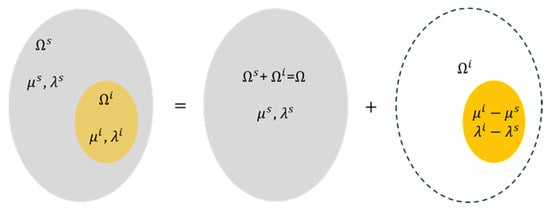
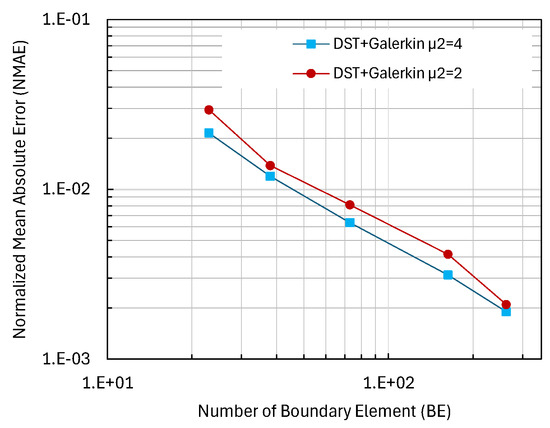
Two techniques of the Boundary Elements Method (BEM) are coupled for solving piecewise homogeneous elastic problems with body forces. The Domain Superposition Technique (DST), which is an alternative to the classical sub-regions approach, is used to approach the sectorial homogeneities, modeling the domain
[...] Read more.
Two techniques of the Boundary Elements Method (BEM) are coupled for solving piecewise homogeneous elastic problems with body forces. The Domain Superposition Technique (DST), which is an alternative to the classical sub-regions approach, is used to approach the sectorial homogeneities, modeling the domain as a sum of a homogeneous surrounding sector and other complementary ones with different constitutive properties. The Galerkin tensor, with the adoption of a primitive function of the fundamental solution, transforms domain integrals. A classical boundary element matrix system is formed in which, unlike the sub-region idea, no interfaces exist between regions, and compatibility and equilibrium conditions are not imposed. The necessary correlation between the surrounding domain and all sub-domains is performed through the classic boundary element procedure of scanning, in which source points are used as the basis for integration along the boundaries. This research contributes to BEM literature by addressing a specific and non-trivial gap: the simultaneous treatment of body forces and material heterogeneity in a simplified and computationally efficient manner, without resorting to classical sub-region formulations.
Full article
Open AccessArticle
Artificial Neural Network and Non-Dominated Sorting Genetic Algorithm II for the Multi-Objective Optimization of the Graphics Processing Unit Thermal Cooling
by
Anumut Siricharoenpanich, Sonlak Puangbaidee, Ponthep Vengsungnle, Paramust Juntarakod, Surachart Panya, Smith Eiamsa-ard and Paisarn Naphon
Eng 2026, 7(6), 254; https://doi.org/10.3390/eng7060254 - 22 May 2026
Abstract
This paper proposes an experimental, intelligent optimization approach to improve the thermal cooling performance of an overclocked graphics processing unit (GPU). A closed-loop liquid-cooling system was built and tested utilizing deionized water and a silver (Ag) nanofluid coolant (0.015% vol.) across a variety
[...] Read more.
This paper proposes an experimental, intelligent optimization approach to improve the thermal cooling performance of an overclocked graphics processing unit (GPU). A closed-loop liquid-cooling system was built and tested utilizing deionized water and a silver (Ag) nanofluid coolant (0.015% vol.) across a variety of microchannel heat sink topologies with varying fin spacing. Key thermal performance indicators, including GPU temperature, coolant outlet temperature, and thermal resistance, were measured at different coolant flow rates. Experiments revealed that raising the flow velocity and decreasing the fin gap considerably enhanced cooling performance, while the Ag nanofluid consistently lowered GPU temperature by 1–3 °C compared to water. An Artificial Neural Network (ANN) surrogate model was constructed and trained using experimental data to support predictive analysis and system optimization, achieving excellent predictive accuracy with low RMSE. The trained ANN model was combined with the Non-dominated Sorting Genetic Algorithm II (NSGA-II) to perform multi-objective optimization, aiming to minimize GPU temperature and thermal resistance while improving heat removal. The Pareto-optimal solutions revealed that nanofluid-based cooling offered the best trade-off circumstances, with optimal designs occurring at moderate flow rates and small fin spacing. The ANN-NSGA-II multi-objective optimization results indicated that the best thermal performance of the GPU cooling system was achieved when using Ag nanofluid (0.015 vol.%) as the coolant, with an optimal coolant flow rate in the range of 1.30–1.84 LPM and an optimal fin/channel spacing of 0.57–0.71 mm, producing GPU temperatures of 29.18–29.66 °C, coolant outlet temperatures of 29.06–29.41 °C, and a minimized thermal resistance of 0.0106–0.0152 °C/W; thus, overall, the suggested ANN-NSGA-II framework works well as a practical design tool for improving GPU cooling systems and may be used to other high-heat-flux electronic thermal management applications.
Full article
(This article belongs to the Section Electrical and Electronic Engineering)
Open AccessArticle
Buckling Analysis of Thin Isotropic Rectangular Plate with Large Displacement Subject to Biaxial In-Plane Forces
by
Edward Ingio Adah, Hycienth Uka Edubi, Ambrosios-Antonios Savvides and Ahmed M. Ebid
Eng 2026, 7(6), 253; https://doi.org/10.3390/eng7060253 - 22 May 2026
Abstract
Thin rectangular plates, due to their small thickness relative to length and width and their high strength-to-weight ratio, are widely used in structural elements such as ship hulls, bridge decks, and aircraft wings. They are prone to nonlinear buckling under compressive forces, especially
[...] Read more.
Thin rectangular plates, due to their small thickness relative to length and width and their high strength-to-weight ratio, are widely used in structural elements such as ship hulls, bridge decks, and aircraft wings. They are prone to nonlinear buckling under compressive forces, especially under biaxial in-plane compressive loading with large displacements, where linear theories often fail and membrane stresses complicate analysis. This study aimed to formulate a general mathematical equation for buckling analysis of thin rectangular isotropic plates with large displacements subject to biaxial in-plane forces using the Ritz potential energy functional method, and incorporates both geometric and material nonlinearities. Based on the formulated general equation, a specific equation for an all-round simply supported (SSSS) plate was developed using polynomial displacement shape function to determine the stiffness characteristics. Numerical values for critical buckling and post-buckling loads under biaxial compression for a square plate case were obtained. To validate these results, a comparison with values in the literature was made and the results show high consistency. The uniaxial buckling deviations ranged 0.047–0.10%, while undeformed biaxial buckling coefficients across varying aspect ratios and loading ratios (n = Ny/Nx) showed near-zero differences. From the two studies used for comparison, the maximum deviation is 24.42% and the minimum deviation is 1.12%. This indicates that the new model is adequate. Also, the adequacy of this new equation can be judged based on the simplicity of the formulation, and the closed agreement of the obtained numerical results with established results in the literature. This research enhances theoretical understanding of nonlinear buckling in thin plates and offers practical insights for improving structural reliability and efficiency in civil, mechanical, aerospace, and marine engineering. Therefore, the conclusion is that the model is suitable for buckling and post-buckling analysis of thin rectangular isotropic plates.
Full article
(This article belongs to the Section Chemical, Civil and Environmental Engineering)
Open AccessArticle
Dynamic Recency-Weighted Multi-Scale PatchTST with Physically Motivated Statistical Anchors for Robust BDS-3 Clock Bias Prediction
by
Chengling Cai, Shuai Wang, Shaohui Li, Weijia Huang and Kun Xie
Eng 2026, 7(6), 252; https://doi.org/10.3390/eng7060252 - 22 May 2026
Abstract
High-precision satellite clock offset prediction is a core prerequisite for the BeiDou-3 Global Navigation Satellite System to achieve precise single-point positioning and timing. However, because of space radiation and the physical aging of the clock itself, the operational state of onboard atomic clocks
[...] Read more.
High-precision satellite clock offset prediction is a core prerequisite for the BeiDou-3 Global Navigation Satellite System to achieve precise single-point positioning and timing. However, because of space radiation and the physical aging of the clock itself, the operational state of onboard atomic clocks exhibits a high degree of physical heterogeneity and time-varying drift characteristics. Traditional physical models struggle to capture complex nonlinear residuals, while existing deep learning methods often face boundary discontinuities caused by baseline separation when handling long-sequence forecasts. Furthermore, channel crosstalk in multivariate prediction and insufficient sensitivity to dynamic multiscale features limit the robustness of long-term predictions. To address these issues, this paper proposes a clock offset prediction architecture that integrates physically motivated statistical constraints with dynamic adaptive feature learning. Extensive experiments conducted using real BDS-3 precise clock difference products provided by Wuhan University demonstrate that the proposed method effectively mitigates the performance degradation often observed in existing models on heterogeneous satellites during the evaluated period. In the 24-h extrapolation task, the architecture achieved an average root-mean-square error as low as 0.507 ns, significantly improving prediction accuracy. It outperformed mainstream physical models and advanced deep learning baseline algorithms, providing a promising framework with good interpretability for high-precision clock error forecasting under dynamic space weather conditions.
Full article
Open AccessArticle
Enhanced Photovoltaic Performances in Dye-Sensitized Solar Cells
by
Emeka Harrison Onah, Ndanduleni L. Lethole, Malik Maaza and Patrick Mukumba
Eng 2026, 7(6), 251; https://doi.org/10.3390/eng7060251 - 22 May 2026
Abstract
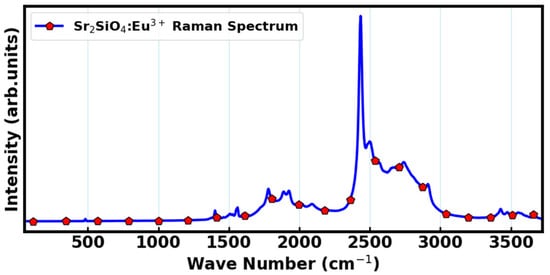
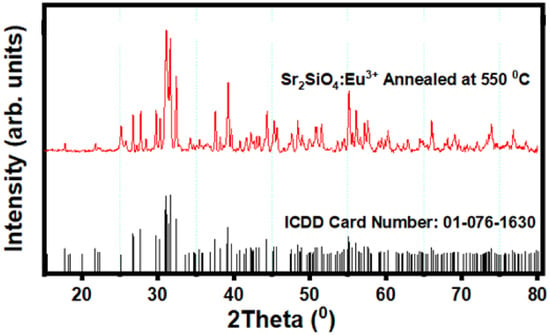
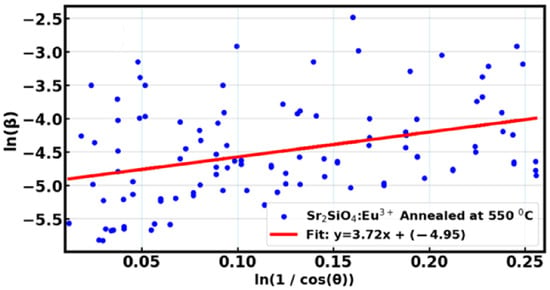
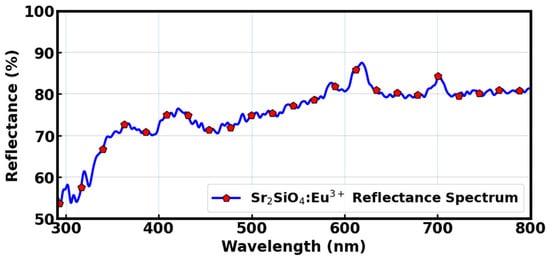
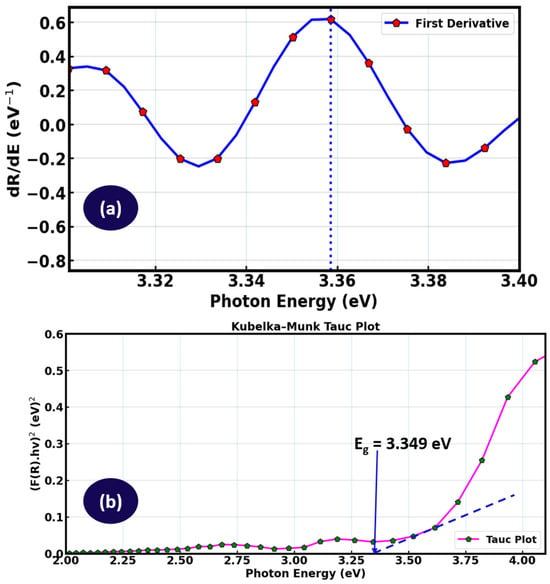
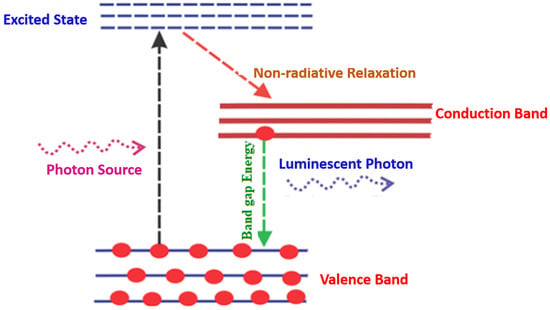
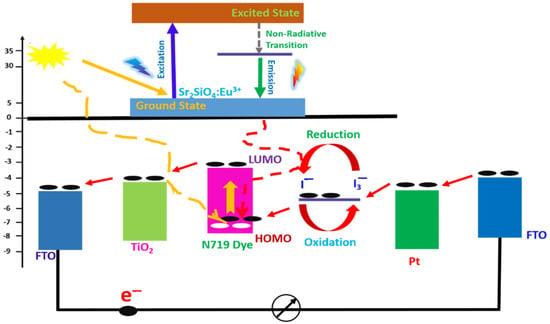
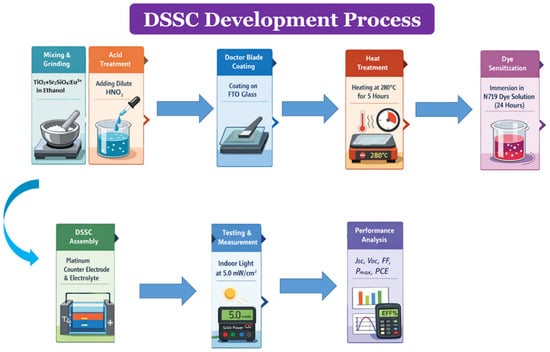
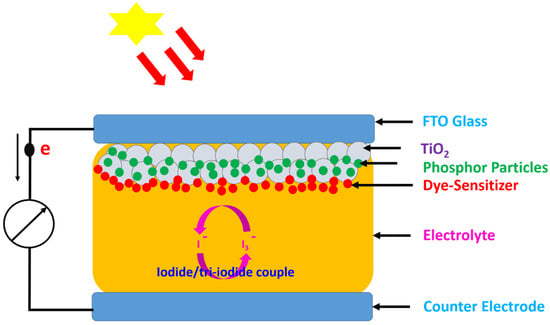
This work demonstrated improvements in the photovoltaic performance metrics of a dye-sensitized solar cell (DSSC) through the application of Eu-doped strontium silicate (Sr2SiO4:Eu3+), a luminescent downshifting (LDS) material. The material converted underutilized high-energy ultraviolet (UV) photons into
[...] Read more.
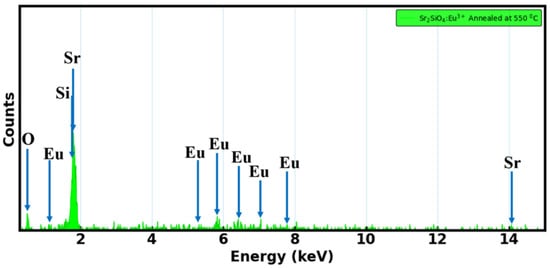
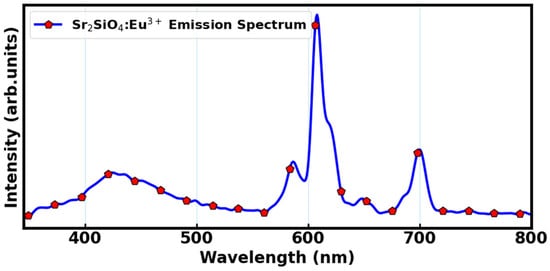
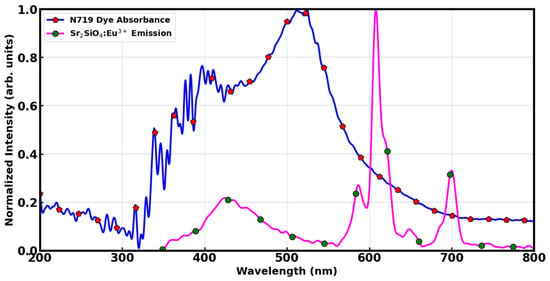
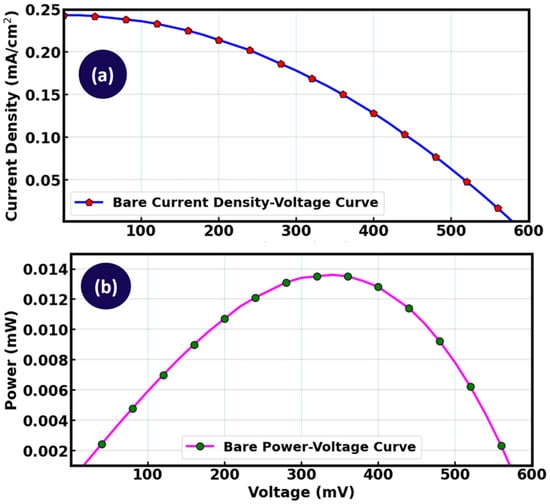
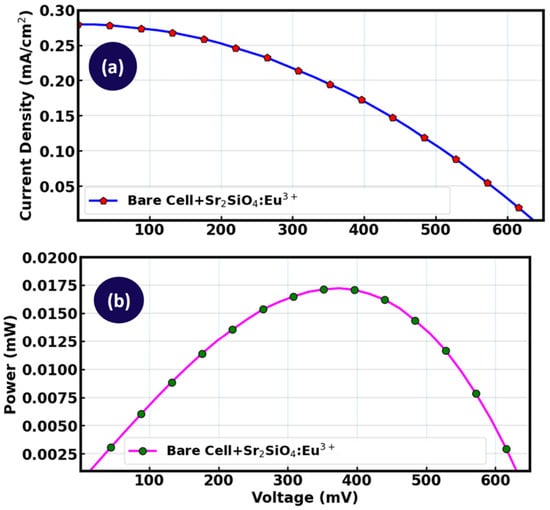
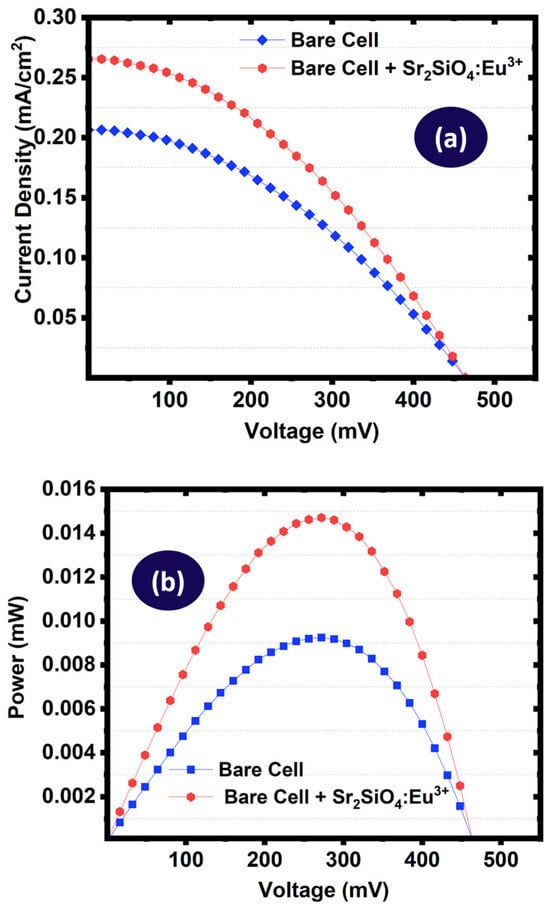
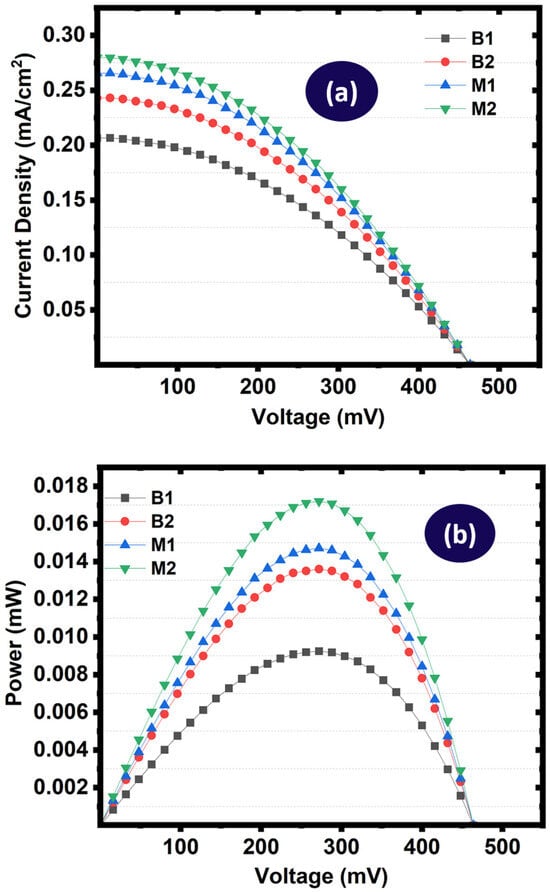
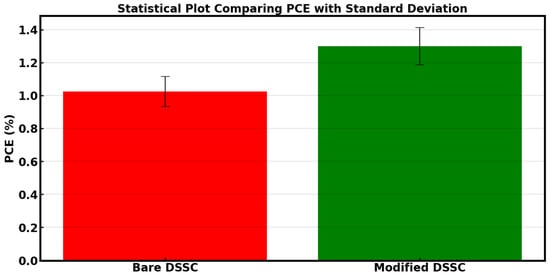
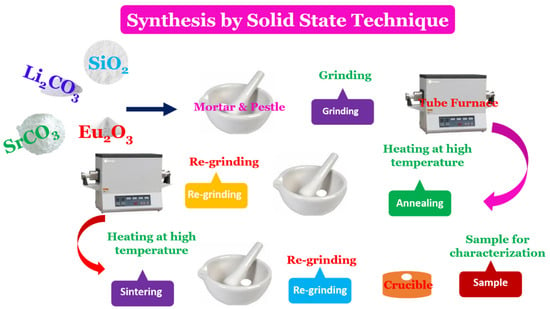
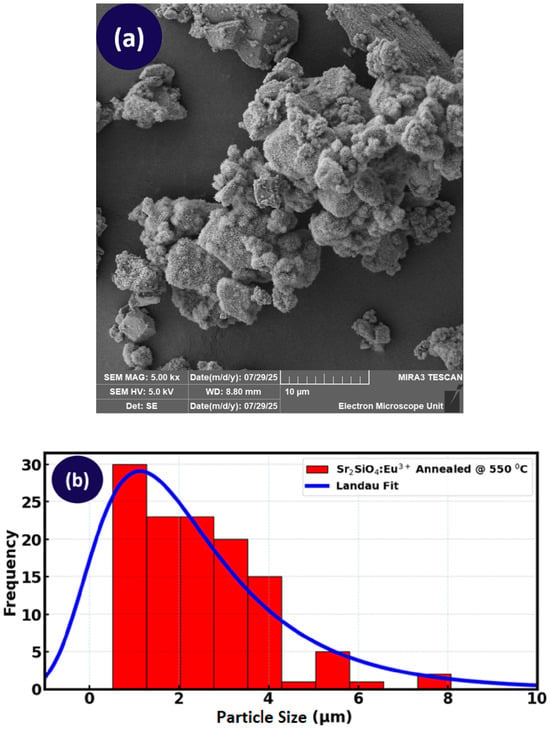
This work demonstrated improvements in the photovoltaic performance metrics of a dye-sensitized solar cell (DSSC) through the application of Eu-doped strontium silicate (Sr2SiO4:Eu3+), a luminescent downshifting (LDS) material. The material converted underutilized high-energy ultraviolet (UV) photons into lower-energy visible photons for better spectral responsivity in the DSSC. A conventional solid-state technique was applied in the synthesis of the material. Surface morphology was examined by scanning electron microscopy (SEM). Photoluminescence (PL) measurements were conducted to analyze fluorescence emission. The photovoltaic performances of the bare and LDS-enhanced devices were analyzed using photovoltaic current–voltage measurements. Compared to the bare DSSC, the cell containing Sr2SiO4:Eu3+ LDS phosphor material had an enhancement of 14.8% in the short-circuit current density (Jsc), from 0.243–0.279 mA/cm2. The open-circuit voltage (Voc) yielded an improvement of 10% from 580–638 mV. Maximum power output (Pmax) produced a boost of 26.5% from 0.0136–0.0172 mW and the efficiency improvement at 26.6% from 1.09–1.38%. The coefficient of variation was introduced to evaluate device reproducibility. The device with the incorporation of Sr2SiO4:Eu3+ LDS phosphor depicted a coefficient of variation of 8.5%, suggesting good DSSC reproducibility.
Full article
(This article belongs to the Special Issue Emerging Trends in Materials Engineering for Clean Energy Applications 2026)
►▼
Show Figures

Figure 1
Open AccessArticle
Research on Concrete Compressive Strength Prediction Based on DE-Optimized LSSVM and Multi-Level Heterogeneous Ensemble Residual Fusion
by
Junfeng Shi, Yifei Wang and Xiongyu Wang
Eng 2026, 7(5), 250; https://doi.org/10.3390/eng7050250 - 19 May 2026
Abstract
Concrete compressive strength is critical to structural safety, durability, and material cost. Conventional machine learning models are often limited in capturing complex nonlinear dependencies and generalizing. To address this, a residual fusion framework is proposed that combines a least squares support vector machine
[...] Read more.
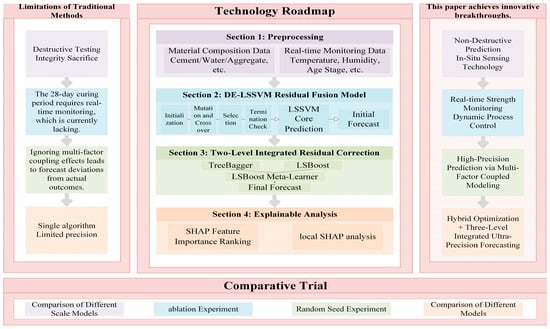
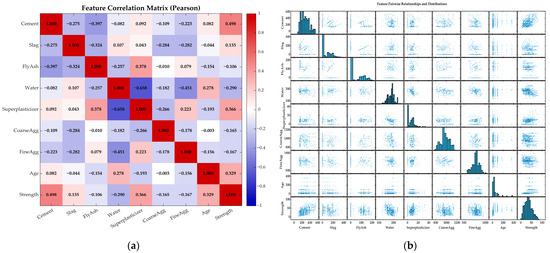
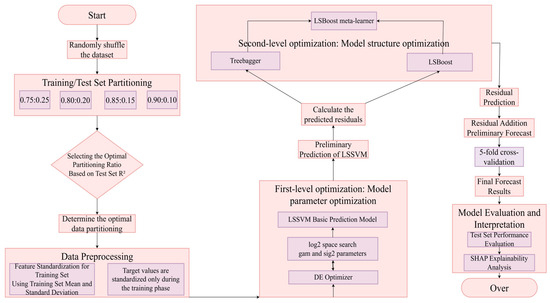
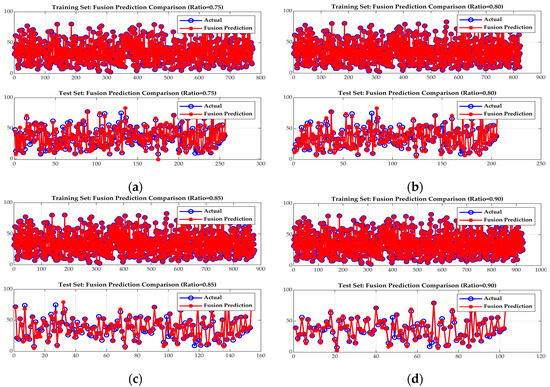
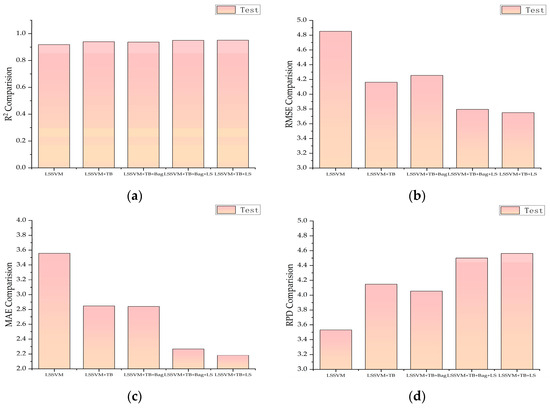
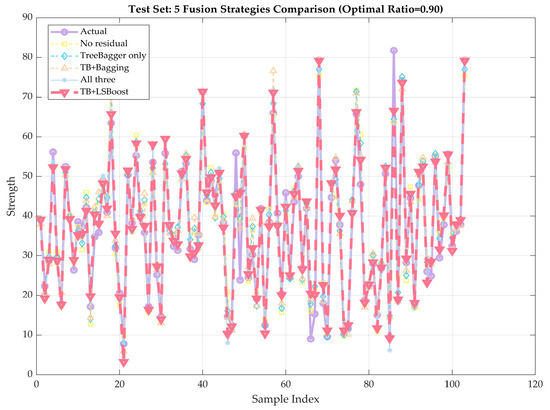
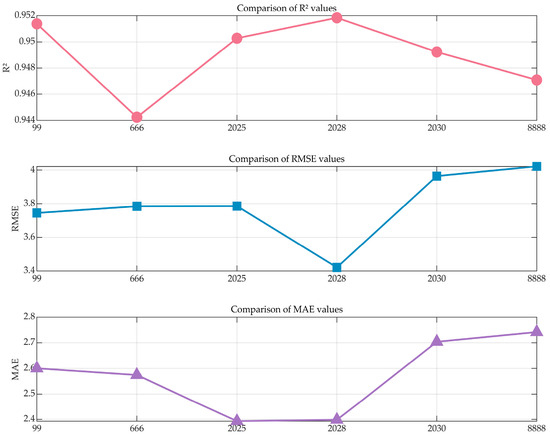
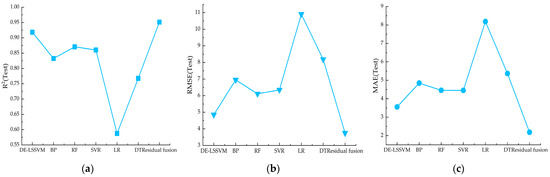
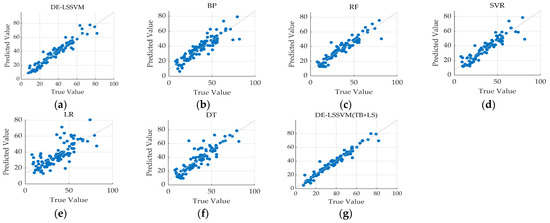
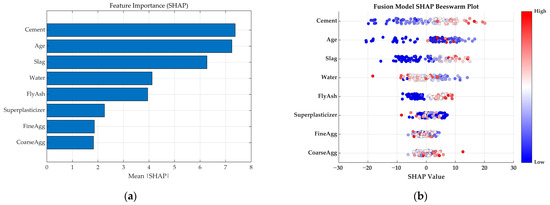
Concrete compressive strength is critical to structural safety, durability, and material cost. Conventional machine learning models are often limited in capturing complex nonlinear dependencies and generalizing. To address this, a residual fusion framework is proposed that combines a least squares support vector machine (LSSVM) optimized by DE with multi-level residual structure bagged decision trees (TreeBagger) and least squares boosting (LSBoost). DE-tuned LSSVM hyperparameters are followed by a multi-level residual scheme that compensates errors layer by layer, with LSBoost performing adaptive nonlinear fusion. Experiments under varied splits, ablation, and multiple seeds show the model outperforms traditional single and ensemble methods in accuracy, generalization, and stability. The ablation attributes the improvements to complementary residual mechanisms and the fusion architecture, rather than simply adding learners. Across multiple runs, an average coefficient of determination (R2) of 0.9490, a mean absolute error (MAE) of 3.7873 MPa, a root mean square error (RMSE) of 2.4998 MPa, and an R2 standard deviation of 0.0029 were obtained, confirming stability. Shapley additive explanations (SHAP) analysis further reveals that age and water–cement parameters dominate, with patterns consistent with hydration and water–binder theory. The proposed framework thus offers high accuracy, physical interpretability, and engineering applicability.
Full article
(This article belongs to the Section Chemical, Civil and Environmental Engineering)
►▼
Show Figures

Figure 1
Open AccessArticle
Study of Properties of Composite Heat-Protective Refractory Materials Based on Secondary Chamotte
by
Gulnara Ulyeva, Oralgan Mongolkhan, Vladimir Merkulov, Mehmet Seref Sonmez, Zoya Gelmanova and Almas Yerzhanov
Eng 2026, 7(5), 249; https://doi.org/10.3390/eng7050249 - 19 May 2026
Abstract
The article is devoted to the study of the properties of the obtained heat-insulating refractory materials, based on fireclay scrap of various fractions (2.5 mm, 1.0 mm, 0.5 mm, and 0.1 mm) using a complex of mineral and oxide additives. The fillers used
[...] Read more.
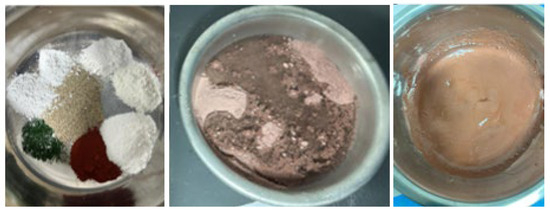
The article is devoted to the study of the properties of the obtained heat-insulating refractory materials, based on fireclay scrap of various fractions (2.5 mm, 1.0 mm, 0.5 mm, and 0.1 mm) using a complex of mineral and oxide additives. The fillers used were titanium dioxide powder and silicon production wastes, which included microsilica powder, aluminum oxide, zinc oxide, zirconium oxide, chromium oxide, iron oxide, cement, lime, and baking soda. The choice of these fillers was due to the fact that they initially have corrosion resistance. Liquid glass acted as a binder. The resulting thermal barrier material was tested to determine its physical and mechanical properties, namely, thermal conductivity, porosity, compressive strength, and microstructure. According to the obtained results for the physical and mechanical properties, the secondary refractory material had properties close to GOST. So, according to GOST 12170-2021, the thermal conductivity values of the obtained materials were included in the 0.03–15.0 W/(m·K) range. The porosity values of the obtained samples complied with GOST 2409-2014 and were not more than 30%. The maximum compressive strength was 171.31 kgf/mm2. The microstructure of the material of the obtained samples was very porous, and the pores were evenly distributed throughout the volume, which is extremely important for heat-insulating materials. A distinctive feature of the technology was the absence of a high-temperature firing stage: the required physical and mechanical properties of the material were achieved when heated to 180–300 °C with subsequent slow cooling in the furnace, which significantly reduces energy consumption compared to traditional refractory technologies. The use of waste from the production of chamotte scrap and microsilica will help to reduce negative impacts on the environment, save natural resources, and expand the raw material base.
Full article
(This article belongs to the Section Materials Engineering)
►▼
Show Figures

Figure 1
Open AccessArticle
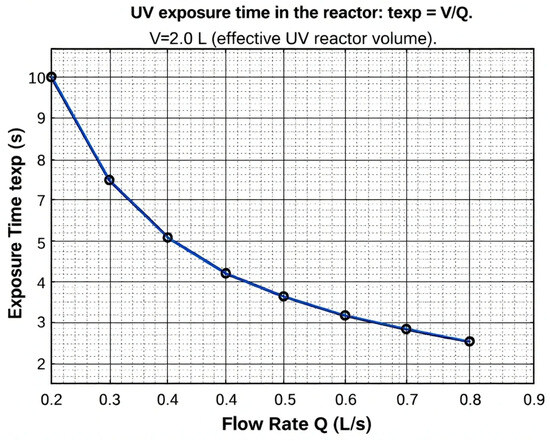
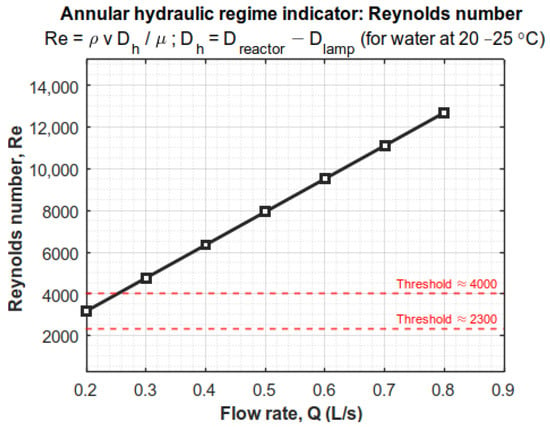
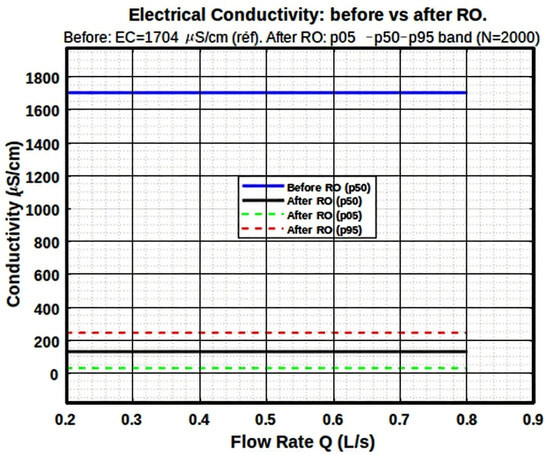
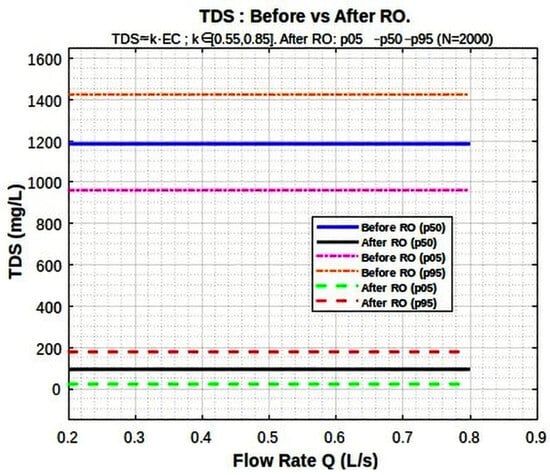
Enhancing Water Quality Through Integrated Reverse Osmosis and UV Disinfection: Optimization Using an Intelligent Algorithm
by
Said Riahi, Ahlem Maghzaoui and Abdelkader Mami
Eng 2026, 7(5), 248; https://doi.org/10.3390/eng7050248 - 19 May 2026
Abstract
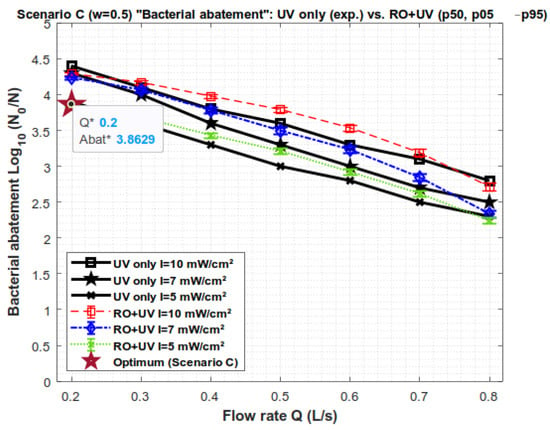
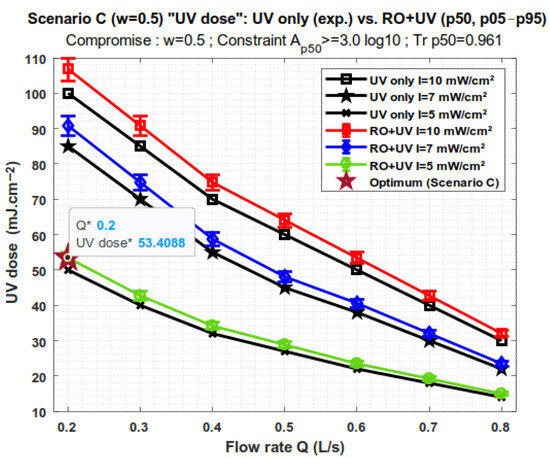
Ultraviolet (UV) disinfection is widely used in water treatment; however, its effectiveness strongly depends on water optical quality (e.g., turbidity, total dissolved solids, and UV transmittance, UVT). This study investigates an integrated RO–UV scheme in which reverse osmosis (RO) pretreatment improves UVT and
[...] Read more.
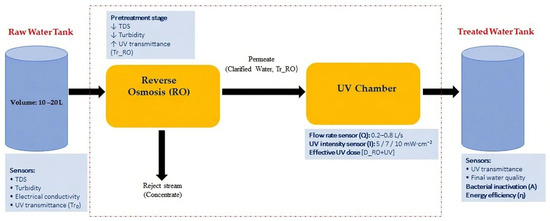
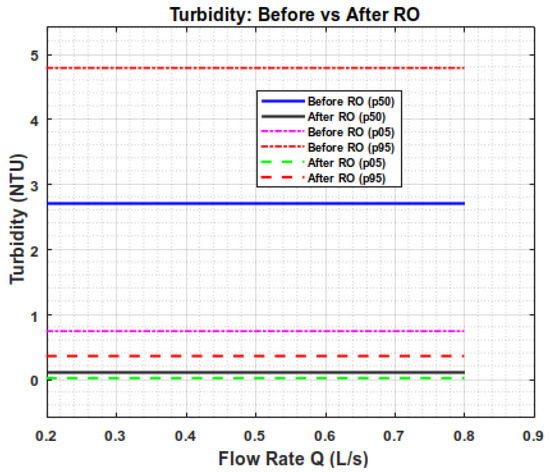
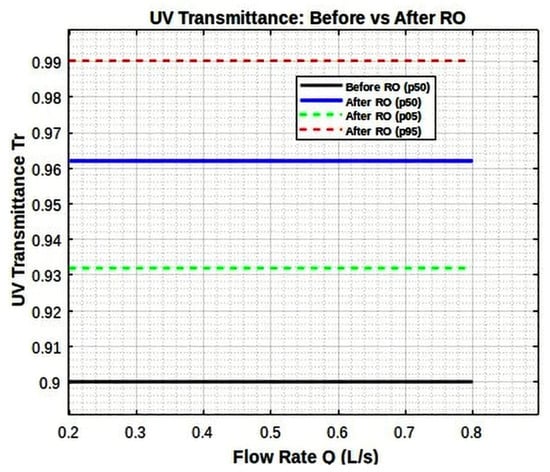
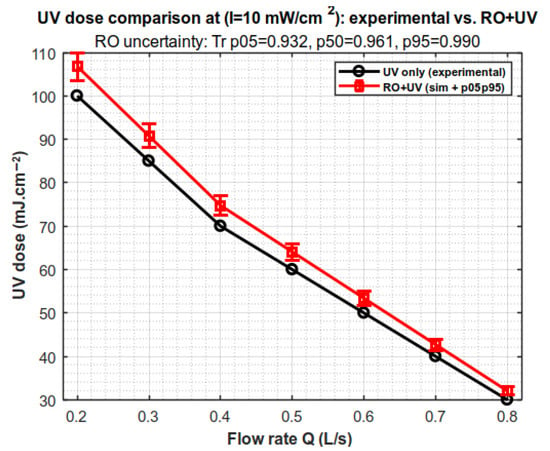
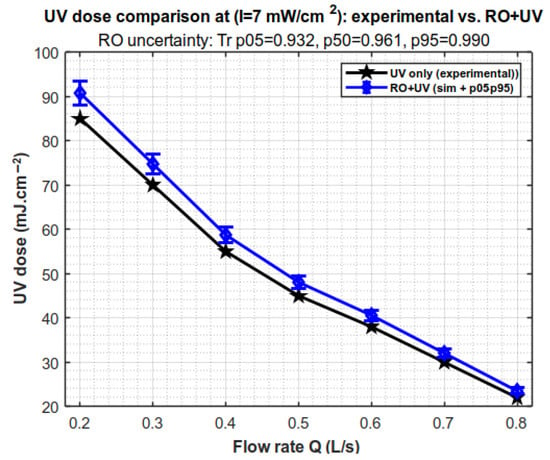
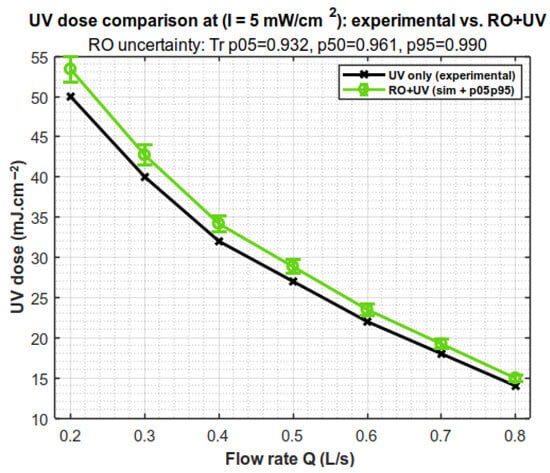
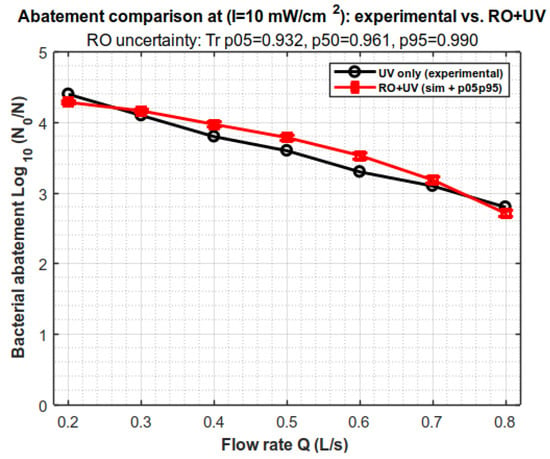
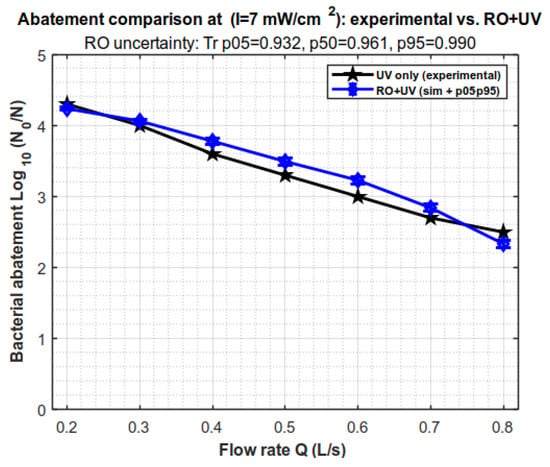
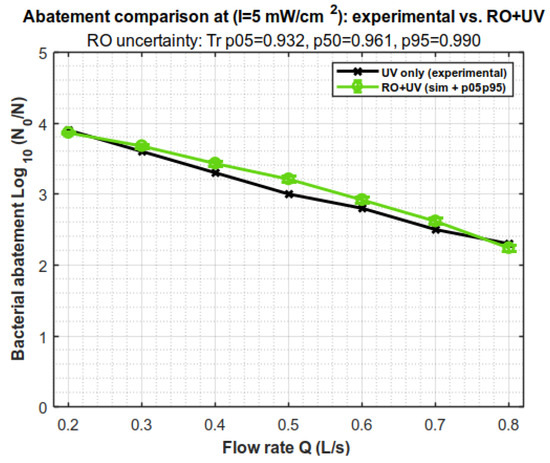
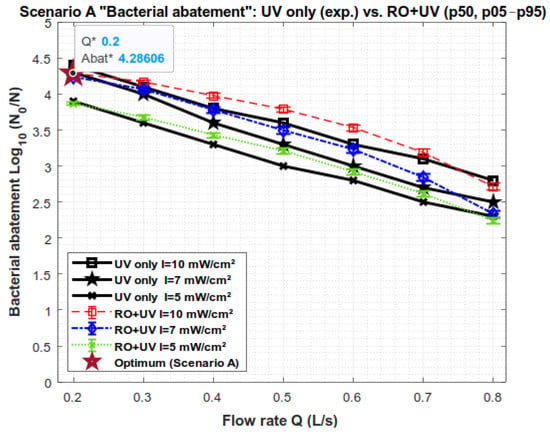
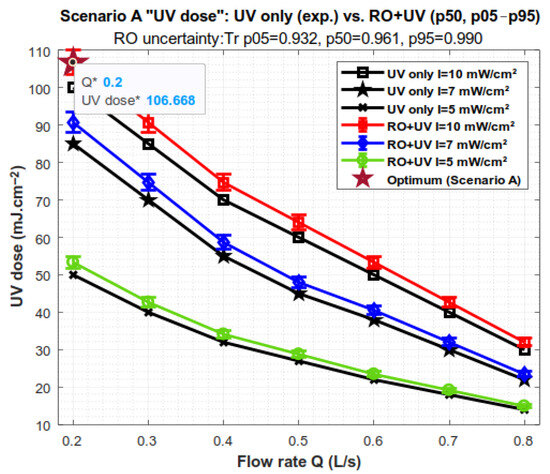
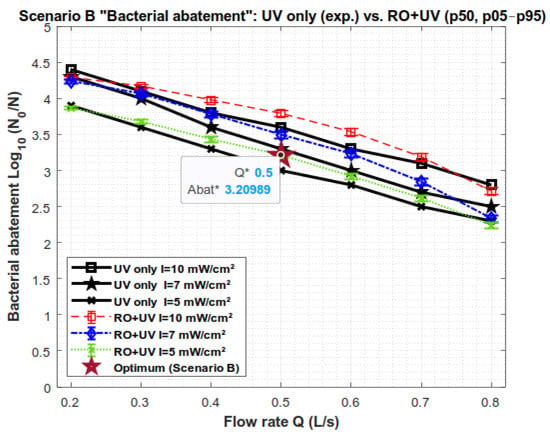
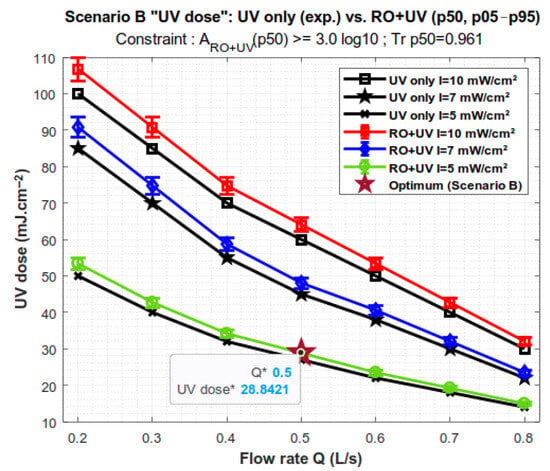
Ultraviolet (UV) disinfection is widely used in water treatment; however, its effectiveness strongly depends on water optical quality (e.g., turbidity, total dissolved solids, and UV transmittance, UVT). This study investigates an integrated RO–UV scheme in which reverse osmosis (RO) pretreatment improves UVT and thereby increases the effective UV dose available for microbial inactivation. First, UV-only reactor performance is characterized using literature data to fit an intensity-specific dose response relationship. The RO contribution is then incorporated at the process level through a UVT based coupling and evaluated using deterministic low/central/high scenarios (p05/p50/p95) constructed from assumed input ranges. Finally, a multi-objective optimization solved with the Grey Wolf Optimizer (GWO) is used to identify operating conditions that maximize predicted bacterial log-inactivation while limiting a UV-equivalent energy proxy based on nominal UV dose. Across the investigated flow-rate and intensity ranges, RO pretreatment yields a systematic increase in effective dose (median gain ) and a corresponding improvement in predicted inactivation, with the marginal benefit depending on the dose response regime.
Full article
(This article belongs to the Section Chemical, Civil and Environmental Engineering)
►▼
Show Figures

Figure 1
Open AccessArticle
Integrated Qualification Workflow for AISI 316 and 304L Stainless Steels Using Destructive and Eddy Current Non-Destructive Testing
by
Jude Emele, Ales Sliva, Mahalingam Nainaragaram Ramasamy, Silvie Brozova and Ján Dižo
Eng 2026, 7(5), 247; https://doi.org/10.3390/eng7050247 - 18 May 2026
Abstract
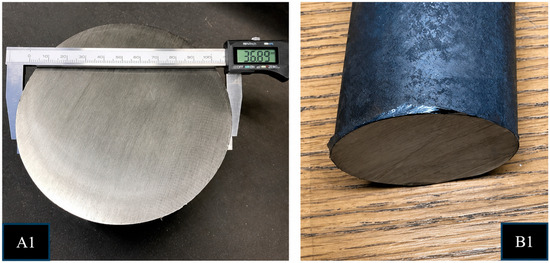
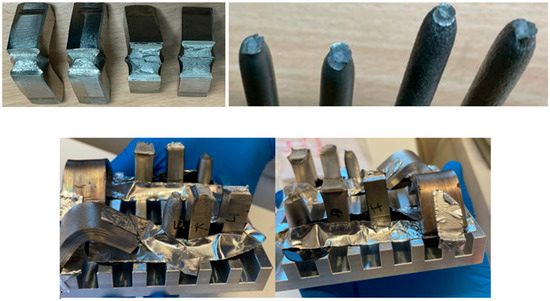
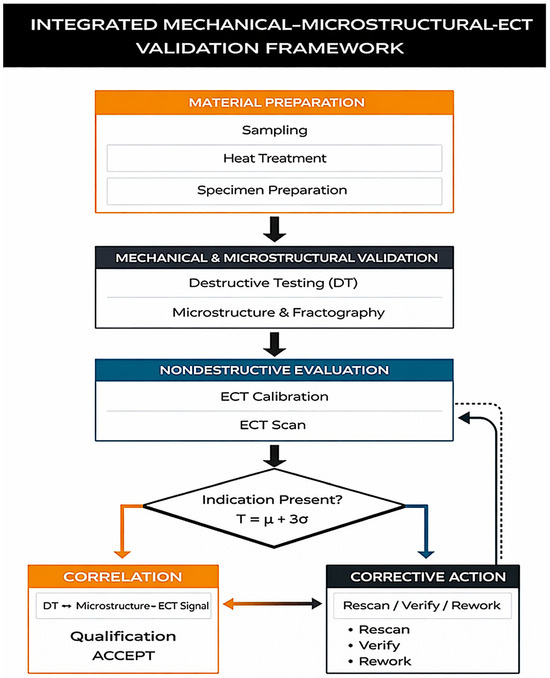
This study establishes an integrated qualification workflow combining mechanical testing, microstructural characterization, and statistically defined eddy current testing (ECT) on the same material heats to provide a coherent and traceable material qualification methodology. Forged 316 and rolled 304L were fully annealed and subsequently
[...] Read more.
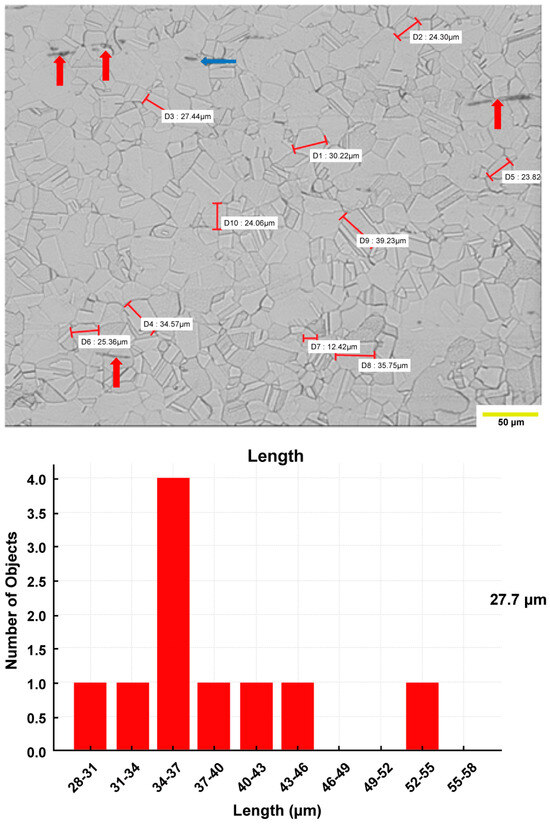
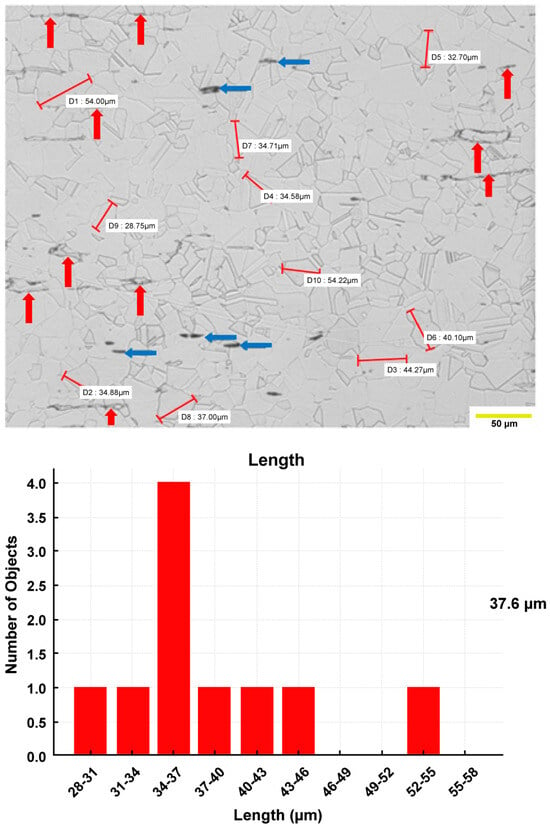
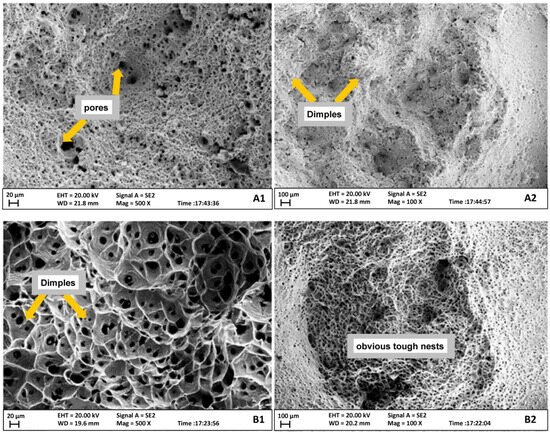
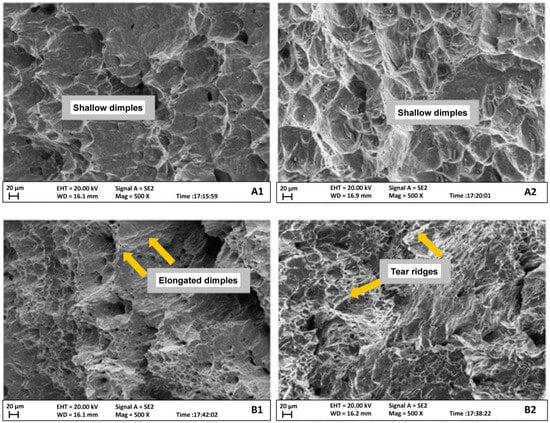
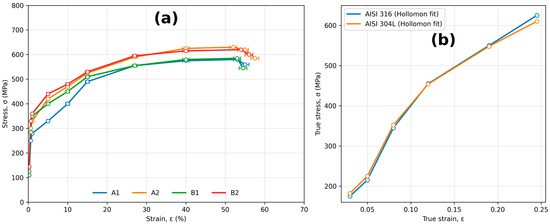
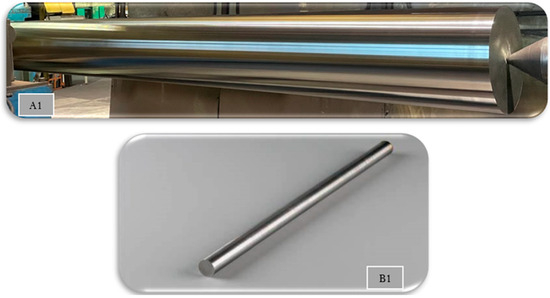
This study establishes an integrated qualification workflow combining mechanical testing, microstructural characterization, and statistically defined eddy current testing (ECT) on the same material heats to provide a coherent and traceable material qualification methodology. Forged 316 and rolled 304L were fully annealed and subsequently subjected to a 700 °C/1 h low-temperature stress-relief (recovery) treatment. Room-temperature tensile testing and Charpy impact testing at room and cryogenic temperatures were performed alongside optical and electron microscopy to quantify grain size, δ-ferrite content, and representative fracture morphology under the investigated conditions. ECT responses were evaluated using a statistically defined threshold (T = μ + 3σ) as a decision criterion for indication screening under assumed noise conditions and calibrated near-surface inspection sensitivity. The tested specimens showed stable measured mechanical responses, the examined fracture surfaces were consistent with predominantly ductile fracture behavior, and no reportable ECT indications were observed above the adopted threshold. The proposed framework provides a reproducible and scalable strategy for reducing uncertainty in material qualification and strengthening integration between destructive and non-destructive evaluation in stainless steel applications.
Full article
(This article belongs to the Section Materials Engineering)
►▼
Show Figures

Figure 1
Open AccessArticle
Multiscale Correlation of Coal Mine Dust Physicochemical Properties and Wettability in Fully Mechanized Mining Faces
by
Jingdong Wang, Longhao Fan, Sichen Gao, Bei Sun and Ying An
Eng 2026, 7(5), 246; https://doi.org/10.3390/eng7050246 - 18 May 2026
Abstract
The wettability of dust is fundamental to its dispersion and control in mining operations. Current research, however, focuses largely on isolated properties, leaving the synergistic mechanisms of multi-scale factors-such as particle size, morphology, and surface chemistry-poorly understood. This study integrates field measurements, laboratory
[...] Read more.
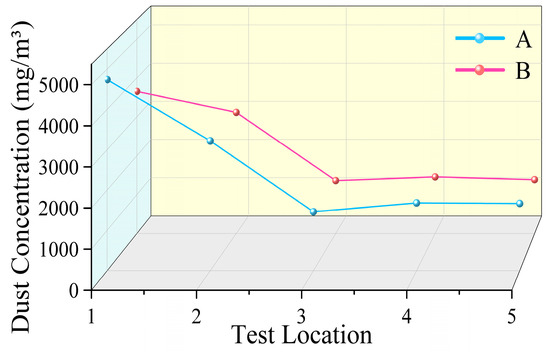
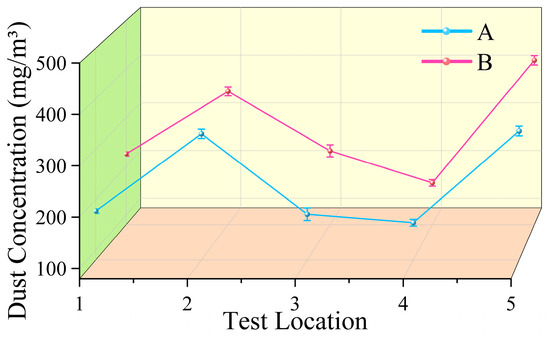
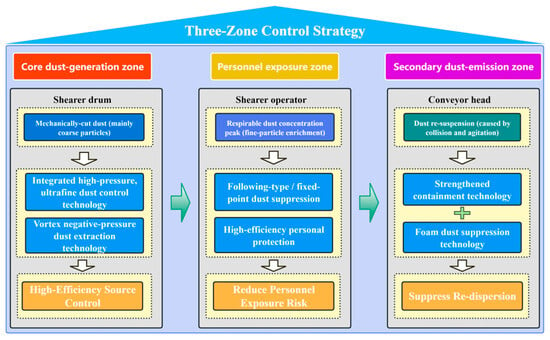
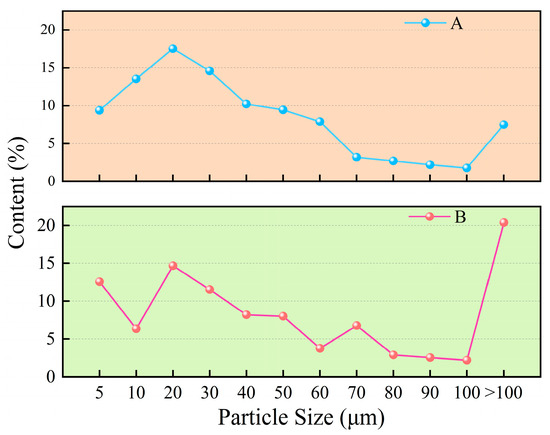
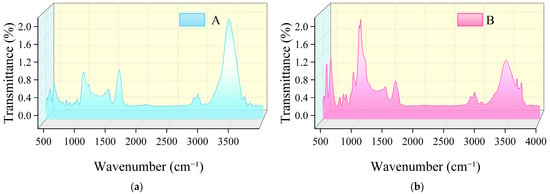
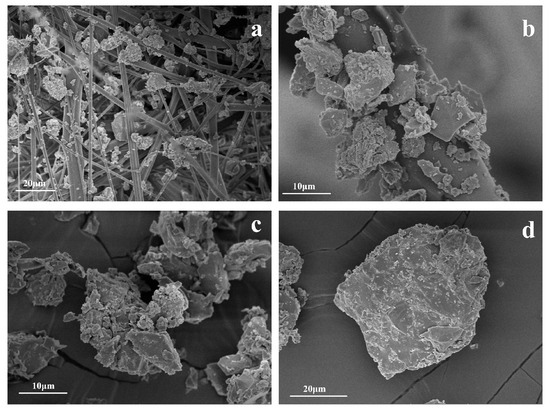
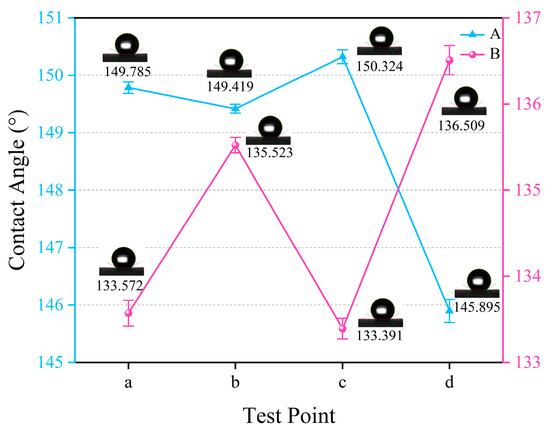
The wettability of dust is fundamental to its dispersion and control in mining operations. Current research, however, focuses largely on isolated properties, leaving the synergistic mechanisms of multi-scale factors-such as particle size, morphology, and surface chemistry-poorly understood. This study integrates field measurements, laboratory characterization, and theoretical analysis to investigate the spatial distribution and wetting behavior of dust in fully mechanized mining faces. The results show that respirable dust preferentially accumulated in mechanically disturbed and personnel-exposure zones. At the shearer operator’s station, respirable dust concentrations reached 328.6 mg/m3 in Mine A and 278.4 mg/m3 in Mine B, which were 1.8 and 1.6 times higher than those at the shearer cutting point, respectively. Mine A dust also showed poorer wettability, with a higher water contact angle of 148.9° ± 2.1° compared with 134.7° ± 1.8° for Mine B, mainly due to its larger agglomerates, rougher surface morphology, and more hydrophobic surface chemistry. Accordingly, targeted development pathways for spray and foam technologies are outlined, including compound wetting agents and micro-nano enhanced foaming systems. The integrated multi-scale framework linking concentration, particle size, morphology, surface chemistry, and wettability provide an application-oriented basis for understanding coal mine dust behavior and for supporting more precise and intelligent dust-control strategies.
Full article
(This article belongs to the Special Issue Emerging Technologies for the Treatment and Reduction of Pollutants in Industrial Processes)
►▼
Show Figures

Figure 1
Open AccessArticle
Sustainable Valorization of Dredged Sediments from Mehdia Harbor, Morocco, in Mortar Formulations
by
Mohamed Rabouli, Abderrazzak Graich, Meryem Bortali, Redouane Mghaiouini and Ahmed Ait Errouhi
Eng 2026, 7(5), 245; https://doi.org/10.3390/eng7050245 - 18 May 2026
Abstract
The sustainable management of dredged sediments poses a major environmental and economic challenge, particularly in Morocco, where large quantities are annually discarded as waste. Contributing to resource efficiency and circular economy objectives, this study represents the first systematic application research of Moroccan Mehdia
[...] Read more.
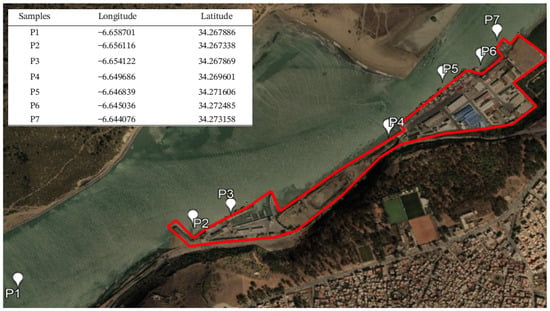
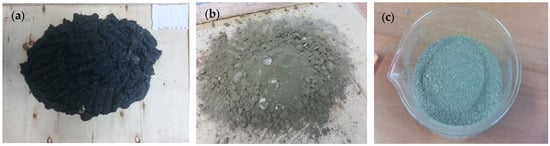
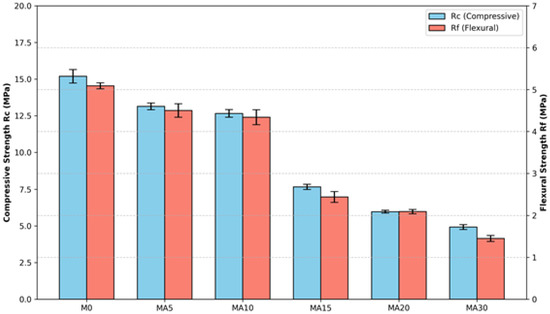
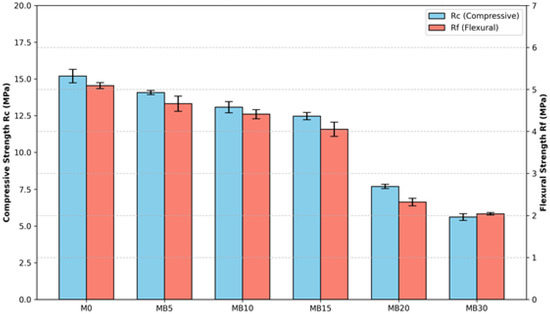
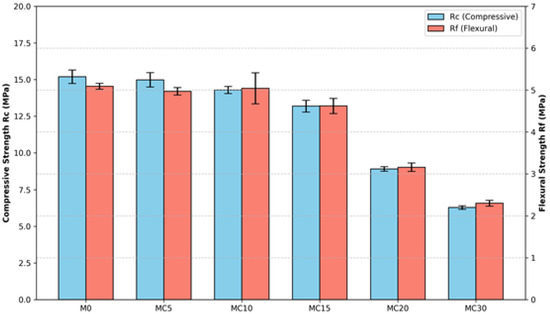
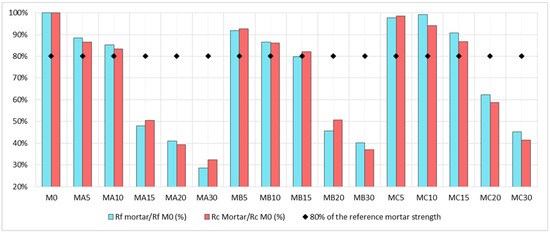
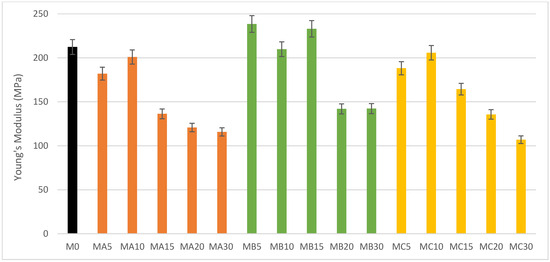
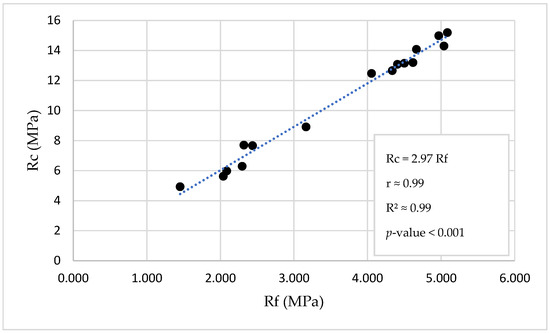
The sustainable management of dredged sediments poses a major environmental and economic challenge, particularly in Morocco, where large quantities are annually discarded as waste. Contributing to resource efficiency and circular economy objectives, this study represents the first systematic application research of Moroccan Mehdia Harbor sediments in mortar formulations. Three substitution strategies were investigated at substitution rates of 5–30%: (i) replacement of cement with fine sediments (series MA); (ii) replacement of sand with intermediate sediments (series MB); (iii) replacement of sand with sandy sediments (series MC). Mechanical testing at 28 days showed that both compressive and flexural strengths remained comparable to the reference mortar for substitution levels up to 10–15%, depending on sediment type. Beyond these limits, a marked strength reduction was observed, particularly for cement replacement with fine, clay-rich sediments. Mortars incorporating sandy sediments (MC) exhibited the best performance, maintaining over 80% of the reference compressive strength up to 15%. Leaching tests confirmed the environmental stability of all formulations, which remained within the “inert” waste classification up to 15% substitution. These findings demonstrate that dredged sediment incorporation in mortar is both technically and environmentally feasible for non-structural applications, promoting sustainable materials within a circular economy framework.
Full article
(This article belongs to the Section Chemical, Civil and Environmental Engineering)
►▼
Show Figures

Figure 1
Open AccessArticle
Multi-Shift Scheduling of Electric Service Operations Under Fuzzy Uncertainty via Preference-Guided Deep Learning: The Single-Vehicle Case
by
Francesco Nucci
Eng 2026, 7(5), 244; https://doi.org/10.3390/eng7050244 - 16 May 2026
Abstract
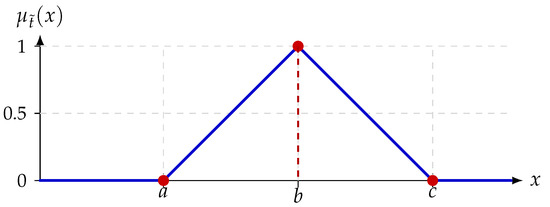
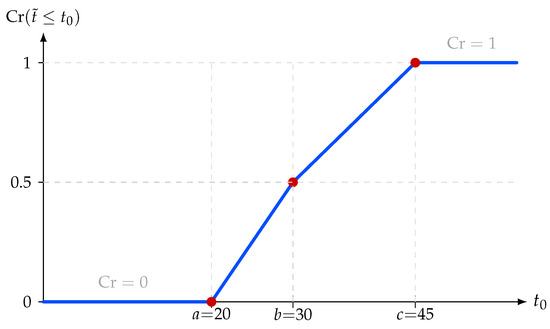
The electrification of field service fleets introduces complex constraints: shift limits, overtime fairness, and battery–range feasibility. This paper proposes the Multi-Shift Single Electric Vehicle Routing Problem under Possibilistic Uncertainty (MS-SEVRP-PU), a formulation focused on a single-vehicle multi-shift planning unit and capturing imprecise travel/service
[...] Read more.
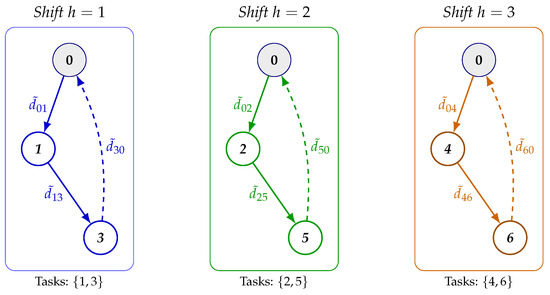
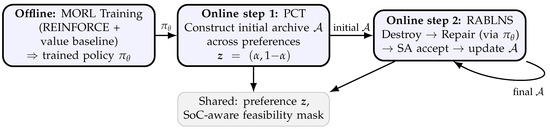
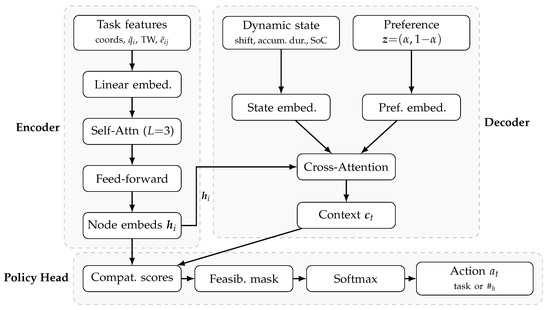
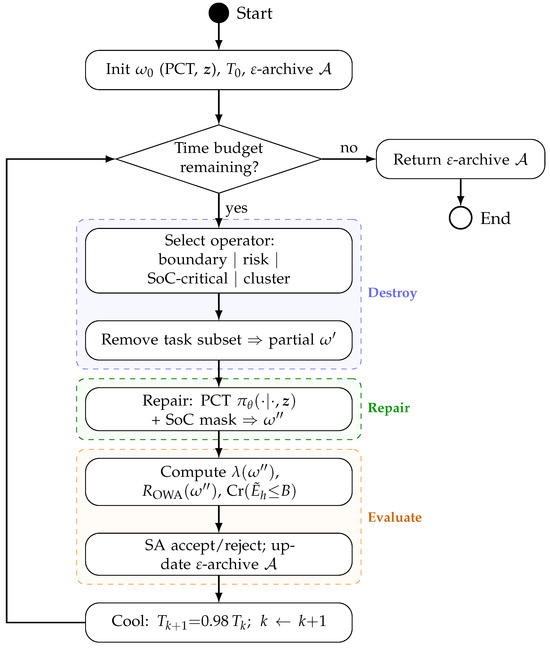
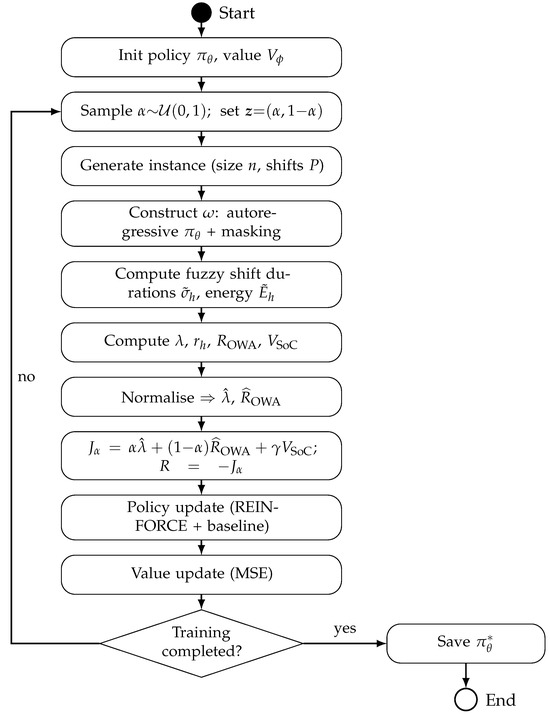
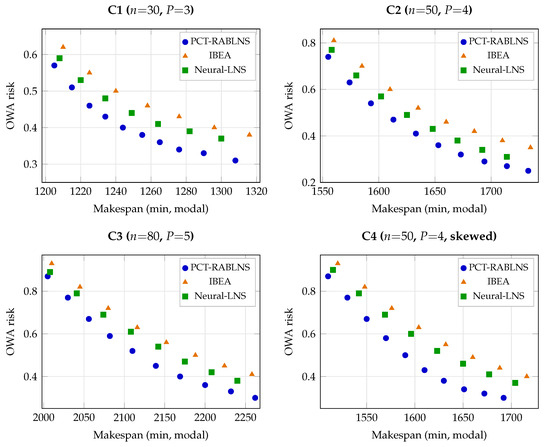
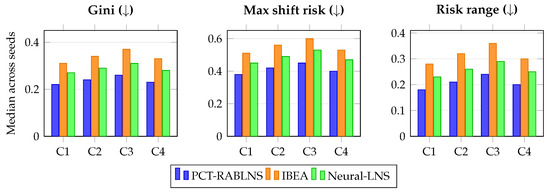
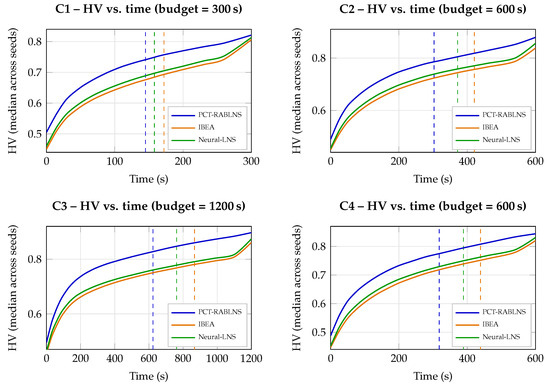
The electrification of field service fleets introduces complex constraints: shift limits, overtime fairness, and battery–range feasibility. This paper proposes the Multi-Shift Single Electric Vehicle Routing Problem under Possibilistic Uncertainty (MS-SEVRP-PU), a formulation focused on a single-vehicle multi-shift planning unit and capturing imprecise travel/service times and state-of-charge dynamics. Travel durations and energy consumption are modelled as triangular fuzzy numbers to reflect expert knowledge when probabilistic data is limited. A closed-form credibility function evaluates overtime risk, while an Ordered Weighted Averaging (OWA) aggregation of per-shift risks ensures fairness by discouraging systematic overload on specific shifts. To solve this multi-objective problem, we develop a Pareto-Conditioned Transformer with risk-aware and battery-conscious large neighbourhood search (PCT-RABLNS), combining a preference-conditioned attention policy with targeted local search. Computational experiments on calibrated municipal maintenance case studies indicate that PCT-RABLNS improves hypervolume by 2–5% over strong baselines and reduces maximum shift overtime risk by 15–25%, with a marginal makespan overhead of only 1–3%. The results demonstrate that the proposed framework is a promising decision-support approach for energy-aware, risk-fair, and operationally compliant planning of single-vehicle, multi-shift electric service operations, jointly integrating multi-shift routing, fuzzy uncertainty, and preference-conditioned reinforcement learning. The paper also discusses how the framework can be extended to multi-vehicle settings.
Full article
(This article belongs to the Special Issue Interdisciplinary Insights in Engineering Research 2026)
►▼
Show Figures

Figure 1
Open AccessArticle
Flexible Spectral Sensing Gripper for Real-Time Food Freshness Assessment
by
Yuhan Gong, Ruihua Zhang, Chunling Liu, Wei Liu, Wenjing Zhao, Yingle Du, Tao Sun and Xinqing Xiao
Eng 2026, 7(5), 243; https://doi.org/10.3390/eng7050243 - 16 May 2026
Abstract
►▼
Show Figures
Reliable potato quality monitoring during postharvest handling requires compact sensing systems that can acquire chemically relevant information while operating on irregular tuber surfaces. In this study, a Flexible Spectral Sensing Gripper (FSSG) was developed by integrating a low-cost 12-channel visible/near-infrared (Vis/NIR) spectral sensor
[...] Read more.
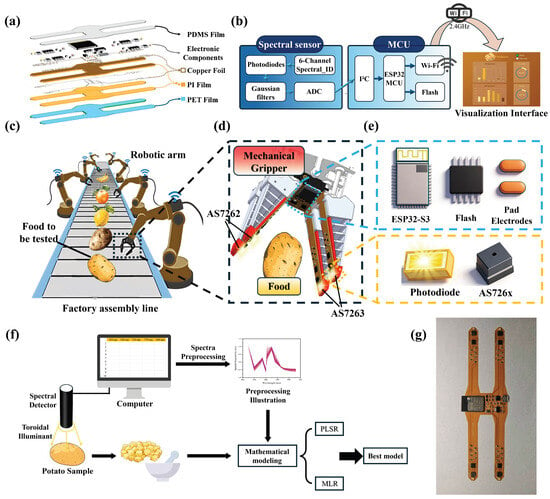
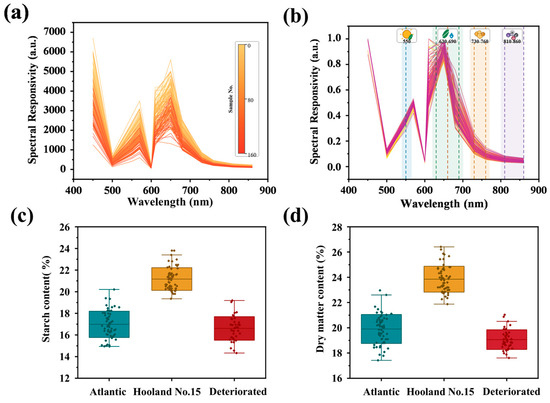
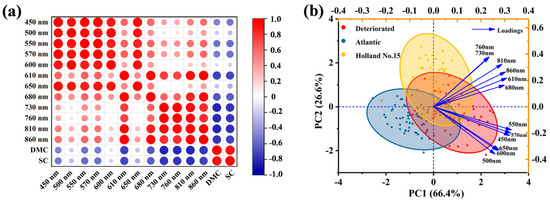
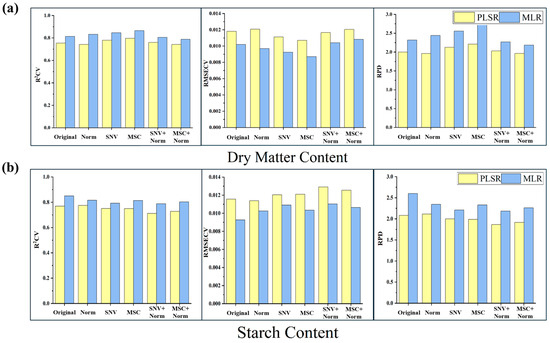
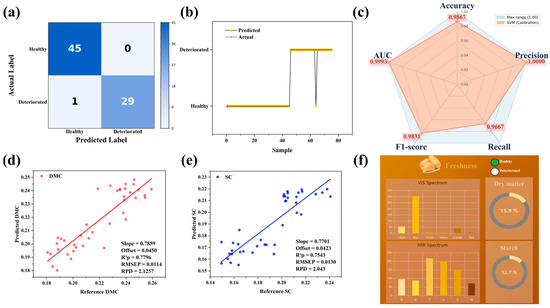
Reliable potato quality monitoring during postharvest handling requires compact sensing systems that can acquire chemically relevant information while operating on irregular tuber surfaces. In this study, a Flexible Spectral Sensing Gripper (FSSG) was developed by integrating a low-cost 12-channel visible/near-infrared (Vis/NIR) spectral sensor array, electronic components, and an ESP32-S microcontroller onto a flexible printed circuit (FPC) substrate encapsulated with PDMS. By embedding the sensing units into the grasping interface, the FSSG enables conformal, multi-point spectral acquisition during potato handling, reducing optical-coupling uncertainty associated with unstable contact. Spectral reflectance data were collected from potato tubers, and dry matter content (DMC) and starch content (SC) were determined by standard chemical analysis as reference values. Multiple linear regression (MLR) and partial least squares regression (PLSR) models were compared under Norm, SNV, MSC, SNV-Norm, and MSC-Norm preprocessing conditions, and support vector machine (SVM) classification was used to distinguish healthy and artificially induced deteriorated samples. Normalization combined with MLR provided the best performance among the evaluated regression approaches, achieving cross-validation coefficients of determination ( ) of 0.847 and 0.817 and RPD values of 2.557 and 2.345 for DMC and SC, respectively. The SVM model achieved 98.67% accuracy for healthy versus artificially induced deteriorated potato samples. Overall, the FSSG demonstrates the value of combining gripper-integrated spectral sensing with interpretable chemometric modeling for potato quality screening. The FSSG enables real-time non-destructive quality prediction and disease-detected classification of potatoes, improves sorting accuracy and production efficiency, and provides general sensing solutions for controlled-environment agriculture, cold-chain logistics, and value-added processing of agricultural products.
Full article

Figure 1
Open AccessArticle
Unified Engineering Framework for Segment-Based Renewal of Linear Assets: The Conveyor Belt Loop as a Reference Case
by
Ryszard Błażej, Leszek Jurdziak and Aleksandra Rzeszowska
Eng 2026, 7(5), 242; https://doi.org/10.3390/eng7050242 - 15 May 2026
Abstract
Linear assets (LAs), such as conveyor systems, road networks, pipelines, and power transmission lines, are typically maintained through localized, segment-based interventions. While such approaches effectively address spatially heterogeneous degradation, they often neglect the system-level consequences of repeated local actions. In particular, improvements in
[...] Read more.
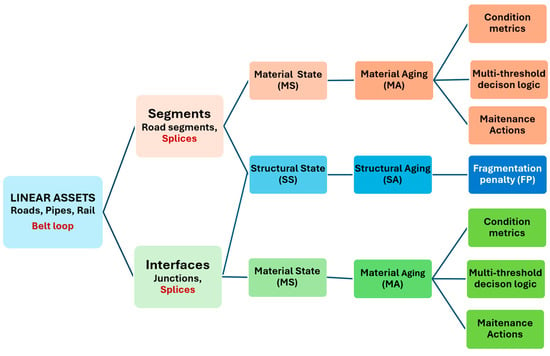
Linear assets (LAs), such as conveyor systems, road networks, pipelines, and power transmission lines, are typically maintained through localized, segment-based interventions. While such approaches effectively address spatially heterogeneous degradation, they often neglect the system-level consequences of repeated local actions. In particular, improvements in segment condition may be accompanied by increased structural complexity, leading to reduced reliability and higher lifecycle costs. This paper proposes a unified engineering framework that integrates segment-level condition assessment with system-level structural effects. The framework is based on a dual representation of asset condition, distinguishing between material state (MS) and structural state (SS), which correspond to material aging (MA) and structural aging (SA), respectively. A key contribution is the introduction of the fragmentation penalty (FP), capturing the negative impact of increasing segmentation and interface density on system performance. The framework incorporates multi-threshold decision logic, enabling differentiation between operational, refurbishment, and replacement regimes, and interprets maintenance actions as transformations affecting both condition and structure. A formal model is developed to represent the asset as a dynamic system of segments and interfaces. It provides a basis for future empirical calibration and structure-aware optimization. Although the model is developed using conveyor belt loops as a reference case, its broader relevance is discussed for other classes of linear assets with repeated local intervention and evolving structural heterogeneity. A simple worked example is included to demonstrate the operational meaning of the proposed fragmentation-aware perspective. The results show that maintenance decisions may change when structural side effects are considered together with local condition improvement, and they provide a basis for future empirical calibration and structure-aware optimization of maintenance strategies.
Full article
(This article belongs to the Special Issue Interdisciplinary Insights in Engineering Research 2026)
►▼
Show Figures

Figure 1
Open AccessArticle
Thermal Behavior of Dental Composites During Photopolymerization: Effect of Material Type, Increment Thickness, and Light Intensity
by
Laura Fontoura, Rim Bourgi, Carlos Enrique Cuevas Suárez, Naji Kharouf, Mohammed Al Hasani, Matías Junge Hess, Abelardo Baez Rosales and Celso Afonso Klein Junior
Eng 2026, 7(5), 241; https://doi.org/10.3390/eng7050241 - 15 May 2026
Abstract
Heat generated during photopolymerization of resin-based composites from both the exothermic reaction of the material and the irradiance of light-curing units poses a risk to pulp vitality, especially in deep restorations. This study aimed to evaluate temperature variation (ΔT) during the photopolymerization of
[...] Read more.
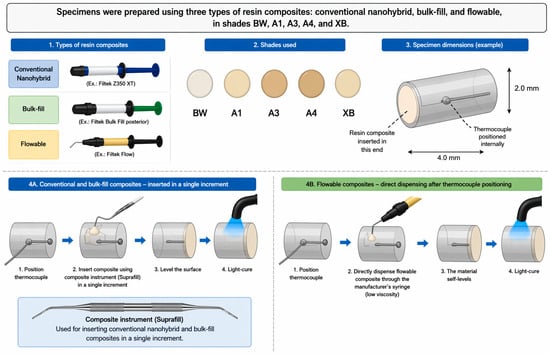
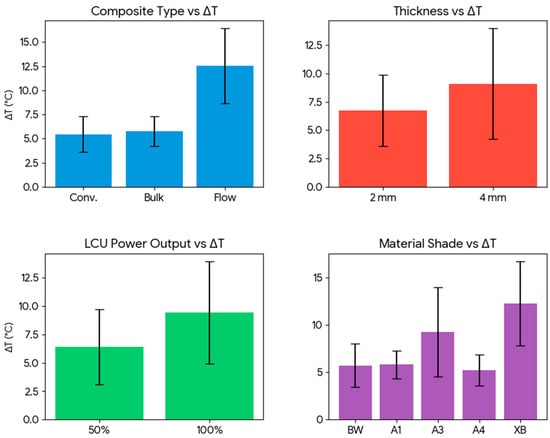
Heat generated during photopolymerization of resin-based composites from both the exothermic reaction of the material and the irradiance of light-curing units poses a risk to pulp vitality, especially in deep restorations. This study aimed to evaluate temperature variation (ΔT) during the photopolymerization of different resin composites, considering material type, shade, increment thickness, and light-curing unit output. An in vitro experimental study with a factorial design was conducted. Specimens were prepared using 2.0 mm and 4.0 mm increments from conventional (nanohybrid), bulk-fill, and flowable resin composites in different shades (BW, A1, A3, A4, and XB) and different light-curing unit output (100% and 50% battery charge). ΔT was measured using a type K thermocouple (Omega Engineering, Norwalk, CT, USA) positioned at the center of each increment. Data were analyzed using four-way analysis of variance (ANOVA) (α = 0.05). All groups demonstrated a statistically significant temperature increase (p < 0.05), with ΔT values ranging from 3.24 °C to 18.18 °C. Composite type significantly influenced ΔT (p < 0.001), with flowable composites showing the highest temperature rise, followed by bulk-fill and conventional composites. Increment thickness also had a significant effect (p = 0.008), with 4.0 mm increments producing greater temperature increases. Shade significantly affected ΔT (p < 0.001), with the XB shade exhibiting the highest values. Additionally, higher light-curing output (100%) resulted in significantly greater temperature increases compared to 50% output (p < 0.001). Photopolymerization temperature rise is influenced by multiple interacting factors. The combination of flowable composites, darker shades, thicker increments, and higher curing output may increase thermal risk. These findings should be considered when optimizing clinical protocols to minimize potential pulpal damage.
Full article
(This article belongs to the Section Materials Engineering)
►▼
Show Figures

Figure 1
Open AccessArticle
Rational Design of MXene-Based Electrodes for High-Performance Supercapacitors
by
Chae Min Han, Sharon Mugobera and Kwang Se Lee
Eng 2026, 7(5), 240; https://doi.org/10.3390/eng7050240 - 15 May 2026
Abstract
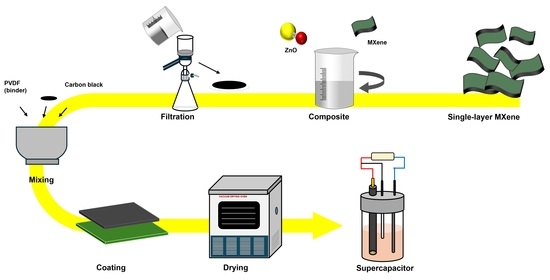
Supercapacitors offer high power density; however, improving their energy density requires enlarging the active surface area and optimizing ion transport pathways. In this study, a Ti3C2Tx MXene@ZnO composite electrode was fabricated to suppress the restacking of MXene layers
[...] Read more.
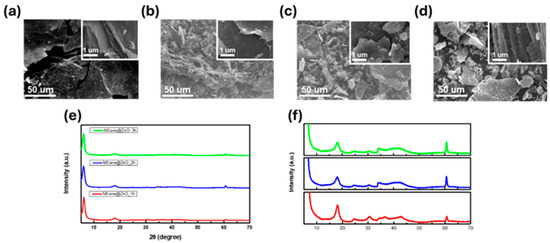
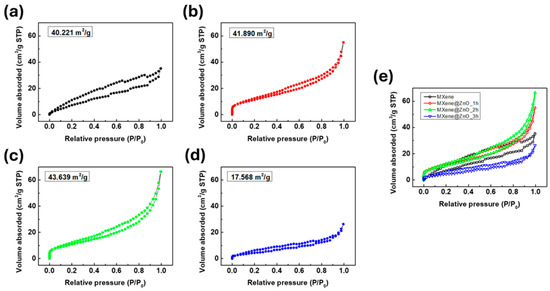
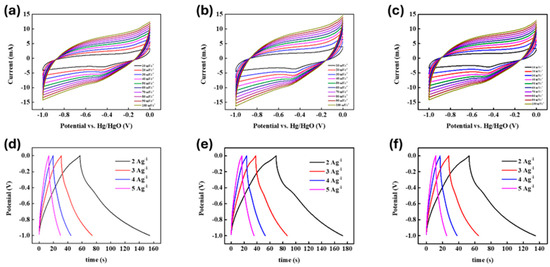
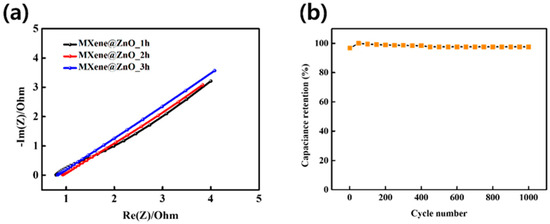
Supercapacitors offer high power density; however, improving their energy density requires enlarging the active surface area and optimizing ion transport pathways. In this study, a Ti3C2Tx MXene@ZnO composite electrode was fabricated to suppress the restacking of MXene layers and enhance the specific surface area. Ti3C2Tx MXene was synthesized, followed by ZnO incorporation using a simple precipitation process. The introduction of ZnO effectively stabilized the layered MXene structure and promoted pore formation. BET analysis revealed that the composite synthesized for 2 h exhibited the largest specific surface area of 43.639 m2 g−1, indicating the most effective pore structure development. Electrochemical evaluation as a supercapacitor electrode demonstrated that the 2 h composite achieved the highest specific capacitance of 139.0 F g−1 and the longest discharge time of 172.6 s. These improvements are attributed to the expanded pore structure and increased electrochemically active surface area induced by ZnO incorporation. Overall, the Ti3C2Tx MXene@ZnO composite exhibits enhanced structural stability and ion transport properties, demonstrating its strong potential and stable electrode material for advanced energy storage applications.
Full article
(This article belongs to the Special Issue Advanced Materials for Next-Generation Electrochemical Energy Storage)
►▼
Show Figures

Graphical abstract
Open AccessArticle
Prestress Loss and Bi-Directional Prestress Effect of a Large-Span U-Shaped Aqueduct: Field Test and Numerical Analysis
by
Pingan Liu, Tiehu Wang, Yupeng Ou and Xun Zhang
Eng 2026, 7(5), 239; https://doi.org/10.3390/eng7050239 - 14 May 2026
Abstract
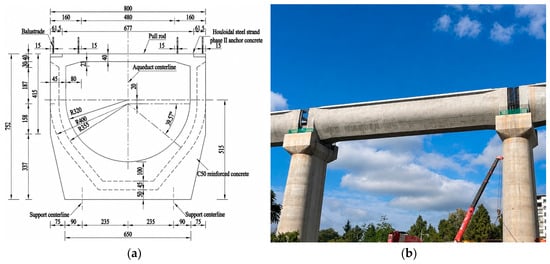
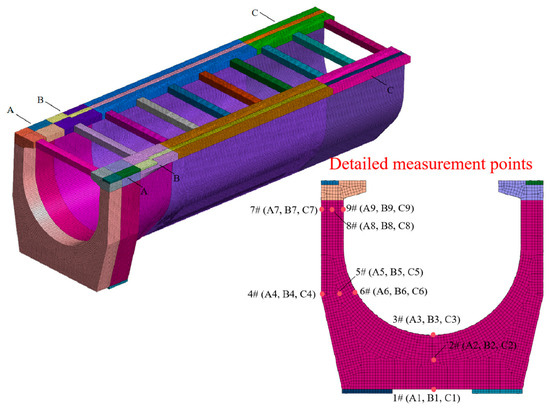
Prestress loss and bi-directional prestress effects are critical design parameters that determine the bearing capacity of large-span U-shaped aqueducts. Based on a 42 m span simply supported U-shaped aqueduct, the pipeline friction coefficients were tested through least-squares fitting and validated against a finite
[...] Read more.
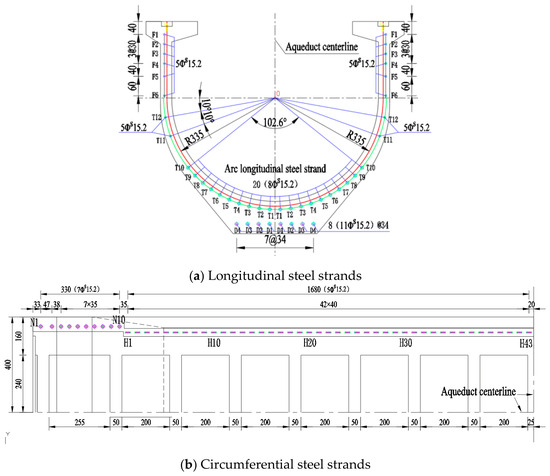
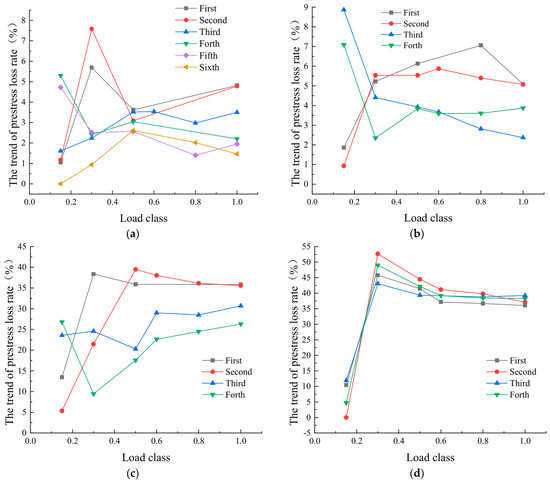
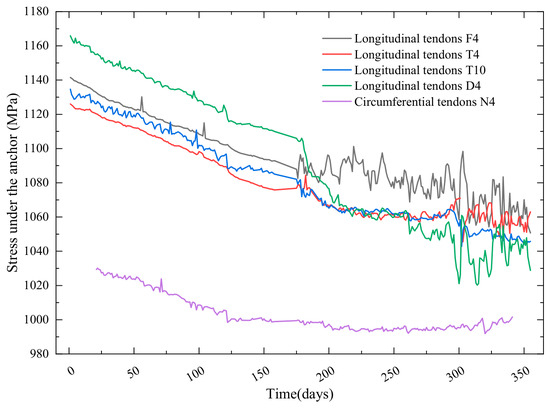
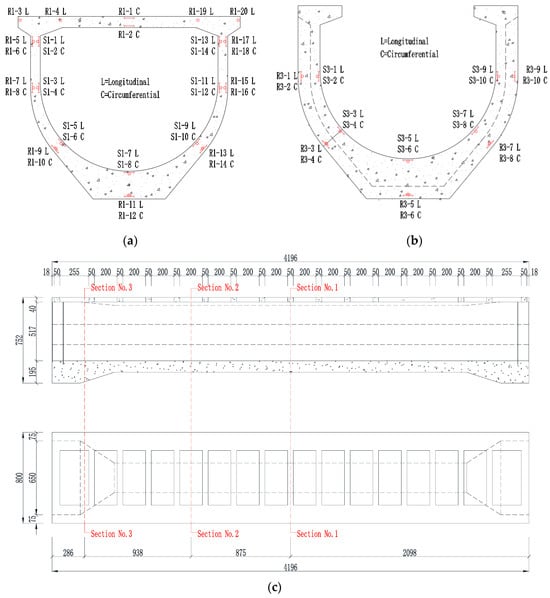
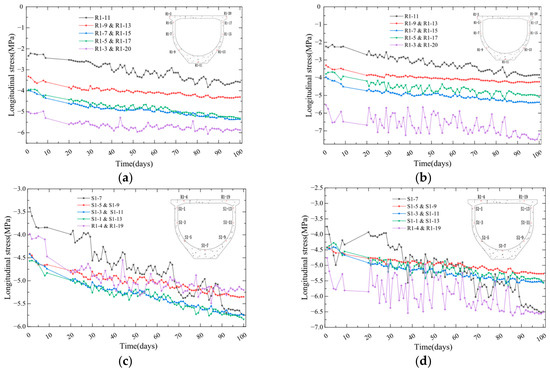
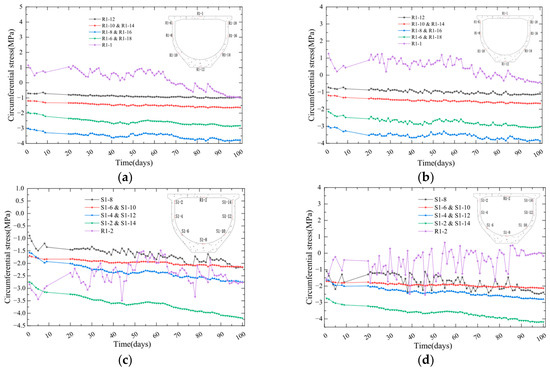
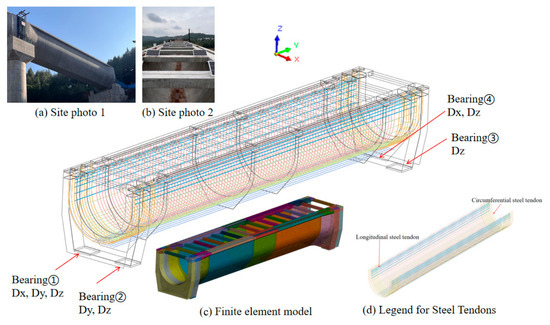
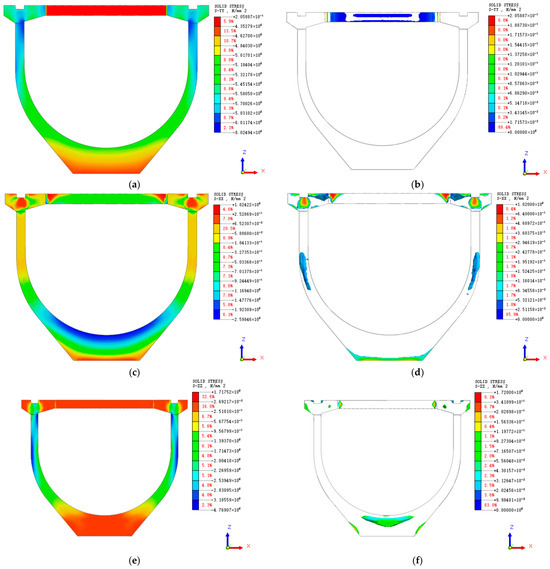
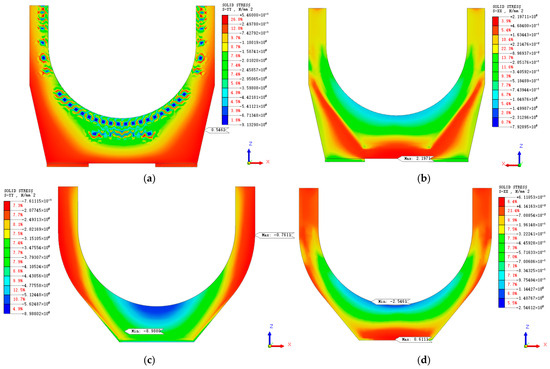
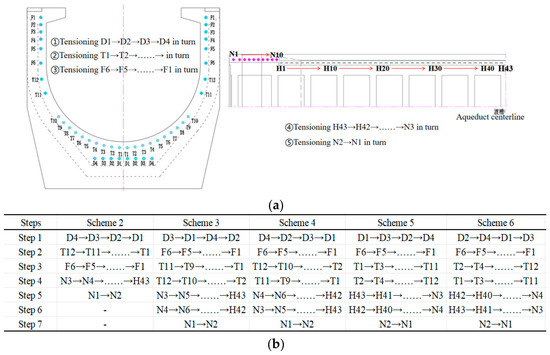
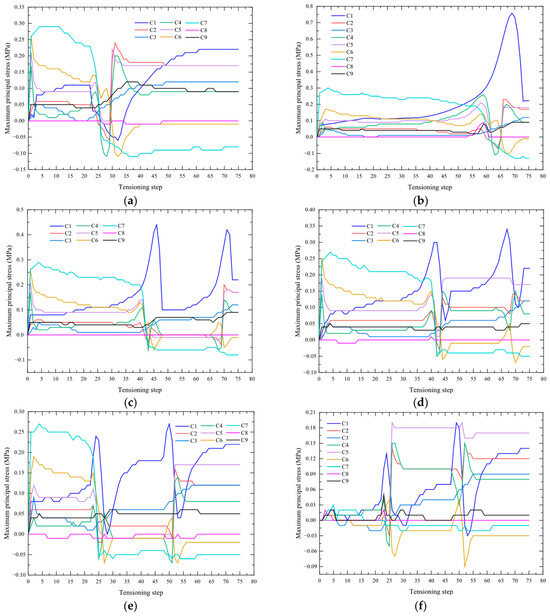
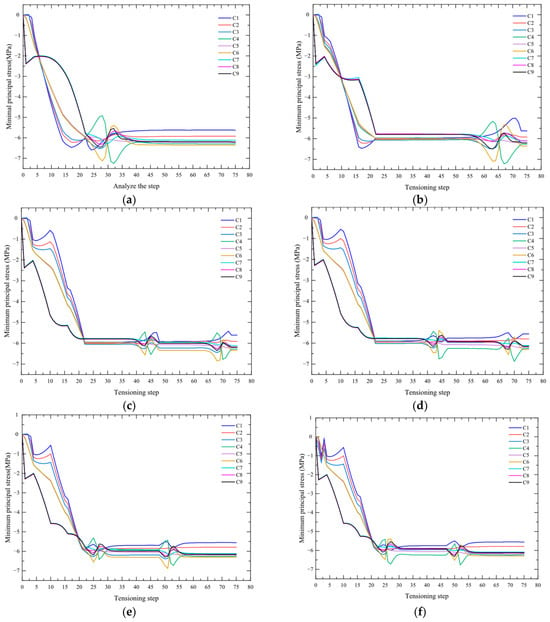
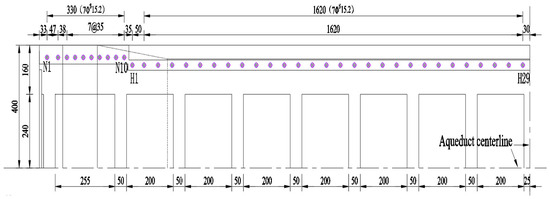
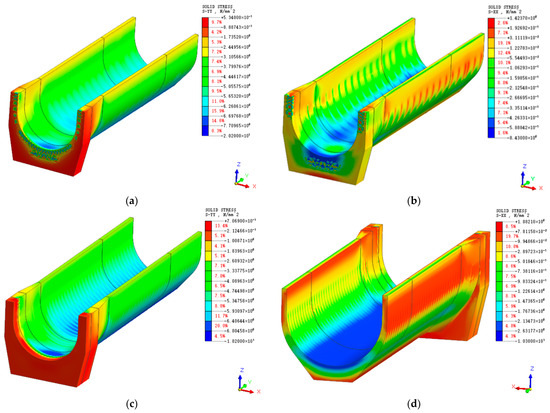
Prestress loss and bi-directional prestress effects are critical design parameters that determine the bearing capacity of large-span U-shaped aqueducts. Based on a 42 m span simply supported U-shaped aqueduct, the pipeline friction coefficients were tested through least-squares fitting and validated against a finite element analysis model. The results revealed pipeline friction induced 4.82–5.08% longitudinal and 35.84–39.23% circumferential prestress loss, with 12-month post-tensioning monitoring showing 9.84% (longitudinal) and 3.15% (circumferential) long-term loss. Maximum concrete compressive stresses reached 5.83 MPa (inner wall) and 7.14 MPa (outer wall) under empty groove conditions. Six prestress tensioning sequences were numerically compared to identify the optimal “both ends to center” circumferential tensioning scheme. The prestressed tendon layout was optimized by increasing circumferential tendon spacing from 40 cm to 60 cm while maintaining global compression. This research provides a systematic framework for prestress optimization in curved concrete structures.
Full article
(This article belongs to the Topic Hydraulic Engineering and Modelling)
►▼
Show Figures

Figure 1
Open AccessArticle
Reproducible RGB Video Screening of Amyotrophic Lateral Sclerosis Using Spherical-Coordinate Landmark Correlations
by
Daniela Suárez-Hernández, Sulema Torres-Ramos, Stewart R. Santos-Arce and Israel Román-Godínez
Eng 2026, 7(5), 238; https://doi.org/10.3390/eng7050238 - 14 May 2026
Abstract
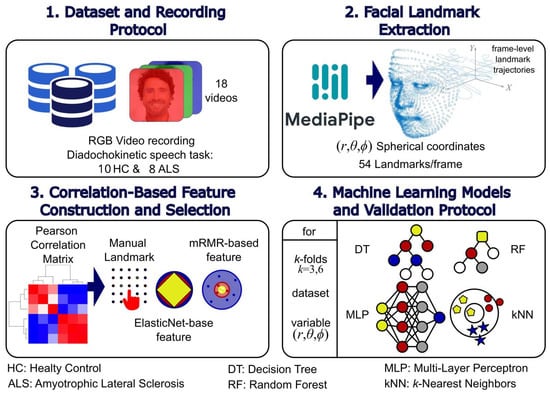
Amyotrophic lateral sclerosis (ALS) is a progressive neurodegenerative disorder for which delayed recognition may limit timely clinical management. This study investigates a reproducible computer-aided screening approach based on facial motion analysis from standard RGB video recorded during the diadochokinetic /pataka/ task. Facial landmarks
[...] Read more.
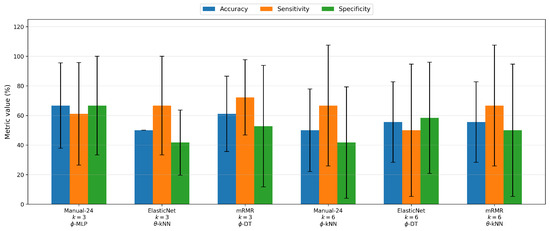
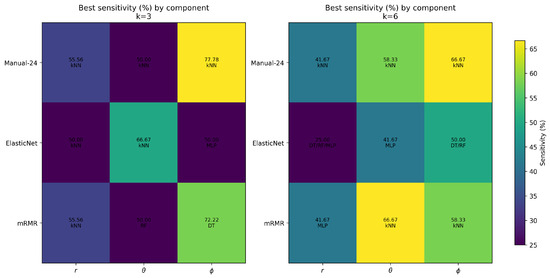
Amyotrophic lateral sclerosis (ALS) is a progressive neurodegenerative disorder for which delayed recognition may limit timely clinical management. This study investigates a reproducible computer-aided screening approach based on facial motion analysis from standard RGB video recorded during the diadochokinetic /pataka/ task. Facial landmarks were extracted using a face-mesh model and mapped into spherical coordinates to represent facial motion trajectories. Coordinated facial behavior was characterized through pairwise Pearson correlation matrices computed between landmark trajectories, yielding correlation-based descriptors of inter-region motion patterns. We compared a domain-informed Manual-24 reference configuration with data-driven feature-selection strategies (ElasticNet and mRMR) under a leakage-aware nested cross-validation design using the Toronto NeuroFace dataset. Performance was reported as mean ± standard deviation across outer folds, with sensitivity emphasized because of its relevance for screening-oriented applications. The primary configuration (mRMR, , + kNN) achieved 61.11 ± 19.24% accuracy, 61.11 ± 9.62% sensitivity, and 61.11 ± 34.70% specificity. These results suggest that correlation-derived coordination patterns contain discriminative information for ALS/HC separation, although fold-level variability indicates that performance should be interpreted cautiously. Task-aligned comparisons with prior /pataka/-based studies highlight the influence of sensing modality, evaluation level, and uncertainty reporting on apparent performance. Overall, correlation-based facial motion descriptors combined with leakage-aware feature selection provide a transparent proof-of-concept framework for RGB video-based ALS screening, motivating validation on larger cohorts and independent datasets.
Full article
(This article belongs to the Special Issue Advanced Artificial Intelligence Techniques for Disease Prediction, Diagnosis and Management)
►▼
Show Figures

Figure 1
Open AccessArticle
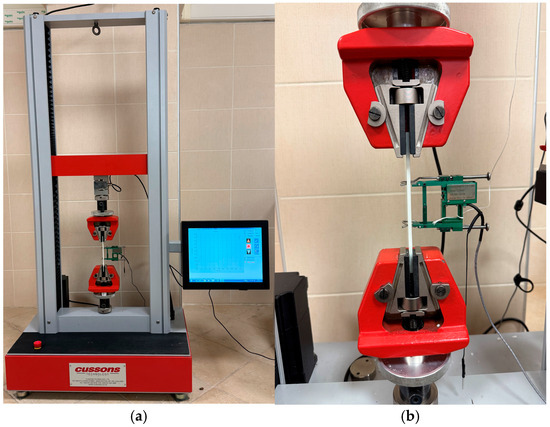
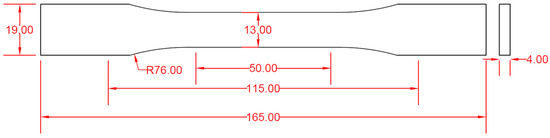
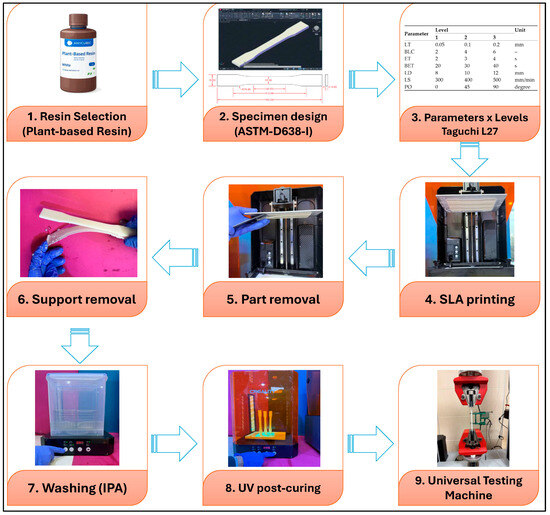
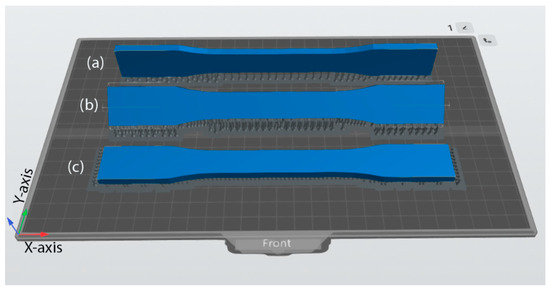
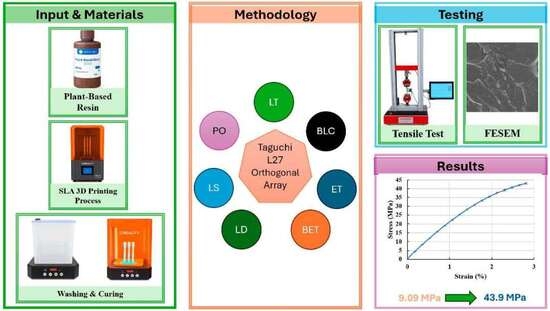
Experimental Investigation of Printing Parameters in SLA 3D Printing of Plant-Based Resin Using Taguchi Method: Effects on Tensile Properties and Fracture Surface Morphology
by
Zana Jamal and Sarkawt Rostam
Eng 2026, 7(5), 237; https://doi.org/10.3390/eng7050237 - 14 May 2026
Abstract
This research utilizes stereolithography (SLA) technology to analyze the mechanical properties of the fabricated parts. SLA operates by precisely hardening liquid resin layer by layer with a focused ultraviolet (UV) light, enabling the creation of precise shapes and intricate details. Plant-based resins are
[...] Read more.
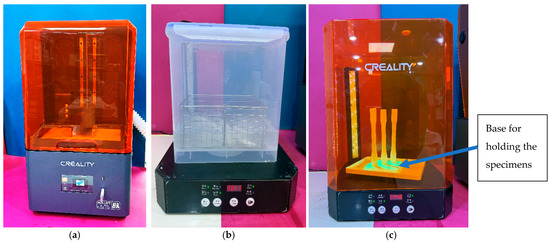
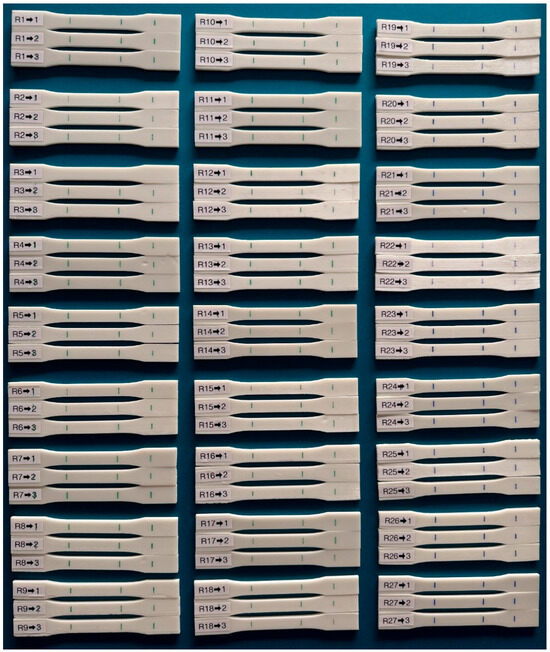
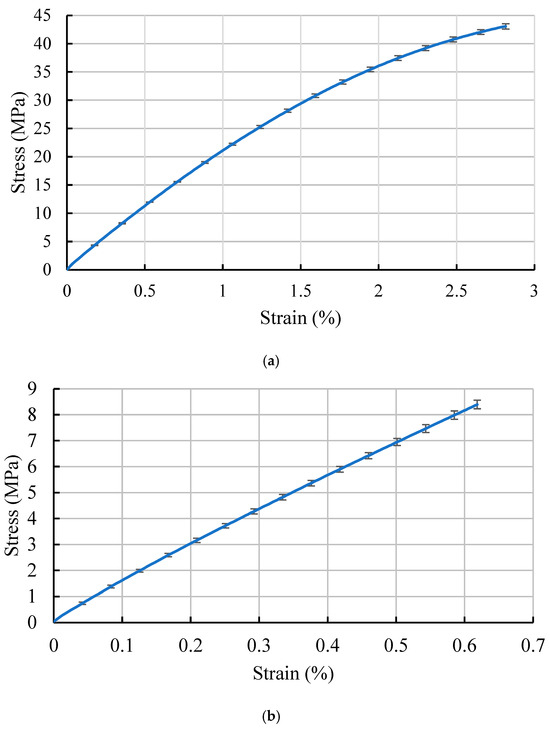
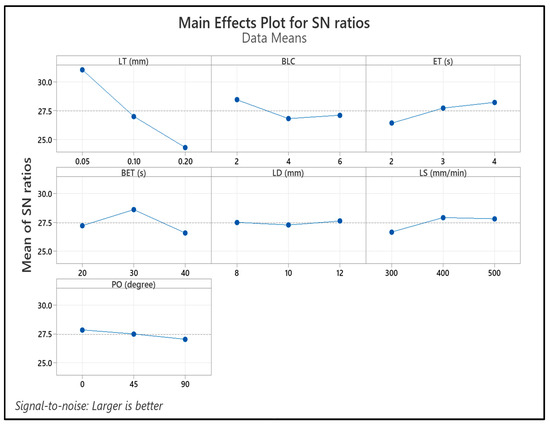
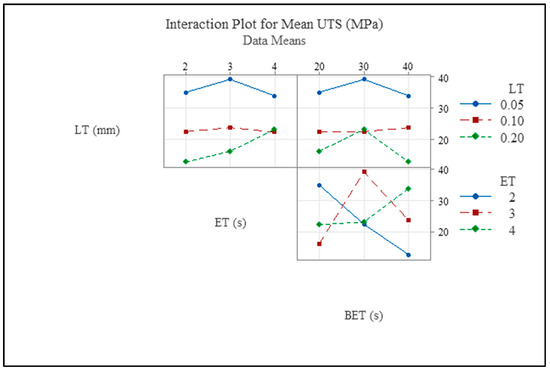
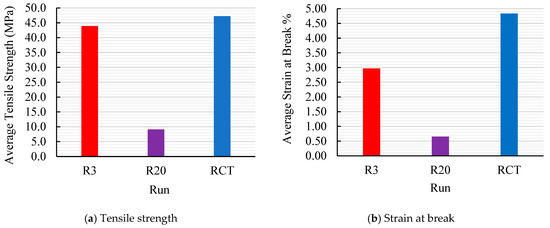
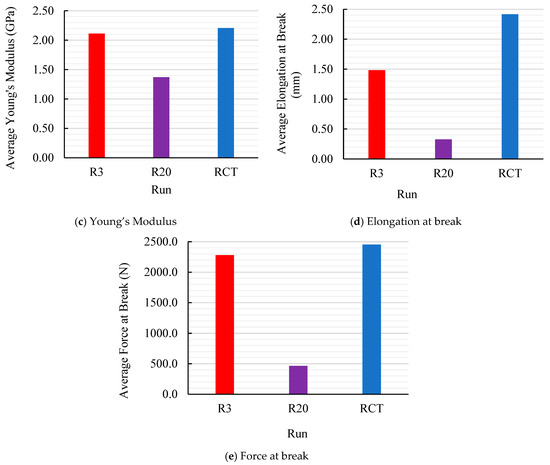
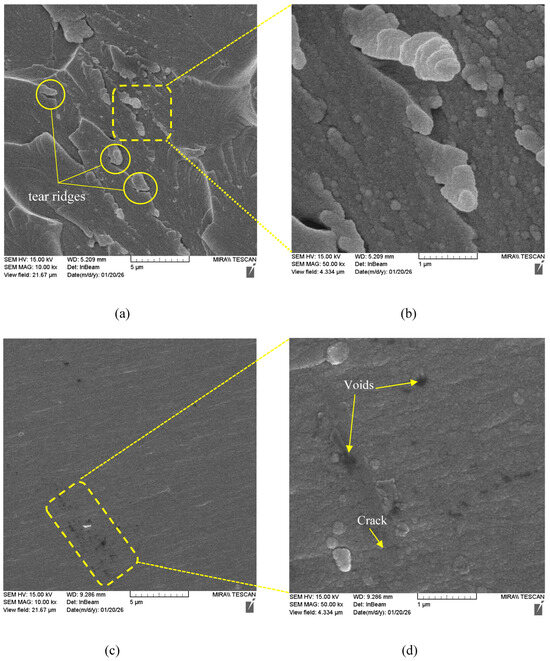
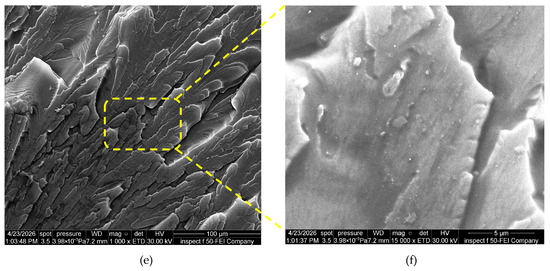
This research utilizes stereolithography (SLA) technology to analyze the mechanical properties of the fabricated parts. SLA operates by precisely hardening liquid resin layer by layer with a focused ultraviolet (UV) light, enabling the creation of precise shapes and intricate details. Plant-based resins are becoming increasingly popular as alternatives to conventional polymer resins. However, the mechanical performance of SLA-printed parts made from bio-based materials can vary significantly depending on the printing parameters. To achieve acceptable performance, the optimization of the printing parameters is crucial. This study investigates the impact of print parameters on the mechanical and morphological characteristics through the use of L27 Taguchi’s orthogonal array. For this purpose, a combination of the most influential controlled parameters, including layer thickness, exposure time, bottom layer count, bottom exposure time, lifting distance, lifting speed, and print orientation, was assessed. The mechanical properties of the samples were evaluated after washing and UV curing. The optimal parameter combination was identified using the signal-to-noise (S/N) ratio, and analysis of variance (ANOVA) identified the significant parameters affecting the mechanical properties. The findings confirmed by the morphology analysis revealed that layer thickness, followed by bottom exposure time and exposure time, strongly influenced interlayer bonding and mechanical performance.
Full article
(This article belongs to the Section Materials Engineering)
►▼
Show Figures

Graphical abstract
Open AccessArticle
New Experimental Approach for Optimizing Electrical Power Quality Through Harmonic Pollution Control: The Case of a Hybrid Filter on Variable Electrical Networks
by
Luc Vivien Assiene Mouodo and Petros J. Axaopoulos
Eng 2026, 7(5), 236; https://doi.org/10.3390/eng7050236 - 13 May 2026
Abstract
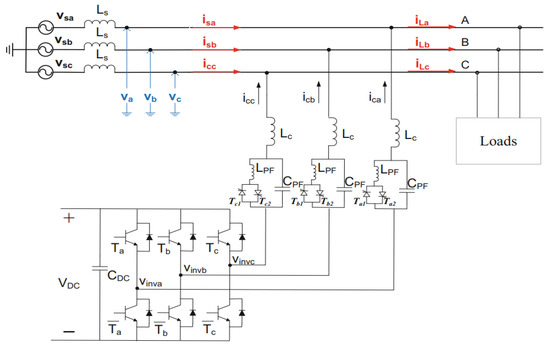
The quality of electrical power on distribution networks depends heavily on the performance of the harmonic filtering method implemented according to the operating conditions of the system under study. This article proposes a new experimental approach that allows us to determine the dynamic
[...] Read more.
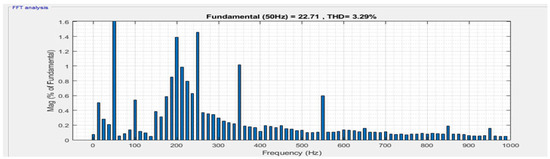
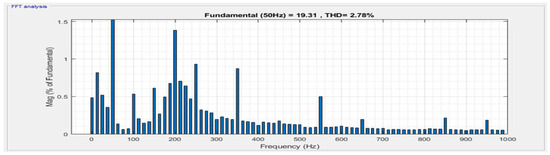
The quality of electrical power on distribution networks depends heavily on the performance of the harmonic filtering method implemented according to the operating conditions of the system under study. This article proposes a new experimental approach that allows us to determine the dynamic behavior of the harmonic signature of the nonlinear load connected to the electrical network. The ultimate goal is to propose a new law for extracting the reference currents required during the overall online harmonic filtering process using a hybrid filter. This offers advantages in robustness and accuracy during variations in the electrical network compared to the classical methods used in the current literature. The methodological approach consists of selecting several nonlinear loads according to specific profiles and technical characteristics, then experimentally analyzing their harmonic signatures over time to obtain new models for extracting reference currents that will ultimately be faster to implement. In a decentralized global harmonic filtering strategy using a TLC adaptive hybrid filter compliant with the IEEE-519-2022 standard, the results obtained offer THD (total harmonic distortion) values of 1.88%, 3.29%, and 2.78% in three-phase currents, with a reduced DC voltage consumption of 105 V for the inverter. This contrasts with similar models in the current literature, which require input DC voltages exceeding 850 V for identical performance. This work therefore represents a major contribution to new models for extracting experimentally obtained reference currents, enabling the optimization of power quality on electrical networks through the use of a hybrid filter.
Full article
(This article belongs to the Section Electrical and Electronic Engineering)
►▼
Show Figures

Figure 1
Highly Accessed Articles
Latest Books
E-Mail Alert
News
Topics
Topic in
Batteries, Electronics, Energies, Eng, Smart Cities, Vehicles, Solar
Electric Vehicles Smart Charging: Strategies, Technologies, and Challenges
Topic Editors: Tao Chen, Hongxun Hui, Qianzhi Zhang, Zhao YuanDeadline: 31 May 2026
Topic in
Diagnostics, Electronics, Eng, Micro, Micromachines
Micro-Nanoelectronic Systems for Diagnosis and Therapies
Topic Editors: Wubin Bai, Jiho ShinDeadline: 30 June 2026
Topic in
Drones, Electronics, Eng, JMSE, Robotics, Sensors, Vehicles
Advanced Technologies and Applications for Unmanned Systems
Topic Editors: Jinchao Chen, Chao Chen, Yingjie ZhangDeadline: 31 July 2026
Topic in
Applied Sciences, Energies, Geosciences, Geotechnics, Minerals, Eng
Support Theory and Technology of Geotechnical Engineering, 2nd Edition
Topic Editors: Qi Wang, Bei Jiang, Xuezhen Wu, Hongke GaoDeadline: 30 September 2026
Conferences
Special Issues
Special Issue in
Eng
Hybrid and Scalable Nanofabrication Methods for Low-Dimensional Materials
Guest Editors: Dongxue Chen, Kai XuDeadline: 31 May 2026
Special Issue in
Eng
Emerging Technologies for the Treatment and Reduction of Pollutants in Industrial Processes
Guest Editor: Antonio Gil BravoDeadline: 30 June 2026
Special Issue in
Eng
Innovations in Self-Compacting and Polymer Concrete Research
Guest Editors: Muhammad Tahir Lakhiar, Yutao GuoDeadline: 30 June 2026
Special Issue in
Eng
Supply Chain Engineering
Guest Editors: Asela K. Kulatunga, M. Vijaya ManupatiDeadline: 1 July 2026