


Abstract
Amazonian basins are subject to climatic and anthropogenic pressures that interact through hydrological, ecological, and socio-institutional mechanisms, compromising water security across different territorial scales. This study aimed to critically synthesize these interactions and propose an integrated framework of resilient actions for Amazonian basins. An integrative review of the scientific literature was conducted, complemented by documentary analysis, with searches in the Scopus, Web of Science Core Collection, and SciELO databases, covering publications from 2020 to September 2026. After identifying 8538 records, deduplication, and successive stages of screening and thematic refinement based on metadata, 180 studies constituted the analytical corpus. The results show interactions among hydroclimatic extremes, deforestation and fires, mining and contamination, changes in ecological integrity, and socioecological vulnerabilities. The literature shows greater development of biophysical, monitoring, and modeling dimensions, while adaptive governance, water justice, ecological integrity indicators, and evaluation of intervention effectiveness remain less developed. As a contribution, this study proposes a framework structured around five interdependent axes, namely integrated monitoring, forecasting, and early warning; conservation, restoration, and nature-based solutions; control of anthropogenic pressures; adaptive governance and water justice; and indicators, evaluation, and adaptive learning. It is concluded that strengthening Amazonian water security requires territorially differentiated responses that integrate scientific knowledge, ecosystem conservation, technological innovation, preventive pressure control, and adaptive institutional capacity.
1. Introduction
Water security is one of the principal contemporary socio-environmental challenges amid intensifying climate change, land-use and land-cover transformations, and increasing pressure on aquatic ecosystems. Changes in the magnitude, frequency, and duration of droughts and floods affect the availability and dynamics of water resources. In contrast, changes in vegetation cover and different forms of environmental degradation can compromise essential hydrological and ecological processes. In the Amazon, these pressures are particularly relevant because recent hydroclimatic changes have coincided with the intensification of various forms of anthropogenic disturbance, thereby increasing the complexity of socioecological responses [1,2,3].
In Amazonian basins, this issue takes on strategic significance due to the territorial scale, the complexity of interactions among the atmosphere, forests, and river systems, and the high ecological and social dependence on water resources. Amazonian rivers structure aquatic and floodplain ecosystems, sustain extraordinary biodiversity, and provide water, food, transport, income, and other essential services to the populations living in the region. The integrity of these systems depends on interrelated components, including hydrology, sediment transport, aquatic biodiversity, and river connectivity, such that changes in these processes can simultaneously affect ecosystems and societies [4,5].
Climate change adds growing instability to this system. Recent literature identifies warming trends, changes in hydroclimatic seasonality, and shifts in the occurrence of droughts and floods in the Amazon [2]. The 2023 event exemplifies the magnitude to which these disturbances can escalate, as the region experienced exceptional drought and warming conditions associated with regional and global climatic factors [1]. Subsequent analyses based on satellite altimetry and data from the Surface Water and Ocean Topography (SWOT) mission demonstrated an exceptional and spatially extensive reduction in river levels during this event, simultaneously evidencing the vulnerability of the system and the potential of new observation technologies to characterize hydroclimatic extremes at the basin scale [6].
The effects of hydroclimatic extremes, however, cannot be interpreted independently of territorial transformations. Deforestation modifies evapotranspiration, moisture recycling, and precipitation processes, producing responses that vary spatially and seasonally. Qin et al. [7] demonstrated that the effects of Amazonian deforestation on precipitation reverse between the wet and dry seasons, evidencing the complexity of the interactions among forest loss, atmospheric circulation, and water availability. In a complementary way, projections indicate that the combined effects of deforestation and vegetation’s physiological responses to rising CO2 may intensify future water stress in the Amazon [8]. These results reinforce the idea that forest conservation is not merely a matter of biodiversity protection but also a fundamental component of maintaining the processes that regulate the regional hydrological cycle.
The relationship among forest, climate, and water becomes even more relevant given the potential loss of resilience in Amazonian ecosystems. Evidence from remote-sensing time series indicates slower vegetation recovery after disturbances in regions subject to more frequent, intense, and prolonged droughts, although this response shows important spatial heterogeneity [3]. Other studies likewise demonstrate that drought vulnerability is not homogeneous across the Amazon, varying according to the forest’s biogeographic and ecological characteristics [9]. Consequently, water resilience strategies need to consider not only the magnitude of climatic pressures, but also the territorial heterogeneity of the sensitivity and recovery capacity of socioecological systems.
Added to climatic pressures and land-cover change are the impacts of mining, which are particularly relevant to water quality. In the southeastern Amazon, Salomão et al. [10] identified changes in surface water quality associated with artisanal mining, including concentrations of potentially toxic elements exceeding reference values in affected areas. The mercury issue amplifies this concern because its mobilization across environmental compartments and its incorporation into biota can produce consequences that extend beyond the site of emission. Evidence from the Ecuadorian Amazon demonstrates the integrated presence of mercury in water, sediment, and fish within indigenous territories [11], while studies in the Brazilian Amazon highlight risks associated with consuming mercury-contaminated fish [12].
These multiple pressures converge on the biodiversity and ecological integrity of aquatic systems. Rivers are not merely channels for water transport, but structuring components of biological diversification, landscape connectivity, and the dynamics of Amazonian ecosystems [4]. Fluvial ecological integrity results from interactions among the hydrological regime, sediments, connectivity, habitats, and biological communities, all of which can be simultaneously affected by climatic changes and human interventions [5]. In this sense, water security must be understood beyond the quantitative availability of water for human uses. It must incorporate the maintenance of the ecological processes that sustain biodiversity, environmental quality, and ecosystem services.
The interdependent nature of these pressures requires moving beyond approaches that treat climate, forest cover, mining, biodiversity, and water resources as independent problems. De Benedicto et al. [13] highlight the need to integrate strategies for biodiversity and water resource sustainability in the Amazonian region, while simultaneously considering anthropogenic pressures, conservation, and management. This perspective is particularly relevant because changes in one component of the system can propagate effects across different spatial and institutional scales, requiring responses that can address conservation, monitoring, pressure control, and governance.
At the same time, technological advances have significantly expanded the capacity to observe and model Amazonian water systems. Remote sensing, satellite altimetry, hydrological modeling, and new observation platforms make it possible to track river levels, surface water extent, and hydroclimatic extremes at scales previously difficult to monitor. The application of the SWOT mission during the 2023 drought, for example, demonstrated the capacity to spatially characterize reductions in river levels across much of the basin [6]. However, a greater capacity to produce information does not, by itself, imply a greater capacity to build resilience. Translating knowledge into response depends on integrating scientific information, decision-making systems, institutional capacity, prevention, conservation, enforcement, and adaptation.
This integration also has a social and institutional dimension. Water governance in the Amazon occurs across territories marked by varying institutional capacities, economic interests, and forms of access to natural resources. Studies on water allocation mechanisms in the Brazilian Amazon show that governance structures can reproduce inequalities and reshape hydrosocial territories, especially when traditional uses conflict with economic activities that hold greater political and institutional power [14]. Consequently, water resilience strategies need to be incorporated alongside technical efficiency, participation, recognition, equity, and territorial adaptive capacity.
Despite the growth of scientific production, an important fragmentation of knowledge remains. Studies on hydroclimatic extremes, deforestation and hydrological changes, mining and contamination, aquatic biodiversity, and monitoring and governance technologies frequently advance along distinct disciplinary or sectoral trajectories. Recent literature individually demonstrates important interaction mechanisms between climate and hydrology [1,2], forest and water availability [7,8], mining and water quality [10], and hydrology and ecological integrity [4,5]. However, an integrated understanding of how these climatic and anthropogenic pressures interact through hydroecological mechanisms to affect water security in Amazonian basins remains insufficiently systematized, and, above all, of how this knowledge can be converted into an articulated, territorially oriented set of resilient actions.
This gap has both scientific and practical implications. From a scientific standpoint, it calls for a synthesis that goes beyond enumerating individual impacts to identify convergences, causal mechanisms, interfaces among pressures, and areas that remain insufficiently investigated. From a management standpoint, it requires a framework that relates pressures, hydroecological mechanisms, socioecological vulnerabilities, and resilience responses. The spatial heterogeneity of forest responses to drought [9], the seasonal complexity of precipitation responses to deforestation [7], and the institutional and social differences associated with water governance reinforce the inadequacy of uniform solutions for the Amazon as a whole.
To address this gap, the present study adopts an integrative review of the scientific literature, complemented by documentary analysis, structured around six analytical axes, namely climate change and extreme hydroclimatic events; deforestation, fires, and hydrological changes; mining, mercury, and water quality; aquatic biodiversity and ecological integrity; Integrated Water Resources Management, governance, adaptation, and resilience; and technology, monitoring, modeling, and nature-based solutions. This organization enables examination not only of the isolated components of the problem but also of their interfaces, providing an analytical basis for identifying interaction mechanisms, knowledge gaps, and potentially integrated responses.
Given this context, the objective of this study is to critically synthesize the evidence on the interaction between climatic and anthropogenic pressures affecting water security in Amazonian basins and, based on this synthesis, to propose a framework of territorially oriented resilient actions, articulating monitoring, ecosystem conservation and restoration, pressure control, technological innovation, and adaptive governance. By integrating dimensions that are often examined in fragmented ways, the study seeks to contribute to a systemic understanding of Amazonian water security and to the formulation of strategies that connect knowledge production, territorial intervention, institutional capacity, and adaptive learning.
2. Materials and Methods
2.1. Research Design
The study adopted a qualitative, exploratory-analytical approach, developed through an integrative review of scientific literature, complemented by documentary analysis of institutional reports and documents. The integrative review was used to identify, organize, and synthesize evidence from diverse methodological approaches on the climatic and anthropogenic pressures on water security in Amazonian basins, as well as strategies for monitoring, adaptation, conservation, restoration, governance, and water resource management.
The review was guided by one central question. How do climatic and anthropogenic pressures interact in producing risks to water security in Amazonian basins, and what resilience responses are supported by the recent literature? The analysis was directed toward the objective of critically synthesizing this evidence and using it as the foundation for an integrated, territorially oriented framework of resilient actions.
The process of identifying and selecting scientific literature was organized in accordance with the transparency and traceability principles of PRISMA 2020 [15], adapted to the review’s integrative nature. The search strategy also incorporated transparency principles recommended by PRISMA-S [16] for describing databases, search strategies, filters, and deduplication procedures.
2.2. Information Sources and Search Strategy
The scientific literature search was conducted in Scopus, Web of Science Core Collection, and SciELO databases, covering publications from 2020 to September 2026. Scopus and Web of Science were used as the primary databases for retrieving international literature, while SciELO was used complementarily to broaden the representation of Latin American scientific production.
Articles and review articles published in scientific journals, in English, Portuguese, or Spanish, were considered. No filters were applied to subject area, authors’ countries of affiliation, or access modality to avoid the premature exclusion of potentially interdisciplinary studies.
The search strategy was structured around six thematic blocks previously defined based on the research problem and objective. These were B1—climate change and extreme hydroclimatic events; B2—deforestation, fires, and hydrological changes; B3—mining, mercury, and water quality; B4—aquatic biodiversity and ecological integrity; B5—Integrated Water Resources Management, governance, adaptation, and resilience; and B6—technology, monitoring, modeling, and nature-based solutions.
In each block, geographic descriptors related to the Amazon and Amazonian basins were combined with terms referring to water resources and the respective thematic axis. In the international databases, searches were conducted in the title, abstract, and keyword fields in Scopus and in the Topic field in Web of Science. The search strings were adapted to each database’s syntax, preserving conceptual equivalence across the term sets.
Table 1 summarizes these blocks and the main descriptor groups employed, which together enabled capture of both climatic and anthropogenic pressures and the responses associated with management, governance, monitoring, and resilience.
Table 1.
Thematic blocks and descriptor groups used in the search strategy of the integrative review.
2.3. Inclusion and Exclusion Criteria
Criteria were defined a priori to ensure adherence to the review’s objective with respect to territory, themes, and methods. The following were considered potentially eligible. These included (i) scientific articles and review articles published in journals; (ii) publications between 2020 and September 2026; (iii) studies published in English, Portuguese, or Spanish; (iv) studies with a substantive relationship to the Amazon or Amazonian basins; (v) studies in which water resources, hydrology, water quality, aquatic ecosystems, aquatic biodiversity, water security, or water management constituted a relevant component; and (vi) works related to at least one of the pressures or responses covered by the six analytical axes.
Excluded were duplicate records; studies in which mention of the Amazon was merely incidental; works without a substantive relationship to water, hydrological systems, or aquatic ecosystems; studies exclusively focused on marine systems with no connection to Amazonian river systems; documents incompatible with the document types defined for the scientific corpus; and works with no identifiable contribution to the pressures, mechanisms, impacts, or responses analyzed.
Methodological studies on monitoring, remote sensing, modeling, artificial intelligence, restoration, or nature-based solutions with potential application to water management were analyzed with caution regarding their territorial adherence. Evidence produced outside the Amazon was not treated as empirical evidence for Amazonian basins and could be used only as conceptual or methodological support when its transferability was pertinent.
2.4. Record Identification and Deduplication
The searches initially retrieved 8538 bibliographic records, distributed across Scopus (n = 4091), Web of Science (n = 4230), and SciELO (n = 217). Because the searches were conducted across six partially overlapping thematic blocks and three databases, the same study could be retrieved more than once, both within the same database and across different databases.
A systematic deduplication procedure was therefore carried out. The identification of duplicates is based on hierarchical order: normalized DOI, normalized title, and the combination of title and year of publication. Variations in titles and differences in records across databases were also checked, including the normalization of DOI variants associated with SciELO records.
A total of 4506 duplicate records were removed, resulting in 4032 unique records for screening. Deduplication preserved provenance information, making it possible to identify the databases and thematic blocks from which each record had been retrieved. This preservation was important because retrieving the same study through different strategies provided additional information about its cross-cutting thematic nature.
2.5. Screening and Thematic Selection of Studies
The 4032 unique records were screened by title, abstract, and keywords. The first stage assessed three essential dimensions. These were (i) substantive relationship to the Amazon; (ii) centrality of the water or aquatic component; and (iii) presence of climatic or anthropogenic pressure, or of a response related to management, adaptation, monitoring, restoration, or governance.
This screening excluded 2493 records that did not meet the established scope criteria, leaving 1539 records for a further stage of higher-specificity thematic refinement.
The 1539 records were then subjected to a high-specificity thematic screening, again based on the available bibliographic metadata. Three dimensions were considered, namely Amazonian relevance, water/aquatic centrality, and adherence to at least one of the six analytical axes. Relevance was assessed by considering the presence and intensity of the concepts in the title, abstract, and keywords, as well as the record’s retrieval across different search blocks.
This stage identified 477 priority studies, characterized by greater simultaneous adherence to the Amazonian territory, the water component, and the review’s central themes. Another 352 records were retained as a thematic reserve, while 710 were assigned lower priority for the main synthesis. This classification did not correspond to exclusion following full-text assessment, but to a thematic prioritization based on metadata.
The 477 priority studies underwent an additional classification stage based on relevance and coverage across the six axes. Thematic specificity, cross-cutting relevance across the axes, recency, DOI availability, and the need to avoid the quantitative predominance of hydroclimatic studies that obscures less-represented dimensions, particularly governance, biodiversity, monitoring, and adaptation solutions, were considered. This procedure yielded an operational corpus of 180 studies, accompanied by a strategic reserve of 60 studies to control thematic coverage.
The selection did not use inclusion quotas designed to produce an artificially balanced distribution across the axes. The principle adopted was to preserve substantively relevant studies while ensuring that dimensions necessary to the research question were not eliminated merely because they occurred less frequently in the retrieved literature.
The process of identifying, deduplicating, screening, and thematically selecting studies is summarized in Figure 1. The flow presents the successive refinement stages of the initial set of records, from retrieval across the three bibliographic databases to the definition of the final analytical corpus, preserving the distinction between metadata-based thematic selection and systematic full-text assessment.
Figure 1.
Flow of identification, deduplication, screening, and thematic selection of studies. Source: Prepared by the authors using the ChatGPT 6.1 Plus AI tool (2026).
2.6. Organization and Analytical Synthesis of the Evidence
The 180 selected studies were classified according to the six analytical axes. Since the same work could contribute to different dimensions, the classification was not mutually exclusive. Consequently, the frequencies by axis and subtheme may exceed the total number of studies in the corpus and should be interpreted as overlapping thematic occurrences, rather than as independent categories.
The synthesis was developed through thematic coding of the titles, abstracts, and keywords to identify four components: convergences in the evidence, knowledge gaps, hydroecological and socio-institutional mechanisms, and implications for resilience actions. The analysis was not intended to estimate effect sizes or establish quantitative causal relationships, which is why no meta-analysis was performed.
To provide greater traceability for the qualitative interpretations of the synthesis, representative studies from the corpus were cited throughout the results section. Their selection considered direct adherence to the mechanism or gap under discussion, Amazonian and water-related specificity, thematic cross-cutting relevance, and the availability of traceable bibliographic citations. These references serve to anchor interpretations and do not alter the thematic frequencies derived from the coding of the full set of 180 studies.
The cross-cutting analysis also examined the interfaces among the six axes. This procedure made it possible to identify relationships between hydroclimatic extremes and monitoring/modeling; climate change and land-use transformations; hydrological regime and biodiversity; mining, sediments, and water quality; and information production and governance. Identifying these interfaces provided the basis for moving beyond a fragmented presentation of the literature and formulating a systemic interpretation of the pressures on water security.
Based on the convergences and gaps identified, an integrated conceptual framework of water resilience was constructed, relating (i) forcings and pressures; (ii) hydroecological mechanisms; (iii) impacts on water security; (iv) socioecological vulnerability; (v) integrated resilience actions; and (vi) outcomes and adaptive learning. The responses were organized into five axes: specifically, monitoring, forecasting, and early warning; conservation, restoration, and nature-based solutions; control of critical anthropogenic pressures; adaptive governance, water justice, and territorial knowledge; and indicators, evaluation, and adaptive learning.
2.7. Complementary Documentary Analysis
In addition to the scientific corpus, a complementary documentary analysis was conducted of documents produced by national and international bodies on climate change, water resources, environmental health, biodiversity, mining, sustainable development, and territorial management.
This documentary corpus was kept separate from the scientific literature review. Institutional documents were not included in the 180 studies and were used to contextualize regulatory frameworks, public policies, monitoring systems, international commitments, and institutional information relevant to interpreting the scientific evidence.
This separation was adopted to avoid epistemological equivalence between peer-reviewed scientific articles and institutional documents, which are produced with different objectives, procedures, and levels of assessment. The two sources of evidence, therefore, played complementary roles. Scientific literature primarily grounded the analytical synthesis, while the documentary corpus supported the institutional contextualization and the implications for management and public policy.
2.8. Transparency, Traceability, and Methodological Limitations
The entire process of searching, deduplication, screening, and classification was structured to preserve the traceability of records, including source database, thematic block, DOI, and thematic classification. Assisted-screening decisions were guided by previously defined criteria of territorial, water-related, and thematic relevance.
One methodological limitation must be made explicit. The selection and thematic synthesis of the 180 studies were carried out predominantly using available bibliographic information (titles, abstracts, and keywords) rather than through the standardized, systematic extraction of full article content. Accordingly, the quantitative results presented for the axes and subthemes represent patterns observed in the corpus metadata. They should not be interpreted as the quantitative prevalence of the empirical findings reported in the full texts.
To mitigate this risk, representative studies from the corpus were individually checked and used to anchor the discussion’s central claims, especially when they involved specific mechanisms, quantitative results, or generalizations about the Amazon region. This strategy combines breadth of coverage in the review with greater rigor in substantiating the central inferences, without turning the synthesis into an article-by-article description.
3. Climatic and Anthropogenic Pressures on Water Security in Amazonian Basins: Synthesis of Evidence
The thematic synthesis of the 180 selected studies shows that water security in Amazonian basins results from the interaction among climatic, hydrological, ecological, and anthropogenic processes, rather than from the isolated action of pressure factors. The studies show a greater concentration of evidence on extreme hydroclimatic events, monitoring, and modeling. At the same time, themes related to adaptive governance, water justice, and the evaluation of intervention effectiveness remain comparatively underdeveloped. Because studies may contribute to more than one analytical axis, the frequencies presented below overlap and reflect the presence of the respective themes in the corpus rather than mutually exclusive categories.
The main convergence observed consists of the existence of a chain of impacts in which climatic changes and territorial pressures alter precipitation, evapotranspiration, discharge, river levels, connectivity, erosion, and the transport of sediments and contaminants; these changes, in turn, affect water quantity and quality, habitats, and aquatic biodiversity, amplifying socioecological vulnerabilities. In parallel, remote sensing, hydrological monitoring, and modeling appear as increasingly used tools for characterizing these transformations. However, converting the information produced by these systems into coordinated governance responses constitutes one of the main gaps identified.
3.1. Hydroclimatic Extremes and the Growing Instability of the Amazonian Water Regime
Hydroclimatic events constitute the most-represented axis in the analyzed corpus, appearing in 156 of the 180 studies. Within this set, investigations related to floods and inundation, discharge and water balance, droughts and reduced river levels, and precipitation variability stand out. This predominance shows that the recent literature has concentrated efforts on characterizing the growing variability of the Amazonian hydrological regime and its implications for ecosystems and populations.
The evidence converges on the understanding that global warming, climate variability, and large-scale phenomena such as El Niño interact with regional characteristics and land-surface changes, modifying precipitation and evapotranspiration patterns and, consequently, river discharge and water levels. The extreme drought of 2023 is a particularly relevant example. Espinoza et al. [1] demonstrated the climatic exceptionality of this episode, while Moreira et al. [6], using satellite altimetry and SWOT data, documented widespread, exceptional reductions in river levels across parts of the Amazon basin. De la Cruz et al. [17] extended this evidence by identifying, in the western Amazon, trends of delayed onset of the high-flow season, reduced low-flow discharge, and substantial water-storage losses associated with the 2022–2024 drought. In the Madeira basin, Laureanti et al. [18] likewise identified a strong relationship among climate variability, extreme precipitation, and river discharge, reinforcing the recent trend toward intensifying droughts and floods. Taken together, this evidence indicates that hydrological extremes should be understood as spatially extensive and hydrologically complex phenomena, capable of producing simultaneous impacts on navigation, water supply, fisheries, habitat connectivity, and ecosystem functioning.
The synthesis also shows that droughts and floods do not represent merely opposite extremes of water availability. Both can compromise water quality and ecological integrity through distinct mechanisms. During periods of low discharge, reduced dilution capacity can raise contaminant concentrations and restrict connectivity among aquatic habitats. During intense floods, increased transport of sediments, organic matter, and contaminants can alter physicochemical conditions and increase the exposure of previously disconnected areas. Orbital monitoring confirms the spatial magnitude of these changes, as Maciel et al. [19], using Sentinel-1 data, documented an unprecedented reduction in open-water extent during the 2023–2024 drought in the central Amazon. Thus, the duration, frequency, magnitude, rate, and spatial extent of hydrological changes are as relevant as the extreme values considered in isolation.
This result has an important interface with aquatic biodiversity. The dynamics of Amazonian rivers structure habitats, floodplains, organism migration, and ecological cycles. Ribas et al. [4] highlight the role of river systems in the formation and maintenance of Amazonian biodiversity, while Anderson et al. [5] demonstrate that hydrology, sediments, fish biodiversity, and longitudinal connectivity are interdependent components of the ecological integrity of western Amazon rivers.
However, the analyzed literature still shows less integration between the characterization of hydroclimatic extremes and the assessment of institutional response capacity. In other words, significant progress has been made in the capacity to detect, measure, and model droughts and floods, but less in defining operational thresholds that convert this information into anticipatory decisions. This gap points to the need for integrated systems that articulate hydrometeorological monitoring, forecasts, early warnings, and adaptive action protocols, an issue revisited in Section 4.
3.2. Deforestation, Fires, and Changes in Hydrological Processes
The second set of pressures concerns transformations in land cover and land use. Seventy-one studies in the corpus show a connection with this axis, with the greatest concentration in deforestation, land-use and land-cover change, and associated hydrological impacts. Erosion, sediment transport, and changes in evapotranspiration are also recurrent, while effects specifically related to fires appear in comparatively smaller numbers.
The literature converges on the view that deforestation is not merely a reduction in vegetation cover but a modification of water-regulation mechanisms. Replacing forest alters interception, infiltration, evapotranspiration, surface runoff, and moisture transfer between the surface and the atmosphere. These changes can produce effects that vary spatially and seasonally. Qin et al. [7], for example, demonstrated that the effect of Amazonian deforestation on precipitation can reverse between seasons, showing that linear or uniform responses should not represent relationships between forest cover and the hydrological cycle. In the Madeira basin, Torres et al. [20] identified trends of reduced precipitation, evaporation, and discharge, particularly associated with the most heavily deforested areas, reinforcing the forest’s role in modulating moisture recycling and hydrological flows.
At the basin scale, the removal or degradation of vegetation also modifies surface processes. Reduced protection from vegetation cover can increase runoff and erosion, intensify sediment mobilization, and alter the physical properties of watercourses. Almada et al. [21], in small basins of the Cerrado–Amazon transition, observed greater runoff and flow peaks in deforested areas, accompanied by reduced baseflow during the dry season. This result shows that the hydrological effects of deforestation vary by scale and season, potentially increasing both flood risk during the rainy season and water scarcity during the dry season. When these transformations reach riparian areas and hydrologically sensitive zones, their effects can propagate from the terrestrial landscape to aquatic systems, altering turbidity, habitat availability, and ecological conditions.
The simultaneous occurrence of deforestation, forest degradation, drought, and fire amplifies this complexity. Fires can reduce vegetation’s capacity to recover, alter soil properties, and intensify erosion, while hotter, drier climatic conditions can increase the forest’s susceptibility to fire. In igapó (blackwater-flooded) forests of the Negro River basin, Valentim et al. [22] found persistent changes in bird community composition, with incomplete recovery even decades after the fire, showing that its ecological effects can be long-lasting. A feedback mechanism is thus formed in which territorial degradation and climatic extremes can progressively reduce the landscape’s regulatory and recovery capacity.
The synthesis, however, identified a relevant asymmetry: the hydrological impacts of deforestation are considerably better studied than those specifically resulting from fires. It is therefore not methodologically appropriate to assume that results associated with the permanent removal of vegetation cover can be automatically extrapolated to fire-affected areas. Another important gap concerns the still-limited number of longitudinal assessments that can demonstrate the extent to which ecological restoration recovers previously degraded hydrological functions.
These findings indicate that the conservation of forest cover and the restoration of riparian and hydrologically strategic areas must be integrated with territorial planning and permanent monitoring of land-use change. However, the effectiveness of these interventions needs to be evaluated using indicators that relate vegetation recovery to hydrological outcomes, such as turbidity, sediment load, baseflow, connectivity, and water-regime stability.
3.3. Mining, Mercury, and Degradation of Water Quality
Mining, especially artisanal and illegal gold extraction, constitutes another critical vector of pressure on Amazonian basins. Sixty selected studies show a direct relationship with this axis. The synthesis reveals three recurrent mechanisms: physical alteration of river systems and sediment mobilization; introduction or mobilization of mercury, metals, and other contaminants; and the transfer of these impacts to biota and populations dependent on aquatic resources.
Sediment mobilization is the most frequent component of this set, appearing in 43 of the 60 studies. This result is relevant because it broadens the interpretation of the problem beyond chemical contamination. The opening of mined areas, soil removal, bank alteration, and substrate movement modify sediment dynamics and can affect the depth, turbidity, geomorphology, habitats, and connectivity of watercourses. River transport thus transforms originally localized impacts into processes that propagate along the hydrographic network.
Contamination adds a second dimension to the problem. Salomão et al. [10] documented changes in surface water quality in the southeastern Amazon basin associated with the environmental impacts of artisanal mining, reinforcing the link between mineral exploitation and hydrochemical degradation. In the case of mercury, the risk is not limited to its presence in water. Escobar-Camacho et al. [11], who jointly analyzed water, sediment, and fish in indigenous territories of the Ecuadorian Amazon, demonstrated the distribution of mercury across environmental compartments and elevated concentrations in certain fish species. Barbosa et al. [23], in turn, identified total mercury and methylmercury in river dolphins of the Madeira basin, evidencing bioaccumulation in aquatic predators. Together, these results show that the transfer of the contaminant to aquatic organisms can connect environmental contamination, ecological integrity, food security, and human health.
From this perspective, the corpus points to a causal chain in which mining leads to the removal and mobilization of materials, which in turn increase sediment and contaminant transport, alter water quality and habitats, and raise the bioavailability and exposure of biota, ultimately producing ecological and human risks. The relevance of this chain is particularly high for indigenous, riverine, and traditional communities whose food, mobility, and subsistence depend directly on the rivers.
However, the literature shows important gaps. Studies that simultaneously integrate water, sediment, biota, and human exposure are comparatively infrequent, as are assessments based on time-series data before and after interventions. Analyses of enforcement effectiveness, the interruption of mining activity, the recovery of degraded areas, and the subsequent reduction in environmental contaminant concentrations also remain limited. One of the few examples directly related to post-intervention assessment is the study by Nitschke et al. [24], which showed that a restored gold-mining area in French Guiana remained a significant source of particles and carbon to the river in the first year after restoration. This result reinforces that the physical recovery of an area should not automatically be taken as the recovery of its hydroecological functions.
This evidence indicates that resilient strategies cannot be limited to point-in-time measurements of water quality. Monitoring should integrate remote sensing of mining expansion, physicochemical indicators of water, sediment, and aquatic organisms, and risk-oriented enforcement mechanisms. This integration constitutes one of the clearest connections among the axes of pressure control, technology, environmental health, and governance that structure the framework proposed later.
3.4. Ecological Integrity, Technological Integration, and Governance Gaps
The joint analysis of the studies shows that the effects of climatic and anthropogenic pressures converge on the integrity of river systems. Fifty studies in the corpus address aquatic biodiversity or ecological integrity, predominantly researching floodplain connectivity, fish communities, species richness and diversity, and habitat changes associated with the hydrological regime. However, only six studies explicitly present terms associated with the assessment of ecological integrity or indicators of this condition, revealing a gap between the accumulated knowledge on specific ecosystem components and their integration into systemic metrics.
This gap is particularly relevant because ecological water security cannot be assessed solely by the volumetric availability of water or by isolated physicochemical parameters. The functioning of Amazonian rivers depends on the relationships among hydrological regime, sediments, longitudinal and lateral connectivity, water quality, habitats, and biological communities. Anderson et al. [5] demonstrate precisely the need for a multidimensional approach to establish a baseline of ecological integrity for western Amazon rivers. At the floodplain scale, Virgilio et al. [25] showed that hydrological connectivity and the different flood, recession, and low-water periods structure the diversity and composition of fish communities in oxbow lakes of the western Amazon. Consequently, management indicators should combine hydrological and physicochemical variables with ecological metrics, including species composition and richness, connectivity, and habitat condition.
At the same time, 87 of the 180 studies show a relationship with monitoring technologies, remote sensing, modeling, or other analytical support tools. Remote sensing and satellite observations are the predominant components, followed by monitoring systems and hydrological models. Forecasting, early warning, and machine-learning applications appear as emerging strands. Paulino et al. [26], for example, integrated PlanetScope imagery and machine learning to estimate hydrological connectivity between the Juruá River and floodplain lakes, achieving high accuracy and demonstrating the potential of these tools for monitoring ecologically relevant processes. The strong co-occurrence between the climatic and technological axes confirms that much of the recent progress in Amazonian research is related to the growing capacity to observe, spatially and temporally, processes that were previously poorly monitored.
However, greater availability of information does not automatically translate into greater management capacity. Only 20 of the selected studies show a strong relationship with governance, adaptation, or resilience, and themes explicitly associated with Integrated Water Resources Management, social participation, and justice appear even less frequently. Ferreira et al. [27], analyzing indicators of hydrological sustainability and governance in the Moju River basin in the eastern Amazon, identified low integration between environmental and water management and insufficient information on water demand and availability. In another dimension, Sohns et al. [28] highlight the importance of incorporating the knowledge, voices, and rights of indigenous peoples into governance and water-justice processes. Interactions between biodiversity and governance, and between mining and governance, are also infrequent in the corpus. This result reveals an important fragmentation, since biophysical and technological evidence on the problems advances more rapidly than knowledge about how institutions translate this evidence into coordinated, equitable, and adaptive responses.
Another gap concerns nature-based solutions and restoration. Although frequently presented in contemporary debate as promising adaptation strategies, only a small share of the technological and management studies analyzed explicitly present restoration or nature-based solutions in their metadata. Their potential for Amazonian basins should therefore be acknowledged but not presented as generally demonstrated effectiveness. Assessments are needed that relate specific interventions to hydrological, ecological, and social performance indicators over time.
Taken together, the results indicate that Amazonian water security should be understood as an emergent property of a socioecological system in which climatic forcings, territorial transformations, contamination, ecological integrity, technological capacity, and institutional governance interact continuously. The main gap identified is not simply the absence of technical instruments, but insufficient integration among diagnosis, prevention, intervention, participation, outcome monitoring, and institutional learning.
This finding provides the basis for the transition to the next stage of the analysis. Rather than proposing a scattered set of recommendations, Section 4 organizes the evidence identified into an integrated water resilience framework for Amazonian basins, structured around five complementary axes. These axes are conceived as interdependent components of a management cycle, in which information guides decisions, interventions produce measurable outcomes, and these outcomes continuously feed back into the governance process.
4. Integrated Framework of Resilient Actions for Water Security in Amazonian Basins
The results of the review demonstrate that water security in Amazonian basins cannot be promoted through isolated or exclusively sectoral interventions. Extreme hydroclimatic events, deforestation, fires, mining, contamination, and the loss of ecological integrity operate through interdependent and often cumulative mechanisms. At the same time, the analyzed literature reveals a high scientific and technological capacity to observe and model part of these transformations, but less-developed mechanisms for converting information into adaptive decisions, coordinated territorial actions, and systematic evaluation of outcomes.
Based on this synthesis, an integrated water resilience framework is proposed, structured around five complementary axes, namely (i) integrated monitoring, forecasting, and early warning; (ii) conservation, restoration, and nature-based solutions; (iii) control of critical anthropogenic pressures; (iv) adaptive governance, water justice, and integration of territorial knowledge; and (v) indicators, evaluation, and adaptive learning. These axes do not constitute a linear sequence of measures. They form an adaptive management system in which information, intervention, governance, and evaluation continuously feed back into one another.
The logic underlying the framework begins with identifying pressures and hydroecological mechanisms, recognizing that different combinations of climate, land use, contamination, and institutional vulnerability yield distinct responses across Amazonian sub-basins and territories. Consequently, the selection of actions must simultaneously consider the type and intensity of the pressure, the basin’s ecological characteristics, population exposure, institutional capacity, information availability, and the intervention’s time horizon.
4.1. Integrated Monitoring, Forecasting, and Early Warning Systems
The first axis follows directly from the strong presence of remote sensing, satellite observations, hydrological monitoring, and modeling in the analyzed corpus. The wide availability of environmental data constitutes a strategic advantage for the Amazon, a territory whose extent, low density of conventional stations, and difficult access limit the use of systems that rely exclusively on in situ monitoring.
However, resilience does not result from the mere production of data. The central challenge lies in transforming environmental observation into operational information for decision-making. It is therefore proposed to integrate hydrometeorological stations, water-quality sensors, remote sensing, satellite altimetry, precipitation products, hydrological models, and, where methodologically appropriate, machine-learning tools. This architecture should enable simultaneous tracking of precipitation, discharge, river levels, flooded-area extent, droughts, vegetation cover, fires, mining expansion, sediments, and relevant changes in water quality.
The integration of observed data and models also enables the establishment of thresholds for triggering responses. Rather than systems that merely document crises after they occur, resilient management requires leading indicators that signal the approach of critical conditions. Precipitation forecasts, discharge anomalies, rapid reductions in river levels, expansion of mined areas, or persistent increases in turbidity can function as triggers for different levels of institutional response.
In this sense, early warning systems should be linked to previously defined action protocols that specify who receives the information, which institution should act, which measure will be triggered, and within what time horizon. Without this connection between observation and action, technological platforms tend to remain information systems without the capacity to reduce vulnerabilities effectively.
For Amazon, it is also recommended to incorporate multimodal monitoring logic. Orbital data and models should be combined with local monitoring and territorial information produced by communities, indigenous peoples, environmental agencies, basin committees, universities, and civil society organizations. This integration broadens both the spatial resolution and the legitimacy and interpretive capacity of the information.
4.2. Conservation, Ecosystem Restoration, and Nature-Based Solutions
The second axis addresses evidence on the effects of deforestation, forest degradation, land-use change, erosion, and loss of connectivity on hydrological and ecological processes. The conservation of vegetation cover must therefore be understood not merely as a strategy for biodiversity protection or emissions mitigation, but as a component of the natural infrastructure responsible for water regulation.
Spatial prioritization is essential. Conservation and restoration interventions should focus on areas that have the greatest influence on runoff generation, sediment retention, connectivity, headwater protection, bank stability, floodplain maintenance, and water quality. Riparian forests, permanent preservation areas, wetlands, headwaters, riparian corridors, and areas at high risk of erosion are examples of territorial units of special interest.
Ecological restoration should be evaluated by its capacity to recover functions, not merely by the area planted or the number of seedlings used. For water management, the relevant outcomes include reduced erosion and turbidity, bank stabilization, increased infiltration, maintenance of baseflow, improved connectivity, and the recovery of aquatic and riparian habitats. This shift from effort indicators to outcome indicators is essential for verifying whether an intervention increases resilience.
Nature-based solutions can complement conventional infrastructure, especially in areas susceptible to erosion, flooding, bank degradation, and the loss of ecosystem functions. However, the review showed that evidence of their effectiveness in the Amazon remains less abundant than evidence related to monitoring and modeling. For this reason, the framework does not assume universal effectiveness for NbS. Their application is recommended through territorially adapted projects accompanied by before-and-after monitoring, allowing the assessment of hydrological, ecological, social, and economic performance.
Conservation and restoration thus assume a dual function within the framework, acting preventively against factors that increase vulnerability while simultaneously strengthening ecosystems’ capacity to absorb climatic disturbances and maintain essential water services.
4.3. Control of Critical Anthropogenic Pressures
The third axis focuses on pressures whose reduction depends predominantly on regulation, enforcement, and territorial intervention. The analysis of the studies showed that gold mining, sediment mobilization, mercury, deforestation, and other forms of degradation cannot be addressed solely through strategies for adapting to their effects. In certain situations, increasing resilience requires acting directly on the source of pressure.
In the case of mining and artisanal gold extraction, remote monitoring can support the identification of new extraction fronts and the territorial prioritization of enforcement actions. However, detection must be linked to enforcement capacity, traceability of economic supply chains, protection of legally protected areas, and recovery of degraded environments. Monitoring water quality alone addresses the problem’s manifestation; resilience also requires reducing its causes.
The same logic applies to deforestation and fires. Detection systems must be linked to preventive measures, territorial control, protection of riparian areas, and reduction in fire recurrence. Areas where multiple pressures coexist, for example, mining, vegetation removal, erosion, and extreme hydroclimatic events, should receive priority, since their combined effects can exceed those produced separately.
Attention should be given to the water-sediment-biota mechanism. The literature analyzed demonstrates that sediments constitute an important pathway for the propagation of the impacts of mining and land-use change. The framework, therefore, proposes integrated monitoring programs for water, sediment, and aquatic organisms, particularly in sub-basins affected by mining.
In areas at risk from mercury and other contaminants, management must link environmental quality, biodiversity, food security, and public health. Monitoring only the concentration in water may be insufficient when exposure occurs predominantly through the food chain. In these territories, fish and other appropriate biota components can be incorporated into environmental and health surveillance programs.
This axis thus broadens the traditional interpretation of adaptation, since resilient systems not only withstand disturbance better but also develop institutional capacity to reduce avoidable pressures before they exceed critical ecological or social limits.
4.4. Adaptive Governance, Water Justice, and Integration of Territorial Knowledge
Governance constitutes the transversal axis of the framework. The synthesis of the 180 studies revealed a significant asymmetry between biophysical-technological knowledge and scientific production focused on governance, participation, and water justice. This gap is particularly important because environmental data, models, and instruments only produce results when incorporated into structures capable of setting priorities, coordinating institutions, mobilizing resources, mediating conflicts, and revising decisions.
Amazonian basins present specific governance challenges, including large territorial extent, multiple administrative levels, remote areas, numerous water users, conservation units, indigenous lands, formal and informal economic activities, and, in some basins, cross-border sharing among countries. Water governance, therefore, requires multilevel and, where applicable, transboundary coordination.
A central feature of adaptive governance is the ability to adjust strategies as new information is produced. Planning should not assume that climatic conditions, territorial pressures, or ecosystem responses will remain stable. Targets, indicators, and measures must be periodically assessed and revised in light of accumulated evidence.
Social participation must also be understood as a functional component of resilience, not merely as a normative requirement. Indigenous peoples, riverine communities, and traditional populations hold territorial knowledge of variations in river levels, fishing grounds, water quality, extreme events, environmental changes, and access to resources. Integrating this knowledge with scientific data can broaden the capacity to detect and interpret local transformations.
From the perspective of water justice, adaptation actions must account for the unequal distribution of exposure, vulnerability, and response capacity. Communities with less access to sanitation, health care, infrastructure, transport, and political representation can suffer proportionally greater impacts, even when exposed to the same hydroclimatic event. The framework, therefore, incorporates criteria of distributive equity, territorial recognition, and participation in decision-making.
To operationalize this axis, it is recommended to define institutional responsibilities, data-sharing mechanisms, participation forums, interinstitutional response protocols, transparency procedures, and accountability instruments. Governance must connect the other axes and ensure that monitoring, conservation, enforcement, and evaluation do not occur as parallel initiatives.
4.5. Indicators, Performance Evaluation, and Adaptive Learning
The fifth axis closes the management cycle. One of the gaps identified in the literature was the limited evaluation of intervention effectiveness. Studies describing pressures and impacts are relatively abundant, but those demonstrating whether a given intervention effectively reduced vulnerabilities or recovered hydroecological functions are less frequent.
For this reason, the framework distinguishes between pressure, state, response, and outcome indicators. Pressure indicators should represent driving forces such as deforestation, fires, mining, and extreme weather events. State indicators should characterize the conditions of water and ecosystems, including discharge, levels, turbidity, sediments, contaminants, connectivity, and biodiversity. Response indicators should demonstrate whether planned actions were effectively implemented. Finally, outcome indicators should assess whether these actions reduced vulnerability or improved the hydroecological condition.
To avoid an assessment that is excessively centered on water availability, it is recommended to include indicators of ecological integrity. The set can combine metrics of hydrological regime, water quality, habitat condition, connectivity, richness, and composition of aquatic communities, and, where appropriate, bioindicators. A single list for the entire Amazon is not proposed; the selection should consider the ecosystem type, the dominant pressure, and data availability.
Social and governance indicators are also necessary. Response time to alerts, the number and diversity of participating actors, achievement of targets, information sharing, monitoring coverage, conflict resolution, and the reach of interventions in vulnerable communities are examples of variables that can represent the institutional dimensions of resilience.
Evaluation should occur in periodic cycles. Results that fall below expectations should prompt revisions to interventions, models, thresholds, or institutional arrangements. This feedback transforms the framework from a static plan into an adaptive learning system, capable of incorporating environmental and institutional change.
Based on the evidence synthesized in the integrative review, Table 2 presents the operationalization of the proposed framework, linking the main pressures on water security in Amazonian basins to their impact mechanisms, resilient actions, and the corresponding instruments, actors, scales, indicators, and time horizons. This structure seeks to translate the review’s findings into an integrated tool to support planning and the adaptive management of water resources.
Table 2.
Operational matrix of the framework of resilient actions for Amazonian basins.
4.6. Integrated Conceptual Framework of Water Resilience for Amazonian Basins
The study’s conceptual contribution is summarized in Figure 2. Unlike linear models of adaptation, the proposed framework recognizes that Amazonian pressures operate simultaneously and that responses depend on continuous cycles of observation, decision, intervention, and evaluation.
Figure 2.
Integrated water resilience framework for Amazonian basins under climatic and anthropogenic pressures. Source: Prepared by the authors using the ChatGPT 6.1 Plus AI tool (2026).
In Figure 2, the five resilience axes are organized by function within the integrated framework, with adaptive governance, water justice, and territorial knowledge assigned a cross-cutting, integrative role. This conceptual organization does not represent a chronological implementation sequence, nor does it necessarily correspond to the order in which the subsections are presented, given that the axes constitute interdependent dimensions of resilient water resource management.
5. Final Considerations
This study aimed to critically synthesize evidence on the interaction between climatic and anthropogenic pressures affecting water security in Amazonian basins and, based on this synthesis, to propose a framework of territorially oriented resilient actions that articulates monitoring, ecosystem conservation and restoration, pressure control, technological innovation, and adaptive governance. The results show that Amazonian water security cannot be understood solely by the quantitative availability of water or by the isolated effects of climate change. It results from interactions among hydroclimatic extremes, transformations in land cover and land use, mining and contamination, changes in connectivity and aquatic habitats, and differing conditions of socioecological vulnerability.
The synthesis of the studies revealed that the mechanisms responsible for these impacts are strongly interdependent. Changes in precipitation and evapotranspiration modify discharge, river levels, and connectivity; deforestation, forest degradation, and land-use change interfere with hydrological regulation and favor erosive processes and sediment transport; and mining activities can intensify the mobilization of sediments and contaminants, with repercussions for water quality, biota, and populations dependent on aquatic ecosystems. These processes can occur simultaneously and interact with extreme droughts and floods, amplifying the risks to water availability and quality, biodiversity, ecosystem services, food security, health, and livelihoods.
A particularly relevant finding of the review was the asymmetry between the development of biophysical and technological knowledge and the scientific production devoted to the institutional dimension of water resilience. The literature shows a growing capacity to observe, detect, and model environmental changes through remote sensing, hydrological monitoring, modeling, and other technologies. At the same time, studies that integrate this information with adaptive governance, social participation, water justice, and the evaluation of intervention effectiveness remain comparatively less developed. Gaps were also identified regarding the standardization of ecological integrity indicators, the specific water-related impacts of fires, the evaluation of nature-based solutions, and the measurement of outcomes from restoration, enforcement, and adaptation actions.
The study’s main conceptual contribution, therefore, is to propose an integrated water resilience framework for Amazonian basins, in which climatic and anthropogenic pressures are linked to hydroecological mechanisms, impacts on water security, and socioecological vulnerability. Building on this structure, responses are organized into five interdependent axes: integrated monitoring, forecasting, and early warning; conservation, restoration, and nature-based solutions; control of critical anthropogenic pressures; adaptive governance, water justice, and integration of territorial knowledge; and indicators, evaluation, and adaptive learning. Unlike a static list of recommendations, the framework proposes a cyclical logic in which information guides decisions and interventions, their outcomes are monitored and evaluated, and the resulting evidence feeds back into priorities, thresholds, and management strategies.
From a practical standpoint, this approach implies recognizing that no single combination of actions is applicable indiscriminately across the entire Amazon. Territorial extent, hydroecological diversity, differences in intensity and combination of pressures, the presence of populations with differing vulnerability conditions, and inequalities in institutional capacity all demand territorially differentiated responses. The operational matrix proposed in the study enables progress in this direction by relating pressures, mechanisms, resilient actions, instruments and technologies, responsible actors, scales of intervention, indicators, and time horizons. In this way, the framework can function as a structure to support planning, territorial prioritization, and adaptive evaluation, and its application should be adjusted to the specific conditions of each basin or sub-basin.
From a public management perspective, the results indicate that expanding data availability or technological capacity, although necessary, is not sufficient to build resilience. Strengthening water security requires institutional capacity to translate information into decisions, coordinate different levels of government, integrate policies on water resources, the environment, land use, health, and social protection, control avoidable pressures, and incorporate territorial actors into decision-making processes. In this context, scientific knowledge, monitoring systems, and knowledge produced by indigenous peoples, riverine communities, and other local populations should be regarded as complementary sources for diagnosis, priority-setting, and the evaluation of socio-environmental change.
The study has limitations that must be considered when interpreting the results. The thematic breadth required to integrate climate, hydrology, territorial change, mining, biodiversity, technology, and governance entails high heterogeneity in the objects, scales, methods, and indicators across the studies analyzed, which limits direct comparisons among their results. In addition, the thematic synthesis was guided by analytical categories designed to identify convergences, mechanisms, gaps, and implications for water resilience, and does not constitute a quantitative meta-analysis of effects. The institutional documentary corpus used in a complementary manner is also of a different nature from the reviewed scientific literature. It should be interpreted as a source of regulatory, institutional, and policy contextualization, rather than as evidence equivalent to that produced by scientific studies.
These limitations simultaneously point to a research agenda. Future studies should advance the longitudinal evaluation of intervention effectiveness; develop and validate integrated indicators of water security and ecological integrity suited to the different Amazonian river systems; investigate the combined effects of climatic and anthropogenic pressures; empirically evaluate nature-based solutions and restoration strategies; and analyze how different governance arrangements influence the capacity for anticipation, response, and learning. Studies that integrate, at compatible scales, hydrological, physicochemical, ecological, territorial, and social data are also needed, enabling assessment not only of the occurrence of pressures but also of the actual capacity of interventions to reduce vulnerabilities.
In summary, strengthening water security in Amazonian basins requires moving beyond fragmented and predominantly reactive approaches. Resilience depends on the capacity to anticipate change, conserve hydroecological functions, reduce avoidable pressures, respond to impacts, incorporate different forms of knowledge, and learn systematically from the outcomes of interventions. By organizing these components into an integrated and territorially adaptable architecture, the proposed framework seeks to bring scientific knowledge, technological innovation, and governance closer together, providing an analytical basis for management strategies that can respond to the growing complexity of climatic and anthropogenic pressures on Amazonian water systems.
Author Contributions
S.C.D.B. (conceptualization, methodology, validation, investigation, writing—review and editing, visualization, supervision, project administration); B.R.B. (conceptualization, validation, investigation); B.A.B. (conceptualization, methodology, validation, formal analysis, investigation, writing—original draft preparation, writing—review and editing, visualization, project administration); D.H.L.F. (conceptualization, methodology, formal analysis, investigation, writing—original draft preparation, writing—review and editing, visualization, project administration); D.F.M. (conceptualization, methodology, formal analysis, validation, investigation, writing—review and editing, visualization, supervision, project administration); J.A.C.-A. (conceptualization, formal analysis, validation, investigation, writing—original draft preparation, writing—review and editing, visualization); L.H.V.d.S. (conceptualization, methodology, validation, investigation); O.M.F. (conceptualization, validation, formal analysis, investigation, writing—original draft preparation, visualization, supervision, project administration); S.R.S. (conceptualization, formal analysis, investigation). All authors have read and agreed to the published version of the manuscript.
Funding
This research received no external funding.
Institutional Review Board Statement
Not applicable.
Informed Consent Statement
Not applicable.
Data Availability Statement
The raw data supporting the conclusions of this article will be made available by the authors on request.
Conflicts of Interest
The authors declare no conflicts of interest.
References
- Espinoza, J.-C.; Jimenez, J.C.; Marengo, J.A.; Schongart, J.; Ronchail, J.; Lavado-Casimiro, W.; Ribeiro, J.V.M. The new record of drought and warmth in the Amazon in 2023 related to regional and global climatic features. Sci. Rep. 2024, 14, 8107. [Google Scholar] [CrossRef] [Scilit] [PubMed]
- Marengo, J.A.; Espinoza, J.-C.; Fu, R.; Jimenez Muñoz, J.C.; Alves, L.M.; da Rocha, H.R.; Schöngart, J. Long-term variability, extremes and changes in temperature and hydrometeorology in the Amazon region: A review. Acta Amaz. 2024, 54, e54es22098. [Google Scholar] [CrossRef] [Scilit]
- Van Passel, J.; Bernardino, P.N.; Lhermitte, S.; Rius, B.F.; Hirota, M.; Conradi, T.; de Keersmaecker, W.; Van Meerbeek, K.; Somers, B. Critical slowing down of the Amazon forest after increased drought occurrence. Proc. Natl. Acad. Sci. USA 2024, 121, e2316924121. [Google Scholar] [CrossRef] [Scilit] [PubMed]
- Ribas, C.C.; Sawakuchi, A.O.; de Almeida, R.P.; Pupim, F.N.; Rego, M.A.; Batista, R.; Knowles, L.L. The role of rivers in the origin and future of Amazonian biodiversity. Nat. Rev. Biodivers. 2025, 1, 14–31. [Google Scholar] [CrossRef] [Scilit]
- Anderson, E.P.; Encalada, A.C.; Couto, T.B.A.; Beveridge, C.F.; Herrera-R, G.A.; Heilpern, S.A.; Almeida, R.M.; Cañas-Alva, C.; Correa, S.B.; de Souza, L.S.; et al. A baseline for assessing the ecological integrity of Western Amazon rivers. Commun. Earth Environ. 2025, 6, 623. [Google Scholar] [CrossRef] [Scilit]
- Moreira, D.; Papa, F.; Fassoni-Andrade, A.; Fleischmann, A.; Wongchuig, S.; Paiva, R.; Paris, A.; Frappart, F.; Melo, J.; Crétaux, J.-F.; et al. Widespread and exceptional reduction in river water levels across the Amazon Basin during the 2023 extreme drought revealed by satellite altimetry and SWOT. Geophys. Res. Lett. 2025, 52, e2025GL116180. [Google Scholar] [CrossRef] [Scilit]
- Qin, Y.; Wang, D.; Ziegler, A.D.; Fu, B.; Zeng, Z. Impact of Amazonian deforestation on precipitation reverses between seasons. Nature 2025, 639, 102–108. [Google Scholar] [CrossRef] [Scilit] [PubMed]
- Li, Y.; Baker, J.C.A.; Brando, P.M.; Hoffman, F.M.; Lawrence, D.M.; Morton, D.C.; Swann, A.L.S.; Uribe Mdel, R.; Randerson, J.T. Future increases in Amazonia water stress from CO2 physiology and deforestation. Nat. Water 2023, 1, 769–777. [Google Scholar] [CrossRef] [Scilit]
- Chen, S.; Stark, S.C.; Nobre, A.D.; Cuartas, L.A.; de Jesus Amore, D.; Restrepo-Coupe, N.; Smith, M.N.; Chitra-Tarak, R.; Ko, H.; Nelson, B.W.; et al. Amazon forest biogeography predicts resilience and vulnerability to drought. Nature 2024, 631, 111–117. [Google Scholar] [CrossRef] [Scilit] [PubMed]
- Salomão, G.N.; Dall’Agnol, R.; Sahoo, P.K.; de Almeida, G.S.; Amarante, R.T.; Zeferino, L.B.; Lopes, J.P.N.; Souza Filho, P.W.M.e.; da Costa, N.Y.M.; Guimarães, J.T.F.; et al. Changes in the surface water quality of a tropical watershed in the southeastern Amazon due to the environmental impacts of artisanal mining. Environ. Pollut. 2023, 329, 121595. [Google Scholar] [CrossRef] [Scilit] [PubMed]
- Escobar-Camacho, D.; Rosero-López, D.; Ruiz-Urigüen, M.; Barragán, K.S.; Carpintero-Salvador, N.; Daza, J.R.; Aldous, A.; Benítez, S.; Tear, T.; Encalada, A.C. Mercury in aquatic ecosystems of two indigenous communities in the Piedmont Ecuadorian Amazon: Evidence from fish, water, and sediments. Ecotoxicology 2024, 33, 440–456. [Google Scholar] [CrossRef] [Scilit] [PubMed]
- Basta, P.C.; de Vasconcellos, A.C.S.; Hallwass, G.; Yokota, D.; Pinto, D.d.O.d.R.; de Aguiar, D.S.; de Souza, C.C.; Oliveira-da-Costa, M. Risk assessment of mercury-contaminated fish consumption in the Brazilian Amazon: An ecological study. Toxics 2023, 11, 800. [Google Scholar] [CrossRef] [Scilit] [PubMed]
- De Benedicto, S.C.; Longo, R.M.; Ferreira, D.H.L.; Sugahara, C.R.; Ribeiro, A.Í.; Castañeda-Ayarza, J.A.; da Silva, L.H.V. Integrating strategies aimed at biodiversity and water resource sustainability in the Amazonian region. Sustainability 2025, 17, 4010. [Google Scholar] [CrossRef] [Scilit]
- Ferreira Gomes, S.C.; Córdoba, D.; Sombra, D.; Costa, F.É.V. Patterns of injustices in water allocation mechanisms in the Brazilian Amazon: Palm oil expansion and the reshaping of hydrosocial territories. Environ. Sci. Policy 2023, 147, 79–88. [Google Scholar] [CrossRef] [Scilit]
- Page, M.J.; McKenzie, J.E.; Bossuyt, P.M.; Boutron, I.; Hoffmann, T.C.; Mulrow, C.D.; Shamseer, L.; Tetzlaff, J.M.; Akl, E.A.; Brennan, S.E.; et al. The PRISMA 2020 statement: An updated guideline for reporting systematic reviews. BMJ 2021, 372, n71. [Google Scholar] [CrossRef] [Scilit] [PubMed]
- Rethlefsen, M.L.; Kirtley, S.; Waffenschmidt, S.; Ayala, A.P.; Moher, D.; Page, M.J.; Koffel, J.B.; Blunt, H.; Brigham, T.; Chang, S.; et al. PRISMA-S: An extension to the PRISMA statement for reporting literature searches in systematic reviews. Syst. Rev. 2021, 10, 39. [Google Scholar] [CrossRef] [Scilit] [PubMed]
- De la Cruz, G.; Collado-Tello, R.; Chávarri-Velarde, E.; Lavado-Casimiro, W.; Espinoza, J.-C. Long-term basin trends confirm a record 2022–2024 hydrological drought and water-storage losses in western Amazonia. J. Hydrol. Reg. Stud. 2025, 62, 102951. [Google Scholar] [CrossRef] [Scilit]
- Laureanti, N.C.; Tavares, P.D.S.; Tavares, M.; Rodrigues, D.C.; Gomes, J.L.; Chou, S.C.; Correia, F.W.S. Extreme seasonal droughts and floods in the Madeira River Basin, Brazil: Diagnosis, causes, and trends. Climate 2024, 12, 111. [Google Scholar] [CrossRef] [Scilit]
- Maciel, D.A.; Lousada, F.; Fassoni-Andrade, A.; Pacheco Quevedo, R.; Barbosa, C.C.F.; Paule-Bonnet, M.; Novo, E.M.L.M. Sentinel-1 data reveals unprecedented reduction of open water extent due to 2023–2024 drought in the central Amazon basin. Environ. Res. Lett. 2024, 19, 124034. [Google Scholar] [CrossRef] [Scilit]
- Torres, E.; Maskey, S.; Corzo, G.; Uijlenhoet, R.; Solomatine, D. Spatial and temporal analysis of changes in hydrological fluxes and their relation to deforestation in the Madeira River basin. J. Hydrol. Reg. Stud. 2025, 61, 102680. [Google Scholar] [CrossRef] [Scilit]
- Almada, H.K.; Silvério, D.V.; Neill, C.; Oliveira, E.L.D.; Maracahipes-Santos, L.; Macedo, M.N. Hydrological impacts of deforestation on flow dynamics of small watersheds in the Brazilian Cerrado-Amazon transition region. J. Hydrol. X 2026, 30, 100214. [Google Scholar] [CrossRef] [Scilit]
- Valentim, C.; Capurucho, J.M.G.; Bobrowiec, P.E.D.; Leite, G.A.; Martins, G.M.; Schöngart, J.; Ribas, C.C. Fire effects on bird communities from seasonally flooded forests along Amazonian black water rivers of the Negro River Basin. Divers. Distrib. 2025, 31, e70035. [Google Scholar] [CrossRef] [Scilit]
- Barbosa, M.S.; Carvalho, D.P.; Gravena, W.; de Almeida, R.; Mussy, M.H.; Sousa, E.A.; Holanda, I.B.B.; de Sousa-Filho, I.F.; Bastos, W.R. Total mercury and methylmercury in river dolphins (Cetacea: Iniidae: Inia spp.) in the Madeira River Basin, Western Amazon. Environ. Sci. Pollut. Res. 2021, 28, 45121–45133. [Google Scholar] [CrossRef] [Scilit] [PubMed]
- Nitschke, N.; Guédron, S.; Legout, C.; Martinez-Cortizas, A.; Jelavic, S.; Harris, J.; Tessier, E.; Campillo, S.; Taravella, S.; Amouroux, D. Particle and carbon export from a restored goldmine in an Amazonian catchment: Hydro-sedimentary source tracing. J. Hydrol. 2026, 677, 135926. [Google Scholar] [CrossRef] [Scilit]
- Virgilio, L.R.; Ramalho, W.P.; Suçuarana, M.S.; Vieira, L.J.S. Effects of hydrological, environmental and spatial factors on fish diversity and community structure in oxbow lakes from the Amazon floodplain. Limnologica 2022, 93, 125954. [Google Scholar] [CrossRef] [Scilit]
- Paulino, R.S.; Martins, V.S.; Novo, E.M.L.M.; Maciel, D.A.; Correia-Lima, D.L.; Barbosa, C.C.F.; Bonnet, M.P.; Uhde, A. A framework based on spectral similarity to estimate hydrological connectivity in Juruá River floodplain lakes using 3-m PlanetScope data. J. Hydrol. 2023, 625, 130156. [Google Scholar] [CrossRef] [Scilit]
- Ferreira, S.C.G.; de Lima, A.M.M.; Corrêa, J.A.M. Indicators of hydrological sustainability, governance and water resource regulation in the Moju river basin (PA)—Eastern Amazonia. J. Environ. Manag. 2020, 263, 110354. [Google Scholar] [CrossRef] [Scilit] [PubMed]
- Sohns, A.; Noseworthy, A.; Hickey, G.M.; Katic, P. Tales of river and ice: Indigenous art and water justice in the Arctic and the Amazon. Environ. Res. Lett. 2024, 19, 113006. [Google Scholar] [CrossRef] [Scilit]
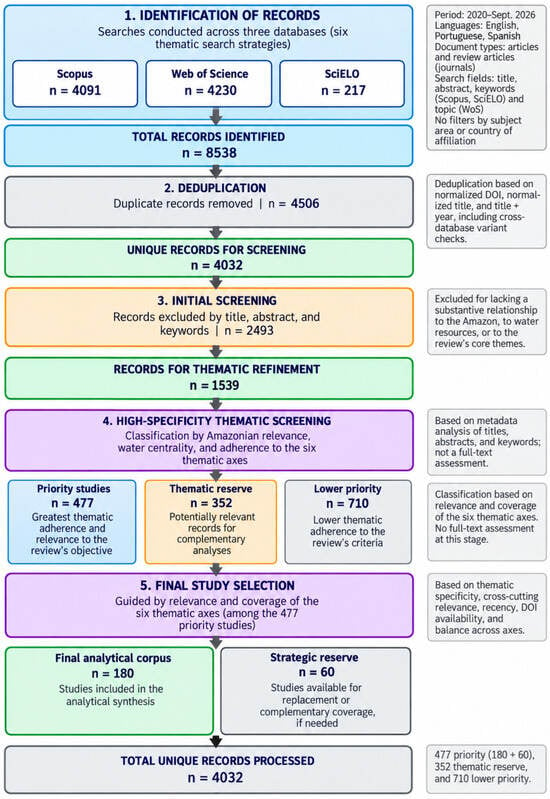
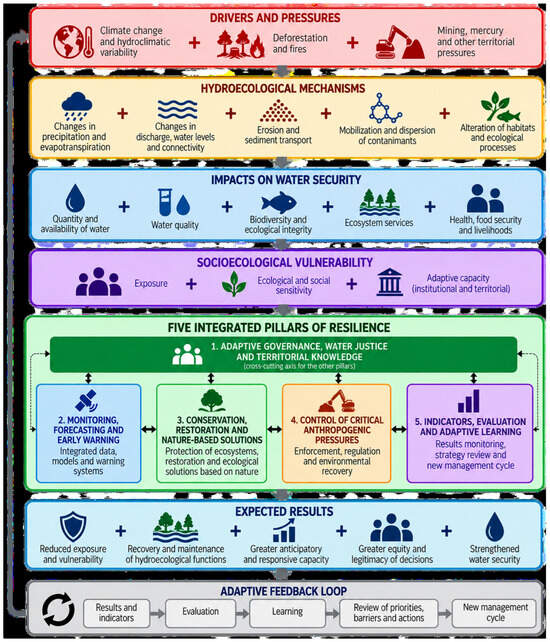

Disclaimer/Publisher’s Note: The statements, opinions and data contained in all publications are solely those of the individual author(s) and contributor(s) and not of MDPI and/or the editor(s). MDPI and/or the editor(s) disclaim responsibility for any injury to people or property resulting from any ideas, methods, instructions or products referred to in the content. |
© 2026 by the authors. Licensee MDPI, Basel, Switzerland. This article is an open access article distributed under the terms and conditions of the Creative Commons Attribution (CC BY) license.